1. Search Result
Search Result
Results for "

amino acid residues

" in MedChemExpress (MCE) Product Catalog:
193

Inhibitors & Agonists

10

Screening Libraries

11

Fluorescent Dyes

18

Biochemical Assay Reagents

82

Peptides

6

Inhibitory Antibodies

16

Natural
Products

1

Recombinant Proteins

5

Isotope-Labeled Compounds

3

Click Chemistry

3

Oligonucleotides

Cat. No. Product Name Target Research Areas Chemical Structure
  • HY-P2974
    Elastase, Porcine pancreas
    4 Publications Verification

    EC 3.4.21.36; Pancreatopeptidase E

    Elastase Metabolic Disease
    Elastase, Porcine pancreas (EC 3.4.21.36) is a single polypeptide chain of 240 amino acid residues, derived from pig pancreas. Elastase, Porcine pancreas is a serine protease that can hydrolyze proteins and polypeptide. Elastase from porcine pancreas can induce emphysema in hamsters .

    Elastase, Porcine pancreas
  • HY-33046

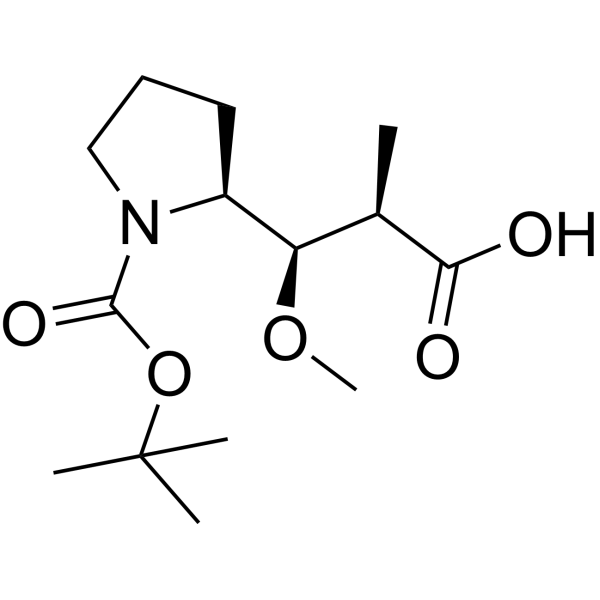
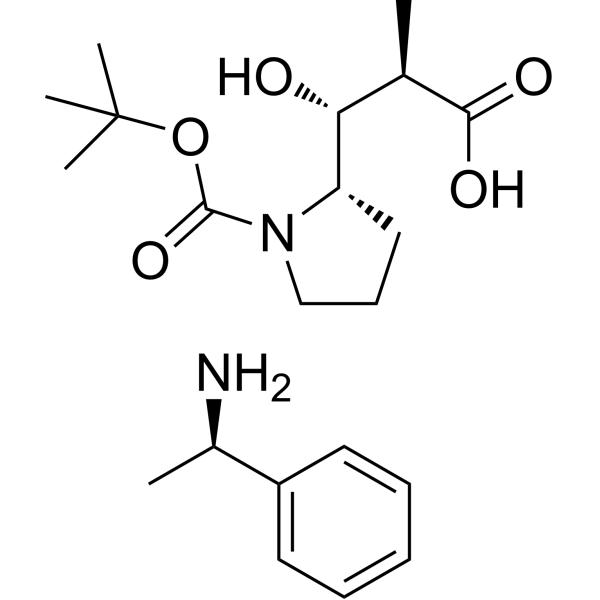
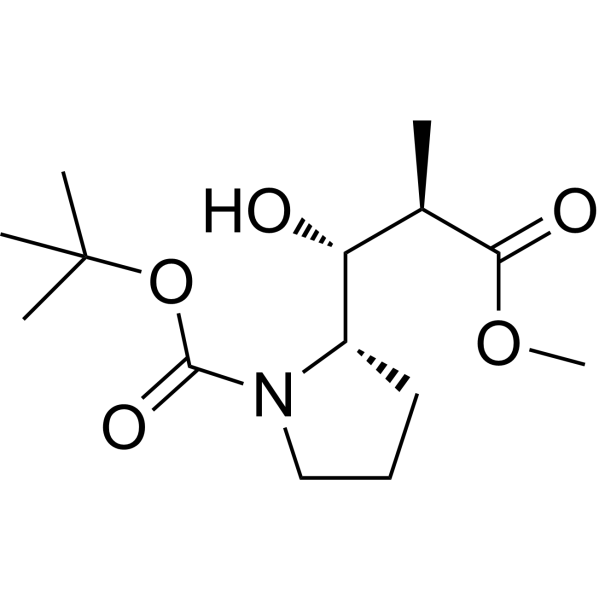
    (2R,3R)-BOC-dolaproine

    Microtubule/Tubulin Mitosis Cancer
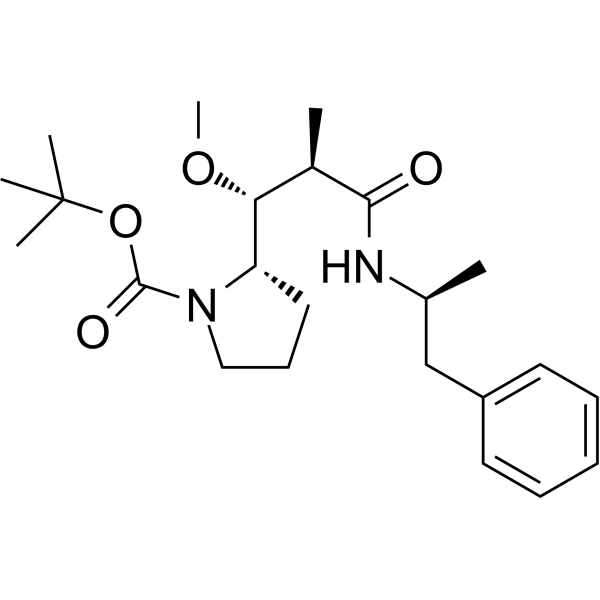
    N-Boc-dolaproine ((2R,3R)-BOC-dolaproine) is the amino acid residue of the pentapeptide Dolastatin 10 (HY-15580). Dolastatin 10 inhibits tubulin polymerization and mitosis and has anticancer activity .
    N-Boc-dolaproine
  • HY-P1082
    Gap 26
    Maximum Cited Publications
    8 Publications Verification

    Connexin Gap Junction Protein Cardiovascular Disease
    Gap 26 is a connexin mimetic peptide, composed of residue numbers 63-75 of the first extracellular loop of connexin 43 (gap junction blocker), containing the SHVR amino acid motif .
    Gap 26
  • HY-P10033

    Ser/Thr Protease Others
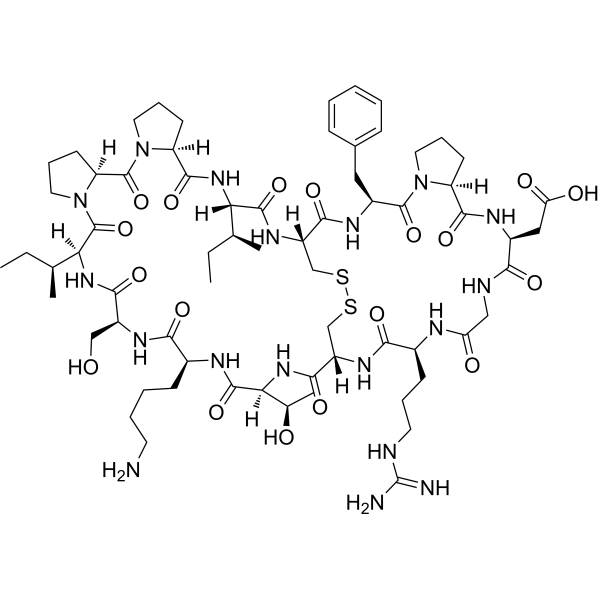
    SFTI-1 is a cyclic peptide trypsin inhibitor consisting of 14 amino acid residues. SFTI-1 belongs to the Bowman-Birk class of inhibitors. Characterized by its small size, high stability, and potent activity, SFTI-1 can be used for research on peptide drug design platforms .
    SFTI-1
  • HY-P2746

    EC 3.4.2.2

    Endogenous Metabolite Metabolic Disease
    Carboxypeptidase B, Porcine pancreas (EC 3.4.2.2) is a peptide exonuclease that can specifically degrade peptide chains. Carboxypeptidase B is progressively degraded from the C-terminal to release free amino acids. Carboxypeptidase B hydrolyzes only peptide bonds with basic amino acids (such as arginine and lysine) as C-terminal residues .
    Carboxypeptidase B, Porcine pancreas
  • HY-N9459

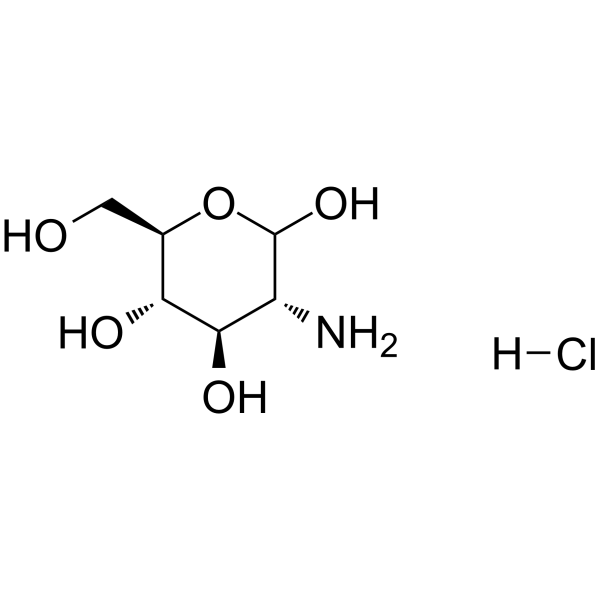
    D-Glucosamine Hydrochloride

    GLUT Infection Neurological Disease Cancer
    2-Amino-2-deoxyglucose hydrochloride (D-Glucosamine Hydrochloride) is a glucose analog that is specifically recognized and transported by the cell membrane GLUT1. 2-Amino-2-deoxyglucose hydrochloride acts as a tumor-targeting ligand and a guiding molecule for the synthesis of prodrug conjugates, thus delivering drugs precisely to tumor cells. 2-Amino-2-deoxyglucose hydrochloride is applicable to diagnostic imaging and therapeutic efficacy monitoring of solid tumors and various cancers (e.g., breast cancer, glioblastoma). 2-Amino-2-deoxyglucose hydrochloride also helps bacteria resist lysozyme digestion by integrating into the non-N-acetylated residues of Streptococcus pneumoniae peptidoglycan. 2-Amino-2-deoxyglucose hydrochloride is used in studies on tumor metabolism and the exploration of bacterial drug resistance mechanisms .
    2-Amino-2-deoxyglucose hydrochloride
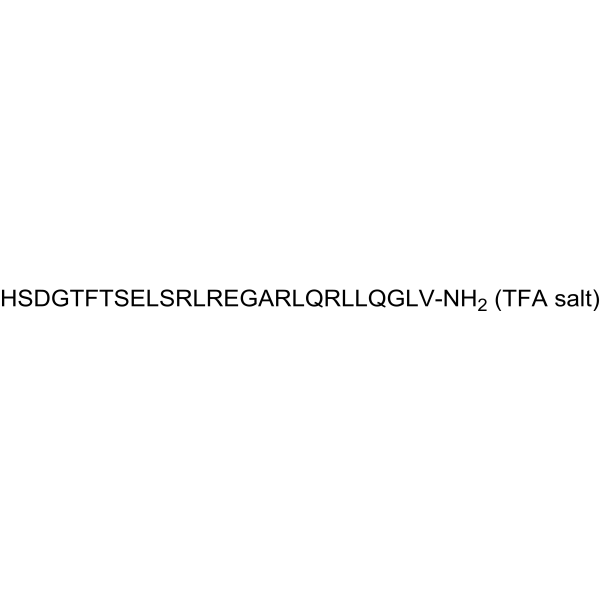
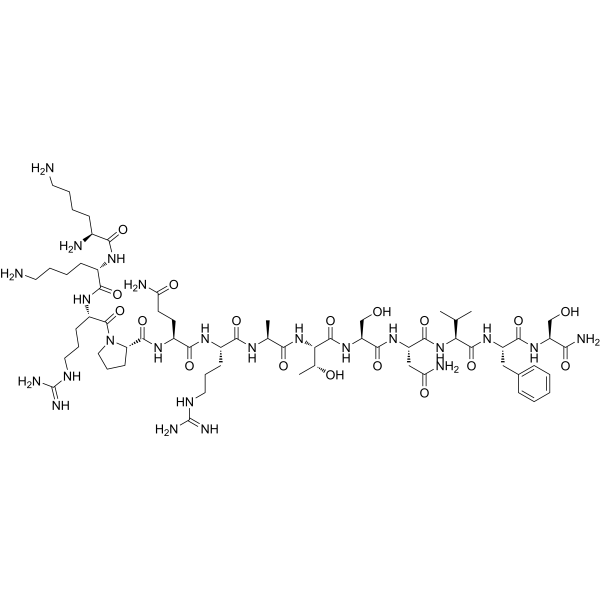
  • HY-P1465

    Secretin (28-54), (human)

    Secretin Receptor Metabolic Disease Cancer
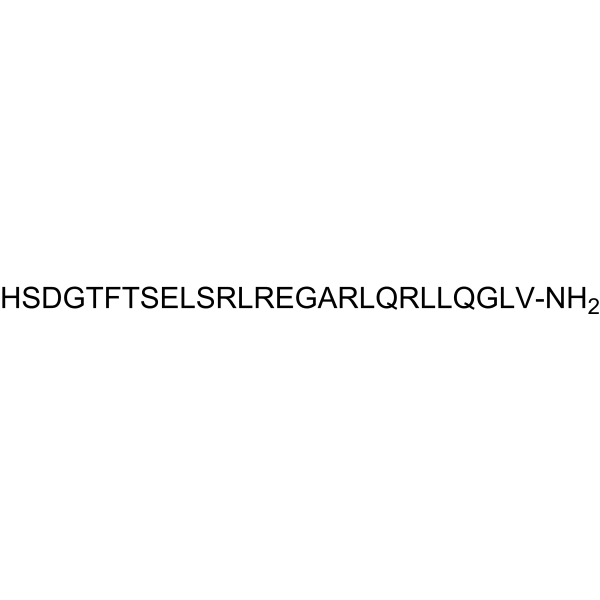
    Human secretin is a 27-amino acid residue C-terminally amidated peptide, which acts on human secretin receptors .
    Human secretin
  • HY-W012982
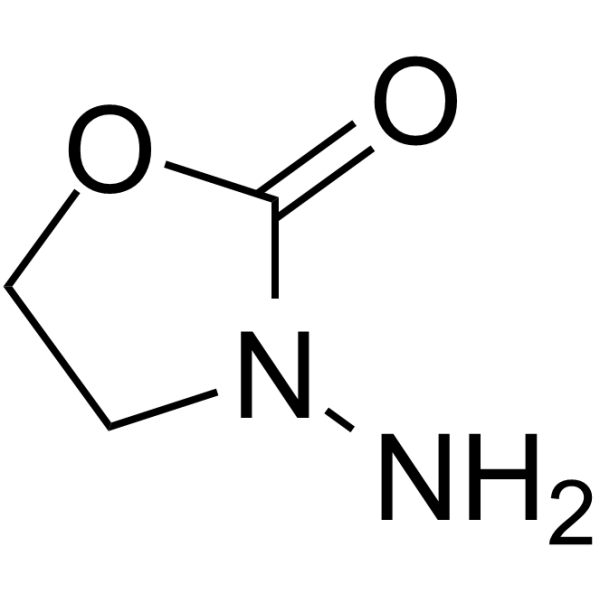
    3-Amino-2-oxazolidinone
    1 Publications Verification

    AOZ

    Drug Metabolite Monoamine Oxidase Cardiovascular Disease Metabolic Disease
    3-Amino-2-oxazolidinone (AOZ) is the metabolite of Furazolidone (HY-B1336). 3-Amino-2-oxazolidinone is always be detected as a indicator of furazolidone residues in vivo. 3-Amino-2-oxazolidinone is orally active .
    3-Amino-2-oxazolidinone
  • HY-133884
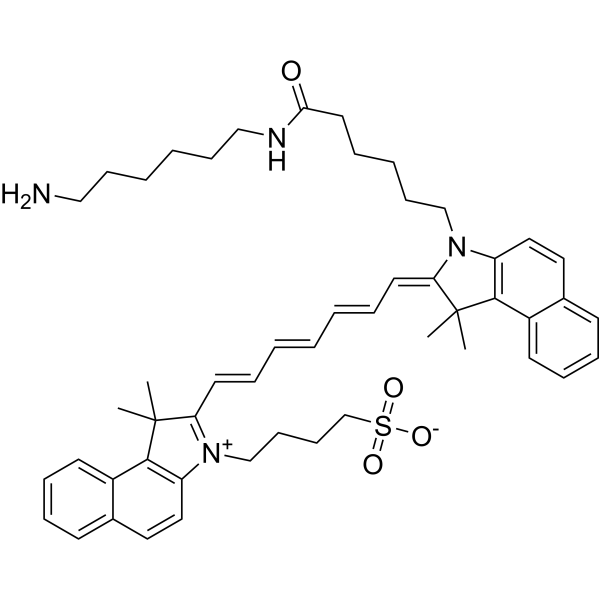
    ICG-amine
    1 Publications Verification

    Fluorescent Dye Cancer
    ICG amine, as a near-infrared fluorescent probe, binds to amino acid residues without condensing agents. ICG is a tricarbocyanine dye .
    ICG-amine
  • HY-P99399

    RG 6100; RO7105705; MTAU-9937A

    Tau Protein Neurological Disease
    Semorinemab (RG 6100) is an anti-Tau humanized IgG4 monoclonal antibody, targets the N-terminal portion of the Tau protein (amino acid residues 6-23). Semorinemab binds with human Tau with a Kd value of 3.8 nM. Semorinemab can be used for the research of Alzheimer's Disease .
    Semorinemab
  • HY-P2469

    BNP-45, mouse

    Natriuretic Peptide Receptor (NPR) Cardiovascular Disease
    Brain Natriuretic Peptide-45, mouse (BNP-45, mouse) is a 45-amino-acid peptide derived from the mouse BNP prohormone, which exhibits natriuretic, diuretic, and vasoactive effects. Brain Natriuretic Peptide-45, mouse contains all amino acid residues deemed critical for the biological activity of natriuretic peptides. Brain Natriuretic Peptide-45, mouse possesses hypotensive and diuretic activities .
    Brain Natriuretic Peptide-45, mouse
  • HY-Y0973

    Biochemical Assay Reagents Drug Intermediate Others
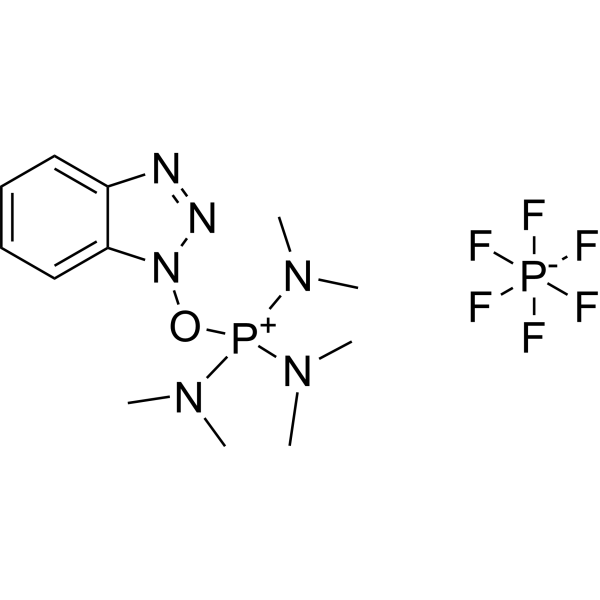
    BOP hexafluorophosphate is a phosphonium-type condensing agent. BOP hexafluorophosphate activates the carboxylic acid component to form a highly reactive O-benzotriazole ester (active ester) intermediate, which then reacts with the amino component to form an amide bond (peptide bond). BOP hexafluorophosphate is applicable to solid-phase polypeptide synthesis and nucleoside modification .
    BOP hexafluorophosphate
  • HY-E70201

    EC 3.4.2.2 (MS grade)

    Endogenous Metabolite Others
    Carboxypeptidase B (MS grade) is a peptide exonuclease that can specifically degrade peptide chains. Carboxypeptidase B (MS grade) is progressively degraded from the C-terminal to release free amino acids. Carboxypeptidase B (MS grade) hydrolyzes only peptide bonds with basic amino acids (such as arginine and lysine) as C-terminal residues .
    Carboxypeptidase B (MS grade)
  • HY-P1770

    CGRP Receptor Cardiovascular Disease
    Adrenomedullin (16-31), human is amino acid residues 16-31 fragment of human adrenomedullin (hADM). Adrenomedullin has appreciable affinity for the CGRP1 receptor. Adrenomedullin (16-31), human possesses pressor activity in the systemic vascular bed of the rat, but not the cat .
    Adrenomedullin (16-31), human
  • HY-P0308

    Drug Intermediate Cardiovascular Disease
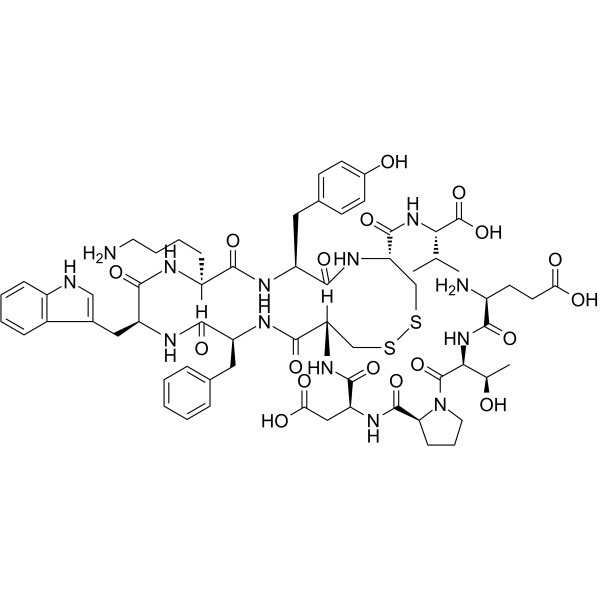
    [Glu1]-Fibrinopeptide B is derived from fibrinopeptide B amino acid residues 1-14. Human fibrinopeptide B (hFpB), a thrombin-derived proteolytic cleavage product of the fibrinogen B beta-chain, to stimulate neutrophils (PMN), monocytes, and fibroblasts.
    [Glu1]-Fibrinopeptide B
  • HY-NP002I

    Biochemical Assay Reagents Others
    Sheep Serum Albumin is a plasma protein derived from sheep. Sheep serum albumin is a 583 amino acid residues long multidomain monomeric protein which is rich in cysteine and low in tryptophan content. Sheep Serum Albumin can be used as a potential biomarker of age-related decline .
    Sheep Serum Albumin
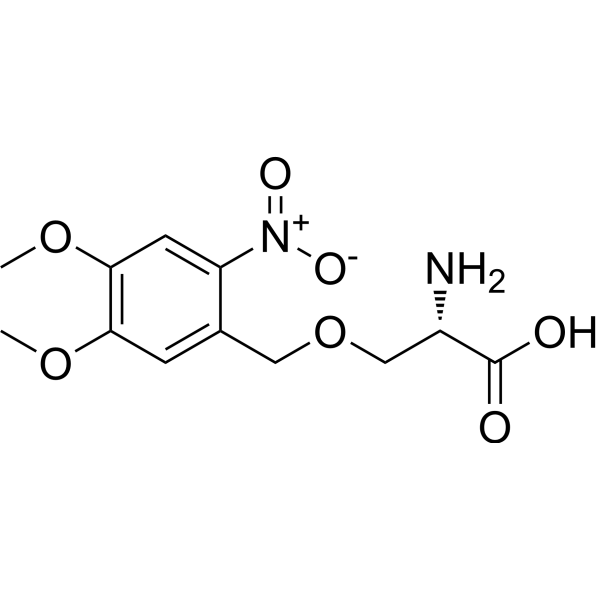
  • HY-136276

    Amino Acid Derivatives Others
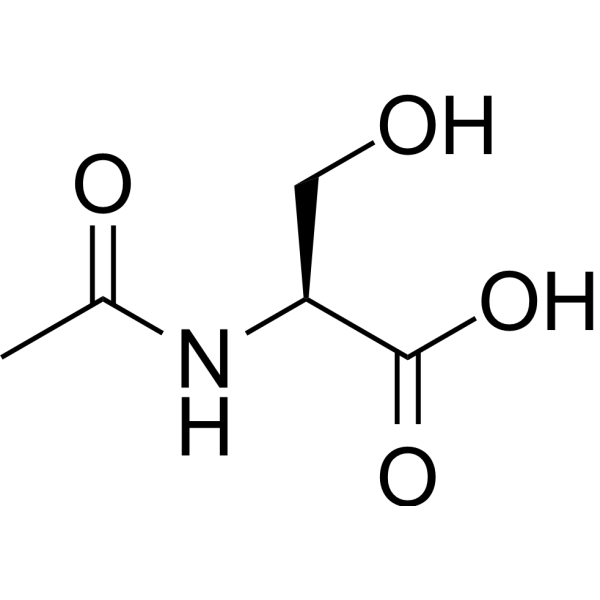
    DMNB-caged-Serine is a photocaged amino acid. DMNB-caged-Serine can be used as a catalytic residue, hydrogen bonding partner or site of post-translational modification. DMNB-caged-Serine can be used for the control of protein phosphorylation .
    DMNB-caged-Serine
  • HY-P1271

    Catestatin (cattle)

    nAChR Cardiovascular Disease
    Catestatin is a 21-amino acid residue, cationic and hydrophobic peptide. Catestatin is an endogenous peptide that regulates cardiac function and blood pressure . Catestatin is a non-competitive nicotinic antagonist acting through nicotinic acetylcholine receptors (nAChRs) to inhibit catecholamine release .
    Catestatin
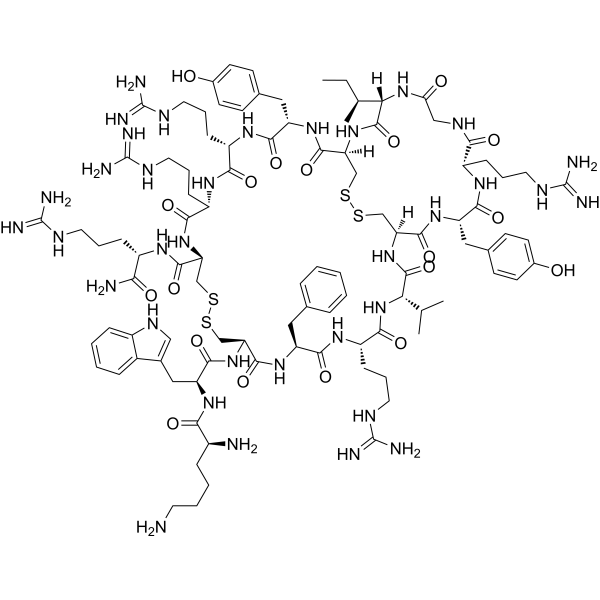
  • HY-P1632

    Bacterial Infection Cancer
    Tachyplesin I is a β-hairpin antimicrobial peptide that contains 17 amino acid residues. Tachyplesin I exhibits cytotoxic properties against various human tumor cell lines acting primarily by impairing the integrity of the outer cell membrane .
    Tachyplesin I
  • HY-P1465A

    Secretin (28-54), (human) TFA

    Secretin Receptor Metabolic Disease Cancer
    Human secretin TFA is a 27-amino acid residue C-terminally amidated peptide, which acts on human secretin receptors .
    Human secretin TFA
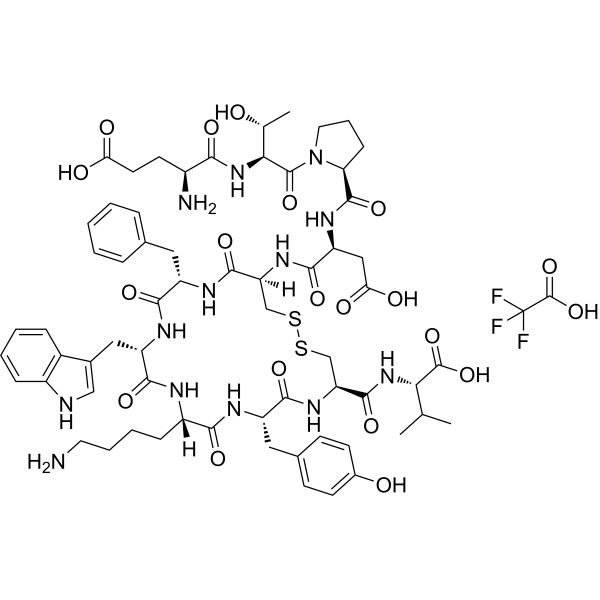
  • HY-P1164A

    Urotensin Receptor Cardiovascular Disease
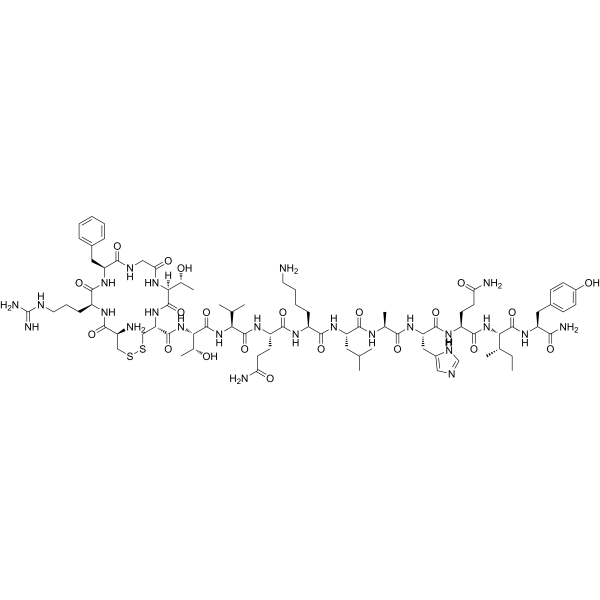
    Urotensin II (114-124), human TFA, an 11-amino acid residue peptide, is a potent vasoconstrictor and agonist for the orphan receptor GPR14.
    Urotensin II (114-124), human TFA
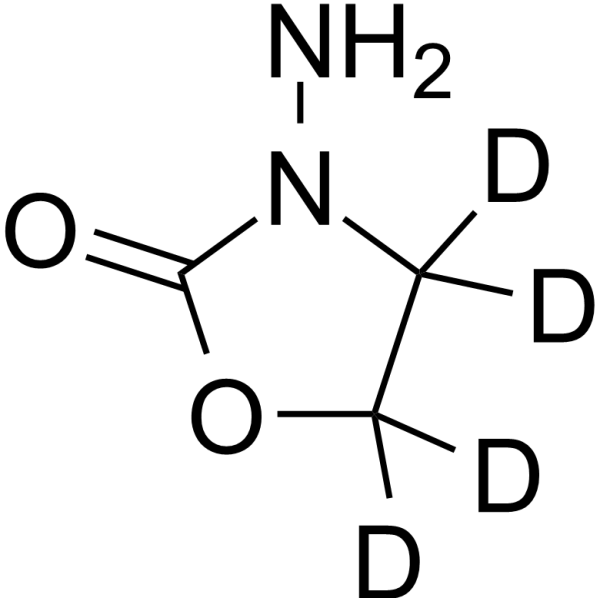
  • HY-W012982S

    AOZ-d4

    Isotope-Labeled Compounds Monoamine Oxidase Drug Metabolite Cardiovascular Disease Metabolic Disease
    3-Amino-2-oxazolidinone-d4 (AOZ-d4) is a deuterium labeled 3-Amino-2-oxazolidinone (HY-W012982). 3-Amino-2-oxazolidinone (AOZ) is the metabolite of Furazolidone (HY-B1336). 3-Amino-2-oxazolidinone is always be detected as a indicator of furazolidone residues in vivo. 3-Amino-2-oxazolidinone is orally active .
    3-Amino-2-oxazolidinone-d4
  • HY-P1082A
    Gap 26 TFA
    Maximum Cited Publications
    8 Publications Verification

    Connexin Gap Junction Protein Cardiovascular Disease
    Gap 26 TFA is a connexin mimetic peptide, composed of residue numbers 63-75 of the first extracellular loop of connexin 43 (gap junction blocker), containing the SHVR amino acid motif .
    Gap 26 TFA
  • HY-W800659

    ADC Linker Others
    Boc-Gly-Gly-NHS ester can be used to selectively attach small molecules to specific amino acid residues on proteins, creating conjugates that can be used for a variety of applications in drug discovery and diagnostic assays.
    Boc-Gly-Gly-NHS ester
  • HY-P5499

    MHC Others
    CMV pp65(13-27) is a biological active peptide. (This peptide is derived from amino acid residues 13 to 27 of the 65k lower matrix phosphoprotein of the human cytomegalovirus. It contains a nine-amino-acid sequence (LGPISGHVL) that matches the consensus binding motif for a major histocompatibility complex H2-Dd T-cell epitope.)
    CMV pp65(13-27)
  • HY-117080

    Biochemical Assay Reagents Others
    Sulfo-EGS is a homobifunctional, amine-reactive chemical crosslinker. Sulfo-EGS is used to study protein-protein or protein-peptide interactions, which can determine the spatial proximity of amino acid residues in a protein complex, without relying on standards .
    Sulfo-EGS
  • HY-160610A

    Drug Derivative Others
    Carbamoyl phosphate dilithium salt is an antisickling agent and plays a significant role in the urea cycle. Carbamoyl phosphate dilithium salt carbamylates the amino-terminal valine residues of hemoglobin S in erythrocytes, which interferes with the sickling phenomenon. Carbamoyl phosphate dilithium salt exhibits toxicity due to the lithium cation .
    Carbamoyl phosphate dilithium salt
  • HY-135113

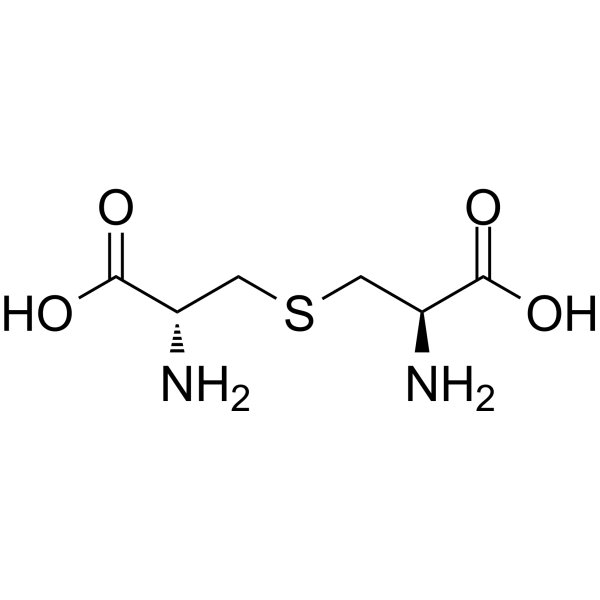
    Amino Acid Derivatives Others
    DL/meso-Lanthionine is a mixture of the racemic mixture (DL-) and meso- isomers of Lanthionine. Lanthionine is a non-protein amino acid composed of two alanine residues cross-linked by a thioether bond and is a structural component of the bacterial cell wall.
    DL/meso-Lanthionine
  • HY-151715

    Biochemical Assay Reagents Others
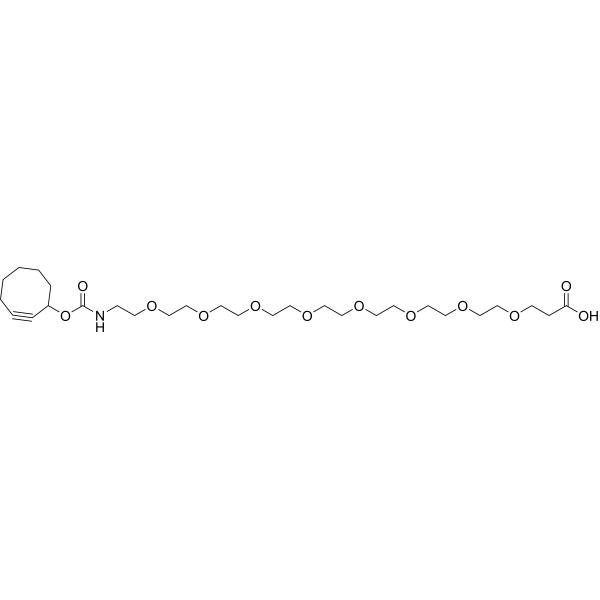
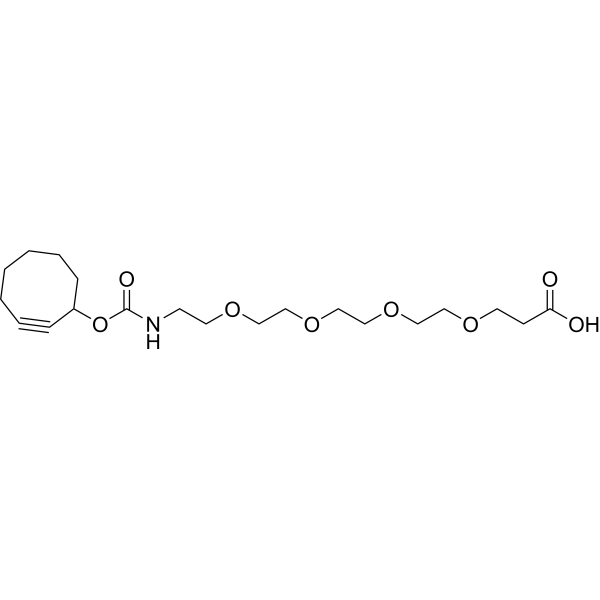
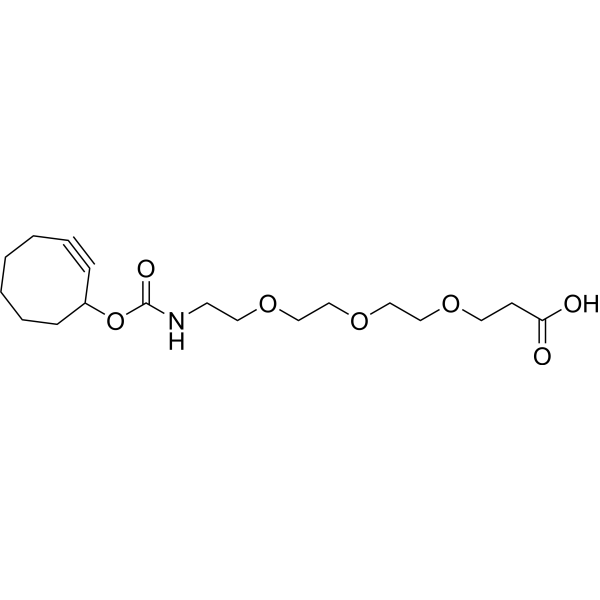
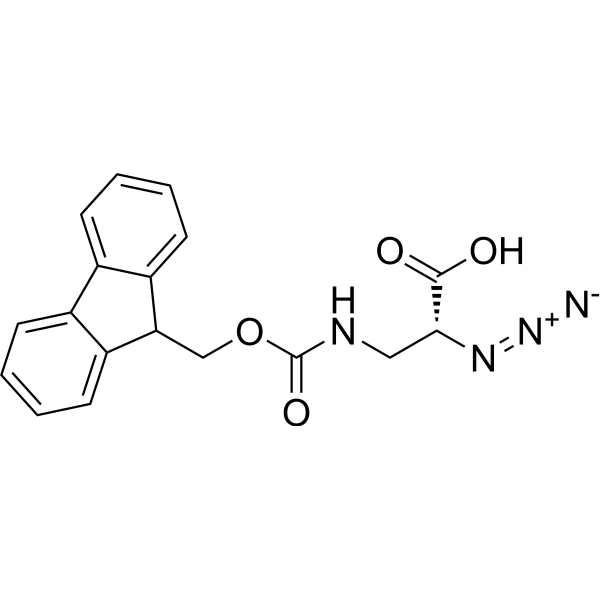
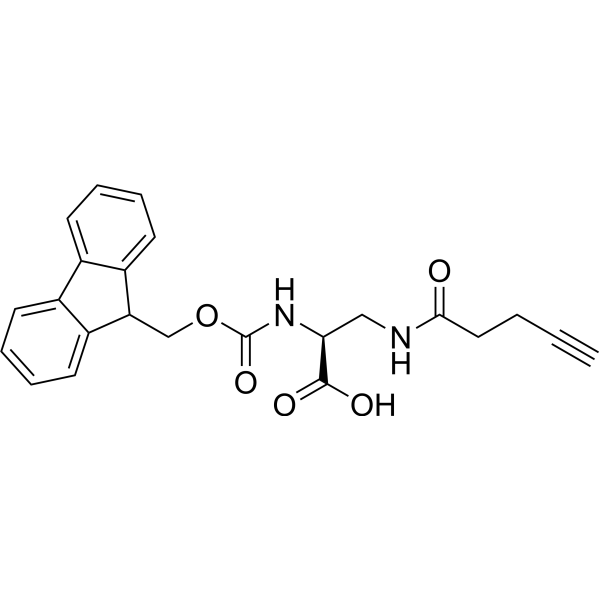
    N3-D-Dap(Fmoc)-OH is a click chemistry reagent. N3-D-Dap(Fmoc)-OH can be used as a component for coupling by click reaction and as an orthogonally protected diaminocarboxylic acid derivative. N3-D-Dap(Fmoc)-OH contains an azide group and can undergo copper-catalyzed azide-alkyne cycloaddition (CuAAc) with molecules containing alkyne groups. N3-D-Dap(Fmoc)-OH can also undergo ring strain-promoted alkyne-azide cycloaddition (SPAAC) with molecules containing DBCO or BCN groups .
    N3-D-Dap(Fmoc)-OH
  • HY-P3526

    Biochemical Assay Reagents Others
    YQEAFRRFFGPV is a short peptide sequence containing 12 amino acid residues with some emulsification ability
    YQEAFRRFFGPV
  • HY-E70453

    Prostate Transglutaminase; TG4; TGase 4

    Biochemical Assay Reagents Metabolic Disease
    Human prostate transglutaminase (TG4; TGase 4) is an enzyme that mediates the transfer of acyl groups from glutamine residues in proteins or peptides to primary amines and belongs to the prostate transglutaminase protein family. Human prostate transglutaminase forms an ε-(γ-glutamyl)lysine bond between proteins by transferring the acyl group of a peptide-bound glutamine residue to the primary amino group of a peptide-bound lysine residue .
    Human prostate transglutaminase
  • HY-P2162

    Myosin Cancer
    Kemptamide, a 13 amino acid fragment with a sequence corresponding to residues 11-23 of gizzard light chain. Kemptamide is a peptide substrate of myosin light-chain kinase (MLCK) .
    Kemptamide
  • HY-P1271A

    nAChR Cardiovascular Disease
    Catestatin TFA is a 21-amino acid residue, cationic and hydrophobic peptide. Catestatin TFA is an endogenous peptide that regulates cardiac function and blood pressure . Catestatin TFA is a non-competitive nicotinic antagonist acting through nicotinic acetylcholine receptors (nAChRs) to inhibit catecholamine release .
    Catestatin TFA
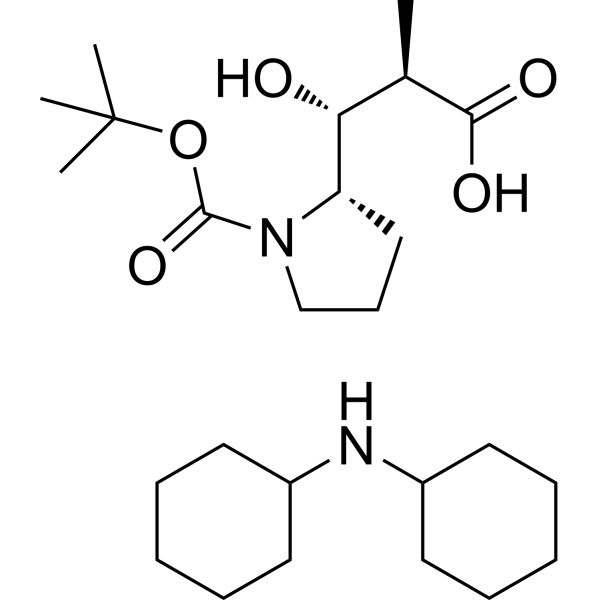
  • HY-42912A

    Microtubule/Tubulin Mitosis Cancer
    N-Boc-dolaproine-OH dicyclohexylamine is the amino acid residue of the pentapeptide Dolastatin 10 (HY-15580). Dolastatin 10 inhibits tubulin polymerization and mitosis and has anticancer activity .
    N-Boc-dolaproine-OH dicyclohexylamine
  • HY-P3911

    Bacterial Infection
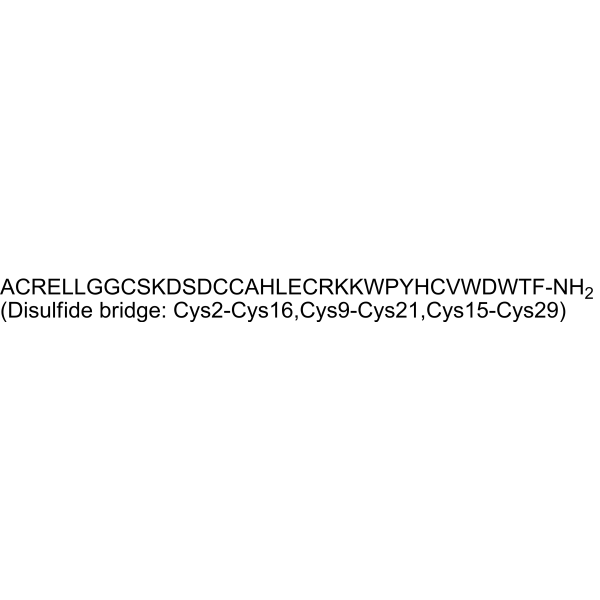
    CAP 37 (20-44) is a peptide based on amino acid residues 20 through 44 of CAP37. CAP37, a Cationic antimicrobial protein of 37 kDa, is a multifunctional protein .
    CAP 37 (20-44)
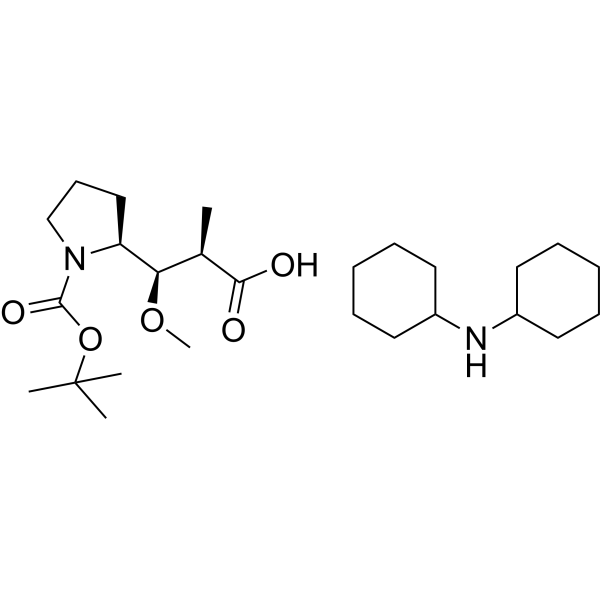
  • HY-33046A

    (2R,3R)-BOC-dolaproine dicyclohexylamine

    Microtubule/Tubulin Mitosis Cancer
    N-Boc-dolaproine dicyclohexylamine is an amino acid residue of the pentapeptide Dolastatin 10 (HY-15580). Dolastatin 10 inhibits tubulin polymerization and mitosis and has anticancer activity. And contains dicyclohexylamine .
    N-Boc-dolaproine dicyclohexylamine
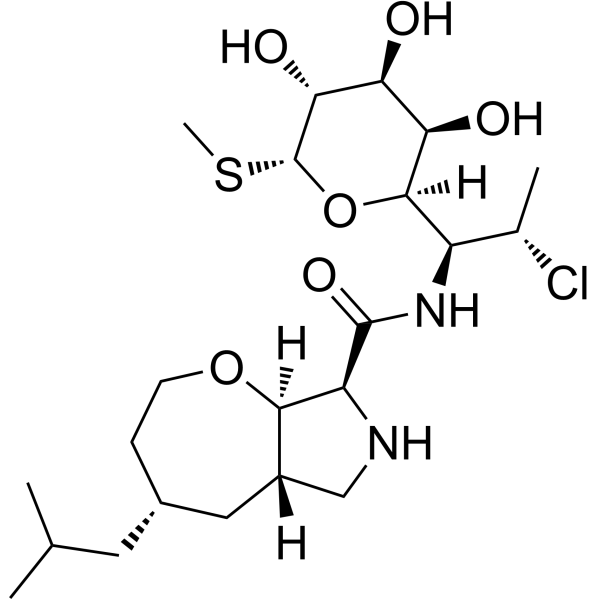
  • HY-139798

    Bacterial Infection
    Iboxamycin is a potent antibiotic candidate bearing a fused bicyclic amino acid residue. Iboxamycin is orally bioavailable, safe and effective in researching both Gram-positive and Gram-negative bacterial infections in mice .
    Iboxamycin
  • HY-113025A

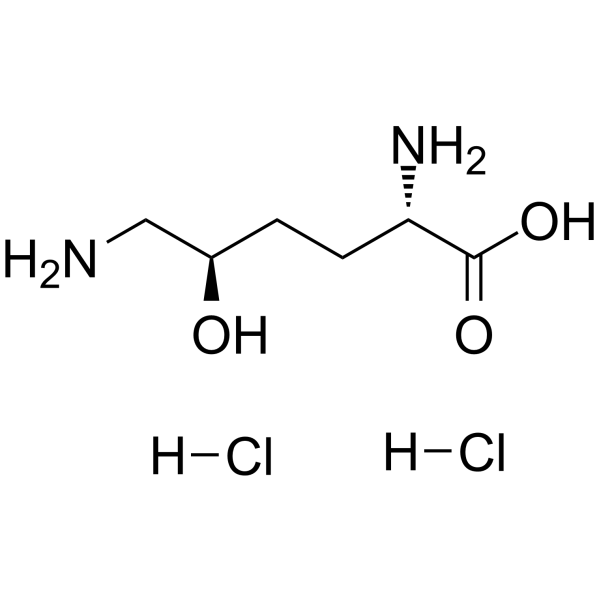
    (2S,5R)-5-Hydroxylysine dihydrochloride

    Endogenous Metabolite Others
    L-hydroxylysine dihydrochloride ((2S,5R)-5-Hydroxylysine dihydrochloride), an amino acid, is exclusive to collagen protein, which is formed by posttranslational hydroxylation of some lysine residues .
    L-hydroxylysine dihydrochloride
  • HY-78932C

    Microtubule/Tubulin Mitosis Cancer
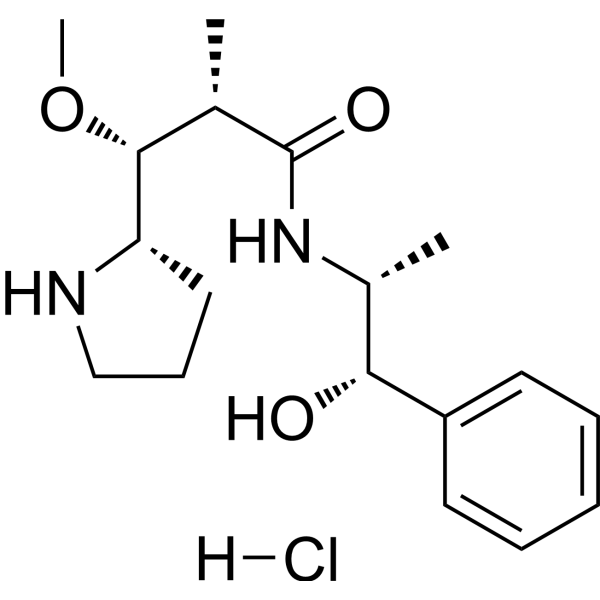
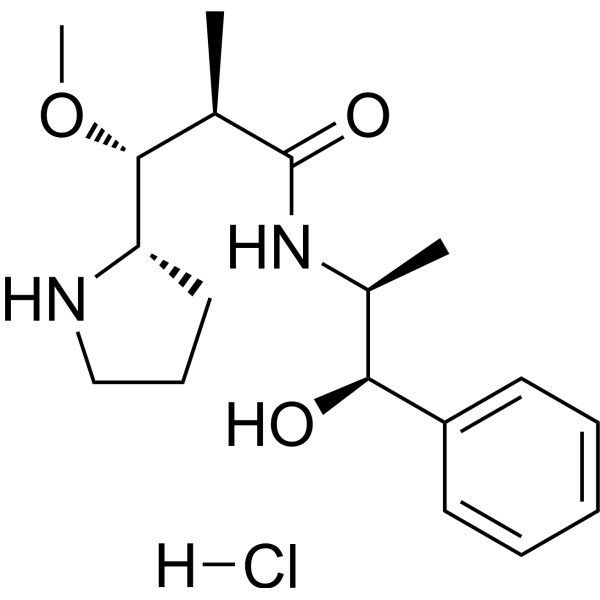
    (2S,3R)-Dap-NE hydrochloride is the amino acid residue of the pentapeptide Dolastatin 10 (HY-15580). Dolastatin 10 inhibits tubulin polymerization and mitosis and has anticancer activity .
    (2S,3R)-Dap-NE hydrochloride
  • HY-P2299A

    HPV Cancer
    Protein E7(43-62) TFA is an E7-derived peptide with anti-tumor effects (short peptide spanning the 43th to 62th amino acid residues in the E7 protein) .
    Protein E7(43-62) TFA
  • HY-146201

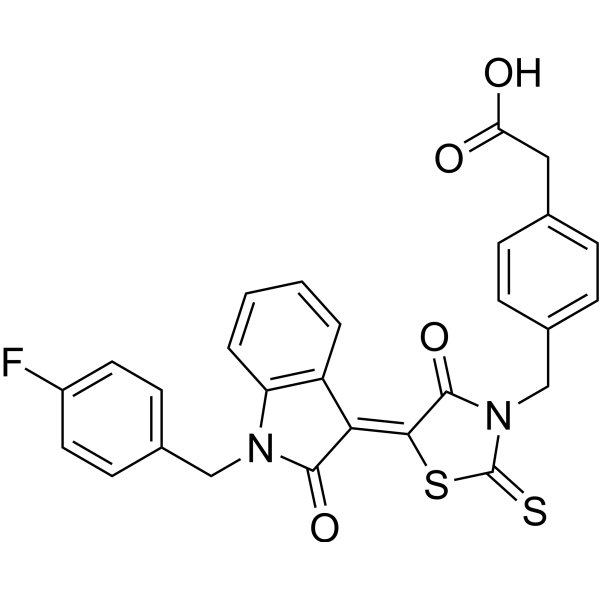
    Phosphodiesterase (PDE) 5-HT Receptor Neurological Disease
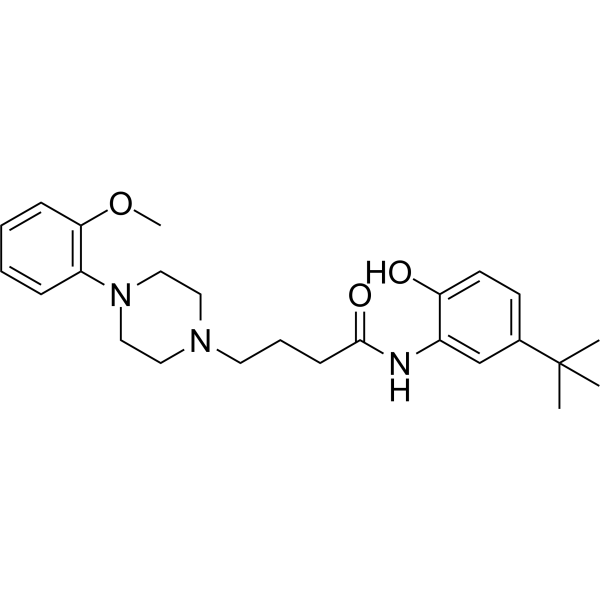
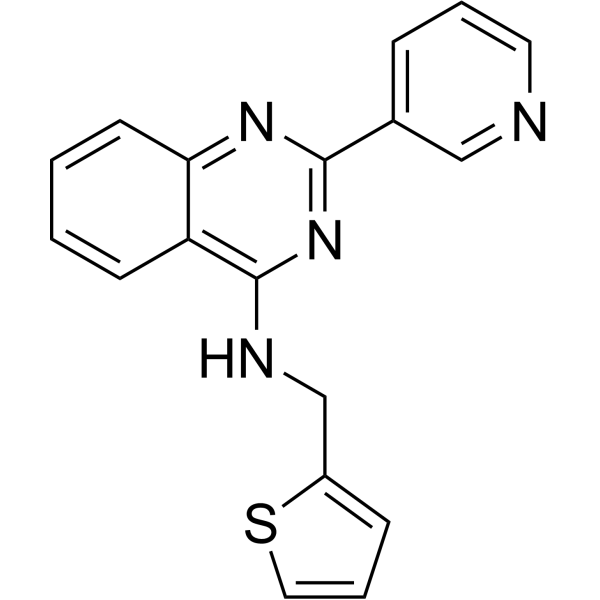
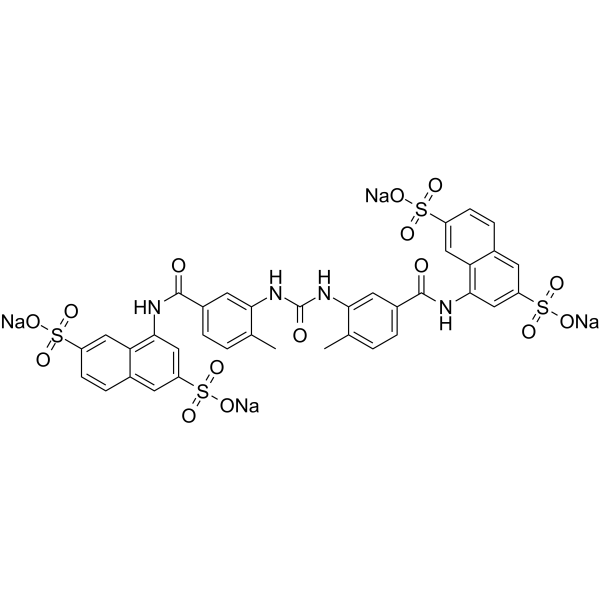
    PDE4B/7A-IN-1 is a dual PDE4B/PDE7A inhibitor. PDE4B/7A-IN-1 shows IC50 values of 69.0 μM for PDE4B and 57.0 μM for PDE7A, as well as Ki values of 539 nM for 5-HT1A and 328 nM for 5-HT7. PDE4B/7A-IN-1 shows favorable membrane permeability. PDE4B/7A-IN-1 can be used for the study of cognitive impairment and depression .
    PDE4B/7A-IN-1
  • HY-P1164

    Urotensin Receptor Cardiovascular Disease
    Urotensin II (114-124), human, an 11-amino acid residue peptide, is a potent vasoconstrictor and agonist for the orphan receptor GPR14.
    Urotensin II (114-124), human
  • HY-W009033

    Biochemical Assay Reagents Amino Acid Derivatives Others
    Cbz-Lys(Boc)-OH is a protected amino acid, primarily utilized in peptide synthesis, protein engineering, and drug development, particularly in research involving lysine residues .
    Cbz-Lys(Boc)-OH
  • HY-P10697

    LDLR Metabolic Disease
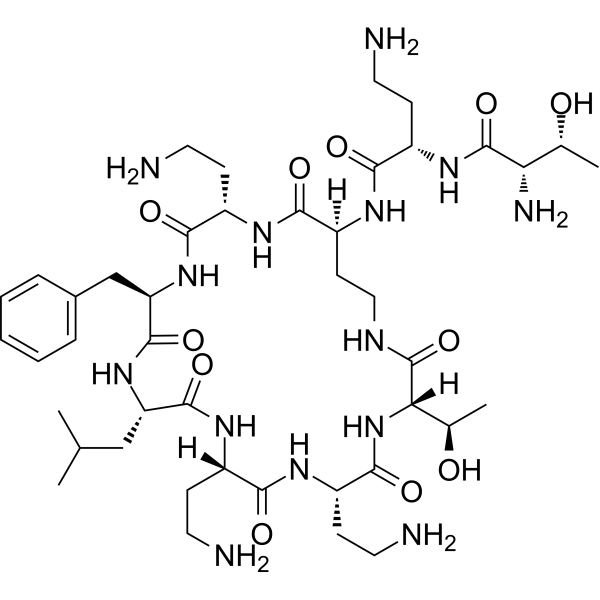
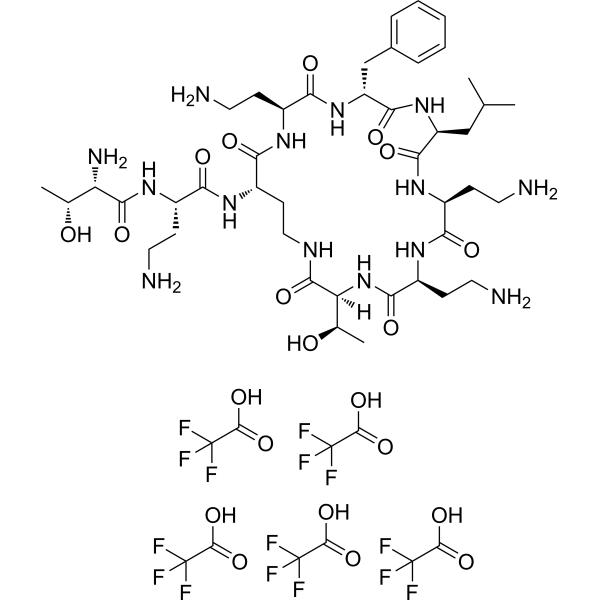
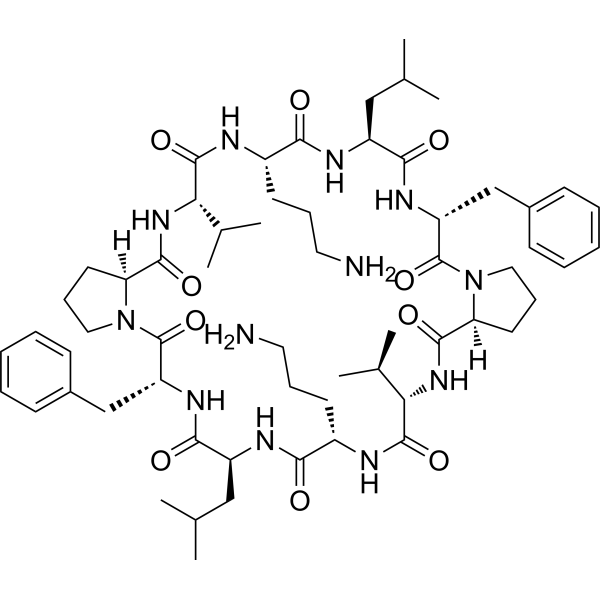
    VH4127 is a cyclic peptide targeting the low density lipoprotein receptor (LDLR) with a KD of 18 nM for hLDLR. VH4127, bearing non-natural amino acid residues, specifically binds to rodent and human epidermal growth factor (EGF) homology domain of LDLR .
    VH4127
  • HY-157966

    SARS-CoV Infection
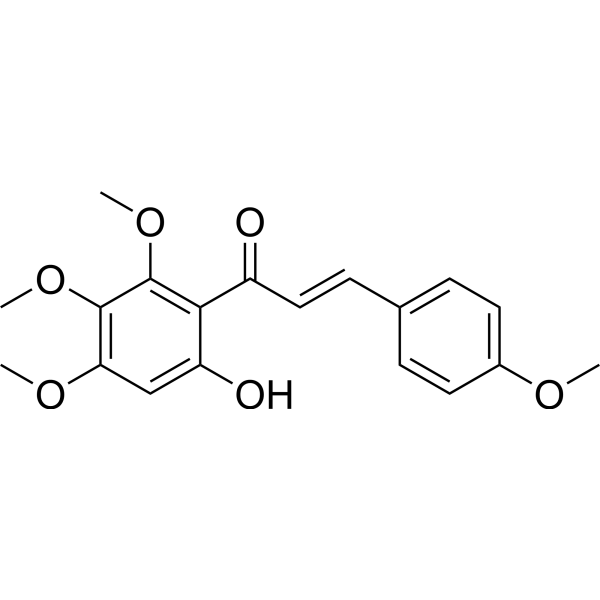
    SARS-CoV-2 3CLpro-IN-23 (Compound Cd3) is a compound that can be isolated from Citrus depressa. SARS-CoV-2 3CLpro-IN-23 has good inhibitory activity to the SARS-CoV-2 spike protein, with KD of 0.79 μM. SARS-CoV-2 3CLpro-IN-23 can bind to key amino acid residue, disrupting the formation of the spike protein and h-ACE2 complex .
    SARS-CoV-2 3CLpro-IN-23
  • HY-P5329

    NADPH Oxidase Others
    r8-Gly-Noxa A BH3 is a biological active peptide. (This cell permeable peptide is derived from the BH3 domain (a death domain) of Noxa A, amino acid residues 17 to 36. Eight D-Arginine residues and a Glycine linker residue are added to the amino terminal of the peptide.)
    r8-Gly-Noxa A BH3
  • HY-P1497

    Bradykinin Receptor Cardiovascular Disease Endocrinology
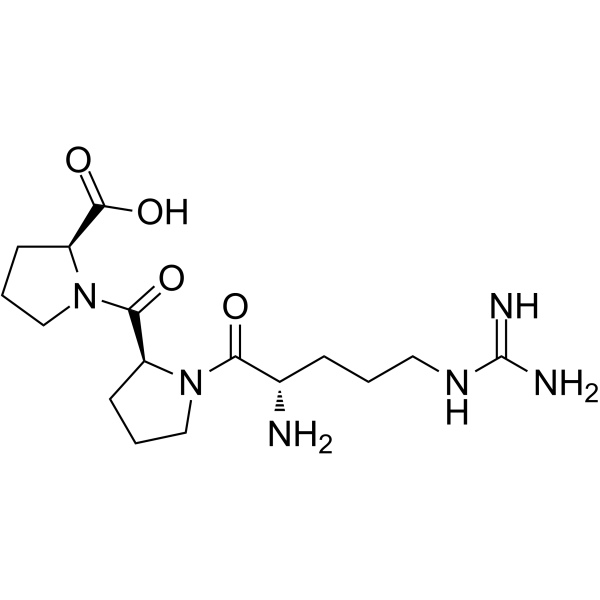
    Bradykinin (1-3) is a 3-amino acid residue peptide. Bradykinin (1-3) is an amino-truncated Bradykinin peptide, cleaved by Prolyl endopeptidase.
    Bradykinin (1-3)
  • HY-125684

    Endogenous Metabolite Others
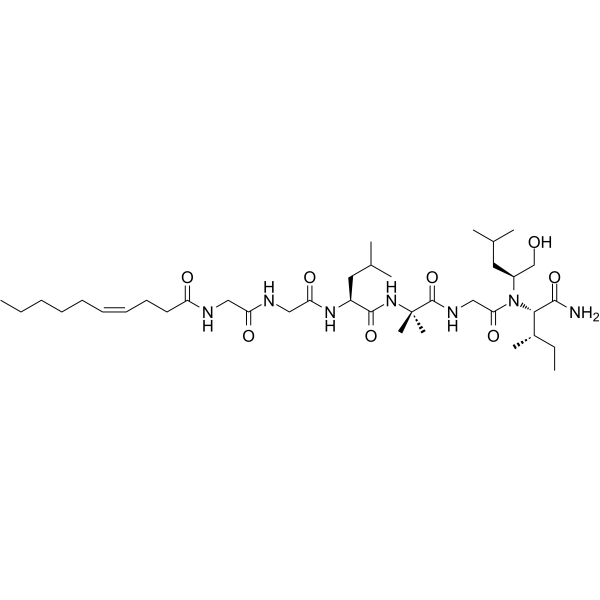
    Trichodecenin I, a fungal metabolite, is a peptaibol composed of 7 amino acid residues .
    Trichodecenin I
  • HY-P5483

    Bacterial Others
    Retro-indolicidin is a biological active peptide. (Reverse peptide of indolicidin (Rev4) is a 13-amino acid residue peptide based on the sequence of indolicidin. Indolicidin, a member of the cathelicidin protein family, is a 13-amino acid residue cationic, antimicrobial peptide-amide isolated from the cytoplasmic granules of bovine neutrophils. The synthetic peptide Rev4 has been shown to possess strong antimicrobial as well as protease inhibitory activities in vitro.)
    Retro-indolicidin
  • HY-P5465

    Bacterial Others
    Lactoferricin H, Lactotransferrin (37-61), human is a biological active peptide. (This is an antimicrobial peptide derived from human lactotransferrin amino acid residues 37-61.)
    Lactoferricin H, Lactotransferrin (37-61), human

Inquiry Online

Your information is safe with us. * Required Fields.

Salutation


Country or Region *

Applicant Name *


Organization Name *

Department *


Email Address *


Product Name *

Cat. No.


Requested quantity *

Phone Number *


Remarks

Inquiry Online

Inquiry Information

Product Name:
Cat. No.:
Quantity:
MCE Japan Authorized Agent: