Search Result
Results for "
tumor+cell+lines
" in MedChemExpress (MCE) Product Catalog:
1
Biochemical Assay Reagents
2
Isotope-Labeled Compounds
| Cat. No. |
Product Name |
Target |
Research Areas |
Chemical Structure |
-
- HY-15205
-
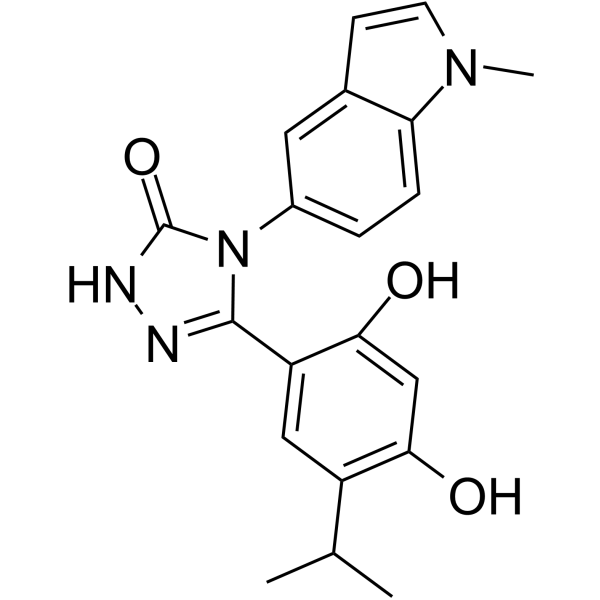
Ganetespib
Maximum Cited Publications
42 Publications Verification
STA-9090
|
HSP
Apoptosis
|
Cancer
|
|
Ganetespib (STA-9090) is a heat shock protein 90 (HSP90) inhibitor which exhibits potent cytotoxicity in a wide variety of hematological and solid tumor cell lines. Ganetespib has antiangiogenic effects in colorectal cancer mediated through inhibition of HIF-1α and STAT3 .
|
-
-
- HY-11005
-
|
|
PDK-1
Apoptosis
|
Cancer
|
|
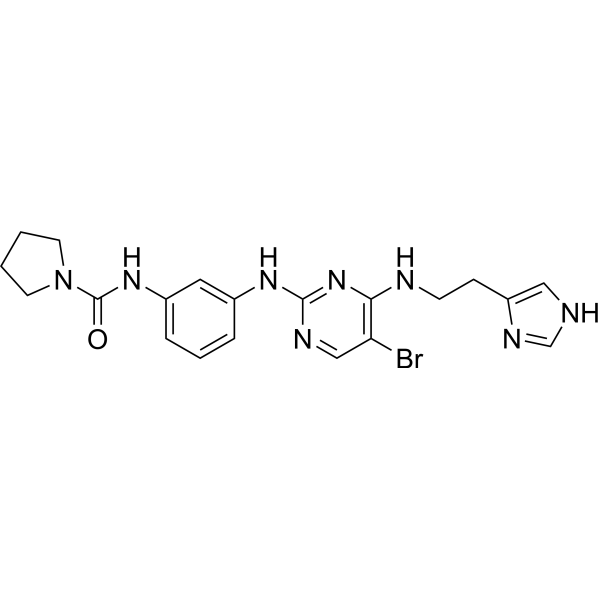
BX-912 is a direct, selective, and ATP-competitive PDK1 inhibitor (IC50=26 nM). BX-912 blocks PDK1/Akt signaling in tumor cells and inhibits the anchorage-dependent growth of a variety of tumor cell lines in culture or induces apoptosis .
|
-
-
- HY-14807
-
|
CHR-2797
|
Aminopeptidase
|
Cancer
|
|
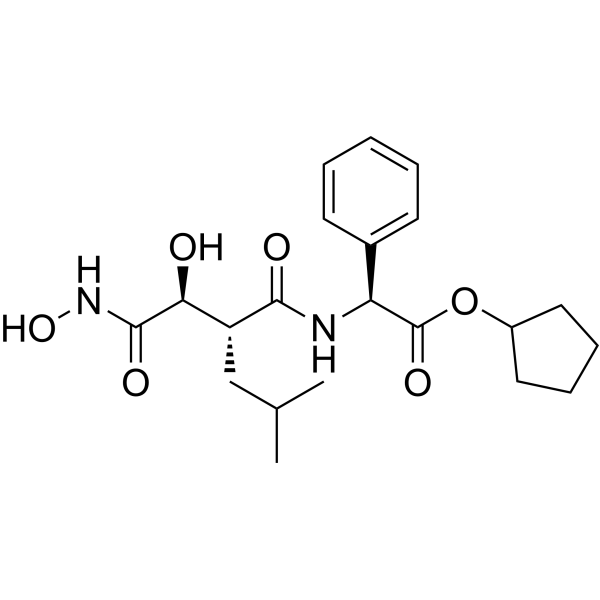
Tosedostat (CHR-2797) is an orally active aminopeptidase inhibitor. CHR-2797 exerts antiproliferative effects against a range of tumor cell lines .
|
-
-
- HY-12449
-
|
LY3039478
|
Notch
γ-secretase
|
Cancer
|
|
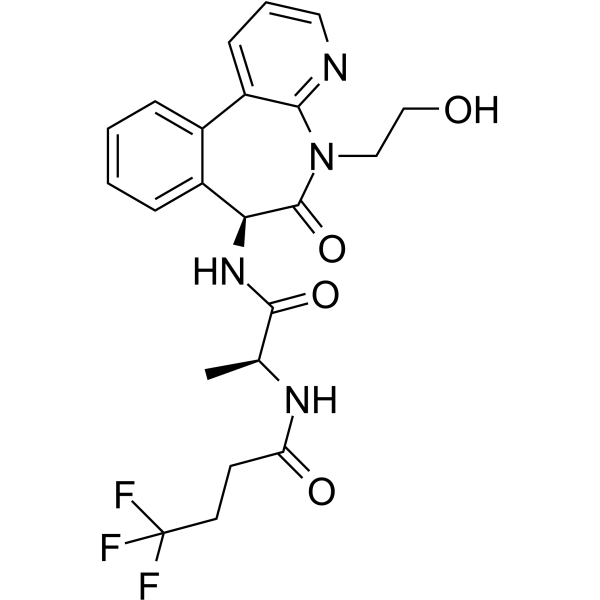
Crenigacestat (LY3039478) is an orally active Notch and γ-secretase inhibitor, with an IC50 of 1 nM in most of the tumor cell lines tested .
|
-
-
- HY-79256
-
|
Monomethyl auristatin F methyl ester
|
ADC Payload
|
Cancer
|
|
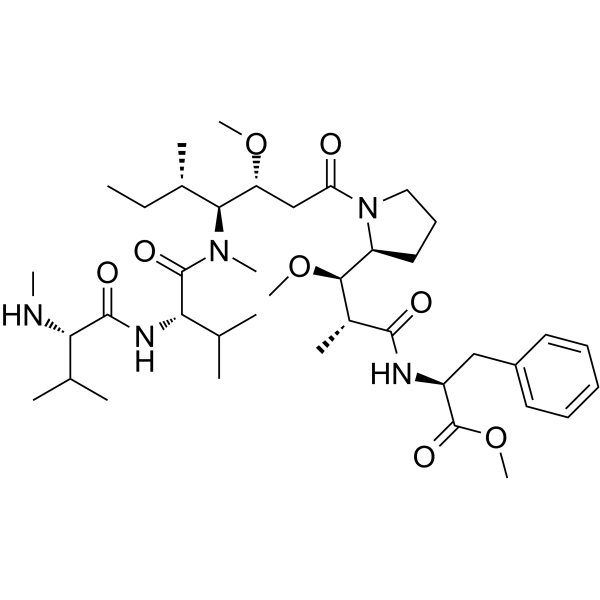
MMAF-Ome, an antitubulin agent, is also an ADC cytotoxin. MMAF-Ome inhibits several tumor cell lines with IC50s of 0.056 nM, 0.166 nM, 0.183 nM, and 0.449 nM for MDAMB435/5T4, MDAMB361DYT2, MDAMB468, and Raji (5T4 -) cell lines, respectively.
|
-
-
- HY-50909
-
|
KRX-0401; NSC 639966; D21266
|
Akt
Autophagy
Apoptosis
|
Cancer
|
|
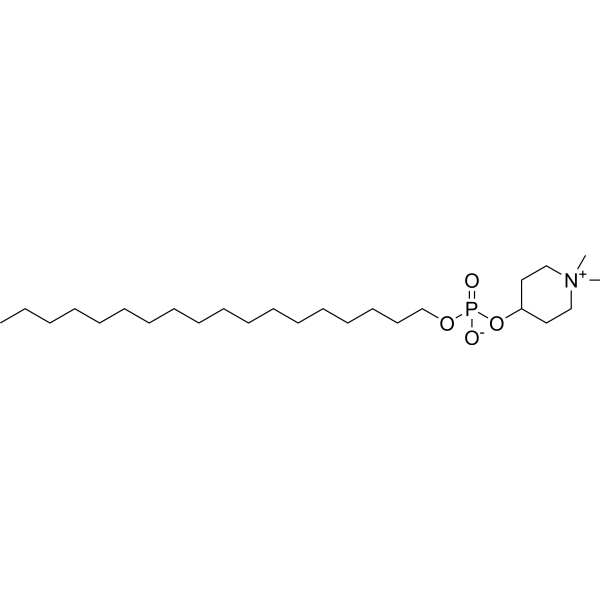
Perifosine is an oral Akt inhibitor which inhibits proliferation of different tumor cell lines with IC50s of 0.6-8.9 μM.
|
-
-
- HY-15794
-
|
Methoxymorpholinyl doxorubicin; FCE 23762; PNU 152243
|
G-quadruplex
|
Cancer
|
|
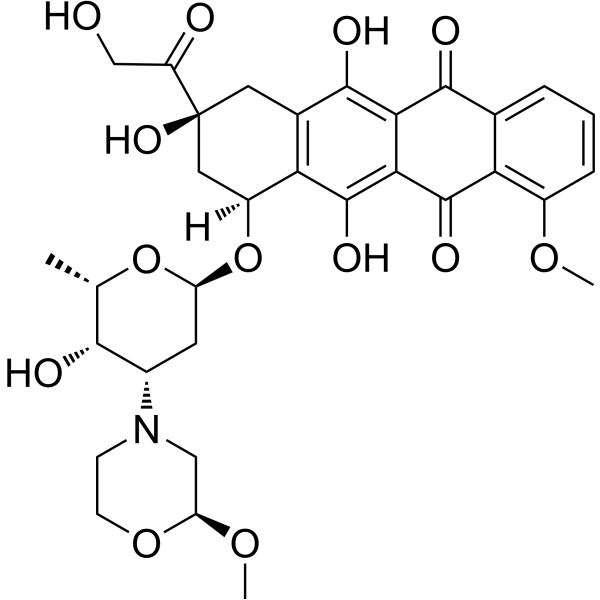
Nemorubicin (Methoxymorpholinyl doxorubicin) is a Doxorubicin derivative with potent antitumor activity. Nemorubicin is highly cytotoxic to a variety of tumor cell lines presenting a multidrug-resistant phenotype. Nemorubicin not only intercalate into the duplex DNA, but also result in significant ligands for G-quadruplex DNA segments, stabilizing their structure. Nemorubicin requirs an intact nucleotide excision repair (NER) system to exert its activity .
|
-
-
- HY-N0367
-
|
(E)-Anethole
|
Environmental Pollutants
Endogenous Metabolite
|
Cardiovascular Disease
Metabolic Disease
Endocrinology
Cancer
|
|
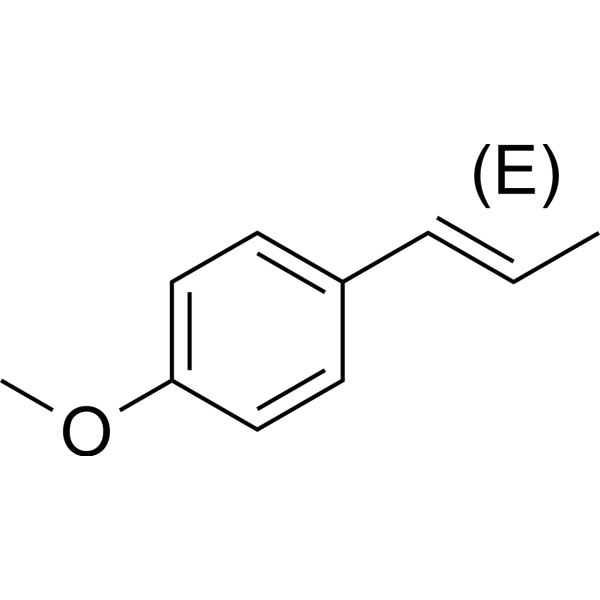
Trans-Anethole ((E)-Anethole) is an orally active phenylpropene derivative found in Foeniculum vulgare that is estrogenic at low concentrations and cytotoxic at high concentrations in tumor cell lines. Trans-Anethole also has anti-aflatoxin, anti-thrombotic and anti-diabetic activities. Trans-Anethole is an important odor component in plants such as fennel, myrtle, liquorice, and camphor .
|
-
-
- HY-128587
-
|
SY-1365
|
CDK
|
Cancer
|
|
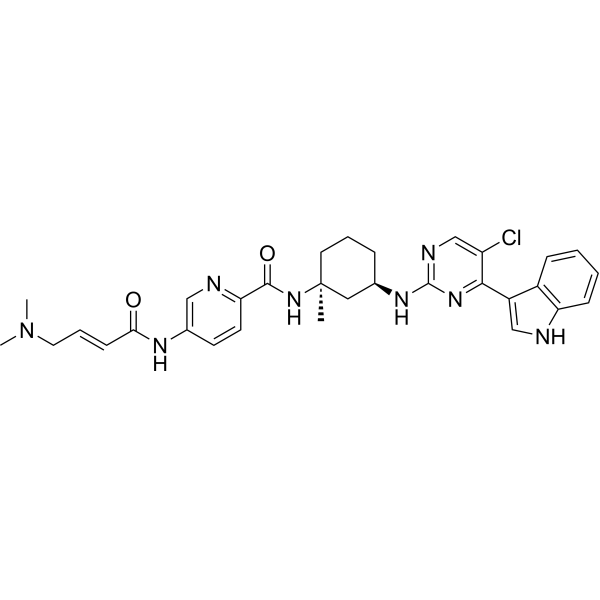
Mevociclib (SY-1365) is a potent and first-in-class selective CDK7 inhibitor, with a Ki of 17.4 nM. Mevociclib exhibits anti-proliferative and apoptotic effects in solid tumor cell lines. Mevociclib possesses anti-tumor activity in hematological and multiple aggressive solid tumors .
|
-
-
- HY-101667
-
LTURM34
5 Publications Verification
|
DNA-PK
|
Cancer
|
|
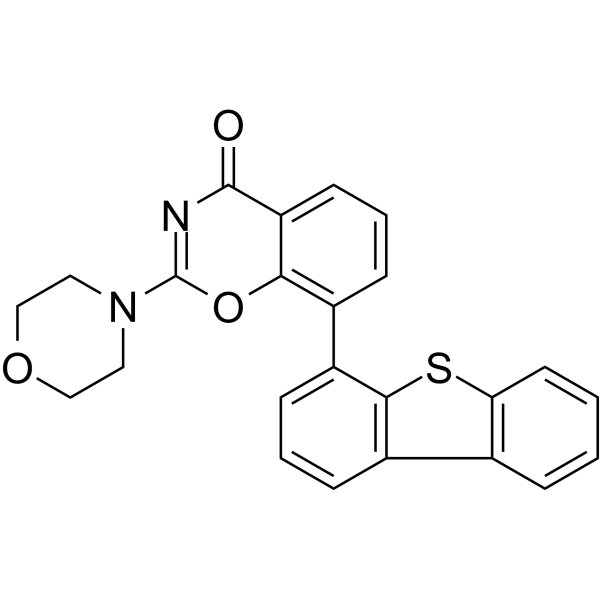
LTURM34 is a specific DNA-PK inhibitor (IC50=34 nM). LTURM34 exhibits 170-fold selectivity for DNA-PK over PI3K. LTURM34 shows potent antiproliferative activity in a wide range of tumor cell lines .
|
-
-
- HY-N2040
-
|
|
Bacterial
Interleukin Related
|
Infection
Inflammation/Immunology
Cancer
|
|
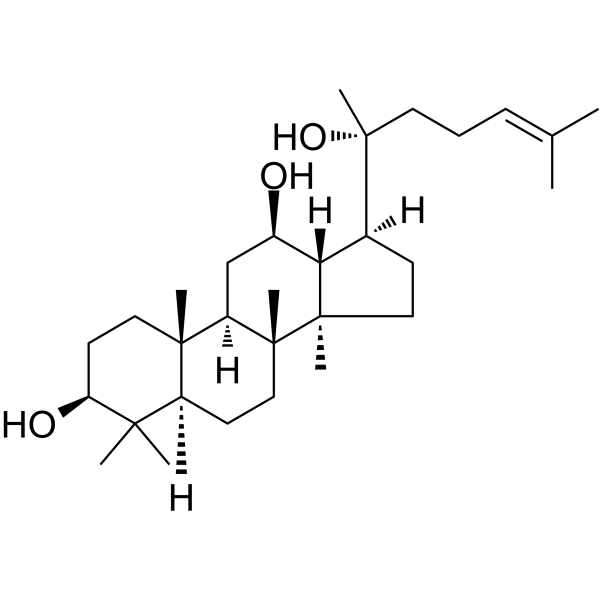
(20R)-Protopanaxadiol is a metabolite of ginsenosides. (20R)-Protopanaxadiol has anti-inflammatory and antibacterial activities, but shows no significant cytotoxicity against tumor cell lines. In addition, (20R)-Protopanaxadiol can inhibit the uptake of 2-deoxy-D-glucose (2-DG) .
|
-
-
- HY-18979
-
|
|
Flavivirus
Dengue Virus
|
Infection
Cancer
|
|
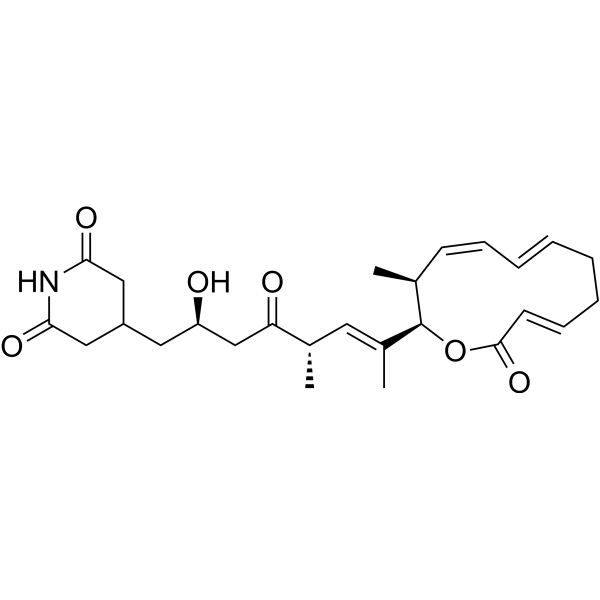
Lactimidomycin is a glutarimide-containing compound isolated from Streptomyces. Lactimidomycin is a potent inhibitor of eukaryotic translation elongation. Lactimidomycin has a potent antiproliferative effect on tumor cell lines and selectively inhibit protein translation. Lactimidomycin inhibits protein synthesis with an IC50 value of 37.82 nM. Lactimidomycin is also a potent and non-toxic inhibitor of dengue virus 2 and other RNA viruses. Anticancer and antiviral activities .
|
-
-
- HY-101870
-
|
INCB053914
|
Pim
|
Cancer
|
|
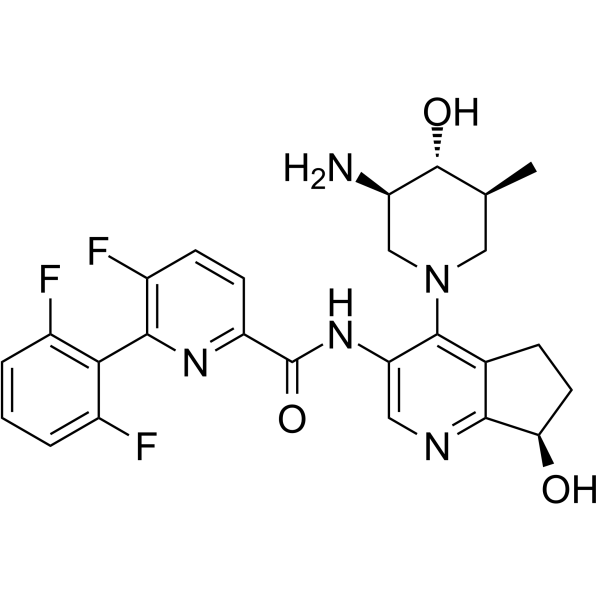
Uzansertib (INCB053914) is an orally active, ATP-competitive pan-PIM kinase inhibitor with IC50s of 0.24 nM, 30 nM, 0.12 nM for PIM1, PIM2, PIM3, respectively. Uzansertib has broad anti-proliferative activity against a variety of hematologic tumor cell lines .
|
-
-
- HY-101870B
-
|
INCB053914 phosphate
|
Pim
|
Cancer
|
|
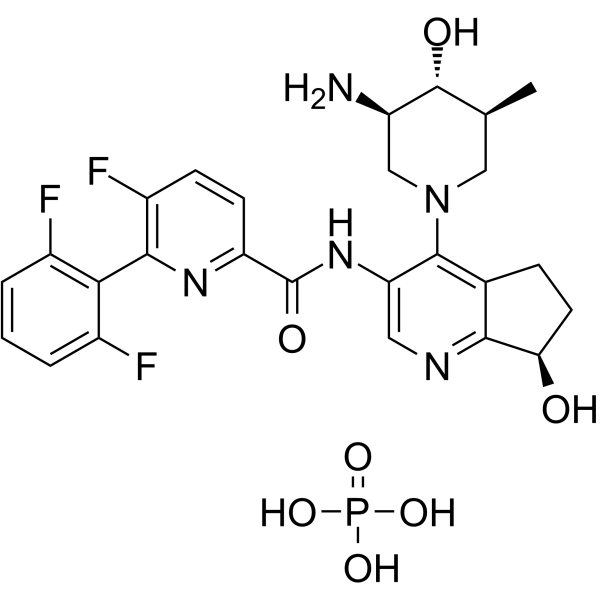
Uzansertib (INCB053914) phosphate is an orally active, ATP-competitive pan-PIM kinase inhibitor with IC50s of 0.24 nM, 30 nM, 0.12 nM for PIM1, PIM2, PIM3, respectively. Uzansertib phosphate has broad anti-proliferative activity against a variety of hematologic tumor cell lines .
|
-
-
- HY-18614
-
|
|
Notch
γ-secretase
|
Cancer
|
|
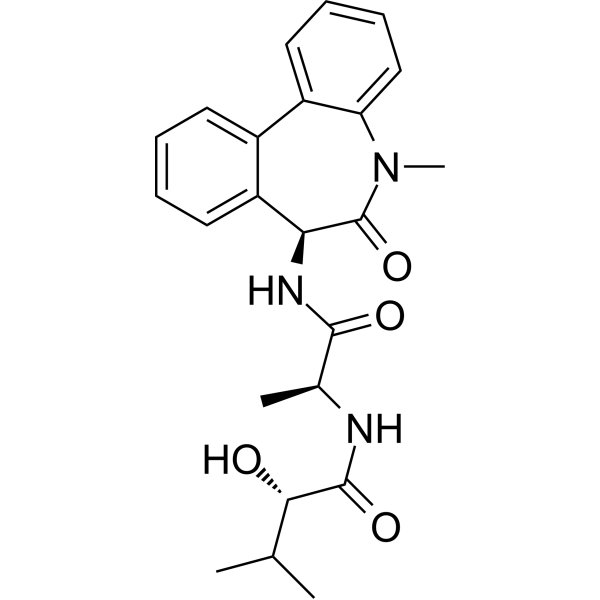
LY900009 is a potent and orally active, First-in-class inhibitor of Notch signaling via selective inhibition of the γ-secretase protein (GSI). LY900009 inhibits Notch signalling in tumor cell lines and endothelial cells (IC50=0.005-20 nM). LY900009 can be used for advanced cancer research .
|
-
-
- HY-119529
-
|
3,8-Quinolinediol
|
Tyrosinase
Bacterial
|
Cancer
|
|
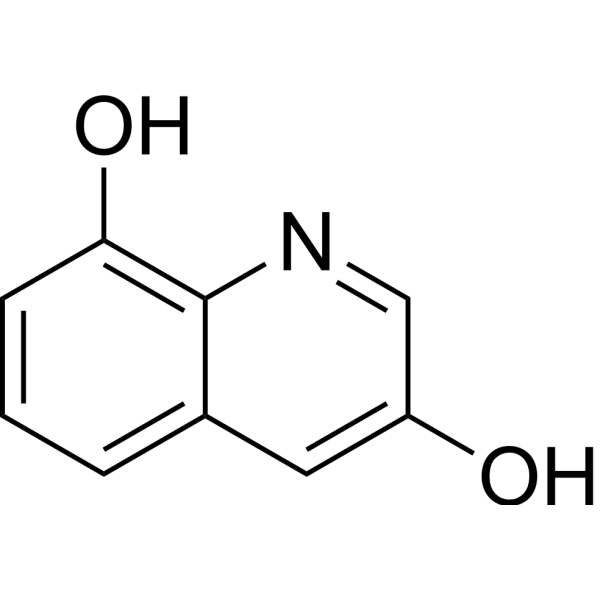
Jineol is a cytotoxic alkaloid from the centipede Scolopendra subspinipes. Jineol exhibits modest cytotoxic activity in vitro against the growth of human tumor cell lines .
|
-
-
- HY-P1632
-
|
|
Bacterial
|
Infection
Cancer
|
|
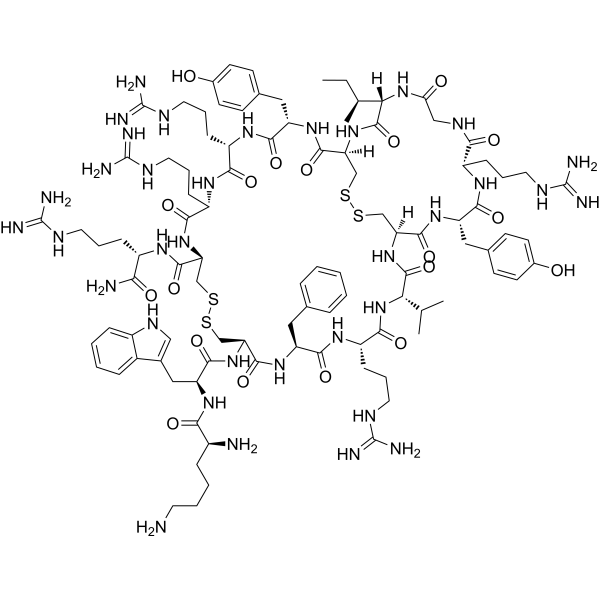
Tachyplesin I is a β-hairpin antimicrobial peptide that contains 17 amino acid residues. Tachyplesin I exhibits cytotoxic properties against various human tumor cell lines acting primarily by impairing the integrity of the outer cell membrane .
|
-
-
- HY-115735
-
|
|
SphK
Apoptosis
|
Cancer
|
|
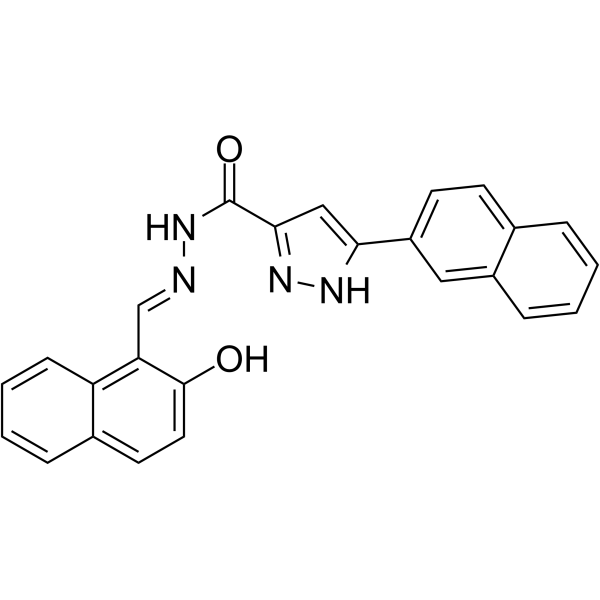
SKI-I is a potent and selective inhibitor of human sphingosine kinase (SK), with an IC50 of 1.2 μM for ST-hSK. SKI-I also inhibits hERK2 (IC50=11 μM). SKI-I induces apoptosis in tumor cell lines .
|
-
-
- HY-N4201
-
|
|
EGFR
Src
|
Cancer
|
|
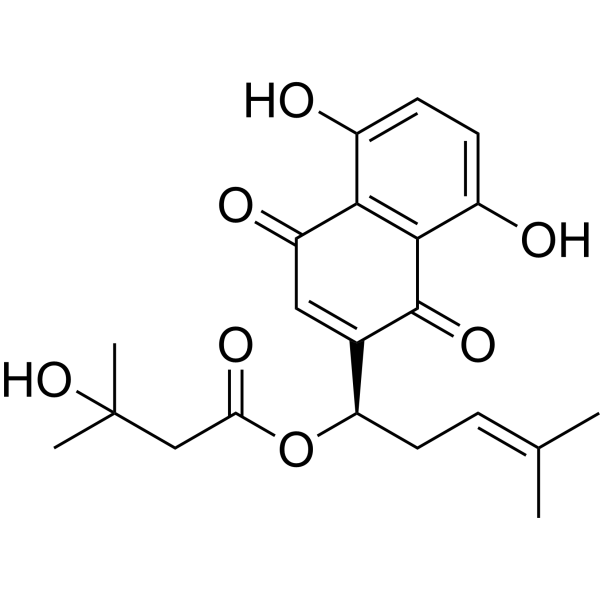
Beta-hydroxyisovalerylshikonin is a natural product isolated from Lithospermum erythrorhizon, acts as a potent inhibitor of protein tyrosine kinases (PTK), with IC50s of 0.7μM and 1μM for EGFR and v-Src receptor, respectively. Beta-hydroxyisovalerylshikonin is effective against a wide variety of tumor cell lines, and most efficiently induces cell-death in NCI-H522 and DMS114 cells .
|
-
-
- HY-P4056A
-
|
P15-Tat acetate
|
Casein Kinase
Apoptosis
|
Cancer
|
|
CIGB-300 acetate (P15-Tat acetate) is an anti-casein kinase 2 (CK2) peptide that exhibits anticancer properties by interfering with the phosphorylation of protein kinase CK2. CIGB-300 acetate induces apoptosis in multiple tumor cell lines and can be used in cancer research .
|
-

-
- HY-148413
-
|
ISIS 3521 sodium
|
PKC
|
Cancer
|
|
Aprinocarsen (ISIS 3521) sodium, a specific antisense oligonucleotide inhibitor of protein kinase C-alpha (PKC-α). Aprinocarsen sodium is a 20-mer oligonucleotide, it regulates cell differentiation and proliferation. Aprinocarsen sodium inhibits the growth of human tumor cell lines in nude mice. Aprinocarsen sodium shows the value as a chemotherapeutic compound of human cancers .
|
-
-
- HY-106588
-
|
SKI 2053R
|
DNA Alkylator/Crosslinker
|
Cancer
|
|
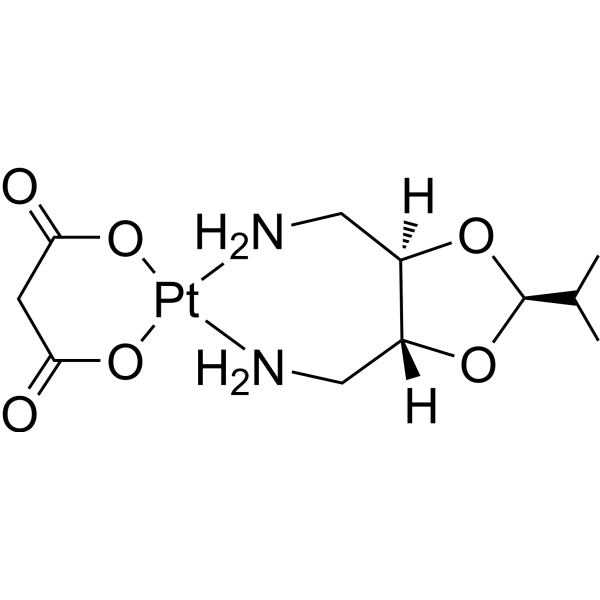
Heptaplatin (SKI 2053R) is a platinum derivative with anticancer activity against various cancer cell lines, including cisplatin-resistant tumor cell lines. SKI-2053R is active in the research of gastric adenocarcinoma and has favorable toxicity profiles .
|
-
-
- HY-P4056
-
|
P15-Tat
|
Casein Kinase
Apoptosis
|
Cancer
|
|
CIGB-300 (P15-Tat) is an anti-casein kinase 2 (CK2) peptide that exhibits anticancer properties by interfering with the phosphorylation of protein kinase CK2. CIGB-300 induces apoptosis in multiple tumor cell lines and can be used in cancer research .
|
-

-
- HY-123298
-
|
|
Src
Akt
Apoptosis
|
Cancer
|
|
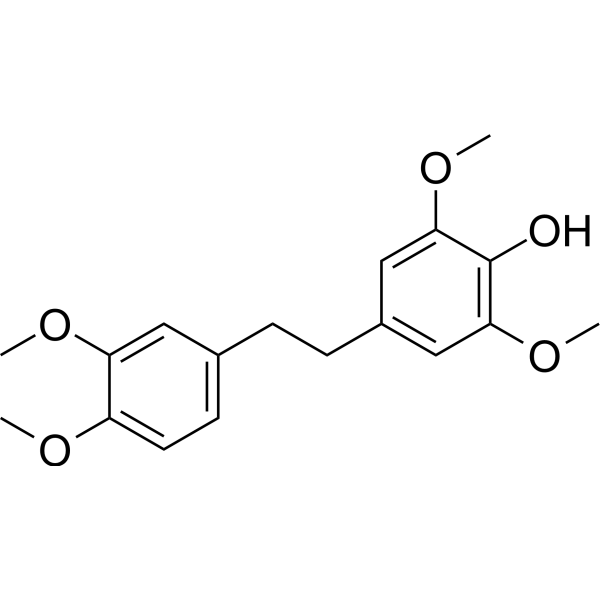
Chrysotoxine is a dual inhibitor of Src/Akt. Chrysotoxine suppresses cancer stem cells (CSCs) phenotypes by down-regulating Src/Akt signaling. Chrysotoxine reduces cell viability and increases apoptosis level in H460 and H23 cells instead of non-tumor cell lines. Chrysotoxine shows rapid excretion and low bioavailability in rats. Chrysotoxine is used in cancer research .
|
-
-
- HY-109583
-
|
4-Oxo-4-HPR
|
Apoptosis
Reactive Oxygen Species (ROS)
Drug Metabolite
|
Cancer
|
|
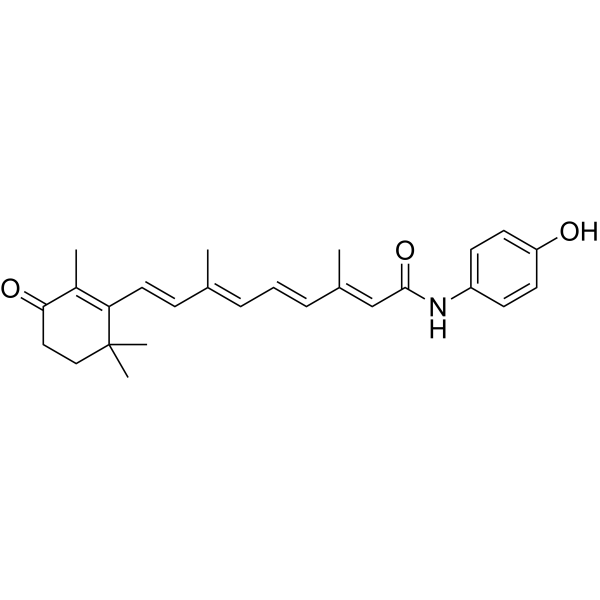
4-Oxofenretinide (4-Oxo-4-HPR) is a metabolite of Fenretinide (HY-15373). 4-Oxofenretinide induces cell growth inhibition in ovarian, breast, and neuroblastoma tumor cell lines. 4-Oxofenretinide causes a marked accumulation of cells in G2-M. 4-Oxofenretinide induces cancer cell apoptosis through caspase-9 .
|
-
-
- HY-130995
-
|
|
Antibiotic
ADC Payload
|
Infection
|
|
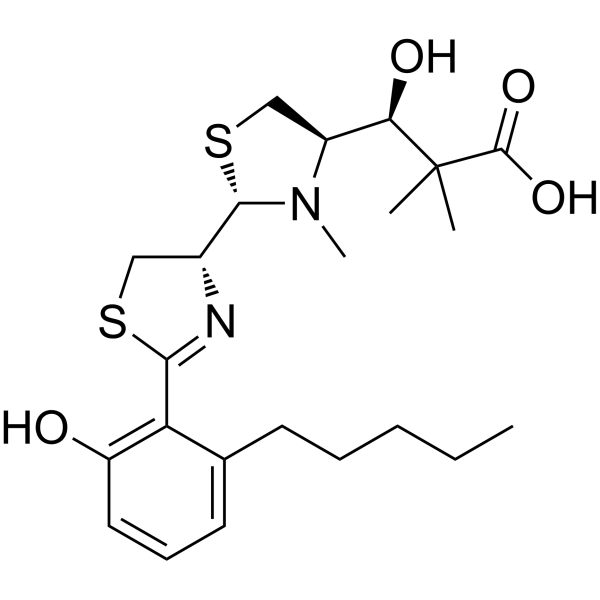
Agrochelin, an alkaloid cytotoxic antibiotic, is produced by the fermentation of a marine Agrobacterium sp. Agrochelin has cytotoxic activity in tumor cell lines .
|
-
-
- HY-N7611
-
|
|
Others
|
Cancer
|
|
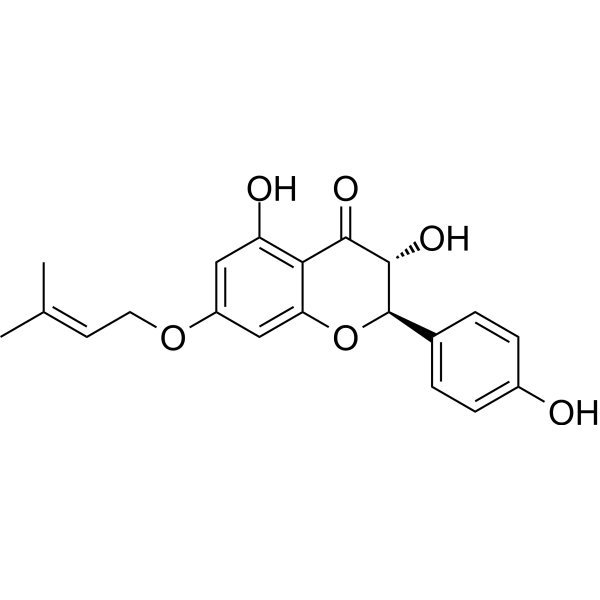
7-Prenyloxyaromadendrin is a flavonoid from Pterocaulon alopecuroides with antitumor activity. 7-Prenyloxyaromadendrin shows good antiproliferative activity in tumor cell lines .
|
-
-
- HY-N6955
-
|
|
Others
|
Cancer
|
|
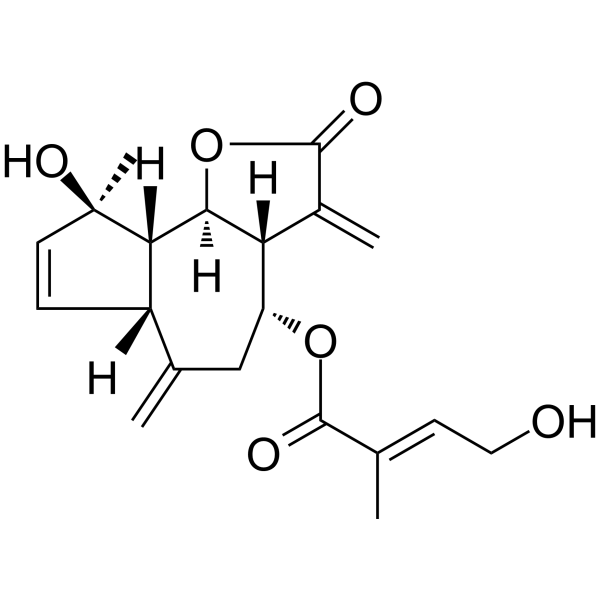
Eupalinilide B is a guaiane type sesquiterpene lactone that can be found in Eupatorium lindleyanum. Eupalinilide B shows potent cytotoxicity against P-388 and A-549 tumor cell lines .
|
-
-
- HY-N9339
-
|
(+)-Norglaucine
|
Others
|
Cancer
|
|
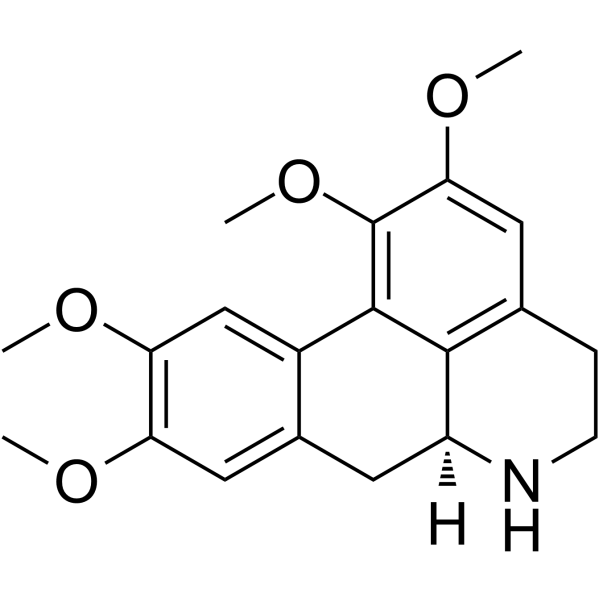
Norglaucine ((+)-Norglaucine), a cytotoxic alkaloid, exhibits cytotoxicity towards the tumor cell lines B16-F10, HepG2, K562 and HL-60 cells .
|
-
-
- HY-N7205
-
|
|
Others
|
Cancer
|
|
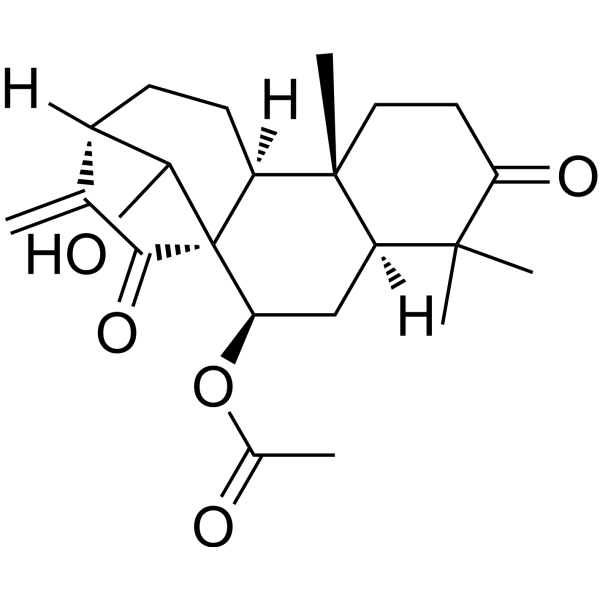
Glaucocalyxin D is a ent-kauranoid-type diterpenoid that can be isolated from Rabdosia japonica. Glaucocalyxin D shows cytotoxicity against various human tumor cell lines. Glaucocalyxin D can be used for cancer research .
|
-
-
- HY-N10904
-
|
|
Others
|
Cancer
|
|
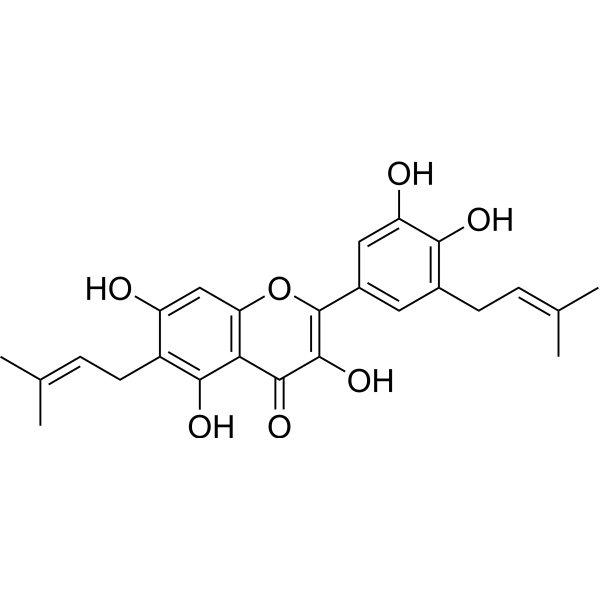
Broussonol E is a diprenylated flavonol. Broussonol E can be isolated from the leaves of Broussonetia kazinoki. Unlike some dinonylated flavonol derivatives, Broussonol E has no cytotoxicity to human tumor cell lines (A549, HCT-8, KB) .
|
-
-
- HY-129337
-
|
|
Antibiotic
Fungal
Apoptosis
|
Infection
Cancer
|
|
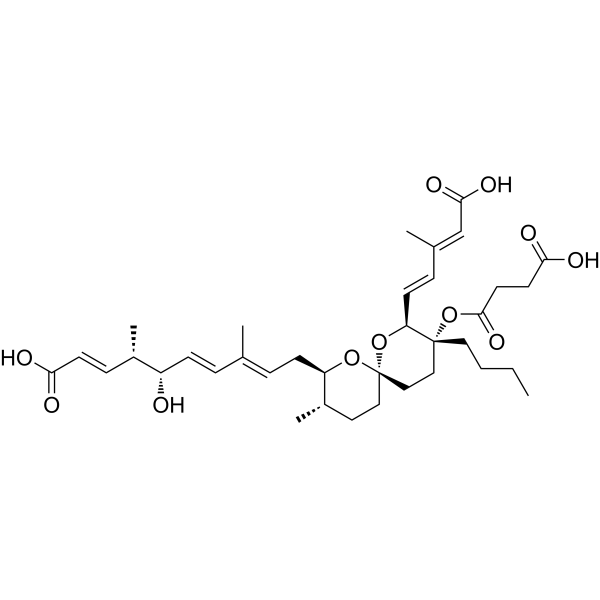
Reveromycin A, a benzoquinoid antibiotic isolated from the genus Streptomyces, is a selective inhibitor of protein synthesis in eukaryotic cells. Reveromycin A inhibits bone resorption by inducing apoptosis specifically in osteoclasts. Reveromycin A has antiproliferative activity against tumor cell lines and antifungal activity .
|
-
-
- HY-125443
-
|
|
Others
|
Cancer
|
|
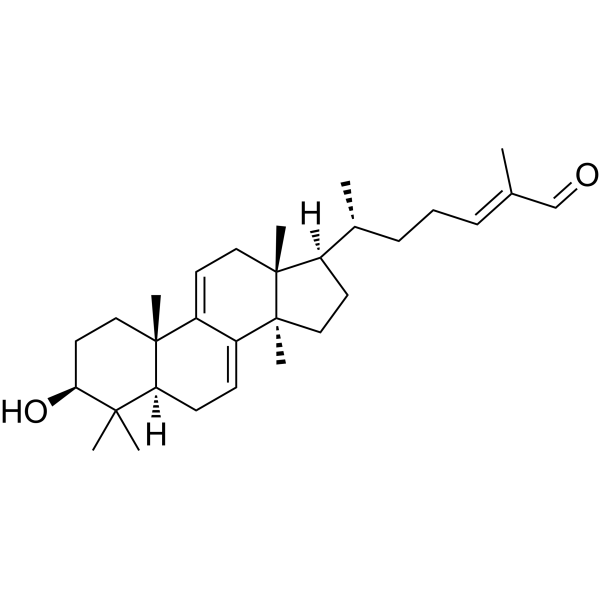
Lucialdehydes A is a lanostante-type triterpene aldehydes, isolated from the fruiting bodies of Ganoderma lucidum. Lucialdehydes A shows cytotoxic effects on tumor cells, including Lewis lung carcinoma (LLC), T-47D, Sarcoma 180, and Meth-A tumor cell lines .
|
-
-
- HY-N11928
-
|
|
Others
|
Cancer
|
|
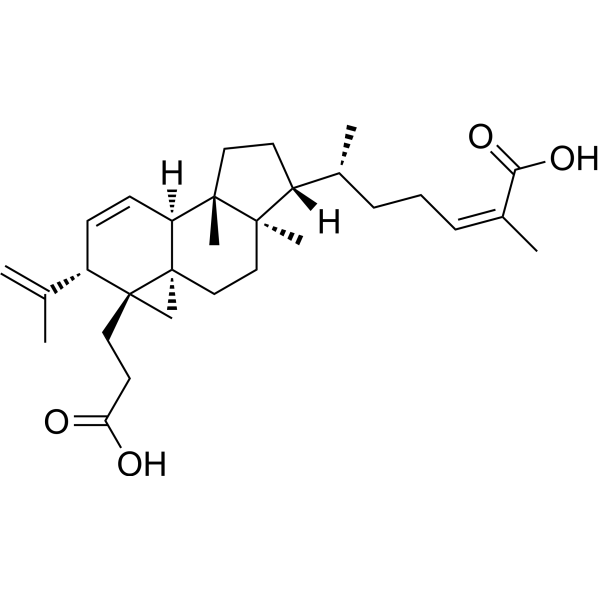
Changnanic acid (schisandrin) is a triterpene compound with potential anti-tumor effects. Changnanic acid exhibits moderate cytotoxic activity against human tumor cell lines Bel-7402, MCF-7 and HL-60, with IC50s of 100 μM, 100 μM and 50.51 μM respectively .
|
-
-
- HY-W106860
-
|
|
Drug Intermediate
|
Cancer
|
|
9H-Carbazole-3-carbaldehyde is an anticancer agent that can be isolated from the stems of Lansium parasiticum (Lour.) Skeels. 9H-Carbazole-3-carbaldehyde shows significant cytotoxic activity in a variety of tumor cell lines, especially against H1299 and SMMC-7721 lung cancer cells with IC50 values of 6.19-26.84 μg/mL .
|
-

-
- HY-N16580
-
|
|
Others
|
Cancer
|
|
(+)-Lariciresinol 9′-p-Coumarate is a type of lignan. (+)-Lariciresinol 9′-p-Coumarate exhibits inhibitory activity against leukemia and other tumor cell lines .
|
-

-
- HY-118893
-
|
|
Antibiotic
Bacterial
Fungal
Molecular Glues
|
Infection
Cancer
|
|
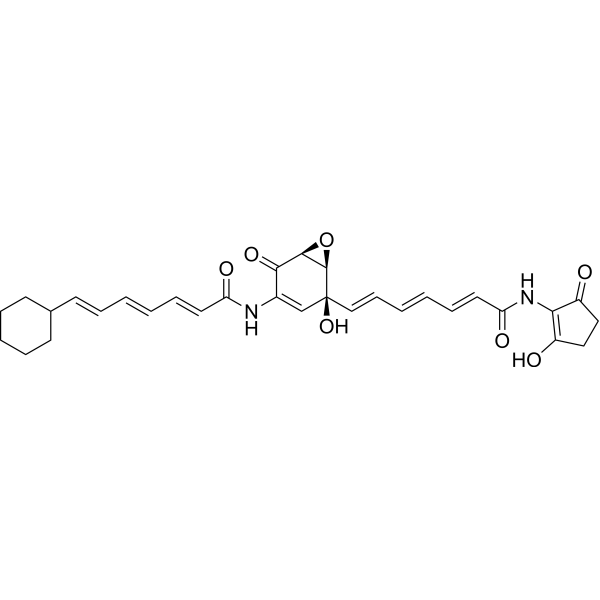
Asukamycin, a manumycin-type metabolite, could be isolated from Streptomyces nodosus subsp. asukaensis. Asukamycin is an antibiotic and has antimicrobial activity. Asukamycin inhibits growth of various tumor cell lines .
|
-
-
- HY-154797
-
|
|
Topoisomerase
|
Cancer
|
|
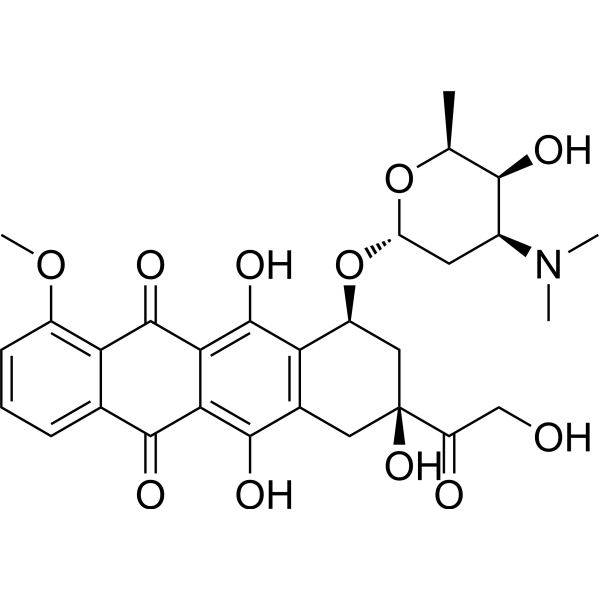
N,N-Dimethyldoxorubicin is a Doxorubicin (HY-15142A) analogue. N,N-Dimethyldoxorubicin shows cytotoxicity against a panel of tumor cell lines (IC50s < 0.3 μM) .
|
-
-
- HY-125117
-
|
|
DNA/RNA Synthesis
Bacterial
|
Infection
Cancer
|
|
Simocyclinone D8 is an anthracycline antibiotic with antibacterial and antitumor activity against Gram-positive bacteria. Simocyclinone D8 inhibits DNA gyrase and thus has an inhibitory effect on a variety of tumor cell lines .
|
-

-
- HY-161096
-
|
|
ROR
|
Cancer
|
|
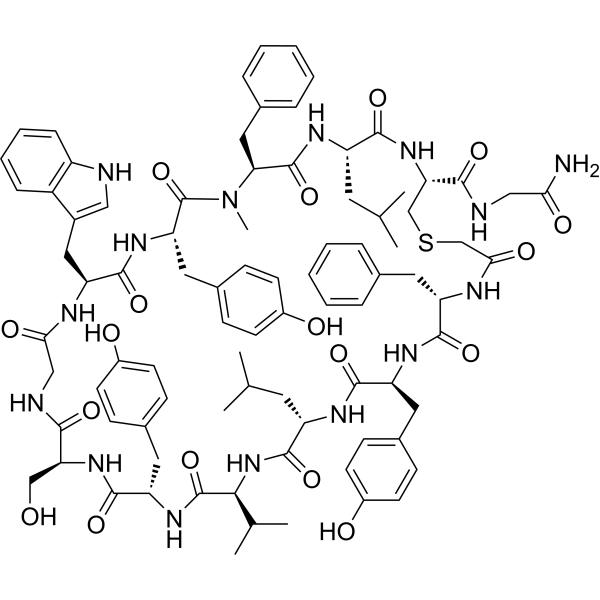
Antitumor agent-127 (compound 1) is a parent macrocyclic peptide. Antitumor agent-127 displays nanomolar cell-based binding to ROR1 and relatively good internalization in 786-O and MDA-MB-231 tumor cell lines .
|
-
-
- HY-125664
-
|
|
Antibiotic
|
Cancer
|
|
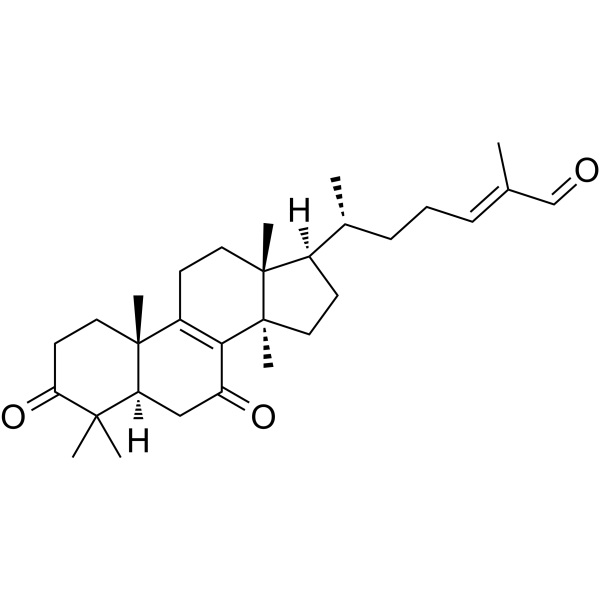
Lucialdehyde B is a tetracyclic triterpene isolated from the substrates of Ganoderma lucidum with antiviral and cytotoxic activities. Lucialdehyde B has cytotoxic effects against Lewis lung cancer (LLC), T-47D, Sarcoma 180 and Meth-A tumor cell lines .
|
-
-
- HY-167880
-
|
|
Macrophage migration inhibitory factor (MIF)
|
Cancer
|
|
BMY-25551 is a Mitomycin A (HY-130332) analogue that is 8 to 20 times more potent than Mitomycin C (HY-13316) in cytotoxicity to murine and human tumor cell lines. BMY-25551 can be utilized in cancer and hematologic depression research .
|
-

-
- HY-120574
-
|
|
ADC Payload
Topoisomerase
|
Cancer
|
|
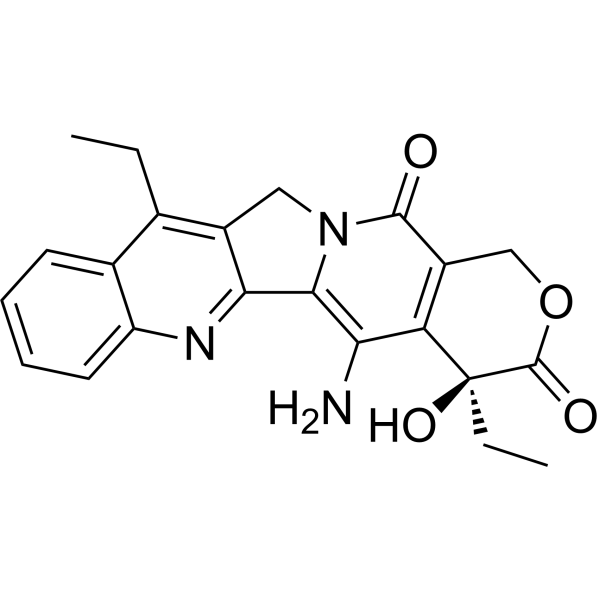
TH1338 (compound 3b), an orally active camptothecin derivative and a potent chemotherapeutic agent for cancer, demonstrates excellent cytotoxic potency against human tumor cell lines in vitro. TH1338 (compound 3b) possesses significant brain penetration, favorable efflux pump properties, and hematological toxicity profile .
|
-
-
- HY-12458
-
|
|
DNA/RNA Synthesis
|
Infection
Cancer
|
|
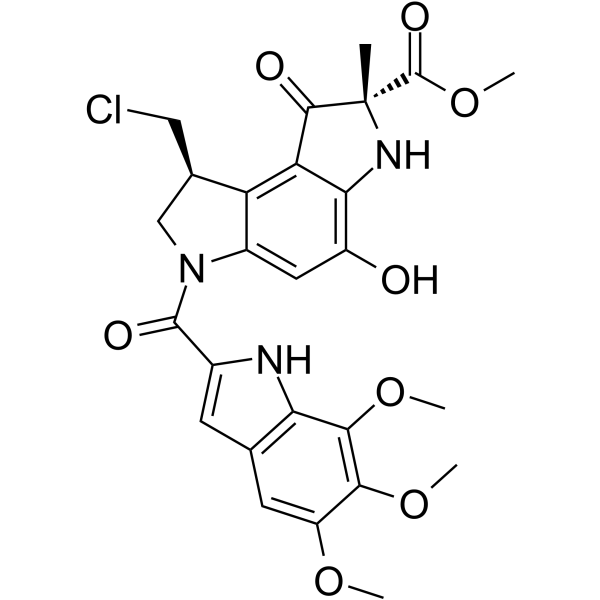
Pyrindamycin A is an antibiotic that inhibits DNA synthesis. Pyrindamycin A shows antitumor activities against murine leukemia, exhibits stronger cytotoxic activities towards murine and human tumor cell lines and especially towards doxorubicin-resistant cells, inhibits P388 and P388/ADR cells with the same IC50 of 3.9 μg/ml .
|
-
-
- HY-170907
-
|
|
HDAC
DNA/RNA Synthesis
RAD51
|
Cancer
|
|
HDAC-IN-85 (Compound 1) is a BBB-permeable HDAC inhibitor. HDAC-IN-85 has an inhibitory effect on brain tumor cell lines. HDAC-IN-85 can induce acetylation, leading to DNA double-strand breaks, and induce the ubiquitination of RAD51, disrupting the DNA repair process. HDAC-IN-85 can be used in the research of glioblastoma .
|
-

-
- HY-160597
-
|
|
ADC Payload
Topoisomerase
|
Cancer
|
|
Exatecan-amide-bicyclo[1.1.1]pentan-1-ol (Compound 79) is an exatecan (HY-13631) derivative that can be used as a payload in drug conjugates. Exatecan-amide-bicyclo[1.1.1]pentan-1-ol has significant inhibitory activity against a variety of tumor cell lines .
|
-
![Exatecan-amide-bicyclo[1.1.1]pentan-1-ol](//file.medchemexpress.com/product_pic/hy-160597.gif)
-
- HY-175481
-
|
|
Cannabinoid Receptor
Apoptosis
Reactive Oxygen Species (ROS)
|
Cancer
|
|
CB2R agonist 4 is a cannabinoid receptor 2 (CB2R) agonist with an EC50 value of 6.9 μM. CB2R agonist 4 can induce cell apoptosis, ROS production and protein misfolding. CB2R agonist 4 shows cytotoxicity to a panel of tumor cell lines. CB2R agonist 4 can be used for the research of cancer .
|
-

-
- HY-100022A
-
|
eFT508 hydrochloride
|
MNK
PD-1/PD-L1
|
Cancer
|
|
Tomivosertib hydrochlorideis a potent, highly selective, and orally active MNK1 and MNK2 inhibitor, with IC50s of 1-2 nM against both isoforms. Tomivosertib hydrochloride treatment leads to a dose-dependent reduction in eIF4E phosphorylation at serine 209 (IC50=2-16 nM) in tumor cell lines . Tomivosertib hydrochloride also dramatically downregulates PD-L1 protein abundance .
|
-

-
- HY-15205R
-
|
STA-9090 (Standard)
|
HSP
Apoptosis
Reference Standards
|
Cancer
|
|
Ganetespib (Standard) is the analytical standard of Ganetespib. This product is intended for research and analytical applications. Ganetespib (STA-9090) is a heat shock protein 90 (HSP90) inhibitor which exhibits potent cytotoxicity in a wide variety of hematological and solid tumor cell lines. Ganetespib has antiangiogenic effects in colorectal cancer mediated through inhibition of HIF-1α and STAT3 .
|
-

-
- HY-N14293
-
-

- HY-130996
-
|
|
ADC Payload
|
Cancer
|
|
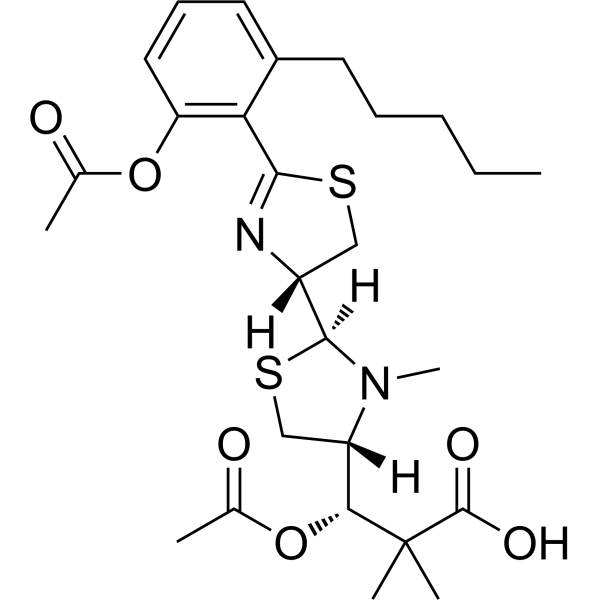
Diacetyl Agrochelin is an acetyl derivative of Agrochelin, which is produced by the fermentation of a marine Agrobacterium sp. Diacetyl Agrochelin has cytotoxic activity in tumor cell lines .
|
-
- HY-136824
-
|
|
Bacterial
Antibiotic
|
Infection
Cancer
|
|
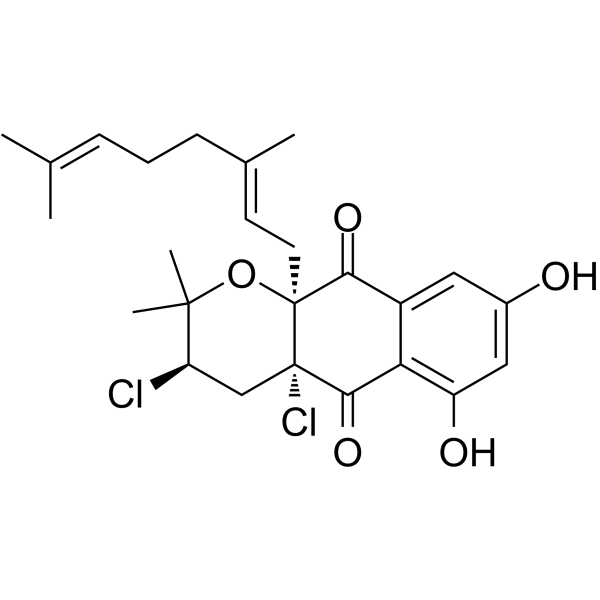
Napyradiomycin A1 is one enantioselective compound of napyradiomycins. napyradiomycins are an intriguing family of halogenated natural products with activity against several tumor cell lines as well as some bacterial strains .
|
-
- HY-123143
-
|
MLN576
|
Topoisomerase
|
Cancer
|
|
XR11576 (MLN576) is an orally active inhibitor of topoisomerase I and II. XR11576 shows cytotoxicity against human and murine tumor cell lines (IC50: 6-47 nM) .
|
-
- HY-105172A
-
|
CAP-232 TFA; TLN-232 TFA
|
Somatostatin Receptor
Apoptosis
|
Cancer
|
|
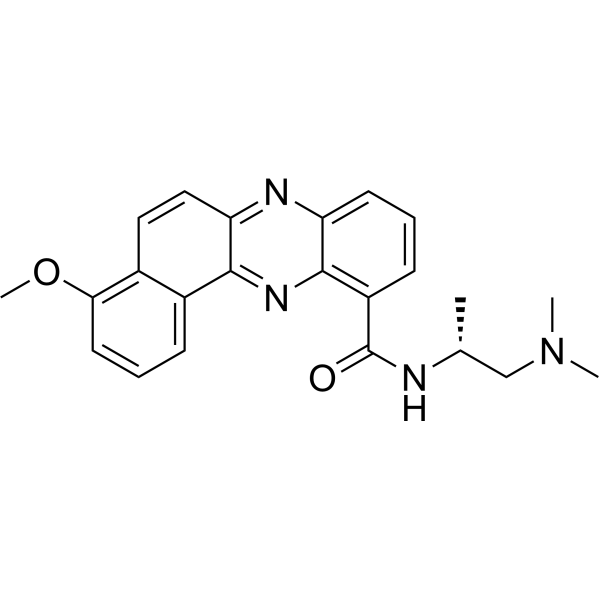
TT-232 TFA (CAP-232 TFA) is an analogue of somatostatin. TT-232 TFA can induce apoptosis of pancreatic tumor cell lines, inhibit tyrosine kinase activity and stimulate tyrosine phosphatase activity in colon tumor cell lines. TT-232 TFA inhibits the proliferation of tumor cells, induces apoptosis of tumor cells and shows strong anti-tumor effects. TT-232 TFA can be used in the development of anti-tumor drugs and the study of apoptosis mechanism .
|
-

- HY-N3215
-
|
|
Others
|
Others
|
|
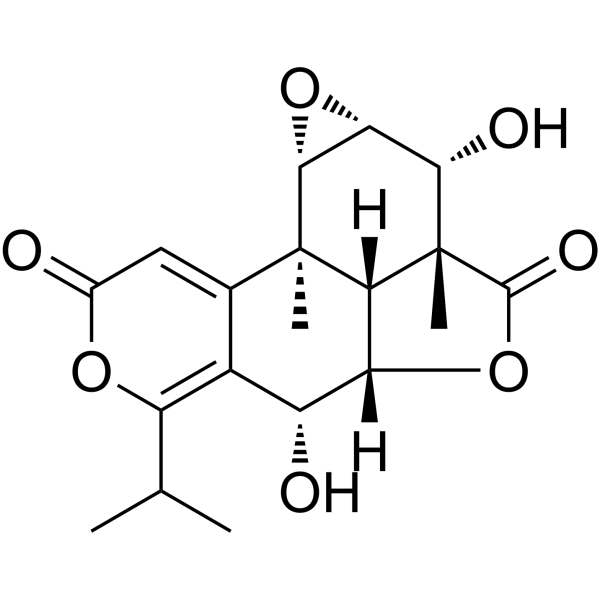
Nagilactone C is a diterpene dilactone compound isolated from Podocarpus neriifolius. Nagilactone C has potent antiproliferative activity against human fibrosarcoma and murine colon carcinoma tumor cell lines .
|
-
- HY-153272
-
|
|
Biochemical Assay Reagents
|
Cancer
|
|
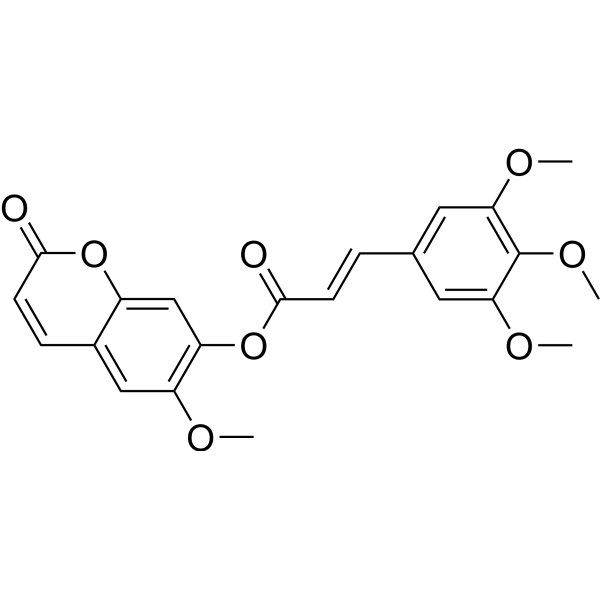
Antitumor agent-93 (compound 7D) is an anticancer agent that can effectively inhibit the growth of several tumor cell lines, such as MDA-MB-231 and HCT-116 cell lines .
|
-
- HY-N12430
-
|
|
Others
|
Cancer
|
|
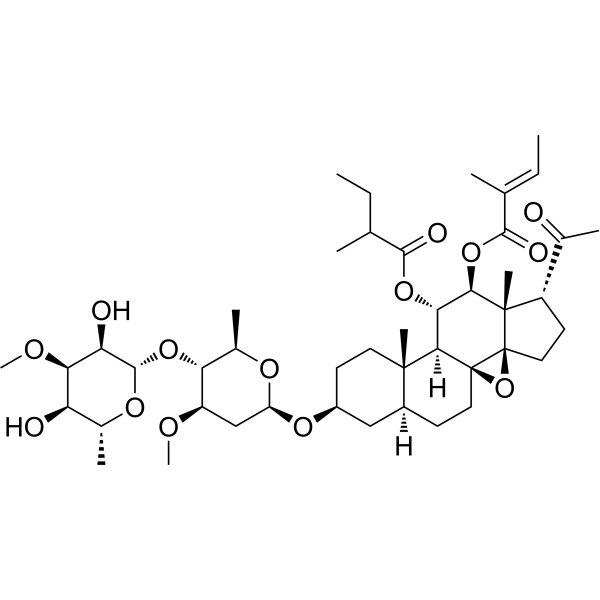
Marsdenoside A (compound 7) is a Marsdenoside isolated from Alocasia genus. Marsdenoside A has a weak growth inhibitory effect on two tumor cell lines, MGC-803 and HT-29, with IC50 >50 μg/mL.
|
-
- HY-N10265
-
|
|
Endogenous Metabolite
|
Cancer
|
|
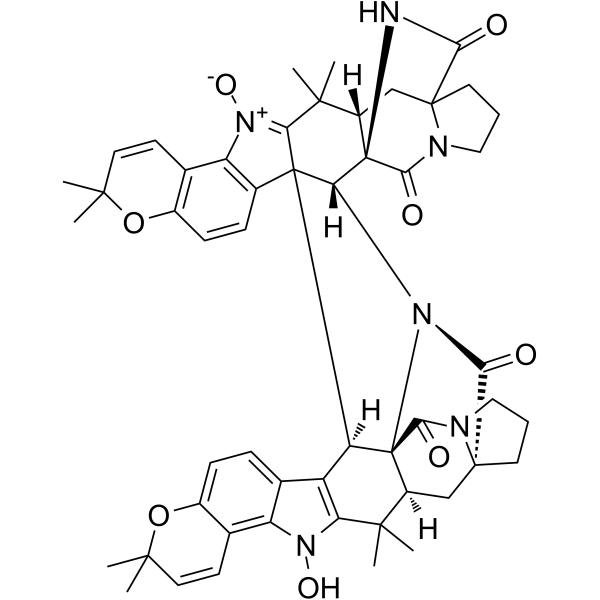
Stephacidin B is a fungal metabolite. Stephacidin B shows in vitro cytotoxicity against a panel of human tumor cell lines. Stephacidin B shows the strongest cytotoxicity against testosterone-dependent prostate LNCaP cancer cells .
|
-
- HY-N14892
-
|
|
Bacterial
|
Infection
Cancer
|
|
Cetoniacytone A has weak activity against Gram-positive and negative bacteria. Cetoniacytone A can inhibit the growth of HEPG2 and MCF7 human tumor cell lines, with GI50 values of 3.2 μM .
|
-

- HY-N14369
-
|
|
Bacterial
|
Infection
Cancer
|
|
9-Hydroxycrisamicin has weak anti-Gram-positive bacteria activity, MIC is 6.25-25 μg/mL. 9-Hydroxycrisamicin has a strong growth inhibitory effect on human tumor cell lines .
|
-

- HY-50909R
-
|
KRX-0401 (Standard); NSC 639966 (Standard); D21266 (Standard)
|
Akt
Autophagy
Apoptosis
Reference Standards
|
Cancer
|
|
Perifosine (Standard) is the analytical standard of Perifosine. This product is intended for research and analytical applications. Perifosine is an oral Akt inhibitor which inhibits proliferation of different tumor cell lines with IC50s of 0.6-8.9 μM.
|
-

- HY-N12128
-
|
|
Others
|
Cancer
|
|
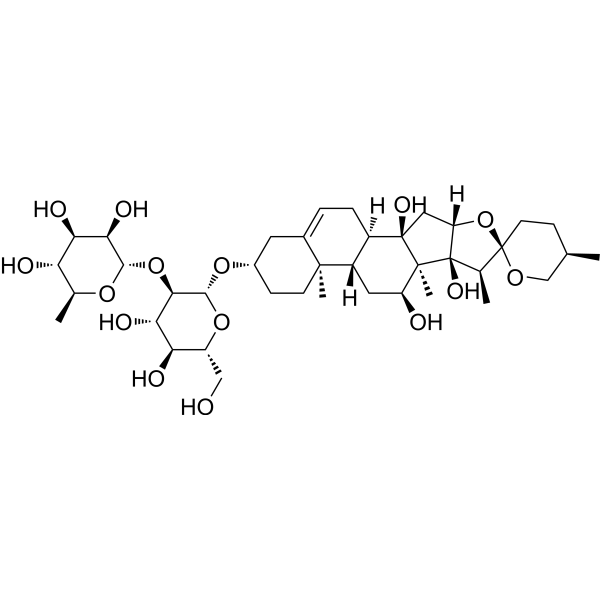
Ophiopogonin R (compound 3) is a steroid saponin. Ophiopogonin R was isolated and purified from natural ophiopogonin. Ophiopogonin R was not cytotoxic to five human tumor cell lines (HepG2, HLE, BEL7402, BEL7403 and Hela) .
|
-
- HY-146250
-
|
|
Microtubule/Tubulin
|
Cancer
|
|
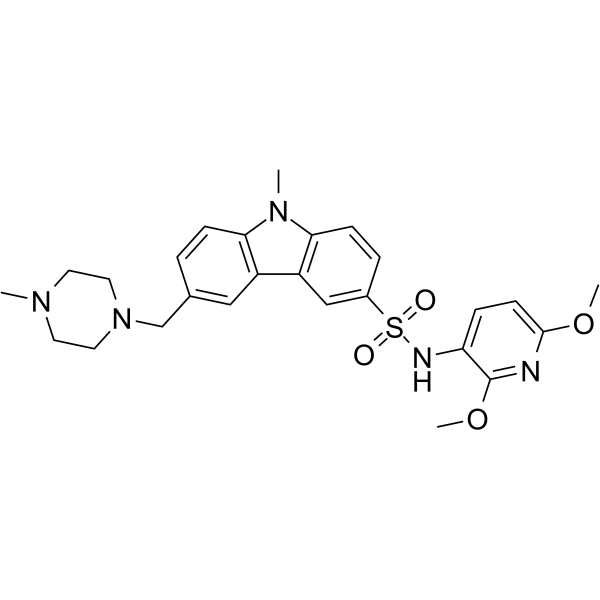
Antitumor Agent-71 is an antiproliferative activity antitumor agent and against tumor cell lines with IC50 values ranging from 3.98-15.70 μM. Antitumor Agent-71 is an antitumor agent that can inhibit tubulin polymerization.
|
-
- HY-N12437
-
|
|
Others
|
Cancer
|
|
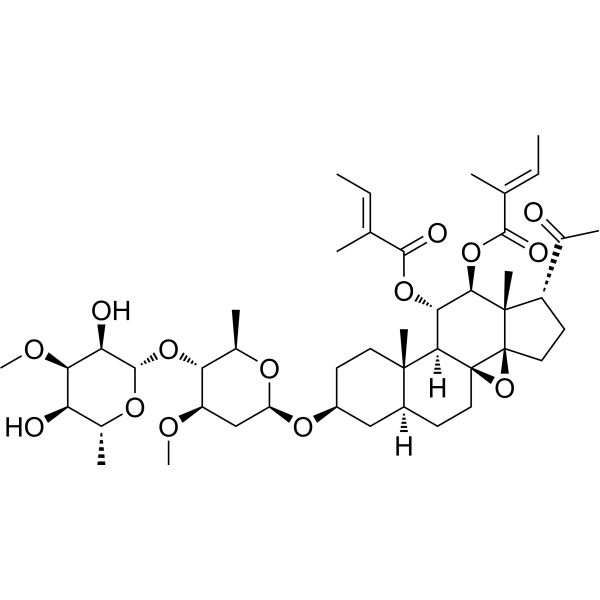
Marsdenoside B (compound 8) is a Marsdenoside isolated from Alocasia genus. Marsdenoside B inhibits the growth of tumor cell lines MGC-803 and HT-29 with IC50s of 25.6 μg/mL and 32.4 μg/mL, respectively.
|
-
- HY-P1632A
-
|
|
Bacterial
|
Infection
Cancer
|
|
Tachyplesin I TFA is a β-hairpin antimicrobial peptide that contains 17 amino acid residues. Tachyplesin I TFA exhibits cytotoxic properties against various human tumor cell lines acting primarily by impairing the integrity of the outer cell membrane .
|
-

- HY-N7623
-
|
|
Drug Derivative
|
Cancer
|
|
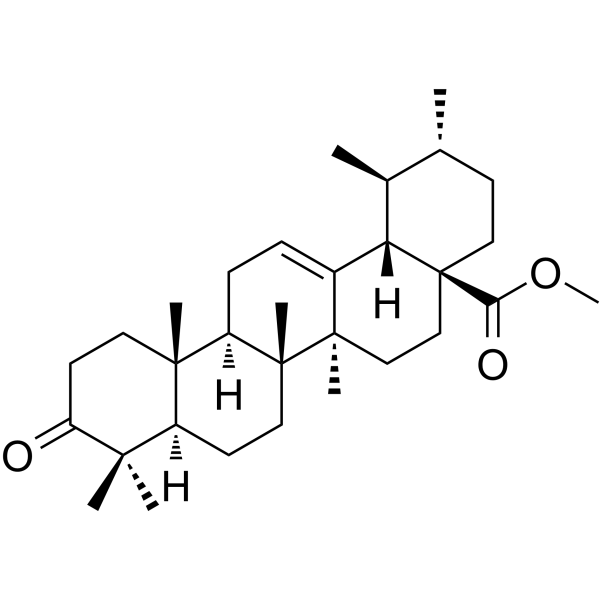
Ursonic acid methyl ester is an esterified derivative of Ursolic acid (HY-N0140). Ursonic acid methyl ester shows growth inhibitory activity against four tumor cell lines, HL-60, BGC, Bel-7402 and Hela with ED50 values of >100 µg/ml .
|
-
- HY-10084
-
|
|
Kinesin
|
Cancer
|
|
CK0106023 is a potent and specific allosteric inhibitor of KSP with a Ki value of 12 nM, showing antitumor activity. CK0106023 causes mitotic arrest and growth inhibition in several tumor cell lines. CK0106023 exhibits antitumor activity in tumor-bearing mice .
|
-

- HY-N6679
-
|
|
Antibiotic
|
Cancer
|
|
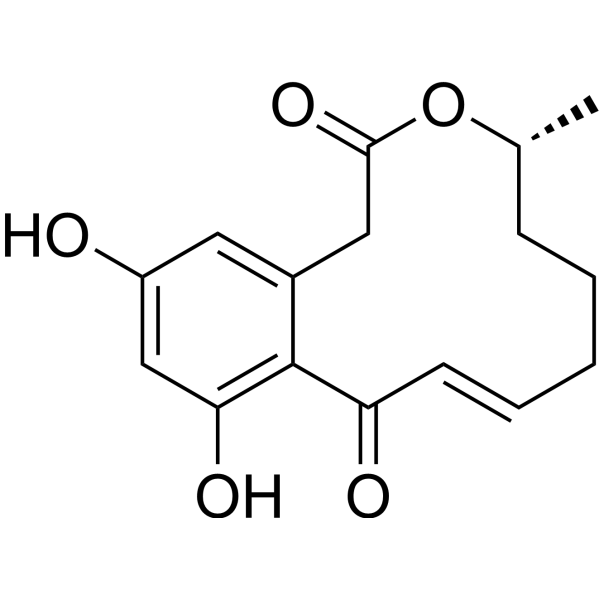
(R)-10,11-Dehydrocurvularin is a secondary metabolite isolated from Curvularia sp.. (R)-10,11-Dehydrocurvularin displays concentration-dependent cytotoxicity towards human tumor cell lines
with a mean IC50 value of 1.25 µM .
|
-
- HY-N15055
-
|
|
Antibiotic
Bacterial
|
Infection
|
|
Propeptin is a peptide antibiotic composed of 19 amino acids. Propeptin has weaker activity against Pseudomonas aeruginosa, Mycobacterium monobacterium, and Xanthomonas oryzae. Propeptin has no effect on KB and L1210 cells of tumor cell lines, but has an inhibitory effect on prolyl endopeptidase .
|
-

- HY-149375
-
|
|
Microtubule/Tubulin
|
Cancer
|
|
Tubulin inhibitor 37 (Compound 12) is a Tubulin inhibitor that can effectively inhibit Tubulin aggregation (IC50=1.3 µM). Tubulin inhibitor 37 exhibits antiproliferative activity against human tumor cell lines and has potential for studying cancer .
|
-
- HY-136959
-
|
|
HDAC
|
Cancer
|
|
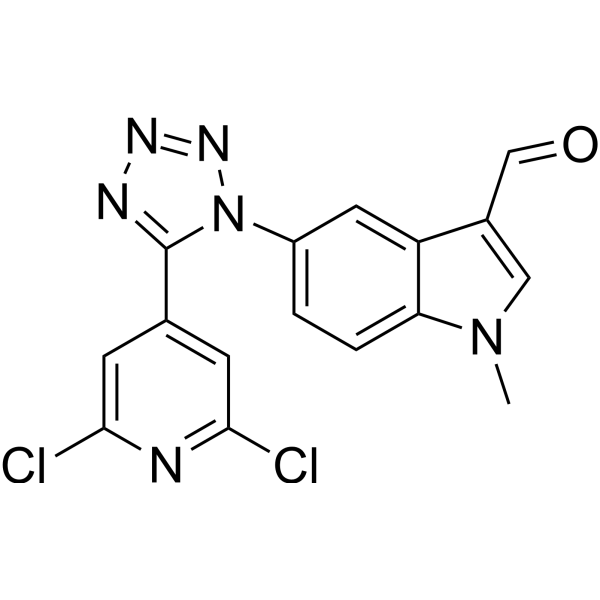
M133 is a HDAC1 and HDAC2 selective inhibitor which shows potent antiproliferative activity against diverse human tumor cell lines with IC50s of 0.75-1.94 μM. M133 can be used for cancer research .
|
-

- HY-N15714
-
|
|
Drug Derivative
|
Cancer
|
|
Acoraminol A is one of the stereoisomers of phenylpropanoids, the other of which is Acoraminol B (HY-N15715), which can be isolated from the methanol extract of the rhizome of Acorus tatarinowii. Acoraminol A has weak cytotoxic effects on several human tumor cell lines (IC50>30 μM) .
|
-

- HY-N15112
-
|
|
Others
|
Cancer
|
|
Pintulin can inhibit P388, L 1210, HL-60, KB and other tumor cell lines with IC50s (μg/mL) of 0.8, 0.8, 0.8, 0.25, respectively. Pintulin has only very weak antibacterial activity against the microorganisms tested .
|
-

- HY-N14144
-
|
|
Bacterial
|
Infection
Cancer
|
|
Cremimycin has anti-Gram-positive bacteria activity including methicillin-resistant Staphylococcus aureus (MRSA), MIC is 0.2-0.39 μg/mL. Cremimycin shows cytotoxicity to mouse tumor cell lines P388, L1210, IMC, S180, B16 and SS3 in vitro .
|
-

- HY-N6061
-
|
|
Others
|
Cancer
|
|
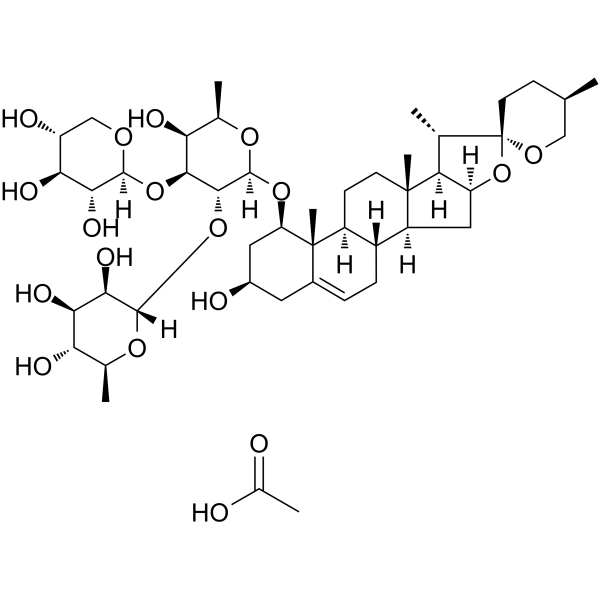
Ophiopogonin C, isolated from the tubers of Ophiopogon japonicus, is a rare naturally occurring C29 steroidal glycoside. Ophiopogonin C shows cytotoxic activity against two human tumor cell lines MG-63 and SNU387 with IC50s of 19.76 μM and 15.51 μM, respectively .
|
-
- HY-172795
-
|
|
EGFR
Apoptosis
|
Cancer
|
|
EGFR-IN-158 (compound 12e) is an orally active EGFR inhibitor with an IC50 of 0.22 nM for EGFR(Del19/T790M). EGFR-IN-158 inhibits phosphorylation and downstream signaling by binding to EGFR, thereby inhibiting the proliferation of tumor cell lines and promoting apoptosis .
|
-

- HY-163062
-
|
|
Microtubule/Tubulin
Apoptosis
Complement System
|
Cancer
|
|
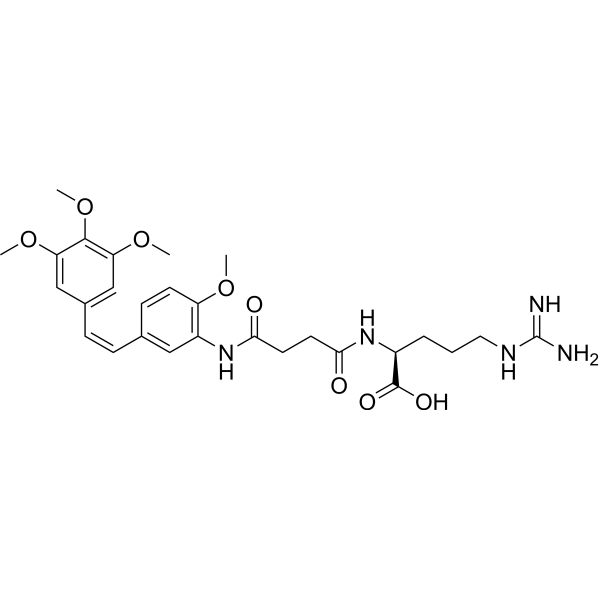
Tubulin/NRP1-IN-1 (compound TN-2) is a dual inhibitor of Tubulin and NRP1 with IC50s of 0.71 and 0.85 μM, respectively. Tubulin/NRP1-IN-1 significantly inhibits the viability of prostate tumor cell lines and induces apoptosis .
|
-
- HY-N10354
-
|
|
Apoptosis
|
Cancer
|
|
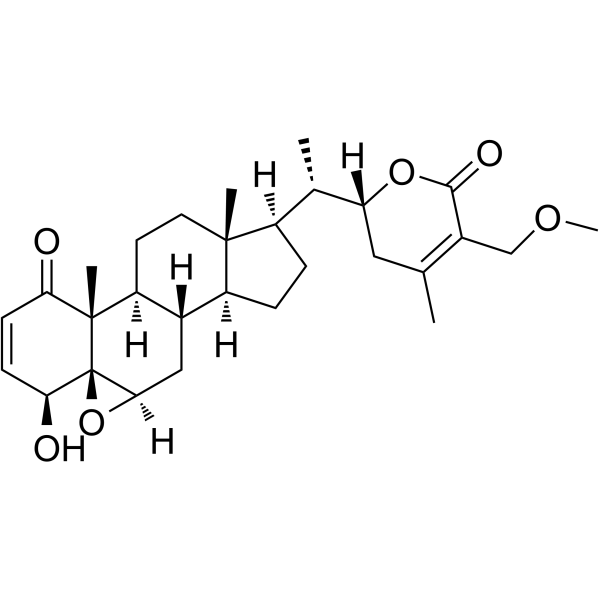
27-Methyl withaferin A (comppund 26) is an apoptosis inducer with anticancer effects. 27-Methyl withaferin A shows antiproliferative effects against HeLa, A-549 and MCF-7 human tumor cell lines with IC50 values of 3.2 μM, 4.2 μM and 1.4 μM, respectively .
|
-
- HY-161824
-
|
|
Drug Intermediate
|
Cancer
|
|
Antiproliferative agent-52 (Compound 4a) is an antiproliferative agent that exhibits significant antiproliferative activity against four human tumor cell lines (A549, A2780, SKOV3, HCC827), with IC50 values ranging from 5.83 to 8.63 nM. Antiproliferative agent-52 can be used in cancer research .
|
-

- HY-12447
-
|
|
MEK
Apoptosis
|
Cancer
|
|
SMK-17 is a selective, non-ATP-competitive MEK1/MEK2 inhibitor with IC50s of 62 nM and 56 nM, respectively. SMK-17 binds to the allosteric pocket of MEK1/2. SMK-17 induces apoptosis in tumor cell lines harboring β-catenin mutations .
|
-

- HY-173133
-
|
|
Autophagy
Atg7
|
Cancer
|
|
Antitumor agent-199 (Compound 4b) is an antitumor agent. Antitumor agent-199 exhibits significant antiproliferative activity against multiple tumor cell lines. Antitumor agent-199 can induce autophagy in cancer cells via the ATG5/ATG7 pathway and can be used in the study of cancer .
|
-

- HY-124083
-
|
|
Microtubule/Tubulin
Apoptosis
Caspase
Mitochondrial Metabolism
|
Cancer
|
MPT0B214 is a microtubule inhibitor that strongly binds to the colchicine binding site of tubulin, preventing tubulin polymerization. MPT0B214 induces apoptosis through a mitochondrial/caspase 9 dependent pathway and shows cytotoxicity across various human tumor cell lines. MPT0B214 can be used for cancer research .
|
-

- HY-18953
-
|
|
mTOR
|
Cancer
|
|
mTOR inhibitor-23 (compound DHM25) is a selective, competitive, irreversible and covalent inhibitor of mTOR. mTOR inhibitor-23 has the mechanism of inhibition occurs mainly through its capacity to covalently interact with a nucleophilic amino acid inside the ATP pocket. mTOR inhibitor-23 exerts potent antitumor activity against triple-negative breast tumor cell lines .
|
-

- HY-145406
-
|
|
Adenosine Receptor
HDAC
|
Inflammation/Immunology
Cancer
|
|
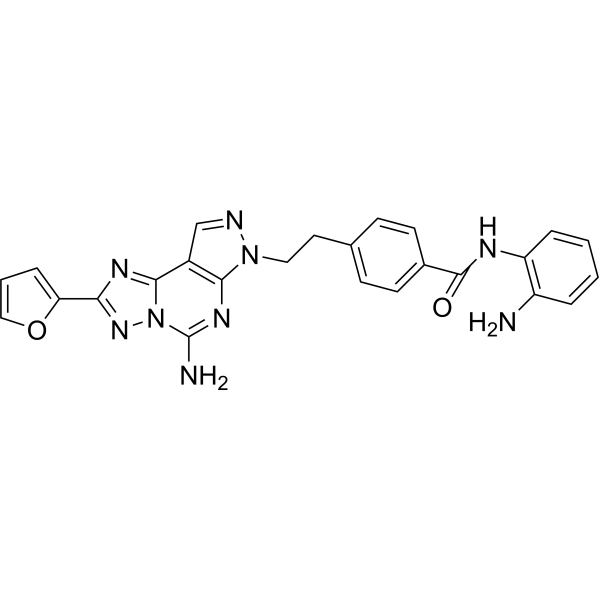
IHCH-3064 is a dual-acting compounds targeting Adenosine A2A Receptor and HDAC. IHCH-3064 exhibits potent binding to A2AR (Ki=2.2 nM) and selective inhibition of HDAC1 (IC50=80.2 nM), with good antiproliferative activity against tumor cell lines in vitro. IHCH-3064 is a tumor immunotherapeutic agent.
|
-
- HY-146316
-
|
|
Topoisomerase
|
Cancer
|
|
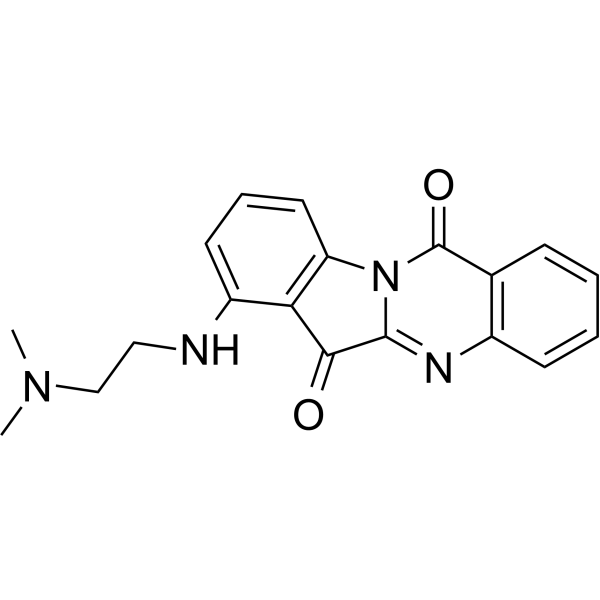
Topoisomerase II inhibitor 6 (Compound 5), a tryptanthrin derivative, is a potent and selective inhibitor of topoisomerase II. Topoisomerase II inhibitor 6 exhibits antiproliferative activity on different tumor cell lines. Topoisomerase II inhibitor 6 blocks the cell cycle of CCRF-CEM in the G2 phase and induces DNA DSB. Topoisomerase II inhibitor 6 has the potential for the research of cancer diseases .
|
-
- HY-164645
-
|
|
Ras
|
Cancer
|
|
pan-KRAS-IN-16 (Compound 3344) is an anti-RAS small molecule derived from an intracellular antibody fragment with pan-RAS-effector protein-protein interaction inhibitor properties. pan-KRAS-IN-16 binds to a hydrophobic pocket near to the effector-binding switch regions of RAS. pan-KRAS-IN-16 prevents endogenous RAS-dependent signaling in tumor cell lines .
|
-

- HY-W848341
-
|
NSC 338947; CIEtSoSo
|
DNA Alkylator/Crosslinker
|
Cancer
|
|
Clomesone (NSC 338947) is a compound with antitumor activity. Clomesone induces the formation of cross-links between DNA strands in cell lines. Clomesone is inactive against most human colorectal cancer solid tumor cell lines in vitro, has no significant activity against mouse tumors in vivo, and is accompanied by bone marrow suppression. Its pharmacokinetic behavior indicates that it cannot reach effective concentrations at the tumor site.
|
-

- HY-163435
-
|
|
Apoptosis
Caspase
PARP
Bcl-2 Family
|
Cancer
|
|
Anticancer agent 201 (Compound 2f) has IC50 values in the low micromolar range for multiple tumor cell lines. Anticancer agent 201 is highly cytotoxic to CCRF-CEM cells in vitro, inducing apotosis by activating caspase-3 in the intrinsic mitochondrial pathway and lysis of PARP, as well as reducing the expression of Bcl-2 and Bcl-XL proteins. Anticancer agent 201 can be used in cancer research .
|
-
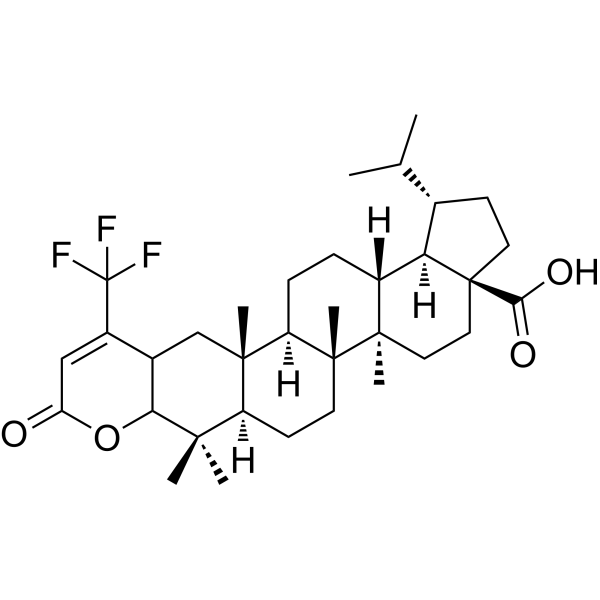
- HY-114639
-
|
|
Others
|
Others
|
|
Maritinone is a compound with antiproliferative activity and exhibits strong cytostatic activity in various tumor cell lines.
|
-

- HY-N18195
-
|
|
Others
|
Cancer
|
|
Trichilin B is a limonoid compound found in the twigs and leaves of Trichilia connaroides. Trichilin B exhibits no in vitro cytotoxic activity against tumor cell lines .
|
-

- HY-N14893
-
|
|
Others
|
Cancer
|
|
Cetoniacytone B can inhibit the growth of HEPG2 and MCF7 human tumor cell lines, with GI50 values of 4.4 μM .
|
-

- HY-N15715
-
|
|
Drug Derivative
|
Cancer
|
|
Acoraminol B is one of the stereoisomers of phenylpropanoids, the other of which is Acoraminol A (HY-N15714), which can be isolated from the methanol extract of the rhizome of Acorus tatarinowii. Acoraminol B has weak cytotoxic effects on several human tumor cell lines (IC50>30 μM) .
|
-

- HY-N14530
-
|
|
Bacterial
|
Infection
Cancer
|
|
Cremeomycin has anti-Gram-positive bacteria activity including methicillin-resistant Staphylococcus aureus (MRSA), MIC is 0.2-0.39 μg/mL. Cremeomycin shows cytotoxicity to mouse tumor cell lines P388, L1210, IMC, S180, B16 and SS3 in vitro .
|
-

- HY-120187
-
|
|
Others
|
Others
|
|
DDCPPB-Glu (compound 3a) is a compound with anti-tumor activity, which has the activity of inhibiting tumor cell growth and prolonging survival. DDCPPB-Glu has growth inhibition effect on various tumor cell lines, can increase the survival time of leukemia mice, and has inhibitory effect on tumors such as colon cancer and lung cancer.
|
-

- HY-176058
-
|
|
HDAC
|
Cancer
|
|
HDAC6-IN-57 (compound 9c) is an HDAC6 inhibitor with an IC50 value of 7 nM. HDAC6-IN-57 inhibits 60 cancer cell lines with a mean GI50 of 2.64 μM while exhibiting significantly lower cytotoxicity towards non-tumor cell lines .
|
-

- HY-182397
-
|
|
Cyclophilin
|
Cancer
|
|
ZX-J-19L is a CyPJ inhibitor with inhibitory activity against a variety of tumor cell lines. ZX-J-19L inhibits the growth of human liver cancer cells, human breast cancer cells, ovarian cancer cells and prostate cancer cells in vitro. ZX-J-19L can be used for tumor research .
|
-

- HY-N18186
-
|
|
Others
|
Cancer
|
|
Neojiangyouaconitine is a diterpenoid alkaloid cytotoxin isolated from Aconitum soongaricum var. pubescens. Neojiangyouaconitine exhibits cytotoxic activity against human breast cancer, prostate cancer and lung cancer cells, with weak inhibitory effect on HeLa cells. Neojiangyouaconitine has the ability to kill specific tumor cell lines and can be applied to the research on the mechanisms of related cancers such as breast cancer, prostate cancer and lung cancer .
|
-

- HY-101667R
-
|
|
DNA-PK
Reference Standards
|
Cancer
|
|
LTURM34 (Standard) is the analytical standard of LTURM34 (HY-101667). This product is intended for research and analytical applications. LTURM34 is a specific DNA-PK inhibitor (IC50=34 nM). LTURM34 exhibits 170-fold selectivity for DNA-PK over PI3K. LTURM34 shows potent antiproliferative activity in a wide range of tumor cell lines .
|
-

- HY-101870BR
-
|
INCB053914 phosphate (Standard)
|
Reference Standards
Pim
|
Cancer
|
|
Uzansertib phosphate (Standard) is the analytical standard of Uzansertib phosphate (HY-101870B). This product is intended for research and analytical applications. Uzansertib (INCB053914) phosphate is an orally active, ATP-competitive pan-PIM kinase inhibitor with IC50s of 0.24 nM, 30 nM, 0.12 nM for PIM1, PIM2, PIM3, respectively. Uzansertib phosphate has broad anti-proliferative activity against a variety of hematologic tumor cell lines .
|
-

- HY-180158
-
|
|
Parasite
Reactive Oxygen Species (ROS)
|
Infection
Cancer
|
|
Antitrypanosomal agent 28 (Compound 2a) is a trypanocidal agent. Antitrypanosomal agent 28 effectively inhibits Trypanosoma cruzi by inducing the generation of ROS and mitochondrial damage, with an IC₅₀ of 49.4 μM. Antitrypanosomal agent 28 exhibits broad-spectrum anti-tumor activity against various tumor cell lines, especially being sensitive to leukemia, colon cancer, and breast cancer. Antitrypanosomal agent 28 can be used for research on anti-cancer and anti-trypanosome activities .
|
-

- HY-157396
-
|
|
Aurora Kinase
Apoptosis
Caspase
|
Cancer
|
|
JAB-2485 is an orally active and selective Aurora kinase A (AURKA) inhibitor with an IC50 value of 0.327 nM. JAB-2485 exhibits inhibitory activity against various tumor cell lines such as neuroblastoma, triple-negative breast cancer, small cell lung cancer, and epithelial ovarian cancer. JAB-2485 can induce cell cycle arrest and apoptosis in tumor cells. JAB-2485 has antitumor activity .
|
-
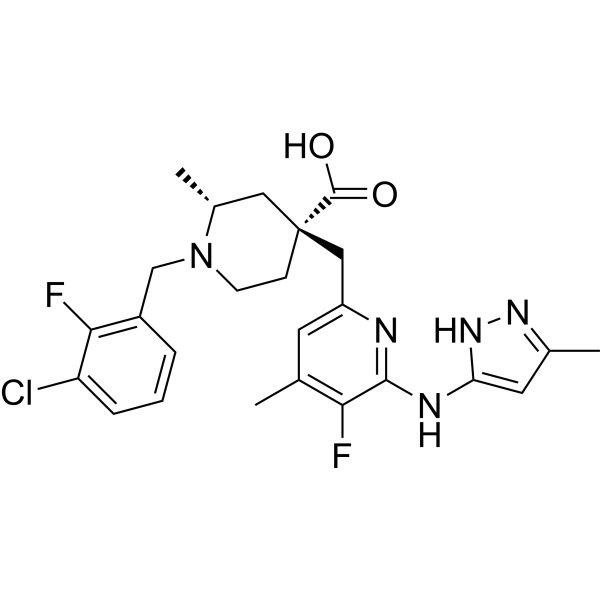
- HY-170594
-
|
|
Atg7
Autophagy
|
Cancer
|
|
Antitumor agent-192 (Compound 2f) is a β-carboline antitumor agent. Antitumor agent-192 induces autophagy in HCT116 cells via the ATG5/ATG7 pathway. Antitumor agent-192 has an IC50 of less than 5 μM for human tumor cell lines and significantly inhibits tumor development and reduces tumor weight in a mouse colorectal cancer model transplanted with allografts [1].
|
-

- HY-100022
-
|
eFT508
|
MNK
PD-1/PD-L1
|
Cancer
|
|
Tomivosertib (eFT508) is a potent, highly selective, and orally active MNK1 and MNK2 inhibitor, with IC50s of 1-2 nM against both isoforms. Tomivosertib (eFT508) treatment leads to a dose-dependent reduction in eIF4E phosphorylation at serine 209 (IC50=2-16 nM) in tumor cell lines . Tomivosertib (eFT508) also dramatically downregulates PD-L1 protein abundance .
|
-
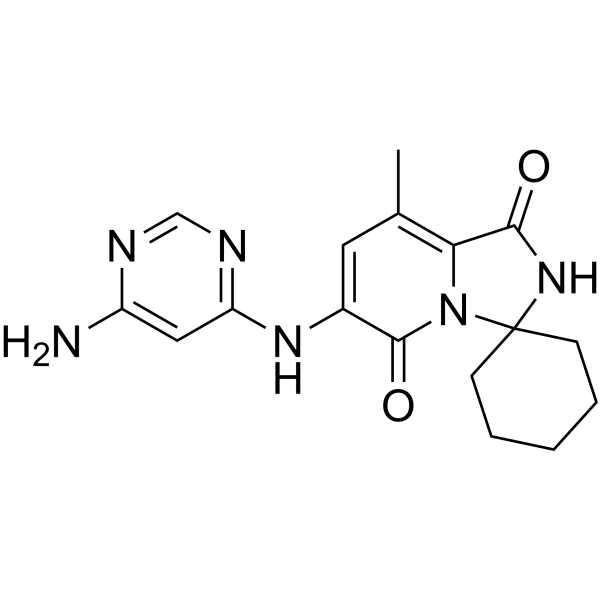
- HY-15794G
-
|
Methoxymorpholinyl doxorubicin; FCE 23762; PNU 152243
|
G-quadruplex
|
Cancer
|
|
Nemorubicin (Methoxymorpholinyl doxorubicin) GMP is a GMP-class Nemorubicin (HY-15794). Nemorubicin is a Doxorubicin derivative with potent antitumor activity. Nemorubicin is highly cytotoxic to a variety of tumor cell lines presenting a multidrug-resistant phenotype. Nemorubicin not only intercalate into the duplex DNA, but also result in significant ligands for G-quadruplex DNA segments, stabilizing their structure. Nemorubicin requirs an intact nucleotide excision repair (NER) system to exert its activity .
|
-
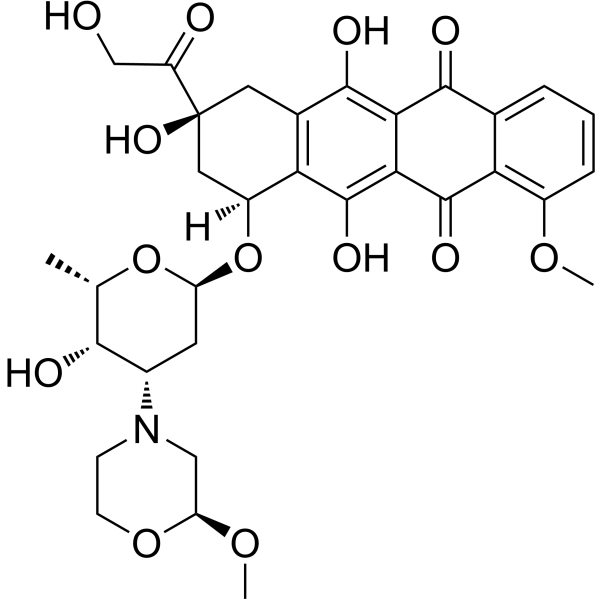
- HY-161324
-
|
|
Microtubule/Tubulin
|
Cancer
|
|
Tubulin degrader 1 (Compound 5i) is a BML284 (HY-19987) derivative that is an orally active colchicine-site noncovalent tubulin degradation agent with IC50 values ranging from 0.02 to 0.05 μM against the five tumor cell lines (Hela, HCT116, MCF-7, K562 and Molm-13). Tubulin degrader 1 has antiproliferative activity that effectively suppressed tumor growth .
|
-
- HY-117938
-
|
|
Aminoacyl-tRNA Synthetase
|
Cancer
|
|
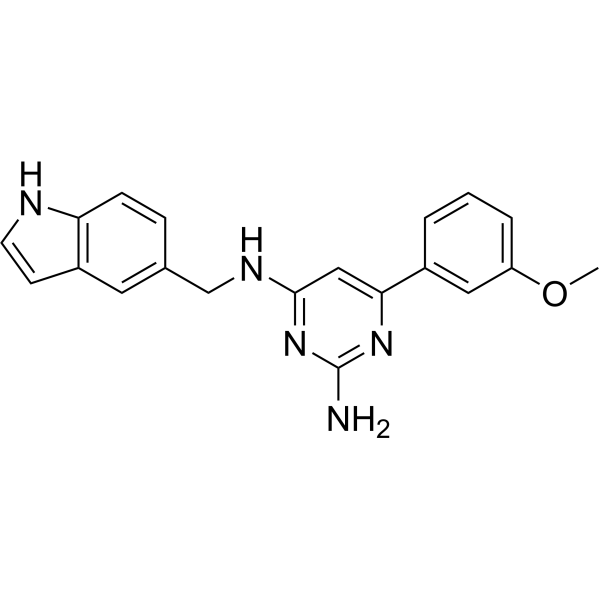
T-3861174 is an inhibitor of prolyl-tRNA synthetase (PRS, Aminoacyl-tRNA Synthetase) without completely inhibiting its translation process. T-3861174 activates the GCN2-ATF4 pathway and induces death in multiple tumor cell lines, including SK-MEL-2. T-3861174 demonstrated significant antitumor activity in multiple xenograft models without significantly affecting body weight .
|
-

- HY-172748
-
|
|
Drug Derivative
|
Neurological Disease
Cancer
|
|
9β-Hydroxyhexahydrocannabinol is a synthetic cannabinoid derivative. 9β-Hydroxyhexahydrocannabinol exhibits cytotoxicity against various tumor cell lines, such as HCT-116, MCF-7, K562, MIAPaCa-2, PANC-1, A549, PC-3 and SW-620, with IC50 values ranging from 15.23 to 33.74 μM. 9β-Hydroxyhexahydrocannabinol can be used in the study of cancer .
|
-

- HY-204056
-
|
|
Telomerase
|
Cancer
|
|
Telomerase-IN-8 is an orally active telomerase inhibitor, with an IC50 value of 0.98 μM. Telomerase-IN-8 exhibits potent antiproliferative activity against multiple tumor cell lines, including PC3, Bcap-37, MGC-803 and HepG2. Telomerase-IN-8 demonstrates potent antitumor efficacy in S180 sarcoma or HepG2 hepatoma xenograft mice. Telomerase-IN-8 can be used for the study of telomerase-targeted anticancer .
|
-

- HY-N14722
-
|
|
Bacterial
|
Infection
Cancer
|
|
Lactonamycin had strong activity against Gram-positive bacteria including Staphylococcus, Streptococcus, Enterococcus, MRSA (MIC of 0.39-0.78 μg/mL) and VRE (MIC of 0.39-0.78 μg/mL). Lactonamycin also has inhibitory effect on L-1210, P388, S180, FS-3, Ehrlich, B16-BL5 and other tumor cell lines (IC50s of 0.06-3.3 μg/mL) .
|
-

- HY-N0367R
-
|
(E)-Anethole (Standard)
|
Reference Standards
Endogenous Metabolite
|
Cardiovascular Disease
Metabolic Disease
Endocrinology
Cancer
|
|
Trans-Anethole (Standard) is the analytical standard of Trans-Anethole. This product is intended for research and analytical applications. Trans-Anethole ((E)-Anethole) is an orally active phenylpropene derivative found in Foeniculum vulgare that is estrogenic at low concentrations and cytotoxic at high concentrations in tumor cell lines. Trans-Anethole also has anti-aflatoxin, anti-thrombotic and anti-diabetic activities. Trans-Anethole is an important odor component in plants such as fennel, myrtle, liquorice, and camphor .
|
-

- HY-W854934
-
|
|
Microtubule/Tubulin
|
Cancer
|
|
IKP-104 is a microtubule/tubulin inhibitor (IC50 = 1.31 μM). IKP-104 arrests cells in mitosis and the M phase by inhibiting microtubule polymerization and inducing cytoskeletal microtubule depolymerization. IKP-104 inhibits the growth of mouse and human tumor cell lines. IKP-104 exhibits anti-tumor effects in mouse ascites tumors and lung cancer models. IKP-104 is useful in the research of cancers such as leukemia, lung cancer and melanoma .
|
-

- HY-117803
-
|
OSI-461 free base
|
Apoptosis
|
Cancer
|
|
CP 461 free base (OSI-461 free base) is a novel pro-apoptotic compound with the activity of inhibiting cyclic guanosine monophosphate phosphodiesterase. CP 461 free base exhibits growth inhibitory activity against a variety of human tumor cell lines in vitro. CP 461 free base selectively induces apoptosis in cancer cell lines but has no effect on normal cells. CP 461 free base can be used in the study of renal cell carcinoma, prostate cancer and Crohn's disease .
|
-

- HY-N12834
-
|
|
Others
|
Inflammation/Immunology
Cancer
|
|
Ecdysoside B (compound 6b) is a pregnanoside compound isolated from the plant Ecdysanthera rosea. Ecdysoside B and its derivatives and isomers shows anticancer, immunosuppressive and anti-inflammatory activities. Ecdysoside B shows cytotoxicity to a variety of human tumor cell lines, including PANC-1 (human pancreatic cancer cells), A375 (human melanoma cells) and U87 (brain glioma U87 cells). Ecdysoside B can be used for research in the areas of cancer, immunomodulation and anti-inflammato .
|
-

- HY-N0367S
-
|
(E)-Anethole-d3
|
Isotope-Labeled Compounds
Endogenous Metabolite
|
Endocrinology
|
|
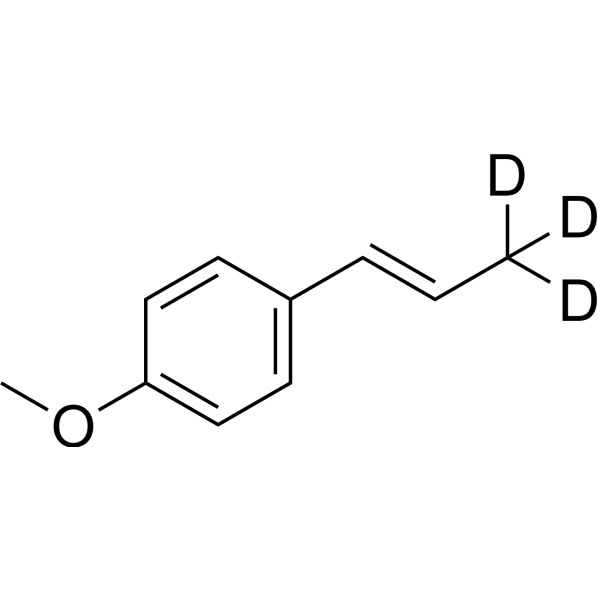
Trans-Anethole-d3 is deuterated labeled Trans-Anethole (HY-N0367). Trans-Anethole ((E)-Anethole) is an orally active phenylpropene derivative found in Foeniculum vulgare that is estrogenic at low concentrations and cytotoxic at high concentrations in tumor cell lines. Trans-Anethole also has anti-aflatoxin, anti-thrombotic and anti-diabetic activities. Trans-Anethole is an important odor component in plants such as fennel, myrtle, liquorice, and camphor .
|
-
- HY-160843
-
|
|
Apoptosis
|
Cancer
|
|
N-ω-chloroacetyl-L-ornithine (NCAO) is a potent reversible competitive ornithine decarboxylase (ODC) inhibitor that exerts cytotoxic and antiproliferative effects on tumor cell lines with EC50 values ranging from 1 to 50.6 µM. NCAO induces tumor cell Apoptosis and inhibits tumor cell migration in vitro. NCAO also exhibits a potent antitumor activity against both solid and ascitic tumors in a mouse model using the myeloma (Ag8) cell line. NCAO is promising for research of antitumor agents .
|
-

- HY-19671
-
|
SR-45023A; SR 9223i; SK&F-99085
|
HMG-CoA Reductase (HMGCR)
Apoptosis
|
Cancer
|
|
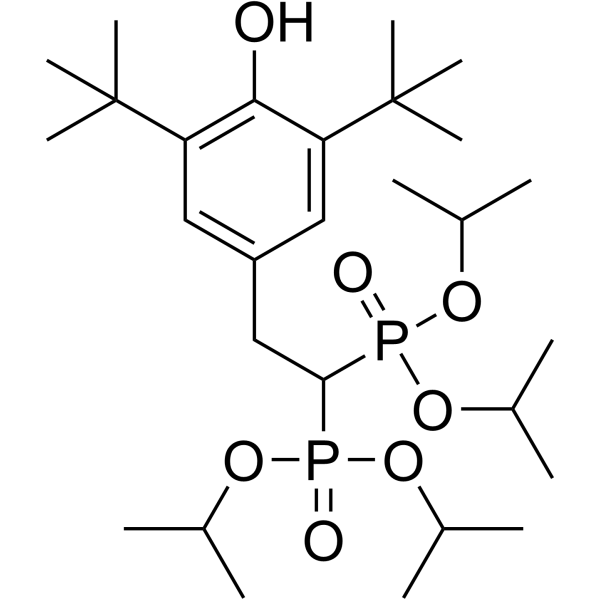
Apomine (SR-45023A) is an orally active antineoplastic agent that inhibits the mevalonate/isoprenoid pathway in cholesterol synthesis. Apomine can accelerate the degradation of 3-hydroxy-3-methylglutaryl-CoA reductase (HMGR). Apomine can also inhibit the growth of various types of cancer cells, including lung cancer, colon cancer, breast cancer, and skin cancer. Apomine is able to induce apoptosis in tumor cell lines derived from leukemia, colon cancer, liver cancer, ovarian cancer, and breast cancer .
|
-
- HY-164315
-
|
|
Ras
PERK
|
Cancer
|
|
KRAS G12C inhibitor 67 (Example 35) is an orally active KRAS G12C inhibitor. KRAS G12C inhibitor 67 inhibits pERK and active KRas. KRAS G12C inhibitor 67 selectively inhibits the growth of various KRAS G12C mutant tumor cell lines. KRAS G12C inhibitor 67 exhibits anticancer activity against esophageal cancer, bladder cancer, colorectal cancer, lung cancer, and pancreatic cancer .
|
-

- HY-W587938
-
|
(+)-γ-Eudesmol
|
Apoptosis
|
Cancer
|
|
γ-Eudesmol ((+)-γ-Eudesmol) is a mitochondrial-mediated apoptosis inducer. γ-Eudesmol binds mitochondrial membrane proteins, triggering depolarization of mitochondrial membrane potential and activating caspase cascades. γ-Eudesmol demonstrates cytotoxicity against multiple tumor cell lines (e.g., HepG2, B16-F10) with IC50 values ranging from 8.86-15.15 μg/mL. γ-Eudesmol is promising for research of cancers, such as hepatocellular carcinoma and melanoma .
|
-

- HY-143317
-
|
|
Epigenetic Reader Domain
|
Cancer
|
|
XY153 (compound 8l) is a BD2-selective BET inhibitor and selectively binds to BRD4 BD2. XY153 binds to BRD4 BD2, BRD3 BD2 and BRD2 BD2 with IC50s of 0.79, 5.31 and 5.09 nM, respectively. XY153 shows potent antiproliferative activity against multiple tumor cell lines. XY153 can be used for the research of acute myeloid leukemia (AML) and cancer .
|
-
- HY-123045
-
|
|
CDK
|
Cancer
|
|
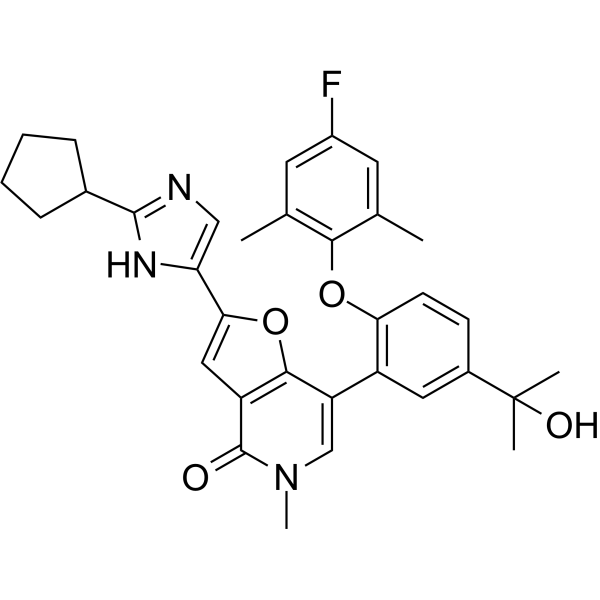
PNU-292137 is an orally active, potent CDK2 inhibitor with IC50s of 37 nM and 92 nM for CDK2/cyclin A and CDK2/cyclin E, respectively. PNU-292137 makes interactions with the hydrophobic pocket at the back of the CDK2 ATP pocket. PNU-292137 efficiently inhibits tumor cell proliferation in human colon and prostate tumor cell lines. PNU-292137 exhibits antitumor activity (TGI>50%) in a mouse xenograft model .
|
-

- HY-18652A
-
|
Ro 5126766 potassium; CH5126766 potassium
|
Raf
MEK
|
Cancer
|
|
Avutometinib (CH5126766) (potassium) is a RAF/MEK clamp that potently inhibits RAF/MEK kinase activity and induces dominant negative RAF-MEK complexes preventing phosphorylation of MEK by ARAF, BRAF and CRAF. Avutometinib (potassium) shows anti-proliferative potency across tumor cell lines carrying KRAS mutations including PDAC cell lines. Avutometinib (potassium) induces tumor inhibition and increases survival in a KRAS/p53 pancreatic cancer mouse model. Avutometinib (potassium) is promising for research of low-grade-serous-ovarian-carcinoma (LGSOC), ovarian cancer and pancreatic ductal adenocarcinoma (PDAC) .
|
-

- HY-P991372
-
|
RN927C antibody
|
TROP2
|
Cancer
|
|
Anti-TROP2 Antibody (RN927C antibody) is a human monoclonal antibody targeting Trop-2. Anti-TROP2 Antibody exerts in vitro inhibitory effects on a variety of tumor cell lines. Anti-TROP2 Antibody exhibits anti-tumor activity in mouse pancreatic PDX, ovarian PDX, lung PDX and triple-negative breast cancer (TNB) PDX models. Anti-TROP2 Antibody can be used for research on pancreatic cancer, ovarian cancer, lung cancer and triple-negative breast cancer .
|
-

- HY-19896
-
COTI-2
4 Publications Verification
|
MDM-2/p53
Apoptosis
|
Cancer
|
|
COTI-2, an anti-cancer agent with low toxicity, is an orally available third generation activator of p53 mutant forms. COTI-2 acts both by reactivating mutant p53 and inhibiting the PI3K/AKT/mTOR pathway. COTI-2 induces apoptosis in multiple human tumor cell lines. COTI-2 exhibits antitumor activity in HNSCC through p53-dependent and -independent mechanisms. COTI-2 converts mutant p53 to wild-type conformation .
|
-
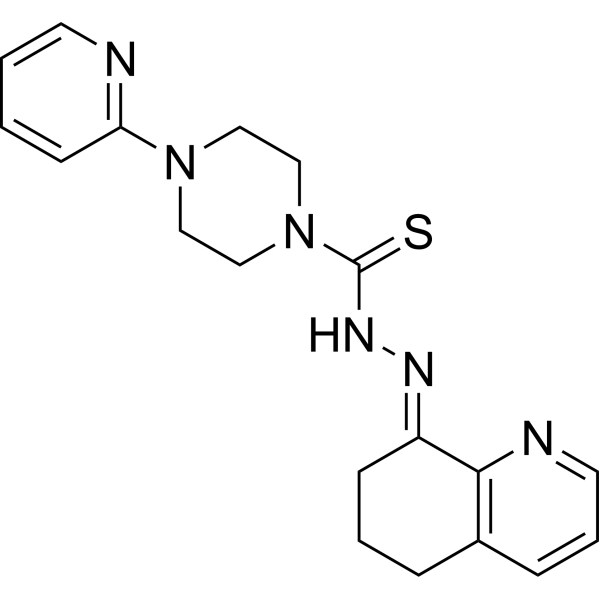
- HY-N0120
-
|
(E/Z)-Piceid
|
Drug Isomer
|
Cardiovascular Disease
Metabolic Disease
Inflammation/Immunology
Cancer
|
|
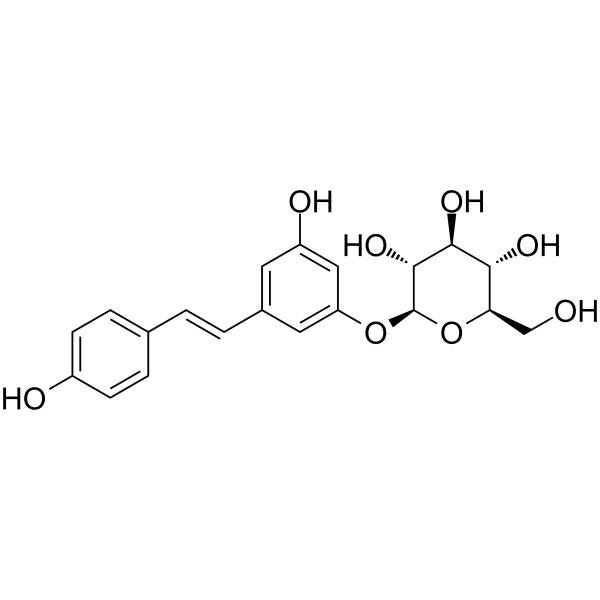
(E/Z)-Polydatin ((E/Z)-Piceid) is a mixture of the E/Z configurations of Polydatin (HY-N0120A). Polydatin can be isolated from Polygonum cuspidatum, grapes, peanuts, red wine, hop pellets, cocoa-containing products and chocolate products. Polydatin exhibits multiple biological properties, such as anti-platelet aggregation, anti-low-density lipoprotein oxidation, cardioprotective activity, anti-inflammatory and immunomodulatory functions. Polydatin shows favorable cytotoxic effects against various tumor cell lines, including cervical cancer cells, liver cancer cells, and nasopharyngeal carcinoma cells .
|
-
- HY-173488
-
|
|
NF-κB
HIF/HIF Prolyl-Hydroxylase
Keap1-Nrf2
|
Cancer
|
|
NF-κB/HIF-1α-IN-1 (compound 9c) is a potent blocker of the NF-κB activation pathway and demonstrates selective anti-fibrotic activity. NF-κB/HIF-1α-IN-1 shows no significant cytotoxicity in NCI tumor cell lines. In rat models. NF-κB/HIF-1α-IN-1 has been shown to effectively ameliorate liver fibrosis by inhibiting the expression levels of NF-κB and HIF-1α, while simultaneously inducing the activation of Nrf2 .
|
-

- HY-144693
-
|
|
MEK
PI3K
PERK
|
Cancer
|
|
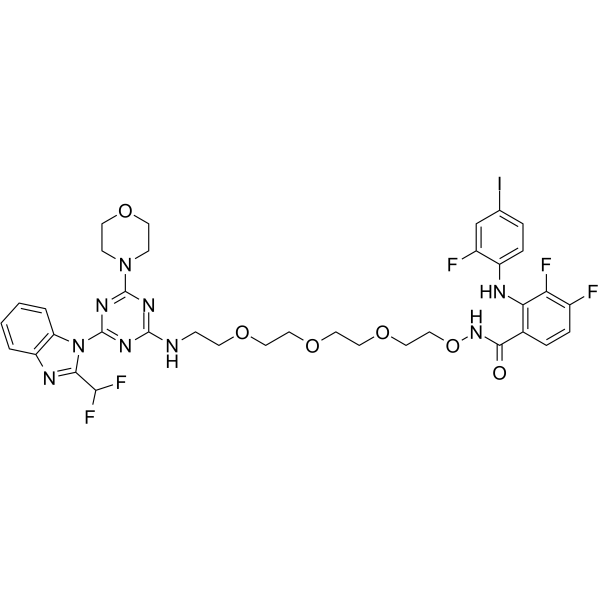
MEK/PI3K-IN-2 (compound 6s) is a potent MEK/PI3K inhibitor, with IC50 values of 352 nM (MEK1), 107 nM (PI3Kα), and 137 nM (PI3Kδ), respectively. MEK/PI3K-IN-2 suppresses pAKT and pERK1/2 levels. MEK/PI3K-IN-2 shows anti-proliferative activity against tumor cell lines .
|
-
- HY-144692
-
|
|
MEK
PI3K
PERK
|
Cancer
|
|
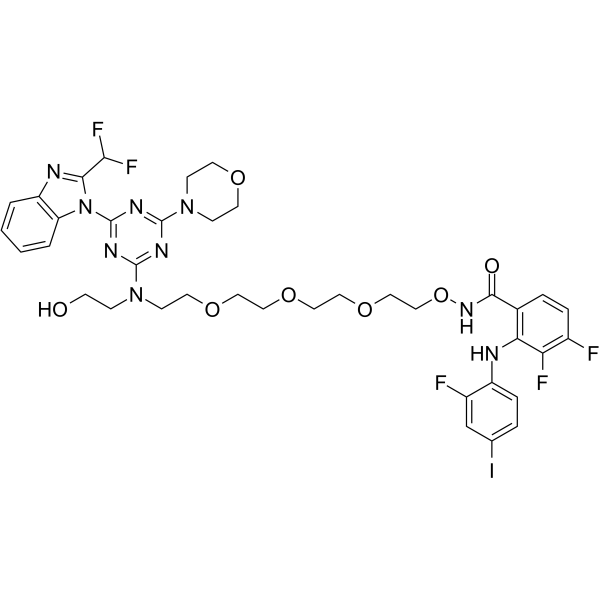
MEK/PI3K-IN-1 (compound 6r) is a potent MEK/PI3K inhibitor, with IC50 values of 124 nM (MEK1), 130 nM (PI3Kα), and 236 nM (PI3Kδ), respectively. MEK/PI3K-IN-1 suppresses pAKT and pERK1/2 levels. MEK/PI3K-IN-1 shows anti-proliferative activity against tumor cell lines .
|
-
- HY-109583S
-
|
4-Oxo-4-HPR-d4
|
Isotope-Labeled Compounds
Reactive Oxygen Species (ROS)
Drug Metabolite
Apoptosis
|
Cancer
|
|
4-Oxofenretinide-d4 (4-Oxo-4-HPR-d4) is deuterium labeled 4-Oxofenretinide. 4-Oxofenretinide (4-Oxo-4-HPR) is a metabolite of Fenretinide (HY-15373). 4-Oxofenretinide induces cell growth inhibition in ovarian, breast, and neuroblastoma tumor cell lines. 4-Oxofenretinide causes a marked accumulation of cells in G2-M. 4-Oxofenretinide induces cancer cell apoptosis through caspase-9 .
|
-

- HY-179451
-
|
|
Apoptosis
p38 MAPK
Parasite
|
Infection
Inflammation/Immunology
Cancer
|
|
Apoptosis inducer 53 is an apoptosis inducer. Apoptosis inducer 53 can inhibit proliferation of human tumor cell lines (A549, HeLa, SW1573, T-47D, WiDr) with GI50 values of 2.5-9.1 μM. Apoptosis inducer 53 can induce cancer cells apoptosis and reduce colony formation. Apoptosis inducer 53 can activate p38α MAPK signaling and exerts anti-inflammatory effect. Apoptosis inducer 53 also shows anti-Leishmania donovani activity. Apoptosis inducer 53 can be used for the researches of cancer, infection and inflammation .
|
-

- HY-123656
-
|
|
Apoptosis
|
Cancer
|
|
Antiproliferative agent-61 is a synthetic β-carlinyl chalcone with significant antiproliferative activity. Antiproliferative agent-61 showed significant effects in a range of solid tumor cell lines, with the most prominent effects in breast cancer. Antiproliferative agent-61 showed IC50 values of 2.25 and 3.29 μM in the human breast cancer MCF-7 cell line. Antiproliferative agent-61 significantly induced DNA fragmentation and apoptosis in breast cancer cells. Antiproliferative agent-61 inhibited the interaction of MDM2 with p53 and promoted the degradation of MDM2 .
|
-

- HY-N17550
-
|
|
Bacterial
Parasite
|
Infection
Inflammation/Immunology
Cancer
|
|
25-Hydroperoxycycloart-23-en-3β-ol is an anticancer, antibacterial, and antimalarial agent. 25-Hydroperoxycycloart-23-en-3β-ol can be isolated from Blepharodon nitidum. 25-Hydroperoxycycloart-23-en-3β-ol exhibits anti-Mycobacterium tuberculosis and antileishmanial activities. 25-Hydroperoxycycloart-23-en-3β-ol shows significant cytotoxic activity against a panel of tumor cell lines (large cell lung cancer, melanoma, colon adenocarcinoma, chronic myelogenous leukemia) .
|
-

- HY-W106860R
-
|
|
Others
Reference Standards
|
Cancer
|
|
9H-Carbazole-3-carbaldehyde (Standard) is the analytical standard of 9H-Carbazole-3-carbaldehyde (HY-W106860). This product is intended for research and analytical applications. 9H-Carbazole-3-carbaldehyde is an anticancer agent that can be isolated from the stems of Lansium parasiticum (Lour.) Skeels. 9H-Carbazole-3-carbaldehyde shows significant cytotoxic activity in a variety of tumor cell lines, especially against H1299 and SMMC-7721 lung cancer cells with IC50 values of 6.19-26.84 μg/mL .
|
-

- HY-176701
-
|
|
Histone Methyltransferase
|
Cancer
|
|
PRMT5-MTA-IN-4 (Compound 30) is a potent irreversible protein arginine methyltransferase 5 (PRMT5) inhibitor (IC50=8 nM). PRMT5-MTA-IN-4 blocks arginine methylation, inhibiting ribosomal RNA processing and cell cycle-related protein expression. PRMT5-MTA-IN-4 exhibits antiproliferative activity in multiple tumor cell lines (e.g., IC50=0.3 μM in DLD-1 cells). PRMT5-MTA-IN-4 is promising for research of hematological malignancies, such as acute myeloid leukemia, diffuse large B-cell lymphoma .
|
-

- HY-181996
-
|
|
Btk
Caspase
Apoptosis
PARP
|
Cancer
|
|
BTK-IN-47 (Compound 9e) is a covalent, selective BTK inhibitor with an IC50 of 5.15 nM against BTK. BTK-IN-47 inhibits the BTK signaling pathway, induces cell cycle arrest, and activates the canonical Caspase-dependent Apoptotic pathway (promoting the cleavage of Caspase-3, Caspase-7 and PARP), without inducing necroptosis, pyroptosis or ferroptosis. BTK-IN-47 exerts dose-dependent antiproliferative activity against hematologic tumor cell lines. BTK-IN-47 exhibits dose-dependent in vivo antitumor activity in a Ramos cell xenograft model in BALB/c nude mice. BTK-IN-47 can be used for the research of hematologic malignancies .
|
-

- HY-178472
-
|
|
PROTACs
Aurora Kinase
|
Cancer
|
|
AurAP14 is an Aurora A PROTAC degrader (DC50 = 120 nM). AurAP14 shows significant inhibitory activity against various tumor cell lines, with IC50s of 0.294 μM in A549 cells and 0.534 μM in MCF-7 cells. AurAP14 induces apoptosis and arrests A549 cells in the S and G2/M phases. AurAP14 demonstrates anti-tumor efficacy in nude mouse xenograft models of A549 and A549/PTR. AurAP14can be used in the research on the treatment of Aurora A-overexpressing NSCLC. (Pink: Aurora A ligand (HY-10971), Blue: E3 ligase Ligand (HY-W437598), Black: Linker) .
|
-

- HY-182064
-
|
|
EGFR
NO Synthase
COX
NF-κB
Interleukin Related
Apoptosis
|
Cancer
|
|
EGFR-IN-206 is an orally active EGFR inhibitor. EGFR-IN-206 inhibits the phosphorylation of the key tumor growth protein EGFR, and suppresses the proliferation, migration and invasion of EGFR triple-mutant tumor cell lines. EGFR-IN-206 downregulates the expression of inflammation-related proteins iNOS, COX-2 and NF-κB (p65). EGFR-IN-206 promotes the secretion of NO. EGFR-IN-206 reduces the secretion of IL-6. EGFR-IN-206 induces apoptosis (apoptosis) of EGFR triple-mutant tumor cells. EGFR-IN-206 exerts antitumor activity in EGFR triple-mutant mice. EGFR-IN-206 is applicable to the research of non-small cell lung cancer .
|
-

- HY-170965
-
|
|
CDK
DNA/RNA Synthesis
|
Cancer
|
|
Anticancer agent 264 (Compound 5w) is an anticancer agent that exhibits significant antiproliferative activity across tumor cell lines, with an IC50 range of 7.5-33.67 μM.
Anticancer agent 264 significantly induces G2/M phase arrest in MDA-MB-231, MIA PaCa-2, and DU-145 cell lines.
Anticancer agent 264 reduces the expression of key cell cycle proteins, including CDK1, CDK2, and Cyclin B1, in a dose-dependent manner, and shows strong binding affinity with inhibitor of differentiation (ID) proteins and DNA-binding proteins.
Anticancer agent 264 can be used for research in the field of cancer-related diseases .
|
-

- HY-176798
-
|
|
Lactate Dehydrogenase
Reactive Oxygen Species (ROS)
Apoptosis
|
Cancer
|
|
NCI-006 is an orally active lactate dehydrogenase (LDH) inhibitor (LDHA IC50 = 0.06 μM; LDHB IC50 = 0.03 μM). NCI-006 inhibits intratumoral LDH activity, lactate production, and tumor growth in a mouse pancreatic cancer model. NCI-006 inhibits glycolysis and induces apoptosis in vitro. NCI-006 enhances the radiosensitivity of glycolytic tumor cell lines while sparing non-glycolytic/normal cells (1522, skin fibroblasts) in combination with ionizing radiation (IR). NCI-006 exhibits synergistic antitumor effects in combination with IACS-010759 (HY-112037) against colorectal and gastric cancers. NCI-006 targets glycolysis by inhibiting lactate dehydrogenase impairs tumor growth in an Ewing sarcoma model .
|
-

- HY-181687
-
|
|
HSP
CDK
|
Cancer
|
|
Hsp90-IN-46 is a Hsp90 inhibitor. Hsp90-IN-46 exhibits broad-spectrum antiproliferative activity against tumor cell lines. Hsp90-IN-46 inhibits breast cancer cell proliferation by reducing colony formation and downregulating the proliferation marker Ki-67. Hsp90-IN-46 inhibits Hsp90 and its ATPase activity, downregulates the downstream substrate oncoproteins HER2 and CDK4, and moderately induces the heat shock response. Hsp90-IN-46 shows significant antitumor activity in a mouse model of triple-negative breast cancer tumor xenografts. Hsp90-IN-46 can be used for research on various cancers including triple-negative breast cancer, leukemia, non-small cell lung cancer, colon cancer, ovarian cancer, renal cancer, prostate cancer .
|
-

- HY-162098
-
|
|
PROTACs
Microtubule/Tubulin
Apoptosis
|
Cancer
|
|
PROTAC tubulin-Degrader-1 is a α/β/β3-tubulin PROTAC degrader. PROTAC tubulin-Degrader-1 exhibits potent anti-proliferative activity against multiple human tumor cell lines. PROTAC tubulin-Degrader-1 induces G2/M phase arrest and apoptosis and inhibits colony formation in A549 and A549/Taxol cells. PROTAC tubulin-Degrader-1demonstrates potent anti-tumor efficacy in A549 and A549/Taxol (Taxol-resistant) xenograft model. PROTAC tubulin-Degrader-1 can be used for the study of non-small cell lung cancer (NSCLC). (Pink: Tubulin ligand (HY-N2146), Blue: CRBN Ligand (HY-10984), Black: Linker (HY-N6056)) .
|
-
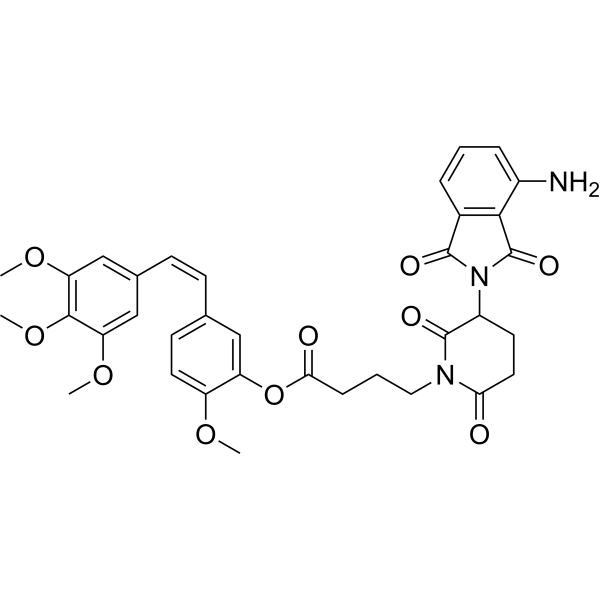
- HY-128586A
-
|
|
NEDD8-activating Enzyme
Carbonic Anhydrase
Apoptosis
|
Cancer
|
|
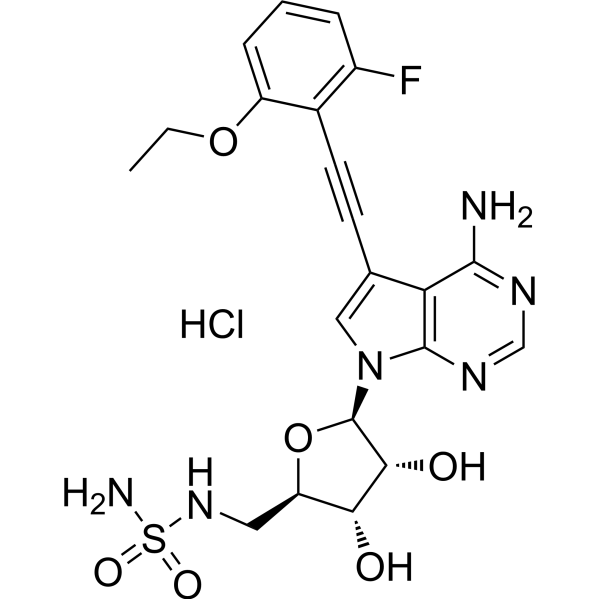
TAS4464 hydrochloride is a long-acting, highly selective covalent inhibitor targeting NEDD8-activating enzyme (NAE) (IC50=0.955 nM), and also inhibits CAII with an IC50 of 0.73 μM, which is less potent than MLN4924 (HY-70062). The IC50 values of TAS4464 hydrochloride against other E1 enzymes UAE and SAE are 449 nM and 1280 nM, respectively. TAS4464 hydrochloride targets NEDD8 in an ATP-dependent manner to inhibit NAE, blocks the neddylation pathway, causes accumulation of CRL ubiquitin ligase substrates (such as CDT1, p27, phosphorylated IκBα), and further induces tumor cell apoptosis. TAS4464 hydrochloride exhibits antiproliferative and cytotoxic effects, and has broad-spectrum antitumor activity against various hematologic and solid tumor cell lines as well as patient-derived tumor cells. TAS4464 hydrochloride has a wide therapeutic window, without obvious toxicity. TAS4464 hydrochloride can be used in the research of hematologic malignancies (leukemia, lymphoma, multiple myeloma, etc.) and solid tumors (small cell lung cancer, colorectal cancer, sarcoma, endometrial cancer, ovarian cancer, etc.) .
|
-
- HY-128586
-
|
|
Apoptosis
Carbonic Anhydrase
NEDD8-activating Enzyme
|
Cancer
|
|
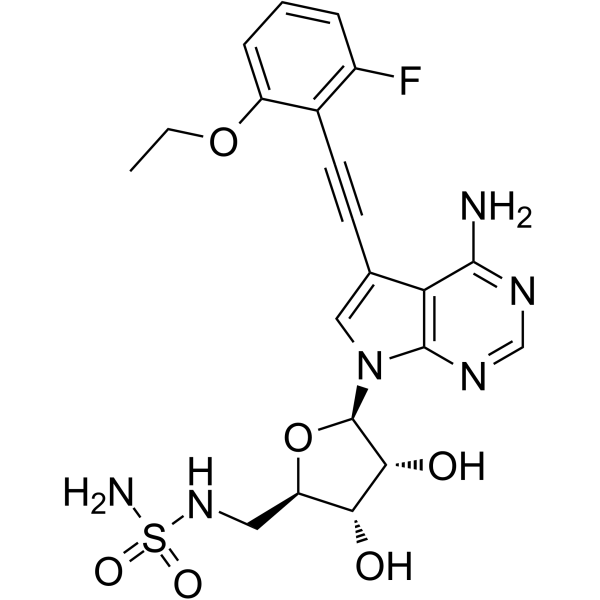
TAS4464 is a long-acting, highly selective covalent inhibitor targeting NEDD8-activating enzyme (NAE) (IC50=0.955 nM), and also inhibits CAII with an IC50 of 0.73 μM, which is less potent than MLN4924 (HY-70062). The IC50 values of TAS4464 against other E1 enzymes UAE and SAE are 449 nM and 1280 nM, respectively. TAS4464 targets NEDD8 in an ATP-dependent manner to inhibit NAE, blocks the neddylation pathway, causes accumulation of CRL ubiquitin ligase substrates (such as CDT1, p27, phosphorylated IκBα), and further induces tumor cell apoptosis. TAS4464 exhibits antiproliferative and cytotoxic effects, and has broad-spectrum antitumor activity against various hematologic and solid tumor cell lines as well as patient-derived tumor cells. TAS4464 has a wide selcetive window, without obvious toxicity. TAS4464 can be used in the research of hematologic malignancies (leukemia, lymphoma, multiple myeloma, etc.) and solid tumors (small cell lung cancer, colorectal cancer, sarcoma, endometrial cancer, ovarian cancer, etc.) .
|
-
- HY-172889
-
|
|
PI3K
HDAC
Apoptosis
mTOR
Akt
|
Cancer
|
|
PI3K/HDAC-IN-4 (Compound 31f) is a PI3K/HDAC dual inhibitor (IC50: 0.2μM). PI3K/HDAC-IN-4 shows high selectivity for HDAC1-3 (IC50 values of 75.5 nM, 70.9 nM, and 1.9 nM, respectively). PI3K/HDAC-IN-4 is a potent PIK3 inhibitor with IC50 values of 2.5 nM, 80.5 nM, 10.0 nM, and 57.2 nM for PI3Kα, β, δ, and γ, respectively. PI3K/HDAC-IN-4 significantly induces tumor cell apoptosis by simultaneously inhibiting the PI3K/AKT/mTOR signaling pathway and HDAC1-3. PI3K/HDAC-IN-4 exhibits potent antiproliferative activity in a variety of tumor cell lines (e.g., MV4-11, Jeko-1, HL60, and MCF-7, with IC50 values of 0.2, 0.9, 0.8, and 1.5 μM, respectively). PI3K/HDAC-IN-4 can be used in the study of lymphoma and leukemia .
|
-

| Cat. No. |
Product Name |
Type |
-
- HY-15794G
-
|
Methoxymorpholinyl doxorubicin; FCE 23762; PNU 152243
|
Fluorescent Dyes
|
|
Nemorubicin (Methoxymorpholinyl doxorubicin) GMP is a GMP-class Nemorubicin (HY-15794). Nemorubicin is a Doxorubicin derivative with potent antitumor activity. Nemorubicin is highly cytotoxic to a variety of tumor cell lines presenting a multidrug-resistant phenotype. Nemorubicin not only intercalate into the duplex DNA, but also result in significant ligands for G-quadruplex DNA segments, stabilizing their structure. Nemorubicin requirs an intact nucleotide excision repair (NER) system to exert its activity .
|
| Cat. No. |
Product Name |
Type |
-
- HY-15794G
-
|
Methoxymorpholinyl doxorubicin; FCE 23762; PNU 152243
|
Biochemical Assay Reagents
|
|
Nemorubicin (Methoxymorpholinyl doxorubicin) GMP is a GMP-class Nemorubicin (HY-15794). Nemorubicin is a Doxorubicin derivative with potent antitumor activity. Nemorubicin is highly cytotoxic to a variety of tumor cell lines presenting a multidrug-resistant phenotype. Nemorubicin not only intercalate into the duplex DNA, but also result in significant ligands for G-quadruplex DNA segments, stabilizing their structure. Nemorubicin requirs an intact nucleotide excision repair (NER) system to exert its activity .
|
| Cat. No. |
Product Name |
Target |
Research Area |
-
- HY-P1632
-
|
|
Bacterial
|
Infection
Cancer
|
|
Tachyplesin I is a β-hairpin antimicrobial peptide that contains 17 amino acid residues. Tachyplesin I exhibits cytotoxic properties against various human tumor cell lines acting primarily by impairing the integrity of the outer cell membrane .
|
-
- HY-P4056A
-
|
P15-Tat acetate
|
Casein Kinase
Apoptosis
|
Cancer
|
|
CIGB-300 acetate (P15-Tat acetate) is an anti-casein kinase 2 (CK2) peptide that exhibits anticancer properties by interfering with the phosphorylation of protein kinase CK2. CIGB-300 acetate induces apoptosis in multiple tumor cell lines and can be used in cancer research .
|
-
- HY-P4056
-
|
P15-Tat
|
Casein Kinase
Apoptosis
|
Cancer
|
|
CIGB-300 (P15-Tat) is an anti-casein kinase 2 (CK2) peptide that exhibits anticancer properties by interfering with the phosphorylation of protein kinase CK2. CIGB-300 induces apoptosis in multiple tumor cell lines and can be used in cancer research .
|
-
- HY-161096
-
|
|
ROR
|
Cancer
|
|
Antitumor agent-127 (compound 1) is a parent macrocyclic peptide. Antitumor agent-127 displays nanomolar cell-based binding to ROR1 and relatively good internalization in 786-O and MDA-MB-231 tumor cell lines .
|
-
- HY-P1632A
-
|
|
Bacterial
|
Infection
Cancer
|
|
Tachyplesin I TFA is a β-hairpin antimicrobial peptide that contains 17 amino acid residues. Tachyplesin I TFA exhibits cytotoxic properties against various human tumor cell lines acting primarily by impairing the integrity of the outer cell membrane .
|
| Cat. No. |
Product Name |
Target |
Research Area |
Image |
-
- HY-P991372
-
|
RN927C antibody
|
TROP2
|
Cancer
|
|
Anti-TROP2 Antibody (RN927C antibody) is a human monoclonal antibody targeting Trop-2. Anti-TROP2 Antibody exerts in vitro inhibitory effects on a variety of tumor cell lines. Anti-TROP2 Antibody exhibits anti-tumor activity in mouse pancreatic PDX, ovarian PDX, lung PDX and triple-negative breast cancer (TNB) PDX models. Anti-TROP2 Antibody can be used for research on pancreatic cancer, ovarian cancer, lung cancer and triple-negative breast cancer .
|
-

(5)
| Cat. No. |
Product Name |
Category |
Target |
Chemical Structure |
-
- HY-N0367
-
-
-
- HY-N0120
-
|
(E/Z)-Piceid
|
Structural Classification
Stilbenes
Classification of Application Fields
Polygonaceae
Reynoutria japonica Houtt.
Phenols
Polyphenols
Plants
Inflammation/Immunology
Disease Research Fields
Source Classification
|
Drug Isomer
|
|
(E/Z)-Polydatin ((E/Z)-Piceid) is a mixture of the E/Z configurations of Polydatin (HY-N0120A). Polydatin can be isolated from Polygonum cuspidatum, grapes, peanuts, red wine, hop pellets, cocoa-containing products and chocolate products. Polydatin exhibits multiple biological properties, such as anti-platelet aggregation, anti-low-density lipoprotein oxidation, cardioprotective activity, anti-inflammatory and immunomodulatory functions. Polydatin shows favorable cytotoxic effects against various tumor cell lines, including cervical cancer cells, liver cancer cells, and nasopharyngeal carcinoma cells .
|
-
-
- HY-N2040
-
-
-
- HY-18979
-
-
-
- HY-119529
-
-
-
- HY-N4201
-
-
-
- HY-123298
-
-
-
- HY-130995
-
-
-
- HY-N7611
-
-
-
- HY-N6955
-
-
-
- HY-N9339
-
-
-
- HY-N7205
-
-
-
- HY-N10904
-
-
-
- HY-129337
-
-
-
- HY-125443
-
|
|
Triterpenes
Microorganisms
Terpenoids
Source Classification
|
Others
|
|
Lucialdehydes A is a lanostante-type triterpene aldehydes, isolated from the fruiting bodies of Ganoderma lucidum. Lucialdehydes A shows cytotoxic effects on tumor cells, including Lewis lung carcinoma (LLC), T-47D, Sarcoma 180, and Meth-A tumor cell lines .
|
-
-
- HY-N11928
-
-
-
- HY-W106860
-
-
-
- HY-N16580
-
-
-
- HY-118893
-
-
-
- HY-125117
-
-
-
- HY-125664
-
-
-
- HY-W587938
-
|
(+)-γ-Eudesmol
|
Terpenoids
Sesquiterpenes
Rutaceae
Plants
Amyris balsamifera L.
Source Classification
|
Apoptosis
|
|
γ-Eudesmol ((+)-γ-Eudesmol) is a mitochondrial-mediated apoptosis inducer. γ-Eudesmol binds mitochondrial membrane proteins, triggering depolarization of mitochondrial membrane potential and activating caspase cascades. γ-Eudesmol demonstrates cytotoxicity against multiple tumor cell lines (e.g., HepG2, B16-F10) with IC50 values ranging from 8.86-15.15 μg/mL. γ-Eudesmol is promising for research of cancers, such as hepatocellular carcinoma and melanoma .
|
-
-
- HY-N14293
-
-
-
- HY-130996
-
-
-
- HY-136824
-
-
-
- HY-N3215
-
-
-
- HY-N12430
-
-
-
- HY-N10265
-
-
-
- HY-N14892
-
-
-
- HY-N14369
-
-
-
- HY-N12128
-
-
-
- HY-N12437
-
-
-
- HY-N6679
-
-
-
- HY-N15055
-
|
|
Natural Products
Microorganisms
Source Classification
|
Antibiotic
Bacterial
|
|
Propeptin is a peptide antibiotic composed of 19 amino acids. Propeptin has weaker activity against Pseudomonas aeruginosa, Mycobacterium monobacterium, and Xanthomonas oryzae. Propeptin has no effect on KB and L1210 cells of tumor cell lines, but has an inhibitory effect on prolyl endopeptidase .
|
-
-
- HY-N15714
-
-
-
- HY-N15112
-
-
-
- HY-N14144
-
-
-
- HY-N6061
-
-
-
- HY-N14722
-
|
|
Microorganisms
Antibiotics
Other Antibiotics
Source Classification
|
Bacterial
|
|
Lactonamycin had strong activity against Gram-positive bacteria including Staphylococcus, Streptococcus, Enterococcus, MRSA (MIC of 0.39-0.78 μg/mL) and VRE (MIC of 0.39-0.78 μg/mL). Lactonamycin also has inhibitory effect on L-1210, P388, S180, FS-3, Ehrlich, B16-BL5 and other tumor cell lines (IC50s of 0.06-3.3 μg/mL) .
|
-
-
- HY-N0367R
-
-
-
- HY-N12834
-
|
|
Apocynaceae
Structural Classification
Plants
Urceola rosea (Hook. & Arn.) D. J. Middleton
Steroids
Source Classification
|
Others
|
|
Ecdysoside B (compound 6b) is a pregnanoside compound isolated from the plant Ecdysanthera rosea. Ecdysoside B and its derivatives and isomers shows anticancer, immunosuppressive and anti-inflammatory activities. Ecdysoside B shows cytotoxicity to a variety of human tumor cell lines, including PANC-1 (human pancreatic cancer cells), A375 (human melanoma cells) and U87 (brain glioma U87 cells). Ecdysoside B can be used for research in the areas of cancer, immunomodulation and anti-inflammato .
|
-
-
- HY-114639
-
-
-
- HY-N18195
-
-
-
- HY-N14893
-
-
-
- HY-N15715
-
-
-
- HY-N14530
-
|
|
Natural Products
Microorganisms
Source Classification
|
Bacterial
|
|
Cremeomycin has anti-Gram-positive bacteria activity including methicillin-resistant Staphylococcus aureus (MRSA), MIC is 0.2-0.39 μg/mL. Cremeomycin shows cytotoxicity to mouse tumor cell lines P388, L1210, IMC, S180, B16 and SS3 in vitro .
|
-
-
- HY-N18186
-
-
-
- HY-N17550
-
-
-
- HY-W106860R
-
-
| Cat. No. |
Product Name |
Chemical Structure |
-
- HY-N0367S
-
|
|
|
Trans-Anethole-d3 is deuterated labeled Trans-Anethole (HY-N0367). Trans-Anethole ((E)-Anethole) is an orally active phenylpropene derivative found in Foeniculum vulgare that is estrogenic at low concentrations and cytotoxic at high concentrations in tumor cell lines. Trans-Anethole also has anti-aflatoxin, anti-thrombotic and anti-diabetic activities. Trans-Anethole is an important odor component in plants such as fennel, myrtle, liquorice, and camphor .
|
-
-
- HY-109583S
-
|
|
|
4-Oxofenretinide-d4 (4-Oxo-4-HPR-d4) is deuterium labeled 4-Oxofenretinide. 4-Oxofenretinide (4-Oxo-4-HPR) is a metabolite of Fenretinide (HY-15373). 4-Oxofenretinide induces cell growth inhibition in ovarian, breast, and neuroblastoma tumor cell lines. 4-Oxofenretinide causes a marked accumulation of cells in G2-M. 4-Oxofenretinide induces cancer cell apoptosis through caspase-9 .
|
-
| Cat. No. |
Product Name |
|
Classification |
-
- HY-50909
-
|
KRX-0401; NSC 639966; D21266
|
|
Phospholipids
|
|
Perifosine is an oral Akt inhibitor which inhibits proliferation of different tumor cell lines with IC50s of 0.6-8.9 μM.
|
-
- HY-148413
-
|
ISIS 3521 sodium
|
|
Antisense Oligonucleotides
|
|
Aprinocarsen (ISIS 3521) sodium, a specific antisense oligonucleotide inhibitor of protein kinase C-alpha (PKC-α). Aprinocarsen sodium is a 20-mer oligonucleotide, it regulates cell differentiation and proliferation. Aprinocarsen sodium inhibits the growth of human tumor cell lines in nude mice. Aprinocarsen sodium shows the value as a chemotherapeutic compound of human cancers .
|
| Cat. No. |
Product Name |
Target |
Research Areas |
Chemical Structure |
-
- HY-15794G
-
|
Methoxymorpholinyl doxorubicin; FCE 23762; PNU 152243
|
G-quadruplex
|
Cancer
|
|
Nemorubicin (Methoxymorpholinyl doxorubicin) GMP is a GMP-class Nemorubicin (HY-15794). Nemorubicin is a Doxorubicin derivative with potent antitumor activity. Nemorubicin is highly cytotoxic to a variety of tumor cell lines presenting a multidrug-resistant phenotype. Nemorubicin not only intercalate into the duplex DNA, but also result in significant ligands for G-quadruplex DNA segments, stabilizing their structure. Nemorubicin requirs an intact nucleotide excision repair (NER) system to exert its activity .
|
-
Your information is safe with us. * Required Fields.
Inquiry Information
- Product Name:
- Cat. No.:
- Quantity:
- MCE Japan Authorized Agent:





![Exatecan-amide-bicyclo[1.1.1]pentan-1-ol](http://file.medchemexpress.com/product_pic/hy-160597.gif)





