1. Search Result
Search Result
Results for "

(2S,4R)-H-L-Pro(4-N3)-OH

" in MedChemExpress (MCE) Product Catalog:

85

Inhibitors & Agonists

3

Screening Libraries

1

Fluorescent Dyes

88

Peptides

2

MCE Kits

1

Inhibitory Antibodies

3

Natural
Products

52

Recombinant Proteins

1

Isotope-Labeled Compounds

48

Antibodies

Cat. No. Product Name Target Research Areas Chemical Structure
  • HY-145983
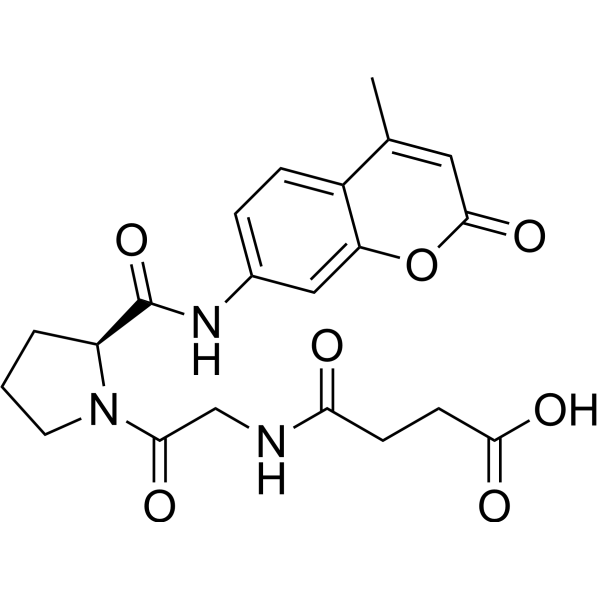
    Suc-Gly-Pro-AMC
    1 Publications Verification

    FAP Prolyl Endopeptidase (PREP) Cancer
    Suc-Gly-Pro-AMC is a fluorescent substrate. Suc-Gly-Pro-AMC is a fibroblast activation protein (FAP) specific substrate. Suc-Gly-Pro-AMC reacts with recombinant porcine prolyl oligopeptidase. Suc-Gly-Pro-AMC can be used to study the activity of FAP, prolyl endopeptidase (PREP). Suc-Gly-Pro-AMC is used in glioma research .
    Suc-Gly-Pro-AMC
  • HY-P4486

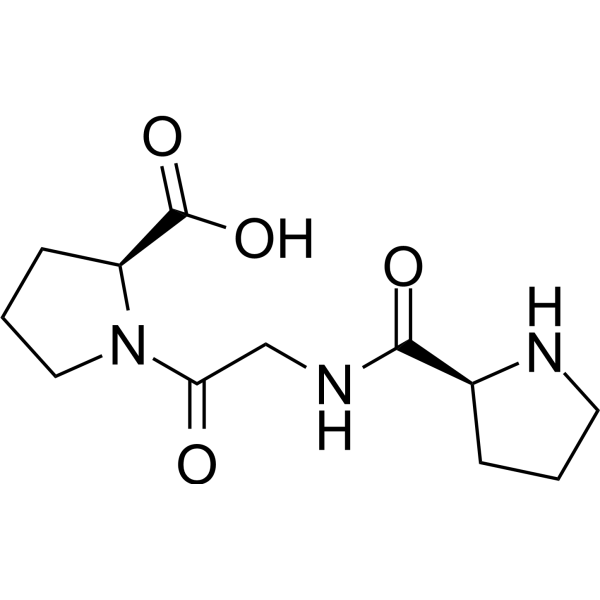
    Pro-Gly-Pro

    Drug Derivative Others
    H-Pro-Gly-Pro-OH is a collagen-derived matrikine that has classically been described as a neutrophil chemoattractant. H-Pro-Gly-Pro-OH is perfectly positioned to focus neutrophils on the site required and direct a localized repair response. H-Pro-Gly-Pro-OH activates the transcription of neurotrophins and their receptor genes after cerebral ischemia .
    H-Pro-Gly-Pro-OH
  • HY-W337672

    ProlylhydroxyProline; Pro-Hyp

    Biochemical Assay Reagents Others
    H-Pro-Hyp-OH is a collagen peptide composed of proline (Pro) and hydroxyproline (Hyp). H-Pro-Hyp-OH can be used in research on slowing down facial aging .
    H-Pro-Hyp-OH
  • HY-P1938

    Bacterial Infection Inflammation/Immunology
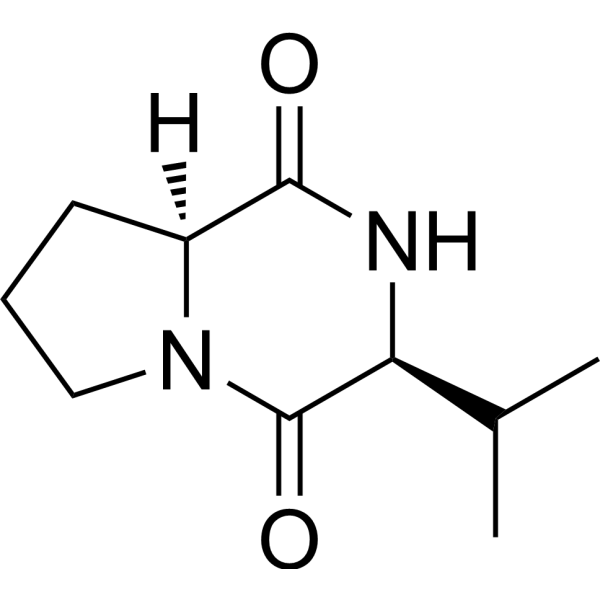
    Cyclo(L-Pro-L-Val) is an antimicrobial and anti-inflammatory agent. Cyclo(L-Pro-L-Val) has toxic activity against plant pathogens such as R. fascians LMG 3605, and its potency may be comparable to that of Chloramphenicol (HY-B0239). Cyclo(L-Pro-L-Val) can inhibit the phosphorylation of IKKα, IKKβ, NF-κB, etc., and the activation of iNOS and COX-2, thereby exerting anti-inflammatory activity. Cyclo(L-Pro-L-Val) can be used in the research of biopesticides in the agricultural field, as well as in the research of inflammation-related diseases .
    Cyclo(L-Pro-L-Val)
  • HY-P10304

    Cyclo(Pro-Arg)

    Fungal Others
    Cyclo(Arg-Pro) (Cyclo(Pro-Arg)) is an inhibitor for chitinase. Cyclo(Arg-Pro) inhibits cell separation of Saccharomyces cerevisiae, without affecting its growth. Cyclo(Arg-Pro) inhibits the morphological change of Candida albicans from yeast form to filamentous form .
    Cyclo(Arg-Pro)
  • HY-P1434

    Insulin Receptor Metabolic Disease
    [Pro3]-GIP (mouse) is a GIP receptor antagonist (IC50: 2.6 μM). [Pro3]-GIP (mouse) improves glucose tolerance and insulin sensitivity in ob/ob mice. [Pro3]-GIP (mouse) can be used for research of type 2 diabetes .
    [Pro3]-GIP (mouse)
  • HY-P0074A
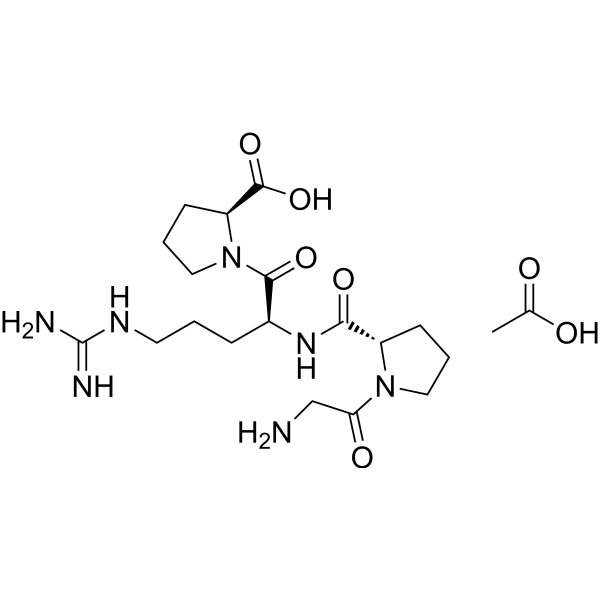
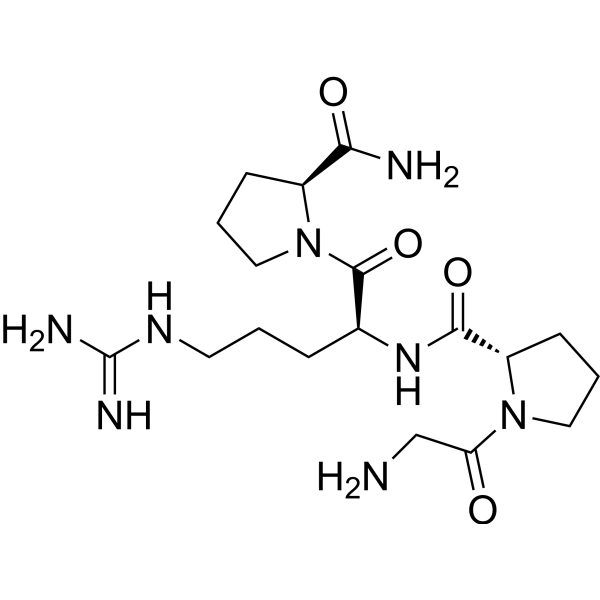
    GPRP acetate
    3 Publications Verification

    Gly-Pro-Arg-Pro acetate; Pefa 6003 acetate

    Integrin Cardiovascular Disease
    GPRP acetate (Gly-Pro-Arg-Pro acetate) is a fibrin polymerization inhibitor that inhibits the interaction of fibrinogen with the platelet membrane glycoprotein IIb/IIIa complex (GPIIb/IIIa) .
    GPRP acetate
  • HY-P0208
    [Leu31,Pro34]-Neuropeptide Y (porcine)
    1 Publications Verification

    Neuropeptide Y Receptor Neurological Disease
    [Leu31,Pro34]- Neuropeptide Y (porcine), a Neuropeptide Y (NPY) analog, is a selective NPY Y1 receptor agonist. [Leu31,Pro34]- Neuropeptide Y (porcine) exhibits anxiolytic effects .
    [Leu31,Pro34]-Neuropeptide Y (porcine)
  • HY-137199

    Kallikrein Others
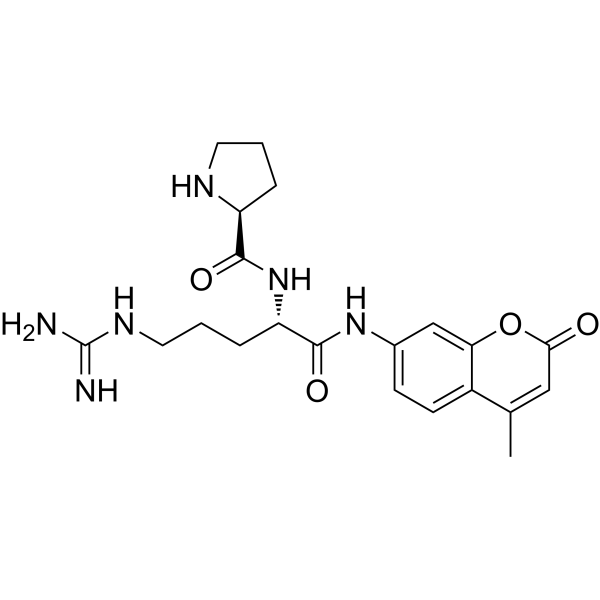
    Pro-Phe-Arg-AMC is a substrate for human glandular kallikrein 2. Pro-Phe-Arg-AMC can be used for the quantitative detection of enzyme activity .
    Pro-Phe-Arg-AMC
  • HY-P4344

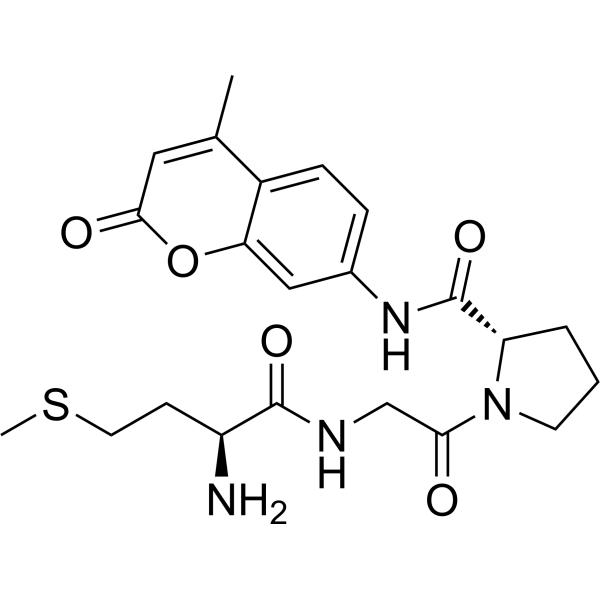
    MetAP Others
    Met-Gly-Pro-AMC is a fluorescent peptide substrate of MetAP2 .
    Met-Gly-Pro-AMC
  • HY-117483

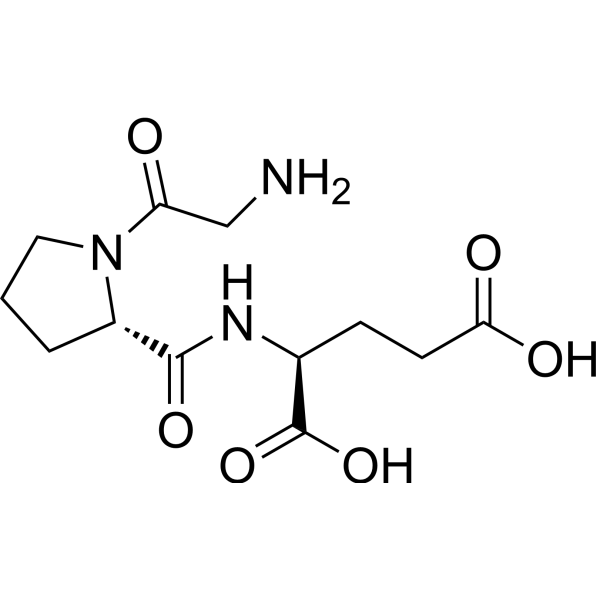
    iGluR Neurological Disease
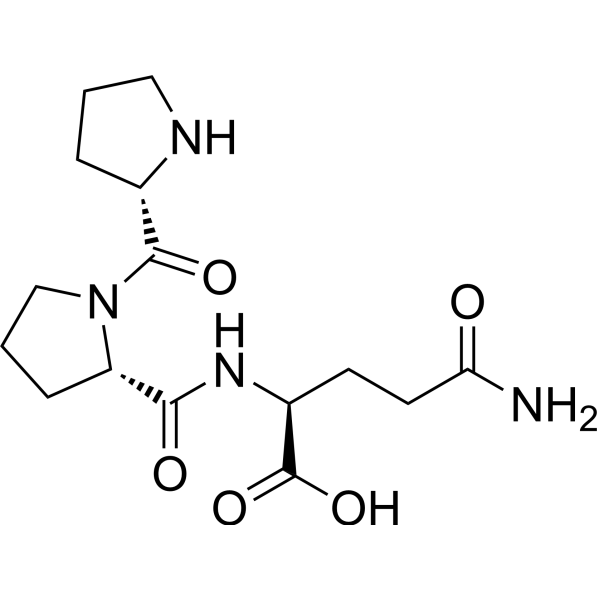
    Gly-Pro-Glu is a neuroactive peptide with a potent action on acetylcholine release. Gly-Pro-Glu is the N-terminal tripeptide of insulin-like growth factor-I. Gly-Pro-Glu inhibits glutamate binds to N-methyl-D-aspartate (NMDA) receptor with an IC50 value of 14.7 μM. Gly-Pro-Glu can be used for the research of neuroprotection .
    Gly-Pro-Glu
  • HY-P4846
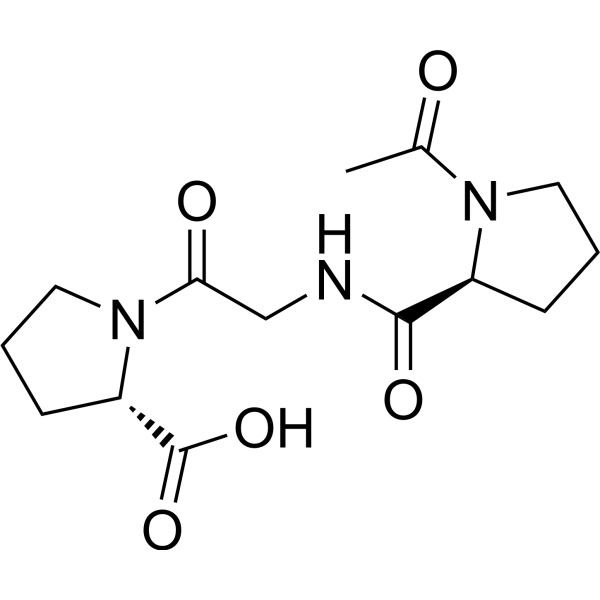
    Ac-Pro-Gly-Pro-OH
    2 Publications Verification

    CXCR Apoptosis IFNAR TNF Receptor Interleukin Related Infection Inflammation/Immunology
    Ac-Pro-Gly-Pro-OH is an endogenous degradation product of extracellular collagen and acts as a CXCR2 agonist . Ac-Pro-Gly-Pro-OH exerts bactericidal activity by generating hydrogen peroxide, inhibits pulmonary inflammation, and reduces immune cell apoptosis (apoptosis). Ac-Pro-Gly-Pro-OH promotes the production of IFN-γ and inhibits the production of TNF-α and IL-6 in leukocytes. Ac-Pro-Gly-Pro-OH increases the survival rate of mice in sepsis models, enhances the bactericidal activity of neutrophils, acts as a neutrophil chemoattractant, induces neutrophil polarization, and regulates inflammatory and repair processes. Ac-Pro-Gly-Pro-OH induces chronic inflammation and tissue remodeling through sustained action. Ac-Pro-Gly-Pro-OH is released via alkaline hydrolysis of corneal proteins in alkali-injured eyes, thereby driving the early infiltration of neutrophils into the cornea. Ac-Pro-Gly-Pro-OH is applicable to research related to sepsis, chronic obstructive pulmonary disease, cystic fibrosis, bronchiolitis obliterans syndrome, severe asthma, idiopathic pulmonary fibrosis, and corneal ulcer .
    Ac-Pro-Gly-Pro-OH
  • HY-W041990

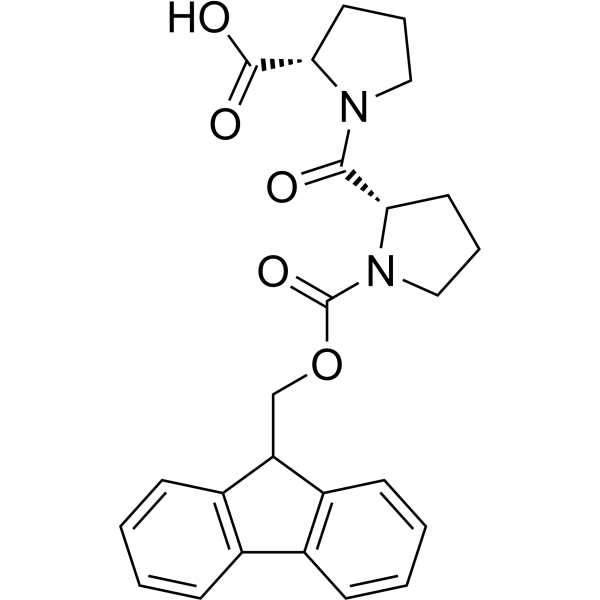
    Amino Acid Derivatives Others
    Fmoc-Pro-Pro-OH is a proline derivative .
    Fmoc-Pro-Pro-OH
  • HY-P4566

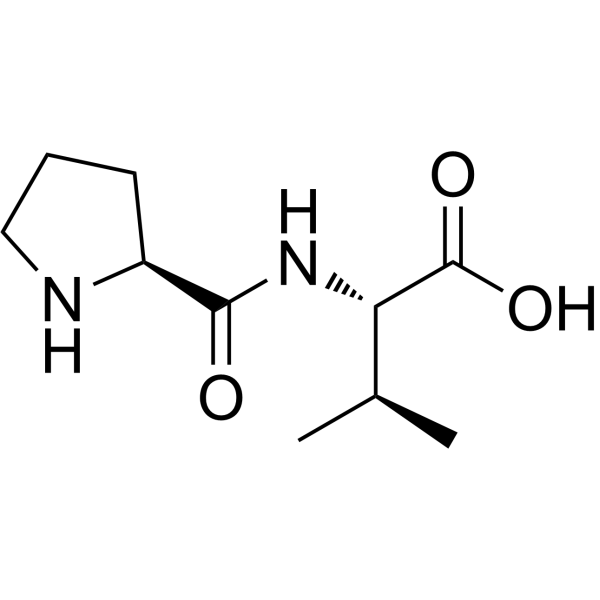
    Pro-Val

    Dipeptidyl Peptidase Others
    H-Pro-Val-OH is a deprotonation dipeptide containing proline, which can catalyze the Michael addition reaction of acetone to trans-β-nitrostyrene. H-Pro Val OH can also serve as a substrate for fibroblast enzymes and prolinase, and has potential applications in biochemical analysis .
    H-Pro-Val-OH
  • HY-P4560

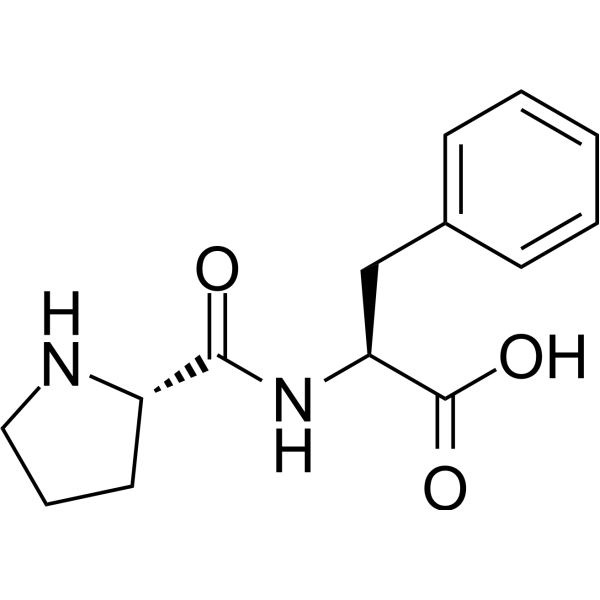
    Pro-Phe

    Angiotensin-converting Enzyme (ACE) Cardiovascular Disease
    H-Pro-Phe-OH is a dipeptide containing proline and phenylalanine, which can serve as a substrate for prolinase. H-Pro-Phe-OH can also be used for polypeptide synthesis, where phenylalanine is an aromatic amino acid that can inhibit the activity of Angiotensin-converting enzyme (ACE, HY-P2983) .
    H-Pro-Phe-OH
  • HY-114161
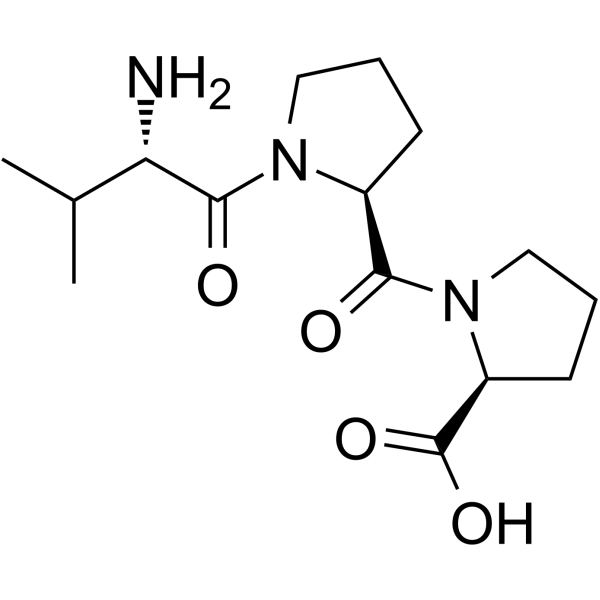
    H-Val-Pro-Pro-OH
    1 Publications Verification

    Angiotensin Receptor Cardiovascular Disease Metabolic Disease Inflammation/Immunology Endocrinology
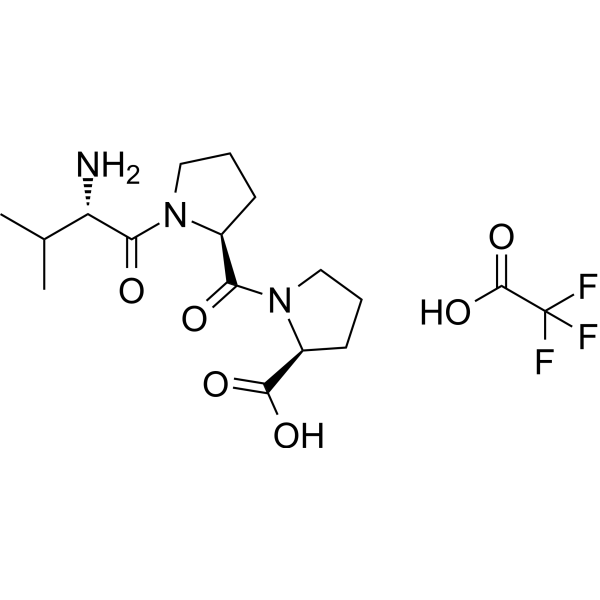
    H-Val-Pro-Pro-OH, a milk-derived proline peptides derivative, is an inhibitor of Angiotensin I converting enzyme (ACE), with an IC50 of 9 μM.
    H-Val-Pro-Pro-OH
  • HY-171030

    Reactive Oxygen Species (ROS) Cancer
    Pro-GA is a γ-glutamyl cyclotransferase (GGCT) inhibitor. Pro-GA inhibits the enzymatic activity of GGCT, disrupts glutathione homeostasis, induces the production of mitochondrial ROS, and upregulates the expression of p21, p27 and p16 in cells. Pro-GA inhibits the growth of cancer cells, induces cell cycle arrest and cellular senescence. Pro-GA exerts anti-tumor effects in breast cancer xenograft mouse models. Pro-GA can be used in research related to bladder cancer and breast cancer .
    Pro-GA
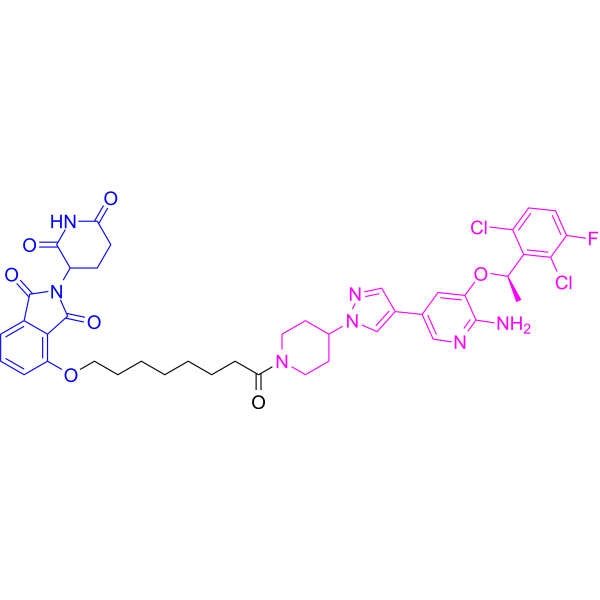
  • HY-160506

    PROTACs c-Met/HGFR Apoptosis Cancer
    PRO-6E is an oral active PROTAC based on Cereblon ligand, and induces the degradation of MET with maximum degradation of 81.9% at 1 μM in MKN-45 cells. PRO-6E inhibits tumor growth in vivo and in vitro. PRO-6E induces cell apoptosis and induces cell arrest (Sturcture Note:(Blue: Cereblon ligand (HY-103596), Black: linker;Pink: ALK/c-Met inhibitor Crizotinib (HY-50878)) .
    PRO-6E
  • HY-P4217
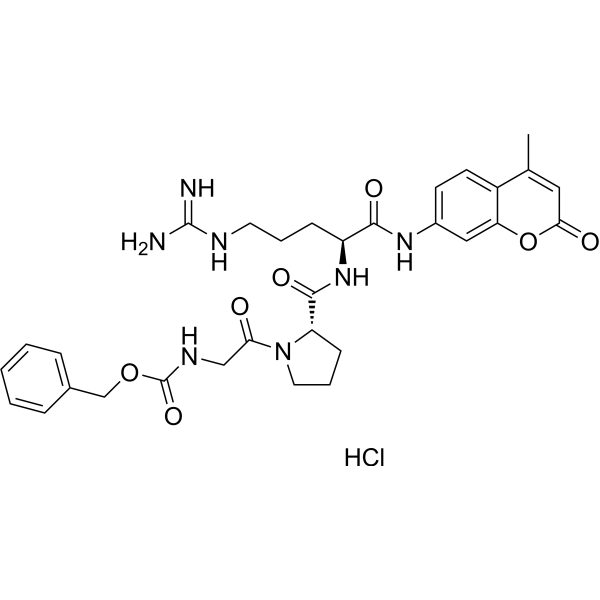
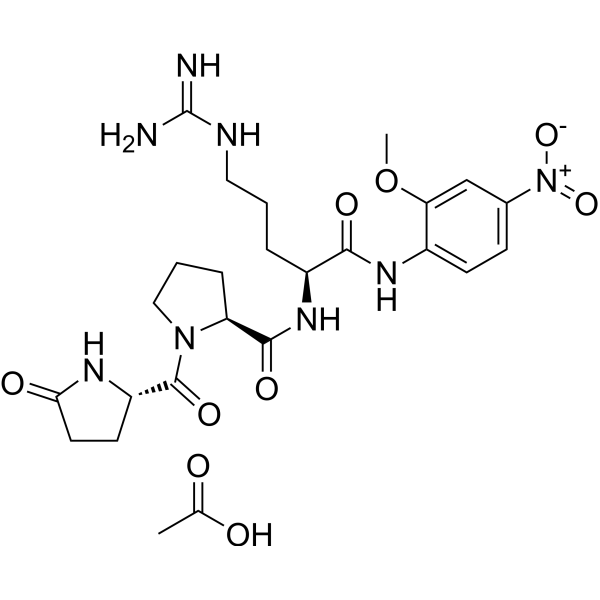
    Z-Gly-Pro-Arg-AMC hydrochloride
    1 Publications Verification

    Cathepsin Others
    Z-Gly-Pro-Arg-AMC hydrochloride a fluorescent trypsin and cathepsin K substrate. Z-Gly-Pro-Arg-AMC hydrochloride can be used to determine trypsin and cathepsin K activity .
    Z-Gly-Pro-Arg-AMC hydrochloride
  • HY-P10933

    Renin Cardiovascular Disease
    PRO20 is a specific and competitive (pro)renin receptor (PRR) antagonist. PRO20 inhibits Prorenin-induced calcium influx with an IC50 value of 81 nmol/L. PRO20 exerts antihypertensive activity by blocking the binding of prorenin to the PRR, inhibiting the activation of the renin-angiotensin system (RAS), and reducing the production of angiotensin II (Ang II). PRO20 is promising for research of antihypertensive agents .
    PRO20
  • HY-P6023

    Factor Xa Cardiovascular Disease
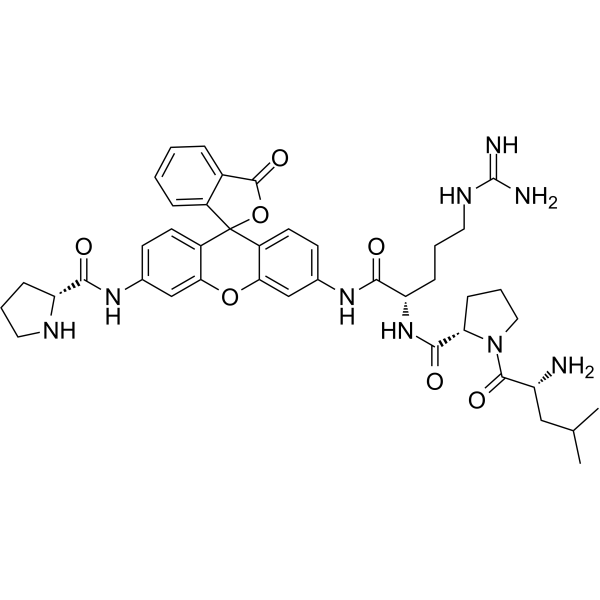
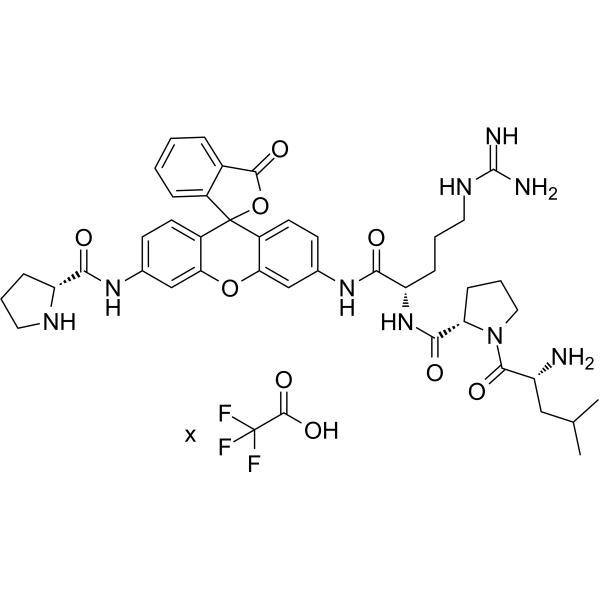
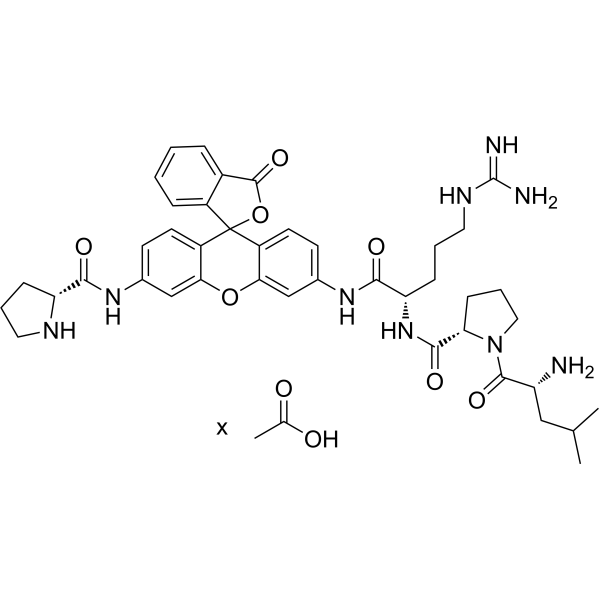
    D-Leu-Pro-Arg-Rh110-D-Pro is a substrate for Factor Xa I (FXIa) with binding affinity. D-Leu-Pro-Arg-Rh110-D-Pro consists of Rhodamine 110 (HY-D0817) linked to a peptide chain through a cleavable bond. Cleavable bond cleavage enhances fluorophore intensity. D-Leu-Pro-Arg-Rh110-D-Pro can be used to detect FXIa activity .
    D-Leu-Pro-Arg-Rh110-D-Pro
  • HY-P4294

    Gly-Pro-Gly

    Amino Acid Derivatives Others
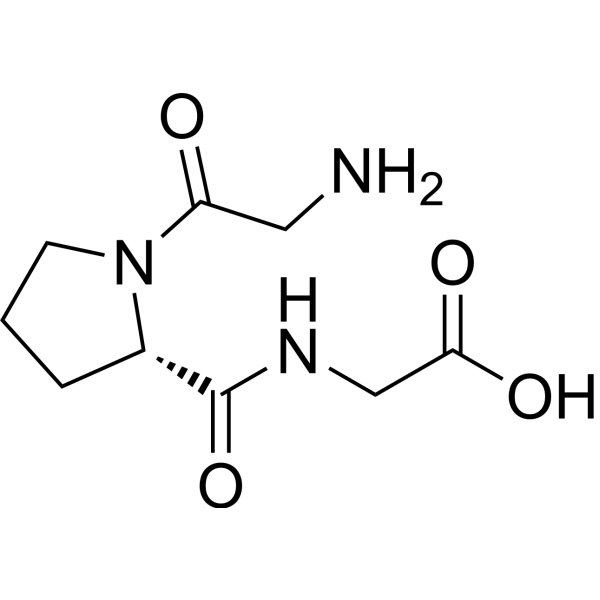
    H-Gly-Pro-Gly-OH is a tripeptide containing glycine and proline. H-Gly-Pro-Gly-OH can be used for the synthesis of other polypeptides, such as (Pro Gly Gly)n .
    H-Gly-Pro-Gly-OH
  • HY-P4990

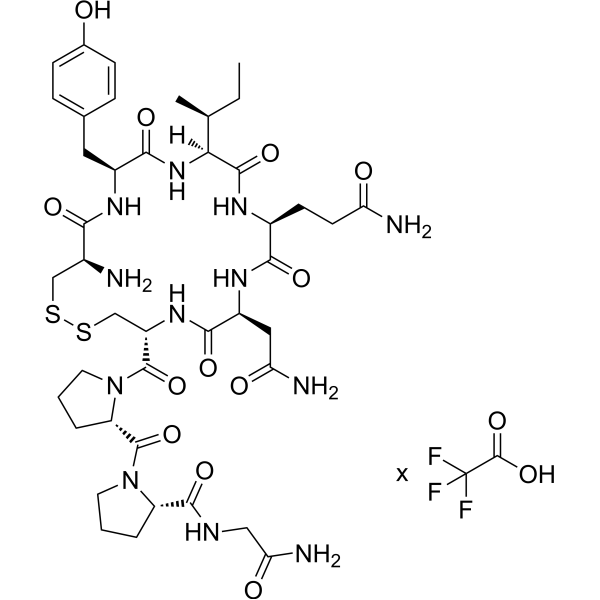
    Oxytocin Receptor Endocrinology
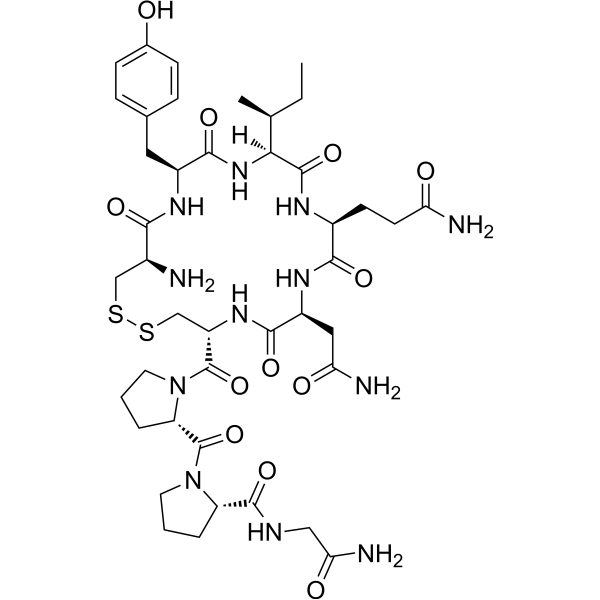
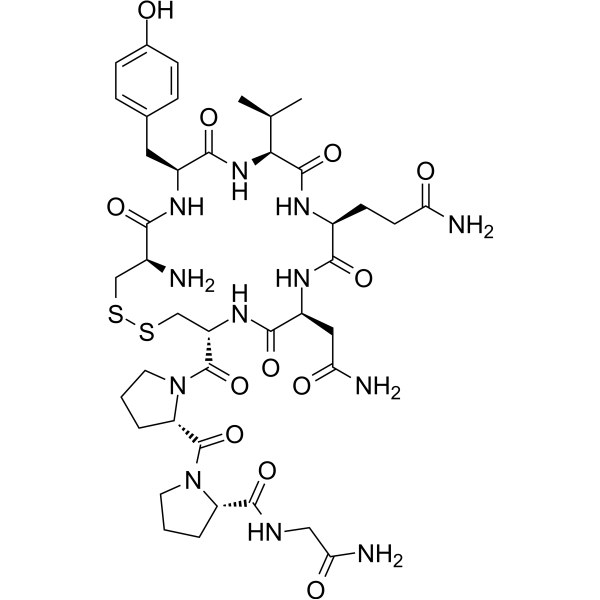
    Pro8-Oxytocin is a a modified oxytocin (OXT) ligand. Pro8-Oxytocin produces more potent and efficacious responses at primate OXTR and stronger behavioral effects than the consensus mammalian OXT ligand (Leu8-Oxytocin). Pro8-Oxytocin produce a less efficacious response than Vasopressin (HY-B1811) (AVP) at human AVPR1a and higher efficacious response than AVP at marmoset AVPR1a .
    Pro8-Oxytocin
  • HY-P4990A

    Oxytocin Receptor Endocrinology
    Pro8-Oxytocin TFA is a a modified oxytocin (OXT) ligand. Pro8-Oxytocin produces more potent and efficacious responses at primate OXTR and stronger behavioral effects than the consensus mammalian OXT ligand (Leu8-Oxytocin). Pro8-Oxytocin TFA produce a less efficacious response than Vasopressin (HY-B1811) (AVP) at human AVPR1a and higher efficacious response than AVP at marmoset AVPR1a .
    Pro8-Oxytocin TFA
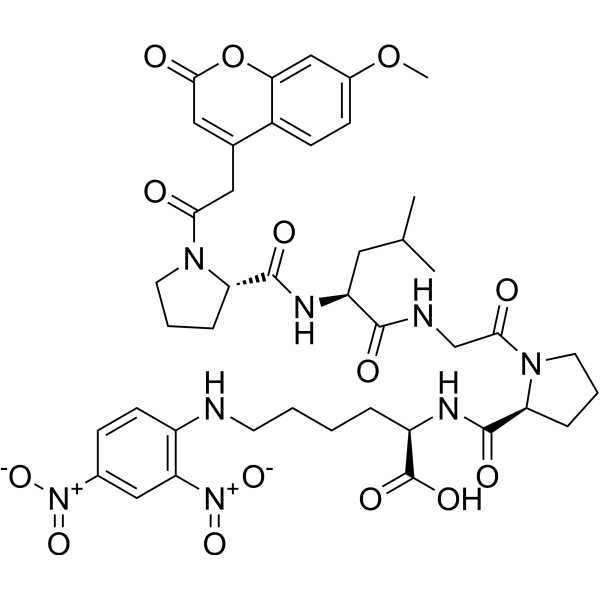
  • HY-P3792

    Biochemical Assay Reagents Others
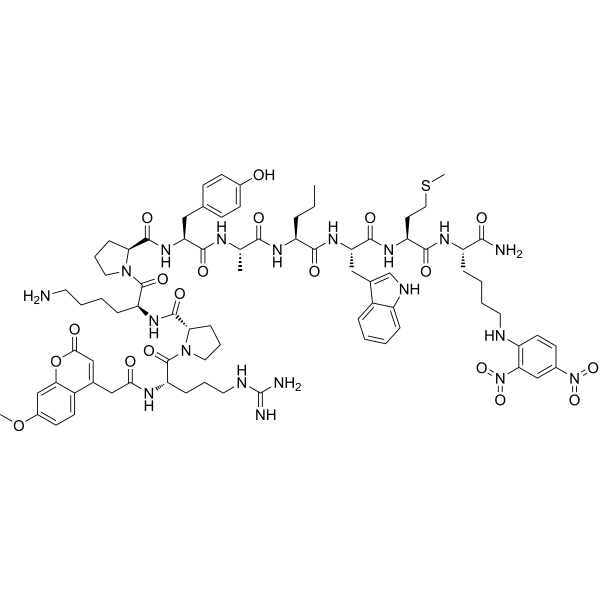
    Mca-Pro-Leu-Gly-Pro-D-Lys(Dnp) is a FRET substrate of Thimet oligopeptidase. Mca-Pro-Leu-Gly-Pro-D-Lys(Dnp) can be used for the determination of Thimet oligopeptidase activity .
    Mca-Pro-Leu-Gly-Pro-D-Lys(Dnp)
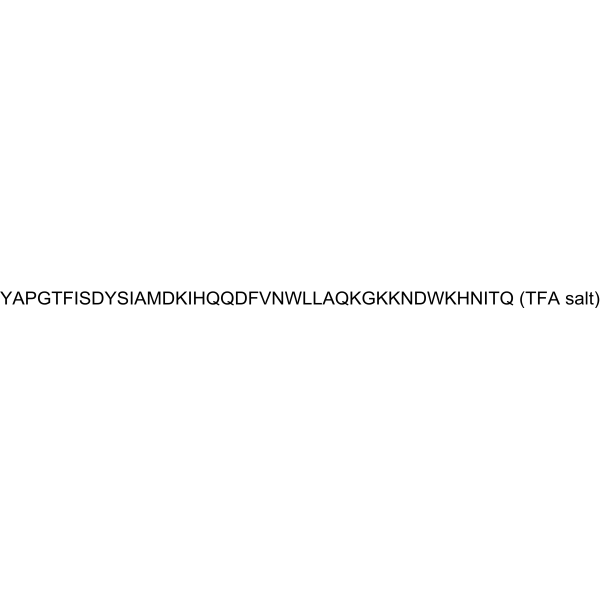
  • HY-P3584A

    (Pro3) Gastric Inhibitory Peptide, human TFA

    Insulin Receptor Metabolic Disease
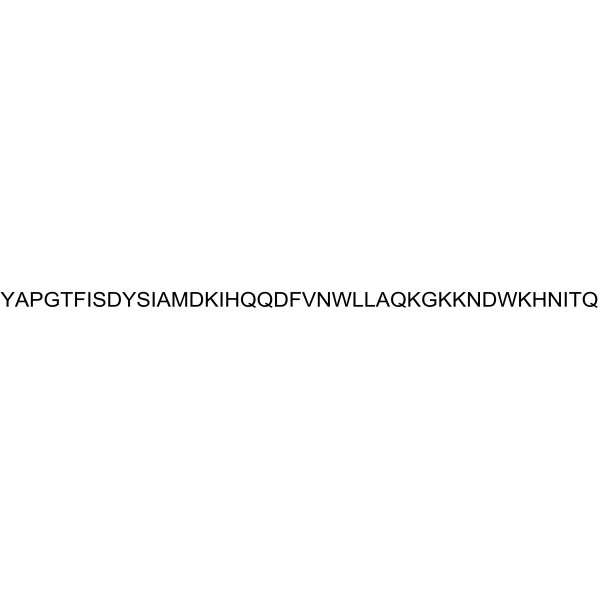
    (Pro3) GIP, human TFA is an efficacious, stable and specific human GIP receptor (hGIPR) full agonist. (Pro3) GIP, human TFA has high binding affinity for human GIPR with Ki/ Kd value of 0.90 nM. (Pro3) GIP, human TFA human can be used for the research of obesity-related diabetes .
    (Pro3) GIP, human TFA
  • HY-P10304A

    Cyclo(Pro-Arg) TFA

    Fungal Infection
    Cyclo (Arg-Pro) TFA is a chitinase inhibitor. Cyclo (Arg-Pro) TFA disrupts cell separation and morphological transition of yeast by inhibiting chitinase activity. Cyclo (Arg-Pro) TFA prevents cell separation of Saccharomyces cerevisiae, leading to the formation of grape-like cell clusters, without inhibiting cell growth. Cyclo (Arg-Pro) TFA blocks the morphological transition of Candida albicans from yeast form to hyphal form, without inhibiting cell growth .
    Cyclo(Arg-Pro) TFA
  • HY-P4665

    Melanocortin Receptor Inflammation/Immunology
    Ac-c-Pro-Pro-Lys-Asp-NH2 is a selective human melanocortin 5 receptor (hMC5R) antagonist with an IC50 of 10 nM .
    Ac-c[Cys-Glu-His-d-Phe-Arg-Trp-d-Cys]-Pro-Pro-Lys-Asp-NH2
  • HY-P1323A

    Neuropeptide Y Receptor Cardiovascular Disease Neurological Disease
    [Leu31,Pro34]-Neuropeptide Y(human,rat) TFA is a specific neuropeptide Y Y1 receptor agonist. [Leu31,Pro34]-Neuropeptide Y(human,rat) TFA slao activates Y4, Y5. [Leu31,Pro34]-Neuropeptide Y(human,rat) TFA can increase blood pressure in anesthetized rats and increases food intake .
    [Leu31,Pro34]-Neuropeptide Y(human,rat,mouse) TFA
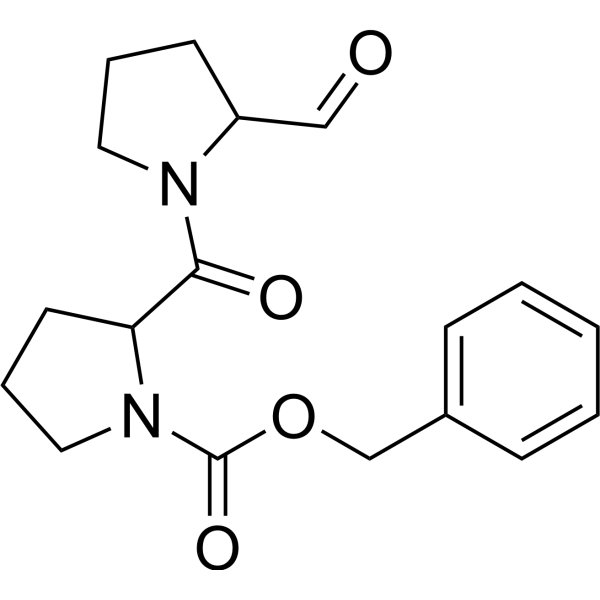
  • HY-134454

    Prolyl Endopeptidase (PREP) Parasite Infection
    Z-Pro-Pro-CHO is a potent inhibitor of prolyl oligopeptidase (POP), with extremely high affinity for human prolyl oligopeptidase (HsPOP) (IC50=0.012 μM), and it also effectively inhibits the activity of Schistosoma mansoni prolyl oligopeptidase (SmPOP) (IC50=0.16 μM). Z-Pro-Pro-CHO does not block the phosphorylation of ERK or the production of TNF-α or IFN-γ in immune cells from presensitized mice, nor does it induce harmful phenotypes in cultured Schistosoma mansoni schistosomula. Z-Pro-Pro-CHO only partially inhibits epithelial cell wound healing at extremely high concentrations. Z-Pro-Pro-CHO finds wide application in studies related to schistosomiasis .
    Z-Pro-Pro-CHO
  • HY-151880

    DNA/RNA Synthesis Infection
    Antibacterial agent 124 (Compound 3) is a potent bacterial prolyl-tRNA synthetase (ProRS) inhibitor with an IC50 of 0.18 μM against Staphylococcus aureus ProRS (SaProRS) .
    Antibacterial agent 124
  • HY-P10304C

    Fungal Infection
    Cyclo(Pro-dArg) is an inhibitor of chitinase. Cyclo(Pro-dArg) inhibits the cell separation of Saccharomyces cerevisiae but does not affect its growth. Cyclo(Pro-dArg) inhibits the transition of Candida albicans from yeast to filamentous morphology.
    Cyclo(Pro-dArg)
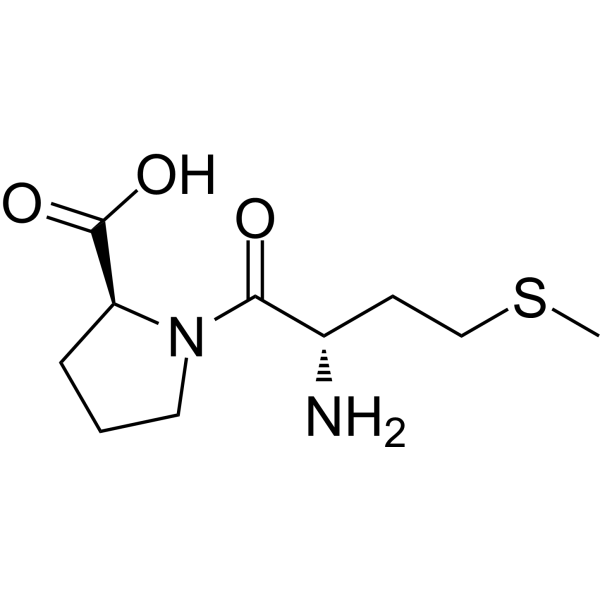
  • HY-P4559

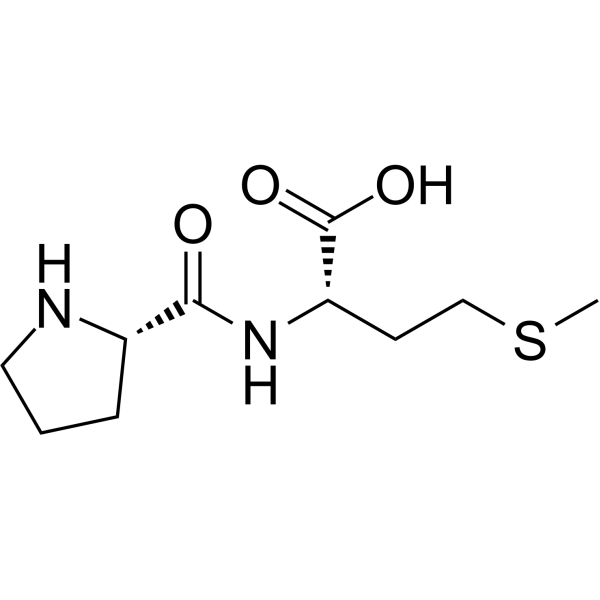
    Dipeptidyl Peptidase Drug Intermediate Others
    H-Pro-Met-OH is a dipeptide containing proline and methionine. H-Pro-Met-OH also serves as a substrate for prolinase and prolyl dipeptidase .
    H-Pro-Met-OH
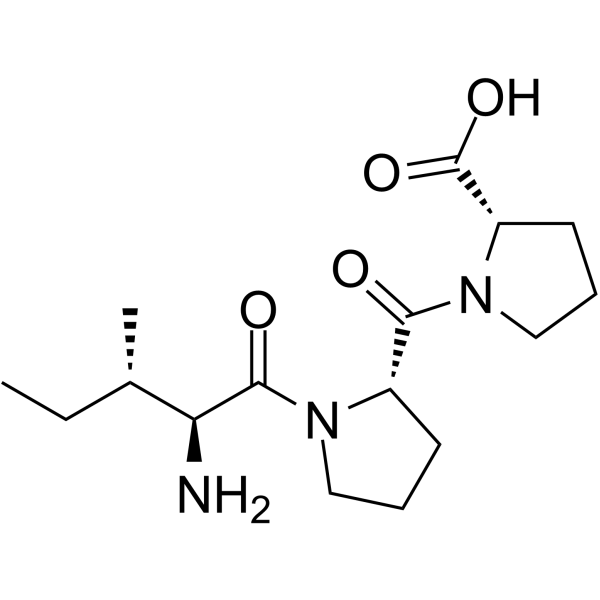
  • HY-114424A
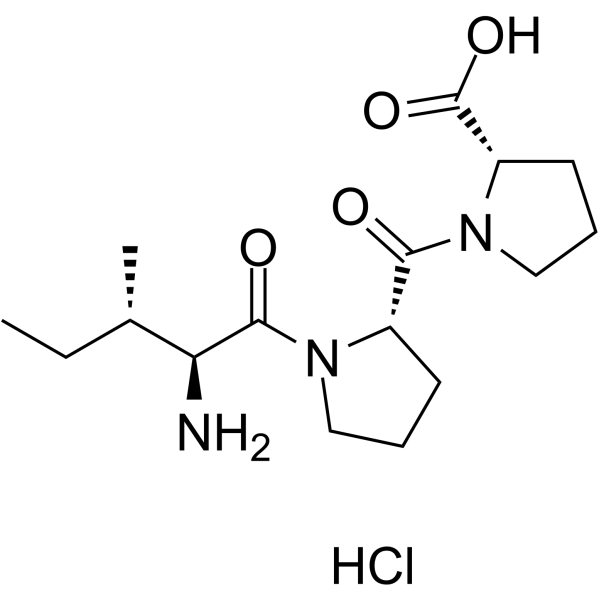
    H-Ile-Pro-Pro-OH hydrochloride
    1 Publications Verification

    Angiotensin-converting Enzyme (ACE) Cardiovascular Disease
    H-Ile-Pro-Pro-OH hydrochloride, a milk-derived peptide , inhibits angiotensin-converting enzyme (ACE) with an IC50 of 5 μM . Antihypertensive tripeptides .
    H-Ile-Pro-Pro-OH hydrochloride
  • HY-W009686

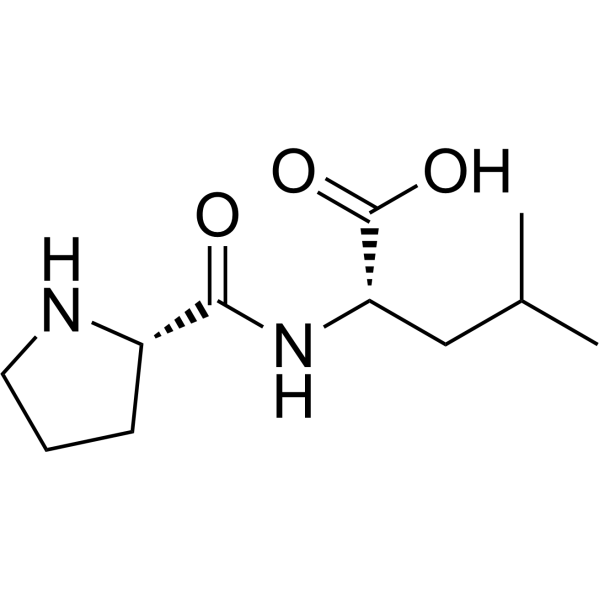
    L-Prolyl-L-leucine; Pro-Leu

    Amino Acid Derivatives Others
    H-Pro-Leu-OH is a leucine derivative .
    H-Pro-Leu-OH
  • HY-W011730

    LeucylProline hydrochloride; Leu-Pro hydrochloride

    Amino Acid Derivatives Others
    H-Leu-Pro-OH hydrochloride is a dipeptide that can be used as an exogenous peptide to regulate protease synthesis in Lactococcus lactis .
    H-Leu-Pro-OH hydrochloride
  • HY-P1323

    Neuropeptide Y Receptor Cardiovascular Disease Neurological Disease
    [Leu31,Pro34]-Neuropeptide Y(human,rat) is a specific neuropeptide Y Y1 receptor agonist. [Leu31,Pro34]-Neuropeptide Y(human,rat) slao activates Y4, Y5. [Leu31,Pro34]-Neuropeptide Y(human,rat) can increase blood pressure in anesthetized rats and increases food intake .
    [Leu31,Pro34]-Neuropeptide Y (human,rat)
  • HY-P6023A

    Factor Xa Cardiovascular Disease
    D-Leu-Pro-Arg-Rh110-D-Pro TFA is a substrate for Factor Xa I (FXIa) with binding affinity. D-Leu-Pro-Arg-Rh110-D-Pro TFA consists of Rhodamine 110 (HY-D0817) linked to a peptide chain through a cleavable bond. Cleavable bond cleavage enhances fluorophore intensity. D-Leu-Pro-Arg-Rh110-D-Pro TFA can be used to detect FXIa activity .
    D-Leu-Pro-Arg-Rh110-D-Pro TFA
  • HY-P3584

    (Pro3) Gastric Inhibitory Peptide, human

    Insulin Receptor Metabolic Disease
    (Pro3) GIP, human ((Pro3) Gastric Inhibitory Peptide, human) is an efficacious, stable and specific human GIP receptor (hGIPR) full agonist. (Pro3) GIP, human has high binding affinity for human GIPR with Ki/ Kd values of 0.90 nM. (Pro3) GIP, human can be used for the research of obesity-related diabetes .
    (Pro3) GIP, human
  • HY-P2828

    Ser/Thr Protease Others Others
    [Des-Pro2]-Bradykinin is a protease inhibitor. [Des-Pro2]-Bradykinin prevents the degradation of methionine enkephalin .
    [Des-Pro2]-Bradykinin
  • HY-P4470

    Ser/Thr Protease Cancer
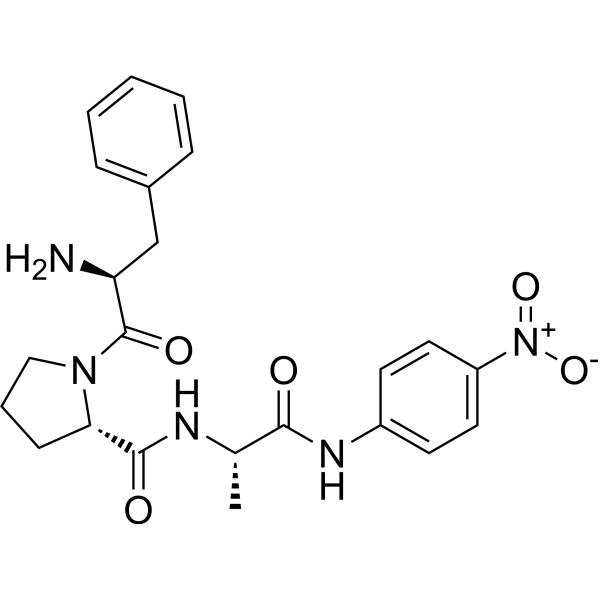
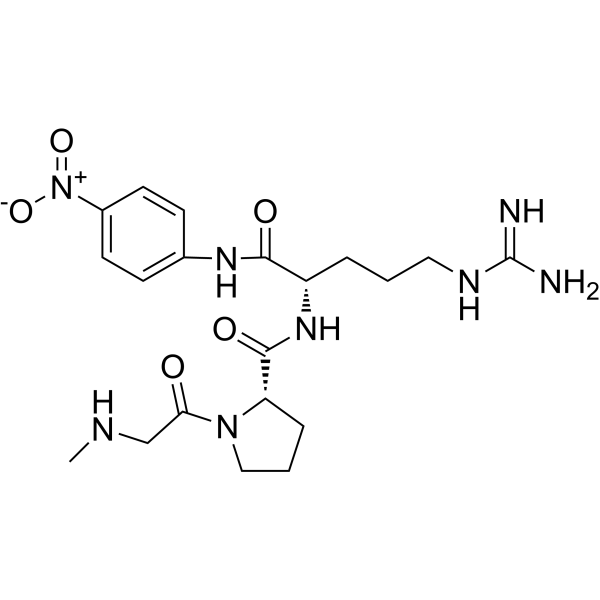
    Phe-Pro-Ala-pNA is a chromogenic substrate of tripeptidyl peptidase. Phe-Pro-Ala-pNA can be used to test tripeptidyl peptidase activity .
    Phe-Pro-Ala-pNA
  • HY-P3877A

    Neuropeptide Y Receptor Neurological Disease
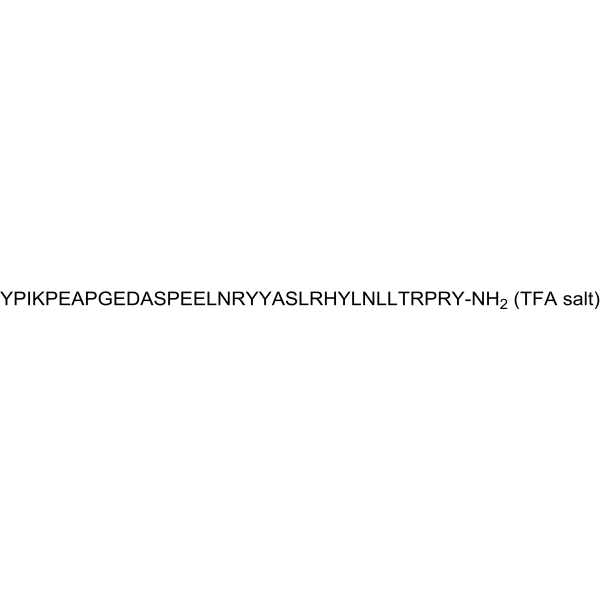
    (Leu31,Pro34)-Peptide YY (human) (TFA) is the TFA form of (Leu31,Pro34)-Peptide YY (human) (HY-P3877). (Leu31,Pro34)-Peptide YY (human) (TFA) is a Peptide YY (HY-P1514) derivative and is a potent and selective Y1 agonist with a KD of 1.0 nM .
    (Leu31,Pro34)-Peptide YY (human) TFA
  • HY-P4558

    Dipeptidyl Peptidase Others
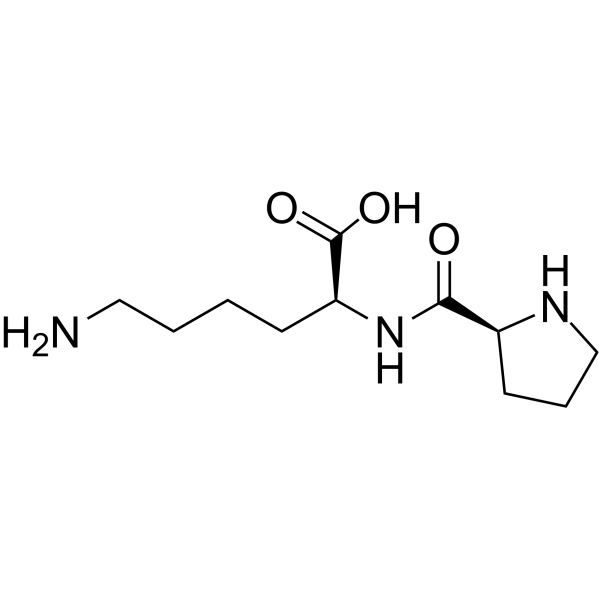
    H-Pro-Lys-OH is a dipeptide containing proline and lysine, which can serve as a substrate for iminodipeptidase (prolinase). H-Pro-Lys-OH can also be used for the synthesis of polypeptides .
    H-Pro-Lys-OH
  • HY-P4569

    Dipeptidyl Peptidase Others
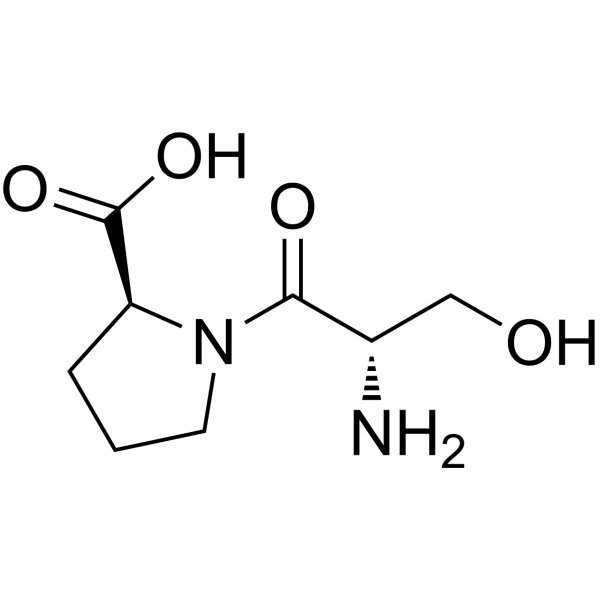
    H-Ser-Pro-OH is a dipeptide containing serine and proline, which can serve as a substrate for prolinase I (PD I) and PD II. H-Ser-Pro-OH can also be used for the synthesis of polypeptide .
    H-Ser-Pro-OH
  • HY-P4558A

    Dipeptidyl Peptidase Others
    H-Pro-Lys-OH TFA is a dipeptide containing proline and lysine, which can serve as a substrate for iminodipeptidase (prolinase). H-Pro-Lys-OH TFA can also be used for the synthesis of polypeptides .
    H-Pro-Lys-OH TFA
  • HY-137834A

    Biochemical Assay Reagents Others
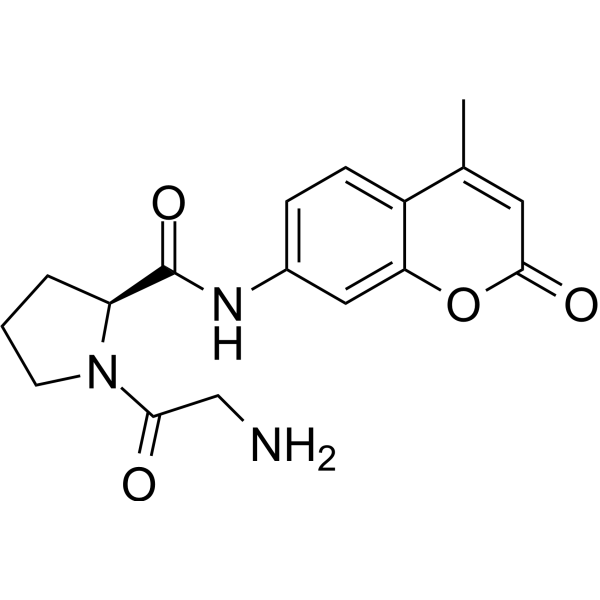
    Gly-Pro-AMC is a biological active peptide. (This is a fluorescent dipeptidylaminopeptidase IV substrate, Abs/Em=353/442 nm.)
    Gly-Pro-AMC
  • HY-P4308

    Prolyl Endopeptidase (PREP) Neurological Disease
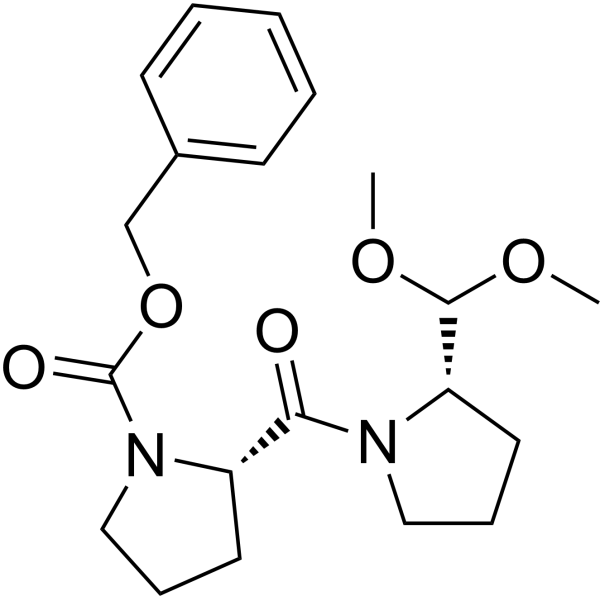
    Z-Pro-Pro-aldehyde-dimethyl acetal is a potent inhibitor of prolyl endopeptidase (PREP), a cytoplasmic serine endoprotease (IC50= 12 nM). Z-Pro-Pro-aldehyde-dimethyl acetal plays an important role in cognitive dysfunction in aging and neurodegenerative diseases including Alzheimer's disease .
    Z-Pro-Pro-aldehyde-dimethyl acetal
  • HY-P11431

    IGF-1R Neurological Disease Inflammation/Immunology
    Cyclo(Gly-Pro) is a cyclic dipeptide. Cyclo(Gly-Pro) can be derived from the Nterminus of the IGF-1. Cyclo(Gly-Pro) attenuates nociceptive behaviour and inflammatory response in mice .
    Cyclo(Gly-Pro)
  • HY-115820

    Others Others
    Cyclo(Pro-Pro) is a Alkaloids product that can be isolated from From Nigrospora sp.Z18-17 .
    Cyclo(Pro-Pro)
  • HY-P1937

    Influenza Virus Infection
    Cyclo(-Met-Pro) is a cyclic dipeptide consisting of the amino acids methionine and proline. Cyclo(-Met-Pro) exhibits weak inhibitory activity against the influenza A virus (H3N2) (5 mM, 2.1% inhibition), while cis-cyclo(Leu-Pro) and cis-cyclo(Phe-Pro) shows significant antiviral activity .
    Cyclo(-Met-Pro)

Inquiry Online

Your information is safe with us. * Required Fields.

Salutation


Country or Region *

Applicant Name *


Organization Name *

Department *


Email Address *


Product Name *

Cat. No.


Requested quantity *

Phone Number *


Remarks

Inquiry Online

Inquiry Information

Product Name:
Cat. No.:
Quantity:
MCE Japan Authorized Agent: