
Search Result
Results for "
Aβ-IN-3
" in MedChemExpress (MCE) Product Catalog:
19
Biochemical Assay Reagents
22
Isotope-Labeled Compounds
| Cat. No. |
Product Name |
Target |
Research Areas |
Chemical Structure |
-
- HY-W145521
-
|
β Glucan
|
Biochemical Assay Reagents
IKK
NO Synthase
Bacterial
|
Infection
Inflammation/Immunology
Cancer
|
|
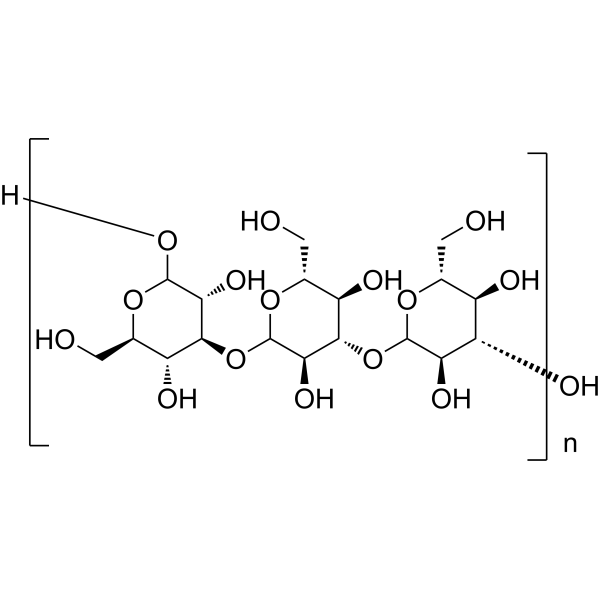
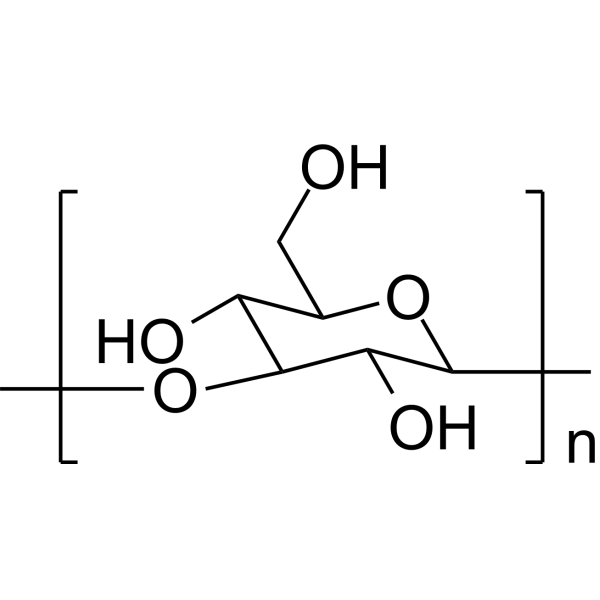
β-1,3-Glucan (β Glucan) is an orally active polysaccharide composed of glucose polymers. β-1,3-Glucan increase the activity of IKKβ kinase, enhances the production of nitric oxide. β-1,3-Glucan improves resistance to Vibrio harveyi infection. β-1,3-Glucan enhances immune response, promotes blood pressure recovery, reduces lung, kidney and liver damage, inhibits the growth of syngeneic tumors [3] .
|
-
-
- HY-17006
-
|
MK-0991 diacetate; L-743872 diacetate
|
Fungal
Antibiotic
Bacterial
|
Infection
Cancer
|
|
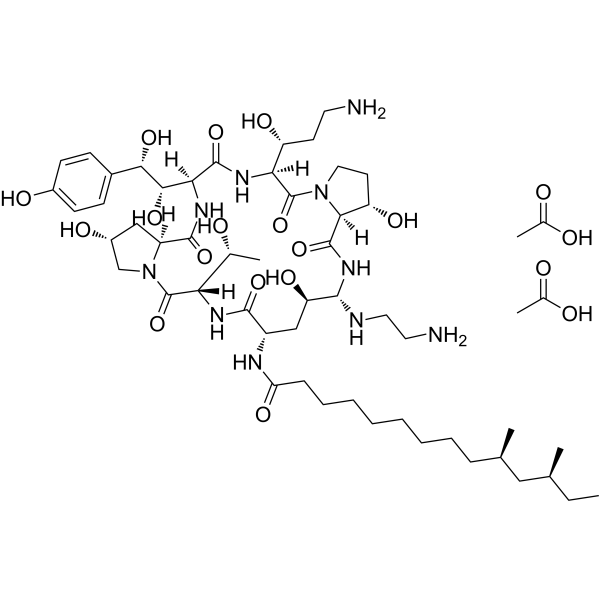
Caspofungin (MK-0991) diacetate is a potent antifungal agent. Caspofungin diacetate inhibits the synthesis of the fungal cell wall component β-(l,3)-D-glucan .
|
-
-
- HY-119109
-
|
|
Environmental Pollutants
Endogenous Metabolite
|
Cancer
|
|
Laminaran is an β-1-3-glucan and a typical ligand for Dectin-1 from Eisenia Bicyclis, has potent immunomodulating, radioprotective, and anticancer activities . Laminaran is made up of β (1→3)-glucan with β (1→6)-branches and can be catalyzed by enzymes such as laminarinase (EC 3.2.1.6) that breaks the β (1→3) bonds . Laminaran is a promising immune stimulatory molecule for use in cancer immunotherapy [3].
|
-
-
- HY-59090
-
-
-
- HY-17006A
-
-
-
- HY-107126
-
|
MK 3118; SCY-078
|
Fungal
|
Infection
|
|
Ibrexafungerp (MK 3118) is an orally active β-1,3-glucan synthesis inhibitor, with potential antifungal activity. Ibrexafungerp can be used for research of Candida and Aspergillus infections .
|
-
-
- HY-P3004
-
|
Lyticase
|
Endogenous Metabolite
Fungal
|
Infection
|
|
Endo-1,3-β-glucanase (Lyticase) is an endoenzyme that can specifically cleave β-1,3-glycosidic bonds. Endo-1,3-β-glucanase recognizes and binds to β-1,3-glucan chains, catalyzing the cleavage of glycosidic bonds and hydrolyzing polysaccharides into oligosaccharides. Endo-1,3-β-glucanase eliminates vaginal Candida. Endo-1,3-β-glucanase can be used in the study of recurrent Candida vaginitis [3].
|
-
-
- HY-107126A
-
|
MK 3118 citrate; SCY-078 citrate
|
Fungal
|
Infection
|
|
Ibrexafungerp citrate (MK 3118 citrate) is an orally active β-1,3-glucan synthesis inhibitor, with potential antifungal activity. Ibrexafungerp citrate is an investigational agent for the treatment of Candida and Aspergillus infections .
|
-
-
- HY-P2869C
-
|
|
Endogenous Metabolite
|
Metabolic Disease
|
|
β1-3,4 Galactosidase is a highly specific exoglycosidase that catalyzes the hydrolysis of terminal β1-3 and β1-4 linked galactose residues from oligosaccharides .
|
-
-
- HY-141672
-
|
17β-Estradiol 3-sulfate sodium
|
GABA Receptor
|
Neurological Disease
|
|
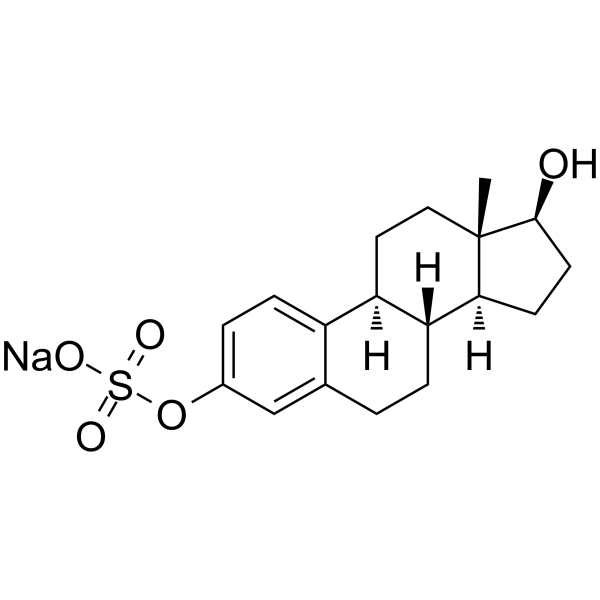
17β-Estradiol sulfate (sodium), also known as β-Estradiol 3-sulfate sodium salt, is a neuroactive steroid .
|
-
-
- HY-139254
-
|
IDR3O; I3O
|
CDK
GSK-3
JNK
Wnt
|
Neurological Disease
|
|
Indirubin-3′-oxime (IDR3O), a synthetic derivative of indirubin, is a potent inhibitor of cyclin-dependent kinases (CDKs) and glycogen synthase kinase 3β (GSK3β). Indirubin-3′-oxime directly inhibits the activity of all three isoforms of JNK (JNK1, JNK2, and JNK3), with IC50s of 0.8 μM, 1.4 μM, and 1.0 μM, respectively. Indirubin-3′-oxime can enhance height growth via activation of Wnt/β-catenin signaling in chondrocytes [3].
|
-
-
- HY-14281
-
|
WIN 24540
|
3β-HSD
|
Endocrinology
Cancer
|
|
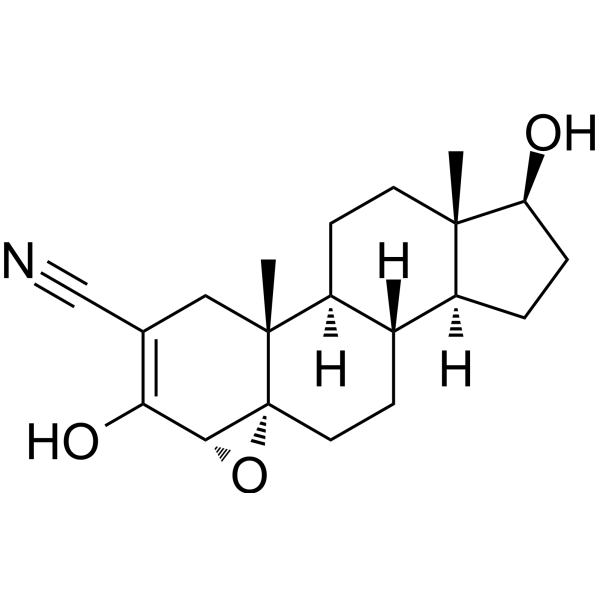
Trilostane (Win 24540) is a competitive and orally active 3-β-hydroxysteroiddehydrogenase (3β-HSD) inhibitor. Trilostane is a synthetic nonhormonal steroid. Trilostane can be used for the research of breast cancer and prostate cancer .
|
-
-
- HY-P2869A
-
|
|
Glycosidase
|
Metabolic Disease
|
|
β1-3 Galactosidase is a GH42 exoglycosidase that specifically hydrolyzes terminal β1-3-linked galactose. β1-3 Galactosidase uses Glu164 as the acid/base catalyst and Glu324 as the catalytic nucleophile to hydrolyze β1-3 galactosidic linkages. β1-3 Galactosidase can be used for research on galactoside metabolism .
|
-
-
- HY-160777
-
|
Galeterone 3β-imidazole
|
Molecular Glues
Androgen Receptor
MNK
Apoptosis
|
Cancer
|
|
VNPP433-3β (Galeterone 3β-imidazole) is an orally active molecular glue degrader, which degrades androgen receptor (AR) and its splice variants (AR-Vs) and MAP kinase-interacting serine/threonine protein kinase Mnk1/2. VNPP433-3β induces cell apoptosis. VNPP433-3β inhibits tumor growth in the CWR22Rv1 xenograft mouse model. VNPP433-3β can be used for the study of castration resistant prostate cancer (CRPC) and pancreatic ductal adenocarcinoma (PDAC) .
|
-
-
- HY-P2869E
-
|
|
Endogenous Metabolite
|
Metabolic Disease
|
|
β1-3,4,6 Galactosidase is a broad specificity exoglycosidase that catalyzes the hydrolysis of terminal, non-reducing β1-3 β1-4 and β1-6 linked galactose residues from oligosaccharides, with β1-6 linked galactose residues at a slower rate .
|
-
-
- HY-15679
-
|
|
PI4K
|
Cancer
|
|
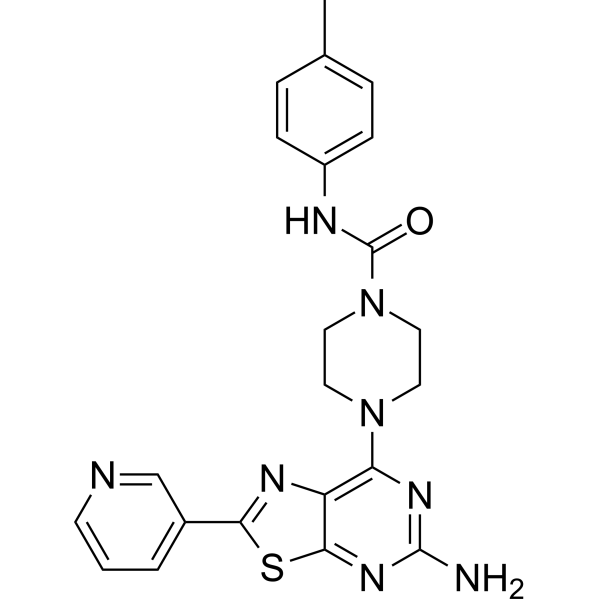
PI4KIII beta inhibitor 3 is a novel and high effective PI4KIIIβ inhibitor with IC50 of 5.7 nM.
|
-
-
- HY-141480
-
|
|
GSK-3
Apoptosis
|
Cancer
|
|
GSK-3β inhibitor 3 is a potent, selective, irreversible and covalent inhibitor of Glycogen Synthase Kinase 3β (GSK-3β), with an IC50 of 6.6 μM. GSK-3β inhibitor 3 can be used for the research of acute promyelocytic leukemia .
|
-
-
- HY-137494
-
|
|
GABA Receptor
|
Neurological Disease
|
|
Ethyl β-carboline-3-carboxylate (fl-CCE) is a ligand and short-acting antagonist of benzodiazepine receptors. Ethyl β-carboline-3-carboxylate did not affect cerebellar cGMP levels when used alone, but when taken together with Diazepam, it significantly inhibited the cGMP levels that were upregulated by Diazepam .
|
-
-
- HY-P4882A
-
|
|
Amyloid-β
|
Neurological Disease
|
|
(Pyr3)-Amyloid β-Protein (3-42) TFA is the predominant amyloid β-peptide structure deposited in human brain of Alzheimer's disease and Down's syndrome patients. (Pyr3)-Amyloid β-Protein (3-42) TFA is suggested to accumulate in the brain and to trigger the formation of insoluble amyloid β-peptide deposits .
|
-
-
- HY-14679
-
|
|
GSK-3
|
Neurological Disease
|
|
GSK3β inhibitor II is an inhibitor of GSK3β. GSK3β inhibitor II can be used for research of Alzheimer’s disease (AD) .
|
-
-
- HY-132723AS
-
-
-
- HY-148682
-
|
Glycyrrhetic acid 3-O-hydrogen sulfate
|
OAT
11β-HSD
Drug Metabolite
|
Metabolic Disease
Inflammation/Immunology
|
|
18β-Glycyrrhetyl-3-O-sulfate (Glycyrrhetic acid 3-O-(hydrogen sulfate)) is a potent type 2 11β-hydroxysteroid dehydrogenase (11β-HSD2) inhibitor with an IC50 of 0.10 µM using rat kidney microsome. 18β-Glycyrrhetyl-3-O-sulfate is the major metabolite of Glycyrrhetinic acid (GA). 18β-Glycyrrhetyl-3-O-sulfate is the substrate of organic anion transporter (OAT) 1 and OAT3. 18β-Glycyrrhetyl-3-O-sulfate has anti-inflammatory effects and has the potential for pseudohyperaldosteronism research .
|
-
-
- HY-118103S
-
|
5β-Cholestan-3β-ol-d5
|
Isotope-Labeled Compounds
Endogenous Metabolite
|
Others
|
|
Coprostanol-d5 (5β-Cholestan-3β-ol-d5) is the deuterium labeled Coprostanol. Coprostanol (5β-Cholestan-3β-ol) is a fecal sterol formed by microbial reduction of cholesterol in the intestines of man and higher animals. Coprostanol can be used as an indicator sterol of fecal pollution. Coprostanol has been recognized as a good indicator of pollution of water resources by sewage discharges. Coprostanol can serve as a potential biological indicator for cerebral chondrodystrophy (CTX).
|
-
-
- HY-18179
-
|
|
PDGFR
VEGFR
FLT3
c-Kit
|
Cancer
|
|
AZD2932 is a potent and multi-targeted kinase inhibitor VEGFR2, PDGFβ, Flt-3 and c-Kit with IC50s of 8, 4, 7 and 9 nM in cell assay, respectively.
|
-
-
- HY-146139
-
|
|
Amyloid-β
|
Neurological Disease
|
|
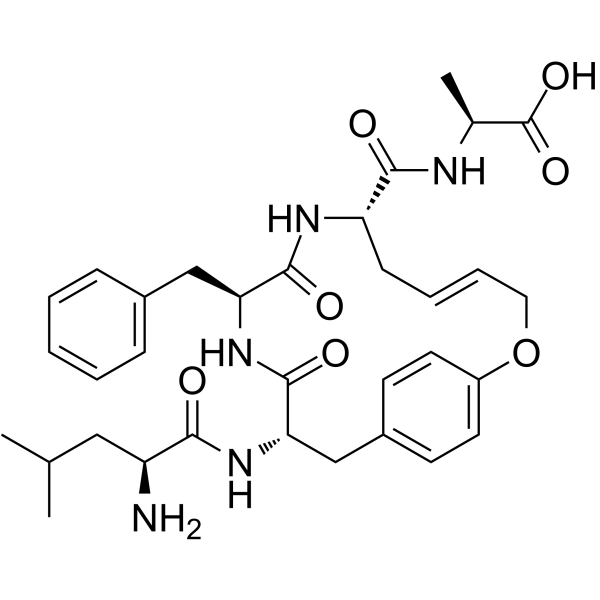
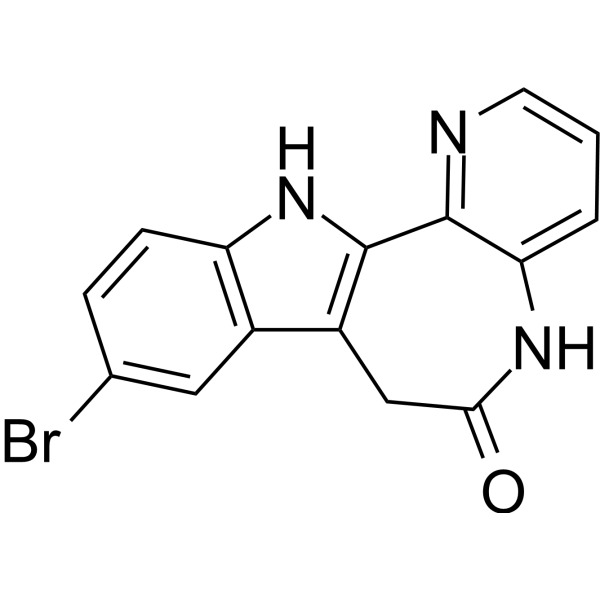
Aβ-IN-3 (compound 1) is a potent amyloid β (Aβ) inhibitor. Aβ-IN-3 inhibits Aβ42 aggregation. However, Aβ-IN-3 can not alleviate the neurotoxicity of Aβ42 in SH-SY5Y cells. Aβ-IN-3 can not change the aggregation state of Aβ42 into a nontoxic one .
|
-
-
- HY-132723S
-
-
-
- HY-171349
-
|
|
γ-secretase
Amyloid-β
|
Neurological Disease
|
|
Amyloid-β-IN-3 (EX.113) is a selective γ-secretase inhibitor. Amyloid-β-IN-3 inhibits Aβ42 secretion in H4 cells with an EC50 value of 148 nM. Amyloid-β-IN-3 regulates the γ-secretase catalytic activity to decrease Aβ42 production, thereby alleviating neurotoxicity caused by Aβ deposition. Amyloid-β-IN-3 is promising for research of Alzheimer's disease (AD) .
|
-
-
- HY-N8279
-
|
Endo-β-1,3-1,4-glucanase
|
Glycosidase
|
Metabolic Disease
|
|
β-1,3-1,4-glucanase (Endo-β-1,3-1,4-glucanase) is a glycoside hydrolase family 16 enzyme (some members belong to subfamily 25). β-1,3-1,4-glucanase shows high substrate specificity toward mixed‑linked β‑glucans and cleaves β‑1,4 glycosidic bonds adjacent to β‑1,3 linkages in an endo‑type pattern. β-1,3-1,4-glucanase can be used in industrial enzyme applications and monogastric animal feed supplementation [3] .
|
-
-
- HY-N10794
-
|
|
Others
|
Cancer
|
|
18β-Hydroxy-3-epi-α-yohimbine is a yohimbine derivative. 18β-Hydroxy-3-epi-α-yohimbine is a nature product that can be found in Rauvolfia vomitoria .
|
-
-
- HY-P2869D
-
|
|
Biochemical Assay Reagents
|
Others
|
|
β1-3,6 Galactosidase, Xanthomonas manihotis is an exoglycosidase that catalyzes the hydrolysis of terminal β(1-3)- and β(1-6)-linked galactose residues .
|
-
-
- HY-126144A
-
|
|
GSK-3
|
Metabolic Disease
|
|
(E/Z)-GSK-3β inhibitor 1 is a racemic compound of (E)-GSK-3β inhibitor 1 and (Z)-GSK-3β inhibitor 1 isomers. GSK-3β inhibitor 1 (compound 3a) is a glycogen synthase kinase 3β (GSK-3β) inhibitor and demonstrates high antidiabetic efficacy, with an IC50 of 4.9 nM .
|
-
-
- HY-E70054
-
|
|
Others
|
Others
|
|
beta-1,3-Galactosyltransferase (WbgO) (CgtB) acts on N-glycan substrates. beta-1,3-Galactosyltransferase (WbgO) catalyzes the formation of type 1 chains on oligosaccharide, glycopeptide, and glycoprotein substrates, including itself .
|
-
-
- HY-P4882
-
|
|
Amyloid-β
|
Neurological Disease
|
|
(Pyr3)-Amyloid β-Protein (3-42) is the predominant amyloid β-peptide structure deposited in human brain of Alzheimer's disease and Down's syndrome patients. (Pyr3)-Amyloid β-Protein (3-42) is suggested to accumulate in the brain and to trigger the formation of insoluble amyloid β-peptide deposits .
|
-
-
- HY-E70050
-
|
|
Endogenous Metabolite
|
Others
|
|
beta-1,3-Galactosyltransferase (CgtB) (GM1-synthase) is an enzyme that required for sialylated lipooligosaccharide (LOS SIAL) production, is often used in biochemical studies. beta-1,3-Galactosyltransferase (CgtB) catalyzes the addition of a galactose molecule, which is required for GM1-like LOS SIAL structure production .
|
-
-
- HY-E70048
-
|
Gb4 synthetase
|
Others
|
Others
|
|
beta-1,3-N-Acetylgalactosaminyltransferase (LgtD) (Gb4 synthetase) expressed by mature/activated B cells .
|
-
-
- HY-118382
-
|
STX1383
|
17β-HSD
|
Cancer
|
|
SCH-451659 (STX1383) is an orally active, selective 17β-HSD3 inhibitor with an IC50 of 2.4 nM against h17β-HSD3. SCH-451659 selectively blocks the conversion of androstenedione to testosterone. SCH-451659 reduces testosterone levels in mice. SCH-451659 exhibits anticancer activity against androstenedione-dependent prostate tumors .
|
-
-
- HY-W145586
-
|
GlcNAc beta(1-3)GalNAc-alpha-Thr
|
Biochemical Assay Reagents
|
Others
|
|
GlcNAcβ(1-3)GalNAc-α-Thr is a biochemical reagent that can be used as a biological material or organic compound for life science related research.
|
-
-
- HY-W145534
-
|
|
Biochemical Assay Reagents
|
Others
|
|
GlcNAcβ(1-3)GalNAc-α-pNP is a biochemical reagent that can be used as a biological material or organic compound for life science related research.
|
-
-
- HY-137665
-
|
|
PKG
|
Cardiovascular Disease
|
|
PET-cGMP is a cyclic guanosine monophosphate analog and an effective selective agonist of PKG I, the EC50 of PET-cGMP for PKG Iβ is 3.8 nM, while for PKG II, it's 193 nM .
|
-
-
- HY-157440
-
|
|
Amyloid-β
Reactive Oxygen Species (ROS)
Cholinesterase (ChE)
|
Neurological Disease
|
|
AChE/Aβ-IN-3 (compound AM5) is a dual inhibitor of AChE and Amyloid-β aggregation with IC50<.sub> values of 1.29 and 4.93 μM, respectively. AChE/Aβ-IN-3 has antioxidant properties that scavenge ROS and restore their normal levels. AChE/Aβ-IN-3 can be used in the study of neurological diseases, such as Alzheimer's disease .
|
-
-
- HY-147501
-
|
|
Thyroid Hormone Receptor
|
Metabolic Disease
|
|
TRβ agonist 3 (Compound 3) is a potent agonist of TRβ. TRβ agonist 3 reduces lipid accumulation in HepG2 and promote lipolysis with comparable effects. TRβ agonist 3 is a new potential TRβ-selective thyromimetics .
|
-
-
- HY-160777A
-
|
Galeterone 3β-imidazole dihydrochloride
|
Molecular Glues
Androgen Receptor
MNK
Apoptosis
|
Cancer
|
|
VNPP433-3β (Galeterone 3β-imidazole) dihydrochloride is an orally active molecular glue degrader, which degrades androgen receptor (AR) and its splice variants (AR-Vs) and MAP kinase-interacting serine/threonine protein kinase Mnk1/2. VNPP433-3β dihydrochloride induces cell apoptosis. VNPP433-3β dihydrochloride inhibits tumor growth in the CWR22Rv1 xenograft mouse model. VNPP433-3β dihydrochloride can be used for the study of castration resistant prostate cancer (CRPC) and pancreatic ductal adenocarcinoma (PDAC) .
|
-
-
- HY-160777B
-
|
Galeterone 3β-imidazole hydrochloride
|
Molecular Glues
Androgen Receptor
MNK
Apoptosis
|
Cancer
|
|
VNPP433-3β (Galeterone 3β-imidazole) hydrochloride is an orally active molecular glue degrader, which degrades androgen receptor (AR) and its splice variants (AR-Vs) and MAP kinase-interacting serine/threonine protein kinase Mnk1/2. VNPP433-3β hydrochloride induces cell apoptosis. VNPP433-3β hydrochloride inhibits tumor growth in the CWR22Rv1 xenograft mouse model. VNPP433-3β hydrochloride can be used for the study of castration resistant prostate cancer (CRPC) and pancreatic ductal adenocarcinoma (PDAC) .
|
-
-
- HY-146275
-
|
|
LXR
|
Cancer
|
|
LXRβ agonist-3 (compound 4-13) is a potent and selective LXRβ (liver X receptor β) agonist, with an EC50 of 0.095 μM. LXRβ agonist-3 efficiently inhibits U87EGFRvIII cell, with an IC50 of 3.75 μM. LXRβ agonist-3 shows antitumor activity, and can inhibit glioblastoma .
|
-
-
- HY-E70139
-
|
EC:2.4.1.313; B3GALNT2; β-1,3-N-acetylgalactosamINyltransferase II
|
Glucosylceramide Synthase (GCS)
|
Others
|
|
UDP-GalNAc:β-1,3-N-acetylgalactosaminyltransferase 2 ( EC:2.4.1.313; B3GALNT2; β-1,3-N-acetylgalactosaminyltransferase II) is a glycosyltransferase
.
|
-
-
- HY-E70044
-
|
|
Glycosyltransferase
|
Metabolic Disease
|
|
beta-1, 3-N-Acetylhexaminyltransferase (LgtA) is a glycosyltransferase, is often used in biochemical studies. beta-1, 3-N-Acetylhexaminyltransferase (LgtA) catalyzes the transfer of N-acetylglucosamine from UDP-GlcNAc to N-acetyllactosamine and lactose .
|
-
-
- HY-145348
-
|
|
Fungal
|
Infection
|
|
MK-5204 is an orally active β-1,3-glucan synthesis inhibitor.
|
-
-
- HY-W098905
-
|
|
GSK-3
Cytochrome P450
Amyloid-β
Tau Protein
|
Neurological Disease
|
|
GSK3β-IN-3 is an ATP-competitive GSK-3β inhibitor (IC50 = 0.90 μM). GSK3β-IN-3 can reduce the phosphorylation level of tau protein in the BR5706 strain and reduce the deposition of Aβ aggregates in the CL2006 strain, and can be used to research Alzheimer's disease (AD) .
|
-
-
- HY-19844
-
|
|
Drug Derivative
Aldehyde Oxidase (AO)
|
Infection
|
|
ANA975, 5-amino-3-β -D-ribofuranosyl-3H-thiazolo[4,5-d]pyrimidin-2-one derivative, is an oral prodrug of the TLR-7 agonist Isatoribine (HY-13655A). ANA975 is converted to Isatoribine via a combined mechanism of hydrolysis by esterases and oxidation by aldehyde oxidase. ANA975 can be used in the research of hepatitis C virus infection .
|
-
-
- HY-163412
-
|
|
IKK
|
Inflammation/Immunology
|
|
IKKβ-IN-3 (Compound hit4) is a IKKβ inhibitor with an IC50 value of 30.4 nM. IKKβ is a key enzyme in the NF-κB signaling pathway and is involved in the development of many diseases. IKKβ-IN-3 can be used in the study of CAF-induced arthritis .
|
-
- HY-148682S2
-
|
Glycyrrhetic acid 3-O-hydrogen sulfate-d3
|
Isotope-Labeled Compounds
|
Others
|
|
18β-Glycyrrhetyl-3-O-sulfate-d3 is the deuterium labeled 18β-Glycyrrhetyl-3-O-sulfate (HY-148682) .
|
-
- HY-148682S1
-
|
Glycyrrhetic acid 3-O-hydrogen sulfate-d2
|
Isotope-Labeled Compounds
|
Others
|
|
18β-Glycyrrhetyl-3-O-sulfate-d2 is the deuterium labeled 18β-Glycyrrhetyl-3-O-sulfate (HY-148682) .
|
-
- HY-P4865
-
-
- HY-146736S
-
-
- HY-W145556
-
|
Gal beta(1-3)GlcNAc beta(1-3)Gal beta(1-4)Glc-beta-pNP
|
Biochemical Assay Reagents
|
Others
|
|
Galβ(1-3)GlcNAcβ(1-3)Galβ(1-4)Glc-β-pNP is a biochemical reagent that can be used as a biological material or organic compound for life science related research.
|
-
- HY-131171
-
|
3β,5α-NET
|
Drug Derivative
|
Others
|
|
3β,5α-Tetrahydronorethisterone is a tetrahydro derivative of norethindrone (NET) .
|
-
- HY-143614
-
|
|
Thyroid Hormone Receptor
|
Metabolic Disease
|
|
THR-β agonist 3 is a potent agonist of THR-β. THR-β agonist 3 has the potential for the research of metabolic diseases such as obesity, hyperlipidemia, hypercholesterolemia, diabetes and other conditions such as steatosis and non-alcoholic steatohepatitis (NASH), atherosclerosis and other related conditions and diseases (extracted from patent WO2021129827A1, compound 6) .
|
-
- HY-W743264
-
|
17β-Estradiol 3-sulfate-d3 sodium
|
Isotope-Labeled Compounds
GABA Receptor
|
Neurological Disease
|
|
17β-Estradiol sulfate-d3 sodium (17β-Estradiol 3-sulfate-d3 sodium) is the deuterium labeled 17β-Estradiol sulfate sodium (HY-141672). 17β-Estradiol sulfate sodium, also known as β-Estradiol 3-sulfate sodium salt, is a neuroactive steroid .
|
-
- HY-146626S
-
|
|
Isotope-Labeled Compounds
|
Cancer
|
|
1,3,5(10)-Estratriene-17α-ethyl-3,17β-diol 3-methyl ether-d5 is the deuterium labeled 1,3,5(10)-Estratriene-17α-ethyl-3,17β-diol 3-methyl ether .
|
-
- HY-N1831
-
|
|
Others
|
Others
|
|
3-Eudesmene-1beta,11-diol is a Sesquiterpenoids product that can be isolated from the herbs of Physalis alkekengi .
|
-
- HY-N15128
-
-
- HY-N15129
-
-
- HY-E70033
-
|
|
Endogenous Metabolite
|
Metabolic Disease
|
|
D-galactosyl-β1-3-N-acetyl-D-hexosamine phosphorylase (BiGalHexNAcP) is a member of CAZy glycoside hydrolase GH112 family, is often used in biochemical studies. D-galactosyl-β1-3-N-acetyl-D-hexosamine phosphorylase (BiGalHexNAcP) catalyses the phosphorolysis of lacto-n-biose and galacto-n-biose, to produce Gal-1-P and the corresponding N-acetyl-D-hexosamine .
|
-
- HY-171949
-
|
3α,7α,12α,25-Tetrahydroxycoprostane
|
G protein-coupled Bile Acid Receptor 1
Endogenous Metabolite
|
Metabolic Disease
|
|
5β-Cholestane-3α,7α,12α,25-tetrol (3α,7α,12α,25-Tetrahydroxycoprostane) is a bile acid alcohol. 5β-Cholestane-3α,7α,12α,25-tetrol is a GPBAR1 (also known as TGR5) activator (EC50: 1.36 μM). 5β-Cholestane-3α,7α,12α,25-tetrol is the predominant bile-alcohol disease marker present in patients with Cerebrotendinous xanthomatosis (CTX) .
|
-
- HY-N15534A
-
|
|
Endogenous Metabolite
|
Infection
|
|
5α,6β-Dihydroxy-3β-(β-D-glucopyranosyloxy)-7E-megastigmen-9-one (Compound 18) is a megastigmane glucoside isomer. 5α,6β-Dihydroxy-3β-(β-D-glucopyranosyloxy)-7E-megastigmen-9-one can be isolated from the Piper genus and Piperaceae family .
|
-
- HY-133102
-
|
LycoramINone
|
GSK-3
|
Neurological Disease
|
|
Dihydronarwedine (Lycoraminone) is the alkaloid. Dihydronarwedine inhibits 39% activity of glycogen synthase kinase-3β (GSK-3β) at a concentration of 10 μM .
|
-
- HY-N10128
-
|
|
Bacterial
|
Infection
|
|
(8'α,9'β-Dihydroxy)-3-farnesylindole shows strong inhibitory activity (EC50 9.8 μM) against B. subtilis.
|
-
- HY-W145607
-
|
Gal beta(1-3)GalNAc-beta-pNP
|
Biochemical Assay Reagents
|
Others
|
|
Galβ(1-3)GalNAc-β-pNP is a biochemical reagent that can be used as a biological material or organic compound for life science related research.
|
-
- HY-107126B
-
|
MK 3118 phosphate; SCY-078 phosphate
|
Fungal
|
Infection
|
|
Ibrexafungerp phosphate is an orally active β-1,3-glucan synthesis inhibitor, with potential antifungal activity. Ibrexafungerp phosphate can be used for research of Candida and Aspergillus infections .
|
-
- HY-W145655
-
|
|
Biochemical Assay Reagents
|
Others
|
|
Gal-β1,3-GalNAc-α1-OBn is a biochemical reagent that can be used as a biological material or organic compound for life science related research.
|
-
- HY-119415
-
|
ICN-17261
|
HCV
|
Others
|
|
Levovirin (ICN-17261) is a potent 1-β-aminopyrazole-3-carboxamide that activates human T cells to secrete type 1 cytokines comparable to ribavirin. Levovirin shows promising immunomodulatory properties .
|
-
- HY-149196
-
|
|
TGF-β Receptor
|
Cancer
|
|
TGFβ-IN-3 (Compound 8) is a long-acting tumor-activating prodrug of TGFβR1 inhibitor. TGFβ-IN-3 can achieve selective drug release in tumors, and the tumor/blood ratio is increased by 2.2 times. TGFβ-IN-3 can be used for the study of colon cancer .
|
-
- HY-180160
-
|
|
Amyloid-β
|
Neurological Disease
|
|
Aβ aggregation-IN-3 (Compound B7) is an Aβ aggregation inhibitor. Aβ aggregation-IN-3 inhibits Aβ aggregation. Aβ aggregation-IN-3 confers protection in both neuronal and microglial models. Aβ aggregation-IN-3 reduces Aβ-induced paralysis in C. elegans. Aβ aggregation-IN-3 improves Alzheimer's disease .
|
-
- HY-180642
-
-
- HY-P992157
-
|
murINe version of BapINeuzumab
|
Amyloid-β
|
Neurological Disease
|
|
Anti-APP/Amyloid beta Antibody (3D6) is an antibody targeting β-amyloid protein (Aβ) containing free Asp1. Anti-APP/Amyloid beta Antibody (3D6) recognizes and binds to the amino acid epitope at positions 1-5 of β-amyloid protein with a free Asp1 residue. Anti-APP/Amyloid beta Antibody (3D6) serves as a detection antibody in immunoblot analysis. Anti-APP/Amyloid beta Antibody (3D6) is applicable to research related to Alzheimer's disease .
|
-
- HY-146734S
-
-
- HY-112744
-
|
|
17β-HSD
|
Cancer
|
|
BMS-856 is a 17β-HSD3 inhibitor. BMS-856 inhibits enzymatic activity of 17β-HSD3, with IC50s of 60 and 300 nM respectively in the enzyme and whole cell assays .
|
-
- HY-180682
-
-
- HY-180679
-
-
- HY-N18305
-
|
|
Drug Intermediate
|
Others
|
|
β-Sitosterol 3-O-galactopyranoside is a steroidal glycoside that can be found in the leaves of Hibiscus sabdariffa .
|
-
- HY-N16955
-
-
- HY-P992076
-
|
|
TGF-β Receptor
TGF-beta/Smad
Cholinesterase (ChE)
Fungal
|
Infection
Cancer
|
Anti-Candida auris β-1,3-glucans Antibody (2G8) is an antibody targeting Candida auris β-1,3-glucans, and also acts as an inhibitor of AChE and TGF-β receptor 2. Anti-Candida auris β-1,3-glucans Antibody (2G8) also targets fungal cell wall components, effectively inhibits fungal growth and interferes with capsule formation, thereby significantly reducing the fungal load in mouse tissues. Anti-Candida auris β-1,3-glucans Antibody (2G8) not only blocks TGF-β receptor binding to inhibit the Smad signaling pathway, reduces fibroblast activation and collagen deposition, but also induces epithelial differentiation of tumor cells and reduces pancreatic tumor metastasis. Anti-Candida auris β-1,3-glucans Antibody (2G8) specifically binds to the conserved N-linked glycoepitope on AChE to inhibit its activity without interfering with BChE, and can be used in studies of cryptococcosis and related tumor mechanisms [3].The isotype control is Human IgG1 kappa, Isotype Control (HY-P99001).
|
-
- HY-W740864
-
-
- HY-N1853
-
-
- HY-N13266
-
|
|
Endogenous Metabolite
|
Inflammation/Immunology
|
|
5β-Cholestane-3α,7α,12α,25,27-pentol is a bile alcohol found in amphibian bile. 5β-Cholestane-3α,7α,12α,25,27-pentol serves as a principal or sole constituent of sulfate-conjugated bile salts in gallbladder bile of the caecilian Dermophis mexicanus. 5β-Cholestane-3α,7α,12α,25,27-pentol appears as a minor constituent in bile of the toad Bufo b. formosus. 5β-Cholestane-3α,7α,12α,25,27-pentol may represent the end product of cholesterol metabolism in the caecilian, as bile acids remain undetected in this organism .
|
-
- HY-E71259
-
|
|
Biochemical Assay Reagents
|
Others
|
|
β-1,3-Galactosyl-O-glycosyl-glycoprotein β-1,3-N-acetylglucosaminyltransferase (EC 2.4.1.146) is an enzyme with systematic name UDP-N-acetyl-D-glucosamine:beta-D-galactosyl-(1->3)-(N-acetyl-D-glucosaminyl-(1->6))-N-acetyl-D-galactosaminyl-R 3-beta-N-acetyl-D-glucosaminyltransferase.
|
-
- HY-E71302
-
|
|
Biochemical Assay Reagents
|
Others
|
|
β-Galactosyl-N-acetylglucosaminylgalactosylglucosyl-ceramide β-1,3-acetylglucosaminyltransferase (EC 2.4.1.163) requires Mn2+.
|
-
- HY-W145663
-
|
|
Biochemical Assay Reagents
|
Others
|
|
Gal-β1,3-GalNAc-β-OMe is a biochemical reagent that can be used as a biological material or organic compound for life science related research.
|
-
- HY-E71279
-
|
|
Biochemical Assay Reagents
|
Others
|
|
β-Carotene 3-hydroxylase (EC 1.14.13.129) requires ferredoxin and Fe (II) . Also acts on other carotenoids with a β-end group.
|
-
- HY-N10527
-
|
Globoisotetraose
|
Others
|
Others
|
|
Isoglobotetraose (Globoisotetraose) is the oligosaccharide moiety of human glycosphingolipids. Synthesis process: globotetraose (GalNAcβ1→3Galα1→4Galβ1→4Glc) and isoglobotetraose (GalNAcβ1→3Galα1→3Galβ1→4Glc) .
|
-
- HY-W145553
-
|
|
Biochemical Assay Reagents
|
Others
|
|
GalNAcβ(1-3)GlcNAc-β-pNP is a biochemical reagent that can be used as a biological material or organic compound for life science related research.
|
-
- HY-N2705
-
|
|
Others
|
Others
|
|
Stigmast-4-en-6β-ol-3-one is a Steroids product that can be isolated from the herbs of Phaseolus vulgaris .
|
-
- HY-E71152
-
-
- HY-106353A
-
|
|
Drug Derivative
|
Others
|
|
epi-Smilagenin is a 5β-spirostan-3α-ol and steroidal sapogenin. epi-Smilagenin can be found in the rumen content of sheep intoxicated by Brachiaria decumbens .
|
-
- HY-E70587
-
|
|
DNA/RNA Synthesis
|
Others
|
|
exo-β-1,3-Xylosidase, Streptomyces sp. SWU10 (EC.3.2.1.72) is an endo-xylanase that degrade xylans to several xylooligosaccharides .
|
-
- HY-E71318
-
|
|
Biochemical Assay Reagents
|
Others
|
|
β-Methylindole-3-pyruvate reductase (EC 1.1.1.397) is involved in the biosynthesis of indolmycin, an antibacterial drug that inhibits the bacterial tryptophan-tRNA ligase (EC 6.1.1.2) .
|
-
- HY-180467
-
|
|
ADC Linker
|
Cancer
|
|
Neu5Ac-2Galβ1-3Glc-oxazoline-(2)Me (Compound G12) is a disaccharide linker. Neu5Ac-2Galβ1-3Glc-oxazoline-(2)Me can be efficiently recognized by the endo-glycosidase Endo-S2 and can be directedly transferred to the conserved N-glycosylation site (Asn297 position) of the antibody's Fc domain through enzymatic catalytic reactions, thereby achieving site-specific modification of the antibody. Neu5Ac-2Galβ1-3Glc-oxazoline-(2)Me can be used for for the synthesis of antibody-conjugated drugs (ADCs) .
|
-
- HY-156905A
-
|
|
Biochemical Assay Reagents
|
Cancer
|
|
6-Azido-N-acetylgalactosamine-UDP diammonium (compound 5) is an active sugar donor in the beta-1, 3-N-Acetylhexaminyltransferase (LgtA)-catalyzed glycosylation of lactose .
|
-
- HY-W127483
-
|
|
Biochemical Assay Reagents
|
Others
|
|
19-iodo-5-cholesten-3beta-ol 3-acetate is a biochemical reagent that can be used as a biological material or organic compound for life science related research.
|
-
- HY-W698547
-
-
- HY-141488
-
|
Galβ1-3GlcNAc
|
Endogenous Metabolite
|
Endocrinology
|
|
Lacto-N-biose I (Galβ1-3GlcNAc), as an endogenous metabolite, is an acceptor for the α1,2-fucosyltransferase enzyme from Helicobacter pylori .
|
-
- HY-149777
-
-
- HY-E71260
-
|
|
Biochemical Assay Reagents
|
Others
|
|
β-1,3-Galactosyl-O-glycosyl-glycoprotein β-1,6-N-acetylglucosaminyltransferase (EC 2.4.1.102) is involved in O-glycosylation of several proteins, such as mucins.
|
-
- HY-E70141
-
|
EC:2.4.1.149; B3GNT4
|
Glycosyltransferase
|
Others
|
|
β-1,3-N-Acetylglucosaminyltransferase 4 (EC:2.4.1.149, B3GNT4) is involved in the synthesis of poly-N-acetyllactosamine and has activity for type 2 oligosaccharides .
|
-
- HY-17006S
-
|
MK-0991-d4 diacetate; L-743872-d4 diacetate
|
Fungal
Bacterial
Antibiotic
|
Infection
|
|
Caspofungin-d4 (acetate) is the deuterium labeled Caspofungin diacetate . Caspofungin (MK-0991) diacetate is a potent antifungal agent. Caspofungin diacetate inhibits the synthesis of the fungal cell wall component β-(l,3)-D-glucan [3].
|
-
- HY-W145539
-
|
GlcNAc beta(1-3)[GlcNAc beta(1-6)]GalNAc-alpha-Thr
|
Biochemical Assay Reagents
|
Others
|
|
GlcNAcβ(1-3)[GlcNAcβ(1-6)]GalNAc-α-Thr is a biochemical reagent that can be used as a biological material or organic compound for life science related research.
|
-
- HY-E70306
-
|
|
Endogenous Metabolite
Parasite
|
Infection
|
|
Zymolyase, Arthrobacter luteus, is a zymolyase mainly found in Arthrobacter luteus. Enzyme, an enzyme with beta-1,3 glucanase activity, removes the electron-dense outer layer of the Plasmodium karinii cell wall, exposing an electron-lucent layer .
|
-
- HY-141672S1
-
|
17β-Estradiol 3-sulfate-d4 sodium
|
GABA Receptor
|
Neurological Disease
|
|
17β-Estradiol sulfate-d4 (sodium) is the deuterium labeled 17β-Estradiol sulfate 17β-Estradiol sulfate (sodium), also known as β-Estradiol 3-sulfate sodium salt, is a neuroactive steroid .
|
-
- HY-P10899
-
|
|
PROTACs
TGF-beta/Smad
|
Endocrinology
|
|
ETTAC-2 is a LRG1 PROTAC degrader, degrading LRG1 via the ubiquitin-proteasome pathway with a DC50 value of 8.38 μM. ETTAC-2 penetrates damaged renal cells to reduce the extracellular secretion of LRG1. ETTAC-2 effectively inhibits the TGF-β-Smad3 signaling pathway and diminishes the secretion of fibrosis-associated extracellular matrix proteins. ETTAC-2 degrades LRG1 within fibrotic kidneys and the efficacy in inhibiting the TGF-β-Smad3 pathway both in vitro and vivo. ETTAC-2 can be used for renal fibrosis research .
|
-
- HY-169632
-
|
|
GSK-3
|
Neurological Disease
|
|
GSK3β-IN-1 (compound 1) is a glycogen synthase kinase-3β (GSK-3β) inhibitor (IC50=65 nM), which can be used in the study of Alzheimer's disease .
|
-
- HY-152801
-
|
|
Nucleoside Antimetabolite/Analog
|
Others
|
|
5-Naphthyl-β-methylaminocarbony-3’-O-acetyl-2’-O-methyluridine is a thymidine analogue. Analogs of this series have insertional activity towards replicated DNA. They can be used to label cells and track DNA synthesis .
|
-
- HY-17006R
-
|
MK-0991 diacetate (Standard); L-743872 diacetate (Standard)
|
Reference Standards
Fungal
Antibiotic
Bacterial
|
Infection
Cancer
|
|
Caspofungin (diacetate) (Standard) is the analytical standard of Caspofungin (diacetate). This product is intended for research and analytical applications. Caspofungin (MK-0991) diacetate is a potent antifungal agent. Caspofungin diacetate inhibits the synthesis of the fungal cell wall component β-(l,3)-D-glucan .
|
-
- HY-182102
-
-
- HY-181159
-
|
|
Fungal
|
Infection
|
|
Antifungal agent-164 is an exo-β-(1,3)-glucanase inhibitor that binds to the enzyme’s binding site. Antifungal agent-164 inhibits the growth of fungal. Antifungal agent-164 can be used for the research of candida infection .
|
-
- HY-W588187
-
|
5β-Cholestan-3-one
|
Drug Metabolite
Apoptosis
|
Cancer
|
|
Coprostanone (5β-cholestan-3-one) is an oxysterol and active metabolite of Cholesterol (HY-N0322). Coprostanone induces apoptosis in primary dog gallbladder epithelial cells. Coprostanone is promising for research of colon cancers or adenomatous polyps .
|
-
- HY-152389
-
|
|
Nucleoside Antimetabolite/Analog
|
Others
|
|
6-Methylpurine-β-D-(3-azido-3-deoxy)riboside is a purine nucleoside analogue. Purine nucleoside analogs have broad antitumor activity targeting indolent lymphoid malignancies. Anticancer mechanisms in this process rely on inhibition of DNA synthesis, induction of apoptosis, etc . 6-Methylpurine-β-D-(3-azido-3-deoxy)riboside is a click chemistry reagent, it contains an Azide group and can undergo copper-catalyzed azide-alkyne cycloaddition reaction (CuAAc) with molecules containing Alkyne groups. It can also undergo strain-promoted alkyne-azide cycloaddition (SPAAC) reactions with molecules containing DBCO or BCN groups.
|
-
- HY-B1192S
-
|
β-Estradiol 3-benzoate-d3; 17β-Estradiol 3-benzoate-d3
|
Estrogen Receptor/ERR
|
Neurological Disease
|
|
Estradiol benzoate-d3 is the deuterium labeled Estradiol benzoate. Estradiol Benzoate (β-Estradiol 3-benzoate), a proagent of estradiol, acts as a steroid sex hormone. It exhibits mild anabolic and metabolic properties, and increases blood coagulability [3] .
|
-
- HY-W145622
-
|
Gal beta(1-3)[Neu5Ac alpha(2-6)]GlcNAc-beta-pNP
|
Biochemical Assay Reagents
|
Others
|
|
Galβ(1-3)[Neu5Acα(2-6)]GlcNAc-β-pNP is a biochemical reagent that can be used as a biological material or organic compound for life science related research.
|
-
- HY-W145540
-
|
|
Biochemical Assay Reagents
|
Others
|
|
Galβ(1-3)[Neu5Acα(2-6)]GalNAc-α-pNP is a biochemical reagent that can be used as a biological material or organic compound for life science related research.
|
-
- HY-W060316
-
|
3-Hydroxy-5-isopropyltropolone
|
HBV
DNA/RNA Synthesis
|
Infection
|
|
β-Thujaplicinol (3-Hydroxy-5-isopropyltropolone) is an inhibitor of hepatitis B virus (HBV) ribonuclease H. β-Thujaplicinol inhibits RNAseHs of HBV genotypes D and H with IC50 values of 5.9 and 2.3 μM, respectively .
|
-
- HY-N9738
-
|
|
Endogenous Metabolite
|
Others
|
|
14β,16β-Dihydroxy-3β-(β-D-glucopyranosyloxy)-5α-bufa-20,22-dienolide (compound 10) is a butadiene lactone that can be used in related research in the field of life sciences.
|
-
- HY-163462
-
|
|
Fungal
|
Infection
|
|
Poacic Acid is a plant-derived stilbenoid with an antifungal activity. Poacic Acid localizes to the yeast cell wall and disrupts the production and assembly of β-1,3-glucan in the fungal cell walls. Poacic Acid exhibits fungicidal activity to Saccharomyces cerevisiae and plasma membrane-compromised Candida albicans mutants .
|
-
- HY-W109107
-
-
- HY-152647
-
|
|
Nucleoside Antimetabolite/Analog
|
Cancer
|
|
6-Methoxypurine-9-beta-D-(3-methoxy riboside) is a purine nucleoside analog. Purine nucleoside analogs have broad antitumor activity targeting indolent lymphoid malignancies. Anticancer mechanisms in this process rely on inhibition of DNA synthesis, induction of apoptosis, etc .
|
-
- HY-W780130
-
|
|
Mitochondrial Metabolism
GSK-3
|
Inflammation/Immunology
|
|
SkQR1 hydroxide is a mitochondrial targeted antioxidant. SkQR1 hydroxide can inhibit glycogen synthase kinase 3β (GSK3β) in the brain. SkQR1 hydroxide has a significant memory promoting effect. SkQR1 hydroxide can be used for research related to brain memory .
|
-
- HY-103394
-
|
|
17β-HSD
|
Cancer
|
|
TC HSD 21 is a selective inhibitor of 17β-hydroxysteroid dehydrogenase type 3 (17β-HSD3) against related 17β-HSD isozymes, with an IC50 of 14 nM in HeLa cells. TC HSD 21 can be used in the research of prostate cancer .
|
-
- HY-P3713
-
|
|
GSK-3
|
Cancer
|
|
Presenilin 1 (349-361) is an active petide, and synthetic peptides representing amino acids 349–361 can be phosphorylated by glycogen synthase kinase-3β(GSK3β) in vitro. Presenilin 1 (349-361) can be used for the research of various diseases .
|
-
- HY-E71300
-
|
|
Biochemical Assay Reagents
|
Others
|
|
The acceptor for β-galactoside α-2,3-sialyltransferase (EC 2.4.99.4) is Galβ1,3GalNAc-R, where R is H, a threonine or serine residue in a glycoprotein, or a glycolipid. Lactose can also serve as an acceptor.
|
-
- HY-14281R
-
|
WIN 24540 (Standard)
|
Reference Standards
Others
|
Endocrinology
Cancer
|
|
Trilostane (Standard) is the analytical standard of Trilostane. This product is intended for research and analytical applications. Trilostane (Win 24540) is a competitive and orally active 3-β-hydroxysteroiddehydrogenase (3β-HSD) inhibitor. Trilostane is a synthetic nonhormonal steroid. Trilostane can be used for the research of breast cancer and prostate cancer .
|
-
- HY-W145482
-
|
|
Drug Isomer
|
Metabolic Disease
|
|
3-O-Methyl-D-glucopyranose is a non-metabolizable glucose analog. 3-O-Methyl-D-glucopyranose exerts a protective effect against alloxan-induced damage to rat pancreatic islet β cells. 3-O-Methyl-D-glucopyranose can be used in diabetes research .
|
-
- HY-125723
-
|
SL 7810; A-30912 A
|
Endogenous Metabolite
Fungal
Antibiotic
|
Infection
|
|
Echinocandin B (SL 7810) is a lipopeptide antifungal antibiotic. Echinocandin B is produced by Aspergillus nidulans. Echinocandin B inhibits β-1,3-glucan activity, thereby blocking the biosynthesis of fungal cell walls. Echinocandin B exhibits activity against a variety of Aspergillus species .
|
-
- HY-148132
-
|
|
GSK-3
|
Neurological Disease
|
|
GSK-3β inhibitor 11 (compound 21) is a glycogen synthase kinase-3β (GSK-3β) inhibitor (IC50=10.02 μM). GSK-3β inhibitor 11 can be used in neurodegenerative disease research .
|
-
- HY-B1192
-
|
β-Estradiol 3-benzoate; 17β-Estradiol 3-benzoate
|
Estrogen Receptor/ERR
HBV
Bcl-2 Family
|
Neurological Disease
|
|
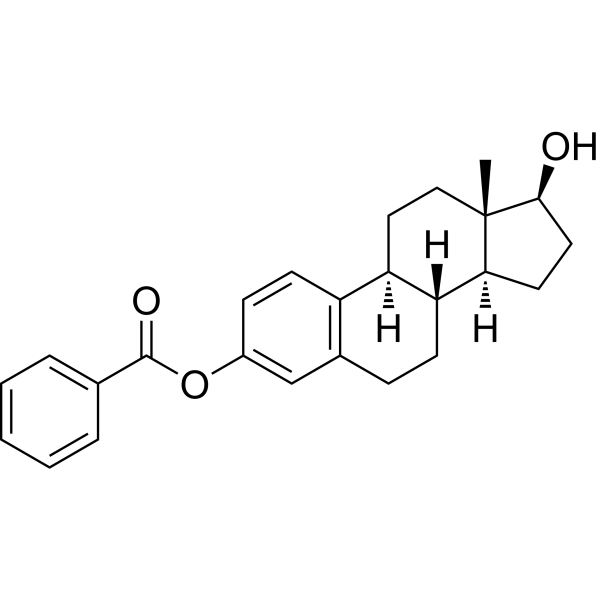
Estradiol benzoate (β-Estradiol 3-benzoate) is a HBx protein inhibitor and inhibits androgen and hepatitis B virus (HBV) transcription, replication. Estradiol benzoate shows antifertility effects, anti- Toxoplasma gondii activity and can improve memory behavior of Ovariectomy (Ovx) female mice [3] .
|
-
- HY-114270
-
|
|
GSK-3
|
Neurological Disease
|
|
JGK-263 is an orally active Glycogen synthase kinase-3β (GSK-3β) inhibitor. JGK-263 exhibits neuroprotective effect and can improve motor function. JGK-263 can be used for the research of neurological disease, such as amyotrophic lateral sclerosis (ALS) .
|
-
- HY-131997
-
|
|
GABA Receptor
|
Neurological Disease
Inflammation/Immunology
|
|
2'MeO6MF is a brain-penetrant positive allosteric modulator at α2β1γ2L and all α1-containing GABAA receptors. 2'MeO6MF also can directly activate α2β2/3 and α2β2/3γ2L GABAA receptors. 2'MeO6MF has anxiolytic and psychomotor stabilizing properties. 2'MeO6MF offers neuroprotection and improved functional recovery and dampens the stroke-induced inflammatory response .
|
-
- HY-154425
-
|
|
Nucleoside Antimetabolite/Analog
|
Others
|
|
2-Amino-7-propargyl-7,8-dihydro-8-oxo-9-(beta-D-3-deoxy-ribofuranosyl)purine is a purine nucleoside analog. Purine nucleoside analogs have broad antitumor activity targeting indolent lymphoid malignancies. Anticancer mechanisms in this process rely on inhibition of DNA synthesis, induction of apoptosis, etc . 2-Amino-7-propargyl-7,8-dihydro-8-oxo-9-(beta-D-3-deoxy-ribofuranosyl)purine is a click chemistry reagent, it contains an Alkyne group and can undergo copper-catalyzed azide-alkyne cycloaddition (CuAAc) with molecules containing Azide groups.
|
-
- HY-154582
-
|
|
Nucleoside Antimetabolite/Analog
|
Others
|
|
5-Naphthyl-beta-methylaminocarbony-3’-O-acetyl-2’-O-methyl-5’-O-DMTr-uridine is a uridine analog. Uridine has potential antiepileptic effects, and its analogs can be used to study anticonvulsant and anxiolytic activities, as well as to develop new antihypertensive agents .
|
-
- HY-W703425
-
|
delta-5(6)-NorethINdrone
|
Progesterone Receptor
|
Endocrinology
|
|
17α-Ethynyl-19-nor-Δ-5(6)-androsten-17β-ol-3-one (delta-5(6)-Norethindrone), an impurity of Norethindrone, is an anabolic agent. Norethindrone is a progestin athat can be used for endometriosis research .
|
-
- HY-152695
-
|
|
Nucleoside Antimetabolite/Analog
|
Others
|
|
6-Methoxy purine-9-beta-D-(3’-deoxy-3’-fluoro)riboside is a purine nucleoside analogue. Purine nucleoside analogs have broad antitumor activity targeting indolent lymphoid malignancies. Anticancer mechanisms in this process rely on inhibition of DNA synthesis, induction of apoptosis, etc .
|
-
- HY-107144
-
|
|
Tyrosinase
Ephrin Receptor
VEGFR
PDGFR
FLT3
Tie
|
Cancer
|
|
LY2457546 is a potent and orally active multi-targeted anti-angiogenic tyrosine kinases inhibitor. LY2457546 demonstrates potent activity against targets that include VEGFR2, PDGFRβ, FLT-3, Tie-2 and members of the Eph family of receptors. LY2457546 can be used for the research of cancer, such as leukemia .
|
-
- HY-100950
-
|
|
GSK-3
CDK
|
Inflammation/Immunology
Cancer
|
ABC1183 is an orally active selective dual GSK3 and CDK9 inhibitor. ABC1183 inhibits GSK3β, GSK3α and CDK9/cyclin T1 with the IC50 values of 657 nM, 327 nM and 321 nM, respectively. ABC1183 has anti-inflammatory and anti-tumor activities .
|
-
- HY-N7176
-
|
Kaempferol-3-glucuronide; Kaempferol-3-O-glucuronide
|
Interleukin Related
|
Metabolic Disease
Inflammation/Immunology
Cancer
|
|
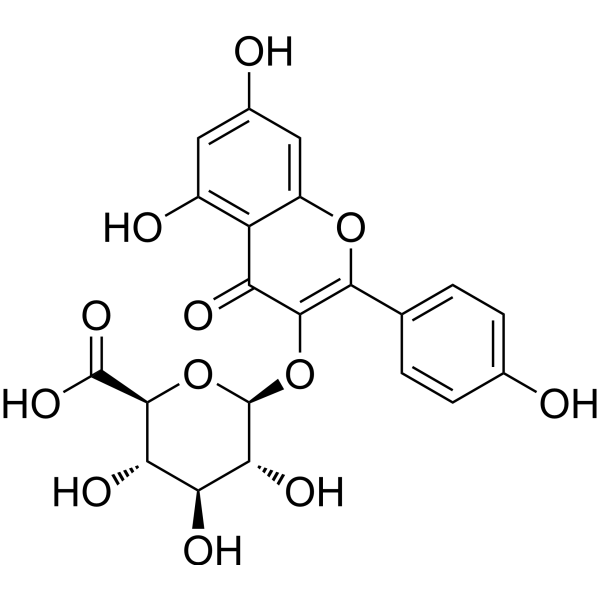
Kaempferol 3-O-β-D-glucuronide (Kaempferol-3-glucuronide) is a metabolite of kaempferol that can be taken orally and has anti-inflammatory properties. Kaempferol 3-O-β-D-glucuronide can activate AKT/GSK3β phosphorylation and improve glucose metabolism [3].
|
-
- HY-152766
-
|
|
Nucleoside Antimetabolite/Analog
|
Others
|
|
6-(Thiophen-3-yl)purine-beta-D-(3’-deoxy-3’-fluoro)riboside is a purine nucleoside analogue. Purine nucleoside analogs have broad antitumor activity targeting indolent lymphoid malignancies. Anticancer mechanisms in this process rely on inhibition of DNA synthesis, induction of apoptosis, etc .
|
-
- HY-107529
-
|
|
GSK-3
|
Neurological Disease
Metabolic Disease
|
|
TC-G 24 (Compound 24) is a potent, selective glycogen synthase kinase-3β (GSK-3β) inhibitor with an IC50 of 17.1 nM. TC-G 24 can cross the BBB and can be used for studying many diseases such as type 2 diabetes mellitus, stroke, Alzheimer, and other related diseases .
|
-
- HY-B1014
-
-
- HY-W145496
-
|
β-D-Glc-(1-3)-D-Glc
|
Biochemical Assay Reagents
|
Others
|
|
Laminaribiose is a disaccharide consisting of two glucose molecules linked by a β-1,3-glycosidic bond. It is ubiquitous in the cell walls of various plants and is a hydrolyzate of the polysaccharide laminarin. Laminaribiose has various applications in biochemical research, especially as a substrate for enzymes involved in carbohydrate metabolism. In addition, it can be used as a carbon source and dietary supplement for certain microorganisms.
|
-
- HY-17006AS
-
|
MK-0991-d4; L-743872-d4
|
Isotope-Labeled Compounds
Fungal
Antibiotic
Bacterial
|
Infection
|
|
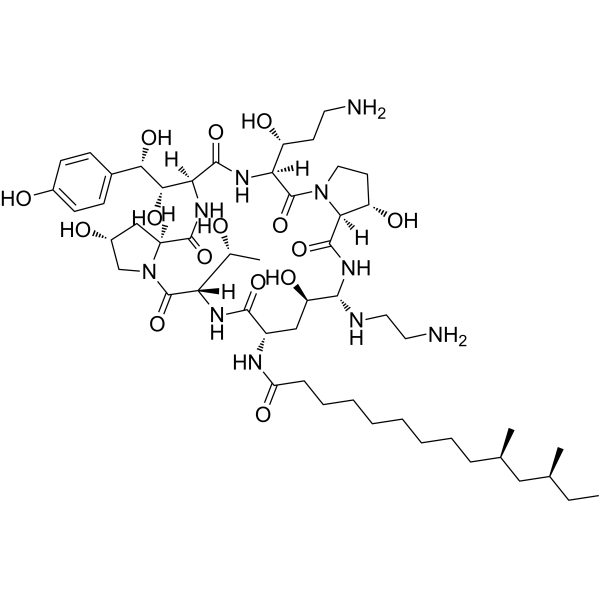
Caspofungin-d4 (MK-0991-d4; L-743872-d4) is a deuterium labeled Caspofungin (HY-17006A). Caspofungin is a potent antifungal agent. Caspofungin inhibits the synthesis of the fungal cell wall component β-(l,3)-D-glucan [3].
|
-
- HY-N13709
-
|
|
Others
|
Cancer
|
|
12β-Acetoxy-7β-hydroxy-3,11,15,23-tetraoxo-5a-lanosta-8,20-dien-26-oic acid, a lanostanoid triterpene that can be isolated from Ganoderma lingzhi, exhibits an IC50 of 80.8 μM in MCF-7 cells .
|
-
- HY-166970
-
|
|
Biochemical Assay Reagents
|
Others
|
|
3α,4β,3α-Galactotetraose is a class of biochemical reagents used in glycobiology research. Glycobiology studies the structure, synthesis, biology, and evolution of sugars. It involves carbohydrate chemistry, enzymology of glycan formation and degradation, protein-glycan recognition, and the role of glycans in biological systems. This field is closely related to basic research, biomedicine, and biotechnology .
|
-
- HY-E70013A
-
|
EC 3.2.1.73
|
Glycosidase
|
Others
|
|
Licheninase (EC 3.2.1.73) is a glycoside hydrolase is active on the β-glucan cell wall of cereals, fungi, and seaweed. Licheninase specifically hydrolyzes β(1→4) linkages in mixed linkage β(1→3)/β(1→4)-glucans. Licheninase improves cellulose degradation .
|
-
- HY-117239
-
|
|
Adrenergic Receptor
|
Cardiovascular Disease
|
|
SB-206606, a stereoisomer of BRL 37344, is a potentially specific, beta 3-adrenergic receptor (β3-AR) ligand. The affinity of [3H]SB 206606 is 76 times higher for the β3-AR than for the beta 1/beta 2-adrenergic receptors .
|
-
- HY-154679
-
|
|
Nucleoside Antimetabolite/Analog
|
Cancer
|
|
2-Chloro-6-(thiophen-3-yl)purine-beta-D-(3’-deoxy-3’-fluoro)riboside is a purine nucleoside analog. Purine nucleoside analogs have broad antitumor activity targeting indolent lymphoid malignancies. Anticancer mechanisms in this process rely on inhibition of DNA synthesis, induction of apoptosis, etc .
|
-
- HY-118103
-
|
5β-Cholestan-3β-ol
|
Endogenous Metabolite
|
Neurological Disease
|
|
Coprostanol (5β-Cholestan-3β-ol) is a fecal sterol formed by microbial reduction of cholesterol in the intestines of man and higher animals. Coprostanol can be used as an indicator sterol of fecal pollution. Coprostanol has been recognized as a good indicator of pollution of water resources by sewage discharges. Coprostanol can serve as a potential biological indicator for cerebral chondrodystrophy (CTX) .
|
-
- HY-156905
-
|
|
Biochemical Assay Reagents
|
Others
|
|
6-Azido-N-acetylgalactosamine-UDP (Compound 5) is a 6-azido-modified nucleotide sugar. It acts as an active sugar donor in lactose glycosylation catalyzed by beta-1,3-N-Acetylhexaminyltransferase (LgtA). Azido-modified nucleotide sugars are strategically used in copper-free click chemistry to modify the N-glycan core structure of IgG .
|
-
- HY-183091
-
|
|
Fungal
|
Infection
|
|
Antifungal agent 159 is an antifungal agent with broad-spectrum activity against phytopathogenic fungi. Antifungal agent 159 binds tightly to the active sites of exo-β-(1,3)-glucanase, topoisomerase II-DNA-nucleotide, dihydrofolate reductase, sterol 14-α demethylase and chitin synthase. Antifungal agent 159 can be used in studies related to phytopathogenic fungal infections .
|
-
- HY-14281S
-
|
WIN 24540-d3
|
Isotope-Labeled Compounds
|
Others
|
|
Trilostane-d3 is the deuterium-labeled Trilostane (HY-14281). Trilostane-d3 (Win 24540) is a competitive and orally active 3-β-hydroxysteroiddehydrogenase (3β-HSD) inhibitor. Trilostane-d3 is a synthetic nonhormonal steroid. Trilostane-d3 can be used for the research of breast cancer and prostate cancer .
|
-
- HY-P3179
-
|
|
Bacterial
|
Infection
|
|
1,3-β-Glucanase is one of the primary components in C. albicans biofilm extrapolymeric substance (EPS). 1,3-β-Glucanase can degrade β-1,3-glucan so as to disrupt the Candida biofilm matrix and increase the effect of the antimicrobial agent. 1,3-β-Glucanase can be used as an antibiofilm agent .
|
-
- HY-154675
-
|
|
Nucleoside Antimetabolite/Analog
|
Cancer
|
|
2-Aminopurine-9-beta-D-(3’,5’-di-O-benzoyl-2’-deoxy-2’-fluoro)arabinoriboside is a purine nucleoside analog. Purine nucleoside analogs have broad antitumor activity targeting indolent lymphoid malignancies. Anticancer mechanisms in this process rely on inhibition of DNA synthesis, induction of apoptosis, etc .
|
-
- HY-107126AR
-
|
MK 3118 citrate (Standard); SCY-078 citrate (Standard)
|
Reference Standards
Fungal
|
Infection
|
|
Ibrexafungerp citrate (Standard) (MK 3118 citrate (Standard)) is the analytical standard of Ibrexafungerp (citrate) (HY-107126A). This product is intended for research and analytical applications. Ibrexafungerp citrate (MK 3118 citrate) is an orally active β-1,3-glucan synthesis inhibitor, with potential antifungal activity. Ibrexafungerp citrate is an investigational agent for the treatment of Candida and Aspergillus infections .
|
-
- HY-152788
-
|
|
Nucleoside Antimetabolite/Analog
|
Others
|
|
2-Chloro-6-(furan-2-yl) purine-beta-D-(3’-deoxy-3’-fluoro)-riboside is a purine nucleoside analogue. Purine nucleoside analogs have broad antitumor activity targeting indolent lymphoid malignancies. Anticancer mechanisms in this process rely on inhibition of DNA synthesis, induction of apoptosis, etc .
|
-
- HY-18173
-
|
|
11β-HSD
|
Metabolic Disease
|
|
AZD8329 is a potent 11β-Hydroxysteroid dehydrogenase type 1 (11β-HSD1) inhibitor with an IC50 of 9 nM for human 11β-HSD1, displays excellent selectivity versus 11β-HSD2, 17β-HSD1 and 17β-HSD3 .
|
-
- HY-121410
-
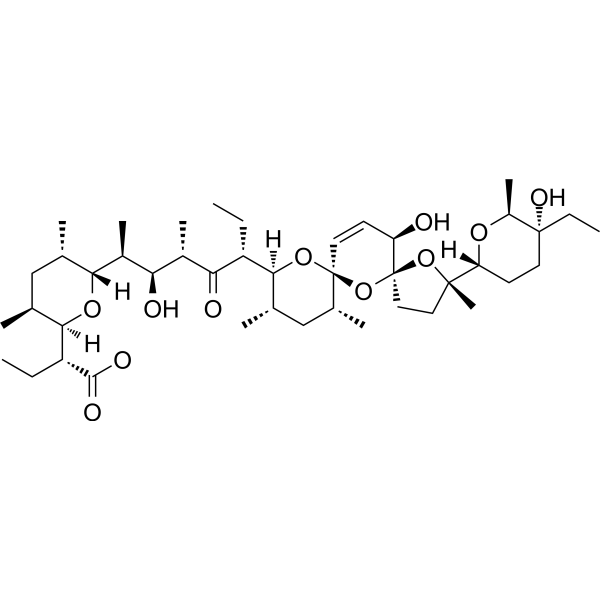
Narasin
2 Publications Verification
|
Bacterial
Apoptosis
Parasite
NF-κB
Antibiotic
|
Infection
Cancer
|
|
Narasin is a cationic ionophore antibiotic and coccidiostat agent. Narasin inhibits NF-κB signaling and induces tumor cells apoptosis. Narasin has antimicrobial, antiviral anticancer activity. Narasin inhibits tumor metastasis and growth of ERα‑positive breast cancer cells by inactivation of the TGF-β/SMAD3 and IL‑6/STAT3 signaling pathways [3].
|
-
- HY-112394
-
|
|
GSK-3
CDK
|
Cancer
|
|
2-Cyanoethylalsterpaullone (compound 7) is an Alsterpaullone (HY-108359) derivative, which exhibits potent and selective inhibitory activities against CDK1/Cyclin B and GSK-3β (GSK-3β: IC50=0.8 nM; CDK1/Cyclin B: IC50=0.23 nM) .
|
-
- HY-P10605
-
|
|
Akt
GSK-3
|
Cancer
|
|
GSK3β-peptide is a substrate mimetic peptide of glycogen synthase kinase 3-β (GSK3-β) that can bind to the active site of GSK3-β and mimic the behavior of a real substrate. GSK3β-peptide can be used to develop substrate mimetic inhibitors of Akt as potential anticancer drugs .
|
-
- HY-131166
-
-
- HY-N9439
-
|
|
Endogenous Metabolite
|
Others
|
|
6-O-β-D-Galactopyranosyl-D-galactose, a disaccharide, is a part of the polysaccharide main chain with β-(1→6)-glycoside bonds with a side chain bonded to the main one by the β-(1→3) bond. 6-O-β-D-Galactopyranosyl-D-galactose can be isolated from enzyme-hydrolyzed peach gum [3] .
|
-
- HY-B1192R
-
|
β-Estradiol 3-benzoate (Standard); 17β-Estradiol 3-benzoate (Standard)
|
Reference Standards
Estrogen Receptor/ERR
HBV
Bcl-2 Family
|
Neurological Disease
|
|
Estradiol benzoate (Standard) is the analytical standard of Estradiol benzoate. This product is intended for research and analytical applications. Estradiol benzoate (β-Estradiol 3-benzoate) is a HBx protein inhibitor and inhibits androgen and hepatitis B virus (HBV) transcription, replication. Estradiol benzoate shows antifertility effects, anti- Toxoplasma gondii activity and can improve memory behavior of Ovariectomy (Ovx) female mice [3] .
|
-
- HY-10204
-
OSI-930
4 Publications Verification
|
c-Kit
VEGFR
c-Fms
Apoptosis
|
Cancer
|
|
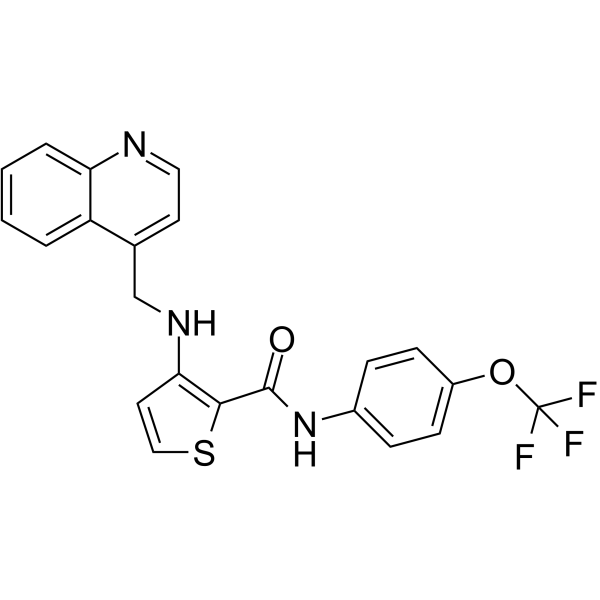
OSI-930 is an orally selective inhibitor of Kit, KDR and CSF-1R (c-Fms) with IC50s of 80 nM, 9 nM and 15 nM, respectively. OSI-930 also moderately inhibits Flt-1, c-Raf, Lck and low activity against PDGFRα/β, Flt-3 and Abl. OSI-930 has antitumor activity .
|
-
- HY-146594
-
|
|
NOD-like Receptor (NLR)
|
Inflammation/Immunology
|
|
NLRP3-IN-8 (compound 27) is an orally active, directly binding NLRP3 inflammasome inhibitor with an IC50 value of 1.23 μM against IL-1 β. NLRP3-IN-8 has good metabolic stability to liver microsomes (t1/2 = 138.63 min), and has almost no toxicity (against L02: IC50 > 100 μM) .
|
-
- HY-P11227
-
|
|
TGF-β Receptor
TGF-beta/Smad
|
Neurological Disease
|
|
Compound 19A8.8 is a cyclic peptide derived from a CD36 protein fragment. Compound 19A8.8 inhibits the TGF-β/Smad3 signaling pathway by suppressing the interaction between TSP1 and CD36. Compound 19A8.8 has no obvious cytotoxicity. Compound 19A8.8 can be used for research on colon injury and fibrosis .
|
-
- HY-B1014S1
-
-
- HY-E71320
-
|
|
Biochemical Assay Reagents
|
Others
|
|
Terminal N-acetyl-β-D-glucosaminyl residues in polysaccharides, glycoproteins and glycopeptides can act as acceptor. High activity is shown towards such residues in branched-chain polysaccharides when these are linked by β-1,6-links to galactose residues; lower activity towards residues linked to galactose by β-1,3-links. A component of EC 2.4.1.22 (lactose synthase) .
|
-
- HY-B1014R
-
-
- HY-103394R
-
|
|
Reference Standards
17β-HSD
|
Cancer
|
|
TC HSD 21 (Standard) is the analytical standard of TC HSD 21 (HY-103394). This product is intended for research and analytical applications. TC HSD 21 is a selective inhibitor of 17β-hydroxysteroid dehydrogenase type 3 (17β-HSD3) against related 17β-HSD isozymes, with an IC50 of 14 nM in HeLa cells. TC HSD 21 can be used in the research of prostate cancer .
|
-
- HY-108059
-
|
(3R)-β-CryptoxanthIN
|
Drug Derivative
|
Neurological Disease
Metabolic Disease
Inflammation/Immunology
Cancer
|
|
β-Cryptoxanthin ((3R)-β-Cryptoxanthin) is an orally active carotenoid found in fruits and vegetables such as angerines, red peppers, and pumpkin. β-Cryptoxanthin inhibits prevents osteoclast formation and inhibits bone resorption. β-Cryptoxanthin maintains retinol status in vivo. β-cryptoxanthin shows anti-inflammation and anticancer activity. β-Cryptoxanthin can be used for the researches of osteoporosis and bladder carcer .
|
-
- HY-125723B
-
|
SL 7810 (purity>65%); A-30912 A (purity>65%)
|
Antibiotic
Fungal
Endogenous Metabolite
|
Infection
|
|
Echinocandin B (purity>65%) (SL 7810 (purity>65%)) is a lipopeptide antifungal antibiotic. Echinocandin B (purity>65%) is produced by Aspergillus nidulans. Echinocandin B (purity>65%) inhibits β-1,3-glucan activity, thereby blocking the biosynthesis of fungal cell walls. Echinocandin B (purity>65%) exhibits activity against a variety of Aspergillus species .
|
-
- HY-P4886A
-
|
|
Amyloid-β
|
Neurological Disease
|
|
Amyloid β-Protein (3-42) TFA is a precursor of Pyr peptide. Pyroglutamic acid-modified Aβ (pEAβ) (3-42) is the core of the amyloid plaque in Alzheimer's disease. pEAβ (3-42) accelerates the aggregation of Aβ(1-42), while Aβ(1-42) significantly slows down the primary and secondary nucleation of pEAβ(3-42).
|
-
- HY-125723A
-
|
SL 7810 (purity>85%); A-30912 A (purity>85%)
|
Antibiotic
Fungal
Endogenous Metabolite
|
Infection
|
|
Echinocandin B (purity>85%) (SL 7810 (purity>85%)) is a lipopeptide antifungal antibiotic. Echinocandin B (purity>85%) is produced by Aspergillus nidulans. Echinocandin B (purity>85%) inhibits β-1,3-glucan activity, thereby blocking the biosynthesis of fungal cell walls. Echinocandin B (purity>85%) exhibits activity against a variety of Aspergillus species .
|
-
- HY-B1014S
-
-
- HY-174529
-
|
|
mRNA
|
Inflammation/Immunology
|
|
Human TGFBR3 mRNA encodes the human transforming growth factor beta receptor 3 (TGFBR3) protein, a transforming growth factor (TGF)-beta type III receptor. TGFBR3 is a membrane proteoglycan that often functions as a co-receptor with other TGF-beta receptor superfamily members. Ectodomain shedding produces soluble TGFBR3, which may inhibit TGFB signaling. Decreased expression of this receptor has been observed in various cancers.
|
-
- HY-118103R
-
|
5β-Cholestan-3β-ol (Standard)
|
Reference Standards
Endogenous Metabolite
|
Others
|
|
Coprostanol (5β-Cholestan-3β-ol) (Standard) is the analytical standard of Coprostanol. This product is used for research and analytical applications. Coprostanol is a fecal sterol formed by the reduction of cholesterol by microorganisms in the human and higher animal intestines. Coprostanol can be used as an indicator sterol for fecal contamination. Coprostanol has been recognized as a good indicator of water resource pollution caused by sewage discharge. Coprostanol can serve as a potential biological indicator for cerebral chondrodystrophy (CTX).
|
-
- HY-P4886
-
|
|
Amyloid-β
|
Neurological Disease
|
|
Amyloid β-Protein (3-42) is the precursor of Pyr peptide. Pyroglutamate-modified Aβ (pEAβ) (3-42) is the core of the amyloid template block in Alzheimer's disease. pEAβ(3-42) accelerated the aggregation of Aβ(1-42), while Aβ(1-42) significantly slowed the primary and secondary nucleation of pEAβ(3-42) .
|
-
- HY-100950R
-
|
|
GSK-3
Reference Standards
CDK
|
Inflammation/Immunology
Cancer
|
ABC1183 (Standard) is the analytical standard of ABC1183 (HY-100950). This product is intended for research and analytical applications. ABC1183 is an orally active selective dual GSK3 and CDK9 inhibitor. ABC1183 inhibits GSK3β, GSK3α and CDK9/cyclin T1 with the IC50 values of 657 nM, 327 nM and 321 nM, respectively. ABC1183 has anti-inflammatory and anti-tumor activities .
|
-
- HY-176762
-
|
|
Topoisomerase
|
Infection
Cancer
|
|
TOP3B-IN-1 (NSC-260610) is a Topoisomerase IIIβ (TOP3B) inhibitor. TOP3B-IN-1 fails to induce the formation of TOP3B cleavage complexes (TOP3Bccs) with both DNA and RNA, and destabilizes TOP3Bccs. TOP3B-IN-1 can be used as a control compound for the development of inhibitors targeting TOP3B .
|
-
- HY-114464S1
-
|
4-Androsten-11β-ol-3,17-dione-d7
|
Endogenous Metabolite
11β-HSD
|
Others
|
|
11-Beta-hydroxyandrostenedione-d7 is the deuterium labeled 11-Beta-hydroxyandrostenedione. 11-Beta-hydroxyandrostenedione (4-Androsten-11β-ol-3,17-dione) is a steroid mainly found in the the adrenal origin (11β-hydroxylase is present in adrenal tissue, but absent in ovarian tissue). 11-Beta-hydroxyandrostenedione is a 11β-hydroxysteroid dehydrogenase (11βHSD) isozymes inhibitor
|
-
- HY-E71261
-
|
|
Biochemical Assay Reagents
|
Others
|
|
β-1,3-N-Acetyl-Hexosaminyl-transferase, Neisseria meningitides (EC 2.4.1.150) is an enzyme that catalyzes the chemical reaction: UDP-N-acetyl-D-glucosamine + β-D-Galactosyl-(1→4)-N-acetyl-D-glucosaminyl-R = UDP + N-acetyl-β-D-glucosaminyl-(1→6)-β-D-Galactosyl-(1→4)-N-acetyl-D-glucosaminyl-R.
|
-
- HY-114464
-
|
4-Androsten-11β-ol-3,17-dione
|
Endogenous Metabolite
11β-HSD
|
Endocrinology
|
|
11-Beta-hydroxyandrostenedione (4-Androsten-11β-ol-3,17-dione) is a steroid mainly found in the the adrenal origin (11β-hydroxylase is present in adrenal tissue, but absent in ovarian tissue). 11-Beta-hydroxyandrostenedione is a 11β-hydroxysteroid dehydrogenase (11βHSD) isozymes inhibitor. As 4-androstenedione increases, measuring plasma 11-Beta-hydroxyandrostenedione can distinguish the adrenal or ovarian origin of hyperandrogenism .
|
-
- HY-113914
-
|
Elraglusib
|
GSK-3
Apoptosis
Autophagy
|
Cancer
|
|
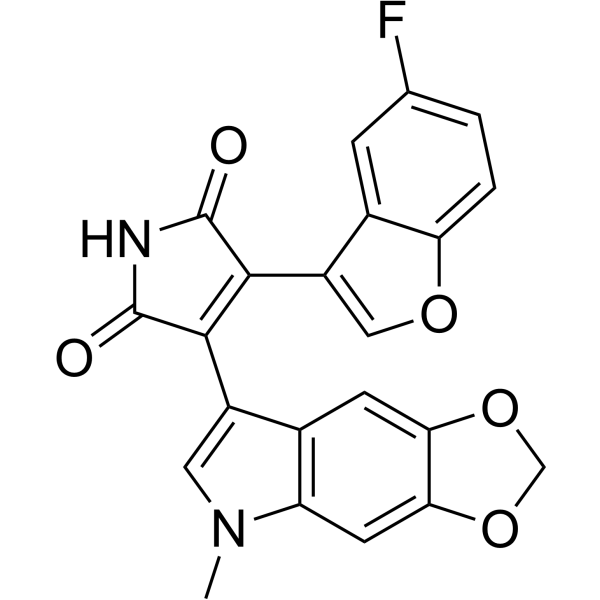
9-ING-41 (Elraglusib) is a maleimide-based ATP-competitive and selective glycogen synthase kinase-3β (GSK-3β) inhibitor with an IC50 of 0.71 μM. 9-ING-41 significantly leads to cell cycle arrest, autophagy and apoptosis in cancer cells. 9-ING-41 has anticancer activity and has the potential for enhancing the antitumor effects of chemotherapeutic agents [3] .
|
-
- HY-N1584
-
Halofuginone
Maximum Cited Publications
20 Publications Verification
RU-19110
|
DNA/RNA Synthesis
TGF-beta/Smad
Parasite
Sodium Channel
Calcium Channel
|
Infection
Cardiovascular Disease
Inflammation/Immunology
Cancer
|
|
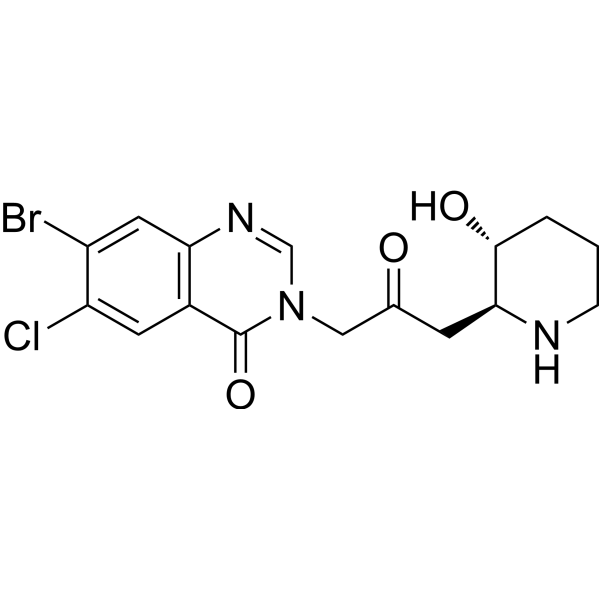
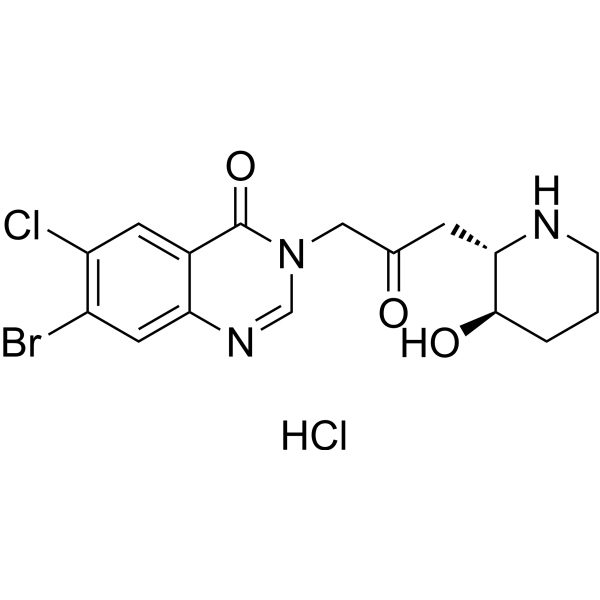
Halofuginone (RU-19110), a Febrifugine derivative, is a competitive prolyl-tRNA synthetase inhibitor with a Ki of 18.3 nM . Halofuginone is a specific inhibitor of type-I collagen synthesis and attenuates osteoarthritis (OA) by inhibition of TGF-β activity . Halofuginone is also a potent pulmonary vasodilator by activating Kv channels and blocking voltage-gated, receptor-operated and store-operated Ca 2+ channels. Halofuginone has anti-malaria, anti-inflammatory, anti-cancer, anti-fibrosis effects .
|
-
- HY-N1584C
-
|
RU-19110 lactate
|
DNA/RNA Synthesis
TGF-beta/Smad
Parasite
Sodium Channel
Calcium Channel
|
Infection
Cardiovascular Disease
Inflammation/Immunology
Cancer
|
|
Halofuginone lactate, a Febrifugine derivative, is a competitive prolyl-tRNA synthetase inhibitor with a Ki of 18.3 nM . Halofuginone lactate is a specific inhibitor of type-I collagen synthesis and attenuates osteoarthritis (OA) by inhibition of TGF-β activity . Halofuginone lactate is also a potent pulmonary vasodilator by activating Kv channels and blocking voltage-gated, receptor-operated and store-operated Ca 2+ channels. Halofuginone lactate has anti-malaria, anti-inflammatory, anti-cancer, anti-fibrosis effects .
|
-
- HY-W145482S1
-
|
|
Biochemical Assay Reagents
Isotope-Labeled Compounds
|
Others
|
|
3-O-Methyl-D-glucopyranose- 13C6 is 13C-labeled 3-O-Methyl-D-glucopyranose (HY-W145482). 3-O-Methyl-D-glucopyranose is a non-metabolizable glucose analog. 3-O-Methyl-D-glucopyranose exerts a protective effect against alloxan-induced damage to rat pancreatic islet β cells. 3-O-Methyl-D-glucopyranose can be used in diabetes research .
|
-
- HY-114464S
-
|
4-Androsten-11β-ol-3,17-dione-d4
|
Isotope-Labeled Compounds
Endogenous Metabolite
11β-HSD
|
Endocrinology
|
|
11-Beta-hydroxyandrostenedione-d4 is the deuterium labeled 11-Beta-hydroxyandrostenedione. 11-Beta-hydroxyandrostenedione (4-Androsten-11β-ol-3,17-dione) is a steroid mainly found in the the adrenal origin (11β-hydroxylase is present in adrenal tissue, but absent in ovarian tissue). 11-Beta-hydroxyandrostenedione is a 11β-hydroxysteroid dehydrogenase (11βHSD) isozymes inhibitor .
|
-
- HY-10201AR
-
|
Bay 43-9006 tosylate (Standard)
|
Reference Standards
Raf
VEGFR
FLT3
Autophagy
Ferroptosis
Apoptosis
|
Cancer
|
|
Sorafenib tosylate (Standard) is the analytical standard of Sorafenib tosylate. This product is intended for research and analytical applications. Sorafenib tosylate (Bay 43-9006 tosylate) is a potent and orally active Raf inhibitor with IC50s of 6 nM and 20 nM for Raf-1 and B-Raf, respectively. Sorafenib tosylate is a multikinase inhibitor with IC50s of 90 nM, 15 nM, 20 nM, 57 nM and 58 nM for VEGFR2, VEGFR3, PDGFRβ, FLT3 and c-Kit, respectively. Sorafenib tosylate induces autophagy and apoptosis. Sorafenib Tosylate has anti-tumor activity. Sorafenib tosylate is a ferroptosis activator .
|
-
- HY-10201S2
-
|
Bay 43-9006-13C,d3
|
Raf
VEGFR
FLT3
Autophagy
Apoptosis
Ferroptosis
|
Cancer
|
|
Sorafenib- 13C,d3 is the 13C- and deuterium labeled Sorafenib. Sorafenib (Bay 43-9006) is a potent and orally active Raf inhibitor with IC50s of 6 nM and 20 nM for Raf-1 and B-Raf, respectively. Sorafenib is a multikinase inhibitor with IC50s of 90 nM, 15 nM, 20 nM, 57 nM and 58 nM for VEGFR2, VEGFR3, PDGFRβ, FLT3 and c-Kit, respectively. Sorafenib induces autophagy and apoptosis. Sorafenib has anti-tumor activity. Sorafenib is a ferroptosis activator .
|
-
- HY-110067
-
-
- HY-N1584A
-
|
RU-19110 hydrobromide
|
DNA/RNA Synthesis
TGF-beta/Smad
Parasite
Sodium Channel
Calcium Channel
|
Infection
Cardiovascular Disease
Inflammation/Immunology
Cancer
|
|
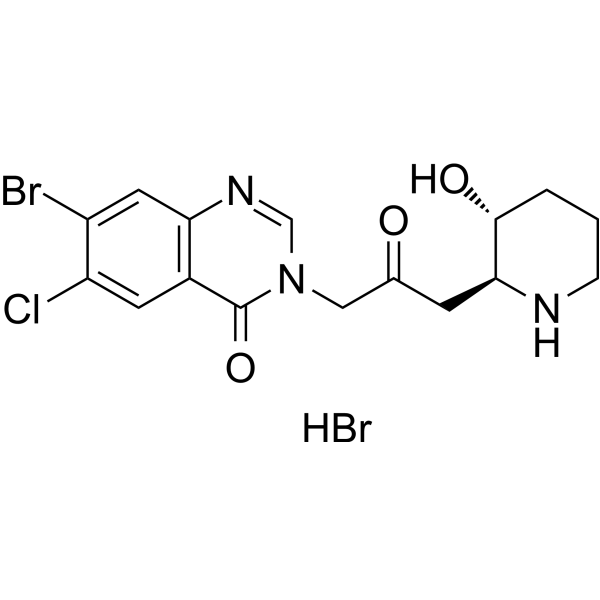
Halofuginone (RU-19110) hydrobromid, a Febrifugine derivative, is a competitive prolyl-tRNA synthetase inhibitor with a Ki of 18.3 nM . Halofuginone hydrobromid is a specific inhibitor of type-I collagen synthesis and attenuates osteoarthritis (OA) by inhibition of TGF-β activity . Halofuginone hydrobromid is also a potent pulmonary vasodilator by activating Kv channels and blocking voltage-gated, receptor-operated and store-operated Ca 2+ channels. Halofuginone hydrobromid has anti-malaria, anti-inflammatory, anti-cancer, anti-fibrosis effects .
|
-
- HY-E71306
-
|
|
Glycosidase
|
Others
|
|
β-Glucosidase 3A, Bacteroides ovatus (EC 3.2.1.21) is a glucosidase enzyme that acts upon β1->4 bonds linking two glucose or glucose-substituted molecules (i.e., the disaccharide cellobiose) . β-Glucosidase is one of the cellulases, enzymes involved in the decomposition of cellulose and related polysaccharides; more specifically, an exocellulase with specificity for a variety of beta-D-glycoside substrates. It catalyzes the hydrolysis of terminal non-reducing residues in beta-D-glucosides with release of glucose.
|
-
- HY-10201R
-
|
Bay 43-9006 (Standard)
|
Reference Standards
Raf
VEGFR
FLT3
Autophagy
Apoptosis
Ferroptosis
|
Cancer
|
|
Sorafenib (Standard) is the analytical standard of Sorafenib. This product is intended for research and analytical applications. Sorafenib (Bay 43-9006) is a potent and orally active Raf inhibitor with IC50s of 6 nM and 20 nM for Raf-1 and B-Raf, respectively. Sorafenib is a multikinase inhibitor with IC50s of 90 nM, 15 nM, 20 nM, 57 nM and 58 nM for VEGFR2, VEGFR3, PDGFRβ, FLT3 and c-Kit, respectively. Sorafenib induces autophagy and apoptosis. Sorafenib has anti-tumor activity. Sorafenib is a ferroptosis activator .
|
-
- HY-10204R
-
|
|
Reference Standards
c-Kit
VEGFR
c-Fms
Apoptosis
|
Cancer
|
|
OSI-930 (Standard) is the analytical standard of OSI-930 (HY-10204). This product is intended for research and analytical applications. OSI-930 is an orally selective inhibitor of Kit, KDR and CSF-1R (c-Fms) with IC50s of 80 nM, 9 nM and 15 nM, respectively. OSI-930 also moderately inhibits Flt-1, c-Raf, Lck and low activity against PDGFRα/β, Flt-3 and Abl. OSI-930 has antitumor activity .
|
-
- HY-N0677
-
|
|
Influenza Virus
Prostaglandin Receptor
Akt
GSK-3
|
Infection
Inflammation/Immunology
Cancer
|
|
Dehydroandrographolide succinate can be extracted from herbal medicine Andrographis paniculata (Burm f) Nees, is widely used in research for viral pneumonia and viral upper respiratory tract infections because of its immunostimulatory, anti-infective and anti-inflammatory effect. Dehydroandrographolide succinate exerts antithrombotic effect. Dehydroandrographolide succinate significantly inhibits the platelet aggregation rate (ED50 = 386.9 mg/kg) by decreasing TXB2 levels. Dehydroandrographolide succinate mitigates muscle astrophy via the Akt/GSK3β and MuRF-1 pathways [3].
|
-
- HY-121035
-
|
7-BromoINdirubIN-3-Oxime
|
CDK
GSK-3
|
Neurological Disease
|
|
7BIO (7-Bromoindirubin-3-Oxime) is the derivate of indirubin. 7BIO (7-Bromoindirubin-3-Oxime) has inhibitory effects against cyclin-dependent kinase-5 (CDK5) and glycogen synthase kinase-3β (GSK3β). 7BIO (7-Bromoindirubin-3-Oxime) inhibits Aβ oligomer-induced neuroinflammation, synaptic impairments, tau hyper-phosphorylation, activation of astrocytes and microglia, and attenuates Aβ oligomer-induced cognitive impairments in mice [1].
|
-
- HY-W105272R
-
|
|
Reference Standards
Endogenous Metabolite
|
Metabolic Disease
|
|
Halofuginone (Standard) is the analytical standard of Halofuginone. This product is intended for research and analytical applications. Halofuginone (RU-19110), a Febrifugine derivative, is a competitive prolyl-tRNA synthetase inhibitor with a Ki of 18.3 nM . Halofuginone is a specific inhibitor of type-I collagen synthesis and attenuates osteoarthritis (OA) by inhibition of TGF-β activity . Halofuginone is also a potent pulmonary vasodilator by activating Kv channels and blocking voltage-gated, receptor-operated and store-operated Ca2+ channels. Halofuginone has anti-malaria, anti-inflammatory, anti-cancer, anti-fibrosis effects .
|
-
- HY-145669
-
|
|
Wnt
CDK
GSK-3
|
Infection
Cancer
|
|
DIF-3 is an orally active anticancer agent. DIF-3 reduces the expression levels of cyclin D1 and c-Myc by facilitating their degradation via activation of GSK-3β. DIF-3 inhibits Wnt/β-catenin signaling pathway-related proteins in cells. DIF-3 induces reactive oxygen species (ROS) and autophagy. DIF suppresses the growth of Trypanosoma. cruzi in HT1080 cells. DIF-3 exerts antitumor effects both in vitro and in vivo [3] .
|
-
- HY-N1584R
-
|
RU-19110 (Standard)
|
Reference Standards
DNA/RNA Synthesis
TGF-beta/Smad
Parasite
Sodium Channel
Calcium Channel
|
Infection
Cardiovascular Disease
Inflammation/Immunology
Cancer
|
|
Halofuginone (Standard) is the analytical standard of Halofuginone. This product is intended for research and analytical applications. Halofuginone (RU-19110), a Febrifugine derivative, is a competitive prolyl-tRNA synthetase inhibitor with a Ki of 18.3 nM . Halofuginone is a specific inhibitor of type-I collagen synthesis and attenuates osteoarthritis (OA) by inhibition of TGF-β activity . Halofuginone is also a potent pulmonary vasodilator by activating Kv channels and blocking voltage-gated, receptor-operated and store-operated Ca2+ channels. Halofuginone has anti-malaria, anti-inflammatory, anti-cancer, anti-fibrosis effects .
|
-
- HY-118119
-
|
|
PGE synthase
YB-1
Apoptosis
JAK
STAT
TGF-β Receptor
TGF-beta/Smad
PI3K
Akt
|
Cancer
|
|
CAY10526 is an inhibitor of Y-box binding protein 1 (YB-1) and microsomal prostaglandin E2 synthase 1 (mPGES1). CAY10526 inhibits the production of PGE2 by suppressing YB-1 and mPGES1. CAY10526 induces cell apoptosis (apoptosis) and inhibits the JAK/STAT, TGF-β/Smad3 and PI3K/AKT signaling pathways. CAY10526 can be used in research related to melanoma, prostate cancer, esophageal adenocarcinoma, T-cell lymphoma, etc [3] .
|
-
- HY-182978
-
|
|
E3 Ligase Ligand-Linker Conjugates
|
Others
|
|
Pomalidomide-C3-O-C4-O-C3-NH2 is an E3 ligase ligand-linker conjugate that contains Pomalidomide (HY-10984). Pomalidomide-C3-O-C4-O-C3-NH2 can be used for the synthesis of PROTACs targeting glycogen synthase kinase 3β (GSK-3β), such as PROTAC GSK-3β Degrader-1 (HY-149845) .
|
-
- HY-E71265
-
|
|
Biochemical Assay Reagents
|
Others
|
|
β-Acetylglucosaminidase 73A, Clostridium perfringensreleases non-reducing terminal β1-2, β1-3, β1-4 and β1-6 linked N-acetylglucosamine from complex carbohydrates. When incubated with oligosaccharides at low concentrations (<50 mU/mL) the enzyme can differentiate between GlcNAcβ1-2Man, GlcNAcβ1-4Man and GlcNAcβ1-6Man linkages.
|
-
- HY-N1584AR
-
|
RU-19110 hydrobromide (Standard)
|
Reference Standards
DNA/RNA Synthesis
TGF-beta/Smad
Parasite
Sodium Channel
Calcium Channel
|
Infection
Cardiovascular Disease
Inflammation/Immunology
Cancer
|
|
Halofuginone (hydrobromide) (Standard) is the analytical standard of Halofuginone (hydrobromide). This product is intended for research and analytical applications. Halofuginone (RU-19110) hydrobromid, a Febrifugine derivative, is a competitive prolyl-tRNA synthetase inhibitor with a Ki of 18.3 nM . Halofuginone hydrobromid is a specific inhibitor of type-I collagen synthesis and attenuates osteoarthritis (OA) by inhibition of TGF-β activity . Halofuginone hydrobromid is also a potent pulmonary vasodilator by activating Kv channels and blocking voltage-gated, receptor-operated and store-operated Ca 2+ channels. Halofuginone hydrobromid has anti-malaria, anti-inflammatory, anti-cancer, anti-fibrosis effects .
|
-
- HY-124348
-
|
3,5-Dimethyl PIT-1
|
PI3K
|
Cancer
|
|
DM-PIT-1 is a PIP3/PH (phosphatidylinositol-3,4,5-triphosphate/Pleckstrin) interaction inhibitor. DM-PIT-1 decreases he expression of P-Akt, P-GSK-3-β, P-p70S6K, P-S6, P-4E-BP1. DM-PIT-1 induces apoptosis and shows anticancer activity. DM-PIT-1 has the potential for the research of ovarian cancer .
|
-
- HY-180881
-
|
|
HSV
Tau Protein
Akt
GSK-3
|
Neurological Disease
|
|
PAV-174 is a potent antiviral agent that targets a host protein. PAV-174 prevents Herpes simplex virus (HSV-1) infection in cells (IC50 of 0.02 μM in Vero cells) and human brain organoids. PAV-174 inhibits oxidized macrophage migration inhibitory factor (oxMIF)-induced tau phosphorylation in vitro and in vivo independent of infection. PAV-174 reduces HSV-1-induced tau phosphorylation via the Akt/GSK3β signaling pathway. PAV-174 can be used for Alzheimer’s disease research .
|
-
- HY-108775A
-
|
Sodium hyposulfite (99%, water≤1.0%)
|
Environmental Pollutants
Biochemical Assay Reagents
COX
Interleukin Related
NF-κB
β-catenin
GSK-3
|
Cardiovascular Disease
Neurological Disease
Inflammation/Immunology
Endocrinology
Cancer
|
|
Sodium thiosulfate is an antioxidant. Sodium thiosulfate inhibits the expression of p-GSK-3β and β-catenin proteins, reduces IL-1β, COX-2, and Iba-1, and inhibits NFκB activation. Sodium thiosulfate promotes angiogenesis, inhibits inflammation, and improves acute lung injury. Sodium thiosulfate also exhibits anti-cancer activity against melanoma. Sodium thiosulfate also exerts renal protective effects. Sodium thiosulfate can be used in the research of osteoarthritis, brain inflammation, cancer (such as breast cancer, melanoma), and kidney disease [3] .
|
-
- HY-10201S4
-
|
Donafenib tosylate; Bay 43-9006-d3 tosylate
|
Isotope-Labeled Compounds
Raf
VEGFR
FLT3
Autophagy
Apoptosis
Ferroptosis
|
Cancer
|
|
Sorafenib-d3 (Donafenib-d3) tosylate is the deuterium labeled Sorafenib (HY-10201). Sorafenib is a potent and orally active Raf inhibitor with IC50s of 6 nM and 20 nM for Raf-1 and B-Raf, respectively. Sorafenib-d3tosylate is a multikinase inhibitor with IC50s of 90 nM, 15 nM, 20 nM, 57 nM and 58 nM for VEGFR2, VEGFR3, PDGFRβ, FLT3 and c-Kit, respectively. Sorafenib-d3tosylate induces autophagy and apoptosis. Sorafenib-d3tosylate has anti-tumor activity. Sorafenib is a ferroptosis activator .
|
-
- HY-161925
-
|
|
TGF-β Receptor
|
Neurological Disease
Inflammation/Immunology
|
|
sTGFBR3 antagonist 1 (Compound p24) is an antagonist for soluble transforming growth factor beta receptor 3 (sTGFBR3), thus activates TGF-β signaling pathway, and inhibits IκBα/NF-κB signaling pathway. sTGFBR3 antagonist 1 inhibits NO-release in LPS (HY-D1056) -induced BV2 cells with an IC50 of 0.52 μM. sTGFBR3 antagonist 1 exhibits anti-inflammatory and neuroprotective activities with blood brain barrier (BBB) permeability. sTGFBR3 antagonist 1 can be used in Alzheimer’s Disease research .
|
-
- HY-136679
-
|
|
GSK-3
|
Neurological Disease
Metabolic Disease
|
|
TD114-2 (cmpound 29) is a potent and highly selective inhibitor of glycogen synthase kinase-3β (GSK-3β) (IC50=48 nM). TD114-2 is associated with the hydrogen bond formation of arginine 141 (ARG141) specific to GSK-3β, an amino acid that is often a negatively charged residue in other kinases, which determines the high selectivity of GSK-3β. TD114-2 can be used in the study of diabetes, neurodegenerative diseases and other diseases associated with GSK-3β .
|
-
- HY-174312
-
|
|
NOD-like Receptor (NLR)
Pyroptosis
Caspase
Interleukin Related
|
Inflammation/Immunology
|
|
NLRP3-IN-81 (N102) is a BBB-penetrable inhibitor against NLRP3 inflammasome-dependent pyroptosis with an EC50 of 0.029 μM against cell pyroptosis induced by Nigericin (HY-127019). NLRP3-IN-81 potently inhibits NLRP3-dependent activation of caspase-1 and the release of IL-1β. NLRP3-IN-81 disturbs the interaction of NLRP3 with the adaptor protein ASC and inhibits ASC oligomerization. NLRP3-IN-81 can be used for pyroptosis-related diseases research, such as inflammatory bowel diseases and type 2 diabetes .
|
-
- HY-P10971
-
|
|
CXCR
Apoptosis
VEGFR
GSK-3
Cadherin
Caspase
|
Cancer
|
|
Nef-M1 (Nef-Motif-1) is an antagonist peptide targeting CXCR4 and an apoptosis inducer derived from a myristoylated protein encoded by the nef gene in HIV. Nef-M1 inhibits tumor angiogenesis and epithelial-mesenchymal transition (EMT). Nef-M1 activates the apoptosis pathway by increasing the level of caspase-3 in cancer cells. Nef-M1 simultaneously inhibits VEGF-A, p-GSK-3β and vimentin, and enhances E-cadherin, thereby inhibiting angiogenesis and EMT processes. Nef-M1 can be used in the study of colorectal cancer and breast cancer .
|
-
- HY-E71265A
-
|
|
Biochemical Assay Reagents
|
Others
|
|
β-Acetylglucosaminidase 73A, Lactococcus lactis releases non-reducing terminal β1-2, β1-3, β1-4 and β1-6 linked N-acetylglucosamine from complex carbohydrates. When incubated with oligosaccharides at low concentrations (<50 mU/mL) the enzyme can differentiate between GlcNAcβ1-2Man, GlcNAcβ1-4Man and GlcNAcβ1-6Man linkages.
|
-
- HY-179496
-
|
|
GSK-3
Cholinesterase (ChE)
Amyloid-β
|
Neurological Disease
|
|
ChE/GSK-3β-IN-1 (compound 18o) is a potent dual ChE/GSK-3β inhibitor. ChE/GSK-3β-IN-1 exhibits dual inhibition of AChE (IC50 = 1.7 μM), butyrylcholinesterase (BChE) (IC50 = 5.3 μM), and GSK-3β (IC50 = 5.7 μM). ChE/GSK-3β-IN-1 inhibits Aβ1-42 self-aggregation. ChE/GSK-3β-IN-1 can be used for Alzheimer’s disease (AD) research .
|
-
- HY-182038
-
|
|
VD/VDR
TGF-beta/Smad
Collagen
Hippo (MST)
|
Metabolic Disease
|
|
TGF-β1/Smad3-IN-2 is an orally active antifibrotic agent. TGF-β1/Smad3-IN-2 has high affinity for VDR and can inhibit the TGFβ/SMAD3 signaling pathway. TGF-β1/Smad3-IN-2 inhibits hepatic stellate cell activation, reduces extracellular matrix deposition, and alleviates liver fibrosis in a bile duct ligation mouse model. TGF-β1/Smad3-IN-2 can be used for the research of liver fibrosis .
|
-
- HY-175850
-
|
|
GSK-3
Apoptosis
NF-κB
c-Myc
|
Cancer
|
|
GSK-3β inhibitor 28 is selective and non-competitivea glycogen synthase kinase-3β (GSK-3β) inhibitor with an IC50 of 14.82 nM. GSK-3β inhibitor 28 can upregulate the expression level of phosphorylated GSK-3β and downregulate the expression of p-NF-κB, P65, C-myc and Cyclin D1. GSK-3β inhibitor 28 can induce cells apoptosis, G1 phase arrest and inhibit migration. GSK-3β inhibitor 28 can be used for the research of cancer, such as colorectal cancer .
|
-
- HY-124068
-
|
|
Apoptosis
GSK-3
MMP
Reactive Oxygen Species (ROS)
|
Infection
Inflammation/Immunology
Cancer
|
LQB-118 is an orally active compound derived from sandalwood. LQB-118 can inhibit the migration of glioblastoma cells and induce cell death. LQB-118 can suppress the migration and invasion of prostate cancer cells by regulating the AKT/GSK3β pathway and the expression of the MMP-9/reck genes. LQB-118 can also inhibit yeast polysaccharide-induced inflammation both in vivo and in vitro. Additionally, LQB-118 selectively induces ROS-triggered and mitochondrial-dependent apoptosis in Leishmania amazonensis. LQB-118 can be used in studies related to inflammation, infections, and cancer diseases [3] .
|
-
- HY-P10462A
-
|
Synthetic anti-INflammatory peptide 15 acetate
|
HDAC
NF-κB
|
Inflammation/Immunology
|
|
SAP15 (Synthetic anti-inflammatory peptide 15) acetate is a synthetic anti-inflammatory peptide consisting of 15 amino acids designed from human beta-defensin 3. SAP15 acetate has the ability to penetrate cells and is able to induce downregulation of intracellular inflammation. SAP15 acetate inhibits inflammation by inhibiting the phosphorylation of HDAC5 and thereby reducing the phosphorylation of NF-κB p65. SAP15 acetate inhibits HDAC5 and NF-κB p65 phosphorylation in LPS (HY-D1056)-induced macrophages. SAP15 acetate increases the expression of aggrecan and type II collagen and decreases the expression of osteocalcin in LPS-induced chondrocytes. SAP15 acetate can be used in the study of inflammation regulation and anti-inflammatory therapy of biomaterials .
|
-
- HY-13342AS
-
|
YN968D1-d8 free base
|
Src
VEGFR
Autophagy
c-Kit
RET
|
Cancer
|
|
Apatinib-d8 (free base) is the deuterium labeled Apatinib free base . Apatinib free base (YN968D1 free base) is an orally bioavailable tyrosine kinase inhibitor, which selectively targets VEGFR-2 (IC50=1 nM). Apatinib free base (YN968D1 free base) is an anti-angiogenic drug for the research of advanced or metastatic gastric cancer. Apatinib free base (YN968D1 free base) potently inhibits Ret, c-Kit and c-Src with IC50s of 13, 429 and 530 nM, respectively. It also inhibits cellular phosphorylation of VEGFR-2, c-kit and PDGFRβ .
|
-
- HY-N2199
-
|
|
Apoptosis
Autophagy
PI3K
JNK
mTOR
p38 MAPK
CDK
MMP
TGF-beta/Smad
STAT
β-catenin
Reactive Oxygen Species (ROS)
Bcl-2 Family
Caspase
|
Inflammation/Immunology
Cancer
|
|
Sotetsuflavone is a flavonoid that can be isolated from Cycas revolute. Sotetsuflavone inhibits phosphorylation of PI3K, Akt, mTOR, JNK, and p38 MAPK; modulates expression of Cyclin D1, CDK4, Bcl-2, Bax, cleaved caspases 3/9, MMP-9, TGF-β, STAT3, and β-catenin. Sotetsuflavone induces G0/G1 cell cycle arrest, apoptosis, autophagy, and intracellular ROS elevation, inhibits cancer cell proliferation. Sotetsuflavone inhibits tumor growth in mouse tumor xenograft models. Sotetsuflavone can be used for the research of non-small cell lung cancer and Crohn’s disease [3] .
|
-
- HY-N0732
-
|
|
IAP
Akt
Caspase
NF-κB
TGF-beta/Smad
JAK
Bacterial
Apoptosis
|
Infection
Metabolic Disease
Inflammation/Immunology
Cancer
|
|
Jolkinolide B is a bioactive diterpene isolated from the roots of Euphorbia fischeriana Steud with oral activity. Jolkinolide B downregulates XIAP, cIAP1, cIAP2, and phosphorylated Akt, upregulates Smac, activates caspase-3 and caspase-9, and inhibits NF-κB, TGFβ/smad3 and JAK/STAT3 pathways. Jolkinolide B exerts comprehensive biological effects including inducing cancer cell apoptosis, suppressing inflammatory responses, improving lung function, alleviating hepatic steatosis and eliminating intracellular Mycobacterium tuberculosis. Jolkinolide B can be used for the research of leukemia, histiocytic lymphoma, asthma, metabolic dysfunction-associated steatotic liver disease and tuberculosis [3] .
|
-
- HY-P10462
-
|
Synthetic anti-INflammatory peptide 15
|
HDAC
NF-κB
|
Inflammation/Immunology
|
|
SAP15 (Synthetic anti-inflammatory peptide 15) is a synthetic anti-inflammatory peptide consisting of 15 amino acids designed from human beta-defensin 3. SAP15 has the ability to penetrate cells and is able to induce downregulation of intracellular inflammation. SAP15 inhibits inflammation by inhibiting the phosphorylation of HDAC5 and thereby reducing the phosphorylation of NF-κB p65. SAP15 inhibits HDAC5 and NF-κB p65 phosphorylation in LPS (HY-D1056)-induced macrophages. SAP15 increases the expression of aggrecan and type II collagen and decreases the expression of osteocalcin in LPS-induced chondrocytes. SAP15 can be used in the study of inflammation regulation and anti-inflammatory therapy of biomaterials .
|
-
- HY-158426
-
2-APQC
1 Publications Verification
|
Sirtuin
|
Cardiovascular Disease
|
|
2-APQC is an orally active and selective agonist of Sirtuin-3 (SIRT3) (Kd=2.756 μM), antagonizes Isoproterenol/ISO (HY-B0468)-induced cytotoxicity. 2-APQC activates the SIRT3-PYCR1 axis to enhance mitochondrial proline metabolism and inhibit the ROS-p38MAPK pathway by inhibiting signaling pathways such as mTOR-p70S6K, JNK, and TGF-β/Smad3. 2-APQC also activates the AMPK-Parkin axis to alleviate myocardial hypertrophy and fibrosis and protect cardiac function. 2-APQC can be used in the study of heart failure .
|
-
- HY-183352
-
|
|
Cholinesterase (ChE)
Toll-like Receptor (TLR)
p38 MAPK
Interleukin Related
Complement System
|
Neurological Disease
|
BuChE-IN-23 is an orally active, blood-brain barrier permeable butyrylcholinesterase (eqBuChE) inhibitor with an IC50 of 15.59 μM and a Ki of 29.33 μM. BuChE-IN-23 exhibits an IC50 of 38.65 μM against hBuChE and shows selectivity for butyrylcholinesterase over acetylcholinesterase. BuChE-IN-23 inhibits LPS (HY-D1056)-induced nitric oxide production, attenuates hippocampal glial cell activation and neuroinflammation, suppresses the TLR4/p38 MAPK signaling pathway, and regulates the IL-1β/C3-mediated microglia-astrocyte inflammatory axis. BuChE-IN-23 can be used for the research of Alzheimer's disease .
|
-
- HY-N18091
-
|
|
Akt
GSK-3
Keap1-Nrf2
NF-κB
Apoptosis
|
Infection
Neurological Disease
Metabolic Disease
Inflammation/Immunology
Cancer
|
|
Tovophyllin A is an orally active xanthonoid compound. Tovophyllin A exerts neuroprotective effects against Parkinson's disease by activating the Akt/GSK3β signaling pathway. Tovophyllin A protects mouse models of liver injury by activating Nrf2. Tovophyllin A exhibits protective anti-inflammatory activity in mouse models of acute lung injury. Tovophyllin A inhibits the activation of NF-κB and subsequent release of pro-inflammatory cytokines. Tovophyllin A reduces apoptotic cell death (Apoptosis). Tovophyllin A has antiplasmodial activity. Tovophyllin A shows cytotoxic activity against lung epithelial cancer cells and breast cancer cells. Tovophyllin A can be used in research related to Parkinson's disease, liver injury, acute lung injury, lung epithelial cancer, and breast cancer [3].
|
-
- HY-150537
-
|
|
Cholinesterase (ChE)
GSK-3
Microtubule/Tubulin
ROS Kinase
|
Neurological Disease
|
|
AChE/GSK-3β-IN-1 (compound GT15) is a potent, dual AChE/GSK-3β inhibitor with IC50 values of 1.2, 149.8 and 22.4 nM for hAChE , hBChE and hGSK-3β, respectively. AChE/GSK-3β-IN-1 penetrates the blood-brain barrier (BBB). AChE/GSK-3β-IN-1 has high kinase selectivity profiles for the CMGC kinase family. AChE/GSK-3β-IN-1 occupies the ATP binding site of DYRK1A. AChE/GSK-3β-IN-1 inhibits ROS expression and reduces oxidative stress. AChE/GSK-3β-IN-1 can be used for Alzheimer’s disease research .
|
-
- HY-111832
-
|
TeGG
|
UGT
|
Infection
Metabolic Disease
|
|
1,2,3,6-Tetragalloylglucose (TEgG) is a competitive inhibitor of UDP-glucuronyltransferase UGT1A1, targeting the competitive substrate binding site of UGT1A1. 1,2,3,6-Tetragalloylglucose inhibits UGT1A1-mediated β-estradiol 3-glucuronidation and SN-38 glucuronidation with IC50 of 6.01 μM and 4.31 μM, respectively, and binds to UGT1A1 with Ki of 3.55 μM. 1,2,3,6-Tetragalloylglucose also induces tumor cell apoptosis, inhibit cell proliferation, activates caspase-3 and induces DNA fragmentation in HL-60 cells. 1,2,3,6-Tetragalloylglucose also inhibits HIV integrase and reverse transcriptase, and inhibits HCV protease [3].
|
-
- HY-N0732R
-
|
|
Reference Standards
IAP
Akt
Caspase
NF-κB
TGF-beta/Smad
JAK
Bacterial
Apoptosis
|
Infection
Inflammation/Immunology
Cancer
|
|
Jolkinolide B (Standard) is the analytical standard of Jolkinolide B (HY-N0732). This product is intended for research and analytical applications. Jolkinolide B is a bioactive diterpene isolated from the roots of Euphorbia fischeriana Steud with oral activity. Jolkinolide B downregulates XIAP, cIAP1, cIAP2, and phosphorylated Akt, upregulates Smac, activates caspase-3 and caspase-9, and inhibits NF-κB, TGFβ/smad3 and JAK/STAT3 pathways. Jolkinolide B exerts comprehensive biological effects including inducing cancer cell apoptosis, suppressing inflammatory responses, improving lung function, alleviating hepatic steatosis and eliminating intracellular Mycobacterium tuberculosis. Jolkinolide B can be used for the research of leukemia, histiocytic lymphoma, asthma, metabolic dysfunction-associated steatotic liver disease and tuberculosis [3] .
|
-
- HY-N6924
-
|
|
HIV
PIN1
Fungal
GLUT
Reactive Oxygen Species (ROS)
|
Infection
Neurological Disease
Metabolic Disease
Cancer
|
|
Zingibroside R1 is an orally active triterpene saponin with multiple biological activities including antioxidant, anti-inflammatory, antiviral, and metabolic regulatory properties. Zingibroside R1 reduces the expression of PIN family members, inhibits the expression of PLT1/PLT2, WOX5, SHR, and SCR, disrupts auxin transport and distribution, triggers plant ROS responses, and inhibits root growth. Zingibroside R1 extends the lifespan of Caenorhabditis elegans, enhances its heat stress resistance, and improves its motor ability. Hydrogel derivatives of Zingibroside R1 inhibit the proliferation of Candida albicans by binding to its β-1,3-glucan and exhibit antifungal activity. Zingibroside R1 inhibits GLUT1-mediated uptake and alleviates liver injury. Zingibroside R1 can be used in research related to neurodegenerative diseases, vulvovaginal candidiasis, acute liver injury, Ehrlich ascites tumor and HIV-1 infection [3] .
|
-
- HY-101532
-
|
β-CDN3; 6A-deoxy-6A-azido-β-cyclodextrIN
|
Biochemical Assay Reagents
|
Others
|
|
6A-Azido-6A-deoxy-β-cyclodextrin (β-CDN3) is a site-specifically modified β-cyclodextrin with a single azido group replacing the hydroxyl group at the C6 position. 6A-Azido-6A-deoxy-β-cyclodextrin forms a host-guest inclusion complex with Dexamethasone (HY-14648), localizing the drug within its hydrophobic cavity, which restricts the rotational mobility of the drug and places Dexamethasone in a less polar environment. 6A-Azido-6A-deoxy-β-cyclodextrin acts as a coupling agent to graft β-cyclodextrin onto thermosensitive nanogels via strain-promoted alkyne-azide cycloaddition (SPAAC). 6A-Azido-6A-deoxy-β-cyclodextrin also serves as a click chemistry reagent. It contains an azide group and undergoes copper-catalyzed azide-alkyne cycloaddition (CuAAc) with molecules bearing an alkyne group. It also undergoes strain-driven alkyne-azide cycloaddition (SPAAC) with molecules containing DBCO or BCN groups .
|
-
| Cat. No. |
Product Name |
Type |
-
- HY-W145521
-
|
β Glucan
|
Biochemical Assay Reagents
|
|
β-1,3-Glucan (β Glucan) is an orally active polysaccharide composed of glucose polymers. β-1,3-Glucan increase the activity of IKKβ kinase, enhances the production of nitric oxide. β-1,3-Glucan improves resistance to Vibrio harveyi infection. β-1,3-Glucan enhances immune response, promotes blood pressure recovery, reduces lung, kidney and liver damage, inhibits the growth of syngeneic tumors [3] .
|
-
- HY-W145496
-
|
β-D-Glc-(1-3)-D-Glc
|
Biochemical Assay Reagents
|
|
Laminaribiose is a disaccharide consisting of two glucose molecules linked by a β-1,3-glycosidic bond. It is ubiquitous in the cell walls of various plants and is a hydrolyzate of the polysaccharide laminarin. Laminaribiose has various applications in biochemical research, especially as a substrate for enzymes involved in carbohydrate metabolism. In addition, it can be used as a carbon source and dietary supplement for certain microorganisms.
|
-
- HY-108775A
-
|
Sodium hyposulfite (99%, water≤1.0%)
|
Biochemical Assay Reagents
|
|
Sodium thiosulfate is an antioxidant. Sodium thiosulfate inhibits the expression of p-GSK-3β and β-catenin proteins, reduces IL-1β, COX-2, and Iba-1, and inhibits NFκB activation. Sodium thiosulfate promotes angiogenesis, inhibits inflammation, and improves acute lung injury. Sodium thiosulfate also exhibits anti-cancer activity against melanoma. Sodium thiosulfate also exerts renal protective effects. Sodium thiosulfate can be used in the research of osteoarthritis, brain inflammation, cancer (such as breast cancer, melanoma), and kidney disease [3] .
|
-
- HY-W145482
-
|
|
Biochemical Assay Reagents
|
|
3-O-Methyl-D-glucopyranose is a non-metabolizable glucose analog. 3-O-Methyl-D-glucopyranose exerts a protective effect against alloxan-induced damage to rat pancreatic islet β cells. 3-O-Methyl-D-glucopyranose can be used in diabetes research .
|
-
- HY-W145586
-
|
GlcNAc beta(1-3)GalNAc-alpha-Thr
|
Biochemical Assay Reagents
|
|
GlcNAcβ(1-3)GalNAc-α-Thr is a biochemical reagent that can be used as a biological material or organic compound for life science related research.
|
-
- HY-W145534
-
|
|
Biochemical Assay Reagents
|
|
GlcNAcβ(1-3)GalNAc-α-pNP is a biochemical reagent that can be used as a biological material or organic compound for life science related research.
|
-
- HY-W145622
-
|
Gal beta(1-3)[Neu5Ac alpha(2-6)]GlcNAc-beta-pNP
|
Biochemical Assay Reagents
|
|
Galβ(1-3)[Neu5Acα(2-6)]GlcNAc-β-pNP is a biochemical reagent that can be used as a biological material or organic compound for life science related research.
|
-
- HY-E70139
-
|
EC:2.4.1.313; B3GALNT2; β-1,3-N-acetylgalactosamINyltransferase II
|
Biochemical Assay Reagents
|
|
UDP-GalNAc:β-1,3-N-acetylgalactosaminyltransferase 2 ( EC:2.4.1.313; B3GALNT2; β-1,3-N-acetylgalactosaminyltransferase II) is a glycosyltransferase
.
|
-
- HY-W145556
-
|
Gal beta(1-3)GlcNAc beta(1-3)Gal beta(1-4)Glc-beta-pNP
|
Biochemical Assay Reagents
|
|
Galβ(1-3)GlcNAcβ(1-3)Galβ(1-4)Glc-β-pNP is a biochemical reagent that can be used as a biological material or organic compound for life science related research.
|
-
- HY-W145607
-
|
Gal beta(1-3)GalNAc-beta-pNP
|
Biochemical Assay Reagents
|
|
Galβ(1-3)GalNAc-β-pNP is a biochemical reagent that can be used as a biological material or organic compound for life science related research.
|
-
- HY-W145655
-
|
|
Biochemical Assay Reagents
|
|
Gal-β1,3-GalNAc-α1-OBn is a biochemical reagent that can be used as a biological material or organic compound for life science related research.
|
-
- HY-E70141
-
|
EC:2.4.1.149; B3GNT4
|
Biochemical Assay Reagents
|
|
β-1,3-N-Acetylglucosaminyltransferase 4 (EC:2.4.1.149, B3GNT4) is involved in the synthesis of poly-N-acetyllactosamine and has activity for type 2 oligosaccharides .
|
-
- HY-W145539
-
|
GlcNAc beta(1-3)[GlcNAc beta(1-6)]GalNAc-alpha-Thr
|
Biochemical Assay Reagents
|
|
GlcNAcβ(1-3)[GlcNAcβ(1-6)]GalNAc-α-Thr is a biochemical reagent that can be used as a biological material or organic compound for life science related research.
|
-
- HY-W145540
-
|
|
Biochemical Assay Reagents
|
|
Galβ(1-3)[Neu5Acα(2-6)]GalNAc-α-pNP is a biochemical reagent that can be used as a biological material or organic compound for life science related research.
|
-
- HY-166970
-
|
|
Biochemical Assay Reagents
|
|
3α,4β,3α-Galactotetraose is a class of biochemical reagents used in glycobiology research. Glycobiology studies the structure, synthesis, biology, and evolution of sugars. It involves carbohydrate chemistry, enzymology of glycan formation and degradation, protein-glycan recognition, and the role of glycans in biological systems. This field is closely related to basic research, biomedicine, and biotechnology .
|
-
- HY-W145663
-
|
|
Biochemical Assay Reagents
|
|
Gal-β1,3-GalNAc-β-OMe is a biochemical reagent that can be used as a biological material or organic compound for life science related research.
|
-
- HY-W145553
-
|
|
Biochemical Assay Reagents
|
|
GalNAcβ(1-3)GlcNAc-β-pNP is a biochemical reagent that can be used as a biological material or organic compound for life science related research.
|
-
- HY-W127483
-
|
|
Biochemical Assay Reagents
|
|
19-iodo-5-cholesten-3beta-ol 3-acetate is a biochemical reagent that can be used as a biological material or organic compound for life science related research.
|
-
- HY-W698547
-
|
GalNAcβ1-3Gal
|
Biochemical Assay Reagents
|
|
2-(Acetylamino)-2-deoxy-3-O-α-D-galactopyranosyl-D-galactose (GalNAcβ1-3Gal) is a biochemical assay reagent.
|
| Cat. No. |
Product Name |
Target |
Research Area |
-
- HY-P10899
-
|
|
PROTACs
TGF-beta/Smad
|
Endocrinology
|
|
ETTAC-2 is a LRG1 PROTAC degrader, degrading LRG1 via the ubiquitin-proteasome pathway with a DC50 value of 8.38 μM. ETTAC-2 penetrates damaged renal cells to reduce the extracellular secretion of LRG1. ETTAC-2 effectively inhibits the TGF-β-Smad3 signaling pathway and diminishes the secretion of fibrosis-associated extracellular matrix proteins. ETTAC-2 degrades LRG1 within fibrotic kidneys and the efficacy in inhibiting the TGF-β-Smad3 pathway both in vitro and vivo. ETTAC-2 can be used for renal fibrosis research .
|
-
- HY-P10605
-
|
|
Akt
GSK-3
|
Cancer
|
|
GSK3β-peptide is a substrate mimetic peptide of glycogen synthase kinase 3-β (GSK3-β) that can bind to the active site of GSK3-β and mimic the behavior of a real substrate. GSK3β-peptide can be used to develop substrate mimetic inhibitors of Akt as potential anticancer drugs .
|
-
- HY-P4882A
-
|
|
Amyloid-β
|
Neurological Disease
|
|
(Pyr3)-Amyloid β-Protein (3-42) TFA is the predominant amyloid β-peptide structure deposited in human brain of Alzheimer's disease and Down's syndrome patients. (Pyr3)-Amyloid β-Protein (3-42) TFA is suggested to accumulate in the brain and to trigger the formation of insoluble amyloid β-peptide deposits .
|
-
- HY-P4882
-
|
|
Amyloid-β
|
Neurological Disease
|
|
(Pyr3)-Amyloid β-Protein (3-42) is the predominant amyloid β-peptide structure deposited in human brain of Alzheimer's disease and Down's syndrome patients. (Pyr3)-Amyloid β-Protein (3-42) is suggested to accumulate in the brain and to trigger the formation of insoluble amyloid β-peptide deposits .
|
-
- HY-P4886A
-
|
|
Amyloid-β
|
Neurological Disease
|
|
Amyloid β-Protein (3-42) TFA is a precursor of Pyr peptide. Pyroglutamic acid-modified Aβ (pEAβ) (3-42) is the core of the amyloid plaque in Alzheimer's disease. pEAβ (3-42) accelerates the aggregation of Aβ(1-42), while Aβ(1-42) significantly slows down the primary and secondary nucleation of pEAβ(3-42).
|
-
- HY-P10462
-
|
Synthetic anti-INflammatory peptide 15
|
HDAC
NF-κB
|
Inflammation/Immunology
|
|
SAP15 (Synthetic anti-inflammatory peptide 15) is a synthetic anti-inflammatory peptide consisting of 15 amino acids designed from human beta-defensin 3. SAP15 has the ability to penetrate cells and is able to induce downregulation of intracellular inflammation. SAP15 inhibits inflammation by inhibiting the phosphorylation of HDAC5 and thereby reducing the phosphorylation of NF-κB p65. SAP15 inhibits HDAC5 and NF-κB p65 phosphorylation in LPS (HY-D1056)-induced macrophages. SAP15 increases the expression of aggrecan and type II collagen and decreases the expression of osteocalcin in LPS-induced chondrocytes. SAP15 can be used in the study of inflammation regulation and anti-inflammatory therapy of biomaterials .
|
-
- HY-P11227
-
|
|
TGF-β Receptor
TGF-beta/Smad
|
Neurological Disease
|
|
Compound 19A8.8 is a cyclic peptide derived from a CD36 protein fragment. Compound 19A8.8 inhibits the TGF-β/Smad3 signaling pathway by suppressing the interaction between TSP1 and CD36. Compound 19A8.8 has no obvious cytotoxicity. Compound 19A8.8 can be used for research on colon injury and fibrosis .
|
-
- HY-P4886
-
|
|
Amyloid-β
|
Neurological Disease
|
|
Amyloid β-Protein (3-42) is the precursor of Pyr peptide. Pyroglutamate-modified Aβ (pEAβ) (3-42) is the core of the amyloid template block in Alzheimer's disease. pEAβ(3-42) accelerated the aggregation of Aβ(1-42), while Aβ(1-42) significantly slowed the primary and secondary nucleation of pEAβ(3-42) .
|
-
- HY-P10971
-
|
|
CXCR
Apoptosis
VEGFR
GSK-3
Cadherin
Caspase
|
Cancer
|
|
Nef-M1 (Nef-Motif-1) is an antagonist peptide targeting CXCR4 and an apoptosis inducer derived from a myristoylated protein encoded by the nef gene in HIV. Nef-M1 inhibits tumor angiogenesis and epithelial-mesenchymal transition (EMT). Nef-M1 activates the apoptosis pathway by increasing the level of caspase-3 in cancer cells. Nef-M1 simultaneously inhibits VEGF-A, p-GSK-3β and vimentin, and enhances E-cadherin, thereby inhibiting angiogenesis and EMT processes. Nef-M1 can be used in the study of colorectal cancer and breast cancer .
|
-
- HY-P10462A
-
|
Synthetic anti-INflammatory peptide 15 acetate
|
HDAC
NF-κB
|
Inflammation/Immunology
|
|
SAP15 (Synthetic anti-inflammatory peptide 15) acetate is a synthetic anti-inflammatory peptide consisting of 15 amino acids designed from human beta-defensin 3. SAP15 acetate has the ability to penetrate cells and is able to induce downregulation of intracellular inflammation. SAP15 acetate inhibits inflammation by inhibiting the phosphorylation of HDAC5 and thereby reducing the phosphorylation of NF-κB p65. SAP15 acetate inhibits HDAC5 and NF-κB p65 phosphorylation in LPS (HY-D1056)-induced macrophages. SAP15 acetate increases the expression of aggrecan and type II collagen and decreases the expression of osteocalcin in LPS-induced chondrocytes. SAP15 acetate can be used in the study of inflammation regulation and anti-inflammatory therapy of biomaterials .
|
-
- HY-P4865
-
-
- HY-P3713
-
|
|
GSK-3
|
Cancer
|
|
Presenilin 1 (349-361) is an active petide, and synthetic peptides representing amino acids 349–361 can be phosphorylated by glycogen synthase kinase-3β(GSK3β) in vitro. Presenilin 1 (349-361) can be used for the research of various diseases .
|
-
- HY-KE7057
-
|
|
|
O-Glycosidase is highly specific and can release Galβ1-3GalNAc from serine, threonine residues or as part of a glycopeptide or glycoprotein. Applied to glycoprotein biosynthesis analysis, O-glycan bioactive protein O-glycosylation detection and binding site analysis.
|
| Cat. No. |
Product Name |
Target |
Research Area |
Image |
-
- HY-P992157
-
|
murINe version of BapINeuzumab
|
Amyloid-β
|
Neurological Disease
|
|
Anti-APP/Amyloid beta Antibody (3D6) is an antibody targeting β-amyloid protein (Aβ) containing free Asp1. Anti-APP/Amyloid beta Antibody (3D6) recognizes and binds to the amino acid epitope at positions 1-5 of β-amyloid protein with a free Asp1 residue. Anti-APP/Amyloid beta Antibody (3D6) serves as a detection antibody in immunoblot analysis. Anti-APP/Amyloid beta Antibody (3D6) is applicable to research related to Alzheimer's disease .
|
-
(5)
-
- HY-P992076
-
|
|
TGF-β Receptor
TGF-beta/Smad
Cholinesterase (ChE)
Fungal
|
Infection
Cancer
|
Anti-Candida auris β-1,3-glucans Antibody (2G8) is an antibody targeting Candida auris β-1,3-glucans, and also acts as an inhibitor of AChE and TGF-β receptor 2. Anti-Candida auris β-1,3-glucans Antibody (2G8) also targets fungal cell wall components, effectively inhibits fungal growth and interferes with capsule formation, thereby significantly reducing the fungal load in mouse tissues. Anti-Candida auris β-1,3-glucans Antibody (2G8) not only blocks TGF-β receptor binding to inhibit the Smad signaling pathway, reduces fibroblast activation and collagen deposition, but also induces epithelial differentiation of tumor cells and reduces pancreatic tumor metastasis. Anti-Candida auris β-1,3-glucans Antibody (2G8) specifically binds to the conserved N-linked glycoepitope on AChE to inhibit its activity without interfering with BChE, and can be used in studies of cryptococcosis and related tumor mechanisms [3].The isotype control is Human IgG1 kappa, Isotype Control (HY-P99001).
|
-
(5)
| Cat. No. |
Product Name |
Category |
Target |
Chemical Structure |
-
- HY-B1192
-
-
-
- HY-N1584
-
-
-
- HY-111832
-
|
TeGG
|
other families
Classification of Application Fields
Phenols
Polyphenols
Metabolic Disease
Plants
Disease Research Fields
Source Classification
|
UGT
|
|
1,2,3,6-Tetragalloylglucose (TEgG) is a competitive inhibitor of UDP-glucuronyltransferase UGT1A1, targeting the competitive substrate binding site of UGT1A1. 1,2,3,6-Tetragalloylglucose inhibits UGT1A1-mediated β-estradiol 3-glucuronidation and SN-38 glucuronidation with IC50 of 6.01 μM and 4.31 μM, respectively, and binds to UGT1A1 with Ki of 3.55 μM. 1,2,3,6-Tetragalloylglucose also induces tumor cell apoptosis, inhibit cell proliferation, activates caspase-3 and induces DNA fragmentation in HL-60 cells. 1,2,3,6-Tetragalloylglucose also inhibits HIV integrase and reverse transcriptase, and inhibits HCV protease [3].
|
-
-
- HY-119109
-
-
-
- HY-118103
-
-
-
- HY-N1584A
-
-
-
- HY-N0732
-
|
|
Structural Classification
Euphorbia fischeriana Steud.
Classification of Application Fields
Terpenoids
Diterpenoids
Euphorbiaceae
Plants
Disease Research Fields
Cancer
|
IAP
Akt
Caspase
NF-κB
TGF-beta/Smad
JAK
Bacterial
Apoptosis
|
|
Jolkinolide B is a bioactive diterpene isolated from the roots of Euphorbia fischeriana Steud with oral activity. Jolkinolide B downregulates XIAP, cIAP1, cIAP2, and phosphorylated Akt, upregulates Smac, activates caspase-3 and caspase-9, and inhibits NF-κB, TGFβ/smad3 and JAK/STAT3 pathways. Jolkinolide B exerts comprehensive biological effects including inducing cancer cell apoptosis, suppressing inflammatory responses, improving lung function, alleviating hepatic steatosis and eliminating intracellular Mycobacterium tuberculosis. Jolkinolide B can be used for the research of leukemia, histiocytic lymphoma, asthma, metabolic dysfunction-associated steatotic liver disease and tuberculosis [3] .
|
-
-
- HY-114464
-
|
4-Androsten-11β-ol-3,17-dione
|
Endogenous metabolite
Disease Research Fields
Endocrinology
Steroids
Source Classification
|
Endogenous Metabolite
11β-HSD
|
|
11-Beta-hydroxyandrostenedione (4-Androsten-11β-ol-3,17-dione) is a steroid mainly found in the the adrenal origin (11β-hydroxylase is present in adrenal tissue, but absent in ovarian tissue). 11-Beta-hydroxyandrostenedione is a 11β-hydroxysteroid dehydrogenase (11βHSD) isozymes inhibitor. As 4-androstenedione increases, measuring plasma 11-Beta-hydroxyandrostenedione can distinguish the adrenal or ovarian origin of hyperandrogenism .
|
-
-
- HY-N7176
-
-
-
- HY-108059
-
-
-
- HY-N0677
-
-
-
- HY-N6924
-
|
|
Infection
Structural Classification
Panax notoginseng (Burkill) F. H. Chen ex C. H. Chow
Classification of Application Fields
Panax japonicas C. A. Mey.
Metabolic Disease
Plants
Disease Research Fields
Saccharides
Araliaceae
Source Classification
|
HIV
PIN1
Fungal
GLUT
Reactive Oxygen Species (ROS)
|
|
Zingibroside R1 is an orally active triterpene saponin with multiple biological activities including antioxidant, anti-inflammatory, antiviral, and metabolic regulatory properties. Zingibroside R1 reduces the expression of PIN family members, inhibits the expression of PLT1/PLT2, WOX5, SHR, and SCR, disrupts auxin transport and distribution, triggers plant ROS responses, and inhibits root growth. Zingibroside R1 extends the lifespan of Caenorhabditis elegans, enhances its heat stress resistance, and improves its motor ability. Hydrogel derivatives of Zingibroside R1 inhibit the proliferation of Candida albicans by binding to its β-1,3-glucan and exhibit antifungal activity. Zingibroside R1 inhibits GLUT1-mediated uptake and alleviates liver injury. Zingibroside R1 can be used in research related to neurodegenerative diseases, vulvovaginal candidiasis, acute liver injury, Ehrlich ascites tumor and HIV-1 infection [3] .
|
-
-
- HY-W060316
-
-
-
- HY-N9439
-
-
-
- HY-141488
-
-
-
- HY-125723
-
-
-
- HY-N1584R
-
-
-
- HY-N1584AR
-
-
-
- HY-N10794
-
-
-
- HY-N2199
-
|
|
Structural Classification
Flavonoids
Classification of Application Fields
Phenols
Polyphenols
Selaginellaceae
Plants
Biflavones
Selaginella tamariscina (P. Beauv.) Spring
Disease Research Fields
Source Classification
Cancer
|
Apoptosis
Autophagy
PI3K
JNK
mTOR
p38 MAPK
CDK
MMP
TGF-beta/Smad
STAT
β-catenin
Reactive Oxygen Species (ROS)
Bcl-2 Family
Caspase
|
|
Sotetsuflavone is a flavonoid that can be isolated from Cycas revolute. Sotetsuflavone inhibits phosphorylation of PI3K, Akt, mTOR, JNK, and p38 MAPK; modulates expression of Cyclin D1, CDK4, Bcl-2, Bax, cleaved caspases 3/9, MMP-9, TGF-β, STAT3, and β-catenin. Sotetsuflavone induces G0/G1 cell cycle arrest, apoptosis, autophagy, and intracellular ROS elevation, inhibits cancer cell proliferation. Sotetsuflavone inhibits tumor growth in mouse tumor xenograft models. Sotetsuflavone can be used for the research of non-small cell lung cancer and Crohn’s disease [3] .
|
-
-
- HY-N1831
-
-
-
- HY-N15128
-
-
-
- HY-N15129
-
-
-
- HY-N15534A
-
-
-
- HY-133102
-
-
-
- HY-N10128
-
-
-
- HY-118103R
-
|
5β-Cholestan-3β-ol (Standard)
|
Structural Classification
Endogenous metabolite
Steroids
Source Classification
|
Reference Standards
Endogenous Metabolite
|
|
Coprostanol (5β-Cholestan-3β-ol) (Standard) is the analytical standard of Coprostanol. This product is used for research and analytical applications. Coprostanol is a fecal sterol formed by the reduction of cholesterol by microorganisms in the human and higher animal intestines. Coprostanol can be used as an indicator sterol for fecal contamination. Coprostanol has been recognized as a good indicator of water resource pollution caused by sewage discharge. Coprostanol can serve as a potential biological indicator for cerebral chondrodystrophy (CTX).
|
-
-
- HY-W105272R
-
|
|
Structural Classification
Natural Products
Endogenous metabolite
Source Classification
|
Reference Standards
Endogenous Metabolite
|
|
Halofuginone (Standard) is the analytical standard of Halofuginone. This product is intended for research and analytical applications. Halofuginone (RU-19110), a Febrifugine derivative, is a competitive prolyl-tRNA synthetase inhibitor with a Ki of 18.3 nM . Halofuginone is a specific inhibitor of type-I collagen synthesis and attenuates osteoarthritis (OA) by inhibition of TGF-β activity . Halofuginone is also a potent pulmonary vasodilator by activating Kv channels and blocking voltage-gated, receptor-operated and store-operated Ca2+ channels. Halofuginone has anti-malaria, anti-inflammatory, anti-cancer, anti-fibrosis effects .
|
-
-
- HY-N0732R
-
|
|
Structural Classification
Euphorbia fischeriana Steud.
Terpenoids
Diterpenoids
Euphorbiaceae
Plants
|
Reference Standards
IAP
Akt
Caspase
NF-κB
TGF-beta/Smad
JAK
Bacterial
Apoptosis
|
|
Jolkinolide B (Standard) is the analytical standard of Jolkinolide B (HY-N0732). This product is intended for research and analytical applications. Jolkinolide B is a bioactive diterpene isolated from the roots of Euphorbia fischeriana Steud with oral activity. Jolkinolide B downregulates XIAP, cIAP1, cIAP2, and phosphorylated Akt, upregulates Smac, activates caspase-3 and caspase-9, and inhibits NF-κB, TGFβ/smad3 and JAK/STAT3 pathways. Jolkinolide B exerts comprehensive biological effects including inducing cancer cell apoptosis, suppressing inflammatory responses, improving lung function, alleviating hepatic steatosis and eliminating intracellular Mycobacterium tuberculosis. Jolkinolide B can be used for the research of leukemia, histiocytic lymphoma, asthma, metabolic dysfunction-associated steatotic liver disease and tuberculosis [3] .
|
-
-
- HY-180682
-
-
-
- HY-180679
-
-
-
- HY-N18305
-
-
-
- HY-N16955
-
-
-
- HY-W740864
-
-
-
- HY-N1853
-
-
-
- HY-N13266
-
|
|
Structural Classification
Natural Products
Animals
Steroids
Source Classification
|
Endogenous Metabolite
|
|
5β-Cholestane-3α,7α,12α,25,27-pentol is a bile alcohol found in amphibian bile. 5β-Cholestane-3α,7α,12α,25,27-pentol serves as a principal or sole constituent of sulfate-conjugated bile salts in gallbladder bile of the caecilian Dermophis mexicanus. 5β-Cholestane-3α,7α,12α,25,27-pentol appears as a minor constituent in bile of the toad Bufo b. formosus. 5β-Cholestane-3α,7α,12α,25,27-pentol may represent the end product of cholesterol metabolism in the caecilian, as bile acids remain undetected in this organism .
|
-
-
- HY-N10527
-
-
-
- HY-N2705
-
-
-
- HY-106353A
-
-
-
- HY-N9738
-
-
-
- HY-N13709
-
-
-
- HY-125723B
-
-
-
- HY-125723A
-
-
-
- HY-N18091
-
|
|
Structural Classification
Guttiferae
Phenols
Polyphenols
Garcinia mangostana Linn.
Plants
Source Classification
|
Akt
GSK-3
Keap1-Nrf2
NF-κB
Apoptosis
|
|
Tovophyllin A is an orally active xanthonoid compound. Tovophyllin A exerts neuroprotective effects against Parkinson's disease by activating the Akt/GSK3β signaling pathway. Tovophyllin A protects mouse models of liver injury by activating Nrf2. Tovophyllin A exhibits protective anti-inflammatory activity in mouse models of acute lung injury. Tovophyllin A inhibits the activation of NF-κB and subsequent release of pro-inflammatory cytokines. Tovophyllin A reduces apoptotic cell death (Apoptosis). Tovophyllin A has antiplasmodial activity. Tovophyllin A shows cytotoxic activity against lung epithelial cancer cells and breast cancer cells. Tovophyllin A can be used in research related to Parkinson's disease, liver injury, acute lung injury, lung epithelial cancer, and breast cancer [3].
|
-
| Cat. No. |
Product Name |
Chemical Structure |
-
- HY-114464S1
-
|
|
|
11-Beta-hydroxyandrostenedione-d7 is the deuterium labeled 11-Beta-hydroxyandrostenedione. 11-Beta-hydroxyandrostenedione (4-Androsten-11β-ol-3,17-dione) is a steroid mainly found in the the adrenal origin (11β-hydroxylase is present in adrenal tissue, but absent in ovarian tissue). 11-Beta-hydroxyandrostenedione is a 11β-hydroxysteroid dehydrogenase (11βHSD) isozymes inhibitor
|
-
-
- HY-10201S2
-
1 Publications Verification
|
|
Sorafenib- 13C,d3 is the 13C- and deuterium labeled Sorafenib. Sorafenib (Bay 43-9006) is a potent and orally active Raf inhibitor with IC50s of 6 nM and 20 nM for Raf-1 and B-Raf, respectively. Sorafenib is a multikinase inhibitor with IC50s of 90 nM, 15 nM, 20 nM, 57 nM and 58 nM for VEGFR2, VEGFR3, PDGFRβ, FLT3 and c-Kit, respectively. Sorafenib induces autophagy and apoptosis. Sorafenib has anti-tumor activity. Sorafenib is a ferroptosis activator .
|
-
-
- HY-13342AS
-
|
|
|
Apatinib-d8 (free base) is the deuterium labeled Apatinib free base . Apatinib free base (YN968D1 free base) is an orally bioavailable tyrosine kinase inhibitor, which selectively targets VEGFR-2 (IC50=1 nM). Apatinib free base (YN968D1 free base) is an anti-angiogenic drug for the research of advanced or metastatic gastric cancer. Apatinib free base (YN968D1 free base) potently inhibits Ret, c-Kit and c-Src with IC50s of 13, 429 and 530 nM, respectively. It also inhibits cellular phosphorylation of VEGFR-2, c-kit and PDGFRβ .
|
-
-
- HY-132723AS
-
|
|
|
17β-Estradiol-3-β-D-glucuronide-d3 (sodium) is the deuterium labeled 17β-Estradiol-3-β-D-glucuronide .
|
-
-
- HY-118103S
-
|
|
|
Coprostanol-d5 (5β-Cholestan-3β-ol-d5) is the deuterium labeled Coprostanol. Coprostanol (5β-Cholestan-3β-ol) is a fecal sterol formed by microbial reduction of cholesterol in the intestines of man and higher animals. Coprostanol can be used as an indicator sterol of fecal pollution. Coprostanol has been recognized as a good indicator of pollution of water resources by sewage discharges. Coprostanol can serve as a potential biological indicator for cerebral chondrodystrophy (CTX).
|
-
-
- HY-141672S1
-
|
|
|
17β-Estradiol sulfate-d4 (sodium) is the deuterium labeled 17β-Estradiol sulfate 17β-Estradiol sulfate (sodium), also known as β-Estradiol 3-sulfate sodium salt, is a neuroactive steroid .
|
-
-
- HY-132723S
-
|
|
|
17β-Estradiol-3-β-D-glucuronide-d3 is the deuterium labeled 17β-Estradiol-3-β-D-glucuronide .
|
-
-
- HY-17006S
-
|
|
|
Caspofungin-d4 (acetate) is the deuterium labeled Caspofungin diacetate . Caspofungin (MK-0991) diacetate is a potent antifungal agent. Caspofungin diacetate inhibits the synthesis of the fungal cell wall component β-(l,3)-D-glucan [3].
|
-
-
- HY-114464S
-
|
|
|
11-Beta-hydroxyandrostenedione-d4 is the deuterium labeled 11-Beta-hydroxyandrostenedione. 11-Beta-hydroxyandrostenedione (4-Androsten-11β-ol-3,17-dione) is a steroid mainly found in the the adrenal origin (11β-hydroxylase is present in adrenal tissue, but absent in ovarian tissue). 11-Beta-hydroxyandrostenedione is a 11β-hydroxysteroid dehydrogenase (11βHSD) isozymes inhibitor .
|
-
-
- HY-148682S2
-
|
|
|
18β-Glycyrrhetyl-3-O-sulfate-d3 is the deuterium labeled 18β-Glycyrrhetyl-3-O-sulfate (HY-148682) .
|
-
-
- HY-148682S1
-
|
|
|
18β-Glycyrrhetyl-3-O-sulfate-d2 is the deuterium labeled 18β-Glycyrrhetyl-3-O-sulfate (HY-148682) .
|
-
-
- HY-146736S
-
|
|
|
17β-Dihydroequilin 3-sulfate-2,4,16,16-d4 (sodium) is the deuterium labeled 17β-Dihydroequilin 3-sulfate-2,4,16,16.
|
-
-
- HY-W743264
-
|
|
|
17β-Estradiol sulfate-d3 sodium (17β-Estradiol 3-sulfate-d3 sodium) is the deuterium labeled 17β-Estradiol sulfate sodium (HY-141672). 17β-Estradiol sulfate sodium, also known as β-Estradiol 3-sulfate sodium salt, is a neuroactive steroid .
|
-
-
- HY-146626S
-
|
|
|
1,3,5(10)-Estratriene-17α-ethyl-3,17β-diol 3-methyl ether-d5 is the deuterium labeled 1,3,5(10)-Estratriene-17α-ethyl-3,17β-diol 3-methyl ether .
|
-
-
- HY-B1192S
-
|
|
|
Estradiol benzoate-d3 is the deuterium labeled Estradiol benzoate. Estradiol Benzoate (β-Estradiol 3-benzoate), a proagent of estradiol, acts as a steroid sex hormone. It exhibits mild anabolic and metabolic properties, and increases blood coagulability [3] .
|
-
-
- HY-17006AS
-
|
|
|
Caspofungin-d4 (MK-0991-d4; L-743872-d4) is a deuterium labeled Caspofungin (HY-17006A). Caspofungin is a potent antifungal agent. Caspofungin inhibits the synthesis of the fungal cell wall component β-(l,3)-D-glucan [3].
|
-
-
- HY-14281S
-
|
|
|
Trilostane-d3 is the deuterium-labeled Trilostane (HY-14281). Trilostane-d3 (Win 24540) is a competitive and orally active 3-β-hydroxysteroiddehydrogenase (3β-HSD) inhibitor. Trilostane-d3 is a synthetic nonhormonal steroid. Trilostane-d3 can be used for the research of breast cancer and prostate cancer .
|
-
-
- HY-B1014S1
-
|
|
|
Acenocoumarol-d4 is deuterium labeled Acenocoumarol (HY-B1014). Acenocoumarol is an anticoagulant that functions as a Vitamin K antagonist. Acenocoumarol inhibits MAPK/ERK/JNK signaling pathway, reduces the nuclear translocation of NF-κB p65, activates Akt/GSK3β signaling pathway. Acenocoumarol induces apoptosis in cell A549, arrests cell cycle at S phase [3] .
|
-
-
- HY-B1014S
-
|
|
|
Acenocoumarol-d5 is the deuterium labeled Acenocoumarol (HY-B1014). Acenocoumarol is an anticoagulant that functions as a Vitamin K antagonist. Acenocoumarol inhibits MAPK/ERK/JNK signaling pathway, reduces the nuclear translocation of NF-κB p65, activates Akt/GSK3β signaling pathway. Acenocoumarol induces apoptosis in cell A549, arrests cell cycle at S phase [3] .
|
-
-
- HY-W145482S1
-
|
|
|
3-O-Methyl-D-glucopyranose- 13C6 is 13C-labeled 3-O-Methyl-D-glucopyranose (HY-W145482). 3-O-Methyl-D-glucopyranose is a non-metabolizable glucose analog. 3-O-Methyl-D-glucopyranose exerts a protective effect against alloxan-induced damage to rat pancreatic islet β cells. 3-O-Methyl-D-glucopyranose can be used in diabetes research .
|
-
-
- HY-10201S4
-
|
|
|
Sorafenib-d3 (Donafenib-d3) tosylate is the deuterium labeled Sorafenib (HY-10201). Sorafenib is a potent and orally active Raf inhibitor with IC50s of 6 nM and 20 nM for Raf-1 and B-Raf, respectively. Sorafenib-d3tosylate is a multikinase inhibitor with IC50s of 90 nM, 15 nM, 20 nM, 57 nM and 58 nM for VEGFR2, VEGFR3, PDGFRβ, FLT3 and c-Kit, respectively. Sorafenib-d3tosylate induces autophagy and apoptosis. Sorafenib-d3tosylate has anti-tumor activity. Sorafenib is a ferroptosis activator .
|
-
-
- HY-146734S
-
|
|
|
17β-Dihydroequilenin 3-sulfate-4,16,16-d3 (sodium) is the deuterium labeled 17β-Dihydroequilenin 3-sulfate-4,16,16.
|
-
| Cat. No. |
Product Name |
|
Classification |
-
- HY-101532
-
|
β-CDN3; 6A-deoxy-6A-azido-β-cyclodextrIN
|
|
Azide
|
|
6A-Azido-6A-deoxy-β-cyclodextrin (β-CDN3) is a site-specifically modified β-cyclodextrin with a single azido group replacing the hydroxyl group at the C6 position. 6A-Azido-6A-deoxy-β-cyclodextrin forms a host-guest inclusion complex with Dexamethasone (HY-14648), localizing the drug within its hydrophobic cavity, which restricts the rotational mobility of the drug and places Dexamethasone in a less polar environment. 6A-Azido-6A-deoxy-β-cyclodextrin acts as a coupling agent to graft β-cyclodextrin onto thermosensitive nanogels via strain-promoted alkyne-azide cycloaddition (SPAAC). 6A-Azido-6A-deoxy-β-cyclodextrin also serves as a click chemistry reagent. It contains an azide group and undergoes copper-catalyzed azide-alkyne cycloaddition (CuAAc) with molecules bearing an alkyne group. It also undergoes strain-driven alkyne-azide cycloaddition (SPAAC) with molecules containing DBCO or BCN groups .
|
-
- HY-152389
-
|
|
|
Azide
|
|
6-Methylpurine-β-D-(3-azido-3-deoxy)riboside is a purine nucleoside analogue. Purine nucleoside analogs have broad antitumor activity targeting indolent lymphoid malignancies. Anticancer mechanisms in this process rely on inhibition of DNA synthesis, induction of apoptosis, etc . 6-Methylpurine-β-D-(3-azido-3-deoxy)riboside is a click chemistry reagent, it contains an Azide group and can undergo copper-catalyzed azide-alkyne cycloaddition reaction (CuAAc) with molecules containing Alkyne groups. It can also undergo strain-promoted alkyne-azide cycloaddition (SPAAC) reactions with molecules containing DBCO or BCN groups.
|
-
- HY-154425
-
|
|
|
Alkynes
|
|
2-Amino-7-propargyl-7,8-dihydro-8-oxo-9-(beta-D-3-deoxy-ribofuranosyl)purine is a purine nucleoside analog. Purine nucleoside analogs have broad antitumor activity targeting indolent lymphoid malignancies. Anticancer mechanisms in this process rely on inhibition of DNA synthesis, induction of apoptosis, etc . 2-Amino-7-propargyl-7,8-dihydro-8-oxo-9-(beta-D-3-deoxy-ribofuranosyl)purine is a click chemistry reagent, it contains an Alkyne group and can undergo copper-catalyzed azide-alkyne cycloaddition (CuAAc) with molecules containing Azide groups.
|
-
- HY-156905A
-
|
|
|
Azide
|
|
6-Azido-N-acetylgalactosamine-UDP diammonium (compound 5) is an active sugar donor in the beta-1, 3-N-Acetylhexaminyltransferase (LgtA)-catalyzed glycosylation of lactose .
|
-
- HY-182978
-
|
|
|
PROTAC Synthesis
|
|
Pomalidomide-C3-O-C4-O-C3-NH2 is an E3 ligase ligand-linker conjugate that contains Pomalidomide (HY-10984). Pomalidomide-C3-O-C4-O-C3-NH2 can be used for the synthesis of PROTACs targeting glycogen synthase kinase 3β (GSK-3β), such as PROTAC GSK-3β Degrader-1 (HY-149845) .
|
| Cat. No. |
Product Name |
|
Classification |
-
- HY-154582
-
|
|
|
Nucleoside Analogs
Uridine
|
|
5-Naphthyl-beta-methylaminocarbony-3’-O-acetyl-2’-O-methyl-5’-O-DMTr-uridine is a uridine analog. Uridine has potential antiepileptic effects, and its analogs can be used to study anticonvulsant and anxiolytic activities, as well as to develop new antihypertensive agents .
|
-
- HY-152695
-
|
|
|
Nucleoside Analogs
|
|
6-Methoxy purine-9-beta-D-(3’-deoxy-3’-fluoro)riboside is a purine nucleoside analogue. Purine nucleoside analogs have broad antitumor activity targeting indolent lymphoid malignancies. Anticancer mechanisms in this process rely on inhibition of DNA synthesis, induction of apoptosis, etc .
|
-
- HY-152801
-
|
|
|
Nucleoside Analogs
Uridine
|
|
5-Naphthyl-β-methylaminocarbony-3’-O-acetyl-2’-O-methyluridine is a thymidine analogue. Analogs of this series have insertional activity towards replicated DNA. They can be used to label cells and track DNA synthesis .
|
-
- HY-152389
-
|
|
|
Nucleoside Analogs
|
|
6-Methylpurine-β-D-(3-azido-3-deoxy)riboside is a purine nucleoside analogue. Purine nucleoside analogs have broad antitumor activity targeting indolent lymphoid malignancies. Anticancer mechanisms in this process rely on inhibition of DNA synthesis, induction of apoptosis, etc . 6-Methylpurine-β-D-(3-azido-3-deoxy)riboside is a click chemistry reagent, it contains an Azide group and can undergo copper-catalyzed azide-alkyne cycloaddition reaction (CuAAc) with molecules containing Alkyne groups. It can also undergo strain-promoted alkyne-azide cycloaddition (SPAAC) reactions with molecules containing DBCO or BCN groups.
|
-
- HY-152647
-
|
|
|
Nucleoside Analogs
|
|
6-Methoxypurine-9-beta-D-(3-methoxy riboside) is a purine nucleoside analog. Purine nucleoside analogs have broad antitumor activity targeting indolent lymphoid malignancies. Anticancer mechanisms in this process rely on inhibition of DNA synthesis, induction of apoptosis, etc .
|
-
- HY-154425
-
|
|
|
Nucleoside Analogs
|
|
2-Amino-7-propargyl-7,8-dihydro-8-oxo-9-(beta-D-3-deoxy-ribofuranosyl)purine is a purine nucleoside analog. Purine nucleoside analogs have broad antitumor activity targeting indolent lymphoid malignancies. Anticancer mechanisms in this process rely on inhibition of DNA synthesis, induction of apoptosis, etc . 2-Amino-7-propargyl-7,8-dihydro-8-oxo-9-(beta-D-3-deoxy-ribofuranosyl)purine is a click chemistry reagent, it contains an Alkyne group and can undergo copper-catalyzed azide-alkyne cycloaddition (CuAAc) with molecules containing Azide groups.
|
-
- HY-152766
-
|
|
|
Nucleoside Analogs
|
|
6-(Thiophen-3-yl)purine-beta-D-(3’-deoxy-3’-fluoro)riboside is a purine nucleoside analogue. Purine nucleoside analogs have broad antitumor activity targeting indolent lymphoid malignancies. Anticancer mechanisms in this process rely on inhibition of DNA synthesis, induction of apoptosis, etc .
|
-
- HY-154679
-
|
|
|
Nucleoside Analogs
|
|
2-Chloro-6-(thiophen-3-yl)purine-beta-D-(3’-deoxy-3’-fluoro)riboside is a purine nucleoside analog. Purine nucleoside analogs have broad antitumor activity targeting indolent lymphoid malignancies. Anticancer mechanisms in this process rely on inhibition of DNA synthesis, induction of apoptosis, etc .
|
-
- HY-154675
-
|
|
|
Nucleoside Analogs
|
|
2-Aminopurine-9-beta-D-(3’,5’-di-O-benzoyl-2’-deoxy-2’-fluoro)arabinoriboside is a purine nucleoside analog. Purine nucleoside analogs have broad antitumor activity targeting indolent lymphoid malignancies. Anticancer mechanisms in this process rely on inhibition of DNA synthesis, induction of apoptosis, etc .
|
-
- HY-152788
-
|
|
|
Nucleoside Analogs
|
|
2-Chloro-6-(furan-2-yl) purine-beta-D-(3’-deoxy-3’-fluoro)-riboside is a purine nucleoside analogue. Purine nucleoside analogs have broad antitumor activity targeting indolent lymphoid malignancies. Anticancer mechanisms in this process rely on inhibition of DNA synthesis, induction of apoptosis, etc .
|
-
- HY-174529
-
|
|
|
mRNA
|
|
Human TGFBR3 mRNA encodes the human transforming growth factor beta receptor 3 (TGFBR3) protein, a transforming growth factor (TGF)-beta type III receptor. TGFBR3 is a membrane proteoglycan that often functions as a co-receptor with other TGF-beta receptor superfamily members. Ectodomain shedding produces soluble TGFBR3, which may inhibit TGFB signaling. Decreased expression of this receptor has been observed in various cancers.
|
Your information is safe with us. * Required Fields.
Inquiry Information
- Product Name:
- Cat. No.:
- Quantity:
- MCE Japan Authorized Agent:

