Search Result
Results for "
akt+pathway
" in MedChemExpress (MCE) Product Catalog:
2
Biochemical Assay Reagents
6
Isotope-Labeled Compounds
| Cat. No. |
Product Name |
Target |
Research Areas |
Chemical Structure |
-
- HY-10201
-
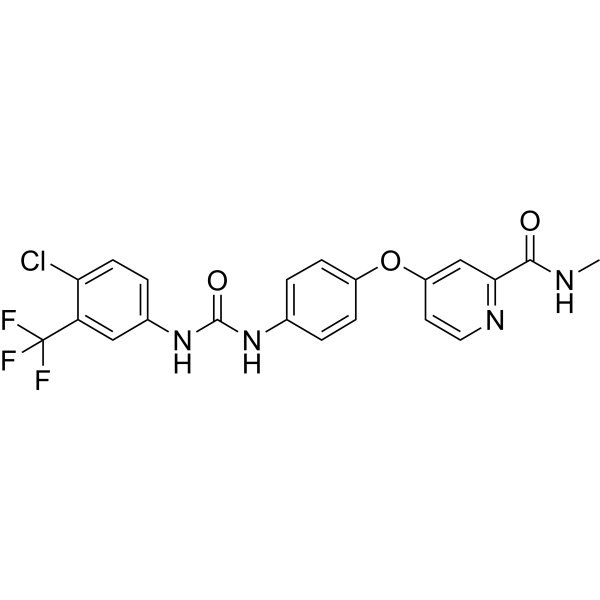
Sorafenib
Maximum Cited Publications
283 Publications Verification
Bay 43-9006
|
Raf
VEGFR
FLT3
Autophagy
Apoptosis
STAT
Akt
MMP
Cadherin
p38 MAPK
ERK
MEK
PI3K
PARP
Bcl-2 Family
|
Infection
Neurological Disease
Metabolic Disease
Inflammation/Immunology
Cancer
|
|
Sorafenib (Bay 43-9006) is a potent oral active multikinase inhibitor. Sorafenib blocks autophosphorylation and activity of receptor tyrosine kinases (VEGFR-2, VEGFR-3) and RAF family kinases, thereby suppressing the RAF/MEK/ERK and PI3K/Akt pathways, inhibiting STAT3 phosphorylation, and selectively inhibiting the MAPK pathway in cancer cells. Sorafenib induces cell cycle arrest, autophagy, apoptosis, and PARP cleavage, reduces Bcl-2, Bcl-XL, cyclin D1 levels, and activates Bak and Bax. Sorafenib inhibits tumor growth and metastasis in mouse and rat models. Sorafenib can be used for cancer research, such as colon, breast, non-small-cell lung cancer (NSCLC), ovarian, pancreatic, melanoma, colorectal and hepatocellular carcinoma .
|
-
-
- HY-10201A
-
|
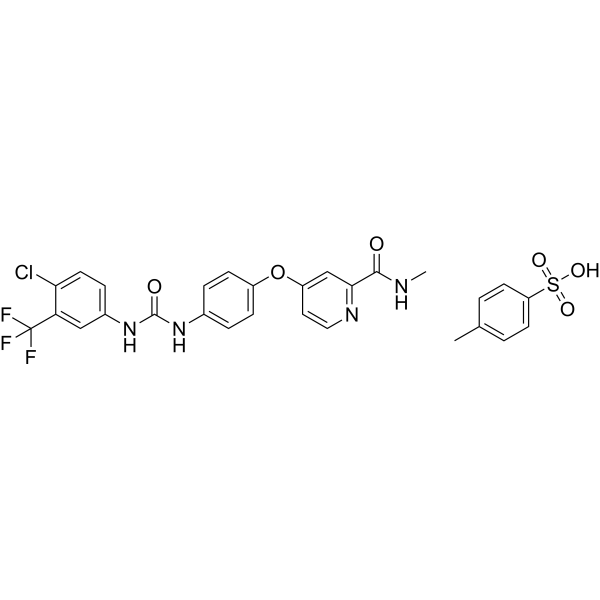
Bay 43-9006 tosylate
|
Raf
VEGFR
FLT3
Autophagy
Apoptosis
STAT
Akt
MMP
Cadherin
p38 MAPK
ERK
MEK
PI3K
PARP
Bcl-2 Family
|
Infection
Neurological Disease
Metabolic Disease
Inflammation/Immunology
Cancer
|
|
Sorafenib (Bay 43-9006) tosylate is a potent oral active multikinase inhibitor. Sorafenib blocks autophosphorylation and activity of receptor tyrosine kinases (VEGFR-2, VEGFR-3) and RAF family kinases, thereby suppressing the RAF/MEK/ERK and PI3K/Akt pathways, inhibiting STAT3 phosphorylation, and selectively inhibiting the MAPK pathway in cancer cells. Sorafenib tosylate induces cell cycle arrest, autophagy, apoptosis, and PARP cleavage, reduces Bcl-2, Bcl-XL, cyclin D1 levels, and activates Bak and Bax. Sorafenib tosylate inhibits tumor growth and metastasis in mouse and rat models. Sorafenib tosylate can be used for cancer research, such as colon, breast, non-small-cell lung cancer (NSCLC), ovarian, pancreatic, melanoma, colorectal and hepatocellular carcinoma .
|
-
-
- HY-N0284
-
|
|
PI3K
Akt
|
Inflammation/Immunology
Cancer
|
|
Esculetin is an active ingredient extracted mainly from the bark of Fraxinus rhynchophylla. Esculetin inhibits platelet-derived growth factor (PDGF)-induced airway smooth muscle cells (ASMCs) phenotype switching through inhibition of PI3K/Akt pathway. Esculetin has antioxidant, antiinflammatory, and antitumor activities .
|
-
-
- HY-12037A
-
|
ON-01910
|
Polo-like Kinase (PLK)
PI3K
Apoptosis
|
Cancer
|
|
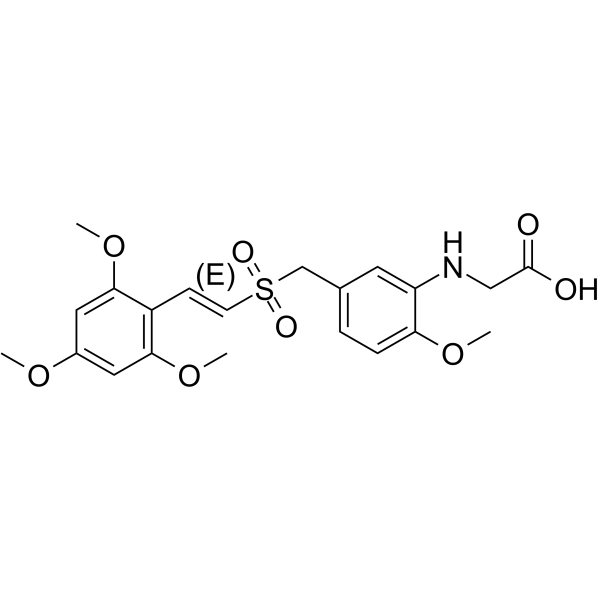
Rigosertib (ON-01910) is a multi-kinase inhibitor and a selective anti-cancer agent, which induces apoptosis by inhibition the PI3 kinase/Akt pathway, promots the phosphorylation of histone H2AX and induces G2/M arrest in cell cycle . Rigosertib is a selective and non-ATP-competitive inhibitor of PLK1 with an IC50 of 9 nM .
|
-
-
- HY-D0803
-
Thymoquinone
Maximum Cited Publications
14 Publications Verification
|
Apoptosis
VEGFR
PI3K
Akt
|
Infection
Cardiovascular Disease
Neurological Disease
Inflammation/Immunology
Cancer
|
|
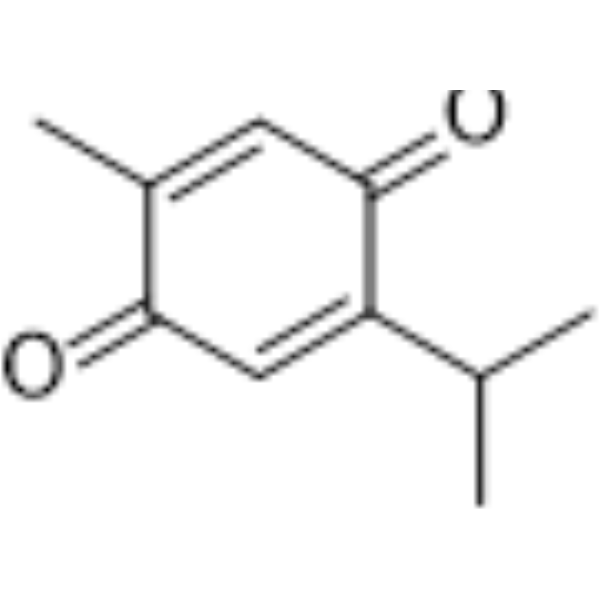
Thymoquinone is an orally active natural product isolated from N. sativa Thymoquinone down-regulates the VEGFR2-PI3K-Akt pathway. Thymoquinone has antioxidant, anti-inflammatory, anticancer, antiviral, anticonvulsant, antifungal, antiviral, antiangiogenic activity and hepatoprotective effects. Thymoquinone can be used to study Alzheimer's disease, cancer, cardiovascular disease, infectious disease and inflammation .
|
-
-
- HY-N6739
-
|
|
Bacterial
Apoptosis
Fungal
PI3K
Akt
TNF Receptor
Interleukin Related
|
Infection
Cancer
|
|
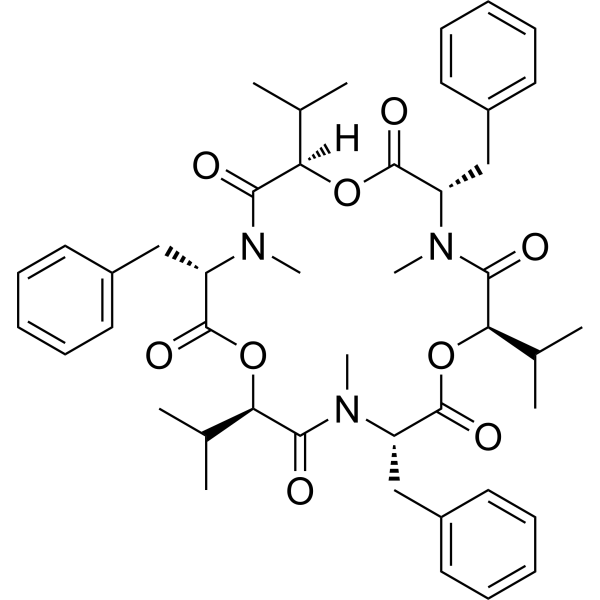
Beauvericin is a cyclohexapeptide Fusarium toxin with insecticidal, antibacterial, anticancer, antiviral and cytotoxic activities. Beauvericin causes cellular genotoxicity by producing DNA breaks, chromosomal aberrations and micronuclei, and inhibits the PI3K/AKT pathway to induce apoptosis, thereby inhibiting the growth of HCC. In addition, Beauvericin affects immune function by inhibiting lymphocyte proliferation and interfering with the differentiation process of human monocytes into macrophages .
|
-
-
- HY-N2515
-
|
|
NF-κB
PI3K
JAK
Apoptosis
|
Inflammation/Immunology
Cancer
|
|
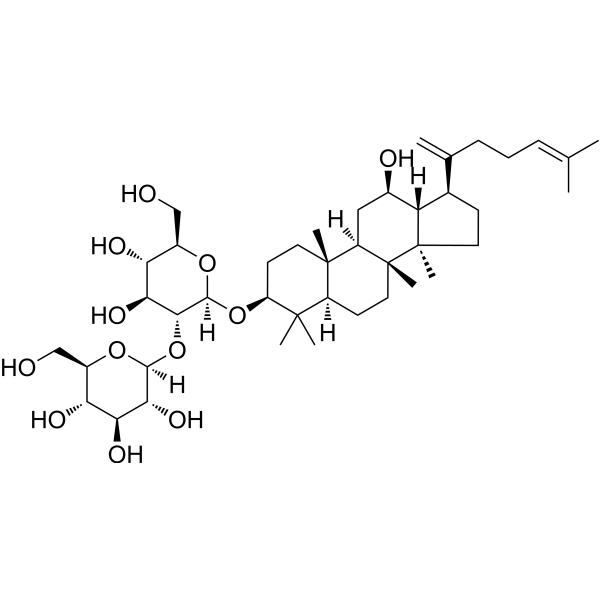
Ginsenoside Rk1 is a unique component created by processing the ginseng plant (mainly Sung Ginseng, SG) at high temperatures .
Ginsenoside Rk1 has anti-inflammatory effect, suppresses the activation of Jak2/Stat3 signaling pathway and NF-κB .
Ginsenoside Rk1 has anti-tumor effect, antiplatelet aggregation activities, anti-insulin resistance, nephroprotective effect, antimicrobial effect, cognitive function enhancement, lipid accumulation reduction and prevents osteoporosis .
Ginsenoside Rk1 induces cell apoptosis by triggering intracellular reactive oxygen species (ROS) generation and blocking PI3K/Akt pathway .
|
-
-
- HY-128574
-
|
DS11252927
|
GLUT
PI3K
Akt
|
Metabolic Disease
|
|
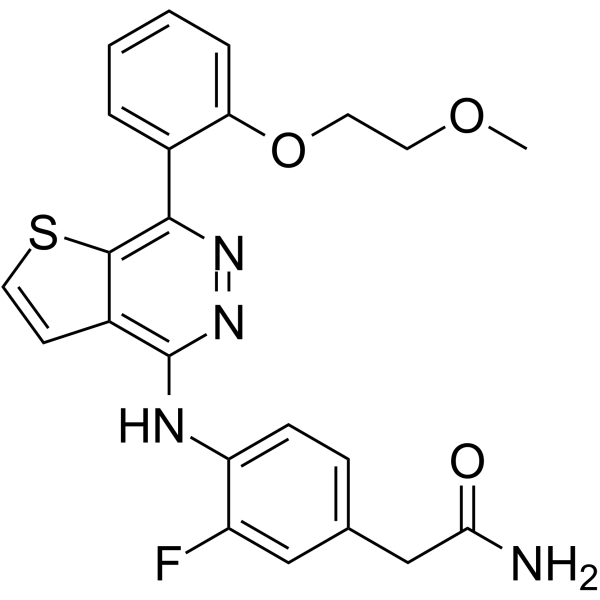
D927 (DS11252927) is an orally active glucose transporter type 4 (GLUT4) translocation activator with an EC50 of 0.14 μM. D927 enhances the binding affinity of PI3Kα catalytic subunit p110α to canonical RAS proteins (KRAS4A, KRAS4B) and RRAS, RRAS2, MRAS. D927 activates the PI3Kα-AKT pathway (increasing phosphorylation of AKT, p70S6 kinase) without affecting the RAF-ERK1/2 pathway. D927 improves hyperglycemia in type 1 and type 2 diabetes mice model. D927 can be used for the study of glucose homeostasis disorders and diabetes .
|
-
-
- HY-B0766
-
|
SY801
|
Autophagy
Apoptosis
HBV
HCV
HSP
Reactive Oxygen Species (ROS)
Bcl-2 Family
Glutathione S-transferase
p38 MAPK
NF-κB
Microtubule/Tubulin
ERK
JNK
TNF Receptor
Interleukin Related
CDK
Cyclin G-associated Kinase (GAK)
mTOR
P-glycoprotein
Ferroptosis
|
Infection
Inflammation/Immunology
Cancer
|
|
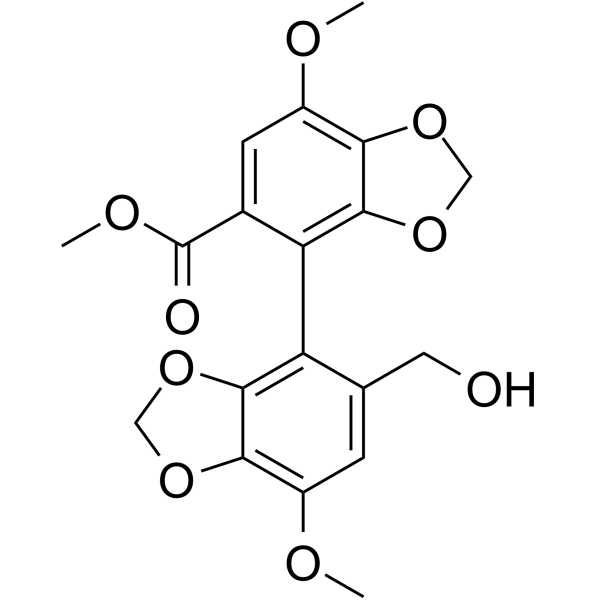
Bicyclol (SY801) is an orally active derivative of the traditional Chinese medicine Schisandra chinensis, which has antiviral, anti-inflammatory, immunomodulatory, antioxidant, anti-steatosis, anti-fibrotic and anti-tumor activities. Bicyclol regulates the expression of heat shock proteins and plays an anti-apoptosis role in hepatocytes. Bicyclol reduces the activation of NF-κB and the levels of inflammatory factors in hepatocytes infected with hepatitis C virus (HCV) by inhibiting the activation of the ROS-MAPK-NF-κB pathway, and prevents ferroptosis in acute liver injury. Bicyclol can change the expression of Mdr-1, GSH/GST and Bcl-2, increase the intracellular concentration of anticancer drugs, and sensitize drug-resistant cells to anticancer drugs. Bicyclol inhibits the proliferation of human malignant hepatoma cells by regulating the PI3K/AKT pathway and the Ras/Raf/MEK/ERK pathway. Bicyclol can be used in the study of chronic hepatitis, acute liver injury, nonalcoholic fatty liver disease, liver fibrosis and hepatocellular carcinoma .
|
-
-
- HY-N1381
-
|
|
Apoptosis
|
Inflammation/Immunology
Cancer
|
|
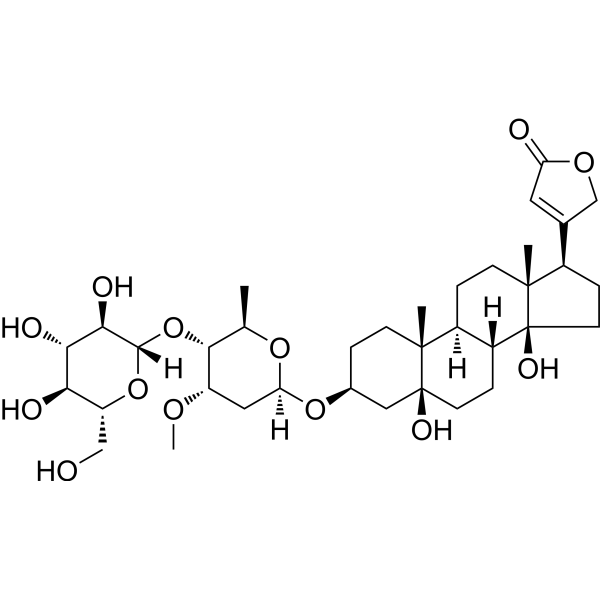
Periplocin is a cardiotonic steroid isolated from root-bark Periploca sepium Bunge. Periplocin promotes tumor cell apoptosis and inhibits tumor growth. Periplocin has the potential to facilitate wound healing through the activation of Src/ERK and PI3K/Akt pathways mediated by Na/K-ATPase .
|
-
-
- HY-N0076
-
|
(-)-Bilobalide
|
Apoptosis
Autophagy
Endogenous Metabolite
|
Neurological Disease
|
|
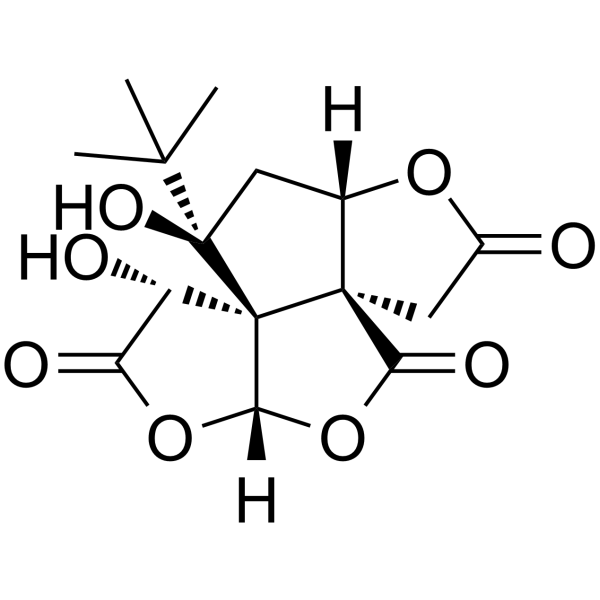
Bilobalide, a sesquiterpene trilactone constituent of Ginkgo biloba, inhibits the NMDA-induced efflux of choline with an IC50 value of 2.3 μM. Bilobalide prevents apoptosis through activation of the PI3K/Akt pathway in SH-SY5Y cells. Exerts protective and trophic effects on neurons .
|
-
-
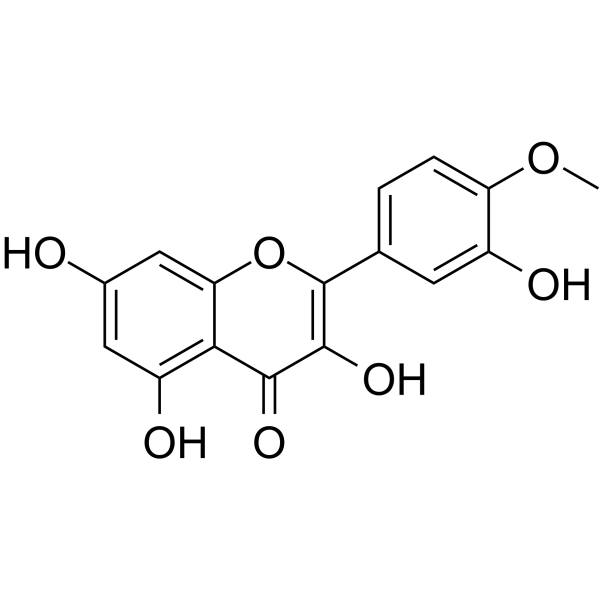
- HY-N0314
-
-
-
- HY-N1181
-
-
-
- HY-N0226A
-
|
|
Cholinesterase (ChE)
Beta-secretase
Reactive Oxygen Species (ROS)
|
Neurological Disease
Metabolic Disease
|
|
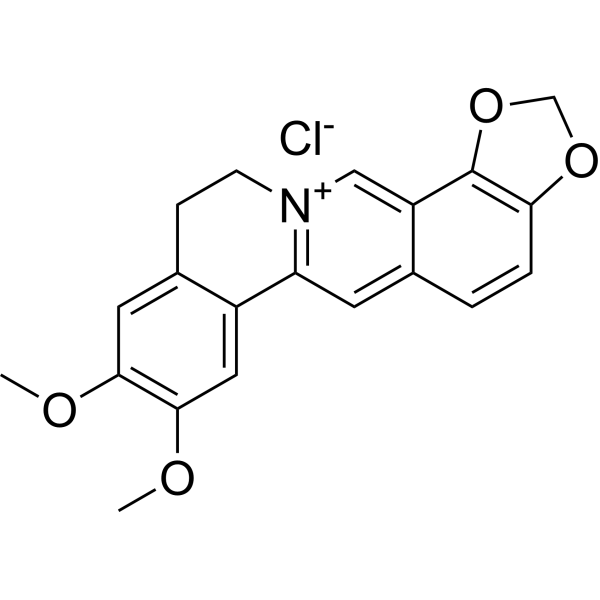
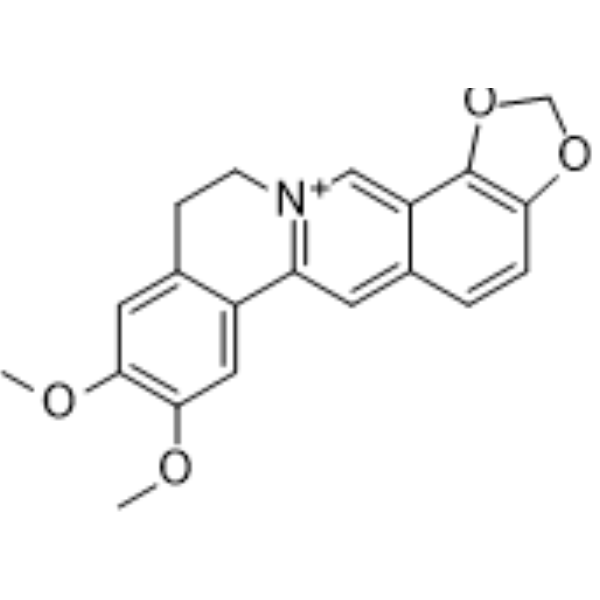
Epiberberine chloride is an alkaloid isolated from Coptis chinensis, acts as a potent AChE and BChE inhibitor, and a non-competitive BACE1 inhibitor, with IC50s of 1.07, 6.03 and 8.55 μM, respectively. Epiberberine chloride has antioxidant activity, with peroxynitrite ONOO - scavenging effect (IC50, 16.83 μM), and may protect against Alzheimer disease . Epiberberine chloride inhibits the early stage of differentiation of 3T3-L1 preadipocytes, downregulates the Raf/MEK1/2/ERK1/2 and AMPKα/Akt pathways . Epiberberine has the potential effect in the research of diabetic disease .
|
-
-
- HY-N2787
-
|
|
PI3K
Akt
AMPK
Sirtuin
Reactive Oxygen Species (ROS)
SOD
|
Cardiovascular Disease
Neurological Disease
Metabolic Disease
Endocrinology
Cancer
|
|
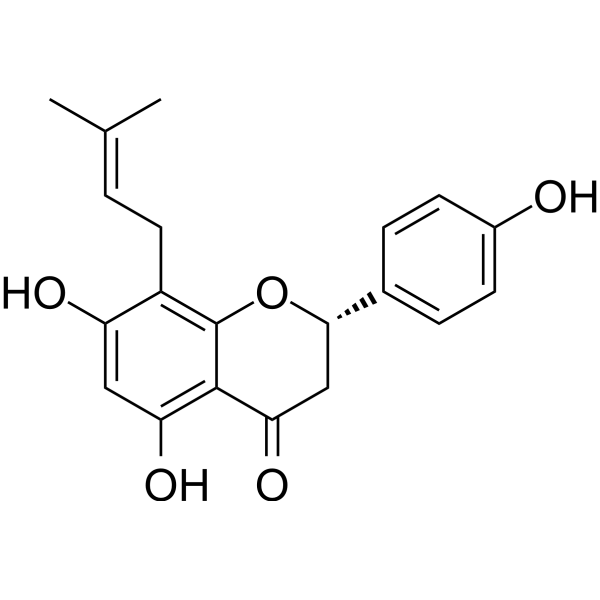
8-Prenylnaringenin is an orally active prenyl flavonoid. 8-Prenylnaringenin can be isolated from the hop spike Humulus lupulus. 8-Prenylnaringenin activates the PI3K/Akt pathway and the AMPK pathway, upregulates OXPHOS complexes (II, III, and V) and Sirt1, and reduces ROS production and SOD activity. 8-Prenylnaringenin improves muscle atrophy and obesity and inhibits angiogenesis. 8-Prenylnaringenin exhibits anticancer activity against glioblastoma and colon cancer. 8-Prenylnaringenin also has LH/FSH regulatory activity. 8-prenylnaringenin may be used in bone health research .
|
-
-
- HY-124379
-
TPCK
1 Publications Verification
L-1-Tosylamido-2-phenylethyl chloromethyl ketone; L-TPCK
|
Ser/Thr Protease
HPV
Apoptosis
PDK-1
|
Infection
Neurological Disease
Inflammation/Immunology
Cancer
|
|
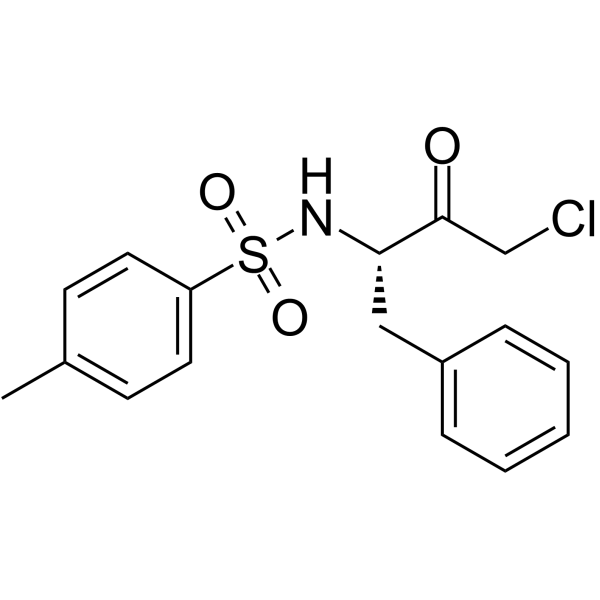
TPCK (L-1-Tosylamido-2-phenylethyl chloromethyl ketone; L-TPCK) is an effective serine protease inhibitor and also a blocker of the PDK1/Akt pathway. TPCK can modify the E7 protein in actively keratinocyte cells. TPCK can induce cellular apoptosis, suppress tumor growth, reduce hypoxic-ischemic brain injury in rat pups, and affect vascular permeability in inflamed rats .
|
-
-
- HY-N0226
-
|
|
Cholinesterase (ChE)
Beta-secretase
|
Neurological Disease
Metabolic Disease
|
|
Epiberberine is an alkaloid isolated from Coptis chinensis, acts as a potent AChE and BChE inhibitor, and a non-competitive BACE1 inhibitor, with IC50s of 1.07, 6.03 and 8.55 μM, respectively. Epiberberine has antioxidant activity, with peroxynitrite ONOO - scavenging effect (IC50, 16.83 μM), and can be used for the research of Alzheimer disease . Epiberberine inhibits the early stage of differentiation of 3T3-L1 preadipocytes, downregulates the Raf/MEK1/2/ERK1/2 and AMPKα/Akt pathways . Epiberberinecan be used for the research of diabetic disease .
|
-
-
- HY-N2081
-
|
|
Cholinesterase (ChE)
PI3K
Akt
NF-κB
|
Neurological Disease
Inflammation/Immunology
Cancer
|
|
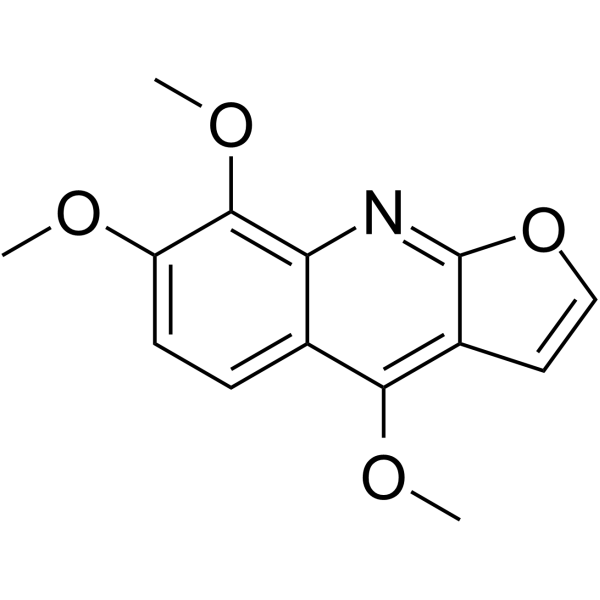
Skimmianine is an orally active furoquiniline alkaloid present mainly in the Rutaceae family. Skimmianine has analgesic, antispastic, sedative, and anti-inflammatory properties. Skimmianine inhibits acetylcholinesterase (AChE) (IC50 = 8.6 μg/mL). Skimmianine exhibits cytotoxicity against a variety of cancer cell lines and genotoxicity. Skimmianine has antioxidant and anti-inflammatory effects on ischemia-reperfusion (IR) injury. Skimmianine exerts anti-inflammatory effects through activation of the phosphatidylinositol-3-kinase (PI3K)-protein kinase B (AKT) pathway. Skimmianine is neuroprotective by targeting the NF-κB activation pathway to prevent neuroinflammation. Skimmianine inhibits the release of histamine, intracellular Ca 2+ signaling and protein kinase C signaling .
|
-
-
- HY-N1535
-
|
Rubescensine B
|
RIP kinase
Apoptosis
Reactive Oxygen Species (ROS)
JAK
STAT
PI3K
Akt
Sirtuin
Necroptosis
Amyloid-β
|
Neurological Disease
Cancer
|
|
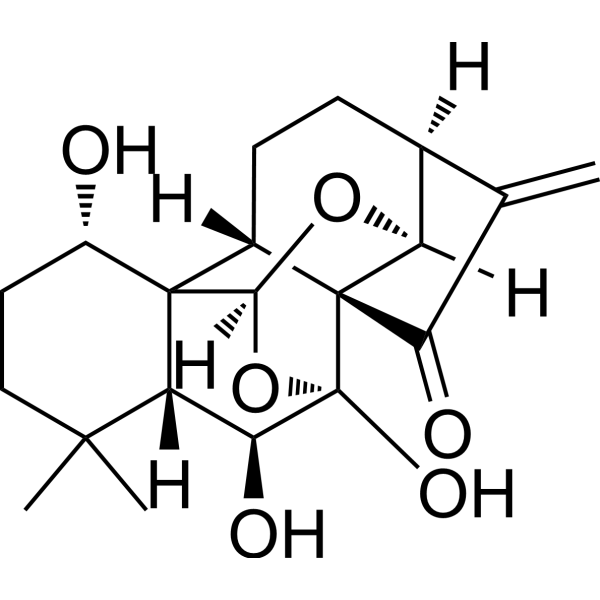
Ponicidin (Rubescensine B) is an orally active RIPK1 inhibitor with a Kd value of 135 nM. Ponicidin inhibits the JAK2/STAT3 pathway to induce apoptosis, activates the PI3K/Akt pathway, upregulates SIRT1 expression, alleviates oxidative stress, suppresses inflammatory responses and necroptosis, and blocks cell cycle progression. Ponicidin induces ROS production to exert antiproliferative and antiviral effects, while also improving cognitive function and reducing Aβ plaque deposition. Ponicidin can be used in studies related to hepatocellular carcinoma, Alzheimer's disease, and gastric cancer .
|
-
-
- HY-W009141
-
|
Glyceryl palmitate
|
P-glycoprotein
IAP
PI3K
Akt
Caspase
Apoptosis
|
Cancer
|
|
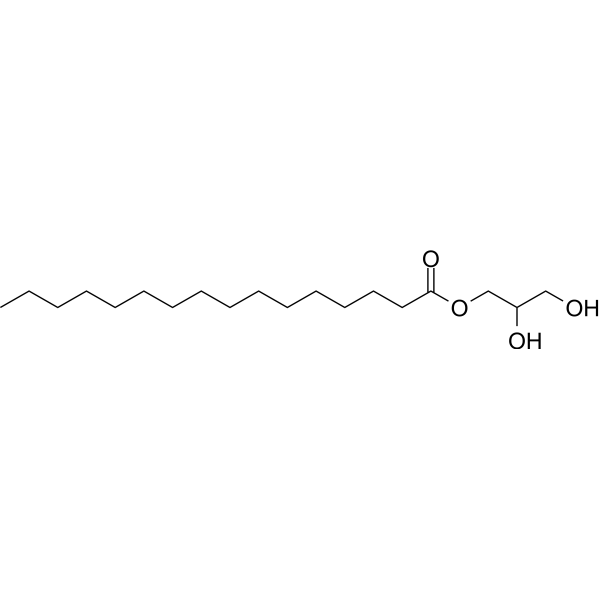
1-Monopalmitin (Glyceryl palmitate) is an activator of the PI3K/Akt pathway and an inhibitor of P-glycoprotein (P-gp). 1-Monopalmitin can induce G2/M arrest and caspase-dependent apoptosis in cancer cells, while inhibiting IAPs protein expression. 1-Monopalmitin can increase drug accumulation by inhibiting P-gp activity in intestinal Caco-2 cells. 1-Monopalmitin has the ability to induce protective autophagy and apoptosis of lung cancer cells (IC50=50-58 μg/mL), with low toxicity to normal cells .
|
-
-
- HY-125847
-
|
|
Ras
PI3K
Akt
Caspase
Apoptosis
Bcl-2 Family
NF-κB
MMP
|
Cancer
|
|
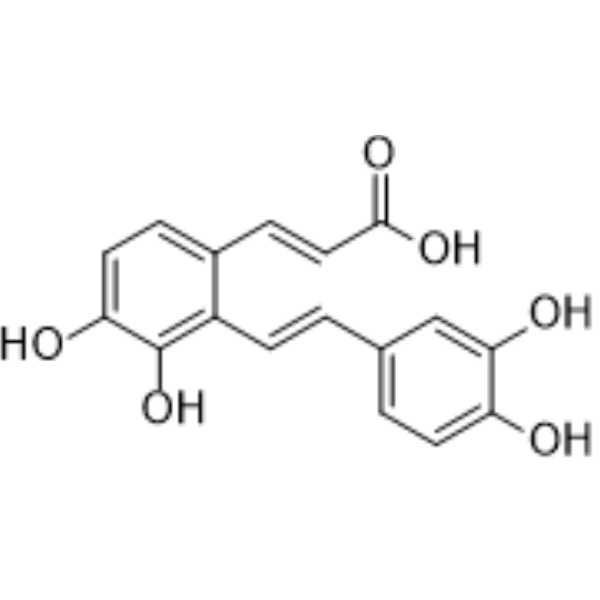
Salvianolic acid F is a KRAS inhibitor, especially for KRAS G12D. Salvianolic acid F inhibits NF-kB, MMP-9, and NO simultaneously. Salvianolic acid F inhibits cancer cell growth, invasion, and migration and induces apoptosis via the EP300/PI3K/AKT pathway in vitro. Salvianolic acid F inhibits the growth of KRAS-dependent lung cancer cells via the PI3K/AKT signaling pathway in vivo. Salvianolic acid F can be used in the research of various cancers, including KRAS G12D-driven non-small cell lung cancer (NSCLC) and ovarian cancer .
|
-
-
- HY-N5048
-
|
6'-O-Galloyl paeoniflorin
|
NF-κB
ERK
JNK
Nuclear Factor of activated T Cells (NFAT)
Keap1-Nrf2
PI3K
Akt
Reactive Oxygen Species (ROS)
Apoptosis
DNA/RNA Synthesis
|
Infection
Neurological Disease
Metabolic Disease
Inflammation/Immunology
|
|
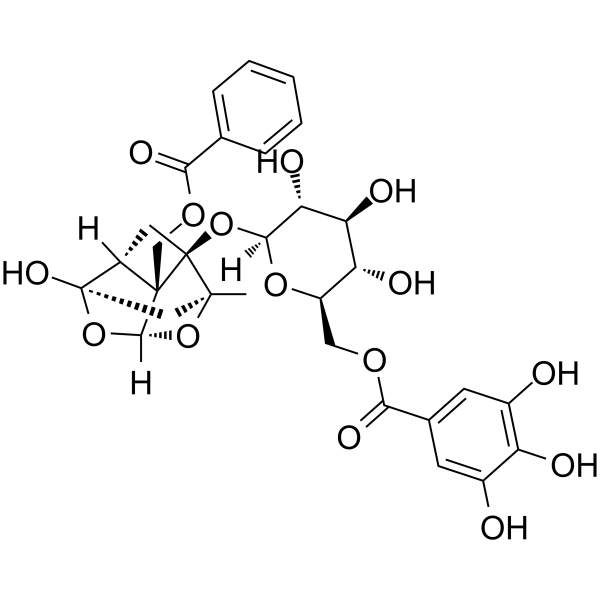
Galloylpaeoniflorin (6'-O-Galloyl paeoniflorin) is an orally active galloylated derivative of Paeoniflorin (HY-N0293) found in peony roots with various anti-inflammatory and antioxidant activities. Galloylpaeoniflorin suppresses RANKL-induced activation of ERK, JNK, c-Fos, c-Jun, and NFATc1, and reduces osteoclast-specific gene expression. Galloylpaeoniflorin activates Nrf2 and PI3K/Akt pathways, inhibits NF-κB activation, and scavenges ROS to reduce oxidative DNA, lipid, and protein damage. Galloylpaeoniflorin attenuates neuroinflammation, inhibits apoptosis, reduces Helicobacter pylori-induced gastric mucosa injury and UVB-induced cell damage. Galloylpaeoniflorin can be used for the research of osteoporosis, gastritis, ischemic stroke and skin diseases .
|
-
-
- HY-W008923
-
|
|
MMP
Parasite
Bacterial
Antibiotic
Apoptosis
Akt
PI3K
|
Infection
Neurological Disease
Inflammation/Immunology
Cancer
|
|
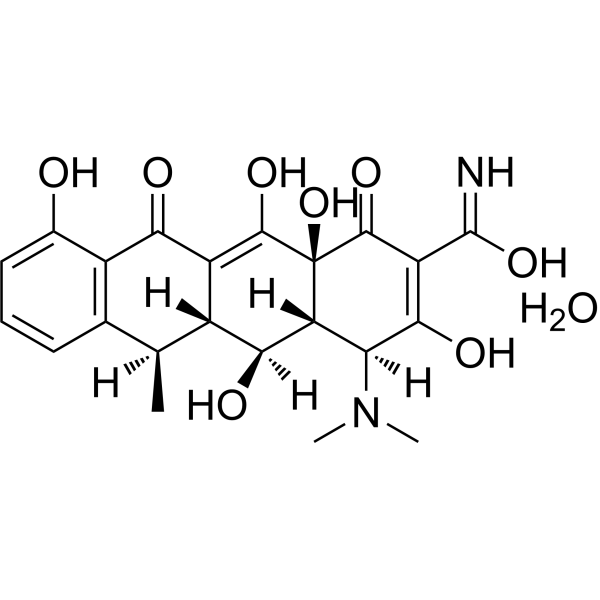
Doxycycline monohydrate is an orally active highly lipophilic, tissue-permeable MMP inhibitor with broad-spectrum antibacterial activity. Doxycycline monohydrate is also a semi-synthetic antibiotic with chelating properties, which blocks bacterial protein synthesis and inhibits extracellular matrix degradation through interactions with zinc and calcium atoms. Doxycycline monohydrate also inhibits mitochondrial biogenesis, translation, and the expression of respiratory chain proteins. Doxycycline monohydrate induces apoptosis, inhibits autophagy and EMT, downregulates stem cell markers, and activates the PI3K-AKT pathway, thereby effectively inhibiting the viability and proliferation of cancer cells such as breast cancer cells. Doxycycline monohydrate also promotes the survival and self-renewal of embryonic stem cells and neural stem cells, and reduces the frequency of medium changes in culture. Doxycycline monohydrate has been applied in studies related to breast cancer, prostate cancer, bladder cancer, and other cancers .
|
-
-
- HY-N0479
-
|
(-)-Licarin B
|
PPAR
GLUT
|
Metabolic Disease
|
|
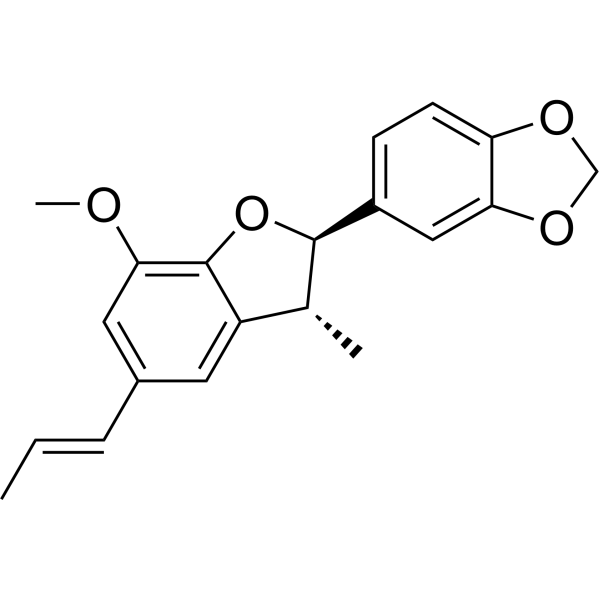
Licarin B, a nitric oxide production inhibitor extracted from the component of the seeds of Myristica fragrans, improves insulin sensitivity via PPARγ and activation of GLUT4 in the IRS-1/PI3K/AKT pathway .
|
-
-
- HY-12037
-
|
ON-01910 sodium
|
Polo-like Kinase (PLK)
PI3K
Apoptosis
|
Cancer
|
|
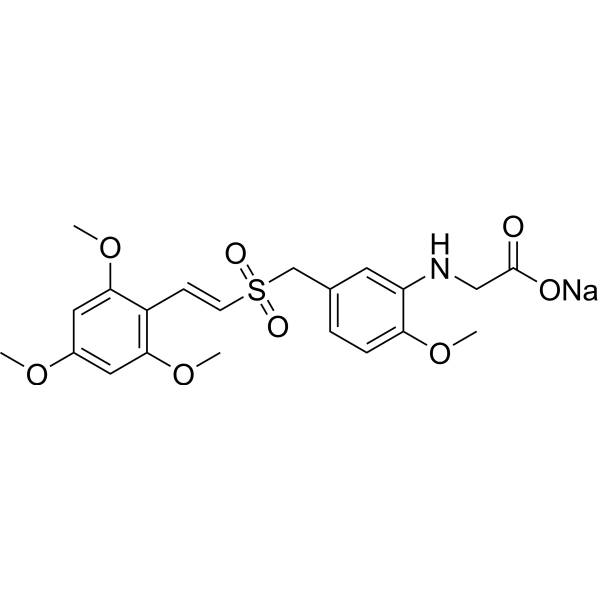
Rigosertib sodium (ON-01910 sodium) is a multi-kinase inhibitor and a selective anti-cancer agent, which induces apoptosis by inhibition the PI3K/Akt pathway, promotes the phosphorylation of histone H2AX and induces G2/M arrest in cell cycle . Rigosertib sodium is a selective and non-ATP-competitive inhibitor of PLK1 with an IC50 of 9 nM .
|
-
-
- HY-168555
-
|
|
PROTACs
CDK
Apoptosis
Akt
mTOR
|
Cancer
|
|
YJ1206 is an orally active selective CDK12/CDK13 PROTAC degrader. YJ1206 induces DNA damage and genomic instability, activates the AKT pathway, and triggers apoptosis. YJ1206 reduces tumor cell viability, inhibits tumor growth, and attenuates tumor cell dissemination. YJ1206 is applicable to research related to prostate cancer and high-grade serous tubo-ovarian cancer .
|
-

-
- HY-N2484
-
|
Astrapterocarpan
|
PDGFR
ERK
|
Cardiovascular Disease
Neurological Disease
Metabolic Disease
Inflammation/Immunology
|
|
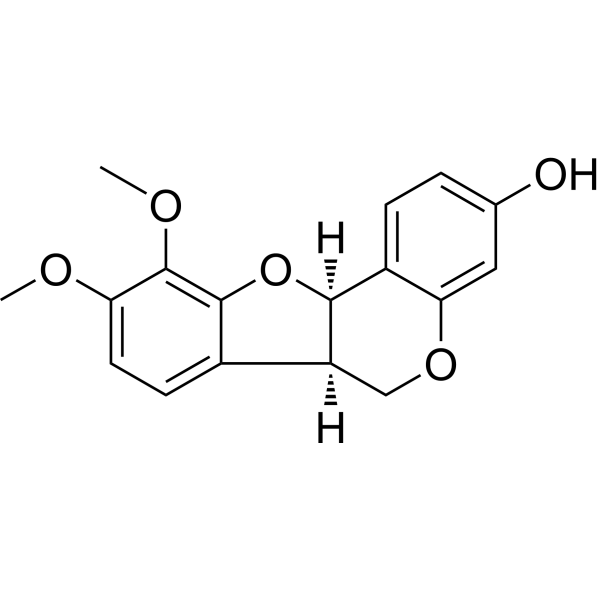
Methylnissolin (Astrapterocarpan) is an osteoclast inhibitor with anti-inflammatory, neuroprotective and antioxidant activities. Methylnissolin downregulates the activation of the MAPK and PI3K/AKT pathways, inhibits the phosphorylation of MAPK1 and AKT1, and blocks PDGF-BB-induced phosphorylation of ERK1/2. Methylnissolin reduces the expression and secretion of proinflammatory mediators, decreases intracellular ROS levels, upregulates antioxidant enzymes, and downregulates osteoclastogenesis markers. Methylnissolin is applicable to research related to ischemic stroke, osteoporosis, cardiovascular diseases, skin aging, etc.
|
-
-
- HY-N6872
-
|
|
JNK
Akt
Apoptosis
Autophagy
Reactive Oxygen Species (ROS)
|
Cancer
|
|
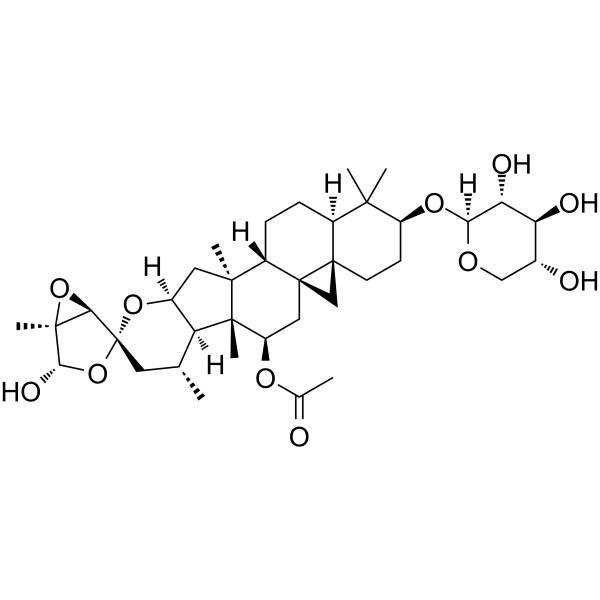
Actein, a triterpene glycoside, shows an inhibitory effect on cancer cells, which is isolated from the rhizomes of Cimicifuga foetida. Actein suppresses cell proliferation, induces autophagy and apoptosis through promoting ROS/JNK activation, and blunting AKT pathway in bladder cancer. Actein has little toxicity in vivo .
|
-
-
- HY-N6064
-
|
|
Apoptosis
IAP
|
Cancer
|
|
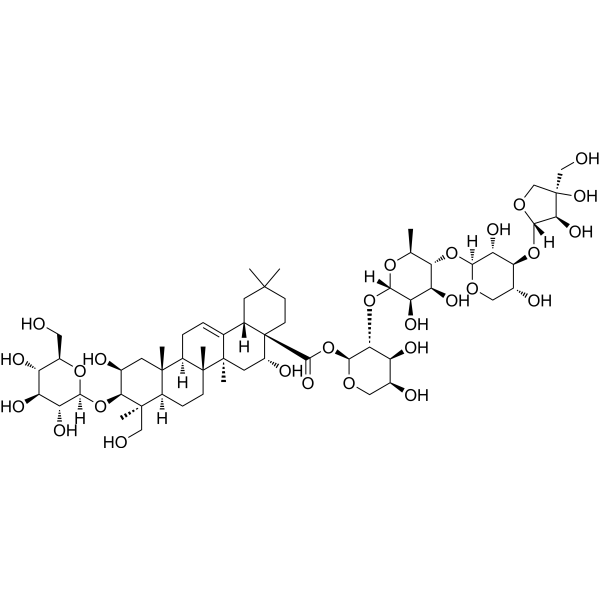
Polygalacin D (PGD) is a bioactive compound isolated from Platycodon grandiflorum with anticancer and anti-proliferative properties.
PGD suppresses the expression of the IAP family of proteins including survivin, cIAP-1 and cIAP-2 and blocks the PI3K/Akt pathway by inhibiting the phosphorylation of GSK3β, Akt and the expression of PI3K. Polygalacin D induces apoptosis
|
-
-
- HY-N4246
-
|
|
Aquaporin
PKC
Akt
PI3K
Apoptosis
Monoamine Oxidase
Pregnane X Receptor (PXR)
|
Cardiovascular Disease
Neurological Disease
Inflammation/Immunology
Cancer
|
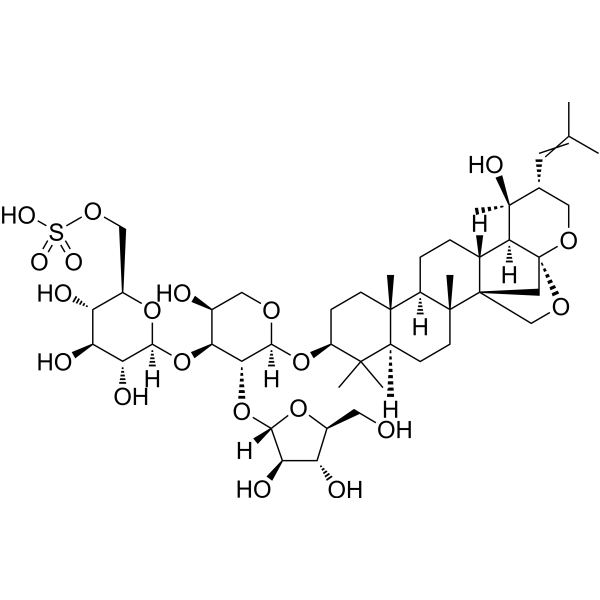
Bacopaside I is an orally active aquaporin AQP1 inhibitor and PKC modulator with neuroprotective and anticancer activities. Bacopaside I specifically blocks the water channel and cGMP-gated ion channel activities of AQP1 without affecting AQP4, thereby inhibiting the migration of colon cancer cells expressing AQP1. Bacopaside I activates the Akt pathway by interacting with PI3K, specifically inhibits MAO-A, effectively alleviates neuron necrosis and apoptosis induced by oxygen-glucose deprivation, reduces oxidative stress, and regulates the surface expression of neuroreceptors. When combined with Bacopaside II (HY-N6016), Bacopaside I significantly reduces the viability, proliferation and invasion ability of breast cancer cells, and binds to the pregnane X receptor (PXR). Bacopaside I is applicable to the research of colon cancer, breast cancer, vascular dementia, cerebral ischemia and other related diseases .
|
-
-
- HY-N0565S1
-
|
|
Isotope-Labeled Compounds
MMP
Parasite
Bacterial
Antibiotic
Apoptosis
Akt
PI3K
|
Infection
Neurological Disease
Inflammation/Immunology
Cancer
|
|
Doxycycline-d3 hyclate (major) is the deuterium labeled Doxycycline hyclate (HY-N0565B). Doxycycline hyclate is an orally active highly lipophilic, tissue-permeable MMP inhibitor with broad-spectrum antibacterial activity. Doxycycline hyclate is also a semi-synthetic antibiotic with chelating properties, which blocks bacterial protein synthesis and inhibits extracellular matrix degradation through interactions with zinc and calcium atoms. Doxycycline hyclate also inhibits mitochondrial biogenesis, translation, and the expression of respiratory chain proteins. Doxycycline hyclate induces apoptosis, inhibits autophagy and EMT, downregulates stem cell markers, and activates the PI3K-AKT pathway, thereby effectively inhibiting the viability and proliferation of cancer cells such as breast cancer cells. Doxycycline hyclate also promotes the survival and self-renewal of embryonic stem cells and neural stem cells, and reduces the frequency of medium changes in culture. Doxycycline hyclate has been applied in studies related to breast cancer, prostate cancer, bladder cancer, and other cancers .
|
-

-
- HY-W075770
-
|
Nickel monoxide
|
Environmental Pollutants
Apoptosis
Reactive Oxygen Species (ROS)
Caspase
TGF-beta/Smad
p38 MAPK
Akt
PI3K
|
Infection
Metabolic Disease
Cancer
|
|
Nickel(II) oxide (nickel monoxide) is a chemical warfare agent that can enter the body through the respiratory tract and other routes, distributing to organs such as the lungs and testes. The nanoparticle form of nickel(II) oxide (NiO NPs) exhibits antibacterial, anti-leishmanial, anti-diabetic, and anti-cancer activities. NiO NPs can be activated by ultraviolet and visible light, generating reactive oxygen species (ROS). Nickel(II) oxide induces oxidative stress by generating reactive oxygen species, activating the TGF-β1-mediated MAPK and PI3K/AKT pathways, disrupting the MMPs/TIMPs balance, and upregulating the expression of inflammatory factors (IL-1β, IL-6) and apoptosis-related molecules (Bax, caspase-3, p53), while inhibiting the activity of the anti-apoptotic molecule Bcl-2. Nickel(II) oxide induces cytotoxicity, promotes fibrosis, triggers inflammatory responses, and causes apoptosis. Nickel(II) oxide can be applied in research on the safety assessment of nanomaterials, such as in the context of pulmonary fibrosis and reproductive system toxicity .
|
-

-
- HY-N8884
-
|
|
PTEN
Akt
NF-κB
Interleukin Related
TNF Receptor
|
Inflammation/Immunology
|
|
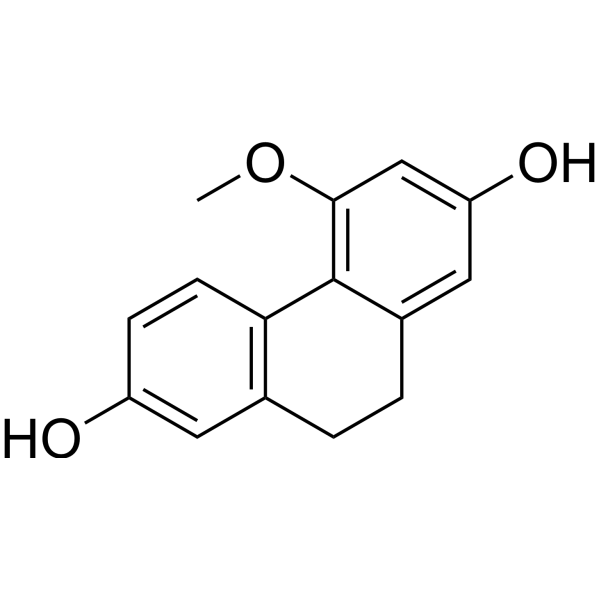
Coelonin is a dihydrophenanthrene with anti-inflammation activity. Coelonin inhibits LPS-induced PTEN phosphorylation. Coelonin inhibits NF-κB activation and p27Kip1 degradation by regulating the PI3K/AKT pathway negatively. Coelonin can inhibit IκBα phosphorylation and degradation and increases the expression of IκBα protein .
|
-
-
- HY-A0144A
-
|
|
Adrenergic Receptor
AMPK
Akt
|
Cardiovascular Disease
|
|
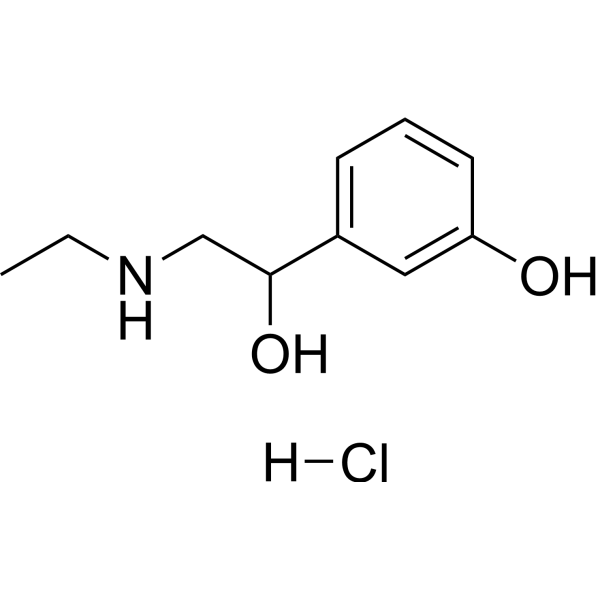
Etilefrine hydrochloride is a sympathetic nerve agonist and AMPK activator that selectively targets α1/β1 adrenergic receptors. Etilefrine hydrochloride stimulates α1 adrenergic receptors, leading to contraction of vascular smooth muscle and increased peripheral resistance. Etilefrine hydrochloride also stimulates β1 receptors to enhance myocardial contractility and increase heart rate, thereby increasing blood pressure and improving cardiac output. Etilefrine hydrochloride also bidirectionally regulates the AMPK/Akt pathway and modulates the phosphorylation levels. Etilefrine hydrochloride can be used in cardiovascular research, such as postural hypotension, chylothorax, and improving low cardiac output .
|
-
-
- HY-A0144
-
|
|
Adrenergic Receptor
AMPK
Akt
|
Cardiovascular Disease
|
|
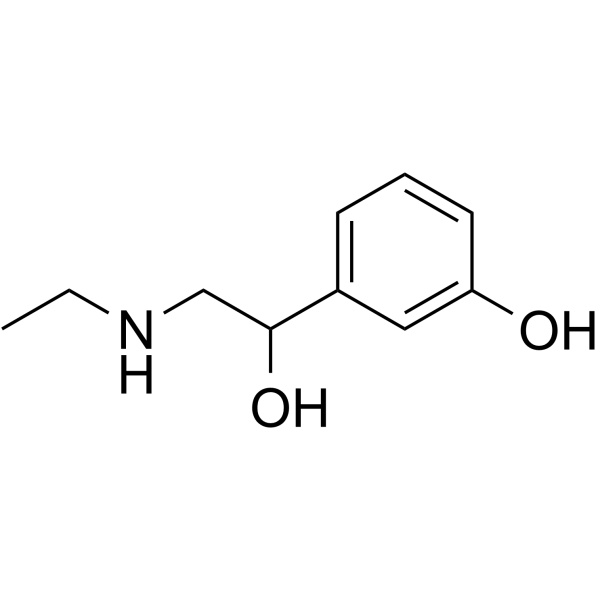
Etilefrine is a sympathetic nerve agonist and AMPK activator that selectively targets α1/β1 adrenergic receptors. Etilefrine stimulates α1 adrenergic receptors, leading to contraction of vascular smooth muscle and increased peripheral resistance. Etilefrine also stimulates β1 receptors to enhance myocardial contractility and increase heart rate, thereby increasing blood pressure and improving cardiac output. Etilefrine also bidirectionally regulates the AMPK/Akt pathway and modulates the phosphorylation levels. Etilefrine can be used in cardiovascular research, such as postural hypotension, chylothorax, and improving low cardiac output .
|
-
-
- HY-P2196A
-
|
|
Apelin Receptor (APJ)
|
Cancer
|
|
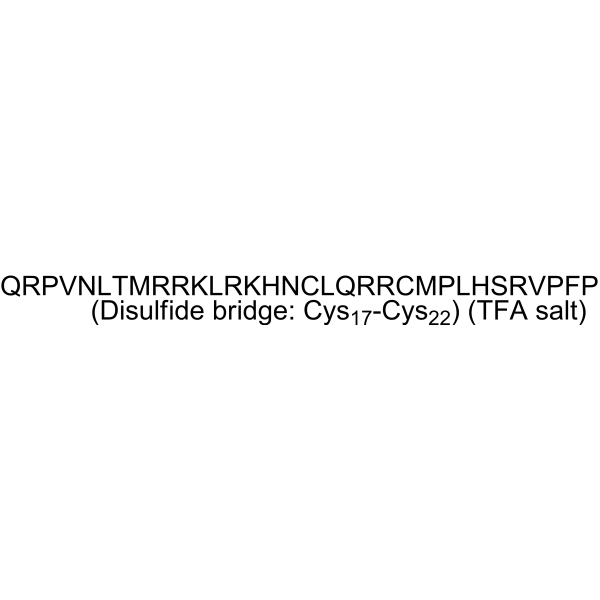
ELA-32(human) TFA is a potent, high affinity apelin receptor agonist (IC50=0.27 nM; Kd=0.51 nM). ELA-32(human) TFA exhibits no binding GPR15 and GPR25. ELA-32(human) TFA activates the PI3K/AKT pathway and promotes self-renewal of hESCs via cell-cycle progression and protein translation. ELA-32(human) TFA also potentiates the TGFβ pathway, priming hESCs toward the endoderm lineage. ELA-32(human) TFA stimulates angiogenesis in HUVEC cells.
|
-
-
- HY-N0565AR
-
|
|
Reference Standards
MMP
Parasite
Bacterial
Antibiotic
Apoptosis
Akt
PI3K
|
Infection
Neurological Disease
Inflammation/Immunology
Cancer
|
|
Doxycycline hydrochloride (Standard) is the analytical standard of Doxycycline hydrochloride (HY-N0565A). This product is intended for research and analytical applications. Doxycycline hydrochloride is an orally active highly lipophilic, tissue-permeable MMP inhibitor with broad-spectrum antibacterial activity. Doxycycline hydrochloride is also a semi-synthetic antibiotic with chelating properties, which blocks bacterial protein synthesis and inhibits extracellular matrix degradation through interactions with zinc and calcium atoms. Doxycycline hydrochloride also inhibits mitochondrial biogenesis, translation, and the expression of respiratory chain proteins. Doxycycline hydrochloride induces apoptosis, inhibits autophagy and EMT, downregulates stem cell markers, and activates the PI3K-AKT pathway, thereby effectively inhibiting the viability and proliferation of cancer cells such as breast cancer cells. Doxycycline hydrochloride also promotes the survival and self-renewal of embryonic stem cells and neural stem cells, and reduces the frequency of medium changes in culture. Doxycycline hydrochloride has been applied in studies related to breast cancer, prostate cancer, bladder cancer, and other cancers .
|
-

-
- HY-N0565R
-
|
|
Reference Standards
MMP
Parasite
Bacterial
Antibiotic
Apoptosis
Akt
PI3K
|
Infection
Neurological Disease
Inflammation/Immunology
Cancer
|
|
Doxycycline (Standard) is the analytical standard of Doxycycline (HY-N0565). This product is intended for research and analytical applications. Doxycycline is an orally active highly lipophilic, tissue-permeable MMP inhibitor with broad-spectrum antibacterial activity. Doxycycline is also a semi-synthetic antibiotic with chelating properties, which blocks bacterial protein synthesis and inhibits extracellular matrix degradation through interactions with zinc and calcium atoms. Doxycycline also inhibits mitochondrial biogenesis, translation, and the expression of respiratory chain proteins. Doxycycline induces apoptosis, inhibits autophagy and EMT, downregulates stem cell markers, and activates the PI3K-AKT pathway, thereby effectively inhibiting the viability and proliferation of cancer cells such as breast cancer cells. Doxycycline also promotes the survival and self-renewal of embryonic stem cells and neural stem cells, and reduces the frequency of medium changes in culture. Doxycycline has been applied in studies related to breast cancer, prostate cancer, bladder cancer, and other cancers .
|
-

-
- HY-N0565BR
-
|
Doxycycline (hydrochloride hemiethanolate hemihydrate) (Standard); WC2031 (Standard)
|
Reference Standards
MMP
Parasite
Bacterial
Antibiotic
Apoptosis
Akt
PI3K
|
Infection
Neurological Disease
Inflammation/Immunology
Cancer
|
|
Doxycycline hyclate (Standard) is the analytical standard of Doxycycline hyclate (HY-N0565B). This product is intended for research and analytical applications. Doxycycline hyclate is an orally active highly lipophilic, tissue-permeable MMP inhibitor with broad-spectrum antibacterial activity. Doxycycline hyclate is also a semi-synthetic antibiotic with chelating properties, which blocks bacterial protein synthesis and inhibits extracellular matrix degradation through interactions with zinc and calcium atoms. Doxycycline hyclate also inhibits mitochondrial biogenesis, translation, and the expression of respiratory chain proteins. Doxycycline hyclate induces apoptosis, inhibits autophagy and EMT, downregulates stem cell markers, and activates the PI3K-AKT pathway, thereby effectively inhibiting the viability and proliferation of cancer cells such as breast cancer cells. Doxycycline hyclate also promotes the survival and self-renewal of embryonic stem cells and neural stem cells, and reduces the frequency of medium changes in culture. Doxycycline hyclate has been applied in studies related to breast cancer, prostate cancer, bladder cancer, and other cancers .
|
-

-
- HY-167843
-
|
|
Akt
Autophagy
PTEN
Amyloid-β
Antibiotic
Bacterial
Fungal
|
Infection
Neurological Disease
|
|
Alborixin is a polycyclic polyether ionophore Antibiotic. Alborixin is isolated from cultures of Streptomyces albus. Alborixin induces Autophagy via PTEN-mediated inhibition of the AKT pathway, thereby clearing Amyloid-β. Alborixin exhibits activity against Gram-positive bacteria and fungi. Alborixin can be used in the research of Alzheimer's disease .
|
-

-
- HY-121012
-
|
|
NF-κB
Akt
|
Endocrinology
|
|
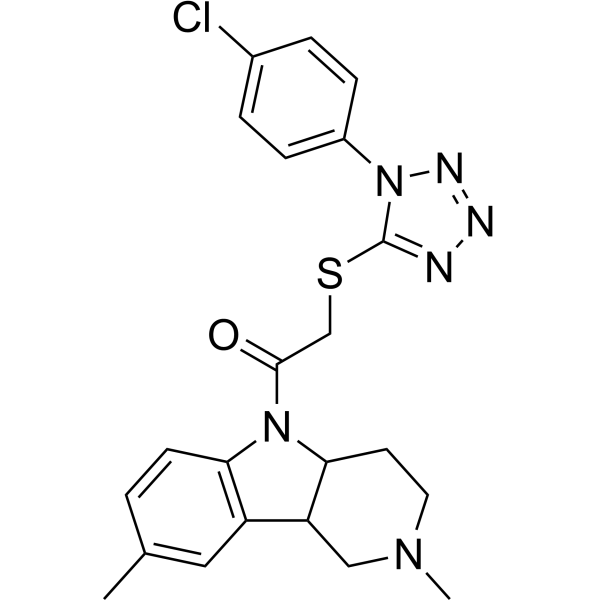
(rac)-AG-205 is a potent inhibitor of progesterone receptor membrane component 1 (Pgrmc1) that induces genes involved in sterol synthesis, including the INSIG1 protein, which forms a complex with PGRMC1. (rac)-AG-205 prevents neuronal resistance to hypoxic ischaemia by blocking NF-kB signalling and activation of the BDNF/PI3K/AKT pathway .
|
-
-
- HY-N0076R
-
|
(-)-Bilobalide (Standard)
|
Reference Standards
Apoptosis
Autophagy
Endogenous Metabolite
|
Neurological Disease
|
|
Bilobalide (Standard) is the analytical standard of Bilobalide. This product is intended for research and analytical applications. Bilobalide, a sesquiterpene trilactone constituent of Ginkgo biloba, inhibits the NMDA-induced efflux of choline with an IC50 value of 2.3 μM. Bilobalide prevents apoptosis through activation of the PI3K/Akt pathway in SH-SY5Y cells. Exerts protective and trophic effects on neurons .
|
-

-
- HY-106263B
-
|
|
PTEN
PDK-1
MDM-2/p53
Apoptosis
Akt
|
Cancer
|
|
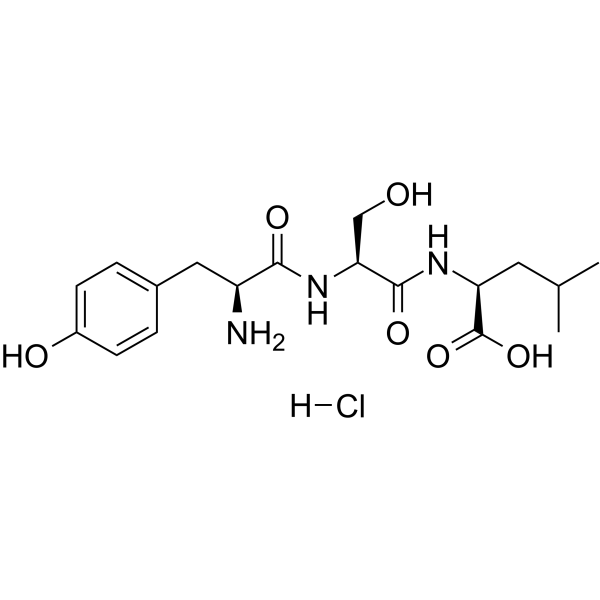
Tyroserleutide hydrochloride is a tripeptide isolated from the degradation products of porcine spleen with antitumor activity. Tyroserleutide hydrochloride can upregulate the expression of the tumor suppressor gene PTEN and inhibit the activity of AKT and PDK1. Tyroserleutide hydrochloride inhibits tumor cell proliferation and MDM2 phosphorylation by inhibiting the PI3K/AKT pathway, and also upregulates P21, P27, P53, and induces mitochondrial damage and cell apoptosis .
|
-
-
- HY-P10641
-
|
|
Exosomes
STAT
ERK
Akt
|
Cardiovascular Disease
|
|
Heart-homing peptide is a heart-targeting peptide with the sequence CRPPR that mediates cardiac endothelial targeting and accumulates in cardiac tissues. Heart-homing peptide mediates the translocation of liposomal and exosomal cargos across cardiac endothelium into interstitial tissues, enhances the accumulation of exosomes in the heart, and inhibits the GP130-STAT3/ERK1/2/AKT pathway. Heart-homing peptide accumulates at sites of ischemia/reperfusion, myocardial infarction and hypertrophy in mice. Heart-homing peptide can be used for the research of cardiovascular diseases .
|
-

-
- HY-110302
-
|
|
Opioid Receptor
|
Neurological Disease
|
|
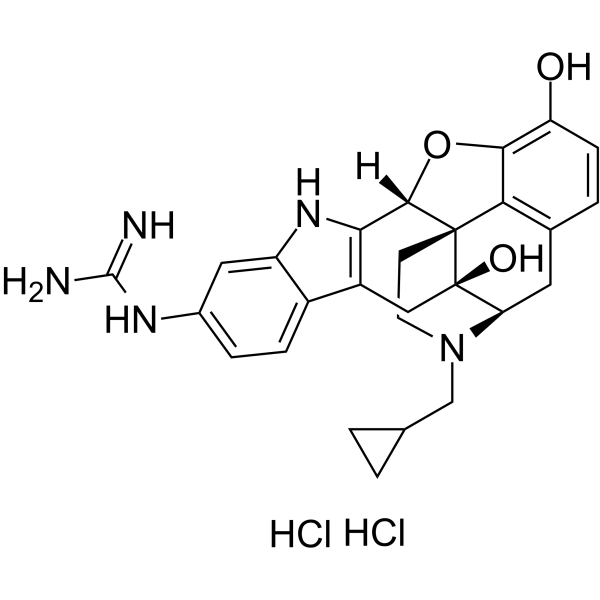
6'-GNTI dihydrochloride, a κ-opioid receptor (KOR) agonist, displays bias toward the activation of G protein-mediated signaling over β-arrestin2 recruitment. 6'-GNTI 6'-GNTI dihydrochloride only activates the Akt pathway in striatal neurons .
|
-
-
- HY-N0284R
-
|
|
Reference Standards
PI3K
Akt
|
Inflammation/Immunology
Cancer
|
|
Esculetin (Standard) is the analytical standard of Esculetin. This product is intended for research and analytical applications. Esculetin is an active ingredient extracted mainly from the bark of Fraxinus rhynchophylla. Esculetin inhibits platelet-derived growth factor (PDGF)-induced airway smooth muscle cells (ASMCs) phenotype switching through inhibition of PI3K/Akt pathway. Esculetin has antioxidant, antiinflammatory, and antitumor activities .
|
-

-
- HY-163299
-
|
|
Ras
Apoptosis
PI3K
Akt
p38 MAPK
|
Cancer
|
|
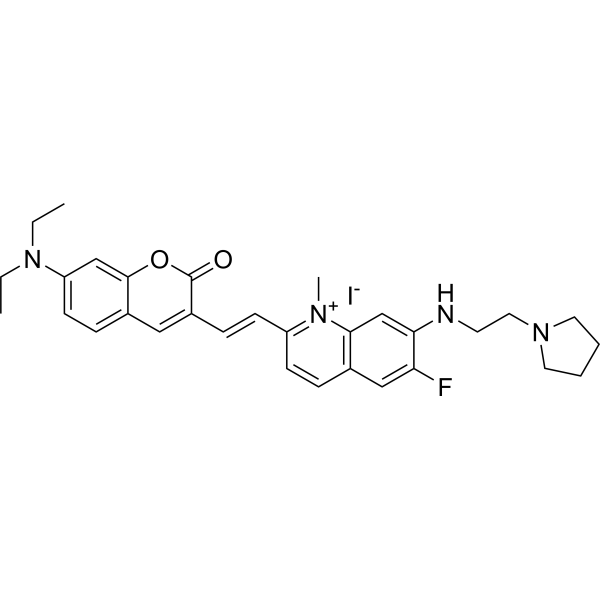
pan-KRAS-IN-5 is a pan-KRAS translation inhibitor by targeting 5′-UTR RNA G-quadruplexes (rG4s). pan-KRAS-IN-5 strongly binds to and stabilizes KRAS rG4s, inhibits KRAS translation, and blocks the MAPK and PI3K-AKT pathways. pan-KRAS-IN-5 induces cell cycle arrest, prompts apoptosis in KRAS-driven cancer cells. pan-KRAS-IN-5 inhibits tumor growth and KRAS expression in KRAS-mutant xenograft. KRAS-IN-5 can be used for KRAS-driven cancer research .
|
-
-
- HY-N0565AS
-
|
|
Isotope-Labeled Compounds
MMP
Parasite
Bacterial
Antibiotic
Apoptosis
Akt
PI3K
|
Infection
Neurological Disease
Inflammation/Immunology
Cancer
|
|
Doxycycline-d3 hydrochloride is deuterium labeled Doxycycline hydrochloride (HY-N0565A). Doxycycline hydrochloride is an orally active highly lipophilic, tissue-permeable MMP inhibitor with broad-spectrum antibacterial activity. Doxycycline hydrochloride is also a semi-synthetic antibiotic with chelating properties, which blocks bacterial protein synthesis and inhibits extracellular matrix degradation through interactions with zinc and calcium atoms. Doxycycline hydrochloride also inhibits mitochondrial biogenesis, translation, and the expression of respiratory chain proteins. Doxycycline hydrochloride induces apoptosis, inhibits autophagy and EMT, downregulates stem cell markers, and activates the PI3K-AKT pathway, thereby effectively inhibiting the viability and proliferation of cancer cells such as breast cancer cells. Doxycycline hydrochloride also promotes the survival and self-renewal of embryonic stem cells and neural stem cells, and reduces the frequency of medium changes in culture. Doxycycline hydrochloride has been applied in studies related to breast cancer, prostate cancer, bladder cancer, and other cancers .
|
-

-
- HY-N0565S3
-
|
|
Isotope-Labeled Compounds
MMP
Parasite
Bacterial
Antibiotic
Apoptosis
Akt
PI3K
|
Infection
Neurological Disease
Inflammation/Immunology
Cancer
|
|
Doxycycline- 13C,d3 is 13C and deuterium labeled Doxycycline (HY-N0565). Doxycycline is an orally active highly lipophilic, tissue-permeable MMP inhibitor with broad-spectrum antibacterial activity. Doxycycline is also a semi-synthetic antibiotic with chelating properties, which blocks bacterial protein synthesis and inhibits extracellular matrix degradation through interactions with zinc and calcium atoms. Doxycycline also inhibits mitochondrial biogenesis, translation, and the expression of respiratory chain proteins. Doxycycline induces apoptosis, inhibits autophagy and EMT, downregulates stem cell markers, and activates the PI3K-AKT pathway, thereby effectively inhibiting the viability and proliferation of cancer cells such as breast cancer cells. Doxycycline also promotes the survival and self-renewal of embryonic stem cells and neural stem cells, and reduces the frequency of medium changes in culture. Doxycycline has been applied in studies related to breast cancer, prostate cancer, bladder cancer, and other cancers .
|
-

-
- HY-131055
-
|
|
ADC Payload
PI3K
Apoptosis
|
Cancer
|
|
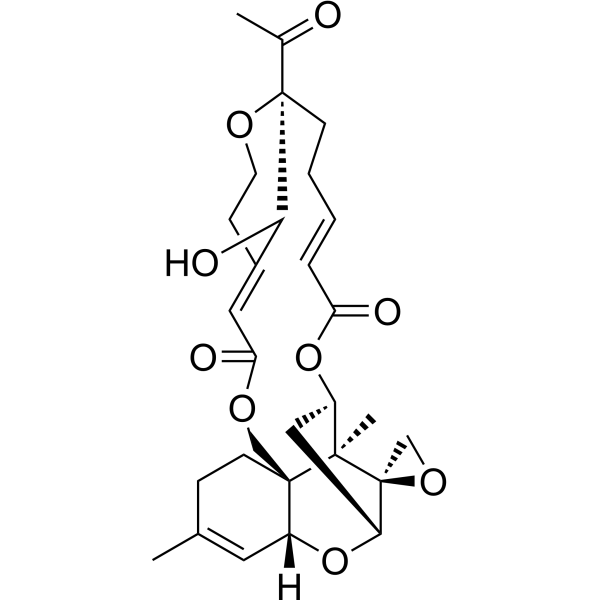
Mytoxin B is an ADC cytotoxin. Mytoxin B is a satratoxin-type trichothecene macrolide and is similar to the effect of LY294002 (HY-10108). Mytoxin B induces cell apoptosis via PI3K/Akt pathway .
|
-
- HY-N3071
-
|
|
Apoptosis
Reactive Oxygen Species (ROS)
|
Inflammation/Immunology
|
|
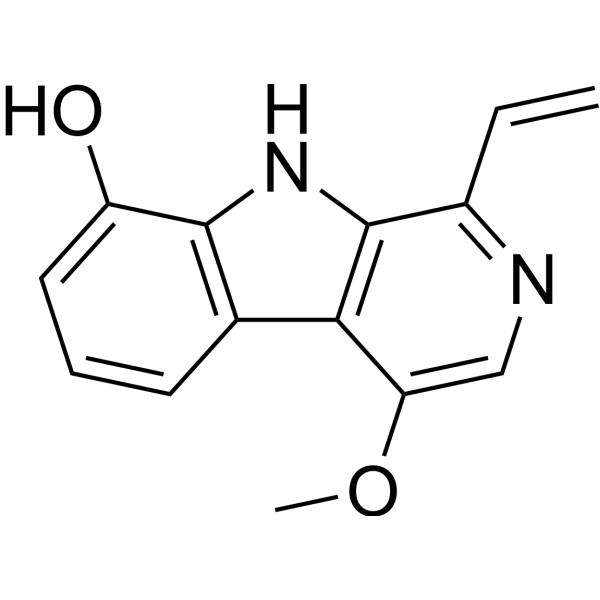
Picrasidine I is an anti-inflammatory and anti-osteoclastogenic dimeric alkaloid that can be isolated from Picrasma quassioides. Picrasidine I inducs cell cycle arrest, and triggers cell apoptosis by downregulats ERK and Akt pathways. Picrasidine I inhibits the activation of MAPKs, NF-κB and ROS generation, and suppresses the expression of c-Fos and NFATc1 .
|
-
- HY-B0510CR
-
|
|
Reference Standards
Antifolate
Bacterial
Antibiotic
|
Infection
Cancer
|
|
Actein (Standard) is the analytical standard of Actein. This product is intended for research and analytical applications. Actein, a triterpene glycoside, shows an inhibitory effect on cancer cells, which is isolated from the rhizomes of Cimicifuga foetida. Actein suppresses cell proliferation, induces autophagy and apoptosis through promoting ROS/JNK activation, and blunting AKT pathway in bladder cancer. Actein has little toxicity in vivo .
|
-

- HY-D0803R
-
|
|
Reference Standards
Apoptosis
VEGFR
PI3K
Akt
|
Infection
Cardiovascular Disease
Neurological Disease
Inflammation/Immunology
Cancer
|
|
Thymoquinone (Standard) is the analytical standard of Thymoquinone. This product is intended for research and analytical applications. Thymoquinone is an orally active natural product isolated from N. sativa Thymoquinone down-regulates the VEGFR2-PI3K-Akt pathway. Thymoquinone has antioxidant, anti-inflammatory, anticancer, antiviral, anticonvulsant, antifungal, antiviral, antiangiogenic activity and hepatoprotective effects. Thymoquinone can be used to study Alzheimer's disease, cancer, cardiovascular disease, infectious disease and inflammation .
|
-

- HY-N6739S
-
|
|
Acyltransferase
Isotope-Labeled Compounds
|
Infection
|
|
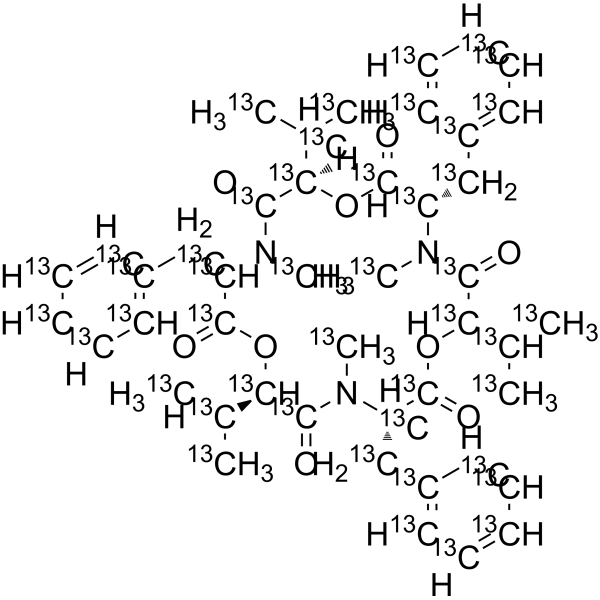
Beauvericin- 13C45 is 13C labeled Beauvericin (HY-N6739). Beauvericin is a cyclohexapeptide Fusarium toxin with insecticidal, antibacterial, anticancer, antiviral and cytotoxic activities. Beauvericin causes cellular genotoxicity by producing DNA breaks, chromosomal aberrations and micronuclei, and inhibits the PI3K/AKT pathway to induce apoptosis, thereby inhibiting the growth of HCC. In addition, Beauvericin affects immune function by inhibiting lymphocyte proliferation and interfering with the differentiation process of human monocytes into macrophages .
|
-
- HY-N1181R
-
-

- HY-122949
-
-
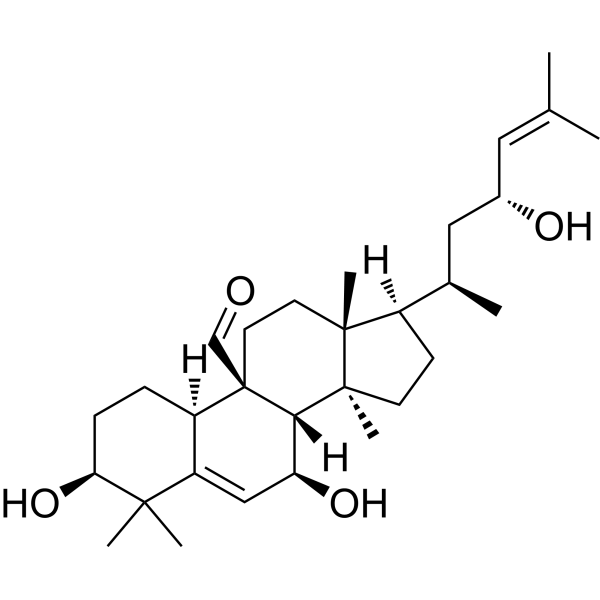
- HY-N8931
-
|
Lithospermic acid monomethyl ester
|
Akt
|
Neurological Disease
|
|
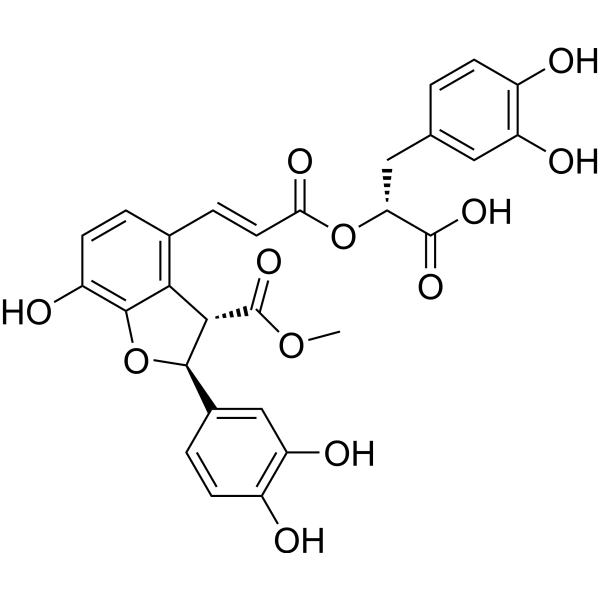
Monomethyl lithospermate activates the PI3K/AKT pathway, which plays a protective role in nerve injury. Monomethyl lithospermate can improve the survival ability of SHSY-5Y cells, inhibit the breakdown of mitochondrial membrane potential (MMOP) and inhibit cell apoptosis. Monomethyl lithospermate also reduced the level of oxidative stress in the brain tissue of rats with middle artery occlusion (MCAO) and improved nerve damage in rats with ischemic stroke (IS) .
|
-
- HY-173273
-
|
|
CDK
Apoptosis
DNA/RNA Synthesis
Akt
|
Cancer
|
|
YJZ5118 is a selective CDK12/CDK13 inhibitor with IC50 values of 39.5 nM and 26.4 nM. YJZ5118 suppresses transcription of DNA damage response genes and induces DNA damage in tumor cells. YJZ5118 inhibits proliferation and triggers apoptosis. YJZ5118 inhibits RNA polymerase II Ser2 phosphorylation and increases Akt pathway activity. YJZ5118 exhibits synergistic effects with Akt inhibitors. YJZ5118 can be used for the research of cancer, such as prostate cancer .
|
-

- HY-179012
-
|
|
APC
CDK
Raf
Akt
HSP
|
Cancer
|
|
CDC20/HSP90-IN-1 (Compound 2b) is a Cdc20/Hsp90 inhibitor with a Kd of 16.2 μM for Cdc20 and a Kd of 0.241 μM for Hsp90α. CDC20/HSP90-IN-1 exerts potent antitumor activity through reducing p53-mediated Cdc20, upregulating Bim, downregulating Cyclin B1 expression, and disturbing B-Raf and AKT pathways via destroying Hsp90 chaperone function. CDC20/HSP90-IN-1 overcomes Vemurafenib (HY-12057)-induced resistant melanoma .
|
-

- HY-N2081R
-
|
|
Reference Standards
Cholinesterase (ChE)
PI3K
Akt
NF-κB
|
Neurological Disease
Inflammation/Immunology
Cancer
|
|
Skimmianine (Standard) is the analytical standard of Skimmianine. This product is intended for research and analytical applications. Skimmianine is an orally active furoquiniline alkaloid present mainly in the Rutaceae family. Skimmianine has analgesic, antispastic, sedative, and anti-inflammatory properties. Skimmianine inhibits acetylcholinesterase (AChE) (IC50 = 8.6 μg/mL). Skimmianine exhibits cytotoxicity against a variety of cancer cell lines and genotoxicity. Skimmianine has antioxidant and anti-inflammatory effects on ischemia-reperfusion (IR) injury. Skimmianine exerts anti-inflammatory effects through activation of the phosphatidylinositol-3-kinase (PI3K)-protein kinase B (AKT) pathway. Skimmianine is neuroprotective by targeting the NF-κB activation pathway to prevent neuroinflammation. Skimmianine inhibits the release of histamine, intracellular Ca 2+ signaling and protein kinase C signaling .
|
-

- HY-179424
-
|
|
PROTACs
HIF/HIF Prolyl-Hydroxylase
p38 MAPK
Akt
PI3K
MEK
Apoptosis
|
Cancer
|
|
PROTAC HIF-1α degrader-2 is a highly efficient and selective PROTAC degrader targeting HIF-1α. PROTAC HIF-1α degrader-2 promotes HIF-1α degradation via the ubiquitin-proteasome pathway by facilitating the formation of a HIF-1α/VHL ternary complex. PROTAC HIF-1α degrader-2 inhibits HeLa cell proliferation, migration, and colony formation, and induces apoptosis. PROTAC HIF-1α degrader-2 reduces p-MEK and p-AKT expression in the MAPK and PI3K/AKT pathways. PROTAC HIF-1α degrader-2 can be used for the study of cervical cancer .
|
-

- HY-116497
-
|
|
FAK
|
Cancer
|
|
PH11 is a novel focal adhesion kinase (FAK) inhibitor that rapidly induces apoptosis in TRAIL-resistant PANC-1 cells when combined with TRAIL, but has no effect on normal human fibroblasts. The study found that PH11 downregulates c-FLIP through inhibition of FAK and phosphatidylinositol-3-kinase (PI3K)/AKT pathways, thereby restoring the TRAIL apoptotic pathway, suggesting that this combination therapy may provide an attractive therapeutic strategy for the safe and effective treatment of pancreatic cancer. PH11 selectively inhibits c-FLIP expression by modulating upstream signaling pathways and may represent an innovative therapeutic strategy. Although further work is needed to fully elucidate the mechanism of PH11-induced TRAIL sensitization, we believe that our results will provide a new approach to target c-FLIP without the risk of interfering with caspase-8 processing, which could potentially lead to TRAIL resistance. This study also suggests a role for the FAK/AKT signaling pathway in regulating c-FLIP expression in TRAIL-induced apoptosis, and this understanding will provide important clues to control the resistance mechanism to optimize the potential of TRAIL-based pancreatic cancer treatment.
|
-

- HY-147789
-
|
|
Akt
|
Neurological Disease
Cancer
|
|
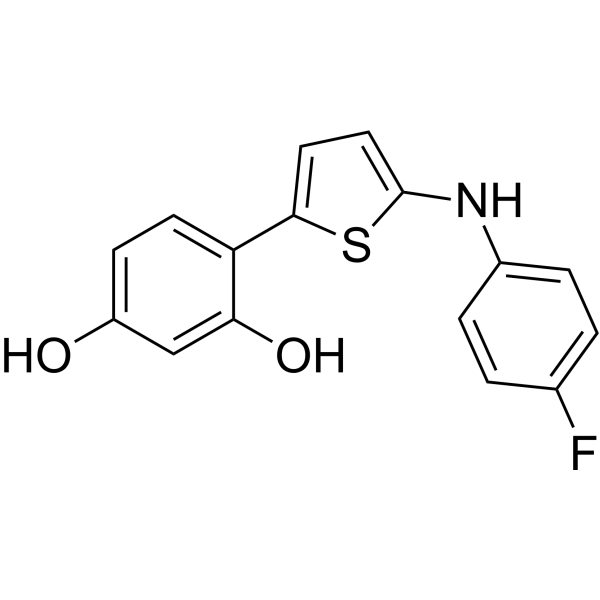
FPDT is an anti-glioblastoma agent. FPDT displays the IC50 value of 45–68 μM for GBM cells and >100 μM for astrocytes. Anti-glioblastoma activity of FPDT is linked to downregulation of the AKT pathway .
|
-
- HY-E70789
-
|
|
RET
|
Others
|
|
BCR-RET Recombinant Human Active Protein Kinase is a BCR-RET fusion protein in hematopoietic malignancies. BCR-RET overactivates the Ras-ERK pathway, in addition to JAK/STAT3 and PI3K/AKT pathways .
|
-

- HY-161144
-
|
|
Akt
Apoptosis
|
Cancer
|
|
AKT-IN-21 (compound C36) is a potent AKT inhibitor with broad-spectrum cytotoxicity and anticancer activity. AKT-IN-21 also blocks the cell cycle and induces apoptosis of cancer cells by down-regulating the PI3K/AKT pathway .
|
-
- HY-144254
-
|
|
PI3K
Akt
Apoptosis
|
Cancer
|
|
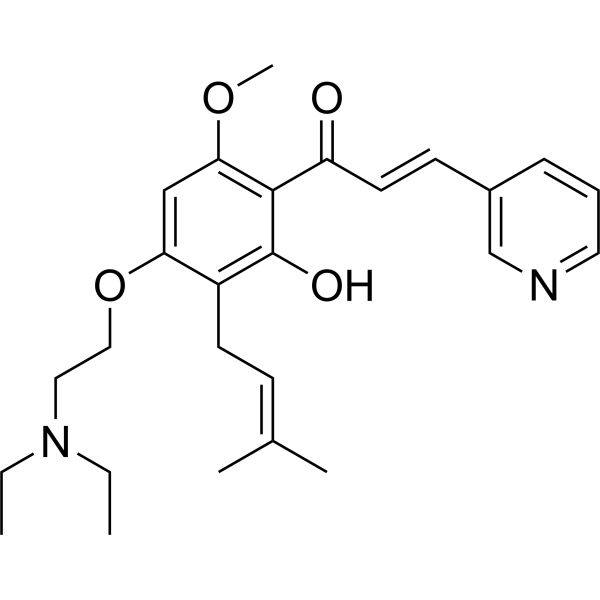
PI3Kδ-IN-10 is a highly potent and orally active PI3Kδ inhibitor with IC50 of 2 nM. PI3Kδ-IN-10 robustly suppresses the downstream AKT pathway to induce subsequent apoptosis in hepatocellular carcinoma models .
|
-
- HY-N13164
-
|
|
PI3K
Akt
Apoptosis
|
Cancer
|
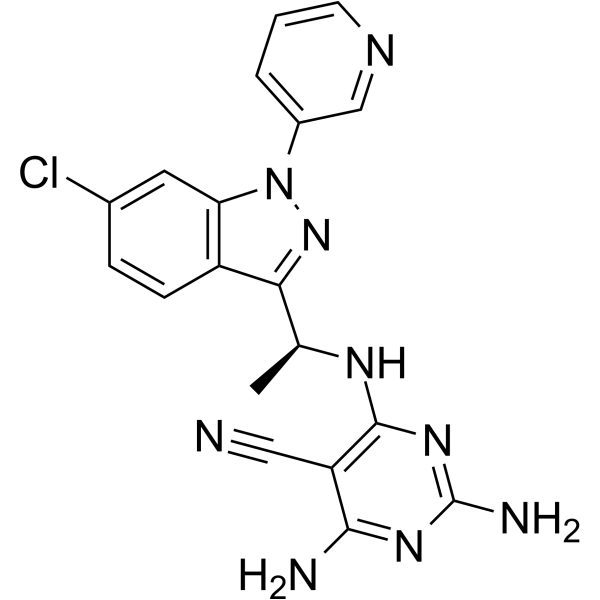
Polygalacin D3 is a triterpenoid saponin compound that can be extracted from the roots of the balloon flower. Polygalacin D3 can inhibit the proliferation of non-small cell lung cancer (NSCLC) cell lines by blocking the PI3K/Akt pathway, and it induces cell cycle arrest and cell apoptosis .
|
-

- HY-154960
-
|
|
Akt
Apoptosis
Microtubule/Tubulin
|
Cancer
|
|
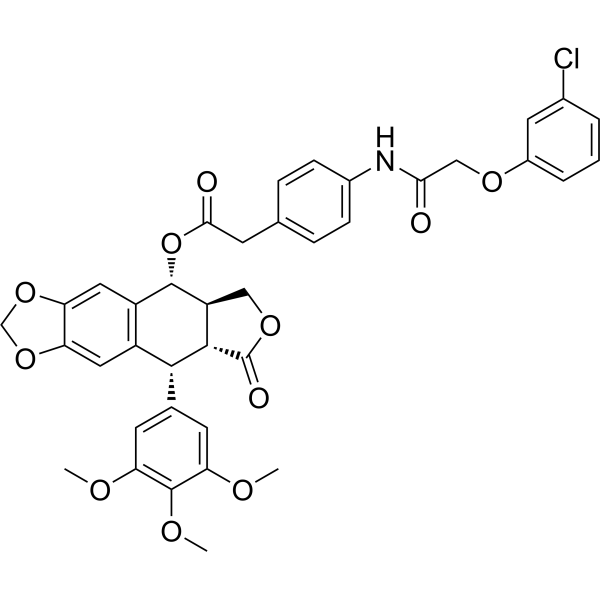
Tubulin/AKT1-IN-1 (Compound D1-1) is an inhibitor of tubulin polymerization and AKT pathway activation. Tubulin/AKT1-IN-1 significantly inhibits the proliferation and metastasis of H1975 cells and slightly induced their apoptosis and can be used for non-small-cell lung cancer (NSCLC) research .
|
-
- HY-N6872R
-
|
|
Reference Standards
JNK
Akt
Apoptosis
Autophagy
Reactive Oxygen Species (ROS)
|
Cancer
|
|
Actein (Standard) is the analytical standard of Actein. This product is intended for research and analytical applications. Actein, a triterpene glycoside, shows an inhibitory effect on cancer cells, which is isolated from the rhizomes of Cimicifuga foetida. Actein suppresses cell proliferation, induces autophagy and apoptosis through promoting ROS/JNK activation, and blunting AKT pathway in bladder cancer. Actein has little toxicity in vivo .
|
-

- HY-N0314R
-
|
|
Reference Standards
Interleukin Related
Prostaglandin Receptor
Apoptosis
|
Inflammation/Immunology
|
|
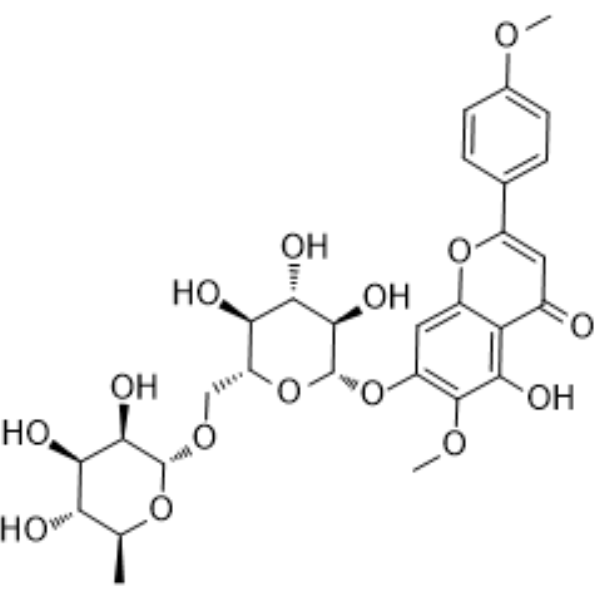
Pectolinarin (Standard) is the analytical standard of Pectolinarin. This product is intended for research and analytical applications. Pectolinarin possesses anti-inflammatory activity . Pectolinarin inhibits secretion of IL-6 and IL-8, as well as the production of PGE2 and NO. Pectolinarin suppresses cell proliferation and inflammatory response and induces apoptosis via inactivation of the PI3K/Akt pathway .
|
-

- HY-N0479S
-
|
|
Isotope-Labeled Compounds
PPAR
GLUT
|
Metabolic Disease
|
|
Licarin B-d4 is the deuterium labeled Licarin B (HY-N0479). Licarin B, a nitric oxide production inhibitor extracted from the component of the seeds of Myristica fragrans, improves insulin sensitivity via PPARγ and activation of GLUT4 in the IRS-1/PI3K/AKT pathway .
|
-

- HY-146743
-
|
|
Apoptosis
|
Cancer
|
|
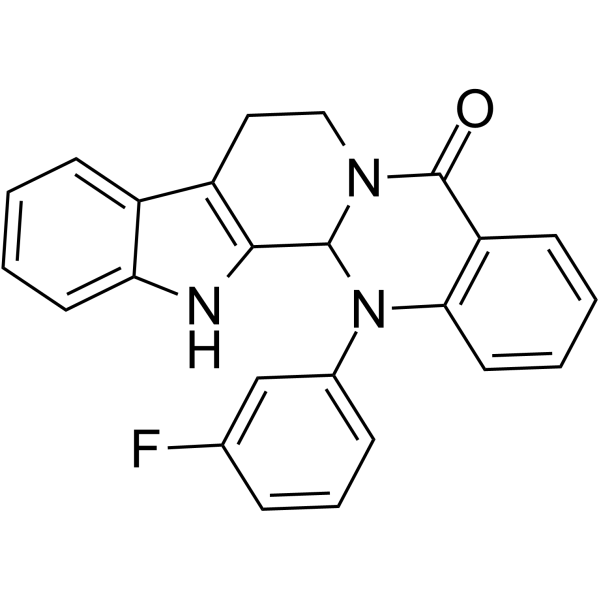
Antitumor agent-53 is a potent antitumor agent. Antitumor agent-53 induces cell cycle arrest at the G2/M phase. Antitumor agent-53 inhibits the PI3K/AKT pathway to induce the apoptosis of HGC-27 cells. Antitumor agent-53 has the potential for the research of gastrointestinal tumors .
|
-
- HY-N1381R
-
|
|
Reference Standards
Apoptosis
|
Inflammation/Immunology
Cancer
|
|
Periplocin (Standard) is the analytical standard of Periplocin. This product is intended for research and analytical applications. Periplocin is a cardiotonic steroid isolated from root-bark Periploca sepium Bunge. Periplocin promotes tumor cell apoptosis and inhibits tumor growth. Periplocin has the potential to facilitate wound healing through the activation of Src/ERK and PI3K/Akt pathways mediated by Na/K-ATPase .
|
-

- HY-143472
-
|
|
PI3K
Akt
Apoptosis
|
Cancer
|
|
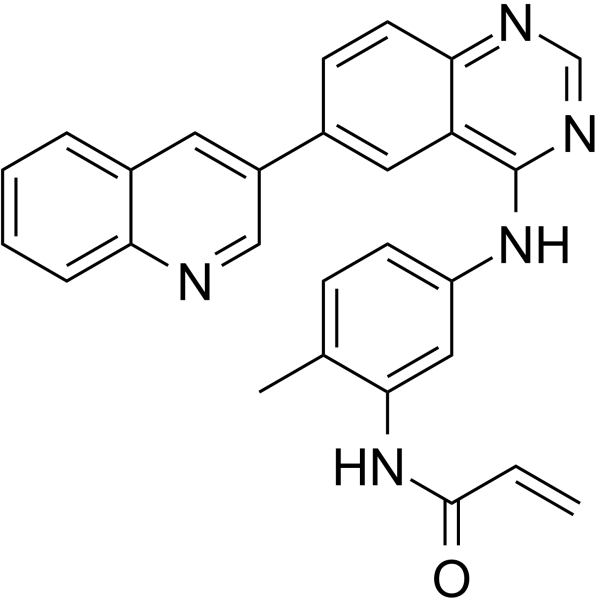
PI3Kδ-IN-11 is a highly potent and selective PI3Kδ inhibitor with IC50 value of 27.5 nM. PI3Kδ-IN-11 dose-dependently blocks the activity of PI3K/Akt pathway. PI3Kδ-IN-11 can be used for researching B or T cell-related malignancies .
|
-
- HY-172255
-
|
|
PI4K
Apoptosis
Autophagy
PI3K
Akt
|
Cancer
|
|
PI4KIII beta inhibitor 4 (Compound 16) is a selective PI4KIIIβ inhibitor with an IC50 of 0.005 μM. PI4KIIIβ inhibitor 4 induces tumor cell apoptosis, cell cycle arrest, and autophagy by inhibiting the PI3K/AKT pathway. PI4KIIIβ inhibitor 4 can be used in the study of cancer .
|
-

- HY-162268
-
|
|
MALT1
Apoptosis
|
Inflammation/Immunology
Cancer
|
|
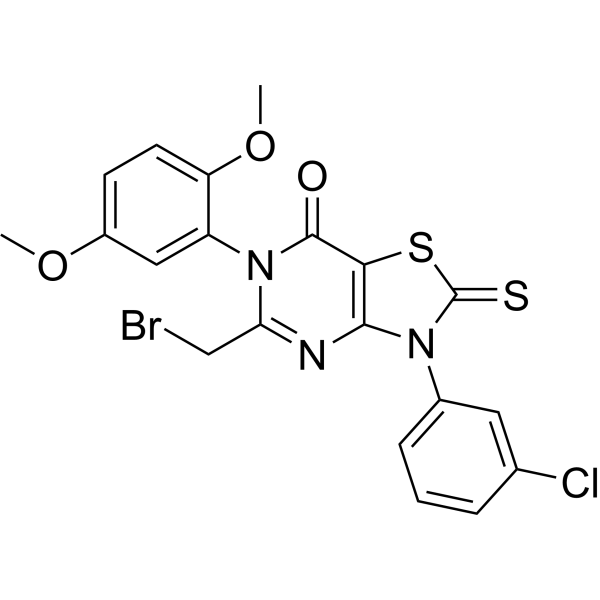
MALT1-IN-13 (compound 10m) is inhibitor for mucosa-associated lymphoid tissue lymphoma translocation protein 1 (MALT1), which to binds MALT1 protease covalently and irreversibly, inhibits MALT1 with the IC50 of 1.7 μM. MALT1-IN-13 inhibits proliferation against ABC-DLBCL and induces apoptosis in ABC-DLBCL HBL1. MALT1-IN-13 regulates mTOR and PI3K-Akt pathways .
|
-
- HY-125542
-
|
|
Apoptosis
JAK
STAT
ERK
PI3K
Akt
|
Cancer
|
|
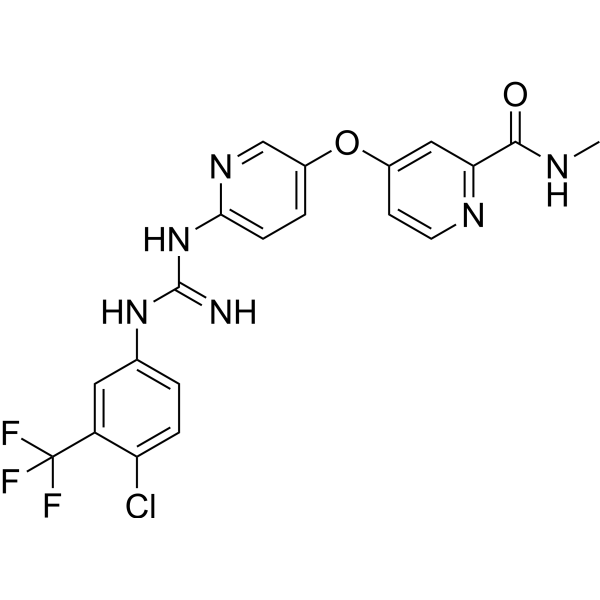
DCZ3301 is an apoptosis inducer. DCZ3301 modulates JAK2/STAT3, ERK1/2, and PI3K/AKT pathways. DCZ3301 induces G2/M and M phase cell cycle arrest and inhibits cell proliferation and viability. DCZ3301 enhances DNA damage, inhibits DNA repair, and suppresses angiogenesis. DCZ3301 can be used for the research of diffuse large B-cell lymphoma, multiple myeloma and leukemia/lymphoma .
|
-
- HY-144450
-
|
|
PI3K
Akt
|
Cancer
|
|
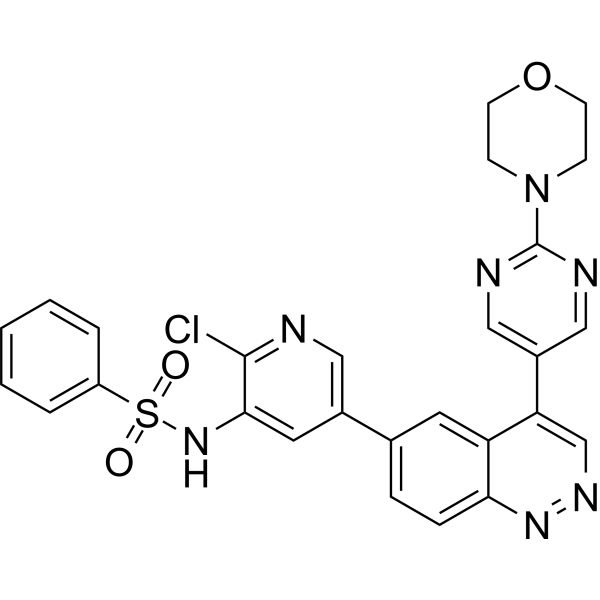
PI3K-IN-29 is a potent PI3K inhibitor. PI3K-IN-29 displays good inhibition potencies against U87MG, HeLa and HL60 cells with IC50 values of 0.264, 2.04 and 1.14 µM, respectively. PI3K-IN-29 inhibits PI3K/Akt pathway by inhibiting phosphorylation of Akt that is catalyzed by PI3K .
|
-
- HY-155975
-
|
|
PI3K
|
Inflammation/Immunology
|
|
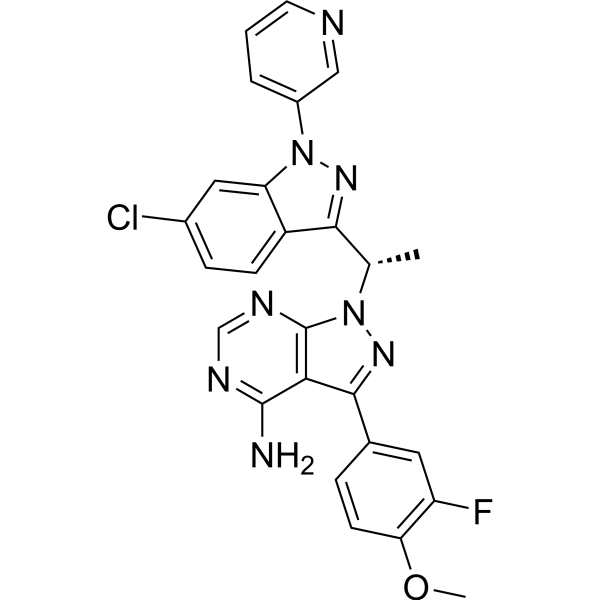
PI3Kδ-IN-14 (Compound (S)-29) is a selective PI3Kδ inhibitor (IC50: 0.8 nM, Kd: 84.8 nM). PI3Kδ-IN-14 binds to the ATP-binding site of the kinase domain of PI3Kδ. PI3Kδ-IN-14 has anti-inflammatory activity by inhibiting the PI3K/AKT pathway. PI3Kδ-IN-14 ameliorates acute lung injury (ALI) .
|
-
- HY-172256
-
|
|
PI4K
|
Cancer
|
|
PI4KIII beta inhibitor 5 is a PI4KIIIβ inhibitor with an IC50 of 19 nM. PI4KIII beta inhibitor 5 can induce cancer cell apoptosis (Apoptosis), cell cycle arrest at the G2/M phase, and autophagy (Autophagy) by inhibiting the PI3K/AKT pathway. PI4KIII beta inhibitor 5 has also demonstrated significant antitumor activity in the H446 xenograft model of small cell lung cancer. PI4KIII beta inhibitor 5 can be used for research in the field of cancer therapy .
|
-

- HY-A0144AR
-
|
|
Reference Standards
AMPK
Adrenergic Receptor
Akt
|
Cardiovascular Disease
|
|
Etilefrine hydrochloride (Standard) is the analytical standard of Etilefrine hydrochloride (HY-A0144A). This product is intended for research and analytical applications. Etilefrine hydrochloride is a sympathetic nerve agonist and AMPK activator that selectively targets α1/β1 adrenergic receptors. Etilefrine hydrochloride stimulates α1 adrenergic receptors, leading to contraction of vascular smooth muscle and increased peripheral resistance. Etilefrine hydrochloride also stimulates β1 receptors to enhance myocardial contractility and increase heart rate, thereby increasing blood pressure and improving cardiac output. Etilefrine hydrochloride also bidirectionally regulates the AMPK/Akt pathway and modulates the phosphorylation levels. Etilefrine hydrochloride can be used in cardiovascular research, such as postural hypotension, chylothorax, and improving low cardiac output .
|
-

- HY-A0144R
-
|
|
Adrenergic Receptor
AMPK
Akt
Reference Standards
|
Cardiovascular Disease
|
|
Etilefrine (Standard) is the analytical standard of Etilefrine. This product is intended for research and analytical applications. Etilefrine is a sympathetic nerve agonist and AMPK activator that selectively targets α1/β1 adrenergic receptors. Etilefrine stimulates α1 adrenergic receptors, leading to contraction of vascular smooth muscle and increased peripheral resistance. Etilefrine also stimulates β1 receptors to enhance myocardial contractility and increase heart rate, thereby increasing blood pressure and improving cardiac output. Etilefrine also bidirectionally regulates the AMPK/Akt pathway and modulates the phosphorylation levels. Etilefrine can be used in cardiovascular research, such as postural hypotension, chylothorax, and improving low cardiac output .
|
-

- HY-W009141R
-
|
Glyceryl palmitate (Standard)
|
Reference Standards
Apoptosis
P-glycoprotein
PI3K
IAP
Caspase
Akt
|
Cancer
|
|
1-Monopalmitin (Glyceryl palmitate) (Standard) is the analytical standard of 1-Monopalmitin (HY-W009141). This product is intended for research and analytical applications. 1-Monopalmitin (Glyceryl palmitate) is an activator of the PI3K/Akt pathway and an inhibitor of P-glycoprotein (P-gp). 1-Monopalmitin can induce G2/M arrest and caspase-dependent apoptosis in cancer cells, while inhibiting IAPs protein expression. 1-Monopalmitin can increase drug accumulation by inhibiting P-gp activity in intestinal Caco-2 cells. 1-Monopalmitin has the ability to induce protective autophagy and apoptosis of lung cancer cells (IC50=50-58 μg/mL), with low toxicity to normal cells .
|
-

- HY-N2515R
-
|
|
Reference Standards
NF-κB
PI3K
JAK
Apoptosis
|
Inflammation/Immunology
Cancer
|
|
Ginsenoside Rk1 (Standard) is the analytical standard of Ginsenoside Rk1. This product is intended for research and analytical applications. Ginsenoside Rk1 is a unique component created by processing the ginseng plant (mainly Sung Ginseng, SG) at high temperatures .
Ginsenoside Rk1 has anti-inflammatory effect, suppresses the activation of Jak2/Stat3 signaling pathway and NF-κB .
Ginsenoside Rk1 has anti-tumor effect, antiplatelet aggregation activities, anti-insulin resistance, nephroprotective effect, antimicrobial effect, cognitive function enhancement, lipid accumulation reduction and prevents osteoporosis .
Ginsenoside Rk1 induces cell apoptosis by triggering intracellular reactive oxygen species (ROS) generation and blocking PI3K/Akt pathway .
|
-

- HY-N0565C
-
|
|
MMP
Parasite
Bacterial
Antibiotic
Apoptosis
Akt
PI3K
|
Infection
Neurological Disease
Inflammation/Immunology
Cancer
|
|
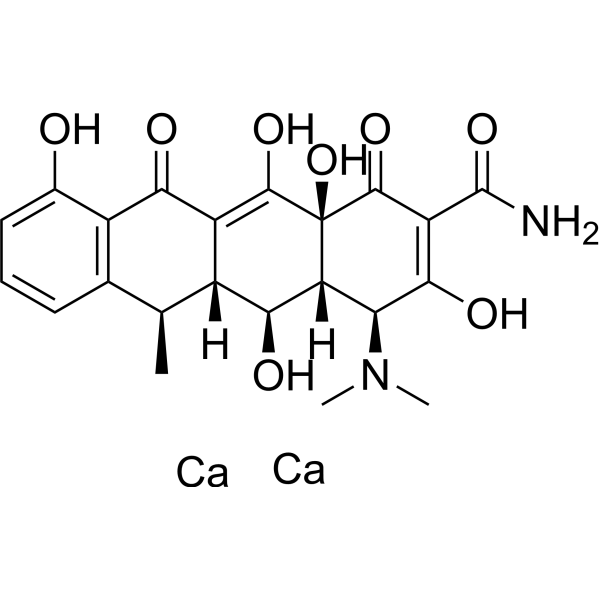
Doxycycline calcium is an orally active highly lipophilic, tissue-permeable MMP inhibitor with broad-spectrum antibacterial activity. Doxycycline calcium is also a semi-synthetic antibiotic with chelating properties, which blocks bacterial protein synthesis and inhibits extracellular matrix degradation through interactions with zinc and calcium atoms. Doxycycline calcium also inhibits mitochondrial biogenesis, translation, and the expression of respiratory chain proteins. Doxycycline calcium induces apoptosis, inhibits autophagy and EMT, downregulates stem cell markers, and activates the PI3K-AKT pathway, thereby effectively inhibiting the viability and proliferation of cancer cells such as breast cancer cells. Doxycycline calcium also promotes the survival and self-renewal of embryonic stem cells and neural stem cells, and reduces the frequency of medium changes in culture. Doxycycline calcium has been applied in studies related to breast cancer, prostate cancer, bladder cancer, and other cancers .
|
-
- HY-W008923R
-
|
|
Reference Standards
MMP
Parasite
Bacterial
Antibiotic
Apoptosis
Akt
PI3K
|
Infection
Neurological Disease
Inflammation/Immunology
Cancer
|
|
Doxycycline monohydrate (Standard) is the analytical standard of Doxycycline monohydrate (HY-W008923). Doxycycline monohydrate is an orally active highly lipophilic, tissue-permeable MMP inhibitor with broad-spectrum antibacterial activity. Doxycycline monohydrate is also a semi-synthetic antibiotic with chelating properties, which blocks bacterial protein synthesis and inhibits extracellular matrix degradation through interactions with zinc and calcium atoms. Doxycycline monohydrate also inhibits mitochondrial biogenesis, translation, and the expression of respiratory chain proteins. Doxycycline monohydrate induces apoptosis, inhibits autophagy and EMT, downregulates stem cell markers, and activates the PI3K-AKT pathway, thereby effectively inhibiting the viability and proliferation of cancer cells such as breast cancer cells. Doxycycline monohydrate also promotes the survival and self-renewal of embryonic stem cells and neural stem cells, and reduces the frequency of medium changes in culture. Doxycycline monohydrate has been applied in studies related to breast cancer, prostate cancer, bladder cancer, and other cancers .
|
-

- HY-N4246R
-
|
|
Reference Standards
PKC
Akt
PI3K
Apoptosis
Pregnane X Receptor (PXR)
Monoamine Oxidase
Aquaporin
|
Neurological Disease
|
|
Bacopaside I (Standard) is the analytical standard of Bacopaside I. This product is intended for research and analytical applications. Bacopaside I is an orally active aquaporin AQP1 inhibitor and PKC modulator with neuroprotective and anticancer activities. Bacopaside I specifically blocks the water channel and cGMP-gated ion channel activities of AQP1 without affecting AQP4, thereby inhibiting the migration of colon cancer cells expressing AQP1. Bacopaside I activates the Akt pathway by interacting with PI3K, specifically inhibits MAO-A, effectively alleviates neuron necrosis and apoptosis induced by oxygen-glucose deprivation, reduces oxidative stress, and regulates the surface expression of neuroreceptors. When combined with Bacopaside II (HY-N6016), Bacopaside I significantly reduces the viability, proliferation and invasion ability of breast cancer cells, and binds to the pregnane X receptor (PXR). Bacopaside I is applicable to the research of colon cancer, breast cancer, vascular dementia, cerebral ischemia and other related diseases .
|
-

- HY-159892
-
|
|
PD-1/PD-L1
IFNAR
Interleukin Related
PI3K
Akt
|
Cancer
|
|
PD-1/PD-L1-IN-54 (Compound 6) is a moderately affinic PD-1/PD-L1 inhibitor (KD: PD-1, 55.8 μM; PD-L1, 46.4 μM; IC50: 88.6 μM). PD-1/PD-L1-IN-54 inhibits PD-1/PD-L1 interactions and shows anticancer activity by activating CD8 + T cells, upregulating PD-1 expression, and increasing secretion of IFN-γ and IL-2. PD-1/PD-L1-IN-54 inhibits cancer cell proliferation and promotes apoptosis. PD-1/PD-L1-IN-54 also regulates T cell immunity through the PI3K/Akt pathway correlated with PD-1/PD-L1 .
|
-

- HY-169534
-
|
|
Akt
|
Cancer
|
|
AKT-IN-26 (Compound 453) is an AKT inhibitor that binds to the Pleckstrin homology (PH) domain of AKT. AKT-IN-26 can be used in research related to AKT pathway-associated cell proliferation and cancer .
|
-

- HY-117612
-
|
|
Microtubule/Tubulin
Akt
|
Cancer
|
|
KS-99 is a dual inhibitor with both tubulin polymerization inhibitory activity and Akt pathway inhibitory activity. KS-99 inhibits cancer cell proliferation and induces cancer cell apoptosis. KS-99 can be used in research related to colorectal cancer, breast cancer, lung epithelial cancer and melanoma .
|
-

- HY-181801
-
|
|
Fatty Acid Synthase (FASN)
Reactive Oxygen Species (ROS)
Apoptosis
PI3K
Akt
Caspase
|
Cancer
|
|
FASN-IN-8 is a fatty acid synthase (FASN) inhibitor. FASN-IN-8 inhibits FASN-mediated de novo lipogenesis. FASN-IN-8 blocks PI3K/AKT pathway activation, inhibits cancer cells proliferation, migration and invasion. FASN-IN-8 induces apoptosis and ROS production. FASN-IN-8 can be used for the research of hepatocellular carcinoma .
|
-

- HY-174645
-
|
|
mRNA
|
Metabolic Disease
|
|
Human IL10RA mRNA encodes the human interleukin 10 receptor subunit alpha (IL10RA) protein, a receptor for interleukin 10. IL10RA been shown to mediate the immunosuppressive signal of interleukin 10, and thus inhibits the synthesis of proinflammatory cytokines. It is also reported to promote survival of progenitor myeloid cells through the insulin receptor substrate-2/PI 3-kinase/AKT pathway.
|
-

- HY-165394
-
|
|
COX
EGFR
PD-1/PD-L1
PI3K
Akt
|
Inflammation/Immunology
Cancer
|
|
Melafolone is a potent dual COX-2/EGFR inhibitor with IC50s of 13.2 μM (COX-2) and 17.4 μM (EGFR). Melafolone enhances the effect of anti-PD-1 through vascular normalization and PD-L1 downregulation via the PI3K/Akt pathway in Lewis lung carcinoma (LLC) and CMT167 models. Melafolone can be used for lung cancer research .
|
-

- HY-183682
-
|
|
EGFR
p38 MAPK
ERK
Akt
|
Cancer
|
|
AZ14289671 is an orally active, blood-brain barrier-penetrant tyrosine kinase (tyrosine kinase) inhibitor (TKI) that specifically targets non-small cell lung cancer (NSCLC) harboring EGFR exon 20 insertion mutations (EGFR Exon20Ins), while largely sparing wild-type EGFR to reduce off-target toxicities such as rash and diarrhea. AZ14289671 inhibits the downstream MAPK/ERK/AKT pathway, suppressing tumor cell proliferation, survival and migration. AZ14289671 can be used for NSCLC research .
|
-

- HY-W714183
-
|
|
Herbicide
ERK
p38 MAPK
JNK
PI3K
Akt
Apoptosis
Microtubule/Tubulin
|
Metabolic Disease
|
|
Dinitramine is a herbicide. Dinitramine activates the Erk/P38/JNK/MAPK pathway and inactivates the PI3k/Akt pathway in testicular cells. Dinitramine induces endoplasmic reticulum stress, dysregulation of calcium homeostasis in the cytoplasm and mitochondria, apoptosis, and downregulated expression of cell cycle genes in testicular cells. Dinitramine reduces the viability and proliferation capacity of testicular cells, and inhibits cell division by suppressing the synthesis of tubulin. Dinitramine induces abnormal heart development, inhibited angiogenesis, inflammatory responses, apoptosis, and impaired embryonic growth in zebrafish embryos .
|
-

- HY-180281
-
|
|
Zinc Finger Protein
Apoptosis
PI3K
Akt
|
Cancer
|
|
PLAGL2-IN-1 is a inhibitor of pleiomorphic adenoma-like protein 2 (PLAGL2) with a Kd of 2.23 µM. PLAGL2-IN-1 suppresses PLAGL2 transcriptional activity, induces G0/G1 cell cycle arrest, and apoptosis, thereby inhibiting hepatocellular carcinoma (HCC) cell proliferation. PLAGL2-IN-1 disrupts extracellular matrix organization and suppresses the PI3K-AKT pathway by reducing AKT phosphorylation. PLAGL2-IN-1 inhibits tumor growth in an HCCLM3 xenograft mouse model. PLAGL2-IN-1 can be used for the research of HCC .
|
-

- HY-W009141S
-
|
Glyceryl palmitate-d31
|
Isotope-Labeled Compounds
P-glycoprotein
PI3K
Apoptosis
Caspase
IAP
Akt
|
Cancer
|
|
1-Monopalmitin-d31 (Glyceryl palmitate-d31) is the deuterium labeled 1-Monopalmitin (HY-W009141). 1-Monopalmitin (Glyceryl palmitate) is an activator of the PI3K/Akt pathway and an inhibitor of P-glycoprotein (P-gp). 1-Monopalmitin can induce G2/M arrest and caspase-dependent apoptosis in cancer cells, while inhibiting IAPs protein expression. 1-Monopalmitin can increase drug accumulation by inhibiting P-gp activity in intestinal Caco-2 cells. 1-Monopalmitin has the ability to induce protective autophagy and apoptosis of lung cancer cells (IC50=50-58 μg/mL), with low toxicity to normal cells .
|
-

- HY-179498
-
|
|
FOXO
PTEN
ROCK
Epigenetic Reader Domain
PI3K
Akt
Apoptosis
|
Cancer
|
|
ROCK2-IN-13 is a selective ROCK2 inhibitor. ROCK2-IN-13 reduces nuclear expression by disrupting the interaction of ROCK2 with transcriptional co activators p300> and PGC 1α, repressing oncogenic transcription. ROCK2-IN-13 activates FOXO1 driven PTEN expression, leading to suppression of the PI3K/Akt pathway, induction of G2/M cell cycle arrest, and promotion of apoptosis. ROCK2-IN-13 ablates the nuclear transcriptional function of ROCK2 that sustains oncogenic signaling and restores the tumor suppressive PTEN/FOXO1 axis. ROCK2-IN-13 can be used for prostate cancer reseach .
|
-

- HY-182745
-
|
|
VEGFR
Apoptosis
|
Cancer
|
|
VEGFR-2-IN-85 is a strong VEGFR-2 inhibitor, with an IC50 value of 0.23 μM. VEGFR-2-IN-85 exhibits potent cytotoxic activity against multiple cancer cell lines with minimal toxicity toward normal cells. VEGFR-2-IN-85 also impairs cancer cell migration, likely through modulation of the VEGFR-2/p-Akt pathway. VEGFR-2-IN-85 can induce apoptosis through modulation of Caspase-3, Bax and Bcl-2. VEGFR-2-IN-85 arrests cell cycle at the G2/M phase and has anti-angiogenic activity. VEGFR-2-IN-85 is a targeted radiosensitizer enhancing radiation-induced cytotoxicity. VEGFR-2-IN-85 can be used for research on cancers such as non-small cell lung cancer, breast cancer, and liver cancer .
|
-

- HY-109061A
-
|
YH25448 mesylate hydrate; GNS-1480 mesylate hydrate
|
Apoptosis
Akt
TRP Channel
EGFR
ERK
|
Cancer
|
|
Lazertinib (YH25448; GNS-1480) mesylate hydrate is an orally active, blood-brain barrier permeable third-generation EGFR tyrosine kinase inhibitor, as well as an ABCB1/ABCG2 inhibitor and a TRPA1 activator. Lazertinib mesylate hydrate exhibits IC50 values of 0.4 mM and 0.2 mM against human ABCB1 and ABCG2, respectively. By inhibiting mutant EGFR signaling, EGFR phosphorylation and the downstream ERK/AKT pathway, as well as upregulating surface expression of EGFR/MET, Lazertinib mesylate hydrate induces cell cycle arrest, apoptosis, spontaneous calcium responses, hyperexcitability of dorsal root ganglion (DRG) neurons, and TRPA1-dependent pain-like behaviors. Lazertinib mesylate hydrate competitively binds to the substrate-binding sites of ABCB1/ABCG2, stimulates their ATPase activity without altering their expression or plasma membrane localization, thereby enhancing ADCC activity, acting as a chemosensitizer, and reversing ABCB1-mediated multidrug resistance. It exerts antitumor activity as a single agent or in combination with other drugs. Lazertinib mesylate hydrate is applicable to research related to non-small cell lung cancer, multidrug-resistant cancers, and paresthesia .
|
-

- HY-109061B
-
|
YH25448 mesylate; GNS-1480 mesylate
|
TRP Channel
EGFR
Akt
ERK
Apoptosis
|
Cancer
|
|
Lazertinib (YH25448; GNS-1480) mesylate is an orally active, blood-brain barrier permeable third-generation EGFR tyrosine kinase inhibitor, as well as an ABCB1/ABCG2 inhibitor and a TRPA1 activator. Lazertinib mesylate exhibits IC50 values of 0.4 mM and 0.2 mM against human ABCB1 and ABCG2, respectively. By inhibiting mutant EGFR signaling, EGFR phosphorylation and the downstream ERK/AKT pathway, as well as upregulating surface expression of EGFR/MET, Lazertinib mesylate induces cell cycle arrest, apoptosis, spontaneous calcium responses, hyperexcitability of dorsal root ganglion (DRG) neurons, and TRPA1-dependent pain-like behaviors. Lazertinib mesylate competitively binds to the substrate-binding sites of ABCB1/ABCG2, stimulates their ATPase activity without altering their expression or plasma membrane localization, thereby enhancing ADCC activity, acting as a chemosensitizer, and reversing ABCB1-mediated multidrug resistance. It exerts antitumor activity as a single agent or in combination with other drugs. Lazertinib mesylate is applicable to research related to non-small cell lung cancer, multidrug-resistant cancers, and paresthesia .
|
-

- HY-109061
-
|
YH25448; GNS-1480
|
Apoptosis
Akt
TRP Channel
EGFR
ERK
|
Infection
Neurological Disease
Metabolic Disease
Cancer
|
|
Lazertinib (YH25448; GNS-1480) is an orally active, blood-brain barrier permeable third-generation EGFR tyrosine kinase inhibitor, as well as an ABCB1/ABCG2 inhibitor and a TRPA1 activator. Lazertinib exhibits IC50 values of 0.4 mM and 0.2 mM against human ABCB1 and ABCG2, respectively. By inhibiting mutant EGFR signaling, EGFR phosphorylation and the downstream ERK/AKT pathway, as well as upregulating surface expression of EGFR/MET, Lazertinib induces cell cycle arrest, apoptosis, spontaneous calcium responses, hyperexcitability of dorsal root ganglion (DRG) neurons, and TRPA1-dependent pain-like behaviors. Lazertinib competitively binds to the substrate-binding sites of ABCB1/ABCG2, stimulates their ATPase activity without altering their expression or plasma membrane localization, thereby enhancing ADCC activity, acting as a chemosensitizer, and reversing ABCB1-mediated multidrug resistance. It exerts antitumor activity as a single agent or in combination with other drugs. Lazertinib is applicable to research related to non-small cell lung cancer, multidrug-resistant cancers, and paresthesia .
|
-
| Cat. No. |
Product Name |
Type |
-
- HY-A0144A
-
|
|
Biochemical Assay Reagents
|
|
Etilefrine hydrochloride is a sympathetic nerve agonist and AMPK activator that selectively targets α1/β1 adrenergic receptors. Etilefrine hydrochloride stimulates α1 adrenergic receptors, leading to contraction of vascular smooth muscle and increased peripheral resistance. Etilefrine hydrochloride also stimulates β1 receptors to enhance myocardial contractility and increase heart rate, thereby increasing blood pressure and improving cardiac output. Etilefrine hydrochloride also bidirectionally regulates the AMPK/Akt pathway and modulates the phosphorylation levels. Etilefrine hydrochloride can be used in cardiovascular research, such as postural hypotension, chylothorax, and improving low cardiac output .
|
-
- HY-A0144AR
-
|
|
Biochemical Assay Reagents
|
|
Etilefrine hydrochloride (Standard) is the analytical standard of Etilefrine hydrochloride (HY-A0144A). This product is intended for research and analytical applications. Etilefrine hydrochloride is a sympathetic nerve agonist and AMPK activator that selectively targets α1/β1 adrenergic receptors. Etilefrine hydrochloride stimulates α1 adrenergic receptors, leading to contraction of vascular smooth muscle and increased peripheral resistance. Etilefrine hydrochloride also stimulates β1 receptors to enhance myocardial contractility and increase heart rate, thereby increasing blood pressure and improving cardiac output. Etilefrine hydrochloride also bidirectionally regulates the AMPK/Akt pathway and modulates the phosphorylation levels. Etilefrine hydrochloride can be used in cardiovascular research, such as postural hypotension, chylothorax, and improving low cardiac output .
|
| Cat. No. |
Product Name |
Target |
Research Area |
-
- HY-P2196A
-
|
|
Apelin Receptor (APJ)
|
Cancer
|
|
ELA-32(human) TFA is a potent, high affinity apelin receptor agonist (IC50=0.27 nM; Kd=0.51 nM). ELA-32(human) TFA exhibits no binding GPR15 and GPR25. ELA-32(human) TFA activates the PI3K/AKT pathway and promotes self-renewal of hESCs via cell-cycle progression and protein translation. ELA-32(human) TFA also potentiates the TGFβ pathway, priming hESCs toward the endoderm lineage. ELA-32(human) TFA stimulates angiogenesis in HUVEC cells.
|
-
- HY-106263B
-
|
|
PTEN
PDK-1
MDM-2/p53
Apoptosis
Akt
|
Cancer
|
|
Tyroserleutide hydrochloride is a tripeptide isolated from the degradation products of porcine spleen with antitumor activity. Tyroserleutide hydrochloride can upregulate the expression of the tumor suppressor gene PTEN and inhibit the activity of AKT and PDK1. Tyroserleutide hydrochloride inhibits tumor cell proliferation and MDM2 phosphorylation by inhibiting the PI3K/AKT pathway, and also upregulates P21, P27, P53, and induces mitochondrial damage and cell apoptosis .
|
-
- HY-P10641
-
|
|
Exosomes
STAT
ERK
Akt
|
Cardiovascular Disease
|
|
Heart-homing peptide is a heart-targeting peptide with the sequence CRPPR that mediates cardiac endothelial targeting and accumulates in cardiac tissues. Heart-homing peptide mediates the translocation of liposomal and exosomal cargos across cardiac endothelium into interstitial tissues, enhances the accumulation of exosomes in the heart, and inhibits the GP130-STAT3/ERK1/2/AKT pathway. Heart-homing peptide accumulates at sites of ischemia/reperfusion, myocardial infarction and hypertrophy in mice. Heart-homing peptide can be used for the research of cardiovascular diseases .
|
| Cat. No. |
Product Name |
Category |
Target |
Chemical Structure |
-
- HY-N0284
-
-
-
- HY-D0803
-
Thymoquinone
Maximum Cited Publications
14 Publications Verification
|
Quinones
Classification of Application Fields
Nigella sativa L.
Ranunculaceae
Benzene Quinones
Plants
Inflammation/Immunology
Disease Research Fields
|
Apoptosis
VEGFR
PI3K
Akt
|
|
Thymoquinone is an orally active natural product isolated from N. sativa Thymoquinone down-regulates the VEGFR2-PI3K-Akt pathway. Thymoquinone has antioxidant, anti-inflammatory, anticancer, antiviral, anticonvulsant, antifungal, antiviral, antiangiogenic activity and hepatoprotective effects. Thymoquinone can be used to study Alzheimer's disease, cancer, cardiovascular disease, infectious disease and inflammation .
|
-
-
- HY-N6739
-
-
-
- HY-N2515
-
-
-
- HY-N1381
-
-
-
- HY-N0076
-
-
-
- HY-N0314
-
-
-
- HY-N1181
-
-
-
- HY-N0226A
-
-
-
- HY-N2787
-
-
-
- HY-N0226
-
-
-
- HY-N2081
-
-
-
- HY-N1535
-
-
-
- HY-W009141
-
|
Glyceryl palmitate
|
Plants
Source Classification
|
P-glycoprotein
IAP
PI3K
Akt
Caspase
Apoptosis
|
|
1-Monopalmitin (Glyceryl palmitate) is an activator of the PI3K/Akt pathway and an inhibitor of P-glycoprotein (P-gp). 1-Monopalmitin can induce G2/M arrest and caspase-dependent apoptosis in cancer cells, while inhibiting IAPs protein expression. 1-Monopalmitin can increase drug accumulation by inhibiting P-gp activity in intestinal Caco-2 cells. 1-Monopalmitin has the ability to induce protective autophagy and apoptosis of lung cancer cells (IC50=50-58 μg/mL), with low toxicity to normal cells .
|
-
-
- HY-125847
-
-
-
- HY-N5048
-
|
6'-O-Galloyl paeoniflorin
|
Structural Classification
Paeonia lactiflora Pall.
Classification of Application Fields
Other Diseases
Phenols
Polyphenols
Plants
Paeoniaceae
Disease Research Fields
Source Classification
|
NF-κB
ERK
JNK
Nuclear Factor of activated T Cells (NFAT)
Keap1-Nrf2
PI3K
Akt
Reactive Oxygen Species (ROS)
Apoptosis
DNA/RNA Synthesis
|
|
Galloylpaeoniflorin (6'-O-Galloyl paeoniflorin) is an orally active galloylated derivative of Paeoniflorin (HY-N0293) found in peony roots with various anti-inflammatory and antioxidant activities. Galloylpaeoniflorin suppresses RANKL-induced activation of ERK, JNK, c-Fos, c-Jun, and NFATc1, and reduces osteoclast-specific gene expression. Galloylpaeoniflorin activates Nrf2 and PI3K/Akt pathways, inhibits NF-κB activation, and scavenges ROS to reduce oxidative DNA, lipid, and protein damage. Galloylpaeoniflorin attenuates neuroinflammation, inhibits apoptosis, reduces Helicobacter pylori-induced gastric mucosa injury and UVB-induced cell damage. Galloylpaeoniflorin can be used for the research of osteoporosis, gastritis, ischemic stroke and skin diseases .
|
-
-
- HY-N0479
-
-
-
- HY-N2484
-
|
Astrapterocarpan
|
Cardiovascular Disease
Structural Classification
Monophenols
Flavonoids
Classification of Application Fields
Leguminosae
Phenols
Astragalus membranaceus var. mongholicus (Bunge)P.K.Hsiao
Plants
Other Flavonoids
Disease Research Fields
Source Classification
|
PDGFR
ERK
|
|
Methylnissolin (Astrapterocarpan) is an osteoclast inhibitor with anti-inflammatory, neuroprotective and antioxidant activities. Methylnissolin downregulates the activation of the MAPK and PI3K/AKT pathways, inhibits the phosphorylation of MAPK1 and AKT1, and blocks PDGF-BB-induced phosphorylation of ERK1/2. Methylnissolin reduces the expression and secretion of proinflammatory mediators, decreases intracellular ROS levels, upregulates antioxidant enzymes, and downregulates osteoclastogenesis markers. Methylnissolin is applicable to research related to ischemic stroke, osteoporosis, cardiovascular diseases, skin aging, etc.
|
-
-
- HY-N6872
-
-
-
- HY-N6064
-
-
-
- HY-N4246
-
|
|
Triterpenes
Structural Classification
Terpenoids
Scrophulariaceae
Plants
Bacopa monnieri (Linn.) Wettst.
Source Classification
|
Aquaporin
PKC
Akt
PI3K
Apoptosis
Monoamine Oxidase
Pregnane X Receptor (PXR)
|
Bacopaside I is an orally active aquaporin AQP1 inhibitor and PKC modulator with neuroprotective and anticancer activities. Bacopaside I specifically blocks the water channel and cGMP-gated ion channel activities of AQP1 without affecting AQP4, thereby inhibiting the migration of colon cancer cells expressing AQP1. Bacopaside I activates the Akt pathway by interacting with PI3K, specifically inhibits MAO-A, effectively alleviates neuron necrosis and apoptosis induced by oxygen-glucose deprivation, reduces oxidative stress, and regulates the surface expression of neuroreceptors. When combined with Bacopaside II (HY-N6016), Bacopaside I significantly reduces the viability, proliferation and invasion ability of breast cancer cells, and binds to the pregnane X receptor (PXR). Bacopaside I is applicable to the research of colon cancer, breast cancer, vascular dementia, cerebral ischemia and other related diseases .
|
-
-
- HY-N8884
-
-
-
- HY-167843
-
-
-
- HY-N0076R
-
-
-
- HY-N0284R
-
-
-
- HY-N3071
-
-
-
- HY-D0803R
-
|
|
Quinones
Structural Classification
Nigella sativa L.
Ranunculaceae
Benzene Quinones
Plants
|
Reference Standards
Apoptosis
VEGFR
PI3K
Akt
|
|
Thymoquinone (Standard) is the analytical standard of Thymoquinone. This product is intended for research and analytical applications. Thymoquinone is an orally active natural product isolated from N. sativa Thymoquinone down-regulates the VEGFR2-PI3K-Akt pathway. Thymoquinone has antioxidant, anti-inflammatory, anticancer, antiviral, anticonvulsant, antifungal, antiviral, antiangiogenic activity and hepatoprotective effects. Thymoquinone can be used to study Alzheimer's disease, cancer, cardiovascular disease, infectious disease and inflammation .
|
-
-
- HY-N1181R
-
-
-
- HY-122949
-
-
-
- HY-N8931
-
|
Lithospermic acid monomethyl ester
|
Labiatae
Samanea saman (Jacq.) Merr.
Phenols
Polyphenols
Plants
Source Classification
|
Akt
|
|
Monomethyl lithospermate activates the PI3K/AKT pathway, which plays a protective role in nerve injury. Monomethyl lithospermate can improve the survival ability of SHSY-5Y cells, inhibit the breakdown of mitochondrial membrane potential (MMOP) and inhibit cell apoptosis. Monomethyl lithospermate also reduced the level of oxidative stress in the brain tissue of rats with middle artery occlusion (MCAO) and improved nerve damage in rats with ischemic stroke (IS) .
|
-
-
- HY-N2081R
-
|
|
Alkaloids
Structural Classification
Rutaceae
Quinoline Alkaloids
Plants
Skimmia reevesiana Fort.
Source Classification
|
Reference Standards
Cholinesterase (ChE)
PI3K
Akt
NF-κB
|
|
Skimmianine (Standard) is the analytical standard of Skimmianine. This product is intended for research and analytical applications. Skimmianine is an orally active furoquiniline alkaloid present mainly in the Rutaceae family. Skimmianine has analgesic, antispastic, sedative, and anti-inflammatory properties. Skimmianine inhibits acetylcholinesterase (AChE) (IC50 = 8.6 μg/mL). Skimmianine exhibits cytotoxicity against a variety of cancer cell lines and genotoxicity. Skimmianine has antioxidant and anti-inflammatory effects on ischemia-reperfusion (IR) injury. Skimmianine exerts anti-inflammatory effects through activation of the phosphatidylinositol-3-kinase (PI3K)-protein kinase B (AKT) pathway. Skimmianine is neuroprotective by targeting the NF-κB activation pathway to prevent neuroinflammation. Skimmianine inhibits the release of histamine, intracellular Ca 2+ signaling and protein kinase C signaling .
|
-
-
- HY-N13164
-
-
-
- HY-N6872R
-
-
-
- HY-N0314R
-
-
-
- HY-N1381R
-
-
-
- HY-W009141R
-
|
Glyceryl palmitate (Standard)
|
Plants
Source Classification
|
Reference Standards
Apoptosis
P-glycoprotein
PI3K
IAP
Caspase
Akt
|
|
1-Monopalmitin (Glyceryl palmitate) (Standard) is the analytical standard of 1-Monopalmitin (HY-W009141). This product is intended for research and analytical applications. 1-Monopalmitin (Glyceryl palmitate) is an activator of the PI3K/Akt pathway and an inhibitor of P-glycoprotein (P-gp). 1-Monopalmitin can induce G2/M arrest and caspase-dependent apoptosis in cancer cells, while inhibiting IAPs protein expression. 1-Monopalmitin can increase drug accumulation by inhibiting P-gp activity in intestinal Caco-2 cells. 1-Monopalmitin has the ability to induce protective autophagy and apoptosis of lung cancer cells (IC50=50-58 μg/mL), with low toxicity to normal cells .
|
-
-
- HY-N2515R
-
|
|
Panax ginseng C. A. Meyer
Triterpenes
Structural Classification
Terpenoids
Plants
Araliaceae
Source Classification
|
Reference Standards
NF-κB
PI3K
JAK
Apoptosis
|
|
Ginsenoside Rk1 (Standard) is the analytical standard of Ginsenoside Rk1. This product is intended for research and analytical applications. Ginsenoside Rk1 is a unique component created by processing the ginseng plant (mainly Sung Ginseng, SG) at high temperatures .
Ginsenoside Rk1 has anti-inflammatory effect, suppresses the activation of Jak2/Stat3 signaling pathway and NF-κB .
Ginsenoside Rk1 has anti-tumor effect, antiplatelet aggregation activities, anti-insulin resistance, nephroprotective effect, antimicrobial effect, cognitive function enhancement, lipid accumulation reduction and prevents osteoporosis .
Ginsenoside Rk1 induces cell apoptosis by triggering intracellular reactive oxygen species (ROS) generation and blocking PI3K/Akt pathway .
|
-
-
- HY-N4246R
-
|
|
Triterpenes
Structural Classification
Terpenoids
Scrophulariaceae
Plants
Bacopa monnieri (Linn.) Wettst.
Source Classification
|
Reference Standards
PKC
Akt
PI3K
Apoptosis
Pregnane X Receptor (PXR)
Monoamine Oxidase
Aquaporin
|
|
Bacopaside I (Standard) is the analytical standard of Bacopaside I. This product is intended for research and analytical applications. Bacopaside I is an orally active aquaporin AQP1 inhibitor and PKC modulator with neuroprotective and anticancer activities. Bacopaside I specifically blocks the water channel and cGMP-gated ion channel activities of AQP1 without affecting AQP4, thereby inhibiting the migration of colon cancer cells expressing AQP1. Bacopaside I activates the Akt pathway by interacting with PI3K, specifically inhibits MAO-A, effectively alleviates neuron necrosis and apoptosis induced by oxygen-glucose deprivation, reduces oxidative stress, and regulates the surface expression of neuroreceptors. When combined with Bacopaside II (HY-N6016), Bacopaside I significantly reduces the viability, proliferation and invasion ability of breast cancer cells, and binds to the pregnane X receptor (PXR). Bacopaside I is applicable to the research of colon cancer, breast cancer, vascular dementia, cerebral ischemia and other related diseases .
|
-
-
- HY-165394
-
-
| Cat. No. |
Product Name |
Chemical Structure |
-
- HY-N0565S1
-
|
|
|
Doxycycline-d3 hyclate (major) is the deuterium labeled Doxycycline hyclate (HY-N0565B). Doxycycline hyclate is an orally active highly lipophilic, tissue-permeable MMP inhibitor with broad-spectrum antibacterial activity. Doxycycline hyclate is also a semi-synthetic antibiotic with chelating properties, which blocks bacterial protein synthesis and inhibits extracellular matrix degradation through interactions with zinc and calcium atoms. Doxycycline hyclate also inhibits mitochondrial biogenesis, translation, and the expression of respiratory chain proteins. Doxycycline hyclate induces apoptosis, inhibits autophagy and EMT, downregulates stem cell markers, and activates the PI3K-AKT pathway, thereby effectively inhibiting the viability and proliferation of cancer cells such as breast cancer cells. Doxycycline hyclate also promotes the survival and self-renewal of embryonic stem cells and neural stem cells, and reduces the frequency of medium changes in culture. Doxycycline hyclate has been applied in studies related to breast cancer, prostate cancer, bladder cancer, and other cancers .
|
-
-
- HY-N0565AS
-
|
|
|
Doxycycline-d3 hydrochloride is deuterium labeled Doxycycline hydrochloride (HY-N0565A). Doxycycline hydrochloride is an orally active highly lipophilic, tissue-permeable MMP inhibitor with broad-spectrum antibacterial activity. Doxycycline hydrochloride is also a semi-synthetic antibiotic with chelating properties, which blocks bacterial protein synthesis and inhibits extracellular matrix degradation through interactions with zinc and calcium atoms. Doxycycline hydrochloride also inhibits mitochondrial biogenesis, translation, and the expression of respiratory chain proteins. Doxycycline hydrochloride induces apoptosis, inhibits autophagy and EMT, downregulates stem cell markers, and activates the PI3K-AKT pathway, thereby effectively inhibiting the viability and proliferation of cancer cells such as breast cancer cells. Doxycycline hydrochloride also promotes the survival and self-renewal of embryonic stem cells and neural stem cells, and reduces the frequency of medium changes in culture. Doxycycline hydrochloride has been applied in studies related to breast cancer, prostate cancer, bladder cancer, and other cancers .
|
-
-
- HY-N0565S3
-
|
|
|
Doxycycline- 13C,d3 is 13C and deuterium labeled Doxycycline (HY-N0565). Doxycycline is an orally active highly lipophilic, tissue-permeable MMP inhibitor with broad-spectrum antibacterial activity. Doxycycline is also a semi-synthetic antibiotic with chelating properties, which blocks bacterial protein synthesis and inhibits extracellular matrix degradation through interactions with zinc and calcium atoms. Doxycycline also inhibits mitochondrial biogenesis, translation, and the expression of respiratory chain proteins. Doxycycline induces apoptosis, inhibits autophagy and EMT, downregulates stem cell markers, and activates the PI3K-AKT pathway, thereby effectively inhibiting the viability and proliferation of cancer cells such as breast cancer cells. Doxycycline also promotes the survival and self-renewal of embryonic stem cells and neural stem cells, and reduces the frequency of medium changes in culture. Doxycycline has been applied in studies related to breast cancer, prostate cancer, bladder cancer, and other cancers .
|
-
-
- HY-N6739S
-
|
|
|
Beauvericin- 13C45 is 13C labeled Beauvericin (HY-N6739). Beauvericin is a cyclohexapeptide Fusarium toxin with insecticidal, antibacterial, anticancer, antiviral and cytotoxic activities. Beauvericin causes cellular genotoxicity by producing DNA breaks, chromosomal aberrations and micronuclei, and inhibits the PI3K/AKT pathway to induce apoptosis, thereby inhibiting the growth of HCC. In addition, Beauvericin affects immune function by inhibiting lymphocyte proliferation and interfering with the differentiation process of human monocytes into macrophages .
|
-
-
- HY-N0479S
-
|
|
|
Licarin B-d4 is the deuterium labeled Licarin B (HY-N0479). Licarin B, a nitric oxide production inhibitor extracted from the component of the seeds of Myristica fragrans, improves insulin sensitivity via PPARγ and activation of GLUT4 in the IRS-1/PI3K/AKT pathway .
|
-
-
- HY-W009141S
-
|
|
|
1-Monopalmitin-d31 (Glyceryl palmitate-d31) is the deuterium labeled 1-Monopalmitin (HY-W009141). 1-Monopalmitin (Glyceryl palmitate) is an activator of the PI3K/Akt pathway and an inhibitor of P-glycoprotein (P-gp). 1-Monopalmitin can induce G2/M arrest and caspase-dependent apoptosis in cancer cells, while inhibiting IAPs protein expression. 1-Monopalmitin can increase drug accumulation by inhibiting P-gp activity in intestinal Caco-2 cells. 1-Monopalmitin has the ability to induce protective autophagy and apoptosis of lung cancer cells (IC50=50-58 μg/mL), with low toxicity to normal cells .
|
-
| Cat. No. |
Product Name |
|
Classification |
-
- HY-174645
-
|
|
|
mRNA
Interleukin & Receptors
|
|
Human IL10RA mRNA encodes the human interleukin 10 receptor subunit alpha (IL10RA) protein, a receptor for interleukin 10. IL10RA been shown to mediate the immunosuppressive signal of interleukin 10, and thus inhibits the synthesis of proinflammatory cytokines. It is also reported to promote survival of progenitor myeloid cells through the insulin receptor substrate-2/PI 3-kinase/AKT pathway.
|
Your information is safe with us. * Required Fields.
Inquiry Information
- Product Name:
- Cat. No.:
- Quantity:
- MCE Japan Authorized Agent:








