Search Result
Results for "
human ovarian cancer cells
" in MedChemExpress (MCE) Product Catalog:
1
Biochemical Assay Reagents
1
Isotope-Labeled Compounds
| Cat. No. |
Product Name |
Target |
Research Areas |
Chemical Structure |
-
- HY-16560
-
|
Campathecin; (S)-(+)-Camptothecin; CPT
|
Topoisomerase
ADC Payload
MicroRNA
Influenza Virus
Apoptosis
Fungal
Antibiotic
|
Infection
Cancer
|
|
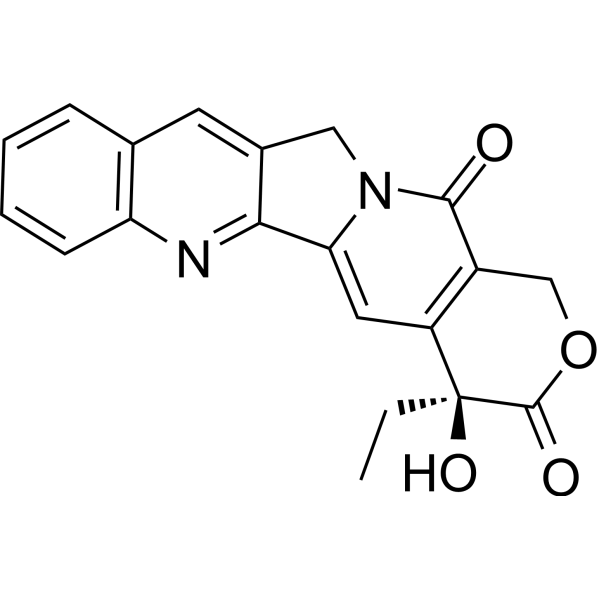
Camptothecin (CPT), a kind of alkaloid, is a DNA topoisomerase I (Topo I) inhibitor with an IC50 of 679 nM . Camptothecin (CPT) exhibits powerful antineoplastic activity against colorectal, breast, lung and ovarian cancers, modulates hypoxia-inducible factor-1α (HIF-1α) activity by changing microRNAs (miRNA) expression patterns in human cancer cells .
|
-
-
- HY-15614
-
|
|
Interleukin Related
Apoptosis
|
Cancer
|
|
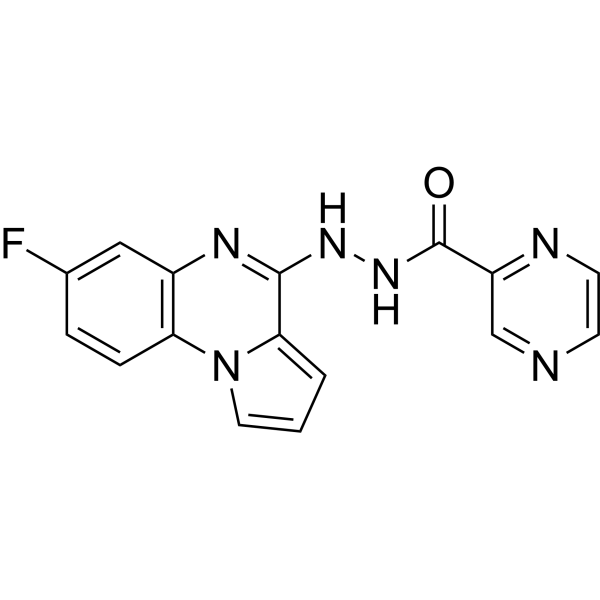
SC144 is a first-in-class, orally active gp130 (IL6-beta) inhibitor. SC144 binds gp130, induces gp130 phosphorylation (S782) and deglycosylation, abrogates Stat3 phosphorylation and nuclear translocation, and further inhibits the expression of downstream target genes. SC144 shows potent inhibition of gp130 ligand-triggered signaling. SC144 induces apoptosis in human ovarian cancer cells .
|
-
-
- HY-164734
-
|
R-DXd; DS-6000
|
Antibody-Drug Conjugates (ADCs)
|
Cancer
|
|
Raludotatug Deruxtecan is an antibody-drug conjugate targeting CDH6, with an EC50 of 64.7 ng/mL in humans, 70.4 ng/mL in cynomolgus monkeys, and 228 ng/mL in mice. Raludotatug Deruxtecan specifically binds to CDH6 on the surface of cancer cells, triggers lysosomal internalization, and releases the DXd payload that inhibits TOP1. Raludotatug Deruxtecan induces DNA damage, Chk1 phosphorylation, caspase-3 cleavage, apoptosis, and bystander cell death. Raludotatug Deruxtecan is applicable to research related to serous ovarian cancer and renal cell carcinoma .
|
-

-
- HY-177439
-
|
|
Antibody-Drug Conjugates (ADCs)
PD-1/PD-L1
|
Cancer
|
|
HLX43 is an antibody-drug conjugate (ADC) targeting PD-L1. HLX43 consists of a human monoclonal antibody anti-PD-L1 antibody Opucolimab (HY-P99785) with the drug-linker conjugate being DL-01 (HY-155870A). HLX43 exerts superior anticancer efficacy with safety profile in vivo. HLX43 can be used for non-small cell lung cancer (NSCLC), head and neck squamous cell carcinoma (HNSCC), esophageal squamous cell carcinoma (ESCC), melanoma (MEL), ovarian cancer (Ovc) research .
|
-

-
- HY-153278
-
|
CDK7-IN-21
|
CDK
DNA/RNA Synthesis
c-Myc
Early 2 Factor (E2F)
Topoisomerase
|
Cancer
|
|
Q901 (CDK7-IN-21) is a selective and potent CDK7 inhibitor with an IC50 of 10 nM. Q901 disrupts MYC and E2FTOP1-DPCs and sensitizes tumor to TOP1 inhibitors by suppressing RNAPII transition from initiation to elongation. Q901 can inhibit tumor growth and significantly enhances tumor growth inhibition combined with TOP1 inhibitors. Q901 can be used for the research of cancer, such as colon cancer and lung cancer .
|
-
-
- HY-13241A
-
|
LY2228820
|
p38 MAPK
Autophagy
|
Cancer
|
|
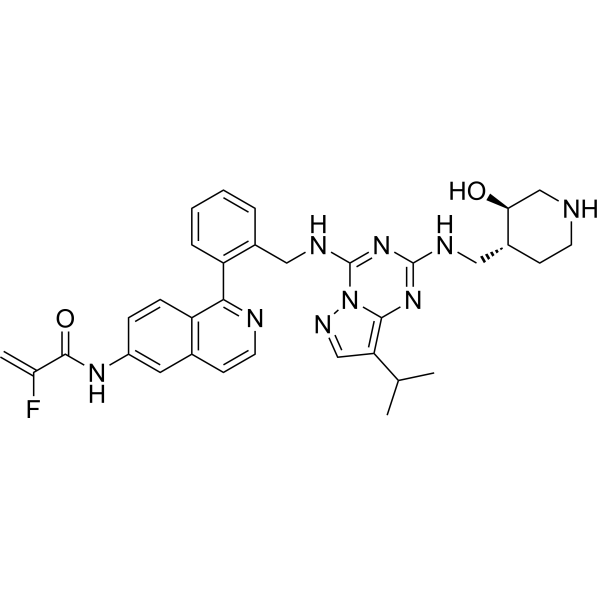
Ralimetinib is an ATP-competitive p38α and p38β MAPK inhibitor with an IC50 of 5.3 nmol/L against human p38α and an IC50 of 3.2 nmol/L against human p38β. Ralimetinib slows tumor growth in preclinical in vivo cancer models, exhibits oral bioavailability in mice, and achieves sustained target inhibition for 4 to 8 h. Ralimetinib is applicable for research on melanoma, non-small cell lung cancer, ovarian cancer, glioma, multiple myeloma, breast cancer, renal cancer, and head and neck squamous cell carcinoma .
|
-
-
- HY-122639
-
|
|
NEKs
|
Cancer
|
|
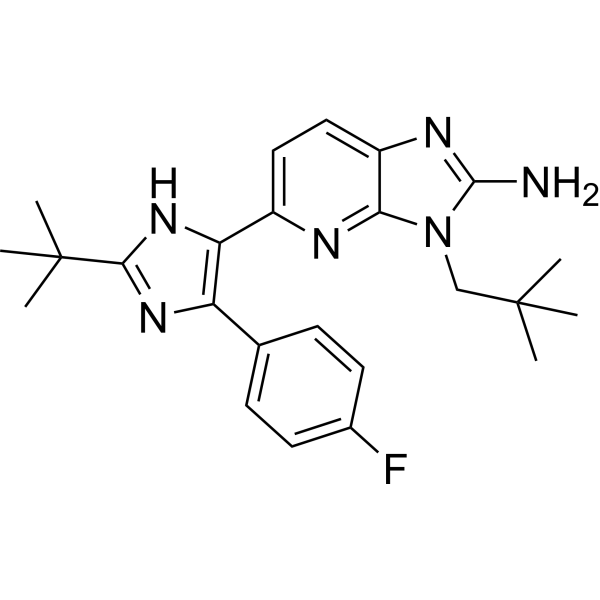
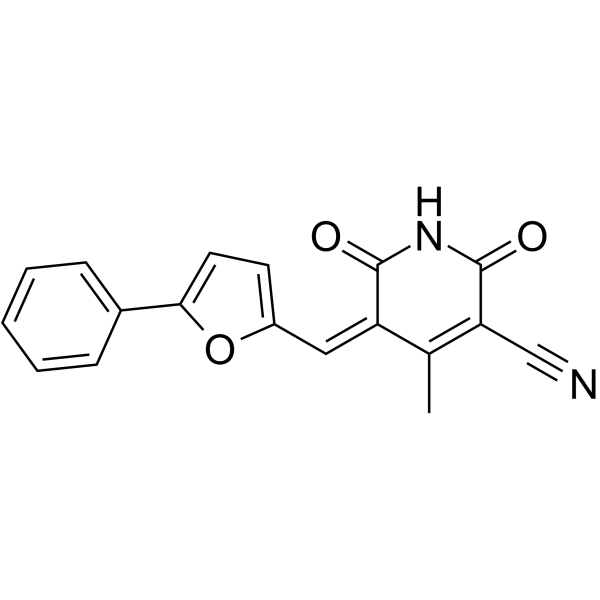
ZINC05007751 is a potent NIMA-related kinase NEK6 inhibitor with an IC50 of 3.4 μM. ZINC05007751 shows antiproliferative activity against a panel of human cancer cell lines, and displays a synergistic effect with Cisplatin and Paclitaxel in a BRCA2 mutated ovarian cancer cell line. ZINC05007751 is very selective against NEK1 and NEK6 with no significant activity was observed against NEK2, NEK7, and NEK9 .
|
-
-
- HY-B0240R
-
|
Tetraethylthiuram disulfide (Standard); TETD (Standard)
|
Reference Standards
Aldehyde Dehydrogenase (ALDH)
Interleukin Related
Pyroptosis
Apoptosis
Cuproptosis
|
Metabolic Disease
Cancer
|
|
Disulfiram (Standard) is the analytical standard of Disulfiram. This product is intended for research and analytical applications. Disulfiram (Tetraethylthiuram disulfide) is a specific inhibitor of aldehyde-dehydrogenase (ALDH1), used for the treatment of chronic alcoholism by producing an acute sensitivity to alcohol. Disulfiram inhibits gasdermin D (GSDMD) pore formation in liposomes and inflammasome-mediated pyroptosis and IL-1β secretion in human and mouse cells. Disulfiram + Cu 2+ increases intracellular ROS levels triggering apoptosis of ovarian cancer stem cells [1-6].
|
-

-
- HY-15614A
-
|
|
Interleukin Related
Apoptosis
|
Cancer
|
|
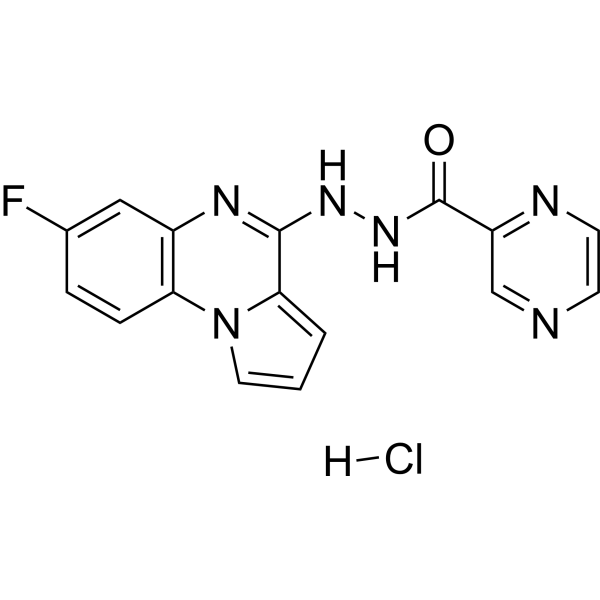
SC144 hydrochloride is a first-in-class, orally active gp130 (IL6-beta) inhibitor. SC144 hydrochloride binds gp130, induces gp130 phosphorylation (S782) and deglycosylation, abrogates Stat3 phosphorylation and nuclear translocation, and further inhibits the expression of downstream target genes. SC144 hydrochloride shows potent inhibition of gp130 ligand-triggered signaling. SC144 hydrochloride induces apoptosis in human ovarian cancer cells .
|
-
-
- HY-124447
-
|
|
IGF-1R
c-Myc
Apoptosis
TGF-beta/Smad
|
Cancer
|
|
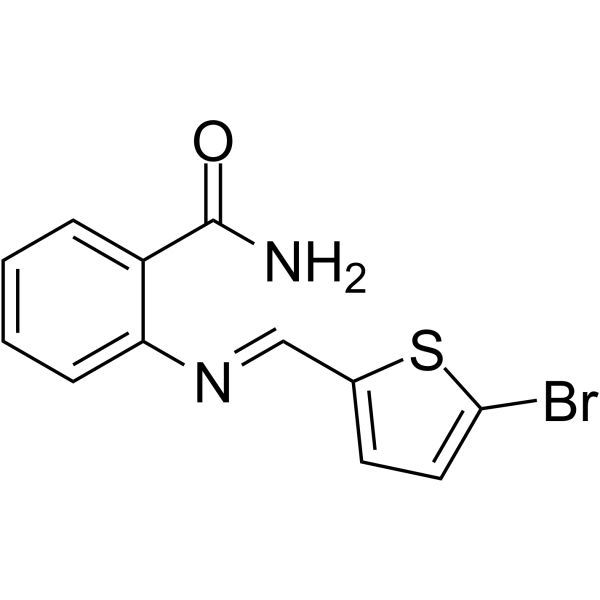
BTYNB is a structure-specific nucleic acid binder and IGF2BP1 inhibitor (with an IC50 of 5 μM against hBTYNB). BTYNB disrupts the IGF2BP1-RNA interaction and blocks its binding to oncogenic mRNAs such as c-Myc, MDM2, PD-L1. BTYNB completely blocks the INHBA-Smad2/3 pathway, disrupts the MYCN/IGF2BP1 loop, and thereby induces apoptosis and cell cycle arrest, effectively inhibiting the proliferation and survival of cancer cells. In addition, BTYNB acts as an immune activator and tumor microenvironment modulator, enhances T cell-mediated tumor killing, and produces significant synergistic effects with inhibitors of PD-1, BRD and BIRC5. BTYNB can be used in relevant research on various malignant tumors including ovarian cancer, neuroblastoma, leukemia and melanoma .
|
-
-
- HY-P991577
-
|
DS-8895A
|
Ephrin Receptor
|
Cancer
|
|
DS-8895(DS-8895A) is an anti-EphA2 monoclonal antibody with specific binding to EphA2 receptors and EphA2-expressing cells. DS-8895, when conjugated with 89Zr, 111In, or 125I, supports molecular imaging of EphA2 expression in xenograft models. DS-8895 allows noninvasive measurement of EphA2 expresssion in tumors in vivo. .
|
-

-
- HY-P5098
-
|
|
Integrin
|
Neurological Disease
Cancer
|
|
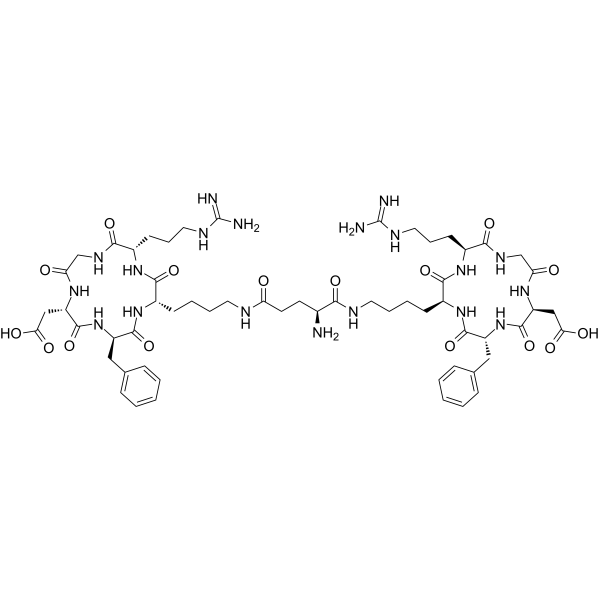
E (c (RGDfK)) 2 is a αvβ3 integrin ligand and tumor-targeting agent. E (c (RGDfK)) 2 binds to αvβ3 integrin, mediates receptor-mediated endocytosis of conjugated payloads, and inhibits integrin-dependent cell adhesion to fibrinogen. E (c (RGDfK)) 2 inhibits the proliferation of cancer cells and endothelial cells. E (c (RGDfK)) 2 preferentially accumulates in orthotopic mouse breast tumors and human ovarian cancer xenograft tumors. E (c (RGDfK)) 2 can be used in research related to glioblastoma, lung cancer, breast adenocarcinoma and ovarian cancer .
|
-
-
- HY-P991372
-
|
RN927C antibody
|
TROP2
|
Cancer
|
|
Anti-TROP2 Antibody (RN927C antibody) is a human monoclonal antibody targeting Trop-2. Anti-TROP2 Antibody exerts in vitro inhibitory effects on a variety of tumor cell lines. Anti-TROP2 Antibody exhibits anti-tumor activity in mouse pancreatic PDX, ovarian PDX, lung PDX and triple-negative breast cancer (TNB) PDX models. Anti-TROP2 Antibody can be used for research on pancreatic cancer, ovarian cancer, lung cancer and triple-negative breast cancer .
|
-

-
- HY-P99667
-
|
OMP-54F28; FZD8-Fc
|
Wnt
|
Cancer
|
|
Ipafricept (OMP-54F28; FZD8-Fc) is a first class recombinant fusion protein with the extracellular part of the human frizzled-8 receptor fused to a human IgG1 Fc fragment that binds Wnt ligands, which blocks Wnt signaling. Ipafricept reduces tumor growth and results in a decrease in both liver and lung metastases combined with Gemcitabine (HY-17026) in pancreatic cancer mouse models. Ipafricept shows solid tumor inhibition activity with well tolerance, such as desmoid tumor, germ cell cancer, ovarian cancer .
|
-

-
- HY-P99291
-
|
LM609; MEDI-522
|
Integrin
Apoptosis
Akt
|
Cancer
|
|
Etaracizumab (LM 609) is an αvβ3 integrin IgG mAb. Etaracizumab is developed to target αvβ3+ cancer cells via NK cell-mediated cytotoxicity. Etaracizumab sterically hinders access of large ligands to the RGD-binding pocket, without obstructing it. Etaracizumab decreases p-Akt in vitro. Etaracizumab can decrease cancer proliferation and invasion. Etaracizumab induces tumor cell apoptosis, and inhibition ofαvβ3-mediated cell adhesion, endothelial cell migration and osteoclast-mediated bone resorption. Etaracizumab can be studied in anti-tumor research against cancers such as ovarian cancer, metastatic melanoma as well as advanced solid tumors. Recommend Isotype Control: Human IgG1 kappa, Isotype Control (HY-P99001) .
|
-

-
- HY-160406
-
|
|
STING
IFNAR
Interleukin Related
|
Inflammation/Immunology
Cancer
|
|
SNX281 is a selective STING agonist, with IC50 values of 4.1, 4.5, 10.7, and 3.7 μM against human, mouse, rat, and monkey STING, respectively. SNX281 undergoes homodimerization at the STING binding site, triggering a conformational shift of STING from an inactive open state to an active closed state, thereby driving downstream STING-dependent signaling pathways. SNX281 induces type I interferons, IFN-β, TNF-α, IL-6, cytokine release, T cell responses, and long-lasting immune memory. SNX281 exhibits anti-tumor activity and is applicable to research related to colorectal cancer, melanoma, advanced solid tumors, lymphoma, and ovarian cancer .
|
-

-
- HY-139401
-
|
|
FAP
|
Cancer
|
|
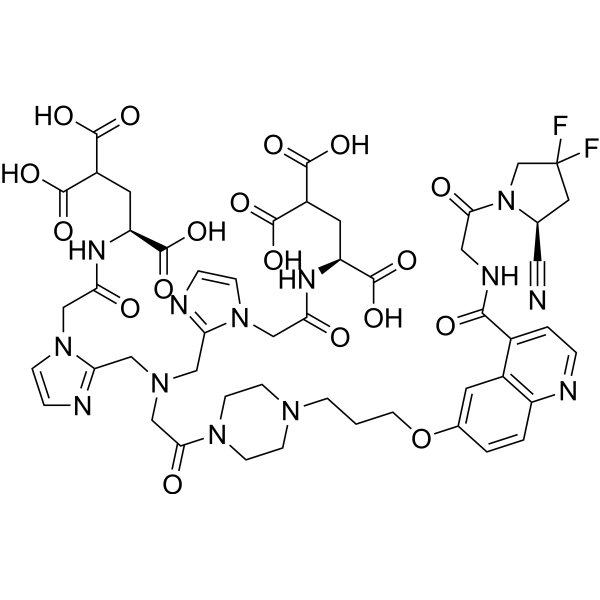
FAPI-34 is a SPECT imaging agent targeting FAP. FAPI-34 specifically binds to FAP, is highly internalized by FAP-expressing cells, accumulates in FAP-expressing tumor lesions, and shows low uptake in normal tissues except the kidneys. FAPI-34 is applicable for tumor-related research .
|
-
-
- HY-B1022
-
Dimesna
1 Publications Verification
BNP-7787
|
Drug Derivative
|
Endocrinology
Cancer
|
|
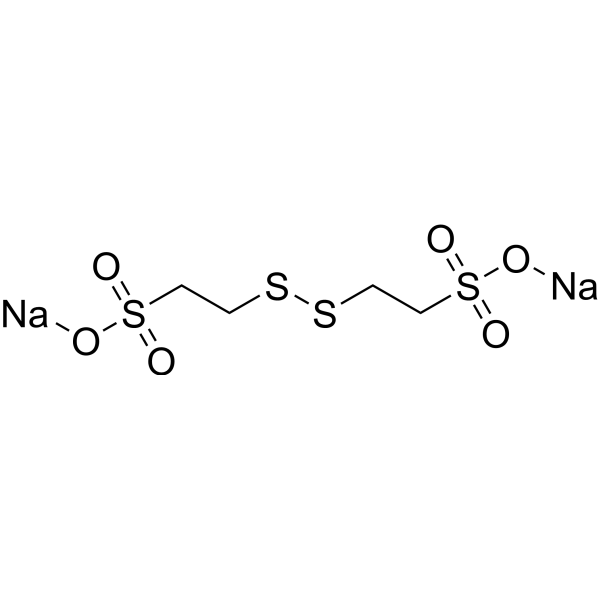
Dimesna (BNP-7787), the disulfide form of Mesna (HY-13679), is a platinum-related toxicity protective agent. Dimesna converts to Mesna, which in turn inactivates toxic platinum substances. Dimesna does not interfere with the antitumor activity of platinum compounds. Dimesna does not affect the antiproliferative effects of Cisplatin (HY-17394) or Carboplatin (HY-17393). Dimesna counteracts Cisplatin-induced nephrotoxicity. Dimesna exerts selective protective effects on the kidneys. Dimesna can be used in studies related to ovarian cancer and Cisplatin-induced nephrotoxicity .
|
-
-
- HY-157334
-
DEG-77
1 Publications Verification
|
Molecular Glues
Casein Kinase
IKZF Family
Bcl-2 Family
CDK
Apoptosis
|
Cancer
|
|
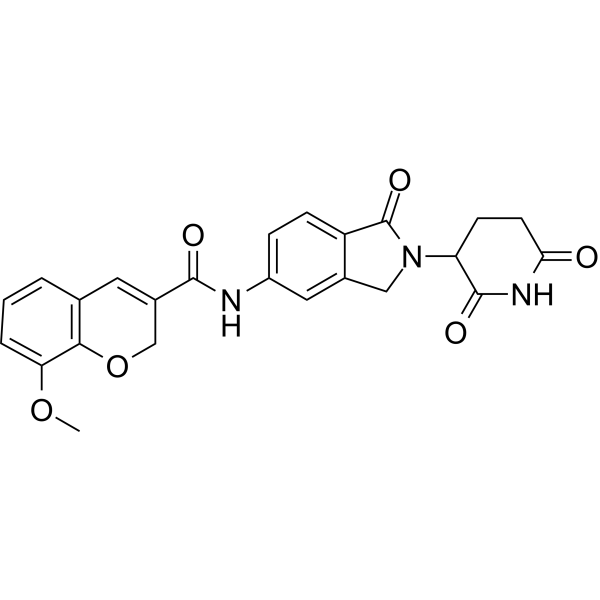
DEG-77 is a molecular glue targeting IKZF2 and CK1α, with DC50 values of 15.3 nM and 10 nM, respectively. DEG-77 exhibits significant anti-tumor activity, inducing increased transcriptional levels of the pro-apoptotic protein Bax and the cell cycle arrest protein p21. DEG-77 is applicable to the research of acute myeloid leukemia (AmL), diffuse large B-cell lymphoma and ovarian cancer.
|
-
-
- HY-P99413
-
|
ASP1650
|
HCV
|
Cancer
|
|
IMAB027 (ASP1650) is a specific anti-CLDN6 mAb, while CLDN6 (Claudin 6) is a tight junction membrane protein, aberrantly expressed in various human cancer types, ovarian cancers particularly. IMAB 027 shows anti-tumor activity, and induces apoptosis in CLDN6 + ovarian and testicular cancer cell lines .
|
-

-
- HY-P1654
-
|
|
Integrin
|
Cancer
|
|
A20FMDV2 is a highly selective αvβ6 integrin inhibitor with human IC50 values of 3 nM and binds with at least 1000-fold selectivity over other RGD-binding integrins. A20FMDV2 binds to the integrin’s RGD-binding site, induces rapid integrin internalization, and delays post-internalization integrin recycling to the cell surface. A20FMDV2 can be used for the research of pancreatic cancer, breast cancer, colorectal cancer, ovarian cancer, oral squamous cell carcinoma .
|
-

-
- HY-P99970
-
|
|
ADC Antibody
Sodium Phosphate Cotransporter
|
Cancer
|
|
Lifastuzumab is a humanized anti-NaPi2b IgG1 monoclonal antibody. Lifastuzumab can be coupled with monomethyl auristatin E (MMAE) (HY-15162) through ADC Linker to form an antibody-drug conjugate (ADC) Lifastuzumab vedotin (HY-P99705) with anticancer activity. Lifastuzumab vedotin can be studied in research for non-small cell lung cancer and ovarian cancer. Recommend Isotype Control: Human IgG1 kappa, Isotype Control (HY-P99001) .
|
-

-
- HY-N1050
-
|
|
mTOR
Ribosomal S6 Kinase (RSK)
Bacterial
|
Infection
Neurological Disease
Cancer
|
|
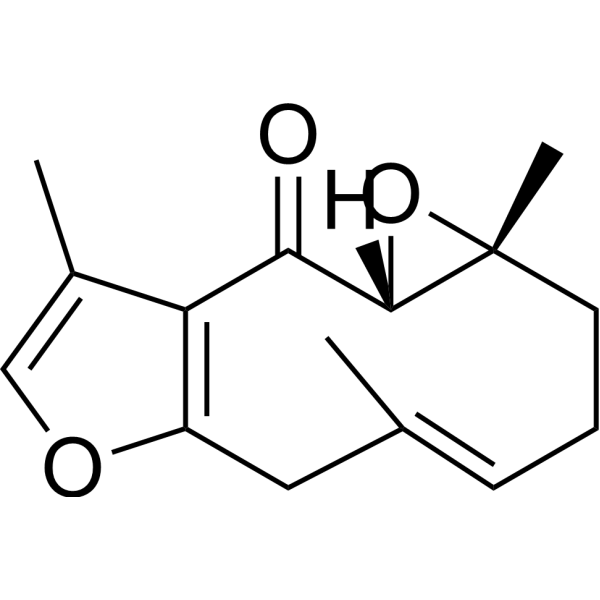
Zederone is a sesquiterpene. Zederone inhibits ovarian cancer cell proliferation through mTOR/p70s6K signalling pathway. Zederone inhibits CYP activities with IC50s of 2.9 μM (CYP2B6), 9.2 μM (CYP2C9), 11,2 μM (CYP2C19) and >30 μM (CYP1A2 and CYP2D6). Zederone is hepatotoxic with LD50 value at 24 hours in mice of approximately 223 mg/kg and cytotoxic against the KG1a cell line. Zederone shows antibacterial activity against a number of multi-drug resistant and Methicillin (HY-121544)-resistant Staphylococcus aureus strain. Zederone shows cognition improving capacity and assists in the modulation of gut bacterial dysbiosis .
|
-
-
- HY-N1510
-
|
|
Glycosidase
Notch
Toll-like Receptor (TLR)
NF-κB
Mucin
Reactive Oxygen Species (ROS)
Bacterial
TGF-beta/Smad
Anaplastic lymphoma kinase (ALK)
|
Infection
Inflammation/Immunology
Cancer
|
|
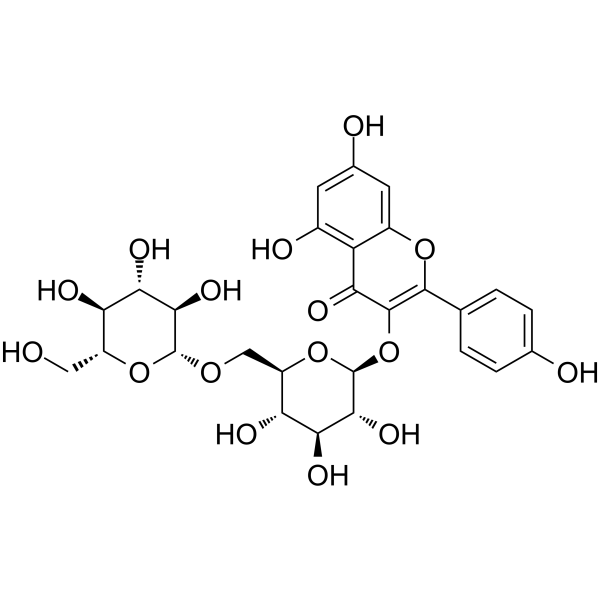
Kaempferol 3-O-gentiobioside is an orally active flavonoid, with a Ka value of 57 µM against human NOTCH1 and an IC50 value of 50 μM against α-glucosidase. Kaempferol 3-O-gentiobioside inhibits the NOTCH signaling pathway. It downregulates the expression of TLR4 and NLRP3, and suppresses the activation and nuclear translocation of NF-κB. Kaempferol 3-O-gentiobioside inhibits the expression of MUC5AC, reduces nitrite and ROS levels, and attenuates excessive mucus secretion. It exhibits antibacterial activity, reducing the formation and growth of MRSA biofilms. Kaempferol 3-O-gentiobioside blocks the TGF-β/ALK5/Smad signaling pathway and inhibits epithelial-mesenchymal transition. It suppresses the proliferation, migration, invasion and metastatic growth of tumor cells. Kaempferol 3-O-gentiobioside alleviates airway inflammation and mucus hypersecretion in mice with allergic asthma . It reduces the volume of ovarian cancer xenografts in mice. Kaempferol 3-O-gentiobioside can be used in research related to allergic asthma, diabetes, MRSA infection, breast cancer, gastric cancer and ovarian cancer .
|
-
-
- HY-N7781
-
-
-
- HY-P991196
-
|
|
Transmembrane Glycoprotein
|
Cancer
|
|
Anti-CD24 Antibody (SWA11) is a human IgG1 monoclonal antibody targeting CD24, with high affinity and specificity for CD24-expressing tumor cells. Anti-CD24 Antibody (SWA11) triggers endocytosis, alters STAT3-dependent gene expression, regulates Src phosphorylation, and blocks CD24-mediated signaling pathways. Anti-CD24 Antibody (SWA11) is applicable to cancer-related research such as lung cancer and ovarian cancer. Recommended isotype control: Human IgG1 kappa, Isotype Control (HY-P99001) .
|
-

-
- HY-117664
-
|
|
DNA/RNA Synthesis
|
Cancer
|
|
PNR-7-02 is a dual Rev1 and human DNA polymerase η (hpol η) inhibitor, with an IC50 value of 8 μM against hpol η. PNR-7-02 binds to hpol η to disrupt the orientation of template DNA and block the catalytic function of hpol η. When used in combination with Cisplatin (HY-17394), PNR-7-02 induces DNA damage and replication stress in cells with intact hpol η function. PNR-7-02 can be used in mechanism studies related to chronic myeloid leukemia and ovarian cancer .
|
-

-
- HY-14653
-
|
TAC-101; Am 555S
|
RAR/RXR
Apoptosis
|
Cancer
|
|
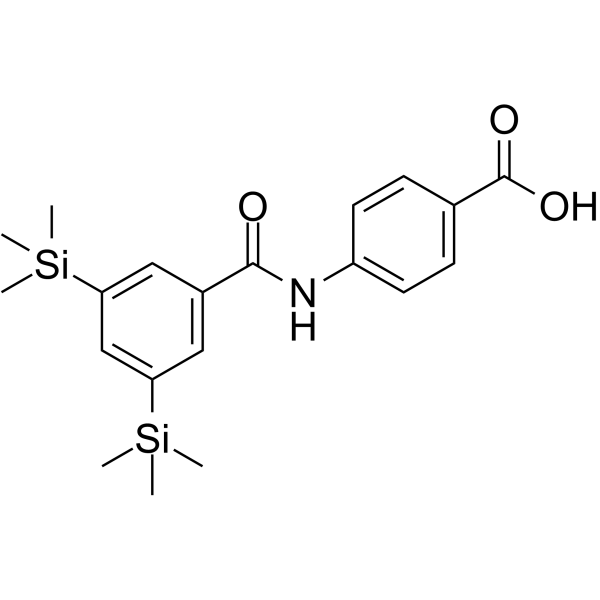
Amsilarotene (TAC-101; Am 555S), an orally active synthetic retinoid, has selective affinity for retinoic acid receptor α (RAR-α) binding with Ki of 2.4, 400 nM for RAR-α and RAR-β. Amsilarotene induces the apoptotic of human gastric cancer, hepatocellular carcinoma and ovarian carcinoma cells. Amsilarotene can be used for the research of cancer .
|
-
-
- HY-160062
-
|
|
Mucin
|
Cancer
|
|
S2.2 aptamer sodium is a nucleic acid-based MUC1-binding aptamer with high affinity and low toxicity. Upon binding to its target, S2.2 aptamer sodium undergoes a conformational switch and restores fluorescence signal, serving as a targeted imaging agent for MUC1-positive cancer cells. S2.2 aptamer sodium enables targeted delivery to breast cancer cells with overexpressed MUC1. When formulated as the S2.2-PEG-MZF molecular probe, S2.2 aptamer sodium possesses the functions of T2 signal inhibition, magnetic field-induced hyperthermia and targeted magnetic resonance molecular imaging. In the S2.2-PEG-MZF/DOX nanoliposome, S2.2 aptamer sodium supports targeted thermochemotherapy, effectively inhibiting cancer cell proliferation and invasion as well as inducing apoptosis, and is widely used in studies related to breast cancer .
|
-

-
- HY-P991481
-
|
|
CCR
|
Inflammation/Immunology
Cancer
|
|
S-531011 is a high-affinity, selective, and reversible CCR8 ligand with antibody-dependent cellular cytotoxicity (ADCC) against CCR8-expressing cells. S-531011 induces the death of tumor-infiltrating CCR8 + regulatory T cells while preserving regulatory T cells in peripheral blood, thereby reinvigorating anti-tumor immunity. The combination of S-531011 with anti-PD-1 antibody effectively inhibits tumor growth, and S-531011 can be used for research on advanced solid tumors and various cancers including non-small cell lung cancer, ovarian cancer, colon cancer, breast cancer, and pancreatic ductal adenocarcinoma .
|
-

-
- HY-111538
-
|
|
MAGL
|
Cancer
|
|
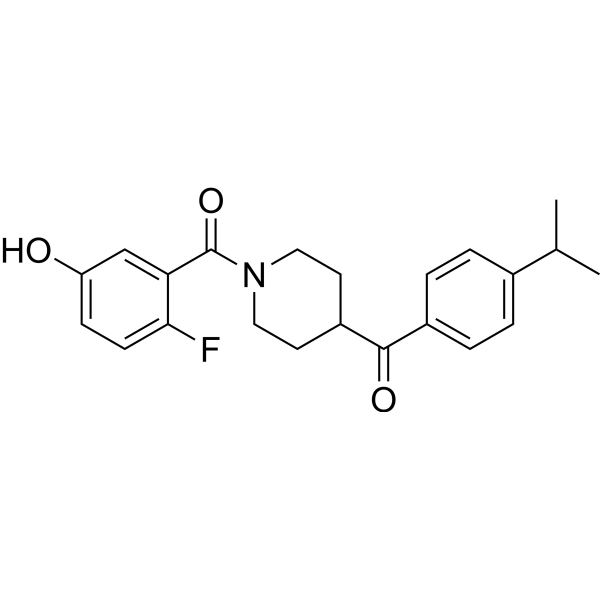
MAGL-IN-1 is a potent, selective, reversible and competitive inhibitor of MAGL, with an IC50 of 80 nM. MAGL-IN-1 exhibits anti-proliferative effects against human breast, colorectal, and ovarian cancer cells. MAGL-IN-1 blocks MAGL in cell-based as well as in vivo assays .
|
-
-
- HY-P990953
-
|
Gen1047
|
CD3
|
Cancer
|
|
Zubotamig (Gen1047) is an CD3E/VTCN1-targeting Ig(G1 -κ_G1 -λ2) type chimeric human antibody. The recommed isotype control is Human IgG1 kappa, Isotype Control (HY-P99001). Zubotamig induces T-cell mediated cytotoxicity of B7H4-positive tumor cells, triggers T-cell activation, and induces cytokine release from T cells in the presence of B7H4-expressing tumor cells. Zubotamig demonstrates antitumor activity in mouse patient-derived xenograft (PDX) models. Zubotamig can be used for the research of solid cancers (including breast, ovarian and lung cancer) .
|
-

-
- HY-P990831
-
|
|
Mucin
|
Cancer
|
|
Anti-MUC1/CD227 Antibody (C595 (NCRC48)) is a kind of mouse IgG3 κ chimeric antibody inhibitor, targeting to human MUC1/CD227. Anti-MUC1/CD227 Antibody (C595 (NCRC48)) specifically recognizes and binds to the MUC1 protein, which is overexpressed and abnormally glycosylated on the surface of tumor cells, thereby precisely killing cancer cells. Anti-MUC1/CD227 Antibody (C595 (NCRC48)) can be used for the researches of cancer, such as ovarian cancer .
|
-

-
- HY-W096169D
-
|
|
Biochemical Assay Reagents
Drug Intermediate
|
Cancer
|
|
Platinum is a metallic element, and its complexes act as orally active anticancer agents. Platinum-based complexes used for tumors include Cisplatin (HY-17394), Carboplatin (HY-17393), and Oxaliplatin (HY-17371) .
|
-

-
- HY-P5407
-
|
|
SARS-CoV
Angiotensin-converting Enzyme (ACE)
|
Infection
Cancer
|
|
HD5 is an innate immune effector peptide and SARS-CoV Inhibitor. HD5 binds to the ligand-binding domain of angiotensin-converting enzyme-2 (ACE2) via multiple hydrogen bonds to competitively block the receptor, shielding it from viral recognition. HD5 can be used for the research of COVID-19, HPV16 infection, epithelial ovarian cancer, small-cell lung cancer, and colon cancer .
|
-

-
- HY-P990650
-
|
|
TREM receptor
|
Cancer
|
|
PY159 is a humanized antibody targeting TREM1/CD354. PY159 reprograms immunosuppressive intratumoral myeloid cells towards an inflammatory, anti-tumor phenotype, promotes anti-tumor immune responses, upregulates monocyte activation markers, and induces proinflammatory cytokines. PY159 can be used for the research of platinum-resistant ovarian cancer, advanced solid tumors, and advanced refractory solid tumors .
|
-

-
- HY-P99121
-
|
|
Integrin
|
Inflammation/Immunology
Cancer
|
|
Anti-Mouse/Human CD11b Antibody (M1/70) is an anti-mouse CD11b IgG2b monoclonal antibody. Anti-Mouse/Human CD11b Antibody (M1/70) can significantly inhibit the adhesion between dendritic cells (DCs) and platelets. Anti-Mouse/Human CD11b Antibody (M1/70) can kill ovarian cancer cells and inhibit their migration. Anti-Mouse/Human CD11b Antibody (M1/70) can alleviate renal fibrosis and inflammation. Anti-Mouse/Human CD11b Antibody (M1/70) can be used for researches on inflammation conditions and cancer such as ischemia-reperfusion injury (IRI), thrombotic inflammatory conditions and ovarian cancer .
|
-
-
- HY-16560S
-
|
Campathecin-d5; (S)-(+)-Camptothecin-d5; CPT-d5
|
Isotope-Labeled Compounds
Topoisomerase
ADC Payload
MicroRNA
Influenza Virus
Apoptosis
Fungal
Antibiotic
|
Infection
Cancer
|
|
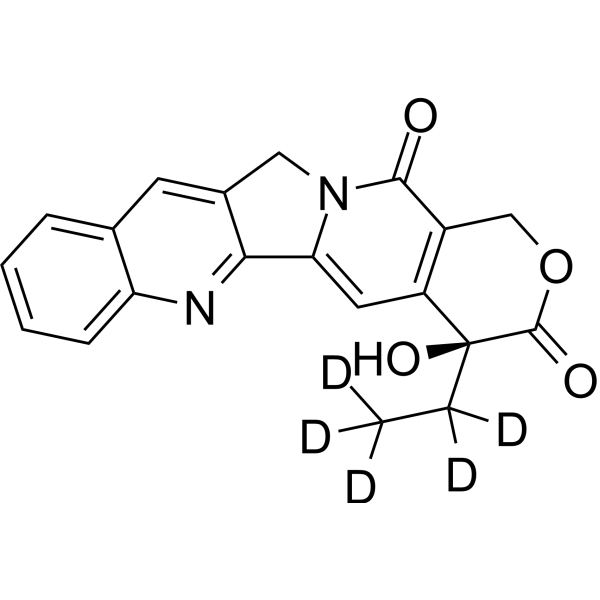
Camptothecin-d5 is the deuterium labeled Camptothecin. Camptothecin (CPT), a kind of alkaloid, is a DNA topoisomerase I (Topo I) inhibitor with an IC50 of 679 nM . Camptothecin (CPT) exhibits powerful antineoplastic activity against colorectal, breast, lung and ovarian cancers, modulates hypoxia-inducible factor-1α (HIF-1α) activity by changing microRNAs (miRNA) expression patterns in human cancer cells .
|
-
-
- HY-123888
-
|
|
E1/E2/E3 Enzyme
Bacterial
|
Cancer
|
|
Viomellein is a SUMOylation inhibitor with antibacterial and anticancer activities. Viomellein inhibits biofilm formation of strains produced from the fungus Aspergillus ochraceus from the Mediterranean sponge Agelas oroides. Viomellein exhibits cytotoxicity against A2780 human ovarian cancer cells with an IC50 value of 5.0 μM. Viomellein also inhibits SUMOylation of RanGAP1 (GTPase activating protein) with an IC50 of 10.2 μM .
|
-

-
- HY-117085
-
|
|
Phosphatase
TMV
Lipoxygenase
|
Cancer
|
|
Lobaric acid is a depsipeptide metabolite isolated from Stereocaulon lichen with antioxidant, antiproliferative, antiviral and enzyme inhibitory activities. Lobaric acid scavenges superoxide free radicals (IC50=97.9 μM) and inhibits cancer cell proliferation (EC50 of 15.2-63.9 μg/mL against leukemia, colorectal, gastric, breast, ovarian, prostate, pancreatic and lung cancer cell lines). Lobaric acid inhibits protein tyrosine phosphatase 1B (PTP1B; IC50=0.87 μM for human recombinant enzyme) and 12(S)-HETE produced by 12(S)-lipoxygenase (IC50=28.5 μM). Lobaric acid (250 μM) also reduced pathological changes in tobacco leaves infected with tobacco mosaic virus (TMV).
|
-

-
- HY-175428
-
|
|
Antifolate
|
Cancer
|
|
Antifolate agent 1 is a 6-substituted pyrrolopyrimidine antifolate with a 1-carbon bridge. Antifolate agent 1 shows no activity against cells expressing FRα and FRβ, and has no GARFTase inhibitory activity. Antifolate agent 1 can be used as a negative control in the development of folate receptor-targeted antifolates .
|
-

-
- HY-P2496
-
|
|
Endothelin Receptor
Fluorescent Dye
NF-κB
COX
Prostaglandin Receptor
Apoptosis
TNF Receptor
Interleukin Related
MMP
|
Cardiovascular Disease
Inflammation/Immunology
Cancer
|
|
Endothelin 1 (swine, human), Alexa Fluor 488-labeled is an Endothelin-1 conjugated with Alexa Fluor 488 (HY-D1304). Endothelin-1 is an endogenous vasoconstrictor and agonist of ETA/ETB receptor. Endothelin 1 (swine, human) exerts effects including promoting mitosis, angiogenesis, tumor invasion and metastasis, and inhibiting apoptosis. Endothelin 1 (swine, human) induces inflammation and oxidative stress by activating the NF-κB pathway. Endothelin 1 (swine, human), Alexa Fluor 488-labeled is specifically designed for fluorescence imaging, flow cytometry or receptor localization studies, and can be used in research related to sepsis, atherosclerosis, systemic inflammatory response syndrome, cancer and congestive heart failure .
|
-

-
- HY-N6926
-
|
|
HIV
Apoptosis
Caspase
VEGFR
ERK
PI3K
Akt
mTOR
PARP
|
Infection
Cancer
|
|
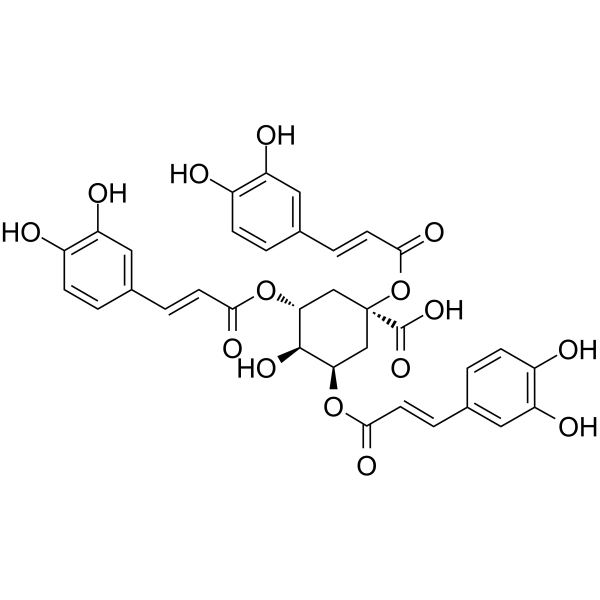
1,3,5-Tricaffeoylquinic acid acts as an angiogenesis inhibitor and apoptosis inducer, and exhibits anti-HIV activity. 1,3,5-Tricaffeoylquinic acid inhibits the phosphorylation of VEGFR2, ERK, PI3K, Akt and mTOR in the angiogenesis signaling pathway. 1,3,5-Tricaffeoylquinic acid regulates apoptosis-related proteins, upregulates the levels of activated caspase-8, Bax, activated PARP and caspase-3/9, while downregulates the level of Bcl-2. 1,3,5-Tricaffeoylquinic acid inhibits tube formation and shows cytotoxicity against ovarian cancer cells. 1,3,5-Tricaffeoylquinic acid can be used in studies related to ovarian cancer .
|
-
-
- HY-123823
-
|
NCX 4016
|
COX
Apoptosis
|
Cancer
|
|
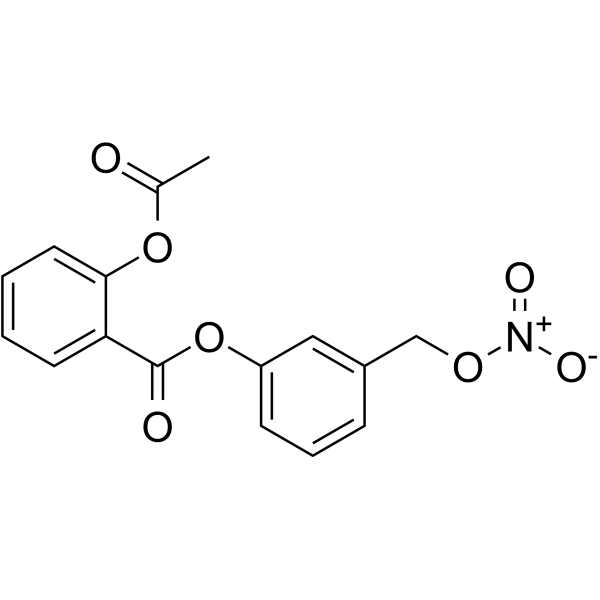
Nitroaspirin (NCX 4016) is a nitric oxide (NO) donor and a nitro-derivative of Aspirin, which combines with Nitroaspirin to inhibit cyclooxygenase. Nitroaspirin (NCX 4016) has antithrombotic and anti-platelet properties and acts as a direct and irreversible inhibitor of COX-1. Nitroaspirin (NCX 4016) causes significant induction of cell cycle arrest and apoptosis in Cisplatin-resistant human ovarian cancer cells via down-regulation of EGFR/PI3K/STAT3 signaling and modulation of Bcl-2 family proteins .
|
-
-
- HY-108164
-
|
|
Apoptosis
Bcl-2 Family
Caspase
|
Cancer
|
|
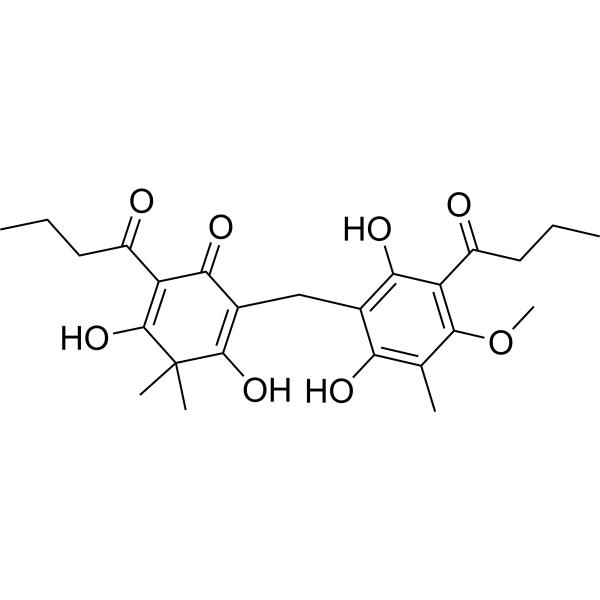
Aspidin BB is a phloroglucinol derivative, which can be isolated from the aerial part of Dryopteris championii. Aspidin BB has anticancer activity. Aspidin BB induces cell cycle arrest and apoptosis in human ovarian HO-8910 cells .
|
-
-
- HY-W783254
-
|
PA(18:0e/0:0)
|
G Protein-coupled Receptor Kinase (GRK)
Calcium Channel
|
Cardiovascular Disease
Cancer
|
|
C18 LPA (PA(18:0e/0:0)) is a water-soluble phospholipid that functions as a signaling molecule, influencing various cellular responses through G protein-coupled receptors (GPCRs). It is known to promote smooth muscle contraction, cytoskeletal rearrangement, and chemotaxis, while also playing a role in neurotransmitter release, cell proliferation, platelet aggregation, and Ca2+ mobilization. Elevated levels of C18 LPA in human plasma are associated with ovarian cancer and atherosclerosis, suggesting its potential as a biomarker for ovarian cancer.
|
-

-
- HY-16560R
-
|
Campathecin (Standard); (S)-(+)-Camptothecin (Standard); CPT (Standard)
|
Reference Standards
Topoisomerase
ADC Payload
MicroRNA
Influenza Virus
Apoptosis
Fungal
Antibiotic
|
Infection
Cancer
|
|
Camptothecin (Standard) (Campathecin (Standard)) is the analytical standard of Camptothecin (HY-16560). This product is intended for research and analytical applications. Camptothecin (CPT), a kind of alkaloid, is a DNA topoisomerase I (Topo I) inhibitor with an IC50 of 679 nM. Camptothecin (CPT) exhibits powerful antineoplastic activity against colorectal, breast, lung and ovarian cancers, modulates hypoxia-inducible factor-1α (HIF-1α) activity by changing microRNAs (miRNA) expression patterns in human cancer cells.
|
-

-
- HY-P990251
-
|
|
MMP
Collagen
PD-1/PD-L1
|
Inflammation/Immunology
Cancer
|
|
Anti-Human/Mouse denatured collagen type-I Antibody (XL313) is a mouse-derived IgG1 κ type antibody inhibitor, targeting to human/mouse denatured collagen type-I. Anti-Human/Mouse denatured collagen type-I Antibody (XL313) selectively binds to proteolyzed collagen type I. Anti-Human/Mouse denatured collagen type-I Antibody (XL313) reduces PD L1 levels in tumor cells. Anti-Human/Mouse denatured collagen type-I Antibody (XL313) can be used for the researches of cancer and inflammation, such as such as ovarian tumor .
|
-
-
- HY-175857
-
|
|
HDAC
Apoptosis
|
Cancer
|
|
HDAC-IN-92 is a pan-HDAC inhibitor with an IC50 of 12.58 µM in A2780 cells. HDAC-IN-92 demonstrates broad-spectrum, notable cytotoxic activity against a range of human cancer cell lines, including ovarian, liver, and breast carcinomas. HDAC-IN-92 causes apoptosis and demonstrates a notable decrease in tumor cell colony formation. HDAC-IN-92 inhibits the formation of blood vessels in the chick chorioallantoic membrane (CAM). HDAC-IN-92 exhibits anti-tumor effect in a 4T1 tumor-bearing mouse model. HDAC-IN-92 can be used for research targeting solid tumor .
|
-

-
- HY-10226
-
|
R306465
|
Apoptosis
HDAC
|
Cancer
|
|
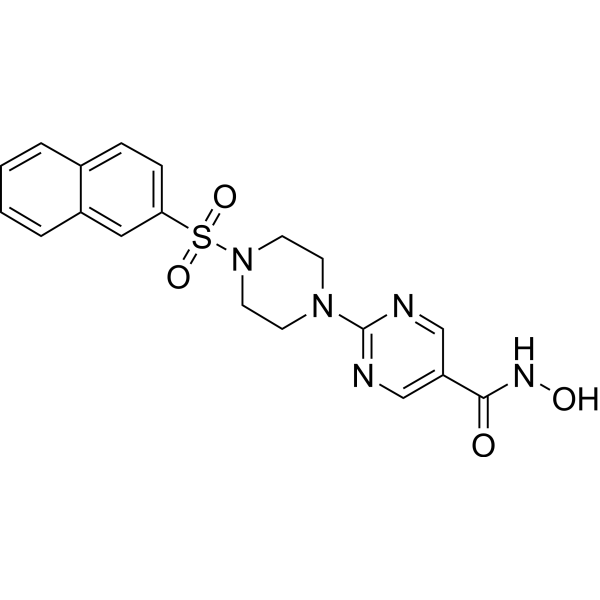
JNJ-16241199 (R306465) is an orally active, selectivehydroxamate-based histone deacetylase (HDAC) inhibitor, with theIC50of 3.3 nM and 23 nM for HDAC1and HDAC8, respectively.JNJ-16241199induces histone 3 acetylation and strongly increases
the expression of p21 waf1, cip1 in A2780 ovarian carcinoma cells.JNJ-16241199 inducescell apoptosisand shows anticancer activityin a broad spectrum of human malignancies. JNJ-16241199 can be used for cancer study .
|
-
- HY-N3446
-
|
|
Apoptosis
|
Cancer
|
|
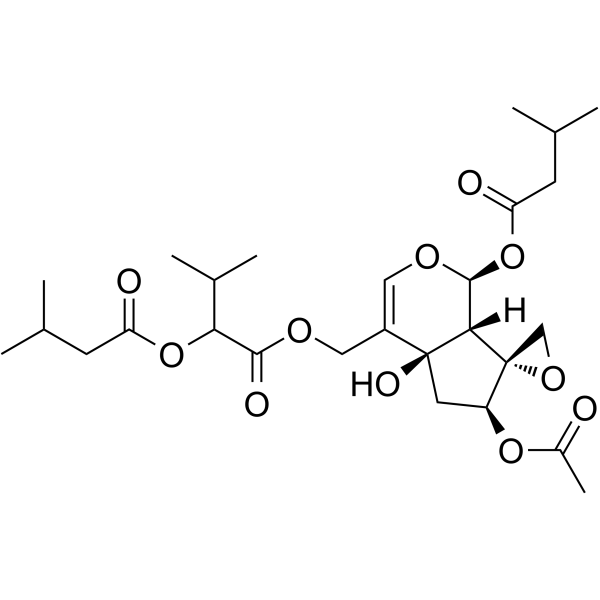
IVHD-valtrate, an active Valeriana jatamansi derivative, is against human ovarian cancer cells in vitro and in vivo. IVHD-valtrate induces cancer cells apoptosis and arrests the ovarian cancer cells in the G2/M phase. IVHD-valtrate has the potential to be a novel chemotherapeutic agent for the human ovarian cancer research .
|
-
- HY-N11010
-
|
|
Others
|
Cancer
|
|
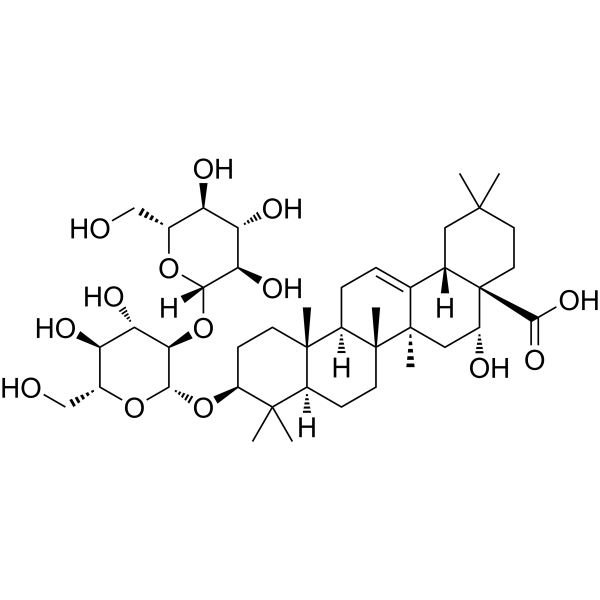
Eclalbasaponin IV is a triterpenoid that can be isolate from the aerial parts of Eclipta prostrata. Eclalbasaponin IV shows antitumor activity in human ovarian cancer cells .
|
-
- HY-174160
-
|
|
TAM Receptor
Apoptosis
|
Cancer
|
|
MerTK-IN-2 (compound 15f) is an orally active MerTK inhibitor with an IC50 of 37.5 nM. MerTK-IN-2 can induce apoptosis. MerTK-IN-2 has antitumor activity with IC50 values of 1.79, 18.32, and 2.18 μM for human ovarian cancer cells A2780, breast cancer cells MDA-MB-231, and colon cancer cells HCT116, respectively .
|
-

- HY-167868
-
|
|
TRP Channel
Apoptosis
|
Neurological Disease
Cancer
|
|
DWP-05195 is a TRPV1 antagonist that can inhibit the pain signal transduction. DWP-05195 induces ER stress-dependent apoptosis through the ROS-p38-CHOP pathway in human ovarian cancer cells .
|
-

- HY-124242
-
|
|
Drug Derivative
|
Cancer
|
|
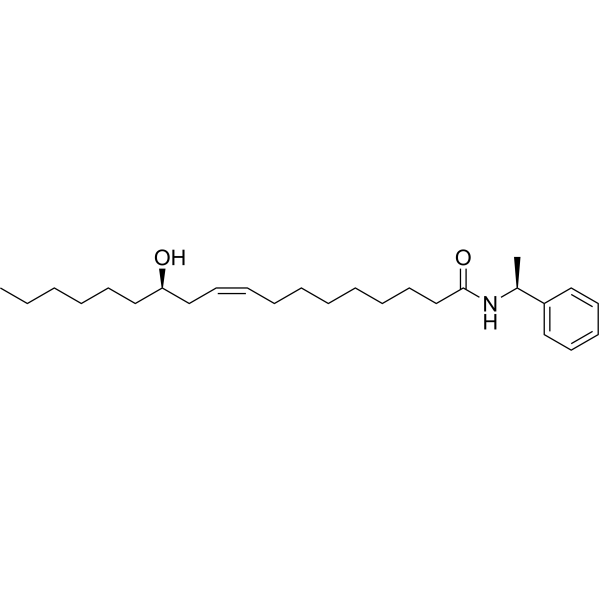
(S)-α-Methylbenzyl ricinoleamide (compound (R,S)-3d) is a fatty acid amide. (S)-α-Methylbenzyl ricinoleamide shows antiproliferative activity, inhibits the growth of human ovarian cancer cells NCI-ADR/RES and glioma cells U251 with GI50s of 1.9 μg/mL and 3.6 μg/mL, respectively .
|
-
- HY-174446
-
|
|
PARP
|
Cancer
|
|
PARP1-IN-39 is an inhibitor of PARP1 with an IC50 of 0.22 nM. PARP1-IN-39 has an IC50 of 1.57 nM in human breast cancer cells. PARP1-IN-39 can be studied in breast, ovarian, pancreatic, and prostate cancers associated with DNA repair deficiencies, such as BRCA1/2 mutations .
|
-

- HY-145533A
-
|
KDN sodium
|
Endogenous Metabolite
|
Others
|
|
3-Deoxy-D-glycero-D-galacto-2-nonulosonic acid (KDN) sodium is a sialic acid. 3-Deoxy-D-glycero-D-galacto-2-nonulosonic acid sodium protects the oligo/(poly)sialyl chains from exosialidases at nonreducing terminal, and plays a role in egg activation of salmonid fish. 3-Deoxy-D-glycero-D-galacto-2-nonulosonic acid sodium is abundant in fetal cord red blood cells and malignant human ovarian cancer cells .
|
-

- HY-P991310
-
|
LT3015; LT-3000
|
LPL Receptor
|
Neurological Disease
Cancer
|
|
Lpathomab (LT3015; LT-3000) is a human IgG1 monoclonal antibody (mAb) targeting LPA. Lpathomab reduces the release of IL-8 and IL-6 cytokines in SKOV3 cells and blocks LPA-triggered tumor cell migration. Lpathomab reduces neovascularization in Matrigel plug and CNV models. Lpathomab inhibits brain injury in the CCI mouse model. Lpathomab can be used in the study of brain injury, ovarian cancer, diabetic neuropathy, and spinal cord injury. Recommended isotype control: Human IgG1 kappa, Isotype Control (HY-P99001) .
|
-

- HY-123034
-
|
|
CDK
Bcl-2 Family
Apoptosis
|
Cancer
|
|
CDKI-83 is a potent CDK9 and CDK1 inhibitor with Ki values of 21 nM and 72 nM for CDK9/T1 and CDK1/B, respectively. CDKI-83 demonstrates effective anti-proliferative activity in human tumour cell lines with a GI50<1 μM. CDKI-83 effectively induces apoptosis in A2780 human ovarian cancer cells. CDKI-83 reduces phosphorylation at Ser-2 of RNA polymerase II (RNAPII) by inhibiting cellular CDK9 activity, and down-regulates Mcl-1 and Bcl-2. CDKI-83 has the potential for anti-cancer research .
|
-

- HY-130451
-
|
|
Fungal
|
Infection
Cancer
|
|
Misakimycin is a naphthoquinone compound. Misakimycin exhibits cytotoxicity against human melanoma, breast cancer and ovarian cancer cells. Misakimycin can be found in strains of the genus Pyrenochaetopsis (strain MSX63693). Misakimycin can be used in research related to melanoma, breast cancer and ovarian cancer .
|
-

- HY-119694
-
|
|
Drug Metabolite
Mitochondrial Metabolism
Cytochrome P450
|
Cancer
|
|
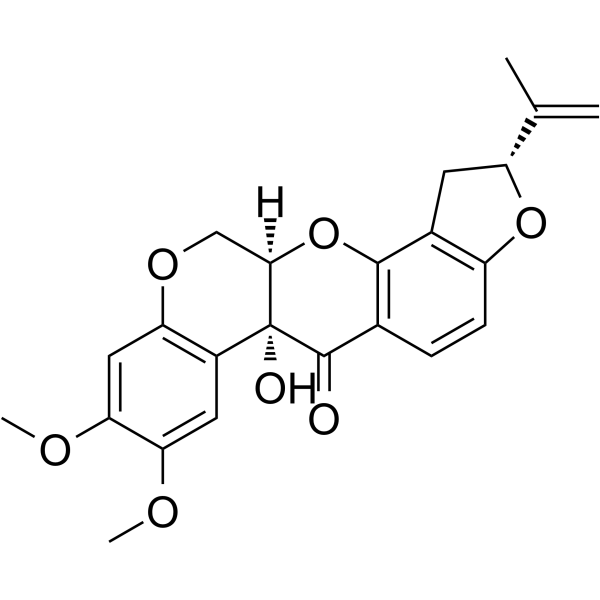
Rotenolone is a metabolite of Rotenone (HY-B1756), inhibitor of Mitochondrial complex I, and antiproliferative agent, with an IC50 of 137 nM against bovine complex I. Rotenolone undergoes biotransformation via multiple cytochrome P450 isoenzymes in rainbow trout liver microsomes. Rotenolone exhibits anticancer activity against ovarian cancer, breast cancer, prostate cancer, non-small cell lung cancer, and colon cancer. Rotenolone can be used in studies related to ovarian cancer, breast cancer, prostate cancer, non-small cell lung cancer, and colon cancer .
|
-
- HY-182397
-
|
|
Cyclophilin
|
Cancer
|
|
ZX-J-19L is a CyPJ inhibitor with inhibitory activity against a variety of tumor cell lines. ZX-J-19L inhibits the growth of human liver cancer cells, human breast cancer cells, ovarian cancer cells and prostate cancer cells in vitro. ZX-J-19L can be used for tumor research .
|
-

- HY-N18168
-
|
|
Others
|
Cancer
|
|
Esculentoside L is a triterpene saponin present in the roots of Phytolacca americana. Esculentoside L increases the intracellular accumulation of calcein in multidrug-resistant human ovarian cancer cells. Esculentoside L exerts no significant cytotoxic activity against non-cancerous cells and hepatocytes. Esculentoside L can be used in studies related to multidrug-resistant human ovarian cancer .
|
-

- HY-184155
-
|
|
Thymidylate Synthase
Apoptosis
|
Cancer
|
|
LC1343 is a human thymidylate synthase (hTS) inhibitor with an IC50 of 7 μM. LC1343 inhibits cancer cell growth and induces apoptosis in cancer cells. LC1343 can be used for the research of ovarian cancer, colorectal cancer, and pancreatic cancer .
|
-

- HY-N18228
-
|
|
Others
|
Cancer
|
|
Stauntoside Ⅱ is a 14,15-secopregnane-type C21 steroidal glycoside found in the roots of Cynanchum stauntonii. Stauntoside Ⅱ does not exhibit cytotoxic activity against human colon, hepatoma, gastric, lung, and ovarian cancer cells .
|
-

- HY-136893
-
|
|
Microtubule/Tubulin
Apoptosis
Caspase
Bcl-2 Family
|
Cancer
|
|
SP-6-27 is a tubulin depolymerizing agent that binds to the colchicine site of β-tubulin. SP-6-27 induces G2/M cell cycle arrest in ovarian cancer cells. SP-6-27 enhances intrinsic apoptosis in ovarian cancer cells through upregulation of Bax, Apaf-1, caspase-6, caspase-9, and caspase-3. SP-6-27 reduces ovarian cancer cell migration. SP-6-27 inhibits capillary tube formation by human umbilical vein endothelial cells. SP-6-27 shows minimum cytotoxicity to normal ovarian epithelia. SP-6-27 shows enhanced cytotoxicity in chemo-sensitive/resistant ovarian cancer cells when combined with Cisplatin (HY-17394). SP-6-27 can be used for the research of ovarian cancer .
|
-

- HY-182245
-
|
|
Microtubule/Tubulin
Carbonic Anhydrase
Apoptosis
MDM-2/p53
|
Cancer
|
|
Anticancer agent 314 is a multi-target anticancer agent with tubulin polymerization inhibitory activity (IC50 = 6.35 μM) and human carbonic anhydrase IX (Ki = 27.1 nM) and XII (Ki 20.9 = nM) inhibitory activity. Anticancer agent 314 binds to the colchicine-binding pocket of tubulin and inhibits tumor-associated carbonic anhydrase isoforms via zinc coordination within enzyme active sites. Anticancer agent 314 induces G2/M phase cell cycle arrest, apoptosis via p53-dependent signaling, and broad-spectrum antiproliferative activity across multiple cancer cells. Anticancer agent 314 can be used for the research of cancer, such as leukemia, melanoma, ovarian cancer .
|
-

- HY-182734
-
|
|
CDK
|
Cancer
|
|
BMS-357075 is a pan-CDK inhibitor with CDK1 IC50 18 nM, CDK2 IC50 3 nM, CDK4 IC50 26 nM. BMS-357075 induces cytotoxicity in human ovarian cancer A2780 cells. BMS-357075 exhibits anticancer activity in mice against P388 murine leukemia. BMS-357075 can be used for the research of leukemia .
|
-

- HY-P992004
-
|
RA15-7, HuRA15-7Acc
|
Folate Receptor (FR)
|
Cancer
|
|
KHK2805 (RA15-7) is a humanized antibody against folate receptor α (FOLR1), with a Kd of 0.647 nM for human FOLR1. KHK2805 binds to a unique epitope of FOLR1 and mediates antibody-dependent cellular cytotoxicity and complement-dependent cytotoxicity against FOLR1-expressing cells. KHK2805 exhibits cytotoxicity against both ovarian cancer cells and Platinum (HY-W096169D)-resistant ovarian cancer cells. KHK2805 can be used for the research of tumors such as ovarian cancer .
|
-

- HY-16265A
-
|
|
Ephrin Receptor
PDGFR
VEGFR
|
Cancer
|
|
JI-101 hydrochloride is an orally active angiogenesis inhibitor and anticancer agent with 55% oral bioavailability in Sprague Dawley rats, high permeability, and no P-gp substrate activity .JI-101 hydrochloride modulates angiogenesis signaling pathways in tumor vessel beds, downregulates EphB4, targets EphB4, VEGFR-2, and PDGFR-β, and inhibits multiple stages of tumor angiogenesis .JI-101 hydrochloride exerts activity against cancer cells and xenografts, exhibits mild to moderate inhibition of CYP3A4, and shows stability in pre-clinical and human liver microsomes .JI-101 hydrochloride undergoes rapid oral absorption in Sprague Dawley rats, has extensive tissue distribution with preferred lung uptake, and is excreted via bile with mono- and di-hydroxy metabolites, with feces as the primary elimination route .JI-101 hydrochloride can be used for the research of ovarian cancer and solid tumors .
|
-

- HY-Z15805
-
|
|
Drug Isomer
HSP
TrxR
|
Cancer
|
|
Teprenone Impurity 5 (5Z-GGA) is the cis-isomer of Teprenone (HY-B0779). Teprenone Impurity 5 has inhibitory activity on the proliferation of human ovarian cancer cells Caov-3, and can block the invasion process of cancer cells. Teprenone Impurity 5 can induce the expression of heat shock protein 70 (HSP70) and thioredoxin (Trx). Teprenone Impurity 5 can be used for the research of ovarian cancer .
|
-

- HY-N19463
-
|
|
Caspase
Reactive Oxygen Species (ROS)
Apoptosis
|
Cancer
|
|
Dicatenarin is a caspase‑3 activator with growth‑inhibitory activity against human cancer cells. Dicatenarin increases caspase‑3 activity, induces intracellular ROS generation, and activates the mitochondrial‑mediated apoptotic pathway. Dicatenarin exerts growth‑inhibitory effects against a panel of human cancer cell lines. Dicatenarin can be used in research on pancreatic cancer, lung cancer, colon cancer, breast cancer, prostate cancer, and ovarian cancer .
|
-

- HY-180781
-
|
|
ADAMTS
|
Inflammation/Immunology
Cancer
|
|
ADAMTS-5-IN-4 (Compound 4b) is a selective ADAMTS5 inhibitor with an IC₅₀ of 9.4 μM. ADAMTS-5-IN-4 significantly inhibits the degradation of Aggrecan in the implants of the osteoarthritis model. ADAMTS-5-IN-4 effectively inhibits the pseudopod elongation and directional migration of ovarian cancer cells. ADAMTS-5-IN-4 shows significant cytotoxicity to HEK293T cells, human chondrocytes, and porcine chondrocyte implants. ADAMTS-5-IN-4 can be used for the study of osteoarthritis and ovarian cancer .
|
-

- HY-156484
-
|
|
PI3K
mTOR
|
Cancer
|
|
SPR519 is a selective, orally active dual PI3Kα/mTOR kinase inhibitor, with an IC50 of 0.03 μM against PI3Kα and an IC50 of 0.01 μM against mTOR. SPR519 exhibits anticancer effects in ovarian cancer and colon cancer xenograft models. SPR519 can be used for the research of solid tumors (ovarian cancer, colon cancer) .
|
-

- HY-N15168
-
|
|
Parasite
|
Infection
Cancer
|
|
3,4,5'-Trihydroxy-3'-methoxy-trans-stilbene (Compound 3) is a stilbenoid compound found in Stuhlmannia moavi. 3,4,5'-Trihydroxy-3'-methoxy-trans-stilbene exerts weak proliferative inhibitory activity and antimalarial activity with IC50 values of 54 and 27 μM against A2780 human ovarian cancer cells and Plasmodium falciparum. 3,4,5'-Trihydroxy-3'-methoxy-trans-stilbene can be used for researches of ovarian cancer and malaria .
|
-

- HY-P992406
-
|
|
MMP
IFNAR
|
Cancer
|
|
MEDI-3622 is a human monoclonal antibody against ADAM17. MEDI-3622 blocks the ADAM17-mediated shedding of CD16A and CD62L on NK cells, and binds with high specificity to a surface loop unique to the metalloprotease catalytic domain of ADAM17. MEDI-3622 enhances IFNγ production by NK cells when they bind to antibody-coated tumor cells. MEDI-3622 can be used in the research of ovarian cancer, Burkitt lymphoma, head and neck cancer, and colorectal cancer .
|
-

- HY-153514
-
|
|
HDAC
Microtubule/Tubulin
Apoptosis
|
Cancer
|
|
HDAC-IN-54 is a HDAC inhibitor with an IC50 of 25 nM against human HDAC1, 66 nM against HDAC2, 6.5 nM against HDAC3, and 281 nM against HDAC6. HDAC-IN-54 induces acetylation of α-tubulin and histone H3. HDAC-IN-54 acts synergistically with cisplatin to induce cancer cell apoptosis. HDAC-IN-54 can be used in research related to head and neck cancer, ovarian cancer, and tongue squamous cell carcinoma .
|
-

- HY-W319584
-
|
|
Drug Derivative
|
Cancer
|
|
AMP-404 is an Imexon (HY-15385)-derived antitumor agent with dual functions as a cytotoxin and growth inhibitor. AMP-404 exerts significant cytotoxic effects against various sensitive, drug-resistant and primary human tumor cells, including myeloma, breast cancer, melanoma, ovarian cancer and sarcoma cells. AMP-404 effectively inhibits the growth of rat PIE 2-3 sarcoma in vivo and exhibits remarkable in vivo efficacy .
|
-

- HY-N18126
-
|
|
Others
|
Cancer
|
|
13b,14-Dihydrorutaecarpine is a cytotoxin derived from dihydrorutaecarpine. 13b,14-Dihydrorutaecarpine exerts selective cytotoxicity against central nervous system (CNS) and prostate cancer cell lines (GI50=0.02 μM and 0.2 μM). 13b,14-Dihydrorutaecarpine can be used in the research of central nervous system (CNS) cancer, ovarian cancer, prostate cancer and renal cancer .
|
-

- HY-164717
-
|
|
Poly(ADP-ribose) Glycohydrolase (PARG)
|
Cancer
|
|
FORX-428 is a selective and orally active Poly (ADP-ribose) glycohydrolase (PARG) inhibitor. FORX-428 exhibits strong and reversible binding to the catalytic domain of human PARG, and thereby inhibits PARG´s enzymatic activity. FORX-428 leads to the excessive accumulation of PAR chains and activates DNA damage and replication stress responses. FORX-428 selectively inhibits the proliferation of various cancer cell lines, including breast, ovarian, and gastric cancer .
|
-

- HY-141425
-
|
|
P-glycoprotein
|
Cancer
|
|
NSC73306, a thiosemicarbazone, is a cell penetrant, cytotoxic agent that exhibits greater toxicity against cells expressing functional P-gp (P-glycoprotein) than against other cells .
|
-

- HY-N19113
-
|
|
Endogenous Metabolite
|
Infection
Cancer
|
|
Emindole SB is an anticancer agent. Emindole SB can be isolated from Penicillium species. Emindole SB exerts anticancer effects against ovarian cancer, breast cancer and lymphoma. Emindole SB shows no toxicity to Caenorhabditis elegans. Emindole SB can be used in studies related to ovarian cancer, lymphoma and breast cancer .
|
-

- HY-126453
-
|
|
COX
|
Cancer
|
|
VU0487836 is a selective cyclooxygenase-1 (COX-1) inhibitor with an IC50 of 0.36 μM against ovine-derived COX-1. VU0487836 serves as a prototype for the development of radiological imaging agents targeting COX-1 for ovarian cancer. VU0487836 is applicable to relevant research on ovarian cancer .
|
-

- HY-W1130452
-
|
|
Liposome
|
Cancer
|
|
Lipid C16-C is an ionizable cationic lipid that can be used to prepare lipid nanoparticles (LNPs) for mRNA delivery. Lipid C16-C mediates ApoE-independent macropinocytosis-based mRNA delivery to macrophages, with endosomal acidification enabling endosomal escape and release of mRNA cargo into the cytosol .
|
-

- HY-N19717
-
|
|
NF-κB
SOD
|
Inflammation/Immunology
Cancer
|
|
Bartogenic acid is an orally active NF-κB inhibitor, found in Barringtonia racemosa fruits. Bartogenic acid increases catalase, superoxide dismutase (SOD), and glutathione levels. Bartogenic acid inhibits lipid peroxidation and suppresses inflammation markers. Bartogenic acid can be used for the research of ovarian cancer, skin cancer, and inflammatory conditions .
|
-

- HY-164184
-
|
|
Apoptosis
Caspase
HSP
Early 2 Factor (E2F)
DNA/RNA Synthesis
|
Cancer
|
|
Ly101-4B is an apoptosis inducer and multi-target inhibitor with antiproliferative, antitumor and cycytotoxic effects. Ly101-4B reduces HSF1 expression, inhibits microRNA-214 synthesis, downregulates HSP27, HSP70 and HSP90 expression, while suppressing E2F-dependent transcriptional activity and downregulating its target genes. Ly101-4B induces caspase 3/7-mediated apoptosis by reducing DNA synthesis, inhibiting the cell cycle and G1/S phase transition, without affecting RNA synthesis or inducing necrosis. Ly101-4B is selective for pancreatic ductal adenocarcinoma cells with different genotypes and varying degrees of E2F dependence. Ly101-4B can be used in research related to epithelial ovarian cancer and pancreatic ductal adenocarcinoma .
|
-

- HY-13774
-
|
|
P-glycoprotein
BCRP
|
Cancer
|
|
WK-X-34 is a low-toxicity, highly effective multidrug resistance reversal agent. By potently inhibiting the transport functions of P-glycoprotein (P-gp, ABCB1) and breast cancer resistance protein (BCRP), WK-X-34 significantly increases the intracellular accumulation of anticancer drugs and radiotracers in drug-resistant cells. WK-X-34 exerts no significant effect on MRP transporters. WK-X-34 not only restores the chemosensitivity of multidrug-resistant ovarian cancer cells, but also significantly enhances the uptake of 99mTc-Sestamibi in P-gp-positive xenograft tumors, brain and intestinal tissues. WK-X-34 exhibits extremely low toxicity and favorable safety profiles both in vitro and in mice (at doses up to 50 mg/kg), and can be used for research on overcoming multidrug resistance in ovarian cancer .
|
-

- HY-183671
-
|
|
Biochemical Assay Reagents
|
Inflammation/Immunology
Cancer
|
|
NSC850143 is an antiproliferative agent. NSC850143 induces antiproliferative and cytotoxic effects in aggressive tumor cells. NSC850143 can be used in the research of cancers such as leukemia, non-small cell lung cancer, colon cancer, central nervous system cancer, melanoma, ovarian cancer, renal cancer, prostate cancer and breast cancer .
|
-

- HY-186132
-
|
|
PROTACs
CDK
|
Cancer
|
|
PROTAC CDK2-pRb degrader-1 is an orally active PROTAC-class degrader of CDK2. PROTAC CDK2-pRb degrader-1 effectively inhibits the phosphorylation of retinoblastoma protein (Rb) at serine residues 807/811 by inducing ubiquitination and proteasomal degradation of CDK2. PROTAC CDK2-pRb degrader-1 exhibits significant activity against human cells (with EC50 values of 12 nM and 125 nM, respectively). In xenograft models, PROTAC CDK2-pRb degrader-1 effectively inhibits tumor growth and induces tumor stasis, making it suitable for research related to CCNE1-amplified cancers (such as ovarian cancer, gastric cancer, and breast cancer) .
|
-

- HY-N17753
-
|
NSC-698789
|
Others
|
Cancer
|
|
Protoneodioscin is a furostanol saponin found in the rhizomes of Dioscorea collettii var. hypoglauca. It exhibits selective activity against various cancer cell lines, including leukemia, but shows no activity against colon and renal cancer cells. Protoneodioscin can be used in research on cancers such as leukemia .
|
-

- HY-10226R
-
|
R306465 (Standard)
|
Reference Standards
Apoptosis
HDAC
|
Cancer
|
|
JNJ-16241199 (Standard) is the analytical standard of JNJ-16241199 (HY-10226). This product is intended for research and analytical applications. JNJ-16241199 (R306465) is an orally active, selectivehydroxamate-based histone deacetylase (HDAC) inhibitor, with theIC50of 3.3 nM and 23 nM for HDAC1and HDAC8, respectively.JNJ-16241199induces histone 3 acetylation and strongly increases
the expression of p21waf1, cip1 in A2780 ovarian carcinoma cells.JNJ-16241199 inducescell apoptosisand shows anticancer activityin a broad spectrum of human malignancies. JNJ-16241199 can be used for cancer study .
|
-

- HY-181747
-
|
|
Cytochrome P450
|
Cancer
|
|
CYP11A1-IN-3 (Compound II-4) is a selective CYP11A1 inhibitor with an IC50 of 26.7 nM. CYP11A1-IN-3 shows selectivity towards CYP1A2, 2C9 and 2D6. CYP11A1-IN-3 can be used for the research of castration-resistant prostate cancer .
|
-

- HY-182619
-
|
|
PPAR
|
Cancer
|
|
PPARα/δ antagonist-1 is an orally active, highly selective dual antagonist of PPARα/δ, with IC50 values of 0.113 μM and 0.025 μM against human PPARα and PPARδ, respectively. PPARα/δ antagonist-1 exhibits an excellent in vitro activity profile and preliminary efficacy in mouse tumor models. PPARα/δ antagonist-1 can be used in studies related to cancers (melanoma metastasis, ovarian cancer) .
|
-

- HY-181565
-
|
|
CDK
|
Metabolic Disease
Inflammation/Immunology
Cancer
|
|
CDK7-IN-33 is an orally active pyrimidine derivative and also a CDK7 kinase inhibitor. CDK7-IN-33 is applicable to the research of cancer, inflammation, cardiovascular diseases, infectious diseases, immune diseases and metabolic diseases .
|
-

- HY-P5407A
-
|
|
SARS-CoV
Angiotensin-converting Enzyme (ACE)
|
Infection
Cancer
|
|
HD5 TFA is an innate immune effector peptide and SARS-CoV Inhibitor. HD5 TFA binds to the ligand-binding domain of angiotensin-converting enzyme-2 (ACE2) via multiple hydrogen bonds to competitively block the receptor, shielding it from viral recognition. HD5 TFA can be used for the research of COVID-19, HPV16 infection, epithelial ovarian cancer, small-cell lung cancer, and colon cancer .
|
-

- HY-P11716
-
|
|
ERK
|
Cancer
|
|
HYD-1 is a D-amino acid tumor cell adhesion peptide. HYD-1 contains overlapping linear peptide elements required for adhesion, migration blocking, and ERK signaling activation. HYD-1 supports adhesion of breast, prostate, ovarian, and pancreatic tumor cells, and shows no effect on tumor cell cycle distribution. HYD-1 can be used for the research of prostate cancer .
|
-

| Cat. No. |
Product Name |
Type |
-
- HY-W096169D
-
|
|
Biochemical Assay Reagents
|
|
Platinum is a metallic element, and its complexes act as orally active anticancer agents. Platinum-based complexes used for tumors include Cisplatin (HY-17394), Carboplatin (HY-17393), and Oxaliplatin (HY-17371) .
|
| Cat. No. |
Product Name |
Target |
Research Area |
-
- HY-P5098
-
|
|
Integrin
|
Neurological Disease
Cancer
|
|
E (c (RGDfK)) 2 is a αvβ3 integrin ligand and tumor-targeting agent. E (c (RGDfK)) 2 binds to αvβ3 integrin, mediates receptor-mediated endocytosis of conjugated payloads, and inhibits integrin-dependent cell adhesion to fibrinogen. E (c (RGDfK)) 2 inhibits the proliferation of cancer cells and endothelial cells. E (c (RGDfK)) 2 preferentially accumulates in orthotopic mouse breast tumors and human ovarian cancer xenograft tumors. E (c (RGDfK)) 2 can be used in research related to glioblastoma, lung cancer, breast adenocarcinoma and ovarian cancer .
|
-
- HY-P1654
-
|
|
Integrin
|
Cancer
|
|
A20FMDV2 is a highly selective αvβ6 integrin inhibitor with human IC50 values of 3 nM and binds with at least 1000-fold selectivity over other RGD-binding integrins. A20FMDV2 binds to the integrin’s RGD-binding site, induces rapid integrin internalization, and delays post-internalization integrin recycling to the cell surface. A20FMDV2 can be used for the research of pancreatic cancer, breast cancer, colorectal cancer, ovarian cancer, oral squamous cell carcinoma .
|
-
- HY-P5407
-
|
|
SARS-CoV
Angiotensin-converting Enzyme (ACE)
|
Infection
Cancer
|
|
HD5 is an innate immune effector peptide and SARS-CoV Inhibitor. HD5 binds to the ligand-binding domain of angiotensin-converting enzyme-2 (ACE2) via multiple hydrogen bonds to competitively block the receptor, shielding it from viral recognition. HD5 can be used for the research of COVID-19, HPV16 infection, epithelial ovarian cancer, small-cell lung cancer, and colon cancer .
|
-
- HY-P2496
-
|
|
Endothelin Receptor
Fluorescent Dye
NF-κB
COX
Prostaglandin Receptor
Apoptosis
TNF Receptor
Interleukin Related
MMP
|
Cardiovascular Disease
Inflammation/Immunology
Cancer
|
|
Endothelin 1 (swine, human), Alexa Fluor 488-labeled is an Endothelin-1 conjugated with Alexa Fluor 488 (HY-D1304). Endothelin-1 is an endogenous vasoconstrictor and agonist of ETA/ETB receptor. Endothelin 1 (swine, human) exerts effects including promoting mitosis, angiogenesis, tumor invasion and metastasis, and inhibiting apoptosis. Endothelin 1 (swine, human) induces inflammation and oxidative stress by activating the NF-κB pathway. Endothelin 1 (swine, human), Alexa Fluor 488-labeled is specifically designed for fluorescence imaging, flow cytometry or receptor localization studies, and can be used in research related to sepsis, atherosclerosis, systemic inflammatory response syndrome, cancer and congestive heart failure .
|
-
- HY-P5407A
-
|
|
SARS-CoV
Angiotensin-converting Enzyme (ACE)
|
Infection
Cancer
|
|
HD5 TFA is an innate immune effector peptide and SARS-CoV Inhibitor. HD5 TFA binds to the ligand-binding domain of angiotensin-converting enzyme-2 (ACE2) via multiple hydrogen bonds to competitively block the receptor, shielding it from viral recognition. HD5 TFA can be used for the research of COVID-19, HPV16 infection, epithelial ovarian cancer, small-cell lung cancer, and colon cancer .
|
-
- HY-P11716
-
|
|
ERK
|
Cancer
|
|
HYD-1 is a D-amino acid tumor cell adhesion peptide. HYD-1 contains overlapping linear peptide elements required for adhesion, migration blocking, and ERK signaling activation. HYD-1 supports adhesion of breast, prostate, ovarian, and pancreatic tumor cells, and shows no effect on tumor cell cycle distribution. HYD-1 can be used for the research of prostate cancer .
|
| Cat. No. |
Product Name |
Target |
Research Area |
Image |
-
- HY-P991577
-
|
DS-8895A
|
Ephrin Receptor
|
Cancer
|
|
DS-8895(DS-8895A) is an anti-EphA2 monoclonal antibody with specific binding to EphA2 receptors and EphA2-expressing cells. DS-8895, when conjugated with 89Zr, 111In, or 125I, supports molecular imaging of EphA2 expression in xenograft models. DS-8895 allows noninvasive measurement of EphA2 expresssion in tumors in vivo. .
|
-

(5)
-
- HY-P991372
-
|
RN927C antibody
|
TROP2
|
Cancer
|
|
Anti-TROP2 Antibody (RN927C antibody) is a human monoclonal antibody targeting Trop-2. Anti-TROP2 Antibody exerts in vitro inhibitory effects on a variety of tumor cell lines. Anti-TROP2 Antibody exhibits anti-tumor activity in mouse pancreatic PDX, ovarian PDX, lung PDX and triple-negative breast cancer (TNB) PDX models. Anti-TROP2 Antibody can be used for research on pancreatic cancer, ovarian cancer, lung cancer and triple-negative breast cancer .
|
-
(5)
-
- HY-P99276
-
|
Anti-human CA-125 Recombinant Antibody
|
Inhibitory Antibodies
|
Cancer
|
|
Abagovomab (Anti-Human CA-125 Recombinant Antibody) is a mouse monoclonal anti-idiotypic antibody that targets the tumor-associated antigen CA-125. Produced by mouse hybridoma cells, Abagovomab mimics the human TAA, CA-125. Abagovomab also induces humoral and cellular immune responses against ovarian cancer (OC) .
|
-

(5)
-
- HY-P99667
-
|
OMP-54F28; FZD8-Fc
|
Wnt
|
Cancer
|
|
Ipafricept (OMP-54F28; FZD8-Fc) is a first class recombinant fusion protein with the extracellular part of the human frizzled-8 receptor fused to a human IgG1 Fc fragment that binds Wnt ligands, which blocks Wnt signaling. Ipafricept reduces tumor growth and results in a decrease in both liver and lung metastases combined with Gemcitabine (HY-17026) in pancreatic cancer mouse models. Ipafricept shows solid tumor inhibition activity with well tolerance, such as desmoid tumor, germ cell cancer, ovarian cancer .
|
-
(5)
-
- HY-P99291
-
|
LM609; MEDI-522
|
Integrin
Apoptosis
Akt
|
Cancer
|
|
Etaracizumab (LM 609) is an αvβ3 integrin IgG mAb. Etaracizumab is developed to target αvβ3+ cancer cells via NK cell-mediated cytotoxicity. Etaracizumab sterically hinders access of large ligands to the RGD-binding pocket, without obstructing it. Etaracizumab decreases p-Akt in vitro. Etaracizumab can decrease cancer proliferation and invasion. Etaracizumab induces tumor cell apoptosis, and inhibition ofαvβ3-mediated cell adhesion, endothelial cell migration and osteoclast-mediated bone resorption. Etaracizumab can be studied in anti-tumor research against cancers such as ovarian cancer, metastatic melanoma as well as advanced solid tumors. Recommend Isotype Control: Human IgG1 kappa, Isotype Control (HY-P99001) .
|
-
(5)
-
- HY-P99413
-
|
ASP1650
|
HCV
|
Cancer
|
|
IMAB027 (ASP1650) is a specific anti-CLDN6 mAb, while CLDN6 (Claudin 6) is a tight junction membrane protein, aberrantly expressed in various human cancer types, ovarian cancers particularly. IMAB 027 shows anti-tumor activity, and induces apoptosis in CLDN6 + ovarian and testicular cancer cell lines .
|
-
(5)
-
- HY-P99970
-
|
|
ADC Antibody
Sodium Phosphate Cotransporter
|
Cancer
|
|
Lifastuzumab is a humanized anti-NaPi2b IgG1 monoclonal antibody. Lifastuzumab can be coupled with monomethyl auristatin E (MMAE) (HY-15162) through ADC Linker to form an antibody-drug conjugate (ADC) Lifastuzumab vedotin (HY-P99705) with anticancer activity. Lifastuzumab vedotin can be studied in research for non-small cell lung cancer and ovarian cancer. Recommend Isotype Control: Human IgG1 kappa, Isotype Control (HY-P99001) .
|
-
(5)
-
- HY-P991196
-
|
|
Transmembrane Glycoprotein
|
Cancer
|
|
Anti-CD24 Antibody (SWA11) is a human IgG1 monoclonal antibody targeting CD24, with high affinity and specificity for CD24-expressing tumor cells. Anti-CD24 Antibody (SWA11) triggers endocytosis, alters STAT3-dependent gene expression, regulates Src phosphorylation, and blocks CD24-mediated signaling pathways. Anti-CD24 Antibody (SWA11) is applicable to cancer-related research such as lung cancer and ovarian cancer. Recommended isotype control: Human IgG1 kappa, Isotype Control (HY-P99001) .
|
-
(5)
-
- HY-P991481
-
|
|
CCR
|
Inflammation/Immunology
Cancer
|
|
S-531011 is a high-affinity, selective, and reversible CCR8 ligand with antibody-dependent cellular cytotoxicity (ADCC) against CCR8-expressing cells. S-531011 induces the death of tumor-infiltrating CCR8 + regulatory T cells while preserving regulatory T cells in peripheral blood, thereby reinvigorating anti-tumor immunity. The combination of S-531011 with anti-PD-1 antibody effectively inhibits tumor growth, and S-531011 can be used for research on advanced solid tumors and various cancers including non-small cell lung cancer, ovarian cancer, colon cancer, breast cancer, and pancreatic ductal adenocarcinoma .
|
-
(5)
-
- HY-P990953
-
|
Gen1047
|
CD3
|
Cancer
|
|
Zubotamig (Gen1047) is an CD3E/VTCN1-targeting Ig(G1 -κ_G1 -λ2) type chimeric human antibody. The recommed isotype control is Human IgG1 kappa, Isotype Control (HY-P99001). Zubotamig induces T-cell mediated cytotoxicity of B7H4-positive tumor cells, triggers T-cell activation, and induces cytokine release from T cells in the presence of B7H4-expressing tumor cells. Zubotamig demonstrates antitumor activity in mouse patient-derived xenograft (PDX) models. Zubotamig can be used for the research of solid cancers (including breast, ovarian and lung cancer) .
|
-
(5)
-
- HY-P990831
-
|
|
Mucin
|
Cancer
|
|
Anti-MUC1/CD227 Antibody (C595 (NCRC48)) is a kind of mouse IgG3 κ chimeric antibody inhibitor, targeting to human MUC1/CD227. Anti-MUC1/CD227 Antibody (C595 (NCRC48)) specifically recognizes and binds to the MUC1 protein, which is overexpressed and abnormally glycosylated on the surface of tumor cells, thereby precisely killing cancer cells. Anti-MUC1/CD227 Antibody (C595 (NCRC48)) can be used for the researches of cancer, such as ovarian cancer .
|
-
(5)
-
- HY-P990650
-
|
|
TREM receptor
|
Cancer
|
|
PY159 is a humanized antibody targeting TREM1/CD354. PY159 reprograms immunosuppressive intratumoral myeloid cells towards an inflammatory, anti-tumor phenotype, promotes anti-tumor immune responses, upregulates monocyte activation markers, and induces proinflammatory cytokines. PY159 can be used for the research of platinum-resistant ovarian cancer, advanced solid tumors, and advanced refractory solid tumors .
|
-
(5)
-
- HY-P99121
-
|
|
Integrin
|
Inflammation/Immunology
Cancer
|
|
Anti-Mouse/Human CD11b Antibody (M1/70) is an anti-mouse CD11b IgG2b monoclonal antibody. Anti-Mouse/Human CD11b Antibody (M1/70) can significantly inhibit the adhesion between dendritic cells (DCs) and platelets. Anti-Mouse/Human CD11b Antibody (M1/70) can kill ovarian cancer cells and inhibit their migration. Anti-Mouse/Human CD11b Antibody (M1/70) can alleviate renal fibrosis and inflammation. Anti-Mouse/Human CD11b Antibody (M1/70) can be used for researches on inflammation conditions and cancer such as ischemia-reperfusion injury (IRI), thrombotic inflammatory conditions and ovarian cancer .
|
-
(5)
-
- HY-P990251
-
|
|
MMP
Collagen
PD-1/PD-L1
|
Inflammation/Immunology
Cancer
|
|
Anti-Human/Mouse denatured collagen type-I Antibody (XL313) is a mouse-derived IgG1 κ type antibody inhibitor, targeting to human/mouse denatured collagen type-I. Anti-Human/Mouse denatured collagen type-I Antibody (XL313) selectively binds to proteolyzed collagen type I. Anti-Human/Mouse denatured collagen type-I Antibody (XL313) reduces PD L1 levels in tumor cells. Anti-Human/Mouse denatured collagen type-I Antibody (XL313) can be used for the researches of cancer and inflammation, such as such as ovarian tumor .
|
-
(5)
-
- HY-P991310
-
|
LT3015; LT-3000
|
LPL Receptor
|
Neurological Disease
Cancer
|
|
Lpathomab (LT3015; LT-3000) is a human IgG1 monoclonal antibody (mAb) targeting LPA. Lpathomab reduces the release of IL-8 and IL-6 cytokines in SKOV3 cells and blocks LPA-triggered tumor cell migration. Lpathomab reduces neovascularization in Matrigel plug and CNV models. Lpathomab inhibits brain injury in the CCI mouse model. Lpathomab can be used in the study of brain injury, ovarian cancer, diabetic neuropathy, and spinal cord injury. Recommended isotype control: Human IgG1 kappa, Isotype Control (HY-P99001) .
|
-
(5)
-
- HY-P992004
-
|
RA15-7, HuRA15-7Acc
|
Folate Receptor (FR)
|
Cancer
|
|
KHK2805 (RA15-7) is a humanized antibody against folate receptor α (FOLR1), with a Kd of 0.647 nM for human FOLR1. KHK2805 binds to a unique epitope of FOLR1 and mediates antibody-dependent cellular cytotoxicity and complement-dependent cytotoxicity against FOLR1-expressing cells. KHK2805 exhibits cytotoxicity against both ovarian cancer cells and Platinum (HY-W096169D)-resistant ovarian cancer cells. KHK2805 can be used for the research of tumors such as ovarian cancer .
|
-
(5)
-
- HY-P992406
-
|
|
MMP
IFNAR
|
Cancer
|
|
MEDI-3622 is a human monoclonal antibody against ADAM17. MEDI-3622 blocks the ADAM17-mediated shedding of CD16A and CD62L on NK cells, and binds with high specificity to a surface loop unique to the metalloprotease catalytic domain of ADAM17. MEDI-3622 enhances IFNγ production by NK cells when they bind to antibody-coated tumor cells. MEDI-3622 can be used in the research of ovarian cancer, Burkitt lymphoma, head and neck cancer, and colorectal cancer .
|
-
(5)
| Cat. No. |
Product Name |
Category |
Target |
Chemical Structure |
-
- HY-16560
-
-
-
- HY-N1050
-
|
|
Terpenoids
Sesquiterpenes
Plants
Curcuma elata Roxb.
Source Classification
Zingiberaceae
|
mTOR
Ribosomal S6 Kinase (RSK)
Bacterial
|
|
Zederone is a sesquiterpene. Zederone inhibits ovarian cancer cell proliferation through mTOR/p70s6K signalling pathway. Zederone inhibits CYP activities with IC50s of 2.9 μM (CYP2B6), 9.2 μM (CYP2C9), 11,2 μM (CYP2C19) and >30 μM (CYP1A2 and CYP2D6). Zederone is hepatotoxic with LD50 value at 24 hours in mice of approximately 223 mg/kg and cytotoxic against the KG1a cell line. Zederone shows antibacterial activity against a number of multi-drug resistant and Methicillin (HY-121544)-resistant Staphylococcus aureus strain. Zederone shows cognition improving capacity and assists in the modulation of gut bacterial dysbiosis .
|
-
-
- HY-N1510
-
|
|
Flavonols
Structural Classification
Flavonoids
Sauropus spatulifolius Beille
Classification of Application Fields
Phenols
Polyphenols
Metabolic Disease
Euphorbiaceae
Plants
Disease Research Fields
Source Classification
|
Glycosidase
Notch
Toll-like Receptor (TLR)
NF-κB
Mucin
Reactive Oxygen Species (ROS)
Bacterial
TGF-beta/Smad
Anaplastic lymphoma kinase (ALK)
|
|
Kaempferol 3-O-gentiobioside is an orally active flavonoid, with a Ka value of 57 µM against human NOTCH1 and an IC50 value of 50 μM against α-glucosidase. Kaempferol 3-O-gentiobioside inhibits the NOTCH signaling pathway. It downregulates the expression of TLR4 and NLRP3, and suppresses the activation and nuclear translocation of NF-κB. Kaempferol 3-O-gentiobioside inhibits the expression of MUC5AC, reduces nitrite and ROS levels, and attenuates excessive mucus secretion. It exhibits antibacterial activity, reducing the formation and growth of MRSA biofilms. Kaempferol 3-O-gentiobioside blocks the TGF-β/ALK5/Smad signaling pathway and inhibits epithelial-mesenchymal transition. It suppresses the proliferation, migration, invasion and metastatic growth of tumor cells. Kaempferol 3-O-gentiobioside alleviates airway inflammation and mucus hypersecretion in mice with allergic asthma . It reduces the volume of ovarian cancer xenografts in mice. Kaempferol 3-O-gentiobioside can be used in research related to allergic asthma, diabetes, MRSA infection, breast cancer, gastric cancer and ovarian cancer .
|
-
-
- HY-N7781
-
-
-
- HY-123888
-
|
|
Microorganisms
Phenols
Polyphenols
Source Classification
|
E1/E2/E3 Enzyme
Bacterial
|
|
Viomellein is a SUMOylation inhibitor with antibacterial and anticancer activities. Viomellein inhibits biofilm formation of strains produced from the fungus Aspergillus ochraceus from the Mediterranean sponge Agelas oroides. Viomellein exhibits cytotoxicity against A2780 human ovarian cancer cells with an IC50 value of 5.0 μM. Viomellein also inhibits SUMOylation of RanGAP1 (GTPase activating protein) with an IC50 of 10.2 μM .
|
-
-
- HY-N6926
-
|
|
Infection
Structural Classification
other families
Classification of Application Fields
Ketones, Aldehydes, Acids
Phenols
Polyphenols
Plants
Disease Research Fields
Source Classification
|
HIV
Apoptosis
Caspase
VEGFR
ERK
PI3K
Akt
mTOR
PARP
|
|
1,3,5-Tricaffeoylquinic acid acts as an angiogenesis inhibitor and apoptosis inducer, and exhibits anti-HIV activity. 1,3,5-Tricaffeoylquinic acid inhibits the phosphorylation of VEGFR2, ERK, PI3K, Akt and mTOR in the angiogenesis signaling pathway. 1,3,5-Tricaffeoylquinic acid regulates apoptosis-related proteins, upregulates the levels of activated caspase-8, Bax, activated PARP and caspase-3/9, while downregulates the level of Bcl-2. 1,3,5-Tricaffeoylquinic acid inhibits tube formation and shows cytotoxicity against ovarian cancer cells. 1,3,5-Tricaffeoylquinic acid can be used in studies related to ovarian cancer .
|
-
-
- HY-108164
-
-
-
- HY-16560R
-
-
-
- HY-N3446
-
-
-
- HY-N11010
-
-
-
- HY-N18168
-
-
-
- HY-N18228
-
-
-
- HY-N19463
-
-
-
- HY-N15168
-
-
-
- HY-N18126
-
-
-
- HY-N19113
-
-
-
- HY-N19717
-
-
-
- HY-N17753
-
-
| Cat. No. |
Product Name |
Chemical Structure |
-
- HY-16560S
-
|
|
|
Camptothecin-d5 is the deuterium labeled Camptothecin. Camptothecin (CPT), a kind of alkaloid, is a DNA topoisomerase I (Topo I) inhibitor with an IC50 of 679 nM . Camptothecin (CPT) exhibits powerful antineoplastic activity against colorectal, breast, lung and ovarian cancers, modulates hypoxia-inducible factor-1α (HIF-1α) activity by changing microRNAs (miRNA) expression patterns in human cancer cells .
|
-
| Cat. No. |
Product Name |
|
Classification |
-
- HY-160062
-
|
|
|
Aptamers
|
|
S2.2 aptamer sodium is a nucleic acid-based MUC1-binding aptamer with high affinity and low toxicity. Upon binding to its target, S2.2 aptamer sodium undergoes a conformational switch and restores fluorescence signal, serving as a targeted imaging agent for MUC1-positive cancer cells. S2.2 aptamer sodium enables targeted delivery to breast cancer cells with overexpressed MUC1. When formulated as the S2.2-PEG-MZF molecular probe, S2.2 aptamer sodium possesses the functions of T2 signal inhibition, magnetic field-induced hyperthermia and targeted magnetic resonance molecular imaging. In the S2.2-PEG-MZF/DOX nanoliposome, S2.2 aptamer sodium supports targeted thermochemotherapy, effectively inhibiting cancer cell proliferation and invasion as well as inducing apoptosis, and is widely used in studies related to breast cancer .
|
-
- HY-W783254
-
|
PA(18:0e/0:0)
|
|
Phospholipids
|
|
C18 LPA (PA(18:0e/0:0)) is a water-soluble phospholipid that functions as a signaling molecule, influencing various cellular responses through G protein-coupled receptors (GPCRs). It is known to promote smooth muscle contraction, cytoskeletal rearrangement, and chemotaxis, while also playing a role in neurotransmitter release, cell proliferation, platelet aggregation, and Ca2+ mobilization. Elevated levels of C18 LPA in human plasma are associated with ovarian cancer and atherosclerosis, suggesting its potential as a biomarker for ovarian cancer.
|
Your information is safe with us. * Required Fields.
Inquiry Information
- Product Name:
- Cat. No.:
- Quantity:
- MCE Japan Authorized Agent:








