1. Search Result
Search Result
Pathways Recommended: Stem Cell/Wnt Cell Cycle/DNA Damage
Results for "

leukemia target cells

" in MedChemExpress (MCE) Product Catalog:

158

Inhibitors & Agonists

4

Screening Libraries

1

Fluorescent Dyes

2

Biochemical Assay Reagents

2

Peptides

30

Inhibitory Antibodies

10

Natural
Products

1

Click Chemistry

8

Oligonucleotides

1

GMP Molecules

Cat. No. Product Name Target Research Areas Chemical Structure
  • HY-30272
    Monobenzone
    1 Publications Verification

    Hapten Cancer
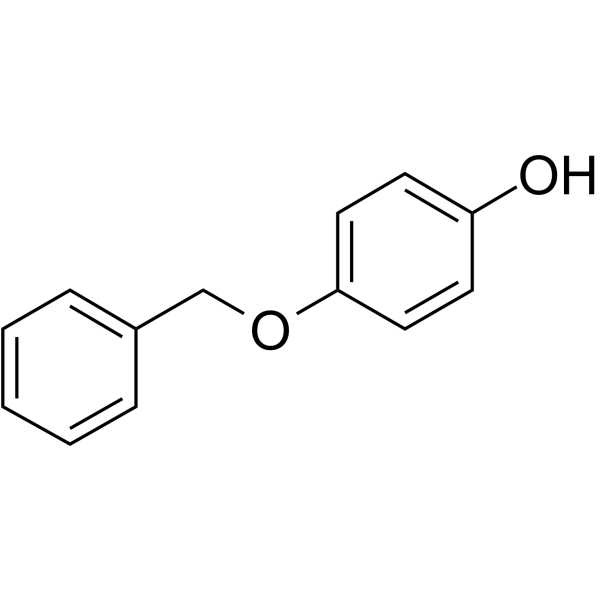
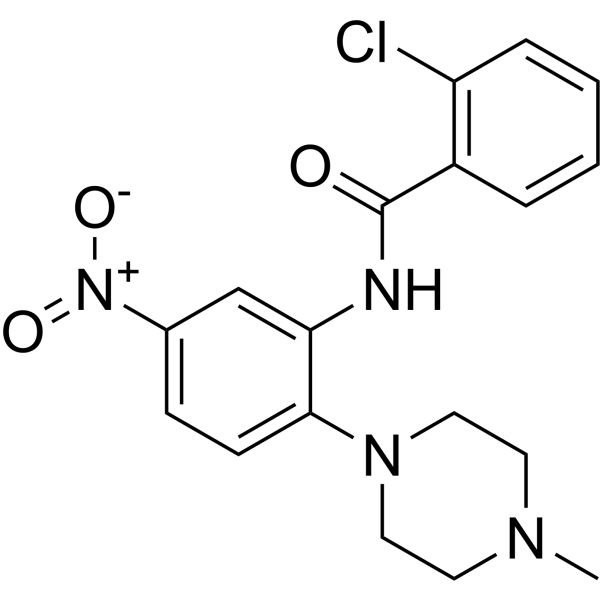
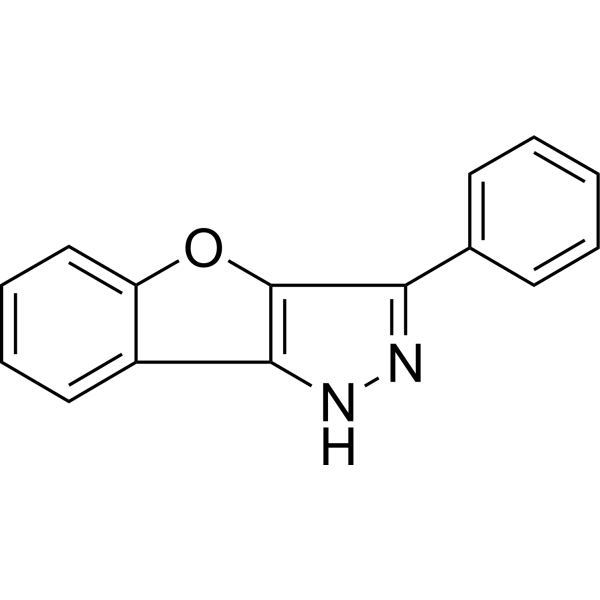
    Monobenzone is a potent skin depigmenting agent. Monobenzone induces depigmentation and exhibits good potential for vitiligo research. Monobenzone is a potent inhibitor of RNR (Ribonucleotide reductase) enzyme activity by targeting RRM2 (a regulatory small subunit M2 of RNR) protein, and thus has significant anti-leukemia efficacy in vitro and in vivo. Monobenzone inhibits acute myeloid leukemia (AML) cells proliferation and DNA synthesis, induces cell cycle arrest, and Apoptosis .
    Monobenzone
  • HY-P99412
    Lusvertikimab
    1 Publications Verification

    OSE-127

    Interleukin Related Cancer
    Lusvertikimab (OSE-127) is a humanized IL7R monoclonal antibody. Lusvertikimab is not internalized by target cells and prevents IL7R heterodimerization and subsequent downstream signaling. Lusvertikimab has anti-leukemic efficacy and has the potential for B cell precursor acute lymphoblastic leukemia (BCP-ALL) research .
    Lusvertikimab
  • HY-P99014
    Cusatuzumab
    1 Publications Verification

    ARGX-110

    Fc Receptor (FcR) NF-κB Inflammation/Immunology Cancer
    Cusatuzumab (ARGX-110) is a selective competitive blocker targeting CD70 (with an equilibrium dissociation constant of 17 pM for binding to human CD70). Cusatuzumab also possesses enhanced antibody-dependent cell-mediated cytotoxicity (ADCC) activity. It is a humanized IgG1 monoclonal antibody, artificially synthesized through humanization and genetic engineering modifications (CH2 region mutation to enhance effector function). Cusatuzumab has a dual mechanism of action: firstly, it competitively blocks the interaction between CD70 and CD27, inhibiting the CD27-NF-κB signaling pathway, reducing regulatory T cell (Treg) activation and tumor cell proliferation; secondly, by enhancing binding to FcγRIIIa, it mediates ADCC and antibody-dependent cellular phagocytosis (ADCP), directly lysing CD70-positive tumor cells. Cusatuzumab can efficiently eliminate leukemia stem cells (LSCs), induce tumor cell differentiation and apoptosis, restore immune surveillance, and target CD70-positive tumors. Cusatuzumab is used in the study of acute myeloid leukemia (AML) .
    Cusatuzumab
  • HY-124629
    DB2313
    5+ Cited Publications

    Apoptosis Cancer
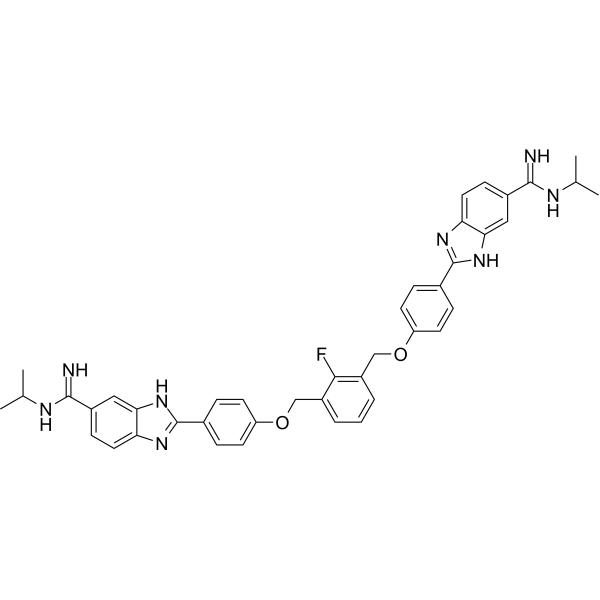
    DB2313 is a potent inhibitor of transcription factor PU.1. DB2313 inhibits PU.1-dependent reporter gene transactivation with an IC50 of 5 μM. DB2313 disrupts the interaction of PU.1 with target gene promoters. DB2313 induces apoptosis in acute myeloid leukemia (AML) cells and has anticancer effects .
    DB2313
  • HY-P99971

    ADC Antibody Transmembrane Glycoprotein Cancer
    Gemtuzumab is a monoclonal IgG4-κ antibody targeting CD33 antigen. Gemtuzumab affects cell necrosis by specifically targeting CD33 expressed on the surface of leukaemic cell blasts in acute myeloid leukemia (AML). Gemtuzumab can be used for synthesis of antibody-drug conjugate (ADC), Gemtuzumab ozogamicin (HY-109539). Gemtuzumab ozogamicin consists of a cytotoxic derivative of Calicheamicin (a cytotoxic antibiotic), and a monoclonal antibody. Gemtuzumab ozogamicin can be used for the research of acute myeloid leukemia. Recommend Isotype Controls: Human IgG4 (S228P) kappa, Isotype Control (HY-P99003) .
    Gemtuzumab
  • HY-174228

    Insulin Receptor Apoptosis Cancer
    I3IN-002 is a small-molecule RNA-binding protein IGF2BP3 inhibitor with an IC50 value of approximately 2 μM in SEM cells. I3IN-002 interferes with interaction with m6 A-modified mRNAs, disrupting the stabilization of target genes (such as CDK6, MYC, and BCL2) to inhibit leukemic cell growth, induce cell cycle arrest, and promote apoptosis. I3IN-002 is promising for research of B-cell acute lymphoblastic leukemia .
    I3IN-002
  • HY-170451

    KT-253

    PROTACs MDM-2/p53 Apoptosis Cancer
    Seldegamadlin (KT-253) is a selective p53 stabilizer and a MDM2 PROTAC degrader (DC50 = 0.4 nM). Seldegamadlin inhibits the proliferation of cancer cell RS4;11 with an IC50 of 0.3 nM, arrests the cell cycle at G2/M phase, and induces apoptosis. Seldegamadlin upregulates p53 activity and overcomes the p53-MDM2 feedback loop. Seldegamadlin can be used for the study of hematologic and solid tumors, such as acute myeloid leukemia (AML) and acute lymphoblastic leukemia (ALL). (Pink: ligand for target protein MDM2 ligand 4 (HY-170452); Black: linker (HY-W001478); Blue: ligand for E3 ligase cereblon (HY-163927)) .
    Seldegamadlin
  • HY-153084A
    CD19 CAR mRNA (Human)
    1 Publications Verification

    mRNA CD19 Cancer
    CD19 CAR mRNA (Human) expresses CAR protein that specifically targets human CD19. CD19 CAR mRNA can trigger transitory expression of CAR, allowing T cells to be targeted without permanent genetic modification. CD19 CAR mRNA targets CD19 which is a transmembrane glycoprotein primarily expressed on B lymphocytes and is important in B cell activation. CD19 CAR mRNA can be studied in cancer research such as lymphoma and leukemia .
    CD19 CAR mRNA (Human)
  • HY-P99521

    XmAb14045

    CD3 Inflammation/Immunology Cancer
    Vibecotamab (XmAb14045) is a potent bispecific antibody targeting both CD123 and CD3. Vibecotamab targets T cell-mediated killing of CD123-expressing cells, regardless of T cell antigen specificity. Vibecotamab is a full length immunoglobulin molecule. Vibecotamab can be studied in research for diseases such as Myelodysplastic syndrome and acute myeloid leukemia. Recommend Isotype Control: half-IG G1-kappa/(scFv-heavy-lambda)-h-CH2-CH3 .
    Vibecotamab
  • HY-P9959

    CMC-544; PF-5208773; WAY-207294

    Antibody-Drug Conjugates (ADCs) CD22 Cancer
    Inotuzumab ozogamicin (CMC-544) is an antibody-targeted chemotherapy agent composed of a humanized anti-CD22 antibody conjugated to Calicheamicin (HY-19609). Inotuzumab ozogamicin and G544 bind human CD22 with similar affinities (Kd ≈ 150 pM). Inotuzumab ozogamicin has demonstrated efficacy against CD22 + B-cell non-Hodgkin’s lymphoma. Inotuzumab ozogamicin can be used in the research of acute lymphoblastic leukemia .
    Inotuzumab ozogamicin
  • HY-145729

    AZD9150

    STAT Apoptosis Cancer
    Danvatirsen (AZD9150) is an antisense oligonucleotide targeting STAT3. Danvatirsen reduces the viability and promotes apoptosis of leukemia cell lines. Danvatirsen inhibits the expression of endogenous STAT3 and its downstream target genes, and reduces the proliferation and tumorigenicity of neuroblastoma and lymphoma cells. Danvatirsen inhibited tumor growth in mouse models of neuroblastoma, lymphoma, and non-small cell lung cancer. Danvatirsen achieves STAT3 mRNA and protein depletion in a mouse model of epidermoid carcinoma. Danvatirsen can be used in research related to lymphoma, myelodysplastic syndrome, acute myeloid leukemia, neuroblastoma and non-small cell lung cancer .
    Danvatirsen
  • HY-P99623

    MGD006; S80880

    CD3 Cancer
    Flotetuzumab (MGD006; S80880) is an investigational CD123/CD3 bispecific dual-affinity retargeting antibody (DART) molecule. Flotetuzumab reactivates T cells by simultaneously binding to CD123 in target cells and CD3 in effector T cells, leading to T-cell-mediated cytotoxicity in target cells. Flotetuzumab shows inhibitory effect on a mouse model of patient-derived xenograft (PDX) in acute myeloid leukemia (AML) .
    Flotetuzumab
  • HY-160041A

    NOX-A12 sodium

    CXCR Cancer
    Olaptesed pegol (NOX-A12) sodium is a L-oligoribonucleotide aptamer targeting CXCL12 based on a pegylated structure. Olaptesed pegol sodium neutralizes CXCL12, and CXCL12 inhibition mobilizes chronic lymphocytic leukemia cells into the circulation and prevents their homing into the protective microenvironment. Olaptesed pegol sodium can enhances the infiltration of human primary T cells and NK cells and inhibit tumor growth companied with anti-PD-1 antibody. Olaptesed pegol sodium can be used for researches of colon cancer and lymphocytic leukemia .
    Olaptesed pegol sodium
  • HY-160041

    NOX-A12

    CXCR Cancer
    Olaptesed pegol (NOX-A12) is a L-oligoribonucleotide aptamer targeting CXCL12 based on a pegylated structure. Olaptesed pegol neutralizes CXCL12, and CXCL12 inhibition mobilizes chronic lymphocytic leukemia cells into the circulation and prevents their homing into the protective microenvironment. Olaptesed pegol can enhances the infiltration of human primary T cells and NK cells and inhibit tumor growth companied with anti-PD-1 antibody. Olaptesed pegol can be used for researches of colon cancer and lymphocytic leukemia .
    Olaptesed pegol
  • HY-15222
    Menin-MLL inhibitor MI-2
    4 Publications Verification

    Epigenetic Reader Domain Apoptosis Cancer
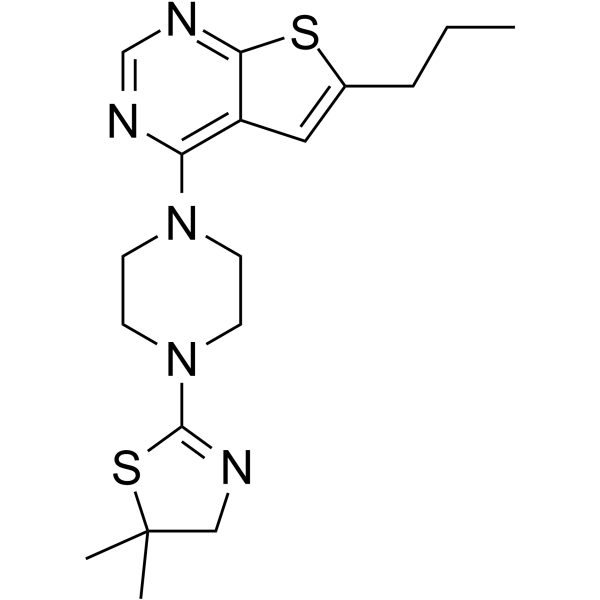
    Menin-MLL inhibitor MI-2 is a competitive and selective Menin-MLL interaction inhibitor with an IC50 value of 446 nM and a Ki value of 158 nM. Menin-MLL inhibitor MI-2 downregulates the expression of target genes such as HOXA9 and MEIS1, inhibits proliferation of leukemia cells and induces apoptosis and differentiation. Menin-MLL inhibitor MI-2 is proming for rasearch of MLL-rearranged acute leukemias (e.g., AML, ALL) .
    Menin-MLL inhibitor MI-2
  • HY-162250

    PROTACs Histone Methyltransferase Cancer
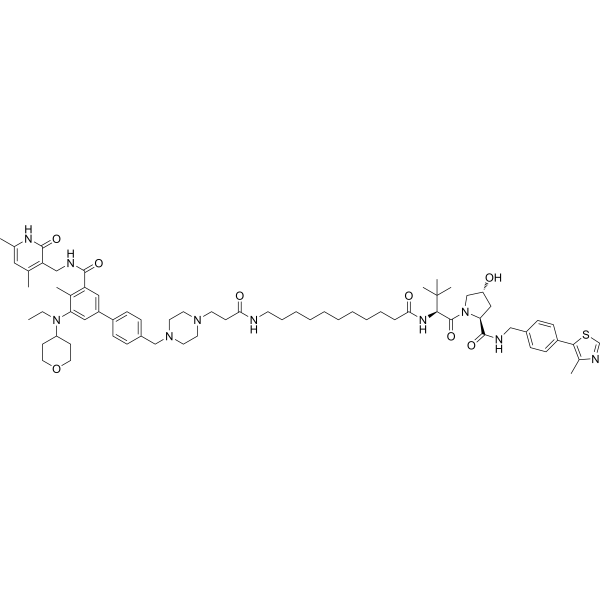
    MS8847 is a PROTAC degrader and antiproliferative agent targeting EZH2 (DC50=34.4 nM in EOL-1 MLL-rAML cells). MS8847 recruits the E3 ligase von Hippel-Lindau (VHL) to mediate the degradation of EZH2 via the ubiquitin-proteasome system. MS8847 induces antiproliferative effects in MLL-rearranged acute myeloid leukemia cells and inhibits the growth of triple-negative breast cancer cell lines or 3D triple-negative breast cancer models. MS8847 is applicable to research related to MLL-rearranged acute myeloid leukemia and triple-negative breast cancer .
    MS8847
  • HY-171792

    ORM-6151

    Transmembrane Glycoprotein Cancer
    BMS-986497 (ORM-6151) is a CD33-targeting antibody-conjugated GSPT1 degrader. BMS-986497 delivers the GSPT1 degrader SMol006 to CD33-expressing cells and induces GSPT1 protein degradation. BMS-986497 shows potential for research on acute myeloid leukemia (AML) .
    BMS-986497
  • HY-P991558

    RG-7356

    Transmembrane Glycoprotein Cancer
    RO-5429083 (RG-7356) is a humanized monoclonal antibody targeting CD44. RO-5429083 binds to the extracellular domain of CD44 and inhibits constitutive EGFR phosphorylation. RO-5429083 suppresses tumor growth in xenograft models and can be used in research related to head and neck squamous cell carcinoma and acute myeloid leukemia .
    RO-5429083
  • HY-N1255

    (-)-Scoulerine; Discretamine

    Bcl-2 Family Apoptosis mTOR GABA Receptor PI3K Adrenergic Receptor Beta-secretase Akt Cancer
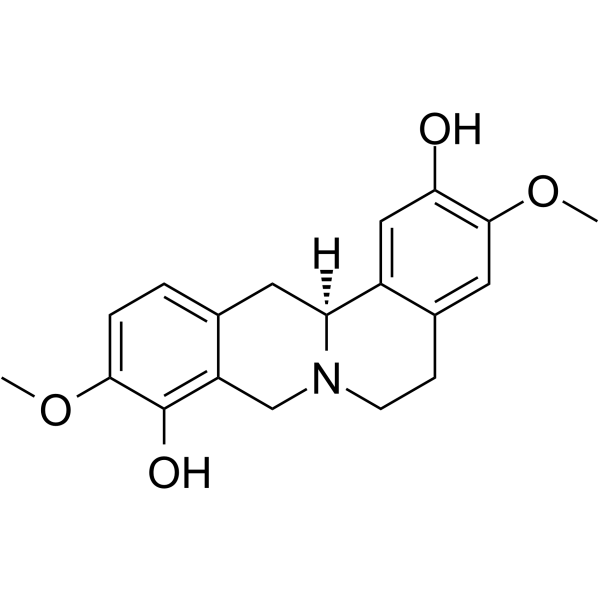
    Scoulerine ((-)-Scoulerine; Discretamine) hydrochloride is a multi-target inhibitor with anti-tumor and antioxidant activities. Scoulerine mainly targets the PI3K/Akt/mTOR signaling axis and α1D-adrenergic receptor, disrupts microtubule structure, and induces cell cycle arrest and apoptosis. Scoulerine effectively inhibits mitochondrial dehydrogenase activity, targets GABA receptors and BACE1, and suppresses the proliferation, migration, invasion, epithelial-mesenchymal transition and stem cell properties of cancer cells. Scoulerine also exhibits multiple pharmacological activities including anti-Plasmodium falciparum, antibacterial, antiemetic and antitussive effects, and regulates endoplasmic reticulum stress and mitochondrial function (modulates Bax, Bcl-2 and cytochrome c). Scoulerine is applicable to research related to leukemia, ovarian cancer, and colorectal cancer .
    Scoulerine
  • HY-13032B
    Molibresib besylate
    20+ Cited Publications

    GSK 525762C; I-BET 762 besylate

    Epigenetic Reader Domain ERK Cancer
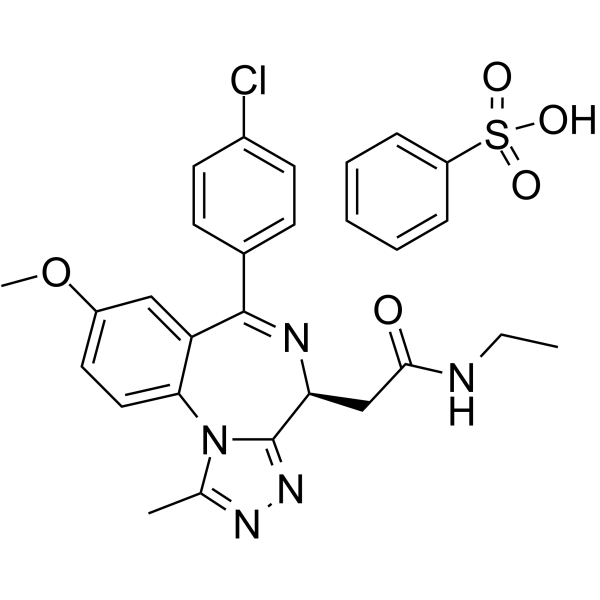
    Molibresib besylate (GSK 525762C; I-BET 762 besylate) is an orally active pan-BET inhibitor that targets and binds to BRD2, BRD3, BRD4 and BRDT. By competitively occupying acetylated lysine binding sites, Molibresib besylate disrupts the interaction between BET proteins and chromatin, thereby effectively inhibiting MYC expression and target gene transcription. Molibresib besylate exhibits broad antiproliferative activity, which not only inhibits cancer cell growth and induces growth arrest, but also downregulates mitosis-related genes and upregulates the level of p-ERK1/2. When combined with MEK inhibitors, Molibresib besylate shows a significant synergistic effect, reduces tumor burden in mouse models of leukemia, modulates the immune microenvironment and prolongs survival. Molibresib besylate is widely applicable to research related to acute myeloid leukemia, multiple myeloma, triple-negative breast cancer, small-cell lung cancer and various advanced refractory solid tumors .
    Molibresib besylate
  • HY-168654

    Wee1 Cancer
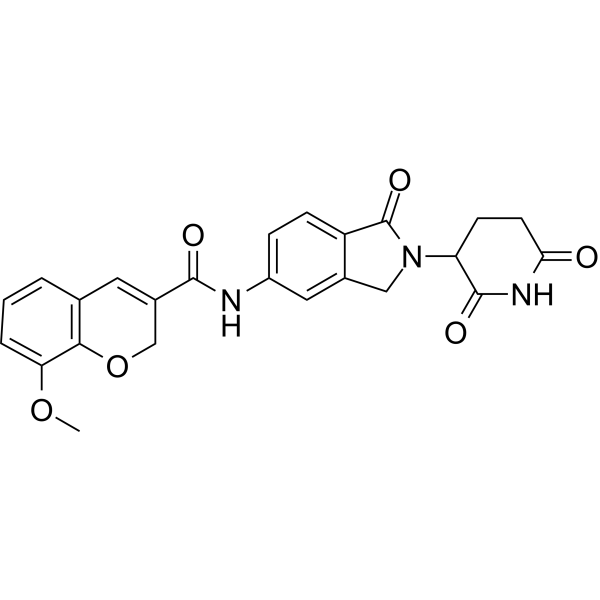
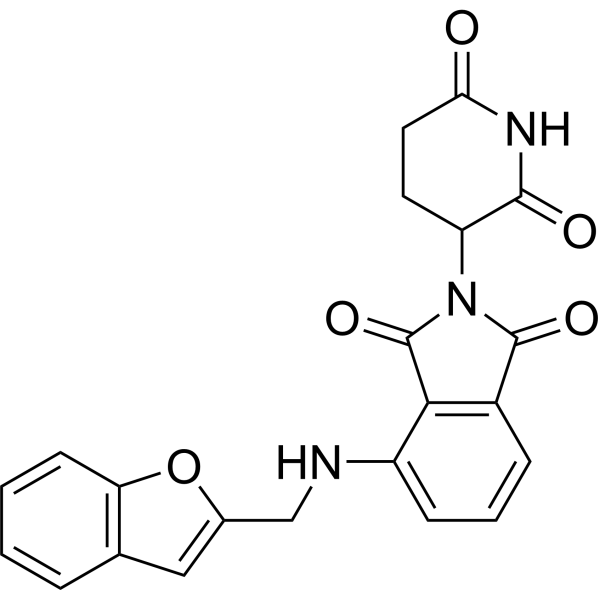
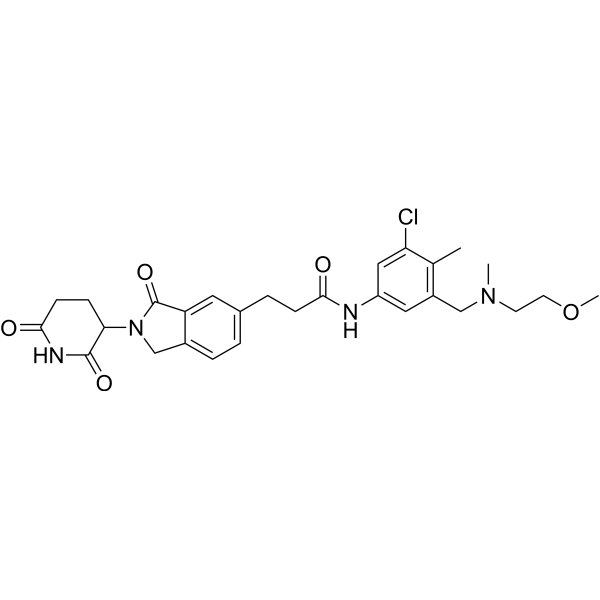
    WEE1 degrader 1 (Compound 10) is a CRBN-dependent molecular glue degrader of WEE1 and casein kinase 1α (CK1α) with sub-2 nM DC50 values for both targets. WEE1 degrader 1 can be used for the research of acute lymphoblastic leukemia, acute monocytic leukemia, acute promyelocytic leukemia, colorectal adenocarcinoma, diffuse large b cell lymphoma .
    WEE1 degrader 1
  • HY-141429A
    AS-99 TFA
    2 Publications Verification

    Histone Methyltransferase Apoptosis Cancer
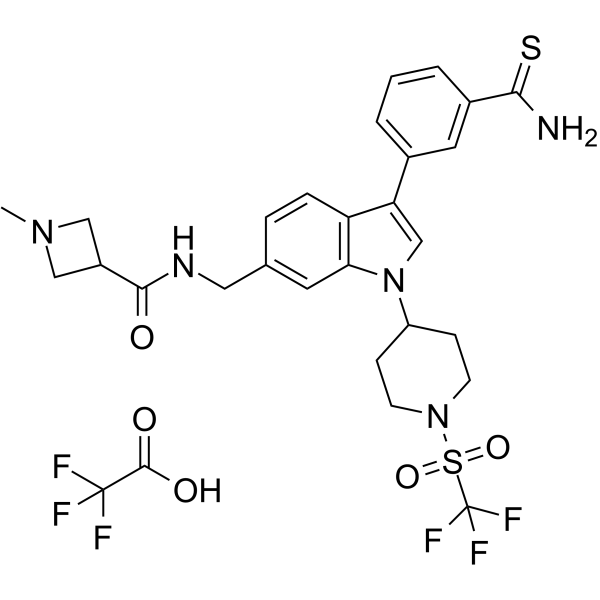
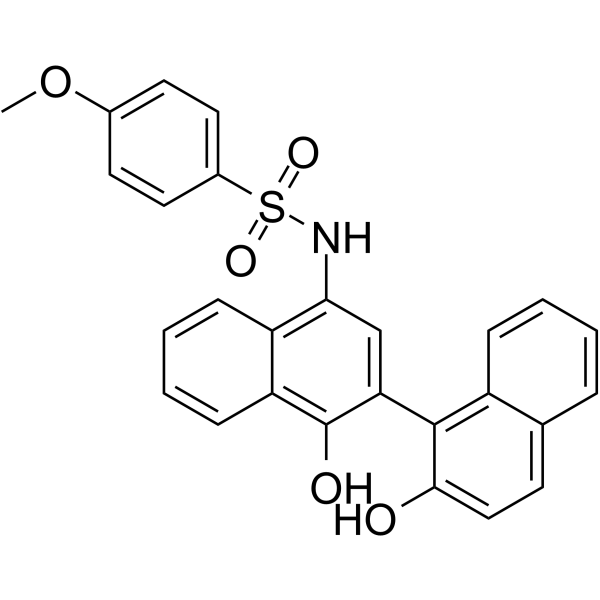
    AS-99 TFA is a first-in-class, potent and selective ASH1L histone methyltransferase inhibitor (IC50= 0.79 μM, Kd= 0.89 μM) with anti-leukemic activity. AS-99 TFA blocks cell proliferation, induces apoptosis and differentiation, downregulates MLL fusion target genes, and reduces the leukemia burden in vivo .
    AS-99 TFA
  • HY-157334
    DEG-77
    1 Publications Verification

    Molecular Glues Casein Kinase IKZF Family Bcl-2 Family CDK Apoptosis Cancer
    DEG-77 is a molecular glue targeting IKZF2 and CK1α, with DC50 values of 15.3 nM and 10 nM, respectively. DEG-77 exhibits significant anti-tumor activity, inducing increased transcriptional levels of the pro-apoptotic protein Bax and the cell cycle arrest protein p21. DEG-77 is applicable to the research of acute myeloid leukemia (AmL), diffuse large B-cell lymphoma and ovarian cancer.
    DEG-77
  • HY-153698

    Molecular Glues Ligands for E3 Ligase Cancer
    CC-3060 is a molecular glue modulator targeting Cereblon (CRBN) E3 ubiquitin ligase and ZBTB16 degrader with a DC50 of 0.47 nM in HT-1080 cells. CC-3060 engages structural degrons on ZBTB16’s ZnF1 or ZnF3 domains for fusion protein substrates. CC-3060 can be used for the research of acute promyelocytic leukemia .

    CC-3060
  • HY-P99650

    WT1

    Transmembrane Glycoprotein Cancer
    Grisnilimab (WT1) is an IgG2a monoclonal antibody targeting CD7. Grisnilimab only binds to lymphoid tissues and T lymphocytes, with no off-target binding to normal tissues. Grisnilimab can be used to synthesize the immunotoxin WT1-SMPT-dgRTA, which exerts cytotoxic effects on T-lymphoblastic leukemia cells. Grisnilimab is applicable to relevant research on leukemia .
    Grisnilimab
  • HY-N6744

    Apoptosis Endogenous Metabolite Fungal Parasite Arp2/3 Complex Infection Cancer
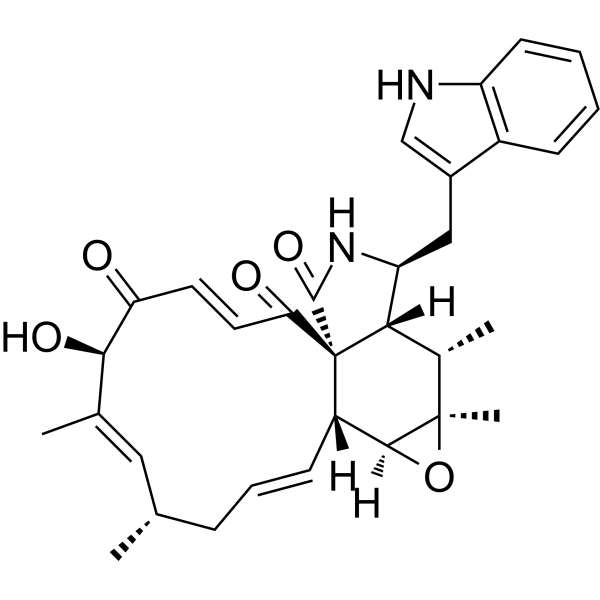
    Chaetoglobosin A is a secondary metabolite and nematicide. Chaetoglobosin A is produced by Penicillium aquamarinium. Chaetoglobosin A targets Filamentous actin in cells, thereby inducing cell cycle arrest, and inhibiting membrane ruffle formation and cell migration. Chaetoglobosin A preferentially induces Apoptosis in chronic lymphocytic leukemia cells. Chaetoglobosin A induces dose- and time-dependent death in J2 larvae of the southern root-knot nematode (Meloidogyne incognita). Chaetoglobosin A can be used in studies related to root-knot nematode disease and chronic lymphocytic leukemia .
    Chaetoglobosin A
  • HY-13072
    Cenisertib
    1 Publications Verification

    AS-703569; R-763

    Aurora Kinase Bcr-Abl Akt STAT FLT3 Cancer
    Cenisertib (AS-703569) is an ATP-competitive multi-kinase inhibitor that blocks the activity of Aurora-kinase-A/B, ABL1, AKT, STAT5 and FLT3. Cenisertib induces major growth-inhibitory effects by blocking the activity of several different molecular targets in neoplastic mast cells (MC). Cenisertib inhibits tumor growth in xenograft models of pancreatic, breast, colon, ovarian, and lung tumors and leukemia .

    Cenisertib
  • HY-125834

    PROTACs Bcr-Abl Apoptosis STAT JAK Cancer
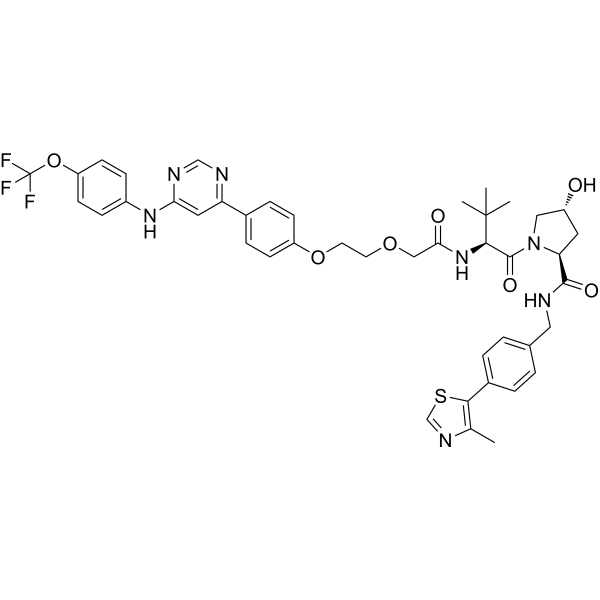
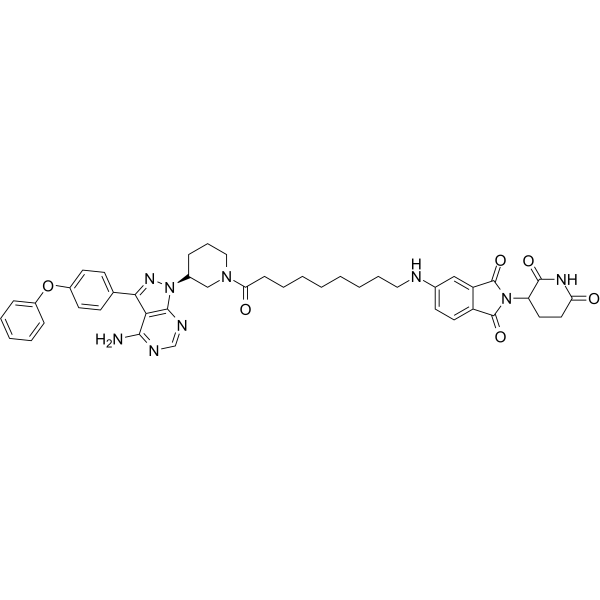
    GMB-475 is a potent BCR-ABL1 PROTAC based on Von Hippel-Lindau (VHL). GMB-475 targets the nutmeg pocket of ABL1 in an ectopic manner and degrades BCR-ABL1 protein through the ubiquitin proteasome pathway. GMB-475 inhibits the proliferation of human K562 cells and mouse Ba/F3 cells, and is used for the study of chronic myeloid leukemia. (Blue: VHL ligand (HY-125845); Black: Linker; Pink: BCR-ABL1 ligand (HY-11007)) .
    GMB-475
  • HY-P99914

    GNC-038

    PD-1/PD-L1 CD19 TNF Receptor CD3 Interleukin Related IFNAR Inflammation/Immunology Cancer
    Emfizatamab (GNC-038) is a monoclonal antibody against CD19/CD3E/TNFRSF9/PD-L1. Emfizatamab exhibits antitumor activity, being capable of activating CD3 and 4-1BB signals on T cells, as well as targeting the high expression of CD19 or PD-L1 on tumor cells. Emfizatamab functions as a CD19-specific T cell engager by mediating direct antitumor activity. Emfizatamab can also overcome the inhibition of T cells by PD-L1. Emfizatamab can be used in the research of tumors such as R/R non-Hodgkin lymphoma or acute lymphoblastic leukemia .
    Emfizatamab
  • HY-145729A

    AZD9150 sodium

    STAT Apoptosis Cancer
    Danvatirsen sodium (AZD9150 sodium) is an antisense oligonucleotide targeting STAT3. Danvatirsen sodium reduces the viability and promotes apoptosis of leukemia cell lines. Danvatirsen sodium inhibits the expression of endogenous STAT3 and its downstream target genes, and reduces the proliferation and tumorigenicity of neuroblastoma and lymphoma cells. Danvatirsen sodium inhibited tumor growth in mouse models of neuroblastoma, lymphoma, and non-small cell lung cancer. Danvatirsen sodium achieves STAT3 mRNA and protein depletion in a mouse model of epidermoid carcinoma. Danvatirsen sodium can be used in research related to lymphoma, myelodysplastic syndrome, acute myeloid leukemia, neuroblastoma and non-small cell lung cancer .
    Danvatirsen sodium
  • HY-12400

    Akt Cancer
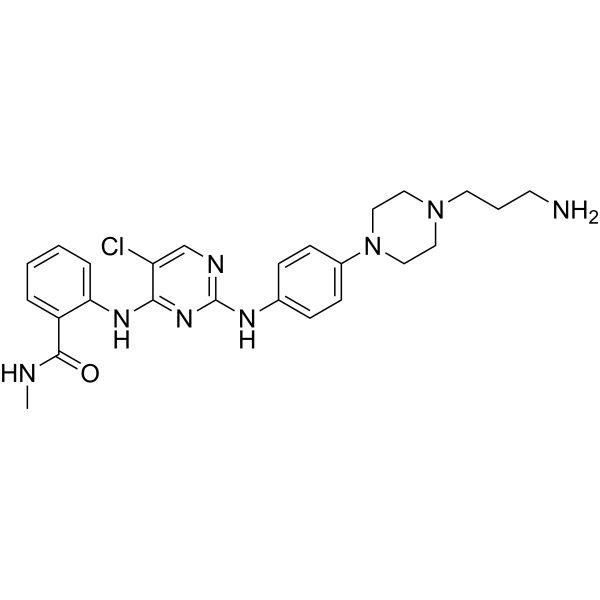
    GSK3182571 is a non-selective broad-spectrum kinase inhibitor with similar structure to CTx-0294885 (HY-15985). GSK3182571 can induce changes in the thermostability of target proteins in cells. GSK3182571 can be used to explore the effects of drugs on kinase networks and off-target effects in leukemia cell models .
    GSK3182571
  • HY-171499

    EL625

    MDM-2/p53 Cancer
    Cenersen (EL625) is an oligonucleotide targeting TP53. Cenersen can eliminate the activity of TP53 gain-of-function mutants and increase the sensitivity of lymphoma cells to cytotoxic chemotherapy in vitro. Cenersen can be used for the study of chronic lymphocytic leukemia (CLL) .
    Cenersen
  • HY-115881

    PROTACs Epigenetic Reader Domain Cancer
    SR-1114 is a PROTAC degrader targeting ENL. SR-1114 degrades ENL in a CRBN-dependent manner and selectively downregulates ENL target genes. SR-1114 can promote the differentiation of acute myeloid leukemia cells. SR-1114 can be used in tumor research. (Pink: ENL ligand (HY-145409); Black: Linker; Blue: E3 Ligand (HY-14658)) .
    SR-1114
  • HY-153495

    BP1001

    Bcl-2 Family Apoptosis Reactive Oxygen Species (ROS) Cancer
    Prexigebersen (BP1001) is an antisense oligonucleotide targeting Bcl-2 and Grb2. Prexigebersen exhibits antileukemic activity in cell models. Prexigebersen induces apoptosis (apoptosis), cell cycle arrest and ROS production in leukemia cells. Prexigebersen inhibits Grb2 expression, thereby suppressing tumor growth and survival. Prexigebersen can be used in studies related to acute myeloid leukemia .
    Prexigebersen
  • HY-123141

    Pim Cancer
    K00135 is a potent and selective inhibitor of PIM kinases. K00135 inhibits survival and clonogenic growth of acute leukemia cells. K00135 inhibits the phosphorylation of PIM downstream targets .
    K00135
  • HY-155552

    Apoptosis CDK Caspase Cancer
    GSPT1 degrader-1 is a highly selective degrader targeting GSPT1. GSPT1 degrader-1 induces degradation via the ubiquitin-proteasome system. GSPT1 degrader-1 induces G0/G1 phase arrest, apoptosis (apoptosis) and inhibits proliferation in leukemia cells. GSPT1 degrader-1 reduces the levels of CDK6 and Cyclin B1, while increases the levels of activated caspase-3 and caspase-9 in leukemia cells. GSPT1 degrader-1 can be used in leukemia research .
    GSPT1 degrader-1
  • HY-163707

    Apoptosis Cancer
    UR778Br targets the GTPase-activating protein-related domain (GRD domain) of IQGAP1 proteins. UR778Br inhibits the proliferation of human acute myeloid leukemia (AML), arrests the cell cycle at the G2/M phase, and induces apoptosis. UR778Br inhibits colony formation of primary and AML cells, without significant impacts on normal bone marrow cells .
    UR778Br
  • HY-P990002

    c-Kit Inflammation/Immunology Cancer
    Anti-Mouse CD117/c-Kit Antibody (2B8) is an IgG2b antibody, targeting to mouse CD117/c-Kit. Anti-Mouse CD117/c-Kit Antibody (2B8) reacts with mouse c-Kit (also known as CD117), which is expressed on hematopoietic progenitor cells, mast cells, and acute myeloid leukemia (AML) cells. Anti-Mouse CD117/c-Kit Antibody (2B8) can be used for the detection of flow cytometry, immunofluorescence and immunohistochemistry in cancer and inflammation .
    Anti-Mouse CD117/c-Kit Antibody (2B8)
  • HY-177467

    Apoptosis FLT3 Cancer
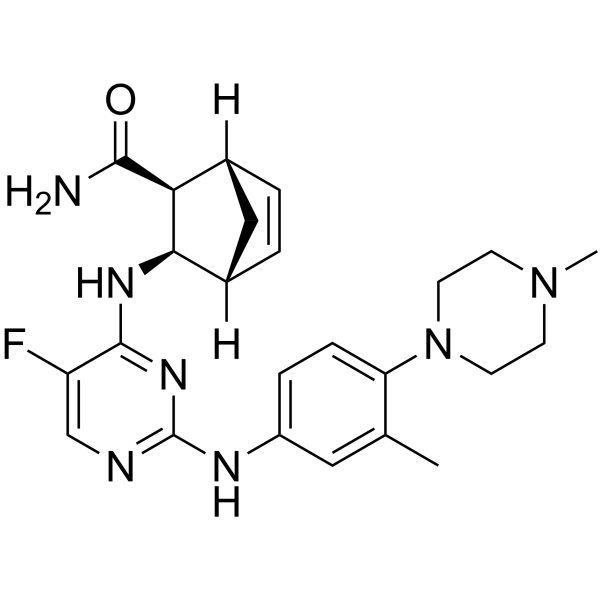
    P0064 is a selective inhibitor targeting the PR domain of PRDM16. P0064 selectively reduces proliferation and survival of FLT3-ITD+ leukemia cells and induces cell apoptosis. P0064 is promising for research of acute myeloid leukemia (AML) .
    P0064
  • HY-P11451

    CXCR Cancer
    Pentixather is a radiolabeled peptide that can target CXCR4. Pentixather can disrupt the interaction between leukemic cells and the bone marrow microenvironment by targeting the CXCR4/CXCL12 signaling axis, reduce the retention of leukemic cells in the protective bone marrow niche, and thereby enhance the sensitivity of leukemic cells to treatment. Pentixather can be used for the study of acute lymphoblastic leukemia (ALL) and acute myeloid leukemia (AML) .
    Pentixather
  • HY-148817

    WDR5 Cancer
    WDR5-0102 is an inhibitor of WDR5. WDR5-0102 specifically targets the WIN site of WDR5, disrupts the WDR5-MLL1 interaction, and reduces the histone methyltransferase activity of MLL1. WDR5-0102 exerts dose-dependent toxicity on MDSC-like cells and reduces their osteopontin levels, while showing extremely low cytotoxicity to pancreatic cancer cells. WDR5-0102 can be used in the research of related diseases such as acute myeloid leukemia, lymphoid leukemia, biphenotypic leukemia and pancreatic cancer .
    WDR5-0102
  • HY-170574

    Molecular Glues Apoptosis RIO Kinase Cancer
    CQ627 is a molecular glue targeting the degradation of RIOK2. It effectively induces the degradation of RIOK2 in the MOLT4 leukemia cell line via the ubiquitin-proteasome system (UPS) by recruiting the E3 ubiquitin ligase RNF126, with a DC50 value of 410 nM. CQ627 dose-dependently induces apoptosis in MOLT4 leukemia cells, blocks their cell cycle in the G2/M phase, and exhibits antiproliferative activities in various cancer cell lines. CQ627 also demonstrates in vivo anticancer activity in a MOLT4 xenograft mouse model .
    CQ627
  • HY-141429
    AS-99 free base
    2 Publications Verification

    Histone Methyltransferase Apoptosis Cancer
    AS-99 is a first-in-class, potent and selective ASH1L histone methyltransferase inhibitor (IC50= 0.79 µM, Kd= 0.89 µM) with anti-leukemic activity. AS-99 blocks cell proliferation, induces apoptosis and differentiation, downregulates MLL fusion target genes, and reduces the leukemia burden in vivo .
    AS-99 free base
  • HY-P991665

    OBT357NF; OBT357

    Transmembrane Glycoprotein Cancer
    MEN1112 (OBT357NF) is a selective humanized monoclonal antibody targeting the Bst1/CD157 antigen (EC50=1 nM). MEN1112 exerts potent antitumor activity against acute myeloid leukemia (AML) cells. MEN1112 is promising for research of hematological malignancies such as AML .
    MEN1112
  • HY-156566

    PROTACs Epigenetic Reader Domain HSP Cancer
    PROTAC BRD4 Degrader-21 is a BRD4-targeting PROTAC degrader with an IC50 value of 59 nM. PROTAC BRD4 Degrader-21 induces ubiquitination of BRD4, leading to its degradation via the proteasome. PROTAC BRD4 Degrader-21 binds to recombinant HSP90α protein with moderate affinity, having an IC50 of 100-1000 nM. PROTAC BRD4 Degrader-21 induces cancer cell death. PROTAC BRD4 Degrader-21 inhibits tumor growth in xenograft mouse models. PROTAC BRD4 Degrader-21 can be used for the research of acute myeloid leukemia, diffuse large B-cell lymphoma .
    PROTAC BRD4 Degrader-21
  • HY-134557

    GSK-3 Cancer
    GS87 is a highly specific and potent GSK3 inhibitor with IC50s of 415nM and 521nM for GSK3α and GSK3β, respectively. GS87 induces differentiation of acute myeloid leukemia (AML) cell lines by effectively activating GSK3-dependent signaling components including MAPK signaling. GS87 modulates key GSK3 target proteins involved in cell proliferation and differentiation more effectively than Lithium and SB415285 (SB). GS87 has the potential for acting as a differentiation agent for non-promyelocytic AML research .
    GS87
  • HY-175594

    DNA Methyltransferase Cancer
    DNMT2-IN-2 is a selective DNA methyltransferase 2 (DNMT2) inhibitor with a KD value of 3.04 μM. DNMT2-IN-2 targets to a cryptic allosteric binding site of DNMT2. DNMT2-IN-2 reduces m5C levels in MOLM-13 tRNA and synergizes with Doxorubicin (HY-15142A) to impair cell viability. DNMT2-IN-2 can be used for cancer research, such as cervical cancer and leukemia .
    DNMT2-IN-2
  • HY-W724853

    1,4-Dimethyltetrasulfane

    Apoptosis Caspase Reactive Oxygen Species (ROS) Cancer
    Dimethyl tetrasulfide (1,4-Dimethyltetrasulfane) is an apoptosis inducer targeting leukemia cells. Dimethyl tetrasulfide exerts cytotoxic effects through the induction of intracellular reactive oxygen species (ROS) production and activation of caspase-3 enzyme. Dimethyl tetrasulfide is promising for research of cancers, such as leukemia .
    Dimethyl tetrasulfide
  • HY-164466

    Calcium Channel Notch Cancer
    CAD204520, a SERCA inhibitor (IC50 = 0.34 μM), targets mutated over wild type NOTCH1 proteins in T-cell acute lymphoblastic leukemia (T-ALL) and mantle cell lymphoma (MCL). CAD204520 can be used for T-ALL and MCL research .
    CAD204520
  • HY-N16420

    DNA/RNA Synthesis Apoptosis Cancer
    Illudin B is a DNA-targeting cytotoxin that forms interstrand DNA crosslinks via covalent binding, disrupting DNA replication and transcription. Illudin B induces cell cycle arrest and apoptosis, showing toxicity against multiple tumor cells (e.g., leukemia, breast, lung cancer) .
    Illudin B

Inquiry Online

Your information is safe with us. * Required Fields.

Salutation


Country or Region *

Applicant Name *


Organization Name *

Department *


Email Address *


Product Name *

Cat. No.


Requested quantity *

Phone Number *


Remarks

Inquiry Online

Inquiry Information

Product Name:
Cat. No.:
Quantity:
MCE Japan Authorized Agent: