

Search Result
Results for "
Cytoprotective
" in MedChemExpress (MCE) Product Catalog:
5
Biochemical Assay Reagents
8
Isotope-Labeled Compounds
| Cat. No. |
Product Name |
Target |
Research Areas |
Chemical Structure |
-
- HY-B0639
-
|
WR2721
|
MDM-2/p53
HIF/HIF Prolyl-Hydroxylase
|
Cancer
|
|
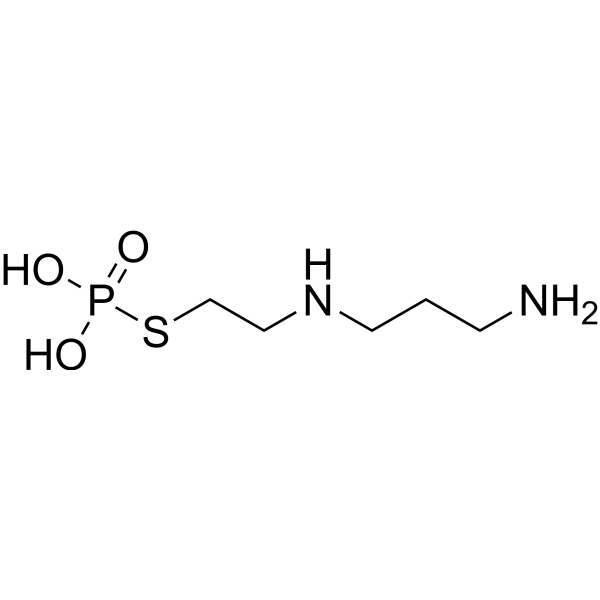
Amifostine (WR2721) is a broad-spectrum cytoprotective agent and a radioprotector. Amifostine selectively protects normal tissues from damage caused by radiation and chemotherapy. Amifostine is potent hypoxia-inducible factor-α1 (HIF-α1) and p53 inducer. Amifostine protects cells from damage by scavenging oxygen-derived free radicals. Amifostine reduces renal toxicity and has antiangiogenic action .
|
-
-
- HY-D1005A
-
-
-
- HY-W008807
-
|
Phosphoenolpyruvate potassium
|
Endogenous Metabolite
|
Metabolic Disease
|
|
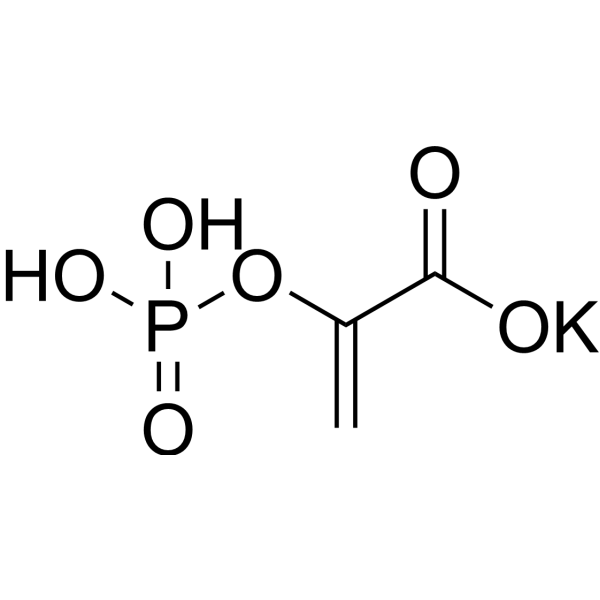
Phosphoenolpyruvic acid (Phosphoenolpyruvate) potassium is a glycolysis metabolite with a high-energy phosphate group. Phosphoenolpyruvic acid potassium is involved in glycolysis and gluconeogenesis, and used as energy source to produce ATP, under the energy-limited conditions. Phosphoenolpyruvic acid potassium also exhibits cytoprotective and anti-oxidative properties .
|
-
-
- HY-13679
-
|
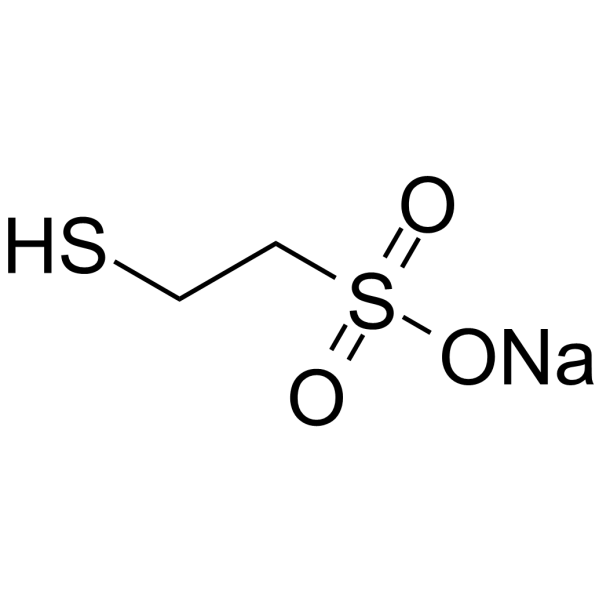
Mesnum
|
Glutathione Peroxidase
|
Cancer
|
|
Mesna (Sodium 2-mercaptoethanesulfonate) is an antioxidant which has cytoprotective effects. Mesna is widely used as a systemic protective agent against chemotherapy toxicity. Mesna is also used to reduce hemorrhagic cystitis induced by cyclophosphamide .
|
-
-
- HY-B1218
-
|
|
Cytochrome P450
Antibiotic
Bacterial
Necroptosis
Apoptosis
|
Infection
Cardiovascular Disease
|
|
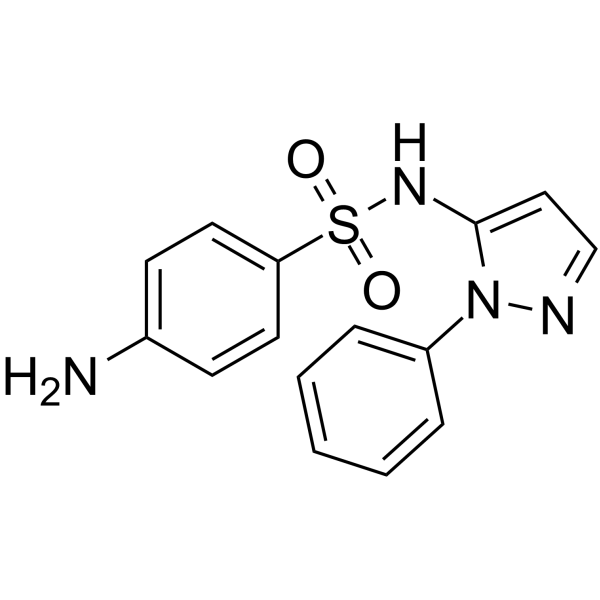
Sulfaphenazole is a selective inhibitor of human cytochrome P450 (CYP) 2C9 enzyme. Sulfaphenazole is a cytoprotective agent against light-induced death of photoreceptors. Sulfaphenazole inhibits light-induced necrosis and mitochondrial stress-initiated apoptosis. Sulfaphenazole is an off patent sulfonamide antibiotic and demonstrates bactericidal activity through enhanced M1 macrophage activity. Sulfaphenazole can significantly reduce infarct size and restore post-ischemic coronary flow following ischemia and reperfusion .
|
-
-
- HY-N0017
-
-
-
- HY-B0968A
-
|
|
Autophagy
|
Cardiovascular Disease
|
|
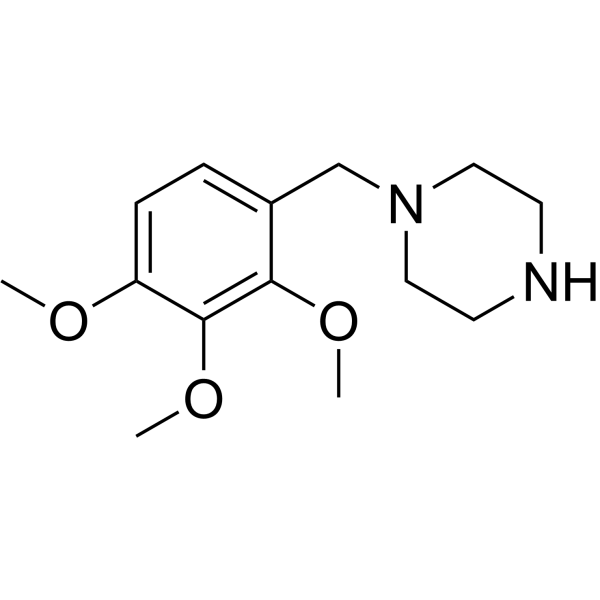
Trimetazidine is a selective long chain 3-ketoyl coenzyme A thiolase inhibitor with an IC50 of 75 nM, which can inhibit β-oxidation of free fatty acid (FFA). Trimetazidine is an effective antianginal agent and a cytoprotective agent, has anti-oxidant, anti-inflammatory, antinociceptive and gastroprotective properties. Trimetazidine triggers autophagy. Trimetazidine is also a 3-hydroxyacyl-CoA dehydrogenase (HADHA) inhibitor .
|
-
-
- HY-D1005H
-
-
-
- HY-106950A
-
|
Diphosphofructose trisodium; Esafosfan trisodium; FDP trisodium
|
Endogenous Metabolite
|
Cardiovascular Disease
|
|
Fosfructose trisodium (Diphosphofructose trisodium, Esafosfan trisodium, FDP trisodium) is a cytoprotective natural sugar phosphate used in research on cardiovascular ischemia, sickle cell anemia, and asthma. Fosfructose trisodium acts by stimulating anaerobic glycolysis, which produces adenosine triphosphate under ischemic conditions .
|
-
-
- HY-N0513
-
|
|
Reactive Oxygen Species (ROS)
Phosphatase
NF-κB
Keap1-Nrf2
|
Metabolic Disease
Inflammation/Immunology
|
|
Loganic acid is an iridoid isolated from cornelian cherry fruits. Loganic acid inhibits NF-κB signaling pathway, activates Nrf2 signaling pathway, exhibits anti-inflammatory activity. Loganic acid can modulate diet-induced atherosclerosis and redox status. Loganic acid has strong free radical scavenging activity and remarkable cyto-protective effect against heavy metal mediated toxicity. Loganic acid is orally active .
|
-
-
- HY-W011688
-
|
(Z)-Methyl hexadec-9-enoate; Methyl cis-9-Hexadecenoate
|
Drug Isomer
|
Others
|
|
Methyl palmitoleate ((Z)-Methyl hexadec-9-enoate), a fatty acid methyl ester, is an analogue of Palmitoleate with cytoprotective and growth-promoting properties .
|
-
-
- HY-124729
-
BL-918
3 Publications Verification
|
ULK
Autophagy
|
Neurological Disease
|
|
BL-918 is an orally active UNC-51-like kinase 1 (ULK1) activator with an EC50 of 24.14 nM. BL-918 exerts its cytoprotective autophagic effect by targeting ULK complex. BL-918 has the potential for Parkinson’s disease (PD) treatment .
|
-
-
- HY-N0646
-
|
|
Phosphatase
Endogenous Metabolite
Tyrosinase
Apoptosis
Interleukin Related
|
Inflammation/Immunology
Cancer
|
|
Silydianin is a flavonolignan. Silydianin can be obtained from Silybum marianum. Silydianin inhibits PTP1B with an IC50 of 17.38 μM. Silydianin inhibits both monophenolase and diphenolase of tyrosinase significantly, with IC50s of 2.6 μM and 16.5 μM, respectively. Silydianin induces Apoptosis and reduces cytokines (IL-4 and IL-5). Silymarin has antioxidant, cytoprotective and immunomodulatory effects. Silydianin has antitumor activity against prostate cancer. Silymarin can be used in allergic asthma research .
|
-
-
- HY-126124
-
|
|
Reactive Oxygen Species (ROS)
|
Cardiovascular Disease
Neurological Disease
|
|
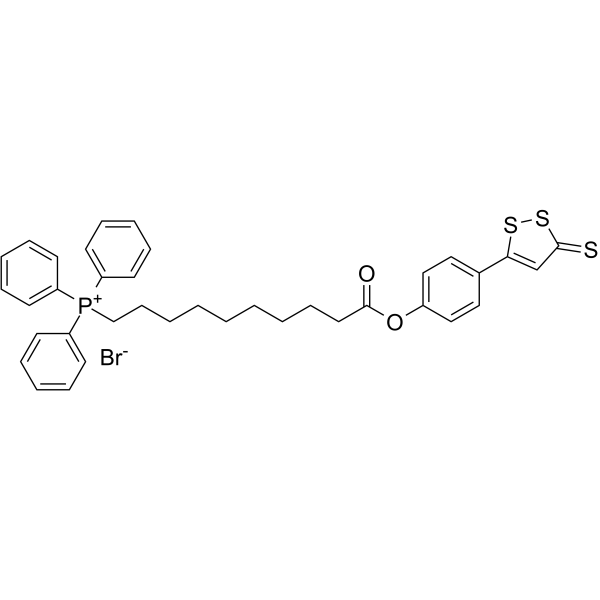
AP39 is a triphenylphosphonium derivatised anethole dithiolethione and mitochondria-targeting hydrogen sulfide (H2S) donor. AP39 increases intracellular H2S levels. AP39 exerts cytoprotective effects and maintains mitochondrial DNA integrity under oxidative stress conditions. AP39 protects against myocardial reperfusion injury in mice model and has the potential for Alzheimer's disease research .
|
-
-
- HY-B0968
-
|
|
Autophagy
|
Cardiovascular Disease
|
|
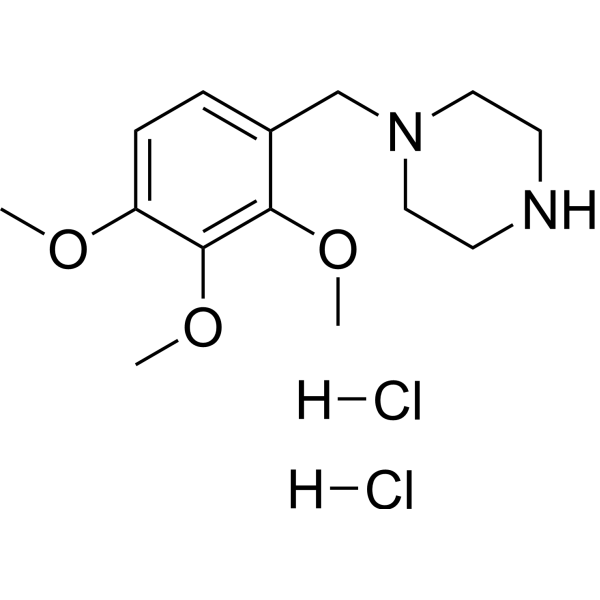
Trimetazidine dihydrochloride is a selective long chain 3-ketoyl coenzyme A thiolase inhibitor with an IC50 of 75 nM, which can inhibit β-oxidation of free fatty acid (FFA). Trimetazidine dihydrochloride is an effective antianginal agent and a cytoprotective agent, has anti-oxidant, anti-inflammatory, antinociceptive and gastroprotective properties. Trimetazidine dihydrochloride triggers autophagy. Trimetazidine dihydrochloride is also a 3-hydroxyacyl-CoA dehydrogenase (HADHA) inhibitor .
|
-
-
- HY-B1724
-
|
Perfluorooctyl bromide; 1-Bromoperfluorooctane; PFOB
|
RSV
NF-κB
|
Infection
Inflammation/Immunology
|
|
Perflubron (Perfluorooctyl bromide) is a contrast medium for magnetic resonance imaging and sonography. Perflubron inhibits chemokine expression and NF-κB activation. Perflubron can be emulsified with egg phospholipids (EYP) and shows exceptionally fast excretion characteristics. Perflubron has anti-inflammatory, antiviral and cytoprotective effects .
|
-
-
- HY-N3121
-
|
|
PERK
Keap1-Nrf2
Apoptosis
|
Cardiovascular Disease
Neurological Disease
Metabolic Disease
Cancer
|
|
Pachypodol is an orally active methoxyflavonoid compound. Pachypodol activates the ERK-dependent Nrf2 pathway and inhibits Apoptosis. Pachypodol exhibits activities such as antioxidant, cytoprotective, anti-inflammatory effects. Pachypodol improves cognition. Pachypodol exerts protective effects against cardiac and liver damage. Pachypodol has anticancer activity against colon cancer .
|
-
-
- HY-145722
-
|
OGX-427 sodium
|
HSP
|
Cancer
|
|
Apatorsen (OGX-427) sodium is a 2'-methoxyethyl-modified antisense oligonucleotide and also a Hsp27 inhibitor. Apatorsen sodium reduces Hsp27 mRNA and protein levels, impairs stress-induced cytoprotective functions, induces cell apoptosis, inhibits tumor growth and prevents metastasis. Apatorsen sodium is applicable to research related to non-small cell lung cancer, castration-resistant prostate cancer, breast cancer, ovarian cancer and bladder cancer .
|
-
-
- HY-N8439
-
|
Phx-3
|
HSP
Bacterial
Antibiotic
|
Infection
Cancer
|
|
Questiomycin A (Phx-3) is a GRP78 (cytoprotective endoplasmic reticulum chaperone) degrader and enhances the anticancer activity of Sorafenib. Questiomycin A is also an antimicrobial/antibiotic that can be obtained from the metabolite of Pseudomonas chlororaphis HT66. Questiomycin A can be used in research on biological control of cancer and plant diseases .
|
-
-
- HY-10397A
-
MX1013
1 Publications Verification
CV1013; Z-VD-FMK
|
Caspase
|
Cancer
|
|
MX1013 is a potent, irreversible dipeptide caspase inhibitor vith antiapoptotic activity. MX1013 inhibits recombinant human caspase 3 with an IC50 of 30 nM .
|
-
-
- HY-164926
-
|
|
PARP
|
Neurological Disease
|
|
PARP1-IN-33 (Example 6) is a PARP1 inhibitor (IC50: 0.41 nM). PARP1-IN-33 has retinal cytoprotective effect, with an EC50 of 0.02 nM (inhibition on MTS activity of H2O2 induced human retinal pigment epithelial cell) .
|
-
-
- HY-B0639A
-
|
WR2721 trihydrate
|
MDM-2/p53
HIF/HIF Prolyl-Hydroxylase
|
Cancer
|
|
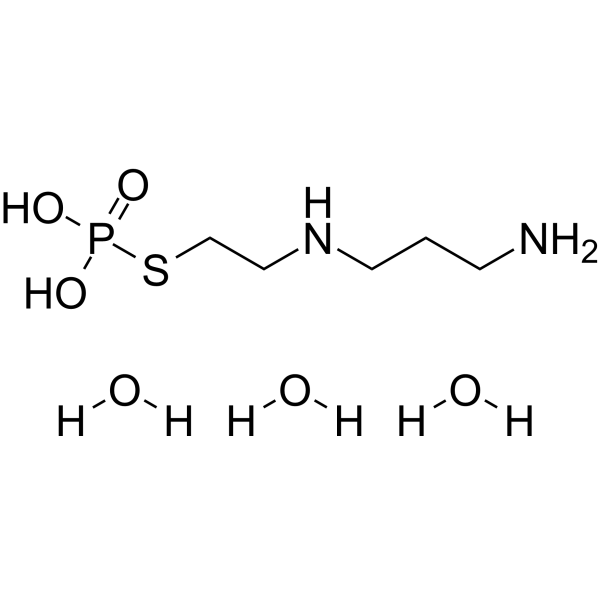
Amifostine trihydrate (WR2721 trihydrate) is a broad-spectrum cytoprotective agent and a radioprotector. Amifostine trihydrate selectively protects normal tissues from damage caused by radiation and chemotherapy. Amifostine trihydrate is potent hypoxia-inducible factor-α1 (HIF-α1) and p53 inducer. Amifostine trihydrate protects cells from damage by scavenging oxygen-derived free radicals. Amifostine trihydrate reduces renal toxicity and has antiangiogenic action .
|
-
-
- HY-113049
-
|
Phosphoenolpyruvate
|
Endogenous Metabolite
|
Metabolic Disease
|
|
Phosphoenolpyruvic acid (Phosphoenolpyruvate) is a glycolysis metabolite with a high-energy phosphate group. Phosphoenolpyruvic acid is involved in glycolysis and gluconeogenesis, and used as energy source to produce ATP, under the energy-limited conditions. Phosphoenolpyruvic acid also exhibits cytoprotective and anti-oxidative properties .
|
-
-
- HY-P1777
-
|
Insulin-like Growth Factor I (24-41)
|
IGF-1R
|
Metabolic Disease
Inflammation/Immunology
|
|
IGF-I (24-41) (Insulin-like Growth Factor I (24-41)) is amino acids 24 to 41 fragment of IGF-I. IGF-I, a 70 aa polypeptide hormone, is a trophic factor for both neurons and glial cells. IGF-I is partly responsible for systemic growth hormone (GH) activities. IGF-I has anabolic, antioxidant, anti-inflammatory and cytoprotective actions. IGF-I (24-41) regulates somatic growth and behavioral development .
|
-
-
- HY-137864
-
|
WR-1065
|
MDM-2/p53
|
Cancer
|
|
Amifostine thiol (WR-1065) is an active metabolite of the cytoprotector Amifostine (HY-B0639). Amifostine thiol is a cytoprotective agent with radioprotective abilities. Amifostine thiol activates p53 through a JNK-dependent signaling pathway .
|
-
-
- HY-W013605A
-
|
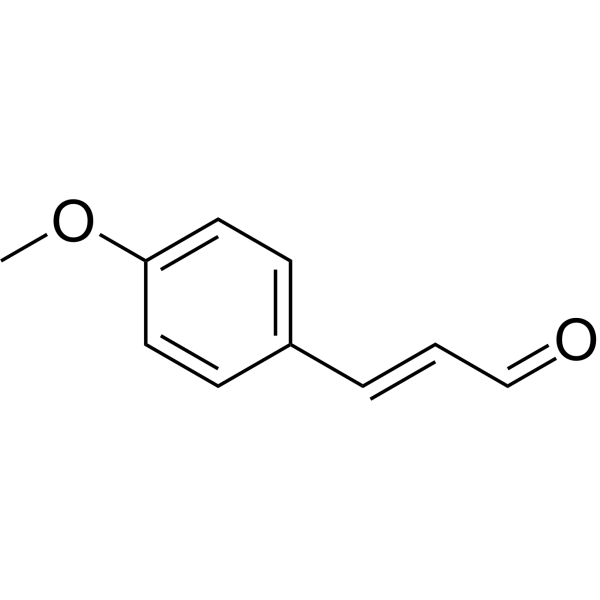
p-Methoxycinnamaldehyde
|
Environmental Pollutants
RSV
|
Infection
|
|
4-Methoxycinnamaldehyde (p-Methoxycinnamaldehyde), an active constituent of Agastache rugosa, exhibits cytoprotective activity against respiratory syncytial virus (RSV) in human larynx carcinoma cell line. 4-Methoxycinnamaldehyde effectively inhibits cytopathic effect of RSV with an estimated IC50 of 0.055 μg/mL .
|
-
-
- HY-125018
-
|
SVT016426
|
Caspase
|
Cancer
|
|
QM31 (SVT016426), a cytoprotective agent, is a selective inhibitor of Apaf-1. QM31 inhibits the formation of the apoptosome (IC50=7.9μM), the caspase activation complex composed by Apaf-1, cytochrome c, dATP and caspase-9. QM31 exerts mitochondrioprotective functions and interferes with the intra-S-phase DNA damage checkpoint .
|
-
-
- HY-139464
-
|
|
Nuclear Factor of activated T Cells (NFAT)
|
Neurological Disease
|
|
Q134R, a neuroprotective hydroxyquinoline derivative that suppresses nuclear factor of activated T cell (NFAT) signaling. Q134R can across blood-brain barrier. Q134R has the potential for Alzheimer's disease (AD) and aging-related disorders research .
|
-
-
- HY-W008807S
-
|
Phosphoenolpyruvate potassium-13C2
|
Isotope-Labeled Compounds
Endogenous Metabolite
|
Metabolic Disease
|
|
Phosphoenolpyruvic acid (potassium)- 13C2 is the 13C labeled Phosphoenolpyruvic acid potassium (HY-W008807) . Phosphoenolpyruvic acid (Phosphoenolpyruvate) potassium is a glycolysis metabolite with a high-energy phosphate group. Phosphoenolpyruvic acid potassium is involved in glycolysis and gluconeogenesis, and used as energy source to produce ATP, under the energy-limited conditions. Phosphoenolpyruvic acid potassium also exhibits cytoprotective and anti-oxidative properties .
|
-
-
- HY-N2996
-
|
|
HIV Protease
|
Infection
|
|
Ganodermanondiol is a melanogenesis inhibitor isolated from the Ganoderma lucidum .Ganodermanondiol exhibits potent cytoprotective effects on tert-butyl hydroperoxide-induced hepatotoxicity . Ganodermanondiol shows significant anti-HIV-1 protease activity with an IC50 of 90 μM . Ganodermanondiol exhibits a strong anticomplement activity against the classical pathway of the complement system with an IC50 of 41.7μM .
|
-
-
- HY-145722A
-
|
OGX-427
|
HSP
|
Cancer
|
|
Apatorsen is a 2'-methoxyethyl-modified antisense oligonucleotide and also a Hsp27 inhibitor. Apatorsen reduces Hsp27 mRNA and protein levels, impairs stress-induced cytoprotective functions, induces cell apoptosis, inhibits tumor growth and prevents metastasis. Apatorsen is applicable to research related to non-small cell lung cancer, castration-resistant prostate cancer, breast cancer, ovarian cancer and bladder cancer .
|
-
-
- HY-W011704
-
|
Phosphoenolpyruvate cyclohexylammonium salt
|
Endogenous Metabolite
|
Metabolic Disease
|
|
Phosphoenolpyruvic acid (Phosphoenolpyruvate) cyclohexylammonium salt is a glycolysis metabolite with a high-energy phosphate group. Phosphoenolpyruvic acid cyclohexylammonium salt is involved in glycolysis and gluconeogenesis, and used as energy source to produce ATP, under the energy-limited conditions. Phosphoenolpyruvic acid cyclohexylammonium salt also exhibits cytoprotective and anti-oxidative properties .
|
-
-
- HY-117970
-
|
|
MMP
|
Cardiovascular Disease
|
|
MMPI-1154 is a promising novel cardio-cytoprotective imidazole-carboxylic acid (ICA) MMP-2 inhibitor(IC50=6.6 μM) and can be used for the study of acute myocardial infarction. MMPI-1154 also inhibits the activity of MMP-13, MMP-1 and MMP-9 with IC50s of 1.8 μM,10 μM, and 13 μM, respectively .
|
-
-
- HY-P2933
-
|
|
Factor Xa
Protease Activated Receptor (PAR)
|
Cardiovascular Disease
|
|
Activated protein C is an anticoagulant targeting coagulation factors Va and VIIIa. Activated protein C demonstrates cytoprotective effects through binding to endothelial cell protein C receptor (EPCR) and protease-activated receptor-1 (PAR-1), regulating gene expression, anti-inflammation, anti-apoptosis, and stabilizing endothelial barriers. Activated protein C is promising for research of diseases such as severe sepsis and ischemic stroke .
|
-
-
- HY-W141392
-
|
|
Nucleoside Antimetabolite/Analog
Xanthine Oxidase
Phosphoramidites
|
Cancer
|
|
2'-Fluoro-5'-O-DMT-2'-deoxyinosine-3'-CE-phosphoramidite is a hypoxanthine analog. Hypoxanthine is a kind of purine base mainly present in muscle tissue. And it is a metabolite produced by purine oxidase acting on xanthine. Hypoxanthine has typical anti-inflammatory effects and is a potential endogenous poly(ADP-ribose) polymerase (PARP) inhibitor. It is cytoprotective by inhibiting PAPR activity, inhibiting peroxynitrite-induced mitochondrial depolarization and secondary superoxide production. Hypoxanthine can also be used as an indicator of hypoxia .
|
-
-
- HY-N0377A
-
|
(±)-4',7-Dihydroxyflavanone
|
Reactive Oxygen Species (ROS)
|
Cardiovascular Disease
|
|
(±)-Liquiritigenin ((±)-4',7-Dihydroxyflavanone) is isolated from Angelica keiskei, a hardy perennial herb of the Umbelliferae family. (±)-Liquiritigenin promotes cell proliferation, has cytoprotective activity and reduces cytotoxicity, and also has antioxidant stress effects .
|
-
-
- HY-W023323
-
|
|
Endogenous Metabolite
|
Metabolic Disease
|
|
(S)-β-Aminoisobutyric acid hydrochloride is a cytoprotective agent, which is a non-proteinogenic amino acid enantiomer derived from valine metabolism in skeletal muscle mitochondria. The plasma level of (S)-β-Aminoisobutyric acid hydrochloride increases significantly after acute aerobic exercise (and is not affected by the AGXT2 rs37369 genotype), and it is secreted by mouse extensor digitorum longus and soleus muscles in ex vivo contraction assays. (S)-β-Aminoisobutyric acid hydrochloride specifically protects osteocytes from oxidative stress-induced cell death .
|
-
-
- HY-N7372
-
|
|
Apoptosis
|
Infection
Inflammation/Immunology
|
Licoisoflavanone is an orally active isoflavane-based immunomodulator with multiple activities including antiviral, anti-inflammatory, cytoprotective and cancer cell apoptosis-inducing effects. Licoisoflavanone can be isolated from the roots and rhizomes of Glycyrrhiza uralensis Fisch. Licoisoflavanone not only enhances the body's immunity, but also effectively prevents acute respiratory distress syndrome and multiple organ damage by alleviating cytokine storm, thereby reducing the degree of inflammation. In rats, Licoisoflavanone undergoes multiple metabolic transformation processes such as glucuronidation, hydroxylation, sulfation, methylation and dehydrogenation. Licoisoflavanone has become an important candidate molecule for research on COVID-19 and related inflammatory diseases .
|
-
-
- HY-N7031
-
|
(±)-Peganine
|
Proton Pump
|
Inflammation/Immunology
|
|
(±)-Vasicine is the racemate of Vasicine. Vasicine (Peganine) significantly inhibits H +-K +-ATPase activity in vitro with an IC50 of 73.47 μg/mL. Anti-ulcer activity. Vasicine shows significant anti-secretory, antioxidant and cytoprotective effect .
|
-
-
- HY-124729A
-
|
|
ULK
Autophagy
|
Neurological Disease
|
|
(Rac)-BL-918 is the racemate of BL-918. BL-918 is a potent activator of UNC-51-like kinase 1 (ULK1), inducing cytoprotective autophagy for Parkinson’s disease treatment .
|
-
-
- HY-W011704A
-
|
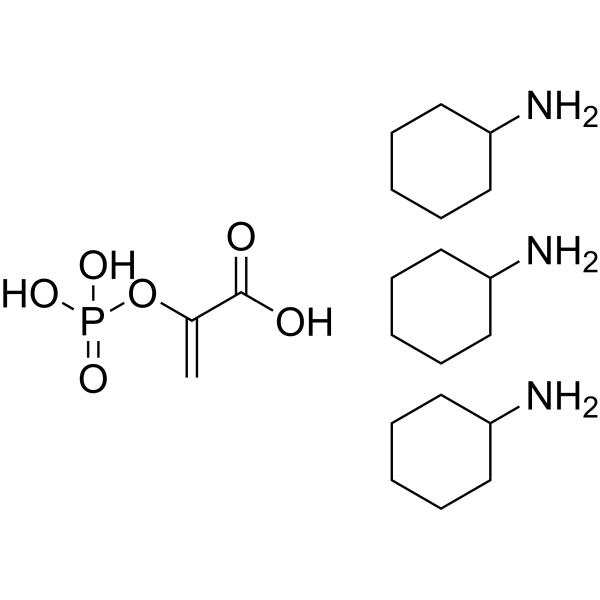
Phosphoenolpyruvate tricyclohexylammonium salt
|
Endogenous Metabolite
|
Metabolic Disease
|
|
Phosphoenolpyruvic acid (Phosphoenolpyruvate) tricyclohexylammonium salt is a glycolysis metabolite with a high-energy phosphate group. Phosphoenolpyruvic acid tricyclohexylammonium salt is involved in glycolysis and gluconeogenesis, and used as energy source to produce ATP, under the energy-limited conditions. Phosphoenolpyruvic acid tricyclohexylammonium salt also exhibits cytoprotective and anti-oxidative properties .
|
-
-
- HY-151526
-
|
|
Virus Protease
Flavivirus
|
Infection
|
|
LabMol-301 inhibits both NS5 RdRp and NS2B-NS3pro activity (IC50: 0.8 and 7.4 μM, respectively). LabMol-301 has a cytoprotective effect and prevents Zika virus (ZIKV)-induced cell death .
|
-
-
- HY-W008807R
-
|
Phosphoenolpyruvate potassium (Standard)
|
Reference Standards
Endogenous Metabolite
|
Metabolic Disease
|
|
Phosphoenolpyruvic acid potassium (Standard) (Potassium 1-carboxyvinyl hydrogenphosphate (Standard)) is the analytical standard of Phosphoenolpyruvic acid potassium (HY-W008807). This product is intended for research and analytical applications. Phosphoenolpyruvic acid potassium is a glycolysis metabolite with a high-energy phosphate group. Phosphoenolpyruvic acid potassium is involved in glycolysis and gluconeogenesis, and used as energy source to produce ATP, under the energy-limited conditions. Phosphoenolpyruvic acid potassium also exhibits cytoprotective and anti-oxidative properties.
|
-
-
- HY-N6973R
-
|
|
Reference Standards
RANKL/RANK
|
Inflammation/Immunology
|
|
Boldine (Standard) is the analytical standard of Boldine. This product is intended for research and analytical applications. Boldine is an aporphine isoquinoline alkaloid extracted from the root of Litsea cubeba and also possesses these properties, including antioxidant, anti-inflammatory and cytoprotective effects. Boldine suppresses osteoclastogenesis, improves bone destruction by down-regulating the OPG/RANKL/RANK signal pathway and may be a potential therapeutic agent for rheumatoid arthritis .
|
-
-
- HY-122812
-
-
-
- HY-B0968R
-
|
|
Reference Standards
Autophagy
|
Cardiovascular Disease
|
|
Trimetazidine (dihydrochloride) (Standard) is the analytical standard of Trimetazidine (dihydrochloride). This product is intended for research and analytical applications. Trimetazidine dihydrochloride is a selective long chain 3-ketoyl coenzyme A thiolase inhibitor with an IC50 of 75 nM, which can inhibit β-oxidation of free fatty acid (FFA). Trimetazidine dihydrochloride is an effective antianginal agent and a cytoprotective agent, has anti-oxidant, anti-inflammatory, antinociceptive and gastroprotective properties. Trimetazidine dihydrochloride triggers autophagy. Trimetazidine dihydrochloride is also a 3-hydroxyacyl-CoA dehydrogenase (HADHA) inhibitor .
|
-
-
- HY-N8788
-
|
|
Others
|
Inflammation/Immunology
Cancer
|
|
Baicalein 7-O-β-D-ethylglucuronide is a natural flavone glycoside that can be extracted from Scutellaria baicalensis Georgi. Baicalein 7-O-β-D-ethylglucuronide has antioxidant activity. Baicalein 7-O-β-D-ethylglucuronide inhibits FeSO4-Cys-induced lipid peroxidation of liver homogenate. Baicalein 7-O-β-D-ethylglucuronide also shows strong cytoprotective effect on H2O2-induced oxidative damage of human umbilical vein endothelial cells .
|
-
-
- HY-N3421
-
|
|
Interleukin Related
TNF Receptor
Influenza Virus
|
Infection
Inflammation/Immunology
Cancer
|
|
Koaburaside is a cytoprotective and anti-inflammatory natural compound. Koaburaside shows antioxidant activity with an IC50 of 9.0 μM for DPPH-free radical scavenging assay. Koaburaside inhibits histamine release and expressions of IL-6 and TNF-α in human mast cells. Koaburaside also effectively inhibits influenza A neuraminidase .
|
-
-
- HY-114671
-
|
CG-4203
|
Prostaglandin Receptor
|
Cardiovascular Disease
|
|
Taprostene (CG-4203) is a synthetic, chemically stable analogue of Prostacyclin (PGI2). Taprostene exhibits endothelium and myocardial protecting actions after acute myocardial ischemia and reperfusion in cats. Taprostene enhances cytoprotective actions, while minimizing unwanted hemodynamic effects .
|
-
-
- HY-149234
-
|
|
Monoamine Oxidase
|
Neurological Disease
|
|
MAO-B-IN-18 is a potent and selective MAO B inhibitor with IC50s of 52 nM and 14 μM for hMAO B and hMAO A, respectively. MAO-B-IN-18 enables promising cytoprotective effects against hydrogen peroxide insults in neuroblastoma and astrocytes cultures .
|
-
- HY-N6249
-
-
- HY-106950S1
-
|
Diphosphofructose-13C6 tetrasodium hydrate; Esafosfan-13C6 tetrasodium hydrate; FDP-13C6 tetrasodium hydrate
|
Endogenous Metabolite
|
Cardiovascular Disease
|
|
Fosfructose- 13C6 (tetrasodium hydrate) is the 13C labeled Fosfructose (HY-106950). Fosfructose is a cytoprotective natural sugar phosphate for the potential treatment of cardiovascular ischemia, sickle cell anemia and asthma .
|
-
- HY-N2965
-
-
- HY-152696
-
|
|
Xanthine Oxidase
Nucleoside Antimetabolite/Analog
|
Others
|
|
6-O-Methylinosine is a hypoxanthine analogue. Hypoxanthine is a kind of purine base mainly present in muscle tissue. And it is a metabolite produced by purine oxidase acting on xanthine. Hypoxanthine has typical anti-inflammatory effects and is a potential endogenous poly(ADP-ribose) polymerase (PARP) inhibitor. It is cytoprotective by inhibiting PAPR activity, inhibiting peroxynitrite-induced mitochondrial depolarization and secondary superoxide production. Hypoxanthine can also be used as an indicator of hypoxia .
|
-
- HY-B1218R
-
|
|
Reference Standards
Cytochrome P450
Antibiotic
Bacterial
Necroptosis
Apoptosis
|
Infection
Cardiovascular Disease
|
|
Sulfaphenazole (Standard) is the analytical standard of Sulfaphenazole. This product is intended for research and analytical applications. Sulfaphenazole is a selective inhibitor of human cytochrome P450 (CYP) 2C9 enzyme. Sulfaphenazole is a cytoprotective agent against light-induced death of photoreceptors. Sulfaphenazole inhibits light-induced necrosis and mitochondrial stress-initiated apoptosis. Sulfaphenazole is an off patent sulfonamide antibiotic and demonstrates bactericidal activity through enhanced M1 macrophage activity. Sulfaphenazole can significantly reduce infarct size and restore post-ischemic coronary flow following ischemia and reperfusion .
|
-
- HY-176836
-
|
|
Endonuclease
|
Cancer
|
|
PNR-3-82 is a selective Apoptotic endonuclease G (EndoG) inhibitor with an IC50 of 0.61 μM for EndoG over DNase I. PNR-3-82 does not inhibit five cell death-related enzymes including DNase II, RNase A, proteinase, lactate dehydrogenase and superoxide dismutase 1. PNR-3-82 has a cytoprotective activity and blocks Cisplatin (HY-17394) and Docetaxel (HY-B0011)-induced cell death. PNR-3-82 can be used for cell injuries research .
|
-
- HY-115577
-
-
- HY-177100
-
|
|
PARP
|
Others
|
|
Lotixparib (Example 1) is an inhibitor of poly(ADP-ribose)polymerase-1 (PARP-1). Lotixparib has cytoprotective effect against a retinal disease. Lotixparib can be studied in research for PARP-1-associated diseases .
|
-
- HY-N0017R
-
-
- HY-117356B
-
|
|
P2Y Receptor
NF-κB
ERK
|
Cardiovascular Disease
|
|
MRS2693 trisodium is a selective P2Y6 agonist with an EC50 value of 0.015 μM. MRS2693 trisodium can reduce the activation of NF-kappaB and activate the ERK1/2 pathway, and has a cytoprotective effect on mouse hindlimb skeletal muscle ischemia-reperfusion injury model .
|
-
- HY-13679R
-
|
Mesnum (Standard)
|
Glutathione Peroxidase
Reference Standards
|
Cancer
|
|
Sodium 2-mercaptoethanesulfonate (Standard) is the analytical standard of Sodium 2-mercaptoethanesulfonate. This product is intended for research and analytical applications. Mesna (Sodium 2-mercaptoethanesulfonate) is an antioxidant which has cytoprotective effects. Mesna is widely used as a systemic protective agent against chemotherapy toxicity. Mesna is also used to reduce hemorrhagic cystitis induced by cyclophosphamide .
|
-
- HY-13679S
-
|
Mesnum-d4 sodium
|
Isotope-Labeled Compounds
Glutathione Peroxidase
|
Cancer
|
|
2-Mercaptoethanesulfonate-d4 sodium (Mesnum-d4 sodium) is the deuterium labeled Sodium 2-mercaptoethanesulfonate (HY-13679). Mesna (Sodium 2-mercaptoethanesulfonate) is an antioxidant which has cytoprotective effects. Mesna is widely used as a systemic protective agent against chemotherapy toxicity. Mesna is also used to reduce hemorrhagic cystitis induced by cyclophosphamide .
|
-
- HY-P1184
-
-
- HY-B0968S
-
|
|
Autophagy
|
Cardiovascular Disease
|
|
Trimetazidine-d8 (dihydrochloride) is the deuterium labeled Trimetazidine dihydrochloride. Trimetazidine dihydrochloride is a selective long chain 3-ketoyl coenzyme A thiolase inhibitor with an IC50 of 75 nM, which can inhibit β-oxidation of free fatty acid (FFA). Trimetazidine dihydrochloride is an effective antianginal agent and a cytoprotective agent, has anti-oxidant, anti-inflammatory, antinociceptive and gastroprotective properties. Trimetazidine dihydrochloride triggers autophagy. Trimetazidine dihydrochloride is also a 3-hydroxyacyl-CoA dehydrogenase (HADHA) inhibitor .
|
-
- HY-W392836
-
|
|
Nucleoside Antimetabolite/Analog
Xanthine Oxidase
Phosphoramidites
|
Cancer
|
|
2'-O-Methyl-5'-O-dmt-inosine-3'-CE-phosphoramidite is a hypoxanthine analog. Hypoxanthine is a kind of purine base mainly present in muscle tissue. And it is a metabolite produced by purine oxidase acting on xanthine. Hypoxanthine has typical anti-inflammatory effects and is a potential endogenous poly(ADP-ribose) polymerase (PARP) inhibitor. It is cytoprotective by inhibiting PAPR activity, inhibiting peroxynitrite-induced mitochondrial depolarization and secondary superoxide production. Hypoxanthine can also be used as an indicator of hypoxia .
|
-
- HY-117356A
-
|
|
P2Y Receptor
NF-κB
ERK
Apoptosis
|
Inflammation/Immunology
|
|
MRS2693 ammonium is the ammonium dalt form of MRS2693 (HY-117356). MRS2693 ammonium is a selective agonist for P2Y6 with an EC50 of 0.015 μM. MRS2693 ammonium protects C2C12 skeletal muscle cells from TNFα-induced apoptosis. MRS2693 ammonium reduces the activation of NF-kB, activates the ERK1/2 pathway, and has a cytoprotective effect on mouse ischemia-reperfusion injury model [2].
|
-
- HY-122379
-
-
- HY-106322
-
|
|
Bacterial
|
Infection
|
|
IO-21 (Compound 3) is a candidate cytoprotective agent. IO-21 exhibits a marked cytoprotective effect. IO-21 shows a potent inhibitory activity against HCl•ethanol-induced lesions. IO-21 shows a MIC of 50 μg/mL against Helicobacter pylori 7795. IO-21 can be used in the research of gastric mucosal ulcers .
|
-
- HY-W011688R
-
|
(Z)-Methyl hexadec-9-enoate (Standard); Methyl cis-9-Hexadecenoate (Standard)
|
Reference Standards
Drug Isomer
|
Others
|
|
Methyl palmitoleate (Standard) is the analytical standard of Methyl palmitoleate. This product is intended for research and analytical applications. Methyl palmitoleate ((Z)-Methyl hexadec-9-enoate), a fatty acid methyl ester, is an analogue of Palmitoleate with cytoprotective and growth-promoting properties .
|
-
- HY-N10642
-
|
|
Others
|
Others
|
|
Pedaliin 6''-acetate (compound 10) is a natural product that can be isolated from Dracocephalum tanguticum. Pedaliin 6''-acetate shows antioxidative activity and cytoprotective effect on doxorubicin (DOX)-induced toxicity in H9c2 cardiomyocytes with an EC50 value of 19.1 μM .
|
-
- HY-N10352
-
|
|
Others
|
Cancer
|
|
4-epi-Withaferin A (compound 28) is the analogue of Withaferin A. 4-epi-Withaferin A enhances cytotoxicity and cytoprotective heat-shock-inducing activity (HSA). 4-epi-Withaferin A has the potential for the research of protein aggregation-associated diseases by stimulating cellular defense mechanisms .
|
-
- HY-W013605AR
-
|
p-Methoxycinnamaldehyde (Standard)
|
Reference Standards
RSV
|
Infection
|
|
4-Methoxycinnamaldehyde (Standard) is the analytical standard of 4-Methoxycinnamaldehyde. This product is intended for research and analytical applications. 4-Methoxycinnamaldehyde (p-Methoxycinnamaldehyde), an active constituent of Agastache rugosa, exhibits cytoprotective activity against respiratory syncytial virus (RSV) in human larynx carcinoma cell line. 4-Methoxycinnamaldehyde effectively inhibits cytopathic effect of RSV with an estimated IC50 of 0.055 μg/mL[1].
|
-
- HY-113049A
-
|
Phosphoenolpyruvate trisodium
|
Endogenous Metabolite
|
Metabolic Disease
|
|
Phosphoenolpyruvic acid (Phosphoenolpyruvate) trisodium is a glycolysis metabolite with a high-energy phosphate group. Phosphoenolpyruvic acid trisodium is involved in glycolysis and gluconeogenesis, and used as energy source to produce ATP, under the energy-limited conditions. Phosphoenolpyruvic acid trisodium also exhibits cytoprotective and anti-oxidative properties .
|
-
- HY-161717
-
|
|
Adenosine Receptor
|
Cardiovascular Disease
|
|
MRS5663 (Compound 3a) is an A3AR agonist, with an EC50 of 5.62 nM for β-arrestin2 recruitment assay. MRS5663 has a cytoprotective effect on skeletal muscle ischemia-reperfusion injury/claudication model .
|
-
- HY-W011704AR
-
|
Phosphoenolpyruvate tricyclohexylammonium salt (Standard)
|
Endogenous Metabolite
Reference Standards
|
Metabolic Disease
|
|
Phosphoenolpyruvic acid (Phosphoenolpyruvate) tricyclohexylammonium salt is a glycolysis metabolite with a high-energy phosphate group. Phosphoenolpyruvic acid tricyclohexylammonium salt is involved in glycolysis and gluconeogenesis, and used as energy source to produce ATP, under the energy-limited conditions. Phosphoenolpyruvic acid tricyclohexylammonium salt also exhibits cytoprotective and anti-oxidative properties .
|
-
- HY-15033
-
|
|
Others
|
Infection
Inflammation/Immunology
|
|
ATB-343 is a derivative of Indomethacin that releases H2S. H2S has cytoprotective and anti-inflammatory effects, inhibiting leukocyte adhesion to vascular endothelium and leukocyte migration to inflammatory sites. ATB-343 can be used to suppress respiratory infections .
|
-
- HY-P1773
-
|
Insulin-like Growth Factor I (30-41)
|
Insulin Receptor
|
Metabolic Disease
Inflammation/Immunology
|
|
IGF-I (30-41) is amino acids 30 to 41 fragment of Insulin-like Growth Factor I (IGF-I). IGF-I is partly responsible for systemic GH activities although it possesses a wide number of own properties (anabolic, antioxidant, anti-inflammatory and cytoprotective actions) .
|
-
- HY-P1773A
-
|
Insulin-like Growth Factor I (30-41) TFA
|
IGF-1R
|
Metabolic Disease
Inflammation/Immunology
|
|
IGF-I (30-41) (TFA) is amino acids 30 to 41 fragment of Insulin-like Growth Factor I (IGF-I). IGF-I is partly responsible for systemic GH activities although it possesses a wide number of own properties (anabolic, antioxidant, anti-inflammatory and cytoprotective actions) .
|
-
- HY-N7031R
-
|
(±)-Peganine (Standard)
|
Reference Standards
Proton Pump
|
Inflammation/Immunology
|
|
(±)-Vasicine (Standard) is the analytical standard of (±)-Vasicine (HY-N7031). This product is intended for research and analytical applications. (±)-Vasicine is the racemate of Vasicine. Vasicine (Peganine) significantly inhibits H+-K+-ATPase activity in vitro with an IC50 of 73.47 μg/mL. Anti-ulcer activity. Vasicine shows significant anti-secretory, antioxidant and cytoprotective effect .
|
-
- HY-B0639C
-
|
WR2721 sodium
|
MDM-2/p53
HIF/HIF Prolyl-Hydroxylase
|
Neurological Disease
|
|
Amifostine sodium (WR2721 sodium) is a phosphorus sulfate with radioprotective activity. Amifostine sodium can cause splenic vasodilation and may block autonomic ganglia. Amifostine sodium is clinically used to prevent cisplatin-induced ototoxicity .
|
-
- HY-167091
-
|
(Rac)-TRK-100 free acid; (Rac)-ML 1229
|
Prostaglandin Receptor
|
Cardiovascular Disease
|
|
(Rac)-Beraprost ((Rac)-ML 1229) is an orally active prostacyclin analog that inhibits the release of Ca 2+ from intracellular storage sites by binding to prostacyclin membrane receptors (Prostaglandin Receptor), leading to relaxation of smooth muscle cells and vasodilation. Beraprost has vasodilatory, antiplatelet, and cytoprotective effects, making it promising for research in the field of cardiovascular diseases, such as thromboangiitis obliterans and atherosclerosis .
|
-
- HY-P1184A
-
-
- HY-Z7721
-
|
(Rac)-TRK-100; (Rac)-ML 1129 sodium
|
Prostaglandin Receptor
|
Cardiovascular Disease
|
|
(Rac)-Beraprost ((Rac)-ML 1129) sodium is a racemic isomer of Beraprost sodium (HY-13569A). Beraprost sodium is an orally active prostacyclin analog that inhibits the release of Ca 2+ from intracellular storage sites by binding to prostacyclin membrane receptors (Prostaglandin Receptor), leading to relaxation of smooth muscle cells and vasodilation. Beraprost sodium has vasodilatory, antiplatelet, and cytoprotective effects, making it promising for research in the field of cardiovascular diseases, such as thromboangiitis obliterans and atherosclerosis .
|
-
- HY-W039271
-
|
2-Chloro-6-O-methyl-inosine
|
Nucleoside Antimetabolite/Analog
Xanthine Oxidase
|
Cancer
|
|
2-Chloro-6-methoxypurine riboside is a hypoxanthine analog. Hypoxanthine is a kind of purine base mainly present in muscle tissue. And it is a metabolite produced by purine oxidase acting on xanthine. Hypoxanthine has typical anti-inflammatory effects and is a potential endogenous poly(ADP-ribose) polymerase (PARP) inhibitor. It is cytoprotective by inhibiting PAPR activity, inhibiting peroxynitrite-induced mitochondrial depolarization and secondary superoxide production. Hypoxanthine can also be used as an indicator of hypoxia .
|
-
- HY-154017
-
|
|
Nucleoside Antimetabolite/Analog
Xanthine Oxidase
|
Cancer
|
|
2′-C-Methyl-6-O-methylinosine is a hypoxanthine analog. Hypoxanthine is a kind of purine base mainly present in muscle tissue. And it is a metabolite produced by purine oxidase acting on xanthine. Hypoxanthine has typical anti-inflammatory effects and is a potential endogenous poly(ADP-ribose) polymerase (PARP) inhibitor. It is cytoprotective by inhibiting PAPR activity, inhibiting peroxynitrite-induced mitochondrial depolarization and secondary superoxide production. Hypoxanthine can also be used as an indicator of hypoxia .
|
-
- HY-B0968S1
-
|
|
Isotope-Labeled Compounds
Autophagy
|
Cardiovascular Disease
|
|
Trimetazidine-d9 (dihydrochloride) is deuterium labeled Trimetazidine (dihydrochloride). Trimetazidine dihydrochloride is a selective long chain 3-ketoyl coenzyme A thiolase inhibitor with an IC50 of 75 nM, which can inhibit β-oxidation of free fatty acid (FFA). Trimetazidine dihydrochloride is an effective antianginal agent and a cytoprotective agent, has anti-oxidant, anti-inflammatory, antinociceptive and gastroprotective properties. Trimetazidine dihydrochloride triggers autophagy. Trimetazidine dihydrochloride is also a 3-hydroxyacyl-CoA dehydrogenase (HADHA) inhibitor .
|
-
- HY-166363S
-
|
TRK-100-d3; ML 1129-d3
|
Isotope-Labeled Compounds
Prostaglandin Receptor
|
Cardiovascular Disease
|
|
Beraprost-d3 (TRK-100-d3) is deuterium labeled (Rac)-Beraprost. (Rac)-Beraprost ((Rac)-ML 1229) is an orally active prostacyclin analog that inhibits the release of Ca 2+ from intracellular storage sites by binding to prostacyclin membrane receptors (Prostaglandin Receptor), leading to relaxation of smooth muscle cells and vasodilation. Beraprost has vasodilatory, antiplatelet, and cytoprotective effects, making it promising for research in the field of cardiovascular diseases, such as thromboangiitis obliterans and atherosclerosis .
|
-
- HY-N3121R
-
|
|
Reference Standards
PERK
Keap1-Nrf2
Apoptosis
|
Cardiovascular Disease
Neurological Disease
Metabolic Disease
Cancer
|
|
Pachypodol (Standard) is the analytical standard of Pachypodol (HY-N3121). This product is intended for research and analytical applications. Pachypodol is an orally active methoxyflavonoid compound. Pachypodol activates the ERK-dependent Nrf2 pathway and inhibits Apoptosis. Pachypodol exhibits activities such as antioxidant, cytoprotective, anti-inflammatory effects. Pachypodol improves cognition. Pachypodol exerts protective effects against cardiac and liver damage. Pachypodol has anticancer activity against colon cancer .
|
-
- HY-B0968AR
-
|
|
Reference Standards
Autophagy
|
Cardiovascular Disease
|
|
Trimetazidine (Standard) is the analytical standard of Trimetazidine. This product is intended for research and analytical applications. Trimetazidine is a selective long chain 3-ketoyl coenzyme A thiolase inhibitor with an IC50 of 75 nM, which can inhibit β-oxidation of free fatty acid (FFA). Trimetazidine is an effective antianginal agent and a cytoprotective agent, has anti-oxidant, anti-inflammatory, antinociceptive and gastroprotective properties. Trimetazidine triggers autophagy. Trimetazidine is also a 3-hydroxyacyl-CoA dehydrogenase (HADHA) inhibitor .
|
-
- HY-154393
-
|
|
Nucleoside Antimetabolite/Analog
Xanthine Oxidase
|
Cancer
|
|
2-Chloro-2'-deoxy-6-O-methylinosine is a hypoxanthine analog. Hypoxanthine is a kind of purine base mainly present in muscle tissue. And it is a metabolite produced by purine oxidase acting on xanthine. Hypoxanthine has typical anti-inflammatory effects and is a potential endogenous poly(ADP-ribose) polymerase (PARP) inhibitor. It is cytoprotective by inhibiting PAPR activity, inhibiting peroxynitrite-induced mitochondrial depolarization and secondary superoxide production. Hypoxanthine can also be used as an indicator of hypoxia .
|
-
- HY-N0513R
-
|
|
Reference Standards
Reactive Oxygen Species (ROS)
Phosphatase
NF-κB
Keap1-Nrf2
|
Metabolic Disease
Inflammation/Immunology
|
|
Loganic acid (Standard) is the analytical standard of Loganic acid. This product is intended for research and analytical applications. Loganic acid is an iridoid isolated from cornelian cherry fruits. Loganic acid inhibits NF-κB signaling pathway, activates Nrf2 signaling pathway, exhibits anti-inflammatory activity. Loganic acid can modulate diet-induced atherosclerosis and redox status. Loganic acid has strong free radical scavenging activity and remarkable cyto-protective effect against heavy metal mediated toxicity. Loganic acid is orally active .
|
-
- HY-P1777A
-
|
Insulin-like Growth Factor I (24-41) TFA
|
IGF-1R
|
Metabolic Disease
Inflammation/Immunology
|
|
IGF-I (24-41) (Insulin-like Growth Factor I (24-41)) TFA is amino acids 24 to 41 fragment of IGF-I. IGF-I TFA, a 70 aa polypeptide hormone, is a trophic factor for both neurons and glial cells. IGF-I TFA is partly responsible for systemic growth hormone (GH) activities. IGF-I TFA has anabolic, antioxidant, anti-inflammatory and cytoprotective actions. IGF-I (24-41) TFA regulates somatic growth and behavioral development .
|
-
- HY-152678
-
|
|
Nucleoside Antimetabolite/Analog
Xanthine Oxidase
|
Cancer
|
|
6-Methoxypurine-9-β-D-5’(R)-C-methylriboside is a hypoxanthine analog. Hypoxanthine is a kind of purine base mainly present in muscle tissue. And it is a metabolite produced by purine oxidase acting on xanthine. Hypoxanthine has typical anti-inflammatory effects and is a potential endogenous poly(ADP-ribose) polymerase (PARP) inhibitor. It is cytoprotective by inhibiting PAPR activity, inhibiting peroxynitrite-induced mitochondrial depolarization and secondary superoxide production. Hypoxanthine can also be used as an indicator of hypoxia .
|
-
- HY-120117
-
|
|
Others
|
Metabolic Disease
|
|
Rumbrin is a cytoprotective substance that preventsd cell death caused by calcium overload and exhibits a potent inhibitory activity against lipid peroxidation .
|
-
- HY-W555010
-
|
Phosphoenolpyruvate monosodium
|
Endogenous Metabolite
|
Metabolic Disease
|
|
Phosphoenolpyruvic acid (Phosphoenolpyruvate) monosodium is a glycolysis metabolite with a high-energy phosphate group. Phosphoenolpyruvic acid monosodium is involved in glycolysis and gluconeogenesis, and used as energy source to produce ATP, under the energy-limited conditions. Phosphoenolpyruvic acid monosodium also exhibits cytoprotective and anti-oxidative properties .
|
-
- HY-182811
-
|
|
MAP4K
Apoptosis
|
Neurological Disease
|
|
AT-051/43421517 is a cytoprotective agent and apoptosis inhibitor that binds to human phosphoglycerate kinase 1 (hPgk1). AT-051/43421517 protects cells from rotenone-induced cell death without inducing cell proliferation. AT-051/43421517 can be used for the research of parkinson’s disease .
|
-
- HY-10397AR
-
|
CV1013 (Standard); Z-VD-FMK (Standard)
|
Reference Standards
Caspase
|
Cancer
|
|
MX1013 (Standard) is the analytical standard of MX1013 (HY-10397A). This product is intended for research and analytical applications. MX1013 is a potent, irreversible dipeptide caspase inhibitor vith antiapoptotic activity. MX1013 inhibits recombinant human caspase 3 with an IC50 of 30 nM .
|
-
- HY-N19782
-
|
|
Bacterial
Apoptosis
Reactive Oxygen Species (ROS)
|
Infection
Neurological Disease
|
|
Striatisporolide A is an antibacterial agent. Striatisporolide A exhibits antibacterial activity against Escherichia coli in vitro. Striatisporolide A damages the cell wall and cell membrane of Escherichia coli, and induces changes in protein levels and morphology. Striatisporolide A reduces the level of apoptosis (apoptosis) in HUVECs, inhibits excessive production of ROS, and possesses pro-proliferative and mild cytoprotective effects. Striatisporolide A can be used in studies related to bacterial infections and degenerative diseases .
|
-
- HY-123255
-
|
|
Proteasome
MMP
Apoptosis
Autophagy
|
Cardiovascular Disease
Neurological Disease
Cancer
|
|
BSc2118 is a 20S proteasome inhibitor with an IC50 of approximately 50 nM. BSc2118 induces G2/M phase cell cycle arrest and apoptosis in myeloma cells, inhibits cytoprotective autophagy, and suppresses tumor angiogenesis. BSc2118 reduces MMP9 activity, promotes angioneurogenesis, and alleviates recombinant tissue-type plasminogen activator-induced cerebral toxicity. BSc2118 is applicable to studies related to cerebral ischemia and multiple myeloma .
|
-
- HY-182818
-
|
|
p38 MAPK
Keap1-Nrf2
Reactive Oxygen Species (ROS)
|
Metabolic Disease
|
|
SH494 is a p38 MAPK inhibitor and Nrf2 pathway activator. SH494 inhibits RANKL-induced phosphorylation of p38 and disrupts the MAPK cascade associated with osteoclastogenesis. SH494 activates the Nrf2 pathway, upregulates downstream target genes and induces the expression of cytoprotective enzymes. SH494 reduces intracellular ROS accumulation and restores mitochondrial membrane potential (ΔΨm) to normal. SH494 decreases osteoclast activity and alleviates osteoporosis symptoms in ovariectomized mice. SH494 can be used for research on osteoporosis .
|
-
- HY-P9930
-
|
AMG 145
|
NF-κB
Ser/Thr Protease
Toll-like Receptor (TLR)
|
Cardiovascular Disease
Metabolic Disease
Inflammation/Immunology
Cancer
|
|
Evolocumab (AMG 145) is a human monoclonal antibody that inhibits PCSK9. Evolocumab is used in the study of hypercholesterolemia and atherosclerotic cardiovascular disease. Evolocumab binds to circulating PCSK9 protein and inhibits its binding to LDLR. Evolocumab has antioxidant and cytoprotective activities against H2O2-induced oxidative damage to endothelial cells. Evolocumab may also negatively regulate activation of the TLR-4/NF-κB signaling pathway to prevent inflammation .
|
-
- HY-N6896
-
|
|
TGF-beta/Smad
PI3K
Akt
mTOR
MMP
Histone Demethylase
|
Endocrinology
Cancer
|
|
Isoviolanthin is a flavonoid glycoside. Isoviolanthin can be extracted from Dendrobium officinale. Isoviolanthin has a strong affinity for binding to KDM6B, CHAC2, ESCO2, and IPO4. Isoviolanthin decreases MMP-2 and MMP-9. Isoviolanthin inhibits TGF-β/Smad and PI3K/Akt/mTOR signaling pathways. Isoviolanthin increases Fhl3 expression. Isoviolanthin has cytoprotective effects. Isoviolanthin has anticancer activity against hepatocellular carcinoma .
|
-
- HY-401209
-
|
|
α-synuclein
DNA/RNA Synthesis
|
Neurological Disease
|
|
Synucleozid-2.0 is a blood-brain barrier-permeable inhibitor that binds to the IRE of SNCA mRNA, with a EC50 of 2.9 µM and a Kd value of 1.8 µM. Synucleozid-2.0 selectively binds to and stabilizes the A bulge and adjacent closed base pairs in the 5' UTR IRE of SNCA mRNA, blocks the translation process and reduces intracellular levels of α-synuclein. Synucleozid-2.0 exerts cytoprotective effects against cytotoxicity induced by α-synuclein preformed fibrils. Synucleozid-2.0 is applicable to the research of Parkinson's disease .
|
-
- HY-P10622
-
|
|
Apoptosis
Reactive Oxygen Species (ROS)
|
Metabolic Disease
Cancer
|
|
SHLP-3 is a mitochondrial derived peptide encoded by the 16S ribosomal RNA (MT-RNR2) gene. SHLP-3 increases cell viability and reduces apoptosis in insulinoma NIT-1β cells and human prostate cancer 22Rv1 cells. SHLP-3 increases mitochondrial function and exerts cytoprotective effects by increasing mitochondrial oxygen consumption rate (OCR), cellular ATP and reducing the ability to produce ROS. SHLP-3 can be used in the study of diabetes and cancer .
|
-
- HY-B1218S
-
|
|
Isotope-Labeled Compounds
Cytochrome P450
Antibiotic
Bacterial
Necroptosis
Apoptosis
|
Infection
|
|
Sulfaphenazole-d4 is the deuterium labeled Sulfaphenazole (HY-B1218). Sulfaphenazole is a selective inhibitor of human cytochrome P450 (CYP) 2C9 enzyme. Sulfaphenazole is a cytoprotective agent against light-induced death of photoreceptors. Sulfaphenazole inhibits light-induced necrosis and mitochondrial stress-initiated apoptosis. Sulfaphenazole is an off patent sulfonamide antibiotic and demonstrates bactericidal activity through enhanced M1 macrophage activity. Sulfaphenazole can significantly reduce infarct size and restore post-ischemic coronary flow following ischemia and reperfusion .
|
-
- HY-N0890
-
|
Tubeimoside-1; Lobatoside-H
|
HSP
NF-κB
p38 MAPK
Akt
Autophagy
Interleukin Related
VEGFR
|
Cardiovascular Disease
Inflammation/Immunology
Cancer
|
|
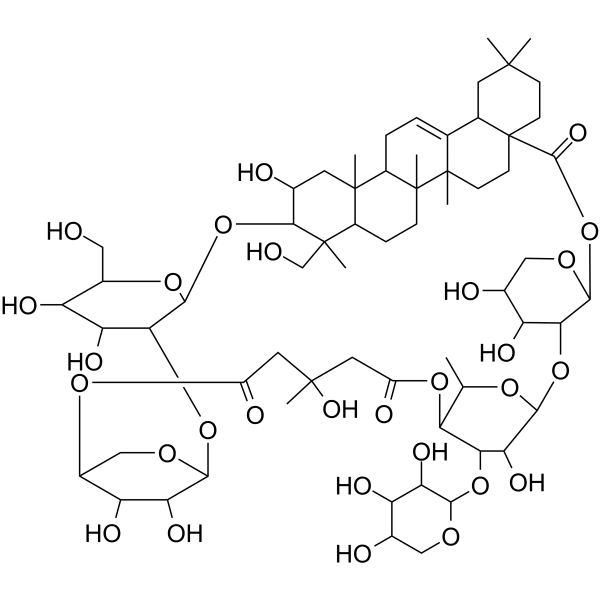
Tubeimoside I is an orally active HSPD1 inhibitor. Tubeimoside I inhibits NF-κB, MAPK, as well as regulates eNOS-VEGF. Tubeimoside I induces cytoprotective Autophagy via an Akt-mediated pathway. Tubeimoside I inhibits proinflammatory cytokine (IL-6 and IL-1β) production. Tubeimoside I exhibits anti-inflammatory activities. Tubeimoside I promotes angiogenesis and improves sepsis symptoms. Tubeimoside I is used in the research of inflammatory diseases, various cancers, sepsis and ischemic diseases .
|
-
- HY-N1151
-
|
|
Bacterial
Cholinesterase (ChE)
MMP
TNF Receptor
|
Infection
Neurological Disease
Inflammation/Immunology
|
|
Thunberginol C is an orally active, selective, and non-competitive inhibitor of AChE and BChE, with IC50 values of 41.96 and 42.36 μM, respectively. Thunberginol C exerts cytoprotective, pro-collagen type I restorative, MMP-1 inhibitory, hyaluronic acid restorative, anti-photoaging effects in skin cells. Thunberginol C exerts neuroprotective, anxiolytic, TNF-α inhibitory, neuroinflammation inhibitory, and oxidative stress inhibitory effects. Thunberginol C can be used for the research of Alzheimer’s disease, UVB-induced skin photoaging, allergic reactions, oral bacterial infections, and stress-induced anxiety .
|
-
- HY-181684
-
|
|
Phosphodiesterase (PDE)
Carbonic Anhydrase
|
Neurological Disease
|
|
PDE5/CA-IN-1 is a dual PDE5 and carbonic anhydrase (CA) inhibitor, with IC50 values of 0.41, 38.4, and 9.1 nM against PDE5, hCA II, and hCA VA, respectively. PDE5/CA-IN-1 inhibits multiple hCA subtypes associated with Alzheimer's disease. As a cytoprotective agent and oxidative stress alleviator, PDE5/CA-IN-1 reduces oxidative stress, and prevents recognition memory and working memory impairments. PDE5/CA-IN-1 is available for the research of Alzheimer's disease .
|
-
- HY-N6896R
-
|
|
Reference Standards
TGF-beta/Smad
PI3K
Akt
mTOR
MMP
Histone Demethylase
|
Endocrinology
Cancer
|
|
Isoviolanthin (Standard) is the analytical standard of Isoviolanthin (HY-N6896). This product is intended for research and analytical applications. Isoviolanthin is a flavonoid glycoside. Isoviolanthin can be extracted from Dendrobium officinale. Isoviolanthin has a strong affinity for binding to KDM6B, CHAC2, ESCO2, and IPO4. Isoviolanthin decreases MMP-2 and MMP-9. Isoviolanthin inhibits TGF-β/Smad and PI3K/Akt/mTOR signaling pathways. Isoviolanthin increases Fhl3 expression. Isoviolanthin has cytoprotective effects. Isoviolanthin has anticancer activity against hepatocellular carcinoma .
|
-
- HY-N7675
-
|
|
NF-κB
TGF-beta/Smad
Syk
|
Cardiovascular Disease
Neurological Disease
Metabolic Disease
|
|
Flavanomarein is a substance with cytoprotective, anti-inflammatory and antioxidant activities, with a Ka of 3.064e-5 M against human Syk. Flavanomarein enhances the phosphorylation level of AKT, regulates the expression of PKC-δ, P85α, PKC-β1, Sirt1, Bcl-2 and ICAD, and inhibits the nuclear translocation of NF-κB p65. Flavanomarein regulates EMT marker proteins, promotes the proliferation of HK-2 cells, and protects neuronal cells from 6-OHDA-induced neurotoxic damage. Flavanomarein can be used in studies related to Parkinson's disease and diabetic nephropathy.
|
-
- HY-W012382
-
|
|
Endogenous Metabolite
|
Metabolic Disease
Cancer
|
|
N-Acetyl-L-tyrosine is an orally active endogenous mitochondrial stress response regulator that can permeate the cell membrane by passive diffusion. N-Acetyl-L-tyrosine induces low-level reactive oxygen species (ROS) generation by transiently perturbing mitochondrial membrane potential, triggering reverse signaling to activate FoxO and Keap1 pathways. As a result, N-Acetyl-L-tyrosine enhances the expression of antioxidant enzyme genes, exerting anti-stress and cytoprotective effects. N-Acetyl-L-tyrosine can improve heat stress tolerance, inhibit tumor growth, and regulate energy metabolism. N-Acetyl-L-tyrosine can be used in the research of aging, metabolic diseases (such as diabetes), and cancer .
|
-
- HY-181818
-
|
|
Keap1-Nrf2
NO Synthase
TNF Receptor
Interleukin Related
|
Neurological Disease
Inflammation/Immunology
|
|
4,5-Dehydro-6-oxoallosecurinine is a Keap1-Nrf2 pathway activator. 4,5-Dehydro-6-oxoallosecurinine promotes the nuclear translocation of Keap1-Nrf2, and induces the expression of antioxidant and cytoprotective genes. 4,5-Dehydro-6-oxoallosecurinine reduces the production of NO, and decreases the levels of iNOS, TNF-α, IL-6 and IL-1β in LPS-stimulated microglia. 4,5-Dehydro-6-oxoallosecurinine can be used for the research of neurodegenerative diseases .
|
-
- HY-182040
-
|
|
NF-κB
Heme Oxygenase (HO)
Interleukin Related
Reactive Oxygen Species (ROS)
NO Synthase
|
Inflammation/Immunology
|
|
Nrf2 activator-24 is a Nrf2 activator with anti-inflammatory and antioxidant activities. Nrf2 activator-24 promotes the nuclear translocation of Nrf2, thereby inducing the expression of downstream antioxidant and cytoprotective genes. Nrf2 activator-24 inhibits cytokine-driven inflammatory responses in keratinocytes. Nrf2 activator-24 attenuates inflammation, nitrosation and oxidative stress responses in macrophages. Nrf2 activator-24 alleviates local inflammation and atopic dermatitis-like symptoms in DNCB-induced mouse models. Nrf2 activator-24 can be used in research related to atopic dermatitis .
|
-
- HY-138135
-
|
Fidaxomicin metabolite OP-1118
|
NF-κB
ERK
Apoptosis
Bacterial
|
Infection
|
|
OP-1118 (Fidaxomicin metabolite OP-1118) is an orally active dual inhibitor of NF-κB and ERK1/2, with low systemic plasma exposure, no accumulation, and primary excretion via feces. By inhibiting the phosphorylation of NF-κB and ERK1/2 and reducing the expression of pro-inflammatory cytokines, OP-1118 exerts significant anti-inflammatory, cytoprotective, anti-apoptotic and antibacterial activities. In Clostridium difficile infection models, OP-1118 effectively blocks toxin-mediated intestinal inflammation, cell rounding, histological damage and apoptosis, and its protective effect can be reversed by PMA (HY-18739) .
|
-
- HY-N2730
-
-
- HY-N0646R
-
|
|
Reference Standards
Phosphatase
Endogenous Metabolite
Tyrosinase
Apoptosis
Interleukin Related
|
Inflammation/Immunology
Cancer
|
|
Silydianin (Standard) is the analytical standard of Silydianin (HY-N0646). This product is intended for research and analytical applications. Silydianin is a flavonolignan. Silydianin can be obtained from Silybum marianum. Silydianin inhibits PTP1B with an IC50 of 17.38 μM. Silydianin inhibits both monophenolase and diphenolase of tyrosinase significantly, with IC50s of 2.6 μM and 16.5 μM, respectively. Silydianin induces Apoptosis and reduces cytokines (IL-4 and IL-5). Silymarin has antioxidant, cytoprotective and immunomodulatory effects. Silydianin has antitumor activity against prostate cancer. Silymarin can be used in allergic asthma research .
|
-
- HY-N0890R
-
|
Tubeimoside-1 (Standard); Lobatoside-H (Standard)
|
Reference Standards
Apoptosis
|
Cancer
|
|
Tubeimoside I (Standard) is the analytical standard of Tubeimoside I. This product is intended for research and analytical applications. Tubeimoside I is an orally active HSPD1 inhibitor. Tubeimoside I inhibits NF-κB, MAPK, as well as regulates eNOS-VEGF. Tubeimoside I induces cytoprotective Autophagy via an Akt-mediated pathway. Tubeimoside I inhibits proinflammatory cytokine (IL-6 and IL-1β) production. Tubeimoside I exhibits anti-inflammatory activities. Tubeimoside I promotes angiogenesis and improves sepsis symptoms. Tubeimoside I is used in the research of inflammatory diseases, various cancers, sepsis and ischemic diseases .
|
-
- HY-N0281
-
Daphnetin
Maximum Cited Publications
7 Publications Verification
7,8-Dihydroxycoumarin
|
EGFR
PKA
PKC
Autophagy
Apoptosis
AMPK
Akt
mTOR
Reactive Oxygen Species (ROS)
Caspase
Bcl-2 Family
PARP
Parasite
|
Cardiovascular Disease
Inflammation/Immunology
Cancer
|
|
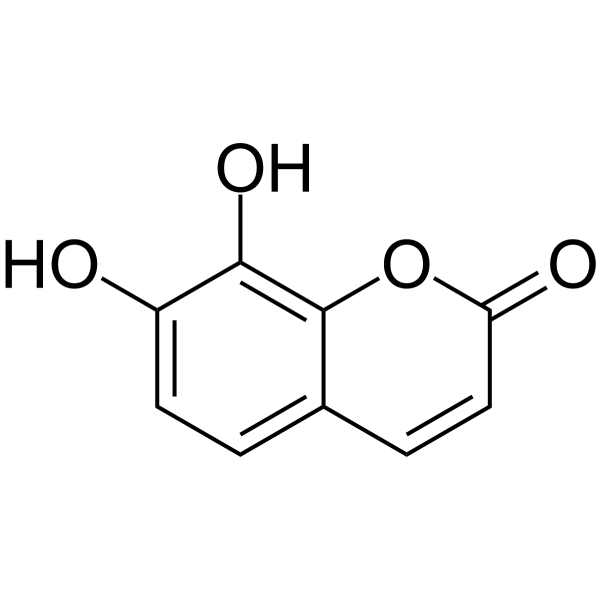
Daphnetin (7,8-dihydroxycoumarin), one coumarin derivative can be found in plants of the Genus Daphne, is a potent, oral active protein kinase inhibitor, with IC50s of 7.67 μM, 9.33 μM and 25.01 μM for EGFR, PKA and PKC in vitro, respectively. Daphnetin triggers ROS-induced cell apoptosis and induces cytoprotective autophagy by modulating the AMPK/Akt/mTOR pathway. Daphnetin has anti-inflammation activitity and inhibits TNF-α, IL-1β, ROS, and MDA production. Daphnetin has schizontocidal activity against malaria parasites. Daphnetin can be used for rheumatoid arthritis , cancer and anti-malarian research .
|
-
- HY-116282W
-
|
DSS (MW 6500-10000); DXS (MW 6500-10000)
|
HIV
|
Inflammation/Immunology
|
|
Dextran sulfate sodium salt (DSS) (MW 6500-10000) is a polymer of dehydrated glucose with a molecular weight of approximately 5000. Dextran sulfate sodium salt with different molecular weights exhibits different biological activities. Dextran sulfate sodium salt (MW 6500-10000) has antiviral activity against HIV-1 and HIV-2. Dextran sulfate sodium salt (MW 6500-10000) blocks the binding of virions to CD4 ⁺ T lymphocytes and inhibits syncytia formation. Dextran sulfate sodium salt (MW 6500-10000) also prevents experimental urolithiasis due to its cytoprotective actions. Moreover, because of its biocompatible and highly charged properties, Dextran sulfate sodium salt (MW 6500-10000) is a suitable choice for pharmaceutical systems .
|
-
- HY-N0281R
-
|
7,8-Dihydroxycoumarin (Standard)
|
Reference Standards
EGFR
PKA
PKC
Autophagy
Apoptosis
AMPK
Akt
mTOR
Reactive Oxygen Species (ROS)
Caspase
Bcl-2 Family
PARP
Parasite
|
Inflammation/Immunology
Cancer
|
|
Daphnetin (Standard) is the analytical standard of Daphnetin. This product is intended for research and analytical applications. Daphnetin (7,8-dihydroxycoumarin), one coumarin derivative can be found in plants of the Genus Daphne, is a potent, oral active protein kinase inhibitor, with IC50s of 7.67 μM, 9.33 μM and 25.01 μM for EGFR, PKA and PKC in vitro, respectively. Daphnetin triggers ROS-induced cell apoptosis and induces cytoprotective autophagy by modulating the AMPK/Akt/mTOR pathway. Daphnetin has anti-inflammation activitity and inhibits TNF-α, IL-1 , ROS, and MDA production. Daphnetin has schizontocidal activity against malaria parasites. Daphnetin can be used for rheumatoid arthritis , cancer and anti-malarian research .
|
-
- HY-W012382S
-
|
|
Isotope-Labeled Compounds
Endogenous Metabolite
|
Metabolic Disease
Cancer
|
|
N-Acetyl-L-tyrosine-d3 is the deuterated form of N-Acetyl-L-tyrosine (HY-W012382). N-Acetyl-L-tyrosine is an orally active endogenous mitochondrial stress response regulator that can permeate the cell membrane by passive diffusion. N-Acetyl-L-tyrosine induces low-level reactive oxygen species (ROS) generation by transiently perturbing mitochondrial membrane potential, triggering reverse signaling to activate FoxO and Keap1 pathways. As a result, N-Acetyl-L-tyrosine enhances the expression of antioxidant enzyme genes, exerting anti-stress and cytoprotective effects. N-Acetyl-L-tyrosine can improve heat stress tolerance, inhibit tumor growth, and regulate energy metabolism. N-Acetyl-L-tyrosine can be used in the research of aging, metabolic diseases (such as diabetes), and cancer .
|
-
- HY-W012382R
-
|
|
Reference Standards
Endogenous Metabolite
|
Metabolic Disease
Cancer
|
|
N-Acetyl-L-tyrosine (Standard) is the analytical standard of N-Acetyl-L-tyrosine (HY-W012382). This product is intended for research and analytical applications. N-Acetyl-L-tyrosine is an orally active endogenous mitochondrial stress response regulator that can permeate the cell membrane by passive diffusion. N-Acetyl-L-tyrosine induces low-level reactive oxygen species (ROS) generation by transiently perturbing mitochondrial membrane potential, triggering reverse signaling to activate FoxO and Keap1 pathways. As a result, N-Acetyl-L-tyrosine enhances the expression of antioxidant enzyme genes, exerting anti-stress and cytoprotective effects. N-Acetyl-L-tyrosine can improve heat stress tolerance, inhibit tumor growth, and regulate energy metabolism. N-Acetyl-L-tyrosine can be used in the research of aging, metabolic diseases (such as diabetes), and cancer .
|
-
- HY-181556
-
|
|
JNK
TGF-beta/Smad
Cadherin
|
Inflammation/Immunology
|
|
JNK3-IN-10 is a blood-brain barrier-impermeable JNK3 inhibitor (IC50=0.257 nM) with over 400-fold selectivity over JNK1. JNK3-IN-10 blocks the JNK3-mediated signaling pathway downstream of TGF-β1, inhibits TGF-β1-induced phosphorylation of c-Jun, reduces the expression of pro-fibrotic markers, and restores the expression of the epithelial protein E-cadherin. JNK3-IN-10 exhibits low cytotoxicity, anti-fibrotic, cytoprotective and renoprotective effects, and alleviates albuminuria, glomerulosclerosis and podocyte foot process fusion. JNK3-IN-10 can be used for the research of chronic kidney disease, glomerulosclerosis and adriamycin-induced nephropathy .
|
-
- HY-N15191
-
-
- HY-N0241
-
|
|
Cholinesterase (ChE)
Lipase
Bacterial
Cytochrome P450
|
Infection
Metabolic Disease
|
|
Rhodionin is an orally active, multifunctional antivirulence and cytoprotective agent that targets and inhibits Lipase, sortase A (SrtA), CYP2D6 (IC50=0.761 μM), AChE (IC50=2.43-57.5 μM), and DPPH free radicals (IC50=19.49 μM). Rhodionin is isolable from the roots of Rhodiola crenulata. Rhodionin reduces postprandial serum triglyceride levels in mice by inhibiting lipase activity. Rhodionin also binds directly to SrtA to inhibit its transpeptidase activity, thereby reducing the fibrinogen adhesion and surface protein A levels of MRSA, effectively inhibiting biofilm formation and protecting against MRSA-induced cell damage. Rhodionin improves the survival rate of infected mice without affecting MRSA growth, and finds wide application in studies related to hyperlipidemia, exogenous obesity, and pneumonia induced by methicillin-resistant Staphylococcus aureus (MRSA) .
|
-
- HY-114986
-
|
6-keto-Prostaglandin E1
|
β-glucuronidase
|
Cardiovascular Disease
|
|
6-Keto-PGE1 (6-keto-Prostaglandin E1) is a biologically active derivative of PGE1. 6-Keto-PGE1 inhibits adenosine diphosphate-induced platelet aggregation. 6-Keto-PGE1 reduces cardiac afterload, decreases the accumulation of plasma myocardial depressant factor (MDF), lowers arterial blood pressure, dilates vascular beds, inhibits the vasoconstrictive response of vascular smooth muscle, and increases pulmonary compliance. 6-Keto-PGE1 directly stabilizes isolated cat liver lysosomes and significantly reduces the release of β-glucuronidase and cathepsin D. 6-Keto-PGE1 prolongs the survival time of traumatized rats and exerts protective effects through hemodynamic and cytoprotective actions. 6-Keto-PGE1 reduces central airway resistance. 6-Keto-PGE1 can be used in studies related to traumatic shock .
|
-
- HY-125942
-
SKF-96365
Maximum Cited Publications
27 Publications Verification
|
CRAC Channel
TRP Channel
CaMK
Akt
Apoptosis
Autophagy
Na+/Ca2+ Exchanger
Calcium Channel
|
Neurological Disease
Inflammation/Immunology
Cancer
|
|
SKF-96365 is a TRPC channel antagonist and store-operated calcium entry (SOCE) inhibitor. SKF-96365 reduces calcium ion influx by inhibiting the activity and expression of TRPC6, STIM1 and Orai1. SKF-96365 inhibits voltage-gated sodium current (cardiac INa/NaV1.5) and slows myocardial conduction. SKF-96365 inhibits phosphorylation/activation of CaMKIIγ and suppresses the downstream AKT signaling pathway. SKF-96365 induces G2/M phase cell cycle arrest, apoptosis and cytoprotective autophagy in colorectal cancer cells. SKF-96365 alleviates allergic rhinitis symptoms by reducing inflammatory cytokine levels. SKF-96365 reduces intracellular calcium overload, inhibits Homer1 expression, prevents nuclear damage and suppresses apoptosis. SKF-96365 inhibits the growth of colorectal cancer xenografts in nude mice . SKF-96365 is applicable to research related to allergic rhinitis, colorectal cancer, Parkinson's disease, persistent spontaneous nociception and hyperalgesia .
|
-
- HY-181015
-
|
|
PI3K
Akt
Bcl-2 Family
Apoptosis
Reactive Oxygen Species (ROS)
Lactate Dehydrogenase
SOD
|
Neurological Disease
|
|
α-D-Manp(3→1)-α-D-Manp(2→1)-α-D-Glu (Compound C) is an oligosaccharide. α-D-Manp(3→1)-α-D-Manp(2→1)-α-D-Glu activates the PI3K/AKT signaling pathway. α-D-Manp(3→1)-α-D-Manp(2→1)-α-D-Glu significantly inhibits Apoptosis by regulating the Bcl-2/BAX ratio. α-D-Manp(3→1)-α-D-Manp(2→1)-α-D-Glu shows cytoprotective activity by reducing ROS and LDH levels, decreasing MDA activity, and increasing CAT, SOD, and GSH activities. α-D-Manp(3→1)-α-D-Manp(2→1)-α-D-Glu shows neuroprotective effects and antioxidant capacity .
|
-
- HY-100001
-
|
|
TRP Channel
CRAC Channel
Autophagy
CaMK
Akt
Apoptosis
Na+/Ca2+ Exchanger
Calcium Channel
|
Neurological Disease
Inflammation/Immunology
Cancer
|
|
SKF-96365 hydrochloride is a TRPC channel antagonist and store-operated calcium entry (SOCE) inhibitor. SKF-96365 hydrochloride reduces calcium ion influx by inhibiting the activity and expression of TRPC6, STIM1 and Orai1. SKF-96365 hydrochloride inhibits voltage-gated sodium current (cardiac INa/NaV1.5) and slows myocardial conduction. SKF-96365 hydrochloride inhibits phosphorylation/activation of CaMKIIγ and suppresses the downstream AKT signaling pathway. SKF-96365 hydrochloride induces G2/M phase cell cycle arrest, apoptosis and cytoprotective autophagy in colorectal cancer cells. SKF-96365 hydrochloride alleviates allergic rhinitis symptoms by reducing inflammatory cytokine levels. SKF-96365 hydrochloride reduces intracellular calcium overload, inhibits Homer1 expression, prevents nuclear damage and suppresses apoptosis. SKF-96365 hydrochloride inhibits the growth of colorectal cancer xenografts in nude mice . SKF-96365 hydrochloride is applicable to research related to allergic rhinitis, colorectal cancer, Parkinson's disease, persistent spontaneous nociception and hyperalgesia .
|
-
- HY-182495
-
|
|
Aryl Hydrocarbon Receptor
|
Infection
|
|
Penisimplicissin is a funicone-like compound and antiviral agent. Penisimplicissin reduces the expression of AhR and viral nucleocapsid protein. Penisimplicissin improves the cell viability and morphological characteristics of CCoV-infected cells. Penisimplicissin inhibits CCoV infection. Penisimplicissin can be used in studies related to canine coronavirus infection .
|
-
- HY-141439
-
|
|
Keap1-Nrf2
Quinone Reductase
Glutathione S-transferase
Apoptosis
TNF Receptor
|
Inflammation/Immunology
Cancer
|
|
TBE 31 is an orally active Keap1/Nrf2 pathway activator and NQO1 inducer with a Dm value of 1.1 nM for NQO1. TBE 31 binds to cysteine residues of Keap1, inhibits ubiquitination and degradation of Nrf2, thereby activating the expression of ARE-dependent genes. TBE 31 induces cytoprotective enzymes including NQO1 and GST isoforms, promotes Nrf2 accumulation, and upregulates Nrf2-regulated genes related to antioxidation and lipid metabolism. TBE 31 inhibits pro-inflammatory responses, formation of AFB1-DNA adducts, endoplasmic reticulum stress, cell apoptosis (apoptosis), hepatic fibrosis, oxidative stress, and the expression of ChREBP. TBE 31 reduces the number of tumors in a mouse model of ultraviolet-induced skin carcinogenesis. TBE 31 enhances nerve growth factor-induced neurite outgrowth. TBE 31 attenuates LPS-induced serum TNF-α levels and immobility time in mice. TBE 31 can be used in research related to liver cancer, skin cancer, inflammation-related depression, and non-alcoholic steatohepatitis .
|
-
| Cat. No. |
Product Name |
Type |
-
- HY-D1005A
-
|
PEG-PPG-PEG, 8800 (Average Mn)
|
Biochemical Assay Reagents
|
|
Poloxamer 188 is a nonionic linear copolymer with surfactant properties. Poloxamer 188 exhibits anti-thrombotic, anti-inflammatory, and cytoprotective activities in various tissue injury models. Poloxamer 188 can be used for drug delivery .
|
-
- HY-D1005H
-
|
PEG-PPG-PEG, 8400(Average Mn)
|
Biochemical Assay Reagents
|
|
Poloxamer 188 is a nonionic linear copolymer with surfactant properties. Poloxamer 188 exhibits anti-thrombotic, anti-inflammatory, and cytoprotective activities in various tissue injury models .
|
-
- HY-W011704
-
|
Phosphoenolpyruvate cyclohexylammonium salt
|
Biochemical Assay Reagents
|
|
Phosphoenolpyruvic acid (Phosphoenolpyruvate) cyclohexylammonium salt is a glycolysis metabolite with a high-energy phosphate group. Phosphoenolpyruvic acid cyclohexylammonium salt is involved in glycolysis and gluconeogenesis, and used as energy source to produce ATP, under the energy-limited conditions. Phosphoenolpyruvic acid cyclohexylammonium salt also exhibits cytoprotective and anti-oxidative properties .
|
-
- HY-116282W
-
|
DSS (MW 6500-10000); DXS (MW 6500-10000)
|
Biochemical Assay Reagents
|
|
Dextran sulfate sodium salt (DSS) (MW 6500-10000) is a polymer of dehydrated glucose with a molecular weight of approximately 5000. Dextran sulfate sodium salt with different molecular weights exhibits different biological activities. Dextran sulfate sodium salt (MW 6500-10000) has antiviral activity against HIV-1 and HIV-2. Dextran sulfate sodium salt (MW 6500-10000) blocks the binding of virions to CD4 ⁺ T lymphocytes and inhibits syncytia formation. Dextran sulfate sodium salt (MW 6500-10000) also prevents experimental urolithiasis due to its cytoprotective actions. Moreover, because of its biocompatible and highly charged properties, Dextran sulfate sodium salt (MW 6500-10000) is a suitable choice for pharmaceutical systems .
|
-
- HY-113049A
-
|
Phosphoenolpyruvate trisodium
|
Biochemical Assay Reagents
|
|
Phosphoenolpyruvic acid (Phosphoenolpyruvate) trisodium is a glycolysis metabolite with a high-energy phosphate group. Phosphoenolpyruvic acid trisodium is involved in glycolysis and gluconeogenesis, and used as energy source to produce ATP, under the energy-limited conditions. Phosphoenolpyruvic acid trisodium also exhibits cytoprotective and anti-oxidative properties .
|
| Cat. No. |
Product Name |
Target |
Research Area |
-
- HY-P1777
-
|
Insulin-like Growth Factor I (24-41)
|
IGF-1R
|
Metabolic Disease
Inflammation/Immunology
|
|
IGF-I (24-41) (Insulin-like Growth Factor I (24-41)) is amino acids 24 to 41 fragment of IGF-I. IGF-I, a 70 aa polypeptide hormone, is a trophic factor for both neurons and glial cells. IGF-I is partly responsible for systemic growth hormone (GH) activities. IGF-I has anabolic, antioxidant, anti-inflammatory and cytoprotective actions. IGF-I (24-41) regulates somatic growth and behavioral development .
|
-
- HY-P1555
-
|
Adrenocorticotropic Hormone (1-13)
|
Peptides
|
Inflammation/Immunology
|
|
ACTH (1-13) is a 13-aa peptide, with cytoprotective effects in the model of ethanol induced gastric lesions in rats.
|
-
- HY-P1184
-
-
- HY-P10622
-
|
|
Apoptosis
Reactive Oxygen Species (ROS)
|
Metabolic Disease
Cancer
|
|
SHLP-3 is a mitochondrial derived peptide encoded by the 16S ribosomal RNA (MT-RNR2) gene. SHLP-3 increases cell viability and reduces apoptosis in insulinoma NIT-1β cells and human prostate cancer 22Rv1 cells. SHLP-3 increases mitochondrial function and exerts cytoprotective effects by increasing mitochondrial oxygen consumption rate (OCR), cellular ATP and reducing the ability to produce ROS. SHLP-3 can be used in the study of diabetes and cancer .
|
-
- HY-P1773
-
|
Insulin-like Growth Factor I (30-41)
|
Insulin Receptor
|
Metabolic Disease
Inflammation/Immunology
|
|
IGF-I (30-41) is amino acids 30 to 41 fragment of Insulin-like Growth Factor I (IGF-I). IGF-I is partly responsible for systemic GH activities although it possesses a wide number of own properties (anabolic, antioxidant, anti-inflammatory and cytoprotective actions) .
|
-
- HY-P1773A
-
|
Insulin-like Growth Factor I (30-41) TFA
|
IGF-1R
|
Metabolic Disease
Inflammation/Immunology
|
|
IGF-I (30-41) (TFA) is amino acids 30 to 41 fragment of Insulin-like Growth Factor I (IGF-I). IGF-I is partly responsible for systemic GH activities although it possesses a wide number of own properties (anabolic, antioxidant, anti-inflammatory and cytoprotective actions) .
|
-
- HY-P1184A
-
-
- HY-P1777A
-
|
Insulin-like Growth Factor I (24-41) TFA
|
IGF-1R
|
Metabolic Disease
Inflammation/Immunology
|
|
IGF-I (24-41) (Insulin-like Growth Factor I (24-41)) TFA is amino acids 24 to 41 fragment of IGF-I. IGF-I TFA, a 70 aa polypeptide hormone, is a trophic factor for both neurons and glial cells. IGF-I TFA is partly responsible for systemic growth hormone (GH) activities. IGF-I TFA has anabolic, antioxidant, anti-inflammatory and cytoprotective actions. IGF-I (24-41) TFA regulates somatic growth and behavioral development .
|
| Cat. No. |
Product Name |
Target |
Research Area |
Image |
-
- HY-P9930
-
|
AMG 145
|
NF-κB
Ser/Thr Protease
Toll-like Receptor (TLR)
|
Cardiovascular Disease
Metabolic Disease
Inflammation/Immunology
Cancer
|
|
Evolocumab (AMG 145) is a human monoclonal antibody that inhibits PCSK9. Evolocumab is used in the study of hypercholesterolemia and atherosclerotic cardiovascular disease. Evolocumab binds to circulating PCSK9 protein and inhibits its binding to LDLR. Evolocumab has antioxidant and cytoprotective activities against H2O2-induced oxidative damage to endothelial cells. Evolocumab may also negatively regulate activation of the TLR-4/NF-κB signaling pathway to prevent inflammation .
|
-
(5)
| Cat. No. |
Product Name |
Category |
Target |
Chemical Structure |
-
- HY-W008807
-
-
-
- HY-N0890
-
-
-
- HY-N0017
-
-
-
- HY-106950A
-
-
-
- HY-N0513
-
-
-
- HY-W012382
-
-
-
- HY-N0281
-
Daphnetin
Maximum Cited Publications
7 Publications Verification
7,8-Dihydroxycoumarin
|
Daphne
Classification of Application Fields
Thymelaeaceae
Coumarins
Phenols
Polyphenols
Phenylpropanoids
Plants
Disease Research Fields
Source Classification
Cancer
|
EGFR
PKA
PKC
Autophagy
Apoptosis
AMPK
Akt
mTOR
Reactive Oxygen Species (ROS)
Caspase
Bcl-2 Family
PARP
Parasite
|
|
Daphnetin (7,8-dihydroxycoumarin), one coumarin derivative can be found in plants of the Genus Daphne, is a potent, oral active protein kinase inhibitor, with IC50s of 7.67 μM, 9.33 μM and 25.01 μM for EGFR, PKA and PKC in vitro, respectively. Daphnetin triggers ROS-induced cell apoptosis and induces cytoprotective autophagy by modulating the AMPK/Akt/mTOR pathway. Daphnetin has anti-inflammation activitity and inhibits TNF-α, IL-1β, ROS, and MDA production. Daphnetin has schizontocidal activity against malaria parasites. Daphnetin can be used for rheumatoid arthritis , cancer and anti-malarian research .
|
-
-
- HY-W011688
-
-
-
- HY-N0646
-
-
-
- HY-N3121
-
-
-
- HY-N7675
-
|
|
Cardiovascular Disease
Structural Classification
Classification of Application Fields
Cercis chinensis Bunge
Metabolic Disease
Plants
Compositae
Flavonoids
other families
Flavonones
Phenols
Polyphenols
Disease Research Fields
Source Classification
|
NF-κB
TGF-beta/Smad
Syk
|
|
Flavanomarein is a substance with cytoprotective, anti-inflammatory and antioxidant activities, with a Ka of 3.064e-5 M against human Syk. Flavanomarein enhances the phosphorylation level of AKT, regulates the expression of PKC-δ, P85α, PKC-β1, Sirt1, Bcl-2 and ICAD, and inhibits the nuclear translocation of NF-κB p65. Flavanomarein regulates EMT marker proteins, promotes the proliferation of HK-2 cells, and protects neuronal cells from 6-OHDA-induced neurotoxic damage. Flavanomarein can be used in studies related to Parkinson's disease and diabetic nephropathy.
|
-
-
- HY-N8439
-
-
-
- HY-113049
-
-
-
- HY-W013605A
-
-
-
- HY-N2996
-
-
-
- HY-N6896
-
-
-
- HY-N0377A
-
-
-
- HY-N7372
-
-
-
- HY-N7031
-
-
-
- HY-W011704A
-
-
-
- HY-W008807R
-
|
Phosphoenolpyruvate potassium (Standard)
|
Ketones, Aldehydes, Acids
Endogenous metabolite
Source Classification
|
Reference Standards
Endogenous Metabolite
|
|
Phosphoenolpyruvic acid potassium (Standard) (Potassium 1-carboxyvinyl hydrogenphosphate (Standard)) is the analytical standard of Phosphoenolpyruvic acid potassium (HY-W008807). This product is intended for research and analytical applications. Phosphoenolpyruvic acid potassium is a glycolysis metabolite with a high-energy phosphate group. Phosphoenolpyruvic acid potassium is involved in glycolysis and gluconeogenesis, and used as energy source to produce ATP, under the energy-limited conditions. Phosphoenolpyruvic acid potassium also exhibits cytoprotective and anti-oxidative properties.
|
-
-
- HY-N6973R
-
-
-
- HY-122812
-
-
-
- HY-N0241
-
|
|
Flavonols
Structural Classification
Classification of Application Fields
Crassulaceae
Metabolic Disease
Plants
Rhodiola crenulata (HK. f. et.Thoms) H. Ohba
Flavonoids
Rhodiola rosea Linn.
Phenols
Polyphenols
Disease Research Fields
Source Classification
|
Cholinesterase (ChE)
Lipase
Bacterial
Cytochrome P450
|
|
Rhodionin is an orally active, multifunctional antivirulence and cytoprotective agent that targets and inhibits Lipase, sortase A (SrtA), CYP2D6 (IC50=0.761 μM), AChE (IC50=2.43-57.5 μM), and DPPH free radicals (IC50=19.49 μM). Rhodionin is isolable from the roots of Rhodiola crenulata. Rhodionin reduces postprandial serum triglyceride levels in mice by inhibiting lipase activity. Rhodionin also binds directly to SrtA to inhibit its transpeptidase activity, thereby reducing the fibrinogen adhesion and surface protein A levels of MRSA, effectively inhibiting biofilm formation and protecting against MRSA-induced cell damage. Rhodionin improves the survival rate of infected mice without affecting MRSA growth, and finds wide application in studies related to hyperlipidemia, exogenous obesity, and pneumonia induced by methicillin-resistant Staphylococcus aureus (MRSA) .
|
-
-
- HY-N8788
-
|
|
Flavonoids
Flavones
Labiatae
Plants
Medicago truncatula Gaertn.
Source Classification
|
Others
|
|
Baicalein 7-O-β-D-ethylglucuronide is a natural flavone glycoside that can be extracted from Scutellaria baicalensis Georgi. Baicalein 7-O-β-D-ethylglucuronide has antioxidant activity. Baicalein 7-O-β-D-ethylglucuronide inhibits FeSO4-Cys-induced lipid peroxidation of liver homogenate. Baicalein 7-O-β-D-ethylglucuronide also shows strong cytoprotective effect on H2O2-induced oxidative damage of human umbilical vein endothelial cells .
|
-
-
- HY-N3421
-
-
-
- HY-N6249
-
-
-
- HY-N2965
-
-
-
- HY-N1151
-
|
|
Structural Classification
Hydrangeaceae
Coumarins
Phenylpropanoids
Plants
Source Classification
|
Bacterial
Cholinesterase (ChE)
MMP
TNF Receptor
|
|
Thunberginol C is an orally active, selective, and non-competitive inhibitor of AChE and BChE, with IC50 values of 41.96 and 42.36 μM, respectively. Thunberginol C exerts cytoprotective, pro-collagen type I restorative, MMP-1 inhibitory, hyaluronic acid restorative, anti-photoaging effects in skin cells. Thunberginol C exerts neuroprotective, anxiolytic, TNF-α inhibitory, neuroinflammation inhibitory, and oxidative stress inhibitory effects. Thunberginol C can be used for the research of Alzheimer’s disease, UVB-induced skin photoaging, allergic reactions, oral bacterial infections, and stress-induced anxiety .
|
-
-
- HY-W012382R
-
-
-
- HY-N0017R
-
-
-
- HY-N0281R
-
|
7,8-Dihydroxycoumarin (Standard)
|
Structural Classification
Daphne
Thymelaeaceae
Coumarins
Phenols
Polyphenols
Phenylpropanoids
Plants
Source Classification
|
Reference Standards
EGFR
PKA
PKC
Autophagy
Apoptosis
AMPK
Akt
mTOR
Reactive Oxygen Species (ROS)
Caspase
Bcl-2 Family
PARP
Parasite
|
|
Daphnetin (Standard) is the analytical standard of Daphnetin. This product is intended for research and analytical applications. Daphnetin (7,8-dihydroxycoumarin), one coumarin derivative can be found in plants of the Genus Daphne, is a potent, oral active protein kinase inhibitor, with IC50s of 7.67 μM, 9.33 μM and 25.01 μM for EGFR, PKA and PKC in vitro, respectively. Daphnetin triggers ROS-induced cell apoptosis and induces cytoprotective autophagy by modulating the AMPK/Akt/mTOR pathway. Daphnetin has anti-inflammation activitity and inhibits TNF-α, IL-1 , ROS, and MDA production. Daphnetin has schizontocidal activity against malaria parasites. Daphnetin can be used for rheumatoid arthritis , cancer and anti-malarian research .
|
-
-
- HY-122379
-
-
-
- HY-W011688R
-
-
-
- HY-N10642
-
-
-
- HY-N10352
-
-
-
- HY-W013605AR
-
|
p-Methoxycinnamaldehyde (Standard)
|
Araceae
Ketones, Aldehydes, Acids
Acorus gramineus Soland.
Plants
Source Classification
|
Reference Standards
RSV
|
|
4-Methoxycinnamaldehyde (Standard) is the analytical standard of 4-Methoxycinnamaldehyde. This product is intended for research and analytical applications. 4-Methoxycinnamaldehyde (p-Methoxycinnamaldehyde), an active constituent of Agastache rugosa, exhibits cytoprotective activity against respiratory syncytial virus (RSV) in human larynx carcinoma cell line. 4-Methoxycinnamaldehyde effectively inhibits cytopathic effect of RSV with an estimated IC50 of 0.055 μg/mL[1].
|
-
-
- HY-W011704AR
-
-
-
- HY-N7031R
-
-
-
- HY-N3121R
-
-
-
- HY-N0513R
-
-
-
- HY-N6896R
-
-
-
- HY-N0646R
-
-
-
- HY-N0890R
-
|
Tubeimoside-1 (Standard); Lobatoside-H (Standard)
|
Triterpenes
Structural Classification
Terpenoids
Cucurbitaceae
Plants
Bolbostemma paniculaum (Maxim)Franguet
Source Classification
|
Reference Standards
Apoptosis
|
|
Tubeimoside I (Standard) is the analytical standard of Tubeimoside I. This product is intended for research and analytical applications. Tubeimoside I is an orally active HSPD1 inhibitor. Tubeimoside I inhibits NF-κB, MAPK, as well as regulates eNOS-VEGF. Tubeimoside I induces cytoprotective Autophagy via an Akt-mediated pathway. Tubeimoside I inhibits proinflammatory cytokine (IL-6 and IL-1β) production. Tubeimoside I exhibits anti-inflammatory activities. Tubeimoside I promotes angiogenesis and improves sepsis symptoms. Tubeimoside I is used in the research of inflammatory diseases, various cancers, sepsis and ischemic diseases .
|
-
-
- HY-120117
-
-
-
- HY-N19782
-
-
-
- HY-N2730
-
-
-
- HY-N15191
-
-
-
- HY-182495
-
-
| Cat. No. |
Product Name |
Chemical Structure |
-
- HY-W008807S
-
|
|
|
Phosphoenolpyruvic acid (potassium)- 13C2 is the 13C labeled Phosphoenolpyruvic acid potassium (HY-W008807) . Phosphoenolpyruvic acid (Phosphoenolpyruvate) potassium is a glycolysis metabolite with a high-energy phosphate group. Phosphoenolpyruvic acid potassium is involved in glycolysis and gluconeogenesis, and used as energy source to produce ATP, under the energy-limited conditions. Phosphoenolpyruvic acid potassium also exhibits cytoprotective and anti-oxidative properties .
|
-
-
- HY-W012382S
-
|
|
|
N-Acetyl-L-tyrosine-d3 is the deuterated form of N-Acetyl-L-tyrosine (HY-W012382). N-Acetyl-L-tyrosine is an orally active endogenous mitochondrial stress response regulator that can permeate the cell membrane by passive diffusion. N-Acetyl-L-tyrosine induces low-level reactive oxygen species (ROS) generation by transiently perturbing mitochondrial membrane potential, triggering reverse signaling to activate FoxO and Keap1 pathways. As a result, N-Acetyl-L-tyrosine enhances the expression of antioxidant enzyme genes, exerting anti-stress and cytoprotective effects. N-Acetyl-L-tyrosine can improve heat stress tolerance, inhibit tumor growth, and regulate energy metabolism. N-Acetyl-L-tyrosine can be used in the research of aging, metabolic diseases (such as diabetes), and cancer .
|
-
-
- HY-106950S1
-
|
|
|
Fosfructose- 13C6 (tetrasodium hydrate) is the 13C labeled Fosfructose (HY-106950). Fosfructose is a cytoprotective natural sugar phosphate for the potential treatment of cardiovascular ischemia, sickle cell anemia and asthma .
|
-
-
- HY-13679S
-
|
|
|
2-Mercaptoethanesulfonate-d4 sodium (Mesnum-d4 sodium) is the deuterium labeled Sodium 2-mercaptoethanesulfonate (HY-13679). Mesna (Sodium 2-mercaptoethanesulfonate) is an antioxidant which has cytoprotective effects. Mesna is widely used as a systemic protective agent against chemotherapy toxicity. Mesna is also used to reduce hemorrhagic cystitis induced by cyclophosphamide .
|
-
-
- HY-B0968S
-
|
|
|
Trimetazidine-d8 (dihydrochloride) is the deuterium labeled Trimetazidine dihydrochloride. Trimetazidine dihydrochloride is a selective long chain 3-ketoyl coenzyme A thiolase inhibitor with an IC50 of 75 nM, which can inhibit β-oxidation of free fatty acid (FFA). Trimetazidine dihydrochloride is an effective antianginal agent and a cytoprotective agent, has anti-oxidant, anti-inflammatory, antinociceptive and gastroprotective properties. Trimetazidine dihydrochloride triggers autophagy. Trimetazidine dihydrochloride is also a 3-hydroxyacyl-CoA dehydrogenase (HADHA) inhibitor .
|
-
-
- HY-B0968S1
-
|
|
|
Trimetazidine-d9 (dihydrochloride) is deuterium labeled Trimetazidine (dihydrochloride). Trimetazidine dihydrochloride is a selective long chain 3-ketoyl coenzyme A thiolase inhibitor with an IC50 of 75 nM, which can inhibit β-oxidation of free fatty acid (FFA). Trimetazidine dihydrochloride is an effective antianginal agent and a cytoprotective agent, has anti-oxidant, anti-inflammatory, antinociceptive and gastroprotective properties. Trimetazidine dihydrochloride triggers autophagy. Trimetazidine dihydrochloride is also a 3-hydroxyacyl-CoA dehydrogenase (HADHA) inhibitor .
|
-
-
- HY-166363S
-
|
|
|
Beraprost-d3 (TRK-100-d3) is deuterium labeled (Rac)-Beraprost. (Rac)-Beraprost ((Rac)-ML 1229) is an orally active prostacyclin analog that inhibits the release of Ca 2+ from intracellular storage sites by binding to prostacyclin membrane receptors (Prostaglandin Receptor), leading to relaxation of smooth muscle cells and vasodilation. Beraprost has vasodilatory, antiplatelet, and cytoprotective effects, making it promising for research in the field of cardiovascular diseases, such as thromboangiitis obliterans and atherosclerosis .
|
-
-
- HY-B1218S
-
|
|
|
Sulfaphenazole-d4 is the deuterium labeled Sulfaphenazole (HY-B1218). Sulfaphenazole is a selective inhibitor of human cytochrome P450 (CYP) 2C9 enzyme. Sulfaphenazole is a cytoprotective agent against light-induced death of photoreceptors. Sulfaphenazole inhibits light-induced necrosis and mitochondrial stress-initiated apoptosis. Sulfaphenazole is an off patent sulfonamide antibiotic and demonstrates bactericidal activity through enhanced M1 macrophage activity. Sulfaphenazole can significantly reduce infarct size and restore post-ischemic coronary flow following ischemia and reperfusion .
|
-
| Cat. No. |
Product Name |
|
Classification |
-
- HY-D1005A
-
|
PEG-PPG-PEG, 8800 (Average Mn)
|
|
Emulsifiers
Solubilizing Agents
|
|
Poloxamer 188 is a nonionic linear copolymer with surfactant properties. Poloxamer 188 exhibits anti-thrombotic, anti-inflammatory, and cytoprotective activities in various tissue injury models. Poloxamer 188 can be used for drug delivery .
|
-
- HY-D1005H
-
|
PEG-PPG-PEG, 8400(Average Mn)
|
|
Polymers
|
|
Poloxamer 188 is a nonionic linear copolymer with surfactant properties. Poloxamer 188 exhibits anti-thrombotic, anti-inflammatory, and cytoprotective activities in various tissue injury models .
|
-
- HY-145722
-
|
OGX-427 sodium
|
|
Antisense Oligonucleotides
|
|
Apatorsen (OGX-427) sodium is a 2'-methoxyethyl-modified antisense oligonucleotide and also a Hsp27 inhibitor. Apatorsen sodium reduces Hsp27 mRNA and protein levels, impairs stress-induced cytoprotective functions, induces cell apoptosis, inhibits tumor growth and prevents metastasis. Apatorsen sodium is applicable to research related to non-small cell lung cancer, castration-resistant prostate cancer, breast cancer, ovarian cancer and bladder cancer .
|
-
- HY-145722A
-
|
OGX-427
|
|
Antisense Oligonucleotides
|
|
Apatorsen is a 2'-methoxyethyl-modified antisense oligonucleotide and also a Hsp27 inhibitor. Apatorsen reduces Hsp27 mRNA and protein levels, impairs stress-induced cytoprotective functions, induces cell apoptosis, inhibits tumor growth and prevents metastasis. Apatorsen is applicable to research related to non-small cell lung cancer, castration-resistant prostate cancer, breast cancer, ovarian cancer and bladder cancer .
|
-
- HY-W141392
-
|
|
|
Phosphoramidites
Hypoxanthine
|
|
2'-Fluoro-5'-O-DMT-2'-deoxyinosine-3'-CE-phosphoramidite is a hypoxanthine analog. Hypoxanthine is a kind of purine base mainly present in muscle tissue. And it is a metabolite produced by purine oxidase acting on xanthine. Hypoxanthine has typical anti-inflammatory effects and is a potential endogenous poly(ADP-ribose) polymerase (PARP) inhibitor. It is cytoprotective by inhibiting PAPR activity, inhibiting peroxynitrite-induced mitochondrial depolarization and secondary superoxide production. Hypoxanthine can also be used as an indicator of hypoxia .
|
-
- HY-152696
-
|
|
|
Nucleoside Analogs
Inosine
|
|
6-O-Methylinosine is a hypoxanthine analogue. Hypoxanthine is a kind of purine base mainly present in muscle tissue. And it is a metabolite produced by purine oxidase acting on xanthine. Hypoxanthine has typical anti-inflammatory effects and is a potential endogenous poly(ADP-ribose) polymerase (PARP) inhibitor. It is cytoprotective by inhibiting PAPR activity, inhibiting peroxynitrite-induced mitochondrial depolarization and secondary superoxide production. Hypoxanthine can also be used as an indicator of hypoxia .
|
-
- HY-W392836
-
|
|
|
Phosphoramidites
Hypoxanthine
|
|
2'-O-Methyl-5'-O-dmt-inosine-3'-CE-phosphoramidite is a hypoxanthine analog. Hypoxanthine is a kind of purine base mainly present in muscle tissue. And it is a metabolite produced by purine oxidase acting on xanthine. Hypoxanthine has typical anti-inflammatory effects and is a potential endogenous poly(ADP-ribose) polymerase (PARP) inhibitor. It is cytoprotective by inhibiting PAPR activity, inhibiting peroxynitrite-induced mitochondrial depolarization and secondary superoxide production. Hypoxanthine can also be used as an indicator of hypoxia .
|
-
- HY-177803
-
|
|
|
Aptamers
|
|
Protein C aptamer sodium is a 44mer-DNA aptamer that the anticoagulant functions of activated protein C. Activated protein C (APC) is a serine protease with anticoagulant, anti-inflammatory, and cytoprotective properties.
|
-
- HY-154017
-
|
|
|
Nucleoside Analogs
Inosine
|
|
2′-C-Methyl-6-O-methylinosine is a hypoxanthine analog. Hypoxanthine is a kind of purine base mainly present in muscle tissue. And it is a metabolite produced by purine oxidase acting on xanthine. Hypoxanthine has typical anti-inflammatory effects and is a potential endogenous poly(ADP-ribose) polymerase (PARP) inhibitor. It is cytoprotective by inhibiting PAPR activity, inhibiting peroxynitrite-induced mitochondrial depolarization and secondary superoxide production. Hypoxanthine can also be used as an indicator of hypoxia .
|
-
- HY-154393
-
|
|
|
Nucleoside Analogs
Inosine
|
|
2-Chloro-2'-deoxy-6-O-methylinosine is a hypoxanthine analog. Hypoxanthine is a kind of purine base mainly present in muscle tissue. And it is a metabolite produced by purine oxidase acting on xanthine. Hypoxanthine has typical anti-inflammatory effects and is a potential endogenous poly(ADP-ribose) polymerase (PARP) inhibitor. It is cytoprotective by inhibiting PAPR activity, inhibiting peroxynitrite-induced mitochondrial depolarization and secondary superoxide production. Hypoxanthine can also be used as an indicator of hypoxia .
|
-
- HY-152678
-
|
|
|
Nucleoside Analogs
|
|
6-Methoxypurine-9-β-D-5’(R)-C-methylriboside is a hypoxanthine analog. Hypoxanthine is a kind of purine base mainly present in muscle tissue. And it is a metabolite produced by purine oxidase acting on xanthine. Hypoxanthine has typical anti-inflammatory effects and is a potential endogenous poly(ADP-ribose) polymerase (PARP) inhibitor. It is cytoprotective by inhibiting PAPR activity, inhibiting peroxynitrite-induced mitochondrial depolarization and secondary superoxide production. Hypoxanthine can also be used as an indicator of hypoxia .
|
Your information is safe with us. * Required Fields.
Inquiry Information
- Product Name:
- Cat. No.:
- Quantity:
- MCE Japan Authorized Agent:

