1. Search Result
Search Result
Results for "

Epidermal Growth Factor Receptor

" in MedChemExpress (MCE) Product Catalog:

124

Inhibitors & Agonists

2

Screening Libraries

3

Fluorescent Dyes

11

Peptides

5

Inhibitory Antibodies

6

Natural
Products

40

Recombinant Proteins

2

Isotope-Labeled Compounds

28

Antibodies

6

Click Chemistry

3

Oligonucleotides

Cat. No. Product Name Target Research Areas Chemical Structure
  • HY-P9905
    Cetuximab
    50+ Cited Publications

    C225; IMC-C225

    Radionuclide-Drug Conjugates (RDCs) EGFR Cancer
    Cetuximab (C225) is a human IgG1 monoclonal antibody that inhibits epidermal growth factor receptor (EGFR), with a Kd of 0.201 nM for EGFR by SPR. Cetuximab has potent antitumor activity .
    Cetuximab
  • HY-138298
    Trastuzumab deruxtecan (solution)
    5 Publications Verification

    T-DXd (solution); DS-8201 (solution); DS-8201a (solution)

    Antibody-Drug Conjugates (ADCs) EGFR Cancer
    Trastuzumab deruxtecan (T-DXd; DS-8201a) (solution) is an anti-human epidermal growth factor receptor 2 (HER2) antibody-drug conjugate (ADC). Trastuzumab deruxtecan is composed of a humanized anti-HER2 antibody, an enzymatically cleavable peptide-linker, a topoisomerase I inhibitor (a toxin component of Dxd), and the drug-linker conjugate for ADC is Deruxtecan (HY-13631E). Trastuzumab deruxtecan can be used for the research of HER2-positive breast cancer and gastric cancer .
    Trastuzumab deruxtecan (solution)
  • HY-138298A
    Trastuzumab deruxtecan
    5 Publications Verification

    T-DXd; DS-8201; DS-8201a

    Antibody-Drug Conjugates (ADCs) EGFR Cancer
    Trastuzumab deruxtecan (DS-8201a) is an anti-human epidermal growth factor receptor 2 (HER2) antibody-drug conjugate (ADC). Trastuzumab deruxtecan is composed of a humanized anti-HER2 antibody, an enzymatically cleavable peptide-linker, a topoisomerase I inhibitor (a toxin component of Dxd), and the drug-linker conjugate for ADC is Deruxtecan (HY-13631E). Trastuzumab deruxtecan can be used for the research of HER2-positive breast cancer and gastric cancer .
    Trastuzumab deruxtecan
  • HY-P9985
    Disitamab vedotin
    5 Publications Verification

    RC48

    Antibody-Drug Conjugates (ADCs) EGFR Cancer
    Disitamab vedotin (RC48) is an antibody-drug conjugate (ADC) comprising a monoclonal antibody against human epidermal growth factor receptor 2 (HER2) conjugated via a cleavable linker to the cytotoxic agent Monomethyl auristatin E (MMAE) (HY-15162), and the drug-linker conjugate for ADC is Deruxtecan (HY-13631E). Disitamab vedotin enhances antitumor immunity .
    Disitamab vedotin
  • HY-13314
    Tesevatinib
    4 Publications Verification

    XL-647; EXEL-7647; KD-019

    EGFR VEGFR Src Cancer
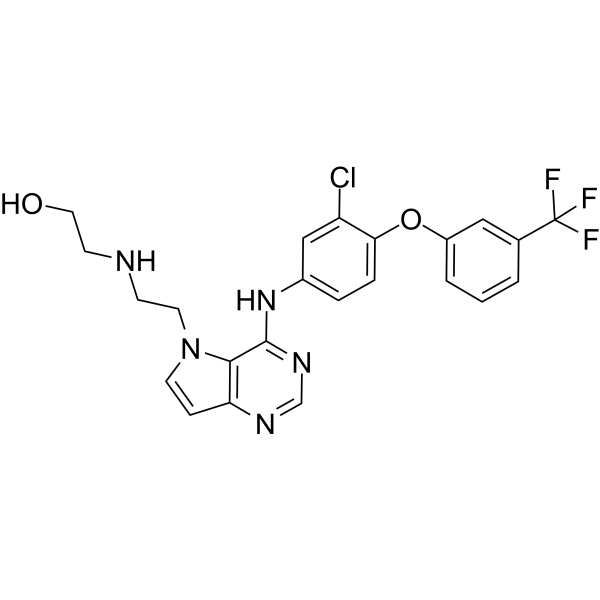
    Tesevatinib (XL-647) is an orally available, blood-brain barrier-penetrant inhibitor of the epidermal growth factor receptor (EGFR). Tesevatinib significantly reduces cellular viability, with IC50 values of 11 nM and 102 nM in GBM12 and GBM6, respectively. Tesevatinib also inhibits HER2 (IC50=16.1 nM), VEGFR2 (IC50=1.5 nM), and Src (IC50=10.3 nM). Tesevatinib can inhibit tumor proliferation and exhibits antitumor activity .
    Tesevatinib
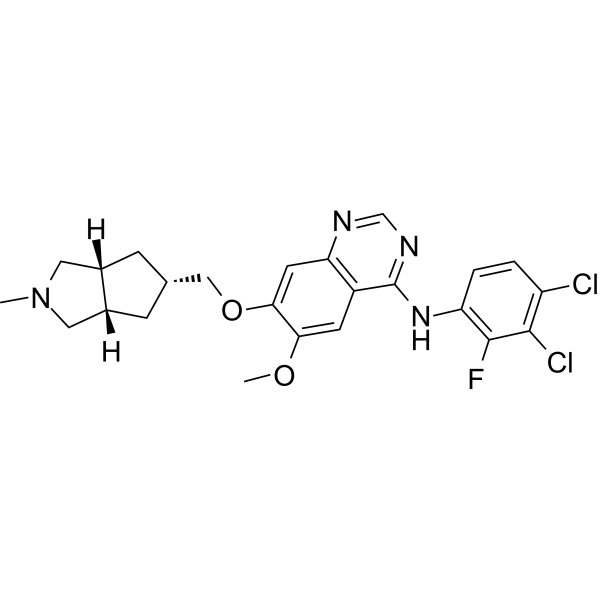
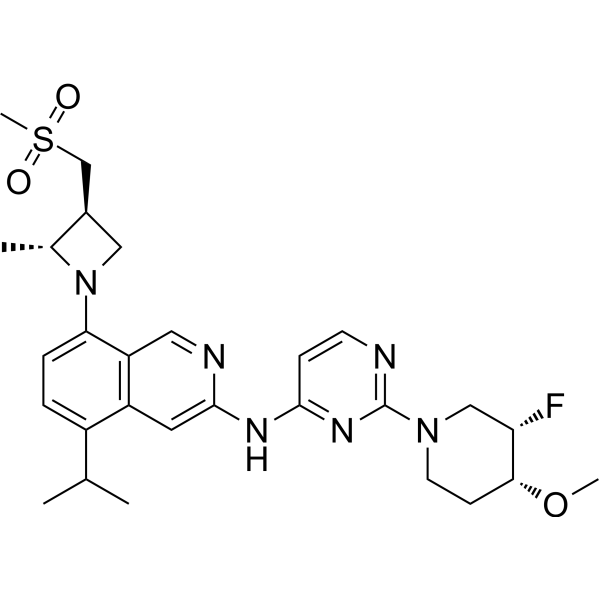
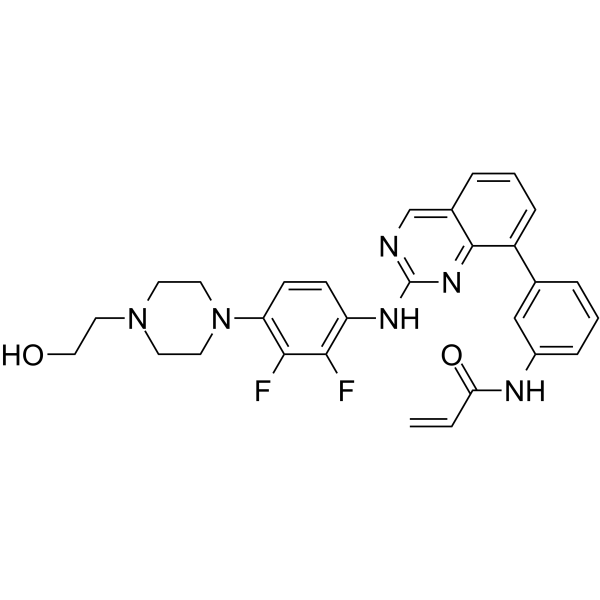
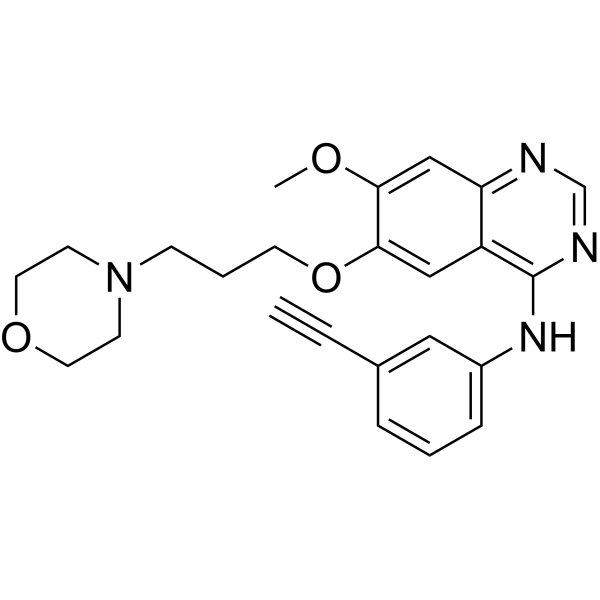
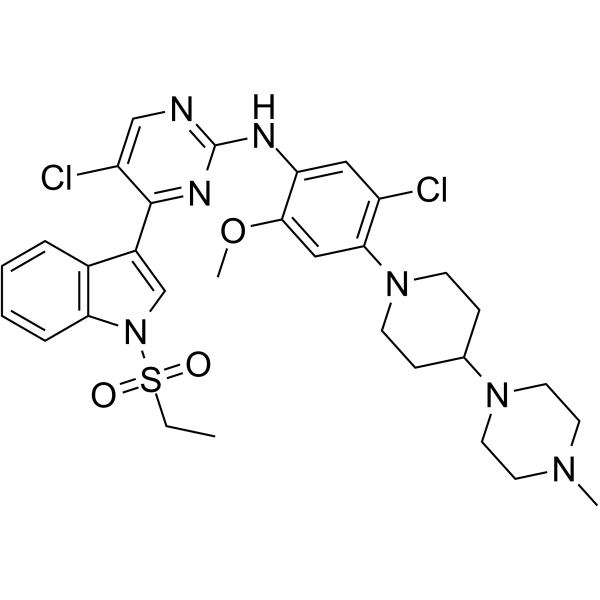
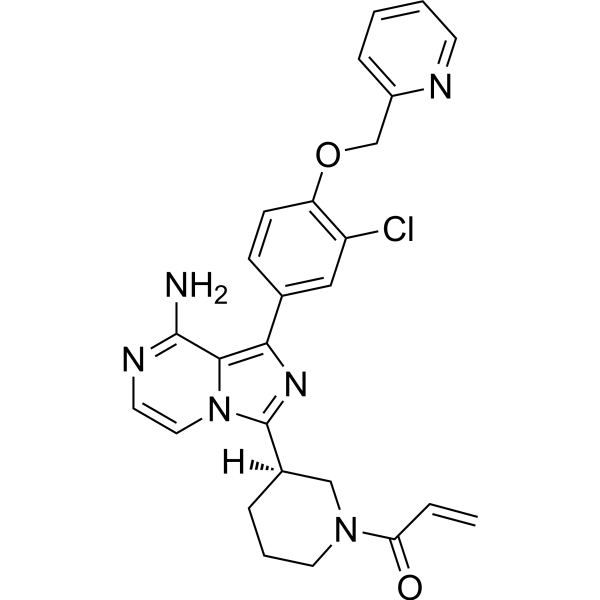
  • HY-144680

    ZL-2313

    EGFR Cancer
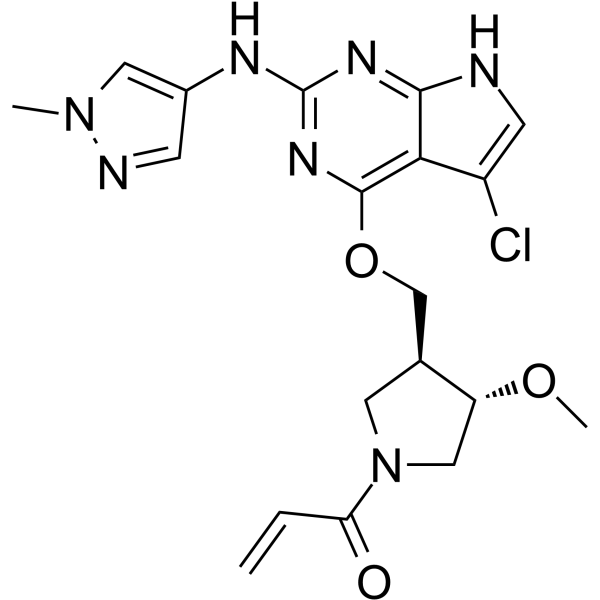
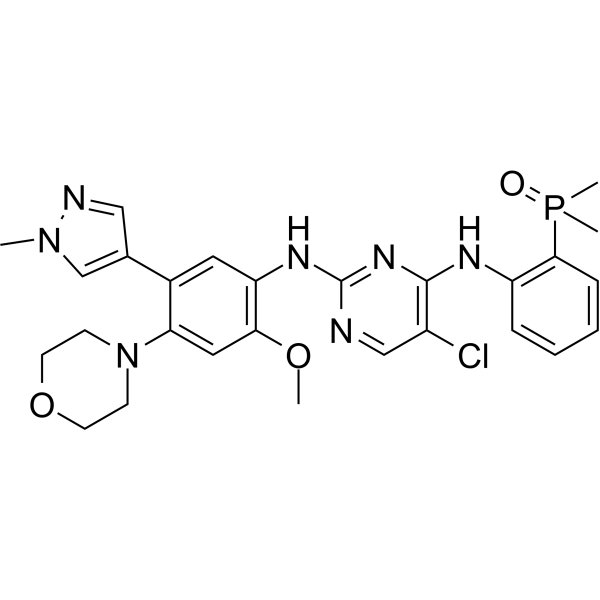
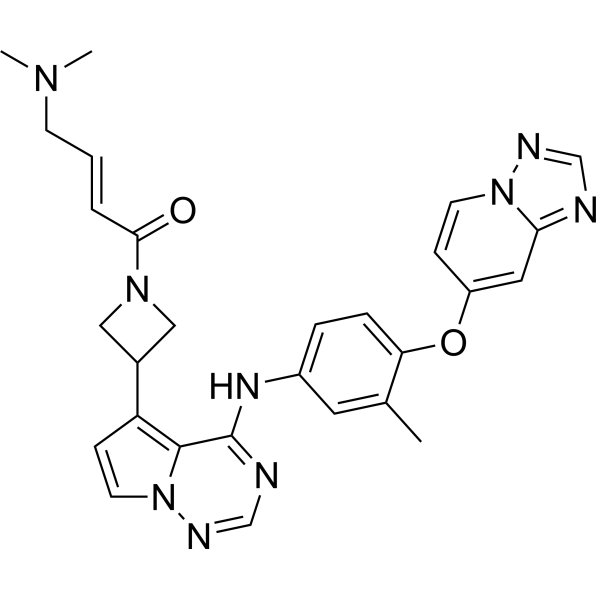
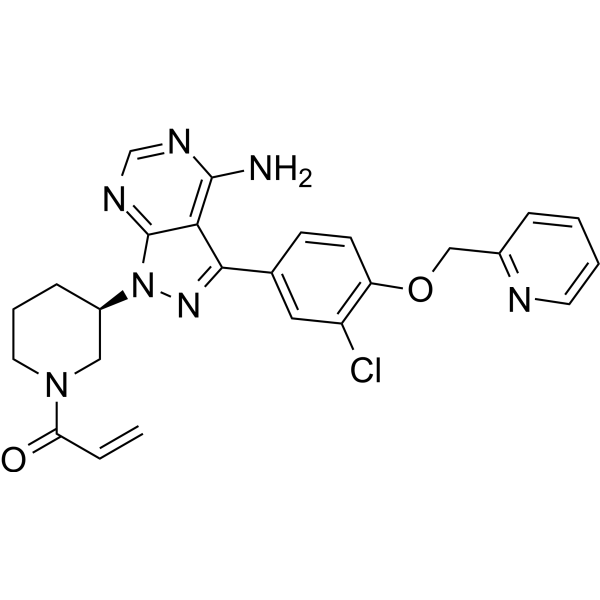
    BLU-945 is a potent, highly selective, reversible and orally active epidermal growth factor receptor (EGFR) tyrosine kinase inhibitor (TKIs). BLU-945 can effectively inhibit EGFR with L858R and/or exon 19 deletion mutation, T790M mutation and C797S mutation. BLU-945 can be used for the research of lung cancer including non-small cell lung cancer (NSCLC) .
    BLU-945
  • HY-114456
    Ganglioside GM3
    2 Publications Verification

    Insulin Receptor Metabolic Disease
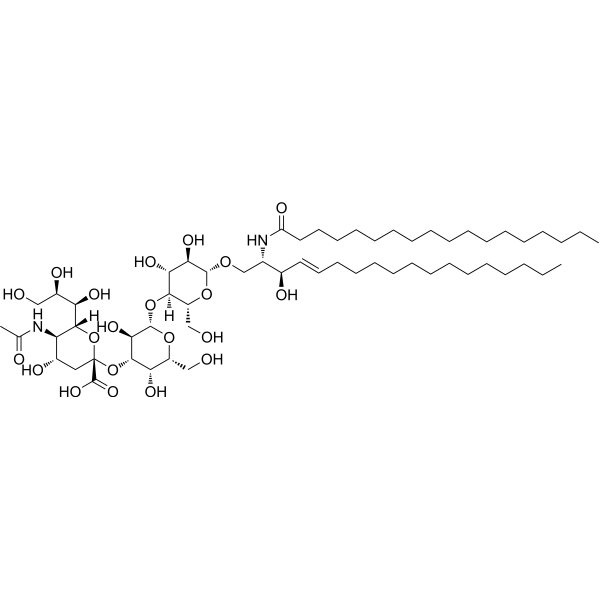
    Ganglioside GM3 is a precursor of a-, b-, and c-series gangliosides, interacts with transmembrane receptors such as the epidermal growth factor and insulin receptors, and regulates receptor functions by creating a specialized lipid environment. Ganglioside GM3 is synthesized by GM3 synthase and can be used for the research of hypercholesterolemia .
    Ganglioside GM3
  • HY-P99268

    SAR 256212; MM 121

    EGFR Apoptosis Cancer
    Seribantumab (MM 121) is a fully human IgG2 monoclonal antibody that targets HER3. Seribantumab blocks the activation of epidermal growth factor receptor (ErbB) family members and its downstream signal. Seribantumab inhibits neuregulin 1 (NRG1) fusion-dependent tumorigenesis in vitro and in vivo in breast, lung and ovarian patient-derived cancer models .
    Seribantumab
  • HY-132259
    Depatuxizumab mafodotin
    1 Publications Verification

    ABT-414

    Antibody-Drug Conjugates (ADCs) EGFR Cancer
    Depatuxizumab mafodotin (ABT-414) is an antibody-drug conjugate (ADC). Depatuxizumab mafodotin specifically targets the epidermal growth factor receptor (EGFR). Depatuxizumab mafodotin can be used in the study of glioma, head and neck squamous cell carcinoma, non-small cell lung cancer, epidermoid carcinoma of the skin, and squamous cell carcinoma of the tongue .
    Depatuxizumab mafodotin
  • HY-131864

    PROTACs EGFR Cancer
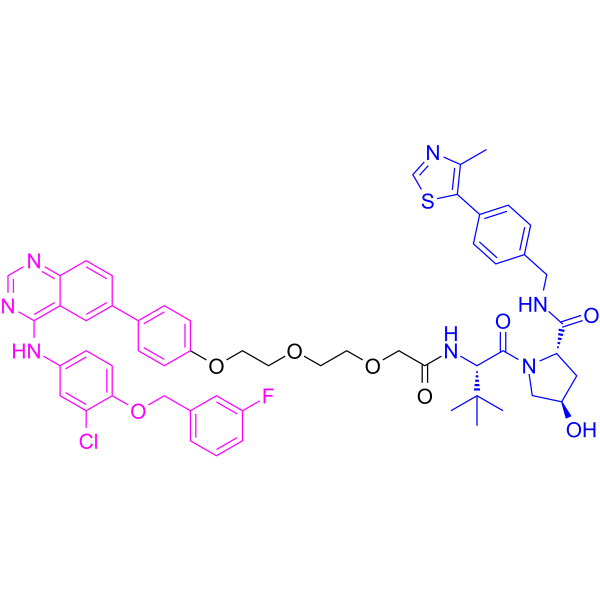
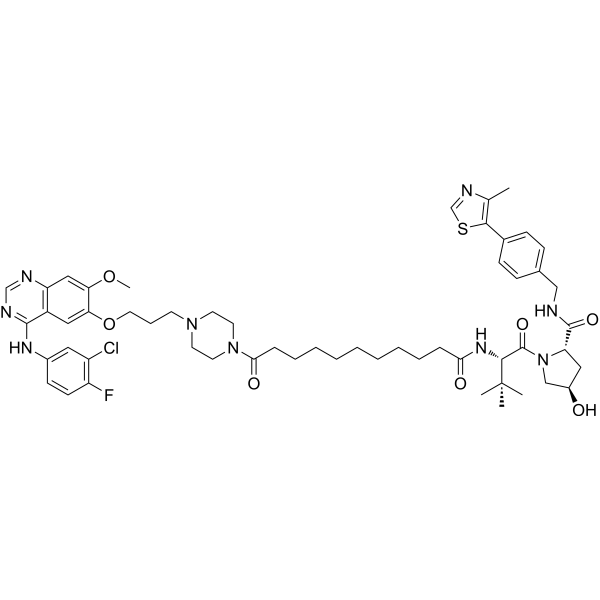
    SJF-1528 (PROTAC 1) is a potent EGFR PROTAC degrader with DC50 values of 39.2 nM and 736.2 nM for wild-type EGFR in OVCAR8 cells and Exon 20 Ins mutant EGFR in HeLa cells. SJF-1528 also degrades HER2. SJF-1528 promotes ubiquitination and degradation of EGFR and can be used in breast cancer research (Pink: ligand for target protein (HY-159047); Black: linker Tos-PEG2-CH2-Boc (HY-130532); Blue: ligand for E3 ligase (S,R,S)-AHPC (HY-125845)) .
    SJF-1528
  • HY-P99618

    IBI-315; BH2950

    EGFR PD-1/PD-L1 Cancer
    Fidasimtamab is a bispecific antibody targeting human epidermal growth factor receptor 2 (Her2) and programmed death protein 1 (PD-1), with a Ka of 3.55e-10 M for human Her2 and a Ka of 1.17e-9 M for human PD-1. Fidasimtamab cross-links Her2-positive tumor cells with PD-1-positive T cells to form immune synapses, blocks PD-1-ligand interactions, preserves antibody-dependent cellular cytotoxicity, induces gasdermin B (GSDMB)-mediated pyroptosis, and activates T cells. Fidasimtamab is applicable to relevant research on Her2-positive gastric cancer .
    Fidasimtamab
  • HY-19815

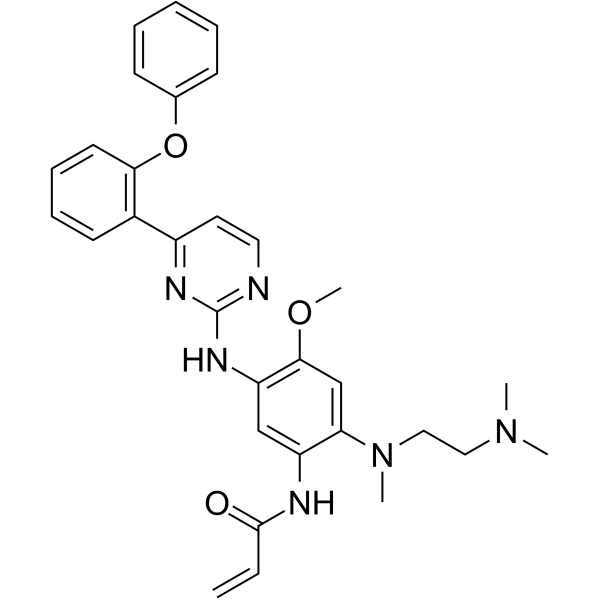
    CK-101; RX518

    EGFR Cancer
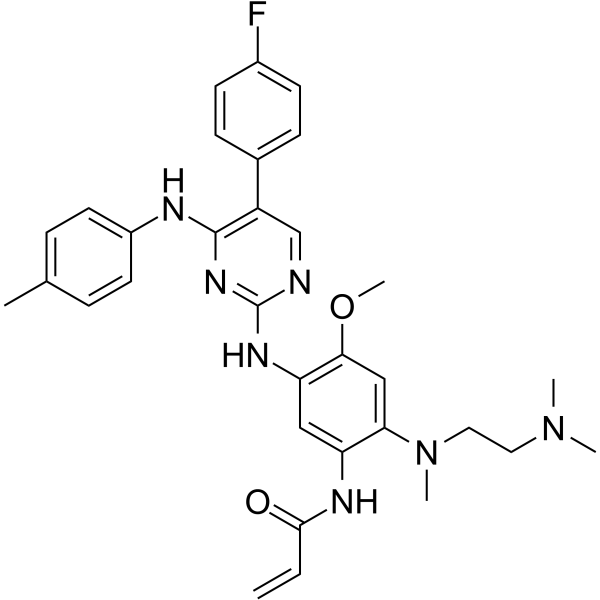
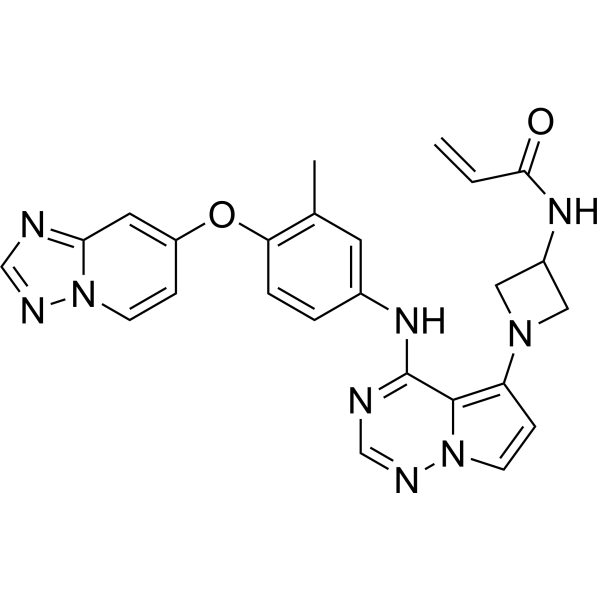
    Olafertinib (CK-101) is an orally available, third generation and irreversible epidermal growth factor receptor tyrosine kinase inhibitor (EGFR-TKI). Olafertinib selectively inhibits both EGFR-TKI-sensitizing and resistance mutations with minimal activity on wild-type EGFR. Olafertinib can be used in research for non-small cell lung cancer (NSCLC) with EGFR mutations and other advanced malignancies .
    Olafertinib
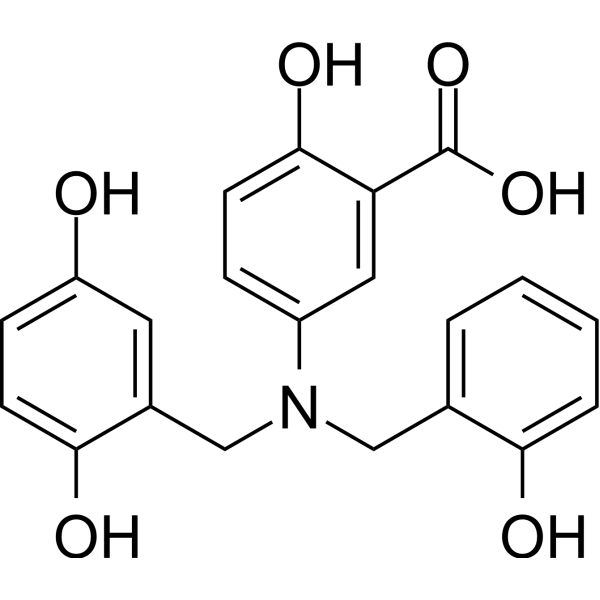
  • HY-18963
    Lavendustin A
    1 Publications Verification

    RG-14355

    EGFR Cancer
    Lavendustin A (RG-14355) is a potent, selective and ATP-competitive inhibitor of epidermal growth factor receptor (EGFR) tyrosine kinase, with an IC50 of 11 nM. Lavendustin A does not inhibit protein kinase A or C. Lavendustin A can suppress VEGF-induced angiogenesis .
    Lavendustin A
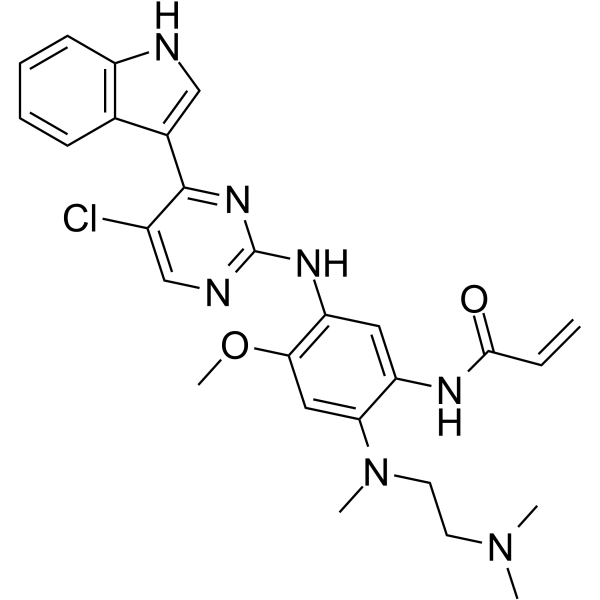
  • HY-13984
    NT-1
    1 Publications Verification

    EGFR mutant-IN-3

    EGFR ERK Apoptosis Drug Derivative Cancer
    NT-1 (EGFR mutant-IN-3) is a potent mutant EGFR inhibitor and an analog of Osimertinib (HY-15772). This mutant EGFR inhibitor suppresses FGFR WT with an IC50 of 0.4 nM. NT-1 also inhibits EGFR L858R, EGFR Exon 19 deletion and EGFR T790M. NT-1 exerts deeper inhibition on p-EGFR and p-ERK, and induces tumor cell apoptosis. NT-1 can be used in colorectal cancer research .
    NT-1
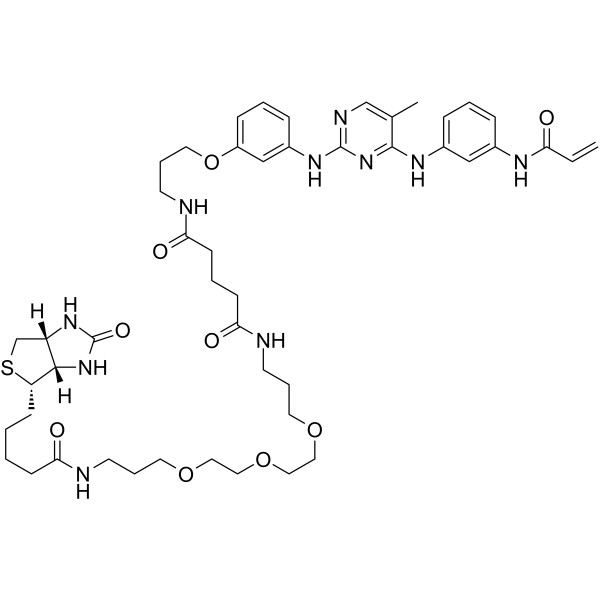
  • HY-100338

    Btk Cancer
    CNX-500 is a probe consisting of a covalent Btk inhibitor (CC-292) chemically linked to biotin. CNX-500 retains inhibitory activity against Btk (IC50 of 0.5 nM) and the ability to form a covalent bond with Btk. CNX-500 has low inhibitory effects on kinase epidermal growth factor receptor, and upstream Src-family kinases including Syk and Lyn .
    CNX-500
  • HY-18764
    BpV(pic) potassium hydrate
    1 Publications Verification

    PTEN Metabolic Disease
    BpV(pic) potassium hydrate is a PTEN inhibitor with IC50 31 nM. BpV(pic) potassium hydrate is also an insulin simulator that activates insulin receptor kinase in cultured liver cancer cells, stimulates adipogenesis in adipocytes, and inhibits the dephosphorylation of autophosphorylated insulin receptors and epidermal growth factor receptors in rat hepatosomes .
    BpV(pic) potassium hydrate
  • HY-P10697A

    LDLR Metabolic Disease
    VH4127 TFA is a cyclic peptide targeting the low density lipoprotein receptor (LDLR) with a KD of 18 nM for hLDLR. VH4127 TFA specifically binds to rodent and human epidermal growth factor (EGF) homology domain of LDLR .
    VH4127 TFA
  • HY-138916

    Biochemical Assay Reagents EGFR Others
    PF-06672131 is an alkynylated afatinib derivative and a small molecule probe that is reactive to cysteine. PF-06672131 is an inhibitor of epidermal growth factor receptor (EGFR) kinase that targets the ATP pockets of EGFR. PF-06672131 can be used for activity-based protein profiling studies .
    PF-06672131
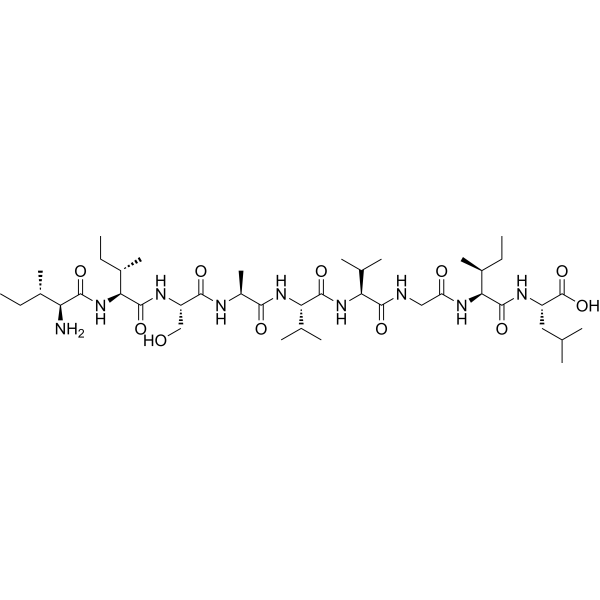
  • HY-P1085

    EGFR Cancer
    Epidermal Growth Factor Receptor Peptide (985-996) is an amino acid peptide fragment derived from positions 985-996 in epidermal growth factor receptor (EGFR) .
    Epidermal Growth Factor Receptor Peptide (985-996)
  • HY-12806

    EGFR Cancer
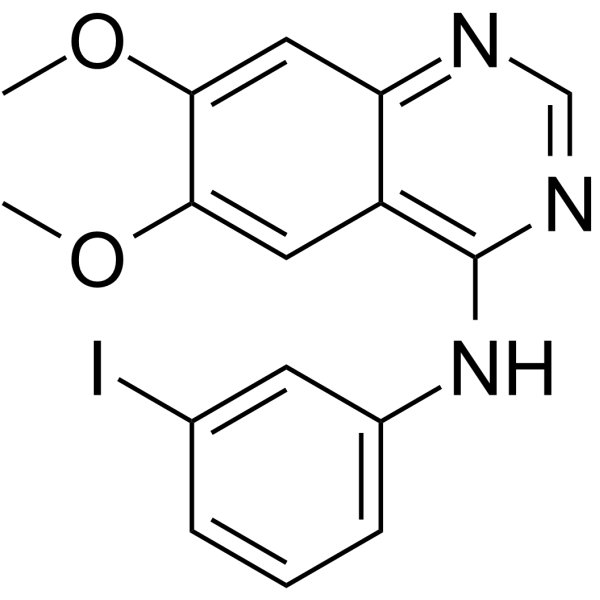
    AG1557 is a specific and ATP competitive inhibitor of epidermal growth factor receptor (EGFR) tyrosine kinase, has a pIC50 value of 8.194 .
    AG1557
  • HY-100214

    EGFR Cancer
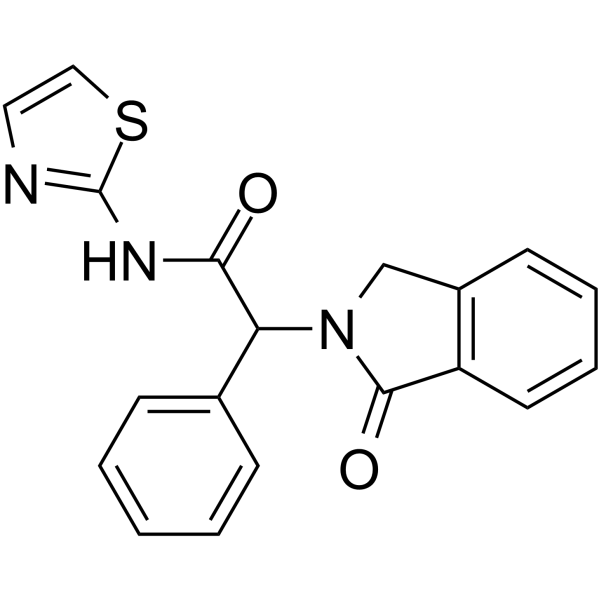
    EAI001 is a potent, selective mutant epidermal growth factor receptor (EGFR) allosteric inhibitor with an IC50 value of 24 nM for EGFR L858R/T790M. EAI001 can be used for research of cancer .
    EAI001
  • HY-157579

    PROTACs EGFR Cancer
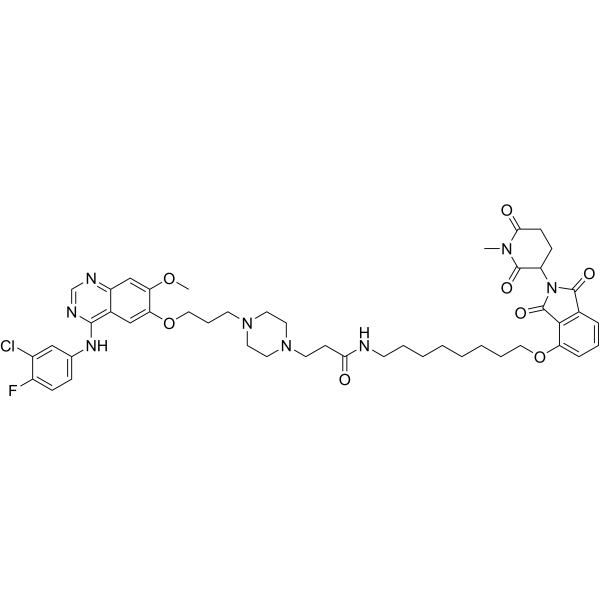
    MS154N (compound 28) is the negative control of MS39 (HY-157581). MS154N is composed of PROTAC target protein ligand EGFR ligand-11 (HY-168305) (red part), E3 ligase ligand 4-Hydroxy-2-(1-methyl-2,6-dioxopiperidin-3-yl)isoindoline-1,3-dione (HY-W441376) (blue part) and PROTAC Linker 8-Iodooctan-1-amine (HY-168306) (black part), among which the conjugate of E3 ubiquitin ligase ligand + Linker is Me-Thalidomide-O-C8-NH2 (HY-168307) .
    MS154N
  • HY-115605

    EGFR p38 MAPK ERK Phosphatase Cancer
    CN009543V is an epidermal growth factor receptor (EGFR) agonist. CN009543V enhances tyrosine phosphorylation of EGFR at Tyr1068 and Tyr1173, thereby activating the MAPK/ERK cascade. CN009543V inhibits the activity of PTP-1B in MDA MB468 cells. CN009543V can be used in cancer research .
    CN009543V
  • HY-161633

    PROTACs EGFR FAK Cancer
    PROTAC EGFR degrader 11 (Compound B71) is a PROTAC degrader for epidermal growth factor receptor (EGFR), with DC50 <100 nM. PROTAC EGFR degrader 11 binds CRBN-DDB1 with a Ki of 36 nM. PROTAC EGFR degrader 11 degrades EGFR, focal adhesion kinase (FAK), and RSK1, inhibits the proliferation of BaF3 wild type and EGFR mutants, with IC50 <100 nM.
    PROTAC EGFR degrader 11
  • HY-100499
    Tyrphostin AG 528
    1 Publications Verification

    Tyrphostin B66; AG 528

    EGFR Cancer
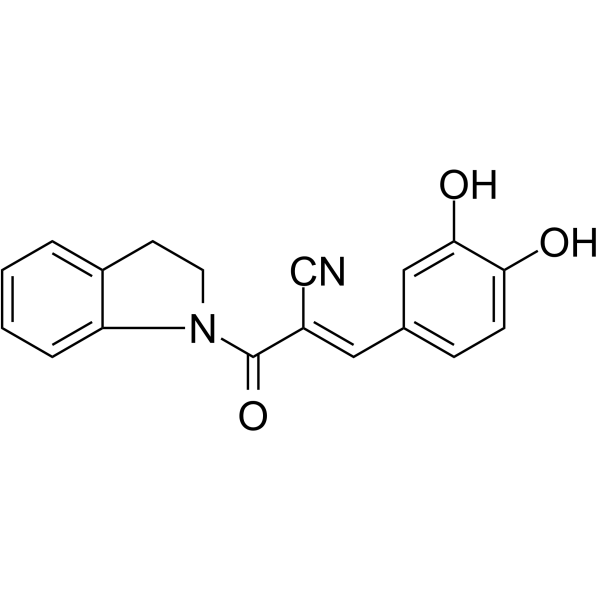
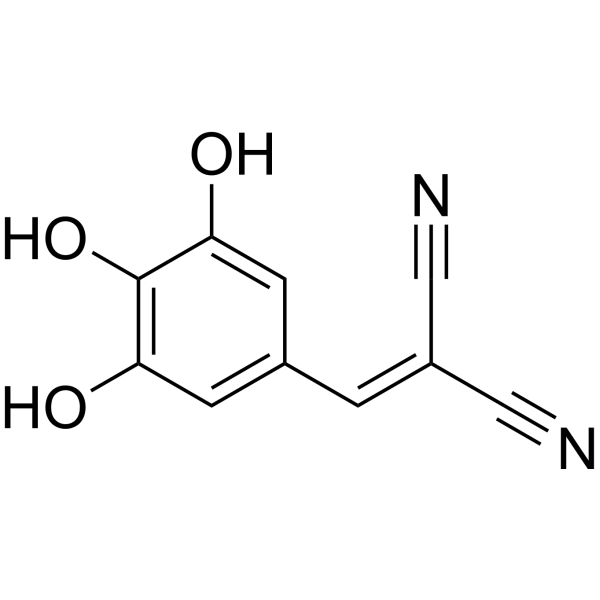
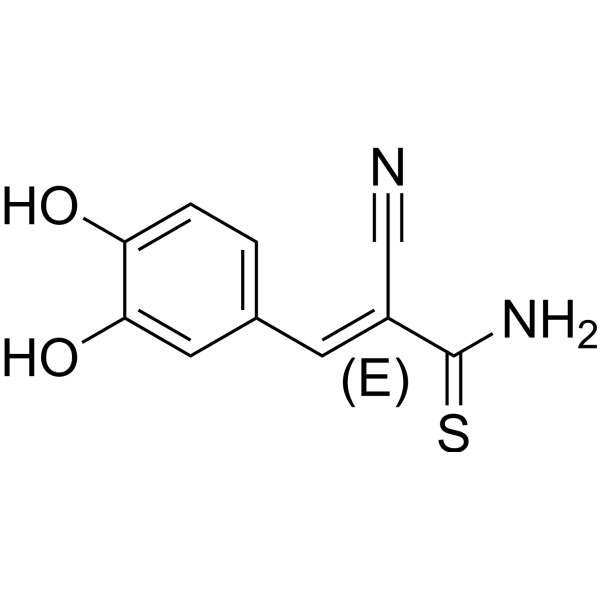
    Tyrphostin AG 528 is an inhibitor of EGFR and ErbB2 with IC50s of 4.9 and 2.1 μM, respectively. Tyrphostin AG 528 (Tyrphostin B66) is a protein tyrosine kinase inhibitor, with IC50s of 4.9 μM for epidermal growth factor receptors (EGFR) and 2.1 μM for ErbB2 . Tyrphostin AG 528 is also an anticancer agent .
    Tyrphostin AG 528
  • HY-19985A

    EGFR Cancer
    (3S, 4S)-PF-06459988 is the S enantiomer of PF-06459988 with less active. PF-06459988 is a potent irreversible inhibitor of T790M mutant epidermal growth factor receptor (EGFR). PF-06459988 has excellent selectivity against EGFR wild-type while possessing a minimally reactive electrophile that reduces the propensity of off-target labeling .
    (3S,4S)-PF-06459988
  • HY-103291

    Bradykinin Receptor Inflammation/Immunology Endocrinology
    Sar-[D-Phe8]-des-Arg9-Bradykinin is a agonist of B1 receptor. Sar-[D-Phe8]-des-Arg9-Bradykinin selectively amplifies the contractile response when incubation with human recombinant interleukin-1 β (IL-1 β) in rabbit aortic rings .
    Sar-[D-Phe8]-des-Arg9-Bradykinin
  • HY-50055

    ERK Cancer
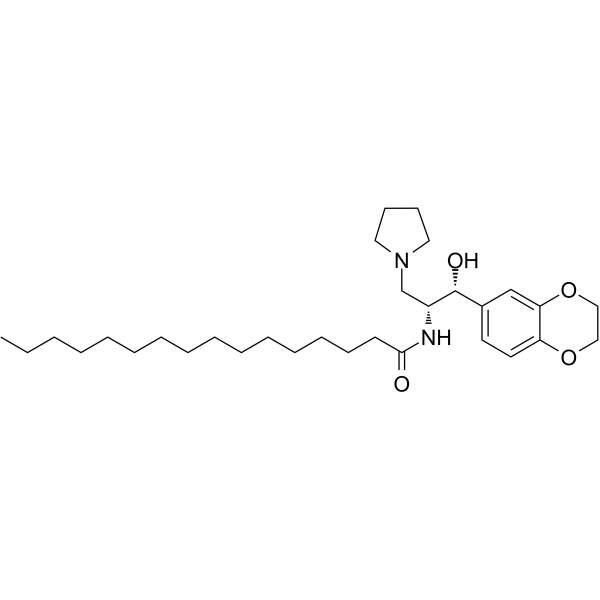
    EtDO-P4 is a nanomolar inhibitor of glycosphingolipid (GSL) synthesis. EtDO-P4 suppresses activation of the EGFR-induced ERK pathway and various receptor tyrosine kinases (RTKs). EtDO-P4 can be used for various types of cancer, including Burkitt’s lymphoma .
    EtDO-P4
  • HY-U00002

    VEGFR EGFR Cancer
    ZD-4190 is a potent, orally available inhibitor of the vascular endothelial cell growth factor receptor 2 (VEGFR2) and of epidermal growth factor receptor (EGFR) signalling, used for the treatment of cancer.
    ZD-4190
  • HY-15772S3

    asandeutertinibum; Osimertinib-d3; AZD-9291-d3

    EGFR Cancer
    Asandeutertinib (Osimertinib-d3; AZD-9291-d3) is a epidermal growth factor receptor (EGFR) tyrosine kinase inhibitor, with antineoplastic effect .
    Asandeutertinib
  • HY-101958

    AG82; Tyrphostin A 25; Tyrphostin AG 82; RG-50875

    EGFR GPR35 Inflammation/Immunology Cancer
    Tyrphostin 25 (AG82) is a specific inhibitor of the EGFR tyrosine kinase with an IC50 value of 3 µM in A431 cells. Tyrphostin 25 is also a GPR35 agonist with an EC50 of 5.3 µM .
    Tyrphostin 25
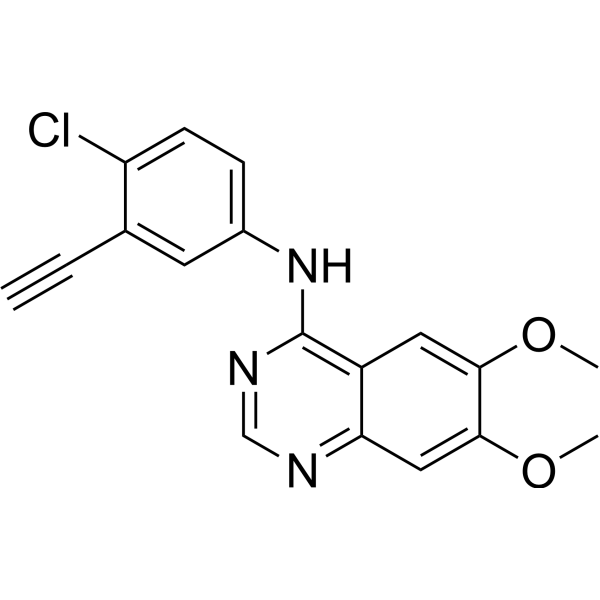
  • HY-19909

    EGFR Cancer
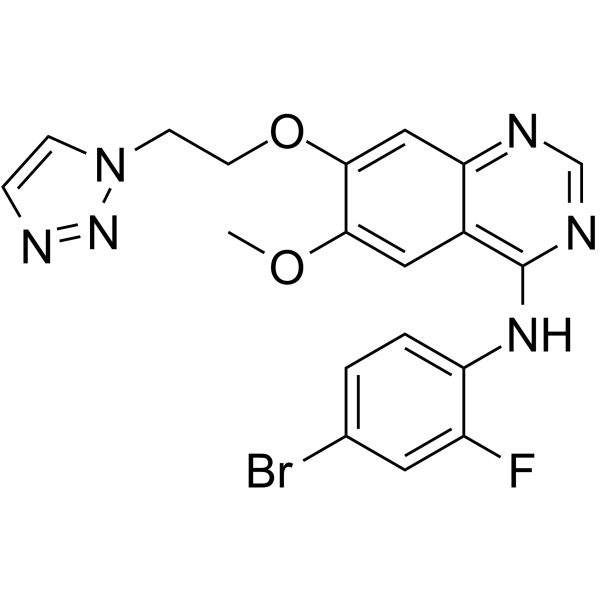
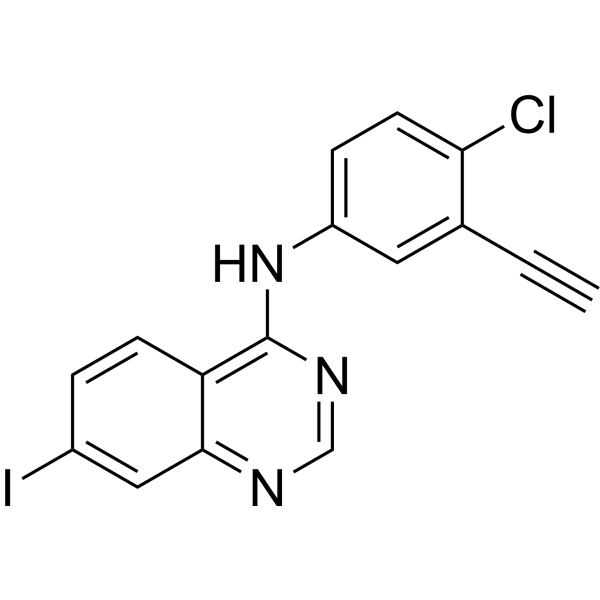
    NRC-2694 is an epidermal growth factor receptor (EGFR) antagonist with anti-cancer and anti-proliferative properties. NRC-2694 is a click chemistry reagent, it contains an Alkyne group and can undergo copper-catalyzed azide-alkyne cycloaddition (CuAAc) with molecules containing Azide groups.
    NRC-2694
  • HY-P1855

    EGFR Cancer
    HER2/neu (654-662) GP2 is a nine amino acid peptide derived from the human epidermal growth factor receptor 2 (HER2/nue, 654–662), induces HLA-A2-restricted cytotoxic T lymphocytes (CTL) reactive to various epithelial cancers .
    HER2/neu (654-662) GP2
  • HY-117852

    TRX-13

    EGFR Tyrosinase Cancer
    CGP-59326 (TRX-13) is a highly potent and selective epidermal growth factor receptor (EGFR) tyrosine kinase inhibitor (IC50=0.027 μM). CGP-59326 blocks the EGFR signaling pathwa, demonstrating highly selective inhibition of EGFR-dependent tumor cells. CGP-59326 is promising for research of cancers .
    CGP-59326
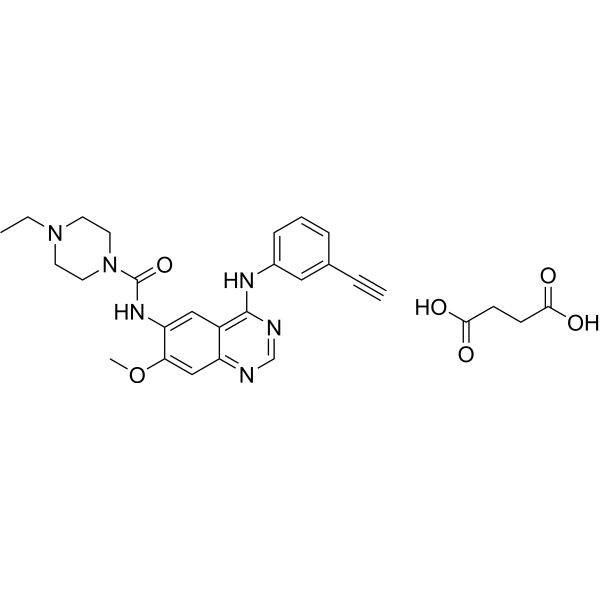
  • HY-139300A

    HMPL-813 succinate

    EGFR Cancer
    Epitinib succinate is an orally active and selective epidermal growth factor receptor tyrosine kinase inhibitor (EGFR-TKI) designed for optimal brain penetration. Epitinib succinate can be used for the research of cancer . Epitinib (succinate) is a click chemistry reagent, it contains an Alkyne group and can undergo copper-catalyzed azide-alkyne cycloaddition (CuAAc) with molecules containing Azide groups.
    Epitinib succinate
  • HY-129510

    EGFR Mitosis Cancer
    4-Methyl erlotinib, is a potent and selective epidermal growth factor receptor (EGFR) tyrosine kinase inhibitor. 4-Methyl erlotinib potently inhibits EGF-mediated tumor cell mitosis by reducing EGFr-specific tyrosine phosphorylation. Using a mouse model of human tumor transplantation, 4-Methyl erlotinib demonstrated significant and sustained suppression of EGFr phosphotyrosine levels, resulting in significant growth inhibition of EGFr-dependent human cancers .
    4-Methyl erlotinib
  • HY-N7424

    4,7-DHC

    EGFR Estrogen Receptor/ERR Progesterone Receptor Cancer
    4,7-Dihydroxycoumarin is an EGFR inhibitor, estrogen receptor inhibitor, and progesterone receptor inhibitor. 4,7-Dihydroxycoumarin against breast cancer cells with an IC50 velue of 18.36 μg/mL. 4,7-Dihydroxycoumarin can be used for the research of breast cancer .
    4,7-Dihydroxycoumarin
  • HY-164527

    Src FAK EGFR Cancer
    Si306 is a Src inhibitor with antitumor activity. Si306 reduces the phosphorylation of focal adhesion kinase (FAK) and the expression of epidermal growth factor receptor (EGFR), and inhibits the invasion of human glioblastoma (GBM) .
    Si306
  • HY-160087

    EGFR Drug-Linker Conjugates for ADC Cancer
    SG3376 is an antibody-drug conjugate (ADC) targeting human epidermal growth factor receptor 2 (HER2). SG3376 is promising for research of HER2-overexpressing cancers (e.g., breast, gastric cancer) .
    SG3376
  • HY-P10697

    LDLR Metabolic Disease
    VH4127 is a cyclic peptide targeting the low density lipoprotein receptor (LDLR) with a KD of 18 nM for hLDLR. VH4127, bearing non-natural amino acid residues, specifically binds to rodent and human epidermal growth factor (EGF) homology domain of LDLR .
    VH4127
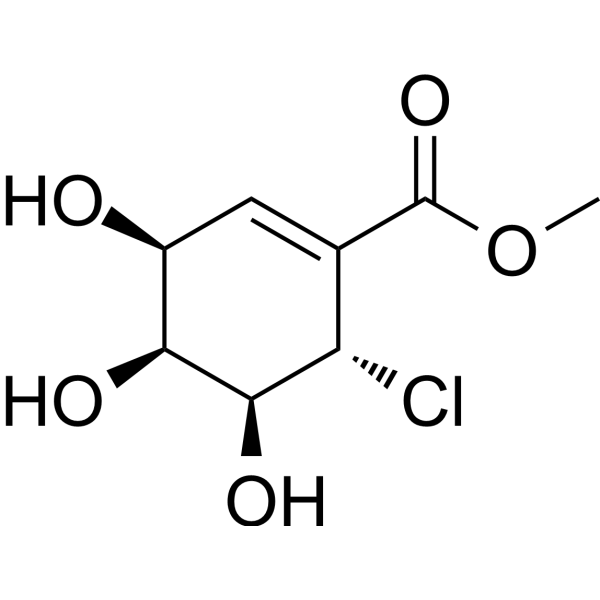
  • HY-N8473

    (+)-Pericosine A

    Topoisomerase Cancer
    Pericosine A ((+)-Pericosine A) is a topoisomerase II (Topoisomerase II) inhibitor that can be isolated from the Periconia byssoides strain. Pericosine A has significant antitumor activity in vitro and in vivo and can be used in cancer research. Pericosine A also inhibits the protein kinase epidermal growth factor receptor .
    Pericosine A
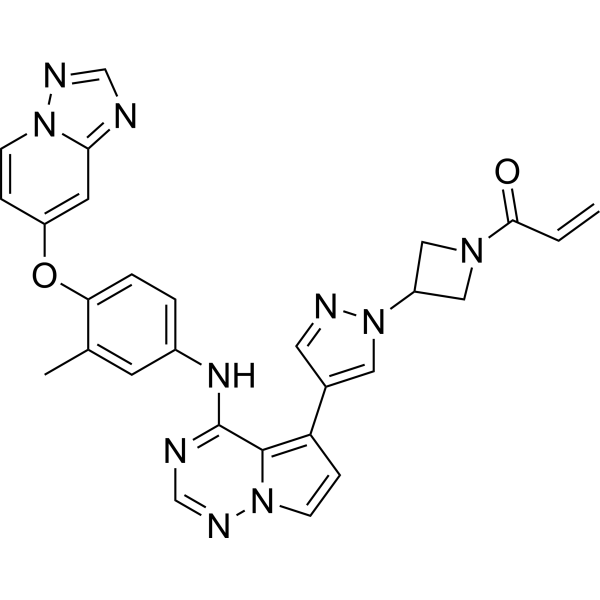
  • HY-144049

    EGFR Cancer
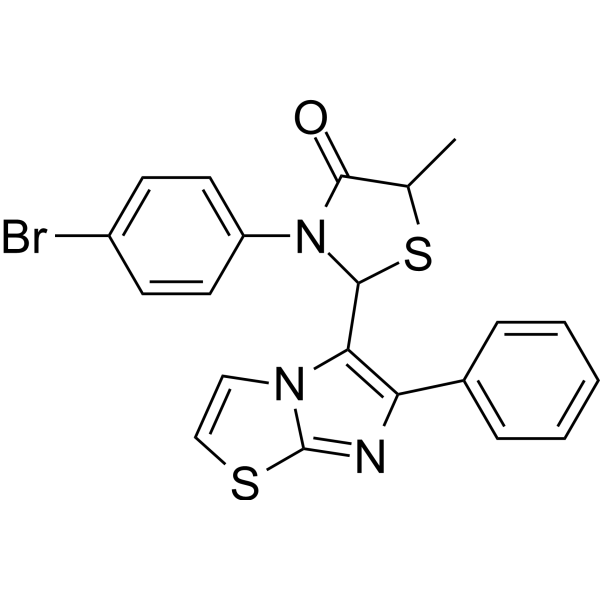
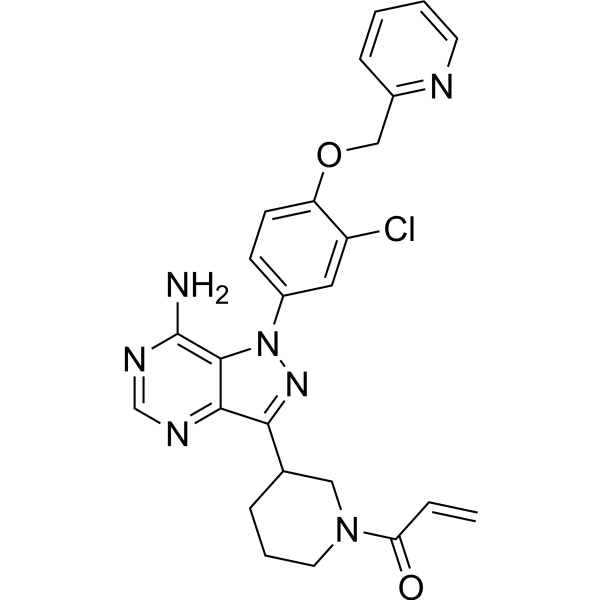
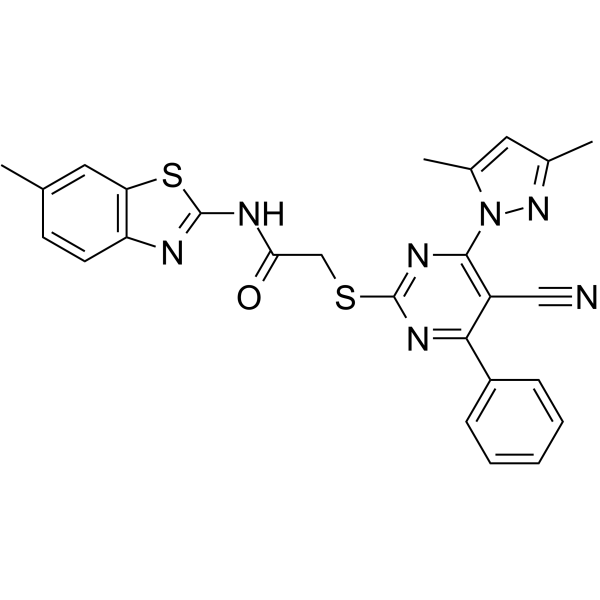
    EGFR-IN-32 is a potent inhibitor of EGFR. Overexpression and mutation of the epidermal growth factor receptor (EGFR) has been clearly demonstrated to lead to uncontrollable cell growth and is associated with the progression of most cancer diseases, especially NSCLC. EGFR-IN-32 has the potential for the research of diseases associated with EGFR mutations (extracted from patent WO2021185297A1, compound 2) .
    EGFR-IN-32
  • HY-150610

    EGFR Cancer
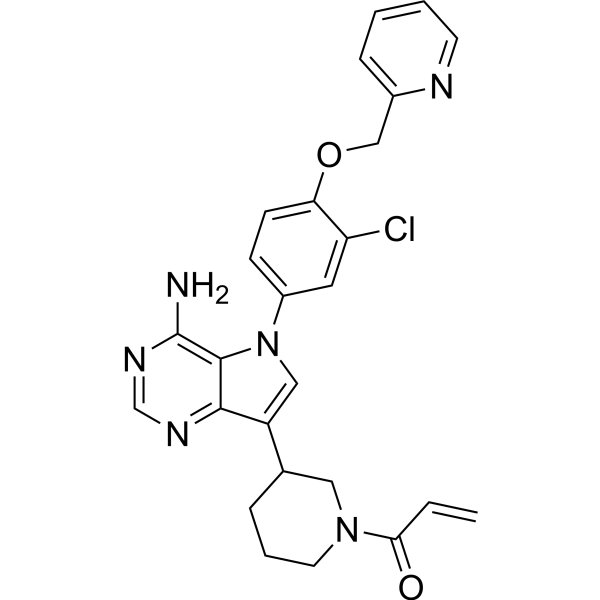
    EGFR-IN-69 (compound 17g) is a potent EGFR inhibitor, with IC50 values of 4.3, 6.6 and 25.6 nM against EGFR L858R/T790M/C797S, EGFR L858R/T790M, and EGFR 19del/T790M/C797S, respectively. EGFR-IN-69 can be used for non-small-cell-lung-cancer (NSCLC) research .
    EGFR-IN-69
  • HY-163418

    EGFR Cancer
    HER2-IN-17 (Compound 2) is an inhibitor for HER2, which inhibits the Her YVMA exon 20 insertion mutation (HER2 YVMA) with an IC50 <200 nM. HER2-IN-17 inhibits proliferation of HER2 YVMA mutated BaF3 cells with an IC50 <200 nM and amliorates non-small-cell lung cancer (NSCLC) .
    HER2-IN-17
  • HY-174231

    EGFR Apoptosis Cancer
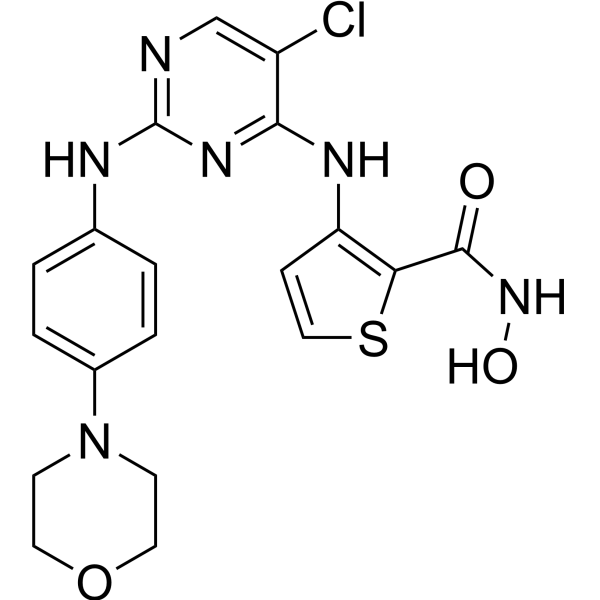
    EGFR-IN-163 (Compound 13) is a competitive epidermal growth factor receptor (EGFR) inhibitor (IC50=0.079 μM, selective for HER-2 inhibition). EGFR-IN-163 induces tumor cell apoptosis and cell cycle arrest at G₂/M phase. EGFR-IN-163 is promising for research of estrogen receptor-positive (ER+) breast cancer .
    EGFR-IN-163
  • HY-120412

    EGFR Apoptosis Cancer
    SKLB188 is an orally active and potent epidermal growth factor receptor (EGFR) inhibitor (IC50=5 nM). SKLB188 suppresses MEK/Erk and Akt/mTOR signaling pathways to inhibit head and neck squamous cell carcinoma (HNSCC) proliferation and induce caspase-dependent apoptosis. SKLB188 is promising for research of EGFR-overexpressing solid tumors .
    SKLB188
  • HY-164487

    Proteasome Cancer
    JBJ-08-178-01 is a mutant-selective tyrosine kinase inhibitor against human epidermal growth factor receptor 2 (HER2) with an antitumoral activity. JBJ-08-178-01 reduces both the kinase activity and protein levels of HER2 by inducing proteasomal degradation of the receptor in lung cancer. JBJ-08-178-01 is promising for research of non-small-cell lung cancer .
    JBJ-08-178-01
  • HY-161632

    PROTACs EGFR FAK Cancer
    PROTAC EGFR degrader 10 (Compound B56) is a PROTAC degrader for epidermal growth factor receptor (EGFR), with DC50 <100 nM. PROTAC EGFR degrader 10 binds CRBN-DDB1 with a Ki of 37 nM. PROTAC EGFR degrader 10 degrades EGFR, focal adhesion kinase (FAK), and RSK1, inhibits the proliferation of BaF3 wild type and EGFR mutants, with IC50 <150 nM .
    PROTAC EGFR degrader 10
  • HY-178440

    EGFR COX Apoptosis Inflammation/Immunology Cancer
    EGFR/COX-2-IN-2 (Compound 10a) is a dual inhibitor targeting epidermal growth factor receptor (EGFR) (IC50= 6.0 μM) and cyclooxygenase-2 (COX-2) (IC50=50 μM). EGFR/COX-2-IN-2 induces S-phase cell cycle arrest and apoptosis. EGFR/COX-2-IN-2 is promising for research of cancers and inflammation-related diseases .
    EGFR/COX-2-IN-2
  • HY-18963R

    RG-14355 (Standard)

    Reference Standards EGFR Cancer
    Lavendustin A (Standard) is the analytical standard of Lavendustin A. This product is intended for research and analytical applications. Lavendustin A (RG-14355) is a potent, selective and ATP-competitive inhibitor of epidermal growth factor receptor (EGFR) tyrosine kinase, with an IC50 of 11 nM. Lavendustin A does not inhibit protein kinase A or C. Lavendustin A can suppress VEGF-induced angiogenesis[1][2].
    Lavendustin A (Standard)

Inquiry Online

Your information is safe with us. * Required Fields.

Salutation


Country or Region *

Applicant Name *


Organization Name *

Department *


Email Address *


Product Name *

Cat. No.


Requested quantity *

Phone Number *


Remarks

Inquiry Online

Inquiry Information

Product Name:
Cat. No.:
Quantity:
MCE Japan Authorized Agent: