Search Result
Results for "
PET imaging
" in MedChemExpress (MCE) Product Catalog:
7
Biochemical Assay Reagents
2
Isotope-Labeled Compounds
| Cat. No. |
Product Name |
Target |
Research Areas |
Chemical Structure |
-
- HY-42110
-
|
|
mAChR
|
Neurological Disease
|
|
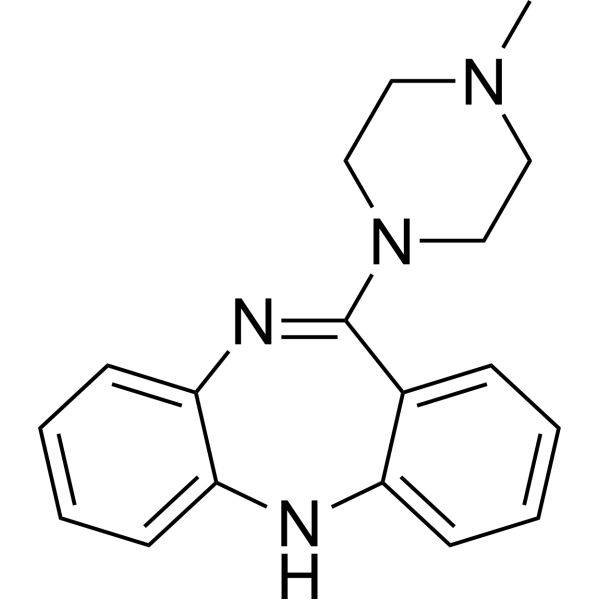
Deschloroclozapine, a metabolite of Clozapine, is a highly potent muscarinic DREADDs agonist, with blood-brain barrier permeability. Deschloroclozapine binds to DREADD receptor subtypes hM3Dq and hM4Di with Ki of 6.3 and 4.2 nM, respectively. [ 11C]-Deschloroclozapine is developed as a promising PET tracer for DREADD imaging .
|
-
-
- HY-128890
-
|
|
ADC Linkers
|
Cancer
|
|
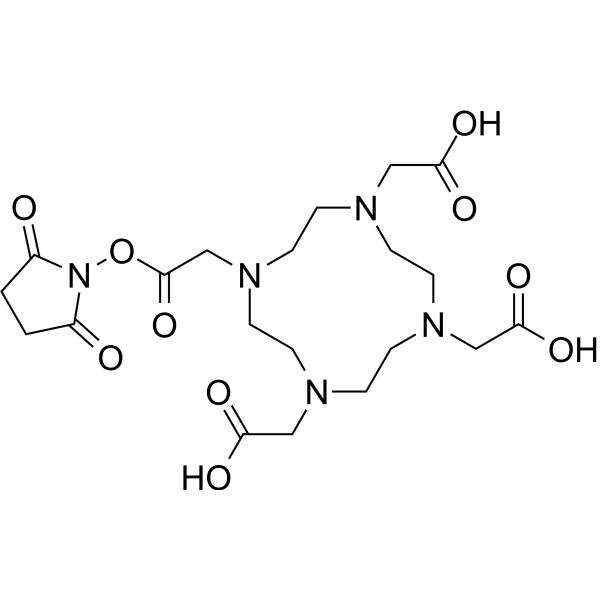
DOTA-NHS-ester is a linker for affibody molecules and is applied in small animals PET, SPECT, and CT. DOTA-NHS-ester can be used to label radiotherapeutic agents or imaging probes for the detection of tumors .
|
-
-
- HY-106244
-
|
Oxodotreotide
|
Radionuclide-Drug Conjugates (RDCs)
|
Cancer
|
|
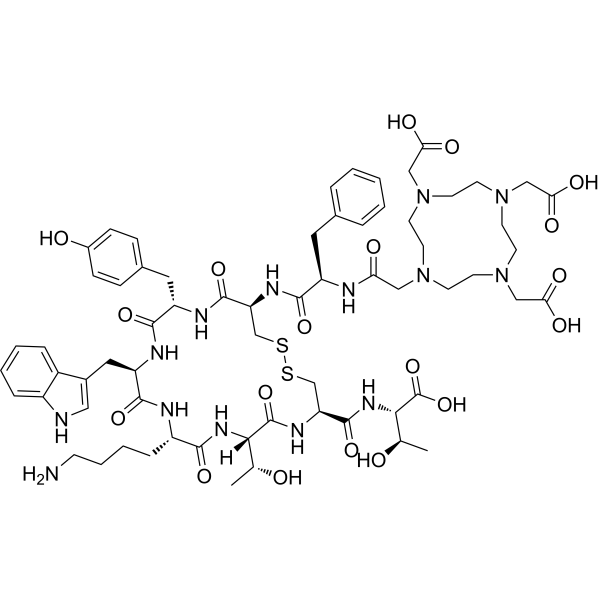
DOTATATE is a DOTA-conjugated peptide. DOTATATE can be labelled with radionuclides for positron emission tomography (PET) imaging and peptide receptor radionuclide research (PRRT) . DOTATATE can be used for the synthesis/research of Radionuclide-Drug Conjugates (RDCs).
|
-
-
- HY-128643
-
|
|
FAP
|
Cancer
|
|
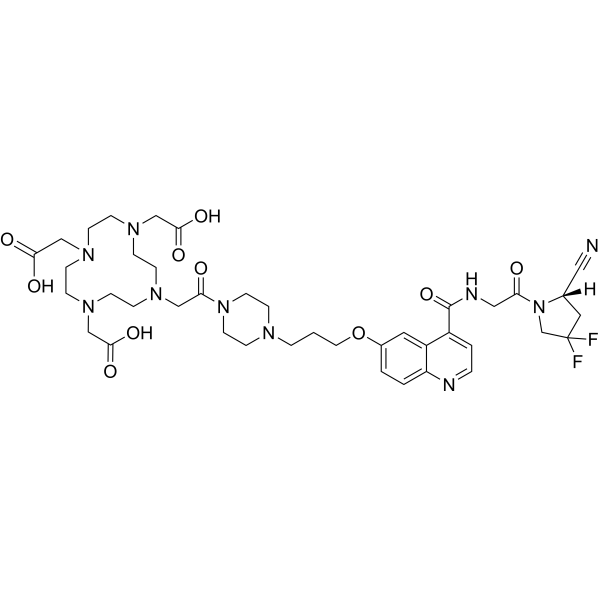
FAPI-4 is a potent fibroblast activation protein (FAP) inhibitor for the targeting FAP. FAPI-4 can be used in cancer research. 68Ga-FAPI-4 PET/CT is a promising new diagnostic method for imaging various kinds of cancer, with good tumor-to-background contrast ratios .
|
-
-
- HY-125399
-
PSMA-11
1 Publications Verification
HBED-CC-PSMA
|
PSMA
Radionuclide-Drug Conjugates (RDCs)
|
Cancer
|
|
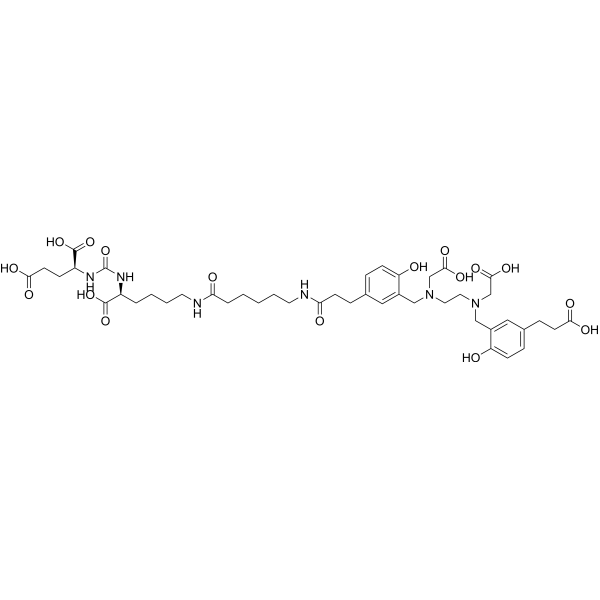
PSMA-11 is a small molecule ligand that targets prostate-specific membrane antigen (PSMA) and has the ability to inhibit PSMA activity. PSMA-11 can be used to synthesize 68Ga-PSMA-11, a positron emission tomography (PET) tracer that can be used to image advanced prostate cancer .
|
-
-
- HY-159181
-
|
|
Biochemical Assay Reagents
|
Others
|
|
p-NCS-Bz-DOTA-GA is a bifunctional chelator. p-NCS-Bz-DOTA-GA can be used as a versatile linker in targeted molecular imaging for both PET/SPECT and MRI applications .
|
-
-
- HY-134797
-
|
|
Radionuclide-Drug Conjugates (RDCs)
|
Cancer
|
|
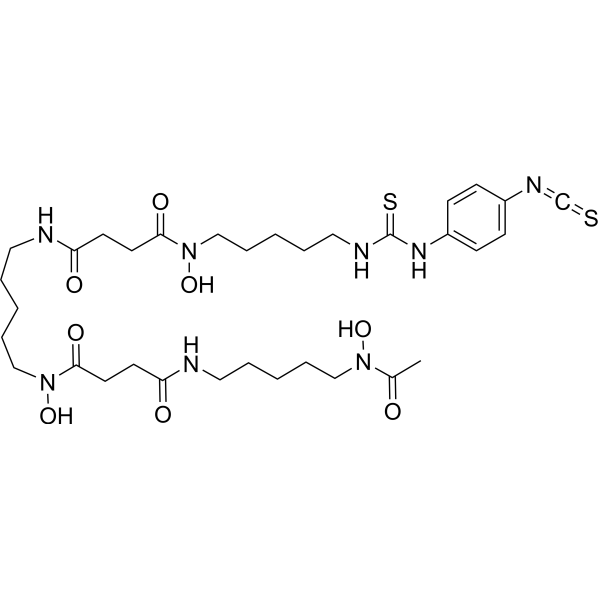
P-SCN-Bn-deferoxamine is a bifunctional chelating agent that can link radioactive metal nuclides (such as Zr-89) and biological targeting molecules (such as antibodies). P-SCN-Bn-deferoxamine can be used for the research of immune PET imaging .
|
-
-
- HY-42110A
-
|
|
mAChR
|
Neurological Disease
|
|
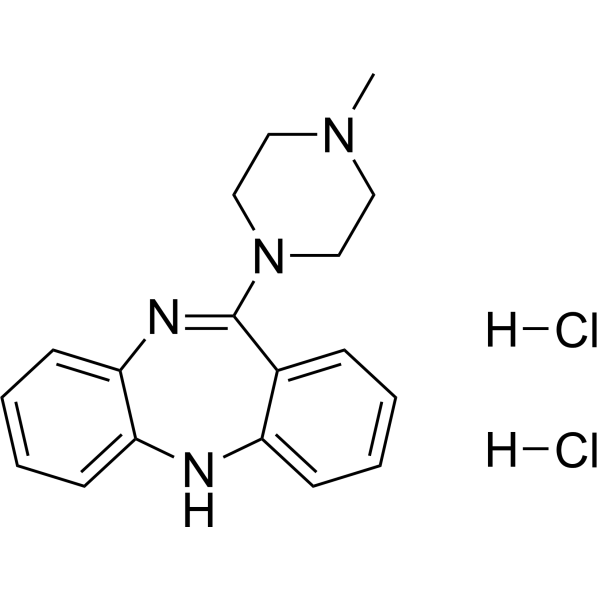
Deschloroclozapine dihydrochloride, a metabolite of Clozapine, is a highly potent muscarinic DREADDs agonist. Deschloroclozapine binds to DREADD receptor subtypes hM3Dq and hM4Di with Ki of 6.3 and 4.2 nM, respectively. [ 11C]-Deschloroclozapine is developed as a promising PET tracer for DREADD imaging .
|
-
-
- HY-120947
-
|
|
Drug Intermediate
|
Neurological Disease
|
|
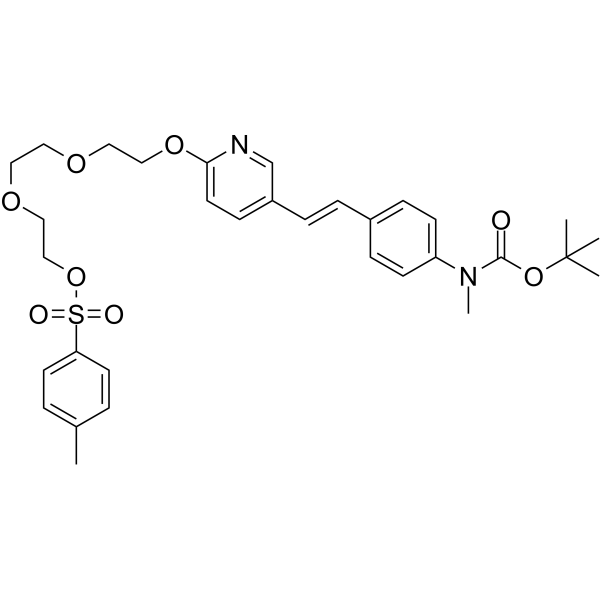
AV-105 is a Florbetapir ( 18F)-radiolabeled slyrylpyridine tosylate precursor extracted from patent WO2010078370A1, example 1.5. AV-105 can synthesize 18F-radiolabeled compounds, which are used for positron emission tomography (PET) imaging of neurodegenerative diseases of the brain .
|
-
-
- HY-106244A
-
|
Oxodotreotide acetate
|
Radionuclide-Drug Conjugates (RDCs)
|
Cancer
|
|
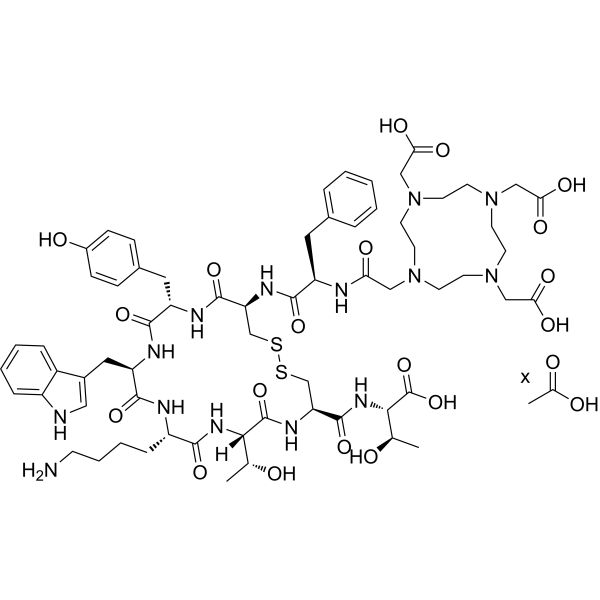
DOTATATE acetate is a DOTA-conjugated peptide. DOTATATE acetate can be labelled with radionuclides for positron emission tomography (PET) imaging and peptide receptor radionuclide research (PRRT) . DOTATATE (acetate) can be used for the synthesis/research of Radionuclide-Drug Conjugates (RDCs).
|
-
-
- HY-134418
-
|
|
Radionuclide-Drug Conjugates (RDCs)
|
Cardiovascular Disease
Cancer
|
|
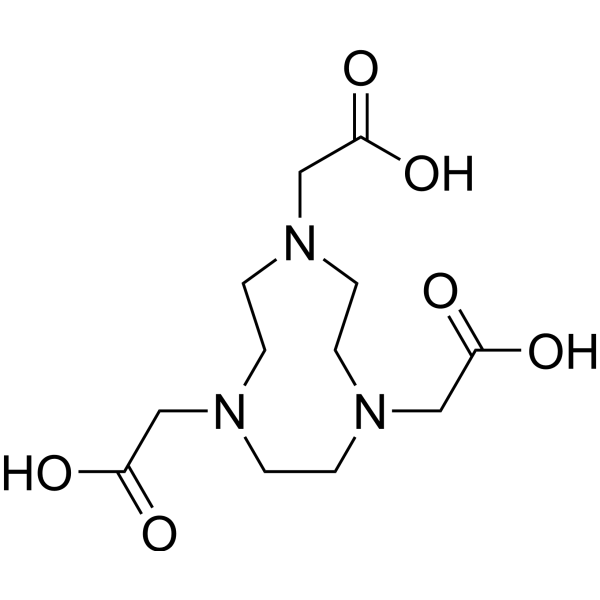
NOTA is a bifunctional chelate which acts as the framework to construct PET imaging tools. NOTA also can be used for probe design and signal amplification via the multivalent effect. NOTA can be used in multiple myeloma, breast cancer, lymphoma and myocardial infarction research .
|
-
-
- HY-W250574
-
-
-
- HY-75706
-
|
|
PARP
Ligands for Target Protein for PROTAC
|
Cancer
|
|
N-Descyclopropanecarbaldehyde Olaparib is an analogue of Olaparib (HY-10162) containing DOTA moiety. N-Descyclopropanecarbaldehyde Olaparib is a PARP inhibitor used for synthesizing novel dual EGFR and PARP PROTAC, DP-C-4 (HY-141481) . N-Descyclopropanecarbaldehyde Olaparib can be radiolabeled with F-18 or fluorophore for positron emission tomography (PET) or optical imaging in several types of tumor .
|
-
-
- HY-117756
-
|
DCFPYL
|
PSMA
|
Cancer
|
|
Piflufolastat (DCFPYL) can be used for the preparation of piflufolastat F 18 (DCFPyL F-18). Piflufolastat F-18 (DCFPyL F-18) is an 18F-labeled imaging agent. Piflufolastat F-18 can be used for positron emission tomography (PET) targeting prostate-specific membrane antigen (PSMA). Piflufolastat can be used for imaging of prostate cancer .
|
-
-
- HY-153549
-
|
|
Radionuclide-Drug Conjugates (RDCs)
CXCR
|
Others
|
|
Pentixafor is a peptide that targets CXCR4. Pentixafor is capable of being labelled with 68Gallium ( 68Ga) for positron emission tomography (PET) imaging . Pentixafor can be used for the synthesis/research of Radionuclide-Drug Conjugates (RDCs).
|
-
-
- HY-137002
-
|
|
Amino Acid Derivatives
Biochemical Assay Reagents
|
Others
|
|
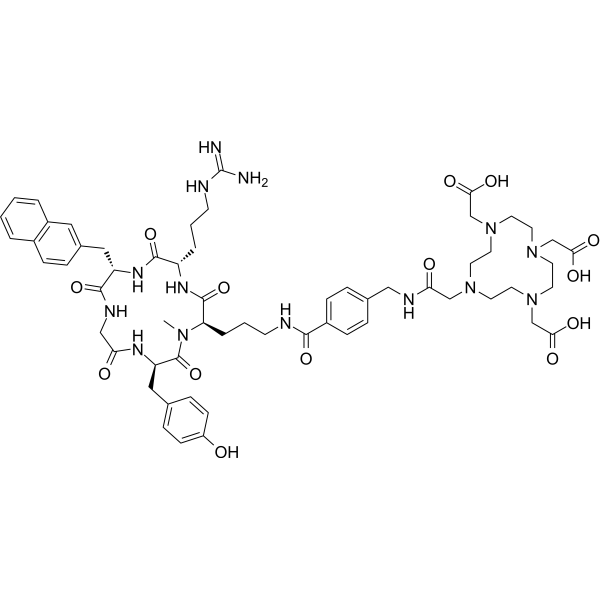
Fmoc-N-Me-Arg(Pbf)-OH is an amino acid derivative containing a guanidinium protecting group on the arginine side chain. Fmoc-N-Me-Arg(Pbf)-OH is used in the synthesis of neurotensin-derived NTS1 ligands for PET imaging .
|
-
-
- HY-153248
-
|
|
Biochemical Assay Reagents
|
Neurological Disease
Inflammation/Immunology
|
|
PBR28 is a translocator protein (TSPO) binding positron emission tomography (PET) radiotracer with blood-brain barrier permeability . PBR28 binds to TSPO, a marker of microglial activation and neuroinflammation, and is used for neuroinflammation imaging in brain diseases and HIV-infected individuals .
|
-
-
- HY-19997
-
|
TATM
|
Biochemical Assay Reagents
|
Cancer
|
|
Mannose triflate is a glucose analog. Mannose triflate is a precursor for 18F-FDG synthesis for PET applications. Mannose triflate binds to 18F via SN2 nucleophilic substitution reaction. Mannose triflate can be used for an imaging technique in detection of cancer .
|
-
-
- HY-P2336A
-
|
|
Melanocortin Receptor
|
Cancer
|
|
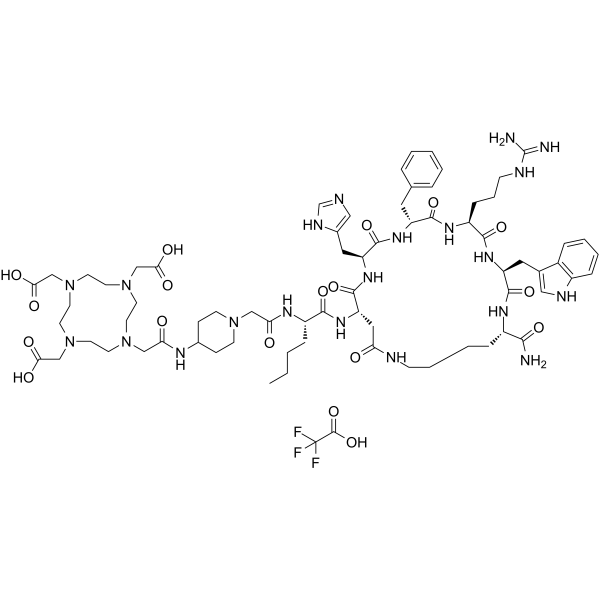
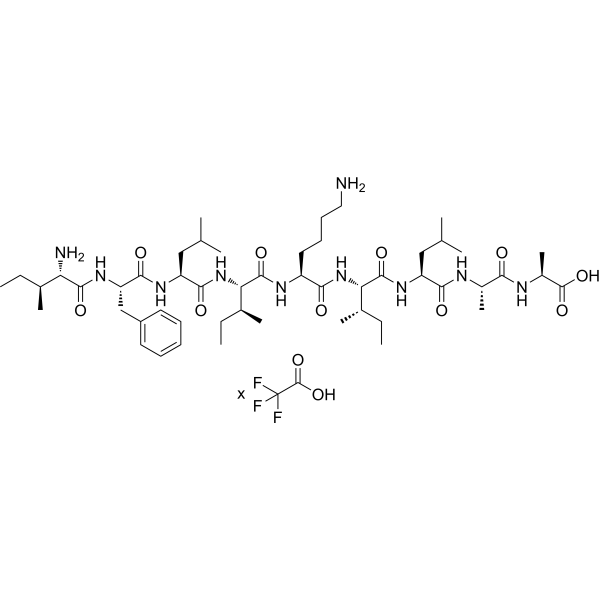
CCZ01048 TFA, a α-MSH analogue, exhibits high binding affinity to melanocortin 1 receptor (MC1R) with a Ki of 0.31 nM. CCZ01048 TFA shows rapid internalization into B16F10 melanoma cells and high in vivo stability. CCZ01048 TFA is a promising candidate for PET imaging of malignant melanoma .
|
-
-
- HY-105252A
-
-
-
- HY-129650
-
|
AV-45; Flobetapir
|
Biochemical Assay Reagents
|
Others
|
|
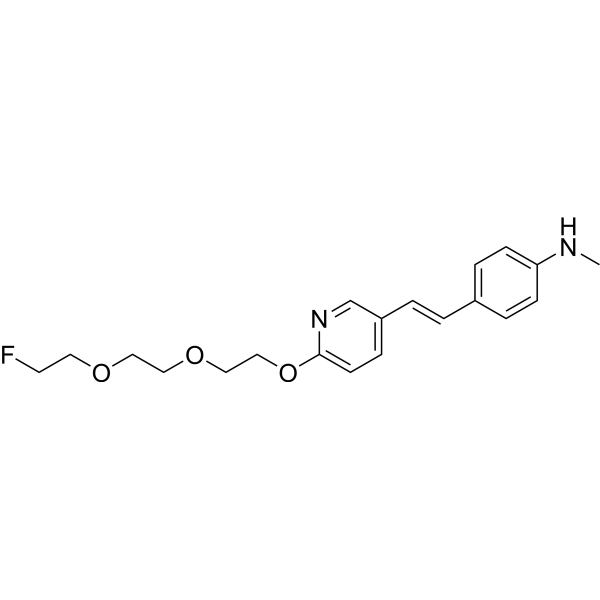
Flobetapir (AV-45) may be a well-tolerated imaging agent. Flobetapir synthesizes Florbetapir (18F) that is a PET scanning radiopharmaceutical compound containing the radionuclide fluorine-18 .
|
-
-
- HY-P10137
-
-
-
- HY-141729
-
|
|
Fluorescent Dye
|
Cancer
|
|
Biotin-NH-PSMA-617 is a biotin-tagged PSMA-617. PSMA-617 is a small molecule targeting the prostate-specific membrane antigen (PSMA), which is directly expressed by the tumor cells .
|
-
-
- HY-137557
-
|
APN1607; PM-PBB3
|
Tau Protein
|
Neurological Disease
|
|
Florzolotau (APN1607) is a positron emission tomography (PET) ligand that can be used for the detection of Alzheimer's disease (AD) and other tau proteinopathies. Its binding sites are located in the β-sheet of paired helical filaments (PHFs) and straight filaments (SFs) of tau protein, as well as in the C-shaped cavity of SFs. In addition, APN-1607 binds to intraneuronal inclusions in Alzheimer's disease (AD), primary age-related tauopathy (PART) and posterior cortical atrophy (PCA). Florzolotau shows promise for PET imaging studies of neurological disorders, particularly tau proteinopathies .
|
-
-
- HY-W539893
-
|
NODAG
|
Biochemical Assay Reagents
|
Cancer
|
|
NODAGA-tris(t-Bu ester) (NODAG) is a NODAGA derivative. NODAGA-tris(t-Bu ester) can be used to label peptides, antibodies, etc., and subsequently radiolabeled for PET imaging .
|
-
-
- HY-155483
-
-
-
- HY-100275
-
|
|
Amyloid-β
|
Neurological Disease
|
|
MK-3328 is a β-Amyloid ligand, which exhibits high binding potency with an IC50 of 10.5 nM. MK-3328 is capable of being labelled with 18F for positron emission tomography (PET) imaging .
|
-
-
- HY-163574
-
|
|
hnRNP
|
Neurological Disease
|
|
TDP-43 ligand-1 is a specific ligand for TDP43, and its Ki value for binding to TDP-43 protein aggregates is 78 nM. TDP-43 ligand-1 can be used in the research of PET imaging probes for TDP-43 proteinopathies.
|
-
-
- HY-128890B
-
|
|
ADC Linkers
Biochemical Assay Reagents
|
Cancer
|
|
DOTA-NHS-ester (TFA) is used as a linker for affibody molecules, and it can be employed in small animal positron emission tomography (PET), single photon emission computed tomography (SPECT), and CT scanning. DOTA-NHS-ester can be used to label radiotracers or imaging probes for tumor detection .
|
-
-
- HY-177459
-
|
|
FAP
|
Cancer
|
|
DOTA-2P(FAPI)2 is a dimeric FAP (fibroblast activation protein) that can be used as a PET imaging agent and a tracer for tumor therapy .
|
-
-
- HY-160607
-
|
|
Radionuclide-Drug Conjugates (RDCs)
Exosomes
|
Others
|
|
MMA-NODAGA is a chelator for site-specific labeling of targeting proteins containing unpaired cysteine. MMA-NODAGA can be used to conjugate with exosome and 64Cu in image with positron emission tomography (PET) <[2].
|
-
-
- HY-175685
-
|
|
FAP
|
Cancer
|
|
FAP-IN-7 (Compound 5b) is a FAPPET imaging and radionuclide therapy of cancers research .
|
-
-
- HY-141464
-
|
Fmoc-Asn(Ac3AcNH-beta-Glc)-OH
|
Amino Acid Derivatives
|
Cancer
|
|
Fmoc-L-Asn(beta-D-GlcNAc(Ac)3)-OH (Fmoc-Asn(Ac3AcNH-beta-Glc)-OH) can be used in the synthesis of silicon-fluoride acceptor (SiFA) derivatized octreotate derivatives. SiFA-octreotate analogues, as tumor imaging agents, are useful tool for the research of positron emission tomography (PET) .
|
-
-
- HY-P2336
-
|
|
Melanocortin Receptor
|
Cancer
|
|
CCZ01048, a α-melanocyte-stimulating hormone (α-MSH) analogue, exhibits high binding affinity to melanocortin 1 receptor (MC1R) with a Ki of 0.31 nM. CCZ01048 shows rapid internalization into B16F10 melanoma cells and high in vivo stability. CCZ01048 is a promising candidate for PET imaging of malignant melanoma .
|
-
-
- HY-134418R
-
|
|
Radionuclide-Drug Conjugates (RDCs)
Reference Standards
|
Cardiovascular Disease
Cancer
|
|
NOTA (Standard) is the analytical standard of NOTA. This product is intended for research and analytical applications. NOTA is a bifunctional chelate which acts as the framework to construct PET imaging tools. NOTA also can be used for probe design and signal amplification via the multivalent effect. NOTA can be used in multiple myeloma, breast cancer, lymphoma and myocardial infarction research .
|
-
-
- HY-175730
-
|
|
Cannabinoid Receptor
|
Neurological Disease
Inflammation/Immunology
Cancer
|
|
CB2R ligand-1 (Compound L14) is a selective Cannabinoid type 2 receptor (CB2R) ligand with a with Ki of 0.16 nM for CB2R over CB1R. CB2R ligand-1 as be used as a tracer for positron emission tomography (PET) imaging of neurodegenerative diseases, inflammation and cancer .
|
-
-
- HY-141804
-
-
-
- HY-110141
-
|
|
mGluR
|
Others
|
|
ABP688 is a high affinity human mGluR5 antagonist with anKi of 1.7 nM. Radioisotope-labeled ABP688 can be used as a PET tracer for clinical imaging of the mGlu5 receptor .
|
-
-
- HY-172205
-
|
|
Cytochrome P450
|
Cancer
|
|
CHL2310 is the inhibitor for CYP46A1 with an IC50 of 0.11 nM, and a Kd of 0.37 nM. CHL2310 can cross blood-brain barrier. CHL2310 can be used as a PET imaging agent, when labeled with radioactive 18F .
|
-
-
- HY-180447
-
-
-
- HY-101182
-
|
|
Microtubule/Tubulin
|
Neurological Disease
|
|
THK-5117, an arylquinoline derivative, displays high binding affinity to tau fibrils with a Ki of 10.5 nM. THK-5117 has high binding affinity to tau protein aggregates and tau-rich Alzheimer disease (AD) brain homogenates. 18F-THK-5117 has the potential to act as a tau imaging PET probe .
|
-
-
- HY-179227
-
|
|
HDAC
|
Neurological Disease
|
|
HDAC6 ligand-7 (Compound 16a) is a positron emission tomography (PET) tracer for the deacetylase 6 (HDAC6) enzyme with a Kd value of 1.66 nM. HDAC6 ligand-7 exhibits excellent HDAC6 inhibitory activity, with IC50 values of 2.7 and 3.7 nM for hHDAC6 and mHDAC6, respectively, and has high selectivity for HDAC1/4/7/8. HDAC6 ligand-7 after being radioactively labeled with fluorine-18, [¹⁸F]HDAC6 ligand-7 shows varying degrees of radioactive uptake in PET, which can reflect the specific binding to HDAC6. HDAC6 ligand-7 can be used for the study of HDAC6 imaging .
|
-
-
- HY-176834
-
|
|
GLUT
|
Cancer
|
|
3-Deoxy-3-fluoro-D-fructose (Compound 12) is a derivative of 2,5-Anhydro-D-mannitol. 3-Deoxy-3-fluoro-D-fructose is a selective probe of Hexose transporter 5 (GLUT5). 3-Deoxy-3-fluoro-D-fructose inhibits the transport of D-fructose labeled with 14C by GLUT5 with IC50s of 1.16 and 2.37 µM in EMT-6 and MCF-7 cells. 3-Deoxy-3-fluoro-D-fructose can be used for positron emission tomography (PET) imaging of cancers .
|
-
-
- HY-164591
-
-
-
- HY-P11257
-
|
|
Radionuclide-Drug Conjugates (RDCs)
|
Cancer
|
|
DOTA-BP1 is a DOTA-modified BP1 (BCMA-targeting peptide). DOTA-BP1 can be radiolabeled with [ 68Ga]Ga to produce a BCMA-targeting PET tracer. DOTA-BP1 can be used in the research of detecting BCMA in multiple myeloma .
|
-
-
- HY-P11254
-
|
|
Radionuclide-Drug Conjugates (RDCs)
|
Cancer
|
|
DOTA-FAPT is a novel targeting FAP tracer. DOTA-FAPT can be radiolabeled with gallium-68 and lutetium-177. DOTA-FAPT can be used for PET imaging studies of cancer-associated fibroblasts .
|
-
-
- HY-149869
-
|
|
PSMA
|
Cancer
|
|
PSMA-IN-3 (compound 17) is a novel high-affinity PSMA inhibitor with an IC50 value of 13 nM. PSMA-IN-3 is suitable for developing an 18F-labeled radioligand for PET imaging of PSMA in prostate cancer .
|
-
-
- HY-169868
-
|
|
Biochemical Assay Reagents
|
Cancer
|
|
NOTA-FAPI-52 is a tracer with potent tumor uptake. NOTA-FAPI-52 can be radiolabeled to enable PET imaging or other bioimaging techniques. NOTA-FAPI-52 can be used to study diseases in which fibroblast activation protein (FAP) is overexpressed .
|
-
-
- HY-164475
-
|
|
PARP
|
Cancer
|
|
PARP1-IN-29 is an orally active PARP-1 inhibitor with an IC50 value of 6.3 nM. PARP1-IN-29, after being labeled with [18F], can be used for positron emission tomography (PET) imaging, specifically targeting PARP-1 in tumors. PARP1-IN-29 is applicable in the fields of oncology and imaging research, particularly for detecting PARP-1 activity in cancer .
|
-
-
- HY-174977
-
|
|
P2Y Receptor
|
Neurological Disease
|
|
P2Y12R ligand-1 (Compound 41) is a high-affinity P2Y12R ligand with a Ki value of 17.1 nM. P2Y12R ligand-1 labeled with [ 18F] can be used in studies of brain PET imaging .
|
-
- HY-P10307
-
|
|
Radionuclide-Drug Conjugates (RDCs)
Bacterial
|
Infection
|
|
DOTA-ubiquicidin (29-41), an antimicrobial peptide fragment derivative, can be used for synthesis of [ 68Ga]Ga-DOTA-Ubiquicidin29-41 and then used for imaging of infectious processes using PET/CT . DOTA-ubiquicidin (29–41) can be used for the synthesis/research of Radionuclide-Drug Conjugates (RDCs).
|
-
- HY-136404
-
|
|
Fluorescent Dye
|
Cancer
|
|
Melanin probe-1 is an 18F-picolinamides based PET probe. Melanin probe-1 can be used for PET imaging of malignant melanoma. Melanin probe-1 exhibits high tumor targeting efficiency, excellent tumor imaging contrasts, desirable biodistribution patterns, and good in vivo stability .
|
-
- HY-W591317
-
|
(R)-NODAG
|
Radionuclide-Drug Conjugates (RDCs)
|
Cancer
|
|
(R)-NODAGA-tris(t-Bu ester) ((R)-NODAG) is a NODAGA derivative. (R)-NODAGA-tris(t-Bu ester) can be used to label peptides, antibodies, etc., and subsequently radiolabeled for PET imaging .
|
-
- HY-W755222
-
|
(S)-NODAG
|
Biochemical Assay Reagents
|
Cancer
|
|
(S)-NODAGA-tris(t-Bu ester) ((S)-NODAG) is a NODAGA derivative. (S)-NODAGA-tris(t-Bu ester) can be used to label peptides, antibodies, etc., and subsequently radiolabeled for PET imaging .
|
-
- HY-D2343
-
|
|
Biochemical Assay Reagents
|
Neurological Disease
|
|
PB0822 can be used for in vivo PET imaging when labeled with [ 18F]fluoride. [ 18F]PB0822 is a PET radioligand. [ 18F]PB0822 has a cLogP value of 1.54, which is a good predictive index for BBB penetration. [ 18F]PB0822 can be used for Alzheimer’s Disease research .
|
-
- HY-D2334
-
|
|
Radionuclide-Drug Conjugates (RDCs)
HSP
|
Cancer
|
|
AlF-NOTA-c-d-VAP is a peptide positron emission tomography (PET) probe that used for targeted tumor imaging of GRP78. AlF-NOTA-c-d-VAP demonstrates high stability in vitro and in vivo .
|
-
- HY-114253
-
|
|
EGFR
|
Cancer
|
|
ODS-2004436 is a small molecule radiotracer that uses positron emission tomography (PET) imaging to measure the activity of the epidermal growth factor receptor (EGFR) in tumors. ODS-2004436 labeled with the radioactive isotope fluorine-18 shows significantly higher uptake in the xenograft models of lung cancer with EGFR mutations compared to the wild-type models, and could be used to distinguish the mutation status. ODS-2004436 can be used to identify EGFR-positive tumors and predict their response to certain reagent treatments, especially for non-small cell lung cancer (NSCLC) .
|
-
- HY-101181
-
|
|
Microtubule/Tubulin
|
Neurological Disease
|
|
THK-5105, an arylquinoline derivative, displays high binding affinity to tau fibrils. THK-5105 has high binding affinity to tau protein aggregates and tau-rich Alzheimer disease (AD) brain homogenates. 18F-THK-5105 has the potential to act as a tau imaging PET probe .
|
-
- HY-156982
-
-
- HY-W700684
-
|
R 21345
|
Drug Metabolite
|
Others
|
|
N-Didesmethyl Loperamide is a metabolite of Loperamide; a new and improved PET radiotracer for imaging P-gp function.
|
-
- HY-163075
-
|
|
Sigma Receptor
|
Others
|
|
SYB4 (compound 5) is a PET tracer which suitable for imaging the Sigma-2 Receptor in the brain of nonhuman primates .
|
-
- HY-170749
-
|
|
Drug Intermediate
|
Others
|
|
DFO-BCN is a drug intermediate, that can be used for synthesis of PET/CT imaging agent DFO-CPC634 through click chemistry .
|
-
- HY-169107
-
|
|
RIP kinase
|
Neurological Disease
|
|
RIPK1-IN-25 (WL8) is a blood-brain permeable RIPK1 inhibitor with EC50 and Kd values are 19.9 and 25 nM, respectively. RIPK1-IN-25 can be used in the study of neurometabolic diseases .
|
-
- HY-D2310
-
|
|
CXCR
|
Inflammation/Immunology
|
|
CXCR2 Probe 1 (Compound [18F]16b) is a selective ligand for CXCR2 and is a radiotracer for PET imaging of neutrophils in inflammatory diseases .
|
-
- HY-173319
-
|
|
FAP
|
Cancer
|
|
FAP-IN-5 (Compound 4a) is an FAP inhibitor with an IC50 of 1.7 nM. FAP-IN-5 can be used in the research of tumor positron emission tomography (PET) imaging .
|
-
- HY-123788
-
-
- HY-W724743
-
|
|
Biochemical Assay Reagents
|
Cardiovascular Disease
|
|
Losartan azide is a click chemistry reagent containing an azide group and is a synthetic intermediate for the preparation of angiotensin AT1R-targeted renal PET imaging probe [18 F]fluoropyridine-losartan .
|
-
- HY-W422400
-
|
|
Biochemical Assay Reagents
|
Others
Cancer
|
|
Fluoroglutamine (2S,4R) is a fluorinated derivative of glutamine. As a substrate for various aminotransferases, Fluoroglutamine (2S,4R) can be used as a tracer for positron emission tomography (PET) imaging. Fluoroglutamine (2S,4R) is applied in the research fields of tumor metabolism and imaging .
|
-
- HY-113719
-
|
|
Carbonic Anhydrase
|
Cancer
|
|
VM4-037 can be used for the synthesis of VM4-037(18F). VM4-037(18F) is a fluorinated PET imaging agent for carbonic anhydrase IX .
|
-
- HY-159602
-
|
|
Epigenetic Reader Domain
|
Cancer
|
|
BET BD2-IN-3 (compound I-58) is an inhibitor of BET, targeting the BD2 domain of BET. BET BD2-IN-3 can be radiolabeled with [11C] for positron emission tomography (PET) imaging. BET [11C]BD2-IN-3 showed suitable biodistribution in peripheral organs and tissues in PET applications in mice .
|
-
- HY-129650R
-
|
AV-45 (Standard); Flobetapir (Standard)
|
Biochemical Assay Reagents
Reference Standards
|
Others
|
|
Flobetapir (Standard) (AV-45 (Standard)) is the analytical standard of Flobetapir (HY-129650). This product is intended for research and analytical applications. Flobetapirmay is a well-tolerated imaging agent. Flobetapir synthesizes Florbetapir (18F) that is a PET scanning radiopharmaceutical compound.
|
-
- HY-147865
-
|
|
Galectin
Apoptosis
|
Cancer
|
|
Apoptosis inducer 8 (Compound 7c) is a galectin-1 (gal-1) mediated apoptosis-inducing agent against global major leading lung cancer burden. Apoptosis inducer 8 significantly reduced the gal-1 protein level. Apoptosis inducer 8 is also a PET imaging agent .
|
-
- HY-P10744
-
|
|
Radionuclide-Drug Conjugates (RDCs)
PSMA
|
Cancer
|
|
BQ7859 is a probe targeting PSMA that contains a NOTA chelator and demonstrates excellent imaging performance. BQ7859 can be labeled with various radionuclides, such as 68Ga, 18F, 55Co, and 111In. In a mouse prostate cancer xenograft model, BQ7859 (labeled with 111In) efficiently accumulates in tumor regions in a PSMA-dependent manner and provides high-contrast tumor imaging. BQ7859 shows potential for research in prostate cancer imaging, particularly in positron emission tomography (PET) and single-photon emission computed tomography (SPECT) . BQ7859 can be used for the synthesis/research of Radionuclide-Drug Conjugates (RDCs).
|
-
- HY-P11718
-
-
- HY-181351
-
-
- HY-P11837
-
|
|
Biochemical Assay Reagents
|
Cancer
|
|
NECT-224 is a bifunctional chelator and a nectin-4 targeting peptide conjugate. NECT-224 can be used as a PET imaging agent when labeled with 64Cu or 68Ga .
|
-
- HY-181580
-
|
|
FAP
|
Cancer
|
|
FAP Ligand 3 is a FAP ligand with a Ki value of 0.092 nM. FAP Ligand 3 acts as a tumor-retaining agent and serves as a FAP-targeted positron emission tomography (PET) tracer for tumor imaging. FAP Ligand 3 is applicable to studies related to glioma .
|
-
- HY-P11655
-
|
|
Somatostatin Receptor
|
Neurological Disease
|
|
NOTA-TATE is a somatostatin receptor 2 (SSTR2) binder. NOTA-TATE binds to SSTR2 to enable targeting of SSTR2-positive tumour cells for PET imaging. NOTA-TATE can be used for the research of neuroendocrine tumours .
|
-
- HY-181478
-
|
|
HSP
|
Cancer
|
|
Hsp90-IN-45 is a Hsp90 inhibitor. Hsp90-IN-45 competitively binds to the ATP-binding site of purified Hsp90α with a Kd of 70 nM, blocks ATP hydrolysis, and disrupts Hsp90 client signaling. Hsp90-IN-45 inhibits ATPase activity of purified Hsp90α. Hsp90-IN-45 will be radiolabeled with 76/ 77Br for use as a radiotheragnostic agent for PET imaging and Meitner-Auger electron therapy. Hsp90-IN-45 can be used for the research of cancer .
|
-
- HY-W422109
-
|
|
Drug Derivative
|
Others
|
|
4-(6-Methyl-1,2,4,5-tetrazin-3-yl) benzoic acid is an asymmetric tetrazine derivative and a bioorthogonal reaction partner. 4-(6-Methyl-1,2,4,5-tetrazin-3-yl) benzoic acid can be conjugated with Bevacizumab (HY-P9906) via EDC/NHS activation while retaining the VEGF-binding affinity of the antibody, thus constructing a targeting agent for pretargeted immuno-PET/NIRF imaging .
|
-
- HY-180534
-
|
|
Drug Intermediate
|
Metabolic Disease
|
|
AldoView precursor-1 (Compound 7) is the key labeling precursor for the synthetic radioactive PET tracer [ 18F] AldoView. [ 18F] AldoView is a selective aldosterone synthase PET tracer used for imaging in primary hyperaldosteronism .
|
-
- HY-P0036D
-
|
|
Drug Derivative
Radionuclide-Drug Conjugates (RDCs)
Somatostatin Receptor
Apoptosis
|
Cancer
|
|
NOTA‑Octreotide is a selective SSTR2‑targeting PET tracer. NOTA‑Octreotide binds specifically to SSTR2 and accumulates in SSTR2‑expressing tissues. NOTA‑Octreotide enables effective imaging of somatostatin receptor‑positive tumors in mice and shows high specific uptake in SSTR2‑expressing organs in healthy rats. NOTA-Octreotide can be used for PET imaging investigation of neuroendocrine tumors. .
|
-
- HY-180533
-
-
- HY-P11871
-
|
|
Caspase
|
Cancer
|
|
NOTA-GZP is a high-affinity, specific granzyme B-targeted irreversible inhibitory peptide PET imaging probe. NOTA-GZP can be used for the research of colon carcinoma, melanoma .
|
-
- HY-14889
-
|
|
ASCT
Amino acid Transporter
Amino Acid Derivatives
|
Cancer
|
|
Fluciclovine is an amino acid analogue that can enter cells by targeting the amino acid transporters on the cell surface (mainly ASCT2 and LAT1). After being labeled with ¹⁸F, ¹⁸F-fluciclovine can be used as an imaging agent for positron emission tomography (PET) for prostate diagnosis imaging .
|
-
- HY-171416
-
|
|
Drug Derivative
|
Others
|
|
LCD36, a derivative of nicotinamide adenine dinucleotide (NAD), can be used for synthesis of PARP-1 tracers for positron emission tomography (PET) imaging of the enzyme activity of PARP-1 .
|
-
- HY-180306
-
|
|
Estrogen Receptor/ERR
Radionuclide-Drug Conjugates (RDCs)
|
Cancer
|
Fluoroestradiol is an Estrogen receptor PET imaging tracer precursor. Fluoroestradiol, when radiolabeled with 18F, can be used as an Estrogen receptor PET imaging tracer. 18F-Fluoroestradiol exhibits the highest uptake selectivity and target-to-background ratio among several 18F-labeled estrogens. 18F-Fluoroestradiol has demonstrated Estrogen receptor expression in normal brain tissues and in meningiomas. 18F-Fluoroestradiol can quantify regional Estrogen receptor expression in breast cancer. 18F-Fluoroestradiol has potential applications in assessing and monitoring heterogeneity in ovarian cancer .
|
-
- HY-105252AR
-
|
|
Reference Standards
Amyloid-β
|
Neurological Disease
|
|
BF 227 (Standard) is the analytical standard of BF 227 (HY-105252A). This product is intended for research and analytical applications. BF 227 is a candidate for an amyloid imaging probe for PET, with a Ki of 4.3 nM for Aβ1-42 fibrils.
|
-
- HY-P11598
-
|
|
PSMA
|
Cancer
|
|
PSMA-N5 (Compound 15) is a PSMA ligand with a Ki value of 0.71 nM. PSMA-N5 acts as a PET radiotracer for prostate cancer imaging. PSMA-N5 is applicable to the research of prostate cancer and other related cancers .
|
-
- HY-P11816
-
|
|
Radionuclide-Drug Conjugates (RDCs)
|
Cancer
|
|
DOTA-cTMTP1 is a cyclic tumor-homing peptide precursor molecule. DOTA-cTMTP1 selectively binds to XPNPEP2 on highly metastatic tumor cells, accumulates and retains in hepatocellular carcinoma tumors, and maintains a high tumor-to-liver contrast over time in small animal models. After radiolabeling with 68Ga, DOTA-cTMTP1 forms a PET probe for positron emission tomography (PET) imaging of hepatocellular carcinoma (HCC).
|
-
- HY-180447A
-
-
- HY-P11785
-
|
|
Claudin
|
Cancer
|
|
Cpe30 MT2 is a short peptide that binds tightly junction protein Claudin‑4 (CLDN4) with high affinity, with a Kd value of 1.97 nM. Cpe30 MT2 can be used for the synthesis of PET molecular imaging probes targeting pancreatic cancer .
|
-
- HY-178248
-
|
|
PSMA
|
Cancer
|
|
PSMA ligand 2 is a prostate specific membrane antigen (PSMA) ligand with a glutamate-urea-lysine (GUL) moiety. PSMA ligand 2 can be efficiently labeled with radioactive nuclides such as 68Ga and 177Lu and specifically binds to PSMA-positive tumor cells. PSMA ligand 2 can be used for imaging of PSMA-expressing tumors or cells via PET or SPECT imaging. PSMA ligand 2 can be used for the research of prostate cancer .
|
-
- HY-179583
-
|
|
Integrin
|
Cancer
|
|
FSC(PEG4-avb6)3 is a tracer targeting αvβ6 integrin trimer (IC50 = 0.69 nM). FSC(PEG4-avb6)3 can be used for the study of head-and-neck, lung, breast, and pancreatic carcinomas .
|
-
- HY-180347
-
|
|
Microtubule/Tubulin
|
Neurological Disease
|
|
HD-800 is a tubulin inhibitor with an IC50 of 4.3 nM and an EC50 for depolymerization of 24 nM. HD-800 can be used to generate a radioactive tracer [11C]HD-800, and [11C]HD-800 can penetrate the blood-brain barrier and be used for positron emission tomography (PET) in various neurological diseases .
|
-
- HY-185401
-
|
|
MOFs
|
Cancer
|
|
ATSM is a ligand that forms complexes with Cu 2+, Ni 2+, Zn 2+, and Fe 2+, with the highest affinity for Cu 2+. ATSM forms Cu-ATSM with copper, which is used for PET imaging to detect tumor hypoxia. ATSM is commonly used in coordination chemistry and radiopharmaceutical research .
|
-
- HY-P11835
-
|
|
Ser/Thr Protease
Radionuclide-Drug Conjugates (RDCs)
|
Others
|
|
Granzyme B contrast agent-1 is a Granzyme B binder with a Kd value of 1.0 nM. When radiolabeled, Granzyme B contrast agent-1 can be used for positron emission tomography (PET) and single-photon emission computed tomography (SPECT) imaging studies of Granzyme B .
|
-
- HY-180434
-
|
|
Bombesin Receptor
|
Cancer
|
|
GRPR antagonist-3 (compound (S)-1m) is a potent GRPR antagonist with an IC50 of 121 nM. GRPR antagonist-3 is stable in rat plasma and towards microsomal oxidative metabolism in vitro. GRPR antagonist-3 can be radiolabeled with fluorine-18 for PET imaging .
|
-
- HY-185550
-
|
|
Drug Intermediate
|
Neurological Disease
|
|
ACI-19626 precursor (Compound 20) is the precursor of the TDP-43 protein probe ACI-19626 (HY-163575). ACI-19626 is a TDP-43 aggregation inhibitor that can be used in imaging diagnostics such as positron emission tomography (PET) to detect and distinguish related neurodegenerative diseases .
|
-
- HY-123497
-
|
|
Neurokinin Receptor
|
Neurological Disease
|
|
R116031 is a selective Neurokinin-1 (NK-1) receptor antagonist with a Ki of 0.45 nM for human NK-1 receptor. R116031 inhibits Substance P (HY-P0201)-induced peripheral effects (skin reactions and plasma extravasation in guinea pigs) and a central effect (thumping in gerbils).R116031 labeled with 3H significantly accumulate in the striatum, olfactory tubercule, olfactory bulb and locus coeruleus in gerbils models. R116031 can be used as a positron emission tomography (PET) ligand for PET imaging .
|
-
- HY-152152
-
|
|
MAGL
|
Neurological Disease
|
|
JZP-MA-13 is a selective α/β-hydrolase domain 6 (ABHD6) inhibitor with an IC50 of 392 nM. JZP-MA-13 shows no inhibition of MAGL, ABHD12, FAAH, or other serine hydrolases. JZP-MA-13 is a positron emission tomography (PET) ligand for in vivo imaging of the ABHD6 .
|
-
- HY-179678
-
|
|
Biochemical Assay Reagents
|
Others
|
|
Macropa-PEG4-TPF (Compound 7g) is a bifunctional chelator. Macropa-PEG4-TPF can be conjugated to lysine residues on YS5, with an average of about 2.6 chelators per antibody. Macropa-PEG4-TPF can be used for PET imaging studies .
|
-
- HY-180344
-
|
|
Biochemical Assay Reagents
|
Cardiovascular Disease
|
|
Flurpiridaz is a positron emission tomography (PET) myocardial perfusion imaging tracer. Flurpiridaz can bind to mitochondrial complex I with high affinity. Flurpiridaz demonstrates high heart uptake in multiple species with clear delineation of perfusion deficits. Flurpiridaz shows rapid uptake in the myocardium. Flurpiridaz can be studied in research on coronary artery disease .
|
-
- HY-20167A
-
|
|
Neurokinin Receptor
|
Cancer
|
|
H-Glu(OtBu)-OtBu hydrochloride is a key intermediate that can be used to synthesize prostate-specific membrane antigen (PSMA) targeting probes. H-Glu(OtBu)-OtBu hydrochloride can reduce nonspecific background binding through negatively charged linkers, improve tumor/background contrast, and can be used in prostate cancer PET/SPECT imaging studies .
|
-
- HY-D2363
-
|
|
Radionuclide-Drug Conjugates (RDCs)
FAP
Prolyl Endopeptidase (PREP)
|
Cancer
|
|
DOTA.SA.FAPi TFA is a selective FAP inhibitor with an IC50 value of 0.9 nM against FAP. DOTA.SA.FAPi TFA forms stable complexes with 68Ga and serves as a PET radiotracer for preclinical imaging of FAP-expressing tumors. DOTA.SA.FAPi TFA can be used in the research of colorectal adenocarcinoma and various other cancers .
|
-
- HY-175612
-
|
|
FAP
|
Cancer
|
|
DOTA-ALB-01 is an albumin-bound FAP inhibitor (FAPI) ligand. DOTA-ALB-01 labeled with 68Ga or 177Lu has a high FAP-binding affinity and enhanced tumor uptake and retention. DOTA-ALB-01 can be used for PET/CT and SPECT/CT imaging of cancers, especially late-stage cancers .
|
-
- HY-183374
-
|
|
Carbonic Anhydrase
Radionuclide-Drug Conjugates (RDCs)
|
Cancer
|
|
NYM074 is a carbonic anhydrase IX (CAIX) ligand. NYM074 binds specifically to human CAIX to enable targeted radionuclide delivery. NYM074 supports dual radiolabeling with 68Ga for positron emission tomography (PET) imaging and 177Lu for radionuclide applications. NYM074 can be used for the research of clear cell renal cell carcinoma .
|
-
- HY-P11613
-
|
|
EGFR
|
Cancer
|
|
DOTA-WC8 is a HER2-targeting peptide probe with a KD of 61.20 nM. 68Ga-labeled DOTA-WC8 serves as a PET imaging agent for the specific identification of HER2-positive breast cancer. DOTA-WC8 is applicable to breast cancer-related research .
|
-
- HY-W130177
-
|
|
Biochemical Assay Reagents
|
Cancer
|
|
Iodocholine iodide is a non-toxic, metabolizable "green" catalyst that can catalyze the free radical polymerization of functional polymers. Iodocholine iodide is also the non-radioactive iodide of Carbon-11 choline. C-11 Choline can be used in PET imaging and non-informative bone scintigraphy, CT or MRI to monitor various types of cancer .
|
-
- HY-W728451
-
|
|
FAAH
|
Cardiovascular Disease
Neurological Disease
|
|
URB694 is a carbamate FAAH inhibitor that irreversibly carbamoylate the nucleophile catalytic serine in FAAH active site. URB694 exhibits antidepressant-like activity and cardioprotective effects. URB694 can be used to prepare 11C-Carbonyl-URB694 for in vivo positron emission tomography (PET) imaging studies of the brain FAAH .
|
-
- HY-W087187
-
|
|
Radionuclide-Drug Conjugates (RDCs)
Biochemical Assay Reagents
|
Infection
Cancer
|
|
DOTAGA-anhydride is a DOTA-based metal chelator that can bind to radionuclides and is used to prepare radionuclide drug conjugates (RDCs). DOTAGA-anhydride has been successfully used for labeling antibodies (e.g., Trastuzumab (HY-P9907)). DOTAGA-anhydride can be used for the synthesis of a bimodal tag for Single-photon emission computed tomography (SPECT) or PET/optical imaging .
|
-
- HY-159768A
-
|
|
Radionuclide-Drug Conjugates (RDCs)
FAP
|
Neurological Disease
Cancer
|
|
DOTAGA.Glu.(FAPi) 2 is a FAPI homodimer in which a central glutamic acid (Glu) linker connects FAPI and a chelator. Radiolabeled with gallium- 68, lutetium- 177 or terbium- 161, DOTAGA.Glu.(FAPi) 2 is applicable to FAP-positive cancer PET imaging studies. DOTAGA.Glu.(FAPi) 2 is suitable for research related to prostate adenocarcinoma and recurrent glioblastoma multiforme .
|
-
- HY-175613
-
|
|
FAP
|
Cancer
|
|
DOTA-ALB-02 is an albumin-bound FAP inhibitor (FAPI) ligand. DOTA-ALB-02 labeled with 177Lu has a high FAP-binding affinity and enhanced tumor uptake and retention with a significant tumor/nontarget ratio. DOTA-ALB-02 can be used for PET/CT and SPECT/CT imaging of cancers, especially late-stage cancers .
|
-
- HY-P10896
-
|
|
Bombesin Receptor
|
Cancer
|
|
NOTA-P2-RM26 is an antagonist of Bombesin (HY-P0195) analogs, and the gastrin-releasing peptide receptor (GRPR/BB2) is a molecular target for prostate cancer visualization. NOTA-P2-RM26 is labeled with 111In and 68Ga for prostate cancer imaging studies using PET and SPECT/CT .
|
-
- HY-162928
-
|
|
RIP kinase
|
Neurological Disease
|
|
RIPK1-IN-26 (Compound 8a) is a potent receptor-interacting serine/threonine-protein kinase 1 (RIPK1) inhibitor with cell anti-necroptosis potency. RIPK1-IN-26 demonstrats good metabolic stability and good binding specificity in mice. RIPK1-IN-26 is promising for research of PET imaging probe development and neurodegenerative disorders .
|
-
- HY-P11596
-
|
|
Integrin
|
Cancer
|
|
NOTA-Asp2-αvβ6L is an integrin αvβ6 binder with selective accumulation in αvβ6-positive pancreatic cancer cells and tumors. NOTA-Asp2-αvβ6L can be used as a PET/CT tracer for imaging pancreatic ductal adenocarcinoma (PDAC) .
|
-
- HY-121659
-
|
|
PSMA
|
Cancer
|
|
DCFBC is a prostate-specific membrane antigen (PSMA) inhibitor that can be used for small animal positron emission tomography (PET) imaging. DCFBC labeled with F 18 ([18F]DCFBC) can images in severe combined immunodeficient mice. [18F]DCFBC uptake is higher in PIP tumors, but almost absent in FLU tumors. [18F]DCFBC uptake is also high in the kidney and bladder, but the radioactivity washout time is shorter than that in PIP tumors. Indicating that [18F]DCFBC can specifically localize to PSMA+ expressing tumors and is applicable to the study of prostate cancer .
|
-
- HY-157998
-
|
|
mGluR
Src
|
Others
|
|
mG2N001 is a negative allosteric modulator (NAM) (IC50: 93 nM) of the metabotropic glutamate receptor mGluR2 and binds to mGluR2 as an antagonist (Ki: 63 nM). mG2N001 is microparticle- and plasma-stable, and its radioisotope [11C]mG2N001 can be used in PET imaging. [11C]mG2N001 has good brain heterogeneity and brain penetration, and can selectively accumulate in mGluR2-rich regions, producing high-contrast brain images .
|
-
- HY-178271
-
|
|
Drug Intermediate
|
Cancer
|
|
P-SCN-Bn-NOTA is a metal chelator and molecular imaging probe precursor that allows radiolabeling with Ga-68. P-SCN-Bn-NOTA can be conjugated to CD70-specific molecules B3, B6, ABDB3 and ABDB6 to form NOTA-labeled derivatives. P-SCN-Bn-NOTA is applicable for preclinical PET/CT imaging of CD70-expressing tumors in NCG mouse PDX models. P-SCN-Bn-NOTA can be used in studies related to CD70-positive tumors .
|
-
- HY-P5292
-
|
|
Radionuclide-Drug Conjugates (RDCs)
PSMA
|
Cancer
|
|
HYNIC-iPSMA is a ligand for molecular imaging of tumors. Hynic-ipsma consists of two components: HYNIC (6-hydrazinonicotinamide) and iPSMA (Inhibitor of Prostate-Specific Membrane Antigen). HYNIC is a compound used to attach radioactive isotopes to targeted molecules. iPSMA is a specific inhibitor used to inhibit prostate-specific membrane antigen (PSMA). 68GA-labeled iPSMA has been used to detect prostate cancer by PET imaging. The further 99mTc-EDDA/HYNIC-iPSMA has excellent specificity and sensitivity . HYNIC-iPSMA can be used for the synthesis/research of Radionuclide-Drug Conjugates (RDCs).
|
-
- HY-174923
-
|
|
Biochemical Assay Reagents
GSK-3
|
Neurological Disease
|
|
AZ12943203 (Compound 13e) is a GSK-3 PET radioligand with a Kd of 2.94 nM. AZ12943203 has a significant inhibitory potency toward GSK-3β (IC50 : 4.44 nM), and can specifically bind to GSK-3-rich regions of the rodent brain. AZ12943203 can be used for neurodegenerative diseases imaging, particularly Alzheimer’s disease .
|
-
- HY-P5292A
-
|
|
Radionuclide-Drug Conjugates (RDCs)
PSMA
|
Cancer
|
|
HYNIC-iPSMA TFA is a ligand for molecular imaging of tumors. Hynic-ipsma consists of two components: HYNIC (6-hydrazinonicotinamide) and iPSMA (Inhibitor of Prostate-Specific Membrane Antigen). HYNIC is a compound used to attach radioactive isotopes to targeted molecules. iPSMA is a specific inhibitor used to inhibit prostate-specific membrane antigen (PSMA). 68GA-labeled iPSMA has been used to detect prostate cancer by PET imaging. The further 99mTc-EDDA/HYNIC-iPSMA TFA has excellent specificity and sensitivity . HYNIC-iPSMA TFA can be used for the synthesis/research of Radionuclide-Drug Conjugates (RDCs).
|
-
- HY-137557A
-
|
(E/Z)-APN1607; (E/Z)-PM-PBB3
|
Tau Protein
|
Neurological Disease
|
|
(E/Z)-Florzolotau ((E/Z)-APN1607) is a mixed configuration or unspecified configuration of Florzolotau (HY-137557). Florzolotau (APN1607) is a positron emission tomography (PET) ligand that can be used for the detection of Alzheimer's disease (AD) and other tau proteinopathies. Its binding sites are located in the β-sheet of paired helical filaments (PHFs) and straight filaments (SFs) of tau protein, as well as in the C-shaped cavity of SFs. In addition, APN-1607 binds to intraneuronal inclusions in Alzheimer's disease (AD), primary age-related tauopathy (PART) and posterior cortical atrophy (PCA). Florzolotau shows promise for PET imaging studies of neurological disorders, particularly tau proteinopathies .
|
-
- HY-153127
-
|
AV-133
|
Biochemical Assay Reagents
|
Neurological Disease
|
|
Florbenazine (AV-133) is a diagnostic imaging agent targeting the central nervous system monoamine transporter VMAT2, and its F-18 labeled form can be used for PET scanning. The biodistribution of [18F]Florbenazine in mice shows a high striatum/cerebellum ratio (0.48), which can be used for the diagnostic research of neurodegenerative diseases (including dementia with Lewy bodies and Parkinson's disease) .
|
-
- HY-P5413
-
|
|
Cholecystokinin Receptor
|
Others
|
|
[Lys3]-Bombesin is a biological active peptide. (PET (Positron Emission Tomography) imaging of [Lys3]-bombesin is able to detect gastrin-releasing peptide receptor (GRPR) positive prostate cancer. An immunoconjugate of [Lys3]-bombesin and corresponding monoclonal antibody can specifically induce (CD64)-dependent monocyte and neutrophil-mediated lysis of small cell carcinoma.)
|
-
- HY-Z15823
-
|
Dexverapamil
|
Calcium Channel
Potassium Channel
Somatostatin Receptor
Arrestin
Apoptosis
P-glycoprotein
|
Metabolic Disease
Inflammation/Immunology
|
|
(R)-Verapamil (Dexverapamil) is an optically enantiomer of the oral-active Verapamil (HY-14275). (R)-Verapamil has a relatively low affinity for L-type calcium channels (Cav1.2) (IC50 > 300 μM), and its IC50 for sodium channels (sodium channel) is 3.19 μM. (R)-Verapamil exhibits SSTR2 agonistic activity, with an EC50 of 1.3 μM. (R)-Verapamil significantly downregulates the expression of TXNIP protein in diabetic mouse models and significantly inhibits β-cell apoptosis (apoptosis), effectively controlling blood sugar. (R)-Verapamil can be used as a PET tracer for the function of P-glycoprotein (P-gp) .
|
-
- HY-P10136
-
IA9
2 Publications Verification
human TREM-2 182-190
|
TREM receptor
|
Inflammation/Immunology
|
|
IA9 (human TREM-2 182-190) is a potent, CNS-penetrant TREM-2 inhibitor. IA9 can diminish the release of proinflammatory cytokines and suppress joint inflammation and damage in a Collagen (HY-P5003)-induced arthritis (CIA) mouse model. IA9 can be used for neuroinflammation PET imaging. IA9 can be used for Rheumatoid arthritis (RA) and neuroinflammation research .
|
-
- HY-167898
-
|
|
Amyloid-β
|
Neurological Disease
|
|
MeS-IMPY is a ligand of β-amyloid plaques. MeS-IMPY shows a high binding affinity to β-amyloid plaques extracted from Alzheimer's disease (AD) human brains or AD brain homogenates compared to IMPY (Ki=7.93 and 8.95 nM, respectively). [ 11C]MeS-IMPY is a potential radioligand for imaging β-amyloid plaques with positron emission tomography (PET) .
|
-
- HY-P11576
-
|
|
Integrin
Radionuclide-Drug Conjugates (RDCs)
|
Cancer
|
|
Cyclic αvβ6 (Compound c(FRGDLAFp(NMe)K)) is a αvβ6-integrin-specific cyclic nonapeptide. Cyclic αvβ6 can be coupled with 68Ga-labeled monomeric triazacyclononane-triphosphinate (TRAP). Cyclic αvβ6 can be used in PET imaging studies for cancers including head and neck cancer and pancreatic cancer .
|
-
- HY-164574
-
|
|
Biochemical Assay Reagents
Radionuclide-Drug Conjugates (RDCs)
|
Others
|
|
BCN-DOTA is a cyclooctyne-linked DOTA chelator. BCN-DOTA integrates BCN and DOTA, enabling conjugation with azide-functionalized groups via the click chemistry properties of BCN, while binding to metal ions through the coordination capacity of DOTA. BCN-DOTA can serve as a radionuclide-drug conjugate (RDC) to target specific biomolecules, cells or tissues after radiolabeling with zirconium-89. BCN-DOTA is applicable to research related to PET imaging and targeted therapy .
|
-
- HY-181853
-
|
|
Radionuclide-Drug Conjugates (RDCs)
PSMA
|
Cancer
|
|
NOTA-SP₂A-PSMAL is a ligand targeting prostate-specific membrane antigen (PSMA), which competitively binds to PSMA with high binding affinity and an IC50 value of 0.26 nM. 18F-labeled NOTA-SP2A-PSMAL can be used as a PET tracer for positron emission tomography imaging of prostate cancer. NOTA-SP2A-PSMAL can be used for the synthesis and research of radionuclide conjugates (RDCs) .
|
-
- HY-186094
-
|
|
Drug Derivative
Drug Intermediate
|
Neurological Disease
|
|
(S,S)-Demethyl-reboxetine is a key phenolic precursor for the preparation of the PET tracer (S,S)-[ 11C]-MeNER. (S,S)-Demethyl-reboxetine is also the demethylated derivative of Reboxetine (HY-14560). Efficient synthesis of the norepinephrine transporter (NET)-targeted tracer is achieved through 11C methylation of (S,S)-Demethyl-reboxetine. (S,S)-Demethyl-reboxetine serves as a core raw material for the synthesis of radiopharmaceuticals related to NET imaging .
|
-
- HY-P11845
-
|
|
Radionuclide-Drug Conjugates (RDCs)
Neurotensin Receptor
|
Cancer
|
|
DOTA-NT-20.3-IPBA is a Neurotensin receptor 1 (NTR1)-targeting albumin binder with specific high-affinity binding to NTR1. DOTA-NT-20.3-IPBA is formed by the conjugation of DOTA-NT-20.3 and IPBA. DOTA-NT-20.3-IPBA can be used for positron emission tomography (PET) imaging following labeling with [ 68Ga]Ga .
|
-
- HY-P11859
-
|
|
ROR
Radionuclide-Drug Conjugates (RDCs)
|
Cancer
|
|
NP1 is a NOTA-chelated linear precursor based on the ROR1-targeting peptide. After labeling with [ 18F]AlF, NP1 yields [ 18F]AlF-NP1, a PET imaging probe with excellent ROR1 specificity (KD = 141.7 nM), rapid tumor uptake and high target-to-background ratio, which is suitable for non-invasive visualization of various ROR1-overexpressing tumors .
|
-
- HY-P5018
-
|
|
Radionuclide-Drug Conjugates (RDCs)
Ser/Thr Protease
|
Cancer
|
|
NOTA-AE105 is a PET ligand for the urokinase-type plasminogen activator receptor (uPAR). NOTA-AE105 can be radiolabeled with 64Cu and 68Ga. Images of 68Ga-NOTA-AE105 and 64Cu-NOTA-AE105 demonstrate high contrast and clear tumor delineation. NOTA-AE105 can be used in the synthesis of radionuclide-conjugated compounds (RDCs) .
|
-
- HY-W087027
-
|
|
Radionuclide-Drug Conjugates (RDCs)
Biochemical Assay Reagents
Integrin
|
Cancer
|
|
Maleimide-NOTA is a chelate. Maleimide-NOTA can be site-specifically coupled to the hPD-L1 nanobody bearing the Cys-tag. Maleimide-NOTA can specifically conjugate to A20FMDV2 (HY-P1654). The [ 68Ga]Ac-CG6 formed by the conjugation of 68Ga radiolabeled Maleimide-NOTA with A20FMDV2 can be used for PET imaging of αvβ6 integrin-positive pancreatic ductal adenocarcinoma .
|
-
- HY-P10136A
-
IA9 TFA
2 Publications Verification
human TREM-2 182-190 TFA
|
TREM receptor
|
Inflammation/Immunology
|
|
IA9 TFA (human TREM-2 182-190 TFA) is a potent, CNS-penetrant TREM-2 inhibitor. IA9 TFA can diminish the release of proinflammatory cytokines and suppress joint inflammation and damage in a Collagen (HY-P5003)-induced arthritis (CIA) mouse model. IA9 TFA can be used for neuroinflammation PET imaging. IA9 TFA can be used for Rheumatoid arthritis (RA) and neuroinflammation research .
|
-
- HY-175014
-
|
|
PD-1/PD-L1
Biochemical Assay Reagents
|
Cancer
|
|
LGT-1 is a PD-L1 ligand. LGT-1 labeled with 18F has an excellent specific uptake in B16-F10 tumor cells, and shows a high tumor uptake but a low liver uptake with good stability in B16-F10 tumor-bearing mice model. LGT-1 can be used as a radiotracer for PET imaging of PD-L1 expression in tumors .
|
-
- HY-186116
-
|
|
Histone Demethylase
|
Others
|
|
LSD1-IN-49 is a Lysine-specific demethylase 1 (LSD1/KDM1A) inhibitor with a human IC50 of 29 nM. LSD1-IN-49 irreversibly inhibits LSD1 enzyme activity by forming an adduct with the flavin adenine dinucleotide (FAD) cofactor of LSD1. LSD1-IN-49 can be used as a lead compound for the development of LSD1-targeted PET imaging agents for the brain .
|
-
- HY-160116
-
|
|
Radionuclide-Drug Conjugates (RDCs)
Fluorescent Dye
α-synuclein
|
Neurological Disease
|
|
α-Synuclein aggregate binder 1 (Compound C05-05) is a specific binder for α-synuclein aggregates and can inhibit α-synuclein aggregation. α-Synuclein aggregate binder 1 can be used as a fluorescent probe (excitation wavelength 900 nm, detection wavelength 500-550 nm) for optical imaging, and can also inhibit α-synuclein fibril formation by blocking the aggregation process. α-Synuclein aggregate binder 1 can be used for positron emission tomography (PET) imaging after being labeled with 18F. α-Synuclein aggregate binder 1 can be used for visual diagnosis of brain lesions and mechanism research of neurodegenerative diseases such as Parkinson's disease and Lewy body dementia .
|
-
- HY-141637
-
|
2-Fluoro-2-deoxy-D-glucose; 2-Deoxy-2-fluoro-D-glucopyranose; Fluorodeoxyglucose
|
Biochemical Assay Reagents
|
Cancer
|
|
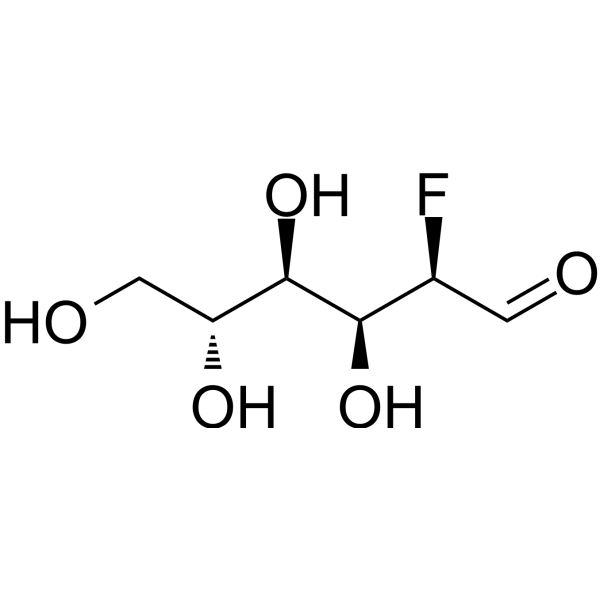
2-Deoxy-2-fluoro-D-glucose (2-Fluoro-2-deoxy-D-glucose) is a glucose analog that can be absorbed by cells. 2-Deoxy-2-fluoro-D-glucose is capable of being labelled with 18F for positron emission tomography (PET) imaging. 18F-2-Deoxy-2-fluoro-D-glucose can be used to detect breast cancer and gastric cancer .
|
-
- HY-W087028
-
|
|
Radionuclide-Drug Conjugates (RDCs)
Biochemical Assay Reagents
CXCR
|
Cancer
|
|
NOTA-NHS ester is a chelating agent. NOTA-NHS ester can be coupled with T140 (HY-P4810) to produce NOTA-T140. NOTA-T140 can be radiolabeled with Al[ 18F]. The uptake of Al[ 18F]NOTA-T140 in tumors is correlated with the expression level of CXCR4. Al[ 18F]NOTA-T140 can be used in tumor PET imaging studies. NOTA-NHS ester can be used for fluorescent labeling .
|
-
- HY-156991
-
|
NODA-GA-NHS ester
|
EGFR
Radionuclide-Drug Conjugates (RDCs)
|
Cancer
|
|
NODAGA-NHS (NODA-GA-NHS ester) is the activated ester form of the NODAGA chelator. NODAGA-NHS conjugates with Trastuzumab (HY-P9907) to form NODAGA-Trastuzumab, a conjugate that can chelate 64Cu for the preparation of radiotracers. NODAGA-NHS covalently binds to the amino group of lactosamine derivatives to form radiotracer precursors. [ 64Cu]NODAGA-trastuzumab enables PET imaging of tumors expressing HER2. NODAGA-NHS is used in studies of HER2-positive breast cancer and ovarian adenocarcinoma .
|
-
- HY-P11858
-
|
|
ROR
Radionuclide-Drug Conjugates (RDCs)
|
Cancer
|
|
DP1 peptide is a high-affinity ROR1-binding peptide with a Kd value of 74.9 nM. When labeled with 68Ga, DP1 peptide serves as a PET imaging agent, which features rapid tumor uptake, favorable target-to-nontarget ratios in various tumor models, and renal clearance, enabling non-invasive quantitative visualization of ROR1 expression. DP1 peptide can be used in research related to melanoma, hepatocellular carcinoma, colorectal cancer, and non-small cell lung cancer .
|
-
- HY-P11590
-
|
|
EGFR
|
Cancer
|
|
WGYRGFYC (WC8) is a selective HER2-targeting peptide that binds specifically to HER2 by mimicking the antigen-binding site of trastuzumab. The DOTA precursor of WGYRGFYC has a KD of 61.20 nM for HER2. WGYRGFYC enables specific and highly sensitive detection of HER2 expression in HER2-positive breast cancer cells and tumor tissues, and monitors the dynamic downregulation of HER2 expression. WGYRGFYC rapidly distributes to target tissues and is efficiently cleared from non-target tissues via the kidneys, generating an ideal tumor-to-background ratio in imaging; it is a component of the PET radiotracer Ga-DOTA-WC8. WGYRGFYC exhibits no significant cytotoxicity in breast cancer cells, and can be used for non-invasive imaging diagnosis and therapeutic efficacy evaluation of HER2-positive breast cancer .
|
-
- HY-W087187G
-
|
|
Radionuclide-Drug Conjugates (RDCs)
|
Cancer
|
|
DOTAGA-anhydride (GMP) is DOTAGA-anhydride (HY-W087187) produced by using GMP guidelines. GMP small molecules works appropriately as an auxiliary reagent for cell therapy manufacture. DOTAGA-anhydride is a DOTA-based metal chelator that can bind to radionuclides and is used to prepare radionuclide drug conjugates (RDCs). DOTAGA-anhydride has been successfully used for labeling antibodies (e.g., Trastuzumab (HY-P9907)). DOTAGA-anhydride can be used for the synthesis of a bimodal tag for Single-photon emission computed tomography (SPECT) or PET/optical imaging .
|
-
- HY-P10761
-
|
|
Radionuclide-Drug Conjugates (RDCs)
Carbonic Anhydrase
|
Cancer
|
|
DPI-4452 is a CAIX-targeting cyclic peptide with a DOTA cage, and can be chelated with radionuclide for CAIX-expressing tumor PET-CT imaging and study. DPI-4452 specifically and selectively binds CAIX without interaction with an in vitro off-target receptor panel of 55 targets (IC50 for recombinant hCAIX: 130 nM). Radiolabeled DPI-4452 inhibits tumor growth in HT-29 and SK-RC-52 xenograft mouse models . DPI-4452 can be used for the synthesis/research of Radionuclide-Drug Conjugates (RDCs).
|
-
- HY-156124
-
|
|
Sigma Receptor
|
Cancer
|
|
Sigma-2 Radioligand 1 (compound 1) is a Sigma-2 selective ligand. Sigma-2 Radioligand 1 has good biodistribution in mice and good in vivo activity in rats. [18F] Modified Sigma-2 Radioligand 1 for visualization of tumors in micro-PET/CT imaging, exhibiting high tumor uptake and tumor-to-background ratio. Experiments show that Sigma-2 Radioligand 1 binds highly specifically in U87MG glioma xenografts .
|
-
- HY-175367
-
|
|
Histamine Receptor
Sigma Receptor
|
Neurological Disease
|
|
H3R antagonist 6 (Compounds 3) (H3-2406) is a Histamine receptor 3 (H3R) antagonist with an IC50 of 5.6 nM. H3R antagonist 6 labeled with 18F has high radiochemical yield, molar activity and moderate brain uptake, but with an off-target binding to the Sigma-1 receptor. H3R antagonist 6 can be used as a PET radioligand for positron emission tomography imaging for central nervous system (CNS) disorders research .
|
-
- HY-P11253
-
|
|
VISTA
|
Inflammation/Immunology
|
|
DOTA-Bn-CA-170 is a molecular probe targeting the VISTA protein, with a Kd value of 0.124 nM. DOTA-Bn-CA-170 is formed by covalently linking the p-SCN-Bn-DOTA ligand with CA-170 (HY-101093). DOTA-Bn-CA-170 labeled with [ 68Ga]Ga successfully achieves specific and high-contrast PET imaging of VISTA expression in various tumor-bearing mouse models. DOTA-Bn-CA-170 can be used for the study of VISTA-targeted immunotherapy .
|
-
- HY-P11618
-
|
|
Glycoprotein VI
|
Cancer
|
|
10P3Me is a Glypican-3 (GPC3)-targeting probe with a Ka of 93.8 nM for the human target. 10P3Me exhibits high binding affinity to GPC3, targets GPC3-positive cells, and serves as an agent for PET imaging. 10P3Me selectively accumulates in GPC3-positive tumor tissues, including subcutaneous xenograft models and orthotopic HepG2-LUC liver cancer models, to achieve precise localization of lesions .
|
-
- HY-P11737
-
|
|
Radionuclide-Drug Conjugates (RDCs)
Carbonic Anhydrase
|
Cancer
|
|
IPM-N001 is a carbonic anhydrase IX (CAIX) ligand with a Kd value of <0.0337 nM for hCAIX. When radio-conjugated with 68Ga, IPM-N001 serves as a CAIX-targeted radionuclide tracer. [ 68Ga]Ga-IPM-N001 exhibits excellent tumor uptake and significantly improves the tumor-to-background ratio in PET/CT imaging studies using OS-RC-2 tumor-bearing mice. IPM-N001 can be used for the research of clear cell renal cell carcinoma .
|
-
- HY-183565
-
|
|
HDAC
|
Neurological Disease
|
|
HYF031 is a selective, blood-brain barrier-permeable HDAC8 inhibitor with an IC50 of 5.7 nM, and exhibits extremely low activity against most other HDAC subtypes. HYF031 is applicable for HDAC8 imaging studies .
|
-
- HY-181285
-
|
|
Methionine Adenosyltransferase (MAT)
|
Cancer
|
|
MAT2A ligand 1 is a MAT2A ligand inhibitor (IC50=29.5 nM) and PET tracer that crosses the blood-brain barrier. MAT2A ligand 1 enables non-invasive imaging of MAT2A-expressing tumors, with rapid tumor uptake equilibrium, a high tumor-to-muscle ratio, and specific tumor-binding properties. MAT2A ligand 1 is applicable to research related to non-small cell lung cancer, hepatocellular carcinoma, colorectal cancer, gastric cancer, glioblastoma, pancreatic adenocarcinoma, urothelial carcinoma, breast cancer, and prostate cancer .
|
-
- HY-P11486
-
-
- HY-136952
-
|
|
Biochemical Assay Reagents
Radionuclide-Drug Conjugates (RDCs)
|
Cancer
|
|
p-SCN-Bn-HOPO is a bifunctional chelator that forms stable octadentate complexes with Zr (IV) and 89Zr 4+ via four 1,2-hydroxypyridone groups. p-SCN-Bn-HOPO conjugates with antibodies through the formation of thiourea bonds with lysine residues, and enables efficient 89Zr radiolabeling under mild conditions. p-SCN-Bn-HOPO inhibits bone uptake of free radiometals, stabilizes radiometal-antibody conjugates, and achieves PET imaging with low background and enhanced tumor-to-organ contrast. p-SCN-Bn-HOPO can be used in breast cancer-related research .
|
-
- HY-173291
-
|
|
Tau Protein
|
Neurological Disease
|
|
Tau ligand-1 (Compound 75) is a ligand for aggregated tau protein that can penetrate the blood-brain barrier . In tissues from patients with Alzheimer's disease, progressive supranuclear palsy, corticobasal degeneration, and Pick's disease, Tau ligand-1 exhibits high affinity for aggregated tau protein, with equilibrium dissociation constant (KD) values ranging from 1 to 3.8 nM . Tau ligand-1 can serve as a potential positron emission tomography (PET) tracer and holds promise for application in positron emission tomography imaging studies of tau-related diseases in the central nervous system .
|
-
- HY-178221
-
|
|
Drug Intermediate
|
Cancer
|
|
(S)-P-SCN-BN-NOTA is a bifunctional chelating agent that can covalently link the radioactive nuclide ⁶⁴Cu with the ZPDGFRβ affibody, thereby constructing a molecular probe [⁶⁴Cu]Cu-NOTA-ZPDGFRβ for positron emission tomography .
|
-
- HY-179492
-
|
|
hnRNP
|
Neurological Disease
|
|
ACI-19278 is a TDP-43 PET tracer with an average Kd of 25 nM. ACI-19278 only binds to pathological TDP-43 aggregates and does not cross-react with Aβ, Tau, etc. [ 18F]ACI-19278 successfully visualized the TDP-43 pathology in the human brain through positron emission computed tomography. ACI-19278 can be used for in vivo diagnosis of TDP-43 protein lesions .
|
-
- HY-180526
-
|
|
Phosphodiesterase (PDE)
|
Neurological Disease
|
|
PDE2A-IN-2 is a selective and brain-penetrant PDE2A inhibitor (Ki = 5.49 nM and 100 > fold selectivity over other PDE isoforms). The 11C-labeled PDE2A-IN-2 serves as a positron emission tomography (PET) tracer for brain imaging in patients with neurodegenerative diseases. PDE2A-IN-2 educes the radiotracer signal in PDE2A-rich regions in vitro. PDE2A-IN-2 exhibits low binding affinity in vivo. PDE2A-IN-2 can be used for neurodegenerative diseases .
|
-
- HY-P11287
-
|
|
Interleukin Related
Radionuclide-Drug Conjugates (RDCs)
|
Cancer
|
|
DOTA-Pep-1L is a polypeptide formed by the conjugation of DOTA and Pep-1L. DOTA-Pep-1L specifically binds to IL13RA2 and can be used for the synthesis of targeted polypeptides. DOTA-Pep-1L yields the isotopically labeled product [ 225Ac]DOTA-Pep-1L, which exerts α-radiation killing effects on orthotopic glioma cells and extends the median survival time of mice bearing orthotopic glioma models after stereotactic injection. DOTA-Pep-1L can be used for PET imaging, tumor targeting and glioma research .
|
-
- HY-P5362
-
|
|
Radionuclide-Drug Conjugates (RDCs)
Somatostatin Receptor
|
Neurological Disease
Cancer
|
|
NODAGA-LM3 is a ligand that can cross the blood-brain barrier and targets somatostatin receptor SSTR2 with high affinity (IC50 = 1.3 nM). NODAGA-LM3 does not trigger the internalization of SSTR2 and can inhibit agonist-induced internalization processes. NODAGA-LM3 shows low uptake in normal tissues such as the liver and spleen, but high uptake in the lungs and blood pool. 68Ga-labeled NODAGA-LM3 can serve as a PET imaging agent for well-differentiated neuroendocrine tumors, and is applied in studies related to small cell lung cancer and well-differentiated neuroendocrine tumors .
|
-
- HY-P992367
-
|
|
TROP2
|
Cancer
|
|
hIMB1636 is a humanized monoclonal antibody targeting Trop2. By binding to the conformational Trop2 epitope, hIMB1636 regulates related signaling pathways, triggers lysosomal endocytosis, and further induces apoptosis, cell cycle arrest, and antibody-dependent cellular cytotoxicity. hIMB1636 effectively inhibits tumor cell proliferation, migration and in vivo tumor growth, and also exerts bystander killing effect and mediates long-term retention. hIMB1636 can be conjugated with NOTA/DOTA for radiolabeling to enable immuno-PET imaging, or prepared as hIMB1636-LDP-AE to significantly inhibit the growth of breast cancer and lung cancer xenografts .
|
-
- HY-126192
-
|
PiB; 6-OH-BTA-1
|
Amyloid-β
Ligands for Target Protein for PROTAC
α-synuclein
|
Neurological Disease
|
|
Pittsburgh Compound B (PiB) is a blood-brain barrier-permeable, specific Aβ deposition PET tracer that binds to Aβ(1-40) fibrils with a Ki value of 678.4 nM. Through click chemical modification (a clickable Pittsburgh Compound B derivative is prepared by introducing a PEG3 linker and an alkynyl group at the 6-hydroxy site of Pittsburgh Compound B, followed by covalent conjugation with azide-labeled fluorescent dyes or affinity tags via copper-catalyzed azide-alkyne cycloaddition (CuAAC)), Pittsburgh Compound B and its conjugates can be used for fluorescence imaging, ultrastructural studies, and enrichment and characterization of Aβ complexes. Pittsburgh Compound B is applicable to Alzheimer's disease research .
|
-
- HY-183665
-
|
|
Dopamine Receptor
|
Neurological Disease
|
|
GBR-13119 is a blood-brain barrier-permeable inhibitor of the presynaptic dopamine uptake system. GBR-13119 binds to dopamine uptake sites with high selectivity, without being affected by other neurotransmitter reuptake inhibitors. GBR-13119 exhibits a lipophilic systemic distribution profile with extremely low defluorination in rats, while it shows a differential characteristic of slow striatal washout in the brain of primates. GBR-13119 can serve as a PET tracer to achieve visualized imaging of the striatum in primates, and can reflect MPTP-induced dopaminergic neuron degeneration through reduced uptake. GBR-13119 can be widely applied to studies related to Parkinson's disease and dopaminergic neuron degeneration .
|
-
- HY-P11287A
-
|
|
Interleukin Related
Radionuclide-Drug Conjugates (RDCs)
|
Cancer
|
|
DOTA-Pep-1L TFA is a polypeptide formed by the conjugation of DOTA and Pep-1L. DOTA-Pep-1L TFA specifically binds to IL13RA2 and can be used for the synthesis of targeted polypeptides. DOTA-Pep-1L TFA yields the isotopically labeled product [ 225Ac]DOTA-Pep-1L, which exerts α-radiation killing effects on orthotopic glioma cells and extends the median survival time of mice bearing orthotopic glioma models after stereotactic injection. DOTA-Pep-1L TFA can be used for PET imaging, tumor targeting and glioma research .
|
-
- HY-P5362A
-
|
|
Radionuclide-Drug Conjugates (RDCs)
Somatostatin Receptor
|
Cancer
|
|
NODAGA-LM3 TFA is a ligand that can cross the blood-brain barrier and targets somatostatin receptor SSTR2 with high affinity (IC50 = 1.3 nM). NODAGA-LM3 TFA does not trigger the internalization of SSTR2 and can inhibit agonist-induced internalization processes. NODAGA-LM3 TFA shows low uptake in normal tissues such as the liver and spleen, but high uptake in the lungs and blood pool. 68Ga-labeled NODAGA-LM3 TFA can serve as a PET imaging agent for well-differentiated neuroendocrine tumors, and is applied in studies related to small cell lung cancer and well-differentiated neuroendocrine tumors .
|
-
- HY-P992340
-
|
|
Radionuclide-Drug Conjugates (RDCs)
TNF Receptor
|
Cancer
|
|
CTB006 is a monoclonal antibody targeting a humanized chimeric recombinant anti-DR5. CTB006 specifically binds to and activates DR5, thereby inducing tumor cell apoptosis, inhibiting tumor growth and reducing tumor drug resistance. 177Lu-radiolabeled CTB006 can deliver targeted radiotherapy to tumor cells; while 89Zr- or 177Lu-labeled CTB006 can serve as a PET/CT imaging agent for detecting DR5 expression levels in preclinical tumor models and screening cancers with DR5 overexpression. CTB006 can be applied to research related to gastrointestinal cancer, colorectal cancer and other solid tumors .
|
-
- HY-141637S
-
|
|
Isotope-Labeled Compounds
Biochemical Assay Reagents
|
Cancer
|
|
2-Deoxy-2-fluoro-D-glucose- 13C is the 13C labeled 2-Deoxy-2-fluoro-D-glucose (HY-141637). 2-Deoxy-2-fluoro-D-glucose (2-Fluoro-2-deoxy-D-glucose) is a glucose analog that can be absorbed by cells. 2-Deoxy-2-fluoro-D-glucose is capable of being labelled with 18F for positron emission tomography (PET) imaging. 18F-2-Deoxy-2-fluoro-D-glucose can be used to detect breast cancer and gastric cancer .
|
-
- HY-D3189
-
|
|
Fluorescent Dye
PSMA
|
Cancer
|
|
5GluAF-2MeTG is an activatable fluorescent probe targeting the glutamate carboxypeptidase (CP) activity of PSMA (Ex/Em=490/500-600 nm). After being hydrolyzed by PSMA, 5GluAF-2MeTG releases a cell membrane-permeable fluorescent product, and achieves fluorescence activation by disrupting donor-excited photoinduced electron transfer (d-PeT). 5GluAF-2MeTG enables fluorescence imaging of live PSMA-expressing prostate cancer cells in vitro and visualizes the carboxypeptidase activity of PSMA. 5GluAF-2MeTG can be used to detect prostate cancer regions in preclinical excised tissue specimens .
|
-
- HY-160184
-
|
|
COX
|
Neurological Disease
Inflammation/Immunology
|
|
COX-1-IN-5 (example 13, compound PS13) is a potent and selective COX-1 inhibitor (COX-1 IC50 = 1 nM, COX-2 IC50 > 0.1 μM) exhibiting >1000-fold selectivity over COX-2. COX-1-IN-5 possesses strong anti-inflammatory, antipyretic, analgesic, antithrombotic, anti-cancer activities. COX-1-IN-5 can be used for COX-mediated diseases research, such as inflammatory conditions and pain. COX-1-IN-5 radiolabeled with 11C can be used as a selective PET tracer for whole‑body imaging of COX‑1 distribution and target engagement in vivo .
|
-
- HY-400882
-
|
|
Drug Derivative
Drug Intermediate
TSPO
|
Neurological Disease
Inflammation/Immunology
|
|
Tosylate-DPA-714 is a GMP-grade precursor for the radiosynthesis of DPA-714 (HY-122607). It crosses the blood-brain barrier and exhibits steroidogenic activity. DPA-714 is a specific ligand for the 18 kDa translocator protein (TSPO) with a Ki of 7.0 nM. Tosylate-DPA-714 is safe and does not bind to central benzodiazepine receptors (benzodiazepine receptor). As a radiolabeling precursor, Tosylate-DPA-714 reacts with 18F via nucleophilic aliphatic substitution to form 18F-DPA-714, enabling specific targeted binding to TSPO. 18F-DPA-714 accurately reflects the level of neuroinflammation mediated by microglial activation, and is used for PET molecular imaging of neurological diseases such as Alzheimer's disease and multiple sclerosis .
|
-
- HY-141637S1
-
|
|
Isotope-Labeled Compounds
Biochemical Assay Reagents
|
Cancer
|
|
2-Deoxy-2-fluoro-D-glucose- 13C6,d7 is the 13C-labeled and deuterium labeled 2-Deoxy-2-fluoro-D-glucose (HY-141637). 2-Deoxy-2-fluoro-D-glucose (2-Fluoro-2-deoxy-D-glucose) is a glucose analog that can be absorbed by cells. 2-Deoxy-2-fluoro-D-glucose is capable of being labelled with 18F for positron emission tomography (PET) imaging. 18F-2-Deoxy-2-fluoro-D-glucose can be used to detect breast cancer and gastric cancer .
|
-
- HY-P992341
-
|
|
MMP
|
Cancer
|
|
D8P1C1 is a high-affinity ADAM17 inhibitor (with a Kd of 180 pM targeting ADAM17-ECD) that reduces the shedding and phosphorylation of EGFR ligands. D8P1C1 inhibits cancer cell proliferation in vitro and tumor growth in xenograft models. 89Zr-DFO-D8P1C1 radioimmunological PET imaging shows its substantial accumulation in ovarian tumor xenografts, serving as a platform for generating bispecific T-cell engager derivatives. D8P1C1 can be applied to research on related diseases including triple-negative breast cancer, various types of ovarian cancer, lung adenocarcinoma, glioma, and colon cancer .
|
-
- HY-181494
-
|
|
FAP
|
Cancer
|
|
FAPI-X5 is a fibroblast activation protein (FAP) inhibitor. FAPI-X5 binds to the FAP catalytic domain, forming hydrogen bonds with key active residues and engaging in π-π stacking to drive functional inhibition. FAPI-X5 exhibits albumin binding activity to prolong systemic circulation half-life. FAPI-X5 induces cytostatic effects on glioblastoma tumors, slowing tumor growth without regression. FAPI-X5, when labeled with 68Ga, acts as a PET tracer with rapid tumor uptake and high-contrast imaging in glioblastoma tumor-bearing mice. FAPI-X5, when labeled with 177Lu or 47Sc, functions as a targeted radionuclide agent with prolonged tumor retention. FAPI-X5 can be used for the research of glioblastoma .
|
-
- HY-D3174
-
|
|
Fluorescent Dye
|
Metabolic Disease
Inflammation/Immunology
|
|
PiF is a fluorescent probe with high specificity for pancreatic β-cells (Ex/Em = 535 nm/565 nm), and its fluorescence signal increases significantly with elevated insulin concentrations in in vitro experiments. PiF enables visualization of rat and human islets transplanted via the portal vein in mouse livers with low liver background signals. The fluorine atom of PiF can be replaced by radioactive 18F to prepare a PET tracer. PiF can be used for research on type 1 diabetes .
|
-
- HY-12761
-
|
|
Cannabinoid Receptor
|
Cardiovascular Disease
Others
Neurological Disease
Metabolic Disease
Inflammation/Immunology
Cancer
|
|
A-836339 is a selective CB2 receptor agonist, with Ki values of 0.4 nM and 0.8 nM in humans and rats, respectively. A-836339 exhibits multiple effects such as analgesia, gastric protection, anti-inflammation, and antioxidant activity. A-836339 produces antinociceptive and analgesic activities by activating CB2 receptors in the dorsal root ganglia and spinal cord. A-836339 can also exert gastric protective effects through anti-inflammatory mechanisms (reducing TNF-α and IL-1β) and antioxidant mechanisms (enhancing the activities of CAT and SOD, and reducing H2O2). Radioactively labeled A-836339 can serve as a CB2-specific radioligand for autoradiography and PET imaging. A-836339 can be used in research on inflammatory pain, neuropathic pain, gastric ulcers, cerebral ischemia, etc .
|
-
- HY-157006A
-
|
|
Biochemical Assay Reagents
|
Others
|
|
TCO-PEG3-NH2 is a click chemistry reagent that contains a TCO group and undergoes the inverse electron-demand Diels-Alder (iEDDA) reaction with tetrazine-containing molecules .
|
-
- HY-185167
-
|
|
|
Cancer
|
|
PSMA-1-DOTA is a prostate-specific membrane antigen (PSMA) binder with high affinity, enables targeted radionuclide delivery for imaging and therapy. PSMA-1-DOTA acts as a tumor growth inhibitor that reduces growth of PSMA-expressing prostate cancer tumors .
|
-
| Cat. No. |
Product Name |
Type |
-
- HY-W087187G
-
|
|
Fluorescent Dyes
|
|
DOTAGA-anhydride (GMP) is DOTAGA-anhydride (HY-W087187) produced by using GMP guidelines. GMP small molecules works appropriately as an auxiliary reagent for cell therapy manufacture. DOTAGA-anhydride is a DOTA-based metal chelator that can bind to radionuclides and is used to prepare radionuclide drug conjugates (RDCs). DOTAGA-anhydride has been successfully used for labeling antibodies (e.g., Trastuzumab (HY-P9907)). DOTAGA-anhydride can be used for the synthesis of a bimodal tag for Single-photon emission computed tomography (SPECT) or PET/optical imaging .
|
-
- HY-D2343
-
|
|
Fluorescent Dyes
|
|
PB0822 can be used for in vivo PET imaging when labeled with [ 18F]fluoride. [ 18F]PB0822 is a PET radioligand. [ 18F]PB0822 has a cLogP value of 1.54, which is a good predictive index for BBB penetration. [ 18F]PB0822 can be used for Alzheimer’s Disease research .
|
-
- HY-D2334
-
|
|
Fluorescent Dyes
|
|
AlF-NOTA-c-d-VAP is a peptide positron emission tomography (PET) probe that used for targeted tumor imaging of GRP78. AlF-NOTA-c-d-VAP demonstrates high stability in vitro and in vivo .
|
-
- HY-D2310
-
|
|
Fluorescent Dyes
|
|
CXCR2 Probe 1 (Compound [18F]16b) is a selective ligand for CXCR2 and is a radiotracer for PET imaging of neutrophils in inflammatory diseases .
|
-
- HY-D3189
-
|
|
Fluorescent Dyes
|
|
5GluAF-2MeTG is an activatable fluorescent probe targeting the glutamate carboxypeptidase (CP) activity of PSMA (Ex/Em=490/500-600 nm). After being hydrolyzed by PSMA, 5GluAF-2MeTG releases a cell membrane-permeable fluorescent product, and achieves fluorescence activation by disrupting donor-excited photoinduced electron transfer (d-PeT). 5GluAF-2MeTG enables fluorescence imaging of live PSMA-expressing prostate cancer cells in vitro and visualizes the carboxypeptidase activity of PSMA. 5GluAF-2MeTG can be used to detect prostate cancer regions in preclinical excised tissue specimens .
|
-
- HY-D3174
-
|
|
Fluorescent Dyes
|
|
PiF is a fluorescent probe with high specificity for pancreatic β-cells (Ex/Em = 535 nm/565 nm), and its fluorescence signal increases significantly with elevated insulin concentrations in in vitro experiments. PiF enables visualization of rat and human islets transplanted via the portal vein in mouse livers with low liver background signals. The fluorine atom of PiF can be replaced by radioactive 18F to prepare a PET tracer. PiF can be used for research on type 1 diabetes .
|
| Cat. No. |
Product Name |
Type |
-
- HY-159181
-
|
|
Biochemical Assay Reagents
|
|
p-NCS-Bz-DOTA-GA is a bifunctional chelator. p-NCS-Bz-DOTA-GA can be used as a versatile linker in targeted molecular imaging for both PET/SPECT and MRI applications .
|
-
- HY-141637
-
|
2-Fluoro-2-deoxy-D-glucose; 2-Deoxy-2-fluoro-D-glucopyranose; Fluorodeoxyglucose
|
Biochemical Assay Reagents
|
|
2-Deoxy-2-fluoro-D-glucose (2-Fluoro-2-deoxy-D-glucose) is a glucose analog that can be absorbed by cells. 2-Deoxy-2-fluoro-D-glucose is capable of being labelled with 18F for positron emission tomography (PET) imaging. 18F-2-Deoxy-2-fluoro-D-glucose can be used to detect breast cancer and gastric cancer .
|
-
- HY-W250574
-
|
NOTA-bis(t-Butyl ester)
|
Biochemical Assay Reagents
|
|
NOTA-bis (tBu) ester is a derivative of NOTA (HY-134418). NOTA-bis (tBu) ester is radiolabeled with 68Ga to form ZD2-( 68Ga-NOTA) after conjugation with ZD2. ZD2-( 68Ga-NOTA) can be used for PET imaging studies of pancreatic cancer .
|
-
- HY-19997
-
|
TATM
|
Biochemical Assay Reagents
|
|
Mannose triflate is a glucose analog. Mannose triflate is a precursor for 18F-FDG synthesis for PET applications. Mannose triflate binds to 18F via SN2 nucleophilic substitution reaction. Mannose triflate can be used for an imaging technique in detection of cancer .
|
-
- HY-W539893
-
|
NODAG
|
Biochemical Assay Reagents
|
|
NODAGA-tris(t-Bu ester) (NODAG) is a NODAGA derivative. NODAGA-tris(t-Bu ester) can be used to label peptides, antibodies, etc., and subsequently radiolabeled for PET imaging .
|
-
- HY-W130177
-
|
|
Biochemical Assay Reagents
|
|
Iodocholine iodide is a non-toxic, metabolizable "green" catalyst that can catalyze the free radical polymerization of functional polymers. Iodocholine iodide is also the non-radioactive iodide of Carbon-11 choline. C-11 Choline can be used in PET imaging and non-informative bone scintigraphy, CT or MRI to monitor various types of cancer .
|
-
- HY-W087187G
-
|
|
Biochemical Assay Reagents
|
|
DOTAGA-anhydride (GMP) is DOTAGA-anhydride (HY-W087187) produced by using GMP guidelines. GMP small molecules works appropriately as an auxiliary reagent for cell therapy manufacture. DOTAGA-anhydride is a DOTA-based metal chelator that can bind to radionuclides and is used to prepare radionuclide drug conjugates (RDCs). DOTAGA-anhydride has been successfully used for labeling antibodies (e.g., Trastuzumab (HY-P9907)). DOTAGA-anhydride can be used for the synthesis of a bimodal tag for Single-photon emission computed tomography (SPECT) or PET/optical imaging .
|
| Cat. No. |
Product Name |
Target |
Research Area |
-
- HY-106244
-
|
Oxodotreotide
|
Radionuclide-Drug Conjugates (RDCs)
|
Cancer
|
|
DOTATATE is a DOTA-conjugated peptide. DOTATATE can be labelled with radionuclides for positron emission tomography (PET) imaging and peptide receptor radionuclide research (PRRT) . DOTATATE can be used for the synthesis/research of Radionuclide-Drug Conjugates (RDCs).
|
-
- HY-P10136
-
IA9
2 Publications Verification
human TREM-2 182-190
|
TREM receptor
|
Inflammation/Immunology
|
|
IA9 (human TREM-2 182-190) is a potent, CNS-penetrant TREM-2 inhibitor. IA9 can diminish the release of proinflammatory cytokines and suppress joint inflammation and damage in a Collagen (HY-P5003)-induced arthritis (CIA) mouse model. IA9 can be used for neuroinflammation PET imaging. IA9 can be used for Rheumatoid arthritis (RA) and neuroinflammation research .
|
-
- HY-P10761
-
|
|
Radionuclide-Drug Conjugates (RDCs)
Carbonic Anhydrase
|
Cancer
|
|
DPI-4452 is a CAIX-targeting cyclic peptide with a DOTA cage, and can be chelated with radionuclide for CAIX-expressing tumor PET-CT imaging and study. DPI-4452 specifically and selectively binds CAIX without interaction with an in vitro off-target receptor panel of 55 targets (IC50 for recombinant hCAIX: 130 nM). Radiolabeled DPI-4452 inhibits tumor growth in HT-29 and SK-RC-52 xenograft mouse models . DPI-4452 can be used for the synthesis/research of Radionuclide-Drug Conjugates (RDCs).
|
-
- HY-106244A
-
|
Oxodotreotide acetate
|
Radionuclide-Drug Conjugates (RDCs)
|
Cancer
|
|
DOTATATE acetate is a DOTA-conjugated peptide. DOTATATE acetate can be labelled with radionuclides for positron emission tomography (PET) imaging and peptide receptor radionuclide research (PRRT) . DOTATATE (acetate) can be used for the synthesis/research of Radionuclide-Drug Conjugates (RDCs).
|
-
- HY-20167A
-
|
|
Neurokinin Receptor
|
Cancer
|
|
H-Glu(OtBu)-OtBu hydrochloride is a key intermediate that can be used to synthesize prostate-specific membrane antigen (PSMA) targeting probes. H-Glu(OtBu)-OtBu hydrochloride can reduce nonspecific background binding through negatively charged linkers, improve tumor/background contrast, and can be used in prostate cancer PET/SPECT imaging studies .
|
-
- HY-153549
-
|
|
Radionuclide-Drug Conjugates (RDCs)
CXCR
|
Others
|
|
Pentixafor is a peptide that targets CXCR4. Pentixafor is capable of being labelled with 68Gallium ( 68Ga) for positron emission tomography (PET) imaging . Pentixafor can be used for the synthesis/research of Radionuclide-Drug Conjugates (RDCs).
|
-
- HY-137002
-
|
|
Amino Acid Derivatives
Biochemical Assay Reagents
|
Others
|
|
Fmoc-N-Me-Arg(Pbf)-OH is an amino acid derivative containing a guanidinium protecting group on the arginine side chain. Fmoc-N-Me-Arg(Pbf)-OH is used in the synthesis of neurotensin-derived NTS1 ligands for PET imaging .
|
-
- HY-D2363
-
|
|
Radionuclide-Drug Conjugates (RDCs)
FAP
Prolyl Endopeptidase (PREP)
|
Cancer
|
|
DOTA.SA.FAPi TFA is a selective FAP inhibitor with an IC50 value of 0.9 nM against FAP. DOTA.SA.FAPi TFA forms stable complexes with 68Ga and serves as a PET radiotracer for preclinical imaging of FAP-expressing tumors. DOTA.SA.FAPi TFA can be used in the research of colorectal adenocarcinoma and various other cancers .
|
-
- HY-P5362
-
|
|
Radionuclide-Drug Conjugates (RDCs)
Somatostatin Receptor
|
Neurological Disease
Cancer
|
|
NODAGA-LM3 is a ligand that can cross the blood-brain barrier and targets somatostatin receptor SSTR2 with high affinity (IC50 = 1.3 nM). NODAGA-LM3 does not trigger the internalization of SSTR2 and can inhibit agonist-induced internalization processes. NODAGA-LM3 shows low uptake in normal tissues such as the liver and spleen, but high uptake in the lungs and blood pool. 68Ga-labeled NODAGA-LM3 can serve as a PET imaging agent for well-differentiated neuroendocrine tumors, and is applied in studies related to small cell lung cancer and well-differentiated neuroendocrine tumors .
|
-
- HY-P11287A
-
|
|
Interleukin Related
Radionuclide-Drug Conjugates (RDCs)
|
Cancer
|
|
DOTA-Pep-1L TFA is a polypeptide formed by the conjugation of DOTA and Pep-1L. DOTA-Pep-1L TFA specifically binds to IL13RA2 and can be used for the synthesis of targeted polypeptides. DOTA-Pep-1L TFA yields the isotopically labeled product [ 225Ac]DOTA-Pep-1L, which exerts α-radiation killing effects on orthotopic glioma cells and extends the median survival time of mice bearing orthotopic glioma models after stereotactic injection. DOTA-Pep-1L TFA can be used for PET imaging, tumor targeting and glioma research .
|
-
- HY-P2336A
-
|
|
Melanocortin Receptor
|
Cancer
|
|
CCZ01048 TFA, a α-MSH analogue, exhibits high binding affinity to melanocortin 1 receptor (MC1R) with a Ki of 0.31 nM. CCZ01048 TFA shows rapid internalization into B16F10 melanoma cells and high in vivo stability. CCZ01048 TFA is a promising candidate for PET imaging of malignant melanoma .
|
-
- HY-P10137
-
-
- HY-P5018
-
|
|
Radionuclide-Drug Conjugates (RDCs)
Ser/Thr Protease
|
Cancer
|
|
NOTA-AE105 is a PET ligand for the urokinase-type plasminogen activator receptor (uPAR). NOTA-AE105 can be radiolabeled with 64Cu and 68Ga. Images of 68Ga-NOTA-AE105 and 64Cu-NOTA-AE105 demonstrate high contrast and clear tumor delineation. NOTA-AE105 can be used in the synthesis of radionuclide-conjugated compounds (RDCs) .
|
-
- HY-P10136A
-
IA9 TFA
2 Publications Verification
human TREM-2 182-190 TFA
|
TREM receptor
|
Inflammation/Immunology
|
|
IA9 TFA (human TREM-2 182-190 TFA) is a potent, CNS-penetrant TREM-2 inhibitor. IA9 TFA can diminish the release of proinflammatory cytokines and suppress joint inflammation and damage in a Collagen (HY-P5003)-induced arthritis (CIA) mouse model. IA9 TFA can be used for neuroinflammation PET imaging. IA9 TFA can be used for Rheumatoid arthritis (RA) and neuroinflammation research .
|
-
- HY-P10896
-
|
|
Bombesin Receptor
|
Cancer
|
|
NOTA-P2-RM26 is an antagonist of Bombesin (HY-P0195) analogs, and the gastrin-releasing peptide receptor (GRPR/BB2) is a molecular target for prostate cancer visualization. NOTA-P2-RM26 is labeled with 111In and 68Ga for prostate cancer imaging studies using PET and SPECT/CT .
|
-
- HY-P5292A
-
|
|
Radionuclide-Drug Conjugates (RDCs)
PSMA
|
Cancer
|
|
HYNIC-iPSMA TFA is a ligand for molecular imaging of tumors. Hynic-ipsma consists of two components: HYNIC (6-hydrazinonicotinamide) and iPSMA (Inhibitor of Prostate-Specific Membrane Antigen). HYNIC is a compound used to attach radioactive isotopes to targeted molecules. iPSMA is a specific inhibitor used to inhibit prostate-specific membrane antigen (PSMA). 68GA-labeled iPSMA has been used to detect prostate cancer by PET imaging. The further 99mTc-EDDA/HYNIC-iPSMA TFA has excellent specificity and sensitivity . HYNIC-iPSMA TFA can be used for the synthesis/research of Radionuclide-Drug Conjugates (RDCs).
|
-
- HY-P5413
-
|
|
Cholecystokinin Receptor
|
Others
|
|
[Lys3]-Bombesin is a biological active peptide. (PET (Positron Emission Tomography) imaging of [Lys3]-bombesin is able to detect gastrin-releasing peptide receptor (GRPR) positive prostate cancer. An immunoconjugate of [Lys3]-bombesin and corresponding monoclonal antibody can specifically induce (CD64)-dependent monocyte and neutrophil-mediated lysis of small cell carcinoma.)
|
-
- HY-P11287
-
|
|
Interleukin Related
Radionuclide-Drug Conjugates (RDCs)
|
Cancer
|
|
DOTA-Pep-1L is a polypeptide formed by the conjugation of DOTA and Pep-1L. DOTA-Pep-1L specifically binds to IL13RA2 and can be used for the synthesis of targeted polypeptides. DOTA-Pep-1L yields the isotopically labeled product [ 225Ac]DOTA-Pep-1L, which exerts α-radiation killing effects on orthotopic glioma cells and extends the median survival time of mice bearing orthotopic glioma models after stereotactic injection. DOTA-Pep-1L can be used for PET imaging, tumor targeting and glioma research .
|
-
- HY-P2336
-
|
|
Melanocortin Receptor
|
Cancer
|
|
CCZ01048, a α-melanocyte-stimulating hormone (α-MSH) analogue, exhibits high binding affinity to melanocortin 1 receptor (MC1R) with a Ki of 0.31 nM. CCZ01048 shows rapid internalization into B16F10 melanoma cells and high in vivo stability. CCZ01048 is a promising candidate for PET imaging of malignant melanoma .
|
-
- HY-P5292
-
|
|
Radionuclide-Drug Conjugates (RDCs)
PSMA
|
Cancer
|
|
HYNIC-iPSMA is a ligand for molecular imaging of tumors. Hynic-ipsma consists of two components: HYNIC (6-hydrazinonicotinamide) and iPSMA (Inhibitor of Prostate-Specific Membrane Antigen). HYNIC is a compound used to attach radioactive isotopes to targeted molecules. iPSMA is a specific inhibitor used to inhibit prostate-specific membrane antigen (PSMA). 68GA-labeled iPSMA has been used to detect prostate cancer by PET imaging. The further 99mTc-EDDA/HYNIC-iPSMA has excellent specificity and sensitivity . HYNIC-iPSMA can be used for the synthesis/research of Radionuclide-Drug Conjugates (RDCs).
|
-
- HY-P11257
-
|
|
Radionuclide-Drug Conjugates (RDCs)
|
Cancer
|
|
DOTA-BP1 is a DOTA-modified BP1 (BCMA-targeting peptide). DOTA-BP1 can be radiolabeled with [ 68Ga]Ga to produce a BCMA-targeting PET tracer. DOTA-BP1 can be used in the research of detecting BCMA in multiple myeloma .
|
-
- HY-P11254
-
|
|
Radionuclide-Drug Conjugates (RDCs)
|
Cancer
|
|
DOTA-FAPT is a novel targeting FAP tracer. DOTA-FAPT can be radiolabeled with gallium-68 and lutetium-177. DOTA-FAPT can be used for PET imaging studies of cancer-associated fibroblasts .
|
-
- HY-P10307
-
|
|
Radionuclide-Drug Conjugates (RDCs)
Bacterial
|
Infection
|
|
DOTA-ubiquicidin (29-41), an antimicrobial peptide fragment derivative, can be used for synthesis of [ 68Ga]Ga-DOTA-Ubiquicidin29-41 and then used for imaging of infectious processes using PET/CT . DOTA-ubiquicidin (29–41) can be used for the synthesis/research of Radionuclide-Drug Conjugates (RDCs).
|
-
- HY-P11253
-
|
|
VISTA
|
Inflammation/Immunology
|
|
DOTA-Bn-CA-170 is a molecular probe targeting the VISTA protein, with a Kd value of 0.124 nM. DOTA-Bn-CA-170 is formed by covalently linking the p-SCN-Bn-DOTA ligand with CA-170 (HY-101093). DOTA-Bn-CA-170 labeled with [ 68Ga]Ga successfully achieves specific and high-contrast PET imaging of VISTA expression in various tumor-bearing mouse models. DOTA-Bn-CA-170 can be used for the study of VISTA-targeted immunotherapy .
|
-
- HY-P5362A
-
|
|
Radionuclide-Drug Conjugates (RDCs)
Somatostatin Receptor
|
Cancer
|
|
NODAGA-LM3 TFA is a ligand that can cross the blood-brain barrier and targets somatostatin receptor SSTR2 with high affinity (IC50 = 1.3 nM). NODAGA-LM3 TFA does not trigger the internalization of SSTR2 and can inhibit agonist-induced internalization processes. NODAGA-LM3 TFA shows low uptake in normal tissues such as the liver and spleen, but high uptake in the lungs and blood pool. 68Ga-labeled NODAGA-LM3 TFA can serve as a PET imaging agent for well-differentiated neuroendocrine tumors, and is applied in studies related to small cell lung cancer and well-differentiated neuroendocrine tumors .
|
-
- HY-P10744
-
|
|
Radionuclide-Drug Conjugates (RDCs)
PSMA
|
Cancer
|
|
BQ7859 is a probe targeting PSMA that contains a NOTA chelator and demonstrates excellent imaging performance. BQ7859 can be labeled with various radionuclides, such as 68Ga, 18F, 55Co, and 111In. In a mouse prostate cancer xenograft model, BQ7859 (labeled with 111In) efficiently accumulates in tumor regions in a PSMA-dependent manner and provides high-contrast tumor imaging. BQ7859 shows potential for research in prostate cancer imaging, particularly in positron emission tomography (PET) and single-photon emission computed tomography (SPECT) . BQ7859 can be used for the synthesis/research of Radionuclide-Drug Conjugates (RDCs).
|
-
- HY-P11718
-
-
- HY-P11837
-
|
|
Biochemical Assay Reagents
|
Cancer
|
|
NECT-224 is a bifunctional chelator and a nectin-4 targeting peptide conjugate. NECT-224 can be used as a PET imaging agent when labeled with 64Cu or 68Ga .
|
-
- HY-P11655
-
|
|
Somatostatin Receptor
|
Neurological Disease
|
|
NOTA-TATE is a somatostatin receptor 2 (SSTR2) binder. NOTA-TATE binds to SSTR2 to enable targeting of SSTR2-positive tumour cells for PET imaging. NOTA-TATE can be used for the research of neuroendocrine tumours .
|
-
- HY-P0036D
-
|
|
Drug Derivative
Radionuclide-Drug Conjugates (RDCs)
Somatostatin Receptor
Apoptosis
|
Cancer
|
|
NOTA‑Octreotide is a selective SSTR2‑targeting PET tracer. NOTA‑Octreotide binds specifically to SSTR2 and accumulates in SSTR2‑expressing tissues. NOTA‑Octreotide enables effective imaging of somatostatin receptor‑positive tumors in mice and shows high specific uptake in SSTR2‑expressing organs in healthy rats. NOTA-Octreotide can be used for PET imaging investigation of neuroendocrine tumors. .
|
-
- HY-P11871
-
|
|
Caspase
|
Cancer
|
|
NOTA-GZP is a high-affinity, specific granzyme B-targeted irreversible inhibitory peptide PET imaging probe. NOTA-GZP can be used for the research of colon carcinoma, melanoma .
|
-
- HY-P11598
-
|
|
PSMA
|
Cancer
|
|
PSMA-N5 (Compound 15) is a PSMA ligand with a Ki value of 0.71 nM. PSMA-N5 acts as a PET radiotracer for prostate cancer imaging. PSMA-N5 is applicable to the research of prostate cancer and other related cancers .
|
-
- HY-P11816
-
|
|
Radionuclide-Drug Conjugates (RDCs)
|
Cancer
|
|
DOTA-cTMTP1 is a cyclic tumor-homing peptide precursor molecule. DOTA-cTMTP1 selectively binds to XPNPEP2 on highly metastatic tumor cells, accumulates and retains in hepatocellular carcinoma tumors, and maintains a high tumor-to-liver contrast over time in small animal models. After radiolabeling with 68Ga, DOTA-cTMTP1 forms a PET probe for positron emission tomography (PET) imaging of hepatocellular carcinoma (HCC).
|
-
- HY-P11785
-
|
|
Claudin
|
Cancer
|
|
Cpe30 MT2 is a short peptide that binds tightly junction protein Claudin‑4 (CLDN4) with high affinity, with a Kd value of 1.97 nM. Cpe30 MT2 can be used for the synthesis of PET molecular imaging probes targeting pancreatic cancer .
|
-
- HY-179583
-
|
|
Integrin
|
Cancer
|
|
FSC(PEG4-avb6)3 is a tracer targeting αvβ6 integrin trimer (IC50 = 0.69 nM). FSC(PEG4-avb6)3 can be used for the study of head-and-neck, lung, breast, and pancreatic carcinomas .
|
-
- HY-P11835
-
|
|
Ser/Thr Protease
Radionuclide-Drug Conjugates (RDCs)
|
Others
|
|
Granzyme B contrast agent-1 is a Granzyme B binder with a Kd value of 1.0 nM. When radiolabeled, Granzyme B contrast agent-1 can be used for positron emission tomography (PET) and single-photon emission computed tomography (SPECT) imaging studies of Granzyme B .
|
-
- HY-P11613
-
|
|
EGFR
|
Cancer
|
|
DOTA-WC8 is a HER2-targeting peptide probe with a KD of 61.20 nM. 68Ga-labeled DOTA-WC8 serves as a PET imaging agent for the specific identification of HER2-positive breast cancer. DOTA-WC8 is applicable to breast cancer-related research .
|
-
- HY-P11596
-
|
|
Integrin
|
Cancer
|
|
NOTA-Asp2-αvβ6L is an integrin αvβ6 binder with selective accumulation in αvβ6-positive pancreatic cancer cells and tumors. NOTA-Asp2-αvβ6L can be used as a PET/CT tracer for imaging pancreatic ductal adenocarcinoma (PDAC) .
|
-
- HY-P11576
-
|
|
Integrin
Radionuclide-Drug Conjugates (RDCs)
|
Cancer
|
|
Cyclic αvβ6 (Compound c(FRGDLAFp(NMe)K)) is a αvβ6-integrin-specific cyclic nonapeptide. Cyclic αvβ6 can be coupled with 68Ga-labeled monomeric triazacyclononane-triphosphinate (TRAP). Cyclic αvβ6 can be used in PET imaging studies for cancers including head and neck cancer and pancreatic cancer .
|
-
- HY-P11845
-
|
|
Radionuclide-Drug Conjugates (RDCs)
Neurotensin Receptor
|
Cancer
|
|
DOTA-NT-20.3-IPBA is a Neurotensin receptor 1 (NTR1)-targeting albumin binder with specific high-affinity binding to NTR1. DOTA-NT-20.3-IPBA is formed by the conjugation of DOTA-NT-20.3 and IPBA. DOTA-NT-20.3-IPBA can be used for positron emission tomography (PET) imaging following labeling with [ 68Ga]Ga .
|
-
- HY-P11859
-
|
|
ROR
Radionuclide-Drug Conjugates (RDCs)
|
Cancer
|
|
NP1 is a NOTA-chelated linear precursor based on the ROR1-targeting peptide. After labeling with [ 18F]AlF, NP1 yields [ 18F]AlF-NP1, a PET imaging probe with excellent ROR1 specificity (KD = 141.7 nM), rapid tumor uptake and high target-to-background ratio, which is suitable for non-invasive visualization of various ROR1-overexpressing tumors .
|
-
- HY-P11858
-
|
|
ROR
Radionuclide-Drug Conjugates (RDCs)
|
Cancer
|
|
DP1 peptide is a high-affinity ROR1-binding peptide with a Kd value of 74.9 nM. When labeled with 68Ga, DP1 peptide serves as a PET imaging agent, which features rapid tumor uptake, favorable target-to-nontarget ratios in various tumor models, and renal clearance, enabling non-invasive quantitative visualization of ROR1 expression. DP1 peptide can be used in research related to melanoma, hepatocellular carcinoma, colorectal cancer, and non-small cell lung cancer .
|
-
- HY-P11590
-
|
|
EGFR
|
Cancer
|
|
WGYRGFYC (WC8) is a selective HER2-targeting peptide that binds specifically to HER2 by mimicking the antigen-binding site of trastuzumab. The DOTA precursor of WGYRGFYC has a KD of 61.20 nM for HER2. WGYRGFYC enables specific and highly sensitive detection of HER2 expression in HER2-positive breast cancer cells and tumor tissues, and monitors the dynamic downregulation of HER2 expression. WGYRGFYC rapidly distributes to target tissues and is efficiently cleared from non-target tissues via the kidneys, generating an ideal tumor-to-background ratio in imaging; it is a component of the PET radiotracer Ga-DOTA-WC8. WGYRGFYC exhibits no significant cytotoxicity in breast cancer cells, and can be used for non-invasive imaging diagnosis and therapeutic efficacy evaluation of HER2-positive breast cancer .
|
-
- HY-P11618
-
|
|
Glycoprotein VI
|
Cancer
|
|
10P3Me is a Glypican-3 (GPC3)-targeting probe with a Ka of 93.8 nM for the human target. 10P3Me exhibits high binding affinity to GPC3, targets GPC3-positive cells, and serves as an agent for PET imaging. 10P3Me selectively accumulates in GPC3-positive tumor tissues, including subcutaneous xenograft models and orthotopic HepG2-LUC liver cancer models, to achieve precise localization of lesions .
|
-
- HY-P11737
-
|
|
Radionuclide-Drug Conjugates (RDCs)
Carbonic Anhydrase
|
Cancer
|
|
IPM-N001 is a carbonic anhydrase IX (CAIX) ligand with a Kd value of <0.0337 nM for hCAIX. When radio-conjugated with 68Ga, IPM-N001 serves as a CAIX-targeted radionuclide tracer. [ 68Ga]Ga-IPM-N001 exhibits excellent tumor uptake and significantly improves the tumor-to-background ratio in PET/CT imaging studies using OS-RC-2 tumor-bearing mice. IPM-N001 can be used for the research of clear cell renal cell carcinoma .
|
-
- HY-P11486
-
| Cat. No. |
Product Name |
Target |
Research Area |
Image |
-
- HY-P992367
-
|
|
TROP2
|
Cancer
|
|
hIMB1636 is a humanized monoclonal antibody targeting Trop2. By binding to the conformational Trop2 epitope, hIMB1636 regulates related signaling pathways, triggers lysosomal endocytosis, and further induces apoptosis, cell cycle arrest, and antibody-dependent cellular cytotoxicity. hIMB1636 effectively inhibits tumor cell proliferation, migration and in vivo tumor growth, and also exerts bystander killing effect and mediates long-term retention. hIMB1636 can be conjugated with NOTA/DOTA for radiolabeling to enable immuno-PET imaging, or prepared as hIMB1636-LDP-AE to significantly inhibit the growth of breast cancer and lung cancer xenografts .
|
-
(5)
-
- HY-P992340
-
|
|
Radionuclide-Drug Conjugates (RDCs)
TNF Receptor
|
Cancer
|
|
CTB006 is a monoclonal antibody targeting a humanized chimeric recombinant anti-DR5. CTB006 specifically binds to and activates DR5, thereby inducing tumor cell apoptosis, inhibiting tumor growth and reducing tumor drug resistance. 177Lu-radiolabeled CTB006 can deliver targeted radiotherapy to tumor cells; while 89Zr- or 177Lu-labeled CTB006 can serve as a PET/CT imaging agent for detecting DR5 expression levels in preclinical tumor models and screening cancers with DR5 overexpression. CTB006 can be applied to research related to gastrointestinal cancer, colorectal cancer and other solid tumors .
|
-
(5)
-
- HY-P992341
-
|
|
MMP
|
Cancer
|
|
D8P1C1 is a high-affinity ADAM17 inhibitor (with a Kd of 180 pM targeting ADAM17-ECD) that reduces the shedding and phosphorylation of EGFR ligands. D8P1C1 inhibits cancer cell proliferation in vitro and tumor growth in xenograft models. 89Zr-DFO-D8P1C1 radioimmunological PET imaging shows its substantial accumulation in ovarian tumor xenografts, serving as a platform for generating bispecific T-cell engager derivatives. D8P1C1 can be applied to research on related diseases including triple-negative breast cancer, various types of ovarian cancer, lung adenocarcinoma, glioma, and colon cancer .
|
-
(5)
| Cat. No. |
Product Name |
Chemical Structure |
-
- HY-141637S
-
|
|
|
2-Deoxy-2-fluoro-D-glucose- 13C is the 13C labeled 2-Deoxy-2-fluoro-D-glucose (HY-141637). 2-Deoxy-2-fluoro-D-glucose (2-Fluoro-2-deoxy-D-glucose) is a glucose analog that can be absorbed by cells. 2-Deoxy-2-fluoro-D-glucose is capable of being labelled with 18F for positron emission tomography (PET) imaging. 18F-2-Deoxy-2-fluoro-D-glucose can be used to detect breast cancer and gastric cancer .
|
-
-
- HY-141637S1
-
|
|
|
2-Deoxy-2-fluoro-D-glucose- 13C6,d7 is the 13C-labeled and deuterium labeled 2-Deoxy-2-fluoro-D-glucose (HY-141637). 2-Deoxy-2-fluoro-D-glucose (2-Fluoro-2-deoxy-D-glucose) is a glucose analog that can be absorbed by cells. 2-Deoxy-2-fluoro-D-glucose is capable of being labelled with 18F for positron emission tomography (PET) imaging. 18F-2-Deoxy-2-fluoro-D-glucose can be used to detect breast cancer and gastric cancer .
|
-
| Cat. No. |
Product Name |
|
Classification |
-
- HY-180447
-
|
|
|
Tetrazine
|
|
Tz-Ph-PEG4-NH-DOTA (Compound 10) is a 1,2,4,5-tetrazine (Tz) derivative. Tz-Ph-PEG4-NH-DOTA can be used in PET imaging and tumor research .
|
-
- HY-170749
-
|
|
|
BCN
|
|
DFO-BCN is a drug intermediate, that can be used for synthesis of PET/CT imaging agent DFO-CPC634 through click chemistry .
|
-
- HY-W422109
-
|
|
|
Tetrazine
|
|
4-(6-Methyl-1,2,4,5-tetrazin-3-yl) benzoic acid is an asymmetric tetrazine derivative and a bioorthogonal reaction partner. 4-(6-Methyl-1,2,4,5-tetrazin-3-yl) benzoic acid can be conjugated with Bevacizumab (HY-P9906) via EDC/NHS activation while retaining the VEGF-binding affinity of the antibody, thus constructing a targeting agent for pretargeted immuno-PET/NIRF imaging .
|
| Cat. No. |
Product Name |
Target |
Research Areas |
Chemical Structure |
-
- HY-W087187G
-
|
|
Radionuclide-Drug Conjugates (RDCs)
|
Cancer
|
|
DOTAGA-anhydride (GMP) is DOTAGA-anhydride (HY-W087187) produced by using GMP guidelines. GMP small molecules works appropriately as an auxiliary reagent for cell therapy manufacture. DOTAGA-anhydride is a DOTA-based metal chelator that can bind to radionuclides and is used to prepare radionuclide drug conjugates (RDCs). DOTAGA-anhydride has been successfully used for labeling antibodies (e.g., Trastuzumab (HY-P9907)). DOTAGA-anhydride can be used for the synthesis of a bimodal tag for Single-photon emission computed tomography (SPECT) or PET/optical imaging .
|
-
Your information is safe with us. * Required Fields.
Inquiry Information
- Product Name:
- Cat. No.:
- Quantity:
- MCE Japan Authorized Agent:

