1. Search Result
Search Result
Results for "

RIPK

" in MedChemExpress (MCE) Product Catalog:

157

Inhibitors & Agonists

2

Peptides

6

Natural
Products

10

Recombinant Proteins

1

Isotope-Labeled Compounds

13

Antibodies

12

Oligonucleotides

Targets Recommended:
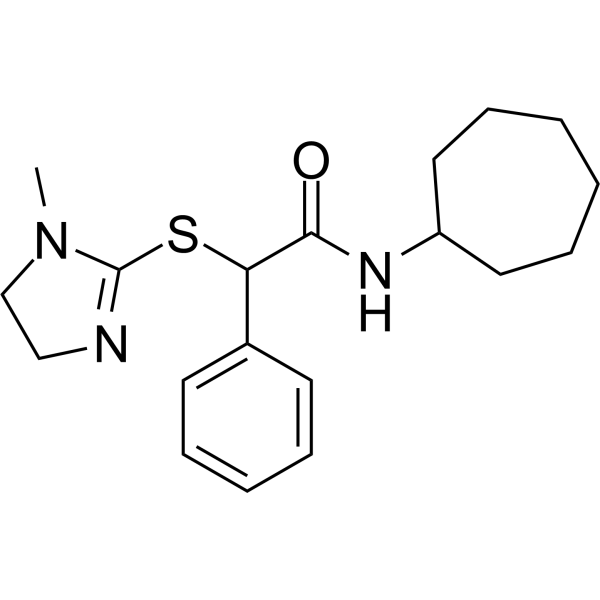
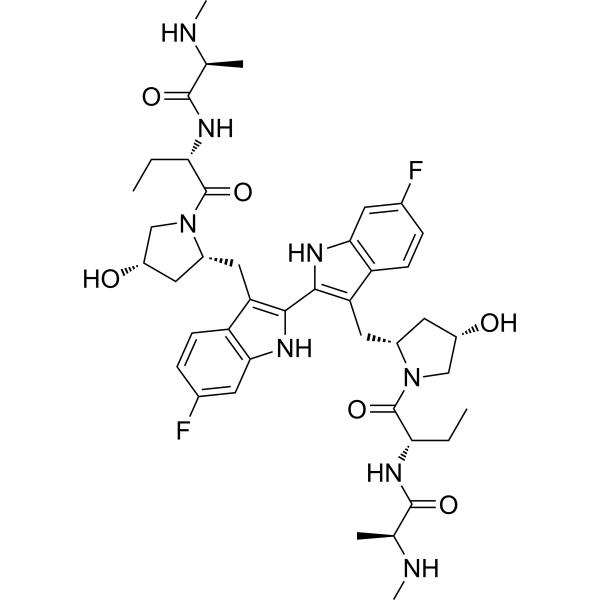
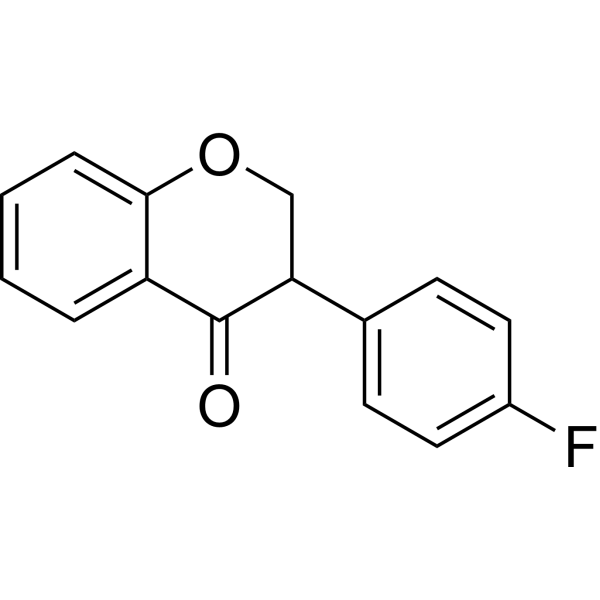
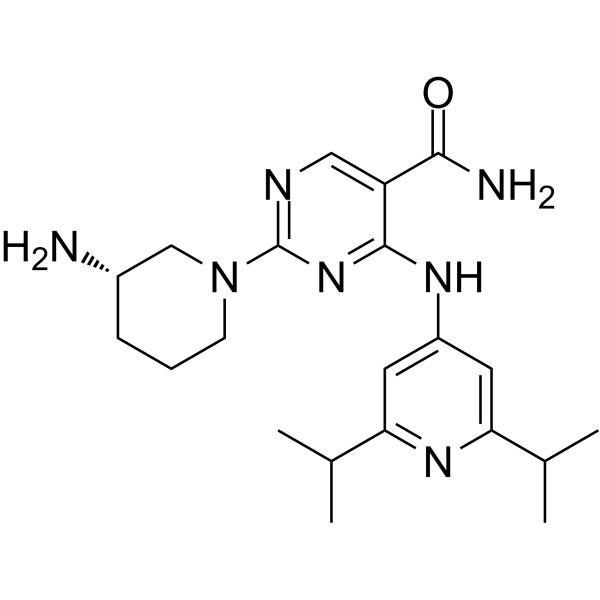
Cat. No. Product Name Target Research Areas Chemical Structure
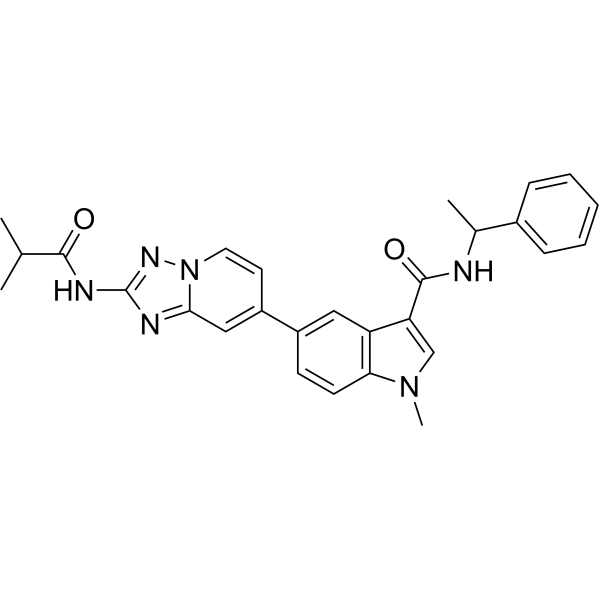
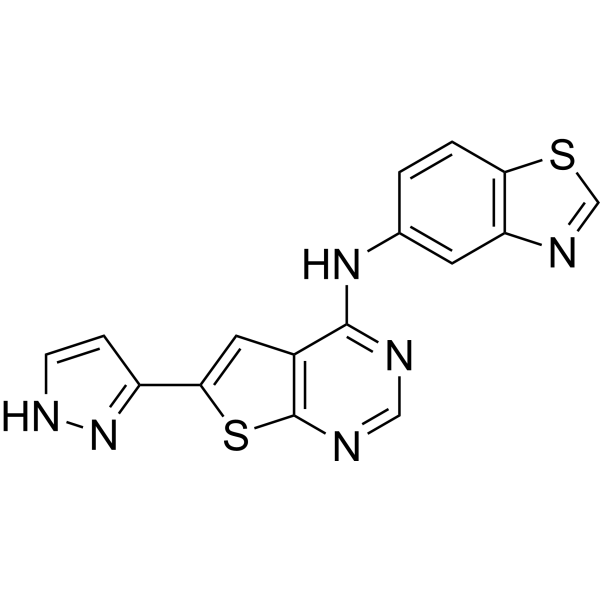
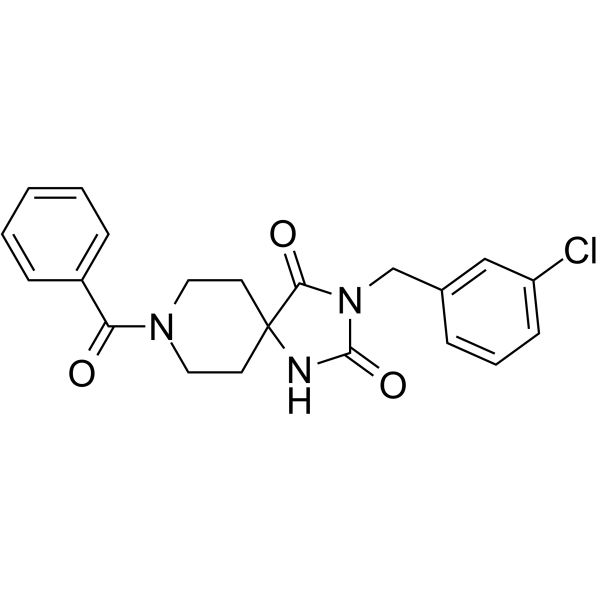
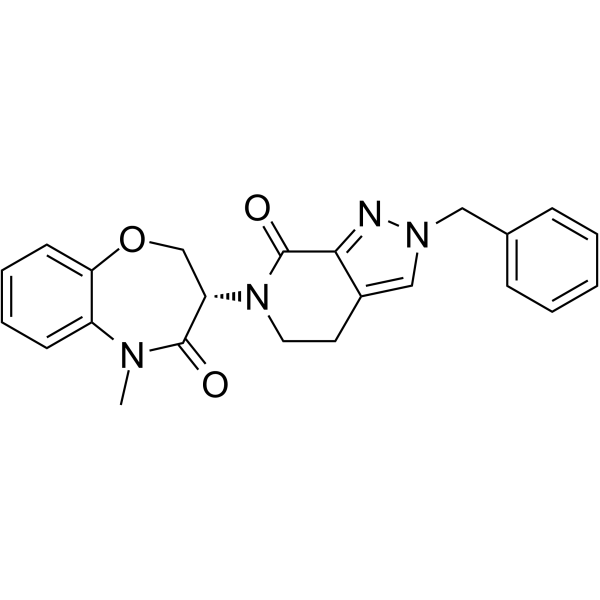
  • HY-101872
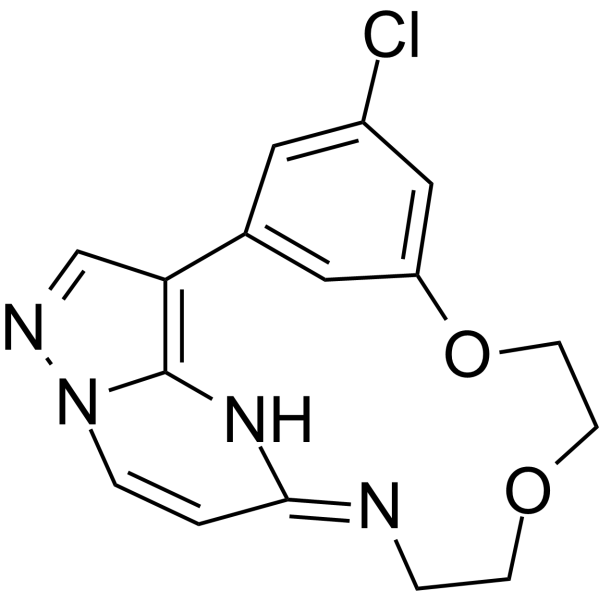
    GSK-872
    Maximum Cited Publications
    100 Publications Verification

    RIP kinase Inflammation/Immunology
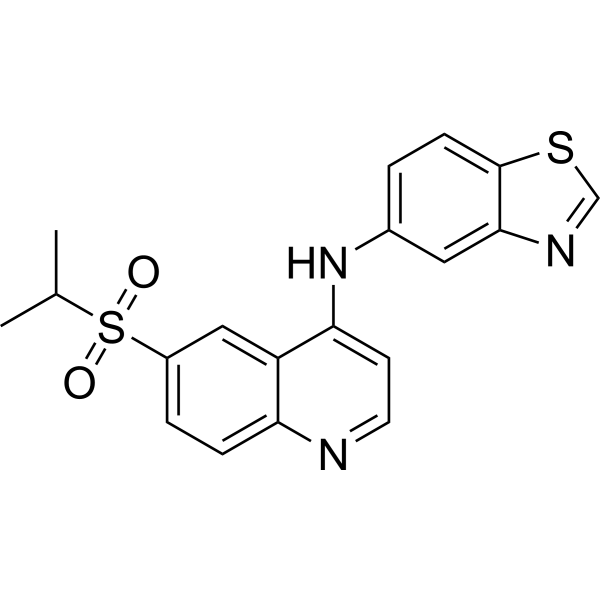
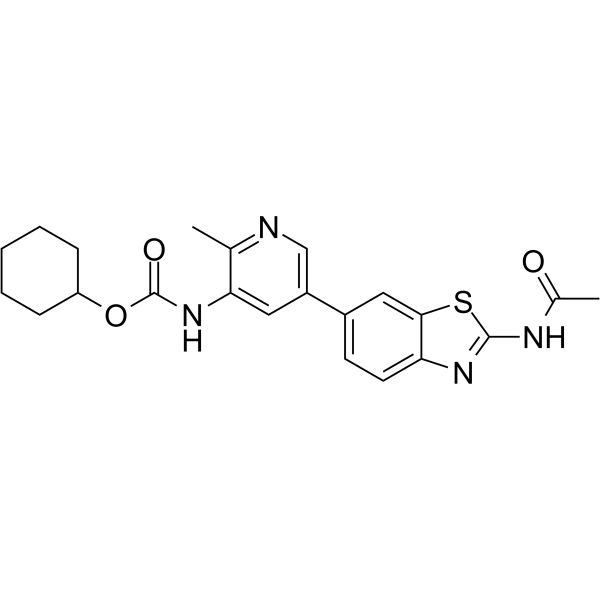
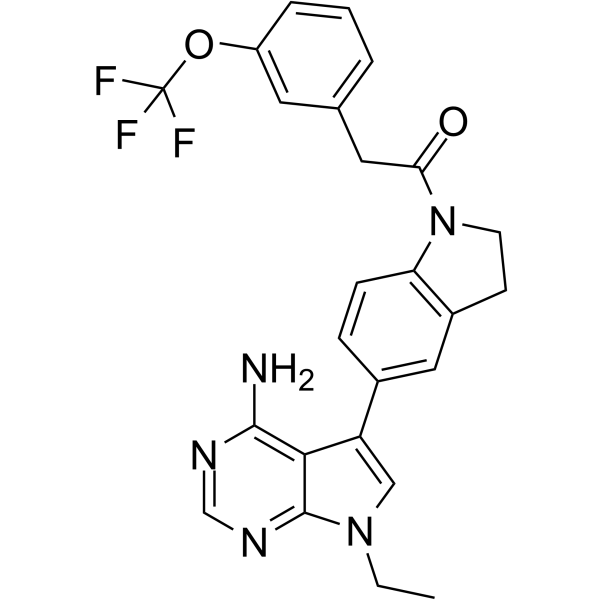
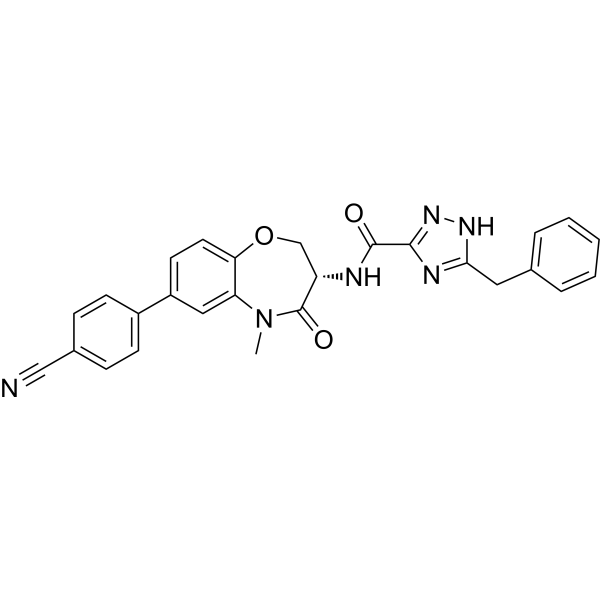
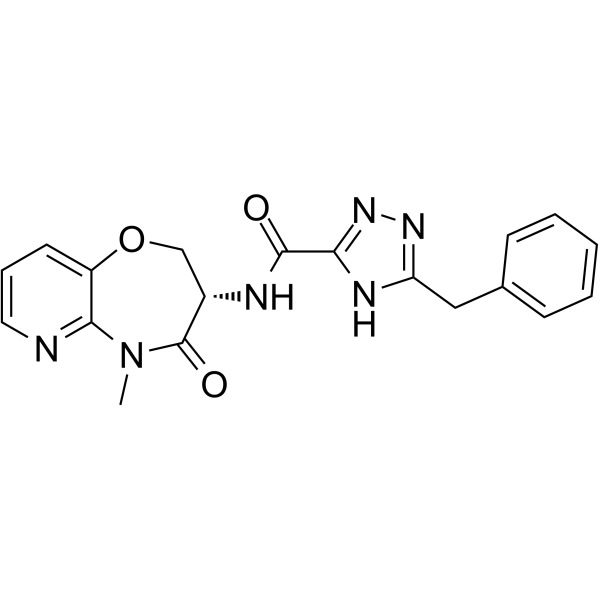
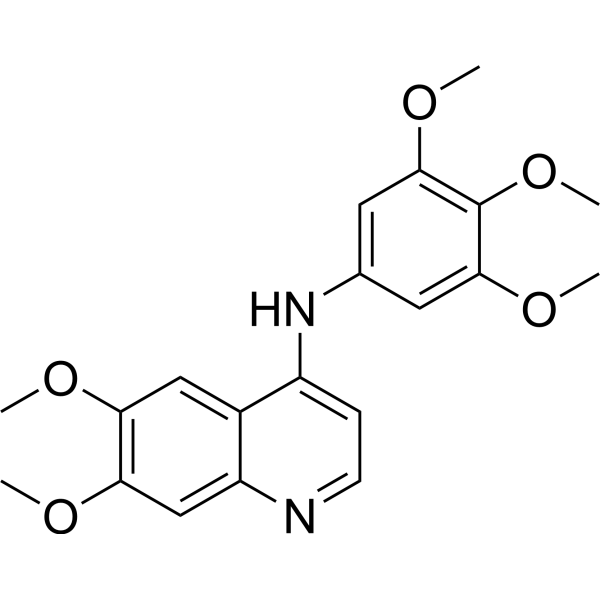
    GSK-872 is a RIPK3 inhibitor, which binds RIP3 kinase domain with an IC50 of 1.8 nM, and inhibits kinase activity with an IC50 of 1.3 nM. GSK-872 decreases the RIPK3-mediated necroptosis and subsequent cytoplasmic translocation and expression of HMGB1, as well as ameliorates brain edema and neurological deficits in early brain injury .
    GSK-872
  • HY-101872A
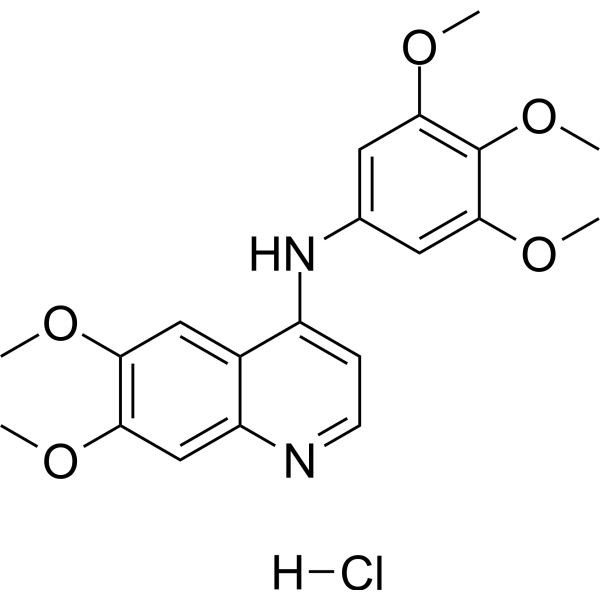
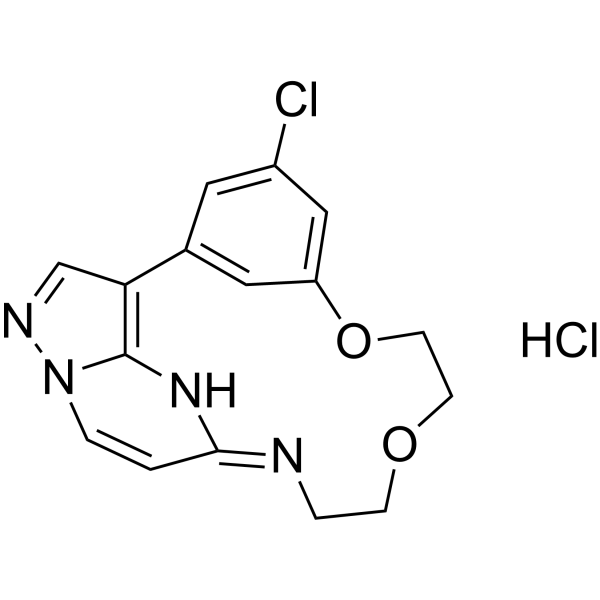
    GSK-872 hydrochloride
    Maximum Cited Publications
    100 Publications Verification

    RIP kinase Inflammation/Immunology
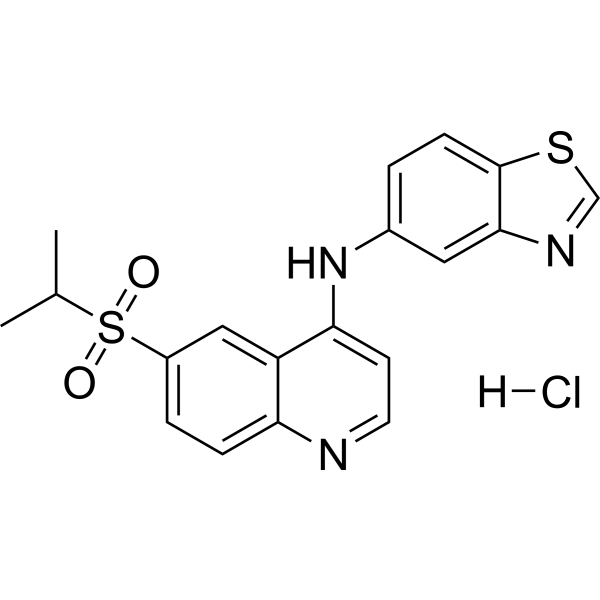
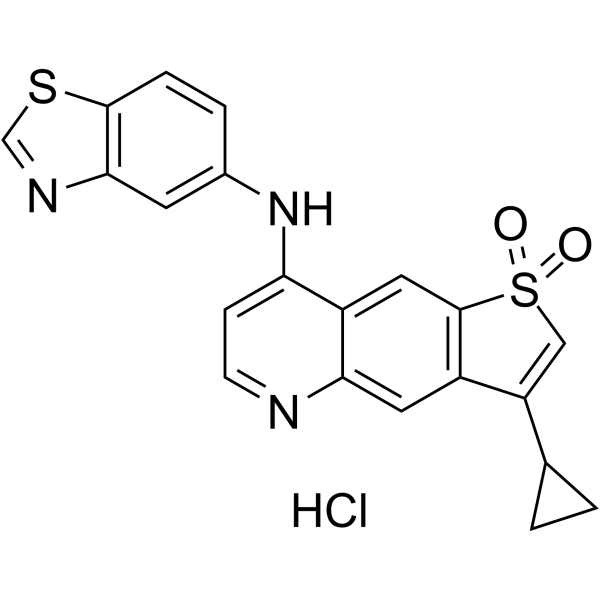
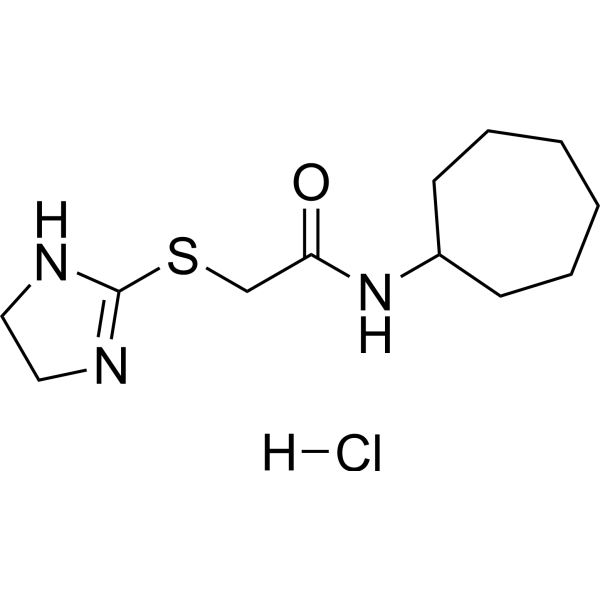
    GSK-872 hydrochloride is a RIPK3 inhibitor, which binds RIP3 kinase domain with an IC50 of 1.8 nM, and inhibits kinase activity with an IC50 of 1.3 nM. GSK-872 hydrochloride decreases the RIPK3-mediated necroptosis and subsequent cytoplasmic translocation and expression of HMGB1, as well as ameliorates brain edema and neurological deficits in early brain injury .
    GSK-872 hydrochloride
  • HY-111866
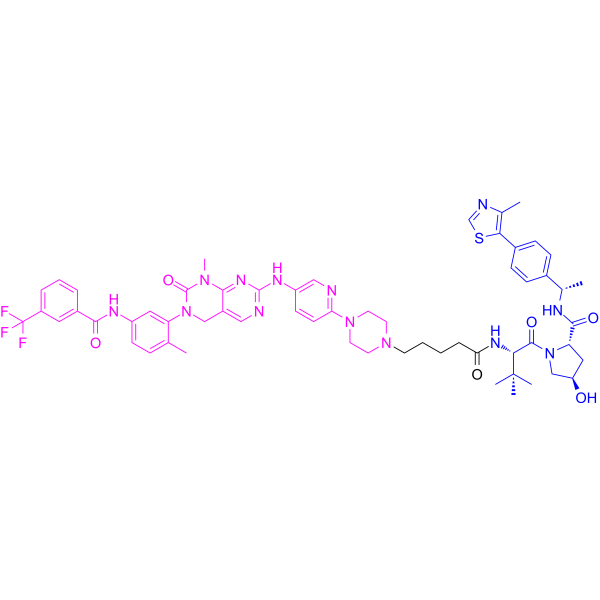
    PROTAC RIPK degrader-2
    1 Publications Verification

    PROTACs RIP kinase Metabolic Disease Cancer
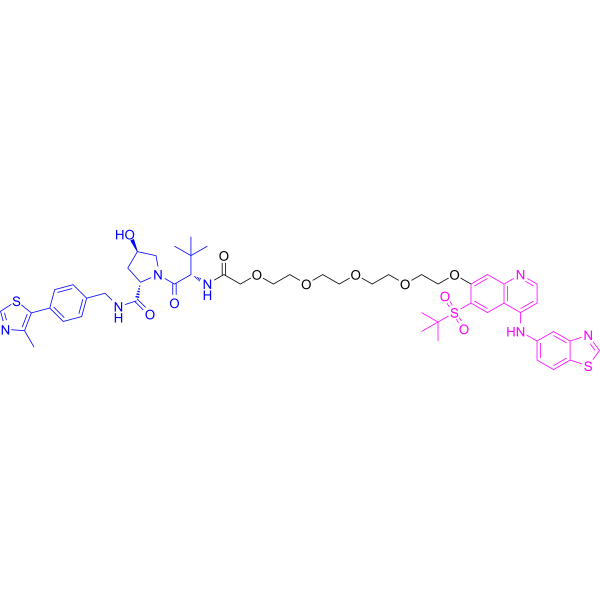
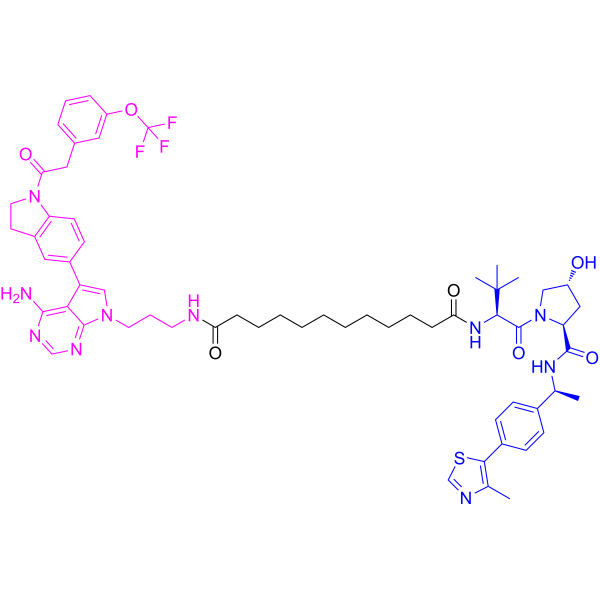
    PROTAC RIPK degraders -2 is a non-peptide PROTAC based on von Hippel-Lindau and targets serine-threonine kinase RIPK2, which is highly selective to the degradation of RIPK2. PROTAC RIPK degrader-2 acts as an activator to increase cell death and activate ion channels in cancer cells. PROTAC RIPK degrader-2 also can inhibit protein interactions, such as receptors and ligands, involved in a variety of diseases, such as cancer and diabetes .
    PROTAC RIPK degrader-2
  • HY-N0546
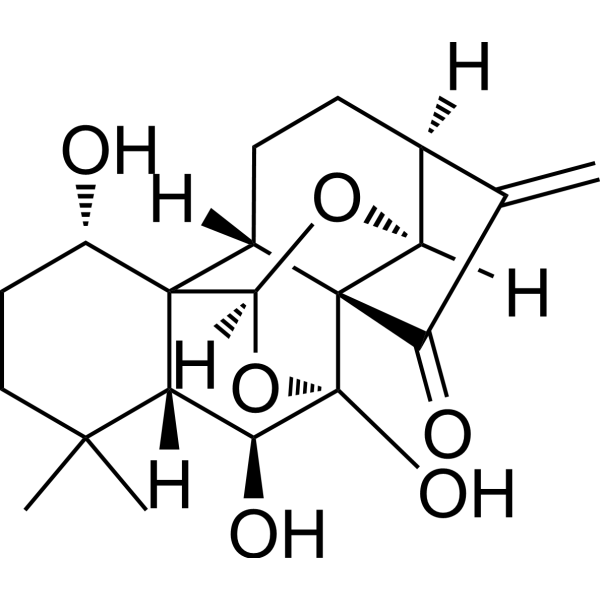
    Ligustroflavone
    2 Publications Verification

    Nuezhenoside

    CaSR RIP kinase Mixed Lineage Kinase TGF-beta/Smad Cardiovascular Disease Neurological Disease Metabolic Disease Endocrinology
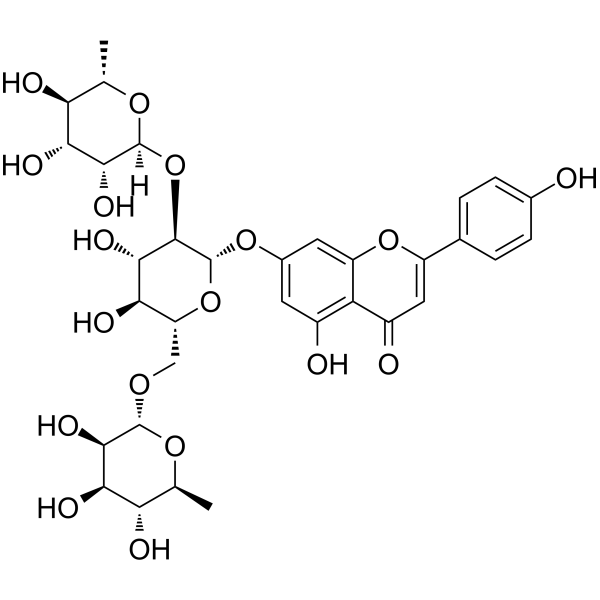
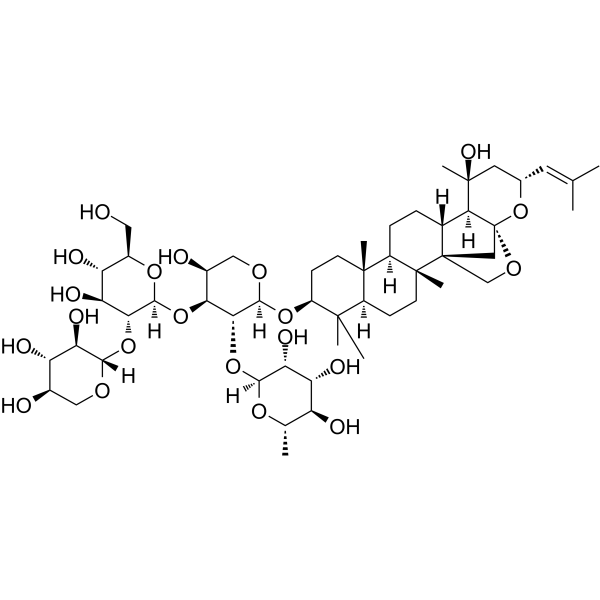
    Ligustroflavone is an orally active flavonoid compound. Ligustroflavone can be extracted from Ligustrum lucidum. Ligustroflavone antagonizes the calcium-sensing receptor (CaSR), inhibits the RIPK1/RIPK3/MLKL pathway, and downregulates TGF-β/Smad signaling. Ligustroflavone regulates calcium metabolism, protects bone tissue, reduces cerebral ischemic injury, and inhibits liver fibrosis. Ligustroflavone can be used in the study of diabetic osteoporosis, ischemic stroke, and liver fibrosis .
    Ligustroflavone
  • HY-18937
    WEHI-345
    3 Publications Verification

    RIP kinase Cancer
    WEHI-345 is a potent and selective RIPK2 kinase inhibitor with an IC50 of 0.13 μM, which delays RIPK2 ubiquitylation and NF-κB activation on oligomerization domain (NOD) stimulation .
    WEHI-345
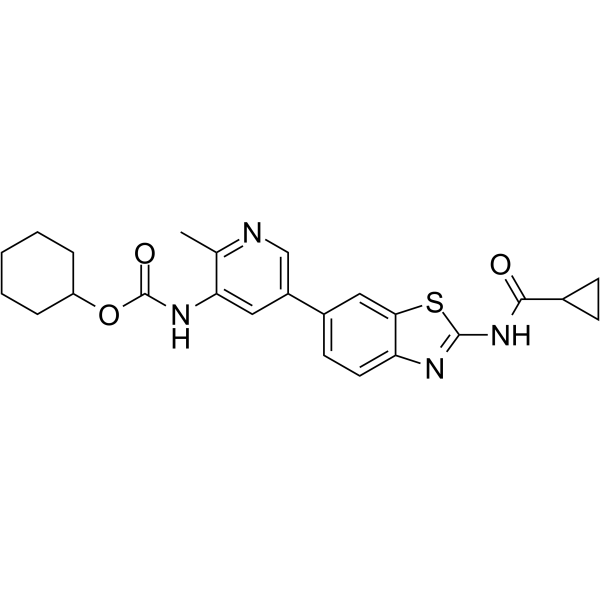
  • HY-171658

    PROTACs Ser/Thr Kinase TNF Receptor Toll-like Receptor (TLR) NF-κB p38 MAPK Inflammation/Immunology Cancer
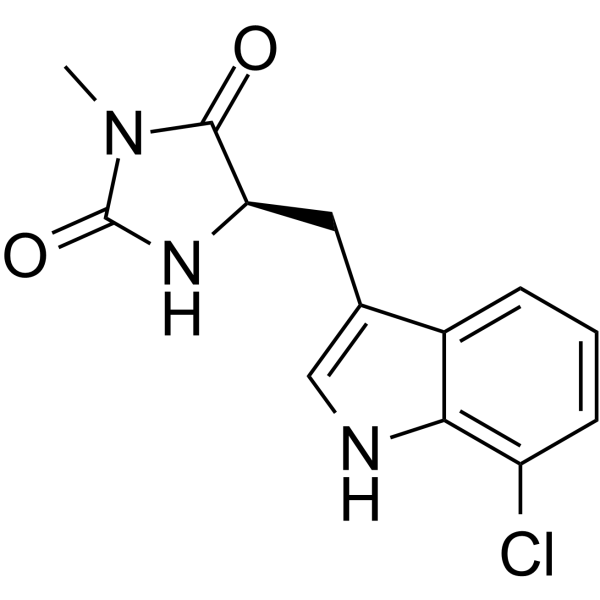
    R1-ICR-5 is a highly selective RIPK1 PROTAC degrader. Mediated by VHL, R1-ICR-5 induces the degradation of RIPK1, which in turn dysregulates the TNFR1 and TLR3/4 signaling hubs, enhances the signaling outputs of NF-κB, MAPK and IFN, and simultaneously promotes RIPK3 activation and necroptosis (necroptosis). R1-ICR-5 can be used in the research of triple-negative breast cancer and skin inflammation .
    R1-ICR-5
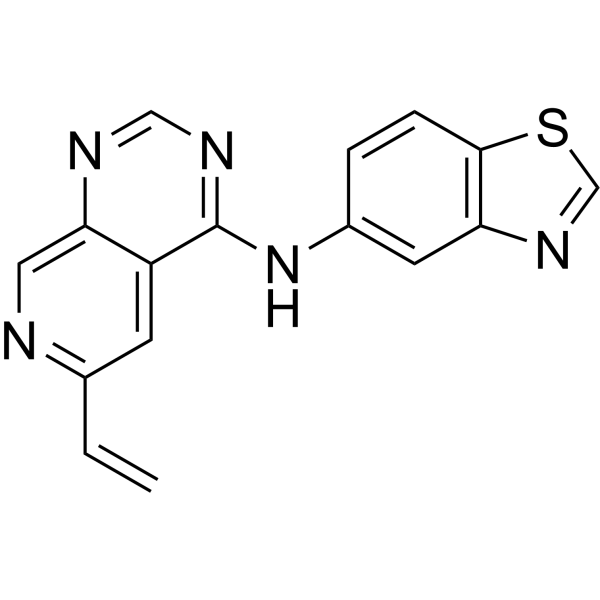
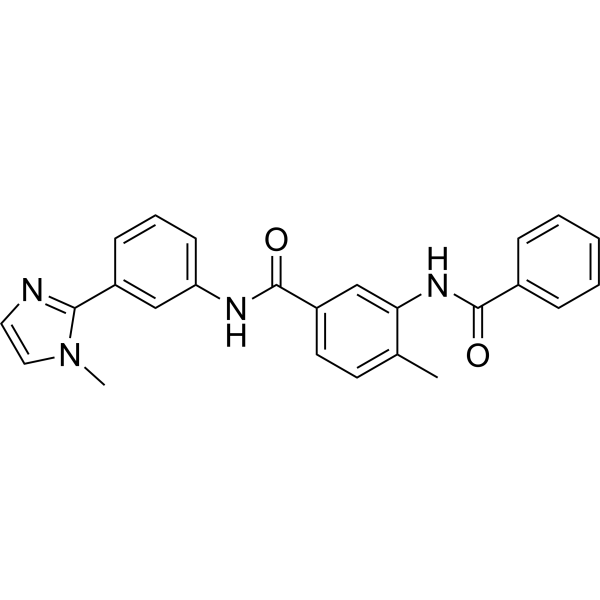
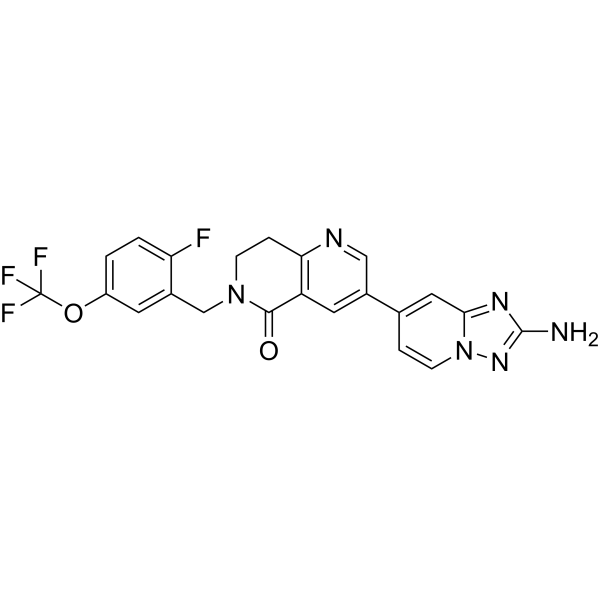
  • HY-131064
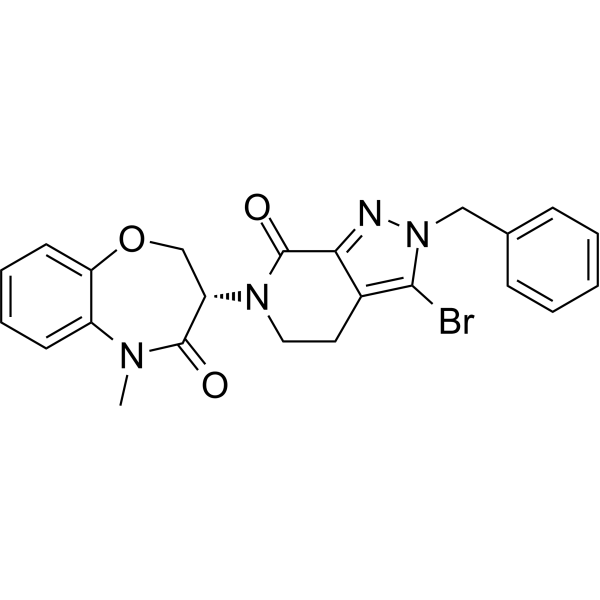
    RIPK3-IN-1
    1 Publications Verification

    RIP kinase Inflammation/Immunology
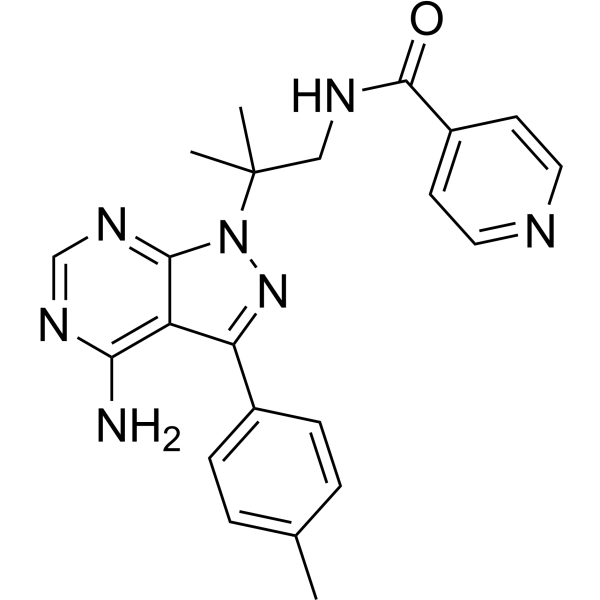
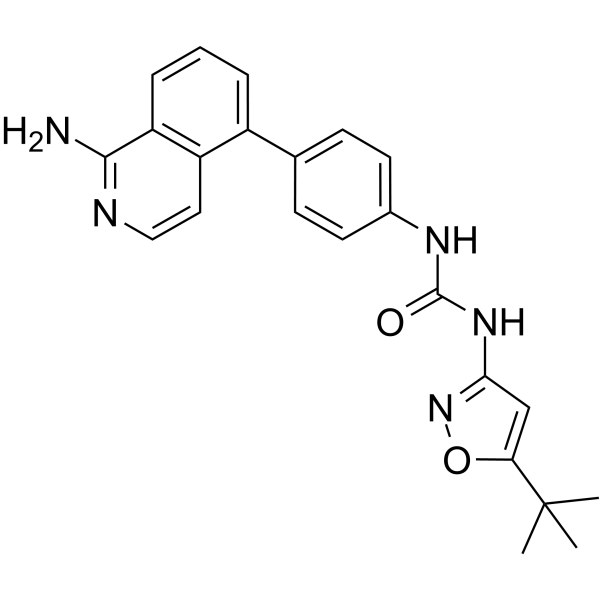
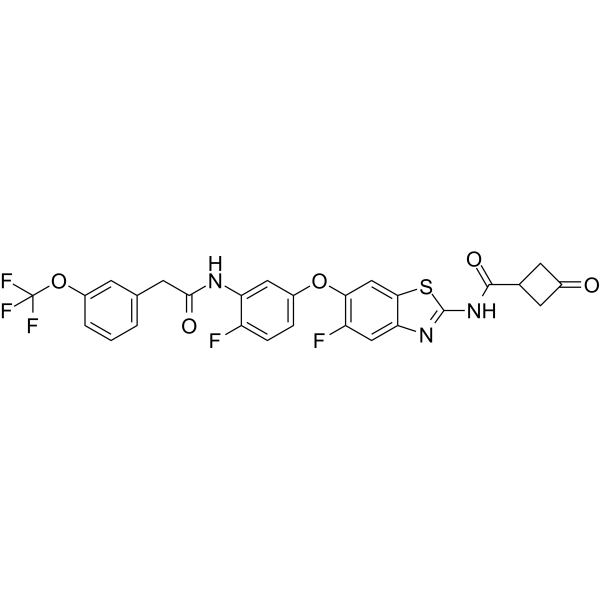
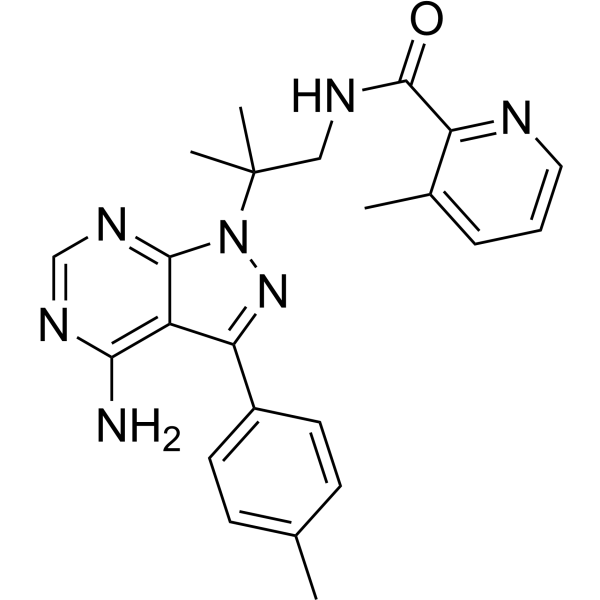
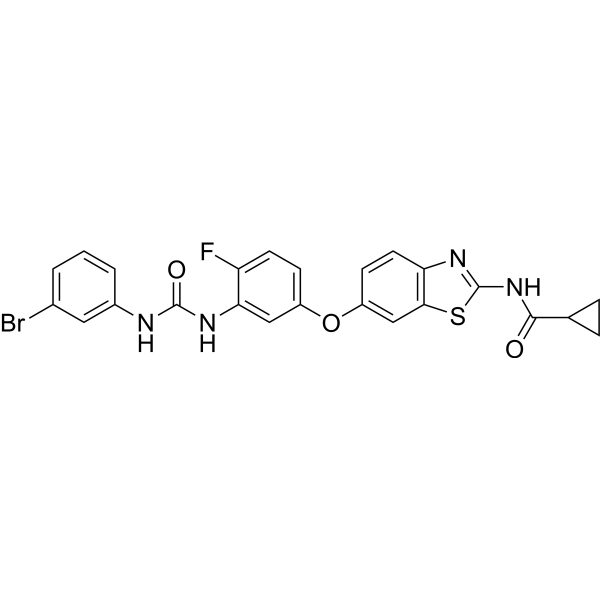
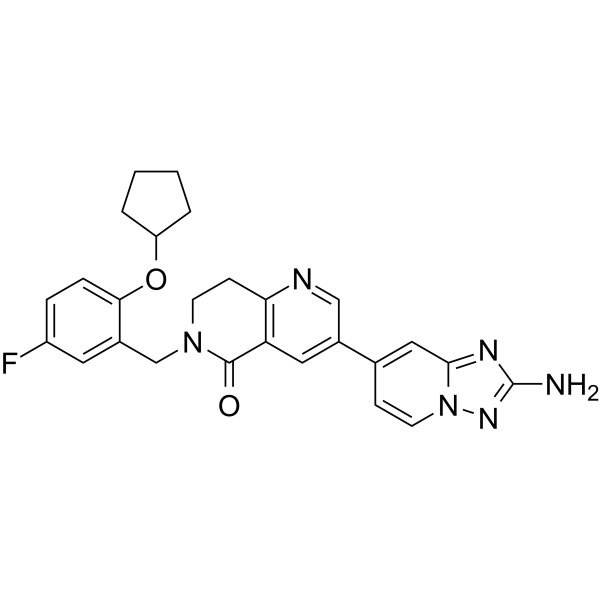
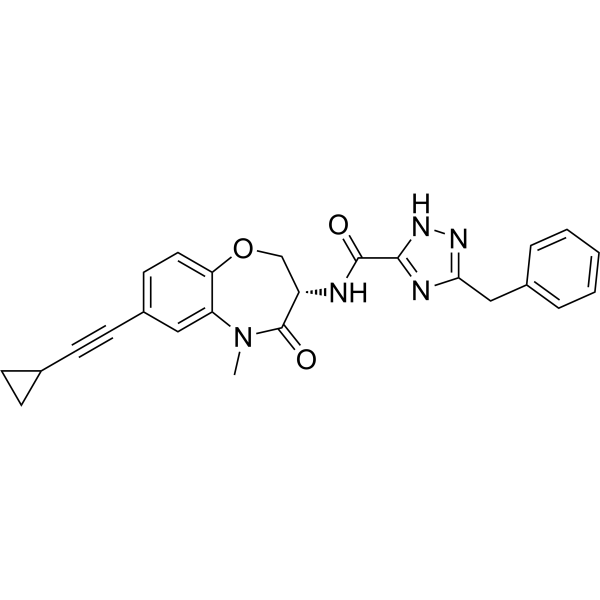
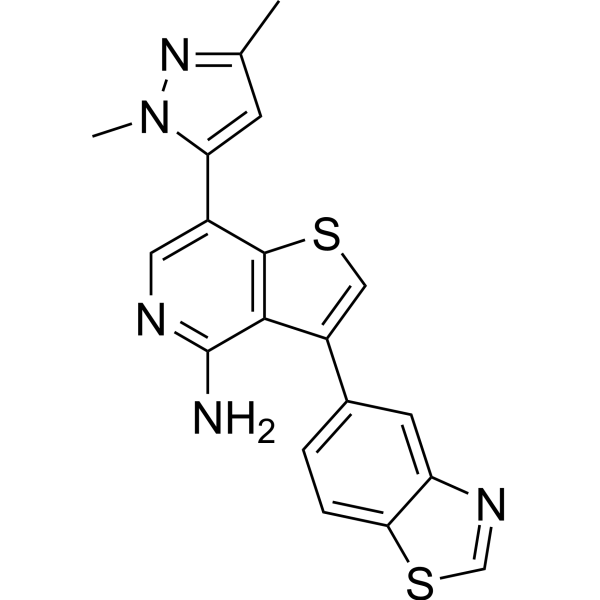
    RIPK3-IN-1 is a RIPK3 type II DFG-out inhibitor with an IC50 of 9.1 nM. RIPK3-IN-1 inhibits RIPK1 and RIPK2 with IC50s of 5.5 and >10 μM. RIPK3-IN-1 is also a c-Met kinase inhibitor with an IC50 of 1.1 μM .
    RIPK3-IN-1
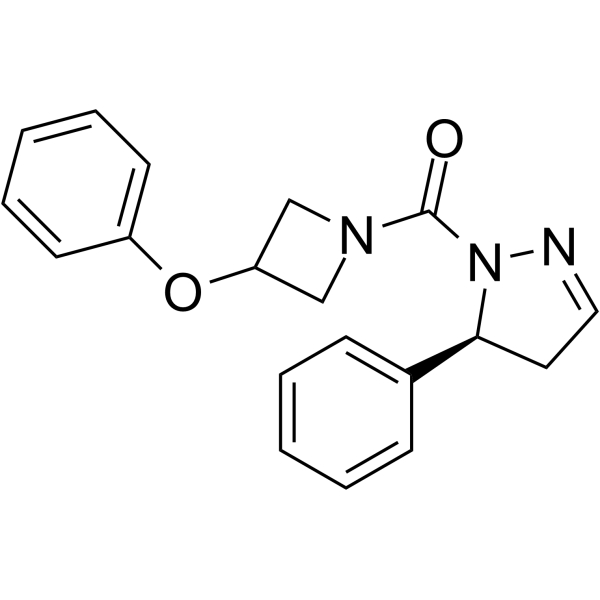
  • HY-115630

    RIP kinase Caspase Apoptosis Cancer
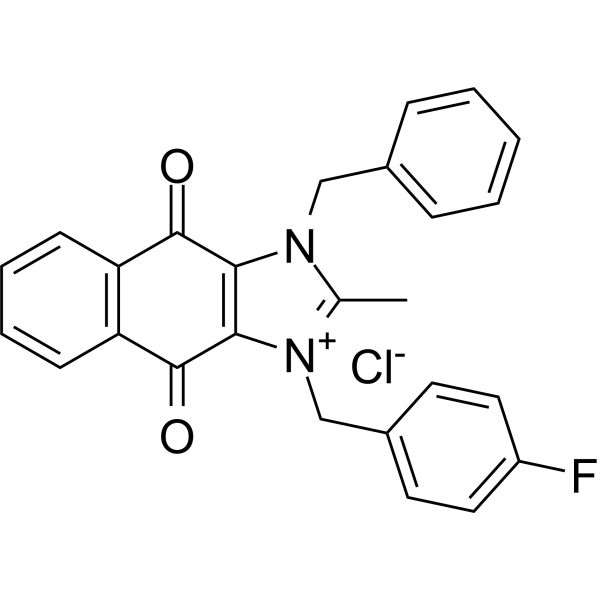
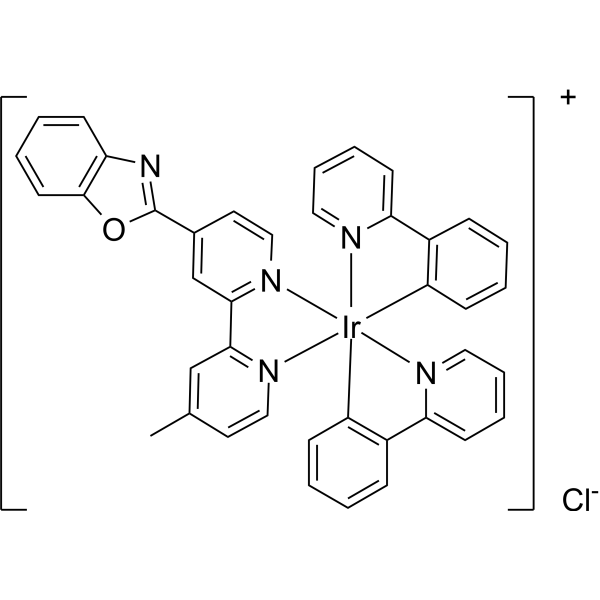
    cRIPGBM chloride, an orally active, proapoptotic derivative. cRIPGBM can be generated from glioblastoma multiforme (GBM) cancer stem cells (CSCs). cRIPGBM(chloride) targets to receptor-interacting protein kinase 2 (RIPK2) to induce caspase 1-dependent apoptosis. cRIPGBM(chloride) suppresses the formation of RIPK2/TAK1 (prosurvival complex), and increases the formation of RIPK2/caspase 1 (proapoptotic complex). cRIPGBM(chloride) exerts potent anti-tumor activity in vivo in animal models .
    cRIPGBM chloride
  • HY-128348

    RIP kinase Inflammation/Immunology Cancer
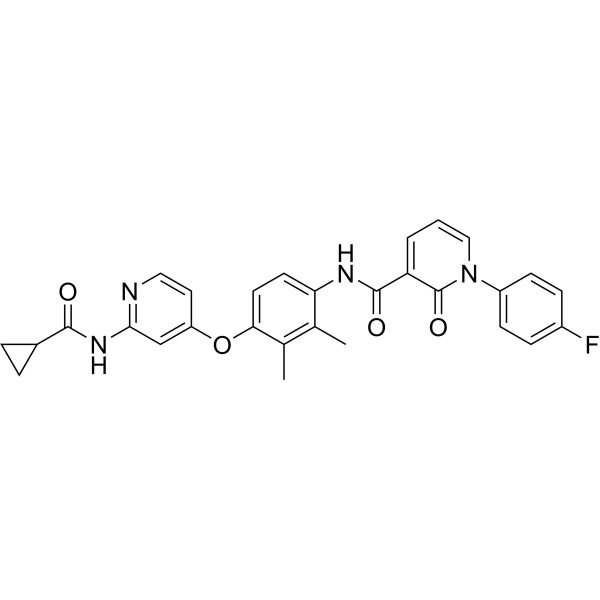
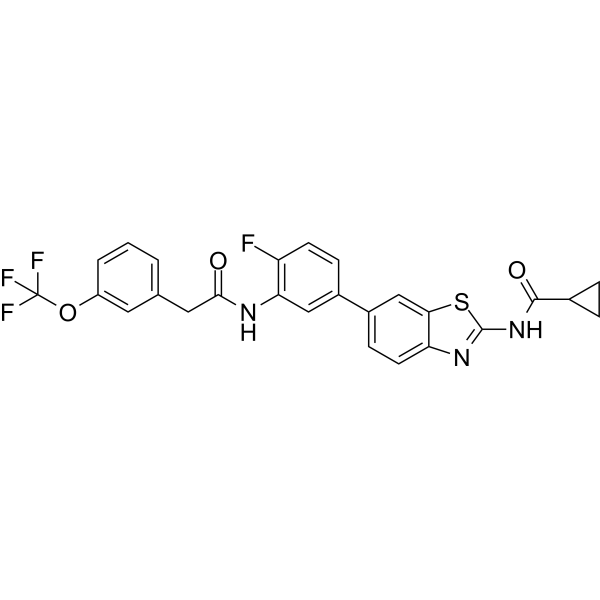
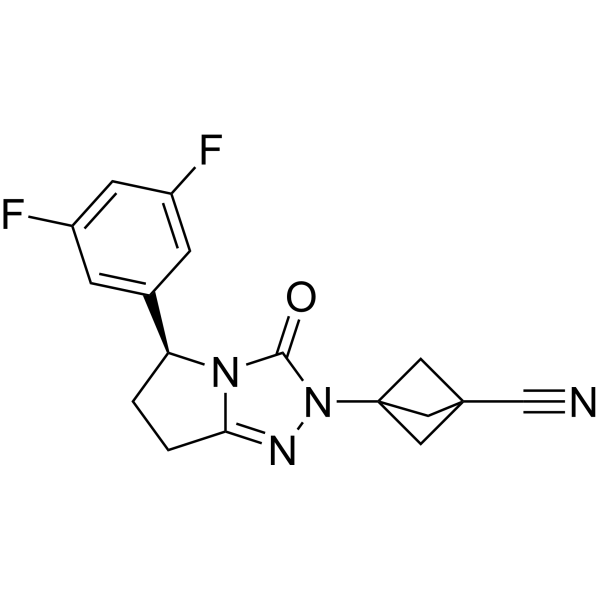
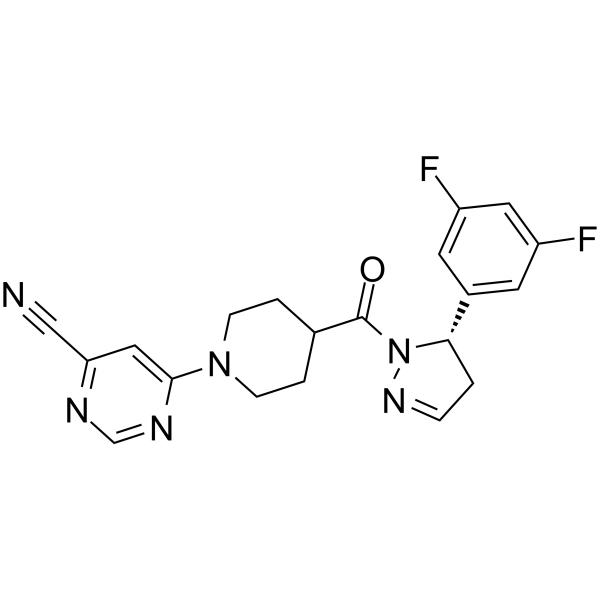
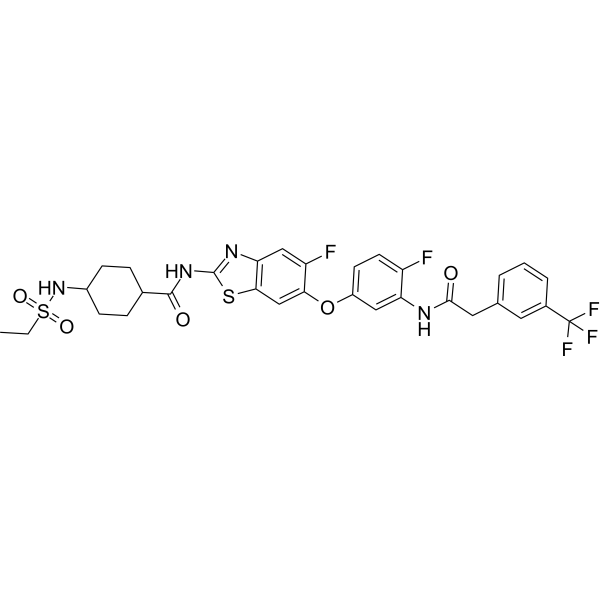
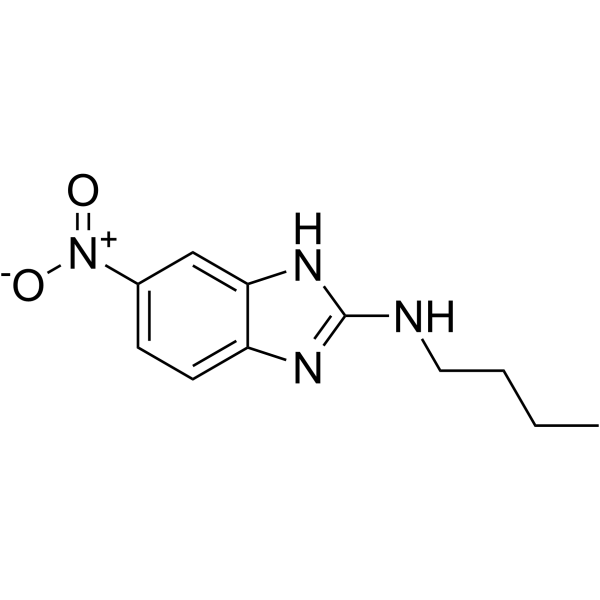
    PK68 is a potent orally active and specifical type II inhibitor of receptor-interacting kinase 1 (RIPK1) with an IC50 of ~90 nM, displays inhibition of RIPK1-dependent necroptosis. PK68 powerfully ameliorates TNF-induced systemic inflammatory response syndrome, and can be used for the research of inflammatory disorders and cancer metastasis .
    PK68
  • HY-119933

    RIP kinase Cancer
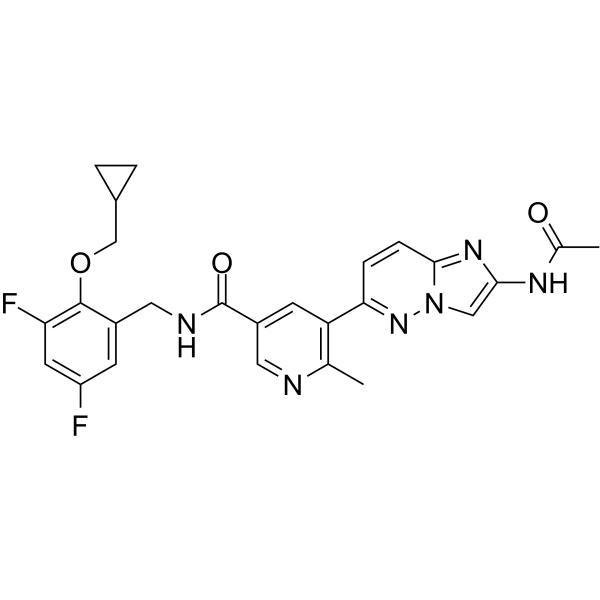
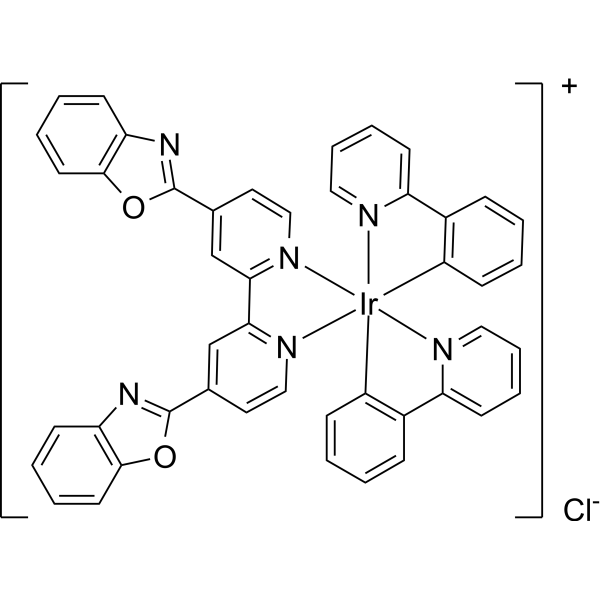
    RIPK1-IN-7 is a potent and selective RIPK1 inhibitor with a Kd of 4 nM and an enzymatic IC50 of 11 nM. RIPK1-IN-7 exhibits excellent antimetastasis activity in the experimental B16 melanoma lung metastasis model .
    RIPK1-IN-7
  • HY-107978
    RIPK-IN-4
    2 Publications Verification

    RIP kinase Inflammation/Immunology
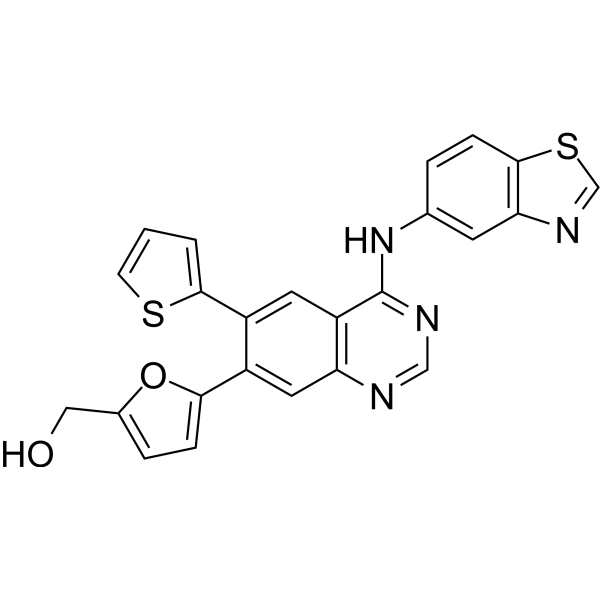
    RIPK-IN-4 is a selective RIPK2 inhibitor with an IC50 value of 3 nM. RIPK-IN-4 can be used for the research of inflammatory diseases .
    RIPK-IN-4
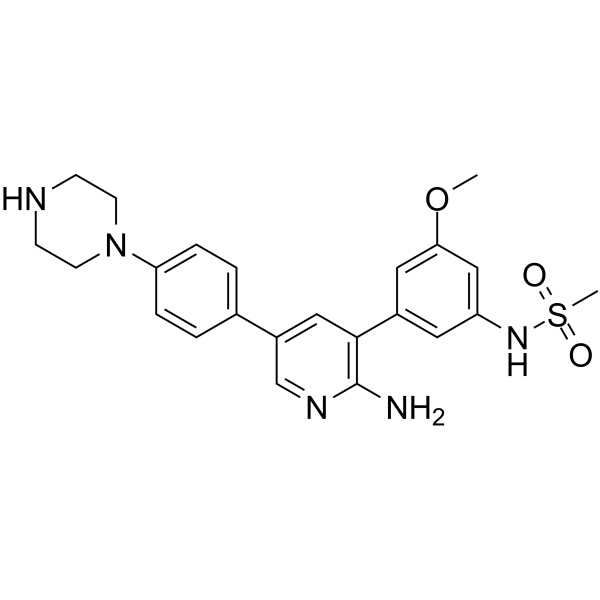
  • HY-132203

    RIP kinase Inflammation/Immunology Cancer
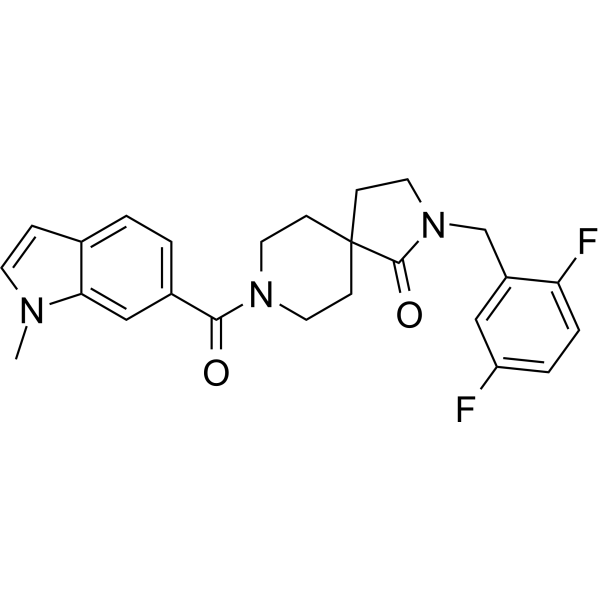
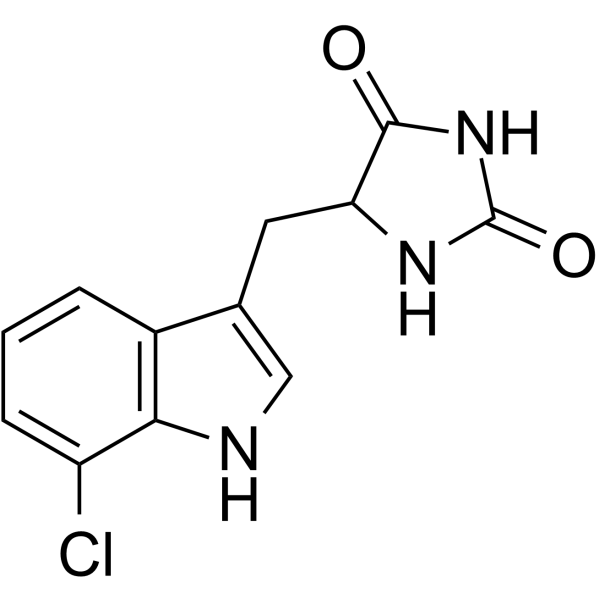
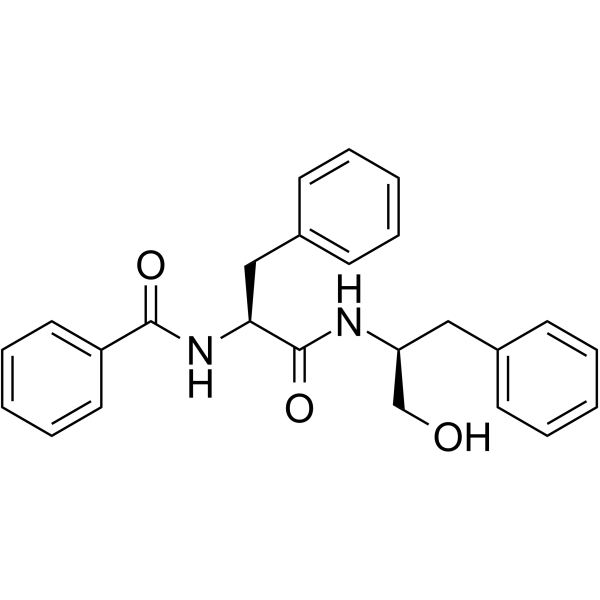
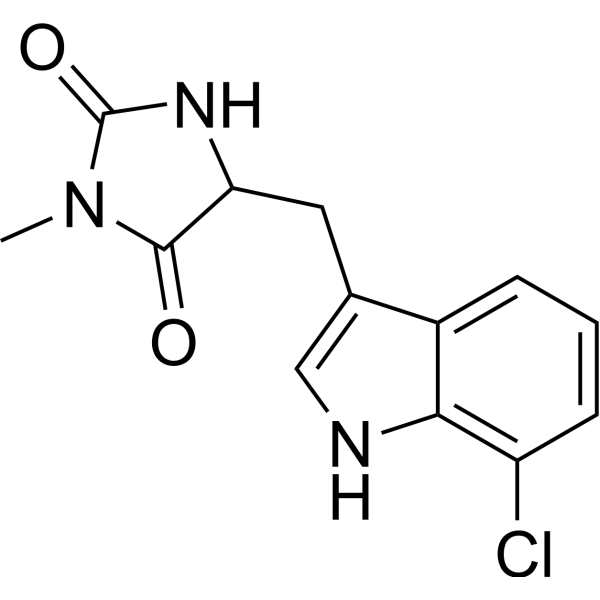
    Necrostatin-34 (Nec-34), a RIPK1 kinase inhibitor, stabilizes RIPK1 kinase in an inactive conformation by occupying a distinct binding pocket in the kinase domain .
    Necrostatin-34
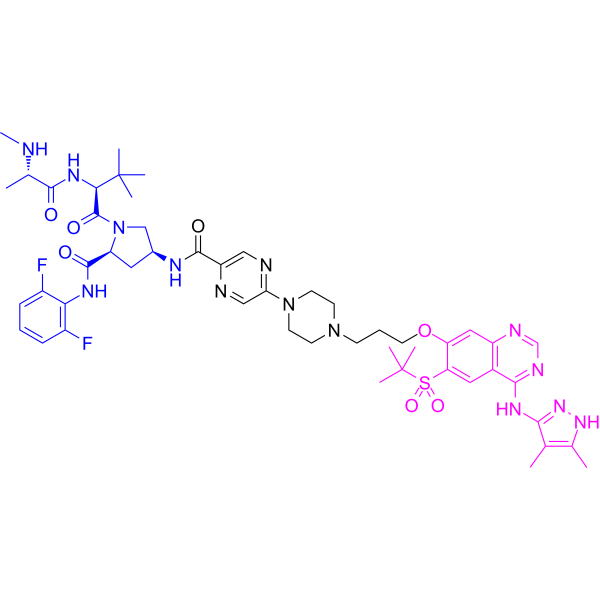
  • HY-175370

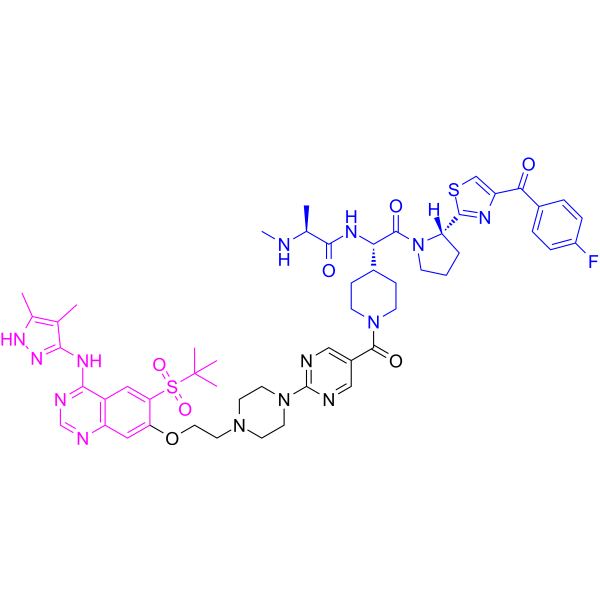
    PROTACs RIP kinase Cancer
    PROTAC RIPK1 Degrader-1 is a selective RIPK1 PROTAC degrader. PROTAC RIPK1 Degrader-1 degrades RIPK1 in multiple cancer cell lines (e.g., A375, B16F10 cells). PROTAC RIPK1 Degrader-1 enhances the anti-cancer effect of radiotherapy in syngeneic and humanized mouse models. PROTAC RIPK1 Degrader-1 can be used to study cancers such as melanoma. (Pink: RIPK1-ligand-2: HY-175371, Blue: (S,R,S)-AHPC-Me: HY-112078, Pink + Black: RIPK1 ligand-Linker Conjugate-1: HY-175374, Black: Bispiperidin-piperazin-acetater: HY-175373) .
    PROTAC RIPK1 Degrader-1
  • HY-18901

    RIP kinase Inflammation/Immunology
    RIPK1-IN-4 (compound 8) is a potent and selective type II kinase inhibitor of receptor interacting protein 1 (RIP1) kinase and binds to a DLG-out inactive form of RIP1 with an IC50s of 16 nM and 10 nM for RIP1 and ADP-Glo kinase .
    RIPK1-IN-4
  • HY-111870

    PROTACs RIP kinase Cancer
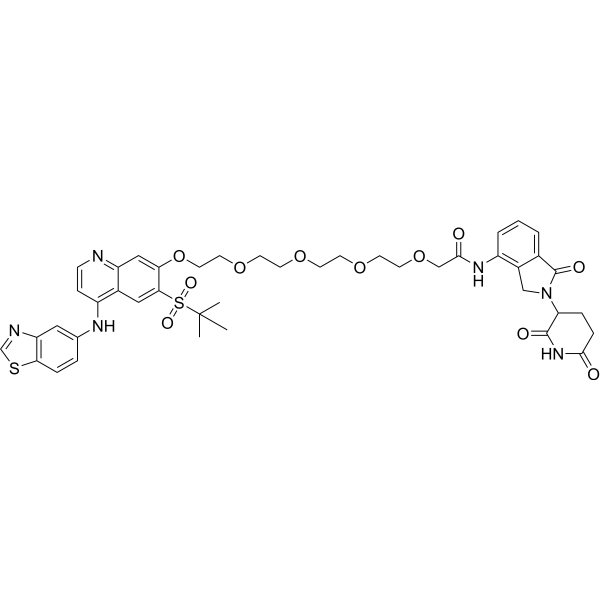
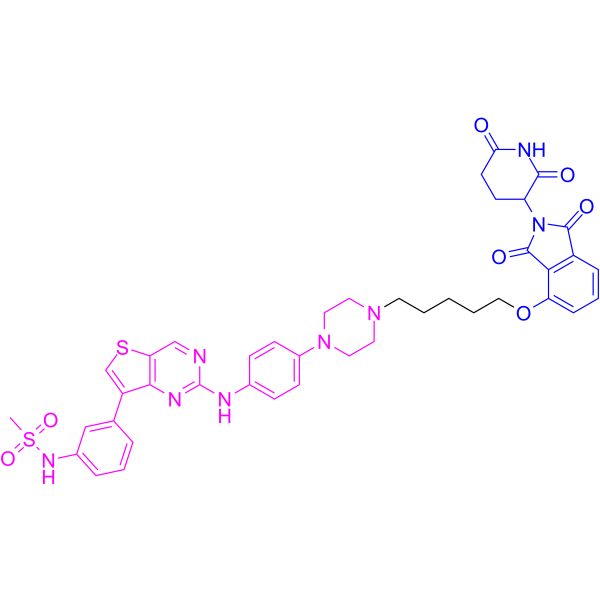
    PROTAC RIPK degrader-6 (example 1) is a Cereblon-based PROTAC targeting RIP Kinase degradation wherein the RIP2 kinase inhibitor is linked via a linker to a cereblon binder .
    PROTAC RIPK degrader-6
  • HY-157456

    RIP kinase Inflammation/Immunology
    RIPK1-IN-19 is a selective RIPK1 inhibitor (IC50=15 nM). RIPK1-IN-19 does not show obvious activity against RIPK2, RIPK3, and RIPK4. RIPK1-IN-19 displays potent protective activity in TNFα-induced systemic inflammatory response syndrome (SIRS) model and Imiquimod (IMQ)-induced psoriasis model. RIPK1-IN-19 can be used in research on inflammation and immune system diseases .
    RIPK1-IN-19
  • HY-157325

    RIP kinase Inflammation/Immunology
    RIPK2-IN-5 (compound 14) is a high affinity and excellent selectivity RIPK2 inhibitor with an IC50 value of 5.1nM. RIPK2-IN-5 has cellular anti-inflammatory effect and can reduce the secretion of MDP-induced TNF-α with a dose-dependent manner. RIPK2-IN-5 shows moderate stability in human liver microsome. RIPK2-IN-5 can be used for the research of immune diseases .
    RIPK2-IN-5
  • HY-151873

    RIP kinase Inflammation/Immunology Cancer
    SZM679 is a potent, orally active and selective RIPK1 inhibitor with Kd values of 8.6 nM and >5000 nM for RIPK1 and RIPK3, respectively. SZM679 reverses the tumor necrosis factor-induced systemic inflammatory response. SZM679 decreases the Tau hyperphosphorylation, neuroinflammation, and the RIPK1 phosphorylation level in the hippocampus and cortex. SZM679 can be used in research of Alzheimer's disease (AD) .
    SZM679
  • HY-148382

    RIP kinase Necroptosis Neurological Disease Inflammation/Immunology
    RI-962 is a potent and selective receptor-interacting protein kinase 1 (RIPK1) inhibitor. RI-962 inhibits RIPK1 with an IC50 value of 35.0 nM. RI-962 can be used for the research of nervous system diseases and inflammatory diseases .
    RI-962
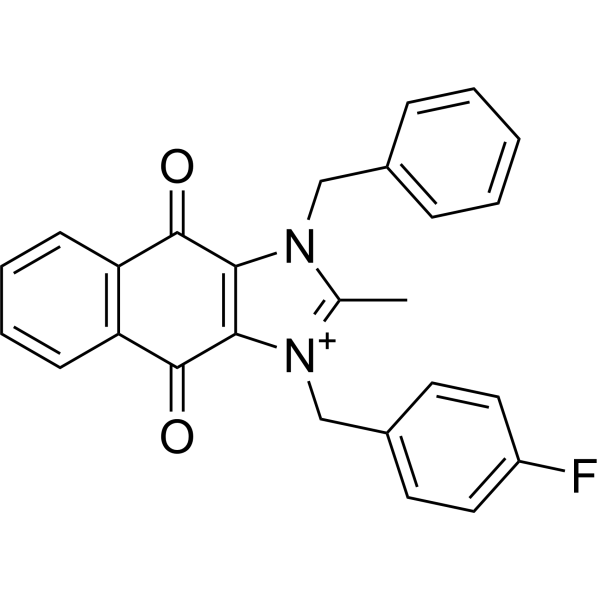
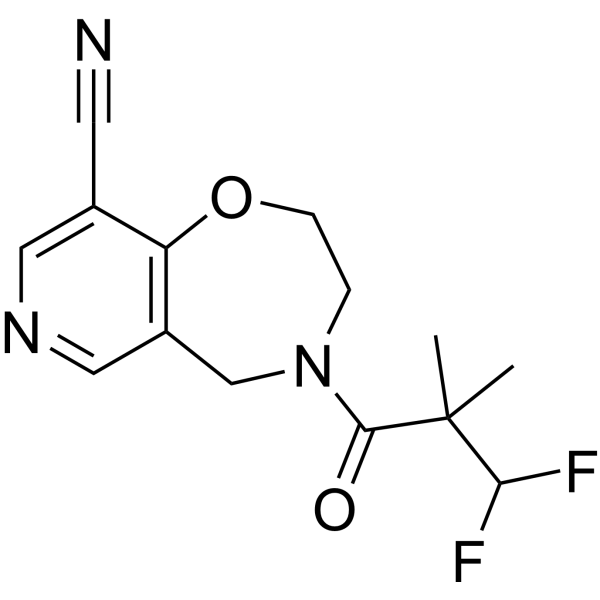
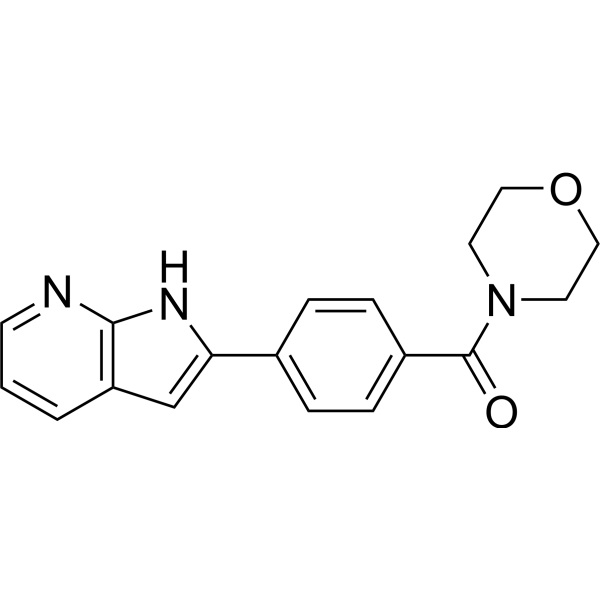
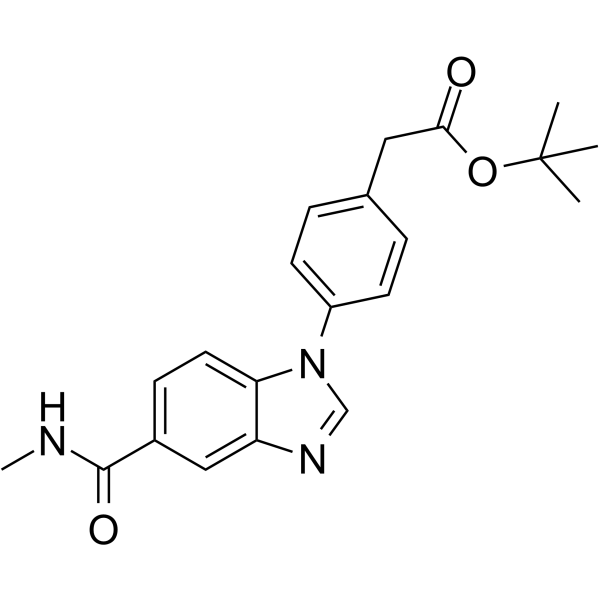
  • HY-149393

    Mixed Lineage Kinase RIP kinase Cancer
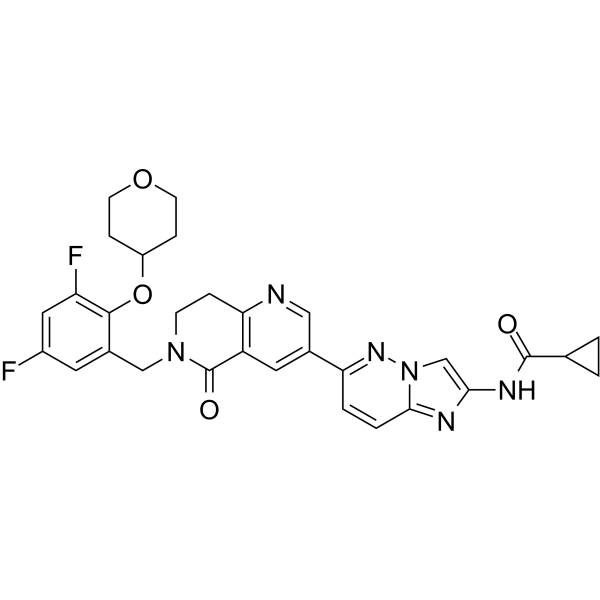
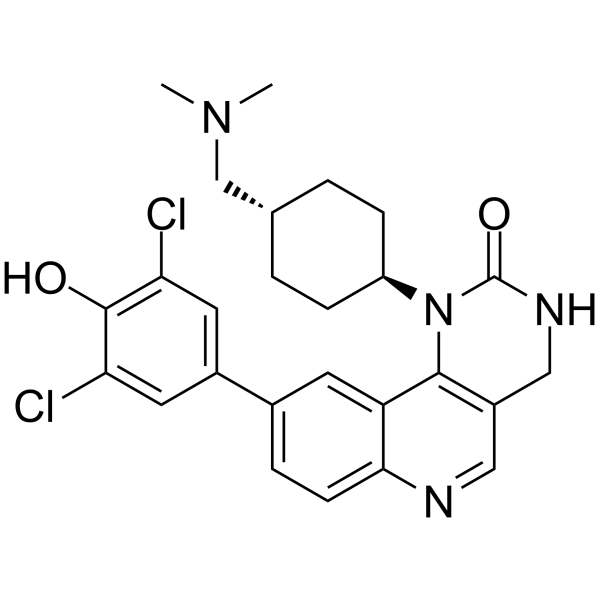
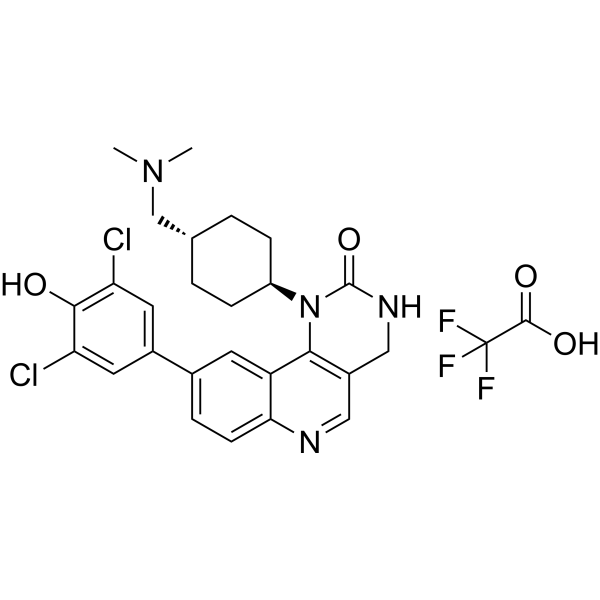
    RIPK3-IN-3 (compound 20) is a selective inhibitor of RIP kinase RIPK3 (IC50=10 nM). RIPK3 mediates the phosphorylation of Mixed Lineage Kinase (MLKL) and causes necroptosis, while RIPK3-IN-3 inhibits p-MLKL oligomerization and thereby inhibits necroptosis. RIPK3-IN-3 also downregulates CXCL5 secretion and inhibits AsPC-1 cell migration and invasion .
    RIPK3-IN-3
  • HY-RS11993

    Small Interfering RNA (siRNA) RIP kinase Others

    Ripk1 Mouse Pre-designed siRNA Set A contains three designed siRNAs for Ripk1 gene (Mouse), as well as a negative control, a positive control, and a FAM-labeled negative control.

    Ripk1 Mouse Pre-designed siRNA Set A
    Ripk1 Mouse Pre-designed siRNA Set A
  • HY-RS11992

    Small Interfering RNA (siRNA) RIP kinase Others

    RIPK1 Human Pre-designed siRNA Set A contains three designed siRNAs for RIPK1 gene (Human), as well as a negative control, a positive control, and a FAM-labeled negative control.

    RIPK1 Human Pre-designed siRNA Set A
    RIPK1 Human Pre-designed siRNA Set A
  • HY-146694

    RIP kinase Anaplastic lymphoma kinase (ALK) Inflammation/Immunology
    RIPK2-IN-1 (compound 18f) is a potent RIPK2 inhibitor with an IC50 of 51 nM. RIPK2-IN-1 inhibits ALK2 with an IC50 of 5 nM. RIPK2-IN-1 has an IC50 of 390 nM on RIPK2/NOD2 in cell assay .
    RIPK2-IN-1
  • HY-RS11998

    Small Interfering RNA (siRNA) RIP kinase Others

    RIPK3 Human Pre-designed siRNA Set A contains three designed siRNAs for RIPK3 gene (Human), as well as a negative control, a positive control, and a FAM-labeled negative control.

    RIPK3 Human Pre-designed siRNA Set A
    RIPK3 Human Pre-designed siRNA Set A
  • HY-136010

    RIP kinase PROTACs Inflammation/Immunology
    RIP2 Kinase Inhibitor 4 is a potent and selective RIPK2 PROTAC. RIP2 Kinase Inhibitor 4 effectively degrades RIPK2 (pIC50 of 8) and inhibits the release of related TNF-α .
    RIP2 Kinase Inhibitor 4
  • HY-100112

    RIP kinase Others
    WEHI-345 analog is the analog of WEHI-345. WEHI-345 is a potent and selective RIPK2 kinase inhibitor with an IC50 of 0.13 μM, which delays RIPK2 ubiquitylation and NF-κB activation on oligomerization domain (NOD) stimulation .
    WEHI-345 analog
  • HY-157039

    RIP kinase Necroptosis Mixed Lineage Kinase Inflammation/Immunology
    RIPK1-IN-17 is an orally active, selective RIPK1 inhibitor (Kd = 17 nM) and shows no significant inhibition to RIPK3. RIPK1-IN-17 specifically inhibits necroptosis rather than apoptosis by inhibiting RIPK1, RIPK3, and MLKL phosphorylation. RIPK1-IN-17 protects mice from hypothermia and death. RIPK1-IN-17 can be used for the study of necroptosis-related diseases such as inflammatory response syndrome (SIRS) .
    RIPK1-IN-17
  • HY-175026

    RIP kinase NF-κB p38 MAPK Interleukin Related Inflammation/Immunology
    RIPK2-IN-8 is an orally active and highly selective RIPK2 inhibitor (IC50 = 11 nM). RIPK2-IN-8 is highly selective for RIPK2 over RIPK1 (IC50 > 30,000 nM) and has a moderate inhibitory effect on RIPK3 (IC50 = 44.61 nM). RIPK2-IN-8 inhibits the NOD2-RIPK2 signaling pathway and the expression of the inflammatory cytokines IL-6 and TNFα, thereby exerting anti-inflammatory effects. RIPK2-IN-8 has demonstrated anti-inflammatory and hepatoprotective effects in an acute liver injury (ALI) model and can be used in ALI research .
    RIPK2-IN-8
  • HY-171986

    RIP kinase Cancer
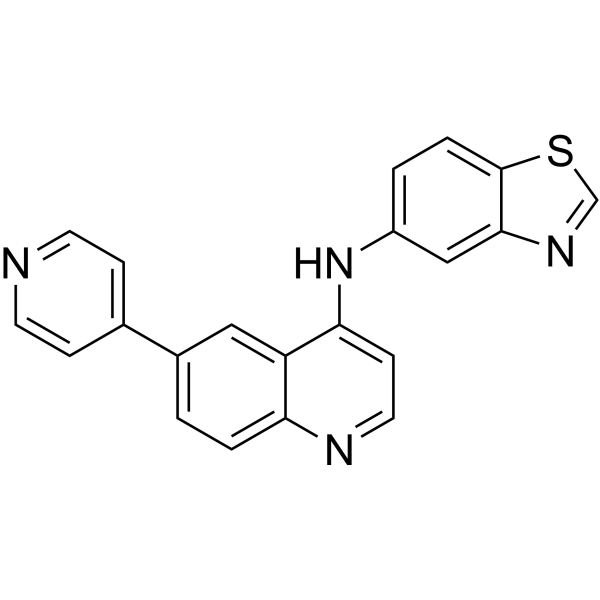
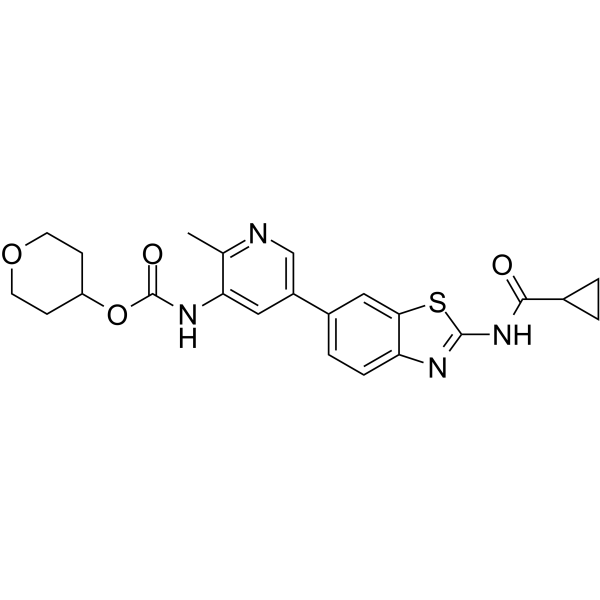
    RIPK3-IN-6 (compound 1) is a type I RIPK3 inhibitor with poor selectivity for the RIPK family, especially for RIPK2 activity .
    RIPK3-IN-6
  • HY-178464

    RIP kinase Mixed Lineage Kinase Necroptosis Neurological Disease Inflammation/Immunology
    RIPK1-IN-34 is a selective, brain-penetrant RIPK1 inhibitor (IC50 = 126.70 nM) with almost no inhibitory effect on RIPK3 (IC50 > 10, 000 nM). RIPK1-IN-34 offers substantial neuroprotection by inhibiting the phosphorylation of RIPK1, RIPK3, and mixed lineage kinase domain-like pseudokinase (MLKL) within the necroptosis pathway. RIPK1-IN-34 shows the neuroprotective effect in a rat middle cerebral artery occlusion (MCAO) model. RIPK1-IN-34 can be used for the study of anti-acute ischemic stroke (AIS) .
    RIPK1-IN-34
  • HY-175371

    RIP kinase Ligands for Target Protein for PROTAC Cancer
    RIPK1-ligand-2 is a RIPK1 inhibitor. RIPK1-ligand-2 can be used for synthesis of PROTAC RIPK1 Degrader-1 (HY-175370) .
    RIPK1-ligand-2
  • HY-143726

    RIP kinase Inflammation/Immunology
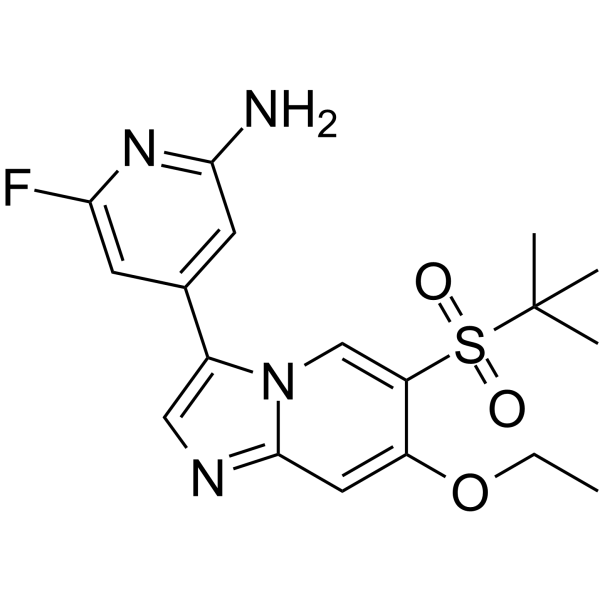
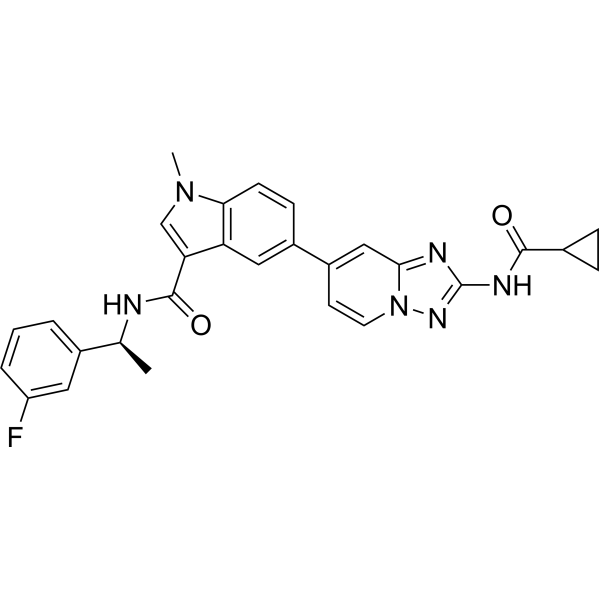
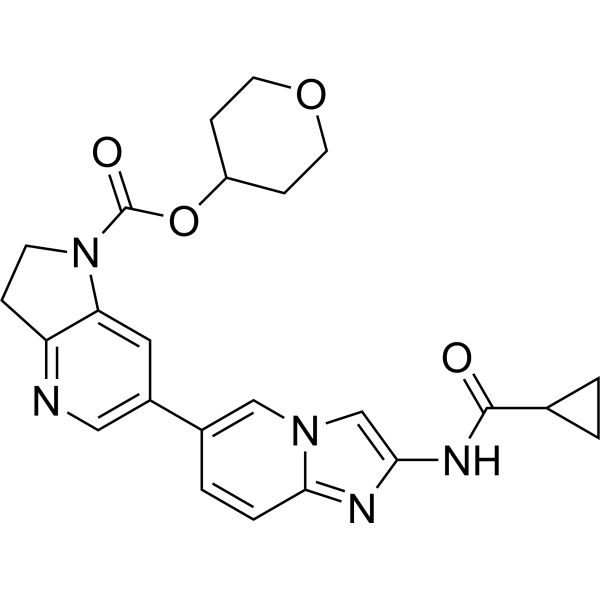
    RIPK1-IN-8 (example 16), an aminoimidazopyridine, is a potent and selective RIPK1 inhibitor with an IC50 of 4 nM. RIPK1-IN-8 has the potential for inflammatory diseases research .
    RIPK1-IN-8
  • HY-179235

    Ligands for Target Protein for PROTAC RIP kinase Cancer
    RIPK1-IN-37 is an RIPK1 inhibitor and a ligand for the target protein for PROTAC LD5097 (HY-179234). RIPK1-IN-37 can be used to synthesize PROTAC .
    RIPK1-IN-37
  • HY-171592

    RIP kinase NOD-like Receptor (NLR) TNF Receptor Inflammation/Immunology
    RIPK2-IN-7 (Compound 10w) is an orally active, selective RIPK2 inhibitor (IC50: 0.6 nM). RIPK2-IN-7 inhibits RIPK2 kinase activity, blocks the nucleotide-binding oligomerization domain (NOD) signaling pathway, and reduces the production of inflammatory factors (such as TNFα). RIPK2-IN-7 can be used in the study of inflammatory bowel disease (IBD) .
    RIPK2-IN-7
  • HY-146758

    RIP kinase Neurological Disease Inflammation/Immunology
    RIPK1-IN-14 (Compound 41) is a potent inhibitor of RIPK1 with an IC50 value of 92 nM. RIPK1-IN-14 shows a significant anti-necroptotic effect in a necroptosis model in U937 cells .
    RIPK1-IN-14
  • HY-178762S

    RIP kinase Necroptosis Inflammation/Immunology
    RIPK1-IN-35 is a selective and orally active RIPK1 inhibitor with an IC50 of 5.33 nM. RIPK1-IN-35 has a potent protective effect against necroptosis in both human and murine cells. RIPK1-IN-35 shows good therapeutic effects in both TNF-α-induced systemic inflammatory response syndrome and DSS (HY-116282C)-induced inflammatory bowel disease models. RIPK1-IN-35 can be used to the study of inflammatory diseases related to necroptosis .
    RIPK1-IN-35
  • HY-157309

    RIP kinase Cancer
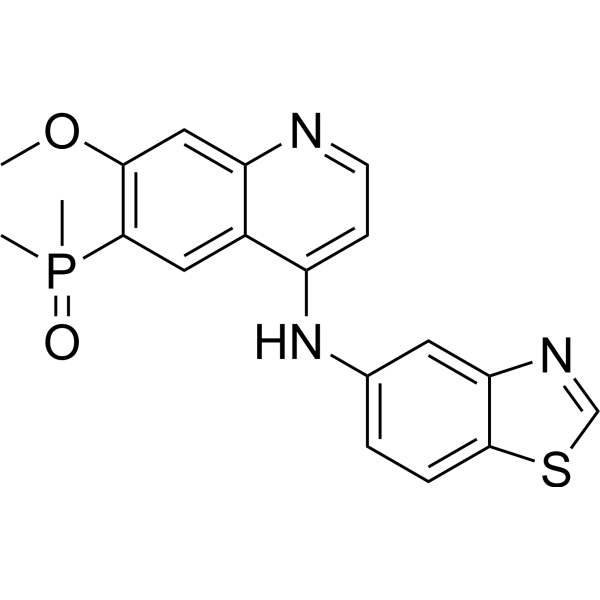
    RIPK2-IN-4 is a potent and specific RIPK2 inhibitor with an IC50 value of 5 nM .
    RIPK2-IN-4
  • HY-147235

    RIP kinase PROTACs Infection
    RIPK2-IN-2 (example 25) is a RIP2 kinase PROTAC inhibitor. RIPK2-IN-2 can block RIP2-dependent proinflammatory signaling, regulated RIP2 kinase activity in auto inflammatory diseases .
    RIPK2-IN-2
  • HY-175374

    Target Protein Ligand-Linker Conjugates RIP kinase Cancer
    RIPK1 ligand-Linker Conjugate-1 is a Target Protein Ligand-Linker Conjugate that incorporates a ligand for RIPK1 (HY-175371) and a PROTAC linker (HY-175373), which recruits E3 ligases. RIPK1 ligand-Linker Conjugate-1 can be used for synthesis of PROTAC RIPK1 Degrader-1 (HY-175370) .
    RIPK1 ligand-Linker Conjugate-1
  • HY-120600

    Necroptosis Apoptosis RIP kinase Inflammation/Immunology
    Sibiriline is a specific competitive inhibitor of RIPK1 that targets the RIPK1 ATP-binding site and locks it in an inactive conformation. Sibiriline inhibits TNF-induced RIPK1-dependent necroptosis and RIPK1-dependent apoptosis, but does not protect cells from caspase-dependent apoptosis. Sibiriline protects mice from concanavalin A-induced hepatitis and has the potential to inhibit immune-dependent hepatitis. .
    Sibiriline
  • HY-123924

    RIP kinase Inflammation/Immunology
    CSLP37 is a selective RIPK2 inhibitor with an IC50 of 16.3 nM. CSLP37 shows no inhibitory activity against RIPK1 and RIPK3. CSLP37 displays potent suppression of cellular NOD1 and NOD2 responses .
    CSLP37
  • HY-N0546R

    Nuezhenoside (Standard)

    Reference Standards CaSR RIP kinase Mixed Lineage Kinase TGF-beta/Smad Cardiovascular Disease Neurological Disease Metabolic Disease Endocrinology
    Ligustroflavone (Standard) is the analytical standard of Ligustroflavone (HY-N0546). This product is intended for research and analytical applications. Ligustroflavone is an orally active flavonoid compound. Ligustroflavone can be extracted from Ligustrum lucidum. Ligustroflavone antagonizes the calcium-sensing receptor (CaSR), inhibits the RIPK1/RIPK3/MLKL pathway, and downregulates TGF-β/Smad signaling. Ligustroflavone regulates calcium metabolism, protects bone tissue, reduces cerebral ischemic injury, and inhibits liver fibrosis. Ligustroflavone can be used in the study of diabetic osteoporosis, ischemic stroke, and liver fibrosis .
    Ligustroflavone (Standard)
  • HY-124643

    RIP kinase Cancer
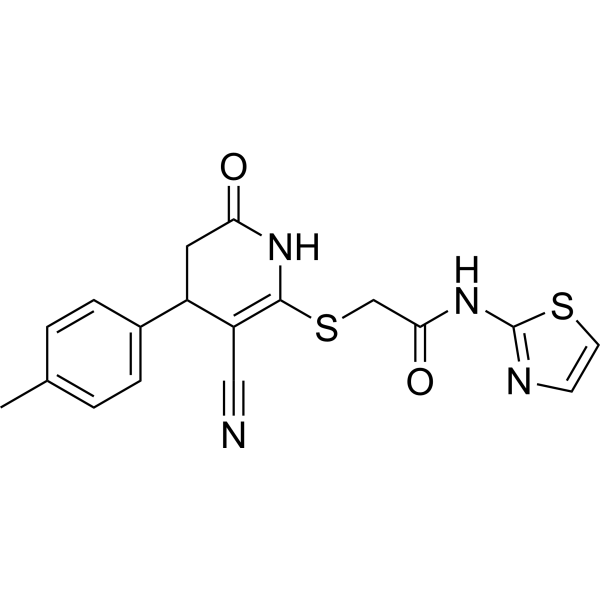
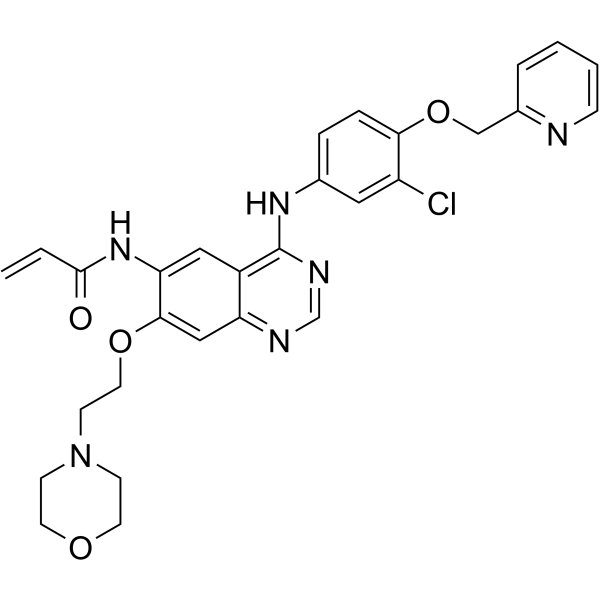
    RIPK2-IN-3 (FCG806791773) is a RIPK2 inhibitor. RIPK2-IN-3 inhibits recombinant truncated RIPK2 with an IC50 of 6.39 μM. RIPK2-IN-3 can be used for research of inflammation and cancer .
    RIPK2-IN-3
  • HY-156367

    RIP kinase Inflammation/Immunology
    RIPK1-IN-16 is an orally active and potent inhibitor of RIPK1. RIPK1-IN-16 inhibits excessive inflammation by blocking RIPK1-mediated necroptosis in vivo. RIPK1-IN-16 protects mouse from TNF-induced systemic inflammatory response syndrome and sepsis .
    RIPK1-IN-16
  • HY-146757

    RIP kinase Inflammation/Immunology
    RIPK1-IN-13 (Compound 8) is a potent inhibitor of RIPK1 with an IC50 value of 1139 nM. RIPK1-IN-13 blocks the activation of the necroptosis pathway via the inhibition of RIPK1. RIPK1-IN-13 has the potential for the research of inflammation diseases .
    RIPK1-IN-13
  • HY-170232

    RIP kinase Inflammation/Immunology
    RIPK1-IN-29 (Compound 22) is a RIPK1 inhibitor, with an IC50 of 6.9 nM. RIPK1-IN-29 exerts anti-necroptotic (Apoptosis) activity by inhibiting RIPK1. In a TNF-α-induced in vivo inflammation model, at a dose of 10 mg/kg, RIPK1-IN-29 can protect mice from hypothermia and death. RIPK1-IN-29 can be applied to the research field of inflammatory diseases .
    RIPK1-IN-29
  • HY-160216

    RIP kinase Inflammation/Immunology
    RIPK1-IN-18 (compound i) is a potent inhibitor of RIPK1. RIPK1-IN-18 can be used in autoimmune diseases research .
    RIPK1-IN-18
  • HY-175007

    RIP kinase NF-κB p38 MAPK TNF Receptor Interleukin Related Infection Inflammation/Immunology
    RIPK1-IN-32 is a RIPK inhibitor with anti-inflammatory activity. RIPK1-IN-32 inhibits nitric oxide (NO) release with an IC50 of 3.26 μM. RIPK1-IN-32 significantly alleviates acute liver injury associated with sepsis through the RIPK1/NF-κB/MAPK pathway, therefore preventing the nuclear translocation of p65 and c-fos, which results in reduced expression of TNF-α and IL-6. RIPK1-IN-32 can be used for the study of acute liver injury and sepsis .
    RIPK1-IN-32
  • HY-143480

    RIP kinase Neurological Disease Inflammation/Immunology
    RIPK1-IN-15 (Compound 2.5) is a potent inhibitor of RIPK1. RIPK1-IN-15 has the potential for the research neurodegenerative, autoimmune, and inflammatory diseases .
    RIPK1-IN-15
  • HY-172909

    RIP kinase Necroptosis Inflammation/Immunology
    RIPK3-IN-5 (compound 32) is a potent RIPK3 inhibitor with an IC50 of 27 nM. RIPK3-IN-5 also inhibits necroptosis with an EC50 of 0.45 μM .
    RIPK3-IN-5

Inquiry Online

Your information is safe with us. * Required Fields.

Salutation


Country or Region *

Applicant Name *


Organization Name *

Department *


Email Address *


Product Name *

Cat. No.


Requested quantity *

Phone Number *


Remarks

Inquiry Online

Inquiry Information

Product Name:
Cat. No.:
Quantity:
MCE Japan Authorized Agent: