Search Result
Results for "
hek293+cell
" in MedChemExpress (MCE) Product Catalog:
4
Biochemical Assay Reagents
10
Isotope-Labeled Compounds
| Cat. No. |
Product Name |
Target |
Research Areas |
Chemical Structure |
-
- HY-10219
-
-
-
- HY-100545
-
|
|
Potassium Channel
|
Cardiovascular Disease
|
|
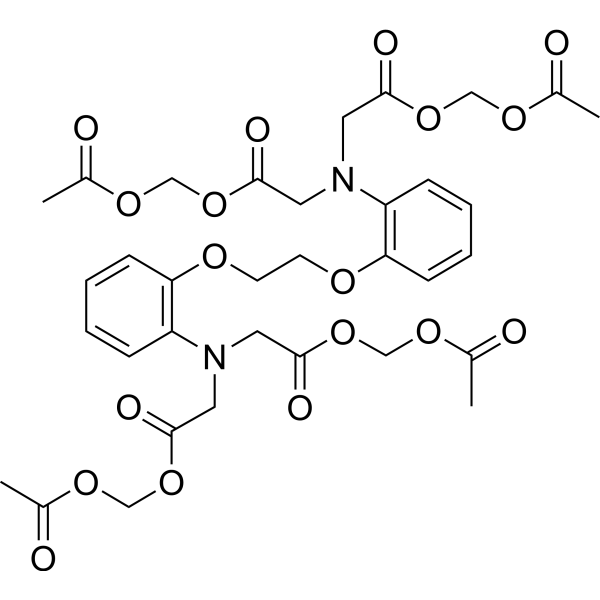
BAPTA-AM is a well-known membrane permeable Ca 2+ chelator. BAPTA-AM inhibits hERG channels, hKv1.3 and hKv1.5 channels in HEK 293 cells with IC50s of 1.3 μM, 1.45 μM and 1.23 μM, respectively .
|
-
-
- HY-112683
-
|
|
ASCT
|
Cancer
|
|
V-9302 is a competitive antagonist of transmembrane glutamine flux. V-9302 selectively and potently targets the amino acid transporter ASCT2 (SLC1A5) not ASCT1. V-9302 inhibits ASCT2-mediated glutamine uptake (IC50=9.6 μM) in HEK-293 cells .
|
-
-
- HY-15518
-
|
|
IAP
|
Cancer
|
|
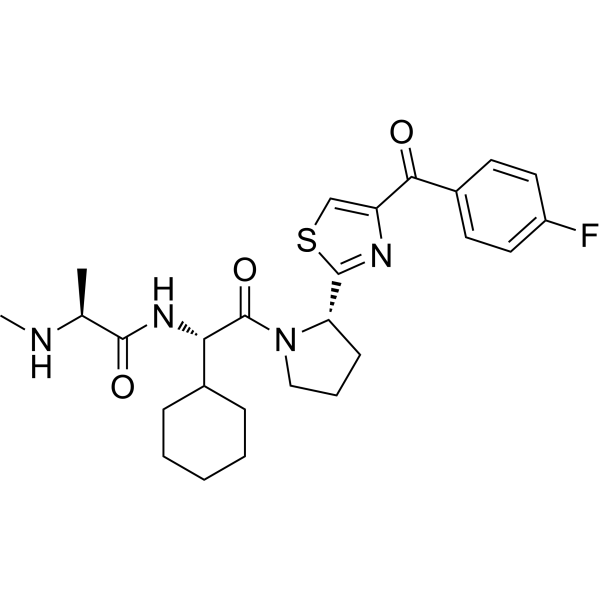
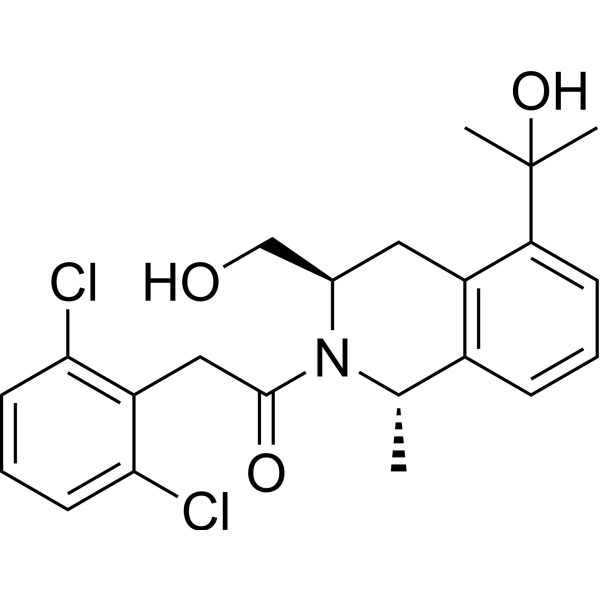
LCL161 is a IAP inhibitor which inhibits XIAP in HEK293 cell and cIAP1 in MDA-MB-231 cell with IC50s of 35 and 0.4 nM, respectively.
|
-
-
- HY-101560
-
|
BMS-986205; ONO-7701
|
Indoleamine 2,3-Dioxygenase (IDO)
|
Cancer
|
|
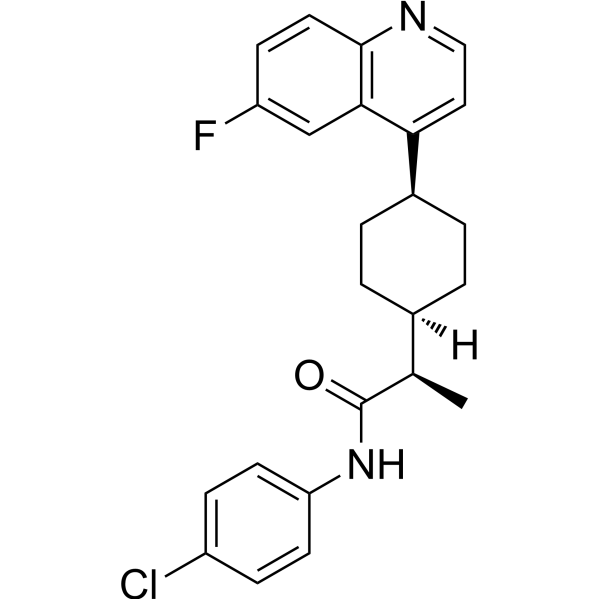
Linrodostat (BMS-986205) is a selective and irreversible indoleamine 2,3-dioxygenase 1 (IDO1) inhibitor with an IC50 value of 1.1 nM in IDO1-HEK293 cells. Linrodostat is well tolerated with potent pharmacodynamic activity in advanced cancers .
|
-
-
- HY-112683A
-
|
|
ASCT
|
Cancer
|
|
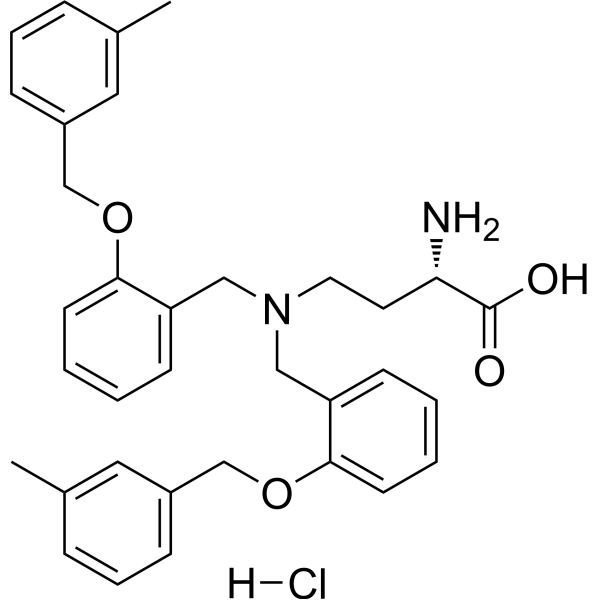
V-9302 hydrochloride is a competitive antagonist of transmembrane glutamine flux. V-9302 hydrochloride selectively and potently targets the amino acid transporter ASCT2 (SLC1A5) not ASCT1. V-9302 hydrochloride inhibits ASCT2-mediated glutamine uptake (IC50=9.6 µM) in HEK-293 cells .
|
-
-
- HY-13290
-
|
|
CaMK
P2X Receptor
|
Metabolic Disease
Cancer
|
|
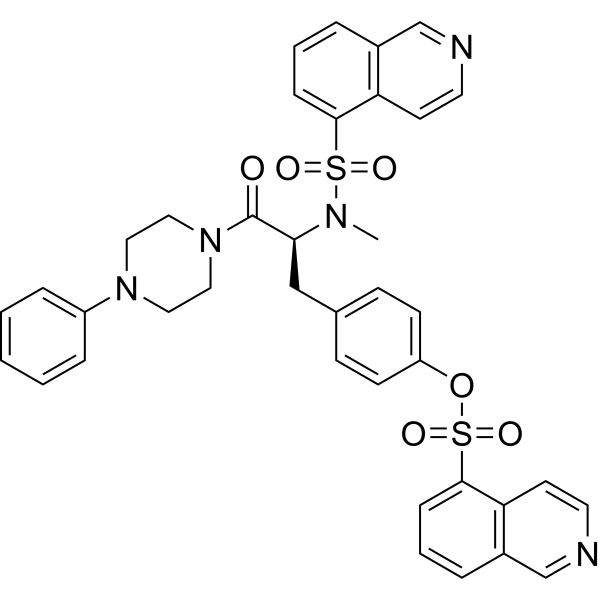
KN-62 is a selective and reversible inhibitor of calmodulin-dependent protein kinase II (CaMK-II) with a Ki of 0.9 μM for rat brain CaMK-II. KN-62 directly binds to the calmodulin binding site of CaMK-II. KN-62 displays noncompetitive antagonism at P2X7 receptors in HEK293 cells, with an IC50 value of approximately 15 nM.
|
-
-
- HY-10007
-
|
SB-262470A
|
CaSR
|
Metabolic Disease
|
|
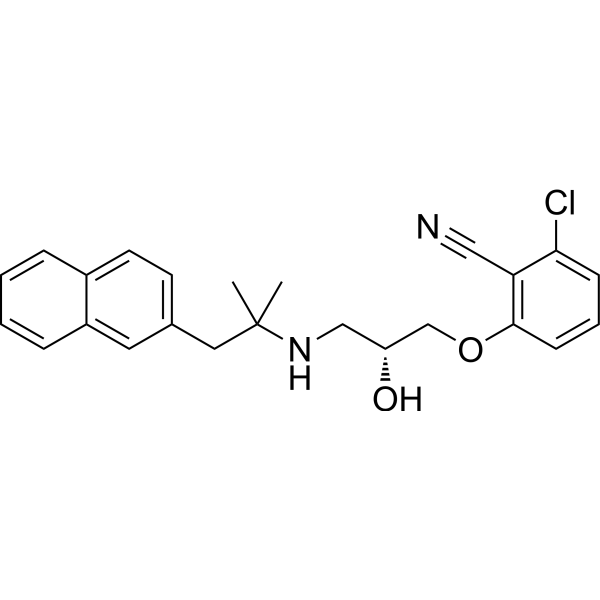
NPS-2143 (SB-262470A), an orally active calcilytic agent, is a selective and potent calcium ion-sensing receptor (CaSR) antagonist. NPS-2143 (SB-262470A) blocks increases in cytoplasmic Ca 2+ concentrations (IC50=43 nM) elicited by activating the Ca 2+ receptor in HEK 293 cells expressing the human Ca 2+ receptor .
|
-
-
- HY-119695
-
|
Tenivastatin
|
HMG-CoA Reductase (HMGCR)
Reactive Oxygen Species (ROS)
|
Cardiovascular Disease
Cancer
|
|
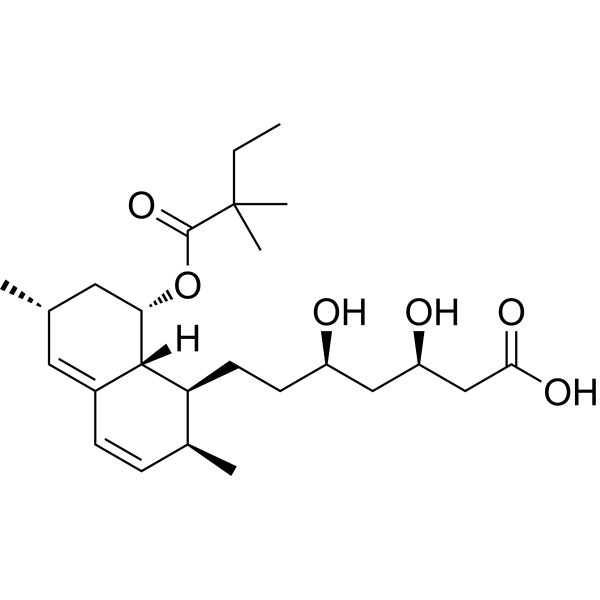
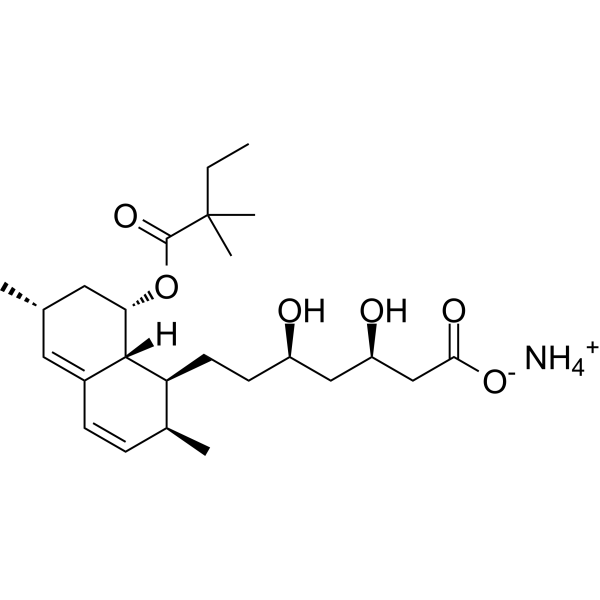
Simvastatin acid (Tenivastatin), a hydrolysate of Simvastatin (HY-17502), is a HMG-CoA reductase (HMGCR) inhibitor. Simvastatin acid reduces Indoxyl sulfate-mediated reactive oxygen species (ROS) production in human cardiomyocytes. Simvastatin acid can also modulates OATP3A1 expression in cardiomyocytes and HEK293 cells transfected with the OATP3A1 gene .
|
-
-
- HY-100403
-
|
|
mGluR
|
Cancer
|
|
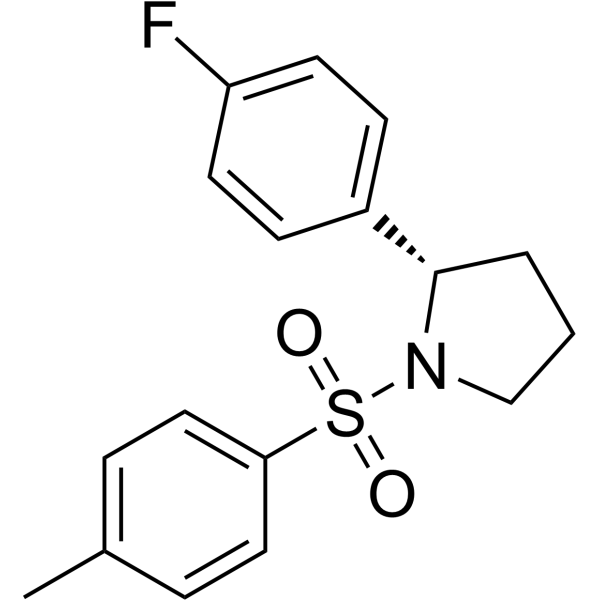
Ro 67-7476 is a potent positive allosteric modulator of mGluR1 and potentiates glutamate-induced calcium release in HEK293 cells expressing rat mGluR1a with an EC50 of 60.1 nM . Ro 67-7476 is a potent P-ERK1/2 agonist and activates ERK1/2 phosphorylation in the absence of exogenously added glutamate (EC50=163.3 nM) .
|
-
-
- HY-115292
-
|
Tenivastatin sodium; Simvastatin Impurity A sodium
|
HMG-CoA Reductase (HMGCR)
Reactive Oxygen Species (ROS)
|
Cardiovascular Disease
Inflammation/Immunology
|
|
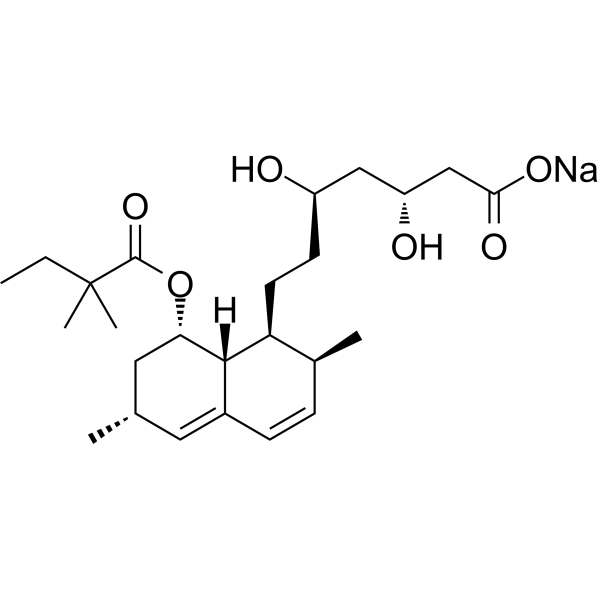
Simvastatin hydroxy acid (Tenivastatin) sodium is a potent HMG-CoA reductase (HMGCR) inhibitor. Simvastatin hydroxy acid sodium reduces Indoxyl sulfate-mediated reactive oxygen species (ROS) production in human cardiomyocytes. Simvastatin hydroxy acid sodium can also modulates OATP3A1 expression in cardiomyocytes and HEK293 cells transfected with the OATP3A1 gene .
|
-
-
- HY-P0221C
-
|
|
PACAP Receptor
|
Metabolic Disease
|
|
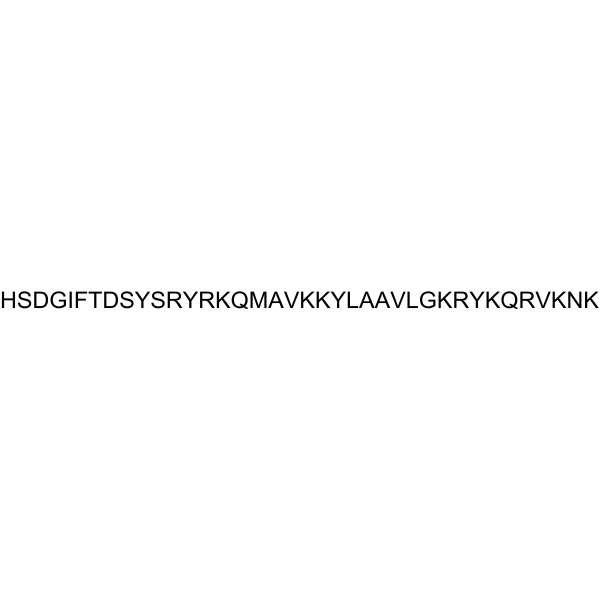
PACAP (1-38) free acid is a desamido-PACAP (1-38), human, ovine, rat (HY-P0221). PACAP (1-38) free acid can activate the human PAC1 receptor. PACAP (1-38) free acid induces cyclic AMP (cAMP) generation in both NS-1 neuroendocrine cells and non-neuroendocrine HEK293 cells .
|
-
-
- HY-101202
-
|
NIH 10815
|
Opioid Receptor
|
Neurological Disease
|
|
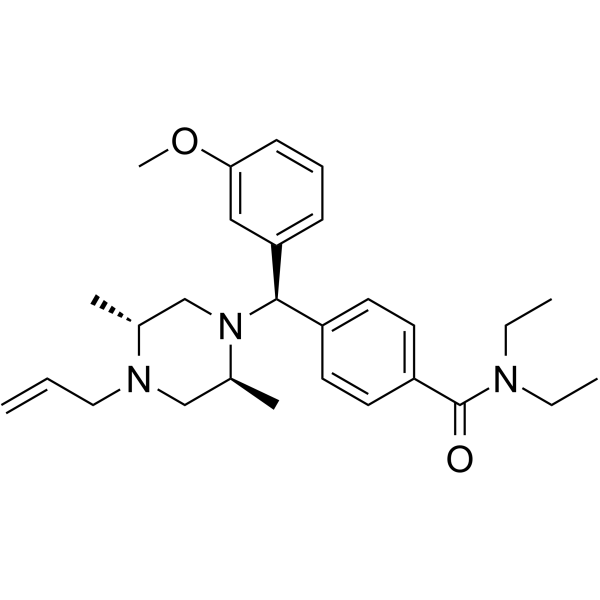
SNC80 (NIH 10815) is a potent, highly selective and non-peptide δ-opioid receptor agonist with a Ki of 1.78 nM and an IC50 of 2.73 nM. SNC80 also selectively activates μ-δ heteromer in HEK293 cells with an EC50 of 52.8 nM. SNC80 shows antinociceptive, antihyperalgesic and antidepressant‐like effects. SNC80 has the potential for multiple headache disorders treatment .
|
-
-
- HY-119695A
-
-
-
- HY-131881
-
|
|
mAChR
|
Neurological Disease
|
|
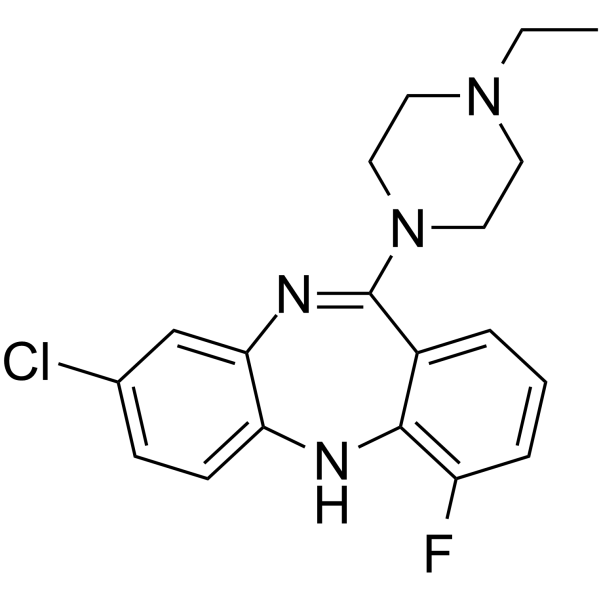
JHU37160 is a potent and brain-penetrant DREADD agonist, with EC50s of 18.5 nM and 0.2 nM for hM3Dq and hM4Di DREADDs in HEK-293 cells, respectively. JHU37160 exhibits selective [ 3H]Clozapine displacement from DREADDs and not from other Clozapine-binding sites in mice brain tissue .
|
-
-
- HY-10171
-
|
SB-262470A hydrochloride
|
CaSR
|
Metabolic Disease
|
|
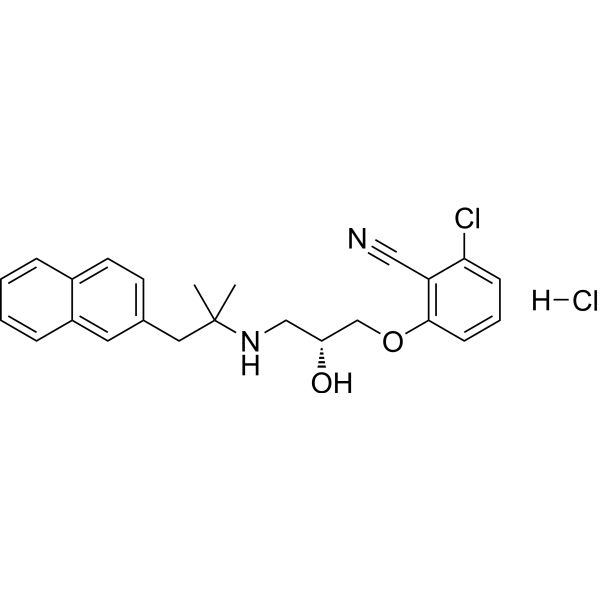
NPS-2143 hydrochloride (SB-262470A hydrochloride), an orally active calcilytic agent, is a selective and potent calcium ion-sensing receptor (CaSR) antagonist. NPS-2143 hydrochloride (SB-262470A hydrochloride) blocks increases in cytoplasmic Ca 2+ concentrations (IC50=43 nM) elicited by activating the Ca 2+ receptor in HEK 293 cells expressing the human Ca 2+ receptor .
|
-
-
- HY-108584
-
|
BMS-204352
|
Potassium Channel
|
Neurological Disease
|
|
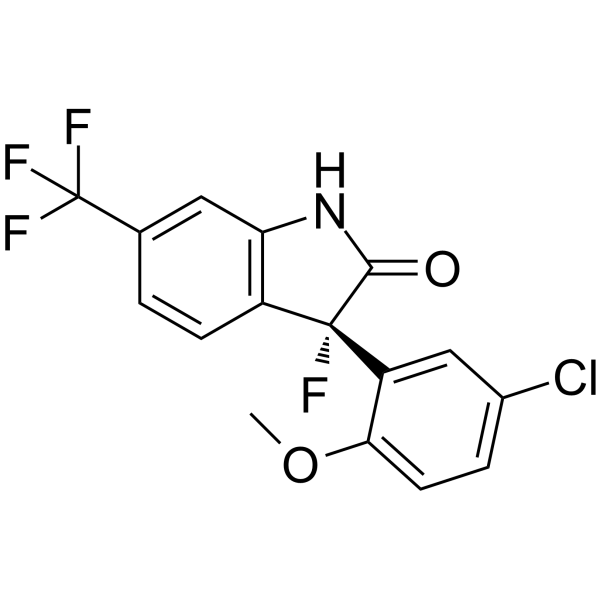
Flindokalner (BMS-204352) is a potassium channel modulator. Flindokalner is a positive modulator of all neuronal Kv7 channel subtypes expressed in HEK293 cells. Flindokalner is also a large conductance calcium-activated K channel (BKca) positive modulator. Flindokalner shows a negative modulatory activity at Kv7.1 channels (Ki=3.7 μM), and acts as a negative modulator of GABAA receptors. Flindokalner shows anxiolytic efficacy in vivo .
|
-
-
- HY-50883
-
|
|
γ-secretase
|
Neurological Disease
|
|
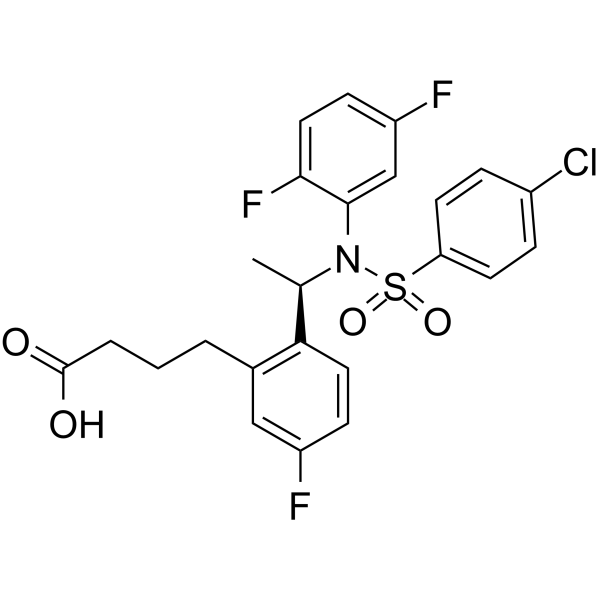
BMS 299897 is a sulfonamide γ-secretase inhibitor with an IC50 of 7 nM for Aβ production inhibition in HEK293 cells stably overexpressing amyloid precursor protein (APP).
|
-
-
- HY-10219S
-
|
Sirolimus-d3; AY-22989-d3; NSC 226080-d3
|
Isotope-Labeled Compounds
mTOR
FKBP
Autophagy
|
Cancer
|
|
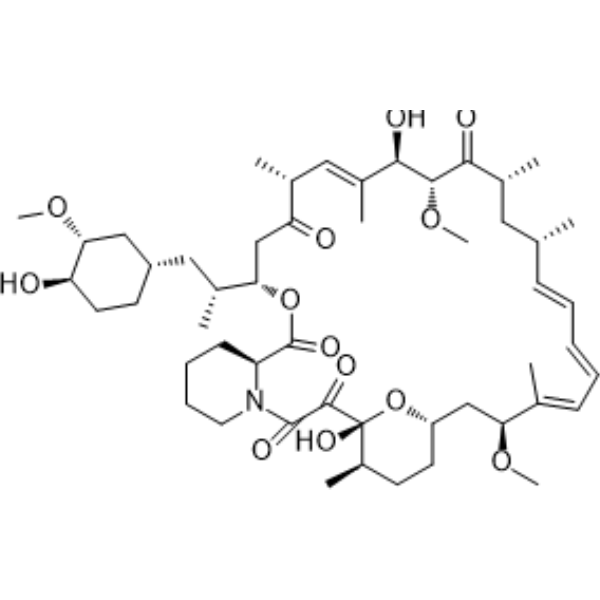
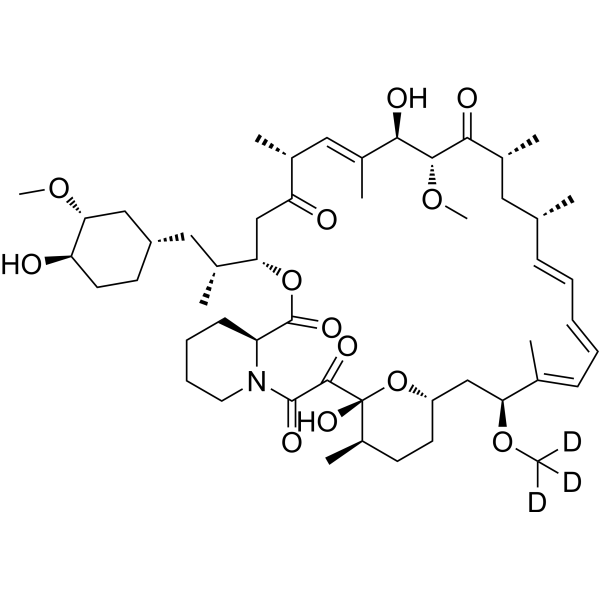
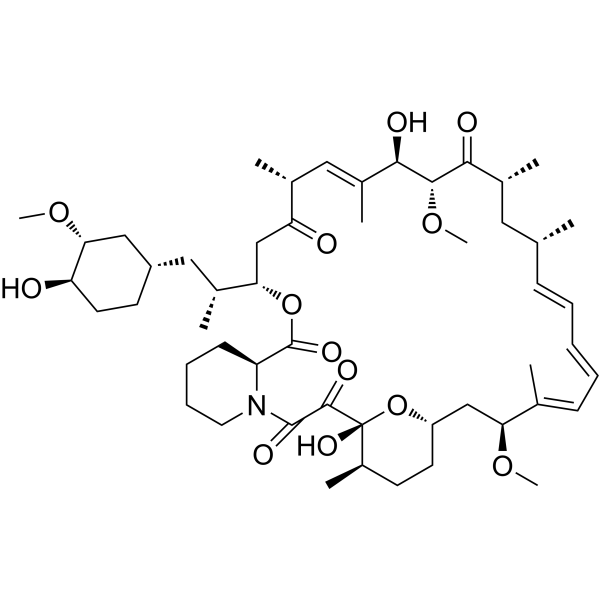
Rapamycin-d3 is the deuterium labeled Rapamycin. Rapamycin is a potent and specific mTOR inhibitor with an IC50 of 0.1 nM in HEK293 cells. Rapamycin binds to FKBP12 and specifically acts as an allosteric inhibitor of mTORC1. Rapamycin is an autophagy activator, an immunosuppressant .
|
-
-
- HY-10219R
-
|
Sirolimus (Standard); AY-22989 (Standard); NSC 226080 (Standard)
|
Reference Standards
mTOR
FKBP
Fungal
Autophagy
Endogenous Metabolite
Antibiotic
Bacterial
|
Cancer
|
|
Rapamycin (Standard) is the analytical standard of Rapamycin (HY-10219). This product is intended for research and analytical applications. Rapamycin (Sirolimus; AY 22989) is a potent and specific mTOR inhibitor with an IC50 of 0.1 nM in HEK293 cells. Rapamycin binds to FKBP12 and specifically acts as an allosteric inhibitor of mTORC1 . Rapamycin is an autophagy activator, an immunosuppressant .
|
-

-
- HY-18056
-
|
|
11β-HSD
|
Metabolic Disease
|
|
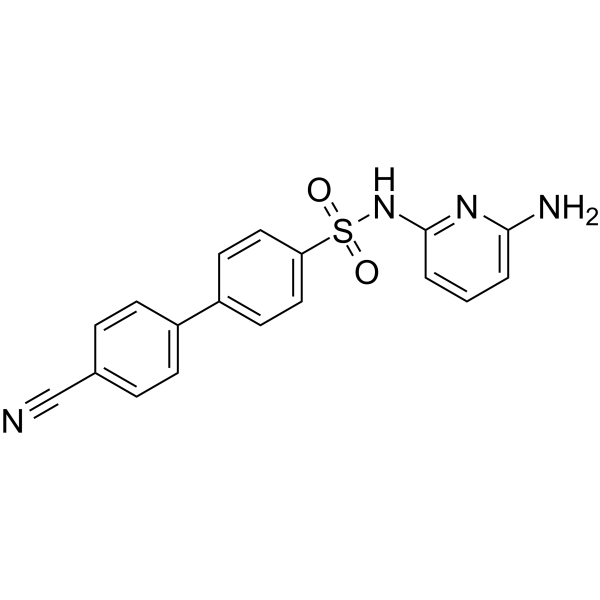
PF-915275 is a potent, selective and orally active human 11β-hydroxysteroid dehydrogenase type 1 (11βHSD1) inhibitor with a Ki of 2.3 nM and an EC50 of 15 nM (in HEK293 cells). The dose-dependent effect of PF-915275 on conversion of cortisone to cortisol in primary human and monkey hepatocytes, with an EC50 of 20 and 100 nM, respectively .
|
-
-
- HY-100360
-
MS049
1 Publications Verification
|
Histone Methyltransferase
|
Cancer
|
|
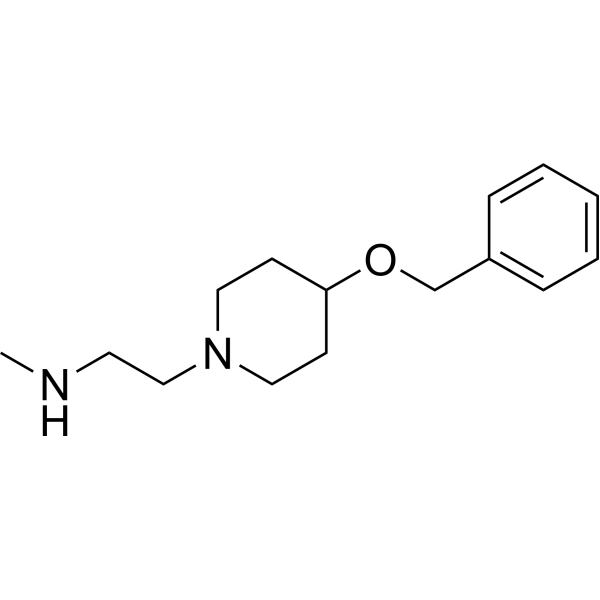
MS049, a chemical probe, is a potent, selective, and cell-active dual inhibitor of PRMT4 and PRMT6 with IC50s of 34 nM and 43 nM, respectively. MS049 reduces levels of Med12me2a and H3R2me2a in HEK293 cells. MS049 is not toxic and does not affect the growth of HEK293 cells .
|
-
-
- HY-100013C
-
|
|
GPR88
|
Neurological Disease
|
|
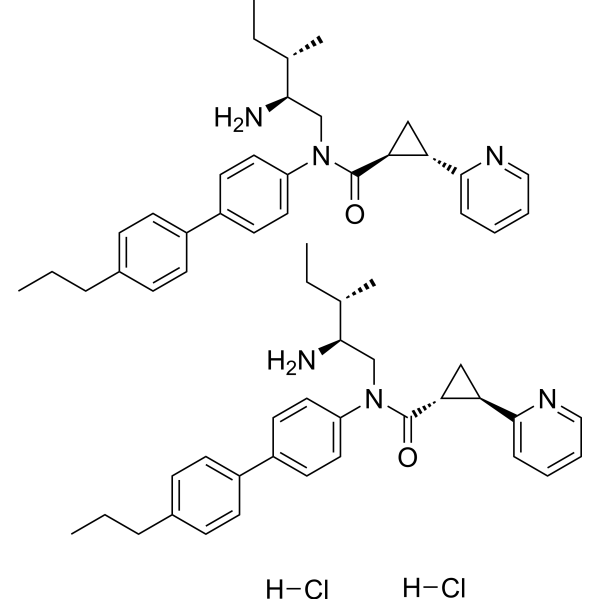
2-PCCA hydrochloride is a GPR88 receptor agonist, and inhibits GPR88-mediated cAMP production, with an EC50 of 116 nM in HEK293 cells.
|
-
-
- HY-19889
-
|
|
5-HT Receptor
|
Neurological Disease
|
|
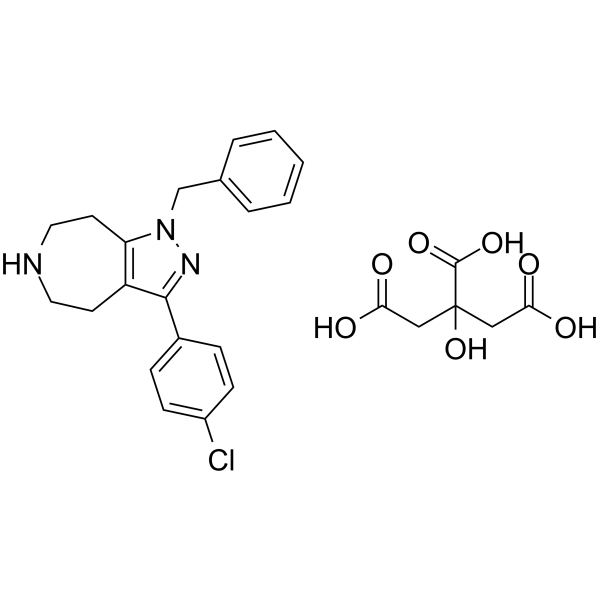
JNJ-18038683 is a 5-Hydroxytryptamine Type 7 (5-HT7) receptor antagonist, with pKis of 8.19, 8.20 for rat and human 5-HT7 in HEK293 cells, respectively.
|
-
-
- HY-P4376A
-
|
|
CaSR
|
Neurological Disease
|
|
Gamma-Glu-Abu TFA is the TFA salt form of Gamma-Glu-Abu (HY-P4376). Gamma-Glu-Abu TFA is an agonist for calcium sensing receptor (CaSR), that activates the CaSR with an EC50 of 0.21 μM in HEK-293 cell .
|
-

-
- HY-10219S1
-
|
Sirolimus-13C,d3; AY-22989-13C,d3 NSC 226080-13C,d3
|
Isotope-Labeled Compounds
mTOR
FKBP
Fungal
Autophagy
Endogenous Metabolite
Antibiotic
Bacterial
|
Cancer
|
|
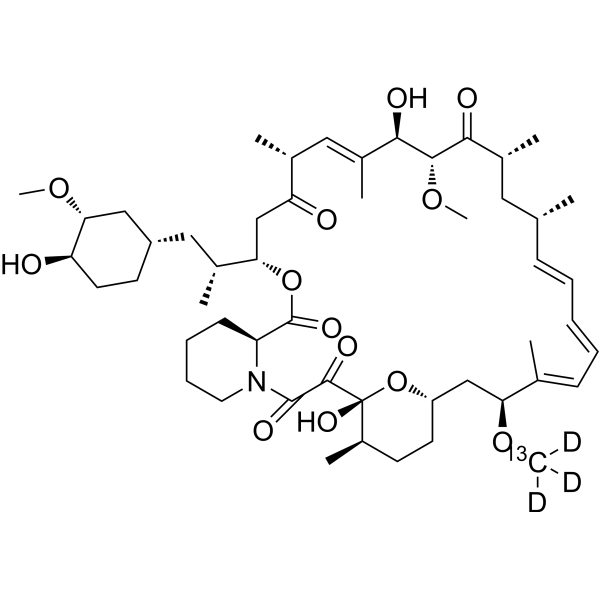
Rapamycin- 13C,d3 (Sirolimus- 13C,d3) is the 13C and deuterium labeled Rapamycin (HY-10219) . Rapamycin is a potent and specific mTOR inhibitor with an IC50 of 0.1 nM in HEK293 cells. Rapamycin binds to FKBP12 and specifically acts as an allosteric inhibitor of mTORC1. Rapamycin is an autophagy activator, an immunosuppressant .
|
-
-
- HY-10219G
-
|
Sirolimus; AY-22989; NSC 226080
|
mTOR
FKBP
Fungal
Autophagy
Endogenous Metabolite
Antibiotic
Bacterial
|
Infection
Cancer
|
|
Rapamycin (Sirolimus) (GMP) is Rapamycin (HY-10219) produced by using GMP guidelines. GMP small molecules works appropriately as an auxiliary reagent for cell therapy manufacture. Rapamycin (Sirolimus; AY 22989) is a potent and specific mTOR inhibitor with an IC50 of 0.1 nM in HEK293 cells. Rapamycin binds to FKBP12 and specifically acts as an allosteric inhibitor of mTORC1 . Rapamycin is an autophagy activator, an immunosuppressant .
|
-

-
- HY-10219GL
-
|
Sirolimus (GMP Like); AY-22989 (GMP Like); NSC 226080 (GMP Like)
|
mTOR
FKBP
Fungal
Autophagy
Endogenous Metabolite
Antibiotic
Bacterial
|
Cancer
|
|
Rapamycin (Sirolimus) GMP Like is Rapamycin (HY-10219) produced by using GMP like guidelines. GMP Like small molecules works appropriately as an auxiliary reagent for cell therapy manufacture. Rapamycin (Sirolimus; AY 22989) is a potent and specific mTOR inhibitor with an IC50 of 0.1 nM in HEK293 cells. Rapamycin binds to FKBP12 and specifically acts as an allosteric inhibitor of mTORC1 . Rapamycin is an autophagy activator, an immunosuppressant .
|
-
-
- HY-19774
-
-
-
- HY-19775
-
|
|
ROR
|
Inflammation/Immunology
|
|
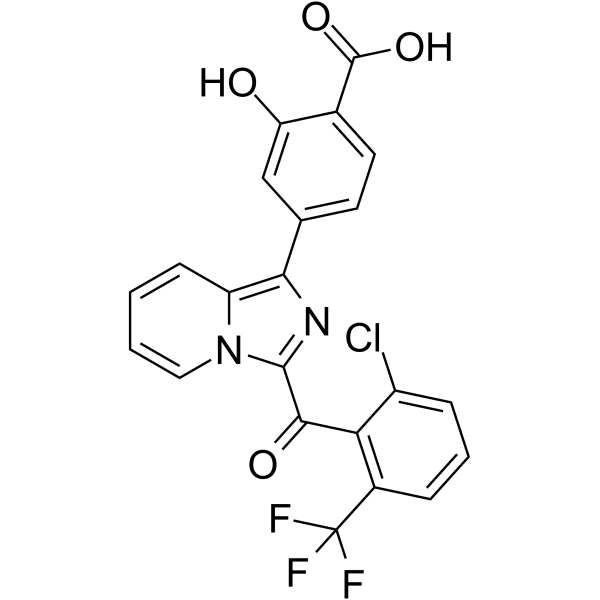
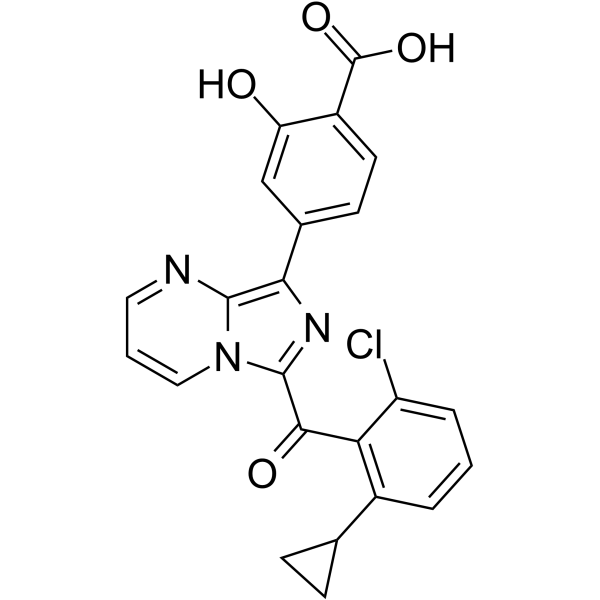
GNE-6468 is a highly potent and selective RORγ (RORc) inverse agonist with an EC50 value of 13 nM for HEK-293 cell. GNE-6468 exhibits an EC50 of 30 nM for IL-17 PBMC .
|
-
-
- HY-150737
-
|
|
SARS-CoV
|
Infection
|
|
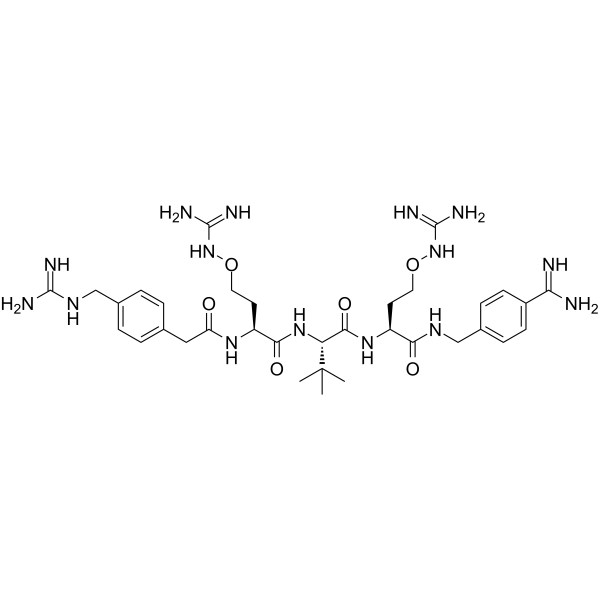
MI-1851 is a potent furin inhibitor. MI-1851 prevents the proteolytic processing of the S protein of SARS-CoV-2 by endogenous flavoprotease in HEK293 cells. MI-185 has antiviral activity .
|
-
-
- HY-114333
-
|
1-Octyl 2-oxopentanedioate
|
HIF/HIF Prolyl-Hydroxylase
|
Metabolic Disease
Cancer
|
|
Octyl-α-ketoglutarate (1-Octyl 2-oxopentanedioate) is a stable, cell-permeable form of α-ketoglutarate which accumulates rapidly in HEK293 cells with a dysfunctional tricarboxylic acid (TCA) cycle, stimulating prolyl hydroxylase (PHD) activity. In addition, Octyl-α-ketoglutarate competitively blocks succinate- or fumarate-mediated inhibition of PHD .
|
-

-
- HY-174140
-
|
|
Chemerin Receptor
|
Metabolic Disease
Inflammation/Immunology
|
|
VU0514009 is a competitive chemokine-like receptor 1 (CMKLR1) antagonist (EC50=2 nM). VU0514009 prevents chemerin-9-induced arrestin recruitment and receptor internalization, significantly reducing Ca 2+ flux response in HEK293 cells. VU0514009 is promising for research of inflammatory diseases and metabolic syndrome .
|
-

-
- HY-115553
-
|
|
Dopamine Receptor
|
Neurological Disease
|
|
DETQ is a selective, allosteric and orally active dopamine D1 receptor (Dopamine Receptor) potentiator. In HEK293 cells expressing the human D1 receptor, DETQ increases cAMP with an EC50 of 5.8 nM and a Kb of 26 nM. DETQ shows ~30-fold less potent at rat and mouse D1 receptors and is inactive at the human D5 receptor .
|
-
-
- HY-100545R
-
|
|
Reference Standards
Potassium Channel
|
Cardiovascular Disease
|
|
BAPTA-AM (Standard) is the analytical standard of BAPTA-AM. This product is intended for research and analytical applications. BAPTA-AM is a well-known membrane permeable Ca2+ chelator. BAPTA-AM inhibits hERG channels, hKv1.3 and hKv1.5 channels in HEK 293 cells with IC50s of 1.3 μM, 1.45 μM and 1.23 μM, respectively .
|
-

-
- HY-116326
-
|
|
Leukotriene Receptor
|
Inflammation/Immunology
|
|
BayCysLT2, an isophthalic acid derivative, is a selective and potent cysteinyl leukotriene 2 (CysLT2) receptor antagonist with an IC50 value of 53 nM. BayCysLT2 inhibits calcium mobilization induced by leukotriene D4 in HEK293 cells expressing human CysLT2 receptors. BayCysLT2 reverses LTC4-induced increases in coronary artery perfusion pressure and decreases in contractility in isolated perfused guinea pig hearts .
|
-

-
- HY-136583
-
|
|
Drug Metabolite
|
Others
|
|
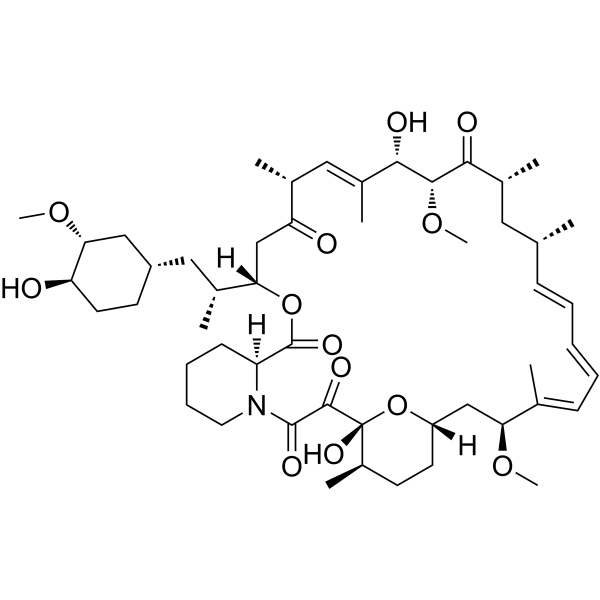
28-Epirapamycin is an impurity of Rapamycin. Rapamycin is a potent and specific mTOR inhibitor with an IC50 of 0.1 nM in HEK293 cells .
|
-
-
- HY-16934
-
|
|
Cholinesterase (ChE)
|
Neurological Disease
|
|
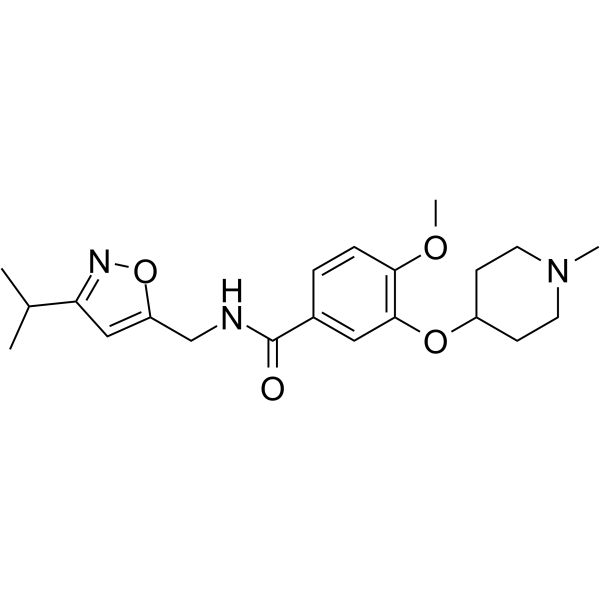
ML352 is a noncompetitive inhibitor of the presynaptic choline transporter (CHT) with Ki
values of 92 and 166 nM for HEK293 cells expressing human CHT and mouse forebrain synaptosomes, respectively .
|
-
-
- HY-100801
-
|
|
EAAT
|
Neurological Disease
|
|
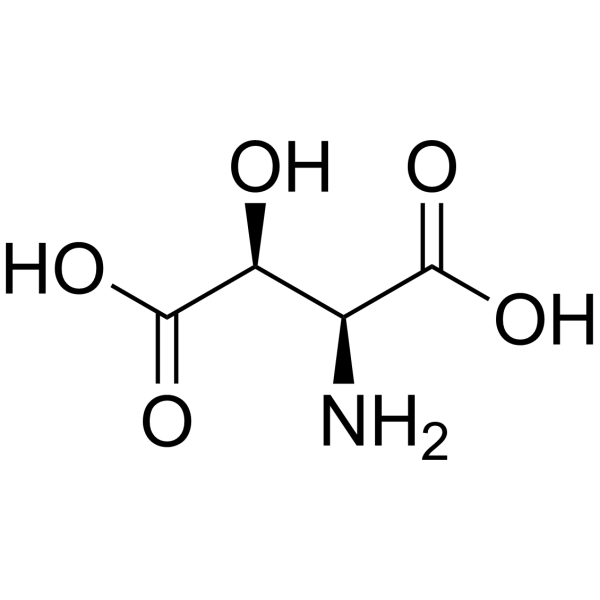
L-threo-3-Hydroxyaspartic acid is a potent EAAT inhibitor with Kis of 11, 19 and 14 μM for EAAT1, EAAT2 and EAAT3, respectively in HEK293 cell lines .
|
-
-
- HY-114633
-
VU625
2 Publications Verification
|
Potassium Channel
|
Others
|
|
VU625 is an inhibitor for potassium channel, that selectively inhibits mosquito Aedes aegypti inward rectifier potassium channel 1 (AeKir), with IC50 of 96.8 nM in HEK293 cell. VU625 can be used in development of insecticide .
|
-

-
- HY-131891
-
|
|
mAChR
|
Neurological Disease
|
|
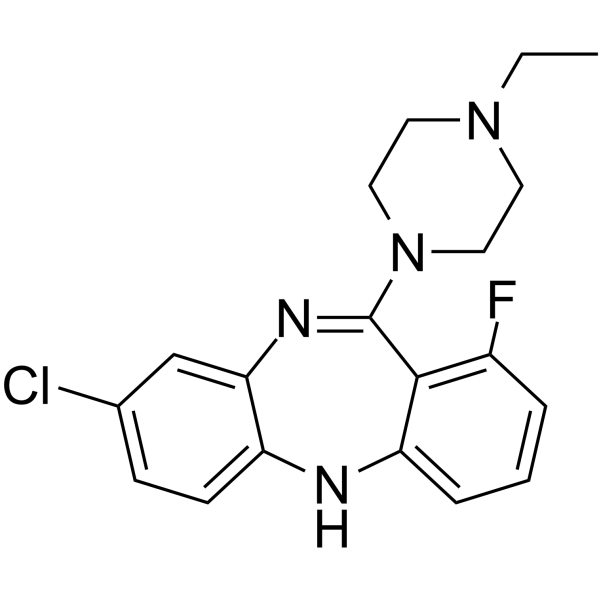
JHU37152 is a potent and brain-penetrant DREADD agonist, with EC50s of 5 nM and 0.5 nM for hM3Dq and hM4Di DREADDs in HEK-293 cells, respectively. JHU37152 exhibits selective [ 3H]Clozapine displacement from DREADDs and not from other Clozapine-binding sites in mice brain tissue .
|
-
-
- HY-164911
-
|
|
Potassium Channel
|
Endocrinology
|
|
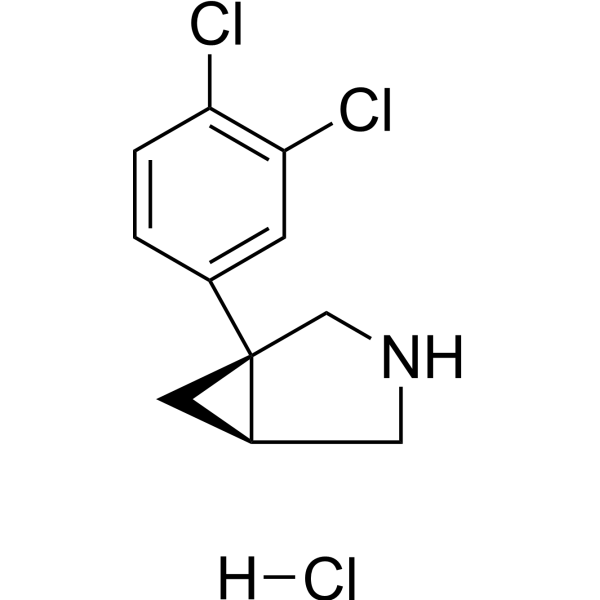
VU0546110 is a selective inhibitor of the sperm-specific potassium channel SLO3, with IC50s of 1.287 μM (SLO3) and 59.80 μM (SLO1) in HEK293 cells, respectively. VU0546110 blocks heterologous SLO3 currents and endogenous K + currents in human sperm. VU0546110 halts sperm hyperpolarization, induced acrosome reaction, and hyper-activated motility. VU0546110 has contraceptive potential .
|
-

-
- HY-18332A
-
-
-
- HY-163384
-
|
|
Dopamine Transporter
|
Neurological Disease
|
|
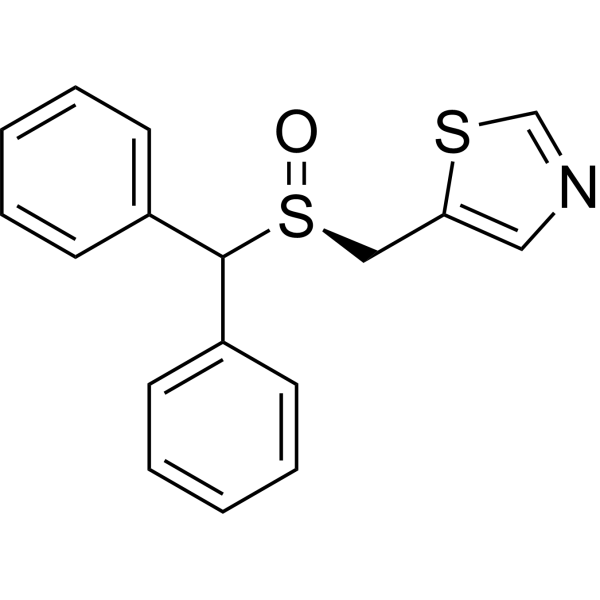
(S)-CE-123 is a potent, selective, and novel atypical dopamine transporter (DAT) inhibitor with an EC50 of 2.76 μM in uptake inhibition assays conducted in HEK293 cells stably expressing human isoforms of DAT. (S)-CE-123, a Modafinil analogue, is able to penetrate the blood–brain barrier. (S)-CE-123 improves cognitive and motivational processes in experimental animals .
|
-
-
- HY-P990667B
-
|
|
Integrin
|
Inflammation/Immunology
|
|
STX-100 (Biotinylated) is a biotin-labeled STX-100 (HY-P990667). STX-100 is a humanized antibody expressed in HEK293 cells, targeting Integrin aVb6 (ITGAV & ITGB6) .
|
-

-
- HY-160811
-
|
|
VEGFR
|
Cancer
|
|
hVEGF-IN-3 (compound 9) is a potent hVEGF inhibitor. hVEGF-IN-3 inhibits HT-29, MCF-7, and HEK-293 cells proliferation with IC50s of 61, 142, and 114 μM .
|
-

-
- HY-119695B
-
|
Tenivastatin calcium hydrate
|
HMG-CoA Reductase (HMGCR)
Reactive Oxygen Species (ROS)
|
Cardiovascular Disease
Inflammation/Immunology
|
|
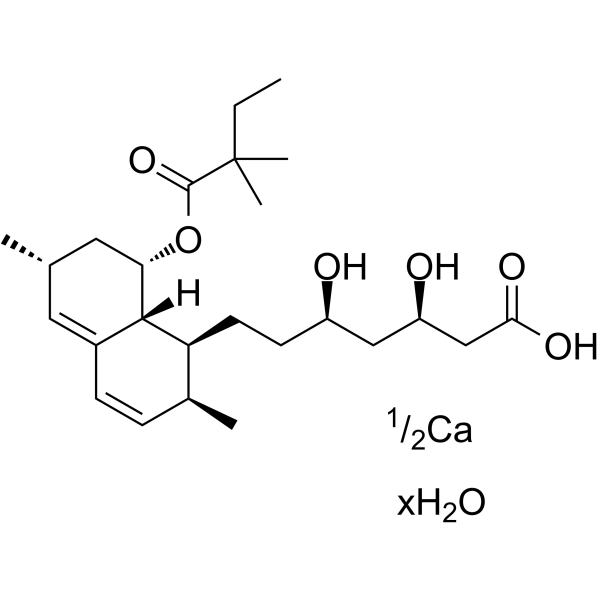
Simvastatin acid (Tenivastatin) calcium hydrate is a potent HMG-CoA reductase (HMGCR) inhibitor. Simvastatin acid calcium hydrate reduces Indoxyl sulfate-mediated reactive oxygen species (ROS) production in human cardiomyocytes. Simvastatin acid calcium hydrate can also modulates OATP3A1 expression in cardiomyocytes and HEK293 cells transfected with the OATP3A1 gene .
|
-
-
- HY-172419
-
|
GM-1020
|
iGluR
|
Neurological Disease
|
|
Blixeprodil (GM-1020) is the orally active antagonist for NMDA receptor with an affinity of Ki=3.25 µM in rat cortical tissue. Blixeprodil inhibits NR1/2A-NMDAR-mediated currents in HEK293 cell with IC50 of 1.192 µM. Blixeprodil exhibits antidepressant in rats models. Blixeprodil can cross blood-brain barrier .
|
-

-
- HY-103118
-
|
|
5-HT Receptor
Apoptosis
|
Neurological Disease
Cancer
|
|
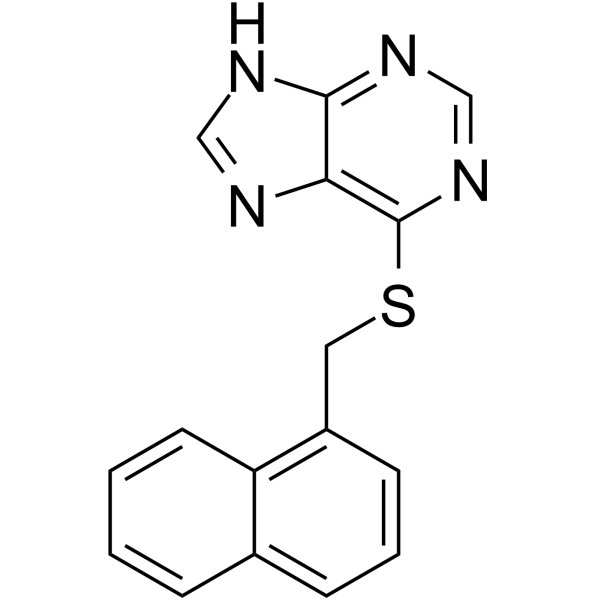
PU02, a derivative of 6-MP (HY-13677), is a negative allosteric modulator (NAM) of 5-HT3 receptor, with IC50 values of 0.36 and 0.73 μM in HEK293 cells transfected with human 5-HT3A and 5-HT3AB receptors respectively .
|
-
-
- HY-100360A
-
|
|
Histone Methyltransferase
|
Cancer
|
|
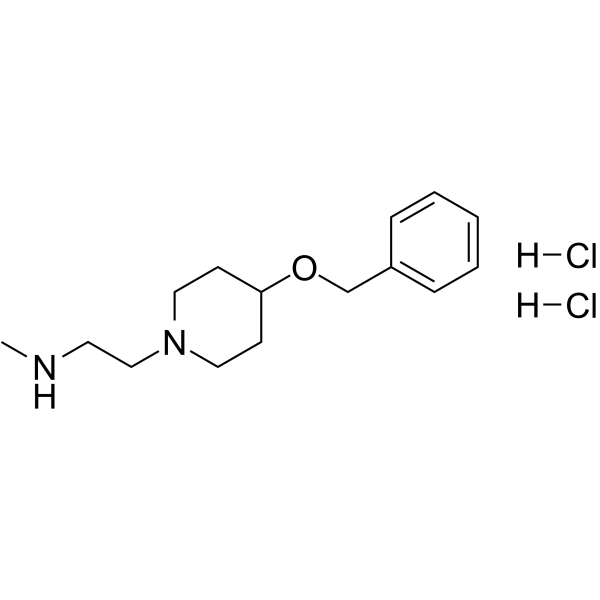
MS049 dihydrochloride is a potent, selective, and cell-active dual inhibitor of PRMT4 and PRMT6 with IC50s of 34 nM and 43 nM, respectively. MS049 dihydrochloride reduces levels of Med12me2a and H3R2me2a in HEK293 cells. MS049 dihydrochloride is not toxic and does not affect the growth of HEK293 cells .
|
-
- HY-P4376
-
|
|
CaSR
|
Neurological Disease
|
|
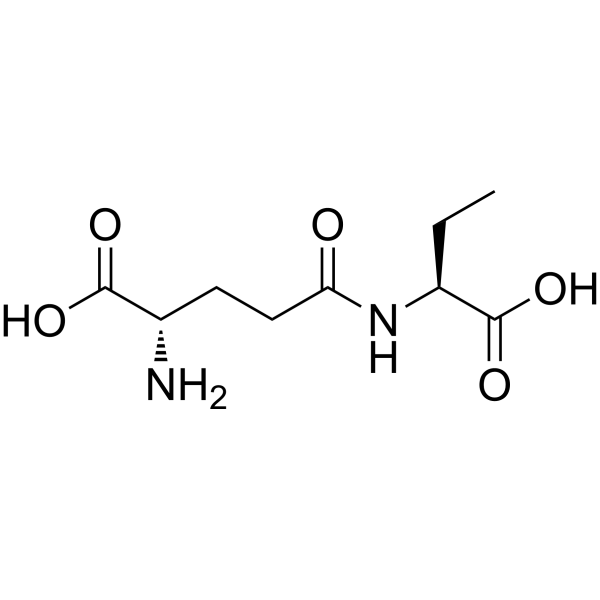
Gamma-Glu-Abu is an agonist for calcium sensing receptor (CaSR), that activates the CaSR with an EC50 of 0.21 μM in HEK-293 cell .
|
-
- HY-103538
-
|
|
Amyloid-β
|
Neurological Disease
|
|
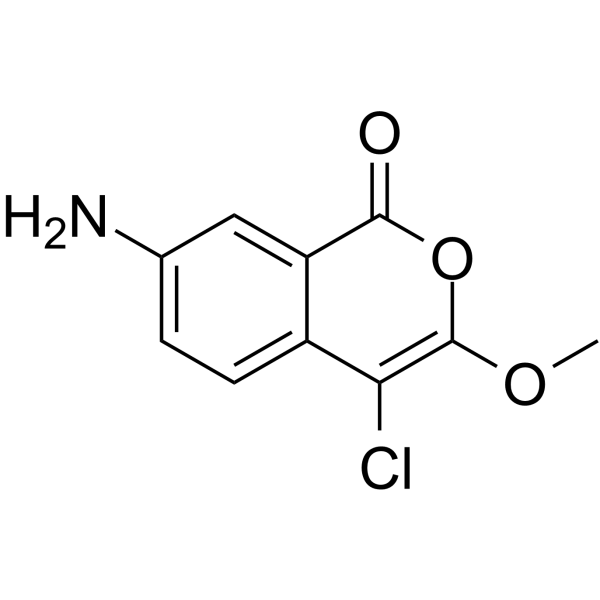
JLK-6 markedly reduce the production of amyloid β-peptide (Aβ) by amyloid-β Precursor protein (APP) expressing HEK293 cells by affecting the γ-secretase cleavage of APP, with no effect on the cleavage of the Notch receptor .
|
-
- HY-169603
-
|
|
FAAH
|
Metabolic Disease
|
|
AZ513 is a reversible FAAH inhibitor with an IC50s of 551 nM and 27 nM for human FAAH and rat FAAH, respectively. AZ513 inhibits Anandamide (HY-10863) hydrolysis in human FAAH-transfected HEK293 cells (IC50 of 360 nM) .
|
-

- HY-156536
-
-
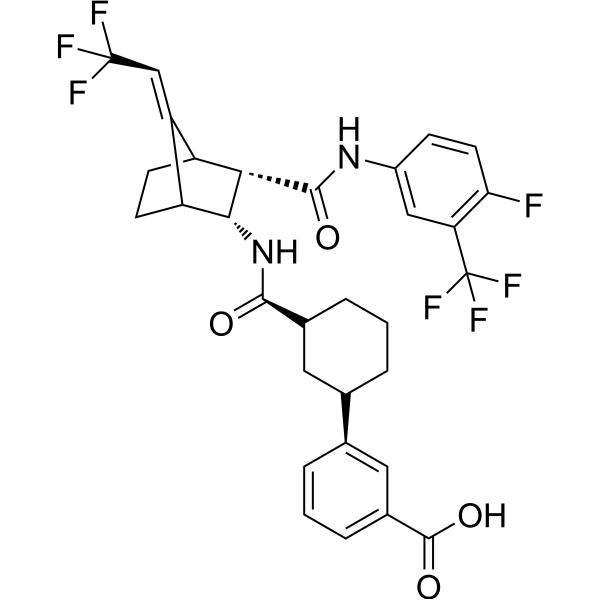
- HY-124681
-
|
|
Neuromedin U Receptor (NMUR)
|
Metabolic Disease
|
|
NY0116 is a neuromedin U receptor 2 (NMUR2) agonist with EC50 values of 27.76 μM for hNMUR1 and 13.61 μM for hNMUR2. NY0116 decreases cAMP while stimulating calcium signaling in stably expressing NMUR2 HEK293 cells .
|
-
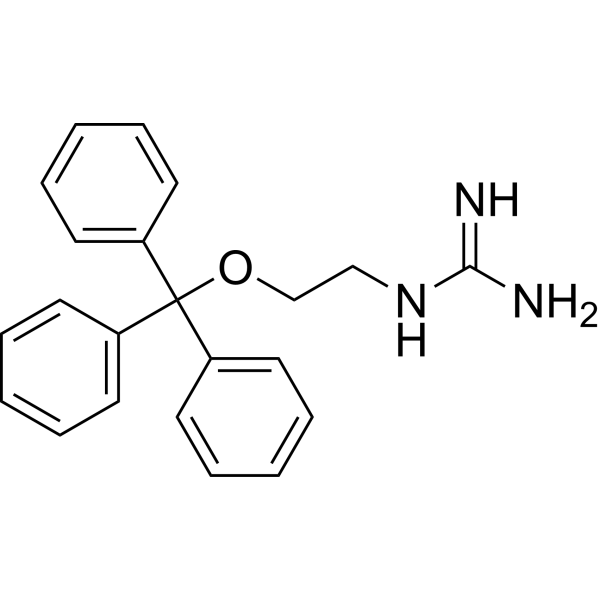
- HY-121764
-
|
|
Melanocortin Receptor
|
Metabolic Disease
|
|
MPCI is a cell-permeant MC4R-selective ligand with pharmacological chaperone activity. MPCI is a MC4R antagonist with a Ki value of 0.218 μM on HEK293 cells expressing hMC4R. MPCI can be used for the research of MC4R-deficient obesity .
|
-
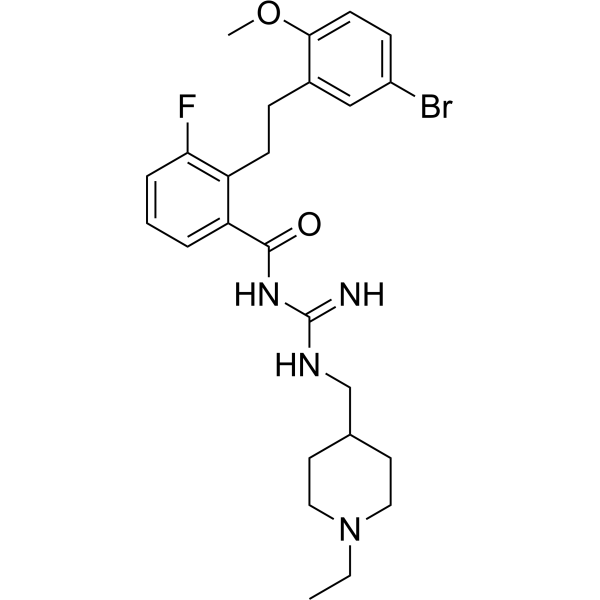
- HY-123663
-
|
PNU-101958 maleate
|
Dopamine Receptor
|
Neurological Disease
|
|
U-101958 (PNU-101958) maleate is a highly selective ligand and antagonist for dopamine D4 receptor, with an IC50 of 2.7 nM. U-101958 maleate behaves as an agonist in HEK-293 cells expressing the human recombinant D4.4 receptor. U-101958 maleate is an antipsychotic .
|
-

- HY-164587
-
|
|
DOCK
|
Metabolic Disease
|
|
E197 is the inhibitor for DOCK5 that destroys the podosome belt structure of osteoclasts, thereby inhibiting the bone resorption (IC50=3.44 μM in human osteoclast). E197 inhibits the Rac in DOCK5 expressing HEK293 cell with an IC50 of 36 μM. E197 prevents the bone loss in mouse ovariectomized models .
|
-

- HY-175656
-
|
|
LIM Kinase (LIMK)
|
Neurological Disease
Cancer
|
|
MDI-117740 is a dual LIMK1/2 inhibitor. MDI-117740 shows effective cellular target engagement with LIMK1 (pIC50 = 6.73) and LIMK2 (pIC50 = 7.18) in HEK293 cells. MDI-117740 exerts significant anti-migratory activity in MDA-MB-231 cells. MDI-117740 can be used for the study of cancers and neurodegenerative disorders .
|
-

- HY-108576
-
|
DuP 996 dihydrochloride
|
TRP Channel
|
Neurological Disease
|
|
Linopirdine dihydrochloride is a agonist of capsaicin receptor TRPV1. Linopirdine increases the intracellular calcium concentration in HEK293 cells. Linopirdine dihydrochloride exerts an excitatory action on mammalian nociceptors .
|
-
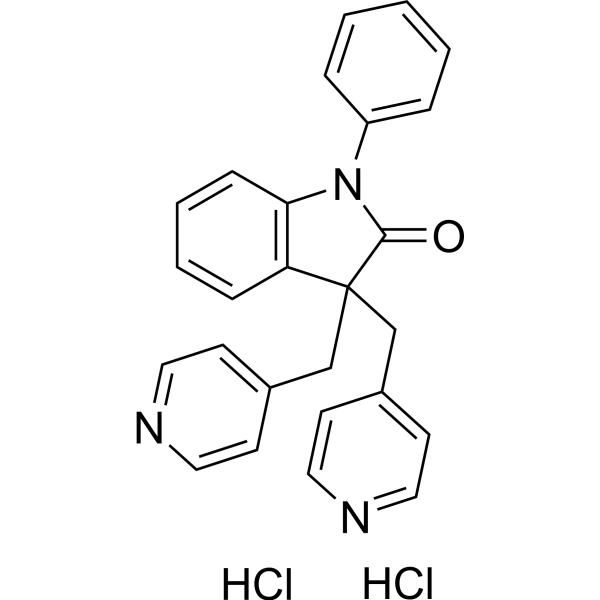
- HY-169301
-
|
|
GPR35
|
Cancer
|
|
Gpr35 modulator 1 (compound 1-18) is a potent modulator of Gpr35, with the IC50 of ≤ 100 nM in HEK293 cells stably transfected with human GPR35 .
|
-

- HY-158422
-
|
|
SARS-CoV
|
Infection
|
|
SARS-CoV-2 Mpro-IN-16 (compound 5J) is a SARS-CoV-2 Mpro inhibitor, and inhibits HEK293 cells growth .
|
-

- HY-18332
-
-

- HY-146071
-
|
|
Parasite
|
Infection
|
|
Antitrypanosomal agent 5 (Compound 25)is a selective anti-trypanosomal agent with IC50s of 1 nM and 483.3 µM against T. brucei cell growth and HEK293 cells growth , respectively .
|
-
- HY-125717
-
|
|
mGluR
|
Neurological Disease
|
|
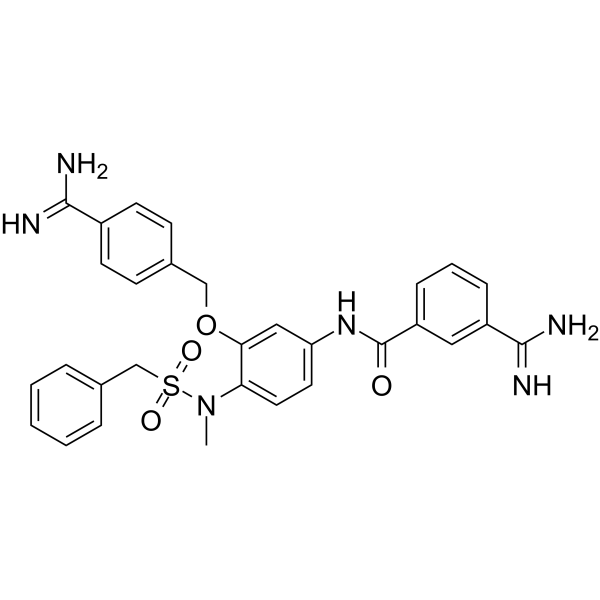
VU0029251 is a mGluR5 partial antagonist (Ki: 1.07 μM). VU0029251 inhibits glutamate induced calcium mobilization in HEK293 cell membranes expressing rat mGluR5 (IC50: 1.7 μM) .
|
-
- HY-19889A
-
|
|
5-HT Receptor
|
Neurological Disease
|
|
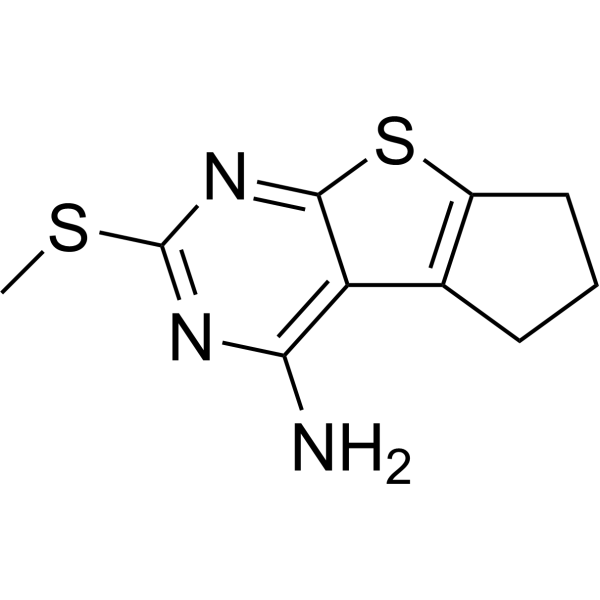
JNJ-18038683 free base is a 5-Hydroxytryptamine Type 7 (5-HT7) receptor antagonist, with pKis of 8.19, 8.20 for rat and human 5-HT7 in HEK293 cells, respectively.
|
-

- HY-156541
-
-
- HY-156538
-
|
|
RXFP Receptor
|
Inflammation/Immunology
|
|
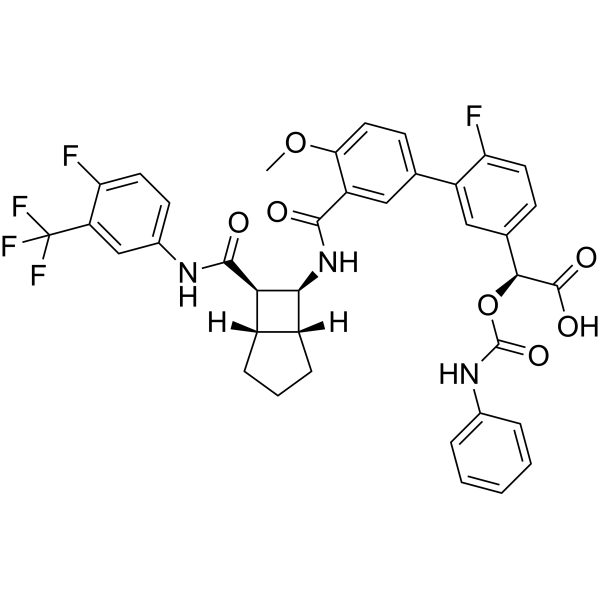
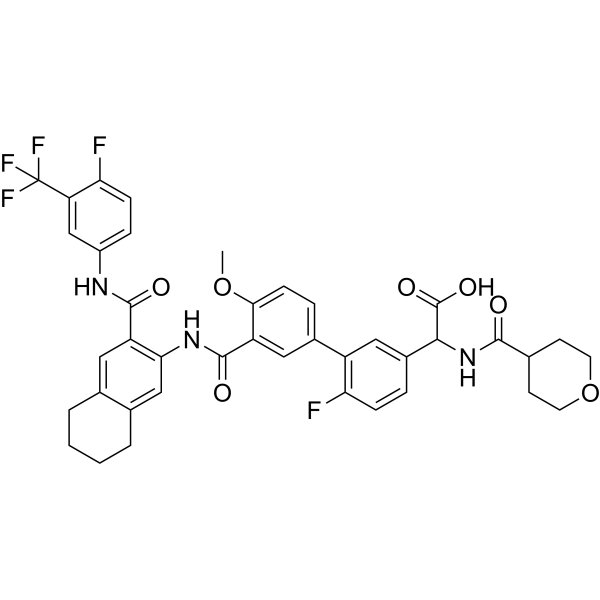
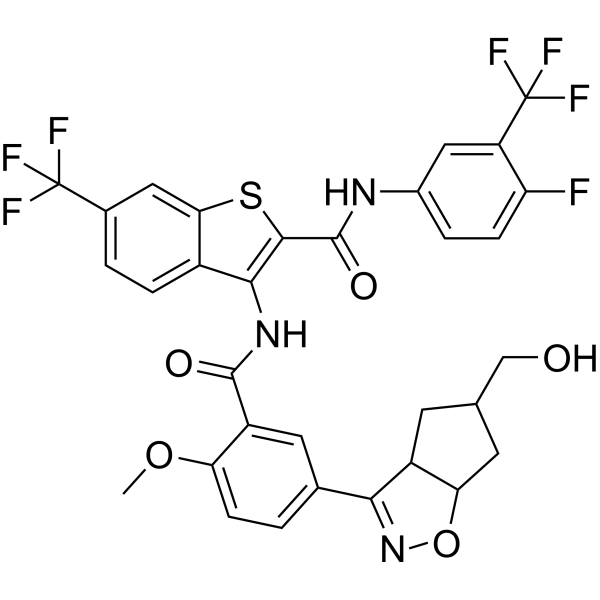
RXFP1 receptor agonist-3 (Example 223) is a RXFP1 receptor agonist. RXFP1 receptor agonist-3 stimulates cAMP production in HEK293 cells stably expressing human RXFP1, with an EC50 value of 2 nM .
|
-
- HY-146428
-
|
|
Bacterial
|
Infection
|
|
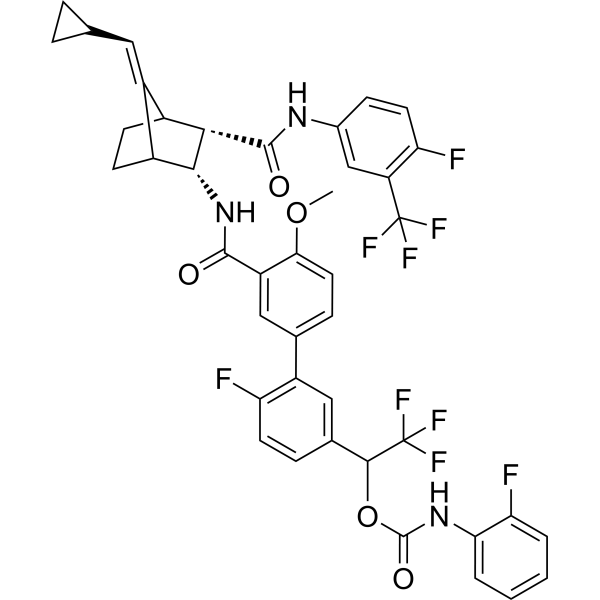
Anti-MRSA agent 4 (compound 7a) is a potent and selective growth inhibitor of Gram-positive Methicillin-resistant Staphylococcus aureus (MRSA), with MIC ≤ 0.26 µM. Anti-MRSA agent 4 exhibits no cytotoxic and no hemolytic activity in HEK293 cells .
|
-
- HY-156537
-
-
- HY-156543
-
-
- HY-156539
-
-
- HY-156540
-
|
|
RXFP Receptor
|
Inflammation/Immunology
|
|
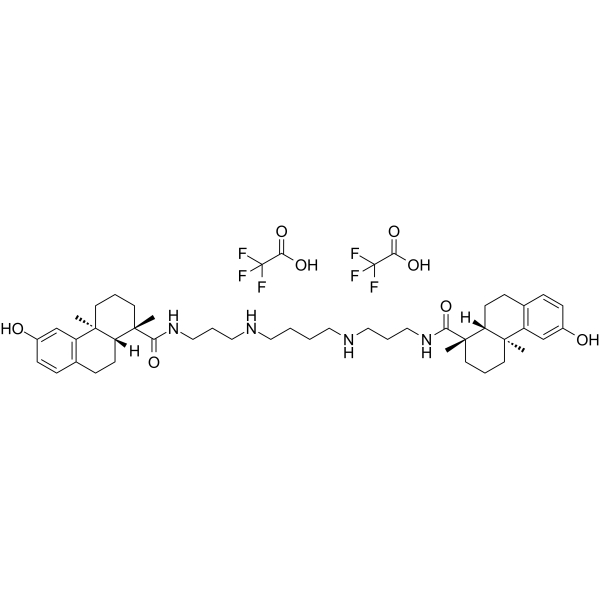
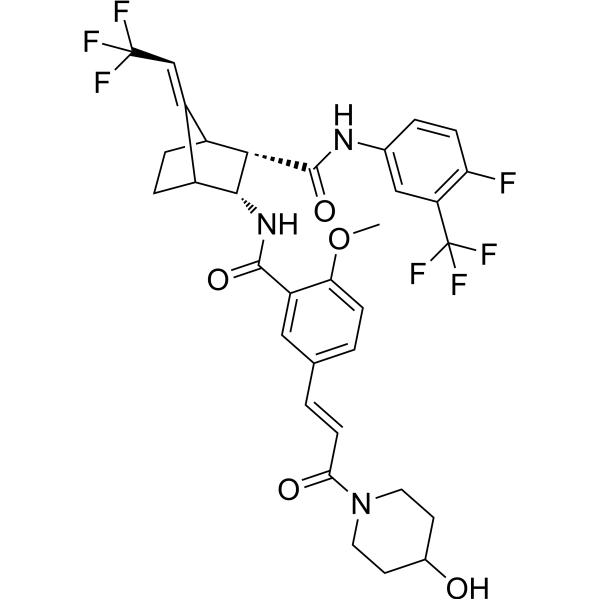
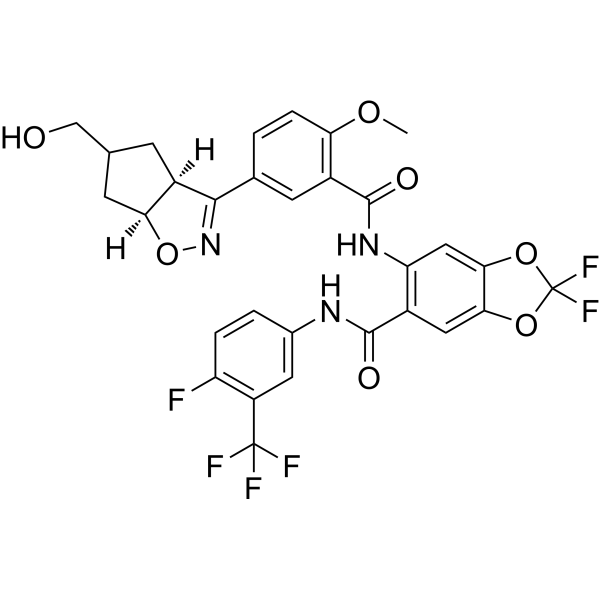
RXFP1 receptor agonist-5 (Example 98) is a RXFP1 receptor agonist. RXFP1 receptor agonist-5 stimulates cAMP production in HEK293 cells stably expressing human RXFP1, with an EC50 value of 1.3 nM .
|
-
- HY-164136
-
|
|
17β-HSD
|
Metabolic Disease
|
|
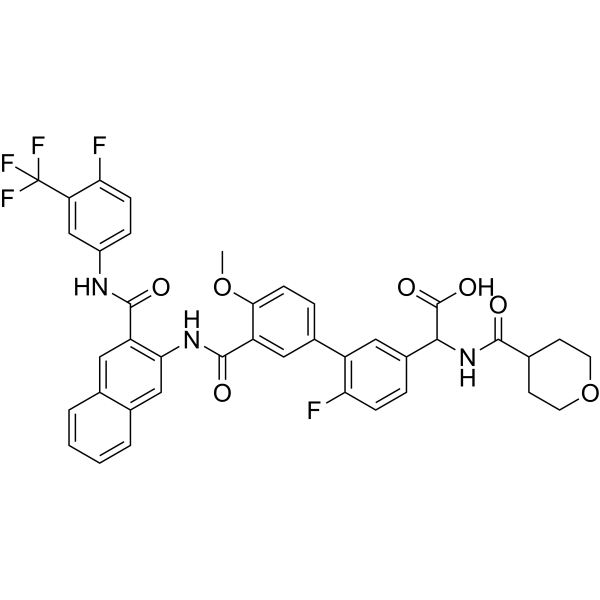
17β-HSD5 inhibitor 1 (Compound 29) is a potent 17β-HSD5 inhibitor, with an IC50 of 2.9 nM in HEK-293 cells overexpressing human 17β-HSD5 .
|
-

- HY-156542
-
-
- HY-149944
-
|
|
Sodium Channel
|
Inflammation/Immunology
|
|
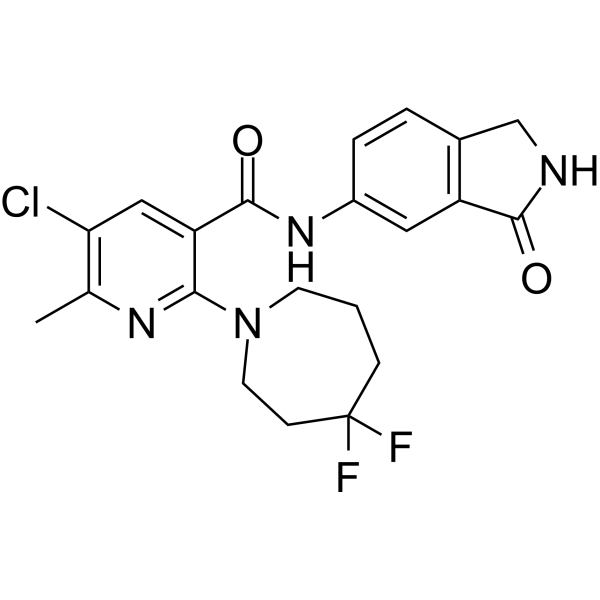
Analgesic agent-2 is a selective and orally active NaV1.8 Channel inhibitor, with an IC50 of 50.18 nM in HEK293 cells stably expressing human NaV1.8 channel. Analgesic agent-2 has analgesic activity .
|
-
- HY-100013B1
-
|
|
GPR88
Drug Isomer
|
Neurological Disease
|
|
(1S,2S)-2-PCCA hydrochloride is a less active diastereomer of 2-PCCA. 2-PCCA is a GPR88 receptor agonist, and inhibits GPR88-mediated cAMP production, with an EC50 of 116 nM in HEK293 cells.
|
-

- HY-19117
-
|
|
Potassium Channel
|
Cardiovascular Disease
|
|
BRL-32872 is a potent human ether-a-go-go-related gene (hERG) potassium channel blocker (IC50=241 nM in isolated cardiomyocytes; 19.8 nM in HEK293 cells). BRL-32872 is promising for research of cardiac arrhythmias (e.g., atrial/ventricular rhythms) .
|
-

- HY-162026
-
|
|
11β-HSD
|
Metabolic Disease
|
|
11β-HSD1-IN-14 (Compound 17) is a selective inhibitor for 11β-Hydroxysteroid Dehydrogenase Type 1 (11β-HSD1), with IC50 of 74 nM for human HSD1, and 603 nM for HSD1 expressed HEK293 cell .
|
-

- HY-158758
-
|
|
PROTACs
IRAK
|
Inflammation/Immunology
|
|
PROTAC IRAK4 degrader-10 (compound 10) is an oral active PROTAC based on Cereblon ligand, and induces the degradation of IRAK4 with maximum degradation of 95.94% and the DC50 of 7.68 nM in HEK293 cells (Sturcture Note:(Blue: Cereblon ligand, Black: linker;Pink: IRAK4 ligand) .
|
-

- HY-158760
-
|
|
PROTACs
IRAK
|
Cancer
|
|
PROTAC IRAK4 degrader-11 (compound 15) is PROTAC based on Cereblon ligand, and induces the degradation of IRAK4 with maximum degradation of 96.25% and the DC50 of 2.29 nM in HEK293 cells(Sturcture Note:(Blue: Cereblon ligand (HY-14658), Black: linker;Pink: IRAK4 inhibitor) .
|
-

- HY-157935
-
|
|
17β-HSD
|
Neurological Disease
|
|
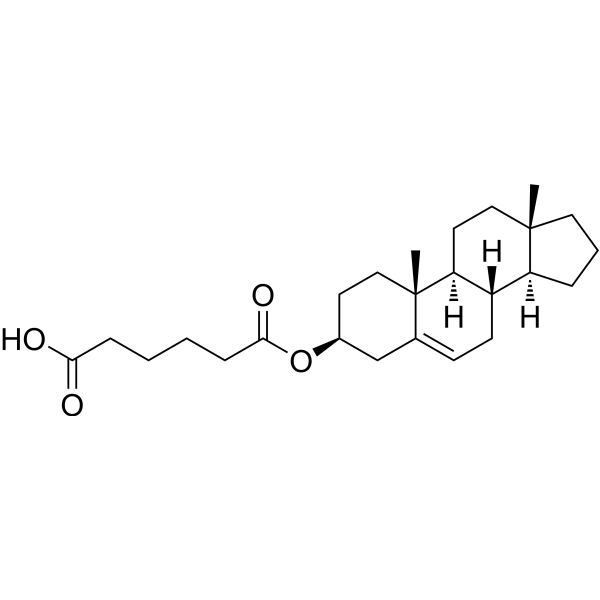
17β-HSD10-IN-3 (compound 23) is a 17β-HSD10 inhibitor with the IC50 of 5.59 μM. 17β-HSD10-IN-3 shows no cell cytotoxicity toward the HEK-293 cell line up to 20 μM .
|
-
- HY-150606
-
|
|
ERK
|
Cancer
|
|
ERK5-IN-4 (compound 34b) is a potent and selective inhibitor of extracellular signal-related kinase 5 (ERK5). ERK5-IN-4 inhibits ERK5 (full-length) and truncated ERK5 (ERK5 ΔTAD) kinase activity in HEK293 cells with an IC50 of 77 nM and 300 nM, respectively .
|
-
- HY-169622
-
|
|
RAD51
|
Others
|
|
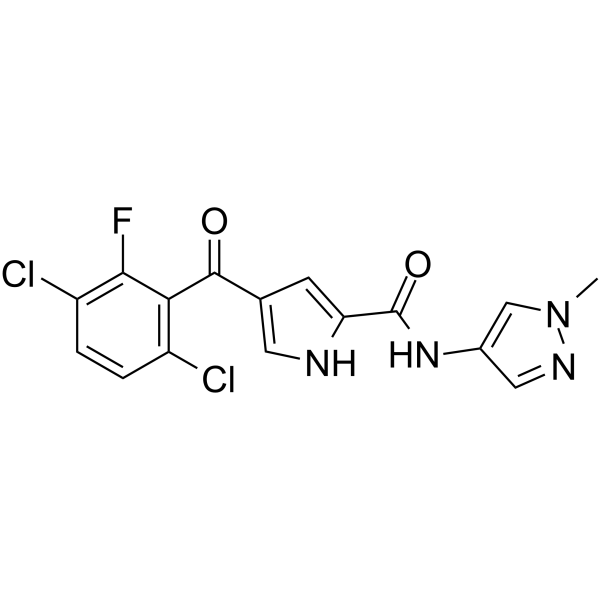
RAD51-IN-9 (Compound 3a) is a RAD51 inhibitor that can inhibit the binding of RAD51 to ssDNA with an IC50 of 17.85 μM. RAD51-IN-9 has a LD50 against HEK293 cells of 40.21 μM. RAD51-IN-9 can sensitize cells to Mitomycin C (HY-13316) .
|
-

- HY-174370
-
|
|
SARS-CoV
|
Infection
|
|
MePT-S-N-Pme is an inhibitor of SARS-CoV-2 RdRp activity. MePT-S-N-Pme demonstrates a significant reduced reporter activity with an IC50 of 7 μM in HEK 293 cells. MePT-S-N-Pme has a slight inhibitory effect on nucleotidyltransferase activity. MePT-S-N-Pme significantly inhibits SARS-CoV-2 replication in vitro .
|
-

- HY-119695AR
-
|
Tenivastatin ammonium (Standard)
|
Reference Standards
HMG-CoA Reductase (HMGCR)
Reactive Oxygen Species (ROS)
|
Cardiovascular Disease
Inflammation/Immunology
|
|
Simvastatin acid (ammonium) (Standard) is the analytical standard of Simvastatin acid (ammonium). This product is intended for research and analytical applications. Simvastatin acid (Tenivastatin) ammonium is a potent HMG-CoA reductase (HMGCR) inhibitor. Simvastatin acid ammonium reduces Indoxyl sulfate-mediated reactive oxygen species (ROS) production in human cardiomyocytes. Simvastatin acid ammonium can also modulates OATP3A1 expression in cardiomyocytes and HEK293 cells transfected with the OATP3A1 gene .
|
-

- HY-119695S
-
|
Tenivastatin-d6
|
Isotope-Labeled Compounds
HMG-CoA Reductase (HMGCR)
Reactive Oxygen Species (ROS)
|
Cardiovascular Disease
Cancer
|
|
Simvastatin acid-d6 (Tenivastatin-d6) is deuterium labeled Simvastatin acid. Simvastatin acid (Tenivastatin), a hydrolysate of Simvastatin (HY-17502), is a HMG-CoA reductase (HMGCR) inhibitor. Simvastatin acid reduces Indoxyl sulfate-mediated reactive oxygen species (ROS) production in human cardiomyocytes. Simvastatin acid can also modulates OATP3A1 expression in cardiomyocytes and HEK293 cells transfected with the OATP3A1 gene .
|
-

- HY-119695AS
-
|
Tenivastatin-d6 ammonium
|
Isotope-Labeled Compounds
Endogenous Metabolite
|
Cardiovascular Disease
|
|
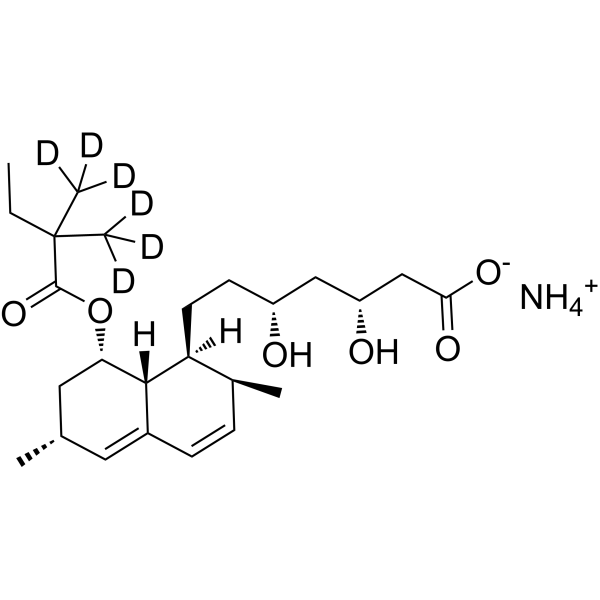
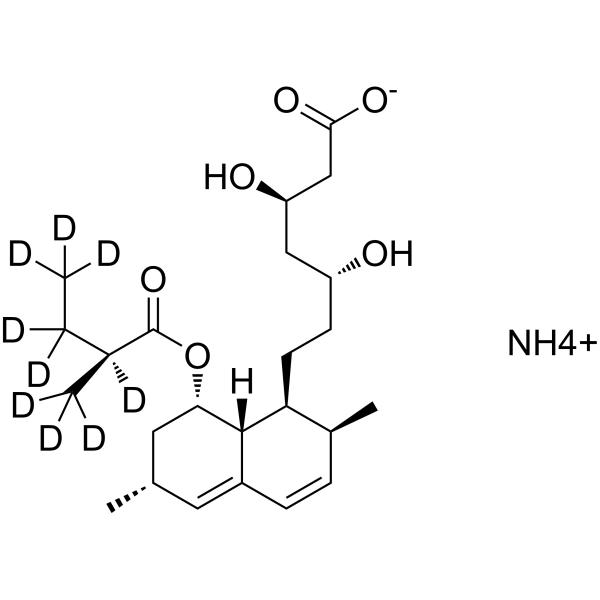
Simvastatin acid-d6 (ammonium)mis the deuterium labeled Simvastatin acid ammonium. Simvastatin ammonium is an active metabolite of simvastatin lactone mediated by CYP3A4/5 in the intestinal wall and liver (pKa=5.5). Simvastatin ammonium reduces indoxyl sulfate-mediated reactive oxygen species and modulates OATP3A1 expression in cardiomyocytes and HEK293 cells transfected with the OATP3A1 gene .
|
-
- HY-174259
-
|
|
mAChR
|
Neurological Disease
|
|
Muscarinic M4 modulator-1 is a Muscarinic M4 receptor positive allosteric modulator. Muscarinic M4 modulator-1 activates the muscarinic M4 receptor with allosteric potency EC50 s of 14 and 3 Nm in CHO-K1 cells and HEK293 cells. Muscarinic M4 modulator-1 has an antipsychotic-like activity, promising for psychiatric and/or neurological disorders research .
|
-

- HY-150766
-
|
|
Bacterial
|
Infection
|
|
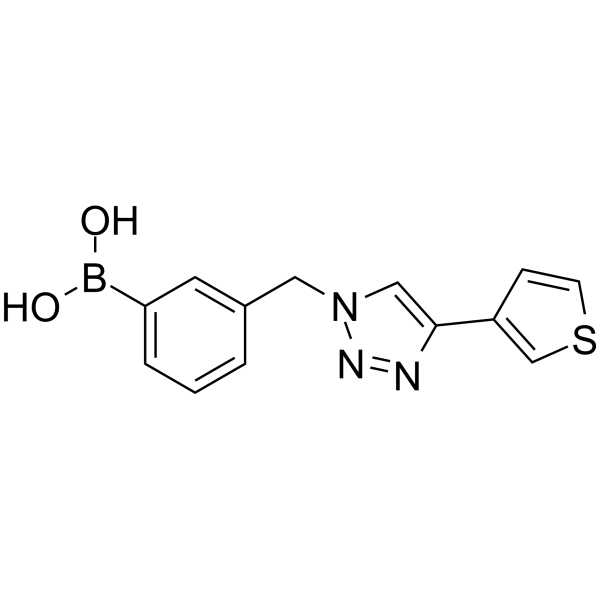
KPC-2-IN-1, boronic acid derivative, is a potent KPC-2 inhibitor with Ki of 0.032 μM. KPC-2-IN-1 enhances the activity of cefotaxime in KPC-2 expressing E. coli. KPC-2-IN-1 exhibits well tolerated in human HEK-293 cells, which can be used for the study of E. coli resistance to β-lactam antibiotics .
|
-
- HY-119695AS1
-
-
- HY-147552
-
|
|
HIV
|
Infection
|
|
HIV-1 inhibitor-35 (compound 74) is a potent HIV-1 inhibitor with EC50s of 80 nM and 70 nM for LTR and CMV in HEK293 cells, respectively. HIV-1 inhibitor-35 has inhibitory activity against liver cancer cell HepG2 with a CC50 of 40 nM. HIV-1 inhibitor-35 can be used as HIV-1 latency reversing agent .
|
-
- HY-100013
-
|
|
Others
|
Neurological Disease
|
|
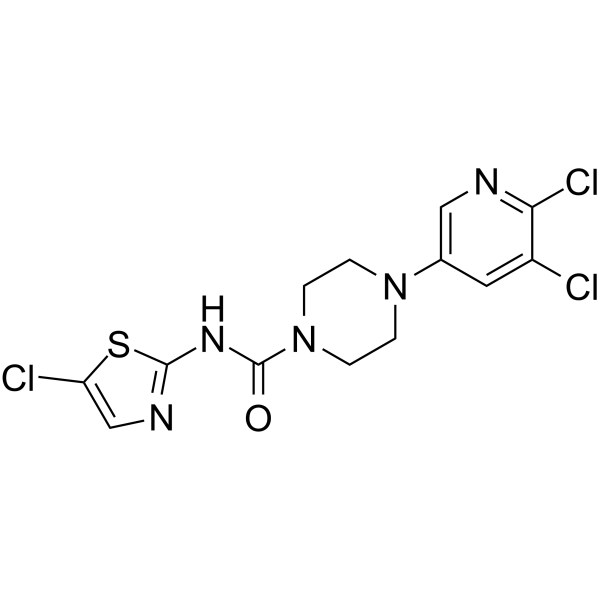
2-PCCA is a racemic form of the GPR88 receptor agonist, and inhibits GPR88-mediated cAMP production, with an EC50 of 116 nM in HEK293 cells.
|
-

- HY-100360R
-
|
|
Histone Methyltransferase
Reference Standards
|
Cancer
|
|
MS049 (Standard) is the analytical standard of MS049 (HY-100360). This product is intended for research and analytical applications. MS049, a chemical probe, is a potent, selective, and cell-active dual inhibitor of PRMT4 and PRMT6 with IC50s of 34 nM and 43 nM, respectively. MS049 reduces levels of Med12me2a and H3R2me2a in HEK293 cells. MS049 is not toxic and does not affect the growth of HEK293 cells .
|
-

- HY-181547
-
|
|
Btk
|
Cancer
|
|
HBC-12551 is an orally active BTK inhibitor (IC50 in HEK293 cells: 1.31 nM for BTK; 2.18 nM for BTK C481S). HBC-12551 has antitumor activity against diffuse large B-cell lymphoma .
|
-

- HY-186131
-
|
|
Drug Derivative
HBV
|
Infection
|
|
Val-CDCA is a chenodeoxycholate (CDCA) and C-24 L-Valine (HY-N0717) conjugate. Val-CDCA inhibits taurocholate uptake in human NTCP-stably transfected HEK293 cells. Val-CDCA can be used for HBV infection .
|
-

- HY-P2997B
-
|
|
Biochemical Assay Reagents
|
Cardiovascular Disease
Neurological Disease
Inflammation/Immunology
Cancer
|
|
γ-glutamyltransferase, Human (HEK293) is a γ-glutamyltransferase expressed in HEK293 cells. γ-glutamyltransferase participates in glutathione metabolism. Serum γ-glutamyltransferase activity is identified as a predictor of atherosclerotic complications, and has prognostic value for cardiovascular diseases and stroke. γ-glutamyltransferase also serves as a biomarker for carcinogenesis and tumor progression .
|
-

- HY-179467
-
|
|
PROTACs
Carbonic Anhydrase
|
Cancer
|
|
PROTAC hCAII degrader-1 is a potent PROTAC human carbonic anhydrase II (hCAII) degrader with an DC50 of 0.5 nM in HEK293 cells. PROTAC hCAII degrader-1 recruits cereblon (CRBN) E3 ubiquitin ligase to form a ternary complex. PROTAC hCAII degrader-1 enables ubiquitination and subsequent proteasomal degradation of hCAII .
|
-

- HY-101560R
-
|
BMS-986205 (Standard); ONO-7701 (Standard)
|
Indoleamine 2,3-Dioxygenase (IDO)
Reference Standards
|
Cancer
|
|
Linrodostat (Standard) is the analytical standard of Linrodostat (HY-101560). This product is intended for research and analytical applications. Linrodostat (BMS-986205) is a selective and irreversible indoleamine 2,3-dioxygenase 1 (IDO1) inhibitor with an IC50 value of 1.1 nM in IDO1-HEK293 cells. Linrodostat is well tolerated with potent pharmacodynamic activity in advanced cancers .
|
-

- HY-181481
-
|
|
TRP Channel
|
Others
|
|
2'-Deoxyadenosine-5'-O-diphosphoribose sodium is a TRPM2 agonist. 2'-Deoxyadenosine-5'-O-diphosphoribose sodium enhances calcium-induced currents in inside-out patch-clamp experiments using HEK293 cells expressing human TRPM2. 2'-Deoxyadenosine-5'-O-diphosphoribose sodium is a substrate for Nucleoside Triphosphate Diphosphatase 9 (NUDT9) .
|
-

- HY-134581A
-
|
M5049 hydrochloride
|
Toll-like Receptor (TLR)
|
Inflammation/Immunology
|
|
Enpatoran (M5049) hydrochloride is a potent, orally active and dual TLR7/8 inhibitor with IC50s of 11.1 nM and 24.1 nM in HEK293 cells, respectively. Enpatoran hydrochloride is inactive against TLR3, TLR4 and TLR9. Enpatoran hydrochloride can block molecule synthetic ligands and natural endogenous RNA ligands. Enpatoran hydrochloride exhibits excellent pharmacokinetic properties in vivo. Enpatoran hydrochloride can be used for both innate and adaptive autoimmunity blocking research .
|
-
- HY-103320B
-
|
|
CaSR
|
Metabolic Disease
|
|
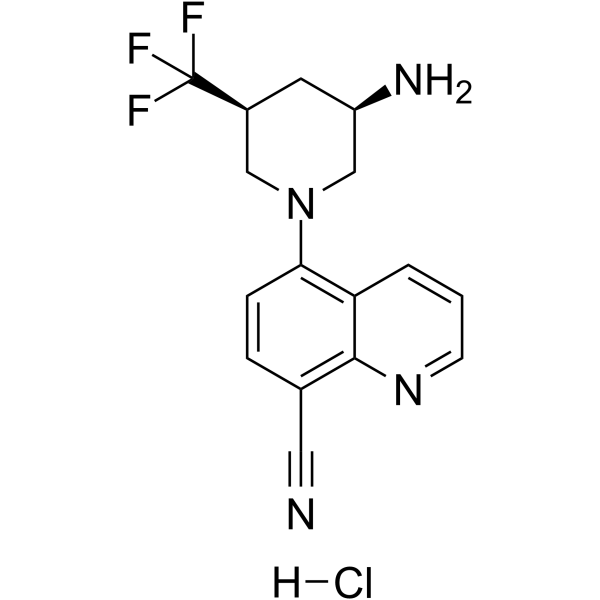
(1R,2R)-Calhex 231 hydrochloride is the isomer of Calhex 231 hydrochloride (HY-103320A), and can be used as an experimental control. Calhex 231 hydrochloride is a CaSR inhibitor via negative allosteric modulation. Calhex 231 hydrochloride blocks Ca 2+-induced accumulation of [ 3H]inositol phosphate with an IC50 of 0.39 μM in HEK293 cells. Calhex 231 hydrochloride has the potential for diabetic cardiomyopathy (DCM) treatment .
|
-
- HY-P991430
-
|
TB-403
|
VEGFR
|
Cancer
|
|
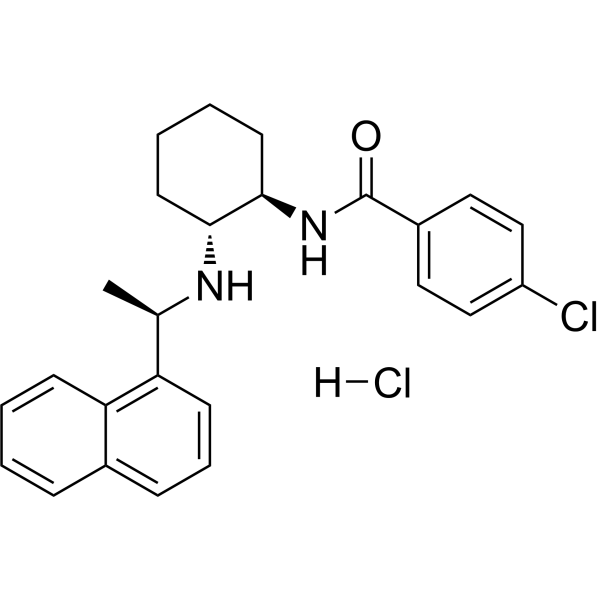
RO5323441 (TB-403) is a human IgG1 monoclonal antibody (mAb) targeting PlGF. RO5323441 inhibits the binding of human PlGF-1 or PlGF-2 to VEGFR-1 (IC50 values are 0.1 and 0.2 nM, respectively). RO5323441 blocks PlGF-induced VEGFR-1 phosphorylation in Flt-1-transfected HEK293 cells. RO5323441 has antitumor activity .
|
-

- HY-101698B
-
|
Alnitidan dihydrochloride
|
5-HT Receptor
|
Neurological Disease
Inflammation/Immunology
|
|
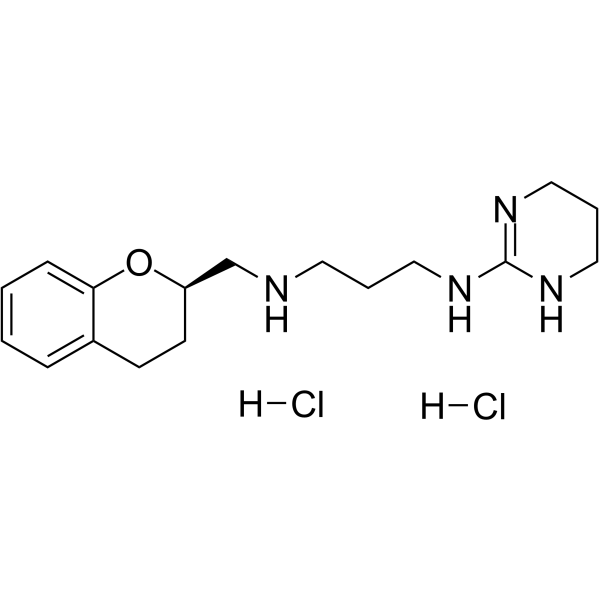
Alniditan (Alnitidan) dihydrochloride is a potent 5-HT1B and 5-HT1D receptors agonist, with IC50s of 1.7 nM and 1.3 nM for h5-HT1B and h5-HT1D receptors in HEK293 cells, respectively. Alniditan dihydrochloride has migraine-preventive effects .
|
-
- HY-101698
-
|
Alnitidan
|
5-HT Receptor
|
Neurological Disease
Inflammation/Immunology
|
|
Alniditan (Alnitidan) is a potent 5-HT1B and 5-HT1D receptors agonist, with IC50s of 1.7 nM and 1.3 nM for h5-HT1B and h5-HT1D receptors in HEK293 cells, respectively. Alniditan has migraine-preventive effects .
|
-
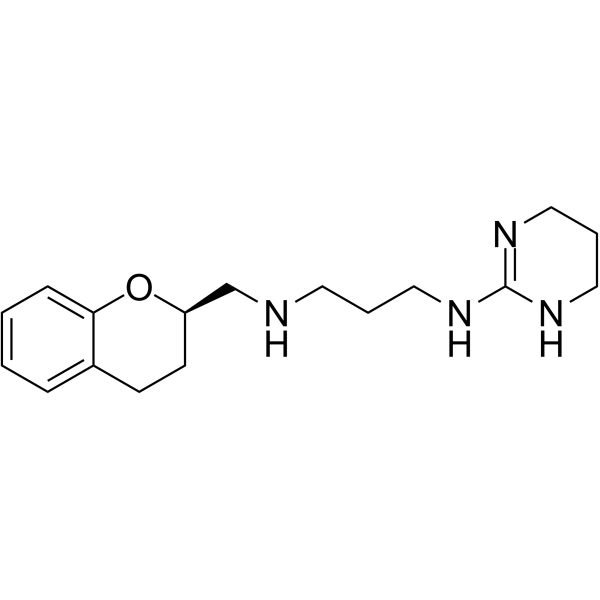
- HY-126010
-
|
|
Piezo Channel
|
Others
|
|
Dooku1 is a reversibly Yoda1 antagonist with IC50 value of 1.3 μM and 1.5 μM for 2 μM Yoda1-induced Ca 2+ entry HEK 293 cells and HUVECs, respectively. Dooku1 can disrupt Yoda1-induced Piezo1 channel activity and inhibit Yoda1-induced relaxation of aorta. Dooku1 can be used for vascular physiology and disease research .
|
-
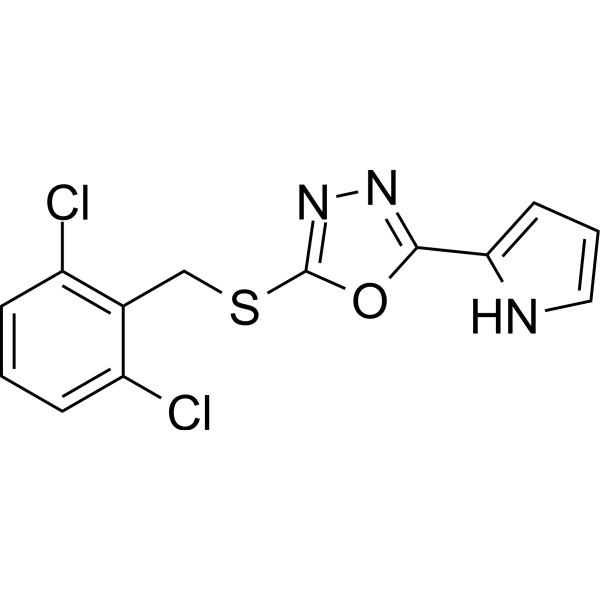
- HY-134581
-
|
M5049
|
Toll-like Receptor (TLR)
|
Inflammation/Immunology
|
|
Enpatoran (M5049) is a potent, orally active and dual TLR7/8 inhibitor with IC50s of 11.1 nM and 24.1 nM in HEK293 cells, respectively. Enpatoran is inactive against TLR3, TLR4 and TLR9. Enpatoran can block molecule synthetic ligands and natural endogenous RNA ligands. Enpatoran exhibits excellent pharmacokinetic properties in vivo. Enpatoran can be used for both innate and adaptive autoimmunity blocking research .
|
-
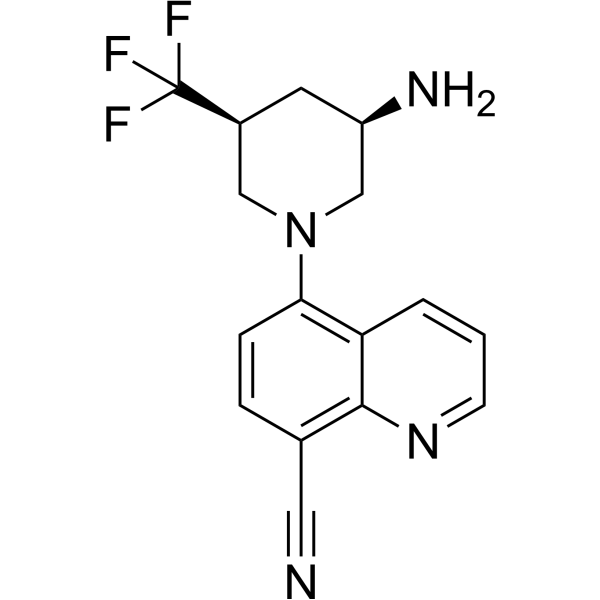
- HY-B0920
-
|
U-17835
|
Potassium Channel
|
Metabolic Disease
Endocrinology
|
|
Tolazamide (U-17835) is an orally active sulfonylurea agent that inhibits sulfonylurea receptor 1 (SUR1) linked to the inwardly rectifying potassium channel (IC50 = 4.2 µM in HEK293 cells transfected with the human receptor). Tolazamide has anti-diabetic properties. Tolazamide can lower blood glucose in sulfonylurea class. Tolazamide decreases insulin dose while continuing to maintain adequate metabolic control. Tolazamide is able to improve or normalize hyperglycemia and HbA .
|
-
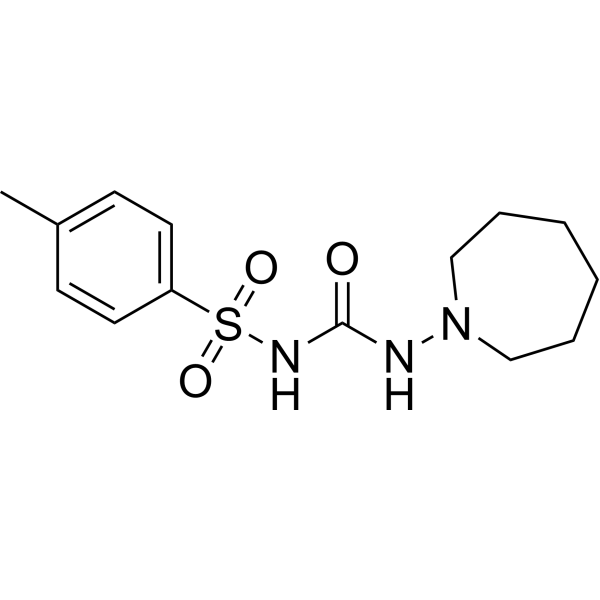
- HY-169907
-
|
|
Nuclear Hormone Receptor 4A/NR4A
|
Neurological Disease
Metabolic Disease
Cancer
|
|
Anticancer agent 258 is an imidazo [1,2-B][1,2,4] triazol derivative. Anticancer agent 258 regulates the activity of nuclear receptors. Anticancer agent 258 has an EC50 of 63 nM against Nurr in N2A cells. Anticancer agent 258 has IC50 of 0.1 pM for Nur77 in HEK293 cells. Anticancer agent 258 can be used in the study of cancer, metabolic diseases and neurological disorders .
|
-

- HY-W765245
-
|
Sirolimus-13C,d3-1; AY-22989-13C,d3-1
|
Isotope-Labeled Compounds
Fungal
mTOR
Bacterial
Autophagy
Endogenous Metabolite
FKBP
Antibiotic
|
Cancer
|
|
Rapamycin- 13C,d3-1 (Sirolimus- 13C,d3-1) is the deuterium labeled and 13C-labeled Rapamycin (HY-10219). Rapamycin (Sirolimus; AY 22989) is a potent and specific mTOR inhibitor with an IC50 of 0.1 nM in HEK293 cells. Rapamycin binds to FKBP12 and specifically acts as an allosteric inhibitor of mTORC1 . Rapamycin is an autophagy activator, an immunosuppressant .
|
-

- HY-18056R
-
|
|
11β-HSD
|
Metabolic Disease
|
|
PF-915275 (Standard) is the analytical standard of PF-915275. This product is intended for research and analytical applications. PF-915275 is a potent, selective and orally active human 11β-hydroxysteroid dehydrogenase type 1 (11βHSD1) inhibitor with a Ki of 2.3 nM and an EC50 of 15 nM (in HEK293 cells). The dose-dependent effect of PF-915275 on conversion of cortisone to cortisol in primary human and monkey hepatocytes, with an EC50 of 20 and 100 nM, respectively .
|
-

- HY-122416
-
|
Lonchocarpol A; Senegalensin
|
BCRP
|
Metabolic Disease
Cancer
|
|
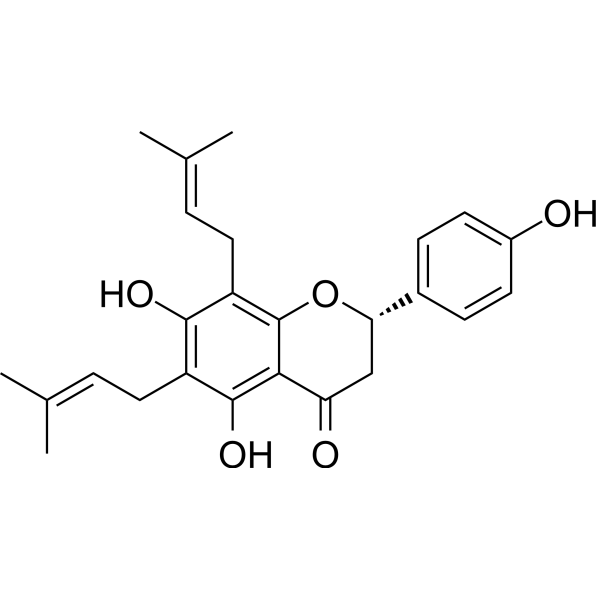
6,8-Diprenylnaringenin (Lonchocarpol A; Senegalensin), a hop prenylflavonoid, is a inhibitor of breast cancer resistance protein (BCRP/ABCG2). 6,8-Diprenylnaringenin inhibits ABCG2-mediated efflux of Mitoxantrone, and 3H-Methotrexate transport (IC50=0.41 μM) in HEK293 cells. 6,8-Diprenylnaringenin exhibits some estrogenicity, but its potency is less than 1% of that of 8-Prenylnaringenin .
|
-
- HY-129636A
-
|
GABAB receptor antagonist 1
|
GABA Receptor
ERK
|
Neurological Disease
|
|
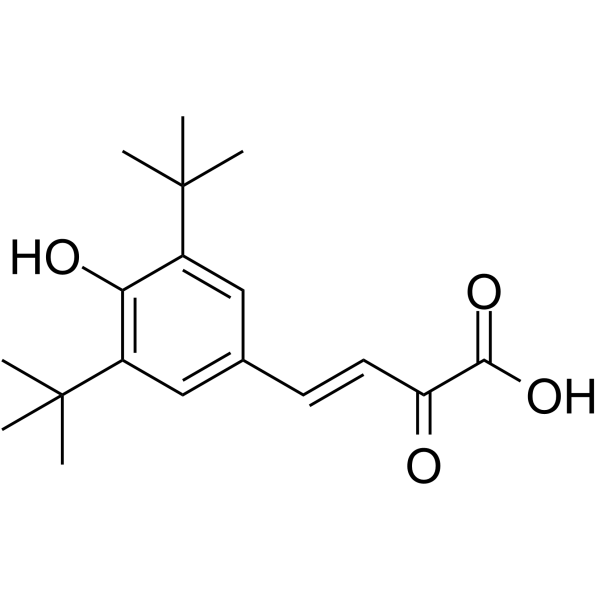
(E/Z)-CLH304a (GABAB receptor antagonist 1) is a mixture of (E)-CLH304a and (Z)-CLH304a. (E)-CLH304a (CLH304a; HY-129636) is a specific and noncompetitive GABAB receptor negative allosteric modulator (NAM). CLH304a inhibits Baclofen (HY-B0007)-induced ERK1/2 phosphorylation in HEK293 cells overexpressing GABAB receptors .
|
-
- HY-143481
-
|
|
Sodium Channel
|
Neurological Disease
Inflammation/Immunology
|
|
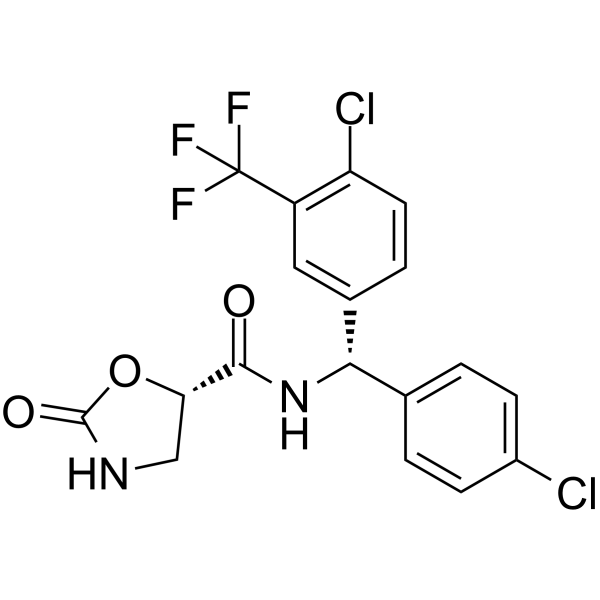
Nav1.8-IN-2 (compound 35A) is a Nav1.8 voltage-gated sodium ion inhibitor with an IC50 of 0.4 nM (HEK 293 cells). Nav1.8-IN-2 inhibits the activity of Nav1.8 voltage-gated sodium ion channels, mediates sodium ion influx in excitable cells, and is associated with the initiation and conduction of action potentials. Nav1.8-IN-2 can be used for research related to pain, cough, itching, etc .
|
-
- HY-P1066
-
|
|
Apelin Receptor (APJ)
HIV
|
Infection
|
|
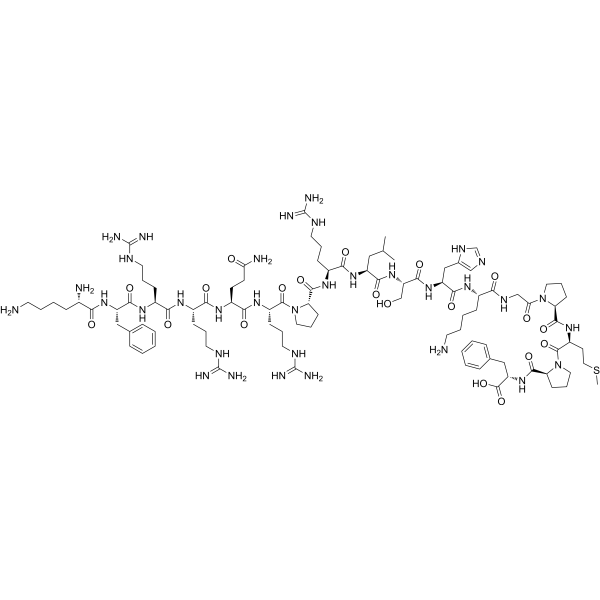
Apelin-17(human, bovine) is an endogenous orphan G protein-coupled receptor APJ agonist. Apelin-17(human, bovine) binds to human APJ receptors expressed in HEK 293 cells (pIC50=9.02). Apelin-17(human, bovine) inhibits the entry of some HIV-1 and HIV-2 into the NP2/CD4 cells expressing APJ .
|
-
- HY-178014
-
|
|
Salt-inducible Kinase (SIK)
Src
|
Others
|
|
SIK1-IN-1 (Compound 27) is a selective Salt-inducible kinase 1 (SIK1) inhibitor with an IC50 of 0.7 nM for SIK1 over SIK2 and SIK3. SIK1-IN-1 has no cytotoxicity against HEK293 cells and PBMCs (maximum concentration of 30 μM). SIK1-IN-1 also has potent inhibitory activities for 392 kinases, in particular tyrosine kinases, such as FGR, HCK and LYN) .
|
-

- HY-19858
-
|
|
iGluR
|
Neurological Disease
|
|
LY-466195 is a selective and competitive GLUK5 receptor antagonist. LY-466195 antagonizes Kainate-induced currents with an IC50 value of 0.045 μM in rat dorsal root ganglion neurons. In HEK293 cells transfected with GLUK5, GLUK2/GLUK5, or GLUK5/GLUK66 receptors, LY466195 produces IC50 values of 0.08 μM, 0.34 μM, and 0.07 μM, respectively .
|
-
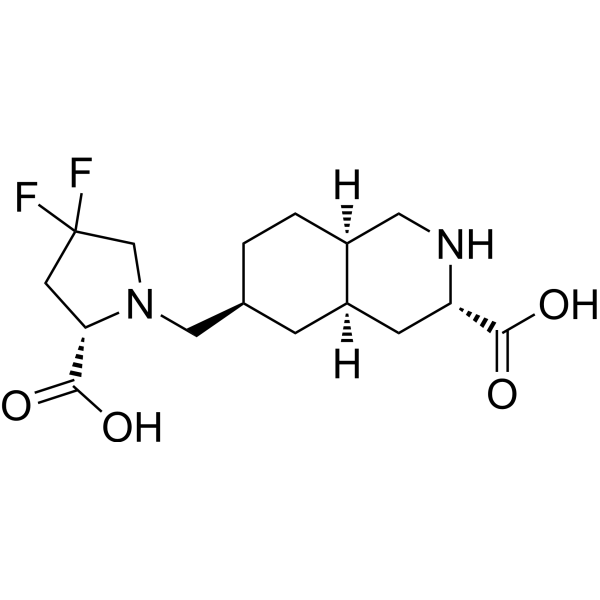
- HY-160167A
-
|
(R,R)-DZD8586
|
Btk
|
Cancer
|
|
(R,R)-Birelentinib ((R,R)-DZD8586) (Compound 14) is a potent BTK inhibitor with IC50 values for BTK WT and BTK C481S of 0.7 and 0.86 nM, respectively. (R,R)-Birelentinib inhibits the self-phosphorylation of BTK and its IC50 is 24.3 nM. (R,R)-Birelentinib exhibits significant anti-proliferative activity against wild-type and C481S mutant HEK293 cells. (R,R)-Birelentinib can be used for the study of drug-resistant B-cell malignancies .
|
-

- HY-107535
-
|
|
GPR119
TRP Channel
|
Metabolic Disease
|
|
AS1269574 is a potent, orally available GPR119 agonist, with an EC50 of 2.5 μM in HEK293 cells expressing human GPR119. AS1269574 activates TRPA1 cation channels to stimulate glucagon-like peptide-1 (GLP-1) secretion. AS1269574 specifically induces glucose-dependent insulin secretion from pancreatic β-cells only under high-glucose conditions. AS1269574 has the potential for the research of type 2 diabetes .
|
-
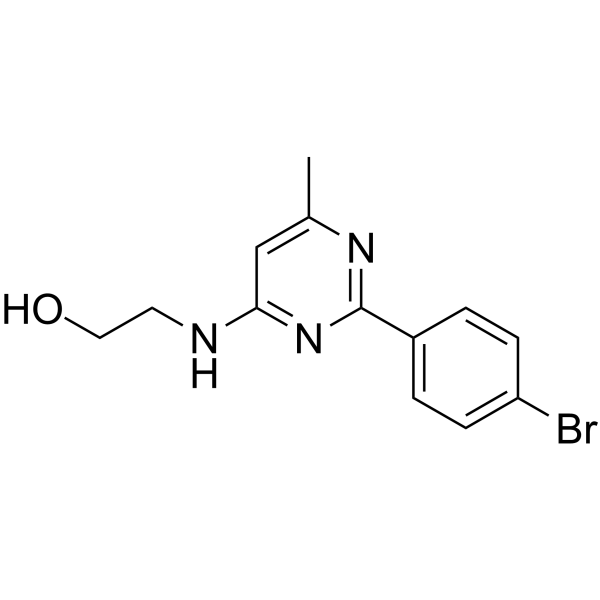
- HY-100769
-
|
YL0919
|
5-HT Receptor
|
Neurological Disease
|
|
Hypidone hydrochloride (YL0919) is an orally active antidepressant agent with dual activity as a highly seletive 5-HT uptake blocker and an effective 5-HT1A receptor agonist (Ki=0.19 nM). Hypidone hydrochloride inhibits the uptake of [ 3H]-5-HT into rat cerebral cortical synaptosomes and HEK293 cells with IC50s of 1.78 nM and 1.93 nM, respectively. Hypidone hydrochloride shows remarkable antidepressant effects in animal models and has the poential for the investigation of depressive disorder .
|
-
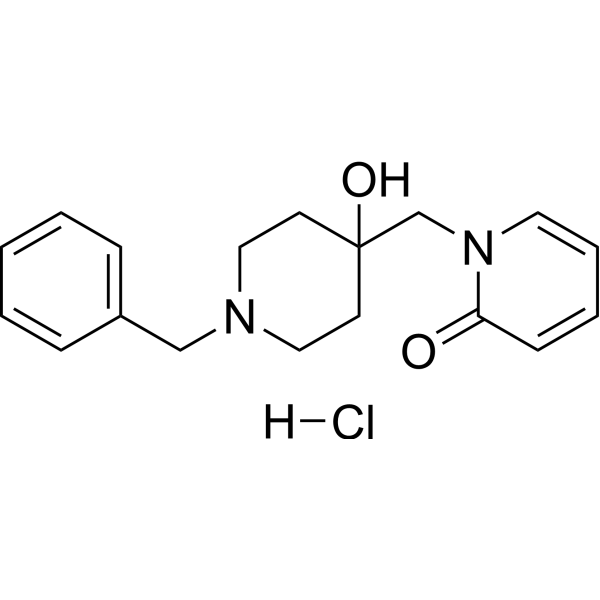
- HY-181192
-
|
|
PROTACs
SARS-CoV
Virus Protease
|
Infection
|
|
PROTAC SARS-CoV-2 Mpro degrader-6 is a PROTACs degrader targeting the SARS-CoV-2 main protease (M pro). PROTAC SARS-CoV-2 Mpro degrader-6 effectively induces the degradation of M pro and increases K48-linked polyubiquitination of M pro in HEK293 cells. PROTAC SARS-CoV-2 Mpro degrader-6 can be used in studies related to coronavirus disease 2019 (COVID-19) .
|
-

- HY-P1066A
-
|
|
HIV
Apelin Receptor (APJ)
|
Infection
|
|
Apelin-17(human, bovine) TFA is an endogenous orphan G protein-coupled receptor APJ agonist. Apelin-17(human, bovine) TFA binds to human APJ receptors expressed in HEK 293 cells (pIC50=9.02). Apelin-17(human, bovine) TFA inhibits the entry of some HIV-1 and HIV-2 into the NP2/CD4 cells expressing APJ .
|
-

- HY-163083
-
|
|
MDM-2/p53
Apoptosis
|
Cancer
|
|
JN122, a spiroindoline-containing molecule, is a MDM2 inhibitor. JN122 Inhibits MDM2/p53 protein–protein interaction and exerts robust in vivo antitumor efficacy. JN122 has antiproliferative activity in HCT-116 cells and HEK-293 cells with IC50 values of 39.6 nM and 4.28μM, respectively. JN122 can promote activation of p53 and its target genes, inhibited cell cycle progression, and induced cell apoptosis .
|
-
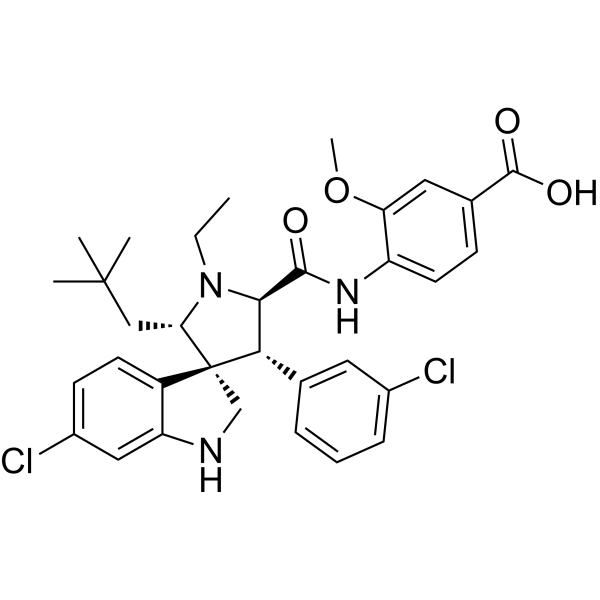
- HY-W673613
-
|
|
Estrogen Receptor/ERR
|
Metabolic Disease
|
|
ADX68692 is an orally active negative allosteric modulators of follicle-stimulating hormone receptor with a log IC50 of -5.71. ADX68692 can inhibit hCG-induced cAMP production and s ß-arrestin 2 recruitment in HEK293 cells. ADX68692 exhibits a partial effect in both mLTC-1 and primary rat Leydig cells. ADX68692 inhibits FSHR-promoted cAMP, progesterone and estradiol production. ADX68692 can reduce the number of oocytes recovered from the ampullae .
|
-

- HY-175309
-
|
|
URAT1
|
Metabolic Disease
|
|
URAT1-IN-14 is a potent and orally active Urate transporter 1 (URAT1) inhibitor. URAT1-IN-14 inhibits the human URAT1 in HEK293 cells with an IC50 of 0.72 μM. URAT1-IN-14 exhibits low cytotoxic in Hep-G2 cells. URAT1-IN-14 shows urate-lowering effect in hyperuricemia mouse models. URAT1-IN-14 can be used for the study of hyperuricemia and gout .
|
-

- HY-162116
-
|
|
Toll-like Receptor (TLR)
|
Inflammation/Immunology
Cancer
|
|
TLR7 agonist 18 (Compound 21a) is a selective Toll-like receptor 7 (TLR7) agonist with an EC50 of 7.8 μM. TLR7 agonist 18 is not cytotoxic to hTLR7 cotransfected HEK293 cell lines and can induce the secretion of several cytokines, including IL-1β, IL-12p70, IL-8, and TNF-α. TLR7 agonist 18 can be used in vaccine, asthma, allergy and anti-cancer research .
|
-
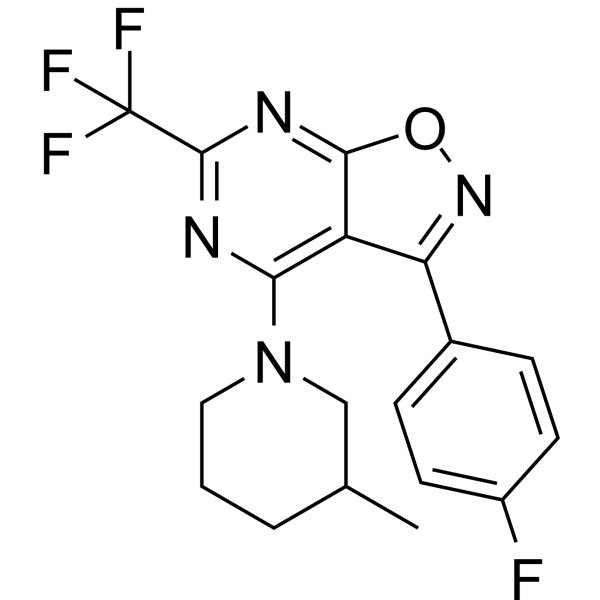
- HY-108584R
-
|
BMS-204352 (Standard)
|
Potassium Channel
Reference Standards
|
Neurological Disease
|
|
Flindokalner (Standard) is the analytical standard of Flindokalner. This product is intended for research and analytical applications. Flindokalner (BMS-204352) is a potassium channel modulator. Flindokalner is a positive modulator of all neuronal Kv7 channel subtypes expressed in HEK293 cells. Flindokalner is also a large conductance calcium-activated K channel (BKca) positive modulator. Flindokalner shows a negative modulatory activity at Kv7.1 channels (Ki=3.7 μM), and acts as a negative modulator of GABAA receptors. Flindokalner shows anxiolytic efficacy in vivo .
|
-

- HY-B0920R
-
|
U-17835 (Standard)
|
Reference Standards
Potassium Channel
|
Metabolic Disease
Endocrinology
|
|
Tolazamide (U-17835) (Standard) is the analytical standard of Tolazamide. This product is intended for research and analytical applications. Tolazamide is an orally active sulfonylurea agent that inhibits sulfonylurea receptor 1 (SUR1) linked to the inwardly rectifying potassium channel (IC50 = 4.2 µM in HEK293 cells transfected with the human receptor). Tolazamide has anti-diabetic properties. Tolazamide can lower blood glucose in sulfonylurea class. Tolazamide decreases insulin dose while continuing to maintain adequate metabolic control. Tolazamide is able to improve or normalize hyperglycemia and HbA .
|
-

- HY-W437569
-
|
|
Parasite
Insecticide
|
Infection
Cancer
|
|
Melicopine is an alkaloid found in Z. simulans with antimalarial and anticancer activities. It exhibits inhibitory activity against chloroquine-sensitive 3D7 and chloroquine-resistant Dd2 strains of P. falciparum, with IC50 values of 29.7 and 33.7 µg/mL, respectively. Melicopine is cytotoxic to prostate cancer cells PC-3M and LNCaP (IC50 values of 47.9 and 37.8 µg/mL), but has no effect on non-cancerous HEK293 cells (IC50 greater than 100 µg/mL). Melicopine holds promise for research in anticancer and anti-infection fields .
|
-

- HY-180802
-
|
|
Mas-related G-protein-coupled Receptor (MRGPR)
|
Neurological Disease
|
|
BCFTP is a potent, orally active and selective human Mas-related G protein-coupled receptor X1 (MrgprX1)-positive allosteric modulator. BCFTP selectively potentiates MrgprX1 signaling in HEK293 cells. BCFTP alleviates specific neuropathic pain-related behaviors in a humanized MrgprX1 mouse model of chronic constrictive injury (CCI) in a MrgprX1-dependent manner. BCFTP synergistically enhances psychoactive substances analgesia in CCI MrgprX1 mice. BCFTP can be used for neuropathic pain research .
|
-

- HY-10007R
-
|
SB-262470A (Standard)
|
CaSR
Reference Standards
|
Metabolic Disease
|
|
NPS-2143 (Standard) is the analytical standard of NPS-2143 (HY-10007). This product is intended for research and analytical applications. NPS-2143 (SB-262470A), an orally active calcilytic agent, is a selective and potent calcium ion-sensing receptor (CaSR) antagonist. NPS-2143 (SB-262470A) blocks increases in cytoplasmic Ca2+ concentrations (IC50=43 nM) elicited by activating the Ca2+ receptor in HEK 293 cells expressing the human Ca2+ receptor .
|
-

- HY-100403R
-
|
|
mGluR
Reference Standards
|
Cancer
|
|
Ro 67-7476 (Standard) is the analytical standard of Ro 67-7476 (HY-100403). This product is intended for research and analytical applications. Ro 67-7476 is a potent positive allosteric modulator of mGluR1 and potentiates glutamate-induced calcium release in HEK293 cells expressing rat mGluR1a with an EC50 of 60.1 nM . Ro 67-7476 is a potent P-ERK1/2 agonist and activates ERK1/2 phosphorylation in the absence of exogenously added glutamate (EC50=163.3 nM) .
|
-

- HY-101202R
-
|
NIH 10815 (Standard)
|
Opioid Receptor
Reference Standards
|
Neurological Disease
|
|
SNC80 (Standard) is the analytical standard of SNC80 (HY-101202). This product is intended for research and analytical applications. SNC80 (NIH 10815) is a potent, highly selective and non-peptide δ-opioid receptor agonist with a Ki of 1.78 nM and an IC50 of 2.73 nM. SNC80 also selectively activates μ-δ heteromer in HEK293 cells with an EC50 of 52.8 nM. SNC80 shows antinociceptive, antihyperalgesic and antidepressant‐like effects. SNC80 has the potential for multiple headache disorders treatment .
|
-

- HY-153972
-
|
|
URAT1
Xanthine Oxidase
|
Metabolic Disease
Inflammation/Immunology
|
|
URAT1&XO inhibitor 2 (Compound BDEO) is a dual inhibitor of xanthine oxidase and URAT1, with IC50 of 3.3 μM for xanthine oxidase. URAT1&XO inhibitor 2 blocks uptake of uric acid in HEK293 cells expressing URAT1, with a Ki value of 0.145 μM. URAT1&XO inhibitor 2 decreases serum urate level and uric acid excretion in hyperuricemic mice. URAT1&XO inhibitor 2 can be used for research of hyperuricemia .
|
-
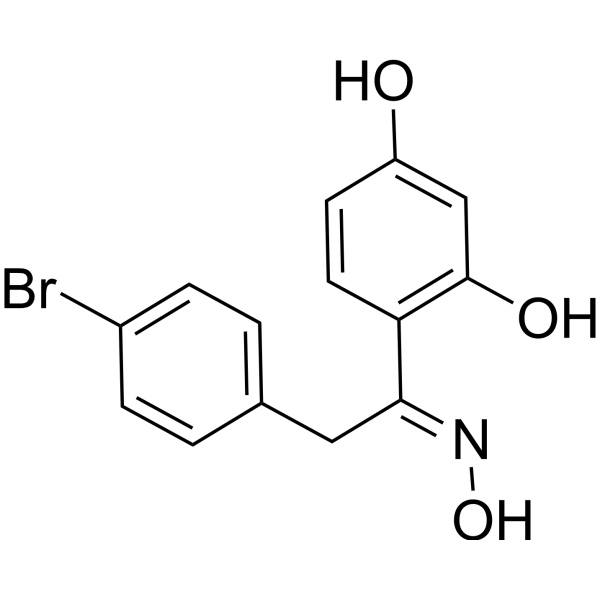
- HY-181029
-
|
|
Tyrosinase
|
Neurological Disease
Inflammation/Immunology
|
|
Tyrosinase-IN-49 (Compound 12) is a potent and mixed-type chalcone-based tyrosinase inhibitor with an IC50 of 0.19 μM. Tyrosinase-IN-49 has potent antioxidant potential with significant DPPH and ABTS radical scavenging capacity. Tyrosinase-IN-49 can chelate the binuclear copper ions in the active center of tyrosinase and reduce Cu 2+ to Cu +, thereby reducing the catalytic activity of the enzyme. Tyrosinase-IN-49 has low cytotoxicity for HEK293 cells and zebrafish embryo. Tyrosinase-IN-49 shows antibrowning effects to improve food quality and can be used for research of food preservation .
|
-

- HY-170525
-
|
|
CD73
|
Inflammation/Immunology
|
|
CD73-IN-19 (Compound 4ab) is a CD73 inhibitor (with a 44% inhibition rate of CD73 enzymatic activity at 100 μM). CD73-IN-19 (at 10 μM and 100 μM) can completely antagonize the blockade of T cell proliferation induced by TCR (T cell receptor) triggering (which is induced by CD73 activity), and it can also inhibit the hA2A receptor activity in HEK-293 cells (Ki is 3.31 μM). CD73-IN-19 holds promise for research in the field of immune diseases .
|
-

- HY-100013B1R
-
|
|
GPR88
Drug Isomer
Reference Standards
|
Neurological Disease
|
|
(1S,2S)-2-PCCA (hydrochloride) (Standard) is the analytical standard of (1S,2S)-2-PCCA (hydrochloride) (HY-100013B1). This product is intended for research and analytical applications. (1S,2S)-2-PCCA hydrochloride is a less active diastereomer of 2-PCCA. 2-PCCA is a GPR88 receptor agonist, and inhibits GPR88-mediated cAMP production, with an EC50 of 116 nM in HEK293 cells.
|
-

- HY-124655
-
|
|
LPL Receptor
|
Inflammation/Immunology
|
|
S1PL-IN-2 (Compound 28) is a potent sphingosine-1-phosphate lyase (S1PL) inhibitor with an IC50 of 120 nM. S1PL-IN-2 shows an IC50 of 230 nM on HEK293 cells. S1PL-IN-2 block the conversion of Vitamin B6 into the active pyridoxal-4-phosphate cofactor required for S1P lyase activity. S1PL-IN-2 can be used for the researches of inflammation and immunology, such as rheumatoid arthritis .
|
-

- HY-19408
-
Pyr10
3 Publications Verification
|
TRP Channel
|
Others
|
|
Pyr10 is a pyrazole derivative and a selective TRP cation 3 (TRPC3) inhibitor. Pyr10 inhibits Ca 2+ influx in carbachol-stimulated TRPC3-transfected HEK293 cells with an IC50 of 0.72 μM (IC50 of 13.08 μM for store operated Ca 2+ entry in BRL-2H3 cells). Pyr10 has the ability to distinguish between receptor-operated TRPC3 and native stromal interaction molecule 1 (STIM1)/Orai1 channels .
|
-
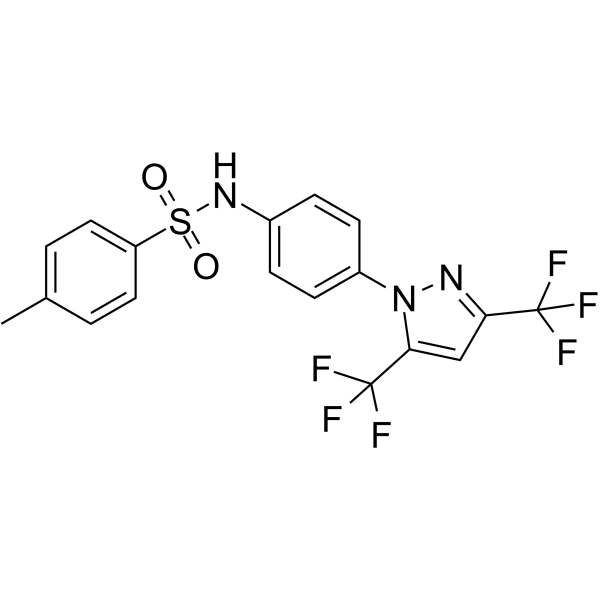
- HY-19337
-
|
BAY 1896953; ORM-15341
|
Androgen Receptor
|
Cancer
|
|
Ketodarolutamide (ORM-15341) is a potent, high-affinity nonsteroidal competitive full antagonist of androgen receptor (AR). Ketodarolutamide displays a Ki value of 8 nM for rat wild-type AR and an IC50 value of 38 nM in AR-HEK293 cells . Ketodarolutamide inhibits testosterone-induced nuclear translocation of the AR and antagonizes both overexpressed and mutant ARs . Ketodarolutamide specifically suppresses the proliferation of AR-dependent prostate cancer cells and exhibits antitumor activity in models of castration-resistant prostate cancer (CRPC) . Ketodarolutamide is suitable for the mechanistic and therapeutic research of prostate cancer .
|
-
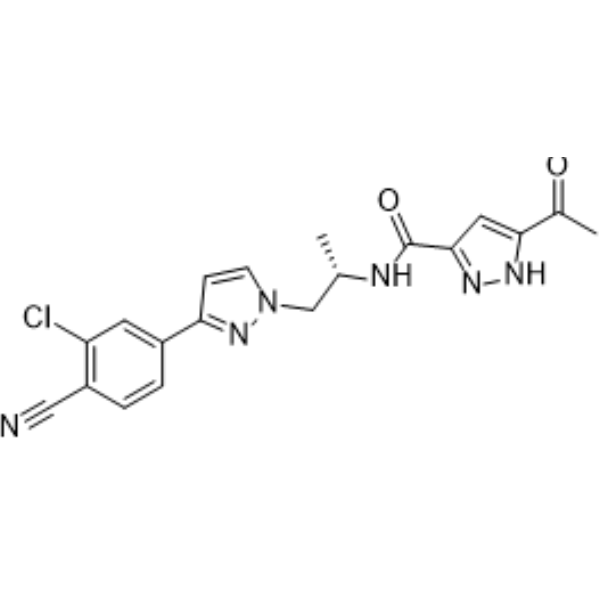
- HY-181028
-
|
|
Tyrosinase
|
Neurological Disease
Inflammation/Immunology
|
|
Tyrosinase-IN-48 (Compound 3) is a potent and competitive chalcone-based tyrosinase inhibitor with an IC50 of 0.49 μM. Tyrosinase-IN-48 has potent antioxidant potential with significant DPPH and ABTS radical scavenging capacity. Tyrosinase-IN-48 can chelate the binuclear copper ions in the active center of tyrosinase and reduce Cu 2+ to Cu +, thereby reducing the catalytic activity of the enzyme. Tyrosinase-IN-48 has low cytotoxicity for HEK293 cells and zebrafish embryo. Tyrosinase-IN-48 shows antibrowning effects to improve food quality and can be used for research of food preservation .
|
-

- HY-169831
-
|
|
α-synuclein
|
Neurological Disease
|
|
HUP-55 is a prolyl endopeptidase inhibitor (IC50 = 5 nM). HUP-55 reduces the dimerization of α-synuclein in Neuro2a cells and induces autophagy (Autophagy) in HEK293 cells. It also decreases the increase in reactive oxygen species (ROS) production induced by hydrogen peroxide in SH-SY5Y cells at a concentration of 10 μM. In a mouse Parkinson’s disease model, HUP-55 (10 mg/kg) improves motor function (reduces the use frequency of the impaired paw) and decreases the levels of harmful oligomers of α-synuclein in the striatum caused by overexpression of α-synuclein .
|
-

- HY-Z7733
-
|
Desmethylcarvedilol; BM-14242
|
Calcium Channel
|
Metabolic Disease
|
|
O-Desmethylcarvedilol (Desmethylcarvedilol) is an active metabolite of the non-selective β-adrenergic receptor (β-AR) antagonist Carvedilol (HY-B0006). O-Desmethylcarvedilol inhibits store-overload-induced calcium release in HEK293 cells expressing the ryanodine receptor 2 (RyR2) R4496C (RyR2 R4496C) mutation (IC50 = 7.62 µM). O-Desmethylcarvedilol reduces increases in heart rate and prevents decreases in diastolic blood pressure induced by Isoproterenol (HY-B0468) in conscious rabbits (ED50s = 32 and 5 µg/kg, respectively) .
|
-

- HY-129636
-
|
(E)-GABAB receptor antagonist 1
|
GABA Receptor
ERK
|
Neurological Disease
|
|
CLH304a (compound 14) is a specific and noncompetitive GABAB receptor negative allosteric modulator (NAM). CLH304a decreases GABA-induced IP3 production with an IC50 of 37.9 μM. CLH304a has no effect on other GPCR Class C members such as mGluR1, mGluR2, and mGluR5. CLH304a acts on the heptahelical domain of GB2 subunits and non-competitively inhibits the effect of agonists with inverse agonist properties. CLH304a inhibits Baclofen (HY-B0007)-induced ERK1/2 phosphorylation in HEK293 cells overexpressing GABAB receptor .
|
-
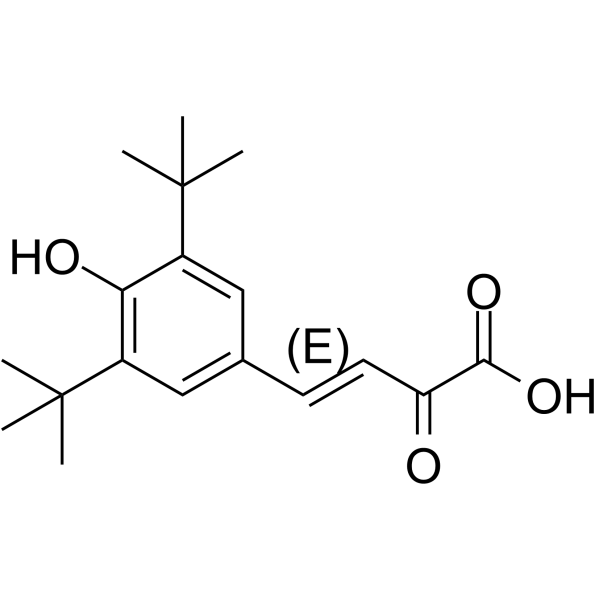
- HY-P1064
-
|
|
Apelin Receptor (APJ)
HIV
|
Infection
Cardiovascular Disease
Metabolic Disease
|
|
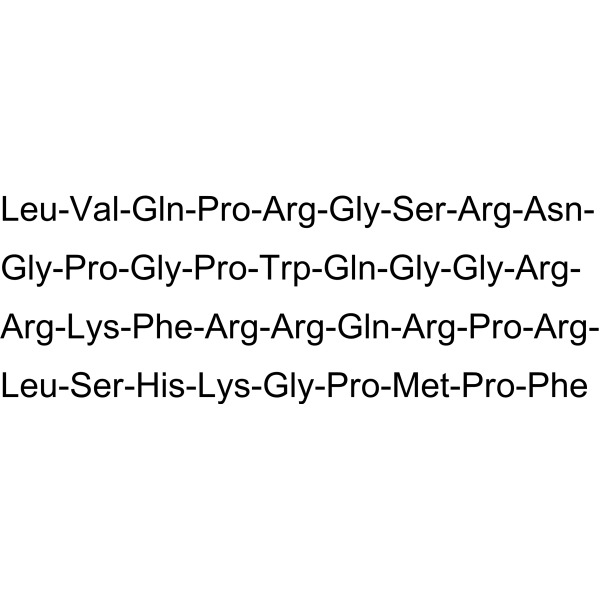
Apelin-36(human) is an endogenous orphan G protein-coupled receptor APJ agonist, with an EC50 of 20 nM. Apelin-36(human) shows high affinity to human APJ receptors expressed in HEK 293 cells (pIC50=8.61). Apelin-36 has been linked to two major types of biological activities: cardiovascular and metabolic. Apelin-36(human) inhibits the entry of some HIV-1 and HIV-2 into the NP2/CD4 cells expressing APJ .
|
-
- HY-107535R
-
|
|
Reference Standards
GPR119
TRP Channel
|
Metabolic Disease
|
|
AS1269574 (Standard) is the analytical standard of AS1269574 (HY-107535). This product is intended for research and analytical applications. AS1269574 is a potent, orally available GPR119 agonist, with an EC50 of 2.5 μM in HEK293 cells expressing human GPR119. AS1269574 activates TRPA1 cation channels to stimulate glucagon-like peptide-1 (GLP-1) secretion. AS1269574 specifically induces glucose-dependent insulin secretion from pancreatic β-cells only under high-glucose conditions. AS1269574 has the potential for the research of type 2 diabetes .
|
-

- HY-122189
-
|
(-)-Akuammine; Vincamajoridine
|
Others
|
Neurological Disease
|
|
Akuammine is an indole alkaloid that has been found in Picralima nitida and has analgesic activity. It selectively binds to the μ- and κ-opioid receptors over the δ-opioid receptor (Kis=0.3, 1.68, and 10.4 μM for the human receptors, respectively). Akuammine inhibits forskolin-induced cAMP production in HEK293 cells expressing human μ- or κ-opioid receptors (IC50s=2.6 and 0.073 μM, respectively). It increases the latency to withdrawal in the tail-flick or hot plate test in mice when administered at a dose of 60 mg/kg.
|
-

- HY-137610A
-
|
|
P2X Receptor
P2Y Receptor
|
Neurological Disease
|
|
TNP-ATP is an antagonist of purinergic P2Y1, P2X3, and P2X2/3 receptors (IC50 = 6, 0.9, and 7 nM, respectively, in HEK293 cells expressing human receptors). TNP-ATP reduces acetate-induced calcium flux in 1321N1 cells expressing P2X3 and P2X2/3 receptors (IC50 = 100 and 62 nM, respectively). TNP-ATP dose-dependently attenuates acetate-induced abdominal contractions in a mouse visceral pain model (ED50 = 6.35 µmol/kg) [1][2].
|
-

- HY-179248
-
|
|
Adenosine Receptor
ERK
JNK
MMP
|
Cancer
|
|
Adenosine receptor antagonist 7 is an orally active triple A1/A2A/A2B adenosine receptor antagonist with Ki values of 1.5, 0.6 and 21 nM. Adenosine receptor antagonist 7 shows potent inhibitory activity (IC50 = 0.8 nM) of cAMP production in A2AR-HEK293 cells. Adenosine receptor antagonist 7 can enhance infiltration of effector T cells and increase the CD8+/Treg ratio companied with Avelumab (HY-108730). Adenosine receptor antagonist 7can be used for the research of cancer, such as colon cancer .
|
-

- HY-P1064A
-
|
|
HIV
Apelin Receptor (APJ)
|
Infection
Cardiovascular Disease
Metabolic Disease
|
|
Apelin-36(human) TFA is an endogenous orphan G protein-coupled receptor APJ agonist, with an EC50 of 20 nM. Apelin-36(human) TFA shows high affinity to human APJ receptors expressed in HEK 293 cells (pIC550=8.61). Apelin-36(human) TFA has been linked to two major types of biological activities: cardiovascular and metabolic. Apelin-36(human) TFA inhibits the entry of some HIV-1 and HIV-2 into the NP2/CD4 cells expressing APJ .
|
-
- HY-10672
-
|
|
Urotensin Receptor
Cytochrome P450
Sodium Channel
Opioid Receptor
|
Cardiovascular Disease
|
|
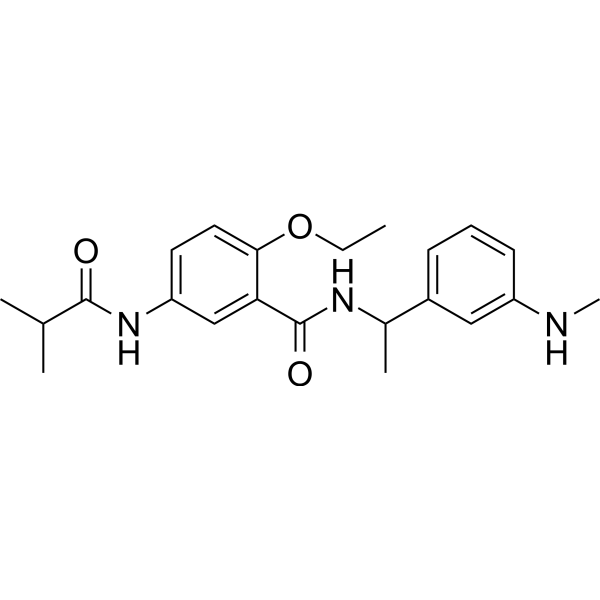
Urotensin-II receptor antagonist-1 (compound 1) is a low oral bioavailability (F=0-3%, rat) selective human Urotensin II receptor antagonist, Ki=16 nM (test on HEK293 cells expressing recombinant human UT receptor). Urotensin-II receptor antagonist-1 inhibits cytochrome P450 (IC50=0.75 μM, CYP2D6; 1.4 μM, CYP3A4), inhibits κ-opioid receptor (EC50=3.2 μM), targets cardiac sodium channels (Ki=2.5 μM) .
|
-

- HY-161104
-
|
|
Potassium Channel
Apoptosis
|
Cardiovascular Disease
Neurological Disease
|
|
Kv2.1-IN-1 is an orally active and blood-brain barrier penetrant Kv2.1 inhibitor with an IC50 of 0.07 μM. Kv2.1-IN-1 exhibits a selectivity >130 fold over other K +, Na +, and Ca 2+ ion channels. Kv2.1-IN-1 decreases the apoptosis of HEK293 cells induced by H2O2. Kv2.1-IN-1 produces significant neuroprotection efficacy in middle cerebral artery occlusion (MCAO) rat. Kv2.1-IN-1 can be used for the study of ischemic stroke .
|
-
- HY-120026
-
|
KB015
|
Thyroid Hormone Receptor
Calcium Channel
Potassium Channel
Sodium Channel
|
Cardiovascular Disease
|
|
KB130015 (KB015) is an orally active and potent ThRα and ThRβ (thyroid hormone receptor) inhibitor, with IC50 values of 4.5 and 5.1 μM, respectively. KB130015 markedly slows the kinetics of inactivation of Na + channels. KB130015 activates hERG1 channels (EC50 = 12.2 μM) and large-conductance Ca 2+-activated K + (BKCa) channels formed by hSlo1 (α) subunits in HEK 293 cells. KB130015 has antiarrhythmic properties. KB130015 can be used for the study of cardiovascular disease .
|
-
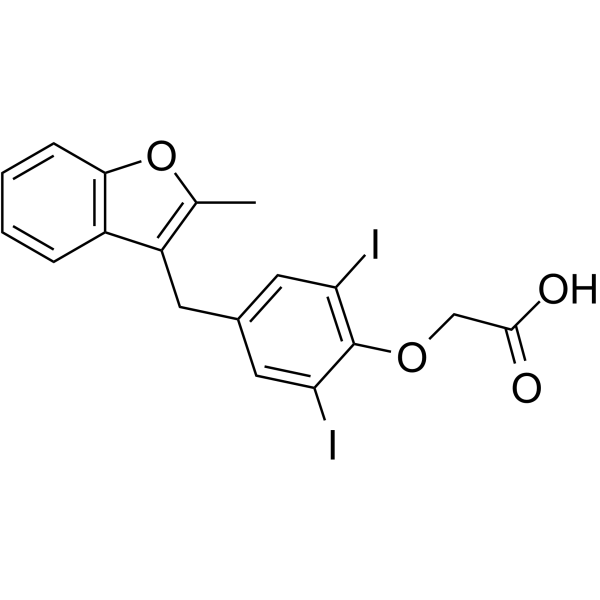
- HY-175486
-
|
|
Opioid Receptor
|
Neurological Disease
|
|
KOR agonist 6 is a KOR agonist (Ki = 0.25 pM). KOR agonist 6 shows agonistic activity at MOR and DOR in CHO cells and inhibits Forskolin (HY-15371)-stimulated cAMP accumulation. KOR agonist 6 stimulates KOR-mediated [ 35S]GTPγS binding and inhibits cAMP accumulation in KOR-expressing HEK293 cells with potent agonistic activity, while showing lower β-arrestin recruitment potency. KOR agonist 6 demonstrates anti-nociceptive efficacy in mice. KOR agonist 6 can be used for the study of analgesics with reduced central nervous system (CNS) side effects .
|
-

- HY-172199
-
|
|
ClpP
|
Cancer
|
|
THX6 is an hClpP activator with an EC50 of 1.18 μM. THX6 improves off-target profile with no affinity for hD2R and only weak affinity for hD3R (Ki = 51.1 µM) in HEK293 cells. THX6 shows good cytotoxicity in ONC201-resistant cells with an IC50 of 0.13 μM. THX6 changes the levels of fatty acids (PUFAs, MUFAs, and SFAs) in DIPG cells. THX6 decreases the level of proteins involved in oxidative phosphorylation, biogenesis, and mitophagy proteins, thereby resulting in a global collapse of mitochondrial integrity and function. THX6 can be used for diffuse intrinsic pontine glioma research .
|
-

- HY-P1650
-
|
B 9870
|
Bradykinin Receptor
ERK
|
Cancer
|
|
Breceptin (B 9870) is an antagonist of the bradykinin B1/B2 receptor (B1/B2R). Breceptin exhibits an irreversible antagonist effect on B2R, inhibiting the vasodilation induced by Bradykinin (HY-P0206) in the rabbit carotid vein contraction experiment. B-9870 shows partial agonist properties in HEK 293 cells with high expression of B2R, and can activate ERK1/2 phosphorylation, calcium ion mobilization, arachidonic acid release, and receptor internalization. Breceptin can be used in research to inhibit breast cancer and non-small cell lung cancer .
|
-

- HY-136190
-
|
|
TRP Channel
|
Neurological Disease
|
|
TRPC6-PAM-C20 is a selective positive allosteric modulator (PAM) of TRPC6 channels. TRPC6-PAM-C20 is a potent enhancer of channel activation, enabling low basal concentrations of DAG to induce activation of the ion channel. TRPC6-PAM-C20 induces increases in intracellular Ca 2+ concentrations ([Ca 2+]i) in TRPC6-expressing HEK293 cells with an EC50 of 2.37 μM. TRPC6-PAM-C20 can be used as a valuable tool to selectively exaggerate TRPC6-dependent signals .
|
-
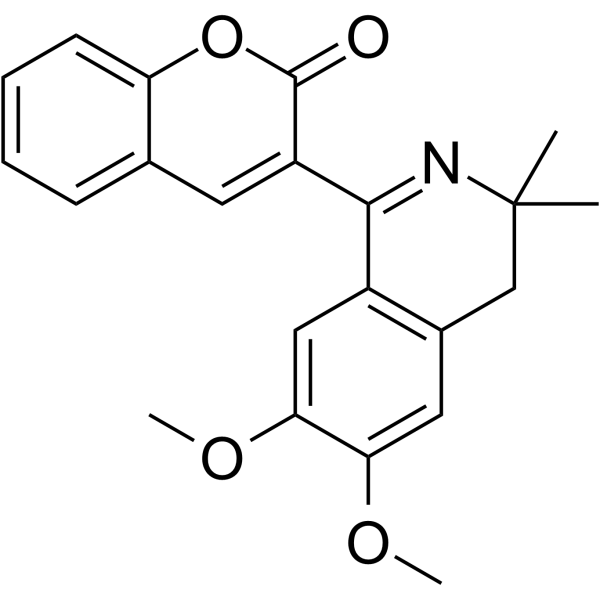
- HY-19337S1
-
|
BAY 1896953-d6; ORM-15341-d6
|
Isotope-Labeled Compounds
Androgen Receptor
|
Cancer
|
|
Ketodarolutamide-d6 (BAY 1896953-d6) is the deuterium labeled Ketodarolutamide (HY-19337). Ketodarolutamide (ORM-15341) is a potent, high-affinity nonsteroidal competitive full antagonist of androgen receptor (AR). Ketodarolutamide displays a Ki value of 8 nM for rat wild-type AR and an IC50 value of 38 nM in AR-HEK293 cells . Ketodarolutamide inhibits testosterone-induced nuclear translocation of the AR and antagonizes both overexpressed and mutant ARs . Ketodarolutamide specifically suppresses the proliferation of AR-dependent prostate cancer cells and exhibits antitumor activity in models of castration-resistant prostate cancer (CRPC) . Ketodarolutamide is suitable for the mechanistic and therapeutic research of prostate cancer .
|
-

- HY-118030
-
|
|
Calcium Channel
|
Neurological Disease
|
|
RQ-00311651 is a T-type calcium channel blocker that specifically targets the Cav3.2 isoform with a role in neuropathic and visceral pain. RQ-00311651 significantly inhibits T currents in HEK293 cells expressing human Cav3.1 or Cav3.2. RQ-00311651 also inhibited high potassium-induced calcium signaling. RQ-00311651 also inhibits antiallergic properties in rats and mice with neuropathic pain induced by spinal nerve injury or Paclitaxel (HY-B0015). Oral and intraperitoneal injection (10-20 mg/kg) inhibits Cerulein (HY-A0190)-induced acute pancreatitis and cyclophosphamide-induced cystitis in mice .
|
-

- HY-160431
-
|
|
PPAR
NF-κB
COX
Drug Metabolite
|
Metabolic Disease
|
|
8(9)-EET is one of the main metabolites produced by the metabolism of arachidonic acid (HY-109590) through the cytochrome P450 epoxide pathway. 8(9)-EET is an effective substrate for COX-1 and COX-2. 8(9)-EET activates PPARα in HEK293 cells and inhibits the activity of NF-κB induced by IL-1β in a PPARα-dependent and -independent manner. The (8S,9R)-isomer of 8(9)-EET ([(8S,9R)-EET]) causes vasoconstriction, thereby reducing renal plasma flow and glomerular filtration rate .
|
-

- HY-163816
-
|
|
Cytochrome P450
|
Cancer
|
|
Antiproliferative agent-53-d3 (Compound C1) is an inhibitor for theta-mediated end joining (TMEJ) in HEK293 cell with an IC50 of 0.14 µM. Antiproliferative agent-53-d3 is the inhibitor for CYP2C19 and CYP2C9 with IC50 of 0.77 and 3.1 µM. Antiproliferative agent-53-d3 inhibits the proliferation of DNA repair-compromised cells, with IC50 of 8.1 µM for BRCA2 -/- DLD-1. Antiproliferative agent-53-d3 exhibits good pharmacokinetic characteristics in CD-1 mice .
|
-

- HY-179488
-
|
|
PPAR
NF-κB
COX
Drug Metabolite
|
Metabolic Disease
|
|
(±)8(9)-EET is one of the main metabolites produced by the metabolism of arachidonic acid (HY-109590) through the cytochrome P450 epoxide pathway. (±)8(9)-EET is an effective substrate for COX-1 and COX-2. (±)8(9)-EET activates PPARα in HEK293 cells and inhibits the activity of NF-κB induced by IL-1β in a PPARα-dependent and -independent manner. The (8S,9R)-isomer of (±)8(9)-EET ([(8S,9R)-EET]) causes vasoconstriction, thereby reducing renal plasma flow and glomerular filtration rate .
|
-

- HY-19337S
-
|
BAY 1896953-d3; ORM-15341-d3
|
Isotope-Labeled Compounds
Androgen Receptor
|
Cancer
|
|
Ketodarolutamide-d3 (BAY 1896953-d3) is the deuterium labeled Ketodarolutamide (HY-19337). Ketodarolutamide (ORM-15341) is a potent, high-affinity nonsteroidal competitive full antagonist of androgen receptor (AR). Ketodarolutamide displays a Ki value of 8 nM for rat wild-type AR and an IC50 value of 38 nM in AR-HEK293 cells . Ketodarolutamide inhibits testosterone-induced nuclear translocation of the AR and antagonizes both overexpressed and mutant ARs . Ketodarolutamide specifically suppresses the proliferation of AR-dependent prostate cancer cells and exhibits antitumor activity in models of castration-resistant prostate cancer (CRPC) . Ketodarolutamide is suitable for the mechanistic and therapeutic research of prostate cancer .
|
-

- HY-166478S
-
|
Desmethylcarvedilol-d5; BM-14242-d5
|
Isotope-Labeled Compounds
Calcium Channel
|
Metabolic Disease
|
|
O-Desmethyl carvedilol-d5 (Desmethylcarvedilol-d5) is deuterium labeled O-Desmethylcarvedilol. O-Desmethylcarvedilol (Desmethylcarvedilol) is an active metabolite of the non-selective β-adrenergic receptor (β-AR) antagonist Carvedilol (HY-B0006). O-Desmethylcarvedilol inhibits store-overload-induced calcium release in HEK293 cells expressing the ryanodine receptor 2 (RyR2) R4496C (RyR2 R4496C) mutation (IC50 = 7.62 μM). O-Desmethylcarvedilol reduces increases in heart rate and prevents decreases in diastolic blood pressure induced by Isoproterenol (HY-B0468) in conscious rabbits (ED50s = 32 and 5 μg/kg, respectively) .
|
-

- HY-118386
-
|
|
Endogenous Metabolite
|
Metabolic Disease
|
|
H2-005 is a compound that selectively inhibits diacylglycerol acyltransferase 2 (DGAT2) and has the activity to inhibit triacylglycerol synthesis in hepatocytes and preadipocytes. H2-005 significantly reduces triacylglycerol biosynthesis in HepG2 hepatocytes and 3T3-L1 preadipocytes. H2-005 exhibits specific inhibitory activity in DGAT2-overexpressing HEK293 cells. H2-005 almost completely inhibits lipid droplet formation in 3T3-L1 cells when co-treated with a DGAT1 inhibitor. H2-005 will contribute to DGAT2-related lipid metabolism research and the development of drugs to inhibit metabolic diseases .
|
-

- HY-137325A
-
|
|
Calcium Channel
|
Metabolic Disease
|
|
2-Chloro-ATP sodium (2-Chloro ATP) is an adenine nucleotide and an analog of ATP. It is an antagonist of the purinergic P2Y1 receptor and inhibits intracellular calcium mobilization induced by ADP (HY-W010918) in Jurkat cells expressing the human receptor (Ki=2.3 μM). 2-Chloro-ATP sodium is an agonist of the purinergic P2X receptor and induces inward currents in HEK293 cells expressing human bladder smooth muscle or rat PC12 forms of the receptor (EC50=0.5 and 2.5 μM). 2-Chloro-ATP sodium induces relaxation of precontracted guinea pig cecal strips in a concentration-dependent manner. 2-Chloro-ATP sodium has been used to study the substrate specificity of cyclic nucleotide-dependent protein kinases such as protein kinase A (PKA) and PKG.
|
-

- HY-169859
-
|
|
Prostaglandin Receptor
Interleukin Related
|
Inflammation/Immunology
Cancer
|
|
EP4 receptor antagonist 7 (Compound 14) is an antagonist of the prostaglandin E2 (PGE2) receptor subtype EP4 with an IC50 value of 1.1 nM. EP4 receptor antagonist 7 inhibits PGE2-induced β-arrestin recruitment in HEK293 cells with an IC50 value of 0.9 nM. EP4 receptor antagonist 7 decreases PGE2-induced expression of mRNA encoding IL-4, macrophage mannose receptor 1 (Mrc1), chitinase-like protein 3 (Chil3), chemokine (C-X-C) motif ligand 1 (Cxcl1), triggering receptor expressed on myeloid cells 2 (Trem2), and arginase-1 (Arg1), in RAW 264.7 macrophages. EP4 receptor antagonist 7 combined with an anti-PD-1 antibody inhibits tumor growth and increases infiltration of CD 8+ T cells into tumors in a CT26 murine colon cancer model .
|
-

- HY-103117
-
|
|
5-HT Receptor
|
Neurological Disease
|
|
S 32212 hydrochloride is an inverse agonist of 5-HT receptors 5-HT2(CINI) and 5-HT2(CVSV) (Kis=6.6, 8.9 nM) and an antagonist of 5-HT2A and α2β-adrenergic receptors (Ki=5.8, 5.8 nM). S 32212 hydrochloride can reduce the binding of GTPγS to Gαq, and reduce the activity of phospholipase C (PLC) in HEK293 cells expressing 5-HT2(CINI) receptor and CHO cells expressing 5-HT2(CVSV) receptor (EC50=38 and 18.6 nM, respectively). S 32212 hydrochloride (2.5 mg/kg) reduces 5-HT receptor agonist-induced head twitches and penile erections in mice and rats. S 32212 hydrochloride (10, 40 mg/kg) reduces immobility time in the forced swim test and marble burying behavior in mice and rats, exerting antidepressant and anxiolytic activities.
|
-

- HY-173044
-
|
|
5-HT Receptor
Dopamine Receptor
|
Neurological Disease
|
|
5-HT1AR/5-HT6R ligand-1 (Compound PP13) is the ligand for 5-HT receptor that exhibits good affinity to 5-HT1AR, 5-HT6R and 5-HT7R (Ki of 19, 69 and 198 nM, respectively), thereby inhibiting the cAMP production in HEK293 cell with EC50 of 1535, 488 and 53 nM, respectively. 5-HT1AR/5-HT6R ligand-1 exhibits anti-proliferative activity against a variety of cancer cells (IC50 for 1321N1, U87MG, MCF7, and AsPC-1 is 9.6, 13.6, 19.3 and 14.6 μM, respectively). 5-HT1AR/5-HT6R ligand-1 also exhibits antagonist activity for dopamine receptor D2R with Ki of 1903 nM .
|
-

| Cat. No. |
Product Name |
Type |
-
- HY-10219G
-
|
Sirolimus; AY-22989; NSC 226080
|
Fluorescent Dyes
|
|
Rapamycin (Sirolimus) (GMP) is Rapamycin (HY-10219) produced by using GMP guidelines. GMP small molecules works appropriately as an auxiliary reagent for cell therapy manufacture. Rapamycin (Sirolimus; AY 22989) is a potent and specific mTOR inhibitor with an IC50 of 0.1 nM in HEK293 cells. Rapamycin binds to FKBP12 and specifically acts as an allosteric inhibitor of mTORC1 . Rapamycin is an autophagy activator, an immunosuppressant .
|
-
- HY-10219GL
-
|
Sirolimus (GMP Like); AY-22989 (GMP Like); NSC 226080 (GMP Like)
|
Fluorescent Dyes
|
|
Rapamycin (Sirolimus) GMP Like is Rapamycin (HY-10219) produced by using GMP like guidelines. GMP Like small molecules works appropriately as an auxiliary reagent for cell therapy manufacture. Rapamycin (Sirolimus; AY 22989) is a potent and specific mTOR inhibitor with an IC50 of 0.1 nM in HEK293 cells. Rapamycin binds to FKBP12 and specifically acts as an allosteric inhibitor of mTORC1 . Rapamycin is an autophagy activator, an immunosuppressant .
|
| Cat. No. |
Product Name |
Type |
-
- HY-100545
-
|
|
Biochemical Assay Reagents
|
|
BAPTA-AM is a well-known membrane permeable Ca 2+ chelator. BAPTA-AM inhibits hERG channels, hKv1.3 and hKv1.5 channels in HEK 293 cells with IC50s of 1.3 μM, 1.45 μM and 1.23 μM, respectively .
|
-
- HY-10219G
-
|
Sirolimus; AY-22989; NSC 226080
|
Biochemical Assay Reagents
|
|
Rapamycin (Sirolimus) (GMP) is Rapamycin (HY-10219) produced by using GMP guidelines. GMP small molecules works appropriately as an auxiliary reagent for cell therapy manufacture. Rapamycin (Sirolimus; AY 22989) is a potent and specific mTOR inhibitor with an IC50 of 0.1 nM in HEK293 cells. Rapamycin binds to FKBP12 and specifically acts as an allosteric inhibitor of mTORC1 . Rapamycin is an autophagy activator, an immunosuppressant .
|
-
- HY-10219GL
-
|
Sirolimus (GMP Like); AY-22989 (GMP Like); NSC 226080 (GMP Like)
|
Biochemical Assay Reagents
|
|
Rapamycin (Sirolimus) GMP Like is Rapamycin (HY-10219) produced by using GMP like guidelines. GMP Like small molecules works appropriately as an auxiliary reagent for cell therapy manufacture. Rapamycin (Sirolimus; AY 22989) is a potent and specific mTOR inhibitor with an IC50 of 0.1 nM in HEK293 cells. Rapamycin binds to FKBP12 and specifically acts as an allosteric inhibitor of mTORC1 . Rapamycin is an autophagy activator, an immunosuppressant .
|
-
- HY-100545R
-
|
|
Biochemical Assay Reagents
|
|
BAPTA-AM (Standard) is the analytical standard of BAPTA-AM. This product is intended for research and analytical applications. BAPTA-AM is a well-known membrane permeable Ca2+ chelator. BAPTA-AM inhibits hERG channels, hKv1.3 and hKv1.5 channels in HEK 293 cells with IC50s of 1.3 μM, 1.45 μM and 1.23 μM, respectively .
|
| Cat. No. |
Product Name |
Target |
Research Area |
-
- HY-P0221C
-
|
|
PACAP Receptor
|
Metabolic Disease
|
|
PACAP (1-38) free acid is a desamido-PACAP (1-38), human, ovine, rat (HY-P0221). PACAP (1-38) free acid can activate the human PAC1 receptor. PACAP (1-38) free acid induces cyclic AMP (cAMP) generation in both NS-1 neuroendocrine cells and non-neuroendocrine HEK293 cells .
|
-
- HY-P4376A
-
|
|
CaSR
|
Neurological Disease
|
|
Gamma-Glu-Abu TFA is the TFA salt form of Gamma-Glu-Abu (HY-P4376). Gamma-Glu-Abu TFA is an agonist for calcium sensing receptor (CaSR), that activates the CaSR with an EC50 of 0.21 μM in HEK-293 cell .
|
-
- HY-P1066
-
|
|
Apelin Receptor (APJ)
HIV
|
Infection
|
|
Apelin-17(human, bovine) is an endogenous orphan G protein-coupled receptor APJ agonist. Apelin-17(human, bovine) binds to human APJ receptors expressed in HEK 293 cells (pIC50=9.02). Apelin-17(human, bovine) inhibits the entry of some HIV-1 and HIV-2 into the NP2/CD4 cells expressing APJ .
|
-
- HY-P1064
-
|
|
Apelin Receptor (APJ)
HIV
|
Infection
Cardiovascular Disease
Metabolic Disease
|
|
Apelin-36(human) is an endogenous orphan G protein-coupled receptor APJ agonist, with an EC50 of 20 nM. Apelin-36(human) shows high affinity to human APJ receptors expressed in HEK 293 cells (pIC50=8.61). Apelin-36 has been linked to two major types of biological activities: cardiovascular and metabolic. Apelin-36(human) inhibits the entry of some HIV-1 and HIV-2 into the NP2/CD4 cells expressing APJ .
|
-
- HY-P1064A
-
|
|
HIV
Apelin Receptor (APJ)
|
Infection
Cardiovascular Disease
Metabolic Disease
|
|
Apelin-36(human) TFA is an endogenous orphan G protein-coupled receptor APJ agonist, with an EC50 of 20 nM. Apelin-36(human) TFA shows high affinity to human APJ receptors expressed in HEK 293 cells (pIC550=8.61). Apelin-36(human) TFA has been linked to two major types of biological activities: cardiovascular and metabolic. Apelin-36(human) TFA inhibits the entry of some HIV-1 and HIV-2 into the NP2/CD4 cells expressing APJ .
|
-
- HY-P4376
-
|
|
CaSR
|
Neurological Disease
|
|
Gamma-Glu-Abu is an agonist for calcium sensing receptor (CaSR), that activates the CaSR with an EC50 of 0.21 μM in HEK-293 cell .
|
-
- HY-P1066A
-
|
|
HIV
Apelin Receptor (APJ)
|
Infection
|
|
Apelin-17(human, bovine) TFA is an endogenous orphan G protein-coupled receptor APJ agonist. Apelin-17(human, bovine) TFA binds to human APJ receptors expressed in HEK 293 cells (pIC50=9.02). Apelin-17(human, bovine) TFA inhibits the entry of some HIV-1 and HIV-2 into the NP2/CD4 cells expressing APJ .
|
-
- HY-K3113
-
|
|
|
MCE Exosome-Specific 293 Cell Medium (Serum-Free) is specifically optimized for exosome production from HEK293 cells.
|
| Cat. No. |
Product Name |
Target |
Research Area |
Image |
-
- HY-P990667B
-
|
|
Integrin
|
Inflammation/Immunology
|
|
STX-100 (Biotinylated) is a biotin-labeled STX-100 (HY-P990667). STX-100 is a humanized antibody expressed in HEK293 cells, targeting Integrin aVb6 (ITGAV & ITGB6) .
|
-

(5)
-
- HY-P991430
-
|
TB-403
|
VEGFR
|
Cancer
|
|
RO5323441 (TB-403) is a human IgG1 monoclonal antibody (mAb) targeting PlGF. RO5323441 inhibits the binding of human PlGF-1 or PlGF-2 to VEGFR-1 (IC50 values are 0.1 and 0.2 nM, respectively). RO5323441 blocks PlGF-induced VEGFR-1 phosphorylation in Flt-1-transfected HEK293 cells. RO5323441 has antitumor activity .
|
-
(5)
| Cat. No. |
Product Name |
Category |
Target |
Chemical Structure |
| Cat. No. |
Product Name |
Chemical Structure |
-
- HY-10219S
-
1 Publications Verification
|
|
Rapamycin-d3 is the deuterium labeled Rapamycin. Rapamycin is a potent and specific mTOR inhibitor with an IC50 of 0.1 nM in HEK293 cells. Rapamycin binds to FKBP12 and specifically acts as an allosteric inhibitor of mTORC1. Rapamycin is an autophagy activator, an immunosuppressant .
|
-
-
- HY-10219S1
-
|
|
|
Rapamycin- 13C,d3 (Sirolimus- 13C,d3) is the 13C and deuterium labeled Rapamycin (HY-10219) . Rapamycin is a potent and specific mTOR inhibitor with an IC50 of 0.1 nM in HEK293 cells. Rapamycin binds to FKBP12 and specifically acts as an allosteric inhibitor of mTORC1. Rapamycin is an autophagy activator, an immunosuppressant .
|
-
-
- HY-119695S
-
|
|
|
Simvastatin acid-d6 (Tenivastatin-d6) is deuterium labeled Simvastatin acid. Simvastatin acid (Tenivastatin), a hydrolysate of Simvastatin (HY-17502), is a HMG-CoA reductase (HMGCR) inhibitor. Simvastatin acid reduces Indoxyl sulfate-mediated reactive oxygen species (ROS) production in human cardiomyocytes. Simvastatin acid can also modulates OATP3A1 expression in cardiomyocytes and HEK293 cells transfected with the OATP3A1 gene .
|
-
-
- HY-119695AS
-
|
|
|
Simvastatin acid-d6 (ammonium)mis the deuterium labeled Simvastatin acid ammonium. Simvastatin ammonium is an active metabolite of simvastatin lactone mediated by CYP3A4/5 in the intestinal wall and liver (pKa=5.5). Simvastatin ammonium reduces indoxyl sulfate-mediated reactive oxygen species and modulates OATP3A1 expression in cardiomyocytes and HEK293 cells transfected with the OATP3A1 gene .
|
-
-
- HY-119695AS1
-
|
|
|
Simvastatin acid-d9 ammonium is deuterated labeled Simvastatin acid ammonium (HY-119695A). Simvastatin acid (Tenivastatin) ammonium is a potent HMG-CoA reductase (HMGCR) inhibitor. Simvastatin acid ammonium reduces Indoxyl sulfate-mediated reactive oxygen species (ROS) production in human cardiomyocytes. Simvastatin acid ammonium can also modulates OATP3A1 expression in cardiomyocytes and HEK293 cells transfected with the OATP3A1 gene .
|
-
-
- HY-W765245
-
|
|
|
Rapamycin- 13C,d3-1 (Sirolimus- 13C,d3-1) is the deuterium labeled and 13C-labeled Rapamycin (HY-10219). Rapamycin (Sirolimus; AY 22989) is a potent and specific mTOR inhibitor with an IC50 of 0.1 nM in HEK293 cells. Rapamycin binds to FKBP12 and specifically acts as an allosteric inhibitor of mTORC1 . Rapamycin is an autophagy activator, an immunosuppressant .
|
-
-
- HY-163816
-
|
|
|
Antiproliferative agent-53-d3 (Compound C1) is an inhibitor for theta-mediated end joining (TMEJ) in HEK293 cell with an IC50 of 0.14 µM. Antiproliferative agent-53-d3 is the inhibitor for CYP2C19 and CYP2C9 with IC50 of 0.77 and 3.1 µM. Antiproliferative agent-53-d3 inhibits the proliferation of DNA repair-compromised cells, with IC50 of 8.1 µM for BRCA2 -/- DLD-1. Antiproliferative agent-53-d3 exhibits good pharmacokinetic characteristics in CD-1 mice .
|
-
-
- HY-166478S
-
|
|
|
O-Desmethyl carvedilol-d5 (Desmethylcarvedilol-d5) is deuterium labeled O-Desmethylcarvedilol. O-Desmethylcarvedilol (Desmethylcarvedilol) is an active metabolite of the non-selective β-adrenergic receptor (β-AR) antagonist Carvedilol (HY-B0006). O-Desmethylcarvedilol inhibits store-overload-induced calcium release in HEK293 cells expressing the ryanodine receptor 2 (RyR2) R4496C (RyR2 R4496C) mutation (IC50 = 7.62 μM). O-Desmethylcarvedilol reduces increases in heart rate and prevents decreases in diastolic blood pressure induced by Isoproterenol (HY-B0468) in conscious rabbits (ED50s = 32 and 5 μg/kg, respectively) .
|
-
-
- HY-19337S1
-
|
|
|
Ketodarolutamide-d6 (BAY 1896953-d6) is the deuterium labeled Ketodarolutamide (HY-19337). Ketodarolutamide (ORM-15341) is a potent, high-affinity nonsteroidal competitive full antagonist of androgen receptor (AR). Ketodarolutamide displays a Ki value of 8 nM for rat wild-type AR and an IC50 value of 38 nM in AR-HEK293 cells . Ketodarolutamide inhibits testosterone-induced nuclear translocation of the AR and antagonizes both overexpressed and mutant ARs . Ketodarolutamide specifically suppresses the proliferation of AR-dependent prostate cancer cells and exhibits antitumor activity in models of castration-resistant prostate cancer (CRPC) . Ketodarolutamide is suitable for the mechanistic and therapeutic research of prostate cancer .
|
-
-
- HY-19337S
-
|
|
|
Ketodarolutamide-d3 (BAY 1896953-d3) is the deuterium labeled Ketodarolutamide (HY-19337). Ketodarolutamide (ORM-15341) is a potent, high-affinity nonsteroidal competitive full antagonist of androgen receptor (AR). Ketodarolutamide displays a Ki value of 8 nM for rat wild-type AR and an IC50 value of 38 nM in AR-HEK293 cells . Ketodarolutamide inhibits testosterone-induced nuclear translocation of the AR and antagonizes both overexpressed and mutant ARs . Ketodarolutamide specifically suppresses the proliferation of AR-dependent prostate cancer cells and exhibits antitumor activity in models of castration-resistant prostate cancer (CRPC) . Ketodarolutamide is suitable for the mechanistic and therapeutic research of prostate cancer .
|
-
| Cat. No. |
Product Name |
Target |
Research Areas |
Chemical Structure |
-
- HY-10219G
-
|
Sirolimus; AY-22989; NSC 226080
|
mTOR
FKBP
Fungal
Autophagy
Endogenous Metabolite
Antibiotic
Bacterial
|
Infection
Cancer
|
|
Rapamycin (Sirolimus) (GMP) is Rapamycin (HY-10219) produced by using GMP guidelines. GMP small molecules works appropriately as an auxiliary reagent for cell therapy manufacture. Rapamycin (Sirolimus; AY 22989) is a potent and specific mTOR inhibitor with an IC50 of 0.1 nM in HEK293 cells. Rapamycin binds to FKBP12 and specifically acts as an allosteric inhibitor of mTORC1 . Rapamycin is an autophagy activator, an immunosuppressant .
|
-
Your information is safe with us. * Required Fields.
Inquiry Information
- Product Name:
- Cat. No.:
- Quantity:
- MCE Japan Authorized Agent:








