Search Result
Results for "
norepinephrine inhibitor
" in MedChemExpress (MCE) Product Catalog:
38
Isotope-Labeled Compounds
| Cat. No. |
Product Name |
Target |
Research Areas |
Chemical Structure |
-
- HY-B0161A
-
|
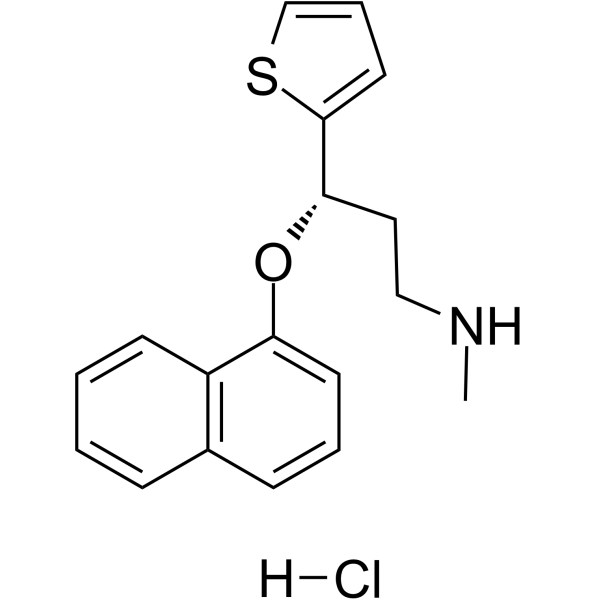
(S)-Duloxetine hydrochloride; LY-248686 hydrochloride
|
Serotonin Transporter
|
Neurological Disease
Cancer
|
|
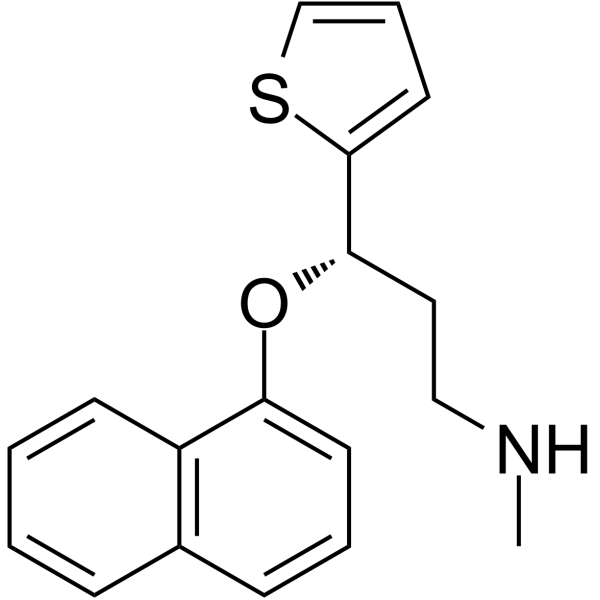
Duloxetine hydrochloride ((S)-Duloxetine hydrochloride) is a serotonin-norepinephrine reuptake inhibitor (SNRI) with a Ki of 4.6 nM, used for treatment of major depressive disorder and generalized anxiety disorder (GAD) .
|
-
-
- HY-B0196
-
-
-
- HY-B0161
-
-
-
- HY-14560C
-
|
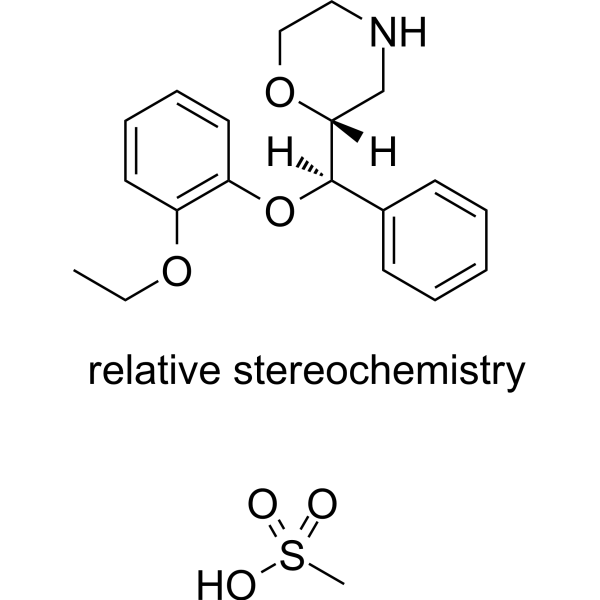
FCE20124 mesylate; PNU155950E mesylate
|
Adrenergic Receptor
|
Neurological Disease
|
|
Reboxetine mesylate (FCE20124 mesylate) is a potent, selective, and specific noradrenaline reuptake inhibitor (NARI) for the research of depression. Reboxetine mesylate inhibits the uptake of norepinephrine, with a Ki of 8 nM .
|
-
-
- HY-B0168A
-
|
|
Serotonin Transporter
PERK
|
Neurological Disease
|
|
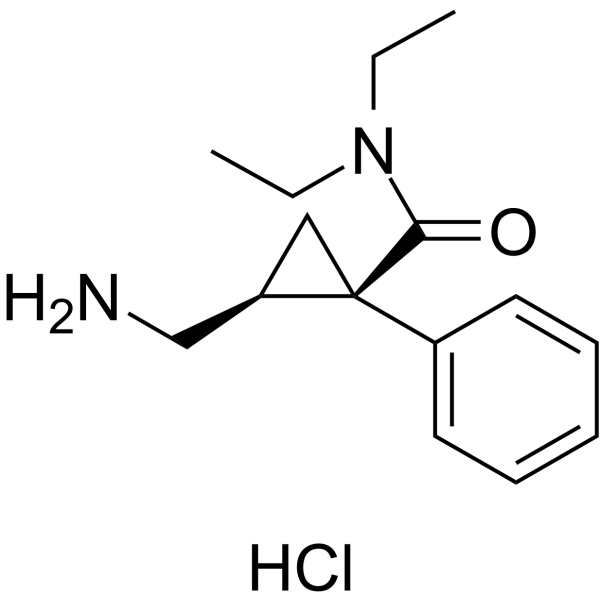
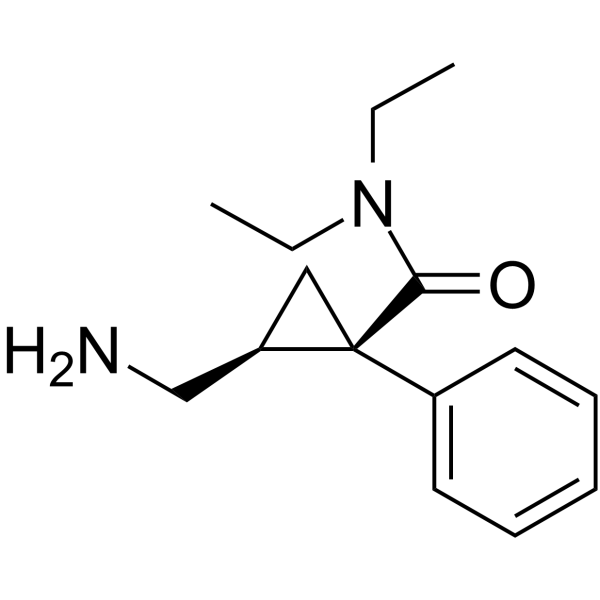
Milnacipran hydrochloride is an orally active Serotonin (HY-B1473A) and Norepinephrine (HY-13715) reuptake inhibitor. Milnacipran hydrochloride inhibits monoamine transporters, especially the norepinephrine transporter and the serotonin transporter (Ki values of 31 and 8.5 nM, respectively). Milnacipran hydrochloride inhibits pERK1/2 activation. Milnacipran hydrochloride has antidepressant, anxiolytic and analgesic properties. Milnacipran hydrochloride inhibits biting behavior in mice. Milnacipran hydrochloride can be used in the study of major depressive disorder, anxiety disorders, and neuropathic pain (e.g., fibromyalgia) .
|
-
-
- HY-B0196A
-
|
Wy 45030 hydrochloride
|
Serotonin Transporter
|
Neurological Disease
Cancer
|
|
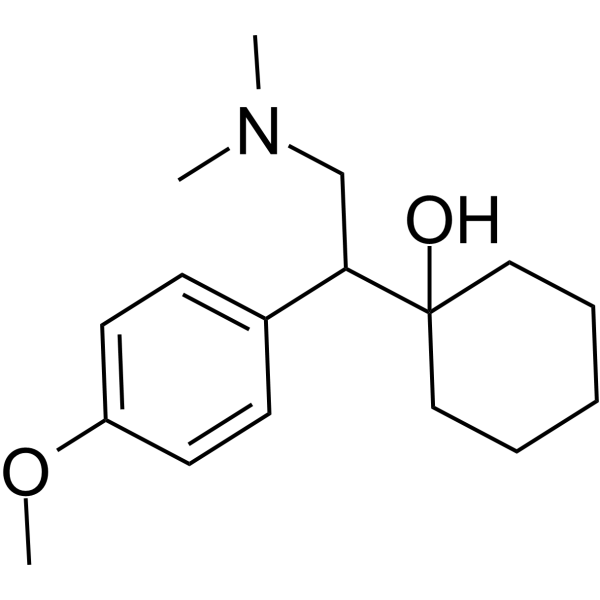
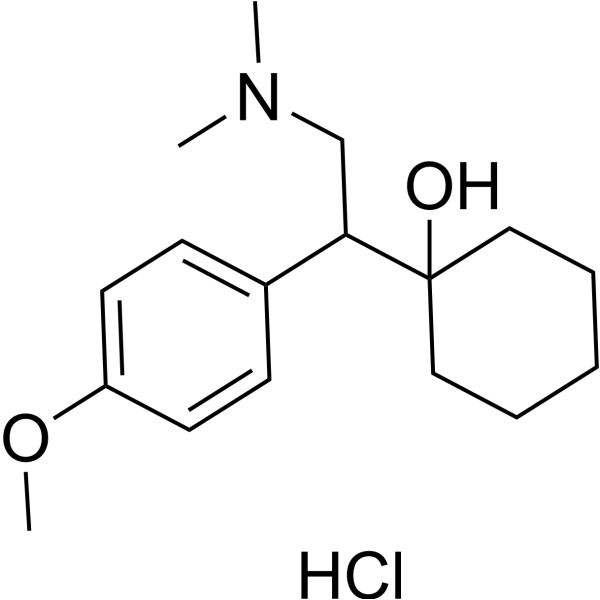
Venlafaxine hydrochloride (Wy 45030 hydrochloride) is an orally active, potent serotonin (5-HT)/norepinephrine (NE) reuptake dual inhibitor. Venlafaxine is an antidepressant .
|
-
-
- HY-U00096
-
-
-
- HY-108256
-
|
|
5-HT Receptor
|
Neurological Disease
|
|
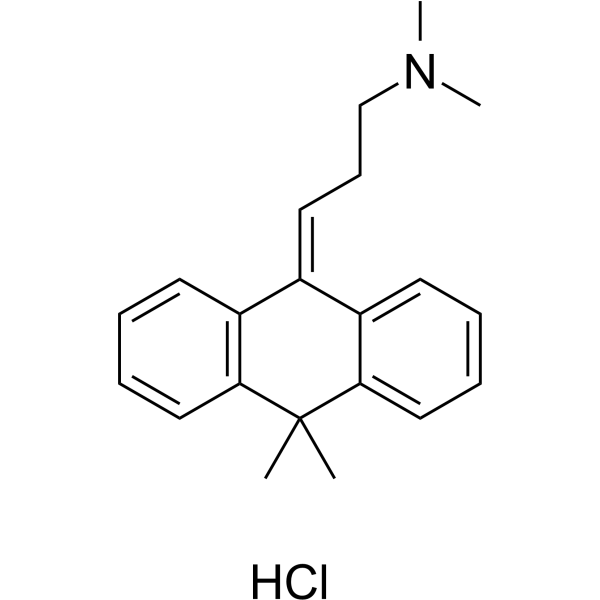
Melitracen hydrochloride is an orally active biphasic antidepressant and antianxiety agent. Melitracen hydrochloride can inhibit the uptake of Norepinephrine and 5-HT (serotonin) through the presynaptic membrane inducing the increase of monoamine transmitters in synaptic space .
|
-
-
- HY-19907
-
|
BMS-820836
|
Dopamine Transporter
Monoamine Transporter
Serotonin Transporter
|
Neurological Disease
|
|
Liafensine (BMS-820836) is an orally active, blood-brain barrier-permeable monoamine reuptake inhibitor, with an IC50 of 5.67 nM against DAT, 1.08 nM against SERT, and 7.99 nM against NET. Liafensine binds to DAT to block dopamine reuptake. Liafensine binds to SERT to block serotonin reuptake. Liafensine binds to NET to block norepinephrine reuptake. Liafensine can be used in studies related to depression .
|
-

-
- HY-B0952
-
|
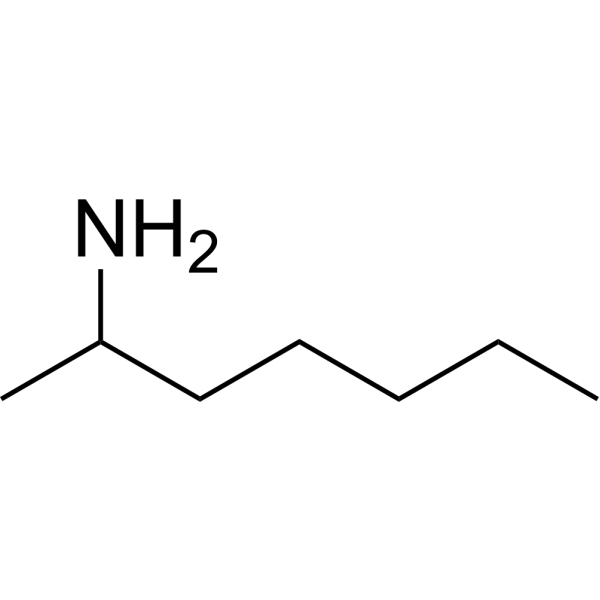
Tuaminoheptane
|
Adrenergic Receptor
|
Neurological Disease
|
|
2-Aminoheptane (Tuaminoheptane) is a norepinephrine transporter inhibitor. 2-Aminoheptane binds to norepinephrine transporter via ionic and hydrophobic interactions to block norepinephrine uptake. 2-Aminoheptane deactivates ω-TAmla enzyme, reduces recombinant whole cell stability, and acts as an amino group donor substrate for ω-TA and ω-TAmla enzymes. 2-Aminoheptane can be used in research on depression and Alzheimer's disease .
|
-
-
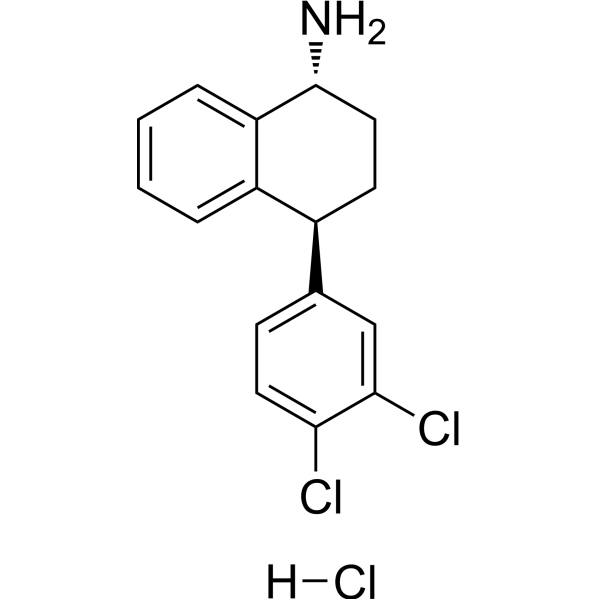
- HY-12850A
-
-
-
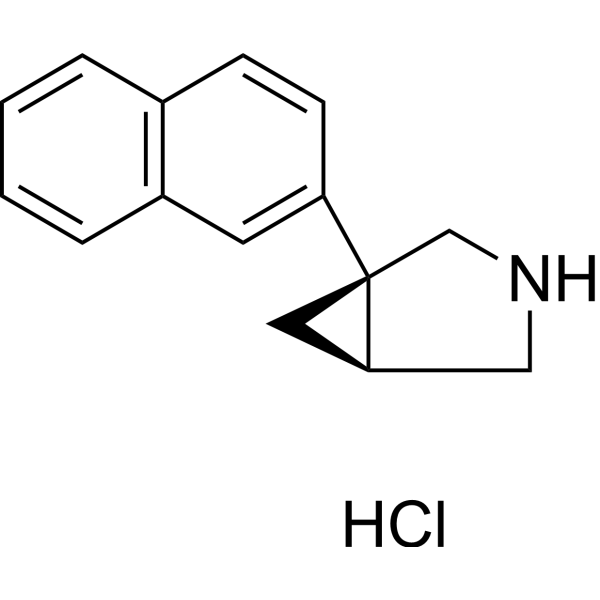
- HY-16736A
-
-
-
- HY-U00050
-
|
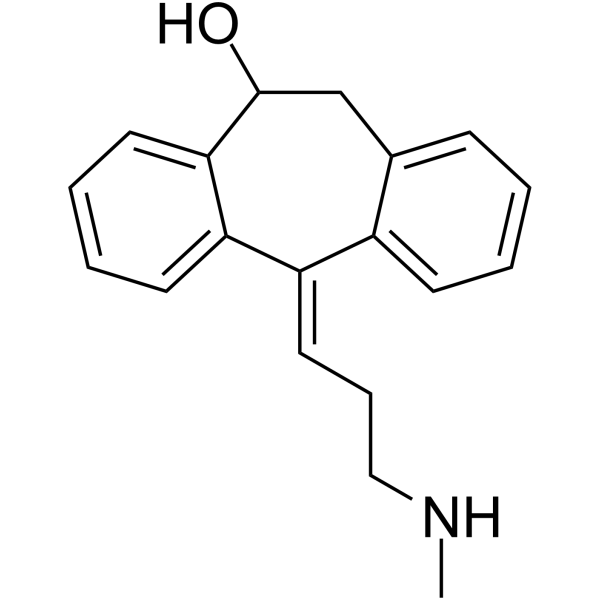
E-10-OH-NT
|
Drug Metabolite
Adrenergic Receptor
mAChR
|
Neurological Disease
|
|
(E)-10-Hydroxynortriptyline (E-10-OH-NT) is a blood-brain barrier-permeable norepinephrine uptake inhibitor. (E)-10-Hydroxynortriptyline effectively promotes central norepinephrine neuronal transmission, with little interindividual variation in in vivo potency. (E)-10-Hydroxynortriptyline has low affinity for muscarinic receptors, exhibits only extremely weak anticholinergic activity, and does not inhibit salivary secretion. (E)-10-Hydroxynortriptyline can be used in studies related to depression .
|
-
-
- HY-B0168B
-
|
(1S,2R)-Milnacipran hydrochloride; F-2695 hydrochloride
|
Serotonin Transporter
Trk Receptor
PI3K
Akt
mTOR
P-glycoprotein
|
Neurological Disease
Inflammation/Immunology
|
|
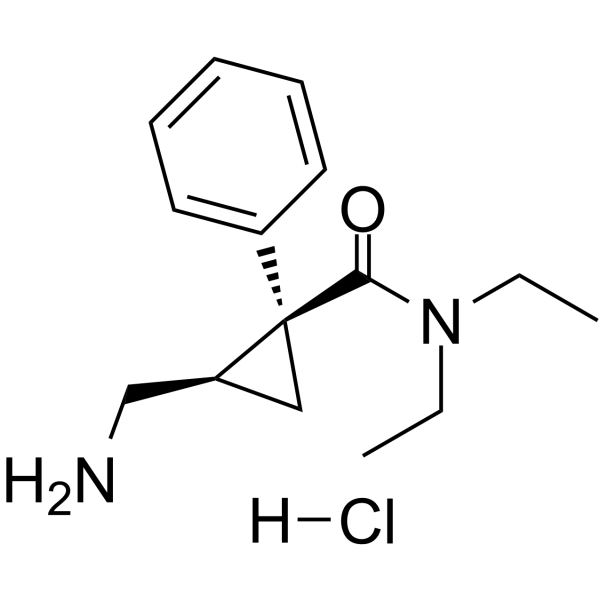
Levomilnacipran ((1S,2R)-Milnacipran) hydrochloride is the enantiomer of Milnacipran (HY-B0168) and a strong substrate of P-gp that can cross the blood-brain barrier. Levomilnacipran hydrochloride is a serotonin and norepinephrine reuptake inhibitor, with IC50 values of 10.5 nM and 19.0 nM, and Ki values of 92.2 nM and 1.2 nM for human norepinephrine transporter (NET) and serotonin transporter (SERT), respectively. Levomilnacipran hydrochloride has antidepressant and anxiolytic activities. Levomilnacipran hydrochloride can be used for the research of depression .
|
-
-
- HY-120017
-
|
MD-370503
|
Monoamine Oxidase
|
Neurological Disease
|
|
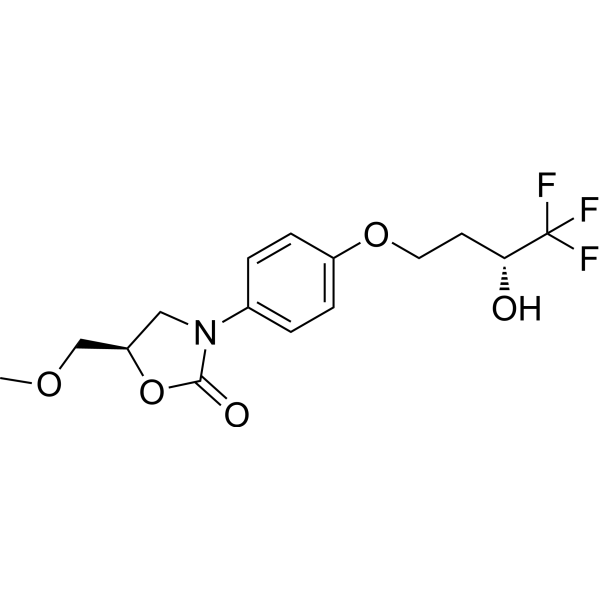
Befloxatone (MD-370503) is an orally active, selective and reversible inhibitor of Monoamine Oxidase A (MAO-A) (IC50=4 nM). Befloxatone increases the tissue level of monoamine, striatal dopamine and cortical norepinephrine. Befloxatone has antidepressant potential .
|
-
-
- HY-B0196AS1
-
|
Wy 45030-d6 hydrochloride
|
Serotonin Transporter
|
Neurological Disease
|
|
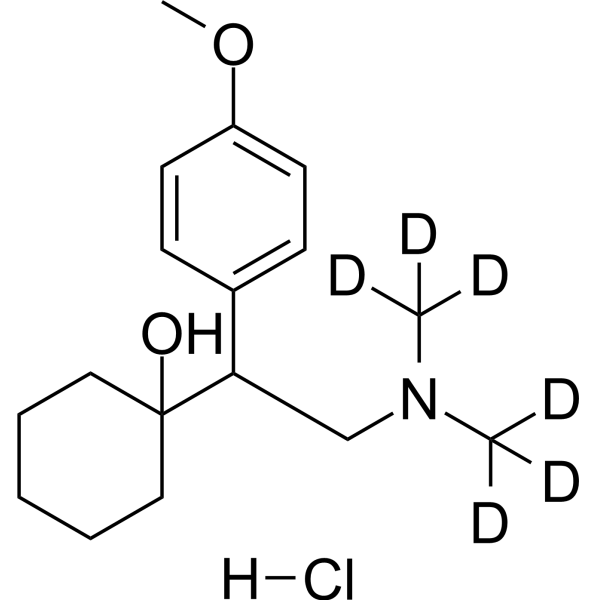
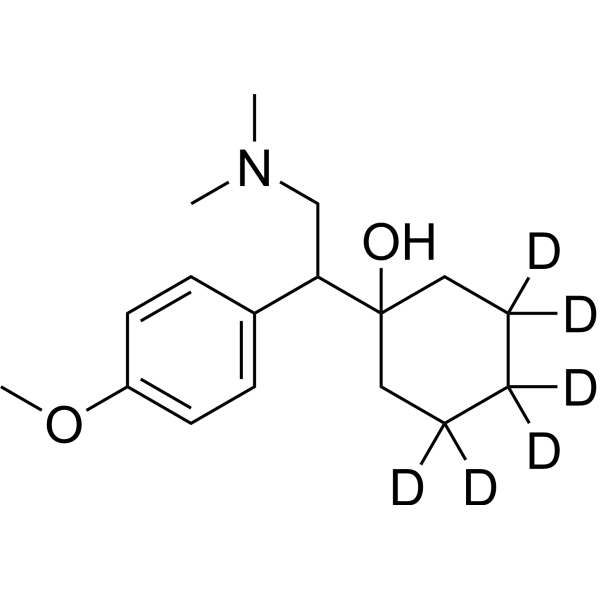
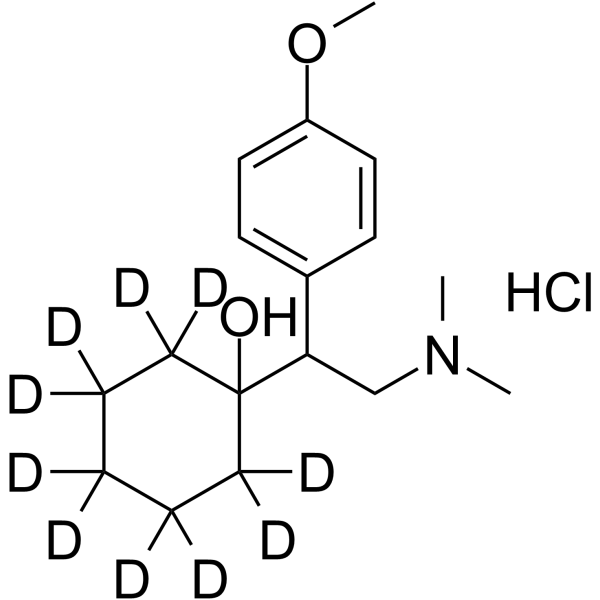
Venlafaxine-d6 (hydrochloride) is the deuterium labeled Venlafaxine hydrochloride. Venlafaxine hydrochloride (Wy 45030 hydrochloride) is an orally active, potent serotonin (5-HT)/norepinephrine (NE) reuptake dual inhibitor. Venlafaxine is an antidepressant .
|
-
-
- HY-15413A
-
|
LY 2216684 hydrochloride
|
Serotonin Transporter
|
Neurological Disease
|
|
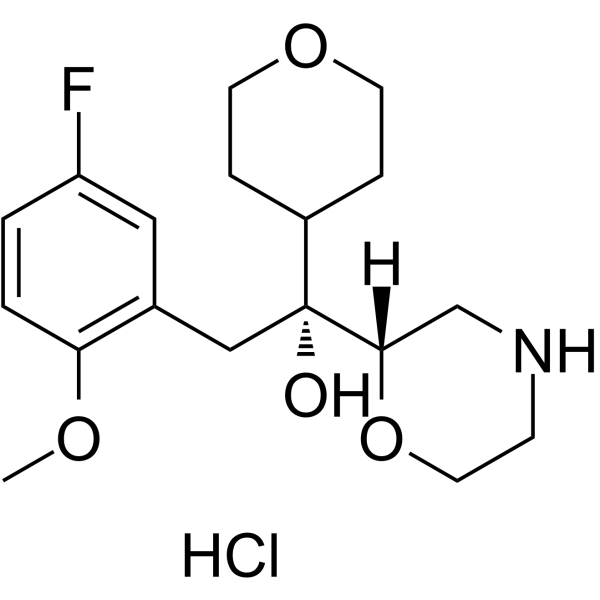
Edivoxetine (LY 2216684) hydrochloride is a potent and selective norepinephrine reuptake inhibitor. Edivoxetine hydrochloride can be used for the study of major depressive disorder (MDD) and attention-deficit/hyperactivity disorder (ADHD) .
|
-
-
- HY-B0168
-
|
|
Serotonin Transporter
PERK
|
Neurological Disease
|
|
Milnacipran is an orally active Serotonin (HY-B1473A) and Norepinephrine (HY-13715) reuptake inhibitor. Milnacipran inhibits monoamine transporters, especially the norepinephrine transporter and the serotonin transporter (Ki values of 31 and 8.5 nM, respectively). Milnacipran inhibits pERK1/2 activation. Milnacipran has antidepressant, anxiolytic and analgesic properties. Milnacipran inhibits biting behavior in mice. Milnacipran can be used in the study of major depressive disorder, anxiety disorders, and neuropathic pain (e.g., fibromyalgia) .
|
-
-
- HY-119541
-
-
-
- HY-B0196S
-
-
-
- HY-135615A
-
|
N-Desmethylsibutramine hydrochloride
|
Serotonin Transporter
|
Neurological Disease
Metabolic Disease
|
|
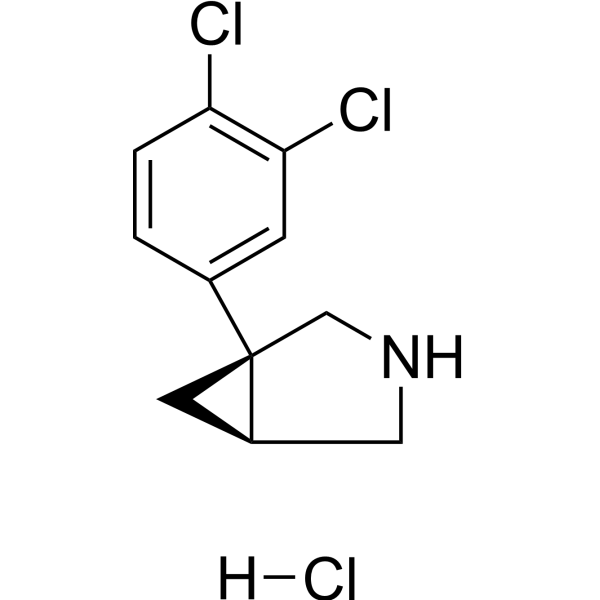
Desmethyl Sibutramine hydrochloride, the secondary metabolite of Sibutramine, is an orally active norepinephrine transporter (NET) and serotonin transporter (SERT) inhibitor. Desmethyl Sibutramine hydrochloride can be used in the research of obesity and appetite suppressant .
|
-

-
- HY-B0196R
-
|
Wy 45030 (Standard)
|
Serotonin Transporter
Reference Standards
|
Neurological Disease
Cancer
|
|
Venlafaxine (Standard) is the analytical standard of Venlafaxine. This product is intended for research and analytical applications. Venlafaxine (Wy 45030) is an orally active, potent serotonin (5-HT)/norepinephrine (NE) reuptake dual inhibitor. Venlafaxine is an antidepressant .
|
-

-
- HY-18332A
-
-
-
- HY-W685943
-
|
|
Adrenergic Receptor
|
Cardiovascular Disease
Neurological Disease
|
|
Heptaminol is a fatty amine with pressor properties and a potential antihypotension agent. Heptaminol is also a competitive inhibitor of norepinephrine uptake and an inhibitor of nicotine-induced catecholamine release (IC50: 650 μM). Heptaminol does not inhibit norepinephrine release induced by 59 mM K + but rather inhibits high-affinity Na +-dependent norepinephrine uptake .
|
-

-
- HY-106493
-
-

-
- HY-116211
-
|
WIN-25978
|
Biochemical Assay Reagents
|
Neurological Disease
|
|
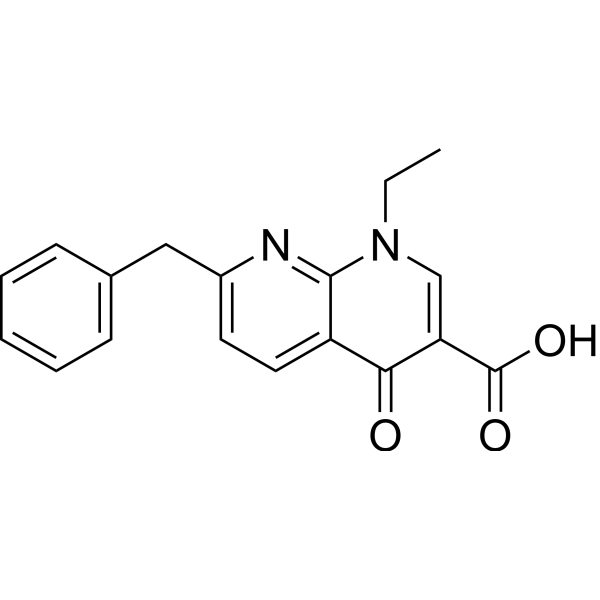
Amfonelic acid (WIN-25978) is a highly selective dopamine reuptake inhibitor. Amfonelic acid interferes with the in vitro neuronal uptake of norepinephrine in the iris of rats, but does not alter the concentrations of norepinephrine or dopamine in the whole mouse brain. Amfonelic acid can be used as a pharmacological tool to study the brain reward system, dopamine pathway and dopamine transporter .
|
-
-
- HY-17590
-
|
(S,S)-Hydroxybupropion hydrochloride; GW-353162A; BW-306U
|
Monoamine Transporter
|
Neurological Disease
|
|
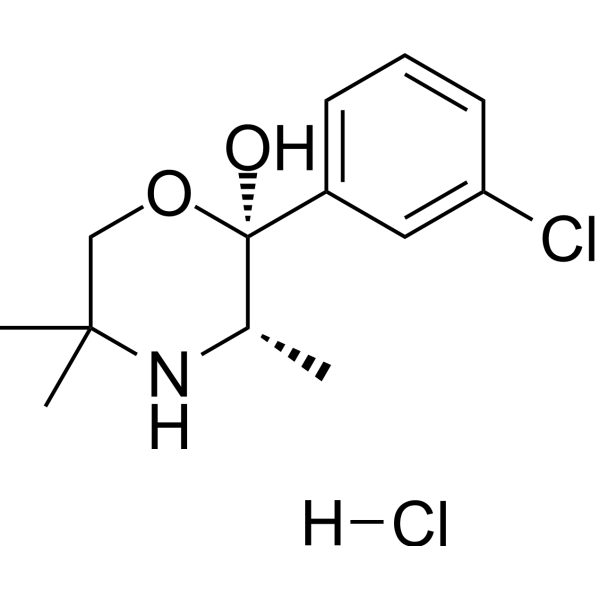
Radafaxine hydrochloride (GW-353162A) is a DAT (dopamine transporter) and NET(norepinephrine transporter) transporters inhibitor, and nAChR family modulator.
|
-
-
- HY-16736
-
-
-
- HY-14790
-
|
(S,S)-(+)-Reboxetine
|
Adrenergic Receptor
|
Neurological Disease
|
|
Esreboxetine ((S,S)-Reboxetine) is a selective norepinephrine reuptake inhibitor with activity in increasing urethral resistance. Esreboxetine has been reported to be effective in patients with stress urinary incontinence in a Phase IIa clinical study, achieving this effect by increasing urethral closure. The mechanism of action of esreboxetine involves inhibition of norepinephrine transporters in the central and peripheral nervous systems. The peripheral selectivity of esreboxetine helps it significantly increase urethral resistance without penetrating the brain .
|
-

-
- HY-B0161S
-
-
-
- HY-18332C
-
|
|
Serotonin Transporter
Dopamine Transporter
|
Neurological Disease
|
|
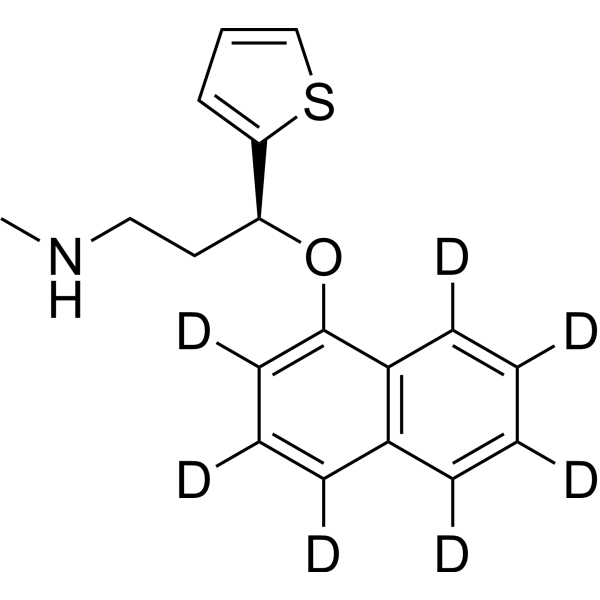
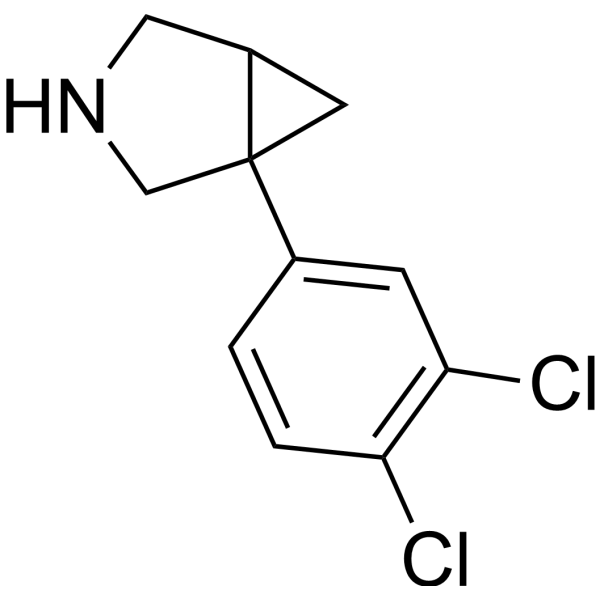
DOV-216,303 (Free Base) is a potent triple serotonin, norepinephrine, and dopamine reuptake inhibitor, with IC50 values of 14 nM, 20 nM and 78 nM for hSERT, hNET and hDAT, respectively. Has antidepressant-like effects and increases monoamine release in the prefrontal cortex of olfactory bulbectomized (OBX) rats .
|
-
-
- HY-18610A
-
|
Ro 8-4650
|
Dopamine Transporter
Adrenergic Receptor
5-HT Receptor
|
Neurological Disease
|
|
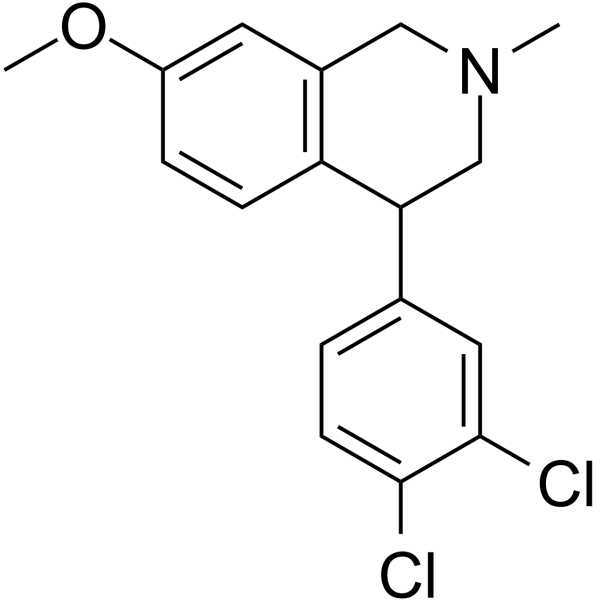
Diclofensine (Ro 8-46500) is an orally active neuronal monoamine uptake inhibitor. Diclofensine blocks the uptake of dopamine, noradrenaline, and serotonin by rat brain synaptosomes with IC50 values of 0.74, 2.3 and 3.7 nM, respectively. Diclofensine potentiates norepinephrine-induced hypertension and attenuates Tyramine (HY-W007606)-induced hypertension. Diclofensine produces psychostimulant and mood-elevating effects without causing sudden disappearance or withdrawal reactions. Diclofensine can be used in the research of moderate to severe depression .
|
-
-
- HY-U00096A
-
|
Toludesvenlafaxine; LY03005 free base; LPM570065 free base
|
Serotonin Transporter
|
Neurological Disease
|
|
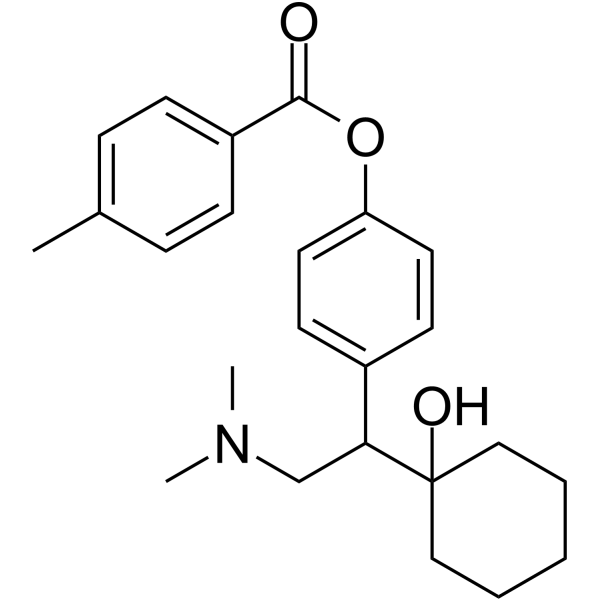
Ansofaxine is a serotonin-norepinephrine reuptake inhibitor (SNRI) used for the research of depression .
|
-
-
- HY-G0005
-
|
Para-Naphthol duloxetine
|
Drug Metabolite
|
Neurological Disease
|
|
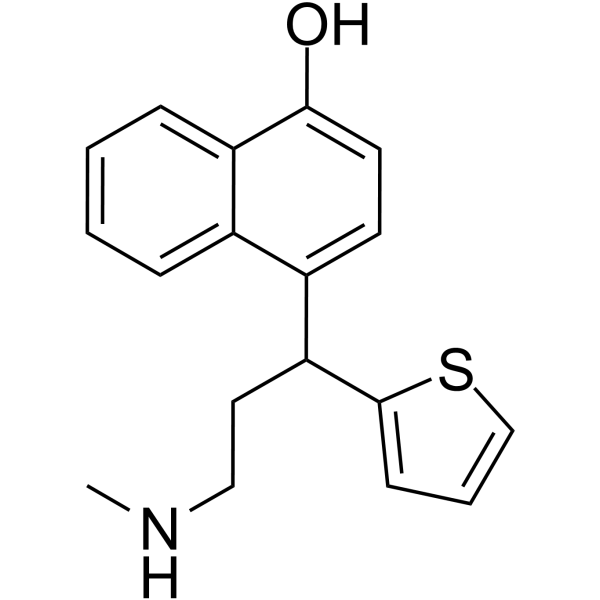
Para-Naphthol Duloxetine is a metabolite of Duloxetine, which is a serotonin-norepinephrine reuptake inhibitor (SNRI).
|
-
-
- HY-A0175
-
|
Butriptylene
|
5-HT Receptor
|
Neurological Disease
|
|
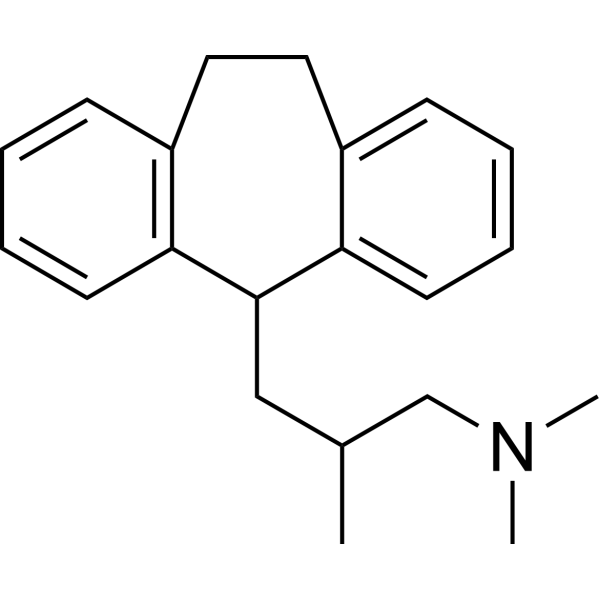
Butriptyline (Butriptylene) is an orally active tricyclic antidepressant that slightly enhances central 5-HT effects. Butriptyline does not inhibit brain norepinephrine uptake. Butriptyline can be used for depression research .
|
-
-
- HY-18332B
-
|
|
Dopamine Transporter
Adrenergic Receptor
5-HT Receptor
|
Neurological Disease
|
|
DOV-102,677 is an orally sctive triple monoamine neurotransmitter reuptake inhibitor that simultaneously inhibits the dopamine (DAT) (IC50 = 129 nM; Ki = 222 nM), norepinephrine (NET) (IC50 = 103 nM; Ki = 1030 nM), and serotonin (SERT) (IC50 = 133 nM; Ki = 740 nM) transporters. DOV-102,677 demonstrated significant antidepressant-like activity and sensory-motor gating regulatory effects in mouse experiments. DOV-102,677 can be used for research on depression .
|
-

-
- HY-172421
-
-

-
- HY-107128
-
|
TD-9855 hydrochloride
|
Serotonin Transporter
|
Neurological Disease
|
|
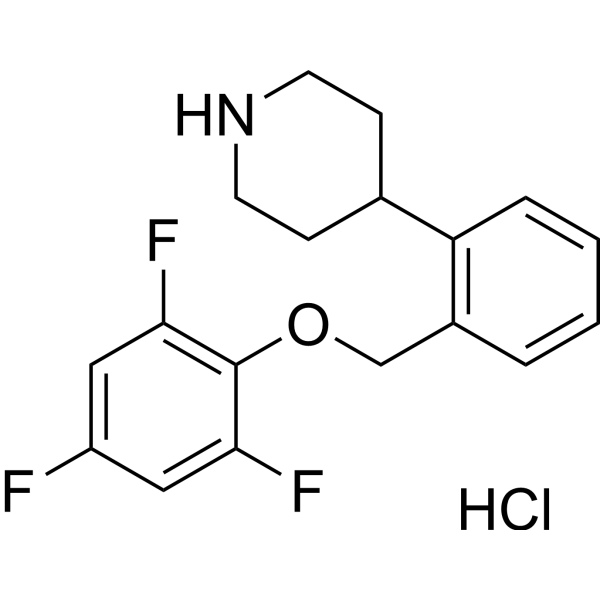
Ampreloxetine (TD-9855) hydrochloride is an orally active and CNS-penetrant inhibitor of Norepinephrine transporter (NET) and Serotonin 5-HT uptake transporter (SERT), but not Dopamine transporter (DAT). Ampreloxetine hydrochloride binds norepinephrine transporters (NET) and serotonin transporters (SERT) with EC50 values of 11.7 ng/mL and 50.8 ng/mL, respectively, in plasma .
|
-
-
- HY-W344115
-
-

-
- HY-B0773
-
|
BRL29060 mesylate
|
Serotonin Transporter
Adrenergic Receptor
|
Neurological Disease
|
|
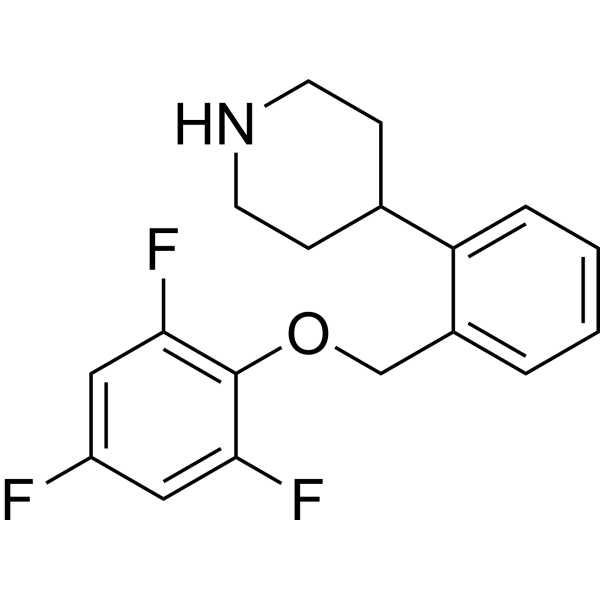
Paroxetine mesylate, a phenylpiperidine derivative, is a potent and selective serotonin reuptake inhibitor (SSRI). Paroxetine mesylate is a very weak inhibitor of norepinephrine (NE) uptake but it is still more potent at this site than the other SSRIs .
|
-

-
- HY-B0161E
-
|
(Rac)-Duloxetine hydrochloride
|
Serotonin Transporter
|
Neurological Disease
|
|
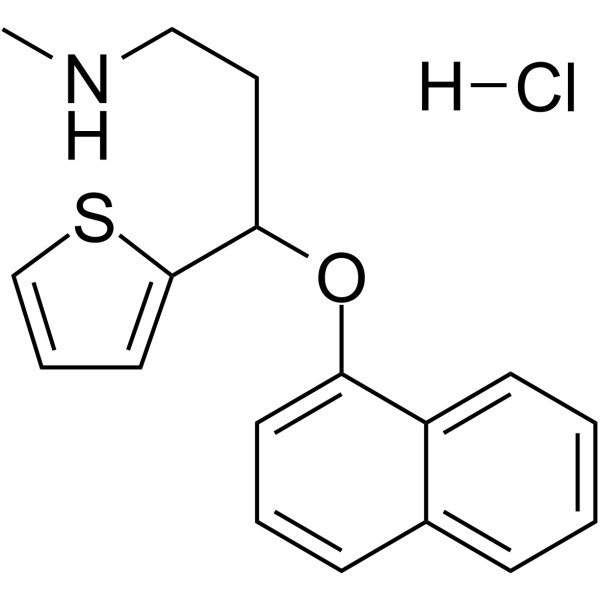
(±)-Duloxetine ((Rac)-Duloxetine) hydrochloride is the racemate of Duloxetine hydrochloride. Duloxetine hydrochloride, a serotonin-norepinephrine reuptake inhibitor, can be used for diabetic neuropathic pain and fibromyalgia as well as major depressive disorder research .
|
-
-
- HY-B0196B
-
|
|
Serotonin Transporter
|
Cancer
|
|
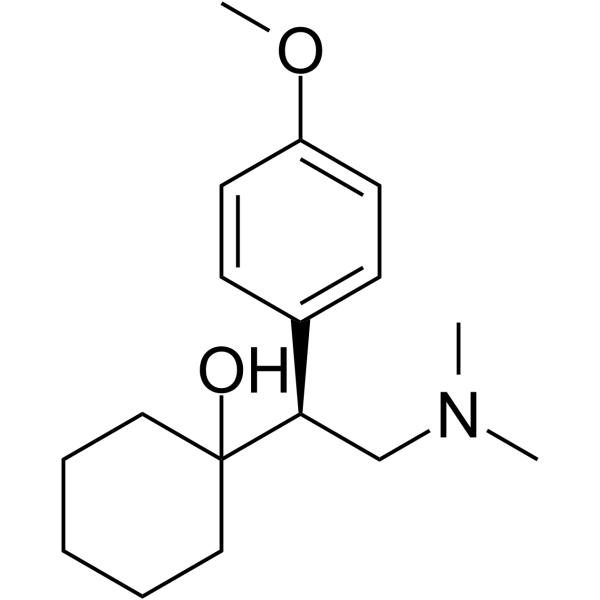
(S)-Venlafaxine is the (S)-configuration of Venlafaxine. Venlafaxine is an orally active, potent serotonin (5-HT)/norepinephrine (NE) reuptake dual inhibitor. Venlafaxine is an antidepressant agent .
|
-
-
- HY-B1308
-
|
|
Adrenergic Receptor
|
Cardiovascular Disease
Endocrinology
|
|
Adrenalone hydrochloride is an adrenergic agonist used as a topical vasoconstrictor and hemostatic. Adrenalone hydrochloride is an inhibitor of dopamine β oxidase. Adrenalone hydrochloride is chemically similar to known norepinephrine transporter (NET) ligands with an IC50 of 36.9 μM .
|
-

-
- HY-131284
-
|
|
Drug Metabolite
|
Others
|
|
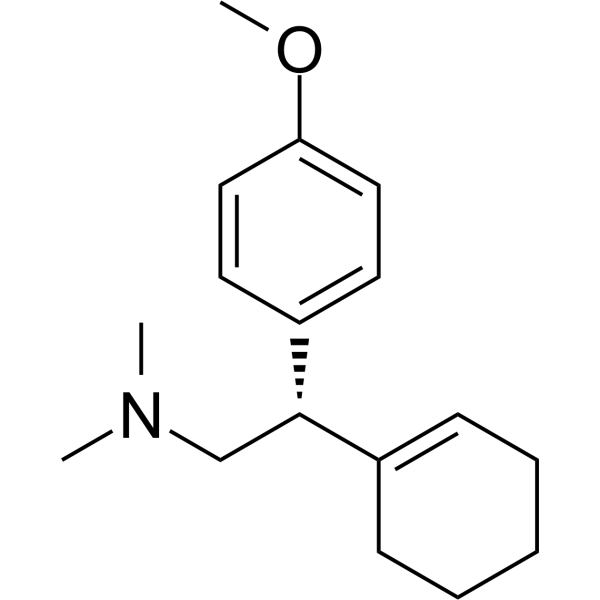
(S)-Dehydro Venlafaxine is an inactive S-enantiomer of Dehydro Venlafaxine. Dehydro Venlafaxine is an impurity of Venlafaxine hydrochloride. Venlafaxine hydrochloride (Wy 45030 hydrochloride) is a potent serotonin (5-HT) / norepinephrine (NE) reuptake dual inhibitor .
|
-
-
- HY-B1308A
-
|
|
Adrenergic Receptor
|
Cardiovascular Disease
Endocrinology
|
|
Adrenalone is an adrenergic agonist used as a topical vasoconstrictor and hemostatic. Adrenalone is an inhibitor of dopamine β oxidase. Adrenalone is chemically similar to known norepinephrine transporter (NET) ligands with an IC50 of 36.9 μM .
|
-

-
- HY-B0196AS
-
-
-
- HY-B0168S
-
|
|
Isotope-Labeled Compounds
Serotonin Transporter
PERK
|
Neurological Disease
|
|
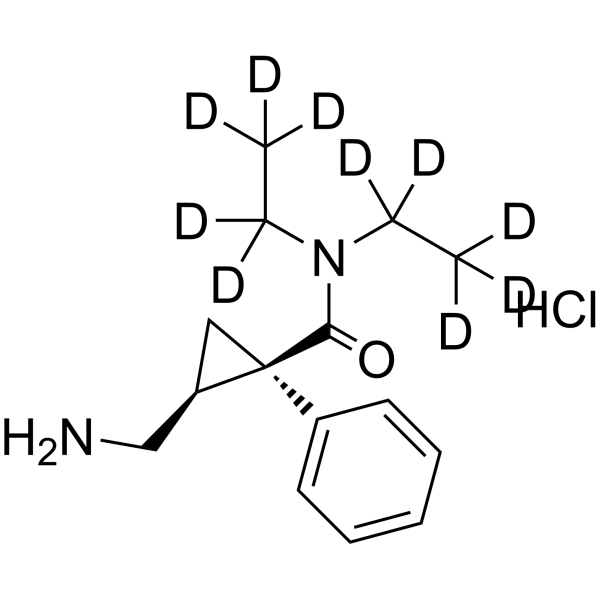
Milnacipran-d10 (hydrochloride) is the deuterium labeled Milnacipran hydrochloride (HY-B0168A). Milnacipran hydrochloride is an orally active Serotonin (HY-B1473A) and Norepinephrine (HY-13715) reuptake inhibitor. Milnacipran hydrochloride inhibits monoamine transporters, especially the norepinephrine transporter and the serotonin transporter (Ki values of 31 and 8.5 nM, respectively). Milnacipran hydrochloride inhibits pERK1/2 activation. Milnacipran hydrochloride has antidepressant, anxiolytic and analgesic properties. Milnacipran hydrochloride inhibits biting behavior in mice. Milnacipran hydrochloride can be used in the study of major depressive disorder, anxiety disorders, and neuropathic pain (e.g., fibromyalgia) .
|
-
-
- HY-14794A
-
|
(1S,2R)-Milnacipran; F2695
|
Serotonin Transporter
Trk Receptor
PI3K
mTOR
P-glycoprotein
Akt
|
Neurological Disease
Inflammation/Immunology
|
|
Levomilnacipran ((1S,2R)-Milnacipran) is the enantiomer of Milnacipran (HY-B0168) and a strong substrate of P-gp that can cross the blood-brain barrier. Levomilnacipran is a serotonin and norepinephrine reuptake inhibitor, with IC50 values of 10.5 nM and 19.0 nM, and Ki values of 92.2 nM and 1.2 nM for human norepinephrine transporter (NET) and serotonin transporter (SERT), respectively. Levomilnacipran has antidepressant and anxiolytic activities. Levomilnacipran hydrochloride can be used for the research of depression .
|
-

-
- HY-W722796
-
|
|
Adrenergic Receptor
|
Others
|
|
Tuaminoheptane sulfate is an alpha-adrenergic receptor agonist. Tuaminoheptane sulfate exerts its decongestant and irritant effects by inhibiting norepinephrine reuptake and promoting its release. Tuaminoheptane sulfate can be used in research on nasal diseases such as decongestion .
|
-

-
- HY-103218
-
|
|
Adrenergic Receptor
|
Neurological Disease
|
|
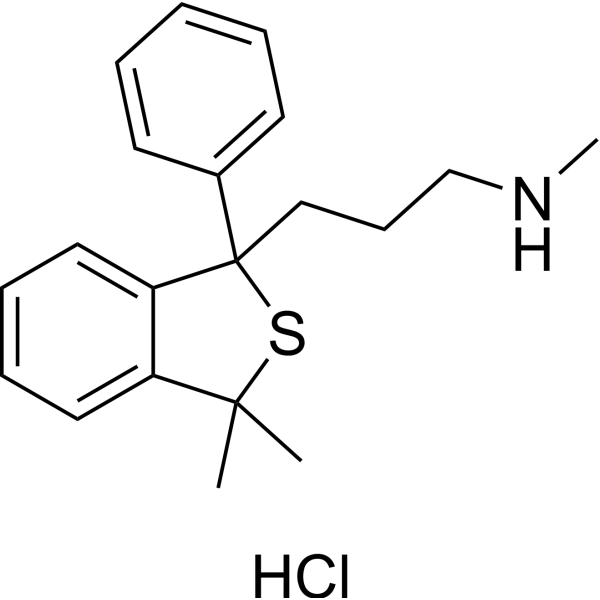
Talsupram (hydrochloride) is a selective norepinephrine inhibitor with high affinity for norepinephrine transporter (NET) and can be used in the study of neuropathic pain .
|
-
- HY-18332
-
-

- HY-15413
-
|
LY 2216684
|
Adrenergic Receptor
|
Neurological Disease
|
|
Edivoxetine (LY 2216684) is a potent and selective norepinephrine reuptake inhibitor. Edivoxetine can be used for the study of major depressive disorder (MDD) and attention-deficit/hyperactivity disorder (ADHD) .
|
-

- HY-W297421
-
|
(+)-Tomoxetine hydrochloride; LY-139602
|
Serotonin Transporter
|
Others
|
|
(S)-Tomoxetine hydrochloride (LY-139602) is an isomer of the norepinephrine reuptake inhibitor LY 139603 (HY-17385) with an inhibition constant (Ki) of 16.8 nM for norepinephrine reuptake .
|
-

- HY-103217
-
-

- HY-10427
-
|
NRI-022
|
Histone Methyltransferase
|
Neurological Disease
|
|
WAY-260022 is a selective norepinephrine reuptake inhibitor with potent inhibitory activity on norepinephrine reuptake. WAY-260022 exhibits excellent selectivity in inhibiting serotonin and dopamine transporters. WAY-260022 also showed oral efficacy in a rat model of thermoregulatory dysfunction .
|
-

- HY-122300C
-
|
(Rac)-Levoprotiline hydrochloride
|
Adrenergic Receptor
|
Neurological Disease
|
|
Oxaprotiline hydrochloride is a potent norepinephrine (NA) uptake inhibitor. Oxaprotiline hydrochloride has antidepressant activity .
|
-

- HY-101684A
-
|
CIBA 2330Go hydrochloride
|
Serotonin Transporter
|
Neurological Disease
|
|
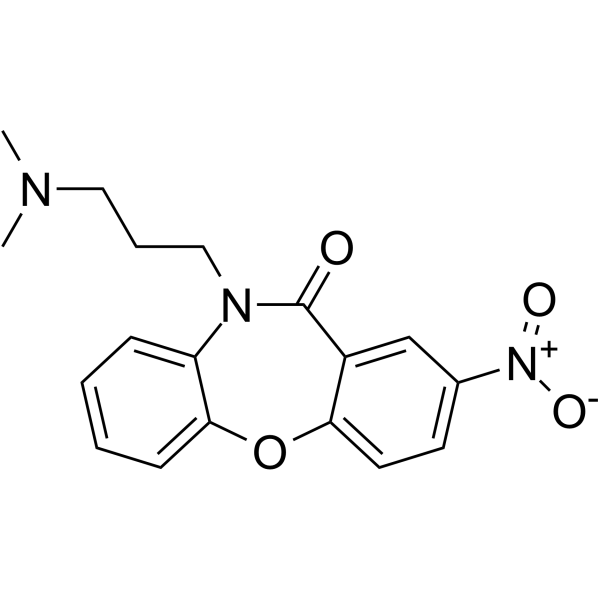
Nitroxazepine hydrochloride is a tricyclic antidepressant (TCA) for the study of depression. Nitroxazepine acts as a serotonin-norepinephrine reuptake inhibitor.
|
-

- HY-101684
-
|
CIBA 2330Go
|
Serotonin Transporter
|
Neurological Disease
|
|
Nitroxazepine is a tricyclic antidepressant (TCA) for the research of depression. Nitroxazepine acts as a serotonin-norepinephrine reuptake inhibitor.
|
-
- HY-10427A
-
|
iso-NRI-022
|
Serotonin Transporter
Dopamine Transporter
|
Cardiovascular Disease
|
|
iso-WAY-260022 (Compound 13R) is an orally active, brain-penetrant and selective norepinephrine transporter (hNET) inhibitor with an IC50 value of 140 nM. iso-WAY-260022 also shows inhibitory effects on human serotonin (hSERT) and dopamine transporters (hDAT). iso-WAY-260022 inhibits norepinephrine reuptake and increases hypothalamic norepinephrine levels to regulate thermoregulatory center function. iso-WAY-260022 is promising for research of vasomotor symptoms, such as menopausal hot flushes, night sweats .
|
-

- HY-12389
-
|
8-OHAMX
|
GlyT
|
Neurological Disease
|
|
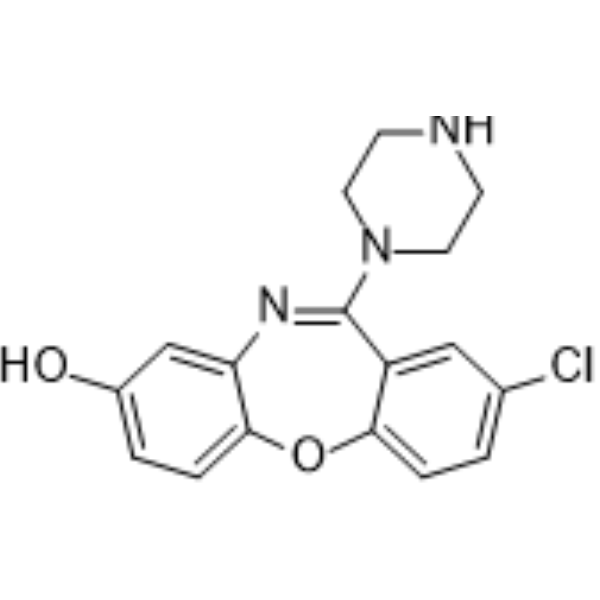
8-Hydroxyamoxapine is an orally active antidepressant, which inhibits the reuptake of norepinephrine and serotonin at synapses .
|
-
- HY-105132
-
-

- HY-17032A
-
|
(rac)-AS1069562 hydrochloride; YM-08054
|
5-HT Receptor
|
Neurological Disease
|
|
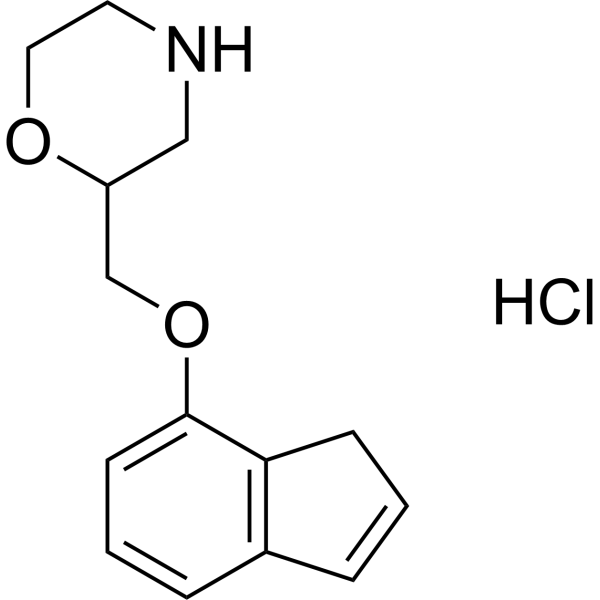
Indeloxazine hydrochloride is a 5-HT receptor and norepinephrine (NE) reuptake inhibitor. Indeloxazine hydrochloride is an antidepressant and cerebral activator .
|
-
- HY-136625
-
|
|
N-myristoyltransferase
|
Cardiovascular Disease
|
|
LY134046 is an inhibitor of norepinephrine N-methyltransferase (NMT) with cardiovascular activity. LY134046 causes sustained reductions in mean arterial blood pressure and heart rate, but no significant reductions in norepinephrine concentrations in the rat brain. LY134046 does not interact with adrenergic or cholinergic receptors, and its hypotensive and bradycardic effects do not require neurogenic tension. LY134046 (40 mg/kg/day) causes sustained and significant inhibition of hypothalamic and brainstem NMT activity, resulting in central norepinephrine depletion.
|
-

- HY-122300A
-
|
(Rac)-Levoprotiline
|
Adrenergic Receptor
|
Neurological Disease
|
|
Oxaprotiline ((Rac)-Levoprotiline) is a potent Norepinephrine (NE)/Noradrenaline (NA) uptake inhibitor. Oxaprotiline has antidepressant activity .
|
-

- HY-12850
-
-
- HY-19346
-
|
|
ROCK
|
Others
|
|
AR-13324 analog mesylate is an analog of AR-13324. AR-13324 is an ROCK and norepinephrine transporter (NET) inhibitor .
|
-
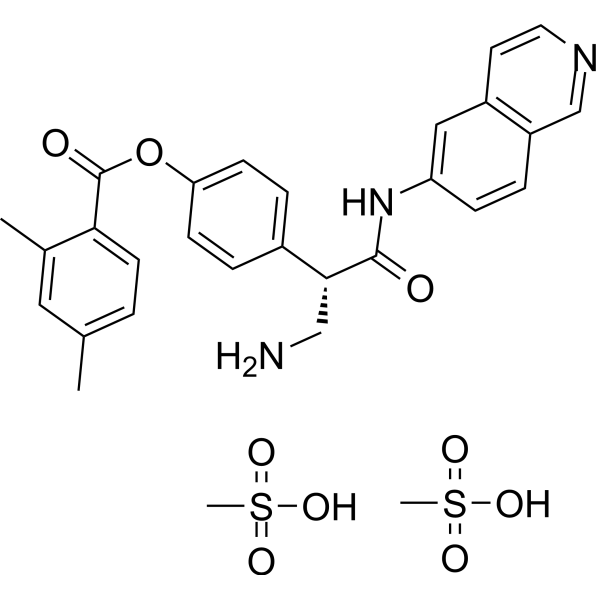
- HY-17018A
-
|
ABT 200; A-75200 mesylate
|
Adrenergic Receptor
|
Neurological Disease
|
|
Napitane mesylate (ABT 200 mesylate) is an inhibitor for norepinephrine reuptake and an antagonist for presynaptic α2 receptor. Napitane mesylate exhibits antidepressant activity .
|
-

- HY-106504
-
-

- HY-167646
-
|
071031B
|
5-HT Receptor
|
Neurological Disease
|
|
Ammuxetine (071031B), a chiral compound, is a 5-HT and norepinephrine reuptake inhibitor (SSRI) with antidepressant activity and can be used in studies related to depression .
|
-

- HY-172029
-
|
|
Monoamine Transporter
|
Neurological Disease
|
|
3,4-Methylenedioxy pyrovalerone metabolite 2 hydrochloride is an analog of Pyrovalerone. Pyrovalerone inhibits the dopamine transporter (DAT),serotonin transporter (SERT),and the norepinephrine transporter (NET) .
|
-

- HY-14560CR
-
|
FCE20124 mesylate (Standard); PNU155950E mesylate (Standard)
|
Reference Standards
Adrenergic Receptor
|
Neurological Disease
|
|
Reboxetine (mesylate) (Standard) is the analytical standard of Reboxetine (mesylate). This product is intended for research and analytical applications. Reboxetine mesylate (FCE20124 mesylate) is a potent, selective, and specific noradrenaline reuptake inhibitor (NARI) for the research of depression. Reboxetine mesylate inhibits the uptake of norepinephrine, with a Ki of 8 nM .
|
-

- HY-129682
-
-
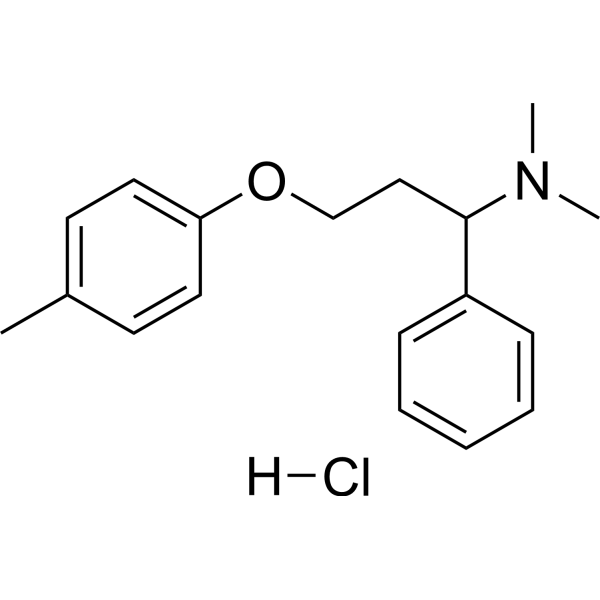
- HY-131527
-
|
N-Desmethyl Venlafaxine hydrochloride; Wy 45494
|
Serotonin Transporter
|
Metabolic Disease
|
|
Wy-45494 hydrochloride (N-Desmethyl Venlafaxine hydrochloride; Wy 45494) is a minor active metabolite of the selective norepinephrine and serotonin reuptake inhibitor (SNRI) venlafaxine. It is formed from venlafaxine via the cytochrome P450 (CYP) isomer CYP3A4.2. Wy-45494 hydrochloride inhibits norepinephrine and serotonin reuptake in rat synaptosomal preparations (IC50s of 4.7 and 1.6 μM, respectively). In vivo, Wy-45494 hydrochloride reversed reserpine-induced hypothermia in mice at a minimum effective dose (MED) of 10 mg/kg.
|
-

- HY-119541A
-
-
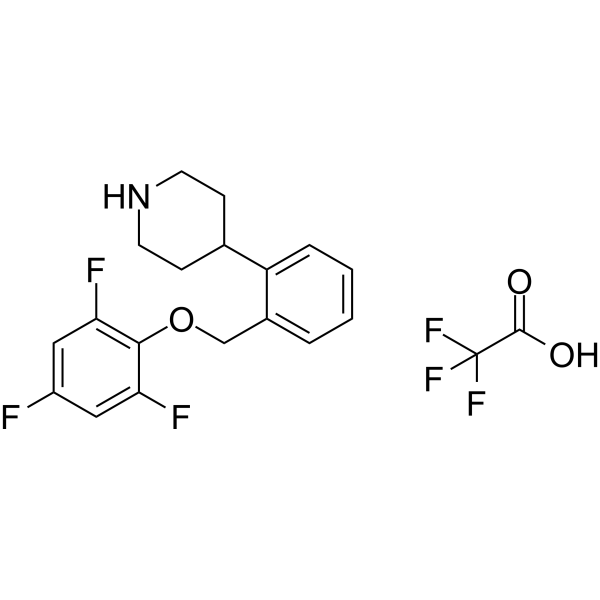
- HY-B0161D
-
|
LY248686 hydrochloride
|
Serotonin Transporter
|
Others
|
|
(R)-Duloxetine (LY248686) Hydrochloride is a napthalenyloxy-substituted amine utilized in binding studies with human serum albumin, and unlike its enantiomer (S)-Duloxetine, it exhibits limited efficacy as a dual serotonin and norepinephrine reuptake inhibitor (SNRI).
|
-

- HY-B0196S1
-
-
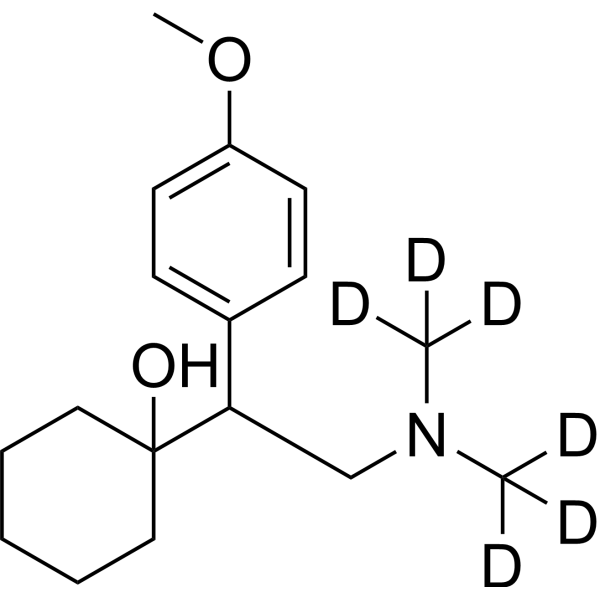
- HY-B0161AS
-
|
(S)-Duloxetine D3 hydrochloride; LY248686 D3 hydrochloride
|
Serotonin Transporter
|
Neurological Disease
|
|
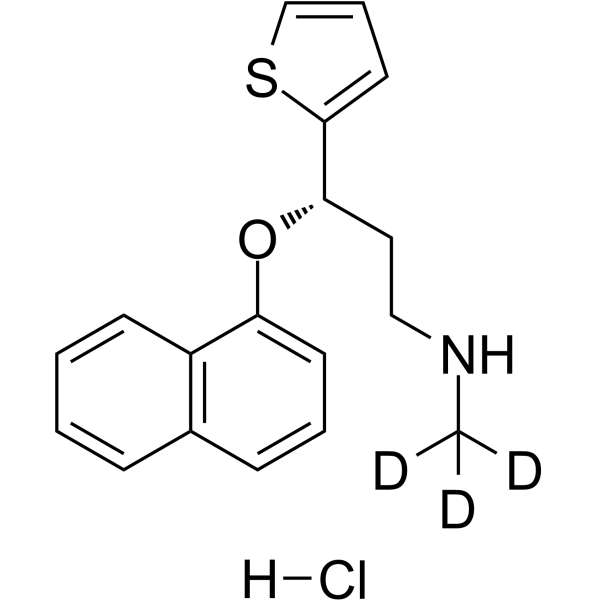
Duloxetine-d3 (hydrochloride) is a deuterium labeled Duloxetine hydrochloride. Duloxetine hydrochloride is a serotonin-norepinephrine reuptake inhibitor (SNRI) with a Ki of 4.6 nM, used for treatment of major depressive disorder and generalized anxiety disorder (GAD) .
|
-
- HY-135615
-
|
N-Desmethylsibutramine
|
Serotonin Transporter
|
Neurological Disease
Metabolic Disease
|
|
Desmethyl Sibutramine, the secondary metabolite of Sibutramine, is an orally active norepinephrine transporter (NET) and serotonin transporter (SERT) inhibitor. Desmethyl Sibutramine can be used in the research of obesity and appetite suppressant .
|
-

- HY-W708023
-
|
|
5-HT Receptor
|
Neurological Disease
|
|
5-APDI hydrochloride is an indane with an amphetamine-like aminopropane group. 5-APDI hydrochloride inhibits the uptake of serotonin, dopamine, and norepinephrine by crude synaptosomes (IC50 values of 82 nM, 1,847 nM, and 849 nM, respectively) .
|
-

- HY-B0168AS
-
|
|
Isotope-Labeled Compounds
Serotonin Transporter
PERK
|
Neurological Disease
|
|
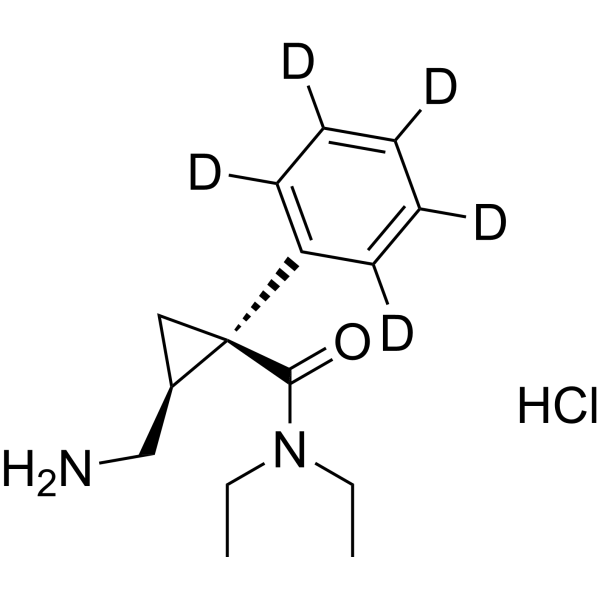
Milnacipran-d5 hydrochloride is deuterium labeled Milnacipran hydrochloride (HY-B0168A). Milnacipran hydrochloride is an orally active Serotonin (HY-B1473A) and Norepinephrine (HY-13715) reuptake inhibitor. Milnacipran hydrochloride inhibits monoamine transporters, especially the norepinephrine transporter and the serotonin transporter (Ki values of 31 and 8.5 nM, respectively). Milnacipran hydrochloride inhibits pERK1/2 activation. Milnacipran hydrochloride has antidepressant, anxiolytic and analgesic properties. Milnacipran hydrochloride inhibits biting behavior in mice. Milnacipran hydrochloride can be used in the study of major depressive disorder, anxiety disorders, and neuropathic pain (e.g., fibromyalgia) .
|
-
- HY-136860
-
|
(R)-Wy 45030
|
5-HT Receptor
|
Neurological Disease
|
|
(R)-Venlafaxine is the R-enantiomer of venlafaxine (HY-B0196), an orally active and potent dual inhibitor of serotonin (5-HT) and norepinephrine (NE) reuptake. (R)-Venlafaxine can be utilized in antidepressant research .
|
-

- HY-129985
-
|
DU23811
|
Serotonin Transporter
5-HT Receptor
|
Neurological Disease
|
|
Clovoxamine (DU23811) (Compound 35) has binding affinity for serotonin transporter (SERT) (Ki: 61 nM). Clovoxamine is a 5-HT and norepinephrine reuptake (NE) re-uptake inhibitor. Clovoxamine is an antidepressant .
|
-
- HY-164009
-
|
|
Adrenergic Receptor
Dopamine Receptor
5-HT Receptor
|
Neurological Disease
|
|
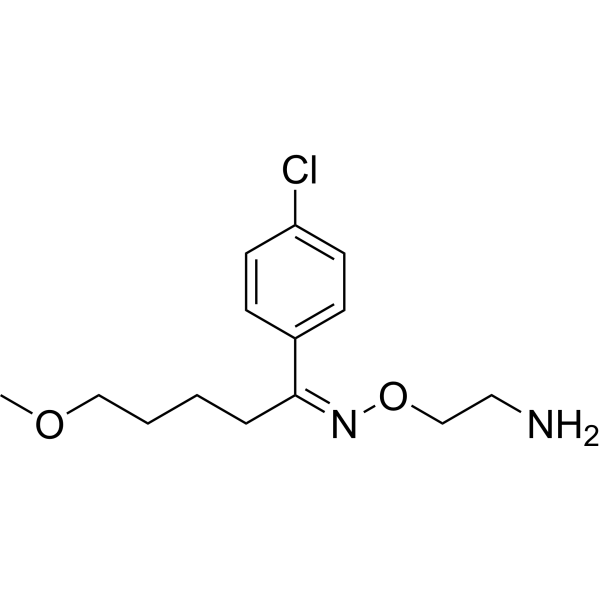
Teniloxazine is an inhibitor for norepinephrine neuronal reuptake and an weak inhibitor for reuptake of Serotonin (HY-B1473A) and Dopamine (HY-B0451). Teniloxazine exhibits antidepressant, antihypoxic and anti-amnestic properties without anticholinergic, sedative, and cardiovascular adverse effects .
|
-

- HY-B0196AR
-
|
Wy 45030 hydrochloride (Standard)
|
Reference Standards
Serotonin Transporter
|
Neurological Disease
Cancer
|
|
Venlafaxine (hydrochloride) (Standard) is the analytical standard of Venlafaxine (hydrochloride). This product is intended for research and analytical applications. Venlafaxine hydrochloride (Wy 45030 hydrochloride) is an orally active, potent serotonin (5-HT)/norepinephrine (NE) reuptake dual inhibitor. Venlafaxine is an antidepressant .
|
-
- HY-138818
-
|
NODVFX
|
Drug Metabolite
|
Neurological Disease
Cancer
|
|
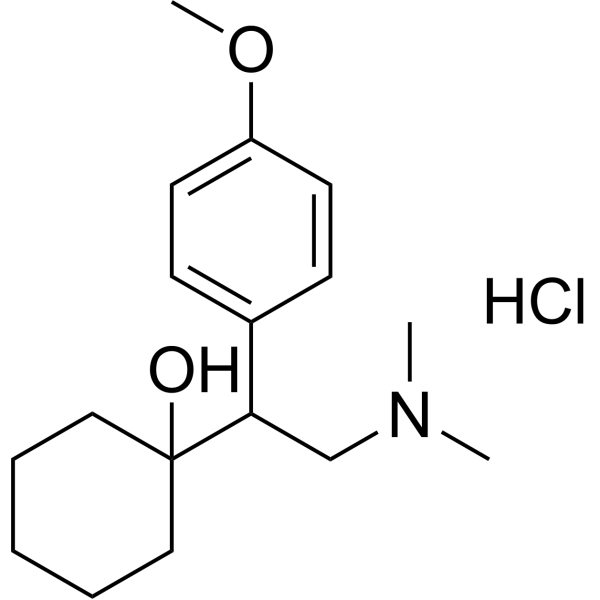
N,O-Didesmethylvenlafaxine (NODVFX) is a metabolite of Venlafaxine (VFX; HY-B0196). Venlafaxine (Wy 45030) is an orally active, potent serotonin (5-HT)/norepinephrine (NE) reuptake dual inhibitor .
|
-

- HY-B0602D
-
|
|
Drug Metabolite
|
Neurological Disease
|
|
(S)-(+)-O-Desmethyl Venlafaxine is a S-enantiomer of O-Desmethyl Venlafaxine. O-Desmethyl Venlafaxine is an active metabolite of Venlafaxine . Venlafaxine (HY-B0196) is an antidepressant of the serotonin-norepinephrine reuptake inhibitor (SNRI) class .
|
-

- HY-B0161ES
-
|
(Rac)-Duloxetine-d3 hydrochloride
|
Isotope-Labeled Compounds
Serotonin Transporter
|
Neurological Disease
|
|
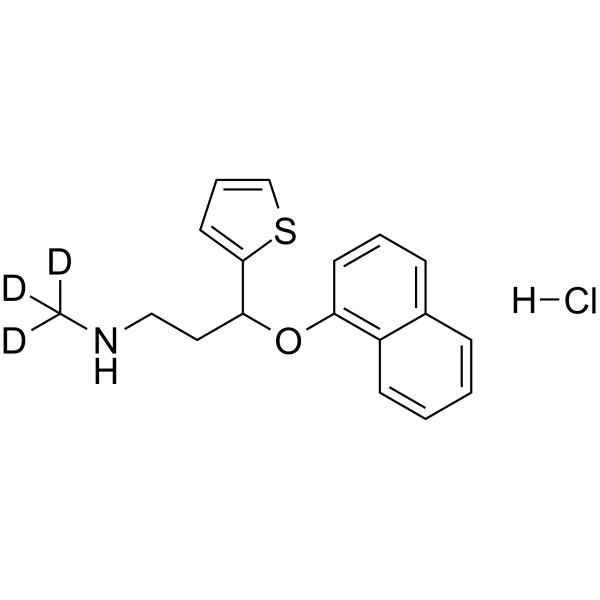
(±)-Duloxetine-d3 (hydrochloride) is deuterium labeled (±)-Duloxetine (hydrochloride). (±)-Duloxetine ((Rac)-Duloxetine) hydrochloride is the racemate of Duloxetine hydrochloride. Duloxetine hydrochloride, a serotonin-norepinephrine reuptake inhibitor, can be used for diabetic neuropathic pain and fibromyalgia as well as major depressive disorder research .
|
-
- HY-B0168AR
-
|
|
Reference Standards
Serotonin Transporter
PERK
|
Neurological Disease
|
|
Milnacipran (hydrochloride) (Standard) is the analytical standard of Milnacipran hydrochloride (HY-B0168A). This product is intended for research and analytical applications. Milnacipran hydrochloride is an orally active Serotonin (HY-B1473A) and Norepinephrine (HY-13715) reuptake inhibitor. Milnacipran hydrochloride inhibits monoamine transporters, especially the norepinephrine transporter and the serotonin transporter (Ki values of 31 and 8.5 nM, respectively). Milnacipran hydrochloride inhibits pERK1/2 activation. Milnacipran hydrochloride has antidepressant, anxiolytic and analgesic properties. Milnacipran hydrochloride inhibits biting behavior in mice. Milnacipran hydrochloride can be used in the study of major depressive disorder, anxiety disorders, and neuropathic pain (e.g., fibromyalgia) .
|
-

- HY-122272S2
-
-

- HY-131479A
-
|
|
Drug Metabolite
|
Neurological Disease
|
|
Threo-dihydrobupropion is a major metabolite of Bupropion, formed via oxidation and reduction exhibit pharmacological activity. Bupropion, a dual dopamine-norepinephrine uptake inhibitor and a nicotine receptor antagonist, is widely used in the management of depression and as a smoking cessation aid .
|
-

- HY-126907
-
-

- HY-U00069
-
|
|
Monoamine Transporter
|
Neurological Disease
Inflammation/Immunology
|
|
Thionisoxetine is a norepinephrine transporter inhibitor with a Ki value of 0.2 nM in rats, and exhibits anti-hyperalgesic and analgesic activities. Thionisoxetine reverses thermal hyperalgesia and mechanical allodynia in rats. Thionisoxetine can be used in studies related to persistent inflammatory pain .
|
-

- HY-106604
-
|
LM 1404
|
Monoamine Transporter
|
Neurological Disease
Metabolic Disease
|
|
Lortalamine (LM 1404) is a selective norepinephrine transporter inhibitor with an IC50 of <1 nM. Lortalamine is a non-tricyclic antidepressant. Lortalamine antagonises Reserpine (HY-N0480)-induced ptosis and hypothermia. Lortalamine inhibits norepinephrine uptake .
|
-

- HY-N9628
-
|
|
Adrenergic Receptor
|
Neurological Disease
|
|
Polygalatenoside A is a noradrenaline reuptake inhibitor with an IC50 of 30.0 μM against human noradrenaline transporter. Polygalatenoside A can be used in the research of mental disorders .
|
-

- HY-W411193
-
|
|
Calcium Channel
|
Cardiovascular Disease
|
|
Pincainide is a calcium channel inhibitor. Pincainide inhibits voltage-gated calcium channel-mediated calcium influx in smooth muscle. Pincainide inhibits norepinephrine- and high potassium-induced contractile responses. Pincainide can be used in the research of heart diseases .
|
-

- HY-186094
-
|
|
Drug Derivative
Drug Intermediate
|
Neurological Disease
|
|
(S,S)-Demethyl-reboxetine is a key phenolic precursor for the preparation of the PET tracer (S,S)-[ 11C]-MeNER. (S,S)-Demethyl-reboxetine is also the demethylated derivative of Reboxetine (HY-14560). Efficient synthesis of the norepinephrine transporter (NET)-targeted tracer is achieved through 11C methylation of (S,S)-Demethyl-reboxetine. (S,S)-Demethyl-reboxetine serves as a core raw material for the synthesis of radiopharmaceuticals related to NET imaging .
|
-

- HY-107128R
-
|
TD-9855 hydrochloride (Standard)
|
Reference Standards
Serotonin Transporter
|
Neurological Disease
|
|
Ampreloxetine hydrochloride (Standard) (TD-9855 hydrochloride (Standard)) is the analytical standard of Ampreloxetine (hydrochloride) (HY-107128). This product is intended for research and analytical applications. Ampreloxetine (TD-9855) hydrochloride is an orally active and CNS-penetrant inhibitor of Norepinephrine transporter (NET) and Serotonin 5-HT uptake transporter (SERT), but not Dopamine transporter (DAT). Ampreloxetine hydrochloride binds norepinephrine transporters (NET) and serotonin transporters (SERT) with EC50 values of 11.7 ng/mL and 50.8 ng/mL, respectively, in plasma .
|
-

- HY-182485
-
|
|
Dopamine β-hydroxylase
|
Others
|
|
U-11634 is an orally active dopamine β-hydroxylase noncompetitive inhibitor, with rat LD50 values of 1197 mg/kg (subcutaneous) and 524 mg/kg (oral). U-11634 blocks conversion of dopamine to norepinephrine and reduces norepinephrine levels in brain. U-11634 decreases food intake and spontaneous motor activity via dietary inclusion. U-11634 induces thyroid toxicity and inhibits pregnancy. U-11634 inhibits deciduomata formation in intact and steroid-treated rats, with no reversal by progesterone or oestradiol. U-11634 can be used for pregnancy .
|
-

- HY-A0175A
-
|
Butriptylene hydrochloride
|
5-HT Receptor
|
Neurological Disease
|
|
Butriptyline (Butriptylene) hydrochloride is an orally active tricyclic antidepressant that slightly enhances central 5-HT effects. Butriptyline hydrochloride does not inhibit brain norepinephrine uptake. Butriptyline hydrochloride can be used for depression research .
|
-

- HY-181828
-
|
|
iGluR
Dopamine Receptor
|
Neurological Disease
|
|
SePP is a blood-brain barrier-permeable NMDAR antagonist and dopamine/norepinephrine reuptake inhibitor, with a Ki of 28.7 nM for rat NMDAR. SePP exerts anticonvulsant effects. SePP can be used in research related to fragile X syndrome .
|
-

- HY-W052508R
-
|
N-Desalkylquetiapine (Standard)
|
5-HT Receptor
Reference Standards
|
Neurological Disease
|
|
Norquetiapine is an antidepressant and neuroprotective agent and is the active metabolic component of Quetiapine (HY-14544). Norquetiapine is also a partial 5-HT1A receptor agonist, and a presynaptic α2, 5-HT2C and 5-HT7 b> Receptor antagonist. Norquetiapine can also selectively inhibit norepinephrine transporter (NET), inhibit norepinephrine reuptake, and has potential inhibitory effects on bipolar depression, major depressive disorder, and generalized anxiety disorder. Norquetiapine demonstrated in vivo activity in forced swimming in mice and learned helplessness tests in rats .
|
-

- HY-175873
-
|
|
mAChR
Adrenergic Receptor
|
Inflammation/Immunology
|
|
AD109 is a combination of the selective norepinephrine reuptake inhibitor Atomoxetine (HY-107370) and the antimuscarinic agent Aroxybutynin (HY-B0267C). AD109 shows orally active significantly and reduces the apnea-hypopnea index .
|
-

- HY-B0196S3
-
-

- HY-B2074
-
|
|
SARS-CoV
|
Neurological Disease
|
|
Demexiptiline is a tricyclic antidepressant. Demexiptiline is a norepinephrine reuptake inhibitor. Demexiptiline has a binding affinity with SARS-CoV-2 3CL protease of 8.14 kcal/mol. Demexiptiline can also be studied in research on melancholic states .
|
-

- HY-12766
-
|
|
Dopamine Transporter
nAChR
|
Neurological Disease
|
|
Bupropion morpholinol (Hydroxy Bupropion) is a major metabolite of Bupropion. Bupropion morpholinol inhibits Dopamine, Norepinephrine transporters and the α4β2 nicotinic receptor in vitro. Bupropion morpholinol contributes to antidepressant and smoking cessation activities .
|
-

- HY-B0161AR
-
|
(S)-Duloxetine hydrochloride (Standard); LY-248686 hydrochloride (Standard)
|
Reference Standards
Serotonin Transporter
|
Neurological Disease
Cancer
|
|
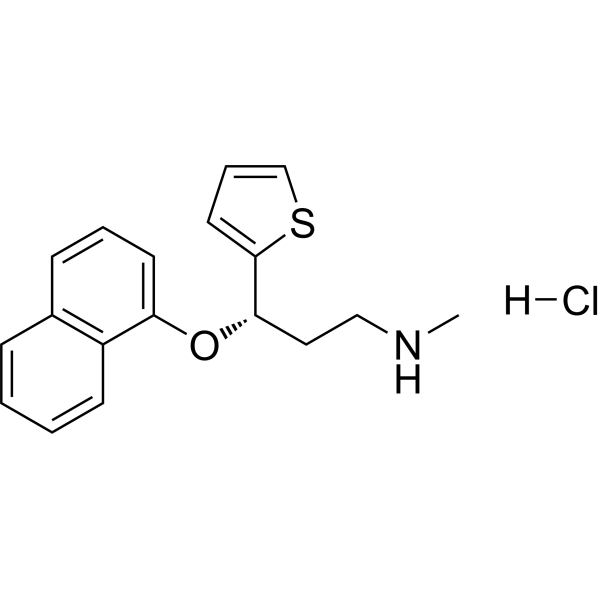
Duloxetine (hydrochloride) (Standard) is the analytical standard of Duloxetine (hydrochloride). This product is intended for research and analytical applications. Duloxetine hydrochloride ((S)-Duloxetine hydrochloride) is a serotonin-norepinephrine reuptake inhibitor (SNRI) with a Ki of 4.6 nM, used for treatment of major depressive disorder and generalized anxiety disorder (GAD) .
|
-
- HY-B1272A
-
-
- HY-B1272
-
-
- HY-131254
-
|
|
Drug Metabolite
|
Neurological Disease
|
|
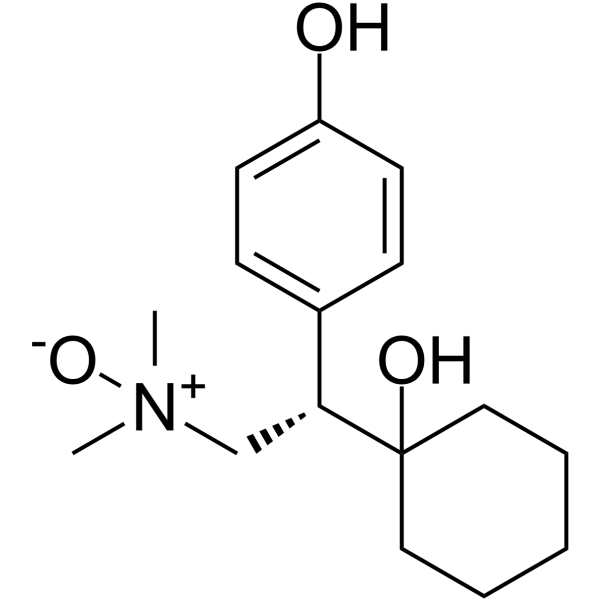
(S)-O-Desmethyl Venlafaxine N-Oxide is a N-oxyde of (S)-O-Desmethyl Venlafaxine. O-Desmethyl Venlafaxine is an active metabolite of Venlafaxine . Venlafaxine (HY-B0196) is an antidepressant of the serotonin-norepinephrine reuptake inhibitor (SNRI) class .
|
-
- HY-105975
-
|
WY-23409
|
Adrenergic Receptor
|
Neurological Disease
Metabolic Disease
Endocrinology
|
|
Ciclazindol (WY-23409) is an orally active antidepressant. Ciclazindol can inhibit the reuptake of norepinephrine. Ciclazindol also exhibits effects of lowering blood glucose, suppressing appetite and reducing weight. Ciclazindol can be used in the research of diseases such as depression and obesity .
|
-

- HY-B0196S2
-
-

- HY-B0602B
-
|
O-Desmethylvenlafaxine fumarate
|
5-HT Receptor
Adrenergic Receptor
Drug Metabolite
|
Neurological Disease
|
|
Desvenlafaxine (O-Desmethylvenlafaxine) fumarate is a selective serotonin and norepinephrine reuptake inhibitor. Desvenlafaxine (O-Desmethylvenlafaxine) fumarate is the major metabolite of the antidepressant venlafaxine. Desvenlafaxine (O-Desmethylvenlafaxine) fumarate has the potential for the research of depression and related disorders and diseases (extracted from patent WO2009049354A1) .
|
-

- HY-B0602C
-
|
O-Desmethylvenlafaxine hydrochloride
|
5-HT Receptor
Adrenergic Receptor
Drug Metabolite
|
Neurological Disease
|
|
Desvenlafaxine (O-Desmethylvenlafaxine) hydrochloride is a selective serotonin and norepinephrine reuptake inhibitor. Desvenlafaxine (O-Desmethylvenlafaxine) hydrochloride is the major metabolite of the antidepressant venlafaxine. Desvenlafaxine (O-Desmethylvenlafaxine) hydrochloride has the potential for the research of depression and related disorders and diseases (extracted from patent WO2009049354A1) .
|
-

- HY-B0161S3
-
|
(S)-Duloxetine-d5 oxalate; LY248686-d5 oxalate
|
Isotope-Labeled Compounds
Serotonin Transporter
|
Neurological Disease
Cancer
|
|
Duloxetine-d5 (oxalate) ((S)-Duloxetine-d5 (oxalate)) is deuterium labeled Duloxetine. Duloxetine is a serotonin-norepinephrine reuptake inhibitor with a Ki of 4.6 nM, used for treatment of major depressive disorder and generalized anxiety disorder (GAD) .
|
-

- HY-100637
-
|
|
Drug Metabolite
Adrenergic Receptor
nAChR
|
Neurological Disease
|
|
Hydroxybupropion is the major active metabolite of Bupropion. Hydroxybupropion is metabolized by CYP2B6. Bupropion is an atypical antidepressant and smoking-cessation agent. Hydroxybupropion inhibits norepinephrine uptake with an IC50 value of 1.7 μM. Hydroxybupropion is also a nACh receptor antagonist .
|
-

- HY-131527R
-
|
N-Desmethyl Venlafaxine hydrochloride (Standard); Wy 45494 (Standard)
|
Serotonin Transporter
Reference Standards
|
Metabolic Disease
|
|
Wy-45494 (hydrochloride) (Standard) is the analytical standard of Wy-45494 (hydrochloride). This product is intended for research and analytical applications. Wy-45494 hydrochloride (N-Desmethyl Venlafaxine hydrochloride; Wy 45494) is a minor active metabolite of the selective norepinephrine and serotonin reuptake inhibitor (SNRI) venlafaxine. It is formed from venlafaxine via the cytochrome P450 (CYP) isomer CYP3A4.2. Wy-45494 hydrochloride inhibits norepinephrine and serotonin reuptake in rat synaptosomal preparations (IC50s of 4.7 and 1.6 μM, respectively). In vivo, Wy-45494 hydrochloride reversed reserpine-induced hypothermia in mice at a minimum effective dose (MED) of 10 mg/kg.
|
-

- HY-N0913R
-
|
|
Reference Standards
Antifolate
Thymidylate Synthase
|
Others
|
|
Wy-45494 (hydrochloride) (Standard) is the analytical standard of Wy-45494 (hydrochloride). This product is intended for research and analytical applications. Wy-45494 hydrochloride (N-Desmethyl Venlafaxine hydrochloride; Wy 45494) is a minor active metabolite of the selective norepinephrine and serotonin reuptake inhibitor (SNRI) venlafaxine. It is formed from venlafaxine via the cytochrome P450 (CYP) isomer CYP3A4.2. Wy-45494 hydrochloride inhibits norepinephrine and serotonin reuptake in rat synaptosomal preparations (IC50s of 4.7 and 1.6 μM, respectively). In vivo, Wy-45494 hydrochloride reversed reserpine-induced hypothermia in mice at a minimum effective dose (MED) of 10 mg/kg.
|
-

- HY-B0602S
-
|
|
Isotope-Labeled Compounds
Drug Metabolite
|
Neurological Disease
|
|
(R)-(-)-O-Desmethyl Venlafaxine-d6 is the deuterium labeled (R)-(-)-O-Desmethyl Venlafaxine. O-Desmethyl Venlafaxine is an active metabolite of Venlafaxine . Venlafaxine (HY-B0196) is an antidepressant of the serotonin-norepinephrine reuptake inhibitor (SNRI) class .
|
-

- HY-B0602S1
-
|
|
Drug Metabolite
|
Neurological Disease
|
|
(S)-(+)-O-Desmethyl Venlafaxine-d6 is the deuterium labeled (S)-(+)-O-Desmethyl Venlafaxine. O-Desmethyl Venlafaxine is an active metabolite of Venlafaxine . Venlafaxine (HY-B0196) is an antidepressant of the serotonin-norepinephrine reuptake inhibitor (SNRI) class .
|
-

- HY-105297
-
|
|
5-HT Receptor
|
Neurological Disease
|
|
BMS-505130 fumarate is a potent, selective and orally active serotonin transport inhibitor with a Ki for binding to the serotonin transporter of 0.18 nM (Ki for norepinephrine and dopamine transporters of 4.6 and 2.1 μM, respectively). BMS-505130 fumarate can be used for the research of neurological disease, such as depression .
|
-

- HY-108256S
-
|
|
Isotope-Labeled Compounds
5-HT Receptor
|
Neurological Disease
|
|
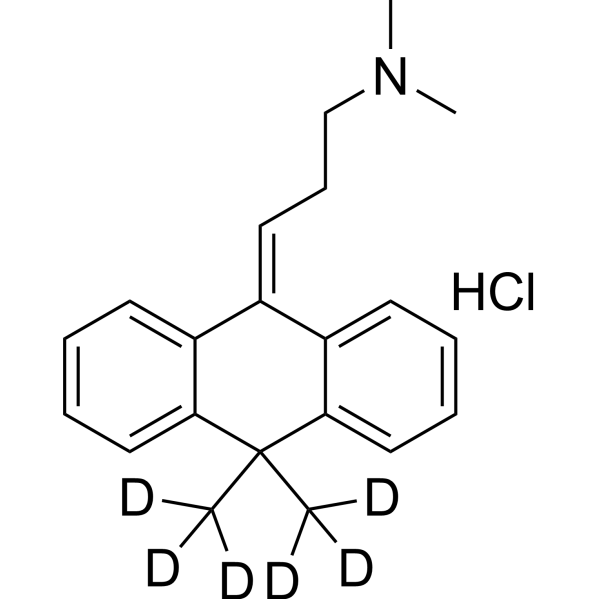
Melitracen-d6 (hydrochloride) is the deuterium labeled Melitracen hydrochloride. Melitracen hydrochloride is an orally active biphasic antidepressant and antianxiety agent. Melitracen hydrochloride can inhibit the uptake of Norepinephrine and 5-HT (serotonin) through the presynaptic membrane inducing the increase of monoamine transmitters in synaptic space .
|
-
- HY-N16748
-
|
|
Others
|
Cardiovascular Disease
|
|
Heptazoline is a carbazole alkaloid that can be isolated from the stem bark of Clausena excavata. Heptazoline exhibits significant antiplatelet aggregation activity (inhibiting platelet aggregation induced by arachidonic acid, collagen, etc.) and certain vasodilatory activity (inhibiting norepinephrine-induced contraction of rat aorta). Heptazoline can be used in antithrombotic research in the cardiovascular field .
|
-

- HY-118064
-
|
LY-368975
|
Dopamine Receptor
|
Neurological Disease
|
|
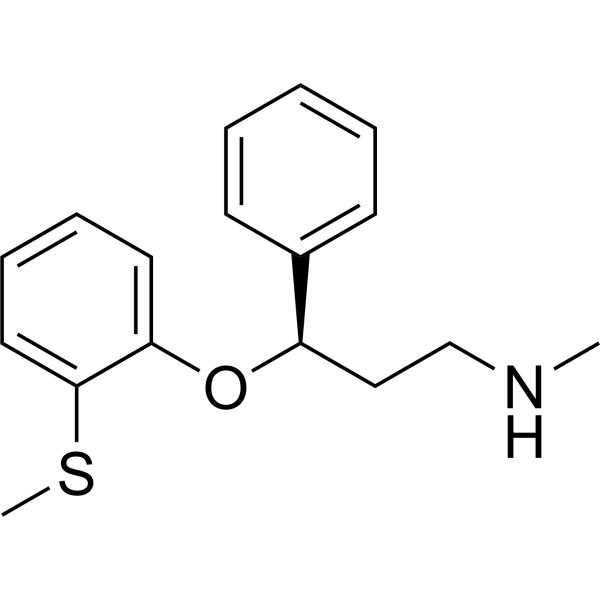
(R)-Thionisoxetine is a potent and selective inhibitor of central and peripheral norepinephrine (NE) uptake. (R)-thionisoxetine prevented hypothalamic NE depletion by 6-hydroxydopamine with an ED50 of 0.21 mg/kg. (R)-Thionisoxetine can be used for the research of a variety of diseases including depression and urinary incontinence .
|
-
- HY-107031
-
|
19560 RP
|
iGluR
|
Others
|
|
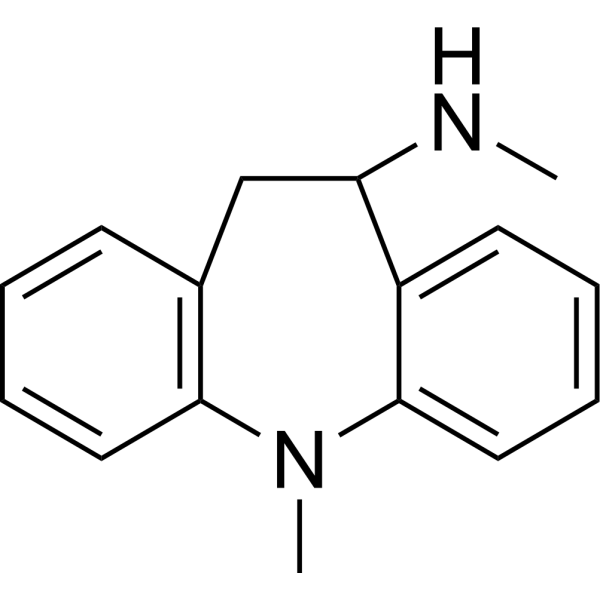
Metapramine (19560 RP) is an antidepressant agent, belonging to the class of tricyclic compounds . Metapramine inhibits norepinephrine reuptake, without affecting the reuptake of serotonin or dopamine . Metapramine is a low-affinity antagonist of the N-methyl-D-aspartic acid (NMDA) receptor complex channel .
|
-
- HY-B0196S4
-
-

- HY-B1308R
-
|
|
Reference Standards
Adrenergic Receptor
|
Cardiovascular Disease
Endocrinology
|
|
Adrenalone (hydrochloride) (Standard) is the analytical standard of Adrenalone (hydrochloride). This product is intended for research and analytical applications. Adrenalone hydrochloride is an adrenergic agonist used as a topical vasoconstrictor and hemostatic. Adrenalone hydrochloride is an inhibitor of dopamine β oxidase. Adrenalone hydrochloride is chemically similar to known norepinephrine transporter (NET) ligands with an IC50 of 36.9 μM .
|
-

- HY-B0725A
-
|
|
mTOR
PI3K
Akt
|
Neurological Disease
Cancer
|
|
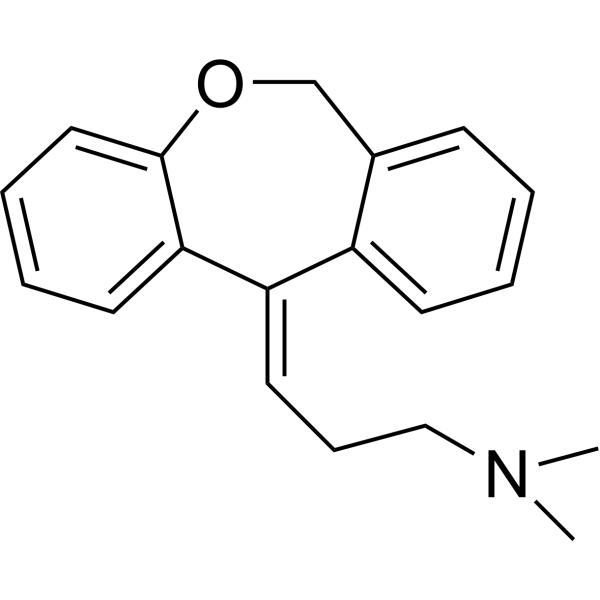
Doxepin inhibits reuptake of serotonin and norepinephrine as a tricyclic antidepressant. Doxepin has therapeutic effects in atopic dermatitis,chronic urticarial,can improve cognitive processes, protect central nervous system. Doxepin has also been proposed as a protective factor against oxidative stress .
|
-
- HY-79722
-
|
trans-4-Aminocyclohexan-1-ol
|
Drug Intermediate
|
Neurological Disease
|
|
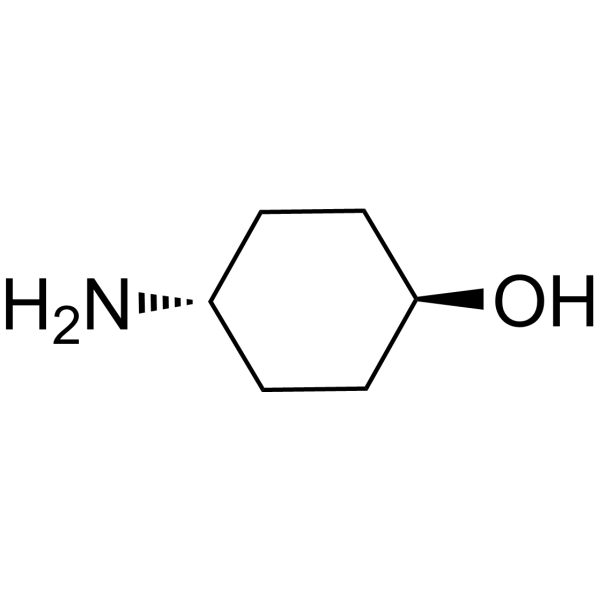
4-trans-Hydroxycyclohexylamine (trans-4-Aminocyclohexan-1-ol) is an intermediate. 4-trans-Hydroxycyclohexylamine can be used in the synthesis of norepinephrine transporter inhibitors. 4-trans-Hydroxycyclohexylamine can be used in the research of mood and behavior-related diseases .
|
-
- HY-12766S
-
|
|
Isotope-Labeled Compounds
nAChR
Dopamine Transporter
|
Neurological Disease
|
|
Bupropion morpholinol-d6 is the deuterated form of Bupropion morpholinol. Bupropion morpholinol is a major metabolite of Bupropion. Bupropion morpholinol inhibits Dopamine, Norepinephrine transporters and the α4β2 nicotinic receptor in vitro. Bupropion morpholinol contributes to antidepressant and smoking cessation activities .
|
-

- HY-B0932R
-
|
L-Propionylcarnitine chloride (Standard); ST-261 (Standard)
|
Integrin
NADPH Oxidase
Reference Standards
Others
|
Others
|
|
Adrenalone (hydrochloride) (Standard) is the analytical standard of Adrenalone (hydrochloride). This product is intended for research and analytical applications. Adrenalone hydrochloride is an adrenergic agonist used as a topical vasoconstrictor and hemostatic. Adrenalone hydrochloride is an inhibitor of dopamine β oxidase. Adrenalone hydrochloride is chemically similar to known norepinephrine transporter (NET) ligands with an IC50 of 36.9 μM .
|
-

- HY-110019
-
|
Lu 19-005
|
Serotonin Transporter
Dopamine Transporter
|
Neurological Disease
|
|
Indatraline hydrochloride (Lu 19-005) is a non-selective monoamine transporter inhibitor that blocks the reuptake of neurotransmitters (dopamine, serotonin, and norepinephrine). Indatraline hydrochloride can be used for the research of antidepressive. Indatraline hydrochloride induces autophagy while simultaneously inhibiting cell proliferation. Indatraline hydrochloride may also serve to direct the development of new agents for autophagy-related diseases such as atherosclerosis or restenosis .
|
-
- HY-126158
-
|
|
Dopamine Transporter
Serotonin Transporter
|
Neurological Disease
|
|
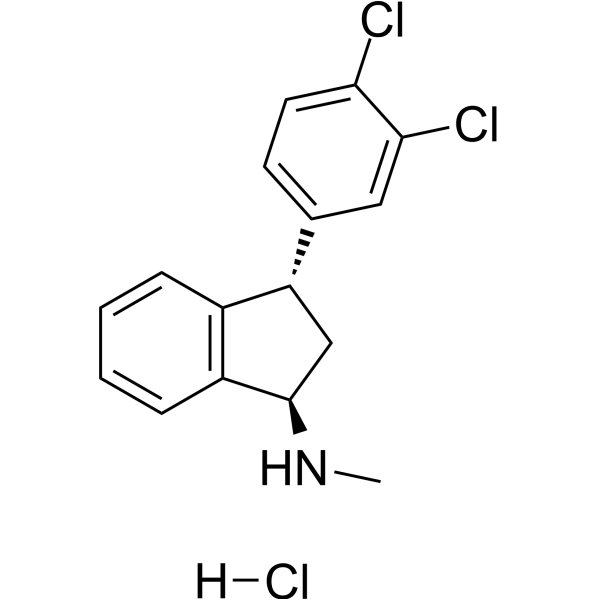
SRI-29574 is an allosteric modulator of the dopamine transporter (DAT). SRI-29574 partially inhibits the uptake of the DAT (IC50=2.3 nM) and also partially inhibits the uptake of the serotonin transporter (SERT) and norepinephrine transporter (NET). SRI-29574 may serve as a useful probe to study the function and regulatory mechanisms of DAT .
|
-

- HY-B1272AS
-
-
- HY-B1272AS1
-
-
- HY-B0161AS1
-
|
(S)-Duloxetine-d7 hydrochloride; LY248686-d7 hydrochloride
|
Isotope-Labeled Compounds
Serotonin Transporter
|
Neurological Disease
Cancer
|
|
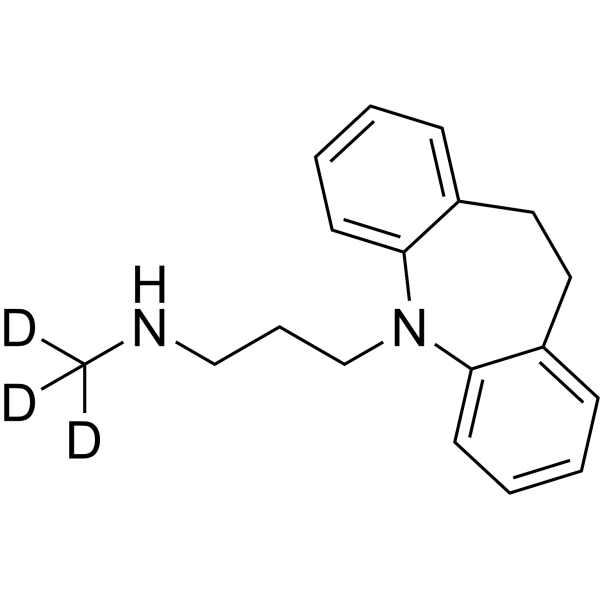
Duloxetine-d7 hydrochloride ((S)-Duloxetine-d7 hydrochloride) is the deuterium labeled Duloxetine hydrochloride (HY-B0161A). Duloxetine hydrochloride ((S)-Duloxetine hydrochloride) is a serotonin-norepinephrine reuptake inhibitor (SNRI) with a Ki of 4.6 nM, used for treatment of major depressive disorder and generalized anxiety disorder (GAD) .
|
-

- HY-108256R
-
|
|
5-HT Receptor
Reference Standards
|
Neurological Disease
|
|
Melitracen (hydrochloride) (Standard) is the analytical standard of Melitracen (hydrochloride). This product is intended for research and analytical applications. Melitracen hydrochloride is an orally active biphasic antidepressant and antianxiety agent. Melitracen hydrochloride can inhibit the uptake of Norepinephrine and 5-HT (serotonin) through the presynaptic membrane inducing the increase of monoamine transmitters in synaptic space .
|
-

- HY-B1199A
-
|
|
Monoamine Oxidase
Reactive Oxygen Species (ROS)
|
Cardiovascular Disease
Neurological Disease
Inflammation/Immunology
|
|
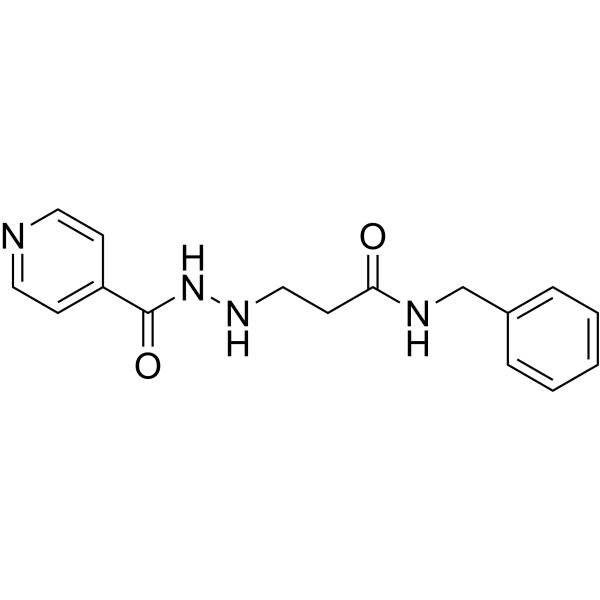
Nialamide hydrochloride is a non-selective monoamine oxidase (MAO) inhibitor. Nialamide hydrochloride inhibits MAO and regulates ROS production. Nialamide hydrochloride induces hyperkinesis in animals, enhances the anticonvulsant effect of Diphenylhydantoin in mice, increases rectal temperature, and enhances the pressor effect of Norepinephrine. Nialamide hydrochloride can be used in the research of depression, inflammatory diseases, neurodegenerative diseases, and hypertension .
|
-

- HY-B1199
-
-
- HY-17385
-
|
Tomoxetine hydrochloride; (R)-Tomoxetine hydrochloride; LY 139603
|
Adrenergic Receptor
Serotonin Transporter
Sodium Channel
|
Neurological Disease
Cancer
|
|
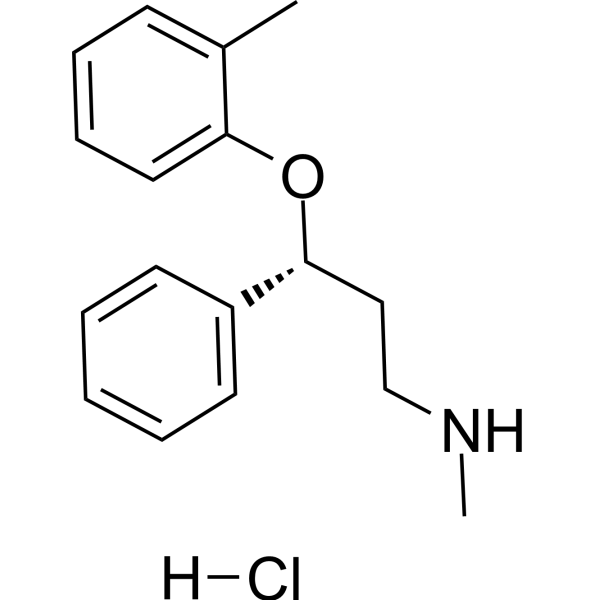
Atomoxetine (Tomoxetine) hydrochloride is a selective noradrenaline reuptake inhibitor with Ki values of 5 nM, 77 nM and 1451 nM for norepinephrine (NE), serotonin (5-HT) and dopamine (DA) transporters, respectively. Atomoxetine hydrochloride is a potent Na + channels (VGSCs) blocker. Atomoxetine hydrochloride can be used for attention-deficit hyperactivity disorder (ADHD) research .
|
-
- HY-135615AR
-
|
N-Desmethylsibutramine hydrochloride (Standard)
|
Reference Standards
Serotonin Transporter
|
Neurological Disease
Metabolic Disease
|
|
Desmethyl Sibutramine (hydrochloride) (Standard) is the analytical standard of Desmethyl Sibutramine (hydrochloride). This product is intended for research and analytical applications. Desmethyl Sibutramine hydrochloride, the secondary metabolite of Sibutramine, is an orally active norepinephrine transporter (NET) and serotonin transporter (SERT) inhibitor. Desmethyl Sibutramine hydrochloride can be used in the research of obesity and appetite suppressant .
|
-

- HY-121212R
-
|
|
Aminotransferases (Transaminases)
Reference Standards
Others
|
Metabolic Disease
Inflammation/Immunology
|
|
Desmethyl Sibutramine (hydrochloride) (Standard) is the analytical standard of Desmethyl Sibutramine (hydrochloride). This product is intended for research and analytical applications. Desmethyl Sibutramine hydrochloride, the secondary metabolite of Sibutramine, is an orally active norepinephrine transporter (NET) and serotonin transporter (SERT) inhibitor. Desmethyl Sibutramine hydrochloride can be used in the research of obesity and appetite suppressant .
|
-

- HY-B1272R
-
|
|
Reference Standards
Adrenergic Receptor
ERK
JNK
p38 MAPK
NF-κB
AP-1
Apoptosis
Reactive Oxygen Species (ROS)
Mitochondrial Metabolism
TNF Receptor
|
Neurological Disease
Inflammation/Immunology
Cancer
|
|
Desipramine hydrochloride (Standard) is the analytical standard of Desipramine hydrochloride (HY-B1272). This product is intended for research and analytical applications. Desipramine hydrochloride is a first-generation tricyclic antidepressant. Desipramine hydrochloride selectively binds to norepinephrine transporter and blocks neuronal norepinephrine reuptake. Desipramine hydrochloride activates MAPK signaling via ERK1/2, JNK, and p38, represses NF-κB and AP-1 activity, and induces apoptosis via ROS elevation, mitochondrial membrane potential reduction, and intracellular calcium increase. Desipramine hydrochloride also shows anyi-inflammatory activity, inhibiting TNF-α production. Desipramine hydrochloride can be used for the research of hepatocellular cancer, inflammation, and neurological diseases .
|
-

- HY-14794AS
-
|
(1S,2R)-Milnacipran-d10 hydrochloride; F2695-d10 hydrochloride
|
Isotope-Labeled Compounds
Serotonin Transporter
Trk Receptor
PI3K
mTOR
P-glycoprotein
Akt
|
Neurological Disease
Inflammation/Immunology
|
|
Levomilnacipran-d10 ((1S,2R)-Milnacipran-d10) hydrochloride is deuterium labeled Levomilnacipran hydrochloride (HY-B0168B). Levomilnacipran ((1S,2R)-Milnacipran) hydrochloride is the enantiomer of Milnacipran (HY-B0168) and a strong substrate of P-gp that can cross the blood-brain barrier. Levomilnacipran hydrochloride is a serotonin and norepinephrine reuptake inhibitor, with IC50 values of 10.5 nM and 19.0 nM, and Ki values of 92.2 nM and 1.2 nM for human norepinephrine transporter (NET) and serotonin transporter (SERT), respectively. Levomilnacipran hydrochloride has antidepressant and anxiolytic activities. Levomilnacipran hydrochloride can be used for the research of depression .
|
-

- HY-B0168BS
-
|
(1S,2R)-Milnacipran-d5 hydrochloride; F-2695-d5 hydrochloride
|
Isotope-Labeled Compounds
Serotonin Transporter
Trk Receptor
PI3K
Akt
mTOR
P-glycoprotein
|
Neurological Disease
Inflammation/Immunology
|
|
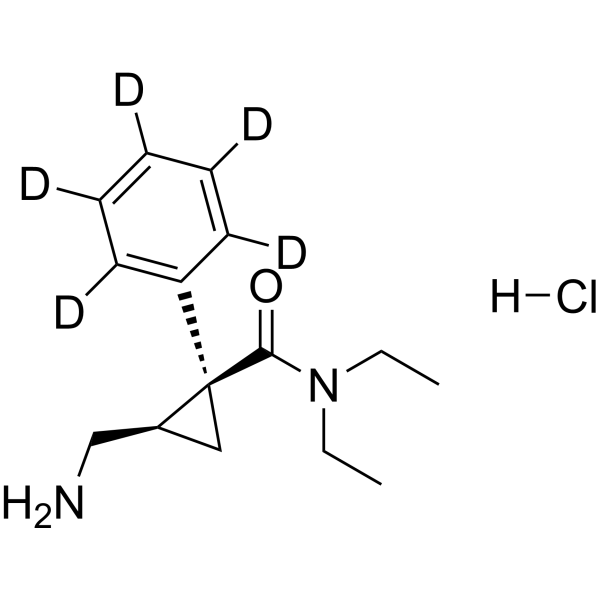
Levomilnacipran-d5 ((1S,2R)-Milnacipran-d5) hydrochloride is deuterium labeled Levomilnacipran hydrochloride (HY-B0168B). Levomilnacipran ((1S,2R)-Milnacipran) hydrochloride is the enantiomer of Milnacipran (HY-B0168) and a strong substrate of P-gp that can cross the blood-brain barrier. Levomilnacipran hydrochloride is a serotonin and norepinephrine reuptake inhibitor, with IC50 values of 10.5 nM and 19.0 nM, and Ki values of 92.2 nM and 1.2 nM for human norepinephrine transporter (NET) and serotonin transporter (SERT), respectively. Levomilnacipran hydrochloride has antidepressant and anxiolytic activities. Levomilnacipran hydrochloride can be used for the research of depression .
|
-
- HY-N4115R
-
|
Su 3118 (Standard)
|
Reference Standards
Monocarboxylate Transporter
|
Cardiovascular Disease
Cancer
|
|
Syrosingopine (Su 3118) is an orally active lactate transporters (MCT1/MCT4) dual inhibitor, which can reduce glycolysis and induce synthetic lethality in cancer cells when combine with metformin. Syrosingopine shows anti-hypertensive activity by depleting peripheral stores of norepinephrine .
|
-

- HY-N4115
-
|
Su 3118
|
Monocarboxylate Transporter
|
Cardiovascular Disease
Cancer
|
|
Syrosingopine (Su 3118) is an orally active lactate transporters (MCT1/MCT4) dual inhibitor, which can reduce glycolysis and induce synthetic lethality in cancer cells when combine with metformin. Syrosingopine shows anti-hypertensive activity by depleting peripheral stores of norepinephrine .
|
-
- HY-118064A
-
|
LY-368975 hydrochloride
|
Monoamine Transporter
|
Neurological Disease
|
|
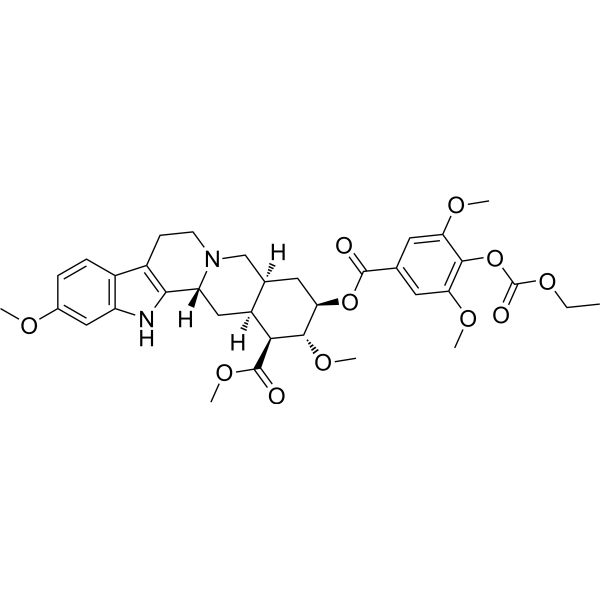
(R)-Thionisoxetine hydrochloride (LY-368975 hydrochloride) is a potent and selective central and peripheral norepinephrine (NE) uptake inhibitor. (R)-Thionisoxetine hydrochloride prevents 6-hydroxydopamine-induced hypothalamic NE depletion with an ED50 of 0.21 mg/kg. (R)-Thionisoxetine hydrochloride can be used in the study of a variety of diseases, including depression and urinary incontinence .
|
-

- HY-135242
-
|
|
Adrenergic Receptor
|
Endocrinology
|
|
LY87130 free base is an octopamine-N-methyltransferase inhibitor with epinephrine-inhibiting activity. LY87130 free base can significantly reduce the basal level of epinephrine in the hypothalamus after administration. LY87130 free base has no significant effect on the basal levels of norepinephrine, 3,4-dihydroxyphenylacetic acid (DOPAC) and 5-hydroxyindoleacetic acid (5-HIAA) in the hypothalamus .
|
-

- HY-123044
-
-

- HY-14258
-
Escitalopram
Maximum Cited Publications
11 Publications Verification
(S)-Citalopram; (S)-(+)-Citalopram
|
Serotonin Transporter
|
Neurological Disease
|
|
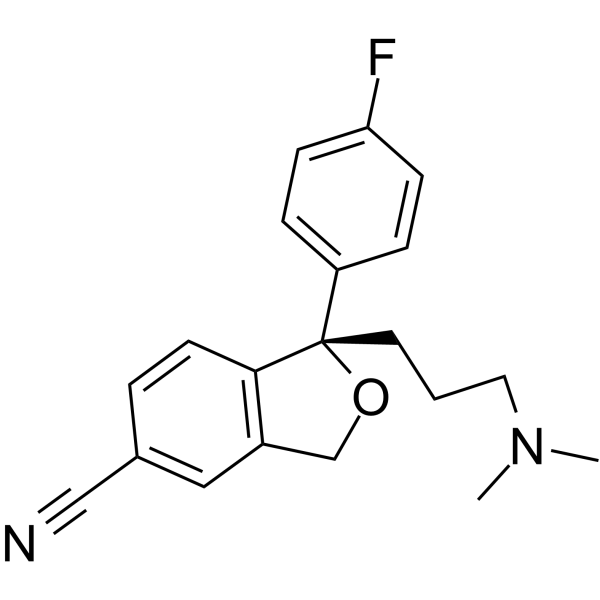
Escitalopram ((S)-Citalopram), the S-enantiomer of racemic Citalopram, is a selective serotonin reuptake inhibitor (SSRI) with a Ki of 0.89 nM. Escitalopram has ∼30 fold higher binding affinity than its R(-)-enantiomer and shows selectivity over both dopamine transporter (DAT) and norepinephrine transporter (NET). Escitalopram is an antidepressant for the research of major depression .
|
-
- HY-174833
-
|
|
Monoamine Oxidase
|
Neurological Disease
|
|
MAO-A-IN-2 (Compound 4l) is a selective monoamine oxidase A (MAO-A) inhibitor with an IC50 value of 0.4 μM. MAO-A-IN-2 reduces the degradation of monoamine neurotransmitters (e.g., serotonin, norepinephrine). MAO-A-IN-2 is promising for research of neurological diseases related to monoamine neurotransmitter imbalance such as depression and anxiety disorders .
|
-

- HY-116062A
-
|
|
Histone Methyltransferase
|
Neurological Disease
|
|
JNJ-7925476 is a triple reuptake inhibitor that selectively and potently inhibits the activity of the serotonin transporter (SERT), norepinephrine transporter (NET), and dopamine transporter (DAT). JNJ-7925476 is rapidly absorbed into the blood and its concentration in the brain is 7-fold higher than that in plasma. The occupancy ED(50) values of JNJ-7925476 for SERT, NET, and DAT in the rat brain are 0.18, 0.09, and 2.4 mg/kg, respectively. JNJ-7925476 rapidly induces a significant increase in the levels of extracellular serotonin, dopamine, and norepinephrine in the rat cerebral cortex in a dose-dependent manner. JNJ-7925476 exhibits potent antidepressant-like activity in the mouse tail suspension test. These results suggest that JNJ-7925476 has in vivo efficacy in biochemical and behavioral models of depression .
|
-

- HY-B1237
-
|
|
Calcium Channel
Fungal
|
Cardiovascular Disease
Infection
|
|
Suloctidil is an orally active calcium channel blocker and antifungal agent. Suloctidil antagonizes vasoconstriction induced by norepinephrine, angiotensin and serotonin. Suloctidil inhibits platelet function and exhibits neuroprotective effects. Suloctidil exerts inhibitory effects on Candida albicans biofilm and virulence. Suloctidil can be used in research on vasospasm relief, antithrombosis and superficial candidiasis .
|
-
- HY-178249
-
|
|
Adrenergic Receptor
Dopamine Receptor
|
Neurological Disease
|
|
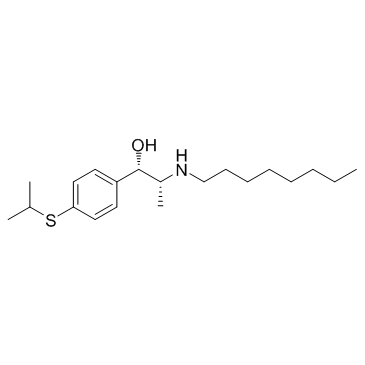
(1R,2S)-Dihydrobupropion is a norepinephrine-dopamine reuptake inhibitor. (1R,2S)-Dihydrobupropion is one of the active metabolites of Bupropion (HY-B0403). (1R,2S)-Dihydrobupropion can be used for the researches of neurological disease and inflammation .
|
-

- HY-B1237A
-
|
|
Calcium Channel
Fungal
|
Cardiovascular Disease
Infection
|
|
Suloctidil hydrochloride is an orally active calcium channel blocker and antifungal agent. Suloctidil hydrochloride antagonizes vasoconstriction induced by norepinephrine, angiotensin and serotonin. Suloctidil hydrochloride inhibits platelet function and exhibits neuroprotective effects. Suloctidil hydrochloride exerts inhibitory effects on Candida albicans biofilm and virulence. Suloctidil hydrochloride can be used in research on vasospasm relief, antithrombosis and superficial candidiasis .
|
-

- HY-W700149
-
|
|
Isotope-Labeled Compounds
Drug Metabolite
|
Cancer
|
|
N,O-Didesmethylvenlafaxine-d3 is the deuterium labeled N,O-Didesmethylvenlafaxine (HY-138818). N,O-Didesmethylvenlafaxine (NODVFX) is a metabolite of Venlafaxine (VFX; HY-B0196). Venlafaxine (Wy 45030) is an orally active, potent serotonin (5-HT)/norepinephrine (NE) reuptake dual inhibitor .
|
-

- HY-101755
-
-
- HY-14258A
-
|
(S)-Citalopram oxalate; (S)-(+)-Citalopram oxalate
|
Serotonin Transporter
|
Neurological Disease
Cancer
|
|
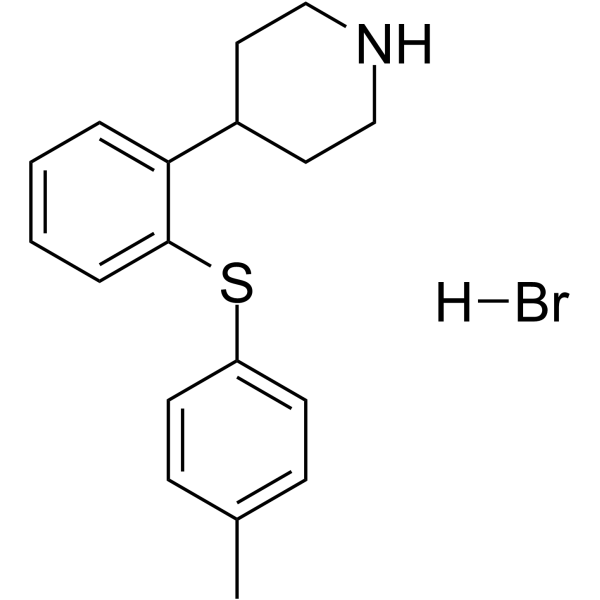
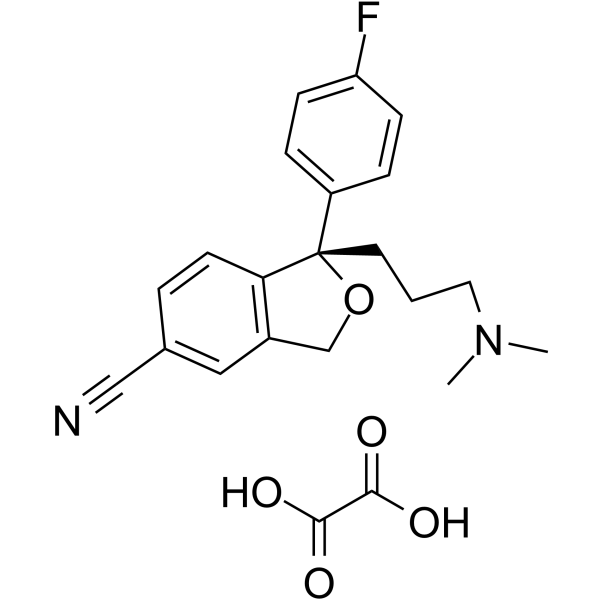
Escitalopram ((S)-Citalopram) oxalate, the S-enantiomer of racemic Citalopram, is a selective serotonin reuptake inhibitor (SSRI) with a Ki of 0.89 nM. Escitalopram oxalate has ∼30 fold higher binding affinity than its R(-)-enantiomer and shows selectivity over both dopamine transporter (DAT) and norepinephrine transporter (NET). Escitalopram oxalate is an antidepressant for the research of major depression .
|
-
- HY-N15737
-
|
|
Calcium Channel
Enterovirus
|
Infection
Cardiovascular Disease
|
|
Fukinolic acid is a benzyltartaric acid ester, is a vasodilator with antiviral activity against enterovirus A71 (EV-A71) replication. Fukinolic acid is a receptor-operated Ca 2+ channels (ROC) inhibitor, suppressing extracellular Ca 2+ influx through ROC activated by Norepinephrine (HY-13715) without affecting voltage-dependent Ca 2+ channels .
|
-

- HY-N0126
-
|
|
Environmental Pollutants
Calcium Channel
Monoamine Oxidase
|
Cardiovascular Disease
Neurological Disease
|
|
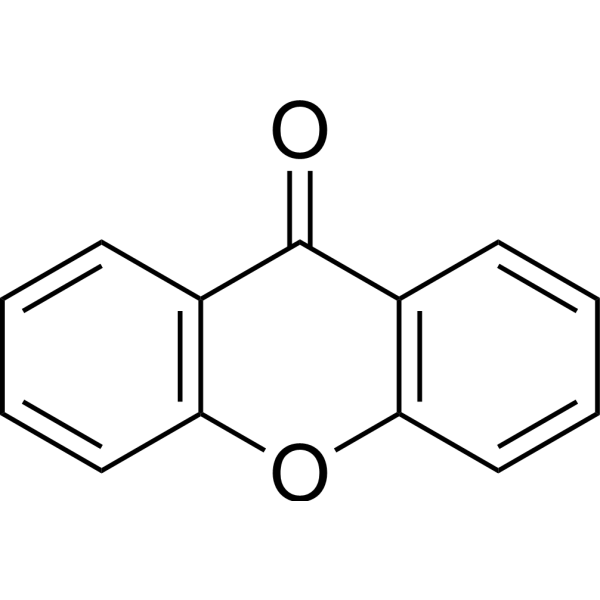
Xanthone is a monoamine oxidase A (MAO-A) inhibitor with an IC50 of 0.84 µM. Xanthon inhibits Norepinephrine (HY-13715) and high-K +-induced vasoconstriction with IC50 values of 60.26 μM and 82.9 μM, respectively. Xanthon increases intracellular cyclic adenosine 3′,5′-monophosphate (cAMP) content and blocks Ca 2+ channels. Xanthone is the scaffold of several pharmacologically active compounds .
|
-
- HY-N0749
-
|
|
Cholinesterase (ChE)
5-HT Receptor
Bacterial
|
Neurological Disease
|
|
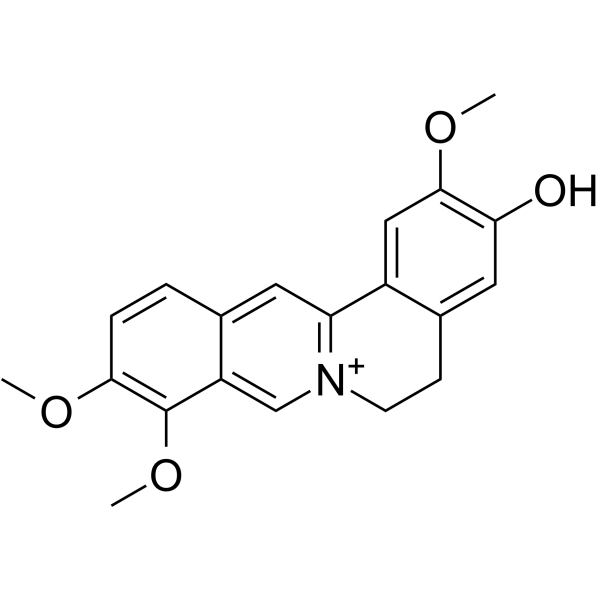
Jatrorrhizine is an alkaloid isolated from Coptis chinensis with neuroprotective, antimicrobial, antiplasmodial and antioxidant activities . Jatrorrhizine is a potent and orally active inhibitor of AChE (IC50=872 nM) over >115-fold selectivity for BuChE . Jatrorrhizine reduces uptake of serotonin (5-HT) and norepinephrine (NE) via inhibition of uptake-2 transporters .
|
-
- HY-N0740
-
|
|
Cholinesterase (ChE)
5-HT Receptor
Bacterial
|
Neurological Disease
Inflammation/Immunology
|
|
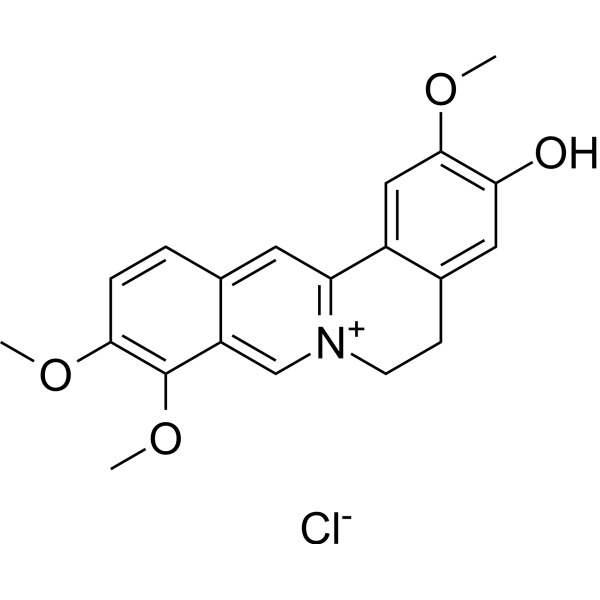
Jatrorrhizine chloride is an alkaloid isolated from?Coptis chinensis with neuroprotective, antimicrobial, antiplasmodial and antioxidant activities . Jatrorrhizine chloride is a potent and orally active inhibitor of?AChE?(IC50=872 nM) over >115-fold selectivity for BuChE . Jatrorrhizine chloride reduces uptake of serotonin (5-HT) and norepinephrine (NE) via inhibition of uptake-2 transporters .
|
-
- HY-W061043
-
|
|
Serotonin Transporter
Dopamine Transporter
|
Neurological Disease
|
|
DOV-216,303 is an antidepressant compound. DOV-216,303 inhibits the reuptake of norepinephrine (NE), serotonin (5‐HT), and dopamine (DA), with IC50 values of 14 nM, 20 nM and 78 nM for hSERT, hNET and hDAT, respectively. DOV-216,303 increases monoamine release in the prefrontal cortex of olfactory bulbectomized (OBX) rats .
|
-
- HY-116062
-
|
|
Monoamine Transporter
Dopamine Transporter
Adrenergic Receptor
|
Others
|
|
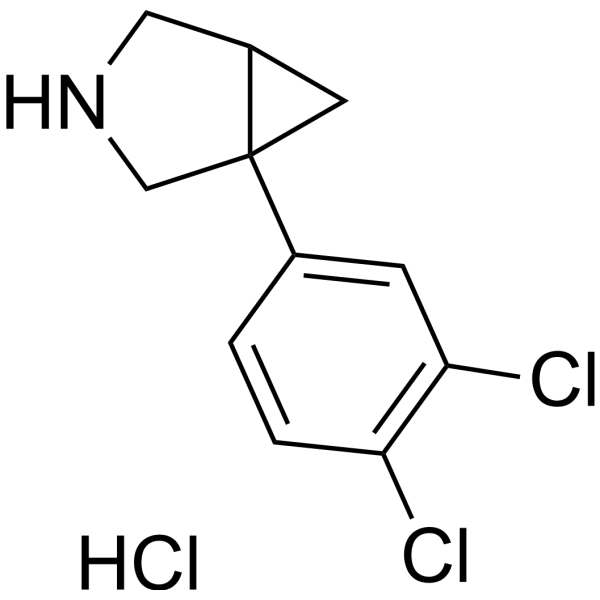
JNJ-7925476 (hydrochloride) is a triple monoamine uptake inhibitor with the ability to regulate neurotransmitter levels and antidepressant activity. JNJ-7925476 (hydrochloride) can be rapidly absorbed into the plasma in rats, with a higher concentration in the brain than in plasma. It can induce an increase in the levels of extracellular serotonin, dopamine, and norepinephrine in the rat cerebral cortex, and exhibits antidepressant activity in the mouse tail suspension test.
|
-

- HY-122272
-
Paroxetine
Maximum Cited Publications
17 Publications Verification
BRL29060
|
Serotonin Transporter
Adrenergic Receptor
P2X Receptor
Apoptosis
|
Neurological Disease
Cancer
|
|
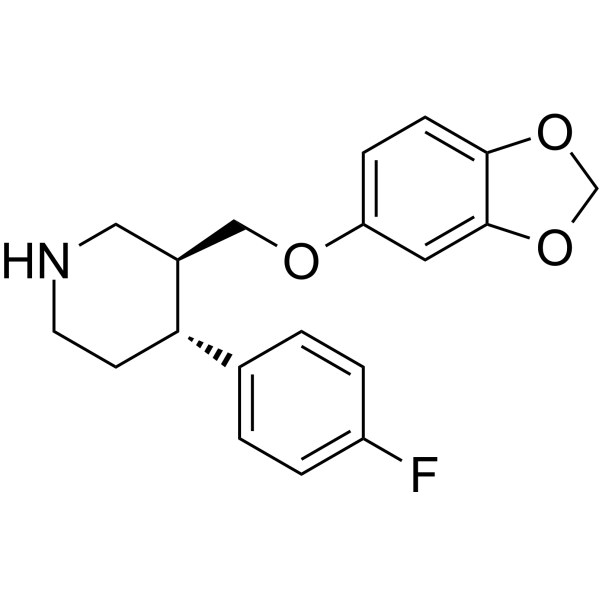
Paroxetine is an oral inhibitor that falls under the category of selective serotonin reuptake inhibitors (SSRIs). Paroxetine is also a very weak norepinephrine (NE) reuptake inhibitor, capable of inducing cell apoptosis and having anti-tumor activity. Paroxetine has antidepressant, anti-anxiety, and pain-relieving effects, and it can help improve conditions like obsessive-compulsive disorder, panic disorder, post-traumatic stress disorder, premenstrual anxiety, and chronic headaches .
|
-
- HY-W017113
-
|
|
Environmental Pollutants
Endogenous Metabolite
|
Metabolic Disease
|
|
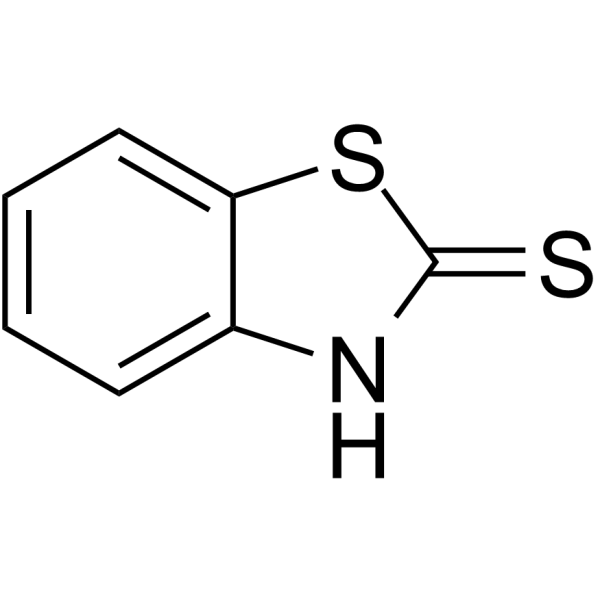
2-Mercaptobenzothiazole is an activator of the aryl hydrocarbon receptor (AhR) , inhibiting thyroid hormone synthesis and dopamine beta-hydroxylase activity . 2-Mercaptobenzothiazole promotes bladder cancer cell invasion by altering the conformation of the AhR ligand binding domain (LBD), activating AhR transcription, and upregulating the mRNA and protein expression of target genes CYP1A1 and CYP1B1 . 2-Mercaptobenzothiazole inhibits thyroid peroxidase (TPO) with an IC50 value of 11.5 μM, induces histological changes such as follicular cell hypertrophy in Xenopus laevis tadpoles, delaying metamorphosis . 2-Mercaptobenzothiazole increases chromosomal aberrations and sister chromatid exchanges (SCEs) in Chinese hamster ovary (CHO) cells, and enhances carcinogenicity in F344/N rats . 2-Mercaptobenzothiazole inhibits norepinephrine synthesis in mice and completely blocks the conversion of exogenous dopamine to norepinephrine in rat cardiomyocytes .
|
-
- HY-B1110
-
|
(±)-Nomifensine; Nomifensin
|
Dopamine Receptor
Adrenergic Receptor
|
Neurological Disease
|
|
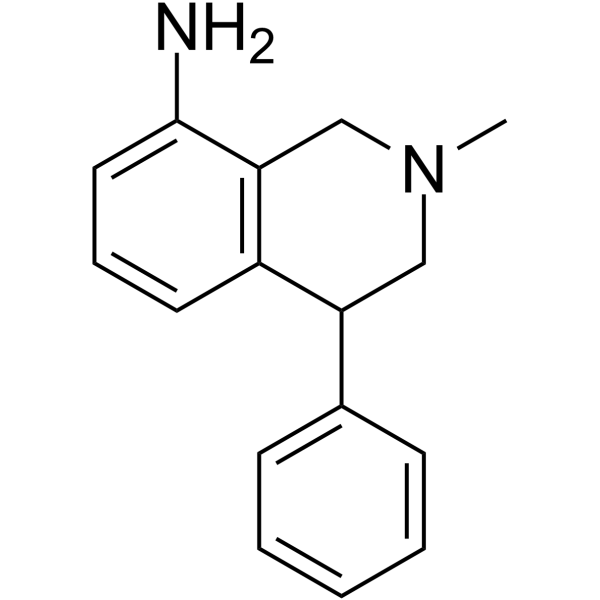
Nomifensine ((±)-Nomifensine) is a potent norepinephrine (NE) and dopamine (DA) reuptake inhibitor. Nomifensine inhibits uptake of NE, DA and 5-HT in rat brain synaptosomes, with IC50 values of 6.6 nM, 48 nM and 830 nM, and Ki values of 4.7 nM, 26 nM and 4000 nM, respectively. Nomifensine has antidepressant and analgesic effects. Nomifensine is used in neurodegenerative diseases, compound addiction, and pain research .
|
-
- HY-182247
-
|
|
Serotonin Transporter
Dopamine Transporter
|
Neurological Disease
|
|
D-473 is an orally active, blood-brain barrier penetrant and serotonin-preferring reuptake inhibitor. D-473 inhibits serotonin, dopamine and norepinephrine transporters, and significantly elevates the extracellular levels of these three neurotransmitters in rat brain regions. D-473 exhibits definite antidepressant-like activity without inducing motor activation. D-473 is widely used in studies related to major depressive disorder .
|
-

- HY-118796
-
|
4-HO-MET; 4-Hydroxy-N-methyl-N-ethyltryptamine
|
5-HT Receptor
Serotonin Transporter
|
Neurological Disease
|
|
4-Hydroxy MET (4-HO-MET; 4-Hydroxy-N-methyl-N-ethyltryptamine) is a synthetic tryptamine psychoactive substance. 4-Hydroxy MET is a partial 5-HT2A receptor agonist, a serotonin transporter inhibitor and weak norepinephrine transporter inhibitor. 4-Hydroxy MET affects emotional, motoric, and cognitive functions via serotonergic hallucinogenic activity .
|
-

- HY-B1110A
-
|
(±)-Nomifensine maleate; Nomifensin maleate
|
Dopamine Receptor
Adrenergic Receptor
|
Neurological Disease
|
|
Nomifensine ((±)-Nomifensine) maleate is a potent norepinephrine (NE) and dopamine (DA) reuptake inhibitor. Nomifensine maleate inhibits uptake of NE, DA and 5-HT in rat brain synaptosomes, with IC50 values of 6.6 nM, 48 nM and 830 nM, and Ki values of 4.7 nM, 26 nM and 4000 nM, respectively. Nomifensine maleate has antidepressant and analgesic effects. Nomifensine maleate is used in neurodegenerative diseases, compound addiction, and pain research .
|
-
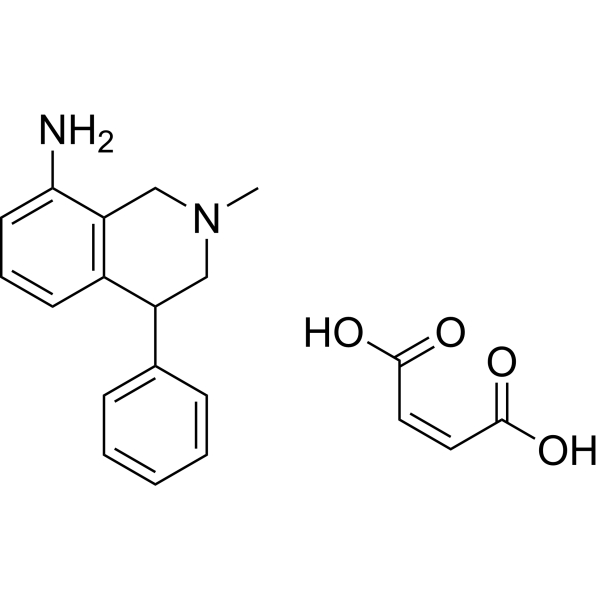
- HY-12798
-
|
AR-13324
|
Monoamine Transporter
ROCK
|
Cardiovascular Disease
Neurological Disease
|
|
Netarsudil (AR-13324) is a competitive inhibitor of Rho-associated protein kinases (ROCK I and ROCK II) and a reversible inhibitor of the norepinephrine transporter (NET). Netarsudil reduces intraocular pressure by inhibiting ROCK, causing relaxation of trabecular meshwork cells and dilation of episcleral veins, thereby increasing the ease of aqueous humor outflow, while inhibiting NET to reduce aqueous humor production. Netarsudil is mainly used in the study of ocular hypertension and primary open-angle glaucoma .
|
-

- HY-12798B
-
|
AR-13324 hydrochloride
|
ROCK
|
Cardiovascular Disease
Neurological Disease
|
|
Netarsudil (AR-13324) hydrochloride is a competitive inhibitor of Rho-associated protein kinases (ROCK I and ROCK II) and a reversible inhibitor of the norepinephrine transporter (NET). Netarsudil hydrochloride reduces intraocular pressure by inhibiting ROCK, causing relaxation of trabecular meshwork cells and dilation of episcleral veins, thereby increasing the ease of aqueous humor outflow, while inhibiting NET to reduce aqueous humor production. Netarsudil hydrochloride is mainly used in the study of ocular hypertension and primary open-angle glaucoma .
|
-
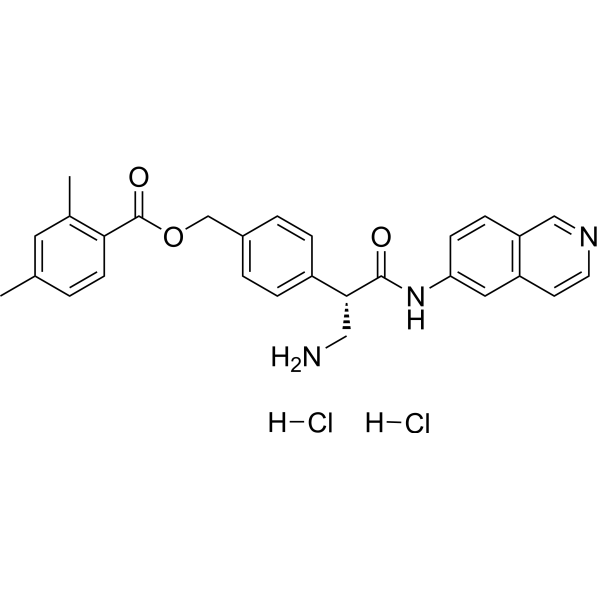
- HY-B0602
-
|
O-Desmethylvenlafaxine
|
Environmental Pollutants
Serotonin Transporter
|
Neurological Disease
|
|
Desvenlafaxine, the succinate salt form of the isolated major active metabolite of Venlafaxine (HY-B0196), is an orally active and BBB penetrated 5-HT and norepinephrine reuptake inhibitor, with IC50 values of 47.3 nM and 531.3 nM for hSERT and hNET, respectively. Desvenlafaxine shows weak binding affinity (62% inhibition at 100 μM) at the human dopamine (DA) transporter .
|
-
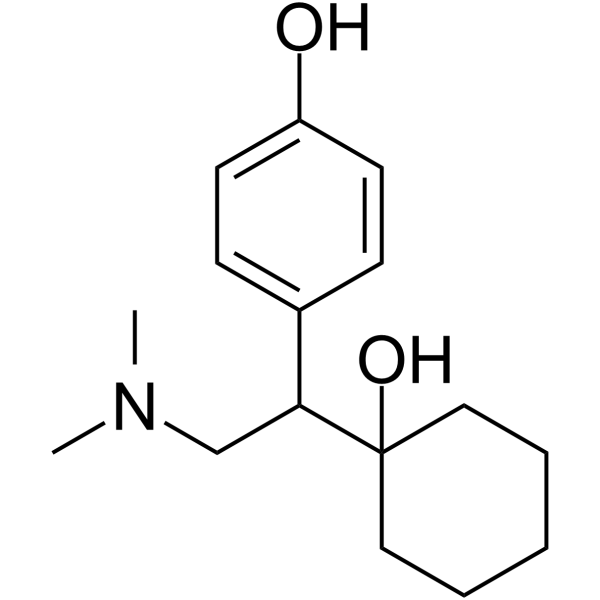
- HY-16094
-
|
BW 467C60
|
Adrenergic Receptor
|
Cardiovascular Disease
Neurological Disease
|
|
Bethanidine sulfate (BW 467C60) is an orally active antihypertensive agent and adrenergic neuron blocker. Bethanidine sulfate exerts its antihypertensive effect by inhibiting the release of norepinephrine from sympathetic nerve terminals. Bethanidine sulfate exhibits anti-ventricular arrhythmic activity. Bethanidine sulfate can be used in research related to hypertension, ventricular tachycardia, and ventricular fibrillation .
|
-

- HY-145487A
-
|
|
5-HT Receptor
Adrenergic Receptor
|
Neurological Disease
|
|
5-Hydroxy-6-methoxy (S)-duloxetine maleate is an orally active and brain-penetrant serotonin (5-HT) and norepinephrine (NE) reuptake inhibitor with antidepressant and analgesic activities. 5-Hydroxy-6-methoxy (S)-duloxetine maleate is promising for research of psychiatric and neurological disorders such as depression, diabetic neuropathic pain, generalized anxiety disorder, and fibromyalgia .
|
-

- HY-106865
-
|
|
Dopamine Receptor
Adrenergic Receptor
|
Cardiovascular Disease
|
|
Mivazerol is a selective α2-adrenoceptor agonist. Mivazerol decreases the spontaneous release of serotonin (5-HT) and significantly inhibits the immobilization stress-induced enhancement of norepinephrine (NE), dopamine (DA) and dihydroxyphenylacetic acid (DOPAC). Mivazerol inhibits intrathecal release of glutamate evoked by halothane withdrawal in rats, and exerts neuroprotective effects in forebrain ischemia rats. Mivazerol can be used for myocardial ischemia research .
|
-

- HY-N3198A
-
|
(-)-Sophoramine
|
Adrenergic Receptor
|
Cardiovascular Disease
|
|
Sophoramine ((-)-Sophoramine) is a prejunctional α2-adrenoceptor inhibitor that can be found in the seeds of Sophora alopecuroides. Sophoramine inhibits prejunctional α2-adrenoceptors to facilitate norepinephrine release from adrenergic nerves. Sophoramine shows cytotoxic activity against human cancer cells, positive inotropic activity, and activity in rodent arrhythmia models. Sophoramine can be used for the research of arrhythmias .
|
-
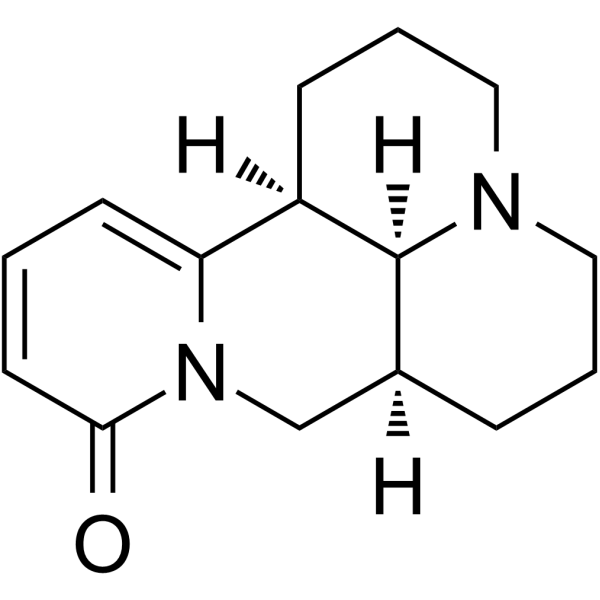
- HY-12392A
-
|
|
Opioid Receptor
|
Neurological Disease
|
|
Iprindole hydrochloride, an opioid receptor agonist, is a tricyclic antidepressant. Iprindole hydrochloride shortens the immobility time in mice forced swimming test, which can be reversed by the opiate antagonist Naloxone (HY-17417A). Iprindole hydrochloride induces lamellar body formation but devoid of lamellar bodies. Iprindole hydrochloride can be used for the research of depression .
|
-

- HY-12392R
-
|
|
Reference Standards
Opioid Receptor
|
Neurological Disease
|
|
Iprindole (Standard) is the analytical standard of Iprindole. This product is intended for research and analytical applications. Iprindole, an opioid receptor agonist, is a tricyclic antidepressant. Iprindole shortens the immobility time in mice forced swimming test, which can be reversed by the opiate antagonist Naloxone (HY-17417A). Iprindole induces lamellar body formation but devoid of lamellar bodies. Iprindole hydrochloride can be used for the research of depression .
|
-

- HY-107370
-
|
Tomoxetine; (R)-Tomoxetine
|
Serotonin Transporter
Sodium Channel
|
Neurological Disease
Cancer
|
|
Atomoxetine (Tomoxetine) is a selective noradrenaline reuptake inhibitor with Ki values of 5, 77 and 1451 nM for norepinephrine (NE), serotonin (5-HT) and dopamine (DA) transporters, respectively. Atomoxetine (Tomoxetine) increases of DAEX and NEEX in the PFC and enhances catecholaminergic neurotransmission. Atomoxetine (Tomoxetine) is a potent Na + channels (VGSCs) blocker. Atomoxetine (Tomoxetine) can be used for attention-deficit hyperactivity disorder (ADHD) research .
|
-
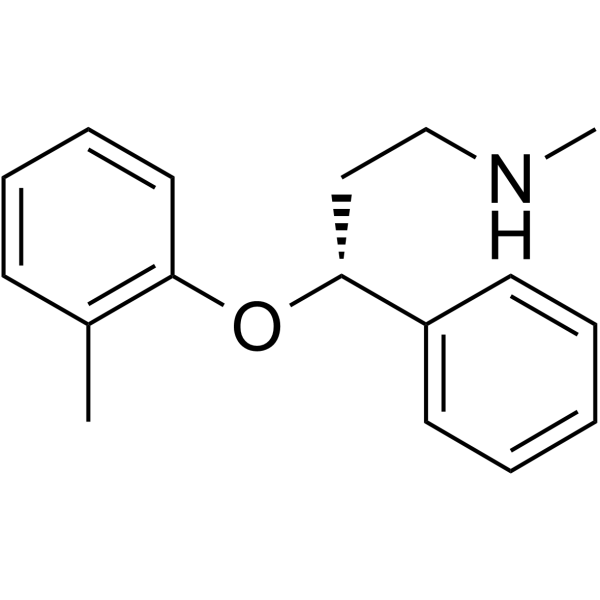
- HY-B0602A
-
|
O-Desmethylvenlafaxine succinate hydrate
|
Serotonin Transporter
|
Neurological Disease
|
|
Desvenlafaxine succinate hydrate, the succinate salt form of the isolated major active metabolite of Venlafaxine (HY-B0196), is an orally active and BBB penetrated 5-HT and norepinephrine reuptake inhibitor, with IC50 values of 47.3 nM and 531.3 nM for hSERT and hNET, respectively. Desvenlafaxine succinate hydrate shows weak binding affinity (62% inhibition at 100 μM) at the human dopamine (DA) transporter .
|
-
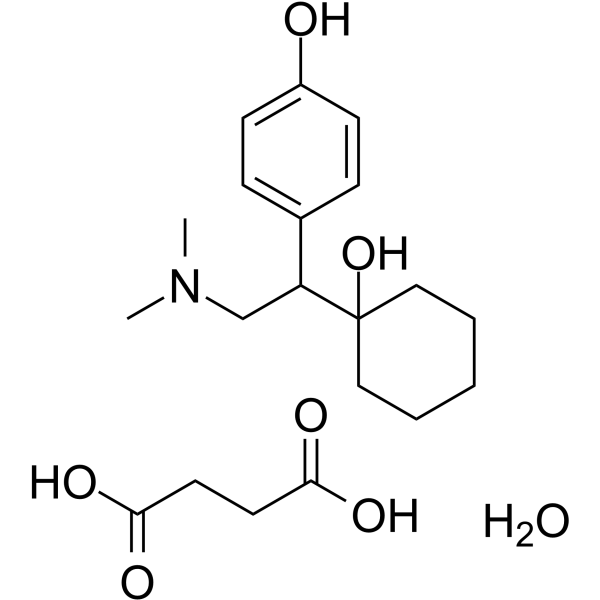
- HY-111066
-
|
|
Dopamine Receptor
|
Others
|
|
JNJ-37822681 is a fast dissociating D2 antagonist with activity in inhibiting schizophrenia. JNJ-37822681 has high specificity for D2 receptors and is effective in animal models, inducing increased levels of extracellular serotonin, dopamine, and norepinephrine in the rat cerebral cortex, and exhibiting antidepressant activity in the mouse tail suspension test, while having a good brain distribution and lower prolactin release.
|
-

- HY-14472
-
|
NS-2330
|
Dopamine Transporter
Serotonin Transporter
|
Metabolic Disease
|
|
Tesofensine (NS-2330) is a triple monoamine reuptake inhibitor inducing a potent inhibition of the re-uptake process in the synaptic cleft of the neurotransmitters dopamine (DA; IC50=6.5 nM), norepinephrine (NE;IC50=1.7 nM), and serotonin (5-HT;IC50=11 nM), and with potentials as an anti-obesity agent . Tesofensine is a CNS acting anti-obesity agent .
|
-
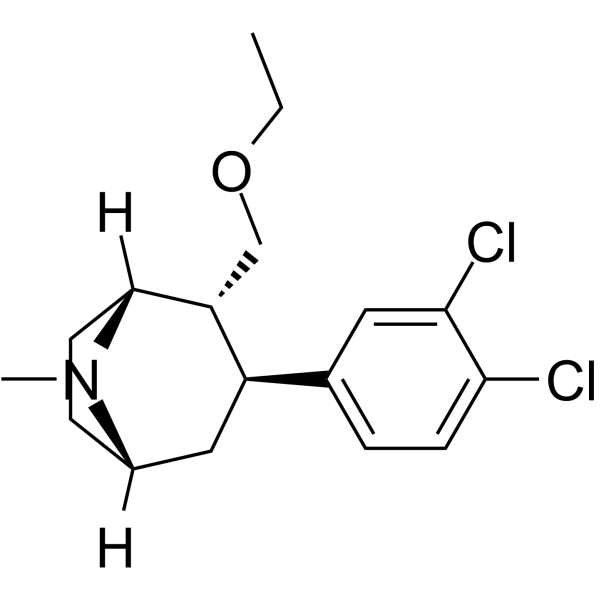
- HY-N0749A
-
|
|
Cholinesterase (ChE)
5-HT Receptor
Bacterial
|
Neurological Disease
Inflammation/Immunology
|
|
Jatrorrhizine hydroxide is an alkaloid isolated from Coptis chinensis with neuroprotective, antimicrobial, antiplasmodial and antioxidant activities . Jatrorrhizine hydroxide is a potent and orally active inhibitor of AChE (IC50=872 nM) over >115-fold selectivity for BuChE . Jatrorrhizine hydroxide reduces uptake of serotonin (5-HT) and norepinephrine (NE) via inhibition of uptake-2 transporters .
|
-
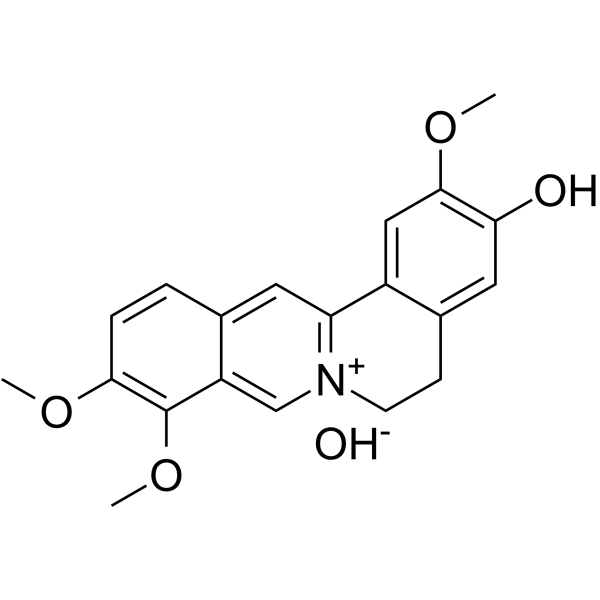
- HY-17385R
-
|
Tomoxetine hydrochloride (Standard); (R)-Tomoxetine hydrochloride (Standard); LY 139603 (Standard)
|
Reference Standards
Adrenergic Receptor
Serotonin Transporter
Sodium Channel
|
Neurological Disease
Cancer
|
|
Atomoxetine (hydrochloride) (Standard) is the analytical standard of Atomoxetine (hydrochloride). This product is intended for research and analytical applications. Atomoxetine (Tomoxetine) hydrochloride is a selective noradrenaline reuptake inhibitor with Ki values of 5 nM, 77 nM and 1451 nM for norepinephrine (NE), serotonin (5-HT) and dopamine (DA) transporters, respectively. Atomoxetine hydrochloride is a potent Na+ channels (VGSCs) blocker. Atomoxetine hydrochloride can be used for attention-deficit hyperactivity disorder (ADHD) research .
|
-

- HY-16170
-
|
O-Desmethylvenlafaxine succinate; Wy-45233 succinate
|
Serotonin Transporter
|
Neurological Disease
Metabolic Disease
|
|
Desvenlafaxine succinate, the succinate salt form of the isolated major active metabolite of Venlafaxine (HY-B0196), is an orally active and BBB penetrated 5-HT and norepinephrine reuptake inhibitor, with IC50 values of 47.3 nM and 531.3 nM for hSERT and hNET, respectively. Desvenlafaxine succinate (DVS) shows weak binding affinity (62% inhibition at 100 μM) at the human dopamine (DA) transporter .
|
-

- HY-12798A
-
|
AR-13324 dimesylate
|
ROCK
|
Cardiovascular Disease
Neurological Disease
|
|
Netarsudil (AR-13324) dimesylate is a competitive inhibitor of Rho-associated protein kinases (ROCK I and ROCK II) and a reversible inhibitor of the norepinephrine transporter (NET). Netarsudil dimesylate reduces intraocular pressure by inhibiting ROCK, causing relaxation of trabecular meshwork cells and dilation of episcleral veins, thereby increasing the ease of aqueous humor outflow, while inhibiting NET to reduce aqueous humor production. Netarsudil dimesylate is mainly used in the study of ocular hypertension and primary open-angle glaucoma .
|
-
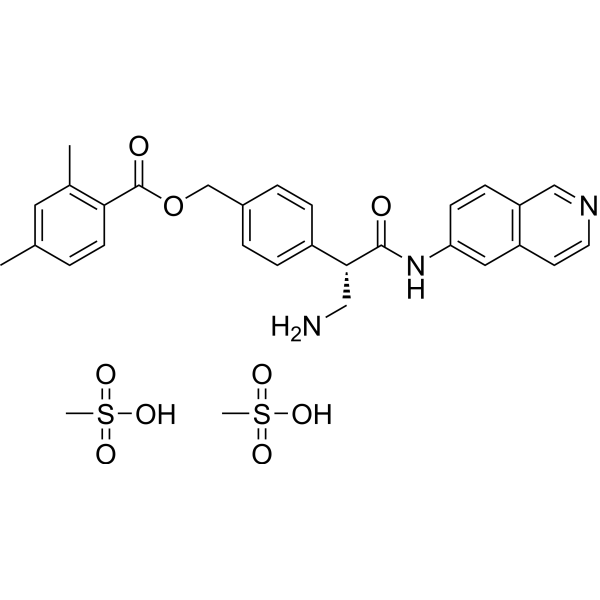
- HY-B0193A
-
|
|
Adrenergic Receptor
Autophagy
|
Cardiovascular Disease
Endocrinology
Cancer
|
|
Prazosin hydrochloride is a well-tolerated, CNS-active α1-adrenergic receptor antagonist for the research of high blood pressure and alcohol use disorders . Prazosin hydrochloride potently inhibits Norepinephrine (NE)-stimulated 45Ca efflux with an IC50 of 0.15 nM .Prazosin hydrochloride inhibits organic cation transporters OCT-1 and OCT-3 with IC50s of 1.8, and 13 μM, respectively .
|
-
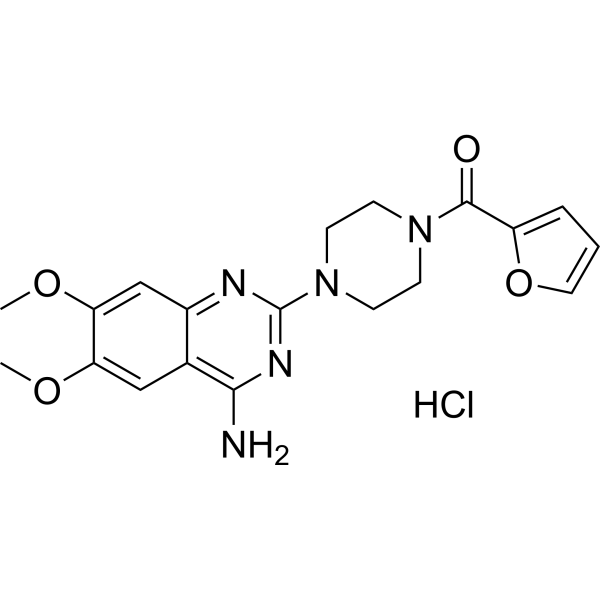
- HY-B1202
-
|
AY-22284
|
Aldose Reductase
|
Metabolic Disease
|
|
Alrestatin (AY-22284) is an aldose reductase inhibitor. Alrestatin reduces fructose levels in the uterine fluid of mice. Alrestatin interferes with sperm capacitation and impairs fertilization function in mice. Alrestatin decreases basal and tyramine-induced norepinephrine release in rat pancreatic specimens in vitro. Alrestatin enhances glucose- and arginine-stimulated insulin secretion in vivo. Alrestatin can be used in studies related to diabetes and reproductive diseases .
|
-
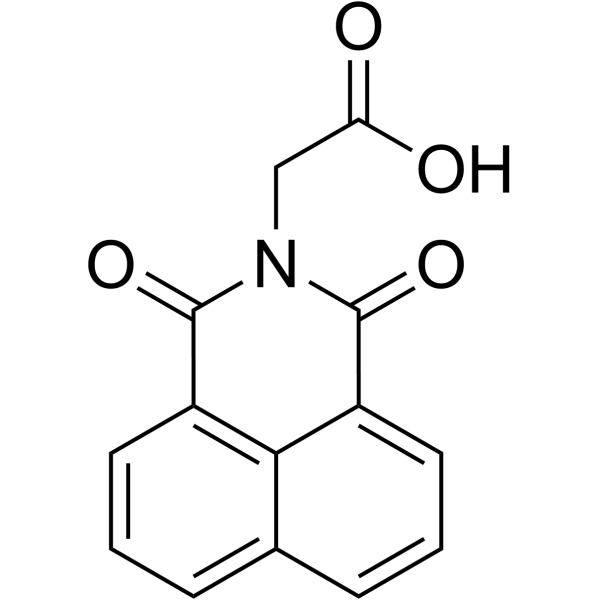
- HY-14258R
-
|
(S)-Citalopram (Standard); (S)-(+)-Citalopram (Standard)
|
Serotonin Transporter
Reference Standards
|
Neurological Disease
Cancer
|
|
Escitalopram (Standard) is the analytical standard of Escitalopram. This product is intended for research and analytical applications. Escitalopram ((S)-Citalopram), the S-enantiomer of racemic Citalopram, is a selective serotonin reuptake inhibitor (SSRI) with a Ki of 0.89 nM. Escitalopram has ~30 fold higher binding affinity than its R(-)-enantiomer and shows selectivity over both dopamine transporter (DAT) and norepinephrine transporter (NET). Escitalopram is an antidepressant for the research of major depression .
|
-

- HY-B1202A
-
|
AY-22284A
|
Aldose Reductase
|
Metabolic Disease
|
|
Alrestatin (AY-22284) sodium is an aldose reductase inhibitor. Alrestatin sodium reduces fructose levels in the uterine fluid of mice. Alrestatin sodium interferes with sperm capacitation and impairs fertilization function in mice. Alrestatin sodium decreases basal and tyramine-induced norepinephrine release in rat pancreatic specimens in vitro. Alrestatin sodium enhances glucose- and arginine-stimulated insulin secretion in vivo. Alrestatin sodium can be used in studies related to diabetes and reproductive diseases .
|
-
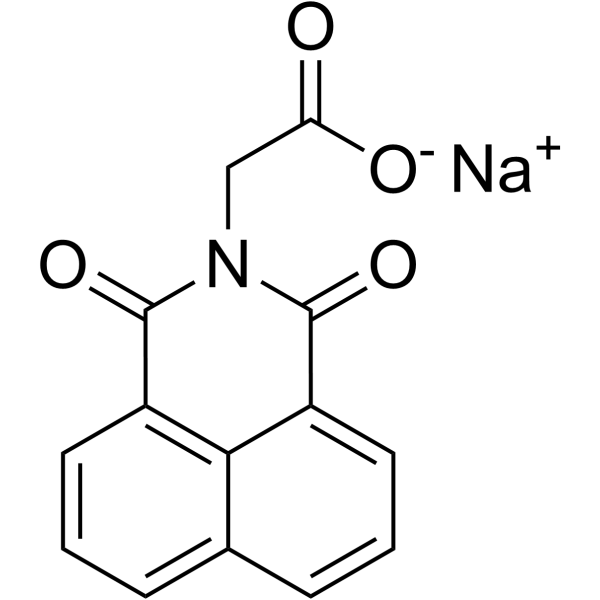
- HY-B0725
-
|
|
Histamine Receptor
Cytochrome P450
|
Neurological Disease
Cancer
|
|
Doxepin hydrochloride is an orally active tricyclic antidepressant agent. Doxepin hydrochloride is a potent and selective histamine receptor H1 antagonist. Doxepin hydrochloride is also a potent CYP450 inhibitor and significantly inhibits CYP450 2C19 and 1A2 . Doxepin inhibits reuptake of serotonin and norepinephrine as a tricyclic antidepressant .. Doxepin has therapeutic effects in atopic dermatitis,chronic urticarial,can improve cognitive processes, protect central nervous system .. Doxepin has also been proposed as a protective factor against oxidative stress ..
|
-
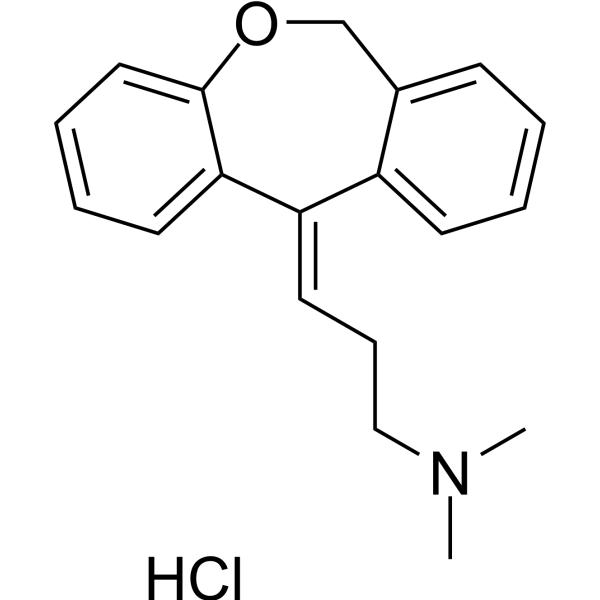
- HY-122272R
-
|
BRL29060 (Standard)
|
Serotonin Transporter
Adrenergic Receptor
P2X Receptor
Apoptosis
Reference Standards
|
Neurological Disease
Cancer
|
|
Paroxetine (Standard) is the analytical standard of Paroxetine. This product is intended for research and analytical applications. Paroxetine is an oral inhibitor that falls under the category of selective serotonin reuptake inhibitors (SSRIs). Paroxetine is also a very weak norepinephrine (NE) reuptake inhibitor, capable of inducing cell apoptosis and having anti-tumor activity. Paroxetine has antidepressant, anti-anxiety, and pain-relieving effects, and it can help improve conditions like obsessive-compulsive disorder, panic disorder, post-traumatic stress disorder, premenstrual anxiety, and chronic headaches .
|
-

- HY-B1110AR
-
|
(±)-Nomifensine maleate (Standard); Nomifensin maleate (Standard)
|
Dopamine Receptor
Adrenergic Receptor
Reference Standards
|
Neurological Disease
|
|
Nomifensine (maleate) (Standard) is the analytical standard of Nomifensine (maleate). This product is intended for research and analytical applications. Nomifensine ((±)-Nomifensine) maleate is a potent norepinephrine (NE) and dopamine (DA) reuptake inhibitor. Nomifensine maleate inhibits uptake of NE, DA and 5-HT in rat brain synaptosomes, with IC50 values of 6.6 nM, 48 nM and 830 nM, and Ki values of 4.7 nM, 26 nM and 4000 nM, respectively. Nomifensine maleate has antidepressant and analgesic effects. Nomifensine maleate is used in neurodegenerative diseases, compound addiction, and pain research .
|
-

- HY-14196
-
|
MD 69276
|
Monoamine Oxidase
|
Neurological Disease
|
|
Toloxatone (MD 69276) is a reversible, selective MAO-A inhibitor that can cross the blood-brain barrier. Toloxatone increases the levels of serotonin (5-HT) and norepinephrine in the brain. Toloxatone reduces the immobility time in the forced swimming test in mice, inhibits killing behavior in rats without causing sedation, and shows a correlation between its free plasma concentration and cerebrospinal fluid concentration. Toloxatone is widely used in research related to depression, depressive disorders and Parkinson's disease .
|
-
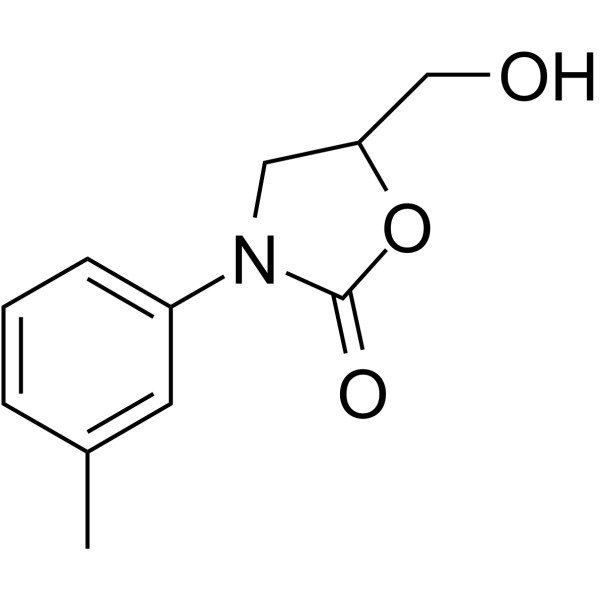
- HY-B1110R
-
|
(±)-Nomifensine (Standard); Nomifensin (Standard)
|
Dopamine Receptor
Adrenergic Receptor
Reference Standards
|
Neurological Disease
|
|
Nomifensine (Standard) is the analytical standard of Nomifensine. This product is intended for research and analytical applications. Nomifensine ((±)-Nomifensine) is a potent norepinephrine (NE) and dopamine (DA) reuptake inhibitor. Nomifensine inhibits uptake of NE, DA and 5-HT in rat brain synaptosomes, with IC50 values of 6.6 nM, 48 nM and 830 nM, and Ki values of 4.7 nM, 26 nM and 4000 nM, respectively. Nomifensine has antidepressant and analgesic effects. Nomifensine is used in neurodegenerative diseases, compound addiction, and pain research .
|
-

- HY-N15735
-
|
2-Caffeoylpiscidic acid
|
Calcium Channel
|
Cardiovascular Disease
|
|
Cimicifugic acid D (2-Caffeoylpiscidic acid) is a benzyltartaric acid ester that induces vasodilation of precontracted rat aortic strips and endothelium-independent relaxation mechanism. Cimicifugic acid D inhibits extracellular Ca 2+ influx through receptor-operated Ca 2+ channels (ROC) in Norepinephrine (HY-13715)-induced contraction of rat aortic strips, without affecting voltage-dependent Ca 2+ channels (VDC) or K +-induced contractions .
|
-

- HY-14258AS
-
|
|
Serotonin Transporter
|
Neurological Disease
|
|
Escitalopram-d6 (oxalate) is the deuterium labeled Escitalopram oxalate. Escitalopram ((S)-Citalopram) oxalate, the S-enantiomer of racemic Citalopram, is a selective serotonin reuptake inhibitor (SSRI) with a Ki of 0.89 nM. Escitalopram oxalate has ~30 fold higher binding affinity than its R(-)-enantiomer and shows selectivity over both dopamine transporter (DAT) and norepinephrine transporter (NET). Escitalopram oxalate is an antidepressant for the research of major depression .
|
-
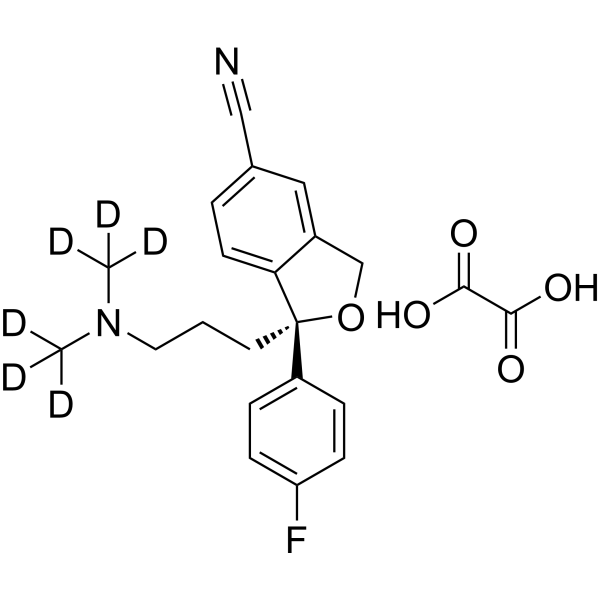
- HY-17385S1
-
|
Tomoxetine-d7 hydrochloride; (R)-Tomoxetine-d7 hydrochloride
|
Isotope-Labeled Compounds
Serotonin Transporter
Adrenergic Receptor
Sodium Channel
|
Neurological Disease
Cancer
|
|
Atomoxetine-d7 hydrochloride (Tomoxetine-d7 hydrochloride) is the deuterium labeled Atomoxetine hydrochloride (HY-17385). Atomoxetine (Tomoxetine) hydrochloride is a selective noradrenaline reuptake inhibitor with Ki values of 5 nM, 77 nM and 1451 nM for norepinephrine (NE), serotonin (5-HT) and dopamine (DA) transporters, respectively. Atomoxetine hydrochloride is a potent Na+ channels (VGSCs) blocker. Atomoxetine hydrochloride can be used for attention-deficit hyperactivity disorder (ADHD) research .
|
-

- HY-B0602S3
-
|
|
Isotope-Labeled Compounds
Serotonin Transporter
|
Neurological Disease
|
|
Desvenlafaxine-d10 is deuterium labeled Desvenlafaxine. Desvenlafaxine, the succinate salt form of the isolated major active metabolite of Venlafaxine (HY-B0196), is an orally active and BBB penetrated 5-HT and norepinephrine reuptake inhibitor, with IC50 values of 47.3 nM and 531.3 nM for hSERT and hNET, respectively. Desvenlafaxine shows weak binding affinity (62% inhibition at 100 μM) at the human dopamine (DA) transporter .
|
-

- HY-180358
-
|
|
mAChR
Cholinesterase (ChE)
|
Inflammation/Immunology
|
|
Gallamine is an allosteric, selective muscarinic M2 acetylcholine receptor antagonist (EC50: 130 nM for [ 3H]NMS dissociation from porcine muscarinic M2 receptors). Gallamine is also an acetylcholinesterase inhibitor (IC50s : 1070 μM, 1480 μM, 235 μM for EeAChE, hAChE, hBChE, respectively (in the absence of MeCN)). Gallamine increases free norepinephrine levels. Gallamine can be used as a muscle relaxant .
|
-

- HY-B0602S2
-
|
|
Isotope-Labeled Compounds
Serotonin Transporter
|
Neurological Disease
|
|
Desvenlafaxine-d6 is deuterium labeled Desvenlafaxine. Desvenlafaxine, the succinate salt form of the isolated major active metabolite of Venlafaxine (HY-B0196), is an orally active and BBB penetrated 5-HT and norepinephrine reuptake inhibitor, with IC50 values of 47.3 nM and 531.3 nM for hSERT and hNET, respectively. Desvenlafaxine shows weak binding affinity (62% inhibition at 100 μM) at the human dopamine (DA) transporter .
|
-

- HY-14258AS1
-
|
(S)-Citalopram-d4 oxalate; (S)-(+)-Citalopram-d4 oxalate
|
Isotope-Labeled Compounds
Serotonin Transporter
|
Neurological Disease
|
|
Escitalopram-d4 (oxalate) is deuterium labeled Escitalopram (oxalate). Escitalopram ((S)-Citalopram) oxalate, the S-enantiomer of racemic Citalopram, is a selective serotonin reuptake inhibitor (SSRI) with a Ki of 0.89 nM. Escitalopram oxalate has ~30 fold higher binding affinity than its R(-)-enantiomer and shows selectivity over both dopamine transporter (DAT) and norepinephrine transporter (NET). Escitalopram oxalate is an antidepressant for the research of major depression .
|
-
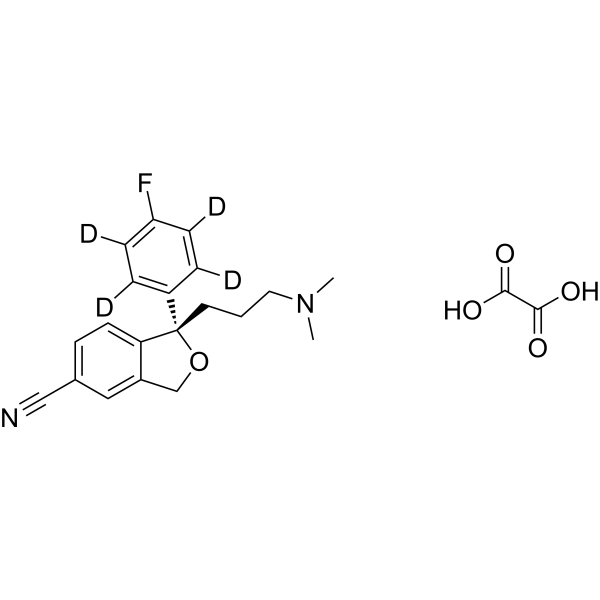
- HY-N0740R
-
|
|
Reference Standards
Cholinesterase (ChE)
5-HT Receptor
Bacterial
|
Neurological Disease
Inflammation/Immunology
|
|
Jatrorrhizine (chloride) (Standard) is the analytical standard of Jatrorrhizine (chloride). This product is intended for research and analytical applications. Jatrorrhizine chloride is an alkaloid isolated from Coptis chinensis with neuroprotective, antimicrobial, antiplasmodial and antioxidant activities . Jatrorrhizine chloride is a potent and orally active inhibitor of AChE (IC50=872 nM) over >115-fold selectivity for BuChE . Jatrorrhizine chloride reduces uptake of serotonin (5-HT) and norepinephrine (NE) via inhibition of uptake-2 transporters .
|
-

- HY-14258AR
-
|
(S)-Citalopram oxalate (Standard); (S)-(+)-Citalopram oxalate (Standard)
|
Reference Standards
Serotonin Transporter
|
Neurological Disease
Cancer
|
|
Escitalopram (oxalate) (Standard) is the analytical standard of Escitalopram (oxalate). This product is intended for research and analytical applications. Escitalopram ((S)-Citalopram) oxalate, the S-enantiomer of racemic Citalopram, is a selective serotonin reuptake inhibitor (SSRI) with a Ki of 0.89 nM. Escitalopram oxalate has ∼30 fold higher binding affinity than its R(-)-enantiomer and shows selectivity over both dopamine transporter (DAT) and norepinephrine transporter (NET). Escitalopram oxalate is an antidepressant for the research of major depression .
|
-
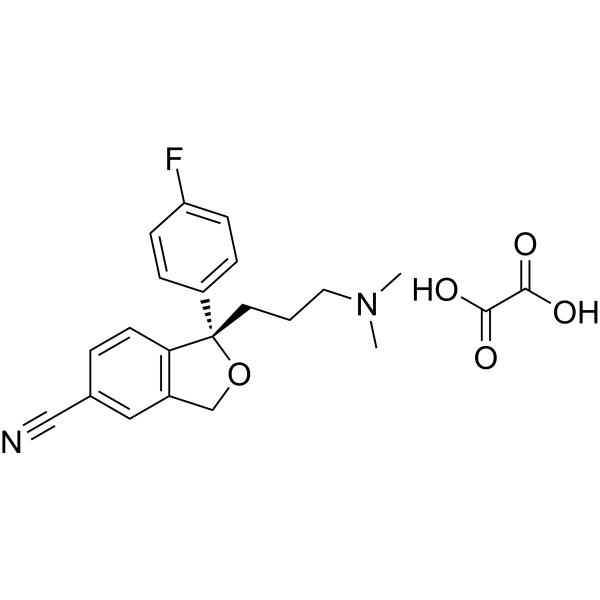
- HY-111124
-
|
BRL29060-d2
|
Isotope-Labeled Compounds
Serotonin Transporter
Adrenergic Receptor
P2X Receptor
Apoptosis
|
Neurological Disease
Cancer
|
|
Paroxetine-d2 (CTP 347) is a deuterium labeled Paroxetine (HY-122272). Paroxetine is an oral inhibitor that falls under the category of selective serotonin reuptake inhibitors (SSRIs). Paroxetine is also a very weak norepinephrine (NE) reuptake inhibitor, capable of inducing cell apoptosis and having anti-tumor activity. Paroxetine has antidepressant, anti-anxiety, and pain-relieving effects, and it can help improve conditions like obsessive-compulsive disorder, panic disorder, post-traumatic stress disorder, premenstrual anxiety, and chronic headaches .
|
-

- HY-B0193AR
-
|
|
Reference Standards
Adrenergic Receptor
Autophagy
|
Cardiovascular Disease
Endocrinology
Cancer
|
|
Prazosin (hydrochloride) (Standard) is the analytical standard of Prazosin (hydrochloride). This product is intended for research and analytical applications. Prazosin hydrochloride is a well-tolerated, CNS-active α1-adrenergic receptor antagonist for the research of high blood pressure and alcohol use disorders . Prazosin hydrochloride potently inhibits Norepinephrine (NE)-stimulated 45Ca efflux with an IC50 of 0.15 nM .Prazosin hydrochloride inhibits organic cation transporters OCT-1 and OCT-3 with IC50s of 1.8, and 13 μM, respectively .
|
-
- HY-B1110S
-
|
(±)-Nomifensine-d3 maleate; Nomifensin-d3 maleate
|
Isotope-Labeled Compounds
Dopamine Receptor
Adrenergic Receptor
|
Neurological Disease
|
|
Nomifensine-d3 ((±)-Nomifensine-d3) maleate is the deuterium labeled Nomifensine maleate (HY-B1110A). Nomifensine ((±)-Nomifensine) maleate is a potent norepinephrine (NE) and dopamine (DA) reuptake inhibitor. Nomifensine maleate inhibits uptake of NE, DA and 5-HT in rat brain synaptosomes, with IC50 values of 6.6 nM, 48 nM and 830 nM, and Ki values of 4.7 nM, 26 nM and 4000 nM, respectively. Nomifensine maleate has antidepressant and analgesic effects. Nomifensine maleate is used in neurodegenerative diseases, compound addiction, and pain research .
|
-
- HY-N0126R
-
|
|
Reference Standards
Monoamine Oxidase
Calcium Channel
|
Cardiovascular Disease
Neurological Disease
|
|
Xanthone (Standard) is the analytical standard of Xanthone (HY-N0126). This product is intended for research and analytical applications. Xanthone is a monoamine oxidase A (MAO-A) inhibitor with an IC50 of 0.84 µM. Xanthon inhibits Norepinephrine (HY-13715) and high-K +-induced vasoconstriction with IC50 values of 60.26 μM and 82.9 μM, respectively. Xanthon increases intracellular cyclic adenosine 3′,5′-monophosphate (cAMP) content and blocks Ca 2+ channels. Xanthone is the scaffold of several pharmacologically active compounds .
|
-
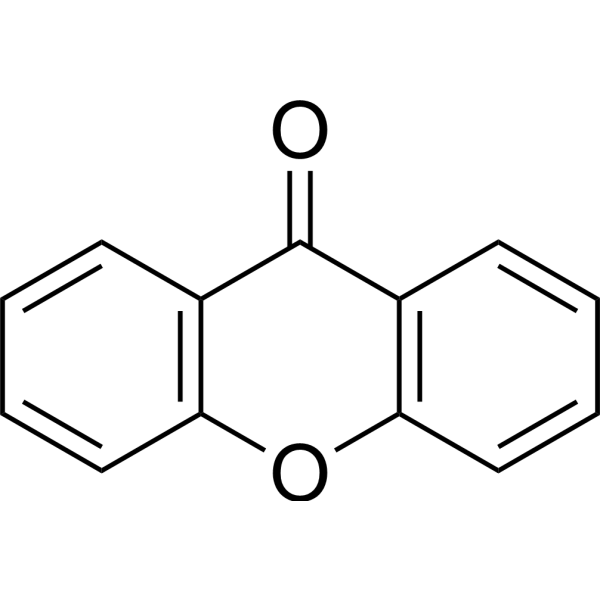
- HY-P11313
-
|
Rat chromogranin A367–387
|
nAChR
Akt
|
Cardiovascular Disease
|
|
Catestatin (rat) (Rat chromogranin A367–387) is a potent, reversible, noncompetitive, and noncooperative nicotinic cholinergic antagonist derived from chromogranin A (A367-387). Catestatin (rat) inhibits norepinephrine release in rat PC12 pheochromocytoma cells (IC50 = 1.2 μM), and blocks desensitization of norepinephrine release (IC50 = 0.62 μM). Catestatin (rat) exerts antiadrenergic effects through the endothelial PI3K-AKT-eNOS pathway in rat papillary muscles and isolated cardiomyocytes. Catestatin (rat) maintains mitochondrial membrane potential in I/R cardiomyocytes and increases phosphorylation of AKT at S473, GSK3β at S9, PLB at T17, and eNOS at S1179. Catestatin (rat) reverses desensitization of 22Na + uptake. Catestatin (rat) can be used for the study of nicotinic cholinergic receptor regulation and catecholamine release control mechanisms .
|
-

- HY-107370A
-
|
(Rac)-Tomoxetine hydrochloride; (Rac)-LY 139603
|
Serotonin Transporter
Sodium Channel
|
Metabolic Disease
Cancer
|
|
(Rac)-Atomoxetine hydrochloride ((Rac)-Tomoxetine (hydrochloride); (Rac)-LY 139603) is the racemic mixture of Atomoxetine hydrochloride (HY-17385). Atomoxetine hydrochloride is a selective noradrenaline reuptake inhibitor with Ki values of 5, 77 and 1451 nM for norepinephrine (NE), serotonin (5-HT) and dopamine (DA) transporters, respectively. Atomoxetine hydrochloride increases of DAEX and NEEX in the PFC and enhances catecholaminergic neurotransmission. Atomoxetine hydrochloride is a potent Na + channels (VGSCs) blocker. Atomoxetine hydrochloride can be used for attention-deficit hyperactivity disorder (ADHD) research .
|
-

- HY-P4641
-
|
Trp-Phe
|
Angiotensin-converting Enzyme (ACE)
Endothelin Receptor
|
Cardiovascular Disease
|
|
H-Trp-Phe-OH (Trp-Phe) is an ACE inhibitor and endothelial function regulator, with an ACE IC50 of 0.318 mg/mL. H-Trp-Phe-OH increases nitric oxide concentration, reduces endothelin-1 (ET-1) levels, and reverses norepinephrine-mediated endothelial cell dysfunction. H-Trp-Phe-OH exhibits antihypertensive activity. H-Trp-Phe-OH can be used in studies related to hypertension and atherosclerosis .
|
-
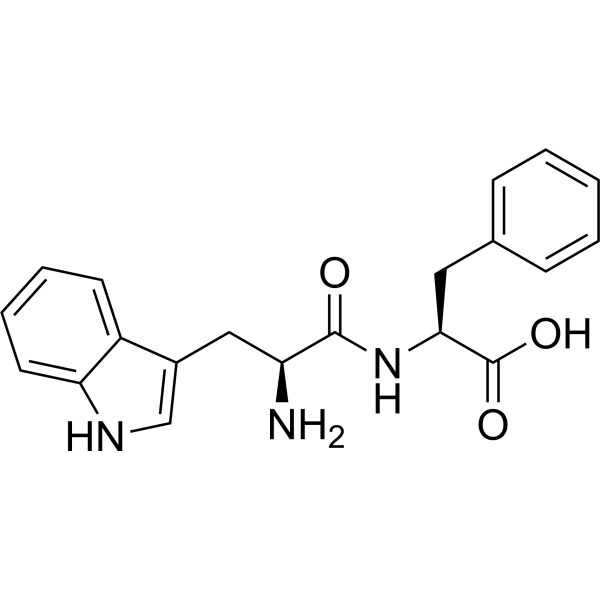
- HY-B0602R
-
|
O-Desmethylvenlafaxine (Standard)
|
Reference Standards
Serotonin Transporter
|
Neurological Disease
|
|
Desvenlafaxine (Standard) is the analytical standard of Desvenlafaxine. This product is intended for research and analytical applications. Desvenlafaxine, the succinate salt form of the isolated major active metabolite of Venlafaxine (HY-B0196), is an orally active and BBB penetrated 5-HT and norepinephrine reuptake inhibitor, with IC50 values of 47.3 nM and 531.3 nM for hSERT and hNET, respectively. Desvenlafaxine shows weak binding affinity (62% inhibition at 100 μM) at the human dopamine (DA) transporter .
|
-

- HY-N2426R
-
|
|
Reference Standards
Interleukin Related
|
Inflammation/Immunology
|
|
Desvenlafaxine (Standard) is the analytical standard of Desvenlafaxine. This product is intended for research and analytical applications. Desvenlafaxine, the succinate salt form of the isolated major active metabolite of Venlafaxine (HY-B0196), is an orally active and BBB penetrated 5-HT and norepinephrine reuptake inhibitor, with IC50 values of 47.3 nM and 531.3 nM for hSERT and hNET, respectively. Desvenlafaxine shows weak binding affinity (62% inhibition at 100 μM) at the human dopamine (DA) transporter .
|
-

- HY-14472R
-
|
NS-2330 (Standard)
|
Dopamine Transporter
Serotonin Transporter
Reference Standards
|
Metabolic Disease
|
|
Tesofensine (Standard) is the analytical standard of Tesofensine. This product is intended for research and analytical applications. Tesofensine (NS-2330) is a triple monoamine reuptake inhibitor inducing a potent inhibition of the re-uptake process in the synaptic cleft of the neurotransmitters dopamine (DA; IC50=6.5 nM), norepinephrine (NE;IC50=1.7 nM), and serotonin (5-HT;IC50=11 nM), and with potentials as an anti-obesity agent . Tesofensine is a CNS acting anti-obesity agent .
|
-

- HY-117542
-
|
|
Histone Methyltransferase
|
Neurological Disease
|
|
D595 is a phenylethylamine calcium channel blocker with potent negative inotropic activity. D595 has shown significant efficacy in its corresponding pharmacological studies, especially in inhibiting the uptake of monoamine neurotransmitters. D595 has high affinity in binding to the dopamine transporter (DAT), serotonin transporter (SERT), and norepinephrine transporter (NET). Structural adjustments of D595, especially changes in the hydroxyl stereochemistry, significantly affect its interaction with the transporters, showing a specific preference for stereoisomers .
|
-

- HY-122272S
-
|
BRL29060-d4
|
Isotope-Labeled Compounds
Serotonin Transporter
Adrenergic Receptor
Apoptosis
P2X Receptor
|
Neurological Disease
Cancer
|
|
Paroxetine-d4 (BRL29060-d4) is deuterium labeled Paroxetine. Paroxetine is an oral inhibitor that falls under the category of selective serotonin reuptake inhibitors (SSRIs). Paroxetine is also a very weak norepinephrine (NE) reuptake inhibitor, capable of inducing cell apoptosis and having anti-tumor activity. Paroxetine has antidepressant, anti-anxiety, and pain-relieving effects, and it can help improve conditions like obsessive-compulsive disorder, panic disorder, post-traumatic stress disorder, premenstrual anxiety, and chronic headaches .
|
-

- HY-32329
-
|
Org-8282
|
5-HT Receptor
Adrenergic Receptor
|
Neurological Disease
|
|
Setiptiline (Org-8282) is a serotonin receptor antagonist. Setiptiline is a tetracyclic antidepressant (TeCA) which acts as a noradrenergic and specific serotonergic antidepressant (NaSSA). Setiptiline acts as a norepinephrine reuptake inhibitor, α2-adrenergic receptor antagonist, and serotonin receptor antagonist, likely at the 5-HT2A, 5-HT2C, and/or 5-HT3 subtypes, as well as an H1 receptor inverse agonist/antihistamine.
|
-
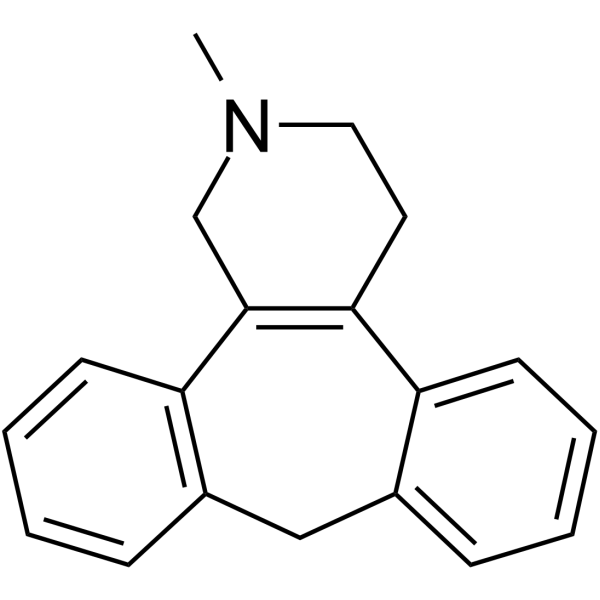
- HY-107370S
-
|
Tomoxetine-d7; (R)-Tomoxetine-d7
|
Isotope-Labeled Compounds
Serotonin Transporter
Sodium Channel
|
Neurological Disease
Cancer
|
|
Atomoxetine-d7 (Tomoxetine-d7) is deuterium labeled Atomoxetine. Atomoxetine (Tomoxetine) is a selective noradrenaline reuptake inhibitor with Ki values of 5, 77 and 1451 nM for norepinephrine (NE), serotonin (5-HT) and dopamine (DA) transporters, respectively. Atomoxetine (Tomoxetine) increases of DAEX and NEEX in the PFC and enhances catecholaminergic neurotransmission. Atomoxetine (Tomoxetine) is a potent Na + channels (VGSCs) blocker. Atomoxetine (Tomoxetine) can be used for attention-deficit hyperactivity disorder (ADHD) research .
|
-

- HY-101755R
-
|
Lu AA24530 hydrobromide (Standard)
|
Reference Standards
5-HT Receptor
Adrenergic Receptor
|
Neurological Disease
Endocrinology
|
|
Tedatioxetine hydrobromide (Standard) (Lu AA24530 hydrobromide (Standard)) is the analytical standard of Tedatioxetine hydrobromide (HY-101755). This product is intended for research and analytical applications. Tedatioxetine (Lu AA24530) hydrobromide acts as a serotonin and norepinephrine (NE)-preferring triple reuptake inhibitor (TRI) and 5-HT2A, 5-HT2C, 5-HT3 and α1A-adrenergic receptor antagonist .
,
|
-

- HY-107370S1
-
|
Tomoxetine-d5; (R)-Tomoxetine-d5
|
Isotope-Labeled Compounds
|
Neurological Disease
Cancer
|
|
Atomoxetine-d5 (Tomoxetine-d5) is deuterium labeled Atomoxetine. Atomoxetine (Tomoxetine) is a selective noradrenaline reuptake inhibitor with Ki values of 5, 77 and 1451 nM for norepinephrine (NE), serotonin (5-HT) and dopamine (DA) transporters, respectively. Atomoxetine (Tomoxetine) increases of DAEX and NEEX in the PFC and enhances catecholaminergic neurotransmission. Atomoxetine (Tomoxetine) is a potent Na + channels (VGSCs) blocker. Atomoxetine (Tomoxetine) can be used for attention-deficit hyperactivity disorder (ADHD) research .
|
-

- HY-B0725R
-
|
|
Reference Standards
Histamine Receptor
Cytochrome P450
|
Neurological Disease
Cancer
|
|
Doxepin (Hydrochloride) (Standard) is the analytical standard of Doxepin (Hydrochloride). This product is intended for research and analytical applications. Doxepin hydrochloride is an orally active tricyclic antidepressant agent. Doxepin hydrochloride is a potent and selective histamine receptor H1 antagonist. Doxepin hydrochloride is also a potent CYP450 inhibitor and significantly inhibits CYP450 2C19 and 1A2 . Doxepin inhibits reuptake of serotonin and norepinephrine as a tricyclic antidepressant .. Doxepin has therapeutic effects in atopic dermatitis,chronic urticarial,can improve cognitive processes, protect central nervous system .. Doxepin has also been proposed as a protective factor against oxidative stress ..
|
-
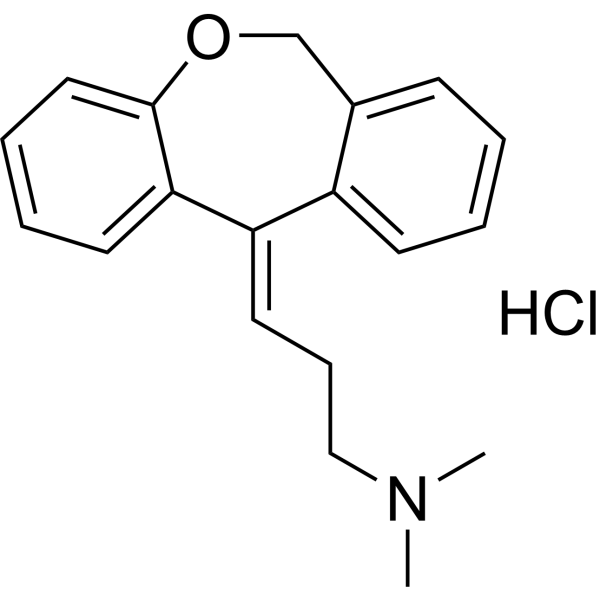
- HY-B1018A
-
|
|
Monoamine Oxidase
GABA Receptor
Histone Demethylase
|
Cardiovascular Disease
Neurological Disease
Metabolic Disease
Inflammation/Immunology
Cancer
|
|
Phenelzine sulfate, an antidepressant agent, is an irreversible and orally active monoamine oxidase (MAO-A and MAO-B) inhibitor. Phenelzine sulfate inhibits GABA transaminase and primary amine oxidase (PrAO), and sequester reactive aldehydes. Phenelzine sulfate also inhibits LSD1 (Ki: 5.6 μM) and suppresses oxidative stress and lipogenesis. Phenelzine sulfate elevates neurotransmitters (serotonin, norepinephrine, dopamine). Phenelzine sulfate is studied in neurological, metabolic and cancer diseases for depression and anxiety disorders, stroke, spinal cord injury, traumatic brain injury, multiple sclerosis, Parkinson’s disease, Alzheimer’s disease, inflammatory pain, obesity and prostate cancer .
|
-
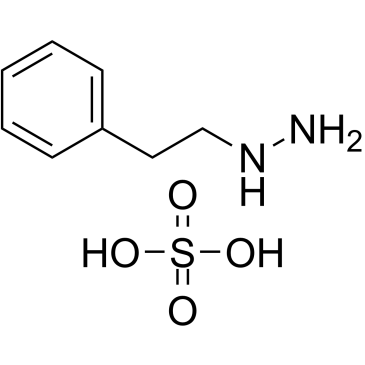
- HY-16525
-
|
|
Monoamine Transporter
Adrenergic Receptor
|
Neurological Disease
|
|
XEN-2174 is a noradrenaline transporter (NET) inhibitor. XEN-2174 inhibits the reuptake of noradrenaline through non-competitive inhibition, increasing the concentration of noradrenaline in the synaptic cleft, thereby activating α2-adrenergic receptor at the spinal level and exerting analgesic effects. XEN-2174 exhibits long-lasting analgesic effects in models of neuropathic pain and postoperative pain in rats. XEN-2174 can be used in pain research .
|
-

- HY-18610
-
|
Ro 8-4650 hydrochloride
|
Dopamine Transporter
Adrenergic Receptor
5-HT Receptor
|
Neurological Disease
|
|
Diclofensine (Ro 8-46500) hydrochloride is an orally active neuronal monoamine uptake inhibitor. Diclofensine hydrochloride blocks the uptake of dopamine, noradrenaline, and serotonin by rat brain synaptosomes with IC50 values of 0.74, 2.3 and 3.7 nM, respectively. Diclofensine hydrochloride potentiates norepinephrine-induced hypertension and attenuates Tyramine (HY-W007606)-induced hypertension. Diclofensine hydrochloride produces psychostimulant and mood-elevating effects without causing sudden disappearance or withdrawal reactions. Diclofensine hydrochloride can be used in the research of moderate to severe depression .
|
-
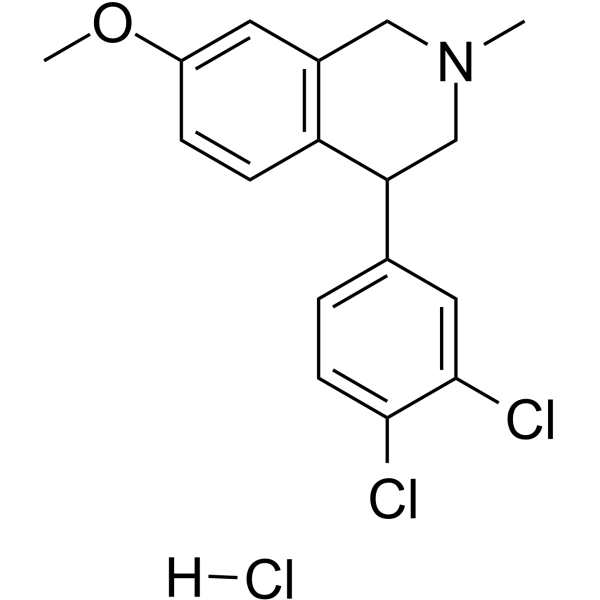
- HY-B1202R
-
|
AY-22284 (Standard)
|
Reference Standards
Aldose Reductase
|
Metabolic Disease
|
|
Alrestatin (AY-22284) Standard is the analytical standard of Alrestatin (HY-B1202). This product is intended for research and analytical applications. Alrestatin (AY-22284) is an aldose reductase inhibitor. Alrestatin reduces fructose levels in the uterine fluid of mice. Alrestatin interferes with sperm capacitation and impairs fertilization function in mice. Alrestatin decreases basal and tyramine-induced norepinephrine release in rat pancreatic specimens in vitro. Alrestatin enhances glucose- and arginine-stimulated insulin secretion in vivo. Alrestatin can be used in studies related to diabetes and reproductive diseases.
|
-

- HY-32329A
-
|
MO-8282
|
5-HT Receptor
|
Neurological Disease
|
|
Setiptiline maleate (MO-8282 maleate) is a serotonin receptor antagonist. Setiptiline maleate is a tetracyclic antidepressant (TeCA) which acts as a noradrenergic and specific serotonergic antidepressant (NaSSA). Setiptiline maleate acts as a norepinephrine reuptake inhibitor, α2-adrenergic receptor antagonist, and serotonin receptor antagonist, likely at the 5-HT2A, 5-HT2C, and/or 5-HT3 subtypes, as well as an H1 receptor inverse agonist/antihistamine .
|
-
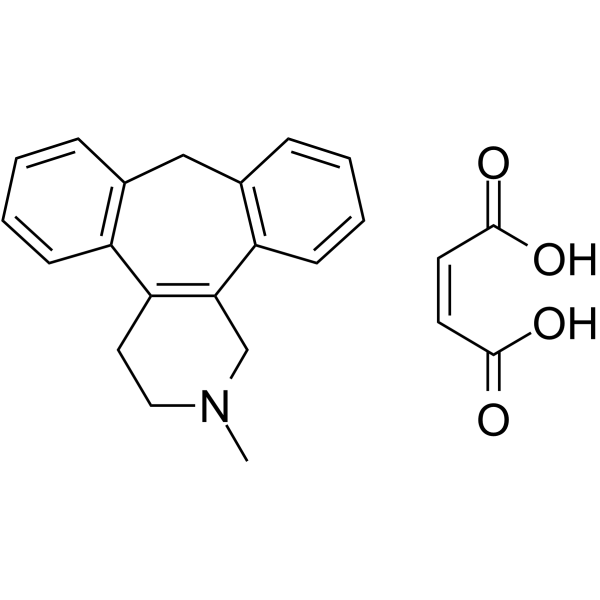
- HY-18610R
-
|
Ro 8-4650 hydrochloride (Standard)
|
Reference Standards
Dopamine Transporter
Adrenergic Receptor
5-HT Receptor
|
Neurological Disease
|
|
Diclofensine (Ro 8-4650) hydrochloride (Standard) is the analytical standard of Diclofensine hydrochloride. This product is intended for research and analytical applications. Diclofensine hydrochloride is an orally active neuronal monoamine uptake inhibitor. Diclofensine hydrochloride blocks the uptake of dopamine, noradrenaline, and serotonin by rat brain synaptosomes with IC50 values of 0.74, 2.3 and 3.7 nM, respectively. Diclofensine hydrochloride potentiates norepinephrine-induced hypertension and attenuates Tyramine (HY-W007606)-induced hypertension. Diclofensine hydrochloride produces psychostimulant and mood-elevating effects without causing sudden disappearance or withdrawal reactions. Diclofensine hydrochloride can be used in the research of moderate to severe depression.
|
-

- HY-12716A
-
|
|
Adrenergic Receptor
ERK
p38 MAPK
Dopamine Receptor
|
Cardiovascular Disease
Neurological Disease
|
|
BRL-44408 maleate is a selective, blood-brain barrier-permeable α2A-adrenergic receptor antagonist with a Ki value of 8.56 nM against human targets. BRL-44408 maleate exhibits activities such as antidepressant, analgesic effects and attenuation of sepsis-induced acute lung injury by regulating the release of neurotransmitters such as norepinephrine and dopamine, or inhibiting signaling pathways including ERK1/2, p38MAPK and p65. BRL-44408 maleate can be used in studies related to acute respiratory distress syndrome, depression and visceral pain .
|
-
- HY-12716
-
|
|
Adrenergic Receptor
p38 MAPK
Dopamine Receptor
ERK
|
Cardiovascular Disease
Neurological Disease
|
|
BRL-44408 is a selective, blood-brain barrier-permeable α2A-adrenergic receptor antagonist with a Ki value of 8.56 nM against human targets. BRL-44408 exhibits activities such as antidepressant, analgesic effects and attenuation of sepsis-induced acute lung injury by regulating the release of neurotransmitters such as norepinephrine and dopamine, or inhibiting signaling pathways including ERK1/2, p38MAPK and p65. BRL-44408 can be used in studies related to acute respiratory distress syndrome, depression and visceral pain .
|
-

- HY-B1018AS
-
|
|
Isotope-Labeled Compounds
Monoamine Oxidase
GABA Receptor
Histone Demethylase
|
Cardiovascular Disease
Neurological Disease
Metabolic Disease
Inflammation/Immunology
Cancer
|
|
Phenelzine-d5 sulfate is the deuterium labeled Phenelzine sulfate (HY-B1018A). Phenelzine sulfate, an antidepressant agent, is an irreversible and orally active monoamine oxidase (MAO-A and MAO-B) inhibitor. Phenelzine sulfate inhibits GABA transaminase and primary amine oxidase (PrAO), and sequester reactive aldehydes. Phenelzine sulfate also inhibits LSD1 (Ki: 5.6 μM) and suppresses oxidative stress and lipogenesis. Phenelzine sulfate elevates neurotransmitters (serotonin, norepinephrine, dopamine). Phenelzine sulfate is studied in neurological, metabolic and cancer diseases for depression and anxiety disorders, stroke, spinal cord injury, traumatic brain injury, multiple sclerosis, Parkinson’s disease, Alzheimer’s disease, inflammatory pain, obesity and prostate cancer .
|
-

- HY-18610S
-
|
|
Isotope-Labeled Compounds
Dopamine Transporter
Adrenergic Receptor
5-HT Receptor
|
Neurological Disease
|
|
Diclofensine-d3 (Ro-8-4650-d3) hydrochloride is the deuterium labeled Diclofensine hydrochloride. Diclofensine hydrochloride is an orally active neuronal monoamine uptake inhibitor. Diclofensine hydrochloride blocks the uptake of dopamine, noradrenaline, and serotonin by rat brain synaptosomes with IC50 values of 0.74, 2.3 and 3.7 nM, respectively. Diclofensine hydrochloride potentiates norepinephrine-induced hypertension and attenuates Tyramine (HY-W007606)-induced hypertension. Diclofensine hydrochloride produces psychostimulant and mood-elevating effects without causing sudden disappearance or withdrawal reactions. Diclofensine hydrochloride can be used in the research of moderate to severe depression.
|
-

- HY-32329S
-
|
|
Isotope-Labeled Compounds
5-HT Receptor
Adrenergic Receptor
|
Neurological Disease
|
|
Setiptiline-d3 is the deuterium labeled Setiptiline. Setiptiline (Org-8282) is a serotonin receptor antagonist. Setiptiline is a tetracyclic antidepressant (TeCA) which acts as a noradrenergic and specific serotonergic antidepressant (NaSSA). Setiptiline acts as a norepinephrine reuptake inhibitor, α2-adrenergic receptor antagonist, and serotonin receptor antagonist, likely at the 5-HT2A, 5-HT2C, and/or 5-HT3 subtypes, as well as an H1 receptor inverse agonist/antihistamine .
|
-
- HY-125784B
-
|
(S)-Viloxazin hydrochloride; (S)-Emovit hydrochloride
|
Drug Isomer
Adrenergic Receptor
|
Neurological Disease
|
|
(S)-Viloxazine hydrochloride is the isomer of Viloxazine hydrochloride (HY-125784). Viloxazine hydrochloride is the hydrochloride salt form of Viloxazine (HY-W380450). Viloxazine (Viloxazin) hydrochloride is a norepinephrine reuptake inhibitor and a potent 5-HT2C agonist agent and 5-HT2B antagonist,EC50 for 5-HT2C b> is 32 μM,and the IC50 for 5-HT2B is 27 μM. Viloxazine hydrochloride's mechanism of action primarily involves serotonergic and noradrenergic pathways. Viloxazine hydrochloride is used in antidepressant research .
|
-

- HY-32329R
-
|
Org-8282 (Standard)
|
5-HT Receptor
Adrenergic Receptor
Reference Standards
|
Neurological Disease
|
|
Setiptiline (Standard) is the analytical standard of Setiptiline. This product is intended for research and analytical applications. Setiptiline (Org-8282) is a serotonin receptor antagonist. Setiptiline is a tetracyclic antidepressant (TeCA) which acts as a noradrenergic and specific serotonergic antidepressant (NaSSA). Setiptiline acts as a norepinephrine reuptake inhibitor, α2-adrenergic receptor antagonist, and serotonin receptor antagonist, likely at the 5-HT2A, 5-HT2C, and/or 5-HT3 subtypes, as well as an H1 receptor inverse agonist/antihistamine.
|
-

- HY-W380450
-
|
Viloxazin; Emovit
|
5-HT Receptor
|
Neurological Disease
|
|
Viloxazine is a non-brain-penetrant, selective norepinephrine transporter (NET) inhibitor (IC50= 0.26 μM) and 5-HT receptor modulator. Viloxazine antagonizes 5-HT2B receptors (Ki=4.2 μM) and agonizes 5-HT2C receptors (EC50= 32 μM), respectively, and enhances 5-HT neurotransmission by modulating 5-HT2B/C receptors. Viloxazine also competitively inhibits NET from increasing NE and DA levels in the synaptic cleft, and can be used in the study of attention deficit hyperactivity disorder (ADHD) .
|
-
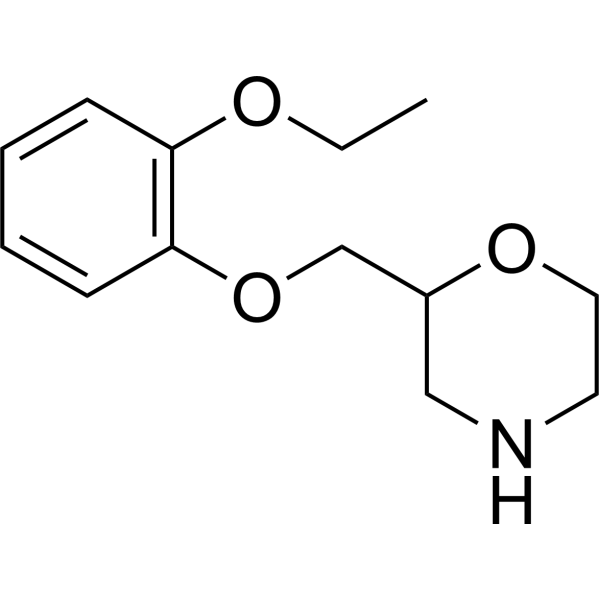
- HY-W380450R
-
|
Viloxazin (Standard); Emovit (Standard)
|
Reference Standards
5-HT Receptor
|
Neurological Disease
|
|
Viloxazine is a non-brain-penetrant, selective norepinephrine transporter (NET) inhibitor (IC50= 0.26 μM) and 5-HT receptor modulator. Viloxazine antagonizes 5-HT2B receptors (Ki=4.2 μM) and agonizes 5-HT2C receptors (EC50= 32 μM), respectively, and enhances 5-HT neurotransmission by modulating 5-HT2B/C receptors. Viloxazine also competitively inhibits NET from increasing NE and DA levels in the synaptic cleft, and can be used in the study of attention deficit hyperactivity disorder (ADHD) .
|
-

- HY-137683A
-
|
GDPβS trisodium
|
Adenylate Cyclase
|
Cardiovascular Disease
|
|
Guanosine 5'-O-(2-thiodiphosphate) trisodium (GDPβS trisodium) is a non-hydrolyzable derivative of GDP. Guanosine 5'-O-(2-thiodiphosphate) trisodium acts as an inhibitor of adenylyl cyclase (AC) with a Ki value of 600 nM. In the absence of glutamic-pyruvic transaminase (GPT) in cerebral cortex membranes of rodent models, Guanosine 5'-O-(2-thiodiphosphate) trisodium partially activates AC with an EC50 of 400 nM. Guanosine 5'-O-(2-thiodiphosphate) trisodium prevents norepinephrine-induced nitric oxide release in ventricular myocytes .
|
-

- HY-32329AR
-
|
MO-8282 (Standard)
|
5-HT Receptor
Reference Standards
|
Neurological Disease
|
|
Setiptiline (maleate) (Standard) is the analytical standard of Setiptiline (maleate). This product is intended for research and analytical applications. Setiptiline maleate (MO-8282 maleate) is a serotonin receptor antagonist. Setiptiline maleate is a tetracyclic antidepressant (TeCA) which acts as a noradrenergic and specific serotonergic antidepressant (NaSSA). Setiptiline maleate acts as a norepinephrine reuptake inhibitor, α2-adrenergic receptor antagonist, and serotonin receptor antagonist, likely at the 5-HT2A, 5-HT2C, and/or 5-HT3 subtypes, as well as an H1 receptor inverse agonist/antihistamine .
|
-

- HY-N7506
-
|
Delta3,2-Hydroxylbakuchiol
|
Monoamine Transporter
Dopamine Transporter
|
Neurological Disease
|
|
13-Hydroxyisobakuchiol (Delta3,2-Hydroxylbakuchiol), an analog of Bakuchiol (HY-N0235) that can be isolated from Psoralea corylifolia (L.), is a potent selective monoamine transporter inhibitor. 13-Hydroxyisobakuchiol is more selective for the dopamine transporter (DAT) (IC50 = 0.58 μM) and norepinephrine transporter (NET) (IC50 = 0.69 μM) than for the serotonin transporter (SERT) (IC50 = 312.02 μM). 13-Hydroxyisobakuchiol increases the activity of intact mice and improves the decreased activity of reserpinized mice in vivo. 13-Hydroxyisobakuchiol can be used for the research of disorders such as Parkinson's disease and depression .
|
-
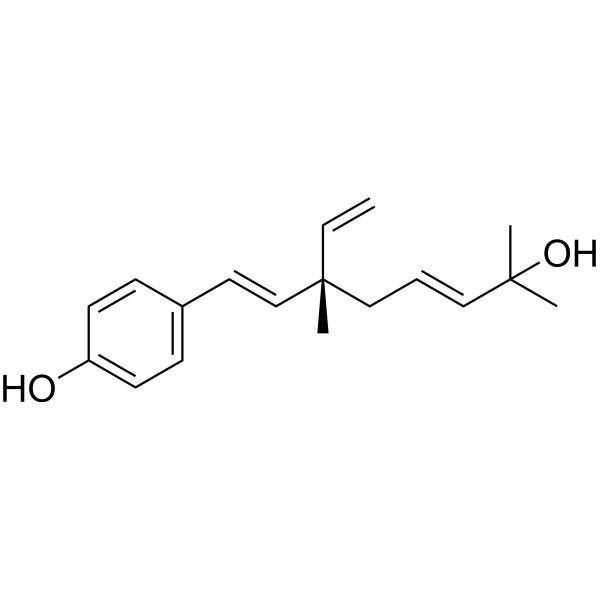
- HY-179568
-
|
|
Monoamine Transporter
|
Neurological Disease
|
|
F3288-0031 is a brain-penetrant norepinephrine transporter (NET) allosteric inhibitor with inhibitory rates of 73.5% at 20 μM. F3288-0031 binds within the inner vestibule of NET, stabilizing the inward-open state and has a preferential NET/SERT inhibition with pIC50 = 5.9. F3288-0031 shows no detectable off-target functional activity in vitro. F3288-0031 demonstrates robust antidepressant-like efficacy in vivo without confounding locomotor effects, F3288-0031 can be used for depressive disorder and related neuropsychiatric conditions .
|
-

- HY-125784
-
|
Viloxazin hydrochloride; Emovit hydrochloride
|
5-HT Receptor
|
Neurological Disease
|
|
Viloxazine hydrochloride is a non-brain-penetrant, selective norepinephrine transporter (NET) inhibitor (IC50=0.26 μM) and 5-HT receptor modulator. Viloxazine antagonizes 5-HT2B receptors (Ki=4.2 μM) and agonizes 5-HT2C receptors (EC50=32 μM), respectively, and enhances 5-HT neurotransmission by modulating 5-HT2B/C receptors. Viloxazine also competitively inhibits NET from increasing NE and DA levels in the synaptic cleft, and can be used in the study of attention deficit hyperactivity disorder (ADHD) .
|
-
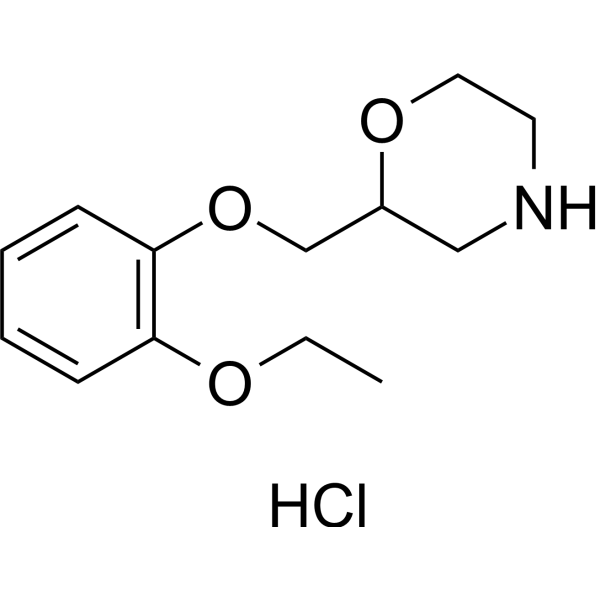
- HY-W047432
-
|
DL0805
|
ROCK
|
Cardiovascular Disease
|
|
5-Nitro-1H-indazole-3-carbonitrile (DL0805) is a Rho kinase(ROCK) inhibitor with an IC50 of 6.67 μM for ROCK-I. 5-Nitro-1H-indazole-3-carbonitrile reduces Norepinephrine (HY-13715)-induced transient contraction and inhibits contraction induced by increasing external calcium in the endothelium-denuded rings of rat models. 5-Nitro-1H-indazole-3-carbonitrile has a vasorelaxant activity but high toxicity. 5-Nitro-1H-indazole-3-carbonitrile can be used for cardiovascular diseases, especially hypertension research .
|
-

- HY-182244
-
|
|
Serotonin Transporter
5-HT Receptor
|
Endocrinology
|
|
SERT/NET-IN-1 is a blood-brain barrier-permeable SERT and NET inhibitor, with an IC50 of 11.2 nM against human SERT and an IC50 of 32.0 nM against human NET. SERT/NET-IN-1 blocks 5-HT reuptake to enhance serotonergic signaling. SERT/NET-IN-1 also blocks norepinephrine reuptake to enhance central noradrenergic transmission and inhibits the ejaculatory reflex. SERT/NET-IN-1 prolongs ejaculatory latency, reduces ejaculation frequency and preserves sexual function. SERT/NET-IN-1 exhibits cross-species microsomal metabolic stability, shows acceptable oral brain exposure in rats, and has favorable safety profiles. SERT/NET-IN-1 can be used in studies related to premature ejaculation .
|
-

- HY-U00237B
-
|
|
Adrenergic Receptor
|
Others
|
|
L-771688 hydrochloride is a potent and highly selective α1A-adrenoceptor antagonist (Kd=43-90 pM). L-771688 hydrochloride is effective against cloned human, rat and dog α1A-adrenergic receptors. L-771688 exhibits high affinity (Ki ≤ 1 nM) and over 500-fold selectivity over the α1B and α1D isoforms. L-771688 potently antagonizes norepinephrine-induced responses at these receptors. Inhibits contractions induced by phenylephrine or A-61603 in rat, dog, human and monkey models .
|
-

- HY-128483
-
|
|
TGF-beta/Smad
PI3K
NF-κB
Akt
Apoptosis
Dopamine β-hydroxylase
mTOR
Adrenergic Receptor
|
Cardiovascular Disease
Endocrinology
Cancer
|
|
Fusaric acid is an orally active multi-pathway inhibitor with the activity of inducing oxidative stress and apoptosis. Fusaric acid can chelate divalent metal cations, damage mitochondrial membrane structure, and activate apoptosis-related proteases such as Caspase-3/7, -8, and -9. Fusaric acid also regulates Bax/Bcl-2 protein, inhibits fibrosis-related signaling pathways such as NF-κB, TGF-β1/SMADs, and PI3K/AKT/mTOR, and reduces collagen deposition. Fusaric acid is also a dopamine β-hydroxylase inhibitor, which reduces endogenous levels of norepinephrine and epinephrine in the brain, heart, spleen, and adrenal glands. Fusaric acid can play a role in myocardial fibrosis and improve cardiac hypertrophy in heart disease, and can also be used in the study of esophageal cancer and liver cancer .
|
-
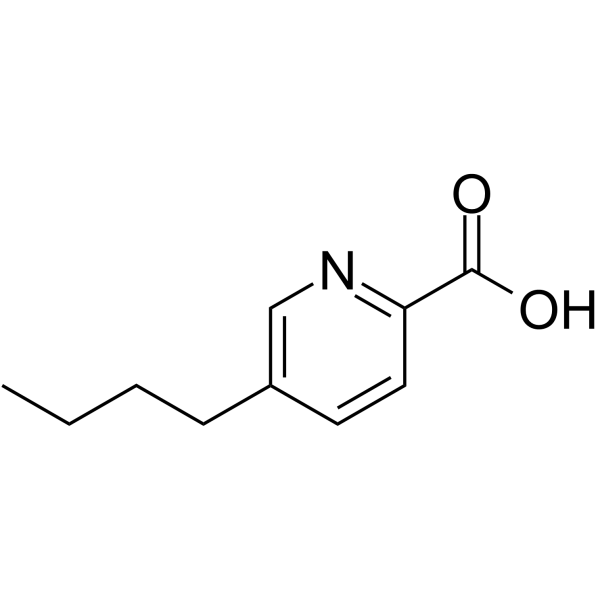
- HY-148863
-
|
|
Calcium Channel
Monoamine Transporter
|
Inflammation/Immunology
|
|
Cavα2δ1&NET-IN-2 (Compound 45CS) is a dual inhibitor of the α2δ‑1 subunit of voltage-gated calcium channels (Cavα2δ-1) and the norepinephrine transporter (NET). Cavα2δ1&NET-IN-2 inhibits Cavα2δ-1 with a Ki of 454 nM. Cavα2δ1&NET-IN-2 inhibits NET with a Ki of 59 nM and IC50 of 7 nM. Cavα2δ1&NET-IN-2 can be used for research of pain .
|
-
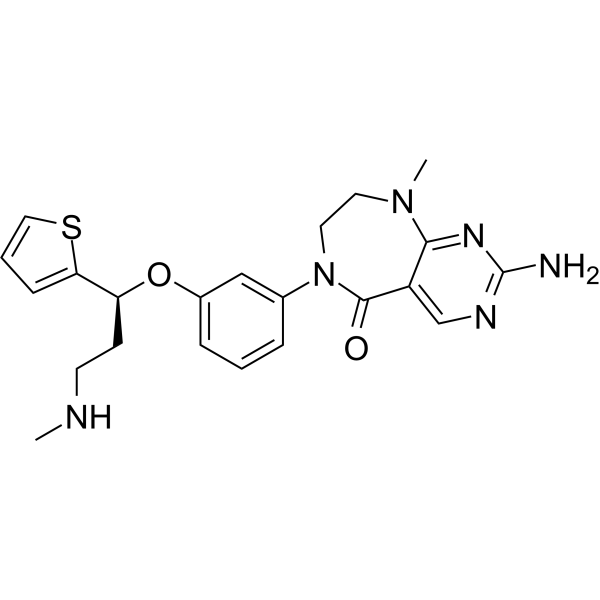
- HY-148862
-
|
|
Calcium Channel
Monoamine Transporter
|
Inflammation/Immunology
|
|
Cavα2δ1&NET-IN-1 (Compound 59S) is a dual inhibitor of the α2δ‑1 subunit of voltage-gated calcium channels (Cavα2δ-1) and the norepinephrine transporter (NET). Cavα2δ1&NET-IN-1 inhibits Cavα2δ-1 with a Ki of 112 nM. Cavα2δ1&NET-IN-1 inhibits NET with a Ki of 383 nM and IC50 of 67 nM. Cavα2δ1&NET-IN-1 can be used for research of pain .
|
-
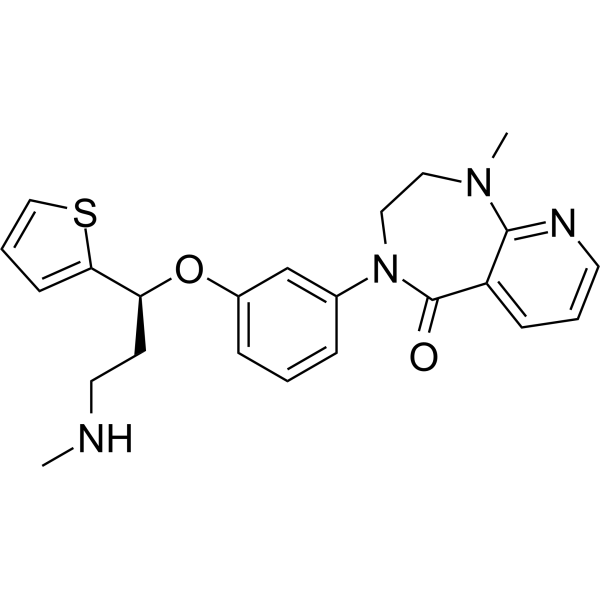
- HY-128483R
-
|
|
TGF-beta/Smad
PI3K
NF-κB
Akt
Apoptosis
Dopamine β-hydroxylase
mTOR
Adrenergic Receptor
Reference Standards
|
Cardiovascular Disease
Endocrinology
Cancer
|
|
Fusaric acid (Standard) is the analytical standard of Fusaric acid (HY-128483). This product is intended for research and analytical applications. Fusaric acid is an orally active multi-pathway inhibitor with the activity of inducing oxidative stress and apoptosis. Fusaric acid can chelate divalent metal cations, damage mitochondrial membrane structure, and activate apoptosis-related proteases such as Caspase-3/7, -8, and -9. Fusaric acid also regulates Bax/Bcl-2 protein, inhibits fibrosis-related signaling pathways such as NF-κB, TGF-β1/SMADs, and PI3K/AKT/mTOR, and reduces collagen deposition. Fusaric acid is also a dopamine β-hydroxylase inhibitor, which reduces endogenous levels of norepinephrine and epinephrine in the brain, heart, spleen, and adrenal glands. Fusaric acid can play a role in myocardial fibrosis and improve cardiac hypertrophy in heart disease, and can also be used in the study of esophageal cancer and liver cancer .
|
-

- HY-136693
-
|
|
Adrenergic Receptor
|
Neurological Disease
|
|
L-654284 is an α2-adrenergic receptor antagonist with significant selectivity. L-654284 competes with the binding of 3H-clonidine and 3H-rauwolscine in vitro and shows Ki values of 0.8 nM and 1.1 nM, respectively. L-654284 can block the protrusion effect of clonidine in isolated vas deferens in rats, with a pA2 value of 9.1. L-654284 exhibits remarkable selectivity for α2 and α1 adrenergic receptors, and exhibits a Ki of 110 nM in inhibiting 3H-prazosin binding. L-654284 can significantly increase the turnover rate of norepinephrine in rat cerebral cortex in vivo, showing α2-adrenergic receptor blocking activity in the central nervous system .
|
-

- HY-156807
-
|
|
Serotonin Transporter
5-HT Receptor
|
Neurological Disease
|
LY 367265 is a 5-hydroxytryptamine transporter (SERT) inhibitor (IC₅₀ = 3.1 nM) and a 5-HT₂A receptor antagonist (Kᵢ = 0.81 nM). LY 367265 has the inhibitory activity on the norepinephrine transporter (NET) of extremely weak (IC₅₀ > 1000 nM); it has low affinity for subtypes such as 5-HT₁B (Kᵢ = 490 nM) and 5-HT₁D (Kᵢ = 81 nM), showing high selectivity. LY 367265 concentration-dependently enhances of [³H]5-HT efflux (EC₅₀ = 250 nM). LY 367265 antagonizes the contraction response of Sumatriptan (HY-B0121B), indicating its functional antagonistic activity on 5-HT₁D-like receptors. LY 367265 can be used for the study of diseases such as anxiety disorders and post-traumatic stress disorder .
|
-

- HY-W680886
-
|
|
Monoamine Transporter
Serotonin Transporter
Dopamine Transporter
5-HT Receptor
|
Neurological Disease
|
|
6-APDB is a class of monoamine neurotransmitter releaser and Monoamine Transporter modulator that exerts selective effects on human monoamine transporters and acts as a partial agonist at 5-HT2 family receptors. For NET, 6-APDB has an IC50 of 0.56 μM and a Ki of 18 μM; for SERT, it has an IC50 of 2.3 μM and a Ki of 23 μM; for DAT, it has an IC50 of 33 μM and a Ki of >30 μM, and affinity for rat and mouse TAAR1, with Ki values of 1.0 μM and 0.21 μM, respectively. 6-APDB inhibits norepinephrine and 5-HT reuptake, mediates the release of three types of monoamine neurotransmitters, shows a dose-dependent biphasic locomotor effect in mice, and fully substitutes the discriminative stimulus effect of MDMA. 6-APDB shows no significant cytotoxicity at high concentrations, and possesses empathogenic psychoactivity, potential hallucinogenic effects, and behavioral effects associated with intermittent abuse .
|
-

- HY-W982195
-
|
|
Adrenergic Receptor
5-HT Receptor
|
Neurological Disease
|
|
Napamezole hydrochloride is an orally active α-2 adrenergic receptor antagonist and serotonin (5-HT Receptor) reuptake inhibitor, with Ki values of 28 nM and 93 nM for rat α-2 and α-1 adrenergic receptors, respectively. Napamezole hydrochloride can be used for the research of depression .
|
-

- HY-B0527A
-
|
|
Serotonin Transporter
5-HT Receptor
mAChR
Histamine Receptor
Adrenergic Receptor
Trk Receptor
Sodium Channel
Potassium Channel
Dopamine Transporter
Apoptosis
|
Neurological Disease
Inflammation/Immunology
Endocrinology
|
|
Amitriptyline hydrochloride is an orally active tricyclic antidepressant (TCA). Amitriptyline hydrochloride mainly exerts its antidepressant effect by blocking SERT (Ki = 3.45 nM) and NET (Ki = 13.3 nM), thereby increasing the concentrations of 5-hydroxytryptamine (5-HT) and norepinephrine (NE) in the synaptic cleft. Amitriptyline hydrochloride is also an agonist at α2A and TrkA/TrkB receptors, thereby exerting analgesic and neurotrophic activities (inhibiting cell apoptosis). Amitriptyline hydrochloride can reduce inflammation, angiogenesis and fibrosis. Amitriptyline hydrochloride binds to DAT (with Ki = 2.58 μM). Amitriptyline hydrochloride has high affinity for a series of receptors and can antagonize muscarinic cholinergic receptors (M1/M2/M3/M4/M5 receptors) (Ki = 11-24 nM), H1 receptors (Ki = 0.5-1.1 nM), adrenergic α1 receptors (Ki = 4.4 nM), etc., resulting in a series of side effects. Amitriptyline hydrochloride can block sodium channels and hERG potassium channel (IC50 = 4.78 μM) and it has cardiotoxicity .
|
-
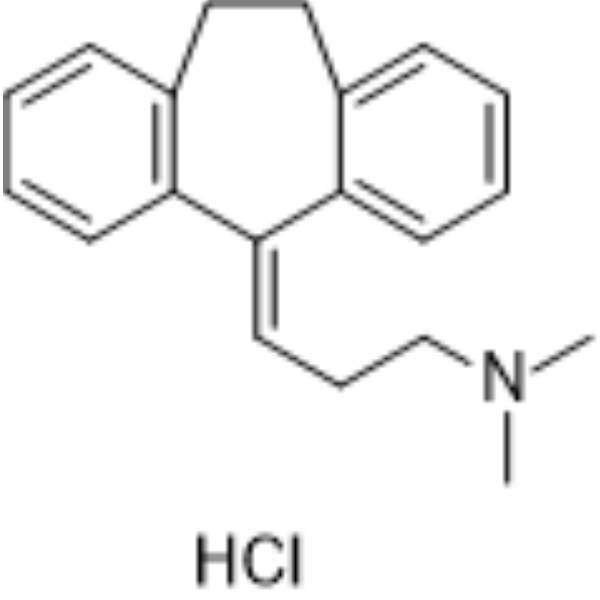
- HY-B0527
-
|
|
Serotonin Transporter
Trk Receptor
Sodium Channel
5-HT Receptor
Histamine Receptor
Adrenergic Receptor
mAChR
Potassium Channel
Dopamine Transporter
Apoptosis
|
Neurological Disease
Inflammation/Immunology
Endocrinology
|
|
Amitriptyline is an orally active tricyclic antidepressant (TCA). Amitriptyline mainly exerts its antidepressant effect by blocking SERT (Ki = 3.45 nM) and NET (Ki = 13.3 nM), thereby increasing the concentrations of 5-hydroxytryptamine (5-HT) and norepinephrine (NE) in the synaptic cleft. Amitriptyline is also an agonist at α2A and TrkA/TrkB receptors, thereby exerting analgesic and neurotrophic activities (inhibiting cell apoptosis). Amitriptyline can reduce inflammation, angiogenesis and fibrosis. Amitriptyline binds to DAT (with Ki = 2.58 μM). Amitriptyline has high affinity for a series of receptors and can antagonize muscarinic cholinergic receptors (M1/M2/M3/M4/M5 receptors) (Ki = 11-24 nM), H1 receptors (Ki = 0.5-1.1 nM), adrenergic α1 receptors (Ki = 4.4 nM), etc., resulting in a series of side effects. Amitriptyline can block sodium channels and hERG potassium channel (IC50 = 4.78 μM) and it has cardiotoxicity .
|
-
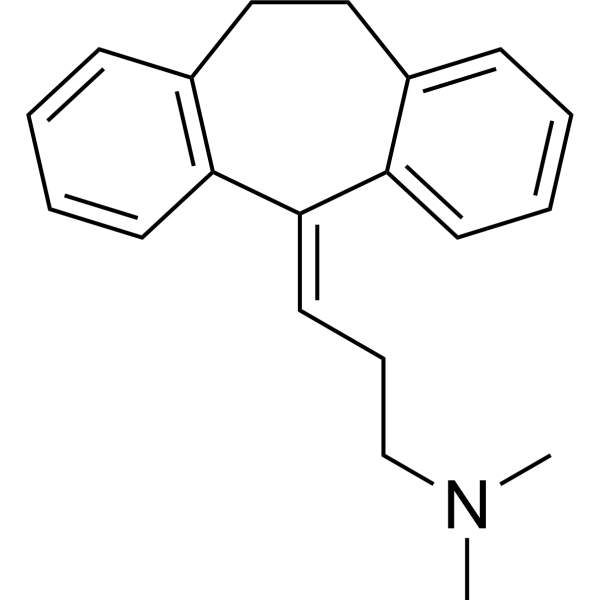
- HY-B0527AS
-
|
|
Isotope-Labeled Compounds
Serotonin Transporter
5-HT Receptor
Histamine Receptor
mAChR
Adrenergic Receptor
Trk Receptor
Sodium Channel
Potassium Channel
Dopamine Transporter
Apoptosis
|
Neurological Disease
Inflammation/Immunology
Endocrinology
|
|
Amitriptyline-d6 hydrochloride is the deuterium labeled Amitriptyline hydrochloride (HY-B0527A). Amitriptyline hydrochloride is an orally active tricyclic antidepressant (TCA). Amitriptyline hydrochloride mainly exerts its antidepressant effect by blocking SERT (Ki = 3.45 nM) and NET (Ki = 13.3 nM), thereby increasing the concentrations of 5-hydroxytryptamine (5-HT) and norepinephrine (NE) in the synaptic cleft. Amitriptyline hydrochloride is also an agonist at α2A and TrkA/TrkB receptors, thereby exerting analgesic and neurotrophic activities (inhibiting cell apoptosis). Amitriptyline hydrochloride can reduce inflammation, angiogenesis and fibrosis. Amitriptyline hydrochloride binds to DAT (with Ki = 2.58 μM). Amitriptyline hydrochloride has high affinity for a series of receptors and can antagonize muscarinic cholinergic receptors (M1/M2/M3/M4/M5 receptors) (Ki = 11-24 nM), H1 receptors (Ki = 0.5-1.1 nM), adrenergic α1 receptors (Ki = 4.4 nM), etc., resulting in a series of side effects. Amitriptyline hydrochloride can block sodium channels and hERG potassium channel (IC50 = 4.78 μM) and it has cardiotoxicity.
|
-
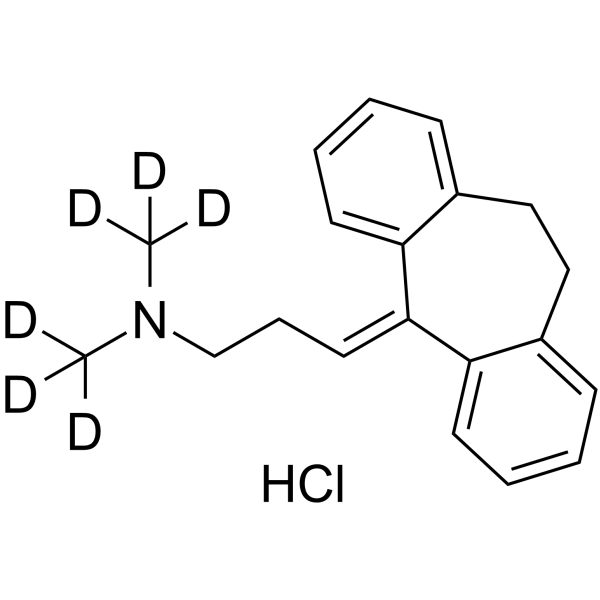
- HY-B0527AR
-
|
|
Reference Standards
Serotonin Transporter
5-HT Receptor
Histamine Receptor
mAChR
Adrenergic Receptor
Trk Receptor
Sodium Channel
Potassium Channel
Dopamine Transporter
Apoptosis
|
Neurological Disease
Inflammation/Immunology
Endocrinology
|
|
Amitriptyline hydrochloride (Standard) is the analytical standard of Amitriptyline hydrochloride (HY-B0527A). This product is intended for research and analytical applications. Amitriptyline hydrochloride is an orally active tricyclic antidepressant (TCA). Amitriptyline hydrochloride mainly exerts its antidepressant effect by blocking SERT (Ki = 3.45 nM) and NET (Ki = 13.3 nM), thereby increasing the concentrations of 5-hydroxytryptamine (5-HT) and norepinephrine (NE) in the synaptic cleft. Amitriptyline hydrochloride is also an agonist at α2A and TrkA/TrkB receptors, thereby exerting analgesic and neurotrophic activities (inhibiting cell apoptosis). Amitriptyline hydrochloride can reduce inflammation, angiogenesis and fibrosis. Amitriptyline hydrochloride binds to DAT (with Ki = 2.58 μM). Amitriptyline hydrochloride has high affinity for a series of receptors and can antagonize muscarinic cholinergic receptors (M1/M2/M3/M4/M5 receptors) (Ki = 11-24 nM), H1 receptors (Ki = 0.5-1.1 nM), adrenergic α1 receptors (Ki = 4.4 nM), etc., resulting in a series of side effects. Amitriptyline hydrochloride can block sodium channels and hERG potassium channel (IC50 = 4.78 μM) and it has cardiotoxicity.
|
-
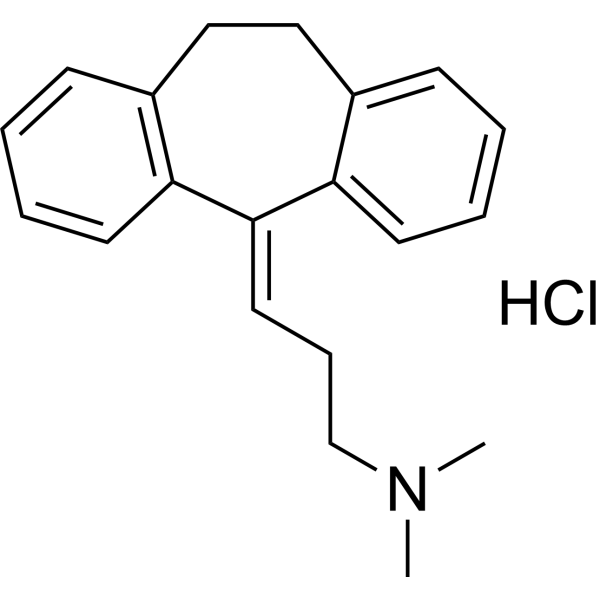
| Cat. No. |
Product Name |
Target |
Research Area |
-
- HY-P4641
-
|
Trp-Phe
|
Angiotensin-converting Enzyme (ACE)
Endothelin Receptor
|
Cardiovascular Disease
|
|
H-Trp-Phe-OH (Trp-Phe) is an ACE inhibitor and endothelial function regulator, with an ACE IC50 of 0.318 mg/mL. H-Trp-Phe-OH increases nitric oxide concentration, reduces endothelin-1 (ET-1) levels, and reverses norepinephrine-mediated endothelial cell dysfunction. H-Trp-Phe-OH exhibits antihypertensive activity. H-Trp-Phe-OH can be used in studies related to hypertension and atherosclerosis .
|
-
- HY-P11313
-
|
Rat chromogranin A367–387
|
nAChR
Akt
|
Cardiovascular Disease
|
|
Catestatin (rat) (Rat chromogranin A367–387) is a potent, reversible, noncompetitive, and noncooperative nicotinic cholinergic antagonist derived from chromogranin A (A367-387). Catestatin (rat) inhibits norepinephrine release in rat PC12 pheochromocytoma cells (IC50 = 1.2 μM), and blocks desensitization of norepinephrine release (IC50 = 0.62 μM). Catestatin (rat) exerts antiadrenergic effects through the endothelial PI3K-AKT-eNOS pathway in rat papillary muscles and isolated cardiomyocytes. Catestatin (rat) maintains mitochondrial membrane potential in I/R cardiomyocytes and increases phosphorylation of AKT at S473, GSK3β at S9, PLB at T17, and eNOS at S1179. Catestatin (rat) reverses desensitization of 22Na + uptake. Catestatin (rat) can be used for the study of nicotinic cholinergic receptor regulation and catecholamine release control mechanisms .
|
-
- HY-16525
-
|
|
Monoamine Transporter
Adrenergic Receptor
|
Neurological Disease
|
|
XEN-2174 is a noradrenaline transporter (NET) inhibitor. XEN-2174 inhibits the reuptake of noradrenaline through non-competitive inhibition, increasing the concentration of noradrenaline in the synaptic cleft, thereby activating α2-adrenergic receptor at the spinal level and exerting analgesic effects. XEN-2174 exhibits long-lasting analgesic effects in models of neuropathic pain and postoperative pain in rats. XEN-2174 can be used in pain research .
|
| Cat. No. |
Product Name |
Category |
Target |
Chemical Structure |
-
- HY-14258
-
Escitalopram
Maximum Cited Publications
11 Publications Verification
(S)-Citalopram; (S)-(+)-Citalopram
|
Natural Products
Endogenous metabolite
Source Classification
|
Serotonin Transporter
|
|
Escitalopram ((S)-Citalopram), the S-enantiomer of racemic Citalopram, is a selective serotonin reuptake inhibitor (SSRI) with a Ki of 0.89 nM. Escitalopram has ∼30 fold higher binding affinity than its R(-)-enantiomer and shows selectivity over both dopamine transporter (DAT) and norepinephrine transporter (NET). Escitalopram is an antidepressant for the research of major depression .
|
-
-
- HY-N0740
-
-
-
- HY-W017113
-
|
|
Structural Classification
Natural Products
Classification of Application Fields
Metabolic Disease
Endogenous metabolite
Disease Research Fields
Source Classification
|
Environmental Pollutants
Endogenous Metabolite
|
|
2-Mercaptobenzothiazole is an activator of the aryl hydrocarbon receptor (AhR) , inhibiting thyroid hormone synthesis and dopamine beta-hydroxylase activity . 2-Mercaptobenzothiazole promotes bladder cancer cell invasion by altering the conformation of the AhR ligand binding domain (LBD), activating AhR transcription, and upregulating the mRNA and protein expression of target genes CYP1A1 and CYP1B1 . 2-Mercaptobenzothiazole inhibits thyroid peroxidase (TPO) with an IC50 value of 11.5 μM, induces histological changes such as follicular cell hypertrophy in Xenopus laevis tadpoles, delaying metamorphosis . 2-Mercaptobenzothiazole increases chromosomal aberrations and sister chromatid exchanges (SCEs) in Chinese hamster ovary (CHO) cells, and enhances carcinogenicity in F344/N rats . 2-Mercaptobenzothiazole inhibits norepinephrine synthesis in mice and completely blocks the conversion of exogenous dopamine to norepinephrine in rat cardiomyocytes .
|
-
-
- HY-128483
-
|
|
Infection
Microorganisms
Classification of Application Fields
Ketones, Aldehydes, Acids
Disease Research Fields
Source Classification
|
TGF-beta/Smad
PI3K
NF-κB
Akt
Apoptosis
Dopamine β-hydroxylase
mTOR
Adrenergic Receptor
|
|
Fusaric acid is an orally active multi-pathway inhibitor with the activity of inducing oxidative stress and apoptosis. Fusaric acid can chelate divalent metal cations, damage mitochondrial membrane structure, and activate apoptosis-related proteases such as Caspase-3/7, -8, and -9. Fusaric acid also regulates Bax/Bcl-2 protein, inhibits fibrosis-related signaling pathways such as NF-κB, TGF-β1/SMADs, and PI3K/AKT/mTOR, and reduces collagen deposition. Fusaric acid is also a dopamine β-hydroxylase inhibitor, which reduces endogenous levels of norepinephrine and epinephrine in the brain, heart, spleen, and adrenal glands. Fusaric acid can play a role in myocardial fibrosis and improve cardiac hypertrophy in heart disease, and can also be used in the study of esophageal cancer and liver cancer .
|
-
-
- HY-N0126
-
-
-
- HY-N0749
-
-
-
- HY-N0749A
-
-
-
- HY-N7506
-
|
Delta3,2-Hydroxylbakuchiol
|
Structural Classification
Monophenols
Leguminosae
Phenols
Psoralea corylifolia L.
Plants
Source Classification
|
Monoamine Transporter
Dopamine Transporter
|
|
13-Hydroxyisobakuchiol (Delta3,2-Hydroxylbakuchiol), an analog of Bakuchiol (HY-N0235) that can be isolated from Psoralea corylifolia (L.), is a potent selective monoamine transporter inhibitor. 13-Hydroxyisobakuchiol is more selective for the dopamine transporter (DAT) (IC50 = 0.58 μM) and norepinephrine transporter (NET) (IC50 = 0.69 μM) than for the serotonin transporter (SERT) (IC50 = 312.02 μM). 13-Hydroxyisobakuchiol increases the activity of intact mice and improves the decreased activity of reserpinized mice in vivo. 13-Hydroxyisobakuchiol can be used for the research of disorders such as Parkinson's disease and depression .
|
-
-
- HY-N3198A
-
-
-
- HY-N15737
-
-
-
- HY-N0126R
-
-
-
- HY-N0913R
-
|
|
Structural Classification
Polysaccharides
Microorganisms
other families
Plants
Saccharides
Source Classification
|
Reference Standards
Antifolate
Thymidylate Synthase
|
|
Wy-45494 (hydrochloride) (Standard) is the analytical standard of Wy-45494 (hydrochloride). This product is intended for research and analytical applications. Wy-45494 hydrochloride (N-Desmethyl Venlafaxine hydrochloride; Wy 45494) is a minor active metabolite of the selective norepinephrine and serotonin reuptake inhibitor (SNRI) venlafaxine. It is formed from venlafaxine via the cytochrome P450 (CYP) isomer CYP3A4.2. Wy-45494 hydrochloride inhibits norepinephrine and serotonin reuptake in rat synaptosomal preparations (IC50s of 4.7 and 1.6 μM, respectively). In vivo, Wy-45494 hydrochloride reversed reserpine-induced hypothermia in mice at a minimum effective dose (MED) of 10 mg/kg.
|
-
-
- HY-14258R
-
|
(S)-Citalopram (Standard); (S)-(+)-Citalopram (Standard)
|
Structural Classification
Natural Products
Endogenous metabolite
Source Classification
|
Serotonin Transporter
Reference Standards
|
|
Escitalopram (Standard) is the analytical standard of Escitalopram. This product is intended for research and analytical applications. Escitalopram ((S)-Citalopram), the S-enantiomer of racemic Citalopram, is a selective serotonin reuptake inhibitor (SSRI) with a Ki of 0.89 nM. Escitalopram has ~30 fold higher binding affinity than its R(-)-enantiomer and shows selectivity over both dopamine transporter (DAT) and norepinephrine transporter (NET). Escitalopram is an antidepressant for the research of major depression .
|
-
-
- HY-N15735
-
|
2-Caffeoylpiscidic acid
|
Ranunculaceae
Phenols
Polyphenols
Plants
Cimicifuga racemosa (L.) Nutt.
Source Classification
|
Calcium Channel
|
|
Cimicifugic acid D (2-Caffeoylpiscidic acid) is a benzyltartaric acid ester that induces vasodilation of precontracted rat aortic strips and endothelium-independent relaxation mechanism. Cimicifugic acid D inhibits extracellular Ca 2+ influx through receptor-operated Ca 2+ channels (ROC) in Norepinephrine (HY-13715)-induced contraction of rat aortic strips, without affecting voltage-dependent Ca 2+ channels (VDC) or K +-induced contractions .
|
-
-
- HY-N0740R
-
-
-
- HY-N2426R
-
|
|
Clerodendrum trichotomum Thunb.
Flavonoids
Verbenaceae
Plants
Isoflavones
|
Reference Standards
Interleukin Related
|
|
Desvenlafaxine (Standard) is the analytical standard of Desvenlafaxine. This product is intended for research and analytical applications. Desvenlafaxine, the succinate salt form of the isolated major active metabolite of Venlafaxine (HY-B0196), is an orally active and BBB penetrated 5-HT and norepinephrine reuptake inhibitor, with IC50 values of 47.3 nM and 531.3 nM for hSERT and hNET, respectively. Desvenlafaxine shows weak binding affinity (62% inhibition at 100 μM) at the human dopamine (DA) transporter .
|
-
-
- HY-128483R
-
|
|
Structural Classification
Microorganisms
Ketones, Aldehydes, Acids
Source Classification
|
TGF-beta/Smad
PI3K
NF-κB
Akt
Apoptosis
Dopamine β-hydroxylase
mTOR
Adrenergic Receptor
Reference Standards
|
|
Fusaric acid (Standard) is the analytical standard of Fusaric acid (HY-128483). This product is intended for research and analytical applications. Fusaric acid is an orally active multi-pathway inhibitor with the activity of inducing oxidative stress and apoptosis. Fusaric acid can chelate divalent metal cations, damage mitochondrial membrane structure, and activate apoptosis-related proteases such as Caspase-3/7, -8, and -9. Fusaric acid also regulates Bax/Bcl-2 protein, inhibits fibrosis-related signaling pathways such as NF-κB, TGF-β1/SMADs, and PI3K/AKT/mTOR, and reduces collagen deposition. Fusaric acid is also a dopamine β-hydroxylase inhibitor, which reduces endogenous levels of norepinephrine and epinephrine in the brain, heart, spleen, and adrenal glands. Fusaric acid can play a role in myocardial fibrosis and improve cardiac hypertrophy in heart disease, and can also be used in the study of esophageal cancer and liver cancer .
|
-
-
- HY-N9628
-
-
-
- HY-N16748
-
-
| Cat. No. |
Product Name |
Chemical Structure |
-
- HY-B0196AS1
-
|
|
|
Venlafaxine-d6 (hydrochloride) is the deuterium labeled Venlafaxine hydrochloride. Venlafaxine hydrochloride (Wy 45030 hydrochloride) is an orally active, potent serotonin (5-HT)/norepinephrine (NE) reuptake dual inhibitor. Venlafaxine is an antidepressant .
|
-
-
- HY-12766S
-
|
|
|
Bupropion morpholinol-d6 is the deuterated form of Bupropion morpholinol. Bupropion morpholinol is a major metabolite of Bupropion. Bupropion morpholinol inhibits Dopamine, Norepinephrine transporters and the α4β2 nicotinic receptor in vitro. Bupropion morpholinol contributes to antidepressant and smoking cessation activities .
|
-
-
- HY-B0196S
-
|
|
|
Venlafaxine-d6 is the deuterium labeled Venlafaxine. Venlafaxine (Wy 45030) is an orally active, potent serotonin (5-HT)/norepinephrine (NE) reuptake dual inhibitor. Venlafaxine is an antidepressant .
|
-
-
- HY-B0161S
-
|
|
|
Duloxetine-d7 ((S)-Duloxetine-d7) is the deuterium labeled Duloxetine. Duloxetine is a serotonin-norepinephrine reuptake inhibitor with a Ki of 4.6 nM, used for treatment of major depressive disorder and generalized anxiety disorder (GAD) .
|
-
-
- HY-B0527AS
-
|
|
|
Amitriptyline-d6 hydrochloride is the deuterium labeled Amitriptyline hydrochloride (HY-B0527A). Amitriptyline hydrochloride is an orally active tricyclic antidepressant (TCA). Amitriptyline hydrochloride mainly exerts its antidepressant effect by blocking SERT (Ki = 3.45 nM) and NET (Ki = 13.3 nM), thereby increasing the concentrations of 5-hydroxytryptamine (5-HT) and norepinephrine (NE) in the synaptic cleft. Amitriptyline hydrochloride is also an agonist at α2A and TrkA/TrkB receptors, thereby exerting analgesic and neurotrophic activities (inhibiting cell apoptosis). Amitriptyline hydrochloride can reduce inflammation, angiogenesis and fibrosis. Amitriptyline hydrochloride binds to DAT (with Ki = 2.58 μM). Amitriptyline hydrochloride has high affinity for a series of receptors and can antagonize muscarinic cholinergic receptors (M1/M2/M3/M4/M5 receptors) (Ki = 11-24 nM), H1 receptors (Ki = 0.5-1.1 nM), adrenergic α1 receptors (Ki = 4.4 nM), etc., resulting in a series of side effects. Amitriptyline hydrochloride can block sodium channels and hERG potassium channel (IC50 = 4.78 μM) and it has cardiotoxicity.
|
-
-
- HY-14258AS
-
|
|
|
Escitalopram-d6 (oxalate) is the deuterium labeled Escitalopram oxalate. Escitalopram ((S)-Citalopram) oxalate, the S-enantiomer of racemic Citalopram, is a selective serotonin reuptake inhibitor (SSRI) with a Ki of 0.89 nM. Escitalopram oxalate has ~30 fold higher binding affinity than its R(-)-enantiomer and shows selectivity over both dopamine transporter (DAT) and norepinephrine transporter (NET). Escitalopram oxalate is an antidepressant for the research of major depression .
|
-
-
- HY-B1018AS
-
|
|
|
Phenelzine-d5 sulfate is the deuterium labeled Phenelzine sulfate (HY-B1018A). Phenelzine sulfate, an antidepressant agent, is an irreversible and orally active monoamine oxidase (MAO-A and MAO-B) inhibitor. Phenelzine sulfate inhibits GABA transaminase and primary amine oxidase (PrAO), and sequester reactive aldehydes. Phenelzine sulfate also inhibits LSD1 (Ki: 5.6 μM) and suppresses oxidative stress and lipogenesis. Phenelzine sulfate elevates neurotransmitters (serotonin, norepinephrine, dopamine). Phenelzine sulfate is studied in neurological, metabolic and cancer diseases for depression and anxiety disorders, stroke, spinal cord injury, traumatic brain injury, multiple sclerosis, Parkinson’s disease, Alzheimer’s disease, inflammatory pain, obesity and prostate cancer .
|
-
-
- HY-B0196AS
-
|
|
|
Venlafaxine-d10 (hydrochloride) is the deuterium labeled Venlafaxine hydrochloride. Venlafaxine (Wy 45030) hydrochloride is an orally active, potent serotonin (5-HT)/norepinephrine (NE) reuptake dual inhibitor. Venlafaxine is an antidepressant .
|
-
-
- HY-B0168S
-
|
|
|
Milnacipran-d10 (hydrochloride) is the deuterium labeled Milnacipran hydrochloride (HY-B0168A). Milnacipran hydrochloride is an orally active Serotonin (HY-B1473A) and Norepinephrine (HY-13715) reuptake inhibitor. Milnacipran hydrochloride inhibits monoamine transporters, especially the norepinephrine transporter and the serotonin transporter (Ki values of 31 and 8.5 nM, respectively). Milnacipran hydrochloride inhibits pERK1/2 activation. Milnacipran hydrochloride has antidepressant, anxiolytic and analgesic properties. Milnacipran hydrochloride inhibits biting behavior in mice. Milnacipran hydrochloride can be used in the study of major depressive disorder, anxiety disorders, and neuropathic pain (e.g., fibromyalgia) .
|
-
-
- HY-B0602S2
-
|
|
|
Desvenlafaxine-d6 is deuterium labeled Desvenlafaxine. Desvenlafaxine, the succinate salt form of the isolated major active metabolite of Venlafaxine (HY-B0196), is an orally active and BBB penetrated 5-HT and norepinephrine reuptake inhibitor, with IC50 values of 47.3 nM and 531.3 nM for hSERT and hNET, respectively. Desvenlafaxine shows weak binding affinity (62% inhibition at 100 μM) at the human dopamine (DA) transporter .
|
-
-
- HY-14258AS1
-
|
|
|
Escitalopram-d4 (oxalate) is deuterium labeled Escitalopram (oxalate). Escitalopram ((S)-Citalopram) oxalate, the S-enantiomer of racemic Citalopram, is a selective serotonin reuptake inhibitor (SSRI) with a Ki of 0.89 nM. Escitalopram oxalate has ~30 fold higher binding affinity than its R(-)-enantiomer and shows selectivity over both dopamine transporter (DAT) and norepinephrine transporter (NET). Escitalopram oxalate is an antidepressant for the research of major depression .
|
-
-
- HY-B0196S1
-
|
|
|
Venlafaxine-d6-1 is deuterium labeled Venlafaxine. Venlafaxine (Wy 45030) is an orally active, potent serotonin (5-HT)/norepinephrine (NE) reuptake dual inhibitor. Venlafaxine is an antidepressant .
|
-
-
- HY-B0161AS
-
|
|
|
Duloxetine-d3 (hydrochloride) is a deuterium labeled Duloxetine hydrochloride. Duloxetine hydrochloride is a serotonin-norepinephrine reuptake inhibitor (SNRI) with a Ki of 4.6 nM, used for treatment of major depressive disorder and generalized anxiety disorder (GAD) .
|
-
-
- HY-B0168AS
-
|
|
|
Milnacipran-d5 hydrochloride is deuterium labeled Milnacipran hydrochloride (HY-B0168A). Milnacipran hydrochloride is an orally active Serotonin (HY-B1473A) and Norepinephrine (HY-13715) reuptake inhibitor. Milnacipran hydrochloride inhibits monoamine transporters, especially the norepinephrine transporter and the serotonin transporter (Ki values of 31 and 8.5 nM, respectively). Milnacipran hydrochloride inhibits pERK1/2 activation. Milnacipran hydrochloride has antidepressant, anxiolytic and analgesic properties. Milnacipran hydrochloride inhibits biting behavior in mice. Milnacipran hydrochloride can be used in the study of major depressive disorder, anxiety disorders, and neuropathic pain (e.g., fibromyalgia) .
|
-
-
- HY-B0161ES
-
|
|
|
(±)-Duloxetine-d3 (hydrochloride) is deuterium labeled (±)-Duloxetine (hydrochloride). (±)-Duloxetine ((Rac)-Duloxetine) hydrochloride is the racemate of Duloxetine hydrochloride. Duloxetine hydrochloride, a serotonin-norepinephrine reuptake inhibitor, can be used for diabetic neuropathic pain and fibromyalgia as well as major depressive disorder research .
|
-
-
- HY-122272S2
-
|
|
|
Paroxetine-d6-1 is a deuterated labeled Paroxetine . Paroxetine, a phenylpiperidine derivative, is a potent and selective serotonin reuptake inhibitor (SSRI). Paroxetine is a very weak inhibitor of norepinephrine (NE) uptake but it is still more potent at this site than the other SSRIs .
|
-
-
- HY-B0196S3
-
|
|
|
Venlafaxine-d10 (Wy 45030-d10) is deuterium labeled Venlafaxine. Venlafaxine (Wy 45030) is an orally active, potent serotonin (5-HT)/norepinephrine (NE) reuptake dual inhibitor. Venlafaxine is an antidepressant .
|
-
-
- HY-B0196S2
-
|
|
|
Venlafaxine-d4 (Wy 45030-d4) is deuterium labeled Venlafaxine. Venlafaxine (Wy 45030) is an orally active, potent serotonin (5-HT)/norepinephrine (NE) reuptake dual inhibitor. Venlafaxine is an antidepressant .
|
-
-
- HY-B0161S3
-
|
|
|
Duloxetine-d5 (oxalate) ((S)-Duloxetine-d5 (oxalate)) is deuterium labeled Duloxetine. Duloxetine is a serotonin-norepinephrine reuptake inhibitor with a Ki of 4.6 nM, used for treatment of major depressive disorder and generalized anxiety disorder (GAD) .
|
-
-
- HY-B0602S1
-
|
|
|
(S)-(+)-O-Desmethyl Venlafaxine-d6 is the deuterium labeled (S)-(+)-O-Desmethyl Venlafaxine. O-Desmethyl Venlafaxine is an active metabolite of Venlafaxine . Venlafaxine (HY-B0196) is an antidepressant of the serotonin-norepinephrine reuptake inhibitor (SNRI) class .
|
-
-
- HY-B0602S
-
|
|
|
(R)-(-)-O-Desmethyl Venlafaxine-d6 is the deuterium labeled (R)-(-)-O-Desmethyl Venlafaxine. O-Desmethyl Venlafaxine is an active metabolite of Venlafaxine . Venlafaxine (HY-B0196) is an antidepressant of the serotonin-norepinephrine reuptake inhibitor (SNRI) class .
|
-
-
- HY-108256S
-
|
|
|
Melitracen-d6 (hydrochloride) is the deuterium labeled Melitracen hydrochloride. Melitracen hydrochloride is an orally active biphasic antidepressant and antianxiety agent. Melitracen hydrochloride can inhibit the uptake of Norepinephrine and 5-HT (serotonin) through the presynaptic membrane inducing the increase of monoamine transmitters in synaptic space .
|
-
-
- HY-B0196S4
-
|
|
|
Venlafaxine-d9 (Wy 45030-d9) is a deuterium labeled Venlafaxine (HY-B0196). Venlafaxine (Wy 45030) is an orally active, potent serotonin (5-HT)/norepinephrine (NE) reuptake dual inhibitor. Venlafaxine is an antidepressant .
|
-
-
- HY-B1272AS
-
|
|
|
Desipramine-d4 is the deuterium labeled Desipramine (HY-B1272A). Desipramine is a first-generation tricyclic antidepressant. Desipramine selectively binds to norepinephrine transporter and blocks neuronal norepinephrine reuptake. Desipramine activates MAPK signaling via ERK1/2, JNK, and p38, represses NF-κB and AP-1 activity, and induces apoptosis via ROS elevation, mitochondrial membrane potential reduction, and intracellular calcium increase. Desipramine also shows anyi-inflammatory activity, inhibiting TNF-α production. Desipramine can be used for the research of hepatocellular cancer, inflammation, and neurological diseases .
|
-
-
- HY-B1272AS1
-
|
|
|
Desipramine-d3 is the deuterium labeled Desipramine (HY-B1272A). Desipramine is a first-generation tricyclic antidepressant. Desipramine selectively binds to norepinephrine transporter and blocks neuronal norepinephrine reuptake. Desipramine activates MAPK signaling via ERK1/2, JNK, and p38, represses NF-κB and AP-1 activity, and induces apoptosis via ROS elevation, mitochondrial membrane potential reduction, and intracellular calcium increase. Desipramine also shows anyi-inflammatory activity, inhibiting TNF-α production. Desipramine can be used for the research of hepatocellular cancer, inflammation, and neurological diseases .
|
-
-
- HY-B0161AS1
-
|
|
|
Duloxetine-d7 hydrochloride ((S)-Duloxetine-d7 hydrochloride) is the deuterium labeled Duloxetine hydrochloride (HY-B0161A). Duloxetine hydrochloride ((S)-Duloxetine hydrochloride) is a serotonin-norepinephrine reuptake inhibitor (SNRI) with a Ki of 4.6 nM, used for treatment of major depressive disorder and generalized anxiety disorder (GAD) .
|
-
-
- HY-14794AS
-
|
|
|
Levomilnacipran-d10 ((1S,2R)-Milnacipran-d10) hydrochloride is deuterium labeled Levomilnacipran hydrochloride (HY-B0168B). Levomilnacipran ((1S,2R)-Milnacipran) hydrochloride is the enantiomer of Milnacipran (HY-B0168) and a strong substrate of P-gp that can cross the blood-brain barrier. Levomilnacipran hydrochloride is a serotonin and norepinephrine reuptake inhibitor, with IC50 values of 10.5 nM and 19.0 nM, and Ki values of 92.2 nM and 1.2 nM for human norepinephrine transporter (NET) and serotonin transporter (SERT), respectively. Levomilnacipran hydrochloride has antidepressant and anxiolytic activities. Levomilnacipran hydrochloride can be used for the research of depression .
|
-
-
- HY-B0168BS
-
|
|
|
Levomilnacipran-d5 ((1S,2R)-Milnacipran-d5) hydrochloride is deuterium labeled Levomilnacipran hydrochloride (HY-B0168B). Levomilnacipran ((1S,2R)-Milnacipran) hydrochloride is the enantiomer of Milnacipran (HY-B0168) and a strong substrate of P-gp that can cross the blood-brain barrier. Levomilnacipran hydrochloride is a serotonin and norepinephrine reuptake inhibitor, with IC50 values of 10.5 nM and 19.0 nM, and Ki values of 92.2 nM and 1.2 nM for human norepinephrine transporter (NET) and serotonin transporter (SERT), respectively. Levomilnacipran hydrochloride has antidepressant and anxiolytic activities. Levomilnacipran hydrochloride can be used for the research of depression .
|
-
-
- HY-W700149
-
|
|
|
N,O-Didesmethylvenlafaxine-d3 is the deuterium labeled N,O-Didesmethylvenlafaxine (HY-138818). N,O-Didesmethylvenlafaxine (NODVFX) is a metabolite of Venlafaxine (VFX; HY-B0196). Venlafaxine (Wy 45030) is an orally active, potent serotonin (5-HT)/norepinephrine (NE) reuptake dual inhibitor .
|
-
-
- HY-B0602S3
-
|
|
|
Desvenlafaxine-d10 is deuterium labeled Desvenlafaxine. Desvenlafaxine, the succinate salt form of the isolated major active metabolite of Venlafaxine (HY-B0196), is an orally active and BBB penetrated 5-HT and norepinephrine reuptake inhibitor, with IC50 values of 47.3 nM and 531.3 nM for hSERT and hNET, respectively. Desvenlafaxine shows weak binding affinity (62% inhibition at 100 μM) at the human dopamine (DA) transporter .
|
-
-
- HY-111124
-
|
|
|
Paroxetine-d2 (CTP 347) is a deuterium labeled Paroxetine (HY-122272). Paroxetine is an oral inhibitor that falls under the category of selective serotonin reuptake inhibitors (SSRIs). Paroxetine is also a very weak norepinephrine (NE) reuptake inhibitor, capable of inducing cell apoptosis and having anti-tumor activity. Paroxetine has antidepressant, anti-anxiety, and pain-relieving effects, and it can help improve conditions like obsessive-compulsive disorder, panic disorder, post-traumatic stress disorder, premenstrual anxiety, and chronic headaches .
|
-
-
- HY-B1110S
-
|
|
|
Nomifensine-d3 ((±)-Nomifensine-d3) maleate is the deuterium labeled Nomifensine maleate (HY-B1110A). Nomifensine ((±)-Nomifensine) maleate is a potent norepinephrine (NE) and dopamine (DA) reuptake inhibitor. Nomifensine maleate inhibits uptake of NE, DA and 5-HT in rat brain synaptosomes, with IC50 values of 6.6 nM, 48 nM and 830 nM, and Ki values of 4.7 nM, 26 nM and 4000 nM, respectively. Nomifensine maleate has antidepressant and analgesic effects. Nomifensine maleate is used in neurodegenerative diseases, compound addiction, and pain research .
|
-
-
- HY-122272S
-
|
|
|
Paroxetine-d4 (BRL29060-d4) is deuterium labeled Paroxetine. Paroxetine is an oral inhibitor that falls under the category of selective serotonin reuptake inhibitors (SSRIs). Paroxetine is also a very weak norepinephrine (NE) reuptake inhibitor, capable of inducing cell apoptosis and having anti-tumor activity. Paroxetine has antidepressant, anti-anxiety, and pain-relieving effects, and it can help improve conditions like obsessive-compulsive disorder, panic disorder, post-traumatic stress disorder, premenstrual anxiety, and chronic headaches .
|
-
-
- HY-107370S
-
|
|
|
Atomoxetine-d7 (Tomoxetine-d7) is deuterium labeled Atomoxetine. Atomoxetine (Tomoxetine) is a selective noradrenaline reuptake inhibitor with Ki values of 5, 77 and 1451 nM for norepinephrine (NE), serotonin (5-HT) and dopamine (DA) transporters, respectively. Atomoxetine (Tomoxetine) increases of DAEX and NEEX in the PFC and enhances catecholaminergic neurotransmission. Atomoxetine (Tomoxetine) is a potent Na + channels (VGSCs) blocker. Atomoxetine (Tomoxetine) can be used for attention-deficit hyperactivity disorder (ADHD) research .
|
-
-
- HY-107370S1
-
|
|
|
Atomoxetine-d5 (Tomoxetine-d5) is deuterium labeled Atomoxetine. Atomoxetine (Tomoxetine) is a selective noradrenaline reuptake inhibitor with Ki values of 5, 77 and 1451 nM for norepinephrine (NE), serotonin (5-HT) and dopamine (DA) transporters, respectively. Atomoxetine (Tomoxetine) increases of DAEX and NEEX in the PFC and enhances catecholaminergic neurotransmission. Atomoxetine (Tomoxetine) is a potent Na + channels (VGSCs) blocker. Atomoxetine (Tomoxetine) can be used for attention-deficit hyperactivity disorder (ADHD) research .
|
-
-
- HY-18610S
-
|
|
|
Diclofensine-d3 (Ro-8-4650-d3) hydrochloride is the deuterium labeled Diclofensine hydrochloride. Diclofensine hydrochloride is an orally active neuronal monoamine uptake inhibitor. Diclofensine hydrochloride blocks the uptake of dopamine, noradrenaline, and serotonin by rat brain synaptosomes with IC50 values of 0.74, 2.3 and 3.7 nM, respectively. Diclofensine hydrochloride potentiates norepinephrine-induced hypertension and attenuates Tyramine (HY-W007606)-induced hypertension. Diclofensine hydrochloride produces psychostimulant and mood-elevating effects without causing sudden disappearance or withdrawal reactions. Diclofensine hydrochloride can be used in the research of moderate to severe depression.
|
-
-
- HY-32329S
-
|
|
|
Setiptiline-d3 is the deuterium labeled Setiptiline. Setiptiline (Org-8282) is a serotonin receptor antagonist. Setiptiline is a tetracyclic antidepressant (TeCA) which acts as a noradrenergic and specific serotonergic antidepressant (NaSSA). Setiptiline acts as a norepinephrine reuptake inhibitor, α2-adrenergic receptor antagonist, and serotonin receptor antagonist, likely at the 5-HT2A, 5-HT2C, and/or 5-HT3 subtypes, as well as an H1 receptor inverse agonist/antihistamine .
|
-
-
- HY-17385S1
-
|
|
|
Atomoxetine-d7 hydrochloride (Tomoxetine-d7 hydrochloride) is the deuterium labeled Atomoxetine hydrochloride (HY-17385). Atomoxetine (Tomoxetine) hydrochloride is a selective noradrenaline reuptake inhibitor with Ki values of 5 nM, 77 nM and 1451 nM for norepinephrine (NE), serotonin (5-HT) and dopamine (DA) transporters, respectively. Atomoxetine hydrochloride is a potent Na+ channels (VGSCs) blocker. Atomoxetine hydrochloride can be used for attention-deficit hyperactivity disorder (ADHD) research .
|
-
Your information is safe with us. * Required Fields.
Inquiry Information
- Product Name:
- Cat. No.:
- Quantity:
- MCE Japan Authorized Agent:








