



Paroxetine mesylate
Based on 19 publication(s) in Google Scholar
Paroxetine (BRL29060) mesylate is an orally active and selective serotonin reuptake inhibitor (SSRI) and apoptosis inducer with blood-brain barrier permeability. Paroxetine mesylate inhibits nitric oxide synthase and CYP2D6, induces desensitization of 5-HT1A/1B/1D autoreceptors, downregulates 5-HT2 receptors, and promotes the production of inflammatory cytokines. Paroxetine mesylate is a weak norepinephrine (NE) uptake inhibitor and possesses antitumor activity. Paroxetine mesylate is widely used in research concerning depression, obsessive-compulsive disorder, panic disorder, social phobia, generalized anxiety disorder, post-traumatic stress disorder, premenstrual dysphoric disorder, hot flashes, and related conditions.
For research use only. We do not sell to patients.
- CAS No.: 217797-14-3
- Formula: C20H24FNO6S
- Molecular Weight:425.47
-
Storage:
Please store the product under the recommended conditions in the Certificate of Analysis.


To place orders, for customer services and technical support, please contact: MedChemExpress USA
Tel: 609-228-6898 E-mail: [email protected] [email protected]


-
 Biological Activity
-
Chemical Information
- Protocols
- Purity & Documentation
- References
-
 Help & FAQs


-
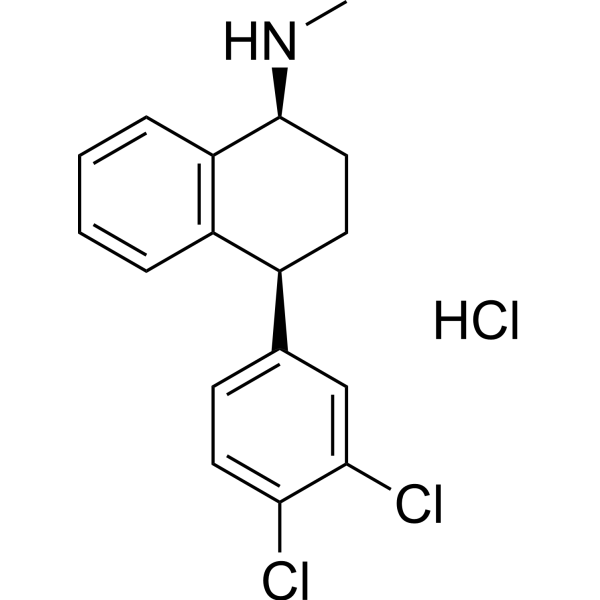
HY-B0176A
Sertraline hydrochlorideSSRI -
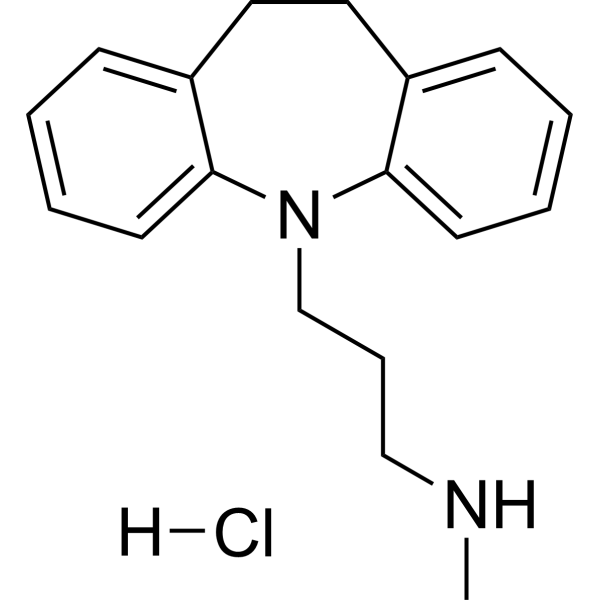
HY-B1272
Desipramine hydrochlorideSerotonin Transporter Inhibitor -
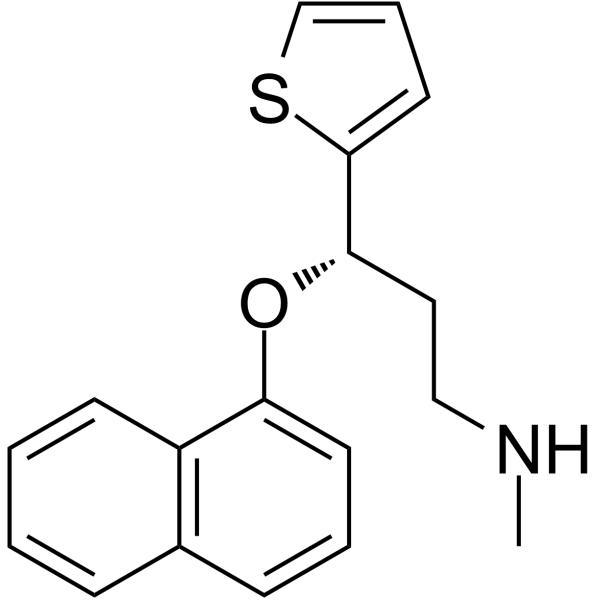
HY-B0161
DuloxetineSerotonin-norepinephrine Reuptake Inhibitor -
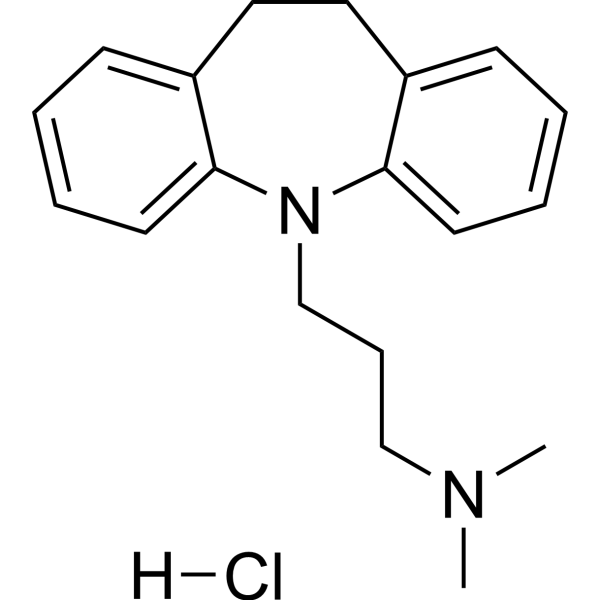
HY-B1490
Imipramine hydrochlorideAntidepressant Agent -
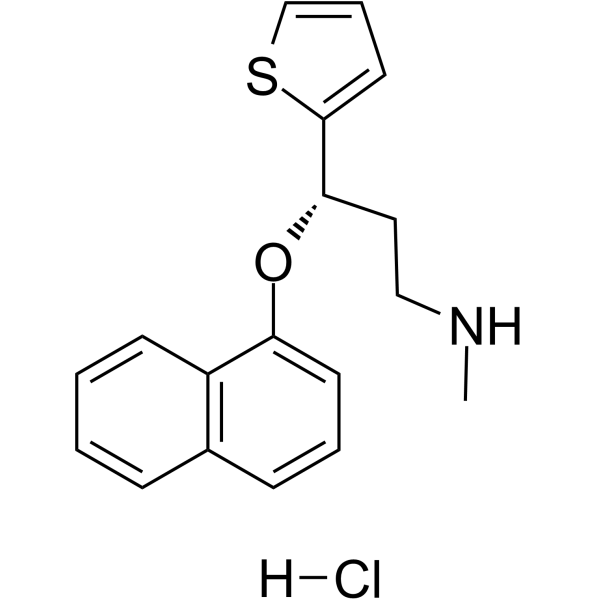
HY-B0161A
Duloxetine hydrochlorideSerotonin-norepinephrine Reuptake Inhibitor -
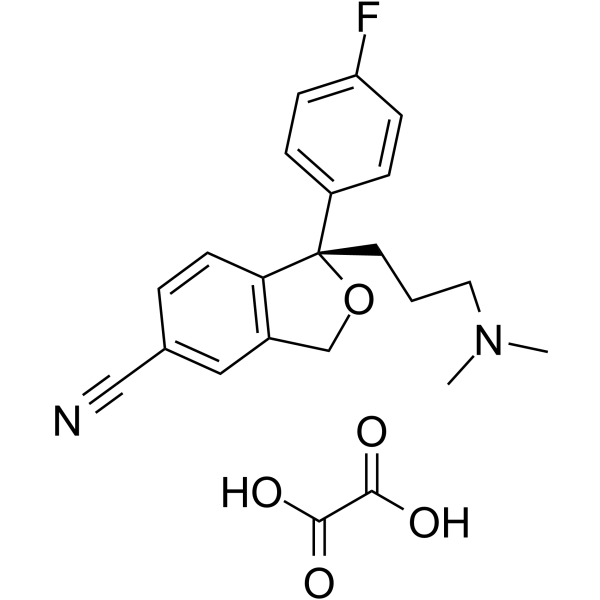
HY-14258A
Escitalopram oxalateSerotonin Reuptake Inhibitor -
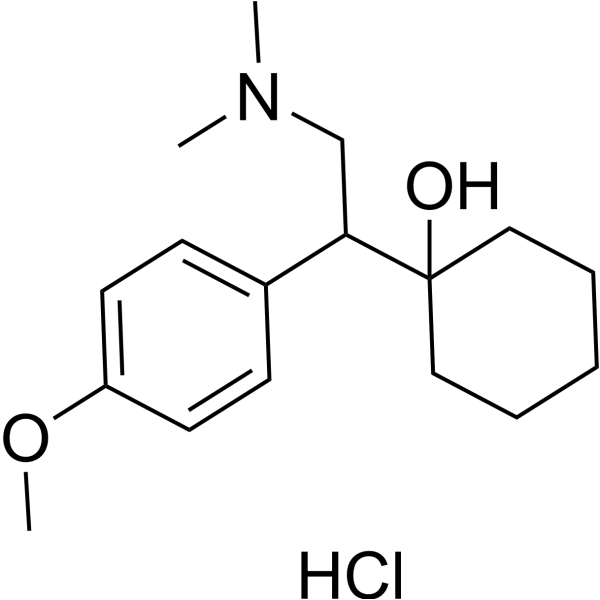
HY-B0196A
Venlafaxine hydrochlorideSerotonin/Norepinephrine Reuptake Inhibitor -
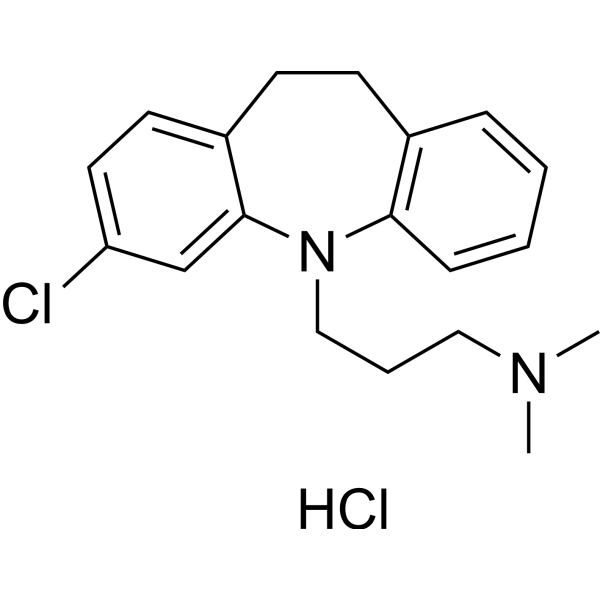
HY-B0457
Clomipramine hydrochloride5-HT Reuptake Inhibitor -
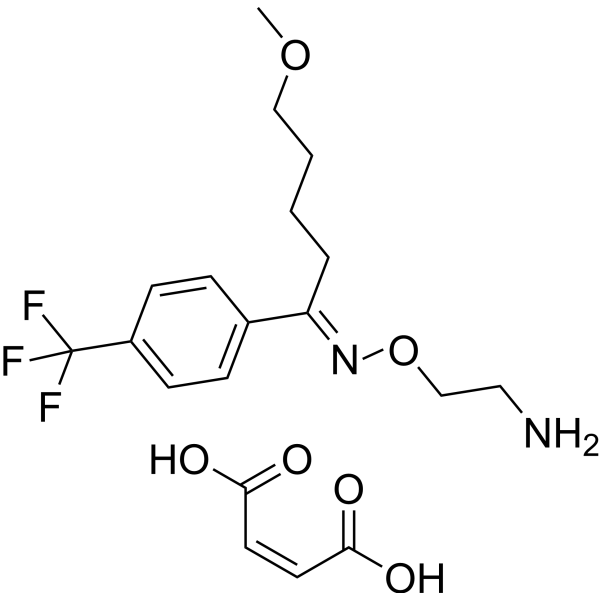
HY-B0103A
Fluvoxamine maleateSerotonin Transporter Inhibitor -
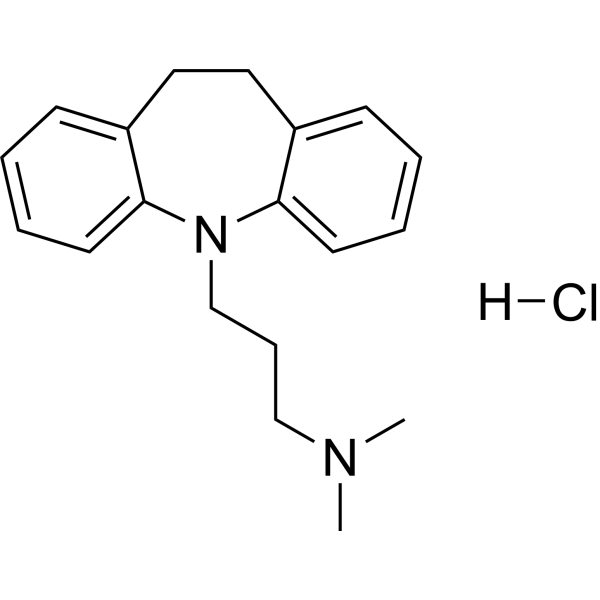
HY-B1490R
Imipramine hydrochloride (Standard)Antidepressant Agent -
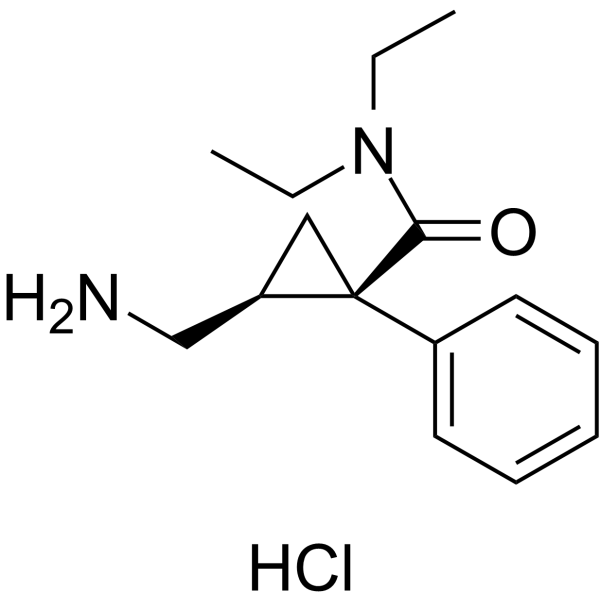
HY-B0168A
Milnacipran hydrochlorideSerotonin and Norepinephrine Reuptake Inhibitor -

HY-B0176AR
Sertraline hydrochloride (Standard)SSRI
Publications Citing Use of MedChemExpress (MCE) Paroxetine mesylate
More- Cell. 2021 Apr 15;184(8):2167-2182.e22. [Abstract]
- Autophagy. 2025 May;21(5):934-956. [Abstract]
- NPJ Digit Med. 2025 Nov 17;8(1):663. [Abstract]
- Cell Rep Med. 2026 Jan 20;7(1):102537. [Abstract]
- Cell Rep. 2025 Apr 2;44(4):115489. [Abstract]
- J Chem Inf Model. 2021 Aug 23;61(8):3804-3813. [Abstract]
- Drug Des Devel Ther. 2026 Jan 27;20:1-16.
- Drug Des Devel Ther. 2026 Jan 27:20:561725. [Abstract]
- Pharmaceuticals (Basel). 2026 Apr 21;19(4):645. [Abstract]
- Int J Mol Sci. 2025 Mar 31;26(7):3236. [Abstract]
- Front Pharmacol. 2024 Jul 31:15:1389761. [Abstract]
- Front Pharmacol. 2022 Jun 22:13:920643. [Abstract]
- ACS Omega. 2025 Oct 17;10(42):50208-50217. [Abstract]
- Sci Rep. 2025 Oct 21;15(1):36797. [Abstract]
- Brain Res. 2019 Oct 1:1720:146296. [Abstract]
- Biochem Biophys Res Commun. 2024 Sep 17:725:150263. [Abstract]
- J Mol Cell Cardiol Plus. 2024 Mar 26:8:100072. [Abstract]
- University of South Carolina. 2025.
- Patent. US20250127769A1.
 Customer Validation & Images

-
Cell Proliferation/Viability Assay
-
Histological Imaging/Staining
-
In Vivo Efficacy Study
-
Bio/Physico-chemical Assay
-
In Vivo Efficacy Study
All 5-HT Receptor Isoforms
More

Biological Activity
Description
IC50 & Target
|
CYP2D6 |
5-HT2 Receptor |
In Vitro
Paroxetine mesylate potently and selectively inhibits serotonin reuptake in rat brain synaptosomes, with a Ki of 1.1 nmol/L, and shows much weaker activity against norepinephrine and dopamine reuptake[1].
Paroxetine mesylate has no significant affinity for most tested neurotransmitter receptors in rat brain tissue, only showing weak binding to muscarinic cholinergic receptors with a Ki of 89 nmol/L[1].
Paroxetine mesylate (76 nM) exhibits high affinity for the muscarinic M1 receptor, resulting in greater anticholinergic effects than other SSRIs[2].
Paroxetine mesylate exhibits estrogenic activity in an in vitro assay that identifies chemicals disrupting aromatase and estrogen balance in humans, which may promote estrogen-sensitive breast tumor growth[2].
Paroxetine mesylate (10-20 μM; 6-24 h) differentially modulates LPS-induced cytokine production in Raw264.7 mouse macrophages, potently inhibiting IL-6 production and enhancing TNFα production at 10 μM and 20 μM concentrations after 6 and 24 hours of incubation[3].
Paroxetine mesylate (10-20 μM; 6-24 h) differentially modulates LPS-induced cytokine production in thioglycollate-elicited primary mouse peritoneal macrophages, potently inhibiting IL-6 production and enhancing TNFα production at 10 μM and 20 μM concentrations after 6 and 24 hours of incubation[3].
Paroxetine mesylate (20 μM; 24 h) inhibits LPS-induced IL-6 production independent of 5-HT2/5-HT7 receptors and enhances LPS-induced TNFα production via 5-HT2/5-HT7 receptors in Raw264.7 mouse macrophages after 24 hours of incubation[3].
Paroxetine mesylate (20 μM) modulates LPS-induced IL-6 and TNFα production in Raw264.7 mouse macrophages independently of GRK2, as its inhibitory effect on IL-6 and enhancing effect on TNFα are retained in GRK2-knockdown cells[3].
Paroxetine mesylate (10-30 μM, 72 h) reduces the viability of MCF-7 cells in a time- and dose-dependent manner[4].
Paroxetine mesylate (10-30 μM, 1-12 h) induces mitochondrial-mediated apoptosis in MCF-7, increasing ROS generation[4].
MedChemExpress (MCE) has not independently confirmed the accuracy of these methods. They are for reference only.
-
Cell Line:Raw264.7 mouse macrophages
-
Concentration:10 μM; 20 μM
-
Incubation Time:6 h; 24 h
-
Result:Reduced LPS-induced IL-6 production to ~75% of LPS-only levels at 6 hours with 10 μM.
Reduced LPS-induced IL-6 production to ~50% of LPS-only levels at 6 hours with 20 μM.
Reduced LPS-induced IL-6 production to ~80% of LPS-only levels at 24 hours with 10 μM.
Reduced LPS-induced IL-6 production to ~60% of LPS-only levels at 24 hours with 20 μM.
Increased LPS-induced TNFα production to ~155% of LPS-only levels at 6 hours with 10 μM.
Increased LPS-induced TNFα production to ~195% of LPS-only levels at 6 hours with 20 μM.
Increased LPS-induced TNFα production to ~120% of LPS-only levels at 24 hours with 10 μM.
Increased LPS-induced TNFα production to ~145% of LPS-only levels at 24 hours with 20 μM.
-
Cell Line:Raw264.7 mouse macrophages pretreated with 5-HT2/5-HT7 receptor antagonist LY215840
-
Concentration:20 μM
-
Incubation Time:24 h
-
Result:Reduced LPS-induced IL-6 production to ~45% of LPS-only levels.
Increased LPS-induced TNFα production to ~180% of LPS-only levels.
Co-treatment with LY215840 (10 nM, 100 nM, 1 μM) further reduced IL-6 levels to below ~20% of LPS-only levels.
Co-treatment with LY215840 (10 nM, 100 nM, 1 μM) reversed TNFα enhancement, reducing levels to ~80%, ~40%, and ~40% of LPS-only levels, respectively (for 100 nM and 1 μM LY215840).
In Vivo
Paroxetine mesylate exerts no significant dopaminergic, sedative, or ethanol-potentiating effects in healthy rodent models[1].
Paroxetine mesylate produces extremely mild cardiovascular effects in healthy cats, rabbits, and dogs compared with tricyclic antidepressants, and exhibits weak quinidine-like activity only at serotonin reuptake-blocking doses[1].
Combination of Paroxetine mesylate with monoamine oxidase inhibitors (MAOIs) or serotonin precursors induces serotonin syndrome in rats[1].
Paroxetine mesylate modulates the hypothalamic-pituitary-adrenal axis and prolactin-related endocrine activity in healthy rats[1].
Acute treatment with Paroxetine (5 mg/kg) mesylate increases extracellular serotonin levels in the brain of healthy rats[1].
Paroxetine mesylate antagonizes apomorphine-induced hypothermia in rats, indicating that it exhibits noradrenergic activity at high doses[1].
Combination treatment with Paroxetine mesylate (for 3 consecutive weeks) and Pravastatin (HY-B0165) increases the blood glucose level of prediabetic, insulin-resistant mice from 128 mg/dl to 193 mg/dl[2].
Paroxetine (10 mg/kg, i.p., once a day for 14 days) mesylate reduces neurogenic pain in rats both before and after sciatic nerve injury[5].
Paroxetine (0.3-10 mg/kg, orally, single dose) mesylate has anti-anxiety and antidepressant effects in rats, increasing social interaction time[6].
MedChemExpress (MCE) has not independently confirmed the accuracy of these methods. They are for reference only.
-
Animal Model:Male Sprague-Dawley rats[6]
-
Dosage:0.3, 1, 3, 10 mg/kg; single dose
-
Administration:p.o.
-
Result:Reduced the synthesis rate of serotonin and increased the social time of rats, but had no effect on motor activity. The motor activity of animals taking the drug for a long time was slightly lower than that of animals taking the drug for a short time.


Chemical Information
-
CAS No. 217797-14-3
-
Molecular Weight 425.47
-
Formula C20H24FNO6S
-
SMILES
CS(=O)(O)=O.FC1=CC=C(C=C1)[C@H]2[C@@H](CNCC2)COC3=CC=C4OCOC4=C3
-
Synonyms
BRL29060 mesylate
-
Shipping
Room temperature in continental US; may vary elsewhere.
-
Storage
Please store the product under the recommended conditions in the Certificate of Analysis.


Publications (19)
-
Journal Impact Factor
-
Most Recent
-
Cell
2021 Apr 15;184(8):2167-2182.e22. PMID: 33811809 -
Autophagy
2025 May;21(5):934-956. PMID: 39663580 -
NPJ Digit Med
Tandospirone augments cisplatin treatment by lowering cholesterol and managing distress in NSCLC patients. [Abstract]2025 Nov 17;8(1):663. PMID: 41249389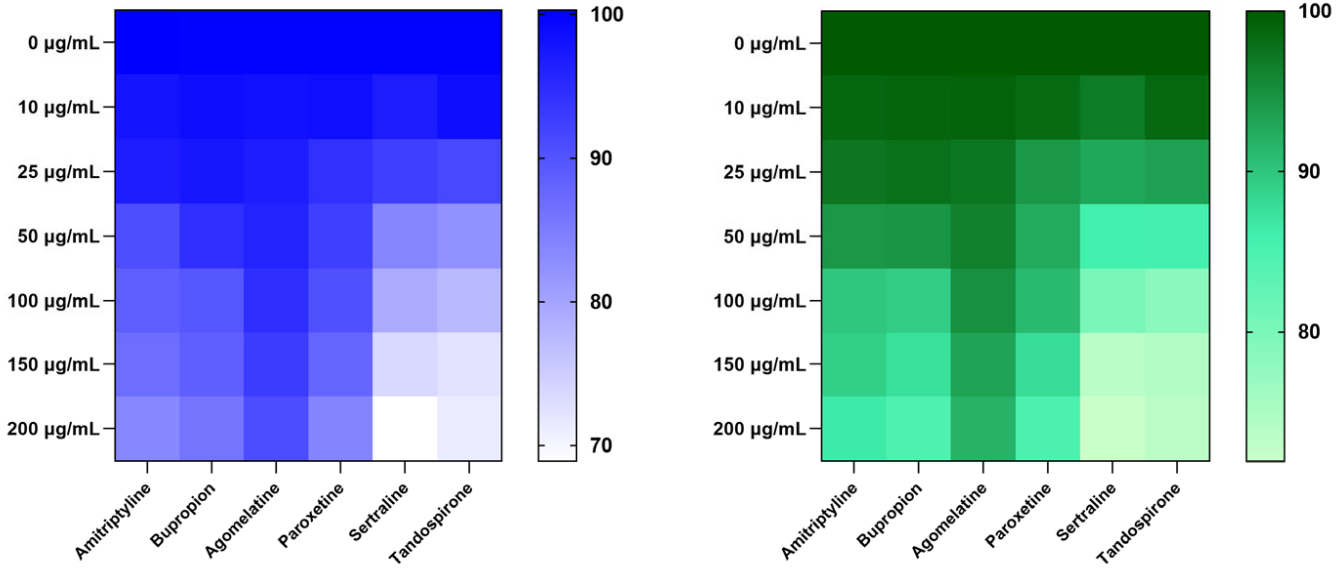
Paroxetine mesylate purchased from MedChemExpress. Usage Cited in: NPJ Digit Med. 2025 Nov 17;8(1):663. [Abstract]
Heat map display of cell viabilities of A549 (Left) and H1299 (Right) cells after incubation with different concentrations of anti-ED compounds (Paroxetine (10–200 μg/mL), et al.) for 48 h. The results showed that paroxetine did not significantly promote tumor cell proliferation; instead, it exerted a mild inhibitory effect on cell growth at higher concentrations.
-
Cell Rep Med
5-HT reuptake blockade induces pyroptosis in BRAFV600E-mutated melanomas via remodeling histone serotonylation. [Abstract]2026 Jan 20;7(1):102537. PMID: 41494533
Paroxetine mesylate purchased from MedChemExpress. Usage Cited in: Cell Rep Med. 2026 Jan 20;7(1):102537. [Abstract]
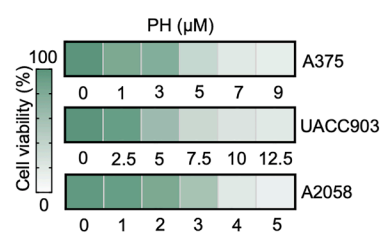
IC50 of Paroxetine hydrochloride (1-12.5 μM) in the indicated cell lines.
Paroxetine mesylate purchased from MedChemExpress. Usage Cited in: Cell Rep Med. 2026 Jan 20;7(1):102537. [Abstract]
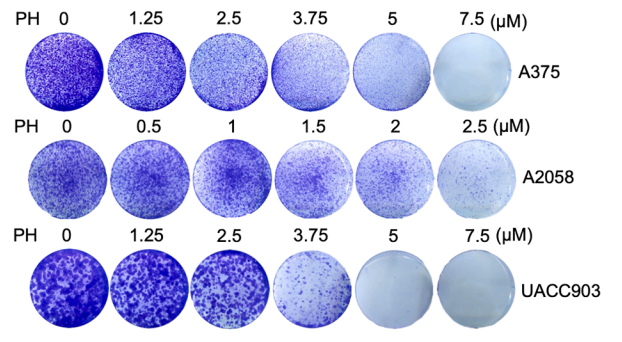
Colony formation assays in the indicated cells treated with DMSO or gradient doses of Paroxetine hydrochloride (0.5-7.5 μM).
Paroxetine mesylate purchased from MedChemExpress. Usage Cited in: Cell Rep Med. 2026 Jan 20;7(1):102537. [Abstract]
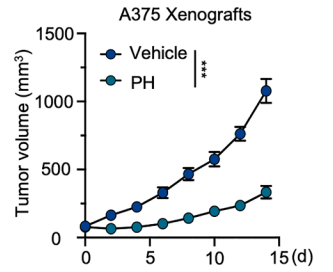
A375 xenografts were established and treated with vehicle or Paroxetine hydrochloride (25 mg/kg daily intraperitoneally [i.p.]) for 14 days. Tumors in each group were individually recorded every 2 days. n = 8 tumors per group.
Paroxetine mesylate purchased from MedChemExpress. Usage Cited in: Cell Rep Med. 2026 Jan 20;7(1):102537. [Abstract]
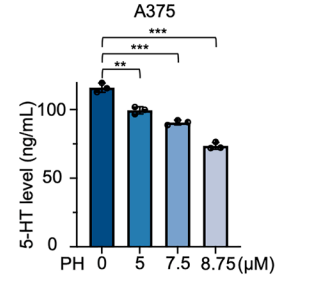
5-HT levels in A375 cells treated with DMSO or the indicated Paroxetine hydrochloride treatment for 24 h.
Paroxetine mesylate purchased from MedChemExpress. Usage Cited in: Cell Rep Med. 2026 Jan 20;7(1):102537. [Abstract]
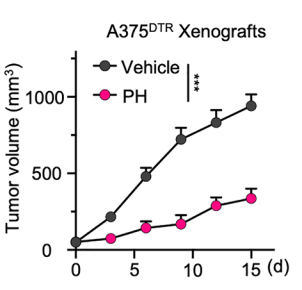
A375DTR xenografts were established and treated with vehicle or PH (25 mg/kg daily i.p. injection) for 15 days. The tumors in each group were individually recorded every 3 days. n = 8 tumors per group.
-
Cell Rep
LAMP2A-mediated neuronal hyperexcitability by enhancing NKAβ1 degradation underlies depression-induced allodynia. [Abstract]2025 Apr 2;44(4):115489. PMID: 40178973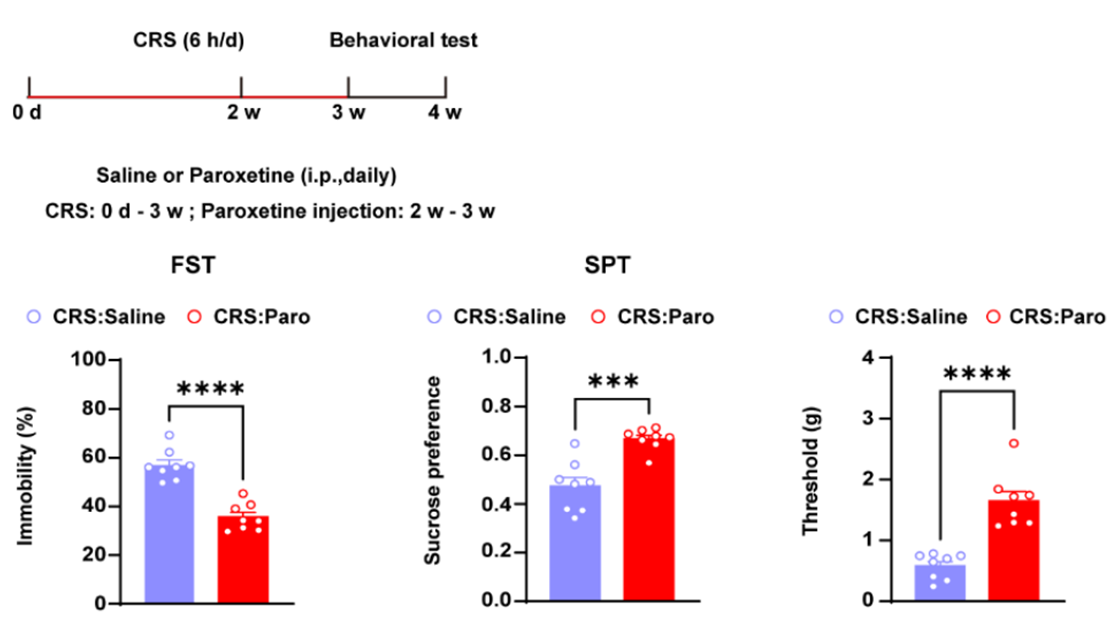
Paroxetine mesylate purchased from MedChemExpress. Usage Cited in: Cell Rep. 2025 Apr 2;44(4):115489. [Abstract]
Paroxetine (5 mg/kg; i.p.; once daily for 2–3 weeks) alleviated pain and depression-like symptoms in mice subjected to chronic restraint stress (CRS).
-
J Chem Inf Model
Development of Machine Learning Models and the Discovery of a New Antiviral Compound against Yellow Fever Virus. [Abstract]2021 Aug 23;61(8):3804-3813. PMID: 34286575 -
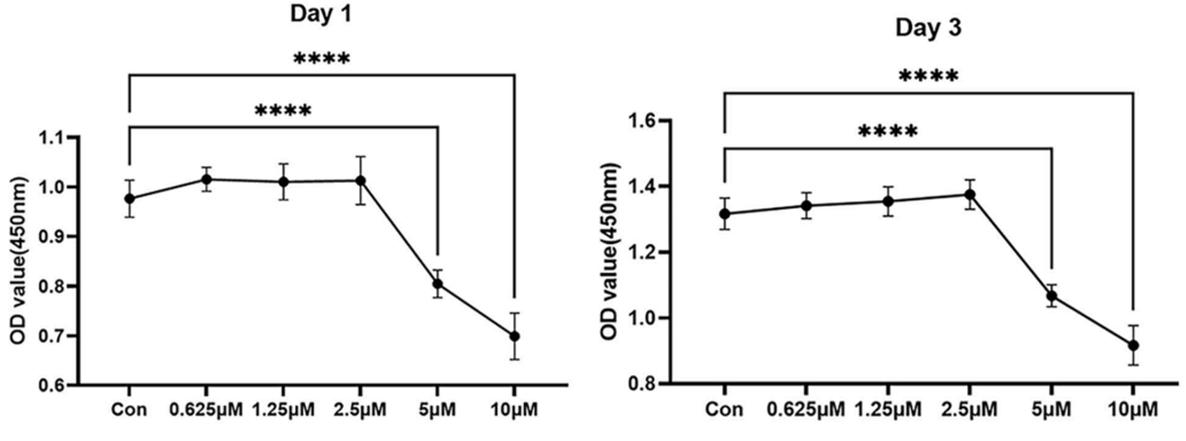
Paroxetine mesylate purchased from MedChemExpress. Usage Cited in: Drug Des Devel Ther. 2026 Jan 27;20:1-16.
CCK-8 assay was performed with different concentrations of Paroxetine (0.0625-10 μM) in BMMs for 1 day and 3 days.
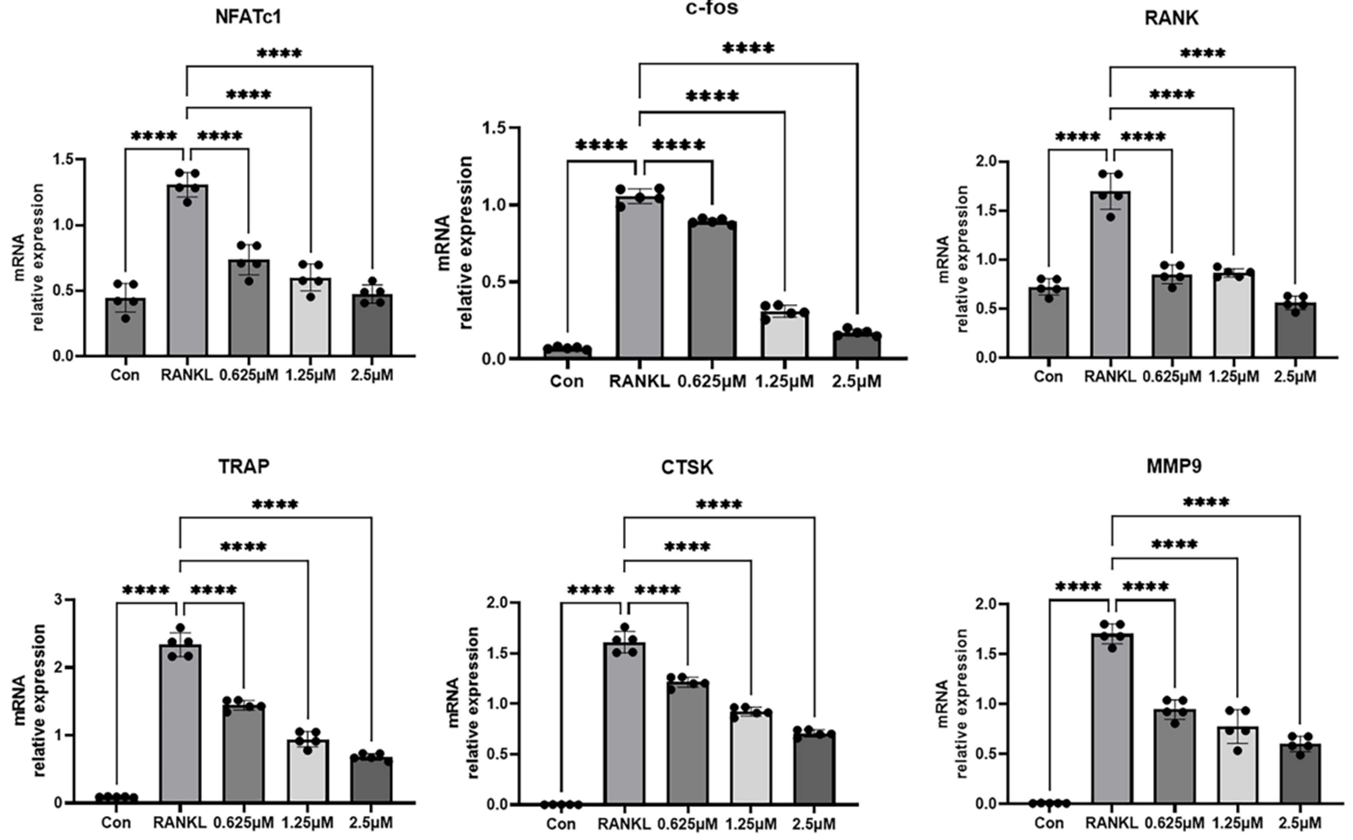
Paroxetine mesylate purchased from MedChemExpress. Usage Cited in: Drug Des Devel Ther. 2026 Jan 27;20:1-16.
Assessment of mRNA expression levels of osteoclastogenesis-associated marker genes after administration with Paroxetine (0.0625-2.5 μM) by RT-qPCR, including NFATc1, c-fos, RANK, TRAP, Cathepsin K, and MMP9. he results showed that Paroxetine inhibited the expression of NFATc1, c-fos, RANK, TRAP, Cathepsin K, and MMP9 genes in a concentration-dependent manner.
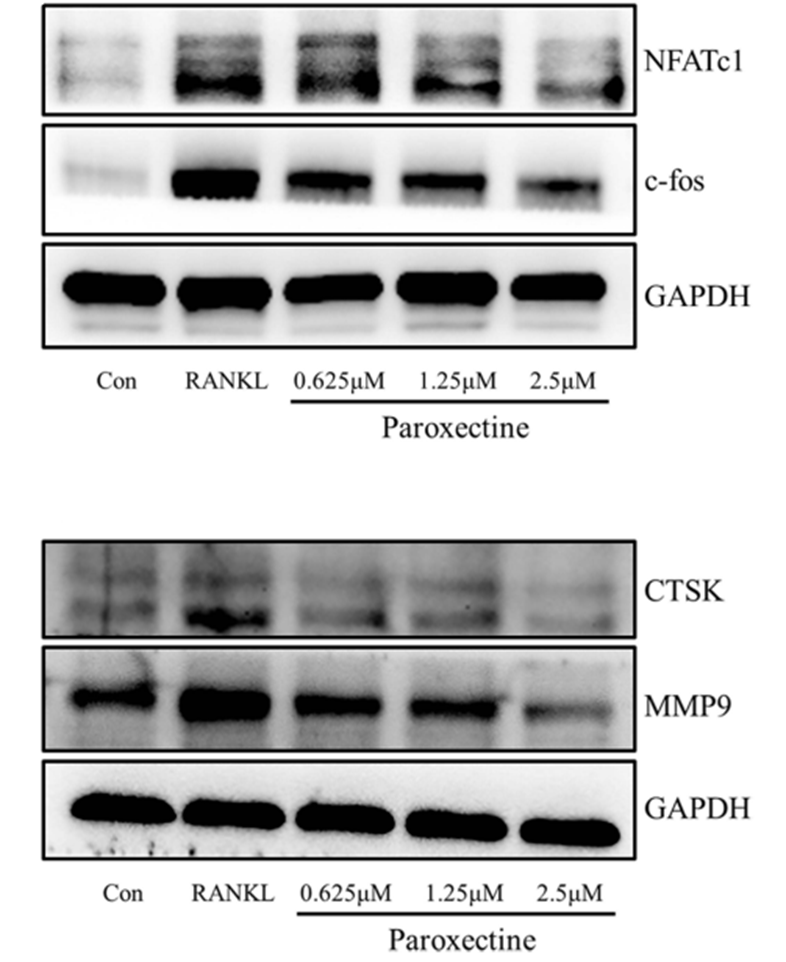
Paroxetine mesylate purchased from MedChemExpress. Usage Cited in: Drug Des Devel Ther. 2026 Jan 27;20:1-16.
Assessment of protein expression levels of NFATc1, c-fos, Cathepsin K and MMP9 after administration with Paroxetine (0.0625-2.5 μM; pretreatment 2 h before stimulation+ 3 d after stimulation) by Western blot. The results demonstrated that, following RANKL stimulation, the protein expression levels of NFATc1, c-fos, CTSK, and MMP9 significantly increased. However, Paroxetine reduced the expression levels of these proteins in osteoclasts in a concentration-dependent manner.
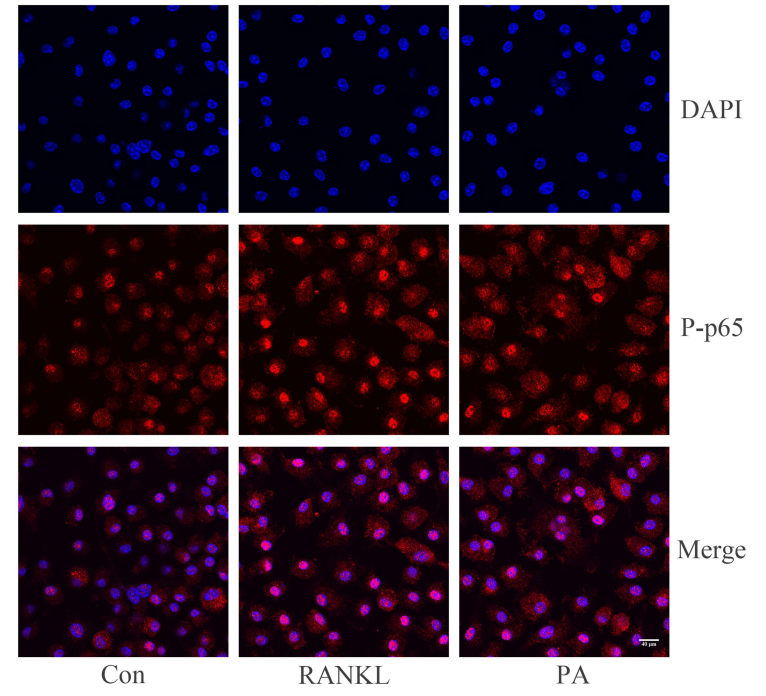
Paroxetine mesylate purchased from MedChemExpress. Usage Cited in: Drug Des Devel Ther. 2026 Jan 27;20:1-16.
Representative fluorescence images of P65 nuclear translocation following RANKL stimulation without or with Paroxetine (PA) (pretreatment 6 h). The results showed that RANKL stimulation led to a significant increase in the mean nuclear fluorescence intensity of p65, whereas Paroxetine treatment attenuated this effect.
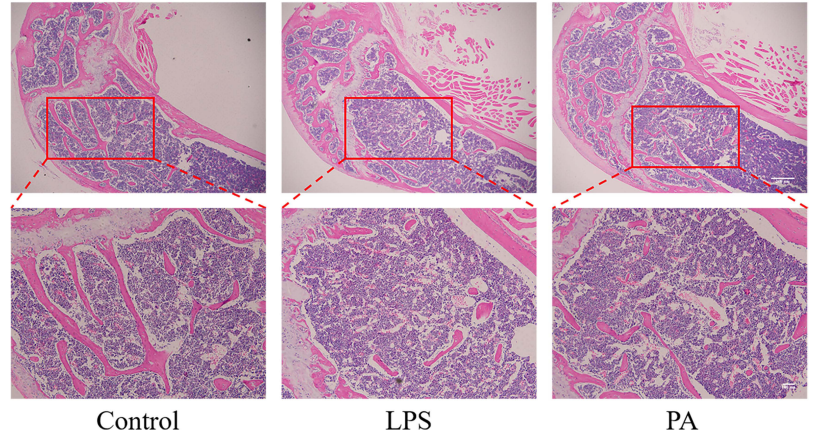
Paroxetine mesylate purchased from MedChemExpress. Usage Cited in: Drug Des Devel Ther. 2026 Jan 27;20:1-16.
Histopathology photographs of femoral samples after HE-stained sections. The results revealed that the trabecular bone in the distal femoral region of mice in the LPS group became sparse and thin. In contrast, Paroxetine (PA, 20 mg/kg; i.p.; once daily for 10 days) effectively alleviated bone loss, as evidenced by the intact and well-ordered arrangement of trabeculae in mice of this group.
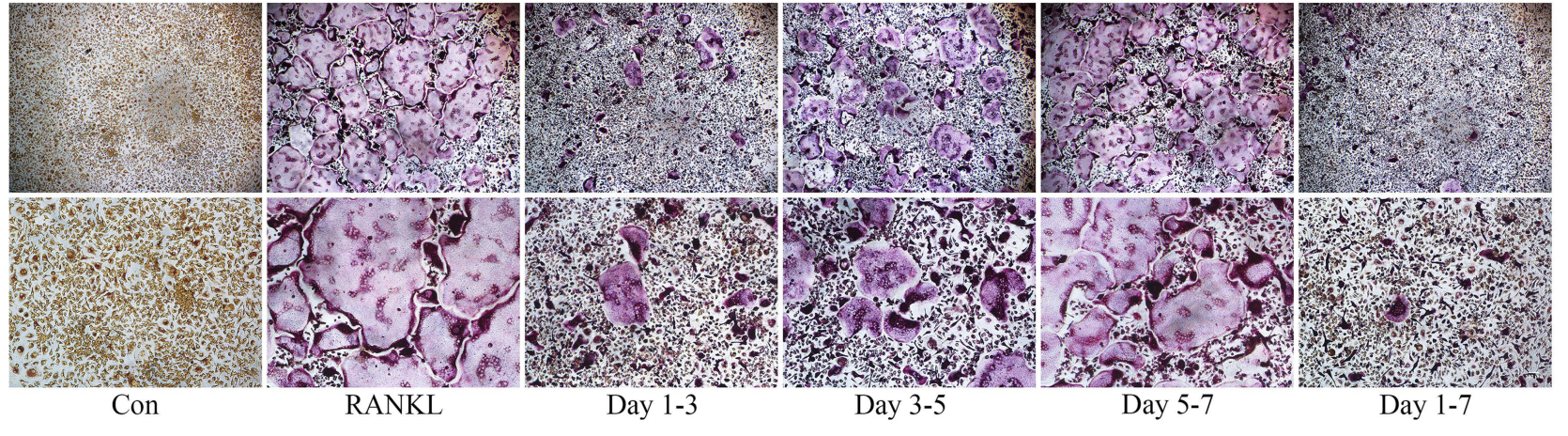
Paroxetine mesylate purchased from MedChemExpress. Usage Cited in: Drug Des Devel Ther. 2026 Jan 27;20:1-16.
Representative TRAP staining images of RANKL-induced osteoclasts treated with Paroxetine (2.5 μM) on specified days. The results showed that the addition of Paroxetine during the early stage of differentiation (days 1-3) significantly inhibited osteoclast formation. In contrast, when bone marrow-derived macrophages (BMMs) were exposed to Paroxetine from days 3-5 or days 5-7, the number of osteoclasts was also reduced, but the inhibitory effect was less pronounced compared to the early-stage (days 1–3) exposure.
-
Drug Des Devel Ther
Paroxetine as a Therapeutic Agent in Inflammatory Osteolysis: Mechanistic Insights and Efficacy. [Abstract]2026 Jan 27:20:561725. PMID: 41868178 -
Pharmaceuticals (Basel)
Comparative Pharmacological Profiling of Psychotherapeutic Drugs Reveals a Functional Taxonomy Based on Direct Inhibition of Smooth Muscle Excitability. [Abstract]2026 Apr 21;19(4):645. PMID: 42075900 -
Int J Mol Sci
Lidocaine Modulates Cytokine Production and Reprograms the Tumor Immune Microenvironment to Enhance Anti-Tumor Immune Responses in Gastric Cancer. [Abstract]2025 Mar 31;26(7):3236. PMID: 40244064 -
Front Pharmacol
N-demethylsinomenine metabolite and its prototype sinomenine activate mast cells via MRGPRX2 and aggravate anaphylaxis. [Abstract]2024 Jul 31:15:1389761. PMID: 39144634 -
Front Pharmacol
2022 Jun 22:13:920643. PMID: 35814244 -
ACS Omega
2025 Oct 17;10(42):50208-50217. PMID: 41179162 -
Sci Rep
Paroxetine suppresses 27-hydroxycholesterol-induced responses in THP-1 human monocytic cells by regulating the AKT/mTORC1 pathway. [Abstract]2025 Oct 21;15(1):36797. PMID: 41120475 -
Brain Res
Serum miR-221-3p as a new potential biomarker for depressed mood in perioperative patients. [Abstract]2019 Oct 1:1720:146296. PMID: 31211948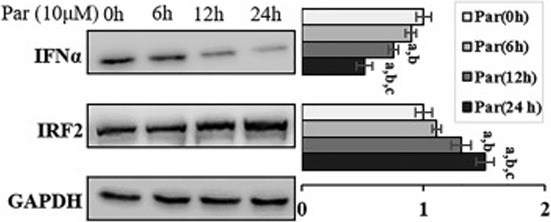
Paroxetine mesylate purchased from MedChemExpress. Usage Cited in: Brain Res. 2019 Oct 1:1720:146296. [Abstract]
Protein levels of IFNα and IRF2(B) are detected in HA1800 Cells at 6 h, 12 h and 24 h after paroxetine (10μM) treatment by RT-qPCR and western blot respectively.
-
Biochem Biophys Res Commun
Screening of potential drugs for the treatment of diabetic kidney disease using single-cell transcriptome sequencing and connectivity map data. [Abstract]2024 Sep 17:725:150263. PMID: 38905995 -
J Mol Cell Cardiol Plus
The selective serotonin reuptake inhibitor paroxetine improves right ventricular systolic function in experimental pulmonary hypertension. [Abstract]2024 Mar 26:8:100072. PMID: 39802918 -
-


Purity & Documentation
References
[1]. Bourin M, et al. Paroxetine: a review[J]. CNS drug reviews, 2001, 7(1): 25-47.
[2]. Nevels RM, et al. Paroxetine-The Antidepressant from Hell? Probably Not, But Caution Required. Psychopharmacology bulletin. 2016 Mar 01;46(1):77-104. [Content Brief]
[3]. Durairaj H, et al. Paroxetine differentially modulates LPS-induced TNFα and IL-6 production in mouse macrophages. International immunopharmacology. 2015 Apr;25(2):485-92. [Content Brief]
[4]. Young-Woo Cho, et al. Paroxetine Induces Apoptosis of Human Breast Cancer MCF-7 Cells through Ca2+-and p38 MAP Kinase-Dependent ROS Generation. Cancers (Basel). 2019 Jan 9;11(1):64. [Content Brief]
[5]. Malek Zarei, et al. Paroxetine attenuates the development and existing pain in a rat model of neurophatic pain. Iran Biomed J. 2014;18(2):94-100. [Content Brief]
[6]. S Lightowler, et al. Anxiolytic-like effect of paroxetine in a rat social interaction test. Pharmacol Biochem Behav. 1994 Oct;49(2):281-5. [Content Brief]

Calculators
Concentration (start) × Volume (start) = Concentration (final) × Volume (final)


Paroxetine mesylate Related Classifications
HY-B0773 Related Classifications
 Powered by Bioz
Keywords
- Paroxetine
- 217797-14-3
- BRL29060
- BRL 29060
- BRL-29060
- Cytochrome P450
- 5-HT Receptor
- NO Synthase
- Apoptosis
- Serotonin Transporter
- Estrogen Receptor/ERR
- 5-HT2 receptors
- Raw264.7 mouse macrophages
- nitric oxide synthase
- 5-HT1B/1D autoreceptors
- serotonin reuptake transporter
- cytochrome P450 3A4
- 5-HT1A autoreceptor
- norepinephrine reuptake transporter
- cytochrome P450 2D6
- muscarinic cholinergic receptor
- Inhibitor
- inhibitor
- inhibit