
1. Search Result
Search Result
Results for "

Aβ (1-42)

" in MedChemExpress (MCE) Product Catalog:

160

Inhibitors & Agonists

1

Screening Libraries

2

Fluorescent Dyes

2

Biochemical Assay Reagents

51

Peptides

2

Inhibitory Antibodies

19

Natural
Products

4

Isotope-Labeled Compounds

4

Antibodies

3

Click Chemistry

4

Oligonucleotides

Targets Recommended:
Cat. No. Product Name Target Research Areas Chemical Structure
  • HY-P1363
    β-Amyloid (1-42), human TFA
    Maximum Cited Publications
    24 Publications Verification

    Amyloid β-peptide (1-42) (human) TFA

    Amyloid-β Neurological Disease
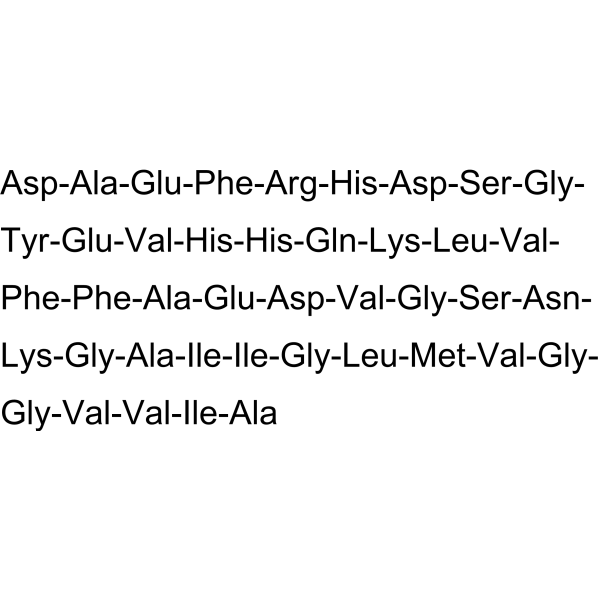
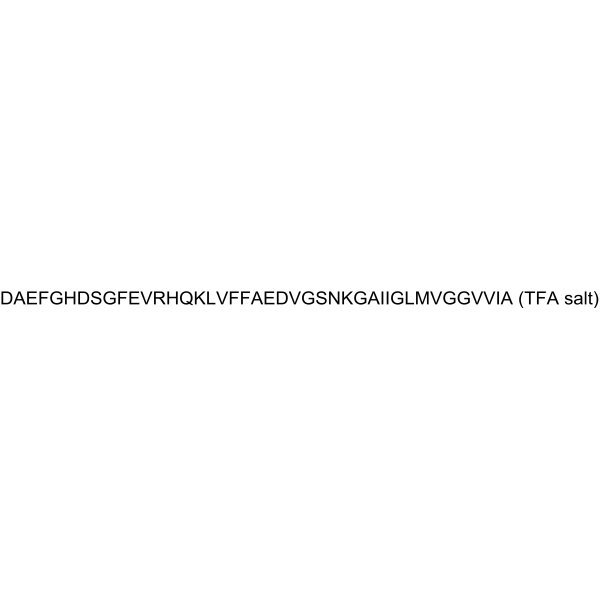
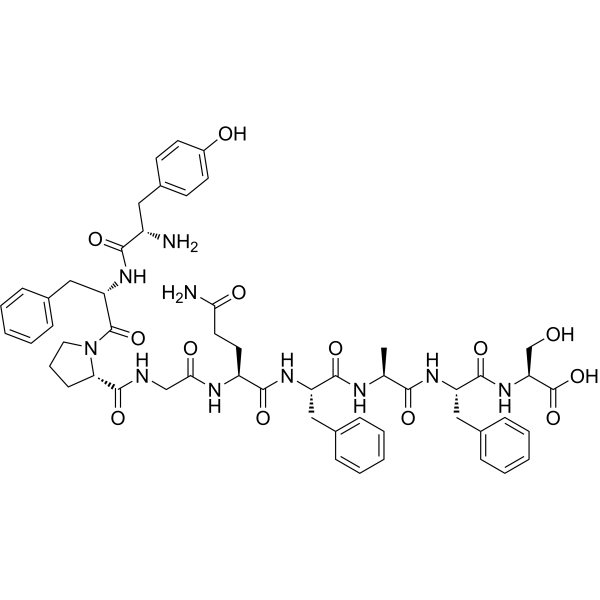
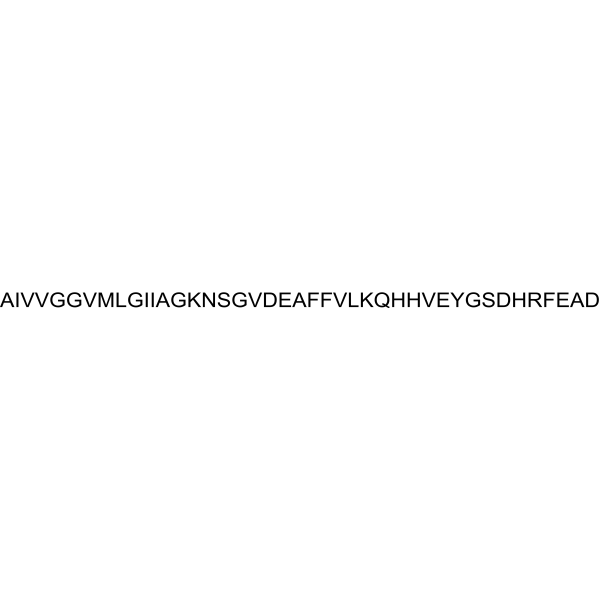
    β-Amyloid (1-42) (Amyloid β-peptide (1-42), human TFA, a 42-amino acid peptide that has not been treated with HFIP, is a brain-penetrant amyloid protein fragment, which can be used in research on Alzheimer's disease and Down’s syndrome. β-Amyloid (1-42), human TFA remaining as a monomer exhibits antioxidant and neuroprotective effects. β-Amyloid (1-42), human TFA, after being monomericized by HFIP and dissolved in DMSO to form the stock solution, on the one hand, can form soluble oligomers (AβOs) when incubated at 4 °C, which have synaptic toxicity and neurotoxicity; on the other hand, it can be incubated at 37 °C to form insoluble fibrils, with lower neurotoxicity, and participating in the oxidative damage process. Aβ42 oligomers bind to various neuronal surface receptors (such as PrPc, mGluR5, NMDA receptors, etc.), triggering oxidative stress, calcium homeostasis imbalance, and synaptic toxicity via activating downstream signaling pathways, leading to neuronal dysfunction and death .
    β-Amyloid (1-42), human TFA
  • HY-P1363A
    β-Amyloid (1-42), human
    Maximum Cited Publications
    24 Publications Verification

    Amyloid β-peptide (1-42) (human)

    Amyloid-β Neurological Disease
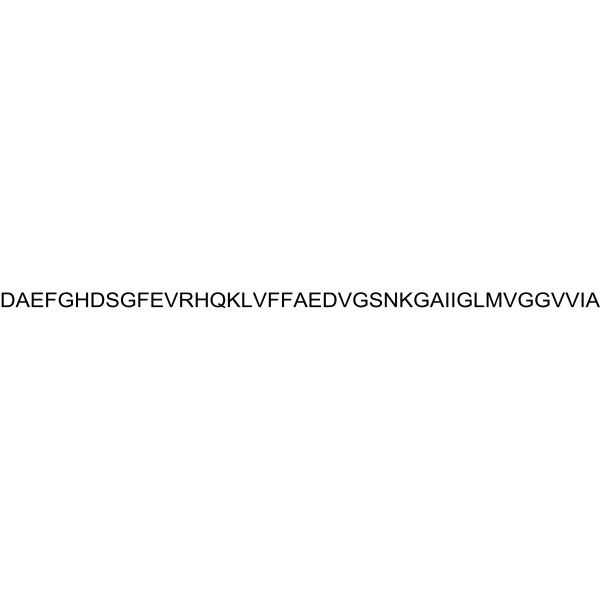
    β-Amyloid (1-42) (Amyloid β-peptide (1-42)), human, a 42-amino acid peptide that has not been treated with HFIP, is a brain-penetrant amyloid protein fragment, which can be used in research on Alzheimer's disease and Down’s syndrome. β-Amyloid (1-42), human remaining as a monomer exhibits antioxidant and neuroprotective effects. β-Amyloid (1-42), human, after being monomericized by HFIP and dissolved in DMSO to form the stock solution, on the one hand, can form soluble oligomers (AβOs) when incubated at 4 °C, which have synaptic toxicity and neurotoxicity; on the other hand, it can be incubated at 37 °C to form insoluble fibrils, with lower neurotoxicity, and participating in the oxidative damage process. Aβ42 oligomers bind to various neuronal surface receptors (such as PrPc, mGluR5, NMDA receptors, etc.), triggering oxidative stress, calcium homeostasis imbalance, and synaptic toxicity via activating downstream signaling pathways, leading to neuronal dysfunction and death .
    β-Amyloid (1-42), human
  • HY-P1363B
    β-Amyloid (1-42), human, HFIP-treated
    Maximum Cited Publications
    24 Publications Verification

    Amyloid-β Neurological Disease
    β-Amyloid (1-42), human, HFIP-treated, a 42-amino acid peptide that has been treated with HFIP from β-Amyloid (1-42), human (HY-P1363A), is a brain-penetrant amyloid protein fragment, which can be used in research on Alzheimer's disease and Down’s syndrome. β-Amyloid (1-42), human, HFIP-treated remaining as a monomer exhibits antioxidant and neuroprotective effects. β-Amyloid (1-42), human, HFIP-treated, after being dissolved in DMSO to form the stock solution, on the one hand, can form soluble oligomers (AβOs) when incubated at 4°C, which have synaptic toxicity and neurotoxicity; on the other hand, it can be incubated at 37°C to form insoluble fibrils, with lower neurotoxicity, and participating in the oxidative damage process. Aβ42 oligomers bind to various neuronal surface receptors (such as PrPc, mGluR5, NMDA receptors, etc.), triggering oxidative stress, calcium homeostasis imbalance, and synaptic toxicity via activating downstream signaling pathways, leading to neuronal dysfunction and death .
    β-Amyloid (1-42), human, HFIP-treated
  • HY-P1388
    β-Amyloid (1-42), (rat/mouse)
    5+ Cited Publications

    Amyloid β-peptide (1-42) (rat/mouse)

    Amyloid-β Neurological Disease
    β-Amyloid (1-42), (rat/mouse) is a 42-aa peptide, shows cytotoxic effect on acute hippocampal slices, and used in the research of Alzheimer's disease.
    β-Amyloid (1-42), (rat/mouse)
  • HY-P1362
    β-Amyloid (42-1), human
    1 Publications Verification

    Amyloid β Peptide (42-1)(human)

    Amyloid-β Neurological Disease
    β-Amyloid (42-1), human is the inactive form of Amyloid β Peptide (1-42). Its active form, β-Amyloid (1-42), may play a key role in the pathogenesis of Alzheimer's disease .
    β-Amyloid (42-1), human
  • HY-P1363F3

    5-FAM-Amyloid β-peptide (1-42) (human) Tris

    Amyloid-β Neurological Disease
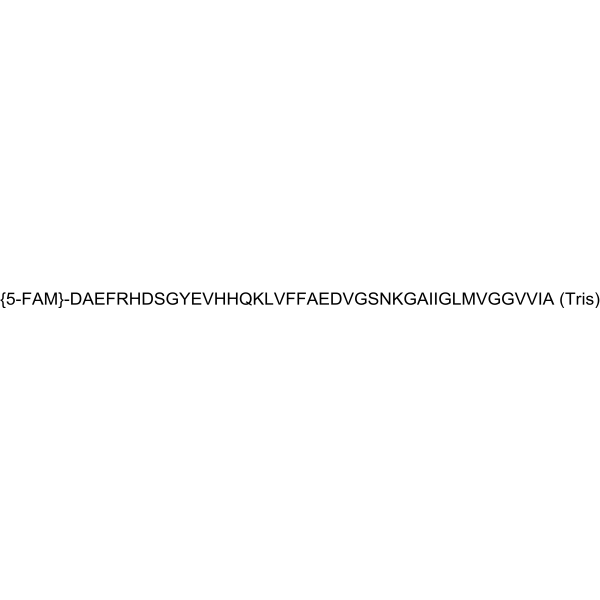
    5-FAM-β-Amyloid (1-42), human (5-FAM-Amyloid β-peptide (1-42) (human) TFA is a5-FAM labeled β-Amyloid (1-42), human TFA (HY-P1363).
    5-FAM-β-Amyloid (1-42), human Tris
  • HY-N0602
    Ginsenoside Rg2
    4 Publications Verification

    Chikusetsusaponin I; Panaxoside Rg2; Prosapogenin C2

    NF-κB Amyloid-β Cardiovascular Disease Neurological Disease Cancer
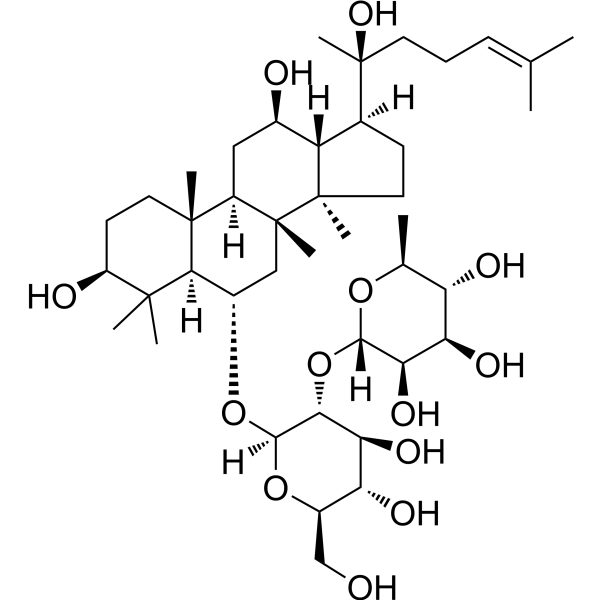
    Ginsenoside Rg2 is one of the major active components of ginseng. Ginsenoside Rg2 inhibits VCAM-1 and ICAM-1 expressions stimulated with lipopolysaccharide (LPS). Ginsenoside Rg2 also reduces Aβ1-42 accumulation.
    Ginsenoside Rg2
  • HY-P5096

    Amyloid-β Neurological Disease
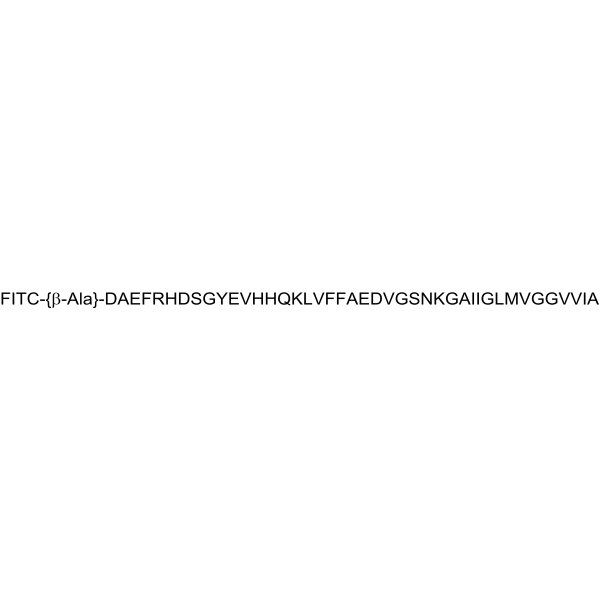
    FITC-β-Ala-Amyloid β-Protein (1-42) is a FITC tagged Aβ1-42 peptide. Aβ1-42 plays a key role in the pathogenesis of Alzheimer’s disease .
    FITC-β-Ala-Amyloid β-Protein (1-42)
  • HY-N0651
    Spinosin
    2 Publications Verification

    Amyloid-β Neurological Disease
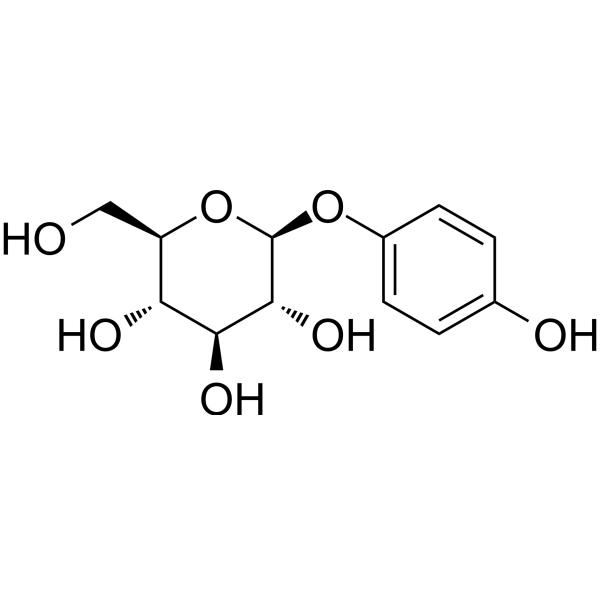
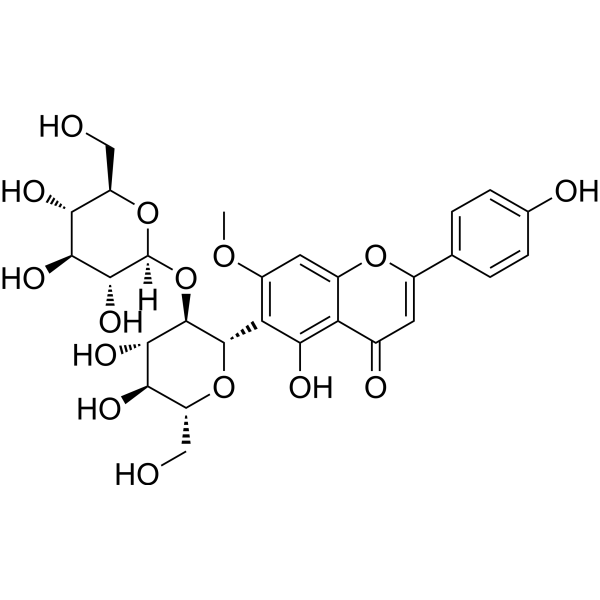
    Spinosyn is a kind of effective C-saccharide, which has a protective effect. Spinosyn is active through Nrf2/HO-1 pathway inhibition Aβ1-42's production and combination [3 ].
    Spinosin
  • HY-N8376

    (±)-Fustin; 3,7,3',4'-Tetrahydroxyflavanone

    Amyloid-β mAChR Cholinesterase (ChE) Neurological Disease
    Fustinis ((±)-Fustin; 3,7,3',4'-Tetrahydroxyflavanone) is a potent amyloid β (Aβ) inhibitor. Fustinis ((±)-Fustin; 3,7,3',4'-Tetrahydroxyflavanone) increases the expression of acetylcholine (ACh) levels, choline acetyltransferase (ChAT) activity, and ChAT gene induced by Aβ (1-42). Fustinis ((±)-Fustin; 3,7,3',4'-Tetrahydroxyflavanone) decreases in acetyl cholinesterase (AChE) activity and AChE gene expression induced by Aβ (1-42). Fustinis ((±)-Fustin; 3,7,3',4'-Tetrahydroxyflavanone) increases muscarinic M1 receptor gene expression and muscarinic M1 receptor binding activity. Fustinis ((±)-Fustin; 3,7,3',4'-Tetrahydroxyflavanone) can be used for Alzheimer's disease research .
    Fustin
  • HY-P3908

    Amyloid-β Neurological Disease
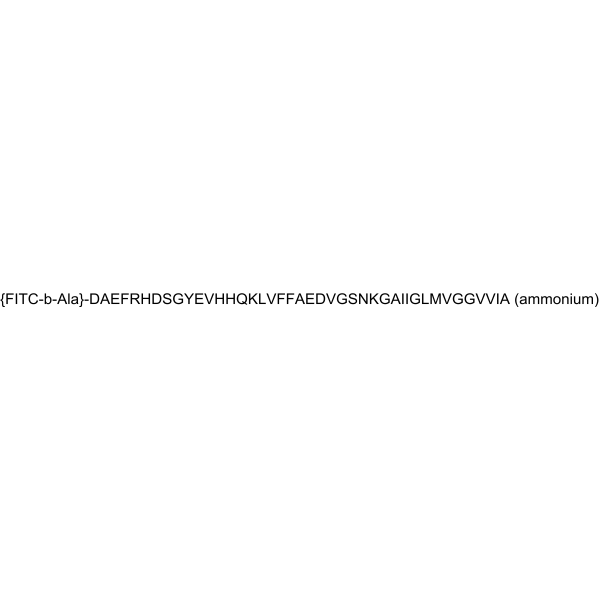
    FITC-β-Ala-Amyloid β-Protein (1-42) ammonium is a FITC tagged Aβ1-42 peptide. Aβ1-42 plays a key role in the pathogenesis of Alzheimer’s disease .
    FITC-β-Ala-Amyloid β-Protein (1-42) ammonium
  • HY-W127558

    Amyloid-β Neurological Disease
    Cholesterol-PEG 600 is a synthetic cholesterol derivative and also a Aβ (1-42) binder. Cholesterol-PEG 600 promotes the fibrillogenesis of Aβ (1-42). Cholesterol-PEG 600 is applicable to the research of Alzheimer's disease .
    Cholesterol-PEG 600
  • HY-P3688A

    (1-38) TFA; 38 TFA

    Amyloid-β Neurological Disease
    β-Amyloid (1-38) (Aβ (1-38)) TFA is a β-Amyloid (Aβ) peptide. β-Amyloid (1-38) TFA interferes with the conversion of Aβ(1-42) to a β-sheet-rich aggregate. β-Amyloid (1-38)TFA reverses the negative impact of Aβ(1-42) on long-term potentiation in acute hippocampal slices and on membrane conductance in primary neurons, and mitigates an Aβ(1-42) phenotype in Caenorhabditis elegans .
    β-Amyloid (1-38) TFA
  • HY-P5905

    Citrullinated (1-42); Citrullinated 42

    Amyloid-β Neurological Disease
    Citrullinated amyloid-β (1-42) peptide (human) (Citrullinated Aβ (1-42)) is a modified form of β-Amyloid (1-42) (HY-P1363) with a citrullination at the Arg5 site. Compared to the unmodified β-Amyloid (1-42), its formation of soluble low-molecular-weight oligomers is enhanced, the rate of fibril formation is reduced, and like unmodified Aβ42, it forms protofibrils comprised of parallel β-sheets .
    Citrullinated amyloid-β (1-42) peptide (human)
  • HY-P1363F1

    Biotin-amyloid β-peptide (1-42) (human) TFA

    Amyloid-β Neurological Disease
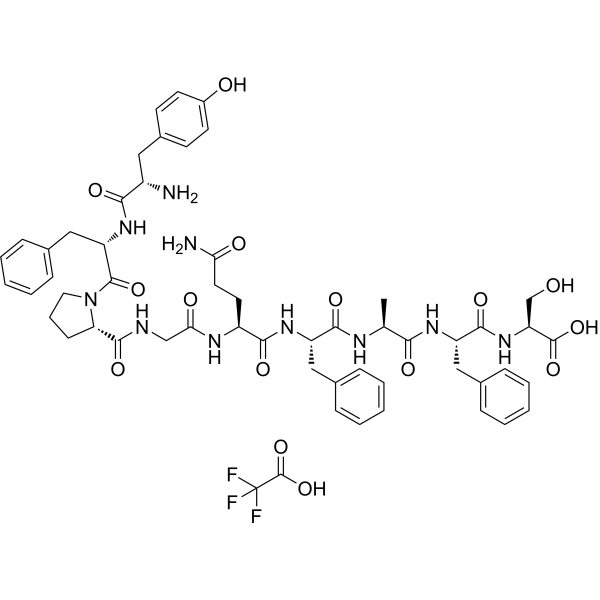
    Biotin-β-Amyloid (1-42), human TFA (Biotin-Amyloid β-Peptide (1-42) (human) TFA) is the botin labeled β-Amyloid (1-42), human TFA (HY-P1363). β-Amyloid (1-42), human TFA is a 42-amino acid peptide which plays a key role in the pathogenesis of Alzheimer disease .
    Biotin-β-Amyloid (1-42), human TFA
  • HY-105252A

    Amyloid-β Neurological Disease
    BF 227 is a candidate for an amyloid imaging probe for PET, with a Ki of 4.3 nM for Aβ1-42 fibrils.
    BF 227
  • HY-P1388A

    Amyloid β-peptide (1-42) (rat/mouse) TFA

    Amyloid-β Neurological Disease
    β-Amyloid (1-42), (rat/mouse) TFA is a 42-aa peptide, shows cytotoxic effect on acute hippocampal slices, and used in the research of Alzheimer's disease.
    β-Amyloid (1-42), (rat/mouse) TFA
  • HY-N3883

    Autophagy Neurological Disease Cancer
    Euxanthone, a xanthone derivative, attenuates Aβ1-42-induced oxidative stress and apoptosis by triggering autophagy. Euxanthone exhibits anti-neoplastic and neuroprotective activities .
    Euxanthone
  • HY-P4867A

    Amyloid-β Neurological Disease
    β Amyloid (1-42) (scrambled) TFA is a negative control of β-Amyloid (1-42), human TFA (HY-P1363) .
    β Amyloid (1-42) (scrambled) TFA
  • HY-150003

    Cholinesterase (ChE) Amyloid-β Neurological Disease
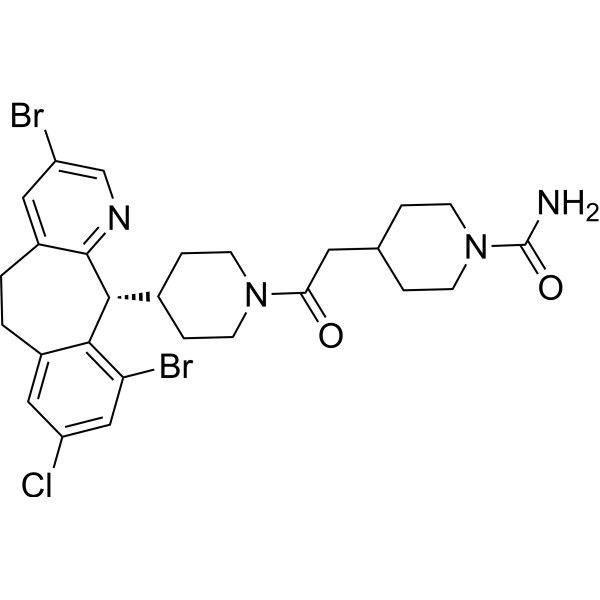
    Aβ1-42 aggregation inhibitor 1 inhibits AChE (acetylcholinesterase) and BuChE (butyrylcholinesterase) with the IC50 value of 2.64 μM and 1.29 μM, respectively. Aβ1-42 aggregation inhibitor 1 inhibits self-mediated Aβ1-42 aggregation by 51.29% at a concentration of 25 μM. Aβ1-42 aggregation inhibitor 1 has the potential for the research of anti-Alzheimer's disease .
    Aβ1–42 aggregation inhibitor 1
  • HY-160831
    PQQ-trimethylester
    1 Publications Verification

    PQQ-TME

    α-synuclein Neurological Disease
    PQQ-trimethylester (PQQ-TME) is a synthetic compound that is a trimethylester derivative of pyrroloquinoline quinone (PQQ). PQQ-trimethylester has twice the blood-brain barrier permeability of PQQ (HY-100196) in vitro. In addition, PQQ-trimethylester shows strong inhibitory activity against α-synuclein, amyloid β1-42 (Aβ1-42) and prion protein fibrillation. PQQ-trimethylester can be used in the study of neurodegenerative diseases .
    PQQ-trimethylester
  • HY-N8671

    Amyloid-β Apoptosis Reactive Oxygen Species (ROS) SARS-CoV Infection Neurological Disease
    Withanoside V is a blood-brain barrier-permeable withanolide derivative . Withanoside V binds strongly to Sudlow I (domain IIA) of human serum albumin (HSA) to form a stable complex and alter the secondary structure of albumin, thereby increasing helix content and reducing β-sheet and random coil. Withanoside V binds to Aβ (1-42) to block the interaction between monomers and subsequent aggregation. Withanoside V inhibits the viability of neuroblastoma cells, reduces the number of apoptotic cells induced by Aβ (1-42), and decreases ROS production. Withanoside V inhibits SARS-CoV-2 Mpro. Withanoside V can be used for research on Alzheimer's disease and coronavirus disease 2019 .
    Withanoside V
  • HY-P1378A

    Amyloid-β Neurological Disease
    β-Amyloid (1-43)(human) TFA is more prone to aggregation and has higher toxic properties than the long-known Aβ1-42. β-Amyloid (1-43)(human) TFA shows a correlation with both sAPPα and sAPPβ. β-Amyloid (1-43)(human) TFA could be considered an added Alzheimer's disease (AD) biomarker together with the others already in use .
    β-Amyloid (1-43)(human) TFA
  • HY-144389

    Cholinesterase (ChE) Amyloid-β Neurological Disease
    hAChE/Aβ1-42-IN-1 (Compound 16) is a potent inhibitor of hAChE and Aβ1-42 aggregation. hAChE/Aβ1-42-IN-1 shows acceptable relative safety upon hepG2 cell line and excellent BBB penetration with wide safety margin. hAChE/Aβ1-42-IN-1 has the potential for the research of Alzheimer disease (AD) .
    hAChE/Aβ1-42-IN-1
  • HY-P3688

    (1-38); 38

    Amyloid-β Neurological Disease
    β-Amyloid (1-38) (Aβ (1-38)) is a β-Amyloid (Aβ) peptide. β-Amyloid (1-38) interferes with the conversion of Aβ(1-42) to a β-sheet-rich aggregate. β-Amyloid (1-38) reverses the negative impact of Aβ(1-42) on long-term potentiation in acute hippocampal slices and on membrane conductance in primary neurons, and mitigates an Aβ(1-42) phenotype in Caenorhabditis elegans .
    β-Amyloid (1-38)
  • HY-P1363S

    Amyloid β-peptide-15N (1-42) (human) TFA

    Amyloid-β Neurological Disease
    β-Amyloid- 15N (1-42), human (TFA) is the 15N-labledβ-Amyloid (1-42) (TFA). β-Amyloid (1-42), human TFA (Amyloid β-Peptide (1-42) (human) TFA) is a 42-amino acid peptide which plays a key role in the pathogenesis of Alzheimer disease .
    β-Amyloid-15N (1-42), human TFA
  • HY-P4867

    Amyloid-β Neurological Disease
    β Amyloid (1-42) (scrambled) is a negative control of β-Amyloid (1-42), human (HY-P1363A) .
    β Amyloid (1-42) (scrambled)
  • HY-141661

    Amyloid-β Neurological Disease
    Aβ/tau aggregation-IN-1 is a potent Aβ1-42 β-sheets formation and tau aggregation inhibitor. The KD values of Aβ/tau aggregation-IN-1 with Aβ1-42 and tau are 160 μM and 337 μM, respectively. Aβ/tau aggregation-IN-1 can permeate the blood-brain barrier .
    Aβ/tau aggregation-IN-1
  • HY-P4886A

    Amyloid-β Neurological Disease
    Amyloid β-Protein (3-42) TFA is a precursor of Pyr peptide. Pyroglutamic acid-modified Aβ (pEAβ) (3-42) is the core of the amyloid plaque in Alzheimer's disease. pEAβ (3-42) accelerates the aggregation of Aβ(1-42), while Aβ(1-42) significantly slows down the primary and secondary nucleation of pEAβ(3-42).
    Amyloid β-Protein (3-42) TFA
  • HY-P10578

    Amyloid-β Neurological Disease
    SEN 304 is an Aβ aggregation inhibitor. SEN 304 can bind directly to Aβ(1-42), delay β-sheet formation and promote aggregation of toxic oligomers into a nontoxic form. SEN 304 can be used for research of Alzheimer’s disease .
    SEN 304
  • HY-N3562

    Reactive Oxygen Species (ROS) Neurological Disease
    Cedrin is a natural flavonoid that can be found in Cedrus deodara. Cedrin protects PC12 cells against neurotoxicity induced by Aβ1-42. Cedrin can reduce reactive oxygen species overproduction, increase the activity of superoxide dismutase and decrease malondialdehyde content .
    Cedrin
  • HY-P1378

    Amyloid-β Neurological Disease
    β-Amyloid (1-43)(human) is more prone to aggregation and has higher toxic properties than the long-known Aβ1-42. β-Amyloid (1-43)(human) shows a correlation with both sAPPα and sAPPβ. β-Amyloid (1-43)(human) could be considered an added Alzheimer's disease (AD) biomarker together with the others already in use .
    β-Amyloid (1-43)(human)
  • HY-144388

    Cholinesterase (ChE) Amyloid-β Neurological Disease
    ChE/Aβ1-42-IN-1 (compound 28) is a potent ChE and Aβ1-42 aggregation inhibitor with IC50s of 0.062, 0.767 and 1.227 µM for AChE, BuChE and Aβ1-42 aggregation, respectively. ChE/β1-42-IN-1 shows excellent BBB penetration. ChE/Aβ1-42-IN-1 is a potent multi-targeted anti-Alzheimer's agent .
    ChE/Aβ1-42-IN-1
  • HY-P4391

    Amyloid-β Neurological Disease
    (Asp37)-Amyloid β-Protein (1-42) is the G37D mutant of wild-type Amyloid-beta (1-42) peptide .
    (Asp37)-Amyloid β-Protein (1-42)
  • HY-173621

    Cholinesterase (ChE) Amyloid-β Neurological Disease
    Aβ1–42 aggregation inhibitor 3 (Compound 3b) is an acetylcholinesterase (AChE) and butyrylcholinesterase (BuChE) inhibitor (IC50 values are 1.634 and 0.0285 μM, respectively). Aβ1–42 aggregation inhibitor 3 can inhibit the aggregation of Aβ1-42. Aβ1–42 aggregation inhibitor can be used in Alzheimer's disease (AD) research .
    Aβ1–42 aggregation inhibitor 3
  • HY-P3859

    Amyloid-β Neurological Disease
    Cys-Gly-Lys-Arg-Amyloid β-Protein (1-42) is a peptide fragment of amyloid β-protein (Aβ). Cys-Gly-Lys-Arg-Amyloid β-Protein (1-42) can be used in research of Alzheimer's disease .
    Cys-Gly-Lys-Arg-Amyloid β-Protein (1-42)
  • HY-144324

    Cholinesterase (ChE) Neurological Disease
    AChE-IN-6 (Compound 12a) is an optimal multifunctional ligand with significant inhibition of AChE (EeAChE, IC50 = 0.20 μM; HuAChE, IC50 = 37.02 nM) and anti-Aβ activity (IC50 = 1.92 μM for self-induced Aβ1-42 aggregation; IC50 = 1.80 μM for disaggregation of Aβ1-42 fibrils; IC50 = 2.18 μM for Cu2+-induced Aβ1-42 aggregation; IC50 = 1.17 μM for disaggregation of Cu2+-induced Aβ1-42 fibrils). AChE-IN-6 has the potential for the research of Alzheimer's disease .
    AChE-IN-6
  • HY-162093

    Amyloid-β Neurological Disease
    Aβ1–42 aggregation inhibitor 2 (compound 7c) is a potent inhibitor of Aβ1-42 aggregation that plays an important role in Alzheimer's disease research. Aβ1–42 aggregation inhibitor 2 displays excellent antioxidant, metal ions chelating, oxidative stress alleviation, neuroprotective and anti-neuroinflammatory activities .
    Aβ1–42 aggregation inhibitor 2
  • HY-P1363S1

    Isotope-Labeled Compounds Amyloid-β Neurological Disease
    β-Amyloid (1-42), human, Ala( 13C3, 15N) TFA is the 13C and 15N-labeled β-Amyloid (1-42), human (HY-P1363A). β-Amyloid (1-42) (Amyloid β-peptide (1-42)), human, a 42-amino acid peptide that has not been treated with HFIP, is a brain-penetrant amyloid protein fragment, which can be used in research on Alzheimer's disease and Down’s syndrome. β-Amyloid (1-42), human remaining as a monomer exhibits antioxidant and neuroprotective effects. β-Amyloid (1-42), human, after being monomericized by HFIP and dissolved in DMSO to form the stock solution, on the one hand, can form soluble oligomers (AβOs) when incubated at 4 °C, which have synaptic toxicity and neurotoxicity; on the other hand, it can be incubated at 37 °C to form insoluble fibrils, with lower neurotoxicity, and participating in the oxidative damage process. Aβ42 oligomers bind to various neuronal surface receptors (such as PrPc, mGluR5, NMDA receptors, etc.), triggering oxidative stress, calcium homeostasis imbalance, and synaptic toxicity via activating downstream signaling pathways, leading to neuronal dysfunction and death .
    β-Amyloid (1-42), human, Ala(13C3,15N) TFA
  • HY-P4886

    Amyloid-β Neurological Disease
    Amyloid β-Protein (3-42) is the precursor of Pyr peptide. Pyroglutamate-modified Aβ (pEAβ) (3-42) is the core of the amyloid template block in Alzheimer's disease. pEAβ(3-42) accelerated the aggregation of Aβ(1-42), while Aβ(1-42) significantly slowed the primary and secondary nucleation of pEAβ(3-42) .
    Amyloid β-Protein (3-42)
  • HY-P1051

    Amyloid β-Protein (12-28)

    Amyloid-β Neurological Disease
    β-Amyloid (12-28) (Amyloid β-Protein (12-28)) is a peptide fragment of β-amyloid protein (β1-42). β1-42, a 42 amino acid protein , is the major component of senile plaque cores. β-Amyloid (12-28) shows aggregation properties. β-Amyloid (12-28) has the potential for Alzheimer’s disease research .
    β-Amyloid (12-28)
  • HY-P1388F

    FITC-Ahx-Amyloid β-peptide (1-42) (rat/mouse) tris

    Amyloid-β Neurological Disease
    FITC-Ahx-β-Amyloid (1-42), (rat/mouse) (tris) is a fluorescently labeled (FITC) form of β-Amyloid (1-42), (rat/mouse) (HY-P1388), which can be used in Alzheimer's disease-related research, such as aggregation, fiber formation, cellular uptake or imaging experiments. This product is provided in the form of Tris salt.
    FITC-Ahx-β-Amyloid (1-42), (rat/mouse) tris
  • HY-P1787

    Amyloid-β Neurological Disease
    β-Amyloid (4-10) is an epitope for the polyclonal anti-Aβ(1-42) antibody, reduces amyloid deposition in a transgenic Alzheimer disease mouse model .
    β-Amyloid (4-10)
  • HY-149542

    Tau Protein Apoptosis GSK-3 Neurological Disease
    GSK-3β inhibitor 15 (Compound 54) is a GSK-3β inhibitor (IC50: 3.4 nM). GSK-3β inhibitor 15 inhibits Aβ1-42-induced GSK-3β and tau protein phosphorylation. GSK-3β inhibitor 15 inhibits LPS-induced iNOS expression. GSK-3β inhibitor 15 has neuroprotective effects on Aβ1-42-induced neurotoxicity. GSK-3β inhibitor 15 can be used for research of Alzheimer’s disease (AD) .
    GSK-3β inhibitor 15
  • HY-W265961

    ST1859; 1,1′-Methylenedi-2-naphthol

    Amyloid-β Neurological Disease Inflammation/Immunology
    Squoxin (ST1859) is an antiamyloid agent that specifically binds to Aβ1-42 and prevents the aggregation and fibril formation of Aβ. Squoxin crosses the blood-brain barrier (BBB) and has anthelmintic activity and anti-inflammatory properties .
    Squoxin
  • HY-117957

    γ-secretase Neurological Disease
    BMS-932481 is an orally active modulator for γ-secretase, selectively reduce Aβ1-42 and Aβ1-40 production, with IC50s of 6.6 and 25.3 nM, respectively .
    BMS-932481
  • HY-P1362A

    Amyloid β Peptide (42-1)(human) TFA

    Amyloid-β Neurological Disease
    β-Amyloid (42-1), human TFA is the inactive form of Amyloid β Peptide (1-42). β-Amyloid (42-1), human TFA is a 42-amino acid peptide which plays a key role in the pathogenesis of Alzheimer disease .
    β-Amyloid (42-1), human TFA
  • HY-178454

    Monoamine Oxidase Amyloid-β Mitochondrial Metabolism Apoptosis Reactive Oxygen Species (ROS) COX NF-κB Neurological Disease
    Multitarget AD-IN-3 is a brain-penetrant neuroprotective agent. Multitarget AD-IN-3 can selectively inhibit MAO-B with an IC50 of 4.42 μM and a SI of 18.12. Multitarget AD-IN-3 can eliminate ROS. Multitarget AD-IN-3 Multitarget AD-IN-3 can inhibit Aβ1-42 self-aggregation and can reverse Aβ1-42-induced mitochondrial membrane depolarization and inhibit apoptosis. Multitarget AD-IN-3 can be used for the research of neurological disease, such as Alzheimer’s disease .
    Multitarget AD-IN-3
  • HY-P3846

    Amyloid-β Neurological Disease
    (Glu20)-Amyloid β-Protein (1-42) is a slower fibrillizing variant of amyloid β-protein (Aβ). The Glu20 mutation reduces the aggregation propensity of Aβ42 and prevents accumulation of the slowly fibrillizing peptide. Amyloid β-protein is the primary component of both vascular and parenchymal amyloid deposits in Alzheimer's disease .
    (Glu20)-Amyloid β-Protein (1-42)
  • HY-178356

    Cholinesterase (ChE) nAChR Interleukin Related TNF Receptor Neurological Disease Inflammation/Immunology
    BChE-IN-44 is a potent, brain-penetrant, highly selective BChE inhibitor [equine BChE IC50 = 18.00 pM, human BChE IC50 = 1.50 nM]. BChE-IN-44 shows neuroprotective effects against the Aβ1-42-induced injury model and inhibitory effects on Aβ1-42 self-aggregation. BChE-IN-44 reduces the levels of inflammatory factors (NO, IL-6, and TNF-α) in Lipopolysaccharides (HY-D1056)-induced BV2 cells. BChE-IN-44 can significantly ameliorate Scopolamine (HY-N0296)-induced cognition impairment. BChE-IN-44 exhibits capacity in the regulation of BChE and acetylcholine levels in the mouse hippocampus. BChE-IN-44 can be used for the study of Alzheimer’s disease (AD) .
    BChE-IN-44

Inquiry Online

Your information is safe with us. * Required Fields.

Salutation


Country or Region *

Applicant Name *


Organization Name *

Department *


Email Address *


Product Name *

Cat. No.


Requested quantity *

Phone Number *


Remarks

Inquiry Online

Inquiry Information

Product Name:
Cat. No.:
Quantity:
MCE Japan Authorized Agent:

