1. Search Result
Search Result
Results for "

Antiproliferation

" in MedChemExpress (MCE) Product Catalog:

152

Inhibitors & Agonists

5

Peptides

30

Natural
Products

4

Isotope-Labeled Compounds

Cat. No. Product Name Target Research Areas Chemical Structure
  • HY-N0155
    Nobiletin
    Maximum Cited Publications
    27 Publications Verification

    ROR Reactive Oxygen Species (ROS) Apoptosis Autophagy Neurological Disease Inflammation/Immunology Cancer
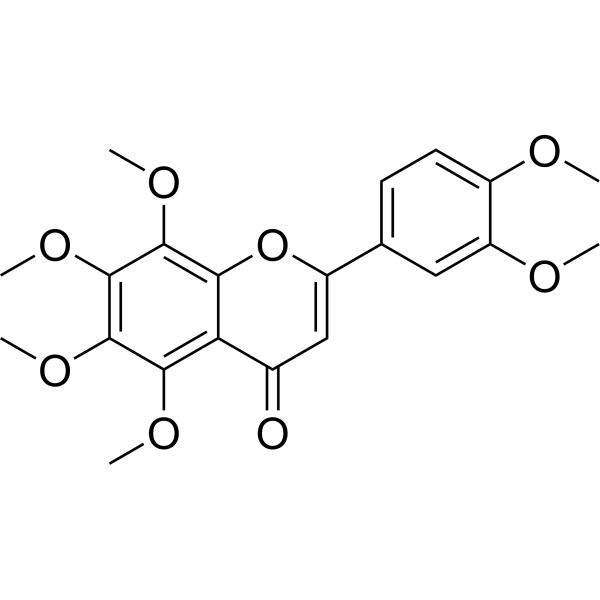
    Nobiletin is a poly-methoxylated flavone from the citrus peel that improves memory loss. Nobiletin is a retinoid acid receptor-related orphan receptors (RORs) agonist. Nobiletin can reduce reactive oxygen species (ROS) levels in differentiated C2C12 myotubes and has anti-inflammation and anti-cancer properties, including anti-angiogenesis, anti-proliferation, anti-metastasis and induced apoptosis .
    Nobiletin
  • HY-127103
    FB23-2
    25+ Cited Publications

    Apoptosis Cancer
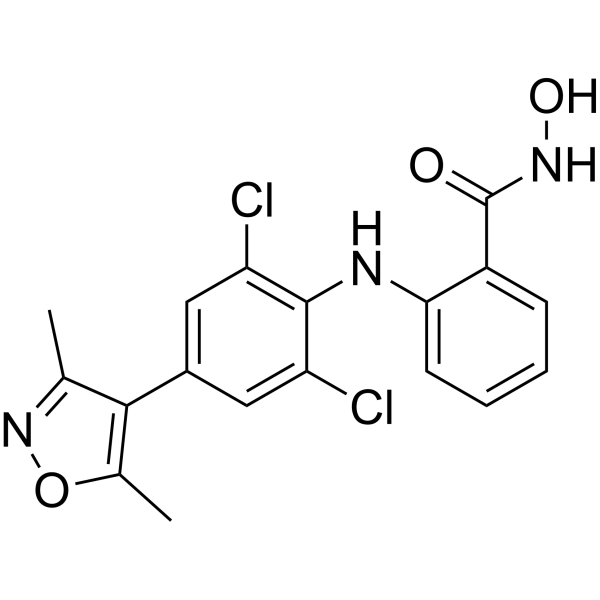
    FB23-2 is a potent and selective inhibitor of mRNA N 6-methyladenosine (m 6A) demethylase FTO, with an IC50 of 2.6 μM. FB23-2 has anti-proliferation activity. FB23-2 can be used for the research of acute myeloid leukemia (AML) .
    FB23-2
  • HY-N0189
    Aloe emodin
    3 Publications Verification

    Rhabarberone; 3-Hydroxymethylchrysazine

    mTOR Influenza Virus Apoptosis Autophagy Cancer
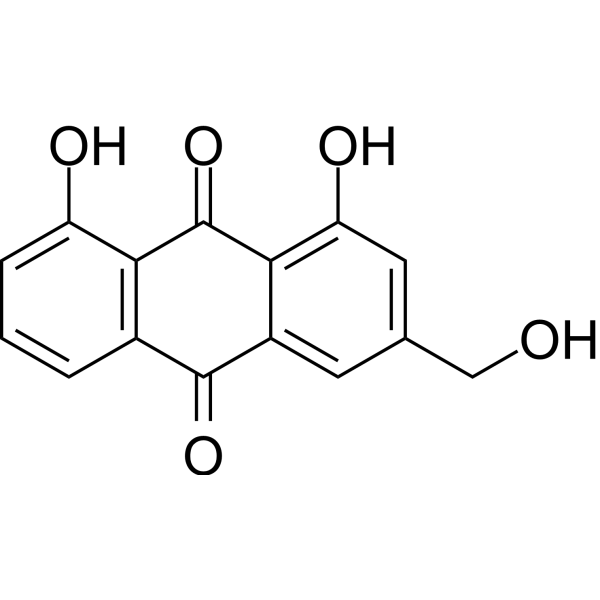
    Aloe emodin (Rhabarberone) is a natural hydroxyanthraquinone with antitumor activities. aloe-emodin can bind with mTORC2 and inhibit its kinase activity. Aloe emodin exerts antiproliferation effects and induces cellular apoptosis . Aloe emodin also exhibits antiviral activity that against influenza A virus .
    Aloe emodin
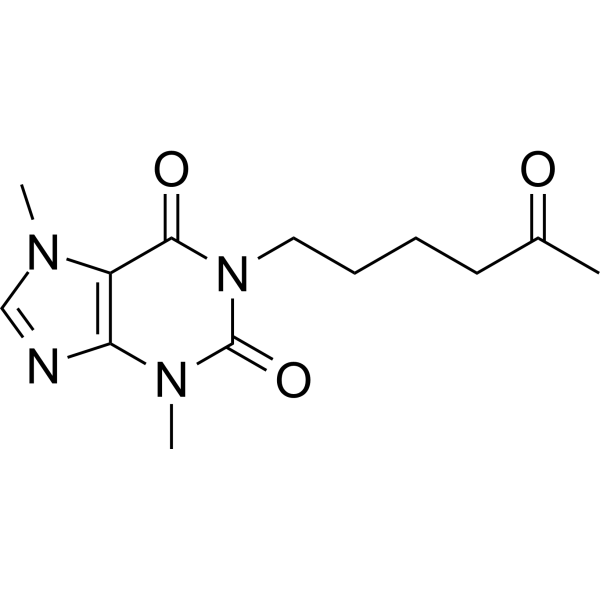
  • HY-B0715
    Pentoxifylline
    10+ Cited Publications

    BL-191; PTX; Oxpentifylline

    Phosphodiesterase (PDE) Autophagy HIV Cardiovascular Disease Cancer
    Pentoxifylline (BL-191), a haemorheological agent, is an orally active non-selective phosphodiesterase (PDE) inhibitor, with immune modulation, anti-inflammatory, hemorheological, anti-fibrinolytic and anti-proliferation effects. Pentoxifylline can be used for the research of peripheral vascular disease, cerebrovascular disease and a number of other conditions involving a defective regional microcirculation .
    Pentoxifylline
  • HY-N0366
    Sennoside B
    3 Publications Verification

    PDGFR Inflammation/Immunology
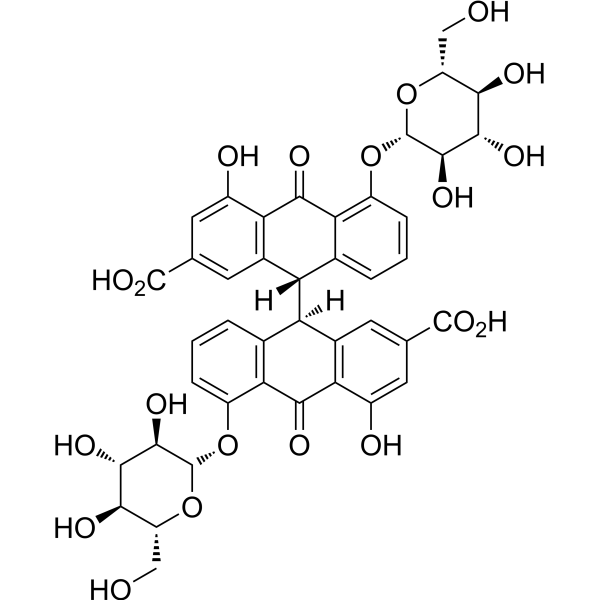
    Sennoside B is a potent and orally active platelet-derived growth factor (PDGF) inhibitor. Sennoside B inhibits cell proliferation and the expression of phosphorylation of PDGFR-β, STAT-5, AKT and ERK induced by PDGF-BB. Sennoside B shows gastroprotective activities. Sennoside B has the potential for the research of gastritis .
    Sennoside B
  • HY-129071

    Microtubule/Tubulin Cancer
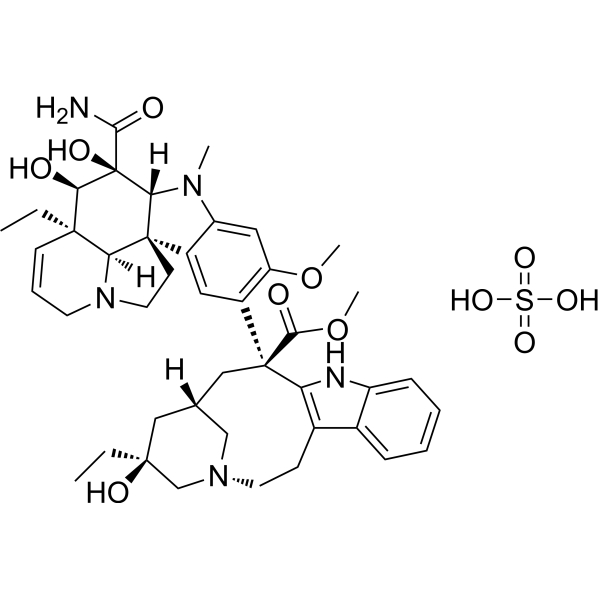
    Vindesine sulfate is a potent tubulin inhibitor with an Ki of 0.110 μM. Vindesine sulfate shows anti-proliferation effect in vitro. Vindesine sulfate shows antitumor effect in vivo .
    Vindesine sulfate
  • HY-13313
    XL888
    5 Publications Verification

    HSP Apoptosis Cancer
    XL888 is a potent and orally active HSP90 inhibitor with an IC50 value of 24 nM. XL888 shows anti-proliferation activity and induces Apoptosis. XL888 shows anti-tumor activity .
    XL888
  • HY-N10335
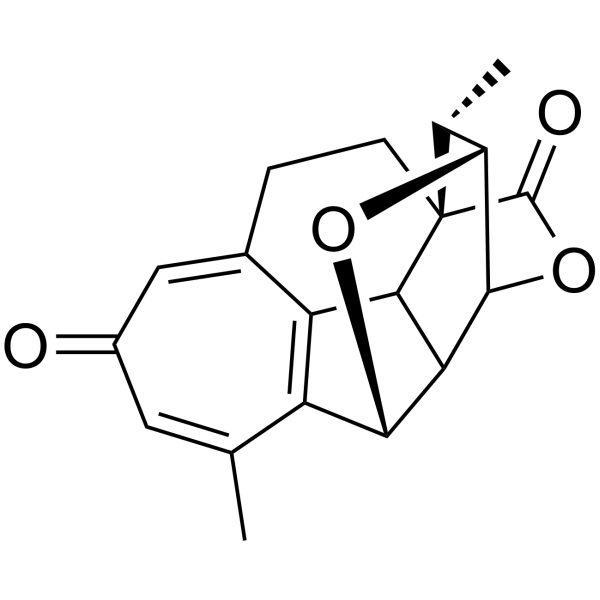
    Harringtonolide
    2 Publications Verification

    FAK Inflammation/Immunology Cancer
    Harringtonolide is a potent RACK1 inhibitor (IC50=39.66 μM in A375 cells). Harringtonolide inhibits the epithelial-mesenchymal transition (EMT) process and cell proliferation by affecting the interaction between FAK and RACK1. Harringtonolide has plant growth inhibitory, antiviral, anti-inflammatory, and antiproliferation activities .
    Harringtonolide
  • HY-N0839
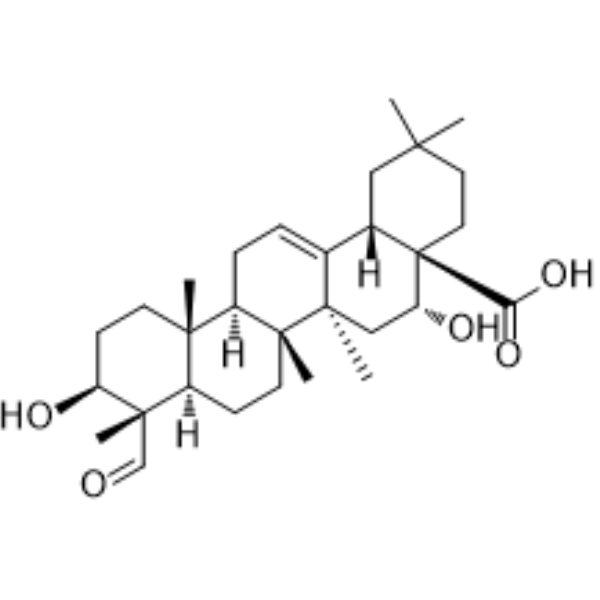
    Quillaic acid
    3 Publications Verification

    Quillaja sapogenin

    Apoptosis Neurological Disease Inflammation/Immunology Cancer
    Quillaic acid (Quillaja sapogenin)It is an anti-gastric cancer and anti-proliferation agent that can promote apoptosis of cancer cells. (apoptosis). Quillaic acidAlso has analgesic and local anti-inflammatory activity .
    Quillaic acid
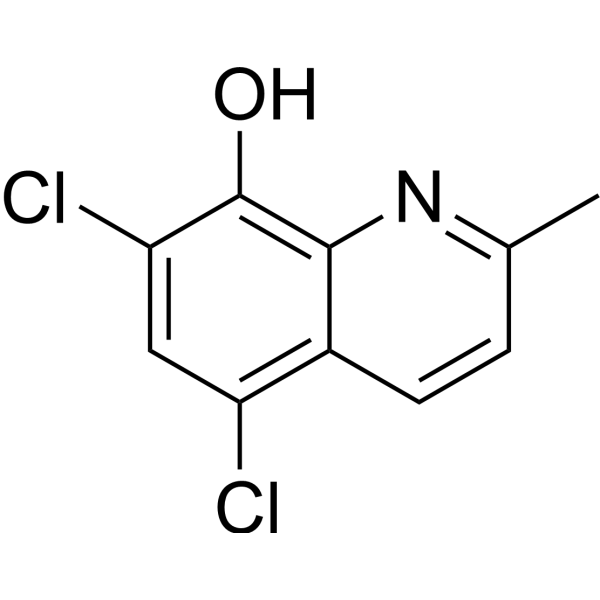
  • HY-B1360
    Chlorquinaldol
    5+ Cited Publications

    Chloquinan

    Antibiotic Bacterial Fungal β-catenin Apoptosis Infection Cancer
    Chlorquinaldol (Chloquinan) is an antibacterial agent with the potential use in topical skin conditions and vaginal infections. Chlorquinaldol is a β-catenin/TCF4 inhibitor, showing anti-proliferation, anti-migration, and apoptosis-inducing activity in cancer cells .
    Chlorquinaldol
  • HY-N0211
    Cyasterone
    2 Publications Verification

    EGFR Apoptosis Cancer
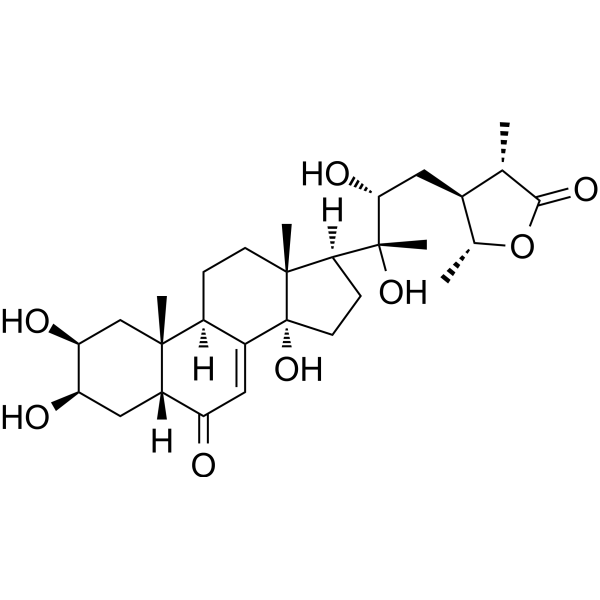
    Cyasterone, a natural EGFR inhibitor, mainly isolated from Ajuga decumbens Thunb (Labiatae). Cyasterone manifests anti-proliferation effect by induced apoptosis and cell cycle arrests. Cyasterone may serves as a therapeutic anti-tumor agent against human tumors .
    Cyasterone
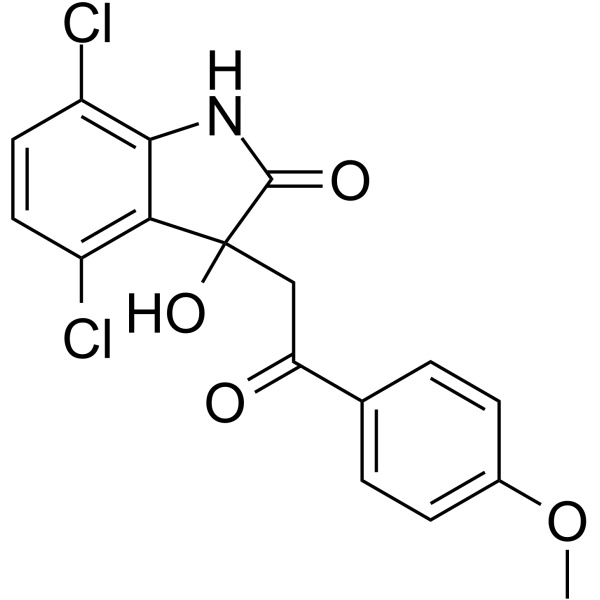
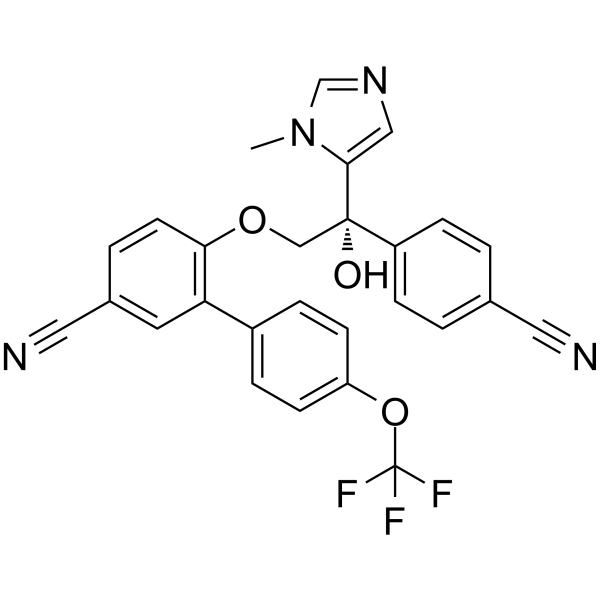
  • HY-14507
    YK-4-279
    5+ Cited Publications

    DNA/RNA Synthesis Apoptosis Cancer
    YK-4-279 blocks RNA Helicase A (RHA) binding with EWS-FLI1 (oncogenic protein). YK-4-279 induces apoptosis and shows anti-proliferation activities towards various cancer cells. YK-4-279 has a chiral center and it can be separated into two enantiomers. YK-4-279 can be used for the research of cancer .
    YK-4-279
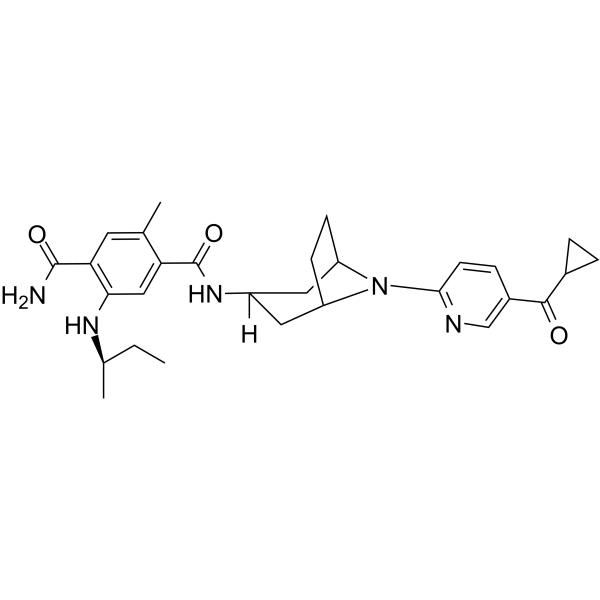
  • HY-148712

    Apoptosis Sirtuin Cancer
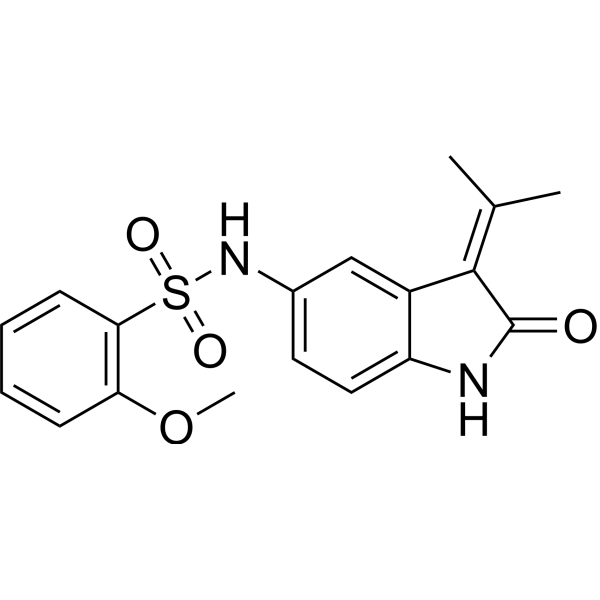
    SIRT6 activator 12q is potent, selective and orally active SIRT6 activator with IC50 values of 171.20, >200, >200, >200, 0.58 μM for SIRT1, SIRT2, SIRT3, SIRT5, SIRT6, respectively. SIRT6 activator 12q inhibits cell growth and migration. SIRT6 activator 12q induces Apoptosis and cell cycle arrest at G2 phase. SIRT6 activator 12q shows anticancer activity .
    SIRT6 activator 12q
  • HY-160007

    DNA/RNA Synthesis Cancer
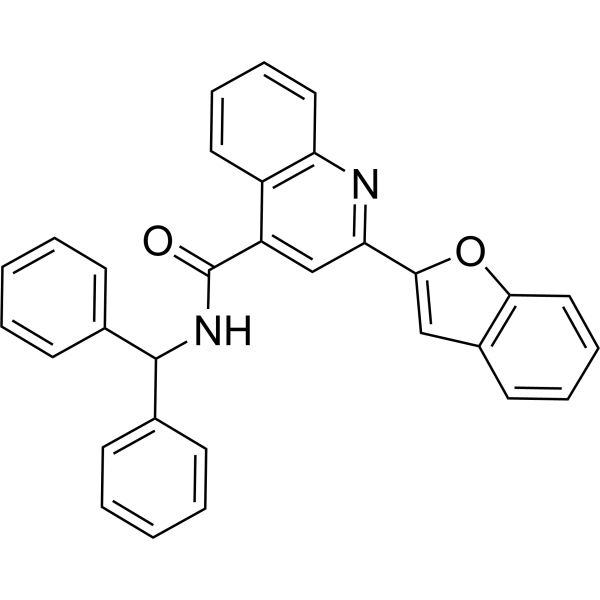
    DHX9-IN-3 (Compound 621) is an inhibitor of ATP-dependent RNA helicase A (DHX9). DHX9-IN-3 has an IC50 of 8.7 nM for anti-proliferation in LS411N cells. DHX9-IN-3 can be used in the study of cancer .
    DHX9-IN-3
  • HY-168664

    PROTACs CDK Cancer
    CPD-39 is a potent and orally active CCND1 and CDK4 heterobifunctional PROTAC degrader. CPD-39 shows anti-proliferation. (Pink: ligand for target protein (HY-50767); black: linker (HY-20240); Blue: E3 ligase ligand (HY-168667)) .
    CPD-39
  • HY-20878
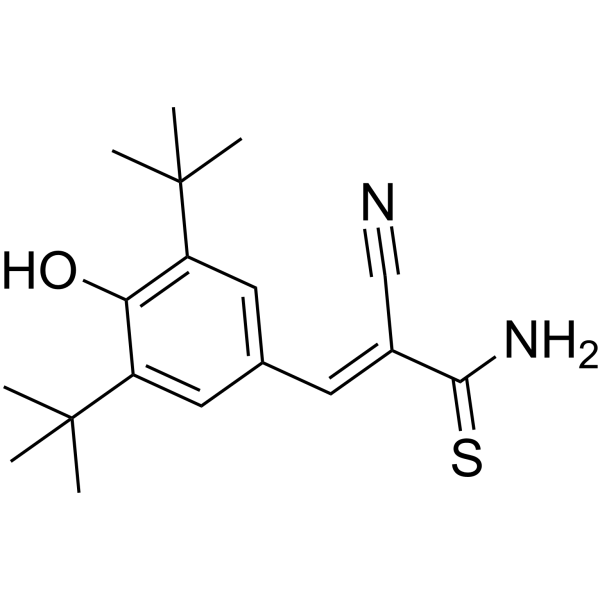
    Tyrphostin AG 879
    3 Publications Verification

    AG 879

    Trk Receptor EGFR Apoptosis Cancer
    Tyrphostin AG 879 (AG 879) is a tyrosine kinase inhibitor that inhibits TrKA phosphorylation (IC50 of 10 μM), but not TrKB and TrKC. Tyrphostin AG 879 is also a selective ErbB2 tyrosine kinase inhibitor with an IC50 of 1 μM, and has at least 500-fold higher selectivity to ErbB2 than EGFR. Tyrphostin AG 879 has anticancer activity .
    Tyrphostin AG 879
  • HY-169946

    Wee1 Cancer
    WEE1/PKMYT1-IN-1 (compound 75) is a potent and orally active WEE1 and PKMYT1 inhibitor. WEE1/PKMYT1-IN-1 shows antiproliferation activity .
    WEE1/PKMYT1-IN-1
  • HY-150510

    Histone Methyltransferase Neurological Disease Cancer
    MS8511 is a selective G9a/GLP covalent irreversible inhibitor by targeting a cysteine residue at the substrate binding site, with IC50 values of 100 nM (G9a) and 140 nM (GLP), and Kd values of 44 nM (G9a) and 46 nM (GLP). MS8511 reduces the cellular H3K9me2 level and enhances antiproliferation activity. MS8511 can be used for the research of several types of cancers including brain, breast, ovarian, lung, bladder, melanoma, colorectal cancer, and other disease such as Alzheimer’s disease (AD), sickle cell disease, Prader−Willi syndrome (PWS) .
    MS8511
  • HY-163939

    SOS1 Ras Cancer
    RGT-018 is a potent and orally active SOS1 inhibitor with anti-tumor effects. RGT-018 exerts anti-cancer cell proliferation activity by inhibiting KRAS activation .
    RGT-018
  • HY-144627

    PROTACs TAM Receptor Cancer
    PROTAC Axl Degrader 2 is a potent and selective PROTAC Axl degrader with an IC50 of 1.61 μM. PROTAC Axl Degrader 2 shows anti-proliferation activity, anti-migration activity in vitro. PROTAC Axl Degrader 2 induces mehuosis .
    PROTAC Axl Degrader 2
  • HY-102051

    IAP Cancer
    XIAP/cIAP1 antagonist-1 is a potent and orally active XIAP/cIAP1 antagonist with EC50s of 5.1 nM and 0.32 nM for XIAP and cIAP1, respectively. XIAP/cIAP1 antagonist-1 inhibits the tumor growth in dose-dependent manner in vivo .
    XIAP/cIAP1 antagonist-1
  • HY-145737A

    PROTACs Ras Cancer
    PROTAC SOS1 degrader-1 (TFA) is a potent PROTAC SOS1 degrader with an DC50 of 98.4 nM. PROTAC SOS1 degrader-1 shows antiproliferation activity in cancer cells with various KRAS mutations. PROTAC SOS1 degrader-1 shows antitumor effect with low toxicity .
    PROTAC SOS1 degrader-1 TFA
  • HY-110329

    Nuclear Hormone Receptor 4A/NR4A Cancer
    ML179 (SR-1309) is a inverse LRH1/NR5A2 (Liver receptor homologue-1) agonist with IC50 of 320 nM. ML179 shows anti-proliferation activity in MDA-MB-231 cells. ML179 has the potential for the research of ER-negative breast cancer .
    ML179
  • HY-150510A

    Histone Methyltransferase Neurological Disease Cancer
    MS8511 (hydrochloride) is a selective G9a/GLP covalent irreversible inhibitor by targeting a cysteine residue at the substrate binding site, with IC50 values of 100 nM (G9a) and 140 nM (GLP), and Kd values of 44 nM (G9a) and 46 nM (GLP). MS8511 (hydrochloride) reduces the cellular H3K9me2 level and enhances antiproliferation activity. MS8511 (hydrochloride) can be used for the research of several types of cancers including brain, breast, ovarian, lung, bladder, melanoma, colorectal cancer, and other disease such as Alzheimer’s disease (AD), sickle cell disease, Prader−Willi syndrome (PWS) .
    MS8511 hydrochloride
  • HY-150401

    ADC Payload Topoisomerase Cancer
    Exatecan-amide-cyclopropanol (compound 1) is a anticancer agent. Exatecan-amide-cyclopropanol shows anti-proliferation activity against SK-BR-3 and U87 cells, with IC50 values of 0.12 and 0.23 nM, respectively .
    Exatecan-amide-cyclopropanol
  • HY-144624

    PROTACs TAM Receptor Cancer
    PROTAC Axl Degrader 1 is a potent and selective PROTAC Axl degrader with an IC50 of 0.92 μM. PROTAC Axl Degrader 1 shows anti-proliferation activity, anti-migration activity in vitro. PROTAC Axl Degrader 1 induces mehuosis .
    PROTAC Axl Degrader 1
  • HY-147932

    Acetyl-CoA Carboxylase Cancer
    ACC1/2-IN-2 (compound PF-3) is a potent ACC1/2 inhibitor with IC50 values of 22 and 48 nM for ACC1 and ACC2, respectively. ACC1/2-IN-2 has antiproliferation activity and can be used for cancer research .
    ACC1/2-IN-2
  • HY-119257
    ABT-100
    1 Publications Verification

    Farnesyl Transferase Apoptosis Cancer
    ABT-100, a chemical probe, is a potent, highly selective and orally active farnesyltransferase inhibitor. ABT-100 inhibits cell proliferation (IC50s of 2.2 nM, 3.8 nM, 5.9 nM, 6.9 nM, 9.2 nM, 70 nM and 818 nM for EJ-1, DLD-1, MDA-MB-231, HCT-116, MiaPaCa-2, PC-3, and DU-145 cells, respectively), increases apoptosis and decreases angiogenesis. ABT-100 possesses broad-spectrum antitumor activity .
    ABT-100
  • HY-161268

    Apoptosis NEDD8-activating Enzyme Reactive Oxygen Species (ROS) Cancer
    NAE-IN-1 (compound X-10) is a potent NAE1 inhibitor. NAE-IN-1 induces apoptosis and cell cycle arrest at the G2/M phase. NAE-IN-1 increases ROS levels and prevents cell migration. NAE-IN-1 shows anti-proliferation activity .
    NAE-IN-1
  • HY-B0715S2

    BL-191-d5; PTX-d5; Oxpentifylline-d5

    Phosphodiesterase (PDE) Autophagy HIV Cardiovascular Disease Cancer
    Pentoxifylline-d5 is the deuterium labeled Pentoxifylline. Pentoxifylline (BL-191), a haemorheological agent, is an orally active non-selective phosphodiesterase (PDE) inhibitor, with immune modulation, anti-inflammatory, hemorheological, anti-fibrinolytic and anti-proliferation effects. Pentoxifylline can be used for the research of peripheral vascular disease, cerebrovascular disease and a number of other conditions involving a defective regional microcirculation .
    Pentoxifylline-d5
  • HY-135151

    Fluoroatorvastatin

    Drug Metabolite Cardiovascular Disease
    Difluoro atorvastatin (Fluoroatorvastatin) is an impurity of Atorvastatin. Atorvastatin is an orally active HMG-CoA reductase inhibitor, has the ability to effectively decrease blood lipids. Atorvastatin inhibits human SV-SMC proliferation and invasion with IC50s of 0.39 μM and 2.39 μM, respectively .
    Difluoro atorvastatin
  • HY-P2272

    Wnt β-catenin Cancer
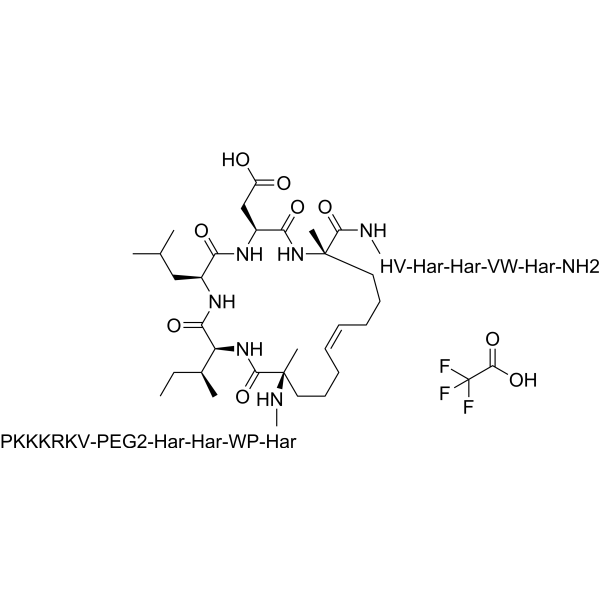
    NLS-StAx-h is a selective, cell permeable, stapled peptide Wnt signaling inhibitor with an IC50 of 1.4 μM. NLS-StAx-h efficiently inhibits β-catenin-transcription factor interactions. NLS-StAx-h shows anti-proliferation of cancer cells .
    NLS-StAx-h
  • HY-P2272A
    NLS-StAx-h TFA
    1 Publications Verification

    Wnt β-catenin Cancer
    NLS-StAx-h TFA is a selective, cell permeable, stapled peptide Wnt signaling inhibitor with an IC50 of 1.4 μM. NLS-StAx-h TFA efficiently inhibits β-catenin-transcription factor interactions. NLS-StAx-h TFA shows anti-proliferation of cancer cells .
    NLS-StAx-h TFA
  • HY-N3940

    Others Neurological Disease Cancer
    Gelsevirine is the major alkaloid in Gelsemium elegans with potent anxiolytic effects. The anxiolytic mechanism of Gelsevirine may be involved in the agonist action of the glycine receptor in the brain. Gelsevirine has anti-proliferation activity with IC50 values of 1.41 mM and 1.22 mM for SW480 cells and MGC80-3 cells, respectively .
    Gelsevirine
  • HY-145737

    PROTACs Ras Cancer
    PROTAC SOS1 degrader-1 is a potent PROTAC SOS1 degrader with an DC50 of 98.4 nM. PROTAC SOS1 degrader-1 shows antiproliferation activity in cancer cells with various KRAS mutations. PROTAC SOS1 degrader-1 shows antitumor effect with low toxicity .
    PROTAC SOS1 degrader-1
  • HY-101990

    VEGFR Others
    IMS2186 is an anti-choroidal neovascularization (CNV) agent that inhibits angiogenesis upstream of VEGF. IMS2186 can arrest cancer cell cycle in G2/M phase, thus exerting anti-proliferation and anti-angiogenesis effects. IMS2186 has no intraocular toxicity and reduces the amount of eye leakage and diseased cells .
    IMS2186
  • HY-162837

    Aurora Kinase Cancer
    AURKA against 1 is an inhibitor of AURKA (IC50 less than 0.5 nM), targeting endogenous lysine (K162) acetylation, and has anti-proliferation activity against tumor cells. AURKA against 1 induces K162 acetylation, and the kinase activity of AURKA is reversibly restored in HCT116 cells transfected with SIRT3 .
    AURKA against 1
  • HY-116015

    Endogenous Metabolite Inflammation/Immunology
    Dihomo-γ-Linolenic acid methyl ester is the methyl ester form of Dihomo-γ-Linolenic Acid (DGLA) (HY-A0143). Dihomo-γ-Linolenic acid is an n-6 polyunsaturated fatty acid that is metabolized mainly through the cyclooxygenase (COX) pathway to the anti-inflammatory eicosanoid prostaglandin (PG) E1. Dihomo-γ-Linolenic acid has anti-inflammatory and antiproliferation effects .
    Dihomo-γ-Linolenic acid methyl ester
  • HY-N9228

    Others Cancer
    5,7,3',4'-Tetrahydroxy-3-methoxy-8-geranylflavone is a prenylflavone with anti-proliferation effect on breast cancer cells. 5,7,3',4'-Tetrahydroxy-3-methoxy-8-geranylflavone can be isolated from an ethyl acetate-soluble extract of the barks of Broussonetia papyrifera .
    5,7,3',4'-Tetrahydroxy-3-methoxy-8-geranylflavone
  • HY-149726

    Histone Methyltransferase Cancer
    EZH2-IN-17 (compound 28) is a potent and orally active EZH2 inhibitor with an IC50 value of 0.95 nM. EZH2-IN-17 exhibits high anti-proliferation activity against different lymphoma cell lines including WSU-DLCL2, Pfeiffer and Karpas-422 (IC50 values of 2.36 nM, 1.73 nM, and 1.82 nM, respectively) .
    EZH2-IN-17
  • HY-169946A

    Wee1 Cancer
    WEE1/PKMYT1-IN-2 is the axial chiral P configuration of WEE1/PKMYT1-IN-1 (HY-169946). WEE1/PKMYT1-IN-1 is a potent and orally active WEE1 and PKMYT1 inhibitor. WEE1/PKMYT1-IN-1 shows antiproliferation activity .
    WEE1/PKMYT1-IN-2
  • HY-169946B

    Wee1 Cancer
    WEE1/PKMYT1-IN-3 is the axial chiral M configuration of WEE1/PKMYT1-IN-1 (HY-169946). WEE1/PKMYT1-IN-1 is a potent and orally active WEE1 and PKMYT1 inhibitor. WEE1/PKMYT1-IN-1 shows antiproliferation activity .
    WEE1/PKMYT1-IN-3
  • HY-151533

    Epigenetic Reader Domain Cancer
    PBRM1-BD2-IN-6 is a potent PBRM1 bromodomain inhibitor with an IC50 value of 0.22 μM. PBRM1-BD2-IN-6 shows antiproliferation activity. PBRM1-BD2-IN-6 has the potential for the research of PBRM1-dependent cancer .
    PBRM1-BD2-IN-6
  • HY-P10783

    Peptide-Drug Conjugates (PDCs) Integrin Cancer
    BGC0222 is a novel prodrug of Irinotecan (HY-16562). BGC0222, as a PEG-cRGD-conjugated Irinotecan (HY-16562) derivative, could slowly and steadily release Irinotecan (HY-16562). BGC0222 binds to αVβ3 with IC50 values of 4.25 μM (αVβ3) and 58.7 μM (αVβ5). BGC0222 possesses the property of inducing neovascularization. BGC0222 exhibits good antiproliferation activity in many tumors .
    BGC0222
  • HY-162633

    Deubiquitinase Cancer
    USP1-IN-9 (Compound 1m) is reversible and noncompetitive ubiquitin-specific proteases (USP1) inhibitors with an IC50 of 8.8 nM, which is designed and synthesized to pyrido[2,3-d]pyrimidin-7(8H)-one derivative based on the disclosed structure of ML323(HY-17543) and KSQ-4279(HY-145471). USP1-IN-9 displays excellent USP1/UAF inhibition and exhibits strong antiproliferation effect in breast cancer cells. USP1-IN-9 can generate enhanced cell killing with PARP inhibitor olaparib(HY-10162) in olaparib-resistant MDA-MB-436/OP cells, which is promising for research in the field of cancer .
    USP1-IN-9
  • HY-161123

    WDR5 Cancer
    WDR5-IN-8 is a WDR5 inhibitor with IC50 value of 15.5 nM. WDR5-IN-8 shows good anti-proliferative activity in two human acute leukemia cell lines. WDR5-IN-8 has antitumor activity .
    WDR5-IN-8
  • HY-146335

    CDK Cancer
    CLK1/4-IN-1 (compound 31) is a potent and selective Clk1 and Clk4 inhibitor with an IC50 value of 9.7 nM and 6.6 nM, respectively. CLK1/4-IN-1 has growth inhibitory activities against T24 cancer cells with GI50 of 1.1 μM. CLK1/4-IN-1 can be used for researching anticancer .
    CLK1/4-IN-1
  • HY-16375

    D-63153

    GnRH Receptor Apoptosis Cancer
    Ozarelix (D-63153) is a GnRH antagonist. Ozarelix induces cell apoptosis and arrests cell in G2/M phase. Ozarelix can be used in the research of prostate cancer .
    Ozarelix
  • HY-117376

    UAB30

    RAR/RXR Cancer
    (all-E)-UAB30 (UAB30) is an retinoid X receptor (RXR) selective agonist.(all-E)-UAB30 shows anti-proliferation activity for MyLa, HuT 78, and HH cells with the IC50 of 34.7, 5.1, and 22.4 μM respectively .
    (all-E)-UAB30
  • HY-154973

    Oxidative Phosphorylation Mitochondrial Metabolism AMPK Metabolic Disease Cancer
    AMPK activator 11 is an AMP-activated protein kinase (AMPK) activator with nanomolelevel antiproliferation activities against several CRCs. AMPK activator 11 selectively inhibits the RKO xenograft growth along by activating AMPK and upregulating oxidative phosphorylation (OXPHOS) ( mitochondrial metabolism ) and can be used for anti-tumor and metabolic disease research .
    AMPK activator 11

Inquiry Online

Your information is safe with us. * Required Fields.

Salutation


Country or Region *

Applicant Name *


Organization Name *

Department *


Email Address *


Product Name *

Cat. No.


Requested quantity *

Phone Number *


Remarks

Inquiry Online

Inquiry Information

Product Name:
Cat. No.:
Quantity:
MCE Japan Authorized Agent:

