Delivery of temperature sensitive items including proteins and kits will be paused on 6/19 for the Juneteenth holiday. For urgent orders please contact customer service.
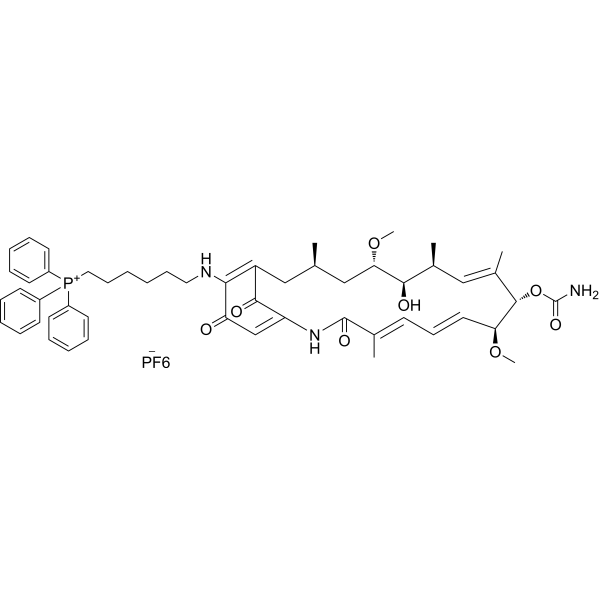
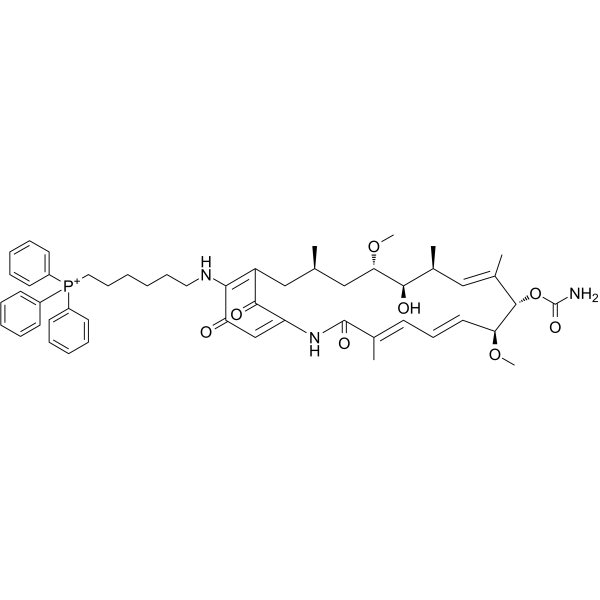
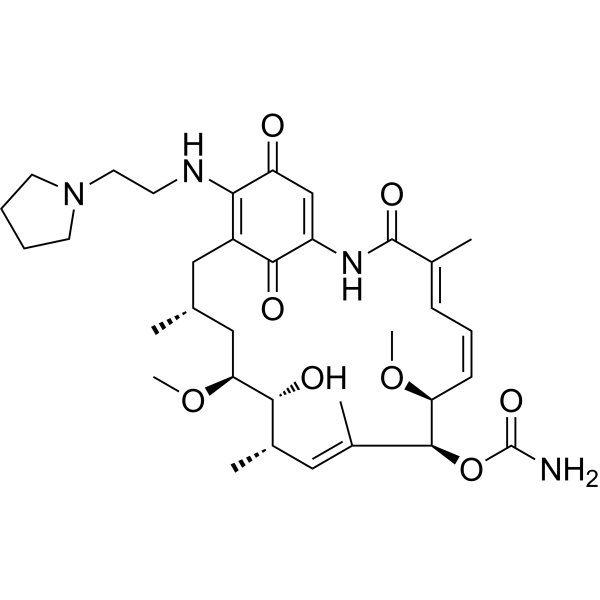
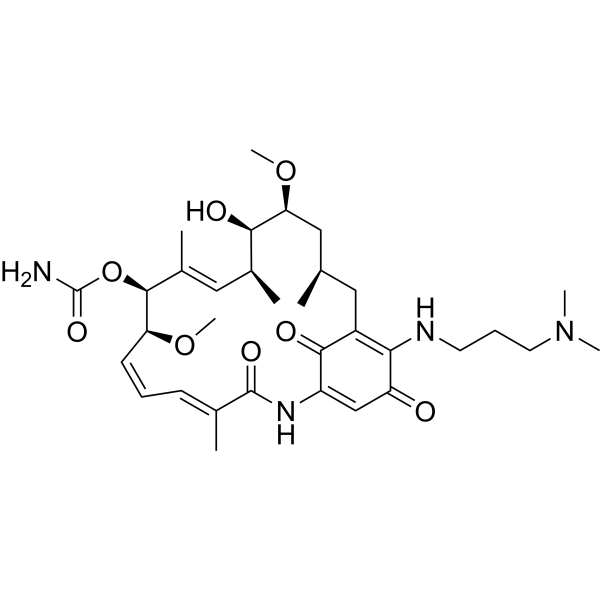
Gamitrinib TPP hexafluorophosphate is a Gamitrinib (GA) mitochondrial matrix inhibitor. Gamitrinib TPP hexafluorophosphate is a mitochondrial targeted HSP90 inhibitor with anti-cancer activity.
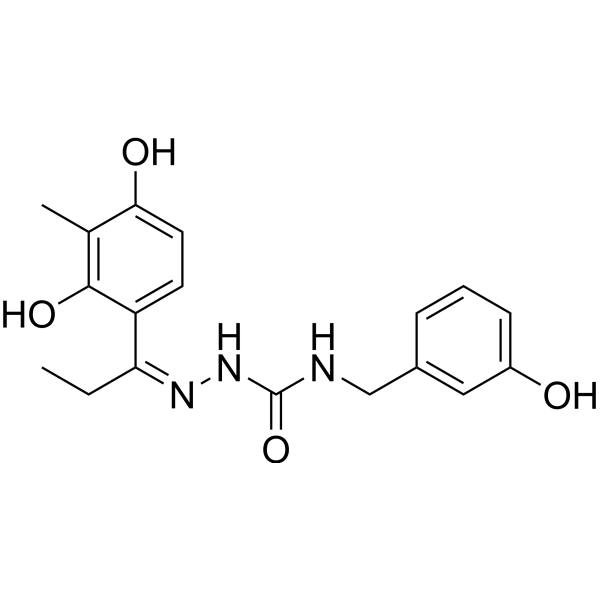
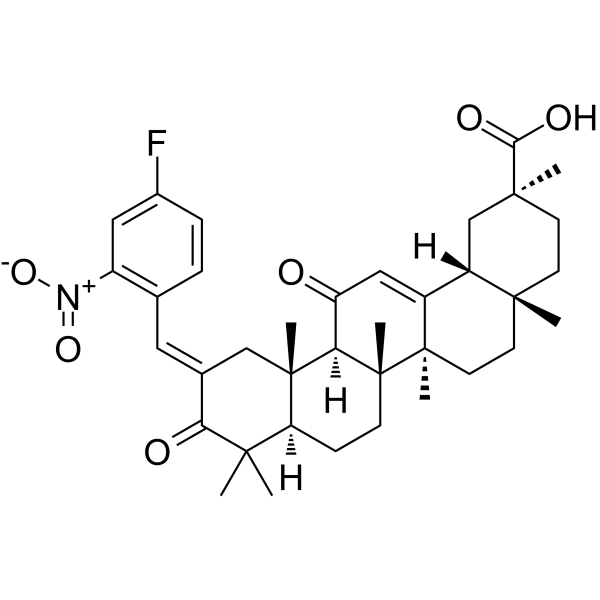
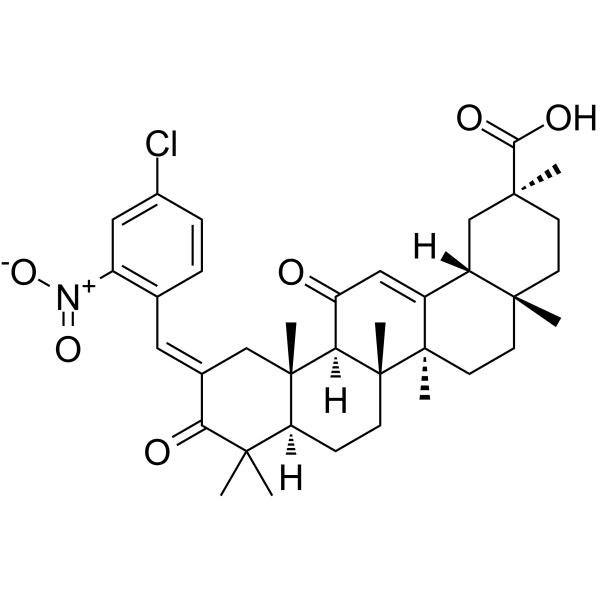
GA-017 is a potent and selective LATS1 and LATS2 (large tumor suppressor kinase 1/2) inhibitor, with IC50 values of 4.10 and 3.92 nM, respectively. GA-017 is an activator of cell proliferation. GA-017 promotes YAP/TAZ activation and nuclear translocation. GA-017 promotes cell growth under 3D culture conditions. GA-017 enhances the ex vivo formation of mouse intestinal organoids .
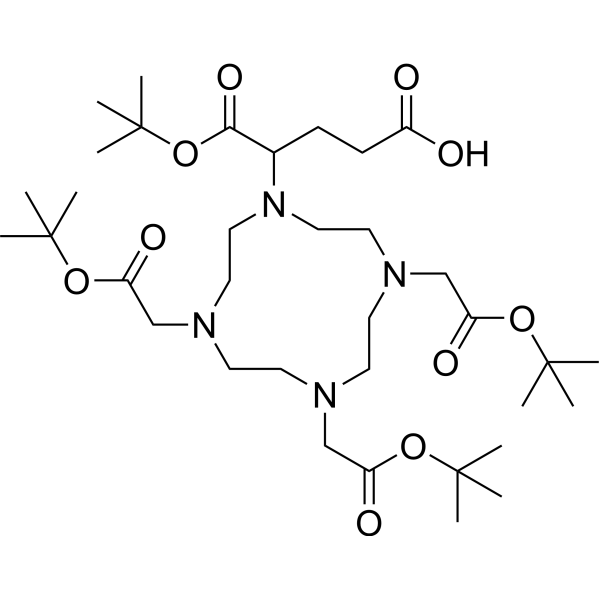
DOTA-GA(tBu)4 stabilizes the attachment of radiometals to ligands. DOTA-GA(tBu)4 improves the biodistribution of radiolabeled second-generation Affibody molecules by increasing their net negative charge and reducing hepatic uptake, leading to enhanced tumor-to-blood and tumor-to-liver ratios. DOTA-GA(tBu)4 targets HER2>-expressing breast and gastrointestinal cancer .
p-NCS-Bz-DOTA-GA is a bifunctional chelator. p-NCS-Bz-DOTA-GA can be used as a versatile linker in targeted molecular imaging for both PET/SPECT and MRI applications .
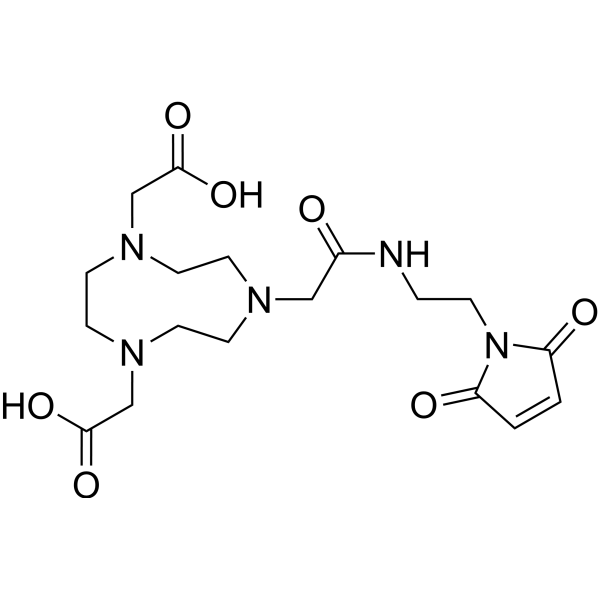
Maleimide-NOTA is a chelate. Maleimide-NOTA can be site-specifically coupled to the hPD-L1 nanobody bearing the Cys-tag. Maleimide-NOTA can specifically conjugate to A20FMDV2 (HY-P1654). The [ 68Ga]Ac-CG6 formed by the conjugation of 68Ga radiolabeled Maleimide-NOTA with A20FMDV2 can be used for PET imaging of αvβ6 integrin-positive pancreatic ductal adenocarcinoma .
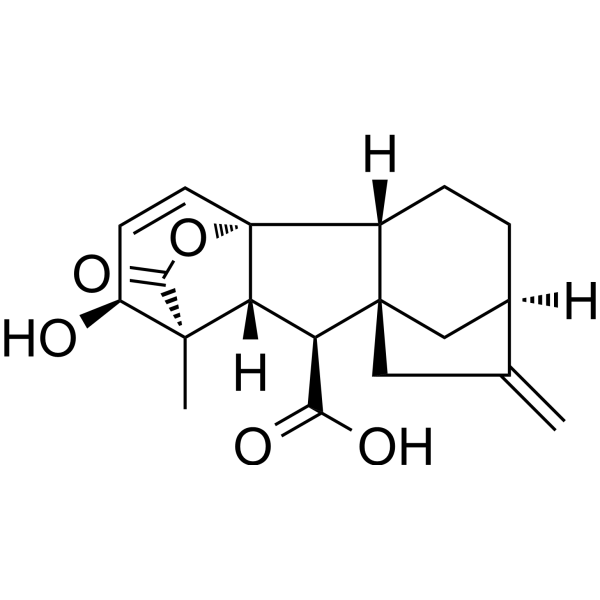
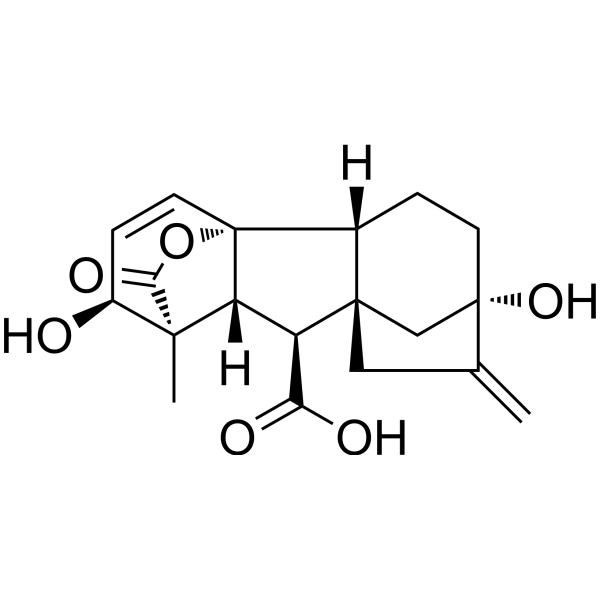
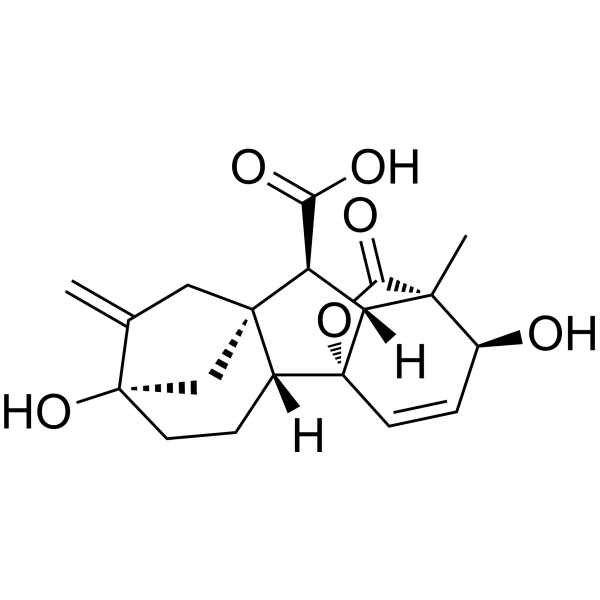
Gibberellin A7 (GA7) is a terpenoid that serve as an important plant hormone. Gibberellin A7 acts as a growth and response modulator against injuries and parasitism. Gibberellin A7 presents antibiofilm properties at 940 mM concentration. Gibberellin A7 can inhibit flower bud formation in some plants. Gibberellin A7 shows antioxidant activity against peroxyl radicals. Gibberellin A7 exhibits anti-Candida activity against Candia albicans .
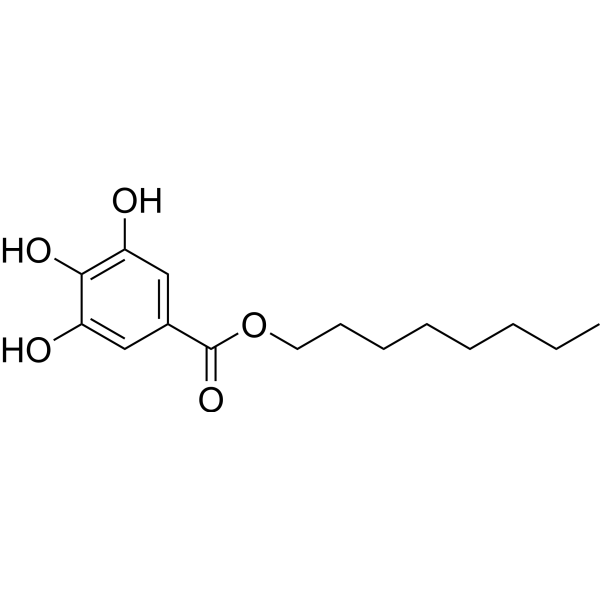
Octyl gallate (Progallin O) is widely used as a food additive, with antimicrobial and antioxidant activity . Octyl gallate (Progallin O) shows selective and sensitive fluorescent property . Octyl gallate shows a marked antiviral effect against HSV-1, vesicular stomatitis virus (VSV) and poliovirus .
NH2 DOTA-GA is a DOTA-based metal chelator that can be used to prepare radionuclide drug conjugates (RDCs) whose carboxylic acid groups can complex metal ions, for example, NH2 DOTA-GA complexes Gd(III) ions.
Cardiomyocyte proliferation promoting agent-1 ((E/Z)-GA-002), which is an E/Z mixture, is a cardiomyocyte proliferation promoter. GA-002 (single E configuration) is a kinase inhibitor for LATS1 and LATS2, with its IC50 values being 3.93 nM and 3.87 nM respectively. GA-002 can induce the expression of genes regulated by the Hippo pathway, inhibit the phosphorylation of YAP/TAZ, and induce the nuclear translocation of YAP .
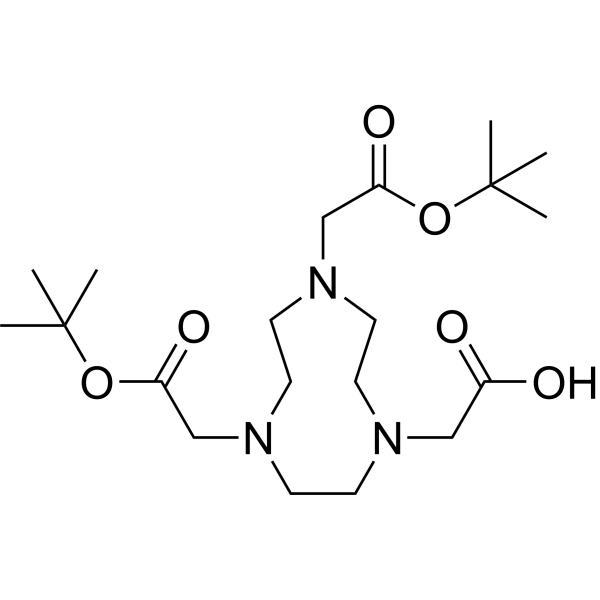
NOTA-bis (tBu) ester is a derivative of NOTA (HY-134418). NOTA-bis (tBu) ester is radiolabeled with 68Ga to form ZD2-( 68Ga-NOTA) after conjugation with ZD2. ZD2-( 68Ga-NOTA) can be used for PET imaging studies of pancreatic cancer .
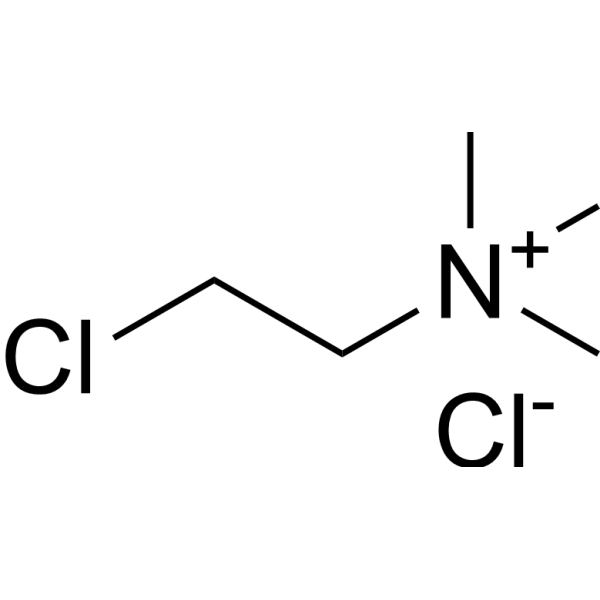
Chlorocholine chloride is an effective plant growth regulator. Chlorocholine chloride can inhibit gibberellin (GA) biosynthesis. Chlorocholine chloride can be used for the research of the mechanisms and effects of GA on plant cell growth and differentiation .
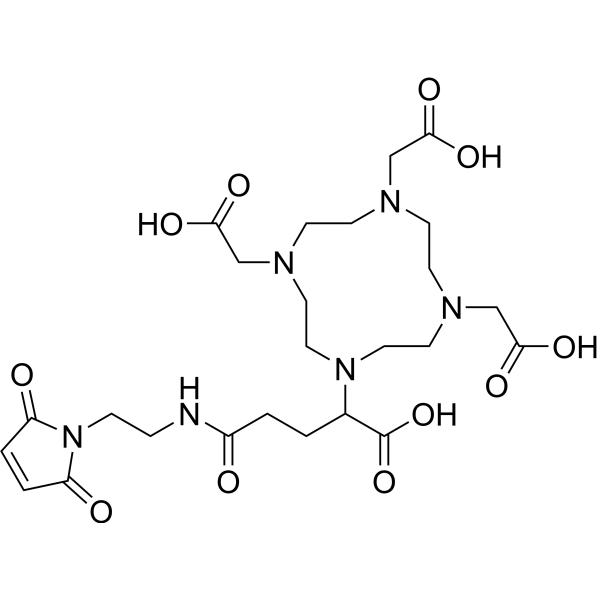
DOTA-GA-maleimide is a bifunctional chelator with protein conjugation and radiometal chelation capabilities. DOTA-GA-maleimide forms stable complexes with 111In and conjugates with proteins via maleimide chemistry. DOTA-GA-maleimide conjugates with LFn, enabling 111In radiolabeling of LFn through direct or pre-labeling strategies. Radiolabeled LFn is applicable to MMP activity imaging studies. DOTA-GA-maleimide is used in cancer research .
Karrikin 2 is a seed germination stimulant identified in smoke produced by plant combustion. Karrikins induce seed germination in Arabidopsis thaliana, lettuce, E. penduliflora and S. orbiculatum. Karrikin 2 upregulates the expression of gibberellin (GA) biosynthesis genes GA3ox1, GA3ox2 and the gibberellin GA4-responsive gene CP1 in Arabidopsis thaliana seeds .
PLGA-COOH (MW 80000) (LA/GA 50:50) is a copolymer composed of lactic acid (LA)-glycolic acid (GA) at a molar ratio of 50:50 and a terminal carboxyl group. PLGA-COOH (MW 80000) (LA/GA 50:50) is used in compound delivery systems due to its biocompatibility and biodegradability .
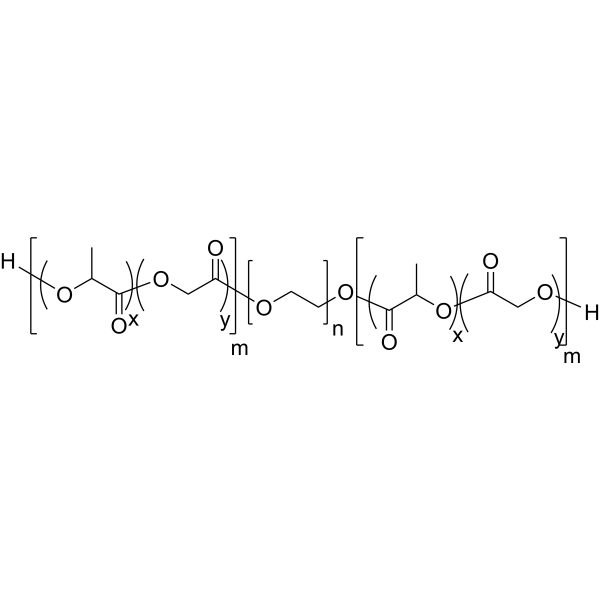
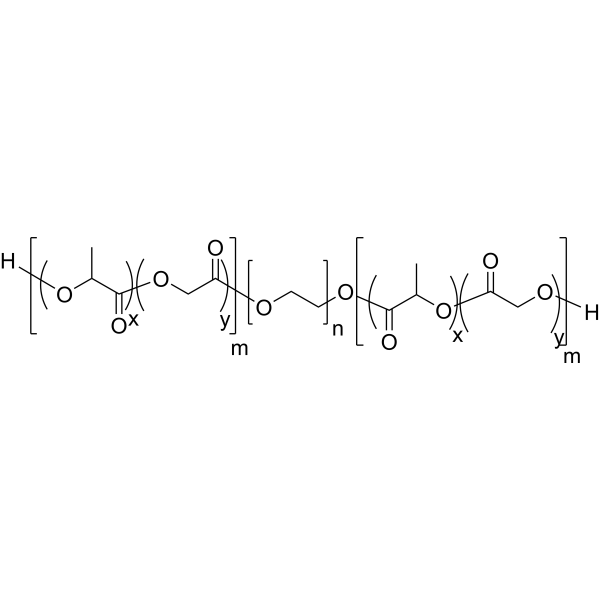
PLGA-PEG-PLGA (hydrogel) (LA:GA 7:1) is a biodegradable thermosensitive hydrogel product that can undergo phase transition at a specific temperature. PLGA-PEG-PLGA (hydrogel) (LA:GA 7:1) can be widely used in drug delivery systems, tissue engineering, wound dressings, and biosensors. The gelation temperature varies with concentration. The gelation temperature varies with the concentration; the higher the concentration, the lower the gelation temperature .
PLGA-PEG-PLGA (hydrogel) (LA:GA 3:1) (15% solution) is a biodegradable thermosensitive hydrogel product that can undergo phase transition at a specific temperature. PLGA-PEG-PLGA (hydrogel) (LA:GA 3:1) (15% solution) can be widely used in drug delivery systems, tissue engineering, wound dressings, and biosensors . The gelation temperature varies with the concentration; the higher the concentration, the lower the gelation temperature.
NODAGA-NHS (NODA-GA-NHS ester) is the activated ester form of the NODAGA chelator. NODAGA-NHS conjugates with Trastuzumab (HY-P9907) to form NODAGA-Trastuzumab, a conjugate that can chelate 64Cu for the preparation of radiotracers. NODAGA-NHS covalently binds to the amino group of lactosamine derivatives to form radiotracer precursors. [ 64Cu]NODAGA-trastuzumab enables PET imaging of tumors expressing HER2. NODAGA-NHS is used in studies of HER2-positive breast cancer and ovarian adenocarcinoma .
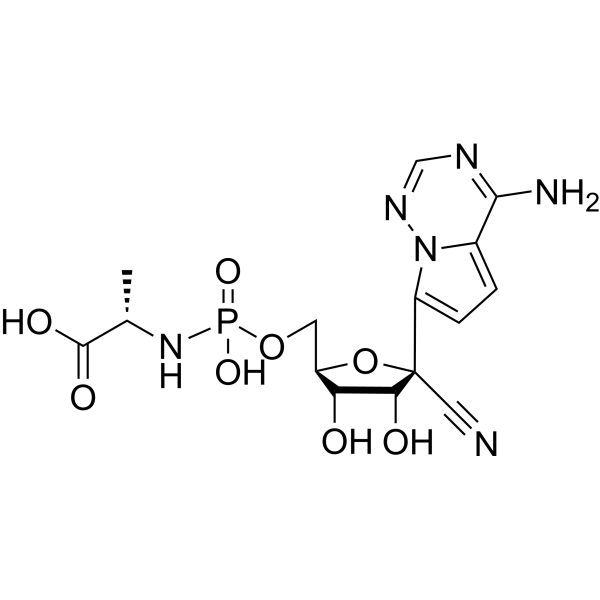
GS-704277 is an alanine metabolite of Remdesivir (HY-104077). GS-704277 is further hydrolyzed to GA-441524 (HY-103586) with antiviral activity. Remdesivir, a nucleoside analogue with effective antiviral activity, is highly effective in the control of SARS-CoV-2 (COVID-19) infection .
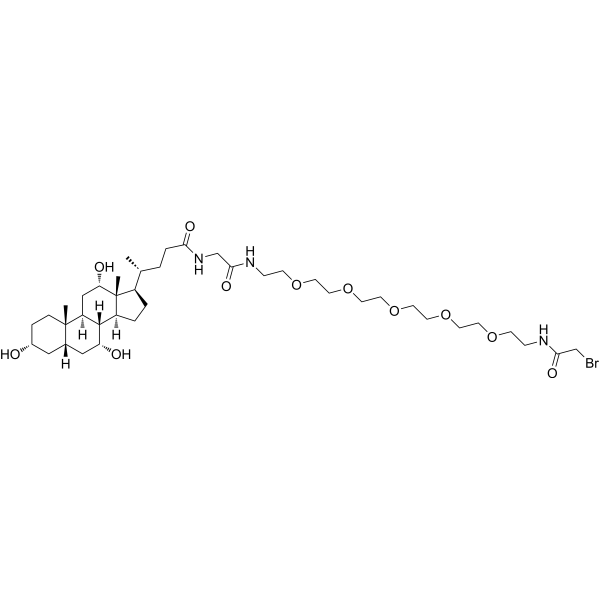
Gamitrinib TPP is a Gamitrinib (GA) mitochondrial matrix inhibitor. Gamitrinib TPP is a mitochondrial targeted HSP90 inhibitor with anti-cancer activity.
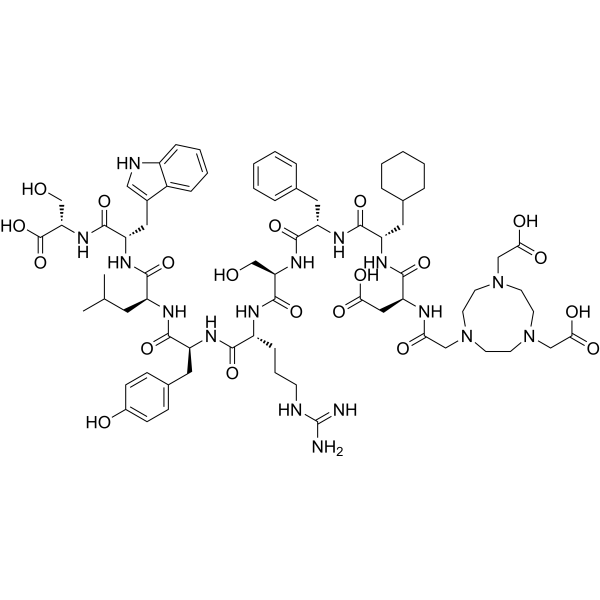
3BP-3940 is a highly potent and selective peptide inhibitor of FAP that targets cancer-associated fibroblasts (CAFs) in the tumor microenvironment. 3BP-3940 can be labeled with radionuclides (such as Ga-68) for precise tumor imaging or Lu-177 for the development of targeted anticancer technologies. 3BP-3940 accumulates in tumor lesions and can be used to diagnose and inhibit various solid cancers and CAFs-related diseases .
NOTA-AE105 is a PET ligand for the urokinase-type plasminogen activator receptor (uPAR). NOTA-AE105 can be radiolabeled with 64Cu and 68Ga. Images of 68Ga-NOTA-AE105 and 64Cu-NOTA-AE105 demonstrate high contrast and clear tumor delineation. NOTA-AE105 can be used in the synthesis of radionuclide-conjugated compounds (RDCs) .
Pro-GA is a γ-glutamyl cyclotransferase (GGCT) inhibitor. Pro-GA inhibits the enzymatic activity of GGCT, disrupts glutathione homeostasis, induces the production of mitochondrial ROS, and upregulates the expression of p21, p27 and p16 in cells. Pro-GA inhibits the growth of cancer cells, induces cell cycle arrest and cellular senescence. Pro-GA exerts anti-tumor effects in breast cancer xenograft mouse models. Pro-GA can be used in research related to bladder cancer and breast cancer .
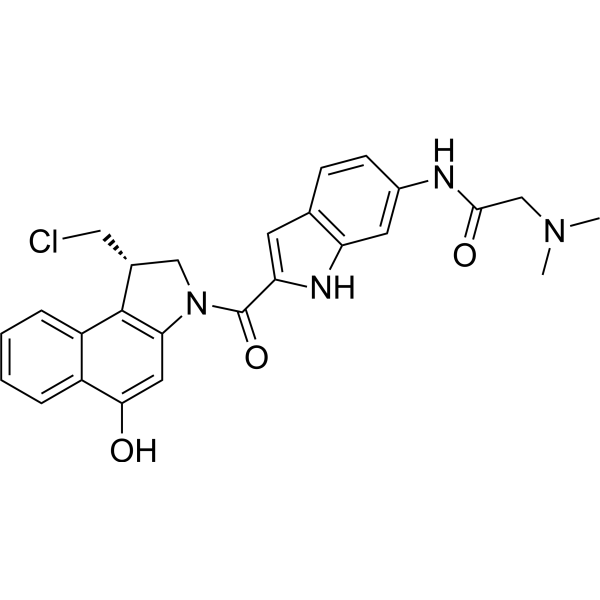
Duocarmycin GA is an antibody agent conjugates (ADCs) toxin. Duocarmycin is a DNA alkylating agent that binds in the minor groove. Duocarmycin GA can be used against multi-agent resistant cell lines.
PLGA-PEG-PLGA (hydrogel) (LA:GA 3:1) (20% solution) is a biodegradable thermosensitive hydrogel product that can undergo phase transition at a specific temperature. PLGA-PEG-PLGA (hydrogel) (LA:GA 3:1) (20% solution) can be widely used in drug delivery systems, tissue engineering, wound dressings, and biosensors. The gelation temperature varies with the concentration; the higher the concentration, the lower the gelation temperature .
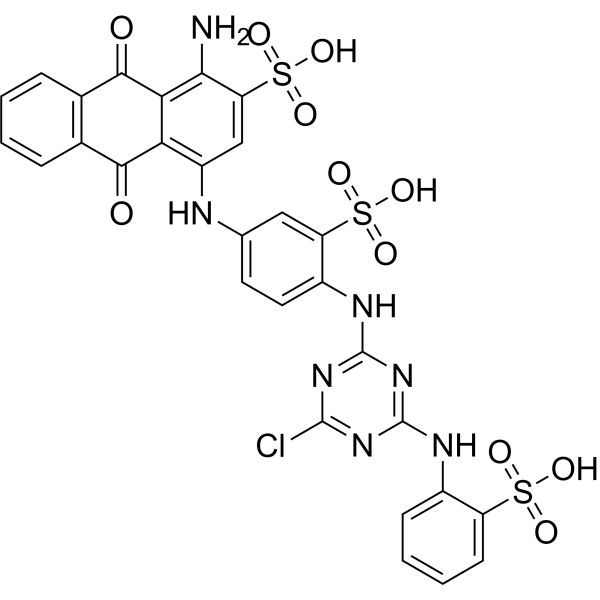
Blue dextran (MW 70000) (Dextran blue (MW 70000)) is a conjugate of dextran and Cibacron Blue 3G-A ligand, mainly used for purification of human serum albumin .
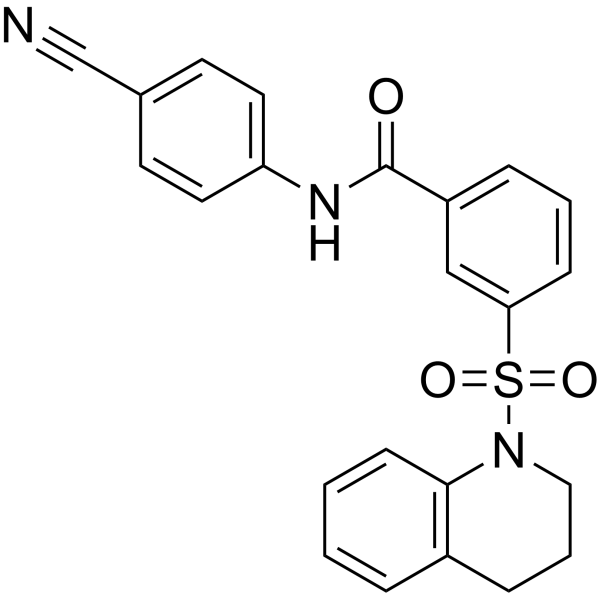
GA32 (compound 58r) is potent androgen receptor (AR)/glucocorticoid receptor (GR) dual inhibitor with IC50 values of 0.13 μM and 0.83 μM for AR and GR, respectively. GA32 inhibits the proliferation of Enzalutamide (HY-70002) resistance castration-resistant prostate cancer both in vitro and in vivo .
PLGA-PEG-PLGA (1500-1500-1500) (LA/GA 15:1) is a matrix materia, with lactic acid (LA):glycolic acid (GA) = 15:1, that acts as anti-cancer drug delivery. PLGA-PEG-PLGA (1500-1500-1500) (LA/GA 15:1) can improve a drug's bioavailability, efficacy, water solubility, drug encapsulation efficiency, sustained drug release, and to minimize undesirable toxicity .
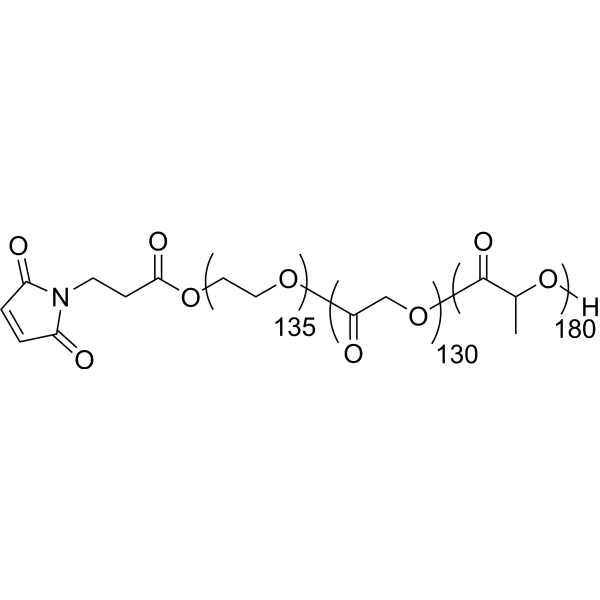
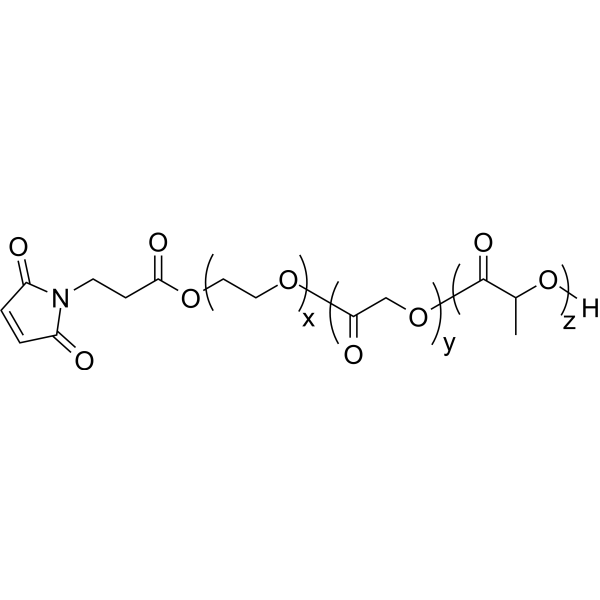
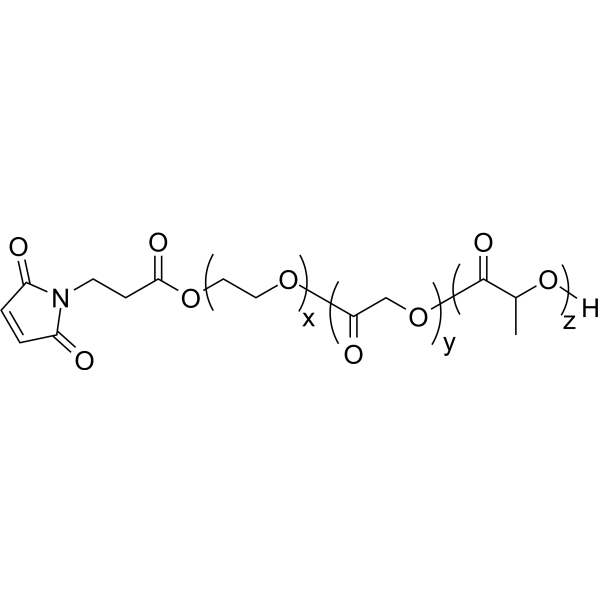
PLGA-PEG-MAL (20kDA-5.0kDA, LA:GA ratio 40:60) is a kind of poly(lactide-co-glycolide)-block-poly(ethylene glycol) (PLGA-PEG-Mal) nanoparticles. PLGA-PEG-MAL (20kDA-5.0kDA, LA:GA ratio 40:60) has a molecular weight of 20kDA to 5.0kDA and contains a 40:60 ratio of lactic acid (LA) to glycolic acid (GA) molecules .
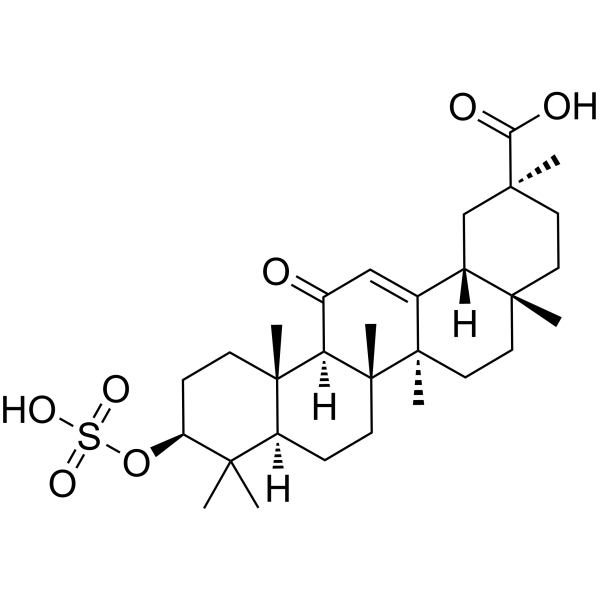
18β-Glycyrrhetyl-3-O-sulfate (Glycyrrhetic acid 3-O-(hydrogen sulfate)) is a potent type 2 11β-hydroxysteroid dehydrogenase (11β-HSD2) inhibitor with an IC50 of 0.10 µM using rat kidney microsome. 18β-Glycyrrhetyl-3-O-sulfate is the major metabolite of Glycyrrhetinic acid (GA). 18β-Glycyrrhetyl-3-O-sulfate is the substrate of organic anion transporter (OAT) 1 and OAT3. 18β-Glycyrrhetyl-3-O-sulfate has anti-inflammatory effects and has the potential for pseudohyperaldosteronism research .
Octyl gallate (Standard) is the analytical standard of Octyl gallate. This product is intended for research and analytical applications. Octyl gallate (Progallin O) is widely used as a food additive, with antimicrobial and antioxidant activity . Octyl gallate (Progallin O) shows selective and sensitive fluorescent property . Octyl gallate shows a marked antiviral effect against HSV-1, vesicular stomatitis virus (VSV) and poliovirus .
Gibberellins A4/A7 induces stimulation of tracheid production in the terminal shoot of intact plants is mediated through an increase in the IAA level in the cambial region .
3,4-Dihydro-6,7-isoquinolinediol (compound 7) is a β2-AR agonist with an EC50 of 106.9 μM in CH-K1/GA1S cells. 3,4-Dihydro-6,7-isoquinolinediol can also inhibit the production of NO in mouse macrophage RAW 264.7 cells induced by lipopolysaccharide, showing anti-inflammatory activity .
BCN-DOTA-GA is a cyclooctyne-linked DOTA chelator that can be labeled with radioactive zirconium-89 and used as a radionuclide-labeled drug conjugate (RDC) to target specific biomolecules, cells or tissues.
PLGA-PEG-PLGA (1500-1500-1500) (LA/GA 1:1) is a matrix materia, with lactic acid (LA):glycolic acid (GA) = 1:1, that acts as anti-cancer drug delivery. PLGA-PEG-PLGA (1500-1500-1500) (LA/GA 1:1) can improve a drug's bioavailability, efficacy, water solubility, drug encapsulation efficiency, sustained drug release, and to minimize undesirable toxicity .
PLGA-PEG-MAL (20kDA-5.0kDA, LA:GA ratio 50:50) is a kind of poly(lactide-co-glycolide)-block-poly(ethylene glycol) (PLGA-PEG-Mal) nanoparticles. PLGA-PEG-MAL (20kDA-5.0kDA, LA:GA ratio 50:50) has a molecular weight of 20kDA to 5.0kDA and contains a 50:50 ratio of lactic acid (LA) to glycolic acid (GA) molecules. The molecular ratio of LA to GA determines the rate of matrix degradation and protein re-release .
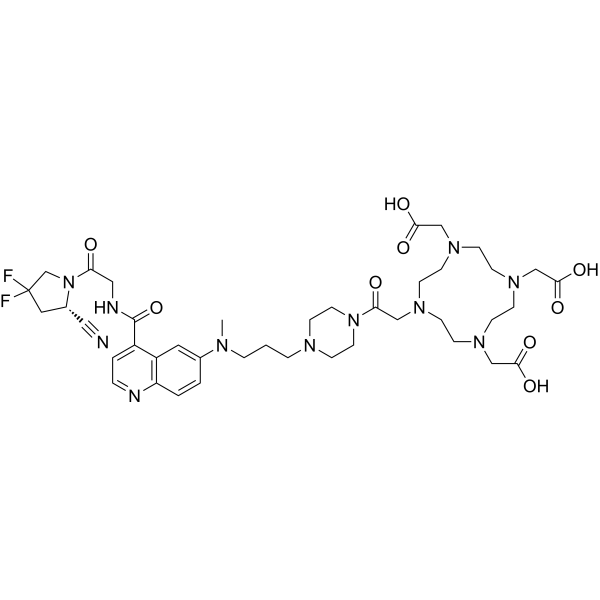
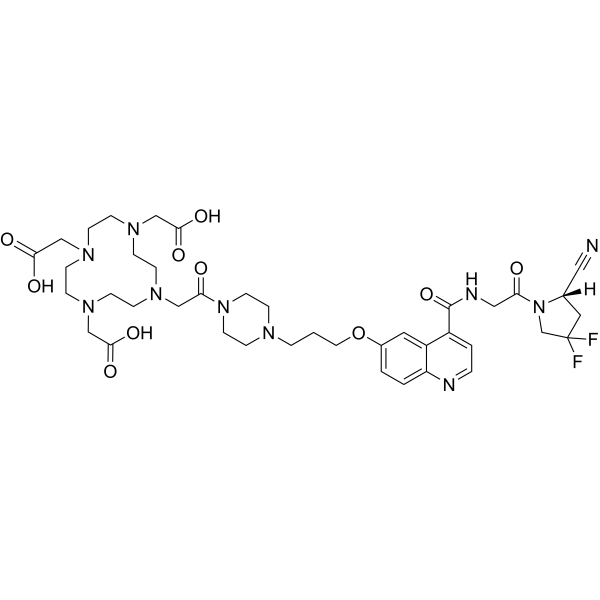
OncoFAP-EN-DOTAGA is a FAP (fibroblast activation protein) targeting conjugate compound. OncoFAP-EN-DOTAGA can chelate radioactive isotopes (such as ) Ga-68 or fluorescent agent and can be used as a probe with targeting binding functions .
TRAP-Pr is a radionuclide conjugate (RDC) that can bind to the radionuclide [68]Ga. RDCs have the ability to specifically target biomolecules and can be used in medical imaging or therapy. TRAP-Pr can be further functionalized with acetone and used in click chemistry CuAAC reactions to conjugate other labeled molecules.
DOTA-NI-FAPI-04 is a FAP inhibitor (IC50 = 7.44 nM). By integrating FAP targeting with hypoxia-sensitive groups (nitroimidazole), DOTA-NI-FAPI-04 significantly enhances tumor uptake and retention capabilities. DOTA-NI-FAPI-04 chelates metallic isotopes (such as 68Ga and 177Lu) through DOTA to produce radioactive probes ([68Ga]Ga/DOTA-NI-FAPI-04 and [177Lu]Lu/DOTA-NI-FAPI-04), which can be used for research in tumor diagnostics and therapeutic agents. DOTA-NI-FAPI-04 holds dual targeting potential in the fields of cancer imaging, tumor microenvironment analysis, and radionuclide therapy, particularly suitable for scenarios where the tumor stroma and hypoxic regions synergistically interact .
Blue dextran (MW 5000) (Dextran blue (MW 5000)) is a conjugate of dextran and Cibacron Blue 3G-A ligand, mainly used for purification of human serum albumin .
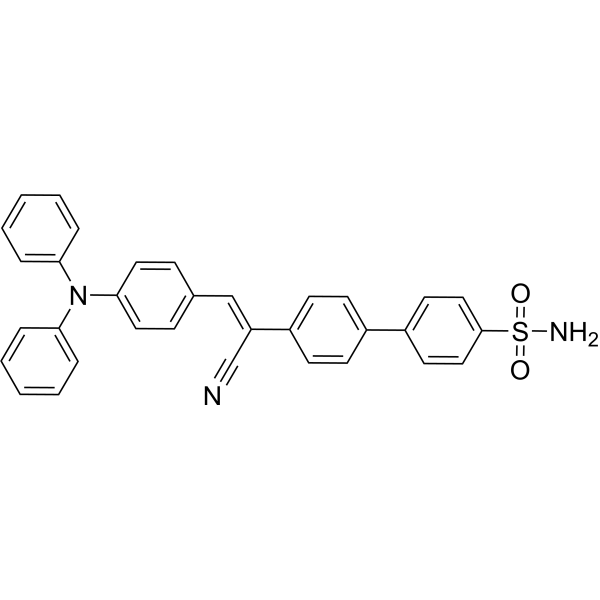
AIE-GA is a Golgi apparatus (GA) fluorescent probe (green channel: λex = 405 nm, λem = 500-700 nm). AIE-GA has a favourable binding ability to interact with COX-2. AIE-GA binds to the cyclooxygenase catalytic site of COX-2 .
mPEG-PLGA (2000-80000) (LA/GA 50:50) is a copolymer, which consists of hydrophilic mPEG and biodegradable PLGA (molar ratio is 50:50) with a molecular weight of 2000 (mPEG) + 80000 (PLGA). mPEG-PLGA (2000-80000) (LA/GA 50:50) forms nanoparticles or microparticles, which is stable in aqueous solution at different pH values and elevated temperatures as well as in serum. mPEG-PLGA (2000-80000) (LA/GA 50:50) is utilized as carrier material in drug delivery systems .
PLGA-PEG-MAL (60kDA-3.4kDA, LA:GA ratio 75:25) is a kind of poly(lactide-co-glycolide)-block-poly(ethylene glycol) (PLGA-PEG-Mal) nanoparticles. PLGA-PEG-MAL (60kDA-3.4kDA, LA:GA ratio 75:25) has a molecular weight of 60kDA to 3.4kDA and contains a 75:25 ratio of lactic acid (LA) to glycolic acid (GA) molecules .
PLGA-PEG-PLGA (hydrogel) (LA:GA 7:1) (20% solution) is a biodegradable thermosensitive hydrogel product that can undergo phase transition at a specific temperature. PLGA-PEG-PLGA (hydrogel) (LA:GA 7:1) (20% solution) can be widely used in drug delivery systems, tissue engineering, wound dressings, and biosensors. The gelation temperature varies with concentration. The gelation temperature varies with the concentration; the higher the concentration, the lower the gelation temperature .
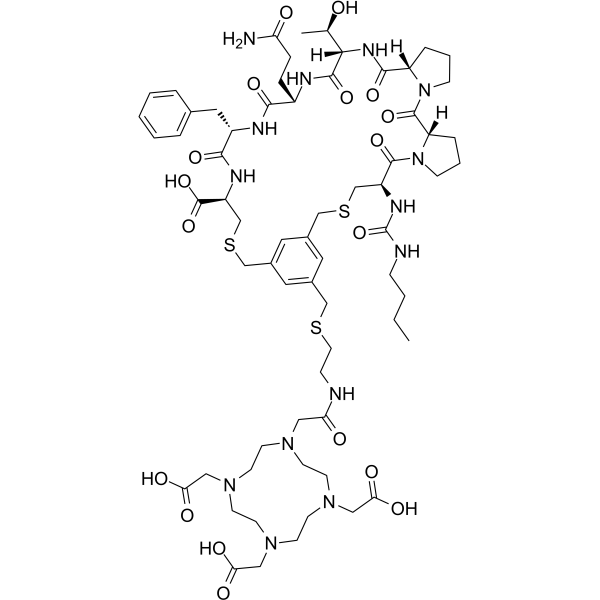
BGC1614 is a Nectin-4-targeting bicyclic toxin conjugate (BTC) belonging to the category of peptide-drug conjugates (PDCs). BGC1614 exhibits strong targeted binding ability to Nectin-4, with an KD of 3.859 × 10 -7 M. BGC1614 exhibits superior antitumor efficacy in nude mice bearing PC-3 and N87 tumor xenografts. BGC1614 can be used for research related to Nectin-4-overexpressing tumors (such as prostate cancer, gastric cancer) .
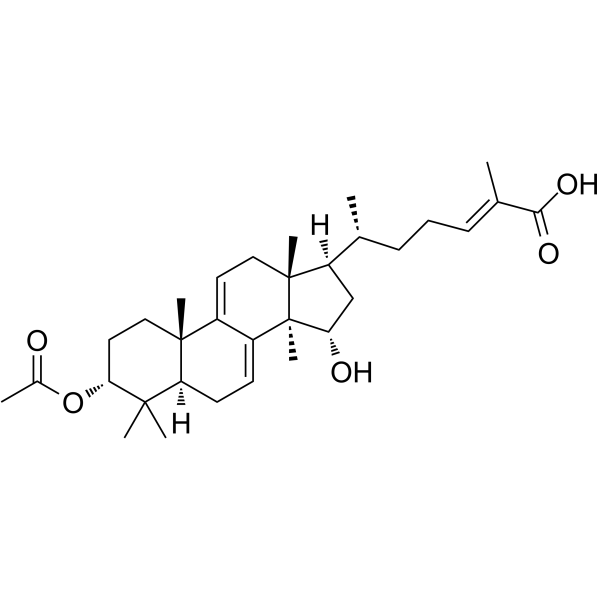
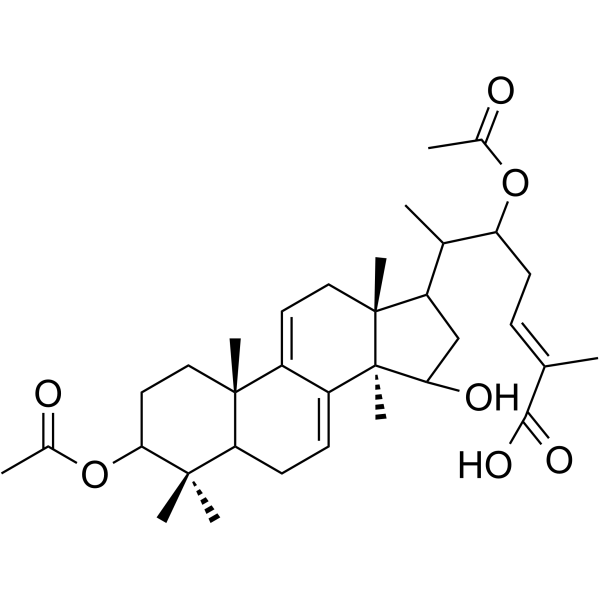
Ganoderic acid Mf is an antitumor triterpenoid. Ganoderic acid Mf causes cell cycle arrest in the G1 phase. Ganoderic acid Mf shows high selectivity between normal and cancer cells and induces cell apoptosis via mitochondria mediated pathway .
DOTA-CXCR4-L is a CXCR4 targeting peptide. DOTA-CXCR4-L can be used in the study of cancers, including glioblastoma and triple-negative breast cancer. NODAGA-LM3 can be labeled with [68Ga]/[177Lu] for the synthesis/research of Radionuclide-Drug Conjugates (RDCs) .
FAPI-JNU is a molecule targeting fibroblast activation protein (FAP). FAPI-JNU specifically binds to FAP highly expressed in the tumor microenvironment, and uses radionuclides [ 68Ga]Ga or [ 177Lu]Lu to achieve tumor imaging diagnosis. [177Lu]Lu−FAPI−JNU can effectively target and inhibit tumor growth in tumor-bearing mice. FAPI-JNU is promising for research of FAP-positive tumors (such as various solid tumors) .
TA-DOTA-GA is a radionuclide conjugate (RDC), which is capable of binding to a radionuclide. RDC has the ability to specifically target biomolecules and can be used in medical imaging or therapy .
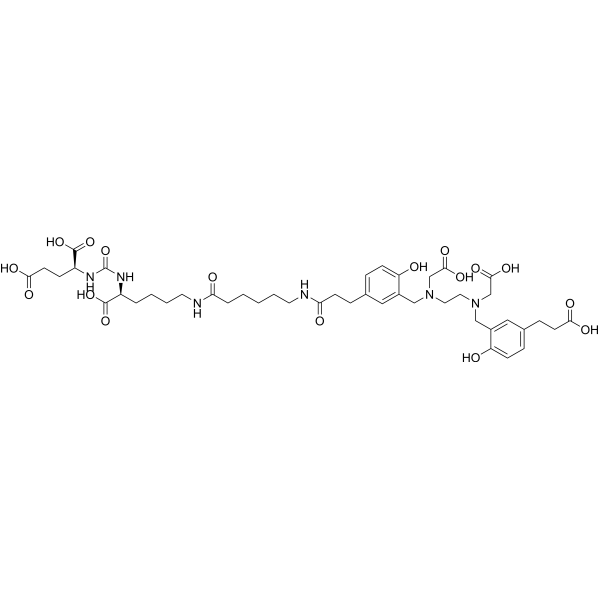
PSMA-DIM is a dimeric PSMA ligand with a Kd of 37.09 nM for LNCaP cells. PSMA-DIM can be radiolabeled with [ 68Ga]Ga to form [ 68Ga]Ga-PSMA-DIM. [ 68Ga]Ga-PSMA-DIM can effectively distinguish between cells and animal models with different expression levels of PSMA. [ 68Ga]Ga-PSMA-DIM exhibits high LNCaP cells uptake and tumor uptake peak values. PSMA-DIM can be used for the study of prostate cancer (PCa) .
DOTA-BP1 is a DOTA-modified BP1 (BCMA-targeting peptide). DOTA-BP1 can be radiolabeled with [ 68Ga]Ga to produce a BCMA-targeting PET tracer. DOTA-BP1 can be used in the research of detecting BCMA in multiple myeloma .
DOTA-ubiquicidin (29-41), an antimicrobial peptide fragment derivative, can be used for synthesis of [ 68Ga]Ga-DOTA-Ubiquicidin29-41 and then used for imaging of infectious processes using PET/CT . DOTA-ubiquicidin (29–41) can be used for the synthesis/research of Radionuclide-Drug Conjugates (RDCs).
DHGA5 (exo-16,17-Dihydro-gibberellin A5-13-acetate) is a GA3β-hydroxylase (OsGA3ox2) inhibitor. DHGA5 inhibits Arabidopsis root growth with an IC50 of 97 μM. DHGA5 also suppresses the elongation of rice second leaf sheath. DHGA5 can alleviate oxidative damage to Arabidopsis seedlings under NaCl salt stress and reduce the accumulation of superoxide anion .
Blue dextran (MW 40000) (Dextran blue (MW 4000)) is a conjugate of dextran and Cibacron Blue 3G-A ligand, mainly used for purification of human serum albumin .
Blue dextran (MW 500000) (Dextran blue (MW 500000)) is a conjugate of dextran and Cibacron Blue 3G-A ligand, mainly used for purification of human serum albumin .
Blue dextran (MW 110000) (Dextran blue (MW 110000)) is a conjugate of dextran and Cibacron Blue 3G-A ligand, mainly used for purification of human serum albumin .
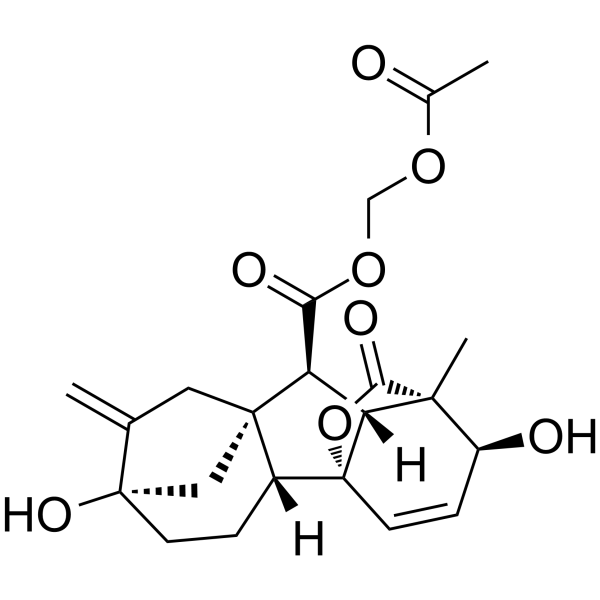
GA3-AM (Standard) is the analytical standard of GA3-AM. This product is intended for research and analytical applications. GA3-AM is a cell permeable analog of the plant hormone gibberellic acid that acts as a chemical dimerizer or chemical inducer of dimerization .
GA 0113 is a potent and orally active angiotensin II (Ang II) AT1-receptor antagonist. GA 0113 inhibits the Ang II (HY-13948)-induced pressor response with ID50 of 0.032 mg/kg and dose-dependently increases plasma renin activity for 48 h .
GA-O-06, a 18β-Glycyrrhetinic acid derivative, is a potent antimicrobial and anti-inflammatory agent. GA-O-06 exerts anti-inflammation through the inhibition of NO, pro-inflammatory cytokines and chemokines. GA-O-06 displays a high antimicrobial activity against Gram-positive bacteria .
GA-O-02, a 18β-Glycyrrhetinic acid derivative, is a potent antimicrobial and anti-inflammatory agent. GA-O-02 exerts anti-inflammation through the inhibition of NO, pro-inflammatory cytokines and chemokines. GA-O-02 displays a high antimicrobial activity against Gram-positive bacteria .
Oganomycin GA is Streptomyces str. oganonensis Y-G 19Z and Oganomycin A is produced when p-hydroxycinnamate sodium salt is added to the fermentation medium. Under the action of D-amino acid oxidase, A generates glutaryl derivative, GA; A and GA were converted to B and GB by acid hydrolysis to remove sulfate esters. The effect of B on d-amino acid oxidase was also changed to GB. A and B were more stable than A and B of cemycin, and had stronger effect against Gram-positive and Gram-negative bacteria than Gram-positive bacteria .
Ganoderic acid Mk (GA-Mk) is a triterpenoid acid, that can be isolated from the mycelia of Ganoderma lucidum. Ganoderic acid Mk is efficiently anti-proliferative and can induce apoptosis of HeLa cells by mitochondria-mediated pathway. Ganoderic acid Mk can be used for cervical cancer research .
PLGA-PEG-PLGA (hydrogel) (LA:GA 7:1) (15% solution) is a biodegradable thermosensitive hydrogel product that can undergo phase transition at a specific temperature. PLGA-PEG-PLGA (hydrogel) (LA:GA 7:1) (15% solution) can be widely used in drug delivery systems, tissue engineering, wound dressings, and biosensors. The gelation temperature varies with concentration. The gelation temperature varies with the concentration; the higher the concentration, the lower the gelation temperature .
NH2-PEG4-NODA-GA is a NODA-type metal chelator that can bind to radionuclides to prepare radionuclide drug conjugates (RDCs). RDCs have the ability to specifically target biomolecules and can be used in medical imaging or therapy.
Gls2 Rat Pre-designed siRNA Set A contains three designed siRNAs for Gls2 gene (Rat), as well as a negative control, a positive control, and a FAM-labeled negative control.
AGA Human Pre-designed siRNA Set A contains three designed siRNAs for AGA gene (Human), as well as a negative control, a positive control, and a FAM-labeled negative control.
Gls2 Mouse Pre-designed siRNA Set A contains three designed siRNAs for Gls2 gene (Mouse), as well as a negative control, a positive control, and a FAM-labeled negative control.
GLS2 Human Pre-designed siRNA Set A contains three designed siRNAs for GLS2 gene (Human), as well as a negative control, a positive control, and a FAM-labeled negative control.
BIIB-028 is an orally active inhibitor for heat shock protein 90 (Hsp90). BIIB-028 targets the ATP-binding site of Hsp90, disrupts the function of Hsp90, leads to the degradation of client proteins, that are crucial for cancer cell survival and proliferation .
NC-174 is a super-strong guanidine compound that is sweeter than sucrose. NC-174 is more than 300,000 times sweeter than sucrose and has the potential to be a probe for sweet taste receptors .
Chlorocholine (chloride) (Standard) is the analytical standard of Chlorocholine (chloride). This product is intended for research and analytical applications. Chlorocholine chloride is an effective plant growth regulator. Chlorocholine chloride can inhibit gibberellin (GA) biosynthesis. Chlorocholine chloride can be used for the research of the mechanisms and effects of GA on plant cell growth and differentiation .
GA3ox-IN-1 (Compound 10e) is a GA3β-hydroxylase (GA3ox) inhibitor. GA3ox-IN-1 inhibits Arabidopsis root growth with an IC50 of 90 μM. GA3ox-IN-1 also suppresses the elongation of rice second leaf sheath. GA3ox-IN-1 can alleviate oxidative damage to Arabidopsis seedlings under NaCl salt stress and reduce the accumulation of superoxide anion .
GA12-aldehyde is an endogenous gibberellin biosynthetic intermediate found in developing Pisum sativum (pea) seeds and is virtually inactive in most bioassays .
PYTA(tBu)4-GA(Li) is a PYTA-derived bifunctional chelator and can be used for actinium-225 radiolabeling. PYTA(tBu)4-GA(Li) can be used for the research of cancer .
Gibberellic acid Sterile Solution (1 mg/mL) (GA3 Sterile Solution (1 mg/mL)) is a natural plant growth regulator with oral bioactivity. Gibberellic acid Sterile Solution (1 mg/mL) governs multiple plant developmental events, including seed germination, cell elongation, floral organ formation, and rice spikelet fertility. Gibberellic acid Sterile Solution (1 mg/mL) optimizes root morphology and secondary metabolite production in Echinacea purpurea hairy roots, and serves as a bioactive seed priming agent to improve chilling stress tolerance in chickpea. Gibberellic acid Sterile Solution (1 mg/mL) mediates modulation of enzyme activity and secondary metabolism in plants and exerts tissue-specific regulatory effects on antioxidant systems and lipid peroxidation in rats. Gibberellic acid Sterile Solution (1 mg/mL) can be used in studies of plant growth, metabolism, and abiotic stress responses .
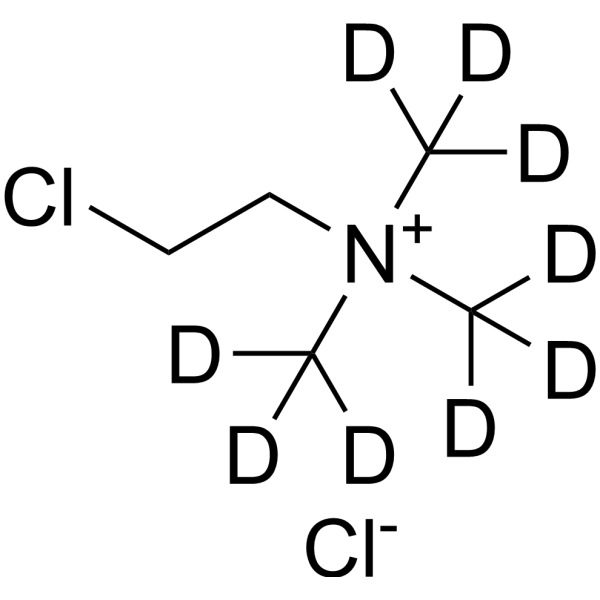
Chlorocholine-d9 (chloride) is the deuterium labeled Chlorocholine chloride . Chlorocholine chloride is an effective plant growth regulator. Chlorocholine chloride can inhibit gibberellin (GA) biosynthesis. Chlorocholine chloride can be used for the research of the mechanisms and effects of GA on plant cell growth and differentiation .
Oganomycin GB is Streptomyces str. oganonensis Y-G 19Z and Oganomycin A is produced when p-hydroxycinnamate sodium salt is added to the fermentation medium. Under the action of D-amino acid oxidase, A generates glutaryl derivative, GA; A and GA were converted to B and GB by acid hydrolysis to remove sulfate esters. The effect of B on d-amino acid oxidase was also changed to GB. A and B were more stable than A and B of cemycin, and had stronger effect against Gram-positive and Gram-negative bacteria than Gram-positive bacteria. The antibacterial activity of A and B was higher than that of GA and GB .
IPM-N001 is a carbonic anhydrase IX (CAIX) ligand with a Kd value of <0.0337 nM for hCAIX. When radio-conjugated with 68Ga, IPM-N001 serves as a CAIX-targeted radionuclide tracer. [ 68Ga]Ga-IPM-N001 exhibits excellent tumor uptake and significantly improves the tumor-to-background ratio in PET/CT imaging studies using OS-RC-2 tumor-bearing mice. IPM-N001 can be used for the research of clear cell renal cell carcinoma .
DOTA-NT-20.3-IPBA is a Neurotensin receptor 1 (NTR1)-targeting albumin binder with specific high-affinity binding to NTR1. DOTA-NT-20.3-IPBA is formed by the conjugation of DOTA-NT-20.3 and IPBA. DOTA-NT-20.3-IPBA can be used for positron emission tomography (PET) imaging following labeling with [ 68Ga]Ga .
Gamitrinib TPP hexafluorophosphate (Standard) is the analytical standard of Gamitrinib TPP hexafluorophosphate (HY-102007A). This product is intended for research and analytical applications. Gamitrinib TPP hexafluorophosphate is a Gamitrinib (GA) mitochondrial matrix inhibitor. Gamitrinib TPP hexafluorophosphate is a mitochondrial targeted HSP90 inhibitor with anti-cancer activity.
Blue dextran (MW 20000) (Dextran blue (MW 20000)) is a conjugate of dextran and Cibacron Blue 3G-A ligand, mainly used for purification of human serum albumin .
Sefaxersen sodium is a specific antisense oligonucleotide (ASO) targeting complement factor B (CFB). Sefaxersen sodium effectively reduces circulating levels of CFB, and can be used for geographic atrophy (GA) research .
Syntide 2, a Ca 2+- and calmodulin (CaM)-dependent protein kinase II (CaMKII) substrate peptide, selectively inhibits the gibberellin (GA) response, leaving constitutive and abscisic acid-regulated events unaffected .
NH2-NODAGA hydrochloride is a NODAGA-type metal chelator that can bind to radionuclides to prepare radionuclide conjugates (RDCs). NH2-NODAGA hydrochloride can react with diethyl squarate in 0.5M phosphate buffer to obtain NODAGA.SA. NODAGA.SA can target L-lysine urea-L-glutamate (KuE), which is a key structure of prostate-specific membrane antigen (PSMA). NODAGA.SA.KuE can bind [68]Ga and can be used for PET examination of NMRInu/nu nude mice bearing LNCaP tumors.
DOTA-Bn-CA-170 is a molecular probe targeting the VISTA protein, with a Kd value of 0.124 nM. DOTA-Bn-CA-170 is formed by covalently linking the p-SCN-Bn-DOTA ligand with CA-170 (HY-101093). DOTA-Bn-CA-170 labeled with [ 68Ga]Ga successfully achieves specific and high-contrast PET imaging of VISTA expression in various tumor-bearing mouse models. DOTA-Bn-CA-170 can be used for the study of VISTA-targeted immunotherapy .
NH2-NODAGA is a NODAGA-type metal chelator that can bind to radionuclides to prepare radionuclide conjugates (RDCs). NH2-NODAGA can react with diethyl squarate in 0.5M phosphate buffer to obtain NODAGA.SA. NODAGA.SA can target L-lysine urea-L-glutamate (KuE), which is a key structure of prostate-specific membrane antigen (PSMA). NODAGA.SA.KuE can bind [68]Ga and can be used for PET examination of NMRInu/nu nude mice bearing LNCaP tumors.
NH2-NODAGA TFA is a NODAGA-type metal chelator that can bind to radionuclides to prepare radionuclide conjugates (RDCs). NH2-NODAGA TFA can react with diethyl squarate in 0.5M phosphate buffer to obtain NODAGA.SA. NODAGA.SA can target L-lysine urea-L-glutamate (KuE), which is a key structure of prostate-specific membrane antigen (PSMA). NODAGA.SA.KuE can bind [68]Ga and can be used for PET examination of NMRInu/nu nude mice bearing LNCaP tumors.
PSMA-D5 has a binding affinity for PSMA with a Ki of 0.21 nM and can be used for PSMA tracing after radiolabeling. PSMA-D5 ([68Ga]-labeled) contains a DOTA chelator, allowing convenient labeling with therapeutic radionuclides such as 177Lu and 225Ac. PSMA-D5 ([68Ga]-labeled) shows excellent pharmacokinetic properties, exhibiting remarkable tumor uptake in 22Rv1 tumors . PSMA-D5 can be used for the synthesis/research of Radionuclide-Drug Conjugates (RDCs).
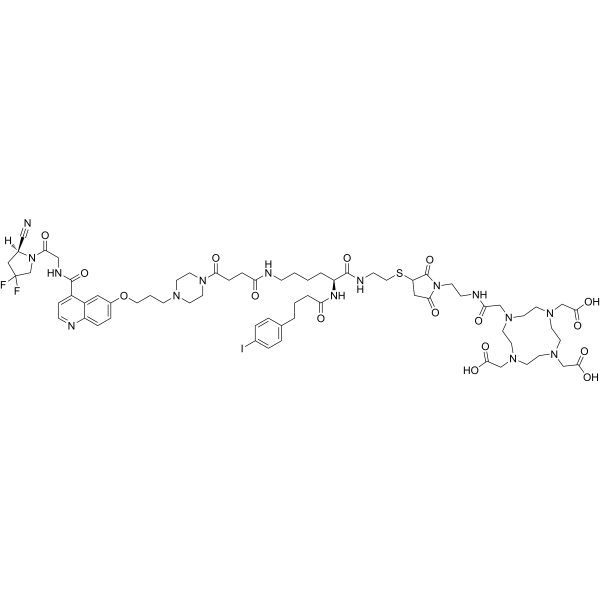
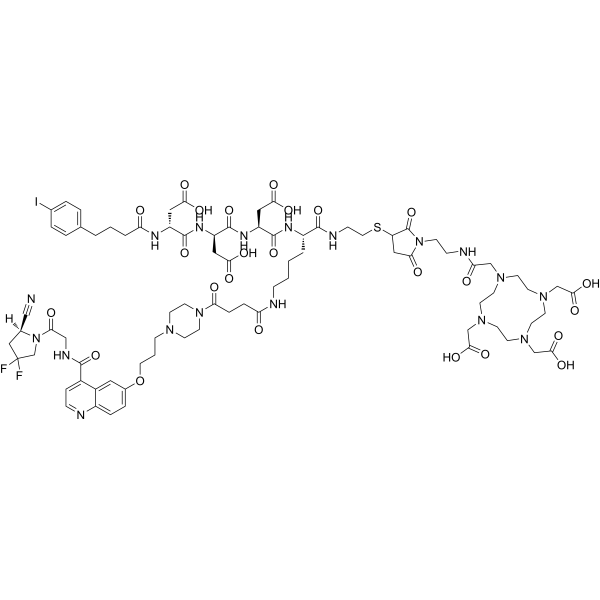
FSDD0I is an albumin-binding fibroblast activation protein (FAP) ligand. FSDD0I can be labeled with 68Ga and 177Lu for single photon emission computed tomography (SPECT) imaging .
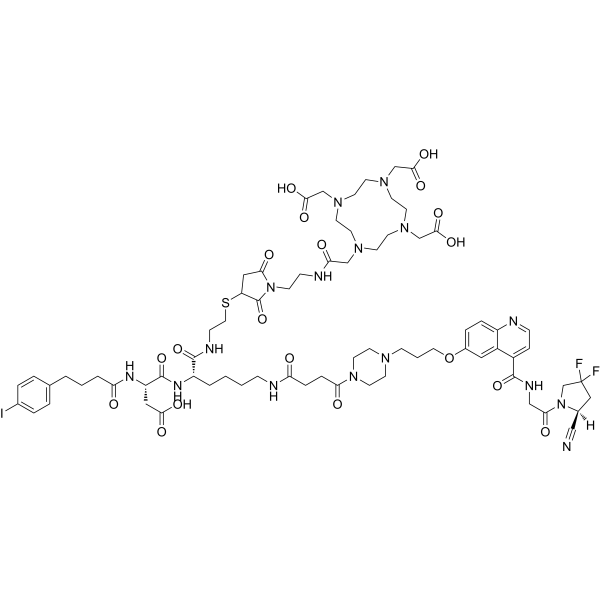
FSDD1I is an albumin-binding fibroblast activation protein (FAP) ligand. FSDD1I can be labeled with 68Ga and 177Lu for single photon emission computed tomography (SPECT) imaging .
NECT-224 is a bifunctional chelator and a nectin-4 targeting peptide conjugate. NECT-224 can be used as a PET imaging agent when labeled with 64Cu or 68Ga .
Syntide 2 (TFA), a Ca 2+- and calmodulin (CaM)-dependent protein kinase II (CaMKII) substrate peptide, selectively inhibits the gibberellin (GA) response, leaving constitutive and abscisic acid-regulated events unaffected .
GR 87389 is a potent NK2 receptor antagonist. GR 87389 antagonized GA 64349-induced smooth muscle strips contractions in a competitive manner in the human detrusor, prostate and prostatic urethra .
FSDD3I is an albumin-binding fibroblast activation protein (FAP) ligand. FSDD3I can be labeled with 68Ga and 177Lu for single photon emission computed tomography (SPECT) imaging .
Sefaxersen (IONIS-FB-LRx) is a specific antisense oligonucleotide (ASO) targeting complement factor B (CFB). Sefaxersen effectively reduces circulating levels of CFB. Sefaxersen can be used for geographic atrophy (GA) research .
DOTA-PEG4-Osu is a conjugate of a chelating agent and a linker, which can be used for the synthesis of the radionuclide reagent 68Ga-DOTA-PEG4-(GGG-cKiE)2.
Retinyl acetate-d3 (ALK-001) is a deuterated Vitamin A. Retinyl acetate-d3 can be used for research of geographic atrophy (GA) secondary to age-related macular degeneration (AMD) .
P-SCN-Bn-NOTA is a metal chelator and molecular imaging probe precursor that allows radiolabeling with Ga-68. P-SCN-Bn-NOTA can be conjugated to CD70-specific molecules B3, B6, ABDB3 and ABDB6 to form NOTA-labeled derivatives. P-SCN-Bn-NOTA is applicable for preclinical PET/CT imaging of CD70-expressing tumors in NCG mouse PDX models. P-SCN-Bn-NOTA can be used in studies related to CD70-positive tumors .
Pentixafor is a peptide that targets CXCR4. Pentixafor is capable of being labelled with 68Gallium ( 68Ga) for positron emission tomography (PET) imaging . Pentixafor can be used for the synthesis/research of Radionuclide-Drug Conjugates (RDCs).
(Z)-Methyl icos-11-enoate (Standard) is the analytical standard of (Z)-Methyl icos-11-enoate. This product is intended for research and analytical applications. (Z)-Methyl icos-11-enoate is a biochemical reagent that can be used as a biological material or organic compound for life science related research.
DOTA-bis(tert-butyl)ester is a DOTA-based metal chelator that can bind to radionuclides and is used to prepare radionuclide conjugates (RDCs). DOTA-bis(tert-butyl)ester can be conjugated with different salts to form different metal chelators, such as (HY-B1244) hydrochloride to obtain DOTA-MN2. DOTA-MN2 can be reacted with [67]Ga-citrate to obtain radiolabeling. When (67)Ga-DOTA-MN2 is incubated in phosphate buffer solution or mouse plasma for 24 hours, it does not undergo significant decomposition. In the biodistribution experiment of NFSa tumor mice, it has high tumor uptake and rapid plasma clearance, and is a good material for SPECT and PET studies.
CAIX-IN-17 is a carbonic anhydrase IX (CAIX) inhibitor with an IC50 of 61 nM and accumulates specifically in CAIX-expressing xenograft tumors. CAIX-IN-17 can be labeled with 68Ga and acts as a CAIX-targeted PET tracer for detection of clear-cell renal cell carcinoma .
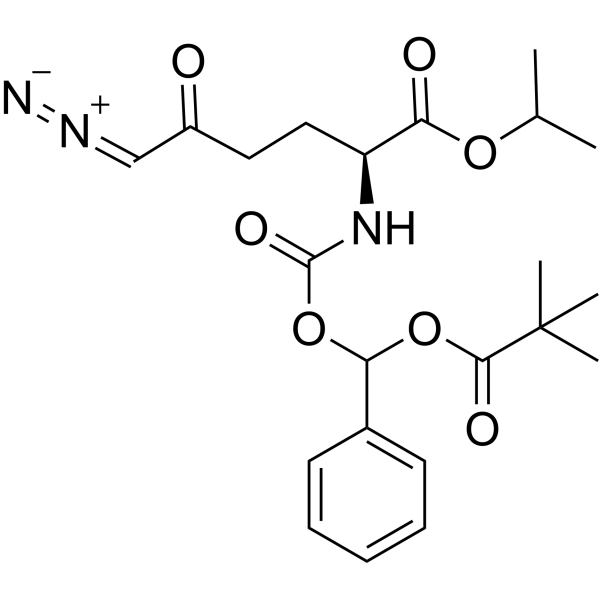
JHU395 is an orally-bioavailable and a plasma stable lipophilic glutamine antagonists (GA) proagent. JHU395 delivers 6-diazo-5-oxo-L-norleucine (DON) to malignant peripheral nerve sheath tumor (MPNST) in vitro and in vivo, and has antitumor activity in MPNST .
(S)-NH2-NODAGA hydrochloride is the S isomer of NH2-NODAGA hydrochloride (HY-164575B). NH2-NODAGA hydrochloride is a NODAGA-type metal chelator that can bind to radioactive nuclides to prepare nuclide conjugates (RDC). NH2-NODAGA hydrochloride can react with diethyl fumarate in 0.5M phosphoric acid buffer to obtain NODAGA.SA. NODAGA.SA can target L-lysine urea-L-glutamic acid (KuE), and KuE is a key structure of prostate-specific membrane antigen (PSMA). NODAGA.SA.KuE can bind [68]Ga and can be used for PET examination in NMRInu/nu nude mice carrying LNCaP tumors.
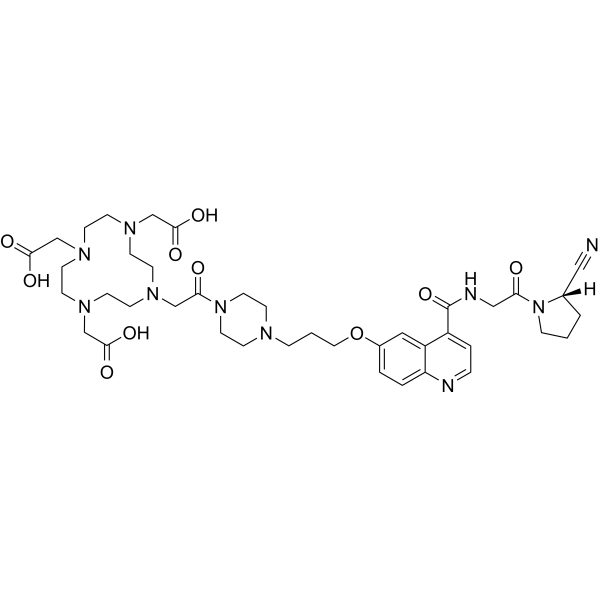
FAPI-46 is a quinoline-based fibroblast activation protein (FAP)-targeted tracer. Use radioactivity FAPI-46 labeled with 68Ga or 177Lu can be used for tumor imaging in a variety of cancers and has higher tumor uptake rates and longer tumor accumulation .
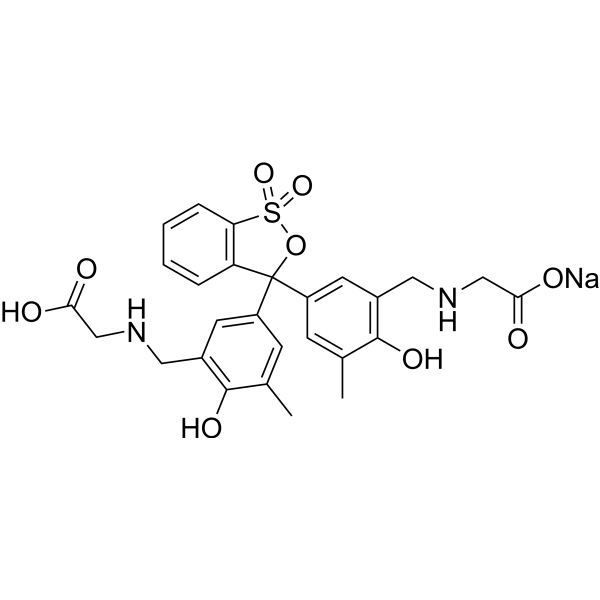
Glycine cresol red is a complexometric indicator. Glycine cresol red forms coloured complexes with Al 3+, Ga3+ and In 3+ ions in aqueous solutions. Glycine cresol red can been used for the spectrophotometric determination of inorganic ions. Glycine cresol red can be used as a stain in neurohistology .
H-Dab(Boc)-OMe hydrochloride is an N-terminally protected diaminobutyric acid containing two protecting groups: methoxy (OMe) and tert-butyloxycarbonyl (Boc). H-Dab(Boc)-OMe hydrochloride can be used to synthesize the bifunctional chelator H3Dpaa that can rapidly complex 68Ga under physiological conditions .
(E/Z)-Oleamide (Octadec-9-enamide) is a PPARα ligand in hippocampal nuclei. (E/Z)-Oleamide can be isolated from plant Galium aparine L. (GA). (E/Z)-Oleamide controls hippocampal plasticity via transcriptional activation of CREB, and regulates feeding and sexual behavior in rats .
DOTA-JR11 is a somatostatin receptor 2 (SSTR2)antagonist. DOTA-JR11 can be labeled by 68Ga, used for paired imaging in neuroendocrine tumors (NETs) research . DOTA-JR11 can be used for the synthesis/research of Radionuclide-Drug Conjugates (RDCs).
FAPI-4 is a potent fibroblast activation protein (FAP) inhibitor for the targeting FAP. FAPI-4 can be used in cancer research. 68Ga-FAPI-4 PET/CT is a promising new diagnostic method for imaging various kinds of cancer, with good tumor-to-background contrast ratios .
JR11-PEG3-HBED-CC-PSMA-03 (Compound 1) is an RDC-related compound containing the chelating agent HBED-CC, the JR11 peptide (SSTR2 antagonist), and the PSMA ligand. JR11-PEG3-HBED-CC-PSMA-03 shows SSTR2-binding affinities and PSMA-binding affinities, with IC50 s of 59.2 nM, 57.0 nM, respectively. JR11-PEG3-HBED-CC-PSMA-03 can be radiolabeled with [ 68Ga]. [ 68Ga] radiolabeled JR11-PEG3-HBED-CC-PSMA-03 can be used in diagnostic studies of neuroendocrine differentiated prostate cancer .
JR11-PEG3-DOTA-PSMA-03 (Compound 2) is an RDC-related compound containing the chelating agent DOTA (HY-W053583), the JR11 peptide (SSTR2 antagonist), and the PSMA ligand. JR11-PEG3-DOTA-PSMA-03 shows SSTR2-binding affinities and PSMA-binding affinities, with IC50 s of 94.0 nM, 81.8 nM, respectively. JR11-PEG3-DOTA-PSMA-03 can be radiolabeled with [ 68Ga]. [ 68Ga] radiolabeled JR11-PEG3-DOTA-PSMA-03 can be used in diagnostic studies of neuroendocrine differentiated prostate cancer .
PSMA-11 is a small molecule ligand that targets prostate-specific membrane antigen (PSMA) and has the ability to inhibit PSMA activity. PSMA-11 can be used to synthesize 68Ga-PSMA-11, a positron emission tomography (PET) tracer that can be used to image advanced prostate cancer .
FAPI-2 is a quinoline-based fibroblast activation protein (FAP)-targeting ligand that can be labeled as 68Ga-FAPI-2 and used as a PET tracer for cancer diagnosis. FAPI-2 has advantages such as fast tracer kinetics, no need for fasting preparation, and being unaffected by blood glucose .
Gibberellenic acid is an intermediate gibberellin compound with a tetracyclic diterpenoid skeleton, and can be generated by thermal decomposition of Gibberellic acid (GA3, HY-N1964) in aqueous solution. Gibberellenic acid is thermally unstable in water and can further convert into allogibberic acid (approximately 80%) and 9-epiallogibberic acid (approximately 10%). It plays an important role in the degradation pathway and structural elucidation of Gibberellins .
FAPI-mFS is an irreversible fibroblast activation protein (FAP) inhibitor, that enhances the uptake and retention time in cancer cells through its covalent binding property for FAP. FAPI-mFS can be used for cancer imaging the therapy, when labeled with radioactive 68Ga or 177Lu . FAPI-mFS can be used for the synthesis/research of Radionuclide-Drug Conjugates (RDCs).
DOTA-ALB-01 is an albumin-bound FAP inhibitor (FAPI) ligand. DOTA-ALB-01 labeled with 68Ga or 177Lu has a high FAP-binding affinity and enhanced tumor uptake and retention. DOTA-ALB-01 can be used for PET/CT and SPECT/CT imaging of cancers, especially late-stage cancers .
FAPI-2 TFA is a quinoline-based fibroblast activation protein (FAP)-targeting ligand that can be labeled as 68Ga-FAPI-2 and used as a PET tracer for cancer diagnosis. FAPI-2 TFA has advantages such as fast tracer kinetics, no need for fasting preparation, and being unaffected by blood glucose .
DOTA-WC8 is a HER2-targeting peptide probe with a KD of 61.20 nM. 68Ga-labeled DOTA-WC8 serves as a PET imaging agent for the specific identification of HER2-positive breast cancer. DOTA-WC8 is applicable to breast cancer-related research .
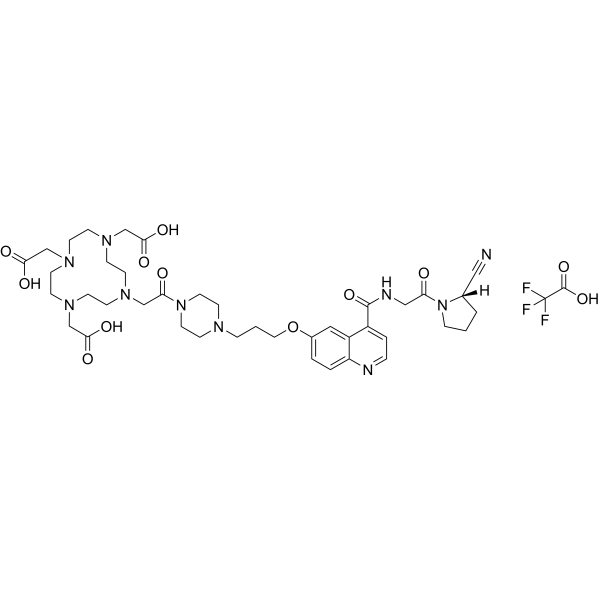
DOTA.SA.FAPi TFA is a selective FAP inhibitor with an IC50 value of 0.9 nM against FAP. DOTA.SA.FAPi TFA forms stable complexes with 68Ga and serves as a PET radiotracer for preclinical imaging of FAP-expressing tumors. DOTA.SA.FAPi TFA can be used in the research of colorectal adenocarcinoma and various other cancers .
NYM074 is a carbonic anhydrase IX (CAIX) ligand. NYM074 binds specifically to human CAIX to enable targeted radionuclide delivery. NYM074 supports dual radiolabeling with 68Ga for positron emission tomography (PET) imaging and 177Lu for radionuclide applications. NYM074 can be used for the research of clear cell renal cell carcinoma .
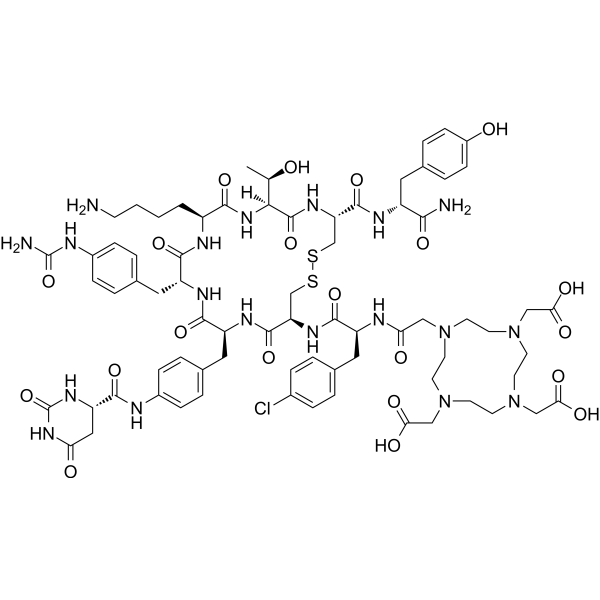
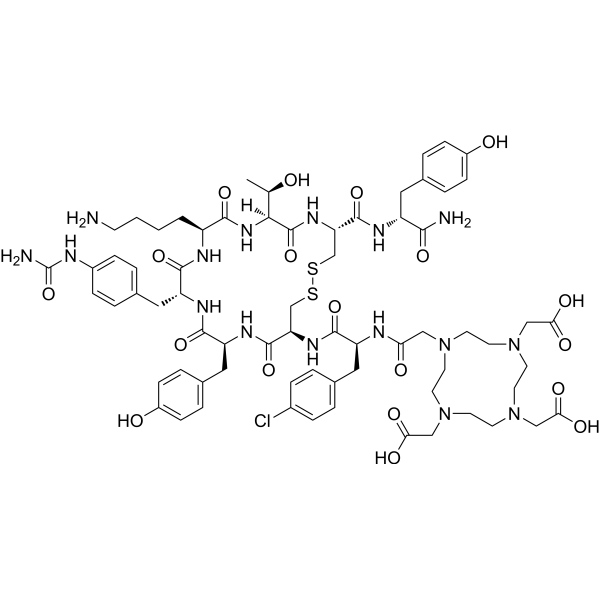
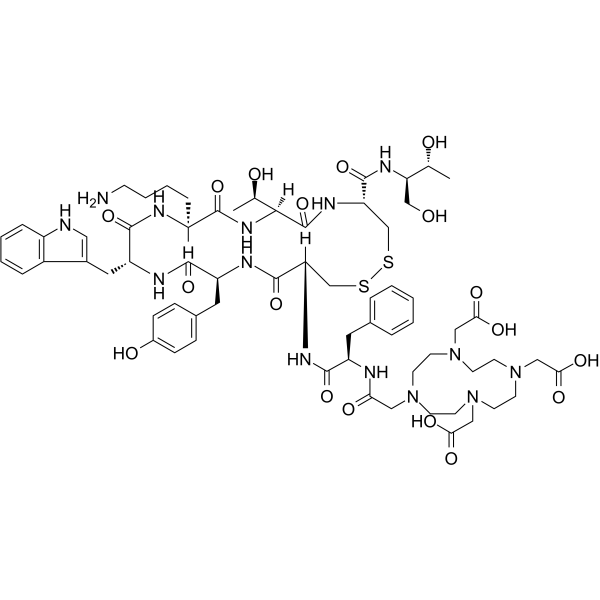
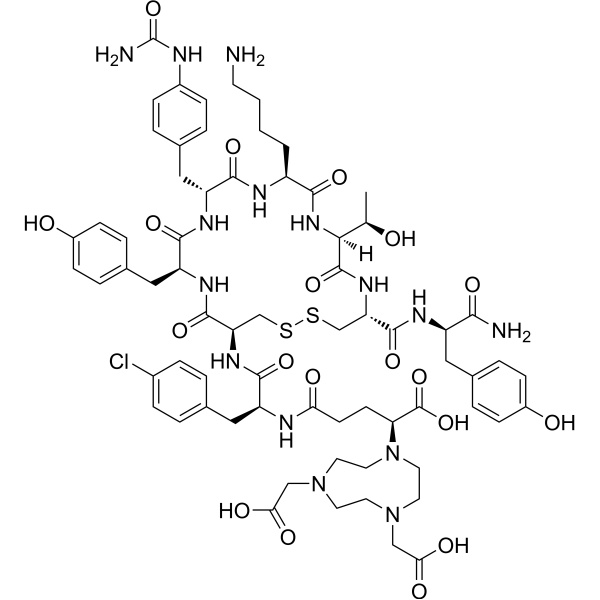
DOTA-LM3 is a somatostatin receptor (SSTR) antagonist. LM3 refers to p-Cl-Phe- cyclo(D-Cys-Tyr-D-4-amino-Phe(carbamoyl)-Lys-Thr-Cys)D-Tyr- NH2, as well as a somatostatin antagonist. DOTA-LM3 is often isotopically labeled for tracing tumors in vivo, such as 177Lu-DOTA-LM3 and 68 Ga-DOTA-LM3. 68 Ga-DOTA-LM3 shows favorable biodistribution, high tumor uptake, good tumor retention, and few safety concerns. 177Lu-DOTA-LM3 can be used for research in DOTATOC-negative liver metastases, such as pancreatic NET and extensive tumor thrombosis . DOTA-LM3 can be used for the synthesis/research of Radionuclide-Drug Conjugates (RDCs).
Unlabeled FXX489 (NNS309) is a fibroblast activation protein (FAP)-targeting ligand. Unlabeled FXX489 can be labeled with 68Ga and 177Lu and shows anticancer effects. Unlabeled FXX489 can be used for the study of pancreatic ductal adenocarcinoma (PDAC), non-small cell lung cancer (NSCLC), breast cancer (BC), and colorectal cancer (CRC) .
NOTA-P2-RM26 is an antagonist of Bombesin (HY-P0195) analogs, and the gastrin-releasing peptide receptor (GRPR/BB2) is a molecular target for prostate cancer visualization. NOTA-P2-RM26 is labeled with 111In and 68Ga for prostate cancer imaging studies using PET and SPECT/CT .
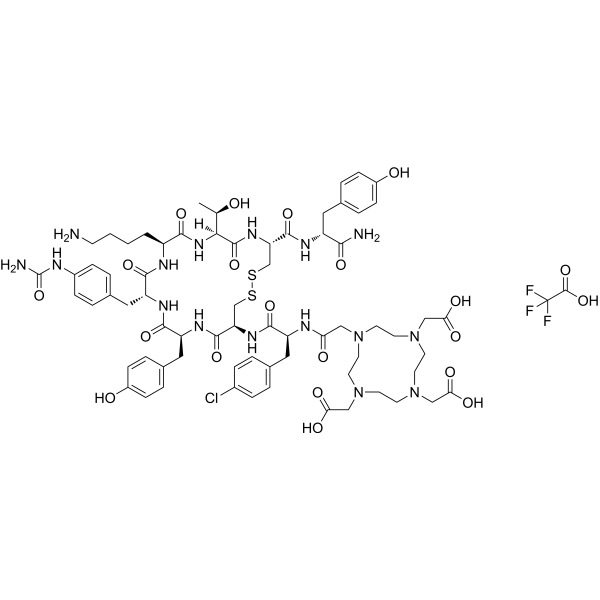
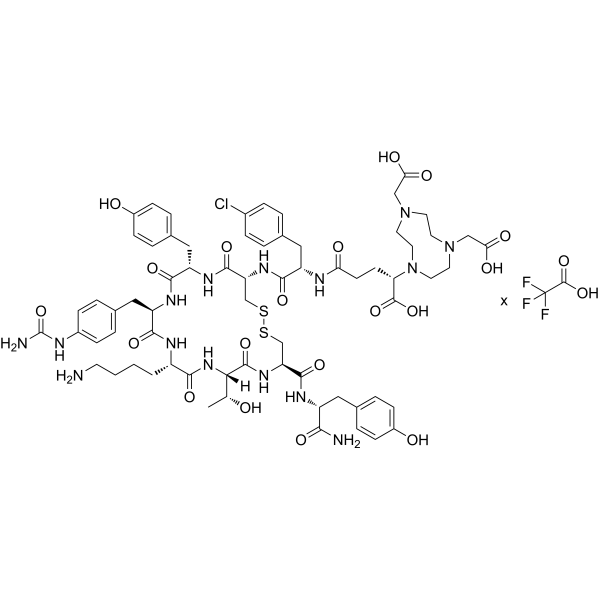
DOTA-LM3 TFA is a somatostatin receptor (SSTR) antagonist. LM3 refers to p-Cl-Phe- cyclo(D-Cys-Tyr-D-4-amino-Phe(carbamoyl)-Lys-Thr-Cys)D-Tyr- NH2, as well as a somatostatin antagonist. DOTA-LM3 TFA is often isotopically labeled for tracing tumors in vivo, such as 177Lu-DOTA-LM3 TFA and 68 Ga-DOTA-LM3 TFA. 68 Ga-DOTA-LM3 TFA shows favorable biodistribution, high tumor uptake, good tumor retention, and few safety concerns. 177Lu-DOTA-LM3 TFA can be used for research in DOTATOC-negative liver metastases, such as pancreatic NET and extensive tumor thrombosis . DOTA-LM3 (TFA) can be used for the synthesis/research of Radionuclide-Drug Conjugates (RDCs).
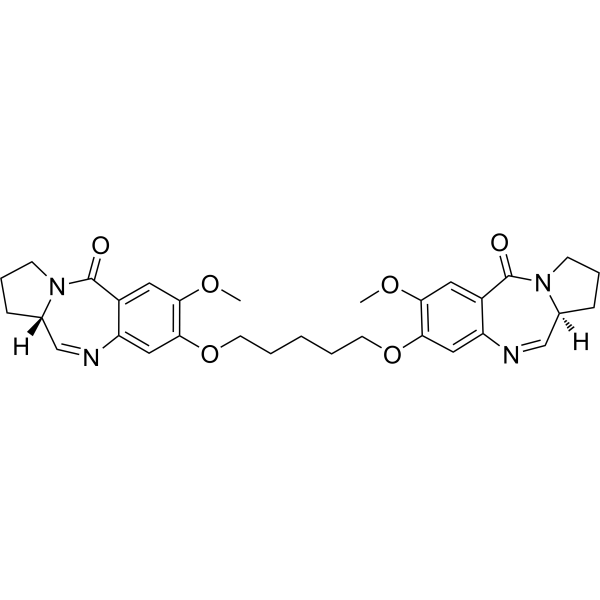
PBD dimer-2 (compound 2c) is a C8-linked pyrrolobenzodiazepine dimer. PBD dimer-2 can span an extra base pair and cross-link the 5′-Pu-GA(T/A)TC-Py sequence. PBD dimer-2 can be used as a payload for antibody–agent conjugates (ADCs), and it can be used for the research of cancer .
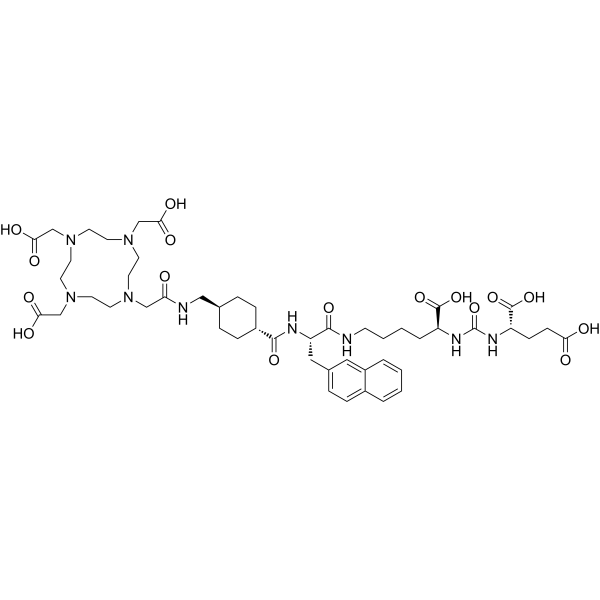
Vipivotide tetraxetan (PSMA-617) is a high potent prostate-specific membrane antigen (PSMA) inhibitor, with a Ki of 0.37 nM. Vipivotide tetraxetan (PSMA-617) is designed consisting of three components: the pharmacophore Glutamate-urea-Lysine, the chelator DOTA able to complex both 68Ga or 177Lu, and a linker connecting these two entities. Glutamate-urea-Lysine is the selective pharmacophore to bind to prostate specific membrane antigen.
DOTA-TMVP1446 is a VEGFR-3 targeting peptide. DOTA-TMVP1446 labeled with 68Ga accurately detectes the status of lymph node metastasis, even in micrometastatic tumors, in the B16-F10 tumor mice model. DOTA-TMVP1446 can be used as a radiotracer for cancer-metastatic sentinel lymph nodes (m-SLN) imaging .
PF-04382923 is a humanized IgG2Δa monoclonal antibody. PF-04382923 binds with high affinity to the free C-terminal regions of the amyloid-β peptides Aβ1-40 and Aβ1-42. PF-04382923 is indicated for the study of geographic atrophy (GA) associated with dry age-related macular degeneration (ARMD) .
NOTA-COG1410 forms triggering receptor expressed on myeloid cells 2 (TREM2) targeting ligand. NOTA-COG1410 is capable of being labelled with 68Gallium ( 68Ga) for discovery and diagnosis of digestive system tumors through positron emission tomography/computed tomography (PET/CT). NOTA-COG1410 can be used for the synthesis/research of Radionuclide-Drug Conjugates (RDCs) .
PSMA ligand 2 is a prostate specific membrane antigen (PSMA) ligand with a glutamate-urea-lysine (GUL) moiety. PSMA ligand 2 can be efficiently labeled with radioactive nuclides such as 68Ga and 177Lu and specifically binds to PSMA-positive tumor cells. PSMA ligand 2 can be used for imaging of PSMA-expressing tumors or cells via PET or SPECT imaging. PSMA ligand 2 can be used for the research of prostate cancer .
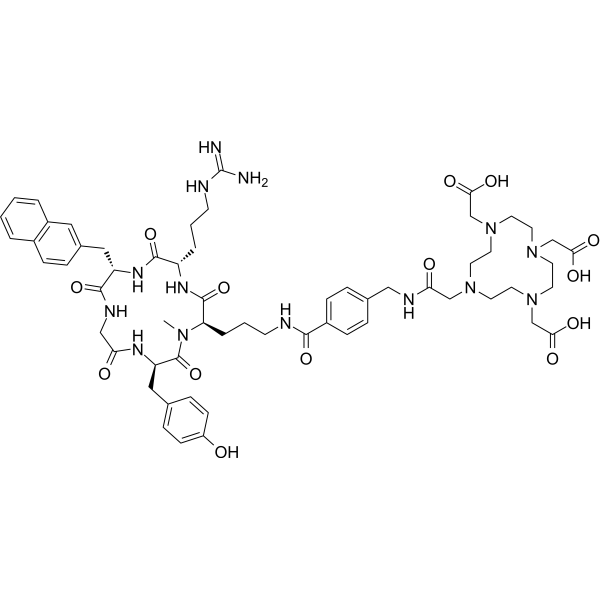
Cyclic αvβ6 (Compound c(FRGDLAFp(NMe)K)) is a αvβ6-integrin-specific cyclic nonapeptide. Cyclic αvβ6 can be coupled with 68Ga-labeled monomeric triazacyclononane-triphosphinate (TRAP). Cyclic αvβ6 can be used in PET imaging studies for cancers including head and neck cancer and pancreatic cancer .
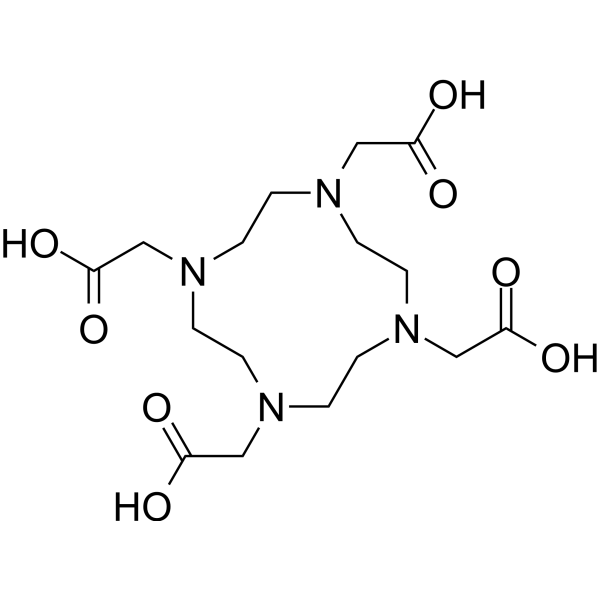
Tetraxetan (DOTA) is a macrocyclic chelating agent. Tetraxetan can form stable coordination complexes with a variety of metal ions (e.g., 68Ga, 111In, 177Lu). Tetraxetan can be conjugated with targeting molecules (e.g., RGD peptide, folic acid) to enable the complex to target specific biomolecules or cells. Tetraxetan can be used for imaging studies of tumors, including melanoma and folate receptor-positive tumors (e.g., cervical cancer) .
PPARγ-IN-3 (compound 9ga) is a potent and orally active PPARγ inhibitor. PPARγ-IN-3 reduces triglyceride (TG) accumulation with low cytotoxicity. PPARγ-IN-3 preventes the excessive growth of body weight and lessened fat mass as well as liver mass, decreases lipid accumulation in the liver and blood. PPARγ-IN-3 has the potential for the research of diet-induced obesity .
beta-1,4-N-Acetylgalactosaminyltransferase (CgtA) (GM2/GD2 synthase) is a key enzyme which catalyzes the conversion of GM3, GD3 and lactosylceramide (LacCer) to GM2, GD2 and asialo-GM2 (GA2), respectively. beta-1,4-N-Acetylgalactosaminyltransferase (CgtA) is a key enzyme to control the synthesis of brain-enriched complex gangliosides .
Edotreotide is a ligand that selectively targets SSTR2 and can competitively bind to the receptor. Edotreotide mediates the targeted delivery, while modificated with radionuclides (such as 90Y, 177Lu, and 68Ga) to SSTR-positive tumors and induces tumor cell apoptosis by releasing β rays. Edotreotide has strong tumor targeting and precise killing activity. Edotreotide is used in the synthesis of radionuclide-drug conjugates (RDCs) and is widely used in the field of neuroendocrine tumors (such as metastatic carcinoids, lung and thymus NETs) .
Gibberellin A9 is a plant hormone that targets gibberellin receptor GID1. Gibberellin A9 binds to GID1 to form a GA-GID1-DELLA protein complex, which promotes the degradation of DELLA proteins. This relieves the inhibitory effect of DELLA proteins on plant growth, thereby promoting plant cell elongation and division, and increasing seed germination rate. Gibberellin A9 is promising for use in studies on plant growth and development, such as stem elongation and flowering induction .
CD73-IN-22 (Compound HX-6) is a non-nucleoside CD73 inhibitor with an IC50 of 0.07 μM. When radiolabeled with 68Ga, CD73-IN-22 acts as a PET radiotracer for detecting CD73 expression. When radiolabeled with 177Lu, CD73-IN-22 exhibits anticancer activity against colorectal adenocarcinoma. CD73-IN-22 is applicable to research related to colon adenocarcinoma and breast cancer .
DOTA-ECL1i is a conjugate of the CCR2 inhibitor ECL1i (HY-P11553) and DOTA. When radiolabeled with 68Ga, DOTA-ECL1i serves as a PET tracer that targets CCR2 expression. DOTA-ECL1i can be used in research related to pulmonary fibrosis, cardiac injury, abdominal aortic aneurysm inflammation, atherosclerosis, head and neck cancer, and pancreatic cancer .
NK224 is a peptide-based radiotracer targeting human PD-L1, with dual-radionuclide ( 68Ga and 18F) labeling compatibility enabled by the NOTA chelator. NK224 exhibits high binding affinity to PD-L1, with an IC50 value of 2.45 nM. NK224 visualizes intrapatient tumor heterogeneity and dynamically monitors PD-L1 target occupancy during immunotherapy. NK224 can be used for the study of non-small cell lung cancer (NSCLC) .
Tetraxetan (Standard) is the analytical standard of Tetraxetan (HY-W053583). This product is intended for research and analytical applications. Tetraxetan (DOTA) is a macrocyclic chelating agent. Tetraxetan can form stable coordination complexes with a variety of metal ions (e.g., 68Ga, 111In, 177Lu). Tetraxetan can be conjugated with targeting molecules (e.g., RGD peptide, folic acid) to enable the complex to target specific biomolecules or cells. Tetraxetan can be used for imaging studies of tumors, including melanoma and folate receptor-positive tumors (e.g., cervical cancer) .
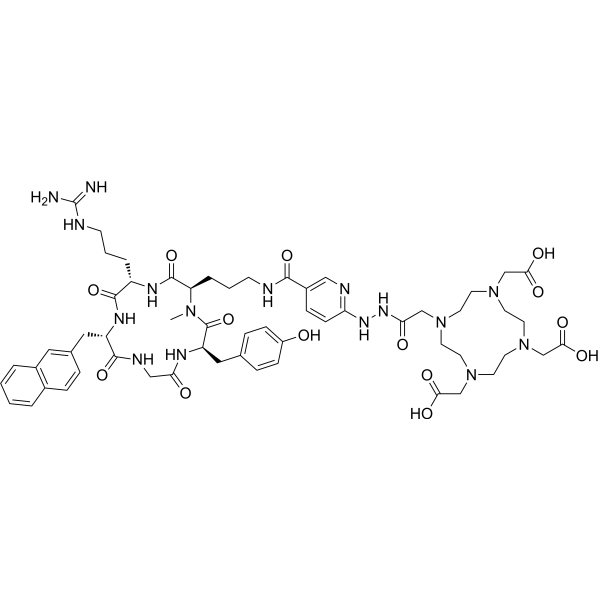
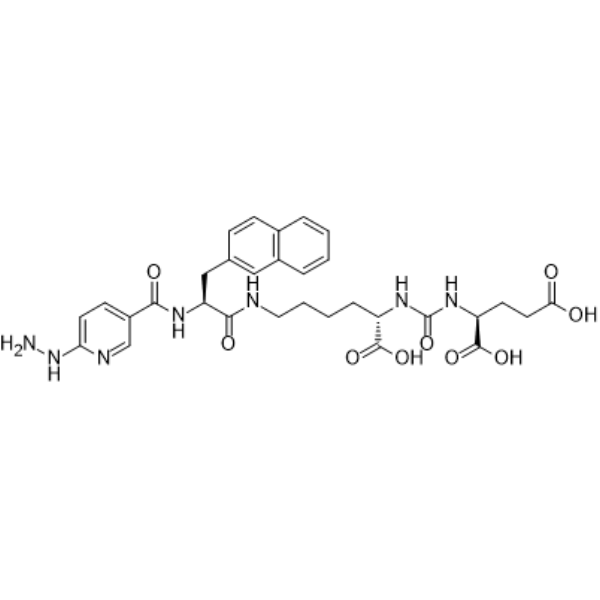
HYNIC-iPSMA is a ligand for molecular imaging of tumors. Hynic-ipsma consists of two components: HYNIC (6-hydrazinonicotinamide) and iPSMA (Inhibitor of Prostate-Specific Membrane Antigen). HYNIC is a compound used to attach radioactive isotopes to targeted molecules. iPSMA is a specific inhibitor used to inhibit prostate-specific membrane antigen (PSMA). 68GA-labeled iPSMA has been used to detect prostate cancer by PET imaging. The further 99mTc-EDDA/HYNIC-iPSMA has excellent specificity and sensitivity . HYNIC-iPSMA can be used for the synthesis/research of Radionuclide-Drug Conjugates (RDCs).
Edotreotide (Standard) is the analytical standard of Edotreotide (HY-106033). This product is intended for research and analytical applications. Edotreotide is a ligand that selectively targets SSTR2 and can competitively bind to the receptor. Edotreotide mediates the targeted delivery, while modificated with radionuclides (such as 90Y, 177Lu, and 68Ga) to SSTR-positive tumors and induces tumor cell apoptosis by releasing β rays. Edotreotide has strong tumor targeting and precise killing activity. Edotreotide is used in the synthesis of radionuclide-drug conjugates (RDCs) and is widely used in the field of neuroendocrine tumors (such as metastatic carcinoids, lung and thymus NETs) .
HYNIC-iPSMA TFA is a ligand for molecular imaging of tumors. Hynic-ipsma consists of two components: HYNIC (6-hydrazinonicotinamide) and iPSMA (Inhibitor of Prostate-Specific Membrane Antigen). HYNIC is a compound used to attach radioactive isotopes to targeted molecules. iPSMA is a specific inhibitor used to inhibit prostate-specific membrane antigen (PSMA). 68GA-labeled iPSMA has been used to detect prostate cancer by PET imaging. The further 99mTc-EDDA/HYNIC-iPSMA TFA has excellent specificity and sensitivity . HYNIC-iPSMA TFA can be used for the synthesis/research of Radionuclide-Drug Conjugates (RDCs).
Gibberellic acid (GA3) is a natural plant growth regulator with oral bioactivity. Gibberellic acid governs multiple plant developmental events, including seed germination, cell elongation, floral organ formation, and rice spikelet fertility. Gibberellic acid optimizes root morphology and secondary metabolite production in Echinacea purpurea hairy roots, and serves as a bioactive seed priming agent to improve chilling stress tolerance in chickpea. Gibberellic acid mediates modulation of enzyme activity and secondary metabolism in plants and exerts tissue-specific regulatory effects on antioxidant systems and lipid peroxidation in rats. Gibberellic acid can be used in studies of plant growth, metabolism, and abiotic stress responses .
BQ7859 is a probe targeting PSMA that contains a NOTA chelator and demonstrates excellent imaging performance. BQ7859 can be labeled with various radionuclides, such as 68Ga, 18F, 55Co, and 111In. In a mouse prostate cancer xenograft model, BQ7859 (labeled with 111In) efficiently accumulates in tumor regions in a PSMA-dependent manner and provides high-contrast tumor imaging. BQ7859 shows potential for research in prostate cancer imaging, particularly in positron emission tomography (PET) and single-photon emission computed tomography (SPECT) . BQ7859 can be used for the synthesis/research of Radionuclide-Drug Conjugates (RDCs).
Avacincaptad pegol (Izervay) is a selective inhibitor targeting complement component C5, and is a pegylated ribonucleic acid aptamer. Avacincaptad pegol inhibits the cleavage of C5 into pro-inflammatory C5a and C5b, which forms the membrane attack complex (C5b-9), thereby reducing inflammatory cell recruitment and retinal cell damage. Avacincaptad pegol can slow the growth of geographic atrophy (GA) lesions and reduce the risk of persistent vision loss. Avacincaptad pegol can be used in research of geographic atrophy associated with age-related macular degeneration (AMD) and has been approved by the FDA .
RNA binder 1 (Compound 4b) is a blood-brain permeable RNA binder. RNA binder 1 can selectively bind to the G-quadruplex structure of the G4C2 repeat sequence RNA of the C9orf72 gene. RNA binder 1 significantly reduces the levels of toxic polypeptides poly(GA) and poly(GP) produced by the G4C2 repeat sequence in amyotrophic lateral sclerosis (ALS) patient-derived cells. RNA binder 1 has no significant effect on the antisense polypeptide poly(PR), showing selectivity for sense RNA. RNA binder 1 can be used in the study of ALS and frontotemporal dementia (FTD) .
NODAGA-LM3 is a ligand that can cross the blood-brain barrier and targets somatostatin receptor SSTR2 with high affinity (IC50 = 1.3 nM). NODAGA-LM3 does not trigger the internalization of SSTR2 and can inhibit agonist-induced internalization processes. NODAGA-LM3 shows low uptake in normal tissues such as the liver and spleen, but high uptake in the lungs and blood pool. 68Ga-labeled NODAGA-LM3 can serve as a PET imaging agent for well-differentiated neuroendocrine tumors, and is applied in studies related to small cell lung cancer and well-differentiated neuroendocrine tumors .
NODAGA-LM3 TFA is a ligand that can cross the blood-brain barrier and targets somatostatin receptor SSTR2 with high affinity (IC50 = 1.3 nM). NODAGA-LM3 TFA does not trigger the internalization of SSTR2 and can inhibit agonist-induced internalization processes. NODAGA-LM3 TFA shows low uptake in normal tissues such as the liver and spleen, but high uptake in the lungs and blood pool. 68Ga-labeled NODAGA-LM3 TFA can serve as a PET imaging agent for well-differentiated neuroendocrine tumors, and is applied in studies related to small cell lung cancer and well-differentiated neuroendocrine tumors .
Gibberellic acid (Standard) is the analytical standard of Gibberellic acid (GA3) (HY-N1964). This product is intended for research and analytical applications. Gibberellic acidis a natural plant growth regulator with oral bioactivity. Gibberellic acid governs multiple plant developmental events, including seed germination, cell elongation, floral organ formation, and rice spikelet fertility. Gibberellic acid optimizes root morphology and secondary metabolite production in Echinacea purpurea hairy roots, and serves as a bioactive seed priming agent to improve chilling stress tolerance in chickpea. Gibberellic acid mediates modulation of enzyme activity and secondary metabolism in plants and exerts tissue-specific regulatory effects on antioxidant systems and lipid peroxidation in rats. Gibberellic acid can be used in studies of plant growth, metabolism, and abiotic stress responses .
JMV 7490 is a highly potent and highly hydrophilic neurotensin receptor NTS1 probe that can be successfully labeled with 68Ga and 111In. JMV 7490 acts as an efflux inhibitor to reduce its efflux in NTS1-positive cancer cells; it also serves as an internalization inducer and is efficiently and continuously internalized by NTS1-positive cancer cells. 111In-radiolabeled JMV 7490 shows persistent uptake in NTS1-positive xenografts in nude mice, but no significant uptake in NTS1-negative xenografts. JMV 7490 can be used for in vivo tracer applications of NTS1-positive tumors and supports related research on colorectal cancer .
AAZTA-NI-PSMA-093 is a bispecific agent targeting prostate-specific membrane antigen (PSMA) with an IC50 value for PSMA of 87.48 nM. AAZTA-NI-PSMA-093 has a PSMA targeting module and an oxygen-sensitivity module (hypoxia-sensitive NI-moiety). AAZTA-NI-PSMA-093 can utilize the PSMA targeting property as a "navigation system" to efficiently concentrate the entire molecule within prostate cancer cells, and once the cells are in an oxygen-deficient state, the molecule will irreversibly capture and remain in the oxygen-deficient cells, achieving "secondary enrichment". AAZTA-NI-PSMA-093 can be labeled with ⁶⁸Ga and ¹⁷⁷Lu, and has high accumulation and rapid clearance characteristics in mouse models. AAZTA-NI-PSMA-093 can be used for the study of prostate cancer .
WGYRGFYC (WC8) is a selective HER2-targeting peptide that binds specifically to HER2 by mimicking the antigen-binding site of trastuzumab. The DOTA precursor of WGYRGFYC has a KD of 61.20 nM for HER2. WGYRGFYC enables specific and highly sensitive detection of HER2 expression in HER2-positive breast cancer cells and tumor tissues, and monitors the dynamic downregulation of HER2 expression. WGYRGFYC rapidly distributes to target tissues and is efficiently cleared from non-target tissues via the kidneys, generating an ideal tumor-to-background ratio in imaging; it is a component of the PET radiotracer Ga-DOTA-WC8. WGYRGFYC exhibits no significant cytotoxicity in breast cancer cells, and can be used for non-invasive imaging diagnosis and therapeutic efficacy evaluation of HER2-positive breast cancer .
Gibberellic acid, suitable for plant cell culture (GA3, suitable for plant cell culture) is a natural plant growth regulator with oral bioactivity. Gibberellic acid, suitable for plant cell culture governs multiple plant developmental events, including seed germination, cell elongation, floral organ formation, and rice spikelet fertility. Gibberellic acid, suitable for plant cell culture optimizes root morphology and secondary metabolite production in Echinacea purpurea hairy roots, and serves as a bioactive seed priming agent to improve chilling stress tolerance in chickpea. Gibberellic acid, suitable for plant cell culture mediates modulation of enzyme activity and secondary metabolism in plants and exerts tissue-specific regulatory effects on antioxidant systems and lipid peroxidation in rats. Gibberellic acid, suitable for plant cell culture can be used in studies of plant growth, metabolism, and abiotic stress responses .
FAPI-X5 is a fibroblast activation protein (FAP) inhibitor. FAPI-X5 binds to the FAP catalytic domain, forming hydrogen bonds with key active residues and engaging in π-π stacking to drive functional inhibition. FAPI-X5 exhibits albumin binding activity to prolong systemic circulation half-life. FAPI-X5 induces cytostatic effects on glioblastoma tumors, slowing tumor growth without regression. FAPI-X5, when labeled with 68Ga, acts as a PET tracer with rapid tumor uptake and high-contrast imaging in glioblastoma tumor-bearing mice. FAPI-X5, when labeled with 177Lu or 47Sc, functions as a targeted radionuclide agent with prolonged tumor retention. FAPI-X5 can be used for the research of glioblastoma .
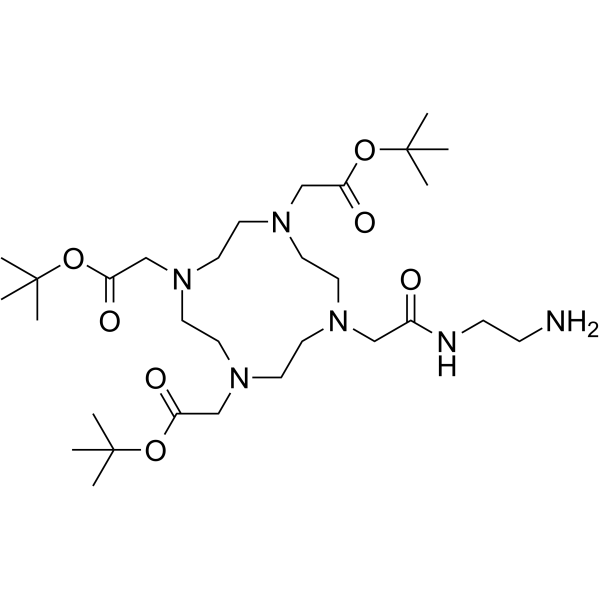
2-Aminoethyl-mono-amide-DOTA-tris(tBu ester) is a metal chelator precursor containing a DOTA macrocyclic structure. DOTA can form highly stable complexes with metal ions (such as 68Ga, 177Lu) through four nitrogen atoms and four carboxylic acid groups to mediate targeted delivery of radionuclides. The tert-butyl ester group (tBu ester) of 2-Aminoethyl-mono-amide-DOTA-tris(tBu ester) also protects the carboxylic acid group during synthesis, and forms a free carboxyl group after deprotection reaction for coupling with targeting molecules (such as antibodies, peptides). 2-Aminoethyl-mono-amide-DOTA-tris(tBu ester) may be combined with tumor pre-targeting systems through bioorthogonal reactions (such as reverse electron demand Diels-Alder reaction) to study radioactive imaging or therapy of tumor tissues, and is mainly used in tumor pre-targeting research in the field of nuclear medicine .
Glutaric acid (Standard) is the analytical standard of Glutaric acid. This product is intended for research and analytical applications. Glutaric acid, C5 dicarboxylic acid, is an intermediate during the catabolic pathways of lysine and tryptophan. Glutaric acid affects pericyte contractility and migration. Glutaric acid is an indicator of glutaric aciduria type I .
In Vitro: Glutaric acid (GA) at concentrations of 1 and 2 mM is able to reduce TRAP measurement by up to 28% in a dose-dependent manner (β=0.77; P<0.001). Furthermore, a significantly inverse correlation is also verified between chemiluminescence and TRAP (β=0.81; P<0.001). Glutaric acid does not alter the activities of Cat and SOD, but strongly inhibits (up to 46%) the activity of GPx even at the lower concentration used (0.5 mM). It is observed that the metabolite inhibits this activity in a dose-dependent manner at concentrations as low as 0.05 mM .
2-Aminoethyl-mono-amide-DOTA-tris(tBu ester) (Standard) is the analytical standard of 2-Aminoethyl-mono-amide-DOTA-tris(tBu ester) (HY-100138). This product is intended for research and analytical applications. 2-Aminoethyl-mono-amide-DOTA-tris(tBu ester) is a metal chelator precursor containing a DOTA macrocyclic structure. DOTA can form highly stable complexes with metal ions (such as 68Ga, 177Lu) through four nitrogen atoms and four carboxylic acid groups to mediate targeted delivery of radionuclides. The tert-butyl ester group (tBu ester) of 2-Aminoethyl-mono-amide-DOTA-tris(tBu ester) also protects the carboxylic acid group during synthesis, and forms a free carboxyl group after deprotection reaction for coupling with targeting molecules (such as antibodies, peptides). 2-Aminoethyl-mono-amide-DOTA-tris(tBu ester) may be combined with tumor pre-targeting systems through bioorthogonal reactions (such as reverse electron demand Diels-Alder reaction) to study radioactive imaging or therapy of tumor tissues, and is mainly used in tumor pre-targeting research in the field of nuclear medicine .
AIE-GA is a Golgi apparatus (GA) fluorescent probe (green channel: λex = 405 nm, λem = 500-700 nm). AIE-GA has a favourable binding ability to interact with COX-2. AIE-GA binds to the cyclooxygenase catalytic site of COX-2 .
Glycine cresol red is a complexometric indicator. Glycine cresol red forms coloured complexes with Al 3+, Ga3+ and In 3+ ions in aqueous solutions. Glycine cresol red can been used for the spectrophotometric determination of inorganic ions. Glycine cresol red can be used as a stain in neurohistology .
Tetraxetan (DOTA) is a macrocyclic chelating agent. Tetraxetan can form stable coordination complexes with a variety of metal ions (e.g., 68Ga, 111In, 177Lu). Tetraxetan can be conjugated with targeting molecules (e.g., RGD peptide, folic acid) to enable the complex to target specific biomolecules or cells. Tetraxetan can be used for imaging studies of tumors, including melanoma and folate receptor-positive tumors (e.g., cervical cancer) .
p-NCS-Bz-DOTA-GA is a bifunctional chelator. p-NCS-Bz-DOTA-GA can be used as a versatile linker in targeted molecular imaging for both PET/SPECT and MRI applications .
NOTA-bis (tBu) ester is a derivative of NOTA (HY-134418). NOTA-bis (tBu) ester is radiolabeled with 68Ga to form ZD2-( 68Ga-NOTA) after conjugation with ZD2. ZD2-( 68Ga-NOTA) can be used for PET imaging studies of pancreatic cancer .
PLGA-PEG-PLGA (hydrogel) (LA:GA 7:1) is a biodegradable thermosensitive hydrogel product that can undergo phase transition at a specific temperature. PLGA-PEG-PLGA (hydrogel) (LA:GA 7:1) can be widely used in drug delivery systems, tissue engineering, wound dressings, and biosensors. The gelation temperature varies with concentration. The gelation temperature varies with the concentration; the higher the concentration, the lower the gelation temperature .
PLGA-PEG-PLGA (hydrogel) (LA:GA 3:1) (15% solution) is a biodegradable thermosensitive hydrogel product that can undergo phase transition at a specific temperature. PLGA-PEG-PLGA (hydrogel) (LA:GA 3:1) (15% solution) can be widely used in drug delivery systems, tissue engineering, wound dressings, and biosensors . The gelation temperature varies with the concentration; the higher the concentration, the lower the gelation temperature.
PLGA-PEG-PLGA (hydrogel) (LA:GA 3:1) (20% solution) is a biodegradable thermosensitive hydrogel product that can undergo phase transition at a specific temperature. PLGA-PEG-PLGA (hydrogel) (LA:GA 3:1) (20% solution) can be widely used in drug delivery systems, tissue engineering, wound dressings, and biosensors. The gelation temperature varies with the concentration; the higher the concentration, the lower the gelation temperature .
Blue dextran (MW 70000) (Dextran blue (MW 70000)) is a conjugate of dextran and Cibacron Blue 3G-A ligand, mainly used for purification of human serum albumin .
Blue dextran (MW 20000) (Dextran blue (MW 20000)) is a conjugate of dextran and Cibacron Blue 3G-A ligand, mainly used for purification of human serum albumin .
Blue dextran (MW 5000) (Dextran blue (MW 5000)) is a conjugate of dextran and Cibacron Blue 3G-A ligand, mainly used for purification of human serum albumin .
Tetraxetan (Standard) is the analytical standard of Tetraxetan (HY-W053583). This product is intended for research and analytical applications. Tetraxetan (DOTA) is a macrocyclic chelating agent. Tetraxetan can form stable coordination complexes with a variety of metal ions (e.g., 68Ga, 111In, 177Lu). Tetraxetan can be conjugated with targeting molecules (e.g., RGD peptide, folic acid) to enable the complex to target specific biomolecules or cells. Tetraxetan can be used for imaging studies of tumors, including melanoma and folate receptor-positive tumors (e.g., cervical cancer) .
Gibberellic acid, suitable for plant cell culture (GA3, suitable for plant cell culture) is a natural plant growth regulator with oral bioactivity. Gibberellic acid, suitable for plant cell culture governs multiple plant developmental events, including seed germination, cell elongation, floral organ formation, and rice spikelet fertility. Gibberellic acid, suitable for plant cell culture optimizes root morphology and secondary metabolite production in Echinacea purpurea hairy roots, and serves as a bioactive seed priming agent to improve chilling stress tolerance in chickpea. Gibberellic acid, suitable for plant cell culture mediates modulation of enzyme activity and secondary metabolism in plants and exerts tissue-specific regulatory effects on antioxidant systems and lipid peroxidation in rats. Gibberellic acid, suitable for plant cell culture can be used in studies of plant growth, metabolism, and abiotic stress responses .
PLGA-PEG-PLGA (hydrogel) (LA:GA 7:1) (20% solution) is a biodegradable thermosensitive hydrogel product that can undergo phase transition at a specific temperature. PLGA-PEG-PLGA (hydrogel) (LA:GA 7:1) (20% solution) can be widely used in drug delivery systems, tissue engineering, wound dressings, and biosensors. The gelation temperature varies with concentration. The gelation temperature varies with the concentration; the higher the concentration, the lower the gelation temperature .
Blue dextran (MW 40000) (Dextran blue (MW 4000)) is a conjugate of dextran and Cibacron Blue 3G-A ligand, mainly used for purification of human serum albumin .
Blue dextran (MW 500000) (Dextran blue (MW 500000)) is a conjugate of dextran and Cibacron Blue 3G-A ligand, mainly used for purification of human serum albumin .
Blue dextran (MW 110000) (Dextran blue (MW 110000)) is a conjugate of dextran and Cibacron Blue 3G-A ligand, mainly used for purification of human serum albumin .
PLGA-PEG-PLGA (hydrogel) (LA:GA 7:1) (15% solution) is a biodegradable thermosensitive hydrogel product that can undergo phase transition at a specific temperature. PLGA-PEG-PLGA (hydrogel) (LA:GA 7:1) (15% solution) can be widely used in drug delivery systems, tissue engineering, wound dressings, and biosensors. The gelation temperature varies with concentration. The gelation temperature varies with the concentration; the higher the concentration, the lower the gelation temperature .
Gibberellic acid Sterile Solution (1 mg/mL) (GA3 Sterile Solution (1 mg/mL)) is a natural plant growth regulator with oral bioactivity. Gibberellic acid Sterile Solution (1 mg/mL) governs multiple plant developmental events, including seed germination, cell elongation, floral organ formation, and rice spikelet fertility. Gibberellic acid Sterile Solution (1 mg/mL) optimizes root morphology and secondary metabolite production in Echinacea purpurea hairy roots, and serves as a bioactive seed priming agent to improve chilling stress tolerance in chickpea. Gibberellic acid Sterile Solution (1 mg/mL) mediates modulation of enzyme activity and secondary metabolism in plants and exerts tissue-specific regulatory effects on antioxidant systems and lipid peroxidation in rats. Gibberellic acid Sterile Solution (1 mg/mL) can be used in studies of plant growth, metabolism, and abiotic stress responses .
Unlabeled FXX489 (NNS309) is a fibroblast activation protein (FAP)-targeting ligand. Unlabeled FXX489 can be labeled with 68Ga and 177Lu and shows anticancer effects. Unlabeled FXX489 can be used for the study of pancreatic ductal adenocarcinoma (PDAC), non-small cell lung cancer (NSCLC), breast cancer (BC), and colorectal cancer (CRC) .
Edotreotide is a ligand that selectively targets SSTR2 and can competitively bind to the receptor. Edotreotide mediates the targeted delivery, while modificated with radionuclides (such as 90Y, 177Lu, and 68Ga) to SSTR-positive tumors and induces tumor cell apoptosis by releasing β rays. Edotreotide has strong tumor targeting and precise killing activity. Edotreotide is used in the synthesis of radionuclide-drug conjugates (RDCs) and is widely used in the field of neuroendocrine tumors (such as metastatic carcinoids, lung and thymus NETs) .
DOTA-JR11 is a somatostatin receptor 2 (SSTR2)antagonist. DOTA-JR11 can be labeled by 68Ga, used for paired imaging in neuroendocrine tumors (NETs) research . DOTA-JR11 can be used for the synthesis/research of Radionuclide-Drug Conjugates (RDCs).
DOTA-LM3 is a somatostatin receptor (SSTR) antagonist. LM3 refers to p-Cl-Phe- cyclo(D-Cys-Tyr-D-4-amino-Phe(carbamoyl)-Lys-Thr-Cys)D-Tyr- NH2, as well as a somatostatin antagonist. DOTA-LM3 is often isotopically labeled for tracing tumors in vivo, such as 177Lu-DOTA-LM3 and 68 Ga-DOTA-LM3. 68 Ga-DOTA-LM3 shows favorable biodistribution, high tumor uptake, good tumor retention, and few safety concerns. 177Lu-DOTA-LM3 can be used for research in DOTATOC-negative liver metastases, such as pancreatic NET and extensive tumor thrombosis . DOTA-LM3 can be used for the synthesis/research of Radionuclide-Drug Conjugates (RDCs).
Pentixafor is a peptide that targets CXCR4. Pentixafor is capable of being labelled with 68Gallium ( 68Ga) for positron emission tomography (PET) imaging . Pentixafor can be used for the synthesis/research of Radionuclide-Drug Conjugates (RDCs).
DOTA.SA.FAPi TFA is a selective FAP inhibitor with an IC50 value of 0.9 nM against FAP. DOTA.SA.FAPi TFA forms stable complexes with 68Ga and serves as a PET radiotracer for preclinical imaging of FAP-expressing tumors. DOTA.SA.FAPi TFA can be used in the research of colorectal adenocarcinoma and various other cancers .
NODAGA-LM3 is a ligand that can cross the blood-brain barrier and targets somatostatin receptor SSTR2 with high affinity (IC50 = 1.3 nM). NODAGA-LM3 does not trigger the internalization of SSTR2 and can inhibit agonist-induced internalization processes. NODAGA-LM3 shows low uptake in normal tissues such as the liver and spleen, but high uptake in the lungs and blood pool. 68Ga-labeled NODAGA-LM3 can serve as a PET imaging agent for well-differentiated neuroendocrine tumors, and is applied in studies related to small cell lung cancer and well-differentiated neuroendocrine tumors .
3BP-3940 is a highly potent and selective peptide inhibitor of FAP that targets cancer-associated fibroblasts (CAFs) in the tumor microenvironment. 3BP-3940 can be labeled with radionuclides (such as Ga-68) for precise tumor imaging or Lu-177 for the development of targeted anticancer technologies. 3BP-3940 accumulates in tumor lesions and can be used to diagnose and inhibit various solid cancers and CAFs-related diseases .
NOTA-AE105 is a PET ligand for the urokinase-type plasminogen activator receptor (uPAR). NOTA-AE105 can be radiolabeled with 64Cu and 68Ga. Images of 68Ga-NOTA-AE105 and 64Cu-NOTA-AE105 demonstrate high contrast and clear tumor delineation. NOTA-AE105 can be used in the synthesis of radionuclide-conjugated compounds (RDCs) .
DOTA-LM3 TFA is a somatostatin receptor (SSTR) antagonist. LM3 refers to p-Cl-Phe- cyclo(D-Cys-Tyr-D-4-amino-Phe(carbamoyl)-Lys-Thr-Cys)D-Tyr- NH2, as well as a somatostatin antagonist. DOTA-LM3 TFA is often isotopically labeled for tracing tumors in vivo, such as 177Lu-DOTA-LM3 TFA and 68 Ga-DOTA-LM3 TFA. 68 Ga-DOTA-LM3 TFA shows favorable biodistribution, high tumor uptake, good tumor retention, and few safety concerns. 177Lu-DOTA-LM3 TFA can be used for research in DOTATOC-negative liver metastases, such as pancreatic NET and extensive tumor thrombosis . DOTA-LM3 (TFA) can be used for the synthesis/research of Radionuclide-Drug Conjugates (RDCs).
NOTA-P2-RM26 is an antagonist of Bombesin (HY-P0195) analogs, and the gastrin-releasing peptide receptor (GRPR/BB2) is a molecular target for prostate cancer visualization. NOTA-P2-RM26 is labeled with 111In and 68Ga for prostate cancer imaging studies using PET and SPECT/CT .
PSMA-D5 has a binding affinity for PSMA with a Ki of 0.21 nM and can be used for PSMA tracing after radiolabeling. PSMA-D5 ([68Ga]-labeled) contains a DOTA chelator, allowing convenient labeling with therapeutic radionuclides such as 177Lu and 225Ac. PSMA-D5 ([68Ga]-labeled) shows excellent pharmacokinetic properties, exhibiting remarkable tumor uptake in 22Rv1 tumors . PSMA-D5 can be used for the synthesis/research of Radionuclide-Drug Conjugates (RDCs).
Syntide 2 (TFA), a Ca 2+- and calmodulin (CaM)-dependent protein kinase II (CaMKII) substrate peptide, selectively inhibits the gibberellin (GA) response, leaving constitutive and abscisic acid-regulated events unaffected .
FAPI-mFS is an irreversible fibroblast activation protein (FAP) inhibitor, that enhances the uptake and retention time in cancer cells through its covalent binding property for FAP. FAPI-mFS can be used for cancer imaging the therapy, when labeled with radioactive 68Ga or 177Lu . FAPI-mFS can be used for the synthesis/research of Radionuclide-Drug Conjugates (RDCs).
HYNIC-iPSMA TFA is a ligand for molecular imaging of tumors. Hynic-ipsma consists of two components: HYNIC (6-hydrazinonicotinamide) and iPSMA (Inhibitor of Prostate-Specific Membrane Antigen). HYNIC is a compound used to attach radioactive isotopes to targeted molecules. iPSMA is a specific inhibitor used to inhibit prostate-specific membrane antigen (PSMA). 68GA-labeled iPSMA has been used to detect prostate cancer by PET imaging. The further 99mTc-EDDA/HYNIC-iPSMA TFA has excellent specificity and sensitivity . HYNIC-iPSMA TFA can be used for the synthesis/research of Radionuclide-Drug Conjugates (RDCs).
BGC1614 is a Nectin-4-targeting bicyclic toxin conjugate (BTC) belonging to the category of peptide-drug conjugates (PDCs). BGC1614 exhibits strong targeted binding ability to Nectin-4, with an KD of 3.859 × 10 -7 M. BGC1614 exhibits superior antitumor efficacy in nude mice bearing PC-3 and N87 tumor xenografts. BGC1614 can be used for research related to Nectin-4-overexpressing tumors (such as prostate cancer, gastric cancer) .
DOTA-CXCR4-L is a CXCR4 targeting peptide. DOTA-CXCR4-L can be used in the study of cancers, including glioblastoma and triple-negative breast cancer. NODAGA-LM3 can be labeled with [68Ga]/[177Lu] for the synthesis/research of Radionuclide-Drug Conjugates (RDCs) .
H-Dab(Boc)-OMe hydrochloride is an N-terminally protected diaminobutyric acid containing two protecting groups: methoxy (OMe) and tert-butyloxycarbonyl (Boc). H-Dab(Boc)-OMe hydrochloride can be used to synthesize the bifunctional chelator H3Dpaa that can rapidly complex 68Ga under physiological conditions .
DOTA-TMVP1446 is a VEGFR-3 targeting peptide. DOTA-TMVP1446 labeled with 68Ga accurately detectes the status of lymph node metastasis, even in micrometastatic tumors, in the B16-F10 tumor mice model. DOTA-TMVP1446 can be used as a radiotracer for cancer-metastatic sentinel lymph nodes (m-SLN) imaging .
NK224 is a peptide-based radiotracer targeting human PD-L1, with dual-radionuclide ( 68Ga and 18F) labeling compatibility enabled by the NOTA chelator. NK224 exhibits high binding affinity to PD-L1, with an IC50 value of 2.45 nM. NK224 visualizes intrapatient tumor heterogeneity and dynamically monitors PD-L1 target occupancy during immunotherapy. NK224 can be used for the study of non-small cell lung cancer (NSCLC) .
HYNIC-iPSMA is a ligand for molecular imaging of tumors. Hynic-ipsma consists of two components: HYNIC (6-hydrazinonicotinamide) and iPSMA (Inhibitor of Prostate-Specific Membrane Antigen). HYNIC is a compound used to attach radioactive isotopes to targeted molecules. iPSMA is a specific inhibitor used to inhibit prostate-specific membrane antigen (PSMA). 68GA-labeled iPSMA has been used to detect prostate cancer by PET imaging. The further 99mTc-EDDA/HYNIC-iPSMA has excellent specificity and sensitivity . HYNIC-iPSMA can be used for the synthesis/research of Radionuclide-Drug Conjugates (RDCs).
DOTA-BP1 is a DOTA-modified BP1 (BCMA-targeting peptide). DOTA-BP1 can be radiolabeled with [ 68Ga]Ga to produce a BCMA-targeting PET tracer. DOTA-BP1 can be used in the research of detecting BCMA in multiple myeloma .
DOTA-ubiquicidin (29-41), an antimicrobial peptide fragment derivative, can be used for synthesis of [ 68Ga]Ga-DOTA-Ubiquicidin29-41 and then used for imaging of infectious processes using PET/CT . DOTA-ubiquicidin (29–41) can be used for the synthesis/research of Radionuclide-Drug Conjugates (RDCs).
Syntide 2, a Ca 2+- and calmodulin (CaM)-dependent protein kinase II (CaMKII) substrate peptide, selectively inhibits the gibberellin (GA) response, leaving constitutive and abscisic acid-regulated events unaffected .
DOTA-Bn-CA-170 is a molecular probe targeting the VISTA protein, with a Kd value of 0.124 nM. DOTA-Bn-CA-170 is formed by covalently linking the p-SCN-Bn-DOTA ligand with CA-170 (HY-101093). DOTA-Bn-CA-170 labeled with [ 68Ga]Ga successfully achieves specific and high-contrast PET imaging of VISTA expression in various tumor-bearing mouse models. DOTA-Bn-CA-170 can be used for the study of VISTA-targeted immunotherapy .
GR 87389 is a potent NK2 receptor antagonist. GR 87389 antagonized GA 64349-induced smooth muscle strips contractions in a competitive manner in the human detrusor, prostate and prostatic urethra .
NOTA-COG1410 forms triggering receptor expressed on myeloid cells 2 (TREM2) targeting ligand. NOTA-COG1410 is capable of being labelled with 68Gallium ( 68Ga) for discovery and diagnosis of digestive system tumors through positron emission tomography/computed tomography (PET/CT). NOTA-COG1410 can be used for the synthesis/research of Radionuclide-Drug Conjugates (RDCs) .
NODAGA-LM3 TFA is a ligand that can cross the blood-brain barrier and targets somatostatin receptor SSTR2 with high affinity (IC50 = 1.3 nM). NODAGA-LM3 TFA does not trigger the internalization of SSTR2 and can inhibit agonist-induced internalization processes. NODAGA-LM3 TFA shows low uptake in normal tissues such as the liver and spleen, but high uptake in the lungs and blood pool. 68Ga-labeled NODAGA-LM3 TFA can serve as a PET imaging agent for well-differentiated neuroendocrine tumors, and is applied in studies related to small cell lung cancer and well-differentiated neuroendocrine tumors .
AAZTA-NI-PSMA-093 is a bispecific agent targeting prostate-specific membrane antigen (PSMA) with an IC50 value for PSMA of 87.48 nM. AAZTA-NI-PSMA-093 has a PSMA targeting module and an oxygen-sensitivity module (hypoxia-sensitive NI-moiety). AAZTA-NI-PSMA-093 can utilize the PSMA targeting property as a "navigation system" to efficiently concentrate the entire molecule within prostate cancer cells, and once the cells are in an oxygen-deficient state, the molecule will irreversibly capture and remain in the oxygen-deficient cells, achieving "secondary enrichment". AAZTA-NI-PSMA-093 can be labeled with ⁶⁸Ga and ¹⁷⁷Lu, and has high accumulation and rapid clearance characteristics in mouse models. AAZTA-NI-PSMA-093 can be used for the study of prostate cancer .
F(N-Me)GA(N-Me)IL is a biological active peptide. (Double N-methylated derivatives of amyloidogenic and cytotoxic partial IAPP sequence were found to be devoid of β-sheet structure, amyloidogenicity and cytotoxicity, The derivatives were able to interact with the native sequences and inhibit amyloid formation)
NF(N-Me)GA(N-Me)IL is a biological active peptide. (This amino acids 22 to 27 fragment is a modification of the human islet amyloid polypeptide hIAPP (NFGAIL) with N-methylation of the amide bonds at G24 and I26. The introduction of two N-methyl rests in the amyloid-core-containing sequence NFGAIL converts this amyloidogenic and cytotoxic sequence into non-amyloidogenic and non-cytotoxic peptide. The peptide is able to bind with high-affinity full-length hIAPP and to inhibit its fibrillogenesis.)
BQ7859 is a probe targeting PSMA that contains a NOTA chelator and demonstrates excellent imaging performance. BQ7859 can be labeled with various radionuclides, such as 68Ga, 18F, 55Co, and 111In. In a mouse prostate cancer xenograft model, BQ7859 (labeled with 111In) efficiently accumulates in tumor regions in a PSMA-dependent manner and provides high-contrast tumor imaging. BQ7859 shows potential for research in prostate cancer imaging, particularly in positron emission tomography (PET) and single-photon emission computed tomography (SPECT) . BQ7859 can be used for the synthesis/research of Radionuclide-Drug Conjugates (RDCs).
IPM-N001 is a carbonic anhydrase IX (CAIX) ligand with a Kd value of <0.0337 nM for hCAIX. When radio-conjugated with 68Ga, IPM-N001 serves as a CAIX-targeted radionuclide tracer. [ 68Ga]Ga-IPM-N001 exhibits excellent tumor uptake and significantly improves the tumor-to-background ratio in PET/CT imaging studies using OS-RC-2 tumor-bearing mice. IPM-N001 can be used for the research of clear cell renal cell carcinoma .
DOTA-NT-20.3-IPBA is a Neurotensin receptor 1 (NTR1)-targeting albumin binder with specific high-affinity binding to NTR1. DOTA-NT-20.3-IPBA is formed by the conjugation of DOTA-NT-20.3 and IPBA. DOTA-NT-20.3-IPBA can be used for positron emission tomography (PET) imaging following labeling with [ 68Ga]Ga .
NECT-224 is a bifunctional chelator and a nectin-4 targeting peptide conjugate. NECT-224 can be used as a PET imaging agent when labeled with 64Cu or 68Ga .
JR11-PEG3-HBED-CC-PSMA-03 (Compound 1) is an RDC-related compound containing the chelating agent HBED-CC, the JR11 peptide (SSTR2 antagonist), and the PSMA ligand. JR11-PEG3-HBED-CC-PSMA-03 shows SSTR2-binding affinities and PSMA-binding affinities, with IC50 s of 59.2 nM, 57.0 nM, respectively. JR11-PEG3-HBED-CC-PSMA-03 can be radiolabeled with [ 68Ga]. [ 68Ga] radiolabeled JR11-PEG3-HBED-CC-PSMA-03 can be used in diagnostic studies of neuroendocrine differentiated prostate cancer .
JR11-PEG3-DOTA-PSMA-03 (Compound 2) is an RDC-related compound containing the chelating agent DOTA (HY-W053583), the JR11 peptide (SSTR2 antagonist), and the PSMA ligand. JR11-PEG3-DOTA-PSMA-03 shows SSTR2-binding affinities and PSMA-binding affinities, with IC50 s of 94.0 nM, 81.8 nM, respectively. JR11-PEG3-DOTA-PSMA-03 can be radiolabeled with [ 68Ga]. [ 68Ga] radiolabeled JR11-PEG3-DOTA-PSMA-03 can be used in diagnostic studies of neuroendocrine differentiated prostate cancer .
DOTA-WC8 is a HER2-targeting peptide probe with a KD of 61.20 nM. 68Ga-labeled DOTA-WC8 serves as a PET imaging agent for the specific identification of HER2-positive breast cancer. DOTA-WC8 is applicable to breast cancer-related research .
Cyclic αvβ6 (Compound c(FRGDLAFp(NMe)K)) is a αvβ6-integrin-specific cyclic nonapeptide. Cyclic αvβ6 can be coupled with 68Ga-labeled monomeric triazacyclononane-triphosphinate (TRAP). Cyclic αvβ6 can be used in PET imaging studies for cancers including head and neck cancer and pancreatic cancer .
DOTA-ECL1i is a conjugate of the CCR2 inhibitor ECL1i (HY-P11553) and DOTA. When radiolabeled with 68Ga, DOTA-ECL1i serves as a PET tracer that targets CCR2 expression. DOTA-ECL1i can be used in research related to pulmonary fibrosis, cardiac injury, abdominal aortic aneurysm inflammation, atherosclerosis, head and neck cancer, and pancreatic cancer .
Edotreotide (Standard) is the analytical standard of Edotreotide (HY-106033). This product is intended for research and analytical applications. Edotreotide is a ligand that selectively targets SSTR2 and can competitively bind to the receptor. Edotreotide mediates the targeted delivery, while modificated with radionuclides (such as 90Y, 177Lu, and 68Ga) to SSTR-positive tumors and induces tumor cell apoptosis by releasing β rays. Edotreotide has strong tumor targeting and precise killing activity. Edotreotide is used in the synthesis of radionuclide-drug conjugates (RDCs) and is widely used in the field of neuroendocrine tumors (such as metastatic carcinoids, lung and thymus NETs) .
JMV 7490 is a highly potent and highly hydrophilic neurotensin receptor NTS1 probe that can be successfully labeled with 68Ga and 111In. JMV 7490 acts as an efflux inhibitor to reduce its efflux in NTS1-positive cancer cells; it also serves as an internalization inducer and is efficiently and continuously internalized by NTS1-positive cancer cells. 111In-radiolabeled JMV 7490 shows persistent uptake in NTS1-positive xenografts in nude mice, but no significant uptake in NTS1-negative xenografts. JMV 7490 can be used for in vivo tracer applications of NTS1-positive tumors and supports related research on colorectal cancer .
WGYRGFYC (WC8) is a selective HER2-targeting peptide that binds specifically to HER2 by mimicking the antigen-binding site of trastuzumab. The DOTA precursor of WGYRGFYC has a KD of 61.20 nM for HER2. WGYRGFYC enables specific and highly sensitive detection of HER2 expression in HER2-positive breast cancer cells and tumor tissues, and monitors the dynamic downregulation of HER2 expression. WGYRGFYC rapidly distributes to target tissues and is efficiently cleared from non-target tissues via the kidneys, generating an ideal tumor-to-background ratio in imaging; it is a component of the PET radiotracer Ga-DOTA-WC8. WGYRGFYC exhibits no significant cytotoxicity in breast cancer cells, and can be used for non-invasive imaging diagnosis and therapeutic efficacy evaluation of HER2-positive breast cancer .
PF-04382923 is a humanized IgG2Δa monoclonal antibody. PF-04382923 binds with high affinity to the free C-terminal regions of the amyloid-β peptides Aβ1-40 and Aβ1-42. PF-04382923 is indicated for the study of geographic atrophy (GA) associated with dry age-related macular degeneration (ARMD) .
Gibberellic acid (GA3) is a natural plant growth regulator with oral bioactivity. Gibberellic acid governs multiple plant developmental events, including seed germination, cell elongation, floral organ formation, and rice spikelet fertility. Gibberellic acid optimizes root morphology and secondary metabolite production in Echinacea purpurea hairy roots, and serves as a bioactive seed priming agent to improve chilling stress tolerance in chickpea. Gibberellic acid mediates modulation of enzyme activity and secondary metabolism in plants and exerts tissue-specific regulatory effects on antioxidant systems and lipid peroxidation in rats. Gibberellic acid can be used in studies of plant growth, metabolism, and abiotic stress responses .
Gibberellin A7 (GA7) is a terpenoid that serve as an important plant hormone. Gibberellin A7 acts as a growth and response modulator against injuries and parasitism. Gibberellin A7 presents antibiofilm properties at 940 mM concentration. Gibberellin A7 can inhibit flower bud formation in some plants. Gibberellin A7 shows antioxidant activity against peroxyl radicals. Gibberellin A7 exhibits anti-Candida activity against Candia albicans .
Octyl gallate (Progallin O) is widely used as a food additive, with antimicrobial and antioxidant activity . Octyl gallate (Progallin O) shows selective and sensitive fluorescent property . Octyl gallate shows a marked antiviral effect against HSV-1, vesicular stomatitis virus (VSV) and poliovirus .
Gibberellin A9 is a plant hormone that targets gibberellin receptor GID1. Gibberellin A9 binds to GID1 to form a GA-GID1-DELLA protein complex, which promotes the degradation of DELLA proteins. This relieves the inhibitory effect of DELLA proteins on plant growth, thereby promoting plant cell elongation and division, and increasing seed germination rate. Gibberellin A9 is promising for use in studies on plant growth and development, such as stem elongation and flowering induction .
Octyl gallate (Standard) is the analytical standard of Octyl gallate. This product is intended for research and analytical applications. Octyl gallate (Progallin O) is widely used as a food additive, with antimicrobial and antioxidant activity . Octyl gallate (Progallin O) shows selective and sensitive fluorescent property . Octyl gallate shows a marked antiviral effect against HSV-1, vesicular stomatitis virus (VSV) and poliovirus .
Glutaric acid (Standard) is the analytical standard of Glutaric acid. This product is intended for research and analytical applications. Glutaric acid, C5 dicarboxylic acid, is an intermediate during the catabolic pathways of lysine and tryptophan. Glutaric acid affects pericyte contractility and migration. Glutaric acid is an indicator of glutaric aciduria type I .
In Vitro: Glutaric acid (GA) at concentrations of 1 and 2 mM is able to reduce TRAP measurement by up to 28% in a dose-dependent manner (β=0.77; P<0.001). Furthermore, a significantly inverse correlation is also verified between chemiluminescence and TRAP (β=0.81; P<0.001). Glutaric acid does not alter the activities of Cat and SOD, but strongly inhibits (up to 46%) the activity of GPx even at the lower concentration used (0.5 mM). It is observed that the metabolite inhibits this activity in a dose-dependent manner at concentrations as low as 0.05 mM .
Ganoderic acid Mf is an antitumor triterpenoid. Ganoderic acid Mf causes cell cycle arrest in the G1 phase. Ganoderic acid Mf shows high selectivity between normal and cancer cells and induces cell apoptosis via mitochondria mediated pathway .
Gibberellic acid (Standard) is the analytical standard of Gibberellic acid (GA3) (HY-N1964). This product is intended for research and analytical applications. Gibberellic acidis a natural plant growth regulator with oral bioactivity. Gibberellic acid governs multiple plant developmental events, including seed germination, cell elongation, floral organ formation, and rice spikelet fertility. Gibberellic acid optimizes root morphology and secondary metabolite production in Echinacea purpurea hairy roots, and serves as a bioactive seed priming agent to improve chilling stress tolerance in chickpea. Gibberellic acid mediates modulation of enzyme activity and secondary metabolism in plants and exerts tissue-specific regulatory effects on antioxidant systems and lipid peroxidation in rats. Gibberellic acid can be used in studies of plant growth, metabolism, and abiotic stress responses .
Oganomycin GA is Streptomyces str. oganonensis Y-G 19Z and Oganomycin A is produced when p-hydroxycinnamate sodium salt is added to the fermentation medium. Under the action of D-amino acid oxidase, A generates glutaryl derivative, GA; A and GA were converted to B and GB by acid hydrolysis to remove sulfate esters. The effect of B on d-amino acid oxidase was also changed to GB. A and B were more stable than A and B of cemycin, and had stronger effect against Gram-positive and Gram-negative bacteria than Gram-positive bacteria .
Ganoderic acid Mk (GA-Mk) is a triterpenoid acid, that can be isolated from the mycelia of Ganoderma lucidum. Ganoderic acid Mk is efficiently anti-proliferative and can induce apoptosis of HeLa cells by mitochondria-mediated pathway. Ganoderic acid Mk can be used for cervical cancer research .
GA12-aldehyde is an endogenous gibberellin biosynthetic intermediate found in developing Pisum sativum (pea) seeds and is virtually inactive in most bioassays .
Oganomycin GB is Streptomyces str. oganonensis Y-G 19Z and Oganomycin A is produced when p-hydroxycinnamate sodium salt is added to the fermentation medium. Under the action of D-amino acid oxidase, A generates glutaryl derivative, GA; A and GA were converted to B and GB by acid hydrolysis to remove sulfate esters. The effect of B on d-amino acid oxidase was also changed to GB. A and B were more stable than A and B of cemycin, and had stronger effect against Gram-positive and Gram-negative bacteria than Gram-positive bacteria. The antibacterial activity of A and B was higher than that of GA and GB .
The TROP-2 protein emerged as a potential growth factor receptor, implying involvement in cellular processes related to growth and signaling. As a putative receptor, TROP-2 may play a crucial role in transducing signals that regulate cell growth and proliferation. TROP-2 Protein, Human (HEK293, hFc) is the recombinant human-derived TROP-2 protein, expressed by HEK293 , with C-hFc labeled tag.
The TROP-2 protein emerged as a potential growth factor receptor, implying involvement in cellular processes related to growth and signaling. As a putative receptor, TROP-2 may play a crucial role in transducing signals that regulate cell growth and proliferation. TROP-2 Protein, Canine (HEK293, His) is the recombinant canine-derived TROP-2 protein, expressed by HEK293 , with C-His labeled tag. The total length of TROP-2 Protein, Canine (HEK293, His) is 243 a.a., with molecular weight of 40-50 kDa.
The EpCAM/TROP1 protein serves as an important homogeneous interacting molecule that promotes direct contact between intestinal epithelial cells (IEC) and intraepithelial lymphocytes (IEL) in the mucosal epithelium. This feature helps establish an immune barrier against mucosal infections. EpCAM/TROP1 Protein, Human (His-SUMO) is the recombinant human-derived EpCAM/TROP1 protein, expressed by E. coli , with N-6*His, N-SUMO labeled tag.
The TROP-2 protein emerged as a potential growth factor receptor, implying involvement in cellular processes related to growth and signaling. As a putative receptor, TROP-2 may play a crucial role in transducing signals that regulate cell growth and proliferation. TROP-2 Protein, Cynomolgus (HEK293, His) is the recombinant cynomolgus-derived TROP-2 protein, expressed by HEK293 , with C-His labeled tag.
The TROP-2 protein emerged as a potential growth factor receptor, implying involvement in cellular processes related to growth and signaling. As a putative receptor, TROP-2 may play a crucial role in transducing signals that regulate cell growth and proliferation. TROP-2 Protein, Human (Biotinylated, HEK293, His-Avi) is the recombinant human-derived TROP-2 protein, expressed by HEK293 , with C-Avi, C-His labeled tag.
The TROP-2 protein serves as a growth factor receptor and plays a key role in mediating cellular responses related to growth regulation. This implies its importance in transducing signals that influence cell growth processes. TROP-2 Protein, Rat (246a.a, HEK293, His) is the recombinant rat-derived TROP-2 protein, expressed by HEK293 , with C-His labeled tag.
The EpCAM/TROP1 protein serves as a multifunctional molecule that promotes homogeneous interactions between intestinal epithelial cells (IECs) and intraepithelial lymphocytes (IELs) in the mucosal epithelium. This suggests a crucial role in establishing an immune barrier against mucosal infection. EpCAM/TROP1 Protein, Mouse (HEK293, His) is the recombinant mouse-derived EpCAM/TROP1 protein, expressed by HEK293 , with C-His labeled tag.
The EpCAM/TROP1 protein serves as an important homogeneous interacting molecule that promotes direct contact between intestinal epithelial cells (IEC) and intraepithelial lymphocytes (IEL) in the mucosal epithelium. This feature helps establish an immune barrier against mucosal infections. EpCAM/TROP1 Protein, Human (Biotinylated, HEK293, Fc-Avi) is the recombinant human-derived EpCAM/TROP1 protein, expressed by HEK293 , with C-Avi, C-hFc labeled tag. The total length of EpCAM/TROP1 Protein, Human (Biotinylated, HEK293, Fc-Avi) is 242 a.a., with molecular weight of 60-66 kDa.
The EpCAM/TROP1 protein serves as an important homogeneous interacting molecule that promotes direct contact between intestinal epithelial cells (IEC) and intraepithelial lymphocytes (IEL) in the mucosal epithelium. This feature helps establish an immune barrier against mucosal infections. FITC-Labeled EpCAM/TROP1 Protein, Human (HEK293, Fc) is the recombinant human-derived FITC-Labeled EpCAM/TROP1 protein, expressed by HEK293 , with Fc labeled tag.
The EpCAM/TROP1 protein serves as an important homogeneous interacting molecule that promotes direct contact between intestinal epithelial cells (IEC) and intraepithelial lymphocytes (IEL) in the mucosal epithelium. This feature helps establish an immune barrier against mucosal infections. FITC-Labeled EpCAM/TROP1 Protein, Human (HEK293, His) is the recombinant human-derived FITC-Labeled EpCAM/TROP1 protein, expressed by HEK293 , with His labeled tag.
The EpCAM/TROP1 protein serves as an important homogeneous interacting molecule that promotes direct contact between intestinal epithelial cells (IEC) and intraepithelial lymphocytes (IEL) in the mucosal epithelium. This feature helps establish an immune barrier against mucosal infections. EpCAM/TROP1 Protein, Human (HEK293, Fc) is the recombinant human-derived EpCAM/TROP1 protein, expressed by HEK293 , with C-hFc labeled tag.
The EIF3M protein is a component of the eIF-3 complex and promotes protein synthesis initiation (eg, mRNA recruitment, scanning, and ribosomal subunit attachment) (PubMed:17403899, PubMed:25849773). EIF3M Protein, Human (His-SUMO) is the recombinant human-derived EIF3M protein, expressed by E. coli , with N-His, N-SUMO labeled tag.
EpCAM/TROP1 proteins play key roles in multiple processes as homogeneous interacting molecules that facilitate communication between mucosal epithelial midgut epithelial cells (IECs) and intraepithelial lymphocytes (IELs) to establish immunity against mucosal infections force. EpCAM/TROP1 Protein, Rhesus Macaque (HEK293, His) is the recombinant Rhesus Macaque-derived EpCAM/TROP1 protein, expressed by HEK293 , with C-His labeled tag.
Retinyl acetate-d3 (ALK-001) is a deuterated Vitamin A. Retinyl acetate-d3 can be used for research of geographic atrophy (GA) secondary to age-related macular degeneration (AMD) .
Chlorocholine-d9 (chloride) is the deuterium labeled Chlorocholine chloride . Chlorocholine chloride is an effective plant growth regulator. Chlorocholine chloride can inhibit gibberellin (GA) biosynthesis. Chlorocholine chloride can be used for the research of the mechanisms and effects of GA on plant cell growth and differentiation .
DDIT 1; DDIT-1; DDIT1; DNA damage inducible transcript 1; DNA damage-inducible transcript 1 protein; GA45A_HUMAN; GADD45; GADD45A; Growth arrest and DNA damage inducible 45 alpha; Growth arrest and DNA damage inducible alpha; Growth arrest and DNA damage-inducible protein GADD45 alpha.
WB
Transfected
GADD45A Antibody (YA5298) is a Mouse-derived and non-conjugated monoclonal antibody, targeting to GADD45A.
Avacincaptad pegol (Izervay) is a selective inhibitor targeting complement component C5, and is a pegylated ribonucleic acid aptamer. Avacincaptad pegol inhibits the cleavage of C5 into pro-inflammatory C5a and C5b, which forms the membrane attack complex (C5b-9), thereby reducing inflammatory cell recruitment and retinal cell damage. Avacincaptad pegol can slow the growth of geographic atrophy (GA) lesions and reduce the risk of persistent vision loss. Avacincaptad pegol can be used in research of geographic atrophy associated with age-related macular degeneration (AMD) and has been approved by the FDA .
PLGA-COOH (MW 80000) (LA/GA 50:50) is a copolymer composed of lactic acid (LA)-glycolic acid (GA) at a molar ratio of 50:50 and a terminal carboxyl group. PLGA-COOH (MW 80000) (LA/GA 50:50) is used in compound delivery systems due to its biocompatibility and biodegradability .
PLGA-PEG-PLGA (hydrogel) (LA:GA 7:1) is a biodegradable thermosensitive hydrogel product that can undergo phase transition at a specific temperature. PLGA-PEG-PLGA (hydrogel) (LA:GA 7:1) can be widely used in drug delivery systems, tissue engineering, wound dressings, and biosensors. The gelation temperature varies with concentration. The gelation temperature varies with the concentration; the higher the concentration, the lower the gelation temperature .
PLGA-PEG-PLGA (hydrogel) (LA:GA 3:1) (20% solution) is a biodegradable thermosensitive hydrogel product that can undergo phase transition at a specific temperature. PLGA-PEG-PLGA (hydrogel) (LA:GA 3:1) (20% solution) can be widely used in drug delivery systems, tissue engineering, wound dressings, and biosensors. The gelation temperature varies with the concentration; the higher the concentration, the lower the gelation temperature .
Sefaxersen sodium is a specific antisense oligonucleotide (ASO) targeting complement factor B (CFB). Sefaxersen sodium effectively reduces circulating levels of CFB, and can be used for geographic atrophy (GA) research .
Sefaxersen (IONIS-FB-LRx) is a specific antisense oligonucleotide (ASO) targeting complement factor B (CFB). Sefaxersen effectively reduces circulating levels of CFB. Sefaxersen can be used for geographic atrophy (GA) research .
PLGA-PEG-MAL (20kDA-5.0kDA, LA:GA ratio 50:50) is a kind of poly(lactide-co-glycolide)-block-poly(ethylene glycol) (PLGA-PEG-Mal) nanoparticles. PLGA-PEG-MAL (20kDA-5.0kDA, LA:GA ratio 50:50) has a molecular weight of 20kDA to 5.0kDA and contains a 50:50 ratio of lactic acid (LA) to glycolic acid (GA) molecules. The molecular ratio of LA to GA determines the rate of matrix degradation and protein re-release .
PLGA-PEG-MAL (60kDA-3.4kDA, LA:GA ratio 75:25) is a kind of poly(lactide-co-glycolide)-block-poly(ethylene glycol) (PLGA-PEG-Mal) nanoparticles. PLGA-PEG-MAL (60kDA-3.4kDA, LA:GA ratio 75:25) has a molecular weight of 60kDA to 3.4kDA and contains a 75:25 ratio of lactic acid (LA) to glycolic acid (GA) molecules .
PLGA-PEG-PLGA (hydrogel) (LA:GA 7:1) (20% solution) is a biodegradable thermosensitive hydrogel product that can undergo phase transition at a specific temperature. PLGA-PEG-PLGA (hydrogel) (LA:GA 7:1) (20% solution) can be widely used in drug delivery systems, tissue engineering, wound dressings, and biosensors. The gelation temperature varies with concentration. The gelation temperature varies with the concentration; the higher the concentration, the lower the gelation temperature .
PLGA-PEG-PLGA (hydrogel) (LA:GA 7:1) (15% solution) is a biodegradable thermosensitive hydrogel product that can undergo phase transition at a specific temperature. PLGA-PEG-PLGA (hydrogel) (LA:GA 7:1) (15% solution) can be widely used in drug delivery systems, tissue engineering, wound dressings, and biosensors. The gelation temperature varies with concentration. The gelation temperature varies with the concentration; the higher the concentration, the lower the gelation temperature .
Gls2 Rat Pre-designed siRNA Set A contains three designed siRNAs for Gls2 gene (Rat), as well as a negative control, a positive control, and a FAM-labeled negative control.
AGA Human Pre-designed siRNA Set A contains three designed siRNAs for AGA gene (Human), as well as a negative control, a positive control, and a FAM-labeled negative control.
Gls2 Mouse Pre-designed siRNA Set A contains three designed siRNAs for Gls2 gene (Mouse), as well as a negative control, a positive control, and a FAM-labeled negative control.
GLS2 Human Pre-designed siRNA Set A contains three designed siRNAs for GLS2 gene (Human), as well as a negative control, a positive control, and a FAM-labeled negative control.
Western blot analysis of extracts from THP-1(lane 2(20μg), Jurkat (lane 3(20μg) and NIH3T3(lane 4(20μg) using FOXO1A (HY-P80132) Rabbit mAb. Proteins were transferred
to a PVDF membrane and blocked with 5% non-fat milk in TBST for 2 hour at room temperature. The primary antibody (1/1000) and Loading control antibody (Beta Actin, HY-P80438, 1/10000) was
used in 5% non-fat milk in TBST at 4°C overnight. Goat Anti-Mouse/Rabbit IgG-HRP Secondary Antibody (1/10000) was used for 1 hour at room temperature.
Western blot analysis of extracts from THP-1(lane 2(20μg), Jurkat (lane 3(20μg) and NIH3T3(lane 4(20μg) using FOXO1A (HY-P80132) Rabbit mAb. Proteins were transferred
to a PVDF membrane and blocked with 5% non-fat milk in TBST for 2 hour at room temperature. The primary antibody (1/1000) and Loading control antibody (Beta Actin, HY-P80438, 1/10000) was
used in 5% non-fat milk in TBST at 4°C overnight. Goat Anti-Mouse/Rabbit IgG-HRP Secondary Antibody (1/10000) was used for 1 hour at room temperature.
Western blot analysis of extracts from THP-1(lane 2(20μg), Jurkat (lane 3(20μg) and NIH3T3(lane 4(20μg) using FOXO1A (HY-P80132) Rabbit mAb. Proteins were transferred
to a PVDF membrane and blocked with 5% non-fat milk in TBST for 2 hour at room temperature. The primary antibody (1/1000) and Loading control antibody (Beta Actin, HY-P80438, 1/10000) was
used in 5% non-fat milk in TBST at 4°C overnight. Goat Anti-Mouse/Rabbit IgG-HRP Secondary Antibody (1/10000) was used for 1 hour at room temperature.
Western blot analysis of extracts from THP-1(lane 2(20μg), Jurkat (lane 3(20μg) and NIH3T3(lane 4(20μg) using FOXO1A (HY-P80132) Rabbit mAb. Proteins were transferred
to a PVDF membrane and blocked with 5% non-fat milk in TBST for 2 hour at room temperature. The primary antibody (1/1000) and Loading control antibody (Beta Actin, HY-P80438, 1/10000) was
MedchemExpress Validation 03
Western blot analysis of extracts from THP-1(lane 2(20μg), Jurkat (lane 3(20μg) and NIH3T3(lane 4(20μg) using FOXO1A (HY-P80132) Rabbit mAb. Proteins were transferred
MedchemExpress Validation 04
Western blot analysis of extracts from THP-1(lane 2(20μg), Jurkat (lane 3(20μg) and NIH3T3(lane 4(20μg) using FOXO1A (HY-P80132) Rabbit mAb. Proteins were transferred
to a PVDF membrane and blocked with 5% non-fat milk in TBST for 2 hour at room temperature. The primary antibody (1/1000) and Loading control antibody (Beta Actin, HY-P80438, 1/10000) was
used in 5% non-fat milk in TBST at 4°C overnight. Goat Anti-Mouse/Rabbit IgG-HRP Secondary Antibody (1/10000) was used for 1 hour at room temperature.
MedchemExpress Validation
Western blot analysis of extracts from THP-1(lane 2(20μg), Jurkat (lane 3(20μg) and NIH3T3(lane 4(20μg) using FOXO1A (HY-P80132) Rabbit mAb. Proteins were transferred
to a PVDF membrane and blocked with 5% non-fat milk in TBST for 2 hour at room temperature. The primary antibody (1/1000) and Loading control antibody (Beta Actin, HY-P80438, 1/10000) was
used in 5% non-fat milk in TBST at 4°C overnight. Goat Anti-Mouse/Rabbit IgG-HRP Secondary Antibody (1/10000) was used for 1 hour at room temperature.
Western blot analysis of extracts from THP-1(lane 2(20μg), Jurkat (lane 3(20μg) and NIH3T3(lane 4(20μg) using FOXO1A (HY-P80132) Rabbit mAb. Proteins were transferred
to a PVDF membrane and blocked with 5% non-fat milk in TBST for 2 hour at room temperature. The primary antibody (1/1000) and Loading control antibody (Beta Actin, HY-P80438, 1/10000) was
used in 5% non-fat milk in TBST at 4°C overnight. Goat Anti-Mouse/Rabbit IgG-HRP Secondary Antibody (1/10000) was used for 1 hour at room temperature.
MedchemExpress Validation
Western blot analysis of extracts from THP-1(lane 2(20μg), Jurkat (lane 3(20μg) and NIH3T3(lane 4(20μg) using FOXO1A (HY-P80132) Rabbit mAb. Proteins were transferred
to a PVDF membrane and blocked with 5% non-fat milk in TBST for 2 hour at room temperature. The primary antibody (1/1000) and Loading control antibody (Beta Actin, HY-P80438, 1/10000) was
used in 5% non-fat milk in TBST at 4°C overnight. Goat Anti-Mouse/Rabbit IgG-HRP Secondary Antibody (1/10000) was used for 1 hour at room temperature.
MedchemExpress Validation
Western blot analysis of extracts from THP-1(lane 2(20μg), Jurkat (lane 3(20μg) and NIH3T3(lane 4(20μg) using FOXO1A (HY-P80132) Rabbit mAb. Proteins were transferred
to a PVDF membrane and blocked with 5% non-fat milk in TBST for 2 hour at room temperature. The primary antibody (1/1000) and Loading control antibody (Beta Actin, HY-P80438, 1/10000) was
used in 5% non-fat milk in TBST at 4°C overnight. Goat Anti-Mouse/Rabbit IgG-HRP Secondary Antibody (1/10000) was used for 1 hour at room temperature.
MedchemExpress Validation
Western blot analysis of extracts from THP-1(lane 2(20μg), Jurkat (lane 3(20μg) and NIH3T3(lane 4(20μg) using FOXO1A (HY-P80132) Rabbit mAb. Proteins were transferred
to a PVDF membrane and blocked with 5% non-fat milk in TBST for 2 hour at room temperature. The primary antibody (1/1000) and Loading control antibody (Beta Actin, HY-P80438, 1/10000) was
used in 5% non-fat milk in TBST at 4°C overnight. Goat Anti-Mouse/Rabbit IgG-HRP Secondary Antibody (1/10000) was used for 1 hour at room temperature.
MedchemExpress Validation
Western blot analysis of extracts from THP-1(lane 2(20μg), Jurkat (lane 3(20μg) and NIH3T3(lane 4(20μg) using FOXO1A (HY-P80132) Rabbit mAb. Proteins were transferred
to a PVDF membrane and blocked with 5% non-fat milk in TBST for 2 hour at room temperature. The primary antibody (1/1000) and Loading control antibody (Beta Actin, HY-P80438, 1/10000) was
used in 5% non-fat milk in TBST at 4°C overnight. Goat Anti-Mouse/Rabbit IgG-HRP Secondary Antibody (1/10000) was used for 1 hour at room temperature.
MedchemExpress Validation
Western blot analysis of extracts from THP-1(lane 2(20μg), Jurkat (lane 3(20μg) and NIH3T3(lane 4(20μg) using FOXO1A (HY-P80132) Rabbit mAb. Proteins were transferred
to a PVDF membrane and blocked with 5% non-fat milk in TBST for 2 hour at room temperature. The primary antibody (1/1000) and Loading control antibody (Beta Actin, HY-P80438, 1/10000) was
used in 5% non-fat milk in TBST at 4°C overnight. Goat Anti-Mouse/Rabbit IgG-HRP Secondary Antibody (1/10000) was used for 1 hour at room temperature.
MedchemExpress Validation
Western blot analysis of extracts from THP-1(lane 2(20μg), Jurkat (lane 3(20μg) and NIH3T3(lane 4(20μg) using FOXO1A (HY-P80132) Rabbit mAb. Proteins were transferred
to a PVDF membrane and blocked with 5% non-fat milk in TBST for 2 hour at room temperature. The primary antibody (1/1000) and Loading control antibody (Beta Actin, HY-P80438, 1/10000) was
used in 5% non-fat milk in TBST at 4°C overnight. Goat Anti-Mouse/Rabbit IgG-HRP Secondary Antibody (1/10000) was used for 1 hour at room temperature.
MedChemExpress values your privacy and your trust is important to us. We use cookies to enhance your website experience. Some cookies are necessary to run the website.
Privacy and Cookie Policy