
1. Search Result
Search Result
Results for "

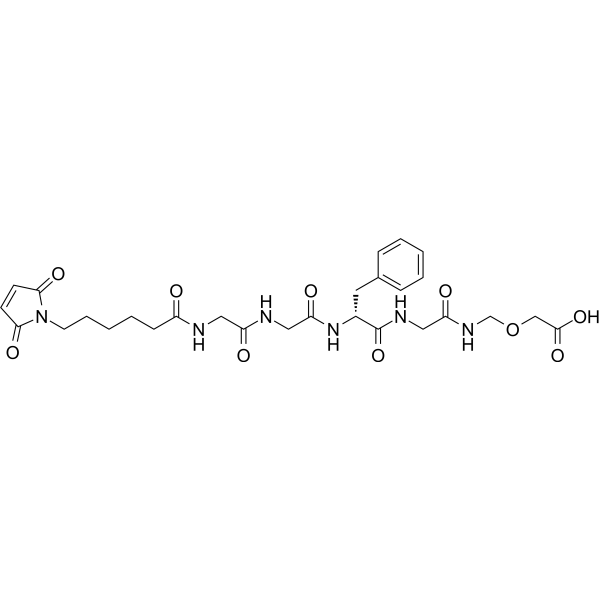
MC-Gly-Gly-{D-Phe}-Gly-NH-CH2-O-CH2COOH

" in MedChemExpress (MCE) Product Catalog:

170

Inhibitors & Agonists

180

Peptides

3

Natural
Products

3

Isotope-Labeled Compounds

1

Click Chemistry

Cat. No. 상품명 Target 연구분야 Chemical Structure
  • HY-P0036
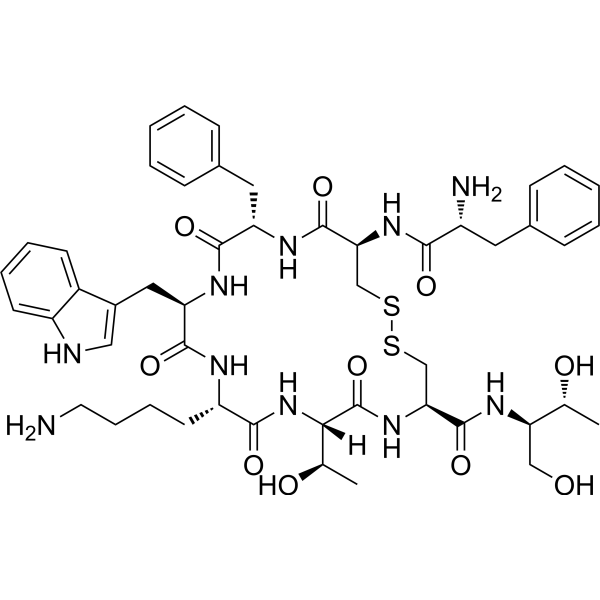
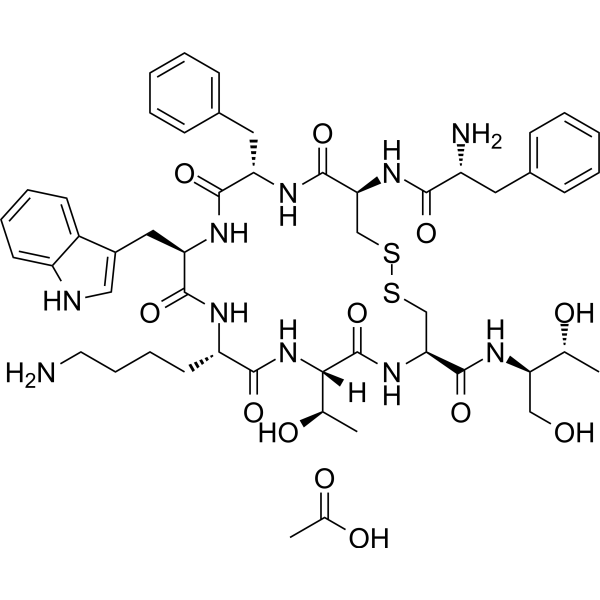
    Octreotide
    Maximum Cited Publications
    16 Publications Verification

    SMS 201-995

    Somatostatin Receptor Apoptosis Cardiovascular Disease Inflammation/Immunology Endocrinology Cancer
    Octreotide (SMS 201-995) is a somatostatin receptor agonist and synthetic octapeptide endogenous somatostatin analogue. Octreotide (SMS 201-995) can bind to the somatostatin receptor and mainly subtypes 2, 3, and 5, increases Gi activity, and reduces intracellular cAMP production. Octreotide (SMS 201-995) has antitumor activity, mediates apoptosis and may also be used in disease studies in acromegaly .
    Octreotide
  • HY-P1929
    Bivalirudin
    5+ Cited Publications

    Thrombin Interleukin Related RSV Infection Cardiovascular Disease Inflammation/Immunology
    Bivalirudin, a hirudin analog and anticoagulant, is a direct thrombin inhibitor. Bivalirudin inhibits thrombin-mediated fibrinogen cleavage, coagulation factor activation, and platelet activation by reversibly binding to thrombin. In addition, Bivalirudin also has certain effects of anti-virus, anti-inflammation, and vascular endothelial barrier function protection. Bivalirudin can be used for the research of thrombotic diseases and others .
    Bivalirudin
  • HY-P0210
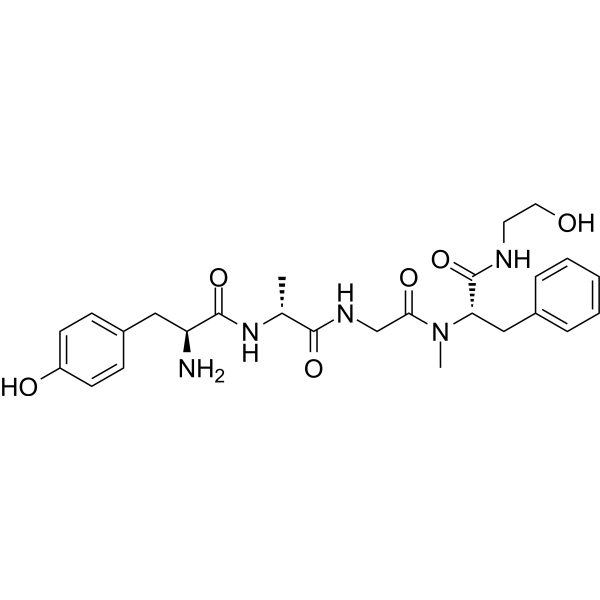
    DAMGO
    10+ Cited Publications

    Opioid Receptor Cancer
    DAMGO is a μ-opioid receptor (μ-OPR ) selective agonist with a Kd of 3.46 nM for native μ-OPR .
    DAMGO
  • HY-P0187
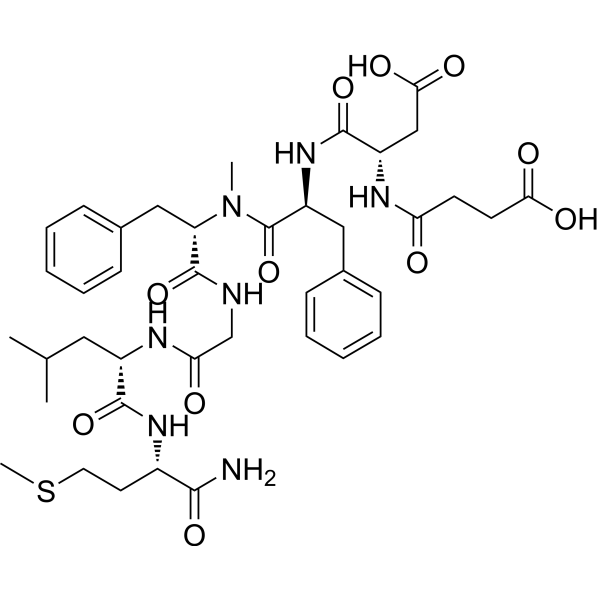
    Senktide
    3 Publications Verification

    Neurokinin Receptor Neurological Disease Endocrinology
    Senktide is a potent, selective agonist of the neuromedin K3 (NK3) receptor (EC50=0.5-3 nM). Senktide less potently agonizes the NK1 receptor (EC50=35 µM). Senktide is promising for research of neurological disease .
    Senktide
  • HY-N2466
    Melanotan I
    1 Publications Verification

    MT-I; [Nle4,D-Phe7]-α-MSH

    Melanocortin Receptor Neurological Disease Cancer
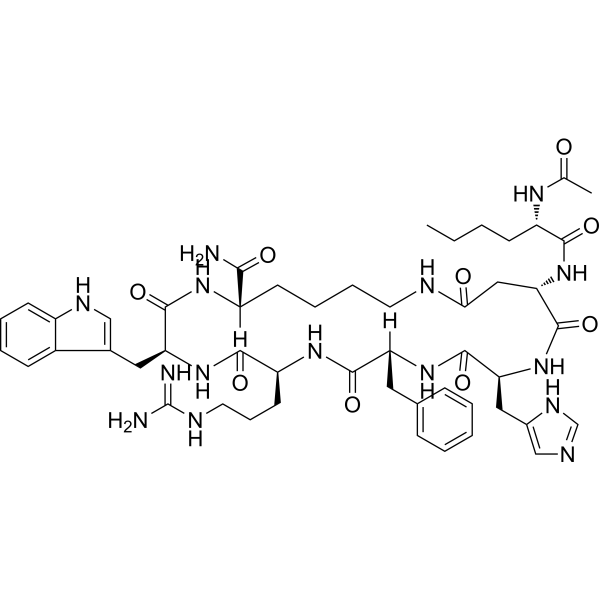
    Melanotan I is a potent non-selective melanocortin receptor (MCR) agonist. Melanotan I is a synthetic analogue of α-melanocyte stimulating hormone (α-MSH) that stimulates melanogenesis. Melanotan I can induce skin tanning by mimicking the actions of a-MSH on the melanocortin type 1 receptors (MC1R) of melanocytes. Melanotan I can be used for the research of sun-induced skin cancer, melanoma, inflammation and male erectile dysfunction .
    Melanotan I
  • HY-P0267
    Melanotan (MT)-II
    1 Publications Verification

    Melanocortin Receptor Neurological Disease
    Melanotan (MT)-II, a synthetic melanocortin receptor agonist, is an injectable peptide hormone used to promote tanning.
    Melanotan (MT)-II
  • HY-P0097
    Nonapeptide-1
    2 Publications Verification

    Melanostatine-5

    Melanocortin Receptor Metabolic Disease Endocrinology Cancer
    Nonapeptide-1 (Melanostatine-5), a peptide hormone, is a selective antagonist of MC1R (Ki: 40 nM). Nonapeptide-1 is a competitive α-MSH antagonist that potently inhibits intracellular cAMP and melanosome dispersion induced by α-MSH in melanocytes (IC50: 2.5 nM and 11 nM, respectively). Nonapeptide-1 inhibits melanin synthesis, and can be used in the research of skin pigmentation and regulation of steroid production in the adrenal gland, skin cancer .
    Nonapeptide-1
  • HY-106244A
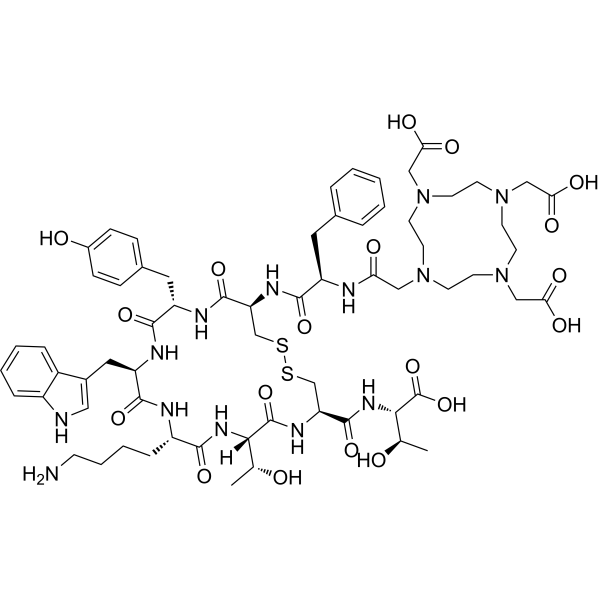
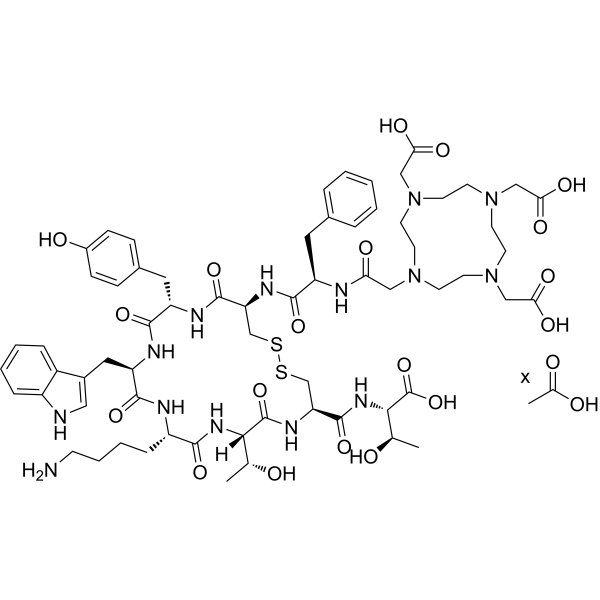
    DOTATATE acetate
    3 Publications Verification

    Oxodotreotide acetate

    Radionuclide-Drug Conjugates (RDCs) Cancer
    DOTATATE acetate is a DOTA-conjugated peptide. DOTATATE acetate can be labelled with radionuclides for positron emission tomography (PET) imaging and peptide receptor radionuclide research (PRRT) . DOTATATE (acetate) can be used for the synthesis/research of Radionuclide-Drug Conjugates (RDCs).
    DOTATATE acetate
  • HY-131990A

    ADC Linker Cancer
    MC-Gly-Gly-{D-Phe}-Gly-NH-CH2-O-CH2COOH is a cleavable ADC linker used in the synthesis of antibody-drug conjugates (ADCs) .
    MC-Gly-Gly-{D-Phe}-Gly-NH-CH2-O-CH2COOH
  • HY-122542B
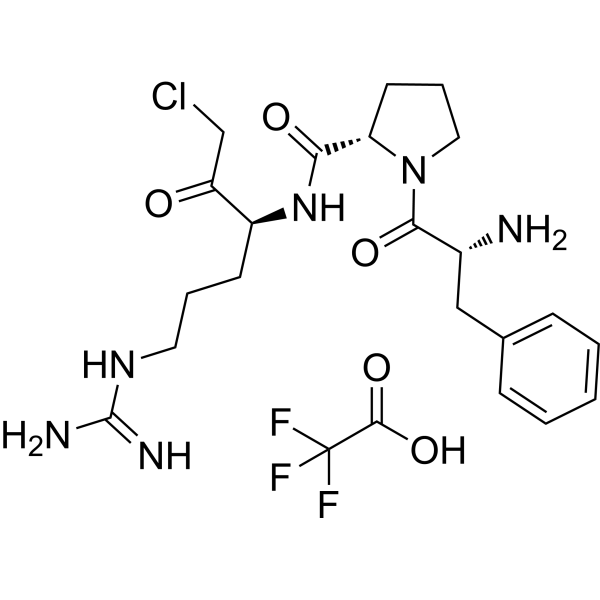
    PPACK TFA
    2 Publications Verification

    Ligands for E3 Ligase Molecular Glues IKZF Family Cardiovascular Disease
    PPACK TFA is an orally active, selective molecular glue degrader targeting IKZF2. Through a molecular glue mechanism, PPACK TFA binds to CRBN, recruits IKZF2 to form a ternary complex, and promotes its ubiquitination and proteasomal degradation. This further converts inhibitory regulatory T cells (Treg) into effector-like T cells, enhances CD8 + T cell responses, and modulates the Teff:Treg balance. PPACK TFA also increases the production of the inflammatory cytokine IL-2 and reduces the suppressive activity of Treg. PPACK TFA can be used in cancer immunotherapy research, and exhibits a synergistic effect when combined with immune checkpoint inhibitors such as anti-PD1 .
    PPACK TFA
  • HY-P1714

    FE 203799

    GLP Receptor Metabolic Disease
    Apraglutide (FE 203799), a synthetic 33-amino-acid peptide and a long-acting GLP-2 analogue, enhances adaptation and linear intestinal growth in a neonatal piglet model of short bowel syndrome with total resection of the ileum .
    Apraglutide
  • HY-15664
    Bivalirudin TFA
    5+ Cited Publications

    Thrombin Interleukin Related RSV Infection Cardiovascular Disease Inflammation/Immunology
    Bivalirudin TFA, a hirudin analog and anticoagulant, is a direct thrombin inhibitor. Bivalirudin TFA inhibits thrombin-mediated fibrinogen cleavage, coagulation factor activation, and platelet activation by reversibly binding to thrombin. In addition, Bivalirudin TFA also has certain effects of anti-virus, anti-inflammation, and vascular endothelial barrier function protection. Bivalirudin TFA can be used for the research of thrombotic diseases and others .
    Bivalirudin TFA
  • HY-P5098

    Integrin Neurological Disease Cancer
    E (c (RGDfK)) 2 is a αvβ3 integrin ligand and tumor-targeting agent. E (c (RGDfK)) 2 binds to αvβ3 integrin, mediates receptor-mediated endocytosis of conjugated payloads, and inhibits integrin-dependent cell adhesion to fibrinogen. E (c (RGDfK)) 2 inhibits the proliferation of cancer cells and endothelial cells. E (c (RGDfK)) 2 preferentially accumulates in orthotopic mouse breast tumors and human ovarian cancer xenograft tumors. E (c (RGDfK)) 2 can be used in research related to glioblastoma, lung cancer, breast adenocarcinoma and ovarian cancer .
    E(c(RGDfK))2
  • HY-P1613A

    Cyclo(RGDfV) TFA; C(RGDfV) TFA

    Integrin Apoptosis Cancer
    Cyclo(Arg-Gly-Asp-D-Phe-Val) (TFA) (Cyclo(RGDfV) (TFA))is an integrin αvβ3 inhibitor. Cyclo(Arg-Gly-Asp-D-Phe-Val) (TFA) has antitumor activity. Cyclo(Arg-Gly-Asp-D-Phe-Val) (TFA) can be used for the research of acute myeloid leukemia .
    Cyclo(Arg-Gly-Asp-D-Phe-Val) TFA
  • HY-122542

    PAI-1 Thrombin Inflammation/Immunology
    PPACK is a potent, peptidic inhibitor targeting thrombin and granzyme GZMK. PPACK specifically blocks the activities of thrombin and GZMK, thereby inhibiting thrombin-mediated PAR-1 cleavage, as well as downstream inflammatory and procoagulant signaling pathways. Through stabilizing IκB proteins, blocking NF-κB activation and reducing systemic levels of proinflammatory/procoagulant biomarkers, PPACK exerts multiple effects including anti-inflammatory, antithrombotic, barrier repair, and inhibition of atherosclerotic plaque progression. PPACK binds to platelets without interference from kininogen, effectively limiting acute thrombus growth and reducing eosinophil infiltration and goblet cell hyperplasia in asthma models. PPACK is an important tool molecule for investigating the mechanisms of atherosclerosis, asthma and related thromboinflammatory diseases .
    PPACK
  • HY-P10303

    Cyclo[RGDfK(Azide)]

    Biochemical Assay Reagents Others
    Cyclo[Arg-Gly-Asp-D-Phe-Lys(Azide)] is the derivative of Cyclo(-RGDfK) (HY-P0023). Cyclo[Arg-Gly-Asp-D-Phe-Lys(Azide)] is a click chemistry reagent containing an azide group. Click chemistry has great potential for use in binding between nucleic acids, lipids, proteins, and other molecules, and has been used in many research fields because of its beneficial characteristics, including high yield, high specificity, and simplicity .
    Cyclo[Arg-Gly-Asp-D-Phe-Lys(Azide)]
  • HY-P5287

    Integrin Cancer
    cRGDfK-thioacetyl ester is a bioactive polypeptide molecule. cRGDfK peptide has a selective affinity for integrins. cRGDfK peptide can modify NIR fluorescent probes for cancer targeting imaging .
    cRGDfK-thioacetyl ester
  • HY-P3662

    Tyrosinase Cancer
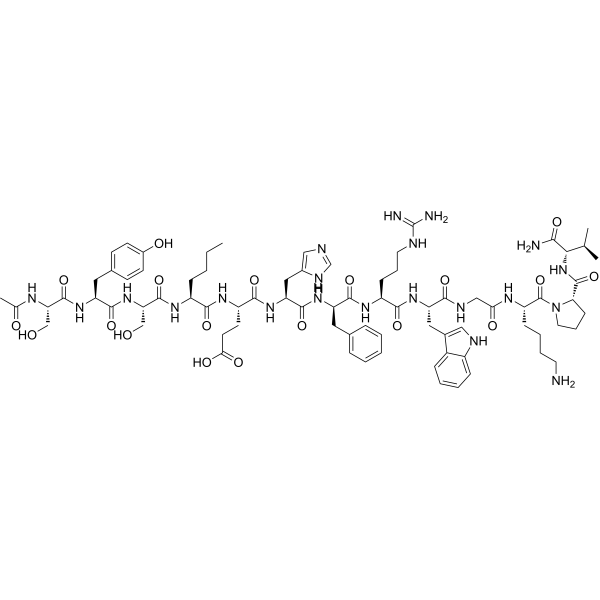
    Ac-[Nle4,D-Phe7]-α-MSH (4-10)-NH2 is a melanotropin, a melanocyte-stimulating hormone. Ac-[Nle4,D-Phe7]-α-MSH (4-10)-NH2 stimulates tyrosinase and exhibits thermoregulatory effect in rats model .
    Ac-[Nle4,D-Phe7]-α-MSH (4-10)-NH2
  • HY-P0210B
    DAMGO TFA
    10+ Cited Publications

    Opioid Receptor Cancer
    DAMGO TFA is a μ-opioid receptor (μ-OPR ) selective agonist with a Kd of 3.46 nM for native μ-OPR .
    DAMGO TFA
  • HY-P5506

    Complement System Others
    C5a Receptor agonist, W5Cha (Peptide 1) is a selective complement C5a receptor (C5aR) agonist (EC50=0.2 μM), a hexapeptide derived from the C-terminus of C5a with specific amino acid modifications. C5a Receptor agonist, W5Cha is able to interact with the Arg-206 site of the C5a receptor through its C-terminal arginine, thereby activating the receptor .
    C5a Receptor agonist, W5Cha
  • HY-P5997

    Autophagy Cyclic GMP-AMP Synthase Inflammation/Immunology
    XQ2B is a specific cGAS inhibitor targeting protein-DNA interaction and phase separation. XQ2B markedly reduces ISD-induced Autophagy. XQ2B inhibits herpes simplex virus 1 (HSV-1)-induced antiviral immune responses and enhances HSV-1 infection .
    XQ2B
  • HY-16129

    Calmodulin Checkpoint Kinase (Chk) MAPKAPK2 (MK2) MAP3K Cancer
    CBP-501, a cell-permeable calmodulin-binding peptide and a G2-abrogating drug candidate, inhibits the activity of multiple Ser 216-specific kinases, such as MAPKAP-K2, C-Tak1, CHK1 and CHK2, with IC50 values of 0.9 μM, 1.4 μM 3.4 μM and 6.5 μM, respectively. CBP-501 is used for various types of cancer .
    CBP-501
  • HY-W014000

    (Rac)-Gly-Phe; (Rac)-H-Gly-Phe-OH

    Amino Acid Derivatives Others
    Glycyl-DL-phenylalanine is a phenylalanine derivative .
    Glycyl-DL-phenylalanine
  • HY-P1107A
    Antisauvagine-30 TFA
    4 Publications Verification

    aSvg-30 TFA

    CRFR Neurological Disease
    Antisauvagine-30 TFA (aSvg-30 TFA) is a potent, highly selective and competitive CRF2 receptor peptidic antagonist. Antisauvagine-30 TFA exhibits a Kd of 1.4 nM and 150 nM for mCRFR2β and CRFR1, respectively .
    Antisauvagine-30 TFA
  • HY-105077A

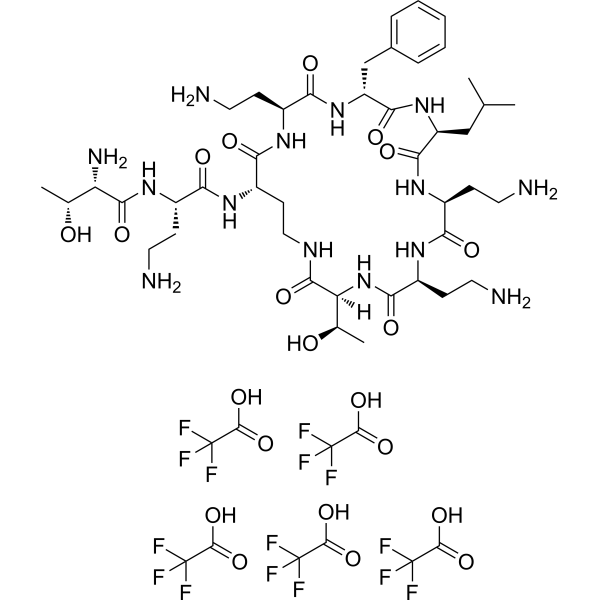
    INN 00835 diTFA

    5-HT Receptor Neurological Disease
    Nemifitide diTFA (INN 00835 diTFA) is a synthetic pentapeptide antidepressant with a potential for rapid onset of action . Nemifitide diTFA is a peptide analog of melanocyte-inhibiting factor (MIF) . Nemifitide diTFA can cross the blood-brain barrier .
    Nemifitide diTFA
  • HY-P5021

    c(RGDfE)

    Integrin Cancer
    Cyclo(Arg-Gly-Asp-(D-Phe)-Glu) c(RGDfE) is a cyclic RGD peptide targeting integrin αvβ3. Cyclo(Arg-Gly-Asp-(D-Phe)-Glu) is commonly used for modifying drug loaded nanoparticles. Cyclo(Arg-Gly-Asp-(D-Phe)-Glu) is often used in cancer research, such as pancreatic cancer .
    Cyclo(Arg-Gly-Asp-(D-Phe)-Glu)
  • HY-P10571

    Melanocortin Receptor Metabolic Disease
    GPS1573 is a noncompetitive antagonist of melanocortin type 2 receptor (MC2R) that dose-dependently antagonizes ACTH-stimulated MC2R activity (IC50=66 nM). GPS1573 can be used in the study of Cushing's disease due to its highly selective antagonism of MC2R .
    GPS1573
  • HY-P10239

    Somatostatin Receptor Radionuclide-Drug Conjugates (RDCs) Cancer
    Tyr3-Octreotate is a ligand for somatostatin receptor subtype 2 (sst2), with an IC50 value of 1.3 nM against sst2 when labeled with [ 111In-DTPA], and an IC50 value of 1.6 nM against sst2 when labeled with [ 90Y-DOTA]. Radiolabeled Tyr3-Octreotate generates cell-associated radioactivity, and acts as both a tumor growth inhibitor and a tumor cytotoxic agent. When radiolabeled with 177Lu or 90Y, Tyr3-Octreotate serves as a peptide receptor radionuclide therapy (PRRT) analog. Tyr3-Octreotate can be used in studies related to pancreatic tumors .
    Tyr3-Octreotate
  • HY-P5189A

    Endogenous Metabolite Cholinesterase (ChE) Others
    His-D-beta-Nal-Ala-Trp-D-Phe-Lys-NH2 TFA, is a growth hormone releasing peptide, as well as a metabolite of GHRP-1. GHRP-1, or Ala-His-D-beta Nal-Ala-Trp-D-Phe-Lys-NH2, has the effect of promoting the release of growth hormone (GH). GHRP-1 increases GH release and increases [Ca2+]i levels in static monolayer cells of rat pituitary gland, but does not affect cAMP levels .
    His-D-beta-Nal-Ala-Trp-D-Phe-Lys-NH2 TFA
  • HY-P1170

    Ac-L-Tyr-Gly-Gly-L-Phe-D-Leu-COOH

    Opioid Receptor Neurological Disease
    N-terminally acetylated Leu-enkephalin is the N-terminally acetylated form of Leu-enkephalin. Leu-enkephalin is a five amino acid endogenous peptide that acts as an agonist at opioid receptors.
    N-terminally acetylated Leu-enkephalin
  • HY-P1159A
    [D-p-Cl-Phe6,Leu17]-VIP TFA
    1 Publications Verification

    PACAP Receptor Neurological Disease Inflammation/Immunology
    [D-p-Cl-Phe6,Leu17]-VIP TFA is a competitive and selective antagonist of vasoactive intestinal peptide (VIP) receptor, with the IC50 of 125.8 nM. [D-p-Cl-Phe6,Leu17]-VIP TFA has no activity on glucagon, secretin or GRF receptors .
    [D-p-Cl-Phe6,Leu17]-VIP TFA
  • HY-P10732

    Radionuclide-Drug Conjugates (RDCs) Cancer
    DOTA-cyclo(RGDfK) is a radionuclide conjugate (RDC), which is capable of binding to a radionuclide. RDC has the ability to specifically target biomolecules and can be used in medical imaging or therapy .
    DOTA-cyclo(RGDfK)
  • HY-P4907

    Integrin Others
    RGD Negative Control is the negative control of RGD (HY-P0278).
    RGD Negative Control
  • HY-P10224A

    EGFR Cancer
    G7-18NATE TFA is a peptide inhibitor of Grb7. G7-18NATE TFA binds to the Grb7-SH2 domain with micromolar affinity (Kd = 18.1 μM). G7-18NATE TFA inhibits cell proliferation, motility, cell invasion and 3D culture formation in several cancer cell lines .
    G7-18NATE TFA
  • HY-P1106A

    CFTR Cardiovascular Disease
    K41498 TFA is a highly selective CRF 2 receptor antagonist, with a Ki of 0.66 nM for human CRF2α receptor and a Ki of 0.62 nM for human CRF2β receptor. K41498 TFA inhibits cAMP accumulation in cells expressing CRF2. K41498 TFA antagonizes the hypotensive response induced by systemic administration of urocortin in conscious rats. K41498 TFA undergoes radioiodination without loss of activity and serves for autoradiographic studies of native CRF2 receptors in rat brain and peripheral tissues .
    K41498 TFA
  • HY-P4776

    PACAP Receptor Metabolic Disease
    Acetyl-(D-Phe2,Lys15,Arg16,Leu27)-VIP (1-7)-GRF (8-27), a vasoactive intestinal peptide (VIP), is a VIP1 antagonist .
    Acetyl-(D-Phe2,Lys15,Arg16,Leu27)-VIP (1-7)-GRF (8-27)
  • HY-P5220A

    Melitane acetate

    Melanocortin Receptor Others
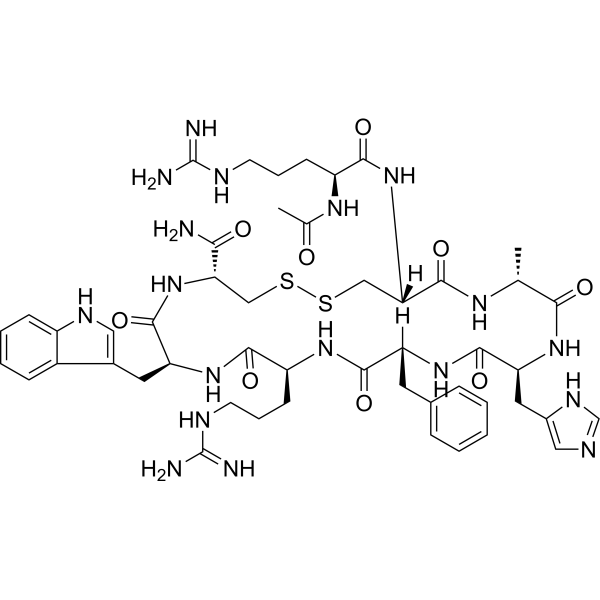
    Acetyl hexapeptide-1 (Melitane) acetate is a biomimetic peptide that mimics the activity of α-melanocyte-stimulating hormone (α-MSH). Acetyl hexapeptide-1 acetate can regulate muscle contraction, thereby reducing facial expression lines. Acetyl hexapeptide-1 acetate is one of the components of anti-aging skin care essences targeting dynamic wrinkles. Acetyl hexapeptide-1 acetate can be used in studies related to mild photo-aged facial skin and premature graying of hair .
    Acetyl hexapeptide-1 acetate
  • HY-P5220

    Melitane

    Melanocortin Receptor Others
    Acetyl hexapeptide-1 (Melitane) is a biomimetic peptide that mimics the activity of α-melanocyte-stimulating hormone (α-MSH). Acetyl hexapeptide-1 regulates muscle contraction, thereby reducing facial expression lines. Acetyl hexapeptide-1 is one of the components of anti-aging skincare serums targeting dynamic wrinkles. Acetyl hexapeptide-1 can be used in research related to mild photoaged facial skin and premature gray hair .
    Acetyl hexapeptide-1
  • HY-P10896

    Bombesin Receptor Cancer
    NOTA-P2-RM26 is an antagonist of Bombesin (HY-P0195) analogs, and the gastrin-releasing peptide receptor (GRPR/BB2) is a molecular target for prostate cancer visualization. NOTA-P2-RM26 is labeled with 111In and 68Ga for prostate cancer imaging studies using PET and SPECT/CT .
    NOTA-P2-RM26
  • HY-P0039

    Bombesin Receptor Cancer
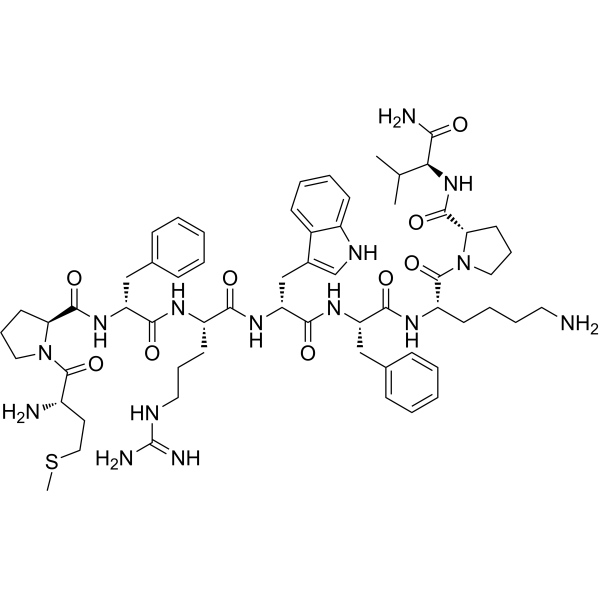
    BIM-26226 is a selective gastrin-releasing peptide receptor (GRPR) (IC50 = 6 nM) and bombesin receptor (BN receptor) antagonist. BIM-26226 antagonizes BN- or GRP-stimulated amylase release with IC50 values of 0.3 nM and 0.2 nM, respectively. BIM-26226 is specific for the GRP-preferring BN receptor subtype with no interference with GRP receptor system. BIM-26226 can induce the synthesis of somatostatin receptor but has no significant effect on tumor growth .
    BIM-26226
  • HY-P0031
    Cyclo(RADfK)
    1 Publications Verification

    Integrin Others
    Cyclo(RADfK) can be used as a control for Cyclo(-RGDfK) (HY-P0023) .
    Cyclo(RADfK)
  • HY-123275

    S-2238

    Fluorescent Dye Others
    H-D-Phe-Pip-Arg-pNA (S-2238), a chromogenic substrate, is patterned after the N-terminal portion of the A alpha chain of fibrinogen, which is the natural substrate of thrombin. H-D-Phe-Pip-Arg-pNA is specific for thrombin and is used to measure antithrombin-heparin cofactor (AT-III). The AT-III assay using H-D-Phe-Pip-Arg-pNA is sensitive, accurate, and easy to perform .
    H-D-Phe-Pip-Arg-pNA
  • HY-P1159

    PACAP Receptor Neurological Disease Inflammation/Immunology
    [D-p-Cl-Phe6,Leu17]-VIP is a competitive and selective antagonist of vasoactive intestinal peptide (VIP) receptor, with the IC50 of 125.8 nM. [D-p-Cl-Phe6,Leu17]-VIP has no activity on glucagon, secretin or GRF receptors .
    [D-p-Cl-Phe6,Leu17]-VIP
  • HY-P4541

    Bombesin Receptor Cancer
    (D-Phe6,Leu-NHEt13,des-Met14)-Bombesin (6-14) is a bombesin (BBN) antagonist and can be used for the research of cancer .
    (D-Phe6,Leu-NHEt13,des-Met14)-Bombesin (6-14)
  • HY-P4561

    Cathepsin Others
    H-Pro-Thr-Glu-Phe-p-nitro-Phe-Arg-Leu-OH is a water-soluble polypeptide that can serve as a substrate for cathepsin D, pepsin and pepsinogen. H-Pro-Thr-Glu-Phe-p-nitro-Phe-Arg-Leu-OH has potential applications in biochemical analysis .
    H-Pro-Thr-Glu-Phe-p-nitro-Phe-Arg-Leu-OH
  • HY-P1106

    CRFR Cardiovascular Disease
    K41498 is a highly selective CRF 2 receptor antagonist, with a Ki of 0.66 nM for human CRF2α receptor and a Ki of 0.62 nM for human CRF2β receptor. K41498 inhibits cAMP accumulation in cells expressing CRF2. K41498 antagonizes the hypotensive response induced by systemic administration of urocortin in conscious rats. K41498 undergoes radioiodination without loss of activity and serves for autoradiographic studies of native CRF2 receptors in rat brain and peripheral tissues .
    K41498
  • HY-N2466A
    Melanotan I acetate
    1 Publications Verification

    MT-I acetate; [Nle4,D-Phe7]-α-MSH acetate

    Melanocortin Receptor Cancer
    Melanotan I acetate is a potent non-selective melanocortin receptor (MCR) agonist. Melanotan I acetate is a synthetic analogue of α-melanocyte stimulating hormone (α-MSH) that stimulates melanogenesis. Melanotan I acetate can induce skin tanning by mimicking the actions of a-MSH on the melanocortin type 1 receptors (MC1R) of melanocytes. Melanotan I acetate can be used for sunlight-induced skin cancers research .
    Melanotan I acetate
  • HY-P4725

    Fluorescent Dye Others
    Abz-Thr-Ile-Nle-p-nitro-Phe-Gln-Arg-NH2 is a fluorogenic substrate, that can be used for the fluorescence screening assay .
    Abz-Thr-Ile-Nle-p-nitro-Phe-Gln-Arg-NH2
  • HY-P3666

    GnRH Receptor Endocrinology
    [D-Phe2,6, Pro3]-LH-RH is a potent luteinizing hormone releasing hormone (LHRH) antagonist .
    [D-Phe2,6, Pro3]-LH-RH
  • HY-P1185

    Vasopressin Receptor Apoptosis Cardiovascular Disease Cancer
    Antagonist G is a potent vasopressin antagonist. Antagonist G is also a weak antagonist of GRP and Bradykinin. Antagonist G induces AP-1 transcription and sensitizes cells to chemotherapy .
    Antagonist G

온라인 문의

Your information is safe with us. * Required Fields.

호칭


Country or Region *

고객명 *


회사명 *

Department *


메일주소 *


상품명 *

Cat. No.


Requested quantity *

전화번호 *


비고

온라인 문의

Inquiry Information

상품명:
Cat. No.:
수량:
MCE Japan Authorized Agent:

