Delivery of temperature sensitive items including proteins and kits will be paused on 6/19 for the Juneteenth holiday. For urgent orders please contact customer service.
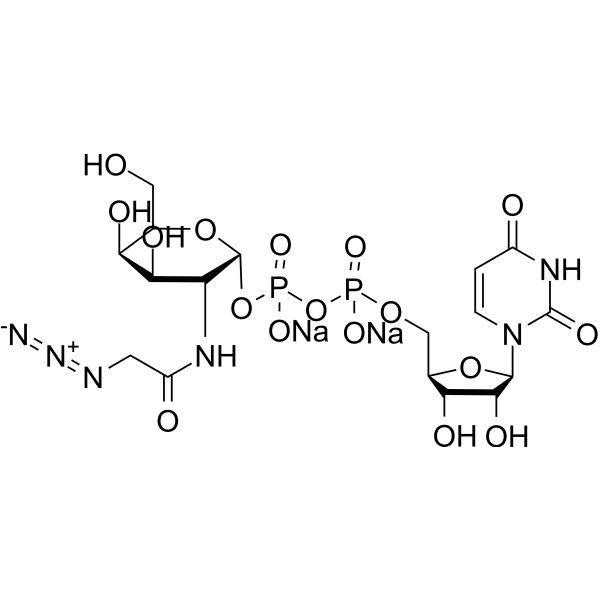
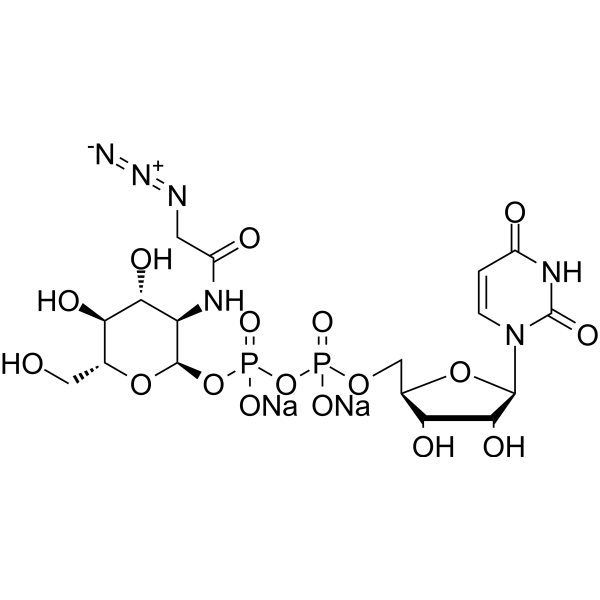
UDP-GalNAz (UDP-N-azidoacetylgalactosamine) disodium is the analogue of UDP-GalNAc disodium (HY-114365). UDP-GalNAc disodium is the donor substrate of many N-acetylgalactosaminyltransferases, enzymes which transfer GalNAc from the nucleotide sugar to a saccharide or peptide acceptor. UDP-GalNAz disodium is a click chemistry reagent, it contains an Azide group and can undergo copper-catalyzed azide-alkyne cycloaddition reaction (CuAAc) with molecules containing Alkyne groups. It can also undergo strain-promoted alkyne-azide cycloaddition (SPAAC) reactions with molecules containing DBCO or BCN groups .
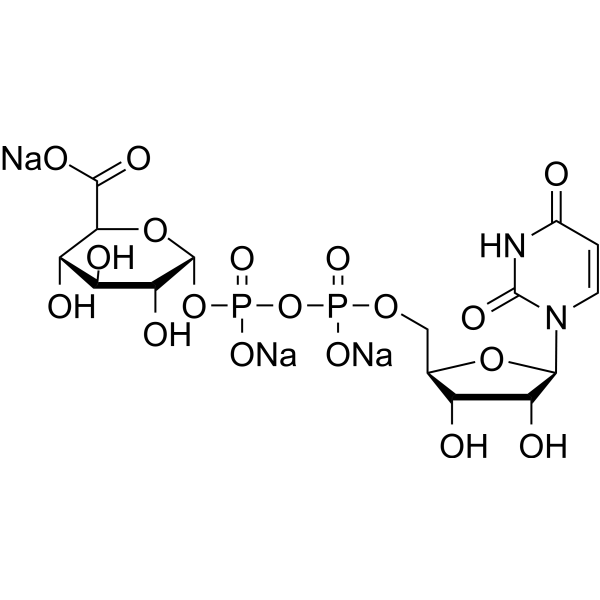
UDP-glucuronic acid trisodium (Uridine-5'-diphosphoglucuronic acid trisodium salt) is a critical precursor for essential glycoconjugates across biological kingdoms, ranging from mammalian glycosaminoglycans and plant cell wall polysaccharides to bacterial capsule glycoglycerolipids.
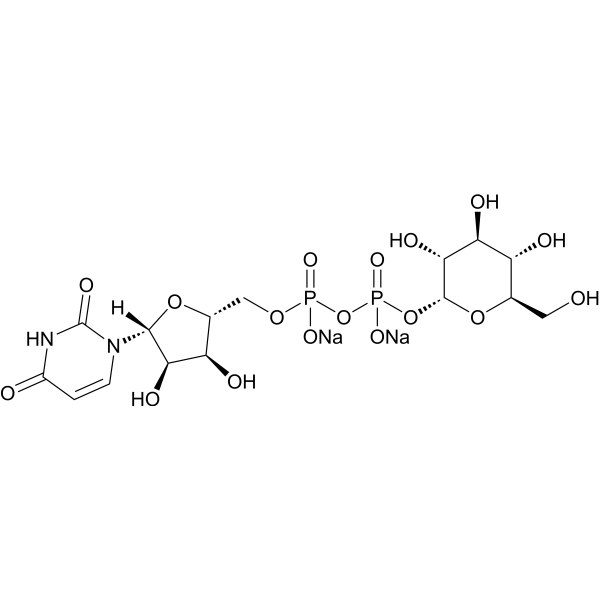
Uridine 5’-diphosphoglucose (UDP-glucose) disodium, secreted by cardiomyocytes during ischemia and reperfu, is a potent agonist of the proinflammatory P2Y14 receptor. It acts an important role in the regulation of inflammation and neutrophil polarization in neutrophils. Uridine 5’-diphosphoglucose disodium is also the precursor of glucose-containing oligosaccharides, polysaccharides, glycoproteins, and glycolipids in animal tissues and in some microorganisms. Uridine 5’-diphosphoglucose disodium is promising for research in counteracting myocardial infarction/reperfusion (MIR)-induced inflammation in the heart tissue.
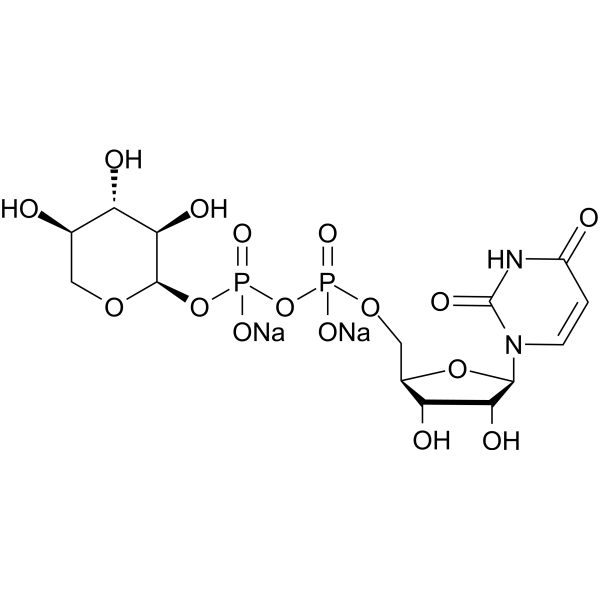
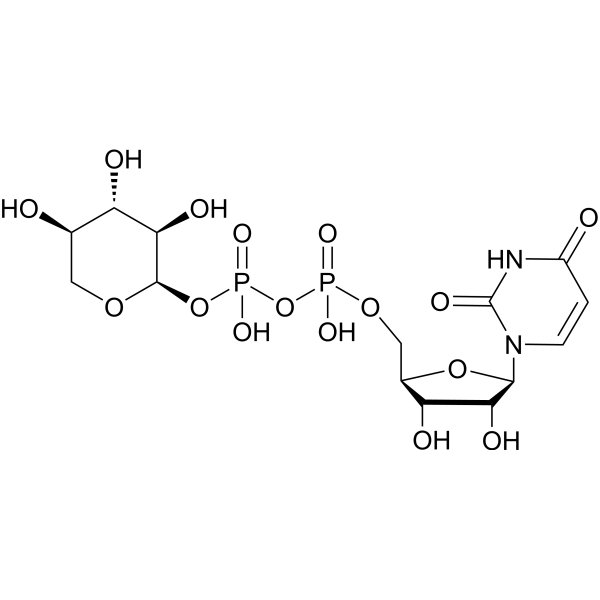
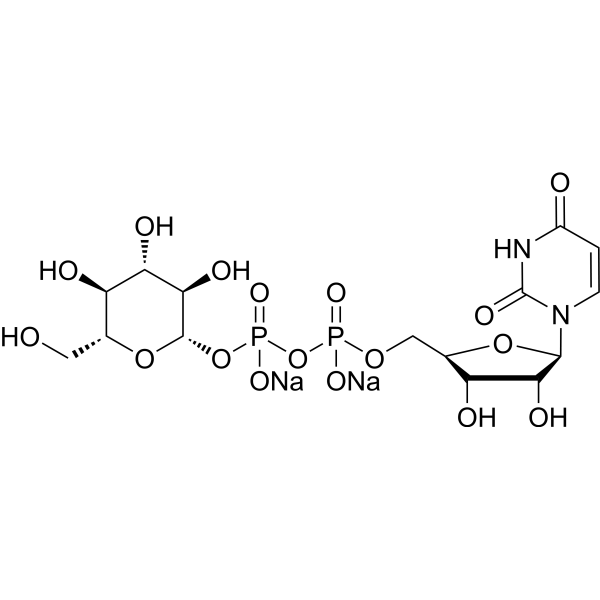
UDP-xylose disodium is an endogenous sugar nucleotide and a catalytic substrate of UDP-xylose disodium synthase (UXS). UDP-xylose disodium is a sugar donor for the synthesis of glycoproteins, polysaccharides, various metabolites and oligosaccharides in plants, vertebrates and fungi, and participates in the synthesis of proteoglycans as a glycosyl donor. UDP-xylose disodium participates in the regulation of the synthesis of extracellular matrix components and can be used to study the mechanism of proteoglycan biosynthesis in glycobiology and related diseases (such as connective tissue diseases)[1][2].
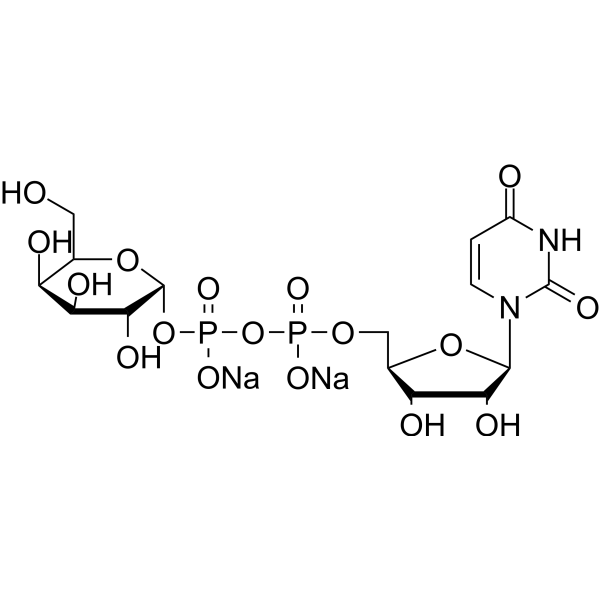
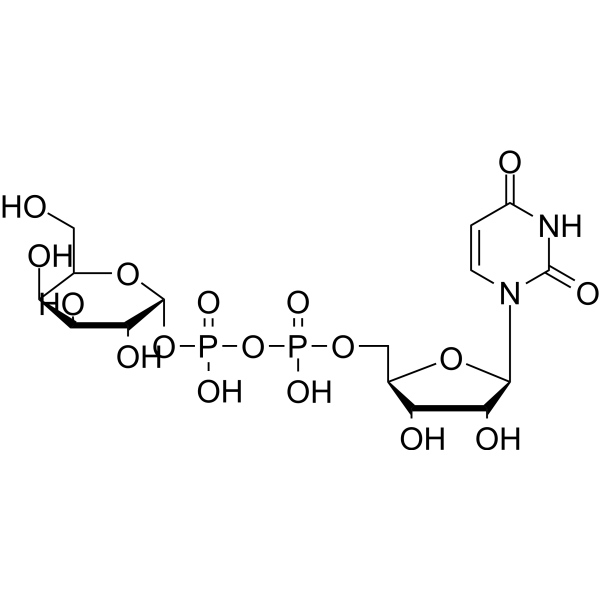
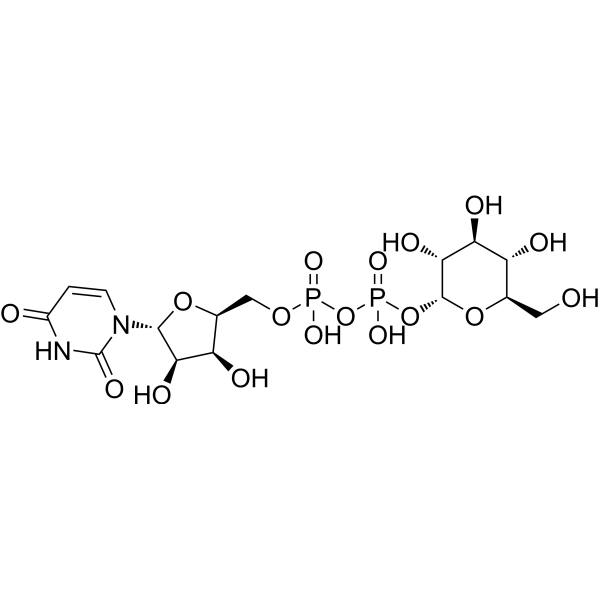
UDP-Galactose disodium is a monosaccharide and a key glycosyl donor molecule in cells that participates in nucleotide sugar metabolism. UDP-Galactose disodium is the natural agonist of the P2Y14 receptor coupled to Gi proteins in the immune system (IC50 = 0.67 μM, hP2Y14). UDP-Galactose disodium can be used to study cell signal transduction and substance metabolism .
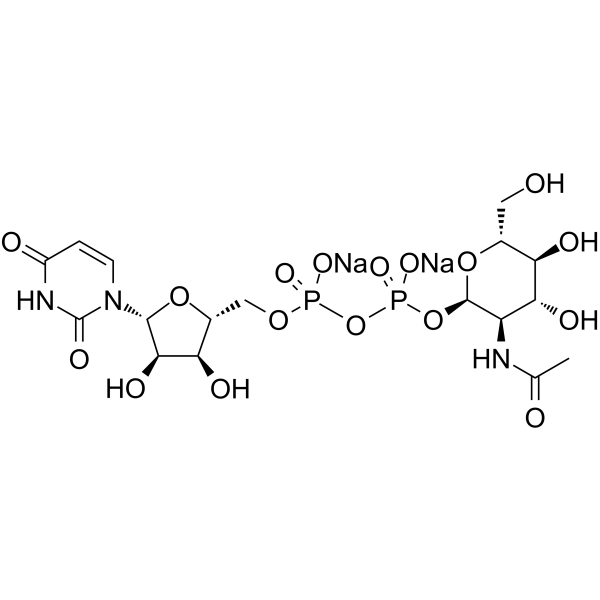
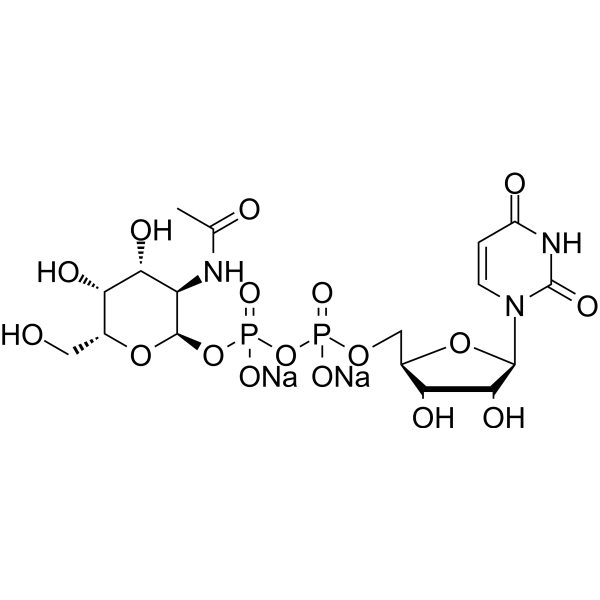
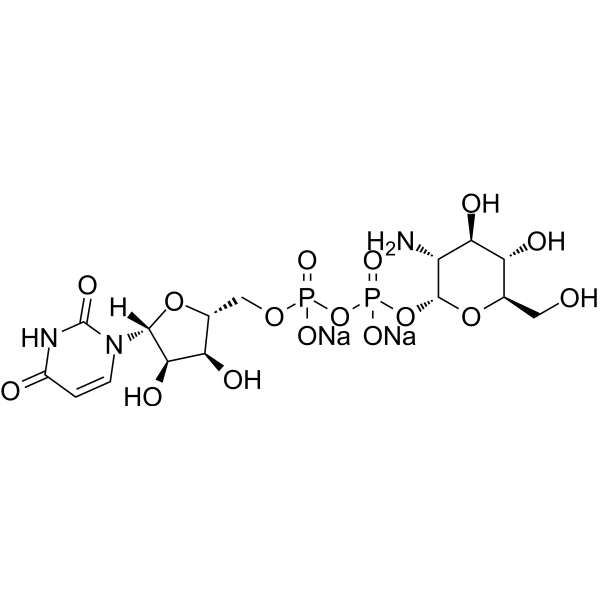
UDP-GalNAc (UDP-N-acetyl-D-galactosamine) disodium is a sugar nucleotide and a substrate for EpsC115. EpsC115 is a mutant with N-terminal residues 1-115 deleted from the exopolymeric substance (EPS). UDP-GalNAc disodium is a donor substrate for many N-acetylgalactosaminyltransferases, which transfer GalNAc from nucleotide sugars to sugar or peptide acceptors. UDP-GalNAc disodium provides a sugar group donor for glycosylation reactions. UDP-GalNAc disodium can be used in cancer research, such as colorectal and breast cancer .
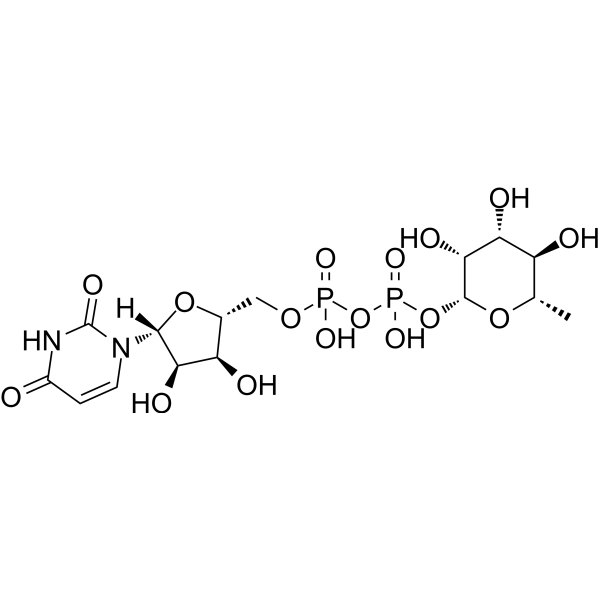
UDP-rhamnose, the activated form of Rhamnose (HY-N1420) in fungi, is a key precursor for fungi to synthesize rhamnose-containing glycans. UDP-rhamnose can be used in the research on the treatment of fungal diseases .
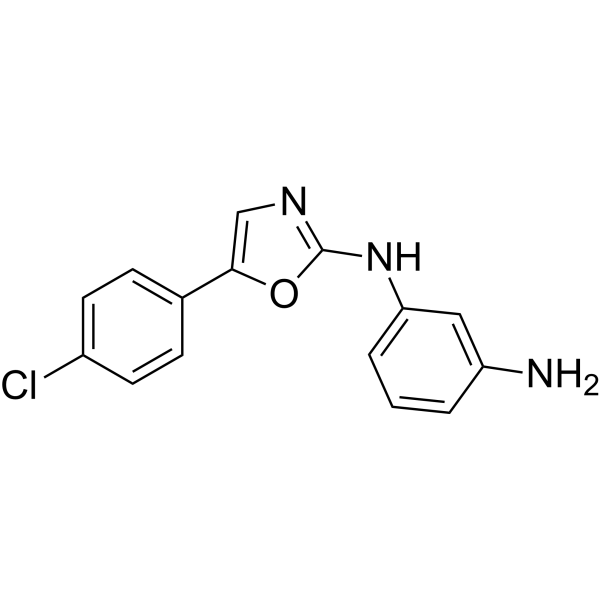
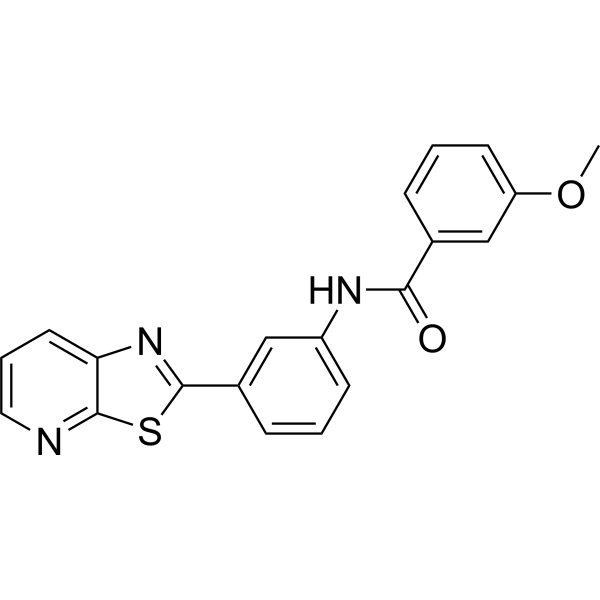
SIRT7 inhibitor 97491, a potent SIRT7 inhibitor with an IC50 of 325 nM, reduces deacetylase activity of SIRT7 in a dose-dependent manner. SIRT7 inhibitor 97491 prevents tumor progression by increasing p53 stability through acetylation at K373/382. SIRT7 inhibitor 97491 promotes apoptosis through caspase pathway. .
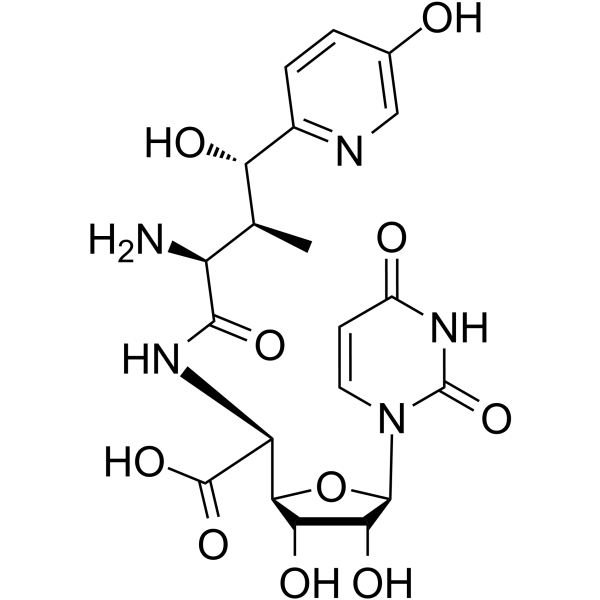
Nikkomycin Z is a nucleoside peptide and an orally active antifungal agent. Nikkomycin Z inhibits chitin synthesis by acting as a competitive analogue of the chitin synthase substrate UDP-N-acetylglucosamine. Nikkomycin Z has antifungal activity .
UDP-GlcNAz disodium is the analogue of UDP-GlcNAc disodium (HY-112174). UDP-GlcNAc disodium is the donor substrate of many N-acetylgalactosaminyltransferases, enzymes which transfer GlcNAc from the nucleotide sugar to a saccharide or peptide acceptor. UDP-GlcNAc disodium is a click chemistry reagent, it contains an Azide group and can undergo copper-catalyzed azide-alkyne cycloaddition reaction (CuAAc) with molecules containing Alkyne groups. It can also undergo strain-promoted alkyne-azide cycloaddition (SPAAC) reactions with molecules containing DBCO or BCN groups .
UDP-xylose is an endogenous sugar nucleotide and a catalytic substrate of UDP-xylose synthase (UXS). UDP-xylose is a sugar donor for the synthesis of glycoproteins, polysaccharides, various metabolites and oligosaccharides in plants, vertebrates and fungi, and participates in the synthesis of proteoglycans as a glycosyl donor. UDP-xylose participates in the regulation of the synthesis of extracellular matrix components and can be used to study the mechanism of proteoglycan biosynthesis in glycobiology and related diseases (such as connective tissue diseases)[1][2].
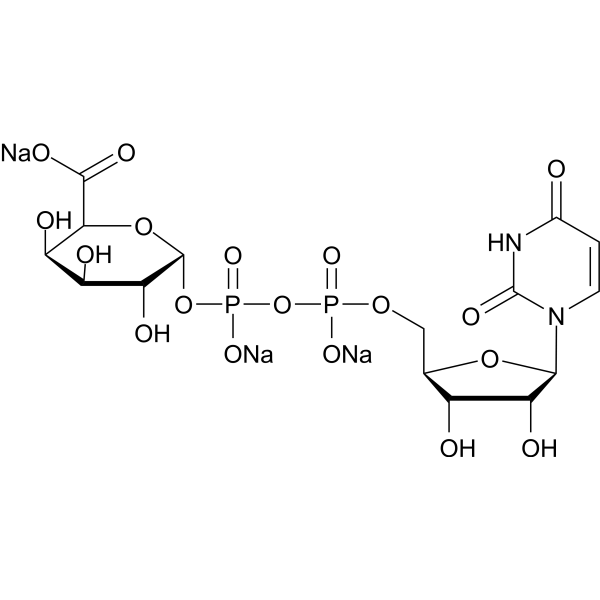
Uridine diphosphate glucuronic acid (UDP-α-D-glucuronic acid) is a glucuronic acid donor. Uridine diphosphate glucuronic acid transfers its glucuronic acid moiety to acceptor molecules, thereby forming "ether" glucuronides, while being converted into uridine 5'-pyrophosphate. Uridine diphosphate glucuronic acid serves as a substrate for Arabidopsis UDP-GlcA 4-epimerase 1, and undergoes reversible 4-epimerization to generate UDP-α-D-galacturonic acid .
Uridine 5′-diphosphoglucose (Standard) (UDP-D-Glucose (Standard)) is the analytical standard of Uridine 5′-diphosphoglucose (HY-113044). This product is intended for research and analytical applications. Uridine 5’-diphosphoglucose (UDP-glucose), secreted by cardiomyocytes during ischemia and reperfu, is a potent agonist of the proinflammatory P2Y14 receptor. It acts an important role in the regulation of inflammation and neutrophil polarization in neutrophils. Uridine 5’-diphosphoglucose is also the precursor of glucose-containing oligosaccharides, polysaccharides, glycoproteins, and glycolipids in animal tissues and in some microorganisms. Uridine 5’-diphosphoglucose is promising for research in counteracting myocardial infarction/reperfusion (MIR)-induced inflammation in the heart tissue.
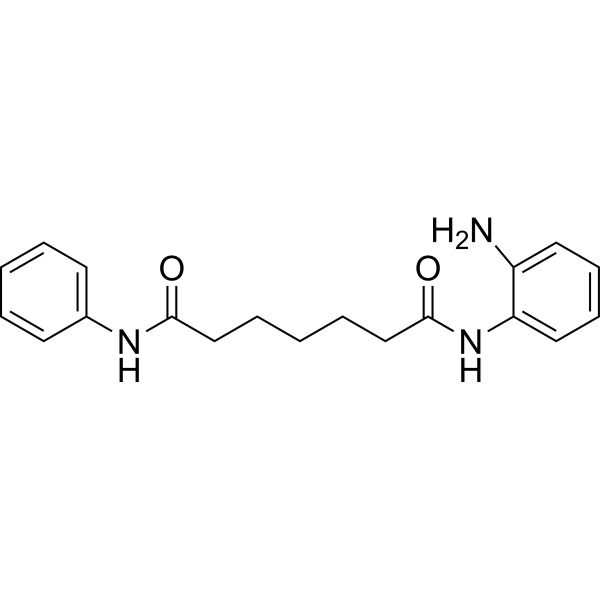
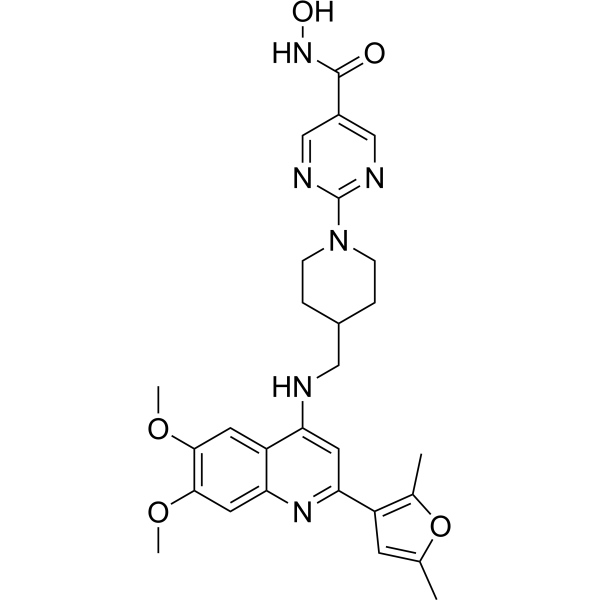
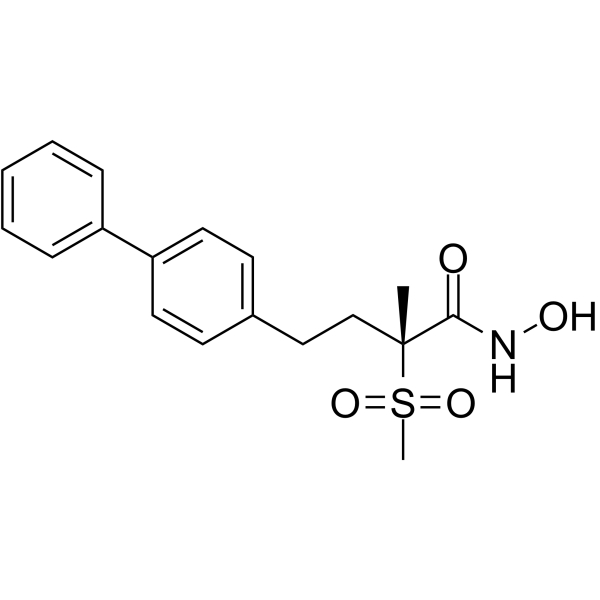
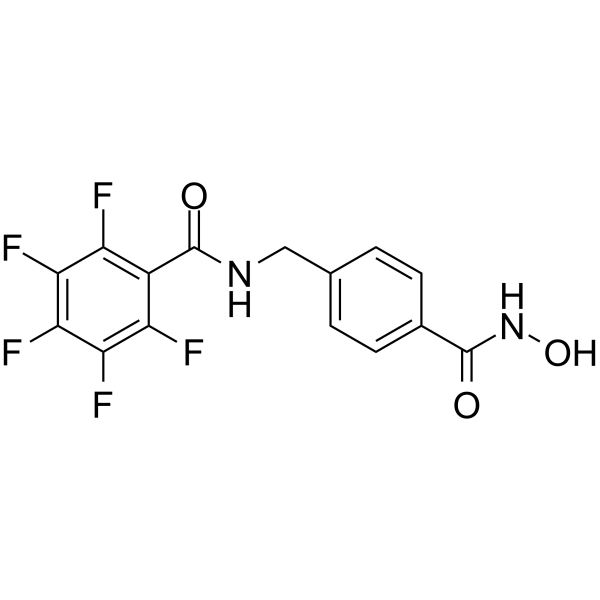
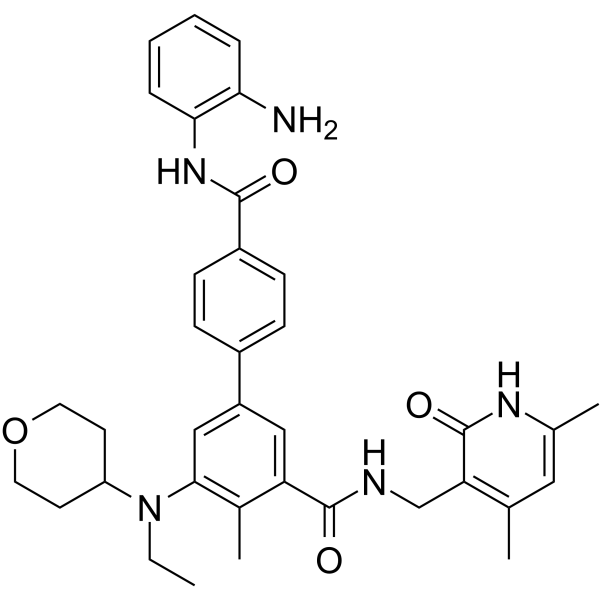
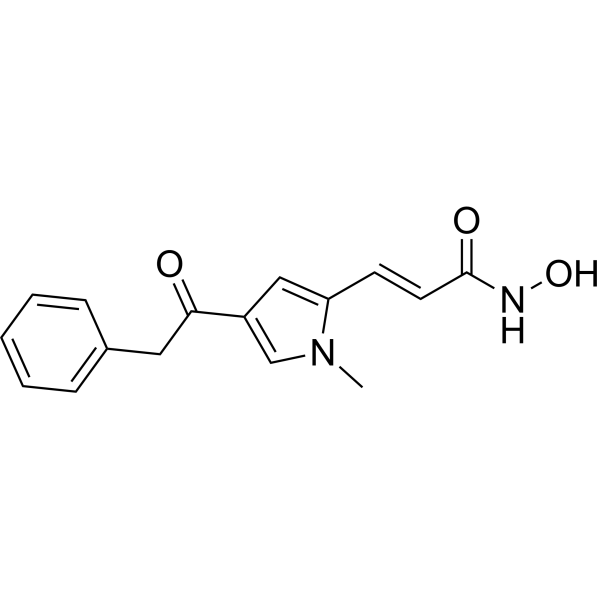
NKL 22 is a potent and selective inhibitor of histone deacetylases (HDAC), with IC50 values of 199 and 69 nM for HDAC1 and HDAC3, respectively. NKL 22 can reverse abnormal expression of HD‑related genes and restore the levels of key genes including Ppp1r1b in Huntington's disease transgenic mice. NKL 22 can be used for the researches of Huntington's disease and cancer .
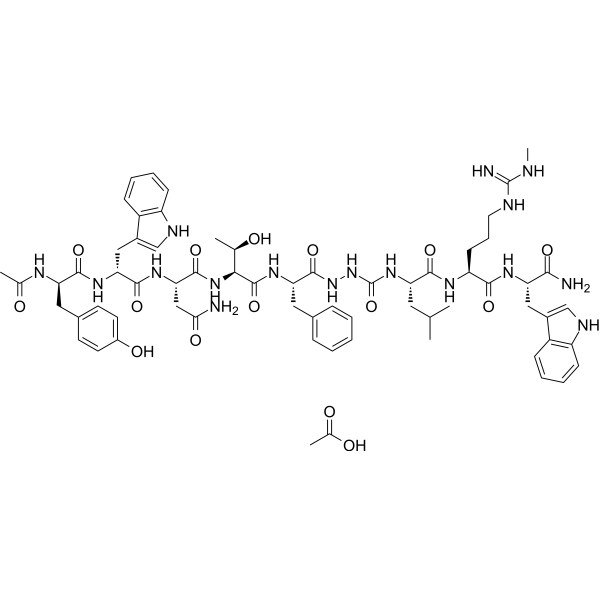
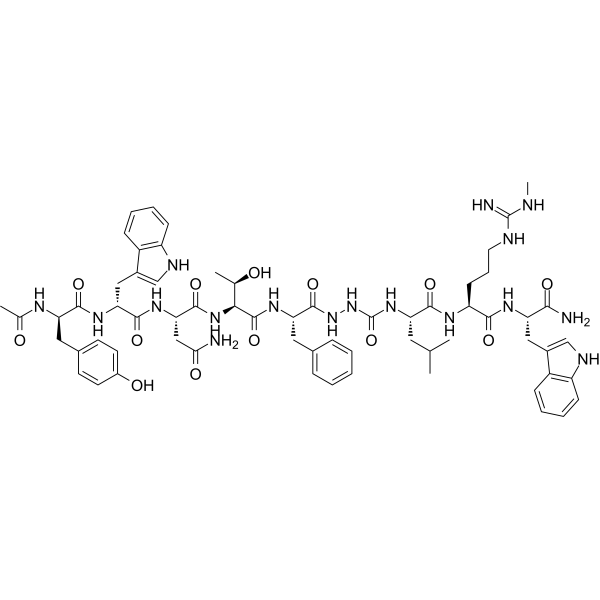
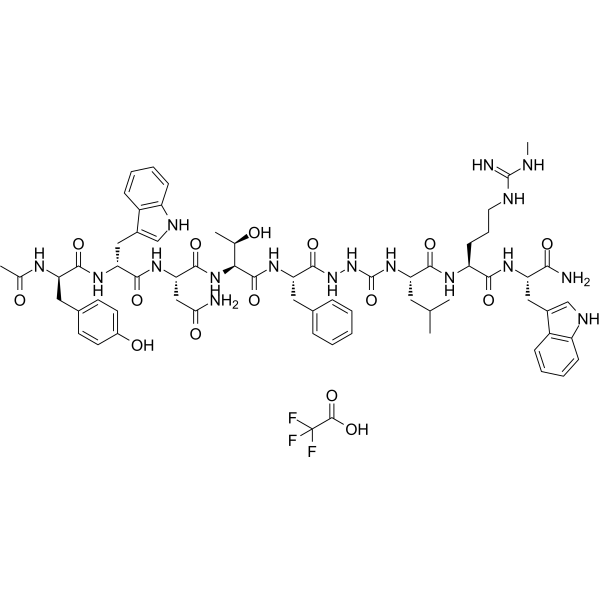
TAK-683 acetate is a potent full KISS1 receptor (KISS1R) agonist (IC50=170 pM) with improved metabolic stability. TAK-683 acetate is a nonapeptide metastin analog, exhibits agonistic activities to KISS1R with EC50 values of 0.96 nM and 1.6 nM for human and rat, respectively . TAK-683 acetate depletes GnRH in the hypothalamus and reduces plasma FSH, LH, and testosterone levels in vivo, it has the potential for the study of hormone-dependent prostate cancer .
UDP-Galactose is a monosaccharide and a key glycosyl donor molecule in cells that participates in nucleotide sugar metabolism. UDP-Galactose is the natural agonist of the P2Y14 receptor coupled to Gi proteins in the immune system (IC50 = 0.67 μM, hP2Y14). UDP-Galactose can be used to study cell signal transduction and substance metabolism .
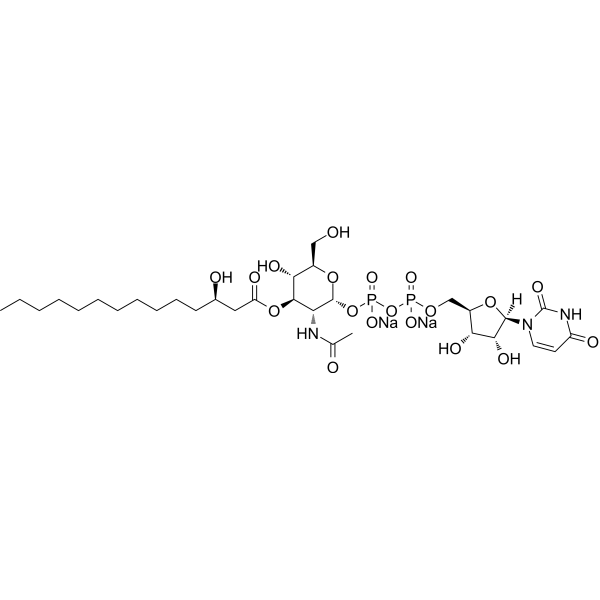
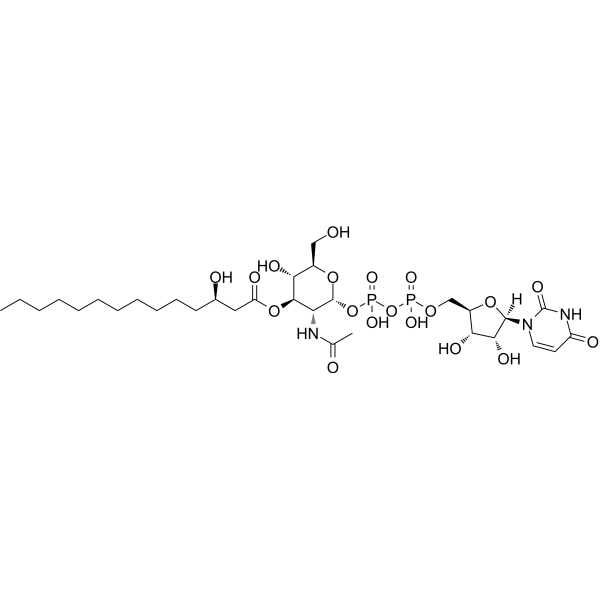
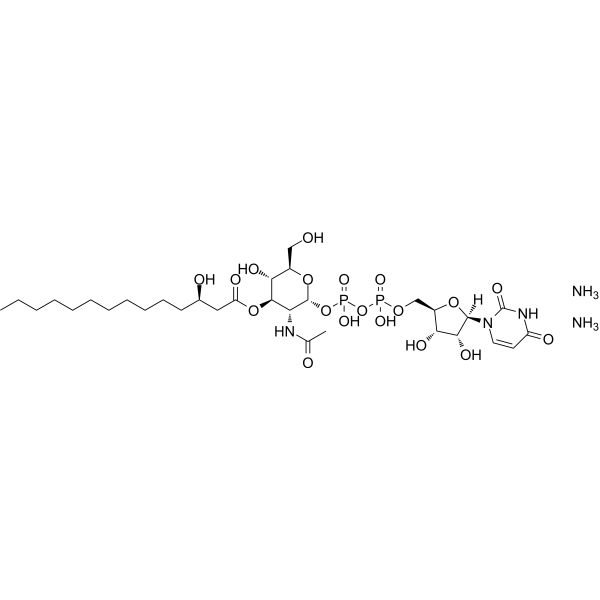
UDP-3-O-acyl-GlcNAc (UDP-3-O-(3-hydroxytetradecanoyl)-N-acetylglucosamine) disodium is an E. coli metabolite that is involved in 3-deoxy-D-manno-octulosonate (KDO) biosynthesis pathway .
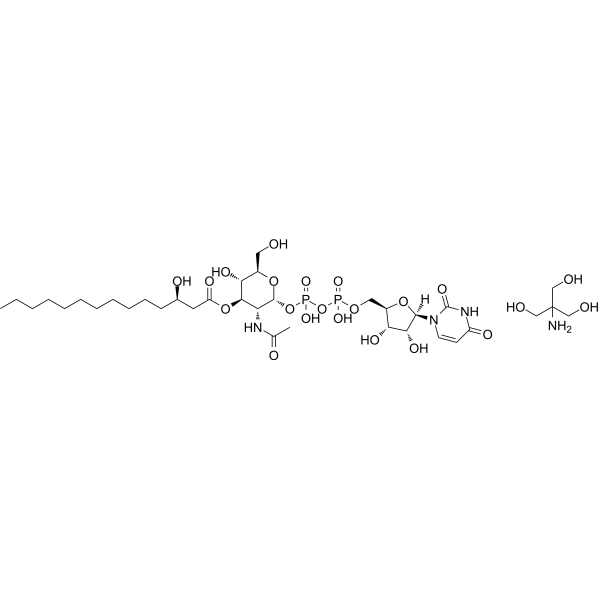
UDP-3-O-acyl-GlcNAc (UDP-3-O-(3-hydroxytetradecanoyl)-N-acetylglucosamine) Tris is an E. coli metabolite that is involved in 3-deoxy-D-manno-octulosonate (KDO) biosynthesis pathway .
Bilirubin diglucuronide is a bilirubin glycoside conjugate with a 1-O-acyl β-D-glucuronide structure. Bilirubin diglucuronide is the major conjugated bilirubin (HY-N0323) and predominant pigment excreted in the bile of adult humans, rats, dogs and cats. Bilirubin diglucuronide is mainly synthesized via UDP-glucuronosyltransferase-mediated transfer of glucuronic acid from UDP-glucuronic acid to bilirubin monoglucuronide, or via enzymatic disproportionation of two moles of bilirubin monoglucuronide (predominantly producing the IXα configuration). In addition, Bilirubin diglucuronide can also be synthesized from bilirubin or its monoglucuronide in a UDP-glucuronic acid-dependent manner. Pretreatment with phenobarbital significantly enhances the formation process of Bilirubin diglucuronide .
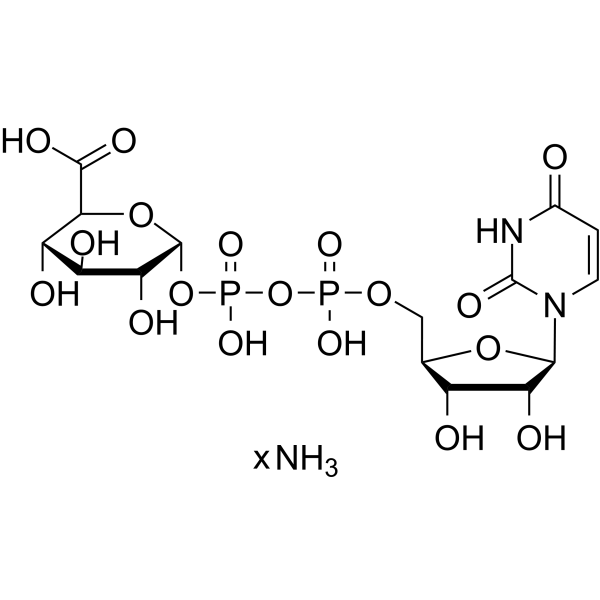
Uridine diphosphate glucuronic acid ammonium (UDP-α-D-glucuronic acid ammonium) is a glucuronic acid donor. Uridine diphosphate glucuronic acid ammonium transfers its glucuronic acid moiety to acceptor molecules, thereby forming "ether" glucuronides, while being converted into uridine 5'-pyrophosphate. Uridine diphosphate glucuronic acid ammonium serves as a substrate for Arabidopsis UDP-GlcA 4-epimerase 1, and undergoes reversible 4-epimerization to generate UDP-α-D-galacturonic acid .
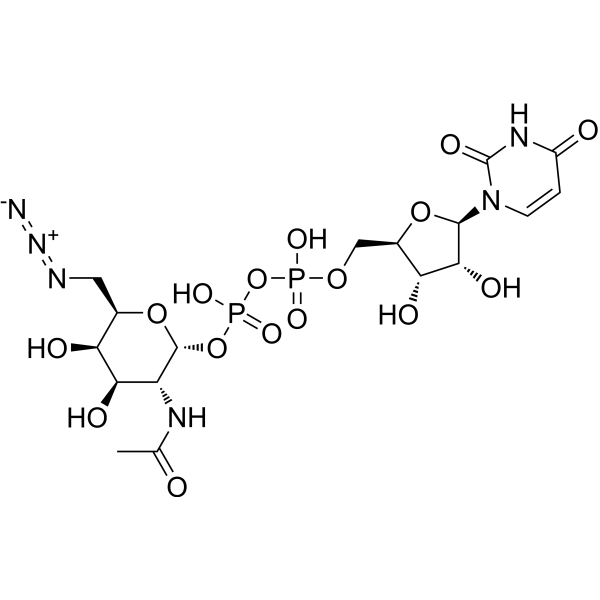
6-Azido-N-acetylgalactosamine-UDP (Compound 5) is a 6-azido-modified nucleotide sugar. It acts as an active sugar donor in lactose glycosylation catalyzed by beta-1,3-N-Acetylhexaminyltransferase (LgtA). Azido-modified nucleotide sugars are strategically used in copper-free click chemistry to modify the N-glycan core structure of IgG .
beta-1,4-Galactosyltransferase (LgtB) (EC 2.4.1.90) (B4GALT1 (LgtB)) is often used in biochemical studies. beta-1,4-Galactosyltransferase (LgtB) catalyzes the reaction involving UDP-galactose and N-acetylglucosamine for the production of galactose beta-1,4-N-acetylglucosamine .
Uridine 5’-diphosphoglucose (UDP-glucose), secreted by cardiomyocytes during ischemia and reperfu, is a potent agonist of the proinflammatory P2Y14 receptor. It acts an important role in the regulation of inflammation and neutrophil polarization in neutrophils. Uridine 5’-diphosphoglucose is also the precursor of glucose-containing oligosaccharides, polysaccharides, glycoproteins, and glycolipids in animal tissues and in some microorganisms. Uridine 5’-diphosphoglucose is promising for research in counteracting myocardial infarction/reperfusion (MIR)-induced inflammation in the heart tissue .
UDP-Glc dehydrogenase (UGDH) catalyzes is a NAD+-dependent enzyme that catalyzes the two-fold oxidation of UDP-glucose (UDP-Glc) to produce UDP-glucuronic acid. UDP-Glc dehydrogenase (UGDH) is a key enzyme in the nucleotide-sugar interconversion pathway necessary for biosynthesis of many cell-wall polysaccharides .
UDP-glucosamine (UDP-GlcNAc) disodium is a substrate for O-GlcNAc transferase, which catalyzes the attachment of O-GlcNAc to proteins. O-GlcNAcase catalyzes the removal of O-GlcNAc from proteins. UDP-glucosamine (UDP-GlcNAc) disodium is the end product of the hexosamine biosynthesis pathway, which is regulated primarily by glucose-6-phosphate-Glutamine:fructose-6-phosphate amidotransferase (GFAT) .
UDP-GlcNAc (UDP-N-Acetyl-D-glucosamine) is an important component and precursor of bacterial peptidoglycan. UDP-GlcNAc is a nucleotide sugar used by Glycosyltransferases to synthesize glycoproteins, glycosaminoglycans, glycolipids, and glycoRNA. UDP-GlcNAc also serves as the donor substrate for forming O-GlcNAc, a dynamic intracellular protein modification involved in diverse signaling and disease processes. UDP-GlcNAc is the sugar nucleotide donor for the synthesis of O-GlcNAc modified proteins. UDP-GlcNAc also acts as a full agonist of the P2Y14 receptor and inhibits the formation of cAMP. UDP-GlcNAc can be used in studies related to bacterial infections .
UDP-sugar pyrophosphorylase (BlUSP) is the enzyme capable of activating glucose-1-phosphate (Glc-1-P) to UDP-glucose (UDP-Glc). UDP-sugar pyrophosphorylase (BlUSP) catalyzes a reversible transfer of the uridyl group from UTP to sugar-1-phosphate, producing UDP-sugar and pyrophosphate (PPi) .
UDP-sugar pyrophosphorylase (AtUSP) is a broad substrate enzyme that synthesizes nucleotide sugars. UDP-sugar pyrophosphorylase catalyzes the conversion of various monosaccharide 1-phosphates to the respective UDP-sugars in the salvage pathway .
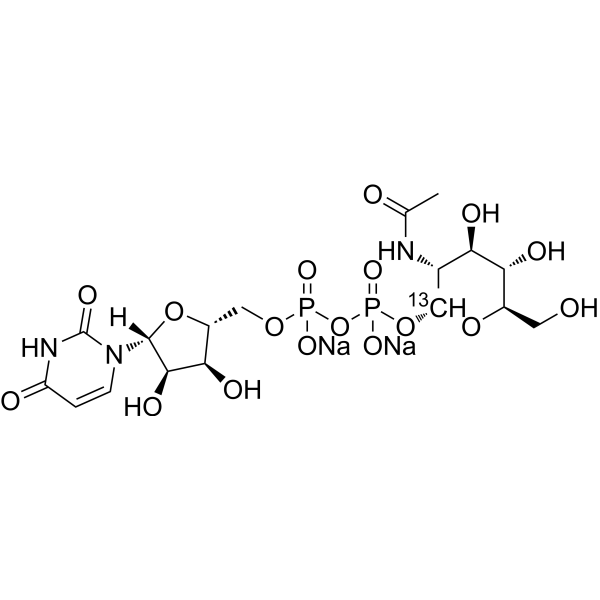
UDP-GlcNAc- 13C (disodium) is the 13C labeled UDP-GlcNAc Disodium Salt. UDP-GlcNAc Disodium Salt (UDP-α-D-N-Acetylglucosamine Disodium Salt) is a donor substrate of O-GlcNAc transferase (O .
UDP-glucuronic acid (trisodium) (Standard) is the analytical standard of UDP-glucuronic acid (trisodium). This product is intended for research and analytical applications. UDP-?glucuronic acid trisodium (Uridine-5'-diphosphoglucuronic acid trisodium salt) is a critical precursor for essential glycoconjugates across biological kingdoms, ranging from mammalian glycosaminoglycans and plant cell wall polysaccharides to bacterial capsule glycoglycerolipids.
beta-1,4-Galactosyltransferase (LgtE) (EB4GALT1 (LgtE)) catalyzes the reaction involving UDP-galactose and N-acetylglucosamine for the production of galactose beta-1,4-N-acetylglucosamine .
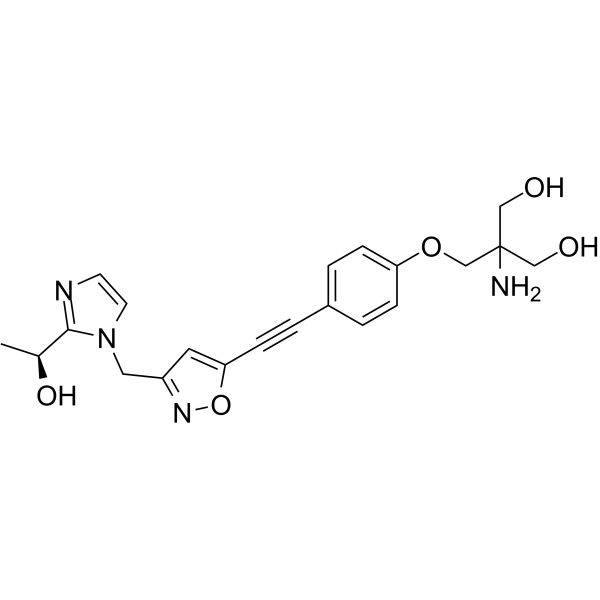
SIRT1 activator 2 is a SIRT1 activator with an ED50 value <5 μM. SIRT1 activator 2 modulates SIRT1 deacetylase activity. SIRT1 activator 2 can be used for aging research .
CM-1758 is a histone deacetylase (HDAC) inhibitor. CM-1758 inhibits tumor growth in vivo. CM-1758 induces acetylation of non-histone proteins in acute myeloid leukemia cells .
N-acetylglucosamine-1-P uridyltransferase (AGX1) (EC 2.3.1.157) (GlcNAc1pUT) is a bifunctional acetyltransferase/uridyltransferase. N-acetylglucosamine-1-P uridyltransferase (AGX1) binds GlcNAc-1-P and UTP, and catalyzes an uridyltransfer reaction to synthesize UDP-GlcNAc. N-acetylglucosamine-1-P uridyltransferase (AGX1) is a bifunctional enzyme exclusive to prokaryotes .
UDP-glucose dehydrogenase is a cytosolic enzyme that catalyzes the oxidation of UDP-glucose to UDP-glucuronate. UDP-glucose dehydrogenase plays a critical role in synthesis of glycosaminoglycans and proteoglycans .
UDP-2-alkyne-GlcNAc disodium (Compound 3) is a UDP-GlcNAc (HY-148596) derivative. UDP-2-alkyne-GlcNAc disodium can be used for the remodeling of cell surface glycans .
UDP-GlcNAz is the analogue of UDP-GlcNAc disodium (HY-112174). UDP-GlcNAc disodium is the donor substrate of many N-acetylgalactosaminyltransferases, enzymes which transfer GlcNAc from the nucleotide sugar to a saccharide or peptide acceptor. UDP-GlcNAc disodium is a click chemistry reagent, it contains an Azide group and can undergo copper-catalyzed azide-alkyne cycloaddition reaction (CuAAc) with molecules containing Alkyne groups. It can also undergo strain-promoted alkyne-azide cycloaddition (SPAAC) reactions with molecules containing DBCO or BCN groups .
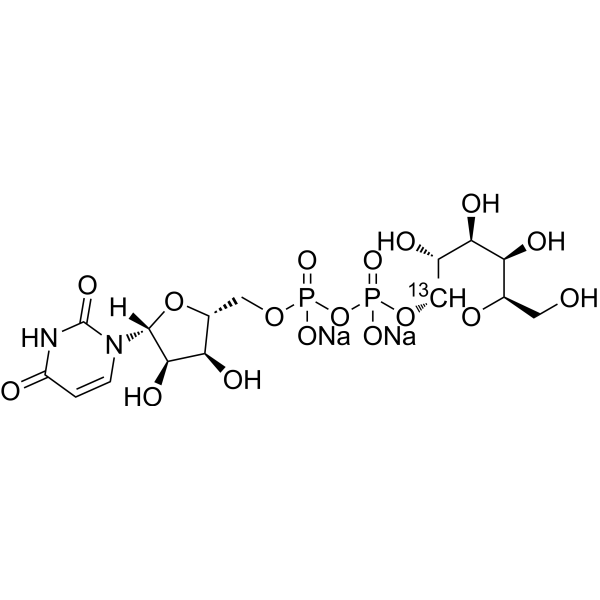
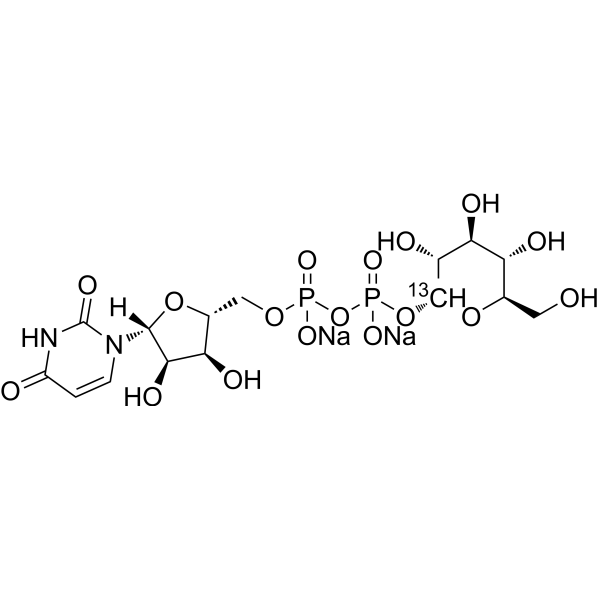
UDP-α-D-Galactose- 13C disodium is the 13C labeled UDP-α-D-Galactose disodium. UDP-Galactose disodium is a monosaccharide and a key glycosyl donor molecule in cells that participates in nucleotide sugar metabolism. UDP-Galactose disodium is the natural agonist of the P2Y14 receptor coupled to Gi proteins in the immune system (IC50 = 0.67 μM, hP2Y14). UDP-Galactose disodium can be used to study cell signal transduction and substance metabolism .
UDP-3-O-acyl-GlcNAc (UDP-3-O-(3-hydroxytetradecanoyl)-N-acetylglucosamine) is an E. coli metabolite that is involved in 3-deoxy-D-manno-octulosonate (KDO) biosynthesis pathway .
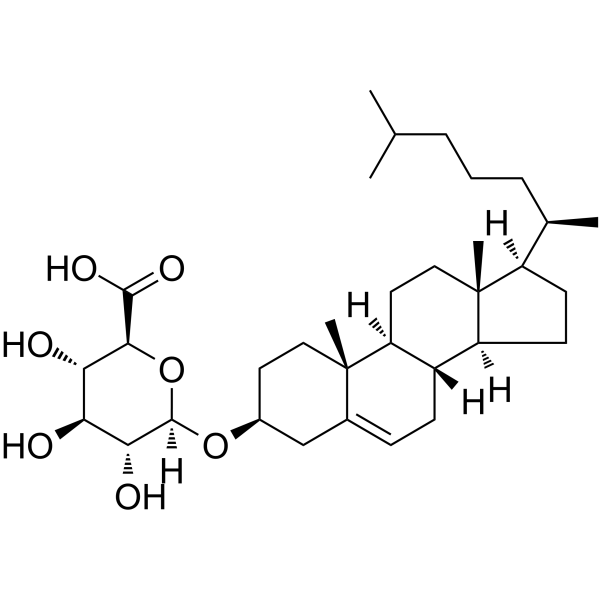
Etiocholanolone glucuronide (Etio-G) is the metabolite of Etiocholanolone (HY-113320) that is generated in the liver by UDP glucuonyltransferase. Etiocholanolone glucuronide is promising for research of metabolic-related diseases .
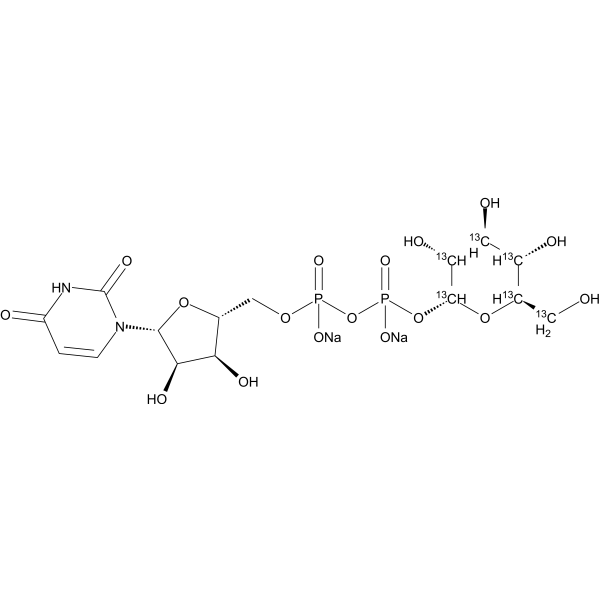
Uridine 5′-diphosphoglucose- 13C6 (UDP-D-Glucose- 13C6) disodium is the 13C labeled Uridine 5′-diphosphoglucose disodium (HY-N7032) . Uridine 5’-diphosphoglucose (UDP-glucose) disodium, secreted by cardiomyocytes during ischemia and reperfu, is a potent agonist of the proinflammatory P2Y14 receptor. It acts an important role in the regulation of inflammation and neutrophil polarization in neutrophils. Uridine 5’-diphosphoglucose disodium is also the precursor of glucose-containing oligosaccharides, polysaccharides, glycoproteins, and glycolipids in animal tissues and in some microorganisms. Uridine 5’-diphosphoglucose disodium is promising for research in counteracting myocardial infarction/reperfusion (MIR)-induced inflammation in the heart tissue .
TAK-683 is a potent full KISS1 receptor (KISS1R) agonist (IC50=170 pM) with improved metabolic stability. TAK-683 is a nonapeptide metastin analog, exhibits agonistic activities to KISS1R with EC50 values of 0.96 nM and 1.6 nM for human and rat, respectively . TAK-683 depletes GnRH in the hypothalamus and reduces plasma FSH, LH, and testosterone levels in vivo, it has the potential for the study of hormone-dependent prostate cancer .
Bovine beta-1,4-Galactosyltransferase (Bovine B4GALT1) is a one member of the glycosyltransferase family of enzymes. Bovine beta-1,4-Galactosyltransferase transfers galactose from UDP-galactose to N-acetylglucosamine (GlcNAc) to produce N-acetyllactosamine with a β-1,4-glycosidic linkage .
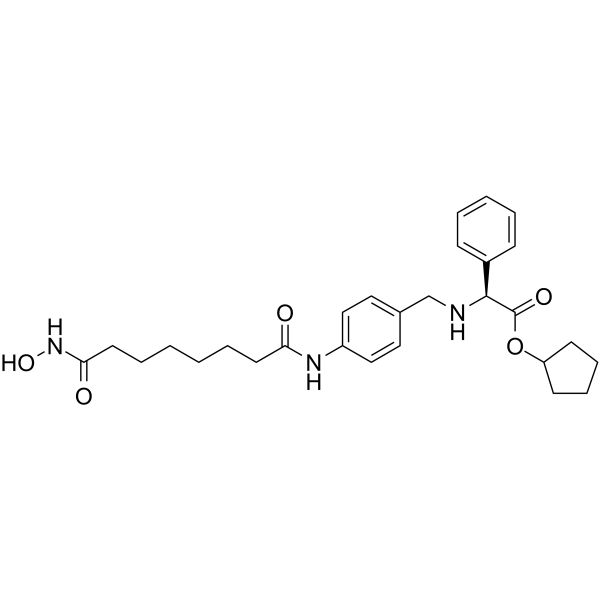
Tefinostat (CHR-2845) is a monocyte/macrophage targeted histone deacetylase (HDAC) inhibitor. Tefinostat can be cleaved into active acid CHR-2847 by the intracellular esterase human carboxylesterase-1 (hCE-1). Tefinostat can be used for the research of leukaemias .
UDP-6-azido-6-Deoxy-D-Glc (UDP-α-6N3-glucose) is a nucleotide sugar. UDP-α-6 N3-glucoside can be used in the selective labeling of 5-hmC in genomic DNA .
LpxC-IN-5 is a potent non-hydroxamate LpxC (UDP-3-O-acyl-N-acetylglucosaminedeacetylase) inhibitor with an IC50 of 20 nM. LpxC-IN-5 shows antibacterial activity against E. coli ATCC25922, P. aeruginosa ATCC27853, K. pneumoniae ATCC13883 and P. aeruginosa 5567 with MIC of 16, 4, 64, and 4 μg/mL, respectively .
PF-04753299 is a potent and selective UDP-3-O-(R-3-hydroxymyristol)-N-acetylglucosaminedeacetylase (LpxC) inhibitor. PF-04753299 is bactericidal for the gonococcal isolates. PF-04753299 inhibits E. coli, P. aeruginosa and K. pneumoniae strains with MIC90 values of 2 μg/ml, 4 μg/ml and 16 μg/ml, respectively. PF-04753299 is used for the study of gram-negative bacteria infection .
5-OMe-UDP (5-methoxyuridine 5'-trihydrogen diphosphate) is a P2Y6 receptor agonist (EC50=0.08 μM). 5-OMe-UDP activates the P2Y6 receptor by binding to it, which triggers signaling pathways within the cell. This activation can lead to an increase in intracellular calcium ion concentration, which in turn regulates cellular function. The methoxy groups of 5-OMe-UDP provide additional activity and selectivity, contributing to the binding of 5-OMe-UDP to the P2Y6 receptor. 5-OMe-UDP can be used to study diseases related to P2Y6 receptor function, such as diabetes, inflammatory bowel disease, Alzheimer's disease, etc .
beta-1, 3-N-Acetylhexaminyltransferase (LgtA) is a glycosyltransferase, is often used in biochemical studies. beta-1, 3-N-Acetylhexaminyltransferase (LgtA) catalyzes the transfer of N-acetylglucosamine from UDP-GlcNAc to N-acetyllactosamine and lactose .
Uridine 5′-diphosphoglucose- 13C (UDP-D-Glucose- 13C) disodium is the 13C labeled Uridine 5′-diphosphoglucose disodium (HY-N7032) . Uridine 5’-diphosphoglucose (UDP-glucose) disodium, secreted by cardiomyocytes during ischemia and reperfu, is a potent agonist of the proinflammatory P2Y14 receptor. It acts an important role in the regulation of inflammation and neutrophil polarization in neutrophils. Uridine 5’-diphosphoglucose disodium is also the precursor of glucose-containing oligosaccharides, polysaccharides, glycoproteins, and glycolipids in animal tissues and in some microorganisms. Uridine 5’-diphosphoglucose disodium is promising for research in counteracting myocardial infarction/reperfusion (MIR)-induced inflammation in the heart tissue .
Uridine 5'-O-thiodiphosphate (UDP-β-S) is a P2Y6 receptor agonist with an EC50 of 25 nM. Uridine 5'-O-thiodiphosphate resists degradation by extracellular nucleotidases and stimulates the accumulation of inositol phosphates. Uridine 5'-O-thiodiphosphate stimulates contractile responses in endothelium-denuded rat mesenteric arteries. As a mitogen, Uridine 5'-O-thiodiphosphate stimulates DNA synthesis, [ 3H] thymidine incorporation, protein synthesis, [ 3H]leucine incorporation, and increases the number of vascular smooth muscle cells. Uridine 5'-O-thiodiphosphate can be used in the research of cardiovascular diseases such as atherosclerosis .
HDAC6-IN-66 is a potent and selective histone deacetylase (HDAC) 6 inhibitor with an IC50 of 1.8 nM. HDAC6-IN-66 induces α-tubulin acetylation over histone H3. HDAC6-IN-66 can be used for the research of cancer .
Uridine 5'-O-thiodiphosphate trisodium (UDP-β-S trisodium) is a P2Y6 receptor agonist with an EC50 of 25 nM. Uridine 5'-O-thiodiphosphate trisodium resists degradation by extracellular nucleotidases and stimulates the accumulation of inositol phosphates. Uridine 5'-O-thiodiphosphate trisodium stimulates contractile responses in endothelium-denuded rat mesenteric arteries. As a mitogen, Uridine 5'-O-thiodiphosphate trisodium stimulates DNA synthesis, [ 3H] thymidine incorporation, protein synthesis, [ 3H]leucine incorporation, and increases the number of vascular smooth muscle cells. Uridine 5'-O-thiodiphosphate trisodium can be used in the research of cardiovascular diseases such as atherosclerosis .
PTG-0861 is a selective histone deacetylase 6 (HDAC6) inhibitor with the IC50 value of 5.92 nM. PTG-0861 induces apoptosis and can be used in the study of acute myeloid leukemia, multiple myeloma and other hematological cancers .
L-573655 is a reversible inhibitor of UDP-3-O-[R-3-hydroxymyristoyl]-GlcNAc deacetylase with an IC50 value of 8.5 μM. L-573655 possesses antibacterial activity against a wild-type strain of E. coli. with MIC values of 200-400 μg/mL .
UDP-Glc 4-epimerase (GalE) is catalytically active enzyme. UDP-Glc 4-epimerase (GalE) catalyzes the reversible conversion of abundantly available UDP-glucose to UDP-galactose .
GlcNAc kinase (EcNagK) (N-Acetylglucosamine kinase) is a GlcNAc-metabolizing enzyme. GlcNAc kinase (EcNagK) transfers the gamma-phosphoryl group of an ATP onto the hydroxyl group at the C-6 of GlcNAc to generate a GlcNAc-6-P .
UDP-glucuronic acid decarboxylase is a decarboxylase. Enzymes have high catalytic efficiency, high specificity, and mild operating conditions. It can be applied in industries such as pharmaceuticals, industrial production, food manufacturing, and aquaculture .
MRS2905 (α,β-Methylene-2-thio-UDP) trisodium is a selective P2Y14R agonist with an EC50 of 0.92 nM. MRS2905 trisodium is inactive at the UDP-activated P2Y6 receptor, and at other P2Y receptors .
UDP-4-Keto-6-deoxy-D-glucose 3,5-epimerase/4-reductase (ApmUGER) is an epimerase/reductase. Enzymes have high catalytic efficiency, high specificity, and mild operating conditions. It can be applied in industries such as pharmaceuticals, industrial production, food manufacturing, and aquaculture .
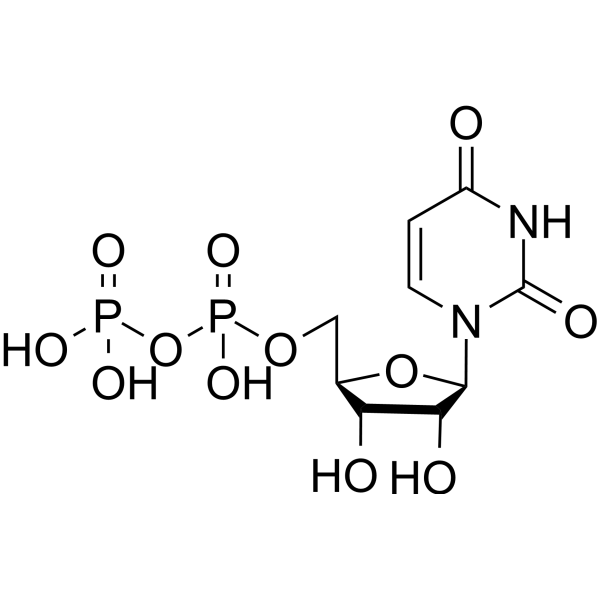
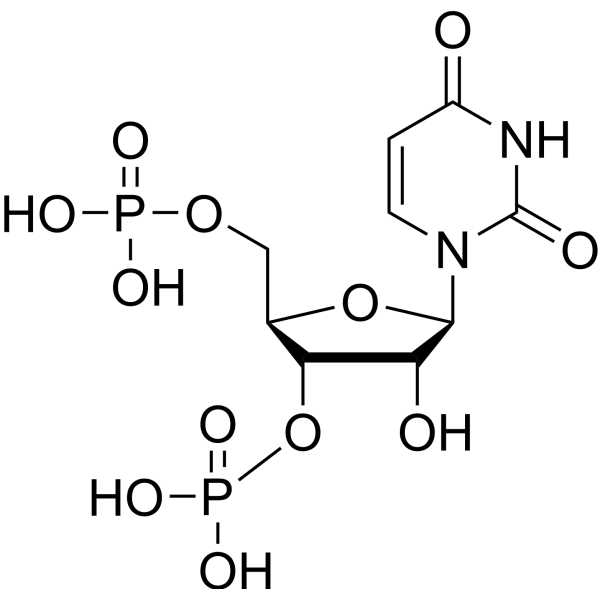
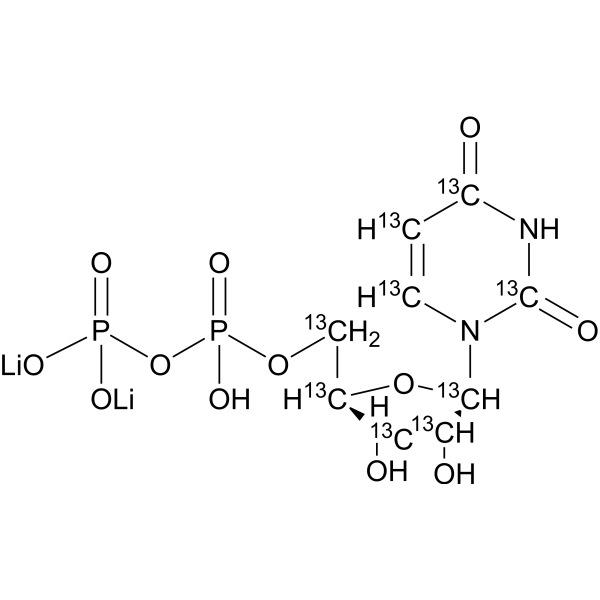
Uridine 5'-diphosphate- 13C9 (UDP-13C9 ) dilithium is 13C-labeled Uridine 5'-diphosphate (HY-113359). Uridine 5'-diphosphate is a P2Y6 receptor agonist with an EC50 of 0.013 μM for human P2Y6 receptor .
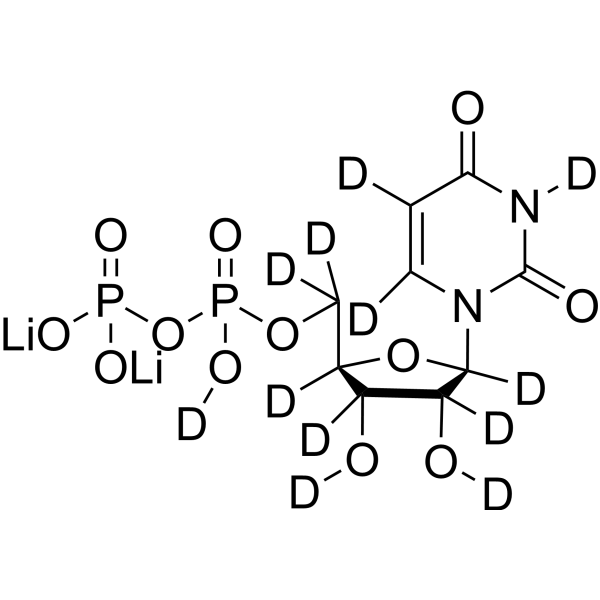
Uridine 5'-diphosphate-d12 (UDP-d12) dilithium is the deuterium labeled Uridine 5'-diphosphate (HY-113359). Uridine 5'-diphosphate is a P2Y6 receptor agonist with an EC50 of 0.013 μM for human P2Y6 receptor .
CDA-IN-4 (compound VS-24) is a chitin deacetylase (CDA) inhibitor. CDA-IN-4 shows a 61.2% protective effect against rice blast at a concentration of 100 μg/mL .
TAK-683 TFA is a potent full KISS1 receptor (KISS1R) agonist (IC50=170 pM) with improved metabolic stability. TAK-683 TFA is a nonapeptide metastin analog, exhibits agonistic activities to KISS1R with EC50 values of 0.96 nM and 1.6 nM for human and rat, respectively . TAK-683 TFA depletes GnRH in the hypothalamus and reduces plasma FSH, LH, and testosterone levels in vivo, it has the potential for the study of hormone-dependent prostate cancer .
HDAC6-IN-15 is a selective histone deacetylase 6 (HDAC6) inhibitor. HDAC6-IN-15 has potent inhibitory activity for HDAC6 with IC50 value of 38.2 nM. HDAC6-IN-15 can be used for the research of cancer and neurodegenerative diseases .
BG14 is a chemical optical modulation of epigenetic regulation of transcription (COMET) probe. BG14 enables high-resolution optical control of epigenetic mechanisms using visible light and can photochromically inhibit human histone deacetylases (HDACs). BG14 can be used to study the dynamic regulation of the human genome .
HDAC-IN-76 (compound 6i) is a histone deacetylase (HDAC) inhibitor. HDAC-IN-76 IC50 values of 30 nM and 98 nM for Pf3D7 (chloroquine (HY-17589A) drug-susceptible strain) and PfDd2 (chloroquine (HY-17589A) drug-resistant strain), has a highly potent antimalarial activity against asexual blood-stage Plasmodium, respectively, and exhibits selective inhibition against parasites, with IC50 values of 7 nM and 9 nM for human HDAC1 and HDAC6, respectively, while inhibiting PfHDAC1 .
UDP-Mannose exists in mouse brain, especially hypothalamus and neocortex at a higher concentration compared to other organs. UDP-Mannose regulates glycosylation, in particular mannosylation in specific organs or conditions. UDP-Mannose can be used as a substrate for structural study of glycosyltransferase .
UDP-D-GalNAlk is an alkyne-modified UDP sugar and unnatural sugar nucleotide. UDP-D-GalNAlk allows in vitro synthesis via mutant AGX1 enzyme. UDP-D-GalNAlk serves as a substrate for engineered GalNAc-T enzymes, enabling the selective installation of alkyne-modified D-GalNAc derivatives in glycoproteomes. UDP-D-GalNAlk is a biochemical reagent used as a biological material or organic compound for life science research .
UDP-6N3Gal, a derivative UDP-Galactose (HY-150524), is a 6-azido-modified uridine diphosphate galactose. UDP-6N3Gal can label cell surface glycoproteins and can be used in the research of glycosylation imaging .
UDP-D-GalNAlk disodium is an alkyne-modified UDP sugar and unnatural sugar nucleotide. UDP-D-GalNAlk disodium allows in vitro synthesis via mutant AGX1 enzyme. UDP-D-GalNAlk disodium serves as a substrate for engineered GalNAc-T enzymes, enabling the selective installation of alkyne-modified D-GalNAc derivatives in glycoproteomes. UDP-D-GalNAlk disodium is a biochemical reagent used as a biological material or organic compound for life science research .
NHNB is a selective HDAC8 inhibitor (IC50 = 66.0 μM) and Peptidoglycan N-acetylglucosamine (GlcNAc) deacetylases (PGNGdacs) inhibitor. NHNB shows antibacterial and bactericidal activity against B. anthracis and B. cereus. NHNB can be used for the research of acute myeloid leukemia, Bacillus anthracis infection, and Bacillus cereus infection .
6-Azido-N-acetylgalactosamine-UDP diammonium (compound 5) is an active sugar donor in the beta-1, 3-N-Acetylhexaminyltransferase (LgtA)-catalyzed glycosylation of lactose .
β-1,4-Galactosyl Transferase, Bovine (EC 2.4.1.22) catalyzes the transfer of galactose from UDP-galactose to the terminal N-acetylglucosamine residues on elongating oligosaccharide chains. β-1,4-Galactosyl Transferase, Bovine (EC 2.4.1.22) can also be found on the cell surface functioning as a cell-adhesion molecule during various cellular interactions by binding to N-acetylglucosamine containing oligosaccharide substrates or ligands in the extracellular matrix.
Gal1-β-4GlcNAc-β-Bn (Benzyl β-D-galactopyranosyl-(1→4)-β-D-N-acetylglucosamine) is a class of biochemical reagents used in glycobiology research. Glycobiology studies the structure, synthesis, biology, and evolution of sugars. It involves carbohydrate chemistry, enzymology of glycan formation and degradation, protein-glycan recognition, and the role of glycans in biological systems. This field is closely related to basic research, biomedicine, and biotechnology .
SfUAP-IN-1 is an inhibitor of SfUAP (UDP-N-acetylglucosamine pyrophosphorylase from Spodoptera frugiperda) with an IC50 value of 108 nM. As a growth and development inhibitor, SfUAP-IN-1 impairs larval growth and development of Plutella xylostella (diamondback moth), Spodoptera frugiperda (fall armyworm) and Spodoptera litura (tobacco cutworm). SfUAP-IN-1 can be used in research on green pesticides targeting insect UAP .
UDP-Galactose disodium is a monosaccharide and a key glycosyl donor molecule in cells that participates in nucleotide sugar metabolism. UDP-Galactose disodium is the natural agonist of the P2Y14 receptor coupled to Gi proteins in the immune system (IC50 = 0.67 μM, hP2Y14). UDP-Galactose disodium can be used to study cell signal transduction and substance metabolism .
UDP-GalNAc (UDP-N-acetyl-D-galactosamine) disodium is a sugar nucleotide and a substrate for EpsC115. EpsC115 is a mutant with N-terminal residues 1-115 deleted from the exopolymeric substance (EPS). UDP-GalNAc disodium is a donor substrate for many N-acetylgalactosaminyltransferases, which transfer GalNAc from nucleotide sugars to sugar or peptide acceptors. UDP-GalNAc disodium provides a sugar group donor for glycosylation reactions. UDP-GalNAc disodium can be used in cancer research, such as colorectal and breast cancer .
UDP-GlcNAz disodium is the analogue of UDP-GlcNAc disodium (HY-112174). UDP-GlcNAc disodium is the donor substrate of many N-acetylgalactosaminyltransferases, enzymes which transfer GlcNAc from the nucleotide sugar to a saccharide or peptide acceptor. UDP-GlcNAc disodium is a click chemistry reagent, it contains an Azide group and can undergo copper-catalyzed azide-alkyne cycloaddition reaction (CuAAc) with molecules containing Alkyne groups. It can also undergo strain-promoted alkyne-azide cycloaddition (SPAAC) reactions with molecules containing DBCO or BCN groups .
Uridine diphosphate glucuronic acid ammonium (UDP-α-D-glucuronic acid ammonium) is a glucuronic acid donor. Uridine diphosphate glucuronic acid ammonium transfers its glucuronic acid moiety to acceptor molecules, thereby forming "ether" glucuronides, while being converted into uridine 5'-pyrophosphate. Uridine diphosphate glucuronic acid ammonium serves as a substrate for Arabidopsis UDP-GlcA 4-epimerase 1, and undergoes reversible 4-epimerization to generate UDP-α-D-galacturonic acid .
N-Deacetylase/N-Sulfotransferase 2 is a sulfotransferase. N-Deacetylase/N-Sulfotransferase 2 synthesizes serglycin-bound heparin chains in mast cells .
Gal1-β-4GlcNAc-β-Bn (Benzyl β-D-galactopyranosyl-(1→4)-β-D-N-acetylglucosamine) is a class of biochemical reagents used in glycobiology research. Glycobiology studies the structure, synthesis, biology, and evolution of sugars. It involves carbohydrate chemistry, enzymology of glycan formation and degradation, protein-glycan recognition, and the role of glycans in biological systems. This field is closely related to basic research, biomedicine, and biotechnology .
TAK-683 acetate is a potent full KISS1 receptor (KISS1R) agonist (IC50=170 pM) with improved metabolic stability. TAK-683 acetate is a nonapeptide metastin analog, exhibits agonistic activities to KISS1R with EC50 values of 0.96 nM and 1.6 nM for human and rat, respectively . TAK-683 acetate depletes GnRH in the hypothalamus and reduces plasma FSH, LH, and testosterone levels in vivo, it has the potential for the study of hormone-dependent prostate cancer .
TAK-683 is a potent full KISS1 receptor (KISS1R) agonist (IC50=170 pM) with improved metabolic stability. TAK-683 is a nonapeptide metastin analog, exhibits agonistic activities to KISS1R with EC50 values of 0.96 nM and 1.6 nM for human and rat, respectively . TAK-683 depletes GnRH in the hypothalamus and reduces plasma FSH, LH, and testosterone levels in vivo, it has the potential for the study of hormone-dependent prostate cancer .
TAK-683 TFA is a potent full KISS1 receptor (KISS1R) agonist (IC50=170 pM) with improved metabolic stability. TAK-683 TFA is a nonapeptide metastin analog, exhibits agonistic activities to KISS1R with EC50 values of 0.96 nM and 1.6 nM for human and rat, respectively . TAK-683 TFA depletes GnRH in the hypothalamus and reduces plasma FSH, LH, and testosterone levels in vivo, it has the potential for the study of hormone-dependent prostate cancer .
MCE Deacetylase Inhibitor Cocktail is a synergistic combination of chemicals designed to preserve the acetylation state of proteins.The 1 mL volume is defined as the base specification. All larger sizes correspond to incremental volumes of this base.
Uridine 5’-diphosphoglucose (UDP-glucose) disodium, secreted by cardiomyocytes during ischemia and reperfu, is a potent agonist of the proinflammatory P2Y14 receptor. It acts an important role in the regulation of inflammation and neutrophil polarization in neutrophils. Uridine 5’-diphosphoglucose disodium is also the precursor of glucose-containing oligosaccharides, polysaccharides, glycoproteins, and glycolipids in animal tissues and in some microorganisms. Uridine 5’-diphosphoglucose disodium is promising for research in counteracting myocardial infarction/reperfusion (MIR)-induced inflammation in the heart tissue.
UDP-xylose disodium is an endogenous sugar nucleotide and a catalytic substrate of UDP-xylose disodium synthase (UXS). UDP-xylose disodium is a sugar donor for the synthesis of glycoproteins, polysaccharides, various metabolites and oligosaccharides in plants, vertebrates and fungi, and participates in the synthesis of proteoglycans as a glycosyl donor. UDP-xylose disodium participates in the regulation of the synthesis of extracellular matrix components and can be used to study the mechanism of proteoglycan biosynthesis in glycobiology and related diseases (such as connective tissue diseases)[1][2].
UDP-Galactose disodium is a monosaccharide and a key glycosyl donor molecule in cells that participates in nucleotide sugar metabolism. UDP-Galactose disodium is the natural agonist of the P2Y14 receptor coupled to Gi proteins in the immune system (IC50 = 0.67 μM, hP2Y14). UDP-Galactose disodium can be used to study cell signal transduction and substance metabolism .
UDP-GalNAc (UDP-N-acetyl-D-galactosamine) disodium is a sugar nucleotide and a substrate for EpsC115. EpsC115 is a mutant with N-terminal residues 1-115 deleted from the exopolymeric substance (EPS). UDP-GalNAc disodium is a donor substrate for many N-acetylgalactosaminyltransferases, which transfer GalNAc from nucleotide sugars to sugar or peptide acceptors. UDP-GalNAc disodium provides a sugar group donor for glycosylation reactions. UDP-GalNAc disodium can be used in cancer research, such as colorectal and breast cancer .
UDP-rhamnose, the activated form of Rhamnose (HY-N1420) in fungi, is a key precursor for fungi to synthesize rhamnose-containing glycans. UDP-rhamnose can be used in the research on the treatment of fungal diseases .
UDP-xylose is an endogenous sugar nucleotide and a catalytic substrate of UDP-xylose synthase (UXS). UDP-xylose is a sugar donor for the synthesis of glycoproteins, polysaccharides, various metabolites and oligosaccharides in plants, vertebrates and fungi, and participates in the synthesis of proteoglycans as a glycosyl donor. UDP-xylose participates in the regulation of the synthesis of extracellular matrix components and can be used to study the mechanism of proteoglycan biosynthesis in glycobiology and related diseases (such as connective tissue diseases)[1][2].
Uridine diphosphate glucuronic acid (UDP-α-D-glucuronic acid) is a glucuronic acid donor. Uridine diphosphate glucuronic acid transfers its glucuronic acid moiety to acceptor molecules, thereby forming "ether" glucuronides, while being converted into uridine 5'-pyrophosphate. Uridine diphosphate glucuronic acid serves as a substrate for Arabidopsis UDP-GlcA 4-epimerase 1, and undergoes reversible 4-epimerization to generate UDP-α-D-galacturonic acid .
Uridine 5′-diphosphoglucose (Standard) (UDP-D-Glucose (Standard)) is the analytical standard of Uridine 5′-diphosphoglucose (HY-113044). This product is intended for research and analytical applications. Uridine 5’-diphosphoglucose (UDP-glucose), secreted by cardiomyocytes during ischemia and reperfu, is a potent agonist of the proinflammatory P2Y14 receptor. It acts an important role in the regulation of inflammation and neutrophil polarization in neutrophils. Uridine 5’-diphosphoglucose is also the precursor of glucose-containing oligosaccharides, polysaccharides, glycoproteins, and glycolipids in animal tissues and in some microorganisms. Uridine 5’-diphosphoglucose is promising for research in counteracting myocardial infarction/reperfusion (MIR)-induced inflammation in the heart tissue.
UDP-Galactose is a monosaccharide and a key glycosyl donor molecule in cells that participates in nucleotide sugar metabolism. UDP-Galactose is the natural agonist of the P2Y14 receptor coupled to Gi proteins in the immune system (IC50 = 0.67 μM, hP2Y14). UDP-Galactose can be used to study cell signal transduction and substance metabolism .
UDP-3-O-acyl-GlcNAc (UDP-3-O-(3-hydroxytetradecanoyl)-N-acetylglucosamine) disodium is an E. coli metabolite that is involved in 3-deoxy-D-manno-octulosonate (KDO) biosynthesis pathway .
UDP-3-O-acyl-GlcNAc (UDP-3-O-(3-hydroxytetradecanoyl)-N-acetylglucosamine) Tris is an E. coli metabolite that is involved in 3-deoxy-D-manno-octulosonate (KDO) biosynthesis pathway .
Bilirubin diglucuronide is a bilirubin glycoside conjugate with a 1-O-acyl β-D-glucuronide structure. Bilirubin diglucuronide is the major conjugated bilirubin (HY-N0323) and predominant pigment excreted in the bile of adult humans, rats, dogs and cats. Bilirubin diglucuronide is mainly synthesized via UDP-glucuronosyltransferase-mediated transfer of glucuronic acid from UDP-glucuronic acid to bilirubin monoglucuronide, or via enzymatic disproportionation of two moles of bilirubin monoglucuronide (predominantly producing the IXα configuration). In addition, Bilirubin diglucuronide can also be synthesized from bilirubin or its monoglucuronide in a UDP-glucuronic acid-dependent manner. Pretreatment with phenobarbital significantly enhances the formation process of Bilirubin diglucuronide .
Uridine diphosphate glucuronic acid ammonium (UDP-α-D-glucuronic acid ammonium) is a glucuronic acid donor. Uridine diphosphate glucuronic acid ammonium transfers its glucuronic acid moiety to acceptor molecules, thereby forming "ether" glucuronides, while being converted into uridine 5'-pyrophosphate. Uridine diphosphate glucuronic acid ammonium serves as a substrate for Arabidopsis UDP-GlcA 4-epimerase 1, and undergoes reversible 4-epimerization to generate UDP-α-D-galacturonic acid .
Uridine 5’-diphosphoglucose (UDP-glucose), secreted by cardiomyocytes during ischemia and reperfu, is a potent agonist of the proinflammatory P2Y14 receptor. It acts an important role in the regulation of inflammation and neutrophil polarization in neutrophils. Uridine 5’-diphosphoglucose is also the precursor of glucose-containing oligosaccharides, polysaccharides, glycoproteins, and glycolipids in animal tissues and in some microorganisms. Uridine 5’-diphosphoglucose is promising for research in counteracting myocardial infarction/reperfusion (MIR)-induced inflammation in the heart tissue .
UDP-glucosamine (UDP-GlcNAc) disodium is a substrate for O-GlcNAc transferase, which catalyzes the attachment of O-GlcNAc to proteins. O-GlcNAcase catalyzes the removal of O-GlcNAc from proteins. UDP-glucosamine (UDP-GlcNAc) disodium is the end product of the hexosamine biosynthesis pathway, which is regulated primarily by glucose-6-phosphate-Glutamine:fructose-6-phosphate amidotransferase (GFAT) .
UDP-GlcNAc (UDP-N-Acetyl-D-glucosamine) is an important component and precursor of bacterial peptidoglycan. UDP-GlcNAc is a nucleotide sugar used by Glycosyltransferases to synthesize glycoproteins, glycosaminoglycans, glycolipids, and glycoRNA. UDP-GlcNAc also serves as the donor substrate for forming O-GlcNAc, a dynamic intracellular protein modification involved in diverse signaling and disease processes. UDP-GlcNAc is the sugar nucleotide donor for the synthesis of O-GlcNAc modified proteins. UDP-GlcNAc also acts as a full agonist of the P2Y14 receptor and inhibits the formation of cAMP. UDP-GlcNAc can be used in studies related to bacterial infections .
UDP-3-O-acyl-GlcNAc (UDP-3-O-(3-hydroxytetradecanoyl)-N-acetylglucosamine) is an E. coli metabolite that is involved in 3-deoxy-D-manno-octulosonate (KDO) biosynthesis pathway .
LpxC protein serves as a key enzyme in lipid A biosynthesis by catalyzing the hydrolysis of UDP-3-O-myristoyl-N-acetylglucosamine, marking a key and crucial step in this important pathway. Through this enzymatic process, LpxC promotes the conversion of its substrate into UDP-3-O-myristoylglucosamine and acetate, making a significant contribution to lipid A biosynthesis. LpxC Protein, E.coli (His) is the recombinant E. coli-derived LpxC protein, expressed by E. coli , with N-His labeled tag.
Hadh; Hadhsc; Mschad; Schad; hydroxyacyl-coenzyme A dehydrogenase; mitochondrial; HCDH; EC 1.1.1.35; Medium and short-chain L-3-hydroxyacyl-coenzyme A dehydrogenase; Short-chain 3-hydroxyacyl-CoA dehydrogenase
HCDH Protein, pivotal in mitochondrial fatty acid beta-oxidation, manages the third step for medium and short-chain 3-hydroxy fatty acyl-CoAs (C4 to C10). Beyond lipid metabolism, HCDH regulates insulin secretion by inhibiting glutamate dehydrogenase 1 (GLUD1) activation, a key enzyme in amino acid-induced insulin secretion. HCDH emerges as a pivotal factor in regulating cellular processes related to energy metabolism and glucose homeostasis. HCDH Protein, Mouse (His-SUMO) is the recombinant mouse-derived HCDH protein, expressed by E. coli , with N-His, N-SUMO labeled tag.
Cephalosporin C deacetylase Protein, an esterase, selectively removes acetyl groups from substrates like acetylated xylose and cephalosporin C. Its catalytic activity excludes polymeric acetylated xylan and amide linkages, highlighting its nuanced, targeted deacetylation function. Cephalosporin C deacetylase Protein, Bacillus subtilis is the recombinant Cephalosporin C deacetylase protein, expressed by E. coli , with tag free.
GALE proteins catalyze the reversible epimerization of UDP-glucose to UDP-galactose, and the reversible epimerization of UDP-N-acetylglucosamine to UDP-N-acetylgalactosamine. UDP-glucose 4-epimerase/GALE Protein, Human (His) is the recombinant human-derived UDP-glucose 4-epimerase/GALE protein, expressed by E. coli , with N-6*His labeled tag.
Glucosamine (N-acetyl)-6-Sulfatase/GNS Protein is a lysosomal enzyme present in all cells. It is involved in the catabolism of heparin, heparin sulfate and keratin sulfate. Deficiency of this enzyme leads to inadequate substrate accumulation and lysosomal storage impairment IIID mucopolysaccharidosis. Glucosamine (N-acetyl) -6-Sulfatase/GNS Protein, Human (HEK293, His) is the recombinant human-derived Glucosamine, expressed by HEK293 , with C-6*His labeled tag.
The HDAC8 protein is a histone deacetylase that has been shown to be critical for lysine deacetylation on core histones (H2A, H2B, H3, H4). This enzymatic activity initiates epigenetic repression that affects transcription, cell cycle, and developmental events. HDAC8 Protein, Human (sf9) is the recombinant human-derived HDAC8 protein, expressed by Sf9 insect cells , with no tag.
SLC35A2 is a key transmembrane protein that acts as an antiporter to transport uridine diphosphate galactose (UDP-galactose) into the Golgi apparatus. The process involves the exchange of UDP-galactose with UMP and exhibits versatility through exchange with AMP and CMP. SLC35A2 Protein, Human (sf9, His, MBP, FLAG) is the recombinant human-derived SLC35A2 protein, expressed by sf9 insect cells , with N-MBP, C-Flag, N-8*His labeled tag.
The HDAC8 protein is a histone deacetylase that removes acetyl groups from core histone lysine residues, contributing to epigenetic repression and affecting transcriptional regulation, cell cycle progression, and developmental events. It forms large multiprotein complexes and deacetylates SMC3, regulating the release of cohesin complexes. HDAC8 Protein, Mouse (sf9, His) is the recombinant mouse-derived HDAC8 protein, expressed by Sf9 insect cells , with C-His labeled tag.
The GALNT7 protein serves as an indispensable glycopeptidyl transferase for O-linked oligosaccharide biosynthesis. Its enzymatic activity involves catalyzing the transfer of N-acetyl-D-galactosamine residues to pre-existing glycosylated peptides. GALNT7 Protein, Human (HEK293, His) is the recombinant human-derived GALNT7 protein, expressed by HEK293 , with C-6*His labeled tag.
The HDAC6 protein coordinates multiple functions, deacetylating histones and proteins such as tubulin and CTTN. Its role in epigenetic repression affects transcription, cell cycle, and development. HDAC6 Protein, Human (His) is the recombinant human-derived HDAC6 protein, expressed by E. coli , with N-6*His labeled tag.
The HDAC6 protein coordinates multiple functions, deacetylating histones and proteins such as tubulin and CTTN. Its role in epigenetic repression affects transcription, cell cycle, and development. HDAC6 Protein, Human (sf9, His) is the recombinant human-derived HDAC6 protein, expressed by Sf9 insect cells, with C-8*His labeled tag.
HDAC3 is a Class I member of the histone deacetylase superfamily. HDAC3 Protein, Human (His) is the recombinant human-derived HDAC3 protein, expressed by E. coli , with C-6*His labeled tag.
GALNT3 Protein initiates O-linked oligosaccharide biosynthesis by transferring an N-acetyl-D-galactosamine residue to serine or threonine on protein receptors, including HIV envelope glycoproteins (gp120), EA2, MUC2, MUC1A, MUC5AC, and possibly fibronectin. GALNT3 also glycosylates FGF23 in vivo. GALNT3 Protein, Human (HEK293, His) is the recombinant human-derived GALNT3 protein, expressed by HEK293 , with C-6*His labeled tag.
Putative Polypeptide N-Acetylgalactosaminyltransferase-Like Protein 1; Polypeptide GalNAc Transferase-Like Protein 1; GalNAc-T-Like Protein 1; pp-GaNTase-Like Protein 1; Protein-UDP Acetylgalactosaminyltransferase-Like Protein 1; UDP-GalNAc:Polypeptide N-Acety
GALNTL1 protein plays a pivotal role in O-linked oligosaccharide biosynthesis by catalyzing the crucial initial step—the transfer of an N-acetyl-D-galactosamine residue to a serine or threonine residue on the protein receptor. This enzymatic activity is fundamental for the glycosylation processes that modulate the structure and function of various proteins, impacting diverse cellular functions. GALNTL1 Protein, Human (HEK293, His) is the recombinant human-derived GALNTL1 protein, expressed by HEK293 , with C-6*His labeled tag.
Studies have confirmed that the histone deacetylase 1 (HDAC1) protein is a key enzyme that deacetylates lysine residues on core histones (H2A, H2B, H3, H4). This process establishes an epigenetic repressive signature that affects transcription, cell cycle, and developmental events. Histone deacetylase 1/HDAC1 Protein, Human (His-SUMO) is the recombinant human-derived Histone deacetylase 1/HDAC1 protein, expressed by E. coli , with N-SUMO, N-6*His labeled tag.
Sap130 Protein, a transcriptional repressor, participates in mSin3A corepressor complex assembly or enzymatic activity. It's a component of the complex, including SIN3A, SAP130, SUDS3/SAP45, ARID4B/SAP180, HDAC1, and HDAC2. Sap130 also interacts with CLEC4E, especially when released by dead or dying cells. Sap130 Protein, Mouse (His) is the recombinant mouse-derived Sap130 protein, expressed by E. coli , with N-6*His labeled tag.
SIRT3 is an NAD-dependent protein deacetylase that dynamically affects the acetylation of mitochondrial target proteins, such as ACSS1, IDH, GDH, SOD2, PDHA1, LCAD, SDHA, and the ATP synthase subunit ATP5PO. Its deacetylation activity regulates cellular energy metabolism and fine-tunes tissue-specific ATP levels. SIRT3 Protein, Human is the recombinant human-derived SIRT3 protein, expressed by E. coli , with tag free.
SIRT3 is an NAD-dependent protein deacetylase that dynamically affects the acetylation of mitochondrial target proteins, such as ACSS1, IDH, GDH, SOD2, PDHA1, LCAD, SDHA, and the ATP synthase subunit ATP5PO. Its deacetylation activity regulates cellular energy metabolism and fine-tunes tissue-specific ATP levels. SIRT3 Protein, Human (His, SUMO) is the recombinant human-derived SIRT3 protein, expressed by E. coli , with N-6*His, N-SUMO labeled tag.
FASN (fatty acid synthase) is a multifunctional enzyme that is key to the de novo biosynthesis of long-chain saturated fatty acids from acetyl-CoA and malonyl-CoA using NADPH. This multifunctional protein contains seven catalytic activities and has an acyl carrier protein (ACP) domain with a binding site for the prosthetic group 4'-phosphopantetheine. FASN Protein, Human (sf9) is the recombinant human-derived FASN protein, expressed by sf9 insect cells , with tag free.
FASN (fatty acid synthase) is a multifunctional enzyme that is key to the de novo biosynthesis of long-chain saturated fatty acids from acetyl-CoA and malonyl-CoA using NADPH. This multifunctional protein contains seven catalytic activities and has an acyl carrier protein (ACP) domain with a binding site for the prosthetic group 4'-phosphopantetheine. FASN Protein, Human (sf9, His) is the recombinant human-derived FASN protein, expressed by sf9 insect cells , with N-8*His labeled tag.
FASN (fatty acid synthase) is a multifunctional enzyme that is key to the de novo biosynthesis of long-chain saturated fatty acids from acetyl-CoA and malonyl-CoA using NADPH. This multifunctional protein contains seven catalytic activities and has an acyl carrier protein (ACP) domain with a binding site for the prosthetic group 4'-phosphopantetheine. FASN Protein, Human (His, Strep, Flag) is the recombinant human-derived FASN protein, expressed by HEK293 , with N-His, N-Strep, C-Flag labeled tag.
HADHB protein is an important component of mitochondrial trifunctional enzymes and directs three decisive reactions in the mitochondrial β-oxidation pathway. This pathway is critical for generating energy across tissues, breaking down long-chain fatty acids into acetyl-CoA. HADHB Protein, Human (GST) is the recombinant human-derived HADHB protein, expressed by E. coli , with N-GST labeled tag.
The HNRNPM protein is a key pre-mRNA binding protein that exhibits strong affinity for poly(G) and poly(U) RNA homopolymers. It is central to the splicing process, complexly regulates RNA maturation, and serves as a receptor for carcinoembryonic antigen in Kupffer cells. HNRNPM Protein, Human (His-SUMO) is the recombinant human-derived HNRNPM protein, expressed by E. coli , with N-6*His, N-SUMO labeled tag.
The POMGNT1 protein crucially directs O-mannosyl glycosylation, which adds N-acetylglucosamine to O-linked mannose residues on glycoproteins. It catalyzes GlcNAc(beta1-2)Man(alpha1-)O-Ser/Thr on α-dystroglycan and other O-mannosylated proteins, laying the foundation for subsequent carbohydrate addition. POMGNT1 Protein, Human (HEK293, His) is the recombinant human-derived POMGNT1 protein, expressed by HEK293 , with C-6*His labeled tag.
OARD1 is an ADP:ATP antiporter that regulates mitochondrial energy dynamics by shuttling ADP for ATP synthesis and exporting ATP. It induces mitochondrial thermogenesis, uncouples proton flux and regulates ATP production efficiency. OARD1 Protein, Human (Myc, His) is the recombinant human-derived OARD1 protein, expressed by E. coli , with N-His, C-Myc labeled tag.
UDP-GlcNAc- 13C (disodium) is the 13C labeled UDP-GlcNAc Disodium Salt. UDP-GlcNAc Disodium Salt (UDP-α-D-N-Acetylglucosamine Disodium Salt) is a donor substrate of O-GlcNAc transferase (O .
UDP-α-D-Galactose- 13C disodium is the 13C labeled UDP-α-D-Galactose disodium. UDP-Galactose disodium is a monosaccharide and a key glycosyl donor molecule in cells that participates in nucleotide sugar metabolism. UDP-Galactose disodium is the natural agonist of the P2Y14 receptor coupled to Gi proteins in the immune system (IC50 = 0.67 μM, hP2Y14). UDP-Galactose disodium can be used to study cell signal transduction and substance metabolism .
Uridine 5′-diphosphoglucose- 13C6 (UDP-D-Glucose- 13C6) disodium is the 13C labeled Uridine 5′-diphosphoglucose disodium (HY-N7032) . Uridine 5’-diphosphoglucose (UDP-glucose) disodium, secreted by cardiomyocytes during ischemia and reperfu, is a potent agonist of the proinflammatory P2Y14 receptor. It acts an important role in the regulation of inflammation and neutrophil polarization in neutrophils. Uridine 5’-diphosphoglucose disodium is also the precursor of glucose-containing oligosaccharides, polysaccharides, glycoproteins, and glycolipids in animal tissues and in some microorganisms. Uridine 5’-diphosphoglucose disodium is promising for research in counteracting myocardial infarction/reperfusion (MIR)-induced inflammation in the heart tissue .
Uridine 5′-diphosphoglucose- 13C (UDP-D-Glucose- 13C) disodium is the 13C labeled Uridine 5′-diphosphoglucose disodium (HY-N7032) . Uridine 5’-diphosphoglucose (UDP-glucose) disodium, secreted by cardiomyocytes during ischemia and reperfu, is a potent agonist of the proinflammatory P2Y14 receptor. It acts an important role in the regulation of inflammation and neutrophil polarization in neutrophils. Uridine 5’-diphosphoglucose disodium is also the precursor of glucose-containing oligosaccharides, polysaccharides, glycoproteins, and glycolipids in animal tissues and in some microorganisms. Uridine 5’-diphosphoglucose disodium is promising for research in counteracting myocardial infarction/reperfusion (MIR)-induced inflammation in the heart tissue .
Uridine 5'-diphosphate- 13C9 (UDP-13C9 ) dilithium is 13C-labeled Uridine 5'-diphosphate (HY-113359). Uridine 5'-diphosphate is a P2Y6 receptor agonist with an EC50 of 0.013 μM for human P2Y6 receptor .
Uridine 5'-diphosphate-d12 (UDP-d12) dilithium is the deuterium labeled Uridine 5'-diphosphate (HY-113359). Uridine 5'-diphosphate is a P2Y6 receptor agonist with an EC50 of 0.013 μM for human P2Y6 receptor .
NAD dependent deacetylase sirtuin 7 antibody; NAD dependent protein deacetylase sirtuin 7 antibody; NAD-dependent protein deacetylase sirtuin-7 antibody; Regulatory protein SIR2 homolog 7 antibody; Silent mating type information regulation 2 homolog antibody; Silent mating type information regulation 2 S.cerevisiae homolog 7 antibody; SIR2 L7 antibody; SIR2 like protein 7 antibody; Sir2 related protein type 7 antibody; SIR2, S.CEREVISIAE, HOMOLOG-LIKE 7 antibody
WB, ICC/IF, IHC-P, IP, ChIP
Human, Mouse, Rat
SIRT7 Antibody (YA6765) is a Rabbit-derived and non-conjugated IgG monoclonal antibody, targeting to SIRT7.
Mata1l1; Metastasis associated gene 1 like 1; Metastasis associated gene family member 2; Mmta2; MTA1L1; p53 target protein in deacetylase complex; PID
WB, IHC-P, ICC/IF, FC
Human
MTA2 Antibody (YA3344) is a Rabbit-derived and non-conjugated IgG monoclonal antibody, targeting to MTA2.
FLJ35621; FLJ37491; NAD dependent deacetylase sirtuin 2; NAD-dependent deacetylase sirtuin-2; NAD-dependent protein deacetylase sirtuin-2; Regulatory protein SIR2 homolog 2; Silencing information regulator 2 like; Silent information regulator 2; Silent mating type information regulation 2; Silent mating type information regulation 2 homolog; SIR 2; SIR2; SIR2 like; SIR2 like protein 2; Sir2 related protein type 2; SIR2, S. cerevisiae, homolog-loke 2; SIR2-like protein 2; SIR2L; SIR2L2; SIRT 2; SIRT2; SIRT2_HUMAN; Sirtuin; silent mating type information regulation 2 homolog; 2; S.cerevisiae; Sirtuin 2; Sirtuin type 2; Sirtuin2.
WB, ICC/IF
Human, Mouse, Rat
SirT2 Antibody (YA5213) is a Mouse-derived and non-conjugated monoclonal antibody, targeting to SirT2.
FLJ35621; FLJ37491; NAD dependent deacetylase sirtuin 2; NAD-dependent deacetylase sirtuin-2; NAD-dependent protein deacetylase sirtuin-2; Regulatory protein SIR2 homolog 2; Silencing information regulator 2 like; Silent information regulator 2; Silent mating type information regulation 2; Silent mating type information regulation 2 homolog; SIR 2; SIR2; SIR2 like; SIR2 like protein 2; Sir2 related protein type 2; SIR2, S. cerevisiae, homolog-loke 2; SIR2-like protein 2; SIR2L; SIR2L2; SIRT 2; SIRT2; SIRT2_HUMAN; Sirtuin; silent mating type information regulation 2 homolog; 2; S.cerevisiae; Sirtuin 2; Sirtuin type 2; Sirtuin2.
WB, ICC/IF
Human, Mouse, Rat
SirT2 Antibody (YA5213) is a Mouse-derived and non-conjugated monoclonal antibody, targeting to SirT2.
2810449N18Rik; AI043036; Mono ADP ribosyltransferase sirtuin 6; NAD-dependent protein deacetylase sirtuin-6; Regulatory protein SIR2 homolog 6; Regulatory protein SIR2 homolog; SIR2 like 6; SIR2 like protein 6; Sir2 related protein type 6; SIR2-like protein 6; SIR2
WB, ICC/IF, IP
Human, Mouse, Rat, Monkey
SIRT6 Antibody (YA5214) is a Mouse-derived and non-conjugated monoclonal antibody, targeting to SIRT6.
UDP-GalNAz (UDP-N-azidoacetylgalactosamine) disodium is the analogue of UDP-GalNAc disodium (HY-114365). UDP-GalNAc disodium is the donor substrate of many N-acetylgalactosaminyltransferases, enzymes which transfer GalNAc from the nucleotide sugar to a saccharide or peptide acceptor. UDP-GalNAz disodium is a click chemistry reagent, it contains an Azide group and can undergo copper-catalyzed azide-alkyne cycloaddition reaction (CuAAc) with molecules containing Alkyne groups. It can also undergo strain-promoted alkyne-azide cycloaddition (SPAAC) reactions with molecules containing DBCO or BCN groups .
UDP-GlcNAz disodium is the analogue of UDP-GlcNAc disodium (HY-112174). UDP-GlcNAc disodium is the donor substrate of many N-acetylgalactosaminyltransferases, enzymes which transfer GlcNAc from the nucleotide sugar to a saccharide or peptide acceptor. UDP-GlcNAc disodium is a click chemistry reagent, it contains an Azide group and can undergo copper-catalyzed azide-alkyne cycloaddition reaction (CuAAc) with molecules containing Alkyne groups. It can also undergo strain-promoted alkyne-azide cycloaddition (SPAAC) reactions with molecules containing DBCO or BCN groups .
6-Azido-N-acetylgalactosamine-UDP diammonium (compound 5) is an active sugar donor in the beta-1, 3-N-Acetylhexaminyltransferase (LgtA)-catalyzed glycosylation of lactose .
UDP-GalNAz (UDP-N-azidoacetylgalactosamine) disodium is the analogue of UDP-GalNAc disodium (HY-114365). UDP-GalNAc disodium is the donor substrate of many N-acetylgalactosaminyltransferases, enzymes which transfer GalNAc from the nucleotide sugar to a saccharide or peptide acceptor. UDP-GalNAz disodium is a click chemistry reagent, it contains an Azide group and can undergo copper-catalyzed azide-alkyne cycloaddition reaction (CuAAc) with molecules containing Alkyne groups. It can also undergo strain-promoted alkyne-azide cycloaddition (SPAAC) reactions with molecules containing DBCO or BCN groups .
UDP-2-alkyne-GlcNAc disodium (Compound 3) is a UDP-GlcNAc (HY-148596) derivative. UDP-2-alkyne-GlcNAc disodium can be used for the remodeling of cell surface glycans .
Western blot analysis of extracts from THP-1(lane 2(20μg), Jurkat (lane 3(20μg) and NIH3T3(lane 4(20μg) using FOXO1A (HY-P80132) Rabbit mAb. Proteins were transferred
to a PVDF membrane and blocked with 5% non-fat milk in TBST for 2 hour at room temperature. The primary antibody (1/1000) and Loading control antibody (Beta Actin, HY-P80438, 1/10000) was
used in 5% non-fat milk in TBST at 4°C overnight. Goat Anti-Mouse/Rabbit IgG-HRP Secondary Antibody (1/10000) was used for 1 hour at room temperature.
Western blot analysis of extracts from THP-1(lane 2(20μg), Jurkat (lane 3(20μg) and NIH3T3(lane 4(20μg) using FOXO1A (HY-P80132) Rabbit mAb. Proteins were transferred
to a PVDF membrane and blocked with 5% non-fat milk in TBST for 2 hour at room temperature. The primary antibody (1/1000) and Loading control antibody (Beta Actin, HY-P80438, 1/10000) was
used in 5% non-fat milk in TBST at 4°C overnight. Goat Anti-Mouse/Rabbit IgG-HRP Secondary Antibody (1/10000) was used for 1 hour at room temperature.
Western blot analysis of extracts from THP-1(lane 2(20μg), Jurkat (lane 3(20μg) and NIH3T3(lane 4(20μg) using FOXO1A (HY-P80132) Rabbit mAb. Proteins were transferred
to a PVDF membrane and blocked with 5% non-fat milk in TBST for 2 hour at room temperature. The primary antibody (1/1000) and Loading control antibody (Beta Actin, HY-P80438, 1/10000) was
used in 5% non-fat milk in TBST at 4°C overnight. Goat Anti-Mouse/Rabbit IgG-HRP Secondary Antibody (1/10000) was used for 1 hour at room temperature.
Western blot analysis of extracts from THP-1(lane 2(20μg), Jurkat (lane 3(20μg) and NIH3T3(lane 4(20μg) using FOXO1A (HY-P80132) Rabbit mAb. Proteins were transferred
to a PVDF membrane and blocked with 5% non-fat milk in TBST for 2 hour at room temperature. The primary antibody (1/1000) and Loading control antibody (Beta Actin, HY-P80438, 1/10000) was
MedchemExpress Validation 03
Western blot analysis of extracts from THP-1(lane 2(20μg), Jurkat (lane 3(20μg) and NIH3T3(lane 4(20μg) using FOXO1A (HY-P80132) Rabbit mAb. Proteins were transferred
MedchemExpress Validation 04
Western blot analysis of extracts from THP-1(lane 2(20μg), Jurkat (lane 3(20μg) and NIH3T3(lane 4(20μg) using FOXO1A (HY-P80132) Rabbit mAb. Proteins were transferred
to a PVDF membrane and blocked with 5% non-fat milk in TBST for 2 hour at room temperature. The primary antibody (1/1000) and Loading control antibody (Beta Actin, HY-P80438, 1/10000) was
used in 5% non-fat milk in TBST at 4°C overnight. Goat Anti-Mouse/Rabbit IgG-HRP Secondary Antibody (1/10000) was used for 1 hour at room temperature.
MedchemExpress Validation
Western blot analysis of extracts from THP-1(lane 2(20μg), Jurkat (lane 3(20μg) and NIH3T3(lane 4(20μg) using FOXO1A (HY-P80132) Rabbit mAb. Proteins were transferred
to a PVDF membrane and blocked with 5% non-fat milk in TBST for 2 hour at room temperature. The primary antibody (1/1000) and Loading control antibody (Beta Actin, HY-P80438, 1/10000) was
used in 5% non-fat milk in TBST at 4°C overnight. Goat Anti-Mouse/Rabbit IgG-HRP Secondary Antibody (1/10000) was used for 1 hour at room temperature.
Western blot analysis of extracts from THP-1(lane 2(20μg), Jurkat (lane 3(20μg) and NIH3T3(lane 4(20μg) using FOXO1A (HY-P80132) Rabbit mAb. Proteins were transferred
to a PVDF membrane and blocked with 5% non-fat milk in TBST for 2 hour at room temperature. The primary antibody (1/1000) and Loading control antibody (Beta Actin, HY-P80438, 1/10000) was
used in 5% non-fat milk in TBST at 4°C overnight. Goat Anti-Mouse/Rabbit IgG-HRP Secondary Antibody (1/10000) was used for 1 hour at room temperature.
MedchemExpress Validation
Western blot analysis of extracts from THP-1(lane 2(20μg), Jurkat (lane 3(20μg) and NIH3T3(lane 4(20μg) using FOXO1A (HY-P80132) Rabbit mAb. Proteins were transferred
to a PVDF membrane and blocked with 5% non-fat milk in TBST for 2 hour at room temperature. The primary antibody (1/1000) and Loading control antibody (Beta Actin, HY-P80438, 1/10000) was
used in 5% non-fat milk in TBST at 4°C overnight. Goat Anti-Mouse/Rabbit IgG-HRP Secondary Antibody (1/10000) was used for 1 hour at room temperature.
MedchemExpress Validation
Western blot analysis of extracts from THP-1(lane 2(20μg), Jurkat (lane 3(20μg) and NIH3T3(lane 4(20μg) using FOXO1A (HY-P80132) Rabbit mAb. Proteins were transferred
to a PVDF membrane and blocked with 5% non-fat milk in TBST for 2 hour at room temperature. The primary antibody (1/1000) and Loading control antibody (Beta Actin, HY-P80438, 1/10000) was
used in 5% non-fat milk in TBST at 4°C overnight. Goat Anti-Mouse/Rabbit IgG-HRP Secondary Antibody (1/10000) was used for 1 hour at room temperature.
MedchemExpress Validation
Western blot analysis of extracts from THP-1(lane 2(20μg), Jurkat (lane 3(20μg) and NIH3T3(lane 4(20μg) using FOXO1A (HY-P80132) Rabbit mAb. Proteins were transferred
to a PVDF membrane and blocked with 5% non-fat milk in TBST for 2 hour at room temperature. The primary antibody (1/1000) and Loading control antibody (Beta Actin, HY-P80438, 1/10000) was
used in 5% non-fat milk in TBST at 4°C overnight. Goat Anti-Mouse/Rabbit IgG-HRP Secondary Antibody (1/10000) was used for 1 hour at room temperature.
MedchemExpress Validation
Western blot analysis of extracts from THP-1(lane 2(20μg), Jurkat (lane 3(20μg) and NIH3T3(lane 4(20μg) using FOXO1A (HY-P80132) Rabbit mAb. Proteins were transferred
to a PVDF membrane and blocked with 5% non-fat milk in TBST for 2 hour at room temperature. The primary antibody (1/1000) and Loading control antibody (Beta Actin, HY-P80438, 1/10000) was
used in 5% non-fat milk in TBST at 4°C overnight. Goat Anti-Mouse/Rabbit IgG-HRP Secondary Antibody (1/10000) was used for 1 hour at room temperature.
MedchemExpress Validation
Western blot analysis of extracts from THP-1(lane 2(20μg), Jurkat (lane 3(20μg) and NIH3T3(lane 4(20μg) using FOXO1A (HY-P80132) Rabbit mAb. Proteins were transferred
to a PVDF membrane and blocked with 5% non-fat milk in TBST for 2 hour at room temperature. The primary antibody (1/1000) and Loading control antibody (Beta Actin, HY-P80438, 1/10000) was
used in 5% non-fat milk in TBST at 4°C overnight. Goat Anti-Mouse/Rabbit IgG-HRP Secondary Antibody (1/10000) was used for 1 hour at room temperature.
MedchemExpress Validation
Western blot analysis of extracts from THP-1(lane 2(20μg), Jurkat (lane 3(20μg) and NIH3T3(lane 4(20μg) using FOXO1A (HY-P80132) Rabbit mAb. Proteins were transferred
to a PVDF membrane and blocked with 5% non-fat milk in TBST for 2 hour at room temperature. The primary antibody (1/1000) and Loading control antibody (Beta Actin, HY-P80438, 1/10000) was
used in 5% non-fat milk in TBST at 4°C overnight. Goat Anti-Mouse/Rabbit IgG-HRP Secondary Antibody (1/10000) was used for 1 hour at room temperature.
MedChemExpress values your privacy and your trust is important to us. We use cookies to enhance your website experience. Some cookies are necessary to run the website.
Privacy and Cookie Policy