Delivery of temperature sensitive items including proteins and kits will be paused on 6/19 for the Juneteenth holiday. For urgent orders please contact customer service.
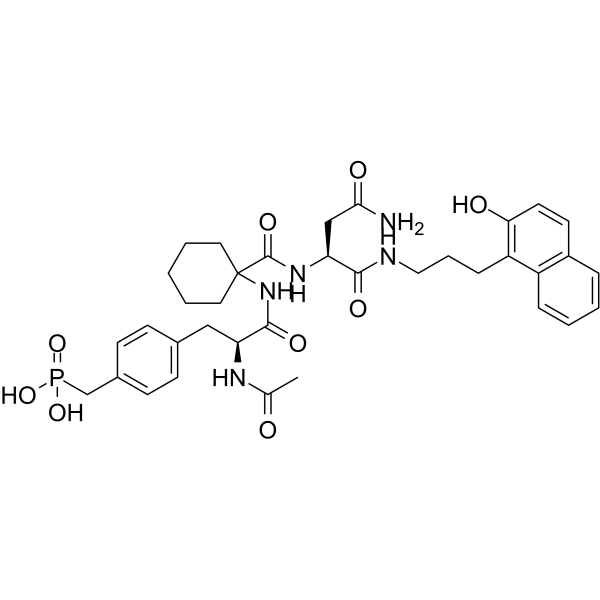
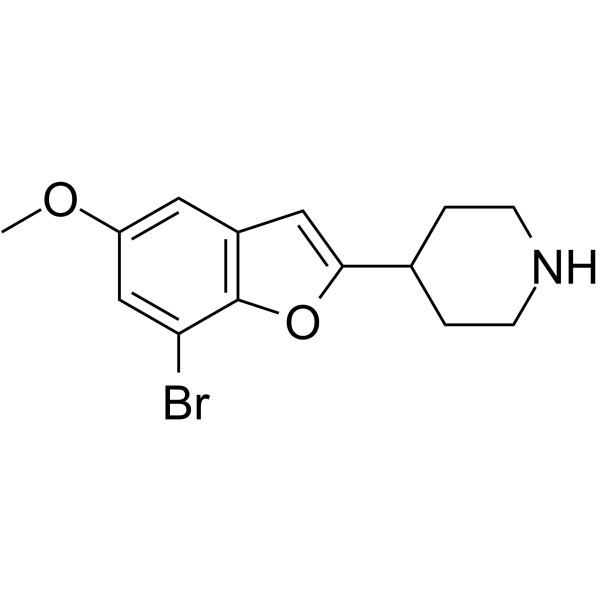
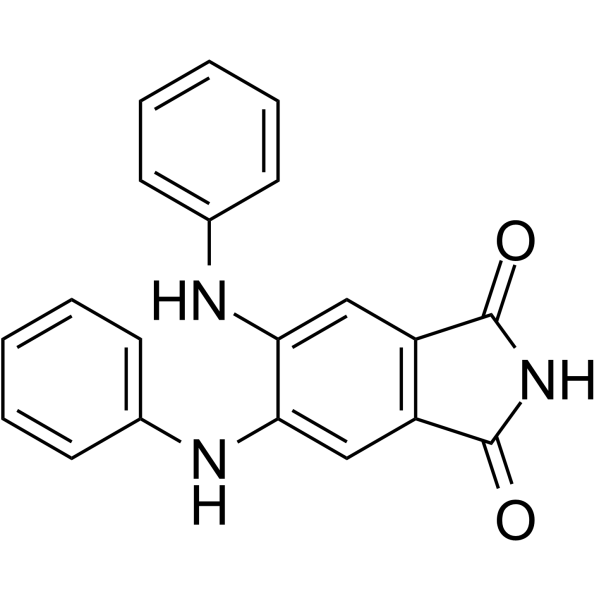
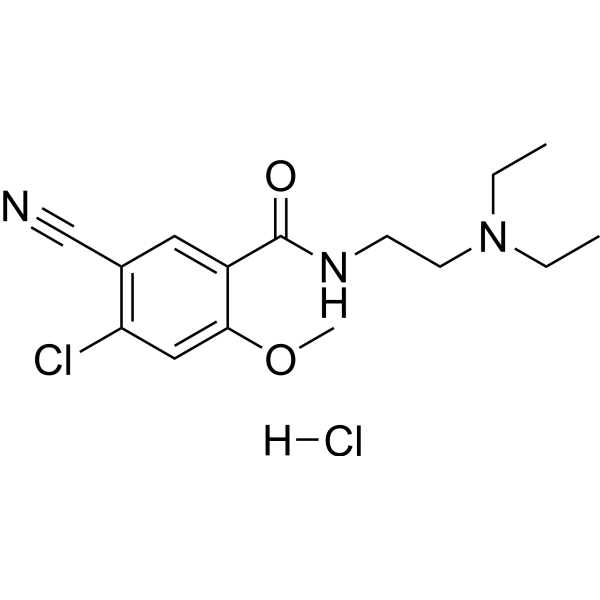
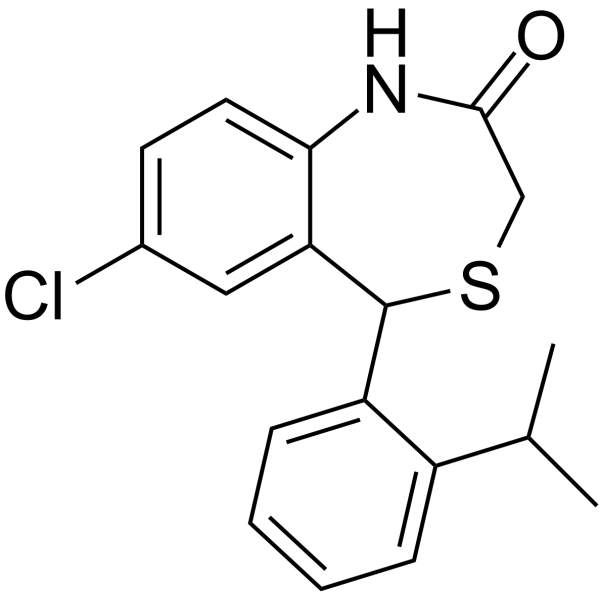
CGP37157 is a potent, selective inhibitor of Na +/Ca 2+ exchanger, inhibiting the Na +-induced Ca 2+-release from guinea-pig heart mitochondria, with an IC50 of 0.8 μM.
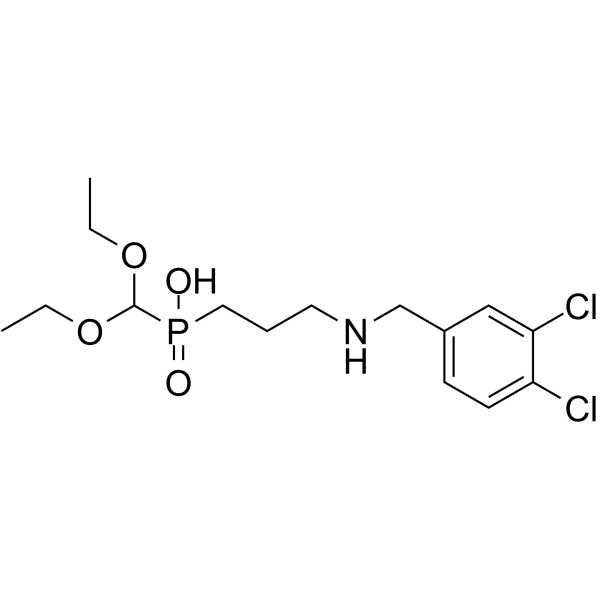
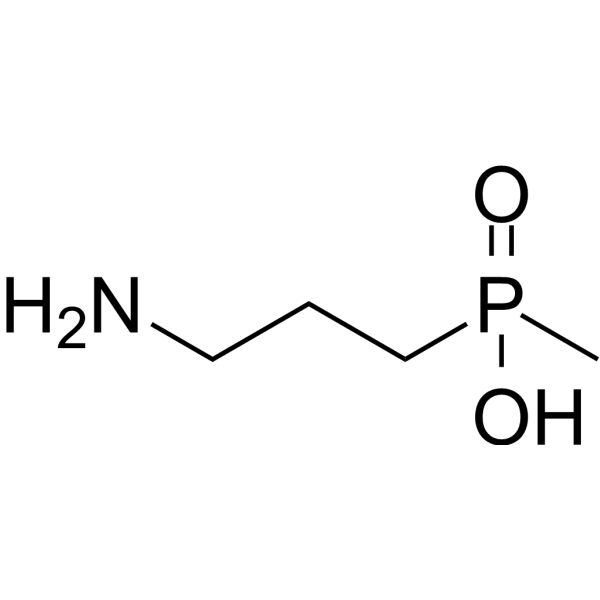
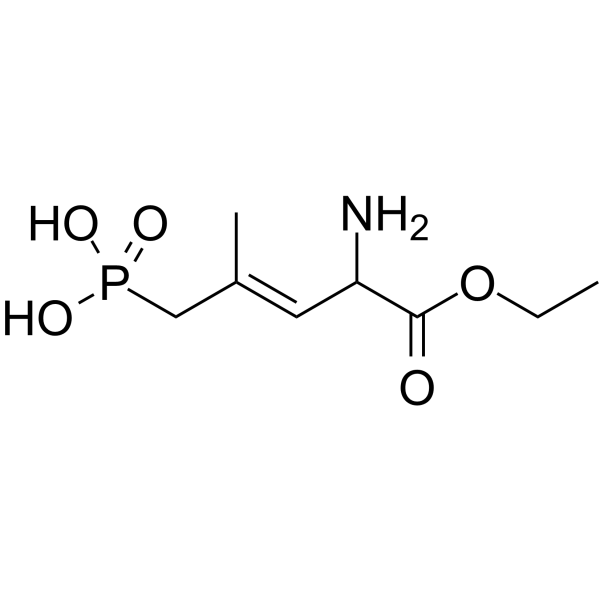
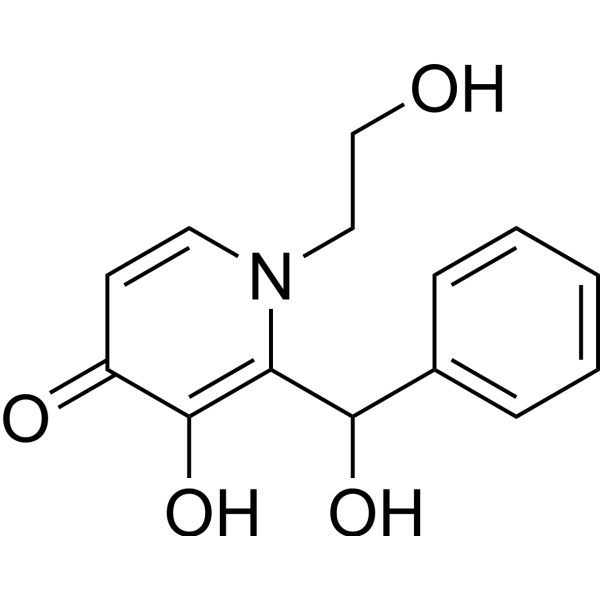
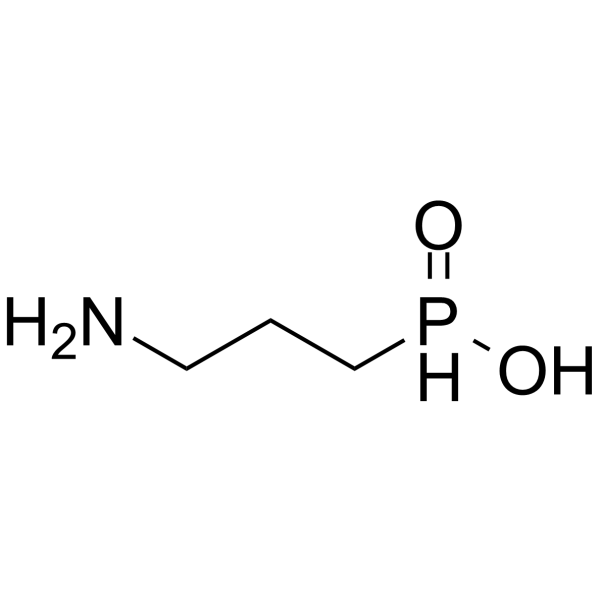
CGP 35348 is a selective, brain penetrant, centrally active GABAB receptor antagonist with an EC50 of 34 μM. CGP 35348 shows affinity for the GABAB receptor only . CGP 35348 has a potential to improve neuromuscular coordination and spatial learning in albino mouse following neonatal brain damage .
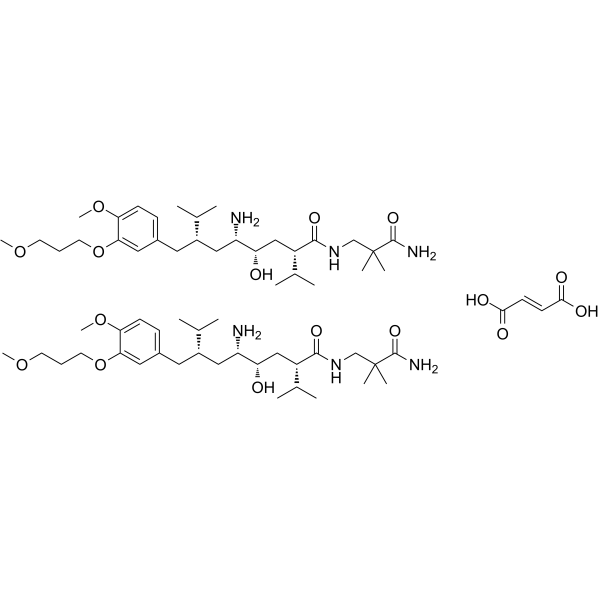
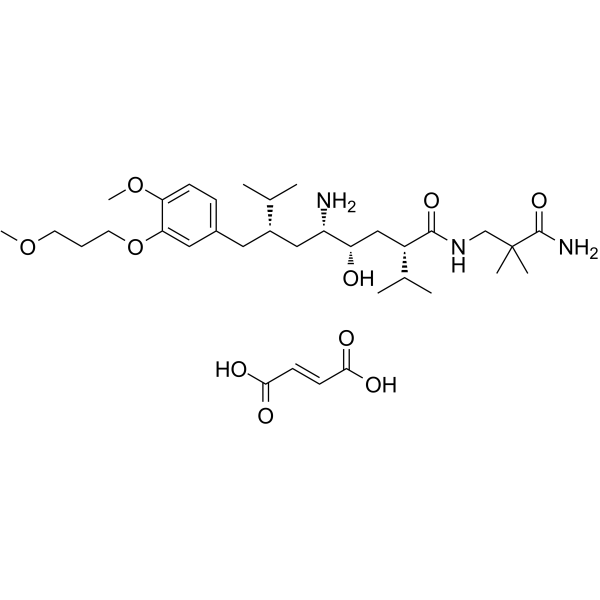
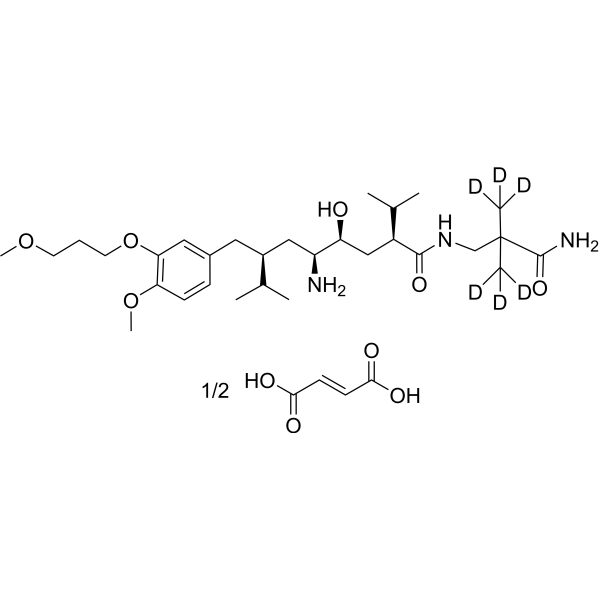
Aliskiren (CGP 60536; CGP60536B; SPP 100) hemifumarate is an orally active and selective renin inhibitor, with IC50 of 1.5 nM. Aliskiren hemifumarate can be used for the research of hypertension, cardiovascular diseases and cancer cachexia .
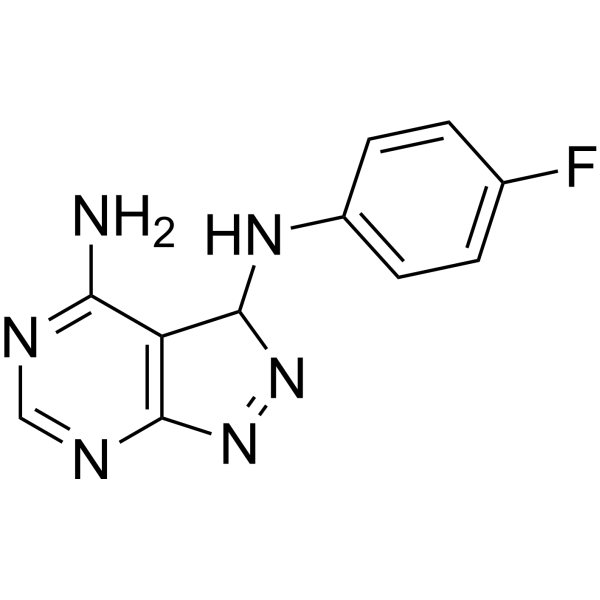
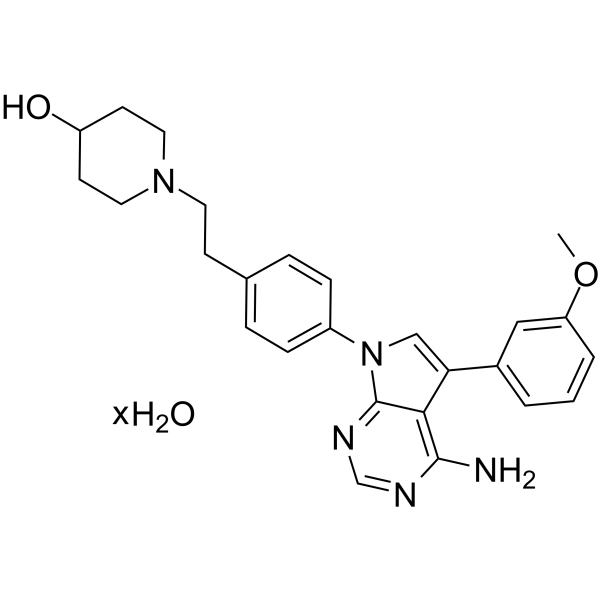
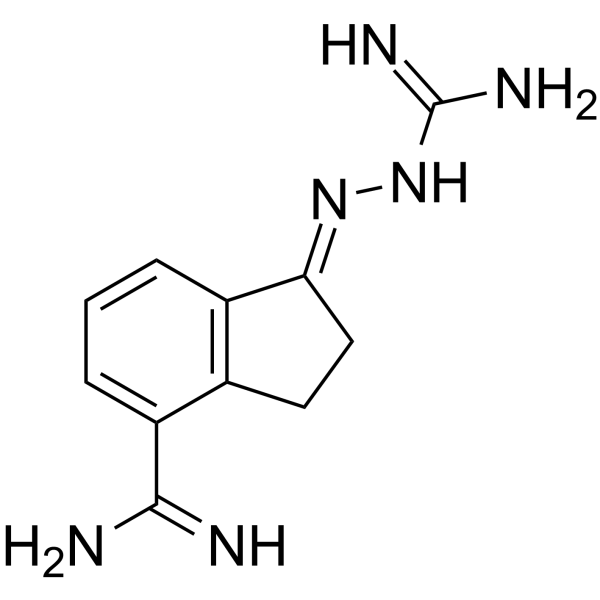
CGP 57380 is a cell-permeable pyrazolo-pyrimidine compound that acts as a selective inhibitor of Mnk1 with IC50 of 2.2 μM, but has no inhibitory activity against p38, JNK1, ERK1/2, PKC, or Src-like kinases.
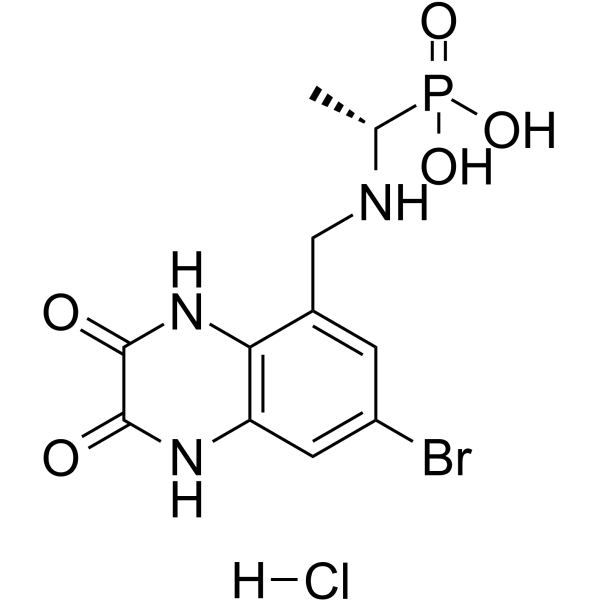
CGP 78608 hydrochloride is a highly potent and selective antagonist at the glycine-binding site of the NMDA receptor, with an IC50 of 6 nM. CGP 78608 hydrochloride acts as a potentiator of GluN1/GluN3A-mediated glycine currents, with an estimated EC50 in the low nM range (26.3 nM). Anticonvulsant activity .
CGP77675 is an orally active and potent inhibitor of Src family kinases. CGP77675 inhibits phosphorylation of peptide substrates and autophosphorylation of purified Src (IC50s of 5-20 and 40 nM, respectively), and also inhibits Src, EGFR, KDR, v-Abl, and Lck with IC50s of 5-20, 40, 20, 150, 1000, 310, and 290 nM, respectively. Anticancer activity .
CGP60474, a highly potent anti-endotoxemic agent, is a potent cyclin-dependent kinase (CDK) inhibitor (IC50 values are 26, 3, 4, 216, 10, 200 and 13 nM for CDK1/B, CDK2/E, CDK2/A, CDK4/D, CDK5/p25, CDK7/H and CDK9/T, respectively). CGP60474 is a selective and ATP-competitive PKC inhibitor .
CGP 20712 A (CGP 20712 mesylate) is a highly selective β1-adrenoceptor antagonist with an IC50 of 0.7 nM. CGP 20712 A exhibits ~10,000-fold selectivity over β2-adrenoceptors .
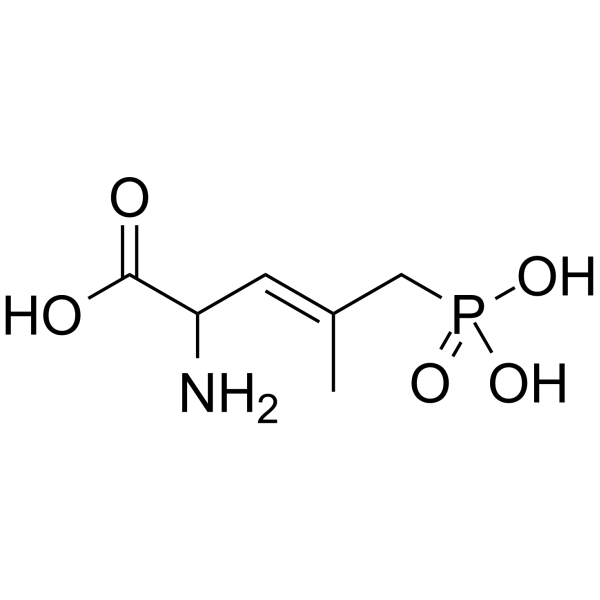
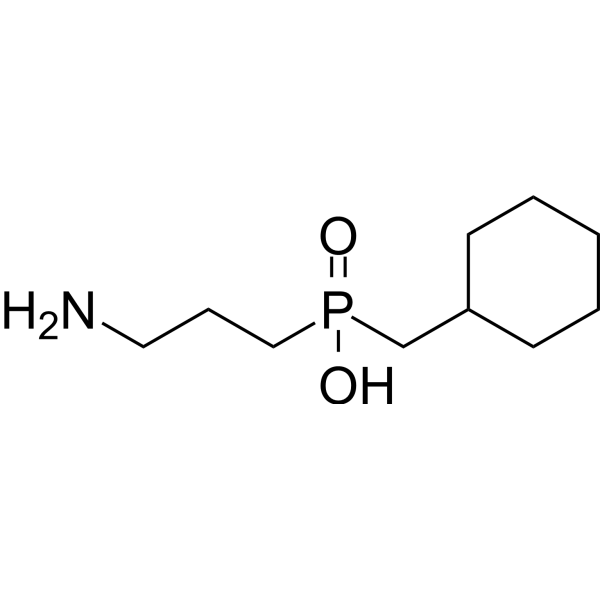
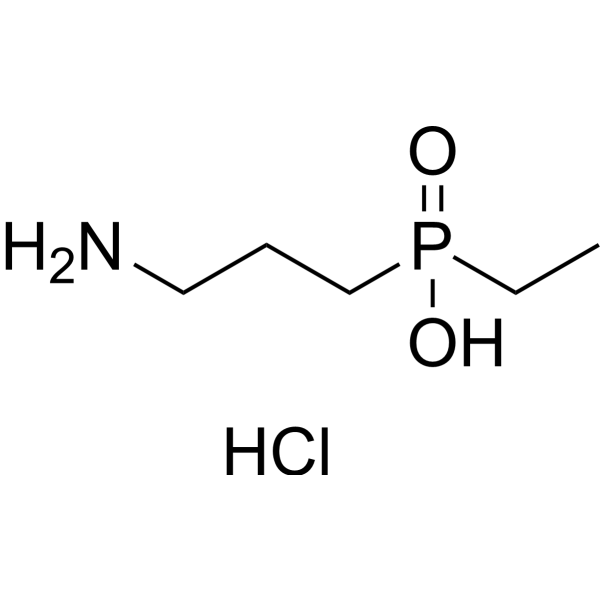
CGP 36742 (SGS-742) is an orally active and selective antagonist of GABAB receptor (IC50 = 36 µM). CGP 36742 is a brain-penetrant compound and improves cognitive performances. CGP 36742 can be used for depression study .
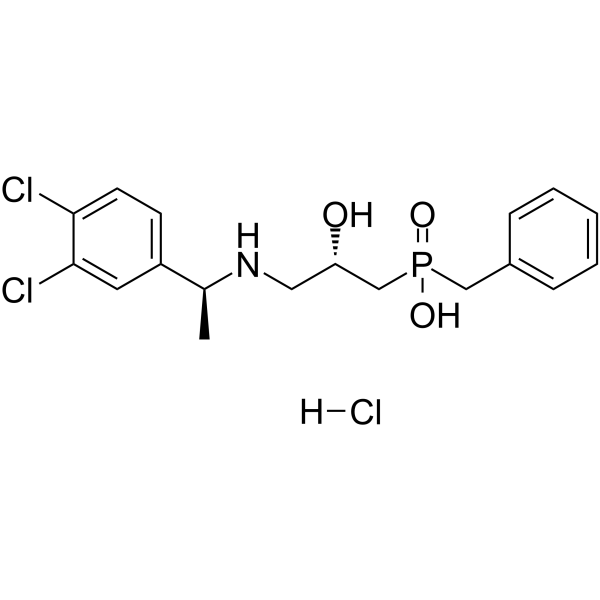
CGP55845 hydrochloride is a potent and selective GABAB receptor antagonist with an IC50 of 6 nM. CGP55845 hydrochloride can be used for neurological research .
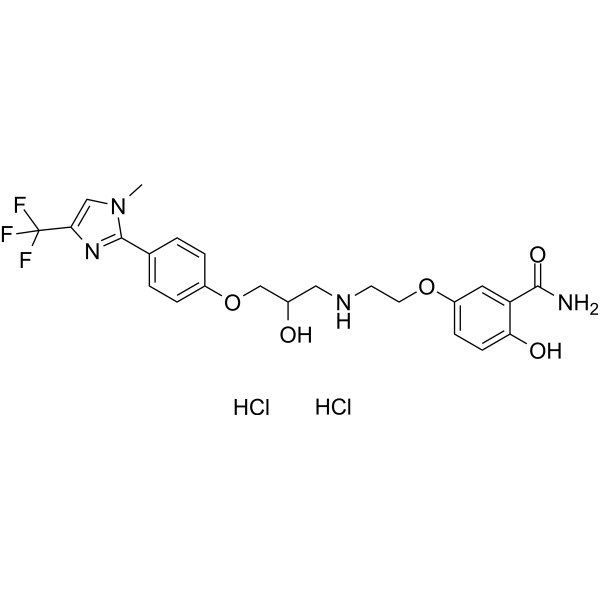
CGP71683 hydrochloride is a competitive neuropeptide Y5 receptor antagonist with a Ki of 1.3 nM, and shows no obvious activity at Y1 receptor (Ki, >4000 nM) and Y2 receptor (Ki, 200 nM) in cell membranes.
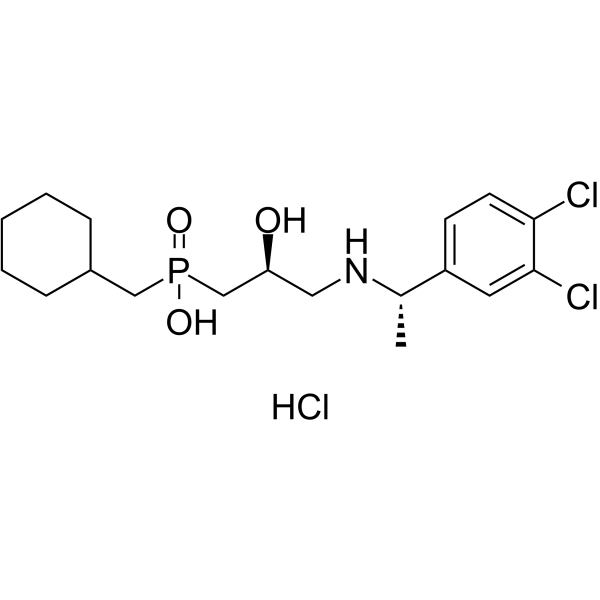
CGP 54626 (hydrochloride) is a selective antagonist of GABAB receptor with an IC50 value of 4 nM. CGP 54626 (hydrochloride) can be used to investigate the role of GABAB receptors in neurological signaling .
CGP-74514 (Compound 13) is a highly selective cyclin-dependent kinase 1 (CDK1) inhibitor (IC50=25 nM). CGP-74514 inhibits CDK1/cyclin B complex activity, arrests the cell cycle at G2/M phase and induces tumor cell apoptosis. CGP-74514 is promising for research of bladder cancer .
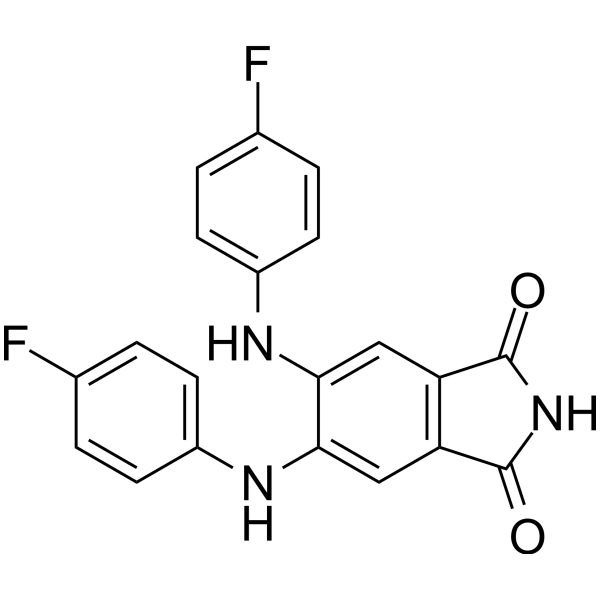
CGP52411 (DAPH) is a high selective, potent, orally active and ATP-competitive EGFR inhibitor with an IC50 of 0.3 μM. CGP52411 blocks the toxic influx of Ca 2+ ions into neuronal cells, and dramatic inhibits and reverses the formation of β-amyloid (Aβ42) fibril aggregates associated with Alzheimer's disease .
CGP 20712 dihydrochloride is a highly selective β1-adrenoceptor antagonist with an IC50 of 0.7 nM. CGP 20712 dihydrochloride exhibits ~10,000-fold selectivity over β2-adrenoceptors .
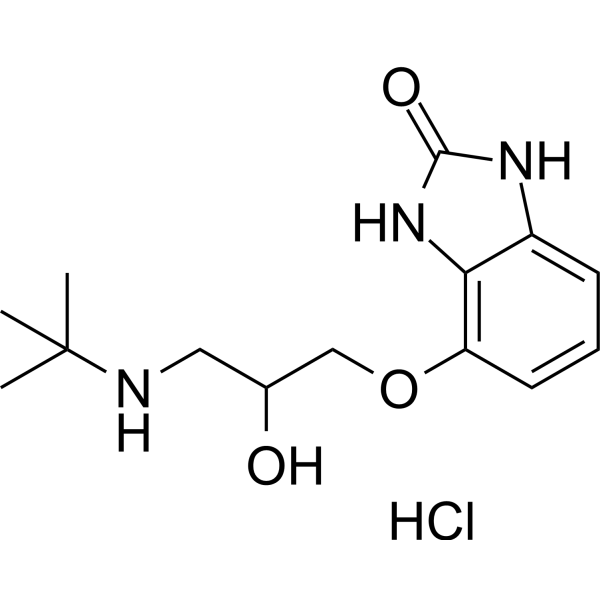
CGP 12177 ((±)-CGP 12177) hydrochloride is a β-Adrenergic receptor (β-AR) ligand. CGP 12177 hydrochloride is a β3-AR (Ki = 88 nM) agonist with β1/β2-AR (Ki = 0.9 nM for β1; Ki = 4 nM for β2) antagonist action. CGP 12177 hydrochloride exhibits partial agonist properties for α1-AR in rat pulmonary artery. CGP 12177 hydrochloride regulates the expression of ucp and leptin genes in NMRI mice adipose tissues. CGP 12177 hydrochloride can be used for cardiovascular and metabolic disease research [1][2][3][4].
CGP 53716 is a potent protein tyrosine kinase inhibitor. CGP 53716 has selective activity of platelet-derived growth factor (PDGF) receptor. CGP 53716 can be used in the study of disease induced by abnormal cell proliferation induced by PDGF receptor activation .
CGP 44 645 is the methanol metabolite of Letrozole (HY-14248) and is a molecular indicator for evaluating its metabolic kinetics in microsomes in vitro. Levels of CGP 44 645 in rat liver microsomes may be sex-specific .
CGP 25454A is a selective presynaptic dopamine autoreceptor antagonist which induces the increase of dopamine and acetyl choline. CGP 25454A can be used for major depression research .
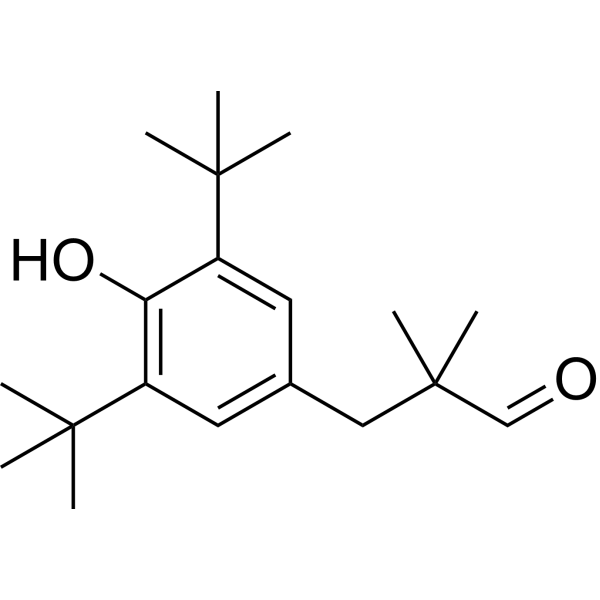
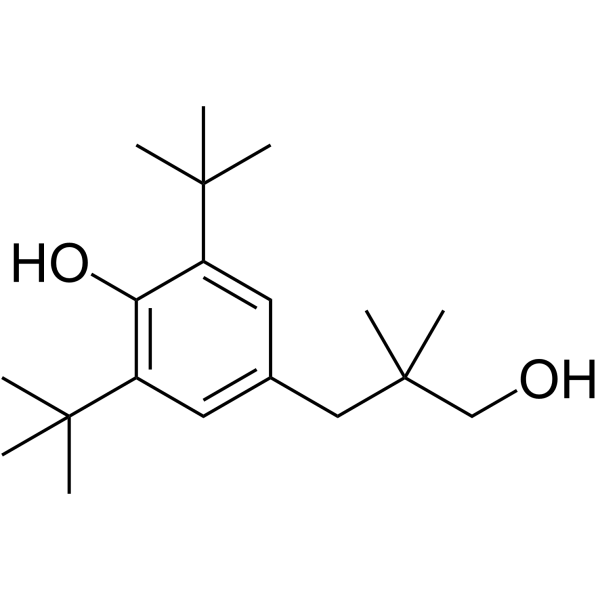
CGP7930 (3-(3’,5’-Di-tert-butyl-4’-hydroxy) phenyl-2, 2-dimethylpropanol) is a positive metabotropic GABAB receptor allosteric modulator. CGP7930 enhances the inhibitory effect of l-baclofen on the oscillatory activity of cultured cortical neurons .
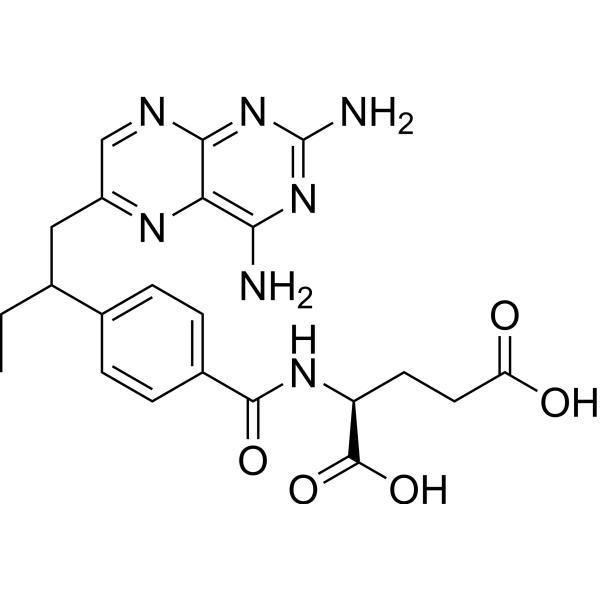
Edatrexate (CGP 30694), as known as 10-Ethyl-10-deazaaminopterin, is Methotrexate (HY-14519) analog, exhibits antitumor activity against MTX-resistant tumors. Edatrexate is an antifolate antimetabolite, can be used for reasearch of non-small-cell lung cancer, breast cancer, non-Hodgkin's lymphoma, and cancer of the head and neck .
CGP-74514 hydrochloride is a highly selective cyclin-dependent kinase 1 (CDK1) inhibitor (IC50: 25 nM). CGP-74514 hydrochloride inhibits CDK1/cyclin B complex activity, arrests the cell cycle at G2/M phase and induces tumor cell apoptosis. CGP-74514 hydrochloride is promising for research of bladder cancer .
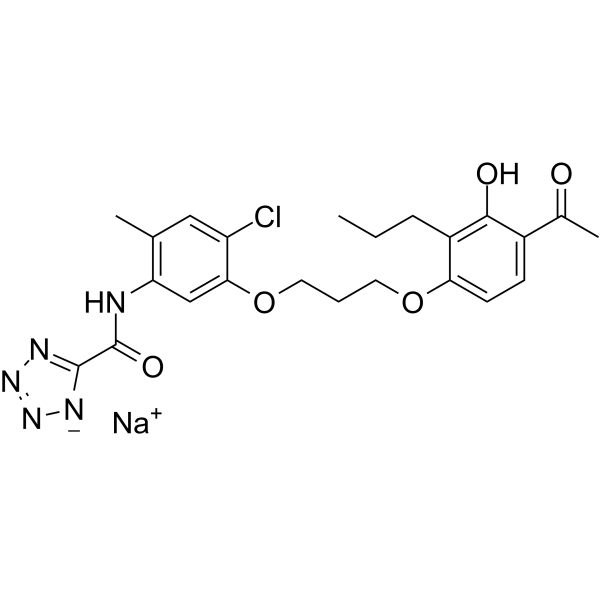
CGP 57698 is an efficient CysLT receptor (Ki = 5.7 nM) antagonist. CGP 57698 can effectively counteract bronchoconstriction caused by LTD4. CGP 57698 can be used for research on asthma or allergic conditions .
CGP-59326 (TRX-13) is a highly potent and selective epidermal growth factor receptor (EGFR) tyrosine kinase inhibitor (IC50=0.027 μM). CGP-59326 blocks the EGFR signaling pathwa, demonstrating highly selective inhibition of EGFR-dependent tumor cells. CGP-59326 is promising for research of cancers .
CGP 12177 ((±)-CGP 12177) is a β-Adrenergic receptor (β-AR) ligand. CGP 12177 is a β3-AR (Ki = 88 nM) agonist with β1/β2-AR (Ki = 0.9 nM for β1; Ki = 4 nM for β2) antagonist action. CGP 12177 exhibits partial agonist properties for α1-AR in rat pulmonary artery. CGP 12177 regulates the expression of ucp and leptin genes in NMRI mice adipose tissues. CGP 12177 can be used for cardiovascular and metabolic disease research .
CGP-79807 is a purine-based CDK inhibitor. CGP-79807 can block the cell cycle by inhibiting CDK activity to suppress the proliferation of tumor cells. CGP-79807 can be used in the study of cancer .
CGP-74514 dihydrochloride is a highly selective cyclin-dependent kinase 1 (CDK1) inhibitor (IC50=25 nM). CGP-74514 dihydrochloride inhibits CDK1/cyclin B complex activity, arrests the cell cycle at G2/M phase and induces tumor cell apoptosis. CGP-74514 dihydrochloride is promising for research of bladder cancer .
CGP 37849 is a potent, competitive and orally active N-methyl-D-aspartate (NMDA) receptor antagonist. CGP 37849 is an anticonvulsant in rodents and has antidepressant and anxiolytic-like effects .
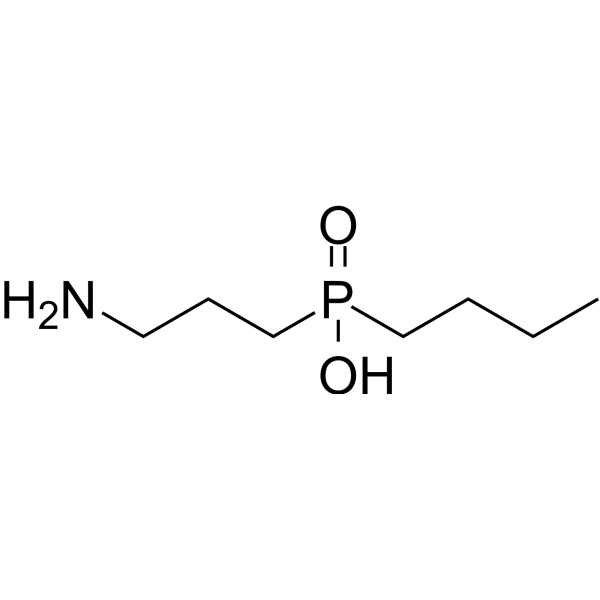
CGP36216 is a selective antagonist at GABA presynaptic receptor. CGP36216 binds to GABAB receptor with a Ki value of 0.3 μM. CGP36216 hydrochloride can be used for research of anxiety and trauma-related disorders .
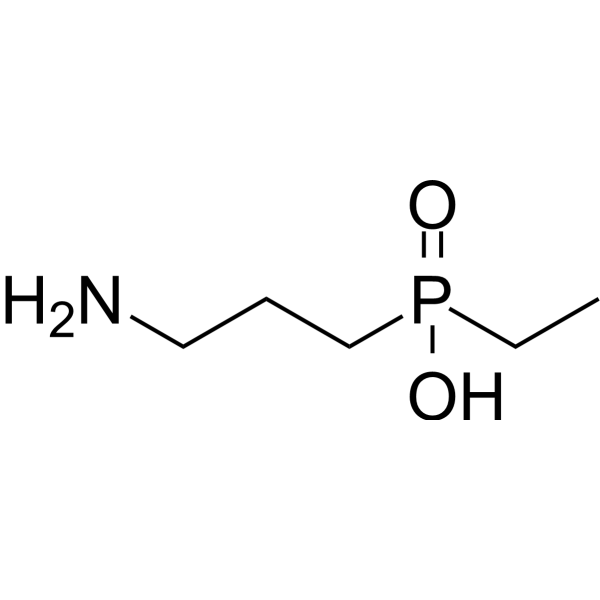
CGP 46381 is an orally active GABAB receptor antagonist with IC50 of 4.9 μM. CGP 46381 blocks the neuronal depression induced by iontophoretically applied baclofen (HY-B0007) .
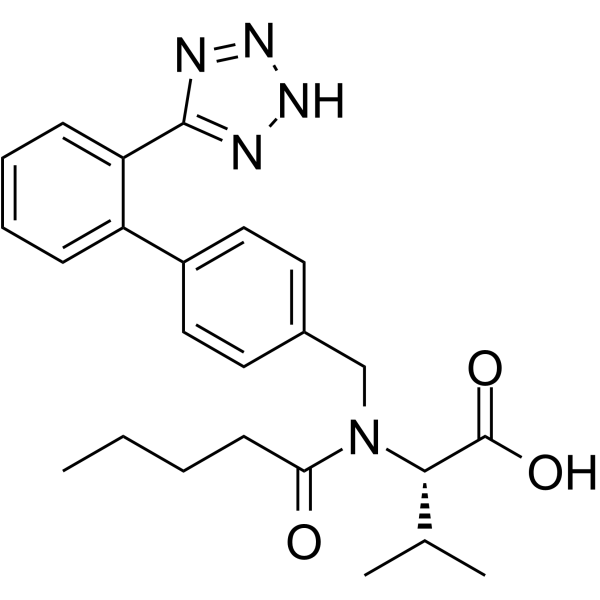
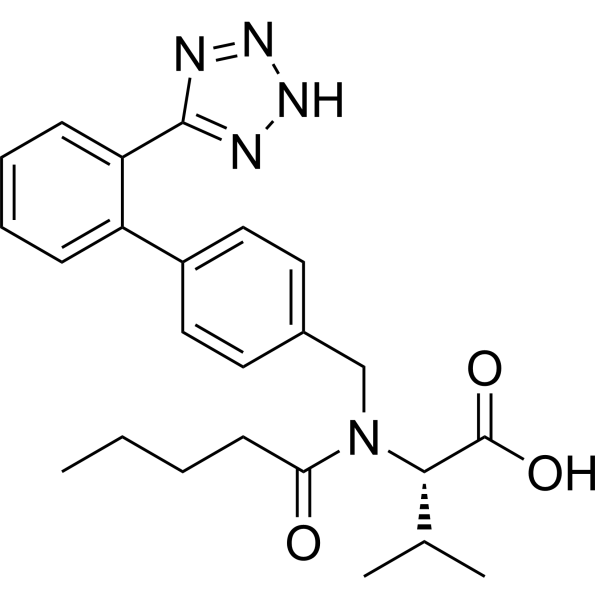
Valsartan (Standard) is the analytical standard of Valsartan. This product is intended for research and analytical applications. Valsartan (CGP 48933) is an angiotensin II receptor antagonist and has the potential for high blood pressure and heart failure research .
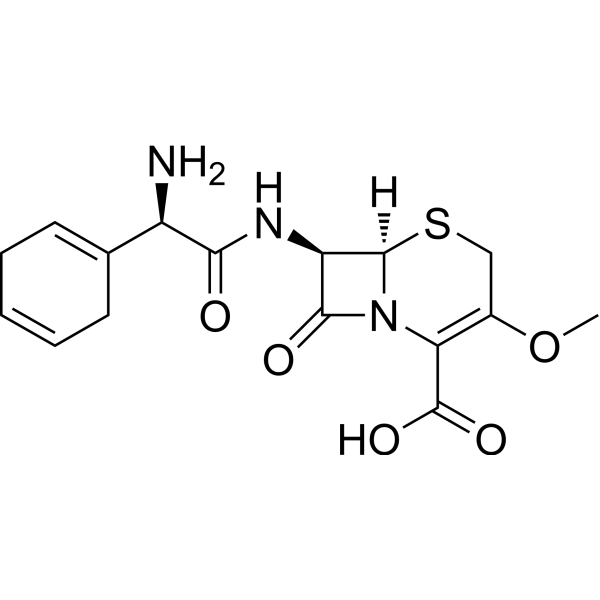
Cefroxadine (CGP 9000) is an orally active cephalosporin antibiotic. Cefroxadine is more effective than cephalexin against Escherichia coli and Klebsiella pneumoniae with MIC values of 3.13 and 1.56 μg/mL respectively with a concentration of 10 6 μg/mL. Cefroxadine can be used for the research of infection .
CGP 20712 (dihydrochloride) (Standard) is the analytical standard of CGP 20712 (dihydrochloride). This product is intended for research and analytical applications. CGP 20712 dihydrochloride is a highly selective β1-adrenoceptor antagonist with an IC50 of 0.7 nM. CGP 20712 dihydrochloride exhibits ~10,000-fold selectivity over β2-adrenoceptors .
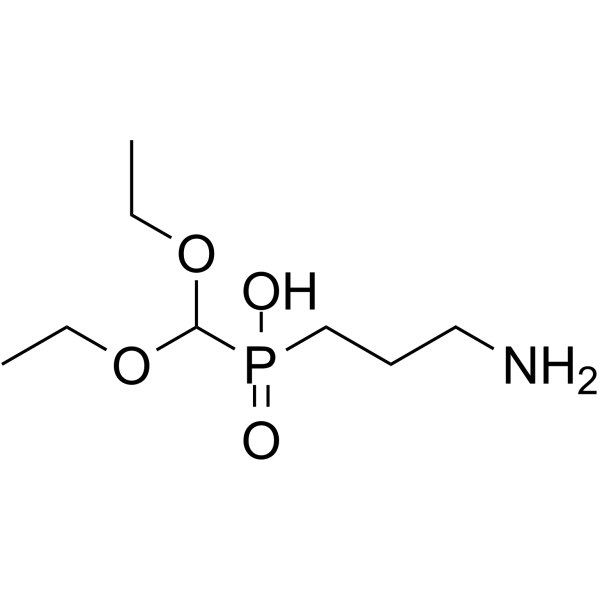
CGP 29030A is an orally effective and specific analgesic agent. CGP 29030A inhibits nociceptive spinal cord neurons without affecting normal sensory functions. CGP 29030A also inhibits gamma motor neurons, which may be beneficial for studying pain disorders that occur concurrently due to increased motor activity (such as cramp, spasm) .
CGP 31608 is a semisynthetic penem derivative with antibacterial activity. CGP 31608 is resistant to many important beta-lactamases (including the mutationally derepressed chromosomal enzymes). CGP 31608 can be used for the research of infection .
CGP-6809 is an orally active DNA inhibitor. CGP-6809 exhibits antitumor activity against various transplantable tumors in mice and rats, including melanoma, prostate cancer, and rectal cancer. CGP-6809 can be used in research on various cancers, including melanoma, prostate cancer, and rectal cancer .
CGP 56999 is a potent antagonist GABA(B) receptor, with the IC50 of 0.002 μM. CGP 56999 increased the levels of BDNF mRNA in the brain in vivo and in vitro .
CGP 36742 (Standard) is the analytical standard of CGP 36742. This product is intended for research and analytical applications. CGP 36742 (SGS-742) is an orally active and selective antagonist of GABAB receptor (IC50 = 36 µM). CGP 36742 is a brain-penetrant compound and improves cognitive performances. CGP 36742 can be used for depression study .
CGP-20376, a 5-methoxyl-6-dithiocarbamic-S- (2-carboxy-ethyl) ester derivative of Benzothiazole (HY-W012634), is an orally active and potent antifilarial drug. CGP-20376 has anthelmintic activity .
CGP 28014 is a catechol-O-methyltransferase inhibitor. CGP 28014 can lower HVA levels and increase DOPAC levels in the striatum of rats, making it useful for research on Parkinson's disease .
CGP55845 is a potent and selective GABAB receptor antagonist with activity that blocks agonist binding. The IC50 value of CGP55845 is 5 nM, indicating that it exhibits significant activity in inhibiting GABA and glutamate release. The apparent Kd of CGP55845 when forming a complex with the GABAB receptor is 30 nM, indicating its high affinity for this receptor. CGP55845 is as potent as 100 μM CGP 35348 in relieving the inhibitory effect of (R)-(-)-baclofen .
CGP36216 hydrochloride is a selective antagonist at GABA presynaptic receptor. CGP36216 binds to GABAB receptor with a Ki value of 0.3 μM. CGP36216 hydrochloride can be used for research of anxiety and trauma-related disorders .
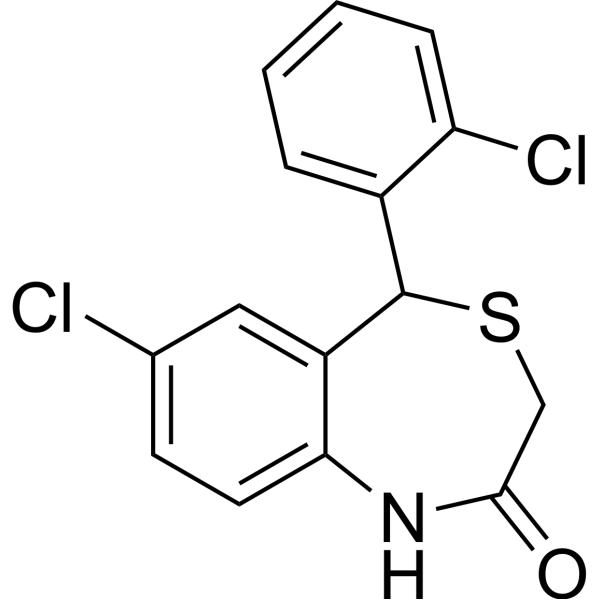
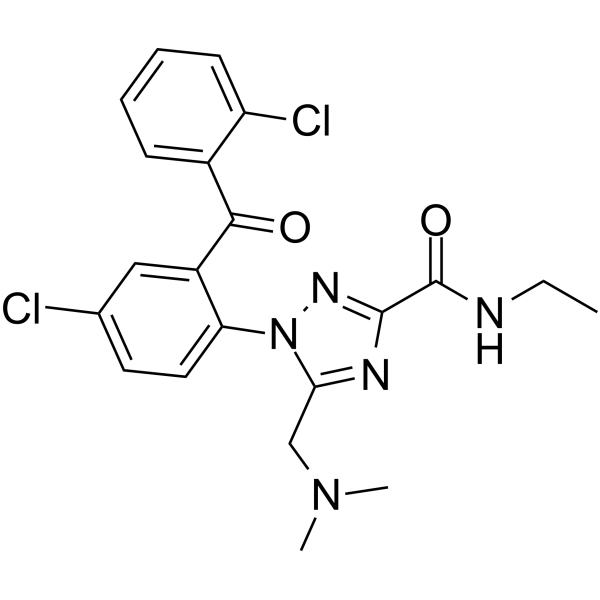
CGP11952 is a triazolyl-Benzaphenon resembling the benzodiazepines in its pharmacological action. CGP11952 is an experimental benzodiazepine derivative.
Cgp 38560 methanesulfonate is a well-tolerated renin inhibitor. Cgp 38560 methanesulfonate caused a dose-dependent decrease in angiotensin II and plasma renin activity, and a dose-dependent increase in active renin.
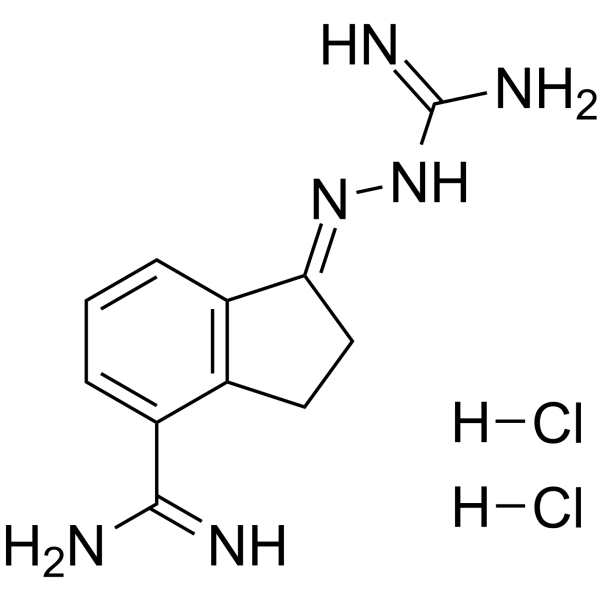
CGP 31358 is an anticonvulsant agent that binds to a site on the NMDA receptor complex that is coupled to both the transmitter recognition site and to the channel domain. CGP 31358 inhibits the binding of L-Glutamate to the NMDA receptor complex with an IC50 of 53 μM .
CGP-53353 (DAPH-7) is an potent PKC inhibitor with IC50s of 0.41 μM and 3.8 μM for PKCβII and PKCβI, respectively. CGP-53353 can inhibit glucose-induced cell proliferation and DNA synthesis in AoSMC and A10 cells. CGP-53353 can be used for researching atherosclerosis of diabetic patients .
CGP 53820 is an inhibitor for HIV protease, inhibits the complex of HIV-1 and HIV-2 protease with Ki of 9 and 53 nM for HIV-1 protease and HIV-2 protease. CGP 53820 can be used in AIDS research .
CGP35348 (Standard) is the analytical standard of CGP35348. This product is intended for research and analytical applications. CGP 35348?is a selective, brain penetrant, centrally active GABAB receptor antagonist with an EC50 of 34 μM.?CGP 35348 shows affinity for the GABAB receptor only . CGP 35348 has a potential to improve neuromuscular coordination and spatial learning in albino mouse following neonatal brain damage .
CGP062464 is an inhibitor of the tyrosine kinase c-Src (IC50: < 50 nM). CGP062464 can be used for research of osteoporosis and tumor-induced hypercalcemia .
CGP 78608 is a highly potent and selective antagonist at the glycine-binding site of the NMDA receptor, with an IC50 of 6 nM. CGP 78608 acts as a potentiator of GluN1/GluN3A-mediated glycine currents, with an estimated EC50 in the low nM range (26.3 nM). CGP 78608 has anticonvulsant activities .
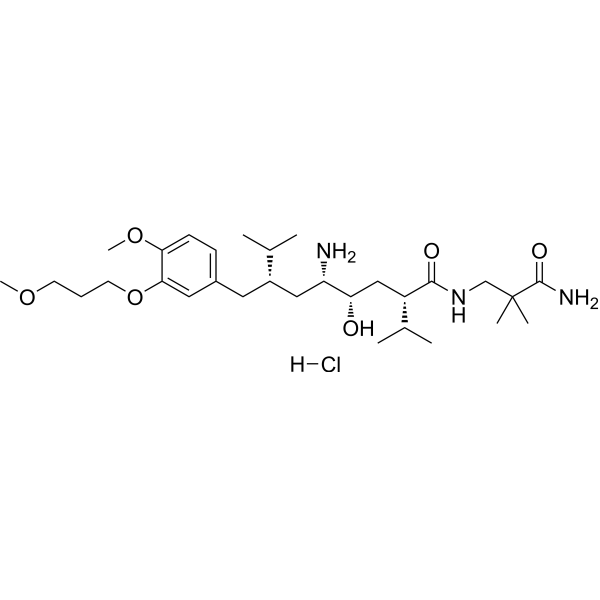
Aliskiren (CGP 60536; CGP60536B; SPP 100) hydrochloride is an orally active and selective renin inhibitor, with IC50 of 1.5 nM. Aliskiren hydrochloride can be used for the research of hypertension, cardiovascular diseases and cancer cachexia - .
CGP52608 is a selective agonist for the RZR/ROR receptor, known for its anti-tumor activity, and has almost no affinity for the cell surface G-protein coupled melatonin receptor. CGP52608 can inhibit the growth of mouse 16/C breast cancer cells. CGP52608 can induce the formation of vesicles in diatoms .
CGP 20712 is a highly selective β1-adrenoceptor antagonist (Ki=0.3 nmol/L). CGP 20712’s primary mechanism of action is through competitively binding to β1-receptors, thereby blocking the positive chronotropic effects of adrenaline and noradrenaline .
CGP47656 is a potent GABAB receptor agonist that inhibits Forskolin (HY-15371)-stimulated adenylyl cyclase activity and augments noradrenaline-stimulated adenylyl cyclase activity. CGP47656 is promising for research of brain function-related diseases .
CGP 57813 is a peptidomimetic inhibitor of HIV protease that can be encapsulated by nanoparticles composed of poly(D,L-lactic acid) (PLA) and pH-sensitive methacrylic acid copolymers and delivered into the body .
Amocarzine (CGP 6140) is an orally active antifilarial agent. Amocarzine can result in the swelling of mitochondrion and inhibit respiration and other associated metabolic functions. Amocarzine can be used for the research of infection .
CGP77675 hydrate is an orally active and potent inhibitor of Src family kinases. CGP77675 hydrate inhibits phosphorylation of peptide substrates and autophosphorylation of purified Src (IC50s of 5-20 and 40 nM, respectively),and also inhibits Src, EGFR, KDR, v-Abl, and Lck with IC50s of 0.02, 0.15, 1.0, 0.31, and 0.29 μM, respectively. Anticancer activity .
Aliskiren (hemifumarate) (Standard) is the analytical standard of Aliskiren (hemifumarate). This product is intended for research and analytical applications. Aliskiren (CGP 60536; CGP60536B; SPP 100) hemifumarate is an orally active and selective renin inhibitor, with IC50 of 1.5 nM. Aliskiren hemifumarate can be used for the research of hypertension, cardiovascular diseases and cancer cachexia .
CGP 71683 Free base serves as a powerful and highly selective non-peptide antagonist targeting the NPY Y(5) receptor, making it a valuable tool in obesity research.
Sercloremine hydrochloride (CGP 4718A) is a selective and reversible MAO-A and 5-HT-uptake inhibitor. Sercloremine hydrochloride can be used in the research of depression .
CGP-45688 is an orally active non-steroidal aromatase inhibitor with an ED50 of 30-100 μg/kg. CGP-45688 can reduce the level of estrogen in the body, thereby inhibiting the growth of estrogen-dependent tumors. CGP-45688 inhibits the growth of estrogen-dependent breast tumors in rat models. CGP-45688 disrupts the ovarian cycle and inhibits the weight of the uterus. CGP-45688 can be used for the study of breast cancer .
CGP 20712 A (Standard) is the analytical standard of CGP 20712 A. This product is intended for research and analytical applications. CGP 20712 A (CGP 20712 mesylate) is a highly selective β1-adrenoceptor antagonist with an IC50 of 0.7 nM. CGP 20712 A exhibits ~10,000-fold selectivity over β2-adrenoceptors .
CGP-43371, a Rifampicin (HY-B0272) derivative, is an orally active hypolipidemic agent. CGP-43371 has hypolipidemic and anti-atherosclerotic activities .
CGP 47645 is a long-acting nonsteroidal aromatase inhibitor. CGP 47645 can significantly affect testicular function. CGP 47645 can be used to study the physiological role of estrogen in regulating testicular function .
CGP-49823 is an orally active and highly selective antagonist of the neurokinin 1 receptor (NK1 receptor). CGP-49823‘s potency is significantly higher in isolated spinal cords of hamsters than in those of rats. CGP 49823 exhibits a significant anti-anxiety effect in social interaction experiments of rats, and its tolerance develops slowly, without causing anxiety-like withdrawal reactions after discontinuation. CGP-49823 can be used in anxiety and depression research .
CGP 44 645 (Standard) is the analytical standard of CGP 44 645. This product is intended for research and analytical applications. CGP 44 645 is the methanol metabolite of Letrozole (HY-14248) and is a molecular indicator for evaluating its metabolic kinetics in microsomes in vitro. Levels of CGP 44 645 in rat liver microsomes may be sex-specific .
CGP 46700 (Compound 49) is an orally active iron chelator, that exhibits high affinity for iron, removes iron from ferritin and human serum transferrin. CGP 46700 promotes iron excretion in a mouse iron overload model .
CGP52432 (Standard) is the analytical standard of CGP52432 (HY-103531). This product is intended for research and analytical applications. CGP52432 is a GABAB receptor antagonist, with an IC50 of 85 nM.
CGP 57380 (Standard) is the analytical standard of CGP 57380 (HY-10520). This product is intended for research and analytical applications. CGP 57380 is a cell-permeable pyrazolo-pyrimidine compound that acts as a selective inhibitor of Mnk1 with IC50 of 2.2 μM, but has no inhibitory activity against p38, JNK1, ERK1/2, PKC, or Src-like kinases.
CGP-53353 (Standard) is the analytical standard of CGP-53353 (HY-108600). This product is intended for research and analytical applications. CGP-53353 (DAPH-7) is an potent PKC inhibitor with IC50s of 0.41 μM and 3.8 μM for PKCβII and PKCβI, respectively. CGP-53353 can inhibit glucose-induced cell proliferation and DNA synthesis in AoSMC and A10 cells. CGP-53353 can be used for researching atherosclerosis of diabetic patients .
CGP 31523A is a broad-spectrum aminothiazole cephalosporin. CGP 31523A exhibits potent inhibitory effects on Enterobacteriaceae, Neisseria, Haemophilus influenzae, and Streptococcus (except Enterococcus faecalis), among others. CGP 31523A can be hydrolyzed by the common Escherichia coli type Ic β-lactamase, but is stable against the Ia type enzyme. CGP 31523A is neither an effective β-lactamase inhibitor nor does it induce the production of β-lactamase. CGP 31523A can be used for studying infections caused by Gram-negative bacteria (including drug-resistant strains) .
CGP52411 (Standard) is the analytical standard of CGP52411 (HY-103442). This product is intended for research and analytical applications. CGP52411 (DAPH) is a high selective, potent, orally active and ATP-competitive EGFR inhibitor with an IC50 of 0.3 μM. CGP52411 blocks the toxic influx of Ca2+ ions into neuronal cells, and dramatic inhibits and reverses the formation of β-amyloid (Aβ42) fibril aggregates associated with Alzheimer's disease .
CGP 54626 is a GABAB receptor modulator, which is essential in the central and peripheral nervous systems. It is used as a tool to identify and characterize GABAB receptor agonists and antagonists, which will aid in the development of drugs targeting diseases related to these systems. This discovery involves purified GABAB receptors, receptor proteins and their encoding nucleic acids, facilitating the study of new members of the GABAB receptor family through DNA cloning technology and sequence-derived probes .
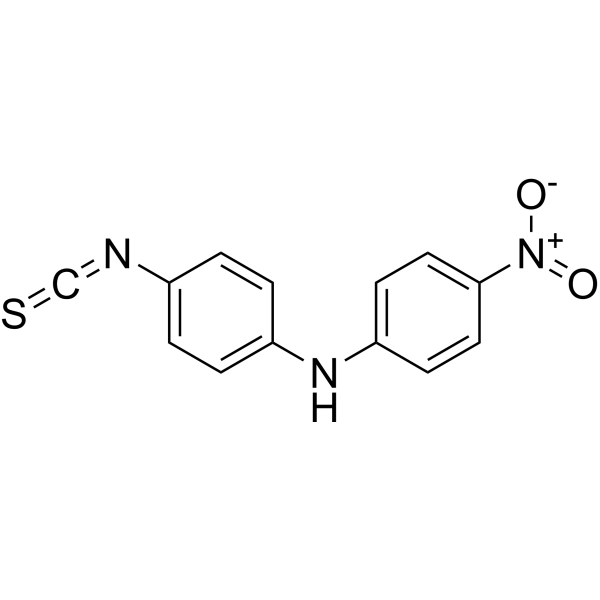
Amoscanate (cgp4540) is phenyl isothiocyanate in which the hydrogen at the para-position has been replaced by a 4-nitroanilinyl group. Amoscanate is an anti-schistosomal agent. Amoscanate, as an isothiocyanate compound and uncoupler of oxidative phosphorylation, potently injures rodent ependyma .
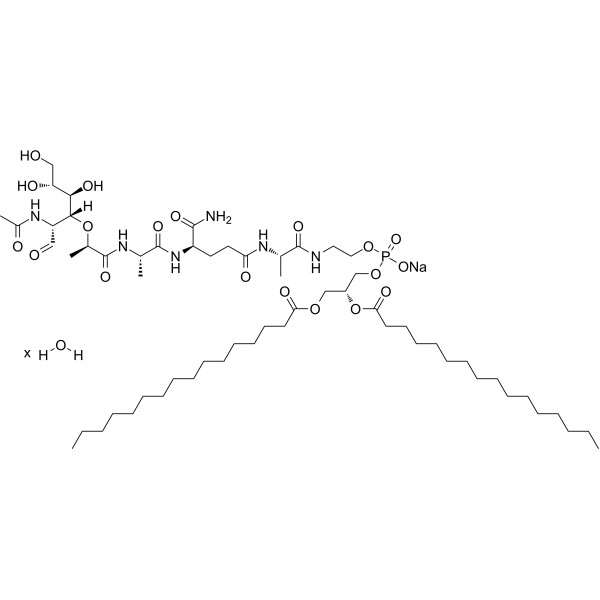
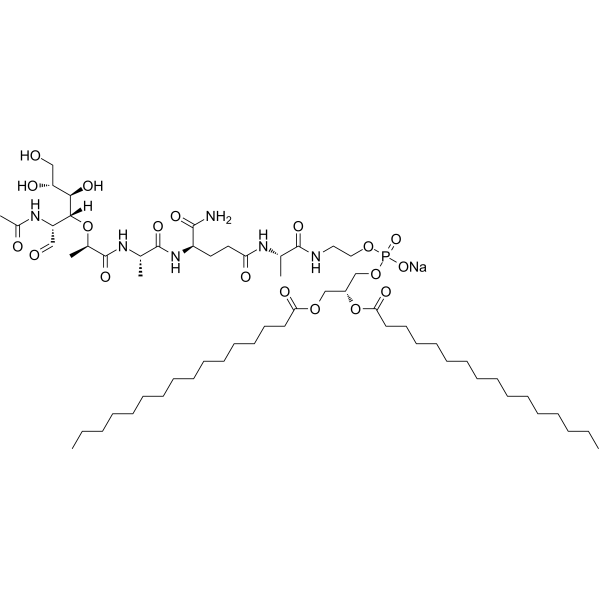
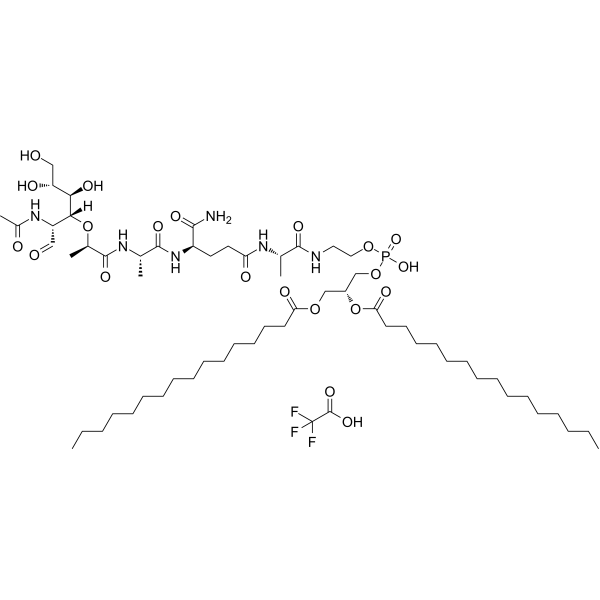
Mifamurtide (MTP-PE; CGP 19835) sodium hydrate is the sodium hydrate of mifamurtide. Mifamurtide is a nonspecific immunomodulator that acts by stimulating immune responses by activating macrophages and monocytes. Mifamurtide is a specific ligand for NOD2 and is used as an insulin sensitizer and may also be used in osteosarcoma research .
Vatalanib (Standard) is the analytical standard of Vatalanib (HY-10203). This product is intended for research and analytical applications. Vatalanib (PTK787; ZK-222584; CGP-79787) is an inhibitor of VEGFR2/KDR with IC50 of 37 nM.
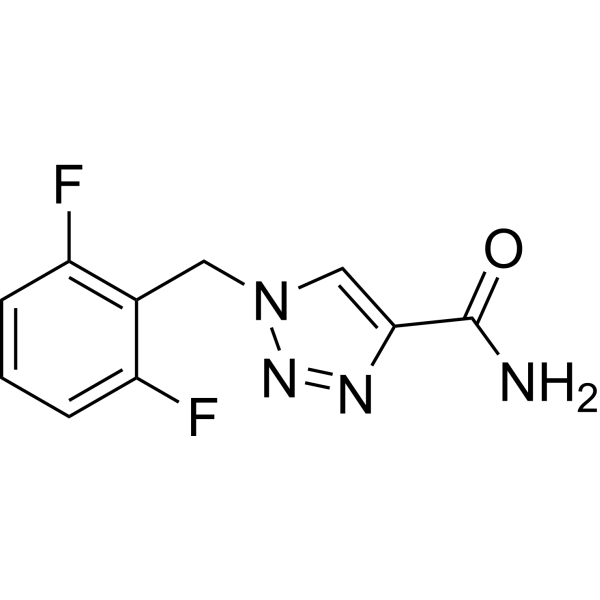
Rufinamide (CGP 33101) is an orally active antiepileptic compound that inhibits Na + current activation, inhibits neuronal hyperexcitability, and has anticonvulsant effects. Rufinamide is used in the study of Lennox-Gastaut syndrome .
Vatalanib-d4 (PTK787-d4; ZK-222584-d4; CGP-79787-d4) is the deuterium labeled Vatalanib (HY-10203). Vatalanib (PTK787; ZK-222584; CGP-79787) is an inhibitor of VEGFR2/KDR with IC50 of 37 nM.
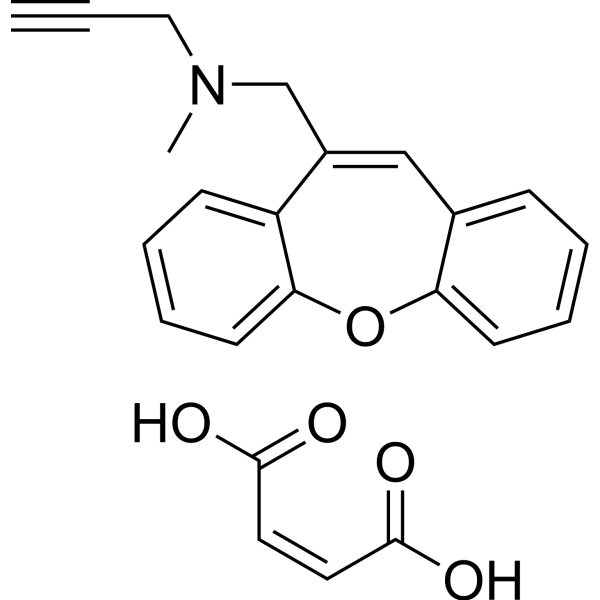
Omigapil maleate (CGP3466B), an orally active GAPDH nitrosylation inhibitor, abrogates Aβ1-42-induced tau acetylation, memory impairment, and locomotor dysfunction in mice. Omigapil maleate has the potential for the research of Alzheimer's disease. Omigapil maleate is a apoptosis inhibitor. Omigapil maleate can be used for the research of congenital muscular dystrophy (CMD). Omigapil maleate is a click chemistry reagent, it contains an Alkyne group and can undergo copper-catalyzed azide-alkyne cycloaddition (CuAAc) with molecules containing Azide groups .
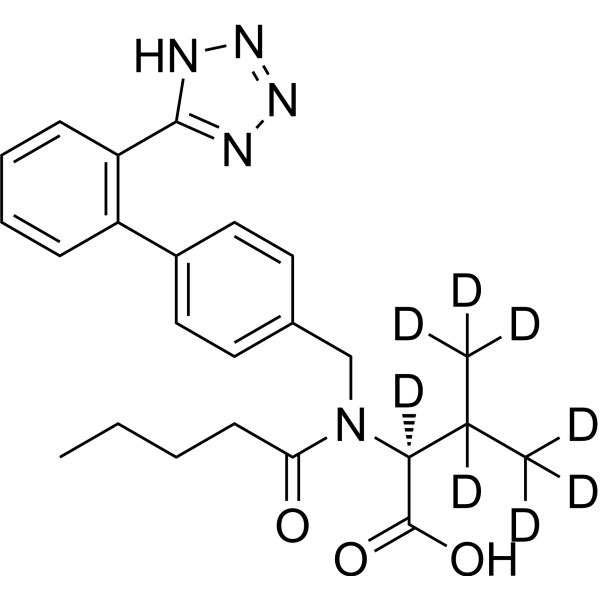
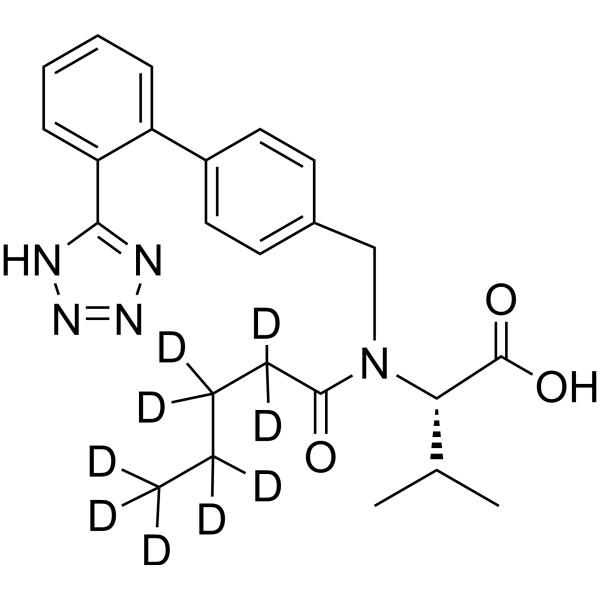
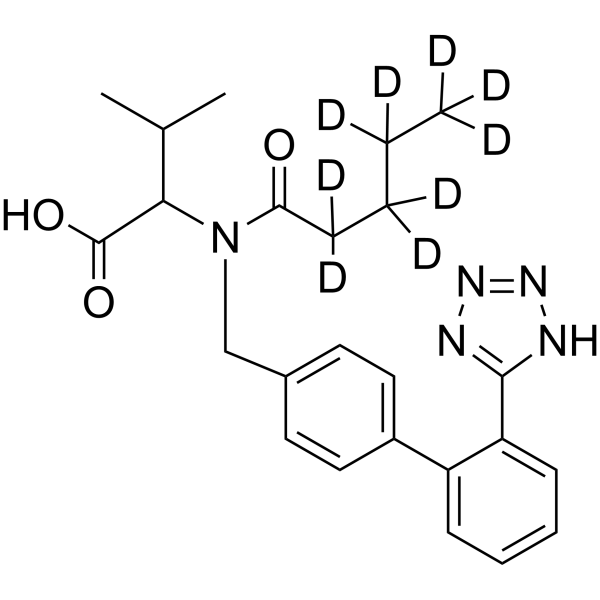
Valsartan-d8 is the deuterium labeled Valsartan. Valsartan (CGP 48933) is an angiotensin II receptor antagonist and has the potential for high blood pressure and heart failure research .
Ifoxetine (CGP 15210G) is an inhibitor of 5-HT reuptake. Ifoxetine specifically and selectively blocks the 5-HT reuptake in the brain without affecting the 5-HT uptake processes in the periphery (blood platelets). Ifoxetine inhibits the uptake of radiolabelled 5-HT into rat brain synaptosomes in vitro or ex vivo. Ifoxetine has antidepressant properties .
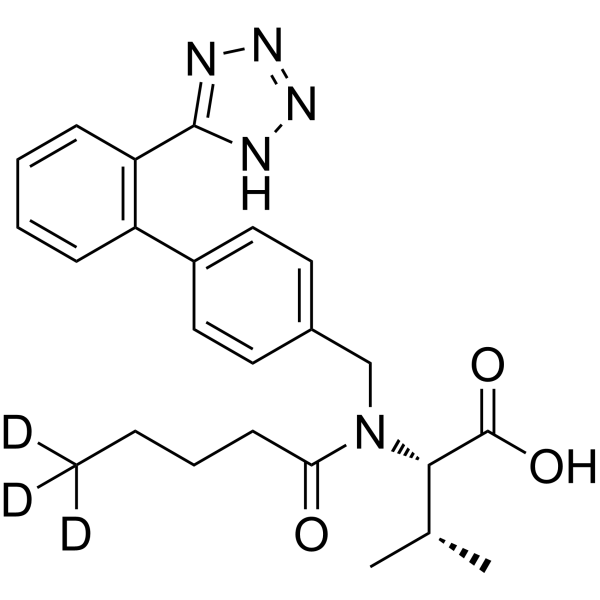
Valsartan-d3 is the deuterium labeled Valsartan . Valsartan (CGP 48933) is an angiotensin II receptor antagonist and has the potential for high blood pressure and heart failure research .
Valsartan (CGP 48933) methyl ester is the methyl ester derivative of Valsartan (HY-18204). Valsartan is a selective and orally active angiotensin II type 1 (AT1) receptor blocker (ARB) with potent antihypertensive and cardioprotective effects. Valsartan competitively binds to AT1 receptors, inhibiting the binding of angiotensin II to AT1 receptors, thereby blocking angiotensin II-mediated vasoconstriction, sodium retention, and myocardial hypertrophy signaling pathways. Valsartan reduces systolic blood pressure in L-NAME-induced hypertensive rats. Valsartan can be used for the study and treatment of arterial hypertension, hypertensive heart disease, and heart failure .
Zoledronate (CGP 42446) disodium is a potent bisphosphonate that effectively inhibits osteoclastogenesis, reducing bone turnover and stabilizing the bone matrix. Zoledronate disodium has demonstrated notable effectiveness in managing Paget's disease of bone by suppressing metabolic activity and alleviating bone pain. Zoledronate disodium is being investigated in the ongoing ZiPP trial for its potential to prevent disease progression in patients with Paget's disease. Zoledronate disodium also exhibits diverse anti-tumor effects in osteosarcoma, further highlighting its multifunctional therapeutic applications.
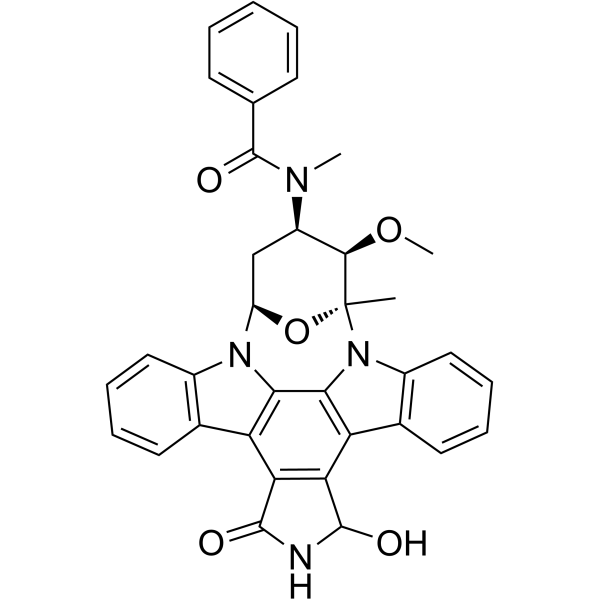
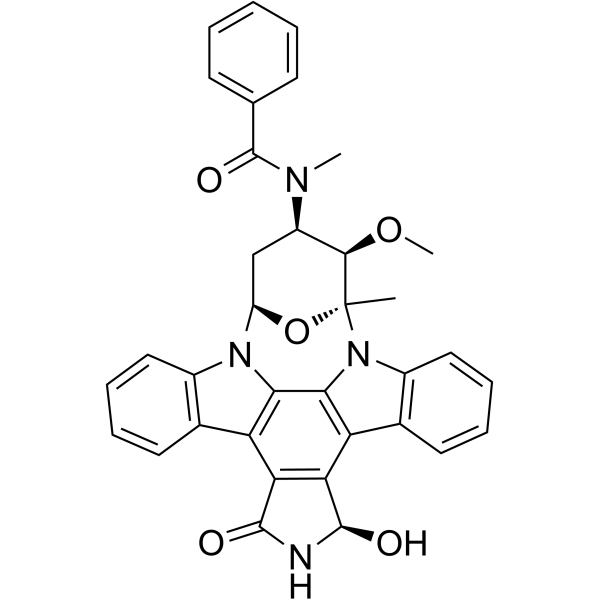
3-Hydroxy Midostaurin (CGP 52421), a metabolite of PKC412, effectively inhibits FMS-like tyrosine kinase-3 (FLT3) autophosphorylation with IC50s of approximately 132 nM and 9.8 μM in culture medium and plasma, respectively. 3-Hydroxy Midostaurin is less selective but more cytotoxic than PKC412 .
Rufinamide (Standard) is the analytical standard of Rufinamide (HY-A0042). This product is intended for research and analytical applications. Rufinamide (CGP 33101) is an orally active antiepileptic compound that inhibits Na + current activation, inhibits neuronal hyperexcitability, and has anticonvulsant effects. Rufinamide is used in the study of Lennox-Gastaut syndrome .
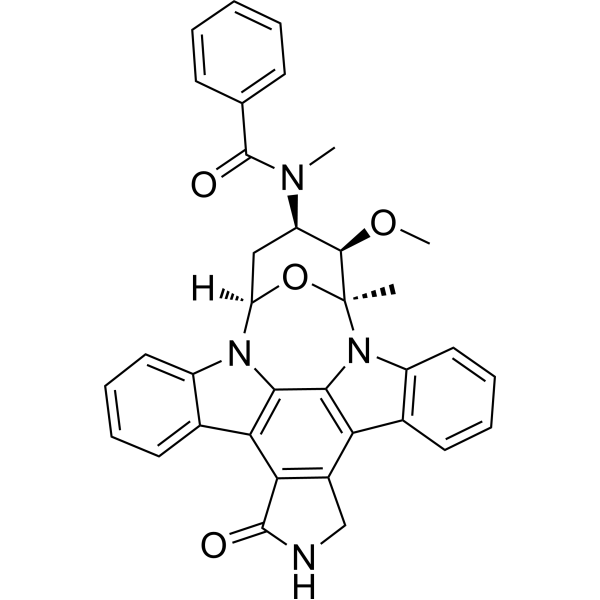
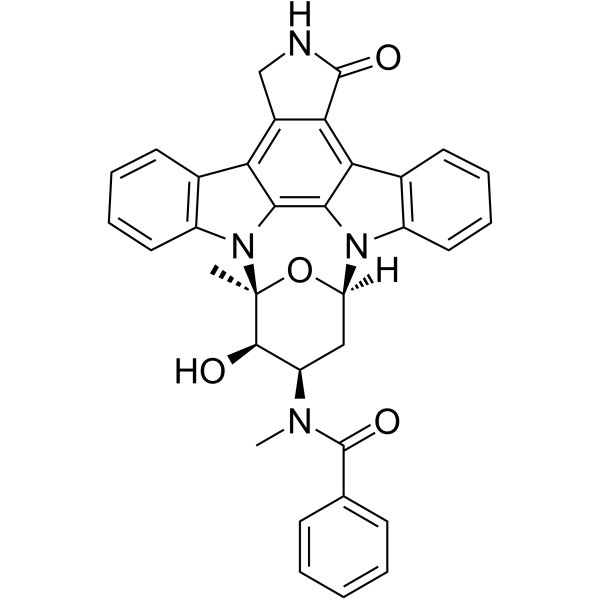
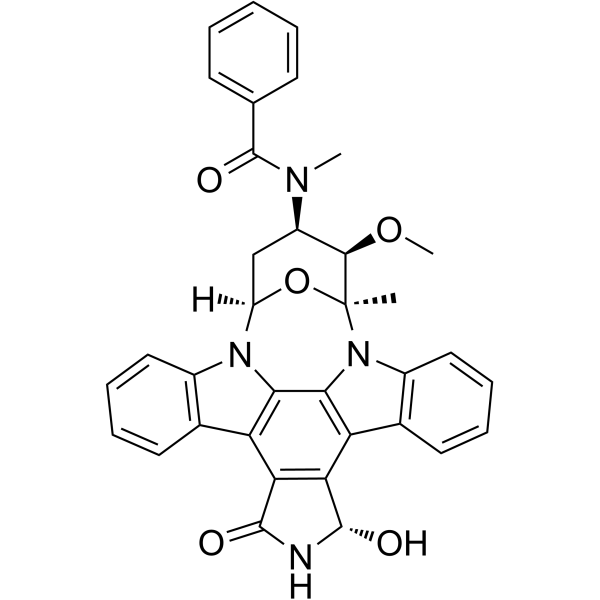
Midostaurin (Standard) is the analytical standard of Midostaurin. This product is intended for research and analytical applications. Midostaurin (PKC412; CGP 41251) is an orally active, reversible multi-targeted protein kinase inhibitor. Midostaurin inhibits PKCα/β/γ, Syk, Flk-1, Akt, PKA, c-Kit, c-Fgr, c-Src, FLT3, PDFRβ and VEGFR1/2 with IC50s ranging from 22-500 nM . Midostaurin also upregulates endothelial nitric oxide synthase (eNOS) gene expression. Midostaurin shows powerful anticancer effects .
Ifoxetine (CGP 15210G) hemisulfate is an inhibitor of 5-HT reuptake. Ifoxetine hemisulfate specifically and selectively blocks the 5-HT reuptake in the brain without affecting the 5-HT uptake processes in the periphery (blood platelets). Ifoxetine hemisulfate inhibits the uptake of radiolabelled 5-HT into rat brain synaptosomes in vitro or ex vivo. Ifoxetine hemisulfate has antidepressant properties .
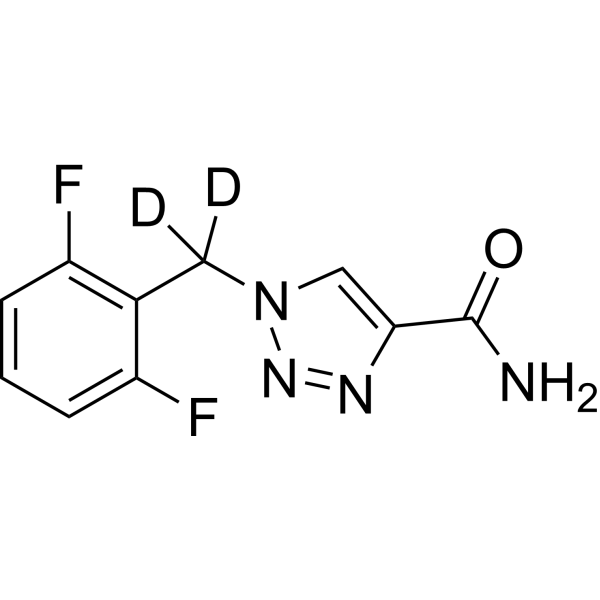
Rufinamide-d2 (CGP 33101-d2) is the deuterium labeled Rufinamide (HY-A0042). Rufinamide (CGP 33101) is an orally active antiepileptic compound that inhibits Na + current activation, inhibits neuronal hyperexcitability, and has anticonvulsant effects. Rufinamide is used in the study of Lennox-Gastaut syndrome .
Valsartan (CGP 48933) methyl ester (Standard) is the analytical standard of Valsartan methyl ester (HY-W414915). This product is intended for research and analytical applications. Valsartan methyl ester is the methyl ester derivative of Valsartan (HY-18204). Valsartan is a selective angiotensin II type 1 (AT1) receptor blocker (ARB) with potent antihypertensive and cardioprotective effects. Valsartan competitively binds to AT1 receptors, inhibiting the binding of angiotensin II to AT1 receptors, thereby blocking angiotensin II-mediated vasoconstriction, sodium retention, and myocardial hypertrophy signaling pathways. Valsartan reduces systolic blood pressure in L-NAME-induced hypertensive rats. Valsartan can be used for the study and treatment of arterial hypertension, hypertensive heart disease, and heart failure .
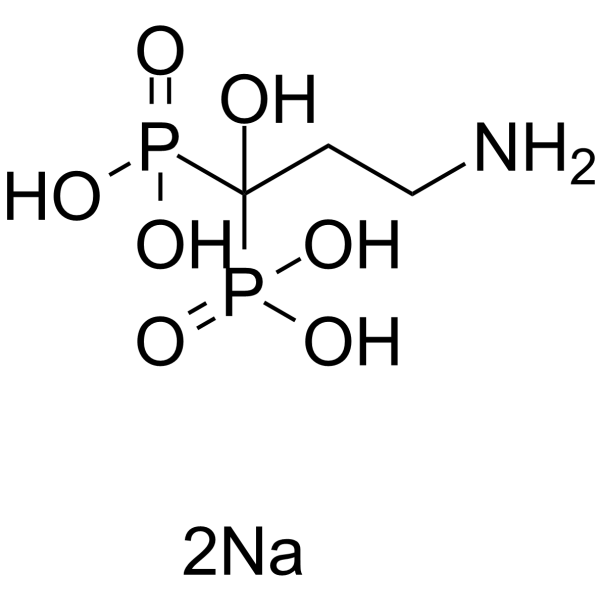
Pamidronate disodium (CGP 23339A), the second-generation nitrogen-containing bisphosphonate, is an inhibitor of bone loss. Pamidronate disodium significantly inhibits subchondral bone loss in early osteoarthritis by upregulating the expression of osteoprotegerin in cartilage and subchondral bone, and inhibiting the expression of RANKL and MMP-9 in both tissues, as well as TLR-4 in cartilage, thereby alleviating cartilage degeneration. Additionally, Pamidronate disodium can inhibit the signaling of Wnt and β-catenin, and is applicable for research on osteoporosis and osteosarcoma .
3-Hydroxy Midostaurin- 13C6 (CGP52421- 13C6) is the 13C-labeled 3-Hydroxy Midostaurin (HY-108263). 3-Hydroxy Midostaurin (CGP 52421), a metabolite of PKC412, effectively inhibits FMS-like tyrosine kinase-3 (FLT3) autophosphorylation with IC50s of approximately 132 nM and 9.8 μM in culture medium and plasma, respectively. 3-Hydroxy Midostaurin is less selective but more cytotoxic than PKC412 .
O-Desmethyl Midostaurin (CGP62221; O-Desmethyl PKC412) is the active metabolite of Midostaurin (HY-10230) via cytochrome P450 liver enzyme metabolism. O-Desmethyl Midostaurin can be used as an indicator for Midostaurin metabolism in vivo . Midostaurin is a multi-targeted protein kinase inhibitor with IC50 ranging from 22-500 nM.
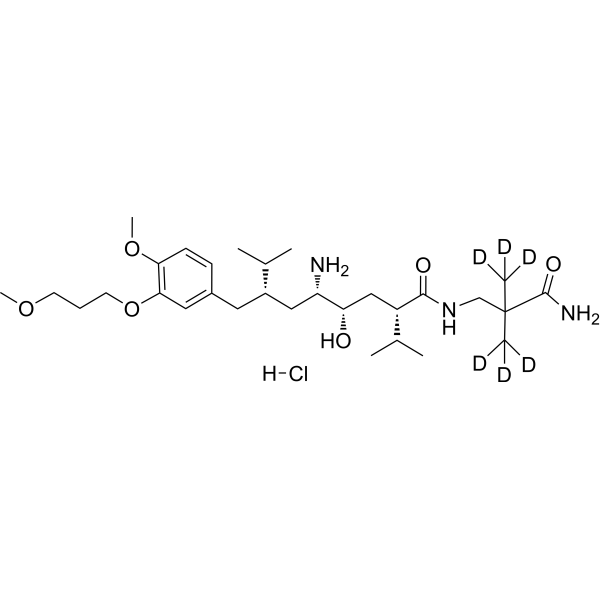
Aliskiren-d6-1 hemifumarate (CGP 60536-d6-1 hemifumarate) is the deuterium labeled Aliskiren hemifumarate (HY-12177). Aliskiren is an orally active, highly potent and selective renin inhibitor, with IC50 of 1.5 nM. Aliskiren can be used for the research of hypertension, cardiovascular diseases and cancer cachexia .
Omigapil (CGP3466B free base), an orally active GAPDH nitrosylation inhibitor, abrogates Aβ1-42-induced tau acetylation, memory impairment, and locomotor dysfunction in mice. Omigapil has the potential for the research of Alzheimer's disease. Omigapil is a apoptosis inhibitor. Omigapil can be used for the research of congenital muscular dystrophy (CMD). Omigapil is a click chemistry reagent, it contains an Alkyne group and can undergo copper-catalyzed azide-alkyne cycloaddition (CuAAc) with molecules containing Azide groups .
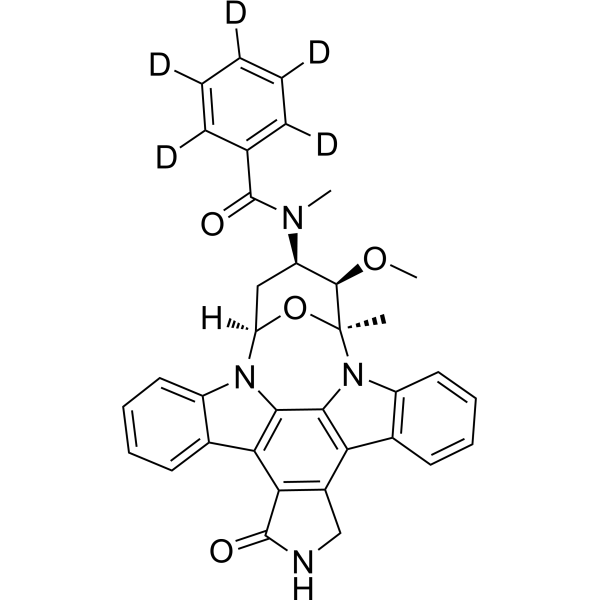
O-Desmethyl Midostaurin-d5 is a deuterium labeled O-Desmethyl PKC412. O-Desmethyl Midostaurin (CGP62221; O-Desmethyl PKC412) is the active metabolite of Midostaurin (HY-10230) via cytochrome P450 liver enzyme metabolism .
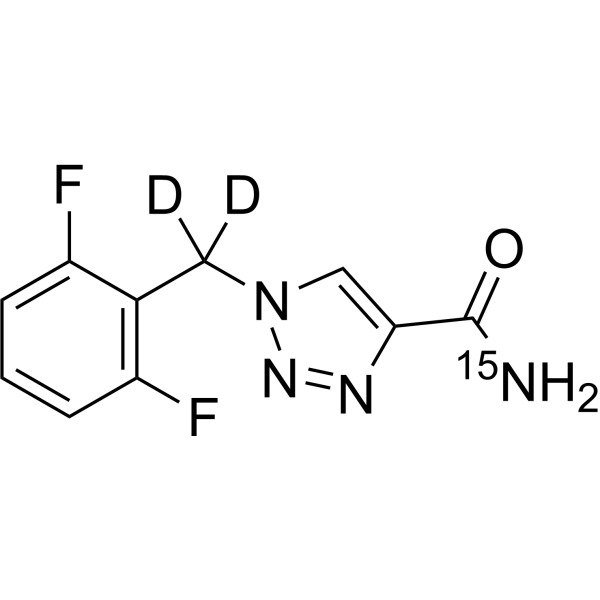
Rufinamide- 15N,d2 (CGP 33101- 15N,d2) is the deuterium and 15N labeled Rufinamide (HY-A0042).Rufinamide (CGP 33101) is an orally active antiepileptic compound that inhibits Na + current activation, inhibits neuronal hyperexcitability, and has anticonvulsant effects. Rufinamide is used in the study of Lennox-Gastaut syndrome .
O-Desmethyl midostaurin- 13C6 (CGP62221- 13C6; O-Desmethyl PKC412- 13C6) is the 13C-labeled O-Desmethyl Midostaurin (HY-129491). O-Desmethyl Midostaurin (CGP62221; O-Desmethyl PKC412) is the active metabolite of Midostaurin (HY-10230) via cytochrome P450 liver enzyme metabolism. O-Desmethyl Midostaurin can be used as an indicator for Midostaurin metabolism in vivo . Midostaurin is a multi-targeted protein kinase inhibitor?with?IC50?ranging from 22-500 nM.
Rufinamide- 15N,d2-1 (CGP 33101- 15N,d2-1) is 15N- and deuterium-labeled Rufinamide (HY-A0042).Rufinamide (CGP 33101) is an orally active antiepileptic compound that inhibits Na + current activation, inhibits neuronal hyperexcitability, and has anticonvulsant effects. Rufinamide is used in the study of Lennox-Gastaut syndrome .
Zoledronic acid- 15N2, 13C2 (CGP 42446- 15N2, 13C2) is the 13C- and 15N-labeled Zoledronic Acid (HY-13777). Zoledronic Acid (Zoledronate) is a third-generation bisphosphonate (BP), with potent anti-resorptive activity. Zoledronic Acid inhibits the differentiation and apoptosis of osteoclasts. Zoledronic Acid also has anti-cancer effects .
(S)-Dihydroaeruginoic acid is an antibiotic originally isolated from P. fluorescens. It has antimicrobial activity in a disc assay against R. solani, P. ultimum, B. cinera, S. rolfsii, C. gloeosporioide, F. oxysporum, and S. tritici fungi as well as B. subtilis, E. herbicola, and S. albus bacteria when used at a concentration of 200 μg/disc.
Aliskiren fumarate is an orally active, highly potent and selective renin inhibitor, with IC50 of 1.5 nM. Aliskiren fumarate can be used for the research of hypertension, cardiovascular diseases and cancer cachexia .
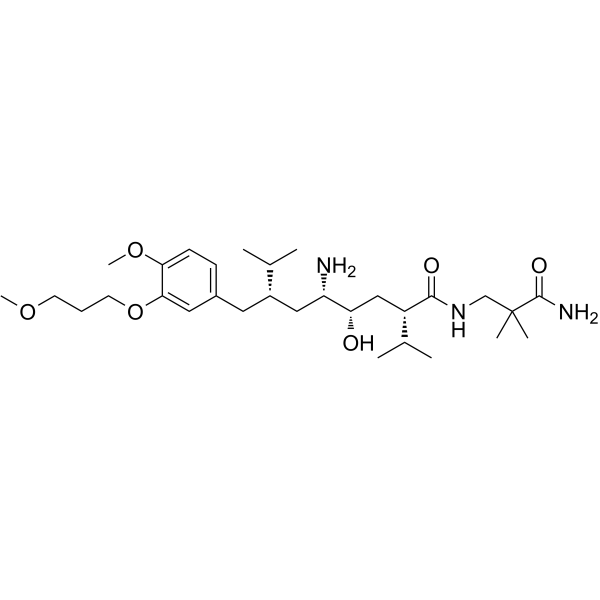
Aliskiren is an orally active, highly potent and selective renin inhibitor, with IC50 of 1.5 nM. Aliskiren can be used for the research of hypertension, cardiovascular diseases and cancer cachexia .
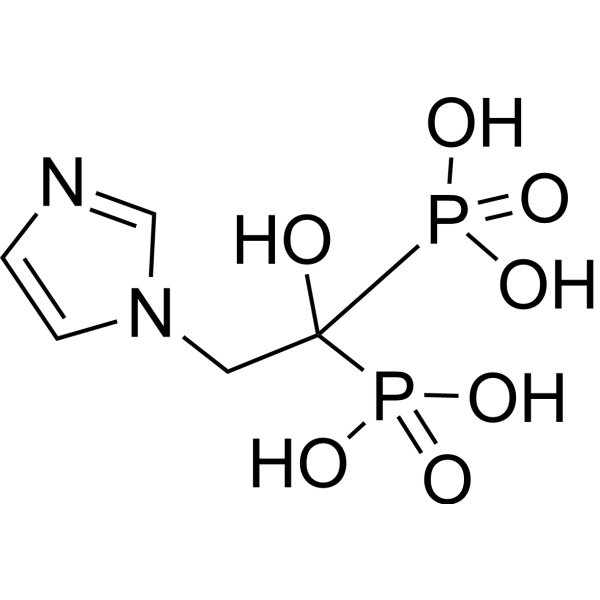
Zoledronic Acid (Zoledronate) is a third-generation bisphosphonate (BP), with potent anti-resorptive activity. Zoledronic Acid inhibits the differentiation and apoptosis of osteoclasts. Zoledronic Acid also has anti-cancer effects .
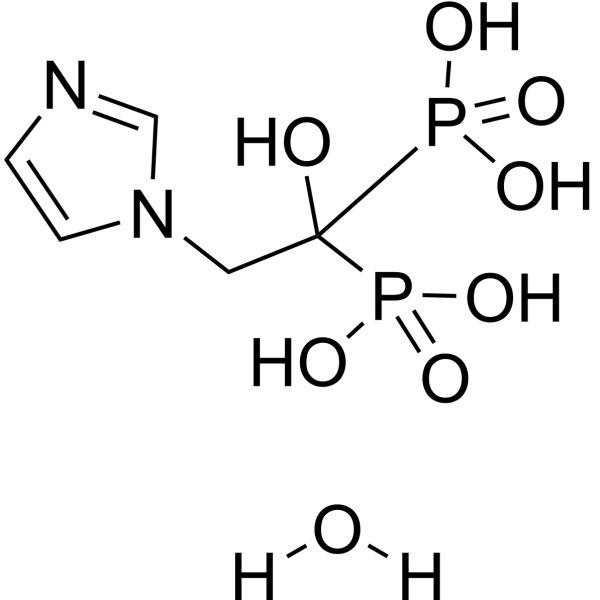
Zoledronic acid monohydrate (Zoledronate monohydrate) is a third-generation bisphosphonate (BP), with potent anti-resorptive activity. Zoledronic acid monohydrate inhibits the differentiation and apoptosis of osteoclasts. Zoledronic acid monohydrate also has anti-cancer effects .
Aliskiren (Standard) is the analytical standard of Aliskiren. This product is intended for research and analytical applications. Aliskiren is an orally active, highly potent and selective renin inhibitor, with IC50 of 1.5 nM. Aliskiren can be used for the research of hypertension, cardiovascular diseases and cancer cachexia .
Mifamurtide sodium (MTP-PE sodium), an analog of the muramyl dipeptide (MDP), is a nonspecific immunomodulator by stimulating the immune response activating macrophages and monocytes. Mifamurtide sodium is a specific ligand for NOD2 and acts as an insulin sensitizer. Mifamurtide sodium has potential for use in rare disease and osteosarcoma research .
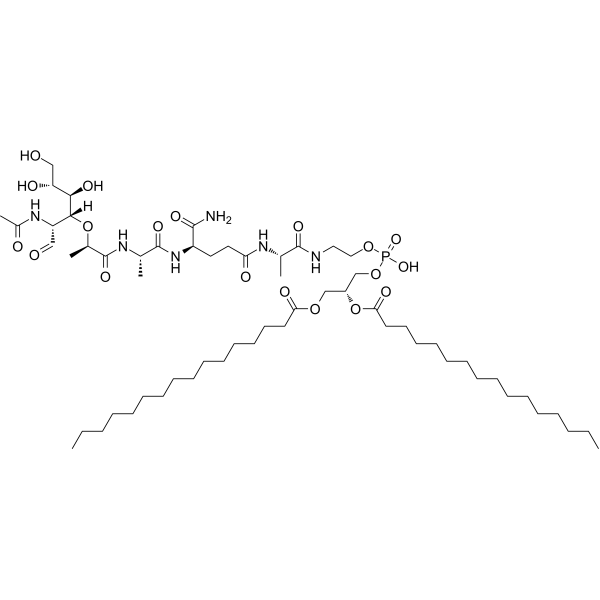
Mifamurtide (MTP-PE), an analog of the muramyl dipeptide (MDP), is a nonspecific immunomodulator by stimulating the immune response activating macrophages and monocytes. Mifamurtide is a specific ligand for NOD2 and acts as an insulin sensitizer. Mifamurtide has potential for use in rare disease and osteosarcoma research .
4-Hydroxy valsartan is a metabolite of Valsartan (HY-18204). 4-Hydroxy valsartan regulates the expression of platelet surface receptors and inhibits conventional plasma or whole blood collagen induced platelet aggregation. 4-Hydroxy valsartan has antiplatelet activity .
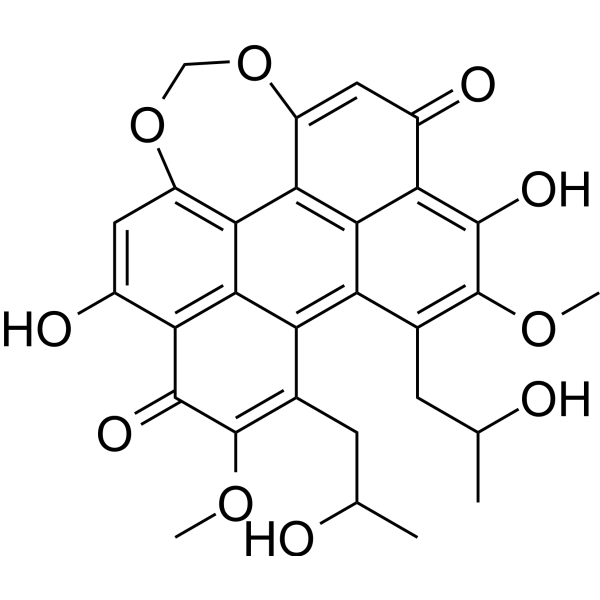
Cercosporin is produced by a plant pathogen, Pseudocercosporella capsellae. Cercosporin is a potent photosensitizer with a short activation wavelength, mostly suitable for superficial photodynamic therapy (PDT) treatments, especially when it is necessary to avoid perforations .
Cercosporin contains the perylenequinone structural features necessary to PKC activity with an IC50 of 0.6-1.3 μM .
Zoledronic Acid (Standard) is the analytical standard of Zoledronic Acid. This product is intended for research and analytical applications. Zoledronic Acid (Zoledronate) is a third-generation bisphosphonate (BP), with potent anti-resorptive activity. Zoledronic Acid inhibits the differentiation and apoptosis of osteoclasts. Zoledronic Acid also has anti-cancer effects .
Zoledronic acid (monohydrate) (Standard) is the analytical standard of Zoledronic acid (monohydrate). This product is intended for research and analytical applications. Zoledronic acid monohydrate (Zoledronate monohydrate) is a third-generation bisphosphonate (BP), with potent anti-resorptive activity. Zoledronic acid monohydrate inhibits the differentiation and apoptosis of osteoclasts. Zoledronic acid monohydrate also has anti-cancer effects .
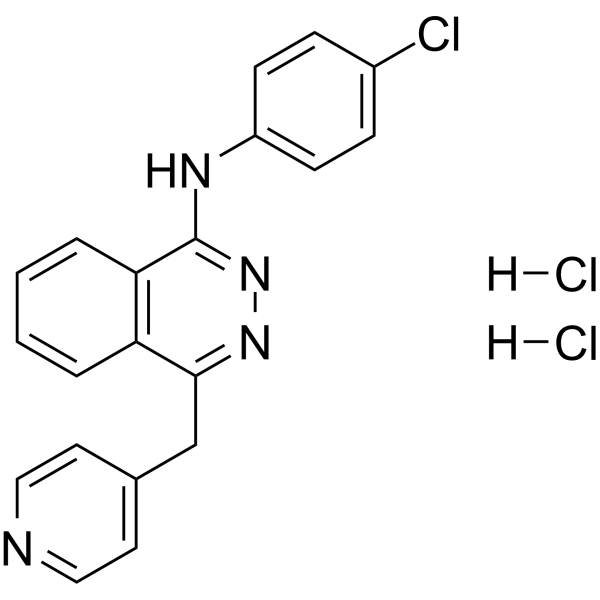
GP-82996 (CINK4) is a pharmacological inhibitor of CDK4/6. GP-82996 has IC50s of 1.5, 5.6 and 25 μM for CDK4/cyclin D1, CDK6/cyclin D1 and Cdk5/p35, respectively. GP-82996 induces the apoptosis of cancer cells U2OS. GP-82996 can be used in the research of cancer .
Brofaromine (hydrochloride) is a monoamine oxidase A (MAO-A) inhibitor and a 5-HT uptake inhibitor. Brofaromine (hydrochloride) shows antidepressant-like activity in the social conflict test in rats .
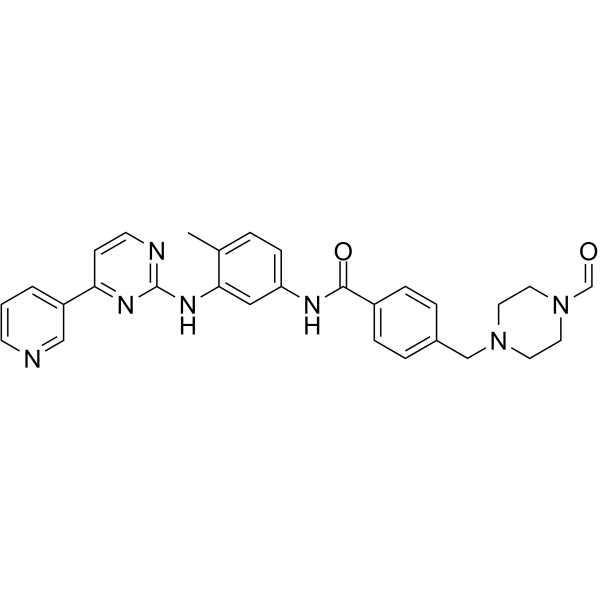
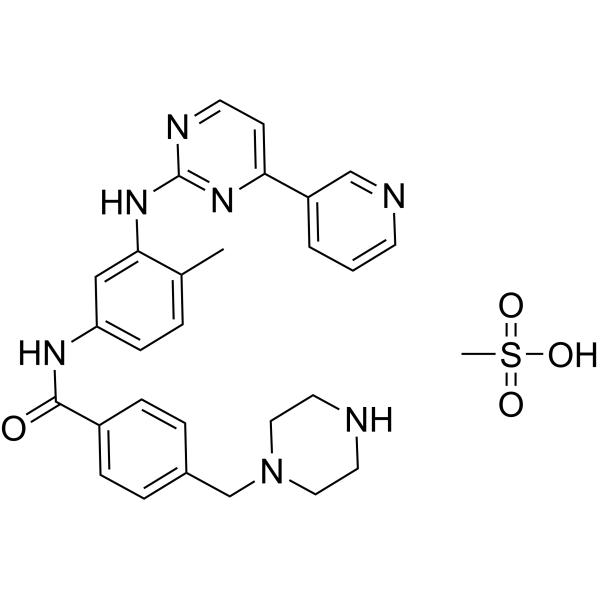
N-Desmethyl imatinib mesylate (Norimatinib mesylate) is an active metabolite of Imatinib (HY-15463), a selective c‑Abl inhibitor, and a substrate of P‑glycoprotein. N-Desmethyl imatinib mesylate binds to the c-Abl catalytic domain to prevent substrate phosphorylation, inhibits c-Abl-mediated α-synuclein activation and downstream inflammatory signaling pathways. N-Desmethyl imatinib mesylate induces apoptosis in K562 human leukemia cells. N-Desmethyl imatinib mesylate exhibits significantly elevated plasma levels in gastrointestinal stromal tumor (GIST) settings following mild SARS CoV 2 infection. N-Desmethyl imatinib mesylate can be used for the research of Parkinson’s disease, gastrointestinal stromal tumor, and chronic myeloid leukemia .
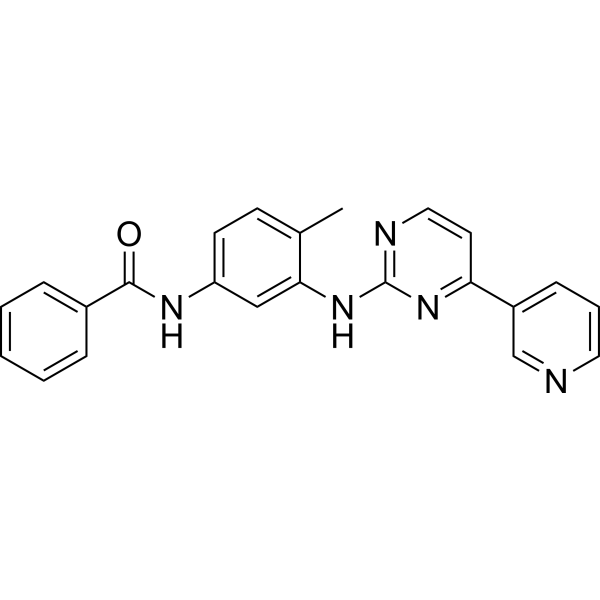
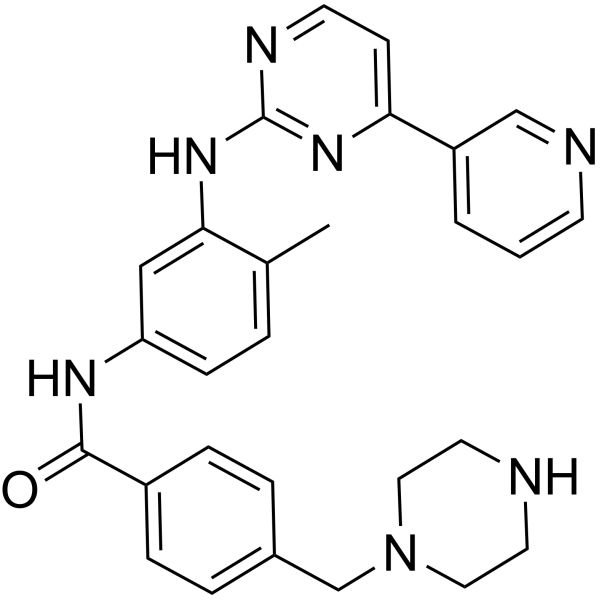
N‑Desmethyl imatinib (Norimatinib) is an active metabolite of Imatinib (HY-15463), a selective c‑Abl inhibitor, and a substrate of P‑glycoprotein. N-Desmethyl imatinib binds to the c-Abl catalytic domain to prevent substrate phosphorylation, inhibits c-Abl-mediated α-synuclein activation and downstream inflammatory signaling pathways. N-Desmethyl imatinib induces apoptosis in K562 human leukemia cells. N-Desmethyl imatinib shows significantly elevated plasma levels in gastrointestinal stromal tumor (GIST) models with mild SARS-CoV-2 infection. N-Desmethyl imatinib can be used for the research of Parkinson’s disease, gastrointestinal stromal tumor, and chronic myeloid leukemia .
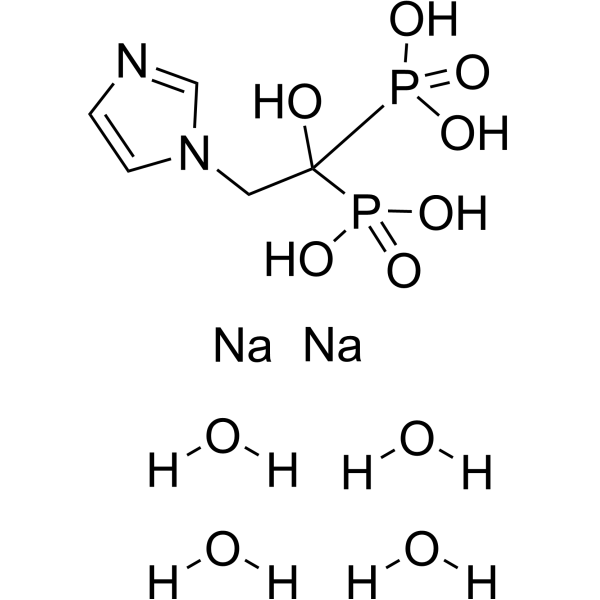
Zoledronic Acid (Zoledronate) disodium tetrahydrate is a third-generation bisphosphonate (BP), with potent anti-resorptive activity. Zoledronic Acid disodium tetrahydrate inhibits the differentiation and apoptosis of osteoclasts. Zoledronic Acid disodium tetrahydrate also has anti-cancer effects .
Mifamurtide TFA (MTP-PE TFA), an analog of the muramyl dipeptide (MDP), is a nonspecific immunomodulator by stimulating the immune response activating macrophages and monocytes. Mifamurtide TFA is a specific ligand for NOD2 and acts as an insulin sensitizer. Mifamurtide TFA has potential for use in rare disease and osteosarcoma research .
Aliskiren-d6 (hemifumarate) is a deuterium labeled Aliskiren hemifumarate. Aliskiren hemifumarate is a direct and orally active renin inhibitor with an IC50 of 1.5 nM .
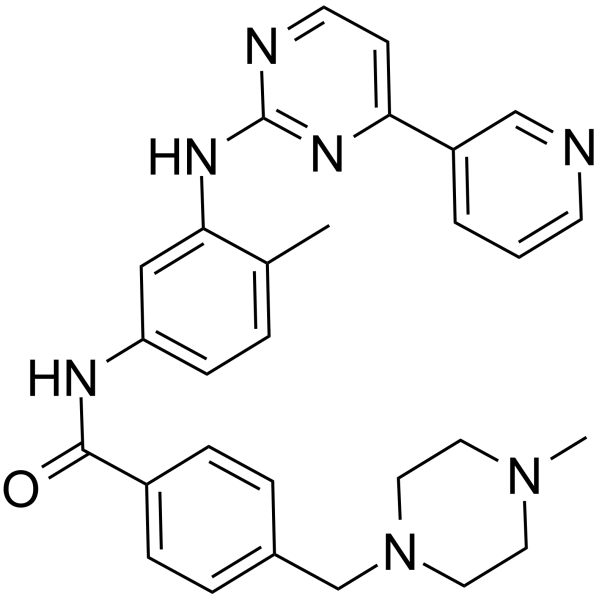
Imatinib (STI571) is an orally bioavailable tyrosine kinases inhibitor that selectively inhibits BCR/ABL, v-Abl, PDGFR and c-kit kinase activity. Imatinib (STI571) works by binding close to the ATP binding site, locking it in a closed or self-inhibited conformation, therefore inhibiting the enzyme activity of the protein semicompetitively . Imatinib also is an inhibitor of SARS-CoV and MERS-CoV .
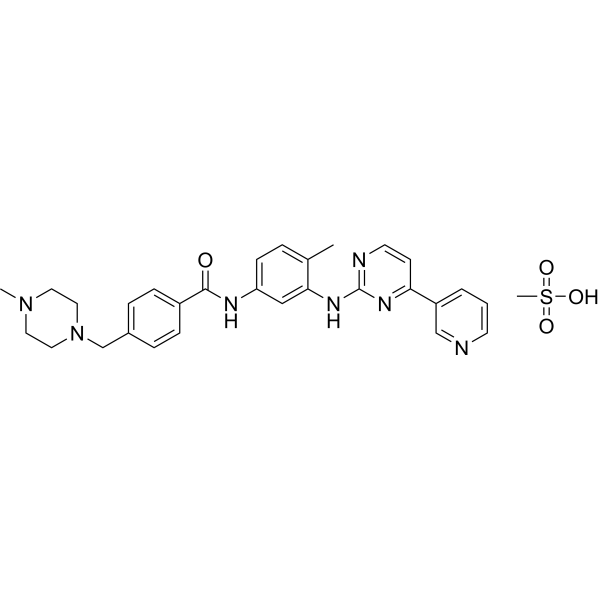
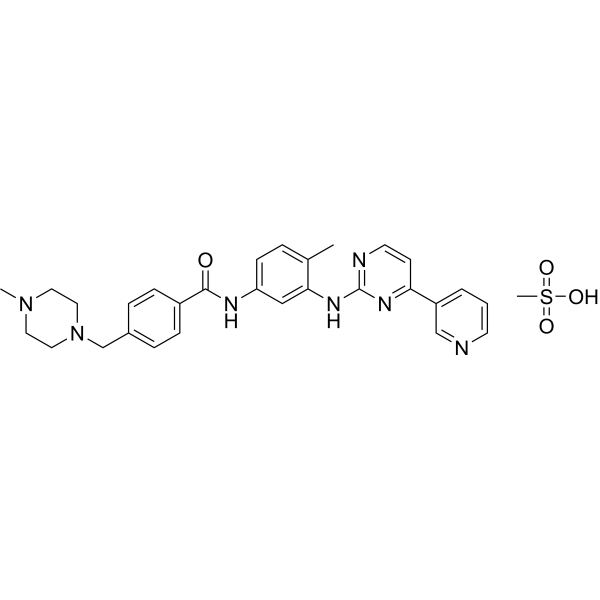
Imatinib Mesylate (STI571 Mesylate) is an orally active tyrosine kinases inhibitor that inhibits c-Kit, Bcr-Abl, and PDGFR (IC50=100 nM) tyrosine kinases.
N‑Desmethyl imatinib (Standard) is the analytical standard of N‑Desmethyl imatinib (Norimatinib) (HY-G0017R). This product is intended for research and analytical applications. N‑Desmethyl imatinib (Norimatinib) is an active metabolite of Imatinib (HY-15463), a selective c‑Abl inhibitor, and a substrate of P‑glycoprotein. N-Desmethyl imatinib binds to the c-Abl catalytic domain to prevent substrate phosphorylation, inhibits c-Abl-mediated α-synuclein activation and downstream inflammatory signaling pathways. N-Desmethyl imatinib induces apoptosis in K562 human leukemia cells. N-Desmethyl imatinib exhibits significantly elevated plasma levels in gastrointestinal stromal tumor (GIST) settings following mild SARS CoV 2 infection. N-Desmethyl imatinib can be used for the research of Parkinson’s disease, gastrointestinal stromal tumor, and chronic myeloid leukemia .
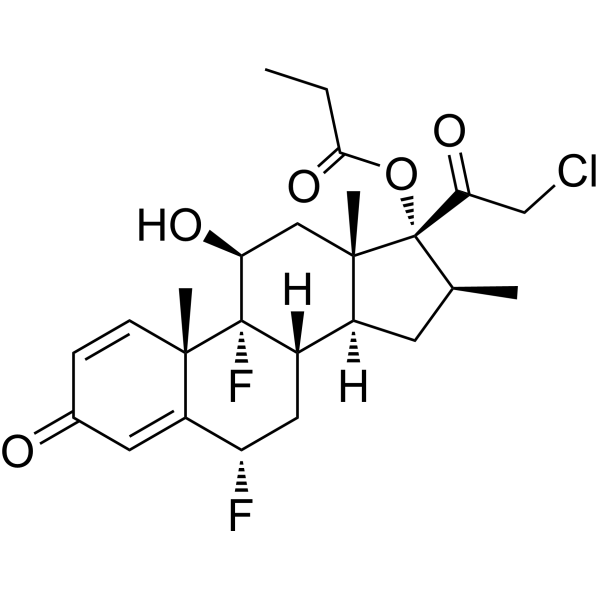
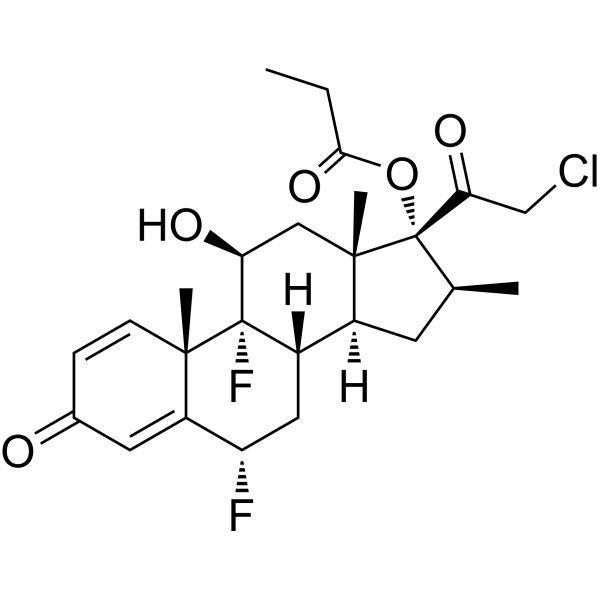
Halobetasol propionate (BMY-30056) is a synthetic glucocorticoid corticosteroid. Halobetasol propionate exhibits anti-inflammatory, antipruritic, and vasoconstrictive properties. Halobetasol propionate can be used for the study of psoriasis .
Valsartan-d9 is deuterium labeled valsartan. Valsartan is an angiotensin II receptor antagonist and has the potential for high blood pressure and heart failure research .
Imatinib (Mesylate) (Standard) is the analytical standard of Imatinib (Mesylate). This product is intended for research and analytical applications. Imatinib Mesylate (STI571 Mesylate) is an orally active tyrosine kinases inhibitor that inhibits c-Kit, Bcr-Abl, and PDGFR (IC50=100 nM) tyrosine kinases.
Imatinib (Standard) is the analytical standard of Imatinib. This product is intended for research and analytical applications. Imatinib (STI571) is an orally bioavailable tyrosine kinases inhibitor that selectively inhibits BCR/ABL, v-Abl, PDGFR and c-kit kinase activity. Imatinib (STI571) works by binding close to the ATP binding site, locking it in a closed or self-inhibited conformation, therefore inhibiting the enzyme activity of the protein semicompetitively . Imatinib also is an inhibitor of SARS-CoV and MERS-CoV .
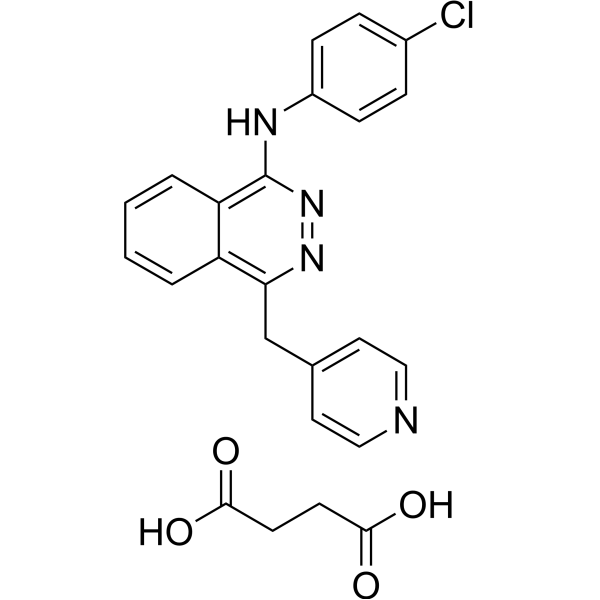
Vatalanib (PTK787) succinate is a potent and orally active VEGFR inhibitor with IC50s of 37 nM, 77 nM, 270 nM, 660 nM, 730 nM, 1400 nM, and 580 nM for KDR, Flt-1, Flk, Flt-4, c-Kit, c-Fms, and PDGFR-β, respectively .
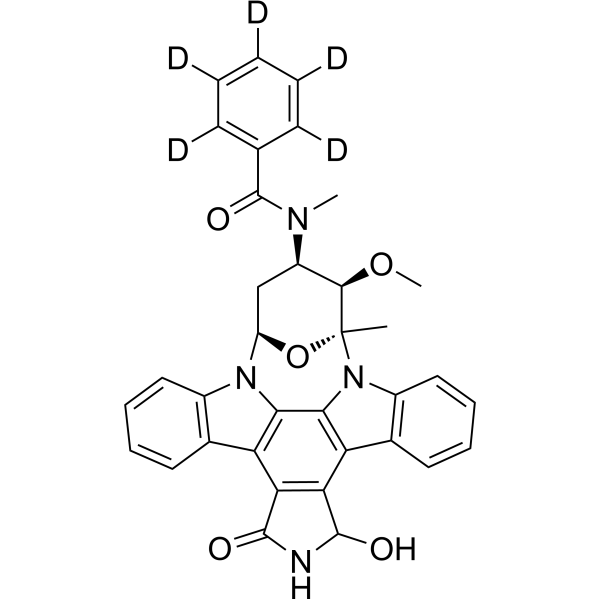
3-Hydroxy Midostaurin-d5 is a deuterium labeled 3-Hydroxy Midostaurin. 3-Hydroxy Midostaurin is a metabolite of PKC412, which effectively inhibits FMS-like tyrosine kinase-3 (FLT3) autophosphorylation with IC50s of approximately 132 nM and 9.8 μM in culture medium and plasma, respectively .
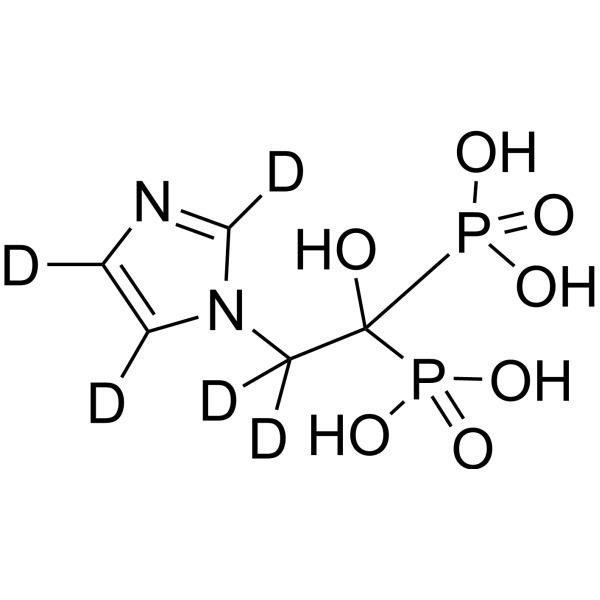
Zoledronic acid-d5 is deuterated labeled Zoledronic Acid (HY-13777). Zoledronic Acid (Zoledronate) is a third-generation bisphosphonate (BP), with potent anti-resorptive activity. Zoledronic Acid inhibits the differentiation and apoptosis of osteoclasts. Zoledronic Acid also has anti-cancer effects .
Zoledronic acid-d3 (Zoledronate-d3) is the deuterium labeled Zoledronic acid (HY-13777). Zoledronic Acid (Zoledronate) is a third-generation bisphosphonate (BP), with potent anti-resorptive activity. Zoledronic Acid inhibits the differentiation and apoptosis of osteoclasts. Zoledronic Acid also has anti-cancer effects .
Halobetasol propionate (Standard) (BMY-30056 (Standard)) is the analytical standard of Halobetasol propionate (HY-B0878). This product is intended for research and analytical applications. Halobetasol propionate (BMY-30056) is a synthetic glucocorticoid corticosteroid. Halobetasol propionate exhibits anti-inflammatory, antipruritic, and vasoconstrictive properties. Halobetasol propionate can be used for the study of psoriasis .
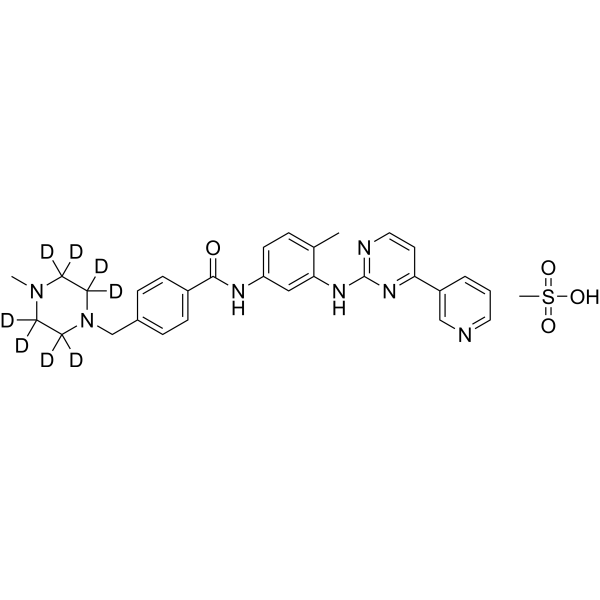
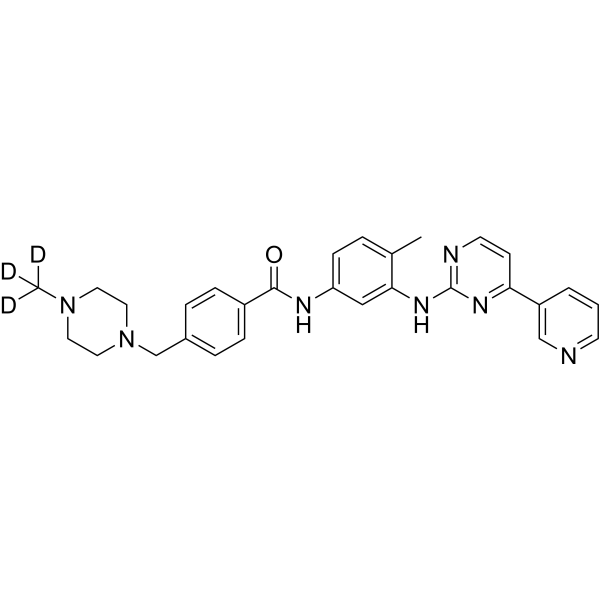
Imatinib-d3 (hydrochloride) is the deuterium labeled Imatinib. Imatinib (STI571) is an orally bioavailable tyrosine kinases inhibitor that selectively inhibits BCR/ABL, v-Abl, PDGFR and c-kit kinase activity. Imatinib (STI571) works by binding close to the ATP binding site, locking it in a closed or self-inhibited conformation, therefore inhibiting the enzyme activity of the protein semicompetitively. Imatinib also is an inhibitor of SARS-CoV and MERS-CoV.
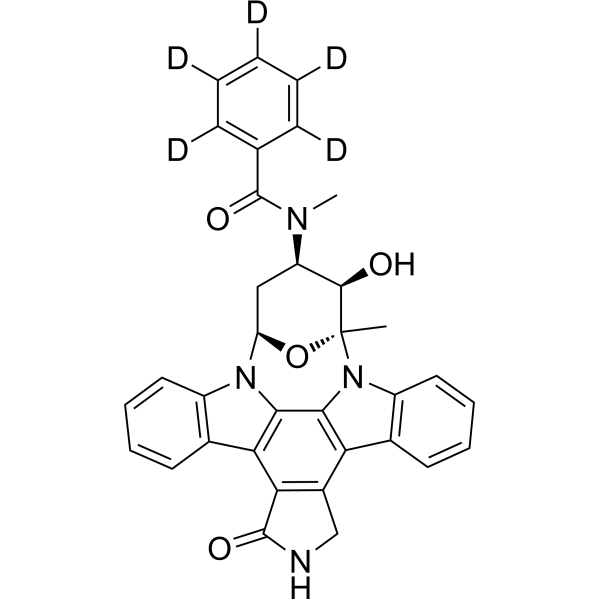
Midostaurin-d5 (PKC412-d5) is a deuterium labeled Midostaurin. Midostaurin is a multi-targeted protein kinase inhibitor which inhibits PKCα/β/γ, Syk, Flk-1, Akt, PKA, c-Kit, c-Fgr, c-Src, FLT3, PDFRβ and VEGFR1/2 with IC50s ranging from 22-500 nM .
Imatinib-d4 (STI571-d4) is a deuterium labeled Imatinib (STI571). Imatinib is an orally bioavailable tyrosine kinases inhibitor that selectively inhibits BCR/ABL, v-Abl, PDGFR and c-kit kinase activity .
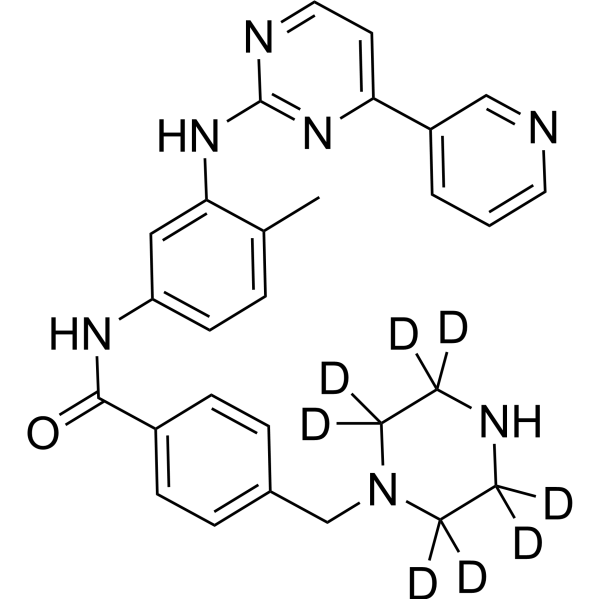
Imatinib-d8 is a deuterium labeled Imatinib (STI571). Imatinib is an orally bioavailable tyrosine kinases inhibitor that selectively inhibits BCR/ABL, v-Abl, PDGFR and c-kit kinase activity .
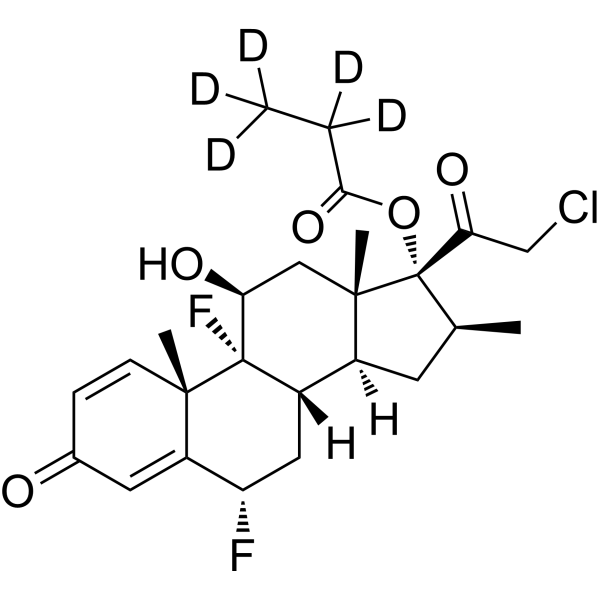
Halobetasol propionate-d5 (BMY-30056-d5) is deuterium labeled Halobetasol propionate (HY-B0878). Halobetasol propionate (BMY-30056) is a synthetic glucocorticoid corticosteroid. Halobetasol propionate exhibits anti-inflammatory, antipruritic, and vasoconstrictive properties. Halobetasol propionate can be used for the study of psoriasis .
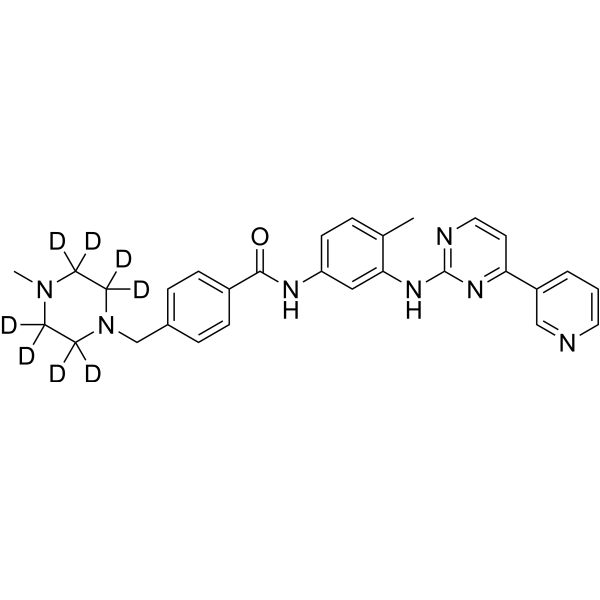
N-Desmethyl imatinib-d8 is a deuterium labeled Imatinib metabolite N-Desmethyl Imatinib (HY-G0017). N‑Desmethyl imatinib (Norimatinib) is an active metabolite of Imatinib (HY-15463), a selective c‑Abl inhibitor, and a substrate of P‑glycoprotein. N-Desmethyl imatinib binds to the c-Abl catalytic domain to prevent substrate phosphorylation, inhibits c-Abl-mediated α-synuclein activation and downstream inflammatory signaling pathways. N-Desmethyl imatinib induces apoptosis in K562 human leukemia cells. N-Desmethyl imatinib exhibits significantly elevated plasma levels in gastrointestinal stromal tumor (GIST) settings following mild SARS CoV 2 infection. N-Desmethyl imatinib can be used for the research of Parkinson’s disease, gastrointestinal stromal tumor, and chronic myeloid leukemia .
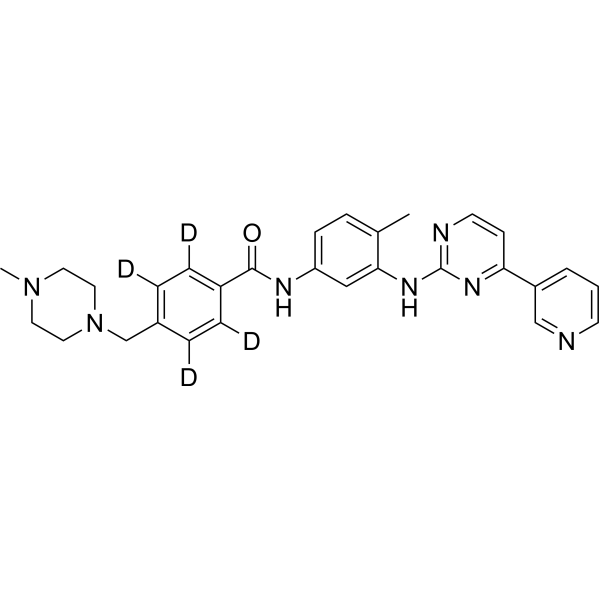
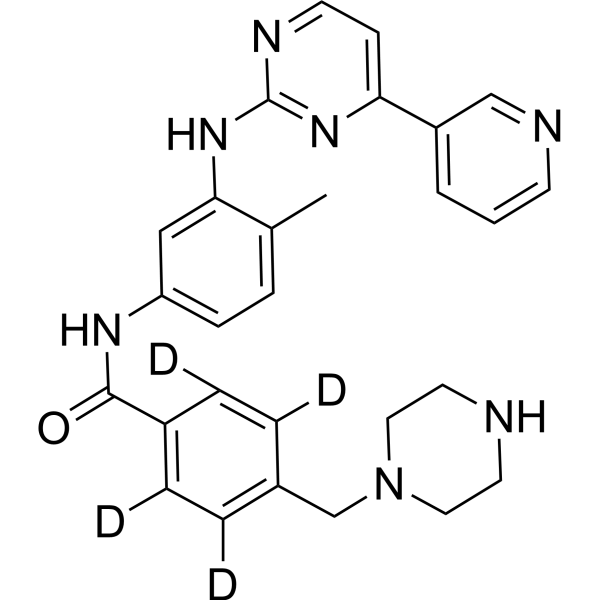
N-Desmethyl imatinib-d4 is the deuterium-labeled N-Desmethyl imatinib (HY-G0017). N‑Desmethyl imatinib (Norimatinib) is an active metabolite of Imatinib (HY-15463), a selective c‑Abl inhibitor, and a substrate of P‑glycoprotein. N-Desmethyl imatinib binds to the c-Abl catalytic domain to prevent substrate phosphorylation, inhibits c-Abl-mediated α-synuclein activation and downstream inflammatory signaling pathways. N-Desmethyl imatinib induces apoptosis in K562 human leukemia cells. N-Desmethyl imatinib exhibits significantly elevated plasma levels in gastrointestinal stromal tumor (GIST) settings following mild SARS CoV 2 infection. N-Desmethyl imatinib can be used for the research of Parkinson’s disease, gastrointestinal stromal tumor, and chronic myeloid leukemia .
Imatinib- 13C,d3 (STI571- 13C,d3) is 13C labeled Imatinib. Imatinib (STI571) is an orally bioavailable tyrosine kinases inhibitor that selectively inhibits BCR/ABL, v-Abl, PDGFR and c-kit kinase activity. Imatinib (STI571) works by binding close to the ATP binding site, locking it in a closed or self-inhibited conformation, therefore inhibiting the enzyme activity of the protein semicompetitively . Imatinib also is an inhibitor of SARS-CoV and MERS-CoV .
(iodo-125)-CGP 71872 is a iodo-125-labeled CGP 71872 (GABABR1 receptor agonist),containing an azido group that can be photoactivated,and can be used to characterize GABAB receptors .
Dihydroaeruginoic acid ((Rac)-CGP 52547), an antifungal antibiotic, is a thiazoline iron chelator. Dihydroaeruginoic acid is the condensation product of salicylate and one cysteine residue. Dihydroaeruginoic acid chelates Fe(III), inhibits DNA replication via ribonucleotide reductase, induces G1/S cell cycle block, reduces leukemia cell clonogenic viability. Dihydroaeruginoic acid inhibits phytopathogenic fungi and bacteria, suppresses Candida albicans development, and inhibits Agrobacterium tumefaciens biofilm formation via extracellular iron sequestration. Dihydroaeruginoic acid can be used for the research of phytopathogenic fungal and bacterial infections, and leukemia .
(Rac)-Valsartan-d9 is deuterium labeled Valsartan. Valsartan (CGP 48933) is an angiotensin II receptor antagonist and has the potential for high blood pressure and heart failure research .
(R)-3-Hydroxy Midostaurin ((R)-CGP52421) is a potent kinases inhibitor. (R)-3-Hydroxy Midostaurin is a major metabolite of midostaurin (PKC412; HY-10230) undergoing by the hepatic CYP3A4 enzyme. (R)-3-Hydroxy Midostaurin has the potential for acute myeloid leukemia (AML) .
(S)-3-Hydroxy Midostaurin ((S)-CGP52421) is a potent kinases inhibitor with IC50 values of <400 nM for 13 kinases (VEGFR-2, TRK-A, FLT3, et). (S)-3-Hydroxy Midostaurin is a minor metabolite of midostaurin (PKC412; HY-10230) undergoing by the hepatic CYP3A4 enzyme. (S)-3-Hydroxy Midostaurin has the potential for acute myeloid leukemia (AML) .
ITH12575, a CGP37157 derivative, is a potent and selective mNCX blocker. ITH12575 reduces Ca 2+ influx through CALHM1 at low micromolar concentrations .
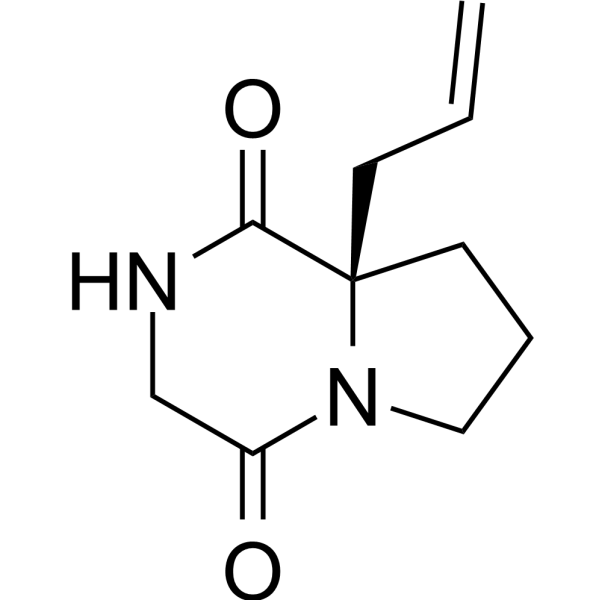
Ercanetide (NNZ 2591) is a synthetic analogue of a small peptide of cyclic glycine proline (cGP). Ercanetide shows orally active and cross the blood-brain barrier. Ercanetide shows neuroprotective after ischemic brain injury. NNZ 2591 improves motor function in a rat model of Parkinson's disease. Ercanetide has the potential for the research of ischemic brain injury and angelman syndrome .
Ercanetide (NNZ 2591) is a synthetic analogue of a small peptide of cyclic glycine proline (cGP). Ercanetide shows orally active and cross the blood-brain barrier. Ercanetide shows neuroprotective after ischemic brain injury. NNZ 2591 improves motor function in a rat model of Parkinson's disease. Ercanetide has the potential for the research of ischemic brain injury and angelman syndrome .
Cercosporin is produced by a plant pathogen, Pseudocercosporella capsellae. Cercosporin is a potent photosensitizer with a short activation wavelength, mostly suitable for superficial photodynamic therapy (PDT) treatments, especially when it is necessary to avoid perforations .
Cercosporin contains the perylenequinone structural features necessary to PKC activity with an IC50 of 0.6-1.3 μM .
The CHI3L1 protein is a carbohydrate-binding lectin with a preference for chitin that is involved in tissue remodeling and cellular adaptation to environmental changes. It is involved in Th2 inflammation, IL-13-induced inflammation, allergen sensitization, inflammatory cell apoptosis, dendritic cell accumulation, M2 macrophage differentiation and pathogenic intestinal bacterial invasion. CHI3L1 Protein, Mouse (HEK293, His) is the recombinant mouse-derived CHI3L1 protein, expressed by HEK293 , with C-10*His labeled tag.
The CHI3L1 protein is a binding lectin that lacks chitinase activity. CHI3L1 contributes to tissue remodeling, cellular adaptation to environmental changes, and T helper type 2 inflammatory responses. CHI3L1 also controls hyperoxia-induced injury, inflammation, and epithelial cell apoptosis. Animal-Free CHI3L1 Protein, Human (His) is the recombinant human-derived animal-FreeCHI3L1 protein, expressed by E. coli , with C-His labeled tag. This product is for cell culture use only.
The CHI3L1 protein is a binding lectin that lacks chitinase activity. CHI3L1 contributes to tissue remodeling, cellular adaptation to environmental changes, and T helper type 2 inflammatory responses. CHI3L1 also controls hyperoxia-induced injury, inflammation, and epithelial cell apoptosis. CHI3L1 Protein, Human (HEK293, His) is the recombinant human-derived CHI3L1 protein, expressed by HEK293 , with C-6*His labeled tag.
Imatinib-d4 (STI571-d4) is a deuterium labeled Imatinib (STI571). Imatinib is an orally bioavailable tyrosine kinases inhibitor that selectively inhibits BCR/ABL, v-Abl, PDGFR and c-kit kinase activity .
Imatinib-d8 is a deuterium labeled Imatinib (STI571). Imatinib is an orally bioavailable tyrosine kinases inhibitor that selectively inhibits BCR/ABL, v-Abl, PDGFR and c-kit kinase activity .
Valsartan-d8 is the deuterium labeled Valsartan. Valsartan (CGP 48933) is an angiotensin II receptor antagonist and has the potential for high blood pressure and heart failure research .
N-Desmethyl imatinib-d8 is a deuterium labeled Imatinib metabolite N-Desmethyl Imatinib (HY-G0017). N‑Desmethyl imatinib (Norimatinib) is an active metabolite of Imatinib (HY-15463), a selective c‑Abl inhibitor, and a substrate of P‑glycoprotein. N-Desmethyl imatinib binds to the c-Abl catalytic domain to prevent substrate phosphorylation, inhibits c-Abl-mediated α-synuclein activation and downstream inflammatory signaling pathways. N-Desmethyl imatinib induces apoptosis in K562 human leukemia cells. N-Desmethyl imatinib exhibits significantly elevated plasma levels in gastrointestinal stromal tumor (GIST) settings following mild SARS CoV 2 infection. N-Desmethyl imatinib can be used for the research of Parkinson’s disease, gastrointestinal stromal tumor, and chronic myeloid leukemia .
Valsartan-d3 is the deuterium labeled Valsartan . Valsartan (CGP 48933) is an angiotensin II receptor antagonist and has the potential for high blood pressure and heart failure research .
Valsartan-d9 is deuterium labeled valsartan. Valsartan is an angiotensin II receptor antagonist and has the potential for high blood pressure and heart failure research .
Midostaurin-d5 (PKC412-d5) is a deuterium labeled Midostaurin. Midostaurin is a multi-targeted protein kinase inhibitor which inhibits PKCα/β/γ, Syk, Flk-1, Akt, PKA, c-Kit, c-Fgr, c-Src, FLT3, PDFRβ and VEGFR1/2 with IC50s ranging from 22-500 nM .
Aliskiren-d6 (hemifumarate) is a deuterium labeled Aliskiren hemifumarate. Aliskiren hemifumarate is a direct and orally active renin inhibitor with an IC50 of 1.5 nM .
Zoledronic acid-d3 (Zoledronate-d3) is the deuterium labeled Zoledronic acid (HY-13777). Zoledronic Acid (Zoledronate) is a third-generation bisphosphonate (BP), with potent anti-resorptive activity. Zoledronic Acid inhibits the differentiation and apoptosis of osteoclasts. Zoledronic Acid also has anti-cancer effects .
Imatinib- 13C,d3 (STI571- 13C,d3) is 13C labeled Imatinib. Imatinib (STI571) is an orally bioavailable tyrosine kinases inhibitor that selectively inhibits BCR/ABL, v-Abl, PDGFR and c-kit kinase activity. Imatinib (STI571) works by binding close to the ATP binding site, locking it in a closed or self-inhibited conformation, therefore inhibiting the enzyme activity of the protein semicompetitively . Imatinib also is an inhibitor of SARS-CoV and MERS-CoV .
Vatalanib-d4 (PTK787-d4; ZK-222584-d4; CGP-79787-d4) is the deuterium labeled Vatalanib (HY-10203). Vatalanib (PTK787; ZK-222584; CGP-79787) is an inhibitor of VEGFR2/KDR with IC50 of 37 nM.
(Rac)-Valsartan-d9 is deuterium labeled Valsartan. Valsartan (CGP 48933) is an angiotensin II receptor antagonist and has the potential for high blood pressure and heart failure research .
Rufinamide-d2 (CGP 33101-d2) is the deuterium labeled Rufinamide (HY-A0042). Rufinamide (CGP 33101) is an orally active antiepileptic compound that inhibits Na + current activation, inhibits neuronal hyperexcitability, and has anticonvulsant effects. Rufinamide is used in the study of Lennox-Gastaut syndrome .
3-Hydroxy Midostaurin- 13C6 (CGP52421- 13C6) is the 13C-labeled 3-Hydroxy Midostaurin (HY-108263). 3-Hydroxy Midostaurin (CGP 52421), a metabolite of PKC412, effectively inhibits FMS-like tyrosine kinase-3 (FLT3) autophosphorylation with IC50s of approximately 132 nM and 9.8 μM in culture medium and plasma, respectively. 3-Hydroxy Midostaurin is less selective but more cytotoxic than PKC412 .
O-Desmethyl Midostaurin-d5 is a deuterium labeled O-Desmethyl PKC412. O-Desmethyl Midostaurin (CGP62221; O-Desmethyl PKC412) is the active metabolite of Midostaurin (HY-10230) via cytochrome P450 liver enzyme metabolism .
Rufinamide- 15N,d2 (CGP 33101- 15N,d2) is the deuterium and 15N labeled Rufinamide (HY-A0042).Rufinamide (CGP 33101) is an orally active antiepileptic compound that inhibits Na + current activation, inhibits neuronal hyperexcitability, and has anticonvulsant effects. Rufinamide is used in the study of Lennox-Gastaut syndrome .
O-Desmethyl midostaurin- 13C6 (CGP62221- 13C6; O-Desmethyl PKC412- 13C6) is the 13C-labeled O-Desmethyl Midostaurin (HY-129491). O-Desmethyl Midostaurin (CGP62221; O-Desmethyl PKC412) is the active metabolite of Midostaurin (HY-10230) via cytochrome P450 liver enzyme metabolism. O-Desmethyl Midostaurin can be used as an indicator for Midostaurin metabolism in vivo . Midostaurin is a multi-targeted protein kinase inhibitor?with?IC50?ranging from 22-500 nM.
Rufinamide- 15N,d2-1 (CGP 33101- 15N,d2-1) is 15N- and deuterium-labeled Rufinamide (HY-A0042).Rufinamide (CGP 33101) is an orally active antiepileptic compound that inhibits Na + current activation, inhibits neuronal hyperexcitability, and has anticonvulsant effects. Rufinamide is used in the study of Lennox-Gastaut syndrome .
Zoledronic acid- 15N2, 13C2 (CGP 42446- 15N2, 13C2) is the 13C- and 15N-labeled Zoledronic Acid (HY-13777). Zoledronic Acid (Zoledronate) is a third-generation bisphosphonate (BP), with potent anti-resorptive activity. Zoledronic Acid inhibits the differentiation and apoptosis of osteoclasts. Zoledronic Acid also has anti-cancer effects .
3-Hydroxy Midostaurin-d5 is a deuterium labeled 3-Hydroxy Midostaurin. 3-Hydroxy Midostaurin is a metabolite of PKC412, which effectively inhibits FMS-like tyrosine kinase-3 (FLT3) autophosphorylation with IC50s of approximately 132 nM and 9.8 μM in culture medium and plasma, respectively .
Zoledronic acid-d5 is deuterated labeled Zoledronic Acid (HY-13777). Zoledronic Acid (Zoledronate) is a third-generation bisphosphonate (BP), with potent anti-resorptive activity. Zoledronic Acid inhibits the differentiation and apoptosis of osteoclasts. Zoledronic Acid also has anti-cancer effects .
Imatinib-d3 (hydrochloride) is the deuterium labeled Imatinib. Imatinib (STI571) is an orally bioavailable tyrosine kinases inhibitor that selectively inhibits BCR/ABL, v-Abl, PDGFR and c-kit kinase activity. Imatinib (STI571) works by binding close to the ATP binding site, locking it in a closed or self-inhibited conformation, therefore inhibiting the enzyme activity of the protein semicompetitively. Imatinib also is an inhibitor of SARS-CoV and MERS-CoV.
Halobetasol propionate-d5 (BMY-30056-d5) is deuterium labeled Halobetasol propionate (HY-B0878). Halobetasol propionate (BMY-30056) is a synthetic glucocorticoid corticosteroid. Halobetasol propionate exhibits anti-inflammatory, antipruritic, and vasoconstrictive properties. Halobetasol propionate can be used for the study of psoriasis .
N-Desmethyl imatinib-d4 is the deuterium-labeled N-Desmethyl imatinib (HY-G0017). N‑Desmethyl imatinib (Norimatinib) is an active metabolite of Imatinib (HY-15463), a selective c‑Abl inhibitor, and a substrate of P‑glycoprotein. N-Desmethyl imatinib binds to the c-Abl catalytic domain to prevent substrate phosphorylation, inhibits c-Abl-mediated α-synuclein activation and downstream inflammatory signaling pathways. N-Desmethyl imatinib induces apoptosis in K562 human leukemia cells. N-Desmethyl imatinib exhibits significantly elevated plasma levels in gastrointestinal stromal tumor (GIST) settings following mild SARS CoV 2 infection. N-Desmethyl imatinib can be used for the research of Parkinson’s disease, gastrointestinal stromal tumor, and chronic myeloid leukemia .
Aliskiren-d6-1 hemifumarate (CGP 60536-d6-1 hemifumarate) is the deuterium labeled Aliskiren hemifumarate (HY-12177). Aliskiren is an orally active, highly potent and selective renin inhibitor, with IC50 of 1.5 nM. Aliskiren can be used for the research of hypertension, cardiovascular diseases and cancer cachexia .
Omigapil maleate (CGP3466B), an orally active GAPDH nitrosylation inhibitor, abrogates Aβ1-42-induced tau acetylation, memory impairment, and locomotor dysfunction in mice. Omigapil maleate has the potential for the research of Alzheimer's disease. Omigapil maleate is a apoptosis inhibitor. Omigapil maleate can be used for the research of congenital muscular dystrophy (CMD). Omigapil maleate is a click chemistry reagent, it contains an Alkyne group and can undergo copper-catalyzed azide-alkyne cycloaddition (CuAAc) with molecules containing Azide groups .
Omigapil (CGP3466B free base), an orally active GAPDH nitrosylation inhibitor, abrogates Aβ1-42-induced tau acetylation, memory impairment, and locomotor dysfunction in mice. Omigapil has the potential for the research of Alzheimer's disease. Omigapil is a apoptosis inhibitor. Omigapil can be used for the research of congenital muscular dystrophy (CMD). Omigapil is a click chemistry reagent, it contains an Alkyne group and can undergo copper-catalyzed azide-alkyne cycloaddition (CuAAc) with molecules containing Azide groups .
Western blot analysis of extracts from THP-1(lane 2(20μg), Jurkat (lane 3(20μg) and NIH3T3(lane 4(20μg) using FOXO1A (HY-P80132) Rabbit mAb. Proteins were transferred
to a PVDF membrane and blocked with 5% non-fat milk in TBST for 2 hour at room temperature. The primary antibody (1/1000) and Loading control antibody (Beta Actin, HY-P80438, 1/10000) was
used in 5% non-fat milk in TBST at 4°C overnight. Goat Anti-Mouse/Rabbit IgG-HRP Secondary Antibody (1/10000) was used for 1 hour at room temperature.
Western blot analysis of extracts from THP-1(lane 2(20μg), Jurkat (lane 3(20μg) and NIH3T3(lane 4(20μg) using FOXO1A (HY-P80132) Rabbit mAb. Proteins were transferred
to a PVDF membrane and blocked with 5% non-fat milk in TBST for 2 hour at room temperature. The primary antibody (1/1000) and Loading control antibody (Beta Actin, HY-P80438, 1/10000) was
used in 5% non-fat milk in TBST at 4°C overnight. Goat Anti-Mouse/Rabbit IgG-HRP Secondary Antibody (1/10000) was used for 1 hour at room temperature.
Western blot analysis of extracts from THP-1(lane 2(20μg), Jurkat (lane 3(20μg) and NIH3T3(lane 4(20μg) using FOXO1A (HY-P80132) Rabbit mAb. Proteins were transferred
to a PVDF membrane and blocked with 5% non-fat milk in TBST for 2 hour at room temperature. The primary antibody (1/1000) and Loading control antibody (Beta Actin, HY-P80438, 1/10000) was
used in 5% non-fat milk in TBST at 4°C overnight. Goat Anti-Mouse/Rabbit IgG-HRP Secondary Antibody (1/10000) was used for 1 hour at room temperature.
Western blot analysis of extracts from THP-1(lane 2(20μg), Jurkat (lane 3(20μg) and NIH3T3(lane 4(20μg) using FOXO1A (HY-P80132) Rabbit mAb. Proteins were transferred
to a PVDF membrane and blocked with 5% non-fat milk in TBST for 2 hour at room temperature. The primary antibody (1/1000) and Loading control antibody (Beta Actin, HY-P80438, 1/10000) was
MedchemExpress Validation 03
Western blot analysis of extracts from THP-1(lane 2(20μg), Jurkat (lane 3(20μg) and NIH3T3(lane 4(20μg) using FOXO1A (HY-P80132) Rabbit mAb. Proteins were transferred
MedchemExpress Validation 04
Western blot analysis of extracts from THP-1(lane 2(20μg), Jurkat (lane 3(20μg) and NIH3T3(lane 4(20μg) using FOXO1A (HY-P80132) Rabbit mAb. Proteins were transferred
to a PVDF membrane and blocked with 5% non-fat milk in TBST for 2 hour at room temperature. The primary antibody (1/1000) and Loading control antibody (Beta Actin, HY-P80438, 1/10000) was
used in 5% non-fat milk in TBST at 4°C overnight. Goat Anti-Mouse/Rabbit IgG-HRP Secondary Antibody (1/10000) was used for 1 hour at room temperature.
MedchemExpress Validation
Western blot analysis of extracts from THP-1(lane 2(20μg), Jurkat (lane 3(20μg) and NIH3T3(lane 4(20μg) using FOXO1A (HY-P80132) Rabbit mAb. Proteins were transferred
to a PVDF membrane and blocked with 5% non-fat milk in TBST for 2 hour at room temperature. The primary antibody (1/1000) and Loading control antibody (Beta Actin, HY-P80438, 1/10000) was
used in 5% non-fat milk in TBST at 4°C overnight. Goat Anti-Mouse/Rabbit IgG-HRP Secondary Antibody (1/10000) was used for 1 hour at room temperature.
Western blot analysis of extracts from THP-1(lane 2(20μg), Jurkat (lane 3(20μg) and NIH3T3(lane 4(20μg) using FOXO1A (HY-P80132) Rabbit mAb. Proteins were transferred
to a PVDF membrane and blocked with 5% non-fat milk in TBST for 2 hour at room temperature. The primary antibody (1/1000) and Loading control antibody (Beta Actin, HY-P80438, 1/10000) was
used in 5% non-fat milk in TBST at 4°C overnight. Goat Anti-Mouse/Rabbit IgG-HRP Secondary Antibody (1/10000) was used for 1 hour at room temperature.
MedchemExpress Validation
Western blot analysis of extracts from THP-1(lane 2(20μg), Jurkat (lane 3(20μg) and NIH3T3(lane 4(20μg) using FOXO1A (HY-P80132) Rabbit mAb. Proteins were transferred
to a PVDF membrane and blocked with 5% non-fat milk in TBST for 2 hour at room temperature. The primary antibody (1/1000) and Loading control antibody (Beta Actin, HY-P80438, 1/10000) was
used in 5% non-fat milk in TBST at 4°C overnight. Goat Anti-Mouse/Rabbit IgG-HRP Secondary Antibody (1/10000) was used for 1 hour at room temperature.
MedchemExpress Validation
Western blot analysis of extracts from THP-1(lane 2(20μg), Jurkat (lane 3(20μg) and NIH3T3(lane 4(20μg) using FOXO1A (HY-P80132) Rabbit mAb. Proteins were transferred
to a PVDF membrane and blocked with 5% non-fat milk in TBST for 2 hour at room temperature. The primary antibody (1/1000) and Loading control antibody (Beta Actin, HY-P80438, 1/10000) was
used in 5% non-fat milk in TBST at 4°C overnight. Goat Anti-Mouse/Rabbit IgG-HRP Secondary Antibody (1/10000) was used for 1 hour at room temperature.
MedchemExpress Validation
Western blot analysis of extracts from THP-1(lane 2(20μg), Jurkat (lane 3(20μg) and NIH3T3(lane 4(20μg) using FOXO1A (HY-P80132) Rabbit mAb. Proteins were transferred
to a PVDF membrane and blocked with 5% non-fat milk in TBST for 2 hour at room temperature. The primary antibody (1/1000) and Loading control antibody (Beta Actin, HY-P80438, 1/10000) was
used in 5% non-fat milk in TBST at 4°C overnight. Goat Anti-Mouse/Rabbit IgG-HRP Secondary Antibody (1/10000) was used for 1 hour at room temperature.
MedchemExpress Validation
Western blot analysis of extracts from THP-1(lane 2(20μg), Jurkat (lane 3(20μg) and NIH3T3(lane 4(20μg) using FOXO1A (HY-P80132) Rabbit mAb. Proteins were transferred
to a PVDF membrane and blocked with 5% non-fat milk in TBST for 2 hour at room temperature. The primary antibody (1/1000) and Loading control antibody (Beta Actin, HY-P80438, 1/10000) was
used in 5% non-fat milk in TBST at 4°C overnight. Goat Anti-Mouse/Rabbit IgG-HRP Secondary Antibody (1/10000) was used for 1 hour at room temperature.
MedchemExpress Validation
Western blot analysis of extracts from THP-1(lane 2(20μg), Jurkat (lane 3(20μg) and NIH3T3(lane 4(20μg) using FOXO1A (HY-P80132) Rabbit mAb. Proteins were transferred
to a PVDF membrane and blocked with 5% non-fat milk in TBST for 2 hour at room temperature. The primary antibody (1/1000) and Loading control antibody (Beta Actin, HY-P80438, 1/10000) was
used in 5% non-fat milk in TBST at 4°C overnight. Goat Anti-Mouse/Rabbit IgG-HRP Secondary Antibody (1/10000) was used for 1 hour at room temperature.
MedchemExpress Validation
Western blot analysis of extracts from THP-1(lane 2(20μg), Jurkat (lane 3(20μg) and NIH3T3(lane 4(20μg) using FOXO1A (HY-P80132) Rabbit mAb. Proteins were transferred
to a PVDF membrane and blocked with 5% non-fat milk in TBST for 2 hour at room temperature. The primary antibody (1/1000) and Loading control antibody (Beta Actin, HY-P80438, 1/10000) was
used in 5% non-fat milk in TBST at 4°C overnight. Goat Anti-Mouse/Rabbit IgG-HRP Secondary Antibody (1/10000) was used for 1 hour at room temperature.
MedChemExpress values your privacy and your trust is important to us. We use cookies to enhance your website experience. Some cookies are necessary to run the website.
Privacy and Cookie Policy