1. Search Result
Search Result
Results for "

Tumor Imaging

" in MedChemExpress (MCE) Product Catalog:

169

Inhibitors & Agonists

17

Fluorescent Dyes

10

Biochemical Assay Reagents

52

Peptides

9

Inhibitory Antibodies

2

Natural
Products

2

Isotope-Labeled Compounds

4

Click Chemistry

7

Oligonucleotides

Cat. No. Product Name Target Research Areas Chemical Structure
  • HY-128890
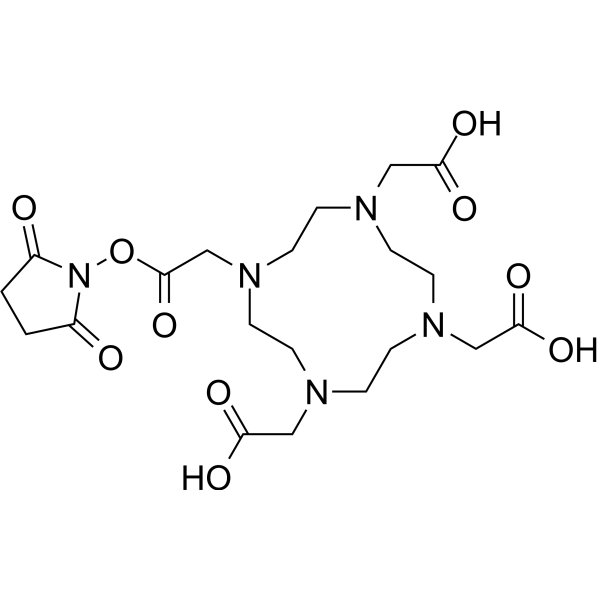
    DOTA-​NHS-ester
    1 Publications Verification

    ADC Linker Cancer
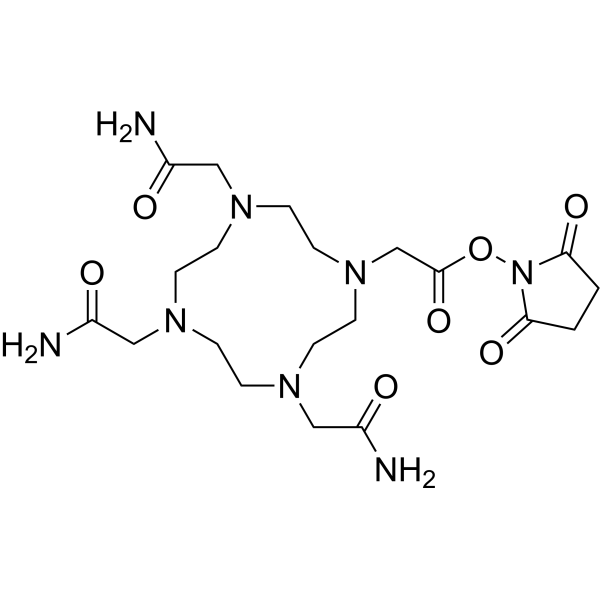
    DOTA-NHS-ester is a linker for affibody molecules and is applied in small animals PET, SPECT, and CT. DOTA-NHS-ester can be used to label radiotherapeutic agents or imaging probes for the detection of tumors .
    DOTA-​NHS-ester
  • HY-137331
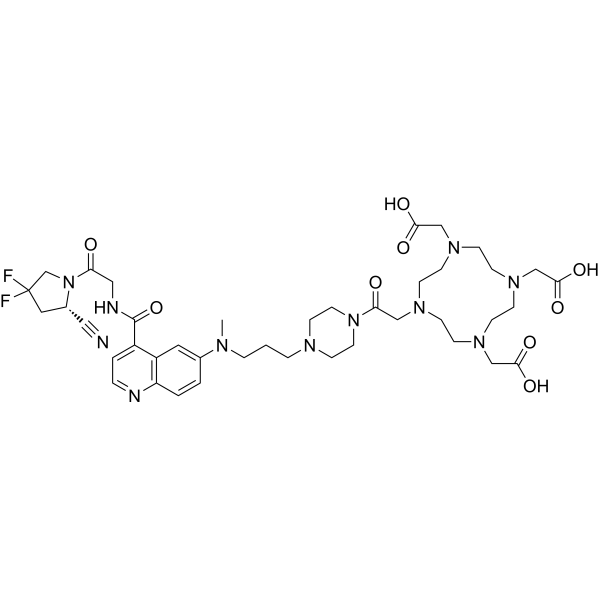
    FAPI-46
    2 Publications Verification

    FAP Cancer
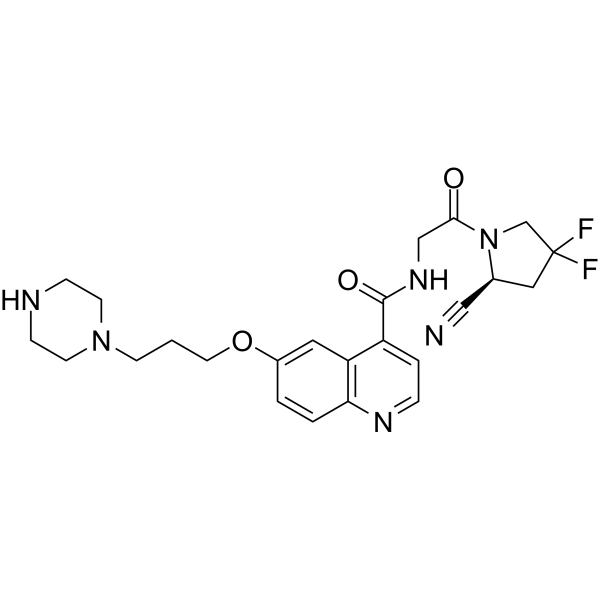
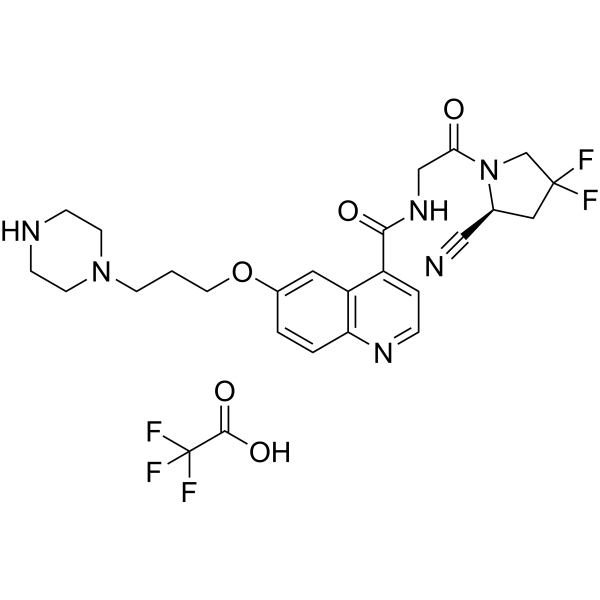
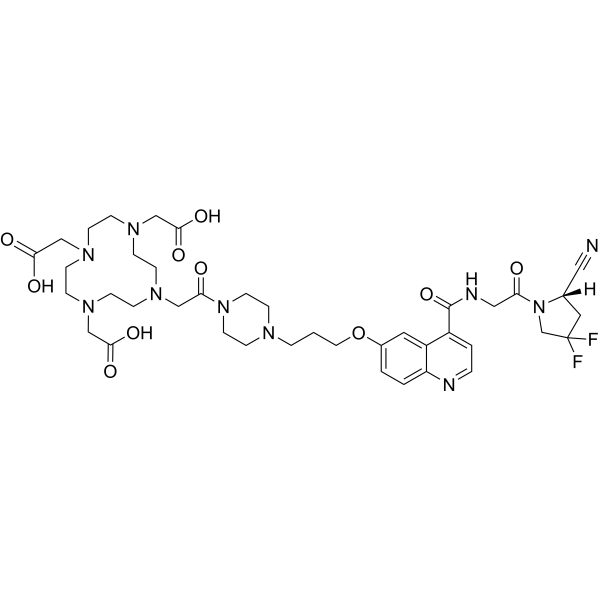
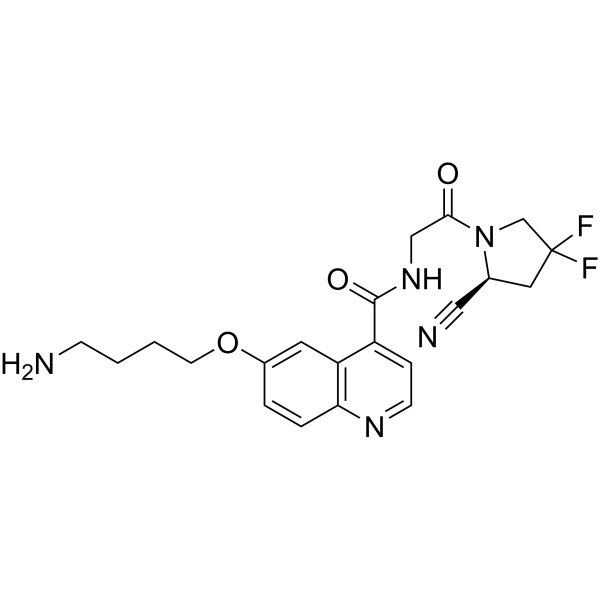
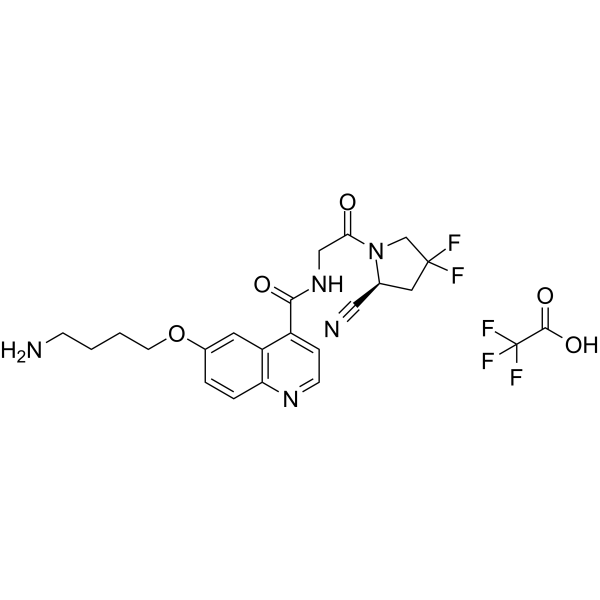
    FAPI-46 is a quinoline-based fibroblast activation protein (FAP)-targeted tracer. Use radioactivity FAPI-46 labeled with 68Ga or 177Lu can be used for tumor imaging in a variety of cancers and has higher tumor uptake rates and longer tumor accumulation .
    FAPI-46
  • HY-D1063
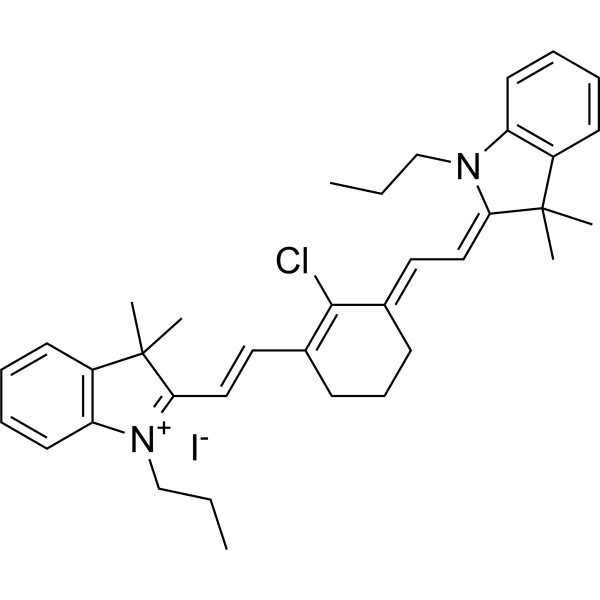
    IR-780
    Maximum Cited Publications
    6 Publications Verification

    Fluorescent Dye Apoptosis Reactive Oxygen Species (ROS) Cancer
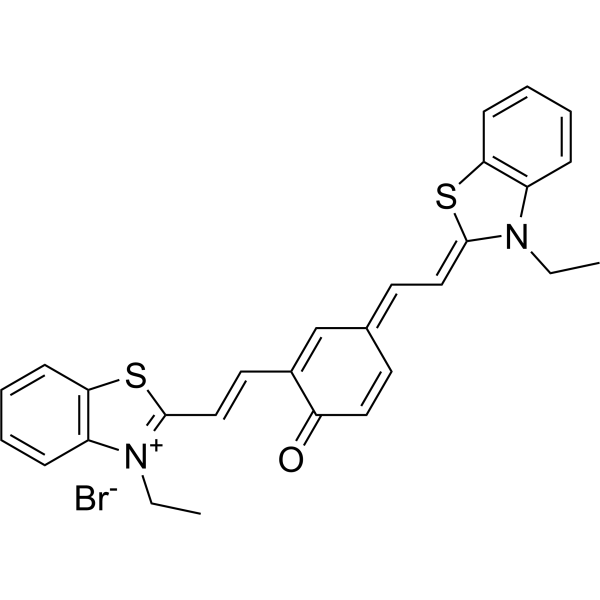
    IR-780 is a near-infrared fluorescent probe for in vivo imaging of tumor cells. IR-780 is transported into tumor cells via OATPs and ABCB10, with uptake dependent on glycolytic activity and plasma membrane potential. IR-780 preferentially accumulates in tumor cell mitochondria, including those of drug-resistant cancer cells, without chemical conjugation. IR-780 generates reactive oxygen species (ROS), induces hyperthermia and apoptosis, inhibits tumor growth and recurrence, and modulates HSP70 expression upon ultrasound or 808 nm laser exposure. IR-780 acts as a sonosensitizer, photodynamic and photothermal agent, and drug delivery carrier, with low acute imaging-dose toxicity and rapid vital organ clearance. IR-780 can be used for the research of cancer, such as breast cancer, lung cancer, and non-small cell lung cancer (NSCLC) .
    IR-780
  • HY-W034551

    Radionuclide-Drug Conjugates (RDCs) Others Cancer
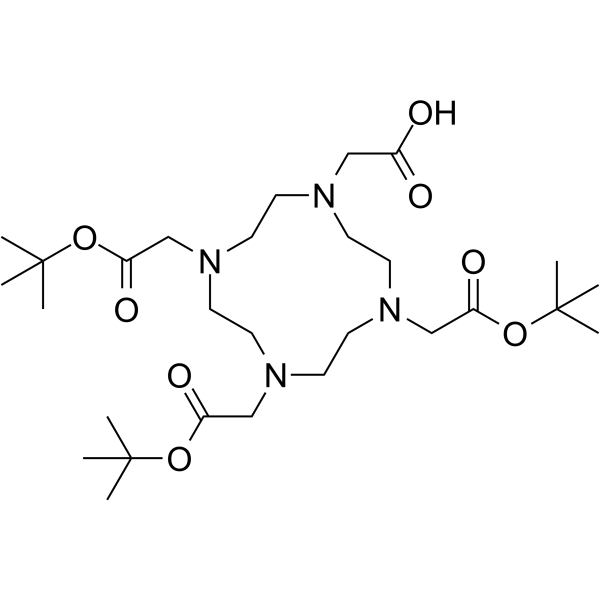
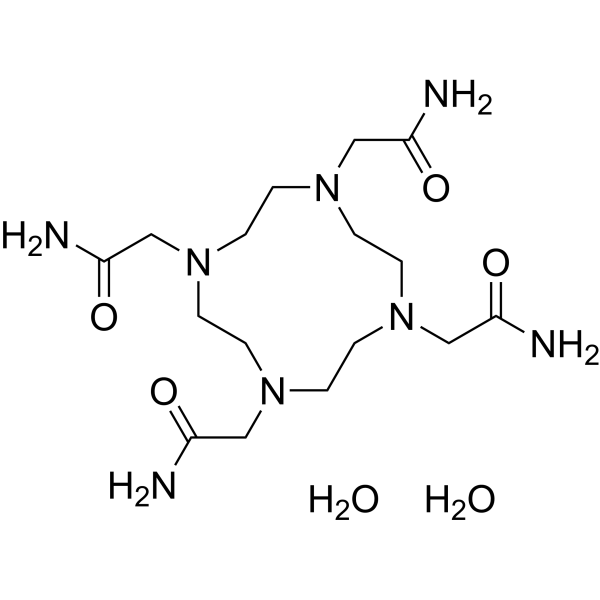
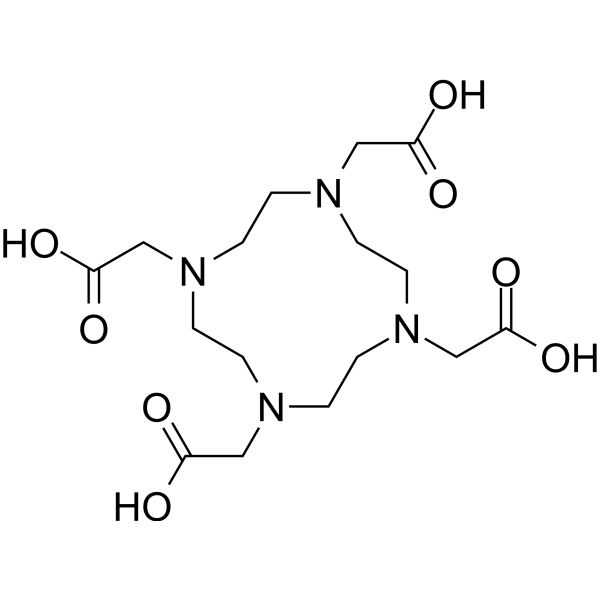
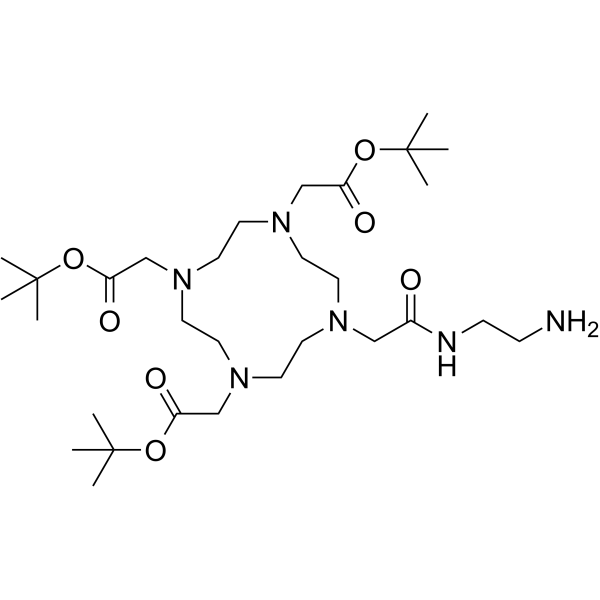
    DOTA-tri(t-butyl ester) belongs to the DOTA class of chelating agents. DOTA-tri(t-butyl ester) is a key raw material for synthesizing nanospherical magnetic resonance imaging (MRI) contrast agents, which are used in MR angiography and tumor angiogenesis imaging .
    DOTA-tri(t-butyl ester)
  • HY-W1126504

    MC339

    Notch Cancer
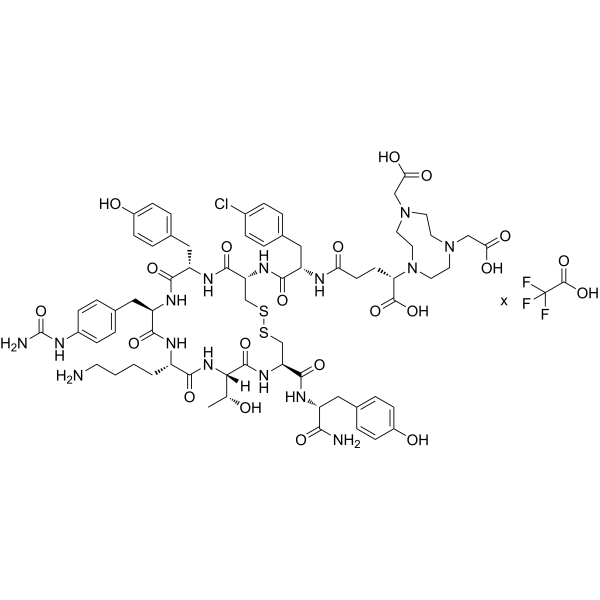
    ETN029 (MC339) is a selective DLL3 ligand. ETN029 labeled with 225Ac has dose-dependent cytotoxicity in SCLC, NEPC and metastatic melanoma cells and increases the phosphorylation of H2AX expression. ETN029 labeled with 177Lu shows rapid uptake persistent tumor retention and favorable tumor-to-kidney ratio. ETN029 can be used for cancers like SCLC and NEPC imaging and research .
    ETN029
  • HY-139579
    Pafolacianine
    1 Publications Verification

    OTL 38

    Fluorescent Dye Cancer
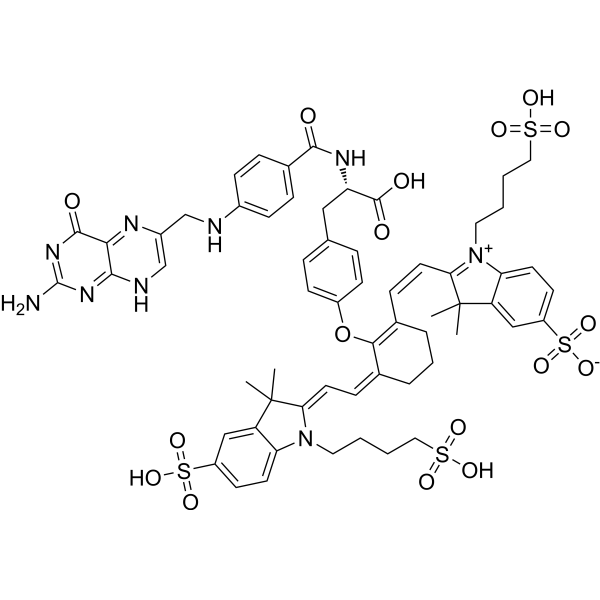
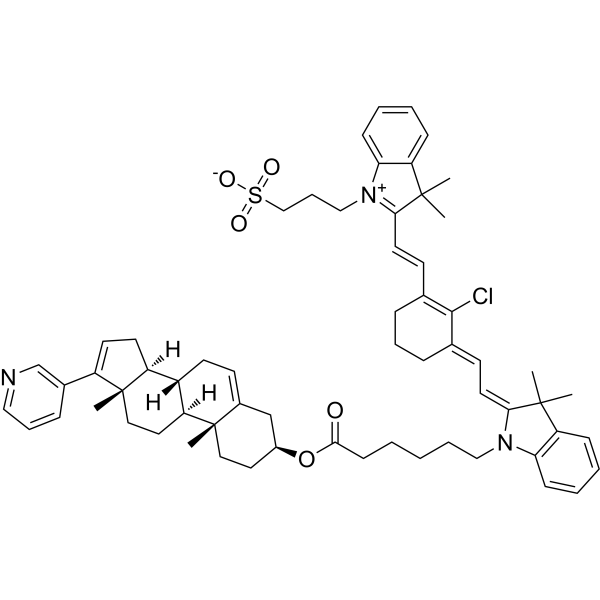
    Pafolacianine (OTL 38) is a fluorescent imaging agent made of near-infrared dye used in detecting tumor lesions during surgical procedures. Pafolacianine excites at 774 to 775 nm and emits at 794 to 796 nm .
    Pafolacianine
  • HY-47979
    FAP-IN-2
    1 Publications Verification

    FAP Cancer
    FAP-IN-2 is an isonitrile-containing fibroblast activation protein (FAP) inhibitor. FAP-IN-2 can be labeled with technetium-99m ( 99mTc) for targeted tumor SPECT imaging .
    FAP-IN-2
  • HY-145746

    Fluorescent Dye PD-1/PD-L1 Inflammation/Immunology Cancer
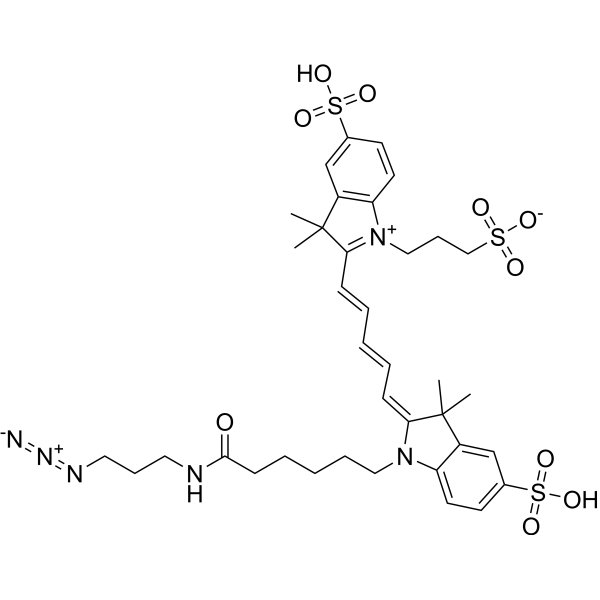
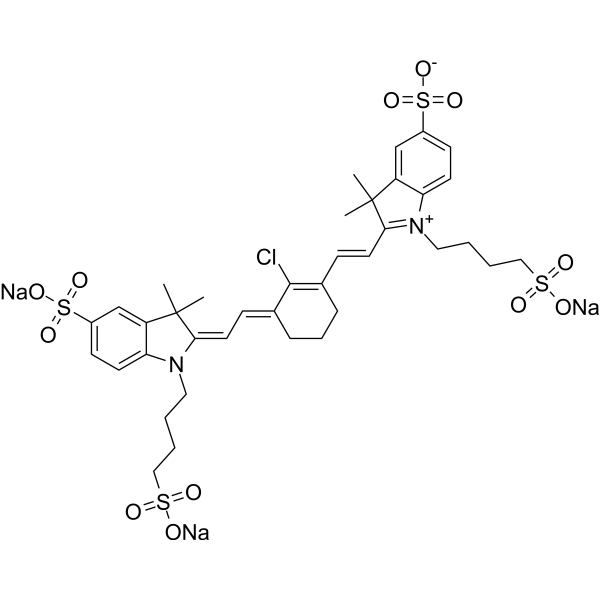
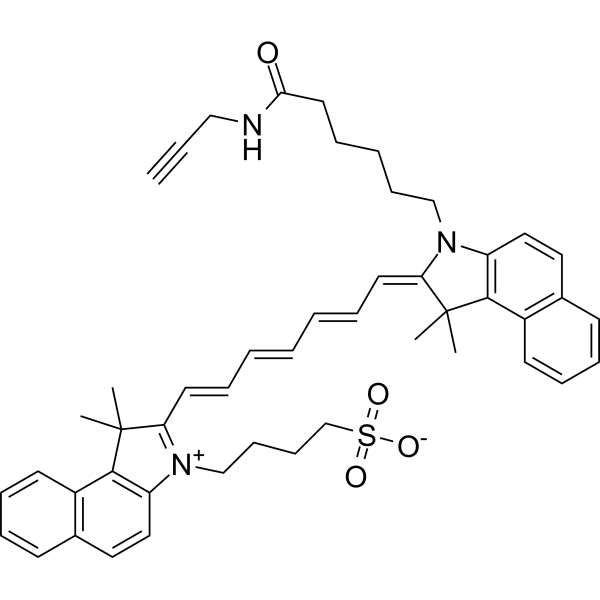
    Sulfo-Cy5 azide is a near-infrared fluorescent probe with favorable click chemistry reactivity. Sulfo-Cy5 azide enables fluorescence imaging, tissue and cellular visualization of PD-L1 in tumors, and site-specific modification of anti-PD-L1 antibodies. Sulfo-Cy5 azide has been employed for RNA labeling and imaging. Sulfo-Cy5 azide can be conjugated to targeting agents for fluorescence imaging in atherosclerosis and breast cancer models (Ex/Em = 645/670 nm) .
    Sulfo-Cy5 azide
  • HY-D1872

    Fluorescent Dye Others
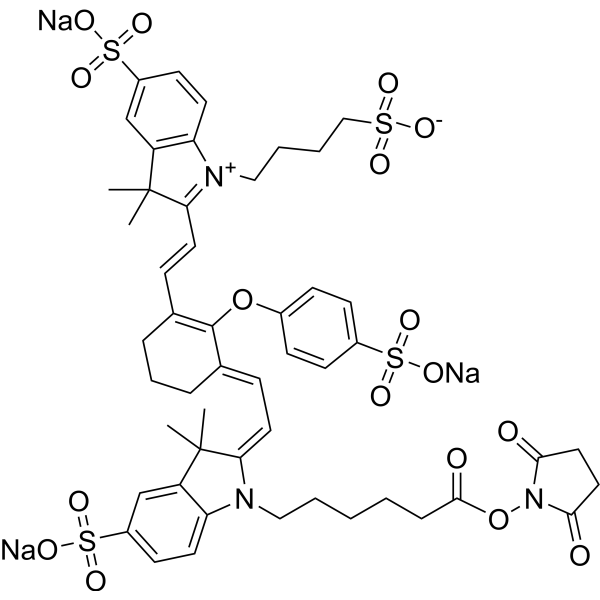
    800CW NHS ester is a near-infrared fluorescent dye active ester that can conjugate with amine-containing small molecules, antibodies, peptides, and other substances to form fluorescent conjugates. 800CW NHS ester exhibits high fluorescence quantum yield and low non-specific binding properties. 800CW NHS ester can be used in biomedical research such as microbial infection imaging, tumor imaging, and biochemical detection .
    800CW NHS ester
  • HY-D1464
    CH1055
    1 Publications Verification

    Fluorescent Dye Cancer
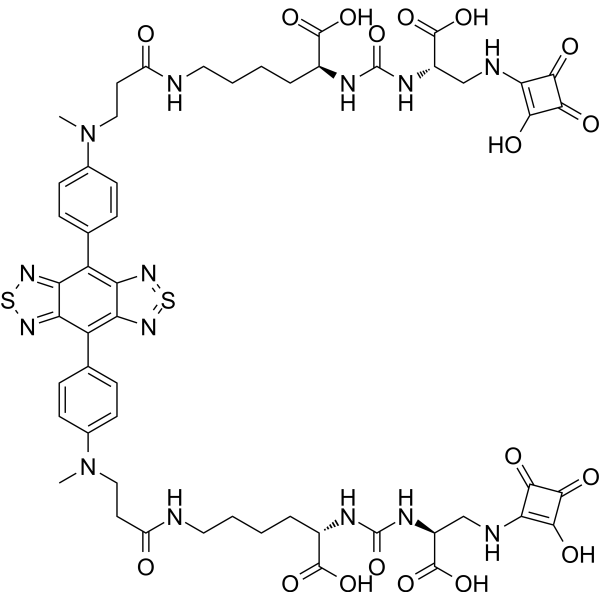
    CH1055 is a near-infrared II (NIR-II) fluorescent dye that can be used as a fluorescent probe for in vivo imaging. CH1055 can be conjugated with antibodies or ligands for specific imaging (for example the tumor imaging) .
    CH1055
  • HY-P5128
    DOTA-JR11
    1 Publications Verification

    Satoreotide tetraxetan

    Radionuclide-Drug Conjugates (RDCs) Somatostatin Receptor Cancer
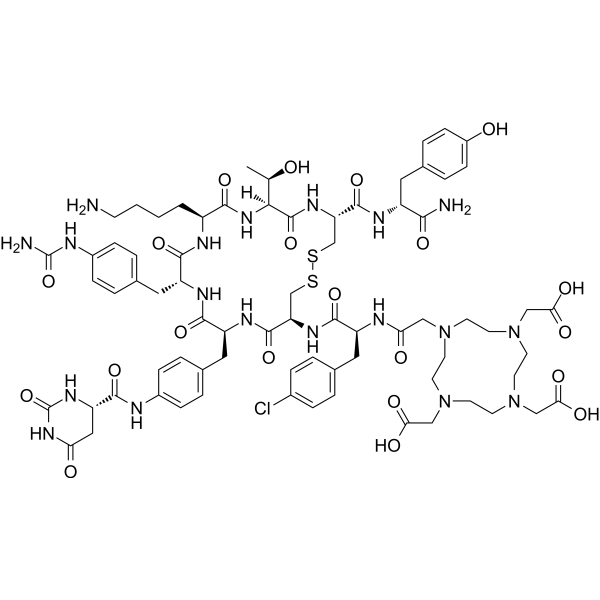
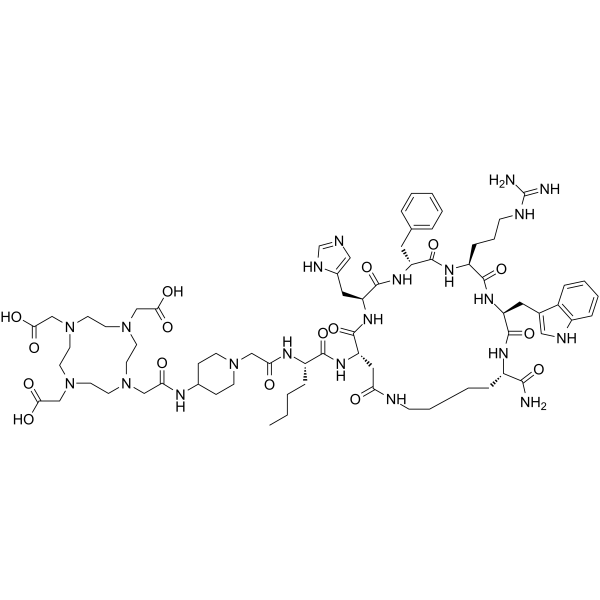
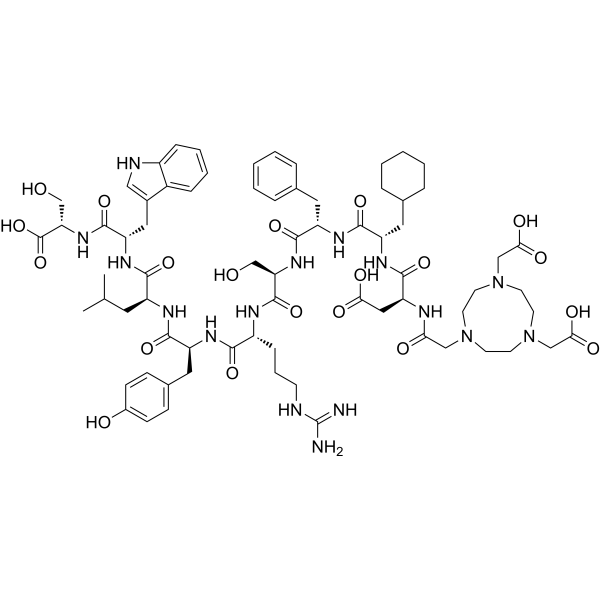
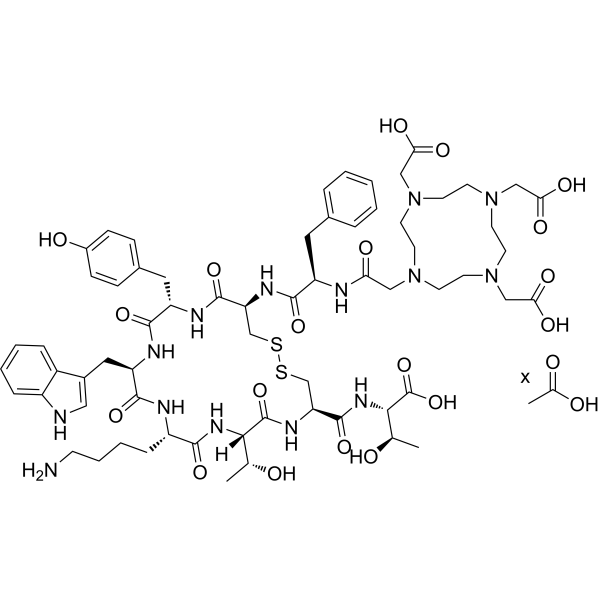
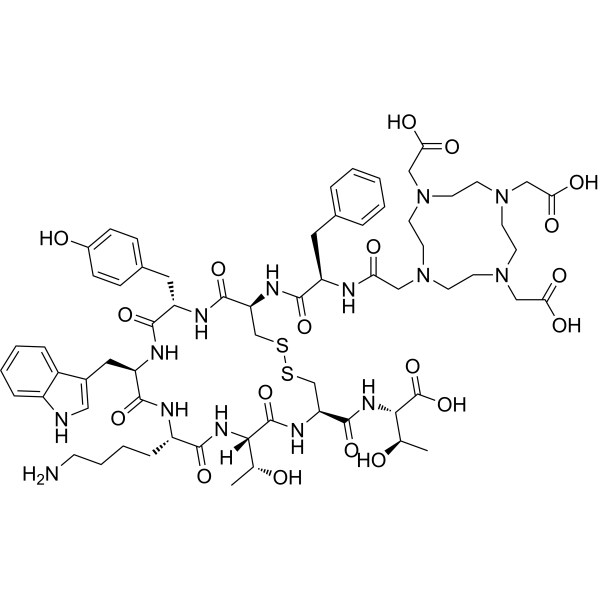
    DOTA-JR11 is a somatostatin receptor 2 (SSTR2)antagonist. DOTA-JR11 can be labeled by 68Ga, used for paired imaging in neuroendocrine tumors (NETs) research . DOTA-JR11 can be used for the synthesis/research of Radionuclide-Drug Conjugates (RDCs).
    DOTA-JR11
  • HY-75706

    PARP Ligands for Target Protein for PROTAC Cancer
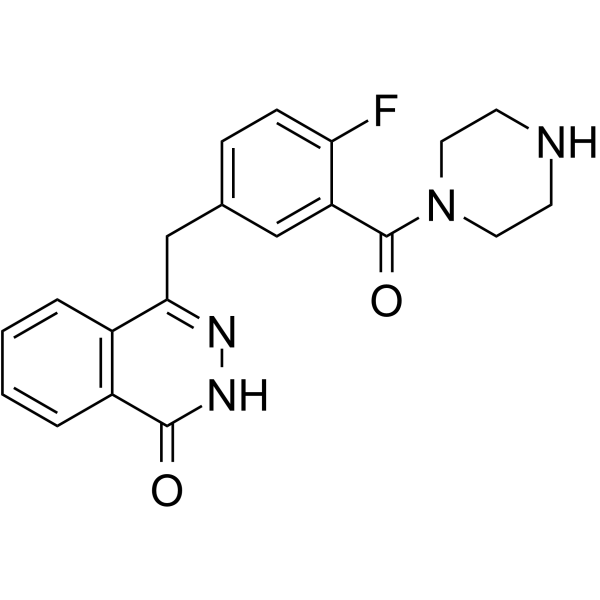
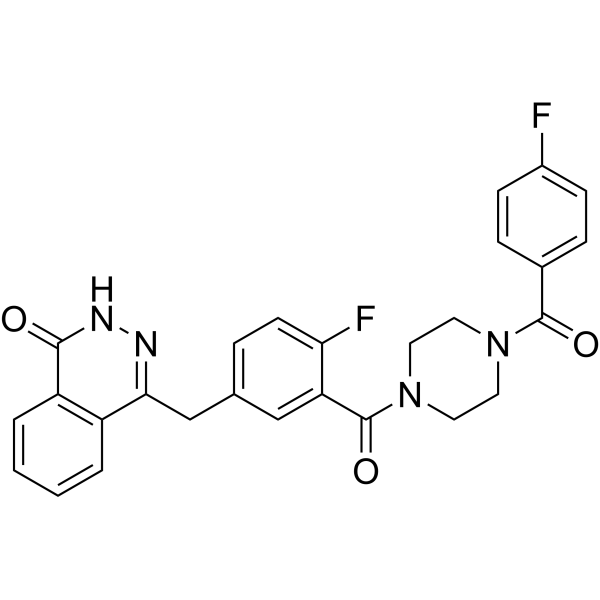
    N-Descyclopropanecarbaldehyde Olaparib is an analogue of Olaparib (HY-10162) containing DOTA moiety. N-Descyclopropanecarbaldehyde Olaparib is a PARP inhibitor used for synthesizing novel dual EGFR and PARP PROTAC, DP-C-4 (HY-141481) . N-Descyclopropanecarbaldehyde Olaparib can be radiolabeled with F-18 or fluorophore for positron emission tomography (PET) or optical imaging in several types of tumor .
    N-Descyclopropanecarbaldehyde Olaparib
  • HY-139401

    FAP Cancer
    FAPI-34 is a SPECT imaging agent targeting FAP. FAPI-34 specifically binds to FAP, is highly internalized by FAP-expressing cells, accumulates in FAP-expressing tumor lesions, and shows low uptake in normal tissues except the kidneys. FAPI-34 is applicable for tumor-related research .
    FAPI-34
  • HY-D1719
    Cypate
    1 Publications Verification

    Fluorescent Dye Others
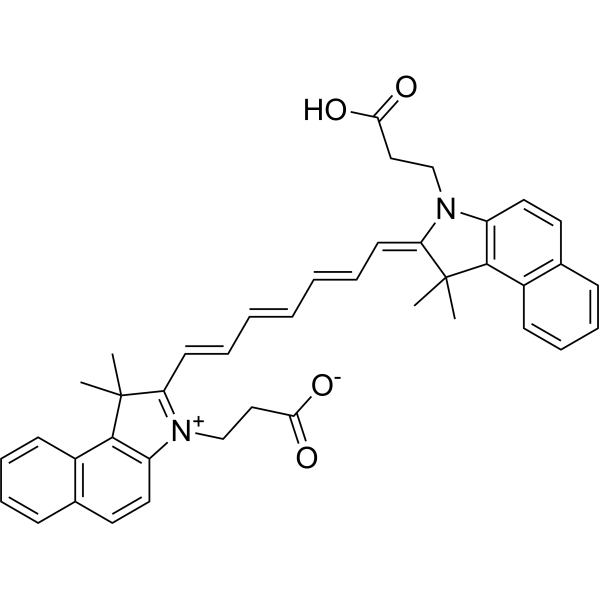
    Cypate, a cyanine dye, is a near infrared (NIR) fluorescent probe for in vivo tumor imaging .
    Cypate
  • HY-149931

    Fluorescent Dye Cancer
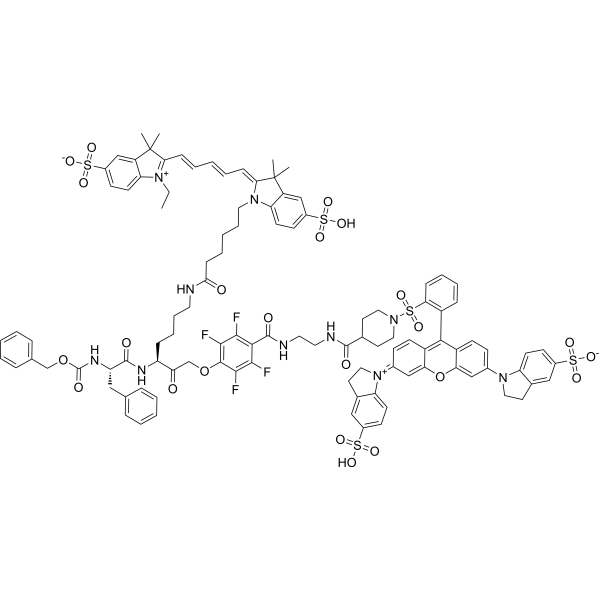
    BMV109 is a quenched probe that becomes fluorescent when cleaved and covalently bound by active cathepsin proteases. BMV109 can be exploited for tumor imaging .
    BMV109
  • HY-122607

    Mitochondrial Metabolism TSPO Inflammation/Immunology Cancer
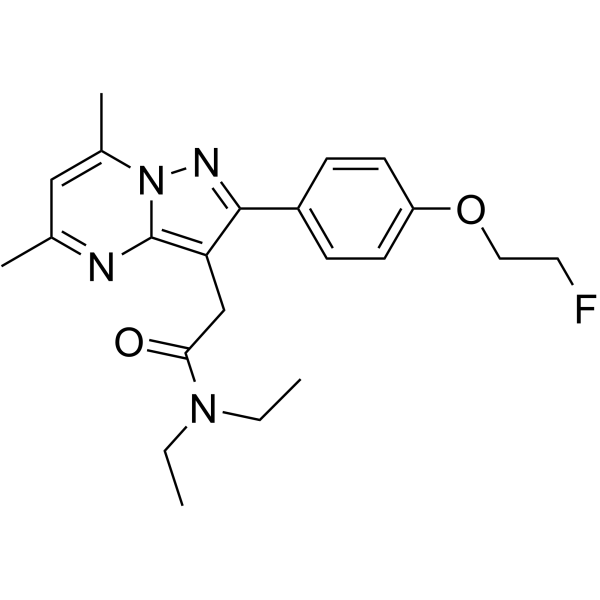
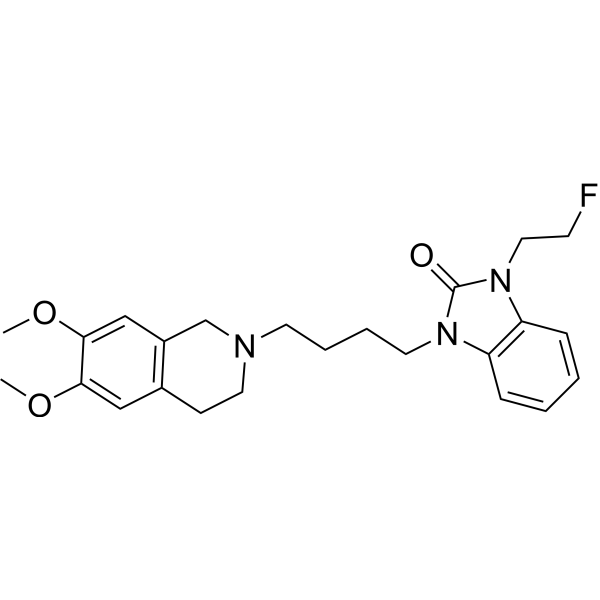
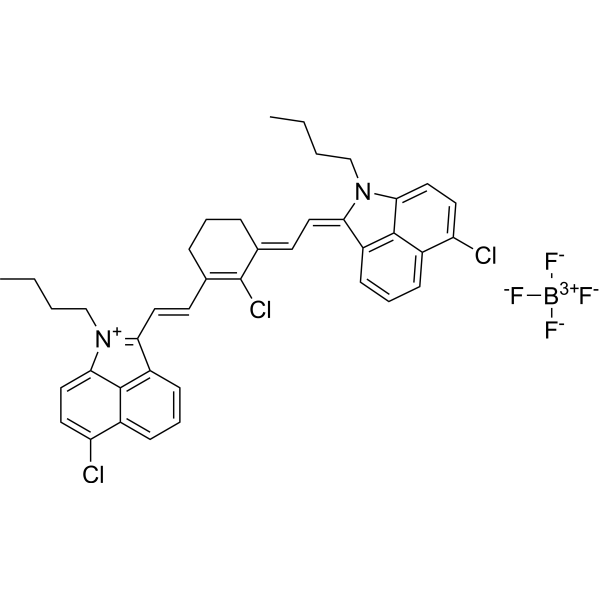
    DPA-714 is a high affinity translocator protein (TSPO) ligand (Ki=7 nM), which is designed with a fluorine atom in its structure, allowing labelling with fluorine -18 and in vivo imaging using positron emission tomography. 18FDPA-714 successfully evaluates for the specific imaging of inflammation in various models of neuroinflammation and in a brain tumor model .
    DPA-714
  • HY-141729

    Fluorescent Dye Cancer
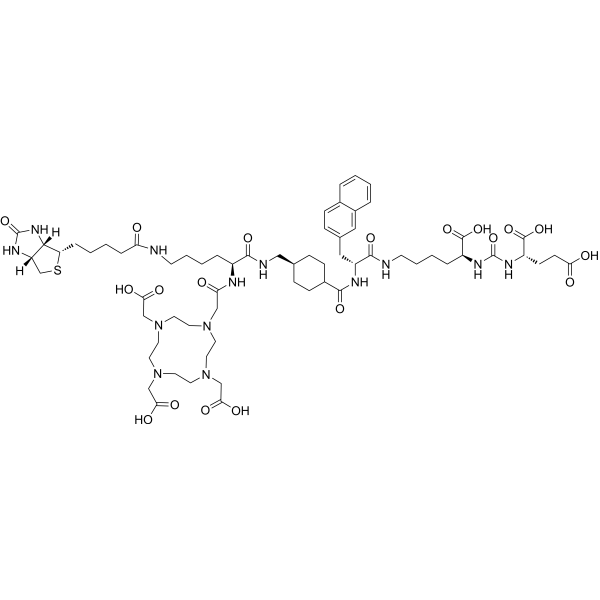
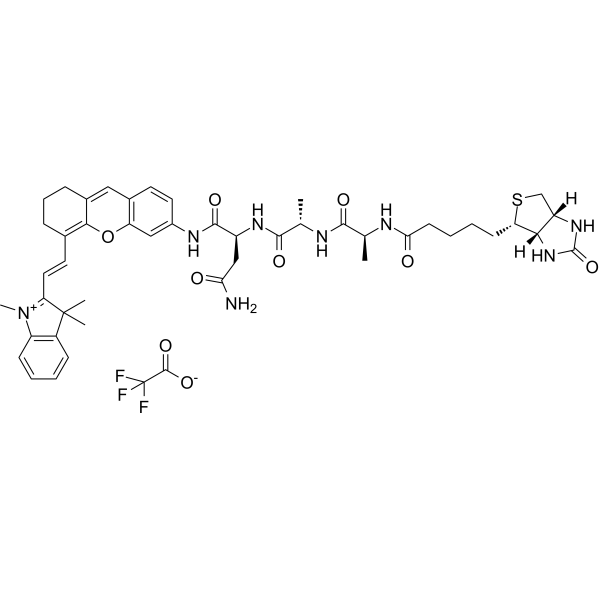
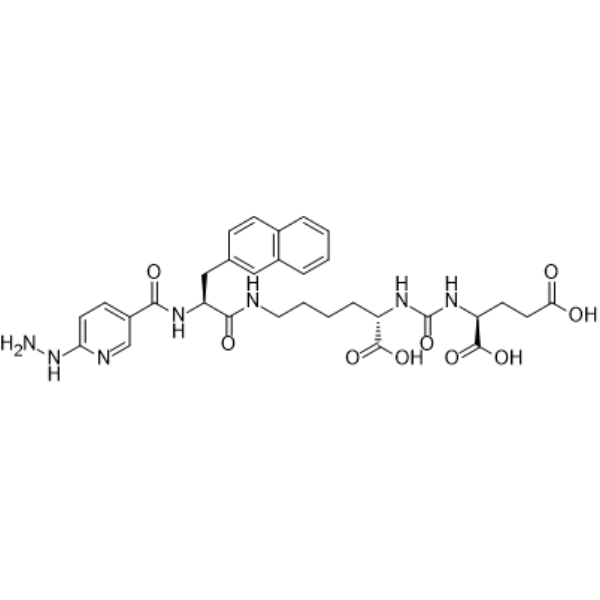
    Biotin-NH-PSMA-617 is a biotin-tagged PSMA-617. PSMA-617 is a small molecule targeting the prostate-specific membrane antigen (PSMA), which is directly expressed by the tumor cells .
    Biotin-NH-PSMA-617
  • HY-120115

    Olaparib-bodipy FL

    PARP Fluorescent Dye Cancer
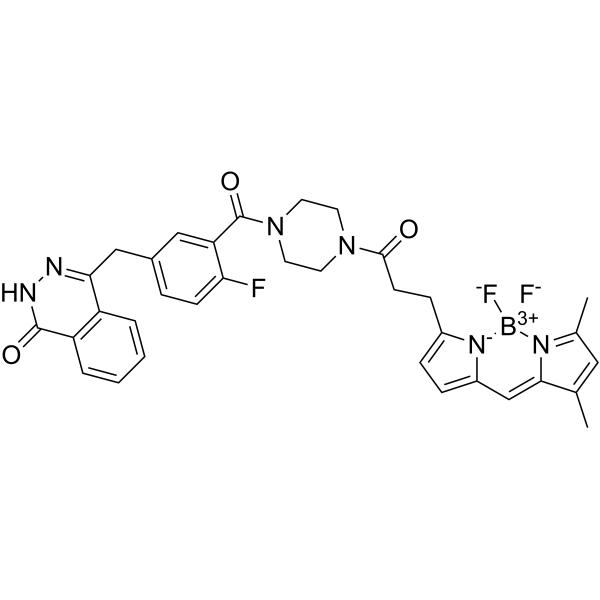
    PARPi-FL (Olaparib-bodipy FL) is a small-molecule fluorescent inhibitor of PARP1 that can specifically bind to PARP1. PARPi-FL can be used as a fluorescent imaging agent for tumor detection, diagnosis, and surgical guidance .
    PARPi-FL
  • HY-P10131

    Radionuclide-Drug Conjugates (RDCs) FAP Cancer
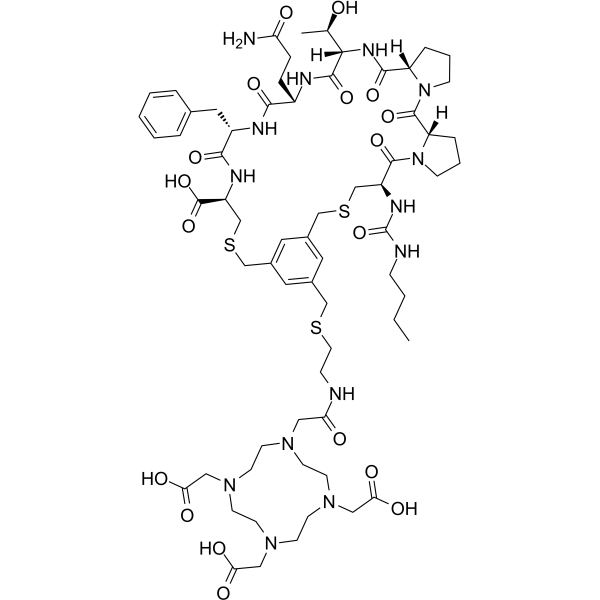
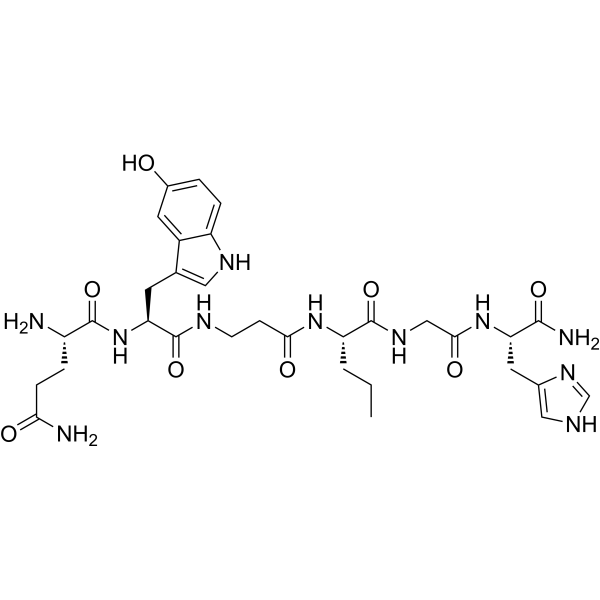
    3BP-3940 is a highly potent and selective peptide inhibitor of FAP that targets cancer-associated fibroblasts (CAFs) in the tumor microenvironment. 3BP-3940 can be labeled with radionuclides (such as Ga-68) for precise tumor imaging or Lu-177 for the development of targeted anticancer technologies. 3BP-3940 accumulates in tumor lesions and can be used to diagnose and inhibit various solid cancers and CAFs-related diseases .
    3BP-3940
  • HY-P2336A
    CCZ01048 TFA
    3 Publications Verification

    Melanocortin Receptor Cancer
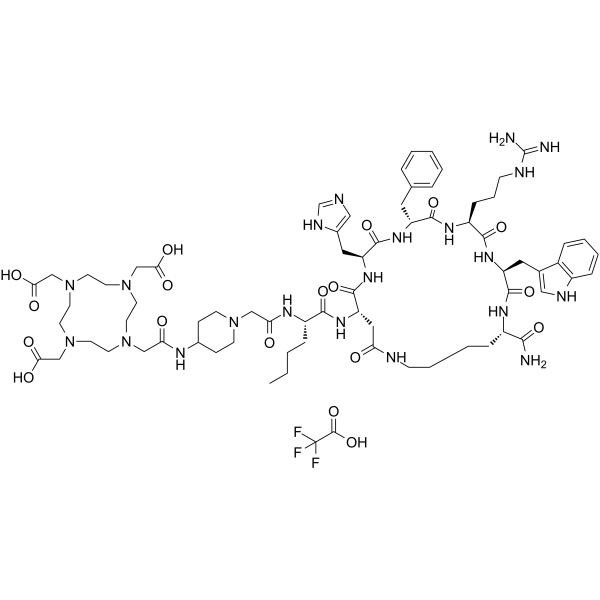
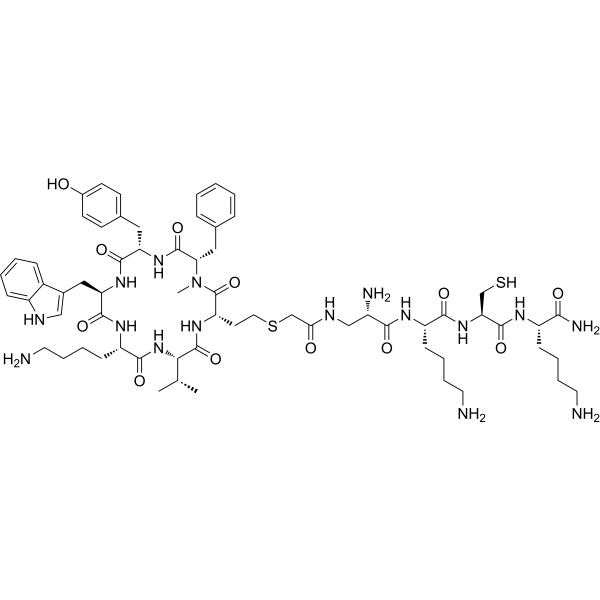
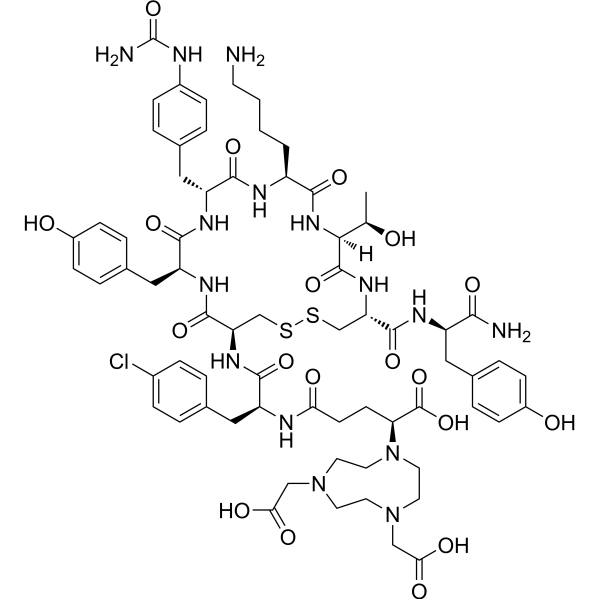
    CCZ01048 TFA, a α-MSH analogue, exhibits high binding affinity to melanocortin 1 receptor (MC1R) with a Ki of 0.31 nM. CCZ01048 TFA shows rapid internalization into B16F10 melanoma cells and high in vivo stability. CCZ01048 TFA is a promising candidate for PET imaging of malignant melanoma .
    CCZ01048 TFA
  • HY-D1719A
    Cypate hydrochloride
    1 Publications Verification

    Fluorescent Dye Cancer
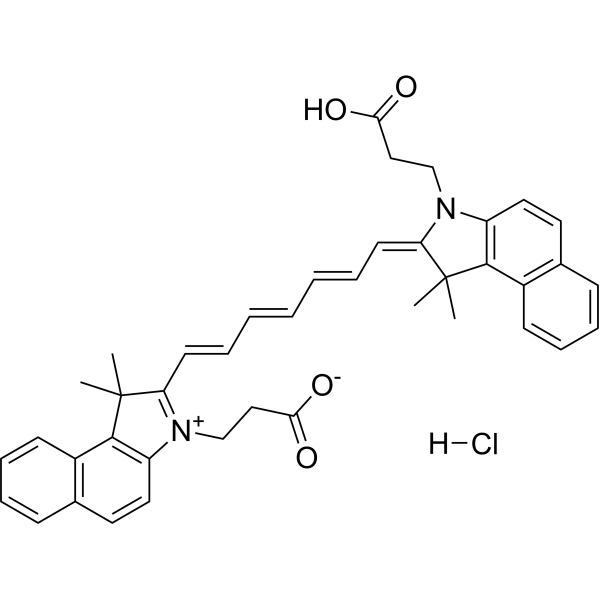
    Cypate is a near-infrared fluorescent dye that belongs to the family of photosensitizers. Cypate has high photostability and optical properties, and is often used in near-infrared optical imaging, as well as optical imaging, tumor marking, and drug delivery. In addition, Cypate is also used as a molecular probe and combined with targeting molecules (such as CBT or small interfering RNA) to achieve efficient detection and imaging of specific cells or tissues .
    Cypate hydrochloride
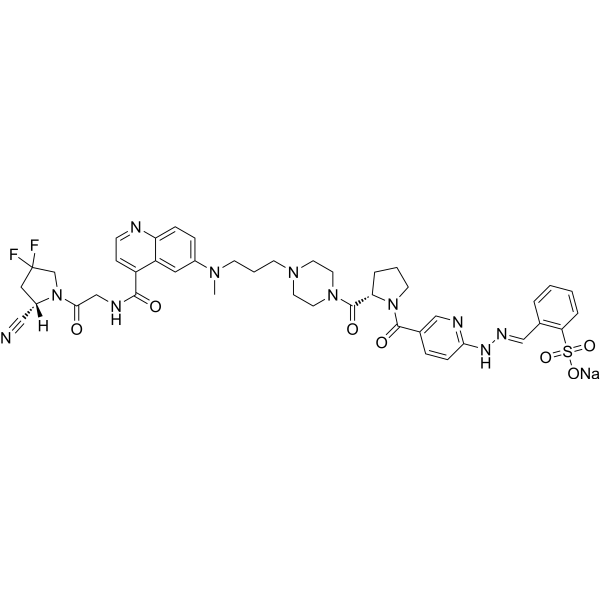
  • HY-161074

    FAP Cancer
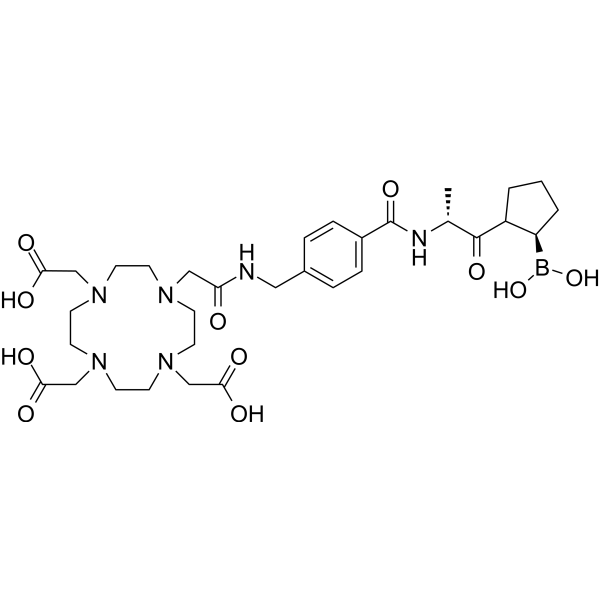
    PNT6555 is a fibroblast activation protein-α (FAP) inhibitor. PNT6555 has antitumor activity. PNT6555 can be used for imaging of FAP-positive tumors .
    PNT6555
  • HY-P10292

    Radionuclide-Drug Conjugates (RDCs) Interleukin Related Cancer
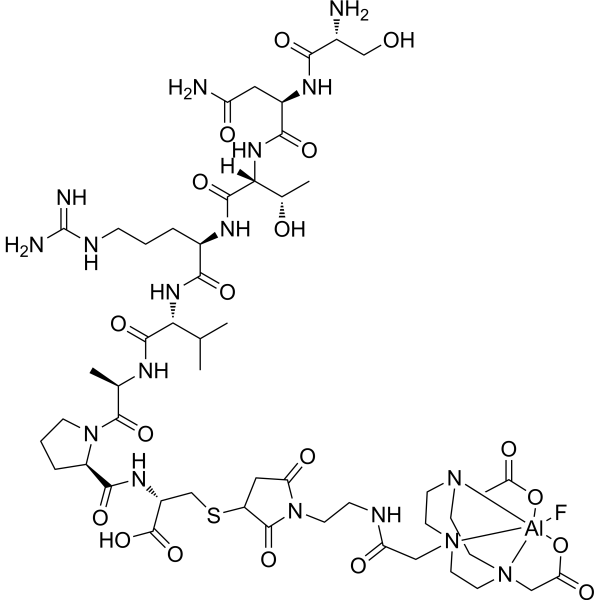
    NOTA-Pep-1L specifically targets the IL13RA2 receptor for tumor imaging . NOTA-Pep-1L can be used for the synthesis/research of Radionuclide-Drug Conjugates (RDCs).
    NOTA-Pep-1L
  • HY-P11339

    Integrin Cancer
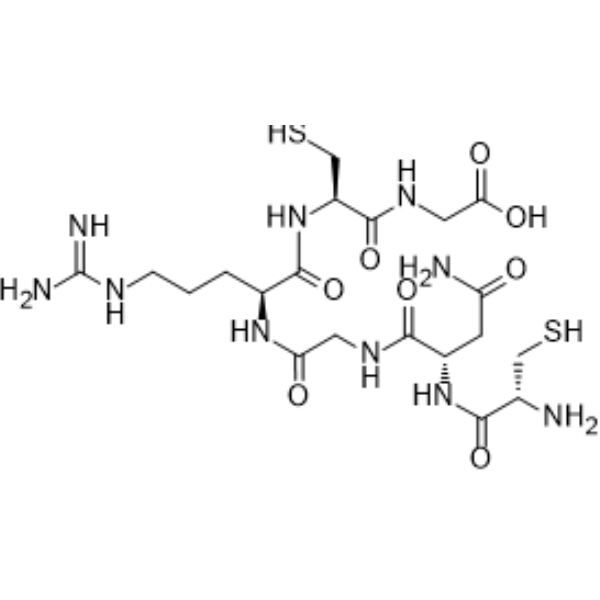
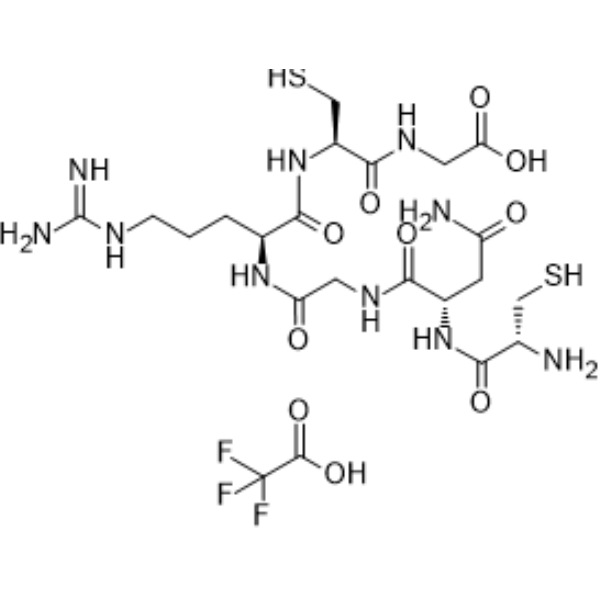
    c-RGD-SH is a ligand for integrin αvβ3 (Integrin αvβ3). Conjugation of c-RGD-SH with core-crosslinked polymeric micelles (CCPM) enables the synthesis of a bimodal nanoprobe, which can be labeled with Cy7 and 111In for SPECT and NIRF imaging of tumors .
    c-RGD-SH
  • HY-D2062

    Fluorescent Dye Integrin Cancer
    ATTO 740 NHS ester is a near-infrared fluorescent dye and a multimodal fluorescence/photoacoustic contrast agent with excellent near-infrared emission properties and extremely high photostability. The photoacoustic signal of ATTO 740 NHS ester shows no significant decrease after continuous irradiation with a 750 nm laser for 30 min, making it suitable for in vivo fluorescence imaging and photoacoustic contrast imaging. When conjugated with the cystine knot peptide R01, ATTO 740 NHS ester enables precise detection of integrin αvβ6-positive cells and tumors in nude mouse xenograft models .
    ATTO 740 NHS ester
  • HY-P1043
    NGR peptide
    1 Publications Verification

    Aminopeptidase Cancer
    NGR peptide containing the Asn-Gly-Arg (NGR) motif. NGR peptide binds to APN/CD13. NGR peptide is directly conjugated to imaging agents that can be used for tumor imaging .
    NGR peptide
  • HY-P6083

    Biochemical Assay Reagents Others Cancer
    RTSPSSR is synthesized peptide, which binds specifically to claudin-1 and visulizes the CRC tumor in mice, through near-infrared fluorescence imaging .
    RTSPSSR
  • HY-136201

    Biochemical Assay Reagents Cancer
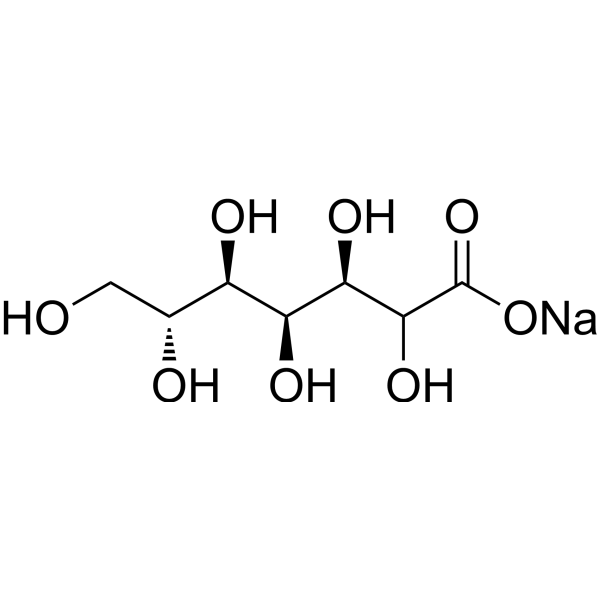
    Sodium Glucoheptonate is used as a kit for radio-labeling with Tc-99m. Tc-99m glucoheptonate is kidney- and brain-imaging agent, and can be used in brain-tumor detection .
    Sodium Glucoheptonate
  • HY-175613

    FAP Cancer
    DOTA-ALB-02 is an albumin-bound FAP inhibitor (FAPI) ligand. DOTA-ALB-02 labeled with 177Lu has a high FAP-binding affinity and enhanced tumor uptake and retention with a significant tumor/nontarget ratio. DOTA-ALB-02 can be used for PET/CT and SPECT/CT imaging of cancers, especially late-stage cancers .
    DOTA-ALB-02
  • HY-128890B
    DOTA-​NHS-ester TFA
    1 Publications Verification

    ADC Linker Biochemical Assay Reagents Cancer
    DOTA-​NHS-ester (TFA) is used as a linker for affibody molecules, and it can be employed in small animal positron emission tomography (PET), single photon emission computed tomography (SPECT), and CT scanning. DOTA-​NHS-ester can be used to label radiotracers or imaging probes for tumor detection .
    DOTA-​NHS-ester TFA
  • HY-P10792

    EGFR Cancer
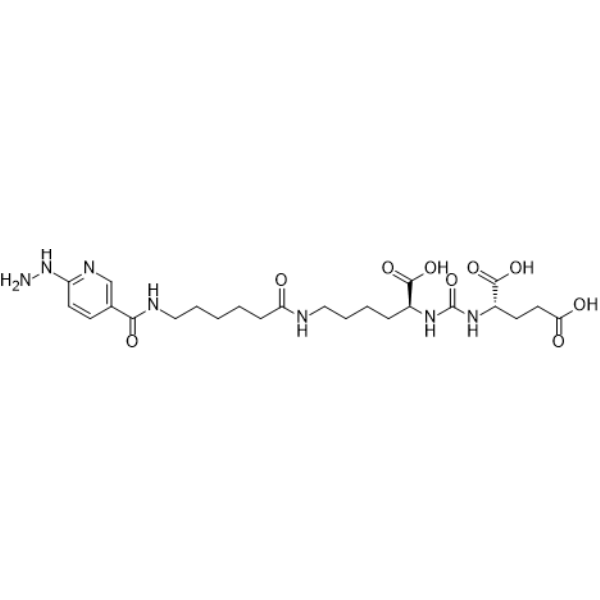
    HER2-targeted peptide H6F is a HER2 targeting peptide that binds to HER2 to target breast cancer cells, with the amino acid sequence YLFFVFER. The HER2-targeted peptide H6F can be conjugated with the bifunctional chelating agent hydrazinonicotinamide (HYNIC) for radiolabeling with 99mTc. Single-photon emission computed tomography (SPECT) imaging shows that the labeled HER2-targeted peptide H6F specifically accumulates in HER2-positive MDA-MBA-453 tumor-bearing mice models. The HER2-targeted peptide H6F can be used for tumor molecular imaging studies .
    HER2-targeted peptide H6F
  • HY-159045

    p-Fluoro-SAHA

    HDAC Cancer
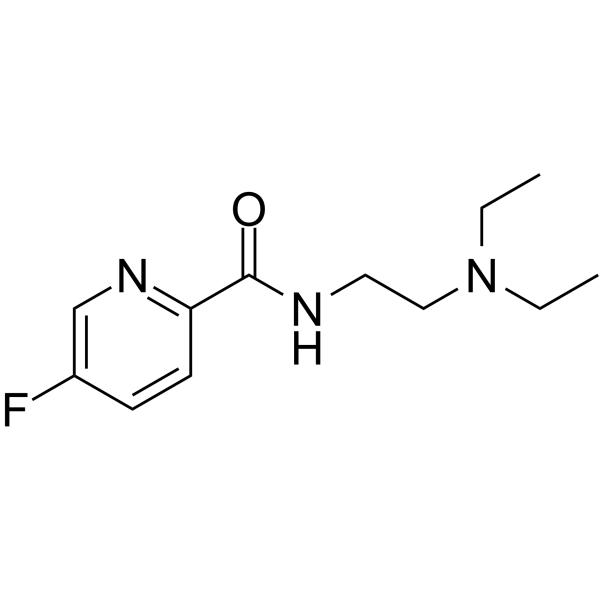
    F-SAHA is a HDAC inhibitor (HDACi) and its 18F labeled derivative can be used in tumor imaging research .
    F-SAHA
  • HY-139579A

    OTL 38 tetrasodium

    Fluorescent Dye Cancer
    Pafolacianine tetrasodium (OTL 38 tetrasodium) is a fluorescent imaging agent made of near-infrared dye used in detecting tumor lesions during surgical procedures. Pafolacianine tetrasodium excites at 774 to 775 nm and emits at 794 to 796 nm .
    Pafolacianine tetrasodium
  • HY-170779

    FAP Cancer
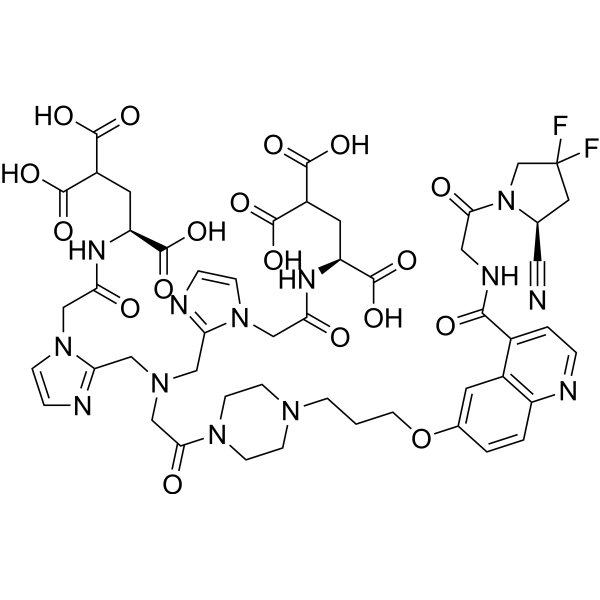
    DOTA-NI-FAPI-04 is a FAP inhibitor (IC50 = 7.44 nM). By integrating FAP targeting with hypoxia-sensitive groups (nitroimidazole), DOTA-NI-FAPI-04 significantly enhances tumor uptake and retention capabilities. DOTA-NI-FAPI-04 chelates metallic isotopes (such as 68Ga and 177Lu) through DOTA to produce radioactive probes ([68Ga]Ga/DOTA-NI-FAPI-04 and [177Lu]Lu/DOTA-NI-FAPI-04), which can be used for research in tumor diagnostics and therapeutic agents. DOTA-NI-FAPI-04 holds dual targeting potential in the fields of cancer imaging, tumor microenvironment analysis, and radionuclide therapy, particularly suitable for scenarios where the tumor stroma and hypoxic regions synergistically interact .
    DOTA-NI-FAPI-04
  • HY-D1464A
    CH1055 triethylamine
    1 Publications Verification

    Fluorescent Dye Cancer
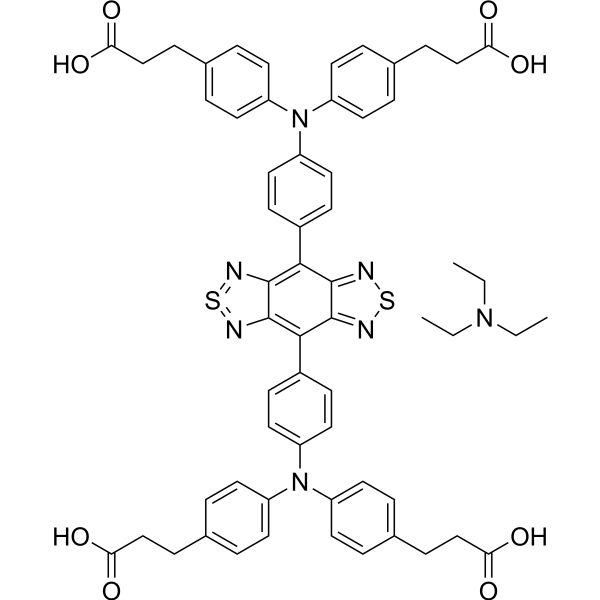
    CH1055 triethylamine is a near-infrared II (NIR-II) fluorescent dye that can be used as a fluorescent probe for in vivo imaging. CH1055 triethylamine can be conjugated with antibodies or ligands for specific imaging (for example the tumor imaging) .
    CH1055 triethylamine
  • HY-D1450

    S01448

    Fluorescent Dye Cancer
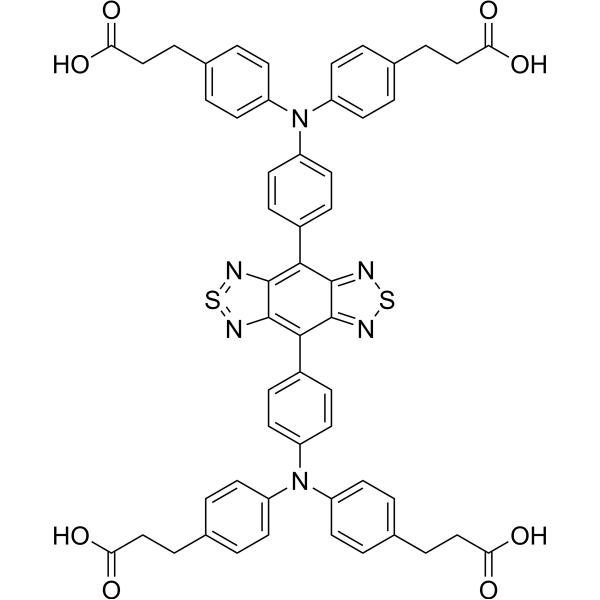
    IR-1048 is a nitroreductase (NTR)-responsive near-infrared fluorescence (NIR)/photoacoustic (PA) imaging probe and photothermal agent. IR-1048 is coupled with a nitroimidazole group to form IR-1048-MZ. IR-1048-MZ is catalytically reduced by NTR in a hypoxic environment, restoring strong near-infrared absorption and fluorescence emission (NIR II window), while activating the photothermal effect. IR-1048 relies on NTR-mediated electron transfer to relieve intramolecular fluorescence quenching, achieving specific imaging and photothermal ablation of tumor hypoxic areas. IR-1048 is mainly used for high-contrast NIR II/photoacoustic imaging and photothermal therapy research and tumor diagnosis of the tumor hypoxic microenvironment .
    IR-1048
  • HY-177459

    FAP Cancer
    DOTA-2P(FAPI)2 is a dimeric FAP (fibroblast activation protein) that can be used as a PET imaging agent and a tracer for tumor therapy .
    DOTA-2P(FAPI)2
  • HY-123733A

    RPS-001 TFA

    PSMA Cancer
    MIP-1095 (RPS-001) TFA is a potent inhibitor of PSMA with good biodistribution and efficient targeting of tumor lesions. In applications, MIP-1095 TFA will be isotopically labeled ( 131I labeled) as an imaging probe to indicate tumor progression. And 131I-MIP-1095 showed higher renal uptake in mice .
    MIP-1095 TFA
  • HY-P2022

    Radionuclide-Drug Conjugates (RDCs) Cancer
    Pentetreotide is a diethylenetriaminopentaacetic (DTPA) conjugate of Octreotide (HY-P0036). Pentetreotide is a somatostatin analog that, when labeled with 111In, can be used for nuclear medicine imaging. Somatostatin receptor scintigraphy with Pentetreotide is effective in visualizing neuroendocrine tumors, and its metastasis .
    Pentetreotide
  • HY-P10679

    MMP Cancer
    GPLGLAGGWGERDGS is a peptide with MMP enzyme responsiveness and tumor targeting function, which can be used to monitor enzyme-guided nanoparticle assembly in tumors .
    GPLGLAGGWGERDGS
  • HY-175744

    PSMA Cancer
    PSMA-MAL-5 is a PSMA ligand. PSMA-MAL-5 covalently binds to Cys466 of PSMA. PSMA-MAL-5 labeled with 177Lu and 225Ac has high radiostability and tumor uptake. PSMA-MAL-5 also effectively inhibits tumor growth. PSMA-MAL-5 can be used for SPECT/CT imaging and radionuclide therapy of prostate cancer .
    PSMA-MAL-5
  • HY-D2281

    FAP Cancer
    FAP Ligand 2, a FAPI-46 derivative, is a specific fibroblast activation protein (FAP)-targeted tracer. FAP Ligand 2 exhibits good tumor uptake and acts as a promising molecular tracer for FAP tumor imaging .
    FAP Ligand 2
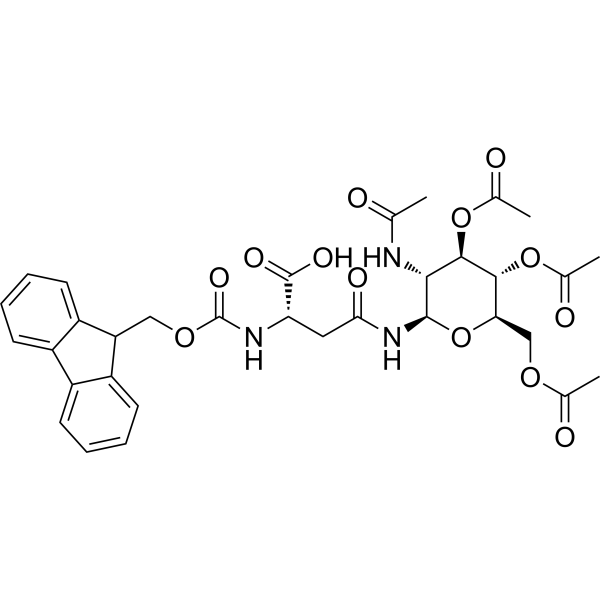
  • HY-141464

    Fmoc-Asn(Ac3AcNH-beta-Glc)-OH

    Amino Acid Derivatives Cancer
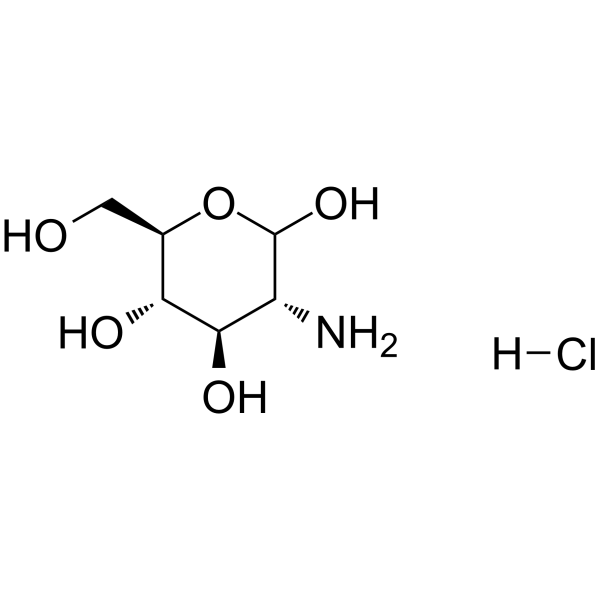
    Fmoc-L-Asn(beta-D-GlcNAc(Ac)3)-OH (Fmoc-Asn(Ac3AcNH-beta-Glc)-OH) can be used in the synthesis of silicon-fluoride acceptor (SiFA) derivatized octreotate derivatives. SiFA-octreotate analogues, as tumor imaging agents, are useful tool for the research of positron emission tomography (PET) .
    Fmoc-L-Asn(beta-D-GlcNAc(Ac)3)-OH
  • HY-P11339A

    Integrin Cancer
    c-RGD-SH TFA is an Integrin αvβ3 ligand. c-RGD-SH TFA conjugated with core-crosslinked polymeric micelles (CCPM) can be used for synthesis a dual modality nanoparticle probe, and this probe labeled with both Cy7 and 111In can be used for SPECT and NIRF imaging of tumor .
    c-RGD-SH TFA
  • HY-P1043A
    NGR peptide Trifluoroacetate
    1 Publications Verification

    Aminopeptidase Cancer
    NGR peptide Trifluoroacetatecontaining the Asn-Gly-Arg (NGR) motif. NGR peptide Trifluoroacetate binds to APN/CD13. NGR peptide Trifluoroacetate is directly conjugated to imaging agents that can be used for tumor imaging .
    NGR peptide Trifluoroacetate
  • HY-174421

    FAP Cancer
    FAPI-JNU is a molecule targeting fibroblast activation protein (FAP). FAPI-JNU specifically binds to FAP highly expressed in the tumor microenvironment, and uses radionuclides [ 68Ga]Ga or [ 177Lu]Lu to achieve tumor imaging diagnosis. [177Lu]Lu−FAPI−JNU can effectively target and inhibit tumor growth in tumor-bearing mice. FAPI-JNU is promising for research of FAP-positive tumors (such as various solid tumors) .
    FAPI-JNU
  • HY-47979A
    FAP-IN-2 TFA
    1 Publications Verification

    FAP Cancer
    FAP-IN-2 TFA is an isonitrile-containing fibroblast activation protein (FAP) inhibitor. FAP-IN-2 TFA can be labeled with technetium-99m ( 99mTc) for targeted tumor SPECT imaging .
    FAP-IN-2 TFA
  • HY-P2336

    Melanocortin Receptor Cancer
    CCZ01048, a α-melanocyte-stimulating hormone (α-MSH) analogue, exhibits high binding affinity to melanocortin 1 receptor (MC1R) with a Ki of 0.31 nM. CCZ01048 shows rapid internalization into B16F10 melanoma cells and high in vivo stability. CCZ01048 is a promising candidate for PET imaging of malignant melanoma .
    CCZ01048
  • HY-P11026

    DOTA-PEG4-TMVP1446

    VEGFR Cancer
    DOTA-TMVP1446 is a VEGFR-3 targeting peptide. DOTA-TMVP1446 labeled with 68Ga accurately detectes the status of lymph node metastasis, even in micrometastatic tumors, in the B16-F10 tumor mice model. DOTA-TMVP1446 can be used as a radiotracer for cancer-metastatic sentinel lymph nodes (m-SLN) imaging .
    DOTA-TMVP1446
  • HY-175685

    FAP Cancer
    FAP-IN-7 (Compound 5b) is a FAPtumor retention with high selectivity and favorable pharmacokinetics. FAP-IN-7 can be used as a radiotracer for PET imaging and radionuclide therapy of cancers research .
    FAP-IN-7

Inquiry Online

Your information is safe with us. * Required Fields.

Salutation


Country or Region *

Applicant Name *


Organization Name *

Department *


Email Address *


Product Name *

Cat. No.


Requested quantity *

Phone Number *


Remarks

Inquiry Online

Inquiry Information

Product Name:
Cat. No.:
Quantity:
MCE Japan Authorized Agent: