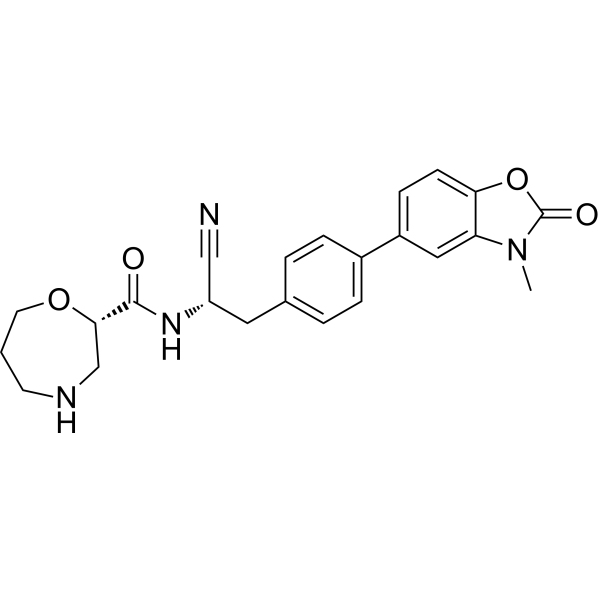
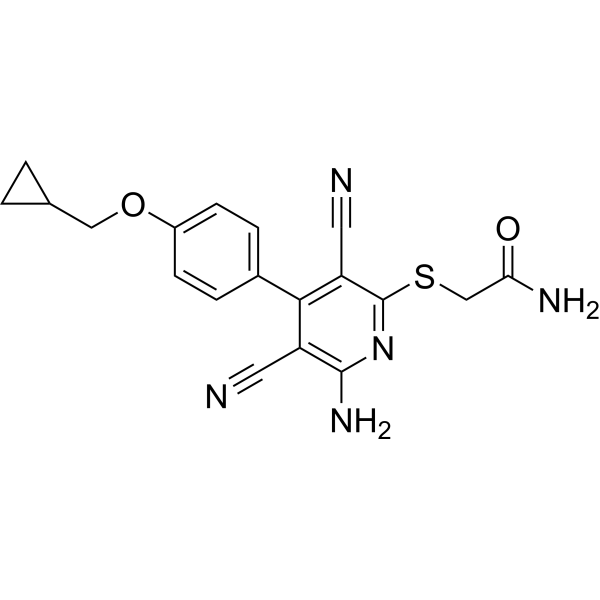
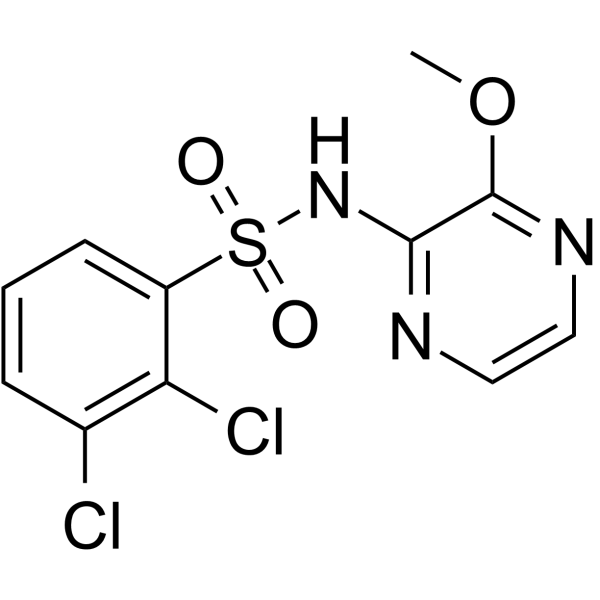
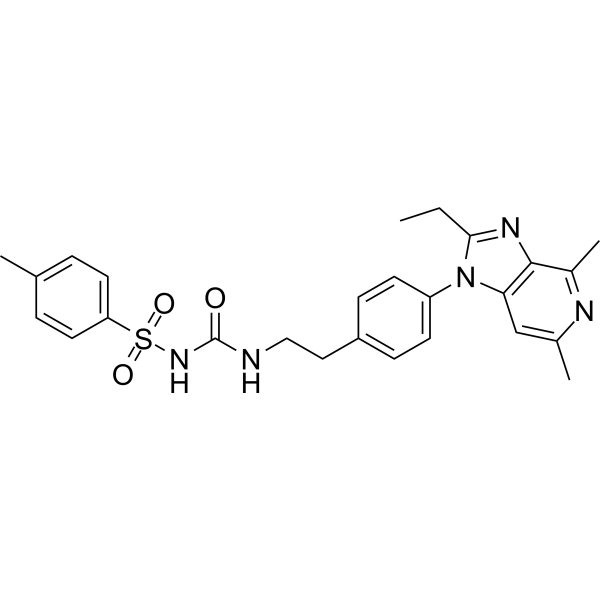
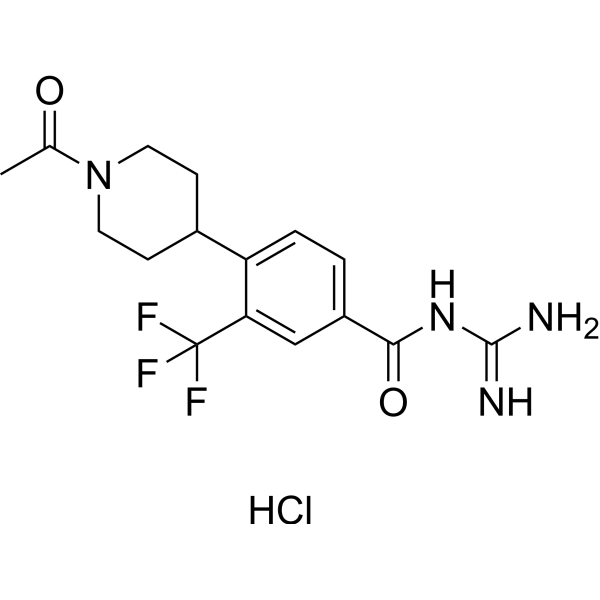
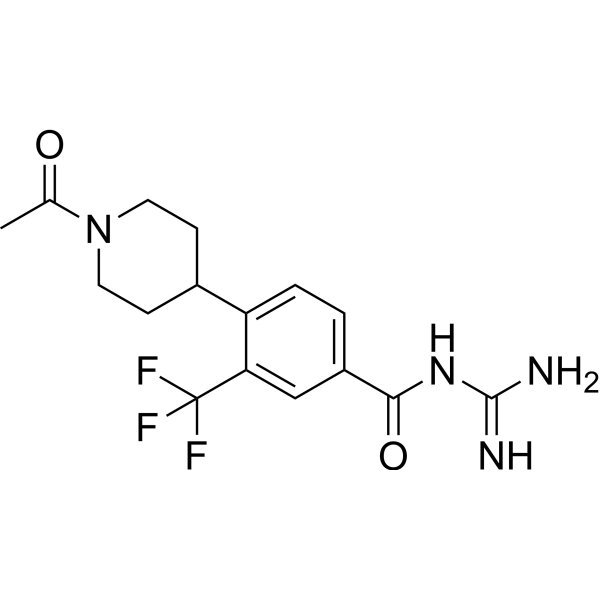
Brensocatib (AZD7986) is an oral dipeptidyl peptidase 1 (DPP1) inhibitor with pIC50s of 6.85, 7.6, 7.7, 7.8, and 7.8 in human, mouse, rat, dog and rabbit, respectively .
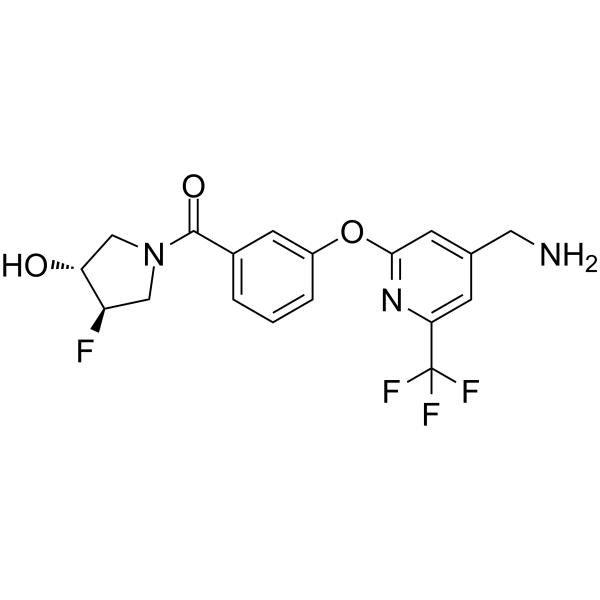
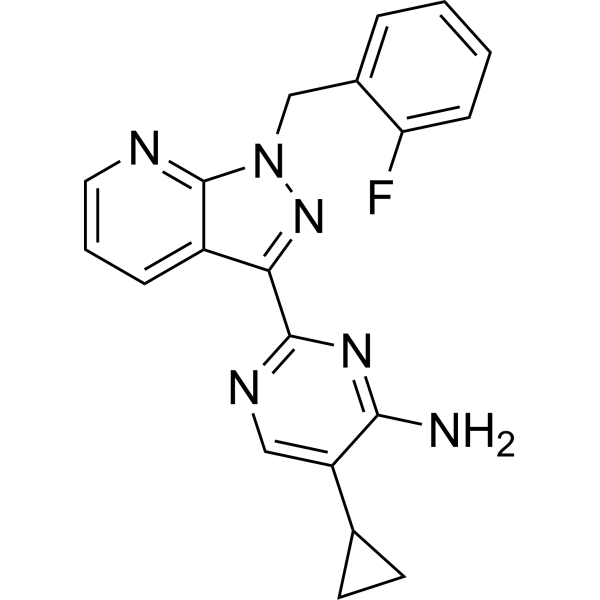
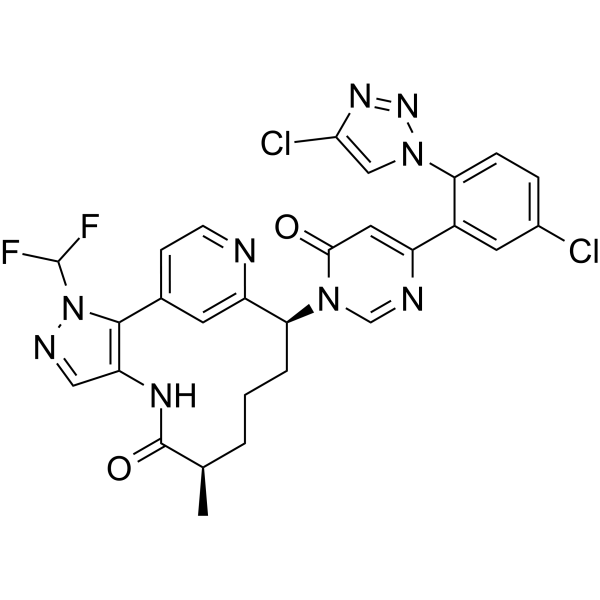
Milvexian is an orally bioavailable, small-molecule, reversible, direct antagonists of factor Xia, with the Ki of 0.11, 0.38, 0.64, 490, 350 nM for human, rabbit, dog, rat, mouse, respectively. Milvexian shows anti-thrombosis activity in vitro and in vivo, and can be used for thrombus study .
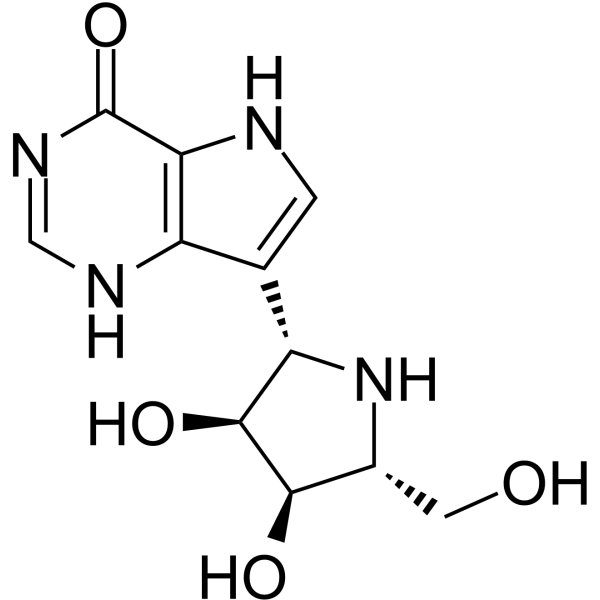
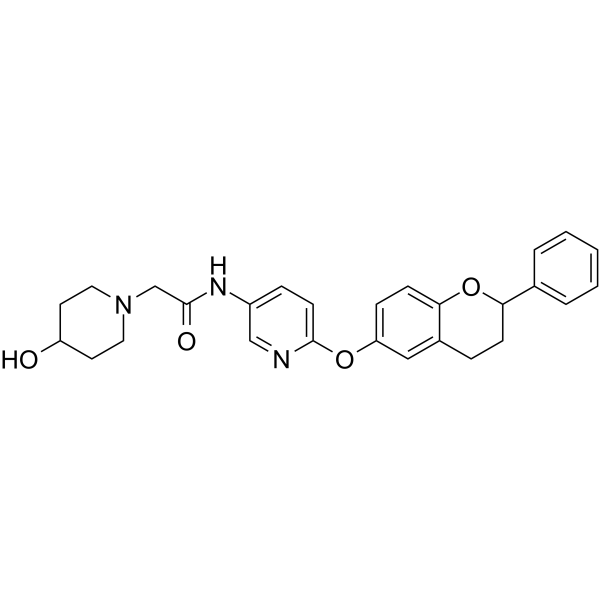
Forodesine (BCX-1777) is a highly potent and orally active purine nucleoside phosphorylase (PNP) inhibitor with IC50 values ranging from 0.48 to 1.57 nM for human, mouse, rat, monkey and dog PNP. Forodesine is a potent human lymphocyte proliferation inhibitor. Forodesine could induce apoptosis in leukemic cells by increasing the dGTP levels .
Grapiprant (CJ-023423) is a selective EP4 receptor antagonist whose physiological ligand is prostaglandin E2 (PGE2). Grapiprant displaces [ 3H]-PGE2 (1 nM) binding to dog recombinant EP4 receptor with IC50 value of 35 nM and Ki value of 24 nM. Grapiprant has the potential for osteoarthritic pain and inflammation treatment [3] .
BAY 60-6583 is a potent and high-affinity agonist of adenosine A2B receptor (EC50=3 nM) over A1, A2A, and A3 receptors. BAY 60-6583 binds to mouse, rabbit, and dog A2BAR with Ki values of 750 nM, 340 nM and 330 nM, respectively. BAY 60-6583 has a cardioprotective effect in a myocardial ischemia model .
Epyrifenacil is a protoporphyrinogen oxidase (PPO) inhibiting herbicide, potently targeting the PPO2 isoform from weeds such as Amaranthus palmeri with an IC50 of 0.637 nM. Epyrifenacil also inhibits liver mitochondrial PPO across species, with IC50 values of 2.2 nM (mouse), 2.6 nM (rat), 12.1 nM (rabbit), 7.6 nM (dog), and 10.2 nM (human). Epyrifenacil induces liver tumor development in mice. Epyrifenacil can be used for weed control, and also used as a tool compound in toxicological research to study the mechanism of PPO inhibition, chemical-induced hepatotoxicity, and the mode of action of non-genotoxic carcinogens in rodents [3].
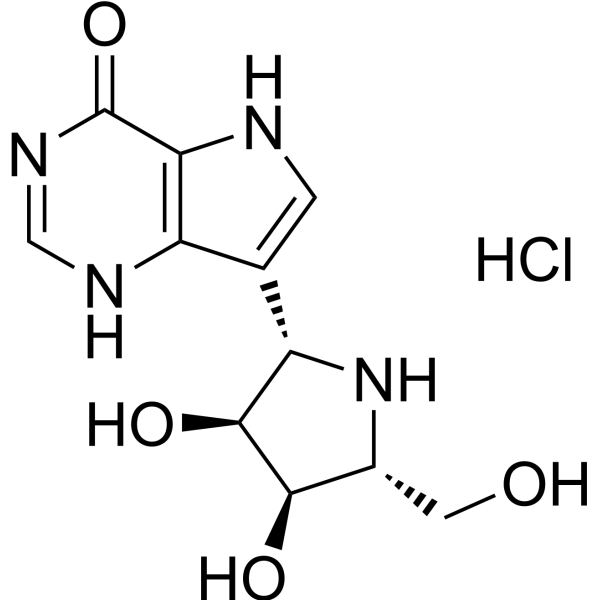
Forodesine hydrochloride (BCX-1777 hydrochloride) is a highly potent and orally active purine nucleoside phosphorylase (PNP) inhibitor with IC50 values ranging from 0.48 to 1.57 nM for human, mouse, rat, monkey and dog PNP. Forodesine hydrochloride is a potent human lymphocyte proliferation inhibitor. Forodesine hydrochloride could induce apoptosis in leukemic cells by increasing the dGTP levels .
PAT-1251 is a potent, selective and oral lysyl oxidase-like 2 (LOXL2) inhibitor, with IC50s of 0.71 and 1.17 μM for hLOXL2 and hLOXL3, respectively, and also potently inhibits mouse, rat, and dog LOXL2 (IC50s, 0.10, 0.12, and 0.16 μM, respectively); PAT-1251 is used in the research of fibrotic diseases .
BAY 41-2272 is an orally active and soluble guanylate cyclases (sGC) activator, which increases sGC activity by 400-fold in synergy with NO. BAY 41-2272 potently unloaded the heart, increased cardiac output, thus can be used for cardiovascular diseases research .
Afoxolaner is an orally active isoxazoline insecticide/acaricide against Ixodes scapularis in dogs. Afoxolaner acts on the insect γ-aminobutyric acid receptor (GABA) and glutamate receptors, inhibiting GABA & glutamate-regulated uptake of chloride ions, resulting in excess neuronal stimulation and death of the arthropod .
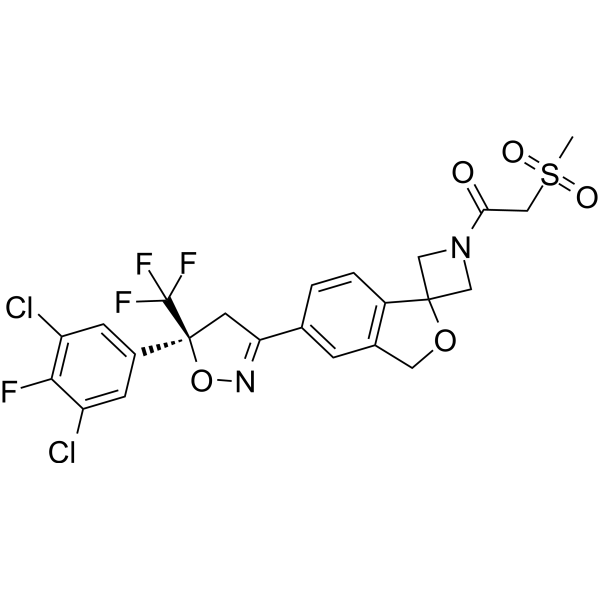
Lotilaner is a parasiticide, acts as a potent non-competitive antagonist of insects GABACl receptors, with an IC50 of 23.84 nM for Drosophila melanogaster GABA receptor. No effect on a dog GABAA receptor .
AZD2098 is a potent and selective CC-chemokine receptor 4 (CCR4) inhibitor with pIC50s of 7.8, 8.0, 8.0 and 7.6 for human, rat, mouse and dog respectively, used for asthma research .
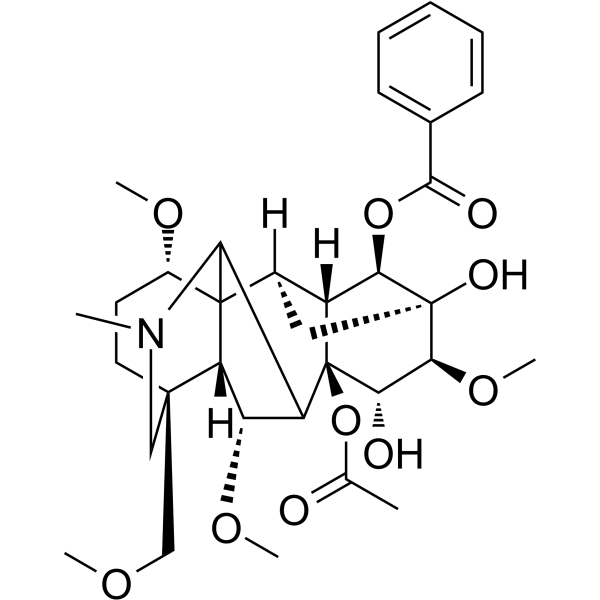
Hypaconitine inhibits the KCNH2 current with an IC50 of 8.1 nM, and exhibits cardiotoxicity. Hypaconitine inhibits TGF-β1-induced epithelial-mesenchymal transition (EMT) in A549 cell through the inhibition of NF-κB nuclear translocation. Hypaconitine acts as the neuromuscular blocker. Hypaconitine is orally active .
Tasipimidine sulfate is an orally active and selective α2A-adrenoceptor agonist with a pEC50 of 7.57 for human α2A-adrenoceptors and an EC50 of 5.7 nM for rat α2-adrenoceptor. Tasipimidine sulfate can be utilized in research related to situational anxiety and fear .
BAY-179, a chemical probe, is a potent, selective, and species cross-reactive complex I inhibitor. BAY-179 shows IC50 values of 79 nM, 38 nM, 27 nM, and 47 nM for human, mouse, rat, and dog complex I, respectively .
4-Methyl-5-thiazoleethanol is a natural sulfur-containing flavor compound with the aroma of beef and nuts. In addition, the composite material prepared by modifying graphene oxide with 4-Methyl-5-thiazoleethanol through a one-step esterification reaction can selectively adsorb copper ions (Cu 2+) in aqueous solutions .
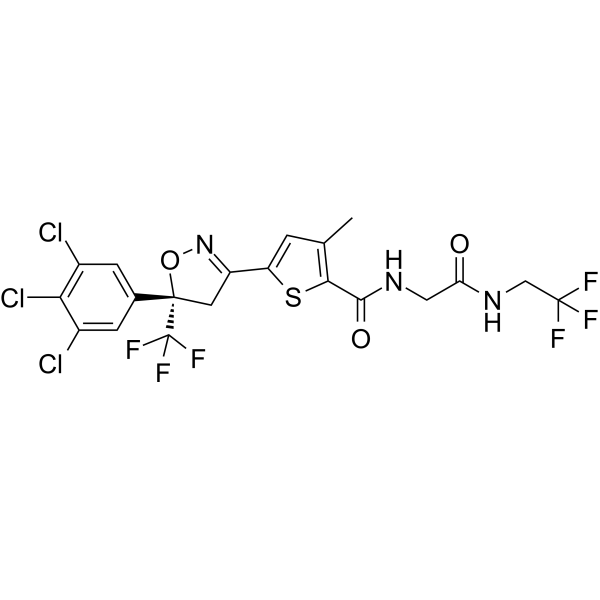
Sarolaner (PF-6450567) is an orally active and broad-spectrum ectoparasiticide. Sarolaner is an isoxazoline compound which shows efficacy against fleas and ticks on dogs, with a LC80 value of 0.3 μg/mL against C. felis and a LC100 value of 0.003 μg/mL against O. turicata .
ALG-000184 is an orally effective inhibitor of hepatitis B virus (HBV), and it is also a prodrug of ALG-001075 (HY-177022). ALG-000184 can inhibit the production of HBV DNA in liver cells. ALG-000184 can be used in the research of chronic hepatitis B .
PF-04856264 is a potent and selective Nav1.7 inhibitor, with IC50s of 28, 131, 19, and 42 nM for human, mouse, cynomolgus monkey and dog Nav1.7, respectively. PF-04856264 has low potency against the rat Nav1.7 channel. PF-04856264 shows analgesic effect .
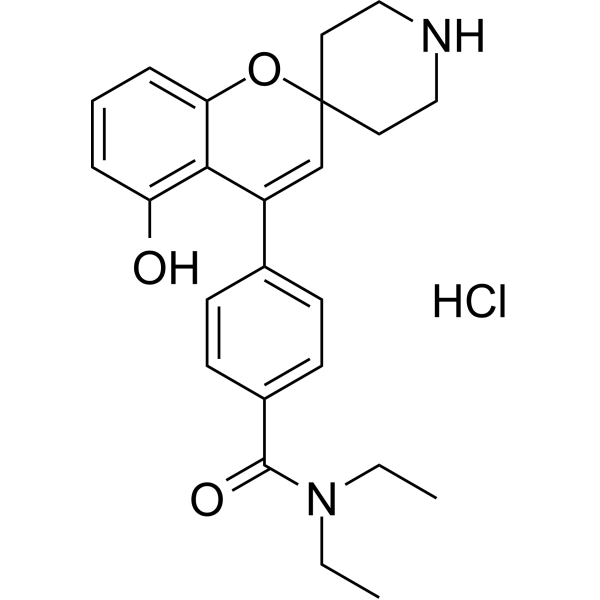
ADL-5859 hydrochloride (compound 20) is a selective and orally active δ opioid receptor (DOR) agonist with an Ki and an EC50 value of 0.84 and 20 nM, respectively. ADL-5859 hydrochloride also shows inhibitory activity to hERG channel with an IC50 value of 78 μM. ADL-5859 hydrochloride can be used for the research of pain .
ORM-10962 is a potent, highly selective sodium-calcium exchanger (NCX) inhibitor, with IC50 values of 67 and 55 nM for the reverse and forward mode inhibition, respectively. ORM-10962 shows antiarrhythmic effect .
Indacrinone (MK196) is an investigational diuretic which has pronounced saluretic activity in the rat and dog as well as both uricosuric and saluretic activity in the chimpanzee.
Fotagliptin benzoate is a Dipeptidyl Peptidase IV (DPP-4) inhibitor (IC50=2.27 nM). Fotagliptin benzoate displays great security in rat and dog. Fotagliptin benzoate can be used for Type 2 diabetes mellitus research .
Coprostanone (5β-cholestan-3-one) is an oxysterol and active metabolite of Cholesterol (HY-N0322). Coprostanone induces apoptosis in primary dog gallbladder epithelial cells. Coprostanone is promising for research of colon cancers or adenomatous polyps .
Muzolimine (BAY-g 282) is a slow and long lasting diuresis agent. Muzolimine produces a diuresis in the loop of Henle and also shows anti-hypertensive and natriuresis effects. Muzolimine can be used for the research of cardiovascular disease .
Dog Immunoglobulin G (Dog IgG) is a dog serum immunoglobulin that can be used in immunolabeling and coating protein in a variety of immunoassays including ELISA .
Pradofloxacin, a third-generation fluoroquinolone antibacterial agent. Pradofloxacin can be used for the study of bacterial infections in the dog and cat, such as skin infections .
PI3K/mTOR Inhibitor-13 sodium is an orally active dual inhibitor of phosphoinositol 3-kinase (PI3K) and mTOR kinase. PI3K/mTOR Inhibitor-13 sodium has potential applications in sexual diseases, solid tumor and idiopathic pulmonary fibrosis (IPF) .
WAY-123223 is an orally active potassium channel (Potassium Channel) blocker. WAY-123223 prolongs the transmembrane action potential duration and cardiac refractory period of canine Purkinje fibers. In canine models, WAY-123223 increases the ventricular fibrillation threshold, restores sinus rhythm from ventricular fibrillation, and exerts antiarrhythmic effects. WAY-123223 can be used in research related to cardiovascular diseases such as arrhythmias .
S-Ac7-DOG is a cationic lipid with biodegradability, low immunogenicity and high nucleic acid transfection capacity, which is commonly used to construct lipid nanoparticles for nucleic acid molecule delivery. S-Ac7-DOG can bind to mRNA, microRNA and self-amplifying RNA through electrostatic interaction. Lipid nanoparticles formed by S-Ac7-DOG enter cells via an energy-dependent endocytic pathway, release nucleic acid cargos, induce antigen-specific CD8 + T cell responses, promote the generation of precursor memory T cells, and regulate neuroinflammatory pathways. S-Ac7-DOG can be used in the research of retinal diseases, neuroinflammation and cancer .
Fotagliptin is a Dipeptidyl Peptidase IV (DPP-4) inhibitor (IC50=2.27 nM). Fotagliptin displays great security in rat and dog. Fotagliptin can be used for Type 2 diabetes mellitus research .
(S)-Remoxipride ((-)-Remoxipride) hydrochloride is a selective dopamine D2-receptor antagonist with an IC50 value of 1.57 μM. (S)-Remoxipride hydrochloride can be used for the research of psychotic disorder .
JNJ-26070109 is a high-affinity, competitive, orally bioactive, and selective cholecystokinin 2 (CCK2) receptor antagonist with good pharmacokinetic properties, with pKis of 8.49, 7.99, and 7.70 for human, rat, and dog CCK2 receptors, respectively. The dual function of CCK2 receptors in regulating gastric acid secretion and growth of the gastrointestinal mucosa make this an attractive and novel target for the research of gastroesophageal reflux disease .
pTH (1-84) dog is a biologically active full-length canine parathyroid hormone, as well as an agonist of PTHR. pTH (1-84) dog can be detected by the "intact" PTH (W-PTH) assay, thus effectively distinguishing inactive C-terminal fragments. In terms of metabolic regulation, it rapidly and persistently stimulates hepatic glucose release, hepatic alanine uptake, and alanine-based gluconeogenesis in conscious fasted dogs, and causes a secondary increase in circulating canine insulin levels due to enhanced glucose release. However, high doses of pTH (1-84) (dog) may induce adverse reactions such as hypercalcemia in dogs. Based on the above characteristics, this hormone can be widely used in studies related to canine hyperadrenocorticism (HAC) .
Osteostatin (1-5) amide (human, bovine, dog, horse, mouse, rabbit, rat) (Human PTHrP (107-111) amide) is a C-terminal parathyroid hormone-related protein fragment that can inhibit bone resorption .
Phosphatidylcholine (C18:2,C20:4) is a phosphatidylcholine species containing linoleic acid (C18:2) and arachidonic acid (C20:4) as fatty acid components, that can be isolated from egg yolk, red blood cell membranes of rat, rabbit, human, and dog. Phosphatidylcholine (C18:2,C20:4) can be used as a biomarker for the research of Alzheimer's disease .
β2AR/M-receptor agonist-1 (example 131) is a muscarinic antagonist and β2 adrenoceptor agonist (MABA). β2AR/M-receptor agonist-1 shows potency to β2 adrenoceptor with an EC50 value of 9.2 nM. β2AR/M-receptor agonist-1 also has potency to muscarinic receptor with a Ki value of 30.2 nM. β2AR/M-receptor agonist-1 shows MABA potency with an EC50 value of 4.0 nM .
β2AR/M-receptor agonist-2 (compound 15) is a muscarinic antagonist and β2 adrenoceptor agonist (MABA). β2AR/M-receptor agonist-2 shows potency to β2 adrenoceptor with an EC50 value of 3.7 nM. β2AR/M-receptor agonist-2 also has potency to human cloned M3 receptor with a Ki value of 0.73 nM. β2AR/M-receptor agonist-2 is a potent bronchodilator, it can be used for the research of chronic obstructive pulmonary disease (COPD) .
Ranevetmab (NV-01) is a caninised anti-NGF monoclonal antibody (mAb). Ranevetmab can alleviate pain, and is used for the research of degenerative joint disease (DJD) pain .
Gardneramine is an orally active alkaloid that acts like papaverine. Gardneramine has peripheral vascular diastolic effect, direct inhibition on myocardium and central inhibition. Gardneramine showed antihypertensive, vasodilatation and atrial inhibition effects in rabbit, dog and guinea pig models, respectively. Gardneramine also inhibits the movement of smooth muscle organs such as the stomach and intestines .
PI3K/mTOR Inhibitor-13 is an orally active dual inhibitor of phosphoinositol 3-kinase (PI3K) and mTOR kinase. PI3K/mTOR Inhibitor-13 has potential applications in sexual diseases, solid tumor and idiopathic pulmonary fibrosis (IPF) .
Nipradolol (KT-210; K-351) is a potent blocker of alpha-1-adrenergic receptors. Nipradolol inhibits the increase of intraocular pressure (IOP) in an albino rabbit model induced by Phenylephrine (HY-B0769). Nipradolo suppresses the noradrenaline (NA)-induced muscles contraction, also exhibits vasodilator activity on the dog coronary artery .
(S)-Remoxipride ((-)-Remoxipride) is a selective dopamine D2-receptor antagonist with an IC50 value of 1.57 μM. (S)-Remoxipride can be used for the research of psychotic disorder .
Afoxolaner (Standard) is the analytical standard of Afoxolaner. This product is intended for research and analytical applications. Afoxolaner is an orally active isoxazoline insecticide/acaricide against Ixodes scapularis in dogs. Afoxolaner acts on the insect γ-aminobutyric acid receptor (GABA) and glutamate receptors, inhibiting GABA & glutamate-regulated uptake of chloride ions, resulting in excess neuronal stimulation and death of the arthropod .
L-768673 is a potent selective IKs blocker with antiarrhythmic effects. L-768673 plays important roles in both atrial and ventricular refractoriness as well as pacemaker function in the dog heart. L-768673 can be used for arrhythmias research .
Xemilofiban is an orally active glycoprotein IIb/IIIa blocking agent. Xemilofiban inhibits platelet aggregation. Xemilofiban reduces the incidence of thrombosis .
AM432 (sodium) is a potent and selective antagonist of the DP2 receptor (CRTH2). AM432 (sodium) exhibits excellent potency in a human whole blood eosinophil shape change assay with prolonged incubation. AM432 (sodium) also demonstrates excellent pharmacokinetics in dog and mouse models of inflammatory disease .
TPN729MA (TPN729 maleate) is a selective phosphodiesterase type 5 (PDE5) inhibitor with an IC50 value of 2.28 nM. TPN729MA affects erectile function and it can be used for the research of erectile dysfunction .
TPN729 is a selective phosphodiesterase type 5 (PDE5) inhibitor with an IC50 value of 2.28 nM. TPN729 affects erectile function and it can be used for the research of erectile dysfunction .
BMS-932481 is an orally active modulator for γ-secretase, selectively reduce Aβ1-42 and Aβ1-40 production, with IC50s of 6.6 and 25.3 nM, respectively .
AY 31906 is an orally active pyrimidine sulfonamide diuretic. AY 31906 exhibits potent diuretic and natriuretic activities in rats and dogs, along with relatively potassium-sparing properties. AY 31906 exhibits superior activity to Furosemide (HY-B0135). AY-31906 also has antihypertensive effects and can be used in the research of cardiovascular diseases .
HPGDS inhibitor 3 is an orally active and highly potent peripherally restricted hematopoietic prostaglandin D synthase (H-PGDS) inhibitor with IC50 value of 9.4 nM and EC50 of 42 nM, respectively. HPGDS inhibitor 3 exhibits good selectivity, good pharmacokinetic parameters in mouse, rat, and dog, and no CNS toxicity. HPGDS inhibitor 3 has anti-inflammatory activity .
Pirsidomine is a nitric oxide donor. Pirsidomine is a sydnonimine compound. Pirsidomine can transform into a nitric oxide-releasing metabolite in vivo. Pirsidomine prevents occlusion-induced increase in flow in the non-occluded circumflex coronary artery and significantly reduces the blood flow in non-ischemic areas in myocardial infarction dog model. Pirsidomine can be studied in research on cardiovascular diseases .
PF-6870961 is an inverse agonist of GHSR1a with Ki values of 73.6 nM (human GHSR), 239 nM (rat GHSR), and 217 nM (dog GHSR), respectively. PF-6870961 inhibits the constitutive GHSR1a-induced IP accumulation with an IC50 value of 300 nM. PF-6870961 also inhibits constitutive GHSR1a β-arrestin mobilization with an IC50 value of 1.10 nM .
NAS-181 is a potent and selective rat 5-hydroxytryptamine1B (r5-HT1B) antagonist with an Ki value of 47 nM. NAS-181 increases the 5-HTP accumulation in rat brain regions .
DOG-IM4 can be used to synthesize nanoparticles to deliver antigen-encoding nucleic acids. It could be used to try to target autoimmune diseases, rare blood or metabolic diseases, allergies, cancer or infectious diseases .
BemPPOX is an orally active, potent dog gastric lipase (DGL) inhibitor with Xl50 (the inhibitor molar excess leading to 50% lipase inhibition) of 0.5. BemPPOX is also a good inhibitor of GPLRP2 (xl50=0.64). BemPPOX efficiently regulates the gastrointestinal lipolysis and slows down the overall lipolysis process in rats. BemPPOX has the potential for obesity research .
Piprofurol is a calcium channel inhibitor. Piprofurol inhibits the calcium-induced contractions in isolated potassium depolarized preparations of rat aorta in a concentration-dependent manner and relaxes the K +-induced contraction of the dog coronary artery and the rabbit basilar artery. Piprofurol exerts a negative inotropic effect on guinea-pig papillary muscle, with the EC50 of 5 μM .
SNAP-6201 is a selective α1a adrenoceptor antagonist with a Ki of 0.2 nM. SNAP-6201 exhibits >1400-fold selectivity over α1b and α1d adrenoceptors. SNAP-6201 exhibits excellent selectively to inhibit intraurethral pressure (IUP) in the anesthetized dog model. SNAP-6201 can be used for benign prostatic hyperplasia (BPH) research .
Detajmium (L-tartrate) is an antiarrhythmic compound. Detajmium has effect on V max in both dog ventricular muscle and Purkinje fibers was frequency dependent .
AHR-12234 citrate is an orally active antiarrhythmic agent. AHR-12234 citrate is effective against arrhythmias caused by abnormal automaticity, triggered activity, and reentry .
Ezetimibe hydroxy glucuronide (SCH 488128) is a trace metabolite detected in dog and human plasma samples after oral administration of Ezetimibe (HY-17376) .
Enciprazine is an orally active non-benzodiazepine anxiolytic. Enciprazine acts as an agonist of 5-HT1A receptor (5-HT1AR) and an antagonist of α1-adrenergic receptor (α1-adrenergic receptor) . Enciprazine induces drug-related electroencephalogram changes by reducing the average power of δ waves and θ waves, and increasing the average power of α waves and fast β waves. Enciprazine exhibits anti-aggressive activity, with only weak sedative and ataxic effects. Enciprazine regulates plasma corticosterone levels and activates the hypothalamic-pituitary-adrenal axis. Enciprazine can be used in research related to anxiety disorders, generalized anxiety syndrome and psychosis .
MK 436 (MK-0436) is a metabolite with anti-trypanosomal activity that can be isolated from dog urine, particularly effective against Trypanosoma cruzi, the pathogen responsible for Chagas disease in South America .
Azeloprazole is a compound used to inhibit acid-related diseases. It is a proton pump inhibitor that inhibits H +,K --ATPase in pig gastric vesicles. It can effectively inhibit gastric acid secretion in the dog's gastric fistula model. The effect is long-lasting and superior to esomeprazole.
L-771688 hydrochloride is a potent and highly selective α1A-adrenoceptor antagonist (Kd=43-90 pM). L-771688 hydrochloride is effective against cloned human, rat and dog α1A-adrenergic receptors. L-771688 exhibits high affinity (Ki ≤ 1 nM) and over 500-fold selectivity over the α1B and α1D isoforms. L-771688 potently antagonizes norepinephrine-induced responses at these receptors. Inhibits contractions induced by phenylephrine or A-61603 in rat, dog, human and monkey models .
Celikalim (Way 120491) is an antihypertensive agent. Celikalim lowers blood pressure through opening potassium channelsin vascular smooth muscle. Celikalim can inhibit white thrombus formation. Celikalim is a potent potassium opener in dog model. Celikalim can be studied in thrombosis-related research .
VU6005806 (AZN-00016130) is a potent muscarnic acethylcholine receptor subtype 4 (M4) positive allosteric modulator (PAM), with EC50s of 94 nM, 28 nM, 87 nM and 68 nM for human, rat, dog and cyno M4, respectively. Used in the research of neuropsychiatric disorders .
NK3201 is an orally active chymase inhibitor (IC50: 2.5, 1.2, and 28 nM for human, dog and hamster chymase). NK3201 inhibits Bleomycin (HY-17565)-induced pulmonary fibrosis. NK3201 inhibits vascular proliferation in grafted vein .
Isoxepac (Standard) is the analytical standard of Isoxepac. This product is intended for research and analytical applications. Isoxepac (HP 549) is a nonsteroidal anti-inflammatory agent (NSAID) with anti-inflammatory, analgesic and antipyretic activity. Isoxepac has been studied in rat, rabbit, dog, rhesus monkey, etc .
Pyriprole can be used against cat flea. Pyriprole disrupts the flea life cycle through killing of adult fleas before they lay eggs. Pyriprole has residual effect on debris from dog, which results in a decreased ability of cat flea larvae to complete development to the adult stage .
OPC-18750 is a novel positive inotropic agent and 2(lH)-quinolinone derivative. OPC-18750 displays positive inotropic and coronary vasodilating effects .
(Rac)-BX 048 is a BX 048 racemate. BX 048 is a P2Y12 receptor antagonist. BX 048 inhibits ADP-induced platelet aggregation in human, dog and rat whole blood. BX 048 also inhibits Arachidonic acid (HY-109590) induced platelet aggregation (IC50 of 15 μM) .
RX 336M is a dihydrocodeinone analogue. RX 336M induces behaviors consisting of consisting of behavioral activation, rapid forepaw movements, excessive grooming, and whole body "wet-dog" shakes (WDS) (rapid twisting of the head and trunk with the forepaws leaving the ground). RX 336M can be used for the study of neurological disease .
ADL-5859 is a selective and orally active δ opioid receptor (DOR) agonist with an Ki and an EC50 value of 0.84 and 20 nM, respectively. ADL-5859 also shows inhibitory activity to hERG channel with an IC50 value of 78 μM. ADL-5859 can be used for the research of pain .
Lenperone hydrochloride (AHR 2277) is an antipsychotic compound and a dopamine antagonist. Lenperone hydrochloride reduces gastroesophageal sphincter pressure of healthy dogs. Lenperone hydrochloride can be used for neurological disease research .
RS 45041-190 hydrochloride is a high-affinity ligand for I2 imidazoline receptors, with the pKis of 8.66, 9.37, 9.32, and 8.85 in rat, rabbit, dog and baboon kidney, respectively. RS 45041-190 hydrochloride shows moderate potency for the inhibition of monoamine oxidase A in vitro (pIC50= 6.12), but had much lower potency for monoamine oxidase B (pIC50 = 4.47) .
BACE1-IN-13 (Compound 36) is an orally active BACE1 inhibitor with an IC50 value of 2.9 nM. BACE1-IN-13 is highly potent in hAβ42 cell (IC50 = 1.3 nM). BACE1-IN-13 has cardiovascularly safty and elicits sustained Aβ42 reduction in mouse and dog animal models .
PF-6870961 hydrochloride is an inverse agonist of GHSR1a with Ki values of 73.6 nM (human GHSR), 239 nM (rat GHSR), and 217 nM (dog GHSR), respectively. PF-6870961 hydrochloride inhibits the constitutive GHSR1a-induced IP accumulation with an IC50 value of 300 nM. PF-6870961 hydrochloride also inhibits constitutive GHSR1a β-arrestin mobilization with an IC50 value of 1.10 nM .
PAT-1251 Hydrochloride is a potent, selective and oral lysyl oxidase-like 2 (LOXL2) inhibitor, with IC50s of 0.71 and 1.17 μM for hLOXL2 and hLOXL3, respectively, and also potently inhibits mouse, rat, and dog LOXL2 (IC50s, 0.10, 0.12, and 0.16 μM, respectively). PAT-1251 Hydrochloride is used in the research of fibrotic diseases.
BI 186908 is a selective and orally active MCH receptor 1 antagonist with an IC50 of 22 nM and a Ki of 14 nM. BI 186908 binds with comparably high affinity to the recombinant human, cynomolgus monkey (IC50 of 18 nM), dog (IC50 of 23 nM) and rat (IC50 of 18 nM) MCH-R1. BI 186908 can significantly reduce the body weight of diet-induced obese rats. BI 186908 can be used for the study of obesity .
Muzolimine (Standard) is the analytical standard of Muzolimine. This product is intended for research and analytical applications. Muzolimine (BAY-g 282) is a slow and long lasting diuresis agent. Muzolimine produces a diuresis in the loop of Henle and also shows anti-hypertensive and natriuresis effects. Muzolimine can be used for the research of cardiovascular disease .
BAY 41-2272 (Standard) is the analytical standard of BAY 41-2272. This product is intended for research and analytical applications. BAY 41-2272 is an orally active and soluble guanylate cyclases (sGC) activator, which increases sGC activity by 400-fold in synergy with NO. BAY 41-2272 potently unloaded the heart, increased cardiac output, thus can be used for cardiovascular diseases research .
(S)-(-)-Felodipine is a S-enantiomer of Felodipine. (S)-(-)-Felodipine is an antihypertensive agent. Felodipine is a 1,4-dihydropyridine derivative and a vasoselective calcium antagonist. Felodipine can prevent the activation of the vascular effector cells and interfere with the contractile process in vitro. Felodipine lowers mean arterial blood pressure by 20% in dog model. (S)-(-)-Felodipine shows high metabolic rate in rat and dog liver microsomes .
SDZ-FOX-988 (FOX-988) is an orally active antidiabetic agent. SDZ-FOX-988 sequesters mitochondrial coenzyme A to inhibit carnitine palmitoyltransferase II. SDZ-FOX-988 induces mitochondrial injury. SDZ-FOX-988 causes a decrease in serum β-hydroxybutyrate or glucose. SDZ-FOX-988 can be used in the research of type 2 diabetes .
SQ 11,447 is a methylurea analogue that demonstrates remarkable resistance to hydrolysis in both in vitro (rat, dog, and human liver homogenates) and in vivo (rat) experimental models.
Doxapram intermediate-1 (Compound II) is a pyrrolidinone derivative with pronounced central nervous system (CXS) and respiratory stimulation in the dog usually accompanied by varying degrees of pressor activity .
Adargiminase (NEI-01) is a modified arginine-depleting enzyme and albumin binder. Adargiminase catalyzes the conversion of arginine to citrulline and ammonia, reduces plasma arginine levels to undetectable levels, and binds to serum albumin from Mus musculus (mouse), Rattus norvegicus (rat), Canis lupus familiaris (dog) and Homo sapiens (human) to extend its half-life. Adargiminase inhibits the viability of ASS1-negative pancreatic cancer cells, and reduces tumor volume and weight. Adargiminase can be used for the research of pancreatic cancer .
Pradofloxacin-d4 is the deuterium labeled Pradofloxacin (HY-W753904). Pradofloxacin, a third-generation fluoroquinolone antibacterial agent. Pradofloxacin can be used for the study of bacterial infections in the dog and cat, such as skin infections .
AHR 10718 is an antiarrhythmic agent that suppresses cardiac arrhythmias induced by digitalis intoxication and myocardial infarction in the intact dog. AHR 10718 also depresses membrane responsiveness and conduction, shortens the effective refractory period of specialized conducting fibers less than action potential duration .
Brensocatib (Standard) is the analytical standard of Brensocatib (HY-101056). This product is intended for research and analytical applications. Brensocatib (AZD7986) is an oral dipeptidyl peptidase 1 (DPP1) inhibitor with pIC50s of 6.85, 7.6, 7.7, 7.8, and 7.8 in human, mouse, rat, dog and rabbit, respectively .
Norketotifen is the active metabolite of Ketotifen (HY-B0157). Norketotifen exhibits skin anti-inflammatory activity, anti-malarial activity, and antipruritic activity against non-histamine-mediated dog itching in mice. Norketotifen effectively inhibits TNF-α release without causing any sedative side effects. Norketotifen can be used for research on non-sedating anti-inflammatory agents .
(S)-Remoxipride ((-)-Remoxipride) hydrochloride hydrate ((S)-Remoxipride hydrochloride hydrate) is a selective dopamine D2-receptor antagonist with an IC50 value of 1.57 μM. (S)-Remoxipride hydrochloride hydrate can be used for the research of psychotic disorder .
Tasipimidine sulfate (Standard) is the analytical standard of Tasipimidine (sulfate) (HY-109075A). This product is intended for research and analytical applications. Tasipimidine sulfate is an orally active and selective α2A-adrenoceptor agonist with a pEC50 of 7.57 for human α2A-adrenoceptors and an EC50 of 5.7 nM for rat α2-adrenoceptor. Tasipimidine sulfate can be utilized in research related to situational anxiety and fear .
Tasipimidine is an orally active and selective α2A-adrenoceptor agonist with a pEC50 of 7.57 for human α2A-adrenoceptors and an EC50 of 5.7 nM for rat α2-adrenoceptor. Tasipimidine can be utilized in research related to situational anxiety and fear .
Pelanserin (Compound 1) is an orally active antihypertensive agent. Pelanserin is a potent 5-HT2 receptor antagonist. Pelanserin has the ability to block the activity of α-adrenergic receptor, with its ED50 being 0.03 μg/mL. Pelanserin has vasodilatory activity, with its ED100 being 5 μg. Pelanserin exhibits antihypertensive activity in hypertensive rats and renal hypertensive dog breeds. Pelanserin can be used for research on hypertension .
Nesvategrast (SF0166) is a potent and selective αvβ3 antagonist with IC50 values of 0.6 nM, 8 nM, and 13 nM for αvβ3, αvβ6, and αvβ8, respectively. Nesvategrast inhibits cellular adhesion to vitronectin across human, rat, rabbit, and dog cell lines with IC50 values of 7.6 pM to 76 nM. Nesvategrast decreases neovascularization in the oxygen-induced retinopathy mouse model .
K-833 is a GPR119 agonist with EC50 values of 39.8 nM (human), 100nM (mouse), 75.4 nM (rat) and 12.6 nM (dog). K-833 demonstrates a modest increase in GLP-1 secretion and leads to a synergistic increase in GLP-1 levels when combined with AM-5262 (HY-16619) in acute gut peptide secretion assays in mice. K-833 can be used in studies on weight loss .
Grapiprant (Standard) is the analytical standard of Grapiprant. This product is intended for research and analytical applications. Grapiprant (CJ-023423) is a selective EP4 receptor antagonist whose physiological ligand is prostaglandin E2 (PGE2). Grapiprant displaces [3H]-PGE2 (1 nM) binding to dog recombinant EP4 receptor with IC50 value of 35 nM and Ki value of 24 nM. Grapiprant has the potential for osteoarthritic pain and inflammation treatment .
Guanfu base A is an antiarrhythmic alkaloid isolated from Aconitum coreanum and is a potent noncompetitive CYP2D6 inhibitor, with a Ki of 1.20 μM in human liver microsomes (HLMs) and a Ki of 0.37 μM for the human recombinant form (rCYP2D6). Guanfu base A is also a potent competitive inhibitor of CYP2D in monkey (Ki of 0.38 μM) and dog (Ki of 2.4 μM) microsomes . Guanfu base A also inhibits HERG channel current .
BAY 60-6583 (Standard) is the analytical standard of BAY 60-6583. This product is intended for research and analytical applications. BAY 60-6583 is a potent and high-affinity agonist of adenosine A2B receptor (EC50?= 3 nM) over A1, A2A, and A3 receptors. BAY 60-6583 binds to mouse, rabbit, and dog A2BAR with Ki values of 750 nM, 340 nM and 330 nM, respectively. BAY 60-6583 has a cardioprotective effect in a myocardial ischemia model .
(S)-Doxazosin is a long-acting selective α1-adrenoceptor antagonist. (S)-Doxazosin exhibits antihypertensive activity through lowering total perioheral resistance by selective postsynaptic α1-blockade. (S)-Doxazosin reduces blood pressure in dog model with experimentally induced renal hypertension. (S)-Doxazosin can alleviate bladder outflow obstruction. (S)-Doxazosin can also be studied in mental health disorder-related research .
Upidosin (Standard) (Rec 15/2739 (Standard)) is the analytical standard of Upidosin (HY-106954). This product is intended for research and analytical applications. Upidosin (Rec 15/2739) is an α-1 adrenoceptor (α-1 AR) antagonist. Upidosin shows moderate selectivity for the α-1A AR subtype. Upidosin shows uroselectivity in urethra and prostate with a Kb value of 2-3 nM higher than in ear artery and aorta with a Kb value of 20-100 nM. Upidosin inhibits [3H]prazosin binding to cloned human α-1A adrenergic receptor. Upidosin can be used for the research of urethral obstruction .
Bedinvetmab (ZTS-00508841) is a canine monoclonal antibody (mAb) targeting nerve growth factor (NGF). Bedinvetmab inhibits NGF interaction with tropomyosin receptor kinase A (trkA) and p75 neurotrophin receptor (p75NTR) receptors. Bedinvetmab can be used for the research of osteoarthritis pain in dogs .
[D-Pro4,D-Trp7,9] Substance P (4-11) is a potent antagonist of Substance P (HY-P0201). [D-Pro4,D-Trp7,9] Substance P (4-11) decreases plasma aldosterone (ALDO) concentration .
Upidosin (Rec 15/2739) is an α-1 adrenoceptor (α-1 AR) antagonist. Upidosin shows moderate selectivity for the α-1A AR subtype. Upidosin shows uroselectivity in urethra and prostate with a Kb value of 2-3 nM higher than in ear artery and aorta with a Kb value of 20-100 nM. Upidosin inhibits [3H]prazosin binding to cloned human α-1A adrenergic receptor. Upidosin can be used for the research of urethral obstruction .
I-BET432 is a BET inhibitor. I-BET432 inhibits BRD4 N-terminal bromodomain (BD1) and the C-terminal bromodomain (BD2) with pIC50 values of 7.5 and 7.2, respectively. I-BET432 can be used as an oral candidate quality molecule for the research of multiple oncology and inflammatory diseases .
HSD17B13-IN-2 is an HSD17B13 inhibitor with human IC50 values of 0.18 μM (with β-estradiol as substrate) and 0.25 μM (with Leukotriene B4 as substrate), and it exhibits selectivity for human HSD17B11. HSD17B13-IN-2 binds to the active site of HSD17B13 in an NAD +-dependent manner, interacts with the bound NAD + cofactor, and stabilizes human HSD17B13 protein to prevent its aggregation. HSD17B13-IN-2 reduces the conversion of β-estradiol to estrone in cellular assays. HSD17B13-IN-2 can be used in studies related to nonalcoholic fatty liver disease .
Lenumlostat (Standard) is the analytical standard of Lenumlostat (HY-107422). This product is intended for research and analytical applications. PAT-1251 is a potent, selective and oral lysyl oxidase-like 2 (LOXL2) inhibitor, with IC50s of 0.71 and 1.17 μM for hLOXL2 and hLOXL3, respectively, and also potently inhibits mouse, rat, and dog LOXL2 (IC50s, 0.10, 0.12, and 0.16 μM, respectively); PAT-1251 is used in the research of fibrotic diseases .
Grapiprant-d4 (CJ-023423-d4) is the deuterium labeled Grapiprant (HY-16781). Grapiprant (CJ-023423) is a selective EP4 receptor antagonist whose physiological ligand is prostaglandin E2 (PGE2). Grapiprant displaces [ 3H]-PGE2 (1 nM) binding to dog recombinant EP4 receptor with IC50 value of 35 nM and Ki value of 24 nM. Grapiprant has the potential for osteoarthritic pain and inflammation treatment [3] .
Cilazaprilat is an inhibitor of angiotensin-converting enzyme (ACE; IC50=0.7 nM for the rat enzyme) and an active metabolite of Cilazapril (HY-A0043). It decreases creatine kinase release in primary neonatal rat cardiac myocytes in an in vitro model of ischemia-reperfusion injury induced by hypoxia and reoxygenation when used at a concentration of 10 μM.3 Intra-arterial administration of cilazaprilat (3 μg/kg per minute) increases coronary blood flow and fractional shortening in a dog model of coronary hypoperfusion-induced myocardial ischemia.
Nafazatrom (Bay g 6575) is an orally active cardioprotective agent that protects against ischemic damage. Nafazatrom dose-dependently inhibits neutrophil aggregation, superoxide anion generation, arachidonic acid metabolism, and to a lesser extent the release of β-glucosidase, platelet aggregation or arachidonic acid in vitro. Acid metabolism has no significant effect. In a dog ischemia-reperfusion model, Nafazatrom (10 mg/kg; po) reduced infarct size and the occurrence of arrhythmias and rescued ischemic myocardial function without affecting any hemodynamic changes. The basis of Nafazatrom's cardioprotection may be inhibition of neutrophil function and cellular infiltration in vitro .
Setipiprant (Standard) is the analytical standard of Setipiprant. This product is intended for research and analytical applications. Setipiprant (ACT-129968) is an orally active and selective CRTH2 antagonist. Setipiprant interacts with hCRTH2 receptor with an IC50 value of 6 nM. Setipiprant inhibits prostanoid receptors hDP1 and hEP2 with IC50 values of 1290 and 2600 nM, respectively. Setipiprant can be used for the research of asthma and rhinitis .
Setipiprant (ACT-129968) is an orally active and selective CRTH2 antagonist. Setipiprant interacts with hCRTH2 receptor with an IC50 value of 6 nM. Setipiprant inhibits prostanoid receptors hDP1 and hEP2 with IC50 values of 1290 and 2600 nM, respectively. Setipiprant can be used for the research of asthma and rhinitis .
MOR antagonist 2 hydrochloride is a blood-brain barrier-permeable μ-opioid receptor (MOR) antagonist, with an IC50 of 28.37 nM, an EC50 of 4.25 nM, and a Ki of 0.18 nM against MOR. MOR antagonist 2 hydrochloride stabilizes the inactive conformation of MOR to reduce receptor activation levels. MOR antagonist 2 hydrochloride antagonizes analgesic effects in the mouse warm-water tail-flick test. MOR antagonist 2 hydrochloride induces fewer opioid withdrawal symptoms (wet dog shakes, paw tremors) in mice with opioid withdrawal symptoms. MOR antagonist 2 hydrochloride can be used for the research of opioid use disorder .
GSK256471 is a non-peptide tachykinin NK3 receptor antagonist with a pKi of 8.9 for the human recombinant NK3 receptor and 8.4 for the guinea pig native receptor. GSK256471 exhibits >100-fold selectivity for NK1 (pKi = 5.2) and NK2 (pKi = 7.3) receptors. GSK256471 noncompetitively inhibits neurokinin B (NKB) (HY-P0242)-induced inositol phosphate accumulation, and this inhibition is irreversible. GSK256471 inhibits wet dog shaking behavior and suppresses dopamine release. GSK256471 could be used to study schizophrenia .
SUN-1334H free base is an orally active inhibitor for histamine H1 receptor, with an IC50 of 20.3 nM and Ki of 9.7 nM. SUN-1334H free base inhibits histamine-induced contractions of isolated guinea-pig ileum with an IC50 of 0.198 μM. SUN-1334H free base inhibits histamine-induced bronchoconstriction in guinea pigs, histamine-induced skin wheals in beagle dogs, and ovalbumin-induced rhinitis in guinea pigs .
Acetobromo-a-D-glucuronic acid- 13C6 methyl ester (Methyl acetobromo-α-D-glucuronate- 13C6 methyl ester) is 13C labeled Acetobromo-α-D-glucuronic acid methyl ester, 98% (HY-W008125). Acetobromo-α-D-glucuronic acid methyl ester, 98% is an intermediate. Acetobromo-α-D-glucuronic acid methyl ester, 98% can be used to synthesize HMR1098-S-Glucuronide Methyl Ester. HMR1098 is a novel KATP blocker that is metabolized to S-glucuronide in rat and dog bile. Acetobromo-α-D-glucuronic acid methyl ester, 98% can be used in the research of sudden cardiac death .
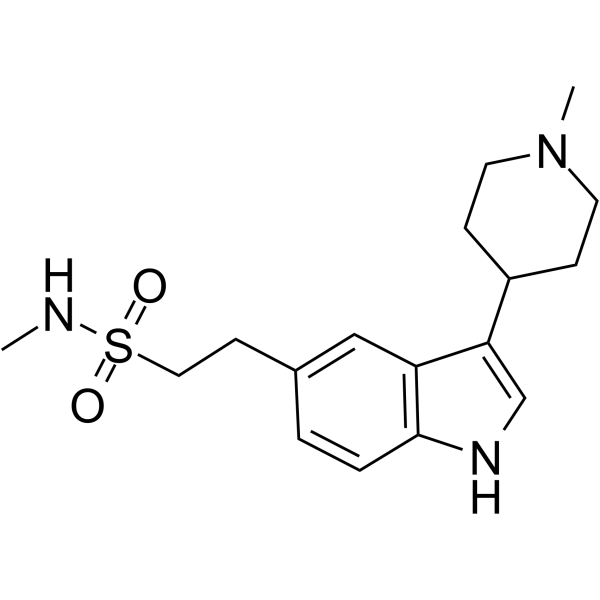
Naratriptan is an orally active and selective 5-HT1B/1D receptor agonist. Naratriptan is peripherally active and has good oral bioavailability, inducing cranial artery vasoconstriction by activating 5-HT1B/1D receptors (EC50=0.11 μM for dog basilar artery). Naratriptan also inhibits trigeminal nerve-mediated dural neurogenic plasma extravasation and reduces sterile inflammation. Naratriptan is mainly used in the research of acute migraine, targeting cranial vascular and neuroinflammatory mechanisms .
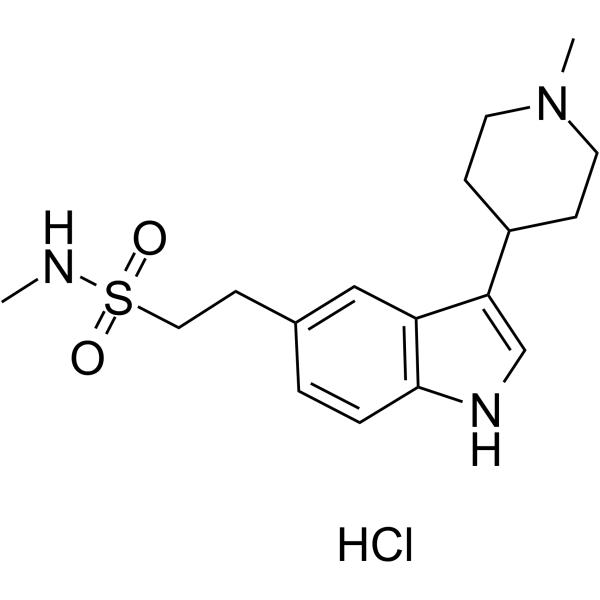
Naratriptan (GR-85548A) hydrochloride is a selective 5-HT1B/1D receptor agonist. Naratriptan hydrochloride is peripherally active and has good oral bioavailability, inducing cranial artery vasoconstriction by activating 5-HT1B/1D receptors (EC50=0.11 μM for dog basilar artery). Naratriptan hydrochloride also inhibits trigeminal nerve-mediated dural neurogenic plasma extravasation and reduces sterile inflammation. Naratriptan hydrochloride is mainly used in the research of acute migraine, targeting cranial vascular and neuroinflammatory mechanisms .
GYKI 53405 (LY 293606) is a non-competitive, orally active AMPA receptor antagonist. GYKI 53405 shows no significant binding affinity for GABAA, GABAB or benzodiazepine receptors. GYKI 53405 increases self-grooming behavior, induces wet dog-like shakes, reduces spontaneous activity, produces anxiolytic-like behavior, reverses the anxiogenic effect induced by mCPP, inhibits locomotor activity, suppresses sound-induced and maximal electroshock-induced seizures, prolongs survival in global cerebral ischemia models, and exhibits sustained anticonvulsant effects at doses below the sedation threshold. GYKI 53405 can be used in research related to absence epilepsy, anxiety disorders and global cerebral ischemia .
KFP-H008 is an orally active potassium-competitive acid blocker. KFP-H008 inhibits gastric acid secretion through blocking H +-K +-ATPase. KFP-H008 reduces ethanol-induced gastric ulcer index and malonaldehyde as well as proinflammatory cytokine expression in vivo. KFP-H008 downregulates p-p38 MAPK and p65 NF-κB expression. KFP-H008 blocks histamine-stimulated acid secretion in rat and dog models. KFP-H008 can be studied in research on acid-related disease, such as ethanol-induced gastric ulcer and gastric epithelial cell damage .
PFI-653 (Vanin-1-IN-1, compound 3), a chemical probe, is a vanin-1 inhibitor that binds to plasma vanin-1 from mouse, rat, dog, and human. Vanin-1 is a cell surface-associated inositol (GPi) -anchored protein that plays important roles in metabolism and inflammation. PFI-653 inhibits vanin-1 from different species with IC50s of 6.85 nM (human recombinant plasma vanin-1), 9.0 nM (human plasma vanin-1), 24.5 nM (mouse recombinant vanin-1), and 53.4 nM (mouse plasma vanin-1) .
A1480LS is a peripherally restricted, orally active covalent and irreversible inhibitor of DAGLα and DAGLβ, with IC50 values of 6 nM and 4 nM against human targets, respectively, and IC50 values ≤15 nM across mouse, rat, dog, monkey and human systems. A1480LS reduces the levels of 2-arachidonoylglycerol, arachidonic acid, and cyclooxygenase- and lipoxygenase-derived eicosanoids. A1480LS inhibits injury-induced production of 2-arachidonoylglycerol and arachidonic acid in the peripheral sciatic nerve, and suppresses the responses of high-threshold and wide-dynamic-range-like dorsal horn neurons to mechanical stimulation. A1480LS alleviates pain behaviors in rat models of inflammatory pain, neuropathic pain and chemotherapy-induced peripheral neuropathy .
Naratriptan-d3 (GR-85548A-d3) is the deuterium labeled Naratriptan (HY-B0197). Naratriptan is a selective 5-HT1B/1D receptor agonist. Naratriptan is peripherally active and has good oral bioavailability, inducing cranial artery vasoconstriction by activating 5-HT1B/1D receptors (EC50=0.11 μM for dog basilar artery). Naratriptan also inhibits trigeminal nerve-mediated dural neurogenic plasma extravasation and reduces sterile inflammation. Naratriptan is mainly used in the research of acute migraine, targeting cranial vascular and neuroinflammatory mechanisms .
Naratriptan (GR-85548A) hydrochloride (Standard) is the analytical standard of Naratriptan hydrochloride (HY-B0197A). This product is intended for research and analytical applications. Naratriptan is a selective 5-HT1B/1D receptor agonist. Naratriptan is peripherally active and has good oral bioavailability, inducing cranial artery vasoconstriction by activating 5-HT1B/1D receptors (EC50=0.11 μM for dog basilar artery). Naratriptan also inhibits trigeminal nerve-mediated dural neurogenic plasma extravasation and reduces sterile inflammation. Naratriptan is mainly used in the research of acute migraine, targeting cranial vascular and neuroinflammatory mechanisms .
Naratriptan-d3 (GR-85548A-d3) is the deuterium labeled Naratriptan hydrochloride (HY-B0197A). Naratriptan hydrochloride is a selective 5-HT1B/1D receptor agonist. Naratriptan hydrochloride is peripherally active and has good oral bioavailability, inducing cranial artery vasoconstriction by activating 5-HT1B/1D receptors (EC50=0.11 μM for dog basilar artery). Naratriptan hydrochloride also inhibits trigeminal nerve-mediated dural neurogenic plasma extravasation and reduces sterile inflammation. Naratriptan hydrochloride is mainly used in the research of acute migraine, targeting cranial vascular and neuroinflammatory mechanisms .
Osaterone acetate is an orally active steroid anti-androgen agent, mainly used for benign prostatic hyperplasia (BPH) in dogs. Osaterone acetate competitively antagonizes androgen receptor and inhibits 5α-reductase, reducing the concentration of dihydrotestosterone (DHT) while blocking the growth-stimulating effects of testosterone and DHT on prostate cells. Osaterone acetate can rapidly alleviate the symptoms of BPH in dogs without affecting the fertility of breeding dogs .
BI-9627 hydrochloride is a potent sodium-hydrogen exchanger isoform 1 (NHE1) inhibitor (IC50 = 6 and 31 nM in intracellular pH recovery (pHi) and human platelet swelling assays). BI-9627 hydrochloride displays >30-fold selectivity against NHE2 and with no measurable inhibitory activity against the NHE3 isoform. BI-9627 hydrochloride decreases autophagy in HTR-8/SVneo cells. BI-9627 hydrochloride can significantly reduce the pHi of human sperm and partially reverse the effect of DMA. BI-9627 hydrochloride prolongs Ca 2+ recovery time in KO hiPSC-CMs. BI-9627 hydrochloride shows low DDI (agent-agent interaction) potential, excellent pharmacokinetics in rat and dog, and remarkably potent activity in the isolated heart model of ischemia-reperfusion injury .
Thromboxane B2 is a prostaglandin derivative that is released during anaphylaxis. Thromboxane B2 induces arterial contraction and platelet aggregation. Thromboxane B2 is a biological inactive product and circulating catabolite of thromboxane A2. Thromboxane B2 levels in peripheral venous blood and coronary sinus blood can be used as a diagnostic marker for angina. Thromboxane B2 level in serum is also associated with inhibition of COX-1 activity inhibition in platelets. Thromboxane B2 is a major product of prostaglandin endoperoxide metabolism. Thromboxane B2 produces dose-related decreases in airflow rate, tidal volume and dynamic lung compliance, whilst simultaneously increasing pulmonary airway resistance in dog model. Thromboxane B2 appears to be a naturally occurring bronchoactive metabolite in the bioconversion of arachidonic acid .
Zaloglanstat (ISC-27864; GRC-27864) is a selective, orally active microsomal mPGES-1 inhibitor. Zaloglanstat has an IC50 of 5 nM for human mPGES-1 without significant inhibitory effect on COX-1/2 (IC50 >10 μM). Zaloglanstat blocks the conversion of arachidonic acid metabolite prostaglandin PGH2 to prostaglandin PGE2, thereby inhibiting inflammation-related PGE2 overproduction and reducing inflammatory responses and pain. Zaloglanstat inhibits IL-1β-induced PGE2 release in A549 cells and human synovial fibroblasts in vitro. Zaloglanstat inhibits PGE2 release in pig and dog whole blood with IC50s ??of 161 nM and 154 nM, respectively. Zaloglanstat can be used in the study of asthma, osteoarthritis, and neurodegenerative diseases .
CGS 24891 is an orally active 5-lipoxygenase (5-LO) inhibitor, with an IC50 value of 0.051 μM in guinea pigs and 0.11 μM in dogs. CGS 24891 inhibits the production of 5-hydroxyeicosatetraenoic acid (5-HETE) and leukotriene B4 (LTB4) from arachidonic acid. CGS 24891 weakly inhibits 12-lipoxygenase (12-LO) with an IC50 of 0.41 μM. CGS 24891 is applicable to research on inflammation and allergic reactions .
ED-594 is the glucuronide form of NB-506. ED-594 is one of the major metabolites of NB-506 in rat bile, mouse liver microsomes, rat liver microsomes and human liver microsomes .
BI-9627, a chemical probe, is a potent sodium-hydrogen exchanger isoform 1 (NHE1) inhibitor (IC50 = 6 and 31 nM in intracellular pH recovery (pHi) and human platelet swelling assays). BI-9627 displays >30-fold selectivity against NHE2 and with no measurable inhibitory activity against the NHE3 isoform. BI-9627 decreases autophagy in HTR-8/SVneo cells. BI-9627 can significantly reduce the pHi of human sperm and partially reverse the effect of DMA. BI-9627 prolongs Ca 2+ recovery time in KO hiPSC-CMs. BI-9627 shows low DDI (agent-agent interaction) potential, excellent pharmacokinetics in rat and dog, and remarkably potent activity in the isolated heart model of ischemia-reperfusion injury .
Cimicoxib (UR-8880) is an orally active, blood-brain barrier-permeable COX-2 inhibitor that also exerts targeted inhibition on CYP2D15. It has an IC50 of 66 nM against hCOX-2, an IC50 of 1.6 μM against canine CYP2D15, and an IC50 of 0.056 μM against feline CYP2D15. By inhibiting the COX-2 pathway to reduce the production of thromboxane B2 and prostaglandin E2, Cimicoxib exerts antipyretic, anti-inflammatory and analgesic effects. Cimicoxib is metabolized by CYP2D15 to form demethyl-cimicoxib, undergoes glucuronidation via UDP-glucuronosyltransferases, and exhibits biphasic elimination kinetics in beagle dogs. Cimicoxib is widely used in studies of inflammatory diseases, osteoarthritis, and perioperative pain associated with orthopedic or soft tissue surgeries .
CGS 23885 is an orally active 5-lipoxygenase (5-lipoxygenase) inhibitor. CGS 23885 reduces the production of 5-hydroxyeicosatetraenoic acid (5-hydroxyeicosatetraenoic acid), LTB4, and LTC4/D4/E4. CGS 23885 inhibits cell infiltration in rat pleurisy. CGS 23885 can be used in pleurisy-related research .
MK-3901 is a selective P2X3 receptor antagonist with an IC50 of 24 nM. MK-3901 inhibits UGT1A1 (with an IC50 of 1 μM) and CYP2C9 (with an IC50 of 5.7 μM). MK-3901 activates PXR. MK-3901 induces hyperbilirubinemia. MK-3901 can be used for the research of inflammatory pain .
SQ 31844 is a novel renin inhibitor belonging to the imidazolidinol class. This compound, which contains an imidazole ring in its active site binding group, has potent in vitro inhibition of primate renin, but not rat, pig, or dog renin. In conscious, sodium-deprived cynomolgus monkeys, both compounds produced dose-related inhibition of plasma renin activity (PRA) over a dose range of 0.001 to 1.0 μmol/kg, administered intravenously, with complete inhibition observed at the highest dose. However, a reduction in blood pressure was only observed when 10 μmol/kg was administered intravenously or by infusion. In sodium-replete monkeys, SQ 30774 inhibited the increase in arterial blood pressure and PRA following administration of exogenous monkey renin. When the compounds were administered orally at 50 μmol/kg, only SQ 31844 significantly inhibited PRA (80%). In summary, the imidazolidinol renin inhibitors have potent inhibitory effects on renin in vitro and inhibit PRA and reduce arterial blood pressure in vivo.
Tanruprubart (ANX005) is a C1q inhibitor and C1q depleter. Tanruprubart is a human antibody expressed in CHO cells, with huIgG1 heavy chains and huκ light chains, and its predicted molecular weight (MW) is 145 kDa. For the isotype control of Tanruprubart, refer to Human IgG1 kappa, Isotype Control (HY-P99001). The IC50 of Tanruprubart is 346 ng/mL for humans and 259 ng/mL for rats; its EC50 is 3.8 ng/mL for humans, 5.2 ng/mL for rats, and 9.9 ng/mL for mice. Tanruprubart is applicable to the research of Guillain-Barré syndrome and Alzheimer's disease .
Mofegiline hydrochloride (MDL72974A) is an orally active and selective enzyme-activated irreversible inhibitor of MAO-B, with marked selectivity on the MAO-B over MAO-A with IC50s of 3.6 nM (MAO-B) and 680 nM (MAO-A), respectively. Mofegiline hydrochloride is also an inhibitor of semicarbazide-sensitive amine oxidase (SSAO) .
ICI-170777 is an orally active cardiotonic agent and type III Phosphodiesterase inhibitor, with an IC50 of 2.5 μM against cyclic AMP phosphodiesterase type III from canine cardiac fractions. ICI-170777 inhibits Aldrin epoxidase and pentobarbital metabolism. It enhances β-adrenergic receptor-mediated positive inotropic effects without causing chronotropic effects, while also exerting balanced arteriolar/venular vasodilator, platelet aggregation inhibitor and smooth muscle relaxant activities. ICI-170777 restores cardiac function in an acute canine heart failure model, exhibits additive effects when combined with Ouabain (HY-B1457), and shows no significant activity against multiple receptor classes or non-cardiac systems. ICI-170777 can be used in research related to congestive heart failure .
Lipid A-11 (Compound A-11) (CICL1) is an ionizable cationic lipid. Lipid A-11 can be used to prepare lipid nanoparticles. Lipid A-11 can be used in research involving T cell-targeted transfection .
Cassaine (Nervocidine) is a Na +/K +-ATPase inhibitor. Cassaine stabilizes phosphorylated intermediates, slows spontaneous dephosphorylation and blocks potassium-stimulated dephosphorylation. Cassaine exhibits non-competitive inhibition with respect to K +, shows inhibition enhanced by Pi and antagonized by Na +. Cassaine induces positive inotropic effects in perfused hearts with faster inotropy offset. Cassaine can be used for research on cardiac arrhythmias .
Benzcyclane (Bencyclane; Benzcyclan) is a serotonin receptor antagonist and a cerebral/peripheral vasodilator. Benzcyclane exerts atypical serotonin antagonistic effects in rabbit superior mesenteric arteries. Benzcyclane relaxes high K +-induced contractions in rabbit basilar arteries and superior mesenteric arteries, and selectively inhibits sympathetic nerve stimulation-induced contractions in rabbit pulmonary arteries. Benzcyclane exerts non-competitive norepinephrine antagonistic effects in rabbit superior mesenteric arteries, and slightly reduces the maximum contractile response induced by histamine. Benzcyclane relaxes smooth muscles, induces transient hypotension, inhibits thrombosis, and accelerates blood fibrinolytic activity. Benzcyclane increases cerebral glucose content/uptake, enhances hypoxia tolerance in mice, and increases cerebral blood supply in dogs. Benzcyclane is applicable to studies related to cerebral vascular circulation .
ACT-774312 is a potent and selective CRTH2 antagonist with an IC50 of 4 nM. ACT-774312 blocks the activity and internalization of the CRTH2 receptor, and inhibits PGD2-induced morphological changes in eosinophils. ACT-774312 can be used in the research of nasal polyps and type 2 inflammatory diseases.
FXIa/Plasma kallikrein-IN-1 is an inhibitor of coagulation factor XIa (FXIa) and plasma kallikrein with Ki values of 187.70 nM and 151.6 nM, respectively. FXIa/Plasma kallikrein-IN-1 can be used in the research of thromboembolic diseases .
Bax activator-2 is a pro-apoptotic agent targeting BAX, with an IC50 of 0.30 μM against human BAX. Bax activator-2 binds to the trigger site of BAX and induces its conformational change. Bax activator-2 induces mitochondrial depolarization, cytochrome c release, cleavage of caspase-3/9 and PARP, thereby initiating apoptosis. Bax activator-2 exhibits cytotoxicity against a variety of cancer cell lines. Bax activator-2 can be used in research related to acute myeloid leukemia and solid tumors .
LRRK2-IN-21 is a selective, blood-brain barrier-permeable LRRK2 kinase inhibitor with an IC50 of 0.35 nM. LRRK2-IN-21 inhibits TTK kinase with an IC50 of 70 nM. LRRK2-IN-21 is applicable to the research of Parkinson's disease .
BMS-962212 is a factor XIa (FXIa) inhibitor with a Ki of 0.7 nM against human FXIa and a Ki of 3 nM against rabbit FXIa. BMS-962212 blocks thrombosis while preserving normal hemostatic function. BMS-962212 is applicable to thrombosis-related research .
β-Estradiol 17-acetate (1,3,5(10)-Estratriene-3,17β-diol 17-acetate) is a long-acting endogenous estrogen precursor and also a cell viability and proliferation enhancer. β-Estradiol 17-acetate promotes the adhesion and proliferation of freshly isolated and revived female-derived human brain microvascular endothelial cells, and reverses the decreased viability of revived male-derived human brain microvascular endothelial cells. β-Estradiol 17-acetate exerts the microvascular protective effect of estrogen, enabling non-tumor human brain microvascular endothelial cells to be cultured in vitro for 2 months after cryopreservation. β-Estradiol 17-acetate is biotransformed into β-estradiol via hydrolase action in the in vitro skin of humans, hairless dogs, rats and hairless mice .
AH23848 (compound 6) is a competitive blocker of the thromboxane A2 receptor and an orally effective agent, with an IC50 value of 50 nM against human targets and a long duration of action.
CP 71362 is a renin inhibitor, a highly potent substrate-analog transition state mimic with antihypertensive properties. CP 71362 exhibits significant inhibitory activity against plasma renin from rats, dogs, and humans (IC50 values are 3 nM, 0.0033 nM, and 20 nM, respectively). CP 71362 reduces the mean arterial pressure of anesthetized and conscious sodium-depleted animals in a dose-dependent manner, and has pharmacokinetic characteristics of rapid elimination and short duration of action. CP 71362 can be used in research related to hypertension and congestive heart failure .
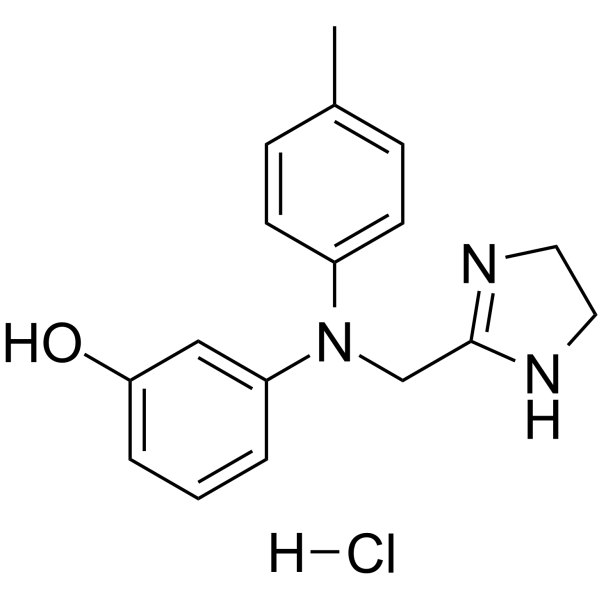
Phentolamine hydrochloride is an orally active, selective α1 and α2 Adrenergic receptor antagonist. Phentolamine hydrochloride antagonizes the vasodilatory effect of Cromakalim (HY-110011) on isolated circumflex coronary artery segments in dogs. Phentolamine hydrochloride reduces systemic vascular resistance and increases cardiac output. Phentolamine hydrochloride improves erectile dysfunction. Phentolamine hydrochloride can be used for the research of erectile dysfunction .
AH23848 hemicalcium salt is an orally active, selective competitive blocker of the thromboxane A2 receptor, with an IC50 value of 50 nM. AH23848 hemicalcium salt shows no activity against other prostaglandin, serotonin (5-HT) or adenosine diphosphate (ADP) receptors. AH23848 hemicalcium salt can be used in the research of occlusive vascular diseases .
Dog Immunoglobulin G (Dog IgG) is a dog serum immunoglobulin that can be used in immunolabeling and coating protein in a variety of immunoassays including ELISA .
pTH (1-84) dog is a biologically active full-length canine parathyroid hormone, as well as an agonist of PTHR. pTH (1-84) dog can be detected by the "intact" PTH (W-PTH) assay, thus effectively distinguishing inactive C-terminal fragments. In terms of metabolic regulation, it rapidly and persistently stimulates hepatic glucose release, hepatic alanine uptake, and alanine-based gluconeogenesis in conscious fasted dogs, and causes a secondary increase in circulating canine insulin levels due to enhanced glucose release. However, high doses of pTH (1-84) (dog) may induce adverse reactions such as hypercalcemia in dogs. Based on the above characteristics, this hormone can be widely used in studies related to canine hyperadrenocorticism (HAC) .
Osteostatin (1-5) amide (human, bovine, dog, horse, mouse, rabbit, rat) (Human PTHrP (107-111) amide) is a C-terminal parathyroid hormone-related protein fragment that can inhibit bone resorption .
Auriculin A is a synthetic atrial natriuretic factor (ANF) with hemodynamic effect. Auriculin A antagonizes renal vasoconstriction in the dog, and influences on arterial baroreflex control of heart rate, systemic blood pressure, and perfusion pressure in the hind limb (perfused at constant flow) in rabbits .
Platelet factor 4 (59-70) is a polypeptide, which is composed of platelets and megakaryocytes. Platelet factor 4 (59-70) stimulates dog mastocytoma cells, promotes the release of histamine and leukotrienes .
[D-Pro4,D-Trp7,9] Substance P (4-11) is a potent antagonist of Substance P (HY-P0201). [D-Pro4,D-Trp7,9] Substance P (4-11) decreases plasma aldosterone (ALDO) concentration .
Bedinvetmab (ZTS-00508841) is a canine monoclonal antibody (mAb) targeting nerve growth factor (NGF). Bedinvetmab inhibits NGF interaction with tropomyosin receptor kinase A (trkA) and p75 neurotrophin receptor (p75NTR) receptors. Bedinvetmab can be used for the research of osteoarthritis pain in dogs .
Tanruprubart (ANX005) is a C1q inhibitor and C1q depleter. Tanruprubart is a human antibody expressed in CHO cells, with huIgG1 heavy chains and huκ light chains, and its predicted molecular weight (MW) is 145 kDa. For the isotype control of Tanruprubart, refer to Human IgG1 kappa, Isotype Control (HY-P99001). The IC50 of Tanruprubart is 346 ng/mL for humans and 259 ng/mL for rats; its EC50 is 3.8 ng/mL for humans, 5.2 ng/mL for rats, and 9.9 ng/mL for mice. Tanruprubart is applicable to the research of Guillain-Barré syndrome and Alzheimer's disease .
Ranevetmab (NV-01) is a caninised anti-NGF monoclonal antibody (mAb). Ranevetmab can alleviate pain, and is used for the research of degenerative joint disease (DJD) pain .
Adargiminase (NEI-01) is a modified arginine-depleting enzyme and albumin binder. Adargiminase catalyzes the conversion of arginine to citrulline and ammonia, reduces plasma arginine levels to undetectable levels, and binds to serum albumin from Mus musculus (mouse), Rattus norvegicus (rat), Canis lupus familiaris (dog) and Homo sapiens (human) to extend its half-life. Adargiminase inhibits the viability of ASS1-negative pancreatic cancer cells, and reduces tumor volume and weight. Adargiminase can be used for the research of pancreatic cancer .
Hypaconitine inhibits the KCNH2 current with an IC50 of 8.1 nM, and exhibits cardiotoxicity. Hypaconitine inhibits TGF-β1-induced epithelial-mesenchymal transition (EMT) in A549 cell through the inhibition of NF-κB nuclear translocation. Hypaconitine acts as the neuromuscular blocker. Hypaconitine is orally active .
4-Methyl-5-thiazoleethanol is a natural sulfur-containing flavor compound with the aroma of beef and nuts. In addition, the composite material prepared by modifying graphene oxide with 4-Methyl-5-thiazoleethanol through a one-step esterification reaction can selectively adsorb copper ions (Cu 2+) in aqueous solutions .
β-Estradiol 17-acetate (1,3,5(10)-Estratriene-3,17β-diol 17-acetate) is a long-acting endogenous estrogen precursor and also a cell viability and proliferation enhancer. β-Estradiol 17-acetate promotes the adhesion and proliferation of freshly isolated and revived female-derived human brain microvascular endothelial cells, and reverses the decreased viability of revived male-derived human brain microvascular endothelial cells. β-Estradiol 17-acetate exerts the microvascular protective effect of estrogen, enabling non-tumor human brain microvascular endothelial cells to be cultured in vitro for 2 months after cryopreservation. β-Estradiol 17-acetate is biotransformed into β-estradiol via hydrolase action in the in vitro skin of humans, hairless dogs, rats and hairless mice .
Guanfu base A is an antiarrhythmic alkaloid isolated from Aconitum coreanum and is a potent noncompetitive CYP2D6 inhibitor, with a Ki of 1.20 μM in human liver microsomes (HLMs) and a Ki of 0.37 μM for the human recombinant form (rCYP2D6). Guanfu base A is also a potent competitive inhibitor of CYP2D in monkey (Ki of 0.38 μM) and dog (Ki of 2.4 μM) microsomes . Guanfu base A also inhibits HERG channel current .
Gardneramine is an orally active alkaloid that acts like papaverine. Gardneramine has peripheral vascular diastolic effect, direct inhibition on myocardium and central inhibition. Gardneramine showed antihypertensive, vasodilatation and atrial inhibition effects in rabbit, dog and guinea pig models, respectively. Gardneramine also inhibits the movement of smooth muscle organs such as the stomach and intestines .
Isoxepac (Standard) is the analytical standard of Isoxepac. This product is intended for research and analytical applications. Isoxepac (HP 549) is a nonsteroidal anti-inflammatory agent (NSAID) with anti-inflammatory, analgesic and antipyretic activity. Isoxepac has been studied in rat, rabbit, dog, rhesus monkey, etc .
Cassaine (Nervocidine) is a Na +/K +-ATPase inhibitor. Cassaine stabilizes phosphorylated intermediates, slows spontaneous dephosphorylation and blocks potassium-stimulated dephosphorylation. Cassaine exhibits non-competitive inhibition with respect to K +, shows inhibition enhanced by Pi and antagonized by Na +. Cassaine induces positive inotropic effects in perfused hearts with faster inotropy offset. Cassaine can be used for research on cardiac arrhythmias .
The Minor allergen Can f 2 protein is found in tongue epithelial tissue and the parotid gland. Minor allergen Can f 2 protein, Dog (His-SUMO) is the recombinant dog-derived Minor allergen Can f 2 protein, expressed by E. coli , with N-His, N-SUMO labeled tag.
Can f 1 Protein is a major dog allergen. It is a protein produced in the canine VonEbner's glands and the possible role of the protein is in taste reception. Can f 1 is mainly derived from dog dander, pelt hair and saliva. Exposure and sensitization to dog allergen is a significant cause of asthma. Can f 1 Protein, Canine (HEK293, His) is the recombinant canine-derived Can f 1 protein, expressed by HEK293 , with C-His labeled tag.
Cationic trypsin Protein, Dog (His-SUMO) is the recombinant dog-derived Cationic trypsin protein, expressed by E. coli, with N-His, N-SUMO labeled tag.
Anionic trypsin (serine protease 2, PRSS2) is a member of trypsin family of serine proteases which is found at high levels in pancreatic juice and its upregulation is a characteristic feature of pancreatitis. PRSS2 has also been found to activate pro-urokinase in ovarian tumors, suggesting a function in tumor invasion. PRSS2 potentially participating in the degradation of type II collagen-rich cartilage matrix. Anionic trypsin Protein, Dog (His-SUMO) is the recombinant dog-derived Anionic trypsin protein, expressed by E. coli , with N-His, N-SUMO labeled tag.
ANGPT2/Angiopoietin-2 (dog) complexly regulates angiogenesis by binding to TEK/TIE2, competitively affecting ANGPT1 signaling. It independently induces TEK/TIE2 phosphorylation and, in the absence of VEGF, may cause endothelial cell apoptosis, thereby promoting vascular regression. ANGPT2/Angiopoietin-2 Protein, Dog (222a.a, HEK293, His) is the recombinant dog-derived Angiopoietin-2 protein, expressed by HEK293 , with N-His labeled tag.
The TARC/CCL17 protein attracts T lymphocytes, particularly Th2 cells, and is involved in inflammation and immunity. It binds to CCR4 on T cells and contributes to GM-CSF/CSF2-induced pain and inflammation. In the brain, it maintains hippocampal microglia morphology and aids in adapting to neuroinflammation. Additionally, it plays a role in wound healing by promoting fibroblast migration. TARC/CCL17 Protein, Dog (HEK293, His) is the recombinant dog-derived TARC/CCL17 protein, expressed by HEK293 , with C-6*His labeled tag.
The TARC/CCL17 protein attracts T lymphocytes, particularly Th2 cells, and is involved in inflammation and immunity. It binds to CCR4 on T cells and contributes to GM-CSF/CSF2-induced pain and inflammation. In the brain, it maintains hippocampal microglia morphology and aids in adapting to neuroinflammation. Additionally, it plays a role in wound healing by promoting fibroblast migration. TARC/CCL17 Protein, Dog (Biotinylated, MBP, His-Avi) is the recombinant dog-derived TARC/CCL17 protein, expressed by E. coli , with N-MBP, C-6*His-Avi labeled tag.
The PNLIPRP1 protein acts as an inhibitor of dietary triglyceride digestion and lacks lipase activity on various substrates. This regulatory effect suggests an effect on the breakdown of dietary triglycerides. PNLIPRP1 Protein, Dog (P.pastoris, His) is the recombinant dog-derived PNLIPRP1 protein, expressed by P. pastoris , with N-His labeled tag.
Annexin A13/ANXA13 protein has a high affinity for folic acid and can bind to reduced folic acid derivatives to promote the transport of 5-methyltetrahydrofolate and folic acid analogs into cells. After endocytosis, the FOLR1 protein undergoes conformational changes when exposed to slightly acidic pH, resulting in a significant reduction in its affinity for folate and subsequent release. Annexin A13/ANXA13 Protein, Dog (P.pastoris, His) is the recombinant dog-derived Annexin A13/ANXA13 protein, expressed by P. pastoris , with N-His labeled tag.
IL-18 protein is a pro-inflammatory cytokine that is critical for epithelial barrier repair and immune regulation, especially in Th1 and NK cell responses. IL18R1 and IL18RAP combine to form a signaling ternary complex that activates NF-kappa-B and induces inflammatory mediators. IL-18 Protein, Dog (His) is the recombinant dog-derived IL-18 protein, expressed by E. coli , with N-His labeled tag.
ANGPT2/Angiopoietin-2 (dog) complexly regulates angiogenesis by binding to TEK/TIE2, competitively affecting ANGPT1 signaling. It independently induces TEK/TIE2 phosphorylation and, in the absence of VEGF, may cause endothelial cell apoptosis, thereby promoting vascular regression. ANGPT2/Angiopoietin-2 Protein, Dog (HEK293, His) is the recombinant dog-derived ANGPT2/Angiopoietin-2, Dog, expressed by HEK293 , with C-6*His labeled tag.
CD20/MS4A1 Protein-VLP, Dog (HEK293, His) is recommended for animal immunization, ELISA. It is not recommended for receptor-ligand interaction detection and SPR/BLI assay since there are other irrelevant membrane proteins of the host on the VLP envelope, and the receptor-ligand interaction will have strong background interference. High requirements for chips and experimental protocols are needed for SPR/BLI assays. If VLP control is required, it is recommended HY-P701236. Tags can only be detected under denaturing conditions.
CD20/MS4A1 protein-VLP, Dog, a B lymphocyte membrane protein critical for calcium influx and essential for B lymphocyte development, differentiation, and activation. As a component of store-operated calcium (SOC) channels, it promotes calcium influx upon B cell receptor/BCR activation. CD20/MS4A1 Protein, Dog (HEK293, His, Nanodisc) is the recombinant dog-derived CD20/MS4A1 protein, expressed by HEK293, with C-His labeled tag.
ANO1/Anoctamin-1 protein, a calcium-activated chloride channel (CaCC), is involved in ion transport, smooth muscle contraction, and mucus secretion. ANO1/Anoctamin-1 Protein, Human (N-His, C-Myc) is the recombinant human-derived ANO1/Anoctamin-1 protein, expressed by E. coli , with C-Myc, N-10*His labeled tag.
Naratriptan-d3 (GR-85548A-d3) is the deuterium labeled Naratriptan hydrochloride (HY-B0197A). Naratriptan hydrochloride is a selective 5-HT1B/1D receptor agonist. Naratriptan hydrochloride is peripherally active and has good oral bioavailability, inducing cranial artery vasoconstriction by activating 5-HT1B/1D receptors (EC50=0.11 μM for dog basilar artery). Naratriptan hydrochloride also inhibits trigeminal nerve-mediated dural neurogenic plasma extravasation and reduces sterile inflammation. Naratriptan hydrochloride is mainly used in the research of acute migraine, targeting cranial vascular and neuroinflammatory mechanisms .
Acetobromo-a-D-glucuronic acid- 13C6 methyl ester (Methyl acetobromo-α-D-glucuronate- 13C6 methyl ester) is 13C labeled Acetobromo-α-D-glucuronic acid methyl ester, 98% (HY-W008125). Acetobromo-α-D-glucuronic acid methyl ester, 98% is an intermediate. Acetobromo-α-D-glucuronic acid methyl ester, 98% can be used to synthesize HMR1098-S-Glucuronide Methyl Ester. HMR1098 is a novel KATP blocker that is metabolized to S-glucuronide in rat and dog bile. Acetobromo-α-D-glucuronic acid methyl ester, 98% can be used in the research of sudden cardiac death .
Naratriptan-d3 (GR-85548A-d3) is the deuterium labeled Naratriptan (HY-B0197). Naratriptan is a selective 5-HT1B/1D receptor agonist. Naratriptan is peripherally active and has good oral bioavailability, inducing cranial artery vasoconstriction by activating 5-HT1B/1D receptors (EC50=0.11 μM for dog basilar artery). Naratriptan also inhibits trigeminal nerve-mediated dural neurogenic plasma extravasation and reduces sterile inflammation. Naratriptan is mainly used in the research of acute migraine, targeting cranial vascular and neuroinflammatory mechanisms .
Pradofloxacin-d4 is the deuterium labeled Pradofloxacin (HY-W753904). Pradofloxacin, a third-generation fluoroquinolone antibacterial agent. Pradofloxacin can be used for the study of bacterial infections in the dog and cat, such as skin infections .
Grapiprant-d4 (CJ-023423-d4) is the deuterium labeled Grapiprant (HY-16781). Grapiprant (CJ-023423) is a selective EP4 receptor antagonist whose physiological ligand is prostaglandin E2 (PGE2). Grapiprant displaces [ 3H]-PGE2 (1 nM) binding to dog recombinant EP4 receptor with IC50 value of 35 nM and Ki value of 24 nM. Grapiprant has the potential for osteoarthritic pain and inflammation treatment [3] .
Lipid A-11 (Compound A-11) (CICL1) is an ionizable cationic lipid. Lipid A-11 can be used to prepare lipid nanoparticles. Lipid A-11 can be used in research involving T cell-targeted transfection .
S-Ac7-DOG is a cationic lipid with biodegradability, low immunogenicity and high nucleic acid transfection capacity, which is commonly used to construct lipid nanoparticles for nucleic acid molecule delivery. S-Ac7-DOG can bind to mRNA, microRNA and self-amplifying RNA through electrostatic interaction. Lipid nanoparticles formed by S-Ac7-DOG enter cells via an energy-dependent endocytic pathway, release nucleic acid cargos, induce antigen-specific CD8 + T cell responses, promote the generation of precursor memory T cells, and regulate neuroinflammatory pathways. S-Ac7-DOG can be used in the research of retinal diseases, neuroinflammation and cancer .
DOG-IM4 can be used to synthesize nanoparticles to deliver antigen-encoding nucleic acids. It could be used to try to target autoimmune diseases, rare blood or metabolic diseases, allergies, cancer or infectious diseases .
Inquiry Online
Your information is safe with us. * Required Fields.
Western blot analysis of extracts from THP-1(lane 2(20μg), Jurkat (lane 3(20μg) and NIH3T3(lane 4(20μg) using FOXO1A (HY-P80132) Rabbit mAb. Proteins were transferred
to a PVDF membrane and blocked with 5% non-fat milk in TBST for 2 hour at room temperature. The primary antibody (1/1000) and Loading control antibody (Beta Actin, HY-P80438, 1/10000) was
used in 5% non-fat milk in TBST at 4°C overnight. Goat Anti-Mouse/Rabbit IgG-HRP Secondary Antibody (1/10000) was used for 1 hour at room temperature.
Western blot analysis of extracts from THP-1(lane 2(20μg), Jurkat (lane 3(20μg) and NIH3T3(lane 4(20μg) using FOXO1A (HY-P80132) Rabbit mAb. Proteins were transferred
to a PVDF membrane and blocked with 5% non-fat milk in TBST for 2 hour at room temperature. The primary antibody (1/1000) and Loading control antibody (Beta Actin, HY-P80438, 1/10000) was
used in 5% non-fat milk in TBST at 4°C overnight. Goat Anti-Mouse/Rabbit IgG-HRP Secondary Antibody (1/10000) was used for 1 hour at room temperature.
Western blot analysis of extracts from THP-1(lane 2(20μg), Jurkat (lane 3(20μg) and NIH3T3(lane 4(20μg) using FOXO1A (HY-P80132) Rabbit mAb. Proteins were transferred
to a PVDF membrane and blocked with 5% non-fat milk in TBST for 2 hour at room temperature. The primary antibody (1/1000) and Loading control antibody (Beta Actin, HY-P80438, 1/10000) was
used in 5% non-fat milk in TBST at 4°C overnight. Goat Anti-Mouse/Rabbit IgG-HRP Secondary Antibody (1/10000) was used for 1 hour at room temperature.
Western blot analysis of extracts from THP-1(lane 2(20μg), Jurkat (lane 3(20μg) and NIH3T3(lane 4(20μg) using FOXO1A (HY-P80132) Rabbit mAb. Proteins were transferred
to a PVDF membrane and blocked with 5% non-fat milk in TBST for 2 hour at room temperature. The primary antibody (1/1000) and Loading control antibody (Beta Actin, HY-P80438, 1/10000) was
MedchemExpress Validation 03
Western blot analysis of extracts from THP-1(lane 2(20μg), Jurkat (lane 3(20μg) and NIH3T3(lane 4(20μg) using FOXO1A (HY-P80132) Rabbit mAb. Proteins were transferred
MedchemExpress Validation 04
Western blot analysis of extracts from THP-1(lane 2(20μg), Jurkat (lane 3(20μg) and NIH3T3(lane 4(20μg) using FOXO1A (HY-P80132) Rabbit mAb. Proteins were transferred
to a PVDF membrane and blocked with 5% non-fat milk in TBST for 2 hour at room temperature. The primary antibody (1/1000) and Loading control antibody (Beta Actin, HY-P80438, 1/10000) was
used in 5% non-fat milk in TBST at 4°C overnight. Goat Anti-Mouse/Rabbit IgG-HRP Secondary Antibody (1/10000) was used for 1 hour at room temperature.
MedchemExpress Validation
Western blot analysis of extracts from THP-1(lane 2(20μg), Jurkat (lane 3(20μg) and NIH3T3(lane 4(20μg) using FOXO1A (HY-P80132) Rabbit mAb. Proteins were transferred
to a PVDF membrane and blocked with 5% non-fat milk in TBST for 2 hour at room temperature. The primary antibody (1/1000) and Loading control antibody (Beta Actin, HY-P80438, 1/10000) was
used in 5% non-fat milk in TBST at 4°C overnight. Goat Anti-Mouse/Rabbit IgG-HRP Secondary Antibody (1/10000) was used for 1 hour at room temperature.
Western blot analysis of extracts from THP-1(lane 2(20μg), Jurkat (lane 3(20μg) and NIH3T3(lane 4(20μg) using FOXO1A (HY-P80132) Rabbit mAb. Proteins were transferred
to a PVDF membrane and blocked with 5% non-fat milk in TBST for 2 hour at room temperature. The primary antibody (1/1000) and Loading control antibody (Beta Actin, HY-P80438, 1/10000) was
used in 5% non-fat milk in TBST at 4°C overnight. Goat Anti-Mouse/Rabbit IgG-HRP Secondary Antibody (1/10000) was used for 1 hour at room temperature.
MedchemExpress Validation
Western blot analysis of extracts from THP-1(lane 2(20μg), Jurkat (lane 3(20μg) and NIH3T3(lane 4(20μg) using FOXO1A (HY-P80132) Rabbit mAb. Proteins were transferred
to a PVDF membrane and blocked with 5% non-fat milk in TBST for 2 hour at room temperature. The primary antibody (1/1000) and Loading control antibody (Beta Actin, HY-P80438, 1/10000) was
used in 5% non-fat milk in TBST at 4°C overnight. Goat Anti-Mouse/Rabbit IgG-HRP Secondary Antibody (1/10000) was used for 1 hour at room temperature.
MedchemExpress Validation
Western blot analysis of extracts from THP-1(lane 2(20μg), Jurkat (lane 3(20μg) and NIH3T3(lane 4(20μg) using FOXO1A (HY-P80132) Rabbit mAb. Proteins were transferred
to a PVDF membrane and blocked with 5% non-fat milk in TBST for 2 hour at room temperature. The primary antibody (1/1000) and Loading control antibody (Beta Actin, HY-P80438, 1/10000) was
used in 5% non-fat milk in TBST at 4°C overnight. Goat Anti-Mouse/Rabbit IgG-HRP Secondary Antibody (1/10000) was used for 1 hour at room temperature.
MedchemExpress Validation
Western blot analysis of extracts from THP-1(lane 2(20μg), Jurkat (lane 3(20μg) and NIH3T3(lane 4(20μg) using FOXO1A (HY-P80132) Rabbit mAb. Proteins were transferred
to a PVDF membrane and blocked with 5% non-fat milk in TBST for 2 hour at room temperature. The primary antibody (1/1000) and Loading control antibody (Beta Actin, HY-P80438, 1/10000) was
used in 5% non-fat milk in TBST at 4°C overnight. Goat Anti-Mouse/Rabbit IgG-HRP Secondary Antibody (1/10000) was used for 1 hour at room temperature.
MedchemExpress Validation
Western blot analysis of extracts from THP-1(lane 2(20μg), Jurkat (lane 3(20μg) and NIH3T3(lane 4(20μg) using FOXO1A (HY-P80132) Rabbit mAb. Proteins were transferred
to a PVDF membrane and blocked with 5% non-fat milk in TBST for 2 hour at room temperature. The primary antibody (1/1000) and Loading control antibody (Beta Actin, HY-P80438, 1/10000) was
used in 5% non-fat milk in TBST at 4°C overnight. Goat Anti-Mouse/Rabbit IgG-HRP Secondary Antibody (1/10000) was used for 1 hour at room temperature.
MedchemExpress Validation
Western blot analysis of extracts from THP-1(lane 2(20μg), Jurkat (lane 3(20μg) and NIH3T3(lane 4(20μg) using FOXO1A (HY-P80132) Rabbit mAb. Proteins were transferred
to a PVDF membrane and blocked with 5% non-fat milk in TBST for 2 hour at room temperature. The primary antibody (1/1000) and Loading control antibody (Beta Actin, HY-P80438, 1/10000) was
used in 5% non-fat milk in TBST at 4°C overnight. Goat Anti-Mouse/Rabbit IgG-HRP Secondary Antibody (1/10000) was used for 1 hour at room temperature.
MedchemExpress Validation
Western blot analysis of extracts from THP-1(lane 2(20μg), Jurkat (lane 3(20μg) and NIH3T3(lane 4(20μg) using FOXO1A (HY-P80132) Rabbit mAb. Proteins were transferred
to a PVDF membrane and blocked with 5% non-fat milk in TBST for 2 hour at room temperature. The primary antibody (1/1000) and Loading control antibody (Beta Actin, HY-P80438, 1/10000) was
used in 5% non-fat milk in TBST at 4°C overnight. Goat Anti-Mouse/Rabbit IgG-HRP Secondary Antibody (1/10000) was used for 1 hour at room temperature.
MedChemExpress values your privacy and your trust is important to us. We use cookies to enhance your website experience. Some cookies are necessary to run the website.
Privacy and Cookie Policy

