1. Search Result
Search Result
Results for "

mitochondrial antioxidant

" in MedChemExpress (MCE) Product Catalog:

110

Inhibitors & Agonists

2

Fluorescent Dyes

6

Biochemical Assay Reagents

5

Peptides

58

Natural
Products

1

Recombinant Proteins

10

Isotope-Labeled Compounds

1

Antibodies

2

Oligonucleotides

2

GMP Molecules

Cat. No. Product Name Target Research Areas Chemical Structure
  • HY-112879
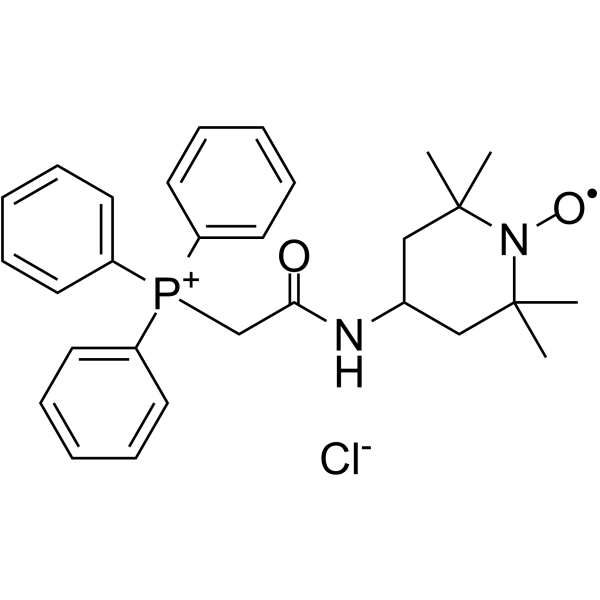
    Mito-TEMPO
    Maximum Cited Publications
    164 Publications Verification

    Calcium Channel PINK1/Parkin Mitochondrial Metabolism Apoptosis Autophagy NOD-like Receptor (NLR) Cardiovascular Disease Neurological Disease Metabolic Disease Inflammation/Immunology
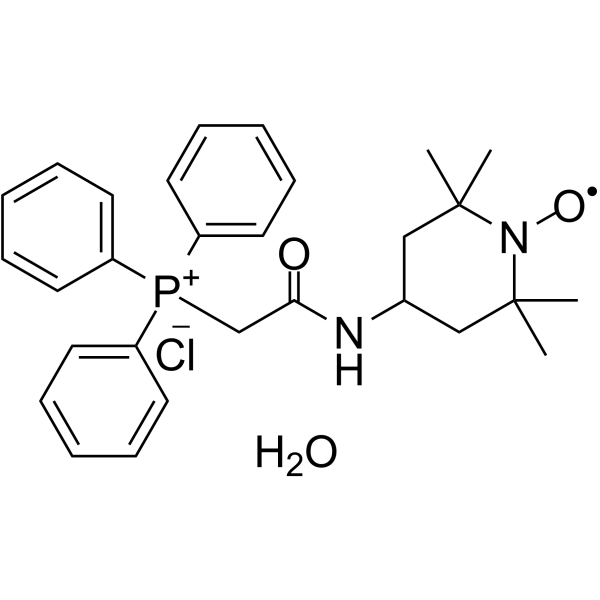
    Mito-TEMPO is a mitochondria-targeted antioxidant. Mito-TEMPO induces mitophagy by activating the PINK1/Parkin pathway, inhibits NLRP3 inflammasome activation, restores mitochondrial membrane potential, and improves renal function and podocyte injury. Mito-TEMPO regulates Ca 2+ homeostasis, inhibits Bnip3 overexpression, shortens action potential duration, and exerts antiarrhythmic effects. Mito-TEMPO reverses premature senescence, reduces trabecular bone loss, and decreases cell apoptosis. Mito-TEMPO can be used in studies of chronic kidney disease, age-related cardiac dysfunction, postmenopausal osteoporosis, and ischemic stroke .
    Mito-TEMPO
  • HY-100116A
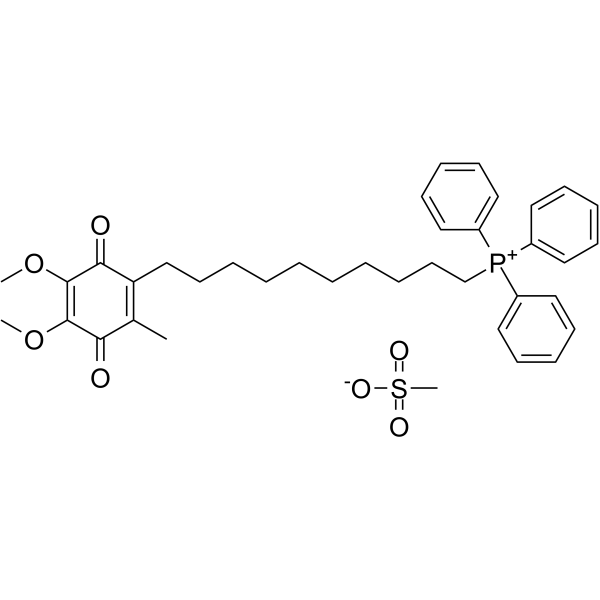
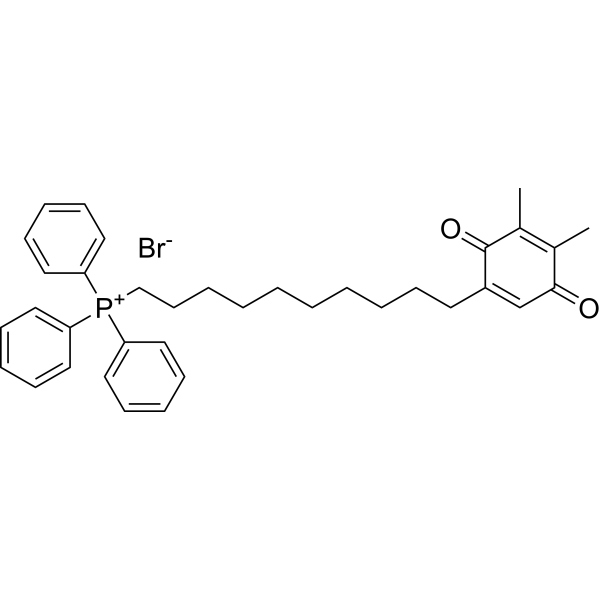
    Mitoquinone mesylate
    150+ Cited Publications

    MitoQ mesylate; MitoQ10 mesylate

    Reactive Oxygen Species (ROS) Metabolic Disease Cancer
    Mitoquinone mesylate is a TPP-based, mitochondrially targeted antioxidant in order to protect against oxidative damage .
    Mitoquinone mesylate
  • HY-B0399
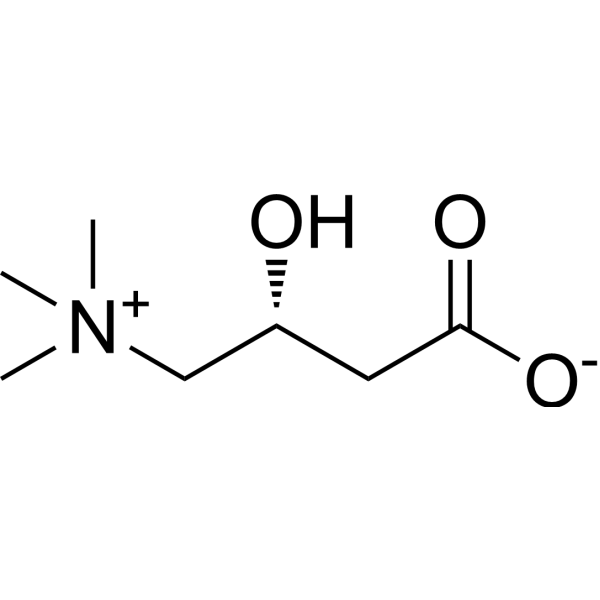
    L-Carnitine
    15+ Cited Publications

    (R)-Carnitine; Levocarnitine

    Endogenous Metabolite Neurological Disease Cancer
    L-Carnitine ((R)-Carnitine), a highly polar, small zwitterion, is an essential co-factor for the mitochondrial β-oxidation pathway. L-Carnitine functions to transport long chain fatty acyl-CoAs into the mitochondria for degradation by β-oxidation. L-Carnitine is an antioxidant. L-Carnitine can ameliorate metabolic imbalances in many inborn errors of metabolism .
    L-Carnitine
  • HY-44134
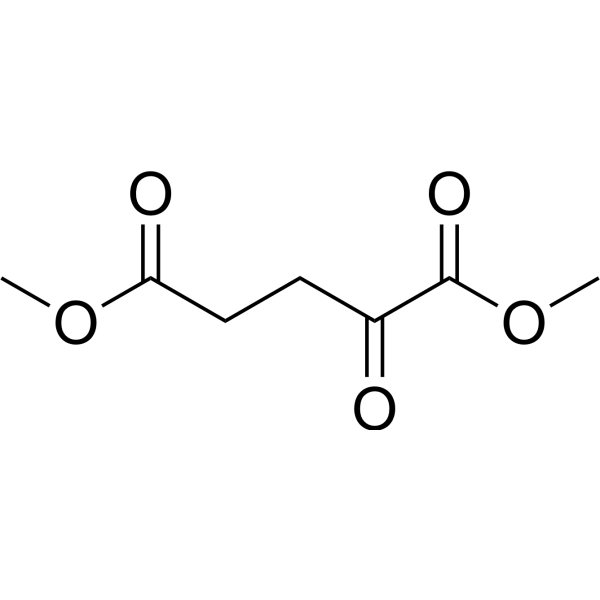
    Dimethyl 2-oxoglutarate
    1 Publications Verification

    Dimethyl α-ketoglutarate

    Endogenous Metabolite Drug Derivative Autophagy Mitochondrial Metabolism Reactive Oxygen Species (ROS) Cardiovascular Disease Neurological Disease Metabolic Disease
    Dimethyl 2-oxoglutarate (Dimethyl α-ketoglutarate) is a cell-permeable derivative of 2-oxoglutarate and tricarboxylic acid cycle metabolite with antioxidant properties. Dimethyl 2-oxoglutarate inhibits Autophagy. Dimethyl 2-oxoglutarate prevents mitochondrial damage and reduces ROS production. Dimethyl 2-oxoglutarate alleviates Carbon tetrachloride (HY-Y0298)-induced liver fibrosis. Dimethyl-2-oxoglutaric acid can be used in the research of diseases such as Alzheimer's disease, diabetes, and cardiomyopathy .
    Dimethyl 2-oxoglutarate
  • HY-N0148
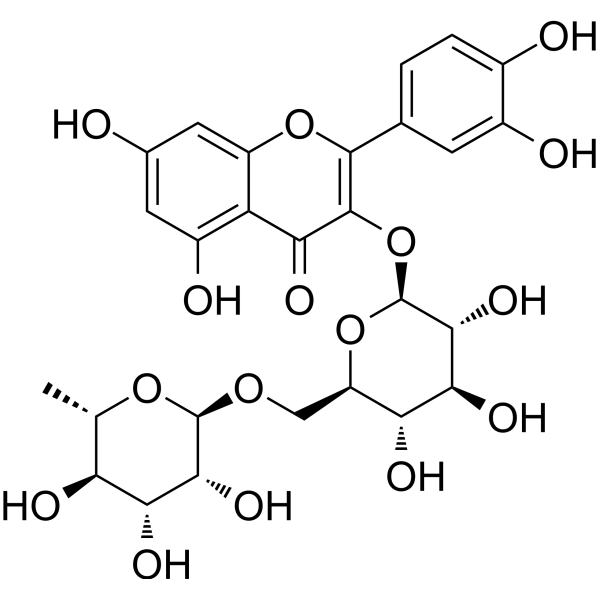
    Rutin
    Maximum Cited Publications
    30 Publications Verification

    Rutoside; Quercetin 3-O-rutinoside

    Amyloid-β Autophagy Apoptosis Endogenous Metabolite Inflammation/Immunology Cancer
    Rutin (Rutoside) is a flavonoid found in many plants and shows a wide range of biological activities including anti-inflammatory, antidiabetic, antioxidant, neuroprotective, nephroprotective, hepatoprotective and reducing Aβ oligomer activities. Rutin is also a CBR1 inhibitor, which can cross the blood brain barrier. Rutin attenuates vancomycin-induced renal tubular cell apoptosis via suppression of apoptosis, mitochondrial dysfunction, and oxidative stress .
    Rutin
  • HY-N0171A
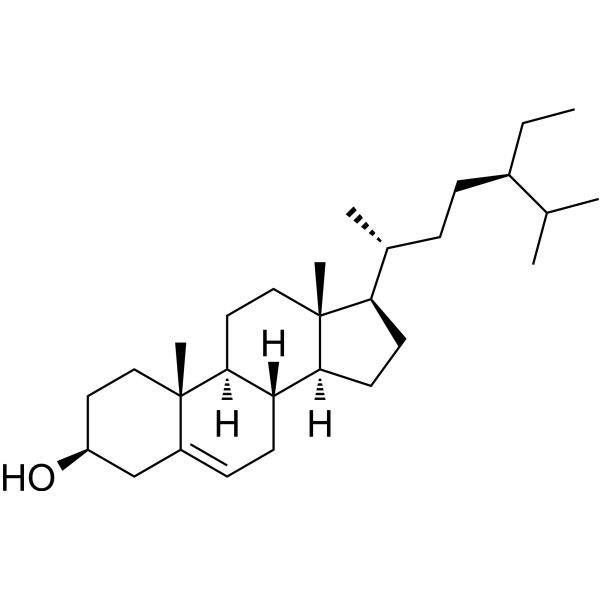
    Beta-Sitosterol (purity>98%)
    15+ Cited Publications

    β-Sitosterol (purity>98%); 22,23-Dihydrostigmasterol (purity>98%)

    Bacterial Apoptosis Reactive Oxygen Species (ROS) MDM-2/p53 Caspase PARP MMP Bcl-2 Family HIF/HIF Prolyl-Hydroxylase TNF Receptor Interleukin Related NF-κB mTOR Lactate Dehydrogenase CDK Glutathione Peroxidase SOD Infection Cardiovascular Disease Inflammation/Immunology Cancer
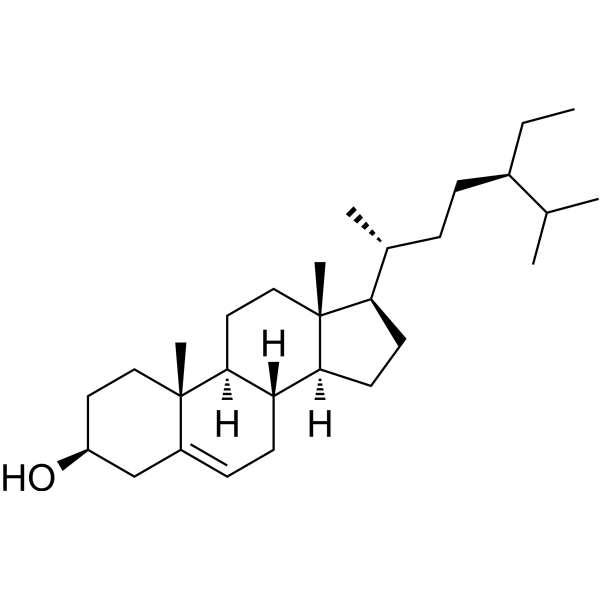
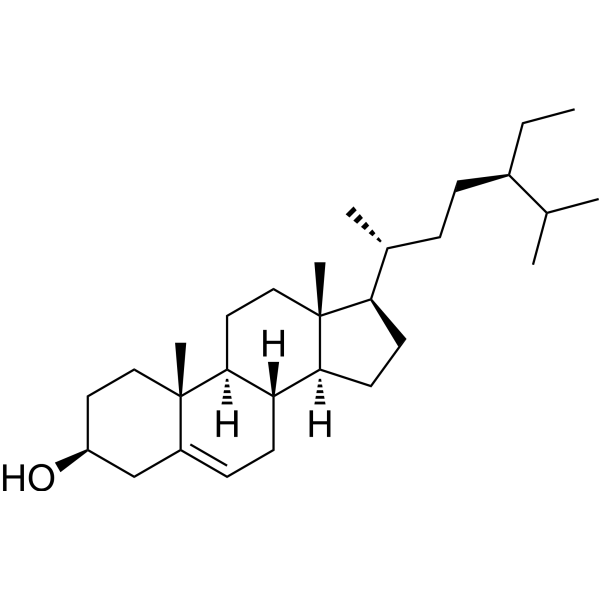
    Beta-Sitosterol (purity>98%) is orally active. Beta-Sitosterol exhibits multiple activities, including anti-inflammatory, anticancer, antioxidant, antimicrobial, antidiabetic, antioxidant enzyme, and analgesic. Beta-Sitosterol inhibits inflammation and impaired adipogenesis in bovine mammary epithelial cells by reducing levels of ROS, TNF-α, IL-1β, and NF-κB p65 and restoring the activity of the HIF-1α/mTOR signaling pathway. Beta-Sitosterol induces apoptosis in cancer cells through ROS-mediated mitochondrial dysregulation and p53 activation. Beta-Sitosterol exerts its anticancer effects in cancer cells by activating caspase-3, caspase-8, and caspase-9, mediating PARP inactivation, MMP loss, altered Bcl-2-Bax ratio, and cytochrome c release. Beta-Sitosterol modulates macrophage polarization and reduces rheumatoid inflammation in mice. Beta-Sitosterol inhibits tumor growth in multiple mouse cancer models. Beta-Sitosterol can be used in the research of arthritis, lung cancer, breast cancer and other cancers, diabetes, etc .
    Beta-Sitosterol (purity>98%)
  • HY-100474
    SKQ1
    15+ Cited Publications

    Reactive Oxygen Species (ROS) Inflammation/Immunology Cancer
    SKQ1 is a mitochondrial-targeted antioxidant with the high mitochondrion membrane penetrating ability and potent antioxidant capability .
    SKQ1
  • HY-13324
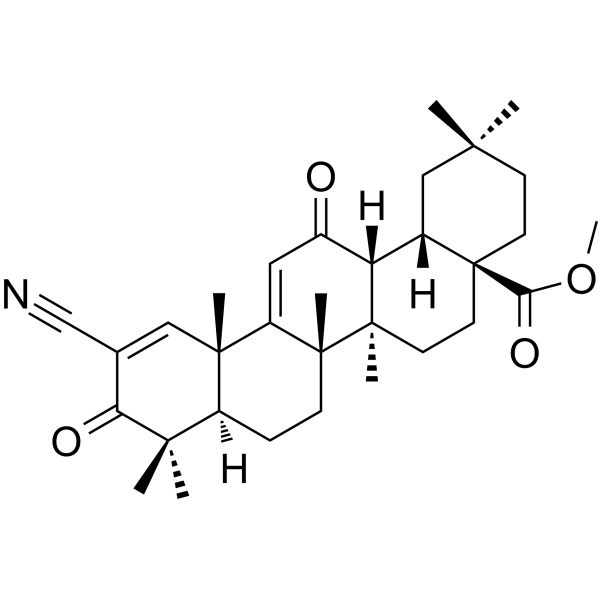
    Bardoxolone methyl
    40+ Cited Publications

    RTA 402; NSC 713200; CDDO Methyl ester

    Keap1-Nrf2 SARS-CoV Virus Protease Cardiovascular Disease Infection Neurological Disease Metabolic Disease Inflammation/Immunology Cancer
    Bardoxolone (CDDO; RTA 401) methyl is an orally active and blood-brain-barrier-penetrant activator of Nrf2 and an inhibitor of SARS-CoV-2 3CL protease. Bardoxolone methyl inhibits SARS-CoV-2 replication in Vero cells with an EC50 value of 0.29 μM. Bardoxolone methyl increases levels of pNrf2 and HO-1, inhibits inflammatory mediators like pNFκB and MCP-1. Bardoxolone methyl activates the Nrf2 pathway to enhance antioxidant and anti-inflammatory responses, inhibits viral replication, and improves mitochondrial function. Bardoxolone methyl can be used in research on chemotherapy-induced neuropathic pain (CINP), COVID-19, and chronic kidney disease (CKD) .
    Bardoxolone methyl
  • HY-N0492
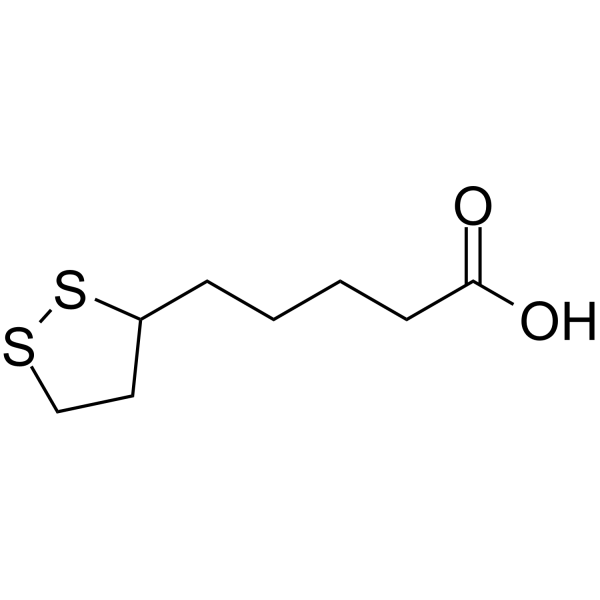
    α-Lipoic Acid
    10+ Cited Publications

    Thioctic acid; (±)-α-Lipoic acid; DL-α-Lipoic acid

    NF-κB HIV Mitochondrial Metabolism Endogenous Metabolite Apoptosis Infection Inflammation/Immunology Cancer
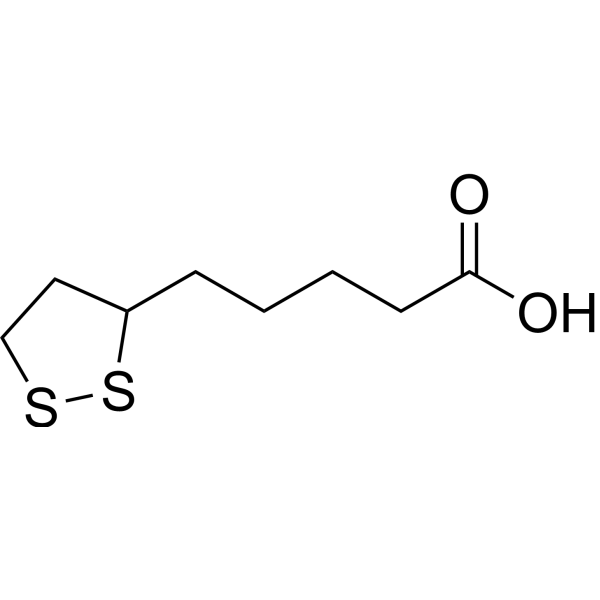
    α-Lipoic Acid (Thioctic acid) is an antioxidant, which is an essential cofactor of mitochondrial enzyme complexes. α-Lipoic Acid inhibits NF-κB-dependent HIV-1 LTR activation . α-Lipoic Acid induces endoplasmic reticulum (ER) stress-mediated apoptosis in hepatoma cells . α-Lipoic Acid can be used with CPUL1 (HY-151802) to construct the self-assembled nanoaggregate CPUL1-LA NA, which has improved antitumor efficacy than CPUL1 .
    α-Lipoic Acid
  • HY-18733
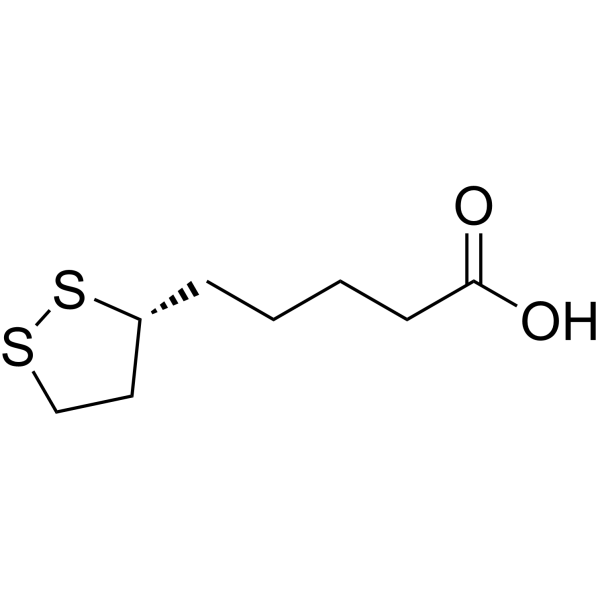
    Lipoic acid
    5+ Cited Publications

    (R)-(+)-α-Lipoic acid; R-(+)-Thioctic acid

    Endogenous Metabolite Reactive Oxygen Species (ROS) Mitochondrial Metabolism Inflammation/Immunology Cancer
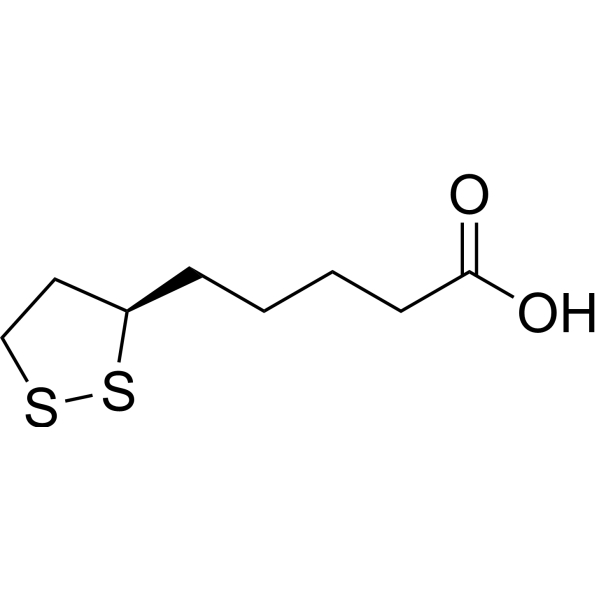
    Lipoic acid ((R)-(+)-α-Lipoic acid) is an antioxidant, which is an essential cofactor of mitochondrial enzyme complexes. (R)-(+)-α-Lipoic acid is more effective than racemic Lipoic acid.
    Lipoic acid
  • HY-N0303
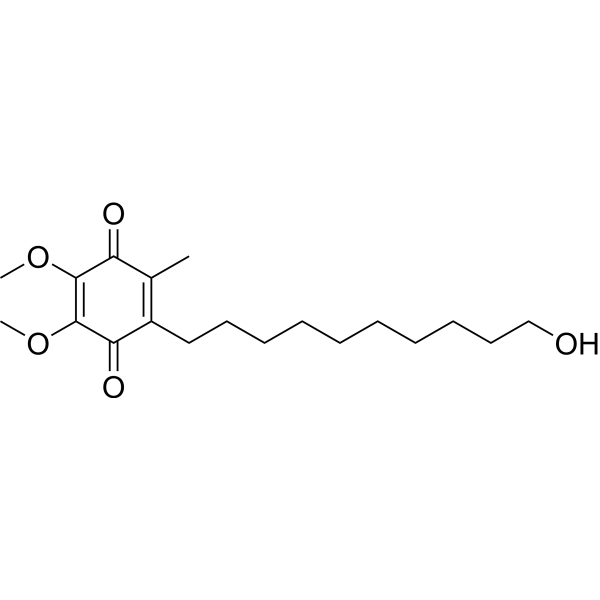
    Idebenone
    5+ Cited Publications

    Mitochondrial Metabolism Apoptosis Neurological Disease
    Idebenone, a well-appreciated mitochondrial protectant, exhibits protective efficacy against neurotoxicity and can be used for the research of Alzheimer's disease, Huntington's disease. Idebenone (oxidised form) has a dose-dependent inhibitory effect on the enzymatic metabolism of arachidonic acid in astroglial homogenates (IC50=16.65 μM) . Idebenone, a coenzyme Q10 analog and an antioxidant, induces apoptotic cell death in the human dopaminergic neuroblastoma SHSY-5Y cells . Idebenone quickly crosses the blood-brain barrier.
    Idebenone
  • HY-N0018
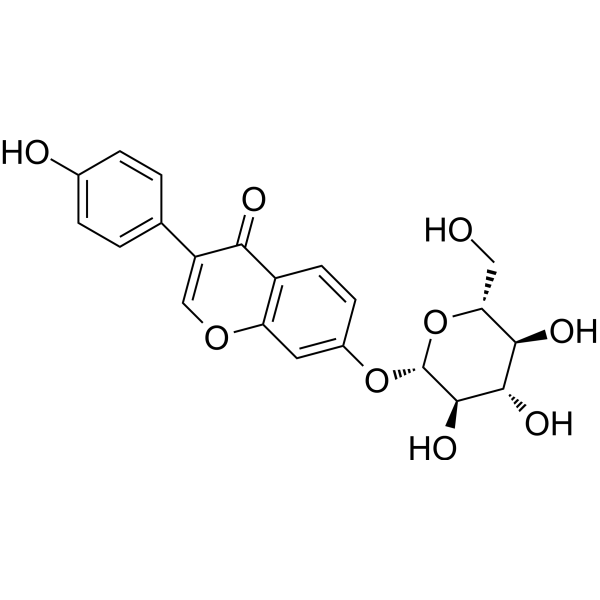
    Daidzin
    10+ Cited Publications

    Daidzoside; NPI-031D; Daidzein 7-O-glucoside

    Mitochondrial Metabolism Reverse Transcriptase Aldehyde Dehydrogenase (ALDH) Cardiovascular Disease Others Cancer
    Daidzin is an isoflavone with antioxidant, anticancer, and antiatherosclerotic activities. Daidzin is a potent and selective inhibitor of mitochondrial ALDH-2. Daidzin reduces ethanol consumption .
    Daidzin
  • HY-D0885
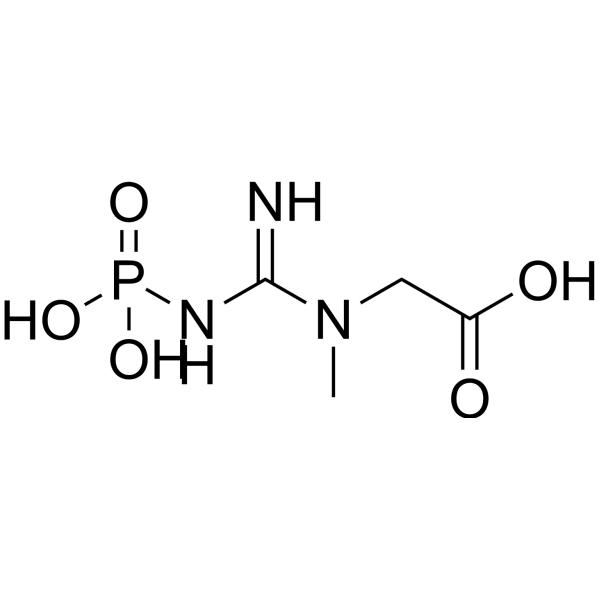
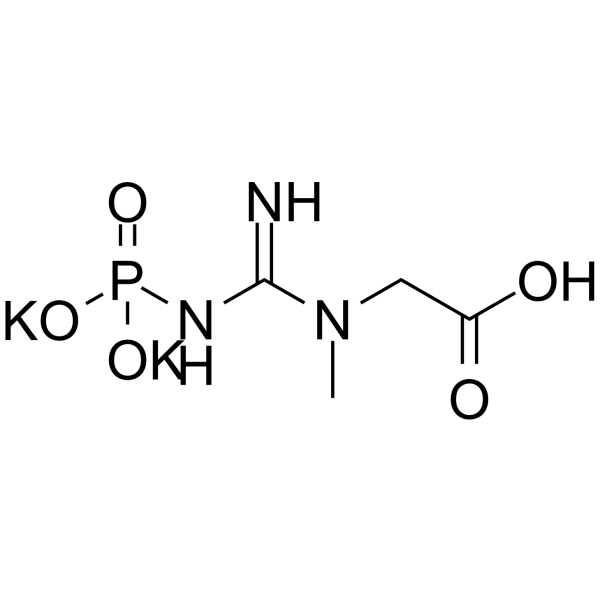
    Phosphocreatine
    3 Publications Verification

    Creatine phosphate; Creatinephosphoric acid

    Endogenous Metabolite MAP3K Akt Mitochondrial Metabolism ERK Apoptosis ROS Kinase Metabolic Disease
    Phosphocreatine (creatine phosphate) is an organic compound found in vertebrate skeletal muscles. Phosphocreatine enhances antioxidant activity, and activates the TAK1 pathway to protect the heart. Phosphocreatine normalizing mitochondrial function and reducing oxidative stress via Akt mediated Nrf2/HO-1 pathway. Phosphocreatine provides renal protection by suppressing Apoptosis and ROS (Reactive Oxygen Species) generation through ERK mediated mediated Nrf-2/HO-1 pathway. .
    Phosphocreatine
  • HY-N0492A
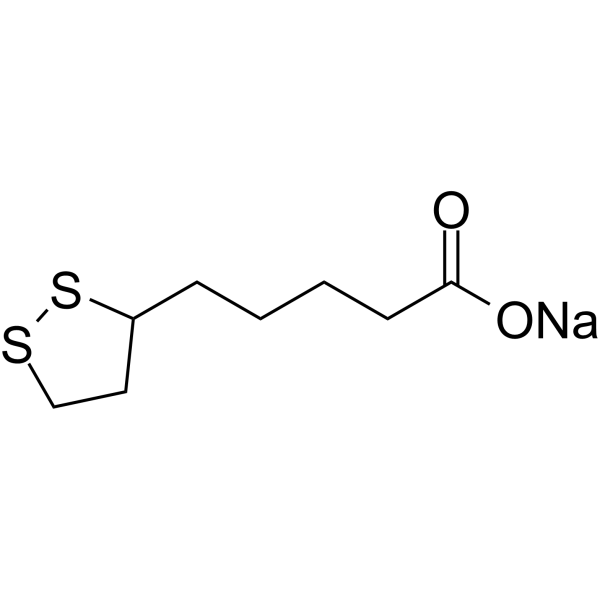
    α-Lipoic Acid sodium
    10+ Cited Publications

    Thioctic acid sodium; (±)-α-Lipoic acid sodium; DL-α-Lipoic acid sodium

    NF-κB HIV Mitochondrial Metabolism Endogenous Metabolite Apoptosis Infection Inflammation/Immunology Cancer
    α-Lipoic Acid (Thioctic acid) sodium is an antioxidant, which is an essential cofactor of mitochondrial enzyme complexes. α-Lipoic Acid sodium inhibits NF-κB-dependent HIV-1 LTR activation . α-Lipoic Acid sodium induces endoplasmic reticulum (ER) stress-mediated apoptosis in hepatoma cells . α-Lipoic Acid sodium can be used with CPUL1 (HY-151802) to construct the self-assembled nanoaggregate CPUL1-LA NA, which has improved antitumor efficacy than CPUL1 .
    α-Lipoic Acid sodium
  • HY-N0148A
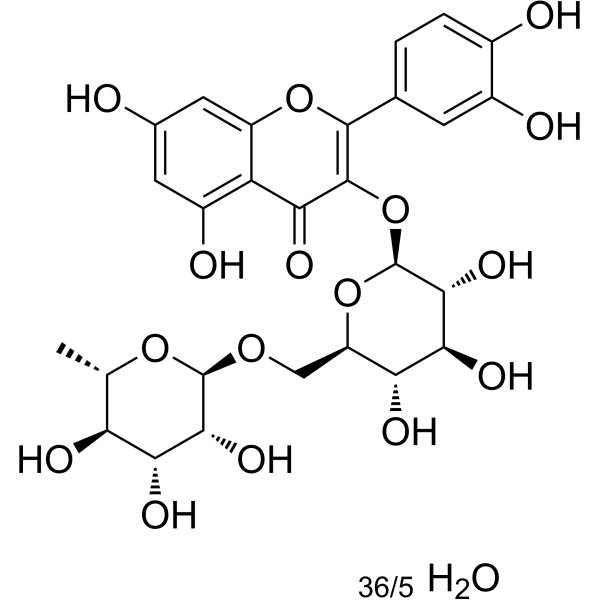
    Rutin hydrate
    Maximum Cited Publications
    30 Publications Verification

    Rutoside hydrate; Quercetin 3-O-rutinoside hydrate

    Amyloid-β Autophagy Apoptosis Endogenous Metabolite Neurological Disease Cancer
    Rutin (Rutoside) hydrate is a flavonoid found in many plants and shows a wide range of biological activities including anti-inflammatory, antidiabetic, antioxidant, neuroprotective, nephroprotective, hepatoprotective and reducing Aβ oligomer activities. Rutin hydrate can cross the blood brain barrier. Rutin hydrate attenuates vancomycin-induced renal tubular cell apoptosis via suppression of apoptosis, mitochondrial dysfunction, and oxidative stress .
    Rutin hydrate
  • HY-D0885B
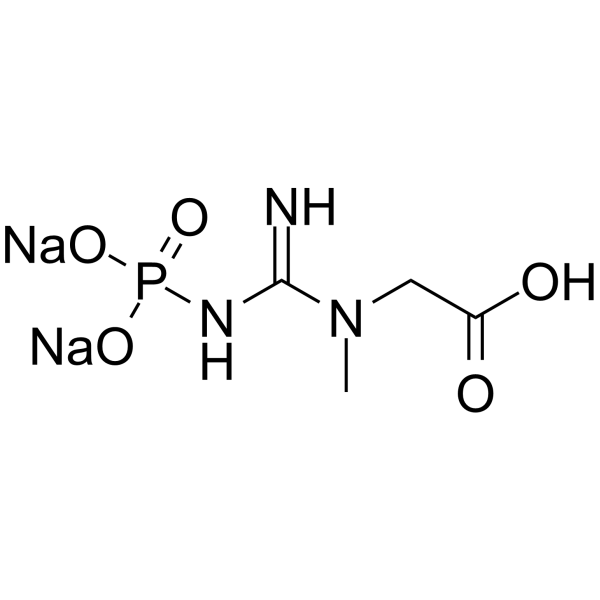
    Phosphocreatine disodium
    3 Publications Verification

    Disodium creatine phosphate

    Endogenous Metabolite MAP3K Akt Mitochondrial Metabolism ERK Apoptosis ROS Kinase Metabolic Disease
    Phosphocreatine (disodium) is an organic compound found in vertebrate skeletal muscles. Phosphocreatine (disodium) enhances antioxidant activity, and activates the TAK1 pathway to protect the heart. Phosphocreatine (disodium) normalizing mitochondrial function and reducing oxidative stress via Akt mediated Nrf2/HO-1 pathway. Phosphocreatine (disodium) provides renal protection by suppressing Apoptosis and ROS (Reactive Oxygen Species) generation through ERK mediated mediated Nrf-2/HO-1 pathway. .
    Phosphocreatine disodium
  • HY-N6033

    (+)-Ferruginol

    EBV HSV Apoptosis Infection Cardiovascular Disease Neurological Disease Cancer
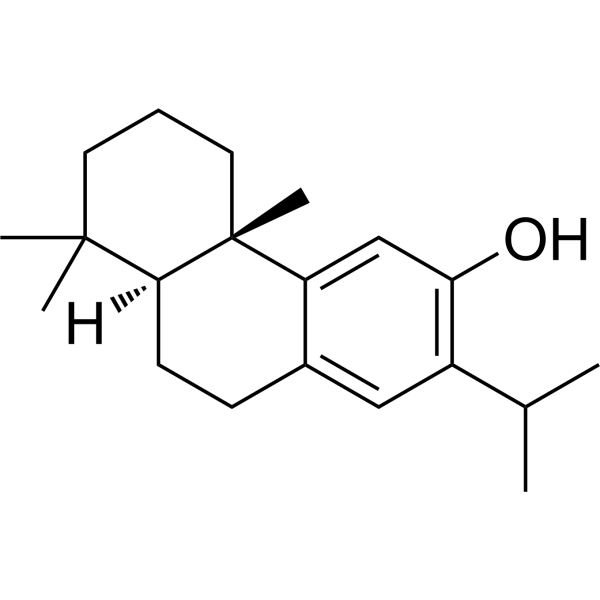
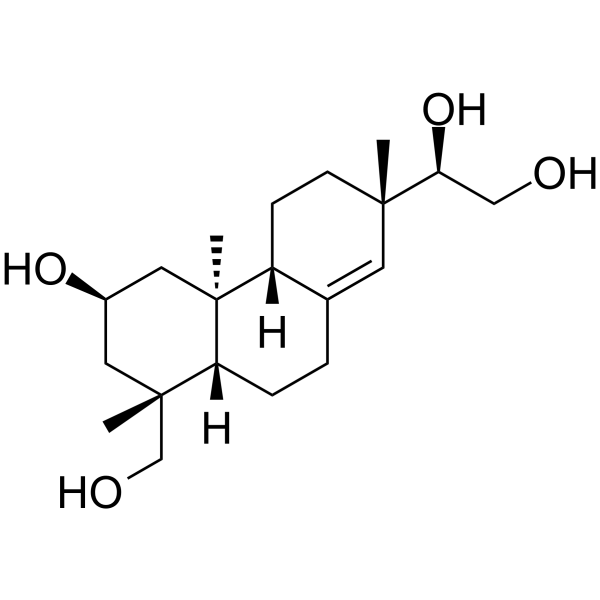
    Ferruginol ((+)-Ferruginol), a natural diterpenoid, is an inhibitor of the activation of Epstein-Barr virus early antigen (EBV-EA). Ferruginol inhibits the growth of thyroid cancer cells through the induction of mitochondrial apoptosis. Ferruginol has antitumor, cardioprotective, antioxidant, gastroprotective, and neuroprotective activities .
    Ferruginol
  • HY-W012382

    Endogenous Metabolite Metabolic Disease Cancer
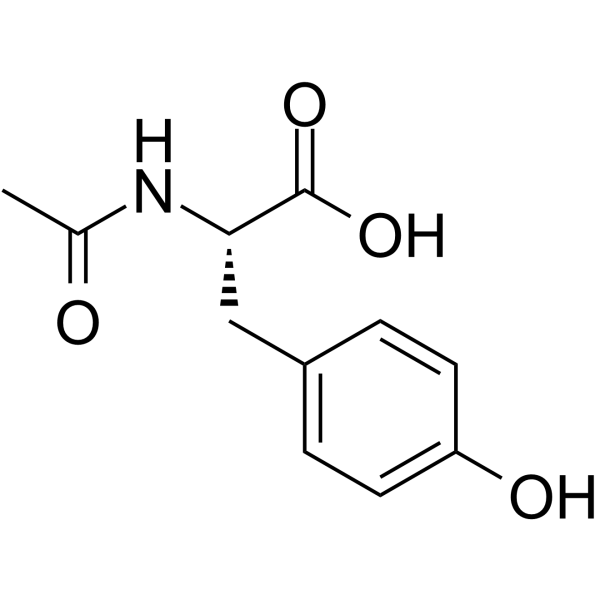
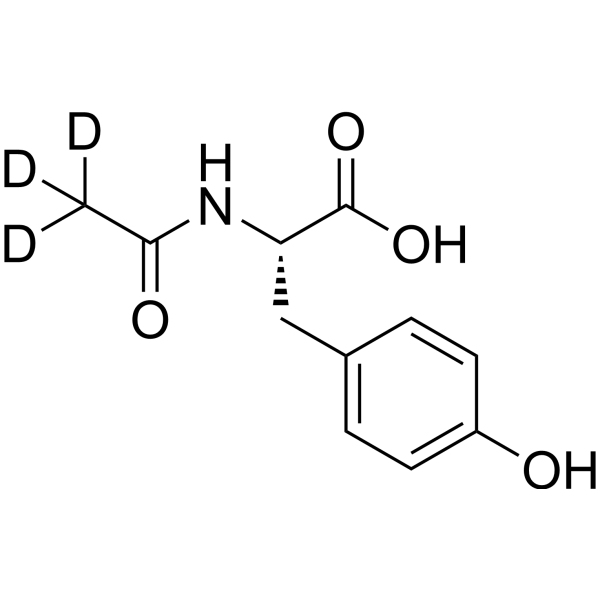
    N-Acetyl-L-tyrosine is an orally active endogenous mitochondrial stress response regulator that can permeate the cell membrane by passive diffusion. N-Acetyl-L-tyrosine induces low-level reactive oxygen species (ROS) generation by transiently perturbing mitochondrial membrane potential, triggering reverse signaling to activate FoxO and Keap1 pathways. As a result, N-Acetyl-L-tyrosine enhances the expression of antioxidant enzyme genes, exerting anti-stress and cytoprotective effects. N-Acetyl-L-tyrosine can improve heat stress tolerance, inhibit tumor growth, and regulate energy metabolism. N-Acetyl-L-tyrosine can be used in the research of aging, metabolic diseases (such as diabetes), and cancer .
    N-Acetyl-L-tyrosine
  • HY-P2048
    MOTS-c (human)
    1 Publications Verification

    Apoptosis GLUT AMPK Neurological Disease Metabolic Disease Inflammation/Immunology Endocrinology
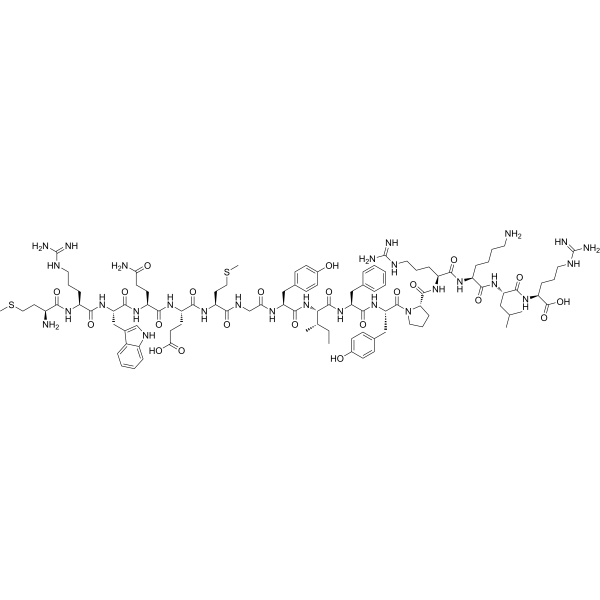
    MOTS-c (human) is a blood-brain barrier-penetrating, mitochondrial-derived peptide that modulates the AMPK/PGC-1α pathway to enhance insulin sensitivity. MOTS-c (human) inhibits the folate cycle and de novo purine synthesis, increases AICAR levels to activate AMPK, and then regulates the Nrf2/Keap1 antioxidant pathway and inhibits the NF-κB inflammatory pathway, while promoting mitochondrial biogenesis and energy metabolism. MOTS-c (human) has the effects of improving glucose and lipid metabolism, anti-oxidative stress, anti-inflammatory and neuroprotection, and can be used in the study of type 2 diabetes, traumatic brain injury, inflammatory diseases and aging-related metabolic disorders .
    MOTS-c (human)
  • HY-N0928
    Mimosine
    4 Publications Verification

    Apoptosis Inflammation/Immunology Cancer
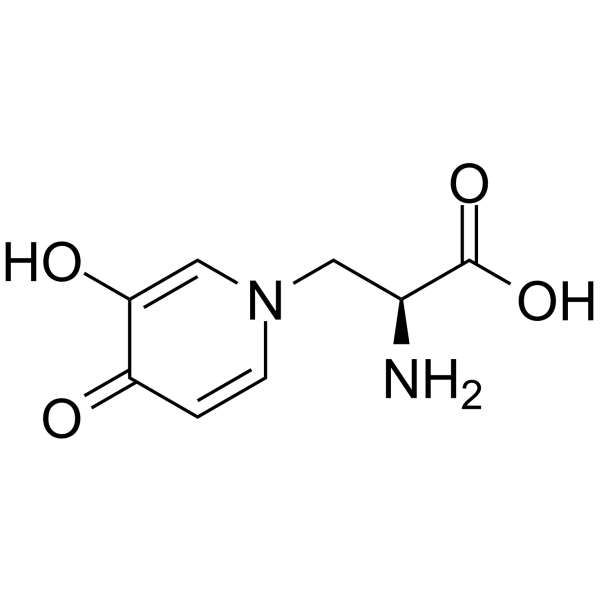
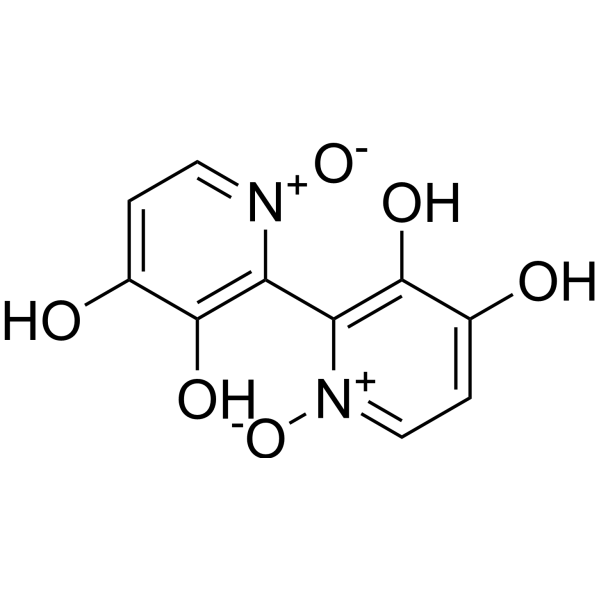
    Mimosine, a tyrosine analog , can act as an antioxidant by its potent iron-binding activity . Mimosine is a known chelator of Fe(III) . Mimosine induces apoptosis through metal ion chelation, mitochondrial activation and ROS production in human leukemic cells . Anti-cancer, antiinflammation.
    Mimosine
  • HY-B2246
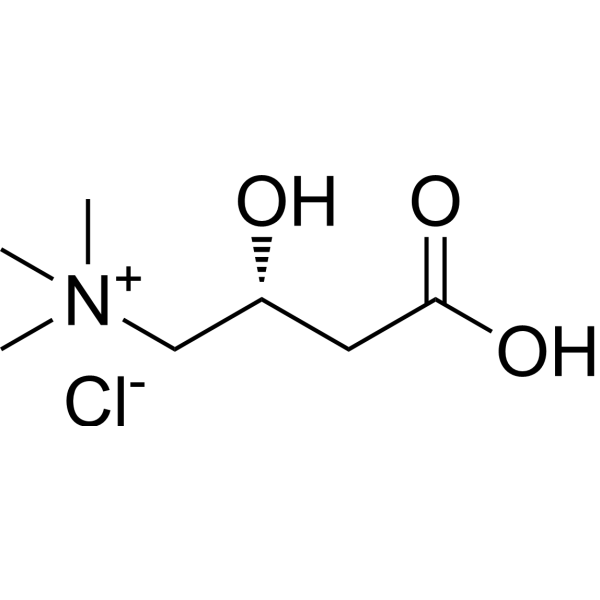
    L-Carnitine hydrochloride
    15+ Cited Publications

    (R)-Carnitine hydrochloride; Levocarnitine hydrochloride

    Endogenous Metabolite Metabolic Disease Cancer
    L-Carnitine hydrochloride ((R)-Carnitine hydrochloride), a highly polar, small zwitterion, is an essential co-factor for the mitochondrial β-oxidation pathway. L-Carnitine hydrochloride functions to transport long chain fatty acyl-CoAs into the mitochondria for degradation by β-oxidation. L-Carnitine hydrochloride is an antioxidant. L-Carnitine hydrochloride can ameliorate metabolic imbalances in many inborn errors of metabolism .
    L-Carnitine hydrochloride
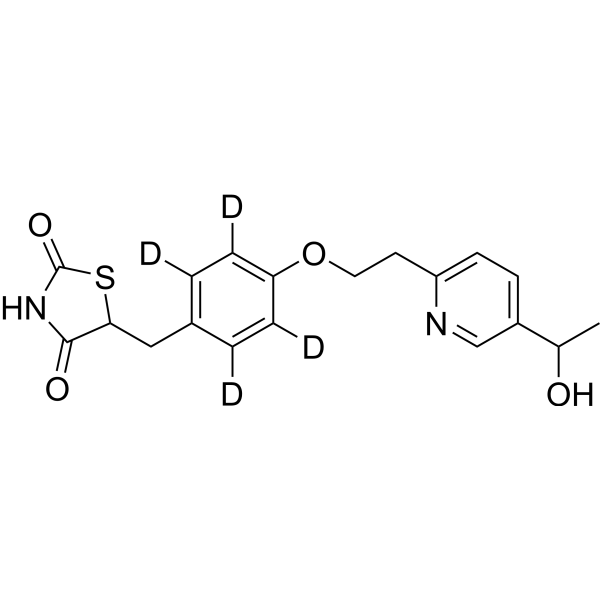
  • HY-117727

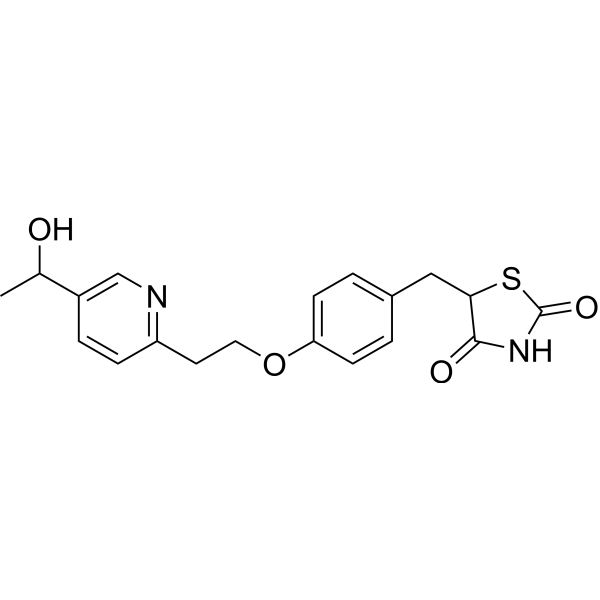
    MIN-102; Hydroxypioglitazone

    PPAR Neurological Disease Metabolic Disease Inflammation/Immunology
    Leriglitazone (MIN-102; Hydroxypioglitazone) is an orally active and a BBB-penetrable PPARγ agonist with an EC50 of 9 μM. Leriglitazone, as a regulator of mitochondrial function, has neuroprotective, anti-inflammatory and antioxidant effects. Leriglitazone can be used in the study of neuroinflammatory and neurodegenerative diseases .
    Leriglitazone
  • HY-124410
    Mitoquinol
    3 Publications Verification

    Reactive Oxygen Species (ROS) HIF/HIF Prolyl-Hydroxylase Metabolic Disease Inflammation/Immunology
    Mitoquinol is an orally active mitochondria-targeted antioxidant. Mitoquinol can regulate mitochondrial respiration and oxidation. Mitoquinol inhibits ROS production, and improves phagocytosis and glycolysis in ethanol-exposed macrophages via the HIF-1α-PFKP axis. Additionally, Mitoquinol can partially alleviate heat stress-induced decreases in growth performance, inflammatory responses, and metabolic disorders in pigs .
    Mitoquinol
  • HY-N0663

    Mitochondrial Metabolism Cyclophilin Potassium Channel Cardiovascular Disease Neurological Disease Inflammation/Immunology
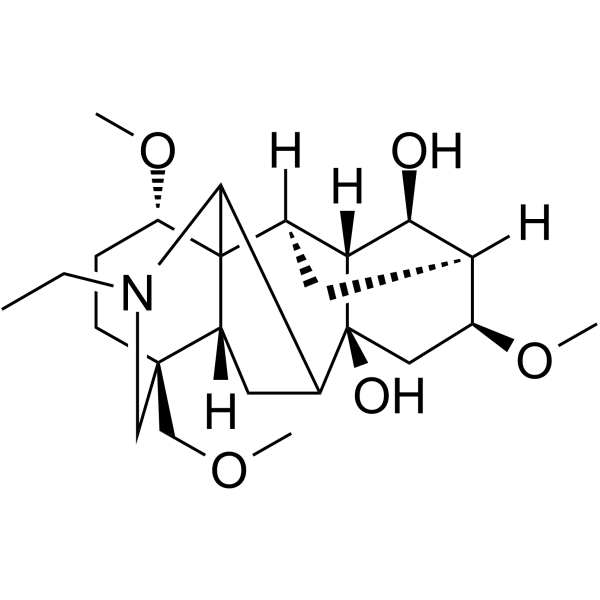
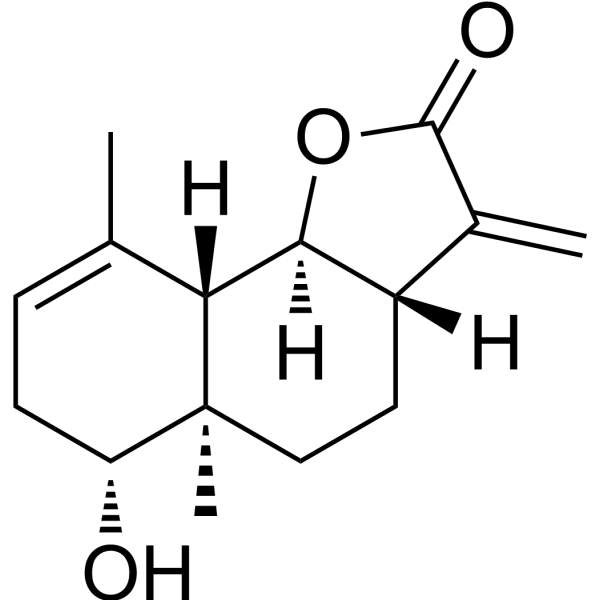
    Talatisamine is an orally active cyclophilin D activator isolated from the roots of Aconitum carmichaeli Debx. Talatisamine exerts biological functions by activating cyclophilin D, inhibiting Ca 2+-dependent opening of the mitochondrial permeability transition pore (mPTP) (IC50=78 μM), and blocking delayed rectifier K + channels (IC50=146 μM). Talatisamine possesses both antioxidant and membrane-stabilizing properties, effectively inhibits lipid peroxidation and protects mitochondrial membrane function. Talatisamine exhibits multiple activities including antiarrhythmic, hypotensive, anti-inflammatory, anticancer and neuroprotective effects. Talatisamine finds applications in the research of ischemic diseases, rheumatoid arthritis, inflammation-related diseases and Alzheimer's disease .
    Talatisamine
  • HY-N0617
    Sanggenon C
    2 Publications Verification

    Phosphatase ERK NF-κB Apoptosis Cardiovascular Disease Inflammation/Immunology Cancer
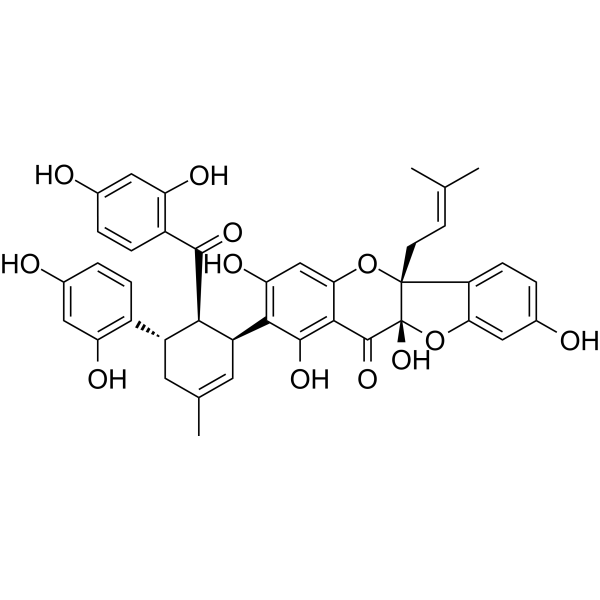
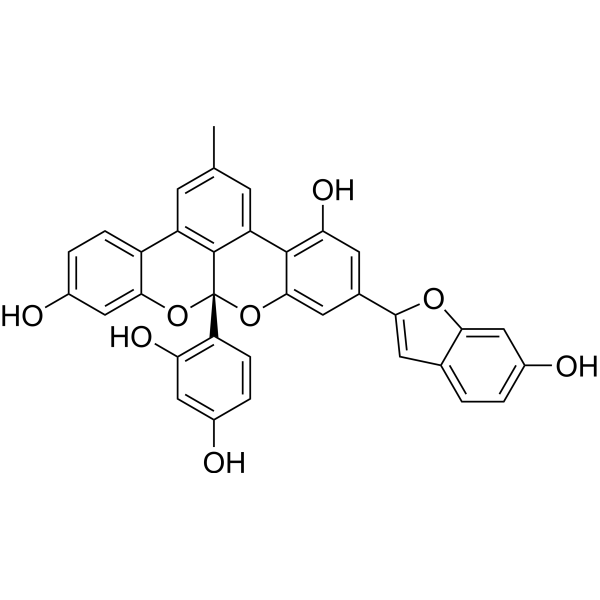
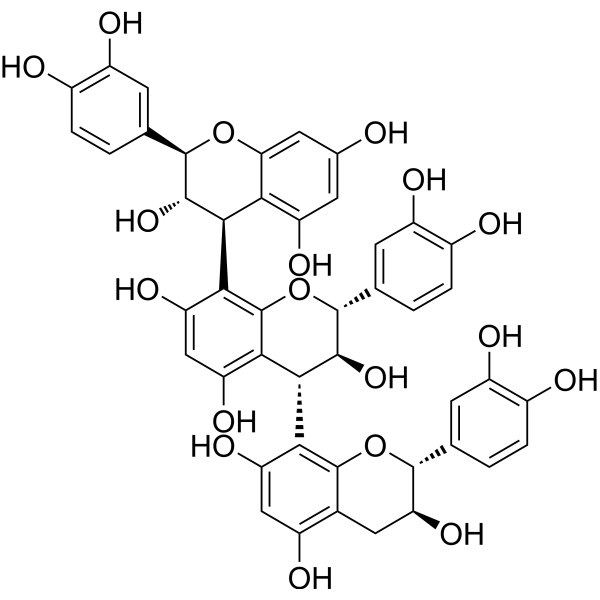
    Sanggenon C, a flavonoid, exerts protective effects against cardiac hypertrophy and fibrosis via suppression of the calcineurin/NFAT2 pathway. Sanggenon C inhibits mitochondrial fission to induce apoptosis by blocking the ERK signaling pathway. Sanggenon C inhibits inducible nitric oxide synthase expression in RAW264.7 cells, and TNF-α-stimulated cell adhesion and VCAM-1 expression, by suppressing NF-κB activity. Sanggenon C possesses antioxidant, anti-inflammatory and antitumor activities .
    Sanggenon C
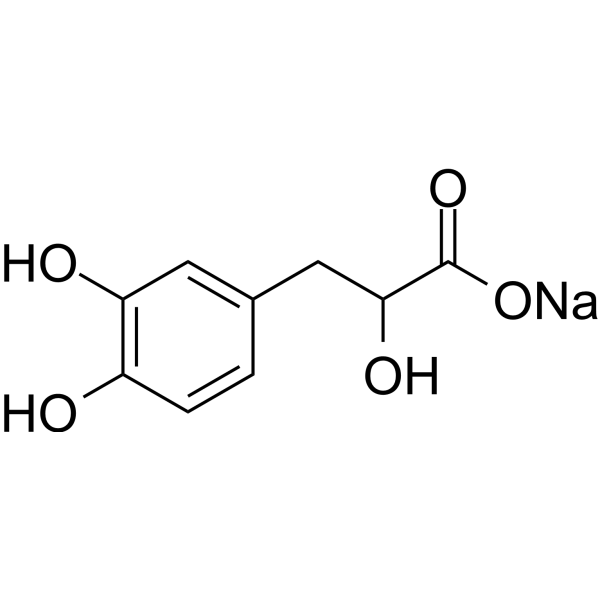
  • HY-N0106

    (Rac)-Danshensu sodium; (Rac)-Tanshinol sodium

    Keap1-Nrf2 NF-κB Mitochondrial Metabolism Apoptosis Infection Cardiovascular Disease Inflammation/Immunology
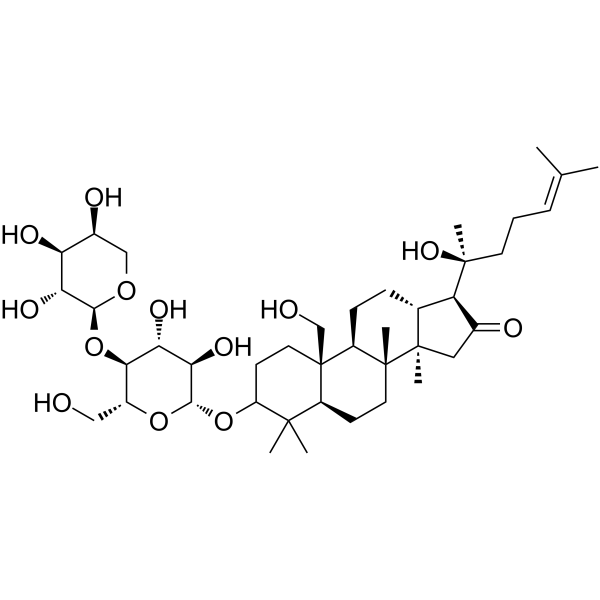
    (Rac)-Salvianic acid A sodium is the racemic form of Salvianic acid A (HY-N1913). Salvianic acid A is an orally active phenolic compound that induces Nrf2/HO-1 activation and inhibits the NF-κB pathway, and it also activates the mitochondrial antioxidant defense system (Mitochondrial Metabolism). Salvianic acid A exhibits anti-inflammatory, antioxidant, and anti-apoptotic properties (Apoptosis), demonstrating potential for research into inflammation and cardiovascular diseases .
    (Rac)-Salvianic acid A sodium
  • HY-W016409
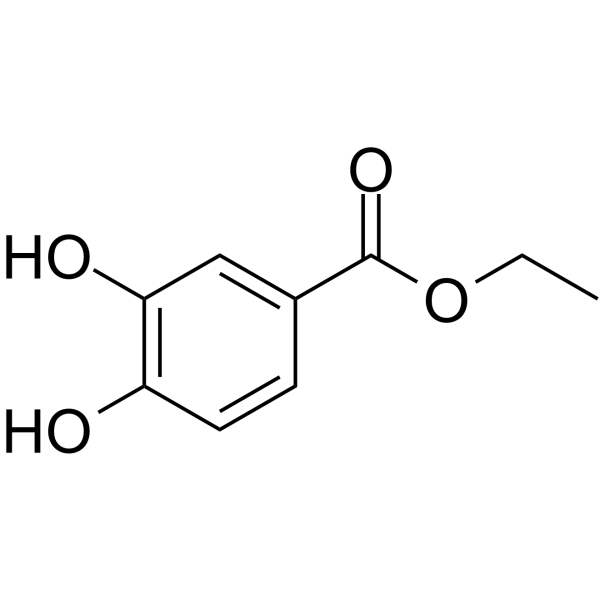
    Ethyl 3,4-dihydroxybenzoate
    1 Publications Verification

    Protocatechuic acid ethyl ester

    HIF/HIF Prolyl-Hydroxylase Reactive Oxygen Species (ROS) NO Synthase Autophagy Apoptosis Metabolic Disease Cancer
    Ethyl 3,4-dihydroxybenzoate (Protocatechuic acid ethyl ester) is an orally effective, blood-brain barrier-permeable, competitive prolyl hydroxylase (PHD) inhibitor that inhibits the hydroxylation modification of hypoxia-inducible factor (HIF) by PHD. Ethyl 3,4-dihydroxybenzoate stabilizes HIF-1α by inhibiting PHD, activates downstream pathways to induce autophagy and apoptosis of tumor cells, and regulates inflammatory responses, inhibits the NF-κB pathway, improves vascular permeability, and promotes osteoblast differentiation. Ethyl 3,4-dihydroxybenzoate has anti-tumor, anti-hypoxic injury, and bone metabolism regulation effects. It can also be used in the research of cardiovascular protection (such as reducing myocardial ischemic damage), bone tissue engineering (promoting osteogenesis/inhibiting osteoclast differentiation), and prevention and treatment of high-altitude cerebral edema .
    Ethyl 3,4-dihydroxybenzoate
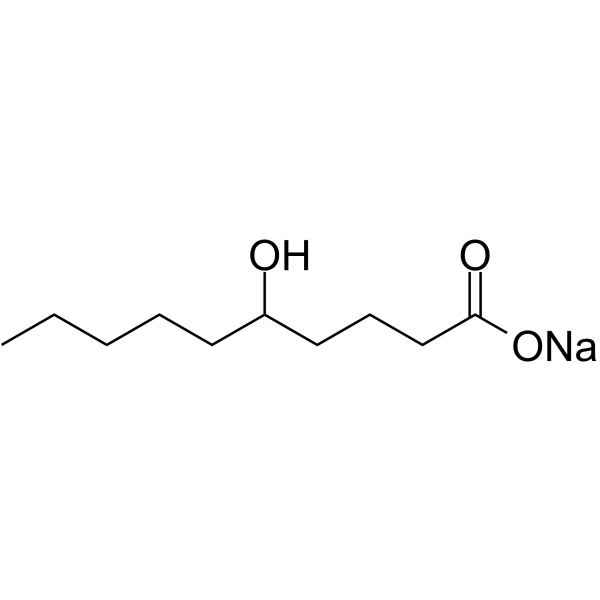
  • HY-136615

    Potassium Channel Neurological Disease
    5-Hydroxydecanoate sodium is a selective ATP-sensitive K + (KATP) channel blocker (IC50 of ~30 μM). 5-Hydroxydecanoate sodium is a substrate for mitochondrial outer membrane acyl-CoA synthetase and has antioxidant activity .
    5-Hydroxydecanoate sodium
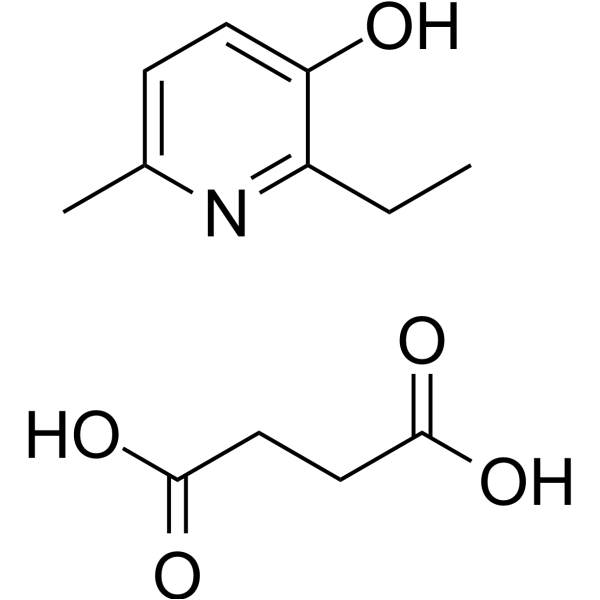
  • HY-W002620A

    2-Ethyl-3-hydroxy-6-methylpyridine succinate

    Reactive Oxygen Species (ROS) Infection Inflammation/Immunology
    Emoxypine succinate is an antioxidant. Emoxypine succinate can be used for the research of post-traumatic .
    Emoxypine succinate
  • HY-W105518
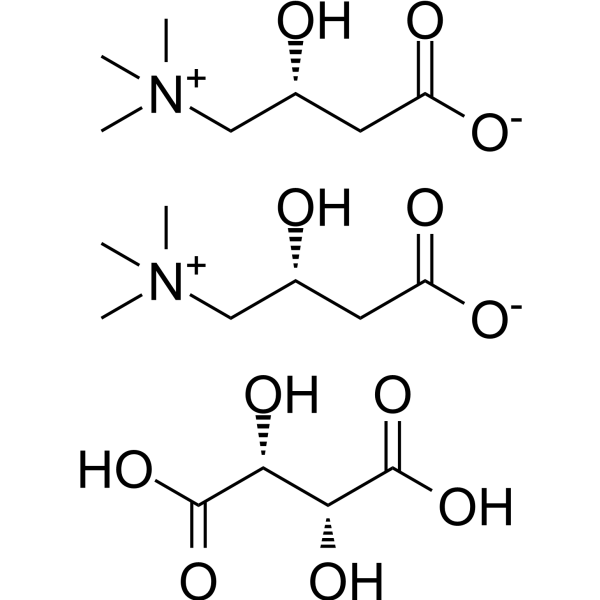
    L-Carnitine tartrate
    15+ Cited Publications

    Endogenous Metabolite Neurological Disease
    L-Carnitine tartrate is a highly polar, small zwitterion. L-Carnitine tartrate is an essential co-factor for the mitochondrial β-oxidation pathway. L-Carnitine tartrate functions to transport long chain fatty acyl-CoAs into the mitochondria for degradation by β-oxidation. L-Carnitine tartrate is an antioxidant. L-Carnitine tartrate can ameliorate metabolic imbalances in many inborn errors of metabolism [3] .
    L-Carnitine tartrate
  • HY-N0859

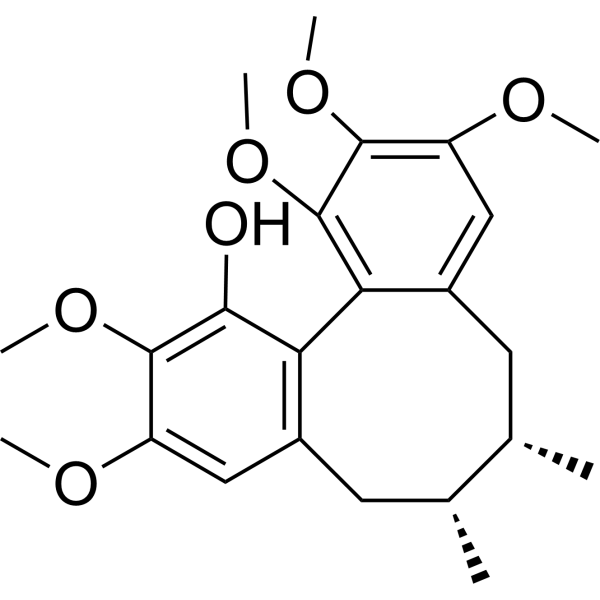
    Schizanhenol; Gomisin-K3

    UGT Cholinesterase (ChE) Tau Protein SOD Sirtuin Neurological Disease Inflammation/Immunology Cancer
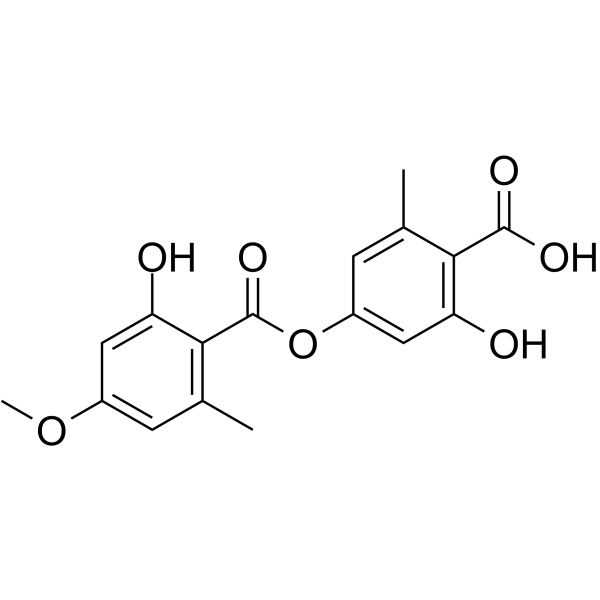
    Schisanhenol (Schizanhenol), a lignan, is an orally active antioxidant. Schisanhenol reduces AChE activity, increases SIRT1 and PGC-1α expression, and decreases phosphorylated Tau (Ser 396) levels. Schisanhenol increases SOD and glutathione peroxidase activity, decreases malondialdehyde (MDA) content, and inhibits UGT2B7 activitY. Schisanhenol attenuates ox-LDL-induced apoptosis, intracellular reactive oxygen species generation, and cytotoxicity in endothelial cells. Schisanhenol inhibits LDL oxidation, brain mitochondrial and membrane peroxidative damage, and brain mitochondrial swelling and disintegration. Schisanhenol can be used for the research of Alzheimer’s disease, atherosclerosis, brain ischemia, and age-related brain deterioration .
    Schisanhenol
  • HY-Y0651

    Environmental Pollutants Biochemical Assay Reagents Infection Inflammation/Immunology
    Sodium sulfite is an inorganic salt used as an antioxidant and preservative. Sodium sulfite is also used in sulfonation and sulfomethylation reactions. Sodium sulfite can also be used as a bleaching agent, desulfurizer, and dechlorinator. Sodium sulfite inhibits hepatocyte proliferation, promotes hepatocyte apoptosis and necrosis, and impairs mitochondrial integrity. Sodium sulfite induces superoxide anion production, primes neutrophils for enhanced superoxide anion generation, and induces neutrophil gene expression. Sodium sulfite can be used in studies related to pulmonary inflammation and gastric tissue injury .
    Sodium sulfite
  • HY-N1255

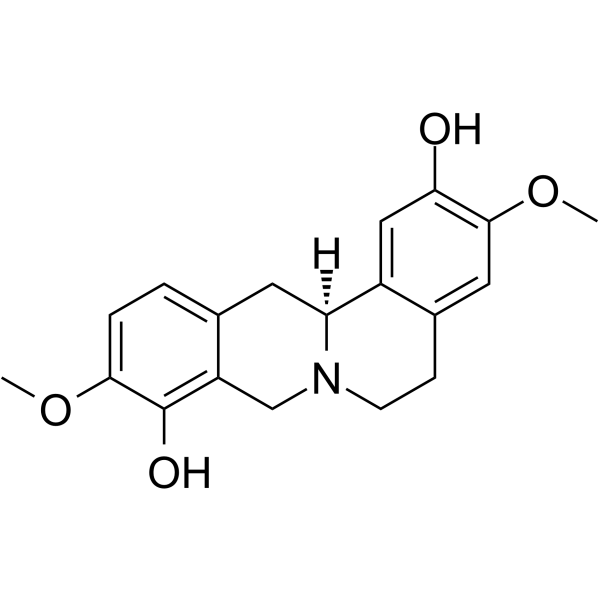
    (-)-Scoulerine; Discretamine

    Bcl-2 Family Apoptosis mTOR GABA Receptor PI3K Adrenergic Receptor Beta-secretase Akt Cancer
    Scoulerine ((-)-Scoulerine; Discretamine) hydrochloride is a multi-target inhibitor with anti-tumor and antioxidant activities. Scoulerine mainly targets the PI3K/Akt/mTOR signaling axis and α1D-adrenergic receptor, disrupts microtubule structure, and induces cell cycle arrest and apoptosis. Scoulerine effectively inhibits mitochondrial dehydrogenase activity, targets GABA receptors and BACE1, and suppresses the proliferation, migration, invasion, epithelial-mesenchymal transition and stem cell properties of cancer cells. Scoulerine also exhibits multiple pharmacological activities including anti-Plasmodium falciparum, antibacterial, antiemetic and antitussive effects, and regulates endoplasmic reticulum stress and mitochondrial function (modulates Bax, Bcl-2 and cytochrome c). Scoulerine is applicable to research related to leukemia, ovarian cancer, and colorectal cancer .
    Scoulerine
  • HY-N0148R

    Rutoside (Standard); Quercetin 3-O-rutinoside (Standard)

    Reference Standards Amyloid-β Autophagy Apoptosis Endogenous Metabolite Inflammation/Immunology Cancer
    Rutin (Standard) is the analytical standard of Rutin. This product is intended for research and analytical applications. Rutin (Rutoside) is a flavonoid found in many plants and shows a wide range of biological activities including anti-inflammatory, antidiabetic, antioxidant, neuroprotective, nephroprotective, hepatoprotective and reducing Aβ oligomer activities. Rutin is also a CBR1 inhibitor, which can cross the blood brain barrier. Rutin attenuates vancomycin-induced renal tubular cell apoptosis via suppression of apoptosis, mitochondrial dysfunction, and oxidative stress .
    Rutin (Standard)
  • HY-125944
    MitoTEMPO hydrate
    Maximum Cited Publications
    164 Publications Verification

    Mitochondrial Metabolism PINK1/Parkin NOD-like Receptor (NLR) Autophagy Calcium Channel Apoptosis Cardiovascular Disease Neurological Disease Metabolic Disease Endocrinology
    MitoTEMPO hydrate is a mitochondria-targeted antioxidant . MitoTEMPO hydrate induces mitophagy by activating the PINK1/Parkin pathway, inhibits NLRP3 inflammasome activation, restores mitochondrial membrane potential, and improves renal function and podocyte injury. MitoTEMPO hydrate regulates Ca 2+ homeostasis, inhibits Bnip3 overexpression, shortens action potential duration, and exerts antiarrhythmic effects. MitoTEMPO hydrate reverses premature senescence, reduces trabecular bone loss, and decreases cell apoptosis. MitoTEMPO hydrate can be used in studies of chronic kidney disease, age-related cardiac dysfunction, postmenopausal osteoporosis, and ischemic stroke .
    MitoTEMPO hydrate
  • HY-N0492S

    Thioctic acid-d5; (±)-α-Lipoic acid-d5; DL-α-Lipoic acid-d5

    Isotope-Labeled Compounds NF-κB HIV Mitochondrial Metabolism Endogenous Metabolite Apoptosis Infection Inflammation/Immunology Cancer
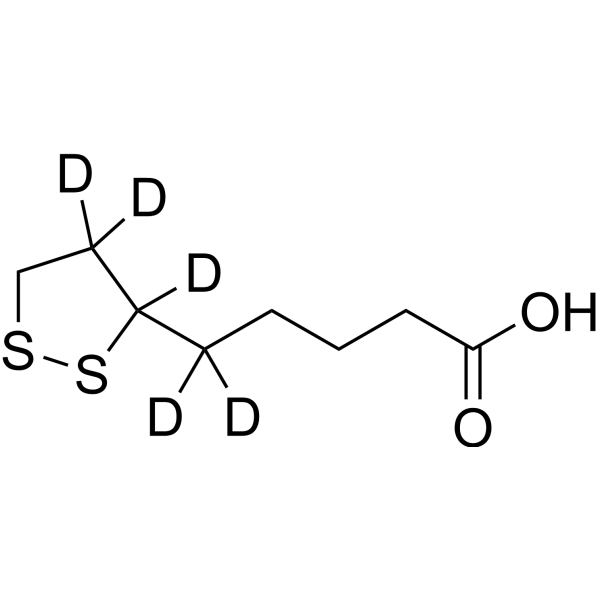
    α-Lipoic Acid-d5 is the deuterium labeled α-Lipoic Acid. α-Lipoic Acid is an antioxidant, which is an essential cofactor of mitochondrial enzyme complexes. α-Lipoic Acid inhibits NF-κB-dependent HIV-1 LTR activation . α-Lipoic Acid induces endoplasmic reticulum (ER) stress-mediated apoptosis in hepatoma cells .
    α-Lipoic Acid-d5
  • HY-N4102

    Apoptosis JNK FOXO Reactive Oxygen Species (ROS) Caspase Neurological Disease
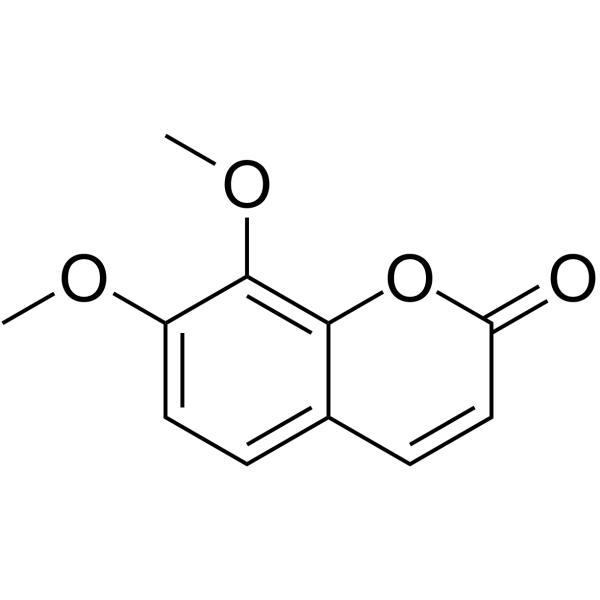
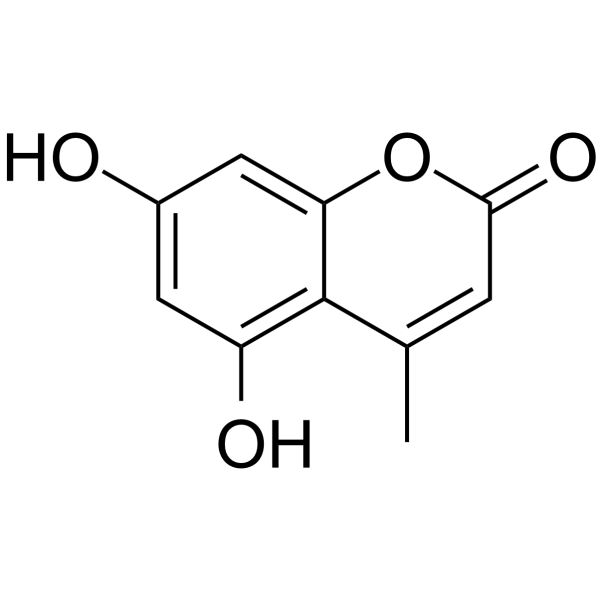
    5,7-Dihydroxy-4-methylcoumarin is an antioxidant. 5,7-Dihydroxy-4-methylcoumarin protects mouse cochlear hair cells from Cisplatin-induced damage, enhances cell viability and inhibits apoptosis. 5,7-Dihydroxy-4-methylcoumarin downregulates phosphorylated JNK levels, increases the ratio of phosphorylated FoxO1 to total FoxO1, scavenges free radicals, reduces ROS accumulation, maintains mitochondrial membrane potential and alleviates mitochondrial dysfunction. 5,7-Dihydroxy-4-methylcoumarin downregulates the expression of caspase-3 and improves cell viability. 5,7-Dihydroxy-4-methylcoumarin can be used in studies related to ototoxicity .
    5,7-Dihydroxy-4-methylcoumarin
  • HY-N10587

    Others Inflammation/Immunology
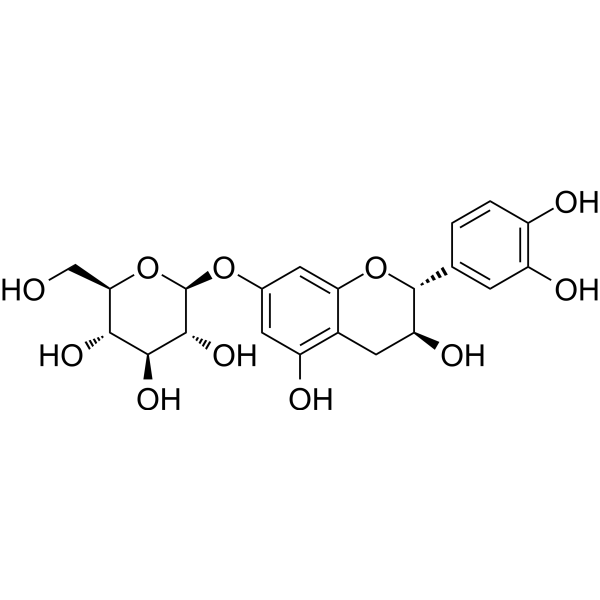
    Catechin 7-O-beta-D-glucopyranoside is an orally active natural product found in Ulmus davidiana and Paeonia obovata. Catechin 7-O-β-D-glucopyranoside shows antioxidant and anti-inflammatory activities, and attenuates mitochondrial dysfunction. Catechin 7-O-beta-D-glucopyranoside can be used in intestinal inflammatory disease research .
    Catechin 7-O-β-D-glucopyranoside
  • HY-117727A

    MIN-102 hydrochloride; Hydroxypioglitazone hydrochloride

    PPAR Neurological Disease Metabolic Disease Inflammation/Immunology
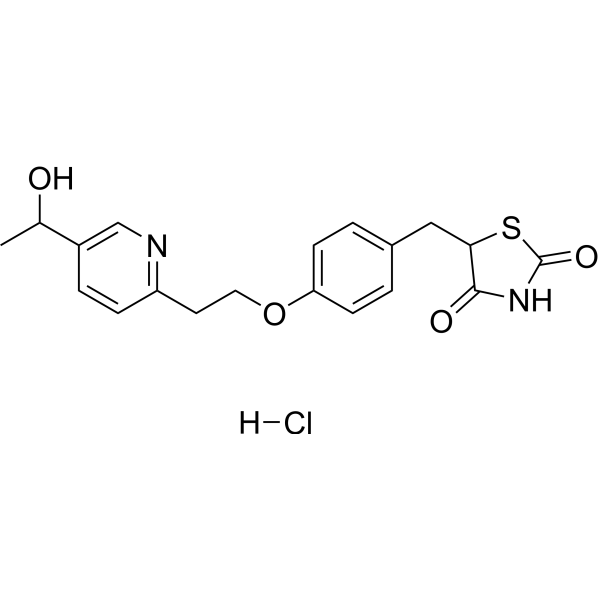
    Leriglitazone (MIN-102; Hydroxypioglitazone) hydrochloride is an orally active and a BBB-penetrable PPARγ agonist with an EC50 of 9 μM. Leriglitazone hydrochloride, as a regulator of mitochondrial function, has neuroprotective, anti-inflammatory and antioxidant effects. Leriglitazone hydrochloride can be used in the study of neuroinflammatory and neurodegenerative diseases .
    Leriglitazone hydrochloride
  • HY-B2246S
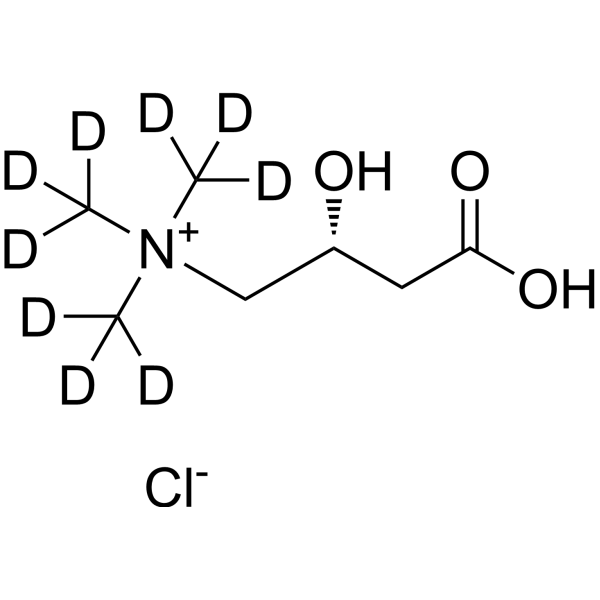
    L-Carnitine-d9 chloride
    1 Publications Verification

    (R)-Carnitine-d9 chloride; Levocarnitine-d9 chloride

    Isotope-Labeled Compounds Endogenous Metabolite Metabolic Disease
    L-Carnitine-d9 (chloride)e is the deuterium labeled L-Carnitine chloride. L-Carnitine chloride, a highly polar, small zwitterion, is an essential co-factor for the mitochondrial β-oxidation pathway. L-Carnitine chloride functions to transport long chain fatty acyl-CoAs into the mitochondria for degradation by β-oxidation. L-Carnitine chloride is an antioxidant. L-Carnitine chloride can ameliorate metabolic imbalances in many inborn errors of metabolism .
    L-Carnitine-d9 chloride
  • HY-P2048A
    MOTS-c(human) acetate
    1 Publications Verification

    AMPK GLUT Neurological Disease Metabolic Disease Inflammation/Immunology Endocrinology
    MOTS-c (human) acetate is a blood-brain barrier-penetrating, mitochondrial-derived peptide that modulates the AMPK/PGC-1α pathway to enhance insulin sensitivity. MOTS-c (human) acetate inhibits the folate cycle and de novo purine synthesis, increases AICAR levels to activate AMPK, and then regulates the Nrf2/Keap1 antioxidant pathway and inhibits the NF-κB inflammatory pathway, while promoting mitochondrial biogenesis and energy metabolism. MOTS-c (human) acetate has the effects of improving glucose and lipid metabolism, anti-oxidative stress, anti-inflammatory and neuroprotection, and can be used in the study of type 2 diabetes, traumatic brain injury, inflammatory diseases and aging-related metabolic disorders .
    MOTS-c(human) acetate
  • HY-D0885D
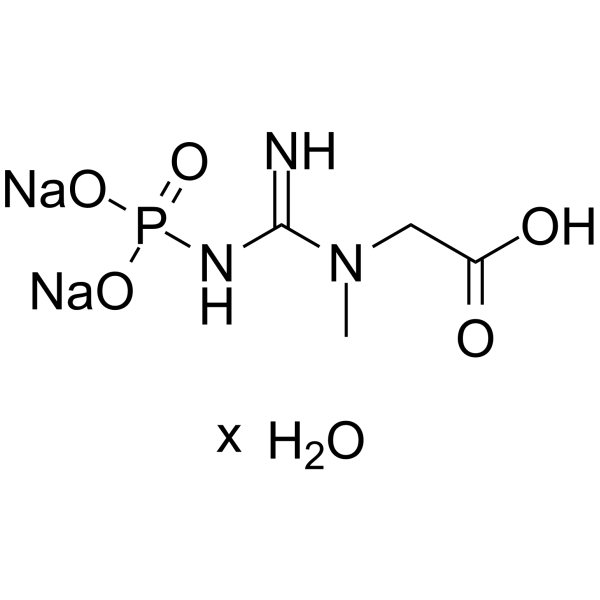
    Phosphocreatine disodium hydrate
    3 Publications Verification

    Endogenous Metabolite MAP3K Akt Mitochondrial Metabolism ERK Apoptosis ROS Kinase Metabolic Disease
    Phosphocreatine (disodium hydrate) is an organic compound found in vertebrate skeletal muscles. Phosphocreatine (disodium hydrate) enhances antioxidant activity, and activates the TAK1 pathway to protect the heart. Phosphocreatine (disodium hydrate) normalizing mitochondrial function and reducing oxidative stress via Akt mediated Nrf2/HO-1 pathway. Phosphocreatine (disodium hydrate) Phosphocreatine (disodium hydrate) provides renal protection by suppressing Apoptosis and ROS (Reactive Oxygen Species) generation through ERK mediated mediated Nrf-2/HO-1 pathway. .
    Phosphocreatine disodium hydrate
  • HY-130687A

    DL-Psicose

    PI3K mTOR Akt IGF-1R TGF-beta/Smad Mitochondrial Metabolism Neurological Disease Metabolic Disease
    Psicose (DL-Psicose) is an orally effective sugar substitute. Psicose activates the PI3K/Akt/mTOR pathway to promote muscle synthesis. Psicose upregulates IGF-1 and downregulates Myostatin. Psicose normalizes mitochondrial dysfunction by increasing G6P activity. Psicose enhances the activity of antioxidant enzymes and reduces oxidative stress markers. Psicose increases muscle mass, grip strength and muscle weight in aged mice and diet-induced obese mice. Psicose improves obesity and type 2 diabetes. Psicose can be used in the research of age-related sarcopenia .
    Psicose
  • HY-149127

    ASC-JM17; ALZ-003

    Keap1-Nrf2 Androgen Receptor HSP Mitophagy Ferroptosis Apoptosis Reactive Oxygen Species (ROS) Autophagy Metabolic Disease
    Rosolutamide (ASC-JM17) is an orally active Nrf1/Nrf2 activator. Rosolutamide activates Hsf1 pathways, upregulates proteasome subunits and antioxidant enzymes, induces proteasome complex structural rearrangement, and enhances ubiquitin-proteasome system-mediated degradation. Rosolutamide reduces mutant androgen receptor and ataxin-3 aggregates, restores mitochondrial function, attenuates reactive oxygen species (ROS) levels, induces apoptosis and ferroptosis, and inhibits cancer cell growth. Rosolutamide can be used for the research of spinal and bulbar muscular atrophy, Huntington’s disease, and temozolomide-resistant glioblastoma .
    Rosolutamide
  • HY-N7363

    (-)-Isolongifolene

    Environmental Pollutants Apoptosis Neurological Disease Inflammation/Immunology Cancer
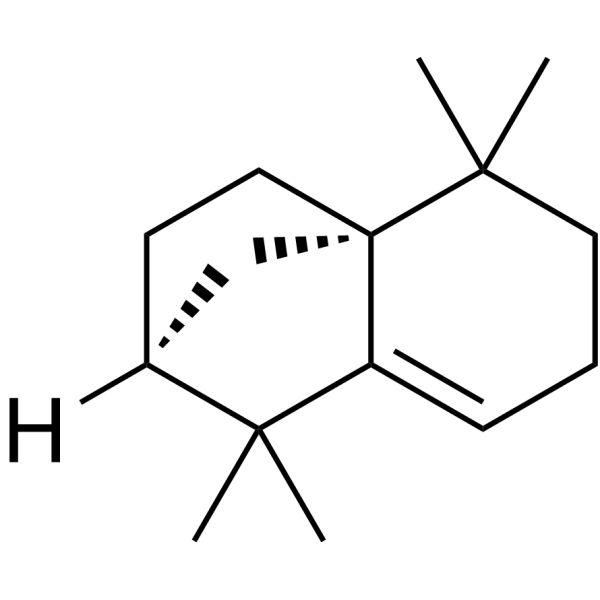
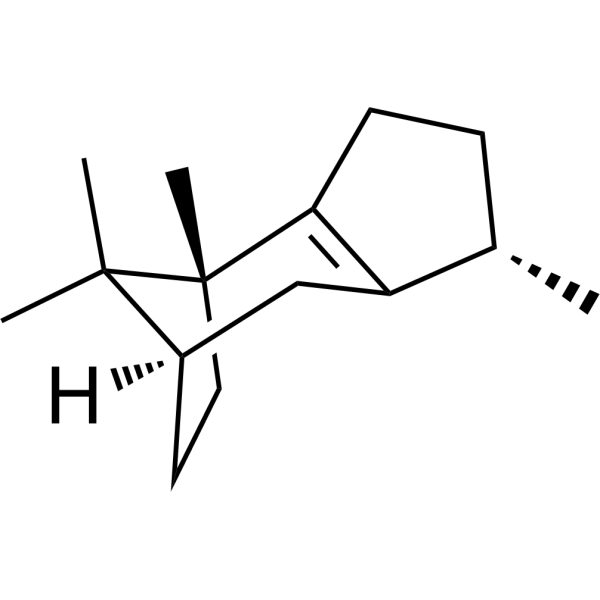
    Isolongifolene ((-)-Isolongifolene) is a tricyclic sesquiterpene isolated from Murraya koenigii. Isolongifolene attenuates Rotenone-induced oxidative stress, mitochondrial dysfunction and apoptosis through the regulation of PI3K/AKT/GSK-3β signaling pathways. Isolongifolene has antioxidant, anti-inflammatory, anticancer and neuroprotective properties .
    Isolongifolene
  • HY-P3101

    GCGR Cardiovascular Disease Metabolic Disease
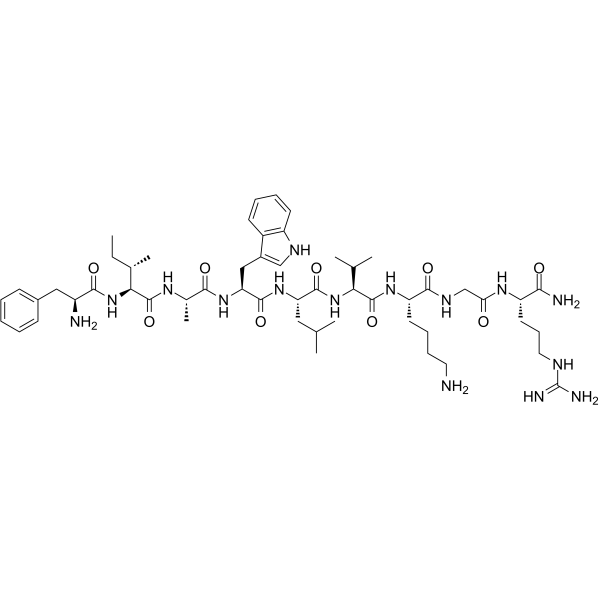
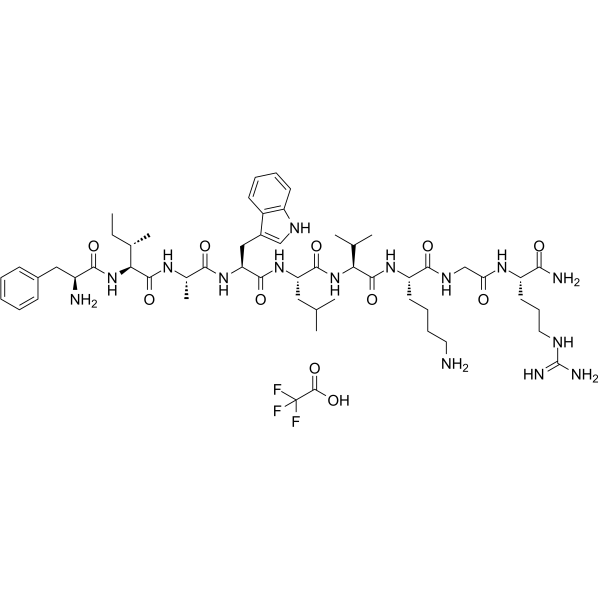
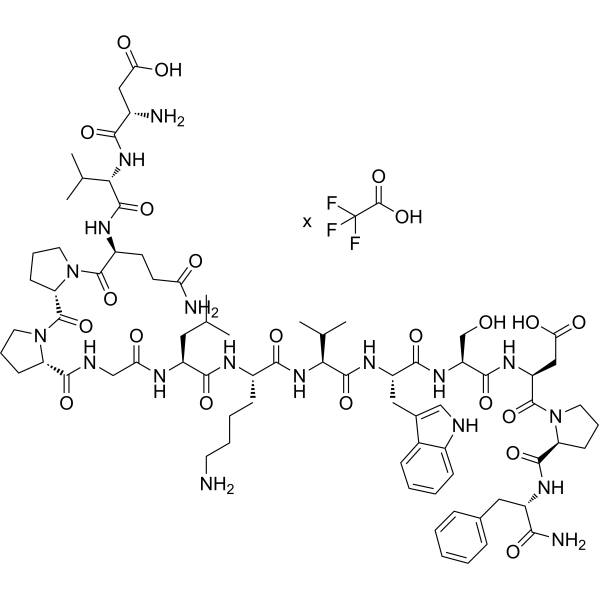
    GLP-1(28-36)amide, a C-terminal nonapeptide of GLP-1, is a major product derived from the cleavage of GLP-1 by the neutral endopeptidase (NEP). GLP-1(28-36)amide is an antioxidant and targets to mitochondrion, inhibits mitochondrial permeability transition (MPT). GLP-1(28-36)amide has anti-diabetic and cardioprotection effects .
    GLP-1(28-36)amide
  • HY-B0399R

    (R)-Carnitine (Standard); Levocarnitine (Standard)

    Reference Standards Endogenous Metabolite Neurological Disease Cancer
    L-Carnitine (Standard) is the analytical standard of L-Carnitine. This product is intended for research and analytical applications. L-Carnitine ((R)-Carnitine), a highly polar, small zwitterion, is an essential co-factor for the mitochondrial β-oxidation pathway. L-Carnitine functions to transport long chain fatty acyl-CoAs into the mitochondria for degradation by β-oxidation. L-Carnitine is an antioxidant. L-Carnitine can ameliorate metabolic imbalances in many inborn errors of metabolism .
    L-Carnitine (Standard)
  • HY-N11722

    Apoptosis NF-κB Keap1-Nrf2 AMPK Autophagy SARS-CoV DNA Methyltransferase Infection Inflammation/Immunology Endocrinology
    Panduratin A is an orally active natural compound with multiple pharmacological activities. By specifically inhibiting the NF-κB signaling pathway, Panduratin A exerts potent anti-inflammatory and antioxidant effects in intestinal and vascular inflammation models. Panduratin A exerts a definite protective effect against Colistin (HY-113678)-induced nephrotoxicity by alleviating oxidative stress, improving mitochondrial dysfunction and inhibiting cell apoptosis. Panduratin A activates autophagy via an AMPK-dependent pathway and exhibits anti-tuberculosis activity. Panduratin A exerts antiviral effects by inhibiting the methyltransferase (DNA Methyltransferase) of SARS-CoV-2 .
    Panduratin A
  • HY-18733R
    Lipoic acid (Standard)
    5+ Cited Publications

    (R)-(+)-α-Lipoic acid(Standard); R-(+)-Thioctic acid (Standard)

    Reference Standards Mitochondrial Metabolism Endogenous Metabolite Reactive Oxygen Species (ROS) Inflammation/Immunology Cancer
    Lipoic acid (Standard) is the analytical standard of Lipoic acid. This product is intended for research and analytical applications. Lipoic acid ((R)-(+)-α-Lipoic acid) is an antioxidant, which is an essential cofactor of mitochondrial enzyme complexes. (R)-(+)-α-Lipoic acid is more effective than racemic Lipoic acid.
    Lipoic acid (Standard)
  • HY-N0018R

    Daidzoside (Standard); NPI-031D (Standard); Daidzein 7-O-glucoside (Standard)

    Reference Standards Mitochondrial Metabolism Reverse Transcriptase Aldehyde Dehydrogenase (ALDH) Others
    Daidzin (Standard) is the analytical standard of Daidzin. This product is intended for research and analytical applications. Daidzin is an isoflavone with antioxidant, anticancer, and antiatherosclerotic activities. Daidzin is a potent and selective inhibitor of mitochondrial ALDH-2. Daidzin reduces ethanol consumption .
    Daidzin (Standard)

Inquiry Online

Your information is safe with us. * Required Fields.

Salutation


Country or Region *

Applicant Name *


Organization Name *

Department *


Email Address *


Product Name *

Cat. No.


Requested quantity *

Phone Number *


Remarks

Inquiry Online

Inquiry Information

Product Name:
Cat. No.:
Quantity:
MCE Japan Authorized Agent: