



SKQ1
Based on 21 publication(s) in Google Scholar
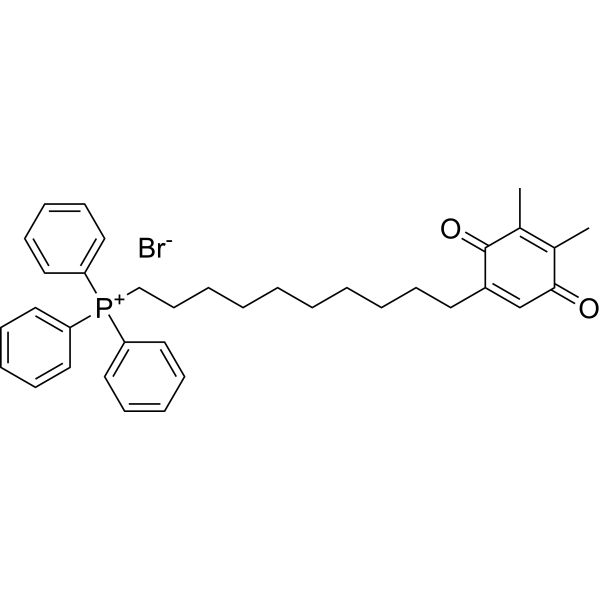
SKQ1 is a mitochondrial-targeted antioxidant with the high mitochondrion membrane penetrating ability and potent antioxidant capability.
연구목적의 판매만을 진행합니다. 환자를 대상으로 한 판매는 하지 않습니다.
- Purity : 98.99%
- CAS No.: 934826-68-3
- 화학식: C36H42BrO2P
- 분자량:617.60
-
보관:
4°C, stored under nitrogen, away from moisture
* In solvent : -80°C, 6 months; -20°C, 1 month (stored under nitrogen, away from moisture)

To place orders, for customer services and technical support, please contact: MedChemExpress USA
Tel: 609-228-6898 E-mail: [email protected] [email protected]


-
 Biological Activity
-
Chemical Information
-
용액&용해도
- 순도&문서
- References
-
 Help & FAQs


-
HY-100116A
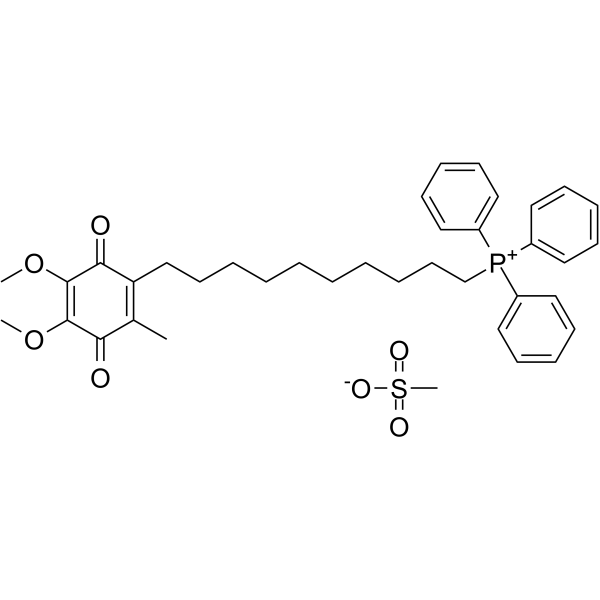
Mitoquinone mesylateAntioxidant -
HY-112879
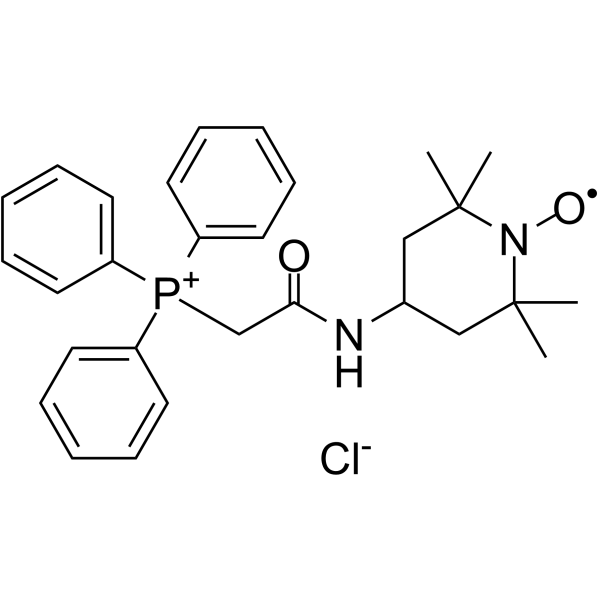
Mito-TEMPOAntioxidant -
HY-15371
ForskolinAdenylate Cyclase Activator -
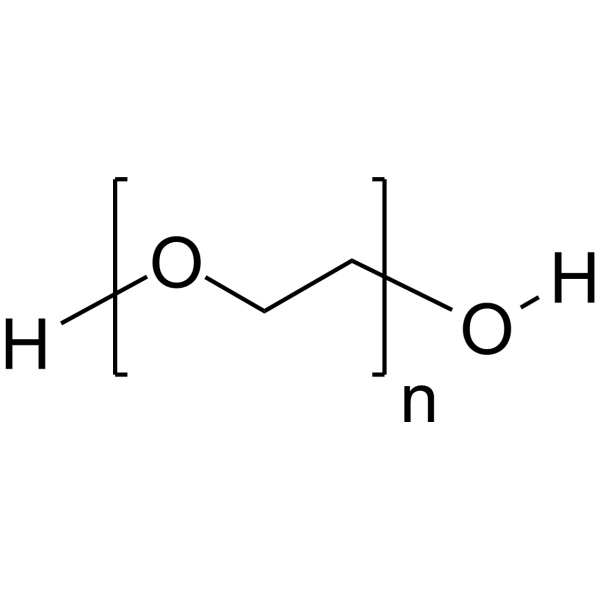
HY-Y0873
PEG300Neutral Polymer -
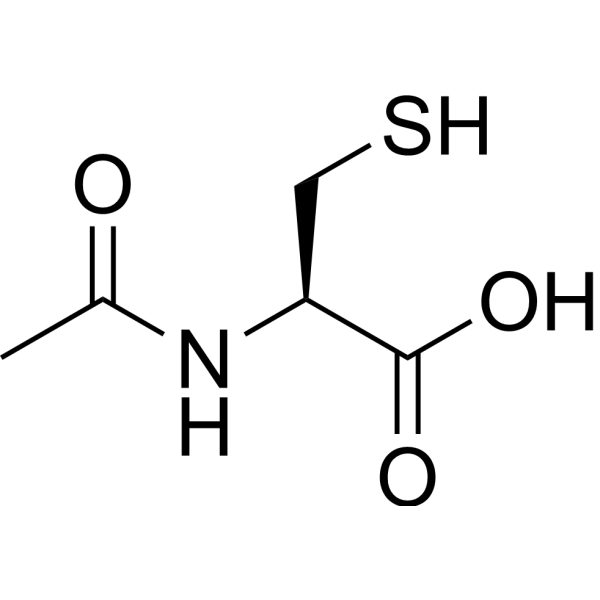
HY-B0215
AcetylcysteineMucolytic Agent -
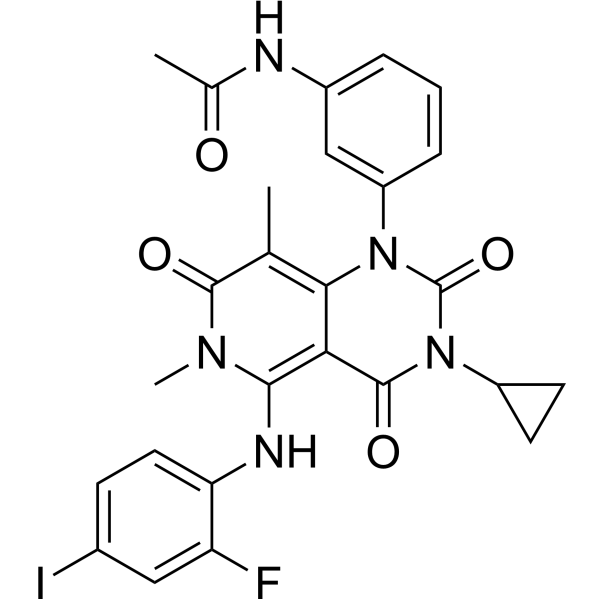
HY-10999
TrametinibMEK Inhibitor -
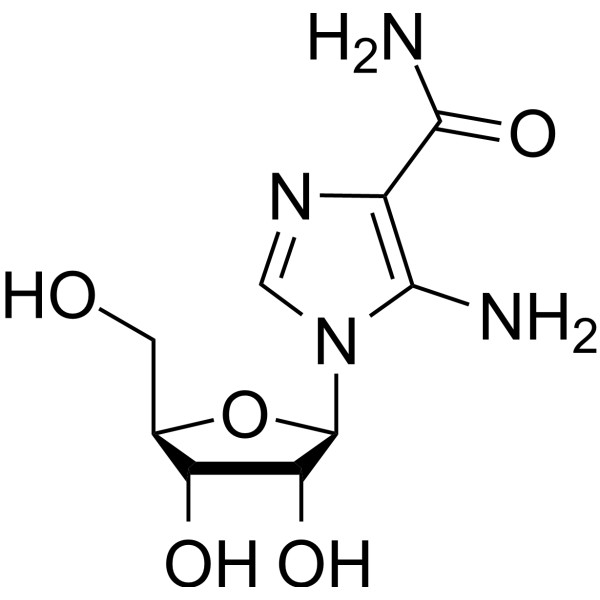
HY-13417
AICARAMPK Activator -
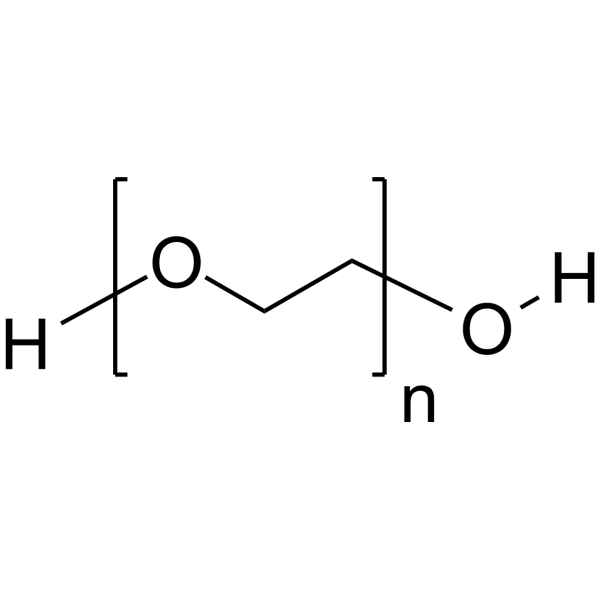
HY-Y0873A
PEG400 -
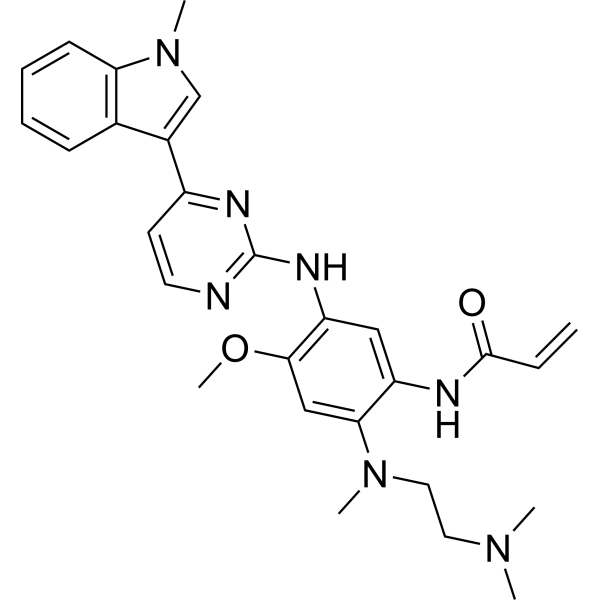
HY-15772
OsimertinibMutant-Selective EGFR Inhibitor -
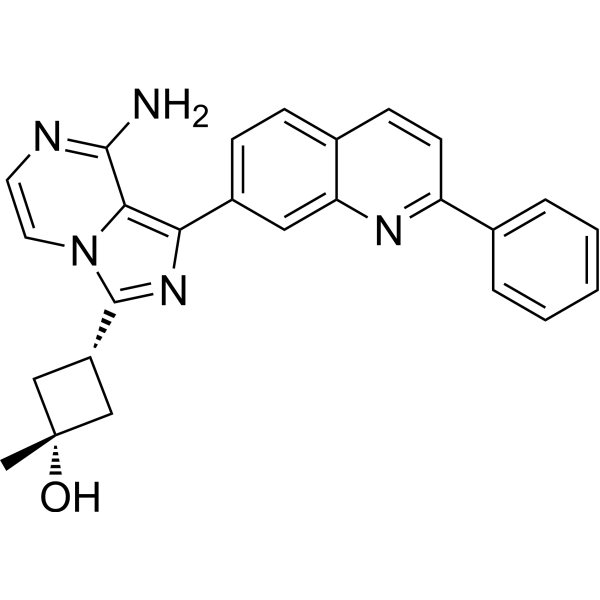
HY-10191
LinsitinibIGF-1R/Insulin Receptor Inhibitor -
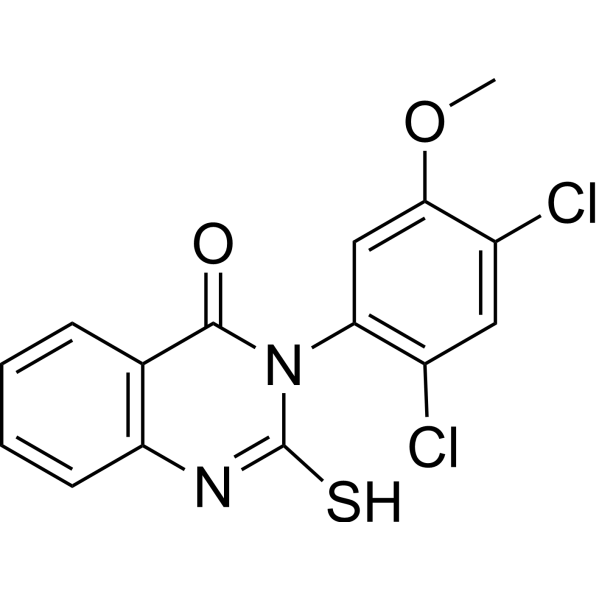
HY-15886
Mdivi-1Drp1 Inhibitor -
HY-N4000
DigitoninDetergent
Publications Citing Use of MedChemExpress (MCE) SKQ1
More- Redox Biol. 2018 Oct:19:339-353. [Abstract]
- Research (Wash D C). 2025 Jul 22:8:0784. [Abstract]
- Cell Death Dis. 2023 Apr 7;14(4):252. [Abstract]
- Cell Death Dis. 2021 Sep 8;12(9):839. [Abstract]
- Cancer Lett. 2022 Mar 31:529:19-36. [Abstract]
- Free Radic Biol Med. 2026 Aug 16:252:447-463. [Abstract]
- Free Radic Biol Med. 2024 Nov 1:224:117-129. [Abstract]
- Free Radic Biol Med. 2021 Apr:166:313-323. [Abstract]
- Virulence. 2024 Dec;15(1):2415952. [Abstract]
- Invest Ophthalmol Vis Sci. 2022 Mar 2;63(3):4. [Abstract]
- Biomedicines. 2024 Sep 4;12(9):2020. [Abstract]
- FASEB J. 2026 Feb 28;40(4):e71586. [Abstract]
- J Cell Physiol. 2023 Aug;238(8):1867-1875. [Abstract]
- Bone. 2024 Aug:185:117132. [Abstract]
- Transl Vis Sci Technol. 2023 Oct 3;12(10):1. [Abstract]
- SSRN. 2026 Mar 13.
- medRxiv. 2025 Oct 13.
- Patent. US20240300987A1.
- bioRxiv. 2024 Sep 21:2024.09.21.613572. [Abstract]
- Preprints. 2023 May 15.
- Oxid Med Cell Longev. 2022 Sep 22;2022:2223957. [Abstract]
 Customer Validation & Images

-
Flow Cytometry
-
Cell Imaging/Staining
-
Cell Imaging/Staining
-
WB
-
RT-PCR


Biological Activity
제품 설명
In Vitro
Direct treatment of tumor infiltrating leukocytes with SkQ1 does not influence their cytotoxicity against Panc02 cells. While SkQ1 does not affect viability of the cell lines, this drug at 500 nM concentration reduces heavily the proliferation of human PDAC cells[1].
MedChemExpress (MCE) has not independently confirmed the accuracy of these methods. They are for reference only.
In Vivo
MedChemExpress (MCE) has not independently confirmed the accuracy of these methods. They are for reference only.
Clinical Trial
| NCT Number | Sponsor | Condition | Start Date |
Phase

|
|---|---|---|---|---|
| NCT01329991 | Plexxikon| | 2011-05 | PHASE1 |


Chemical Information
-
CAS No. 934826-68-3
-
Appearance Solid
-
분자량 617.60
-
화학식 C36H42BrO2P
-
Color Yellow to brown
-
SMILES
O=C(C(CCCCCCCCCC[P+](C1=CC=CC=C1)(C2=CC=CC=C2)C3=CC=CC=C3)=C4)C(C)=C(C)C4=O.[Br-]
-
선적
Room temperature in continental US; may vary elsewhere.
-
보관
4°C, stored under nitrogen, away from moisture
* In solvent : -80°C, 6 months; -20°C, 1 month (stored under nitrogen, away from moisture)


Publications (21)
-
Journal Impact Factor
-
Most Recent
-
Redox Biol
Sirtuin 3-dependent mitochondrial redox homeostasis protects against AGEs-induced intervertebral disc degeneration. [Abstract]2018 Oct:19:339-353. PMID: 30216853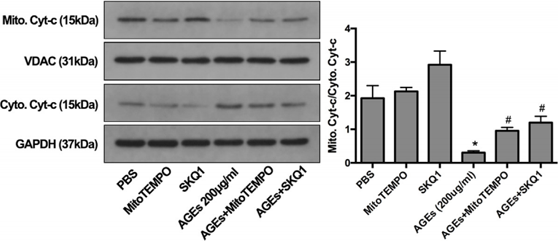
SKQ1 purchased from MedChemExpress. Usage Cited in: Redox Biol. 2018 Oct:19:339-353. [Abstract]
Representative western blotting assay and quantitation of the level of Cyt-c in mitochondrial and cytoplasmic extracts from human NP cells with MitoTEMPO or SKQ1 pre-treatment.
-
Research (Wash D C)
Visomitin Attenuates Pathological Bone Loss by Reprogramming Osteoclast Metabolism via the STAT3/LDHB Axis. [Abstract]2025 Jul 22:8:0784. PMID: 40698330
SKQ1 purchased from MedChemExpress. Usage Cited in: Research (Wash D C). 2025 Jul 22:8:0784. [Abstract]
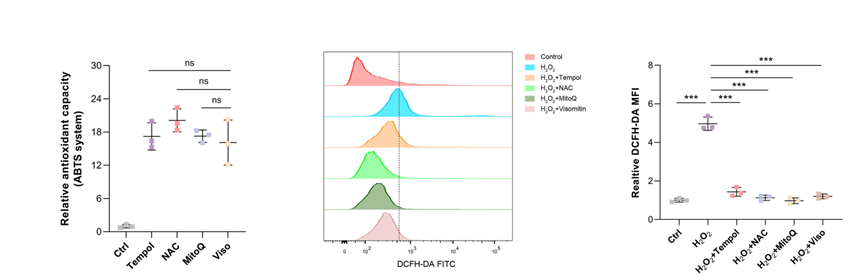
Visomitin (300 nM) diminishes the intracellular ROS levels and attenuates osteoclastogenesis. The relative antioxidant capacity of indicated antioxidants at 300 nM was evaluated in the ABTS system (n = 3). Evaluation and quantification of the intracellular ROS levels of BMMs exposed to H2O2 after pretreatment of a range of antioxidants (300 nM) using flow cytometry.
SKQ1 purchased from MedChemExpress. Usage Cited in: Research (Wash D C). 2025 Jul 22:8:0784. [Abstract]
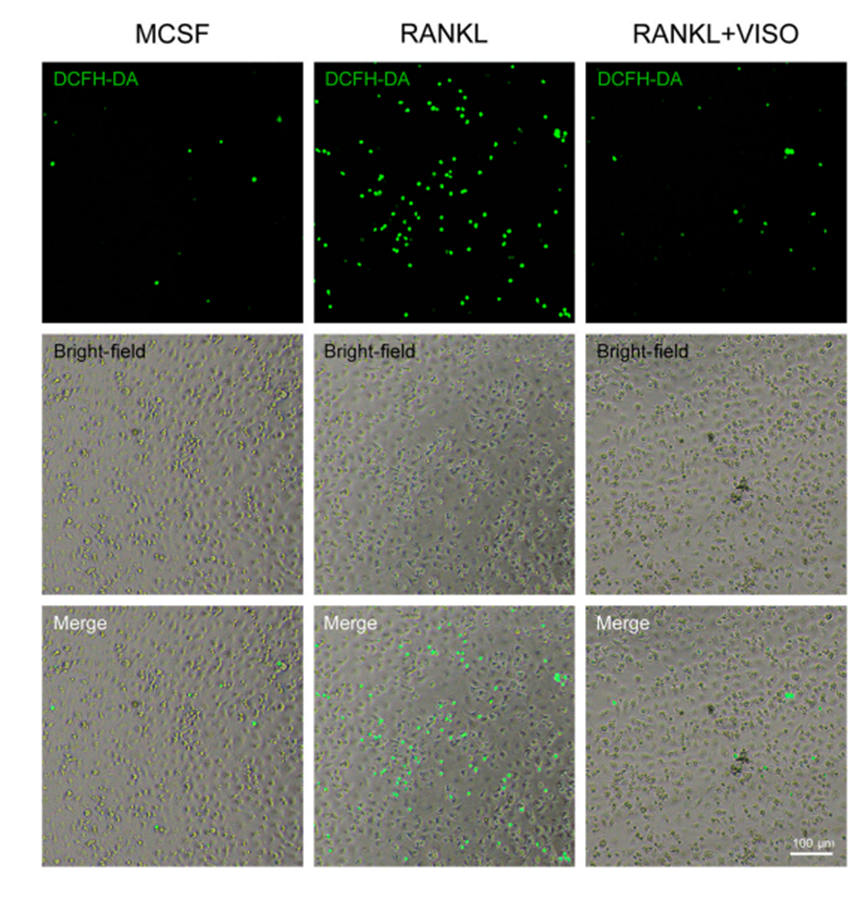
Detection of the mean fluorescence intensity (MFI) of DCFH-DA probe in BMMs following treatment with either RANKL or Visomitin (300 nM).
SKQ1 purchased from MedChemExpress. Usage Cited in: Research (Wash D C). 2025 Jul 22:8:0784. [Abstract]
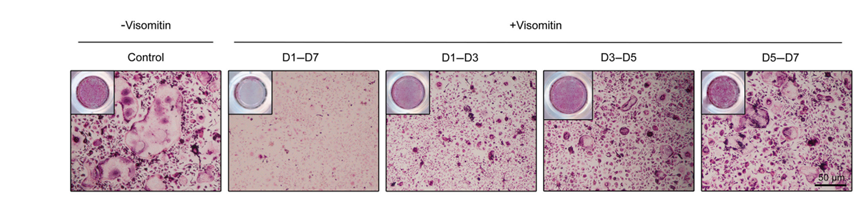
BMMs were subjected to in vitro osteoclast differentiation and treated with 300 nM Visomitin at specified stages. Representative images of TRAP staining were shown.
SKQ1 purchased from MedChemExpress. Usage Cited in: Research (Wash D C). 2025 Jul 22:8:0784. [Abstract]
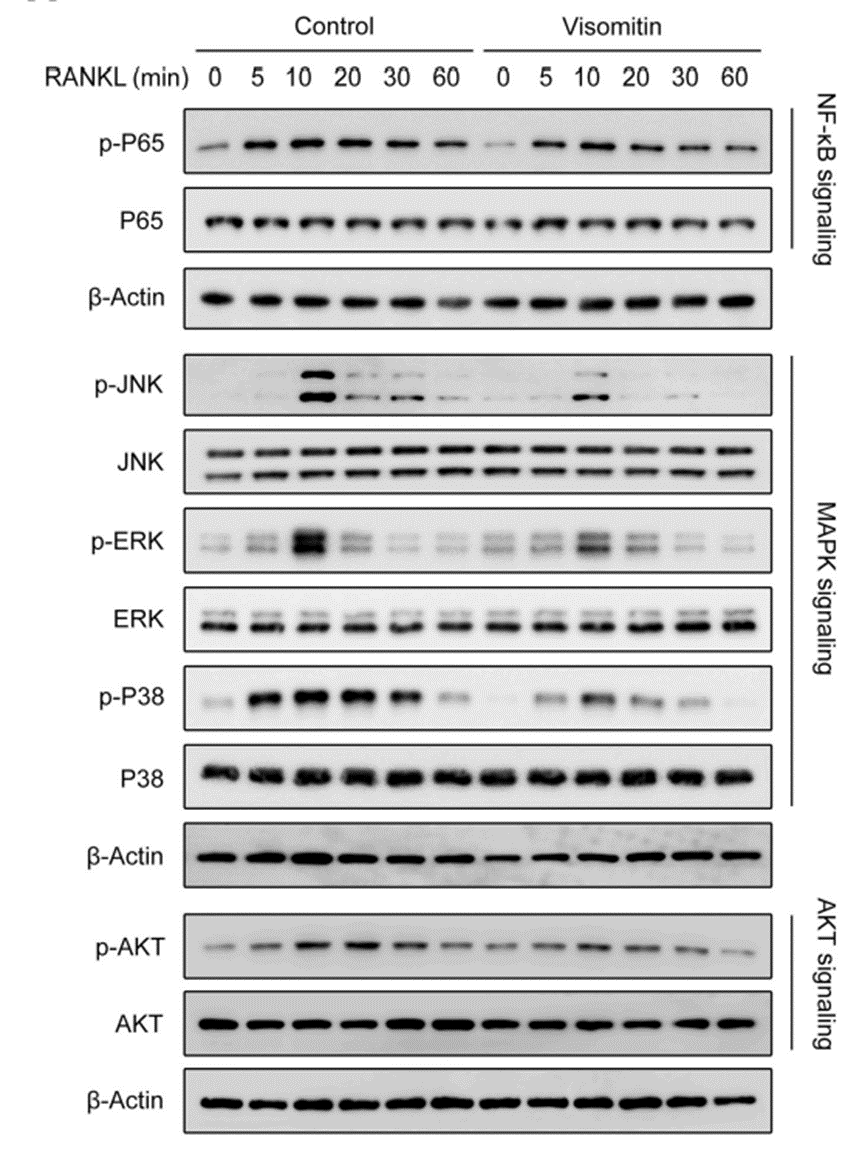
Representative immunoblots illustrating the effects of Visomitin (300 nM) on the activation of RANKL-RANK signaling pathways, including NF-κB, MAPK, and AKT pathways.
SKQ1 purchased from MedChemExpress. Usage Cited in: Research (Wash D C). 2025 Jul 22:8:0784. [Abstract]
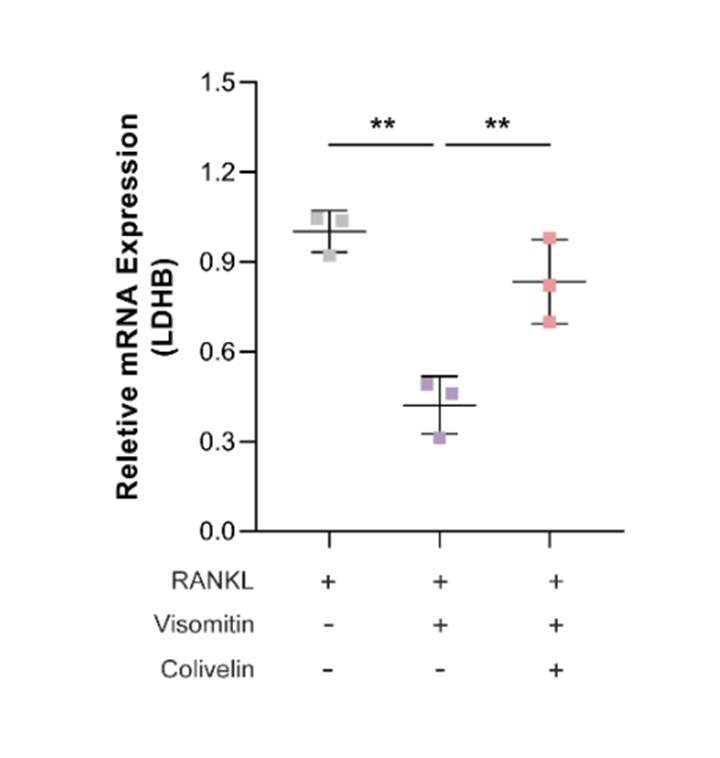
The mRNA levels of LDHB in response to Colivelin or Visomitin (300 nM) treatment, as indicated, were assessed using qRT-PCR.
-
Cell Death Dis
Autophagy deficiency exacerbates iron overload induced reactive oxygen species production and apoptotic cell death in skeletal muscle cells. [Abstract]2023 Apr 7;14(4):252. PMID: 37029101 -
Cell Death Dis
2021 Sep 8;12(9):839. PMID: 34497268 -
Cancer Lett
RETRACTED: PINK1 deficiency in gastric cancer compromises mitophagy, promotes the Warburg effect, and facilitates M2 polarization of macrophages. [Abstract]2022 Mar 31:529:19-36. PMID: 34979165 -
Free Radic Biol Med
SKQ1 promotes tumor cell apoptosis by directly interacting with NDUFV2 and inducing superoxide production. [Abstract]2026 Aug 16:252:447-463. PMID: 42119952 -
Free Radic Biol Med
A comparative study of the efficiency of mitochondria-targeted antioxidants MitoTEMPO and SKQ1 under oxidative stress. [Abstract]2024 Nov 1:224:117-129. PMID: 39178922 -
Free Radic Biol Med
Hyperglycemia-induced severe mitochondrial bioenergetic deficit of lacrimal gland contributes to the early onset of dry eye in diabetic mice. [Abstract]2021 Apr:166:313-323. PMID: 33705960 -
Virulence
Bactericidal and anti-quorum sensing activity of repurposing drug Visomitin against Staphylococcus aureus. [Abstract]2024 Dec;15(1):2415952. PMID: 39390774 -
Invest Ophthalmol Vis Sci
Pathogenic Role of Endoplasmic Reticulum Stress in Diabetic Corneal Endothelial Dysfunction. [Abstract]2022 Mar 2;63(3):4. PMID: 35238867 -
Biomedicines
Preservation of Mitochondrial Function by SkQ1 in Skin Fibroblasts Derived from Patients with Leber's Hereditary Optic Neuropathy Is Associated with the PINK1/PRKN-Mediated Mitophagy. [Abstract]2024 Sep 4;12(9):2020. PMID: 39335534 -
FASEB J
Moxifloxacin Inhibits Neutrophil Responses to Immune Complexes and Ameliorates Skin Inflammation in a Model of Pemphigoid Diseases. [Abstract]2026 Feb 28;40(4):e71586. PMID: 41676900 -
J Cell Physiol
MitoNEET prevents iron overload-induced insulin resistance in H9c2 cells through regulation of mitochondrial iron. [Abstract]2023 Aug;238(8):1867-1875. PMID: 37269467 -
Bone
PGC-1α/LDHA signaling facilitates glycolysis initiation to regulate mechanically induced bone remodeling under inflammatory microenvironment. [Abstract]2024 Aug:185:117132. PMID: 38789096 -
Transl Vis Sci Technol
Pathogenicity and Function Analysis of Two Novel SLC4A11 Variants in Patients With Congenital Hereditary Endothelial Dystrophy. [Abstract]2023 Oct 3;12(10):1. PMID: 37787991 -
-
-
-
bioRxiv
Diet induced mitochondrial DNA replication instability in Rad51c mutant mice drives sex-bias in anemia of inflammation. [Abstract]2024 Sep 21:2024.09.21.613572. PMID: 39345482 -
-
Oxid Med Cell Longev
Mitochondrial Targeted Antioxidant SKQ1 Ameliorates Acute Kidney Injury by Inhibiting Ferroptosis. [Abstract]2022 Sep 22;2022:2223957. PMID: 36193064


용액&용해도
In Vitro:
DMSO : 100 mg/mL (161.92 mM; Need ultrasonic; Hygroscopic DMSO has a significant impact on the solubility of product, please use newly opened DMSO)
Please refer to the solubility information to select the appropriate solvent. Once prepared, please aliquot and store the solution to prevent product inactivation from repeated freeze-thaw cycles.
Storage method and period of stock solution: -80°C, 6 months; -20°C, 1 month (stored under nitrogen, away from moisture). When stored at -80°C, please use it within 6 months. When stored at -20°C, please use it within 1 month.
Please refer to the solubility information to select the appropriate solvent. Once prepared, please aliquot and store the solution to prevent product inactivation from repeated freeze-thaw cycles.
Storage method and period of stock solution: -80°C, 6 months; -20°C, 1 month (stored under nitrogen, away from moisture). When stored at -80°C, please use it within 6 months. When stored at -20°C, please use it within 1 month.
Concentration (start) × Volume (start) = Concentration (final) × Volume (final)
In Vivo:
Select the appropriate dissolution method based on your experimental animal and administration route.
- For the following dissolution methods, please ensure to first prepare a clear stock solution using an In Vitro approach and then sequentially add co-solvents:
- To ensure reliable experimental results, the clarified stock solution can be appropriately stored based on storage conditions. As for the working solution for In Vivo experiments, it is recommended to prepare freshly and use it on the same day.
- The percentages shown for the solvents indicate their volumetric ratio in the final prepared solution. If precipitation or phase separation occurs during preparation, heat and/or sonication can be used to aid dissolution.
Add each solvent one by one: 10% DMSO 40% PEG300 5% Tween-80 45% Saline
Solubility: ≥ 2.5 mg/mL (4.05 mM); Clear solution
This protocol yields a clear solution of ≥ 2.5 mg/mL (saturation unknown).
Taking 1 mL working solution as an example, add 100 μL DMSO stock solution (25.0 mg/mL) to 400 μL PEG300, and mix evenly; then add 50 μL Tween-80 and mix evenly; then add 450 μL Saline to adjust the volume to 1 mL.
Preparation of Saline: Dissolve 0.9 g sodium chloride in ddH₂O and dilute to 100 mL to obtain a clear Saline solution.
In Vivo Dissolution Calculator
Please enter the basic information of animal experiments:
-
-
-
-
Recommended: Prepare an additional quantity of animals to account for potential losses during experiments.
Please enter your animal formula composition:
-
%DMSO +
Recommended: Keep the proportion of DMSO in working solution below 2% if your animal is weak.
-
%+
-
+%Tween-80 + +
-
%Saline +
The co-solvents required include: DMSO, . All of co-solvents are available by MedChemExpress (MCE). , Tween 80. All of co-solvents are available by MedChemExpress (MCE).
Working solution concentration: 0.22 mg/mL
Method for preparing stock solution: mg drug dissolved in μL DMSO. Stock solution concentration: mg/mL. * In solvent : -80°C, 6 months; -20°C, 1 month (stored under nitrogen, away from moisture)
1. Take μL DMSO stock solution;
2. Add μL .
μL , mix evenly;
3. Then add μL Tween 80, mix evenly;
4. Then add μL
Please ensure that the stock solution in the first step is dissolved to a clear state, and add co-solvents in sequence. You can use ultrasonic heating (ultrasonic cleaner, recommended frequency 20-40 kHz), vortexing, etc. to assist dissolution.


순도&문서
-
Data Sheet (275 KB)
-
SDS (560 KB)
- English - EN (560 KB)
- Français - FR (560 KB)
- Deutsch - DE (560 KB)
- Norwegian - NO (560 KB)
- Español - ES (560 KB)
- Swedish - SV (560 KB)
- Italian - IT (560 KB)
- Korean - KR (560 KB)
- Portuguese - PT (560 KB)
-
Handling Instructions (2659 KB)
References
[1]. Bazhin AV, et al. The novel mitochondria-targeted antioxidant SkQ1 modulates angiogenesis and inflammatory micromilieu in a murine orthotopic model of pancreatic cancer. Int J Cancer. 2016 Jul 1;139(1):130-9. [Content Brief]
[2]. Weniger M, et al. The Analgesic Effect of the Mitochondria-Targeted Antioxidant SkQ1 in Pancreatic Inflammation. Oxid Med Cell Longev. 2016;2016:4650489. [Content Brief]


Complete Stock Solution Preparation Table
Please refer to the solubility information to select the appropriate solvent. Once prepared, please aliquot and store the solution to prevent product inactivation from repeated freeze-thaw cycles.
Storage method and period of stock solution: -80°C, 6 months; -20°C, 1 month (stored under nitrogen, away from moisture). When stored at -80°C, please use it within 6 months. When stored at -20°C, please use it within 1 month.
| Optional Solvent | Concentration Solvent Mass | 1 mg | 5 mg | 10 mg | 25 mg |
|---|---|---|---|---|---|
| DMSO | 1 mM | 1.6192 mL | 8.0959 mL | 16.1917 mL | 40.4793 mL |
| 5 mM | 0.3238 mL | 1.6192 mL | 3.2383 mL | 8.0959 mL | |
| 10 mM | 0.1619 mL | 0.8096 mL | 1.6192 mL | 4.0479 mL | |
| 15 mM | 0.1079 mL | 0.5397 mL | 1.0794 mL | 2.6986 mL | |
| 20 mM | 0.0810 mL | 0.4048 mL | 0.8096 mL | 2.0240 mL | |
| 25 mM | 0.0648 mL | 0.3238 mL | 0.6477 mL | 1.6192 mL | |
| 30 mM | 0.0540 mL | 0.2699 mL | 0.5397 mL | 1.3493 mL | |
| 40 mM | 0.0405 mL | 0.2024 mL | 0.4048 mL | 1.0120 mL | |
| 50 mM | 0.0324 mL | 0.1619 mL | 0.3238 mL | 0.8096 mL | |
| 60 mM | 0.0270 mL | 0.1349 mL | 0.2699 mL | 0.6747 mL | |
| 80 mM | 0.0202 mL | 0.1012 mL | 0.2024 mL | 0.5060 mL | |
| 100 mM | 0.0162 mL | 0.0810 mL | 0.1619 mL | 0.4048 mL |


SKQ1 Related Classifications
HY-100474 Related Classifications
 Powered by Bioz