From 11:00 pm to 12:00 pm EST ( 8:00 pm to 9:00 pm PST ) on January 6th, the website will be under maintenance. We are sorry for the inconvenience. Please arrange your schedule properly.
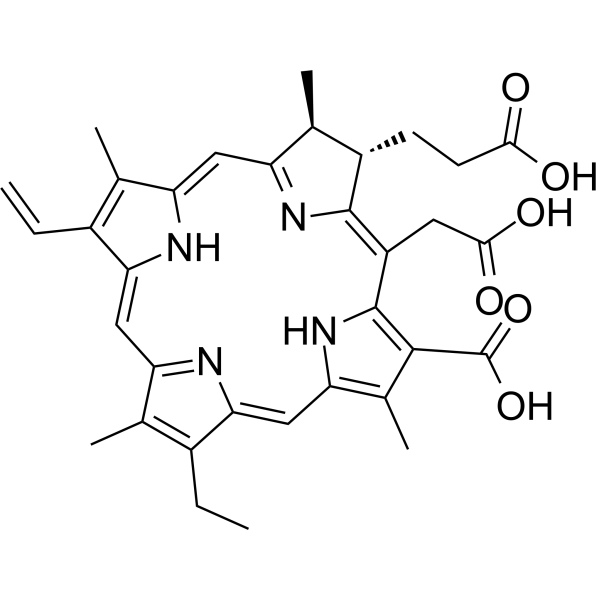
Chlorin e6 is a photosensitizer and has strong absorption peaks at wavelength of 402 and 662 nm, as well as exhibiting intense fluorescence at 668 nm. Chlorin e6 has antimicrobial efficacy and anticancer activity. Chlorin e6 induces cell apoptosis via caspase-3 activation and can be used for the research of cancer .
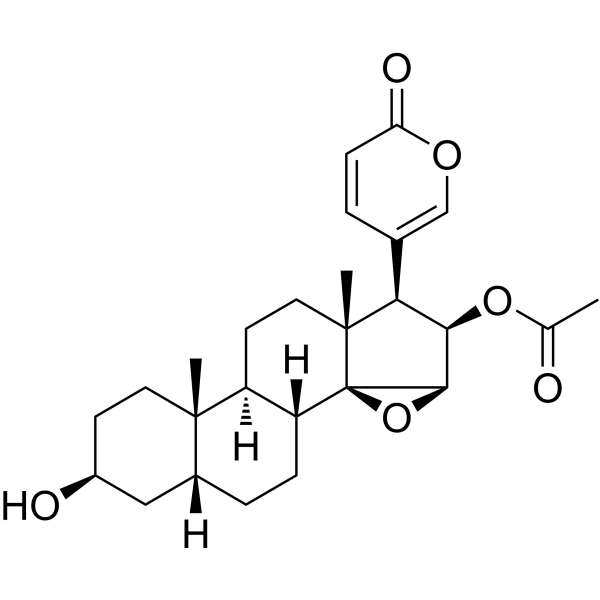
Cinobufagin is an anticancer agent that can be secreted by the Asiatic toad Bufo gargarizans. Cinobufagin induces the cell cycle arrests in the G1 phase or G2/M phase, leading to apoptosis in cancer cells. Cinobufagin inhibits tumor growth in melanoma and glioblastoma multiforme xenograft mouse models .
Anti-Mouse VEGFR-2 Antibody (DC101) is a rat anti-mouseVEGFR2 monoclonal antibody. Anti-Mouse VEGFR-2 Antibody (DC101) inhibits tumor angiogenesis by blocking the binding of VEGF and VEGFR2. Anti-Mouse VEGFR-2 Antibody (DC101) promotes immune cell infiltration and induces tumor cell apoptosis. Anti-Mouse VEGFR-2 Antibody (DC101) can be used for researches on various types of cancer such as melanoma, lung cancer and breast cancer .
Anti-Mouse CTLA-4 Antibody (9D9) is an anti-mouseCTLA-4 IgG2b monoclonal antibody. Anti-Mouse CTLA-4 Antibody (9D9) can bind to CTLA-4 and block its binding to B7. Anti-Mouse CTLA-4 Antibody (9D9) enhances T cell function by increasing the ratio of CD8 + T cells to regulatory T cells (Tregs). Anti-Mouse CTLA-4 Antibody (9D9) can be used for research on cancer such as colon cancer and melanoma .
Anti-Mouse PD-1 Antibody (S-5001) is a selective inhibitor targeting PD-1, blocking the PD-1/PD-L1 immune checkpoint axis through competitive binding to PD-1. Anti-Mouse PD-1 Antibody (S-5001) works by reversing the tumor immunosuppressive microenvironment and reactivating the anti-tumor activity of cytotoxic T lymphocytes. It can be used in research on tumors such as melanoma and HPV-positive oropharyngeal squamous cell carcinoma. Anti-Mouse PD-1 Antibody (S-5001) is often combined with photothermal therapy, chemotherapy, etc., to enhance efficacy .
Xylitol can be classified as a polyol and sugar alcohol, exhibiting inhibitory activity on cancer cell proliferation. It induces autophagy (Autophagy) and cell death in A549 cells by activating the autophagy signaling pathway, as evidenced by the increased expression of LC3-II and Atg5-Atg12 upon Xylitol treatment. Additionally, Xylitol inhibits acetaldehyde production by Candida species, thereby reducing their carcinogenic potential. In vivo, Xylitol induces alterations in the gut microbiota of mice, which may enhance cholesterol accumulation and upregulate hepatic ChREBP, while also slowing tumor growth in the B16F10 melanoma C57BL/6 mouse model .
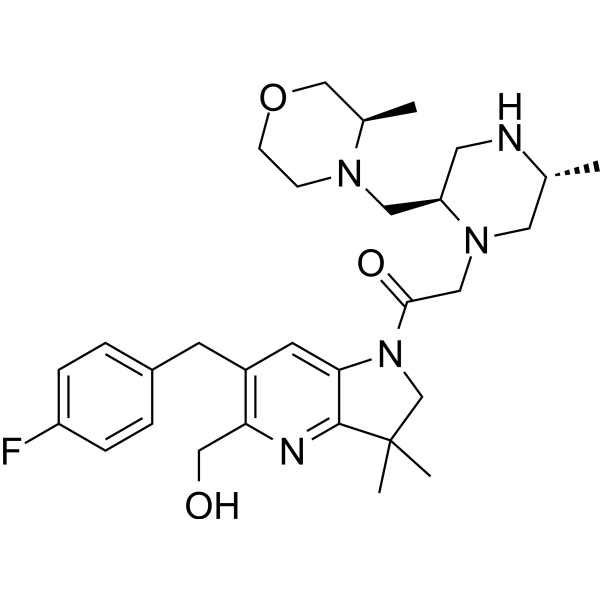
Adrixetinib (Q702) is an orally active triple inhibitor against CSF1R, Mer, and Axl, with Kd values of 8.7 nM, 0.8 nM, and 0.3 nM, respectively. Adrixetinib acts as a potent immune modulator that remodels the tumor microenvironment. Adrixetinib increases the abundance of M1 macrophages and CD8⁺ T cells, while decreasing the levels of M2 macrophages and myeloid-derived suppressor cells (MDSCs). Adrixetinib upregulates the expression of MHC class I and E-cadherin in tumor cells. Adrixetinib shows remarkable antitumor efficacy in syngeneic mouse tumor models. Adrixetinib is suitable for the research of breast cancer, renal adenocarcinoma, colon carcinoma, and melanoma .
Perillyl alcohol is an orally active monoterpene. Perillyl alcohol exhibits multiple activities such as analgesic, anti-inflammatory, anti-tumor, anti-angiogenic, and anti-nociceptive effects. Perillyl alcohol can induce apoptosis and cell cycle arrest in tumor cells .
SNX281 is a selective STING agonist, with IC50 values of 4.1, 4.5, 10.7, and 3.7 μM against human, mouse, rat, and monkey STING, respectively. SNX281 undergoes homodimerization at the STING binding site, triggering a conformational shift of STING from an inactive open state to an active closed state, thereby driving downstream STING-dependent signaling pathways. SNX281 induces type I interferons, IFN-β, TNF-α, IL-6, cytokine release, T cell responses, and long-lasting immune memory. SNX281 exhibits anti-tumor activity and is applicable to research related to colorectal cancer, melanoma, advanced solid tumors, lymphoma, and ovarian cancer .
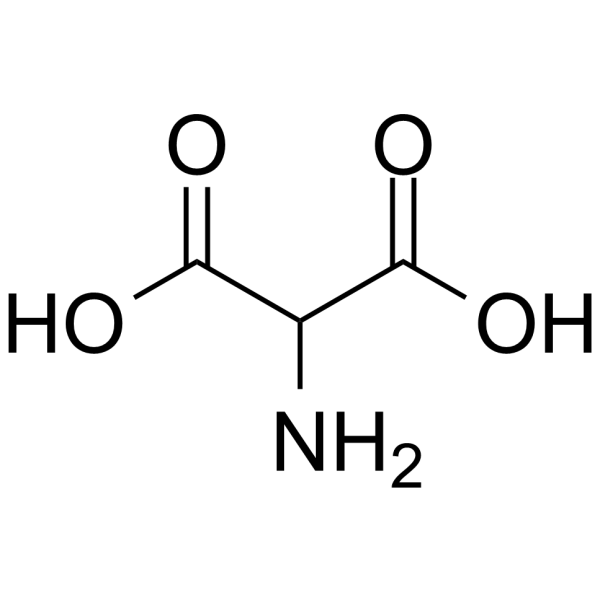
Aminomalonic acid is an amino endogenous metabolite, acts as a strong inhibitor of L-asparagine synthetase from Leukemia 5178Y/AR (Ki= 0.0023 M) and mouse pancreas (Ki= 0.0015 M) in vitro. Aminomalonic acid is a potential biomarker to discriminate between different stages of melanoma metastasis .
Anti-Mouse CD38 Antibody (NIMR5) is an anti-mouseCD38 IgG2a monoclonal antibody. Anti-Mouse CD38 Antibody (NIMR5) can activate the ERK signaling pathway and promote cell apoptosis. Anti-Mouse CD38 Antibody (NIMR5) can restore T cell function. Anti-Mouse CD38 Antibody (NIMR5) upregulates the expression of CD1d protein and enhances spleen cell proliferation, dendritic cell (DC) and natural killer T cell (NKT) expansion. Anti-Mouse CD38 Antibody (NIMR5) can be used for researches on cancer and immunology such as melanoma and colon cancer .
CVRARTR is a programmed cell death ligand-1 (PD-L1) antagonist with a KD of 281 nM. CVRARTR induces the internalization of PD-L1 and downregulates PD-L1 on the cell surface. CVRARTR restores cytokine secretion and T cell proliferation in cell CT26. CVRARTR exhibits antitumor efficacy against in CT26 homograft mouse model. CVRARTR can be used in melanoma research .
TT-012 is a MITF inhibitor with a human MITF IC50 of 13.1 nM and a human MITF Kd value of 15.5 nM. TT-012 reduces mRNA levels of MITF downstream genes linked to melanosome biogenesis, cell survival, and proliferation, and upregulates cell cycle-inhibiting genes. TT-012 can be used for the research of melanoma[1][2][3].
Deoxyarbutin is an orally active tyrosinase inhibitor that can promote apoptosis of melanoma cells, enhance the vitality of mouse acinar cells, and has skin whitening and anti-tumor activity [1][2][3].
Anti-Mouse RANKL/CD254 Antibody (IK22/5) is an anti-mouseRANKL/CD254 IgG2a monoclonal antibody. Anti-Mouse RANKL/CD254 Antibody (IK22/5) inhibits osteoclast formation and activity by specifically blocking the binding of RANKL and RANK. Anti-Mouse RANKL/CD254 Antibody (IK22/5) can inhibit the expression of MuRF1/Trogin-1 and activation of NF-κB. Anti-Mouse RANKL/CD254 Antibody (IK22/5) can be used for research on cancer such as melanoma or colon cancer and osteoporosis .
Methyl p-coumarate (Methyl 4-hydroxycinnamate), an orally active esterified derivative of p-Coumaric acid (pCA), can be isolated from the flower of Trixis michuacana var longifolia. Methyl p-coumarate could inhibit the melanin formation in B16 mousemelanoma cells. Methyl p-coumarate also has strong in vitro inhibitory effect on A. alternata and other pathogens .
Anti-Mouse CD47/IAP Antibody (MIAP301) is an anti-mouseCD47/IAP IgG2a monoclonal antibody. Anti-Mouse CD47/IAP Antibody (MIAP301) can effectively block CD47 signaling and enhance macrophage phagocytic function. Anti-Mouse CD47/IAP Antibody (MIAP301) can increase the infiltration of immune cells. Anti-Mouse CD47/IAP Antibody (MIAP301) restores the phagocytic function of myeloid cells and alleviate B cell inhibition. Anti-Mouse CD47/IAP Antibody (MIAP301) may interfere with wound healing. Anti-Mouse CD47/IAP Antibody (MIAP301) can be used for researches on cancer, inflammation and infection conditions such as melanoma, intestinal mucosal repair and sepsis .
GB2095 is an orally active and selective galectin-3 inhibitor. GB2095 shows superior selectivity for both human (KD = 0.036 μM) and mouse galectin-3 (KD = 0.35 μM) over other galectins (such as h-Gal-1/4N/4C/8N/8C/9N/9C and m-galectin-1). GB2095 inhibits tumor growth in syngeneic mouse models of breast and melanoma cancers. GB2095 can be used for breast and melanoma cancer research .
PROTAC RIPK1 Degrader-1 is a selective RIPK1PROTAC degrader. PROTAC RIPK1 Degrader-1 degrades RIPK1 in multiple cancer cell lines (e.g., A375, B16F10 cells). PROTAC RIPK1 Degrader-1 enhances the anti-cancer effect of radiotherapy in syngeneic and humanized mouse models. PROTAC RIPK1 Degrader-1 can be used to study cancers such as melanoma. (Pink: RIPK1-ligand-2: HY-175371, Blue: (S,R,S)-AHPC-Me: HY-112078, Pink + Black: RIPK1 ligand-Linker Conjugate-1: HY-175374, Black: Bispiperidin-piperazin-acetater: HY-175373) .
MSA-2-Pt, platinum salt-modified MSA-2 (HY-136927), is a STING agonist. MSA-2-Pt inducing cell death by platinum and activating the STING pathway by MSA-2. MSA-2-Pt direct activates STING pathway, induces phosphorylation of TBK1, IRF3, and NF-κB p65. MSA-2-Pt enhances tumor infiltration of CD4 + and CD8 + T cells, and induces tumor cell death and apoptosis in mouse colon carcinoma and melanoma models .
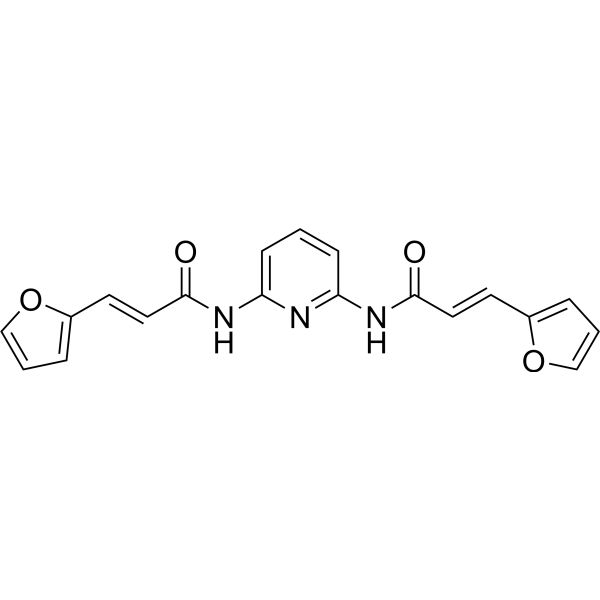
DMBP is a VPS41 inhibitor. DMBP induces methuosis and inhibits autophagy in cancer cells. DMBP inhibits the fusion of late endosomes and autophagosomes with lysosomes. DMBP effectively inhibits metastasis in a mouse metastatic melanoma model. DMBP can be used for the study of melanoma .
Anti-Mouse IL-2 Antibody (S4B6-1) is an anti-mouseIL-2 IgG2a monoclonal antibody. Anti-Mouse IL-2 Antibody (S4B6-1) can reduce CD4 + T cells and increase Tregs. Anti-Mouse IL-2 Antibody (S4B6-1) can induce Th17 cell differentiation. Anti-Mouse IL-2 Antibody (S4B6-1) can be used for research on cancer such as melanoma. The recommend isotype control of Anti-Mouse IL-2 Antibody (S4B6-1): Rat IgG2a kappa, Isotype Control (HY-P990679) .
Anti-Mouse/Human VLA-4/CD49d Antibody (PS/2) is an anti-mouse/human VLA-4/CD49d IgG2b monoclonal antibody. Anti-Mouse/Human VLA-4/CD49d Antibody (PS/2) can reduce VLA-4 positive cells. Anti-Mouse/Human VLA-4/CD49d Antibody (PS/2) can inhibit the migration of Tc1 cells to tumors. Anti-Mouse/Human VLA-4/CD49d Antibody (PS/2) inhibits the retention of leukemia cells in the spleen and bone marrow by blocking VLA-4. Anti-Mouse/Human VLA-4/CD49d Antibody (PS/2) can be used for research on inflammation conditions and cancer such as experimental autoimmune encephalomyelitis (EAE), melanoma and leukemia .
GJ19 is a PD-L1 inhibitor with an IC50 of 32.06 nM. GJ19 can effectively bind to human/murine PD-L1 protein with Kd values of 171 and 290 nM, respectively. GJ19 concentration-dependently promotes HepG2 cell mortality in a co-culture model of HepG2/hPD-L1 and Jurkat T/hPD-1 cells. GJ19 effectively suppresses tumor growth in a B16-F10 melanomamouse model. GJ19 can be used for the study of tumor immunotherapy .
ARN22089 is a oral active novel class of trisubstituted pyrimidine, blocks the interaction of CDC42 GTPases with specific downstream effectors. ARN22089 blocks tumor growth in BRAF mutant mousemelanoma model .
Tyrosinase (192-200), human mouse is a HLA-B*4403-restricted tyrosinase epitope with affinity for HLA-B4403 and HLA-B4402. Tyrosinase (192-200), human mouse binds to HLA-B*4403 to form a complex, which is recognized by the autologous cytotoxic T lymphocyte clone 22/31 derived from melanoma. Tyrosinase (192-200), human mouse binds to HLA-B4402 to form a complex, which is recognized by the CTL clone 329B/5 derived from healthy HLA-B4402 donors. Tyrosinase (192-200), human mouse is applicable to melanoma-related research .
OPN-9652 is a potent, orally active, and covalent TEAD inhibitor (MSTO-211H TEADIC50 = 0.005 µM) targeting the central palmitate binding pocket of TEADs. OPN-9652 reduces TEAD-dependent reporter activity and expression of TEAD targets (CTGF and CYR61). OPN-9652 resensitizes drug-tolerant SOX10 KO cells to BRAFi + MAPKi. OPN-9652 delays the onset of tumor resistance to BRAFi + MEKi from minimal residual disease (MRD) in a BRAF mutant A375 xenograft mouse model. OPN-9652 can be used for melanoma research .
Anti-Mouse IFNγR/CD119 Antibody (GR-20) is a rat-derived IgG2a κ type antibody inhibitor, targeting to mouseIFNγR/CD119.Anti-Mouse IFNγR/CD119 Antibody (GR-20) reacts with the mouse IFNγR (interferon gamma receptor) α chain also known as CD119 and IFNγ receptor 1. Anti-Mouse IFNγR/CD119 Antibody (GR-20) blocks the binding of IFNγ to CD119 therefore inhibiting IFNγ signaling. Anti-Mouse IFNγR/CD119 Antibody (GR-20) can be used for the researches of cancer, infection, inflammation and immunology, such as melanoma and C. trachomatis infected genital tract inflammation .
Anti-CD4 Antibody (OKT-4) is a kind of mouse IgG2b κ chimeric antibody inhibitor, targeting to human CD4. Anti-CD4 Antibody (OKT-4) can deplete T cells. Anti-CD4 Antibody (OKT-4) can be used for the researches of cancer, infection and immunology, such as melanoma and adenovirus infection .
PTX-35 is a human IgG monoclonal antibody (mAb) targeting TNFRSF25. PTX-35 reduces the suppressive activity of regulatory T cells and enhances CD4+ T cell effector responses in a mousemelanoma model. PTX-35 can be used in Islet cell transplant rejection and Solid tumours research. Recommended isotype control: Human IgG1 lambda2, Isotype Control (HY-P990096) .
Anti-Mouse CD122/IL-2Rβ Antibody (TM-Beta 1) is a rat-derived IgG2b κ type antibody inhibito, targeting to mouseCD122/IL-2Rβ. Anti-Mouse CD122/IL-2Rβ Antibody (TM-Beta 1) can block IL-2 and IL-15. Anti-Mouse CD122/IL-2Rβ Antibody (TM-Beta 1) can deplete natural killer (NK) cells and NKT cells. Anti-Mouse CD122/IL-2Rβ Antibody (TM-Beta 1) can be used for the researches of cancer, infection, inflammation, immunology and metabolic disease, such as melanoma, experimental autoimmune encephalomyelitis (EAE) and diabetes .
Anti-VSIR/VISTA Antibody (SG7) is a human monoclonal antibody (mAb) targeting VISTA/B7-H5. Anti-VSIR/VISTA Antibody (SG7) inhibits VISTA function and prevents PSGL-1 and VSIG3 from binding to VISTA. Anti-VSIR/VISTA Antibody (SG7) has anti-tumor activity in the mouse B16F10 melanoma model. Recommended isotype control: Human IgG1 kappa, Isotype Control (HY-P99001) .
PD-L1/HDAC6-IN-1 is an orally active dual inhibitor of PD-L1 and HDAC6, with IC50 values of 26.8 nM and 78 nM, respectively. PD-L1/HDAC6-IN-1 binds to human and murine PD-L1 proteins with high affinity, while it reduces STAT3 phosphorylation and downregulates PD-L1 expression by inhibiting HDAC6, thus blocking the PD-1/PD-L1 interaction. PD-L1/HDAC6-IN-1 exhibits potent anti-tumor activity in a mousemelanoma model. PD-L1/HDAC6-IN-1 is suitable for research on tumor immune regulation related to melanoma .
SB-216 is an BBB-penetrable tubulin polymerization inhibitor. SB-216 can inhibit the proliferation and migration, and induce apoptosis and cell cycle arrest of tumor cells. SB-216 has good in vivo metabolic stability and low toxicity, but its oral bioavailability is limited. SB-216 has antitumor activity and can be used in the research of tumors such as melanoma .
Palmitoyl 3-carbacyclic phosphatidic acid (HY-139061) is a palmitoylated Carba-like cyclophosphatidic acid and an analog of lysophosphatidic acid (LPA). Palmitoyl 3-carbacyclic phosphatidic acid has different functions from LPA and can inhibit the activation of RhoA and inhibit the migration of melanoma cells. Palmitoyl 3-carbacyclic phosphatidic acid effectively inhibited experimental lung metastasis and reduced the number of tumor nodules in a B16-F0 xenograft mouse model .
7-Epi-docetaxel (4-epi-Docetaxel; 7-Epidocetaxel; 7-Epitaxotere) is the major C7 epimeric impurity/in vivo metabolite of Docetaxel (HY-B0011). 7-Epi-docetaxel acts as a potent allosteric activator of rhCYP1B1. 7-Epi-docetaxel exhibits certain cell line-specific anti-migratory activity . 7-Epi-docetaxel can be used in research related to melanoma and lung adenocarcinoma .
STING agonist-43 (Compound 67) is a selective STING agonist (EC50: 20.53 μM). STING agonist-43 selectively amplifies cGAMP-dependent STING pathway activation by modulating STING oligomerization. B16.F10 has antitumor activity in a mousemelanoma model. STING agonist-43 can be used for the study of cancer immunity .
PI3Kδ-IN-25 is an orally active selective PI3Kδ inhibitor (IC50 = 2.1 nM). PI3Kδ-IN-25 has IC50s of 272, 285, and 1171 nM for PI3Kα, PI3Kγ, and PI3Kβ, respectively. PI3Kδ-IN-25 inhibits AKT Ser473 phosphorylation, suppresses Treg cell proliferation, and downregulates PD-L1 expression in B16F10 cells. PI3Kδ-IN-25 exhibits anticancer effects in B16F10 melanoma and Lewis lung cancer mouse models by reducing tumor-infiltrating Treg cells and enhancing immune responses. PI3Kδ-IN-25 is potentially useful in the study of melanoma, lung cancer, and other cancers .
MEK-IN-7 (compound WX086) is potent, orally active and selective MEK inhibitor (MEK1IC50 = 29.62 nM). MEK-IN-7 inhibits HT29 and A375 cell proliferation with IC50s of 0.62 and 0.40 nM. MEK-IN-7 inhibits tumor growth in a HL-29 xenograft mouse model. MEK-IN-7 can be used for melanoma and colon cancer research .
Turbinaric acid is a kind of secosqualene carboxylic acid. Turbinaric acid exhibits cytotoxicity against mousemelanoma cells and human colon cancer cells. Turbinaric acid can be used as a chemical marker for T. conoides. Turbinaric acid can be used for research on melanoma and colon cancer .
Everafenib is a potent and blood-brain barrier (BBB) penetrant BRAF inhibitor, also inhibits MAPK signaling. Everafenib has inhibitory activity against a panel of V600EBRAF melanoma cell lines with IC50 values of 2-10 nM, which is better than Dabrafenib (HY-14660) and Vemurafenib (HY-12057). Everafenib has efficacy in an intracranial mouse model of metastatic melanoma .
Anti-Mouse/Human TYRP1 Antibody (TA99) is a mouse-derived IgG2a κ type antibody inhibitor, targeting to mouse/human TYRP1. Anti-Mouse/Human TYRP1 Antibody (TA99) binds to Tyrp1 (tyrosinase related protein-1) on tumor. Anti-Mouse/Human TYRP1 Antibody (TA99) enhances infiltration of the tumor by CD8 + T cells. Anti-Mouse/Human TYRP1 Antibody (TA99) can be used for the research of melanoma .
4-Isopropylcatechol is a potent and irreversible cutaneous depigmenting agent. 4-Isopropylcatechol significantly inhibits protein biosynthesis in mousemelanoma cells containing high levels of tyrosinase. 4-Isopropylcatechol can be use to study hyperpigmentation of skins .
BMS-1233 is an orally active inhibitor for programmed cell death-ligand 1 (PD-L1), with IC50 of 14.5 nM. BMS-1233 promotes cell death of HepG2 in a Jurkat T cell and HepG2 cell co-culture model, exhibits antitumor activity against melanoma in mouse model .
ST-168 is an orally active MEK/PI3K inhibitor with an IC50of 182 nM against MEK1 and IC50 values of 69.2, 41.7, 1482 and 2293 nM against PI3Kα, PI3Kδ, PI3Kβ and PI3Kγ respectively. ST-168 completely inhibits the phosphorylation of ERK1/2 and AKT and induces cancer cell death in a 3D tumor sphere model. ST-168 demonstrates significant antitumor effects in the A375 melanomamouse model. ST-168 improves the ocular toxicity profile of MEK inhibitors, showing lower caspase activation levels, indicating reduced apoptosis induction. ST-168 can be used in melanoma research .
Anticancer agent 105 is a compound based on thienopyrimidine scaffold, with with good safety and anticancer properties. Anticancer agent 105 shows selective toxicity towards melanoma cancer, and induces apoptosis. And Anticancer agent 105 significantly inhibits the metastatic nodules, even in pulmonary metastatic melanomamouse model .
Anticancer agent 174 (BA-3) is an anticancer agent. Anticancer agent 174 induces tumor cell apoptosis through the mitochondrial pathway. Anticancer agent 174 inhibits cancer cell proliferation in melanomamouse xenograft model .
Sperabillin A is an antibacterial agent against gram-positive and gram-negative bacteria. Sperabillin A shows strong inhibition of human umbilical vein endothelial (HUVE) cell proliferation. Sperabillin A also shows anti-tumor acfivity against B16 melanoma in mouse .
IKP-104 is a microtubule/tubulin inhibitor (IC50 = 1.31 μM). IKP-104 arrests cells in mitosis and the M phase by inhibiting microtubule polymerization and inducing cytoskeletal microtubule depolymerization. IKP-104 inhibits the growth of mouse and human tumor cell lines. IKP-104 exhibits anti-tumor effects in mouse ascites tumors and lung cancer models. IKP-104 is useful in the research of cancers such as leukemia, lung cancer and melanoma .
Antitumor agent-170 (Compound C6) exhibits inhibitory activities against PD-1/PD-L1 interaction and PARP7, with IC50 of 0.342 μM and 7.05 nM. Antitumor agent-170 exhibits a high affinity to human PD-L1, with a Ki of 9.31 nM. Antitumor agent-170 restores the T cell function and increases IFN-γ secretion. Antitumor agent-170 exhibits antitumor efficacy against melanoma in mouse models and good pharmacokinetic characteristics .
Antitumor agent-169 (Compound B3) is a dual inhibitor PD-1/PD-L1 interaction and PARP7, with IC50s of 0.426 μM and 2.50 nM. Antitumor agent-169 exhibits an affinity to human PD-L1, with Ki of 20.2 nM. Antitumor agent-169 restores the T cell function, increases IFN-γ secretion. Antitumor agent-169 inhibits cell viability of MDA-MB-231 and Jurkat T, exhibits antitumor efficacy against melanoma in mouse model and good pharmacokinetic characteristics .
ZG-126 is an agonist for vitamin D receptor (VDR) and an inhibitor for histone deacetylase (HDAC) (IC50=0.63-67.6 μM). ZG-126 exhibits cytotoxicity in cancer cells MDA-MB-231 and 4T1. ZG-126 exhibits antitumor and anti-metastatic efficacy against melanoma and triple-negative breast cancer (TNBC) in mouse models. ZG-126 also exhibits anti-inflammatory activity, through the reduction of macrophage infiltration and immunosuppressive M2-polarization .
VTX-0811 is a human IgG4 monoclonal antibody (mAb) targeting PSGL1/CD162. VTX-0811 up-regulates TNF-α/NF-κB and chemokine-mediated signaling and down-regulates oxidative phosphorylation, fatty acid metabolism, and Myc signaling pathways. VTX-0811 increases the proportion of CD8+ T cells among infiltrating T cells. VTX-0811 has antitumor activity in a humanized mouse PDX model of melanoma .
Anticancer agent 106 (compound 10ic) is an anticancer agent that induces apoptosis in B16-F10 melanoma cells. Anticancer agent 106 also potently inhibits metastatic nodules in a mouse model of lung metastatic melanoma. Anticancer agent 106 can be used in the study of cancer, especially lung metastatic melanoma .
GCS-12 is a Th1/2-balanced sulfonamide glycolipid with improved interaction with CD1d. GCS-12 is an agonist for natural killer T (NKT) cell, that induces the secretion of cytokine IFN-γ and IL-4, and exhibits immunomodulatory and anti-tumor activities in mice .
Machilin A is a lignan isolated from the methanolic extract of Phoebe bark. Machilin A inhibits melanin biosynthesis in B-16 mousemelanoma cells with an IC50 of 39.9 μM.
Anti-Human/Mouse GRP78 Antibody (C38) is a kind of mouse IgG2b antibody inhibitor, targeting to GRP78. Anti-Human/Mouse GRP78 Antibody (C38) inhibits RhoA, ROCK and AKT activation. Anti-Human/Mouse GRP78 Antibody (C38) can be used for the researches of cancer and metabolic disease, such as melanoma and diabetes .
Curromycin A has antibacterial activity against Gram-positive bacteria such as Bacillus subtilis. Curromycin A can inhibit the replication of human immunodeficiency virus (HIV), inhibit mousemelanoma B16 and leukemia P388 cells .
Curromycin B has antibacterial activity against Gram-positive bacteria such as Bacillus subtilis. Curromycin B can inhibit the replication of human immunodeficiency virus (HIV), inhibit mousemelanoma B16 and leukemia P388 cells .
Apovincamine (cis-Apovincamine) is an indole alkaloid isolated from the Malaysian Alstonia pneumatophora (Apocynaceae). Apovincamine shows anti-melanogenesis activity .
Arylsulfonamide 64B (HIF inhibitor 64B) is an inhibitor of the hypoxia-induced factor (HIF). Arylsulfonamide 64B inhibits hypoxia/HIF-induced expression of c-Met and CXCR4 and reduces primary tumor growth and metastasis of uveal melanomamouse model .
AT-1413 is a human monoclonal antibody (mAb) targeting CD43. AT-1413 induces antibody-dependent cell-mediated cytotoxicity (ADCC) in melanoma cell lines and acute myeloid leukemia (AML) cells. AT-1413 has antitumor activity in AML mouse models. AT-1413 can be used in Acute myeloid leukaemia, Breast cancer, Malignant melanoma and Myelodysplastic syndromes research. Recommended isotype control: Human IgG1 kappa, Isotype Control (HY-P99001) .
RORγt agonist 4 (compound 14) is a potent and selective agonist of RORγt. RORγt agonist 4 significantly enhances metabolic stability. RORγt agonist 4 improves the situation of tumor models of mouse B16F10 melanoma and LLC lung adenocarcinoma .
TDP-665759 is an inhibitor for HDm2:p53 complex, and thus activates p53, inhibits STAT3 signaling pathway (EC50 of 5.90 μM) and the cell viability of p53 expressing A549R (IC50 of 7.02 μM). TDP-665759 induces apoptosis in HepG2. TDP-665759 exhibits antitumor efficacy in mouse models .
Anti-Mouse CD1d Antibody (20H2 (HB323)) is a rat-derived IgG1 κ type antibody inhibitor, targeting to mouseCD1d. Anti-Mouse CD1d Antibody (20H2 (HB323)) can block CD1d and neutralize invariant natural killer
T (iNKT) cells. Anti-Mouse CD1d Antibody (20H2 (HB323)) can be used for the researches of cancer, infection, inflammation and immunology, such as melanoma, L. monocytogenes infection and arthritis .
Cinobufagin (Standard) is the analytical standard of Cinobufagin. This product is intended for research and analytical applications. Cinobufagin is an anticancer agent that can be secreted by the Asiatic toad Bufo gargarizans. Cinobufagin induces the cell cycle arrests in the G1 phase or G2/M phase, leading to apoptosis in cancer cells. Cinobufagin inhibits tumor growth in melanoma and glioblastoma multiforme xenograft mouse models .
Aminomalonic acid (Standard) is the analytical standard of Aminomalonic acid (HY-112052). This product is intended for research and analytical applications. Aminomalonic acid is an amino endogenous metabolite, acts as a strong inhibitor of L-asparagine synthetase from Leukemia 5178Y/AR (Ki= 0.0023 M) and mouse pancreas (Ki= 0.0015 M) in vitro. Aminomalonic acid is a potential biomarker to discriminate between different stages of melanoma metastasis .
Cinobufagine-d3 is the deuterium labeled Cinobufagin (HY-N0421). Cinobufagin is an anticancer agent that can be secreted by the Asiatic toad Bufo gargarizans. Cinobufagin induces the cell cycle arrests in the G1 phase or G2/M phase, leading to apoptosis in cancer cells. Cinobufagin inhibits tumor growth in melanoma and glioblastoma multiforme xenograft mouse models .
PD-1/PD-L1-IN-43 (compound Z13) is a small-molecule inhibitors targeting the PD-1/PD-L1 interaction. PD-1/PD-L1-IN-43 exhibites potent in vivo antitumor efficacy against B16-F10 melanoma. PD-1/PD-L1-IN-43 inhibits tumor growth by blocking the interaction between PD-1 and PD-L1. PD-1/PD-L1-IN-43 can be used in anti-tumor studies .
PTPN2-IN-2 is a potent and orally active PTPN2 inhibitor (IC50 = 7.05 nM) that enhances the IFN-γ signaling pathway. PTPN2-IN-2 inhibits PTP1B with an IC50 of 9.88 nM. PTPN2-IN-2 inhibits tumor growth, promotes the activation and infiltration of tumor immune cells in a B16-OVA mouse model. PTPN2-IN-2 can be used for the research of melanoma .
BMH-9 (Compound Z54) is a modulator for nuclear receptor subfamily 2, group F, member 6 (NR2F6) (also known as nuclear orphan receptor Ear2) . BMH-9 is an activator for p53 signaling pathway through interaction with DNA. BMH-9 inhibits proliferation of human cancer cells, exhibits antitumor efficacy in NOD-SCID mouse models .
VISTA-IN-1 is an orally active VISTA inhibitor. VISTA-IN-1 inhibits the function of VISTA and promotes the secretion of IL-2. VISTA-IN-1 exerts inhibitory effects on mousemelanoma in vivo. VISTA-IN-1 is applicable to melanoma-related research .
MB-m-borate is a double-locked near-infrared fluorescence-activated probe (Ex/Em ≈ 647 nm/684 nm). MB-m-borate undergoes cascade activation by hydrogen peroxide and tyrosinase to release the fluorophore methylene blue, thereby generating a fluorescence activation response. MB-m-borate enables precise detection of melanoma in melanoma cells and mouse models. MB-m-borate can be used for melanoma research .
DR probe is a "dual-key-and-lock" fluorescent probe designed based on the Resorufin (HY-123533) scaffold (Ex/Em = 647 nm/663-738 nm). DR probe can be sequentially activated by hydrogen peroxide to form the intermediate SR, which acts as a tyrosinase substrate to trigger a fluorescence turn-on signal. DR probe can distinguish normal melanocytes from melanoma cells. DR probe supports cell imaging and can be applied to mousemelanoma models to achieve melanoma diagnosis with higher accuracy and lower false-positive rates. DR probe is applicable to relevant research on melanoma .
HPSE-IN-2 is a heparanase (HPSE) inhibitor with an IC50 of 0.27 µM. HPSE-IN-2 reduces lung metastasis in mouse models. HPSE-IN-2 can be used for the research of melanoma .
GQ127 is an orally active Gαq/11 inhibitor with an IC50 of 22.6 μM. GQ127 binds directly to Gαq/11 protein and inhibits its activity. GQ127 induces Apoptosis, suppresses viability, migration and invasion of uveal melanoma cells. GQ127 increases the phosphorylation level of YAP and decreases the phosphorylation level of ERK. GQ127 inhibits the growth of uveal melanoma xenografts in mouse models. GQ127 can be used for research related to uveal melanoma .
PPARα/δ antagonist-1 is an orally active, highly selective dual antagonist of PPARα/δ, with IC50 values of 0.113 μM and 0.025 μM against human PPARα and PPARδ, respectively. PPARα/δ antagonist-1 exhibits an excellent in vitro activity profile and preliminary efficacy in mouse tumor models. PPARα/δ antagonist-1 can be used in studies related to cancers (melanoma metastasis, ovarian cancer) .
nNOS-IN-6 is a human neuronal nitric oxide synthase (hnNOS) inhibitor with a human hnNOS Ki of 16 nM, ~1800-fold selectivity over human eNOS, ~2900-fold selectivity over human iNOS, and a rat nNOS Ki of 34 nM.nNOS-IN-6 exhibits high effective permeability in PAMPA-BBB assays, crosses the blood-brain barrier, and shows sustained systemic exposure, low clearance, and robust brain penetration in mousein vivo pharmacokinetic studies.nNOS-IN-6 can be used for the research of neurodegenerative diseases, melanoma .
Tecnemab K1 is an anti-Melanoma monoclonal antibody. Tecnemab K1 accumulates in metastatic lesions of malignant melanoma and some benign lesions. When radiolabeled, Tecnemab K1 can serve as a radiotracer for malignant melanoma research. The isotype control is Mouse IgG1 kappa, Isotype Control (HY-P99977) .
BMY 25282 (BL 6782) is a mitomycin C (MMC) analog. BMY 25282 catalyzes oxygen activation in hepatocytes. BMY 25282 overcomes MMC tolerance in colon cancer cells and mouse models of colon cancer. BMY 25282 inhibits tumor growth in mouse models of leukemia and melanoma. BMY 25282 can be used in research on cancers such as leukemia, melanoma, and colon cancer .
BXY-14 is a TLR2 agonist and vaccine adjuvant. BXY-14 significantly downregulates the expression of intratumoral PD-L1 in mouse models. BXY-14 acts as a vaccine adjuvant to induce antibody responses. BXY-14 exhibits synergistic efficacy when combined with the anti-PD-L1 monoclonal antibody Atezolizumab (HY-P9904) in mouse models of melanoma, and prolongs overall survival. BXY-14 is applicable to research related to melanoma .
JM1-24-3 is an anti-MUC18mouse monoclonal antibody with a Kd value of 1.60e-9 M. JM1-24-3 reduces the phosphorylation levels of p-AKT (Ser473) and p-mTOR (Ser2448) in a time-dependent manner. JM1-24-3 exhibits anticancer activity against melanoma. JM1-24-3 can be used in studies related to metastatic melanoma .
PD-1/PD-L1-IN-60 is the counterpart of the small-molecule immuno-probe [ 18F] LG‑8, and the two together enable integrated immuno-diagnosis and therapy. PD-1/PD-L1-IN-60 exhibits potent anti-tumor activity in mouse models of melanoma and lung cancer with high PD‑L1 uptake. PD-1/PD-L1-IN-60 can be used for relevant research on melanoma and lung cancer .
DPAP is a p-ERK1/2 inhibitor with an IC50 of 7.85 μM against p-ERK1/2. DPAP inhibits the expression of p-MEK1/2 and disrupts the Ras-ERK signaling pathway. DPAP inhibits the expression of COX-2 in nerve cells. DPAP damages DNA and mitochondria, induces Apoptosis via the mitochondrial pathway, and upregulates PD-L1. DPAP inhibits melanoma metastasis and angiogenesis, and inactivates spinal microglia and astrocytes. DPAP exhibits anti-melanoma activity and can be combined with anti-PD-1 monoclonal antibodies to modify anti-tumor effects. DPAP is applicable for the research of melanoma .
Tyrosinase-IN-50 (Compound 14) is a Tyrosinase inhibitor (IC50 is 0.06 μM or 0.16 μM). Tyrosinase-IN-50 inhibits melanogenesis in multiple cell types. Tyrosinase-IN-50 can be used for the research of hyperpigmentation-related diseases and inflammatory diseases .
KAFDITYVRLKF is a selective, competitive integrin αvβ3 binder. KAFDITYVRLKF induces the production of MMP-9. KAFDITYVRLKF blocks monocyte migration, promotes melanoma cell migration, protects neurons, and improves motor and cognitive functions. KAFDITYVRLKF can be used in research related to melanoma and Parkinson's disease .
IKZF2-degrader 5 is a highly efficient, highly selective, rapidly acting, and orally active IKZF2 molecular glue degrader. IKZF2-degrader 5 induces IKZF2 degradation via the Cullin-CRBN-dependent pathway. IKZF2-degrader 5 promotes the production of pro-inflammatory IL-2. IKZF2-degrader 5 attenuates the immunosuppressive function of regulatory T cells (Tregs). IKZF2-degrader 5 triggers rapid, significant, and sustained IKZF2 degradation in the spleen and thymus of mice. IKZF2-degrader 5 inhibits tumor growth. IKZF2-degrader 5 can be used for the research of B16F melanoma .
PD-L1/HDAC6-IN-1 TFA is an orally active dual inhibitor of PD-L1 and HDAC6, with IC50 values of 26.8 nM and 78 nM, respectively. PD-L1/HDAC6-IN-1 TFA binds to human and murine PD-L1 proteins with high affinity, while it reduces STAT3 phosphorylation and downregulates PD-L1 expression by inhibiting HDAC6, thus blocking the PD-1/PD-L1 interaction. PD-L1/HDAC6-IN-1 TFA exhibits potent anti-tumor activity in a mousemelanoma model. PD-L1/HDAC6-IN-1 is suitable for research on tumor immune regulation related to melanoma .
Tubulin polymerization-IN-89 is a tubulin polymerization inhibitor. Tubulin polymerization-IN-89 binds to the colchicine-binding site on tubulin heterodimers, disrupting tubulin polymerization and microtubule formation. Tubulin polymerization-IN-89 induces apoptosis in melanoma cells and arrests the cell cycle at the G2/M phase. Tubulin polymerization-IN-89 can be used in studies related to metastatic melanoma .
Tubulin-IN-63 is a potent tubulin polymerization inhibitor targeting the colchicine-binding site, with an IC50 of 6.03 µM. Tubulin-IN-63 disrupts microtubule dynamics, induces G2/M arrest and apoptosis, thereby suppressing cancer cell proliferation. Tubulin-IN-63 disrupts capillary network formation in human umbilical vein endothelial cells (HUVECs) and exhibits in vivo antitumor efficacy in a B16-F10 mouse model. Tubulin-IN-63 can be used for the research of cancers, such as melanoma, lung cancer, and liver cancer .
Chlorin e6 (solution) (Ce6 (solution)) is a photosensitizer and has strong absorption peaks at wavelength of 402 and 662 nm, as well as exhibiting intense fluorescence at 668 nm. Chlorin e6 has antimicrobial efficacy and anticancer activity. Chlorin e6 induces cell apoptosis via caspase-3 activation and can be used for the research of cancer . Solvent and concentration: DMSO: 10 mM The 1 mL volume is defined as the base specification. All larger sizes correspond to incremental volumes of this base.
GCB-27a is a CD1d-binding immunostimulant and antitumor agent. GCB-27a binds to CD1d to form a stable complex and presents it to NKT cells, enhancing hydrophobic interactions within the A' pocket of CD1d through branched-chain conformation restriction. GCB-27a induces a Th1-biased immune response, drives IFN?γ production and limits IL-4 levels. GCB-27a is applicable to research related to melanoma lung metastasis .
Bromelain USP is an orally active proteolytic agent. Bromelain USP converts plasminogen to plasmin to support fibrinolysis, cleaves CD44 adhesion molecules from cell surfaces, and diminishes uPAR expression and uPA activity. Bromelain USP can inhibit the activity of a variety of fungi and bacteria. Bromelain USP can be used for the research of angina pectoris, atherosclerotic disease, fungal infections, bacterial infections, chronic inflammatory bowel disease, and cancer .
(E),(Z)-RNF5 agonist 1 (Compound Analog-1) is a RNF5 agonist that can enhance the ubiquitination and degradation of SARS-CoV-2 E protein by RNF5. (E),(Z)-RNF5 agonist 1 effectively inhibits the replication of SARS-CoV-2 and significantly alleviates pulmonary pathological damage and systemic inflammatory response in mouse infection models. (E),(Z)-RNF5 agonist 1 has a strong cytotoxic effect on neuroblastoma and melanoma. (E),(Z)-RNF5 agonist 1 can be used for research on anti-cancer and anti-viral purposes .
GCB-27b is an immunostimulant that binds to CD1d. GCB-27b forms a stable and long-lasting complex with CD1d, which is presented to the TCR of NKT cells to drive immune responses. GCB-27b induces a Th1-skewed immune response in *Mus musculus*, resulting in high expression of IFN?γ with restricted IL-4 levels. GCB-27b is applicable to research related to lung metastasis of melanoma .
N-Acetyl-4-S-mercaptoaminophenol (N-Ac-4-S-CAP) is a compound that is selectively cytotoxic to melanocytes of black mouse hair follicles. It can cause 98% depigmentation of black mouse hair follicles. N-Ac-4-S-CAP can produce visible changes in hair follicle melanocytes 4 hours after intraperitoneal injection, including aggregation of melanin granules and nuclear condensation. Electron microscopy observations showed that it caused progressive destruction of melanocytes, including swelling of membranous organelles, nuclear condensation, and cytoplasmic vacuolation, ultimately leading to complete cell necrosis. N-Ac-4-S-CAP has a specific cytotoxic effect on melanocytes that actively produce eumelanin, but may not affect precursor or dormant melanocytes. These properties suggest that N-Ac-4-S-CAP may have potential application value in the treatment of melanoma or skin whitening.
Adrixetinib (Q702) TFA is an orally active triple inhibitor against CSF1R, Mer, and Axl, with Kd values of 8.7 nM, 0.8 nM, and 0.3 nM, respectively. Adrixetinib TFA acts as a potent immune modulator that remodels the tumor microenvironment. Adrixetinib TFA increases the abundance of M1 macrophages and CD8⁺ T cells, while decreasing the levels of M2 macrophages and myeloid-derived suppressor cells (MDSCs). Adrixetinib TFA upregulates the expression of MHC class I and E-cadherin in tumor cells. Adrixetinib TFA shows remarkable antitumor efficacy in syngeneic mouse tumor models. Adrixetinib TFA is suitable for the research of breast cancer, renal adenocarcinoma, colon carcinoma, and melanoma .
Anti-MAGEC2/CT10 Antibody (LX-CT10.5) is a kind of mouse IgG2a κ chimeric antibody, targeting to human MAGEC2/CT10. Anti-MAGEC2/CT10 Antibody (LX-CT10.5) reacts with human melanoma-associated antigen C2 (MAGEC2), also known as CT10. Anti-MAGEC2/CT10 Antibody (LX-CT10.5) can be used for identifying MAGEC2 expressing cells in immunohistochemistry, immunofluorescence and western blot studies .
Satratoxin H is a toxic metabolite of Stachybotrys atra. Satratoxin H induces caspase-3 and PARP cleavage via p38 MAPK and JNK pathways, stimulates JNK, ERK, and p38 MAPK phosphorylation, and activates JNK and p38 MAPK in a glutathione-sensitive manner. Satratoxin H induces DNA double-stranded breaks, apoptotic body formation, intracellular reactive oxygen species generation, and endoplasmic reticulum stress via ATF6, PERK, and IRE1 pathways. Satratoxin H can be used for the research of central nervous system disorders and melanoma .
BCI-137 is a Argonaute 2 (AGO2) inhibitor. By inhibiting AGO2 function, reducing PTPN6/SHP-1 protein levels and enhancing STAT1 phosphorylation, BCI-137 restores the sensitivity of tumor cells to IFN-γ. BCI-137 effectively enhances the recruitment, activation and cytotoxicity of CD8 + T cells. BCI-137 exerts a synergistic effect with anti-PD-1 antibodies and significantly reduces tumor volume in preclinical mouse models. BCI-137 exhibits favorable safety profiles and does not cause significant weight loss or death in mice. BCI-137 can be used in research related to bladder cancer, colorectal cancer, melanoma and other related fields .
PVD-06 is a selective PROTACPTPN2 degrader with a DC50 of 217 nM (selectivity index >60-fold over PTP1B). PVD-06 induces PTPN2 degradation via a VHL-, ubiquitin, and proteasome-dependent pathway. PVD-06 can promote T cell activation and amplify IFN-γ-mediated anticancer activity. PVD-06 can be used to further investigate PTPN2 in diseases such as leukemia and melanoma . (Pink: PTPN2 ligand (HY-168691), Black: linker (HY-B0236), Blue: VHL ligand (HY-112078)).
Isoegomaketone is an orally active apoptosis inducer and radiosensitizer. Isoegomaketone regulates multiple key signaling pathways such as PI3K/AKT/mTOR, NF-κB, MAPK, cleaves Caspase family proteins and PARP, and modulates Bax, AIF and endoplasmic reticulum stress proteins. Isoegomaketone also induces autophagy and keratinocyte proliferation, effectively reduces the levels of inflammatory factors and oxidative stress, inhibits adipocyte differentiation, and resensitizes TRAIL-resistant cancer cells. Isoegomaketone can be applied to research related to colorectal cancer, melanoma, lung cancer, prostate cancer, liver cancer, as well as rheumatoid arthritis and obesity .
AG73 is a polypeptide. AG73 is derived from the G domain of the Laminin α1 chain. AG73 binds heparin, Syndecan-1 and Syndecan-4. AG73 promotes the adhesion of various cells, induces the differentiation of salivary gland acinar cells, stimulates neurite outgrowth, secretion of matrix metalloproteinases and angiogenesis. AG73 retains its angiogenic activity when conjugated to chitosan membranes. AG73 can be used in the research of melanoma and ischemic injury .
FBP is a mitochondria-targeted, selective anticancer agent. FBP induces oxidative stress and mitochondrial dysfunction, leading to Apoptosis. FBP generates ROS and causes double-strand DNA breaks in cancer cells. FBP exhibits cytotoxic efficacy against cancer cells, with cervical cancer cells being the most sensitive. FBP can be used for the research of cervical cancer, lung cancer, melanoma and breast cancer .
SRSF1-IN-1 is a SRSF1 inhibitor. SRSF1-IN-1 inhibits SRSF1 expression, thereby modulating the splicing of Bcl-x pre-mRNA. SRSF1-IN-1 inhibits the proliferation of various cancer cells. SRSF1-IN-1 induces apoptosis in gastric cancer cells, reduces Bcl-xl expression, and upregulates cleaved PARP and caspase 3. SRSF1-IN-1 induces autophagy and promotes cell death. SRSF1-IN-1 exhibits anti-tumor activity in a mouse gastric cancer xenograft model. SRSF1-IN-1 can be used for the research of various cancers including liver cancer, gastric cancer, breast cancer, colon cancer, glioma, and melanoma .
DSPE-PEG 2000-Mannose is a mannose-containing lipid. DSPE-PEG 2000-Mannose is used to prepare mannose-conjugated Liposome (Man-lipo) for siRNA delivery. Mannose-modified liposomes encapsulating IDO siRNA (Man-lipo-siIDO) preferentially knock down IDO expression in the draining lymph nodes and spleens of melanoma-bearing mice. Man-lipo-siIDO delays the onset time of melanoma and reduces tumor volume .
Xylitol- 13C5 (Xylite- 13C5) is the 13C-labeled Xylitol (HY-N0538). Xylitol can be classified as a polyol and sugar alcohol, exhibiting inhibitory activity on cancer cell proliferation. It induces autophagy (Autophagy) and cell death in A549 cells by activating the autophagy signaling pathway, as evidenced by the increased expression of LC3-II and Atg5-Atg12 upon Xylitol treatment. Additionally, Xylitol inhibits acetaldehyde production by Candida species, thereby reducing their carcinogenic potential. In vivo, Xylitol induces alterations in the gut microbiota of mice, which may enhance cholesterol accumulation and upregulate hepatic ChREBP, while also slowing tumor growth in the B16F10 melanoma C57BL/6 mouse model .
Pam2CSK4 is a TLR2 agonist. Pam2CSK4 induces the expression of iNOS and NO in macrophage cell lines via TBK1 and MyD88 molecules. Pam2CSK4 activates the NF-κB and Bruton's tyrosine kinase signaling pathways in platelets, and promotes platelet-endothelial cell interactions. TLR2 activation triggered by Pam2CSK4 expands myeloid-derived suppressor cells (MDSCs) and suppresses anti-tumor immune responses in the tumor microenvironment. Pam2CSK4 acts as a Th2-polarizing adjuvant in mouse vaccine models against Leishmania major and Brugia malayi. Pam2CSK4 can be used in the research of various diseases, including thromboinflammatory diseases, sepsis, atherosclerosis, heart failure, influenza, lymphoma, melanoma, cutaneous leishmaniasis and lymphatic filariasis .
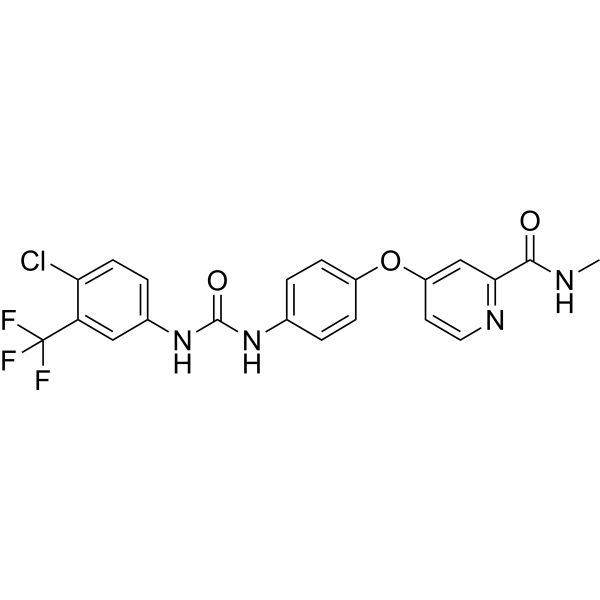
Sorafenib (Bay 43-9006) is a potent oral active multikinase inhibitor. Sorafenib blocks autophosphorylation and activity of receptor tyrosine kinases (VEGFR-2, VEGFR-3) and RAF family kinases, thereby suppressing the RAF/MEK/ERK and PI3K/Akt pathways, inhibiting STAT3 phosphorylation, and selectively inhibiting the MAPK pathway in cancer cells. Sorafenib induces cell cycle arrest, autophagy, apoptosis, and PARP cleavage, reduces Bcl-2, Bcl-XL, cyclin D1 levels, and activates Bak and Bax. Sorafenib inhibits tumor growth and metastasis in mouse and rat models. Sorafenib can be used for cancer research, such as colon, breast, non-small-cell lung cancer (NSCLC), ovarian, pancreatic, melanoma, colorectal and hepatocellular carcinoma .
DW10075 is a highly selective and orally active VEGFR inhibitor targeting the VEGF/VEGFR pathway. DW10075 selectively inhibits VEGFR-1, VEGFR-2, and VEGFR-3, but has no effect on FGFR and PDGFR. DW10075 inhibits VEGF-induced HUVEC proliferation, migration, and tube formation. And DW10075 inhibits angiogenesis in both the rat aortic ring model and the chick chorionic membrane model. DW10075 also exhibits antiproliferative activity against human cancer cell lines, with IC50s of 2.2 μM and 22.2 μM against U87-MG human glioblastoma cells and A375 melanoma cells, respectively. In the nude mouse U87-MG xenograft tumor model, DW10075 (po) significantly inhibits tumor growth and reduces the expression of CD31 and Ki67 in tumor tissues.
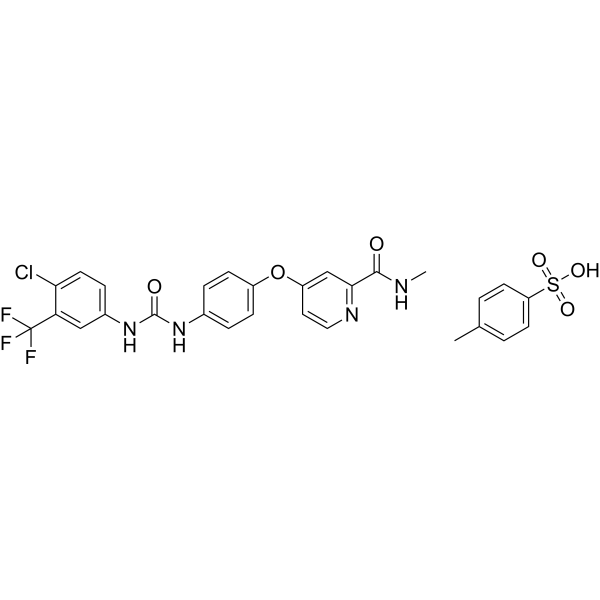
Sorafenib (Bay 43-9006) tosylate is a potent oral active multikinase inhibitor. Sorafenib blocks autophosphorylation and activity of receptor tyrosine kinases (VEGFR-2, VEGFR-3) and RAF family kinases, thereby suppressing the RAF/MEK/ERK and PI3K/Akt pathways, inhibiting STAT3 phosphorylation, and selectively inhibiting the MAPK pathway in cancer cells. Sorafenib tosylate induces cell cycle arrest, autophagy, apoptosis, and PARP cleavage, reduces Bcl-2, Bcl-XL, cyclin D1 levels, and activates Bak and Bax. Sorafenib tosylate inhibits tumor growth and metastasis in mouse and rat models. Sorafenib tosylate can be used for cancer research, such as colon, breast, non-small-cell lung cancer (NSCLC), ovarian, pancreatic, melanoma, colorectal and hepatocellular carcinoma .
AT1412 is a CD9-binding antibody. AT1412 binds to the tetraspanin protein CD9 and modulates CD9 function by enhancing T cell adhesion to endothelial cells (HUVECs) and transendothelial migration. AT1412 binds to B-ALL cell lines but not to T-ALL. AT1412 induces antibody-dependent cellular cytotoxicity in B-ALL cell lines. AT1412 binds to melanoma cells, B-ALL, gastric cancer, colorectal cancer, and pancreatic cancer cells [1] .
Pam2CSK4 TFA is a TLR2 agonist. Pam2CSK4 TFA induces the expression of iNOS and NO in macrophage cell lines via TBK1 and MyD88 molecules. Pam2CSK4 TFA activates the NF-κB and Bruton's tyrosine kinase signaling pathways in platelets, and promotes platelet-endothelial cell interactions. TLR2 activation triggered by Pam2CSK4 TFA expands myeloid-derived suppressor cells (MDSCs) and suppresses anti-tumor immune responses in the tumor microenvironment. Pam2CSK4 TFA acts as a Th2-polarizing adjuvant in mouse vaccine models against Leishmania major and Brugia malayi. Pam2CSK4 TFA can be used in the research of various diseases, including thromboinflammatory diseases, sepsis, atherosclerosis, heart failure, influenza, lymphoma, melanoma, cutaneous leishmaniasis and lymphatic filariasis .
Velutin is a flavonoid. Velutin can be extracted from mistletoe. Velutin inhibits mushroom Tyrosinase activity with an IC50 of 910.1 μM. Velutin inhibits p38 phosphorylation, the NF-κB pathway and the MAPK pathway. Velutin prevents articular cartilage degeneration and subchondral bone loss. Velutin slows down the progression of intervertebral disc degeneration. Velutin exhibits inhibitory effects on melanogenesis, skin whitening, anti-inflammatory, anti-allergic, anti-oxidant and antibacterial activities. Velutin can be used in studies related to pigmented diseases, osteoarthritis and intervertebral disc degeneration .
IST-622 (6-O-(3-Ethoxypropionyl)-3',4'-O-exo-benzylidenechartreusin) is an anti-tumor agent with significant growth inhibitory activity. IST-622 exhibits significant anti-tumor effects against a variety of mouse tumors such as P388 and L1210 leukemias, B16 melanoma, Lewis lung carcinoma, Colon 26 and Colon 38 adenocarcinomas, and M5076 reticulum cell sarcoma. IST-622 was orally administered and the results showed efficacy in different tumor types. In addition, IST-622 provided significant inhibitory effects against two human tumor xenograft models: large cell lung carcinoma (Lu-116) and gastric adenocarcinoma (St-4). IST-622 also exhibited significant growth inhibitory activity against P388 leukemia in vitro, with a half inhibitory concentration (IC50) more than 20 times lower than CT .
PD-1/PD-L1-IN-63 is an orally active PD-1/PD-L1 inhibitor with an IC50 of 9.1 nM. PD-1/PD-L1-IN-63 blocks the PD-1/PD-L1 interaction, induces cancer cell death and inhibits tumor growth. PD-1/PD-L1-IN-63 can be used in the research of melanoma .
JMJD1C-IN-1 is an orally active and selective inhibitor of JMJD1C (IC50= 0.59 μM, Kd = 1.96 μM). JMJD1C-IN-1 inhibits the binding of JMJD1C to H3K9me2 peptide substrate in the HTRF assay (IC50 = 1.47 μM). JMJD1C-IN-1 disrupts intratumoral regulatory T (Treg) cell fitness by dual mechanisms: promoting H3K9me2 accumulation to downregulate PD1 expression and reducing STAT3 demethylation to enhance STAT3 activation. JMJD1C-IN-1 demonstrates dose-dependent antitumor efficacy in multiple mouse tumor models (MCA205 fibrosarcoma, B16-F10 melanoma, LLC lung cancer, Hepa1-6 hepatocellular carcinoma, CT26 colorectal cancer). JMJD1C-IN-1 can be used for the study of tumor immunotherapy by selectively targeting intratumoral Treg cells .
FJ9 is a NHERF1/PDZ inhibitor with human NHERF1 PDZ1IC50 1540 μM, NHERF1 PDZ2IC50 160 μM, and Frizzled-7-Dishevelled PDZ complexKi 10 μM. FJ9 binds ligand-binding pockets of NHERF1 PDZ domains to block cognate ligand interactions, disrupts Frizzled-7-Dishevelled interactions, and down-regulates canonical Wnt signaling. FJ9 induces apoptosis in cancer cells with intact β-catenin signaling. FJ9 can be used for the research of non-small cell lung cancer, melanoma .
MB-m-borate is a double-locked near-infrared fluorescence-activated probe (Ex/Em ≈ 647 nm/684 nm). MB-m-borate undergoes cascade activation by hydrogen peroxide and tyrosinase to release the fluorophore methylene blue, thereby generating a fluorescence activation response. MB-m-borate enables precise detection of melanoma in melanoma cells and mouse models. MB-m-borate can be used for melanoma research .
DR probe is a "dual-key-and-lock" fluorescent probe designed based on the Resorufin (HY-123533) scaffold (Ex/Em = 647 nm/663-738 nm). DR probe can be sequentially activated by hydrogen peroxide to form the intermediate SR, which acts as a tyrosinase substrate to trigger a fluorescence turn-on signal. DR probe can distinguish normal melanocytes from melanoma cells. DR probe supports cell imaging and can be applied to mousemelanoma models to achieve melanoma diagnosis with higher accuracy and lower false-positive rates. DR probe is applicable to relevant research on melanoma .
Chlorin e6 (solution) (Ce6 (solution)) is a photosensitizer and has strong absorption peaks at wavelength of 402 and 662 nm, as well as exhibiting intense fluorescence at 668 nm. Chlorin e6 has antimicrobial efficacy and anticancer activity. Chlorin e6 induces cell apoptosis via caspase-3 activation and can be used for the research of cancer . Solvent and concentration: DMSO: 10 mM The 1 mL volume is defined as the base specification. All larger sizes correspond to incremental volumes of this base.
CVRARTR is a programmed cell death ligand-1 (PD-L1) antagonist with a KD of 281 nM. CVRARTR induces the internalization of PD-L1 and downregulates PD-L1 on the cell surface. CVRARTR restores cytokine secretion and T cell proliferation in cell CT26. CVRARTR exhibits antitumor efficacy against in CT26 homograft mouse model. CVRARTR can be used in melanoma research .
Pam2CSK4 TFA is a TLR2 agonist. Pam2CSK4 TFA induces the expression of iNOS and NO in macrophage cell lines via TBK1 and MyD88 molecules. Pam2CSK4 TFA activates the NF-κB and Bruton's tyrosine kinase signaling pathways in platelets, and promotes platelet-endothelial cell interactions. TLR2 activation triggered by Pam2CSK4 TFA expands myeloid-derived suppressor cells (MDSCs) and suppresses anti-tumor immune responses in the tumor microenvironment. Pam2CSK4 TFA acts as a Th2-polarizing adjuvant in mouse vaccine models against Leishmania major and Brugia malayi. Pam2CSK4 TFA can be used in the research of various diseases, including thromboinflammatory diseases, sepsis, atherosclerosis, heart failure, influenza, lymphoma, melanoma, cutaneous leishmaniasis and lymphatic filariasis .
Pam2CSK4 is a TLR2 agonist. Pam2CSK4 induces the expression of iNOS and NO in macrophage cell lines via TBK1 and MyD88 molecules. Pam2CSK4 activates the NF-κB and Bruton's tyrosine kinase signaling pathways in platelets, and promotes platelet-endothelial cell interactions. TLR2 activation triggered by Pam2CSK4 expands myeloid-derived suppressor cells (MDSCs) and suppresses anti-tumor immune responses in the tumor microenvironment. Pam2CSK4 acts as a Th2-polarizing adjuvant in mouse vaccine models against Leishmania major and Brugia malayi. Pam2CSK4 can be used in the research of various diseases, including thromboinflammatory diseases, sepsis, atherosclerosis, heart failure, influenza, lymphoma, melanoma, cutaneous leishmaniasis and lymphatic filariasis .
Gp100 (25-33), mouse sequence is found in residues 25 to 33 of the mouse self/tumor antigen glycoprotein (mgp100). Mgp100 is an enzyme involved in pigment synthesis, and the epitope fragment is expressed in both normal melanocytes and melanoma cells .
Tyrosinase (192-200), human mouse is a HLA-B*4403-restricted tyrosinase epitope with affinity for HLA-B4403 and HLA-B4402. Tyrosinase (192-200), human mouse binds to HLA-B*4403 to form a complex, which is recognized by the autologous cytotoxic T lymphocyte clone 22/31 derived from melanoma. Tyrosinase (192-200), human mouse binds to HLA-B4402 to form a complex, which is recognized by the CTL clone 329B/5 derived from healthy HLA-B4402 donors. Tyrosinase (192-200), human mouse is applicable to melanoma-related research .
Gp100 (25-33), mouse TFA sequence is found in residues 25 to 33 of the mouse self/tumor antigen glycoprotein (mgp100). Mgp100 is an enzyme involved in pigment synthesis, and the epitope fragment is expressed in both normal melanocytes and melanoma cells .
KAFDITYVRLKF is a selective, competitive integrin αvβ3 binder. KAFDITYVRLKF induces the production of MMP-9. KAFDITYVRLKF blocks monocyte migration, promotes melanoma cell migration, protects neurons, and improves motor and cognitive functions. KAFDITYVRLKF can be used in research related to melanoma and Parkinson's disease .
AG73 is a polypeptide. AG73 is derived from the G domain of the Laminin α1 chain. AG73 binds heparin, Syndecan-1 and Syndecan-4. AG73 promotes the adhesion of various cells, induces the differentiation of salivary gland acinar cells, stimulates neurite outgrowth, secretion of matrix metalloproteinases and angiogenesis. AG73 retains its angiogenic activity when conjugated to chitosan membranes. AG73 can be used in the research of melanoma and ischemic injury .
Anti-Mouse VEGFR-2 Antibody (DC101) is a rat anti-mouseVEGFR2 monoclonal antibody. Anti-Mouse VEGFR-2 Antibody (DC101) inhibits tumor angiogenesis by blocking the binding of VEGF and VEGFR2. Anti-Mouse VEGFR-2 Antibody (DC101) promotes immune cell infiltration and induces tumor cell apoptosis. Anti-Mouse VEGFR-2 Antibody (DC101) can be used for researches on various types of cancer such as melanoma, lung cancer and breast cancer .
Anti-Mouse CTLA-4 Antibody (9D9) is an anti-mouseCTLA-4 IgG2b monoclonal antibody. Anti-Mouse CTLA-4 Antibody (9D9) can bind to CTLA-4 and block its binding to B7. Anti-Mouse CTLA-4 Antibody (9D9) enhances T cell function by increasing the ratio of CD8 + T cells to regulatory T cells (Tregs). Anti-Mouse CTLA-4 Antibody (9D9) can be used for research on cancer such as colon cancer and melanoma .
Anti-Mouse PD-1 Antibody (S-5001) is a selective inhibitor targeting PD-1, blocking the PD-1/PD-L1 immune checkpoint axis through competitive binding to PD-1. Anti-Mouse PD-1 Antibody (S-5001) works by reversing the tumor immunosuppressive microenvironment and reactivating the anti-tumor activity of cytotoxic T lymphocytes. It can be used in research on tumors such as melanoma and HPV-positive oropharyngeal squamous cell carcinoma. Anti-Mouse PD-1 Antibody (S-5001) is often combined with photothermal therapy, chemotherapy, etc., to enhance efficacy .
Anti-Mouse CD38 Antibody (NIMR5) is an anti-mouseCD38 IgG2a monoclonal antibody. Anti-Mouse CD38 Antibody (NIMR5) can activate the ERK signaling pathway and promote cell apoptosis. Anti-Mouse CD38 Antibody (NIMR5) can restore T cell function. Anti-Mouse CD38 Antibody (NIMR5) upregulates the expression of CD1d protein and enhances spleen cell proliferation, dendritic cell (DC) and natural killer T cell (NKT) expansion. Anti-Mouse CD38 Antibody (NIMR5) can be used for researches on cancer and immunology such as melanoma and colon cancer .
Anti-Mouse RANKL/CD254 Antibody (IK22/5) is an anti-mouseRANKL/CD254 IgG2a monoclonal antibody. Anti-Mouse RANKL/CD254 Antibody (IK22/5) inhibits osteoclast formation and activity by specifically blocking the binding of RANKL and RANK. Anti-Mouse RANKL/CD254 Antibody (IK22/5) can inhibit the expression of MuRF1/Trogin-1 and activation of NF-κB. Anti-Mouse RANKL/CD254 Antibody (IK22/5) can be used for research on cancer such as melanoma or colon cancer and osteoporosis .
Anti-Mouse CD47/IAP Antibody (MIAP301) is an anti-mouseCD47/IAP IgG2a monoclonal antibody. Anti-Mouse CD47/IAP Antibody (MIAP301) can effectively block CD47 signaling and enhance macrophage phagocytic function. Anti-Mouse CD47/IAP Antibody (MIAP301) can increase the infiltration of immune cells. Anti-Mouse CD47/IAP Antibody (MIAP301) restores the phagocytic function of myeloid cells and alleviate B cell inhibition. Anti-Mouse CD47/IAP Antibody (MIAP301) may interfere with wound healing. Anti-Mouse CD47/IAP Antibody (MIAP301) can be used for researches on cancer, inflammation and infection conditions such as melanoma, intestinal mucosal repair and sepsis .
Anti-Mouse IL-2 Antibody (S4B6-1) is an anti-mouseIL-2 IgG2a monoclonal antibody. Anti-Mouse IL-2 Antibody (S4B6-1) can reduce CD4 + T cells and increase Tregs. Anti-Mouse IL-2 Antibody (S4B6-1) can induce Th17 cell differentiation. Anti-Mouse IL-2 Antibody (S4B6-1) can be used for research on cancer such as melanoma. The recommend isotype control of Anti-Mouse IL-2 Antibody (S4B6-1): Rat IgG2a kappa, Isotype Control (HY-P990679) .
Anti-Mouse/Human VLA-4/CD49d Antibody (PS/2) is an anti-mouse/human VLA-4/CD49d IgG2b monoclonal antibody. Anti-Mouse/Human VLA-4/CD49d Antibody (PS/2) can reduce VLA-4 positive cells. Anti-Mouse/Human VLA-4/CD49d Antibody (PS/2) can inhibit the migration of Tc1 cells to tumors. Anti-Mouse/Human VLA-4/CD49d Antibody (PS/2) inhibits the retention of leukemia cells in the spleen and bone marrow by blocking VLA-4. Anti-Mouse/Human VLA-4/CD49d Antibody (PS/2) can be used for research on inflammation conditions and cancer such as experimental autoimmune encephalomyelitis (EAE), melanoma and leukemia .
Anti-Mouse IFNγR/CD119 Antibody (GR-20) is a rat-derived IgG2a κ type antibody inhibitor, targeting to mouseIFNγR/CD119.Anti-Mouse IFNγR/CD119 Antibody (GR-20) reacts with the mouse IFNγR (interferon gamma receptor) α chain also known as CD119 and IFNγ receptor 1. Anti-Mouse IFNγR/CD119 Antibody (GR-20) blocks the binding of IFNγ to CD119 therefore inhibiting IFNγ signaling. Anti-Mouse IFNγR/CD119 Antibody (GR-20) can be used for the researches of cancer, infection, inflammation and immunology, such as melanoma and C. trachomatis infected genital tract inflammation .
Anti-CD4 Antibody (OKT-4) is a kind of mouse IgG2b κ chimeric antibody inhibitor, targeting to human CD4. Anti-CD4 Antibody (OKT-4) can deplete T cells. Anti-CD4 Antibody (OKT-4) can be used for the researches of cancer, infection and immunology, such as melanoma and adenovirus infection .
PTX-35 is a human IgG monoclonal antibody (mAb) targeting TNFRSF25. PTX-35 reduces the suppressive activity of regulatory T cells and enhances CD4+ T cell effector responses in a mousemelanoma model. PTX-35 can be used in Islet cell transplant rejection and Solid tumours research. Recommended isotype control: Human IgG1 lambda2, Isotype Control (HY-P990096) .
Anti-Mouse CD122/IL-2Rβ Antibody (TM-Beta 1) is a rat-derived IgG2b κ type antibody inhibito, targeting to mouseCD122/IL-2Rβ. Anti-Mouse CD122/IL-2Rβ Antibody (TM-Beta 1) can block IL-2 and IL-15. Anti-Mouse CD122/IL-2Rβ Antibody (TM-Beta 1) can deplete natural killer (NK) cells and NKT cells. Anti-Mouse CD122/IL-2Rβ Antibody (TM-Beta 1) can be used for the researches of cancer, infection, inflammation, immunology and metabolic disease, such as melanoma, experimental autoimmune encephalomyelitis (EAE) and diabetes .
Anti-VSIR/VISTA Antibody (SG7) is a human monoclonal antibody (mAb) targeting VISTA/B7-H5. Anti-VSIR/VISTA Antibody (SG7) inhibits VISTA function and prevents PSGL-1 and VSIG3 from binding to VISTA. Anti-VSIR/VISTA Antibody (SG7) has anti-tumor activity in the mouse B16F10 melanoma model. Recommended isotype control: Human IgG1 kappa, Isotype Control (HY-P99001) .
Anti-Mouse/Human TYRP1 Antibody (TA99) is a mouse-derived IgG2a κ type antibody inhibitor, targeting to mouse/human TYRP1. Anti-Mouse/Human TYRP1 Antibody (TA99) binds to Tyrp1 (tyrosinase related protein-1) on tumor. Anti-Mouse/Human TYRP1 Antibody (TA99) enhances infiltration of the tumor by CD8 + T cells. Anti-Mouse/Human TYRP1 Antibody (TA99) can be used for the research of melanoma .
VTX-0811 is a human IgG4 monoclonal antibody (mAb) targeting PSGL1/CD162. VTX-0811 up-regulates TNF-α/NF-κB and chemokine-mediated signaling and down-regulates oxidative phosphorylation, fatty acid metabolism, and Myc signaling pathways. VTX-0811 increases the proportion of CD8+ T cells among infiltrating T cells. VTX-0811 has antitumor activity in a humanized mouse PDX model of melanoma .
Anti-Human/Mouse GRP78 Antibody (C38) is a kind of mouse IgG2b antibody inhibitor, targeting to GRP78. Anti-Human/Mouse GRP78 Antibody (C38) inhibits RhoA, ROCK and AKT activation. Anti-Human/Mouse GRP78 Antibody (C38) can be used for the researches of cancer and metabolic disease, such as melanoma and diabetes .
AT-1413 is a human monoclonal antibody (mAb) targeting CD43. AT-1413 induces antibody-dependent cell-mediated cytotoxicity (ADCC) in melanoma cell lines and acute myeloid leukemia (AML) cells. AT-1413 has antitumor activity in AML mouse models. AT-1413 can be used in Acute myeloid leukaemia, Breast cancer, Malignant melanoma and Myelodysplastic syndromes research. Recommended isotype control: Human IgG1 kappa, Isotype Control (HY-P99001) .
Anti-Mouse CD1d Antibody (20H2 (HB323)) is a rat-derived IgG1 κ type antibody inhibitor, targeting to mouseCD1d. Anti-Mouse CD1d Antibody (20H2 (HB323)) can block CD1d and neutralize invariant natural killer
T (iNKT) cells. Anti-Mouse CD1d Antibody (20H2 (HB323)) can be used for the researches of cancer, infection, inflammation and immunology, such as melanoma, L. monocytogenes infection and arthritis .
Tecnemab K1 is an anti-Melanoma monoclonal antibody. Tecnemab K1 accumulates in metastatic lesions of malignant melanoma and some benign lesions. When radiolabeled, Tecnemab K1 can serve as a radiotracer for malignant melanoma research. The isotype control is Mouse IgG1 kappa, Isotype Control (HY-P99977) .
JM1-24-3 is an anti-MUC18mouse monoclonal antibody with a Kd value of 1.60e-9 M. JM1-24-3 reduces the phosphorylation levels of p-AKT (Ser473) and p-mTOR (Ser2448) in a time-dependent manner. JM1-24-3 exhibits anticancer activity against melanoma. JM1-24-3 can be used in studies related to metastatic melanoma .
Anti-MAGEC2/CT10 Antibody (LX-CT10.5) is a kind of mouse IgG2a κ chimeric antibody, targeting to human MAGEC2/CT10. Anti-MAGEC2/CT10 Antibody (LX-CT10.5) reacts with human melanoma-associated antigen C2 (MAGEC2), also known as CT10. Anti-MAGEC2/CT10 Antibody (LX-CT10.5) can be used for identifying MAGEC2 expressing cells in immunohistochemistry, immunofluorescence and western blot studies .
AT1412 is a CD9-binding antibody. AT1412 binds to the tetraspanin protein CD9 and modulates CD9 function by enhancing T cell adhesion to endothelial cells (HUVECs) and transendothelial migration. AT1412 binds to B-ALL cell lines but not to T-ALL. AT1412 induces antibody-dependent cellular cytotoxicity in B-ALL cell lines. AT1412 binds to melanoma cells, B-ALL, gastric cancer, colorectal cancer, and pancreatic cancer cells [1] .
Cinobufagin is an anticancer agent that can be secreted by the Asiatic toad Bufo gargarizans. Cinobufagin induces the cell cycle arrests in the G1 phase or G2/M phase, leading to apoptosis in cancer cells. Cinobufagin inhibits tumor growth in melanoma and glioblastoma multiforme xenograft mouse models .
Xylitol can be classified as a polyol and sugar alcohol, exhibiting inhibitory activity on cancer cell proliferation. It induces autophagy (Autophagy) and cell death in A549 cells by activating the autophagy signaling pathway, as evidenced by the increased expression of LC3-II and Atg5-Atg12 upon Xylitol treatment. Additionally, Xylitol inhibits acetaldehyde production by Candida species, thereby reducing their carcinogenic potential. In vivo, Xylitol induces alterations in the gut microbiota of mice, which may enhance cholesterol accumulation and upregulate hepatic ChREBP, while also slowing tumor growth in the B16F10 melanoma C57BL/6 mouse model .
Perillyl alcohol is an orally active monoterpene. Perillyl alcohol exhibits multiple activities such as analgesic, anti-inflammatory, anti-tumor, anti-angiogenic, and anti-nociceptive effects. Perillyl alcohol can induce apoptosis and cell cycle arrest in tumor cells .
Aminomalonic acid is an amino endogenous metabolite, acts as a strong inhibitor of L-asparagine synthetase from Leukemia 5178Y/AR (Ki= 0.0023 M) and mouse pancreas (Ki= 0.0015 M) in vitro. Aminomalonic acid is a potential biomarker to discriminate between different stages of melanoma metastasis .
Isoegomaketone is an orally active apoptosis inducer and radiosensitizer. Isoegomaketone regulates multiple key signaling pathways such as PI3K/AKT/mTOR, NF-κB, MAPK, cleaves Caspase family proteins and PARP, and modulates Bax, AIF and endoplasmic reticulum stress proteins. Isoegomaketone also induces autophagy and keratinocyte proliferation, effectively reduces the levels of inflammatory factors and oxidative stress, inhibits adipocyte differentiation, and resensitizes TRAIL-resistant cancer cells. Isoegomaketone can be applied to research related to colorectal cancer, melanoma, lung cancer, prostate cancer, liver cancer, as well as rheumatoid arthritis and obesity .
Deoxyarbutin is an orally active tyrosinase inhibitor that can promote apoptosis of melanoma cells, enhance the vitality of mouse acinar cells, and has skin whitening and anti-tumor activity [1][2][3].
Methyl p-coumarate (Methyl 4-hydroxycinnamate), an orally active esterified derivative of p-Coumaric acid (pCA), can be isolated from the flower of Trixis michuacana var longifolia. Methyl p-coumarate could inhibit the melanin formation in B16 mousemelanoma cells. Methyl p-coumarate also has strong in vitro inhibitory effect on A. alternata and other pathogens .
Velutin is a flavonoid. Velutin can be extracted from mistletoe. Velutin inhibits mushroom Tyrosinase activity with an IC50 of 910.1 μM. Velutin inhibits p38 phosphorylation, the NF-κB pathway and the MAPK pathway. Velutin prevents articular cartilage degeneration and subchondral bone loss. Velutin slows down the progression of intervertebral disc degeneration. Velutin exhibits inhibitory effects on melanogenesis, skin whitening, anti-inflammatory, anti-allergic, anti-oxidant and antibacterial activities. Velutin can be used in studies related to pigmented diseases, osteoarthritis and intervertebral disc degeneration .
Turbinaric acid is a kind of secosqualene carboxylic acid. Turbinaric acid exhibits cytotoxicity against mousemelanoma cells and human colon cancer cells. Turbinaric acid can be used as a chemical marker for T. conoides. Turbinaric acid can be used for research on melanoma and colon cancer .
Sperabillin A is an antibacterial agent against gram-positive and gram-negative bacteria. Sperabillin A shows strong inhibition of human umbilical vein endothelial (HUVE) cell proliferation. Sperabillin A also shows anti-tumor acfivity against B16 melanoma in mouse .
Machilin A is a lignan isolated from the methanolic extract of Phoebe bark. Machilin A inhibits melanin biosynthesis in B-16 mousemelanoma cells with an IC50 of 39.9 μM.
Curromycin A has antibacterial activity against Gram-positive bacteria such as Bacillus subtilis. Curromycin A can inhibit the replication of human immunodeficiency virus (HIV), inhibit mousemelanoma B16 and leukemia P388 cells .
Curromycin B has antibacterial activity against Gram-positive bacteria such as Bacillus subtilis. Curromycin B can inhibit the replication of human immunodeficiency virus (HIV), inhibit mousemelanoma B16 and leukemia P388 cells .
Apovincamine (cis-Apovincamine) is an indole alkaloid isolated from the Malaysian Alstonia pneumatophora (Apocynaceae). Apovincamine shows anti-melanogenesis activity .
Cinobufagin (Standard) is the analytical standard of Cinobufagin. This product is intended for research and analytical applications. Cinobufagin is an anticancer agent that can be secreted by the Asiatic toad Bufo gargarizans. Cinobufagin induces the cell cycle arrests in the G1 phase or G2/M phase, leading to apoptosis in cancer cells. Cinobufagin inhibits tumor growth in melanoma and glioblastoma multiforme xenograft mouse models .
Aminomalonic acid (Standard) is the analytical standard of Aminomalonic acid (HY-112052). This product is intended for research and analytical applications. Aminomalonic acid is an amino endogenous metabolite, acts as a strong inhibitor of L-asparagine synthetase from Leukemia 5178Y/AR (Ki= 0.0023 M) and mouse pancreas (Ki= 0.0015 M) in vitro. Aminomalonic acid is a potential biomarker to discriminate between different stages of melanoma metastasis .
Satratoxin H is a toxic metabolite of Stachybotrys atra. Satratoxin H induces caspase-3 and PARP cleavage via p38 MAPK and JNK pathways, stimulates JNK, ERK, and p38 MAPK phosphorylation, and activates JNK and p38 MAPK in a glutathione-sensitive manner. Satratoxin H induces DNA double-stranded breaks, apoptotic body formation, intracellular reactive oxygen species generation, and endoplasmic reticulum stress via ATF6, PERK, and IRE1 pathways. Satratoxin H can be used for the research of central nervous system disorders and melanoma .
IL-24 Protein, a crucial immune regulatory cytokine, plays a pivotal role in modulating immune responses. Animal-Free IL-24 Protein, Mouse (His) is the recombinant mouse-derived animal-FreeIL-24 protein, expressed by E. coli , with C-His labeled tag. This product is for cell culture use only.
GRO-alpha (CXCL1) Protein, with chemotactic properties, attracts and activates neutrophils during inflammatory responses. This hematoregulatory chemokine also suppresses hematopoietic progenitor cell proliferation, emphasizing its intricate role in hematopoiesis regulation. The truncated form KC(5-72) notably exhibits significantly enhanced hematopoietic activity in vitro. GRO-alpha/CXCL1 Protein, Mouse (His) is the recombinant mouse-derived GRO-alpha/CXCL1 protein, expressed by E. coli , with N-6*His labeled tag.
Cinobufagine-d3 is the deuterium labeled Cinobufagin (HY-N0421). Cinobufagin is an anticancer agent that can be secreted by the Asiatic toad Bufo gargarizans. Cinobufagin induces the cell cycle arrests in the G1 phase or G2/M phase, leading to apoptosis in cancer cells. Cinobufagin inhibits tumor growth in melanoma and glioblastoma multiforme xenograft mouse models .
Xylitol- 13C5 (Xylite- 13C5) is the 13C-labeled Xylitol (HY-N0538). Xylitol can be classified as a polyol and sugar alcohol, exhibiting inhibitory activity on cancer cell proliferation. It induces autophagy (Autophagy) and cell death in A549 cells by activating the autophagy signaling pathway, as evidenced by the increased expression of LC3-II and Atg5-Atg12 upon Xylitol treatment. Additionally, Xylitol inhibits acetaldehyde production by Candida species, thereby reducing their carcinogenic potential. In vivo, Xylitol induces alterations in the gut microbiota of mice, which may enhance cholesterol accumulation and upregulate hepatic ChREBP, while also slowing tumor growth in the B16F10 melanoma C57BL/6 mouse model .
ArMan is an aryl mannoside ligand that can be chemically functionalized onto the surface of virus-like particles (VLPs) through click chemistry. VLPs can be used to target DC-SIGN dendritic cells, promote the selective co-binding of DC-SIGN and TLR7, and lead to a Th1-type immune response. VLP-ArMan-OvaI/II can significantly inhibit tumor growth in the mousemelanoma model .
DSPE-PEG 2000-Mannose is a mannose-containing lipid. DSPE-PEG 2000-Mannose is used to prepare mannose-conjugated Liposome (Man-lipo) for siRNA delivery. Mannose-modified liposomes encapsulating IDO siRNA (Man-lipo-siIDO) preferentially knock down IDO expression in the draining lymph nodes and spleens of melanoma-bearing mice. Man-lipo-siIDO delays the onset time of melanoma and reduces tumor volume .
Xylitol can be classified as a polyol and sugar alcohol, exhibiting inhibitory activity on cancer cell proliferation. It induces autophagy (Autophagy) and cell death in A549 cells by activating the autophagy signaling pathway, as evidenced by the increased expression of LC3-II and Atg5-Atg12 upon Xylitol treatment. Additionally, Xylitol inhibits acetaldehyde production by Candida species, thereby reducing their carcinogenic potential. In vivo, Xylitol induces alterations in the gut microbiota of mice, which may enhance cholesterol accumulation and upregulate hepatic ChREBP, while also slowing tumor growth in the B16F10 melanoma C57BL/6 mouse model .
MDM4-targeting ASO sodium is a 25mer antisense oligonucleotide targeting MDM4. MDM4-targeting ASO sodium induced exon 6 skipping, leading to nonsense-mediated decay of the mRNA transcript that excludes exon-6. In multiple human melanoma cell lines and in melanoma patient-derived xenograft (PDX) mouse models, MDM4-targeting ASO-mediated skipping of exon 6 decreased MDM4 abundance, inhibited melanoma growth, and enhanced sensitivity to MAPK-targeting therapeutics.
Inquiry Online
Your information is safe with us. * Required Fields.
Western blot analysis of extracts from THP-1(lane 2(20μg), Jurkat (lane 3(20μg) and NIH3T3(lane 4(20μg) using FOXO1A (HY-P80132) Rabbit mAb. Proteins were transferred
to a PVDF membrane and blocked with 5% non-fat milk in TBST for 2 hour at room temperature. The primary antibody (1/1000) and Loading control antibody (Beta Actin, HY-P80438, 1/10000) was
used in 5% non-fat milk in TBST at 4°C overnight. Goat Anti-Mouse/Rabbit IgG-HRP Secondary Antibody (1/10000) was used for 1 hour at room temperature.
Western blot analysis of extracts from THP-1(lane 2(20μg), Jurkat (lane 3(20μg) and NIH3T3(lane 4(20μg) using FOXO1A (HY-P80132) Rabbit mAb. Proteins were transferred
to a PVDF membrane and blocked with 5% non-fat milk in TBST for 2 hour at room temperature. The primary antibody (1/1000) and Loading control antibody (Beta Actin, HY-P80438, 1/10000) was
used in 5% non-fat milk in TBST at 4°C overnight. Goat Anti-Mouse/Rabbit IgG-HRP Secondary Antibody (1/10000) was used for 1 hour at room temperature.
Western blot analysis of extracts from THP-1(lane 2(20μg), Jurkat (lane 3(20μg) and NIH3T3(lane 4(20μg) using FOXO1A (HY-P80132) Rabbit mAb. Proteins were transferred
to a PVDF membrane and blocked with 5% non-fat milk in TBST for 2 hour at room temperature. The primary antibody (1/1000) and Loading control antibody (Beta Actin, HY-P80438, 1/10000) was
used in 5% non-fat milk in TBST at 4°C overnight. Goat Anti-Mouse/Rabbit IgG-HRP Secondary Antibody (1/10000) was used for 1 hour at room temperature.
Western blot analysis of extracts from THP-1(lane 2(20μg), Jurkat (lane 3(20μg) and NIH3T3(lane 4(20μg) using FOXO1A (HY-P80132) Rabbit mAb. Proteins were transferred
to a PVDF membrane and blocked with 5% non-fat milk in TBST for 2 hour at room temperature. The primary antibody (1/1000) and Loading control antibody (Beta Actin, HY-P80438, 1/10000) was
MedchemExpress Validation 03
Western blot analysis of extracts from THP-1(lane 2(20μg), Jurkat (lane 3(20μg) and NIH3T3(lane 4(20μg) using FOXO1A (HY-P80132) Rabbit mAb. Proteins were transferred
MedchemExpress Validation 04
Western blot analysis of extracts from THP-1(lane 2(20μg), Jurkat (lane 3(20μg) and NIH3T3(lane 4(20μg) using FOXO1A (HY-P80132) Rabbit mAb. Proteins were transferred
to a PVDF membrane and blocked with 5% non-fat milk in TBST for 2 hour at room temperature. The primary antibody (1/1000) and Loading control antibody (Beta Actin, HY-P80438, 1/10000) was
used in 5% non-fat milk in TBST at 4°C overnight. Goat Anti-Mouse/Rabbit IgG-HRP Secondary Antibody (1/10000) was used for 1 hour at room temperature.
MedchemExpress Validation
Western blot analysis of extracts from THP-1(lane 2(20μg), Jurkat (lane 3(20μg) and NIH3T3(lane 4(20μg) using FOXO1A (HY-P80132) Rabbit mAb. Proteins were transferred
to a PVDF membrane and blocked with 5% non-fat milk in TBST for 2 hour at room temperature. The primary antibody (1/1000) and Loading control antibody (Beta Actin, HY-P80438, 1/10000) was
used in 5% non-fat milk in TBST at 4°C overnight. Goat Anti-Mouse/Rabbit IgG-HRP Secondary Antibody (1/10000) was used for 1 hour at room temperature.
Western blot analysis of extracts from THP-1(lane 2(20μg), Jurkat (lane 3(20μg) and NIH3T3(lane 4(20μg) using FOXO1A (HY-P80132) Rabbit mAb. Proteins were transferred
to a PVDF membrane and blocked with 5% non-fat milk in TBST for 2 hour at room temperature. The primary antibody (1/1000) and Loading control antibody (Beta Actin, HY-P80438, 1/10000) was
used in 5% non-fat milk in TBST at 4°C overnight. Goat Anti-Mouse/Rabbit IgG-HRP Secondary Antibody (1/10000) was used for 1 hour at room temperature.
MedchemExpress Validation
Western blot analysis of extracts from THP-1(lane 2(20μg), Jurkat (lane 3(20μg) and NIH3T3(lane 4(20μg) using FOXO1A (HY-P80132) Rabbit mAb. Proteins were transferred
to a PVDF membrane and blocked with 5% non-fat milk in TBST for 2 hour at room temperature. The primary antibody (1/1000) and Loading control antibody (Beta Actin, HY-P80438, 1/10000) was
used in 5% non-fat milk in TBST at 4°C overnight. Goat Anti-Mouse/Rabbit IgG-HRP Secondary Antibody (1/10000) was used for 1 hour at room temperature.
MedchemExpress Validation
Western blot analysis of extracts from THP-1(lane 2(20μg), Jurkat (lane 3(20μg) and NIH3T3(lane 4(20μg) using FOXO1A (HY-P80132) Rabbit mAb. Proteins were transferred
to a PVDF membrane and blocked with 5% non-fat milk in TBST for 2 hour at room temperature. The primary antibody (1/1000) and Loading control antibody (Beta Actin, HY-P80438, 1/10000) was
used in 5% non-fat milk in TBST at 4°C overnight. Goat Anti-Mouse/Rabbit IgG-HRP Secondary Antibody (1/10000) was used for 1 hour at room temperature.
MedchemExpress Validation
Western blot analysis of extracts from THP-1(lane 2(20μg), Jurkat (lane 3(20μg) and NIH3T3(lane 4(20μg) using FOXO1A (HY-P80132) Rabbit mAb. Proteins were transferred
to a PVDF membrane and blocked with 5% non-fat milk in TBST for 2 hour at room temperature. The primary antibody (1/1000) and Loading control antibody (Beta Actin, HY-P80438, 1/10000) was
used in 5% non-fat milk in TBST at 4°C overnight. Goat Anti-Mouse/Rabbit IgG-HRP Secondary Antibody (1/10000) was used for 1 hour at room temperature.
MedchemExpress Validation
Western blot analysis of extracts from THP-1(lane 2(20μg), Jurkat (lane 3(20μg) and NIH3T3(lane 4(20μg) using FOXO1A (HY-P80132) Rabbit mAb. Proteins were transferred
to a PVDF membrane and blocked with 5% non-fat milk in TBST for 2 hour at room temperature. The primary antibody (1/1000) and Loading control antibody (Beta Actin, HY-P80438, 1/10000) was
used in 5% non-fat milk in TBST at 4°C overnight. Goat Anti-Mouse/Rabbit IgG-HRP Secondary Antibody (1/10000) was used for 1 hour at room temperature.
MedchemExpress Validation
Western blot analysis of extracts from THP-1(lane 2(20μg), Jurkat (lane 3(20μg) and NIH3T3(lane 4(20μg) using FOXO1A (HY-P80132) Rabbit mAb. Proteins were transferred
to a PVDF membrane and blocked with 5% non-fat milk in TBST for 2 hour at room temperature. The primary antibody (1/1000) and Loading control antibody (Beta Actin, HY-P80438, 1/10000) was
used in 5% non-fat milk in TBST at 4°C overnight. Goat Anti-Mouse/Rabbit IgG-HRP Secondary Antibody (1/10000) was used for 1 hour at room temperature.
MedchemExpress Validation
Western blot analysis of extracts from THP-1(lane 2(20μg), Jurkat (lane 3(20μg) and NIH3T3(lane 4(20μg) using FOXO1A (HY-P80132) Rabbit mAb. Proteins were transferred
to a PVDF membrane and blocked with 5% non-fat milk in TBST for 2 hour at room temperature. The primary antibody (1/1000) and Loading control antibody (Beta Actin, HY-P80438, 1/10000) was
used in 5% non-fat milk in TBST at 4°C overnight. Goat Anti-Mouse/Rabbit IgG-HRP Secondary Antibody (1/10000) was used for 1 hour at room temperature.
MedChemExpress values your privacy and your trust is important to us. We use cookies to enhance your website experience. Some cookies are necessary to run the website.
Privacy and Cookie Policy

