Search Result
Results for "
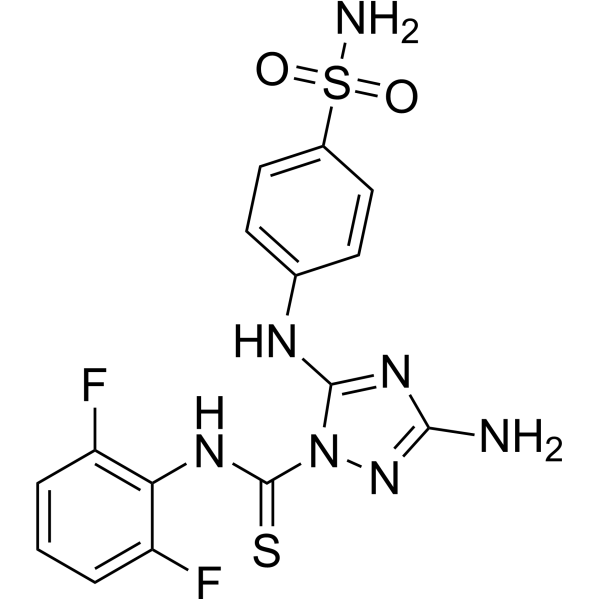
GSK3-IN-3
" in MedChemExpress (MCE) Product Catalog:
-
- HY-16294
-
|
|
GSK-3
|
Cancer
|
|
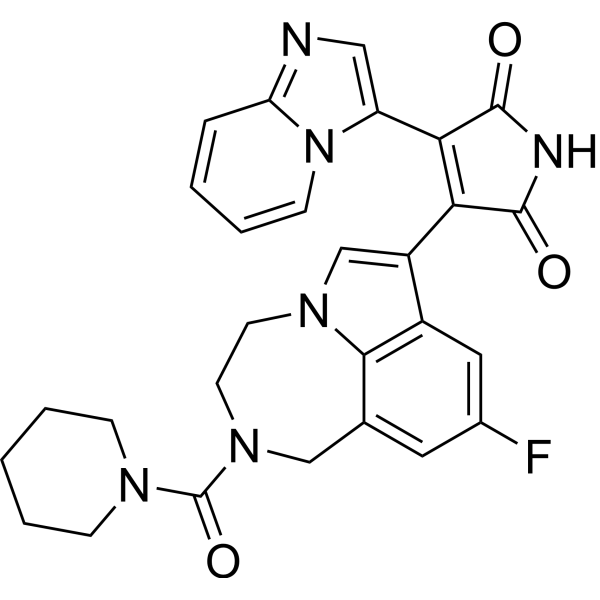
LY2090314 is a potent inhibitor of glycogen synthase kinase-3 (GSK-3) with IC50 values of 1.5 nM and 0.9 nM for GSK-3α and GSK-3β, respectively.
|
-
-
- HY-14872
-
|
NP031112
|
GSK-3
|
Neurological Disease
|
|
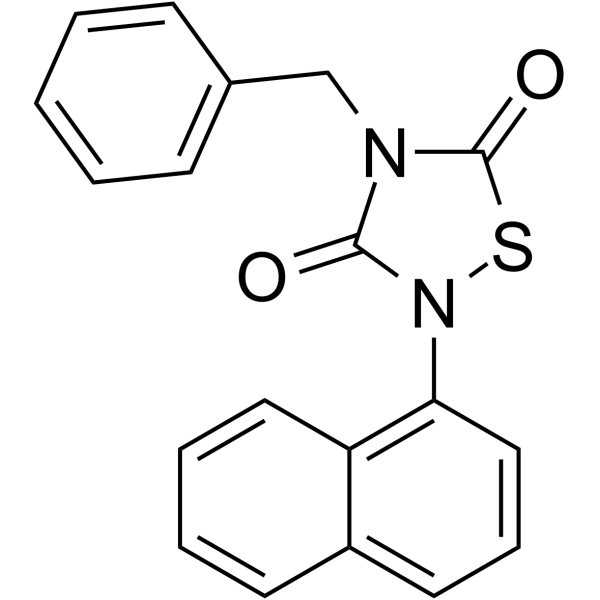
Tideglusib (NP031112) is an irreversible GSK-3 inhibitor with IC50s of 5 nM and 60 nM for GSK-3β WT (1 h preincubation) and GSK-3β C199A (1 h preincubation), respectively.
|
-
-
- HY-12012
-
-
-
- HY-10590
-
-
-
- HY-12292
-
|
|
Wnt
GSK-3
|
Cancer
|
|
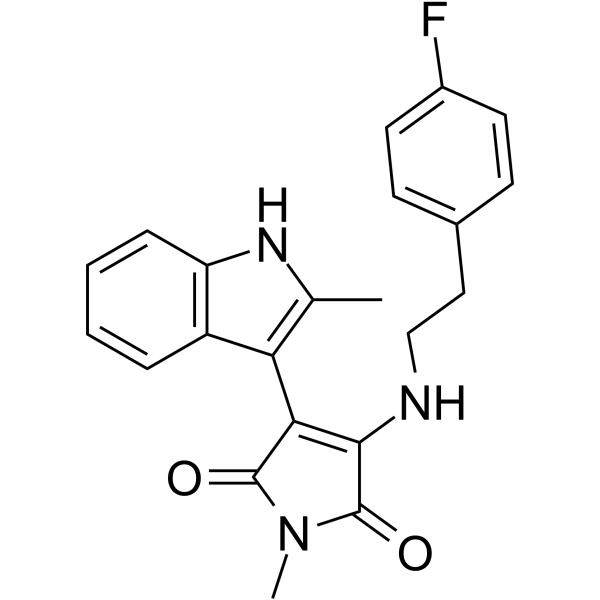
IM-12 is an inhibitor of GSK-3β, with an IC50 of 53 nM, and also enhances Wnt signalling.
|
-
-
- HY-59090
-
-
-
- HY-10182G
-
|
CHIR-99021; CT99021
|
GSK-3
Wnt
β-catenin
Autophagy
|
Metabolic Disease
Cancer
|
|
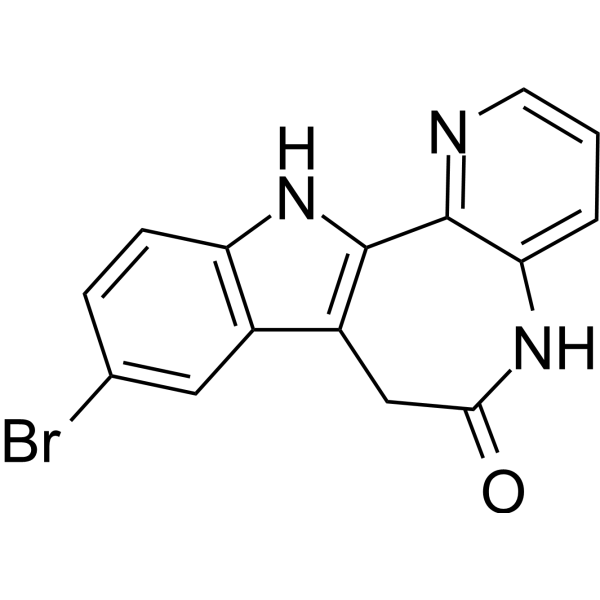
Laduviglusib (CHIR-99021) (GMP) is Laduviglusib (HY-10182) produced by using GMP guidelines. GMP small molecules works appropriately as an auxiliary reagent for cell therapy manufacture. Laduviglusib is a potent, orally active and selective GSK-3α/β inhibitor.
|
-
-
- HY-15761
-
|
|
GSK-3
|
Neurological Disease
|
|
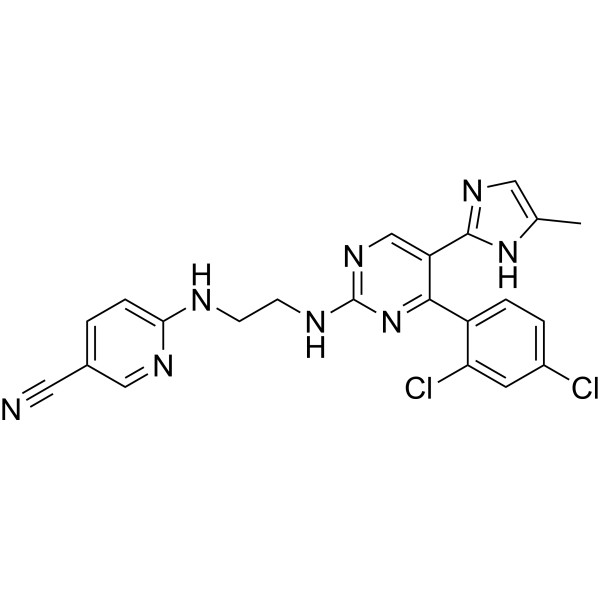
AZD2858 is a potent, orally active GSK-3 inhibitor, with IC50s of 0.9 and 5 nM for GSK-3α and GSK-3β, respectively, used in the research of fracture healing.
|
-
-
- HY-130795
-
|
|
GSK-3
|
Neurological Disease
|
|
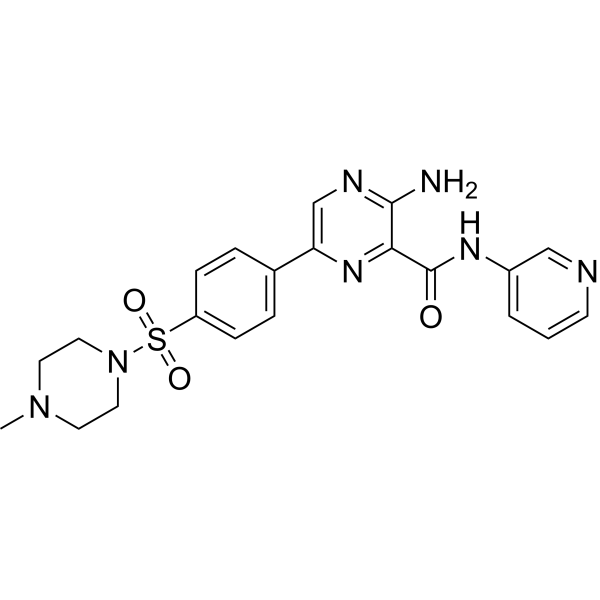
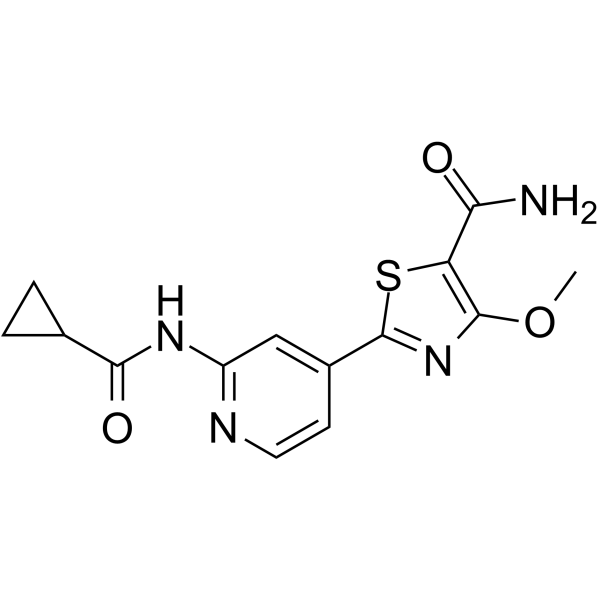
GSK-3β inhibitor 2 (Compound 3) is a potent, selective and orally active GSK-3β inhibitor with an IC50 of 1.1 nM. GSK-3β inhibitor 2 can cross the blood-brain barrier. GSK-3β inhibitor 2 has the potential for Alzheimer's disease .
|
-
-
- HY-12524
-
Bikinin
2 Publications Verification
AbrasIN
|
GSK-3
|
Others
|
|
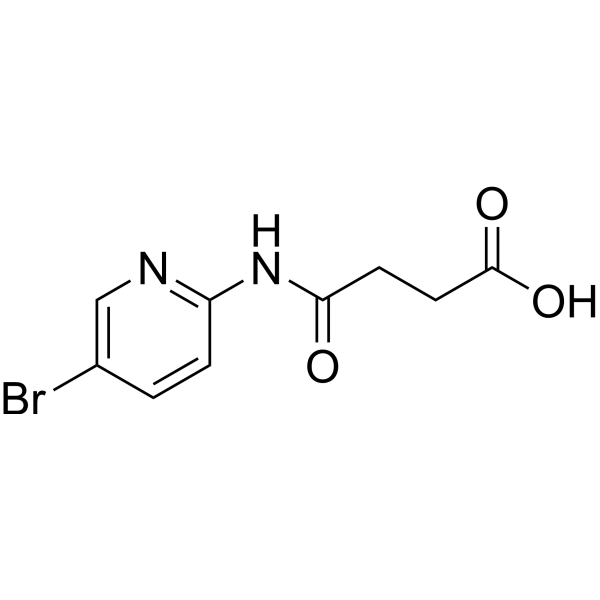
Bikinin is a non-steroidal, ATP-competitive inhibitor of plant GSK-3/Shaggy-like kinases and activates BR (brassinosteroids) signaling.
|
-
-
- HY-11012
-
|
GSK-3β INhibitor I; NP 01139
|
GSK-3
|
Cancer
|
|
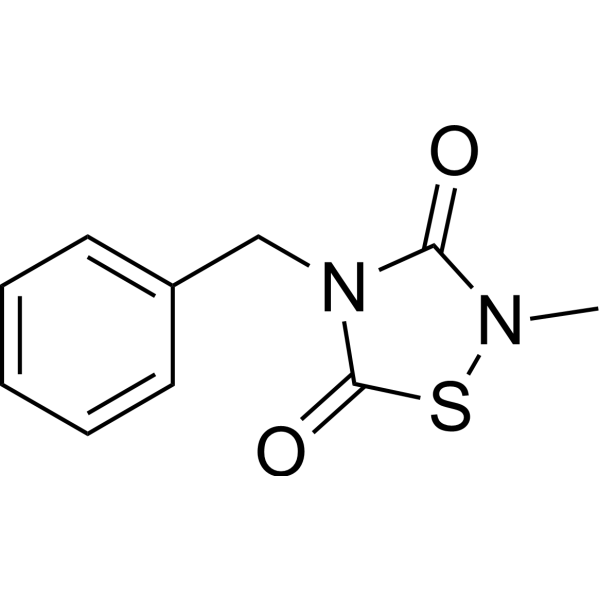
TDZD-8 is an inhibitor of GSK-3β, with an IC50 of 2 μM; TDZD-8 shows less potent activities against Cdk-1/cyclin B, CK-II, PKA, and PKC, with all IC50s of >100 μM.
|
-
-
- HY-153089
-
|
|
GSK-3
Mitophagy
|
Neurological Disease
|
|
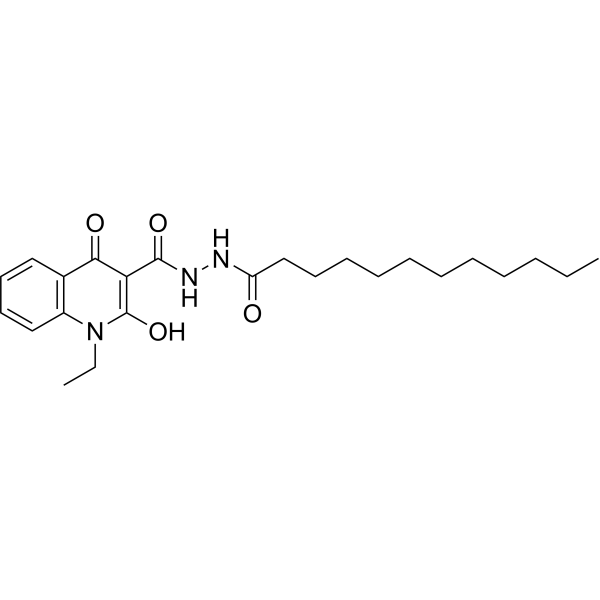
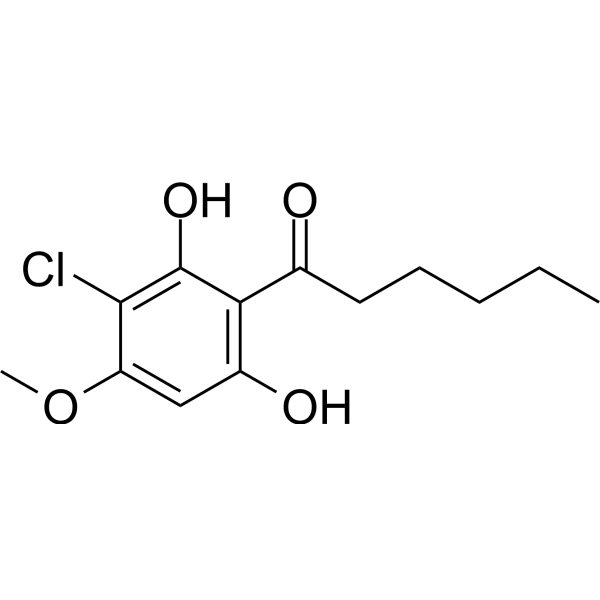
GSK3-IN-3 is a mitophagy inducer, inducing Parkin-dependent mitophagy. GSK3-IN-3 is also a GSK-3 inhibitor with an IC50 value of 3.01 μM. GSK3-IN-3 is non-ATP nor substrate competitive and is neuroprotective against 6-OHDA .
|
-
-
- HY-13076
-
|
|
GSK-3
|
Metabolic Disease
|
|
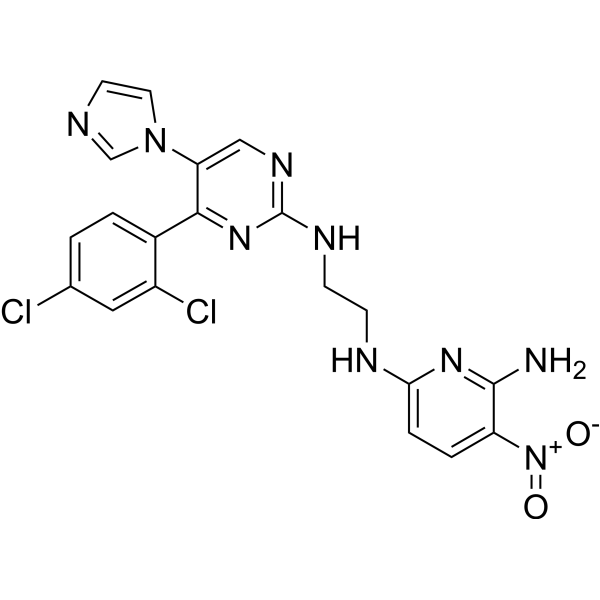
CHIR-98014 is a potent, cell-permeable GSK-3 inhibitor with IC50s of 0.65 and 0.58 nM for GSK-3α and GSK-3β, respectively; it shows less potent activities against cdc2 and erk2.
|
-
-
- HY-100207
-
|
CP21
|
GSK-3
|
Cancer
|
|
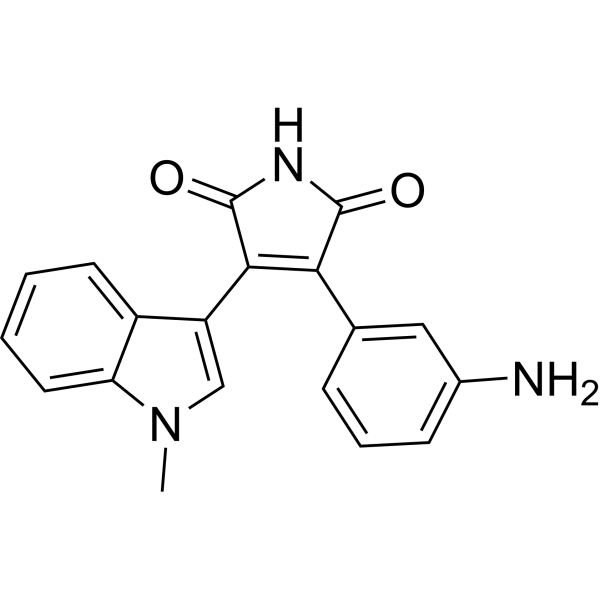
CP21R7 is potent GSK-3β inhibitor, with an IC50 of 1.8 nM; CP21R7 also shows inhibitory activitiy against PKCα, with an IC50 of 1900 nM.
|
-
-
- HY-107531
-
|
|
GSK-3
|
Neurological Disease
Cancer
|
|
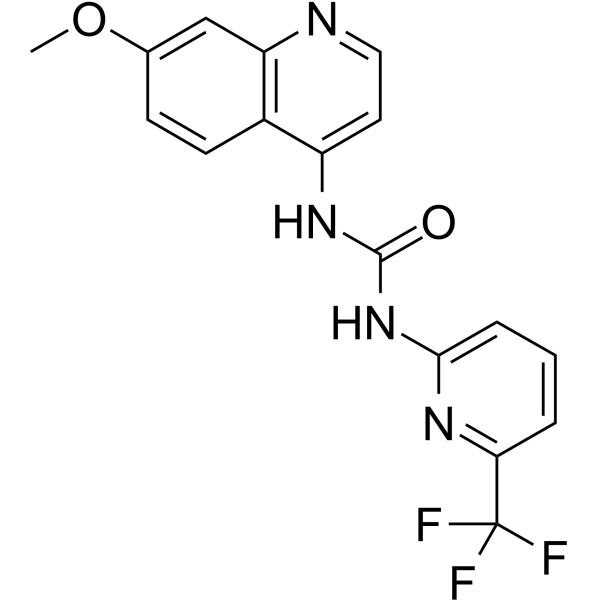
A 1070722 is a potent and selective glycogen synthase kinase 3 (GSK-3) inhibitor, with a Ki of 0.6 nM for both GSK-3α and GSK-3β. A 1070722 can penetrate the blood-brain barrier (BBB) and accumulates in brain regions, thus potential for PET radiotracer for the quantification of GSK-3 in brain. A 1070722 decreases spontaneous locomotion .
|
-
-
- HY-15438
-
|
|
GSK-3
Apoptosis
|
Metabolic Disease
|
|
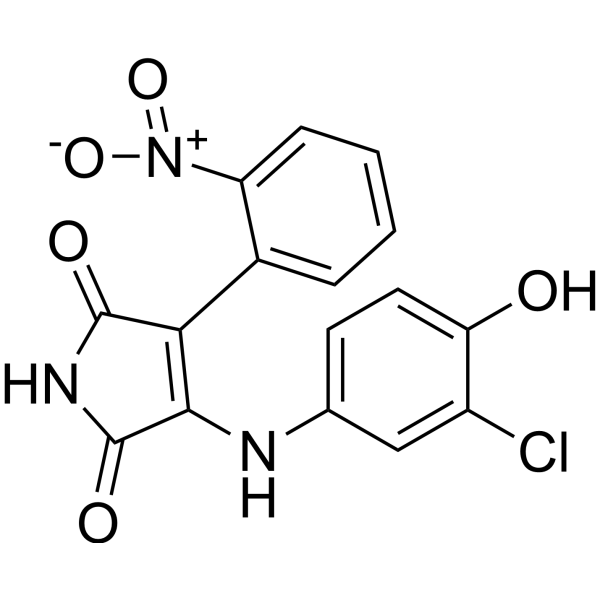
SB 415286 is a potent and selective cell permeable inhibitor of GSK-3α, with an IC50 of 77.5 nM, and a Ki of 30.75 nM; SB 415286 is equally effective at inhibiting human GSK-3α and GSK-3β.
|
-
-
- HY-126144
-
|
|
GSK-3
|
Metabolic Disease
Cancer
|
|
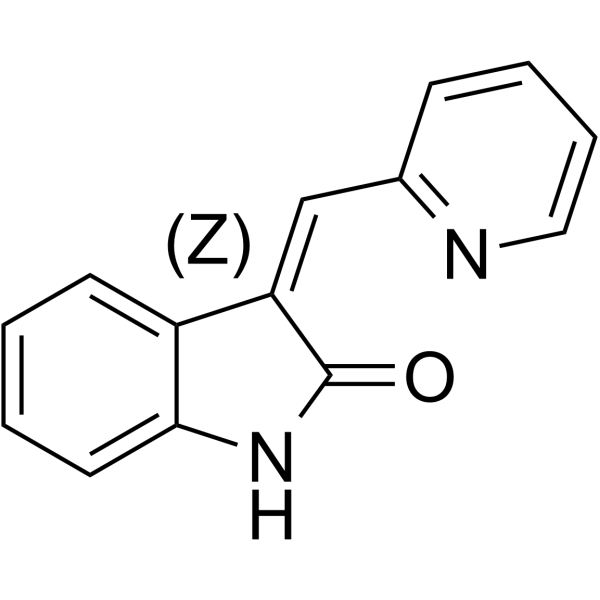
GSK-3β inhibitor 1 (compound 3a) inhibits GSK-3β with an IC50 of 4.19 nM. GSK-3β inhibitor 1 demonstrates high antidiabetic efficacy in obese Streptozotocin (HY-13753)-treated rats .
|
-
-
- HY-119940
-
|
(rel)-MC180295
|
CDK
|
Cancer
|
|
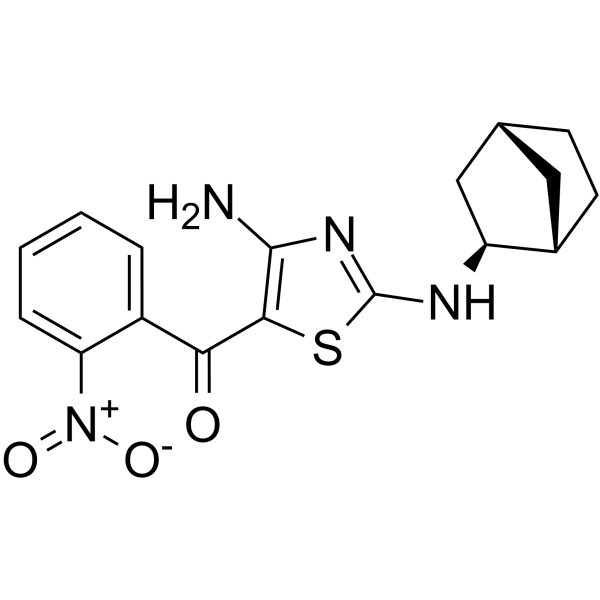
MC180295 ((rel)-MC180295) is a potent and selective CDK9-Cyclin T1 inhibitor, with an IC50 of 5 nM, at least 22-fold more selective for CDK9 over other CDKs. MC180295 also inhibits GSK-3α and GSK-3β. MC180295 ((rel)-MC180295) has potent anti-tumor effect .
|
-
-
- HY-15356
-
-
-
- HY-154851
-
|
|
GSK-3
CDK
Tau Protein
|
Neurological Disease
|
|
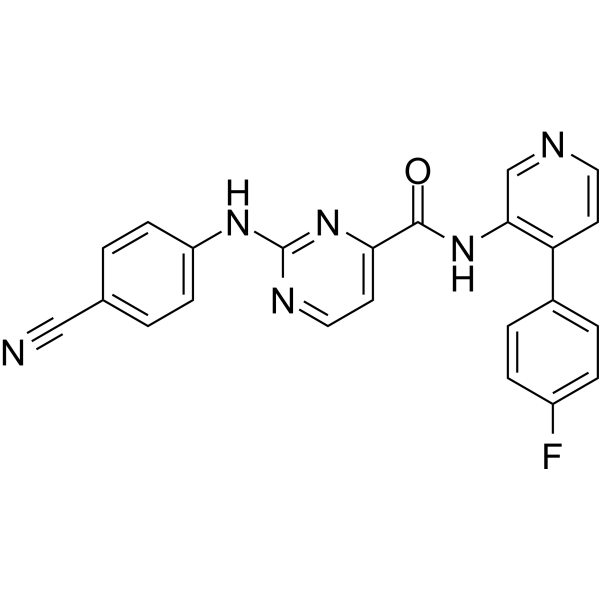
GSK-3 inhibitor 3 is a selective, orally active and brain-penetrant inhibitor of GSK-3, with IC50s of 0.35 nM and 0.25 nM for GSK-3α and GSK-3β, respectively. GSK-3 inhibitor 3 lowers levels of tau protein phosphorylation at S396 in a triple-transgenic mouse Alzheimer’s disease model, with IC50 of 10 nM. GSK-3 inhibitor 3 can be used for neurological disease research .
|
-
-
- HY-P10605
-
|
|
Akt
GSK-3
|
Cancer
|
|
GSK3β-peptide is a substrate mimetic peptide of glycogen synthase kinase 3-β (GSK3-β) that can bind to the active site of GSK3-β and mimic the behavior of a real substrate. GSK3β-peptide can be used to develop substrate mimetic inhibitors of Akt as potential anticancer drugs .
|
-

-
- HY-149845
-
|
|
PROTACs
GSK-3
|
Neurological Disease
|
|
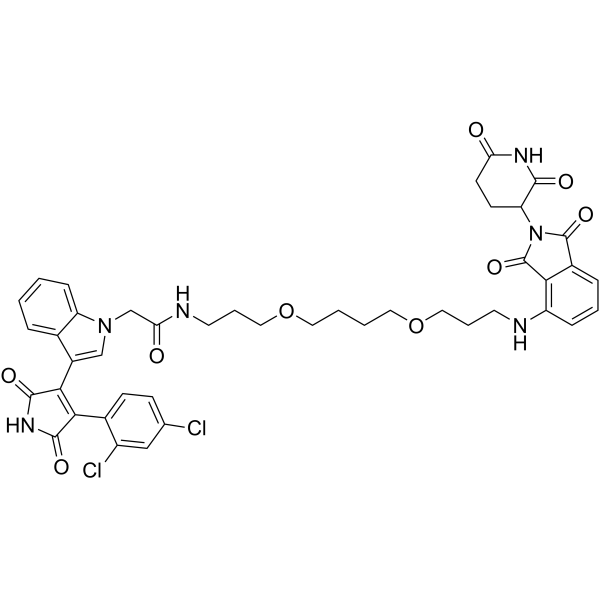
PROTAC GSK-3β Degrader-1 (compound 1) is a degrader targets GSK-3β degradation with an IC50 value of 833 nM. PROTAC GSK-3β Degrader-1 contains SB-216763 (a GSK-3β inhibitor), a PEG linker and a CRBN (E3 ligase liand). PROTAC GSK-3β Degrader-1 reduces the neurotoxicity induced by Aβ25-35 peptide and CuSO4. PROTAC GSK-3β Degrader-1 can be used to research in Alzheimer's disease .
|
-
-
- HY-122026
-
|
PF-367
|
GSK-3
|
Neurological Disease
|
|
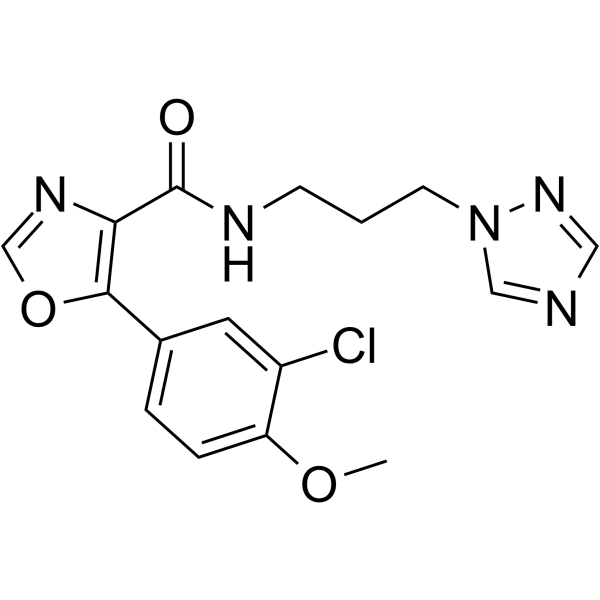
PF-04802367 (PF-367) is a highly selective GSK-3 inhibitor with an IC50 of 2.1 nM based on a recombinant human GSK-3β enzyme assay and 1.1 nM based on ADP-Glo assay. PF-04802367 shows desirable central nervous system (CNS) properties and potency. PF-04802367 is equally effective at inhibition of the two known GSK-3 isoforms (GSK-3α and GSK-3β) with IC50 values of 10.0 and 9.0 nM in mobility shift assays, respectively .
|
-
-
- HY-148561
-
|
|
CDK
GSK-3
PKC
|
Cancer
|
|
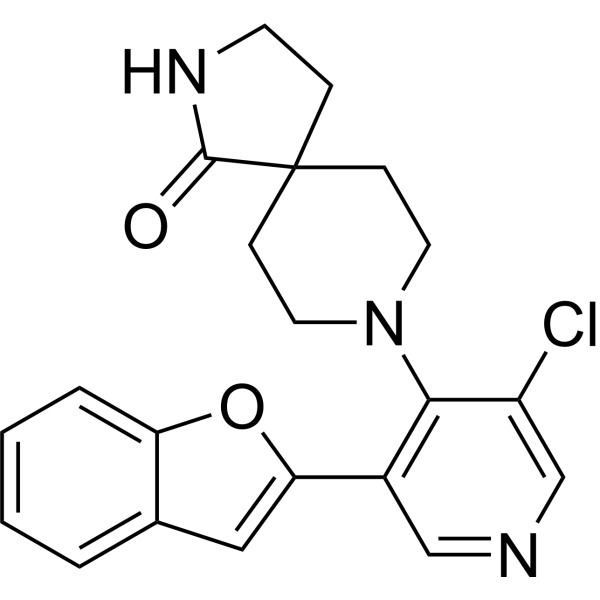
CDK8-IN-12 is an orally active, potent CDK8 inhibitor with a Ki of 14 nM. CDK8-IN-12 has off-target kinase inhibition on GSK-3α, GSK-3β, PCK-θ with Kis of 13 nM, 4 nM, 109 nM, respectively. CDK8-IN-12 shows potent anti-proliferative effects selectively on MV4-11 cell. CDK8-IN-12 is an anti-cancer agent .
|
-
-
- HY-111930
-
|
|
GSK-3
CDK
|
Cancer
|
|
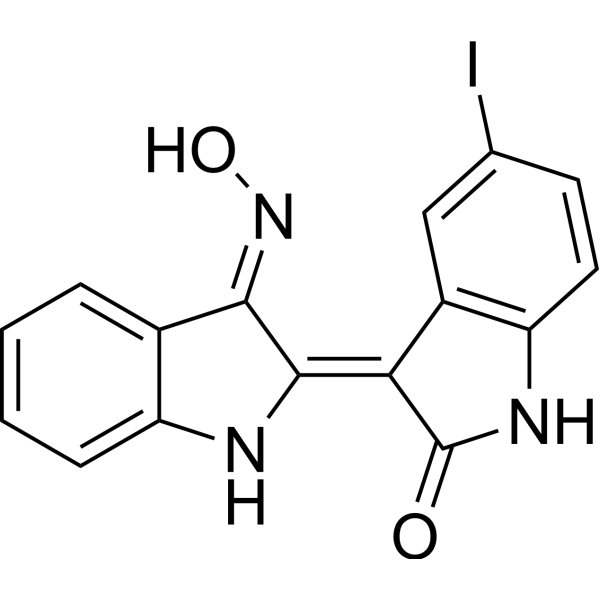
5-Iodo-indirubin-3'-monoxime is a potent GSK-3β, CDK5/P25 and CDK1/cyclin B inhibitor, competing with ATP for binding to the catalytic site of the kinase, with IC50s of 9, 20 and 25 nM, respectively .
|
-
-
- HY-149054
-
|
|
GSK-3
Tau Protein
AAK1
Pim
PKC
|
Neurological Disease
|
|
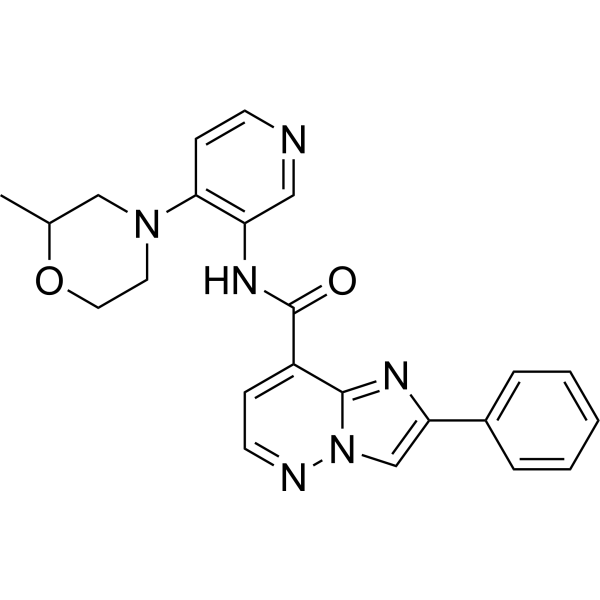
GSK-3β inhibitor 13 (compound 47) is an orally active and potent GSK-3β inhibitor with blood-brain permeability. GSK-3β inhibitor 13 inhibits GSK-3β and GSK-3α with IC50s of 0.73 nM and 0.35 nM, respectively. GSK-3β inhibitor 13 significantly decreases the phosphorylation of tau (IC50=58 nM), which leads the formation of the neurofibrillary tangles associated with Alzheimer's disease .
|
-
-
- HY-141480
-
|
|
GSK-3
Apoptosis
|
Cancer
|
|
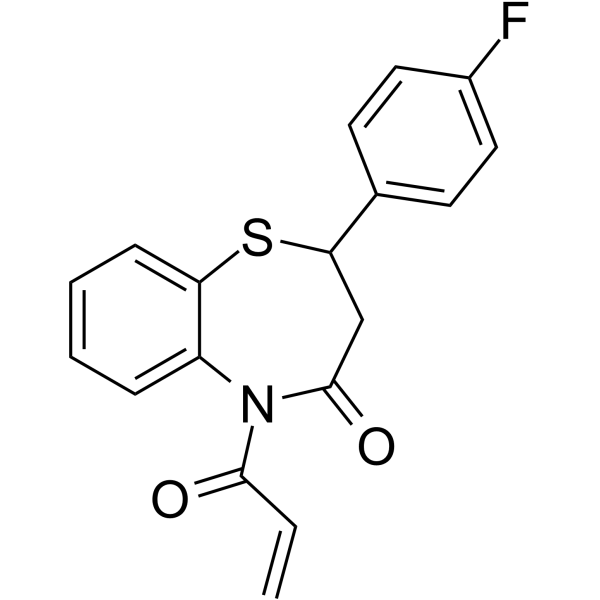
GSK-3β inhibitor 3 is a potent, selective, irreversible and covalent inhibitor of Glycogen Synthase Kinase 3β (GSK-3β), with an IC50 of 6.6 μM. GSK-3β inhibitor 3 can be used for the research of acute promyelocytic leukemia .
|
-
-
- HY-112388
-
|
|
GSK-3
|
Neurological Disease
Metabolic Disease
|
|
GSK-3b Inhibitor XI (Compound 33) is a potent and selective GSK3β inhibitor, with a Ki value of 25 nM. GSK-3b Inhibitor XI increases glycogen synthase (GS) activity. GSK-3b Inhibitor XI can be used for research on type 2 diabetes and Alzheimer’s disease .
|
-

-
- HY-144290
-
|
|
GSK-3
DYRK
|
Neurological Disease
|
|
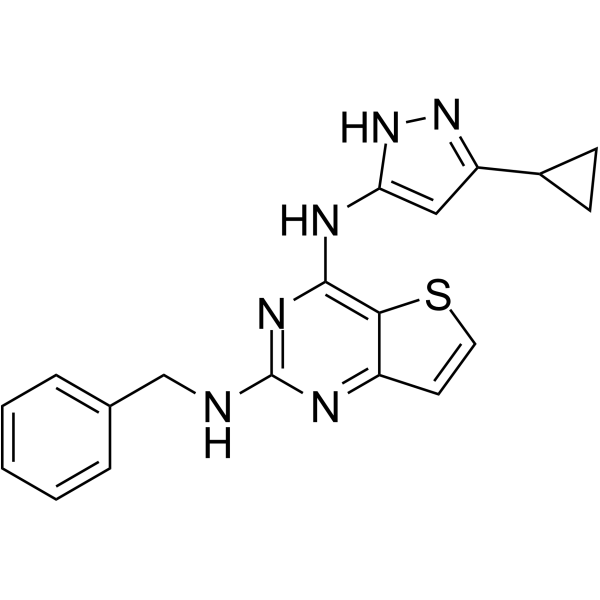
ARN25068 is a sub-micromolar inhibitor of the three protein kinases, GSK-3β, FYN and DYRK1A to tackle tau hyperphosphorylation .
|
-
-
- HY-111379
-
|
|
DYRK
CDK
GSK-3
|
Neurological Disease
Metabolic Disease
Cancer
|
|
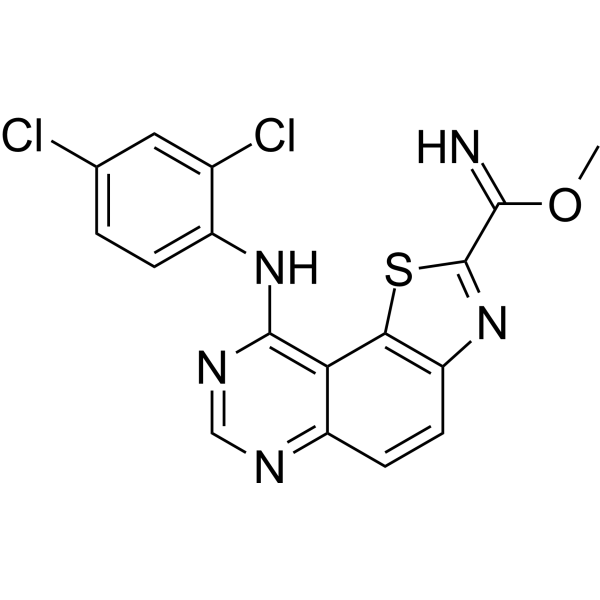
EHT 5372 is a highly potent and selective inhibitor of DYRK's family kinases with IC50s of 0.22, 0.28, 10.8, 93.2, 22.8, 88.8, 59.0, 7.44, and 221 nM for DYRK1A, DYRK1B, DYRK2, DYRK3, CLK1, CLK2, CLK4, GSK-3α, and GSK-3β, respectively .
|
-
-
- HY-154852
-
|
|
GSK-3
CDK
|
Neurological Disease
|
|
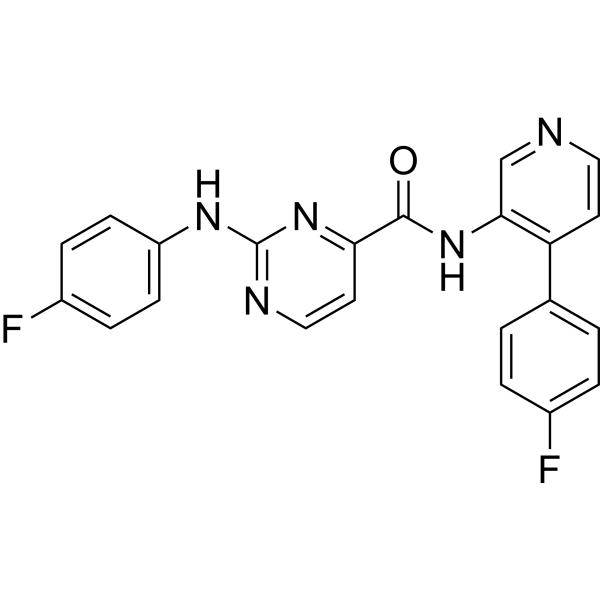
GSK-3 inhibitor 4 is an orally active and brain-penetrant inhibitor of GSK-3, CDK2, and CDK5, with IC50 values of 0.56 nM (GSK-3β), 0.45 nM (GSK-3α), 0.47 μM, and 0.68 μM, respectively. GSK-3 inhibitor 4 effectively reduces the phosphorylation level of Tau protein. GSK-3 inhibitor 4 can be used in Alzheimer's disease (AD) studies .
|
-
-
- HY-137472
-
|
|
GSK-3
|
Neurological Disease
|
|
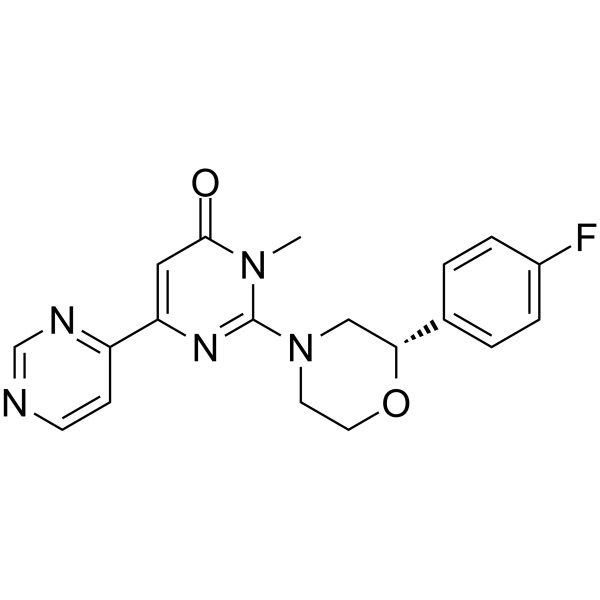
SAR502250 is a potent, selective, ATP competitive, orally active and brain-penetrant inhibitor of GSK3, with an IC50 of 12 nM for human GSK-3β. SAR502250 displays antidepressant-like activity. SAR502250 can be used for the research of Alzheimer’s disease (AD) .
|
-
-
- HY-155805
-
|
|
CDK
|
Cancer
|
|
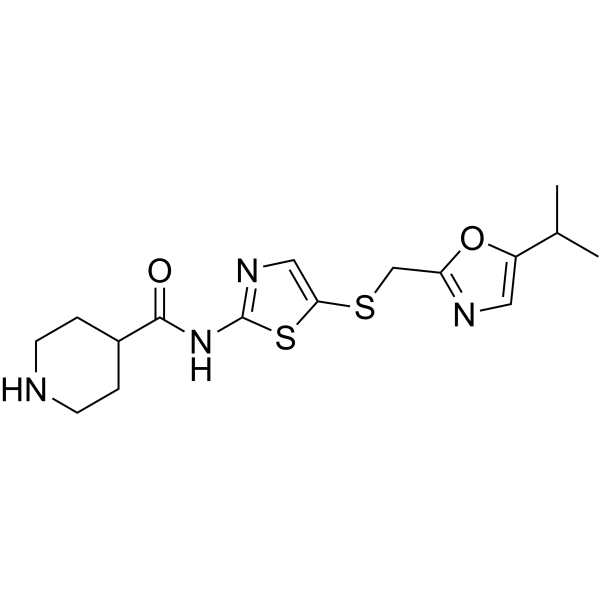
CAF-382 (compound B1) is an analog of SNS-032 and a CDKL5 and pan-CDK inhibitor with a weak GSK3α/β affinity (>1.8 μM) and inhibitory activity. CAF-382 inhibits CDKL5 and blocks the phosphorylation of the CDKL5 E2 domain .
|
-
-
- HY-164907
-
|
|
GSK-3
|
Neurological Disease
|
|
GSK-3β inhibitor 22 (compound 20o) is a GSK-3β inhibitor with an IC50 of 3.1 nM. GSK-3β inhibitor 22 has the potential of the study of Alzheimer's disease .
|
-

-
- HY-120902
-
|
|
Wnt
GSK-3
|
Inflammation/Immunology
|
|
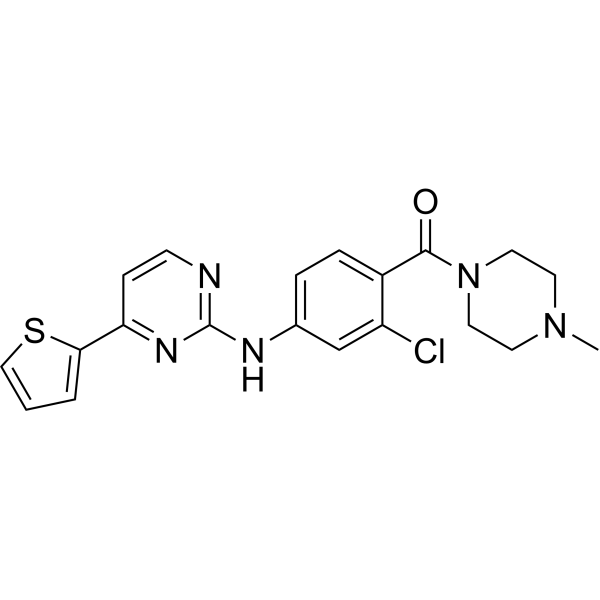
GSK-3β inhibitor 8, a thiophenacil derivative, is an effective and selective inhibitor of GSK-3β (IC50=64 nM). GSK-3β inhibitor 8 negatively regulated Wnt signaling pathway and stimulated β cell proliferation .
|
-
-
- HY-111055
-
|
|
GSK-3
|
Neurological Disease
|
|
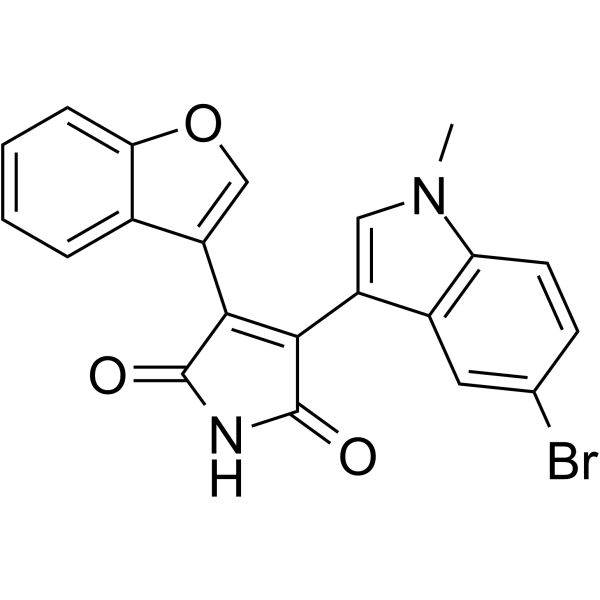
BIP-135 is a potent and selective ATP-competitive GSK-3 inhibitor, with IC50s of 16 nM and 21 nM for GSK-3α and GSK-3β, respectively. BIP 135 exhibits neuroprotective effect .
|
-
-
- HY-W969907
-
|
|
GSK-3
|
Others
|
|
GSK3a-IN-38 is a groundbreaking small molecule that effectively inhibits GSK-3a activity.
|
-

-
- HY-10096
-
|
|
GSK-3
|
Neurological Disease
|
|
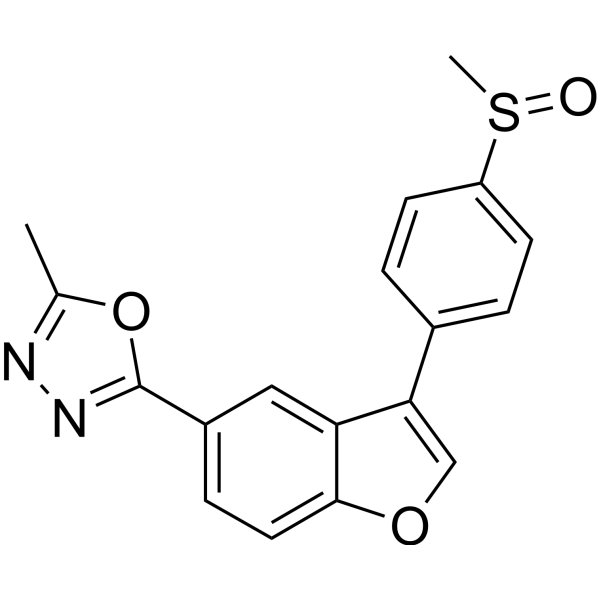
TCS2002 (Compound 9b) is a highly selective, orally bioavailable and potent GSK-3β inhibitor with the IC50 of 35 nM. TCS2002 shows good pharmacokinetic profiles including favorable BBB penetration. TCS2002 can be used for the research of Alzheimer’s disease .
|
-
-
- HY-134393B
-
|
N6-Methyl-ATP trisodium solution (100 mM)
|
GSK-3
|
Others
|
|
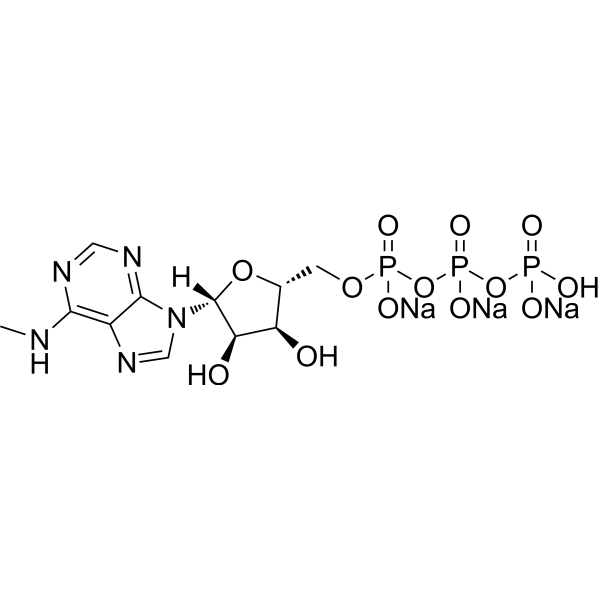
6-Me-ATP (N6-Methyl-ATP) trisodium solution (100 mM) is a N 6-modified ATP derivative. 6-Me-ATP trisodium shows excellent binding affinity to GSK3, serving as the phosphate group donor for GSK3β-catalyzed phosphorylation of its substrate peptide .
|
-
-
- HY-147134
-
|
|
GSK-3
|
Neurological Disease
|
|
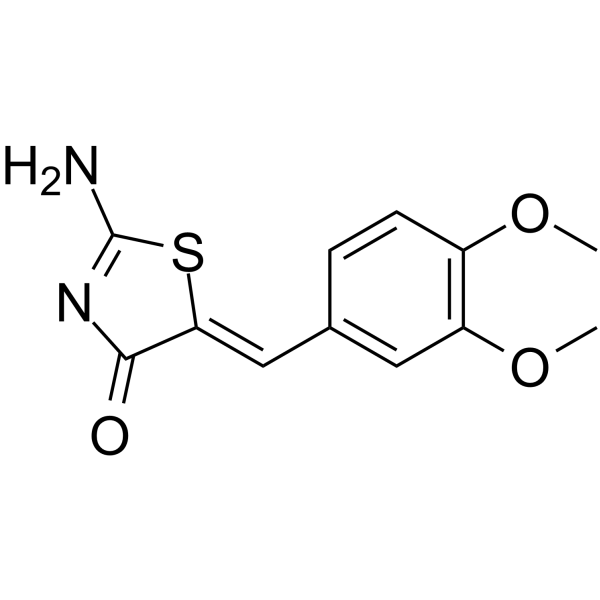
GSK-3β inhibitor 10 (compound 14a) is a highly potent GSK-3β inhibitor with an IC50 value of 80.5 nM. GSK-3β inhibitor 10 can be used for researching Alzheimer’s disease .
|
-
-
- HY-144826
-
|
|
GSK-3
|
Neurological Disease
|
|
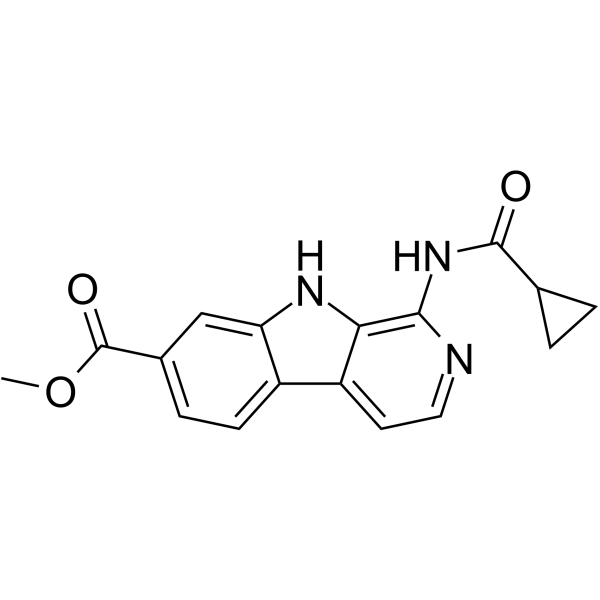
ZDWX-25 is a highly potent GSK-3β and DYRK1A dual inhibitor with an IC50 value of 71 nM for GSK-3β. ZDWX-25 possesses significant cytotoxic activities against SH-SY5Y and HL-7702 cells. ZDWX-25 can be used for researching alzheimer's disease .
|
-
-
- HY-126144A
-
|
|
GSK-3
|
Metabolic Disease
|
|
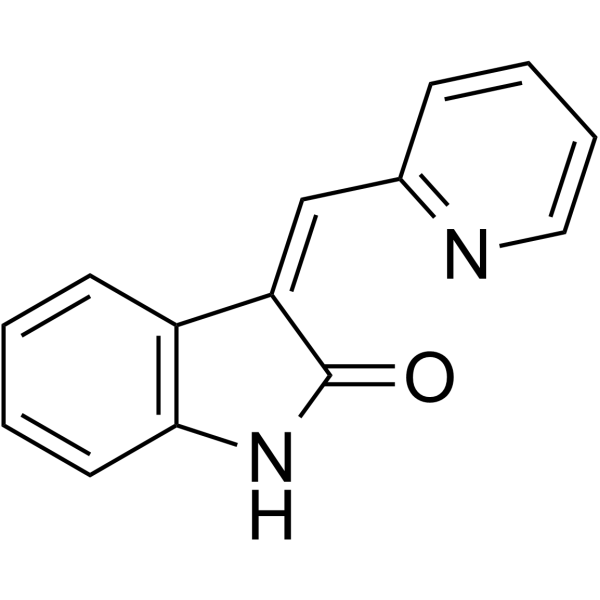
(E/Z)-GSK-3β inhibitor 1 is a racemic compound of (E)-GSK-3β inhibitor 1 and (Z)-GSK-3β inhibitor 1 isomers. GSK-3β inhibitor 1 (compound 3a) is a glycogen synthase kinase 3β (GSK-3β) inhibitor and demonstrates high antidiabetic efficacy, with an IC50 of 4.9 nM .
|
-
-
- HY-176287
-
|
|
Dopamine Receptor
GSK-3
PKA
P-glycoprotein
|
Neurological Disease
|
|
ARN25657 is a dual-acting D3R/GSK-3β modulator. ARN25657 has both partial D3R agonist activity (EC50 = 15.2 nM, Ki =1.5 nM) and potent GSK-3β inhibitor activity (IC50 = 19.3 nM). ARN25657 exhibits excellent GSK-3β selectivity over FYN, PKA, and CDK5/p35. ARN25657 inhibits P-glycoprotein (P-gP)-mediated acetoxymethyl calcein efflux and improves in vitro ADME properties while maintaining a balanced dual-target profile. ARN25657 is useful for studying bipolar disorder and related neuropsychiatric disorders .
|
-

-
- HY-112363
-
|
RP107
|
CDK
GSK-3
ERK
JNK
CFTR
|
Inflammation/Immunology
Cancer
|
|
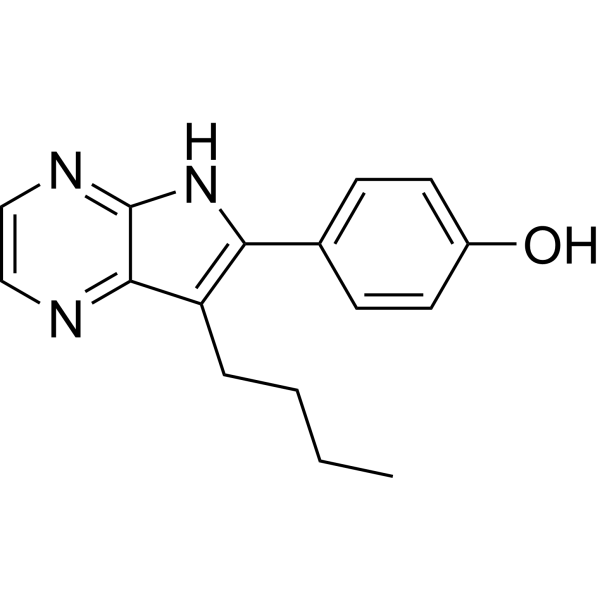
Aloisine A (RP107) is a a potent cyclin-dependent kinase (CDK) inhibitor with IC50s of 0.15 μM, 0.12 μM, 0.4 μM, 0.16 μM for CDK1/cyclin B, CDK2/cyclin A, CDK2/cyclin E, CDK5/p35, respectively. Aloisine A ininhibits GSK-3α (IC50=0.5 μM) and GSK-3β (IC50=1.5 μM). Aloisine A stimulates wild-type CFTR and mutated CFTR, with submicromolar affinity by a cAMP-independent mechanism. Aloisine A has the potential for CFTR-related diseases, including cystic fibrosis research .
|
-
-
- HY-149542
-
|
|
Tau Protein
Apoptosis
GSK-3
|
Neurological Disease
|
|
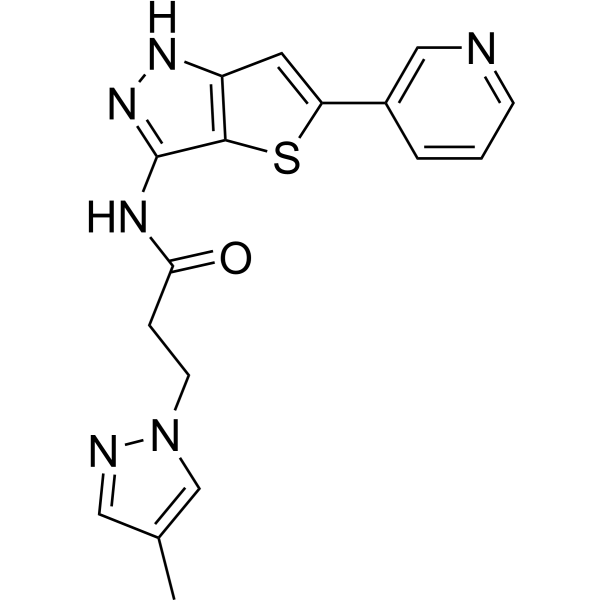
GSK-3β inhibitor 15 (Compound 54) is a GSK-3β inhibitor (IC50: 3.4 nM). GSK-3β inhibitor 15 inhibits Aβ1-42-induced GSK-3β and tau protein phosphorylation. GSK-3β inhibitor 15 inhibits LPS-induced iNOS expression. GSK-3β inhibitor 15 has neuroprotective effects on Aβ1-42-induced neurotoxicity. GSK-3β inhibitor 15 can be used for research of Alzheimer’s disease (AD) .
|
-
-
- HY-168857
-
|
|
GSK-3
Tau Protein
β-catenin
|
Neurological Disease
|
|
GSK-3β inhibitor 24 (Compound 41) is a potent GSK-3β inhibitor with an IC50 of 0.22 nM. GSK-3β inhibitor 24 increases GSK-3β phosphorylation at Ser9 site dose-dependently. GSK-3β inhibitor 24 inhibits the hyperphosphorylation of tau protein by decreasing the p-tau-Ser396 abundance. GSK-3β inhibitor 24 up-regulates β-catenin and neurogenesis-related markers (GAP43 and MAP-2). GSK-3β inhibitor 24 demonstrates remarkable anti-Alzheimer's disease (AD) effects .
|
-

-
- HY-175850
-
|
|
GSK-3
Apoptosis
NF-κB
c-Myc
|
Cancer
|
|
GSK-3β inhibitor 28 is selective and non-competitivea glycogen synthase kinase-3β (GSK-3β) inhibitor with an IC50 of 14.82 nM. GSK-3β inhibitor 28 can upregulate the expression level of phosphorylated GSK-3β and downregulate the expression of p-NF-κB, P65, C-myc and Cyclin D1. GSK-3β inhibitor 28 can induce cells apoptosis, G1 phase arrest and inhibit migration. GSK-3β inhibitor 28 can be used for the research of cancer, such as colorectal cancer .
|
-

-
- HY-170491
-
|
|
GSK-3
|
Infection
Neurological Disease
|
|
GSK-3β inhibitor 23 (Compound 11726169) is the inhibitor for glycogen synthase kinase-3, that inhibits GSK-3β and GSK-3α with IC50 of 12.1 nM and 18.8 nM. GSK-3β inhibitor 23 exhibits antiviral activity against HIV 1. GSK-3β inhibitor 23 exhibits good metabolic stablility in mouse/human liver microsomes and plasma, but poor Caco-2 permeability (which predicts low oral bioavailability) .
|
-

-
- HY-148132
-
|
|
GSK-3
|
Neurological Disease
|
|
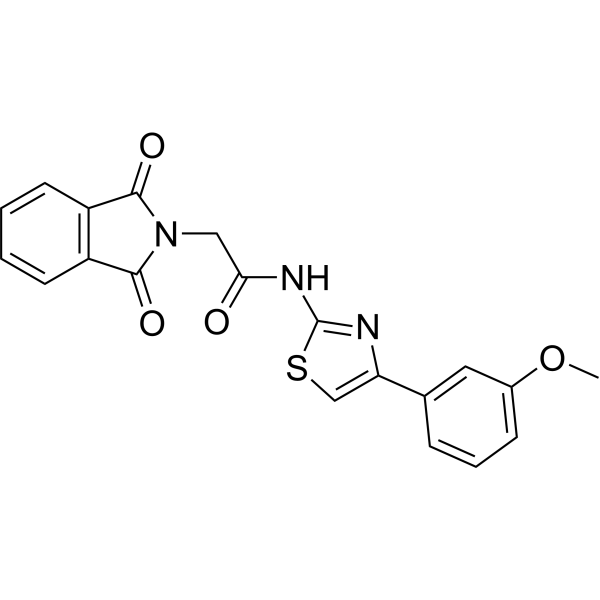
GSK-3β inhibitor 11 (compound 21) is a glycogen synthase kinase-3β (GSK-3β) inhibitor (IC50=10.02 μM). GSK-3β inhibitor 11 can be used in neurodegenerative disease research .
|
-
-
- HY-W098905
-
|
|
GSK-3
Cytochrome P450
Amyloid-β
Tau Protein
|
Neurological Disease
|
|
GSK3β-IN-3 is an ATP-competitive GSK-3β inhibitor (IC50 = 0.90 μM). GSK3β-IN-3 can reduce the phosphorylation level of tau protein in the BR5706 strain and reduce the deposition of Aβ aggregates in the CL2006 strain, and can be used to research Alzheimer's disease (AD) .
|
-

- HY-161751
-
|
|
GSK-3
|
Cancer
|
|
MJ34 is a potent inhibitor of GSK-3β and GSK-3α, with the IC50s of 15.4 nM and 31.5 nM, respectively. MJ34 plays an important role in cancer research
|
-

- HY-174923
-
|
|
Biochemical Assay Reagents
GSK-3
|
Neurological Disease
|
|
AZ12943203 (Compound 13e) is a GSK-3 PET radioligand with a Kd of 2.94 nM. AZ12943203 has a significant inhibitory potency toward GSK-3β (IC50 : 4.44 nM), and can specifically bind to GSK-3-rich regions of the rodent brain. AZ12943203 can be used for neurodegenerative diseases imaging, particularly Alzheimer’s disease .
|
-

- HY-161595
-
|
|
CDK
GSK-3
|
Cancer
|
|
CDK5-IN-4 (compound 4) is a potent multikinase type-II inhibitor targeting CDK5, with an IC50 of 9.8 μM. CDK5-IN-4 also inhibits GSK-3α, GSK-3β, CDK9, and CDK2, with IC50 values of 0.98, 4.00, 1.76, and 6.24 μM, respectively. CDK5-IN-4 can be used for glioblastoma research .
|
-

- HY-169632
-
|
|
GSK-3
|
Neurological Disease
|
|
GSK3β-IN-1 (compound 1) is a glycogen synthase kinase-3β (GSK-3β) inhibitor (IC50=65 nM), which can be used in the study of Alzheimer's disease .
|
-

- HY-148133
-
|
|
GSK-3
|
Neurological Disease
|
|
GSK-3β inhibitor 12 (Compound 15) is a GSK-3β inhibitor. GSK-3β inhibitor 12 is applicable to the research of Alzheimer's disease .
|
-
- HY-143261
-
|
|
GSK-3
|
Metabolic Disease
Inflammation/Immunology
Cancer
|
|
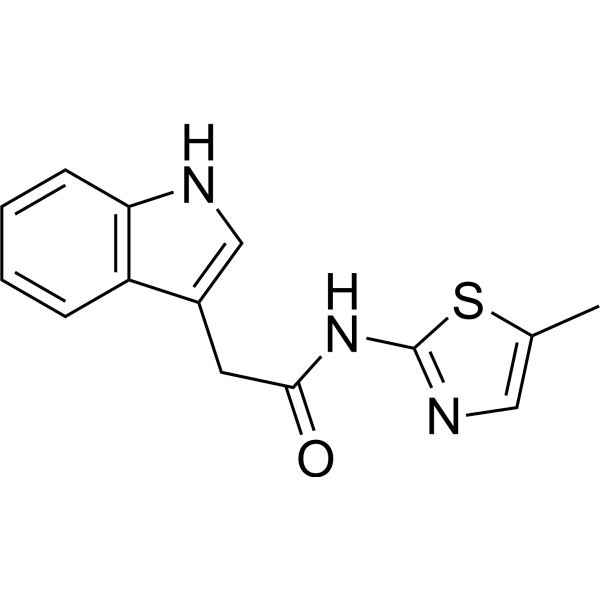
GSK-3β inhibitor 7 is a GSK-3β inhibitor with an IC50 value of 5.25 μM. GSK-3β inhibitor 7 is inserted into the ATP-binding binding pocket of GSK-3β and forms hydrogen-bond. GSK-3β inhibitor 7 shows high hepatocyte glucose uptake (83.5%), and can be used in the research of numerous diseases like diabetes, inflammation, cancer, Alzheimer's disease, and bipolar disorder .
|
-
- HY-169024
-
-

- HY-169602
-
-

- HY-143260
-
|
|
GSK-3
|
Metabolic Disease
Inflammation/Immunology
Cancer
|
|
GSK-3β inhibitor 6 is a potent GSK-3β inhibitor with an IC50 value of 24.4 μM. GSK-3β inhibitor 6 shows high hepatocyte glucose uptake (38%). GSK-3β inhibitor 6 can be used in the research of numerous diseases like diabetes, inflammation, cancer, Alzheimer's disease, and bipolar disorder .
|
-
- HY-168129
-
|
|
GSK-3
mTOR
|
Inflammation/Immunology
|
|
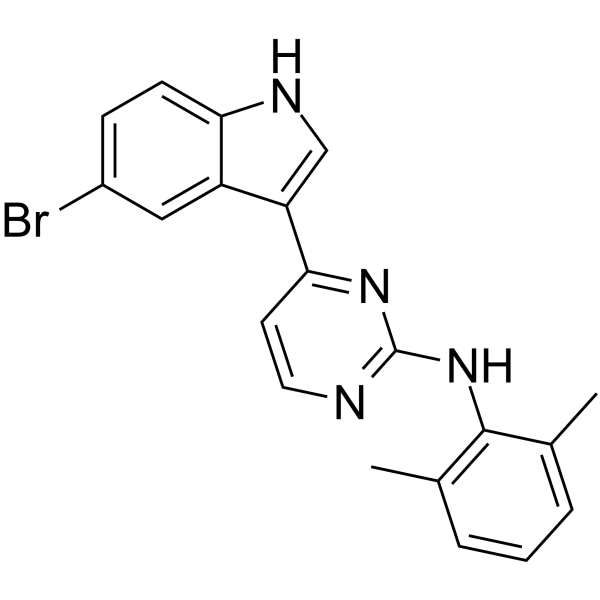
GSK3β/MTOR MODULATOR 1 (Derivative 2) is the GSK3β/mTOR signaling channel regulator. GSK3β/MTOR MODULATOR 1 can be used for acute lung damage (ALI) and inflammation research .
|
-

- HY-174272
-
|
|
GSK-3
Amyloid-β
|
Neurological Disease
|
|
GSK-3β inhibitor 27 (Compound 1c) is a reversible and competitive GSK-3β inhibitor with an IC50 value of 2.2 μM. GSK-3β inhibitor 27 inhibits tau hyperphosphorylation, reduces Aβ protein aggregation and possesses metal chelation and neuroprotective potential. GSK-3β inhibitor 27 is promising for research of neurodegenerative diseases (such as Alzheimer’s disease) .
|
-

- HY-162638
-
-

- HY-162913
-
|
|
GSK-3
|
Neurological Disease
|
|
GSK-3β inhibitor 20 (compound 3A) is an potent inhibitor of GSK-3β with an IC50 value of 74.4 nM .
|
-

- HY-153760
-
-
- HY-161458
-
|
|
GSK-3
Tau Protein
|
Neurological Disease
|
|
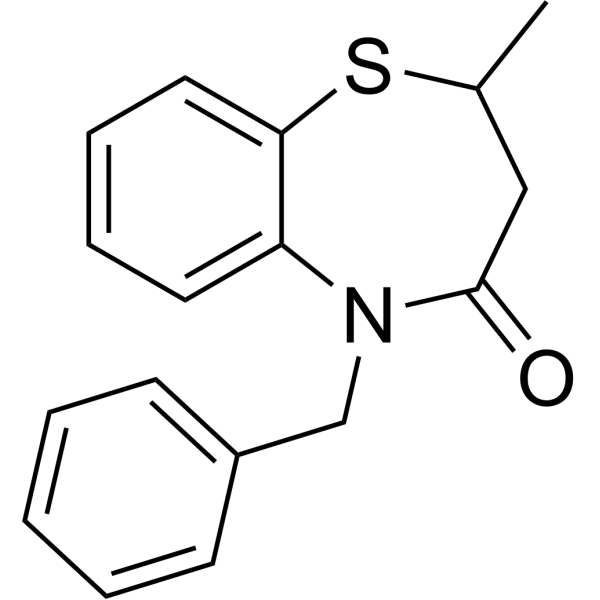
GSK-3β inhibitor 16 (compound 7c) is a GSK-3β inhibitor with the IC50 of 4.68 nM. GSK-3β inhibitor 16 decreases Tau hyperphosphorylated aggregate and alleviates cognitive impairments in the Scopolamin (HY-N0296)-induced model in mice .
|
-

- HY-168079
-
|
|
GSK-3
Tau Protein
|
Neurological Disease
Inflammation/Immunology
|
|
GSK-3β inhibitor 21 (compound 44) is an ATP-competitive GSK-3β inhibitor (IC50=6.06 μM) with anti-amyloid aggregation and tau phosphorylation inhibitory activities. GSK-3β inhibitor 21 can be used in the study of Alzheimer's disease .
|
-

- HY-163748
-
|
|
GSK-3
|
Inflammation/Immunology
|
|
GSK-3β inhibitor 17 (compound 5 n) is a potent GSK-3β inhibitor. GSK-3β inhibitor 17 decreases cisplatin (HY-17394) induced p-p65, KIM-1 protein and mRNA expression. GSK-3β inhibitor 17 decreases cisplatin induced TNF-α, IL-1β, IL-6 and MCP-1 mRNA expression. GSK-3β inhibitor 17 shows anti-inflammation effect and has the potential for the research of acute kidney injury .
|
-

- HY-15438R
-
|
|
GSK-3
Apoptosis
|
Metabolic Disease
|
|
SB 415286 (Standard) is the analytical standard of SB 415286. This product is intended for research and analytical applications. SB 415286 is a potent and selective cell permeable inhibitor of GSK-3α, with an IC50 of 77.5 nM, and a Ki of 30.75 nM; SB 415286 is equally effective at inhibiting human GSK-3α and GSK-3β.
|
-

- HY-169606
-
-

- HY-162722
-
|
|
GSK-3
|
Others
|
|
GSK-3 inhibitor 6 (2) is a CNS penetrated GSK-3 inhibitor, with IC50 values of 29 nM and 24 nM for GSK-3α and GSK-3β, respectively .
|
-

- HY-136679
-
|
|
GSK-3
|
Neurological Disease
Metabolic Disease
|
|
TD114-2 (cmpound 29) is a potent and highly selective inhibitor of glycogen synthase kinase-3β (GSK-3β) (IC50=48 nM). TD114-2 is associated with the hydrogen bond formation of arginine 141 (ARG141) specific to GSK-3β, an amino acid that is often a negatively charged residue in other kinases, which determines the high selectivity of GSK-3β. TD114-2 can be used in the study of diabetes, neurodegenerative diseases and other diseases associated with GSK-3β .
|
-

- HY-P1385
-
|
|
GSK-3
p38 MAPK
|
Neurological Disease
|
|
TCS 183, a peptide, is a GSK-3β inhibitor. TCS 183 blocks GSK-3β autoinhibition and decreases the level of AMPK phosphorylation. TCS 183 can be used for neuropathological diseases, particularly Alzheimer’s disease, research .
|
-

- HY-172599
-
|
|
GSK-3
|
Neurological Disease
|
|
GSK-3β probe-1 (10c) is a GSK-3β probe (Ex = 341 nm, Em= 574nm, ɛ= 3.51 × 10 4L/mol·cm −1) and can be be used in the study of Alzheimer's disease .
|
-

- HY-12012R
-
|
|
GSK-3
Autophagy
|
Neurological Disease
Cancer
|
|
SB 216763 (Standard) is the analytical standard of SB 216763. This product is intended for research and analytical applications. SB 216763 is potent, selective and ATP-competitive GSK-3 inhibitor with IC50s of 34.3 nM for both GSK-3α and GSK-3β.
|
-

- HY-117194
-
|
|
HIV
GSK-3
|
Infection
|
|
18BIOder is a neuroprotective GSK-3β inhibitor, highly selectively inhibiting HIV-1 .
|
-
- HY-110074
-
|
|
Others
Wnt
|
Others
|
|
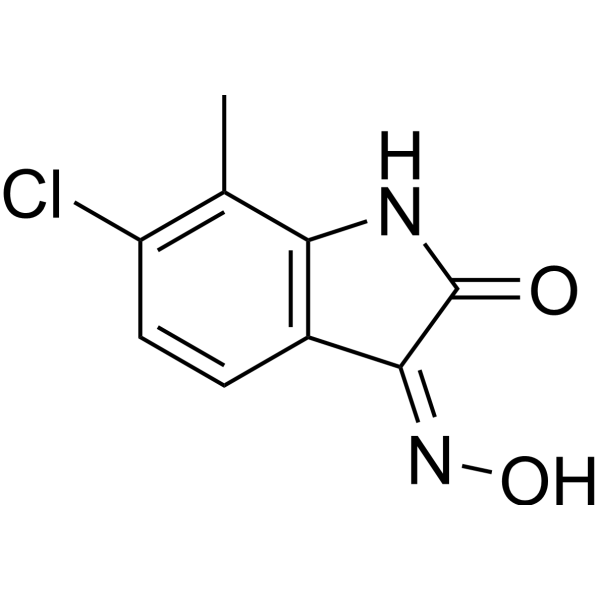
TWS119 TFA is a specific inhibitor of GSK-3β, with an IC50 of 30 nM, and activates the wnt/β-catenin pathway.
|
-
- HY-112394
-
|
|
GSK-3
CDK
|
Cancer
|
|
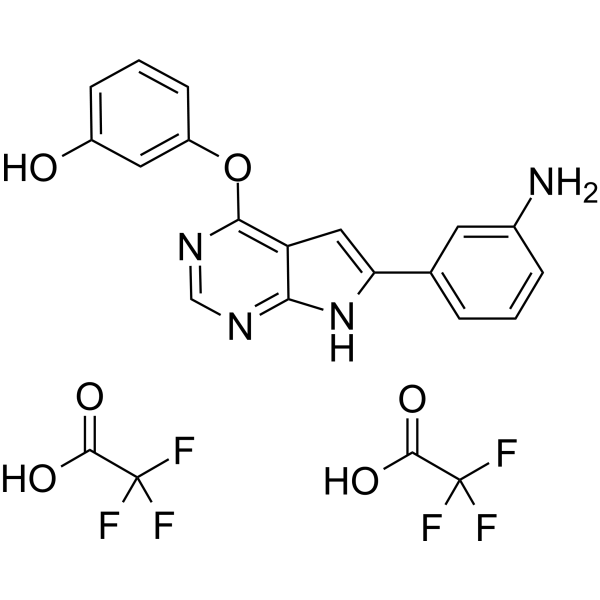
2-Cyanoethylalsterpaullone (compound 7) is an Alsterpaullone (HY-108359) derivative, which exhibits potent and selective inhibitory activities against CDK1/Cyclin B and GSK-3β (GSK-3β: IC50=0.8 nM; CDK1/Cyclin B: IC50=0.23 nM) .
|
-

- HY-144316
-
|
|
Cholinesterase (ChE)
GSK-3
|
Neurological Disease
|
|
ZLWH-23 is a selective AChE inhibitor (IC50=0.27 μM) with GSK-3β inhibitory property (IC50=6.78 μM). ZLWH-23 possesses selectivity for AChE over BChE (IC50=20.82 μM) and for GSK-3β over multi-kinases. ZLWH-23 has the potential for the research of Alzheimer's disease .
|
-
- HY-172586
-
|
|
GSK-3
PKA
|
Neurological Disease
Cancer
|
|
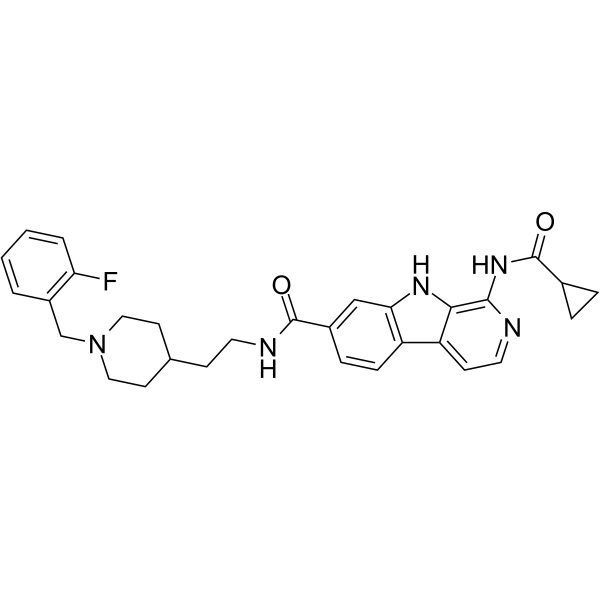
GSK-3α/β-IN-1 is GSK-3α/β inhibitor with IC50 s of 0.265 μM and 0.255 μM for GSK-3α and GSK-3β, respectively. GSK-3α/β-IN-1 also inhibits PKA with an IC50 of 0.188 μM. GSK-3α/β-IN-1 potently inhibits cell viability of three Glioblastoma (GBM) cell lines (IC50 : 3-6 μM, 72 h) with no toxicity to human astrocytes and good metabolic stability. GSK-3α/β-IN-1 has potential CNS activity in all-human blood-brain barrier (BBB) model of GBM .
|
-

- HY-133102
-
|
LycoramINone
|
GSK-3
|
Neurological Disease
|
|
Dihydronarwedine (Lycoraminone) is the alkaloid. Dihydronarwedine inhibits 39% activity of glycogen synthase kinase-3β (GSK-3β) at a concentration of 10 μM .
|
-

- HY-107530
-
-
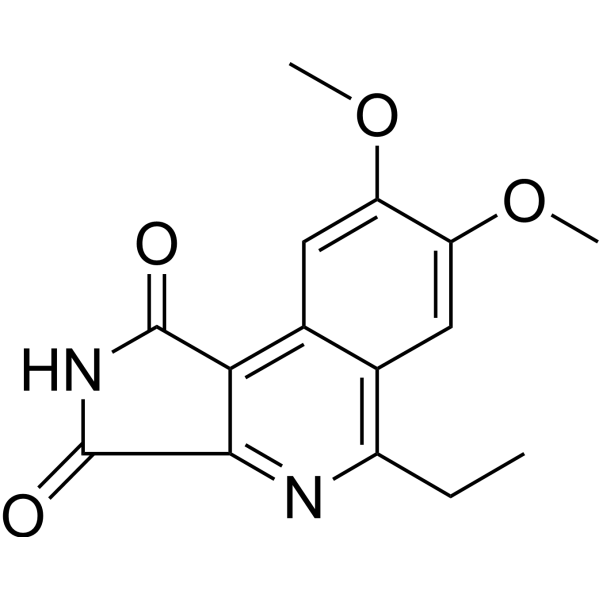
- HY-161667
-
|
|
GSK-3
HDAC
|
Neurological Disease
|
|
GSK-3β/HDAC-IN-1 (Compd 4) is a brain-penetrant and first in class dual non-ATP-competitive Glycogen Synthase Kinase 3β/Histone Deacetylases (GSK-3β/HDACs) Inhibitor with IC50s of 0.142, 0.03 and 0.045 μM against GSK-3β, HDAC2 and HDAC6, respectively. GSK-3β/HDAC-IN-1 can be used for Alzheimer’s disease research .
|
-

- HY-173494
-
|
|
GSK-3
Casein Kinase
|
Cancer
|
|
GSK-3β/CK-1δ-IN-1 (8d) is a dual and blood-brain barrier penetrated GSK-3β / CK-1δ inhibitor, with IC50 values of 0.77 μM for GSK-3β and 0.57 μM for CK-1δ, respectively. GSK-3β/CK-1δ-IN-1 (8d) can be used in the research for neuroblastoma .
|
-

- HY-10590R
-
-

- HY-171031
-
|
|
GSK-3
Apoptosis
Caspase
Bcl-2 Family
Reactive Oxygen Species (ROS)
|
Neurological Disease
|
|
TFGF-18 is a GSK-3β inhibitor (IC50: 0.59 μM). TFGF-18 inhibits LPS-induced microglia activation and proinflammatory mediators release via inhibiting GSK-3β and downstream p65/NF-κB signaling. TFGF-18 inhibits neuronal apoptosis and oxidative stress, inhibits expressions of Bax, caspase3 and cleaved-caspase3 and increases the expression of Bcl-2. TFGF-18 has neuroprotection effect, inhibit neuroinflammation and attenuates cognitive impairment .
|
-

- HY-12292R
-
|
|
Wnt
GSK-3
|
Cancer
|
|
IM-12 (Standard) is the analytical standard of IM-12. This product is intended for research and analytical applications. IM-12 is an inhibitor of GSK-3β, with an IC50 of 53 nM, and also enhances Wnt signalling.
|
-

- HY-111931
-
|
|
CDK
GSK-3
|
Cancer
|
|
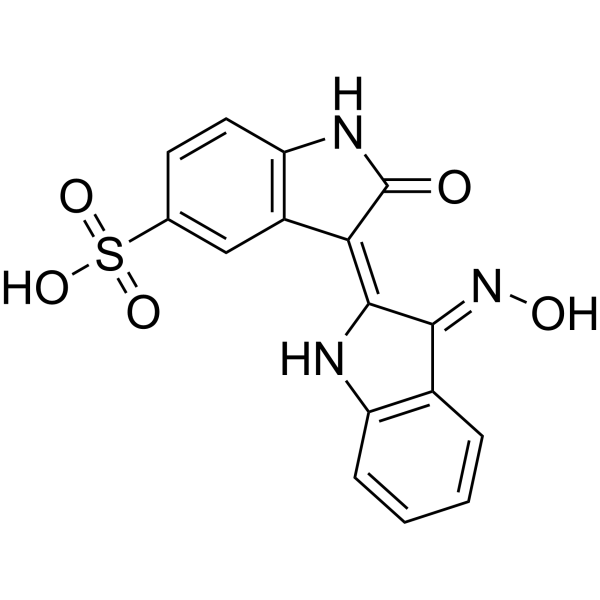
Indirubin-3'-monoxime-5-sulphonic acid is a potent and selective inhibitor of CDK1, CDK5, and GSK-3β with IC50s of 5 nM, 7 nM, and 80 nM, respectively .
|
-
- HY-170389
-
|
|
Cholinesterase (ChE)
|
Neurological Disease
|
|
BChE-IN-39 (Compound 7c) is a selective inhibitor for butyrylcholinesterase (BChE) with an IC50 of 0.08 μM (IC50=3.98 μM for AChE). BChE-IN-39 downregulates the GSK-3β expression, inhibits the hyperphosphorylation of tau protein .
|
-

- HY-114270
-
|
|
GSK-3
|
Neurological Disease
|
|
JGK-263 is an orally active Glycogen synthase kinase-3β (GSK-3β) inhibitor. JGK-263 exhibits neuroprotective effect and can improve motor function. JGK-263 can be used for the research of neurological disease, such as amyotrophic lateral sclerosis (ALS) .
|
-

- HY-107529
-
|
|
GSK-3
|
Neurological Disease
Metabolic Disease
|
|
TC-G 24 (Compound 24) is a potent, selective glycogen synthase kinase-3β (GSK-3β) inhibitor with an IC50 of 17.1 nM. TC-G 24 can cross the BBB and can be used for studying many diseases such as type 2 diabetes mellitus, stroke, Alzheimer, and other related diseases .
|
-
- HY-182001
-
|
|
Cholinesterase (ChE)
GSK-3
|
Neurological Disease
|
|
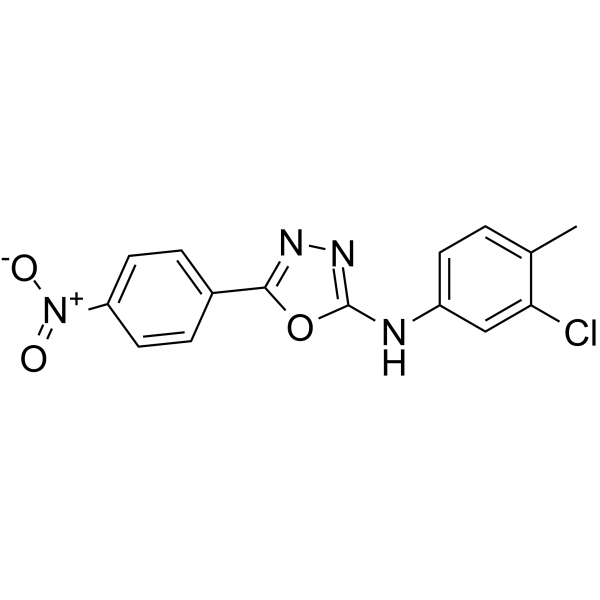
Multi-kinase-IN-13 (Compound 10F) is an inhibitor of AChE, BuChE, and GSK-3β, with an IC50 of 3 nM against hAChE, 303 nM against hBuChE, and 7.58 nM against GSK-3β. Multi-kinase-IN-13 exhibits in vitro iron chelating activity. AChE-IN-110 can be used in the research of Alzheimer's disease .
|
-

- HY-16294G
-
|
|
GSK-3
|
Cancer
|
|
LY2090314 (GMP) is LY2090314 (HY-16294) produced by using GMP guidelines. GMP small molecules works appropriately as an auxiliary reagent for cell therapy manufacture. LY2090314 is a potent inhibitor of glycogen synthase kinase-3 (GSK-3) with IC50 values of 1.5 nM and 0.9 nM for GSK-3α and GSK-3β, respectively.
|
-

- HY-181988
-
|
|
Caspase
KMO
GSK-3
|
Neurological Disease
|
|
DTB-acid is a multi-target inhibitor that binds stably to Caspase-6, KMO and GSK-3β. DTB-acid is applicable to the research of Huntington's disease .
|
-

- HY-107531R
-
|
|
Reference Standards
GSK-3
|
Neurological Disease
Cancer
|
|
A 1070722 (Standard) is the analytical standard of A 1070722 (HY-107531). This product is intended for research and analytical applications. A 1070722 is a potent and selective glycogen synthase Kinase 3 (GSK-3) inhibitor, with a Ki of 0.6 nM for both GSK-3α and GSK-3β. A 1070722 can penetrate the blood-brain barrier (BBB) and accumulates in brain regions, thus potential for PET radiotracer for the quantification of GSK-3 in brain. A 1070722 decreases spontaneous locomotion .
|
-

- HY-183908
-
|
|
GSK-3
|
Neurological Disease
|
|
GSK-3β-IN-29 is a selective GSK-3β inhibitor with an IC50 of 34.0 nM. GSK-3β-IN-29 shows selectivity for GSK-3β over 40 other kinases and for 5-HT1a receptor. GSK-3β-IN-29 exhibits neuroprotection in mice. GSK-3β-IN-29 can be used for the research of nervous system (CNS) disorders .
|
-

- HY-182978
-
|
|
E3 Ligase Ligand-Linker Conjugates
|
Others
|
|
Pomalidomide-C3-O-C4-O-C3-NH2 is an E3 ligase ligand-linker conjugate that contains Pomalidomide (HY-10984). Pomalidomide-C3-O-C4-O-C3-NH2 can be used for the synthesis of PROTACs targeting glycogen synthase kinase 3β (GSK-3β), such as PROTAC GSK-3β Degrader-1 (HY-149845) .
|
-

- HY-128491
-
|
|
GSK-3
CDK
Ser/Thr Kinase
|
Metabolic Disease
|
|
UNC10112785 is a serine/threonine kinase inhibitor with a human GSK-3β IC50 of 0.031 μM, human CDK-2 IC50 of 0.016 μM, and human CDK-4 IC50 of 1.99 μM. UNC10112785 can be used for the research of type 2 diabetes .
|
-

- HY-182788
-
|
|
GSK-3
Tau Protein
Amyloid-β
β-catenin
|
Neurological Disease
|
|
Multitarget AD-IN-7 is an orally active multi-target anti-AD compound. Multitarget AD-IN-7 exhibits inhibitory activity against GSK-3β and GSK-3α (IC50 = 0.66, 0.83 nM). Multitarget AD-IN-7 upregulates the expression of p-GSK-3β-Ser9, inhibits the phosphorylation of tau-Ser396, targets Aβ1-42, chelates pathogenic metal ions, scavenges ABTS•+, upregulates the expression of β-catenin and neurogenesis biomarkers, and promotes neurite outgrowth. Multitarget AD-IN-7 improves motor ability in Alzheimer's disease zebrafish. Multitarget AD-IN-7 is applicable to research related to Alzheimer's disease .
|
-

- HY-183529
-
|
|
Parasite
CDK
GSK-3
|
Infection
|
|
Antitrypanosomal agent 31 is an antitrypanosoma agent with a pEC50 of 6.4. Antitrypanosomal agent 31 inhibits GSK-3β, CDK-2, and CDK-4 with pIC50s of 5.8, 6.9, and 7.1, respectively. Antitrypanosomal agent 31 can be used for the research of human african trypanosomiasis .
|
-

- HY-180938
-
|
|
Src
GSK-3
NO Synthase
|
Neurological Disease
|
|
Fyn-IN-1 (Compound 43) is a selective, blood-brain barrier permeable Fyn and GSK-3β inhibitor with IC50 values of 0.044 μM and 0.61 μM, respectively. Fyn-IN-1 significantly downregulates the pro-inflammatory enzyme iNOS. Fyn-IN-1 can be used in the research of neurodegenerative diseases .
|
-

- HY-100207R
-
|
CP21 (Standard)
|
GSK-3
Reference Standards
|
Cancer
|
|
CP21R7 (Standard) is the analytical standard of CP21R7 (HY-100207). This product is intended for research and analytical applications. CP21R7 is potent GSK-3β inhibitor, with an IC50 of 1.8 nM; CP21R7 also shows inhibitory activitiy against PKCα, with an IC50 of 1900 nM.
|
-

- HY-181811
-
|
|
Cholinesterase (ChE)
GSK-3
|
Neurological Disease
|
|
PJ17 is a potent dual-target inhibitor of AChE and GSK-3β, with IC50 values of 8.84 μM and 4.19 μM, respectively. PJ17 shows no significant neurotoxic effect in primary cerebellar granule neuron cultures. PJ17 serves as a template for the design of multitarget drugs. PJ17 can be used for the research of Alzheimer's disease .
|
-

- HY-N11576
-
|
|
Apoptosis
GSK-3
c-Myc
β-catenin
|
Cancer
|
|
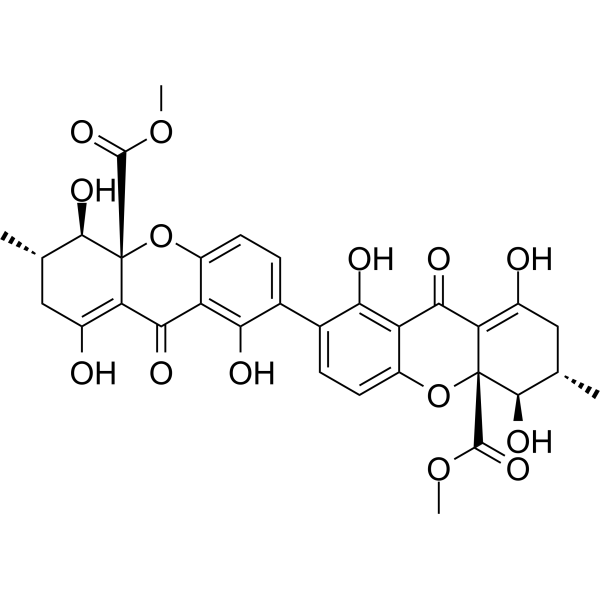
Secalonic acid D is a toxic compound against tumor cells. Secalonic acid D can be isolated from the metabolites of Aspergillus aculeatus. Secalonic acid D activates GSK3-β, and degrades β-catenin. Thus, Secalonic acid D down-regulates c-Myc expression, arrests cell cycle at G1 phase, induces cell apoptosis .
|
-
- HY-162675
-
|
|
GSK-3
|
Infection
Neurological Disease
Metabolic Disease
Cancer
|
|
COB-187 is a potent, ATP-competitive and selective inhibitor of GSK-3β. COB-187 inhibits GSK-3 through a reversible and Cysteine (Cys)-199-dependent mechanism. COB-187 inhibits LPS induced cytokine production and SARS-CoV-2 spike protein-induced CXCL10 production .
|
-

- HY-N6580
-
-
- HY-134393
-
|
N6-Methyl-ATP
|
GSK-3
|
Neurological Disease
|
|
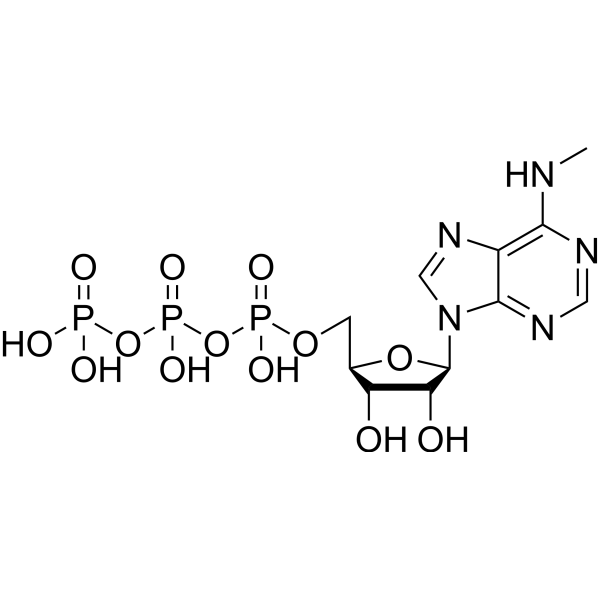
6-Me-ATP (N6-Methyl-ATP) is an N 6-modified ATP derivative. 6-Me-ATP exhibits excellent binding affinity for GSK3 and acts as a phosphate group donor for GSK3β-catalyzed phosphorylation of its substrate peptides. 6-Me-ATP is applicable to research related to Alzheimer's disease .
|
-
- HY-N17990
-
|
|
PDK-1
Akt
GSK-3
Reactive Oxygen Species (ROS)
|
Neurological Disease
|
|
Sexangularetin 3-sophoroside is a PDK1 and Akt phosphorylation activator with neuroprotective properties. Sexangularetin 3-sophoroside restores phosphorylated GSK-3β protein levels. Sexangularetin 3-sophoroside acts as a ROS inhibitor and regulates mRNA expression of superoxide dismutase 1 and catalase. Sexangularetin 3-sophoroside can be used for the research of Parkinson’s disease .
|
-

- HY-11012R
-
|
GSK-3β INhibitor I (Standard); NP 01139 (Standard)
|
GSK-3
Reference Standards
|
Cancer
|
|
TDZD-8 (Standard) is the analytical standard of TDZD-8. This product is intended for research and analytical applications. TDZD-8 is an inhibitor of GSK-3β, with an IC50 of 2 μM; TDZD-8 shows less potent activities against Cdk-1/cyclin B, CK-II, PKA, and PKC, with all IC50s of >100 μM.
|
-

- HY-W068828
-
|
4,9-Dioxa-1,12-dodecanediamINe
|
PROTAC Linkers
|
Others
|
|
1,4-Butanediol bis(3-aminopropyl) ether (4,9-Dioxa-1,12-dodecanediamine) is a PROTAC linker. Pent-4-yn-1-ol can be used to synthesize PROTAC molecules (e.g., PROTAC GSK-3β Degrader-1 (HY-149845)) .
|
-

- HY-117822
-
|
|
GSK-3
|
Neurological Disease
Metabolic Disease
Cancer
|
|
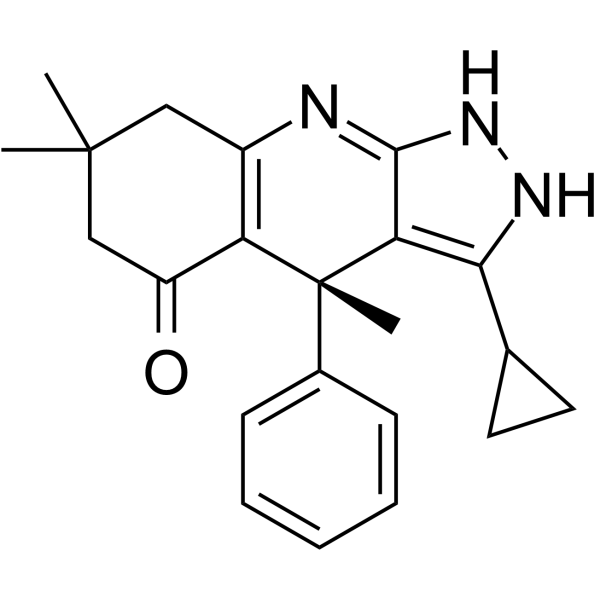
BRD0209 is a potent, selective and dual inhibitor of GSK3α/β inhibitor (GSK3α IC50 = 19 nM; GSK3β IC50 = 5 nM). BRD0209 is also a reversible ATP-competitive inhibitor with fast-off kinetics (Ki = 4.2 nM, respectively). BRD0209 is a tricyclic pyrazolotetrahydroquinolinone compound. BRD0209 has the potential for the research of mood disorder diseases .
|
-
- HY-117025A
-
|
KeramamINe A hydrochloride
|
GSK-3
CDK
Parasite
Proton Pump
HSV
Autophagy
|
Infection
Neurological Disease
Cancer
|
|
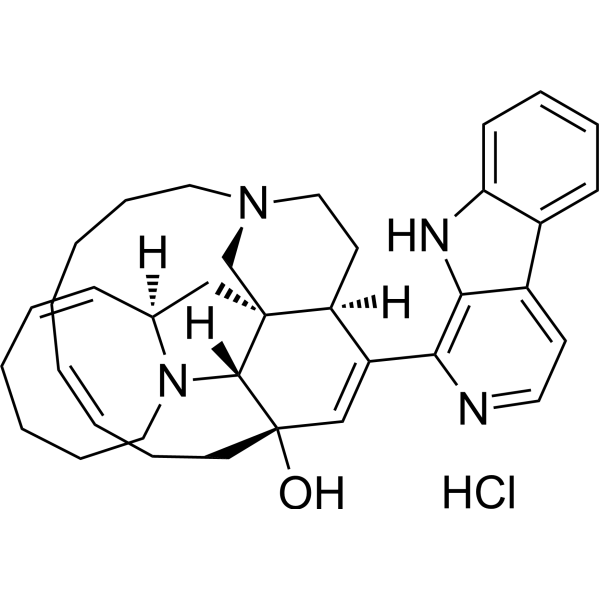
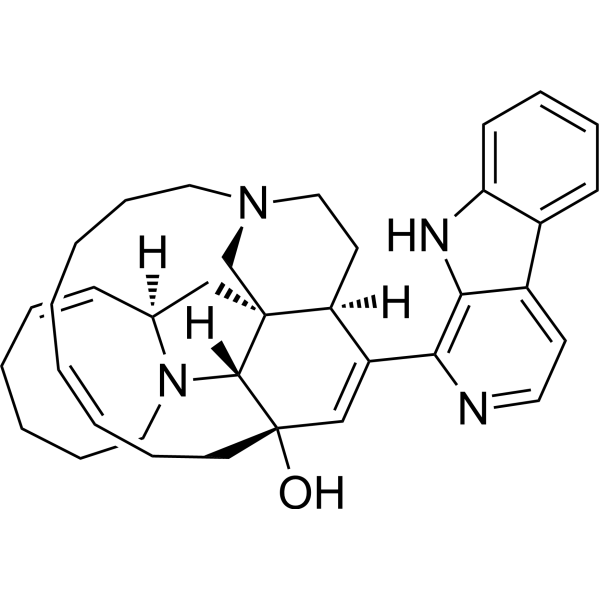
Manzamine A hydrochloride, an orally active beta-carboline alkaloid, inhibits specifically GSK-3β and CDK-5 with IC50s of 10.2 μM and 1.5 μM, respectively. Manzamine A hydrochloride targets vacuolar ATPases and inhibits autophagy in pancreatic cancer cells. Manzamine A hydrochloride has antimalarial and anticancer activities. Manzamine A hydrochloride also shows potent activity against HSV-1 .
|
-
- HY-117025
-
|
KeramamINe A
|
GSK-3
CDK
Parasite
Proton Pump
HSV
Autophagy
|
Infection
Neurological Disease
Cancer
|
|
Manzamine A, an orally active beta-carboline alkaloid, inhibits specifically GSK-3β and CDK-5 with IC50s of 10.2 μM and 1.5 μM, respectively. Manzamine A targets vacuolar ATPases and inhibits autophagy in pancreatic cancer cells. Manzamine A has antimalarial and anticancer activities. Manzamine A also shows potent activity against HSV-1 .
|
-
- HY-19807
-
|
INdirubIN-3'-oxime
|
GSK-3
CDK
Lipoxygenase
|
Cancer
|
|
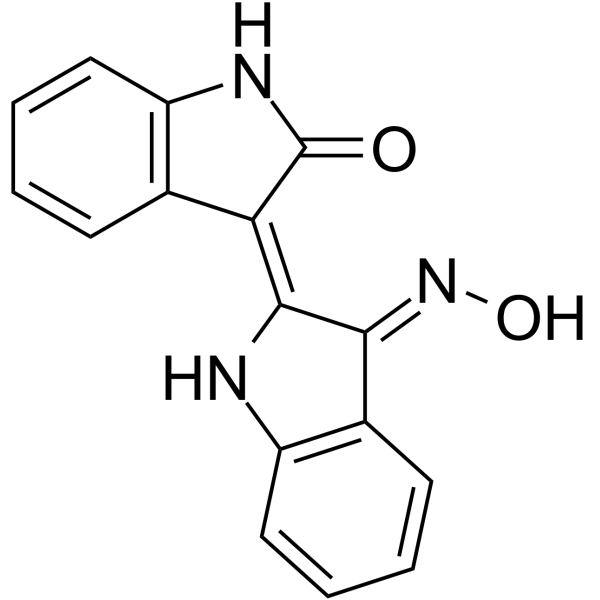
Indirubin-3'-monoxime is a potent GSK-3β inhibitor, and weakly inhibits 5-Lipoxygenase, with IC50s of 22 nM and 7.8-10 µM, respectively; Indirubin-3'-monoxime also shows inhibitory activities against CDK5/p25 and CDK1/cyclin B, with IC50s of 100 and 180 nM.
|
-
- HY-10580
-
|
6-BromoINdirubIN-3'-oxime; BIO; MLS 2052
|
GSK-3
CDK
Apoptosis
|
Cancer
|
|
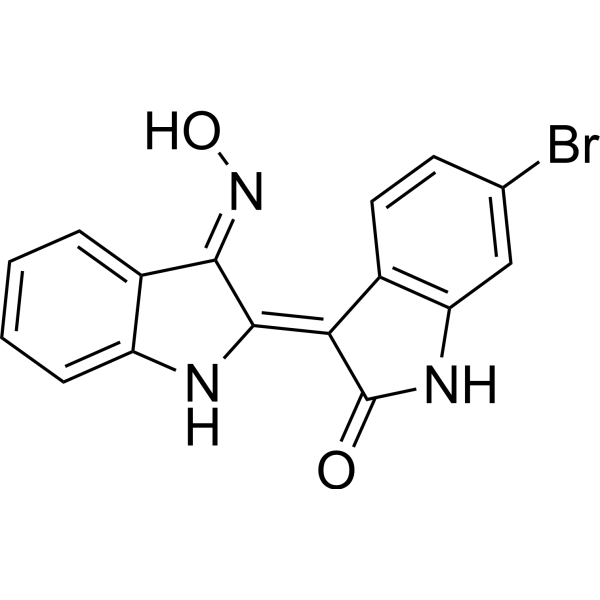
GSK 3 Inhibitor IX (6-Bromoindirubin-3'-oxime; BIO) is a potent, selective, reversible and ATP-competitive inhibitor of GSK-3α/β and CDK1-cyclinB complex with IC50s of 5 nM/320 nM/80 nM for (GSK-3α/β)/CDK1/CDK5, respectively.
|
-
- HY-N6973
-
Boldine
1 Publications Verification
|
RANKL/RANK
Apoptosis
|
Inflammation/Immunology
Cancer
|
|
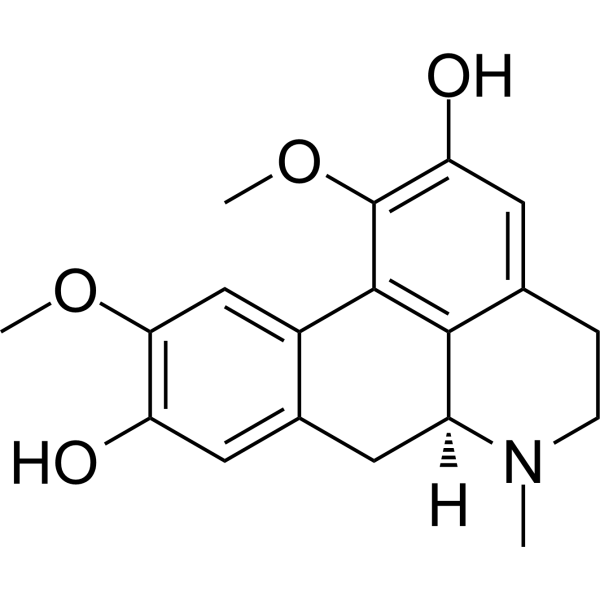
Boldine is an apomorphine isoquinoline alkaloid extracted from the root of the pheasant pepper (Litsea cubeba). Boldine is an oral effective antioxidant, anti-inflammatory, antitumor agent, and can inhibit osteoclast formation. Boldine induces apoptosis of human bladder cancer cells by regulating ERK, AKT and GSK-3β. Boldine ameliorates bone destruction by down-regulating the OPG/RANKL/RANK signaling pathway. It can be used in rheumatoid arthritis research .
|
-
- HY-113914
-
|
Elraglusib
|
GSK-3
Apoptosis
Autophagy
|
Cancer
|
|
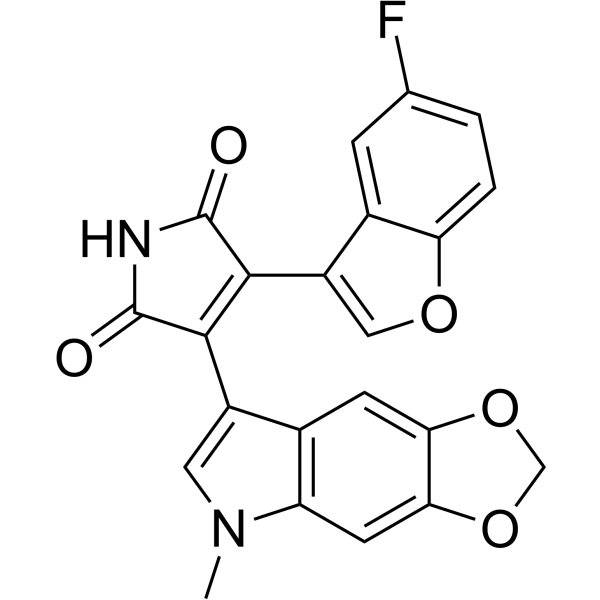
9-ING-41 (Elraglusib) is a maleimide-based ATP-competitive and selective glycogen synthase kinase-3β (GSK-3β) inhibitor with an IC50 of 0.71 μM. 9-ING-41 significantly leads to cell cycle arrest, autophagy and apoptosis in cancer cells. 9-ING-41 has anticancer activity and has the potential for enhancing the antitumor effects of chemotherapeutic agents .
|
-
- HY-170417
-
|
|
Cholinesterase (ChE)
GSK-3
|
Neurological Disease
|
|
hAChE/hBuChE/GSK-3β-IN-1 (Compound 6c) is a BBB-penetrable and multi-target anti-Alzheimer's disease compound. hAChE/hBuChE/GSK-3β-IN-1 is the inhibitors of hAChE (IC50: 28.88 nM), hBuChE (IC50: 131.90 nM) and GSK-3β (IC50: 51.42 nM). hAChE/hBuChE/GSK-3β-IN-1 is the tau and Aβ protein aggregation inhibitors .
|
-

- HY-10182
-
Laduviglusib
Maximum Cited Publications
295 Publications Verification
CHIR-99021; CT99021
|
Organoid
GSK-3
Wnt
β-catenin
Autophagy
|
Metabolic Disease
Cancer
|
|
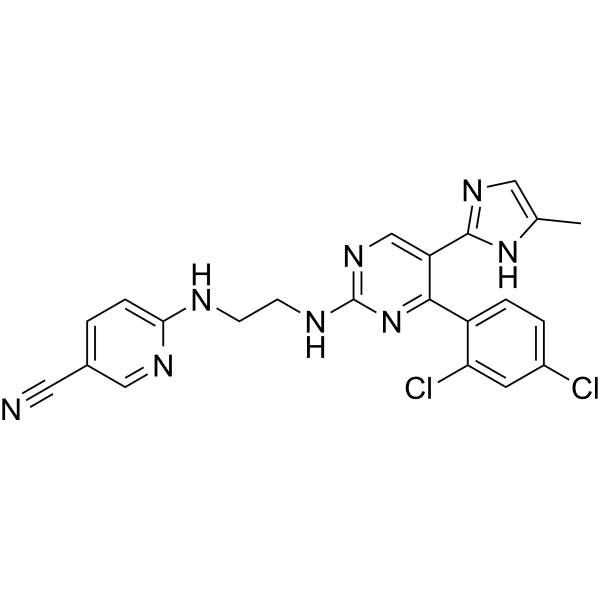
Laduviglusib (CHIR-99021) is a potent, selective and orally active GSK-3α/β inhibitor with IC50s of 10 nM and 6.7 nM. Laduviglusib shows >500-fold selectivity for GSK-3 over CDC2, ERK2 and other protein kinases. Laduviglusib is also a potent Wnt/β-catenin signaling pathway activator. Laduviglusib enhances mouse and human embryonic stem cells self-renewal. Laduviglusib induces autophagy .
|
-
- HY-B1619
-
|
Cromoglycate; Cromoglicic acid; FPL-670 free acid
|
GSK-3
NF-κB
Amyloid-β
|
Neurological Disease
Metabolic Disease
Inflammation/Immunology
Cancer
|
|
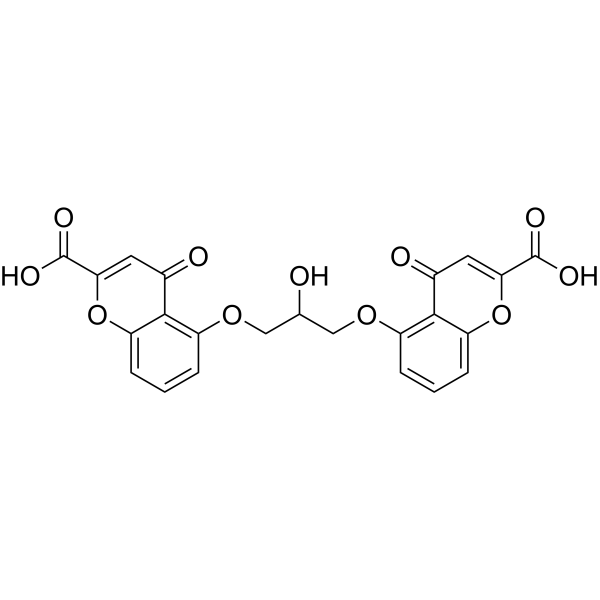
Cromolyn (Cromoglycate) is an orally active GSK-3β inhibitor with an IC50 of 2.0 μM. Cromolyn is also a mast cell stabilizer that can inhibit the release of mediators from mast cells, regulate reflex bronchoconstriction, and reduce non-specific bronchial hyperreactivity, and Cromolyn can be used in the research of bronchial asthma. In addition, Cromolyn has multiple activities such as anti-inflammatory, anti-allergic, anti-histamine, anti-cancer, and neuroprotective effects .
|
-
- HY-10182B
-
|
CHIR-99021 trihydrochloride; CT99021 trihydrochloride
|
Organoid
GSK-3
Wnt
β-catenin
Autophagy
|
Cancer
|
|
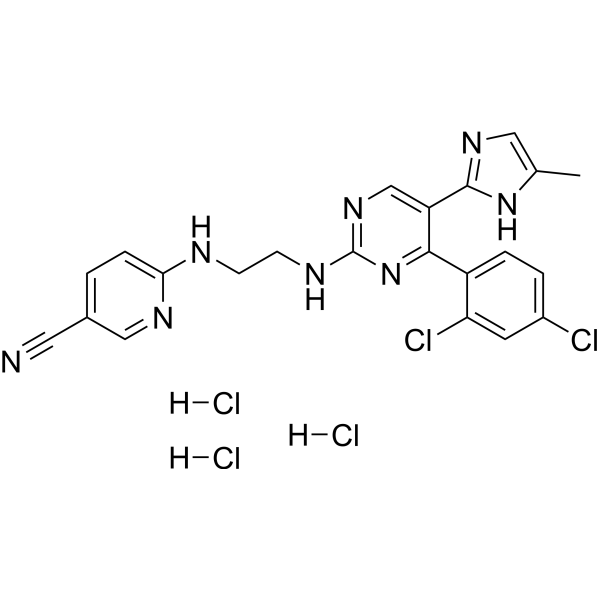
Laduviglusib (CHIR-99021) trihydrochloride is a potent and selective GSK-3α/β inhibitor with IC50s of 10 nM and 6.7 nM. Laduviglusib trihydrochloride shows >500-fold selectivity for GSK-3 over CDC2, ERK2 and other protein kinases. Laduviglusib trihydrochloride is also a potent Wnt/β-catenin signaling pathway activator. Laduviglusib trihydrochloride enhances mouse and human embryonic stem cells self-renewal. Laduviglusib trihydrochloride induces autophagy .
|
-
- HY-114903
-
|
GSK-3 INhibitor X
|
GSK-3
CDK
|
Neurological Disease
Metabolic Disease
Cancer
|
|
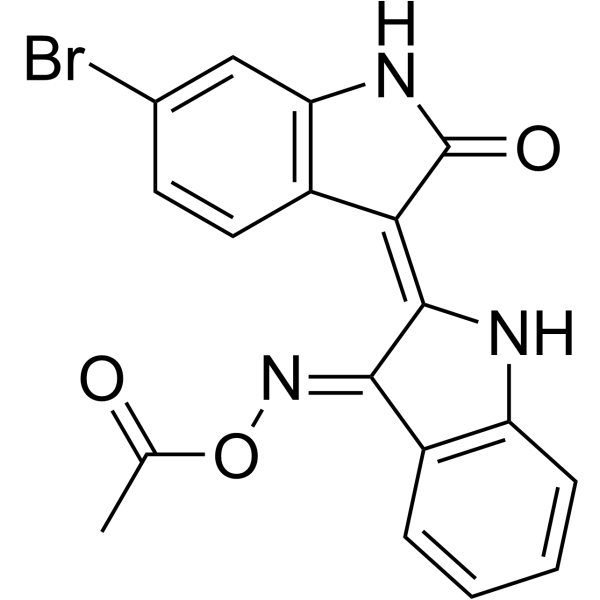
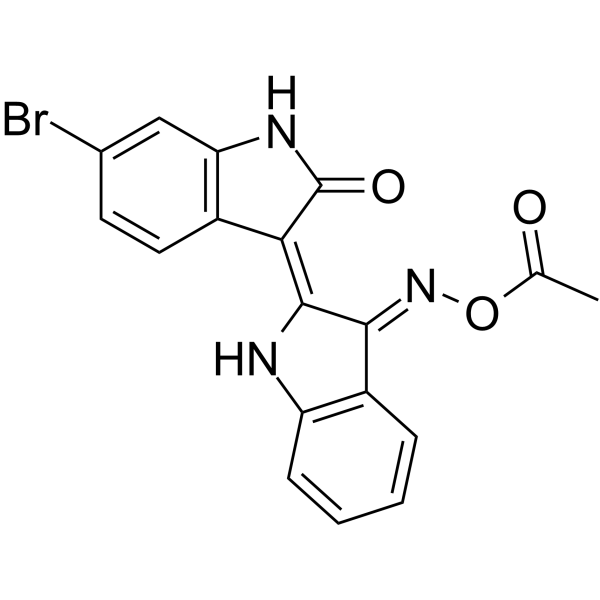
(E/Z)-BIO-acetoxime (GSK-3 Inhibitor X) is a potent and selective GSK-3α/β inhibitor, with an IC50 of 10 nM. (E/Z)-BIO-acetoxime shows more than 200-flod selectivity over CDK5/p25, CDK2/cyclin A and CDK1/cyclin B (IC50=2.4, 4.3, 63 μM) .
|
-
- HY-120917
-
|
ML320
|
GSK-3
β-catenin
|
Cardiovascular Disease
Neurological Disease
Cancer
|
|
BRD1172 (ML320) is a selectivity GSK3β inhibitor with an IC50 of 24 nM for GSK3β over CDK5. BRD1172 significantly inhibits GSK3β-mediated Tau phosphorylation in SH-SY5Y cells, and relieves negative regulation by GSK3β on β-catenin degradation and TCF/LEF promoter activities. BRD1172 can be used for Alzheimer’s disease, cardiac hypertrophy and cancers research .
|
-

- HY-183584
-
|
|
GSK-3
Src
DYRK
Tau Protein
Microtubule/Tubulin
|
Neurological Disease
|
|
ARN25699 is a kinase inhibitor with an IC50 of 5.5 nM against GSK-3β, 2.2 nM against FYN-α, and 242.3 nM against DYRK1A, and it exhibits oral bioavailability. ARN25699 reduces hyperphosphorylation of tau protein and promotes microtubule bundle formation. ARN25699 has a broader kinome inhibitory profile and targets kinases associated with the pathogenic mechanisms linked to Alzheimer's disease. ARN25699 can be used in the research of Alzheimer's disease and related tauopathies .
|
-

- HY-10182C
-
|
CHIR-99021 dihydrochloride; CT99021 dihydrochloride
|
GSK-3
β-catenin
Wnt
Autophagy
Organoid
|
Neurological Disease
Metabolic Disease
Inflammation/Immunology
Cancer
|
|
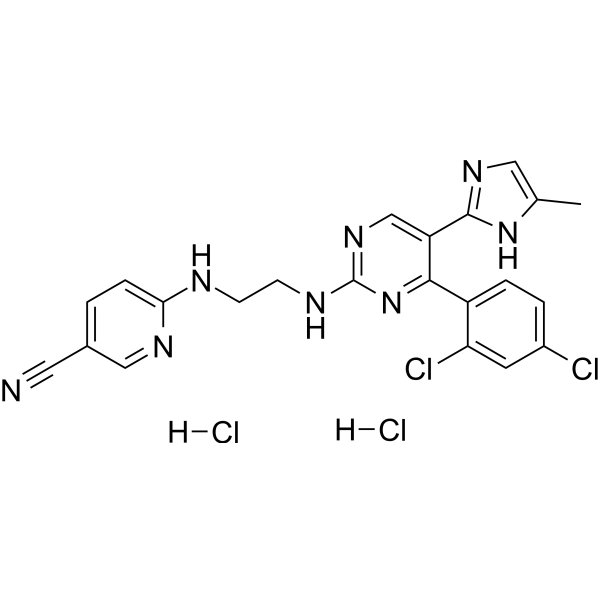
Laduviglusib dihydrochloride (CHIR-99021 dihydrochloride; CT99021 dihydrochloride) is a potent, selective and orally active GSK-3α/β inhibitor with IC50s of 10 nM and 6.7 nM. Laduviglusib dihydrochloride shows >500-fold selectivity for GSK-3 over CDC2, ERK2 and other protein kinases. Laduviglusib dihydrochloride is also a potent Wnt/β-catenin signaling pathway activator. Laduviglusib dihydrochloride enhances mouse and human embryonic stem cells self-renewal. Laduviglusib dihydrochloride induces autophagy .
|
-
- HY-181248
-
-

- HY-B0320A
-
|
Cromoglycate disodium; Cromoglicic acid disodium; FPL-670
|
GSK-3
NF-κB
Amyloid-β
|
Neurological Disease
Metabolic Disease
Inflammation/Immunology
Cancer
|
|
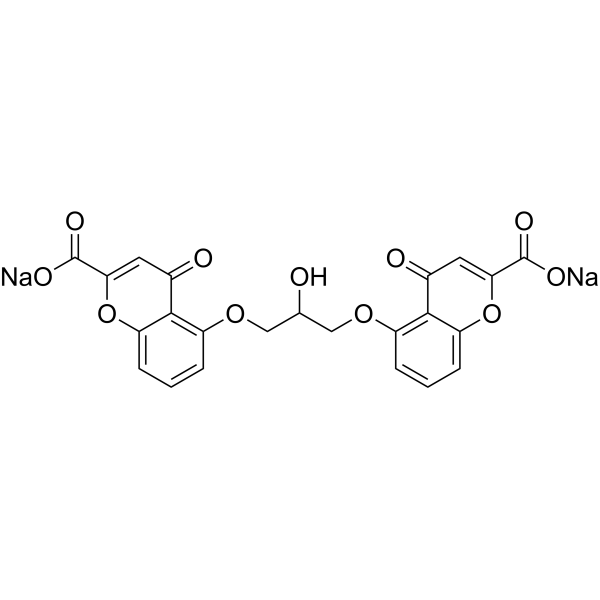
Cromolyn (Cromoglycate) disodium is an orally active GSK-3β inhibitor with an IC50 of 2.0 μM. Cromolyn disodium is also a mast cell stabilizer that can inhibit the release of mediators from mast cells, regulate reflex bronchoconstriction, and reduce non-specific bronchial hyperreactivity, and Cromolyn disodium can be used in the research of bronchial asthma. In addition, Cromolyn disodium has multiple activities such as anti-inflammatory, anti-allergic, anti-histamine, anti-cancer, and neuroprotective effects .
|
-
- HY-10182R
-
|
CHIR-99021 (Standard); CT99021 (Standard)
|
Organoid
GSK-3
Autophagy
Wnt
β-catenin
Reference Standards
|
Cancer
|
|
Laduviglusib (Standard) is the analytical standard of Laduviglusib. Laduviglusib (CHIR-99021) is a potent, selective and orally active GSK-3α/β inhibitor with IC50s of 10 nM and 6.7 nM. Laduviglusib shows >500-fold selectivity for GSK-3 over CDC2, ERK2 and other protein kinases. Laduviglusib is also a potent Wnt/β-catenin signaling pathway activator. Laduviglusib enhances mouse and human embryonic stem cells self-renewal. Laduviglusib induces autophagy .
|
-

- HY-P4685
-
|
|
Angiotensin Receptor
|
Metabolic Disease
|
|
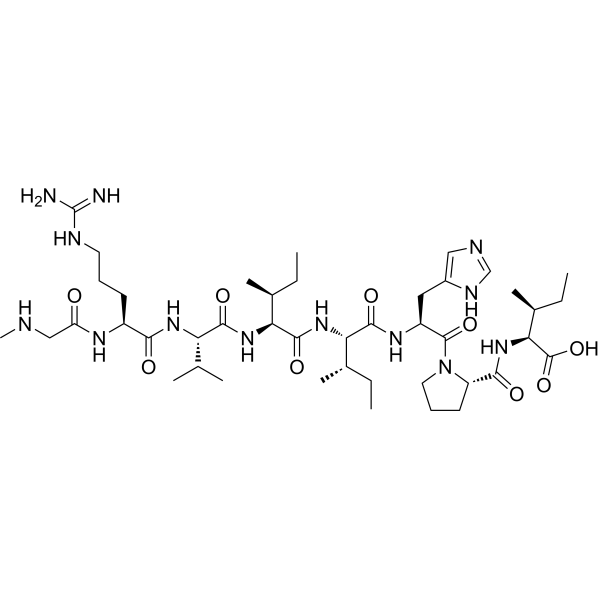
(Sar1,Ile4,8)-Angiotensin II is a functionally selective angiotensin II type 1 receptor (AT1R) agonist. (Sar1,Ile4,8)-Angiotensin II potentiates insulin-stimulated insulin receptor (IR) signaling and glycogen synthesis. (Sar1,Ile4,8)-Angiotensin II potentiates insulin-stimulated phosphorylation of Akt and GSK3α/β .
|
-
- HY-10182A
-
|
CHIR-99021 monohydrochloride; CT99021 monohydrochloride
|
Organoid
GSK-3
Wnt
β-catenin
Autophagy
|
Cancer
|
|
Laduviglusib (CHIR-99021) monohydrochloride is a potent and selective GSK-3α/β inhibitor with IC50s of 10 nM and 6.7 nM. Laduviglusib monohydrochloride shows >500-fold selectivity for GSK-3 over CDC2, ERK2 and other protein kinases. Laduviglusib monohydrochloride is also a potent Wnt/β-catenin signaling pathway activator. Laduviglusib monohydrochloride enhances mouse and human embryonic stem cells self-renewal. Laduviglusib monohydrochloride induces autophagy .
|
-
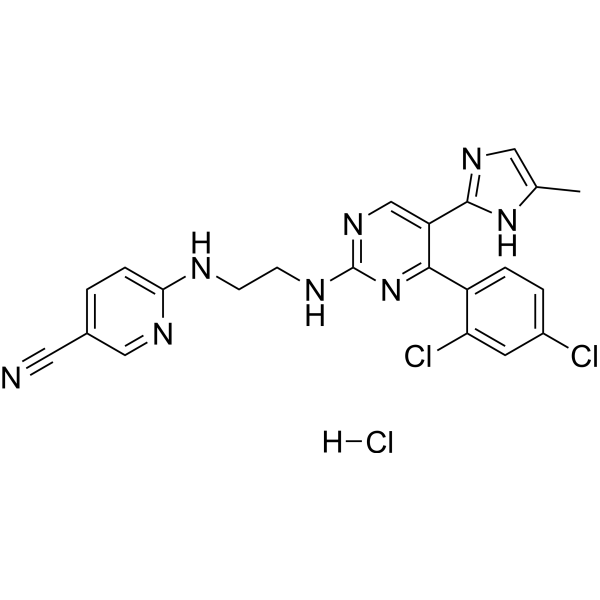
- HY-111932
-
|
|
CDK
GSK-3
|
Cancer
|
|
Indirubin-5-sulfonate is a cyclin-dependent kinase (CDK) inhibitor, with IC50 values of 55 nM, 35 nM, 150 nM, 300 nM and 65 nM for CDK1/cyclin B, CDK2/cyclin A, CDK2/cyclin E, CDK4/cyclin D1, and CDK5/p35, respectively . Indirubin-5-sulfonate also shows inhibitory activity against GSK-3β .
|
-
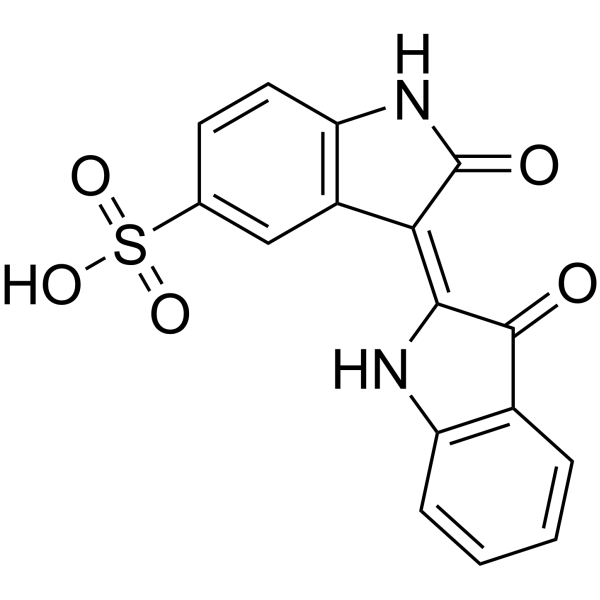
- HY-168859
-
|
|
JNK
GSK-3
Amyloid-β
|
Neurological Disease
|
|
JNK3 inhibitor-9 (Compound 24a) is a potent, selective and BBB-permeable JNK3 inhibitor with an IC50 value of 12 nM. JNK3 inhibitor-9 also potently inhibits GSK3α/β (IC50s: 14 and 35 nM, respectively) involved in Tau phosphorylation. JNK3 inhibitor-9 reduces c-Jun and APP phosphorylation. JNK3 inhibitor-9 protects neurons from Aβ1-42 toxicity .
|
-

- HY-B1619R
-
|
Cromoglycate (Standard); Cromoglicic acid (Standard); FPL-670 free acid (Standard)
|
GSK-3
NF-κB
Amyloid-β
Reference Standards
|
Neurological Disease
Metabolic Disease
Inflammation/Immunology
Cancer
|
|
Cromolyn (Standard) is the analytical standard of Cromolyn. This product is intended for research and analytical applications. Cromolyn (Cromoglycate) is an orally active GSK-3β inhibitor with an IC50 of 2.0 μM. Cromolyn is also a mast cell stabilizer that can inhibit the release of mediators from mast cells, regulate reflex bronchoconstriction, and reduce non-specific bronchial hyperreactivity, and Cromolyn can be used in the research of bronchial asthma. In addition, Cromolyn has multiple activities such as anti-inflammatory, anti-allergic, anti-histamine, anti-cancer, and neuroprotective effects .
|
-

- HY-12302
-
|
9-Bromopaullone; NSC-664704
|
CDK
GSK-3
|
Cancer
|
|
Kenpaullone is a potent inhibitor of CDK1/cyclin B and GSK-3β, with IC50s of 0.4 μM and 23 nM, and also inhibits CDK2/cyclin A, CDK2/cyclin E, and CDK5/p25 with IC50s of 0.68 μM, 7.5 μM, 0.85 μM, respectively. Kenpaullone, a small molecule inhibitor of KLF4, reduces self-renewal of breast cancer stem cells and cell motility in vitro.
|
-
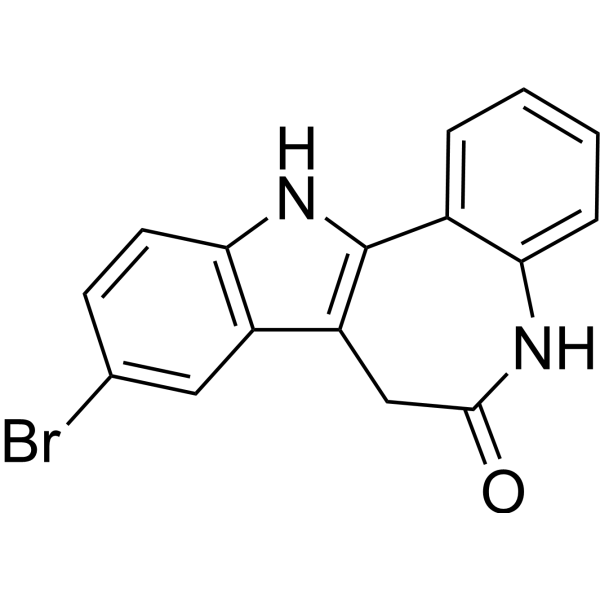
- HY-N0753
-
-
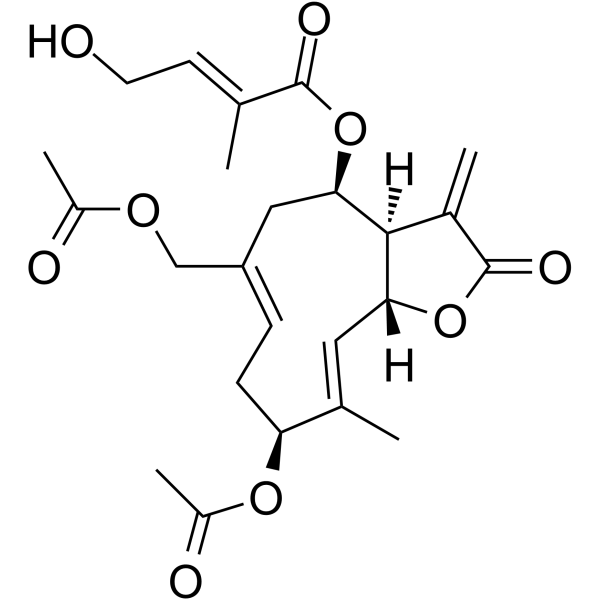
- HY-10182BR
-
|
CHIR-99021 trihydrochloride (Standard); CT99021 trihydrochloride (Standard)
|
Organoid
Reference Standards
GSK-3
Wnt
β-catenin
Autophagy
|
Cancer
|
|
Laduviglusib (trihydrochloride) (Standard) is the analytical standard of Laduviglusib (trihydrochloride). This product is intended for research and analytical applications. Laduviglusib (CHIR-99021) trihydrochloride is a potent and selective GSK-3α/β inhibitor with IC50s of 10 nM and 6.7 nM. Laduviglusib trihydrochloride shows >500-fold selectivity for GSK-3 over CDC2, ERK2 and other protein kinases. Laduviglusib trihydrochloride is also a potent Wnt/β-catenin signaling pathway activator. Laduviglusib trihydrochloride enhances mouse and human embryonic stem cells self-renewal. Laduviglusib trihydrochloride induces autophagy .
|
-

- HY-145669
-
|
|
Wnt
CDK
GSK-3
|
Infection
Cancer
|
|
DIF-3 is an orally active anticancer agent. DIF-3 reduces the expression levels of cyclin D1 and c-Myc by facilitating their degradation via activation of GSK-3β. DIF-3 inhibits Wnt/β-catenin signaling pathway-related proteins in cells. DIF-3 induces reactive oxygen species (ROS) and autophagy. DIF suppresses the growth of Trypanosoma. cruzi in HT1080 cells. DIF-3 exerts antitumor effects both in vitro and in vivo .
|
-
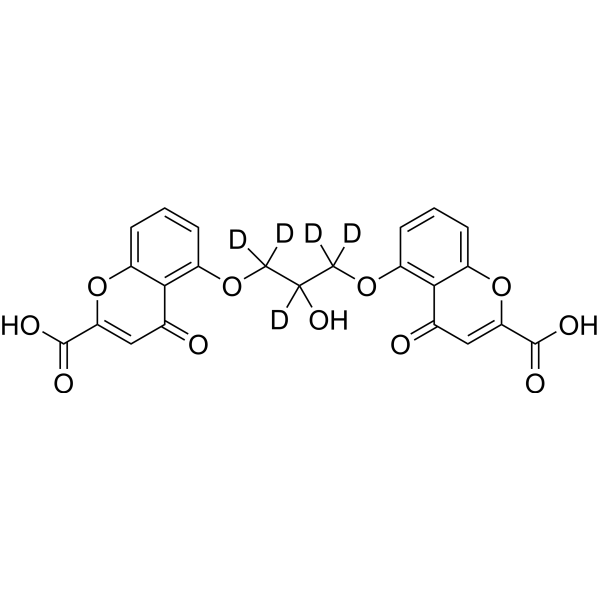
- HY-B1619S
-
|
Cromoglycate-d5; Cromoglicic acid-d5; FPL-670-d5 free acid
|
Isotope-Labeled Compounds
GSK-3
NF-κB
Amyloid-β
|
Neurological Disease
Metabolic Disease
Inflammation/Immunology
Cancer
|
|
Cromolyn-d5 (Cromoglycate-d5) is the deuterium labeled Cromolyn (HY-B1619). Cromolyn (Cromoglycate) is an orally active GSK-3β inhibitor with an IC50 of 2.0 μM. Cromolyn is also a mast cell stabilizer that can inhibit the release of mediators from mast cells, regulate reflex bronchoconstriction, and reduce non-specific bronchial hyperreactivity, and Cromolyn can be used in the research of bronchial asthma. In addition, Cromolyn has multiple activities such as anti-inflammatory, anti-allergic, anti-histamine, anti-cancer, and neuroprotective effects .
|
-
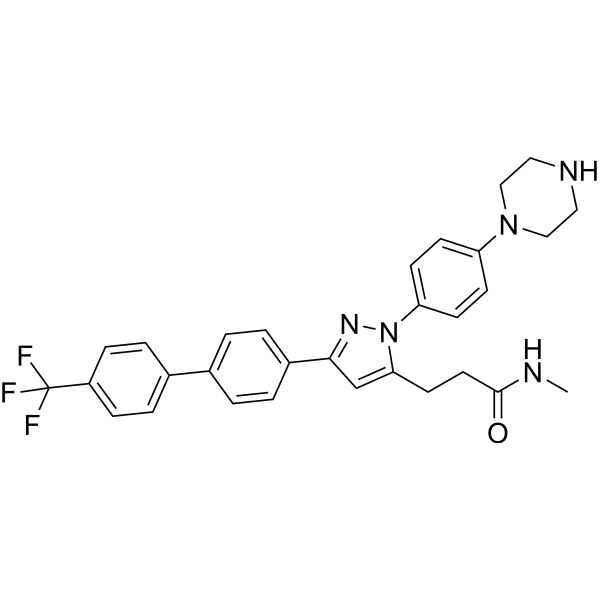
- HY-18676
-
|
|
Integrin
Autophagy
Apoptosis
|
Cancer
|
|
OSU-T315 (ILK-IN-1) is a small Integrin-linked kinase (ILK) inhibitor with an IC50 of 0.6 μM, inhibiting PI3K/AKT signaling by dephosphorylation of AKT-Ser473 and other ILK targets (GSK-3β and myosin light chain) . OSU-T315 abrogates AKT activation by impeding AKT localization in lipid rafts and triggers caspase-dependent apoptosis in an ILK-independent manner . OSU-T315 causes cell death through apoptosis and autophagy .
|
-
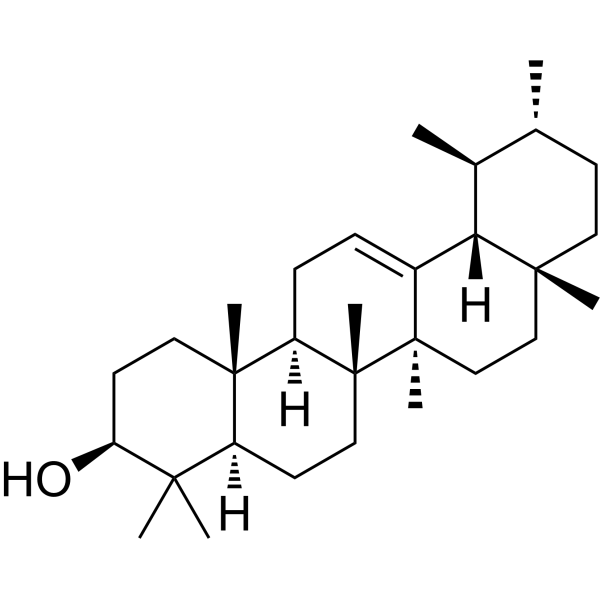
- HY-N8423
-
|
|
ERK
GSK-3
Apoptosis
Caspase
COX
|
Infection
Neurological Disease
Metabolic Disease
Inflammation/Immunology
Cancer
|
|
α-Amyrin is a pentacyclic triterpenoid compound with oral activity. α-Amyrin activates the ERK and GSK-3β signaling pathways. α-Amyrin can inhibit cancer cells proliferation and induce apoptosis. α-Amyrin shows anti-bacterial and anti-inflammation activity. α-Amyrin can reduce blood glucose level. α-Amyrin can be used for the researches of cancer, infection, inflammation, metabolic disease and neurological disease, such as breast cancer, Streptococcus oralis infection, skin inflammation and diabetes .
|
-
- HY-N19615
-
|
|
Keap1-Nrf2
GSK-3
TNF Receptor
Interleukin Related
SOD
|
Inflammation/Immunology
|
|
Isoeucommin A is a lignan compound. Isoeucommin A activates the Nrf2/HO-1 pathway and induces phosphorylation of GSK-3β. Isoeucommin A reduces the levels of pro-inflammatory cytokines TNF-α, IL-1β and IL-6, decreases the oxidative stress marker MDA, increases the antioxidants SOD and GSH, and alleviates oxidative stress in mesangial cells. Isoeucommin A alleviates renal tissue injury, improves impaired renal function and enhances the viability of renal tubular epithelial cells in diabetic nephropathy models. Isoeucommin A can be used in the research of diabetic nephropathy .
|
-

- HY-N0815
-
|
BufogenIN; RecibufogenIN
|
PI3K
Akt
NF-κB
AP-1
GSK-3
CDK
|
Neurological Disease
Inflammation/Immunology
Cancer
|
|
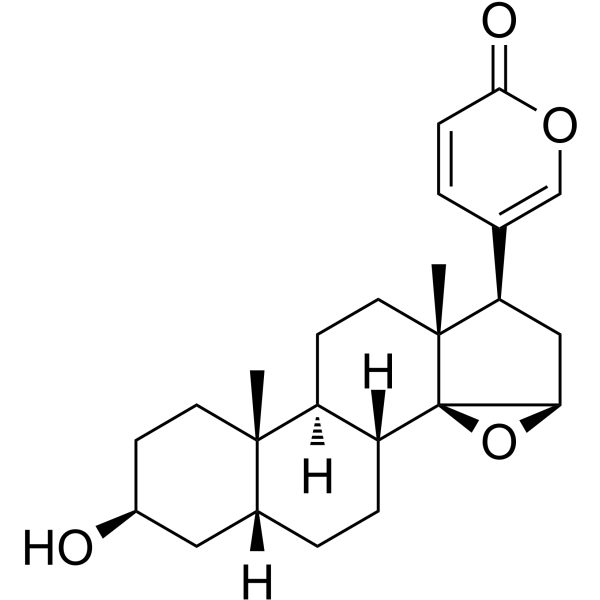
Resibufogenin is an orally active anticancer agent. Resibufogenin can be extracted from toad venom. Resibufogenin blocks signaling pathways such as PI3K/Akt, NF-κB, AP-1, activates GSK-3β, and regulates cyclin D1. Resibufogenin can activate central neurons. Resibufogenin has anti-inflammatory activity. Resibufogenin has anti-tumor effects on a variety of tumors such as multiple myeloma, renal cancer, colorectal cancer, pancreatic cancer, and glioma .
|
-
- HY-134557
-
|
|
GSK-3
|
Cancer
|
|
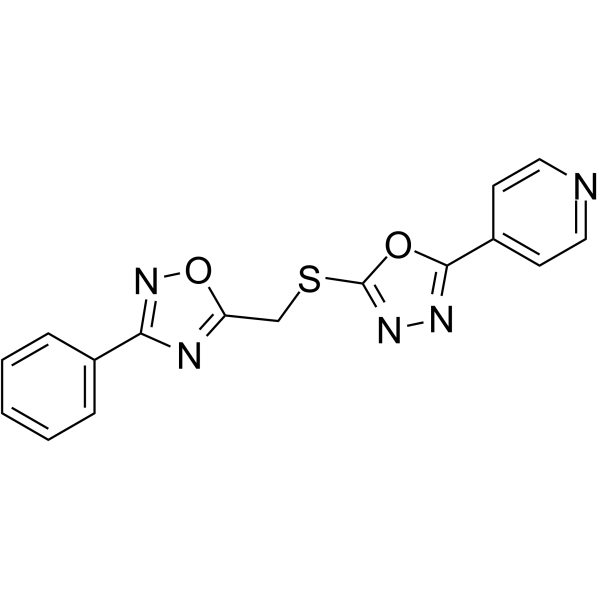
GS87 is a highly specific and potent GSK3 inhibitor with IC50s of 415nM and 521nM for GSK3α and GSK3β, respectively. GS87 induces differentiation of acute myeloid leukemia (AML) cell lines by effectively activating GSK3-dependent signaling components including MAPK signaling. GS87 modulates key GSK3 target proteins involved in cell proliferation and differentiation more effectively than Lithium and SB415285 (SB). GS87 has the potential for acting as a differentiation agent for non-promyelocytic AML research .
|
-
- HY-10580R
-
|
6-BromoINdirubIN-3'-oxime (Standard); BIO (Standard); MLS 2052 (Standard)
|
Reference Standards
GSK-3
CDK
Apoptosis
|
Cancer
|
|
GSK 3 Inhibitor IX (Standard) is the analytical standard of GSK 3 Inhibitor IX (HY-10580). This product is intended for research and analytical applications. GSK 3 Inhibitor IX (6-Bromoindirubin-3'-oxime; BIO) is a potent, selective, reversible and ATP-competitive inhibitor of GSK-3α/β and CDK1-cyclinB complex with IC50s of 5 nM/320 nM/80 nM for (GSK-3α/β)/CDK1/CDK5, respectively.
|
-

- HY-108359
-
|
9-Nitropaullone; NSC 705701
|
CDK
GSK-3
Apoptosis
|
Cancer
|
|
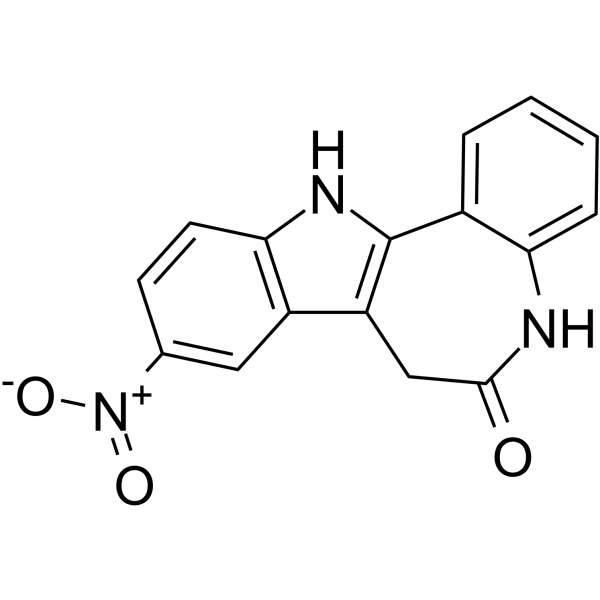
Alsterpaullone (9-Nitropaullone) is a potent CDK inhibitor, with IC50s of 35 nM, 15 nM, 200 nM and 40 nM for CDK1/cyclin B, CDK2/cyclin A, CDK2/cyclin E and CDK5/p35, respectively. Alsterpaullone also competes with ATP for binding to GSK-3alpha/GSK-3beta with IC50s of both 4 nM. Alsterpaullone has antitumor activity, and possesses potential for the study in neurodegenerative and proliferative disorders . Alsterpaullone induces apoptosis in leukemia cell line .
|
-
- HY-W714048
-
|
CHIR-99021-d4; CT99021-d4
|
Isotope-Labeled Compounds
GSK-3
Wnt
β-catenin
Autophagy
|
Metabolic Disease
Cancer
|
|
Laduviglusib-d4 (CHIR-99021-d4) is the deuterium labeled Laduviglusib (HY-10182). Laduviglusib (CHIR-99021) is a potent, selective and orally active GSK-3α/β inhibitor with IC50s of 10 nM and 6.7 nM. Laduviglusib shows >500-fold selectivity for GSK-3 over CDC2, ERK2 and other protein kinases. Laduviglusib is also a potent Wnt/β-catenin signaling pathway activator. Laduviglusib enhances mouse and human embryonic stem cells self-renewal. Laduviglusib induces autophagy.
|
-

- HY-15504A
-
|
|
CDK
GSK-3
MEK
JAK
|
Cancer
|
|
RGB-286638 is a CDK inhibitor that inhibits the kinase activity of cyclin T1-CDK9, cyclin B1-CDK1, cyclin E-CDK2, cyclin D1-CDK4, cyclin E-CDK3, and p35-CDK5 with IC50s of 1, 2, 3, 4, 5 and 5 nM, respectively; also inhibits GSK-3β, TAK1, Jak2 and MEK1, with IC50s of 3, 5, 50, and 54 nM.
|
-
- HY-172118
-
|
|
GSK-3
|
Neurological Disease
|
|
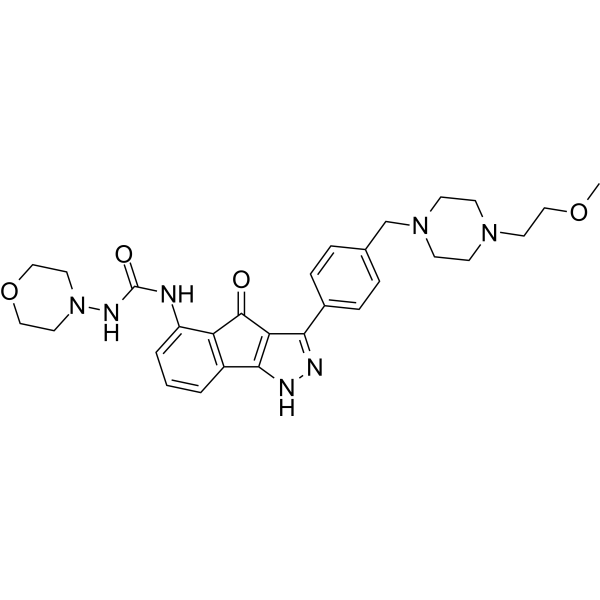
CDKL5/GSK3-IN-1 (Compound 2) is a potent and selectivity chemical probe for CDKL5/GSK3.CDKL5/GSK3-IN-1 has potent inhibition of CDKL5 and GSK3α/β, with IC50 values of 4.6, 24 and 9.5 nM for CDKL5, GSK3β and GSK3α, respectively, in the NanoBRET assay. CDKL5/GSK3-IN-1 can be used for the research of CNS diseases .
|
-

- HY-N17821
-
|
|
Sirtuin
Aurora Kinase
Akt
GSK-3
β-catenin
TGF-β Receptor
Apoptosis
Reactive Oxygen Species (ROS)
Wnt
NF-κB
TNF Receptor
Interleukin Related
IKK
|
Neurological Disease
Inflammation/Immunology
Cancer
|
|
Butrin is a compound found in Butea monosperma flowers. Butrin reduces expression of SIRT1, AURKB, cyclin D1, pAKT, GSK-3β, β-catenin, and TGF-3β expression, enhances apoptosis and ROS production in cancer cells. Butrin downregulates Wnt and NF-κB signaling, mitigates oxidative stress, reduces proinflammatory cytokine (TNF-α, IL-6 and IL-8) production and suppresses neuroinflammation. Butrin inhibits IKK enzyme activity. Butrin can be used for the researches of colorectal cancer, Alzheimer’s disease, and rheumatoid arthritis .
|
-

- HY-136848
-
|
|
MAP3K
Src
FGFR
Ribosomal S6 Kinase (RSK)
LIM Kinase (LIMK)
|
Cancer
|
|
SM1-71 (compound 5) is a potent TAK1 inhibitor, with a Ki of 160 nM, it also can covalently inhibit MKNK2, MAP2K1/2/3/4/6/7, GAK, AAK1, BMP2K, MAP3K7, MAPKAPK5, GSK3A/B, MAPK1/3, SRC, YES1, FGFR1, ZAK (MLTK), MAP3K1, LIMK1 and RSK2. SM1-71 can inhibit proliferation of multiple cancer cell lines .
|
-
- HY-15504
-
|
|
CDK
GSK-3
MEK
JAK
|
Cancer
|
|
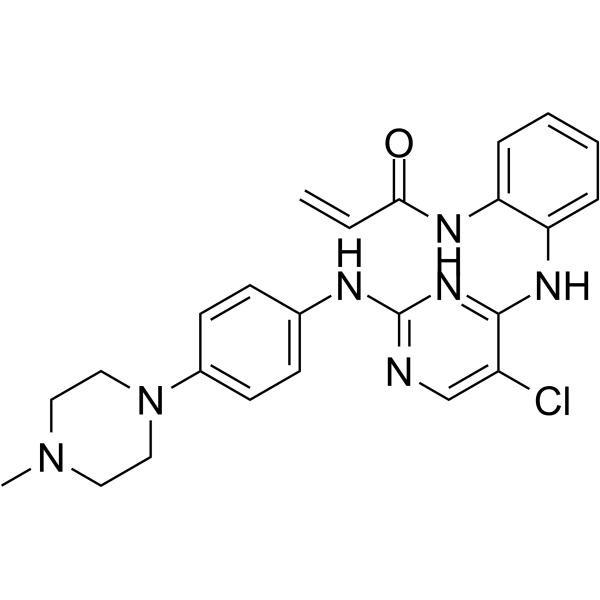
RGB-286638 is a CDK inhibitor that inhibits the kinase activity of cyclin T1-CDK9, cyclin B1-CDK1, cyclin E-CDK2, cyclin D1-CDK4, cyclin E-CDK3, and p35-CDK5 with IC50s of 1, 2, 3, 4, 5 and 5 nM, respectively; also inhibits GSK-3β, TAK1, Jak2 and MEK1, with IC50s of 3, 5, 50, and 54 nM.
|
-
- HY-N0527
-
|
Penta-O-galloyl-β-D-glucose; 1,2,3,4,6-Pentagalloyl glucose
|
JAK
Keap1-Nrf2
Apoptosis
β-catenin
Reactive Oxygen Species (ROS)
E1/E2/E3 Enzyme
|
Neurological Disease
Inflammation/Immunology
Cancer
|
|
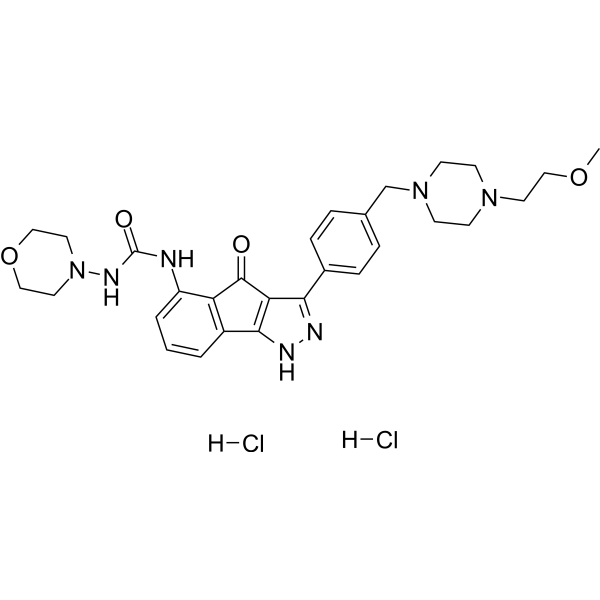
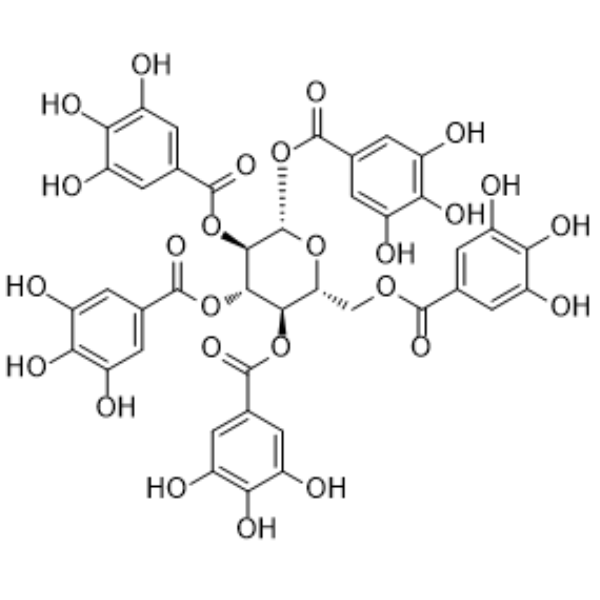
Pentagalloylglucose (Penta-O-galloyl-β-D-glucose) is an orally active gallic tannin compound and an inducer of apoptosis and autophagy. Pentagalloglucose induces cell apoptosis and autophagy through the GSK3β/β-catenin pathway. Pentagalloylglucose inhibits UBE2T-mediated p53 ubiquitination, upregulates p53, downregulates RRM1/RRM2 in pancreatic cancer organoids. Pentagalloglucose has antioxidant, anti mutagenic, anti-inflammatory, anticonvulsant, cardioprotective, anti allergic, cholesterol lowering, and anti-tumor activities .
|
-
- HY-10182AR
-
|
CHIR-99021 monohydrochloride (Standard); CT99021 monohydrochloride (Standard)
|
Organoid
Reference Standards
GSK-3
Wnt
β-catenin
Autophagy
|
Cancer
|
|
Laduviglusib (monohydrochloride) (Standard) is the analytical standard of Laduviglusib (monohydrochloride). This product is intended for research and analytical applications. Laduviglusib (CHIR-99021) monohydrochloride is a potent and selective GSK-3α/β inhibitor with IC50s of 10 nM and 6.7 nM. Laduviglusib monohydrochloride shows >500-fold selectivity for GSK-3 over CDC2, ERK2 and other protein kinases. Laduviglusib monohydrochloride is also a potent Wnt/β-catenin signaling pathway activator. Laduviglusib monohydrochloride enhances mouse and human embryonic stem cells self-renewal. Laduviglusib monohydrochloride induces autophagy .
|
-

- HY-N1472
-
|
|
Apoptosis
Reactive Oxygen Species (ROS)
PPAR
GSK-3
Tau Protein
Ras
TGF-β Receptor
|
Infection
Neurological Disease
Inflammation/Immunology
|
|
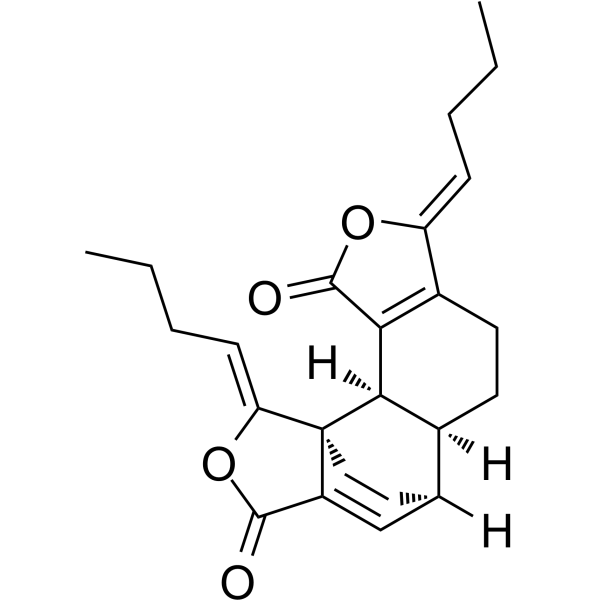
Levistolide A is an apoptosis inducer and a PEDV virus inhibitor. Levistolide A can induce apoptosis in colon cancer cells and suppress the replication of porcine epidemic diarrhea virus (PEDV) by promoting ROS generation. Levistolide A activates peroxisome proliferator-activated receptor γ (PPARγ) in N2a/APP695swe cells and reduces excessive phosphorylation of tau through the GSK3α/β pathway, improving symptoms in Alzheimer’s mice. Levistolide A improves kidney damage in 5/6 nephrectomy (Nx) mice by inhibiting the RAS,TGF-β1/Smad, and MAPK pathways .
|
-
- HY-112462
-
|
|
CDK
|
Cancer
|
|
Cdk1/2 Inhibitor III (compound 3n) is a highly potent and selective Cdk1/cyclin B and Cdk2/cyclin A inhibitor of with IC50s of 0.6 nM and 0.5 nM, respectively. Cdk1/2 Inhibitor III shows selectivity over VEGF-R2 (IC50 of 32 nM), GSK-3β (IC50 of 140 nM), and a other kinases. Cdk1/2 Inhibitor III inhibits in cell proliferation with IC50s of 20 nM, 35 nM and 92 nM for HCT-116, HeLa, and A375 cells, respectively .
|
-
- HY-N8423R
-
|
|
Reference Standards
ERK
GSK-3
Apoptosis
Caspase
COX
|
Infection
Neurological Disease
Metabolic Disease
Inflammation/Immunology
Cancer
|
|
α-Amyrin (Standard) is a pentacyclic triterpenoid compound with oral activity. α-Amyrin (Standard) activates the ERK and GSK-3β signaling pathways. α-Amyrin (Standard) can inhibit cancer cells proliferation and induce apoptosis. α-Amyrin (Standard) shows anti-bacterial and anti-inflammation activity. α-Amyrin (Standard) can reduce blood glucose level. α-Amyrin (Standard) can be used for the researches of cancer, infection, inflammation, metabolic disease and neurological disease, such as breast cancer, Streptococcus oralis infection, skin inflammation and diabetes .
|
-

- HY-B0320AR
-
|
Cromoglycate disodium (Standard); Cromoglicic acid disodium (Standard); FPL-670 (Standard)
|
Reference Standards
GSK-3
NF-κB
Amyloid-β
|
Neurological Disease
Metabolic Disease
Inflammation/Immunology
Cancer
|
|
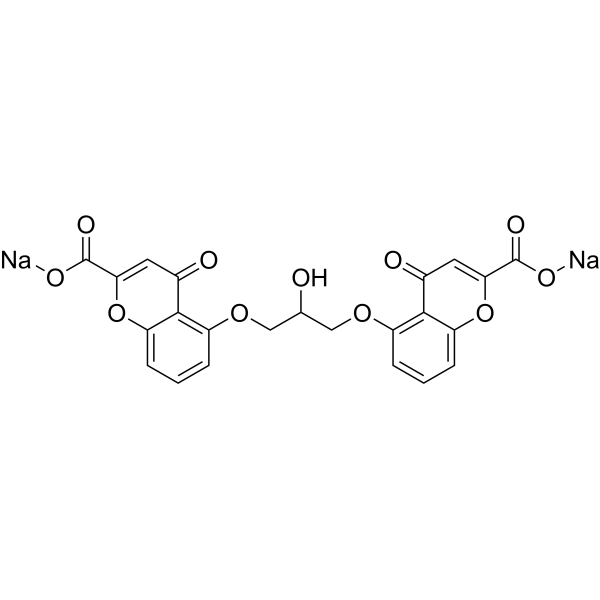
Cromolyn disodium (Standard) (Cromoglycate disodium (Standard)) is the analytical standard of Cromolyn disodium (HY-B0320A). This product is intended for research and analytical applications. Cromolyn (Cromoglycate) disodium is an orally active GSK-3β inhibitor with an IC50 of 2.0 μM. Cromolyn disodium is also a mast cell stabilizer that can inhibit the release of mediators from mast cells, regulate reflex bronchoconstriction, and reduce non-specific bronchial hyperreactivity, and Cromolyn disodium can be used in the research of bronchial asthma. In addition, Cromolyn disodium has multiple activities such as anti-inflammatory, anti-allergic, anti-histamine, anti-cancer, and neuroprotective effects .
|
-
- HY-174398
-
|
|
GSK-3
HDAC
Tau Protein
|
Neurological Disease
|
|
GSK-3β/HDAC-IN-2 is a potent inhibitor of GSK-3β (IC50 = 0.04 μM), HDAC2 (IC50 = 1.05 μM, Ki = 0.070 μM) and HDAC6 (IC50 = 1.52 μM, Ki = 0.017 μM). GSK-3β/HDAC-IN-2 inhibits HDAC2 and HDAC6 activities and blocks tau hyperphosphorylation. GSK-3β/HDAC-IN-2 exerts neuroprotective effects and shows no significant toxicity. GSK-3β/HDAC-IN-2 can be used in the research of Alzheimer's disease.
|
-

- HY-N0815R
-
|
BufogenIN (Standard); RecibufogenIN (Standard)
|
Reference Standards
Others
|
Cancer
|
|
Resibufogenin (Standard) is the analytical standard of Resibufogenin. This product is intended for research and analytical applications. Resibufogenin is an orally active anticancer agent. Resibufogenin can be extracted from toad venom. Resibufogenin blocks signaling pathways such as PI3K/Akt, NF-κB, AP-1, activates GSK-3β, and regulates cyclin D1. Resibufogenin can activate central neurons. Resibufogenin has anti-inflammatory activity. Resibufogenin has anti-tumor effects on a variety of tumors such as multiple myeloma, renal cancer, colorectal cancer, pancreatic cancer, and glioma .
|
-

- HY-179496
-
|
|
GSK-3
Cholinesterase (ChE)
Amyloid-β
|
Neurological Disease
|
|
ChE/GSK-3β-IN-1 (compound 18o) is a potent dual ChE/GSK-3β inhibitor. ChE/GSK-3β-IN-1 exhibits dual inhibition of AChE (IC50 = 1.7 μM), butyrylcholinesterase (BChE) (IC50 = 5.3 μM), and GSK-3β (IC50 = 5.7 μM). ChE/GSK-3β-IN-1 inhibits Aβ1-42 self-aggregation. ChE/GSK-3β-IN-1 can be used for Alzheimer’s disease (AD) research .
|
-

- HY-N0527R
-
|
Penta-O-galloyl-β-D-glucose (Standard); 1,2,3,4,6-Pentagalloyl glucose (Standard)
|
Reference Standards
JAK
Keap1-Nrf2
Apoptosis
β-catenin
Reactive Oxygen Species (ROS)
|
Neurological Disease
Inflammation/Immunology
Cancer
|
|
Pentagalloylglucose (Standard) is the analytical standard of Pentagalloylglucose. This product is intended for research and analytical applications. Pentagalloylglucose (Penta-O-galloyl-β-D-glucose) is an orally active gallic tannin compound and an inducer of apoptosis and autophagy. Pentagalloglucose induces cell apoptosis and autophagy through the GSK3β/β-catenin pathway. Pentagalloylglucose inhibits UBE2T-mediated p53 ubiquitination, upregulates p53, downregulates RRM1/RRM2 in pancreatic cancer organoids. Pentagalloglucose has antioxidant, anti mutagenic, anti-inflammatory, anticonvulsant, cardioprotective, anti allergic, cholesterol lowering, and anti-tumor activities .
|
-

- HY-N10359
-
|
|
NOD-like Receptor (NLR)
Caspase
Akt
GSK-3
β-catenin
|
Metabolic Disease
Inflammation/Immunology
Cancer
|
|
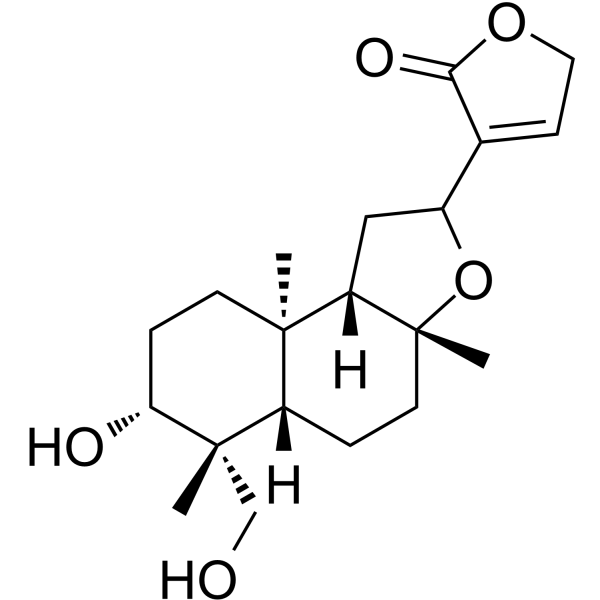
Isoandrographolide is an orally active NLRP3 inflammasome inhibitor and AKT/GSK-3β/β-catenin pathway inhibitor. Isoandrographolide inhibits the expression of NLRP3, ASC, and caspase-1, and reduces the levels of phosphorylated AKT, phosphorylated GSK-3β, and β-catenin. Isoandrographolide alleviates inflammatory responses, reduces collagen deposition, suppresses epithelial-mesenchymal transition (EMT), induces differentiation of leukemia cells, inhibits the growth of leukemia cells, protects lung and kidney tissues, regulates cytokine levels, and also exhibits hepatoprotective effects. Isoandrographolide can be used in studies related to silicosis, murine myeloid leukemia, renal tubulointerstitial fibrosis, and non-alcoholic fatty liver disease .
|
-
- HY-59201
-
|
|
nAChR
5-HT Receptor
ERK
Epigenetic Reader Domain
|
Neurological Disease
|
|
A-582941 is a selective, orally active, blood-brain barrier-permeable α7 nAChR agonist, with Ki values of 10.8 nM and 17 nM in rat brain and human frontal cortex, respectively. A-582941 exhibits agonistic activity at 5-HT3 receptors, with a Ki of 150 nM. A-582941 triggers phosphorylation of ERK1/2 and CREB, inhibits GSK-3β via Ser-9 phosphorylation, increases acetylcholine release, induces the expression of Arc and c-Fos, activates brain regions associated with working memory and attention, and reduces cell death caused by nerve growth factor (NGF) deprivation. A-582941 is applicable for the research of Alzheimer's disease and schizophrenia .
|
-

- HY-59201A
-
|
|
ERK
5-HT Receptor
Epigenetic Reader Domain
nAChR
|
Neurological Disease
Metabolic Disease
|
|
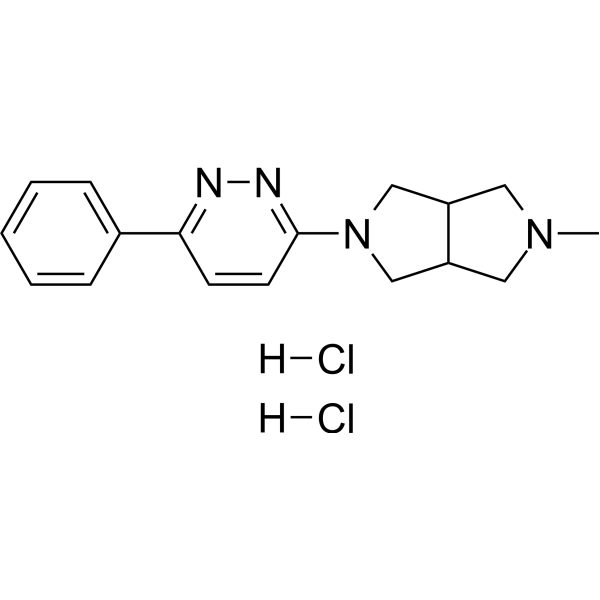
A-582941 dihydrochloride is a selective, orally active, blood-brain barrier-permeable α7 nAChR agonist, with Ki values of 10.8 nM and 17 nM in rat brain and human frontal cortex, respectively. A-582941 dihydrochloride exhibits agonistic activity at 5-HT3 receptors, with a Ki of 150 nM. A-582941 dihydrochloride triggers phosphorylation of ERK1/2 and CREB, inhibits GSK-3β via Ser-9 phosphorylation, increases acetylcholine release, induces the expression of Arc and c-Fos, activates brain regions associated with working memory and attention, and reduces cell death caused by nerve growth factor (NGF) deprivation. A-582941 dihydrochloride is applicable for the research of Alzheimer's disease and schizophrenia .
|
-
- HY-183760
-
|
|
Cholinesterase (ChE)
HSP
GSK-3
Amyloid-β
|
Neurological Disease
Inflammation/Immunology
|
|
AChE/BChE-IN-37 is a blood-brain barrier-permeable AChE/BChE inhibitor, with an IC50 of 73.65 μM against electric eel-derived AChE and an IC50 of 82.93 μM against horse-derived BChE. AChE/BChE-IN-37 exhibits chelating activity towards Cu 2+, Ca 2+, Mg 2+, Fe 2+ and Zn 2+. AChE/BChE-IN-37 interacts with HSP90AA1 and GSK-3β. AChE/BChE-IN-37 inhibits the self-induced aggregation of Aβ1-42. AChE/BChE-IN-37 suppresses LPS-induced NO production in cells. AChE/BChE-IN-37 can be used in research related to Alzheimer's disease and inflammatory diseases .
|
-

- HY-117738
-
|
|
Aminopeptidase
Endogenous Metabolite
GSK-3
β-catenin
Apoptosis
|
Metabolic Disease
|
|
Benarthin is an orally active Pyroglutamyl peptidase inhibitor, THY1 inhibitor (with a Kd value of 5.13e-08 M) and competitive PGP-1 inhibitor (Ki = 1.2 µM). Benarthin is isolated from the culture broth of Streptomyces xanthophaeus MJ244-SF1. Benarthin disrupts the THY1-SFRP1 interaction, inhibits the activation of the GSK3α/β-β-catenin pathway, and reduces the upregulation of FASLG. Benarthin attenuates urothelial anoikis and reduces cell Apoptosis. Benarthin possesses iron-chelating activity. Benarthin maintains urothelial barrier integrity and blocks the pathological cascade of renal interstitial fibroblasts induced by HAP stimulation. Benarthin can be used in studies related to kidney stones .
|
-

- HY-13660
-
|
KRP-203
|
LPL Receptor
Reactive Oxygen Species (ROS)
Akt
GSK-3
JAK
STAT
|
Metabolic Disease
Inflammation/Immunology
Cancer
|
|
Mocravimod (hydrochloride) is an orally active sphingosine-1-phosphate receptor (S1PR) modulator that blocks the signal required by T cells to egress from lymph nodes and other lymphoid organs. Mocravimod (hydrochloride) preferentially binds to S1PR1 over S1PR2 and S1PR3 in cardiomyocytes. Mocravimod (hydrochloride) significantly lowered the concentration of reactive oxygen species (ROS), prevented mitochondrial permeability transition pore opening, boosted mitochondrial membrane potential (MMP), and increased phosphorylation of AKT, EKR, GSK-3β, JAK2, and STAT3. Mocravimod (hydrochloride) retains T cell effector function. Mocravimod (hydrochloride) can be used for the study of acute myelogenous leukemia, diabetes and Myocardial Ischemia-Reperfusion Injury (MIRI) .
|
-
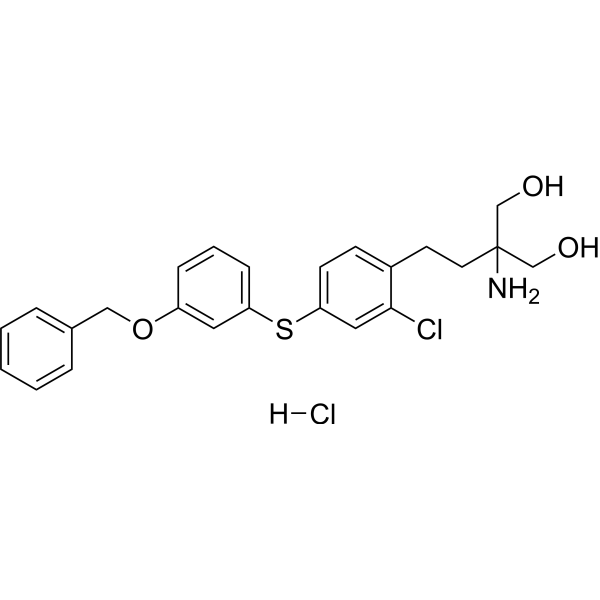
- HY-109038
-
|
KRP-203 free base
|
LPL Receptor
Reactive Oxygen Species (ROS)
Mitochondrial Metabolism
Akt
GSK-3
JAK
STAT
|
Cardiovascular Disease
Metabolic Disease
Inflammation/Immunology
Cancer
|
|
Mocravimod (KRP-203 free base) is a sphingosine-1-phosphate receptor (S1PR) modulator that blocks the signal required by T cells to egress from lymph nodes and other lymphoid organs. Mocravimod preferentially binds to S1PR1 over S1PR2 and S1PR3 in cardiomyocytes. Mocravimod significantly lowered the concentration of reactive oxygen species (ROS), prevented mitochondrial permeability transition pore opening, boosted mitochondrial membrane potential (MMP), and increased phosphorylation of AKT, EKR, GSK-3β, JAK2, and STAT3. Mocravimod retains T cell effector function. Mocravimod can be used for the study of acute myelogenous leukemia, diabetes and Myocardial Ischemia-Reperfusion Injury (MIRI) .
|
-
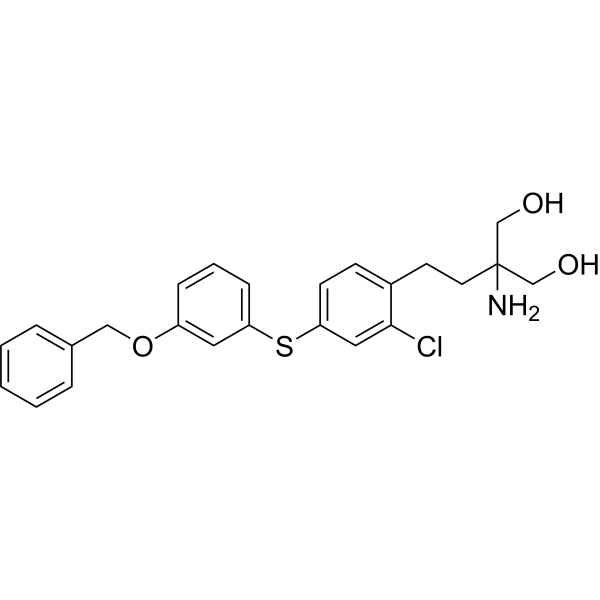
- HY-B1203
-
|
9α-Fludrocortisone; 9α-Fluorcortisol
|
Mineralocorticoid Receptor
Glucocorticoid Receptor
Apoptosis
|
Neurological Disease
Metabolic Disease
Inflammation/Immunology
Cancer
|
|
Fludrocortisone (9α-Fludrocortisone) is an orally active mineralocorticoid and glucocorticoid receptor agonist. Fludrocortisone suppresses pro-inflammatory cytokine expression, reduces CCL2, IL-6, IL-8 levels, upregulates mineralocorticoid receptor (MR) expression, induces PI3K/Akt, GSK-3β, CREB, ERK1/2, mTOR phosphorylation, blocks Tau hyperphosphorylation, prevents apoptosis, promotes survival and proliferation, enhances renal sodium and water transport, increases plasma volume and blood pressure, reduces plasma potassium and renin activity, stimulates erythropoietin expression, modulates uterine receptivity genes, and reverses PP242-induced MUC1 upregulation. Fludrocortisone can be used for the research of congenital adrenal hyperplasia, postural hypotension, and adrenal insufficiency .
|
-
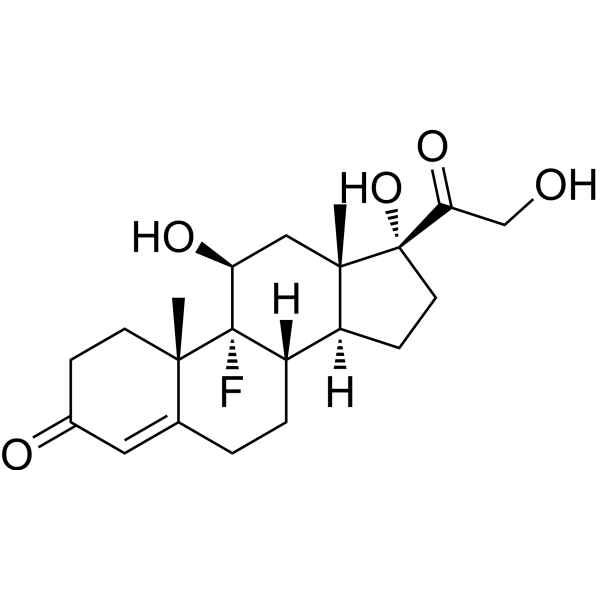
- HY-B1203S
-
|
9α-Fludrocortisone-d5; 9α-Fluorcortisol-d5
|
Isotope-Labeled Compounds
Mineralocorticoid Receptor
Glucocorticoid Receptor
Apoptosis
|
Metabolic Disease
Inflammation/Immunology
Cancer
|
|
Fludrocortisone-d5 (9α-Fludrocortisone-d5) is the deuterium labeled Fludrocortisone (HY-B1203). Fludrocortisone is an orally active mineralocorticoid and glucocorticoid receptor agonist. Fludrocortisone suppresses pro-inflammatory cytokine expression, reduces CCL2, IL-6, IL-8 levels, upregulates mineralocorticoid receptor (MR) expression, induces PI3K/Akt, GSK-3β, CREB, ERK1/2, mTOR phosphorylation, blocks Tau hyperphosphorylation, prevents apoptosis, promotes survival and proliferation, enhances renal sodium and water transport, increases plasma volume and blood pressure, reduces plasma potassium and renin activity, stimulates erythropoietin expression, modulates uterine receptivity genes, and reverses PP242-induced MUC1 upregulation. Fludrocortisone can be used for the research of congenital adrenal hyperplasia, postural hypotension, and adrenal insufficiency.
|
-
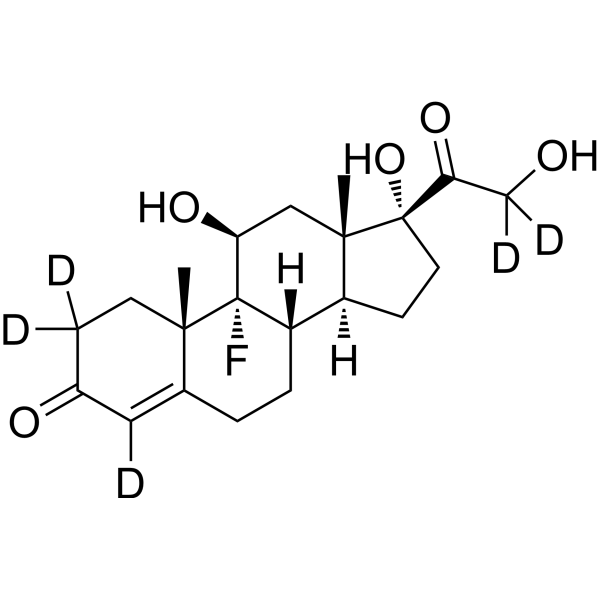
- HY-B1203S1
-
|
9α-Fludrocortisone-d2; 9α-Fluorcortisol-d2
|
Isotope-Labeled Compounds
Mineralocorticoid Receptor
Glucocorticoid Receptor
Apoptosis
|
Metabolic Disease
Inflammation/Immunology
Cancer
|
|
Fludrocortisone-d2 (9α-Fludrocortisone-d2) is the deuterium labeled Fludrocortisone (HY-B1203). Fludrocortisone is an orally active mineralocorticoid and glucocorticoid receptor agonist. Fludrocortisone suppresses pro-inflammatory cytokine expression, reduces CCL2, IL-6, IL-8 levels, upregulates mineralocorticoid receptor (MR) expression, induces PI3K/Akt, GSK-3β, CREB, ERK1/2, mTOR phosphorylation, blocks Tau hyperphosphorylation, prevents apoptosis, promotes survival and proliferation, enhances renal sodium and water transport, increases plasma volume and blood pressure, reduces plasma potassium and renin activity, stimulates erythropoietin expression, modulates uterine receptivity genes, and reverses PP242-induced MUC1 upregulation. Fludrocortisone can be used for the research of congenital adrenal hyperplasia, postural hypotension, and adrenal insufficiency.
|
-
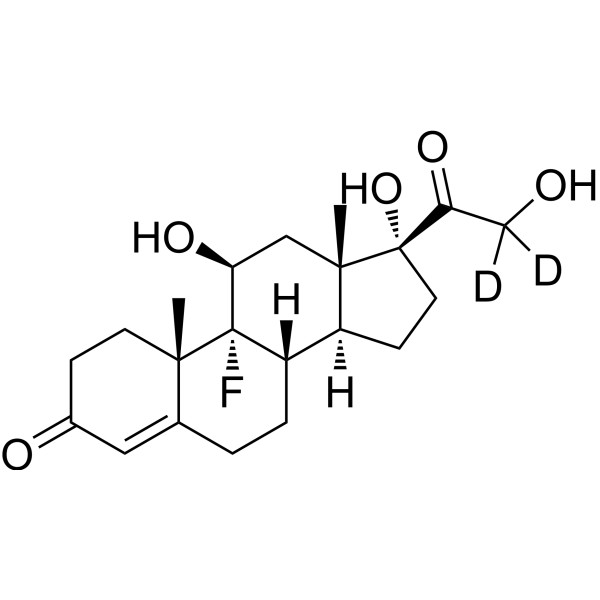
- HY-B1203R
-
|
9α-Fludrocortisone (Standard); 9α-Fluorcortisol (Standard)
|
Reference Standards
Mineralocorticoid Receptor
Glucocorticoid Receptor
Apoptosis
|
Metabolic Disease
Inflammation/Immunology
Cancer
|
|
Fludrocortisone (Standard) (9α-Fludrocortisone (Standard)) is the analytical standard of Fludrocortisone (HY-B1203). This product is intended for research and analytical applications. Fludrocortisone is an orally active mineralocorticoid and glucocorticoid receptor agonist. Fludrocortisone suppresses pro-inflammatory cytokine expression, reduces CCL2, IL-6, IL-8 levels, upregulates mineralocorticoid receptor (MR) expression, induces PI3K/Akt, GSK-3β, CREB, ERK1/2, mTOR phosphorylation, blocks Tau hyperphosphorylation, prevents apoptosis, promotes survival and proliferation, enhances renal sodium and water transport, increases plasma volume and blood pressure, reduces plasma potassium and renin activity, stimulates erythropoietin expression, modulates uterine receptivity genes, and reverses PP242-induced MUC1 upregulation. Fludrocortisone can be used for the research of congenital adrenal hyperplasia, postural hypotension, and adrenal insufficiency.
|
-

- HY-181160
-
|
|
JNK
Wnt
β-catenin
Amyloid-β
Reactive Oxygen Species (ROS)
Beclin1
GSK-3
Beta-secretase
|
Neurological Disease
|
|
JNK3/Wnt/β-catenin modulator-1 is a brain-penetrant JNK3 inhibitor and Wnt/β-catenin activator. JNK3/Wnt/β-catenin modulator-1 decreases Aβ1-42 production and reduced ROS generation. JNK3/Wnt/β-catenin modulator-1 inhibits the activation of JNK and Puma, promotes Beclin-1 expression, reduces GSK-3β and BACE1 expression and activates Wnt/β-catenin signaling. JNK3/Wnt/β-catenin modulator-1 improves cognitive and memory performance, attenuates histopathological brain damage, preserves structure of hippocampal pyramidal cells and cerebral cortical neurons. JNK3/Wnt/β-catenin modulator-1 can be used for the research of Alzheimer's disease .
|
-

- HY-175236
-
|
|
PD-1/PD-L1
Apoptosis
ERK
JNK
Cadherin
p38 MAPK
GSK-3
IFNAR
Caspase
Bcl-2 Family
|
Cancer
|
|
SF-9-2 is a PD-L1/PD-1 binding inhibitor (IC50 = 24.9 nM). SF-9-2 inhibits epithelial-mesenchymal transition, migration, invasion, and proliferation of SK-N-SH cells, and also induces apoptosis and cell cycle arrest. SF-9-2 blocks PD-L1-induced SK-N-SH cell growth through the MAPK signaling pathway. SF-9-2 restores GSK-3β activity and enhances PD-L1 degradation through the ubiquitin-proteasome pathway. SF-9-2 inhibits tumor growth in the SK-N-SH NOG mouse model without significant toxicity. SF-9-2 also acts as an immune checkpoint inhibitor, blocking PD-L1 to restore T cell function. SF-9-2 can be used in neuroblastoma research .
|
-

- HY-15244A
-
|
BYL-719 hydrochloride
|
PI3K
Apoptosis
|
Cancer
|
|
Alpelisib (BYL-719) hydrochloride is an orally active PI3Kα-selective inhibitor that blocks the conversion of PIP2 to PIP3, thereby inhibiting pathways including PI3K/AKT/mTOR, MAPK/ERK, Notch and JAK-STAT. Alpelisib hydrochloride also induces apoptosis, G0/G1 phase arrest and senescence; it significantly inhibits the proliferation, self-renewal, stemness and epithelial-mesenchymal transition (EMT) of tumor cells, reduces cancer stem cell populations and decreases the expression of stem cell markers. Alpelisib hydrochloride not only enhances the sensitivity to Eribulin (HY-13442) and exerts a synergistic effect with Paclitaxel (HY-B0015), but may also induce drug resistance by upregulating the SGK3/GSK3β/β-catenin signaling pathway. Alpelisib hydrochloride can be applied to research related to breast cancer, gastric cancer and lipomas associated with PTEN hamartoma tumor syndrome .
|
-
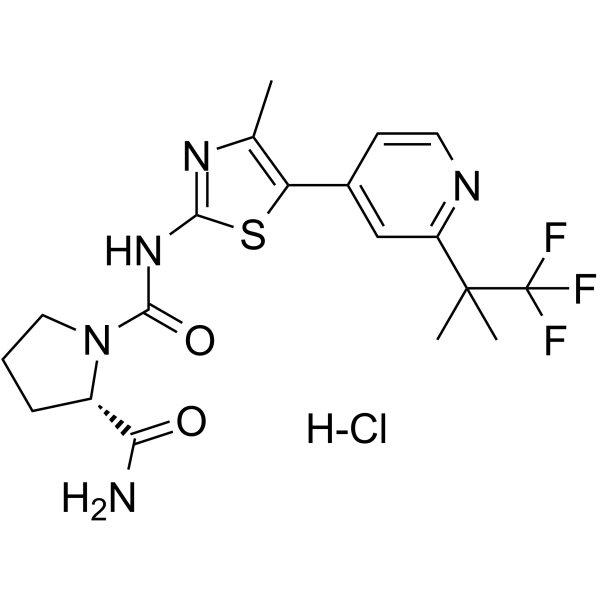
- HY-15244
-
|
BYL-719
|
PI3K
Apoptosis
|
Cancer
|
|
Alpelisib (BYL-719) is an orally active PI3Kα-selective inhibitor that blocks the conversion of PIP2 to PIP3, thereby inhibiting pathways including PI3K/AKT/mTOR, MAPK/ERK, Notch and JAK-STAT. Alpelisib also induces apoptosis, G0/G1 phase arrest and senescence; it significantly inhibits the proliferation, self-renewal, stemness and epithelial-mesenchymal transition (EMT) of tumor cells, reduces cancer stem cell populations and decreases the expression of stem cell markers. Alpelisib not only enhances the sensitivity to Eribulin (HY-13442) and exerts a synergistic effect with Paclitaxel (HY-B0015), but may also induce drug resistance by upregulating the SGK3/GSK3β/β-catenin signaling pathway. Alpelisib can be applied to research related to breast cancer, gastric cancer and lipomas associated with PTEN hamartoma tumor syndrome .
|
-
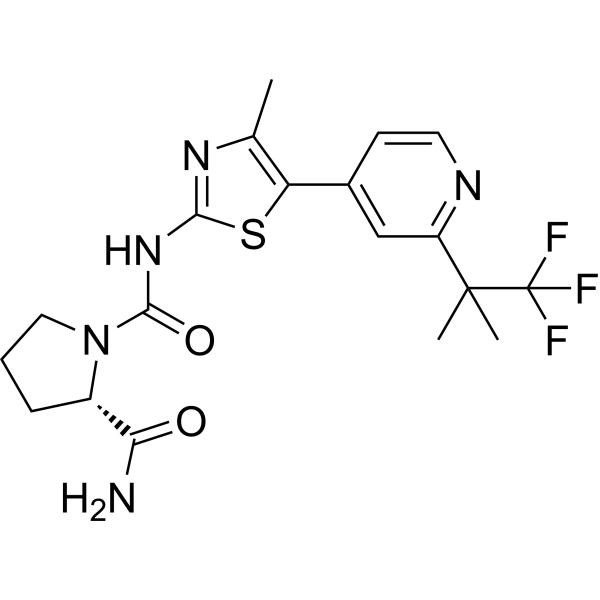
- HY-15244G
-
|
|
PI3K
Apoptosis
|
Cancer
|
|
Alpelisib GMP is Alpelisib (HY-15244) produced by using GMP guidelines. GMP small molecules works appropriately as an auxiliary reagent for cell therapy manufacture. Alpelisib (BYL-719) is an orally active PI3Kα-selective inhibitor that blocks the conversion of PIP2 to PIP3, thereby inhibiting pathways including PI3K/AKT/mTOR, MAPK/ERK, Notch and JAK-STAT. Alpelisib also induces apoptosis, G0/G1 phase arrest and senescence; it significantly inhibits the proliferation, self-renewal, stemness and epithelial-mesenchymal transition (EMT) of tumor cells, reduces cancer stem cell populations and decreases the expression of stem cell markers. Alpelisib not only enhances the sensitivity to Eribulin (HY-13442) and exerts a synergistic effect with Paclitaxel (HY-B0015), but may also induce drug resistance by upregulating the SGK3/GSK3β/β-catenin signaling pathway. Alpelisib can be applied to research related to breast cancer, gastric cancer and lipomas associated with PTEN hamartoma tumor syndrome .
|
-

- HY-W657887
-
|
|
Histone Methyltransferase
GSK-3
Tau Protein
Amyloid-β
Glucocorticoid Receptor
Androgen Receptor
Adrenergic Receptor
|
Neurological Disease
|
|
GSK-3β/G9a-IN-1 (Compound T2) is an orally active, selective, blood-brain-barrier permeable, competitive G9a (substrate-competitive, IC50: 1.1 μM) and GSK-3β (ATP competitive, IC50: 0.8 μM) inhibitor. GSK-3β/G9a-IN-1 is a potent H3K9me2 inhibitor that reshapes chromatin landscape. GSK-3β/G9a-IN-1 lowers tau phosphorylation, reduces Aβ aggregation. GSK-3β/G9a-IN-1 displays inhibition toward glucocorticoid receptor, androgen receptor, and alpha-2A adrenergic receptor. GSK-3β/G9a-IN-1 also upregulates SAGA complex members such as Eny2 and Sgf29. GSK-3β/G9a-IN-1 markedly improves memory, restores social behaviors, and increases synaptic complexity in late-onset Alzheimer’s disease .
|
-

- HY-168894
-
|
|
Ferroptosis
JAK
STAT
p38 MAPK
AMPK
GSK-3
Apoptosis
HSP
TNF Receptor
|
Cardiovascular Disease
Neurological Disease
Metabolic Disease
Cancer
|
|
CT-1 is a secreted protein belonging to the IL-6 cytokine family. Overexpression of CT-1 enhances cell proliferation, migration and angiogenesis via the ADMA/DDAH pathway. CT-1 inhibits the growth of triple-negative breast cancer cells by simultaneously inducing Ferroptosis in N2-type tumor-associated neutrophils and cancer cells. CT-1 activates the Jak/STAT-3, p42/p44 MAPK and AMPK pathways, and inhibits GSK-3β activity through phosphorylation to induce cardiomyocyte hypertrophy. CT-1 enhances the viability of cardiomyocytes and neurons, reduces cell Apoptosis, induces the expression of heat shock proteins (HSP) and BNP, and inhibits TNF levels. CT-1 exerts anti-tumor activity in mouse models of triple-negative breast cancer. CT-1 improves cognitive impairment in mice. CT-1 is applicable to the research of ischemic heart disease, triple-negative breast cancer, myocardial hypertrophy, Parkinson's disease, hypertensive heart disease, myocardial infarction, acute Chagas cardiomyopathy, high-fat diet-induced cognitive impairment and diabetes-related cognitive impairment .
|
-

-
- HY-10182G
-
|
CHIR-99021; CT99021
|
蛍光色素
|
|
Laduviglusib (CHIR-99021) (GMP) is Laduviglusib (HY-10182) produced by using GMP guidelines. GMP small molecules works appropriately as an auxiliary reagent for cell therapy manufacture. Laduviglusib is a potent, orally active and selective GSK-3α/β inhibitor.
|
-
- HY-16294G
-
|
|
蛍光色素
|
|
LY2090314 (GMP) is LY2090314 (HY-16294) produced by using GMP guidelines. GMP small molecules works appropriately as an auxiliary reagent for cell therapy manufacture. LY2090314 is a potent inhibitor of glycogen synthase kinase-3 (GSK-3) with IC50 values of 1.5 nM and 0.9 nM for GSK-3α and GSK-3β, respectively.
|
-
- HY-15244G
-
|
|
蛍光色素
|
|
Alpelisib GMP is Alpelisib (HY-15244) produced by using GMP guidelines. GMP small molecules works appropriately as an auxiliary reagent for cell therapy manufacture. Alpelisib (BYL-719) is an orally active PI3Kα-selective inhibitor that blocks the conversion of PIP2 to PIP3, thereby inhibiting pathways including PI3K/AKT/mTOR, MAPK/ERK, Notch and JAK-STAT. Alpelisib also induces apoptosis, G0/G1 phase arrest and senescence; it significantly inhibits the proliferation, self-renewal, stemness and epithelial-mesenchymal transition (EMT) of tumor cells, reduces cancer stem cell populations and decreases the expression of stem cell markers. Alpelisib not only enhances the sensitivity to Eribulin (HY-13442) and exerts a synergistic effect with Paclitaxel (HY-B0015), but may also induce drug resistance by upregulating the SGK3/GSK3β/β-catenin signaling pathway. Alpelisib can be applied to research related to breast cancer, gastric cancer and lipomas associated with PTEN hamartoma tumor syndrome .
|
-
- HY-10182G
-
|
CHIR-99021; CT99021
|
生化学アッセイ試薬
|
|
Laduviglusib (CHIR-99021) (GMP) is Laduviglusib (HY-10182) produced by using GMP guidelines. GMP small molecules works appropriately as an auxiliary reagent for cell therapy manufacture. Laduviglusib is a potent, orally active and selective GSK-3α/β inhibitor.
|
-
- HY-134393B
-
|
N6-Methyl-ATP trisodium solution (100 mM)
|
生化学アッセイ試薬
|
|
6-Me-ATP (N6-Methyl-ATP) trisodium solution (100 mM) is a N 6-modified ATP derivative. 6-Me-ATP trisodium shows excellent binding affinity to GSK3, serving as the phosphate group donor for GSK3β-catalyzed phosphorylation of its substrate peptide .
|
-
- HY-16294G
-
|
|
生化学アッセイ試薬
|
|
LY2090314 (GMP) is LY2090314 (HY-16294) produced by using GMP guidelines. GMP small molecules works appropriately as an auxiliary reagent for cell therapy manufacture. LY2090314 is a potent inhibitor of glycogen synthase kinase-3 (GSK-3) with IC50 values of 1.5 nM and 0.9 nM for GSK-3α and GSK-3β, respectively.
|
-
- HY-15244G
-
|
|
生化学アッセイ試薬
|
|
Alpelisib GMP is Alpelisib (HY-15244) produced by using GMP guidelines. GMP small molecules works appropriately as an auxiliary reagent for cell therapy manufacture. Alpelisib (BYL-719) is an orally active PI3Kα-selective inhibitor that blocks the conversion of PIP2 to PIP3, thereby inhibiting pathways including PI3K/AKT/mTOR, MAPK/ERK, Notch and JAK-STAT. Alpelisib also induces apoptosis, G0/G1 phase arrest and senescence; it significantly inhibits the proliferation, self-renewal, stemness and epithelial-mesenchymal transition (EMT) of tumor cells, reduces cancer stem cell populations and decreases the expression of stem cell markers. Alpelisib not only enhances the sensitivity to Eribulin (HY-13442) and exerts a synergistic effect with Paclitaxel (HY-B0015), but may also induce drug resistance by upregulating the SGK3/GSK3β/β-catenin signaling pathway. Alpelisib can be applied to research related to breast cancer, gastric cancer and lipomas associated with PTEN hamartoma tumor syndrome .
|
-
- HY-P10605
-
|
|
Akt
GSK-3
|
Cancer
|
|
GSK3β-peptide is a substrate mimetic peptide of glycogen synthase kinase 3-β (GSK3-β) that can bind to the active site of GSK3-β and mimic the behavior of a real substrate. GSK3β-peptide can be used to develop substrate mimetic inhibitors of Akt as potential anticancer drugs .
|
-
- HY-P4685
-
|
|
Angiotensin Receptor
|
Metabolic Disease
|
|
(Sar1,Ile4,8)-Angiotensin II is a functionally selective angiotensin II type 1 receptor (AT1R) agonist. (Sar1,Ile4,8)-Angiotensin II potentiates insulin-stimulated insulin receptor (IR) signaling and glycogen synthesis. (Sar1,Ile4,8)-Angiotensin II potentiates insulin-stimulated phosphorylation of Akt and GSK3α/β .
|
-
- HY-P1385
-
|
|
GSK-3
p38 MAPK
|
Neurological Disease
|
|
TCS 183, a peptide, is a GSK-3β inhibitor. TCS 183 blocks GSK-3β autoinhibition and decreases the level of AMPK phosphorylation. TCS 183 can be used for neuropathological diseases, particularly Alzheimer’s disease, research .
|
| 製品番号 |
製品名 |
Category |
Target |
構造式 |
-
- HY-N0527
-
|
Penta-O-galloyl-β-D-glucose; 1,2,3,4,6-Pentagalloyl glucose
|
Infection
other families
Classification of Application Fields
Anti-aging
Phenols
Polyphenols
Plants
Disease Research Fields
Source Classification
|
JAK
Keap1-Nrf2
Apoptosis
β-catenin
Reactive Oxygen Species (ROS)
E1/E2/E3 Enzyme
|
|
Pentagalloylglucose (Penta-O-galloyl-β-D-glucose) is an orally active gallic tannin compound and an inducer of apoptosis and autophagy. Pentagalloglucose induces cell apoptosis and autophagy through the GSK3β/β-catenin pathway. Pentagalloylglucose inhibits UBE2T-mediated p53 ubiquitination, upregulates p53, downregulates RRM1/RRM2 in pancreatic cancer organoids. Pentagalloglucose has antioxidant, anti mutagenic, anti-inflammatory, anticonvulsant, cardioprotective, anti allergic, cholesterol lowering, and anti-tumor activities .
|
-
-
- HY-N8423
-
|
|
Triterpenes
other families
Terpenoids
Plants
|
ERK
GSK-3
Apoptosis
Caspase
COX
|
|
α-Amyrin is a pentacyclic triterpenoid compound with oral activity. α-Amyrin activates the ERK and GSK-3β signaling pathways. α-Amyrin can inhibit cancer cells proliferation and induce apoptosis. α-Amyrin shows anti-bacterial and anti-inflammation activity. α-Amyrin can reduce blood glucose level. α-Amyrin can be used for the researches of cancer, infection, inflammation, metabolic disease and neurological disease, such as breast cancer, Streptococcus oralis infection, skin inflammation and diabetes .
|
-
-
- HY-N6973
-
-
-
- HY-N0753
-
-
-
- HY-N0815
-
-
-
- HY-N1472
-
-
-
- HY-N11576
-
-
-
- HY-N6580
-
-
-
- HY-117025A
-
-
-
- HY-117025
-
-
-
- HY-N10359
-
|
|
Acanthaceae
Classification of Application Fields
Simsia foetida (Cav.) S.F.Blake
Terpenoids
Diterpenoids
Plants
Inflammation/Immunology
Disease Research Fields
Source Classification
|
NOD-like Receptor (NLR)
Caspase
Akt
GSK-3
β-catenin
|
|
Isoandrographolide is an orally active NLRP3 inflammasome inhibitor and AKT/GSK-3β/β-catenin pathway inhibitor. Isoandrographolide inhibits the expression of NLRP3, ASC, and caspase-1, and reduces the levels of phosphorylated AKT, phosphorylated GSK-3β, and β-catenin. Isoandrographolide alleviates inflammatory responses, reduces collagen deposition, suppresses epithelial-mesenchymal transition (EMT), induces differentiation of leukemia cells, inhibits the growth of leukemia cells, protects lung and kidney tissues, regulates cytokine levels, and also exhibits hepatoprotective effects. Isoandrographolide can be used in studies related to silicosis, murine myeloid leukemia, renal tubulointerstitial fibrosis, and non-alcoholic fatty liver disease .
|
-
-
- HY-N8423R
-
|
|
Triterpenes
Structural Classification
other families
Terpenoids
Plants
|
Reference Standards
ERK
GSK-3
Apoptosis
Caspase
COX
|
|
α-Amyrin (Standard) is a pentacyclic triterpenoid compound with oral activity. α-Amyrin (Standard) activates the ERK and GSK-3β signaling pathways. α-Amyrin (Standard) can inhibit cancer cells proliferation and induce apoptosis. α-Amyrin (Standard) shows anti-bacterial and anti-inflammation activity. α-Amyrin (Standard) can reduce blood glucose level. α-Amyrin (Standard) can be used for the researches of cancer, infection, inflammation, metabolic disease and neurological disease, such as breast cancer, Streptococcus oralis infection, skin inflammation and diabetes .
|
-
-
- HY-N0527R
-
|
Penta-O-galloyl-β-D-glucose (Standard); 1,2,3,4,6-Pentagalloyl glucose (Standard)
|
Structural Classification
other families
Phenols
Polyphenols
Plants
Source Classification
|
Reference Standards
JAK
Keap1-Nrf2
Apoptosis
β-catenin
Reactive Oxygen Species (ROS)
|
|
Pentagalloylglucose (Standard) is the analytical standard of Pentagalloylglucose. This product is intended for research and analytical applications. Pentagalloylglucose (Penta-O-galloyl-β-D-glucose) is an orally active gallic tannin compound and an inducer of apoptosis and autophagy. Pentagalloglucose induces cell apoptosis and autophagy through the GSK3β/β-catenin pathway. Pentagalloylglucose inhibits UBE2T-mediated p53 ubiquitination, upregulates p53, downregulates RRM1/RRM2 in pancreatic cancer organoids. Pentagalloglucose has antioxidant, anti mutagenic, anti-inflammatory, anticonvulsant, cardioprotective, anti allergic, cholesterol lowering, and anti-tumor activities .
|
-
-
- HY-133102
-
-
-
- HY-N0815R
-
|
BufogenIN (Standard); RecibufogenIN (Standard)
|
Structural Classification
Animals
Steroids
Source Classification
|
Reference Standards
Others
|
|
Resibufogenin (Standard) is the analytical standard of Resibufogenin. This product is intended for research and analytical applications. Resibufogenin is an orally active anticancer agent. Resibufogenin can be extracted from toad venom. Resibufogenin blocks signaling pathways such as PI3K/Akt, NF-κB, AP-1, activates GSK-3β, and regulates cyclin D1. Resibufogenin can activate central neurons. Resibufogenin has anti-inflammatory activity. Resibufogenin has anti-tumor effects on a variety of tumors such as multiple myeloma, renal cancer, colorectal cancer, pancreatic cancer, and glioma .
|
-
-
- HY-N17990
-
-
-
- HY-N19615
-
-
-
- HY-N17821
-
|
|
Structural Classification
Flavonoids
Flavones
Leguminosae
Plants
Butea monosperma Kuntze
Source Classification
|
Sirtuin
Aurora Kinase
Akt
GSK-3
β-catenin
TGF-β Receptor
Apoptosis
Reactive Oxygen Species (ROS)
Wnt
NF-κB
TNF Receptor
Interleukin Related
IKK
|
|
Butrin is a compound found in Butea monosperma flowers. Butrin reduces expression of SIRT1, AURKB, cyclin D1, pAKT, GSK-3β, β-catenin, and TGF-3β expression, enhances apoptosis and ROS production in cancer cells. Butrin downregulates Wnt and NF-κB signaling, mitigates oxidative stress, reduces proinflammatory cytokine (TNF-α, IL-6 and IL-8) production and suppresses neuroinflammation. Butrin inhibits IKK enzyme activity. Butrin can be used for the researches of colorectal cancer, Alzheimer’s disease, and rheumatoid arthritis .
|
-
-
- HY-B1619S
-
|
|
|
Cromolyn-d5 (Cromoglycate-d5) is the deuterium labeled Cromolyn (HY-B1619). Cromolyn (Cromoglycate) is an orally active GSK-3β inhibitor with an IC50 of 2.0 μM. Cromolyn is also a mast cell stabilizer that can inhibit the release of mediators from mast cells, regulate reflex bronchoconstriction, and reduce non-specific bronchial hyperreactivity, and Cromolyn can be used in the research of bronchial asthma. In addition, Cromolyn has multiple activities such as anti-inflammatory, anti-allergic, anti-histamine, anti-cancer, and neuroprotective effects .
|
-
-
- HY-B1203S
-
|
|
|
Fludrocortisone-d5 (9α-Fludrocortisone-d5) is the deuterium labeled Fludrocortisone (HY-B1203). Fludrocortisone is an orally active mineralocorticoid and glucocorticoid receptor agonist. Fludrocortisone suppresses pro-inflammatory cytokine expression, reduces CCL2, IL-6, IL-8 levels, upregulates mineralocorticoid receptor (MR) expression, induces PI3K/Akt, GSK-3β, CREB, ERK1/2, mTOR phosphorylation, blocks Tau hyperphosphorylation, prevents apoptosis, promotes survival and proliferation, enhances renal sodium and water transport, increases plasma volume and blood pressure, reduces plasma potassium and renin activity, stimulates erythropoietin expression, modulates uterine receptivity genes, and reverses PP242-induced MUC1 upregulation. Fludrocortisone can be used for the research of congenital adrenal hyperplasia, postural hypotension, and adrenal insufficiency.
|
-
-
- HY-B1203S1
-
|
|
|
Fludrocortisone-d2 (9α-Fludrocortisone-d2) is the deuterium labeled Fludrocortisone (HY-B1203). Fludrocortisone is an orally active mineralocorticoid and glucocorticoid receptor agonist. Fludrocortisone suppresses pro-inflammatory cytokine expression, reduces CCL2, IL-6, IL-8 levels, upregulates mineralocorticoid receptor (MR) expression, induces PI3K/Akt, GSK-3β, CREB, ERK1/2, mTOR phosphorylation, blocks Tau hyperphosphorylation, prevents apoptosis, promotes survival and proliferation, enhances renal sodium and water transport, increases plasma volume and blood pressure, reduces plasma potassium and renin activity, stimulates erythropoietin expression, modulates uterine receptivity genes, and reverses PP242-induced MUC1 upregulation. Fludrocortisone can be used for the research of congenital adrenal hyperplasia, postural hypotension, and adrenal insufficiency.
|
-
-
- HY-W714048
-
|
|
|
Laduviglusib-d4 (CHIR-99021-d4) is the deuterium labeled Laduviglusib (HY-10182). Laduviglusib (CHIR-99021) is a potent, selective and orally active GSK-3α/β inhibitor with IC50s of 10 nM and 6.7 nM. Laduviglusib shows >500-fold selectivity for GSK-3 over CDC2, ERK2 and other protein kinases. Laduviglusib is also a potent Wnt/β-catenin signaling pathway activator. Laduviglusib enhances mouse and human embryonic stem cells self-renewal. Laduviglusib induces autophagy.
|
-
-
- HY-182978
-
|
|
|
PROTAC Synthesis
|
|
Pomalidomide-C3-O-C4-O-C3-NH2 is an E3 ligase ligand-linker conjugate that contains Pomalidomide (HY-10984). Pomalidomide-C3-O-C4-O-C3-NH2 can be used for the synthesis of PROTACs targeting glycogen synthase kinase 3β (GSK-3β), such as PROTAC GSK-3β Degrader-1 (HY-149845) .
|
入力情報は安全に管理されます. ※ 必須入力項目.
Inquiry Information
- 製品名:
- 製品番号:
- 数量:
- MCE 日本正規代理店:





