1. Search Result
Search Result
Results for "

Protein+degradation

" in MedChemExpress (MCE) Product Catalog:

133

Inhibitors & Agonists

6

Screening Libraries

1

Fluorescent Dyes

3

Biochemical Assay Reagents

2

Peptides

6

Natural
Products

1

Isotope-Labeled Compounds

5

Click Chemistry

Cat. No. Product Name Target Research Areas Chemical Structure
  • HY-100558
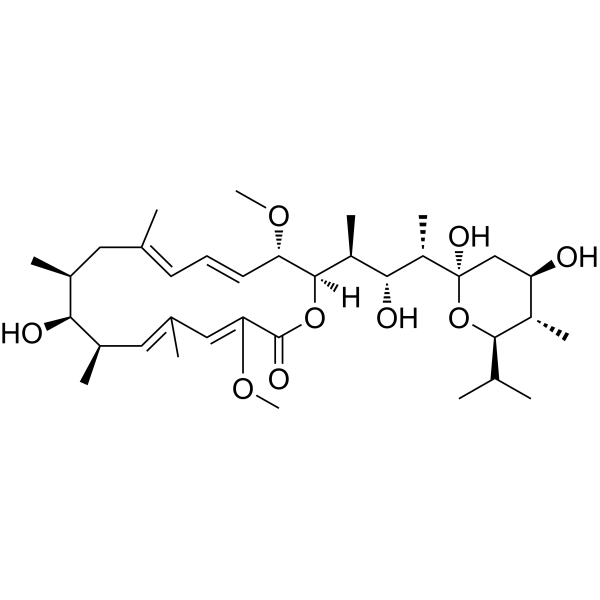
    Bafilomycin A1
    800+ Cited Publications

    BafA1

    Proton Pump Autophagy Antibiotic Bacterial Apoptosis Infection Cancer
    Bafilomycin A1 (BafA1) is a specific and reversible inhibitor of vacuolar H +-ATPase (V-ATPase) with IC50 values of 4-400 nmol/mg. Bafilomycin A1, a macrolide antibiotic, is also used as an autophagy inhibitor at the late stage. Bafilomycin A1 blocks autophagosome-lysosome fusion and inhibits acidification and protein degradation in lysosomes of cultured cells. Bafilomycin A1 induces apoptosis .
    Bafilomycin A1
  • HY-110078
    Eeyarestatin I
    10+ Cited Publications

    p97 Apoptosis Cancer
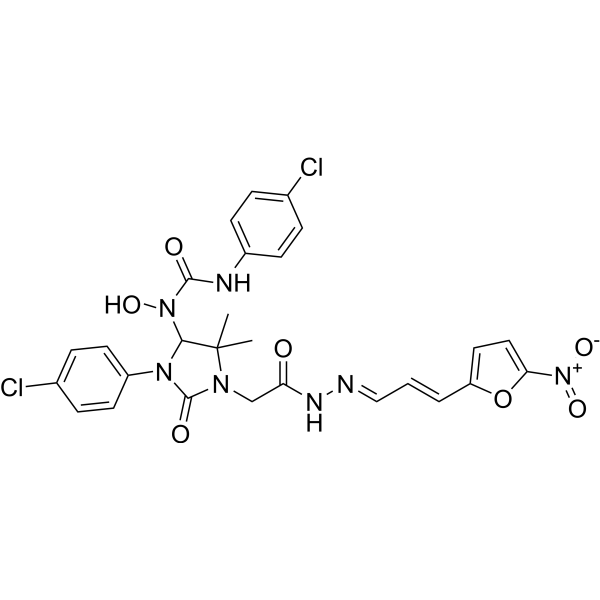
    Eeyarestatin I, a potent endoplasmic reticulum-associated protein degradation (ERAD) inhibitor, is a potent protein translocation inhibitor. Eeyarestatin I inhibits Sec61 translocon. Eeyarestatin I targets the p97-associated deubiquitinating process (PAD) and inhibits atx3-dependent deubiquitination. Eeyarestatin I interferes at a step prior to proteasomal degradation. Eeyarestatin I induces cell death via the proapoptotic protein NOXA and has anticancer effects .
    Eeyarestatin I
  • HY-156730

    Molecular Glues STAT Cancer
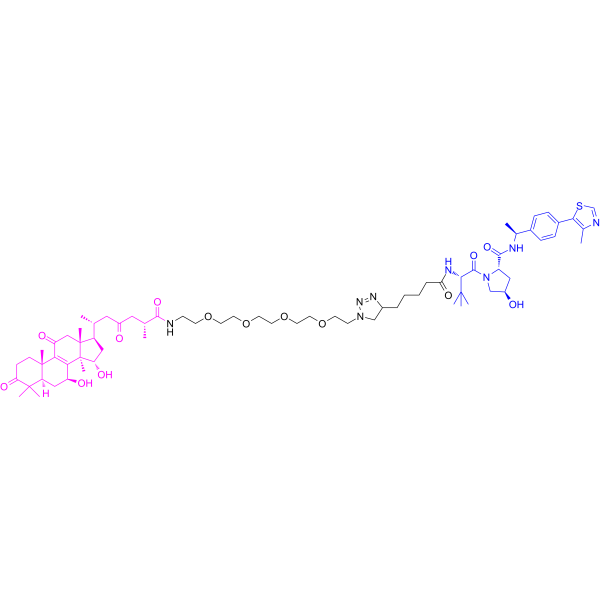
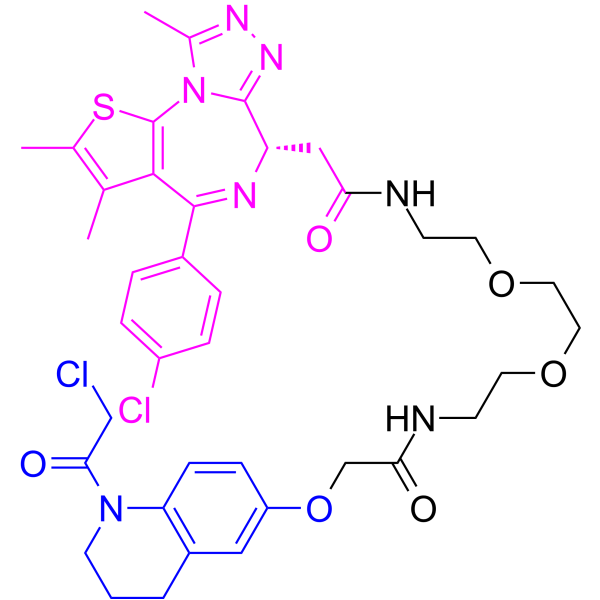
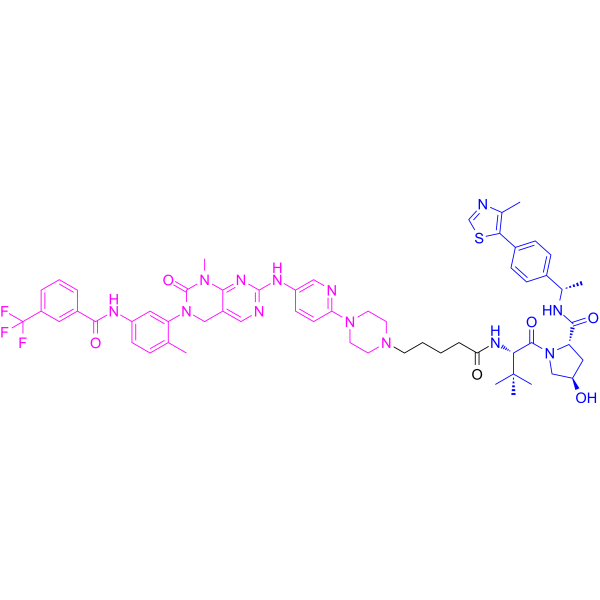
    KT-333 is a molecular glues that degrades STAT3 protein. KT-333 mediates the selective degradation of STAT3 through the ubiquitin-proteasome system by binding to STAT3 protein and E3 ubiquitin ligase von Hippel-Lindau protein (VHL). KT-333 has strong selectivity for STAT3 protein degradation and good antitumor activity. KT-333 can be used in the study of hematologic malignancies such as large granular lymphocytic leukemia (LGL-L), peripheral T-cell lymphoma (PTCL), and cutaneous T-cell lymphoma (CTCL) .
    KT-333
  • HY-D0856

    Biochemical Assay Reagents Others
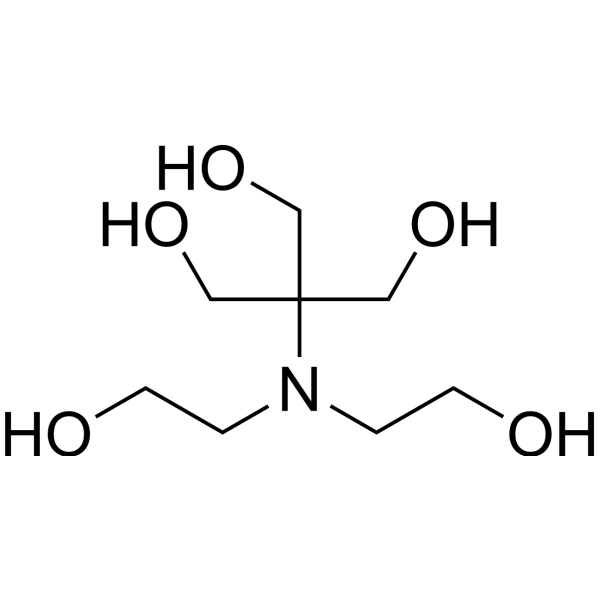
    Bis-Tris is an amine buffer suitable for protein and nucleic acid systems with a pH buffer range of 5.8-7.2. Bis-Tris can also be mixed with HEPES and cacodylic acid buffer to create a pH 8 environment and monitor fluorescence emission intensity at 305 nm. Gels formulated with Bis-Tris also avoid protein degradation in samples prepared at higher pH (pH 8.5) .
    Bis-Tris
  • HY-120722
    TCH-165
    2 Publications Verification

    Proteasome Cancer
    TCH-165 is a small molecule modulator of proteasome assembly, which increases 20S levels and facilitates 20S-mediated protein degradation .
    TCH-165
  • HY-112816
    MA242
    1 Publications Verification

    MDM-2/p53 Apoptosis Cancer
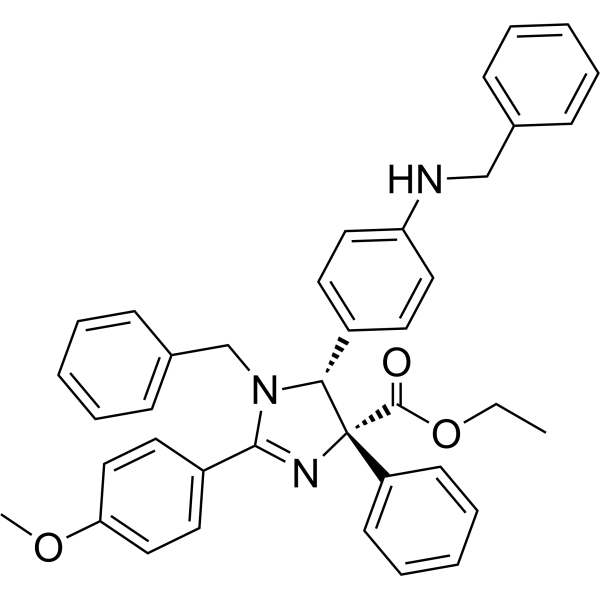
    MA242 is a specific dual inhibitor of MDM2 and NFAT1. MA242 directly binds both MDM2 and NFAT1 with high affinity, induces their protein degradation, and inhibits NFAT1-mediated transcription of MDM2. MA242 induces apoptosis in pancreatic cancer cell lines regardless of p53 status .
    MA242
  • HY-148523

    Molecular Glues CDK Cancer
    HQ005 is a potent CCNK degrader with an DC50 value of 0.041 µM. HQ005 is a molecular-glue degrader that mediates interactions between target proteins and components of the ubiquitin-proteasome system to cause selective protein degradation .
    HQ005
  • HY-19726
    NSC59984
    2 Publications Verification

    MDM-2/p53 Cancer
    NSC59984 induces mutant p53 protein degradation via MDM2 and the ubiquitin-proteasome pathway . NSC59984 acts by targeting GOF-mutant p53 and stimulates p73 to restore the p53 pathway signaling .
    NSC59984
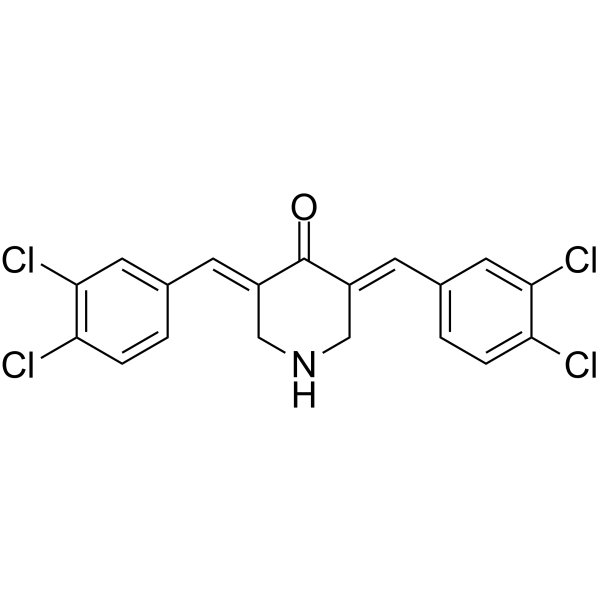
  • HY-103710
    IBR2
    5+ Cited Publications

    RAD51 Apoptosis Cancer
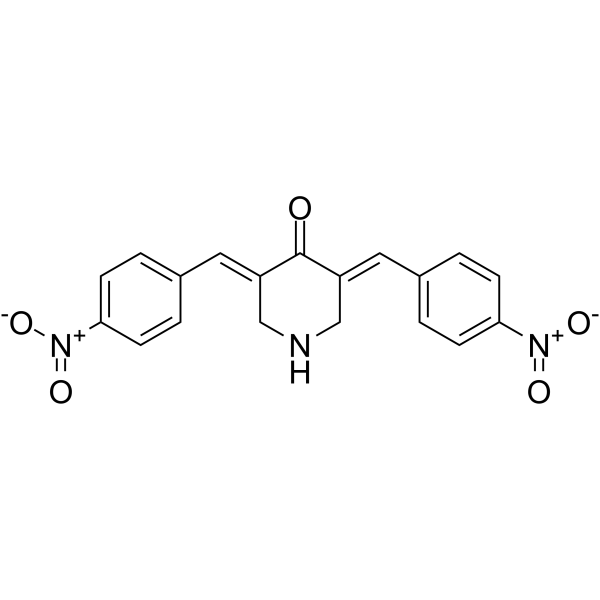
    IBR2 is a potent and specific RAD51 inhibitor and inhibits RAD51-mediated DNA double-strand break repair. IBR2 disrupts RAD51 multimerization, accelerates proteasome-mediated RAD51 protein degradation, inhibits cancer cell growth and induces apoptosis .
    IBR2
  • HY-N0242
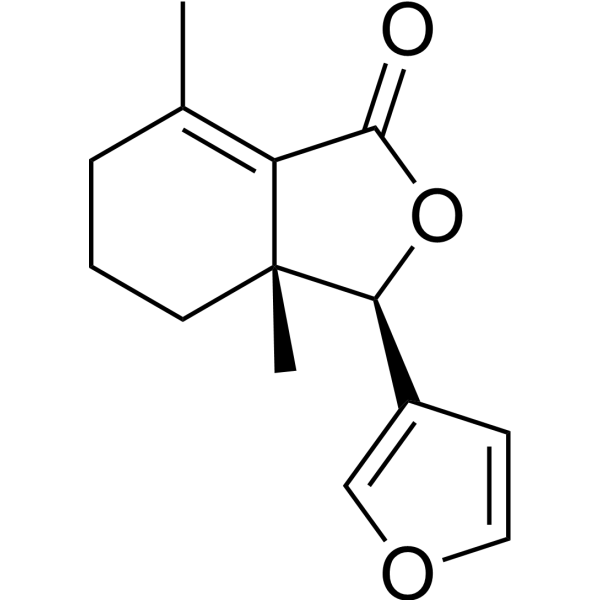
    Fraxinellone
    4 Publications Verification

    PD-1/PD-L1 HIF/HIF Prolyl-Hydroxylase STAT Inflammation/Immunology Cancer
    Fraxinellone is isolated from the root bark of the Rutaceae plant, Dictamnus dasycarpus. Fraxinellone is a PD-L1 inhibitor and inhibits HIF-1α protein synthesis without affecting HIF-1α protein degradation. Fraxinellone has the potential to be a valuable candidate for cancer treatment by targeting PD-L1 .
    Fraxinellone
  • HY-114407

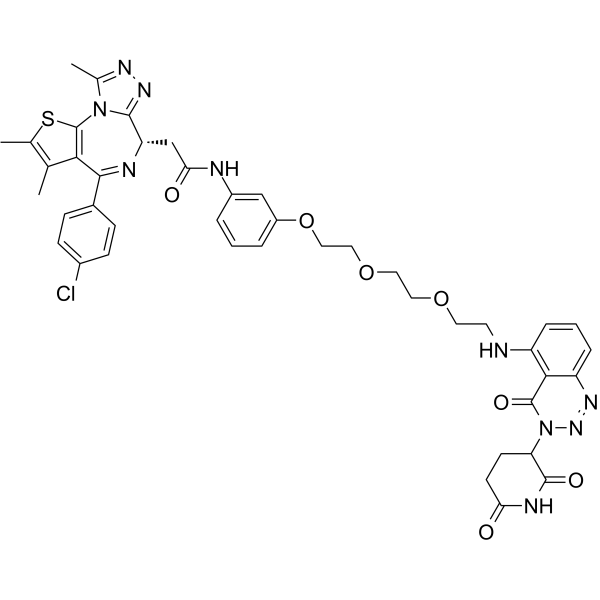
    PROTACs Epigenetic Reader Domain Cancer
    TD-428 is a PROTAC connected by ligands for Cereblon and BRD4. TD-428 is a highly specific BRD4 degrader with a DC50 of 0.32 nM . TD-428 is a BET PROTAC, which comprises TD-106 (a CRBN ligand) linked to JQ1 (a BET inhibitor). TD-428 efficiently induce BET protein degradation .
    TD-428
  • HY-171792

    ORM-6151

    Transmembrane Glycoprotein Cancer
    BMS-986497 (ORM-6151) is a CD33-targeting antibody-conjugated GSPT1 degrader. BMS-986497 delivers the GSPT1 degrader SMol006 to CD33-expressing cells and induces GSPT1 protein degradation. BMS-986497 shows potential for research on acute myeloid leukemia (AML) .
    BMS-986497
  • HY-W087383

    Ligands for E3 Ligase Autophagy Apoptosis Cancer
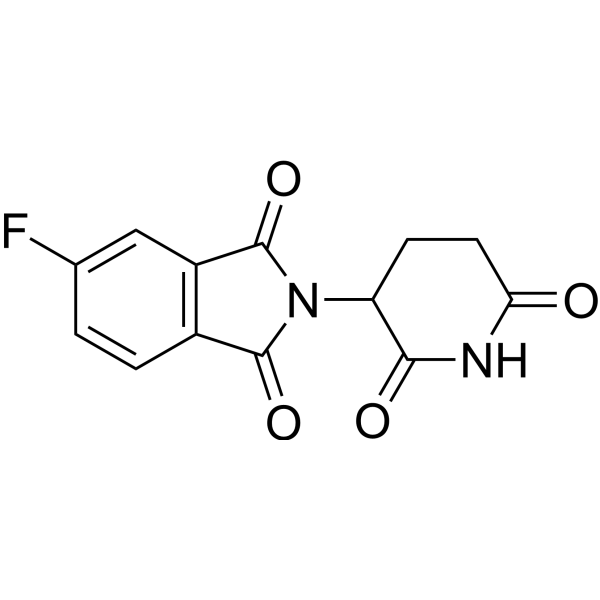
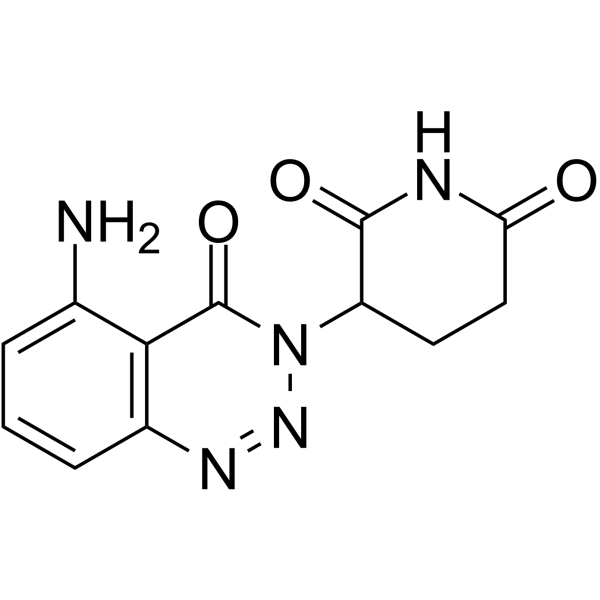
    Thalidomide 5-fluoride is a thalidomide-based Cereblon ligand used to recruit Cereblon protein. Thalidomide 5-fluoride can be linked to target protein ligands (e.g. IRAK4) through a linker to form PROTAC molecules (e.g. PROTAC IRAK4 degrader-1). PROTAC IRAK4 degrader-1 caused <20%, >20-50%, and >50% IRAK4 protein degradation in OCI-LY-10 cells at concentrations of 0.01, 0.1, and 1 μM, respectively .
    Thalidomide 5-fluoride
  • HY-130992

    Androgen Receptor Ligands for Target Protein for PROTAC Cancer
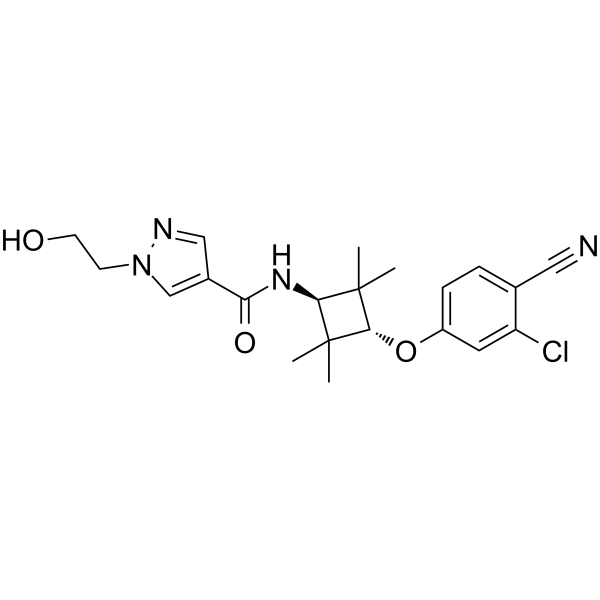
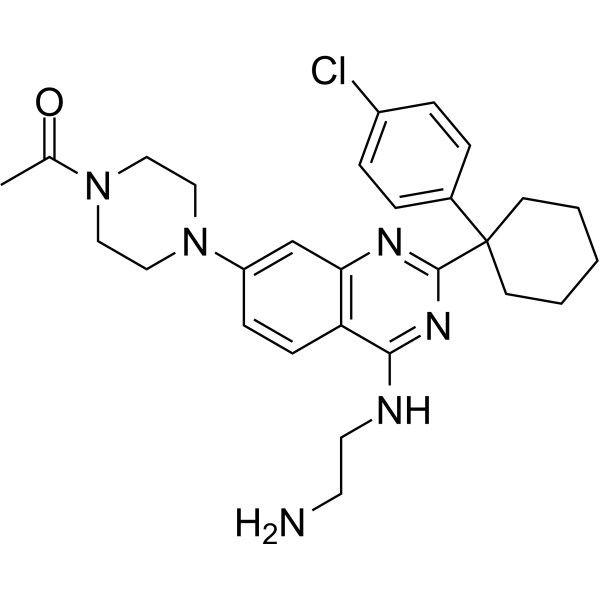
    Androgen receptor antagonist 1 is an orally available full androgen receptor (AR) antagonist with an IC50 of 59 nM . Androgen receptor antagonist 1 (Compound 6) can be used in the synthesis of PROTAC AR degraders, which results 24% and 47 % AR protein degradation in LNCaP cells at 1 μM and 10 μM, respectively .
    Androgen receptor antagonist 1
  • HY-W105681

    Biochemical Assay Reagents Others
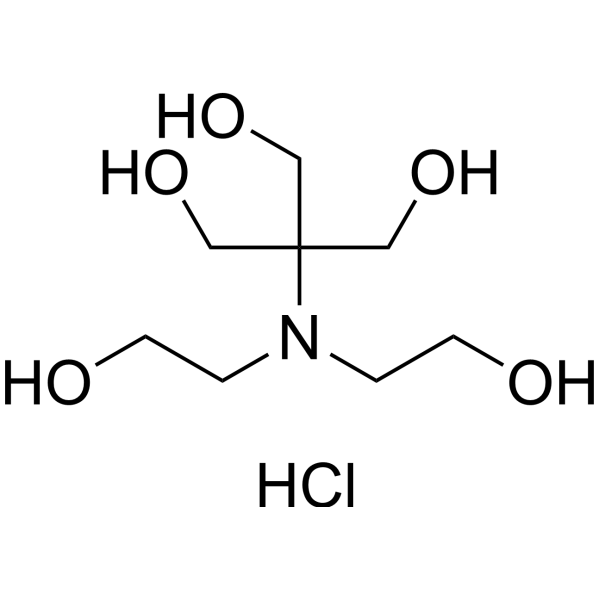
    Bis-Tris hydrochloride is an amine buffer suitable for protein and nucleic acid systems with a pH buffer range of 5.8-7.2. Bis-Tris hydrochloride can also be mixed with HEPES and cacodylic acid buffer to create a pH 8 environment and monitor fluorescence emission intensity at 305 nm. Gels formulated with Bis-Tris also avoid protein degradation in samples prepared at higher pH (pH 8.5) .
    Bis-Tris hydrochloride
  • HY-136528

    Deubiquitinase Apoptosis Cancer
    RA-9 is a potent and selective proteasome-associated deubiquitinating enzymes (DUBs) inhibitor with favorable toxicity profile and anticancer activity. RA-9 blocks ubiquitin-dependent protein degradation without impacting 20S proteasome proteolytic activity. RA-9 selectively induces onset of apoptosis in ovarian cancer cell lines and primary cultures derived from donors. RA-9 induces endoplasmic reticulum (ER)-stress responses in ovarian cancer cells .
    RA-9
  • HY-143346

    Ligands for E3 Ligase Cancer
    CCW16 is a cofactor for the synthesis of protein degraders, such as PROTACs CCW 28-3 (HY-156774).
    CCW16
  • HY-141894
    5-Ph-IAA-AM
    2 Publications Verification

    Histone Acetyltransferase Metabolic Disease
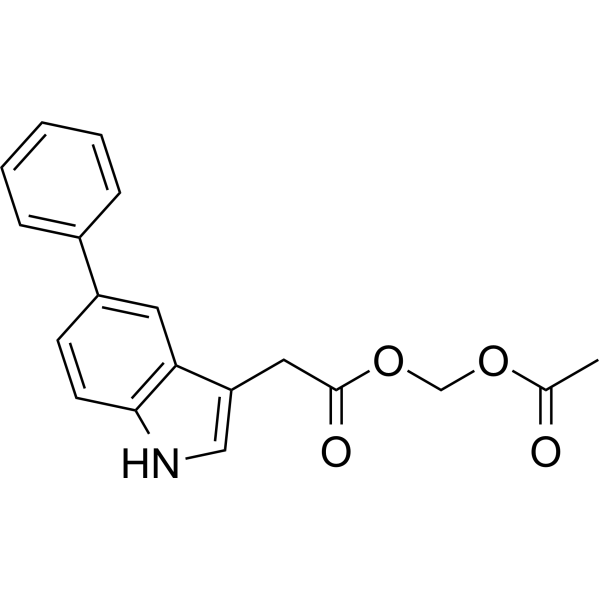
    5-Ph-IAA-AM is an eggshell-permeable 5-Ph-IAA (HY-134653) analog which contains an acetoxymethyl (AM) group. 5-Ph-IAA-AM affords an enhanced protein degradation in laid embryos. 5-Ph-IAA-AM can be used to disclosure the roles of proteins in C. elegans, in particular those that are involved in embryogenesis and development, through temporally controlled protein degradation .
    5-Ph-IAA-AM
  • HY-114406

    Ligands for E3 Ligase Cancer
    TD-106 is a cereblon (CRBN) modulator, which can be used for targeted protein degradation. BRD4 PROTACs with TD-106 induce BRD4 degradation .
    TD-106
  • HY-149934

    Ligands for E3 Ligase Cancer
    DCAF1 binder 1 is a selective for the CRL4 DCAF1 E3 ligase complex. DCAF1 binder 1 is a ligands for E3 Ligase, involving in targeted protein degradation (TPD) .
    DCAF1 binder 1
  • HY-129610

    PROTACs FKBP Cancer
    KB02-SLF is a PROTAC-based nuclear FKBP12 degrader (molecular glue). KB02-SLF promotes nuclear FKBP12 degradation by covalently modifying DCAF16 (E3 ligase) and can improve the durability of protein degradation in biological systems. SLF binds ubiquitin E3 ligase ligand KB02 via a linker to form KB02-SLF .
    KB02-SLF
  • HY-156395
    MN551
    1 Publications Verification

    E1/E2/E3 Enzyme Cancer
    MN551 is a potent inhibitor of cysteine-directed electrophilic covalent that plays important roles in the biology of SOCS2 and its CRL5 complex, and as E3 ligase handles in proteolysis targeting chimera (PROTACs) to induce targeted protein degradation .
    MN551
  • HY-149862
    ARD-2051
    1 Publications Verification

    PROTACs Androgen Receptor Cancer
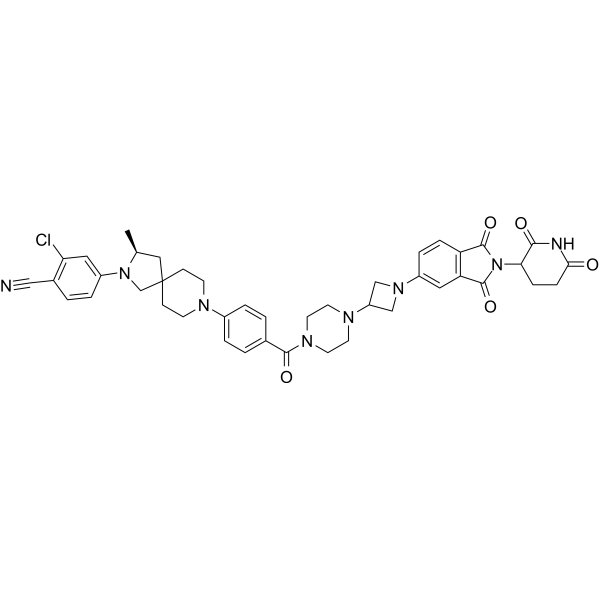
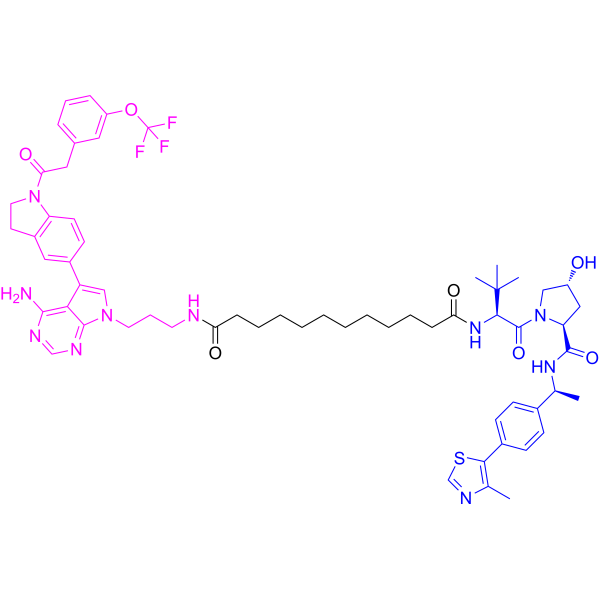
    ARD-2051 is a selective and orally active androgen receptor (AR) proteolysis-targeting chimera degrader. ARD-2051 achieves DC50 values of 0.6 nM for AR protein degradation in both the LNCaP and VCaP prostate cancer cell lines. ARD-2051 exhibits effective anti-tumor activity in VCaP xenograft mice model. ARD-2051 can be used for the research of prostate cancer (Pink: AR ligand (HY-400666), Blue: CRBN Ligand (HY-14658), Black: Linker) .
    ARD-2051
  • HY-155063

    HSP Mitochondrial Metabolism Cancer
    TRAP1-IN-1 (compound 35) is a potent and selective inhibitor of TRAP1,a mitochondrial isoform of Hsp90. TRAP1-IN-1 has >250-fold TRAP1 selectivity over Grp94,and disrupts TRAP1 tetramer stability,induces TRAP1 client protein degradation. TRAP1-IN-1 also inhibits mitochondrial complex I of oxidative phosphorylation OXPHOS,disrupts the mitochondrial membrane potential,and enhances glycolysis metabolism .
    TRAP1-IN-1
  • HY-145159

    SHP2 PROTACs Phosphatase Apoptosis Cancer
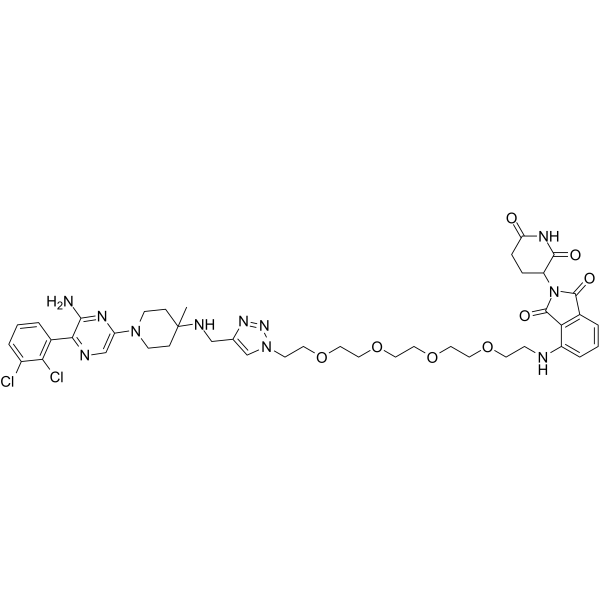
    SHP2 protein degrader-1 is a potent allosteric inhibitor of SHP2. SHP2 protein degrader-1 induces SHP2 degradation and cell apoptosis. SHP2 protein degrader-1 has the potential for researching SHP2 related diseases .
    SHP2 protein degrader-1
  • HY-143348

    E3 Ligase Ligand-Linker Conjugates Others
    NJH-2-030 can be used as a covalent recruiter for FEM1B in targeted protein degradation applications.
    NJH-2-030
  • HY-163743

    Salt-inducible Kinase (SIK) Cancer
    SIC-19 is a SIK2 inhibitor and promotes SIK2 protein degradation via the ubiquitination pathway. SIC-19 inhibits cancer cell growth and sensitizes cells to PARP inhibitors (Such as Olaparib (HY-10162)), as well as in ovarian cancer organoids and xenograft models .
    SIC-19
  • HY-171825

    PROTACs Anaplastic lymphoma kinase (ALK) Cancer
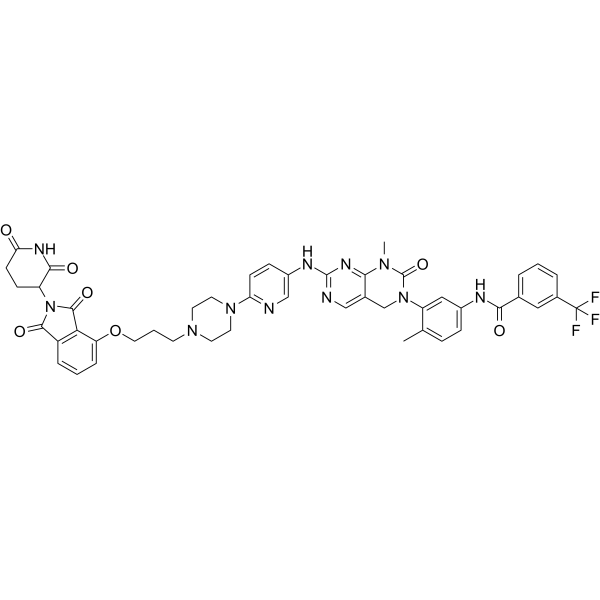
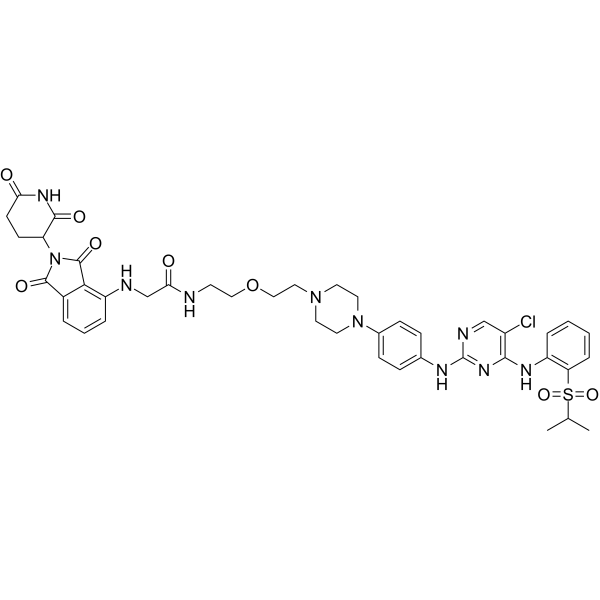
    SIAIS001 is a CRBN-dependent ALK PROTAC degrader with a DC50 of 3.9 nM. SIAIS001 induces ALK protein degradation via the ubiquitin-proteasome system. SIAIS001 induces G1/S phase cell cycle arrest and inhibits proliferation of cancer cells. SIAIS001 can be used for the research of anaplastic large-cell lymphomas .
    SIAIS001
  • HY-168615

    IKZF Family Casein Kinase Cancer
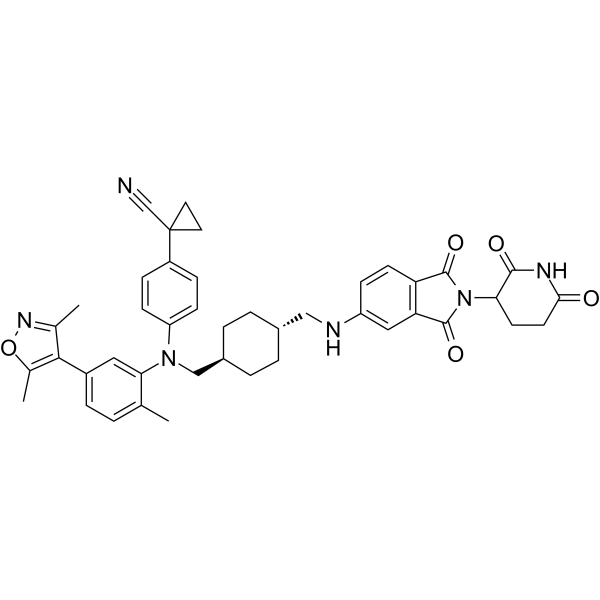
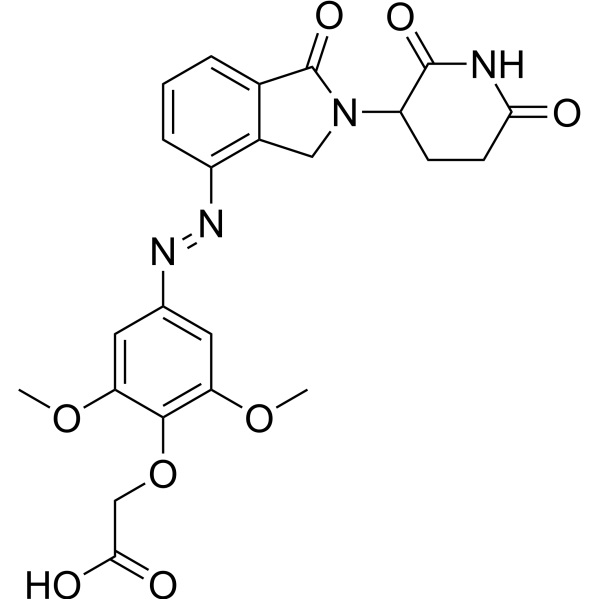
    MGD-28 is a potent, orally active, Cereblon (CRBN)-dependent IKAROS protein degrader that degrades IKZF1 (DC50=3.8 nM), IKZF2 (DC50=56.3 nM), and IKZF3 (DC50=7.1 nM) in a dose-dependent manner. In addition, MGD-4 also degrades CK1α (DC50=7.8 nM). MGD-28 has antiproliferative activity and can be used in multiple myeloma research .
    MGD-28
  • HY-122653A

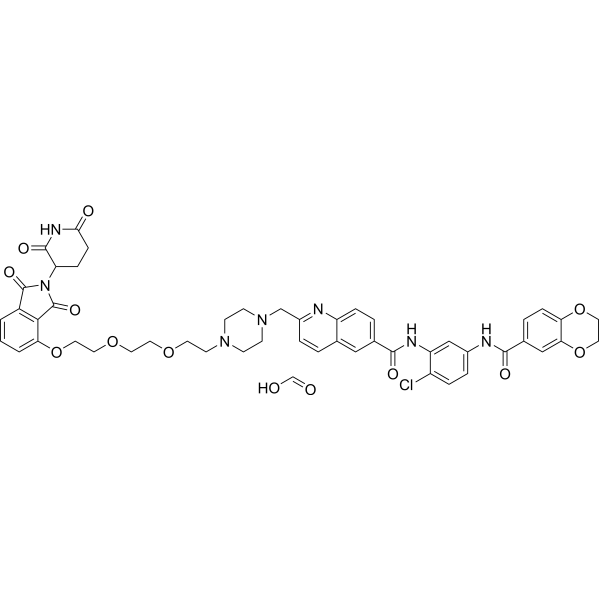
    PROTACs Cancer
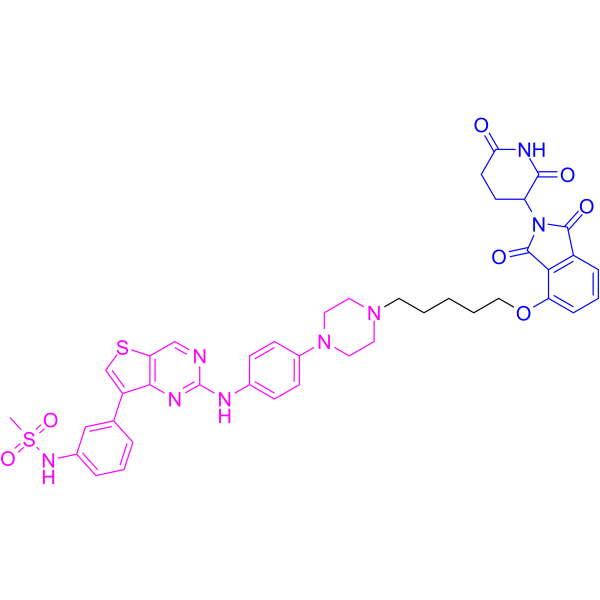
    CCT367766 formic is a potent and the third generation heterobifunctional and Cereblon-based pirin targeting protein degradation probe (PDP, or PROTAC), depletes pirin protein expression at low concentration. CCT367766 formic exhibits a moderate affinity for the CRBN-DDB1 complex with an IC50 value of 490 nM. CCT367766 formic reveals a good affinity for the recombinant pirin and CRBN with Kd values of 55 nM and 120 nM, respectively. CCT367766 formic provides a potential chemical tool to study a largely unexplored protein .
    CCT367766 formic
  • HY-158036

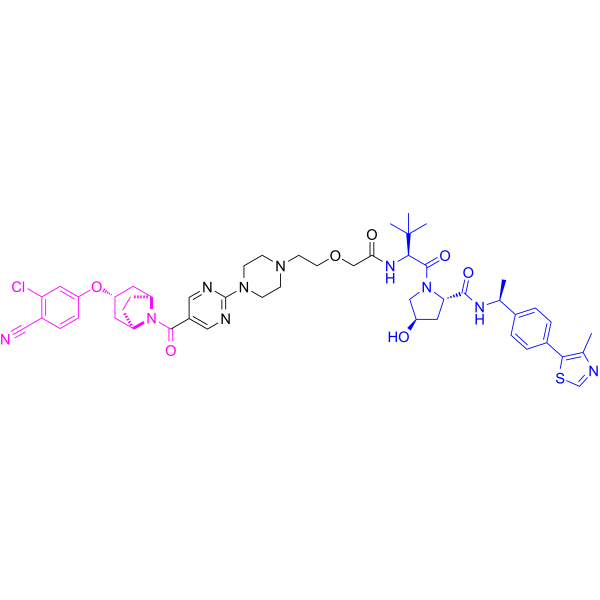
    PROTACs STING Others Inflammation/Immunology
    PROTAC STING degrader-2 is a protein Degrader that targets Stimulator of interferon genes (STING) (DC50=0.53 μM). PROTAC STING Degrader-2 is combined with STING protein and E3 ubiquitin ligase in a covalent manner to induce the degradation of STING protein. PROTAC STING Degrader-2 can be used to investigate the role of STING in autoinflammation and autoimmune diseases (PINK: STING binder (HY-145009); Blue: VHL ligand (HY-164043); Black: linker) .
    PROTAC STING Degrader-2
  • HY-148777

    PROTACs Androgen Receptor Cancer
    A031 is a highly effective PROTAC androgen receptor (AR) degrader with an IC50 value less than 0.25 μM for AR protein degradation. A031 has an inhibitory effect on tumor growth in zebrafish with human prostate cancer (VCaP) .
    A031
  • HY-W054146
    RAMB4
    1 Publications Verification

    Proteasome Cancer
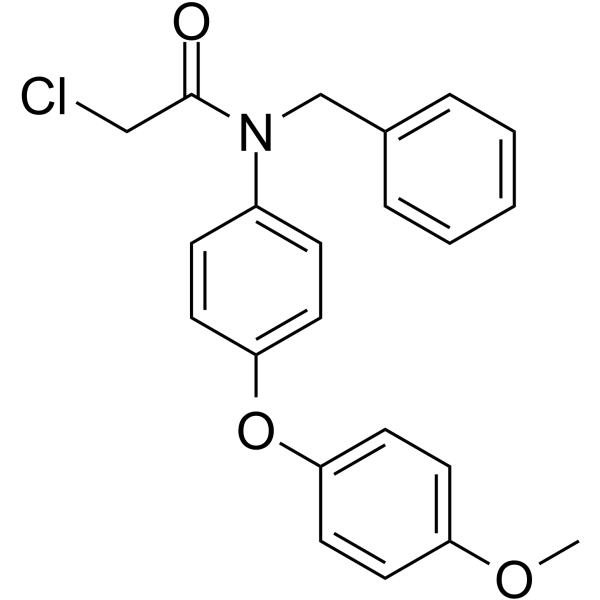
    RAMB4 is a ubiquitin-proteasome system (UPS)-stressor. RAMB4 inhibits ubiquitin-mediated protein degradation upstream of the 20S proteasomal catalytic activites. RAMB4 triggers a ubiquitin-proteasome-system (UPS)-stress response without affecting 20S proteasome catalytic activities. Anticancer activity .
    RAMB4
  • HY-151792

    E3 Ligase Ligand-Linker Conjugates Metabolic Disease Inflammation/Immunology Cancer
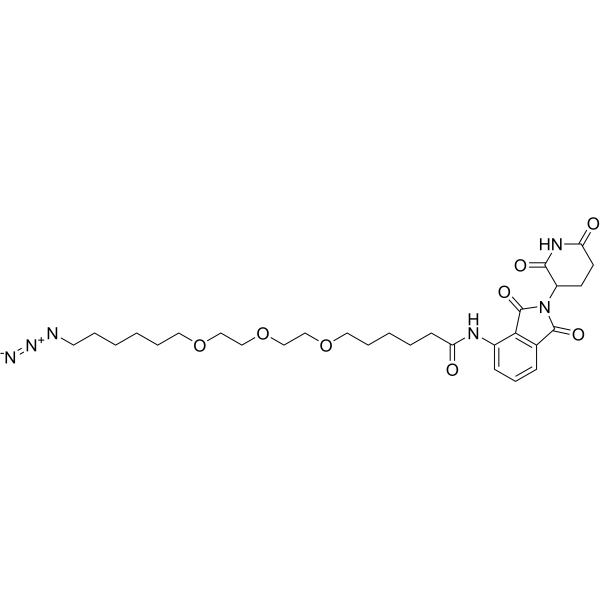
    Pomalidomid-C6-PEG3-butyl-N3 is a click chemistry reagent containing an azide group. Pomalidomid-C6-PEG3-butyl-N3 also is a crosslinker-E3 ligase ligand conjugate, which be used in click reactive protein degrader building block for PROTAC research. Pomalidomid-C6-PEG3-butyl-N3 also can be used in the template for synthesis of targeted protein degrader . It contains an azide group and can undergo copper-catalyzed azide-alkyne cycloaddition (CuAAc) with molecules containing alkyne groups. It can also undergo ring strain-promoted alkyne-azide cycloaddition (SPAAC) with molecules containing DBCO or BCN groups.
    Pomalidomid-C6-PEG3-butyl-N3
  • HY-175204

    AUTACs SHP2 Apoptosis Autophagy Atg8/LC3 Cancer
    SHP2 protein degrader-3 is a SHP2 AUTAC degrader. SHP2 protein degrader-3 shows dose-dependent SHP2 degradation ability (DC50 = 3.22 μM) and anti-tumor activity (IC50 = 5.59 μM) in HeLa cells. SHP2 protein degrader-3 induces degradation through the LC3-mediated autophagy pathway, which can be inhibited by lysosome inhibitors. SHP2 protein degrader-3 induces apoptosis in various cancer cells (HeLa cells, HepG2 cells, LoVo cells, Huh-7 cells) (SHP2 Ligand : (HY-100388); LC3 Ligand: (HY-10542); Linker : (HY-128834)) .
    SHP2 protein degrader-3
  • HY-159668

    ADC Linker Cancer
    DL002 is a ADC linker that can be used to synthesize antibody-drug conjugates containing BCL-2 family protein degraders, and it's used in tumor research .
    DL002
  • HY-176795

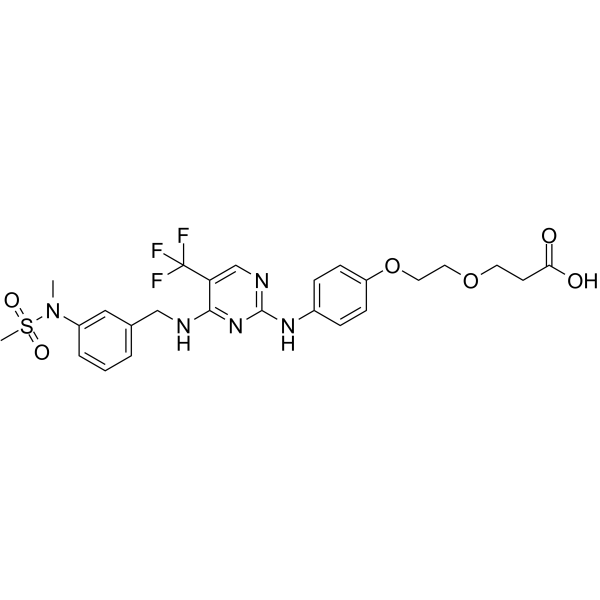
    Ligands for Target Protein for PROTAC Cancer
    SHP2 ligand-3 is a PROTAC target protein ligand that can be used to synthesize SHP2 protein degrader-1 (HY-145159) .
    SHP2 ligand-3
  • HY-161162

    CFT-2139

    DNA/RNA Synthesis Others
    aTAG 2139 (CFT-2139) is an aTAG-based MTH1 fusion protein degrader with a DC50 value of 1.1 nM. aTAG 2139 has a Ki value of 2.1 nM for MTH1 .
    aTAG 2139
  • HY-160438

    Survivin Cancer
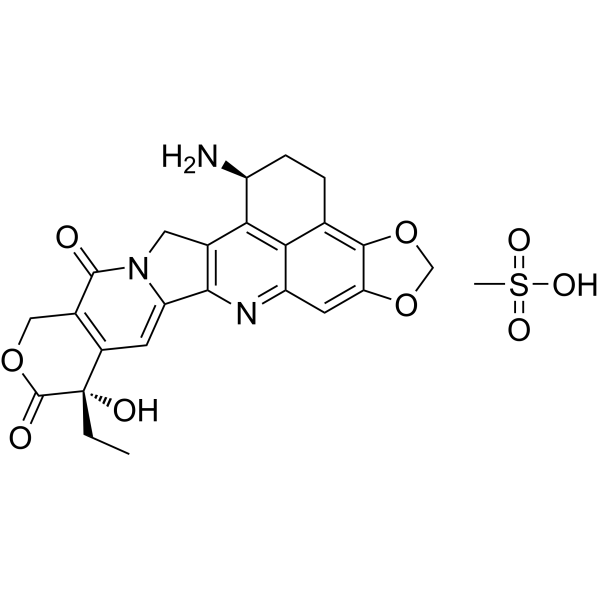
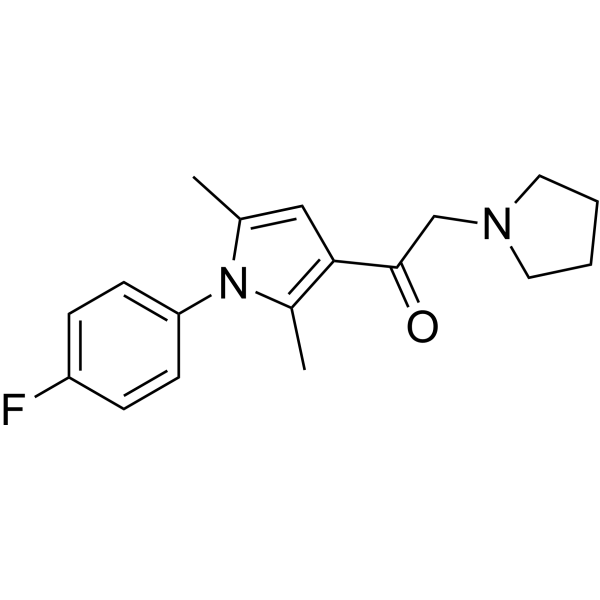
    PBX-7011 is an active camptothecin (HY-16560) derivative. PBX-7011 can bind to the DDX5 protein in cells, thereby inducing cell death through DDX5 protein degradation .
    PBX-7011
  • HY-D2259

    E1/E2/E3 Enzyme Ligands for E3 Ligase Others
    PFI-7 is a probe, which binds to human GID4 (KD is 79 nM), and antagonizes the binding of Pro/N-degrons. PFI-7 can be utilized in C-terminal to LisH (CTLH) complex research and development of targeted protein degradation .
    PFI-7
  • HY-44148

    Target Protein Ligand-Linker Conjugates Cancer
    FAK ligand-Linker Conjugate 1 incorporates a ligand for FAK, and a PROTAC linker, which recruit E3 ligases (such as VHL, CRBN, MDM2, and IAP). FAK ligand-Linker Conjugate 1 can be extensively used for PROTAC-mediated protein degradation .
    FAK ligand-Linker Conjugate 1
  • HY-122825

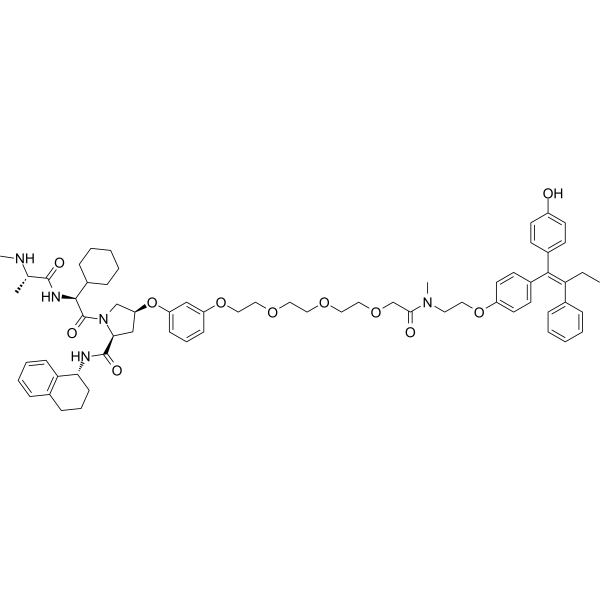
    SNIPERs Estrogen Receptor/ERR Cancer
    SNIPER(ER)-110 consists of a IAP ligand and an estrogen ligand, connected by a linker. SNIPER(ER)-51 induces estrogen receptor (ER) protein degradation with DC50s of <3 nM and 7.7 nM after 4 h and 48 h, respectively .
    SNIPER(ER)-110
  • HY-124739

    Deubiquitinase Cancer
    HBX 28258 is a selective USP7 inhibitor, with an IC50 of 22.6 μM. HBX 28258 can covalently binds to Cys223 located in the catalytic core of USP7, inhibits its deubiquitinating activity, promotes MDM2 protein degradation, and activates p53 .
    HBX 28258
  • HY-162411

    Ligands for E3 Ligase Cancer
    E3 ligase Ligand 24 (Compound 24) is a Potent Ligand for the E3 Ligase DCAF15 (IC50= 0.053 μM). Due to E3 ligase Ligand 24’s selectivity and potent binding characteristics, it is pivotal in the study of targeted protein degradation .
    E3 ligase Ligand 24
  • HY-153881

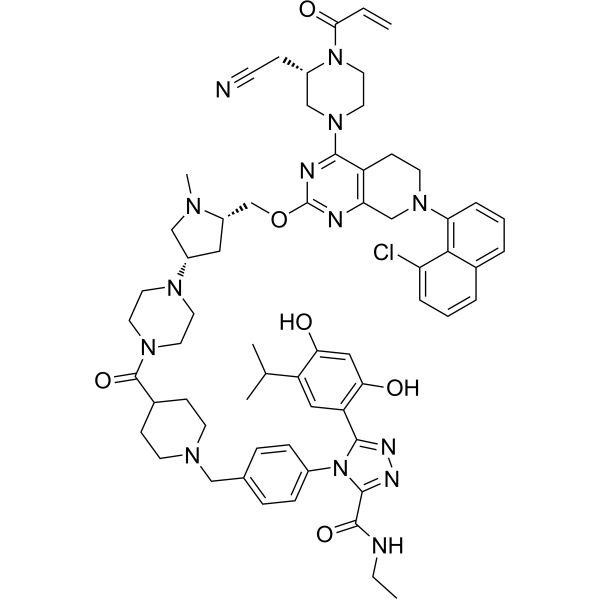
    Ras Cancer
    KRAS G12C degrader-1 (Compound 283) is a potent KRAS G12C degrader (DC50: < 100 nM) for cancer research. KRAS G12C degrader-1 is a chaperone (HSP90)-mediated protein degrader (CHAMPs) .
    KRAS G12C degrader-1
  • HY-179065

    Potassium Channel Cardiovascular Disease
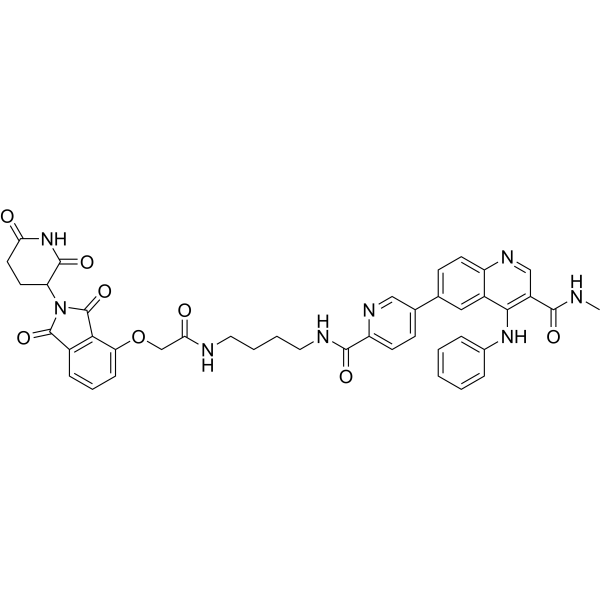
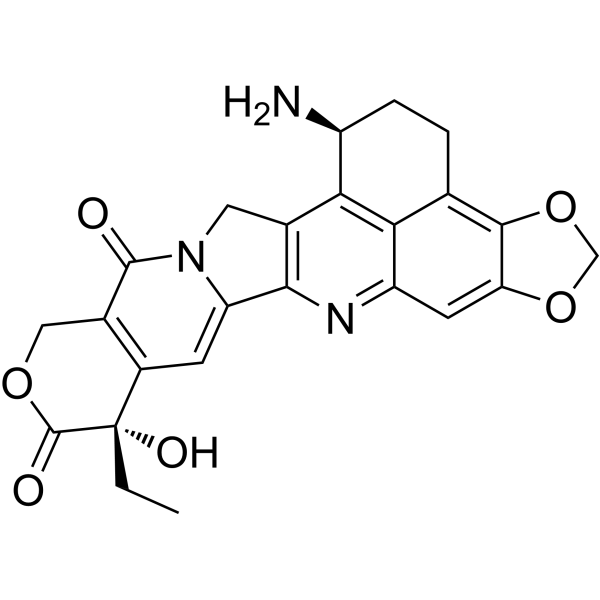
    VU0494372 is an activator of potassium ion channel KCNQ1. VU0494372 can significantly enhance the cell surface expression and transport efficiency of KCNQ1. VU0494372 does not alter KCNQ1 mRNA levels and protein degradation rate, and has no significant cytotoxicity. VU0494372 can be used for research on cardiovascular conditions .
    VU0494372
  • HY-168614

    IKZF Family Cancer
    MGD-4 is an orally active, Cereblon (CRBN)-dependent IKAROS protein degrader that degrades IKZF1 (DC50=67.2 nM), IKZF2 (DC50=918.2 nM), and IKZF3 (DC50=95.8 nM) in a dose-dependent manner. MGD-4 effectively inhibits the growth of multiple myeloma .
    MGD-4
  • HY-172822

    ByeTAC Btk Cancer
    TLT8 is a ByeTAC protein degrader targeting BTK. TLT8 non-covalently binds to Rpn-13 and BTK, thereby inducing BTK degradation. TLT8 can be used in chronic lymphocytic leukemia research. (Rpn-13 ligand: HY-159808; BTK ligand: HY-Z3101; linker: HY-172823) .
    TLT8
  • HY-170769

    Target Protein Ligand-Linker Conjugates FLT3 Cancer
    FLT3 Ligand-Linker Conjugate 1 (compound 7) contains the FLT3 ligand and a PROTAC linker, which can recruit the E3 ligase VHL. FLT3 Ligand-Linker Conjugate 1 can be used to synthesize the PROTAC RSS0680 (HY-148062). PROTAC RSS0680 is a bifunctional compound that targets protein degradation of kinases .
    FLT3 Ligand-Linker Conjugate 1
  • HY-151791

    ADC Linker Others
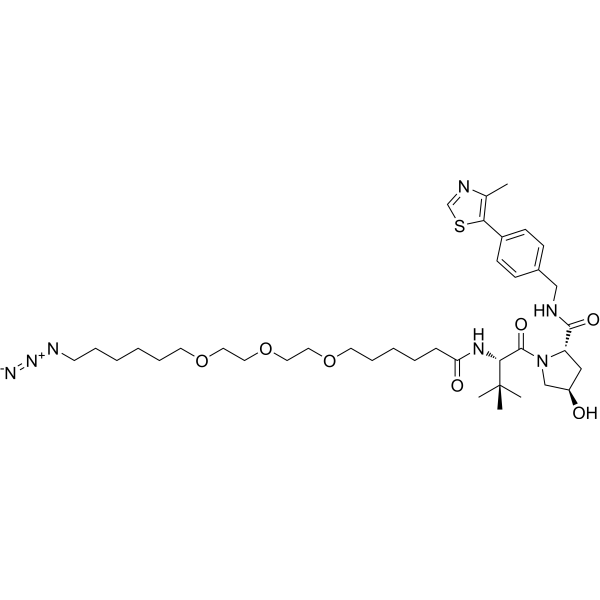
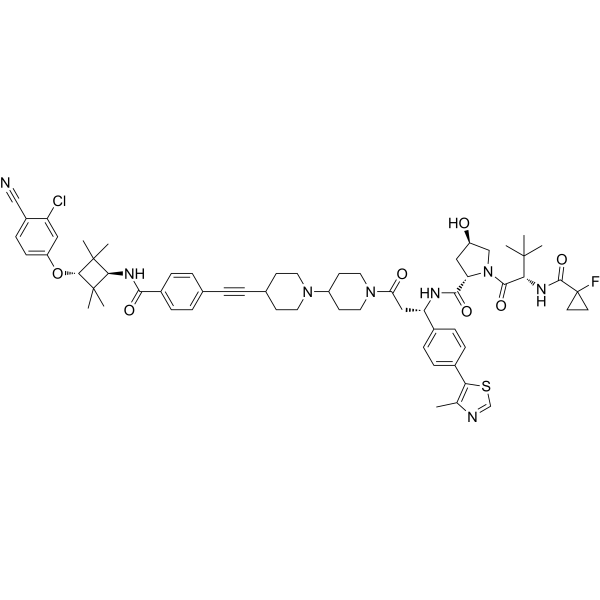
    (S,R,S)-AHPC-C6-PEG3-butyl-N3 is a click chemistry reagent containing an azide group. (S,R,S)-AHPC-C6-PEG3-butyl-N3 serves as crosslinker-E3 ligase ligand conjugate, Click reactive protein degrader building block for PROTAC research, Template for synthesis of targeted protein degrader, VH032 conjugate . (S,R,S)-AHPC-C6-PEG3-butyl-N3 is a click chemistry reagent, it contains an Azide group and can undergo copper-catalyzed azide-alkyne cycloaddition reaction (CuAAc) with molecules containing Alkyne groups. It can also undergo strain-promoted alkyne-azide cycloaddition (SPAAC) reactions with molecules containing DBCO or BCN groups.
    (S,R,S)-AHPC-C6-PEG3-butyl-N3

Inquiry Online

Your information is safe with us. * Required Fields.

Salutation


Country or Region *

Applicant Name *


Organization Name *

Department *


Email Address *


Product Name *

Cat. No.


Requested quantity *

Phone Number *


Remarks

Inquiry Online

Inquiry Information

Product Name:
Cat. No.:
Quantity:
MCE Japan Authorized Agent: