1. Search Result
Search Result
Results for "

calcium influx

" in MedChemExpress (MCE) Product Catalog:

154

Inhibitors & Agonists

2

Biochemical Assay Reagents

11

Peptides

2

Inhibitory Antibodies

24

Natural
Products

1

Recombinant Proteins

21

Isotope-Labeled Compounds

1

Antibodies

Cat. No. Product Name Target Research Areas Chemical Structure
  • HY-18723
    Yoda 1
    Maximum Cited Publications
    100 Publications Verification

    Piezo Channel Akt ERK Potassium Channel Cardiovascular Disease
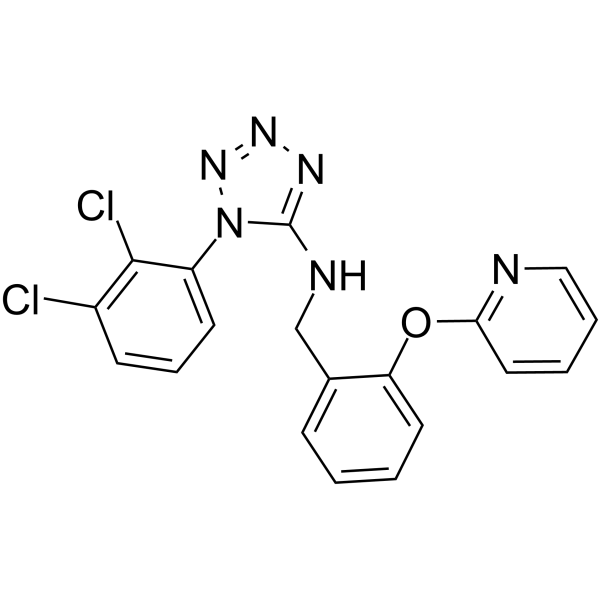
    Yoda 1 is a potent and selective Piezo1 agonist. Yoda 1 activates purified Piezo1 channels. Yoda 1 potently inhibits macropinocytosis induced by epidermal growth factor (EGF). Yoda 1 enhances Ca 2+ influx followed by activation of the calcium-activated potassium channel KCa3.1 and inhibition of Rac1 activation .
    Yoda 1
  • HY-100807
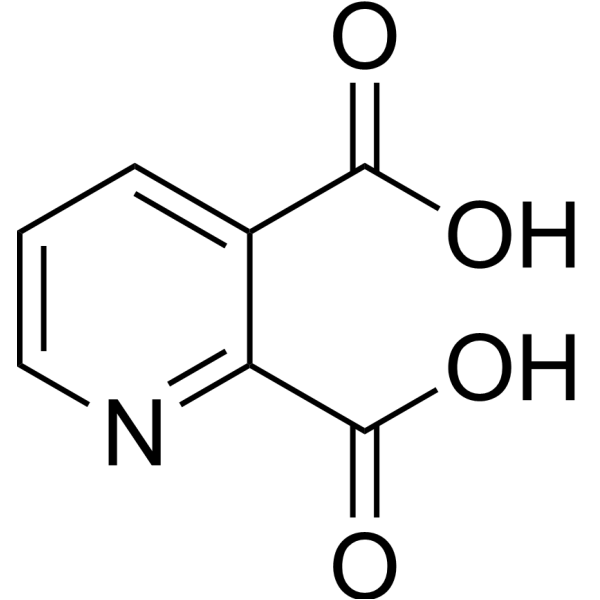
    Quinolinic acid
    Maximum Cited Publications
    7 Publications Verification

    MOFs iGluR Endogenous Metabolite Reactive Oxygen Species (ROS) NO Synthase Apoptosis Neurological Disease Inflammation/Immunology
    Quinolinic acid, an endogenous metabolite of tryptophan, is a N-methyl-D-aspartate receptor (NMDA receptor) agonist. Quinolinic acid increases glutamate efflux, induces the generation of ROS, activates nitric oxide synthase, produces excessive NO, leading to calcium ion influx and neuronal apoptosis .
    Quinolinic acid
  • HY-B0317
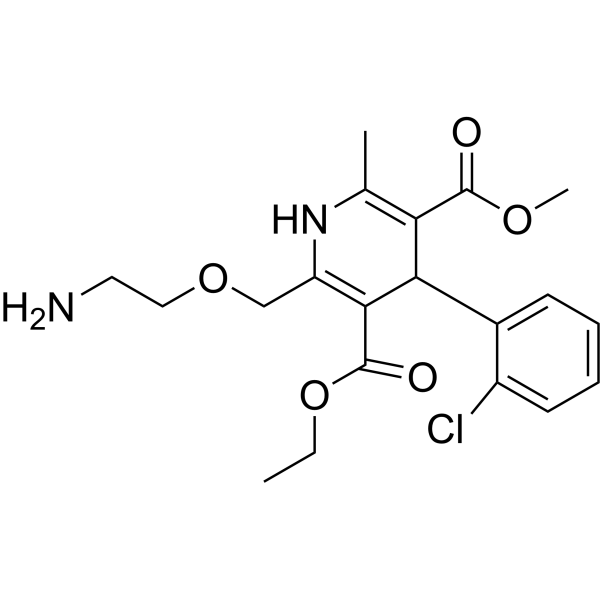
    Amlodipine
    10+ Cited Publications

    Calcium Channel Cardiovascular Disease Cancer
    Amlodipine, an antianginal agent and an orally active dihydropyridine calcium channel blocker, works by blocking the voltage-dependent L-type calcium channels, thereby inhibiting the initial influx of calcium. Amlodipine can be used for the research of high blood pressure and cancer .
    Amlodipine
  • HY-15064
    HC-030031
    35+ Cited Publications

    TRP Channel Neurological Disease
    HC-030031 is a potent and selective TRPA1 inhibitor, which antagonizes AITC- and formalin-evoked calcium influx with IC50s of 6.2±0.2 and 5.3±0.2 μM, respectively.
    HC-030031
  • HY-14656
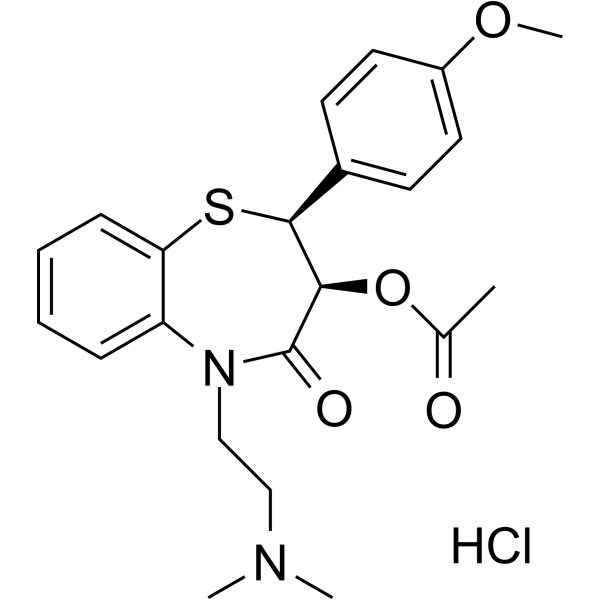
    Diltiazem hydrochloride
    5+ Cited Publications

    CRD-401

    Calcium Channel Cardiovascular Disease Cancer
    Diltiazem hydrochloride is a Ca 2+ influx inhibitor (slow channel blocker or calcium antagonist).
    Diltiazem hydrochloride
  • HY-B1174

    Kanamycin B

    Antibiotic Bacterial Infection
    Bekanamycin (Kanamycin B) is an aminoglycoside antibiotic produced by Streptomyces kanamyceticus, against an array of Gram-positive and Gram-negative bacterial strain .
    Bekanamycin
  • HY-B0317B
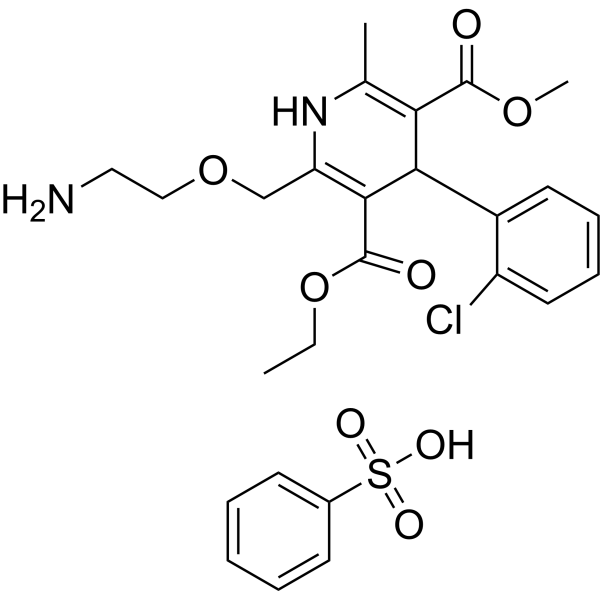
    Amlodipine besylate
    10+ Cited Publications

    Amlodipine benzenesulfonate

    Calcium Channel Cardiovascular Disease Cancer
    Amlodipine besylate (Amlodipine benzenesulfonate), an antianginal agent and an orally active dihydropyridine calcium channel blocker, works by blocking the voltage-dependent L-type calcium channels, thereby inhibiting the initial influx of calcium. Amlodipine besylate can be used for the research of high blood pressure and cancer .
    Amlodipine besylate
  • HY-17402
    Nisoldipine
    2 Publications Verification

    BAY-k 5552

    Calcium Channel Reactive Oxygen Species (ROS) Infection Cardiovascular Disease Neurological Disease
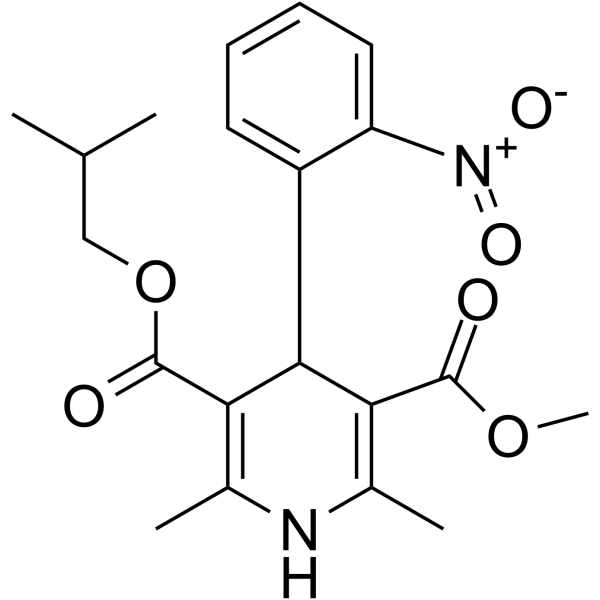
    Nisoldipine (BAY-k 5552; Sular) is an orally active and blood-brain barrier-penetrating dihydropyridine calcium antagonist, with greater vascular selectivity than other calcium channel antagonists. Nisoldipine inhibits calcium influx and blocks voltage-gated calcium channels. Nisoldipine dilates coronary and systemic arteries. Nisoldipine has antihypertensive and anti-anginal activity. Nisoldipine also displays neuroprotective and antiviral activity .
    Nisoldipine
  • HY-142240

    HSK16149

    Calcium Channel Neurological Disease
    Crisugabalin is an orally active, selective ligand for the α2δ subunit of voltage-gated calcium channels, with a target IC50 of 3.96 nM in rats. Crisugabalin inhibits the binding of [ 3H]gabapentin to the α2δ subunit, reduces calcium influx, decreases neuronal excitability, and impairs nociceptive transmission. Crisugabalin alleviates mechanical allodynia, neuropathic pain and inflammatory pain in rats, and reduces phase II pain behaviors. Crisugabalin can be used in research related to chronic pain, neuropathic pain, diabetic neuropathy, fibromyalgia, inflammatory pain, diabetic peripheral neuropathy and postherpetic neuralgia.
    Crisugabalin
  • HY-W015954

    Endogenous Metabolite Calcium Channel Bacterial Infection Metabolic Disease
    (2R,3R)-Butane-2,3-diol is a non-covalent, reversible agonist targeting lanthanum (La 3+)-sensitive calcium channels in bacteria (e.g., Escherichia coli) with an EC50 of approximately 25 mM. (2R,3R)-Butane-2,3-diol binds to calcium channel proteins or related complexes, induces channel opening, promotes extracellular calcium influx, and triggers intracellular calcium transients, which may regulate bacterial physiological activities such as growth, metabolism, and signal transduction. (2R,3R)-Butane-2,3-diol mediates bacterial-host cell signaling interactions and affects the metabolic balance of intestinal microorganisms, and can be used to study lactose intolerance and other related diseases .
    (2R,3R)-Butane-2,3-diol
  • HY-W074890
    Palmitoylglycine
    1 Publications Verification

    N-palmitoyl glycine

    Calcium Channel NO Synthase Neurological Disease Inflammation/Immunology
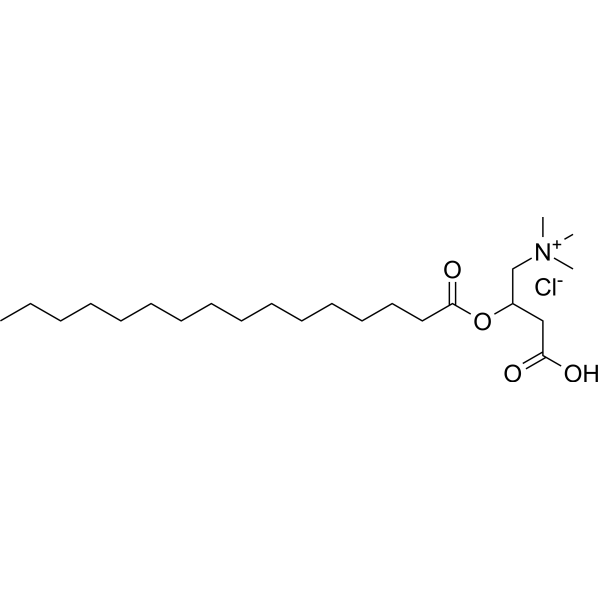
    Palmitoylglycine (N-palmitoyl glycine), an endogenous lipid that acts as a modulator of calcium influx and nitric oxide () production in sensory neurons. Palmitoylglycine is linked to an increased risk of Background Brugada syndrome (BrS) and interacts with BrS-associated proteins, demonstrating moderate binding affinities for DCC, CR1, CTSB, NAAA, DEFB1, EPHA1, IGF1/IGFBP3/ALS, and LTA .
    Palmitoylglycine
  • HY-17436

    Calcium Channel Cardiovascular Disease Cancer
    Clevidipine is a selective, short-acting L-type calcium channel antagonist with an IC50 of 7.1 nM. Clevidipine can competitively bind to calcium channels and exert rapid vasoselective vasodilation by blocking the influx of extracellular calcium ions, thereby reducing peripheral vascular resistance and effectively controlling acute severe hypertension. Clevidipine can also protect the myocardium from reperfusion injury by promoting the release of nitric oxide (NO). Clevidipine can be used in the research of acute hypertension, perioperative blood pressure management, and myocardial ischemia-reperfusion injury .
    Clevidipine
  • HY-100807S
    Quinolinic acid-d3
    2 Publications Verification

    Isotope-Labeled Compounds iGluR Endogenous Metabolite Reactive Oxygen Species (ROS) NO Synthase Apoptosis Neurological Disease Inflammation/Immunology
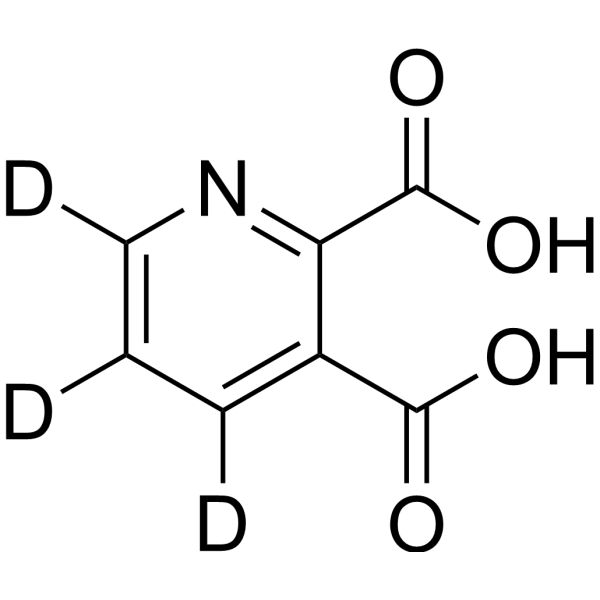
    Quinolinic acid-d3 is the deuterium labeled Quinolinic acid. Quinolinic acid, an endogenous metabolite of tryptophan, is a N-methyl-D-aspartate receptor (NMDA receptor) agonist. Quinolinic acid increases glutamate efflux, induces the generation of ROS, activates nitric oxide synthase, produces excessive NO, leading to calcium ion influx and neuronal apoptosis.
    Quinolinic acid-d3
  • HY-P99761

    XmAb5871

    CD19 Apoptosis Inflammation/Immunology
    Obexelimab (XmAb5871) is a humanized anti-CD19 antibody. Obexelimab works by inhibiting B cell receptor (BCR) mediated calcium influx and promoting the phosphorylation of Fc γ receptor IIb (FcγRIIb), which reduces B cell activation and function, leading to B cell apoptosis. Obexelimab can be used in research for rheumatoid arthritis and systemic lupus erythematosus .
    Obexelimab
  • HY-120751

    Calcium Channel Neurological Disease
    TROX-1 is a selective, orally active and brain-penetrant N-type calcium channel (Cav2.2) inhibitor with an IC50 value of 0.11 μM. TROX-1 exerts state-dependent and use-dependent inhibition, preferentially targets open/inactivated channels, blocks depolarization-associated calcium influx, and fully blocks calcium influx in rat dorsal root ganglion neurons. TROX-1 reverses inflammatory-induced hyperalgesia, nerve injury-induced allodynia. TROX-1 can be used for the research of pain .
    TROX-1
  • HY-N7395
    Cyclic ADP-​ribose
    1 Publications Verification

    cADPR

    Calcium Channel TRP Channel Endogenous Metabolite Infection Cardiovascular Disease Neurological Disease Inflammation/Immunology Endocrinology
    Cyclic ADP-ribose (cADPR) is a potent second messenger for calcium mobilization that is synthesized from NAD + by an ADP-ribosyl cyclase. Cyclic ADP-ribose increases cytosolic calcium mainly by Ryanodine receptor-mediated release from endoplasmic reticulum and also by extracellular influx through the opening of TRPM2 channels .
    Cyclic ADP-​ribose
  • HY-107411
    Bromoenol lactone
    3 Publications Verification

    (6E)-Bromoenol lactone

    Phospholipase Inflammation/Immunology
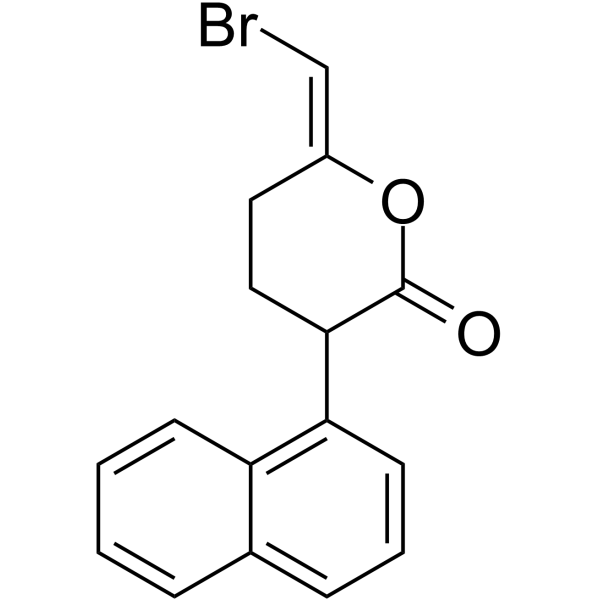
    Bromoenol lactone ((6E)-Bromoenol lactone) is a suicide-based irreversible, selective, potent inhibitor of calcium-independent phospholipase A2 (iPLA2β) with an IC50 value of approximately 7 μM, which inhibits antigen-stimulated mast cell exocytosis without blocking Ca 2+ influx .
    Bromoenol lactone
  • HY-157131
    TRPV2-selective blocker 1
    2 Publications Verification

    TRP Channel Neurological Disease
    TRPV2-selective blocker 1 is a TRPV2-selective blocker that inhibits calcium influx and ionic currents. TRPV2-selective blocker 1 exhibits an IC50 of 6.3 μM against rat TRPV2, and shows no activity against TRPV1, TRPV3 or TRPV4 channels. TRPV2-selective blocker 1 attenuates macrophage phagocytosis, LPS-induced macrophage migration, and calcium microdomains generated by peripheral TRPV2. TRPV2-selective blocker 1 is non-cytotoxic and can be used to investigate the function of TRPV2 during immune processes .
    TRPV2-selective blocker 1
  • HY-B0317A
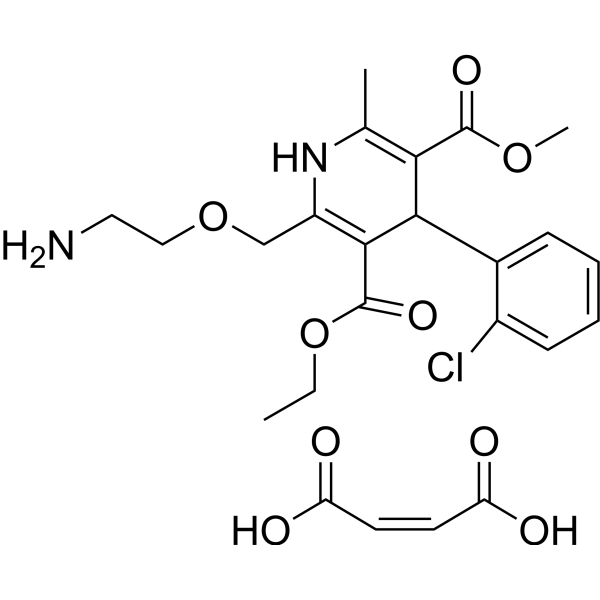
    Amlodipine maleate
    10+ Cited Publications

    Calcium Channel Cardiovascular Disease Cancer
    Amlodipine maleate is a dihydropyridine calcium channel blocker, acts as an orally active antianginal agent. Amlodipine maleate blocks the voltage-dependent L-type calcium channels, thereby inhibiting the initial influx of calcium. Amlodipine maleate can be used for the research of high blood pressure and cancer .
    Amlodipine maleate
  • HY-P5883

    tatM2NX

    TRP Channel Cardiovascular Disease Neurological Disease
    TAT-M2NX (tatM2NX) is a selective inhibitor targeting human TRPM2 channels and exerts inhibitory effects on ischemic stroke. TAT-M2NX reduces H2O2-induced calcium influx via TRPM2 channels. After traumatic brain injury in mice, TAT-M2NX preserves hippocampal long-term potentiation, improves memory function, and reduces infarct volume after middle cerebral artery occlusion, but it shows no effect on female mice. TAT-M2NX can be used in studies related to traumatic brain injury and ischemic stroke .
    TAT-M2NX
  • HY-B1177

    Environmental Pollutants TRP Channel Parasite Infection
    Crotamiton is a TRPV4 inhibitor. Crotamiton inhibits TRPV4 currents. Crotamiton inhibits TRPV4 selective agonist-induced pruritus-related behaviors in mice. Crotamiton inhibits Histamine- and Chloroquine-induced calcium influx via the H1R/TRPV1, MRGPRA3/TRPA1 pathways, and also suppresses calcium influx in primary mouse dorsal root ganglion neurons. Crotamiton is applicable to research related to pruritus, scabies, and non-scabietic pruritus .
    Crotamiton
  • HY-17611

    MSP-2017; (-)-MSP-2017

    Calcium Channel Cardiovascular Disease Neurological Disease
    Etripamil (MSP-2017) is a short-acting, L-type calcium-channel antagonist. Etripamil inhibits calcium influx through slow calcium channels, thereby slowing AV node conduction and prolonging the AV node refractory period. Etripamil increases heart rate and decreases systolic blood pressure. Etripamil can be used in the study of paroxysmal supraventricular tachycardia (PSVT) .
    Etripamil
  • HY-B1090

    Calcium Channel Histamine Receptor Cardiovascular Disease Endocrinology
    Cinnarizine is an orally active, effective and selective inhibitor of L-type calcium channel Cav1.3 with an IC50 of 1.5 μM (in vestibular hair cells). Cinnarizine can cross the blood-brain barrier and regulate calcium homeostasis and dopamine neurotransmission. Cinnarizine inhibits the influx of calcium ions into smooth muscle cells by blocking L-type calcium channels, thereby relaxing vascular smooth muscle, improving cerebral circulation and reducing blood viscosity, while antagonizing dopamine receptors. Cinnarizine can be used in the study of vestibular vertigo, Meniere's disease and cerebrovascular diseases .
    Cinnarizine
  • HY-100807R
    Quinolinic acid (Standard)
    Maximum Cited Publications
    7 Publications Verification

    Reference Standards iGluR Endogenous Metabolite Reactive Oxygen Species (ROS) NO Synthase Apoptosis Neurological Disease Inflammation/Immunology
    Quinolinic acid (Standard) is the analytical standard of Quinolinic acid. This product is intended for research and analytical applications. Quinolinic acid, an endogenous metabolite of tryptophan, is a N-methyl-D-aspartate receptor (NMDA receptor) agonist. Quinolinic acid increases glutamate efflux, induces the generation of ROS, activates nitric oxide synthase, produces excessive NO, leading to calcium ion influx and neuronal apoptosis.
    Quinolinic acid (Standard)
  • HY-P1077
    CALP1
    3 Publications Verification

    mGluR Phosphodiesterase (PDE) Apoptosis Calmodulin Inflammation/Immunology
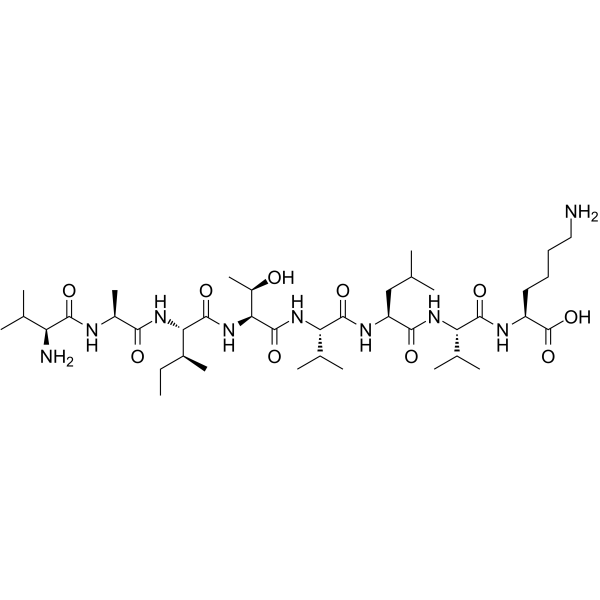
    CALP1 is a calmodulin (CaM) agonist (Kd of 88 µM) with binding to the CaM EF-hand/Ca 2+-binding site. CALP1 blocks calcium influx and apoptosis (IC50 of 44.78 µM) through inhibition of calcium channel opening. CALP1 blocks glutamate receptor channels and blocks a store-operated nonselective cation channel. CALP1 activates CaM-dependent phosphodiesterase activity .
    CALP1
  • HY-111973

    Phytohormone iGluR Neurological Disease
    Phaseic acid is a Abscisic acid terpenoid catabolite that can able to activate a subset of Abscisic acid repectors. Phaseic acid is a plant hormone associated with photosynthesis arrest and abscission. Phaseic acid is the antagonist for NMDA-type glutamate receptor (NMDAR) that inhibits NMDAR currents with an IC50 of 34.37 μM. Phaseic acid reduces intracellular calcium influx, and exhibits neuroprotective effect .
    Phaseic acid
  • HY-13954
    A 839977
    1 Publications Verification

    P2X Receptor Neurological Disease Inflammation/Immunology
    A 839977 is a P2X7 selective antagonist; it blocks BzATP-evoked calcium influx at recombinant human, rat and mouse P2X7 receptors (IC50 values are 20 nM, 42 nM and 150 nM respectively) and reduces inflammatory and neuropathic pain in animal models; the antihyperalgesic effects of P2X7 receptor blockade are mediated by blocking the release of IL-1beta .
    A 839977
  • HY-B1035
    Levobunolol hydrochloride
    1 Publications Verification

    l-Bunolol hydrochloride

    Adrenergic Receptor Calcium Channel Casein Kinase Cardiovascular Disease
    Levobunolol (l-Bunolol) hydrochloride is a non-selective β-adrenergic antagonist and vasodilator. By blocking calcium ion influx and reducing the sensitivity of vascular smooth muscle to calcium, Levobunolol hydrochloride effectively dilates the ciliary arteries and increases ocular blood flow, so it is widely used in research on glaucoma and ocular hypertension. Levobunolol hydrochloride inhibits the β-receptor signaling pathway and the expression of related proliferation markers (such as CK3, CK14, CK19, Ki67) in corneal cells. In rabbit models, Levobunolol hydrochloride not only does not inhibit corneal epithelial regeneration, but also accelerates the healing of mechanical injury without adverse effects. Levobunolol hydrochloride also inhibits histamine-induced vasoconstriction and intracellular calcium elevation, exhibiting unique vascular regulatory activity. Levobunolol hydrochloride protects ocular blood flow and promotes corneal repair .
    Levobunolol hydrochloride
  • HY-P1077A
    CALP1 TFA
    3 Publications Verification

    mGluR Phosphodiesterase (PDE) Apoptosis Calmodulin Inflammation/Immunology
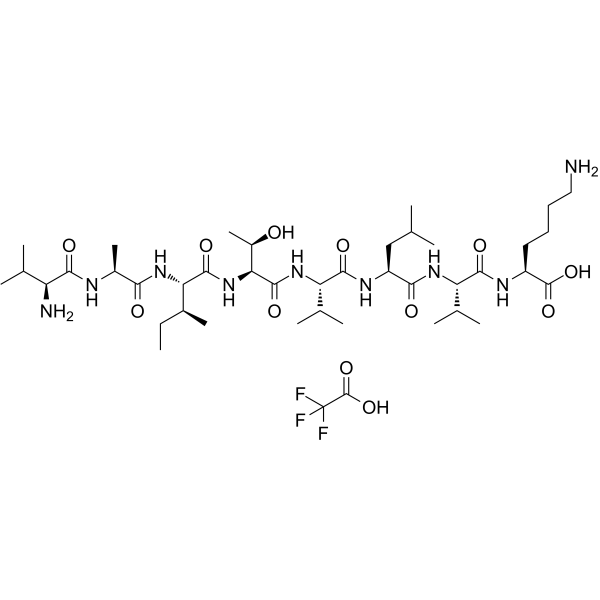
    CALP1 TFA is a calmodulin (CaM) agonist (Kd of 88 µM) with binding to the CaM EF-hand/Ca 2+-binding site. CALP1 TFA blocks calcium influx and apoptosis (IC50 of 44.78 µM) through inhibition of calcium channel opening. CALP1 TFA blocks glutamate receptor channels and blocks a store-operated nonselective cation channel. CALP1 TFA activates CaM-dependent phosphodiesterase activity .
    CALP1 TFA
  • HY-123763

    CCR Inflammation/Immunology
    MLN3126 is an orally active and potent CCR9 antagonist. MLN3126 inhibits CCL25-induced calcium mobilization and chemotaxis of mouse primary thymocytes, wiht an IC50 value of 6.3 nM for calcium influx .
    MLN3126
  • HY-N2060

    Apoptosis Bacterial Infection Inflammation/Immunology Cancer
    Evocarpine, a quinolone alkaloid that could be isolated from Evodiae fructus, inhibitss Ca 2+ influx through voltage-dependent calcium channels. Antimycobacterial activity .
    Evocarpine
  • HY-100807S2

    Isotope-Labeled Compounds iGluR Endogenous Metabolite Reactive Oxygen Species (ROS) NO Synthase Apoptosis Neurological Disease Inflammation/Immunology
    Quinolinic acid-13C4, 15N is an isotopic labeled Quinolinic acid (HY-100807). Quinolinic acid, an endogenous metabolite of tryptophan, is a N-methyl-D-aspartate receptor (NMDA receptor) agonist. Quinolinic acid increases glutamate efflux, induces the generation of ROS, activates nitric oxide synthase, produces excessive NO, leading to calcium ion influx and neuronal apoptosis.
    Quinolinic acid-13C4,15N
  • HY-P10933

    Renin Cardiovascular Disease
    PRO20 is a specific and competitive (pro)renin receptor (PRR) antagonist. PRO20 inhibits Prorenin-induced calcium influx with an IC50 value of 81 nmol/L. PRO20 exerts antihypertensive activity by blocking the binding of prorenin to the PRR, inhibiting the activation of the renin-angiotensin system (RAS), and reducing the production of angiotensin II (Ang II). PRO20 is promising for research of antihypertensive agents .
    PRO20
  • HY-101546A

    (+)-Cavidine

    p38 MAPK ERK Interleukin Related Neurological Disease Inflammation/Immunology
    Cavidine ((+)-Cavidine) is an analgesic and anti-inflammatory agent. Cavidine can be isolated from Corydalis ternata f. yanhusuo (Y.H.Chou & Chun C.Hsu) Y.C.Zhu. Cavidine reduces the expression of inflammatory factors IL-1β, IL-6 and TNF-α, and inhibits calcium ion influx. Cavidine inhibits the phosphorylation of p38 and ERK1/2. Cavidine increases mechanical and thermal pain thresholds in chronic pain models. Cavidine can be used for the research of chronic pain .
    Cavidine
  • HY-N7875

    Others Others
    Celangulin is an insecticidal component isolated from Celastrus angulatus. Celangulin activates the calcium channel on the plasma membrane with increasing the intracellular Ca 2+ after influx from the external. Celangulin activates the calcium channel in the ER .
    Celangulin
  • HY-107349

    Spasmopriv

    Calcium Channel Neurological Disease
    Fenoverine (Spasmopriv) is an orally active and powerful anti-spasmodic drug. Fenoverine reduces calcium ion influx by suppressing voltage dependent calcium channels. Fenoverine has antiemetic, analgesic, and antidiarrheal effects. Fenoverine induces rhabdomyolysis. Fenoverine can be used to study smooth muscle overexcitation related conditions such as gastrointestinal spasms .
    Fenoverine
  • HY-N7395A
    Cyclic ADP-​ribose ammonium
    1 Publications Verification

    cADPR ammonium

    Calcium Channel TRP Channel Endogenous Metabolite Infection Cardiovascular Disease Neurological Disease Inflammation/Immunology Endocrinology
    Cyclic ADP-ribose ammonium (cADPR ammonium) is a potent second messenger for calcium mobilization that is synthesized from NAD + by an ADP-ribosyl cyclase. Cyclic ADP-ribose ammonium increases cytosolic calcium mainly by Ryanodine receptor-mediated release from endoplasmic reticulum and also by extracellular influx through the opening of TRPM2 channels .
    Cyclic ADP-​ribose ammonium
  • HY-134299

    8-(4-Chlorophenylthio)-cAMP-AM

    Ras PKA Cardiovascular Disease Metabolic Disease Cancer
    8-CPT-cAMP-AM (8-(4-Chlorophenylthio)-cAMP-AM) is an Epac/PKA activator. 8-CPT-cAMP-AM potentiates glucose-dependent first- and second-phase insulin secretion, induces β-cell depolarization, modulates intracellular calcium via influx and ryanodine-sensitive store mobilization, and facilitates calcium-induced calcium release resistant to PKA inhibition. 8-CPT-cAMP-AM can be used for the research of cardiac hypertrophy, diabetic cardiomyopathy, and melanoma .
    8-CPT-cAMP-AM
  • HY-115767

    1,2-Dioleoyl-rac-glycerol

    PKC Others
    (±)-1,2-Diolein (1,2-Dioleoyl-rac-glycerol) is a PKC activator. (±)-1,2-Diolein increases myotubes Ca 2+ influx .
    (±)-1,2-Diolein
  • HY-107401

    SCH-351125

    HIV CCR Calcium Channel Infection
    Ancriviroc (SCH-351125) is an orally active CCR5 antagonist with an IC50 value of 13 nM against hCCR5. Ancriviroc specifically binds to hCCR5, blocks ligand-induced signal transduction, calcium influx, GTPγS binding, chemotaxis, ligand binding, and HIV-1 entry, induces conformational changes in CCR5, and inhibits infection and replication of R5-tropic HIV-1 .
    Ancriviroc
  • HY-14656S

    Calcium Channel Cardiovascular Disease
    Diltiazem-d3 (hydrochloride) is the deuterium labeled Diltiazem hydrochloride. Diltiazem hydrochloride is a Ca2+ influx inhibitor (slow channel blocker or calcium antagonist)[1][2].
    Diltiazem-d3 hydrochloride
  • HY-100807S1

    Isotope-Labeled Compounds iGluR Endogenous Metabolite Reactive Oxygen Species (ROS) NO Synthase Apoptosis Neurological Disease
    Quinolinic acid- 13C7 is the 13C labeled Quinolinic acid (HY-100807). Quinolinic acid, an endogenous metabolite of tryptophan, is a N-methyl-D-aspartate receptor (NMDA receptor) agonist. Quinolinic acid increases glutamate efflux, induces the generation of ROS, activates nitric oxide synthase, produces excessive NO, leading to calcium ion influx and neuronal apoptosis.
    Quinolinic acid-13C7
  • HY-160645

    P2X Receptor Neurological Disease Endocrinology Cancer
    P2X4 antagonist-1 is a P2X4 receptor antagonist with an IC50 of 15 nM. P2X4 antagonist-1 inhibits ATP (HY-B2176)-induced calcium influx. P2X4 antagonist-1 can be used for the research of pain syndromes, endometriosis, cancer .
    P2X4 antagonist-1
  • HY-P1287

    iGluR Neurological Disease
    Conantokin-T is a γ-carboxyglutamate-containing, N-methyl-D-aspartate (NMDA) antagonist peptidewith an IC50 value of 2 μM. Conantokin-T inhibits NMDA receptor-mediated calcium influx in central nervous system neurons. Conantokin-T can be purified from the venom of the fish-hunting cone snail, Conus tulipa .
    Conantokin-T
  • HY-W074890R

    N-palmitoyl glycine (Standard)

    Reference Standards Calcium Channel NO Synthase Neurological Disease Inflammation/Immunology
    Palmitoylglycine (Standard) is the analytical standard of Palmitoylglycine. This product is intended for research and analytical applications. Palmitoylglycine (N-palmitoyl glycine), an endogenous lipid that acts as a modulator of calcium influx and nitric oxide () production in sensory neurons. Palmitoylglycine is linked to an increased risk of Background Brugada syndrome (BrS) and interacts with BrS-associated proteins, demonstrating moderate binding affinities for DCC, CR1, CTSB, NAAA, DEFB1, EPHA1, IGF1/IGFBP3/ALS, and LTA[1][2][3].
    Palmitoylglycine (Standard)
  • HY-169819

    Exosomes Calcium Channel CD28 Inflammation/Immunology
    Calcium influx inducer compound 634 is a calcium influx inducer. Calcium influx inducer compound 634 (10 µM) enhances the release of extracellular vesicles (EVs) from mouse bone marrow-derived dendritic cells (mBMDCs). Calcium influx inducer compound 634 (10 µM) also increases the levels of CD86 and CD80 on the surface of mBMDCs, an effect that can be blocked by the calcium release-activated calcium channel inhibitor YM-58483 (HY-100831) .
    Calcium influx inducer compound 634
  • HY-P11380

    Neurotensin Receptor Calcium Channel NO Synthase Guanylate Cyclase Neurological Disease Metabolic Disease
    Capa-2 is a neuropeptide. Capa-2 activates calcium ion influx, stimulates the production of NO, activates soluble guanylate cyclase (sGC), increases intracellular cGMP, and drives ion and fluid secretion. Capa-2 can be used in studies of diuresis .
    Capa-2
  • HY-112095

    ENS-101 free base

    iGluR Neurological Disease
    EVT-101 free base is a GluN2B antagonist. EVT-101 free base binds at the same GluN1/GluN2B dimer interface as Ifenprodil (HY-12882). EVT-101 free base inhibits calcium influx in chicken-derived cells, with an EC50 of 22 nM. EVT-101 can be used in the research of brain disorders .
    EVT-101 free base
  • HY-173526

    Bacterial Calcium Channel Infection
    H052 is a selective Staphylococcus aureus α-hemolysin (Hla) inhibitor. H052 binds to Hla monomers, disrupts the interaction with host cell membranes to block pore formation, inhibiting calcium ion influx, cytotoxicity, and inflammatory responses. H052 exhibits potency (EC50=30 nM in U937 cells) against Hla-induced calcium influx. H052 is promising for research of lung infections caused by S. aureus .
    H052
  • HY-113919

    Calcium Channel Inflammation/Immunology
    Nothofagin, a dihydrochalcone, is isolated from rooibos (Aspalathus linearis) . Nothofagin downregulates NF-κB translocation through blocking calcium influx. Nothofagin has antioxidant activity and ameliorates various inflammatory responses such as the septic response and vascular inflammation .
    Nothofagin

Inquiry Online

Your information is safe with us. * Required Fields.

Salutation


Country or Region *

Applicant Name *


Organization Name *

Department *


Email Address *


Product Name *

Cat. No.


Requested quantity *

Phone Number *


Remarks

Inquiry Online

Inquiry Information

Product Name:
Cat. No.:
Quantity:
MCE Japan Authorized Agent:

