



Amlodipine besylate
Based on 17 publication(s) in Google Scholar
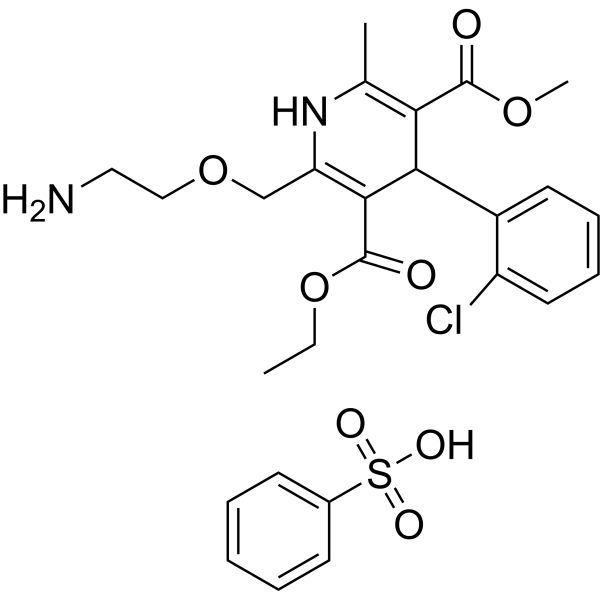
Amlodipine besylate (Amlodipine benzenesulfonate), an antianginal agent and an orally active dihydropyridine calcium channel blocker, works by blocking the voltage-dependent L-type calcium channels, thereby inhibiting the initial influx of calcium. Amlodipine besylate can be used for the research of high blood pressure and cancer.
For research use only. We do not sell to patients.
- Purity : 99.72%
- CAS No.: 111470-99-6
- Formula: C26H31ClN2O8S
- Molecular Weight:567.05
-
Storage:
4°C, sealed storage, away from moisture
* In solvent : -80°C, 6 months; -20°C, 1 month (sealed storage, away from moisture)

To place orders, for customer services and technical support, please contact: MedChemExpress USA
Tel: 609-228-6898 E-mail: [email protected] [email protected]


-
 Biological Activity
-
Chemical Information
-
Solvent & Solubility
- Purity & Documentation
- References
-
 Help & FAQs


-
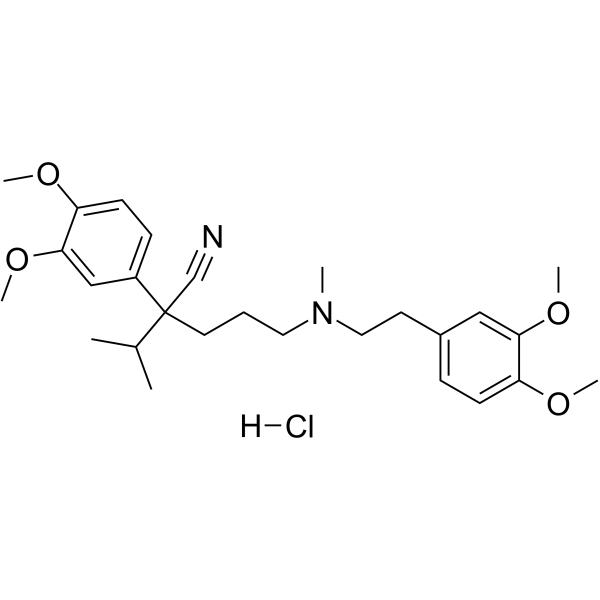
HY-A0064
Verapamil hydrochlorideCalcium Channel Blocker -
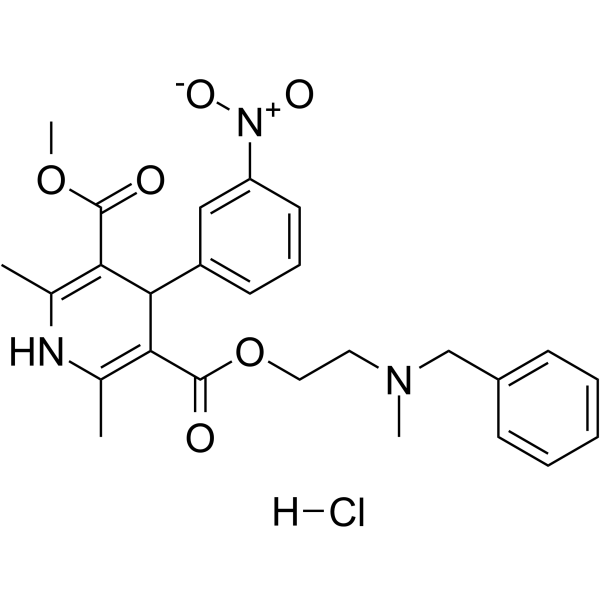
HY-12515A
Nicardipine hydrochlorideCalcium Channel Blocker -
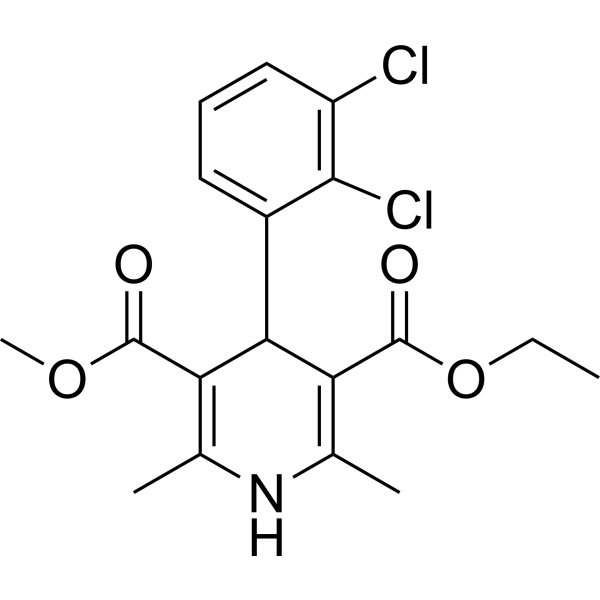
HY-B0309
FelodipineCalcium Channel Antagonist -
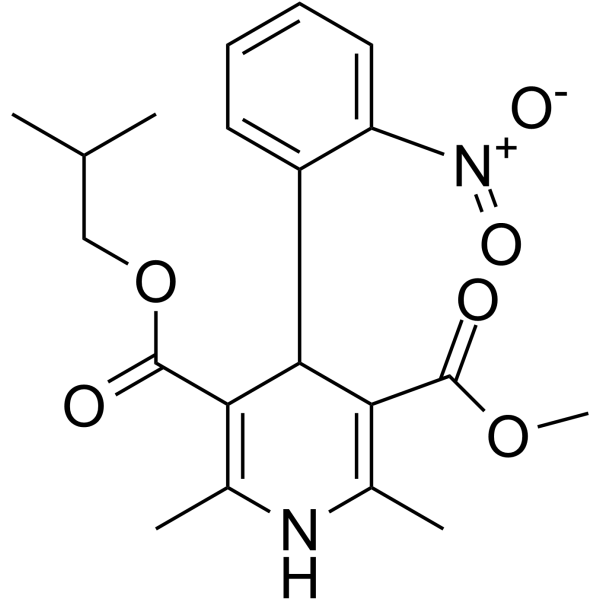
HY-17402
NisoldipineCalcium Channel Blocker -
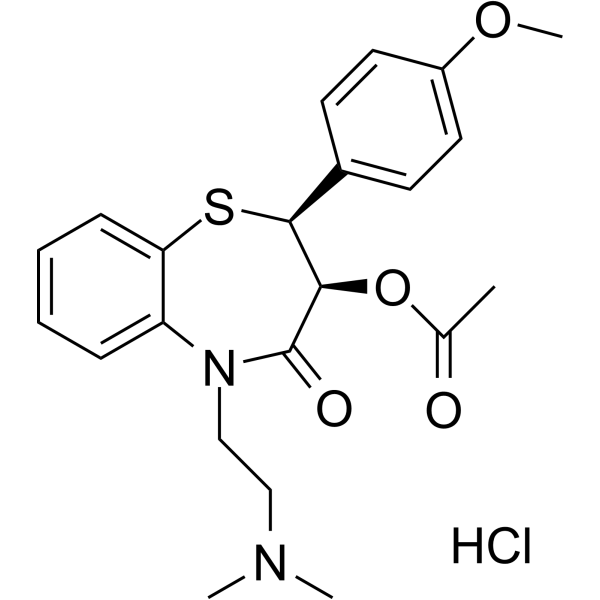
HY-14656
Diltiazem hydrochloride -
HY-B0284
NifedipineCalcium Channel Antagonist -
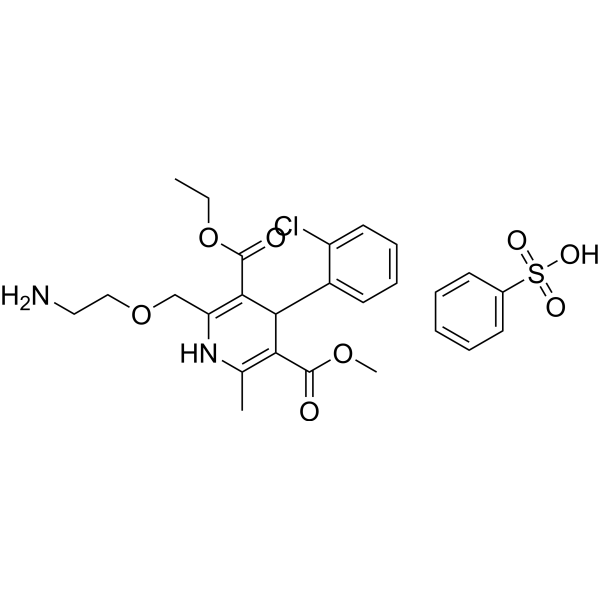
HY-B0317BR
Amlodipine (besylate) (Standard)Calcium Channel Blocker -
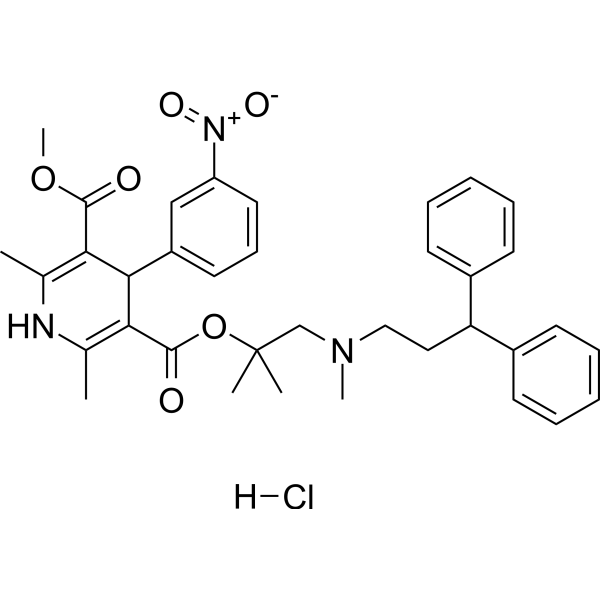
HY-B0612A
Lercanidipine hydrochlorideCalcium Channel Blocker -
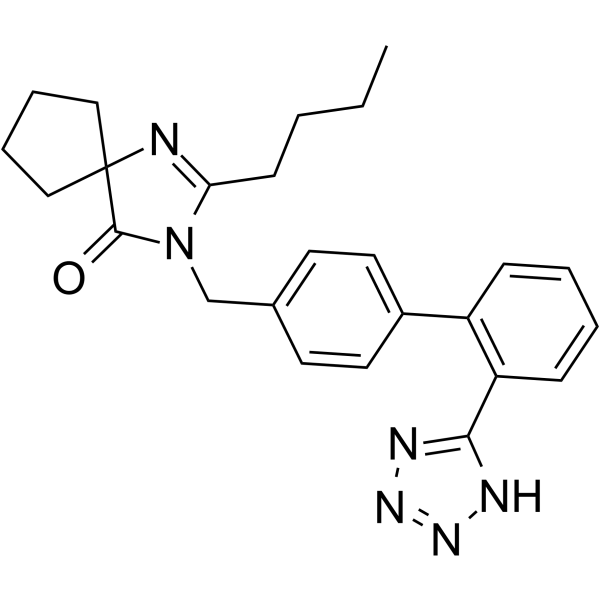
HY-B0202
IrbesartanAT1 Receptor Blocker -
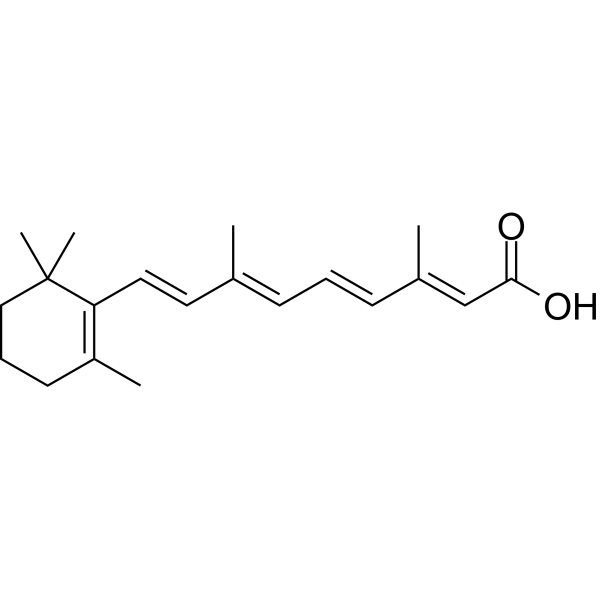
HY-14649
Retinoic acidRAR Agonist -
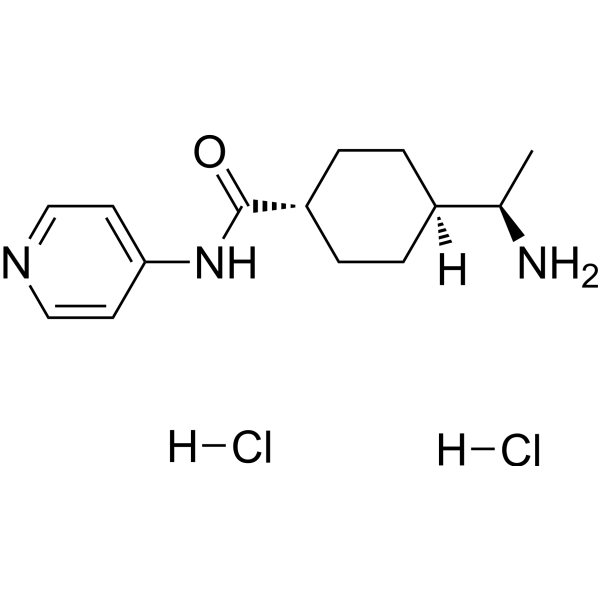
HY-10583
Y-27632 dihydrochlorideROCK Inhibitor -
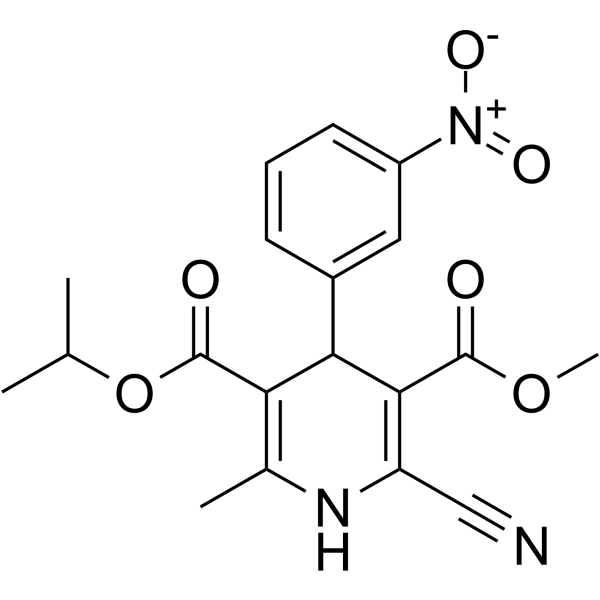
HY-14284
NilvadipineCalcium Channel Antagonist
Publications Citing Use of MedChemExpress (MCE) Amlodipine besylate
More- Exp Mol Med. 2021 Apr;53(4):572-590. [Abstract]
- J Adv Res. 2024 Aug:62:187-198. [Abstract]
- Sci Adv. 2025 Jan 24;11(4):eadp4765. [Abstract]
- Cell Rep. 2026 May 28;45(6):117471. [Abstract]
- Br J Pharmacol. 2022 May;179(9):2054-2077. [Abstract]
- Cells. 2022 Oct 8;11(19):3156. [Abstract]
- Acta Physiol. 2026 Apr;242(4):e70189. [Abstract]
- Anal Sci Adv. 2026 Jul 22;7(2):e70101.
- J Biochem Mol Toxicol. 2022 Oct 7;e23238. [Abstract]
- Food Chem Toxicol. 2025 Apr:198:115317. [Abstract]
- J Chem Thermodyn. 2021, 106495.
- Biochem Biophys Res Commun. 2020 Feb 19;522(4):862-868. [Abstract]
- Nat Prod Commun. 2024 Mar 20.
- Dissolut Technol. 2021 Jun.
- bioRxiv. 2026 Jul 10:2026.07.06.736331.
- SSRN. 2025 Nov 6.
- medRxiv. 2025 May 21.
 Customer Validation & Images

-
Cell Proliferation/Viability Assay
-
Flow Cytometry
-
Cell Imaging/Staining
-
In Vivo Efficacy Study
-
Histological Imaging/Staining
All Calcium Channel Isoforms
More

Biological Activity
Description
IC50 & Target
|
L-type calcium channel |
Cellular Effect
|
Cell Line

|
Type | Value | Description | References |
|---|---|---|---|---|
| HepG2 | EC50 |
31.6 μM
Compound: Amlodipine Besylate
|
Activation of human PXR expressed in human HepG2 (DPX-2) cells after 24 hrs by luciferase reporter gene based luminescent analysis
Activation of human PXR expressed in human HepG2 (DPX-2) cells after 24 hrs by luciferase reporter gene based luminescent analysis
|
[PMID: 20966043] |
| HepG2 | EC50 |
31.6 μM
Compound: Amlodipine Besylate
|
Activation of human PXR expressed in human HepG2 (DPX-2) cells assessed as induction of CYP3A4 after 24 hrs by luminescent analysis
Activation of human PXR expressed in human HepG2 (DPX-2) cells assessed as induction of CYP3A4 after 24 hrs by luminescent analysis
|
[PMID: 20966043] |
In Vitro
Amlodipine besylate (20-40 μM; 48 h) reduces BrdU incorporation to 68.6% and 26.3% at concentrations of 20 and 30 μM in A431 cells, respectively[3].
Amlodipine besylate (30 μM; pretreated for 1 h) significantly attenuates the uridine 5′-triphosphate (UTP)-induced increases of [Ca2+]i in A431 cells[3].
Amlodipine besylate (30 μM) inhibits the store-operated Ca2+influx evoked by Thapsigargin in Fluo-3-loaded cells[3].
MedChemExpress (MCE) has not independently confirmed the accuracy of these methods. They are for reference only. .
In Vivo
Amlodipine besylate (10 mg/kg; i.p. once daily for 20 days) causes a significant retardation of tumor growth and prolongs the survival of A431 tumor-bearing mice[3].
MedChemExpress (MCE) has not independently confirmed the accuracy of these methods. They are for reference only.
-
Animal Model:ATP2B1loxP/loxP mice[4]
-
Dosage:5 mg/kg/day
-
Administration:Subcutaneously implanted osmotic pump for 2 weeks
-
Result:Significantly decreased the blood pressure.


Chemical Information
-
CAS No. 111470-99-6
-
Appearance Solid
-
Molecular Weight 567.05
-
Formula C26H31ClN2O8S
-
Color White to off-white
-
SMILES
O=C(C1=C(COCCN)NC(C)=C(C(OC)=O)C1C2=CC=CC=C2Cl)OCC.O=S(C3=CC=CC=C3)(O)=O
-
Synonyms
Amlodipine benzenesulfonate
-
Shipping
Room temperature in continental US; may vary elsewhere.
-
Storage
4°C, sealed storage, away from moisture
* In solvent : -80°C, 6 months; -20°C, 1 month (sealed storage, away from moisture)


Publications (17)
-
Journal Impact Factor
-
Most Recent
-
Exp Mol Med
Sublytic C5b-9 induces glomerular mesangial cell proliferation via ERK1/2-dependent SOX9 phosphorylation and acetylation by enhancing Cyclin D1 in rat Thy-1 nephritis. [Abstract]2021 Apr;53(4):572-590. PMID: 33811247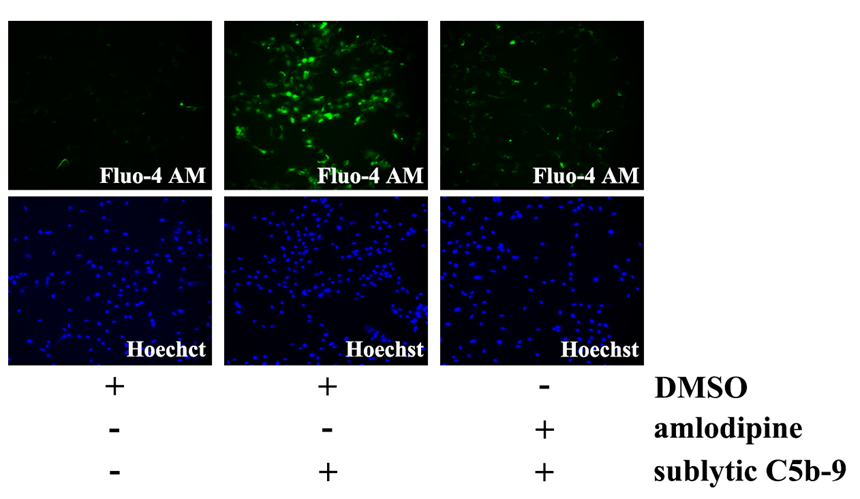
Amlodipine besylate purchased from MedChemExpress. Usage Cited in: Exp Mol Med. 2021 Apr;53(4):572-590. [Abstract]
Rat GMCs pretreated with the calcium channel blocker Amlodipine (10μM), inhibitors of PKC (Go6983; 10μM), c-Raf (AZ628, 10μM) and MEK1/2 (U0126, 10μM) for 30min were stimulated with sublytic C5b-9 for 4 0min or 2h. The intracellular calcium was determined by Fluo-4 AM. The results showed that Amlodipine effectively blocked the rise in intracellular calcium levels in rat GMCs induced by 40 min of sublytic C5b-9 stimulation.
-
J Adv Res
Calcium Influx: An Essential Process by which α-Synuclein Regulates Morphology of Erythrocytes. [Abstract]2024 Aug:62:187-198. PMID: 37714326 -
Sci Adv
WWC proteins-mediated compensatory mechanism restricts schwannomatosis driven by NF2 loss of function. [Abstract]2025 Jan 24;11(4):eadp4765. PMID: 39841844 -
Cell Rep
2026 May 28;45(6):117471. PMID: 42213774 -
Br J Pharmacol
Amlodipine, an anti-hypertensive drug, alleviates non-alcoholic fatty liver disease by modulating gut microbiota. [Abstract]2022 May;179(9):2054-2077. PMID: 34862599 -
Cells
Calcium-Related Genes Predicting Outcomes and Serving as Therapeutic Targets in Endometrial Cancer. [Abstract]2022 Oct 8;11(19):3156. PMID: 36231119 -
Acta Physiol
Tacrolimus Induced Hypertension and Vascular Remodeling Includes Mechanisms of Cellular Senescence-The Protective Effect of Valsartan. [Abstract]2026 Apr;242(4):e70189. PMID: 41814130 -
-
J Biochem Mol Toxicol
An in vivo and in vitro model on the protective effect of cilnidipine on contrast-induced nephropathy via regulation of apoptosis and CaMKⅡ/mPTP pathway. [Abstract]2022 Oct 7;e23238. PMID: 36207783 -
Food Chem Toxicol
Coexposure to fluoride and sulfur dioxide aggravates enamel mineralization disorders in mice by disrupting calcium homeostasis-mediated endoplasmic reticulum stress. [Abstract]2025 Apr:198:115317. PMID: 39938609
Amlodipine besylate purchased from MedChemExpress. Usage Cited in: Food Chem Toxicol. 2025 Apr:198:115317. [Abstract]
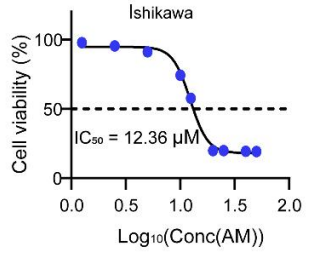
A CCK-8 assay was used to detect the effect of AMs on the proliferation of Ishikawa cells. The results showed that the half-maximal inhibitory concentration (IC50) of Amlodipine (AM) against Ishikawa cells (at 72 h) was 12.36 μM.
Amlodipine besylate purchased from MedChemExpress. Usage Cited in: Food Chem Toxicol. 2025 Apr:198:115317. [Abstract]
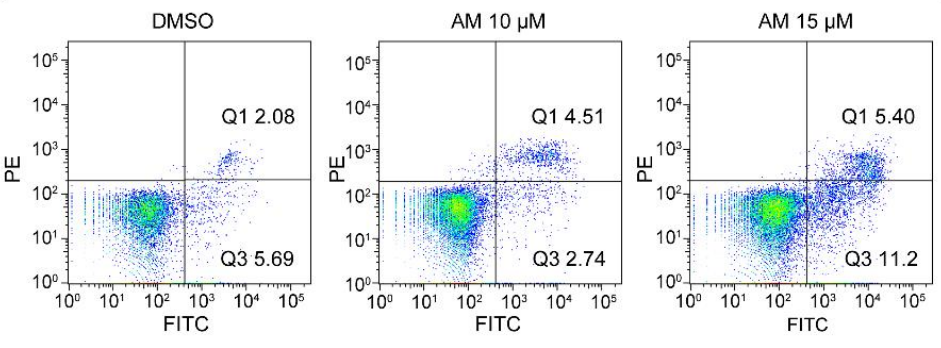
Cell apoptosis rate was detected by flow cytometry using Annexin-V/PI staining. The results showed that the apoptotic rate of the Amlodipine (AM) (15 μM; 12 h)-treated Ishikawa cells was 16.8%, which was 2.16-fold higher than that in cells treated with DMSO.
Amlodipine besylate purchased from MedChemExpress. Usage Cited in: Food Chem Toxicol. 2025 Apr:198:115317. [Abstract]
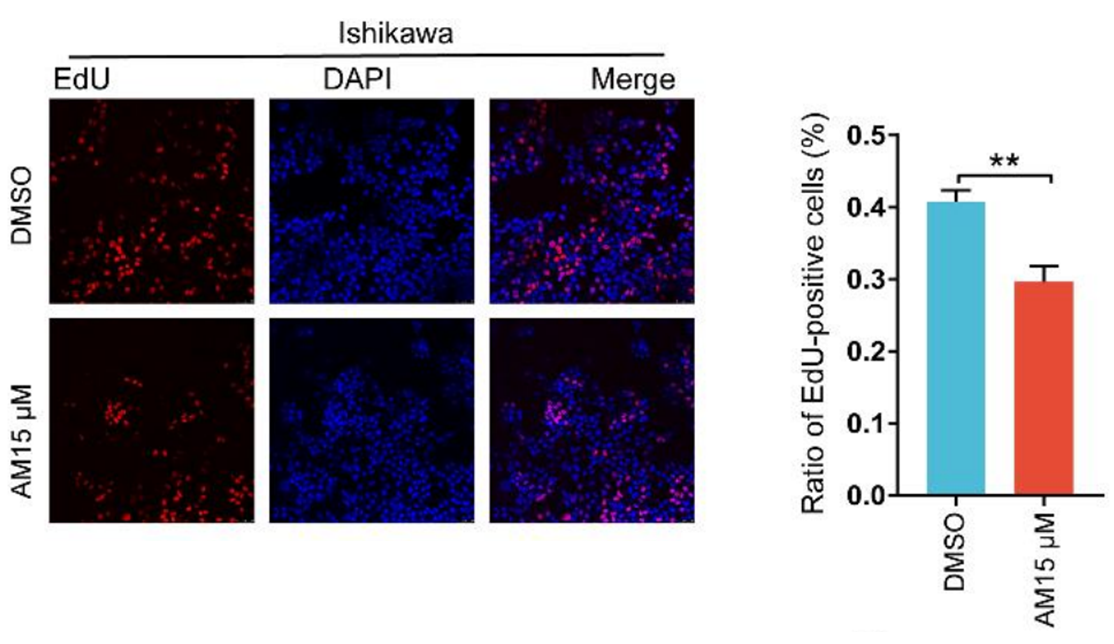
EdU staining showing the effect of Amlodipine (AM) (15 μM; 48 h) on Ishikawa cells. The EdU staining assay revealed that the EdU-positive rate of the AM-treated Ishikawa cells was significantly reduced compared with that of the control group.
Amlodipine besylate purchased from MedChemExpress. Usage Cited in: Food Chem Toxicol. 2025 Apr:198:115317. [Abstract]
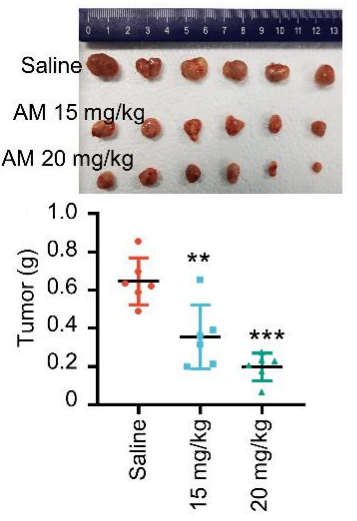
Amlodipine (AM) (15 or 20 mg/kg; i.p.; every other day for two weeks) inhibited tumor growth in a dose-dependent manner in BALB/c nude mice bearing subcutaneous xenografts established from Ishikawa cells.
Amlodipine besylate purchased from MedChemExpress. Usage Cited in: Food Chem Toxicol. 2025 Apr:198:115317. [Abstract]
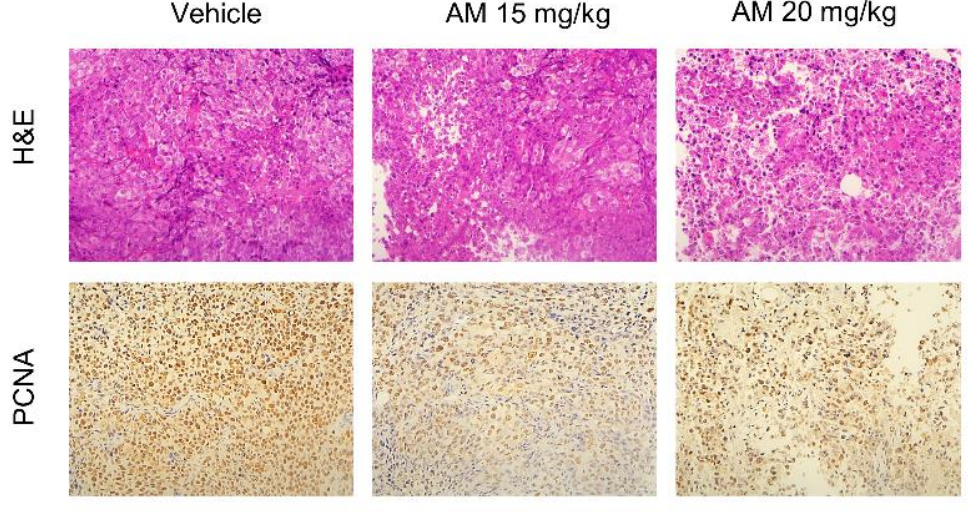
H&E and PCNA staining of sections from mice treated with Amlodipine (AM) (15 or 20 mg/kg; i.p.; every other day for two weeks).
-
-
Biochem Biophys Res Commun
Combinatorial screening of a panel of FDA-approved drugs identifies several candidates with anti-Ebola activities. [Abstract]2020 Feb 19;522(4):862-868. PMID: 31806372 -
-
-
-
-


Solvent & Solubility
In Vitro:
DMSO : ≥ 45 mg/mL (79.36 mM; Hygroscopic DMSO has a significant impact on the solubility of product, please use newly opened DMSO)
H2O : 1 mg/mL (1.76 mM; Need ultrasonic)
* "≥" means soluble, but saturation unknown.
Please refer to the solubility information to select the appropriate solvent. Once prepared, please aliquot and store the solution to prevent product inactivation from repeated freeze-thaw cycles.
Storage method and period of stock solution: -80°C, 6 months; -20°C, 1 month (sealed storage, away from moisture). When stored at -80°C, please use it within 6 months. When stored at -20°C, please use it within 1 month.
* Note: If you choose water as the stock solution, please dilute it to the working solution, then filter and sterilize it with a 0.22 μm filter before use.
Please refer to the solubility information to select the appropriate solvent. Once prepared, please aliquot and store the solution to prevent product inactivation from repeated freeze-thaw cycles.
Storage method and period of stock solution: -80°C, 6 months; -20°C, 1 month (sealed storage, away from moisture). When stored at -80°C, please use it within 6 months. When stored at -20°C, please use it within 1 month.
* Note: If you choose water as the stock solution, please dilute it to the working solution, then filter and sterilize it with a 0.22 μm filter before use.
Concentration (start) × Volume (start) = Concentration (final) × Volume (final)
In Vivo:
Select the appropriate dissolution method based on your experimental animal and administration route.
- For the following dissolution methods, please ensure to first prepare a clear stock solution using an In Vitro approach and then sequentially add co-solvents:
- To ensure reliable experimental results, the clarified stock solution can be appropriately stored based on storage conditions. As for the working solution for In Vivo experiments, it is recommended to prepare freshly and use it on the same day.
- The percentages shown for the solvents indicate their volumetric ratio in the final prepared solution. If precipitation or phase separation occurs during preparation, heat and/or sonication can be used to aid dissolution.
Add each solvent one by one: 10% DMSO 40% PEG300 5% Tween-80 45% Saline
Solubility: ≥ 2.5 mg/mL (4.41 mM); Clear solution
This protocol yields a clear solution of ≥ 2.5 mg/mL (saturation unknown).
Taking 1 mL working solution as an example, add 100 μL DMSO stock solution (25.0 mg/mL) to 400 μL PEG300, and mix evenly; then add 50 μL Tween-80 and mix evenly; then add 450 μL Saline to adjust the volume to 1 mL.
Preparation of Saline: Dissolve 0.9 g sodium chloride in ddH₂O and dilute to 100 mL to obtain a clear Saline solution.
Add each solvent one by one: 10% DMSO 90% (20% SBE-β-CD in Saline)
Solubility: ≥ 2.5 mg/mL (4.41 mM); Clear solution
This protocol yields a clear solution of ≥ 2.5 mg/mL (saturation unknown).
Taking 1 mL working solution as an example, add 100 μL DMSO stock solution (25.0 mg/mL) to 900 μL 20% SBE-β-CD in Saline, and mix evenly.
Preparation of 20% SBE-β-CD in Saline (4°C, storage for one week): 2 g SBE-β-CD powder is dissolved in 10 mL Saline, completely dissolve until clear.
For the following dissolution methods, please prepare the working solution directly:
It is recommended to prepare fresh solutions and use them promptly within a short period of time.
The percentages shown for the solvents indicate their volumetric ratio in the final prepared solution. If precipitation or phase separation occurs during preparation, heat and/or sonication can be used to aid dissolution.
Add each solvent one by one: PBS
Solubility: 2 mg/mL (3.53 mM); Clear solution; Need ultrasonic
In Vivo Dissolution Calculator
Please enter the basic information of animal experiments:
-
-
-
-
Recommended: Prepare an additional quantity of animals to account for potential losses during experiments.
Please enter your animal formula composition:
-
%DMSO +
Recommended: Keep the proportion of DMSO in working solution below 2% if your animal is weak.
-
%+
-
+%Tween-80 + +
-
%Saline +
The co-solvents required include: DMSO, . All of co-solvents are available by MedChemExpress (MCE). , Tween 80. All of co-solvents are available by MedChemExpress (MCE).
Working solution concentration: 0.22 mg/mL
Method for preparing stock solution: mg drug dissolved in μL DMSO. Stock solution concentration: mg/mL. * In solvent : -80°C, 6 months; -20°C, 1 month (sealed storage, away from moisture)
1. Take μL DMSO stock solution;
2. Add μL .
μL , mix evenly;
3. Then add μL Tween 80, mix evenly;
4. Then add μL
Please ensure that the stock solution in the first step is dissolved to a clear state, and add co-solvents in sequence. You can use ultrasonic heating (ultrasonic cleaner, recommended frequency 20-40 kHz), vortexing, etc. to assist dissolution.


Purity & Documentation
-
Data Sheet (282 KB)
-
SDS (393 KB)
- English - EN (393 KB)
- Français - FR (393 KB)
- Deutsch - DE (393 KB)
- Norwegian - NO (393 KB)
- Español - ES (393 KB)
- Swedish - SV (393 KB)
- Italian - IT (393 KB)
- Korean - KR (393 KB)
- Portuguese - PT (393 KB)
-
Handling Instructions (2659 KB)
References
[1]. Yoshida J, et, al. Antitumor effects of amlodipine, a Ca2+ channel blocker, on human epidermoid carcinoma A431 cells in vitro and in vivo. Eur J Pharmacol. 2004 May 25;492(2-3):103-12. [Content Brief]
[2]. Okuyama Y, et, al. The effects of anti-hypertensive drugs and the mechanism of hypertension in vascular smooth muscle cell-specific ATP2B1 knockout mice. Hypertens Res. 2018 Feb;41(2):80-87. [Content Brief]
[3]. Kishen G. Bulsara, et al. Amlodipine.
[4]. Haria M, et al. Amlodipine. A reappraisal of its pharmacological properties and therapeutic use in cardiovascular disease [published correction appears in Drugs 1995 Nov;50(5):896]. Drugs. 1995;50(3):560-586. [Content Brief]


Complete Stock Solution Preparation Table
Please refer to the solubility information to select the appropriate solvent. Once prepared, please aliquot and store the solution to prevent product inactivation from repeated freeze-thaw cycles.
Storage method and period of stock solution: -80°C, 6 months; -20°C, 1 month (sealed storage, away from moisture). When stored at -80°C, please use it within 6 months. When stored at -20°C, please use it within 1 month.
| Optional Solvent | Concentration Solvent Mass | 1 mg | 5 mg | 10 mg | 25 mg |
|---|---|---|---|---|---|
| H2O / DMSO | 1 mM | 1.7635 mL | 8.8176 mL | 17.6351 mL | 44.0878 mL |
| DMSO | 5 mM | 0.3527 mL | 1.7635 mL | 3.5270 mL | 8.8176 mL |
| 10 mM | 0.1764 mL | 0.8818 mL | 1.7635 mL | 4.4088 mL | |
| 15 mM | 0.1176 mL | 0.5878 mL | 1.1757 mL | 2.9392 mL | |
| 20 mM | 0.0882 mL | 0.4409 mL | 0.8818 mL | 2.2044 mL | |
| 25 mM | 0.0705 mL | 0.3527 mL | 0.7054 mL | 1.7635 mL | |
| 30 mM | 0.0588 mL | 0.2939 mL | 0.5878 mL | 1.4696 mL | |
| 40 mM | 0.0441 mL | 0.2204 mL | 0.4409 mL | 1.1022 mL | |
| 50 mM | 0.0353 mL | 0.1764 mL | 0.3527 mL | 0.8818 mL | |
| 60 mM | 0.0294 mL | 0.1470 mL | 0.2939 mL | 0.7348 mL |
* Note: If you choose water as the stock solution, please dilute it to the working solution, then filter and sterilize it with a 0.22 μm filter before use.


Amlodipine besylate Related Classifications
HY-B0317B Related Classifications
 Powered by Bioz