

Search Result
Results for "
cell inactivation
" in MedChemExpress (MCE) Product Catalog:
4
Biochemical Assay Reagents
11
Isotope-Labeled Compounds
| Cat. No. |
Product Name |
Target |
Research Areas |
Chemical Structure |
-
- HY-114277
-
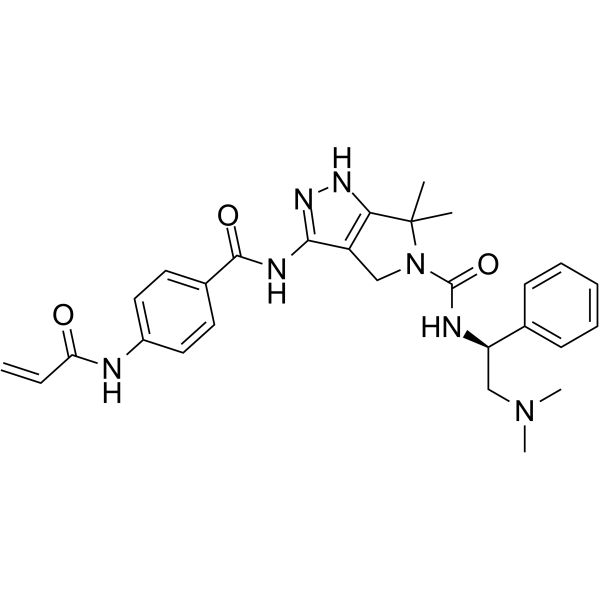
Sotorasib
Maximum Cited Publications
109 Publications Verification
AMG-510
|
Ras
|
Cancer
|
|
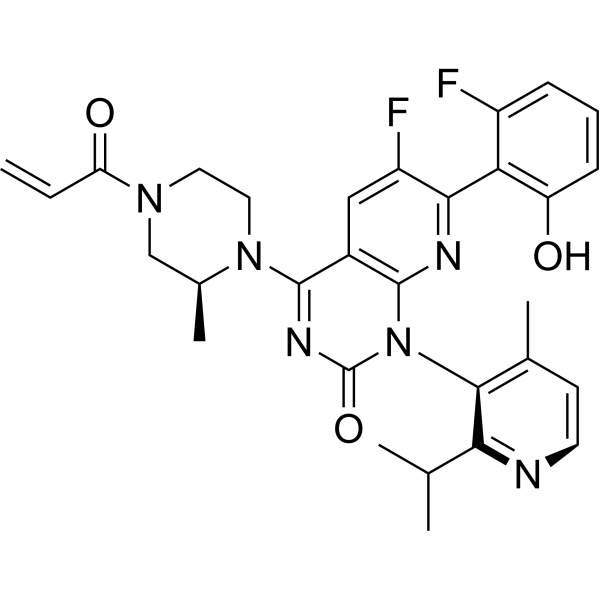
Sotorasib (AMG-510) is a first-in-class, orally bioavailable, and selective KRAS G12C covalent inhibitor. Sotorasib irreversibly inhibits KRAS G12C by locking it in an inactive GDP-bound state. Sotorasib leads to the regression of KRAS G12C‑mutated locally advanced or metastatic non‑small cell lung cancer (NSCLC) .
|
-
-
- HY-134813
-
|
|
Ras
|
Cancer
|
|
MRTX1133 is a noncovalent, potent, and selective alkyne-based KRAS G12D inhibitor. MRTX1133 optimally fills the switch II pocket and extends three substituents to favorably interact with the protein, resulting in an estimated KD against KRAS G12D of 0.2 pM. MRTX1133 prevents SOS1-catalyzed nucleotide exchange and/or formation of the KRAS G12D/GTP/RAF1 complex, thereby inhibiting mutant KRAS-dependent signal transduction. MRTX1133 selectively inhibits KRAS G12D mutant, but not KRAS wild-type, tumor cells. MRTX1133 has single digit nanomolar activity in cellular assays and marked in vivo efficacy in tumor models harboring KRAS G12D mutations .
|
-
-
- HY-108847
-
|
|
TNF Receptor
Bacterial
|
Inflammation/Immunology
Cancer
|
|
Etanercept, a dimeric fusion protein that binds TNF, acts as a TNF inhibitor. Etanercept competitively inhibits the binding of both TNF-α and TNF-β to cell surface TNF receptors, rendering TNF biologically inactive. Etanercept shows efficacy against rheumatoid arthritis, juvenile idiopathic arthritis, and plaque psoriasis .
|
-
-
- HY-16926
-
|
|
Arp2/3 Complex
HIV
|
Infection
Cancer
|
|
CK-666 is a cell-permeable actin-related protein Arp2/3 complex inhibitor (IC50=12 μM). CK-666 binds to Arp2/3 complex, stabilizes the inactive state of the complex, blocking movement of the Arp2 and Arp3 subunits into the activated filament-like (short pitch) conformation .
|
-
-
- HY-B0185
-
|
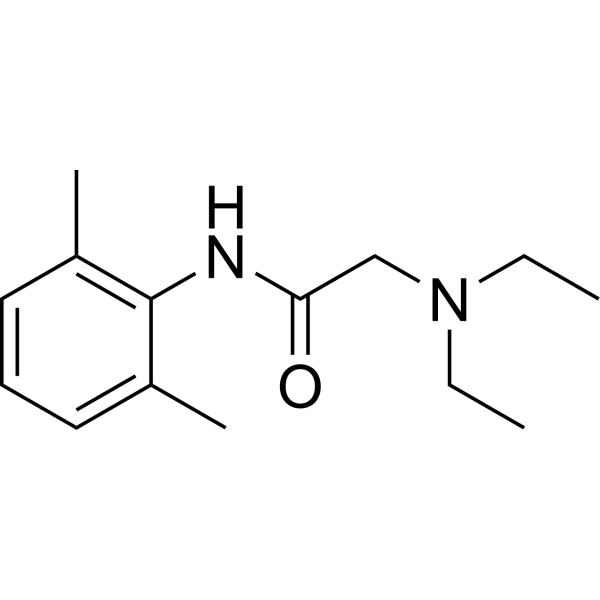
Lignocaine
|
Sodium Channel
MEK
ERK
NF-κB
Apoptosis
|
Cardiovascular Disease
Cancer
|
|
Lidocaine (Lignocaine) inhibits sodium channels involving complex voltage and using dependence . Lidocaine decreases growth, migration and invasion of gastric carcinoma cells via up-regulating miR-145 expression and further inactivation of MEK/ERK and NF-κB signaling pathways. Lidocaine is an amide derivative and has potential for the research of ventricular arrhythmia .
|
-
-
- HY-134581
-
|
M5049
|
Toll-like Receptor (TLR)
|
Inflammation/Immunology
|
|
Enpatoran (M5049) is a potent, orally active and dual TLR7/8 inhibitor with IC50s of 11.1 nM and 24.1 nM in HEK293 cells, respectively. Enpatoran is inactive against TLR3, TLR4 and TLR9. Enpatoran can block molecule synthetic ligands and natural endogenous RNA ligands. Enpatoran exhibits excellent pharmacokinetic properties in vivo. Enpatoran can be used for both innate and adaptive autoimmunity blocking research .
|
-
-
- HY-113293B
-
|
|
Endogenous Metabolite
Estrogen Receptor/ERR
|
Metabolic Disease
Cancer
|
|
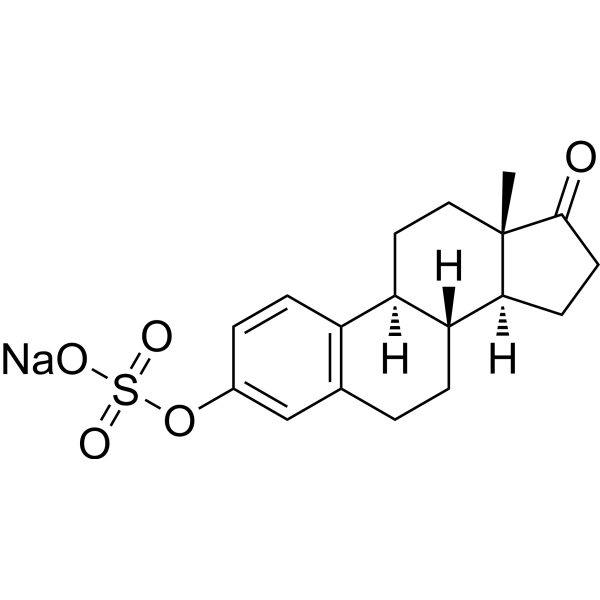
Estrone sulfate sodium is an inactive endogenous estrogen that can be converted into Estrone (HY-B0234) and Estradiol (HY-B0141). Estrone sulfate sodium is also a substrate of the OATP1B3 transporter. Estrone sulfate sodium can be converted into Estrone and Estradiol in normal mammary parenchymal cells. Estrone sulfate sodium stimulates the growth of nitrosomethylurea-induced mammary tumors in ovariectomized rats and the colony formation of dispersed nitrosomethylurea mammary cells, with conversion into Estrone and Estradiol occurring both in vivo and in vitro during this process. Estrone sulfate sodium is applicable to breast cancer-related research .
|
-
-
- HY-107903
-
|
Thyroglobulin from bovine
|
Biochemical Assay Reagents
|
Cancer
|
|
Thyroglobulin is a 660 kDa, dimeric glycoprotein produced by the follicular cells of the thyroid and used entirely within the thyroid gland. Thyroglobulin acts as a substrate for the synthesis of the thyroid hormones thyroxine (T4) and triiodothyronine (T3), as well as the storage of the inactive forms of thyroid hormone and iodine within the follicular lumen of a thyroid follicle. Thyroglobulin activates Akt kinase activity in FRTL-5 thyroid cell .
|
-
-
- HY-B0185A
-
|
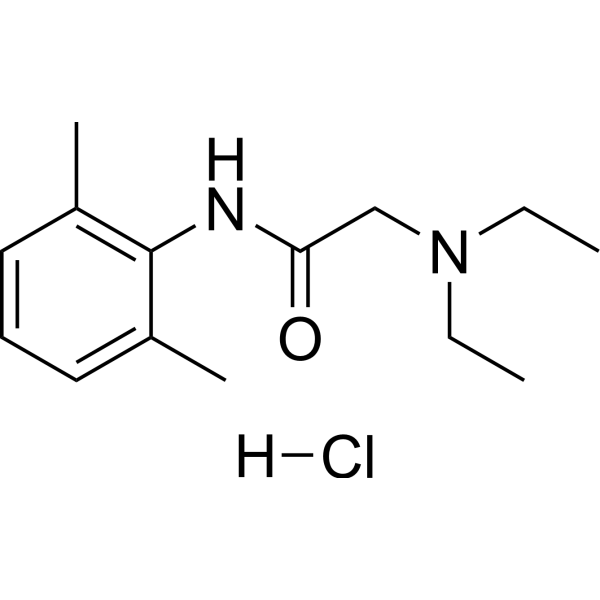
Lignocaine hydrochloride
|
Sodium Channel
MEK
ERK
NF-κB
Apoptosis
|
Cardiovascular Disease
Cancer
|
|
Lidocaine hydrochloride (Lignocaine hydrochloride) inhibits sodium channels involving complex voltage and using dependence . Lidocaine hydrochloride decreases growth, migration and invasion of gastric carcinoma cells via up-regulating miR-145 expression and further inactivation of MEK/ERK and NF-κB signaling pathways. Lidocaine hydrochloride is an amide derivative and a agent to treat ventricular arrhythmia and an effective tumor-inhibitor .
|
-
-
- HY-15154
-
|
Compound 52
|
CDK
|
Cancer
|
|
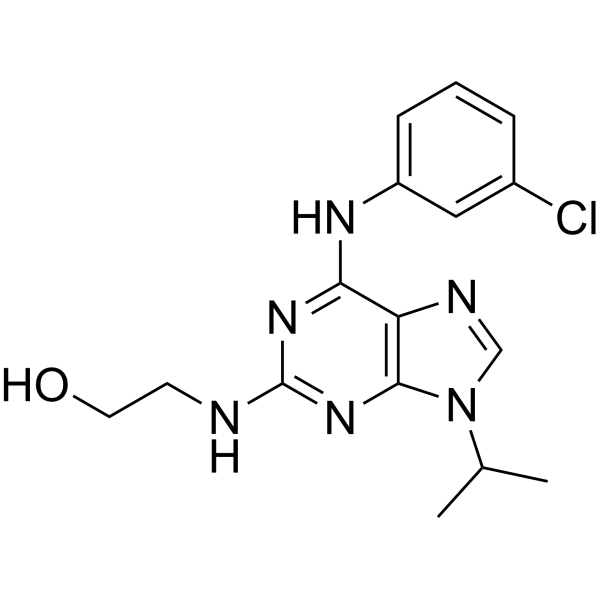
NG 52 is a potent, cell-permeable, selective, ATP-compatible and orally active Cdc28p and Pho85p kinase inhibitor with IC50s of 7 μM and 2 μM, respectively. NG 52 also inhibits the activity of phosphoglycerate kinase 1 (PGK1) with an IC50 of 2.5 μM. NG 52 is inactive against yeast kinases Kin28p, Srb10, and Cak1p .
|
-
-
- HY-158107
-
|
|
Ras
|
Cancer
|
|
BBO-8520 is a direct small molecule covalent inhibitor targeting KRAS G12C with high oral availability. BBO-8520 has the characteristics of KRAS G12C (OFF) inhibitor and the function of blocking KRAS G12C (ON) signal. BBO-8520 inhibits cell proliferation by inhibiting KRAS G12C (ON) by binding GTP protein. BBO-8520 can block RAS-RAF1 interaction and return KRAS G12C to the inactive (OFF) state. BBO-8520 can be used for the research of cancer .
|
-
-
- HY-134581A
-
|
M5049 hydrochloride
|
Toll-like Receptor (TLR)
|
Inflammation/Immunology
|
|
Enpatoran (M5049) hydrochloride is a potent, orally active and dual TLR7/8 inhibitor with IC50s of 11.1 nM and 24.1 nM in HEK293 cells, respectively. Enpatoran hydrochloride is inactive against TLR3, TLR4 and TLR9. Enpatoran hydrochloride can block molecule synthetic ligands and natural endogenous RNA ligands. Enpatoran hydrochloride exhibits excellent pharmacokinetic properties in vivo. Enpatoran hydrochloride can be used for both innate and adaptive autoimmunity blocking research .
|
-
-
- HY-111152
-
|
|
STAT
|
Cancer
|
|
ML115, a molecular probe of the signal transducer, is a selective STAT3 agonist, with an EC50 of 2 nM. ML115 increases the expression of BCL3, a known STAT3-dependent oncogene. ML115 is inactive against the related STAT1, STAT5 and NF-κB anti-targets. ML115 counteracts the effects of Ginsenoside Rc (HY-N0042) on cell viability and inflammatory responses in LPS (HY-D1056)-stimulated H9c2 and RAW264.7 cells, while altering oxidative stress markers. ML115 can be used for the study of breast and prostate cancers .
|
-
-
- HY-10426
-
|
|
Estrogen Receptor/ERR
Autophagy
|
Cancer
|
|
XCT-790 is a potent and selective inverse agonist for ERRα with an IC50 value of 0.37 μM. XCT-790 induces cell death in chemotherapeutic resistant cancer cells. XCT-790 (Compound 12) is inactive against ERRγ and the estrogen receptors ERα and ERβ .
|
-
-
- HY-135416
-
|
|
Endogenous Metabolite
|
Infection
|
|
Streptolysin O, a group A streptococcal toxin, is a well-characterized oxygen-labile prototype of a cholesterol-binding bacterial exotoxin. Streptolysin O causes both lysis of cells and cardiotoxicity. Streptolysin O is widely used for the controlled permeabilization of cell membranes. Streptolysin O exists in two forms, a reduced active state and an oxidized reversibly inactive state .
|
-
-
- HY-N0314
-
-
-
- HY-15517
-
|
|
CaMK
|
Cancer
|
|
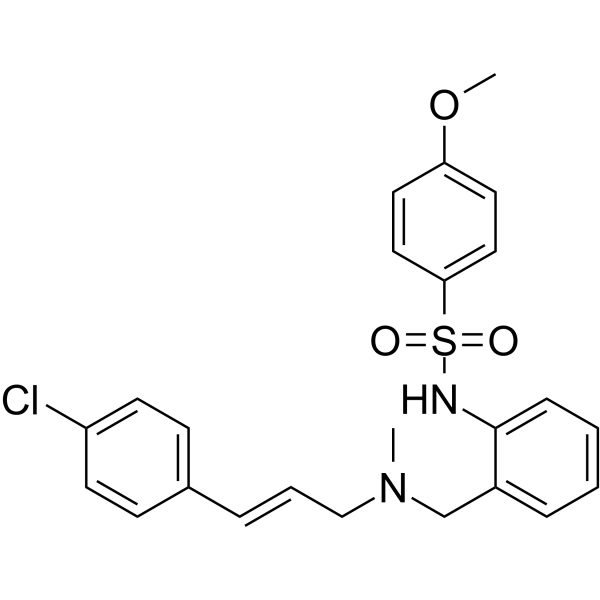
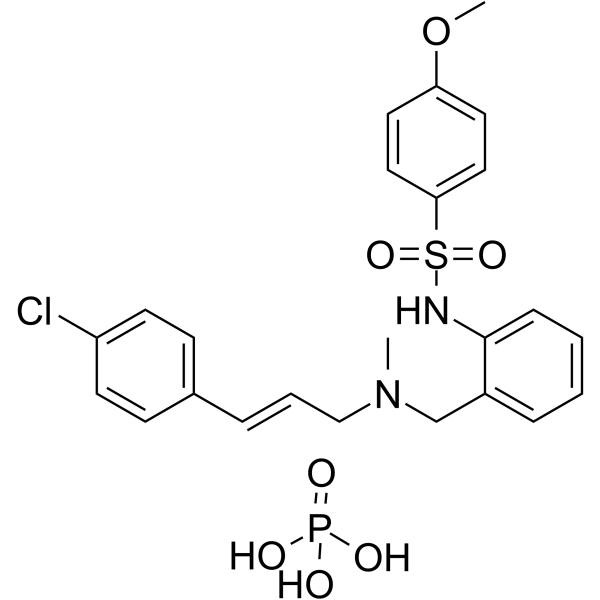
KN-92 is an inactive derivative of KN-93, without CaM kinase inhibitory activity. KN-92 is intended to be used as a control compound in studies designed to elucidate the antagonist activities of KN-93. KN-93 is a cell-permeable, reversible and competitive CaMKII inhibitor .
|
-
-
- HY-B0185B
-
|
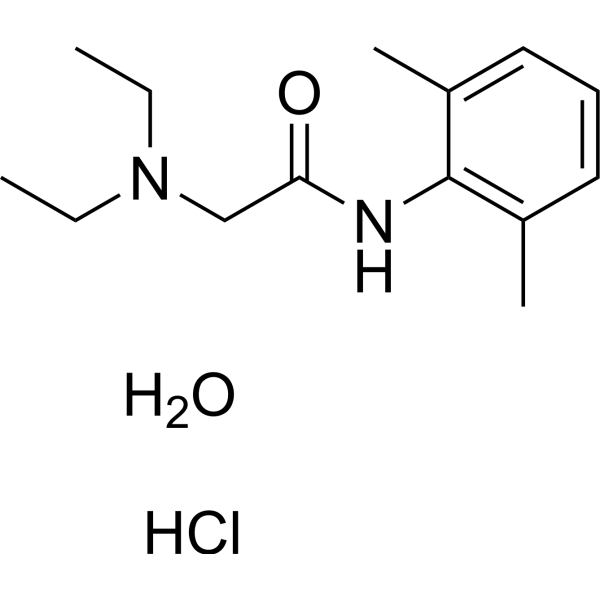
Lignocaine hydrochloride hydrate
|
Sodium Channel
MEK
ERK
NF-κB
Apoptosis
|
Cardiovascular Disease
Cancer
|
|
Lidocaine (Lignocaine) hydrochloride hydrate inhibits sodium channels involving complex voltage and using dependence. Lidocaine hydrochloride hydrate decreases growth, migration and invasion of gastric carcinoma cells via up-regulating miR-145 expression and further inactivation of MEK/ERK and NF-κB signaling pathways. Lidocaine hydrochloride hydrate is an amide derivative and has potential for the research of ventricular arrhythmia .
|
-
-
- HY-N8278
-
|
|
Thrombin
|
Cardiovascular Disease
Inflammation/Immunology
|
|
Dermatan sulphate sodium is an oral active glycosaminoglycan and thrombin inactivator with antithrombotic activity. It selectively catalyzes the heparin cofactor II-mediated inactivation of thrombin without interacting with antithrombin III. Dermatan sulphate sodium promotes stem cell differentiation, exhibits high bioavailability, and alleviates pulmonary fibrosis injury induced by Bleomycin (HY-108345). Dermatan sulphate sodium can be used in research related to cardiovascular diseases, inflammation, and stem cell differentiation .
|
-
-
- HY-113293A
-
|
|
Endogenous Metabolite
Estrogen Receptor/ERR
|
Metabolic Disease
Cancer
|
|
Estrone sulfate potassium is an inactive endogenous estrogen that can be converted into Estrone (HY-B0234) and Estradiol (HY-B0141). Estrone sulfate potassium is also a substrate of the OATP1B3 transporter. Estrone sulfate potassium can be converted into Estrone and Estradiol in normal mammary parenchymal cells. Estrone sulfate potassium stimulates the growth of nitrosomethylurea-induced mammary tumors in ovariectomized rats and the colony formation of dispersed nitrosomethylurea mammary cells, with conversion into Estrone and Estradiol occurring both in vivo and in vitro during this process. Estrone sulfate potassium is applicable to breast cancer-related research .
|
-
-
- HY-128206
-
I3MT-3
5 Publications Verification
HMPSNE
|
Hippo (MST)
|
Metabolic Disease
|
|
I3MT-3 (HMPSNE) is a potent, selective, and cell-membrane permeable inhibitor of 3-Mercaptopyruvate sulfurtransferase (3MST) (IC50=2.7 μM). I3MT-3 is inactive for other H2S/sulfane sulfur-producing enzymes.?I3MT-3 targets a persulfurated cysteine residue located in the active site of 3MST .
|
-
-
- HY-13896
-
|
|
EGFR
Autophagy
Apoptosis
|
Cancer
|
|
PD168393 is a potent, selective and cell-permeable inhibitor of EGFR tyrosine kinase and ErbB2. PD168393 irreversiblely inactivates EGF receptor ( IC50=0.7 nM) and is inactive against insulin receptor, PDGFR, FGFR and PKC .
|
-
-
- HY-15779A
-
|
|
SphK
Apoptosis
|
Cancer
|
|
K145 hydrochloride is a selective, substrate-competitive and orally active SphK2 inhibitor with an IC50 of 4.3 μM and a Ki of 6.4 μM. K145 hydrochloride is inactive against SphK1 and other protein kinases. K145 hydrochloride induces cell apoptosis and has potently antitumor activity .
|
-
-
- HY-121410
-
Narasin
2 Publications Verification
|
Bacterial
Apoptosis
Parasite
NF-κB
Antibiotic
|
Infection
Cancer
|
|
Narasin is a cationic ionophore antibiotic and coccidiostat agent. Narasin inhibits NF-κB signaling and induces tumor cells apoptosis. Narasin has antimicrobial, antiviral anticancer activity. Narasin inhibits tumor metastasis and growth of ERα‑positive breast cancer cells by inactivation of the TGF-β/SMAD3 and IL‑6/STAT3 signaling pathways .
|
-
-
- HY-12873
-
|
|
Ras
p38 MAPK
JNK
|
Cancer
|
|
RBC8 is a selective and allosteric RALA and RALB inhibitor. RBC8 stabilizes the inactive GDP-bound state of Ral, preventing its activation. RBC8 promotes the phosphorylation of proteins related to the MAPK/JNK pathway. RBC8 has the activity of inhibiting tumor cell proliferation, migration and invasion. RBC8 is used in the study of various cancers such as lung cancer, gastric cancer, and multiple myeloma .
|
-
-
- HY-121629
-
|
|
PDK-1
|
Cancer
|
|
PS210 is a potent and selective PDK1 activator with a Kd of 3 μM and targets the PIF-binding pocket of PDK1. PS210 is inactive against other protein kinases, including PDK1 downstream signaling components such as S6K, PKB/Akt or GSK3. In cells, the prodrug of PS210 (PS423) acts as a substrate-selective inhibitor of PDK1, inhibiting the phosphorylation and activation of S6K .
|
-
-
- HY-15517A
-
|
|
CaMK
Autophagy
|
Cancer
|
|
KN-92 phosphate is an inactive derivative of KN-93, without CaM kinase inhibitory activity. KN-92 phosphate is intended to be used as a control compound in studies designed to elucidate the antagonist activities of KN-93. KN-93 is a cell-permeable, reversible and competitive CaMKII inhibitor .
|
-
-
- HY-136658
-
|
|
STAT
Apoptosis
|
Cancer
|
|
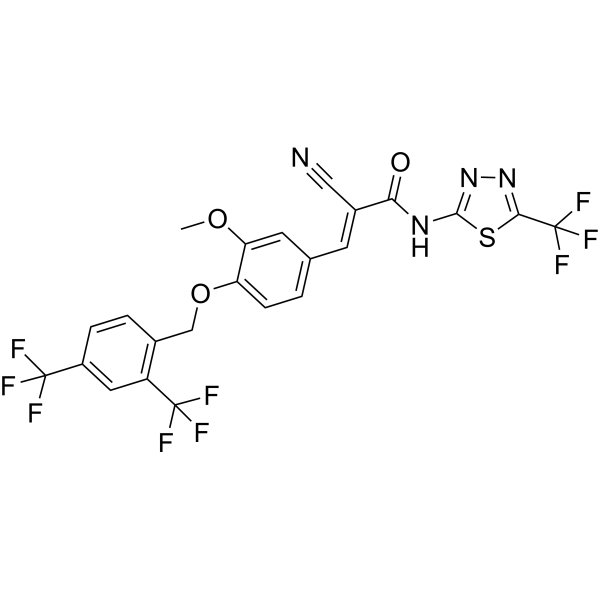
STAT3-IN-48 is a Sorafenib analogue and potently inhibits the phosphorylation of STAT3. STAT3-IN-48 induces cell apoptosis through SHP-1 dependent STAT3 inactivation. STAT3-IN-48 does not inhibit kinase activity and has anticancer effects .
|
-
-
- HY-108706
-
|
|
Histone Demethylase
|
Cancer
|
|
KDM2A/7A-IN-1 is a first-in-class, selective and cell-permeable inhibitor of histone lysine demethylases KDM2A/7A, with an IC50 of 0.16 μM for KDM2A, exhibits 75 fold selevtivity over other JmjC lysine demethylases, and is inactive on methyl transferases, and histone acetyl transferases .
|
-
-
- HY-100764
-
YUKA1
1 Publications Verification
|
Histone Demethylase
|
Cancer
|
|
YUKA1 is a potent and cell permeable Lysine demethylase 5A (KDM5A) inhibitor, with an IC50 of 2.66 μM. YUKA1 has less inhibitory active on KDM5C (IC50 = 7.12 μM) and is inactive on KDM5B, KDM6A or KDM6B. YUKA1 can increase H3K4me3 levels and inhibit cell proliferation. YUKA1 can be used for the research of cancer, such as lung and breast cancers .
|
-
-
- HY-B0185S1
-
|
|
Sodium Channel
MEK
ERK
NF-κB
Apoptosis
|
Cardiovascular Disease
Cancer
|
|
Lidocaine-d10 is the deuterium labeled Lidocaine. Lidocaine (Lignocaine) inhibits sodium channels involving complex voltage and using dependence . Lidocaine decreases growth, migration and invasion of gastric carcinoma cells via up-regulating miR-145 expression and further inactivation of MEK/ERK and NF-κB signaling pathways. Lidocaine is an amide derivative and has potential for the research of ventricular arrhythmia .
|
-
-
- HY-106991A
-
|
S-303 dihydrochloride
|
HIV
Bacterial
CHIKV
|
Infection
|
|
Amustaline (S-303) dihydrochloride, a nucleic acid-targeted alkylator, is an efficient pathogen inactivation agent for blood components containing red blood cells. Amustaline dihydrochloride has three components: an acridine anchor (an intercalator that targets nucleic acids non-covalently), an effector (a bis-alkylator group that reacts with nucleophiles), and a linker (a small flexible carbon chain containing a labile ester bond that hydrolyzes at neutral pH to yield non-reactive breakdown products) .
|
-
-
- HY-135416A
-
|
|
Endogenous Metabolite
|
Infection
|
|
Streptolysin O (≥1000000 units/mg) is a ≥1000000 units/mg Streptolysin O (HY-135416). Streptolysin O, a group A streptococcal toxin, is a well-characterized oxygen-labile prototype of a cholesterol-binding bacterial exotoxin. Streptolysin O causes both lysis of cells and cardiotoxicity. Streptolysin O is widely used for the controlled permeabilization of cell membranes. Streptolysin O exists in two forms, a reduced active state and an oxidized reversibly inactive state .
|
-
-
- HY-115553
-
|
|
Dopamine Receptor
|
Neurological Disease
|
|
DETQ is a selective, allosteric and orally active dopamine D1 receptor (Dopamine Receptor) potentiator. In HEK293 cells expressing the human D1 receptor, DETQ increases cAMP with an EC50 of 5.8 nM and a Kb of 26 nM. DETQ shows ~30-fold less potent at rat and mouse D1 receptors and is inactive at the human D5 receptor .
|
-
-
- HY-B0185AS
-
|
|
Sodium Channel
MEK
ERK
NF-κB
Apoptosis
|
Cardiovascular Disease
Cancer
|
|
Lidocaine-d10 (hydrochloride) is the deuterium labeled Lidocaine hydrochloride. Lidocaine hydrochloride (Lignocaine hydrochloride) inhibits sodium channels involving complex voltage and using dependence . Lidocaine hydrochloride decreases growth, migration and invasion of gastric carcinoma cells via up-regulating miR-145 expression and further inactivation of MEK/ERK and NF-κB signaling pathways. Lidocaine hydrochloride, an amide derivative, has the potential for the research of the ventricular arrhythmia .
|
-
-
- HY-B0185R
-
|
Lignocaine (Standard)
|
Reference Standards
Sodium Channel
MEK
ERK
NF-κB
Apoptosis
|
Cardiovascular Disease
Cancer
|
|
Lidocaine (Standard) is the analytical standard of Lidocaine. This product is intended for research and analytical applications. Lidocaine (Lignocaine) inhibits sodium channels involving complex voltage and using dependence . Lidocaine decreases growth, migration and invasion of gastric carcinoma cells via up-regulating miR-145 expression and further inactivation of MEK/ERK and NF-κB signaling pathways. Lidocaine is an amide derivative and has potential for the research of ventricular arrhythmia .
|
-
-
- HY-114277R
-
|
AMG-510 (Standard)
|
Ras
Reference Standards
|
Cancer
|
|
Sotorasib (Standard) is the analytical standard of Sotorasib. This product is intended for research and analytical applications. Sotorasib (AMG-510) is a first-in-class, orally bioavailable, and selective KRAS G12C covalent inhibitor. Sotorasib irreversibly inhibits KRAS G12C by locking it in an inactive GDP-bound state. Sotorasib leads to the regression of KRAS G12C‑mutated locally advanced or metastatic non‑small cell lung cancer (NSCLC) .
|
-
-
- HY-114277S
-
|
AMG-510-d7
|
Isotope-Labeled Compounds
Ras
|
Cancer
|
|
Sotorasib-d7 (AMG-510-d7) is a deuterium-labeled Sotorasib (HY-114277). Sotorasib (AMG-510) is a first-in-class, orally bioavailable, and selective KRAS G12C covalent inhibitor. Sotorasib irreversibly inhibits KRAS G12C by locking it in an inactive GDP-bound state. Sotorasib leads to the regression of KRAS G12C‑mutated locally advanced or metastatic non‑small cell lung cancer (NSCLC) .
|
-
-
- HY-114208A
-
|
|
Histone Methyltransferase
|
Cancer
|
|
BI-9321 trihydrochloride is a potent, selective and cellular active nuclear receptor-binding SET domain 3 (NSD3)-PWWP1 domain antagonist with a Kd value of 166 nM. BI-9321 trihydrochloride is inactive against NSD2-PWWP1 and NSD3-PWWP2. BI-9321 trihydrochloride specifically disrupts histone interactions of the NSD3-PWWP1 domain with an IC50 of 1.2 μM in U2OS cells .
|
-
-
- HY-151486
-
|
|
GLUT
|
Cancer
|
|
GLUT1-IN-1 is a glucose transporter 1 (GLUT1) inhibitor and has a GLUT1-specific inactivation ability. GLUT1-IN-1 exhibits concentration-dependent cytotoxicity for HeLa, A549 and HepG2 cells with IC50 values of 5.49 μM, 11.14 μM, and 8.73 μM, respectively. GLUT1-IN-1 can be used for the research of photodynamic therapy (PDT) and severals cancer .
|
-
-
- HY-135846
-
-
-
- HY-149677
-
|
|
Mitochondrial Metabolism
|
Cancer
|
|
ZK53 is a selective activator of mitochondrial caseinolytic protease P (HsClpP) (EC50: 1.37?μM for α-casein hydrolysis by HsClpP). ZK53 is is inactive toward bacterial ClpP proteins. ZK53 induces apoptosis in H1703, H520 and SK-MES-1 cells. ZK53 induces dysregulation of mitochondrial functions in lung squamous cell carcinoma (LUSC) cells. ZK53 inhibits tumor growth in H1703 xenograft mouse model .
|
-
-
- HY-136913
-
|
(Rac)-Betuligenol
|
Endogenous Metabolite
|
Inflammation/Immunology
|
|
(Rac)-Rhododendrol ((Rac)-Betuligenol) is an aromatic compound with pro-oxidant activity. (Rac)-Rhododendrol may be useful in the suppression of liver diseases. (Rac)-Rhododendrol can be toxic to melanocytes, leading to cell death. The metabolite of (Rac)-Rhododendrol, RD-quinone, is cytotoxic and causes enzyme inactivation and endoplasmic reticulum stress by binding to thiol proteins. (Rac)-Rhododendrol-derived melanin exhibits potent pro-oxidant activity and may cause oxidative stress .
|
-
-
- HY-174802
-
|
|
Cyclic GMP-AMP Synthase
IKK
IFNAR
|
Neurological Disease
Inflammation/Immunology
Cancer
|
|
XL-3158 is a selective and cross-species Cyclic GMP-AMP synthase (cGAS) inhibitor (IC50: 11.1 μM for human cGAS, 2.19 μM for mouse cGAS). XL-3158 simultaneously occupy allosteric and orthosteric sites, stabilizing the activation loop in a closed, inactive conformation and thereby attenuating the cGAS-DNA interactions. XL-3158 inhibits cGAS by targeting phase separation. XL-3158 efficiently penetrates cells by inhibiting aggregate formation, effectively reducing the local concentration of cGAS within cells. XL-3158 can be used for the study of cGAS-dependent inflammatory diseases.
|
-
-
- HY-115709
-
|
|
Drug Derivative
|
Cancer
|
|
4,6-O-Benzylidene-D-glucose is a benzaldehyde derivative. 4,6-O-Benzylidene-D-glucose exerts anticancer effects without causing side effects .
|
-
-
- HY-B0185AS1
-
|
Lignocaine-d6 hydrochloride
|
Sodium Channel
MEK
ERK
NF-κB
Apoptosis
|
Cardiovascular Disease
Cancer
|
|
Lidocaine-d6 (hydrochloride) is deuterium labeled Lidocaine (hydrochloride). Lidocaine hydrochloride (Lignocaine hydrochloride) inhibits sodium channels involving complex voltage and using dependence . Lidocaine hydrochloride decreases growth, migration and invasion of gastric carcinoma cells via up-regulating miR-145 expression and further inactivation of MEK/ERK and NF-κB signaling pathways. Lidocaine hydrochloride is an amide derivative and a agent to treat ventricular arrhythmia and an effective tumor-inhibitor .
|
-
-
- HY-135887
-
|
|
Anaplastic lymphoma kinase (ALK)
Apoptosis
Autophagy
|
Cancer
|
|
ZX-29 is a potent and selective ALK inhibitor with an IC50 of 2.1 nM, 1.3 nM and 3.9 nM for ALK, ALK L1196M and ALK G1202R mutations, respectively. ZX-29 is inactive against EGFR. ZX-29 induces apoptosis by inducing endoplasmic reticulum (ER) stress and overcomes cell resistance caused by an ALK mutation. ZX-29 also induces protective autophagy and has antitumor effect .
|
-
-
- HY-145388B
-
|
|
Drug Isomer
|
Cancer
|
|
AU-16235 is an inactive epimer of AU-15330. AU-16235 has no effect on cancer cell survival and growth
|
-
-
- HY-132247B
-
|
|
Estrogen Receptor/ERR
|
Cancer
|
|
(S)-ErSO is the dextrorotatory enantiomer of ErSO. (S)-ErSO is inactive in MCF-7 cells (from patent WO2020009958A1, compound (s)-105) .
|
-
-
- HY-15779
-
|
|
SphK
Apoptosis
|
Cancer
|
|
K145 is a selective, substrate-competitive and orally active SphK2 inhibitor with an IC50 of 4.3 µM and a Ki of 6.4 µM. K145 is inactive against SphK1 and other protein kinases. K145 induces cell apoptosis and has potently antitumor activity .
|
-
- HY-156786
-
|
|
Reactive Oxygen Species (ROS)
Influenza Virus
SARS-CoV
HSV
|
Infection
|
|
TLD-1433 is the fourth-generation ruthenium (II) based photodynamic compound (PDC). TLD-1433 is activated by green light (525 ± 25 nm) and efficiently generates ROS to achieve pathogen inactivation. After photoinactivation, TLD-1433 significantly induces lipid peroxidation of the cell membrane, which can directly damage the integrity of the viral envelope. TLD-1433 has ID50 for enveloped viruses (such as H1N1 influenza virus, coronavirus OC43, HSV-1, Zika virus) is as low as nanomolar level; for non-enveloped viruses (such as adenovirus Ad5, mammalian rotavirus MRV), a concentration of micro-molar level is required for inactivation. TLD-1433 has antigen retention property and can be used for the preparation of inactivated vaccines .
|
-
- HY-113293
-
|
|
Endogenous Metabolite
Estrogen Receptor/ERR
|
Metabolic Disease
Cancer
|
|
Estrone sulfate is an inactive endogenous estrogen that can be converted into Estrone (HY-B0234) and Estradiol (HY-B0141). Estrone sulfate is also a substrate of the OATP1B3 transporter. Estrone sulfate can be converted into Estrone and Estradiol in normal mammary parenchymal cells. Estrone sulfate stimulates the growth of nitrosomethylurea-induced mammary tumors in ovariectomized rats and the colony formation of dispersed nitrosomethylurea mammary cells, with conversion into Estrone and Estradiol occurring both in vivo and in vitro during this process. Estrone sulfate is applicable to breast cancer-related research .
|
-
- HY-101522
-
|
|
EGFR
BMX Kinase
Btk
MEK
|
Cancer
|
|
CHMFL-EGFR-202 is a potent, irreversible inhibitor of epidermal growth factor receptor (EGFR) mutant kinase, with IC50s of 5.3 nM and 8.3 nM for drug-resistant mutant EGFR T790M and WT EGFR kinases, respectively. CHMFL-EGFR-202 exhibits ~10-fold selectivity for EGFR L858R/T790M against the EGFR wild-type in cells. CHMFL-EGFR-202 adopts a covalent “DFG-in-C-helix-out” inactive binding conformation with EGFR, with strong antiproliferative effects against EGFR mutant-driven nonsmall-cell lung cancer (NSCLC) cell lines .
|
-
- HY-P1084
-
|
β-PMTX
|
Sodium Channel
|
Neurological Disease
|
|
β-Pompilidotoxin (β-PMTX), a wasp venom, can slow sodium channel inactivation and increases steady-state sodium current in cells .
|
-
- HY-15648H
-
|
|
Histone Demethylase
Parasite
|
Cancer
|
|
GSK-J5 hydrochloride is a cell-permeable?ester derivative of?GSK J2 (HY-15648A), inactive. GSK-J5 hydrochloride is also an?isomer of GSK-J4 (HY-15648B) and often used as a negative group .
|
-
- HY-134813A
-
|
|
Ras
|
Cancer
|
|
MRTX1133 formic is a noncovalent, potent, and selective KRAS G12D inhibitor. MRTX1133 formic optimally fills the switch II pocket and extends three substituents to favorably interact with the protein, resulting in an estimated KD against KRAS G12D of 0.2 pM. MRTX1133 formic prevents SOS1-catalyzed nucleotide exchange and/or formation of the KRASG12D/GTP/RAF1 complex, thereby inhibiting mutant KRAS-dependent signal transduction. MRTX1133 formic shows efficacy in tumor models harboring KRAS G12D mutations .
|
-
- HY-111457
-
BAY-677
1 Publications Verification
|
Elastase
|
Inflammation/Immunology
|
|
BAY-677 is an inactive control for BAY-678. BAY-678 is an orally bioavailable, highly potent, selective and cell-permeable inhibitor of human neutrophil elastase (HNE), with an IC50 of 20 nM . BAY-678 is also nominated as a chemical probe to the public via the Structural Genomics Consortium (SGC) .
|
-
- HY-B0185G
-
|
Lignocaine
|
Apoptosis
Sodium Channel
MEK
ERK
NF-κB
|
Cancer
|
|
Lidocaine (GMP) is Lidocaine (HY-B0185) produced by using GMP guidelines. GMP small molecules work appropriately as an auxiliary reagent for cell therapy manufacture. Lidocaine inhibits sodium channels involving complex voltage and using dependence . Lidocaine decreases growth, migration and invasion of gastric carcinoma cells via up-regulating miR-145 expression and further inactivation of MEK/ERK and NF-κB signaling pathways. Lidocaine is an amide derivative and has potential for the research of ventricular arrhythmia .
|
-
- HY-B0185S
-
|
|
Isotope-Labeled Compounds
Sodium Channel
MEK
ERK
NF-κB
Apoptosis
|
Cardiovascular Disease
Cancer
|
|
N-Oxide Lidocaine-d10 is the deuterium labeled Lidocaine. Lidocaine (Lignocaine) inhibits sodium channels involving complex voltage and using dependence . Lidocaine decreases growth, migration and invasion of gastric carcinoma cells via up-regulating miR-145 expression and further inactivation of MEK/ERK and NF-κB signaling pathways. Lidocaine is an amide derivative and has potential for the research of ventricular arrhythmia .
|
-
- HY-112661
-
|
Antibiotic PC-766B
|
Antibiotic
Bacterial
Fungal
|
Infection
Cancer
|
|
PC-766B is a macrolide antibiotic. PC-766B is active against Gram-positive bacteria, and some fungi and yeasts, but inactive against Gram-negative bacteria. PC-766B shows antitumor activity against murine tumor cells. PC-766B has weak inhibitory activity against Na +, K +-ATPase .
|
-
- HY-120600
-
|
|
Necroptosis
Apoptosis
RIP kinase
|
Inflammation/Immunology
|
|
Sibiriline is a specific competitive inhibitor of RIPK1 that targets the RIPK1 ATP-binding site and locks it in an inactive conformation. Sibiriline inhibits TNF-induced RIPK1-dependent necroptosis and RIPK1-dependent apoptosis, but does not protect cells from caspase-dependent apoptosis. Sibiriline protects mice from concanavalin A-induced hepatitis and has the potential to inhibit immune-dependent hepatitis. .
|
-
- HY-P10984
-
|
|
Integrin
|
Metabolic Disease
Inflammation/Immunology
Cancer
|
|
FNIII14 is derived from the 14th fibronectin (FN) type III-like (FN-III) repeat of FN molecule. FNIII14 is capable of inhibiting cell adhesion to the extracellular matrix (ECM). FNIII14 induces a conformational change in β1-integrin from the active to the inactive form, and blocks integrin-mediated signaling. FNIII14 has anti-fibrotic, anti-cancer effect. FNIII14 can be used for research of metabolic diseases, organ fibrosis, and malignant tumors .
|
-
- HY-114277S2
-
|
AMG-510-d3
|
Isotope-Labeled Compounds
Ras
|
Cancer
|
|
Sotorasib-d3 (AMG-510-d3) is deuterium labeled Sotorasib. Sotorasib (AMG-510) is a first-in-class, orally bioavailable, and selective KRAS G12C covalent inhibitor. Sotorasib irreversibly inhibits KRAS G12C by locking it in an inactive GDP-bound state. Sotorasib leads to the regression of KRAS G12C?mutated locally advanced or metastatic non?small cell lung cancer (NSCLC) .
|
-
- HY-P2670
-
|
|
NF-κB
|
Others
|
|
SN50M, a mutant peptide of SN50 (HY-P0151), is a cell membrane-permeable inactive control peptide .
|
-
- HY-P1084A
-
|
β-PMTX TFA
|
Sodium Channel
|
Neurological Disease
|
|
β-Pompilidotoxin TFA (β-PMTX TFA), a wasp venom, can slow sodium channel inactivation and increases steady-state sodium current in cells .
|
-
- HY-19675
-
|
LT-NS 001; MX 1094
|
COX
|
Inflammation/Immunology
|
|
Naproxen etemesil is a lipophilic, non-acidic, inactive proagent of naproxen that is hydrolysed to pharmacologically active Naproxen once absorbed. Naproxen is a COX-1 and COX-2 inhibitor with IC50s of 8.72 and 5.15 μM, respectively in cell assay.
|
-
- HY-13868
-
|
|
Ras
|
Cancer
|
|
SCH-53870 is a Ras activation inhibitor that binds to the Ras-GDP complex, keeping the Ras protein in an inactive GDP-bound state and preventing it from switching to an active GTP-bound state. SCH-53870 affects cell signaling and cell proliferation by preventing the activation of Ras protein. SCH-53870 can be used in cancer research .
|
-
- HY-P5872
-
|
JZTX-XI
|
Sodium Channel
|
Neurological Disease
|
|
Jingzhaotoxin XI (JZTX-XI) is a sodium conductance inhibitor with an IC50 of 124 nM. Jingzhaotoxin XI slows the fast inactivation (EC50=1.18±0.2 μM) of Nav1.5 expressed in Chinese hamster ovary (CHO-K1) cells .
|
-
- HY-W848341
-
|
NSC 338947; CIEtSoSo
|
DNA Alkylator/Crosslinker
|
Cancer
|
|
Clomesone (NSC 338947) is a compound with antitumor activity. Clomesone induces the formation of cross-links between DNA strands in cell lines. Clomesone is inactive against most human colorectal cancer solid tumor cell lines in vitro, has no significant activity against mouse tumors in vivo, and is accompanied by bone marrow suppression. Its pharmacokinetic behavior indicates that it cannot reach effective concentrations at the tumor site.
|
-
- HY-N0314R
-
|
|
Reference Standards
Interleukin Related
Prostaglandin Receptor
Apoptosis
|
Inflammation/Immunology
|
|
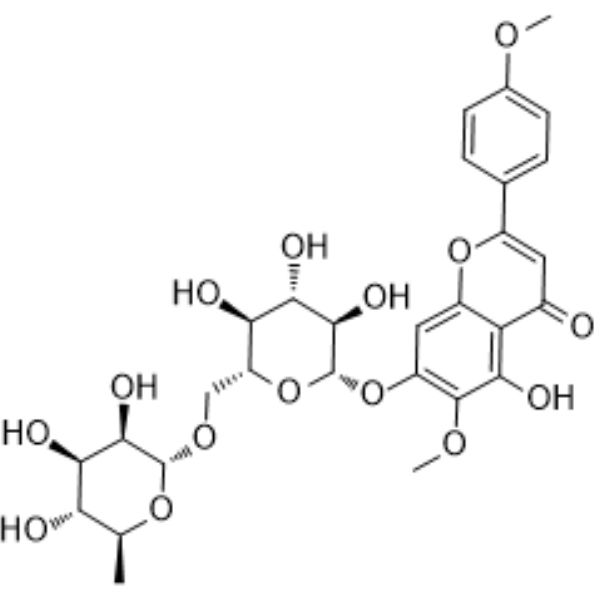
Pectolinarin (Standard) is the analytical standard of Pectolinarin. This product is intended for research and analytical applications. Pectolinarin possesses anti-inflammatory activity . Pectolinarin inhibits secretion of IL-6 and IL-8, as well as the production of PGE2 and NO. Pectolinarin suppresses cell proliferation and inflammatory response and induces apoptosis via inactivation of the PI3K/Akt pathway .
|
-
- HY-N8380
-
|
|
Apoptosis
Autophagy
PI3K
Necroptosis
|
Cardiovascular Disease
Inflammation/Immunology
Cancer
|
|
(-)-Latifolin, a flavonoid, induces apoptotic cell death by targeting PI3K/AKT/mTOR/p70S6K signaling. (-)-Latifolin significantly inhibits the cell proliferation of oral squamous cell carcinoma (OSCC), and causes the anti-metastatic activities by effectively blocking cell migration, invasion, and adhesion via the inactivation of FAK/Src. (-)-Latifolin suppresses autophagic-related proteins and autophagosome formation. (-)-Latifolin inhibits necroptosis by dephosphorylating necroptosis-regulatory proteins (RIP1, RIP3, and MLKL). (-)-Latifolin has beneficial effects on anti-aging, anti-carcinogenic, anti-inflammatory, and cardio-protective activities .
|
-
- HY-B0185S2
-
|
Lignocaine-d6
|
Isotope-Labeled Compounds
Apoptosis
Sodium Channel
NF-κB
MEK
ERK
|
Cardiovascular Disease
Cancer
|
|
Lidocaine-d6 (Lignocaine-d6) is deuterium labeled Lidocaine. Lidocaine (Lignocaine) inhibits sodium channels involving complex voltage and using dependence . Lidocaine decreases growth, migration and invasion of gastric carcinoma cells via up-regulating miR-145 expression and further inactivation of MEK/ERK and NF-κB signaling pathways. Lidocaine is an amide derivative and has potential for the research of ventricular arrhythmia .
|
-
- HY-P10515
-
|
|
Bacterial
Fungal
|
Infection
Cancer
|
|
AcrAP2 is an antimicrobial peptide present in the venom of the Arabian scorpion (Androctonus crassicauda). AcrAP2 is inhibitory against Gram-positive bacteria and yeast but is essentially inactive against Gram-negative bacteria. A cation-enhanced AcrAP2 analog (AcrAP2a) exhibits significant antiproliferative effects at low concentrations against certain human cancer cell lines. AcrAP2 can be used in antibacterial and anti-tumor research .
|
-
- HY-B0185BR
-
|
Lignocaine hydrochloride hydrate (Standard)
|
Reference Standards
Sodium Channel
MEK
ERK
NF-κB
Apoptosis
|
Cardiovascular Disease
Cancer
|
|
Lidocaine (hydrochloride hydrate) (Standard) is the analytical standard of Lidocaine (hydrochloride hydrate). This product is intended for research and analytical applications. Lidocaine (Lignocaine) hydrochloride hydrate inhibits sodium channels involving complex voltage and using dependence. Lidocaine hydrochloride hydrate decreases growth, migration and invasion of gastric carcinoma cells via up-regulating miR-145 expression and further inactivation of MEK/ERK and NF-κB signaling pathways. Lidocaine hydrochloride hydrate is an amide derivative and has potential for the research of ventricular arrhythmia .
|
-
- HY-135482
-
|
|
GABA Receptor
|
Neurological Disease
|
|
GABAA receptor agent 2 TFA is a potent and high-affinity GABAA receptor antagonist with an IC50 of 24 nM (human α1β2γ2 GABAA-expressing tsA201 cells) and a Ki of 28 nM (rat GABAA receptors). GABAA receptor agent 2 TFA is inactive against four human GABA transporters (hGAT-1, hBGT-1, hGAT-2, and hGAT-3) .
|
-
- HY-16183A
-
|
Echothiophate chloride
|
Cholinesterase (ChE)
|
Cardiovascular Disease
|
|
Echothiophate (Echothiophate) chloride is a highly effective, long-lasting cholinesterase inhibitor employed as a miotic for managing glaucoma. Echothiopate chloride forms a covalent bond with the serine residue at the active site of cholinesterase through its phosphate group, rendering the enzyme permanently inactive and necessitating the synthesis of new enzymes by the cell. Given its irreversible binding to cholinesterase and the extremely slow rate of hydrolysis, the effects of echothiophate can persist for a week or longer. Echothiopate chloride is utilized as an ocular antihypertensive agent in the treatment of chronic glaucoma and, in certain cases, accommodative esotropia.
|
-
- HY-162895
-
|
|
Polo-like Kinase (PLK)
Akt
CDK
Caspase
Apoptosis
|
Cancer
|
NL13 is a Polo-like kinase 4 (PLK4) inhibitor with an IC50 value of 2.32 μM. NL13 can inhibit the viability of PC3 and DU145 prostate cancer cells, with IC50 values of 3.51 μM and 2.53 μM, respectively. NL13 can lead to the inactivation of the AKT signaling pathway by downregulating CCNB1/CDK1, inducing G2/M cell cycle arrest, and triggering apoptosis through the cleavage of caspase-9/caspase-3. In prostate cancer mice, NL13 can inhibit tumor growth .
|
-
- HY-106991AR
-
|
S-303 dihydrochloride (Standard)
|
HIV
Bacterial
Reference Standards
CHIKV
|
Infection
|
|
Amustaline (dihydrochloride) (Standard) is the analytical standard of Amustaline (dihydrochloride). This product is intended for research and analytical applications. Amustaline (S-303) dihydrochloride, a nucleic acid-targeted alkylator, is an efficient pathogen inactivation agent for blood components containing red blood cells. Amustaline dihydrochloride has three components: an acridine anchor (an intercalator that targets nucleic acids non-covalently), an effector (a bis-alkylator group that reacts with nucleophiles), and a linker (a small flexible carbon chain containing a labile ester bond that hydrolyzes at neutral pH to yield non-reactive breakdown products) .
|
-
- HY-P5395
-
|
|
HIV
|
Others
|
|
TAT-GluR23A Fusion Peptide is a biological active peptide. (This is the GluR23A sequence, a control inactive peptide used as a mutant counterpart to glutamate receptor endocytosis inhibitor (GluR23Y), connected to an 11 amino acid cell permeable HIV Trans-Activator of Transcription (TAT) protein transduction domain (PTD). GluR23A is derived from GluR23Y amino acids 869 to 877, with Ala substituted for Tyr, and thus lacking essential phosphorylation sites.Control peptide of HY-P2259)
|
-
- HY-113293BR
-
|
|
Reference Standards
Endogenous Metabolite
Estrogen Receptor/ERR
|
Metabolic Disease
Cancer
|
|
Estrone sulfate sodium (Standard) is the analytical standard of Estrone sulfate sodium (HY-113293B). This product is intended for research and analytical applications. Estrone sulfate sodium is an inactive endogenous estrogen that can be converted into Estrone (HY-B0234) and Estradiol (HY-B0141). Estrone sulfate sodium is also a substrate of the OATP1B3 transporter. Estrone sulfate sodium can be converted into Estrone and Estradiol in normal mammary parenchymal cells. Estrone sulfate sodium stimulates the growth of nitrosomethylurea-induced mammary tumors in ovariectomized rats and the colony formation of dispersed nitrosomethylurea mammary cells, with conversion into Estrone and Estradiol occurring both in vivo and in vitro during this process. Estrone sulfate sodium is applicable to breast cancer-related research.
|
-
- HY-N17246
-
|
|
Others
|
Cancer
|
|
Polysimiaric acid A is a C31 triterpene found in Polyalthia simiarum. Polysimiaric acid A is inactive against cancer cells .
|
-
- HY-N11719
-
|
|
Bacterial
|
Infection
|
|
Clusin is a lignan that can be found in Hernandia nymphaeifolia. Clusin inhibits growth of the Gram-negative pathogen Neisseria gonorrhoeae. Clusin is inactive against murine lymphocytic leukemia cells and human cancer cells .
|
-
- HY-N16816
-
|
|
Others
|
Others
|
|
Rubescensin J is a known ent-abietane diterpenoid that can be found in the leaves of Isodon rubescens var. rubescens and is inactive in cytotoxicity against cancer cells .
|
-
- HY-N17951
-
|
|
Others
|
Others
|
|
Amarolide 11-acetate is a quassinoid, can be found in the barks of Ailanthus altissima.Amarolide 11-acetate exhibits nearly inactive cytotoxicity against human hepatoma cells .
|
-
- HY-N19294
-
|
|
Others
|
Cancer
|
|
Hancockiamide A is a compound found in the Australian soil fungus Aspergillus hancockii. Hancockiamide A inhibits tumor cell viability and inactivity against fibroblasts. Hancockiamide A can be used for the research of myeloma .
|
-
- HY-181617
-
|
12-hFC
|
Drug Derivative
|
Cancer
|
|
12-Hydroxyfusicoccin (12-hFC) is a Fusicoccin (HY-122815) derivative. 12-Hydroxyfusicoccin lacks antiproliferative activity and is inactive to protein-protein interactionin and protein synthesis in cancer cells .
|
-
- HY-174757
-
|
|
mRNA
|
Inflammation/Immunology
|
|
Human CCL25 mRNA encodes the human C-C motif chemokine ligand 25 (CCL25) protein, a cytokine that displays chemotactic activity for dendritic cells, thymocytes, and activated macrophages but is inactive on peripheral blood lymphocytes and neutrophils.
|
-
- HY-N7872
-
|
|
NO Synthase
|
Inflammation/Immunology
|
|
Ac-wilforsinine N (Compound 11) is a natural product. Ac-wilforsinine N can be isolated from the dried root of Tripterygium wilfordii. Ac-wilforsinine N is inactive against NO production in cells. Ac-wilforsinine N can be used in the research of inflammatory diseases .
|
-
- HY-N18321
-
|
|
Drug Derivative
|
Cancer
|
|
3-Deacetyl-4-demethylsalannin, a salannin-type limonoid, is an anticancer agent. 3-Deacetyl-4-demethylsalannin induces cytotoxic activity against leukemia cells and stomach cancer cells, and shows inactivity against lung and breast cancer cells at concentrations up to 100 μM. 3-Deacetyl-4-demethylsalannin can be used for the research of leukemia, stomach cancer .
|
-
- HY-P992417
-
|
|
CD20
Apoptosis
|
Cancer
|
|
MT-3724 is a CD20-targeted endotoxin B. MT-3724 binds to CD20, triggers receptor internalization, traffics to the endoplasmic reticulum, and induces permanent ribosomal inactivation to mediate cell killing. MT-3724 can inhibit protein synthesis and promote tumor cell apoptosis. MT-3724 can be used for the research of relapsed or refractory B-cell non-Hodgkin’s lymphomas and diffuse large B-cell lymphoma .
|
-
- HY-P5157
-
|
|
Potassium Channel
|
Neurological Disease
|
|
BmP02 is a selective Kv1.3 channel blocker and a highly-selective Kv4.2 modulator, which can be isolated from Chinese scorpion (Buthus martensi Karsch) venom. BmP02 also delays the inactivation of Kv4.2 in HEK293T cells, with an EC50 value of ~850 nM. BmP02 inhibits the transient outward potassium currents (Ito) in ventricular muscle cells .
|
-
- HY-10426R
-
|
|
Reference Standards
Estrogen Receptor/ERR
Autophagy
|
Cancer
|
|
XCT790 (Standard) is the analytical standard of XCT790 (HY-10426). This product is intended for research and analytical applications. XCT-790 is a potent and selective inverse agonist for ERRα with an IC50 value of 0.37 μM. XCT-790 induces cell death in chemotherapeutic resistant cancer cells. XCT-790 (Compound 12) is inactive against ERRγ and the estrogen receptors ERα and ERβ .
|
-
- HY-181714
-
|
|
EGFR
|
Cancer
|
|
EGFR-IN-203 is a EGFR kinase domain inhibitor targeting EGFR T790M/C797S/V948R. EGFR-IN-203 stably binds to the allosteric pocket of EGFR in an inactive conformation. EGFR-IN-203 can be used in research related to cancers such as non-small cell lung cancer .
|
-
- HY-180200
-
|
|
Ras
ERK
|
Cancer
|
|
RNK08954 is an orally active KRASG12D inhibitor with a Kd of 0.0395 nM. RNK08954 selectively binds the inactive GDP-bound KRASG12D form, suppresses downstream KRAS-mediated signaling pathways p-ERK1/2 experssion. RNK08954 inhibits KRASG12D-mutant cell proliferation, induces G0-G1 cell cycle arrest, and inhibits tumor growth in mouse xenograft models. RNK08954 can be used for the research of non-small cell lung cancer, pancreatic ductal adenocarcinoma .
|
-
- HY-P2974A
-
|
|
Elastase
|
Metabolic Disease
|
|
Elastase, Rat (EC 3.4.21.35) is a form of elastase that is produced in the acinar cells of the pancreas, initially produced as an inactive zymogen and later activated in the duodenum by trypsin. Elastases form a subfamily of serine proteases, characterized by a distinctive structure consisting of two beta-barrel domains converging at the active site that hydrolyze amides and esters amongst many proteins in addition to elastin, a type of connective tissue that holds organs together.
|
-
- HY-N9684
-
|
|
EGFR
GSK-3
Hedgehog
Akt
ERK
Apoptosis
|
Cancer
|
|
Degalactotigonin is a saponin-selective inhibitor targeting the EGFR, GSK3β and Hedgehog/Gli1 pathways and can be isolated from Solanum nigrum (Solanum nigrum). Degalactotigonin inhibits EGFR phosphorylation and the downstream Akt/ERK signaling pathway, and at the same time inhibits the Hedgehog/Gli1 pathway through GSK3β inactivation, thereby inducing cancer cell apoptosis, arresting the cell cycle, and inhibiting migration and invasion. Degalactotigonin can be used in targeted research on malignant tumors such as pancreatic cancer and osteosarcoma .
|
-
- HY-181753
-
|
|
Creatine Kinase
Amino acid Transporter
|
Inflammation/Immunology
Cancer
|
|
INSP-0154 is a potent creatine kinase B (CKB)/creatine transporter (SLC6A8) inhibitor. INSP-0154 binds to the SLC6A8 occluded pocket, prevents creatine transport into cells, and protects SLC6A8 cysteine residue C144 from irreversible inactivation. INSP-0154 inhibits creatine uptake in mouse heart tissue. INSP-0154 can be used for the research of cancer .
|
-
- HY-W749297A
-
|
Phleomycin D2 sulfate
|
DNA/RNA Synthesis
Bacterial
|
Infection
Cancer
|
|
Bleomycin B2 (Phleomycin D2) sulfate is a selective antitumor and antibacterial agent that induces DNA strand breaks and inhibits DNA ligase activity. The optimal pH for the activity of Bleomycin B2 sulfate is 9.1, and its efficacy is enhanced by thiol compounds or hydrogen peroxide. Bleomycin B2 sulfate undergoes enzymatic inactivation via bleomycin-inactivating enzymes, exhibits selective retention in squamous cell carcinoma, and is inactivated most rapidly in liver and kidney homogenates. Bleomycin B2 sulfate can be applied in research related to squamous cell carcinoma and other relevant studies .
|
-
- HY-100764R
-
|
|
Histone Demethylase
Reference Standards
|
Cancer
|
|
YUKA1 (Standard) is the analytical standard of YUKA1 (HY-100764). This product is intended for research and analytical applications. YUKA1 is a potent and cell permeable Lysine demethylase 5A (KDM5A) inhibitor, with an IC50 of 2.66 μM. YUKA1 has less inhibitory active on KDM5C (IC50 = 7.12 μM) and is inactive on KDM5B, KDM6A or KDM6B. YUKA1 can increase H3K4me3 levels and inhibit cell proliferation. YUKA1 can be used for the research of cancer, such as lung and breast cancers .
|
-
- HY-P992448
-
|
|
PD-1/PD-L1
|
Cancer
|
|
RC98 is a monoclonal antibody targeting programmed cell death ligand 1 (PD-L1) and acts as a selective PD-L1 inhibitor. RC98 binds specifically to human and cynomolgus monkey PD-L1. RC98 blocks the interaction between PD-L1 and its receptor PD-1 to reverse T-cell inactivation mediated by PD-1/PD-L1 signaling. RC98 enhances the cytotoxic T-lymphocyte-mediated anti-tumor immune response against PD-L1-expressing tumor cells. RC98 can be used for the research of tumor immunity and solid tumors .
|
-
- HY-113293BS
-
|
|
Isotope-Labeled Compounds
Endogenous Metabolite
Estrogen Receptor/ERR
|
Metabolic Disease
Cancer
|
|
Estrone sulfate-d5 sodium is the deuterium labeled Estrone sulfate sodium (HY-113293B). Estrone sulfate sodium is an inactive endogenous estrogen that can be converted into Estrone (HY-B0234) and Estradiol (HY-B0141). Estrone sulfate sodium is also a substrate of the OATP1B3 transporter. Estrone sulfate sodium can be converted into Estrone and Estradiol in normal mammary parenchymal cells. Estrone sulfate sodium stimulates the growth of nitrosomethylurea-induced mammary tumors in ovariectomized rats and the colony formation of dispersed nitrosomethylurea mammary cells, with conversion into Estrone and Estradiol occurring both in vivo and in vitro during this process. Estrone sulfate sodium is applicable to breast cancer-related research .
|
-
- HY-113293BS1
-
|
|
Isotope-Labeled Compounds
Endogenous Metabolite
Estrogen Receptor/ERR
|
Metabolic Disease
Cancer
|
|
Estrone sulfate-d4 sodium is the deuterium labeled Estrone sulfate sodium (HY-113293B). Estrone sulfate sodium is an inactive endogenous estrogen that can be converted into Estrone (HY-B0234) and Estradiol (HY-B0141). Estrone sulfate sodium is also a substrate of the OATP1B3 transporter. Estrone sulfate sodium can be converted into Estrone and Estradiol in normal mammary parenchymal cells. Estrone sulfate sodium stimulates the growth of nitrosomethylurea-induced mammary tumors in ovariectomized rats and the colony formation of dispersed nitrosomethylurea mammary cells, with conversion into Estrone and Estradiol occurring both in vivo and in vitro during this process. Estrone sulfate sodium is applicable to breast cancer-related research .
|
-
- HY-181965
-
|
|
Ras
ERK
p38 MAPK
|
Cancer
|
|
KRAS G12C-IN-78 is a selective SWII-binding KRASG12C dual inhibitor targeting both inactive and active states. KRAS G12C-IN-78 rapidly inhibits ERK1/2 phosphorylation, induces covalent adduct formation with endogenous KRASG12C, suppresses MAPK pathway gene expression, and inhibits cellular proliferation in KRASG12C mutant cells. KRAS G12C-IN-78 can be used for the research of KRASG12C mutant solid tumors, including pancreatic ductal adenocarcinoma and non-small cell lung cancer .
|
-
- HY-130149
-
|
MRTX849
|
Ras
|
Cancer
|
|
Adagrasib (MRTX849) is a potent, orally-available, and mutation-selective covalent inhibitor of KRAS G12C with potential antineoplastic activity. Adagrasib covalently binds to KRAS G12C at the cysteine at residue 12, locks the protein in its inactive GDP-bound conformation, and inhibits KRAS-dependent signal transduction .
|
-
- HY-114208
-
|
|
Histone Methyltransferase
|
Cancer
|
|
BI-9321, a chemical probe, is a potent, selective and cellular active nuclear receptor-binding SET domain 3 (NSD3)-PWWP1 domain antagonist with a Kd value of 166 nM. BI-9321 is inactive against NSD2-PWWP1 and NSD3-PWWP2. BI-9321 specifically disrupts histone interactions of the NSD3-PWWP1 domain with an IC50 of 1.2 μM in U2OS cells .
|
-
- HY-126194
-
|
Ro 61-1448
|
Drug Metabolite
COMT
Amyloid-β
Apoptosis
Reactive Oxygen Species (ROS)
|
Others
|
|
Tolcapone 3-β-D-glucuronide (Ro 61-1448) is an O-methyl metabolite of Tolcapone (HY-17406) and is pharmacologically inactive. Tolcapone (Ro 40-7592) is a selective, potent and orally active COMT inhibitor with an IC50of 773 nM. Tolcapone can inhibits α-syn and Aβ42 oligomerization and fibrillogenesis. Tolcapone can cause oxidative stress and induce cancer cells apoptosis and ROS production. Tolcapone can be used for the researches of cancer and neurological disease, such as Parkinson disease and neuroblastoma .
|
-
- HY-126619
-
|
|
Bacterial
Apoptosis
|
Infection
|
|
Aspochalasin D is a co-metabolite originally isolated from A. microcysticus with aspochalasins A, B, and C, that is initially thought to be inactive. It has antibacterial activity against Gram-positive and Gram-negative bacteria at a concentration of 1 mg/ml.2 Aspochalasin D is more cytotoxic, via apoptosis, to Ba/F3-V12 cells in an IL-3-free medium than in an IL-3-containing medium (IC50s=0.49 and 1.9 μg/mL, respectively).
|
-
- HY-15154R
-
|
Compound 52 (Standard)
|
CDK
Reference Standards
|
Cancer
|
|
NG 52 (Standard) is the analytical standard of NG 52. This product is intended for research and analytical applications. NG 52 is a potent, cell-permeable, selective, ATP-compatible and orally active Cdc28p and Pho85p kinase inhibitor with IC50s of 7 μM and 2 μM, respectively. NG 52 also inhibits the activity of phosphoglycerate kinase 1 (PGK1) with an IC50 of 2.5 μM. NG 52 is inactive against yeast kinases Kin28p, Srb10, and Cak1p .
|
-
- HY-N3387
-
|
|
Apoptosis
NF-κB
Akt
MMP
|
Inflammation/Immunology
Cancer
|
|
Licoricidin (LCD) is isolated from Glycyrrhiza uralensis Fisch, possesses anti-cancer activities. Licoricidin (LCD) inhibit SW480 cells (IC50=7.2 μM) by inducing cycle arrest, apoptosis and autophagy, and is a potential chemopreventive or chemotherapeutic agent against colorectal cancer . Licoricidin (LCD) inhibits Lung Metastasis by inhibition of tumor angiogenesis and lymphangiogenesis as well as changes in the local microenvironment of tumor tissues the anticarcinogenic effect . Licoricidin enhanced gemcitabine-induced cytotoxicity in Osteosarcoma (OS) cells by inactivation of the Akt and NF-κB pathways in vitro and in vivo . Licoricidin blocks UVA-induced photoaging via ROS scavenging, limits the activity of MMP-1, it can be considered as an active ingredient in new topically applied anti-ageing formulations .
|
-
- HY-Y0070
-
|
|
Phytohormone
Aldehyde Dehydrogenase (ALDH)
|
Cancer
|
|
Cyanamide is a cell division and plant growth inhibitor, as well as an allelochemical derived from Vicia villosa. Cyanamide inhibits root growth and biomass accumulation in a dose-dependent manner by disrupting the formation of mitotic spindles and phragmoplast complexes, reducing the number of mitotic cells and blocking the cell cycle. The effects of Cyanamide are partially reversible after removal from low-concentration environments. Cyanamide is also a specific inhibitor of aldehyde dehydrogenase (ALDH). Although Cyanamide has no direct effect on tumor growth, it can significantly enhance the anti-tumor efficacy of Cyclophosphamide (HY-17420) at non-toxic doses by inhibiting the inactivation of Cyclophosphamide. Cyanamide enables Cyclophosphamide to exert equivalent therapeutic effects at lower doses, effectively inhibiting the growth of primary and metastatic tumors and prolonging the lifespan of tumor-bearing mice. Cyanamide is commonly used in studies related to ha-1 hepatoma and rls lymphosarcoma .
|
-
- HY-108706R
-
|
|
Reference Standards
Histone Demethylase
|
Cancer
|
|
KdM2A/7A-IN-1 (Standard) is the analytical standard of KdM2A/7A-IN-1 (HY-108706). This product is intended for research and analytical applications. KdM2A/7A-IN-1 is a first-in-class, selective and cell-permeable inhibitor of histone lysine demethylases KdM2A/7A, with an IC50 of 0.16 μM for KdM2A, exhibits 75 fold selevtivity over other JmjC lysine demethylases, and is inactive on methyl transferases, and histone acetyl transferases .
|
-
- HY-101257
-
|
|
CDK
|
Cancer
|
|
YKL-5-124 is a potent, selective, irreversible and covalent CDK7 inhibitor with IC50s of 53.5 nM and 9.7 nM for CDK7 and CDK7/Mat1/CycH, respectively. YKL-5-124 is >100-fold greater selective for CDK7 than CDK9 and CDK2, and inactive against CDK12 and CDK13. YKL-5-124 induces a strong cell-cycle arrest, inhibits E2F-driven gene expression, and exhibits little effect on RNA polymerase II phosphorylation status .
|
-
- HY-101257B
-
|
|
CDK
|
Cancer
|
|
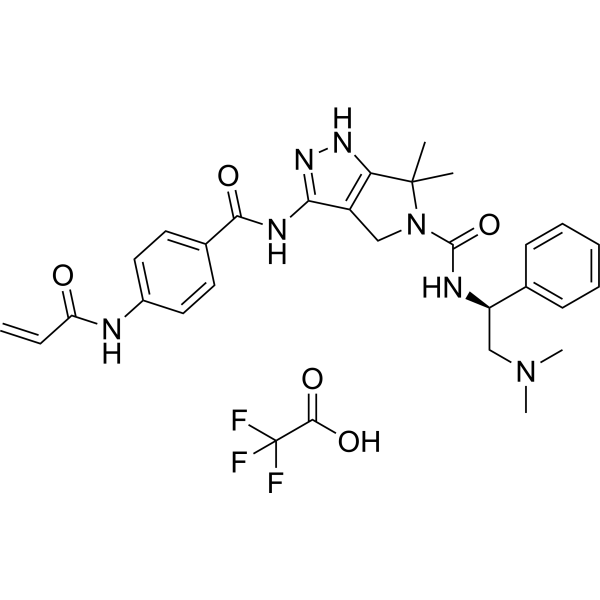
YKL-5-124 TFA is a potent, selective, irreversible and covalent CDK7 inhibitor with IC50s of 53.5 nM and 9.7 nM for CDK7 and CDK7/Mat1/CycH, respectively. YKL-5-124 TFA is >100-fold greater selective for CDK7 than CDK9 and CDK2, and inactive against CDK12 and CDK13. YKL-5-124 TFA induces a strong cell-cycle arrest, inhibits E2F-driven gene expression, and exhibits little effect on RNA polymerase II phosphorylation status .
|
-
- HY-B1128
-
|
Cephamandole
|
Antibiotic
Bacterial
|
Infection
|
|
Cefamandole (Cephamandole) is a semi-synthetic second-generation cephalosporin antibiotic with broad-spectrum antimicrobial activity. Cefamandole is resistant to hydrolysis by β-lactamases produced by some Gram-negative bacteria. Cefamandole kills Gram-positive cocci and various Gram-negative bacilli mainly by inhibiting cell wall synthesis, but it is inactive against Pseudomonas, Proteus vulgaris and Providencia stuartii, and its efficacy is affected by inoculum size. The plasma elimination half-life of Cefamandole in rats is only 0.4 h, it is mainly excreted in urine in biologically active form, and it hardly penetrates the non-inflamed blood-brain barrier. Cefamandole is widely used in studies related to bacterial infections .
|
-
- HY-120026
-
|
KB015
|
Thyroid Hormone Receptor
Calcium Channel
Potassium Channel
Sodium Channel
|
Cardiovascular Disease
|
|
KB130015 (KB015) is an orally active and potent ThRα and ThRβ (thyroid hormone receptor) inhibitor, with IC50 values of 4.5 and 5.1 μM, respectively. KB130015 markedly slows the kinetics of inactivation of Na + channels. KB130015 activates hERG1 channels (EC50 = 12.2 μM) and large-conductance Ca 2+-activated K + (BKCa) channels formed by hSlo1 (α) subunits in HEK 293 cells. KB130015 has antiarrhythmic properties. KB130015 can be used for the study of cardiovascular disease .
|
-
- HY-B1128A
-
|
Cephamandole sodium
|
Antibiotic
Bacterial
|
Infection
|
|
Cefamandole (Cephamandole) sodium is a semi-synthetic second-generation cephalosporin antibiotic with broad-spectrum antimicrobial activity. Cefamandole sodium is resistant to hydrolysis by β-lactamases produced by some Gram-negative bacteria. Cefamandole sodium kills Gram-positive cocci and various Gram-negative bacilli mainly by inhibiting cell wall synthesis, but it is inactive against Pseudomonas, Proteus vulgaris and Providencia stuartii, and its efficacy is affected by inoculum size. The plasma elimination half-life of Cefamandole sodium in rats is only 0.4 h, it is mainly excreted in urine in biologically active form, and it hardly penetrates the non-inflamed blood-brain barrier. Cefamandole sodium is widely used in studies related to bacterial infections .
|
-
- HY-W720629
-
|
|
Isotope-Labeled Compounds
Phytohormone
Aldehyde Dehydrogenase (ALDH)
|
Others
|
|
Cyanamide- 15N2 is the 15N-labeled Cyanamide (HY-Y0070). Cyanamide is a cell division and plant growth inhibitor, as well as an allelochemical derived from Vicia villosa. Cyanamide inhibits root growth and biomass accumulation in a dose-dependent manner by disrupting the formation of mitotic spindles and phragmoplast complexes, reducing the number of mitotic cells and blocking the cell cycle. The effects of Cyanamide are partially reversible after removal from low-concentration environments. Cyanamide is also a specific inhibitor of aldehyde dehydrogenase (ALDH). Although Cyanamide has no direct effect on tumor growth, it can significantly enhance the anti-tumor efficacy of Cyclophosphamide (HY-17420) at non-toxic doses by inhibiting the inactivation of Cyclophosphamide. Cyanamide enables Cyclophosphamide to exert equivalent therapeutic effects at lower doses, effectively inhibiting the growth of primary and metastatic tumors and prolonging the lifespan of tumor-bearing mice. Cyanamide is commonly used in studies related to ha-1 hepatoma and rls lymphosarcoma .
|
-
- HY-176785S
-
|
|
Ras
Apoptosis
p38 MAPK
Caspase
TNF Receptor
|
Cancer
|
|
MCB-294 is a dual-state pan-KRAS inhibitor that selectively inhibits KRAS over NRAS and HRAS. MCB-294 capable of binding both the active (GTP-bound) and inactive (GDP-bound) forms of KRAS with Kds of approximately 1 pM and 10 nM, respectively. MCB-294 broadly impairs the growth of hTERT-HPNE cells expressing G12D, G12C, G12V, G12S, G13D, and wild-type KRAS, with IC50s of approximately 700 nM. MCB-294 induces irreversible apoptosis in KRAS-mutated tumors. MCB-294 effectively suppress KRAS G12C inhibitor-resistant cancer cells and remodel the tumor immune microenvironment. MCB-294 can be used for the study of pancreatic cancer, colorectal cancer and lung cancer .
|
-
- HY-181964
-
|
|
|
Cancer
|
|
KRAS G12C-IN-77 is an orally active and selective KRAS G12C covalent dual-state inhibitor that binds with high affinity to both GDP-bound (inactive state) and GTP-bound (active state) KRAS G12C (IC50 = 133 nM). KRAS G12C-IN-77 rapidly inhibits ERK1/2 phosphorylation, induces the formation of covalent adducts with endogenous KRAS G12C, suppresses the expression of MAPK pathway genes, and inhibits the proliferation of KRAS G12C-mutant cells. KRAS G12C-IN-77 is applicable to research related to KRAS G12C-mutant solid tumors, including pancreatic ductal adenocarcinoma and non-small cell lung cancer .
|
-
- HY-158107A
-
|
|
Drug Isomer
Ras
|
Cancer
|
|
(4R)-BBO-8520 (Compound 314), an isomer of BBO-8520 (HY-158107), is a selective KRAS G12C inhibitor. BBO-8520 has the characteristics of KRAS G12C (OFF) inhibitor and the function of blocking KRAS G12C (ON) signal. BBO-8520 inhibits cell proliferation by inhibiting KRAS G12C (ON) by binding GTP protein. BBO-8520 can block RAS-RAF1 interaction and return KRAS G12C to the inactive (OFF) state. (4R)-BBO-8520 can be used for the research of cancer .
|
-
- HY-B1128B
-
|
Cephamandole lithium
|
Antibiotic
Bacterial
|
Infection
|
|
Cefamandole (Cephamandole) lithium is a semi-synthetic second-generation cephalosporin antibiotic with broad-spectrum antimicrobial activity. Cefamandole lithium is resistant to hydrolysis by β-lactamases produced by some Gram-negative bacteria. Cefamandole lithium kills Gram-positive cocci and various Gram-negative bacilli mainly by inhibiting cell wall synthesis, but it is inactive against Pseudomonas, Proteus vulgaris and Providencia stuartii, and its efficacy is affected by inoculum size. The plasma elimination half-life of Cefamandole lithium in rats is only 0.4 h, it is mainly excreted in urine in biologically active form, and it hardly penetrates the non-inflamed blood-brain barrier. Cefamandole lithium is widely used in studies related to bacterial infections .
|
-
- HY-P2310
-
|
|
Bacterial
Parasite
Apoptosis
HIV
HSV
CMV
TNF Receptor
NOD-like Receptor (NLR)
DNA/RNA Synthesis
Influenza Virus
|
Cardiovascular Disease
Infection
|
|
Defensin HNP-1 human is a type of human neutrophil peptide (HNPs). Defensin HNP-1 human possesses immunomodulatory functions and can delay the apoptosis of neutrophils. Defensin HNP-1 human inhibits DNA/RNA/protein synthesis and interferes with metabolic pathways, thus exhibiting broad antibacterial activity. Defensin HNP-1 human has direct inactivation effects on HIV, HSV-1, HSV-2, CMV, influenza virus, etc. Defensin HNP-1 human has antileishmanial activity. Defensin HNP-1 human is involved in endothelial cell dysfunction during the early development of atherosclerosis .
|
-
- HY-B1167A
-
|
Cardiorythmine hydrochloride; (+)-Ajmaline hydrochloride
|
Others
|
Cardiovascular Disease
|
|
Ajmaline hydrochloride is a Class Ia antiarrhythmic agent. It inhibits HERG potassium channels with IC50s of 1.0 μmol/l and 42.3 μmol/l in HEK cells and moth spider oocytes respectively. The inhibitory effect of Ajmaline hydrochloride is rapid, reversible, and positive frequency dependent. It acts primarily on the open state of the HERG channel and may also be combined with the inactivated state. The inhibitory effect of ajmaline hydrochloride is dependent on aromatic residues in the S6 domain, and the sensitivity is significantly reduced in the inactivation-deficient HERG S620T channel. It can also slightly affect the activation voltage of HERG channels. Ajmaline hydrochloride's inhibitory effect on HERG channels may contribute to both its potent antiarrhythmic effects and its potential proarrhythmic risk.
|
-
- HY-P99463
-
|
AVB-500; AVB-S6-500
|
TAM Receptor
PI3K
Akt
p38 MAPK
|
Cancer
|
|
Batiraxcept (AVB-500; AVB-S6-500) is a selective, soluble AXL receptor and GAS6 inhibitor that targets the GAS6-AXL signaling axis. Batiraxcept is orally inactive and does not cross the blood-brain barrier. Batiraxcept competitively binds to GAS6 ((KD <1 nM), preventing its interaction with the AXL receptor tyrosine kinase, thereby inhibiting downstream PI3K/AKT and MAPK signaling pathways, reducing tumor cell glycolysis, angiogenesis, and metastatic potential. Batiraxcept has demonstrated antitumor activity in preclinical models of endometrial, cholangiocarcinoma, and ovarian cancer by inhibiting tumor growth, invasion, and metastasis .
|
-
- HY-B1128AR
-
|
Cephamandole sodium (Standard)
|
Reference Standards
Antibiotic
Bacterial
|
Infection
|
|
Cefamandole (sodium) (Standard) is the analytical standard of Cefamandole (sodium). This product is intended for research and analytical applications. Cefamandole (Cephamandole) sodium is a semi-synthetic second-generation cephalosporin antibiotic with broad-spectrum antimicrobial activity. Cefamandole sodium is resistant to hydrolysis by β-lactamases produced by some Gram-negative bacteria. Cefamandole sodium kills Gram-positive cocci and various Gram-negative bacilli mainly by inhibiting cell wall synthesis, but it is inactive against Pseudomonas, Proteus vulgaris and Providencia stuartii, and its efficacy is affected by inoculum size. The plasma elimination half-life of Cefamandole sodium in rats is only 0.4 h, it is mainly excreted in urine in biologically active form, and it hardly penetrates the non-inflamed blood-brain barrier. Cefamandole sodium is widely used in studies related to bacterial infections .
|
-
- HY-160406
-
|
|
STING
IFNAR
Interleukin Related
|
Inflammation/Immunology
Cancer
|
|
SNX281 is a selective STING agonist, with IC50 values of 4.1, 4.5, 10.7, and 3.7 μM against human, mouse, rat, and monkey STING, respectively. SNX281 undergoes homodimerization at the STING binding site, triggering a conformational shift of STING from an inactive open state to an active closed state, thereby driving downstream STING-dependent signaling pathways. SNX281 induces type I interferons, IFN-β, TNF-α, IL-6, cytokine release, T cell responses, and long-lasting immune memory. SNX281 exhibits anti-tumor activity and is applicable to research related to colorectal cancer, melanoma, advanced solid tumors, lymphoma, and ovarian cancer .
|
-
- HY-N3741
-
|
Didrovaltratum
|
Calcium Channel
Reactive Oxygen Species (ROS)
Autophagy
|
Inflammation/Immunology
Cancer
|
|
Didrovaltrate (Didrovaltratum) is an L-type calcium channel blocker, ROS scavenger, autophagy enhancer, and lipid accumulation inhibitor. Didrovaltrate blocks L-type calcium currents in a concentration-dependent manner, shifts the current-voltage curve upward, modulates steady-state inactivation kinetics, and inhibits the nuclear translocation of glucocorticoid receptors. Didrovaltrate reduces ROS levels, downregulates the expression of muscle atrophy-related genes, enhances autophagy via lipophagy, and decreases Oleic acid-induced lipid accumulation. Didrovaltrate exhibits cytotoxic activity against cancer cells. Didrovaltrate can be used in research related to skeletal muscle atrophy, non-alcoholic fatty liver disease, breast cancer, lung cancer, gastric cancer, and prostate cancer .
|
-
- HY-P2310A
-
|
|
Bacterial
Parasite
Apoptosis
HIV
HSV
CMV
TNF Receptor
Interleukin Related
NOD-like Receptor (NLR)
DNA/RNA Synthesis
Influenza Virus
|
Cardiovascular Disease
Infection
|
|
Defensin HNP-1 human TFA is a type of human neutrophil peptide (HNPs). Defensin HNP-1 human TFA possesses immunomodulatory functions and can delay the apoptosis of neutrophils. Defensin HNP-1 human TFA inhibits DNA/RNA/protein synthesis and interferes with metabolic pathways, thus exhibiting broad antibacterial activity. Defensin HNP-1 human TFA has direct inactivation effects on HIV, HSV-1, HSV-2, CMV, influenza virus, etc. Defensin HNP-1 human TFA has antileishmanial activity. Defensin HNP-1 human TFA is involved in endothelial cell dysfunction during the early development of atherosclerosis .
|
-
- HY-183335
-
|
|
Smo
Hedgehog
Gli
Apoptosis
Caspase
|
Cancer
|
|
Anticancer agent 321 is a Smoothened (SMO) inhibitor with a human IC50 of 0.12 μM, enhanced aqueous solubility, good plasma and metabolic stability, moderate therapeutic index, preliminary safety profile, and moderate oral bioavailability in rats.Anticancer agent 321 binds to SMO’s 7-transmembrane helical channel, forming hydrogen bonds with Asp384 and hydrophobic/π-π interactions with His470, Phe391, Tyr394, stabilizing SMO’s inactive conformation to inhibit Hedgehog/GLI signaling.Anticancer agent 321 inhibits proliferation, suppresses colony formation, induces apoptosis, and downregulates Hedgehog/GLI pathway target genes GLI1, GLI2, Ptch1, HHip in cancer cells.Anticancer agent 321 inhibits tumor growth, downregulates Ki67 and SOX2, and upregulates cleaved-caspase 3 in tumor tissues.Anticancer agent 321 can be used for the research of cutaneous squamous cell carcinoma .
|
-
- HY-D1005I
-
|
|
Biochemical Assay Reagents
|
Others
|
|
Poloxamer L61 is a non-ionic triblock copolymer surfactant. Poloxamer L61 effectively achieves intracellular molecular delivery to cancer cells during photoacoustic molecular delivery, and maintains cell viability by promoting cell membrane resealing, thus avoiding irreversible damage caused by laser-induced membrane permeabilization. Poloxamer L61 is a key component of SP1017, a compound related to gene therapy, which regulates the interaction between DNA and extracellular matrix as well as cellular uptake, and significantly enhances the distribution and bioavailability of plasmid DNA in skeletal muscle. Poloxamer L61 can be used in studies on local or systemic therapeutic protein production .
|
-
- HY-181249
-
|
|
SARS-CoV
Virus Protease
|
Infection
|
|
SARS-CoV-2 Mpro-IN-55 is a SARS-CoV-2 M pro inhibitor with a IC50 value of 7.20 nM. SARS-CoV-2 Mpro-IN-55 shows limited inhibitory activity against SARS-CoV-2. SARS-CoV-2 Mpro-IN-55 can be used in research related to COVID-19 .
|
-
- HY-106991
-
|
S-303
|
CHIKV
Dengue Virus
Flavivirus
|
Infection
|
|
Amustaline (S-303) is a compound used for inactivating pathogens in blood components and belongs to the category of nucleic acid-targeted chemical decontaminants. Amustaline has the ability to inactivate viruses and is effective against mosquito-borne viruses such as Chikungunya virus (CHIKV), Dengue virus (DENV), and Zika virus (ZIKV). When combined with glutathione (Glutathione, GSH), which acts as a neutralizer to counteract adverse reactions, Amustaline ensures the stability of red blood cell membranes. Amustaline is mainly used for inactivating pathogens in red blood cell concentrates (RBCC) to reduce the risk of transfusion-transmitted infections (TTI) .
|
-
- HY-N0171A
-
|
β-Sitosterol (purity>98%); 22,23-Dihydrostigmasterol (purity>98%)
|
Bacterial
Apoptosis
Reactive Oxygen Species (ROS)
MDM-2/p53
Caspase
PARP
MMP
Bcl-2 Family
HIF/HIF Prolyl-Hydroxylase
TNF Receptor
Interleukin Related
NF-κB
mTOR
Lactate Dehydrogenase
CDK
Glutathione Peroxidase
SOD
|
Infection
Cardiovascular Disease
Inflammation/Immunology
Cancer
|
|
Beta-Sitosterol (purity>98%) is orally active. Beta-Sitosterol exhibits multiple activities, including anti-inflammatory, anticancer, antioxidant, antimicrobial, antidiabetic, antioxidant enzyme, and analgesic. Beta-Sitosterol inhibits inflammation and impaired adipogenesis in bovine mammary epithelial cells by reducing levels of ROS, TNF-α, IL-1β, and NF-κB p65 and restoring the activity of the HIF-1α/mTOR signaling pathway. Beta-Sitosterol induces apoptosis in cancer cells through ROS-mediated mitochondrial dysregulation and p53 activation. Beta-Sitosterol exerts its anticancer effects in cancer cells by activating caspase-3, caspase-8, and caspase-9, mediating PARP inactivation, MMP loss, altered Bcl-2-Bax ratio, and cytochrome c release. Beta-Sitosterol modulates macrophage polarization and reduces rheumatoid inflammation in mice. Beta-Sitosterol inhibits tumor growth in multiple mouse cancer models. Beta-Sitosterol can be used in the research of arthritis, lung cancer, breast cancer and other cancers, diabetes, etc .
|
-
- HY-N0171R
-
|
β-Sitosterol (Standard); 22,23-Dihydrostigmasterol (Standard))
|
Reference Standards
Apoptosis
Endogenous Metabolite
|
Cardiovascular Disease
Inflammation/Immunology
Cancer
|
|
Beta-Sitosterol (Standard) is the analytical standard of Beta-Sitosterol. This product is intended for research and analytical applications. Beta-Sitosterol (purity≥80%) is orally active. Beta-Sitosterol exhibits multiple activities, including anti-inflammatory, anticancer, antioxidant, antimicrobial, antidiabetic, antioxidant enzyme, and analgesic. Beta-Sitosterol inhibits inflammation and impaired adipogenesis in bovine mammary epithelial cells by reducing levels of ROS, TNF-α, IL-1β, and NF-κB p65 and restoring the activity of the HIF-1α/mTOR signaling pathway. Beta-Sitosterol induces apoptosis in cancer cells through ROS-mediated mitochondrial dysregulation and p53 activation. Beta-Sitosterol exerts its anticancer effects in cancer cells by activating caspase-3, caspase-8, and caspase-9, mediating PARP inactivation, MMP loss, altered Bcl-2-Bax ratio, and cytochrome c release. Beta-Sitosterol modulates macrophage polarization and reduces rheumatoid inflammation in mice. Beta-Sitosterol inhibits tumor growth in multiple mouse cancer models. Beta-Sitosterol can be used in the research of arthritis, lung cancer, breast cancer and other cancers, diabetes, etc.
|
-
- HY-N0171
-
|
|
Apoptosis
Endogenous Metabolite
|
Cardiovascular Disease
Inflammation/Immunology
Cancer
|
|
Beta-Sitosterol (purity≥80%) is orally active. Beta-Sitosterol exhibits multiple activities, including anti-inflammatory, anticancer, antioxidant, antimicrobial, antidiabetic, antioxidant enzyme, and analgesic. Beta-Sitosterol inhibits inflammation and impaired adipogenesis in bovine mammary epithelial cells by reducing levels of ROS, TNF-α, IL-1β, and NF-κB p65 and restoring the activity of the HIF-1α/mTOR signaling pathway. Beta-Sitosterol induces apoptosis in cancer cells through ROS-mediated mitochondrial dysregulation and p53 activation. Beta-Sitosterol exerts its anticancer effects in cancer cells by activating caspase-3, caspase-8, and caspase-9, mediating PARP inactivation, MMP loss, altered Bcl-2-Bax ratio, and cytochrome c release. Beta-Sitosterol modulates macrophage polarization and reduces rheumatoid inflammation in mice. Beta-Sitosterol inhibits tumor growth in multiple mouse cancer models. Beta-Sitosterol can be used in the research of arthritis, lung cancer, breast cancer and other cancers, diabetes, etc .
|
-
-
-
HY-L049
-
|
|
1,904 compounds
|
|
Antibacterial agents are a group of materials that fight against pathogenic bacteria. Thus, by killing or reducing the metabolic activity of bacteria, their pathogenic effect in the biological environments will be minimized. The most widely used antibacterial agents exert their effects on bacterial cell wall synthesis, protein synthesis, DNA replication and metabolic pathways. However, resistance to antimicrobial agents has become a major source of morbidity and mortality worldwide. The main mechanisms of resistance are limiting uptake of a drug, modification of a drug target, inactivation of a drug, and active efflux of a drug. Therefore, it is an urgent need to develop new drugs targeted at resistant organisms.
MCE offers a unique collection of 1,904 compounds with validated antibacterial activities. MCE antibacterial compound library is an effective tool for drug repurposing screening, combination screening and biological investigation.
|
| Cat. No. |
Product Name |
Type |
-
- HY-B0185G
-
|
Lignocaine
|
Fluorescent Dyes
|
|
Lidocaine (GMP) is Lidocaine (HY-B0185) produced by using GMP guidelines. GMP small molecules work appropriately as an auxiliary reagent for cell therapy manufacture. Lidocaine inhibits sodium channels involving complex voltage and using dependence . Lidocaine decreases growth, migration and invasion of gastric carcinoma cells via up-regulating miR-145 expression and further inactivation of MEK/ERK and NF-κB signaling pathways. Lidocaine is an amide derivative and has potential for the research of ventricular arrhythmia .
|
| Cat. No. |
Product Name |
Type |
-
- HY-107903
-
|
Thyroglobulin from bovine
|
Biochemical Assay Reagents
|
|
Thyroglobulin is a 660 kDa, dimeric glycoprotein produced by the follicular cells of the thyroid and used entirely within the thyroid gland. Thyroglobulin acts as a substrate for the synthesis of the thyroid hormones thyroxine (T4) and triiodothyronine (T3), as well as the storage of the inactive forms of thyroid hormone and iodine within the follicular lumen of a thyroid follicle. Thyroglobulin activates Akt kinase activity in FRTL-5 thyroid cell .
|
-
- HY-D1005I
-
|
|
Biochemical Assay Reagents
|
|
Poloxamer L61 is a non-ionic triblock copolymer surfactant. Poloxamer L61 effectively achieves intracellular molecular delivery to cancer cells during photoacoustic molecular delivery, and maintains cell viability by promoting cell membrane resealing, thus avoiding irreversible damage caused by laser-induced membrane permeabilization. Poloxamer L61 is a key component of SP1017, a compound related to gene therapy, which regulates the interaction between DNA and extracellular matrix as well as cellular uptake, and significantly enhances the distribution and bioavailability of plasmid DNA in skeletal muscle. Poloxamer L61 can be used in studies on local or systemic therapeutic protein production .
|
-
- HY-B0185G
-
|
Lignocaine
|
Biochemical Assay Reagents
|
|
Lidocaine (GMP) is Lidocaine (HY-B0185) produced by using GMP guidelines. GMP small molecules work appropriately as an auxiliary reagent for cell therapy manufacture. Lidocaine inhibits sodium channels involving complex voltage and using dependence . Lidocaine decreases growth, migration and invasion of gastric carcinoma cells via up-regulating miR-145 expression and further inactivation of MEK/ERK and NF-κB signaling pathways. Lidocaine is an amide derivative and has potential for the research of ventricular arrhythmia .
|
-
- HY-Y0070
-
|
|
Biochemical Assay Reagents
|
|
Cyanamide is a cell division and plant growth inhibitor, as well as an allelochemical derived from Vicia villosa. Cyanamide inhibits root growth and biomass accumulation in a dose-dependent manner by disrupting the formation of mitotic spindles and phragmoplast complexes, reducing the number of mitotic cells and blocking the cell cycle. The effects of Cyanamide are partially reversible after removal from low-concentration environments. Cyanamide is also a specific inhibitor of aldehyde dehydrogenase (ALDH). Although Cyanamide has no direct effect on tumor growth, it can significantly enhance the anti-tumor efficacy of Cyclophosphamide (HY-17420) at non-toxic doses by inhibiting the inactivation of Cyclophosphamide. Cyanamide enables Cyclophosphamide to exert equivalent therapeutic effects at lower doses, effectively inhibiting the growth of primary and metastatic tumors and prolonging the lifespan of tumor-bearing mice. Cyanamide is commonly used in studies related to ha-1 hepatoma and rls lymphosarcoma .
|
| Cat. No. |
Product Name |
Target |
Research Area |
-
- HY-P2310
-
|
|
Bacterial
Parasite
Apoptosis
HIV
HSV
CMV
TNF Receptor
NOD-like Receptor (NLR)
DNA/RNA Synthesis
Influenza Virus
|
Cardiovascular Disease
Infection
|
|
Defensin HNP-1 human is a type of human neutrophil peptide (HNPs). Defensin HNP-1 human possesses immunomodulatory functions and can delay the apoptosis of neutrophils. Defensin HNP-1 human inhibits DNA/RNA/protein synthesis and interferes with metabolic pathways, thus exhibiting broad antibacterial activity. Defensin HNP-1 human has direct inactivation effects on HIV, HSV-1, HSV-2, CMV, influenza virus, etc. Defensin HNP-1 human has antileishmanial activity. Defensin HNP-1 human is involved in endothelial cell dysfunction during the early development of atherosclerosis .
|
-
- HY-P2310A
-
|
|
Bacterial
Parasite
Apoptosis
HIV
HSV
CMV
TNF Receptor
Interleukin Related
NOD-like Receptor (NLR)
DNA/RNA Synthesis
Influenza Virus
|
Cardiovascular Disease
Infection
|
|
Defensin HNP-1 human TFA is a type of human neutrophil peptide (HNPs). Defensin HNP-1 human TFA possesses immunomodulatory functions and can delay the apoptosis of neutrophils. Defensin HNP-1 human TFA inhibits DNA/RNA/protein synthesis and interferes with metabolic pathways, thus exhibiting broad antibacterial activity. Defensin HNP-1 human TFA has direct inactivation effects on HIV, HSV-1, HSV-2, CMV, influenza virus, etc. Defensin HNP-1 human TFA has antileishmanial activity. Defensin HNP-1 human TFA is involved in endothelial cell dysfunction during the early development of atherosclerosis .
|
-
- HY-P2114
-
|
|
Peptides
|
Cancer
|
|
IT9302 is a synthetic IL-10 agonist with the activity of inducing tolerogenic dendritic cells. IT9302 is able to mimic multiple effects of IL-10, including downregulating the antigen presentation machinery and increasing the sensitivity of tumor cells to natural killer cell-mediated lysis. IT9302 can also hinder the response of human monocytes to differentiation factors and reduce the antigen presentation and co-stimulatory capacity of dendritic cells. Dendritic cells treated with IT9302 showed a weakened ability to stimulate T cell proliferation and interferon-γ production. IT9302 exerts its effects through mechanisms that are partially different from IL-10, involving STAT3 inactivation and regulation of the NF-κB intracellular pathway. IT9302-treated dendritic cells showed enhanced expression of membrane-bound TGF-β, associated with the effective induction of foxp3+ regulatory T cells .
|
-
- HY-P1084
-
|
β-PMTX
|
Sodium Channel
|
Neurological Disease
|
|
β-Pompilidotoxin (β-PMTX), a wasp venom, can slow sodium channel inactivation and increases steady-state sodium current in cells .
|
-
- HY-P10984
-
|
|
Integrin
|
Metabolic Disease
Inflammation/Immunology
Cancer
|
|
FNIII14 is derived from the 14th fibronectin (FN) type III-like (FN-III) repeat of FN molecule. FNIII14 is capable of inhibiting cell adhesion to the extracellular matrix (ECM). FNIII14 induces a conformational change in β1-integrin from the active to the inactive form, and blocks integrin-mediated signaling. FNIII14 has anti-fibrotic, anti-cancer effect. FNIII14 can be used for research of metabolic diseases, organ fibrosis, and malignant tumors .
|
-
- HY-P2670
-
|
|
NF-κB
|
Others
|
|
SN50M, a mutant peptide of SN50 (HY-P0151), is a cell membrane-permeable inactive control peptide .
|
-
- HY-P1084A
-
|
β-PMTX TFA
|
Sodium Channel
|
Neurological Disease
|
|
β-Pompilidotoxin TFA (β-PMTX TFA), a wasp venom, can slow sodium channel inactivation and increases steady-state sodium current in cells .
|
-
- HY-P5872
-
|
JZTX-XI
|
Sodium Channel
|
Neurological Disease
|
|
Jingzhaotoxin XI (JZTX-XI) is a sodium conductance inhibitor with an IC50 of 124 nM. Jingzhaotoxin XI slows the fast inactivation (EC50=1.18±0.2 μM) of Nav1.5 expressed in Chinese hamster ovary (CHO-K1) cells .
|
-
- HY-P10515
-
|
|
Bacterial
Fungal
|
Infection
Cancer
|
|
AcrAP2 is an antimicrobial peptide present in the venom of the Arabian scorpion (Androctonus crassicauda). AcrAP2 is inhibitory against Gram-positive bacteria and yeast but is essentially inactive against Gram-negative bacteria. A cation-enhanced AcrAP2 analog (AcrAP2a) exhibits significant antiproliferative effects at low concentrations against certain human cancer cell lines. AcrAP2 can be used in antibacterial and anti-tumor research .
|
-
- HY-P5395
-
|
|
HIV
|
Others
|
|
TAT-GluR23A Fusion Peptide is a biological active peptide. (This is the GluR23A sequence, a control inactive peptide used as a mutant counterpart to glutamate receptor endocytosis inhibitor (GluR23Y), connected to an 11 amino acid cell permeable HIV Trans-Activator of Transcription (TAT) protein transduction domain (PTD). GluR23A is derived from GluR23Y amino acids 869 to 877, with Ala substituted for Tyr, and thus lacking essential phosphorylation sites.Control peptide of HY-P2259)
|
-
- HY-P5157
-
|
|
Potassium Channel
|
Neurological Disease
|
|
BmP02 is a selective Kv1.3 channel blocker and a highly-selective Kv4.2 modulator, which can be isolated from Chinese scorpion (Buthus martensi Karsch) venom. BmP02 also delays the inactivation of Kv4.2 in HEK293T cells, with an EC50 value of ~850 nM. BmP02 inhibits the transient outward potassium currents (Ito) in ventricular muscle cells .
|
| Cat. No. |
Product Name |
Target |
Research Area |
Image |
-
- HY-108847
-
|
|
TNF Receptor
Bacterial
|
Inflammation/Immunology
Cancer
|
|
Etanercept, a dimeric fusion protein that binds TNF, acts as a TNF inhibitor. Etanercept competitively inhibits the binding of both TNF-α and TNF-β to cell surface TNF receptors, rendering TNF biologically inactive. Etanercept shows efficacy against rheumatoid arthritis, juvenile idiopathic arthritis, and plaque psoriasis .
|
-
(5)
-
- HY-P99463
-
|
AVB-500; AVB-S6-500
|
TAM Receptor
PI3K
Akt
p38 MAPK
|
Cancer
|
|
Batiraxcept (AVB-500; AVB-S6-500) is a selective, soluble AXL receptor and GAS6 inhibitor that targets the GAS6-AXL signaling axis. Batiraxcept is orally inactive and does not cross the blood-brain barrier. Batiraxcept competitively binds to GAS6 ((KD <1 nM), preventing its interaction with the AXL receptor tyrosine kinase, thereby inhibiting downstream PI3K/AKT and MAPK signaling pathways, reducing tumor cell glycolysis, angiogenesis, and metastatic potential. Batiraxcept has demonstrated antitumor activity in preclinical models of endometrial, cholangiocarcinoma, and ovarian cancer by inhibiting tumor growth, invasion, and metastasis .
|
-
(5)
-
- HY-P992417
-
|
|
CD20
Apoptosis
|
Cancer
|
|
MT-3724 is a CD20-targeted endotoxin B. MT-3724 binds to CD20, triggers receptor internalization, traffics to the endoplasmic reticulum, and induces permanent ribosomal inactivation to mediate cell killing. MT-3724 can inhibit protein synthesis and promote tumor cell apoptosis. MT-3724 can be used for the research of relapsed or refractory B-cell non-Hodgkin’s lymphomas and diffuse large B-cell lymphoma .
|
-
(5)
-
- HY-P992448
-
|
|
PD-1/PD-L1
|
Cancer
|
|
RC98 is a monoclonal antibody targeting programmed cell death ligand 1 (PD-L1) and acts as a selective PD-L1 inhibitor. RC98 binds specifically to human and cynomolgus monkey PD-L1. RC98 blocks the interaction between PD-L1 and its receptor PD-1 to reverse T-cell inactivation mediated by PD-1/PD-L1 signaling. RC98 enhances the cytotoxic T-lymphocyte-mediated anti-tumor immune response against PD-L1-expressing tumor cells. RC98 can be used for the research of tumor immunity and solid tumors .
|
-
(5)
| Cat. No. |
Product Name |
Category |
Target |
Chemical Structure |
-
- HY-N0171A
-
|
β-Sitosterol (purity>98%); 22,23-Dihydrostigmasterol (purity>98%)
|
Cardiovascular Disease
Structural Classification
Classification of Application Fields
Leguminosae
Glycine max (L.) merr
Plants
Inflammation/Immunology
Disease Research Fields
Steroids
Source Classification
|
Bacterial
Apoptosis
Reactive Oxygen Species (ROS)
MDM-2/p53
Caspase
PARP
MMP
Bcl-2 Family
HIF/HIF Prolyl-Hydroxylase
TNF Receptor
Interleukin Related
NF-κB
mTOR
Lactate Dehydrogenase
CDK
Glutathione Peroxidase
SOD
|
|
Beta-Sitosterol (purity>98%) is orally active. Beta-Sitosterol exhibits multiple activities, including anti-inflammatory, anticancer, antioxidant, antimicrobial, antidiabetic, antioxidant enzyme, and analgesic. Beta-Sitosterol inhibits inflammation and impaired adipogenesis in bovine mammary epithelial cells by reducing levels of ROS, TNF-α, IL-1β, and NF-κB p65 and restoring the activity of the HIF-1α/mTOR signaling pathway. Beta-Sitosterol induces apoptosis in cancer cells through ROS-mediated mitochondrial dysregulation and p53 activation. Beta-Sitosterol exerts its anticancer effects in cancer cells by activating caspase-3, caspase-8, and caspase-9, mediating PARP inactivation, MMP loss, altered Bcl-2-Bax ratio, and cytochrome c release. Beta-Sitosterol modulates macrophage polarization and reduces rheumatoid inflammation in mice. Beta-Sitosterol inhibits tumor growth in multiple mouse cancer models. Beta-Sitosterol can be used in the research of arthritis, lung cancer, breast cancer and other cancers, diabetes, etc .
|
-
-
- HY-N0171
-
|
|
Cardiovascular Disease
other families
Classification of Application Fields
Leguminosae
Plants
Endogenous metabolite
Glycyrrhiza uralensis Fisch.
Inflammation/Immunology
Disease Research Fields
Steroids
Source Classification
|
Apoptosis
Endogenous Metabolite
|
|
Beta-Sitosterol (purity≥80%) is orally active. Beta-Sitosterol exhibits multiple activities, including anti-inflammatory, anticancer, antioxidant, antimicrobial, antidiabetic, antioxidant enzyme, and analgesic. Beta-Sitosterol inhibits inflammation and impaired adipogenesis in bovine mammary epithelial cells by reducing levels of ROS, TNF-α, IL-1β, and NF-κB p65 and restoring the activity of the HIF-1α/mTOR signaling pathway. Beta-Sitosterol induces apoptosis in cancer cells through ROS-mediated mitochondrial dysregulation and p53 activation. Beta-Sitosterol exerts its anticancer effects in cancer cells by activating caspase-3, caspase-8, and caspase-9, mediating PARP inactivation, MMP loss, altered Bcl-2-Bax ratio, and cytochrome c release. Beta-Sitosterol modulates macrophage polarization and reduces rheumatoid inflammation in mice. Beta-Sitosterol inhibits tumor growth in multiple mouse cancer models. Beta-Sitosterol can be used in the research of arthritis, lung cancer, breast cancer and other cancers, diabetes, etc .
|
-
-
- HY-113293B
-
-
-
- HY-135416
-
-
-
- HY-N0314
-
-
-
- HY-N8278
-
|
|
Natural Products
Animals
Classification of Application Fields
Inflammation/Immunology
Disease Research Fields
Source Classification
|
Thrombin
|
|
Dermatan sulphate sodium is an oral active glycosaminoglycan and thrombin inactivator with antithrombotic activity. It selectively catalyzes the heparin cofactor II-mediated inactivation of thrombin without interacting with antithrombin III. Dermatan sulphate sodium promotes stem cell differentiation, exhibits high bioavailability, and alleviates pulmonary fibrosis injury induced by Bleomycin (HY-108345). Dermatan sulphate sodium can be used in research related to cardiovascular diseases, inflammation, and stem cell differentiation .
|
-
-
- HY-113293A
-
-
-
- HY-N3387
-
-
-
- HY-N0171R
-
|
β-Sitosterol (Standard); 22,23-Dihydrostigmasterol (Standard))
|
Cardiovascular Disease
other families
Classification of Application Fields
Leguminosae
Plants
Endogenous metabolite
Glycyrrhiza uralensis Fisch.
Inflammation/Immunology
Disease Research Fields
Steroids
Source Classification
|
Reference Standards
Apoptosis
Endogenous Metabolite
|
|
Beta-Sitosterol (Standard) is the analytical standard of Beta-Sitosterol. This product is intended for research and analytical applications. Beta-Sitosterol (purity≥80%) is orally active. Beta-Sitosterol exhibits multiple activities, including anti-inflammatory, anticancer, antioxidant, antimicrobial, antidiabetic, antioxidant enzyme, and analgesic. Beta-Sitosterol inhibits inflammation and impaired adipogenesis in bovine mammary epithelial cells by reducing levels of ROS, TNF-α, IL-1β, and NF-κB p65 and restoring the activity of the HIF-1α/mTOR signaling pathway. Beta-Sitosterol induces apoptosis in cancer cells through ROS-mediated mitochondrial dysregulation and p53 activation. Beta-Sitosterol exerts its anticancer effects in cancer cells by activating caspase-3, caspase-8, and caspase-9, mediating PARP inactivation, MMP loss, altered Bcl-2-Bax ratio, and cytochrome c release. Beta-Sitosterol modulates macrophage polarization and reduces rheumatoid inflammation in mice. Beta-Sitosterol inhibits tumor growth in multiple mouse cancer models. Beta-Sitosterol can be used in the research of arthritis, lung cancer, breast cancer and other cancers, diabetes, etc.
|
-
-
- HY-135416A
-
-
-
- HY-N3741
-
|
Didrovaltratum
|
Structural Classification
Natural Products
Classification of Application Fields
Valeriana officinalis Linn.
Plants
Valerianaceae
Disease Research Fields
Source Classification
Cancer
|
Calcium Channel
Reactive Oxygen Species (ROS)
Autophagy
|
|
Didrovaltrate (Didrovaltratum) is an L-type calcium channel blocker, ROS scavenger, autophagy enhancer, and lipid accumulation inhibitor. Didrovaltrate blocks L-type calcium currents in a concentration-dependent manner, shifts the current-voltage curve upward, modulates steady-state inactivation kinetics, and inhibits the nuclear translocation of glucocorticoid receptors. Didrovaltrate reduces ROS levels, downregulates the expression of muscle atrophy-related genes, enhances autophagy via lipophagy, and decreases Oleic acid-induced lipid accumulation. Didrovaltrate exhibits cytotoxic activity against cancer cells. Didrovaltrate can be used in research related to skeletal muscle atrophy, non-alcoholic fatty liver disease, breast cancer, lung cancer, gastric cancer, and prostate cancer .
|
-
-
- HY-113293
-
-
-
- HY-112661
-
-
-
- HY-N0314R
-
-
-
- HY-N8380
-
|
|
Dalbergia hupeana Hance
Phenols
Polyphenols
Plants
Source Classification
Fabaceae
|
Apoptosis
Autophagy
PI3K
Necroptosis
|
|
(-)-Latifolin, a flavonoid, induces apoptotic cell death by targeting PI3K/AKT/mTOR/p70S6K signaling. (-)-Latifolin significantly inhibits the cell proliferation of oral squamous cell carcinoma (OSCC), and causes the anti-metastatic activities by effectively blocking cell migration, invasion, and adhesion via the inactivation of FAK/Src. (-)-Latifolin suppresses autophagic-related proteins and autophagosome formation. (-)-Latifolin inhibits necroptosis by dephosphorylating necroptosis-regulatory proteins (RIP1, RIP3, and MLKL). (-)-Latifolin has beneficial effects on anti-aging, anti-carcinogenic, anti-inflammatory, and cardio-protective activities .
|
-
-
- HY-113293BR
-
|
|
Structural Classification
Endogenous metabolite
Steroids
Source Classification
|
Reference Standards
Endogenous Metabolite
Estrogen Receptor/ERR
|
|
Estrone sulfate sodium (Standard) is the analytical standard of Estrone sulfate sodium (HY-113293B). This product is intended for research and analytical applications. Estrone sulfate sodium is an inactive endogenous estrogen that can be converted into Estrone (HY-B0234) and Estradiol (HY-B0141). Estrone sulfate sodium is also a substrate of the OATP1B3 transporter. Estrone sulfate sodium can be converted into Estrone and Estradiol in normal mammary parenchymal cells. Estrone sulfate sodium stimulates the growth of nitrosomethylurea-induced mammary tumors in ovariectomized rats and the colony formation of dispersed nitrosomethylurea mammary cells, with conversion into Estrone and Estradiol occurring both in vivo and in vitro during this process. Estrone sulfate sodium is applicable to breast cancer-related research.
|
-
-
- HY-126194
-
-
-
- HY-B1167A
-
|
Cardiorythmine hydrochloride; (+)-Ajmaline hydrochloride
|
Rauvolfia verticillata (Lour.) Baill.
Apocynaceae
Natural Products
Plants
Source Classification
|
Others
|
|
Ajmaline hydrochloride is a Class Ia antiarrhythmic agent. It inhibits HERG potassium channels with IC50s of 1.0 μmol/l and 42.3 μmol/l in HEK cells and moth spider oocytes respectively. The inhibitory effect of Ajmaline hydrochloride is rapid, reversible, and positive frequency dependent. It acts primarily on the open state of the HERG channel and may also be combined with the inactivated state. The inhibitory effect of ajmaline hydrochloride is dependent on aromatic residues in the S6 domain, and the sensitivity is significantly reduced in the inactivation-deficient HERG S620T channel. It can also slightly affect the activation voltage of HERG channels. Ajmaline hydrochloride's inhibitory effect on HERG channels may contribute to both its potent antiarrhythmic effects and its potential proarrhythmic risk.
|
-
-
- HY-N17246
-
-
-
- HY-N11719
-
-
-
- HY-N16816
-
-
-
- HY-N17951
-
-
-
- HY-N19294
-
-
-
- HY-N7872
-
-
-
- HY-N18321
-
-
-
- HY-N9684
-
|
|
Plantaginaceae
Digitalis purpurea L.
Structural Classification
Natural Products
Plants
Source Classification
|
EGFR
GSK-3
Hedgehog
Akt
ERK
Apoptosis
|
|
Degalactotigonin is a saponin-selective inhibitor targeting the EGFR, GSK3β and Hedgehog/Gli1 pathways and can be isolated from Solanum nigrum (Solanum nigrum). Degalactotigonin inhibits EGFR phosphorylation and the downstream Akt/ERK signaling pathway, and at the same time inhibits the Hedgehog/Gli1 pathway through GSK3β inactivation, thereby inducing cancer cell apoptosis, arresting the cell cycle, and inhibiting migration and invasion. Degalactotigonin can be used in targeted research on malignant tumors such as pancreatic cancer and osteosarcoma .
|
-
| Cat. No. |
Product Name |
Chemical Structure |
-
- HY-B0185S1
-
|
|
|
Lidocaine-d10 is the deuterium labeled Lidocaine. Lidocaine (Lignocaine) inhibits sodium channels involving complex voltage and using dependence . Lidocaine decreases growth, migration and invasion of gastric carcinoma cells via up-regulating miR-145 expression and further inactivation of MEK/ERK and NF-κB signaling pathways. Lidocaine is an amide derivative and has potential for the research of ventricular arrhythmia .
|
-
-
- HY-113293BS1
-
|
|
|
Estrone sulfate-d4 sodium is the deuterium labeled Estrone sulfate sodium (HY-113293B). Estrone sulfate sodium is an inactive endogenous estrogen that can be converted into Estrone (HY-B0234) and Estradiol (HY-B0141). Estrone sulfate sodium is also a substrate of the OATP1B3 transporter. Estrone sulfate sodium can be converted into Estrone and Estradiol in normal mammary parenchymal cells. Estrone sulfate sodium stimulates the growth of nitrosomethylurea-induced mammary tumors in ovariectomized rats and the colony formation of dispersed nitrosomethylurea mammary cells, with conversion into Estrone and Estradiol occurring both in vivo and in vitro during this process. Estrone sulfate sodium is applicable to breast cancer-related research .
|
-
-
- HY-176785S
-
|
|
|
MCB-294 is a dual-state pan-KRAS inhibitor that selectively inhibits KRAS over NRAS and HRAS. MCB-294 capable of binding both the active (GTP-bound) and inactive (GDP-bound) forms of KRAS with Kds of approximately 1 pM and 10 nM, respectively. MCB-294 broadly impairs the growth of hTERT-HPNE cells expressing G12D, G12C, G12V, G12S, G13D, and wild-type KRAS, with IC50s of approximately 700 nM. MCB-294 induces irreversible apoptosis in KRAS-mutated tumors. MCB-294 effectively suppress KRAS G12C inhibitor-resistant cancer cells and remodel the tumor immune microenvironment. MCB-294 can be used for the study of pancreatic cancer, colorectal cancer and lung cancer .
|
-
-
- HY-B0185AS
-
|
|
|
Lidocaine-d10 (hydrochloride) is the deuterium labeled Lidocaine hydrochloride. Lidocaine hydrochloride (Lignocaine hydrochloride) inhibits sodium channels involving complex voltage and using dependence . Lidocaine hydrochloride decreases growth, migration and invasion of gastric carcinoma cells via up-regulating miR-145 expression and further inactivation of MEK/ERK and NF-κB signaling pathways. Lidocaine hydrochloride, an amide derivative, has the potential for the research of the ventricular arrhythmia .
|
-
-
- HY-114277S
-
|
|
|
Sotorasib-d7 (AMG-510-d7) is a deuterium-labeled Sotorasib (HY-114277). Sotorasib (AMG-510) is a first-in-class, orally bioavailable, and selective KRAS G12C covalent inhibitor. Sotorasib irreversibly inhibits KRAS G12C by locking it in an inactive GDP-bound state. Sotorasib leads to the regression of KRAS G12C‑mutated locally advanced or metastatic non‑small cell lung cancer (NSCLC) .
|
-
-
- HY-B0185AS1
-
|
|
|
Lidocaine-d6 (hydrochloride) is deuterium labeled Lidocaine (hydrochloride). Lidocaine hydrochloride (Lignocaine hydrochloride) inhibits sodium channels involving complex voltage and using dependence . Lidocaine hydrochloride decreases growth, migration and invasion of gastric carcinoma cells via up-regulating miR-145 expression and further inactivation of MEK/ERK and NF-κB signaling pathways. Lidocaine hydrochloride is an amide derivative and a agent to treat ventricular arrhythmia and an effective tumor-inhibitor .
|
-
-
- HY-B0185S
-
|
|
|
N-Oxide Lidocaine-d10 is the deuterium labeled Lidocaine. Lidocaine (Lignocaine) inhibits sodium channels involving complex voltage and using dependence . Lidocaine decreases growth, migration and invasion of gastric carcinoma cells via up-regulating miR-145 expression and further inactivation of MEK/ERK and NF-κB signaling pathways. Lidocaine is an amide derivative and has potential for the research of ventricular arrhythmia .
|
-
-
- HY-114277S2
-
|
|
|
Sotorasib-d3 (AMG-510-d3) is deuterium labeled Sotorasib. Sotorasib (AMG-510) is a first-in-class, orally bioavailable, and selective KRAS G12C covalent inhibitor. Sotorasib irreversibly inhibits KRAS G12C by locking it in an inactive GDP-bound state. Sotorasib leads to the regression of KRAS G12C?mutated locally advanced or metastatic non?small cell lung cancer (NSCLC) .
|
-
-
- HY-113293BS
-
|
|
|
Estrone sulfate-d5 sodium is the deuterium labeled Estrone sulfate sodium (HY-113293B). Estrone sulfate sodium is an inactive endogenous estrogen that can be converted into Estrone (HY-B0234) and Estradiol (HY-B0141). Estrone sulfate sodium is also a substrate of the OATP1B3 transporter. Estrone sulfate sodium can be converted into Estrone and Estradiol in normal mammary parenchymal cells. Estrone sulfate sodium stimulates the growth of nitrosomethylurea-induced mammary tumors in ovariectomized rats and the colony formation of dispersed nitrosomethylurea mammary cells, with conversion into Estrone and Estradiol occurring both in vivo and in vitro during this process. Estrone sulfate sodium is applicable to breast cancer-related research .
|
-
-
- HY-B0185S2
-
|
|
|
Lidocaine-d6 (Lignocaine-d6) is deuterium labeled Lidocaine. Lidocaine (Lignocaine) inhibits sodium channels involving complex voltage and using dependence . Lidocaine decreases growth, migration and invasion of gastric carcinoma cells via up-regulating miR-145 expression and further inactivation of MEK/ERK and NF-κB signaling pathways. Lidocaine is an amide derivative and has potential for the research of ventricular arrhythmia .
|
-
-
- HY-W720629
-
|
|
|
Cyanamide- 15N2 is the 15N-labeled Cyanamide (HY-Y0070). Cyanamide is a cell division and plant growth inhibitor, as well as an allelochemical derived from Vicia villosa. Cyanamide inhibits root growth and biomass accumulation in a dose-dependent manner by disrupting the formation of mitotic spindles and phragmoplast complexes, reducing the number of mitotic cells and blocking the cell cycle. The effects of Cyanamide are partially reversible after removal from low-concentration environments. Cyanamide is also a specific inhibitor of aldehyde dehydrogenase (ALDH). Although Cyanamide has no direct effect on tumor growth, it can significantly enhance the anti-tumor efficacy of Cyclophosphamide (HY-17420) at non-toxic doses by inhibiting the inactivation of Cyclophosphamide. Cyanamide enables Cyclophosphamide to exert equivalent therapeutic effects at lower doses, effectively inhibiting the growth of primary and metastatic tumors and prolonging the lifespan of tumor-bearing mice. Cyanamide is commonly used in studies related to ha-1 hepatoma and rls lymphosarcoma .
|
-
| Cat. No. |
Product Name |
|
Classification |
-
- HY-134813
-
|
|
|
Alkynes
|
|
MRTX1133 is a noncovalent, potent, and selective alkyne-based KRAS G12D inhibitor. MRTX1133 optimally fills the switch II pocket and extends three substituents to favorably interact with the protein, resulting in an estimated KD against KRAS G12D of 0.2 pM. MRTX1133 prevents SOS1-catalyzed nucleotide exchange and/or formation of the KRAS G12D/GTP/RAF1 complex, thereby inhibiting mutant KRAS-dependent signal transduction. MRTX1133 selectively inhibits KRAS G12D mutant, but not KRAS wild-type, tumor cells. MRTX1133 has single digit nanomolar activity in cellular assays and marked in vivo efficacy in tumor models harboring KRAS G12D mutations .
|
-
- HY-176785S
-
|
|
|
Alkynes
|
|
MCB-294 is a dual-state pan-KRAS inhibitor that selectively inhibits KRAS over NRAS and HRAS. MCB-294 capable of binding both the active (GTP-bound) and inactive (GDP-bound) forms of KRAS with Kds of approximately 1 pM and 10 nM, respectively. MCB-294 broadly impairs the growth of hTERT-HPNE cells expressing G12D, G12C, G12V, G12S, G13D, and wild-type KRAS, with IC50s of approximately 700 nM. MCB-294 induces irreversible apoptosis in KRAS-mutated tumors. MCB-294 effectively suppress KRAS G12C inhibitor-resistant cancer cells and remodel the tumor immune microenvironment. MCB-294 can be used for the study of pancreatic cancer, colorectal cancer and lung cancer .
|
-
- HY-180200
-
|
|
|
Alkynes
|
|
RNK08954 is an orally active KRASG12D inhibitor with a Kd of 0.0395 nM. RNK08954 selectively binds the inactive GDP-bound KRASG12D form, suppresses downstream KRAS-mediated signaling pathways p-ERK1/2 experssion. RNK08954 inhibits KRASG12D-mutant cell proliferation, induces G0-G1 cell cycle arrest, and inhibits tumor growth in mouse xenograft models. RNK08954 can be used for the research of non-small cell lung cancer, pancreatic ductal adenocarcinoma .
|
| Cat. No. |
Product Name |
|
Classification |
-
- HY-N0171A
-
|
β-Sitosterol (purity>98%); 22,23-Dihydrostigmasterol (purity>98%)
|
|
Cholesterol
|
|
Beta-Sitosterol (purity>98%) is orally active. Beta-Sitosterol exhibits multiple activities, including anti-inflammatory, anticancer, antioxidant, antimicrobial, antidiabetic, antioxidant enzyme, and analgesic. Beta-Sitosterol inhibits inflammation and impaired adipogenesis in bovine mammary epithelial cells by reducing levels of ROS, TNF-α, IL-1β, and NF-κB p65 and restoring the activity of the HIF-1α/mTOR signaling pathway. Beta-Sitosterol induces apoptosis in cancer cells through ROS-mediated mitochondrial dysregulation and p53 activation. Beta-Sitosterol exerts its anticancer effects in cancer cells by activating caspase-3, caspase-8, and caspase-9, mediating PARP inactivation, MMP loss, altered Bcl-2-Bax ratio, and cytochrome c release. Beta-Sitosterol modulates macrophage polarization and reduces rheumatoid inflammation in mice. Beta-Sitosterol inhibits tumor growth in multiple mouse cancer models. Beta-Sitosterol can be used in the research of arthritis, lung cancer, breast cancer and other cancers, diabetes, etc .
|
-
- HY-N0171
-
|
|
|
Cholesterol
|
|
Beta-Sitosterol (purity≥80%) is orally active. Beta-Sitosterol exhibits multiple activities, including anti-inflammatory, anticancer, antioxidant, antimicrobial, antidiabetic, antioxidant enzyme, and analgesic. Beta-Sitosterol inhibits inflammation and impaired adipogenesis in bovine mammary epithelial cells by reducing levels of ROS, TNF-α, IL-1β, and NF-κB p65 and restoring the activity of the HIF-1α/mTOR signaling pathway. Beta-Sitosterol induces apoptosis in cancer cells through ROS-mediated mitochondrial dysregulation and p53 activation. Beta-Sitosterol exerts its anticancer effects in cancer cells by activating caspase-3, caspase-8, and caspase-9, mediating PARP inactivation, MMP loss, altered Bcl-2-Bax ratio, and cytochrome c release. Beta-Sitosterol modulates macrophage polarization and reduces rheumatoid inflammation in mice. Beta-Sitosterol inhibits tumor growth in multiple mouse cancer models. Beta-Sitosterol can be used in the research of arthritis, lung cancer, breast cancer and other cancers, diabetes, etc .
|
-
- HY-174757
-
|
|
|
mRNA
Chemokine & Receptors
|
|
Human CCL25 mRNA encodes the human C-C motif chemokine ligand 25 (CCL25) protein, a cytokine that displays chemotactic activity for dendritic cells, thymocytes, and activated macrophages but is inactive on peripheral blood lymphocytes and neutrophils.
|
| Cat. No. |
Product Name |
Target |
Research Areas |
Chemical Structure |
-
- HY-B0185G
-
|
Lignocaine
|
Apoptosis
Sodium Channel
MEK
ERK
NF-κB
|
Cancer
|
|
Lidocaine (GMP) is Lidocaine (HY-B0185) produced by using GMP guidelines. GMP small molecules work appropriately as an auxiliary reagent for cell therapy manufacture. Lidocaine inhibits sodium channels involving complex voltage and using dependence . Lidocaine decreases growth, migration and invasion of gastric carcinoma cells via up-regulating miR-145 expression and further inactivation of MEK/ERK and NF-κB signaling pathways. Lidocaine is an amide derivative and has potential for the research of ventricular arrhythmia .
|
-
Your information is safe with us. * Required Fields.
Inquiry Information
- Product Name:
- Cat. No.:
- Quantity:
- MCE Japan Authorized Agent:

