
1. Search Result
Search Result
Pathways Recommended: Stem Cell/Wnt Cell Cycle/DNA Damage
Results for "

cell proliferation inhibition

" in MedChemExpress (MCE) Product Catalog:

148

Inhibitors & Agonists

1

Fluorescent Dyes

2

Biochemical Assay Reagents

5

Peptides

4

Inhibitory Antibodies

27

Natural
Products

7

Isotope-Labeled Compounds

3

Oligonucleotides

1

GMP Molecules

Cat. No. Product Name Target Research Areas Chemical Structure
  • HY-N0644
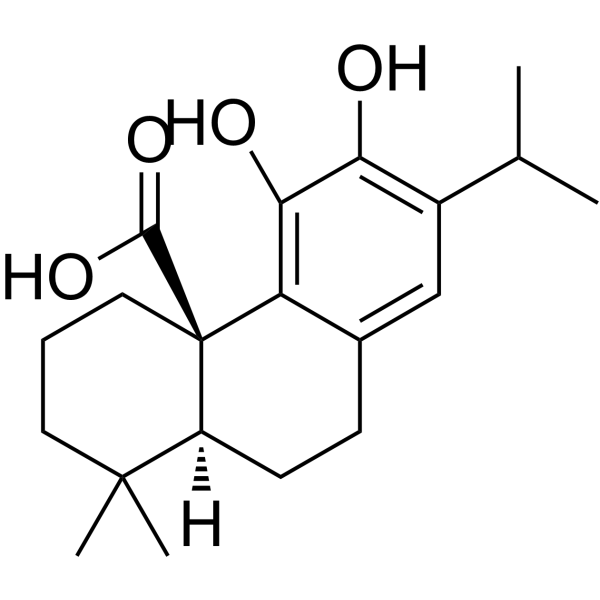
    Carnosic acid
    5+ Cited Publications

    Apoptosis Bacterial Inflammation/Immunology Cancer
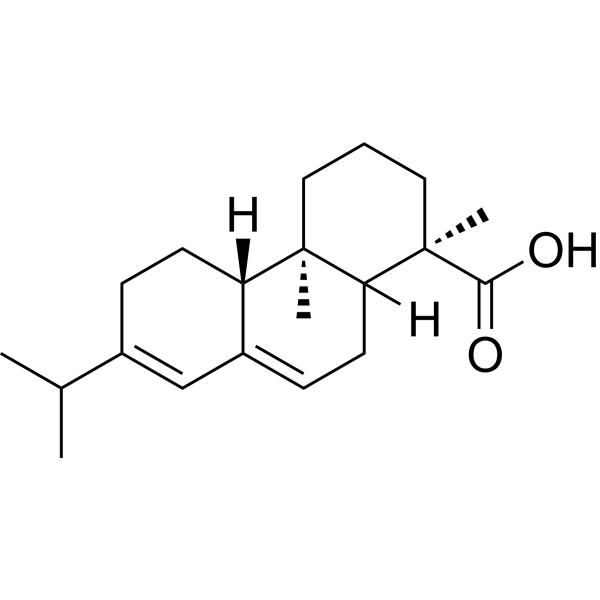
    Carnosic acid is an orally active lipid absorption inhibitor. Carnosic acid has demonstrated inhibition of oxidative stress and inflammation, suppression of cell proliferation, and antibacterial activity.
    Carnosic acid
  • HY-13748
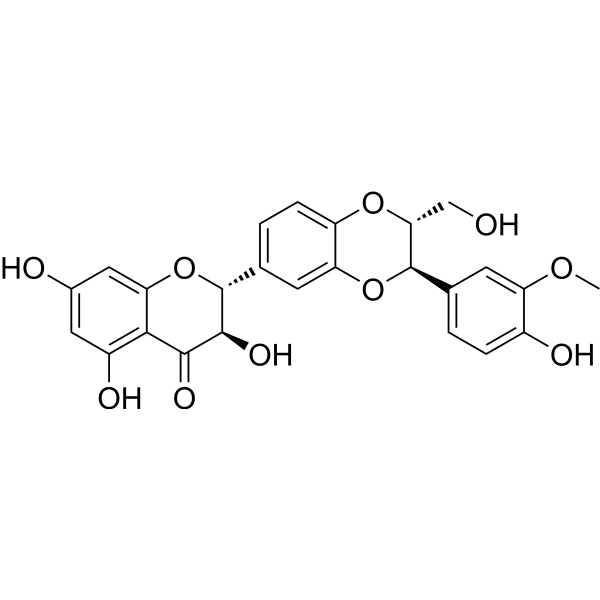
    Silybin A
    Maximum Cited Publications
    11 Publications Verification

    Silibinin A

    Autophagy Reactive Oxygen Species (ROS) Cancer
    Silybin A (Silibinin A), an effective anti-cancer and chemopreventive agent, has been shown to exert multiple effects on cancer cells, including inhibition of both cell proliferation and migration.
    Silybin A
  • HY-16397A
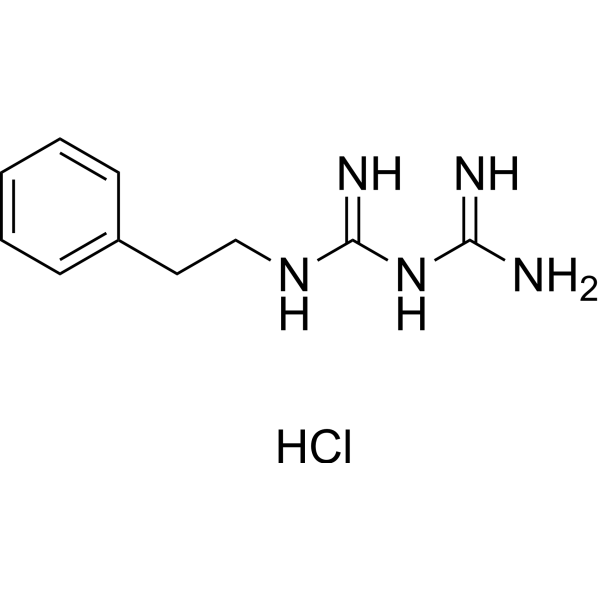
    Phenformin hydrochloride
    5+ Cited Publications

    Phenethylbiguanide hydrochloride

    Apoptosis mTOR Autophagy Mitochondrial Metabolism AMPK Neurological Disease Metabolic Disease Cancer
    Phenformin (Phenethylbiguanide) hydrochloride is an orally active biguanide hypoglycemic agent. Phenformin hydrochloride inhibits mitochondrial respiratory chain complex I, leading to an increased AMP/ATP ratio, activation of AMPK, and subsequent inhibition of the mTOR pathway, thereby suppressing cell proliferation, inducing apoptosis and autophagy. Phenformin hydrochloride inhibits cancer stem cells (CSCs) and possesses potent antitumor potential .
    Phenformin hydrochloride
  • HY-156002

    Paluratide

    Ras ERK Cancer
    LUNA18 is an orally-available cyclic peptide KRAS and ERK inhibitor. LUNA18 phosphorylates ERK and AKT and decreases cell proliferation in RAS-mutated cancer cells. LUNA18 exhibits RAS signal inhibition and potent anti-cancer activities through inhibiting interaction between RAS and guanine nucleotide exchange factors (GEFs) in a mouse xenograft model. LUNA18 shows significant cellular efficacy against cell lines with KRAS genetic alterations, such as colon cancer, stomach cancer, non-small cell lung cancer and pancreaticcancer .
    LUNA18
  • HY-Y0850

    Environmental Pollutants Biochemical Assay Reagents Neurological Disease
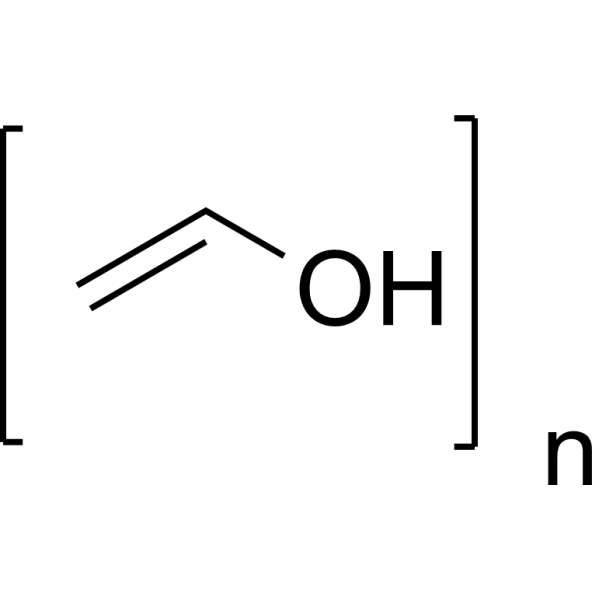
    Polyvinyl alcohol (Mw 146000-186000, 99+% hydrolyzed) is a non-biodegradable, hydrophilic, odorless biomedical polymer with cell adhesion/proliferation inhibition, peripheral nerve regeneration induction, dissolution enhancement, and non-toxic, biocompatible properties .
    Polyvinyl alcohol (Mw 146000-186000, 99+% hydrolyzed)
  • HY-158106
    AZD8421
    1 Publications Verification

    CDK Cancer
    AZD8421 is a selective CDK2 inhibitor (IC50 = 9 nM) as well as achieving CDK family selectivity in cells versus key off-targets (CDK1, CDK4/6, CDK9), AZD8421 had no significant kinase inhibition outside the CDK family. AZD8421 inhibits cancer cell proliferation by inhibiting pRB phosphorylation, inducing cell cycle arrest in G1/S phase and senescence. AZD8421 can be studied in research for breast cancer and ovarian cancer .
    AZD8421
  • HY-12461

    PI3K EGFR GABA Receptor FLT3 IKK Neurological Disease Metabolic Disease Inflammation/Immunology
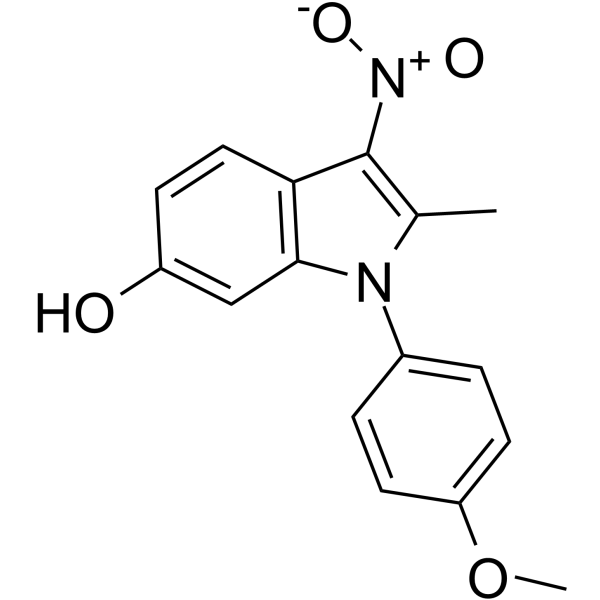
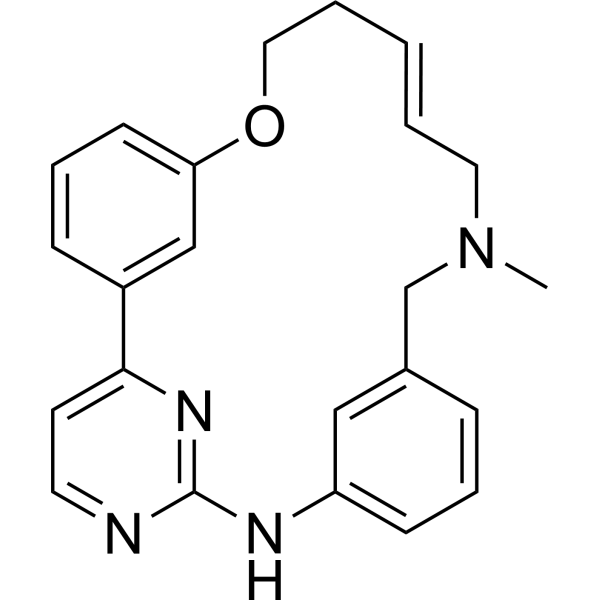
    WS6 is an IkB kinase and EBP1 inhibitor, with IC50 values of 0.24 nM, 0.21 nM, and 40.48 nM in MV4-11, MOLM13, and K562 cells, respectively. WS6 promotes the proliferation of alpha and beta cells in the pancreas, has antioxidant and anti-inflammatory activities, and can alleviate depression like behavior in rats [1][2][4].
    WS6
  • HY-134575

    Apoptosis GSK-3 Others
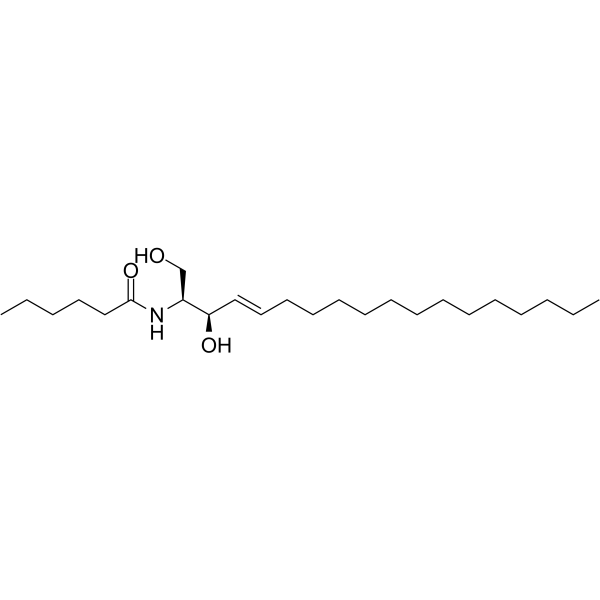
    C24:1-Ceramide is one of the most abundant naturally occurring ceramide. Ceramides regulates many diverse biological activities, such as cell apoptosis, cell differentiation, proliferation of smooth muscle cells, and inhibition of the mitochondrial respiratory chain .
    C24:1-Ceramide
  • HY-16397
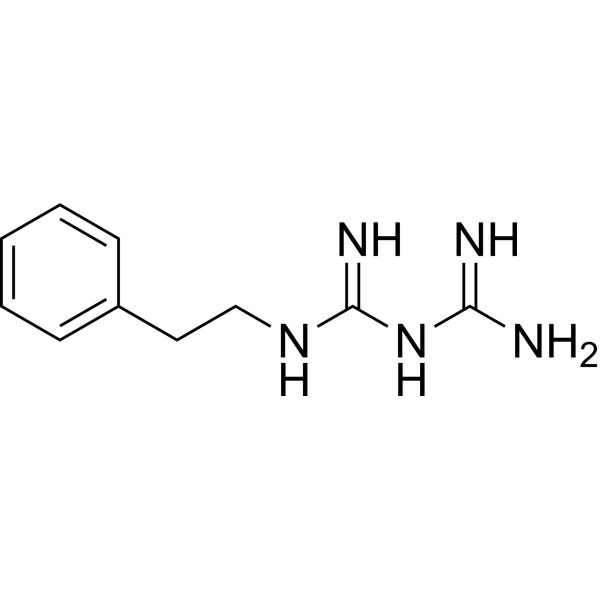
    Phenformin
    5+ Cited Publications

    Phenethylbiguanide

    Mitochondrial Metabolism AMPK Apoptosis Autophagy mTOR Neurological Disease Metabolic Disease Cancer
    Phenformin (Phenethylbiguanide) is an orally active biguanide hypoglycemic agent. Phenformin inhibits mitochondrial respiratory chain complex I, leading to an increased AMP/ATP ratio, activation of AMPK, and subsequent inhibition of the mTOR pathway, thereby suppressing cell proliferation, inducing apoptosis and autophagy. Phenformin inhibits cancer stem cells (CSCs) and possesses potent antitumor potential .
    Phenformin
  • HY-109523
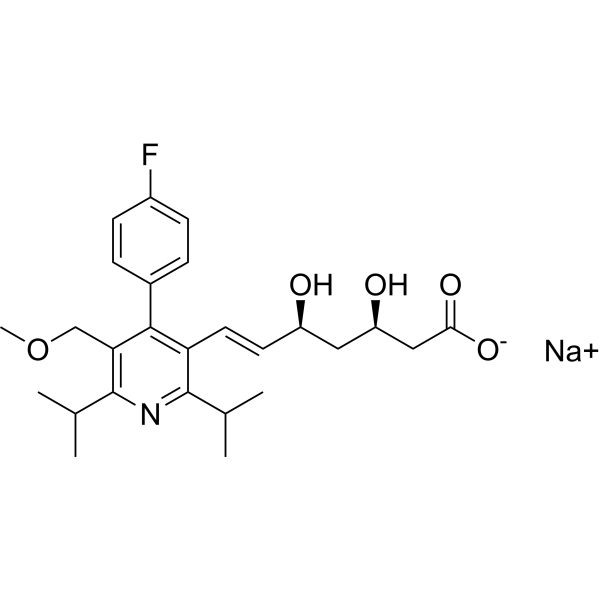
    Cerivastatin sodium
    2 Publications Verification

    HMG-CoA Reductase (HMGCR) Ferroptosis Cardiovascular Disease Cancer
    Cerivastatin sodium is a synthetic lipid-lowering agent and a highly potent, well-tolerated and orally active HMG-CoA reductase inhibitor, with a Ki of 1.3 nM/L. Cerivastatin sodium reduces low-density lipoprotein cholesterol levels. Cerivastatin sodium also inhibits proliferation and invasiveness of MDA-MB-231 cells, mainly by RhoA inhibition, and has anti-cancer effect .
    Cerivastatin sodium
  • HY-33299
    Serpin B9-IN-1
    1 Publications Verification

    BTCA

    Biochemical Assay Reagents Cancer
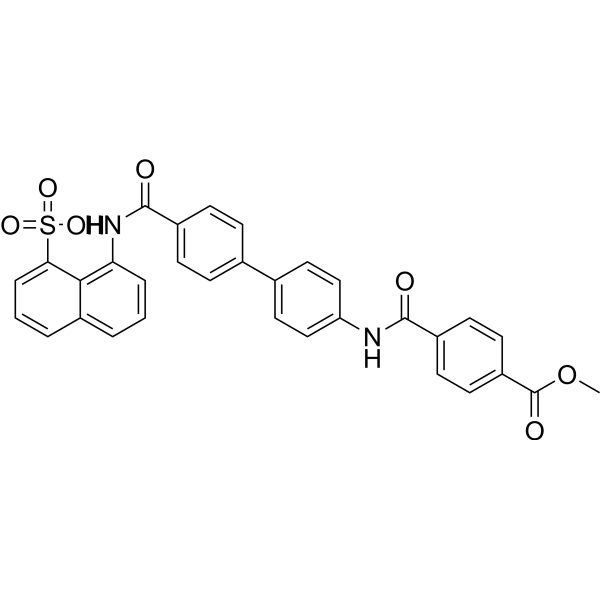
    Serpin B9-IN-1 (BTCA) is an inhibitor that specifically targets Serpin B9 (SB9); SB9 is a natural inhibitor of granzyme B (GrB) , but may promote the metastasis of lung cancer cells into the bone marrow. SB9-overexpressing cancer cells promote proliferation and metastasis in an immune cell-dependent manner by binding to GrB. Inhibition of SB9 by Serpin B9-IN-1 significantly inhibits immunotherapy of lung cancer bone metastases in the caudal artery (CA) mouse model (LCBM) .
    Serpin B9-IN-1
  • HY-18696
    AMG-337
    3 Publications Verification

    c-Met/HGFR Caspase Apoptosis Cancer
    AMG-337 is a potent, orally active, selective MET kinase inhibitor with IC50 values of 1, 1, 4.7, 5, 21.5, 1077 and >4000 nM of WT MET, H1094R MET, M1250T MET, HGF-stimulated pMET (PC3 cells) MET, V1092I MET, Y1230H MET, and D1228H MET, respectively. AMG 337 inhibits the phosphorylation of MET and downstream effectors in MET-amplified cancer cell lines, resulting in an inhibition of MET-dependent cell proliferation and induction of apoptosis .
    AMG-337
  • HY-120323
    DRI-C21045
    2 Publications Verification

    TNF Receptor Inflammation/Immunology
    DRI-C21045 (compound 10) is a potent and selective inhibitor of the CD40-CD40L costimulatory protein-protein interaction (PPI) with an IC50 of 0.17 μM. DRI-C21045 shows concentration-dependent inhibition of the activation of NF-κB and B cell proliferation all induced by CD40L with IC50s of 17.1 μM and 4.5 μM, respectively .
    DRI-C21045
  • HY-108350
    MI-2-2
    1 Publications Verification

    Epigenetic Reader Domain Cancer
    MI-2-2 is a potent menin-MLL inhibitor. MI-2-2 binds to menin with low nanomolar affinity (Kd=22nM) and very effectively disrupts the bivalent protein-protein interaction between menin and MLL. MI-2-2 has specific and very pronounced activity in MLL leukemia cells, including inhibition of cell proliferation, down-regulation of Hoxa9 expression, and differentiation .
    MI-2-2
  • HY-12960

    FLT3-​IN-​1

    FLT3 c-Kit Apoptosis Cancer
    SKLB4771 is a potent and selective Flt3 inhibitor with an IC50 value of 10 nM. SKLB4771 downregulates the phosphorylation of FLT3/STAT5/ERK, blocks cell proliferation, and induces apoptosis in tumor tissue .
    SKLB4771
  • HY-147655

    RIO Kinase Cancer
    CQ211 is a potent and selective RIOK2 inhibitor with a Kd of 6.1 nM. CQ211 exhibits potent proliferation inhibition activity against multiple cancer cell lines .
    CQ211
  • HY-N1925
    Tea polyphenol
    2 Publications Verification

    Apoptosis Autophagy Neurological Disease Inflammation/Immunology Cancer
    Tea polyphenol is the floorboard of phenolic compounds in tea. Tea polyphenol exhibits biological activity including antioxidant and anti-cancer activities, inhibition of cell proliferation, induction of apoptosis, cell cycle arrest and modulation of carcinogen metabolism .
    Tea polyphenol
  • HY-156715

    MASTL Cancer
    MASTL-IN-1 is a selective and orally active MASTL inhibitor with a Ki <0.03 nM. MASTL-IN-1 inhibits phosphorylation of ENSA and inhibits proliferation in cancer cells. MASTL-IN-1 induces tumor growth inhibition and stasis in pancreatic cancer xenograft models .
    MASTL-IN-1
  • HY-12854

    GRN163L

    Telomerase Apoptosis Cardiovascular Disease Cancer
    Imetelstat (GRN163L) is a 13-mer oligonucleotide and competitive Telomerase inhibitor. Imetelstat binds with high affinity to the template region of the RNA component of human telomerase. Imetelstat induces Apoptosis. Imetelstat is capable of selectively eliminating myelofibrosis hematopoietic stem cells. Imetelstat leads to the loss of a cancer cell's ability to maintain telomere length, resulting in the inhibition of cell proliferation .
    Imetelstat
  • HY-15838
    ID-8
    5 Publications Verification

    DYRK Cancer
    ID-8 is an inhibitor of dual-specificity tyrosine phosphorylation-regulated kinase (DYRK). ID-8 sustains embryonic stem cell (ESC) self-renewal and pluripotency. ID-8 enhances Wnt-mediated hESC survival and proliferation via inhibition of DYRKs .
    ID-8
  • HY-176871

    PROTACs SWI/SNF Complex DNA/RNA Synthesis Cancer
    PROTAC SMARCA2 degrader-35 (Compound 43) is a selective SMARCA2 PROTAC degrader with a DC50 < 0.1 μM for SMARCA2. PROTAC SMARCA2 degrader-35 has anticancer activity and regulates cancer cell proliferation and growth through cell cycle arrest and DNA replication inhibition in SMARCA4-deleted cancer cells .
    PROTAC SMARCA2 degrader-35
  • HY-N1365
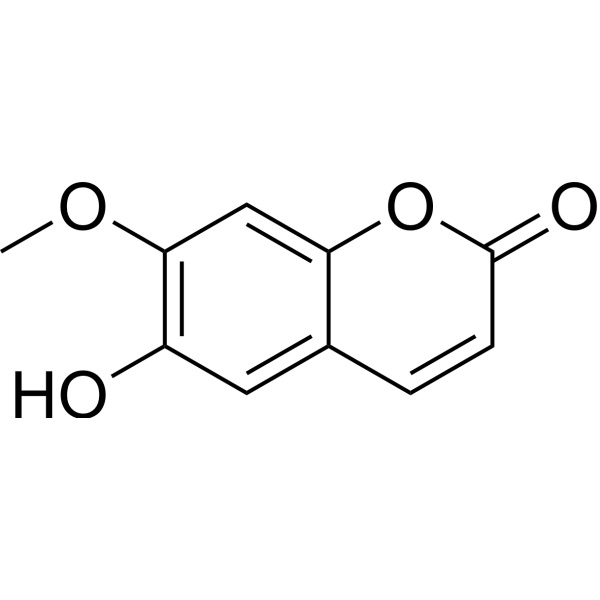
    Isoscopoletin
    1 Publications Verification

    6-Hydroxy-7-methoxycoumarin

    HBV p38 MAPK NF-κB STAT Akt ERK JNK Infection Inflammation/Immunology Cancer
    Isoscopoletin (6-Hydroxy-7-methoxycoumarin) is an active constituent in Artemisia argyi leaves. Isoscopoletin shows substantial inhibition against cell proliferation, with IC50s of 4.0 μM and 1.6 μM for human CCRF-CEM leukaemia cells and multidrug resistant subline CEM/ADR5000, respectively . Isoscopoletin (6-Hydroxy-7-methoxycoumarin) possesses inhibitory activity against HBV replication . Isoscopoletin exhibits anti-inflammatory activity through inhibition of MAPK/NF-κB/STAT/AKT signaling pathway .
    Isoscopoletin
  • HY-124611

    HSP Apoptosis Cancer
    JG-231 is an allosteric inhibitor of heat shock protein 70 (Hsp70). JG - 231 inhibits the binding of Hsp70 and BAG family proteins, including inhibition of Hsp70 and BAG1 with a Ki of 0.11 μM. JG-231 inhibits proliferation of tumor cells and induces apoptosis. JG-231 has antitumor activity .
    JG-231
  • HY-N6036
    Ganoderic acid F
    1 Publications Verification

    Others Cancer
    Ganoderic acid F is a ganoderic acid. Ganoderic acid F exhibits antitumor and antimetastatic activities through inhibition of angiogenesis and alteration of proteins involving cell proliferation and/or cell death, carcinogenesis, oxidative stress, calcium signaling, and endoplasmic reticulum stress .
    Ganoderic acid F
  • HY-130257
    CP5V
    1 Publications Verification

    PROTACs Cancer
    CP5V is a PROTAC connected by ligands for von Hippel-Lindau and CDK, which specifically degrades Cdc20 by linking Cdc20 to the VHL/VBC complex for ubiquitination followed by proteasomal degradation. CP5V induces mitotic inhibition and suppresses cancer cell proliferation .
    CP5V
  • HY-N0781
    Linderalactone
    2 Publications Verification

    Apoptosis Cancer
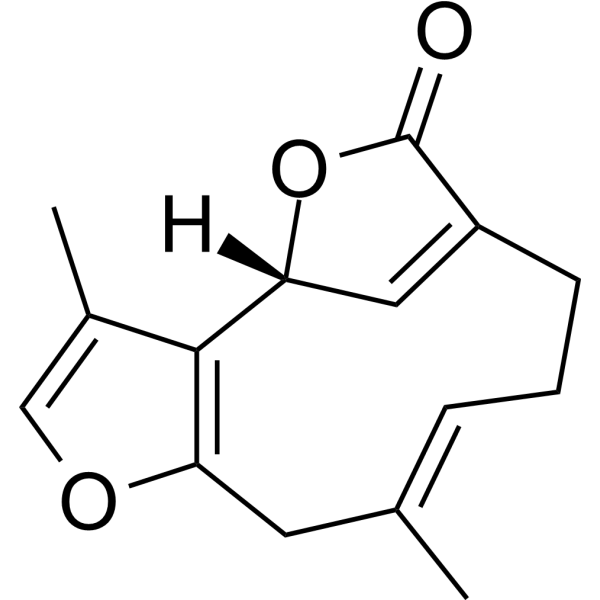
    Linderalactone is an important sesquiterpene lactone isolated from Lindera aggregata. Linderalactone inhibits cancer growth by modulating the expression of apoptosis-related proteins and inhibition of JAK/STAT signalling pathway. Linderalactone also inhibits the proliferation of the lung cancer A-549 cells with an IC50 of 15 µM .
    Linderalactone
  • HY-161409

    Androgen Receptor Apoptosis Cancer
    SC912 is an AR-V7 inhibitor (IC50 = 0.36 μM). SC912 possesses safety, potency and selectivity. SC912 binds directly to AR-FL and AR-V7 proteins, inhibites nuclear localization and chromatin binding capabilities. SC912 exerts anticancer activity through inhibition of proliferation, induction of cell cycle arrest and apoptosis .
    SC912
  • HY-N0644R
    Carnosic acid (Standard)
    5+ Cited Publications

    Apoptosis Bacterial Reference Standards Inflammation/Immunology Cancer
    Carnosic acid (Standard) is the analytical standard of Carnosic acid. This product is intended for research and analytical applications. Carnosic acid has demonstrated inhibition of oxidative stress and inflammation, suppression of cell proliferation, and antibacterial activity.
    Carnosic acid (Standard)
  • HY-15003

    FLT3 Apoptosis Cancer
    ATH686 is a potent, selective and ATP-competitive FLT3 inhibitor. ATH686 target mutant FLT3 protein kinase activity and inhibit the proliferation of cells harboring FLT3 mutants via induction of apoptosis and cell cycle inhibition. ATH686 has antileukemic effects .
    ATH686
  • HY-Y1129

    Photosensitizer Apoptosis Inflammation/Immunology
    3-Hydroxypyridine is a compound that can be isolated from bamboo grass. As an endogenous photosensitizer present in human skin, 3-hydroxypyridine can mediate oxidative stress, proliferation inhibition and apoptosis of skin cells through UVA/UVB excitation .
    3-Hydroxypyridine
  • HY-15814

    Bcr-Abl PDGFR c-Kit Src JAK Apoptosis Cancer
    HG-7-85-01 is a type II ATP competitive inhibitor of wild-type and gatekeeper mutations forms of Bcr-Abl, PDGFRα, Kit, and Src kinases. HG-7-85-01 inhibits T315I mutant Bcr-Abl kinase, KDR and RET with IC50s of 3 nM, 20 nM and 30 nM, and is only weak or no inhibition of other kinases (IC50>2 μM). HG-7-85-01 inhibits the cell proliferation, which is mediated by the induction of apoptosis, and inhibition of cell-cycle progression .
    HG-7-85-01
  • HY-N2045
    Musk ketone
    1 Publications Verification

    Environmental Pollutants Apoptosis Akt Cytochrome P450 PI3K Neurological Disease
    Musk ketone is a widely used artificial fragrance. Musk ketone is also a cytochrome P450 enzyme inducer. Musk ketone shows mutagenic and comutagenic effects in Hep G2 cells and induces neural stem cell proliferation and differentiation in cerebral ischemia via activation of the PI3K/Akt signaling pathway. In the brain, musk ketone is neuroprotective against stroke injury through inhibition of cell apoptosis .
    Musk ketone
  • HY-N7510

    12-Methoxycarnosic acid

    5 alpha Reductase Infection Cancer
    12-O-Methylcarnosic acid (12-Methoxycarnosic acid), a diterpene carnosic acid isolated from the acetone extract of Salvia microphylla, is an active constituent of 5α-reductase inhibition with an IC50 value of 61.7 μM. 12-O-Methylcarnosic acid inhibits proliferation in LNCaP cells. 12-O-Methylcarnosic acid has antioxidant, anti-cancer and antimicrobial activity .
    12-O-Methylcarnosic acid
  • HY-123714

    MAP4K Apoptosis Inflammation/Immunology Cancer
    TL4-12 is a selective MAP4K2/GCK inhibitor, dose-dependently downregulates IKZF1 and BCL-6 and leads to MM cell proliferation inhibition (IC50=37 nM) accompanied by induction of apoptosis. TL4-12 can be used to overcome immunomodulatory agent resistance in multiple myeloma (MM) .
    TL4-12
  • HY-W010253

    Apoptosis Interleukin Related NF-κB Reactive Oxygen Species (ROS) Bcl-2 Family NOD-like Receptor (NLR) Cytochrome P450 Infection Inflammation/Immunology
    Benzylurea is an anti-inflammatory agent. Benzylurea inhibits LPS (HY-D1056)-induced upregulation of MTCH2 expression and regulates pathways associated with mitochondrial function, inflammation and cell survival. Benzylurea alleviates LPS-induced proliferation inhibition and apoptosis of periodontal ligament fibroblasts, as well as the release of proinflammatory cytokines. Benzylurea can be used in studies related to periodontitis .
    Benzylurea
  • HY-141703A

    Epigenetic Reader Domain Cancer
    DC-BPi-11 hydrochloride is an inhibitor of bromodomain PHD finger transcription factor (BPTF), with an IC50 value of 698 nM. DC-BPi-11 hydrochloride shows remarkable inhibition against leukemia cell proliferation .
    DC-BPi-11 hydrochloride
  • HY-126979

    c-Myc Cancer
    Mycro2 is an inhibitor of c-Myc/Max dimer and DNA binding, with an IC50 value of 23 μM for the inhibition of Myc/Max DNA binding activity. Mycro2 can inhibit c-myc-dependent cell proliferation, gene transcription and oncogenic transformation .
    Mycro2
  • HY-136895

    Prostaglandin Receptor Cancer
    AZ12672857 is an orally active inhibitor of EphB4 (IC50=1.3 nM) and Src kinases. AZ12672857 shows good inhibition of proliferation of c-Src transfected 3T3 cells (IC50=2 nM) as well as autophosphorylation of EphB4 in transfected CHO-K1 cells (IC50=9 nM) .
    AZ12672857
  • HY-161767

    Molecular Glues Oxidative Phosphorylation Ras Cancer
    JWJ-01-306 is a CRBN-recruiting ZBTB11 Molecular Glues degrader. JWJ-01-306 degrades ZBTB11 and reprograms cellular metabolism, thereby reducing the level of Oxidative Phosphorylation and the activity of the tricarboxylic acid cycle. JWJ-01-306 enhances the response of organoids to K-Ras inhibition. JWJ-01-306 inhibits the proliferation of pancreatic ductal adenocarcinoma cells and melanoma cells. JWJ-01-306 can be used in studies related to pancreatic ductal adenocarcinoma and melanoma .
    JWJ-01-306
  • HY-141703

    Epigenetic Reader Domain Cancer
    DC-BPi-11 is an inhibitor of bromodomain PHD finger transcription factor (BPTF), with an IC50 value of 698 nM. DC-BPi-11 shows remarkable inhibition against leukemia cell proliferation .
    DC-BPi-11
  • HY-129458

    HMG-CoA Reductase (HMGCR) Ferroptosis Cardiovascular Disease Cancer
    Cerivastatin is a synthetic lipid-lowering agent and a highly potent, well-tolerated and orally active HMG-CoA reductase inhibitor, with a Ki of 1.3 nM/L. Cerivastatin reduces low-density lipoprotein cholesterol levels. Cerivastatin also inhibits proliferation and invasiveness of MDA-MB-231 cells, mainly by RhoA inhibition, and has anti-cancer effect .
    Cerivastatin
  • HY-N1365R

    6-Hydroxy-7-methoxycoumarin (Standard)

    Reference Standards HBV p38 MAPK NF-κB STAT Akt ERK JNK Infection Inflammation/Immunology Cancer
    Isoscopoletin (Standard) is the analytical standard of Isoscopoletin. This product is intended for research and analytical applications. Isoscopoletin (6-Hydroxy-7-methoxycoumarin) is an active constituent in Artemisia argyi leaves. Isoscopoletin shows substantial inhibition against cell proliferation, with IC50s of 4.0 μM and 1.6 μM for human CCRF-CEM leukaemia cells and multidrug resistant subline CEM/ADR5000, respectively . Isoscopoletin (6-Hydroxy-7-methoxycoumarin) possesses inhibitory activity against HBV replication . Isoscopoletin exhibits anti-inflammatory activity through inhibition of MAPK/NF-κB/STAT/AKT signaling pathway .
    Isoscopoletin (Standard)
  • HY-171745

    ATM/ATR Cancer
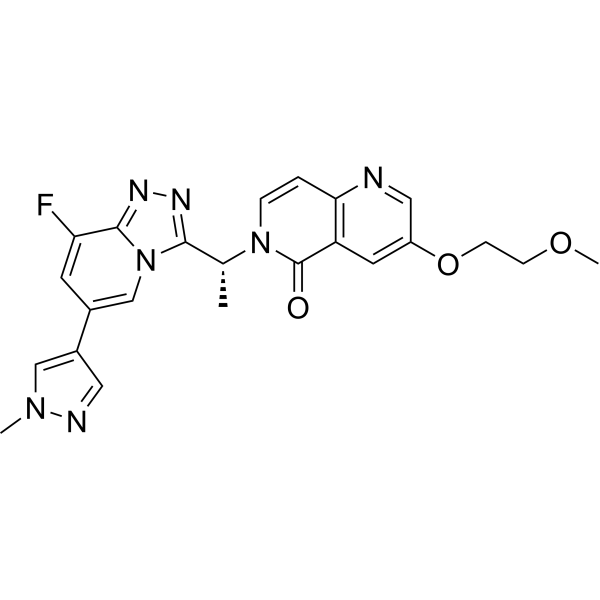
    ATR-IN-32 is an orally active ATR inhibitor. ATR-IN-32 potently inhibits the proliferation of MIA PaCa-2 cells. ATR-IN-32 exerts significant tumor growth inhibition in mice bearing LOVO and HT-29 xenografts. ATR-IN-32 can be used for the study of cancers mediated by ATR protein kinase, such as colorectal cancer, pancreatic cancer .
    ATR-IN-32
  • HY-112806

    Drug-Linker Conjugates for ADC HDAC EGFR Microtubule/Tubulin Cancer
    ST8155AA1 is a part of antibody agent conjugates (ADCs) charged with HDAC inhibitor. ST8155AA1 induces α-tubulin, histone H3/H4 acetylation via direct enzymatic inhibition. ST8155AA1 recognizes and binds EGFR, undergoes internalization into EGFR-expressing tumor cells. ST8155AA1 inhibits cancer cell proliferation and exerts activity in mouse tumor models. ST8155AA1 can be used for the research of non-small cell lung cancer .
    ST8155AA1
  • HY-146380

    Histone Demethylase Cancer
    S1427 is a tranylcypromine-derived LSD1 inhibitor with the IC50 of 390 nM and Ki of 80 nM. S1427 exhibits desirable hERG channel inhibition and microsomal stability profiles. Inhibition of LSD1 partially reduces the proliferation of cancer cells .
    S1427
  • HY-13748R

    Silibinin A (Standard)

    Reference Standards Autophagy Reactive Oxygen Species (ROS) Cancer
    Silybin A (Standard) is the analytical standard of Silybin A. This product is intended for research and analytical applications. Silybin A (Silibinin A), an effective anti-cancer and chemopreventive agent, has been shown to exert multiple effects on cancer cells, including inhibition of both cell proliferation and migration.
    Silybin A (Standard)
  • HY-125636

    c-Myc Cancer
    Mycro1 is an inhibitor of c-Myc/Max dimer and DNA binding, with an IC50 value of 30 μM for the inhibition of Myc/Max DNA binding activity. Mycro1 can inhibit c-myc-dependent cell proliferation, gene transcription and oncogenic transformation .
    Mycro1
  • HY-172430S

    TNF Receptor Cancer
    Epaldeudomide (Compound A406) is the inhibitor for TNF-α (>50% inhibition rate at 100 nM). Epaldeudomide inhibits the proliferation of cancer cells MM.1S (IC50 < 300 nM), WSU-DLCL-2 (IC50 < 100 nM) and Rec-1 (IC50 < 100 nM). Epaldeudomide exhibits antineoplastic activity .
    Epaldeudomide
  • HY-P5452

    PKC Others
    PKCd (8-17) is a biological active peptide. (This peptide is derived from the V1 domain of protein kinase C (PKC)d. It inhibits phorbol 12-myristate 13-acetate (PMA)-induced PKCd translocation and activation. Inhibition of PKCd reduces ischemia damage in cardiac and cerebral cells, induces proliferation of fibroblasts, and inhibits graft coronary artery disease in mice.)
    PKCd (8-17)
  • HY-174404

    Topoisomerase Apoptosis Bcl-2 Family Cancer
    Topoisomerase II inhibitor 23 is a potent topoisomerase II inhibitor (IC50 = 0.94 μM). Topoisomerase II inhibitor 23 shows high selectivity and exceptional cytotoxic activity in MCF-7, HepG2, and HCT116 cells. Topoisomerase II inhibitor 23 induces cell cycle arrest at the G1 phase, leading to inhibition of cell proliferation. Topoisomerase II inhibitor 2 induces apoptosis by up-regulating the pro-apoptotic Bax level and down-regulating the anti-apoptotic Bcl-2 level.
    Topoisomerase II inhibitor 23

Inquiry Online

Your information is safe with us. * Required Fields.

Salutation


Country or Region *

Applicant Name *


Organization Name *

Department *


Email Address *


Product Name *

Cat. No.


Requested quantity *

Phone Number *


Remarks

Inquiry Online

Inquiry Information

Product Name:
Cat. No.:
Quantity:
MCE Japan Authorized Agent:

