1. Search Result
Search Result
Results for "

functional protein

" in MedChemExpress (MCE) Product Catalog:

221

Inhibitors & Agonists

19

Screening Libraries

32

Fluorescent Dye

56

Biochemical Assay Reagents

250

Peptides

4

MCE Kits

2

Inhibitory Antibodies

10

Natural
Products

1

Recombinant Proteins

5

Isotope-Labeled Compounds

1

Antibodies

18

Click Chemistry

34

Oligonucleotides

Cat. No. Product Name Target Research Areas Chemical Structure
  • HY-114164
    Thrombin (MW 37kDa)
    5+ Cited Publications

    Thrombin Neurological Disease
    Thrombin (MW 37kDa) is a Na +-activated, allosteric serine protease that plays opposing functional roles in blood coagulation. Thrombin recognition sequence and can be used to digest GST-tagged proteins.
    Thrombin  (MW 37kDa)
  • HY-114231B
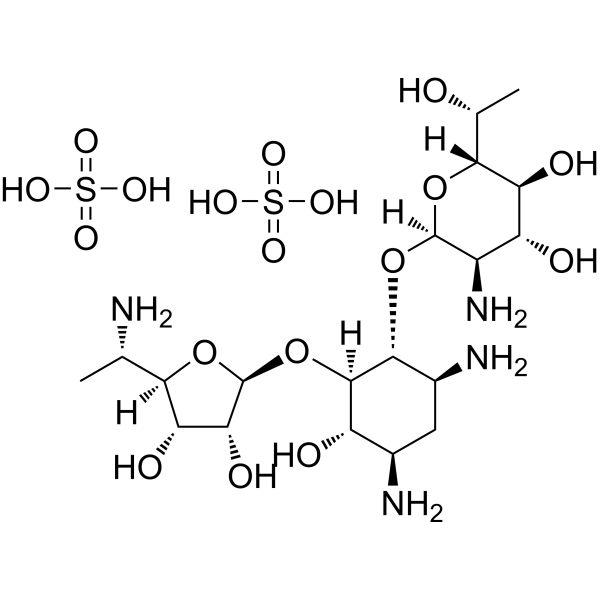
    Exaluren disulfate
    2 Publications Verification

    ELX-02 disulfate; NB-124 disulfate

    DNA/RNA Synthesis Inflammation/Immunology
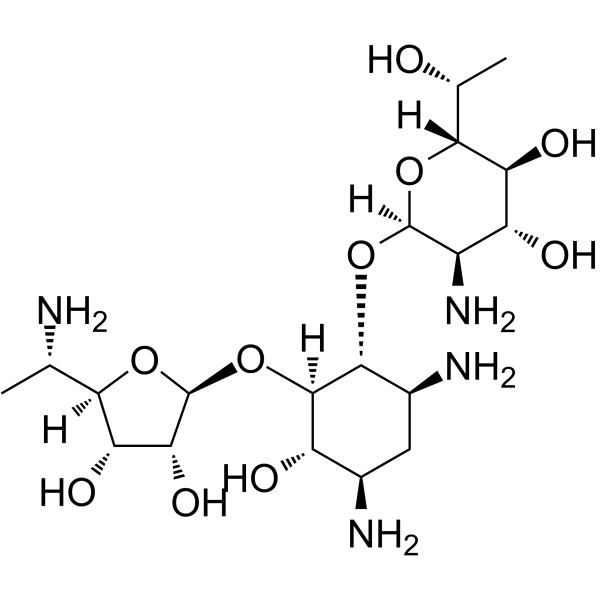
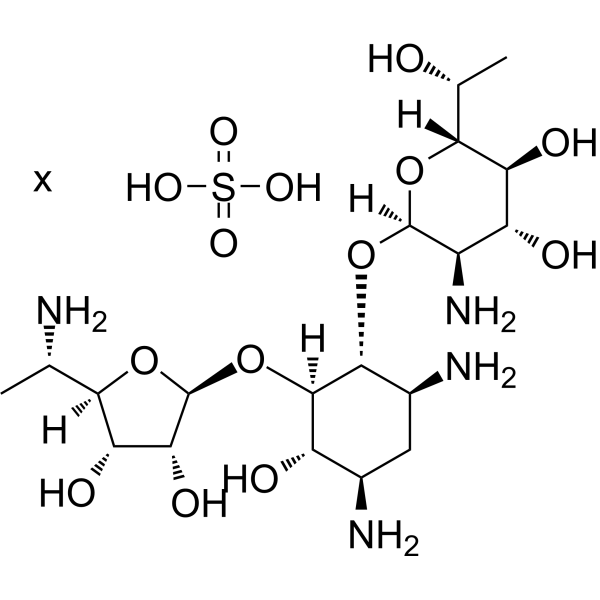
    Exaluren (ELX-02; NB-124) disulfate is an synthetic eukaryotic ribosome-selective glycoside that induces read-through of nonsense mutations, resulting in normally localized full-length functional proteins. Exaluren disulfate is used for the research of cystic fibrosis caused by nonsense mutations .
    Exaluren disulfate
  • HY-D1314

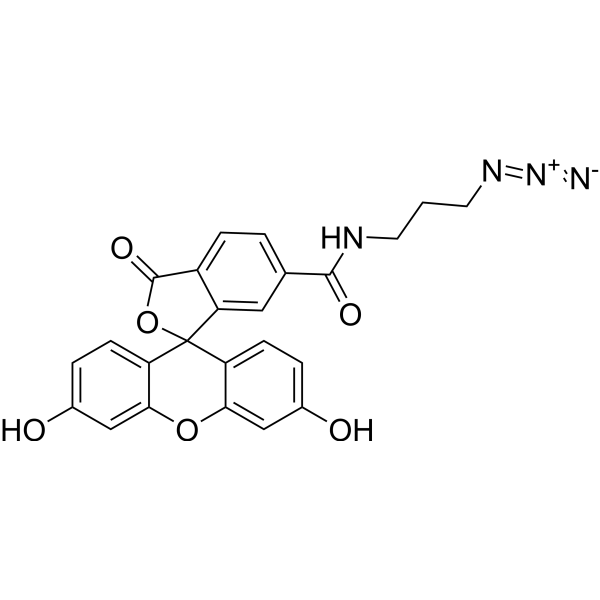
    6-FAM azide

    Fluorescent Dye Others
    FAM azide, 6-isomer (6-FAM azide) is a 6-carboxyfluorescein derivative with an azide functional group and coupling partner in copper-catalyzed azide-alkyne cycloaddition. FAM azide, 6-isomer participates in synthesis of fluorescently tagged disparlure enantiomers for pheromone-binding protein binding assays. FAM azide, 6-isomer is widely used for labeling oligonucleotides (Ex/Em = 493/517 nm) .
    FAM azide, 6-isomer
  • HY-13208
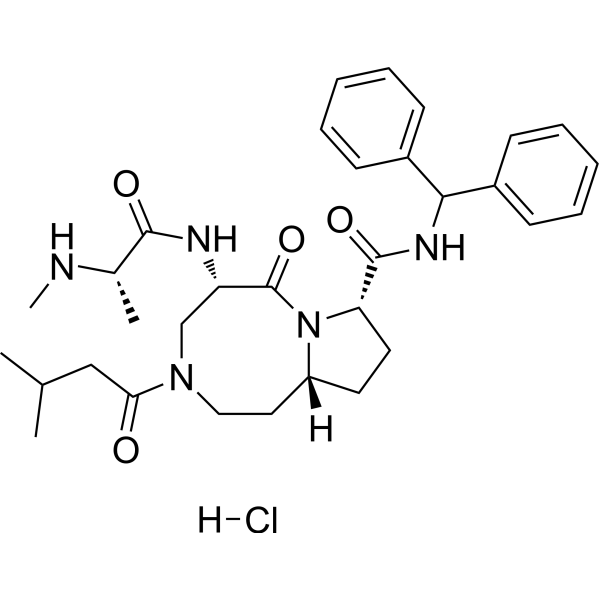
    Xevinapant hydrochloride
    10+ Cited Publications

    AT-406 hydrochloride; Debio 1143 hydrochloride; SM-406 hydrochloride

    IAP Apoptosis Cancer
    Xevinapant (AT-406) hydrochloride is a potent and orally bioavailable Smac mimetic and an antagonist of the inhibitor of apoptosis proteins (IAPs). Xevinapant hydrochloride binds to XIAP, cIAP1, and cIAP2 proteins with Kis of 66.4, 1.9, and 5.1 nM, respectively. Xevinapant hydrochloride effectively antagonizes XIAP BIR3 protein in a cell-free functional assay, induces rapid degradation of cellular cIAP1 protein, and inhibits cancer cell growth in various human cancer cell lines. Xevinapant hydrochloride is highly effective in induction of apoptosis in xenograft tumors .
    Xevinapant hydrochloride
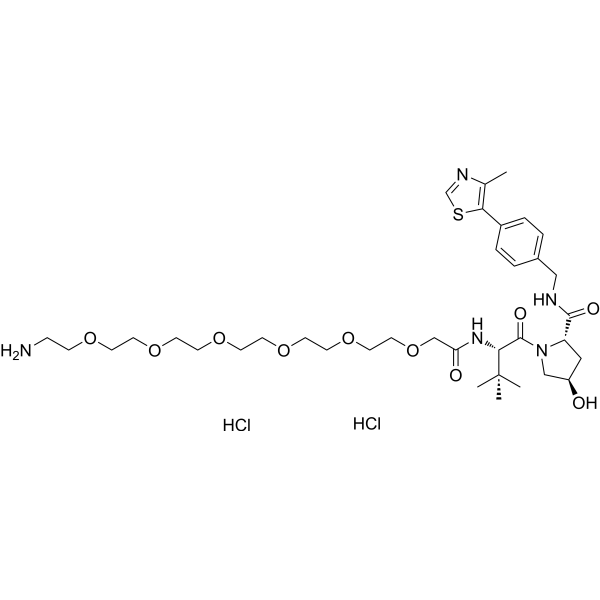
  • HY-47070

    Ligands for E3 Ligase Others
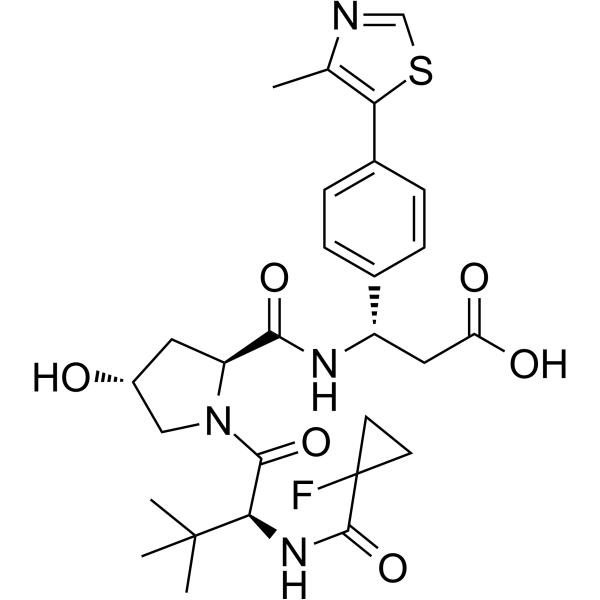
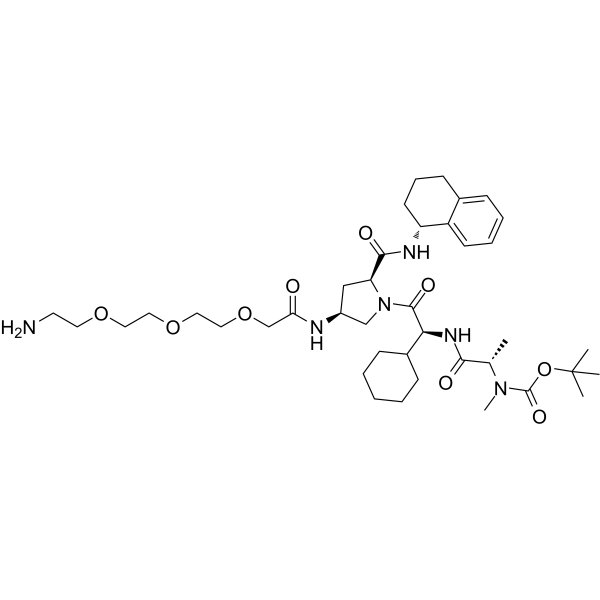
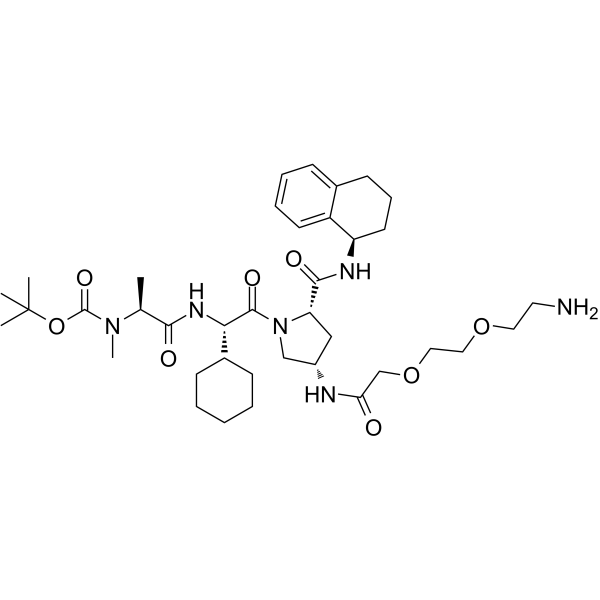
    VH 101, acid is a functionalized von-Hippel-Lindau (VHL) protein ligand for PROTAC research and development. VH 101, acid contains an E3 ligase ligand plus an alkyl linker with terminal amine ready for conjugation to a target protein ligand .
    VH 101, acid
  • HY-D1849

    Fluorescent Dye Others
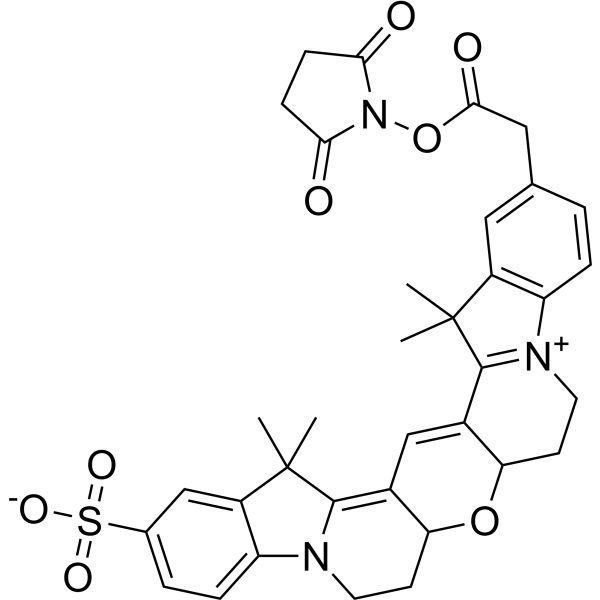
    Cy3B NHS ester is a fluorescent dye compound that is commonly used in biomarking and fluorescent labeling experiments, especially for labeling biomolecules containing amino functional groups (amine groups), such as proteins, antibodies or peptides.
    Cy3B NHS ester
  • HY-P11329

    Fluorescent Dye Others
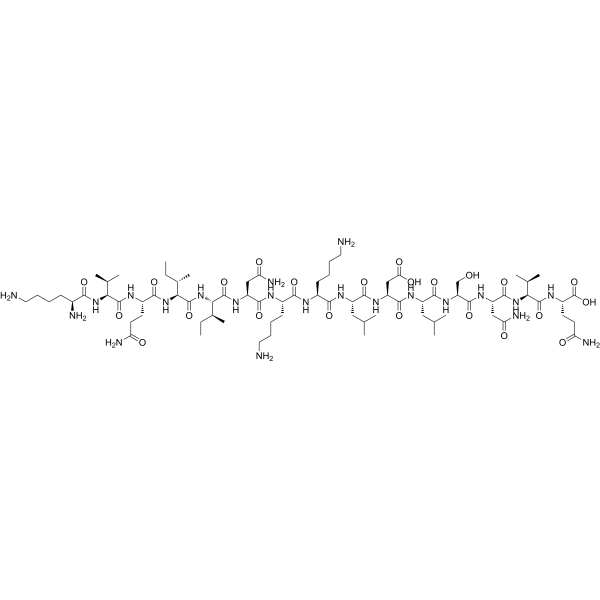
    GFP11 is a protein fusion tag consisting of 16 amino acids. When GFP11 and GFP1-10 are sufficiently close in physical space, they undergo spontaneous, irreversible complementation to reassemble into an intact, functional GFP protein that emits green fluorescence. GFP11 can be used to form a split GFP system for high-throughput biotechnology and flow cytometry applications .
    GFP11
  • HY-103689

    Biochemical Assay Reagents Others
    Cucurbit[8]uril is a potent, low toxicity and orally active supramolecular inducer of protein heterodimerization. Cucurbit[8]uril induces heterodimerization of methylviologen and naphthalene functionalized proteins. Cucurbit[8]uril can induce energy transfer .
    Cucurbit[8]uril
  • HY-135140A

    Biochemical Assay Reagents Others
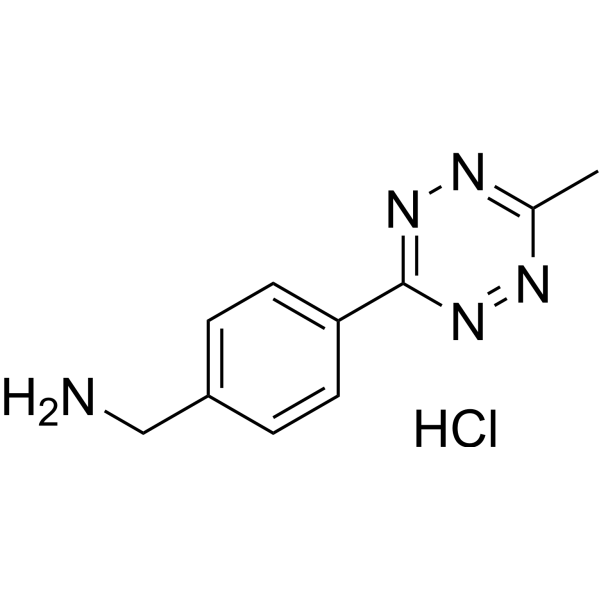
    Methyltetrazine-Amine hydrochloride is a tetrazine compound. Methyltetrazine-Amine hydrochloride can be used for the site-specific dual functionalization of the resulting bioconjugates. Methyltetrazine-Amine hydrochloride can be added during protein precipitation in experiments using trans-cyclooctene .
    Methyltetrazine-amine hydrochloride
  • HY-177554

    Biochemical Assay Reagents Cancer
    KB05yne is a site-selective, alkyne-functionalized electrophilic "probe" fragment probe designed for covalent ligand discovery, with preferential reactivity toward specific cysteine residues in proteins. KB05yne strongly labels wild-type target proteins (e.g., CDKN2AIP, HPCAL1) but does not label their cysteine-to-alanine mutants, confirming site-specific cysteine reactivity. KB05yne can be used for the discovery and optimization of site-specific covalent ligands, and is applicable to proteins with diverse structures and functions, especially in studies targeting cysteine residues in cancer-related or difficult-to-purify proteins .
    KB05yne
  • HY-114231
    Exaluren
    2 Publications Verification

    ELX-02; NB-124

    Drug Derivative Inflammation/Immunology
    Exaluren (ELX-02; NB-124) is an synthetic eukaryotic ribosome-selective glycoside that induces read-through of nonsense mutations, resulting in normally localized full-length functional proteins. Exaluren is used for the research of cystic fibrosis caused by nonsense mutations .
    Exaluren
  • HY-P1732

    Biochemical Assay Reagents Cancer
    Transportan is an amphipathic cell-penetrating peptide containing 12 functional amino acids from the amino terminus of the neuropeptide galanin and mastoparan in the carboxyl terminus, connected via a lysine. Transportan interacts with galanin receptors and G-proteins, modulates GTPase activity, enters cells via direct translocation and endocytic pathways, accumulates in cytoplasmic, nuclear, and membranous structures, and delivers cargo including peptides, PNAs, proteins, siRNA, and liposomes [12].
    Transportan
  • HY-147149

    DNA/RNA Synthesis Neurological Disease
    BPN-15477 is a potent SMC (splicing modulator compound) that restores correct splicing of ELP1 (Elongator complex protein 1) exon 20. BPN-15477 corrects splicing of the ELP1 transcript, significantly increases the level of functional protein in vivo in all tissues, including brain. BPN-15477 can be used for frontotemporal dementia research .
    BPN-15477
  • HY-114164C
    Thrombin, Pig blood
    5+ Cited Publications

    Protease Activated Receptor (PAR) Thrombin Cardiovascular Disease
    Rabbit Thrombin is a Na +-activated, allosteric serine protease that plays opposing functional roles in blood coagulation. Thrombin recognition sequence and can be used to digest GST-tagged proteins .
    Thrombin, Pig blood
  • HY-155881

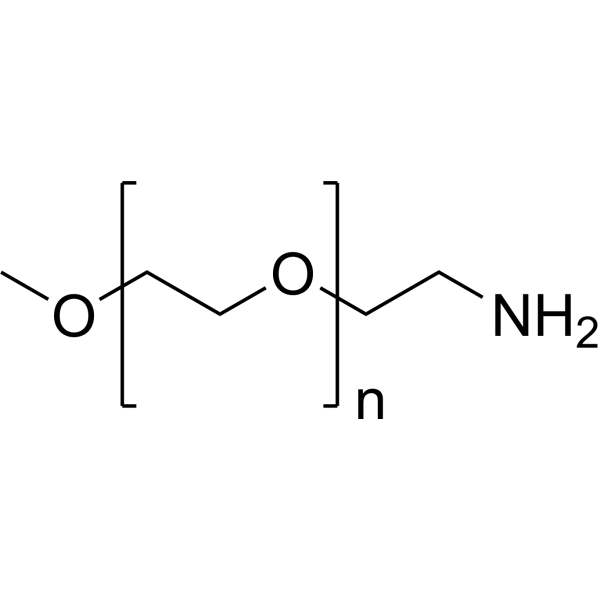
    mPEG550-NH2

    Biochemical Assay Reagents Cancer
    mPEG550-amine (mPEG550-NH2) is a class of functionalized polymers composed of a methoxy-terminated polyethylene glycol backbone and a terminal primary amine group. mPEG550-amine serves as an important intermediate for constructing functionalized nanocarriers, modifying proteins or polypeptides, and developing novel drug delivery systems.
    mPEG550-amine
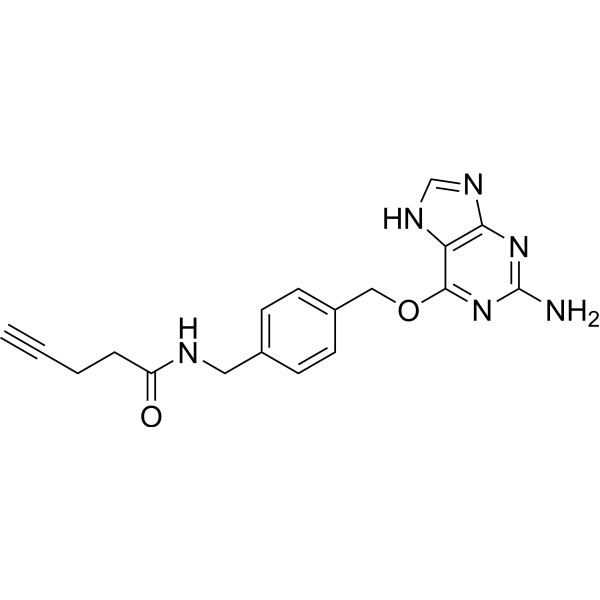
  • HY-151645

    ADC Linker Others
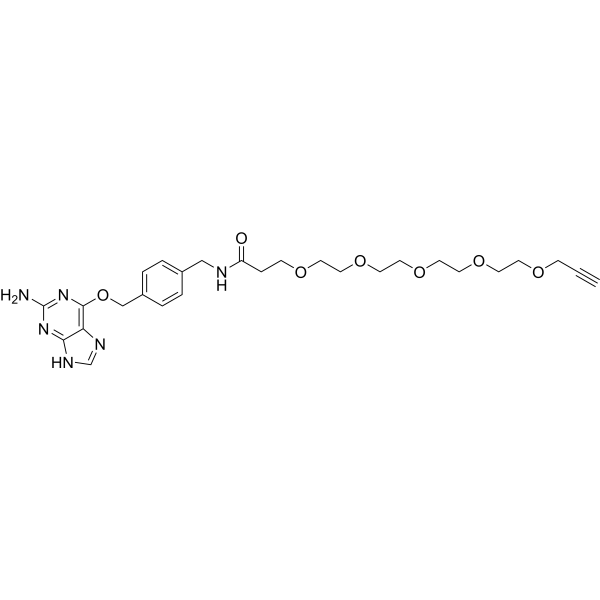
    Alkyne-SNAP (compound 3) is an Alkyne-conjugated benzylguanine. The benzylguanine moiety reacts with the SNAP-tag, allowing irreversible and covalent labeling of SNAP fusion proteins with an additional alkyne functionality for further click chemistry conjugation .
    Alkyne-SNAP
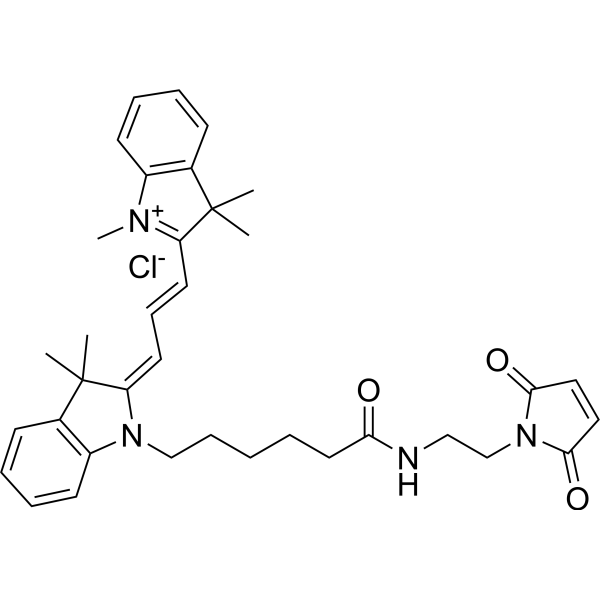
  • HY-D1871

    Fluorescent Dye Others
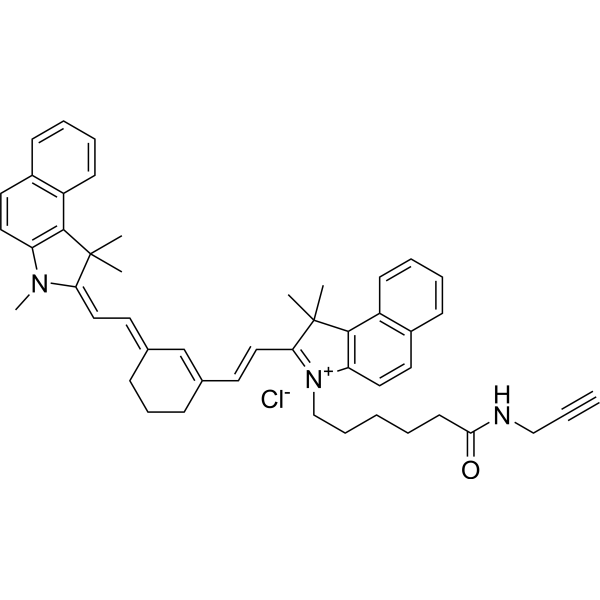
    Cy3 maleimide chloride is a dye derivative of Cyanine 3 (Cy3) (HY-D0822) containing maleimide functional groups. Cy3 is a fluorescent dye with a fluorescence spectrum typically in the green to orange wavelength range. The alkyne functional group of Cy3 maleimide chloride can undergo a "thiol-acrylamide" reaction with molecules containing sulfur-oxygen functional groups to form covalent bonds. Cy3 maleimide chloride can bind to biological molecules such as proteins and antibodies to track their location and dynamic changes in biological samples.
    Cy3 maleimide chloride
  • HY-153430

    Amyloid-β Neurological Disease
    Aβ/tau aggregation-IN-3 is a potent amyloid protein aggregation inhibitor with an IC50 of 0.85 μM by Aβ-Thioflavin T (Aβ-ThT) functional aggregation assay. Aβ/tau aggregation-IN-3 has anti-amyloid activity .
    Aβ/tau aggregation-IN-3
  • HY-147412

    QR-421a

    Nucleoside Antimetabolite/Analog DNA/RNA Synthesis Neurological Disease
    Ultevursen (QR-421a) is a splice-modulating antisense oligonucleotide targeting exon 13 of the USH2A gene, which restores the functional expression of Usherin protein by inducing exon skipping. Ultevursen binds to USH2A pre-mRNA and modulates the splicing process to specifically skip exon 13 carrying the pathogenic mutation c.2299delG, generating an in-frame transcript and a truncated yet functionally normal protein. Ultevursen exhibits concentration-dependent exon skipping activity in human cells and retinal organoid models, and restores Usherin expression and retinal function in zebrafish and gene-edited mouse models. Ultevursen can be used for related research on type 2 Usher syndrome and non-syndromic retinitis pigmentosa .
    Ultevursen
  • HY-115531

    DNA/RNA Synthesis Cancer
    UNC-2170 is a functionally active, fragment-like ligand for 53BP1 (IC50=29 µM; Kd=22 µM). UNC-2170 shows at least 17-fold selectivity for 53BP1 as compared to nine other methyl-lysine (Kme) reader proteins. 53BP1 is a Kme binding protein that plays a central role in DNA Damage Repair (DDR) pathways and is recruited to sites of double-strand breaks (DSB) .
    UNC-2170
  • HY-163167

    E3 Ligase Ligand-Linker Conjugates Others
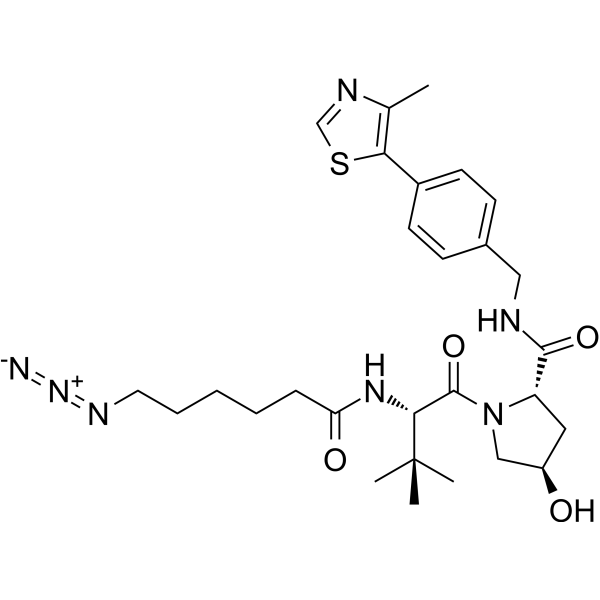
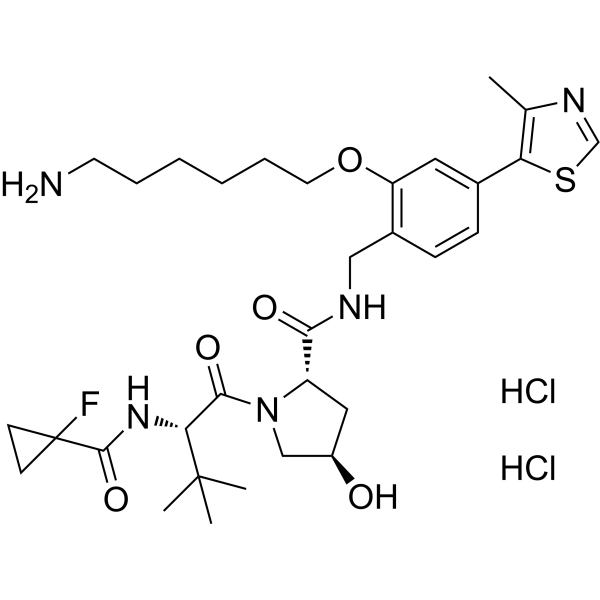
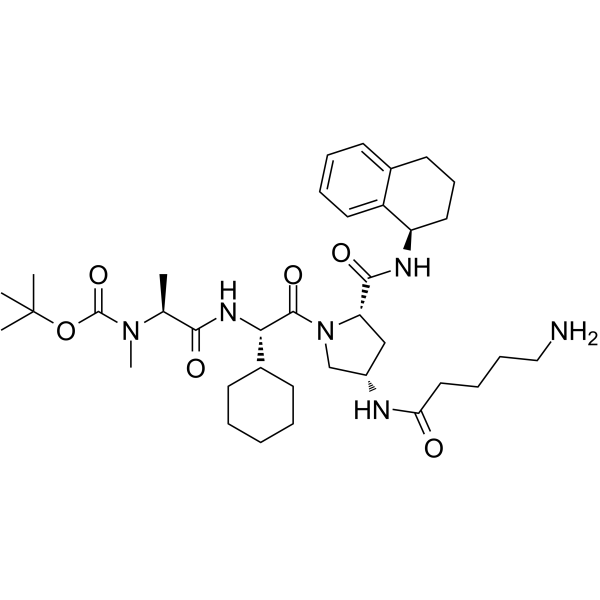
    VH 032 amide-alkylC5-amine is a functionalized von-Hippel-Lindau protein ligand (VHL) for PROTAC research and development; incorporates an E3 ligase ligand plus an alkyl linker with terminal amine ready for conjugation to a target protein ligand .
    VH 032 amide-alkylC5-azide
  • HY-114164D
    Rat Thrombin
    5+ Cited Publications

    Thrombin Cardiovascular Disease
    Rat Thrombin is a Na +-activated, allosteric serine protease that plays opposing functional roles in blood coagulation. Thrombin recognition sequence and can be used to digest GST-tagged proteins .
    Rat Thrombin
  • HY-D2498

    Fluorescent Dye Others
    Cy7 maleimide is a fluorescent dye containing a Maleimide (HY-W007324) functional group. Maleimide can be used to label thiol groups on antibodies, proteins and peptides .
    Cy7 maleimide
  • HY-137098

    Fluorescent Dye Others
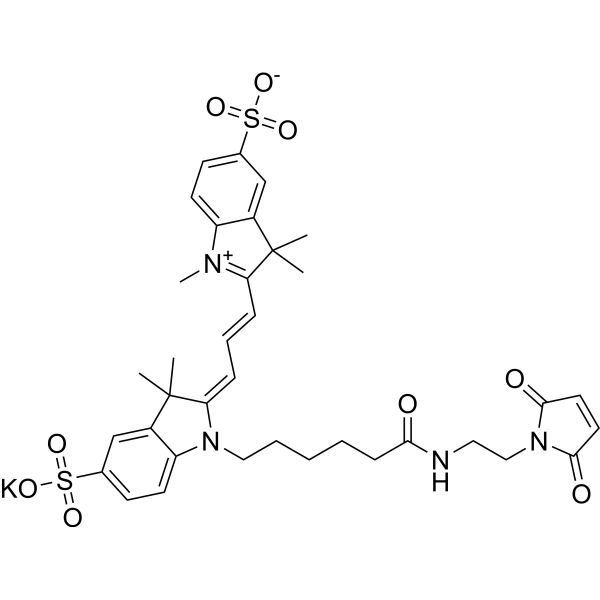
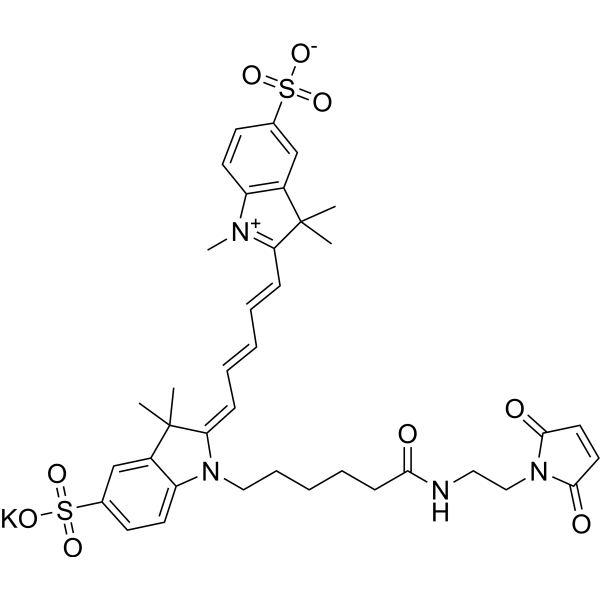
    Sulfo-Cy3 maleimide potassium is a fluorescent dye with a maleimide functionality at the end a short alkyl linker. Sulfo-Cy3 maleimide potassium can be used for the labeling of antibodies and other labile proteins .
    Sulfo-Cy3 maleimide potassium
  • HY-136005

    E3 Ligase Ligand-Linker Conjugates Others
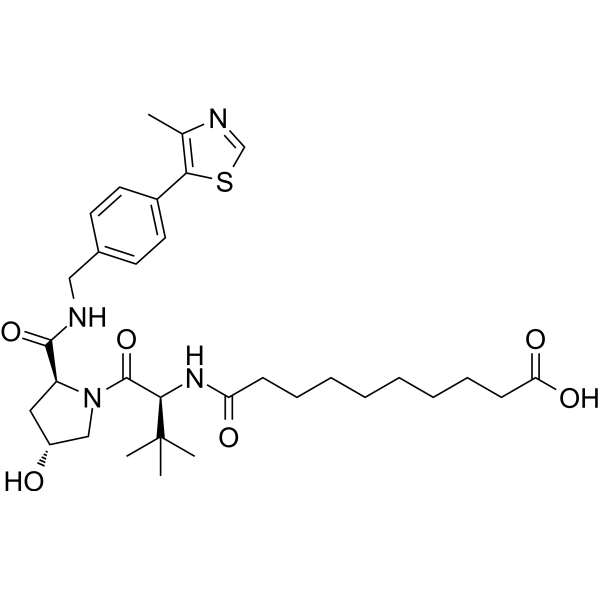
    VH032-C7-COOH is a functionalized von-Hippel-Lindau (VHL) protein ligand for PROTAC research and development. VH032-C7-COOH contains an E3 ligase ligand and an alkyl linker with a terminal amine for conjugation of target protein ligands .
    VH032-C7-COOH
  • HY-157566

    Ligands for E3 Ligase Cancer
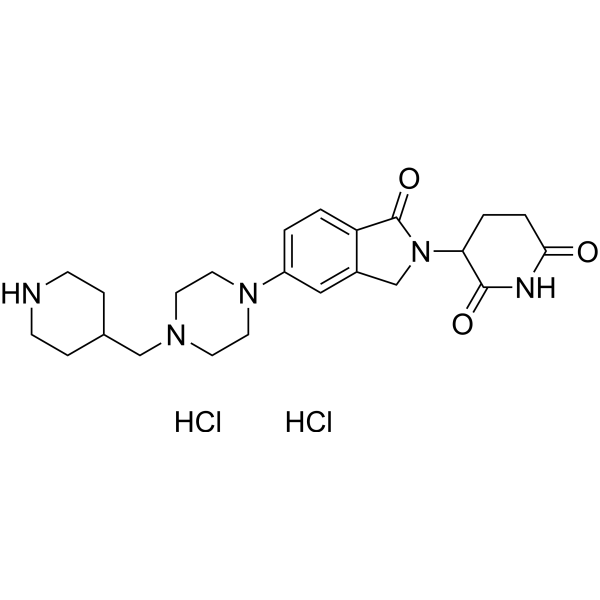
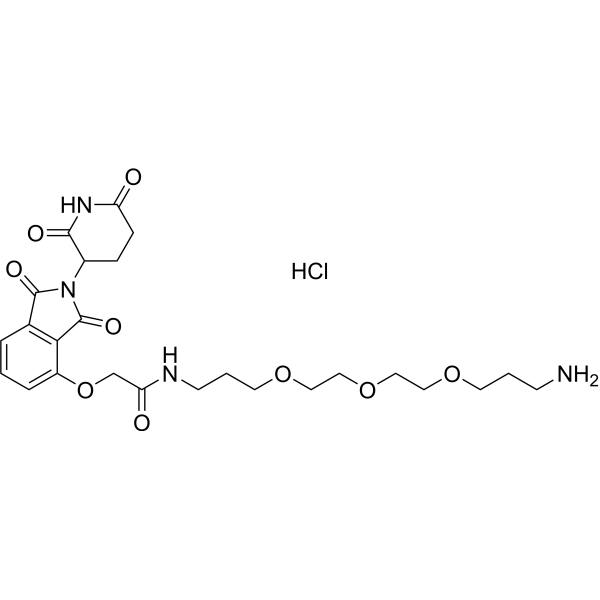
    Lenalidomide 5'-piperazine-4-methylpiperidine hydrochloride is a functionalized cerebellar ligand for PROTAC development, combining E3 ligand and terminal piperidine for subsequent chemical reactions. A protein degradant with a rigid connector is generated .
    Lenalidomide 5'-piperazine-4-methylpiperidine hydrochloride
  • HY-135066

    Pentaerythritol triallyl ether

    Biochemical Assay Reagents Others
    Triallyl pentaerythritol (PEATA), a crosslinker, decreases the protein rejection compared to membranes functionalized with MBAA or without any crosslinker .
    Triallyl pentaerythritol
  • HY-174967C

    Biochemical Assay Reagents Others
    4-Arm-PEG20000-OH is a PEG derivative with a four-arm structure and a hydroxyl (OH) functional group. 4-Arm-PEG20000-OH reacts with functional groups on biomolecules (such as proteins, peptides, antibodies, etc.) through hydroxyl groups and can be used for drug delivery .
    4-Arm-PEG20000-OH
  • HY-136595

    Phosphatase Others
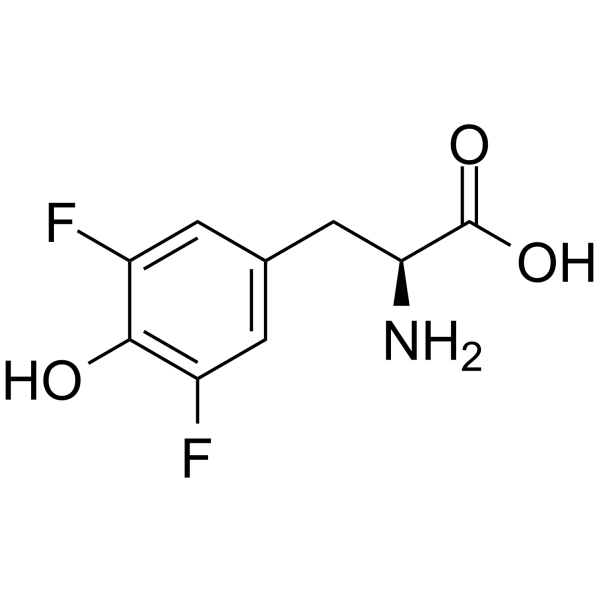
    3,5-Difluoro-L-tyrosine is a functional, tyrosinase-resistant mimetic of tyrosine. 3,5-Difluoro-L-tyrosine can be used to analyze the substrate specificity of protein tyrosine phosphatases (PTPs) .
    3,5-Difluoro-L-tyrosine
  • HY-131866

    VH 032 amide-alkylC2-acid

    E3 Ligase Ligand-Linker Conjugates Others
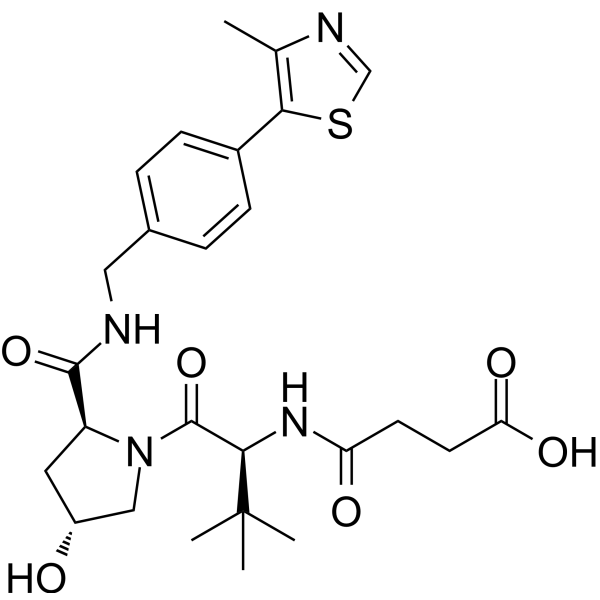
    (S,R,S)-CO-C2-acid (VH 032 amide-alkylC2-acid) is a functionalized von-Hippel-Lindau (VHL) protein ligand and linker conjugate, which can be used in the research and development of PROTACs .
    (S,R,S)-CO-C2-acid
  • HY-151682

    Amino Acid Derivatives Others
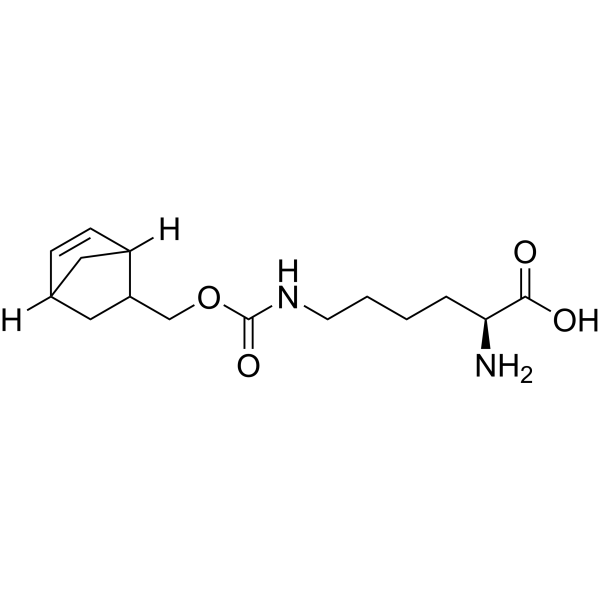
    H-L-Lys(Norbornene-methoxycarbonyl)-OH is a Norbornene (HY-W013021)-derivatized lysine that can be click-functionalized. H-L-Lys(Norbornene-methoxycarbonyl)-OH can be used for the mild and selective modification of proteins in a copper-free click reaction .
    H-L-Lys(Norbornene-methoxycarbonyl)-OH
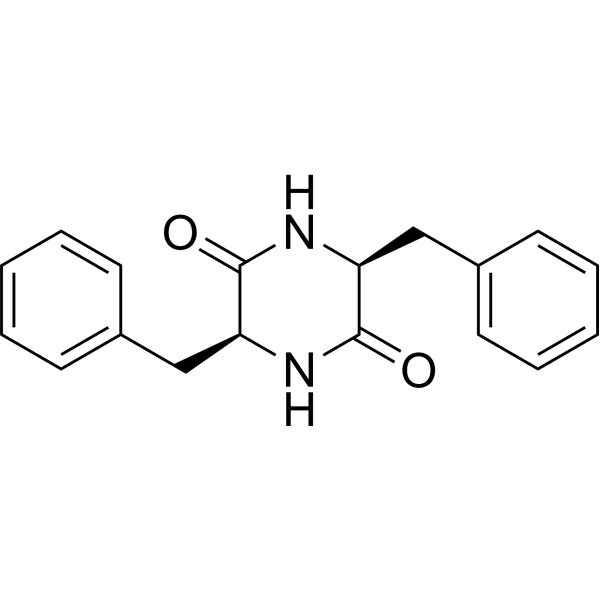
  • HY-W549438

    Amino Acid Derivatives Others
    Cyclo(Phe-Phe) is a polypeptide that can be found by peptide screening. Peptide screening is a research tool that pools active peptides primarily by immunoassay. Peptide screening can be used for protein interaction, functional analysis, epitope screening, especially in the field of agent research and development .
    Cyclo(Phe-Phe)
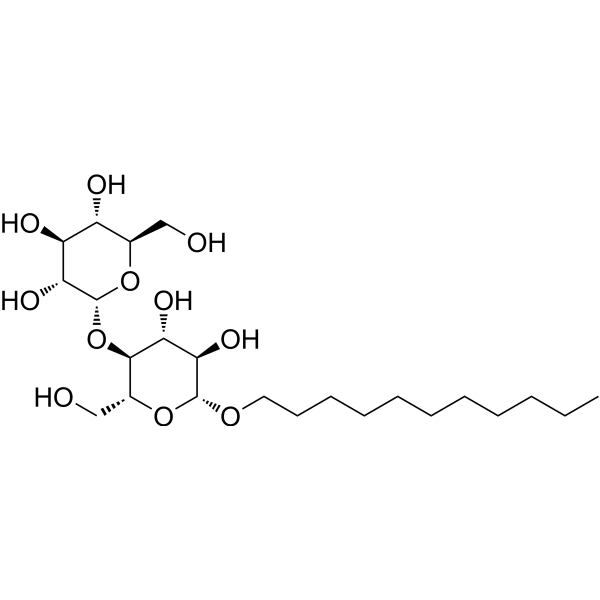
  • HY-W283166

    Biochemical Assay Reagents Others
    n-Undecyl β-D-maltopyranoside is an n-alkyl β-D-maltopyranoside detergent that can be used for solubilization and structural determination of membrane proteins. n-Undecyl β-D-maltopyranoside effectively solubilizes CST from Golgi-enriched fractions of Pichia pastoris, but fails to maintain the functional activity of CST during subsequent partial purification and reconstitution into proteoliposomes. n-Undecyl β-D-maltopyranoside is more suitable for structural analysis studies of membrane proteins rather than functional reconstitution experiments .
    n-Undecyl β-D-maltopyranoside
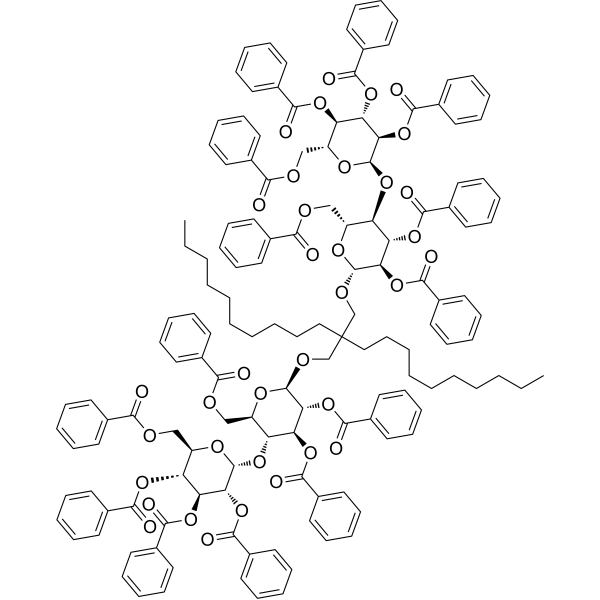
  • HY-156901

    Biochemical Assay Reagents Others
    MNG-14a is an amphiphilic compound that can be used to aid the isolation of membrane proteins, and functional and structural determination of membrane proteins .
    MNG-14a
  • HY-177649

    Dystrophin Others
    Nivudirsen is an antisense oligonucleotide that can promote the synthesis of functional dystrophin protein.
    Nivudirsen
  • HY-114164E

    Thrombin Cardiovascular Disease
    Rabbit Thrombin is a Na +-activated, allosteric serine protease that plays opposing functional roles in blood coagulation. Thrombin recognition sequence and can be used to digest GST-tagged proteins .
    Rabbit Thrombin
  • HY-D2488

    Fluorescent Dye Others
    Sulfo Cy5.5-maleimide is a fluorescent dye containing a Maleimide (HY-W007324) functional group. Maleimide can be used to label thiol groups on antibodies, proteins and peptides.
    Sulfo Cy5.5-maleimide
  • HY-158615

    Stimulator of interferon genes 18

    Others Others
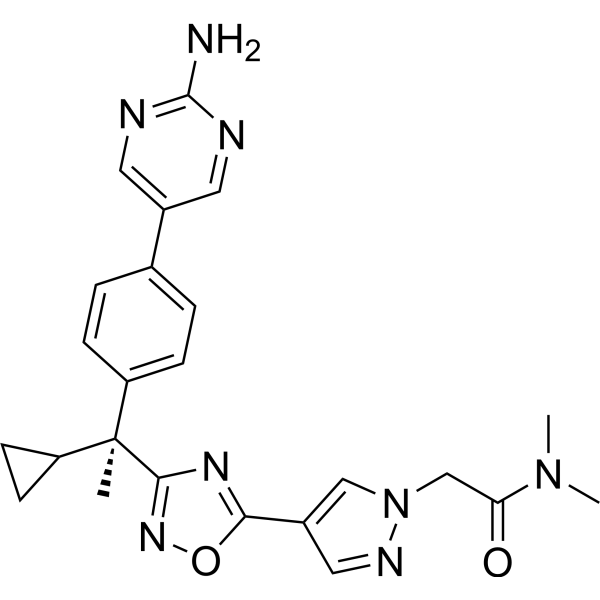
    STING18 (Stimulator of interferon genes 18) is a compound that inhibits STING protein by utilizing a small molecule active site dimer, with good oral exposure, slow binding kinetics, and functional inhibitory activity on STING-mediated cytokine release.
    STING18
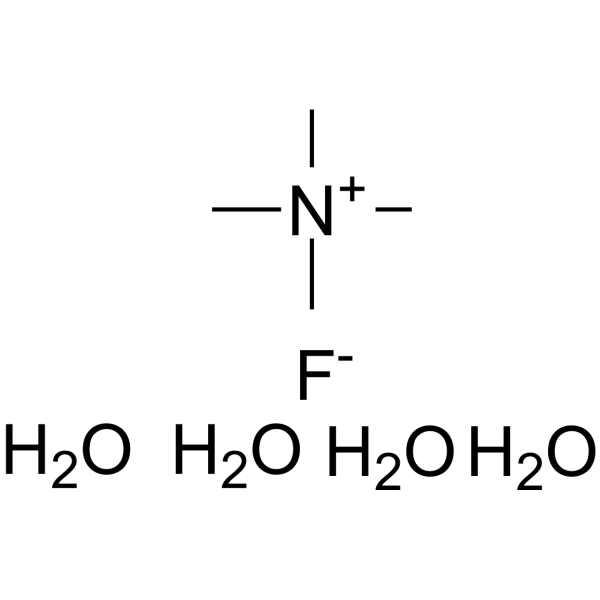
  • HY-W095635

    Biochemical Assay Reagents Others
    Tetramethylammonium fluoride tetrahydrate (TMAF) is a quaternary ammonium salt. TMAF is commonly used as a weak base and a source of fluoride ions in various organic reactions, including nucleophilic substitution, functional group deprotection, and ring-opening polymerization. Unlike other fluoride sources, TMAF is compatible with many functional groups, making it a versatile tool in synthetic chemistry. Functional reagents, In addition, TMAF has been used as a fluorinating agent in medicinal chemistry, for the preparation of radiotracers and protein modification in biochemistry, and the tetrahydrate form of TMAF is more stable and easier to handle than the anhydrous form.
    Tetramethylammonium fluoride tetrahydrate
  • HY-144013B

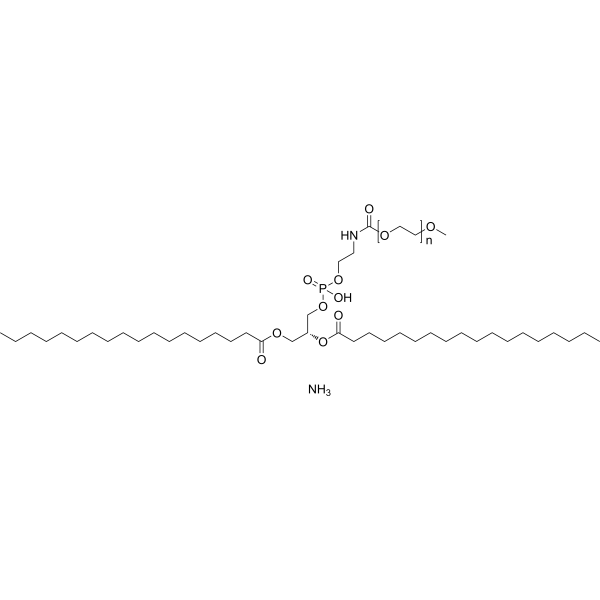
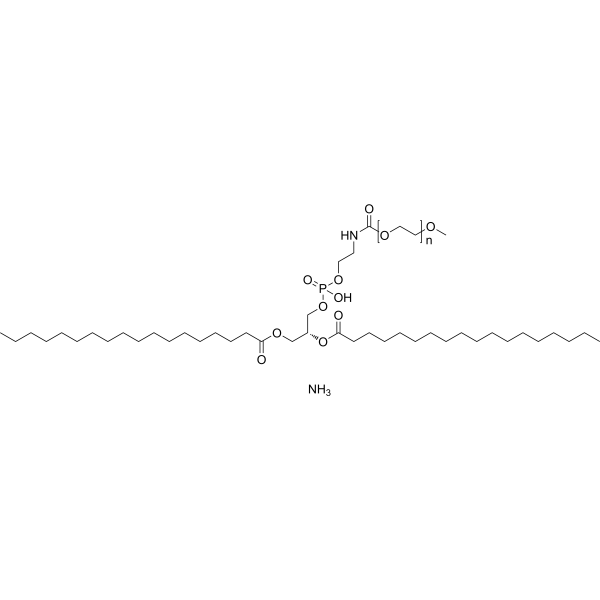
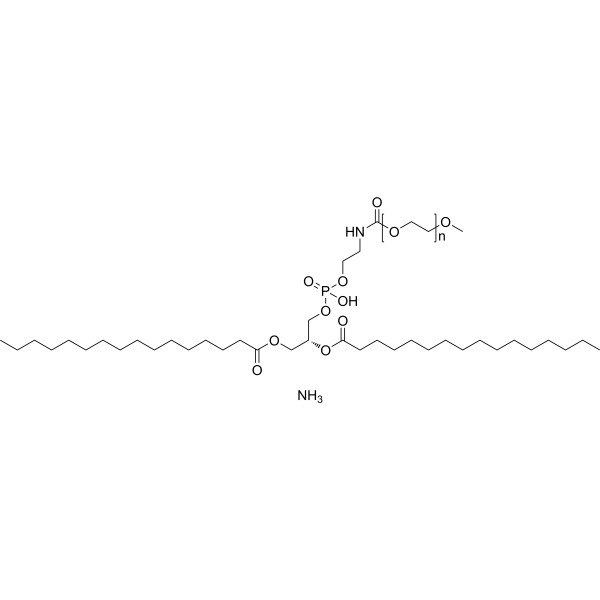
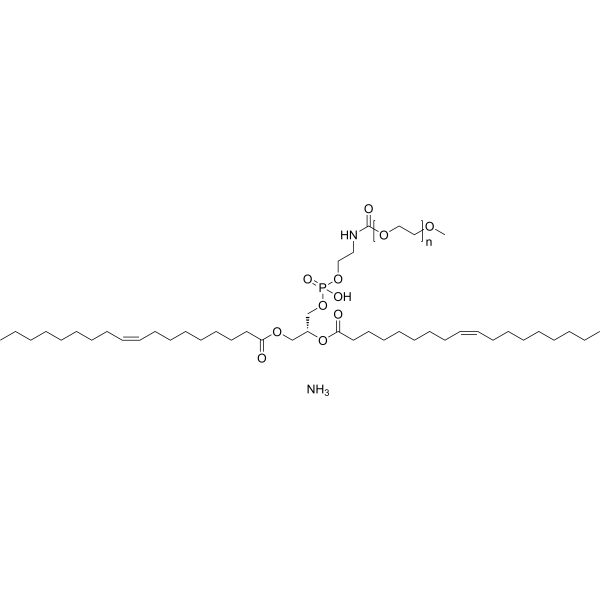
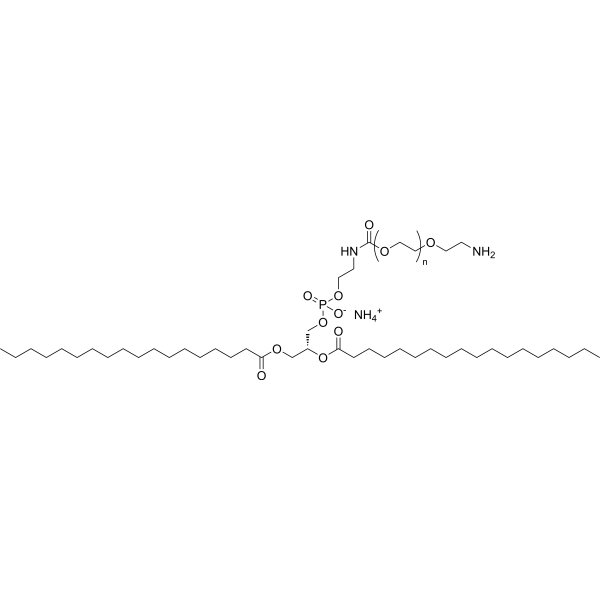
    DSPE-mPEG550 ammonium; 1,2-Distearoyl-sn-glycero-3-phosphoethanolamine-N-[methoxy(polyethylene glycol)-550] ammonium

    Biochemical Assay Reagents Liposome Others
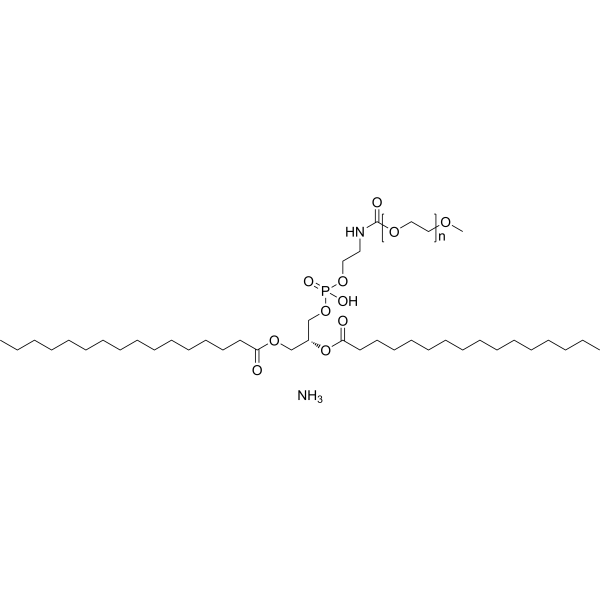
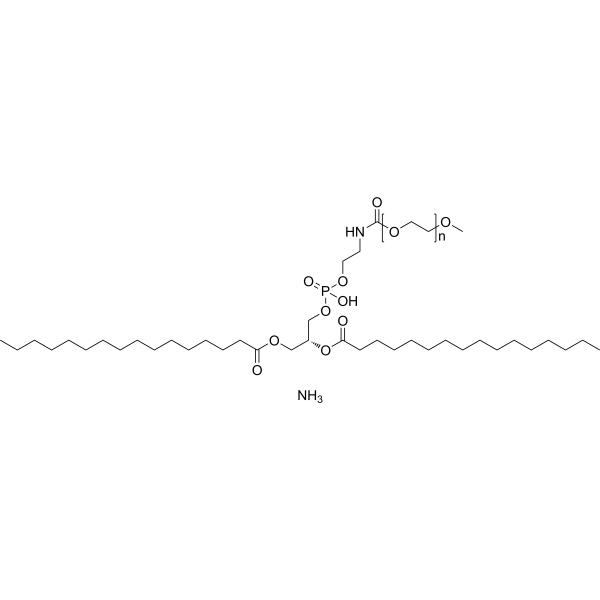
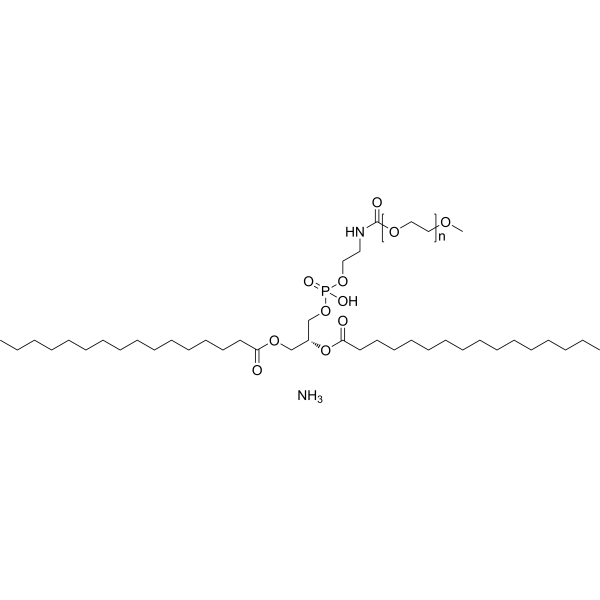
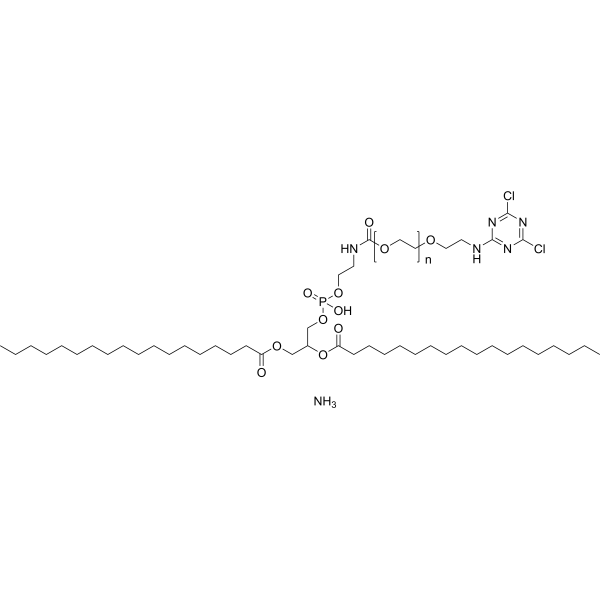
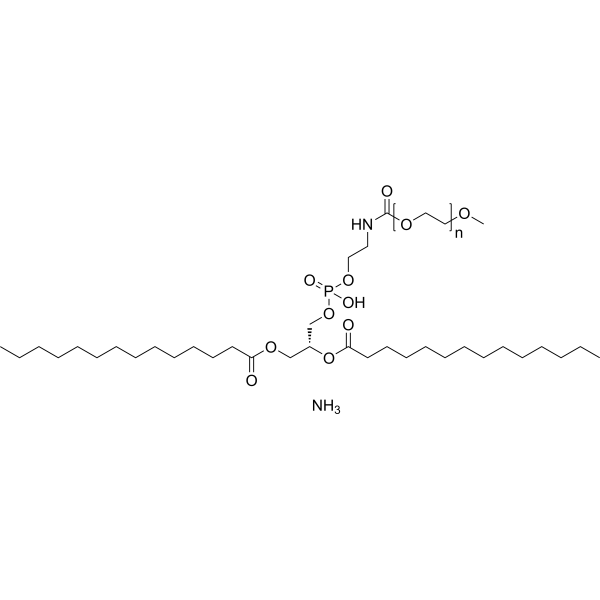
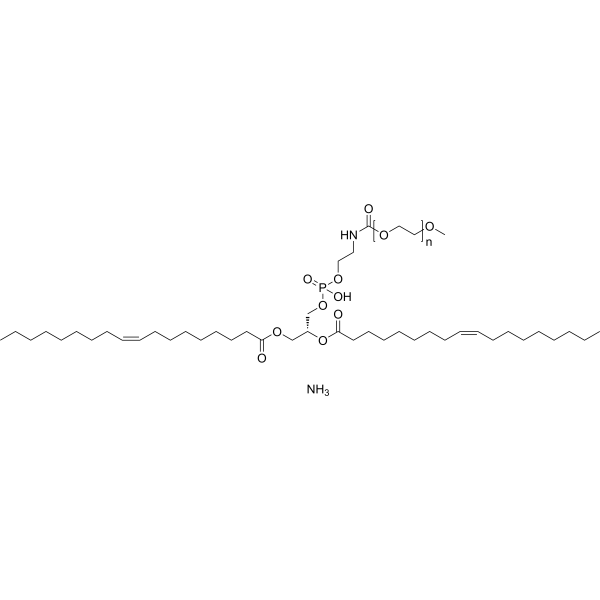
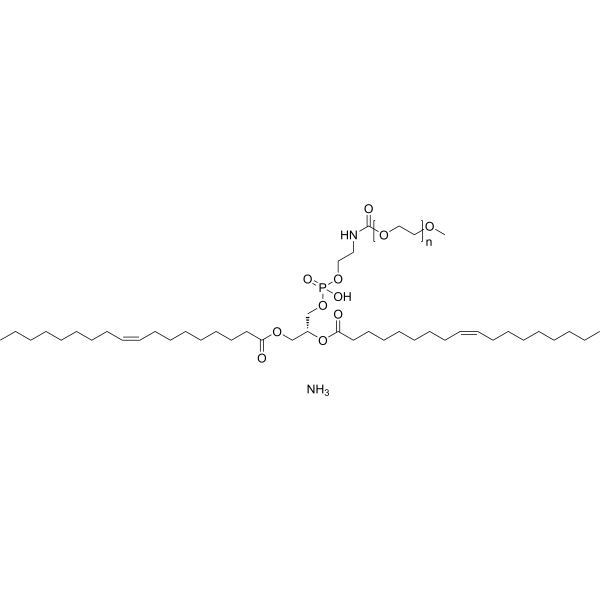
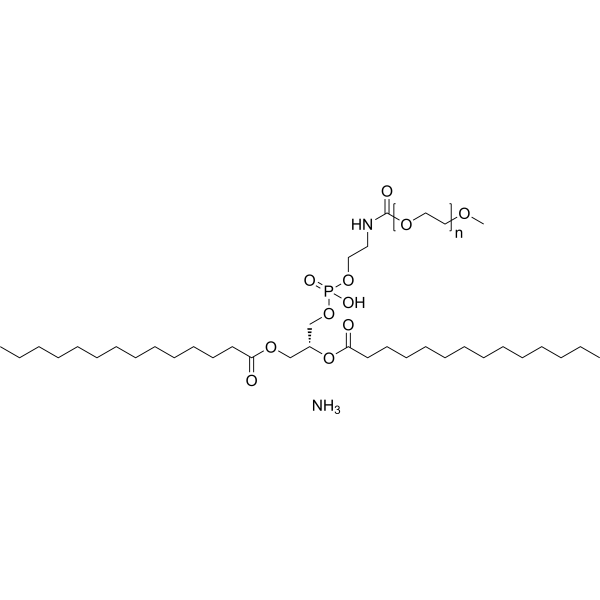
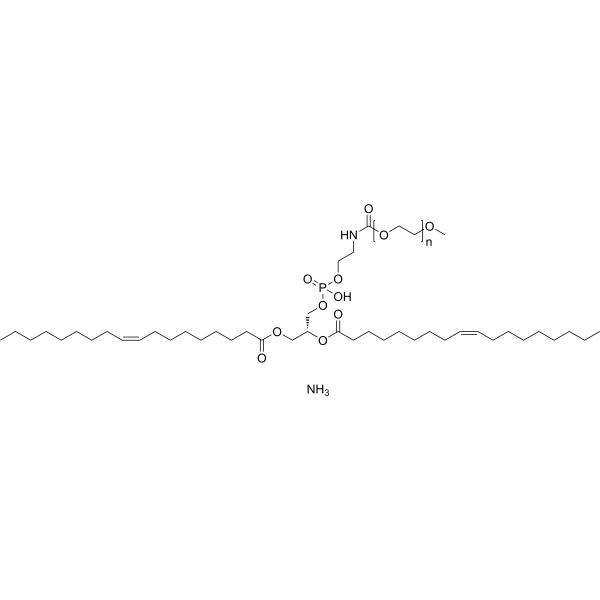
    18:0 mPEG550 PE (ammonium) is a PEG lipid functional end group used in the synthesis of liposomes (LPs) for the design of conjugated polymeric nanoparticles. Through biotin modification and carboxyl terminus, lipid nanoparticles (LNPs) further coupling with other biomolecules can be achieved. Functionalized nanoparticles can be used for targeted labeling of specific cellular proteins. With streptavidin as a linker, biotinylated PEG lipid-conjugated polymer nanoparticles are able to bind to biotinylated antibodies on cell surface receptors, yielding the utility of fluorescence-based imaging and sensing.
    18:0 mPEG550 PE ammonium
  • HY-144013A

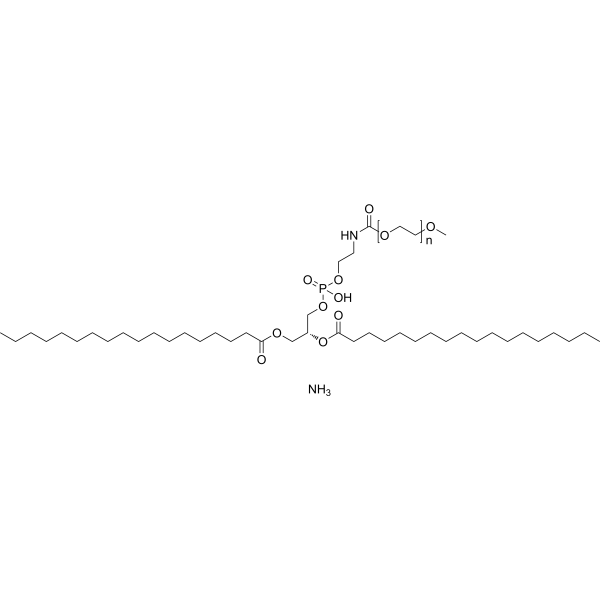
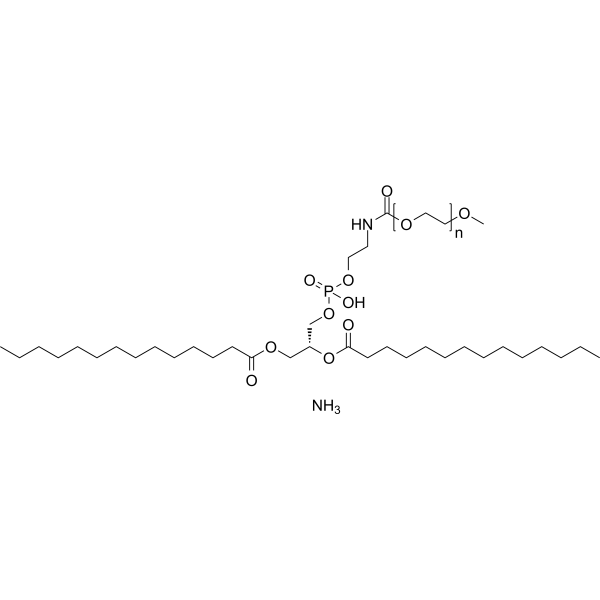
    DSPE-mPEG350 ammonium; 1,2-Distearoyl-sn-glycero-3-phosphoethanolamine-N-[methoxy(polyethylene glycol)-350] ammonium

    Liposome Others
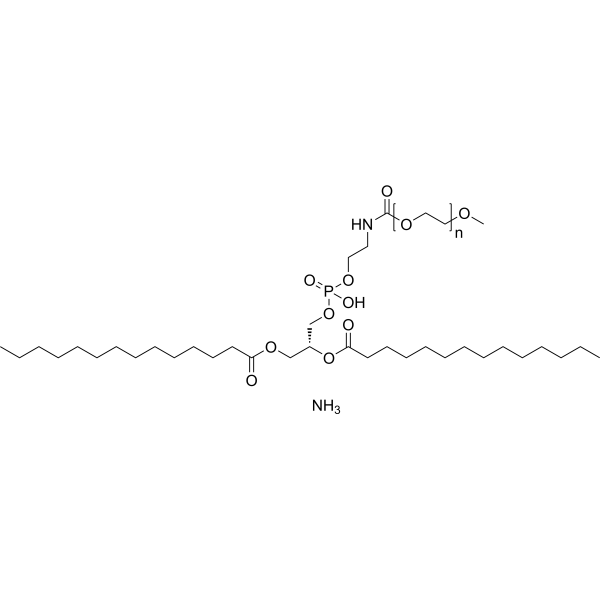
    18:0 mPEG350 PE (ammonium) is a PEG lipid functional end group used in the synthesis of liposomes (LPs) for the design of conjugated polymer nanoparticles. Through biotin modification and carboxyl terminus, lipid nanoparticles (LNPs) further coupling with other biomolecules can be achieved. Functionalized nanoparticles can be used for targeted labeling of specific cellular proteins. With streptavidin as a linker, biotinylated PEG lipid-conjugated polymer nanoparticles are able to bind to biotinylated antibodies on cell surface receptors, yielding the utility of fluorescence-based imaging and sensing.
    18:0 mPEG350 PE ammonium
  • HY-144013D

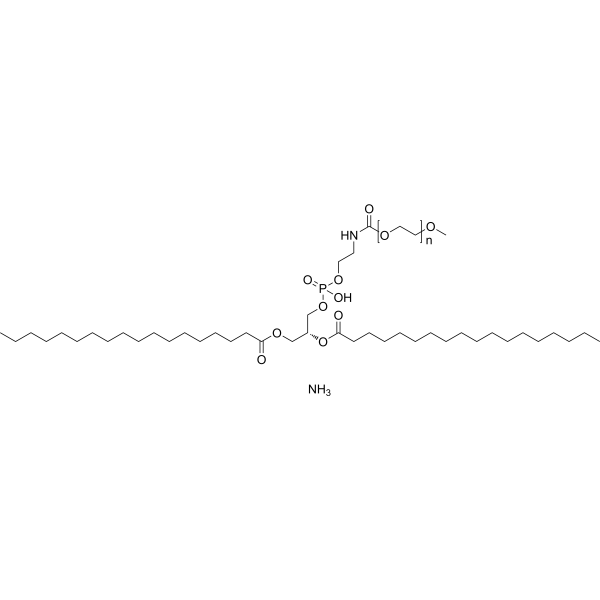
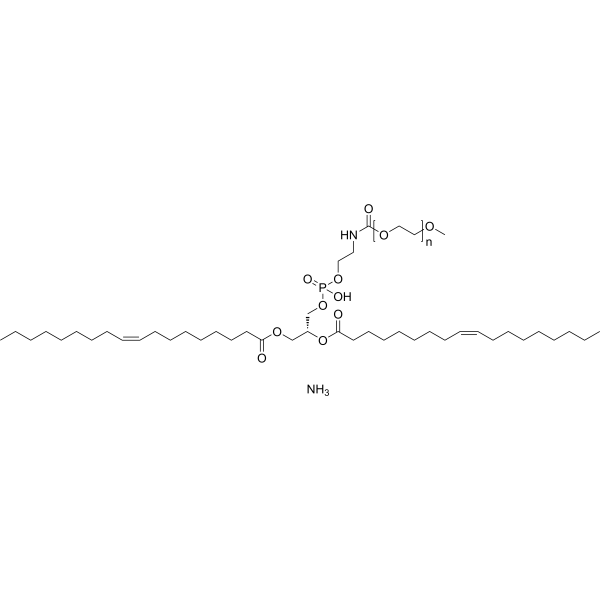
    DSPE-mPEG1000 ammonium; 1,2-Distearoyl-sn-glycero-3-phosphoethanolamine-N-[methoxy(polyethylene glycol)-1000] ammonium

    Liposome Others
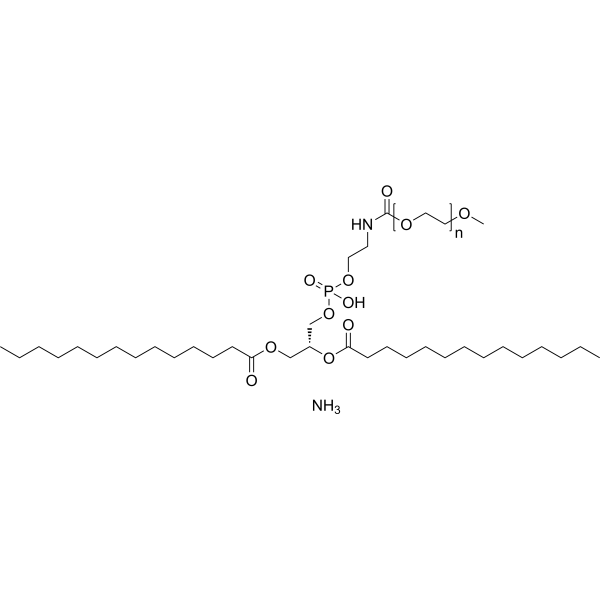
    18:0 mPEG1000 PE (ammonium) is a PEG lipid functional end group used in the synthesis of liposomes (LPs) for the design of conjugated polymeric nanoparticles. Through biotin modification and carboxyl terminus, lipid nanoparticles (LNPs) further coupling with other biomolecules can be achieved. Functionalized nanoparticles can be used for targeted labeling of specific cellular proteins. With streptavidin as a linker, biotinylated PEG lipid-conjugated polymer nanoparticles are able to bind to biotinylated antibodies on cell surface receptors, yielding the utility of fluorescence-based imaging and sensing.
    18:0 mPEG1000 PE ammonium
  • HY-144013E

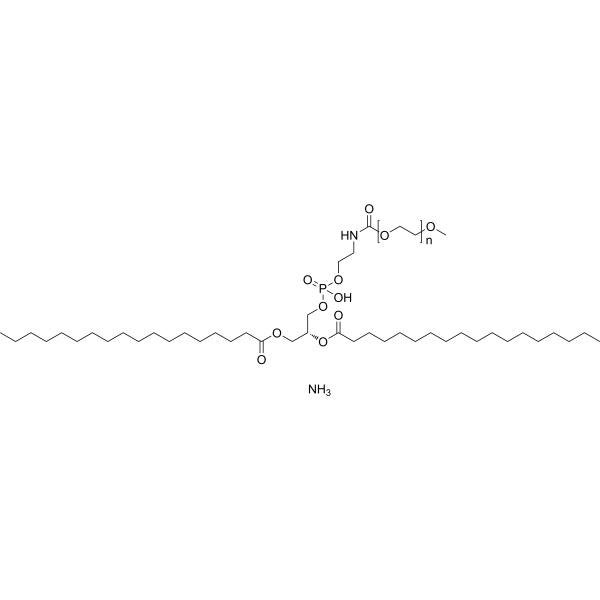
    DSPE-mPEG3000 ammonium; 1,2-Distearoyl-sn-glycero-3-phosphoethanolamine-N-[methoxy(polyethylene glycol)-3000] ammonium

    Liposome Others
    18:0 mPEG3000 PE (ammonium) is a PEG lipid functional end group used in the synthesis of liposomes (LPs) for the design of conjugated polymeric nanoparticles. Through biotin modification and carboxyl terminus, lipid nanoparticles (LNPs) further coupling with other biomolecules can be achieved. Functionalized nanoparticles can be used for targeted labeling of specific cellular proteins. With streptavidin as a linker, biotinylated PEG lipid-conjugated polymer nanoparticles are able to bind to biotinylated antibodies on cell surface receptors, yielding the utility of fluorescence-based imaging and sensing.
    18:0 mPEG3000 PE ammonium
  • HY-144013C

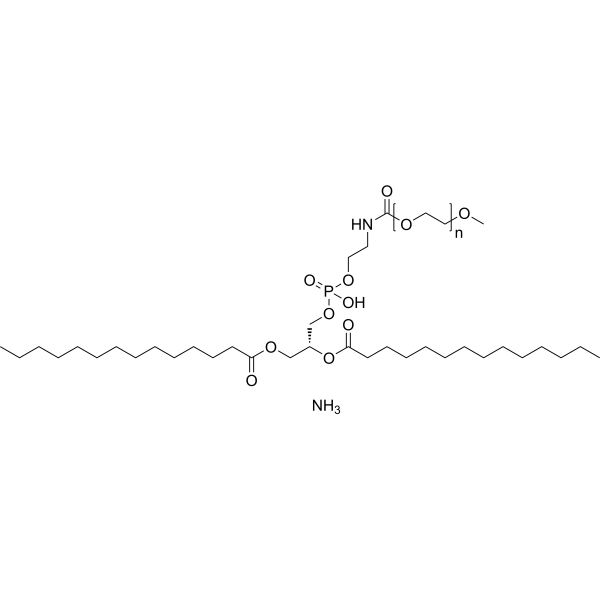
    DSPE-mPEG750 ammonium; 1,2-Distearoyl-sn-glycero-3-phosphoethanolamine-N-[methoxy(polyethylene glycol)-750] ammonium

    Biochemical Assay Reagents Liposome Others
    18:0 mPEG750 PE (ammonium) is a PEG lipid functional end group used in the synthesis of liposomes (LPs) for the design of conjugated polymeric nanoparticles. Through biotin modification and carboxyl terminus, lipid nanoparticles (LNPs) further coupling with other biomolecules can be achieved. Functionalized nanoparticles can be used for targeted labeling of specific cellular proteins. With streptavidin as a linker, biotinylated PEG lipid-conjugated polymer nanoparticles are able to bind to biotinylated antibodies on cell surface receptors, yielding the utility of fluorescence-based imaging and sensing.
    18:0 mPEG750 PE ammonium
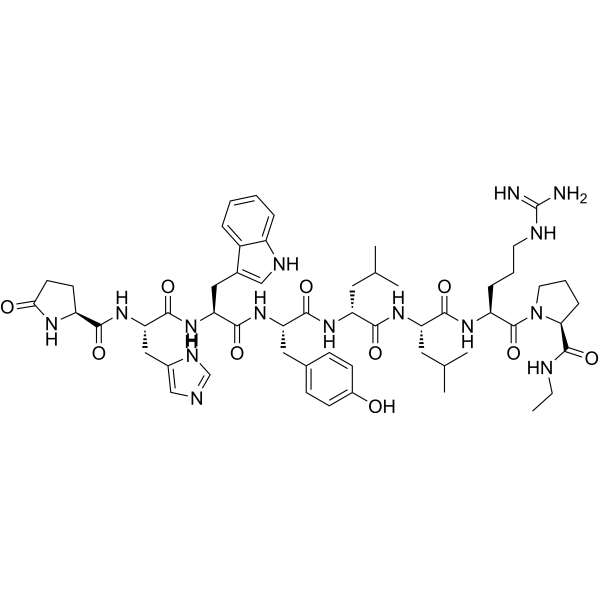
  • HY-P4536

    GnRH Receptor Others
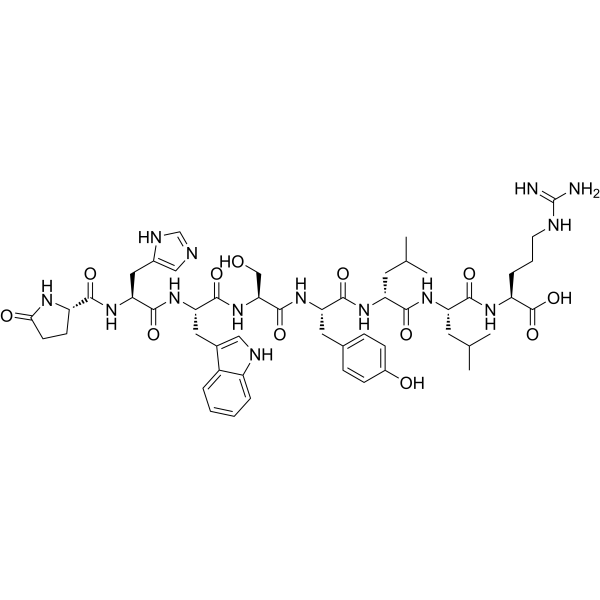
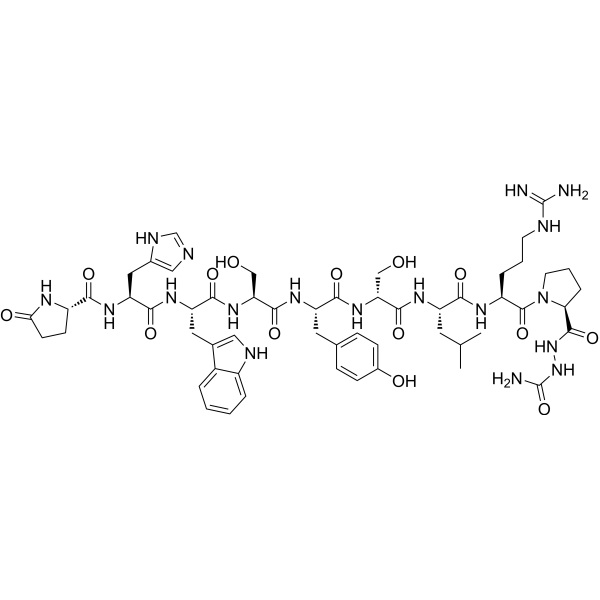
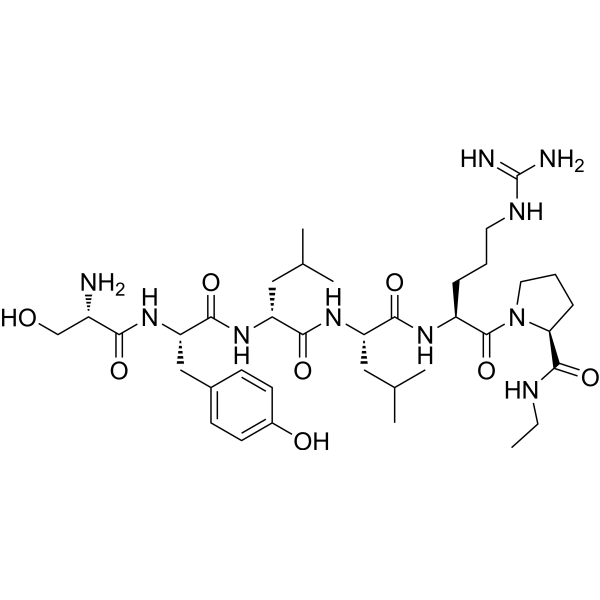
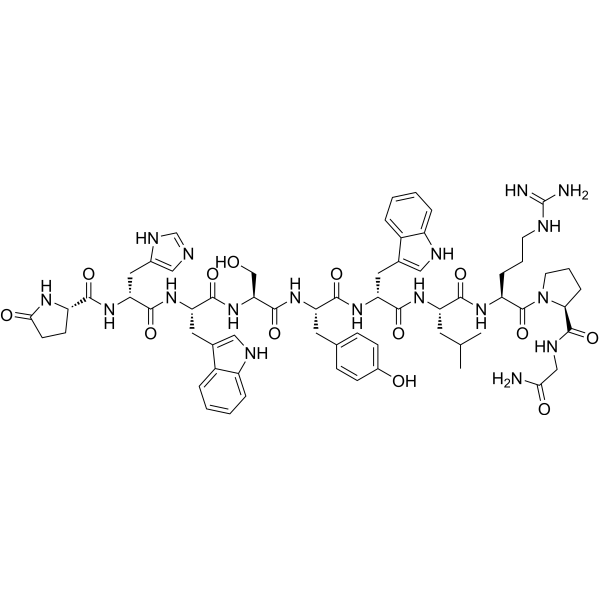
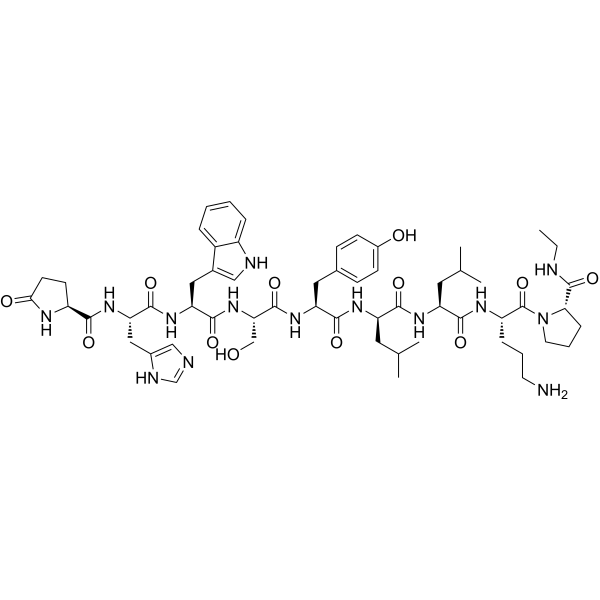
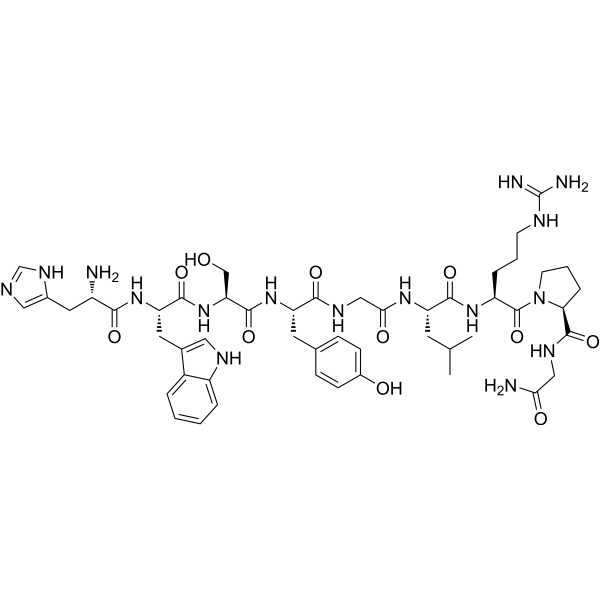
    (D-Leu6)-LHRH (1-8) is a polypeptide that can be found by peptide screening. Peptide screening is a research tool that pools active peptides primarily by immunoassay. Peptide screening can be used for protein interaction, functional analysis, epitope screening, especially in the field of agent research and development .
    (D-Leu6)-LHRH (1-8)
  • HY-P0289

    Influenza Virus Infection
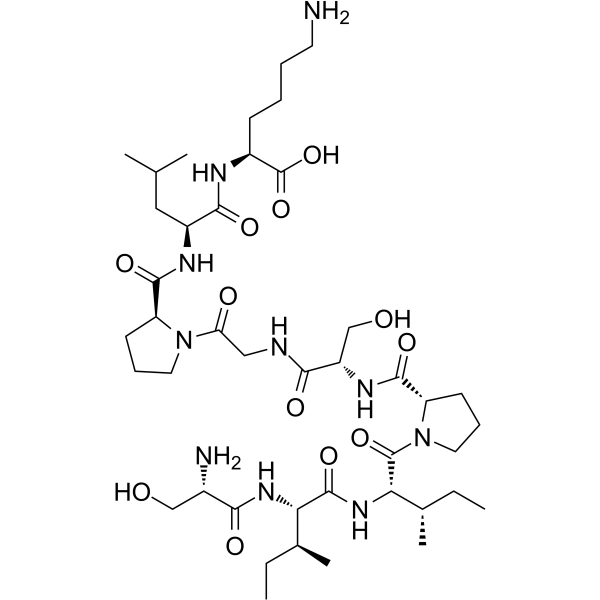
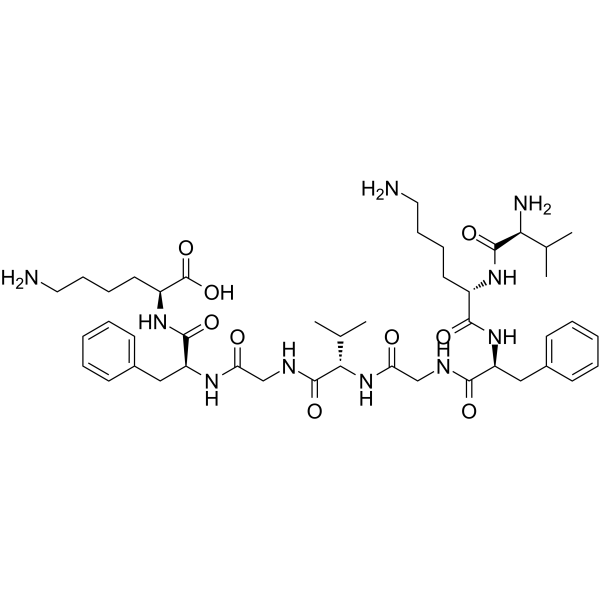
    CEF3 (SIIPSGPLK) corresponds to aa 13-21 of the influenza A virus M1 protein. The matrix (M1) protein of influenza A virus is a multifunctional protein that plays essential structural and functional roles in the virus life cycle.
    CEF3
  • HY-D2926

    BG-Tz; SNAP-Tetrazine

    Biochemical Assay Reagents Others
    BG-Tetrazine (BG-Tz; SNAP-Tetrazine) is a SNAP tag substrate that contains a methyl tetrazine group. BG-Tetrazine can specifically covalently label the target protein of the intracellular SNAP-tag fusion. The tetrazine group it carries can rapidly and efficiently undergo a bioorthogonal reaction with functional groups such as trans cyclooctene (TCO), thereby enabling multiple labeling, functionalization or enrichment of proteins. BG-Tetrazine can be applied in click chemistry .
    BG-Tetrazine
  • HY-174359C

    Biochemical Assay Reagents Others
    Alkyne-PEG5000-NH2 is an alkyne-functionalized bifunctional PEG derivative that can be used to modify proteins, peptides, and other materials. The alkyne group reacts with azides in aqueous solution in a copper-catalyzed manner. PEGylation can increase solubility and stability and reduce the immunogenicity of peptides and proteins .
    Alkyne-PEG5000-NH2
  • HY-W339358

    1,2-Diundecanoyl-sn-glycero-3-phosphocholine

    Biochemical Assay Reagents Others
    11:0 PC (1,2-Diundecanoyl-sn-glycero-3-phosphocholine) is a phosphatidylcholine, which plays a role in the folding of intact, functionally competent integral membrane proteins .
    11:0 PC
  • HY-D1860

    Fluorescent Dye Others
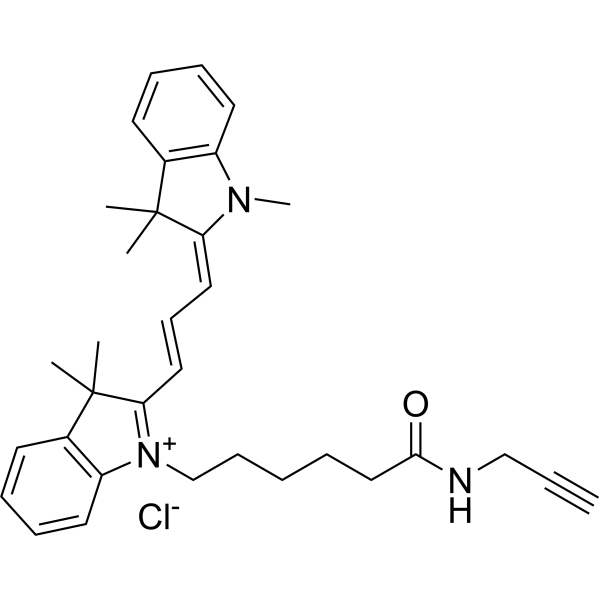
    Cy3 alkyne chloride is a dye derivative of Cyanine 3 (Cy3) (HY-D0822) containing a sulfonate ion and an alkyne functional group. Cy3 is a fluorescent dye with a fluorescence spectrum typically in the green to orange wavelength range. The alkyne functional group of Cy3 alkyne chloride can react with molecules containing the azide functional group to form covalent bonds. Cy3 alkyne chloride can bind to biological molecules such as proteins and antibodies to track their location and dynamic changes in biological samples.
    Cy3 alkyne chloride

Inquiry Online

Your information is safe with us. * Required Fields.

Salutation


Country or Region *

Applicant Name *


Organization Name *

Department *


Email Address *


Product Name *

Cat. No.


Requested quantity *

Phone Number *


Remarks

Inquiry Online

Inquiry Information

Product Name:
Cat. No.:
Quantity:
MCE Japan Authorized Agent: