
1. Search Result
Search Result
Results for "

lipid mediator

" in MedChemExpress (MCE) Product Catalog:

154

Inhibitors & Agonists

3

Screening Libraries

1

Fluorescent Dyes

11

Biochemical Assay Reagents

3

Inhibitory Antibodies

42

Natural
Products

15

Isotope-Labeled Compounds

13

Oligonucleotides

1

GMP Molecules

Cat. No. Product Name Target Research Areas Chemical Structure
  • HY-109590

    Immunocytophyt

    Endogenous Metabolite Cardiovascular Disease Inflammation/Immunology
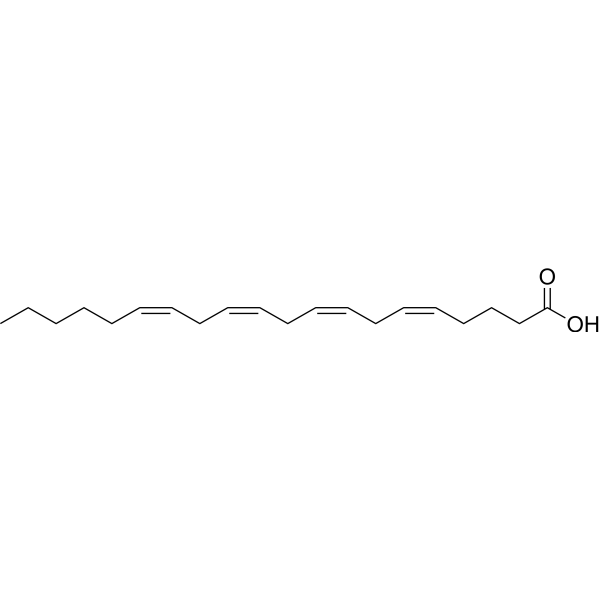
    Arachidonic acid (Immunocytophyt) is a polyunsaturated omega-6 fatty acid and a major constituent of biomembranes. Arachidonic acid also acts as the substrate for various lipid mediators, such as prostaglandins (PGs). Arachidonic acid improves cognitive response and cardiovascular function .
    Arachidonic acid
  • HY-108496
    Sphingosine-1-phosphate
    Maximum Cited Publications
    17 Publications Verification

    S1P

    Endogenous Metabolite LPL Receptor Inflammation/Immunology Endocrinology Cancer
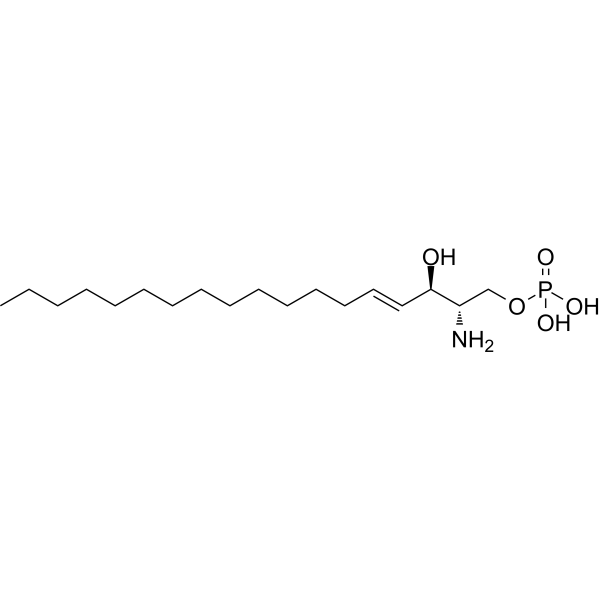
    Sphingosine-1-phosphate (S1P) is an agonist of S1P1-5 receptors and a ligand of GPR3, GPR6 and GPR12. Sphingosine-1-phosphate is an intracellular second messenger and mobilizes Ca 2+ as an extracellular ligand for G protein-coupled receptors . Sphingosine-1-phosphate is an important lipid mediator generated from Sphingomyelin (HY-113498) or other membrane phospholipids . Sphingosine-1-phosphate stimulates the DNA synthesis, cell proliferation and migration .
    Sphingosine-1-phosphate
  • HY-107911
    Protamine sulfate
    3 Publications Verification

    Thrombin Metabolic Disease
    Protamine sulfate, polycationic peptide and a antiheparin agent, could neutralize the anticoagulant action of heparin and enhances lipid-mediated gene transfer .
    Protamine sulfate
  • HY-116767
    BLT-1
    10+ Cited Publications

    Block lipid transport-1

    HCV Metabolic Disease Inflammation/Immunology
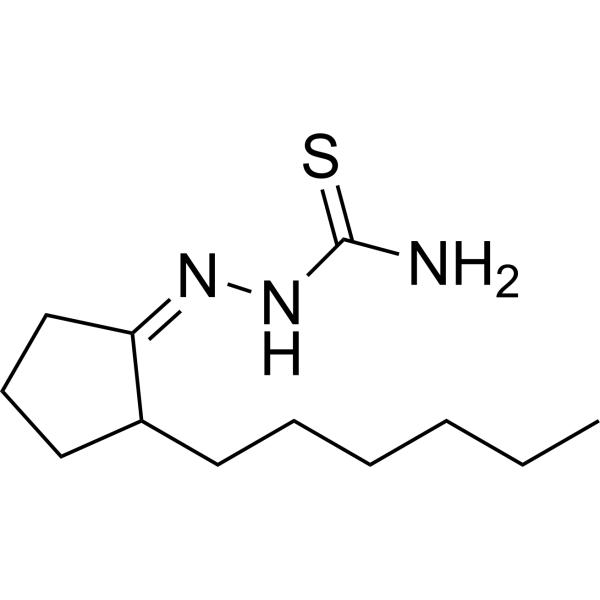
    BLT-1, a thiosemicarbazone copper chelator, is a selective scavenger receptor B, type 1 (SR-BI) inhibitor. BLT-1 inhibits the transfer of lipids between high-density lipoproteins (HDL) and cells mediated by SR-BI. BLT-1 is a potent HCV entry inhibitor .
    BLT-1
  • HY-129555
    Surfactin
    5+ Cited Publications

    Bacterial HSV Antibiotic Infection
    Surfactin is a potent cyclic lipopeptide biosurfactants consists of four isomers (Surfactin A, B, C and D), which mediates flux of mono-and divalent cations, such as calcium, across lipid bilayer membranes. Surfactin can act as an antimicrobial adjuvant with anti-bacterial, anti-fungal, antimycoplasma and hemolytic effects . Surfactin also has antiviral activity against a variety of enveloped viruses .
    Surfactin
  • HY-112758
    DLin-KC2-DMA
    5+ Cited Publications

    Liposome Others
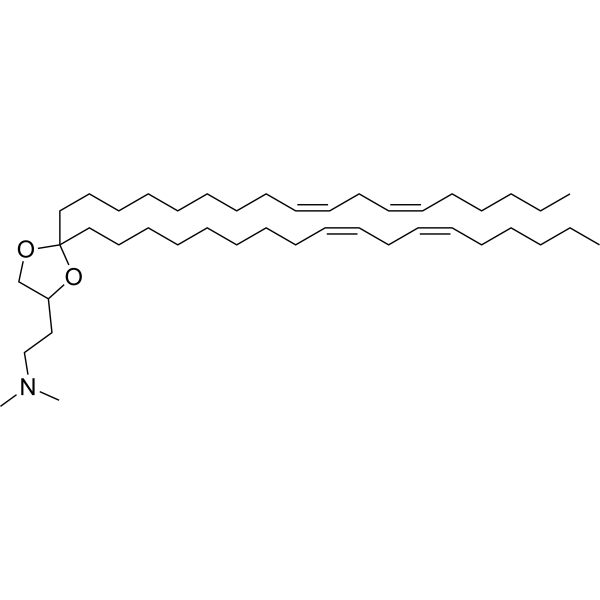
    DLin-KC2-DMA is an ionisable cationic lipid (pKa≈6) that is virtually non-toxic to antigen presenting cells (APCs). DLin-KC2-DMA produces significant siRNA-mediated gene silencing of GAPDH, when binds to lipid nanoparticles (LNP). DLin-KC2-DMA can be used in siRNA delivery studies .
    DLin-KC2-DMA
  • HY-P3029
    Phospholipase A2
    1 Publications Verification

    PLA2

    Phospholipase Cardiovascular Disease Inflammation/Immunology
    Phospholipase A2 (PLA2) is a calcium-dependent, heat-stable enzyme that catalyzes the hydrolysis of glycerophospholipids at the sn-2 position of cellular membranes, thereby releasing Arachidonic Acid (AA) (HY-109590). Phospholipase A2 is a key mediator in the biosynthesis of pro-inflammatory lipid mediators, critically involved in inflammatory processes. Phospholipase A2 can be used for cardiovascular and inflammatory diseases research .
    Phospholipase A2
  • HY-B0852
    Tebuconazole
    3 Publications Verification

    Environmental Pollutants Apoptosis Cytochrome P450 Fungal Infection
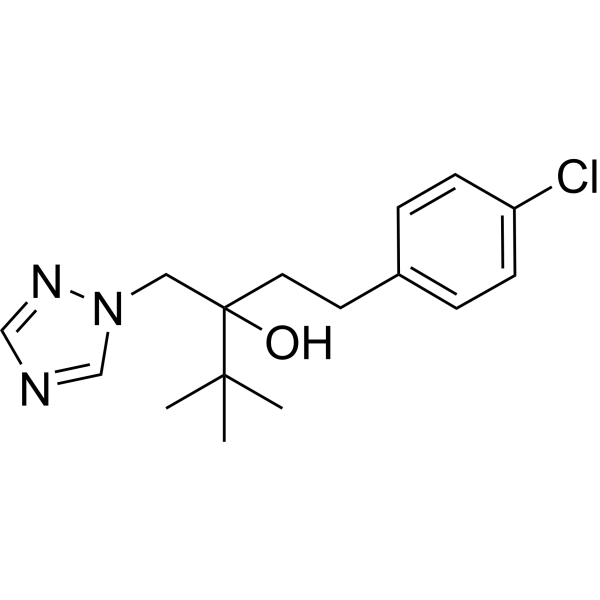
    Tebuconazole is an orally active agricultural azole fungicide which can also inhibit CYP51 with IC50s of 0.9 and 1.3 μM for Candida albicans CYP51 (CaCYP51) and truncated Homo sapiens CYP51 (Δ60HsCYP51), respectively. Tebuconazole induces lipid accumulation and oxidative stress in HepG2 Cells. Tebuconazole decreases MAC-T cells viability and proliferation, induces ER-stress-mediated apoptosis and increases oxidative stress levels in MAC-T cells .
    Tebuconazole
  • HY-171306

    Liposome Others
    MK16 is a lipid material that can be used to construct blood-brain barrier penetrable lipid nanoparticles for mRNA delivery. MK16 facilitates blood-brain barrier crossing via γ-secretase-mediated and caveolae-mediated transcytosis. MK16 can be used for drug delivery research .
    MK16
  • HY-133685

    C6-HSL

    Bacterial Infection Metabolic Disease
    N-Hexanoyl-L-homoserine lactone is a short-chained N-acyl homoserine lactone (AHL). N-hexanoyl-L-homoserine lactone is also a mediator of bacterial quorum-sensing regulation. N-hexanoyl-L-homoserine lactone promotes lipid accumulation in algae. AHL is an intercellular communication signal molecule in the quorum sensing system of Gram-negative bacteria and a medium for mediating information exchange between eukaryotic plants and prokaryotic bacteria. AHL can affect bacteria activities, such as biofilm formation, pigment synthesis, and antibiotic synthesis .
    N-Hexanoyl-L-homoserine lactone
  • HY-W269593
    Perfluorodecanoic acid
    1 Publications Verification

    PFDA

    Caspase Interleukin Related Metabolic Disease
    Perfluorodecanoic acid (PFDA) is an orally active perfluoroalkyl substance. Perfluorodecanoic acid causes dysfunction of rat fetal Leydig cells via endoplasmic reticulum stress-mediated changes in lipid components. Perfluorodecanoic acid reduces testosterone biosynthesis in rat R2C Leydig cells by inducing endoplasmic reticulum stress. Perfluorodecanoic acid can be used in studies related to fetal Leydig cell dysfunction .
    Perfluorodecanoic acid
  • HY-N0806
    Sweroside
    3 Publications Verification

    Keap1-Nrf2 AMPK Sirtuin NF-κB NOD-like Receptor (NLR) Pyroptosis Apoptosis Autophagy PARP Cardiovascular Disease Metabolic Disease Inflammation/Immunology Cancer
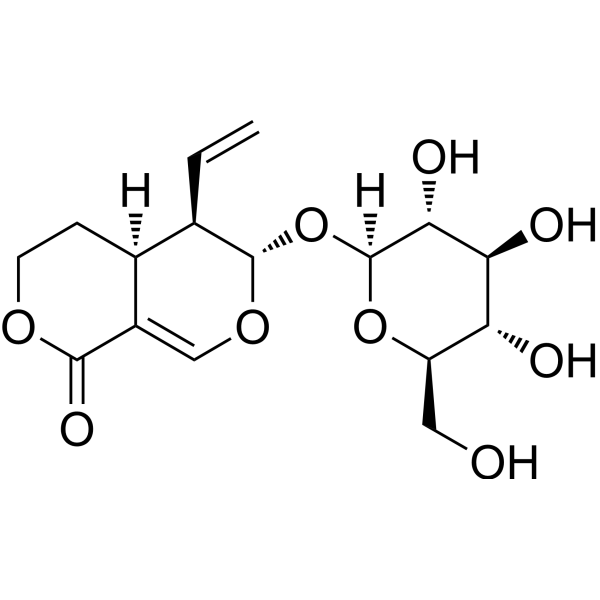
    Sweroside is an iridoid glycoside that targets multiple targets, including the Keap1/Nrf2 axis, NLRP3 inflammasome, SIRT1, NF-κB, AMPK/mTOR pathway, and caspase family. Sweroside promotes Nrf2 nuclear translocation by competitively binding to Keap1. Sweroside also inhibits oxidative stress and NLRP3-mediated pyroptosis by activating Nrf2, inhibits NF-κB inflammatory pathway by activating SIRT1, and promotes autophagy and induces caspase-dependent apoptosis via the AMPK/mTOR pathway. Sweroside has antioxidant, anti-inflammatory, anti-apoptotic, and lipid metabolism regulating activities, and can be used in the research of myocardial ischemia-reperfusion injury, leukemia, acute lung injury, non-alcoholic fatty liver disease, and other fields .
    Sweroside
  • HY-109590A
    Arachidonic acid sodium salt
    Maximum Cited Publications
    55 Publications Verification

    Immunocytophyt sodium salt

    Endogenous Metabolite Cardiovascular Disease Neurological Disease Inflammation/Immunology
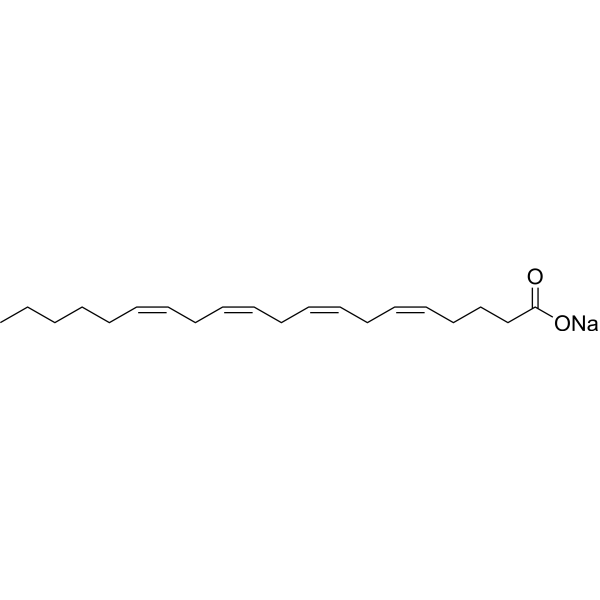
    Arachidonic acid (Immunocytophyt) sodium salt is a polyunsaturated omega-6 fatty acid and a major constituent of biomembranes. Arachidonic acid sodium salt also acts as the substrate for various lipid mediators, such as prostaglandins (PGs). Arachidonic acid sodium salt improves cognitive response and cardiovascular function .
    Arachidonic acid sodium salt
  • HY-113446

    Endogenous Metabolite Cardiovascular Disease Inflammation/Immunology
    Leukotriene C4 is a eicosanoid lipid mediator and produced by immune cells during type 2 inflammation. Leukotriene C4 can mediate inflammation,allergy, bronchoconstriction, and vascular leakage .
    Leukotriene C4
  • HY-N0261
    Aurantio-obtusin
    1 Publications Verification

    TNF Receptor COX Cardiovascular Disease Inflammation/Immunology
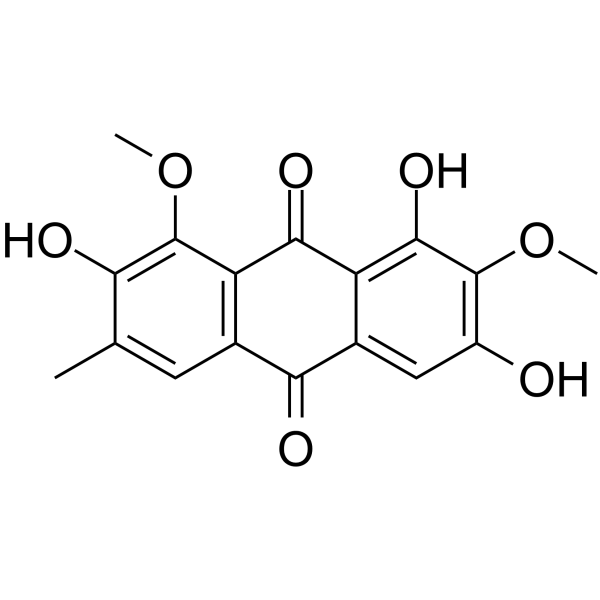
    Aurantio-obtusin is a anthraquinone compound that can be extracted from cassia seed. Aurantio-obtusin has the effects of decreasing blood pressure, decreasing blood lipids and anti-inflammatory.Aurantio-obtusin is an orally active vasodilator. Aurantio-obtusin ameliorates hepatic steatosis through AMPK/ autophagy- and AMPK/TFEB mediated inhibition of lipid accumulation .
    Aurantio-obtusin
  • HY-N10319

    Epigenetic Reader Domain Necroptosis TRP Channel Metabolic Disease Inflammation/Immunology Cancer
    Artepillin C is an orally active CREB/CRTC2 inhibitor and TRPA1 covalent agonist (EC50=1.8 μM). Artepillin C inhibits CREB/CRTC2-mediated gene transcription and downregulates BMAL1 expression to regulate glucose and lipid metabolism. Artepillin C can also activate TRPA1 channels to induce spicy taste signals. Artepillin C can inhibit tumor cell proliferation, induce necroptosis, improve insulin resistance and inhibit liver lipid synthesis. Artepillin C can be used in the study of metabolic syndrome, tumor prevention and treatment, and inflammation .
    Artepillin C
  • HY-W018587

    Mitochondrial Metabolism Cytochrome P450 TNF Receptor Interleukin Related HSP LDLR Eukaryotic Initiation Factor (eIF) ClpP Metabolic Disease Inflammation/Immunology
    TBPH is a brominated flame retardant. TBPH enhances hepatic steatosis, inflammation, and fibrosis in mice with nonalcoholic steatohepatitis (NASH). TBPH induces dysregulation of phospholipid metabolism, reducing cardiolipin (CL) and phosphatidylserine (PS) levels. TBPH leads to impaired endoplasmic reticulum-mitochondria (ER-Mito) contacts, subsequently causing mitochondrial dysfunction. TBPH induces lung injury through an inflammatory response mediated by mitochondria-derived ds-DNA. TBPH can be used to study the role of MFN2-mediated ER-mitochondria contacts in lipid metabolism homeostasis .
    TBPH
  • HY-A0087
    Octocrylene
    2 Publications Verification

    Environmental Pollutants PPAR Estrogen Receptor/ERR Biochemical Assay Reagents Cytochrome P450 Others
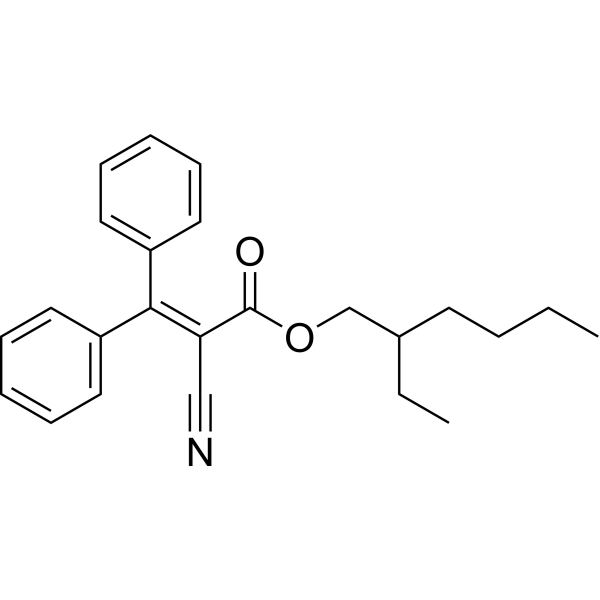
    Octocrylene is an organic ultraviolet (UV) filter that absorbs mainly UVB radiation and shorter UVA wavelengths. Octocrylene acts as a partial agonist of PPARγ, which alters the gene transcription profile of lipid metabolism enzymes. In addition, Octocrylene is cytotoxic and genotoxic to human skin fibroblasts and mediates the biosynthesis of estrogens such as estriol in zebrafish larvae, while affecting antioxidant pathways including glutathione transferase and peroxisomes .
    Octocrylene
  • HY-A0024

    (R)-(+)-Tolterodine; (+)-Tolterodine; (R)-Tolterodine; PNU-200583

    mAChR Cytochrome P450 Neurological Disease Cancer
    Tolterodine ((R)-(+)-Tolterodine) is a mAChR inhibitor and substrate for cytochrome P450 enzymes. Tolterodine competitively binds acetylcholine, reduces sympathetic excitation, and inhibits involuntary bladder muscle contraction. Tolterodine restores the Nrf2/NF-κB signaling pathway, mediates protection against inflammatory response and ferroptosis. Tolterodine ameliorates LPS (HY-D1056)-induced reactive oxygen species production and lipid oxidation. Tolterodine can be used for the research of urinary tract infections and overactive bladder .
    Tolterodine
  • HY-N0656
    Usnic acid
    2 Publications Verification

    Bacterial DNA/RNA Synthesis Nuclear Factor of activated T Cells (NFAT) Apoptosis Infection Inflammation/Immunology Cancer
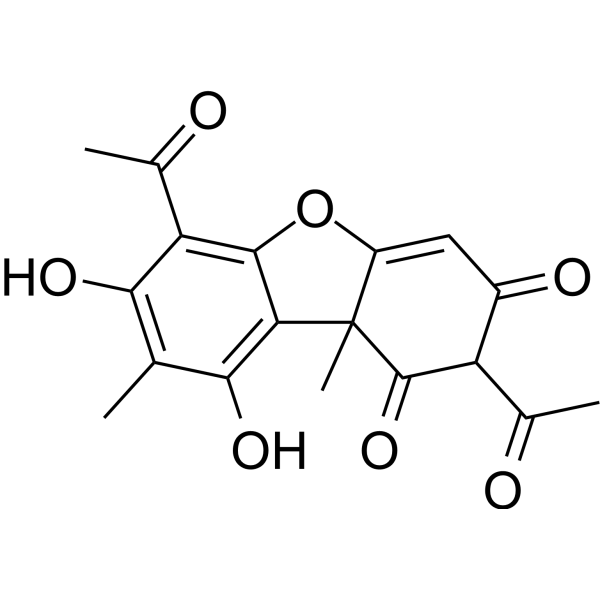
    Usnic acid is a secondary metabolite of lichens with a unique dibenzofuran skeleton. Usnic acid inhibits DNA/RNA synthesis and has antibacterial activity. Usnic acid induces cell cycle arrest and apoptosis and has anticancer activity. Usnic acid inhibits RANKL-mediated osteoclast formation and function by reducing the transcriptional and translational expression of NFATc1. Usnic acid has antioxidant and anti-inflammatory activities by inhibiting lipid peroxidation and myeloperoxidase .
    Usnic acid
  • HY-154974

    Liposome Cancer
    LNP Lipid-8 (11-A-M) is an ionizable single-tail multi-head lipid that can be used as a lipid nanoparticle (LNP) to deliver siRNA to T cells without targeting ligands. LNP Lipid-8 is more selective for T cells than other cell types such as hepatocytes. LNP Lipid-8 selectively delivers siRNA/sgRNA to T cells (especially CD8+ T cells) through endogenous lipid transport pathways, and can enter cells and release RNA through endocytosis to achieve gene silencing. LNP Lipid-8 loaded with GFP siRNA (siGFP) significantly led to GFP gene silencing in mouse models. LNP Lipid-8 showed good efficacy and safety in both cells and animals, without obvious liver targeting and toxicity. LNP Lipid-8 can be used for RNA delivery research in the fields of tumor immunotherapy and T cell-mediated autoimmune diseases .
    LNP Lipid-8
  • HY-128900

    Endogenous Metabolite Others
    11-cis-Vaccenyl acetate is male-specific lipid that mediates aggregation behavior in both male and female flies, which activates a few dozen olfactory neurons located in T1 sensilla on the antenna of both male and female flies .
    11-cis-Vaccenyl acetate
  • HY-148978

    Exosomes Endogenous Metabolite Liposome Metabolic Disease
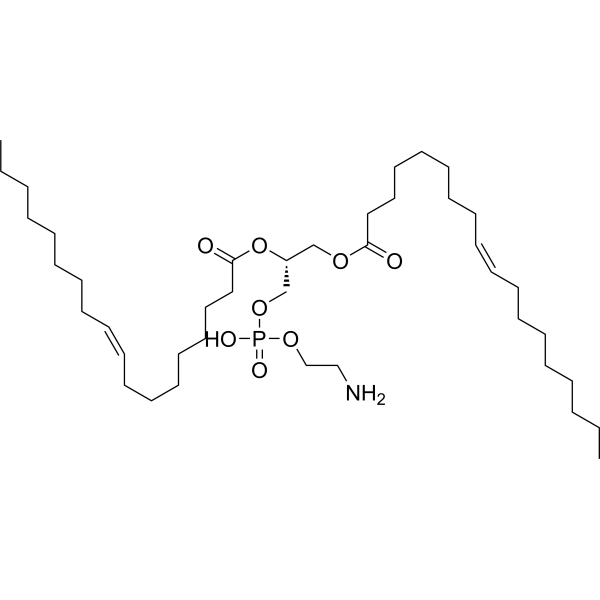
    18:0,18:1 PS sodium is the dominant phosphatidylserine subtype in cells, exosomes and HIV particles. It is abundant in the brain and is essential for maintaining membrane structure, lipid raft organization and intracellular trafficking. 18:0,18:1 PS sodium mediates interleaflet membrane coupling through cholesterol-dependent interactions with very long-chain sphingolipids, and can induce the clustering of glycosylphosphatidylinositol-anchored proteins. In addition, clusters formed by the binding of 18:0,18:1 PS sodium to cholesterol not only facilitate the proper distribution of cholesterol in lipid bilayers, but also effectively protect cholesterol from oxidative damage .
    18:0,18:1 PS sodium
  • HY-W587552

    Liposome Endogenous Metabolite
    1,3-Diolein is a phospholipid compound that has the activity of regulating cell membrane fluidity and signal transduction. 1,3-Diolein is widely used in cell biology research to study lipid-mediated signal transduction pathways and membrane protein interactions. 1,3-Diolein can also serve as a functional carrier in compound delivery systems to help improve the bioavailability of compounds.
    1,3-Diolein
  • HY-W203683

    PFNA; Heptadecafluorononanoic acid

    PPAR PERK Metabolic Disease
    Perfluorononanoic acid (PFNA) is an orally active PPARα activator. Perfluorononanoic acid activates PPARα-mediated gene expression, including upregulating target genes associated with lipid metabolism and triglyceride storage. Perfluorononanoic acid exhibits certain developmental and reproductive toxicity. Perfluorononanoic acid causes hepatomegaly in pregnant mice, induces high postnatal mortality in neonatal mice, and leads to dose-dependent delays in eye-opening time and puberty onset in mouse offspring .
    Perfluorononanoic acid
  • HY-W001542

    Reactive Oxygen Species (ROS) Neurological Disease Metabolic Disease Cancer
    5-Hydroxyoxindole is a structural analog of uric acid for its antioxidant. 5-Hydroxyoxindole has DPPH radical scavenging activities and lipid peroxidation-inhibitory activities. 5-Hydroxyoxindole is a product of partial metabolism of tryptophan involving conversion in the gut lumen of tryptophan to indole through the action of bacterial tryptophanase and tryptophan synthase. 5-Hydroxyoxindole is one of the main molecules responsible for the neurological symptoms of hepatic encephalopathy in rats. 5-Hydroxyoxindole can be used for the research of oxidative stress-mediated disorders .
    5-Hydroxyoxindole
  • HY-133159

    (-)-Resolvin E2

    Lipoxygenase Inflammation/Immunology
    Resolvin E2 ((-)-Resolvin E2), a proresolving lipid mediator, is useful as a lead for anti-inflammatory agent .
    Resolvin E2
  • HY-143210

    Liposome Metabolic Disease
    Transfectam is a cationic lipid able to interact with DNA to form complexes that mediate efficient gene transfer into various eukaryotic cells .
    Transfectam
  • HY-114524
    (E)-4-Oxo-2-nonenal
    1 Publications Verification

    4-ONE

    TRP Channel Cardiovascular Disease
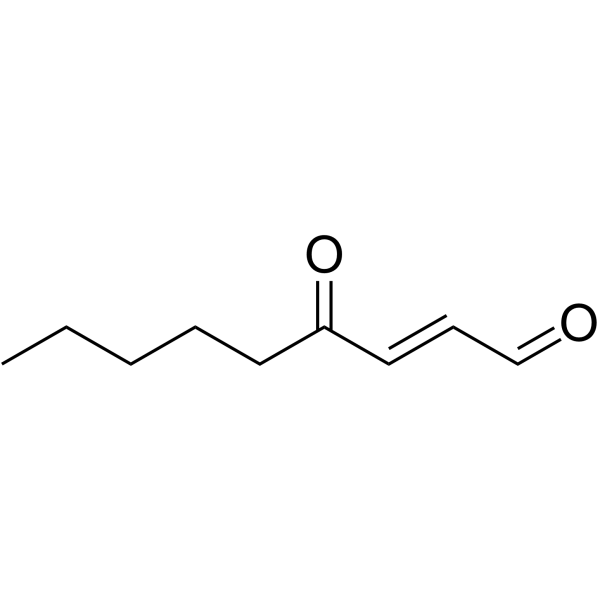
    (E)-4-Oxo-2-nonenal (4-ONE) is one of the major hemolytic decomposition products of lipid hydroperoxides. (E)-4-Oxo-2-nonenal is a major product of the FeII-mediated breakdown of lipid hydroperoxides. (E)-4-Oxo-2-nonenal is a potent transient receptor potential ankyrin 1 (TRPA1) agonist .
    (E)-4-Oxo-2-nonenal
  • HY-W009300
    4-Hydroxyestrone
    1 Publications Verification

    4-OHE1

    Endogenous Metabolite Estrogen Receptor/ERR Sirtuin MDM-2/p53 PDI Ferroptosis Reactive Oxygen Species (ROS) Neurological Disease Metabolic Disease Cancer
    4-Hydroxyestrone (4-OHE1) is a brain-penetrant estrogen metabolite. 4-Hydroxyestrone shows neuroprotective effects involving increased cytoplasmic localization of p53 resulting from SIRT1-mediated p53 deacetylation. 4-Hydroxyestrone relies on PDI to mediate its protective effect against chemically induced ferroptosis in estrogen receptor-negative cancer cells. 4-Hydroxyestrone inhibits lipid peroxidation and lipid-ROS accumulation. 4-Hydroxyestrone blocks preovulatory luteinizing hormone surges in Rattus norvegicus. 4-Hydroxyestrone can be used for the researches of neurodegeneration, breast cancer and endocrine disease .
    4-Hydroxyestrone
  • HY-130138C

    Calcium Channel Inflammation/Immunology
    5,6-DiHETE is an anti-inflammatory lipid mediator derived from eicosapentaenoic acid (EPA). 5,6-DiHETE has the ability to suppress vascular hyperpermeability during inflammation and is used in the research of inflammatory diseases .
    5,6-DiHETE
  • HY-N3388

    Stearoyl-CoA Desaturase (SCD) Infection Inflammation/Immunology Cancer
    Licoisoflavone B is an orally active flavonoid found in licorice. Licoisoflavone B alleviates psoriasis via SCD1-targeted lipid metabolism reprogramming and suppression of Th17/IL-17-mediated inflammation. Licoisoflavone B inhiibits superoxide anion generation and superoxide anion-induced lipid peroxidation. Licoisoflavone B binds tightly to Lassa virus nucleoprotein and can be used as a nucleoprotein antagonist of Lassa virus. Licoisoflavone B exhibits anti-mutagenic activity
    against carcinogenic mutagen, by preventing DNA damage. Licoisoflavone B can be used for the research of psoriasis, Lassa fever, inflammation and cancer .
    Licoisoflavone B
  • HY-168049

    PPAR Akt Metabolic Disease
    ZLY06 is an orally active dual agonist of peroxisome proliferator-activated receptor (PPAR) δ and γ (PPAR δ: EC50=341 nM; PPAR γ: EC50=237 nM). ZLY06 induces hepatic lipid accumulation by inhibiting the phosphorylation of AKT1, mediating the upregulation of CD36. In addition, ZLY06 significantly improves glucose and lipid metabolism without increasing body weight, and alleviates fatty liver by promoting β-oxidation of fatty acids and inhibiting hepatic lipogenesis .
    ZLY06
  • HY-N2673

    5-n-Heptadecylresorcinol; AR-C17

    Sirtuin Cardiovascular Disease Metabolic Disease
    5-Heptadecylresorcinol (AR-C17), a phenolic lipid component, is also an orally active mitochondrial protector. 5-Heptadecylresorcinol improves mitochondrial function via sirtuin3 signaling pathway, thus alleviates endothelial cell damage and apoptosis. 5-Heptadecylresorcinol induces sirtuin3-mediated autophagy. 5-Heptadecylresorcinol reduces the atherosclerotic plaques in the aortic root region of mice heart. 5-Heptadecylresorcinol can be used for research of atherosclerosis prevention and obesity .
    5-Heptadecylresorcinol
  • HY-163945

    Thyroid Hormone Receptor Metabolic Disease
    ZTA-261 is a highly selective and low toxic thyroid hormone receptor β subtype (THR-β) agonist (IC50=6.3 nM) that reduces body weight and visceral fat through a liothyronine (HY-A0070A) mediated pathway. ZTA-261 can be used in the study of lipid metabolism and obesity prevalence .
    ZTA-261
  • HY-131688

    PARP Caspase Inflammation/Immunology
    2-Chlorohexadecanoic acid, an inflammatory lipid mediator, interferes with protein palmitoylation,induces ER-stress markers, reduced the ER ATP content, and activates transcription and secretion of IL-6 as well as IL-8.2-Chlorohexadecanoic acid disrupts the mitochondrial membrane potential and induces procaspase-3 and PARP cleavage.2-Chlorohexadecanoic acid can across blood-brain barrier (BBB) and compromises ER- and mitochondrial functions in the human brain endothelial cell line hCMEC/D3 .
    2-Chlorohexadecanoic acid
  • HY-113336A

    Drug Isomer Others
    15(R)-HETE is an isomer of 15-HETE. 15-HETE is a lipid mediator derived from arachidonic acid and can be used for the study of asthma .
    15(R)-HETE
  • HY-N10319R

    Reference Standards TRP Channel Necroptosis Epigenetic Reader Domain Metabolic Disease Inflammation/Immunology Cancer
    Artepillin C (Standard) is the analytical standard of Artepillin C (HY-N10319). This product is intended for research and analytical applications. Artepillin C is an orally active CREB/CRTC2 inhibitor and TRPA1 covalent agonist (EC50=1.8 μM). Artepillin C inhibits CREB/CRTC2-mediated gene transcription and downregulates BMAL1 expression to regulate glucose and lipid metabolism. Artepillin C can also activate TRPA1 channels to induce spicy taste signals. Artepillin C can inhibit tumor cell proliferation, induce apoptosis, improve insulin resistance and inhibit liver lipid synthesis. Artepillin C can be used in the study of metabolic syndrome, tumor prevention and treatment, and inflammation .
    Artepillin C (Standard)
  • HY-124404

    Aryl Hydrocarbon Receptor Na+/K+ ATPase Prostaglandin Receptor Inflammation/Immunology
    12(R)-HETE is a CYP-dependent arachidonic acid metabolite that acts as a proinflammatory lipid mediator. 12 (R)-HETE widely exists in various tissues including the eye, skin and liver. In the cornea, 12(R)-HETE is metabolized via pathways such as β-oxidation into the precursor of 12(R)-HETrE. Without direct receptor binding, 12(R)-HETE indirectly activates AHR-mediated target gene transcription, while inhibiting the enzymatic activity of Na+,K+-ATPase and the intracellular calcium elevation induced by TP agonists. 12(R)-HETE also possesses multiple physiological effects such as chemotaxis, proangiogenesis, vasodilation, natriuresis, diuresis and intraocular pressure reduction, and can be widely used in studies related to psoriasis, inflammatory skin diseases and ocular inflammation .
    12(R)-HETE
  • HY-143688

    Liposome Others
    EDMPC, a cationic lipid, has an enhanced ability to deliver DNA to pulmonary tissues. EDMPC mediates intralobar DNA delivery to rodents .
    EDMPC
  • HY-159859

    Liposome Others
    IZ-Chol (IZ-Cholesterol) is an ionizable cationic lipid containing cholesterol. IZ-Chol-LNPs is highly potential to effectively complex with DNA, and endosome escape mechanisms mediated by proton sponge effect .
    IZ-Chol
  • HY-173599

    PNPLA3 Cancer
    NUV-244 is a PNPLA3 I148M degrader. NUV-244 reduces PNPLA3 I148M levels on lipid droplets via BFAR-mediated ubiquitin-proteasome degradation .
    NUV-244
  • HY-139007

    LXR Metabolic Disease
    BLT-4 is a specific, reversible inhibitor of scavenger receptor, class B, type I (SR-BI). BLT-4 inhibits the transfer of lipids between high-density lipoproteins (HDL) and cells mediated by SR-BI. .
    BLT-4
  • HY-157639A

    Others Cardiovascular Disease
    18:2 Lyso PA sodium is an unsaturated lysophosphatidic acid (LysoPA), a lipid mediator mainly present in plasma and thought to be involved in the pathogenesis of acute coronary syndrome (ACS). 18:2 Lyso PA sodium significantly correlates with serum autotaxin (ATX) in peripheral arteries .
    18:2 Lyso PA sodium
  • HY-176212

    Ferroptosis VDAC Reactive Oxygen Species (ROS) Inflammation/Immunology
    Ferroptosis-IN-20 (Compound 34a) is a Ferroptosis inhibitor (EC50: 24.2 nM) targeting voltage-dependent anion channel (VDAC). Ferroptosis-IN-20 inhibits VDAC oligomerization and lipid peroxidation. Ferroptosis-IN-20 reduces content of ROS, attenuates TFR1-mediated iron uptake, inhibits Fe 2+ level and restores glutathione (GSH) level. Ferroptosis-IN-20 alleviates Folic acid (HY-16637)-induced acute kidney injury (AKI) .
    Ferroptosis-IN-20
  • HY-117317

    Lipoxygenase Inflammation/Immunology
    BLX-2477 is a potent and selective 15-lipoxygenase-1 (15-LOX-1) inhibitor with an IC50 value of 99 nM. BLX-2477 can inhibit the generation of inflammatory lipid mediators such as 15-hydroxy-eicosatetraenoic acid (15-HETE). BLX-2477 can be used for the research of inflammation and immunology .
    BLX-2477
  • HY-N12726

    p38 MAPK MMP Infection Inflammation/Immunology Cancer
    Halociline, a derivative of alkaloids, that can be isolated from the marine fungus Penicillium griseofulvum. Halociline targets MAPK1, MMP-9, and PIK3CA in gastric cancer cells, potentially mediated by diverse pathways including cancer, lipid metabolism, atherosclerosis, and EGFR tyrosine kinase inhibitor resistance. Halociline possesses antimicrobial, antioxidant and biofilm inhibitory activities .
    Halociline
  • HY-133685R

    C6-HSL (Standard)

    Reference Standards Bacterial Infection Metabolic Disease
    N-Hexanoyl-L-homoserine lactone (Standard) is the analytical standard of N-Hexanoyl-L-homoserine lactone (HY-133685). This product is intended for research and analytical applications. N-Hexanoyl-L-homoserine lactone is a short-chained N-acyl homoserine lactone (AHL). N-hexanoyl-L-homoserine lactone is also a mediator of bacterial quorum-sensing regulation. N-hexanoyl-L-homoserine lactone promotes lipid accumulation in algae. AHL is an intercellular communication signal molecule in the quorum sensing system of Gram-negative bacteria and a medium for mediating information exchange between eukaryotic plants and prokaryotic bacteria. AHL can affect bacteria activities, such as biofilm formation, pigment synthesis, and antibiotic synthesis.
    N-Hexanoyl-L-homoserine lactone (Standard)
  • HY-N0656R

    Reference Standards Bacterial DNA/RNA Synthesis Nuclear Factor of activated T Cells (NFAT) Apoptosis Infection Inflammation/Immunology Cancer
    Usnic acid is a secondary metabolite of lichens with a unique dibenzofuran skeleton. Usnic acid inhibits DNA/RNA synthesis and has antibacterial activity. Usnic acid induces cell cycle arrest and apoptosis and has anticancer activity. Usnic acid inhibits RANKL-mediated osteoclast formation and function by reducing the transcriptional and translational expression of NFATc1. Usnic acid has antioxidant and anti-inflammatory activities by inhibiting lipid peroxidation and myeloperoxidase .
    Usnic acid (Standard)
  • HY-166257

    Psychosine 3′-O-sulfate; Psychosine 3′-sulfate

    Biochemical Assay Reagents Factor Xa Metabolic Disease
    Lyso-sulfatide (bovine) is a phospholipid component derived from sphingolipid catabolism and a potent factor Xa inhibitor and anticoagulant. Lyso-sulfatide (bovine) binds directly to factor Xa and inhibits prothrombin activation mediated by the prothrombinase complex, thereby prolonging factor Xa-induced plasma clotting time and suppressing thrombin generation. Lyso-sulfatide (bovine) serves as a reliable lipid membrane mimic for studying cell membrane structure, function, and molecular interactions .
    Lyso-sulfatide (bovine)

Inquiry Online

Your information is safe with us. * Required Fields.

Salutation


Country or Region *

Applicant Name *


Organization Name *

Department *


Email Address *


Product Name *

Cat. No.


Requested quantity *

Phone Number *


Remarks

Inquiry Online

Inquiry Information

Product Name:
Cat. No.:
Quantity:
MCE Japan Authorized Agent:

