
1. Search Result
Search Result
Pathways Recommended: Membrane Transporter/Ion Channel
Results for "

metal ion

" in MedChemExpress (MCE) Product Catalog:

200

Inhibitors & Agonists

19

Fluorescent Dyes

71

Biochemical Assay Reagents

8

Peptides

2

MCE Kits

20

Natural
Products

11

Isotope-Labeled Compounds

1

Antibodies

1

Click Chemistry

3

Oligonucleotides

Targets Recommended:
Cat. No. Product Name Target Research Areas Chemical Structure
  • HY-W018746
    EDTA disodium
    20+ Cited Publications

    Ethylenediaminetetraacetic acid disodium

    Environmental Pollutants Biochemical Assay Reagents Others
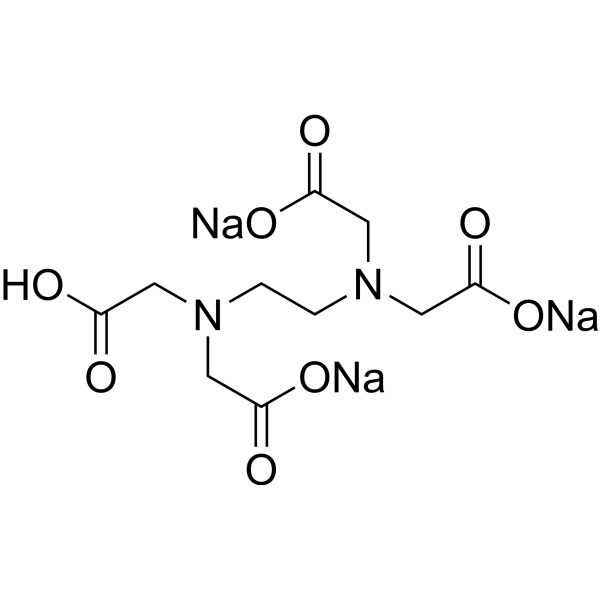
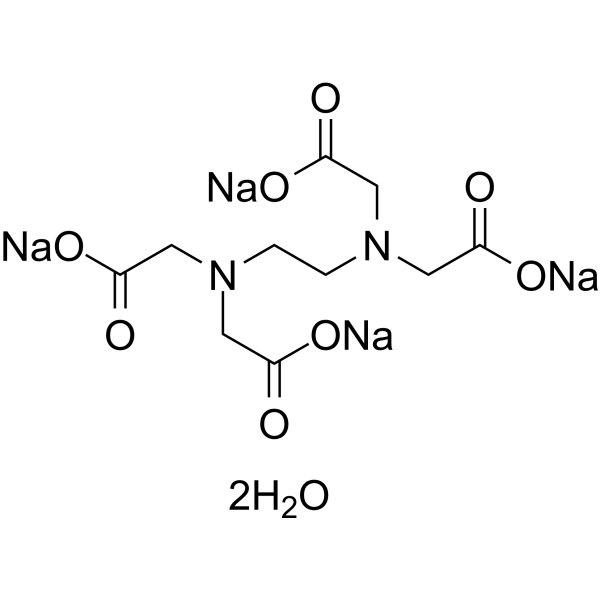
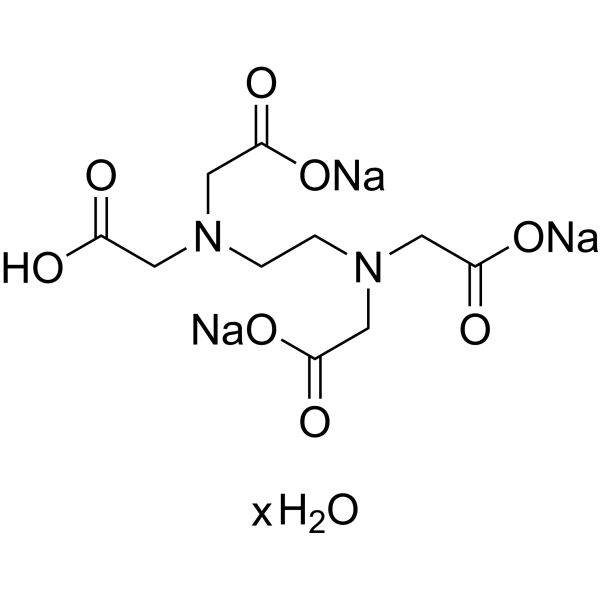
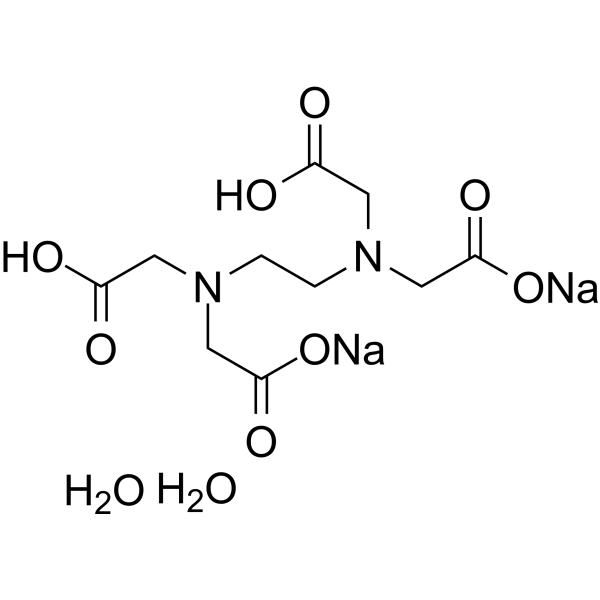
    EDTA disodium salt, also known as ethylenediaminetetraacetic acid disodium, belongs to the chelating agent category, which is formed by chelating a central metal ion with four carboxylate groups and two amine groups. This compound, with its ability to bind and chelate metal ions such as calcium, magnesium and iron, is commonly used in a variety of applications, including industrial, medical and research settings. It is used as a preservative in food and beverage, as a stabilizer in medicine, as a chelating agent in water treatment, and as a reagent in biochemical and biomedical research. In addition, EDTA disodium salt has been studied for potential research effects such as improving heavy metal poisoning and cardiovascular disease.
    EDTA disodium
  • HY-B1335
    Pentetic acid
    3 Publications Verification

    Diethylenetriaminepentaacetic acid; DTPA

    Environmental Pollutants Biochemical Assay Reagents Others
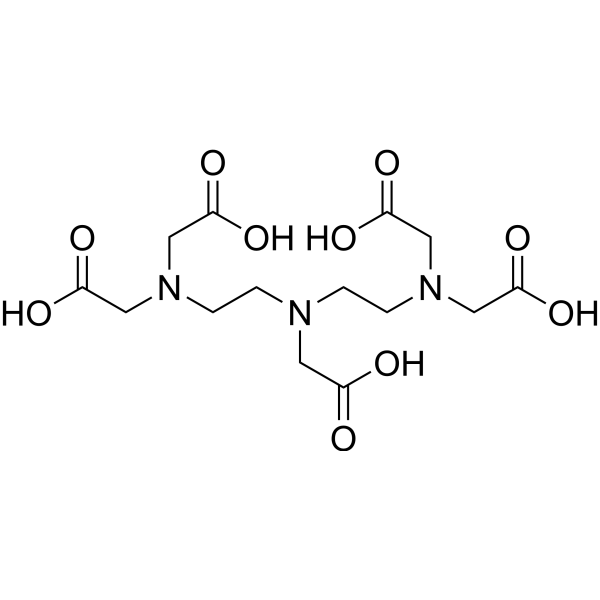
    Pentetic acid (Diethylenetriaminepentaacetic acid) is an orally active compound with biodegradability used to construct magnetic adsorbent, which can simultaneously remove heavy metal and dye from complex wastewater. Pentetic acid can form strong metal complexes, which prevents metal ions from catalysing the decomposition of peroxygen chemicals, especially hydrogen peroxide .
    Pentetic acid
  • HY-Y1310
    Sodium alginate
    1 Publications Verification

    Environmental Pollutants Others Cancer
    Sodium alginate is the sodium salt of alginic acid. Sodium alginate can be extracted and purified from brown seaweed Laminaria japonica. Sodium alginate can be used in food additives and pharmaceuticals, adsorb heavy metal ions, and has mucosal-protective and hemostatic effects .
    Sodium alginate
  • HY-17624
    Framycetin
    1 Publications Verification

    Neomycin B; Fradiomycin B

    Bacterial Antibiotic Infection
    Framycetin (Neomycin B), an aminoglycoside antibiotic, is a potent RNase P cleavage activity inhibitor with a Ki of 35 μM. Framycetin competes for specific divalent metal ion binding sites in RNase P RNA. Framycetin inhibits hammerhead ribozyme with a Ki of 13.5 μM. Framycetin, a 5″-azido neomycin B precursor, binds the Drosha site in miR-525 and is used for hepatic encephalopathy and enteropathogenic E. coli infections .
    Framycetin
  • HY-23430

    Biochemical Assay Reagents Others
    TES is an excellent hydrogen ion buffer. TES has characteristics such as an appropriate dissociation constant, a low metal-binding constant, and high water solubility. TES can be used in the research of mammalian cell culture, viruses, and so on .
    TES
  • HY-B1306
    4-Aminohippuric acid
    4 Publications Verification

    p-Aminohippuric acid

    Others Neurological Disease Metabolic Disease
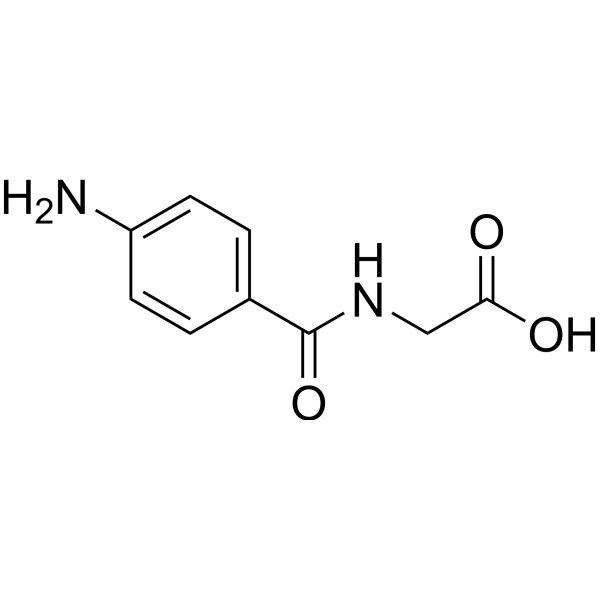
    4-Aminohippuric acid (p-Aminohippuric acid) is a coordination ligand for metal ions (such as Cu 2+, Fe 3+, Hg 2+) and a functionalization reagent for nanomaterials. 4-Aminohippuric acid can coordinate with metal ions or modify the surface of materials such as carbon nanotubes and gold nanoparticles through amino and carboxyl groups. 4-Aminohippuric acid can form stable complexes with metal ions or participate in the synthesis of nanomaterials as a reducing agent/stabilizer, enriching metal ions or giving nanoparticles peroxidase-mimicking activity. 4-Aminohippuric acid can be used to construct highly sensitive electrochemical sensors or colorimetric sensors to detect and quantitatively analyze heavy metal ions such as copper, iron, and mercury in environmental water samples and biological samples. 4-Aminohippuric acid may also be a biomarker for attention-deficit/hyperactivity disorder (ADHD) .
    4-Aminohippuric acid
  • HY-Y0015

    4-Dimethylaminobenzaldehyde

    Biochemical Assay Reagents Others
    p-Dimethylaminobenzaldehyde (4-Dimethylaminobenzaldehyde) can be used as a chromogenic reagent or as an absorbent agent for heavy metal ions .
    p-Dimethylaminobenzaldehyde
  • HY-17624A
    Framycetin sulfate
    1 Publications Verification

    Neomycin B sulfate; Fradiomycin B sulfate

    Antibiotic Bacterial Infection
    Framycetin sulfate (Neomycin B sulfate), an aminoglycoside antibiotic, is a potent RNase P cleavage activity inhibitor with a Ki of 35 μM. Framycetin sulfate competes for specific divalent metal ion binding sites in RNase P RNA. Framycetin sulfate inhibits hammerhead ribozyme with a Ki of 13.5 μM. Framycetin sulfate, a 5″-azido neomycin B precursor, binds the Drosha site in miR-525 and is used for hepatic encephalopathy and enteropathogenic E. coli infections .
    Framycetin sulfate
  • HY-N4084

    Apoptosis Cancer
    Thonningianin A, an ellagitannin, is isolated from the methanolic extract of the African medicinal herb, Thonningia sanguinea. The antioxidant properties of Th A involve radical scavenging, anti-superoxide formation and metal chelation. Anti-cancer activities .
    Thonningianin A
  • HY-Y0682S

    EDTA-d12

    Isotope-Labeled Compounds Neurological Disease
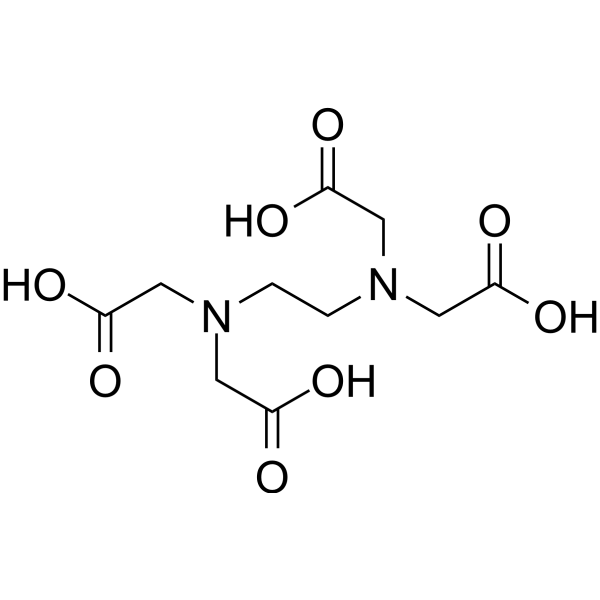
    Ethylenediaminetetraacetic acid-d12 is the deuterium labeled Ethylenediaminetetraacetic acid . Ethylenediaminetetraacetic acid (EDTA) is a metal chelators (binds to metal divalent and trivalent cations including calcium), which shows activities of anticoagulant and anti-hypercalcemic. Ethylenediaminetetraacetic acid decreases the metal ion-catalyzed oxidative damage to proteins, and allows maintenance of reducing environment during protein purification. Ethylenediaminetetraacetic acid can also decrease the formation of disulfide bonds .
    Ethylenediaminetetraacetic acid-d12
  • HY-W010323

    DHBQ

    Endogenous Metabolite Fungal Others
    2,5-Dihydroxy-1,4-benzoquinone (DHBQ) is a redox-active quinone-based organic ligand with antibacterial activity that can be obtained from fungal metabolites. After 2,5-Dihydroxy-1,4-benzoquinone is incorporated into the Fe (dhbq) metal-organic framework, a two-electron redox process occurs, which helps improve the discharge capacity of Li +-ion battery cathodes. 2,5-Dihydroxy-1,4-benzoquinone can be used to construct conductive metal-organic frameworks suitable for Li +-ion battery cathodes .
    2,5-Dihydroxy-1,4-benzoquinone
  • HY-D1247

    Biochemical Assay Reagents Others
    Hydroxynaphthol Blue is an azo dye and serves as a metal indicator. Hydroxynaphthol Blue binds to specific metal ions to form stable complexes with distinct color and fluorescence properties. Hydroxynaphthol Blue is used for the visual monitoring of isothermal nucleic acid amplification results. A visible color difference appears between positive and negative nucleic acid amplification reactions, allowing result discrimination by the naked eye without opening the reaction tube .
    Hydroxynaphthol Blue
  • HY-W076836

    p-aminobenzaldehyde

    Biochemical Assay Reagents Others
    4-Aminobenzaldehyde (p-aminobenzaldehyde) is a useful synthetic reagent and monomer that can be used to synthesize monoazo dyes and photocurable ion exchange resins. 4-Aminobenzaldehyde is also a corrosion inhibitor of metals .
    4-Aminobenzaldehyde
  • HY-W129633

    DCIP sodium hydrate; DPIP sodium hydrate

    Biochemical Assay Reagents Others
    2,6-Dichlorophenolindophenol (DCIP; DPIP) sodium hydrate is a redox chromogenic indicator with a redox potential of +217 mV relative to SHE, and it acts as a substrate for reduction reactions. During the metabolic process of nutrient consumption by Saccharomyces cerevisiae, 2,6-Dichlorophenolindophenol sodium hydrate is reduced from dark blue to colorless, resulting in a decrease in absorbance. 2,6-Dichlorophenolindophenol sodium hydrate is widely used in spectrophotometric biochemical oxygen demand determination and preclinical colorimetric toxicity analysis for heavy metal ion detection based on Saccharomyces cerevisiae .
    2,6-Dichlorophenolindophenol sodium hydrate
  • HY-D0836
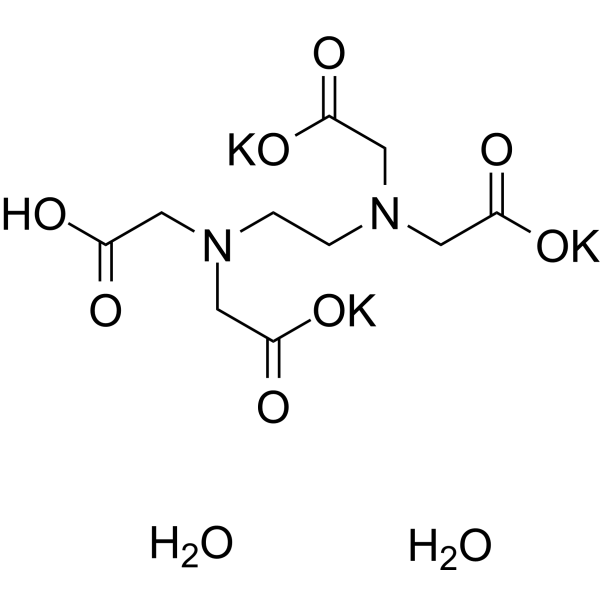
    EDTA dipotassium dihydrate
    25+ Cited Publications

    Ethylenediaminetetraacetic acid dipotassium dihydrate

    DNA/RNA Synthesis Others
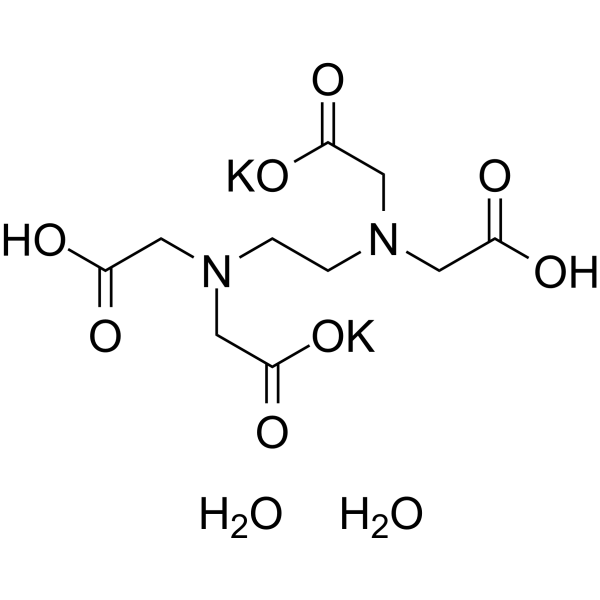
    EDTA dipotassium dihydrate is a metal ion chelator that forms stable and water-soluble chelates with a variety of metal ions. EDTA dipotassium is commonly used as a blood anticoagulant, which can effectively prevent blood coagulation and maintain the morphology and function of cells in blood samples. In the industrial field, EDTA dipotassium can be used to remove the adverse effects of metal ions and prevent oxidation and deterioration caused by metal ions .
    EDTA dipotassium dihydrate
  • HY-W013178

    Biochemical Assay Reagents Others
    DCTA monohydrate is an organic acid. DCTA refers to N,N,N',N' -tetraacetic acid, which has a strong chelating ability. DCTA monohydrate can be used as a chelating agent and coordination reagent for metal ions. DCTA monohydrate, for example, forms stable complexes with many metal ions, including calcium, magnesium and zinc. DCTA modified with ethylene glycol is selective to calcium ions in the presence of magnesium ions .
    DCTA monohydrate
  • HY-164569

    Radionuclide-Drug Conjugates (RDCs) Cancer
    NH2 DOTA-GA is a DOTA-based metal chelator that can be used to prepare radionuclide drug conjugates (RDCs) whose carboxylic acid groups can complex metal ions, for example, NH2 DOTA-GA complexes Gd(III) ions.
    NH2 DOTA-GA
  • HY-W110927

    Biochemical Assay Reagents Fluorescent Dye Others
    Alizarin red S indicator (C.I. 58005) is a reductively active (quinone-based) anthraquinone dye that forms complexes with metal ions (such as zirconium, calcium) or boric acid to label calcium deposition and perform electrochemical sensing functions. Alizarin Red S undergoes reversible redox reactions (for electrochemical detection) and irreversible chelation (for bone staining). Alizarin Red S is mainly used in bone metabolism research (labeling mineralized tissue), sugar detection (boric acid-sugar competition system) and metal ion sensing (such as zirconium ion detection), and can be used in osteoporosis and metabolic disease research .
    Alizarin Red S Indicator (4.3-6.3), IND
  • HY-126823

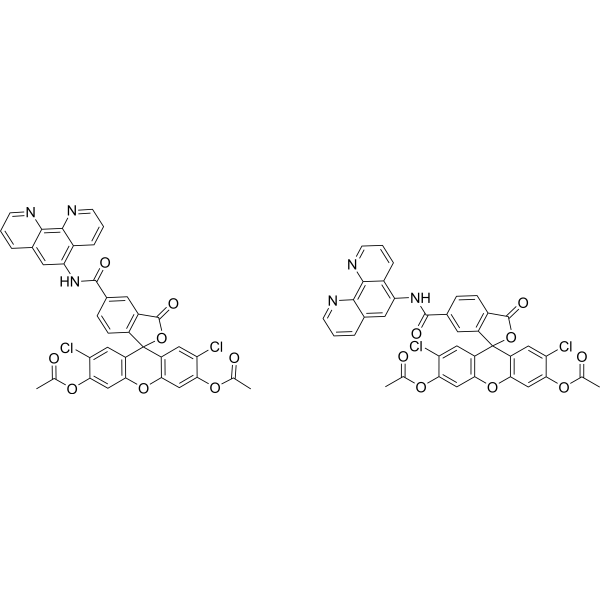
    PGSK diacetate (5/6-mixture)

    Fluorescent Dye Others
    Phen green SK (PGSK) diacetate (PGSK diacetate (5/6-mixture)) is a metal ion-sensitive fluorescent probe that can penetrate cell membranes. Phen green SK (PGSK) diacetate can react with a variety of metal ions, including Fe 2+, Cd 2+, Co 2+, Ni 2+, Zn 2+, etc. Phen green SK (PGSK) diacetate chelates Fe 2+, resulting in fluorescence quenching, which can be restored when a membrane-permeable chelator is added, thereby reflecting the changes in the intracellular chelatable iron pool. The excitation/emission maxima of Phen green SK diacetate are 507/532 nm, respectively .
    Phen Green SK diacetate (5/6-mixture)
  • HY-W011060

    4,7,13,16,21,24-Hexaoxa-1,10-diazabicyclo[8.8.8]hexacosane

    Biochemical Assay Reagents Others
    Cryptand 2.2.2 (4,7,13,16,21,24-Hexaoxa-1,10-diazabicyclo[8.8.8]hexacosane) is a metal ion chelator. Cryptand 2.2.2 forms stable mononuclear, protonated and dinuclear complexes with copper (II) ions; forms protonated complexes with hydrogen ions; and also forms stable complexes with Zn 2+, Co 2+, Ni 2+, Cd 2+, Hg 2+ and Pb 2+ ions. Cryptand 2.2.2 can be used for the preparation of nanoparticles, transition metal compounds, etc.
    Cryptand 2.2.2
  • HY-W115738

    Biochemical Assay Reagents Others
    PAR is an azo dye widely used as a colorimetric reagent for metal ions. PAR forms stable chelates with different metal ions. PAR can also complex with heavy metal ions in polar organic solvents, such as ethanol .
    PAR
  • HY-107921

    EDTA calcium disodium salt,98%; Adsorbonac,98%

    Environmental Pollutants Biochemical Assay Reagents Others
    EDTA Calcium disodium, 98% (EDTA calcium disodium salt, 98%; Adsorbonac, 98%) is a chelating agent for calcium and other metal ions, preventing them from participating in chemical reactions. It can effectively remove metal ions from solutions, preventing them from interfering with experimental processes.
    EDTA Calcium disodium,98%
  • HY-W034566

    Hexaaza-18-crown-6; 1,4,7,10,13,16-Hexaazacyclooctadecane

    Biochemical Assay Reagents Others
    Hexacyclen is an organic compound with a unique macrocyclic structure composed of six nitrogen-containing rings. It is commonly used as a chelating agent in chemistry and biochemistry due to its ability to bind metal ions. Inhibitors of certain diseases such as cancer. In biochemistry, Hexacyclen is often used to selectively bind metal ions in proteins or enzymes to study their structure and function. Due to its large size and complex structure, Hexacyclen is not widely used in daily products or applications .
    Hexacyclen
  • HY-W016349

    Amino Acid Decarboxylase Others
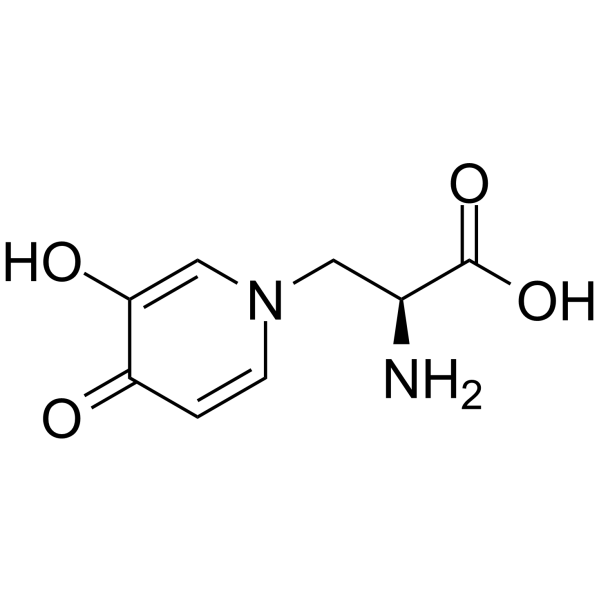
    Chelidamic acid is a heterocyclic organic acid with a pyran skeleton. Chelidamic acid has good coordination ability with noble metal ions. Chelidamic acid is also one of the most potent inhibitors of glutamate decarboxylase, with a Ki of 33 μM.
    Chelidamic acid
  • HY-W012683

    Biochemical Assay Reagents Cancer
    Iminodiacetic acid is a metal ion chelator targeting Cr 6+, Cd 2+, Ni 2+, and Pb 2+. Iminodiacetic acid selectively and irreversibly binds metal ions through the coordination of carboxyl and imino groups, reduces the toxicity of metal ions and promotes their adsorption and separation. Iminodiacetic acid has the functions of heavy metal ion removal and coordination complex stabilization. Iminodiacetic acid is often used in environmental pollution control (such as heavy metal adsorption in water) and coordination chemistry (such as metal ion detection and separation) research .
    Iminodiacetic acid
  • HY-W030778
    Nitrilotriacetic acid
    1 Publications Verification

    Triglycollamic acid

    Biochemical Assay Reagents Others
    Nitrilotriacetic acid is an orally active chelating agent for metal ions. Nitrilotriacetic acid is an aminotricarboxylic acid that can sequester metal ions as water soluble complexes. Nitrilotriacetic acid reacts with strong oxidizing agents such as hypochlorite, chlorine, ozone, or oxygen in the presence of palladium/carbon catalyst. Nitrilotriacetic acid interacts with solid phases such as cell membranes and bone matrices in the mammalian system. Nitrilotriacetic acid is classified as an epigenetic rodent carcinogen .
    Nitrilotriacetic acid
  • HY-D0800

    Biochemical Assay Reagents Others
    Chromeazurol S is a compound belonging to the class of azo dyes. It is often used as an indicator in analytical chemistry to detect metal ions such as copper, nickel, and cobalt. Chromeazurol S turns from yellow to blue in the presence of metal ions, allowing them to be detected and quantified. It can be applied to a test strip or added directly to a solution for analysis.
    Mordant Blue 29
  • HY-W034674

    Silver(1+) diethyldithiocarbamate

    Biochemical Assay Reagents Others
    Silver diethyldithiocarbamate (SDDC) is an organic compound consisting of silver ions complexed with the ligand diethyldithiocarbamate. SDDC is mainly used as a reagent in analytical chemistry to detect the presence of copper, iron and other heavy metals in various materials. It acts as a chelating agent, binding to metal ions and forming stable complexes that can be easily analyzed using techniques such as UV-Vis spectroscopy.
    Silver diethyldithiocarbamate
  • HY-W013851

    Environmental Pollutants Biochemical Assay Reagents Others
    EDTA-OH is a chelating agent, which forms thermodynamically stable chelates with metal ions like calcium, magnesium, iron, zinc and copper . EDTA-OH exhibits ability of phytoremediation in heavy-metal-contaminated soils . EDTA-OH is able to cross brain-blood barrier .
    EDTA-OH
  • HY-137428

    Environmental Pollutants Biochemical Assay Reagents Others
    (S,S)-EDDS is a stereoisomer of EDTA (HY-Y0682), and exhibits ability to chelate metal ions. (S,S)-EDDS exhibits good biodegradability in the environment, and can be used in environmental management and biotechnology .
    (S,S)-EDDS
  • HY-W010795

    Biochemical Assay Reagents Others
    Tetraheptylammonium bromide (>98%,BC) (THAB) is a quaternary ammonium compound commonly used as a phase transfer catalyst in organic synthesis reactions, especially those involving charged species or polar reagents. It can facilitate the transfer of reactants between two immiscible phases, such as water and organic solvents, by forming stable ion pairs. In addition, THAB is used as a surfactant, and as an additive in various products such as cosmetics, pharmaceuticals, and detergents. Due to THAB's ability to form complexes with these ions, its potential use in the removal of heavy metal ions from wastewater was also investigated.
    Tetraheptylammonium bromide (>98%,BC)
  • HY-D2775

    Fluorescent Dye Others
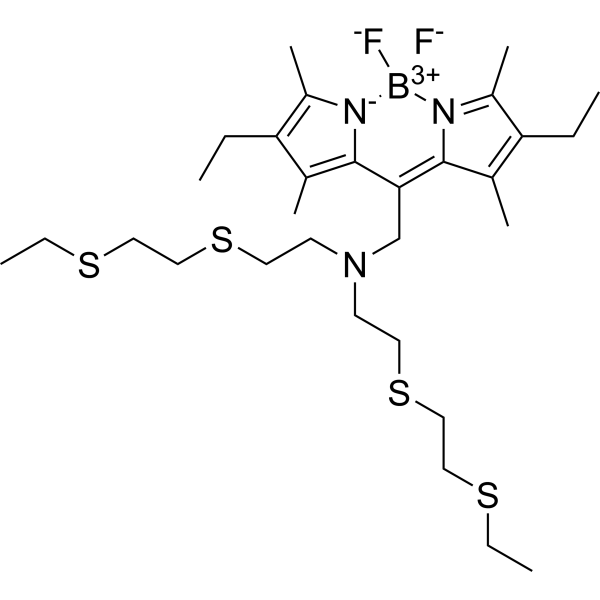
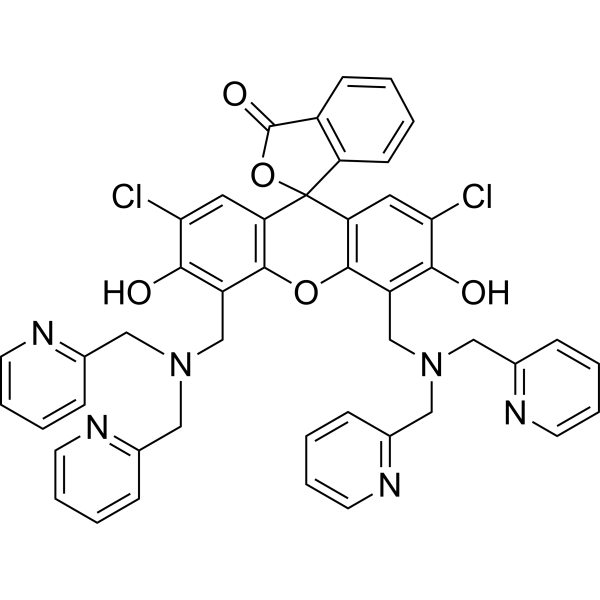
    Cobalt(II) ions probe 1 (Compound L) is a fluorescent sensor for Co 2+ detecting in biological environments. Cobalt(II) ions probe 1 can selectively bind with Co 2+ in the presence of other metal ions (Ex: 380 nm) .
    Cobalt(II) ions probe 1
  • HY-D0179

    Biochemical Assay Reagents Infection Cardiovascular Disease
    Cyclam is a metal chelator that forms metal complexes with a variety of metal ions. Cyclam metal complexes exhibits anti-HIV (such as AMD3100), nitric oxide (NO) releasing and scavenging (such as Zn(II)-Cyclam and Ru(II)-Cyclam), and SOD mimetic (such as Mn(III)-Cyclam and Zn(II)-Cyclam) activities .
    Cyclam
  • HY-D1601
    N-Aminofluorescein
    1 Publications Verification

    Fluorescent Dye Others
    N-Aminofluorescein is a fluorescein hydrazide with spiro form, a highly selective and sensitive fluorescence probe for Cu 2+. N-Aminofluorescein has no selective fluorescence response to other common metal ions, can be used for direct detection of Cu 2+ in biological systems with λex/em=495/516 nm . N-Aminofluorescein can be used to measure the concentration of copper ions in cells .
    N-Aminofluorescein
  • HY-45290

    Biochemical Assay Reagents Others
    trans-1,2-Cyclohexanediaminetetraacetic acid is a commonly used aminopolycarboxylic acid and a strong chelator of heavy metal ions .
    trans-1,2-Cyclohexanediaminetetraacetic acid
  • HY-W004564

    Biochemical Assay Reagents Others
    5,6-Diamino-1,10-phenanthroline can be used as ligands for metal ions for drug synthesis .
    5,6-Diamino-1,10-phenanthroline
  • HY-W018746R

    Ethylenediaminetetraacetic acid disodium (Standard)

    Biochemical Assay Reagents Reference Standards Others
    EDTA (disodium) (Standard) is the analytical standard of EDTA (disodium). This product is intended for research and analytical applications. EDTA disodium salt, also known as ethylenediaminetetraacetic acid disodium, belongs to the chelating agent category, which is formed by chelating a central metal ion with four carboxylate groups and two amine groups. This compound, with its ability to bind and chelate metal ions such as calcium, magnesium and iron, is commonly used in a variety of applications, including industrial, medical and research settings. It is used as a preservative in food and beverage, as a stabilizer in medicine, as a chelating agent in water treatment, and as a reagent in biochemical and biomedical research. In addition, EDTA disodium salt has been studied for potential research effects such as improving heavy metal poisoning and cardiovascular disease.
    EDTA disodium (Standard)
  • HY-23430A

    Biochemical Assay Reagents Others
    TES sodium is an excellent hydrogen ion buffer. TES sodium has characteristics such as an appropriate dissociation constant, a low metal-binding constant, and high water solubility. TES sodium can be used in the research of mammalian cell culture, viruses, and so on .
    TES sodium
  • HY-163462

    Fungal Infection
    Poacic Acid is a plant-derived stilbenoid with an antifungal activity. Poacic Acid localizes to the yeast cell wall and disrupts the production and assembly of β-1,3-glucan in the fungal cell walls. Poacic Acid exhibits fungicidal activity to Saccharomyces cerevisiae and plasma membrane-compromised Candida albicans mutants .
    Poacic acid
  • HY-109560

    Zn-DTPA trisodium

    Biochemical Assay Reagents Others
    Pentetate zinc trisodium (Zn-DTPA trisodium) forms stable chelates with metal ions by exchanging zinc for a metal of greater binding capacity .
    Pentetate zinc trisodium
  • HY-B1306R

    p-Aminohippuric acid (Standard)

    Reference Standards Biochemical Assay Reagents Neurological Disease Metabolic Disease
    4-Aminohippuric acid (p-Aminohippuric acid) (Standard) is the analytical standard of 4-Aminohippuric acid (HY-B1306). This product is intended for research and analytical applications. 4-Aminohippuric acid (p-Aminohippuric acid) is a coordination ligand for metal ions (such as Cu 2+, Fe 3+, Hg 2+) and a functionalization reagent for nanomaterials. 4-Aminohippuric acid can coordinate with metal ions or modify the surface of materials such as carbon nanotubes and gold nanoparticles through amino and carboxyl groups. 4-Aminohippuric acid can form stable complexes with metal ions or participate in the synthesis of nanomaterials as a reducing agent/stabilizer, enriching metal ions or giving nanoparticles peroxidase-mimicking activity. 4-Aminohippuric acid can be used to construct highly sensitive electrochemical sensors or colorimetric sensors to detect and quantitatively analyze heavy metal ions such as copper, iron, and mercury in environmental water samples and biological samples. 4-Aminohippuric acid may also be a biomarker for attention-deficit/hyperactivity disorder (ADHD) .
    4-Aminohippuric acid (Standard)
  • HY-W031536

    2-Oxoimidazolidine, 96%

    Biochemical Assay Reagents Others
    2-Imidazolidone, 96% is a chelating agent that forms complexes with metal ions, enabling its use in catalytic processes.
    2-Imidazolidone, 96%
  • HY-W099337

    Biochemical Assay Reagents
    N-Ethyl-D-glucamine is a glucose derivative with biological activity as a buffer and chelating agent. Therefore, it is widely used in biochemical research to regulate pH and bind metal ions.
    N-Ethyl-D-glucamine
  • HY-165576

    HOPO 14-1

    Biochemical Assay Reagents Others
    3,4,3-LI(1,2-HOPO) (HOPO 14-1) is a metal chelating agent. 3,4,3-LI(1,2-HOPO) exhibits extremely high affinity for lanthanide metal ions .
    3,4,3-LI(1,2-HOPO)
  • HY-W105699

    Ethylenediaminetetraacetic acid tetrasodium tetrahydrate

    Environmental Pollutants Biochemical Assay Reagents Others
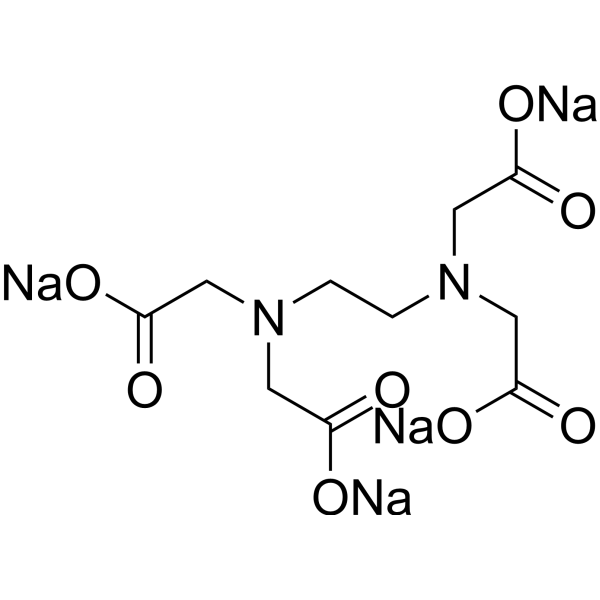
    EDTA tetrasodium tetrahydrate is a metal chelator (binds to metal divalent and trivalent cations including calcium), which shows activities of anticoagulant and anti-hypercalcemic. EDTA tetrasodium tetrahydrate decreases the metal ion-catalyzed oxidative damage to proteins, and allows maintenance of reducing environment during protein purification. EDTA tetrasodium tetrahydrate can also decrease the formation of disulfide bonds .
    EDTA tetrasodium tetrahydrate
  • HY-Y0682S1

    EDTA-d16

    Isotope-Labeled Compounds Neurological Disease
    Ethylenediaminetetraacetic acid-d16 is the deuterium labeled Ethylenediaminetetraacetic acid . Ethylenediaminetetraacetic acid (EDTA) is a metal chelators (binds to metal divalent and trivalent cations including calcium), which shows activities of anticoagulant and anti-hypercalcemic. Ethylenediaminetetraacetic acid decreases the metal ion-catalyzed oxidative damage to proteins, and allows maintenance of reducing environment during protein purification. Ethylenediaminetetraacetic acid can also decrease the formation of disulfide bonds .
    Ethylenediaminetetraacetic acid-d16
  • HY-114658

    NSC-109351

    Drug Intermediate Drug Metabolite Cancer
    Daunomycinone (NSC-109351) is a metabolite of Daunomycin (HY-13062A) and anticancer intermediate. Daunomycinone binds to nucleic acids synergistically with metal ions. Daunomycinone can be used in the research of leukemia .
    Daunomycinone
  • HY-117710B

    Cholinesterase (ChE) Amyloid-β ERK TNF Receptor Interleukin Related Neurological Disease
    AD-35 is an orally active anti-Alzheimer's disease (AD) agent with moderate AChE inhibitory activity and metal ion chelating ability. AD-35 exhibits IC50 values for AChE and BuChE of 793 nM and 31428 nM, respectively. AD-35 can form chelates with Cu²⁺ and Fe³⁺, but its chelating ability for Zn²⁺ is relatively weak. AD-35 can inhibit aggregation and disassemble the formed Aβ aggregates, and inhibit Aβ-induced ERK phosphorylation. AD-35 inhibits neuroinflammation in AD rat models and demonstrates a strong effect in improving cognitive function .
    AD-35
  • HY-B1306S

    p-Aminohippuric acid-d4

    Biochemical Assay Reagents Neurological Disease Metabolic Disease
    4-Aminohippuric acid-d4 (p-Aminohippuric acid-d4) is the deuterium labeled 4-Aminohippuric acid (HY-B1306). 4-Aminohippuric acid (p-Aminohippuric acid) is a coordination ligand for metal ions (such as Cu 2+, Fe 3+, Hg 2+) and a functionalization reagent for nanomaterials. 4-Aminohippuric acid can coordinate with metal ions or modify the surface of materials such as carbon nanotubes and gold nanoparticles through amino and carboxyl groups. 4-Aminohippuric acid can form stable complexes with metal ions or participate in the synthesis of nanomaterials as a reducing agent/stabilizer, enriching metal ions or giving nanoparticles peroxidase-mimicking activity. 4-Aminohippuric acid can be used to construct highly sensitive electrochemical sensors or colorimetric sensors to detect and quantitatively analyze heavy metal ions such as copper, iron, and mercury in environmental water samples and biological samples. 4-Aminohippuric acid may also be a biomarker for attention-deficit/hyperactivity disorder (ADHD) .
    4-Aminohippuric acid-d4
  • HY-W133934A

    Biochemical Assay Reagents Others
    EDTA magnesium disodium, 99% is a chelating agent with the ability to effectively bind metal ions (including calcium, magnesium, and iron) and remove them from solution.
    EDTA magnesium disodium,99%

Inquiry Online

Your information is safe with us. * Required Fields.

Salutation


Country or Region *

Applicant Name *


Organization Name *

Department *


Email Address *


Product Name *

Cat. No.


Requested quantity *

Phone Number *


Remarks

Inquiry Online

Inquiry Information

Product Name:
Cat. No.:
Quantity:
MCE Japan Authorized Agent:

