1. Search Result
Search Result
Results for "

GluCers (gaucher's spleen)

" in MedChemExpress (MCE) Product Catalog:

166

Inhibitors & Agonists

1

Screening Libraries

2

Fluorescent Dyes

11

Biochemical Assay Reagents

10

Peptides

5

MCE Kits

5

Inhibitory Antibodies

19

Natural
Products

6

Recombinant Proteins

11

Isotope-Labeled Compounds

3

Antibodies

1

Click Chemistry

12

Oligonucleotides

1

GMP Molecules

Targets Recommended:
Cat. No. Product Name Target Research Areas Chemical Structure
  • HY-42360
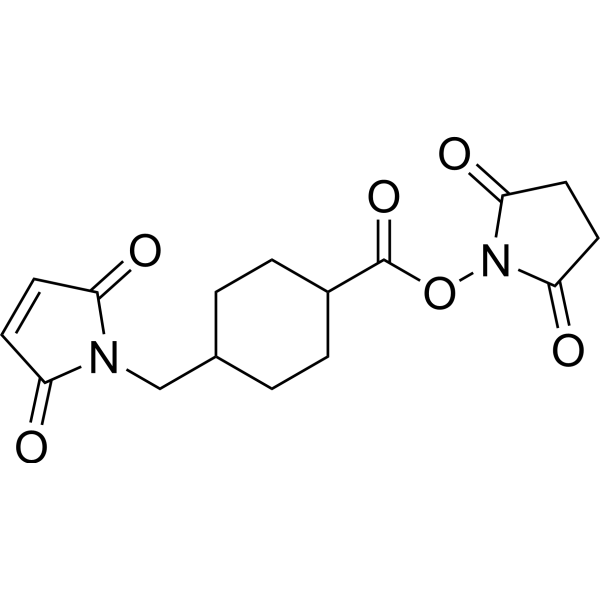
    SMCC
    1 Publications Verification

    ADC Linker Cancer
    SMCC is a protein crosslinker. SMCC contains an amine-reactive N-hydroxysuccinimide ester and a sulfhydryl-reactive maleimide group that can be used in the conjugation of proteins. SMCC-conjugated antigen coupled spleen cells to induce antigen-specific immune responses .
    SMCC
  • HY-17020
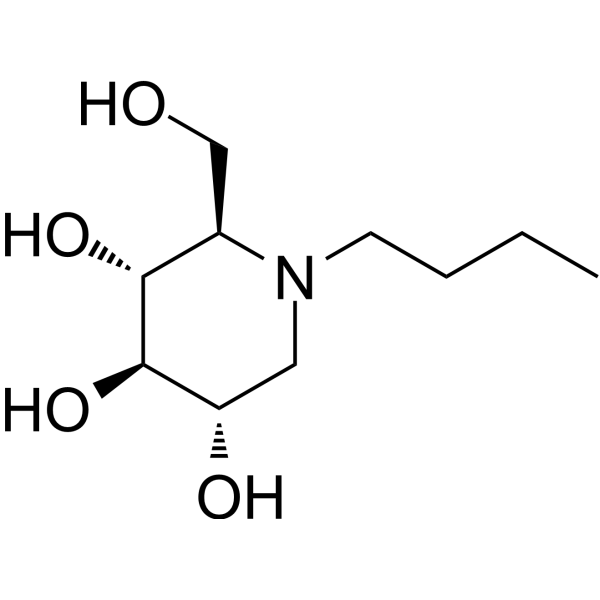
    Miglustat
    5+ Cited Publications

    N-Butyldeoxynojirimycin; NB-DNJ; OGT 918

    Glucosylceramide Synthase (GCS) Neurological Disease Inflammation/Immunology
    Miglustat (N-Butyldeoxynojirimycin) is an orally active and reversible ceramide glucosyltransferase inhibitor. Miglustat can be used for the research of type I gaucher disease .
    Miglustat
  • HY-16743
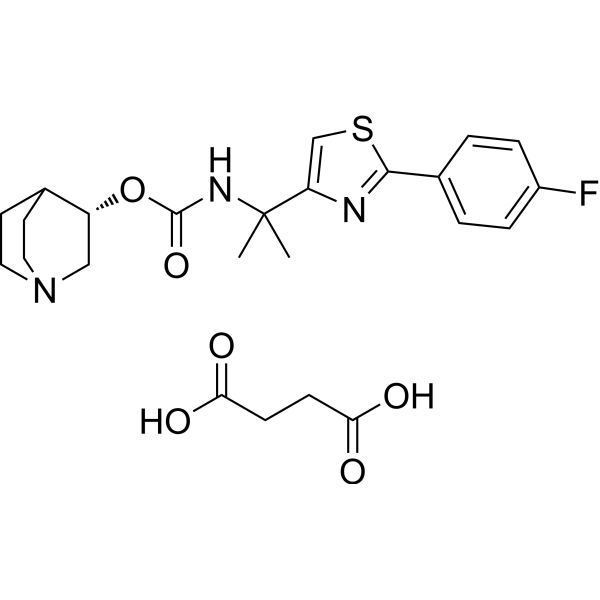
    Ibiglustat
    3 Publications Verification

    Venglustat; SAR402671; GZ402671

    Glucosylceramide Synthase (GCS) Metabolic Disease
    Ibiglustat (Venglustat) is an orally active, brain-penetrant glucosylceramide synthase (GCS) inhibitor. Ibiglustat can be used for the research of Gaucher disease type 3, Parkinson's disease associated with GBA mutations, Fabry disease, GM2 gangliosidosis, and autosomal dominant polycystic kidney disease .
    Ibiglustat
  • HY-N7745
    Glucosylsphingosine
    1 Publications Verification

    Glucopsychosine; Lyso-Gb1; Lyso-GL1

    Drug Metabolite Glycosidase Neurological Disease Metabolic Disease Cancer
    Glucosylsphingosine (lyso-Gb1) is a deacylated form of glucosylceramide with neurotoxicity and is also a noncompetitively inhibitor of glucocerebrosidase with a Ki value of 30 μM. Glucosylsphingosine is promising for research of Krabbe and Gaucher disease .
    Glucosylsphingosine
  • HY-B1039A
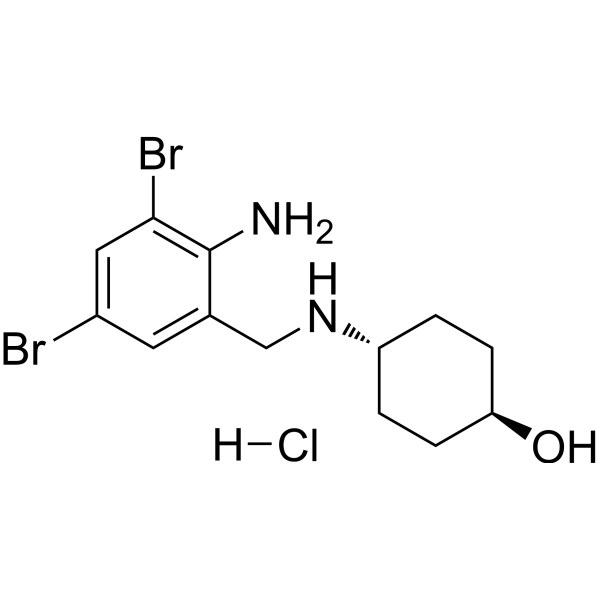
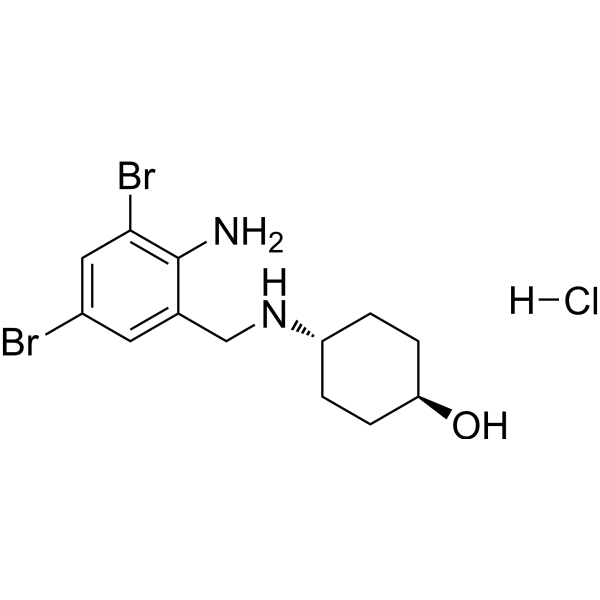
    Ambroxol hydrochloride
    3 Publications Verification

    NA-872 hydrochloride

    Glycosidase Autophagy Neurological Disease Metabolic Disease
    Ambroxol hydrochloride (NA-872 hydrochloride), an active metabolite of the proagent Bromhexine, has potent expectorant effects. Ambroxol hydrochloride is a glucocerebrosidase (GCase) chaperone and increases glucocerebrosidase activity. Ambroxol hydrochloride induces lung autophagy and has the potential for Parkinson disease and neuronopathic Gaucher disease research .
    Ambroxol hydrochloride
  • HY-17020A
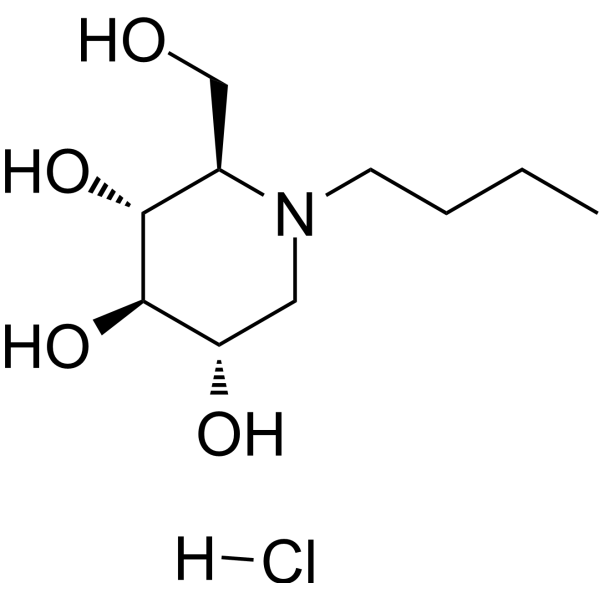
    Miglustat hydrochloride
    5+ Cited Publications

    N-Butyldeoxynojirimycin hydrochloride; NB-DNJ hydrochloride; OGT 918 hydrochloride

    Glucosylceramide Synthase (GCS) Neurological Disease Inflammation/Immunology
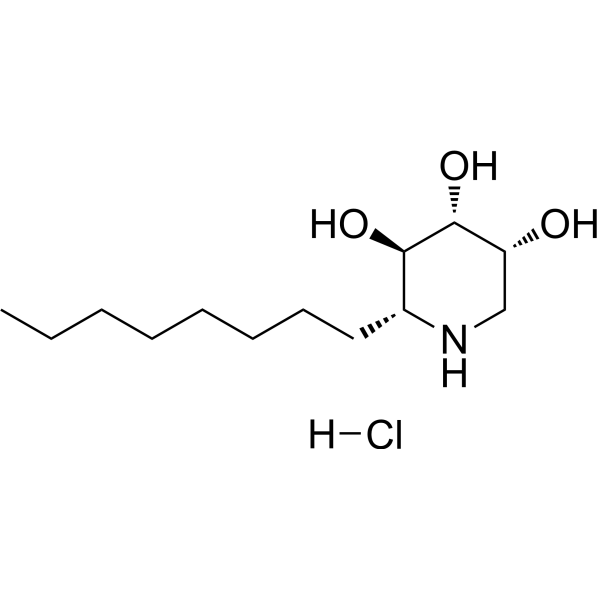
    Miglustat (N-Butyldeoxynojirimycin) hydrochloride is an orally active and reversible ceramide glucosyltransferase inhibitor, with blood-brain barrier permeability. Miglustat hydrochloride can be used for the research of type I gaucher disease .
    Miglustat hydrochloride
  • HY-B1039
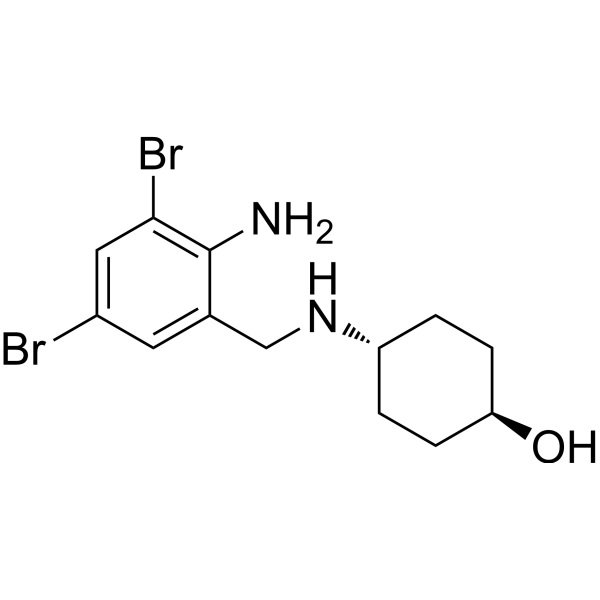
    Ambroxol
    3 Publications Verification

    NA-872

    Glycosidase Autophagy Neurological Disease Metabolic Disease
    Ambroxol (NA-872), an active metabolite of the proagent Bromhexine, has potent expectorant effects. Ambroxol is a glucocerebrosidase (GCase) chaperone and increases glucocerebrosidase activity. Ambroxol induces lung autophagy and has the potential for Parkinson disease and neuronopathic Gaucher disease research .
    Ambroxol
  • HY-147976

    Glycosidase Neurological Disease Metabolic Disease
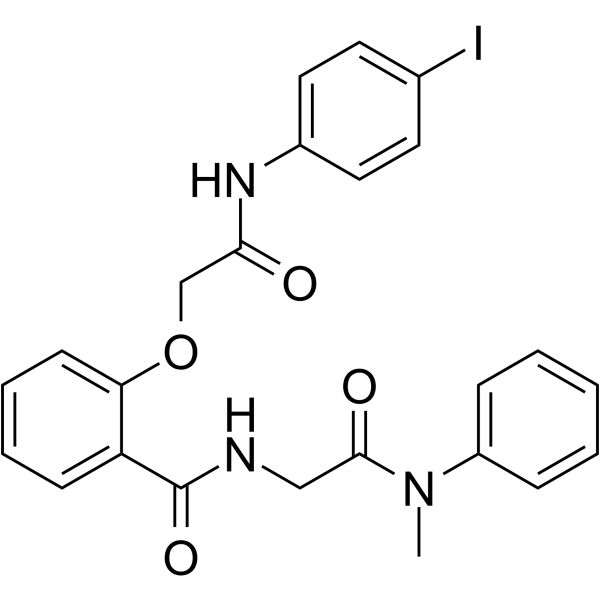
    Glucocerebrosidase-IN-1 (compound 11a) is a potent and selective GCase (glucocerebrosidase) inhibitor, with an IC50 of 29.3 μM and a Ki of 18.5 μM. Glucocerebrosidase-IN-1 can be used for the research of Gaucher disease (GD) and Parkinson’s disease (PD) .
    Glucocerebrosidase-IN-1
  • HY-P2780

    Apoptosis Ferroptosis Autophagy Necroptosis Others Cancer
    Cathepsin B, Bovine spleen is a cysteine protease and is involved in multiple kinds of programmed cell death (including apoptosis, pyroptosis, ferroptosis, necroptosis, and autophagic cell death) .
    Cathepsin B, Bovine spleen
  • HY-W587488

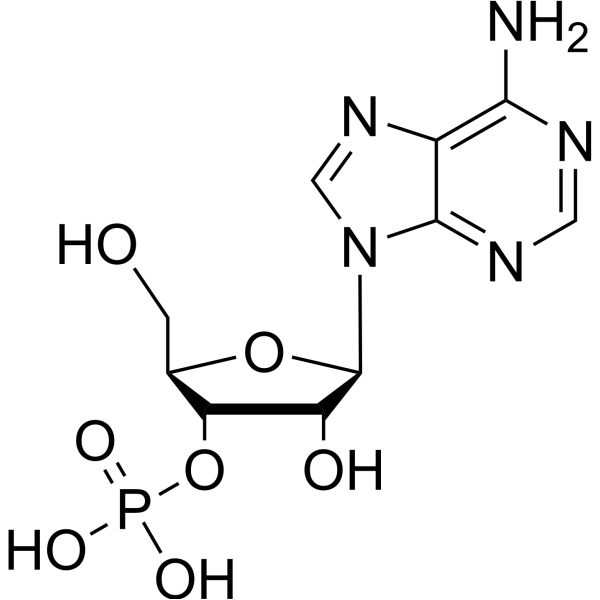
    3′-AMP

    Nucleoside Antimetabolite/Analog Cyclic GMP-AMP Synthase Cancer
    Adenosine 3’-monophosphate (3’-AMP) is a nucleotide. Adenosine 3’-monophosphate is a cyclic AMP production agonist. Adenosine 3’-monophosphate increases cyclic AMP levels concentration-dependently in NG108-15 cells. Adenosine 3’-monophosphate can be used in the determination of acid phosphatase activity of human serum, which is estabilished as a laboratory procedure in the diagnosis of prostate cancer, metastatic mammary cancer and Gaucher’s disease. Adenosine 3’-monophosphate inhibits human aortic and coronary vascular smooth muscle cell proliferation via A2B receptors .
    Adenosine 3′-monophosphate
  • HY-148049

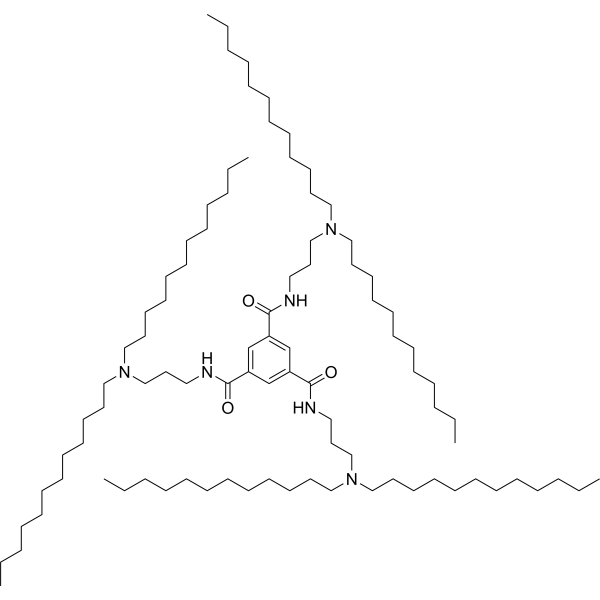
    Liposome Others
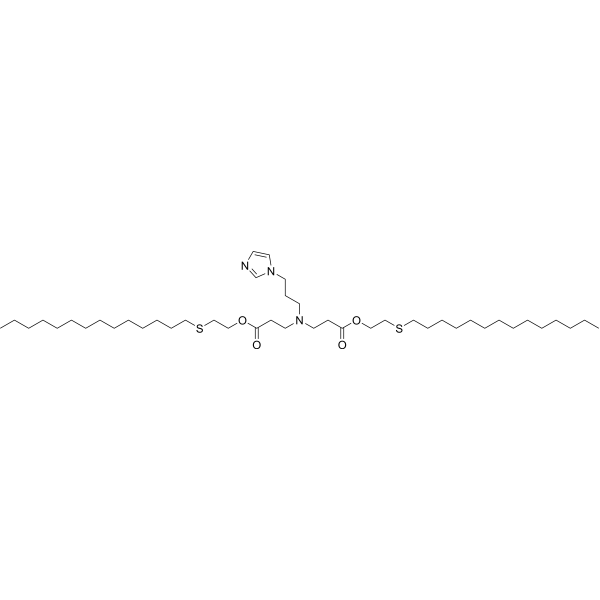
    TT3 is an ionizable lipid-like material and a lipid nanoparticle (LLNs)-based mRNA delivery vector. TT3 exhibits liver and spleen specificity and excellent delivery efficiency .
    TT3
  • HY-B2046

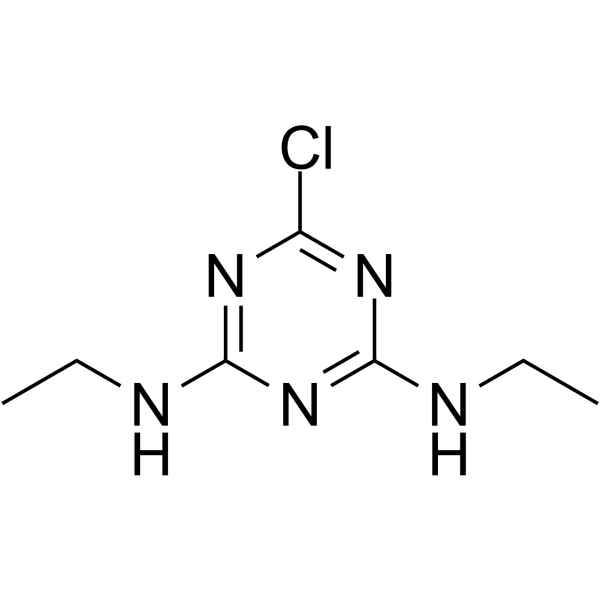
    Environmental Pollutants Apoptosis Herbicide Bcl-2 Family Caspase Reactive Oxygen Species (ROS) Inflammation/Immunology
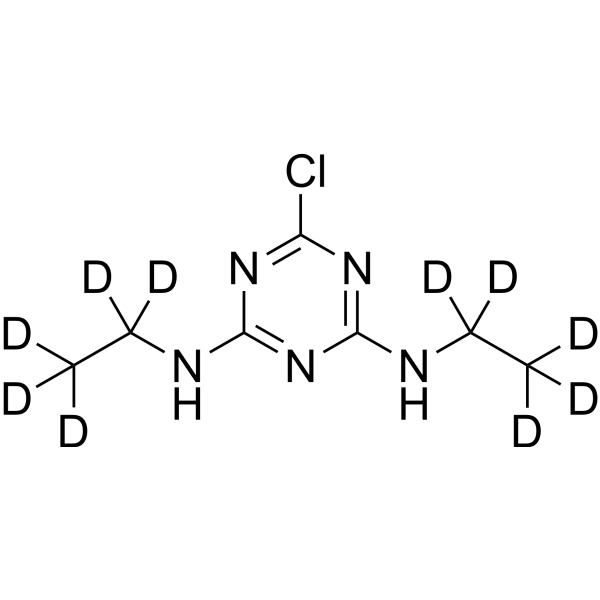
    Simazine is a triazine herbicide. Simazine is widely used in agriculture, potted plant and tree production. In addition, Simazine can induce the apoptosis of immune cells in the spleen of mice and inhibit the proliferation of B cells and T cells in mice .
    Simazine
  • HY-16420

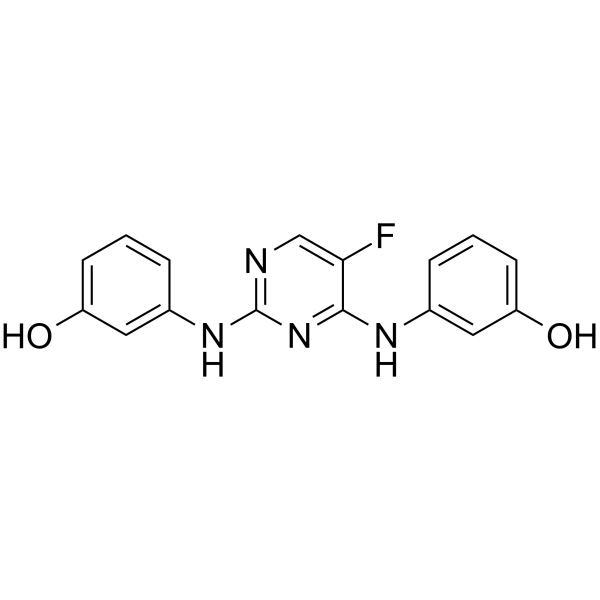
    Syk Inflammation/Immunology
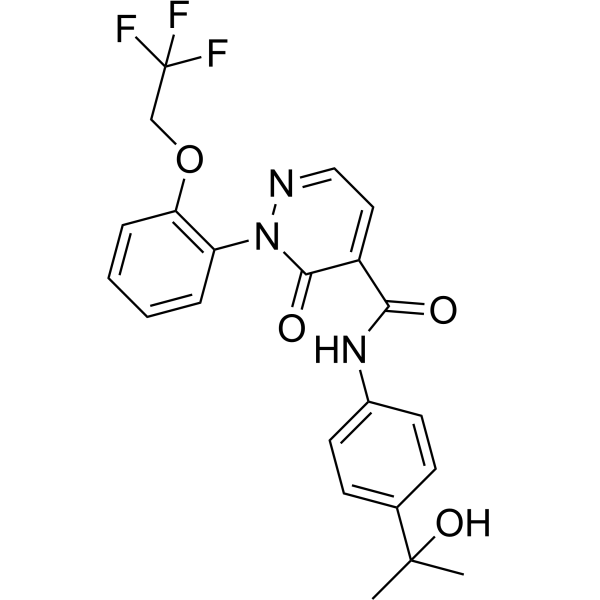
    R112 is a fast and reversible inhibitor of spleen tyrosine kinase (Syk) kinase. R112 inhibits Syk kinase activity with an IC50 value of 226 nM and a Ki value of 96 nM. R112 inhibits IgE-FcεRI signaling pathway. R112 can be used for the research of allergic rhinitis .
    R112
  • HY-114175A

    RnADA, Calf Spleen

    Adenosine Deaminase Inflammation/Immunology
    Adenosine deaminase, Calf Spleen is an enzyme that catalyzes the irreversible deamination of adenosine and 2'-deoxyadenosine to inosine and 2'-deoxyinosine, respectively .
    Adenosine deaminase, Calf Spleen
  • HY-141866
    Acid Ceramidase-IN-1
    1 Publications Verification

    Ceramidase Neurological Disease
    Acid Ceramidase-IN-1 is orally active and blood-brain barrier penetrant acid ceramidase (AC, ASAH-1) inhibitor (hAC IC50=0.166 μM). Acid Ceramidase-IN-1 reduces AC activity, accumulates ceramide species (Cer (d18:0/16:0), Cer (d18:1/16:0)), and decreases sphingosine levels. Acid Ceramidase-IN-1 can be used for the study of severe neurological lysosomal storage diseases (LSDs) such as Gaucher’s disease (GD) and Krabbe’s disease (KD) .
    Acid Ceramidase-IN-1
  • HY-16743A
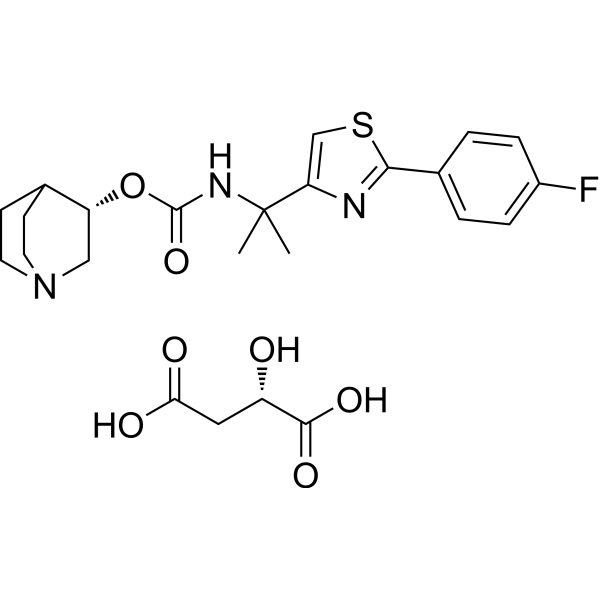
    Ibiglustat (L-Malic acid)
    3 Publications Verification

    Venglustat (L-Malic acid); SAR402671 (L-Malic acid); GZ402671 (L-Malic acid)

    Glucosylceramide Synthase (GCS) Metabolic Disease
    Ibiglustat (Venglustat) L-Malic acid is an orally active, brain-penetrant glucosylceramide synthase (GCS) inhibitor. Ibiglustat L-Malic acid can be used for the research of Gaucher disease type 3, Parkinson's disease associated with GBA mutations, Fabry disease, GM2 gangliosidosis, and autosomal dominant polycystic kidney disease .
    Ibiglustat (L-Malic acid)
  • HY-W013755
    Dioctyl phthalate
    2 Publications Verification

    DNOP; Di-n-octyl phthalate; Phthalic acid dioctyl ester

    Biochemical Assay Reagents Aminotransferases (Transaminases) Phosphatase Bacterial Inflammation/Immunology
    Dioctyl phthalate (DNOP) is a plasticizer. Dioctyl phthalate increases the activities of alanine aminotransferase (ALT) and alkaline phosphatase (ALP) in the liver, as well as the levels of creatinine and urea in the kidney. Exposure to Dioctyl phthalate disrupts the homeostasis of the intestinal microbial community, increases the abundance of pathogenic bacteria, and reduces the abundance of beneficial bacteria such as Lactobacillus. Dioctyl phthalate induces significant and dose-dependent inflammatory responses in the liver, spleen and kidney of mice .
    Dioctyl phthalate
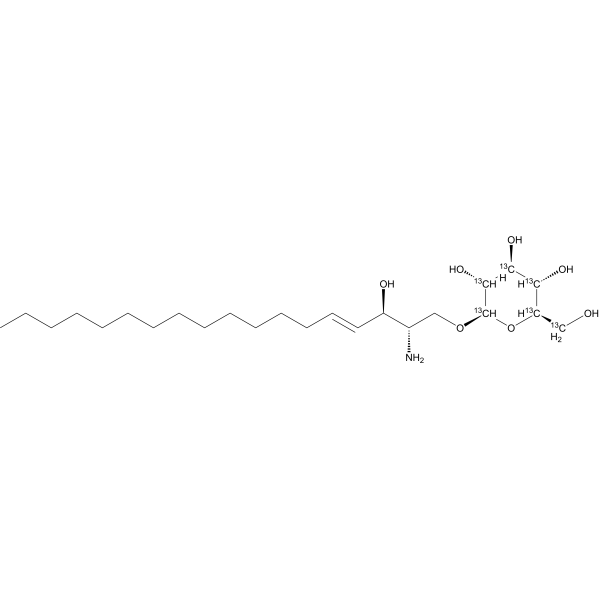
  • HY-165035

    Glucocerebrosides; Gaucher cerebroside; GluCers (gaucher's spleen)

    Endogenous Metabolite Neurological Disease Metabolic Disease
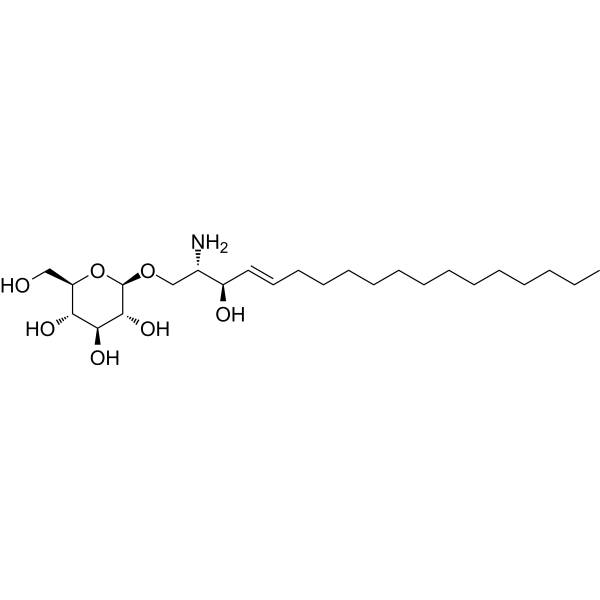
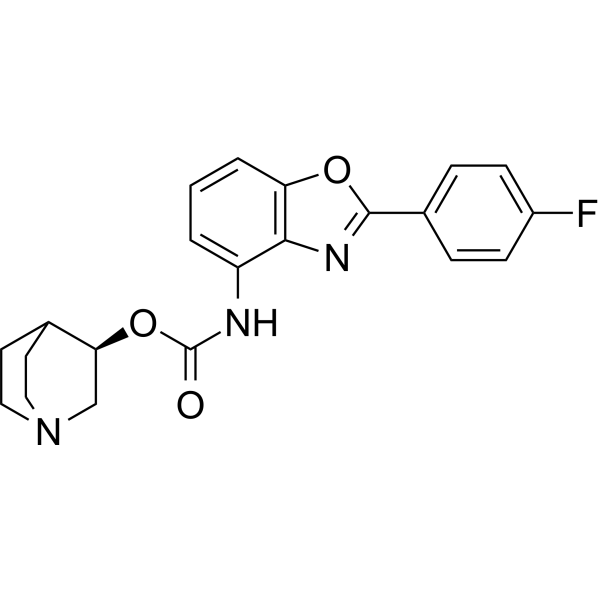
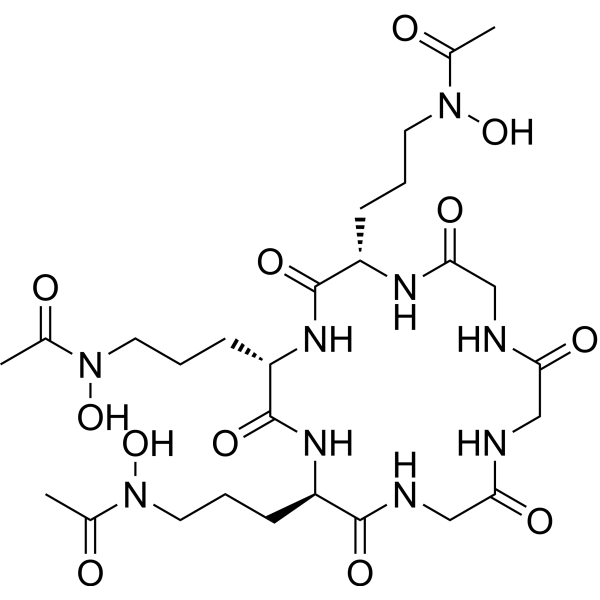
    Glucosylceramides are sphingolipid molecules found in both neuronal and non-neuronal mammalian tissues, as well as in low quantities across various plant species. Elevated levels of glucosylceramides provide cellular protection and prepare certain cells for proliferation; however, they have also been linked to obesity-induced insulin resistance in mice and to neuronal deficits observed in neuronopathic Gaucher disease .
    Glucosylceramide (gaucher's spleen)
  • HY-120034
    NCGC 607
    1 Publications Verification

    Glycosidase α-synuclein Neurological Disease Metabolic Disease
    NCGC 607 is a noninhibitory small-molecule chaperone of glucocerebrosidase (GCase). NCGC 607 can increase GCase activity, reduce α-synuclein levels, and decrease glycolipid levels. NCGC 607 can be used in the research of Gaucher disease and Parkinson's disease .
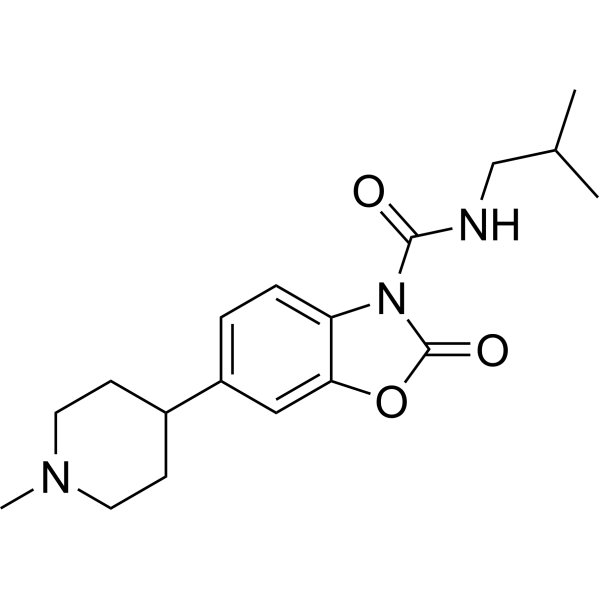
    NCGC 607
  • HY-B1039AS

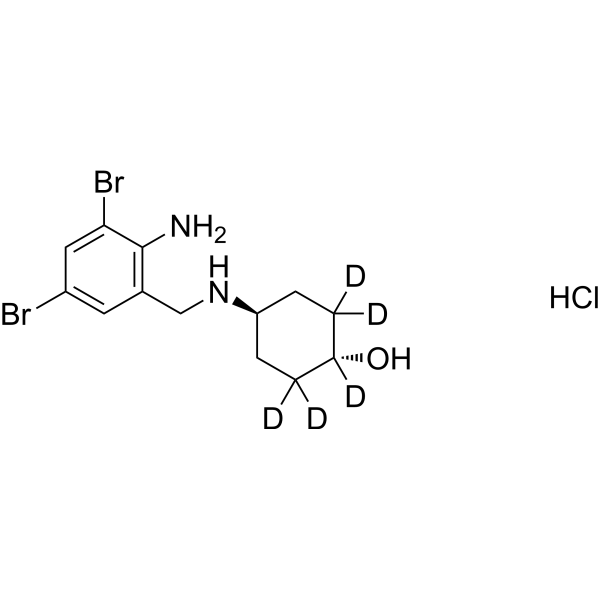
    NA-872-d5 hydrochloride

    Isotope-Labeled Compounds Glycosidase Autophagy Neurological Disease Metabolic Disease
    Ambroxol-d5 (hydrochloride) is the deuterium labeled Ambroxol hydrochloride. Ambroxol hydrochloride (NA-872 hydrochloride), an active metabolite of the proagent Bromhexine, has potent expectorant effects. Ambroxol hydrochloride is a glucocerebrosidase (GCase) chaperone and increases glucocerebrosidase activity. Ambroxol hydrochloride induces lung autophagy and has the potential for Parkinson disease and neuronopathic Gaucher disease research .
    Ambroxol-d5 hydrochloride
  • HY-117861

    Glycosidase Metabolic Disease
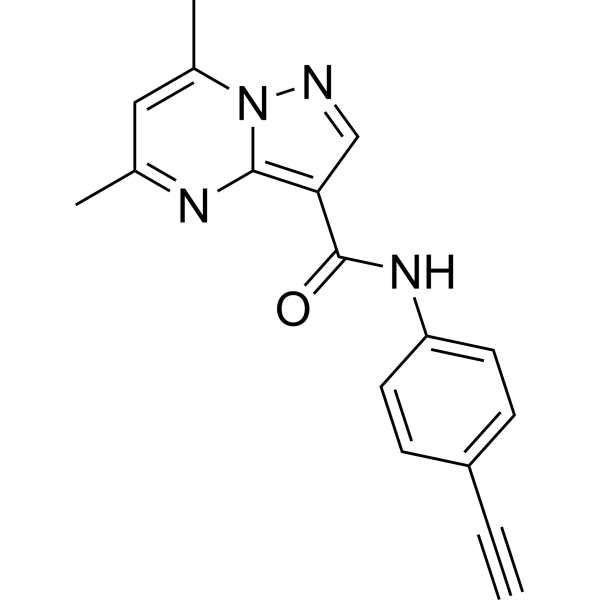
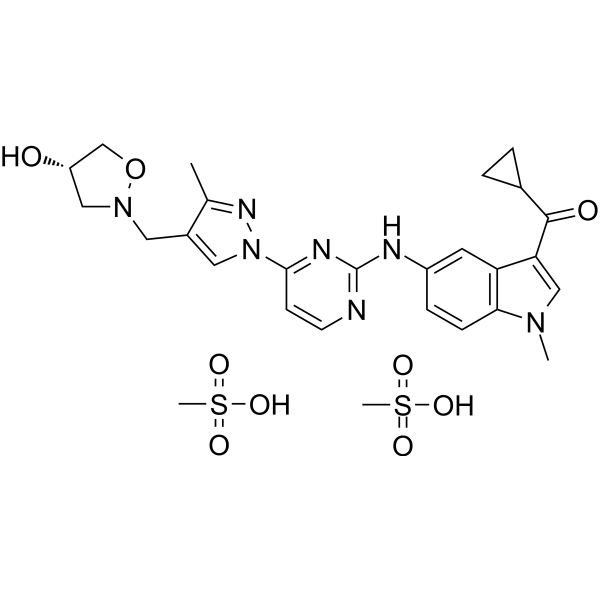
    ML198 is a glucocerebrosidase (GCase) modulator with an EC50 of 0.4 μM. ML198 is an activator and non-inhibitory chaperone of glucocerebrosidase. ML198 can be used for the research of Gaucher disease . ML198 is a click chemistry reagent, it contains an Alkyne group and can undergo copper-catalyzed azide-alkyne cycloaddition (CuAAc) with molecules containing Azide groups.
    ML198
  • HY-156857

    Liposome Inflammation/Immunology Cancer
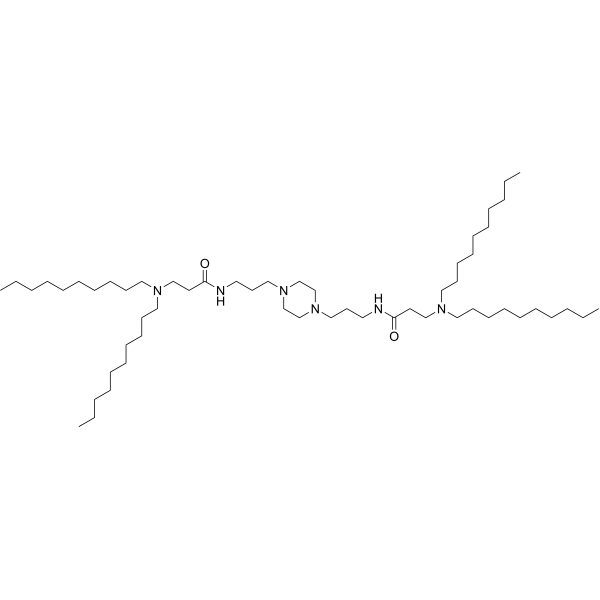
    PPZ-A10 is an ionizable cationic lipid. PPZ-A10 preferentially delivers mRNA to liver and spleen immune cells. Pi-LNPs containing PPZ-A10 can effectively deliver mRNA/siRNA to solid tumors .
    PPZ-A10
  • HY-12736A
    GSK143 dihydrochloride
    1 Publications Verification

    Syk ERK Inflammation/Immunology Cancer
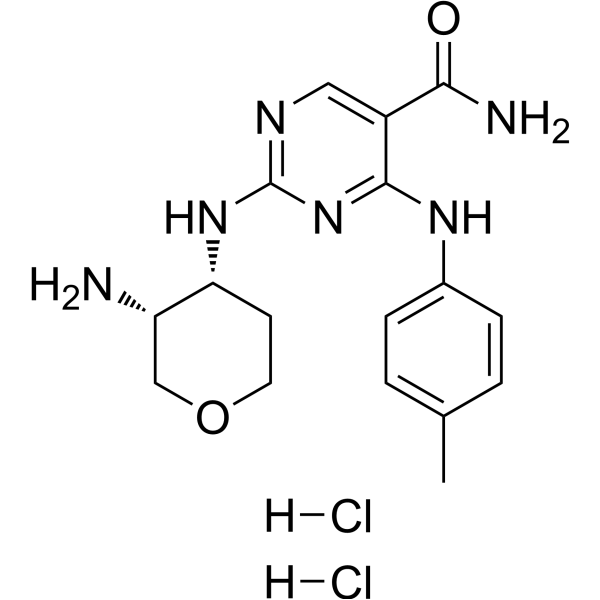
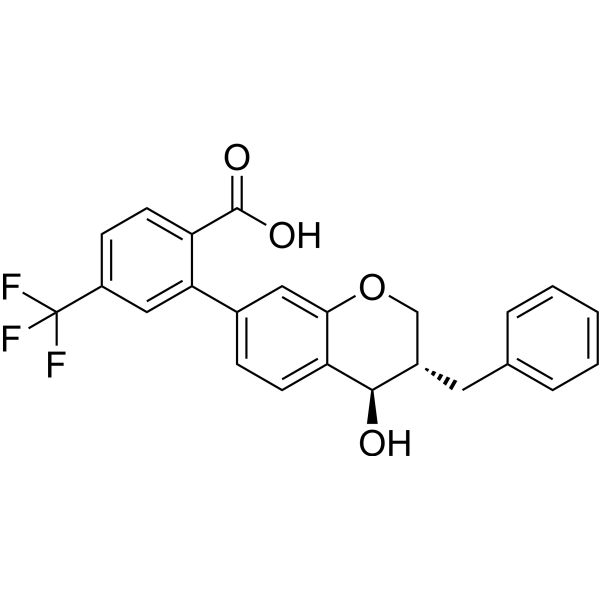
    GSK143 dihydrochloride is an orally active and highly selective spleen tyrosine kinase (SYK) inhibitor with a pIC50 of 7.5. GSK143 dihydrochloride inhibits phosphorylated Erk (pErk: pIC50=7.1) . GSK143 dihydrochloride reduces inflammation and prevents recruitment of immune cells in the intestinal muscularis in mice .
    GSK143 dihydrochloride
  • HY-N2499

    Others Metabolic Disease
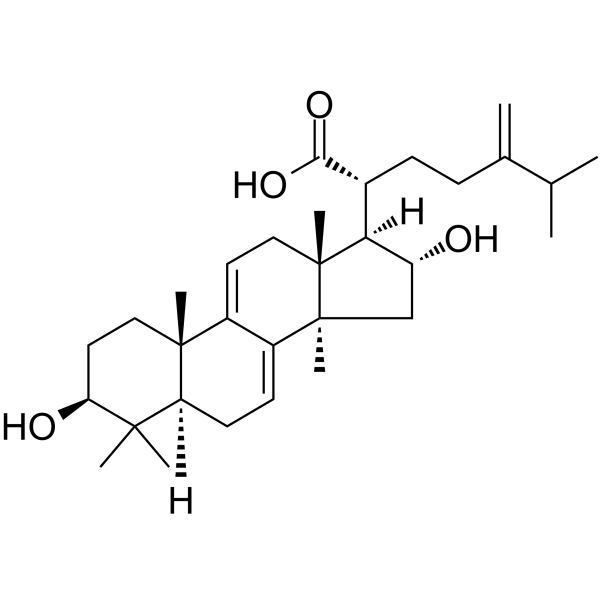
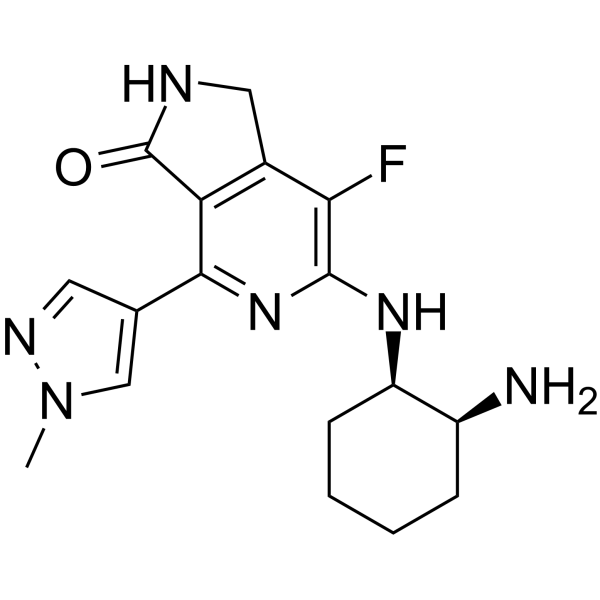
    Dehydrotumulosic acid is one of the effective constituents of Poria cocos. Poria cocos, a popular Chinese medicinal herb of fungal origin, has been included in many combinations with other CM herbs for its traditionally claimed activities of inducing diuresis, excreting dampness, invigorating the spleen and tranquilizing the mind and its modern pharmacological use of modulating the immune system of the body .
    Dehydrotumulosic acid
  • HY-113470

    Endogenous Metabolite Metabolic Disease
    LysoPC(16:1(9Z)) is a type of lysophosphatidylcholine that can be used to study spleen deficiency syndrome .
    LysoPC(16:1(9Z))
  • HY-16743B
    Ibiglustat succinate
    3 Publications Verification

    Venglustat succinate; SAR402671 succinate; GZ402671 succinate

    Glucosylceramide Synthase (GCS) Neurological Disease
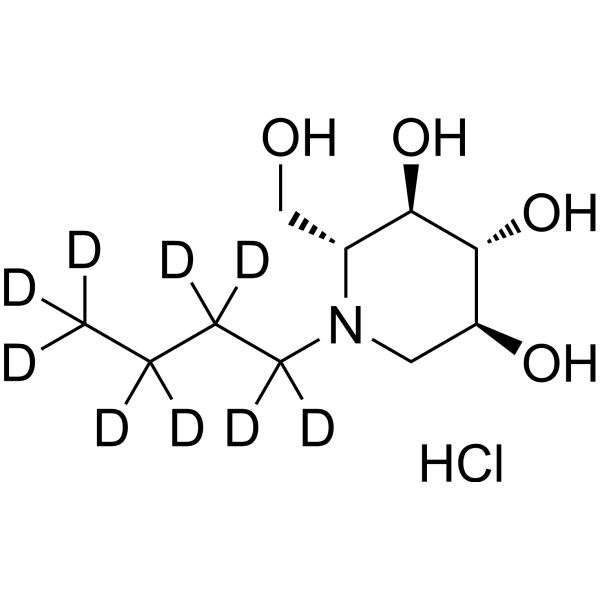
    Ibiglustat (Venglustat) succinate is an orally active, brain-penetrant glucosylceramide synthase (GCS) inhibitor. Ibiglustat succinate can be used for the research of Gaucher disease type 3, Parkinson's disease associated with GBA mutations, Fabry disease, GM2 gangliosidosis, and autosomal dominant polycystic kidney disease .
    Ibiglustat succinate
  • HY-144266

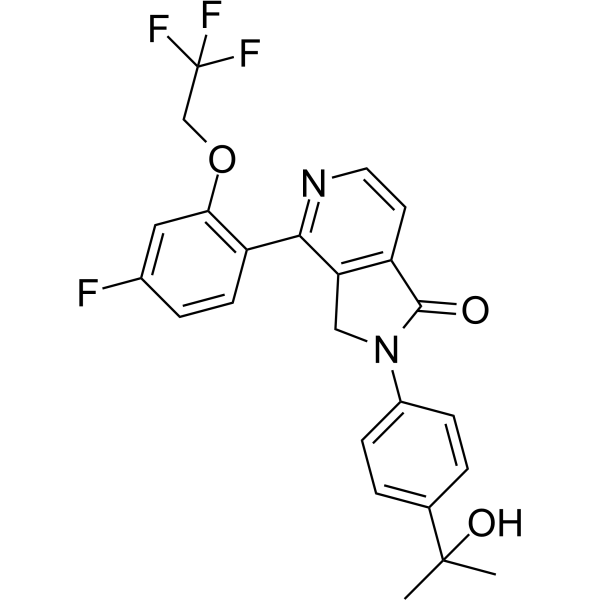
    Glucosylceramide synthase-IN-1

    Glucosylceramide Synthase (GCS) Neurological Disease Metabolic Disease
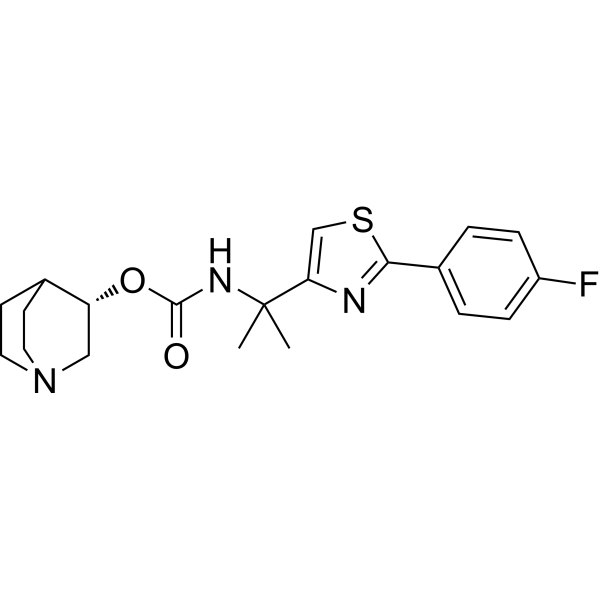
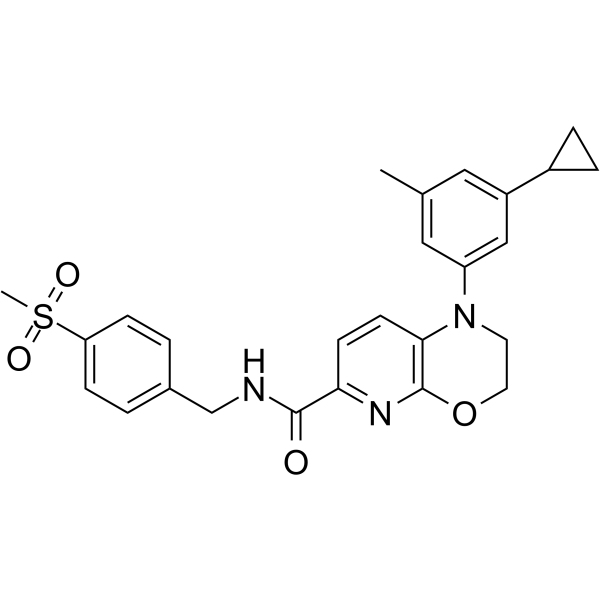
    Glucosylceramide synthase-IN-1 (T-036), a chemical probe, a potent, brain-penetrant and orally active glucosylceramide synthase (GCS) inhibitor with IC50s of 31 nM and 51 nM for human GCS and mouse GCS, respectively. Glucosylceramide synthase-IN-1 can be used for Gaucher's disease research .
    TP-060
  • HY-114043

    Glycosidase Metabolic Disease
    NCGC00092410 is a potent, selective, and nonsugar glucocerebrosidase (GC) inhibitor, with an IC50 of 31 nM. NCGC00092410 shows no activity against the related hydrolases at concentrations up to 77 μM. NCGC00092410, a GC chaperone, and increases the activity and lysosomal localization of glucocerebrosidase in mutant cell lines. NCGC00092410 can be used for the research of Gaucher disease .
    NCGC00092410
  • HY-B1039AR

    NA-872 hydrochloride (Standard)

    Reference Standards Glycosidase Autophagy Neurological Disease Metabolic Disease
    Ambroxol (hydrochloride) (Standard) is the analytical standard of Ambroxol (hydrochloride). This product is intended for research and analytical applications. Ambroxol hydrochloride (NA-872 hydrochloride), an active metabolite of the proagent Bromhexine, has potent expectorant effects. Ambroxol hydrochloride is a glucocerebrosidase (GCase) chaperone and increases glucocerebrosidase activity. Ambroxol hydrochloride induces lung autophagy and has the potential for Parkinson disease and neuronopathic Gaucher disease research .
    Ambroxol hydrochloride (Standard)
  • HY-153372

    Liposome Others
    93-O17S is an ionizable lipid. 93-O17S is involved in the construction of LNP. 93-O17S can achieve mRNA delivery to the spleen .
    93-O17S
  • HY-W008753

    N-Cbz-L-valine

    Biochemical Assay Reagents Drug Intermediate Amino Acid Derivatives Infection
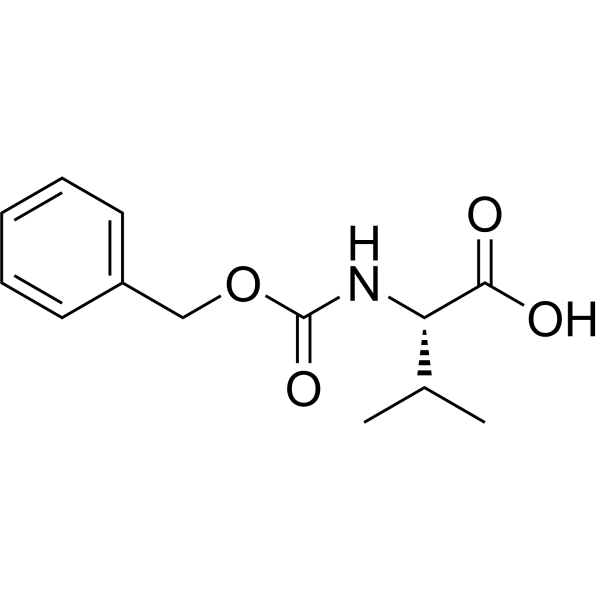
    Z-L-Val-OH (N-Cbz-L-valine) is an amino acid derivative and key intermediate in organic synthesis. Z-L-Val-OH can be used in the synthesis of anti-cytomegalovirus compounds and peptide inhibitors of human spleen plasminogen activator (SFP) and human leukocyte elastase-like protease (ELP) .
    Z-L-Val-OH
  • HY-144267

    Glucosylceramide Synthase (GCS) Neurological Disease Metabolic Disease
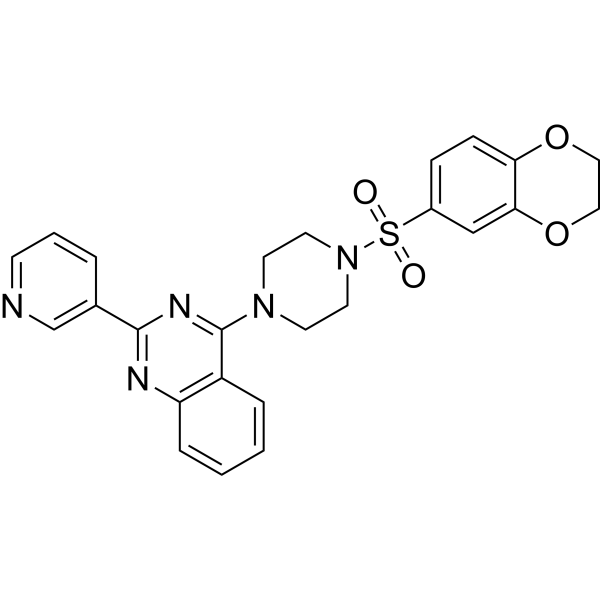
    Glucosylceramide synthase-IN-2 (compound T-690) is a potent, brain-penetrant and orally active glucosylceramide synthase (GCS) inhibitor with IC50s of 15 nM and 190 nM for human GCS and mouse GCS, respectively.Glucosylceramide synthase-IN-2 exhibits noncompetitive type inhibition with C8-ceramide and UDP-glucose.Glucosylceramide synthase-IN-2 can be used for Gaucher's disease research .
    Glucosylceramide synthase-IN-2
  • HY-167846

    JAK Cancer
    YLIU-4-105-1 is a Type II JAK2 inhibitor. YLIU-4-105-1 binds to the ATP-binding pocket of JH1. YLIU-4-105-1 has in vivo pharmacodynamic activity as evidenced by inhibiting pSTAT5, reducing spleen to body weight, and lowering blood reticulocyte counts in a dose-dependent manner .
    YLIU-4-105-1
  • HY-P2867

    3′-Exonuclease

    Phosphodiesterase (PDE) Neurological Disease
    Phosphodiesterase II (EC 3.1.16.1), namely phosphodiesterase 2, is mainly involved in the hydrolysis of the important second messengers cyclic adenosine monophosphate (cAMP) and cyclic guanosine monophosphate (cGMP), and is often used in biochemical research. Phosphodiesterase II is expressed in a variety of tissues, such as the adrenal medulla, brain, heart, platelets, macrophages and endothelial cells, and is involved in the regulation of many different intracellular processes .
    Phosphodiesterase II, Bovine Spleen
  • HY-151240

    Endogenous Metabolite Neurological Disease
    Galactosylceramide (GalC) is a galactosylceramide that has been implicated in many physiological and pathological phenomena. For example, important lysosomal storage disorders such as Gaucher disease (GD) and neurodegenerative diseases are characterized by GlcCer accumulation.
    Galactosylceramide
  • HY-109082A

    SKI-O-703 dimesylate

    Syk Inflammation/Immunology
    Cevidoplenib is an orally available inhibitor of spleen tyrosine kinase (Syk), with potential anti-inflammatory and immunomodulating activities .
    Cevidoplenib dimesylate
  • HY-112742

    Leukotriene Receptor Inflammation/Immunology
    CP-195543 is a potent, selective and orally active leukotriene B4 (LTB4) receptor antagonist with IC50s of 6.8, 37.0 nM for human neutrophils and murine spleen membranes, respectively. CP-195543 blocks CD11b up-regulation. CP-195543 inhibits LTB4-mediated neutrophil infiltration .
    CP-195543
  • HY-100867

    TAK-659; CB-659

    Syk FLT3 Cancer
    TAK-659 is a highly potent, selective, reversible and orally available dual inhibitor of spleen tyrosine kinase (SYK) and fms related tyrosine kinase 3 (FLT3), with an IC50 of 3.2 nM and 4.6 nM for SYK and FLT3, respectively. TAK-659 induces cell death in tumor cells but not in nontumor cells, and with potential for the treatment of chronic lymphocytic leukemia (CLL) .
    Mivavotinib
  • HY-110363

    N-Butyldeoxynojirimycin-d9 hydrochloride; NB-DNJ-d9 hydrochloride; OGT 918-d9 hydrochloride

    Isotope-Labeled Compounds Glucosylceramide Synthase (GCS) Neurological Disease
    Miglustat-d9 hydrochloride is the deuterium labeled Miglustat hydrochloride. Miglustat hydrochloride is an inhibitor of glucosylceramide synthase, primarily to treat Type I Gaucher disease (GD1) .
    Miglustat-d9 hydrochloride
  • HY-147976A

    Glycosidase Neurological Disease
    Glucocerebrosidase-IN-1 (compound 11a) hydrochloride is a potent and selective GCase (glucocerebrosidase) inhibitor, with an IC50 of 29.3 μM and a Ki of 18.5 μM. Glucocerebrosidase-IN-1 hydrochloride can be used for the research of Gaucher disease (GD) and Parkinson’s disease (PD) .
    Glucocerebrosidase-IN-1 hydrochloride
  • HY-156155

    Glycosyltransferase Metabolic Disease
    GYS1-IN-1 (compound 783) is a glycogen synthase 1(GYS1) inhibitor. GYS1-IN-1 can be used for the study of GYS1 -mediated disease, such as Gaucher and Fabry diseases .
    GYS1-IN-1
  • HY-144270

    Glucosylceramide Synthase (GCS) Neurological Disease Metabolic Disease
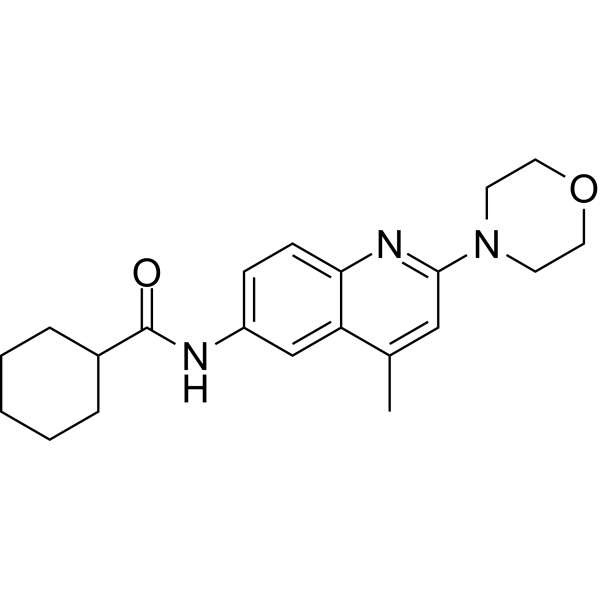
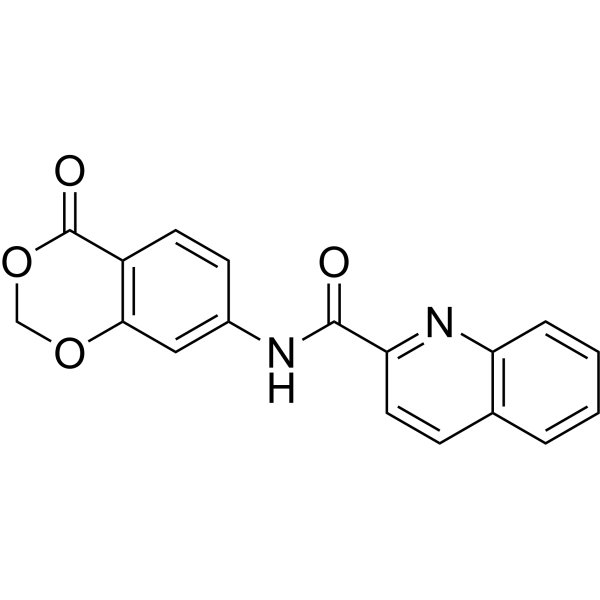
    Glucosylceramide synthase-IN-3 (compound BZ1) is a potent, brain-penetrant and orally active glucosylceramide synthase (GCS) inhibitor with IC50s of 16 nM for human GCS.Glucosylceramide synthase-IN-3 can be used for Gaucher's disease research .
    Glucosylceramide synthase-IN-3
  • HY-124146

    Syk Inflammation/Immunology
    BI1002494 is an orally active, potent, and selective spleen tyrosine kinase (SYK) inhibitor. BI 1002494 exhibits an IC50 of 115 nM in inhibiting high-affinity IgE receptor-mediated mast cell and basophil degranulation. BI1002494 can be utilized in immunology reesearch .
    BI1002494
  • HY-12736

    Syk ERK Inflammation/Immunology Cancer
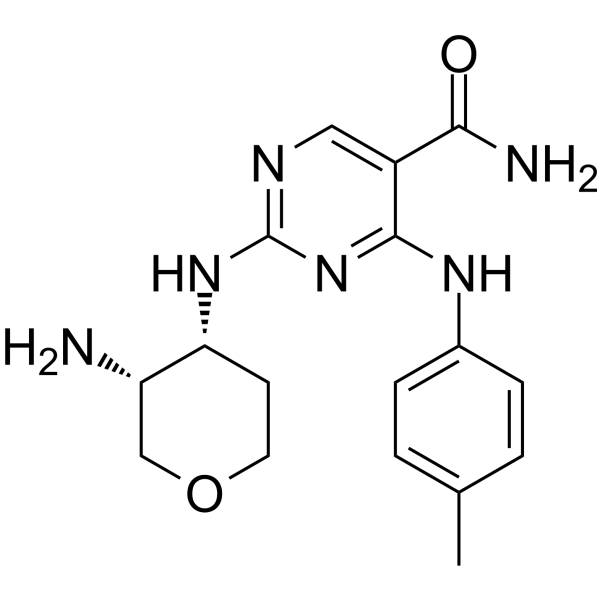
    GSK143 is an orally active and highly selective spleen tyrosine kinase (SYK) inhibitor with a pIC50 of 7.5. GSK143 inhibits phosphorylated Erk (pErk: pIC50=7.1) . GSK143 reduces inflammation and prevents recruitment of immune cells in the intestinal muscularis in mice .
    GSK143
  • HY-W581820

    Ferrous succinate

    Biochemical Assay Reagents Cardiovascular Disease
    Iron(II) succinate (Ferrous succinate) is an orally active and organic acid iron supplement (ferrous salt). Iron(II) succinate improves hematological parameters in iron-deficiency anemia rats, including hemoglobin, red blood cells, hematocrit, mean corpuscular volume, mean corpuscular hemoglobin, and mean corpuscular hemoglobin concentration. Iron(II) succinate increases serum ferritin, serum iron levels, and transferrin saturation, while decreasing total iron-binding capacity in iron-deficiency anemia rats. Iron(II) succinate reduces the elevated heart, spleen, and kidney coefficients, and increases the decreased liver coefficient in iron-deficiency anemia rats. Iron(II) succinate replenishes the depleted iron content in the liver and spleen of iron-deficiency anemia rats. Iron(II) succinate can be used for the research of iron-deficiency anemia .
    Iron(II) succinate
  • HY-D2396

    Sulfo SMCC R-PE

    Fluorescent Dye Cancer
    Sulfo SMCC R-phycoerythrin is a conjugate composed of the protein crosslinker SMCC (HY-42360) and R-PE (R-Phycoerythrin) (HY-D0988) that can be used to label proteins to make them carry red fluorescence. Among them, SMCC is able to engage antigen-coupled spleen cells to induce antigen-specific immune responses .
    Sulfo SMCC R-phycoerythrin
  • HY-17020S

    N-Butyldeoxynojirimycin-d9; NB-DNJ-d9; OGT 918-d9

    Isotope-Labeled Compounds Glucosylceramide Synthase (GCS) Neurological Disease
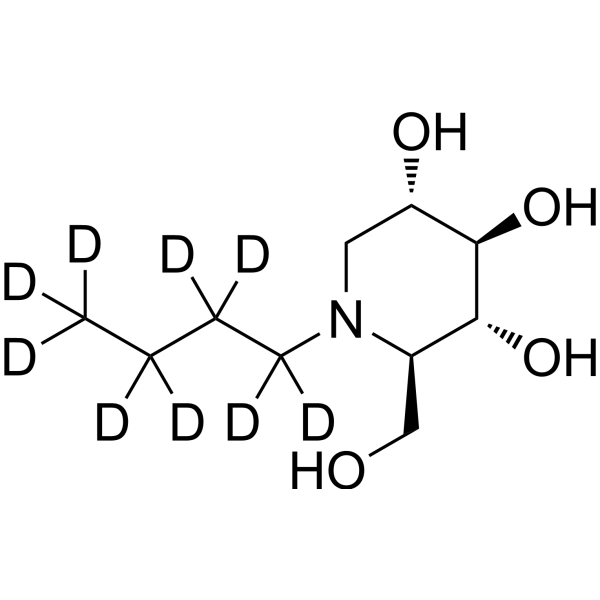
    Miglustat-d9 is the deuterium labeled Miglustat. Miglustat (N-Butyldeoxynojirimycin) is an inhibitor of glucosylceramide synthase, primarily to treat Type I Gaucher disease (GD1) .
    Miglustat-d9
  • HY-17020R

    N-Butyldeoxynojirimycin (Standard); NB-DNJ (Standard); OGT 918 (Standard)

    Glucosylceramide Synthase (GCS) Reference Standards Neurological Disease Inflammation/Immunology
    Miglustat (Standard) is the analytical standard of Miglustat. This product is intended for research and analytical applications. Miglustat (N-Butyldeoxynojirimycin) is an orally active and reversible ceramide glucosyltransferase inhibitor. Miglustat can be used for the research of type I gaucher disease .
    Miglustat (Standard)
  • HY-B1039C

    NA-872 acefylline; Acebrophylline

    Glycosidase Autophagy Neurological Disease Metabolic Disease
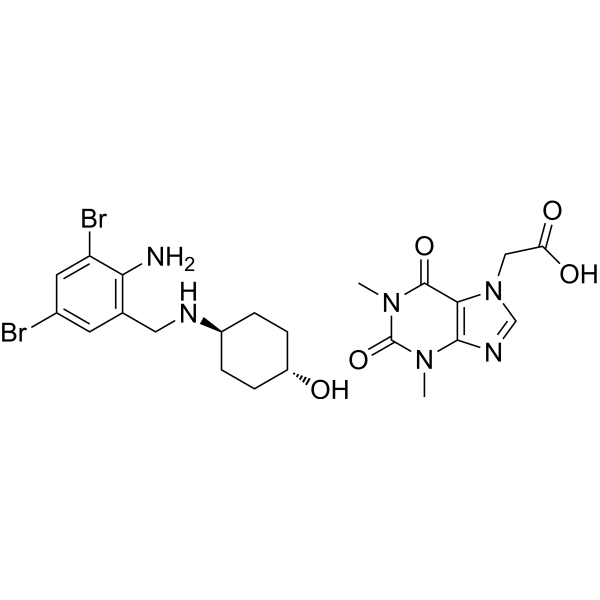
    Ambroxol (NA-872) acefylline, an active metabolite of the proagent Bromhexine, has potent expectorant effects. Ambroxol acefylline is a glucocerebrosidase (GCase) chaperone and increases glucocerebrosidase activity. Ambroxol acefylline induces lung autophagy and has the potential for Parkinson disease and neuronopathic Gaucher disease research .
    Ambroxol acefylline
  • HY-126362

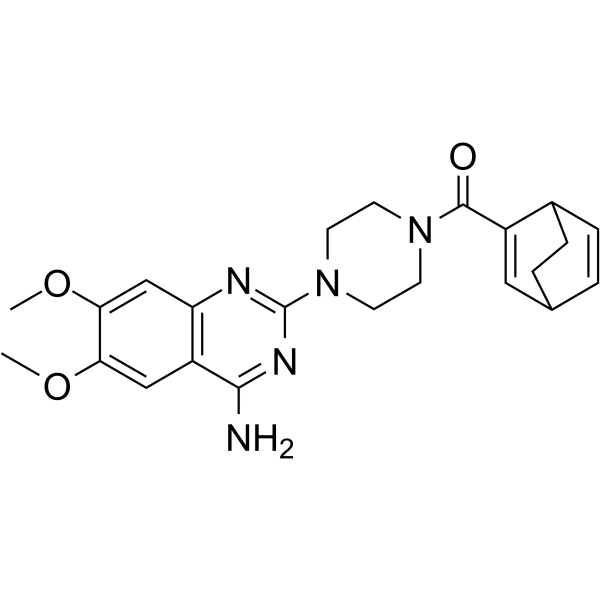
    Glycosidase Others
    ML266 is glucocerebrosidase (GCase) molecule chaperone with IC50 of 2.5 µM. ML266 binds to GCase and transports of the mutant protein to the lysosome, and resume the activity of GCase. ML266 dose not inhibit the GCase enzyme’s action. ML266 has the potential for the research of gaucher disease .
    ML266

Inquiry Online

Your information is safe with us. * Required Fields.

Salutation


Country or Region *

Applicant Name *


Organization Name *

Department *


Email Address *


Product Name *

Cat. No.


Requested quantity *

Phone Number *


Remarks

Inquiry Online

Inquiry Information

Product Name:
Cat. No.:
Quantity:
MCE Japan Authorized Agent: