Search Result
Results for "
IL-1β release
" in MedChemExpress (MCE) Product Catalog:
3
Biochemical Assay Reagents
7
Isotope-Labeled Compounds
| Cat. No. |
Product Name |
Target |
Research Areas |
Chemical Structure |
-
- HY-13205
-
Belnacasan
Maximum Cited Publications
169 Publications Verification
VX-765
|
Caspase
|
Inflammation/Immunology
|
|
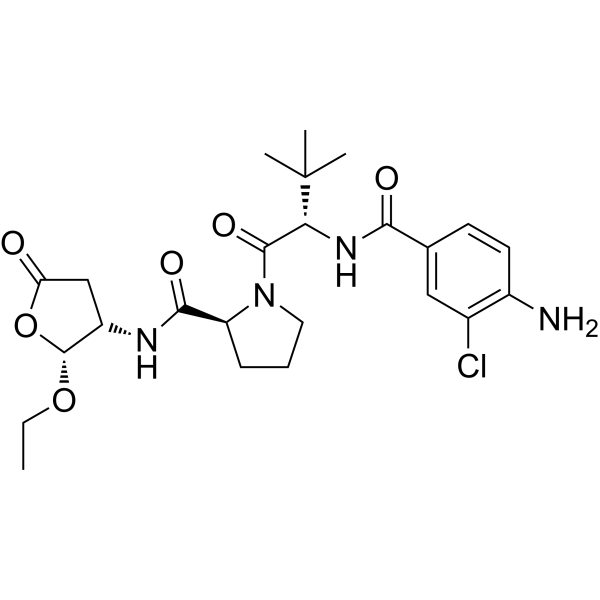
Belnacasan (VX-765) is an orally bioactive proagent of VRT-043198, which is a potent and selective inhibitor of IL-converting enzyme (ICE)/caspase-1 with Kis of 0.8 nM and less than 0.6 nM for caspase-1 and caspase-4, respectively. Belnacasan (VX-765) inhibits the release of LPS-induced IL-1β and IL-18 by human PBMCs with an IC50 of ~0.7 μM .
|
-
-
- HY-101092
-
|
Stimulon
|
NOD-like Receptor (NLR)
|
Inflammation/Immunology
Cancer
|
|
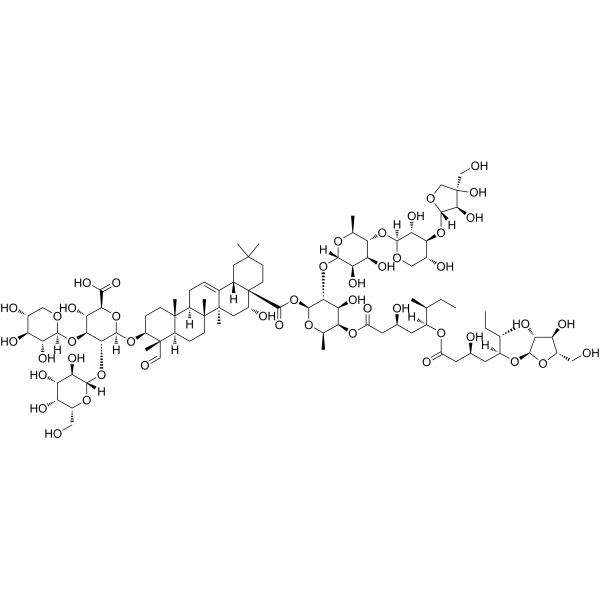
QS-21-Api, an immunostimulatory saponin, could be used as a potent vaccine adjuvant. QS-21-Api stimulates Th2 humoral and Th1 cell-mediated immune responses through action on antigen presenting cells (APCs) and T cells. QS-21-Api can activate the NLRP3 inflammasome with subsequent release of caspase-1 dependent cytokines, IL-1β and IL-18 .
|
-
-
- HY-132831
-
|
Somalix; RO-7486967; IZD334
|
NOD-like Receptor (NLR)
Interleukin Related
|
Neurological Disease
Inflammation/Immunology
|
|
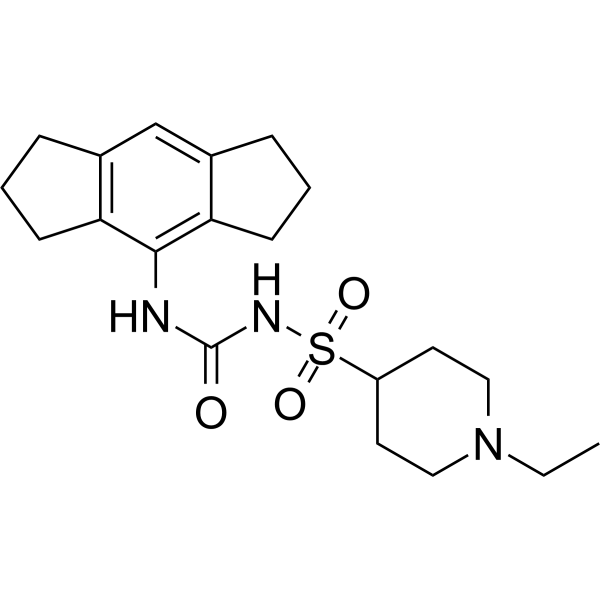
Selnoflast (RO7486967), formerly somalix/RG6418/IZD334, is an orally active, potent, selective and reversible small molecule NLRP3 inflammasome inhibitor. Selnoflast is a potent inhibitor of IL-1β release stimulated by NLRP3 activation in human Alzheimer's disease (AD) monocyte-derived macrophages. Selnoflast is promising for research of AD and systemic inflammatory diseases, such as ulcerative colitis and chronic obstructive pulmonary disease .
|
-
-
- HY-P3211
-
|
LR12
|
TREM receptor
NF-κB
NOD-like Receptor (NLR)
Interleukin Related
Apoptosis
|
Cardiovascular Disease
Inflammation/Immunology
|
|
Nangibotide (LR12) is a synthetic peptide and TREM-1 receptor inhibitor. Nangibotide inhibits NF-κB and NLRP3 inflammasome activation and reduces the release of pro-inflammatory factors (such as IL-1β, IL-8). Nangibotide inhibits Apoptosis. Nangibotide reduces excessive inflammatory responses and protects tissues (liver, lung) from damage. Nangibotide can be used in the researches for myocardial ischemia-reperfusion injury, septic shock, acute lung injury, osteoarthritis, and acute liver failure .
|
-

-
- HY-162877
-
|
|
NOD-like Receptor (NLR)
Interleukin Related
Potassium Channel
|
Inflammation/Immunology
|
|
AZD4144 is an orally active NLRP3 inhibitor (EC50: 0.082 μM). AZD4144 effectively inhibits the release of IL-1β when NLRP3 is overactivated, exerting an anti-inflammatory effect. AZD4144 has low inhibitory effect on hERG and low cardiotoxicity. AZD4144 has the potential to study diseases and conditions associated with NLRP3 inflammasome activation .
|
-

-
- HY-123857
-
|
|
P2X Receptor
|
Neurological Disease
Inflammation/Immunology
|
|
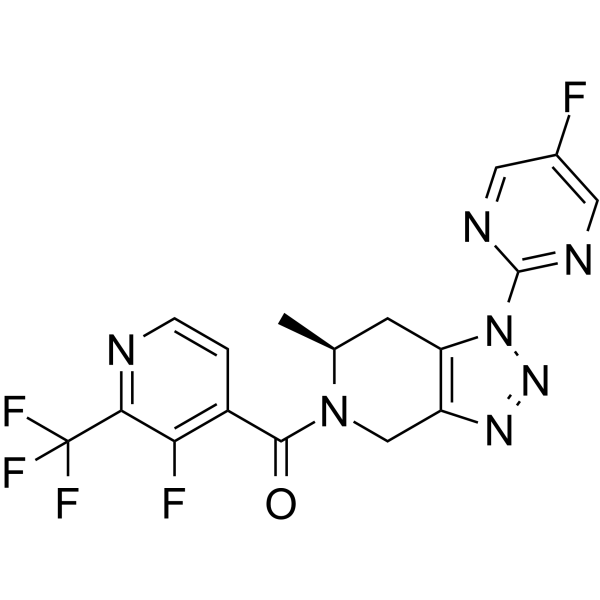
JNJ-55308942 is a high-affinity, selective, brain-penetrant P2X7 functional antagonist (hP2X7: IC50=10 nM, Ki=7.1 nM; rP2X7: IC50=15 nM, Ki=2.9 nM). JNJ-55308942 is orally bioavailable, binds to brain P2X7 and blocks IL-1β release from adult rodent brain .
|
-
-
- HY-P3211A
-
|
LR12 TFA
|
TREM receptor
NF-κB
NOD-like Receptor (NLR)
Interleukin Related
Apoptosis
|
Cardiovascular Disease
Inflammation/Immunology
|
|
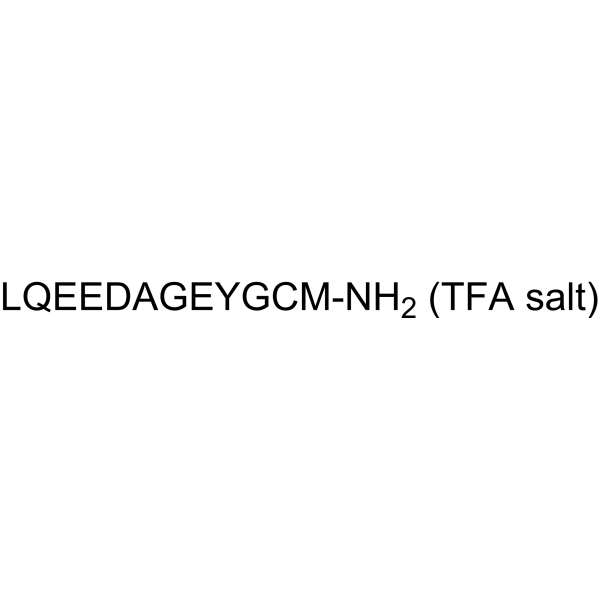
Nangibotide TFA (LR12 TFA) is a synthetic peptide and TREM-1 receptor inhibitor. Nangibotide TFA inhibits NF-κB and NLRP3 inflammasome activation and reduces the release of pro-inflammatory factors (such as IL-1β, IL-8). Nangibotide TFA inhibits Apoptosis. Nangibotide TFA reduces excessive inflammatory responses and protects tissues (liver, lung) from damage. Nangibotide TFA can be used in the researches for myocardial ischemia-reperfusion injury, septic shock, acute lung injury, osteoarthritis, and acute liver failure .
|
-
-
- HY-156438
-
|
NT-0796
|
NOD-like Receptor (NLR)
Interleukin Related
|
Neurological Disease
|
|
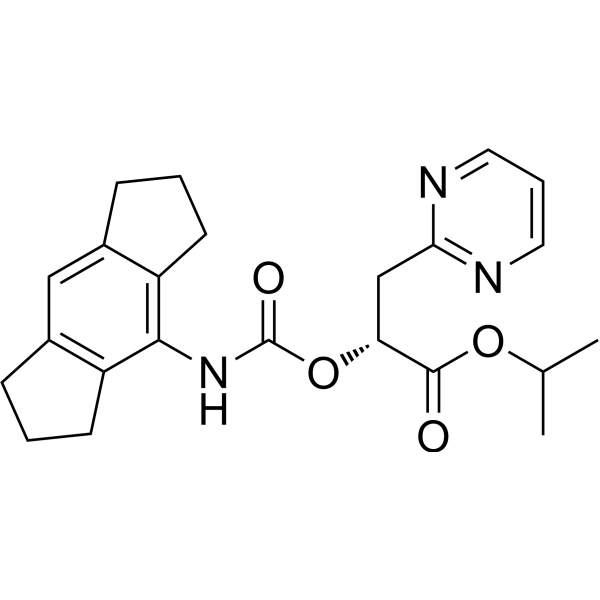
Ruvonoflast (NT-0796) is an orally active, selective and CNS-penetrant NLRP3 inflammasome inhibitor. Ruvonoflast inhibits IL-1β release in human PBMC cells with an IC50 value of 0.32 nM. Ruvonoflast is an isopropyl ester that undergoes intracellular conversion to Ruvonoflast, the carboxylic acid active species. Ruvonoflast reverses high fat diet-induced obesity, systemic inflammation and astrogliosis in the diet-induced obesity mouse model. Ruvonoflast is promising for research of neurodegenerative disorders, including Alzheimer’s disease, Parkinson’s disease, multiple sclerosis, and amyotrophic lateral sclerosis .
|
-
-
- HY-N0631
-
|
|
p38 MAPK
NF-κB
JNK
Cholinesterase (ChE)
Acyltransferase
NO Synthase
Interleukin Related
TNF Receptor
Prostaglandin Receptor
ERK
COX
|
Neurological Disease
Inflammation/Immunology
|
|
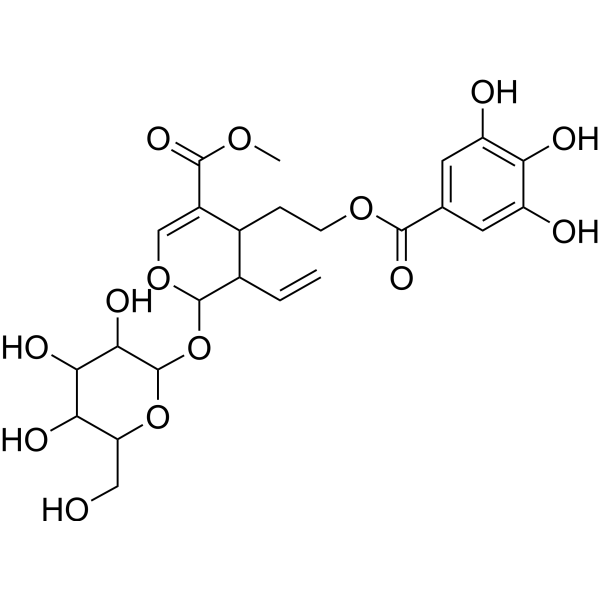
Cornuside is an iridoid glycoside with anti-allergic, anti-inflammatory, and neuroprotective activities. Cornuside exerts anti-allergic activity by downregulating the p38 MAPK, JNK, and NF-κB signaling pathways, and inhibits IgE-mediated histamine release from mast cells. Cornuside improves cognitive impairment in mice by inhibiting BACE1 activity (IC50 = 55.84 μg/mL) and enhancing ChAT activity. Cornuside inhibits LPS (HY-D1056)-induced inflammatory mediators, including iNOS, COX-2, PGE2, TNF-α, IL-6, and IL-1β, by suppressing NF-κB activation .
|
-
-
- HY-156647
-
-
-
- HY-N1431
-
|
|
NOD-like Receptor (NLR)
Apoptosis
Cytochrome P450
NF-κB
PI3K
Akt
CDK
Caspase
Interleukin Related
p38 MAPK
|
Inflammation/Immunology
Cancer
|
|
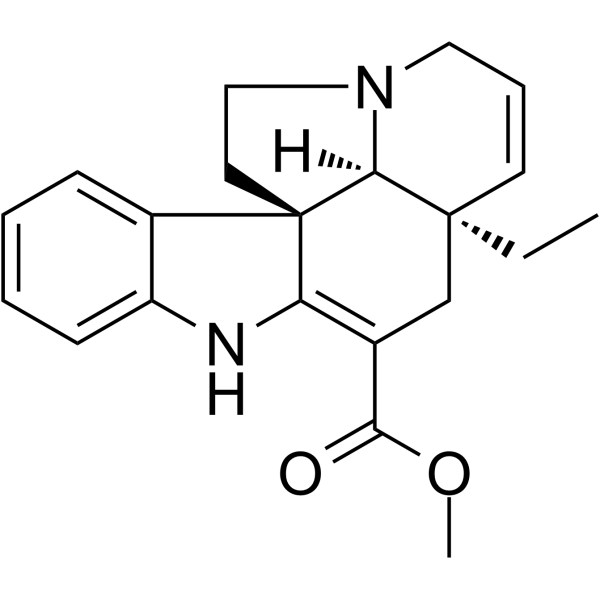
Tabersonine is a selective, orally active NLRP3 inhibitor. Tabersonine directly binds to the NACHT domain of NLRP3, inhibiting its ATPase activity and oligomerization, thereby blocking ASC spot formation and caspase-1 activation, and reducing the release of pro-inflammatory cytokines such as IL-1β. Tabersonine also inhibits K63-linked ubiquitination of TRAF6, blocking NF-κB, PI3K/Akt, and p38 MAPK signaling pathways. Tabersonine can inhibit inflammatory responses, induce apoptosis of liver cancer cells through mitochondrial pathways and death receptor pathways, reduce mitochondrial membrane potential, promote cytochrome c release, and activate caspase proteins. Tabersonine is mainly used in the study of NLRP3-driven inflammatory diseases (such as acute lung injury, sepsis, peritonitis) and tumors such as liver cancer .
|
-
-
- HY-163159
-
|
|
NOD-like Receptor (NLR)
Interleukin Related
|
Inflammation/Immunology
|
|
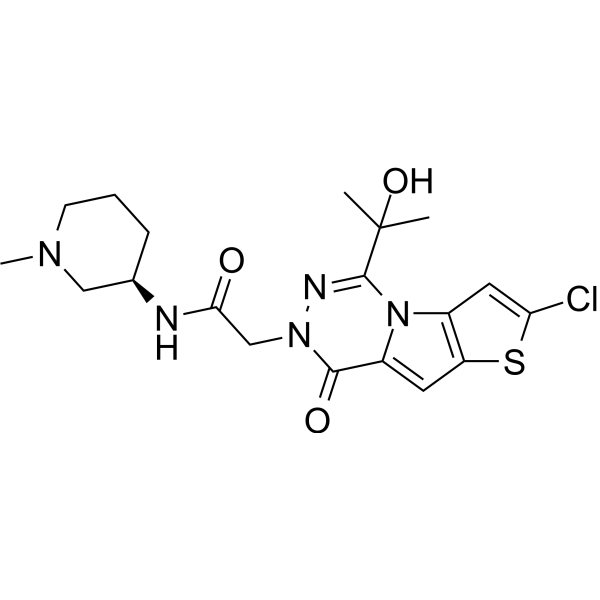
NP3-562 is an orally active NLRP3 Inhibitor. NP3-562 inhibits IL-1β release in the supernatant of Nigericin (HY-127019)-stimulated THP-1 cells (IC50 = 66 nM), human whole blood (IC50 = 214 nM) and a mouse acute peritonitis model. NP3-562 can be used for the study of acute peritonitis .
|
-
-
- HY-152670
-
JC2-11
1 Publications Verification
|
NOD-like Receptor (NLR)
AIM2
|
Inflammation/Immunology
|
|
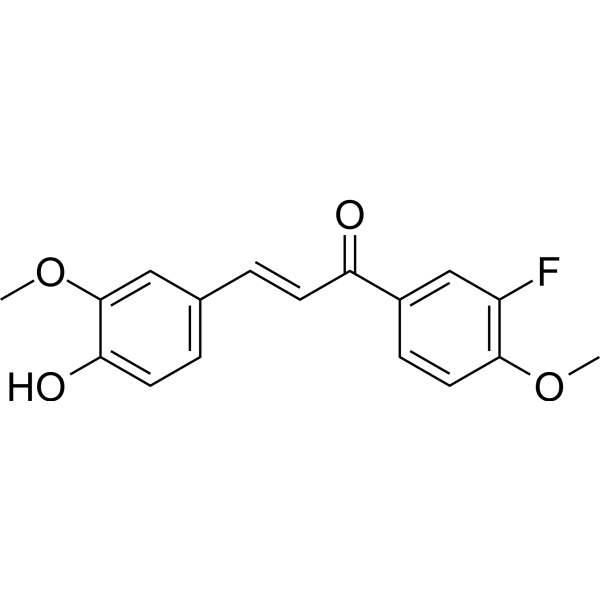
JC2-11 is an inhibitor of inflammatory corpuscles. JC2-11 inhibits domain-containing protein NLRC 4, absent in melanoma 2 (AIM 2) and non-canonical (NC) inflammatory corpuscles. JC2-11 reduces the secretion of caspase-1 (p20), the cleavage of gasdermin D (GSDMD), and the releases of IL-1β and lactate dehydrogenases (LDH) in inflammatory bodies. JC2-11 inhibits the activation of inflammatory bodies by destroying the production of reactive oxygen species and the activity of caspase-1 .
|
-
-
- HY-N4285
-
|
5,6-Dihydroxy-7-methoxyflavone
|
TNF Receptor
Interleukin Related
Reactive Oxygen Species (ROS)
Keap1-Nrf2
Amyloid-β
|
Infection
Neurological Disease
Inflammation/Immunology
Cancer
|
|
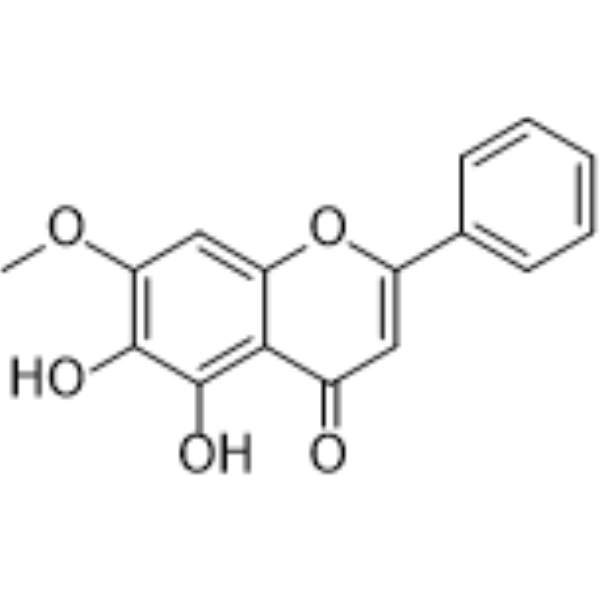
Negletein (5,6-Dihydroxy-7-methoxyflavone) is a flavone found in Scutellaria. Negletein shows anti-inflammatory activity via inhibiting TNF-α and IL-1β with IC50 values of 16.4 and 6.4 μM, respectively. Negletein can activate Nrf2 and inhibit ROS production. Negletein can enhance the neuroprotective effect of nerve growth factor. Negletein can inhibit amyloid beta-peptide release and accumulation. Negletein can inhibit pathogens biofilms formation. Negletein can be used for the researches of cancer, infection, inflammation and neurological disease, such as colon cancer and Alzheimer's disease .
|
-
-
- HY-19717
-
|
S-[(1E)-1,2-Dichloroethenyl]-L-cysteine
|
TNF Receptor
|
Inflammation/Immunology
|
|
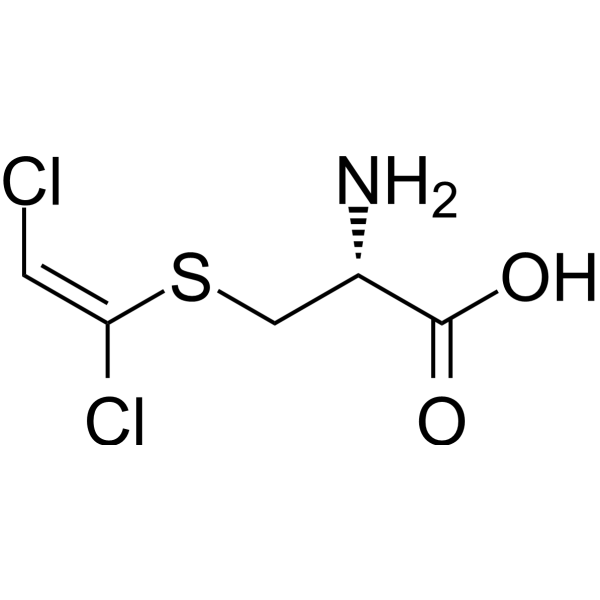
DCVC (S-[(1E)-1,2-Dichloroethenyl]-L-cysteine) is a bioactive metabolite of trichloroethylene (TCE). DCVC inhibits pathogen-stimulated pro-inflammatory cytokines IL-1β, IL-8, and TNF-α release from tissue cultures .
|
-
-
- HY-B1197
-
|
CL-34699
|
Glucocorticoid Receptor
NO Synthase
Interleukin Related
TNF Receptor
|
Inflammation/Immunology
Endocrinology
|
|
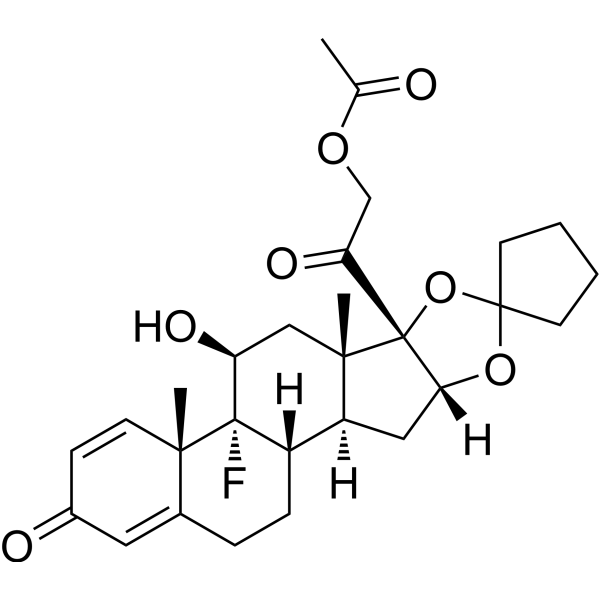
Amcinonide is an inhibitor of NO release (IC50 = 3.38 nM). Amcinonide inhibits NNC-induced expression of the proinflammatory genes iNOS, TNF-α, and IL-1β in glial cells. Amcinonide reduces the numbers of T6+/Ia+ cells with a concomitant increase in T6+/Ia- cells. Amcinonide induces a selective reduction in expression of Ia antigens. Amcinonide can also be studied in research for eczematous dermatitis .
|
-
-
- HY-168532
-
|
|
Interleukin Related
|
Inflammation/Immunology
|
|
ST2-IN-1 is a ST2 inhibitor. ST2-IN-1 blocks the binding interaction between ST2 and IL-33, thereby attenuating the downstream ST2/IL-33 signaling pathway. ST2-IN-1 reduces IL-1β release from mast cells and alleviates ST2 upregulation in cells. ST2-IN-1 can be used for research on inflammatory and immune-related diseases .
|
-

-
- HY-112389
-
|
|
p38 MAPK
|
Inflammation/Immunology
|
|
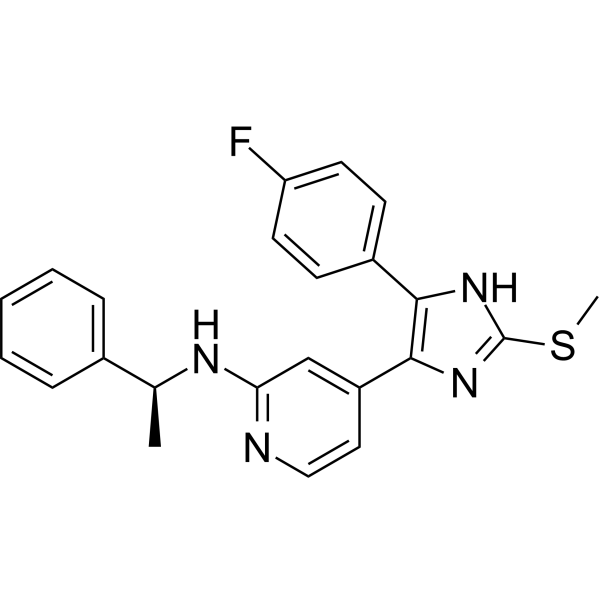
p38 MAP Kinase Inhibitor III (compound 7h) is a p38 MAPK inhibitor with an 50 of 0.9 μM. p38 MAP Kinase Inhibitor III also inhibits IL-1β and TNF-α release with 50 values of 0.37 μM and 0.044 μM, respectively .
|
-
-
- HY-164304
-
-

-
- HY-117432
-
-
-
- HY-128859
-
|
|
Cytochrome P450
|
Metabolic Disease
|
|
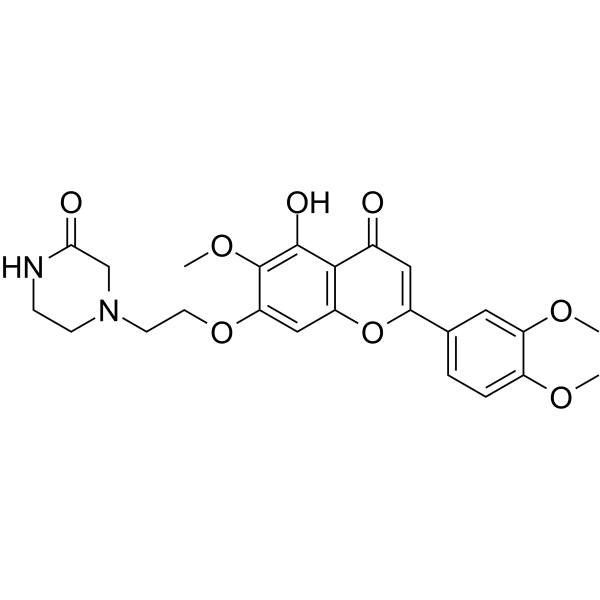
EMT inhibitor-2 (Compound 1) inhibits epithelial-mesenchymal transition (EMT) induced by substances such as IL-1β and TGF-β released from the immunocytes. EMT inhibitor-2 inhibits CYP3A4 testosteron and CYP2C9 with IC50s of 49.72 and 5.54 μM, respectively .
|
-
-
- HY-156374
-
|
|
NOD-like Receptor (NLR)
Pyroptosis
|
Inflammation/Immunology
|
|
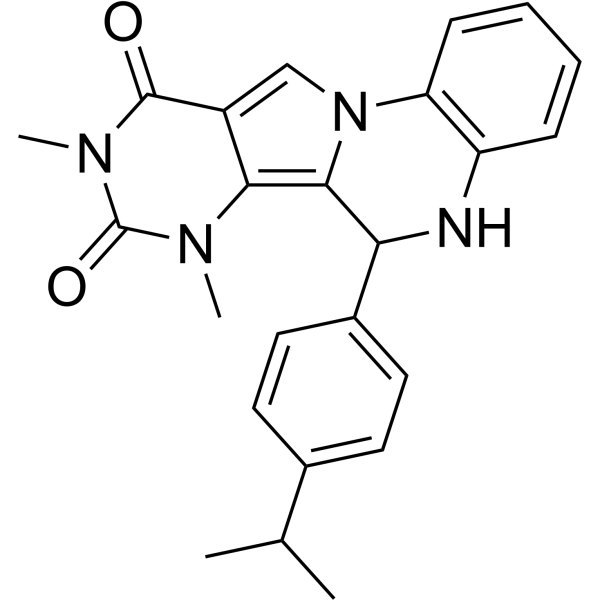
D359-0396 is an orally active NLRP3 inflammasome inhibitor. D359-0396 inhibits pyroptosis and IL-1β release in macrophages. D359-0396 also inhibits the oligomerization of NLRP3, ASC and the cleavage of GSDMD. D359-0396 alleviates EAE, and also improves survival after septic shock in mice .
|
-
-
- HY-161671
-
|
|
nAChR
|
Neurological Disease
Inflammation/Immunology
|
|
GAT2711 is a full agonist of α9 nAChR with an EC50 of 230 nM. GAT2711 shows 340-fold selective for α9 over α7 nAChRs. GAT2711 inhibits ATP-induced IL-1β release in THP-1 cells. GAT2711 retains full analgesic activity in α7 nAChR knockout mice .
|
-

-
- HY-170495
-
|
|
HDAC
Apoptosis
Interleukin Related
|
Inflammation/Immunology
|
|
HDAC6 degrader-5 (Compound 6) exhibits inhibitory and degradation activity against HDAC6, with an IC50 of 4.95 nM and a DC50 of 0.96 nM. HDAC6 degrader-5 inhibits the release of TNF-α, IL-1β and IL-6, blocks the hepatocyte apoptosis. HDAC6 degrader-5 exhibits anti-inflammatory activity in mouse APAP (HY-66005)-induced liver injury models .
|
-

-
- HY-N7064
-
|
|
Pyruvate Kinase
COX
STAT
TNF Receptor
NO Synthase
Interleukin Related
HIF/HIF Prolyl-Hydroxylase
|
Cardiovascular Disease
Inflammation/Immunology
|
|
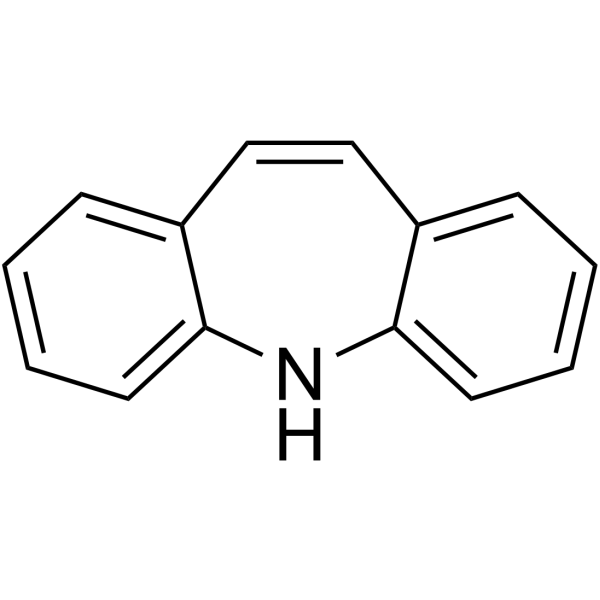
Iminostilbene is a chemical precursor of carbamazepine. Additionally, Iminostilbene is an orally active inhibitor of PKM2 (Pyruvate Kinase M2) and COX2 (Cyclooxygenase-2). Iminostilbene exerts its effects by inhibiting PKM2 and its interaction with HIF-1α and STAT3, reducing COX2 and iNOS expression, and decreasing LPS-induced release of IL-1β, IL-6, TNF-α, and MCP-1, thereby suppressing macrophage-mediated inflammatory responses and improving myocardial ischemia/reperfusion (MI/R) injury. Iminostilbene holds promise for research in inflammation regulation, cardiovascular diseases (such as MI/R injury), and macrophage-mediated immune-related diseases .
|
-
-
- HY-120048
-
|
|
NOD-like Receptor (NLR)
|
Inflammation/Immunology
|
|
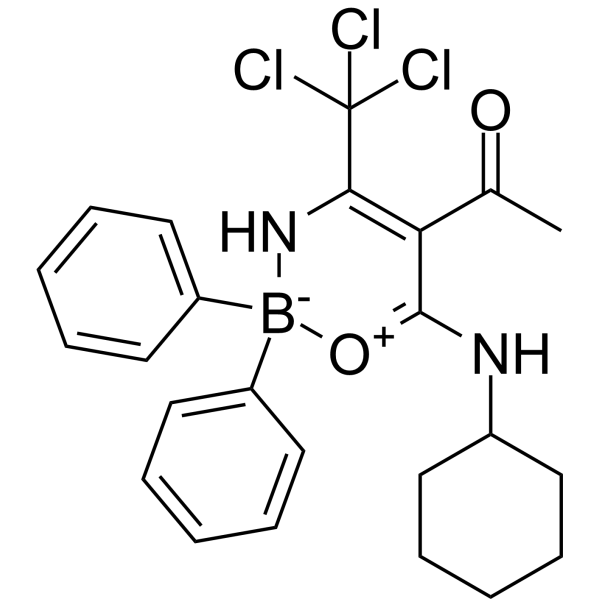
NBC19 is an NLRP3 inflammasome inhibitor with an IC50 of 60 nM in differentiated THP1 cells. NBC19 inhibits nigericin- and ATP-induced IL-1β release with IC50s of 80 nM and 850 nM, respectively .
|
-
-
- HY-169933
-
|
|
NEKs
|
Inflammation/Immunology
Cancer
|
|
NEK7-IN-1 (Compound I-15) is the inhibitor for NIMA-related kinase 7 NEK7 with IC50 <100 nM. NEK7-IN-1 inhibits the IL-1β release with IC50 <50 nM .
|
-

-
- HY-168737
-
|
|
NOD-like Receptor (NLR)
NEKs
|
Inflammation/Immunology
|
|
NEK7-IN-2 (compound 23) is a potent inhibitor of NLRP3-NEK7 interaction. NEK7-IN-2 can enhance the thermal stability of NEK7 and regulatie NLRP3 inflammasome assembly. NEK7-IN-2 inhibits IL-1β releases .
|
-

-
- HY-155335
-
|
|
Formyl Peptide Receptor (FPR)
|
Inflammation/Immunology
|
|
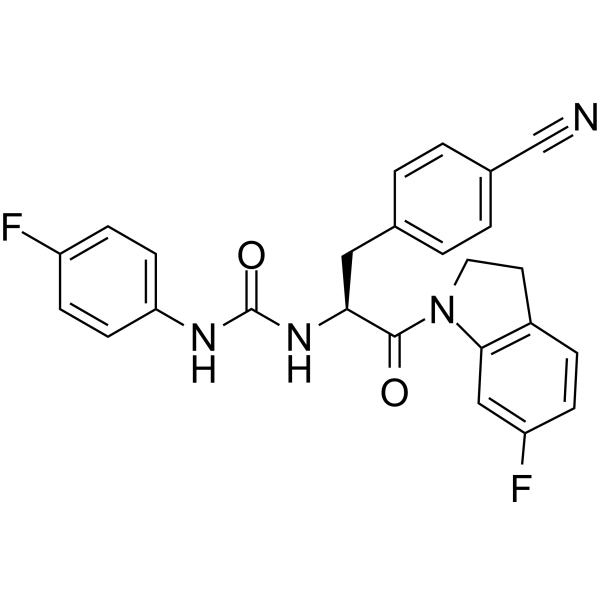
FPR2 agonist 3 (compound CMC23) can limit the lactate dehydrogenase release in LPS (HY-D1056) -stimulated cultures and decrease the levels of pro-inflammatory IL-1β and IL-6. FPR2 agonist 3 decrease the level of phosphor-STAT3 via the STAT3/SOCS3 signaling pathway .
|
-
-
- HY-P10935A
-
|
5-MP TFA
|
Amyloid-β
Interleukin Related
|
Inflammation/Immunology
|
|
Amilo-5MER (5-MP) TFA is an orally active and selective Serum Amyloid A (SAA) inhibitor. Amilo-5MER TFA specifically inhibits the release of pro-inflammatory cytokines IL-6 and IL-1β from SAA-activated cells. Amilo-5MER TFA reduces chronic inflammation and relieves symptoms of diseases such as rheumatoid arthritis (RA), inflammatory bowel disease (IBD), and multiple sclerosis (MS). Amilo-5MER TFA is promising for research of autoimmune diseases and chronic inflammatory diseases .
|
-

-
- HY-19888
-
|
|
P2X Receptor
Interleukin Related
|
Neurological Disease
Inflammation/Immunology
|
|
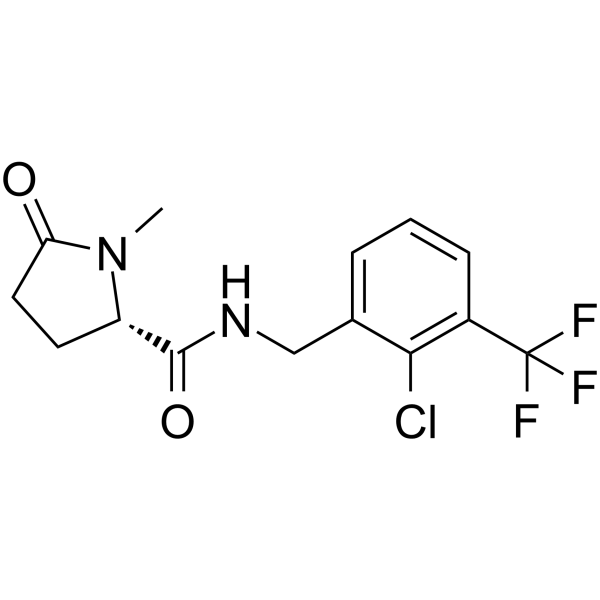
GSK-1482160 is an orally active and blood-brain barrier penetrant P2X7 receptor (P2X7R) negative allosteric modulator with pIC50s of 8.5 (human) and 6.5 (rat). GSK-1482160 reduces the efficacy of ATP at the P2X7 receptor without affecting its affinity, thereby inhibiting the release of IL-1β. GSK-1482160 is an effective radioligand and can be labeled with radioactive isotopes like 11C or 18F to image P2X7R. GSK-1482160 can be used for the studies of chronic joint pain and chronic constriction injury (CCI) .
|
-
-
- HY-133133
-
-

-
- HY-150965
-
|
|
NOD-like Receptor (NLR)
|
Inflammation/Immunology
|
|
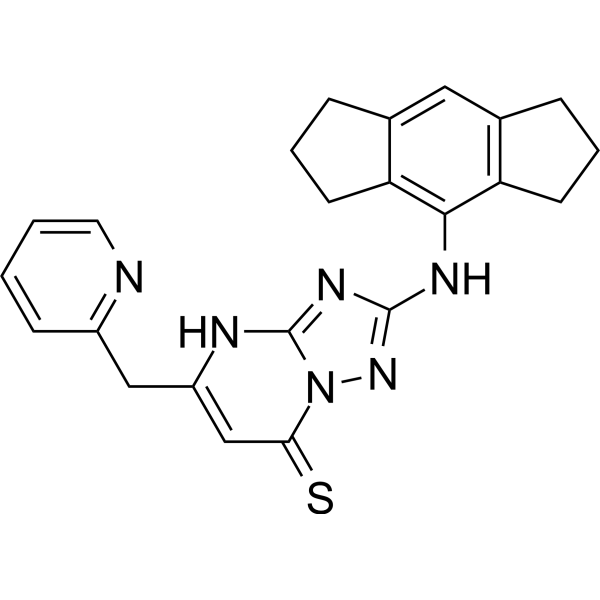
NDT-30805 is a selective NLRP3 inflammasome inhibitor. NDT-30805 is a triazolopyrimidinone derivative and inhibits IL-1β release in PBMCs with an IC50 of 0.013 μM. NDT-30805 can be used for the research of inflammation and innate immunity .
|
-
-
- HY-108670
-
|
|
P2X Receptor
|
Inflammation/Immunology
|
|
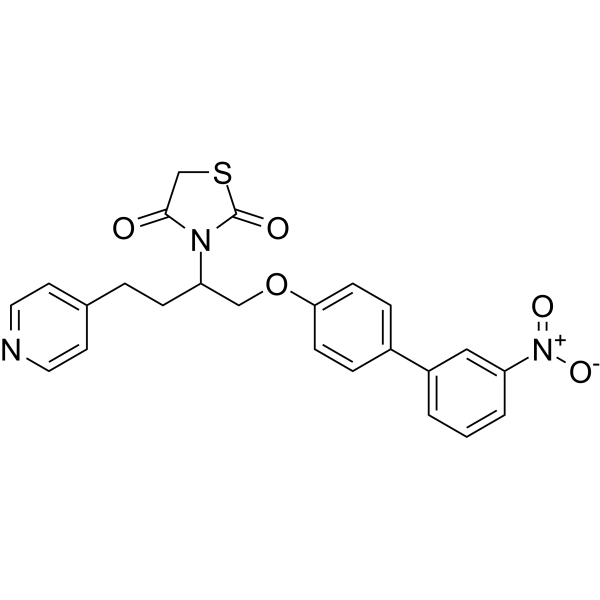
AZ11645373 is a highly selective and potent antagonist at human but not rat P2X7 receptors,AZ11645373 inhibits ATP-evoked IL-1β release from lipopolysaccharide-activated THP-1 cells , with an IC50 value of 90 nM .
|
-
-
- HY-145087
-
|
NLRP3-IN-5
|
NOD-like Receptor (NLR)
Interleukin Related
Caspase
|
Inflammation/Immunology
|
|
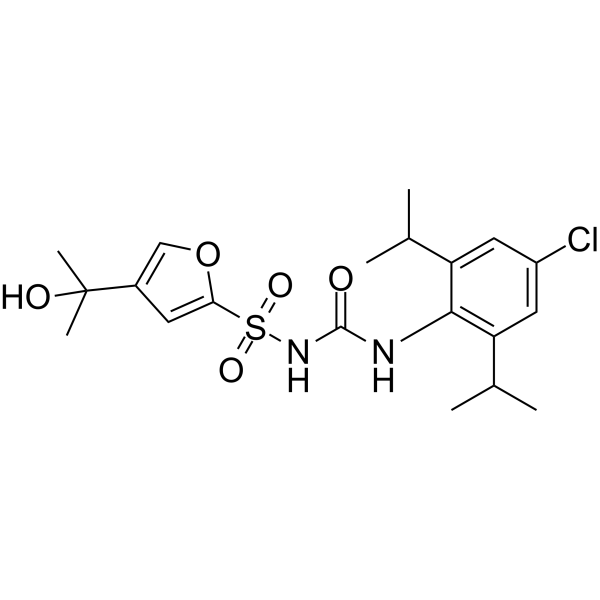
NP3-146 is a NLRP3 inflammasome inhibitor through locking the NACHT domain of NLRP3. NP3-146 shows potent inhibitory activity against IL-1β release with an IC50 value of 0.171 μM in LPS (HY-D1056)/Nigericin (HY-127019)-stimulated BMDM cells. NP3-146 regulates the levels of cleaved Caspase-1 and cleaved IL-1β in cell supernatants. NP3-146 can be used for the research of inflammatory diseases .
|
-
-
- HY-B1615R
-
|
NAB-365 (Standard)
|
Reference Standards
Adrenergic Receptor
|
Inflammation/Immunology
|
|
Clenbuterol (Standard) is the analytical standard of Clenbuterol. This product is intended for research and analytical applications. Clenbuterol (NAB-365) is a β2-adrenergic receptor agonist with an EC50 of 31.9 nM . Clenbuterol is a very potent inhibitor of the lipopolysaccharide (LPS)-induced release of TNF-α and IL-1β. Clenbuterol can inhibit the inflammatory process. Clenbuterol is a bronchodilator .
|
-

-
- HY-177559
-
|
|
NEKs
Interleukin Related
NOD-like Receptor (NLR)
|
Inflammation/Immunology
|
|
NEK7 degrader-2 (Compound 25) is a NEK7 degrader. NEK7 degrader-2 shows dose-dependent NEK7 degradation ability in human PBMC-derived macrophages. NEK7 degrader-2 reduce the release level of pro-inflammatory cytokines IL-1β induced by NLRP3 inflammasome activation. NEK7 degrader-2 can be used for the study of inflammatory diseases .
|
-

-
- HY-179024
-
-

-
- HY-13205R
-
|
VX-765 (Standard)
|
Caspase
Reference Standards
|
Inflammation/Immunology
|
|
Belnacasan (Standard) is the analytical standard of Belnacasan. This product is intended for research and analytical applications. Belnacasan (VX-765) is an orally bioactive proagent of VRT-043198, which is a potent and selective inhibitor of IL-converting enzyme (ICE)/caspase-1 with Kis of 0.8 nM and less than 0.6 nM for caspase-1 and caspase-4, respectively. Belnacasan (VX-765) inhibits the release of LPS-induced IL-1β and IL-18 by human PBMCs with an IC50 of ~0.7 μM .
|
-

-
- HY-175645
-
|
|
NOD-like Receptor (NLR)
URAT1
Interleukin Related
OAT
GLUT
|
Metabolic Disease
Inflammation/Immunology
|
|
NLRP3/URAT1-IN-1 is an orally active double inhibitor of NLRP3 and URAT1 (IC50 = 3.81 μM). NLRP3/URAT1-IN-1 inhibits IL-1β release in LPS (HY-D1056) and ATP-stimulated mouse bone marrow-derived macrophages (BMDMs), with an IC50 of 2.61 μM. NLRP3/URAT1-IN-1 reduces serum uric acid (SUA) and alleviates liver/kidney damage in mice with acute hyperuricemia (HUA). NLRP3/URAT1-IN-1can be used for the study of gout and hyperuricemia .
|
-

-
- HY-133132
-
-

-
- HY-149122
-
|
|
NOD-like Receptor (NLR)
|
Inflammation/Immunology
|
|
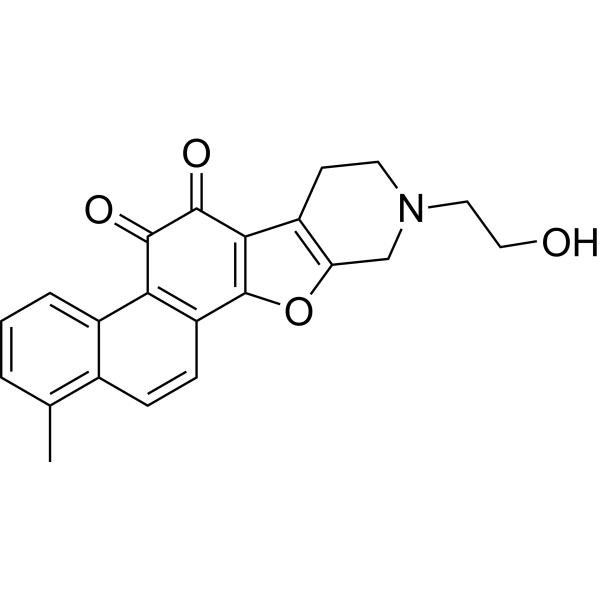
NLRP3-IN-15 is a potent and selective NLRP3 inflammasome inhibitor. NLRP3-IN-15 inhibits IL-1β release with an IC50 of 0.114 μM. NLRP3-IN-15 can be used for the research of inflammation .
|
-
-
- HY-145087A
-
|
|
NOD-like Receptor (NLR)
Interleukin Related
Caspase
|
Inflammation/Immunology
|
|
NP3-146 sodium is a NLRP3 inflammasome inhibitor through locking the NACHT domain of NLRP3. NP3-146 sodium shows potent inhibitory activity against IL-1β release with an IC50 value of 0.171 μM in LPS (HY-D1056)/Nigericin (HY-127019)-stimulated BMDM cells. NP3-146 sodium regulates the levels of cleaved Caspase-1 and cleaved IL-1β in cell supernatants. NP3-146 sodium can be used for the research of inflammatory diseases .
|
-

-
- HY-B1615
-
|
NAB-365
|
Adrenergic Receptor
|
Inflammation/Immunology
|
|
Clenbuterol (NAB-365) is a β2-adrenergic receptor agonist with an EC50 of 31.9 nM . Clenbuterol is a very potent inhibitor of the lipopolysaccharide (LPS)-induced release of TNF-α and IL-1β. Clenbuterol can inhibit the inflammatory process. Clenbuterol is a bronchodilator .
|
-

-
- HY-146802
-
|
|
NOD-like Receptor (NLR)
|
Inflammation/Immunology
|
|
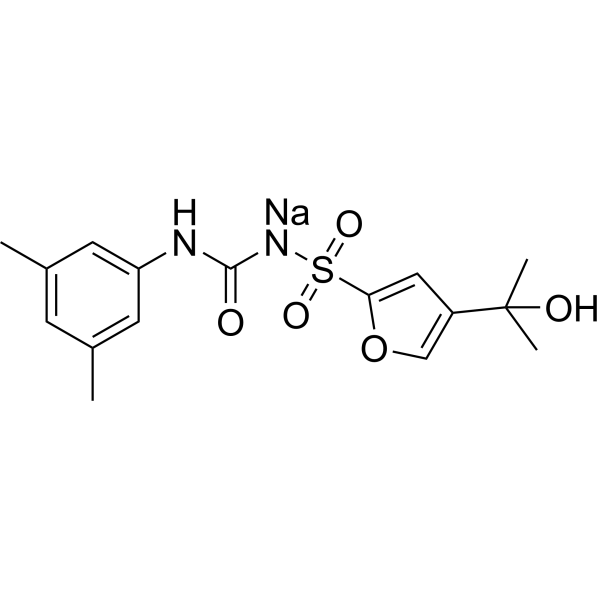
NLRP3-IN-9 is a potent NLRP3 inhibitor. NLRP3-IN-9 inhibits IL-1β release. NLRP3-IN-9 reduces inflammation and mechanical hyperalgesia. NLRP3-IN-9 has the potential for the research of gout .
|
-
-
- HY-175293
-
|
|
Toll-like Receptor (TLR)
NF-κB
p38 MAPK
|
Cancer
|
|
SMU-C68 is a highly selective small-molecule TLR1/2 heterodimer agonist (EC50=0.009 μM). SMU-C68 activates NF-κB and MAPK pathways to promote pro-inflammatory cytokine release (e.g., TNF-α, IL-1β). SMU-C68 is promising for research of cancers .
|
-

-
- HY-132831B
-
|
Somalix potassium; RO-7486967 potassium; IZD334 potassium
|
NOD-like Receptor (NLR)
Interleukin Related
|
Neurological Disease
Inflammation/Immunology
|
|
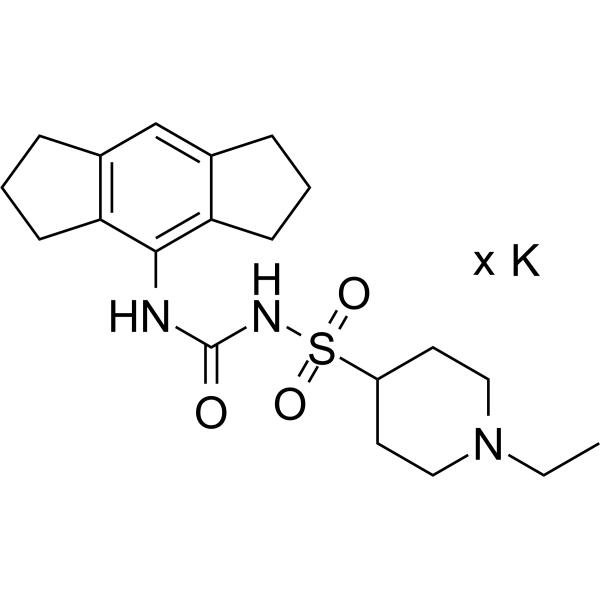
Selnoflast potassium (RO7486967 potassium), formerly somalix/RG6418/IZD334, is an orally active, potent, selective and reversible small molecule NLRP3 inflammasome inhibitor. Selnoflast potassium is a potent inhibitor of IL-1β release stimulated by NLRP3 activation in human Alzheimer's disease (AD) monocyte-derived macrophages. Selnoflast potassium is promising for research of AD and systemic inflammatory diseases, such as ulcerative colitis and chronic obstructive pulmonary disease .
|
-
-
- HY-131040
-
|
|
NOD-like Receptor (NLR)
|
Inflammation/Immunology
|
|
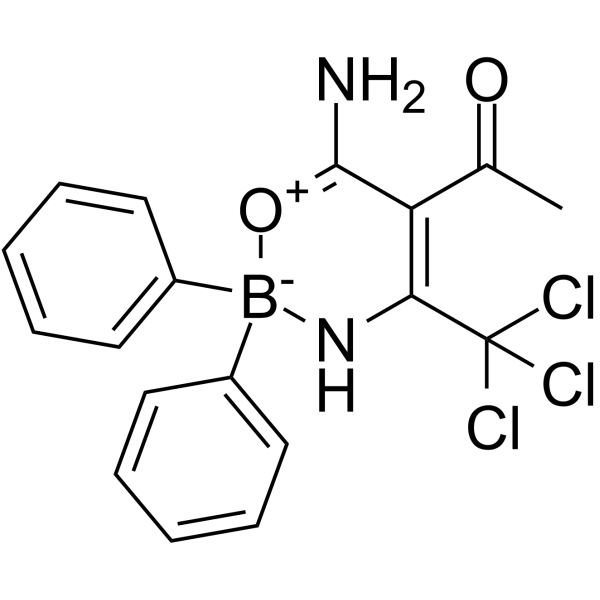
NLRP3-IN-NBC6 is a potent, selective NLRP3 inflammasome inhibitor (IC50= 574 nM) that acts independently of Ca 2+. NLRP3-IN-NBC6 inhibits Nigericin (HY-127019)-induced inflammasome activation in THP-1 cells and Imiquimod (HY-B0180)-induced IL-1β release from LPS-primed bone marrow-derived macrophages (BMDMs) .
|
-
-
- HY-172941
-
|
|
NOD-like Receptor (NLR)
|
Neurological Disease
|
|
VEN-02XX is an orally active and brain-permeable NLRP3 inhibitor. VEN-02XX inhibits the release of IL-1β and IL-18 (IC50 0.3 and 0.28 μM, respectively). VEN-02XX restores memory and cognition, inhibits microgliosis, and reduces neuroinflammation and tau pathology in the 5XFAD/Rubicon KO mouse model. VEN-02XX may be used in the study of Alzheimer's disease (AD) .
|
-

-
- HY-155517
-
|
|
NOD-like Receptor (NLR)
Pyroptosis
|
Inflammation/Immunology
|
|
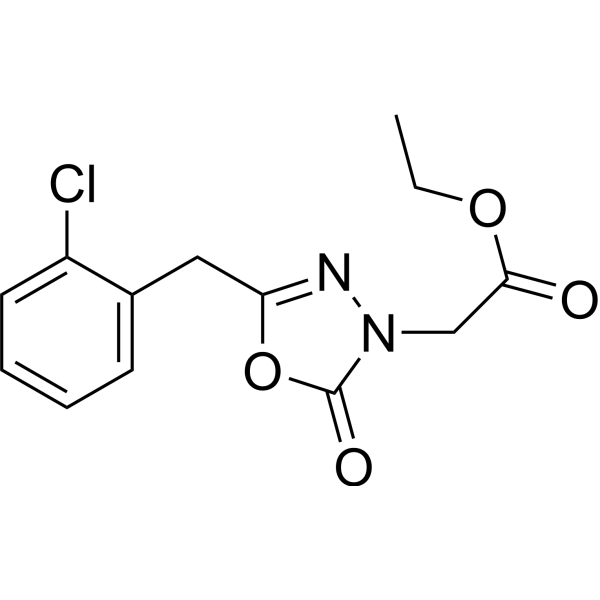
INF200 (compound 5) is a sulfonylurea-based inhibitor of NLRP3 and NLRP3-mediated pyroptosis. INF200 has beneficial cardiometabolic effects in rat model of high-fat diet (HFD)-induced metaflammation,and shows anti-inflammatory activity to (10 μM) decreases IL-1β release in human macrophages. INF200 improves glucose and lipid profiles,and attenuates systemic inflammation and biomarkers of cardiac dysfunction (particularly BNP). INF200 also improves myocardial damage-dependent ischemia/reperfusion injury (IRI) in hemodynamic evaluation .
|
-
- HY-P10935
-
|
5-MP
|
Amyloid-β
Interleukin Related
|
Inflammation/Immunology
|
|
Amilo-5MER (5-MP) is an orally active and selective Serum Amyloid A (SAA) inhibitor. Amilo-5MER specifically inhibits the release of pro-inflammatory cytokines IL-6 and IL-1β from SAA-activated cells. Amilo-5MER reduces chronic inflammation and relieves symptoms of diseases such as rheumatoid arthritis (RA), inflammatory bowel disease (IBD), and multiple sclerosis (MS). Amilo-5MER is promising for research of autoimmune diseases and chronic inflammatory diseases .
|
-

- HY-174312
-
|
|
NOD-like Receptor (NLR)
Pyroptosis
Caspase
Interleukin Related
|
Inflammation/Immunology
|
|
NLRP3-IN-81 (N102) is a BBB-penetrable inhibitor against NLRP3 inflammasome-dependent pyroptosis with an EC50 of 0.029 μM against cell pyroptosis induced by Nigericin (HY-127019). NLRP3-IN-81 potently inhibits NLRP3-dependent activation of caspase-1 and the release of IL-1β. NLRP3-IN-81 disturbs the interaction of NLRP3 with the adaptor protein ASC and inhibits ASC oligomerization. NLRP3-IN-81 can be used for pyroptosis-related diseases research, such as inflammatory bowel diseases and type 2 diabetes .
|
-

- HY-124665
-
|
|
TNF Receptor
Interleukin Related
|
Infection
Metabolic Disease
Inflammation/Immunology
|
|
LMP-420 is a selective tumor necrosis factor-α (TNF-α) inhibitor. LMP-420 reduces the release of pro-inflammatory cytokines (e.g., IL-1β, IL-2), inducing the expression of anti-inflammatory cytokine IL-10 and anti-apoptotic molecules SOCS-1 and Mn-SOD. LMP-420 also downregulates chemokines (e.g., IP-10, MCP-1) to reduce immune cell infiltration. LMP-420 is promising for research of type 1 diabetes mellitus, inflammatory diseases (e.g., colitis), and HIV-Mycobacterium tuberculosis coinfection .
|
-

- HY-W615446
-
|
|
Glutathione S-transferase
Interleukin Related
|
Inflammation/Immunology
Cancer
|
|
GSTO1-IN-3 is a potent GSTO1-1 inhibitor with an IC50 of 0.11 μM, and shows selectivity over GSTO2-2, GSTA1-1 and GSTP1-1 (IC50 > 100 μM). GSTO1-IN-3 enhances the cytotoxicity of Cisplatin (HY-17394) against human breast cancer cells. GSTO1-IN-3 inhibits IL-1β release in mouse bone marrow-derived macrophage (BMDM) cells. GSTO1-IN-3 attenuates inflammation in mice. GSTO1-IN-3 can be used for breast cancer and inflammation research .
|
-

- HY-157554
-
-
- HY-168561
-
-

- HY-W650842
-
|
|
Caspase
|
Cancer
|
|
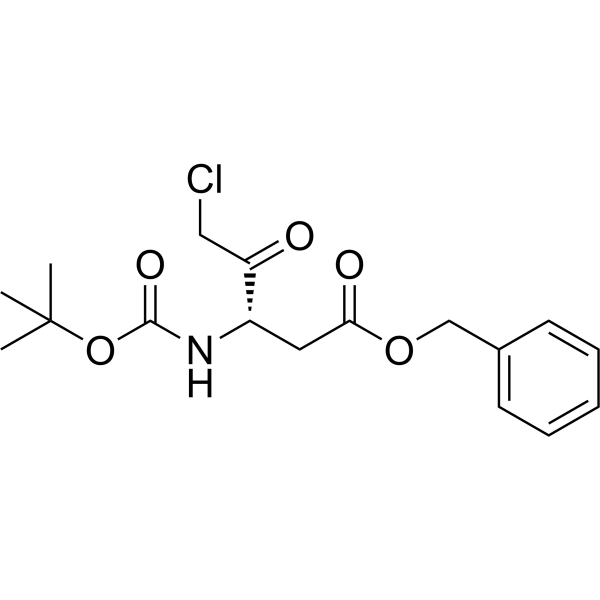
Boc-Asp(OBzl)-CMK is an inhibitor for IL-1 converting enzyme (ICE, caspase1). Boc-Asp(OBzl)-CMK prevents death of CHP100 neuroblastoma cell, and IL-1β release elicited by the viral coat protein .
|
-
- HY-149123
-
|
|
NOD-like Receptor (NLR)
|
Inflammation/Immunology
|
|
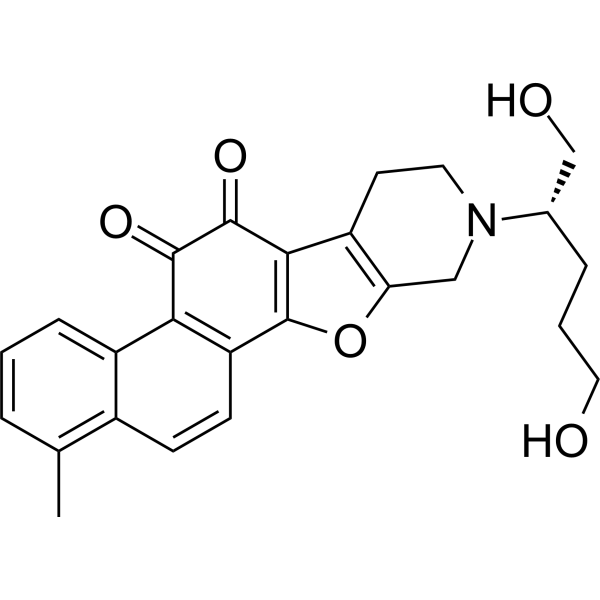
NLRP3-IN-16 is a potent and selective NLRP3 inflammasome inhibitor. NLRP3-IN-16 inhibits IL-1β release with an IC50 of 0.065 μM. NLRP3-IN-16 can be used for the research of inflammation .
|
-
- HY-173294
-
|
|
NOD-like Receptor (NLR)
|
Cardiovascular Disease
Neurological Disease
|
|
NLRP3-IN-74 (Compound 11) is an orally active NLRP3 inhibitor with an IC50 value of 2.7 μM. NLRP3-IN-74 can inhibit the release of IL-1β, reducing the release level by approximately 90%, and does not inhibit the release of TNFα. NLRP3-IN-74 can be used in the research of related diseases such as atherosclerosis and Parkinson's disease .
|
-

- HY-168474
-
|
|
P2X Receptor
|
Inflammation/Immunology
|
|
P2X4 antagonist-4 (compound 64) is a potent P2X4R antagonist with an IC50 value of 8 µM. P2X4 antagonist-4 blocks the ATP-induced NLRP3 inflammasome activation and release of IL-1β .
|
-

- HY-168002
-
|
|
Glutathione Peroxidase
|
Inflammation/Immunology
|
MPO-IN-8 is an orally active myeloperoxidase (MPO) inhibitor. MPO-IN-8 can inhibit the generation of hypochlorous acid in neutrophils and the release of extracellular traps (NETosis). In mice with gouty arthritis, MPO-IN-8 can reduce swelling, lower peroxidase activity, and decrease IL-1β levels .
|
-

- HY-149121
-
|
|
NOD-like Receptor (NLR)
|
Inflammation/Immunology
|
|
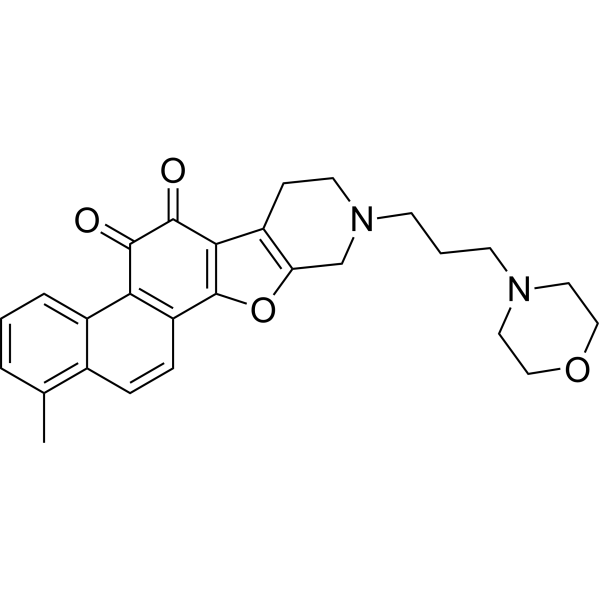
NLRP3-IN-14 is a potent and selective NLRP3 inflammasome inhibitor (KD: 5.87 μM). NLRP3-IN-14 inhibits IL-1β release with an IC50 of 0.131 μM. NLRP3-IN-14 can be used for the research of inflammation .
|
-
- HY-151952
-
|
|
NOD-like Receptor (NLR)
|
Inflammation/Immunology
|
|
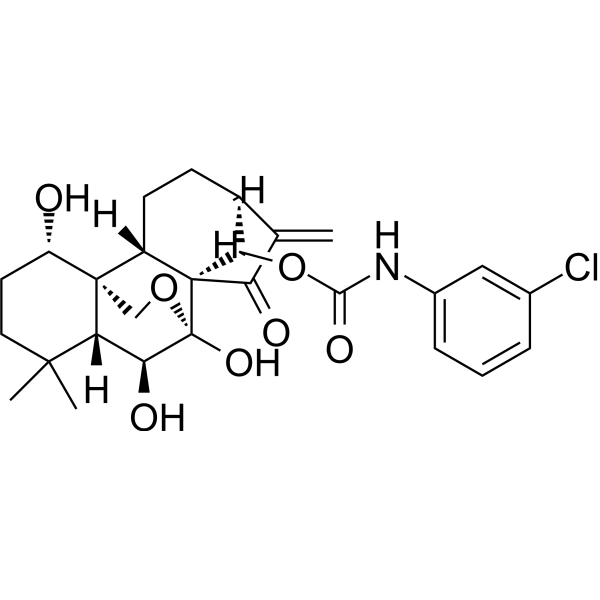
NLRP3-IN-12 is a specific NLRP3 inflammasome inhibitor. NLRP3-IN-12 reduces the release of IL-1β by targeting the NLRP3 protein, with an IC50 of 0.45 μM. NLRP3-IN-12 can be used for the research of inflammatory bowel disease .
|
-
- HY-170364
-
-

- HY-N12235
-
|
|
Caspase
|
Inflammation/Immunology
|
|
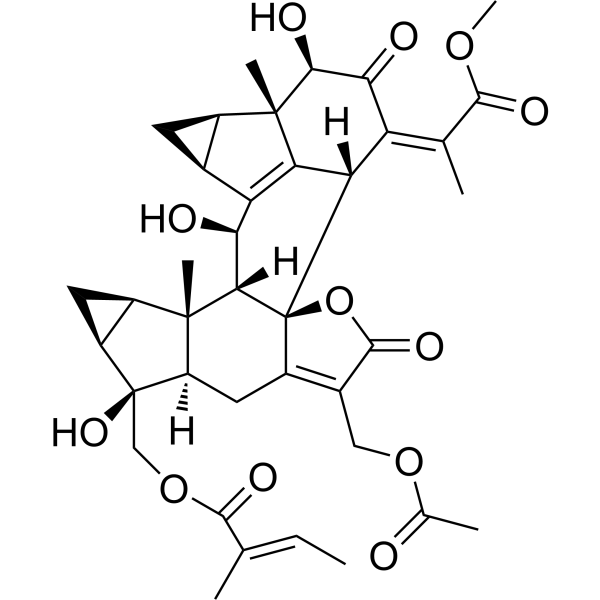
Sarglaroids F (compound 6) is an anti-inflammatory agent isolated from the roots of Grass Coral. Sarglaroids F inhibits LPS/ATP-induced IL-1β release by affecting K+ efflux and reducing Caspase-1(P20) levels. Sarglaroids F is not cytotoxic to RAW264.7 cells .
|
-
- HY-163998
-
|
|
Toll-like Receptor (TLR)
|
Inflammation/Immunology
|
|
TLR4-IN-1 (compound 3k) inhibits the cell viability of RAW264.7 with an IC50 of 1.02 μM. TLR4-IN-1 inhibits the release of cytokine TNF-α, IL-1β and IL-6, and exhibits anti-inflammatory efficacy in rats rheumatoid arthritis models .
|
-

- HY-173144
-
-

- HY-163744
-
-

- HY-19717S
-
|
S-[(1E)-1,2-Dichloroethenyl]-L-cysteine-13C3,15N
|
Isotope-Labeled Compounds
|
Inflammation/Immunology
|
|
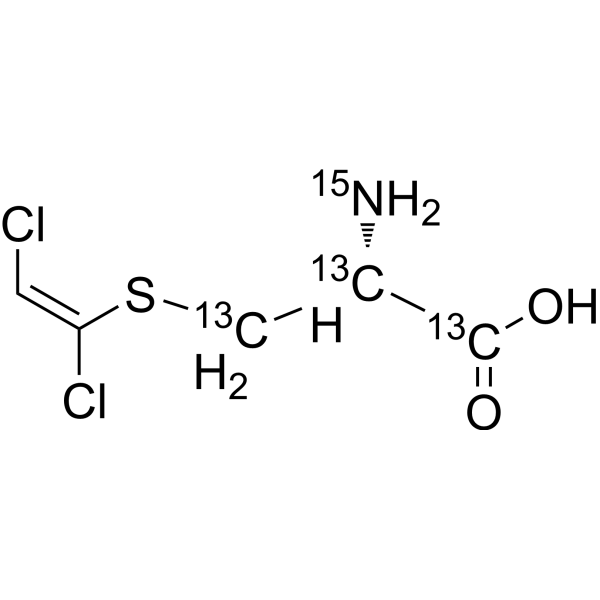
DCVC- 13C3, 15N is 15N and 13C labeled DCVC. DCVC (S-[(1E)-1,2-Dichloroethenyl]-L-cysteine) is a bioactive metabolite of trichloroethylene (TCE). DCVC inhibits pathogen-stimulated pro-inflammatory cytokines IL-1β, IL-8, and TNF-α release from tissue cultures .
|
-
- HY-W015546R
-
|
BMAA hydrochloride (Standard)
|
Bacterial
Reference Standards
mGluR
PKC
|
Neurological Disease
Inflammation/Immunology
|
|
Clenbuterol (Standard) is the analytical standard of Clenbuterol. This product is intended for research and analytical applications. Clenbuterol (NAB-365) is a β2-adrenergic receptor agonist with an EC50 of 31.9 nM . Clenbuterol is a very potent inhibitor of the lipopolysaccharide (LPS)-induced release of TNF-α and IL-1β. Clenbuterol can inhibit the inflammatory process. Clenbuterol is a bronchodilator .
|
-

- HY-178950
-
|
|
Src
TNF Receptor
Interleukin Related
NOD-like Receptor (NLR)
Caspase
|
Inflammation/Immunology
|
|
Hck-IN-3 (compound 2D) is an orally effective inhibitor targeting HCK (KD = 3.92 μM). Hck-IN-3 can inhibit the release of NO. Hck-IN-3 has an IC50 of 6.52 μM in RAW264.7 cells. Hck-IN-3 can inhibit the release of TNF-α, IL-6, and IL-1β in a concentration dependent manner. Hck-IN-3 downregulates the protein expression of NLRP3, ASC, pro-caspase-1, and pro-IL-1β in a concentration dependent manner. Hck-IN-3 can be used for research on acute non traumatic inflammatory conditions .
|
-

- HY-157992
-
-
- HY-132831A
-
|
Somalix calcium; RO-7486967 calcium; IZD334 calcium
|
NOD-like Receptor (NLR)
Interleukin Related
|
Neurological Disease
Inflammation/Immunology
|
|
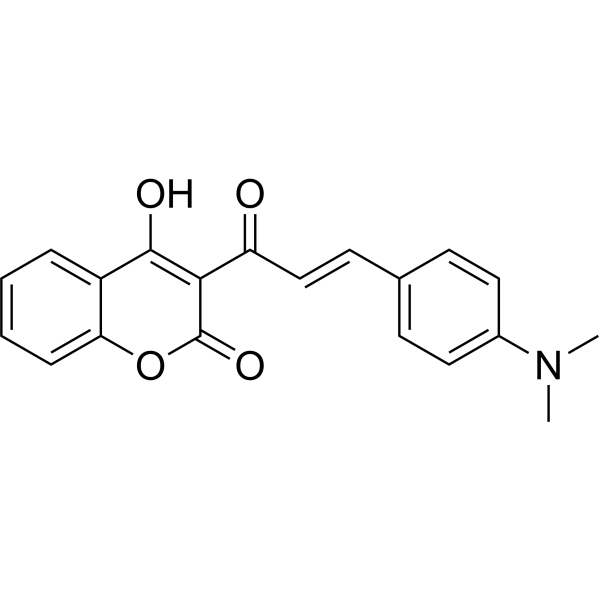
Selnoflast calcium (RO7486967 calcium), formerly somalix/RG6418/IZD334, is an orally active, potent, selective and reversible small molecule NLRP3 inflammasome inhibitor. Selnoflast calcium is a potent inhibitor of IL-1β release stimulated by NLRP3 activation in human Alzheimer's disease (AD) monocyte-derived macrophages. Selnoflast calcium is promising for research of AD and systemic inflammatory diseases, such as ulcerative colitis and chronic obstructive pulmonary disease .
|
-
- HY-174842
-
|
|
Macrophage migration inhibitory factor (MIF)
|
Inflammation/Immunology
|
|
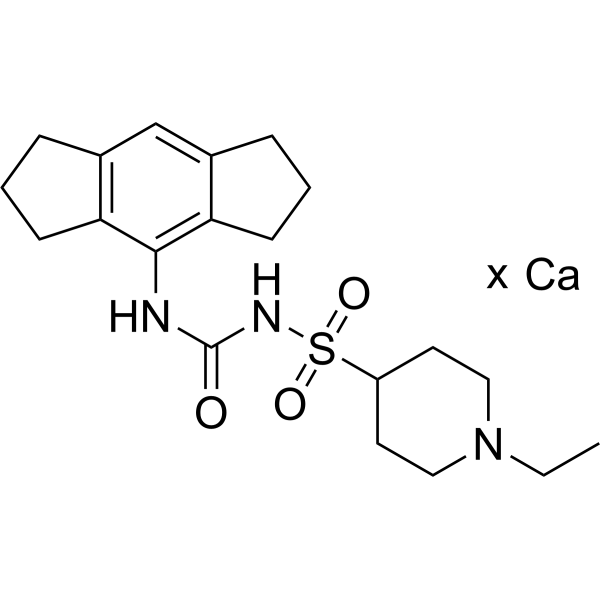
HTS05585 (Compound Hit-1) is a selective macrophage migration inhibitory factor (MIF) inhibitor with a Kd value of 0.29 μM measured by microscale thermophoresis (MST) and 0.32±0.01 μM verified by isothermal titration calorimetry (ITC). HTS05585 inhibits the release of pro-inflammatory factors (TNF-α, IL-6, IL-1β) from LPS-induced macrophages. HTS05585 is promising for research of inflammation-related diseases such as sepsis .
|
-

- HY-173407
-
|
|
P2Y Receptor
Interleukin Related
|
Inflammation/Immunology
|
|
P2Y14R antagonist 4 (Compound 25l) is an orally active P2Y14R antagonist (IC50: 5.6 nM) with superior binding affinity to P2Y14R over PPTN. P2Y14R antagonist 4 has anti-inflammatory activity and reduces LPS (HY-D1056)-induced proinflammatory cytokines (IL-1β, IL-6, and TNF-α) release .
|
-

- HY-161674
-
|
|
Monoamine Oxidase
|
Neurological Disease
|
|
Monoamine Oxidase B inhibitor 4 (compound 1l) is a selective inhibitor of human monoamine oxidase-B (hMAO-B) (IC50=8.3 nM). Monoamine Oxidase B inhibitor 4 also has anti-neuroinflammatory and low neurotoxicity. Monoamine Oxidase B inhibitor 4 can inhibit the release of NO, TNF-α and IL-1β stimulated by LPS and Aβ1-42, and can also attenuate Aβ(1-42)-induced cytotoxicity .
|
-

- HY-B1197R
-
|
CL-34699 (Standard)
|
Reference Standards
Glucocorticoid Receptor
NO Synthase
TNF Receptor
Interleukin Related
|
Inflammation/Immunology
Endocrinology
|
|
Amcinonide (Standard) is the analytical standard of Amcinonide. This product is intended for research and analytical applications. Amcinonide is an inhibitor of NO release (IC50 = 3.38 nM). Amcinonide inhibits NNC-induced expression of the proinflammatory genes iNOS, TNF-α, and IL-1β in glial cells. Amcinonide reduces the numbers of T6+/Ia+ cells with a concomitant increase in T6+/Ia- cells. Amcinonide induces a selective reduction in expression of Ia antigens. Amcinonide can also be studied in research for eczematous dermatitis .
|
-

- HY-172871
-
|
|
MAP3K
p38 MAPK
NF-κB
Reactive Oxygen Species (ROS)
NO Synthase
Interleukin Related
|
Inflammation/Immunology
|
|
Anti-inflammatory agent 102 (Compound 11a) is an orally active anti-inflammatory agent. Anti-inflammatory agent 102 exerts its anti-inflammatory effect by blocking the activation of the ASK1/p38 MAPKs/NF-κB signaling pathway. Anti-inflammatory agent 102 has significant anti-inflammatory activity and can inhibit the release of NO, ROS, and inflammatory factors (such as IL-6, TNF-α, IL-1β). Anti-inflammatory agent 102 can be used in the study of inflammatory diseases such as ulcerative colitis (UC) .
|
-

- HY-W342458
-
|
|
Biochemical Assay Reagents
|
Others
|
|
Betamethasone 17-Propionate is a compound used to study its effects on endotoxin-induced uveitis in rats. It has the activity of inhibiting the infiltration of cells into the aqueous humor in endotoxin-induced uveitis by eye drops and systemic administration at a certain dose. However, its inhibitory effect is relatively weak compared with some other compounds. At the same time, the dose for systemic administration is 1mg/kg. In addition, Betamethasone 17-Propionate has a weaker inhibitory effect on the release of IL-8 from rat peritoneal exudate cells in an in vitro interleukin-8 (IL-8) release assay than betamethasone. Moreover, the simultaneous addition of betamethasone dipropionate and betamethasone 17-Propionate reduces the inhibitory effect of betamethasone on cell infiltration and IL-1β gene expression.
|
-

- HY-160121
-
|
Patrinoside aglycone
|
Apoptosis
NO Synthase
TNF Receptor
Interleukin Related
PGE synthase
COX
|
Inflammation/Immunology
Cancer
|
|
Patrinoside aglucone (Compound 8) is an iridoid glucoside that can be isolated from the Valeriana tuberosa. Patrinoside aglucone has potent anticancer activity with G2/M phase tumor cell cycle arrest and apoptosis induction. Patrinoside aglucone also significantly inhibits the proliferation of cancer stem cells (such as MDA-MB-231 and U-251MG cells). Patrinoside aglucone has great anti-inflammatory activity by inhibiting NO release (IC50: 43.44 μM) and significantly reduces the level of TNF-α, IL-1β, IL-6, PGE2 and COX-2 .
|
-

- HY-178144
-
|
|
Formyl Peptide Receptor (FPR)
Calcium Channel
Interleukin Related
NO Synthase
|
Neurological Disease
Inflammation/Immunology
|
|
FPR2 agonist 5 is a selective Formyl Peptide Receptor 2 (FPR2) agonist. FPR2 agonist 5 induces Ca 2+ mobilization in FPR2-HL60 transfected cells with an EC50 of 1.2 μM and causes FPR2 desensitization with an IC50 of 0.32 μM. FPR2 agonist 5 exerts neuroprotective effects by mitigating LDH release, NO production, IL-1β, IL-6, IL-33, and IL-10 levels in LPS (HY-D1056)-induced mouse primary microglial cells. FPR2 agonist 5 can be used for the study of neuroinflammatory-related diseases .
|
-

- HY-N0631R
-
|
|
Reference Standards
Prostaglandin Receptor
ERK
p38 MAPK
Acyltransferase
TNF Receptor
COX
Cholinesterase (ChE)
Interleukin Related
JNK
NO Synthase
NF-κB
|
Neurological Disease
Inflammation/Immunology
|
|
Cornuside (Standard) is the analytical standard of Cornuside (HY-N0631). This product is intended for research and analytical applications. Cornuside is an iridoid glycoside with anti-allergic, anti-inflammatory, and neuroprotective activities. Cornuside exerts anti-allergic activity by downregulating the p38 MAPK, JNK, and NF-κB signaling pathways, and inhibits IgE-mediated histamine release from mast cells. Cornuside improves cognitive impairment in mice by inhibiting BACE1 activity (IC50 = 55.84 μg/mL) and enhancing ChAT activity. Cornuside inhibits LPS (HY-D1056)-induced inflammatory mediators, including iNOS, COX-2, PGE2, TNF-α, IL-6, and IL-1β, by suppressing NF-κB activation.
|
-

- HY-125577
-
|
RU-36384
|
Interleukin Related
|
Inflammation/Immunology
|
|
VRT-18858 (RU-36384), the active metabolite of Pralnacasan (HY-19676), is a potent interleukin-1β converting enzyme (ICE) inhibitor (Ki = 1.4 nM). VRT-18858 inhibits LPS (HY-D1056)-induced IL-1β release (IC50 = 0.42 µM) and S. aureus Cowan-induced IL-1β and IL-18 release (IC50=1.3 and 2.1 µM, respectively) in human peripheral blood mononuclear cells. VRT-18858 can be used for osteoarthritis research .
|
-

- HY-180559
-
|
|
nAChR
Interleukin Related
|
Inflammation/Immunology
|
|
nAChR antagonist 2 is a selective nAChR antagonist. nAChR antagonist 2 inhibits nAChR subtype including hα9α10, hα9, and hα7 with IC50 values of 16.0 nM, 26.2 nM, and 336.3 nM, respectively, in Xenopus oocytes. nAChR antagonist 2 suppresses ATP-induced IL-1β release at nanomolar concentrations. nAChR antagonist 2 can be used for nonopioid analgesics and immunomodulators research .
|
-

- HY-178726
-
|
|
MAP3K
ERK
TNF Receptor
Interleukin Related
|
Inflammation/Immunology
|
|
Cot-IN-4 (compound 32) is a potent cancer osaka thyroid (COT) kinase inhibitor with an IC50 of 6 nM. Cot-IN-4 inhibits the phosphorylation of ERK (IC50: 60 nM) and inhibits TNFα release (IC50: 60 nM). Cot-IN-4 also inhibits the formation of the pro-inflammatory cytokine IL-1β (IC50: 0.2 μM) in Uric acid (HY-B2130)-stimulated macrophages. Cot-IN-4 can be used for the study of inflammatory diseases .
|
-

- HY-181122
-
|
|
Interleukin Related
|
Cardiovascular Disease
|
|
MK169 is an IL-1β inhibitor. MK169 reduces LPS (HY-D1056)-induced IL-1β release in human aortic smooth muscle cells. MK169 is applicable to the research of cardiovascular inflammatory diseases such as atherosclerosis .
|
-

- HY-181121
-
|
|
Interleukin Related
|
Inflammation/Immunology
|
|
MK175 is an IL-1β inhibitor. MK175 reduces LPS (HY-D1056)-induced IL-1β release in human aortic smooth muscle cells. MK175 is applicable to the research of cardiovascular inflammatory diseases such as atherosclerosis .
|
-

- HY-182579
-
|
|
p38 MAPK
TNF Receptor
Interleukin Related
|
Inflammation/Immunology
|
|
CBS-3408 is an orally active p38α MAPK inhibitor. CBS-3408 inhibits the release of TNFα and IL-1β. CBS-3408 reduces the disease severity of arthritis in mice. CBS-3408 inhibits TNFα release in a rat endotoxemia model. CBS-3408 can be used in studies related to endotoxemia and arthritis .
|
-

- HY-108670R
-
|
|
Reference Standards
P2X Receptor
|
Inflammation/Immunology
|
|
AZ 11645373 (Standard) is the analytical standard of AZ 11645373 (HY-108670). This product is intended for research and analytical applications. AZ11645373 is a highly selective and potent antagonist at human but not rat P2X7 receptors,AZ11645373 inhibits ATP-evoked IL-1β release from lipopolysaccharide-activated THP-1 cells , with an IC50 value of 90 nM .
|
-

- HY-179494
-
|
|
NOD-like Receptor (NLR)
Pyroptosis
Caspase
Interleukin Related
Reactive Oxygen Species (ROS)
|
Metabolic Disease
|
|
M464, a non-steroidal anti-inflammatory compound, is a potent and orally active NLRP3 inflammasome inhibitor. M464 inhibits pyroptosis and hinders the activation of downstream Caspase-1 expression and the release of IL-1β by impeding ASC oligomerisation and curtailing ROS production. M464 exhibits protective effects against acute lung and liver injury in mice. M464 can be used for the research of NLRP3-related inflammatory diseases .
|
-

- HY-132831C
-
|
Somalix monopotassium; RO-7486967 monopotassium; IZD334 monopotassium
|
NOD-like Receptor (NLR)
Interleukin Related
|
Neurological Disease
Inflammation/Immunology
|
|
Selnoflast (RO7486967) monopotassium, formerly somalix/RG6418/IZD334 monopotassium, is an orally active, potent, selective and reversible small molecule NLRP3 inflammasome inhibitor. Selnoflast monopotassium is a potent inhibitor of IL-1β release stimulated by NLRP3 activation in human Alzheimer's disease (AD) monocyte-derived macrophages. Selnoflast monopotassium is promising for research of AD and systemic inflammatory diseases, such as ulcerative colitis and chronic obstructive pulmonary disease .
|
-

- HY-180291
-
|
|
NF-κB
Interleukin Related
COX
NO Synthase
|
Metabolic Disease
Inflammation/Immunology
|
|
Anti-inflammatory agent 109 (Compound 2m) is an anti-inflammatory agent. Anti-inflammatory agent 109 directly interacts with p65, attenuates aberrant activation of the NF-κB pathway. Anti-inflammatory agent 109 significantly suppresses the release of key pro-inflammatory mediators, including IL-1β, COX-2, and iNOS. Anti-inflammatory agent 109 conferres robust protection against LPS-induced acute liver injury in septic mice .
|
-

- HY-186072
-
|
|
NOD-like Receptor (NLR)
Interleukin Related
Cytochrome P450
|
Neurological Disease
Metabolic Disease
Inflammation/Immunology
|
|
NT-0527 is a selective, orally active, and brain-permeable NLRP3 inflammasome inhibitor. NT-0527 can specifically block the formation of the NLRP3 inflammasome, resulting in the reduction in the maturation and release of IL-1β, exhibit inhibition on CYP2C19. NT-0527 displays anti-inflammatory activity in the mouse LPS (HY-D1056) /ATP (HY-B2176)-induced peritonitis model. NT-0527 can be used for the research of neuroinflammatory disorders (Parkinson's disease, Alzheimer's disease, amyotrophic lateral sclerosis) and peripheral inflammatory disorders (type II diabetes, atherosclerosis, gout, etc.) associated with NLRP3 inflammasome .
|
-

- HY-181937
-
|
|
Monoamine Oxidase
Reactive Oxygen Species (ROS)
NO Synthase
Interleukin Related
|
Neurological Disease
|
|
Multi-target kinase-IN-10 (Compound 6l) is an orally active, blood-brain barrier-permeable, selective, reversible, and competitive MAO-B inhibitor with an IC50 of 0.0053 μM. Multi-target kinase-IN-10 competes with substrates for binding to the active site of MAO-B, chelates Cu 2+ ions, inhibits Cu 2+-induced ROS production, and reduces the release of NO, TNF-α, and IL-1β. Multi-target kinase-IN-10 ameliorates Parkinson's disease .
|
-

- HY-162316
-
|
|
NF-κB
|
Inflammation/Immunology
|
|
NF-κB-IN-15 (compound 14r) is a potent NF-κB inhibitor. NF-κB-IN-15 decreases the NO levels and inhibits the release of IL-6, TNF-α, and IL-1β in LPS (HY-D1056) -induced cells. NF-κB-IN-15 inhibits LPS-induced phosphorylation of p65 and degradation of IκBα. NF-κB-IN-15 shows anti-inflammatory activity has the potential for the research of acute lung injury (ALI) .
|
-
- HY-182283
-
|
|
Epoxide Hydrolase
Reactive Oxygen Species (ROS)
Interleukin Related
NF-κB
|
Inflammation/Immunology
|
|
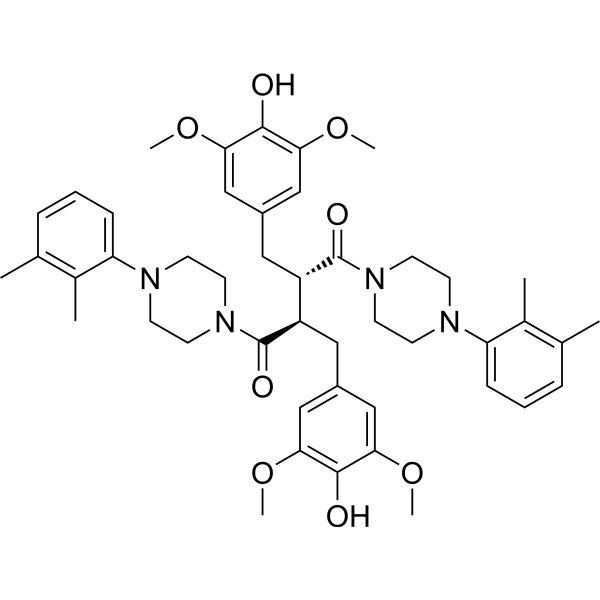
sEH-IN-23 is a soluble epoxide hydrolase inhibitor with a IC50 of 0.8 nM against human sEH and 0.7 nM against murine sEH. sEH-IN-23 inhibits inflammatory factor production mediated by NF-κB activation, reactive oxygen species (ROS) generation, and the release of pro-inflammatory cytokines IL-1β, IL-6 and TNF-α. sEH-IN-23 exhibits anti-inflammatory activity in acute lung injury models. sEH-IN-23 can be used for the research of acute lung injury .
|
-

- HY-182380
-
|
|
STAT
NOD-like Receptor (NLR)
Apoptosis
|
Others
Neurological Disease
Inflammation/Immunology
Cancer
|
|
ODZ10117 is a STAT3 and NLRP3 inhibitor with a human STAT3 SH2 domain IC50 of 7.5 μM. ODZ10117 binds to the STAT3 SH2 domain, suppressing tyrosine phosphorylation, dimerization, nuclear translocation, and transcriptional activity. ODZ10117 binds to NLRP3, impairs NEK7 interaction, prevents inflammasome formation, and inhibits caspase-1 and IL-1β cleavage.ODZ10117 reduces MSU (HY-B2130A)-induced IL-1β release, lowers LPS (HY-D1056)-induced sepsis mortality, and exhibits anti-inflammatory effects. ODZ10117 induces apoptosis, suppresses breast cancer cell migration and invasion, reduces tumor growth and lung metastasis, and extends survival in breast cancer models. ODZ10117 can be used for the research of Monosodium urate (HY-B2130A)-induced peritonitis, LPS-induced sepsis, breast cancer, glioblastoma, and Alzheimer's disease .
|
-

- HY-P992382
-
|
|
Interleukin Related
|
Neurological Disease
Inflammation/Immunology
|
|
IC 100 is a humanized IgG4κ monoclonal antibody targeting apoptosis-associated speck-like protein (ASC) with blood-brain barrier permeability. IC 100 specifically inhibits ASC after being endocytosed via its Fc segment, blocks ASC polymerization and inflammasome activation, suppresses IL-1β release, forms complexes with ASC and TRIM21, and evades TRIM21-mediated proteasomal degradation. IC 100 alleviates symptoms associated with autoimmune encephalomyelitis, reduces immune cell infiltration and microglial activation in the mouse EAE model. IC 100 is suitable for research on neuroinflammatory and inflammasome-related diseases such as multiple sclerosis. Isotype comparison: HY-P99003 .
|
-

- HY-P11581
-
|
|
NOD-like Receptor (NLR)
Interleukin Related
Caspase
Amyloid-β
Tau Protein
α-synuclein
Pyroptosis
|
Neurological Disease
|
|
MNP2 is a NLRP3-ASC interaction inhibitor. MNP2 selectively binds to the PYD domain of ASC (Ka=149 nM) and blocks ASC-PYM binding (Ka=58 nM), thereby inhibiting the interaction between ASC and NLRP3 and suppressing the formation of the NLRP3 inflammasome. MNP2 inhibits IL-1β release and caspase-1 maturation, and reduces the efflux of potassium and chloride ions. MNP2 prevents mitochondrial damage and reactive oxygen species production, and significantly decreases NLRP3 inflammasome formation in neurodegenerative pathologies induced by β-amyloid, Tau protein and α-synuclein. MNP2 is applicable for the research of neurodegenerative diseases .
|
-

- HY-180830
-
|
|
NOD-like Receptor (NLR)
Lactate Dehydrogenase
Interleukin Related
Pyroptosis
|
Inflammation/Immunology
|
|
NLRP3-IN-86 (Compound 8a), a derivative of Songorine (HY-N2080), is a potent and selective NLRP3 inflammasome inhibitor. NLRP3-IN-86 can reduce LPS (HY-D1056)- and Nigericin (HY-127019)-stimulated lactate dehydrogenase (LDH) release (IC50 = 2.69 μM in THP-1 cells and 1.75 μ M in J774A.1 cells). NLRP3-IN-86 can inhibit gasdermin D (GSDMD) cleavage and IL-1β secretion. NLRP3-IN-86 can inhibit cell pyroptosis. NLRP3-IN-86 can be used for research of inflammation .
|
-

- HY-N1431A
-
|
|
NOD-like Receptor (NLR)
Apoptosis
Cytochrome P450
NF-κB
PI3K
Akt
CDK
Caspase
Interleukin Related
p38 MAPK
|
Neurological Disease
Inflammation/Immunology
|
|
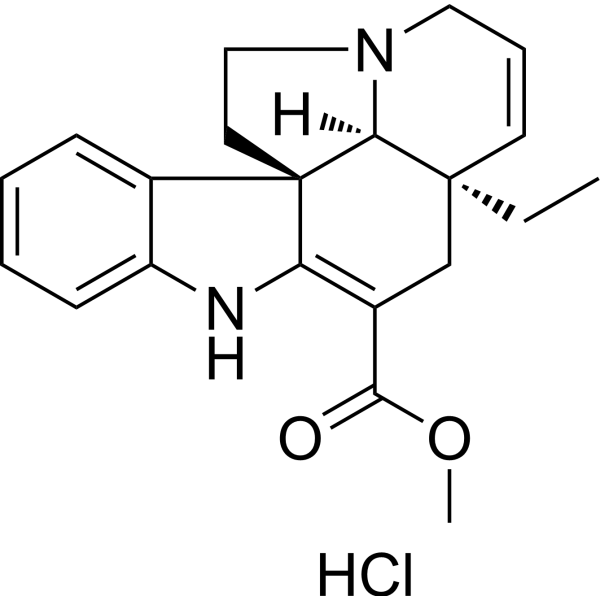
Tabersonine hydrochloride is a selective, orally active NLRP3 inhibitor. Tabersonine hydrochloride directly binds to the NACHT domain of NLRP3, inhibiting its ATPase activity and oligomerization, thereby blocking ASC spot formation and caspase-1 activation, and reducing the release of pro-inflammatory cytokines such as IL-1β. Tabersonine hydrochloride also inhibits K63-linked ubiquitination of TRAF6, blocking NF-κB, PI3K/Akt, and p38 MAPK signaling pathways. Tabersonine hydrochloride can inhibit inflammatory responses, induce apoptosis of liver cancer cells through mitochondrial pathways and death receptor pathways, reduce mitochondrial membrane potential, promote cytochrome c release, and activate caspase proteins. Tabersonine hydrochloride is mainly used in the study of NLRP3-driven inflammatory diseases (such as acute lung injury, sepsis, peritonitis) and tumors such as liver cancer .
|
-
- HY-185311
-
|
|
Molecular Glues
NEKs
NOD-like Receptor (NLR)
Caspase
Interleukin Related
Pyroptosis
|
Neurological Disease
Inflammation/Immunology
|
|
NEK7 degrader-3 is an orally active and brain-penetrant NEK7 molecular glue degrader with a DC50 of 33.1 nM. NEK7 degrader-3 mediates interaction between NEK7 and E3 ligase cereblon, promoting proteasomal degradation of NEK7 and attenuating NLRP3 inflammasome-mediated inflammatory responses. NEK7 degrader-3 inhibits caspase-1 activity, cytokine release of IL-1β, IL-1α, and IL-18, and pyroptosis-related plasma membrane permeabilization. NEK7 degrader-3 shows antiinflammatory activity in an LPS (HY-D1056)-induced neuroinflammation mouse model. NEK7 degrader-3 can be used for the research of neuroinflammation .
|
-

- HY-W753956
-
|
|
Isotope-Labeled Compounds
Interleukin Related
Pyruvate Kinase
COX
STAT
TNF Receptor
HIF/HIF Prolyl-Hydroxylase
NO Synthase
|
Inflammation/Immunology
|
|
Iminostilbene-d10 is the deuterium labeled Iminostilbene (HY-N7064). Iminostilbene is a chemical precursor of carbamazepine. Additionally, Iminostilbene is an orally active inhibitor of PKM2 (Pyruvate Kinase M2) and COX2 (Cyclooxygenase-2). Iminostilbene exerts its effects by inhibiting PKM2 and its interaction with HIF-1α and STAT3, reducing COX2 and iNOS expression, and decreasing LPS-induced release of IL-1β, IL-6, TNF-α, and MCP-1, thereby suppressing macrophage-mediated inflammatory responses and improving myocardial ischemia/reperfusion (MI/R) injury. Iminostilbene holds promise for research in inflammation regulation, cardiovascular diseases (such as MI/R injury), and macrophage-mediated immune-related diseases .
|
-

- HY-113298
-
|
Methylmaleic acid
|
NOD-like Receptor (NLR)
Keap1-Nrf2
Reactive Oxygen Species (ROS)
|
Cardiovascular Disease
Inflammation/Immunology
|
|
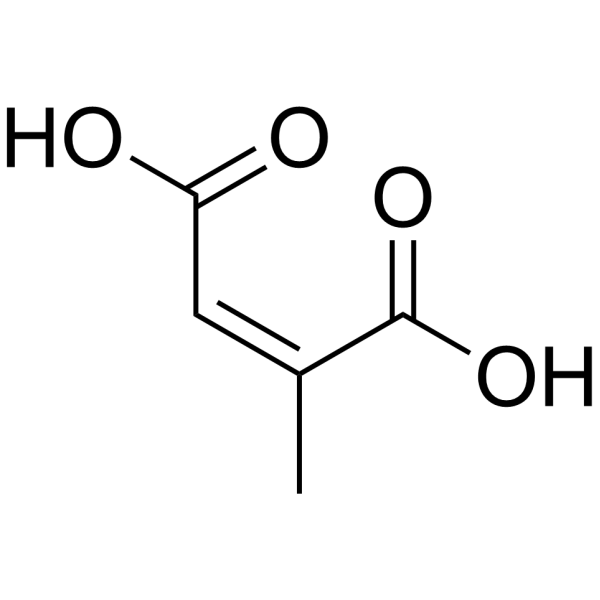
Citraconic acid (Methylmaleic acid) is an orally active inhibitor targeting the NLRP3 inflammasome and Keap1-Nrf2 pathway. Citraconic acid reduces reactive oxygen species (ROS) generation by inhibiting succinate dehydrogenase (SDH) activity. Citraconic acid also modifies the conformation of Keap1 protein, relieves its inhibition of Nrf2, promotes antioxidant gene expression, and inhibits NLRP3 activation and the release of pro-inflammatory factors such as IL-1β and IL-18. Citraconic acid has anti-inflammatory and antioxidant activities, can reduce oxidative stress and cell pyroptosis, improve tissue damage, and can be used for the research of inflammation-related diseases such as acute renal ischemia-reperfusion injury. Citraconic acid is an isomer of Itaconic acid (HY-Y052) .
|
-
- HY-N2374
-
|
|
Apoptosis
NF-κB
MMP
Adrenergic Receptor
|
Inflammation/Immunology
Cancer
|
|
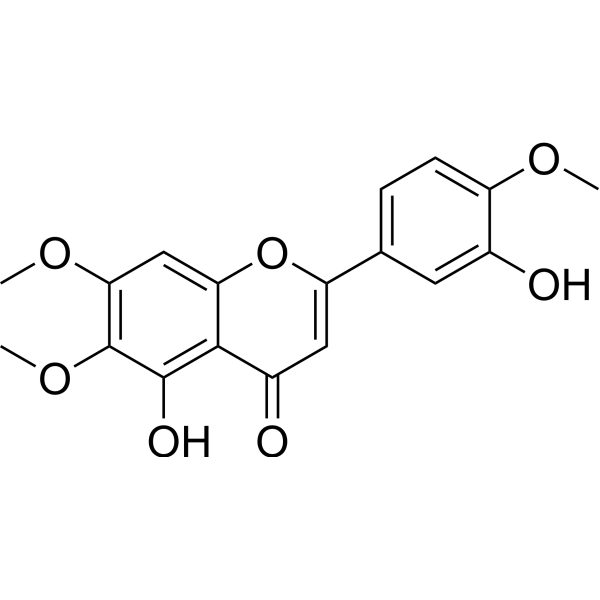
Eupatorin is an orally active flavonoid with antiproliferative and vasodilatory properties. Eupatorin downregulates the expression levels of NF-κB, MMP9, IL-1β and TNF-α. Eupatorin induces apoptosis, G2/M phase cell cycle arrest, and reactive oxygen species (ROS) production. Eupatorin modulates the activities of muscarinic receptors and β-adrenergic receptors; inhibits sarcoplasmic reticulum calcium release and calcium channels; and activates the NO/sGC/cGMP pathway, indomethacin-sensitive pathway, and potassium channel pathway. Eupatorin exerts cytotoxic effects on cancer cell lines, and is metabolized by CYP1A1 and CYP1 family enzymes to form metabolites with antiproliferative activity. Eupatorin can be used in research related to breast cancer, hypertension, and leukemia .
|
-
- HY-123382
-
|
|
Drug Isomer
|
Neurological Disease
Inflammation/Immunology
|
|
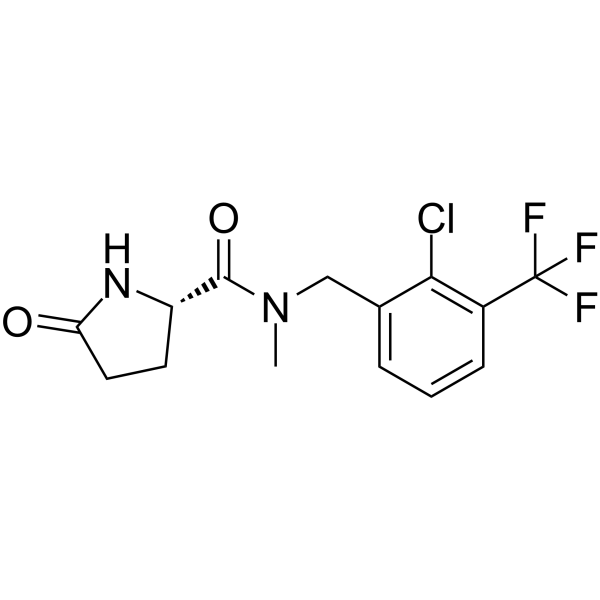
GSK-1482160 isomer is the isomer of GSK-1482160 (HY-19888). GSK-1482160 is an orally active and blood-brain barrier penetrant P2X7 receptor (P2X7R) negative allosteric modulator with pIC50s of 8.5 (human) and 6.5 (rat). GSK-1482160 reduces the efficacy of ATP at the P2X7 receptor without affecting its affinity, thereby inhibiting the release of IL-1β. GSK-1482160 is an effective radioligand and can be labeled with radioactive isotopes like 11C or 18F to image P2X7R. GSK-1482160 can be used for the studies of chronic joint pain and chronic constriction injury (CCI).
|
-
- HY-146066
-
|
|
nAChR
JAK
STAT
NO Synthase
Interleukin Related
|
Inflammation/Immunology
|
|
α7 nAchR-JAK2-STAT3 agonist 1 is a potent α7 nAchR-JAK2-STAT3 agonist, with an IC50 value of 0.32 μM for nitric oxide (NO). α7 nAchR-JAK2-STAT3 agonist 1 effectively suppresses the expression of iNOS, IL-1β, and IL-6 in murine RAW264.7 macrophages. α7 nAchR-JAK2-STAT3 agonist 1 can inhibit LPS-induced NO release, NF-κB activation and cytokine production. α7 nAchR-JAK2-STAT3 can be used for researching sepsis .
|
-
- HY-159520
-
|
Ofirnoflast; HT-6184
|
NEKs
NOD-like Receptor (NLR)
Caspase
Apoptosis
Pyroptosis
NF-κB
|
Cardiovascular Disease
Inflammation/Immunology
Cancer
|
|
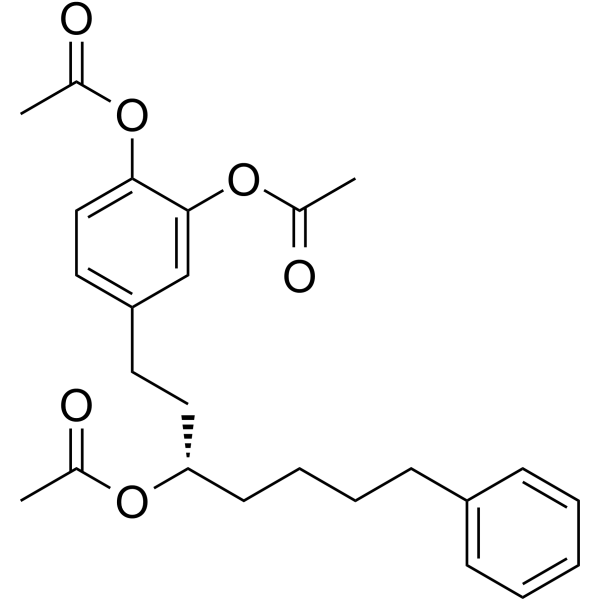
Ofirnoflastum (Ofirnoflast) is an orally active first-in-class allosteric NEK7 inhibitor with an IC50 of 46 nM. Ofirnoflastum binds an allosteric site adjacent to NEK7’s ATP-binding pocket, induces conformational shifts, disrupts NEK7-NLRP3 binding, blocks NLRP3 inflammasome assembly, spares NEK7’s physiological functions, and suppresses caspase-1, caspase-8, NF-κB, and TNF activity. Ofirnoflastum reduces pro-inflammatory cytokine production, suppresses ASC specks, IL-1β release, pyroptotic cell death, and leukemic burden, induces apoptosis and erythroid differentiation, restores hematopoiesis, and improves outcomes in colitis models. Ofirnoflastum can be used for the research of myelodysplastic syndromes, chronic myelomonocytic leukemia, and acute myeloid leukemia .
|
-

- HY-113308A
-
|
|
Calcium Channel
Ferroptosis
PI3K
Reactive Oxygen Species (ROS)
Akt
HBV
|
Metabolic Disease
|
|
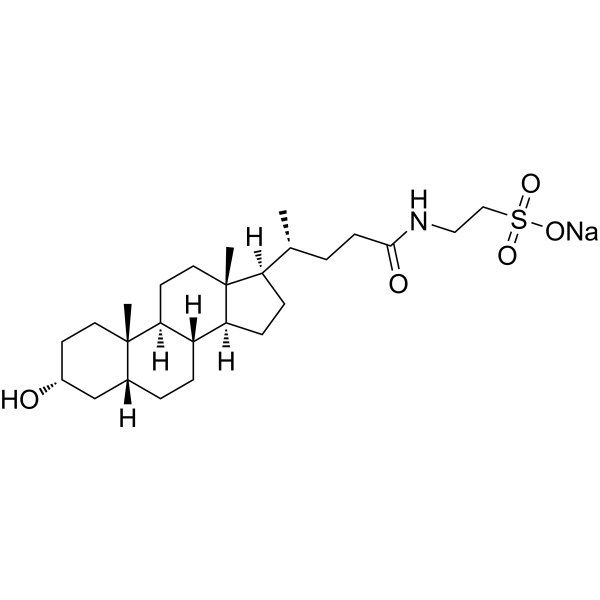
Taurolithocholic acid sodium salt is an orally active bile acid and antiviral agent. Taurolithocholic acid sodium salt upregulates FADS2 by activating the TGR5-PI3K/AKT-SREBP2 signaling axis, inhibits SFTSV-induced ferroptosis, viral replication and viral entry of HBV/HDV, while reducing the release of IL-1β, lipid ROS and LDH. While exerting antiviral protective effects, Taurolithocholic acid sodium salt also stimulates the recycling of hepatocellular membrane transporters, impairs canalicular bile acid secretion function, and induces hepatocyte cholestasis, apoptosis and acute hepatocellular injury. Taurolithocholic acid sodium salt serves as an experimental model compound for hepatocellular cholestasis. At concentrations ≤200 μM, Taurolithocholic acid sodium salt shows no cytotoxicity and does not activate the interferon pathway. Taurolithocholic acid sodium salt not only protects mice from lethal SFTSV infection but also is suitable for studies related to severe fever with thrombocytopenia syndrome and cholestasis .
|
-
- HY-113298R
-
|
Methylmaleic acid (Standard)
|
Reference Standards
NOD-like Receptor (NLR)
Keap1-Nrf2
Reactive Oxygen Species (ROS)
|
Cardiovascular Disease
Inflammation/Immunology
|
|
Citraconic acid (Methylmaleic acid) (Standard) is the analytical standard of Citraconic acid (HY-113298). This product is intended for research and analytical applications. Citraconic acid is an orally active inhibitor targeting the NLRP3 inflammasome and Keap1-Nrf2 pathway. Citraconic acid reduces reactive oxygen species (ROS) generation by inhibiting succinate dehydrogenase (SDH) activity. Citraconic acid also modifies the conformation of Keap1 protein, relieves its inhibition of Nrf2, promotes antioxidant gene expression, and inhibits NLRP3 activation and the release of pro-inflammatory factors such as IL-1β and IL-18. Citraconic acid has anti-inflammatory and antioxidant activities, can reduce oxidative stress and cell pyroptosis, improve tissue damage, and can be used for the research of inflammation-related diseases such as acute renal ischemia-reperfusion injury. Citraconic acid is an isomer of Itaconic acid (HY-Y052) .
|
-

- HY-178953
-
|
|
NOD-like Receptor (NLR)
Caspase
Interleukin Related
|
Inflammation/Immunology
|
|
NLRP3-IN-84 (Compound 32) is a NLRP3 inflammasome inhibitor. NLRP3-IN-84 can interfere with the oligomerization process of NLRP3 by inhibiting the activity of NLRP3 ATPase (IC50 = 158.4 nM). NLRP3-IN-84 inhibits Caspase-1 (IC50 = 27.7 nM), IL-1β release (PBMC: IC50 = 19.5 nM; mPBMC: IC50 = 24.2 nM), and ASC plaque formation (IC50 = 131 nM). NLRP3-IN-84 has no inhibitory activity on NLRC4 and AIM2 inflammasomes. NLRP3-IN-84 exhibits significant in vivo anti-inflammatory effects in a mouse acute peritonitis model. NLRP3-IN-84 can be used for the study of NLRP3-related inflammatory diseases .
|
-

- HY-113308
-
|
|
Calcium Channel
Ferroptosis
PI3K
Akt
HBV
Reactive Oxygen Species (ROS)
|
Cardiovascular Disease
Infection
Inflammation/Immunology
|
|
Taurolithocholic acid is an orally active bile acid and antiviral agent. Taurolithocholic acid upregulates FADS2 by activating the TGR5-PI3K/AKT-SREBP2 signaling axis, inhibits SFTSV-induced ferroptosis (Ferroptosis), viral replication and viral entry of HBV/HDV, while reducing the release of IL-1β, lipid ROS and LDH. While exerting antiviral protective effects, Taurolithocholic acid also stimulates the recycling of hepatocellular membrane transporters, impairs canalicular bile acid secretion function, and induces hepatocyte cholestasis, apoptosis and acute hepatocellular injury. Taurolithocholic acid serves as an experimental model compound for hepatocellular cholestasis. At concentrations ≤200 μM, Taurolithocholic acid shows no cytotoxicity and does not activate the interferon pathway. Taurolithocholic acid not only protects mice from lethal SFTSV infection but also is suitable for studies related to severe fever with thrombocytopenia syndrome and cholestasis .
|
-

- HY-108910
-
|
EC 3.4.21.1; Chymotrypsin A
|
Toll-like Receptor (TLR)
NF-κB
MMP
|
Others
Inflammation/Immunology
|
|
Chymotrypsin (EC 3.4.21.1; Chymotrypsin A) is an orally effective inhibitor targeting molecules such as TLR4, NF-κB, MMP-1, TNF-α, IL-1β, and IL-6. Chymotrypsin downregulates the TLR4/NF-κB signaling pathway, inhibiting the release of inflammatory factors, reducing cell infiltration and tissue damage. It also reduces the expression of tumor cell adhesion molecules (such as CD44 and CD54) and can be specifically detected by fluorescent probes (such as NBD-3). Chymotrypsin has anti-inflammatory, hepatoprotective, joint damage-reducing, liver protection against lipotoxicity, and anti-tumor metastasis functions. It can be used in research on diseases such as rheumatoid arthritis, non-alcoholic fatty liver disease, and melanoma metastasis. Chymotrypsin can be used in studies of inflammation, edema, and expectoration .
|
-
- HY-108910A
-
|
EC 3.4.21.1 (MS grade); Chymotrypsin A (MS grade)
|
Toll-like Receptor (TLR)
NF-κB
MMP
|
Others
Inflammation/Immunology
|
|
Chymotrypsin (EC 3.4.21.1; Chymotrypsin A) (MS grade) is an orally effective inhibitor targeting molecules such as TLR4, NF-κB, MMP-1, TNF-α, IL-1β, and IL-6. Chymotrypsin (MS grade) downregulates the TLR4/NF-κB signaling pathway, inhibits the release of inflammatory factors, reduces cell infiltration and tissue damage, and also reduces the expression of tumor cell adhesion molecules (such as CD44 and CD54). It can also be specifically detected by fluorescent probes (such as NBD-3). Chymotrypsin (MS grade) has anti-inflammatory, hepatoprotective, joint damage-reducing, liver protection against lipotoxicity, and anti-tumor metastasis functions, and can be used in the research of diseases such as rheumatoid arthritis, non-alcoholic fatty liver disease, and melanoma metastasis. Chymotrypsin (MS grade) can be used in studies of inflammation, edema, and expectoration .
|
-
- HY-113308AS
-
|
|
Isotope-Labeled Compounds
Calcium Channel
Ferroptosis
PI3K
Reactive Oxygen Species (ROS)
Akt
HBV
|
Metabolic Disease
|
|
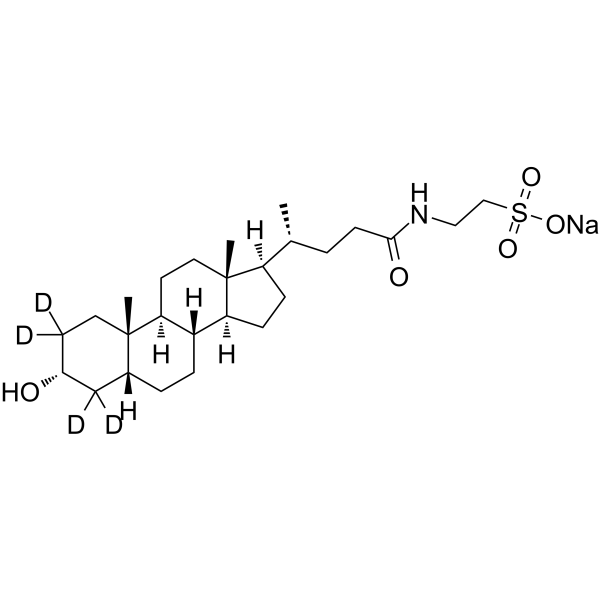
Taurolithocholic acid-d4 (sodium) is the deuterium labeled Taurolithocholic acid (sodium salt). Taurolithocholic acid sodium is an orally active bile acid and antiviral agent. Taurolithocholic acid sodium upregulates FADS2 by activating the TGR5-PI3K/AKT-SREBP2 signaling axis, inhibits SFTSV-induced ferroptosis, viral replication and viral entry of HBV/HDV, while reducing the release of IL-1β, lipid ROS and LDH. While exerting antiviral protective effects, Taurolithocholic acid sodium also stimulates the recycling of hepatocellular membrane transporters, impairs canalicular bile acid secretion function, and induces hepatocyte cholestasis, apoptosis and acute hepatocellular injury. Taurolithocholic acid sodium serves as an experimental model compound for hepatocellular cholestasis. At concentrations ≤200 μM, Taurolithocholic acid sodium shows no cytotoxicity and does not activate the interferon pathway. Taurolithocholic acid sodium not only protects mice from lethal SFTSV infection but also is suitable for studies related to severe fever with thrombocytopenia syndrome and cholestasis .
|
-
- HY-P991400
-
|
|
TNF Receptor
Apoptosis
Interleukin Related
NF-κB
JNK
p38 MAPK
|
Inflammation/Immunology
|
|
GSK1995057 is a human monoclonal antibody (mAb) targeting TNFRSF1A. GSK1995057 selectively binds to TNFR1, blocks the binding of TNF-α and LT-α, and does not interfere with TNFR2 signaling. GSK1995057 inhibits the activation of NF-κB, JNK and MAPK pathways, alleviates apoptosis (apoptosis) and inflammatory responses (inhibiting IL-1β, IL-6, IL-10, TNF-α), and prevents viability loss of human nucleus pulposus cells. GSK1995057 inhibits the expression of cytokines and neutrophil adhesion molecules in human pulmonary microvascular endothelial cell monolayers, and reduces inflammatory responses and lung injury symptoms in non-human primates. GSK1995057 forms complexes with HAVH autoantibodies, thereby activating TNFR1 and triggering the release of cytokines and IL-8 in human cells. GSK1995057 can be used in research related to intervertebral disc degeneration and acute lung injury .
|
-

- HY-108667
-
|
|
P2X Receptor
Interleukin Related
Fluorescent Dye
|
Neurological Disease
|
|
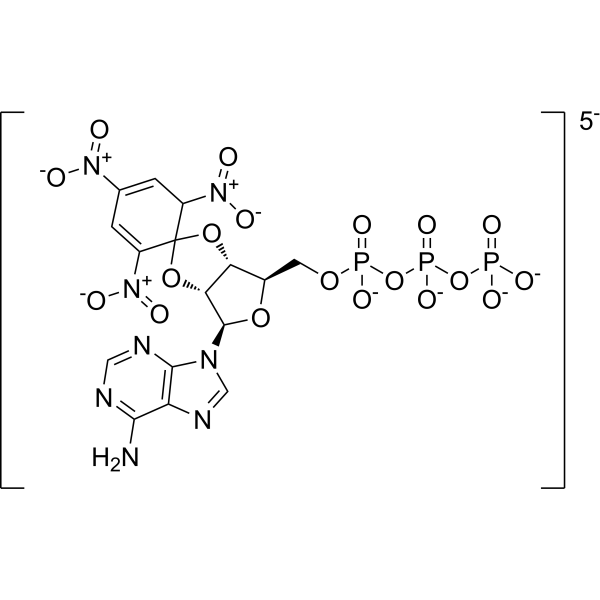
TNP-ATP triethylammonium is a P2X receptor antagonist with an IC50 of 0.010 μM for P2X3 and an IC50 of 0.062 μM for P2X2/3. TNP-ATP triethylammonium acts as an inhibitor of CheA autophosphorylation, with a Ki of 0.7 µM. TNP-ATP triethylammonium blocks the functional activation of P2X1-7 receptors. TNP-ATP triethylammonium attenuates hypoxia-induced IL-1β expression and release. TNP-ATP triethylammonium alleviates visceral pain, and improves hypoxia-induced cognitive impairment, insufficient myelination and neuroinflammation. Binding of TNP-ATP triethylammonium to CheA enhances the fluorescence of the TNP group. TNP-ATP triethylammonium can be used in studies related to visceral pain. NP-ATP triethylammonium can be used in studies related to hypoxia-induced insufficient myelination and cognitive decline .
|
-
- HY-113308AS2
-
|
|
Isotope-Labeled Compounds
Calcium Channel
Ferroptosis
PI3K
Reactive Oxygen Species (ROS)
Akt
HBV
|
Metabolic Disease
|
|
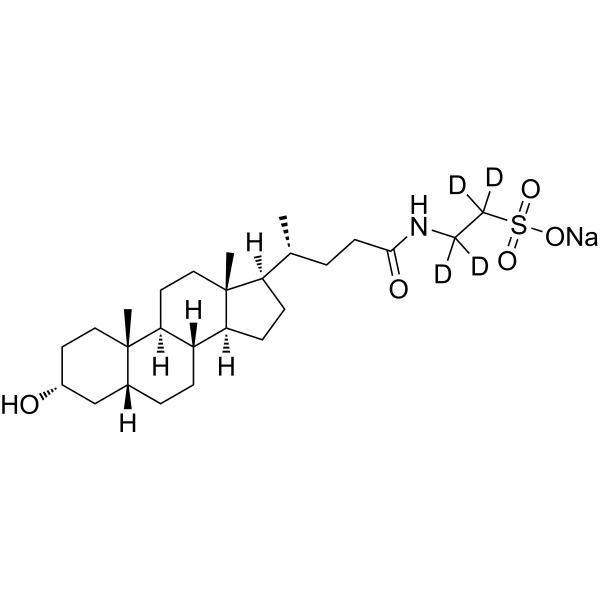
Taurolithocholic acid-d4-1 (sodium) is the deuterium labeled Taurolithocholic acid. Taurolithocholic acid sodium is an orally active bile acid and antiviral agent. Taurolithocholic acid sodium upregulates FADS2 by activating the TGR5-PI3K/AKT-SREBP2 signaling axis, inhibits SFTSV-induced ferroptosis, viral replication and viral entry of HBV/HDV, while reducing the release of IL-1β, lipid ROS and LDH. While exerting antiviral protective effects, Taurolithocholic acid sodium also stimulates the recycling of hepatocellular membrane transporters, impairs canalicular bile acid secretion function, and induces hepatocyte cholestasis, apoptosis and acute hepatocellular injury. Taurolithocholic acid sodium serves as an experimental model compound for hepatocellular cholestasis. At concentrations ≤200 μM, Taurolithocholic acid sodium shows no cytotoxicity and does not activate the interferon pathway. Taurolithocholic acid sodium not only protects mice from lethal SFTSV infection but also is suitable for studies related to severe fever with thrombocytopenia syndrome and cholestasis .
|
-
- HY-113308S
-
|
|
Isotope-Labeled Compounds
Calcium Channel
Ferroptosis
PI3K
Reactive Oxygen Species (ROS)
Akt
HBV
|
Others
|
|
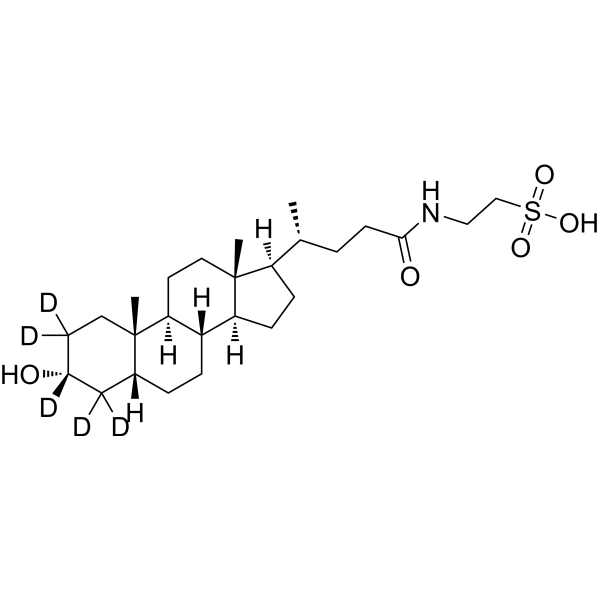
Taurolithocholic acid-d5 is deuterium labeled Taurolithocholic acid. Taurolithocholic acid is an orally active bile acid and antiviral agent. Taurolithocholic acid upregulates FADS2 by activating the TGR5-PI3K/AKT-SREBP2 signaling axis, inhibits SFTSV-induced ferroptosis, viral replication and viral entry of HBV/HDV, while reducing the release of IL-1β, lipid ROS and LDH. While exerting antiviral protective effects, Taurolithocholic acid also stimulates the recycling of hepatocellular membrane transporters, impairs canalicular bile acid secretion function, and induces hepatocyte cholestasis, apoptosis and acute hepatocellular injury. Taurolithocholic acid serves as an experimental model compound for hepatocellular cholestasis. At concentrations ≤200 μM, Taurolithocholic acid shows no cytotoxicity and does not activate the interferon pathway. Taurolithocholic acid not only protects mice from lethal SFTSV infection but also is suitable for studies related to severe fever with thrombocytopenia syndrome and cholestasis .
|
-
- HY-113308S1
-
|
|
Isotope-Labeled Compounds
Calcium Channel
Ferroptosis
PI3K
Reactive Oxygen Species (ROS)
Akt
HBV
|
Others
|
|
Taurolithocholic acid-d4 is deuterium labeled Taurolithocholic acid. Taurolithocholic acid is an orally active bile acid and antiviral agent. Taurolithocholic acid upregulates FADS2 by activating the TGR5-PI3K/AKT-SREBP2 signaling axis, inhibits SFTSV-induced ferroptosis, viral replication and viral entry of HBV/HDV, while reducing the release of IL-1β, lipid ROS and LDH. While exerting antiviral protective effects, Taurolithocholic acid also stimulates the recycling of hepatocellular membrane transporters, impairs canalicular bile acid secretion function, and induces hepatocyte cholestasis, apoptosis and acute hepatocellular injury. Taurolithocholic acid serves as an experimental model compound for hepatocellular cholestasis. At concentrations ≤200 μM, Taurolithocholic acid shows no cytotoxicity and does not activate the interferon pathway. Taurolithocholic acid not only protects mice from lethal SFTSV infection but also is suitable for studies related to severe fever with thrombocytopenia syndrome and cholestasis .
|
-
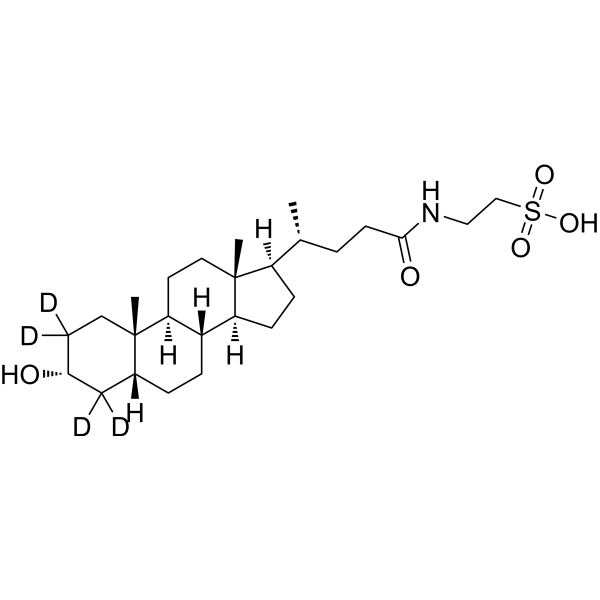
- HY-113308AS1
-
|
|
Isotope-Labeled Compounds
Calcium Channel
Ferroptosis
PI3K
Reactive Oxygen Species (ROS)
Akt
HBV
|
Metabolic Disease
|
|
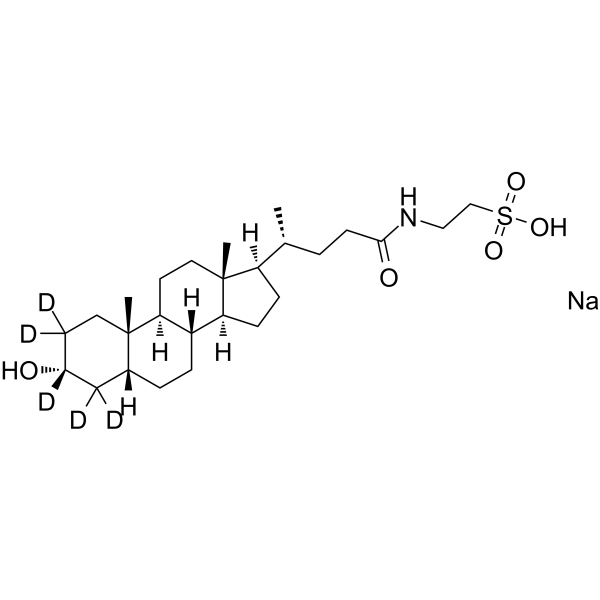
Taurolithocholic Acid-d5 (sodium) is the deuterium labeled Taurolithocholic acid sodium salt. Taurolithocholic Acid sodium salt is an orally active bile acid and antiviral agent. Taurolithocholic Acid sodium salt upregulates FADS2 by activating the TGR5-PI3K/AKT-SREBP2 signaling axis, inhibits SFTSV-induced ferroptosis, viral replication and viral entry of HBV/HDV, while reducing the release of IL-1β, lipid ROS and LDH. While exerting antiviral protective effects, Taurolithocholic Acid sodium salt also stimulates the recycling of hepatocellular membrane transporters, impairs canalicular bile acid secretion function, and induces hepatocyte cholestasis, apoptosis and acute hepatocellular injury. Taurolithocholic Acid sodium salt serves as an experimental model compound for hepatocellular cholestasis. At concentrations ≤200 μM, Taurolithocholic Acid sodium salt shows no cytotoxicity and does not activate the interferon pathway. Taurolithocholic Acid sodium salt not only protects mice from lethal SFTSV infection but also is suitable for studies related to severe fever with thrombocytopenia syndrome and cholestasis .
|
-
- HY-113308AR
-
|
|
Reference Standards
Calcium Channel
Ferroptosis
PI3K
Reactive Oxygen Species (ROS)
Akt
HBV
|
Metabolic Disease
|
|
Taurolithocholic acid (sodium salt) (Standard) is the analytical standard of Taurolithocholic acid (sodium salt). This product is intended for research and analytical applications. Taurolithocholic acid sodium salt is an orally active bile acid and antiviral agent. Taurolithocholic acid sodium salt upregulates FADS2 by activating the TGR5-PI3K/AKT-SREBP2 signaling axis, inhibits SFTSV-induced ferroptosis, viral replication and viral entry of HBV/HDV, while reducing the release of IL-1β, lipid ROS and LDH. While exerting antiviral protective effects, Taurolithocholic acid sodium salt also stimulates the recycling of hepatocellular membrane transporters, impairs canalicular bile acid secretion function, and induces hepatocyte cholestasis, apoptosis and acute hepatocellular injury. Taurolithocholic acid sodium salt serves as an experimental model compound for hepatocellular cholestasis. At concentrations ≤200 μM, Taurolithocholic acid sodium salt shows no cytotoxicity and does not activate the interferon pathway. Taurolithocholic acid sodium salt not only protects mice from lethal SFTSV infection but also is suitable for studies related to severe fever with thrombocytopenia syndrome and cholestasis .
|
-

- HY-N2429
-
|
|
COX
|
Inflammation/Immunology
|
|
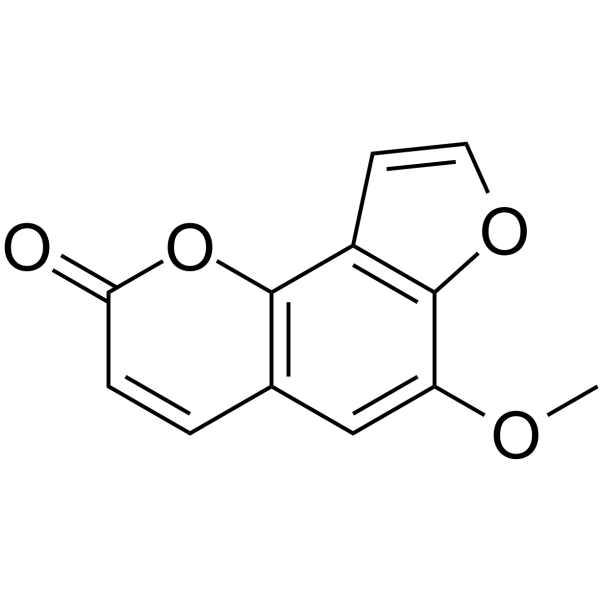
Sphondin possesses an inhibitory effect on IL-1β-induced increase in the level of COX-2 protein and PGE2 release in A549 cells .
|
-
- HY-N5073
-
|
4''-O-Glucosylvitexin
|
JNK
p38 MAPK
Interleukin Related
TNF Receptor
Caspase
Lactate Dehydrogenase
Apoptosis
|
Cardiovascular Disease
Metabolic Disease
|
|
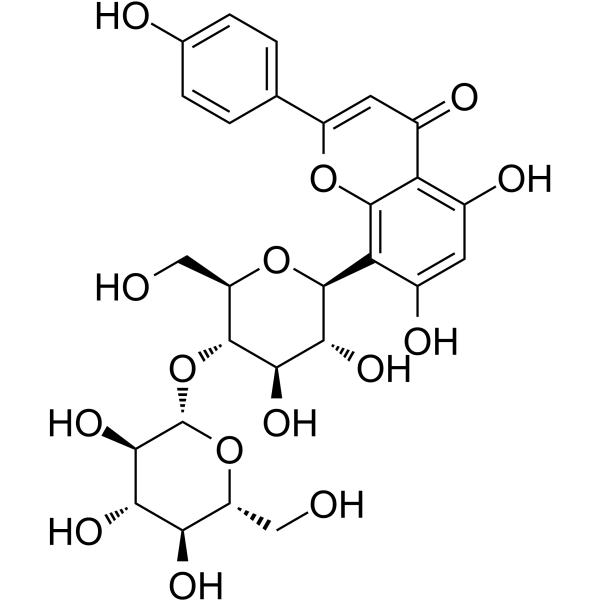
Vitexin-4''-O-glucoside (4''-O-Glucosylvitexin) is an orally active natural flavonoid component with multiple pharmacological effects including antioxidation, anti-inflammation, cytoprotection and anti-apoptosis. Vitexin-4''-O-glucoside regulates the MAPK signaling pathway by downregulating the phosphorylation levels of JNK and p38, thereby blocking endoplasmic reticulum stress responses. Vitexin-4''-O-glucoside alleviates oxidative stress by reducing MDA content and upregulating the activities of SOD and CAT, attenuates inflammation by downregulating the expressions of inflammatory factors TNF-α, IL-1β and IL-6, and also reduces LDH release and inhibits caspase-3 activation. Vitexin-4''-O-glucoside effectively improves drug-induced acute liver injury and exerts significant protective effects against myocardial hypoxia/reoxygenation injury. Vitexin-4''-O-glucoside can be used in studies on acute liver injury, cardiovascular diseases and myocardial hypoxia-reoxygenation injury .
|
-
- HY-146066A
-
|
|
nAChR
JAK
STAT
NO Synthase
|
Others
|
|
(R)-α7 nAchR-JAK2-STAT3 agonist 1 is the R-enantiomer of α7 nAchR-JAK2-STAT3 agonist 1 (HY-146066). α7 nAchR-JAK2-STAT3 agonist 1 is a potent α7 nAchR-JAK2-STAT3 agonist, with an IC50 value of 0.32 μM for nitric oxide (NO). α7 nAchR-JAK2-STAT3 agonist 1 effectively suppresses the expression of iNOS, IL-1β, and IL-6 in murine RAW264.7 macrophages. α7 nAchR-JAK2-STAT3 agonist 1 can inhibit LPS-induced NO release, NF-κB activation and cytokine production. α7 nAchR-JAK2-STAT3 can be used for researching sepsis .
|
-

- HY-130413
-
|
Neuroprotectin D1; NPD1
|
Endogenous Metabolite
PI3K
Akt
HIF/HIF Prolyl-Hydroxylase
Reactive Oxygen Species (ROS)
Caspase
Interleukin Related
MicroRNA
|
Cardiovascular Disease
Neurological Disease
Inflammation/Immunology
|
|
Protectin D1, a neuroprotectin D1 produced by neuronal cells, is a member of a newly discovered family of bioactive products derived from docosahexaenoic acid. Protectin D1 also serves as a specialized pro-resolving mediator, exhibiting effective in vivo pro-resolving activity in various human disease models. Additionally, Protectin D1 is an inhibitor of NALP3 inflammasomes and regulates the PI3K/AKT and HIF-1α signaling pathways. Protectin D1 exerts anti-inflammatory effects by reducing ROS levels, inhibiting the expression of NALP3, ASC, and Caspase-1, and consequently decreasing the release of pro-inflammatory cytokines IL-1β and IL-18. Furthermore, Protectin D1 enhances miRNA-210 expression, activates the PI3K/AKT signaling pathway, and exerts cardioprotective effects. Protectin D1 holds promise for research in cardiovascular diseases and inflammatory disorders .
|
-
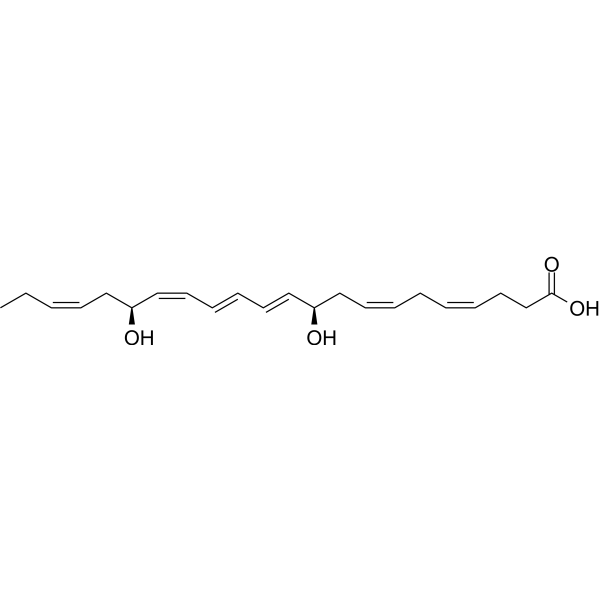
- HY-13954
-
|
|
P2X Receptor
|
Neurological Disease
Inflammation/Immunology
|
|
A 839977 is a P2X7 selective antagonist; it blocks BzATP-evoked calcium influx at recombinant human, rat and mouse P2X7 receptors (IC50 values are 20 nM, 42 nM and 150 nM respectively) and reduces inflammatory and neuropathic pain in animal models; the antihyperalgesic effects of P2X7 receptor blockade are mediated by blocking the release of IL-1beta .
|
-
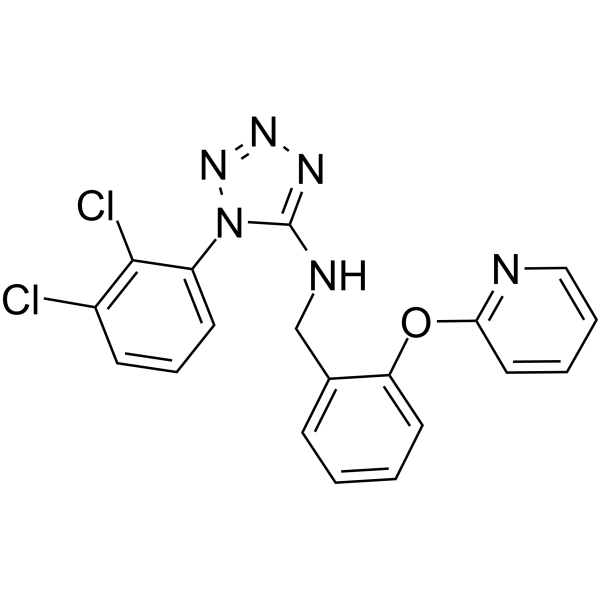
- HY-N0074
-
|
|
COX
|
Inflammation/Immunology
|
|
Byakangelicol, isolated from Angelica dahurica, inhibits interleukin-1beta (IL-1beta) -induced prostaglandin E2 (PGE2) release in A549 cells mediated by suppression of cyclooxygenase-2 (COX-2) expression and the activity of COX-2 enzyme. Byakangelicol has therapeutic potential as an anti-inflammatory agent on airway inflammation .
|
-
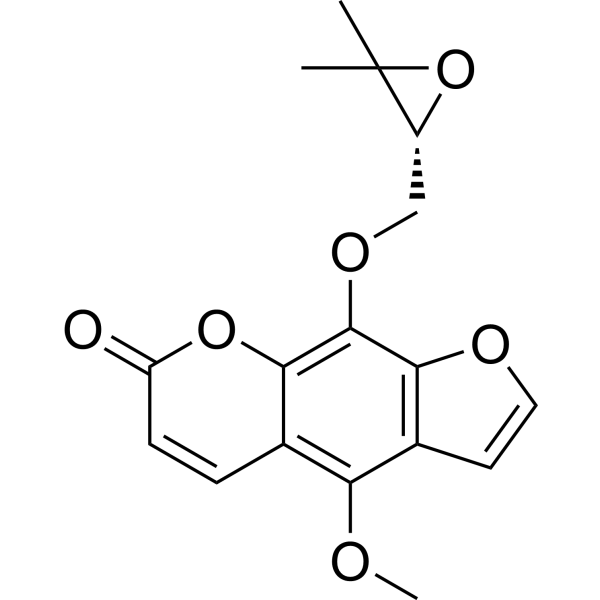
- HY-W040255
-
|
PGPC
|
Ferroptosis
FABP
Caspase
Interleukin Related
Apoptosis
|
Inflammation/Immunology
|
|
1-Palmitoyl-2-glutaryl-sn-glycero-3-phosphocholine is an oxidized phospholipid. 1-Palmitoyl-2-glutaryl-sn-glycero-3-phosphocholine reduces the viability of HUVECs, increases the levels of ferrous ions and lipid peroxidation, promotes the production of superoxide anions, and decreases the levels of glutathione and GPX4 in cells. 1-Palmitoyl-2-glutaryl-sn-glycero-3-phosphocholine upregulates the mRNA and protein levels of FABP3 in HUVECs, impairs mitochondrial membrane potential, and induces ferroptosis-related changes as well as mitochondrial dysfunction and damage. 1-Palmitoyl-2-glutaryl-sn-glycero-3-phosphocholine activates caspase-11 and promotes the continuous release of IL-1β from macrophages and dendritic cells. 1-Palmitoyl-2-glutaryl-sn-glycero-3-phosphocholine inhibits the proliferation of aortic smooth muscle cells and induces apoptosis in these cells. 1-Palmitoyl-2-glutaryl-sn-glycero-3-phosphocholine is applicable to relevant research on atherosclerosis .
|
-

- HY-N0171A
-
|
β-Sitosterol (purity>98%); 22,23-Dihydrostigmasterol (purity>98%)
|
Bacterial
Apoptosis
Reactive Oxygen Species (ROS)
MDM-2/p53
Caspase
PARP
MMP
Bcl-2 Family
HIF/HIF Prolyl-Hydroxylase
TNF Receptor
Interleukin Related
NF-κB
mTOR
Lactate Dehydrogenase
CDK
Glutathione Peroxidase
SOD
|
Infection
Cardiovascular Disease
Inflammation/Immunology
Cancer
|
|
Beta-Sitosterol (purity>98%) is orally active. Beta-Sitosterol exhibits multiple activities, including anti-inflammatory, anticancer, antioxidant, antimicrobial, antidiabetic, antioxidant enzyme, and analgesic. Beta-Sitosterol inhibits inflammation and impaired adipogenesis in bovine mammary epithelial cells by reducing levels of ROS, TNF-α, IL-1β, and NF-κB p65 and restoring the activity of the HIF-1α/mTOR signaling pathway. Beta-Sitosterol induces apoptosis in cancer cells through ROS-mediated mitochondrial dysregulation and p53 activation. Beta-Sitosterol exerts its anticancer effects in cancer cells by activating caspase-3, caspase-8, and caspase-9, mediating PARP inactivation, MMP loss, altered Bcl-2-Bax ratio, and cytochrome c release. Beta-Sitosterol modulates macrophage polarization and reduces rheumatoid inflammation in mice. Beta-Sitosterol inhibits tumor growth in multiple mouse cancer models. Beta-Sitosterol can be used in the research of arthritis, lung cancer, breast cancer and other cancers, diabetes, etc .
|
-
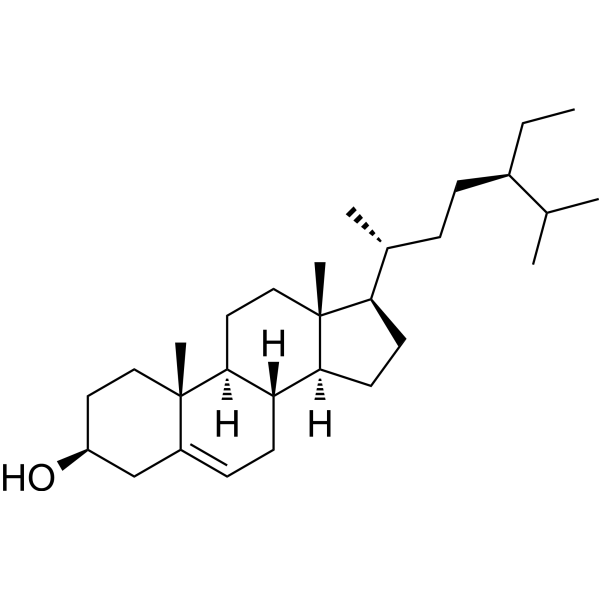
- HY-121811
-
|
Lanceolatin C
|
Glycosidase
Phosphatase
Interleukin Related
TNF Receptor
COX
Beclin1
GLUT
FAK
Akt
mTOR
p38 MAPK
Keap1-Nrf2
Apoptosis
Amyloid-β
Tau Protein
Autophagy
|
Neurological Disease
Inflammation/Immunology
Cancer
|
|
Pongamol (Lanceolatin C) is an orally active flavonoid with an IC50 of 75 μM and a Ki of 58 μM against PTPase-1B, and an IC50 of 103.5 μM against intestinal α-Glycosidase. Pongamol reduces the release of IL‑1β, TNF‑α, COX‑2 and iNOS in cells, reverses the nuclear translocation of NF‑κB, and upregulates the levels of Beclin 1 and LC3 Ⅱ/LC3 Ⅰ. Pongamol promotes glucose uptake by increasing the level of GLUT4 on the surface of skeletal muscle cells. Pongamol inhibits epithelial-mesenchymal transition by suppressing the FAK/Akt-mTOR signaling pathway. Pongamol inhibits neuronal cytotoxicity, suppresses cell apoptosis and extends the lifespan of Caenorhabditis elegans by activating the MAPKs/Nrf2 signaling pathway. Pongamol exerts hypoglycemic effects in diabetic mouse models. Pongamol exhibits antibacterial activity. Pongamol alleviates oxidative stress, neuroinflammation, Aβ deposition and excessive phosphorylation of Tau Protein, and restores autophagy function in Alzheimer's disease mouse models by inhibiting the Akt/mTOR signaling pathway. Pongamol is applicable to research related to Alzheimer's disease, type 2 diabetes, non-small cell lung cancer and postprandial hyperglycemia .
|
-
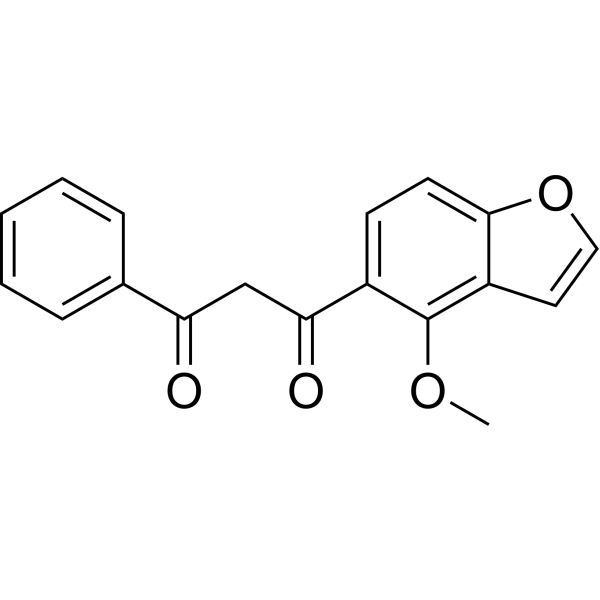
- HY-N0171R
-
|
β-Sitosterol (Standard); 22,23-Dihydrostigmasterol (Standard))
|
Reference Standards
Apoptosis
Endogenous Metabolite
|
Cardiovascular Disease
Inflammation/Immunology
Cancer
|
|
Beta-Sitosterol (Standard) is the analytical standard of Beta-Sitosterol. This product is intended for research and analytical applications. Beta-Sitosterol (purity≥80%) is orally active. Beta-Sitosterol exhibits multiple activities, including anti-inflammatory, anticancer, antioxidant, antimicrobial, antidiabetic, antioxidant enzyme, and analgesic. Beta-Sitosterol inhibits inflammation and impaired adipogenesis in bovine mammary epithelial cells by reducing levels of ROS, TNF-α, IL-1β, and NF-κB p65 and restoring the activity of the HIF-1α/mTOR signaling pathway. Beta-Sitosterol induces apoptosis in cancer cells through ROS-mediated mitochondrial dysregulation and p53 activation. Beta-Sitosterol exerts its anticancer effects in cancer cells by activating caspase-3, caspase-8, and caspase-9, mediating PARP inactivation, MMP loss, altered Bcl-2-Bax ratio, and cytochrome c release. Beta-Sitosterol modulates macrophage polarization and reduces rheumatoid inflammation in mice. Beta-Sitosterol inhibits tumor growth in multiple mouse cancer models. Beta-Sitosterol can be used in the research of arthritis, lung cancer, breast cancer and other cancers, diabetes, etc.
|
-
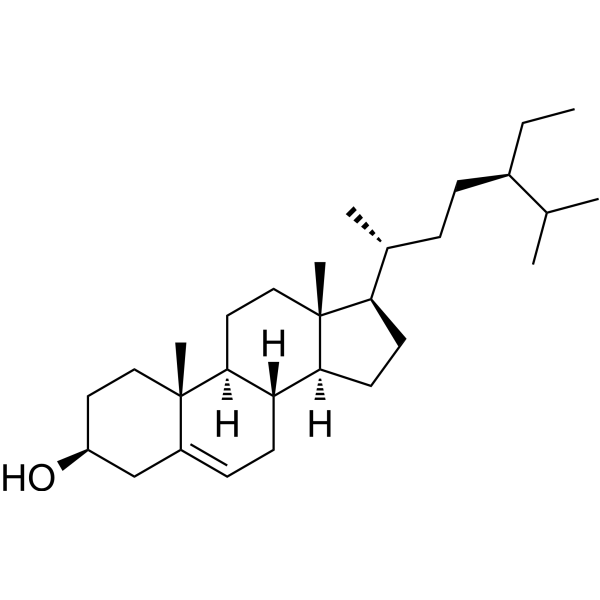
- HY-N0171
-
|
|
Apoptosis
Endogenous Metabolite
|
Cardiovascular Disease
Inflammation/Immunology
Cancer
|
|
Beta-Sitosterol (purity≥80%) is orally active. Beta-Sitosterol exhibits multiple activities, including anti-inflammatory, anticancer, antioxidant, antimicrobial, antidiabetic, antioxidant enzyme, and analgesic. Beta-Sitosterol inhibits inflammation and impaired adipogenesis in bovine mammary epithelial cells by reducing levels of ROS, TNF-α, IL-1β, and NF-κB p65 and restoring the activity of the HIF-1α/mTOR signaling pathway. Beta-Sitosterol induces apoptosis in cancer cells through ROS-mediated mitochondrial dysregulation and p53 activation. Beta-Sitosterol exerts its anticancer effects in cancer cells by activating caspase-3, caspase-8, and caspase-9, mediating PARP inactivation, MMP loss, altered Bcl-2-Bax ratio, and cytochrome c release. Beta-Sitosterol modulates macrophage polarization and reduces rheumatoid inflammation in mice. Beta-Sitosterol inhibits tumor growth in multiple mouse cancer models. Beta-Sitosterol can be used in the research of arthritis, lung cancer, breast cancer and other cancers, diabetes, etc .
|
-
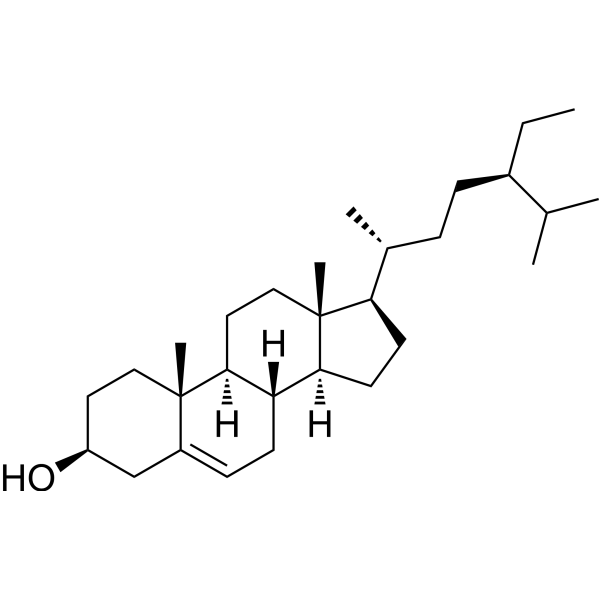
- HY-149025
-
|
P18
|
Phospholipase
|
Inflammation/Immunology
Cancer
|
|
DPTIP-proagent 18 (P18) is a orally active and brain-penetrable proagent of DPTIP (HY-131002). DPTIP-proagent 18 is a potent nSMase2 inhibitor. DPTIP-proagent 18 significantly inhibits IL-1β-induced EV (extracellular vesicle) release by inhibition of nSMase2 (neutral sphingomyelinase-2) activity. DPTIP-proagent 18 can be used for brain injury research .
|
-
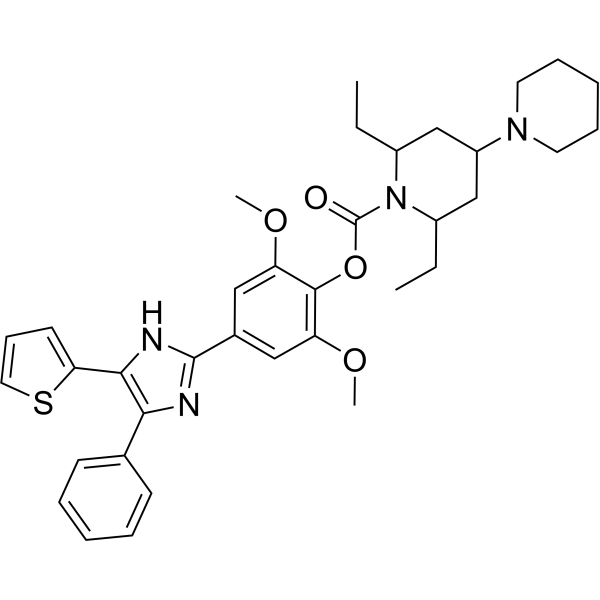
- HY-139589
-
|
ISC-27864; GRC-27864
|
PGE synthase
COX
Collagen
|
Neurological Disease
Inflammation/Immunology
|
|
Zaloglanstat (ISC-27864; GRC-27864) is a selective, orally active microsomal mPGES-1 inhibitor. Zaloglanstat has an IC50 of 5 nM for human mPGES-1 without significant inhibitory effect on COX-1/2 (IC50 >10 μM). Zaloglanstat blocks the conversion of arachidonic acid metabolite prostaglandin PGH2 to prostaglandin PGE2, thereby inhibiting inflammation-related PGE2 overproduction and reducing inflammatory responses and pain. Zaloglanstat inhibits IL-1β-induced PGE2 release in A549 cells and human synovial fibroblasts in vitro. Zaloglanstat inhibits PGE2 release in pig and dog whole blood with IC50s ??of 161 nM and 154 nM, respectively. Zaloglanstat can be used in the study of asthma, osteoarthritis, and neurodegenerative diseases .
|
-
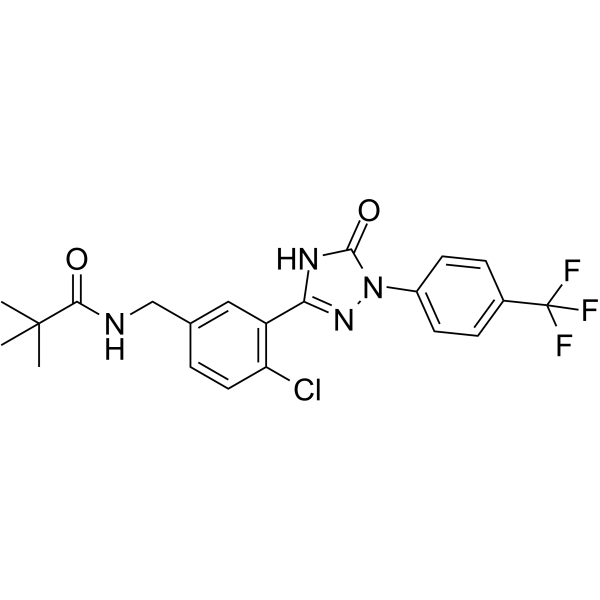
- HY-147512
-
|
|
Cannabinoid Receptor
|
Inflammation/Immunology
|
|
CB1/2 agonist 1 is a potent and cross the blood-brain barrier CB1/2 agonist with EC50s of 56.15, 11.63 nM for CB1R and CB2R, respectively. CB1/2 agonist 1 reduces glutamate release and LPS-induced activation of microglial cells. CB1/2 agonist 1 shows anti-inflammatory and antinociceptive effects. CB1/2 agonist 1 has the potential for the research of multiple sclerosis .
|
-
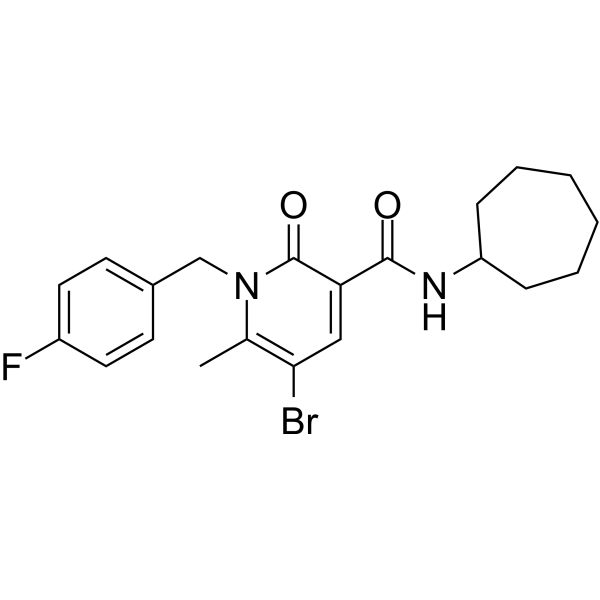
- HY-175640
-
|
|
Pyroptosis
Reactive Oxygen Species (ROS)
Interleukin Related
Caspase
|
Cardiovascular Disease
|
|
Troponin-IN-1 is a troponin inhibitor. Troponin-IN-1 protects OGD/R-injured H9c2 cardiomyocytes by reducing LDH leakage, pyroptosis and ROS accumulation. Troponin-IN-1 inhibits NO production and IL-1β/TNF-α/IL-18 release in LPS (HY-D1056)-induced RAW264.7 cells. Troponin-IN-1 acts via caspase-1/GSDMD/IL-18 pathway. Troponin-IN-1 reduces myocardial infarct size in LAD-induced myocardial ischemia/reperfusion (MI/R) male rats. Troponin-IN-1 can be used for the study of myocardial ischemia/reperfusion (MI/R) injury .
|
-

- HY-179421
-
|
|
PROTACs
HDAC
NF-κB
NOD-like Receptor (NLR)
Interleukin Related
TNF Receptor
|
Inflammation/Immunology
|
|
PROTAC HDAC6 degrader 7 is an orally active, highly efficient, and selective PROTAC degrader targeting histone deacetylase 6 (HDAC6) (IC50 = 118 nM). PROTAC HDAC6 degrader 7 can eliminate both the catalytic and zinc-finger ubiquitin-binding domain. PROTAC HDAC6 degrader 7 inhibits NLRP3 inflammasome assembly and activation, as well as blocks NF-κB signaling, thereby reducing the transcription and release of key inflammatory factors. PROTAC HDAC6 degrader 7 can reduce the mRNA levels of NLRP3, pro-IL-1β, TNF-α, and IL-6. PROTAC HDAC6 degrader 7 can be used for the study of inflammatory bowel disease (IBD) .
|
-

| Cat. No. |
Product Name |
Type |
-
- HY-108910
-
|
EC 3.4.21.1; Chymotrypsin A
|
Biochemical Assay Reagents
|
|
Chymotrypsin (EC 3.4.21.1; Chymotrypsin A) is an orally effective inhibitor targeting molecules such as TLR4, NF-κB, MMP-1, TNF-α, IL-1β, and IL-6. Chymotrypsin downregulates the TLR4/NF-κB signaling pathway, inhibiting the release of inflammatory factors, reducing cell infiltration and tissue damage. It also reduces the expression of tumor cell adhesion molecules (such as CD44 and CD54) and can be specifically detected by fluorescent probes (such as NBD-3). Chymotrypsin has anti-inflammatory, hepatoprotective, joint damage-reducing, liver protection against lipotoxicity, and anti-tumor metastasis functions. It can be used in research on diseases such as rheumatoid arthritis, non-alcoholic fatty liver disease, and melanoma metastasis. Chymotrypsin can be used in studies of inflammation, edema, and expectoration .
|
-
- HY-W040255
-
|
PGPC
|
Biochemical Assay Reagents
|
|
1-Palmitoyl-2-glutaryl-sn-glycero-3-phosphocholine is an oxidized phospholipid. 1-Palmitoyl-2-glutaryl-sn-glycero-3-phosphocholine reduces the viability of HUVECs, increases the levels of ferrous ions and lipid peroxidation, promotes the production of superoxide anions, and decreases the levels of glutathione and GPX4 in cells. 1-Palmitoyl-2-glutaryl-sn-glycero-3-phosphocholine upregulates the mRNA and protein levels of FABP3 in HUVECs, impairs mitochondrial membrane potential, and induces ferroptosis-related changes as well as mitochondrial dysfunction and damage. 1-Palmitoyl-2-glutaryl-sn-glycero-3-phosphocholine activates caspase-11 and promotes the continuous release of IL-1β from macrophages and dendritic cells. 1-Palmitoyl-2-glutaryl-sn-glycero-3-phosphocholine inhibits the proliferation of aortic smooth muscle cells and induces apoptosis in these cells. 1-Palmitoyl-2-glutaryl-sn-glycero-3-phosphocholine is applicable to relevant research on atherosclerosis .
|
-
- HY-W342458
-
|
|
Biochemical Assay Reagents
|
|
Betamethasone 17-Propionate is a compound used to study its effects on endotoxin-induced uveitis in rats. It has the activity of inhibiting the infiltration of cells into the aqueous humor in endotoxin-induced uveitis by eye drops and systemic administration at a certain dose. However, its inhibitory effect is relatively weak compared with some other compounds. At the same time, the dose for systemic administration is 1mg/kg. In addition, Betamethasone 17-Propionate has a weaker inhibitory effect on the release of IL-8 from rat peritoneal exudate cells in an in vitro interleukin-8 (IL-8) release assay than betamethasone. Moreover, the simultaneous addition of betamethasone dipropionate and betamethasone 17-Propionate reduces the inhibitory effect of betamethasone on cell infiltration and IL-1β gene expression.
|
| Cat. No. |
Product Name |
Target |
Research Area |
-
- HY-P3211
-
|
LR12
|
TREM receptor
NF-κB
NOD-like Receptor (NLR)
Interleukin Related
Apoptosis
|
Cardiovascular Disease
Inflammation/Immunology
|
|
Nangibotide (LR12) is a synthetic peptide and TREM-1 receptor inhibitor. Nangibotide inhibits NF-κB and NLRP3 inflammasome activation and reduces the release of pro-inflammatory factors (such as IL-1β, IL-8). Nangibotide inhibits Apoptosis. Nangibotide reduces excessive inflammatory responses and protects tissues (liver, lung) from damage. Nangibotide can be used in the researches for myocardial ischemia-reperfusion injury, septic shock, acute lung injury, osteoarthritis, and acute liver failure .
|
-
- HY-P3211A
-
|
LR12 TFA
|
TREM receptor
NF-κB
NOD-like Receptor (NLR)
Interleukin Related
Apoptosis
|
Cardiovascular Disease
Inflammation/Immunology
|
|
Nangibotide TFA (LR12 TFA) is a synthetic peptide and TREM-1 receptor inhibitor. Nangibotide TFA inhibits NF-κB and NLRP3 inflammasome activation and reduces the release of pro-inflammatory factors (such as IL-1β, IL-8). Nangibotide TFA inhibits Apoptosis. Nangibotide TFA reduces excessive inflammatory responses and protects tissues (liver, lung) from damage. Nangibotide TFA can be used in the researches for myocardial ischemia-reperfusion injury, septic shock, acute lung injury, osteoarthritis, and acute liver failure .
|
-
- HY-P10935A
-
|
5-MP TFA
|
Amyloid-β
Interleukin Related
|
Inflammation/Immunology
|
|
Amilo-5MER (5-MP) TFA is an orally active and selective Serum Amyloid A (SAA) inhibitor. Amilo-5MER TFA specifically inhibits the release of pro-inflammatory cytokines IL-6 and IL-1β from SAA-activated cells. Amilo-5MER TFA reduces chronic inflammation and relieves symptoms of diseases such as rheumatoid arthritis (RA), inflammatory bowel disease (IBD), and multiple sclerosis (MS). Amilo-5MER TFA is promising for research of autoimmune diseases and chronic inflammatory diseases .
|
-
- HY-P10935
-
|
5-MP
|
Amyloid-β
Interleukin Related
|
Inflammation/Immunology
|
|
Amilo-5MER (5-MP) is an orally active and selective Serum Amyloid A (SAA) inhibitor. Amilo-5MER specifically inhibits the release of pro-inflammatory cytokines IL-6 and IL-1β from SAA-activated cells. Amilo-5MER reduces chronic inflammation and relieves symptoms of diseases such as rheumatoid arthritis (RA), inflammatory bowel disease (IBD), and multiple sclerosis (MS). Amilo-5MER is promising for research of autoimmune diseases and chronic inflammatory diseases .
|
-
- HY-W650842
-
|
|
Caspase
|
Cancer
|
|
Boc-Asp(OBzl)-CMK is an inhibitor for IL-1 converting enzyme (ICE, caspase1). Boc-Asp(OBzl)-CMK prevents death of CHP100 neuroblastoma cell, and IL-1β release elicited by the viral coat protein .
|
-
- HY-P11581
-
|
|
NOD-like Receptor (NLR)
Interleukin Related
Caspase
Amyloid-β
Tau Protein
α-synuclein
Pyroptosis
|
Neurological Disease
|
|
MNP2 is a NLRP3-ASC interaction inhibitor. MNP2 selectively binds to the PYD domain of ASC (Ka=149 nM) and blocks ASC-PYM binding (Ka=58 nM), thereby inhibiting the interaction between ASC and NLRP3 and suppressing the formation of the NLRP3 inflammasome. MNP2 inhibits IL-1β release and caspase-1 maturation, and reduces the efflux of potassium and chloride ions. MNP2 prevents mitochondrial damage and reactive oxygen species production, and significantly decreases NLRP3 inflammasome formation in neurodegenerative pathologies induced by β-amyloid, Tau protein and α-synuclein. MNP2 is applicable for the research of neurodegenerative diseases .
|
| Cat. No. |
Product Name |
Target |
Research Area |
Image |
-
- HY-P991400
-
|
|
TNF Receptor
Apoptosis
Interleukin Related
NF-κB
JNK
p38 MAPK
|
Inflammation/Immunology
|
|
GSK1995057 is a human monoclonal antibody (mAb) targeting TNFRSF1A. GSK1995057 selectively binds to TNFR1, blocks the binding of TNF-α and LT-α, and does not interfere with TNFR2 signaling. GSK1995057 inhibits the activation of NF-κB, JNK and MAPK pathways, alleviates apoptosis (apoptosis) and inflammatory responses (inhibiting IL-1β, IL-6, IL-10, TNF-α), and prevents viability loss of human nucleus pulposus cells. GSK1995057 inhibits the expression of cytokines and neutrophil adhesion molecules in human pulmonary microvascular endothelial cell monolayers, and reduces inflammatory responses and lung injury symptoms in non-human primates. GSK1995057 forms complexes with HAVH autoantibodies, thereby activating TNFR1 and triggering the release of cytokines and IL-8 in human cells. GSK1995057 can be used in research related to intervertebral disc degeneration and acute lung injury .
|
-

(5)
-
- HY-P992382
-
|
|
Interleukin Related
|
Neurological Disease
Inflammation/Immunology
|
|
IC 100 is a humanized IgG4κ monoclonal antibody targeting apoptosis-associated speck-like protein (ASC) with blood-brain barrier permeability. IC 100 specifically inhibits ASC after being endocytosed via its Fc segment, blocks ASC polymerization and inflammasome activation, suppresses IL-1β release, forms complexes with ASC and TRIM21, and evades TRIM21-mediated proteasomal degradation. IC 100 alleviates symptoms associated with autoimmune encephalomyelitis, reduces immune cell infiltration and microglial activation in the mouse EAE model. IC 100 is suitable for research on neuroinflammatory and inflammasome-related diseases such as multiple sclerosis. Isotype comparison: HY-P99003 .
|
-
(5)
| Cat. No. |
Product Name |
Category |
Target |
Chemical Structure |
-
- HY-N0171A
-
|
β-Sitosterol (purity>98%); 22,23-Dihydrostigmasterol (purity>98%)
|
Cardiovascular Disease
Structural Classification
Classification of Application Fields
Leguminosae
Glycine max (L.) merr
Plants
Inflammation/Immunology
Disease Research Fields
Steroids
Source Classification
|
Bacterial
Apoptosis
Reactive Oxygen Species (ROS)
MDM-2/p53
Caspase
PARP
MMP
Bcl-2 Family
HIF/HIF Prolyl-Hydroxylase
TNF Receptor
Interleukin Related
NF-κB
mTOR
Lactate Dehydrogenase
CDK
Glutathione Peroxidase
SOD
|
|
Beta-Sitosterol (purity>98%) is orally active. Beta-Sitosterol exhibits multiple activities, including anti-inflammatory, anticancer, antioxidant, antimicrobial, antidiabetic, antioxidant enzyme, and analgesic. Beta-Sitosterol inhibits inflammation and impaired adipogenesis in bovine mammary epithelial cells by reducing levels of ROS, TNF-α, IL-1β, and NF-κB p65 and restoring the activity of the HIF-1α/mTOR signaling pathway. Beta-Sitosterol induces apoptosis in cancer cells through ROS-mediated mitochondrial dysregulation and p53 activation. Beta-Sitosterol exerts its anticancer effects in cancer cells by activating caspase-3, caspase-8, and caspase-9, mediating PARP inactivation, MMP loss, altered Bcl-2-Bax ratio, and cytochrome c release. Beta-Sitosterol modulates macrophage polarization and reduces rheumatoid inflammation in mice. Beta-Sitosterol inhibits tumor growth in multiple mouse cancer models. Beta-Sitosterol can be used in the research of arthritis, lung cancer, breast cancer and other cancers, diabetes, etc .
|
-
-
- HY-N0171
-
|
|
Cardiovascular Disease
other families
Classification of Application Fields
Leguminosae
Plants
Endogenous metabolite
Glycyrrhiza uralensis Fisch.
Inflammation/Immunology
Disease Research Fields
Steroids
Source Classification
|
Apoptosis
Endogenous Metabolite
|
|
Beta-Sitosterol (purity≥80%) is orally active. Beta-Sitosterol exhibits multiple activities, including anti-inflammatory, anticancer, antioxidant, antimicrobial, antidiabetic, antioxidant enzyme, and analgesic. Beta-Sitosterol inhibits inflammation and impaired adipogenesis in bovine mammary epithelial cells by reducing levels of ROS, TNF-α, IL-1β, and NF-κB p65 and restoring the activity of the HIF-1α/mTOR signaling pathway. Beta-Sitosterol induces apoptosis in cancer cells through ROS-mediated mitochondrial dysregulation and p53 activation. Beta-Sitosterol exerts its anticancer effects in cancer cells by activating caspase-3, caspase-8, and caspase-9, mediating PARP inactivation, MMP loss, altered Bcl-2-Bax ratio, and cytochrome c release. Beta-Sitosterol modulates macrophage polarization and reduces rheumatoid inflammation in mice. Beta-Sitosterol inhibits tumor growth in multiple mouse cancer models. Beta-Sitosterol can be used in the research of arthritis, lung cancer, breast cancer and other cancers, diabetes, etc .
|
-
-
- HY-101092
-
-
-
- HY-130413
-
|
Neuroprotectin D1; NPD1
|
Neurological Disease
Classification of Application Fields
Ketones, Aldehydes, Acids
Endogenous metabolite
Disease Research Fields
Source Classification
|
Endogenous Metabolite
PI3K
Akt
HIF/HIF Prolyl-Hydroxylase
Reactive Oxygen Species (ROS)
Caspase
Interleukin Related
MicroRNA
|
|
Protectin D1, a neuroprotectin D1 produced by neuronal cells, is a member of a newly discovered family of bioactive products derived from docosahexaenoic acid. Protectin D1 also serves as a specialized pro-resolving mediator, exhibiting effective in vivo pro-resolving activity in various human disease models. Additionally, Protectin D1 is an inhibitor of NALP3 inflammasomes and regulates the PI3K/AKT and HIF-1α signaling pathways. Protectin D1 exerts anti-inflammatory effects by reducing ROS levels, inhibiting the expression of NALP3, ASC, and Caspase-1, and consequently decreasing the release of pro-inflammatory cytokines IL-1β and IL-18. Furthermore, Protectin D1 enhances miRNA-210 expression, activates the PI3K/AKT signaling pathway, and exerts cardioprotective effects. Protectin D1 holds promise for research in cardiovascular diseases and inflammatory disorders .
|
-
-
- HY-113298
-
-
-
- HY-113308A
-
|
|
Structural Classification
Animals
Classification of Application Fields
Metabolic Disease
Disease Research Fields
Steroids
Source Classification
|
Calcium Channel
Ferroptosis
PI3K
Reactive Oxygen Species (ROS)
Akt
HBV
|
|
Taurolithocholic acid sodium salt is an orally active bile acid and antiviral agent. Taurolithocholic acid sodium salt upregulates FADS2 by activating the TGR5-PI3K/AKT-SREBP2 signaling axis, inhibits SFTSV-induced ferroptosis, viral replication and viral entry of HBV/HDV, while reducing the release of IL-1β, lipid ROS and LDH. While exerting antiviral protective effects, Taurolithocholic acid sodium salt also stimulates the recycling of hepatocellular membrane transporters, impairs canalicular bile acid secretion function, and induces hepatocyte cholestasis, apoptosis and acute hepatocellular injury. Taurolithocholic acid sodium salt serves as an experimental model compound for hepatocellular cholestasis. At concentrations ≤200 μM, Taurolithocholic acid sodium salt shows no cytotoxicity and does not activate the interferon pathway. Taurolithocholic acid sodium salt not only protects mice from lethal SFTSV infection but also is suitable for studies related to severe fever with thrombocytopenia syndrome and cholestasis .
|
-
-
- HY-N0631
-
|
|
Structural Classification
Iridoids
Cornaceae
Classification of Application Fields
Cornus officinalis Sieb. et Zucc.
Terpenoids
Phenols
Polyphenols
Plants
Inflammation/Immunology
Disease Research Fields
Source Classification
|
p38 MAPK
NF-κB
JNK
Cholinesterase (ChE)
Acyltransferase
NO Synthase
Interleukin Related
TNF Receptor
Prostaglandin Receptor
ERK
COX
|
|
Cornuside is an iridoid glycoside with anti-allergic, anti-inflammatory, and neuroprotective activities. Cornuside exerts anti-allergic activity by downregulating the p38 MAPK, JNK, and NF-κB signaling pathways, and inhibits IgE-mediated histamine release from mast cells. Cornuside improves cognitive impairment in mice by inhibiting BACE1 activity (IC50 = 55.84 μg/mL) and enhancing ChAT activity. Cornuside inhibits LPS (HY-D1056)-induced inflammatory mediators, including iNOS, COX-2, PGE2, TNF-α, IL-6, and IL-1β, by suppressing NF-κB activation .
|
-
-
- HY-N1431
-
|
|
Apocynaceae
Alkaloids
Structural Classification
Plants
Indole Alkaloids
Catharanthus roseus (L.) G. Don
Source Classification
|
NOD-like Receptor (NLR)
Apoptosis
Cytochrome P450
NF-κB
PI3K
Akt
CDK
Caspase
Interleukin Related
p38 MAPK
|
|
Tabersonine is a selective, orally active NLRP3 inhibitor. Tabersonine directly binds to the NACHT domain of NLRP3, inhibiting its ATPase activity and oligomerization, thereby blocking ASC spot formation and caspase-1 activation, and reducing the release of pro-inflammatory cytokines such as IL-1β. Tabersonine also inhibits K63-linked ubiquitination of TRAF6, blocking NF-κB, PI3K/Akt, and p38 MAPK signaling pathways. Tabersonine can inhibit inflammatory responses, induce apoptosis of liver cancer cells through mitochondrial pathways and death receptor pathways, reduce mitochondrial membrane potential, promote cytochrome c release, and activate caspase proteins. Tabersonine is mainly used in the study of NLRP3-driven inflammatory diseases (such as acute lung injury, sepsis, peritonitis) and tumors such as liver cancer .
|
-
-
- HY-N0171R
-
|
β-Sitosterol (Standard); 22,23-Dihydrostigmasterol (Standard))
|
Cardiovascular Disease
other families
Classification of Application Fields
Leguminosae
Plants
Endogenous metabolite
Glycyrrhiza uralensis Fisch.
Inflammation/Immunology
Disease Research Fields
Steroids
Source Classification
|
Reference Standards
Apoptosis
Endogenous Metabolite
|
|
Beta-Sitosterol (Standard) is the analytical standard of Beta-Sitosterol. This product is intended for research and analytical applications. Beta-Sitosterol (purity≥80%) is orally active. Beta-Sitosterol exhibits multiple activities, including anti-inflammatory, anticancer, antioxidant, antimicrobial, antidiabetic, antioxidant enzyme, and analgesic. Beta-Sitosterol inhibits inflammation and impaired adipogenesis in bovine mammary epithelial cells by reducing levels of ROS, TNF-α, IL-1β, and NF-κB p65 and restoring the activity of the HIF-1α/mTOR signaling pathway. Beta-Sitosterol induces apoptosis in cancer cells through ROS-mediated mitochondrial dysregulation and p53 activation. Beta-Sitosterol exerts its anticancer effects in cancer cells by activating caspase-3, caspase-8, and caspase-9, mediating PARP inactivation, MMP loss, altered Bcl-2-Bax ratio, and cytochrome c release. Beta-Sitosterol modulates macrophage polarization and reduces rheumatoid inflammation in mice. Beta-Sitosterol inhibits tumor growth in multiple mouse cancer models. Beta-Sitosterol can be used in the research of arthritis, lung cancer, breast cancer and other cancers, diabetes, etc.
|
-
-
- HY-N4285
-
-
-
- HY-N2374
-
-
-
- HY-N2429
-
-
-
- HY-N5073
-
-
-
- HY-N0074
-
-
-
- HY-121811
-
|
Lanceolatin C
|
Structural Classification
Pongamia pinnata (L.) Pierre
Leguminosae
Ketones, Aldehydes, Acids
Derris trifoliata Lour.
Plants
Source Classification
|
Glycosidase
Phosphatase
Interleukin Related
TNF Receptor
COX
Beclin1
GLUT
FAK
Akt
mTOR
p38 MAPK
Keap1-Nrf2
Apoptosis
Amyloid-β
Tau Protein
Autophagy
|
|
Pongamol (Lanceolatin C) is an orally active flavonoid with an IC50 of 75 μM and a Ki of 58 μM against PTPase-1B, and an IC50 of 103.5 μM against intestinal α-Glycosidase. Pongamol reduces the release of IL‑1β, TNF‑α, COX‑2 and iNOS in cells, reverses the nuclear translocation of NF‑κB, and upregulates the levels of Beclin 1 and LC3 Ⅱ/LC3 Ⅰ. Pongamol promotes glucose uptake by increasing the level of GLUT4 on the surface of skeletal muscle cells. Pongamol inhibits epithelial-mesenchymal transition by suppressing the FAK/Akt-mTOR signaling pathway. Pongamol inhibits neuronal cytotoxicity, suppresses cell apoptosis and extends the lifespan of Caenorhabditis elegans by activating the MAPKs/Nrf2 signaling pathway. Pongamol exerts hypoglycemic effects in diabetic mouse models. Pongamol exhibits antibacterial activity. Pongamol alleviates oxidative stress, neuroinflammation, Aβ deposition and excessive phosphorylation of Tau Protein, and restores autophagy function in Alzheimer's disease mouse models by inhibiting the Akt/mTOR signaling pathway. Pongamol is applicable to research related to Alzheimer's disease, type 2 diabetes, non-small cell lung cancer and postprandial hyperglycemia .
|
-
-
- HY-N1431A
-
|
|
Apocynaceae
Alkaloids
Plants
Indole Alkaloids
Catharanthus roseus (L.) G. Don
Source Classification
|
NOD-like Receptor (NLR)
Apoptosis
Cytochrome P450
NF-κB
PI3K
Akt
CDK
Caspase
Interleukin Related
p38 MAPK
|
|
Tabersonine hydrochloride is a selective, orally active NLRP3 inhibitor. Tabersonine hydrochloride directly binds to the NACHT domain of NLRP3, inhibiting its ATPase activity and oligomerization, thereby blocking ASC spot formation and caspase-1 activation, and reducing the release of pro-inflammatory cytokines such as IL-1β. Tabersonine hydrochloride also inhibits K63-linked ubiquitination of TRAF6, blocking NF-κB, PI3K/Akt, and p38 MAPK signaling pathways. Tabersonine hydrochloride can inhibit inflammatory responses, induce apoptosis of liver cancer cells through mitochondrial pathways and death receptor pathways, reduce mitochondrial membrane potential, promote cytochrome c release, and activate caspase proteins. Tabersonine hydrochloride is mainly used in the study of NLRP3-driven inflammatory diseases (such as acute lung injury, sepsis, peritonitis) and tumors such as liver cancer .
|
-
-
- HY-113308AR
-
|
|
Structural Classification
Animals
Steroids
Source Classification
|
Reference Standards
Calcium Channel
Ferroptosis
PI3K
Reactive Oxygen Species (ROS)
Akt
HBV
|
|
Taurolithocholic acid (sodium salt) (Standard) is the analytical standard of Taurolithocholic acid (sodium salt). This product is intended for research and analytical applications. Taurolithocholic acid sodium salt is an orally active bile acid and antiviral agent. Taurolithocholic acid sodium salt upregulates FADS2 by activating the TGR5-PI3K/AKT-SREBP2 signaling axis, inhibits SFTSV-induced ferroptosis, viral replication and viral entry of HBV/HDV, while reducing the release of IL-1β, lipid ROS and LDH. While exerting antiviral protective effects, Taurolithocholic acid sodium salt also stimulates the recycling of hepatocellular membrane transporters, impairs canalicular bile acid secretion function, and induces hepatocyte cholestasis, apoptosis and acute hepatocellular injury. Taurolithocholic acid sodium salt serves as an experimental model compound for hepatocellular cholestasis. At concentrations ≤200 μM, Taurolithocholic acid sodium salt shows no cytotoxicity and does not activate the interferon pathway. Taurolithocholic acid sodium salt not only protects mice from lethal SFTSV infection but also is suitable for studies related to severe fever with thrombocytopenia syndrome and cholestasis .
|
-
-
- HY-N12235
-
-
-
- HY-W015546R
-
-
-
- HY-160121
-
-
-
- HY-N0631R
-
|
|
Structural Classification
Iridoids
Cornaceae
Cornus officinalis Sieb. et Zucc.
Terpenoids
Phenols
Polyphenols
Plants
Source Classification
|
Reference Standards
Prostaglandin Receptor
ERK
p38 MAPK
Acyltransferase
TNF Receptor
COX
Cholinesterase (ChE)
Interleukin Related
JNK
NO Synthase
NF-κB
|
|
Cornuside (Standard) is the analytical standard of Cornuside (HY-N0631). This product is intended for research and analytical applications. Cornuside is an iridoid glycoside with anti-allergic, anti-inflammatory, and neuroprotective activities. Cornuside exerts anti-allergic activity by downregulating the p38 MAPK, JNK, and NF-κB signaling pathways, and inhibits IgE-mediated histamine release from mast cells. Cornuside improves cognitive impairment in mice by inhibiting BACE1 activity (IC50 = 55.84 μg/mL) and enhancing ChAT activity. Cornuside inhibits LPS (HY-D1056)-induced inflammatory mediators, including iNOS, COX-2, PGE2, TNF-α, IL-6, and IL-1β, by suppressing NF-κB activation.
|
-
-
- HY-113298R
-
|
Methylmaleic acid (Standard)
|
Structural Classification
Microorganisms
Ketones, Aldehydes, Acids
Endogenous metabolite
Source Classification
|
Reference Standards
NOD-like Receptor (NLR)
Keap1-Nrf2
Reactive Oxygen Species (ROS)
|
|
Citraconic acid (Methylmaleic acid) (Standard) is the analytical standard of Citraconic acid (HY-113298). This product is intended for research and analytical applications. Citraconic acid is an orally active inhibitor targeting the NLRP3 inflammasome and Keap1-Nrf2 pathway. Citraconic acid reduces reactive oxygen species (ROS) generation by inhibiting succinate dehydrogenase (SDH) activity. Citraconic acid also modifies the conformation of Keap1 protein, relieves its inhibition of Nrf2, promotes antioxidant gene expression, and inhibits NLRP3 activation and the release of pro-inflammatory factors such as IL-1β and IL-18. Citraconic acid has anti-inflammatory and antioxidant activities, can reduce oxidative stress and cell pyroptosis, improve tissue damage, and can be used for the research of inflammation-related diseases such as acute renal ischemia-reperfusion injury. Citraconic acid is an isomer of Itaconic acid (HY-Y052) .
|
-
| Cat. No. |
Product Name |
Chemical Structure |
-
- HY-113308S1
-
|
|
|
Taurolithocholic acid-d4 is deuterium labeled Taurolithocholic acid. Taurolithocholic acid is an orally active bile acid and antiviral agent. Taurolithocholic acid upregulates FADS2 by activating the TGR5-PI3K/AKT-SREBP2 signaling axis, inhibits SFTSV-induced ferroptosis, viral replication and viral entry of HBV/HDV, while reducing the release of IL-1β, lipid ROS and LDH. While exerting antiviral protective effects, Taurolithocholic acid also stimulates the recycling of hepatocellular membrane transporters, impairs canalicular bile acid secretion function, and induces hepatocyte cholestasis, apoptosis and acute hepatocellular injury. Taurolithocholic acid serves as an experimental model compound for hepatocellular cholestasis. At concentrations ≤200 μM, Taurolithocholic acid shows no cytotoxicity and does not activate the interferon pathway. Taurolithocholic acid not only protects mice from lethal SFTSV infection but also is suitable for studies related to severe fever with thrombocytopenia syndrome and cholestasis .
|
-
-
- HY-113308AS1
-
|
|
|
Taurolithocholic Acid-d5 (sodium) is the deuterium labeled Taurolithocholic acid sodium salt. Taurolithocholic Acid sodium salt is an orally active bile acid and antiviral agent. Taurolithocholic Acid sodium salt upregulates FADS2 by activating the TGR5-PI3K/AKT-SREBP2 signaling axis, inhibits SFTSV-induced ferroptosis, viral replication and viral entry of HBV/HDV, while reducing the release of IL-1β, lipid ROS and LDH. While exerting antiviral protective effects, Taurolithocholic Acid sodium salt also stimulates the recycling of hepatocellular membrane transporters, impairs canalicular bile acid secretion function, and induces hepatocyte cholestasis, apoptosis and acute hepatocellular injury. Taurolithocholic Acid sodium salt serves as an experimental model compound for hepatocellular cholestasis. At concentrations ≤200 μM, Taurolithocholic Acid sodium salt shows no cytotoxicity and does not activate the interferon pathway. Taurolithocholic Acid sodium salt not only protects mice from lethal SFTSV infection but also is suitable for studies related to severe fever with thrombocytopenia syndrome and cholestasis .
|
-
-
- HY-19717S
-
|
|
|
DCVC- 13C3, 15N is 15N and 13C labeled DCVC. DCVC (S-[(1E)-1,2-Dichloroethenyl]-L-cysteine) is a bioactive metabolite of trichloroethylene (TCE). DCVC inhibits pathogen-stimulated pro-inflammatory cytokines IL-1β, IL-8, and TNF-α release from tissue cultures .
|
-
-
- HY-W753956
-
|
|
|
Iminostilbene-d10 is the deuterium labeled Iminostilbene (HY-N7064). Iminostilbene is a chemical precursor of carbamazepine. Additionally, Iminostilbene is an orally active inhibitor of PKM2 (Pyruvate Kinase M2) and COX2 (Cyclooxygenase-2). Iminostilbene exerts its effects by inhibiting PKM2 and its interaction with HIF-1α and STAT3, reducing COX2 and iNOS expression, and decreasing LPS-induced release of IL-1β, IL-6, TNF-α, and MCP-1, thereby suppressing macrophage-mediated inflammatory responses and improving myocardial ischemia/reperfusion (MI/R) injury. Iminostilbene holds promise for research in inflammation regulation, cardiovascular diseases (such as MI/R injury), and macrophage-mediated immune-related diseases .
|
-
-
- HY-113308AS
-
|
|
|
Taurolithocholic acid-d4 (sodium) is the deuterium labeled Taurolithocholic acid (sodium salt). Taurolithocholic acid sodium is an orally active bile acid and antiviral agent. Taurolithocholic acid sodium upregulates FADS2 by activating the TGR5-PI3K/AKT-SREBP2 signaling axis, inhibits SFTSV-induced ferroptosis, viral replication and viral entry of HBV/HDV, while reducing the release of IL-1β, lipid ROS and LDH. While exerting antiviral protective effects, Taurolithocholic acid sodium also stimulates the recycling of hepatocellular membrane transporters, impairs canalicular bile acid secretion function, and induces hepatocyte cholestasis, apoptosis and acute hepatocellular injury. Taurolithocholic acid sodium serves as an experimental model compound for hepatocellular cholestasis. At concentrations ≤200 μM, Taurolithocholic acid sodium shows no cytotoxicity and does not activate the interferon pathway. Taurolithocholic acid sodium not only protects mice from lethal SFTSV infection but also is suitable for studies related to severe fever with thrombocytopenia syndrome and cholestasis .
|
-
-
- HY-113308AS2
-
|
|
|
Taurolithocholic acid-d4-1 (sodium) is the deuterium labeled Taurolithocholic acid. Taurolithocholic acid sodium is an orally active bile acid and antiviral agent. Taurolithocholic acid sodium upregulates FADS2 by activating the TGR5-PI3K/AKT-SREBP2 signaling axis, inhibits SFTSV-induced ferroptosis, viral replication and viral entry of HBV/HDV, while reducing the release of IL-1β, lipid ROS and LDH. While exerting antiviral protective effects, Taurolithocholic acid sodium also stimulates the recycling of hepatocellular membrane transporters, impairs canalicular bile acid secretion function, and induces hepatocyte cholestasis, apoptosis and acute hepatocellular injury. Taurolithocholic acid sodium serves as an experimental model compound for hepatocellular cholestasis. At concentrations ≤200 μM, Taurolithocholic acid sodium shows no cytotoxicity and does not activate the interferon pathway. Taurolithocholic acid sodium not only protects mice from lethal SFTSV infection but also is suitable for studies related to severe fever with thrombocytopenia syndrome and cholestasis .
|
-
-
- HY-113308S
-
|
|
|
Taurolithocholic acid-d5 is deuterium labeled Taurolithocholic acid. Taurolithocholic acid is an orally active bile acid and antiviral agent. Taurolithocholic acid upregulates FADS2 by activating the TGR5-PI3K/AKT-SREBP2 signaling axis, inhibits SFTSV-induced ferroptosis, viral replication and viral entry of HBV/HDV, while reducing the release of IL-1β, lipid ROS and LDH. While exerting antiviral protective effects, Taurolithocholic acid also stimulates the recycling of hepatocellular membrane transporters, impairs canalicular bile acid secretion function, and induces hepatocyte cholestasis, apoptosis and acute hepatocellular injury. Taurolithocholic acid serves as an experimental model compound for hepatocellular cholestasis. At concentrations ≤200 μM, Taurolithocholic acid shows no cytotoxicity and does not activate the interferon pathway. Taurolithocholic acid not only protects mice from lethal SFTSV infection but also is suitable for studies related to severe fever with thrombocytopenia syndrome and cholestasis .
|
-
| Cat. No. |
Product Name |
|
Classification |
-
- HY-N0171A
-
|
β-Sitosterol (purity>98%); 22,23-Dihydrostigmasterol (purity>98%)
|
|
Cholesterol
|
|
Beta-Sitosterol (purity>98%) is orally active. Beta-Sitosterol exhibits multiple activities, including anti-inflammatory, anticancer, antioxidant, antimicrobial, antidiabetic, antioxidant enzyme, and analgesic. Beta-Sitosterol inhibits inflammation and impaired adipogenesis in bovine mammary epithelial cells by reducing levels of ROS, TNF-α, IL-1β, and NF-κB p65 and restoring the activity of the HIF-1α/mTOR signaling pathway. Beta-Sitosterol induces apoptosis in cancer cells through ROS-mediated mitochondrial dysregulation and p53 activation. Beta-Sitosterol exerts its anticancer effects in cancer cells by activating caspase-3, caspase-8, and caspase-9, mediating PARP inactivation, MMP loss, altered Bcl-2-Bax ratio, and cytochrome c release. Beta-Sitosterol modulates macrophage polarization and reduces rheumatoid inflammation in mice. Beta-Sitosterol inhibits tumor growth in multiple mouse cancer models. Beta-Sitosterol can be used in the research of arthritis, lung cancer, breast cancer and other cancers, diabetes, etc .
|
-
- HY-N0171
-
|
|
|
Cholesterol
|
|
Beta-Sitosterol (purity≥80%) is orally active. Beta-Sitosterol exhibits multiple activities, including anti-inflammatory, anticancer, antioxidant, antimicrobial, antidiabetic, antioxidant enzyme, and analgesic. Beta-Sitosterol inhibits inflammation and impaired adipogenesis in bovine mammary epithelial cells by reducing levels of ROS, TNF-α, IL-1β, and NF-κB p65 and restoring the activity of the HIF-1α/mTOR signaling pathway. Beta-Sitosterol induces apoptosis in cancer cells through ROS-mediated mitochondrial dysregulation and p53 activation. Beta-Sitosterol exerts its anticancer effects in cancer cells by activating caspase-3, caspase-8, and caspase-9, mediating PARP inactivation, MMP loss, altered Bcl-2-Bax ratio, and cytochrome c release. Beta-Sitosterol modulates macrophage polarization and reduces rheumatoid inflammation in mice. Beta-Sitosterol inhibits tumor growth in multiple mouse cancer models. Beta-Sitosterol can be used in the research of arthritis, lung cancer, breast cancer and other cancers, diabetes, etc .
|
Your information is safe with us. * Required Fields.
Inquiry Information
- Product Name:
- Cat. No.:
- Quantity:
- MCE Japan Authorized Agent:








