1. Search Result
Search Result
Results for "

Plant disease

" in MedChemExpress (MCE) Product Catalog:

177

Inhibitors & Agonists

12

Screening Libraries

2

Fluorescent Dyes

10

Biochemical Assay Reagents

4

Peptides

85

Natural
Products

12

Isotope-Labeled Compounds

Cat. No. Product Name Target Research Areas Chemical Structure
  • HY-N11287A
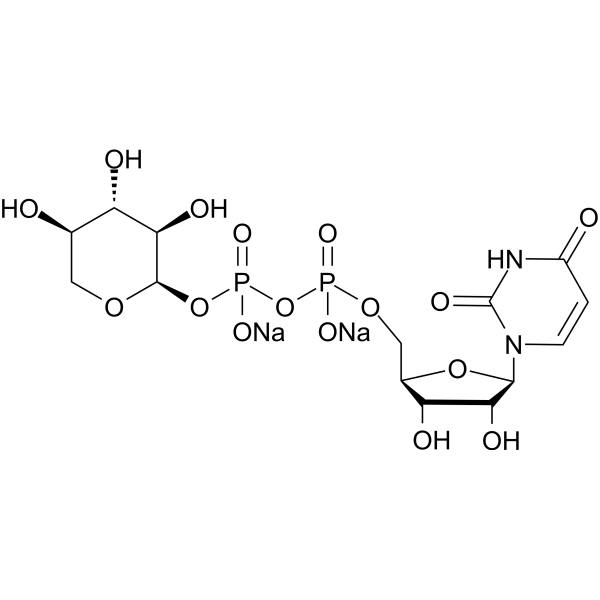
    UDP-xylose disodium
    2 Publications Verification

    Endogenous Metabolite Others
    UDP-xylose disodium is an endogenous sugar nucleotide and a catalytic substrate of UDP-xylose disodium synthase (UXS). UDP-xylose disodium is a sugar donor for the synthesis of glycoproteins, polysaccharides, various metabolites and oligosaccharides in plants, vertebrates and fungi, and participates in the synthesis of proteoglycans as a glycosyl donor. UDP-xylose disodium participates in the regulation of the synthesis of extracellular matrix components and can be used to study the mechanism of proteoglycan biosynthesis in glycobiology and related diseases (such as connective tissue diseases)[1][2].
    UDP-xylose disodium
  • HY-N0029
    Forsythoside B
    5+ Cited Publications

    TNF Receptor NF-κB Inflammation/Immunology
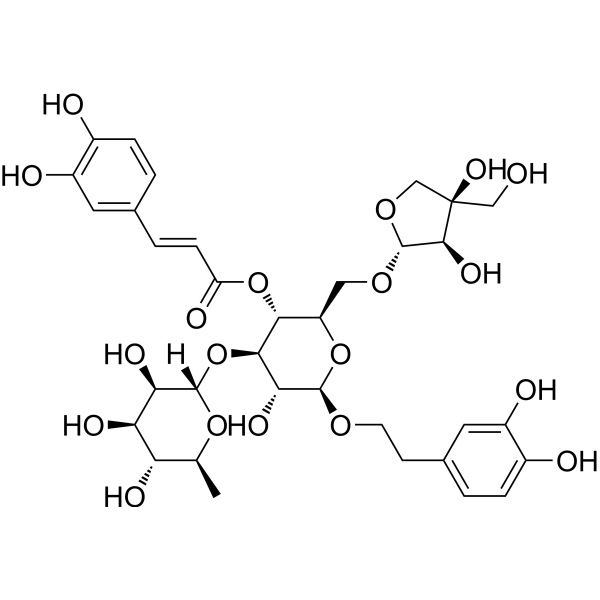
    Forsythoside B is a phenylethanoid glycoside isolated from Forsythia suspensa (Thunb.) Vahl, a Chinese folk medicinal plant for treating inflammatory diseases and promoting blood circulation. Forsythoside B could inhibit TNF-alpha, IL-6, IκB and modulate NF-κB.
    Forsythoside B
  • HY-N0404
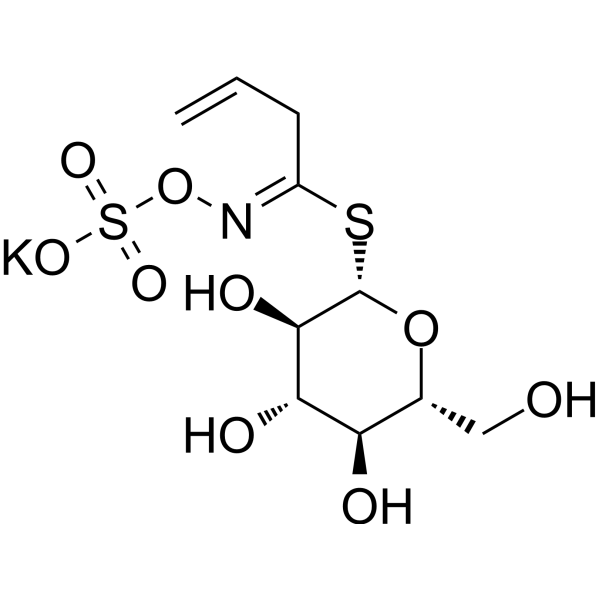
    Sinigrin
    4 Publications Verification

    Allyl-glucosinolate; 2-Propenyl-glucosinolate

    p38 MAPK AMPK Bacterial Fungal Interleukin Related PPAR CDK PI3K Akt mTOR Apoptosis Reactive Oxygen Species (ROS) Infection Metabolic Disease Inflammation/Immunology Cancer
    Sinigrin (Allyl-glucosinolate) is an orally active glucosinolate found in cruciferous plants. Sinigrin possesses multiple activities such as anti-cancer, antibacterial, antifungal, anti-inflammatory, antioxidant, and inhibition of fat synthesis. Sinigrin can be used in the research of tumors, inflammatory, and metabolic diseases .
    Sinigrin
  • HY-Y0262
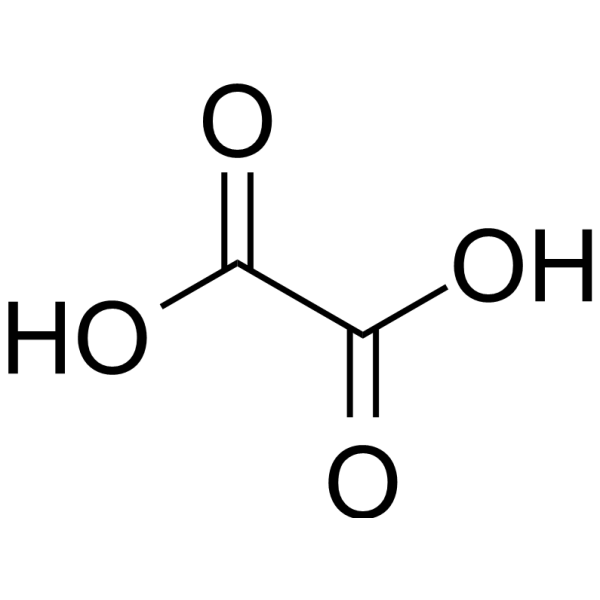
    Oxalic acid, 99%
    1 Publications Verification

    Ethanedioic acid

    Environmental Pollutants Endogenous Metabolite Infection Inflammation/Immunology
    Oxalic acid, 99% (Ethanedioic acid) is a dicarboxylic acid found in a wide variety of plants. Oxalic acid, 99% shows antioxidant acyivity and suppresses lipid peroxidation. Oxalic acid, 99% is a pathogenicity factor for sclerotinia sclerotiorum, and suppresses the oxidative burst of the host plant. Oxalic acid, 99% exerts acaricidal activity. Oxalic acid can be used for the researches of sclerotinia disease, varroatosis and inflammatory diseases .
    Oxalic acid, 99%
  • HY-N0576
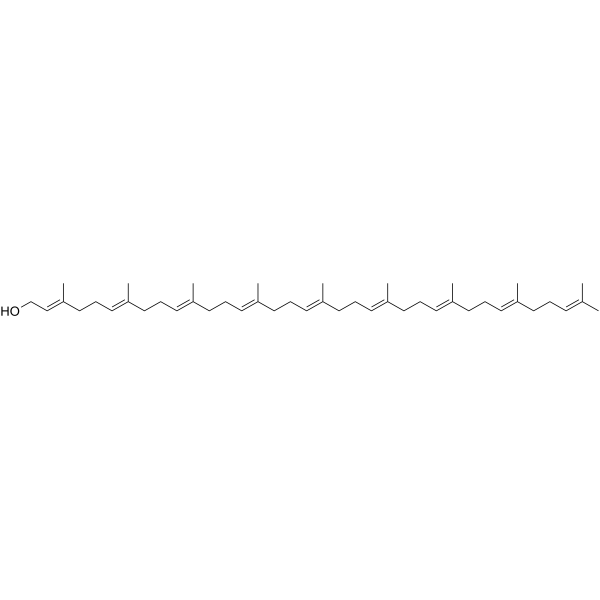
    Solanesol
    2 Publications Verification

    Endogenous Metabolite Heme Oxygenase (HO) HSP p38 MAPK Akt Apoptosis Caspase PARP Neurological Disease Metabolic Disease Inflammation/Immunology
    Solanesol is an orally active aliphatic terpene alcohol. Solanesol is mainly found in tobacco and other Solanaceae plants. Solanesol induces HO-1 and Hsp70 expression, activates p38 and Akt signaling pathways, and inhibits Apoptosis (reduces caspase-3 and PARP cleavage). Solanesol has antioxidant, anti-inflammatory, and neuroprotective activities. Solanesol can be used in the research of Huntington's disease, alcoholic liver disease, chronic inflammatory pain, anxiety, Alzheimer's disease, and bipolar disorder .
    Solanesol
  • HY-N9497

    Galectin Fungal Infection
    Galactinol is a disaccharide carbohydrate serving as a galactosyl donor, which belongs to the raffinose family oligosaccharide pathway and acts as an important osmoprotectant. Galactinol not only induces disease resistance in plants against fungal and bacterial pathogens, but also significantly enhances plant tolerance to abiotic stresses such as drought, high salinity, low temperature and oxidative damage. In addition, Galactinol has the ability to scavenge hydroxyl radicals, can act as a signaling component for root colonization-induced systemic resistance, and is positively correlated with seed longevity in various crops, making it a potential biomarker for evaluating seed vigor. Therefore, Galactinol can be used in the research of various plant diseases including fungal leaf spot, bacterial angular leaf spot, gray mold and soft rot .
    Galactinol
  • HY-W327449

    Cytochrome P450 Cardiovascular Disease Metabolic Disease
    Feruloylputrescine is an oral active phenolamide found in citrus plants and formed through the decarboxylation of L-Arginine. Feruloylputrescine inhibits monooxygenase (cntA) and reductase (cntB) and trimethylamine production. Feruloylputrescine can be used for cardiovascular diseases research .
    Feruloylputrescine
  • HY-N2388

    MMP PPAR Bacterial Cardiovascular Disease Neurological Disease Inflammation/Immunology Cancer
    Auraptene is an orally active geranyloxycoumarin that can be isolated from plants in the Brassicaceae family, antibacterial, anti-pathogen, antioxidant, anti-tumor, and neuroprotective effects. Auraptene plays an important role in the treatment of various chronic diseases such as hypertension and cystic fibrosis .
    Auraptene
  • HY-N2014
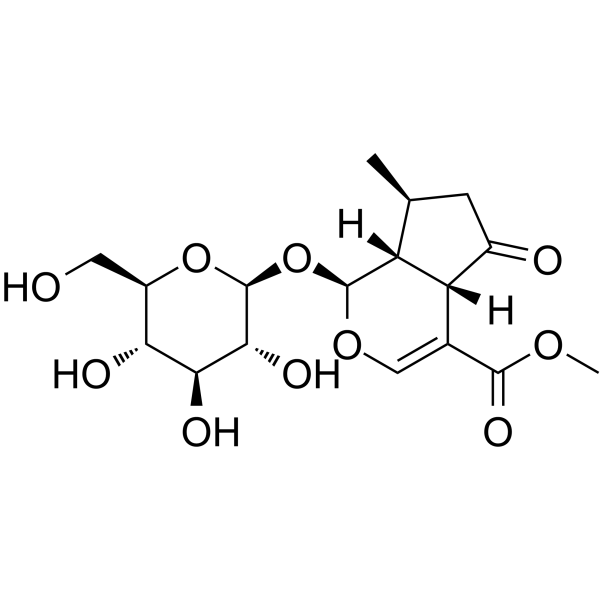
    Verbenalin
    2 Publications Verification

    SARS-CoV Amyloid-β Ferroptosis Tau Protein Caspase Bcl-2 Family Infection Cardiovascular Disease Neurological Disease Inflammation/Immunology
    Verbenalin is an orally active terpenoid glycoside that can be extracted from the medicinal plant Verbena officinalis. Verbenalin has anti-inflammatory, antiviral, and neuroprotective effects. Verbenalin has a strong binding affinity to the nsp-12 protein of the SARS-CoV-2 virus. Verbenalin can be used in the research of inflammatory and nervous system diseases such as hepatitis and Alzheimer's disease .
    Verbenalin
  • HY-N6071
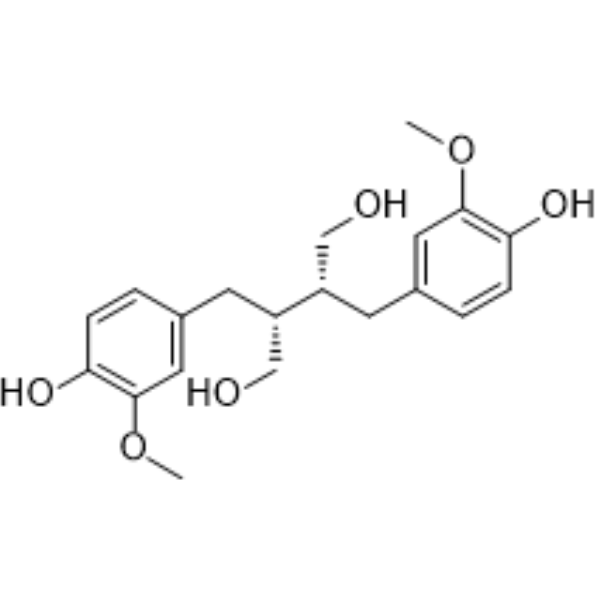
    Secoisolariciresinol
    1 Publications Verification

    (-)-Secoisolariciresinol

    Drug Intermediate Cardiovascular Disease Inflammation/Immunology Cancer
    Secoisolariciresinol ((-)-Secoisolariciresinol) is a plant lignan and a precursor of enterolignans. Secoisolariciresinol can be converted into enterodiol and enterolactone by intestinal microflora. Secoisolariciresinol may reduce the risk of cancer and cardiovascular diseases .
    Secoisolariciresinol
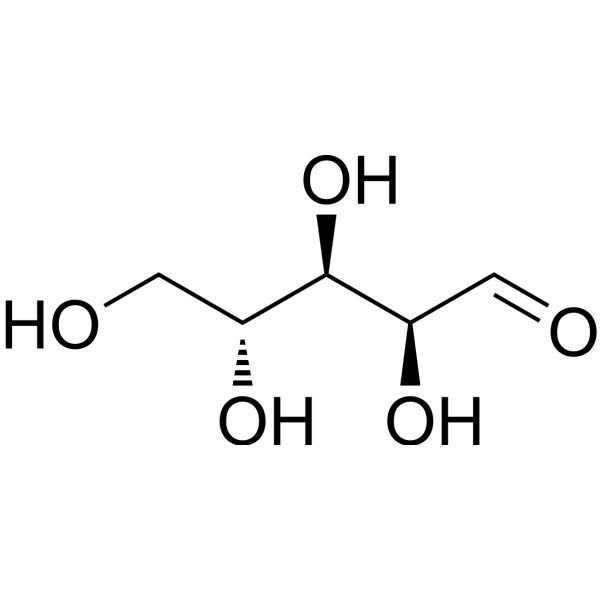
  • HY-N11287

    Endogenous Metabolite Others
    UDP-xylose is an endogenous sugar nucleotide and a catalytic substrate of UDP-xylose synthase (UXS). UDP-xylose is a sugar donor for the synthesis of glycoproteins, polysaccharides, various metabolites and oligosaccharides in plants, vertebrates and fungi, and participates in the synthesis of proteoglycans as a glycosyl donor. UDP-xylose participates in the regulation of the synthesis of extracellular matrix components and can be used to study the mechanism of proteoglycan biosynthesis in glycobiology and related diseases (such as connective tissue diseases)[1][2].
    UDP-xylose
  • HY-B2033
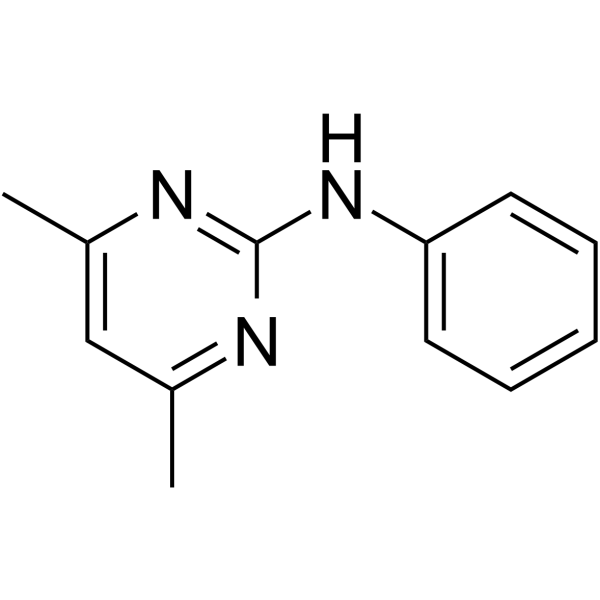
    Pyrimethanil
    1 Publications Verification

    Environmental Pollutants Fungal Infection
    Pyrimethanil is an anilinopyrimidine and broad-spectrum contact fungicide for the control of Botrytis spp. on a wide variety of crops . Pyrimethanil inhibits the biosynthesis of methionine and other amino acids in Botrytis cinerea. Pyrimethanil can be used for the research of fungal diseases prevention on fruit, vegetable and ornamental plants with mold infection .
    Pyrimethanil
  • HY-N8439

    Phx-3

    HSP Bacterial Antibiotic Infection Cancer
    Questiomycin A (Phx-3) is a GRP78 (cytoprotective endoplasmic reticulum chaperone) degrader and enhances the anticancer activity of Sorafenib. Questiomycin A is also an antimicrobial/antibiotic that can be obtained from the metabolite of Pseudomonas chlororaphis HT66. Questiomycin A can be used in research on biological control of cancer and plant diseases .
    Questiomycin A
  • HY-154795

    Caspase NOD-like Receptor (NLR) Inflammation/Immunology
    Magnesium isoglycyrrhizinate hydrate is the active component found in licorice plant (Glycyrrhiza glabra). Magnesium isoglycyrrhizinate hydrate exhibits anti-inflammatory activity through NLRP3 inflammasome pathway, and attenuates the chronic obstructive pulmonary disease in rats .
    Magnesium isoglycyrrhizinate hydrate
  • HY-N7698B

    Glycosidase Inflammation/Immunology Cancer
    Hexa-N-acetylchitohexaose is an inducer of disease resistance in crop plants, which could elicit an increase of lignification-related and antioxidative enzymes in soybean plants. Hexa-N-acetylchitohexaose is a substrate of lysozyme. Hexa-N-acetylchitohexaose shows antitumor effect .
    Hexa-N-acetylchitohexaose
  • HY-N0938
    Safflower yellow
    3 Publications Verification

    Fluorescent Dye Others
    Safflower yellow is extracted from the flowers of the plant safflower (Carthamus tinctorius) and as the traditional Chinese medicine it has been extensively used for the treatment of cardio cerebrovascular diseases.
    Safflower yellow
  • HY-136355

    Environmental Pollutants Reactive Oxygen Species (ROS) Fungal SOD Infection Inflammation/Immunology
    Picoxystrobin is a strobilurin fungicide. Picoxystrobin controls plant diseases by inhibiting mitochondrial respiration. Picoxystrobin is highly toxic to zebrafish embryos, causing developmental abnormalities, oxidative stress, and immunotoxicity .
    Picoxystrobin
  • HY-N2423
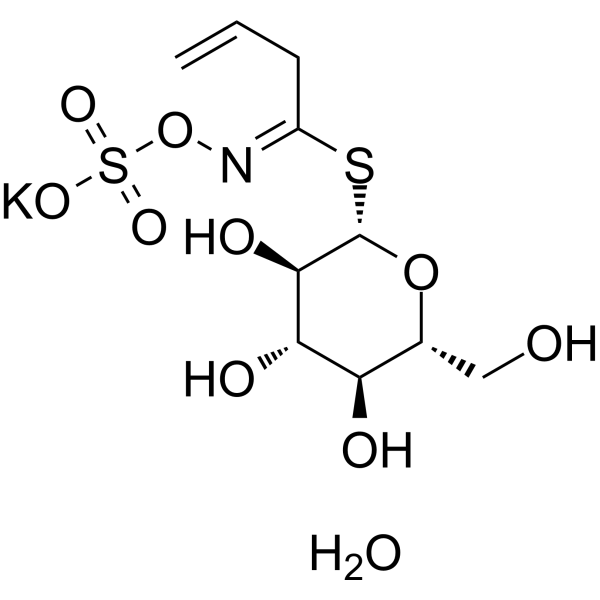
    Sinigrin hydrate
    4 Publications Verification

    Allyl-glucosinolate hydrate; 2-Propenyl-glucosinolate hydrate

    p38 MAPK AMPK Bacterial Fungal Interleukin Related PPAR CDK PI3K Akt mTOR Apoptosis Reactive Oxygen Species (ROS) Infection Metabolic Disease Inflammation/Immunology Cancer
    Sinigrin (Allyl-glucosinolate) hydrate is an orally active glucosinolate found in cruciferous plants. Sinigrin hydrate possesses multiple activities such as anti-cancer, antibacterial, antifungal, anti-inflammatory, antioxidant, and inhibition of fat synthesis. Sinigrin hydrate can be used in the research of tumors, inflammatory, and metabolic diseases .
    Sinigrin hydrate
  • HY-B2008

    DPX-JE874

    Environmental Pollutants Fungal Infection
    Famoxadone is a fungicide active against various oomycetes. Famoxadone induces rapid lysis of zoospores of P. viticola and P. infestans, and inhibits sporangial differentiation, zoospore release, sporangial germination and mycelial growth. Famoxadone exerts a preventive control effect on plant diseases. Famoxadone can be used in research related to grape downy mildew, potato late blight, tomato late blight and plant oomycete diseases .
    Famoxadone
  • HY-119630

    Zinc propylenebis(dithiocarbamate)

    Environmental Pollutants Bacterial Infection
    Propineb (Zinc propylenebis) is a compound widely used in fruit and vegetables cultures, due to its large spectrum of activity against fungal plant diseases .
    Propineb
  • HY-Y1058

    BHA

    Fungal Infection
    Benzohydroxamic acid (BHA) is a chitin deacetylase (CDA) inhibitor with significant antifungal activity. The Ki values of BHA against the CDAs of Verticillium dahliae and Puccinia striiformis f. sp. tritici are 8.31 μM and 9.83 μM, respectively. Benzohydroxamic acid can restore the defense responses of infected host plants, upregulate the expression of defense-related genes, and reduce the growth and reproduction of fungi in plants. Benzohydroxamic acid can be used in the research of the field of controlling agricultural fungal diseases, such as various plant fungal diseases caused by Verticillium dahliae, Puccinia striiformis and other fungi, like cotton wilt and wheat stripe rust .
    Benzohydroxamic acid
  • HY-117089

    Environmental Pollutants Fungal Infection
    Tetraconazole is a selective irreversible inhibitor of 14-α-sterol demethylase (CYP51) with antifungal activity. Tetraconazole competitively binds to the enzyme to block fungal ergosterol synthesis, resulting in cell membrane damage. The EC50 of tetraconazole against wheat pathogens is 0.382-0.802 mg/L, and the EC50 against onion root tip meristem cell growth is 6.7 mg/L, and (R)-(+)-Tetraconazole is 1.49-1.98 times more active than (S)-(-)-Tetraconazole. Tetraconazole can also induce oxidative stress and chromosomal aberrations in plant cells .
    Tetraconazole
  • HY-114979

    Antibiotic Fungal Apoptosis Infection Cancer
    Pyoluteorin is an antibiotic that inhibits Oomycete fungi, including the plant pathogen Pythium ultimum, and suppresses plant diseases caused by this fungus . Pyoluteorin induces human triple-negative breast cancer MDA-MB-231 cells apoptosis in vitro. Pyoluteorin can be used for the research of human triple-negative breast cancer .
    Pyoluteorin
  • HY-B1948

    S-3308

    Fungal Infection
    Diniconazole (S-3308) is a newly developed fungicide. Diniconazole exhibits fungicidal activity against Bolrytis cintrca, Sordaria fumicola, Fusarium graminearum, Sclerotium cepivornm, and Bipolaris sorokiniana with IC50 values of 0.012, <0.001, 0.008, 0.02, and 0.06 mg/L, respectively. Diniconazole can be used in research related to the prevention and control of plant fungal diseases and plant growth regulation .
    Diniconazole
  • HY-116541

    ASM

    Environmental Pollutants Fungal Bacterial Infection
    Acibenzolar-S-methyl (ASM) is a plant resistance inducer that mimics pathogen-host interactions and leads to systemic acquired resistance in plants. Acibenzolar-S-methyl helps reduce the use of pesticides and can be used in research to prevent plant diseases .
    Acibenzolar-S-methyl
  • HY-B2067

    Environmental Pollutants Fungal DNA/RNA Synthesis Infection
    Cymoxanil is a fungicidal cyanooxime against plant diseases caused by fungi belonging to the Perenosporales. Cymoxanil affects growth, DNA and RNA synthesis in Phytophthora .
    Cymoxanil
  • HY-W775091

    IKF-5411

    Fungal Succinate Dehydrogenase Infection
    Isofetamid (IKF-5411) is a succinate dehydrogenase inhibitor and a fungicide. Isofetamid exhibits good control effects against various fungal diseases such as gray mold, white mold, and powdery mildew. Isofetamid is promising for research of plant fungal diseases .
    Isofetamid
  • HY-N0131R
    Stigmasterol (Standard)
    10+ Cited Publications

    Stigmasterin (Standard)

    Reference Standards MMP Endogenous Metabolite Inflammation/Immunology
    Stigmasterol (Standard) is the analytical standard of Stigmasterol (HY-N0131). This product is intended for research and analytical applications. Stigmasterol is a plant sterol which has been focused on the cholesterol-lowering activity and is valued as an anti-stiffness factor in the therapy of rheumatic diseases.
    Stigmasterol (Standard)
  • HY-N6243

    Fungal Cardiovascular Disease Others
    Veratrosine is a Trihydroxynapthalene reductase (THR) inhibitor and fungal plant pathogen inhibitor with activity against Curvularia lunata THR. Veratrosine interacts with THR, an enzyme in the DHN melanin biosynthesis pathway of Curvularia lunata. Veratrosine can be used for the research of leaf blight of rice, brown spot of rice, and blast disease of foxtail millet .
    Veratrosine
  • HY-N8744

    (±)-Vestitol

    Fungal Infection
    Vestitol ((±)-Vestitol) is an isoflavonoid phytoalexin and Antifungal agent. Vestitol can be isolated from the leaves of Trifolium arvense. Vestitol inhibits the mycelial growth of Helminthosporium carbonum with a ED50 of 17 μg/mL. Vestitol can be used in the research of fungal infections (Helminthosporium carbonum-induced plant diseases) .
    Vestitol
  • HY-W774934

    Fungal
    Isopyrazam is a plant protection product with fungal activity. Isopyrazam exhibits excellent disease resistance on crops and effectively inhibits the growth of multiple plant pathogenic fungi. The application of Isopyrazam can significantly improve the yield and quality of crops.
    Isopyrazam
  • HY-Y0262A
    Oxalic acid diammonium monohydrate
    1 Publications Verification

    Ethanedioic acid diammonium monohydrate

    Environmental Pollutants Endogenous Metabolite Infection Inflammation/Immunology
    Oxalic acid (Ethanedioic acid) diammonium monohydrate is a dicarboxylic acid found in a wide variety of plants.
    Oxalic acid diammonium monohydrate shows antioxidant acyivity and suppresses lipid peroxidation.
    Oxalic acid diammonium monohydrate is a pathogenicity factor for sclerotinia sclerotiorum, and suppresses the oxidative burst of the host plant. Oxalic acid diammonium monohydrate exerts acaricidal activity. Oxalic acid can be used for the researches of sclerotinia disease varroatosis and inflammatory diseases .
    Oxalic acid diammonium monohydrate
  • HY-117451

    Bacterial Infection
    Dodine is a fungicide with plant disease suppressive activity. Dodine is used to control black spot on apples, pears and pecans, brown rot on peaches, and a variety of foliar diseases of peaches, strawberries, cherries, jacaranda and black walnuts. Dodine is also used as an industrial biocide and preservative .
    Dodine
  • HY-N6625S

    Fungal Inflammation/Immunology
    Chlorothalonil- 13C2 is the 13C-labeled Chlorothalonil. Chlorothalonil is a broad spectrum fungicide and is effective in protecting plants against fungal diseases caused mainly by Phytophthora infestans and Alternaria solani. Chlorothalonil is used for controlling of fungal foliar diseases of vegetables and crops .
    Chlorothalonil-13C2
  • HY-135258

    Galectin Fungal Others
    Galactinol dihydrate is a disaccharide carbohydrate serving as a galactosyl donor, which belongs to the raffinose family oligosaccharide pathway and acts as an important osmoprotectant. Galactinol dihydrate not only induces disease resistance in plants against fungal and bacterial pathogens, but also significantly enhances plant tolerance to abiotic stresses such as drought, high salinity, low temperature and oxidative damage. In addition, Galactinol dihydrate has the ability to scavenge hydroxyl radicals, can act as a signaling component for root colonization-induced systemic resistance, and is positively correlated with seed longevity in various crops, making it a potential biomarker for evaluating seed vigor. Therefore, Galactinol dihydrate can be used in the research of various plant diseases including fungal leaf spot, bacterial angular leaf spot, gray mold and soft rot .
    Galactinol dihydrate
  • HY-116541R

    ASM (Standard)

    Bacterial Fungal Reference Standards Infection
    Acibenzolar-S-methyl (Standard) is the analytical standard of Acibenzolar-S-methyl. This product is intended for research and analytical applications. Acibenzolar-S-methyl (ASM) is a plant resistance inducer that mimics pathogen-host interactions and leads to systemic acquired resistance in plants. Acibenzolar-S-methyl helps reduce the use of pesticides and can be used in research to prevent plant diseases .
    Acibenzolar-S-methyl (Standard)
  • HY-N16595

    Others Inflammation/Immunology
    Tatsiensine is a diterpenoid alkaloid. Tatsiensine can be isolated from a China-specific Delphinium plant (family Ranunculaceae), Delphinium pachycentrum Hemsl. Tatsiensine can be used in the research of inflammatory diseases .
    Tatsiensine
  • HY-B2067S

    Isotope-Labeled Compounds Fungal DNA/RNA Synthesis Infection
    Cymoxanil-d3 is the deuterium labeled Cymoxanil (HY-B2067). Cymoxanil is a fungicidal cyanooxime against plant diseases caused by fungi belonging to the Perenosporales. Cymoxanil affects growth, DNA and RNA synthesis in Phytophthora .
    Cymoxanil-d3
  • HY-B2067R

    Reference Standards Fungal DNA/RNA Synthesis Infection
    Cymoxanil (Standard) is the analytical standard of Cymoxanil (HY-B2067). This product is intended for research and analytical applications. Cymoxanil is a fungicidal cyanooxime against plant diseases caused by fungi belonging to the Perenosporales. Cymoxanil affects growth, DNA and RNA synthesis in Phytophthora.
    Cymoxanil (Standard)
  • HY-W1121939

    Opioid Receptor Neurological Disease Inflammation/Immunology
    Perillyl acetate is a monoterpene found in in essential oils of plants and is synthesized from perillyl alcohol (HY-N7000). Perillyl acetate can activate the μ-opioid receptor and exert potent analgesic activity. Perillyl acetate can be used for the research of inflammation and neurological disease such as arthritis .
    Perillyl acetate
  • HY-P3001

    Endogenous Metabolite Metabolic Disease
    Malate dehydrogenase (oxaloacetate-decarboxylating, NADP+) is a redox agent targeting metabolic pathways. Malate dehydrogenase (oxaloacetate-decarboxylating, NADP+) catalyzes the reduction of oxaloacetate to malate in leaves of higher plants. Malate dehydrogenase (oxaloacetate-decarboxylating, NADP+) is promising for research of metabolic diseases, such as diabetes, obesity .
    Malate dehydrogenase oxaloacetate-decarboxylating, NADP+
  • HY-P11158

    Fungal HIV Reverse Transcriptase Infection Cancer
    Gymnin is a defensin-like antifungal peptide. Gymnin has significant antifungal activities against phytopathogenic and mycotoxigenic fungi. Gymnin inhibits HIV-1 reverse transcriptase with an IC50 of 200 μM and the proliferation of tumor cells. Gymnin has a weak mitogenic activity toward murine splenocytes. Gymnin can be used for plant disease treatments research .
    Gymnin
  • HY-W327449R

    Cytochrome P450 Reference Standards Cardiovascular Disease Metabolic Disease
    Feruloylputrescine is an oral active phenolamide found in citrus plants and formed through the decarboxylation of L-Arginine. Feruloylputrescine inhibits monooxygenase (cntA) and reductase (cntB) and trimethylamine production. Feruloylputrescine can be used for cardiovascular diseases research .
    Feruloylputrescine (Standard)
  • HY-122494

    SF-1293

    Bacterial Infection
    Bilanafos is a natural organic phosphine tripeptide antibiotic metabolized by Streptomyces hydroscopius or Streptomyces viridochromeogenes. Bialaphos has antimicrobial activity aganist Gram-negative and positive bacteria as well as some fungal plant diseases .
    Bilanafos
  • HY-179120

    Myosin Infection
    ZJS178 is a novel inhibitor of myosin I. ZJS178 is a fungicide that has inhibitory activity against Fusarium graminearum and can reduce DON toxin synthesis. ZJS178 can be used for research on plant diseases such as wheat scab .
    ZJS178
  • HY-179212

    Drug Derivative Fungal Infection
    (±)-Coladonin (Compound (±)-12), Coumarin (HY-N0709) derivative, is an antifungal agent. (±)-Coladonin exhibits potent inhibitory effect on the plant pathogenic fungus Botrytis cinerea. (±)-Coladonin is mainly used for the research on the prevention and control of gray mold disease in crops .
    (±)-Coladonin
  • HY-176746

    Fungal Infection
    CMLD009688 is a cationic amphiphilic antifungal agent. CMLD009688 selectively inhibits plant pathogenic fungi such as Fusarium graminearum. CMLD009688 interacts with biological membranes, perturbing vacuolar and mitochondrial membrane structures to induce fungal cell death. CMLD009688 is promising for research of plant fungal diseases (e.g., wheat head blight, gray mold) .
    CMLD009688
  • HY-117089R

    Reference Standards Fungal Infection
    Tetraconazole (Standard) is the analytical standard of Tetraconazole. This product is intended for research and analytical applications. Tetraconazole, a chiral triazole fungicide, is widely used for the prevention of plant disease in wheat fields . Tetraconazole alters the methionine and ergosterol biosynthesis pathways in Saccharomyces yeasts promoting changes on volatile derived compounds .
    Tetraconazole (Standard)
  • HY-169069

    Fungal Infection
    Antifungal agent 110 exhibits fungicidal activity toward Botrytis cinerea and Rhizoctonia solani. Antifungal agent 110 displays antifungal activity against R. solani with an EC50 value of 0.27 mg/L. Antifungal agent 110 is promising for research of plant diseases .
    Antifungal agent 110
  • HY-172804

    Succinate Dehydrogenase Fungal Apoptosis Infection
    SDH-IN-26 (Compound C3) is a succinate dehydrogenase (SDH) inhibitor. SDH-IN-26 exhibits significant inhibitory activity against multiple phytopathogenic fungi, such as Rhizoctonia solani and Botrytis cinerea, with an EC50 value of 0.270 μg/mL against Rhizoctonia solani. SDH-IN-26 damages the integrity of the fungal cell membrane, increases membrane permeability, disrupts cell structure, and reduces the number of mitochondria, thus affecting the normal growth of mycelia. SDH-IN-26 leads to a decrease in mitochondrial membrane potential, and induces cell apoptosis. SDH-IN-26 is promising for research of plant diseases caused by fungi .
    SDH-IN-26

Inquiry Online

Your information is safe with us. * Required Fields.

Salutation


Country or Region *

Applicant Name *


Organization Name *

Department *


Email Address *


Product Name *

Cat. No.


Requested quantity *

Phone Number *


Remarks

Inquiry Online

Inquiry Information

Product Name:
Cat. No.:
Quantity:
MCE Japan Authorized Agent:

