1. Search Result
Search Result
Results for "

TNF-α-IN-1

" in MedChemExpress (MCE) Product Catalog:

127

Inhibitors & Agonists

1

Biochemical Assay Reagents

4

Peptides

1

Inhibitory Antibodies

36

Natural
Products

3

Isotope-Labeled Compounds

2

Oligonucleotides

Cat. No. Product Name Target Research Areas Chemical Structure
  • HY-N0619
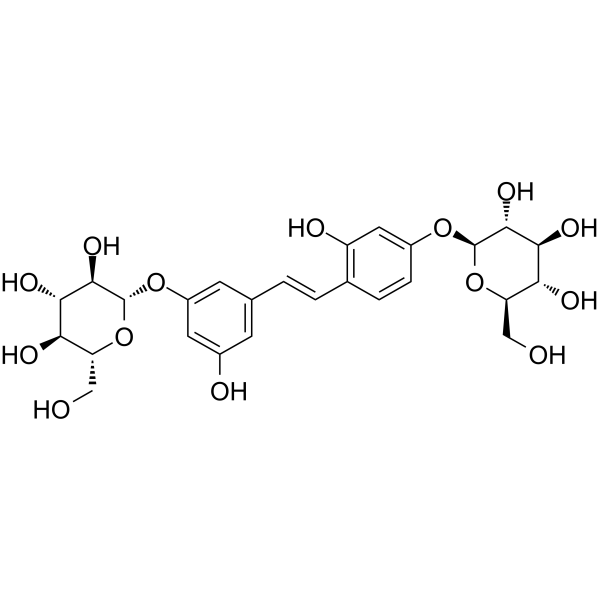
    Mulberroside A
    4 Publications Verification

    TNF Receptor Interleukin Related Tyrosinase Inflammation/Immunology
    Mulberroside A is one of the main bioactive constituent in mulberry (Morus alba L.) [1]. Mulberroside A decreases the expressions of TNF-α, IL-1β, and IL-6 and inhibits the activation of NALP3, caspase-1, and NF-κB and the phosphorylation of ERK, JNK, and p38, exhibiting anti-inflammatory antiapoptotic effects . Mulberroside A shows inhibitory activity against mushroom tyrosinase with an IC50 of 53.6 μM .
    Mulberroside A
  • HY-110133
    JTE-607
    5 Publications Verification

    Interleukin Related Inflammation/Immunology
    JTE-607, a highly selective inflammatory cytokine synthesis inhibitor, protects from endotoxin shock in mice. JTE-607 inhibits inflammatory cytokine production, including TNF-α, IL-1β, IL-6, IL-8 and IL-10, from LPS-stimulated human PBMCs, with IC50s of 11, 5.9, 8.8, 7.3 and 9.1 nM, respectively [1]. Cleavage and Polyadenylation Specificity Factor 3 (CPSF3) is the target of JTE-607 .
    JTE-607
  • HY-N0569
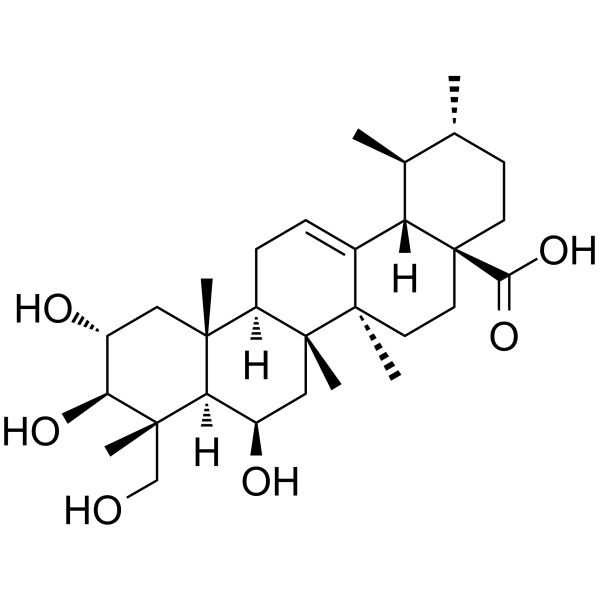
    Madecassic acid
    2 Publications Verification

    NO Synthase COX TNF Receptor Interleukin Related Inflammation/Immunology
    Madecassic acid is isolated from Centella asiatica (Umbelliferae). Madecassic acid has anti-inflammatory properties caused by iNOS, COX-2, TNF-alpha, IL-1beta, and IL-6 inhibition via the downregulation of NF-κB activation in RAW 264.7 macrophage cells [1].
    Madecassic acid
  • HY-112275
    TNF-α-IN-1
    3 Publications Verification

    TNF Receptor Infection Cardiovascular Disease Inflammation/Immunology Cancer
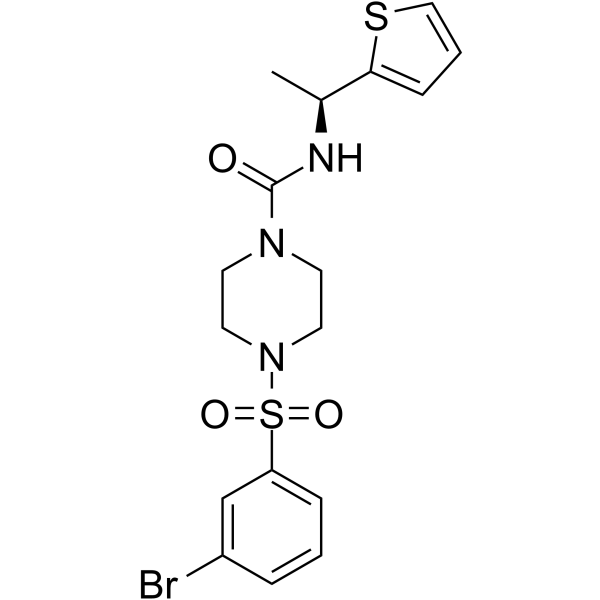
    TNF-α-IN-1 (Compound I-7) is a TNF-α inhibitor. TNF-α-IN-1 can be studied in research for cancers, heart disease, autoimmune disease and infections [1].
    TNF-α-IN-1
  • HY-15507
    VGX-1027
    1 Publications Verification

    GIT 27

    Interleukin Related TNF Receptor Metabolic Disease Inflammation/Immunology
    VGX-1027 is an orally active isoxazole compound that exhibits various immunomodulatory properties. VGX-1027 targets macrophages, reducing the production of the proinflammatory mediators TNF-α, IL-1β, IL-10. VGX-1027 has antidiabetogenic effects by limiting cytokine-mediated immunoinflammatory events [1] .
    VGX-1027
  • HY-132248

    Lenalidomide 5'-amINe

    Drug Derivative TNF Receptor Inflammation/Immunology
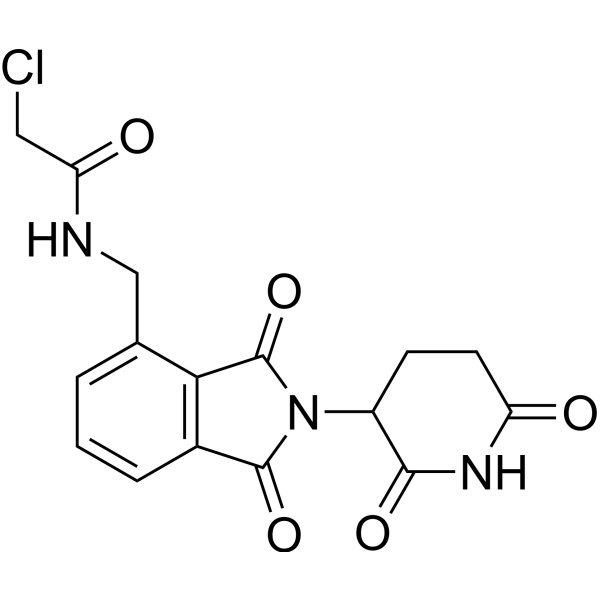
    C5 Lenalidomide is a 5-amino-substituted Thalidomide (HY-14658) analog. C5 Lenalidomide inhibits LPS (HY-D1056)-stimulated TNF-α production .
    C5 Lenalidomide
  • HY-B1051
    Flumethasone
    1 Publications Verification

    Flumetasone

    Glucocorticoid Receptor TNF Receptor Interleukin Related Keap1-Nrf2 Inflammation/Immunology Endocrinology Cancer
    Flumethasone (Flumetasone) is an orally active, high selective and potent glucocorticoid receptor (GR) agonist. Flumethasone activates GR to inhibit nuclear factor kappa B (NF-κB)-mediated pro-inflammatory cytokine production (TNF-α, IL-1β) and promotes anti-inflammatory gene expression (IL-10), while also regulating metabolic enzyme activity (tyrosine aminotransferase induction). Flumethasone is promising for research of inflammatory diseases, cancer, and endocrine regulation [1] .
    Flumethasone
  • HY-10406
    Talmapimod
    3 Publications Verification

    SCIO-469

    p38 MAPK TNF Receptor Interleukin Related VEGFR Apoptosis Neurological Disease Metabolic Disease Inflammation/Immunology Cancer
    Talmapimod (SCIO-469) is an orally active and selective inhibitor of p38α MAPK with an IC50 of 9 nM. Talmapimod inhibits the secretion of inflammatory factors (such as TNFα, IL-1β, IL-6, and VEGF) by suppressing the p38α MAPK pathway, and it also inhibits angiogenesis and osteoclast activation. Talmapimod inhibits the growth of multiple myeloma cells and induces apoptosis. Talmapimod can be used to study various hematological malignancies (such as multiple myeloma, myelodysplastic syndrome) [1] .
    Talmapimod
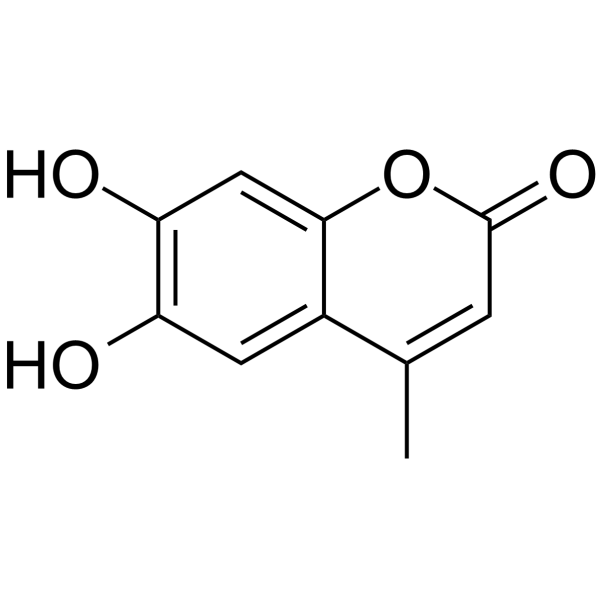
  • HY-N4288
    4-Methylesculetin
    3 Publications Verification

    Glutathione Peroxidase Cathepsin Phosphatase Inflammation/Immunology Cancer
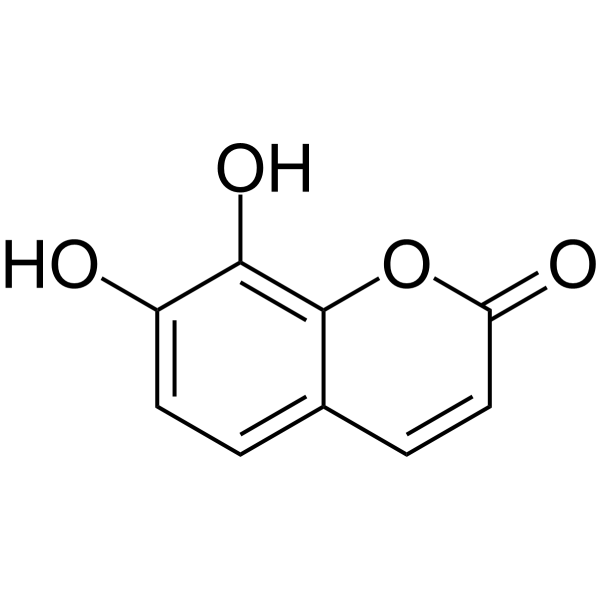
    4-Methylesculetin is an orally active coumarin derivative, with potent anti-oxidant and anti-inflammatory activities. 4-Methylesculetin inhibits myeloperoxidase activity. 4-Methylesculetin protects bone resorption by reducing the elevated levels of bone-joint exoglycosidases, cathepsin-D and tartrate resistant acid phosphatases. 4-Methylesculetin ameliorats the upregulated non-enzymatic inflammatory markers like TNF-α, IL-1β, IL-6, COX-2 and PGE2, which is promising for research of inflammatory diseases [1] .
    4-Methylesculetin
  • HY-19744
    T6167923
    10+ Cited Publications

    MyD88 Inflammation/Immunology
    T6167923 is a selective inhibitor of MyD88-dependent signaling pathways. T6167923 directly binds to Toll/IL1 receptor (TIR) domain of MyD88 and disrupts MyD88 homodimeric formation. T6167923 inhibits NF-κB driven Staphylococcus enterotoxin AP (SEAP) activity, and improves anti-inflammatory activity with IC50s of 2.7 μM, 2.9 μM, 2.66 μM and 2.66 μM for IFN-γ, IL-1β, IL-6 and TNF-α, respectively .
    T6167923
  • HY-15509A
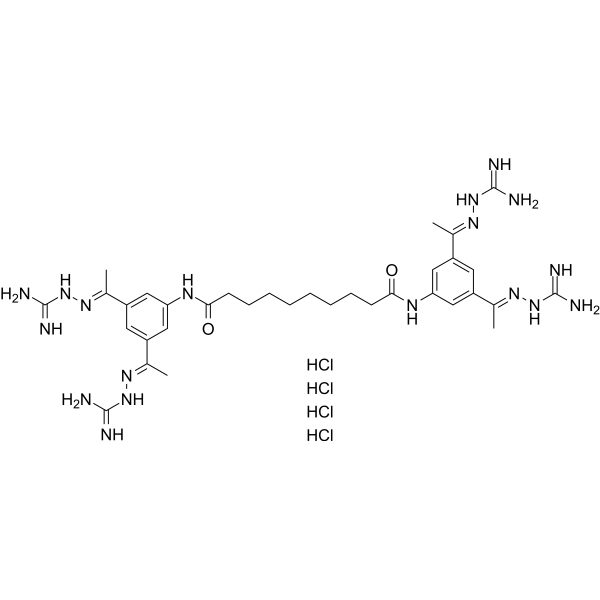
    Semapimod tetrahydrochloride
    4 Publications Verification

    CNI-1493; CPSI-2364 tetrahydrochloride

    TNF Receptor Interleukin Related p38 MAPK Inflammation/Immunology Cancer
    Semapimod tetrahydrochloride (CNI-1493), an inhibitor of proinflammatory cytokine production, can inhibit TNF-α, IL-1β, and IL-6. Semapimod tetrahydrochloride inhibits TLR4 signaling (IC50≈0.3 μM). Semapimod tetrahydrochloride inhibits p38 MAPK and nitric oxide production in macrophages. Semapimod tetrahydrochloride has potential in a variety of inflammatory and autoimmune disorders [1] .
    Semapimod tetrahydrochloride
  • HY-B0898
    Ceftiofur sodium
    4 Publications Verification

    sodium ceftiofur

    Antibiotic Bacterial NF-κB p38 MAPK TNF Receptor Interleukin Related Infection
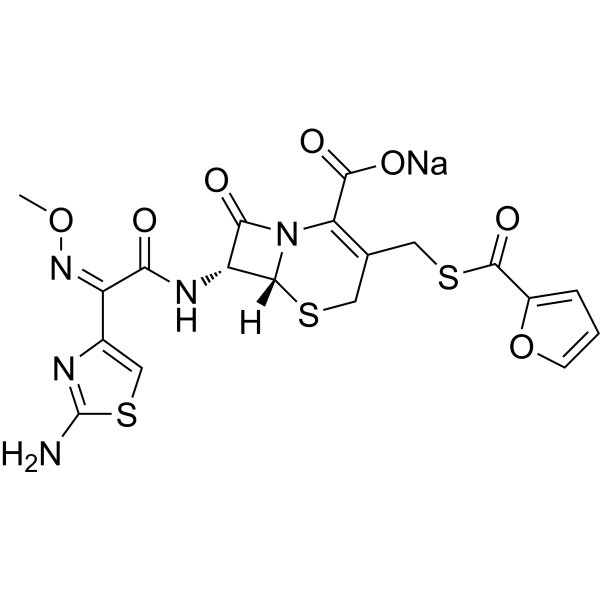
    Ceftiofur sodium is a cell wall synthesis inhibitor that targets bacterial penicillin-binding proteins (PBPs) and has anti-inflammatory effects in endotoxemia. Ceftiofur sodium exerts bactericidal effects by inhibiting the synthesis of bacterial cell wall peptidoglycan, leading to bacterial cell lysis. Ceftiofur sodium also inhibits the activation of NF-κB and MAPKs, thereby reducing the secretion of pro-inflammatory cytokines such as TNF-α, IL-1β, and IL-6 [1] .
    Ceftiofur sodium
  • HY-N7102
    Ceftiofur
    4 Publications Verification

    Antibiotic Bacterial NF-κB p38 MAPK TNF Receptor Interleukin Related Infection
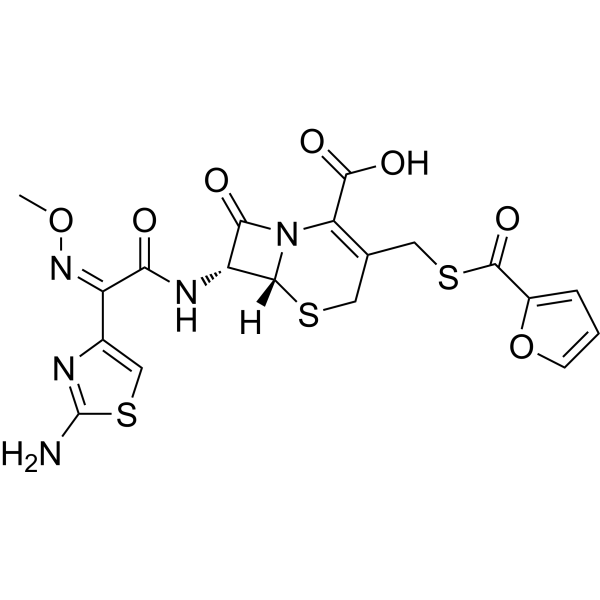
    Ceftiofur is a cell wall synthesis inhibitor that targets bacterial penicillin-binding proteins (PBPs) and has anti-inflammatory effects in endotoxemia. Ceftiofur exerts bactericidal effects by inhibiting the synthesis of bacterial cell wall peptidoglycan, leading to bacterial cell lysis. Ceftiofur also inhibits the activation of NF-κB and MAPKs, thereby reducing the secretion of pro-inflammatory cytokines such as TNF-α, IL-1β, and IL-6 [1] .
    Ceftiofur
  • HY-N0695
    Schisantherin B
    1 Publications Verification

    GomisIN-B; Wuweizi ester-B; SchisantherIN-B

    PI3K Akt mTOR GSK-3 Tau Protein TNF Receptor Interleukin Related Apoptosis Neurological Disease Inflammation/Immunology
    Schisantherin B (Gomisin-B) is a lignan compound and one of the active components of Schisandra chinensis. Schisantherin B activates the PI3K/AKT signaling pathway, restores the activity of GSK3β, and reduces the hyperphosphorylation of tau protein in hippocampal and cerebral cortical tissues. Schisantherin B upregulates the level of GLT-1, decreases the expression of pro-inflammatory cytokines TNF-α/IL-1β/IL-6, upregulates the expression of IL-10, and inhibits cell apoptosis. Schisantherin B is applicable to the research of spinal cord injury, Alzheimer's disease and depression [1] .
    Schisantherin B
  • HY-118694

    TNF Receptor MMP Bacterial Infection Cancer
    TAPI-0 is a TACE (TNF-α converting enzyme; ADAM17) inhibitor with an IC50 of 100 nM. TAPI-0 is a MMP inhibitor and also attenuates TNF-α processing .
    TAPI-0
  • HY-B0446
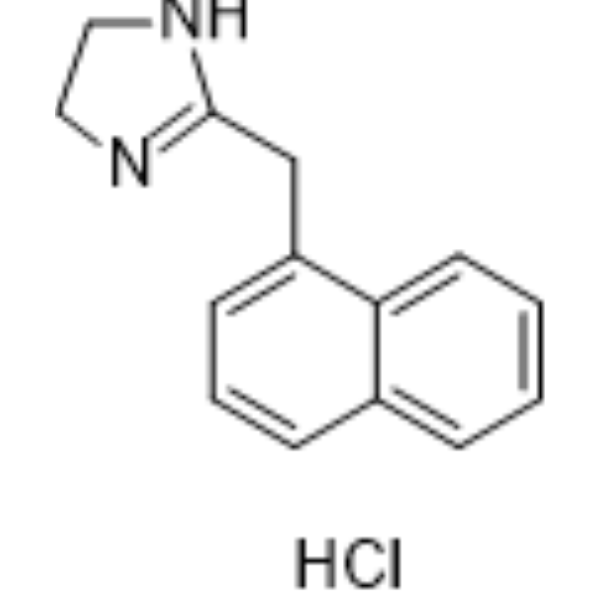
    Naphazoline hydrochloride
    1 Publications Verification

    NaphthazolINe hydrochloride

    Adrenergic Receptor TNF Receptor Interleukin Related VEGFR Cardiovascular Disease Inflammation/Immunology Cancer
    Naphazoline (Naphthazoline) hydrochloride is a potent α-adrenergic receptor agonist. Naphazoline hydrochloride reduces vascular hyperpermeability and promotes vasoconstriction. Naphazoline hydrochloride reduces the levels of inflammatory factors (TNF-α, IL-1β and IL-6), cytokines (IFN-γ and IL-4), IgE, GMCSF, and NGF. Naphazoline hydrochloride can be used for non-bacterial conjunctivitis research [1] .
    Naphazoline hydrochloride
  • HY-111326
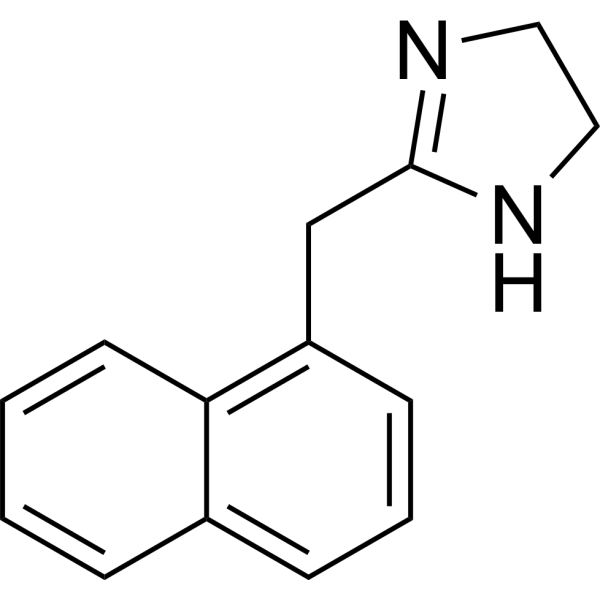
    Naphazoline
    1 Publications Verification

    NaphthazolINe

    Adrenergic Receptor TNF Receptor Interleukin Related VEGFR Cardiovascular Disease Inflammation/Immunology Cancer
    Naphazoline (Naphthazoline) is a potent α-adrenergic receptor agonist. Naphazoline reduces vascular hyperpermeability and promotes vasoconstriction. Naphazoline reduces the levels of inflammatory factors (TNF-α, IL-1β and IL-6), cytokines (IFN-γ and IL-4), IgE, GMCSF, and NGF. Naphazoline can be used for non-bacterial conjunctivitis research [1] .
    Naphazoline
  • HY-124686

    STAT Interleukin Related TNF Receptor Inflammation/Immunology
    ER-464195-01 is an orally active calreticulin (CRT) and integrin α subunits (ITGAs) binding inhibitor. ER-464195-01 inhibits leukocyte infiltration and subsequent inflammatory cascade reactions by dissociating the binding between CRT and ITGA. ER-464195-01 down-regulates the expression of pro-inflammatory genes (such as TNF-α, IL-1β, IL-6, IL-17f) induced by DSS (HY-116282C), and inhibit the phosphorylation of STAT3 and the production of serum amyloid A (SAA). ER-464195-01 can be used for the study of inflammatory bowel disease (IBD) [1].
    ER-464195-01
  • HY-111326A
    Naphazoline nitrate
    1 Publications Verification

    NaphthazolINe nitrate

    Adrenergic Receptor TNF Receptor Interleukin Related VEGFR Cardiovascular Disease Inflammation/Immunology Cancer
    Naphazoline (Naphthazoline) nitrate is an α-adrenergic receptor agonist. Naphazoline nitrate reduces vascular hyperpermeability and promotes vasoconstriction. Naphazoline nitrate reduces the levels of inflammatory factors (TNF-α, IL-1β and IL-6), cytokines (IFN-γ and IL-4), IgE, GMCSF, and NGF. Naphazoline nitrate can be used for non-bacterial conjunctivitis research [1] .
    Naphazoline nitrate
  • HY-N4124

    NO Synthase TNF Receptor Interleukin Related Metabolic Disease Inflammation/Immunology
    Poricoic acid B is a triterpenoid compound that can be isolated from Poria cocos. Poricoic acid B inhibits intracellular lipid accumulation and reduces the levels of hepatocyte injury markers. Poricoic acid B inhibits the production of NO, TNF-α, IL-1β and IL-6, thereby exerting anti-inflammatory activity. Poricoic acid B can be used in the research of metabolic dysfunction-associated fatty liver disease and inflammatory diseases [1] [3].
    Poricoic acid B
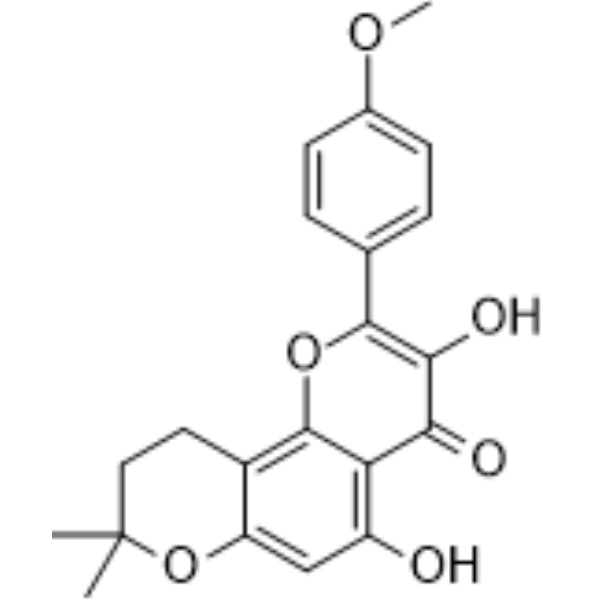
  • HY-N1940
    β-Anhydroicaritin
    3 Publications Verification

    CycloicaritIN

    Interleukin Related TNF Receptor MMP Inflammation/Immunology Cancer
    β-Anhydroicaritin is isolated from Boswellia carterii Birdware, has important biological and pharmacological effects, such as antiosteoporosis, estrogen regulation and antitumor properties [1]. β-Anhydroicaritin ameliorates the degradation of periodontal tissue and inhibits the synthesis and secretion of TNF-α and MMP-3 in diabetic rats . β-Anhydroicaritin decreases the overproduction of NO, IL-10, TNF-α, MCP-1 and IL-6 in inperitonitis mice. β-Anhydroicaritin inhibits the elevation of intracellular Ca 2+, and markedly decreases iNOS protein expression .
    β-Anhydroicaritin
  • HY-118922

    TNF Receptor Neurological Disease Inflammation/Immunology Cancer
    IW927 is a photochemically enhanced TNF-α-TNFR1 interaction inhibitor that blocks the binding of TNF-α to TNFRc1 with an IC50 value of 50 nM. IW927 binds reversibly to the TNFRc1 with weak affinity (Kd = 40-100 μM), covalently modifies the receptor via a photochemical reaction, and does not bind the related cytokine receptors TNFRc2 or CD40. IW927 disrupts TNFα-induced IκB phosphorylation with an IC50 value of 600 nM. IW927 can be used to develop light-independent inhibitors [1].
    IW927
  • HY-W342604R

    NAP (Standard)

    Reference Standards Endogenous Metabolite Neurological Disease Cancer
    1,4-Dicaffeoylquinic acid (Standard) is the analytical standard of 1,4-Dicaffeoylquinic acid. This product is intended for research and analytical applications. 1,4-Dicaffeoylquinic acid (1,4-DCQA) is a phenylpropanoid from Xanthii fructus, inhibits LPS-stimulated TNF-α production .
    N-Acetylputrescine (Standard)
  • HY-146765

    NOD-like Receptor (NLR) Neurological Disease Inflammation/Immunology
    AMS-17 is a potent NLRP3 inhibitor, inhibiting microglia activation in vitro and in vivo. AMS-17 also inhibits cytokines such as caspase-1, TNF-α, IL-1β and inducible nitric oxide synthase (iNOS) in N9 cells. AMS-17 can be used for researching inflammation-associated neurological disorders, such as vascular dementia (VaD) [1] .
    AMS-17
  • HY-170495

    HDAC Apoptosis Interleukin Related Inflammation/Immunology
    HDAC6 degrader-5 (Compound 6) exhibits inhibitory and degradation activity against HDAC6, with an IC50 of 4.95 nM and a DC50 of 0.96 nM. HDAC6 degrader-5 inhibits the release of TNF-α, IL-1β and IL-6, blocks the hepatocyte apoptosis. HDAC6 degrader-5 exhibits anti-inflammatory activity in mouse APAP (HY-66005)-induced liver injury models [1].
    HDAC6 degrader-5
  • HY-156025

    Hydroxycarboxylic Acid Receptor (HCAR) Inflammation/Immunology
    HCAR2 agonist 1 (Compound 9n) is a Gi protein-biased allosteric modulator of HCAR2. HCAR2 agonist 1 activates the Gi protein signaling pathway. HCAR2 agonist 1 shows anti-inflammatory effect, and reduces mRNA level of pro-inflammatory cytokine (TNF-α, IL-1β, IL-6, and MCP-1). HCAR2 agonist 1 enhances anti-inflammatory effects of orthosteric agonists in the mouse model of colitis [1].
    HCAR2 agonist 1
  • HY-158990

    Mas-related G-protein-coupled Receptor (MRGPR) Interleukin Related TNF Receptor Akt ERK Inflammation/Immunology
    GE1111 is a MRGPRX2 antagonist (IC50 = 9.4 μM). GE1111 inhibits MRGPRX2/MRGPRB2-mediated mast cell activation. GE1111 reduces the expressions of TSLP, IL-13, MCP-1, TNF-α, IL-1β and periostin, maintains the expression levels of claudin 1 and involucrin, restores the phagocytic activity of macrophages, and attenuates the activation of STIM1 and phosphorylated AKT. GE1111 exerts anti-inflammatory and anti-allergic effects in multiple animal models. GE1111 is applicable to the research related to rosacea, atopic dermatitis and ulcerative colitis [1] .
    GE1111
  • HY-N6927

    Coleonol B

    TNF Receptor Interleukin Related Inflammation/Immunology
    Isoforskolin is the principle active component of C. forskohlii native to China. Isoforskolin reduces the secretion of lipopolysaccharide (LPS)-induced cytokines, namely TNF-α, IL-1β, IL-6 and IL-8, in human mononuclear leukocytes. Isoforskolin acts as an anti-inflammatory agent for the treatment of Lyme arthritis [1].
    Isoforskolin
  • HY-N0569R
    Madecassic acid (Standard)
    2 Publications Verification

    Reference Standards NO Synthase COX TNF Receptor Interleukin Related Inflammation/Immunology
    Madecassic acid (Standard) is the analytical standard of Madecassic acid. This product is intended for research and analytical applications. Madecassic acid is isolated from Centella asiatica (Umbelliferae). Madecassic acid has anti-inflammatory properties caused by iNOS, COX-2, TNF-alpha, IL-1beta, and IL-6 inhibition via the downregulation of NF-κB activation in RAW 264.7 macrophage cells [1].
    Madecassic acid (Standard)
  • HY-B0026
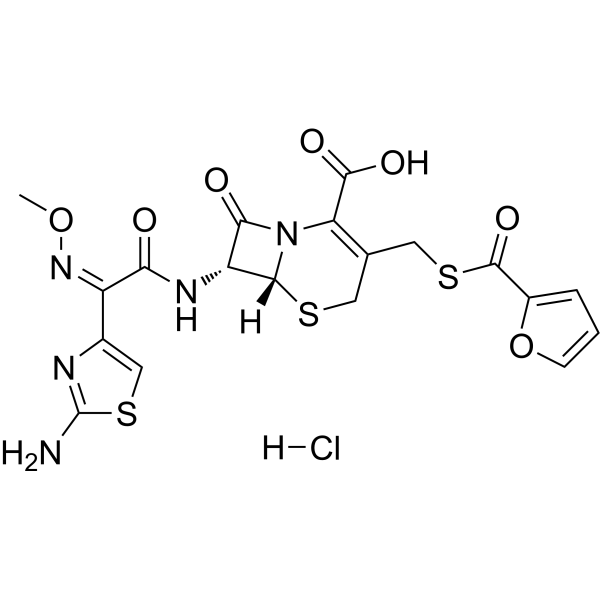
    Ceftiofur hydrochloride
    4 Publications Verification

    Antibiotic Bacterial NF-κB p38 MAPK TNF Receptor Interleukin Related Infection
    Ceftiofur hydrochloride is a cell wall synthesis inhibitor that targets bacterial penicillin-binding proteins (PBPs) and has anti-inflammatory effects in endotoxemia. Ceftiofur hydrochloride exerts bactericidal effects by inhibiting the synthesis of bacterial cell wall peptidoglycan, leading to bacterial cell lysis. Ceftiofur hydrochloride also inhibits the activation of NF-κB and MAPKs, thereby reducing the secretion of pro-inflammatory cytokines such as TNF-α, IL-1β, and IL-6 [1] .
    Ceftiofur hydrochloride
  • HY-B0898R

    sodium ceftiofur (Standard)

    Reference Standards Antibiotic Bacterial NF-κB p38 MAPK TNF Receptor Interleukin Related Infection
    Ceftiofur sodium (Standard) is the analytical standard of Ceftiofur sodium (HY-B0898). This product is intended for research and analytical applications. Ceftiofur sodium is a cell wall synthesis inhibitor that targets bacterial penicillin-binding proteins (PBPs) and has anti-inflammatory effects in endotoxemia. Ceftiofur sodium exerts bactericidal effects by inhibiting the synthesis of bacterial cell wall peptidoglycan, leading to bacterial cell lysis. Ceftiofur sodium also inhibits the activation of NF-κB and MAPKs, thereby reducing the secretion of pro-inflammatory cytokines such as TNF-α, IL-1β, and IL-6 [1] .
    Ceftiofur sodium (Standard)
  • HY-160027

    TNF Receptor Inflammation/Immunology
    TNF-alpha-IN-1 (compound 202) is an orally active inhibitor of TNF-alpha. TNF-alpha-IN-1 has anti-inflammatory activity which can used in study rheumatoid arthritis, psoriasis, and asthma [1].
    TNF-alpha-IN-1
  • HY-101041

    (E)-TyrphostIN AG 556

    EGFR Inflammation/Immunology
    (E)-AG 556 is a highly selective EGFR inhibitor and also blocks LPS-induced TNF-α production .
    (E)-AG 556
  • HY-163642

    Others Cancer
    TNF-α agonistic 1 (compound 22a) can repolarize tumor-associated macrophages (TAMs) in the tumor microenvironment (TME) from the M2 phenotype to the M1 anti-tumor phenotype [1].
    TNF-α agonistic 1
  • HY-156060

    Toll-like Receptor (TLR) Inflammation/Immunology
    NCI126224 is a TLR4 signaling inhibitor. NCI126224 suppress LPS (HY-D1056)-induced production of NF-κB, TNF-α, IL-1β, and NO in the nanomolar-low micromolar range. NCI126224 can be used for the research of inflammatory diseases [1].
    NCI126224
  • HY-15509

    CNI-1493 free base; CPSI-2364

    Interleukin Related TNF Receptor p38 MAPK Inflammation/Immunology Cancer
    Semapimod, an inhibitor of proinflammatory cytokine production, can inhibit TNF-α, IL-1β, and IL-6. Semapimod inhibits TLR4 signaling (IC50≈0.3 μM). Semapimod inhibits p38 MAPK and nitric oxide production in macrophages. Semapimod has potential in a variety of inflammatory and autoimmune disorders [1] .
    Semapimod
  • HY-152213

    Epigenetic Reader Domain Inflammation/Immunology
    BET-IN-13 is a potent BET inhibitor with an IC50 value of 1.6 nM. BET-IN-13 reduces LPS-induced TNF-α, IL-1β, IL-6, and NOS2 mRNA expression levels. BET-IN-13 shows anti-inflammatory activity. BET-IN-13 has the potential for the research of acute liver injury [1].
    BET-IN-13
  • HY-W709413

    NF-κB TNF Receptor Interleukin Related Pregnane X Receptor (PXR) Constitutive Androstane Receptor Cytochrome P450 Neurological Disease
    Panaxytriol is an active component of ginseng. Panaxytriol inhibits the nuclear translocation of NF-κB, thereby reducing the production of pro-inflammatory factors (such as TNF-α, IL-1β, IL-6) and nitric oxide (NO) induced by LPS (HY-D1056). Panaxytriol upregulates CYP3A4 by activating the nuclear receptor PXR/CAR. Panaxytriol improves motor dysfunction in a mouse model of brain inflammation. Panaxytriol can be used in the research of neurodegenerative diseases (such as Alzheimer's disease) [1] .
    Panaxytriol
  • HY-N7697C

    Toll-like Receptor (TLR) Interleukin Related Reactive Oxygen Species (ROS) Cardiovascular Disease Metabolic Disease Inflammation/Immunology
    Chitohexaose hexahydrochloride is a small molecular polysaccharide. Chitohexaose hexahydrochloride inhibits the binding of AgW to TLR4. Chitohexaose hexahydrochloride upregulates IL-10, inhibits LPS-induced upregulation of ROS, induces alternative activation of macrophages/monocytes, and suppresses LPS-induced production of TNF-α, IL-1β and IL-6. Chitohexaose hexahydrochloride reverses the mortality of mice challenged with APAP or LPS. Chitohexaose hexahydrochloride can be used in research related to Acetaminophen (HY-66005)-induced hepatotoxicity and endotoxemia [1] .
    Chitohexaose hexahydrochloride
  • HY-179336

    Toll-like Receptor (TLR) Interleukin Related IFNAR TNF Receptor Cancer
    TLR7/8 agonist 14 is a TLR7 and TLR8 agonist with EC50 values of 0.53 μM and 4.3 μM, respectively. TLR7/8 agonist 14 increases the secretion of the proinflammatory cytokines TNF-α, IL-1β, IL-8 and IFN-γ. TLR7/8 agonist 14 increases cytokine secretion and expression of CD86. LR7/8 agonist 14 can be used for research colorectal carcinoma [1].
    TLR7/8 agonist 14
  • HY-N9315

    TNF Receptor Interleukin Related Inflammation/Immunology
    Episappanol is a natural compound isolated from Caesalpinia sappan heartwood with anti-inflammatory activity. Episappanol significantly inhibits the IL-6 and TNF-α secretion .
    Episappanol
  • HY-P11214

    H-TL1

    TNF Receptor Integrin NF-κB ERK p38 MAPK JNK Interleukin Related Inflammation/Immunology
    Hydrostatin-TL1 (H-TL1), a nine-amino-acid peptide, is a TNF-α antagonist. Hydrostatin-TL1 can be isolated from the venom gland of sea snake Hydrophis cyanocinctus. H-TL1 competitively inhibits the interaction between TNF-α/TNFR1 and attenuates the cytotoxicity and inflammation of TNF-α. Hydrostatin-TL1 can be used for TNF-α-associated inflammatory diseases, such as rheumatoid arthritis, osteoporosis and inflammatory bowel disease (IBD) research [1].
    Hydrostatin-TL1
  • HY-126414

    Others Inflammation/Immunology
    Methylenedihydrotanshinquinone is a natural product that can be isolated from the dried root of S. miltiorrhiza. Methylenedihydrotanshinquinone has anti-inflammatory effect by inhibiting expression of TNF-α, IL-1β, and IL-8 [1].
    Methylenedihydrotanshinquinone
  • HY-107338

    VratizolIN; WratizolIN

    VZV HSV Interleukin Related Infection Inflammation/Immunology Cancer
    Denotivir (Vratizolin) is an orally active antiviral agent for herpes simplex virus (HSV) and varicella-zoster virus (VZV). Denotivir inhibits the proliferation of various cancer cells, and exhibits anti-leukemic activity. Denotivir inhibits the generation of TNF-α, IL-1 and IL-6, exhibits immunosuppressive efficacy [1].
    Denotivir
  • HY-168130

    TNF Receptor Interleukin Related Cardiovascular Disease
    TNF-α/IL-1β-IN-1 (compund 11a) is an anti-inflammatory agent that reduces the expression of TNF-α and IL-1β, inhibits oxidative stress and cardiomyocyte apoptosis, has good activity against septic myocardial injury, and improves myocardial blood supply in vivo [1].
    TNF-α/IL-1β-IN-1
  • HY-N12042

    TNF Receptor PI3K Reactive Oxygen Species (ROS) Interleukin Related Inflammation/Immunology
    Taxamairin B is a potent anti-inflammatory agent. Taxamairin B decreases proinflammatory cytokines (TNF-α, IL-1β and IL-6) expression and the production of NO and ROS in LPS-induced RAW264.7 cells. Taxamairin B exhibits significant protective effects in LPS-induced acute lung injury in mice [1] .
    Taxamairin B
  • HY-168734

    Cannabinoid Receptor Inflammation/Immunology
    CB2 receptor agonist 9 (Compound 33) is an orally active agonist for cannabinoid receptor 2 (CB2 receptor) with an EC50 of 16.2 nM. CB2 receptor agonist 9 inhibits the expression of TNF-α, IL-1β and IL-6, exhibits anti-inflammatory efficacy in DDS (HY-116282)-induced mouse acute colitis model [1].
    CB2 receptor agonist 9
  • HY-175293

    Toll-like Receptor (TLR) NF-κB p38 MAPK Cancer
    SMU-C68 is a highly selective small-molecule TLR1/2 heterodimer agonist (EC50=0.009 μM). SMU-C68 activates NF-κB and MAPK pathways to promote pro-inflammatory cytokine release (e.g., TNF-α, IL-1β). SMU-C68 is promising for research of cancers [1].
    SMU-C68
  • HY-W505984

    KM05073

    Keap1-Nrf2 Inflammation/Immunology
    TPNA10168 is an Nrf-2 activator that activates the Keap1-Nrf2-ARE pathway. TPNA10168 is neuroprotective against oxidative stress-induced damage. TPNA10168 significantly reduces the transcription of inflammatory genes, including TNF-α, IL-1β, IL-6, and iNOS. TPNA10168 can be used in research on anti-inflammatory and neurological diseases [1].
    TPNA10168
  • HY-110246

    Formyl Peptide Receptor (FPR) Inflammation/Immunology
    Quin C1 is a highly specific and potent agonist for formyl peptide receptor 2 (FPR2/ALX). Quin-C1 significantly reduces the neutrophil and lymphocyte counts in BALF, diminishes expression of TNF-α, IL-1β, KC, and TGF1, and decreases collagen deposition in lung tissue. Quin C1 has the potential for the research of lung injury [1].
    Quin C1

Inquiry Online

Your information is safe with us. * Required Fields.

Salutation


Country or Region *

Applicant Name *


Organization Name *

Department *


Email Address *


Product Name *

Cat. No.


Requested quantity *

Phone Number *


Remarks

Inquiry Online

Inquiry Information

Product Name:
Cat. No.:
Quantity:
MCE Japan Authorized Agent:

