Search Result
Results for "
anti-inflammatory+effect
" in MedChemExpress (MCE) Product Catalog:
8
Isotope-Labeled Compounds
| Cat. No. |
Product Name |
Target |
Research Areas |
Chemical Structure |
-
- HY-13418A
-
Dorsomorphin
Maximum Cited Publications
754 Publications Verification
Compound C; BML-275
|
Organoid
AMPK
TGF-β Receptor
Autophagy
|
Cancer
|
|
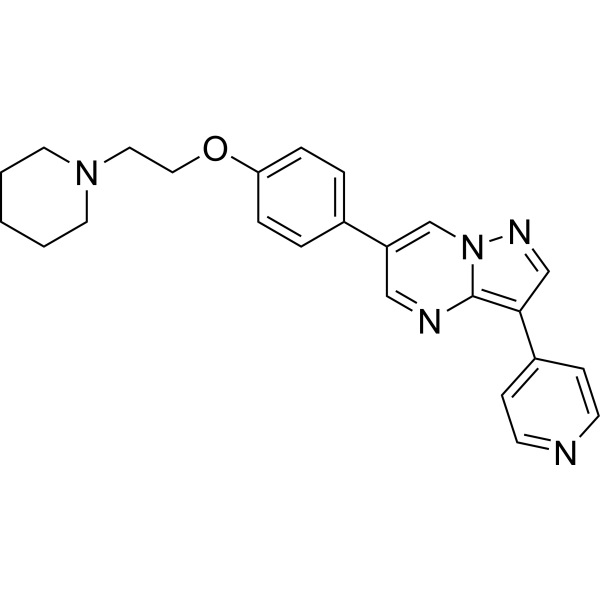
Dorsomorphin (Compound C) is a selective and ATP-competitive AMPK inhibitor (Ki=109 nM in the absence of AMP). Dorsomorphin (BML-275) selectively inhibits BMP type I receptors ALK2, ALK3, and ALK6. Dorsomorphin can reverse autophagy activation and anti-inflammatory effect of Urolithin A (HY-100599) .
|
-
-
- HY-13418
-
|
Compound C dihydrochloride; BML-275 dihydrochloride
|
Organoid
AMPK
TGF-β Receptor
Autophagy
|
Cancer
|
|
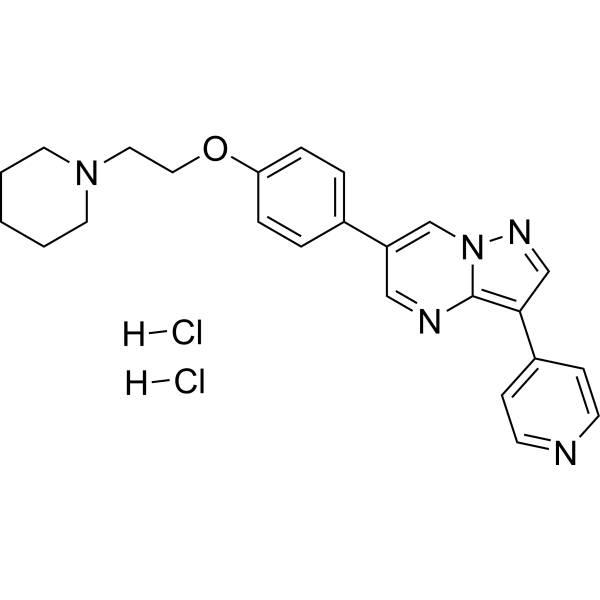
Dorsomorphin (Compound C) dihydrochloride is a potent, selective and ATP-competitive AMPK inhibitor, with a Ki of 109 nM. Dorsomorphin dihydrochloride inhibits BMP pathway by targeting the type I receptors ALK2, ALK3, and ALK6. Dorsomorphin dihydrochloride can reverse autophagy activation and anti-inflammatory effect of Urolithin A (HY-100599).
|
-
-
- HY-112847A
-
|
Sulfo-N-succinimidyl oleate sodium
|
Mitophagy
|
Inflammation/Immunology
|
|
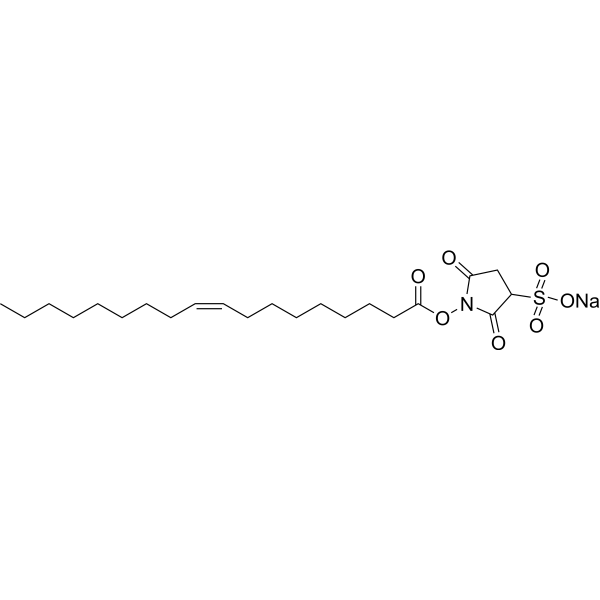
Sulfosuccinimidyl oleate sodium (Sulfo-N-succinimidyl oleate sodium) is a long chain fatty acid that inhibits fatty acid transport into cells. Sulfosuccinimidyl oleate sodium is a potent and irreversible inhibitor of mitochondrial respiratory chain. Sulfosuccinimidyl oleate sodium binds the CD36 receptor on the surface of microglia. Anti-inflammatory effect .
|
-
-
- HY-B1322
-
-
-
- HY-N0516
-
|
Vitexicarpin
|
STAT
|
Inflammation/Immunology
|
|
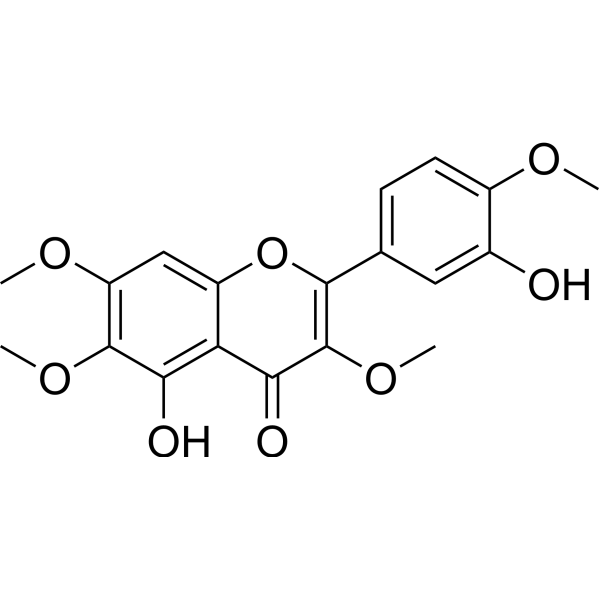
Casticin is a methyoxylated flavonol isolated from Vitex rotundifolia, with antimitotic and anti-inflammatory effect. Casticin inhibits the activation of STAT3.
|
-
-
- HY-B1322A
-
-
-
- HY-B1892
-
-
-
- HY-B0450
-
|
HOE296b
|
Fungal
Bacterial
Ferroptosis
Autophagy
|
Infection
Inflammation/Immunology
Cancer
|
|
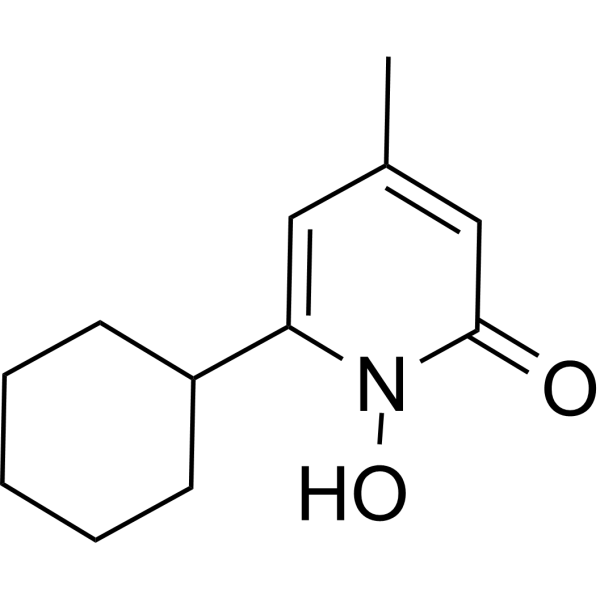
Ciclopirox (HOE296b) is a synthetic and orally active antifungal agent that can be used for superficial mycoses reseaech. Ciclopirox olamine has a very broad spectrum of activity and inhibits dermatophytes, yeasts, molds, and many Gram-positive and Gram-negative species pathogenic. Ciclopirox also has anticancer and anti-inflammatory effect .
|
-
-
- HY-Z0548
-
|
Protocatechuic acid methyl ester; Methyl protocatechuate
|
Keap1-Nrf2
Apoptosis
|
Inflammation/Immunology
Cancer
|
|
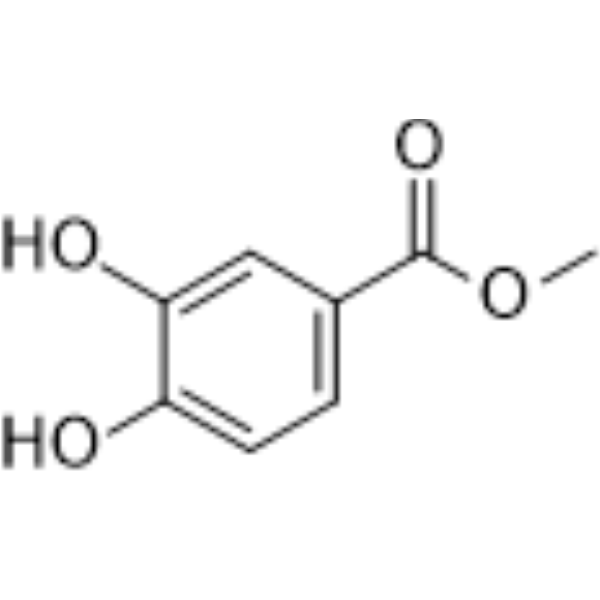
Methyl 3,4-dihydroxybenzoate (Protocatechuic acid methyl ester; Methyl protocatechuate) is a major metabolite of antioxidant polyphenols found in green tea. Antioxidant and anti-inflammatory effect .
|
-
-
- HY-B1078
-
-
-
- HY-B0450A
-
|
Ciclopirox ethanolamine; HOE 296
|
Fungal
Bacterial
Ferroptosis
|
Infection
Cancer
|
|
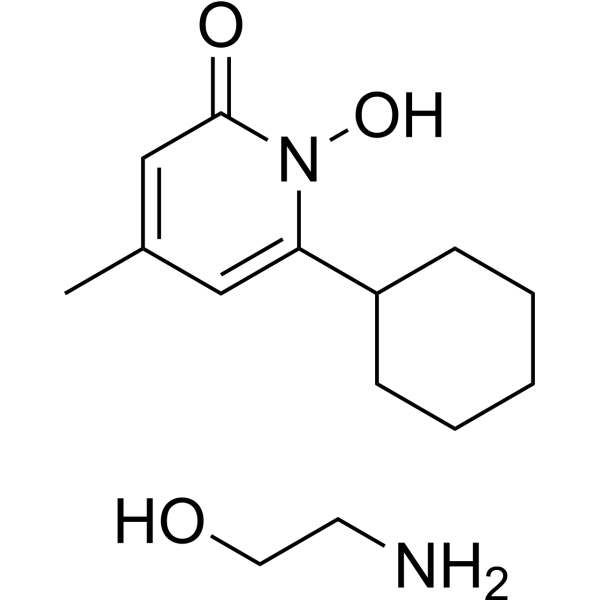
Ciclopirox olamine (Ciclopirox ethanolamine) is a synthetic and orally active antifungal agent that can be used for superficial mycoses reseaech. Ciclopirox olamine has a very broad spectrum of activity and inhibits dermatophytes, yeasts, molds, and many Gram-positive and Gram-negative species pathogenic. Ciclopirox olamine also has anticancer and anti-inflammatory effect .
|
-
-
- HY-112578
-
|
|
Others
|
Metabolic Disease
Inflammation/Immunology
|
|
Betanin has potent antioxidant and anti-inflammatory effect, that could inhibit peroxynitrite (ONOO -), with an IC50 of 19.2 μM. Betanin is a red glycoside obtained from beets that can be used as colorant.
|
-

-
- HY-B1322B
-
-
-
- HY-N0802
-
|
Senegenin
|
NF-κB
Bacterial
|
Infection
Inflammation/Immunology
|
|
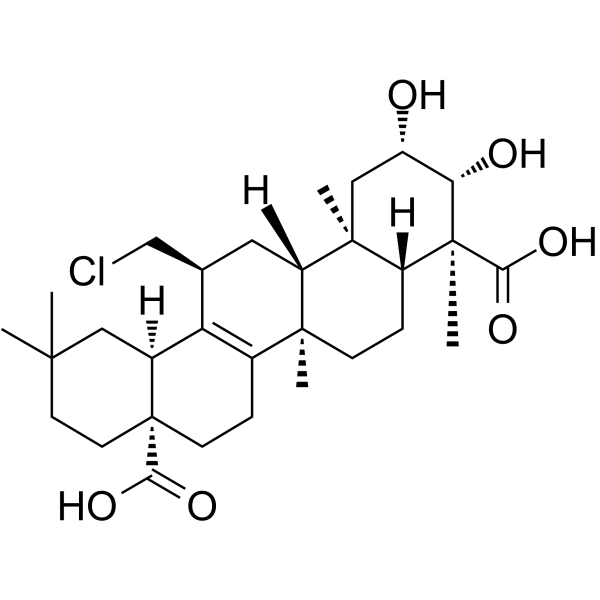
Tenuigenin is a major active component isolated from the root of the Chinese herb Polygala tenuifolia. Tenuigenin protects against S.aureus-induced pneumonia by inhibiting NF-κB activation. Tenuigenin has anti-inflammatory effect .
|
-
-
- HY-114200
-
|
BAP-909
|
COX
|
Inflammation/Immunology
|
|
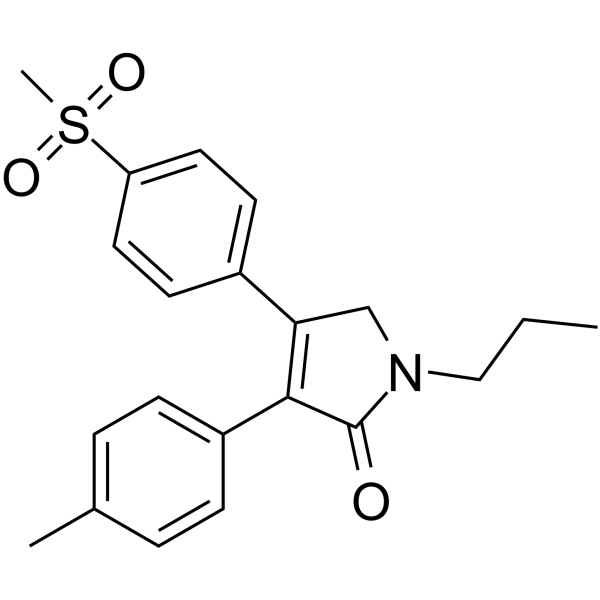
Imrecoxib (BAP-909) is a novel and selective cyclooxygenase 2 (COX-2) inhibitor with an IC50 value of 18 nM, it also inhibits COX1- activity with an IC50 value of 115 nM. Imrecoxib (BAP-909) has anti-inflammatory effect .
|
-
-
- HY-121356
-
-
-
- HY-N5015
-
|
|
COX
|
Inflammation/Immunology
Cancer
|
|
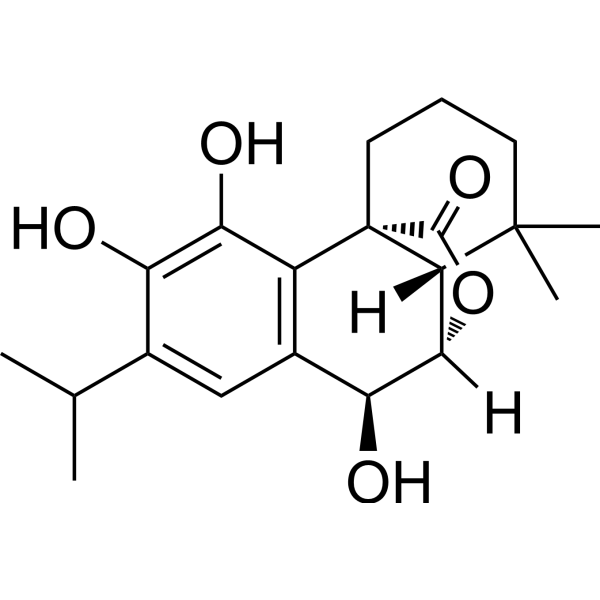
Rosmanol could inhibit the oxidation of low density lipoprotein (LPL) and significantly inhibit lipopolysaccharide induced iNOS and COX-2 expression, with anti-inflammatory effect.
|
-
-
- HY-B0714
-
|
Dexketoprofen tromethamine salt
|
COX
|
Neurological Disease
Inflammation/Immunology
Cancer
|
|
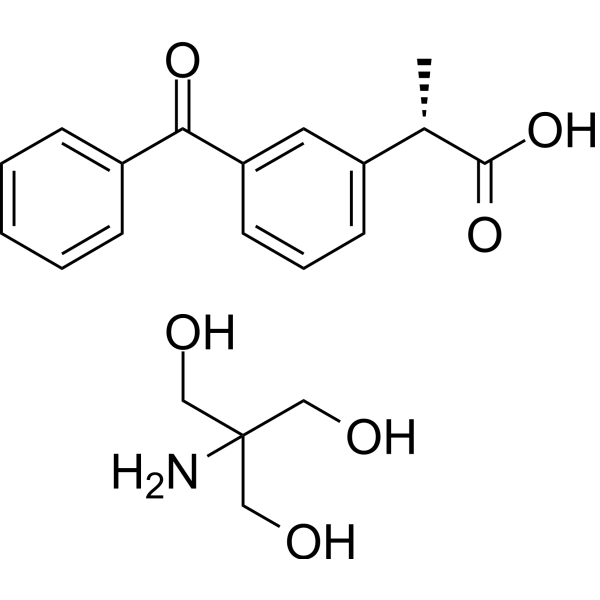
Dexketoprofen trometamol (Dexketoprofen tromethamine salt) is an orally active non-selective COX inhibitor. Dexketoprofen trometamol has a pain-relieving effect, anti-inflammatory effect and anti-cancer effect .
|
-
-
- HY-13236
-
-
-
- HY-B1355A
-
|
|
COX
Bacterial
|
Infection
Inflammation/Immunology
|
|
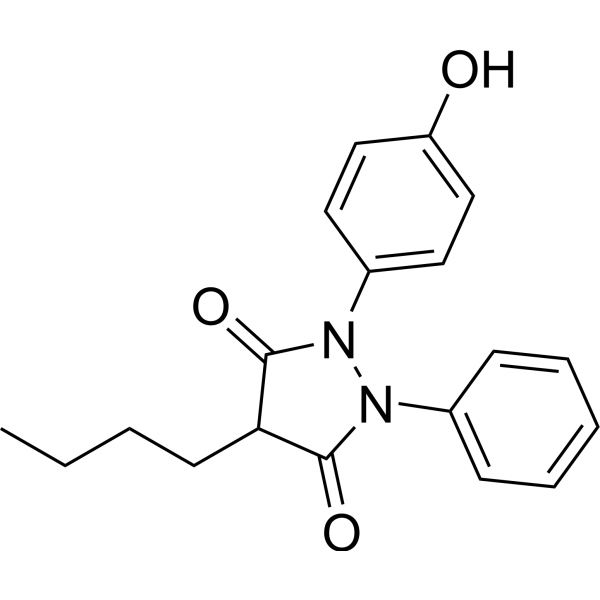
Oxyphenbutazone is a Phenylbutazone (HY-B0230) metabolite, with anti-inflammatory effect. Oxyphenbutazone is an orally active non-selective COX inhibitor. Oxyphenbutazone selectively kills non-replicating Mycobaterium tuberculosis .
|
-
-
- HY-162231
-
|
|
Histamine Receptor
mAChR
|
Inflammation/Immunology
|
|
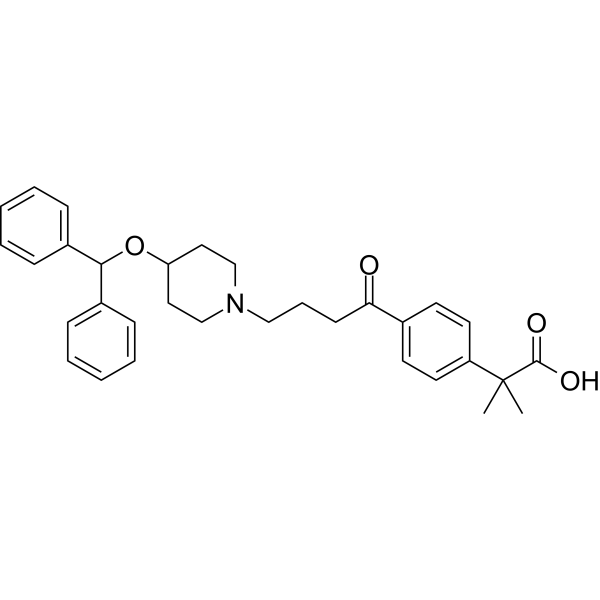
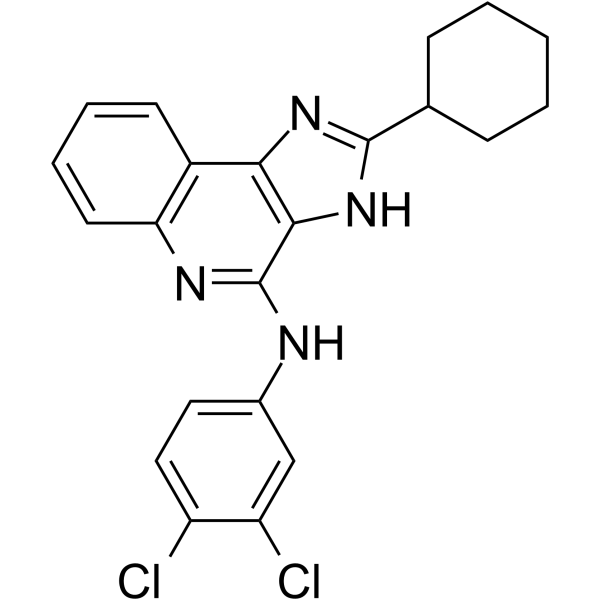
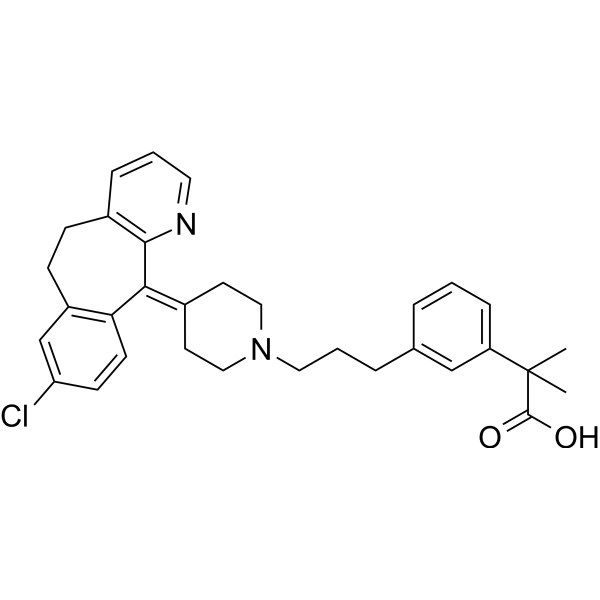
HY-078020 (compound III-4) is a selective, orally active antagonist for histamine H1 receptor with an IC50 of 24.12 nM. HY-078020 exhibits an anti-inflammatory effect in allergic diseases .
|
-
-
- HY-118545
-
|
|
STAT
|
Inflammation/Immunology
Cancer
|
|
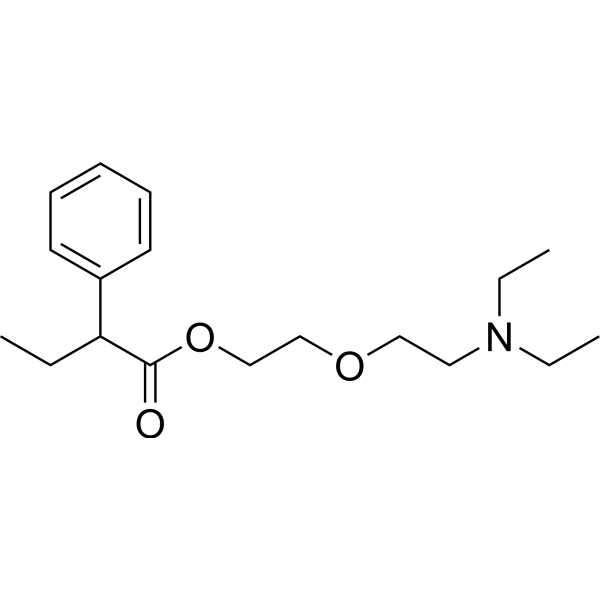
Butamirate is an orally active antitussive agent that acts centrally through the receptors in the brainstem. Butamirate also reduces the resistance in the airways by inhibiting bronchospasm and anti-inflammatory effect. Butamirate inhibits glioblastoma (GBM) growth and STAT3 activity. Butamirate can be used for the study of glioblastoma .
|
-
-
- HY-135658
-
-
-
- HY-N7630
-
-
-
- HY-N0023
-
|
|
NO Synthase
|
Inflammation/Immunology
|
|
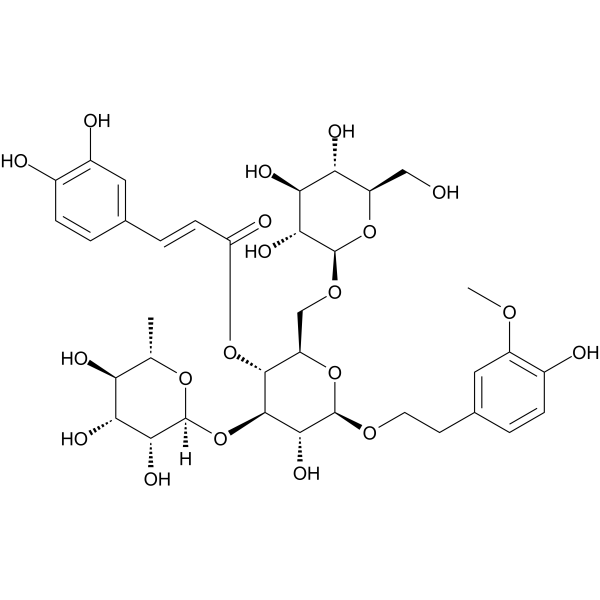
Cistanoside A is a phenylethanoid isolated from Cistanche deserticola, reduces NO accumulation, but shows no effect on iNOS mRNA, iNOS protein levels or iNOS activity. Anti-inflammatory effect .
|
-
-
- HY-N6826
-
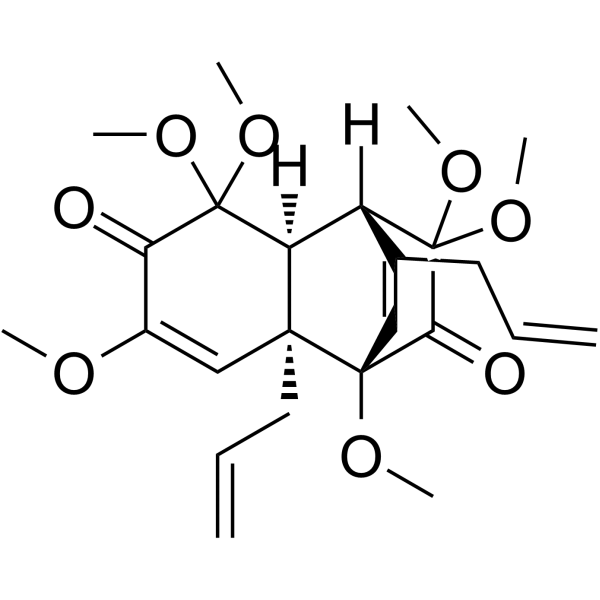
Asatone
3 Publications Verification
|
NF-κB
|
Inflammation/Immunology
|
|
Asatone is an active component isolated from Radix et Rhizoma Asari, with anti-inflammatory effect via activation of NF-κB and donwn regulation of p-MAPK (ERK, JNK and p38) pathways .
|
-
-
- HY-N2556
-
|
|
Others
|
Inflammation/Immunology
|
|
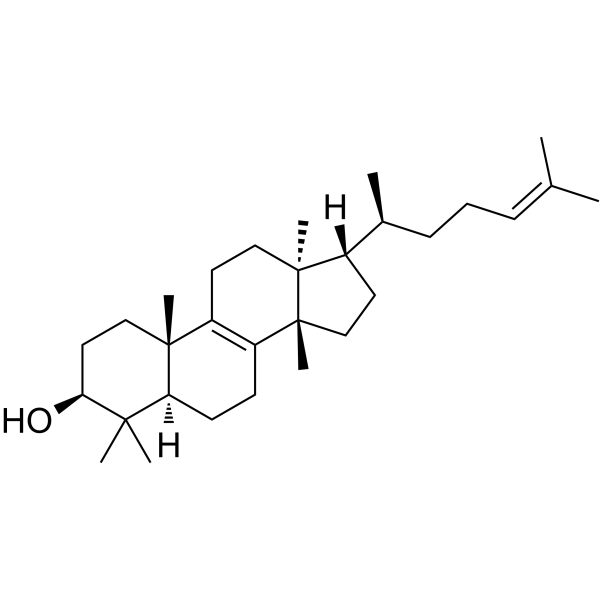
Tirucallol, a tetracyclic triterpene, is isolated from Euphorbia lacteal latex. Tirucallol has topical anti-inflammatory effect. Tirucallol can suppress ear edema in the mouse model and inhibit nitrite production in lipopolysaccharide-stimulated macrophages .
|
-
-
- HY-N4134
-
|
|
NO Synthase
|
Inflammation/Immunology
|
|
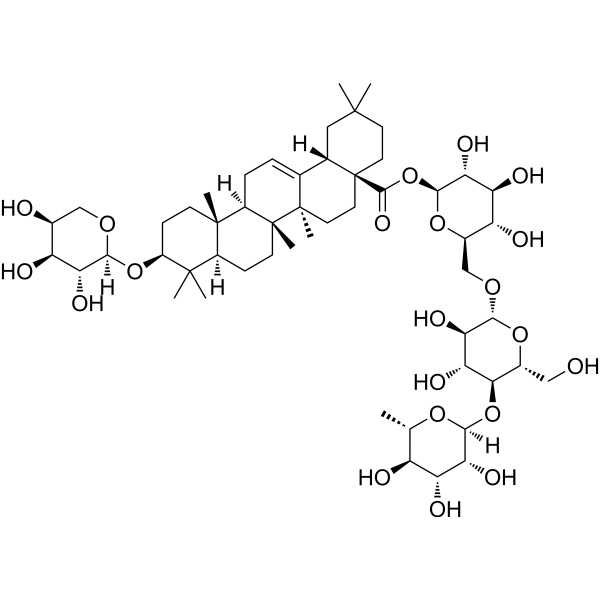
Ciwujianoside C3, an orally active and brain penetrated compound, is isolated the leaves of Acanthopanax henryi Harms. Ciwujianoside C3 has anti-inflammatory effect and can reinforces object recognition memory .
|
-
-
- HY-N1388
-
|
|
Others
|
Inflammation/Immunology
|
|
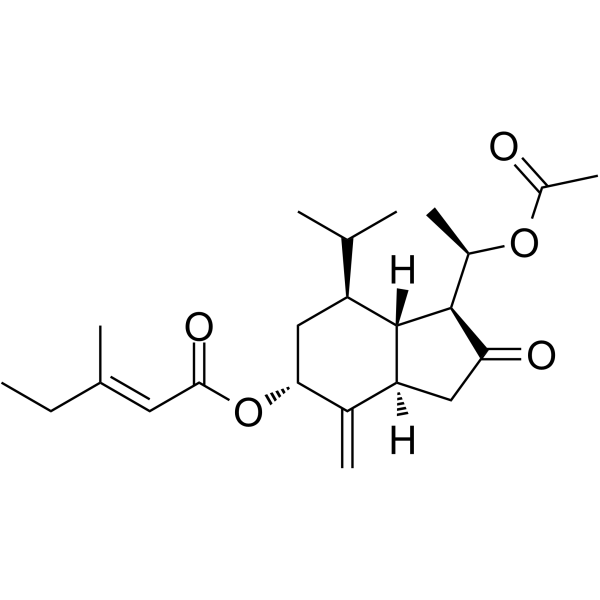
Tussilagone, a major active component in Tussilago farfara, has anti-inflammatory effect. Tussilagone ameliorates inflammatory responses in dextran sulphate sodium-induced murine colitis. Tussilagone inhibits the inflammatory response and improves survival in cecal ligation and puncture (CLP)-induced septic mice .
|
-
-
- HY-118545A
-
|
|
STAT
|
Inflammation/Immunology
Cancer
|
|
Butamirate citrate is an orally active antitussive agent that acts centrally through the receptors in the brainstem. Butamirate citrate also reduces the resistance in the airways by inhibiting bronchospasm and anti-inflammatory effect. Butamirate citrate inhibits glioblastoma (GBM) growth and STAT3 activity. Butamirate citrate can be used for the study of glioblastoma .
|
-

-
- HY-P1328
-
TAT-14
1 Publications Verification
|
Keap1-Nrf2
|
Others
|
|
TAT-14 is a 14-mer peptide that acts as Nrf2 activator with an anti-inflammatory effect. TAT-14 has no effect on Nrf2 mRNA expression, but increases Nrf2 protein level due to targeting the Nrf2 binding site on Keap1 .
|
-

-
- HY-N8371
-
|
|
NO Synthase
COX
Interleukin Related
TNF Receptor
|
Inflammation/Immunology
|
|
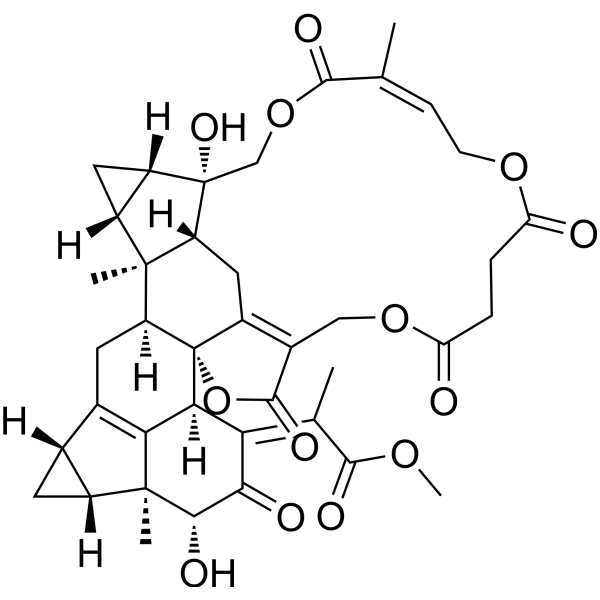
Shizukaol B is a lindenane-type dimeric sesquiterpene, used to be isolated from the whole plant of Chloranthus henryi. Shizukaol B has anti-inflammatory effect against lipopolysaccharide (LPS)-induced activation of BV2 microglial cells. Shizukaol B inhibits iNOS and COX-2, and suppresses NO production, TNF-α, and IL-1β expression .
|
-
-
- HY-N7697A
-
|
|
Others
|
Inflammation/Immunology
|
|
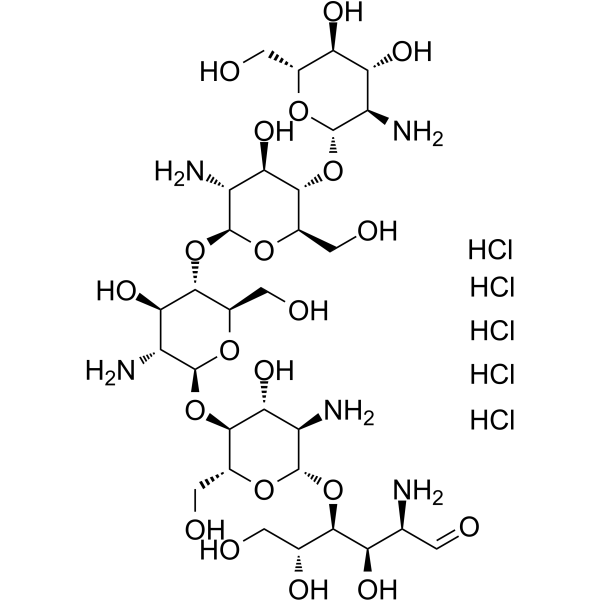
Chitopentaose pentahydrochloride is a chitosan oligosaccharide with anti-inflammatory effect. Chitopentaose pentahydrochloride is a substrate of gene encoding chitinase B (FjchiB) .
|
-
-
- HY-156621
-
|
|
JAK
|
Inflammation/Immunology
|
|
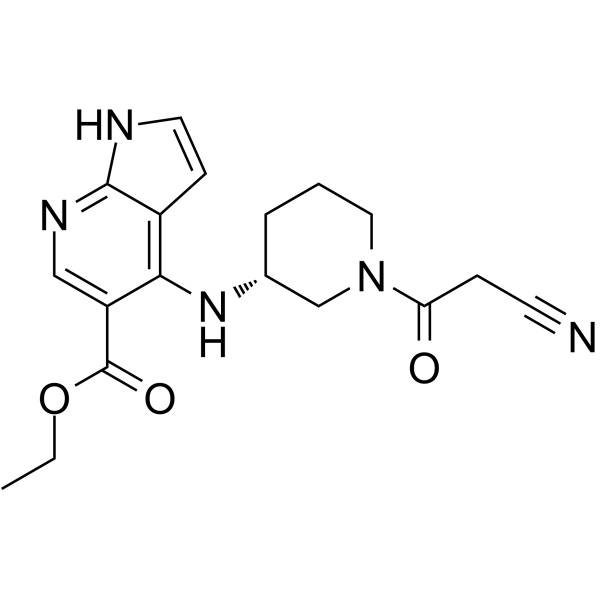
Lepzacitinib is a Janus kinase inhibitor targeting to JAK 1/3. Lepzacitinib exhibits anti-inflammatory effect and inhibits atopic dermatitis and other skin diseases .
|
-
-
- HY-N2495
-
|
|
Others
|
Inflammation/Immunology
|
|
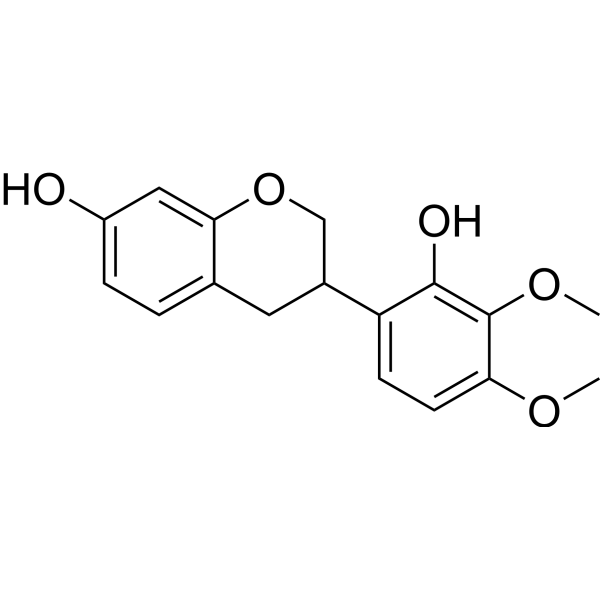
Isomucronulatol is a flavonoid isolated from the roots of A. membranaceus. Isomucronulatol exhibits inhibitory effects on LPS-stimulated production IL-12 p40 in vitro and has potential anti-inflammatory effect .
|
-
-
- HY-P990057
-
|
IBI-112
|
Interleukin Related
|
Cancer
|
|
Picankibart is a human-derived IgG1κ antibody targeting IL23A. Picankibart specifically binds to the IL23 p19 subunit and exerts an anti-inflammatory effect by blocking the IL23-mediated signaling pathway.
|
-

-
- HY-139578
-
|
|
COX
|
Inflammation/Immunology
|
|
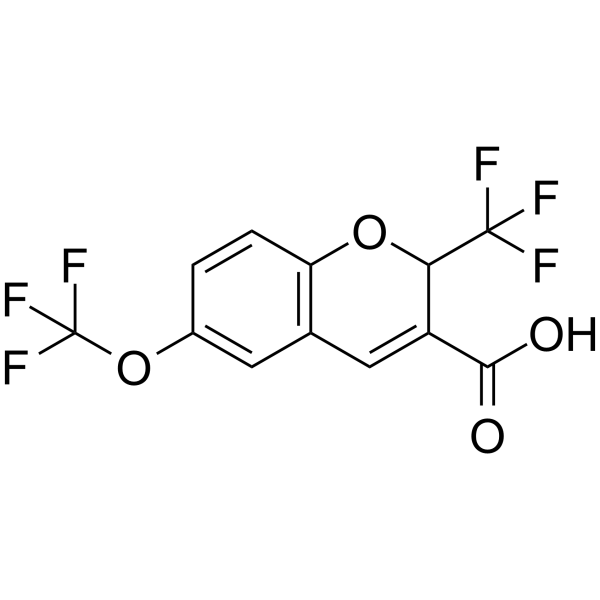
Ocarocoxib is a potent cyclooxygenase-2 (COX-2) inhibitor (IC50: 1.4 μM). Ocarocoxib inhibits COX to block the production of prostaglandins, thus exerting an anti-inflammatory effect. Ocarocoxib has potential in the study of inflammation and related diseases .
|
-
-
- HY-112847
-
|
Sulfo-N-succinimidyl oleate
|
Mitophagy
|
Inflammation/Immunology
|
|
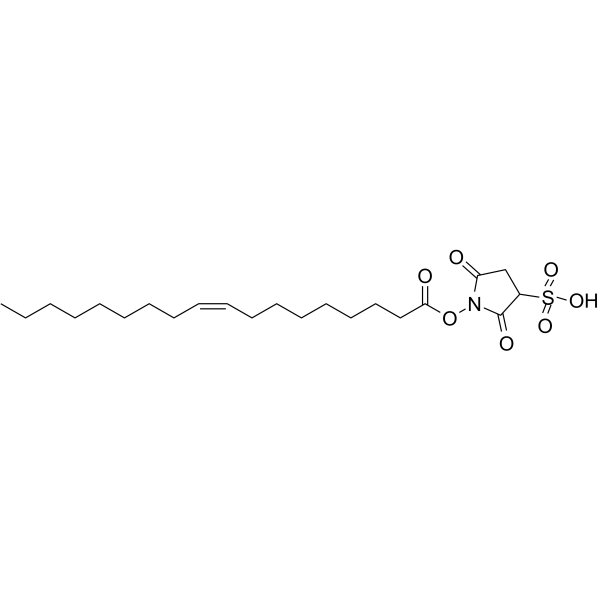
Sulfosuccinimidyl oleate (Sulfo-N-succinimidyl oleate) is a long chain fatty acid that inhibits fatty acid transport into cells. Sulfosuccinimidyl oleate is a potent and irreversible inhibitor of mitochondrial respiratory chain. Sulfosuccinimidyl oleate binds the CD36 receptor on the surface of microglia. Anti-inflammatory effect .
|
-
-
- HY-101445R
-
|
|
Reference Standards
Reactive Oxygen Species (ROS)
Ferroptosis
Apoptosis
|
Cancer
|
|
Butamirate (citrate) (Standard) is the analytical standard of Butamirate (citrate). This product is intended for research and analytical applications. Butamirate citrate is an orally active cough suppressant that acts centrally through the receptors in the brainstem. Butamirate citrate also reduces the resistance in the airways by inhibiting bronchospasm and anti-inflammatory effect .
|
-

-
- HY-N0406
-
|
|
P-glycoprotein
|
Inflammation/Immunology
|
|
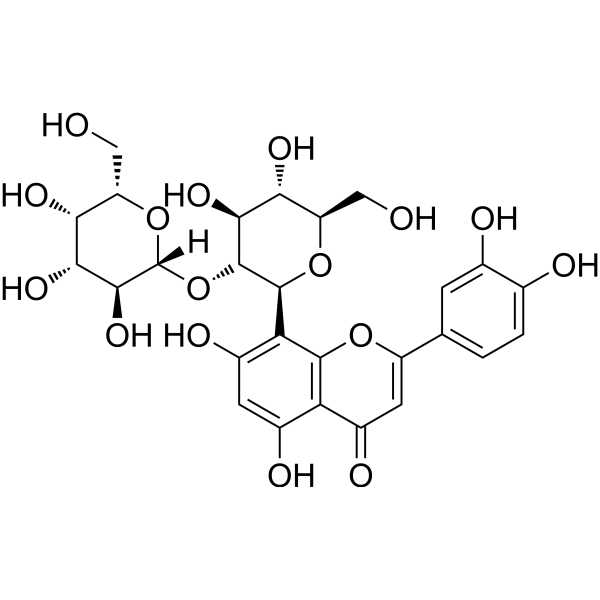
2"-O-beta-L-galactopyranosylorientin is extracted from the flowers of Trollius ledebouri. 2"-O-beta-L-galactopyranosylorientin involves transporter mediated efflux in addition to passive diffusion and is the substrate of multidrug resistance protein 2 (MRP2). Anti-inflammatory effect .
|
-
-
- HY-B1892S1
-
-

-
- HY-N4312
-
-
-
- HY-B1046S
-
|
|
Bacterial
Antibiotic
|
Inflammation/Immunology
|
|
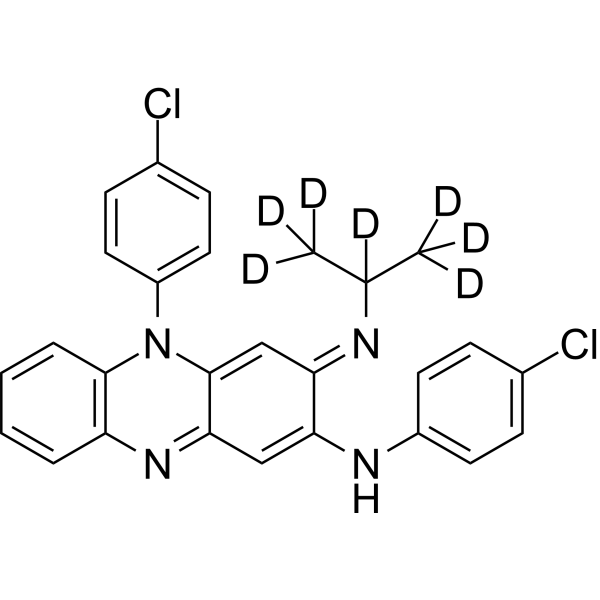
Clofazimine-d7 is deuterium labeled Clofazimine. Clofazimine is an iminophenazine dye, has a marked anti-inflammatory effect, has been used in combination with other antimycobacterial agents to treat AIDS and Crohn's disease.
|
-
-
- HY-B1355
-
|
|
Bacterial
COX
|
Infection
Inflammation/Immunology
|
|
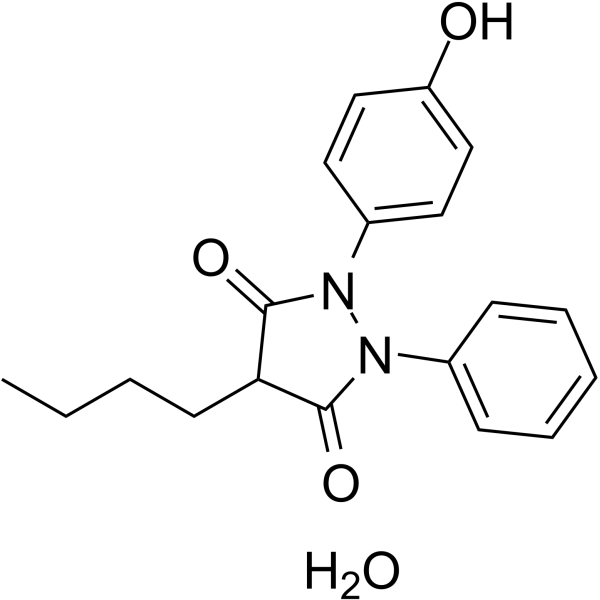
Oxyphenbutazone monohydrate is a Phenylbutazone (HY-B0230) metabolite, with anti-inflammatory effect. Oxyphenbutazone monohydrate is an orally active non-selective COX inhibitor. Oxyphenbutazone monohydrate selectively kills non-replicating Mycobaterium tuberculosis .
|
-
-
- HY-N0516R
-
|
Vitexicarpin (Standard)
|
Reference Standards
STAT
|
Inflammation/Immunology
|
|
Casticin (Standard) is the analytical standard of Casticin. This product is intended for research and analytical applications. Casticin is a methyoxylated flavonol isolated from Vitex rotundifolia, with antimitotic and anti-inflammatory effect. Casticin inhibits the activation of STAT3.
|
-

-
- HY-122961
-
|
1,2-Didehydromiltirone
|
NF-κB
p38 MAPK
|
Inflammation/Immunology
|
|
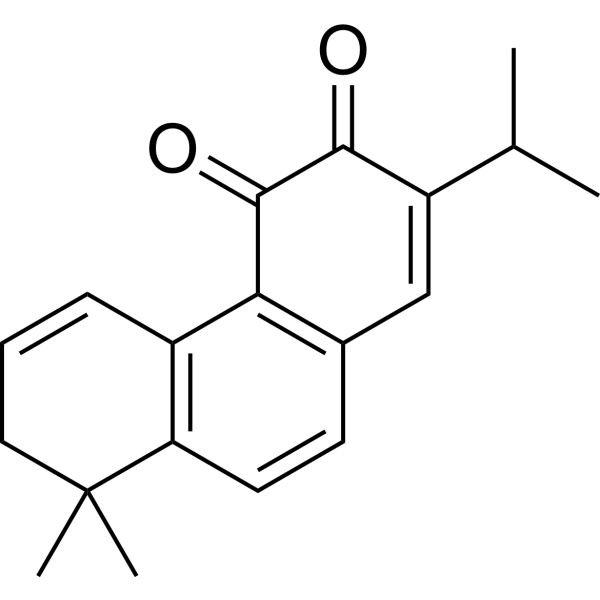
Dehydromiltirone (1,2-Didehydromiltirone) is a diterpenoid quinone with an anti-inflammatory effect. Dehydromiltirone prevents liver injury by modifying the MAPK and NF-κB signaling pathways, reducing neuroinflammatory responses, and inhibiting platelet aggregation. Dehydromiltirone can be used for osteoporosis research .
|
-
-
- HY-163547
-
|
|
PPAR
|
Inflammation/Immunology
|
|
PPAR agonist 5 (compound 4b) is a potent PPAR agonist with EC50 values of 3.20, 1.51, 1.92 µM for PPARα, PPARβ/δ, PPARγ, respectively. PPAR agonist 5 shows anti-inflammatory effect .
|
-

-
- HY-B1892R
-
|
Cephazolin (Standard)
|
Reference Standards
Antibiotic
Bacterial
|
Infection
Neurological Disease
Inflammation/Immunology
|
|
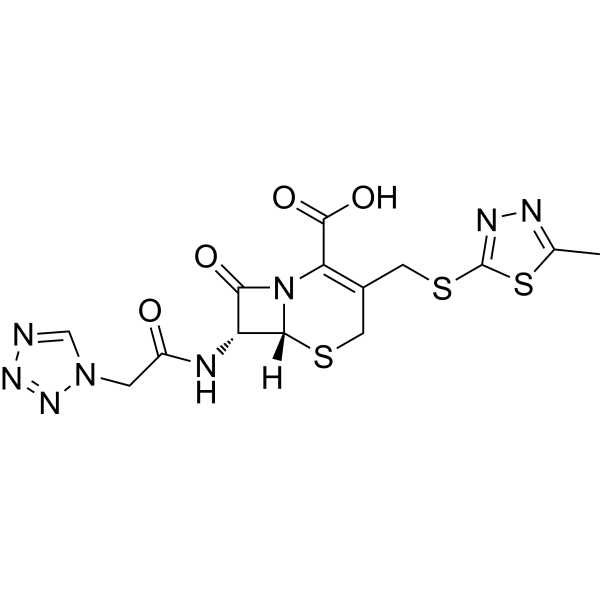
Cefazolin (Standard) is the analytical standard of Cefazolin. This product is intended for research and analytical applications. Cefazolin (Cephazolin) is a first-generation cephalosporin antibiotic and can be used in varieties of bacterial infections research . Cefazolin has anti-inflammatory effect and can attenuate post-operative cognitive dysfunction (POCD) .
|
-

-
- HY-128473
-
|
Valeroyl salicylate
|
COX
|
Inflammation/Immunology
|
|
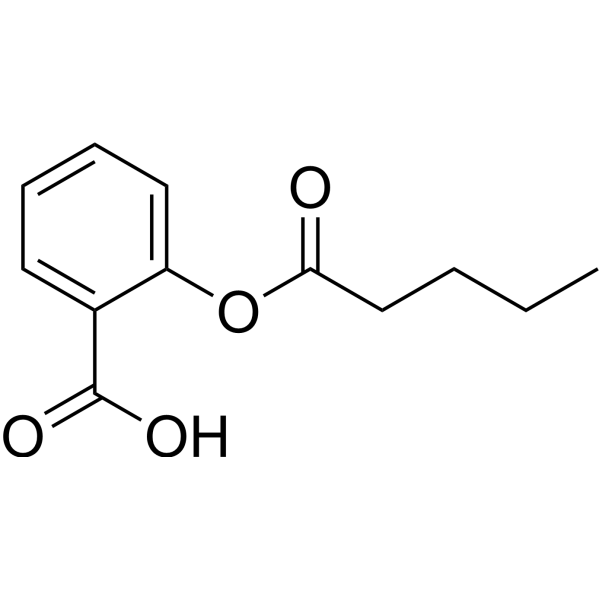
Valeryl salicylate is a potent and irreversible cyclooxygenase-1 (COX-1) inhibitor. Valeryl salicylate shows anti-inflammatory effect .
|
-
-
- HY-117726
-
-
- HY-177800
-
|
|
P-selectin
|
Inflammation/Immunology
|
|
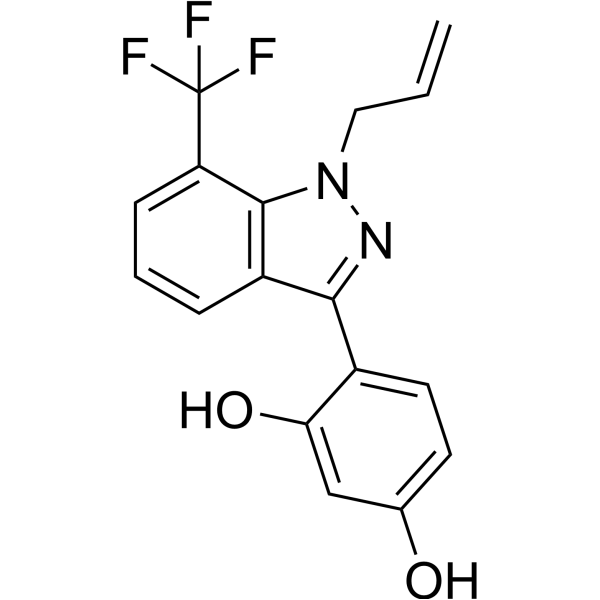
ARC5690 sodium is an anti-mouse P-selectin aptamer. ARC5690 bound to recombinant mouse P-selectin with a KD of approximately 15pM in vitro. ARC5690 showed a significant anti-inflammatory effect
|
-

- HY-B1471
-
|
|
Carbonic Anhydrase
|
Inflammation/Immunology
|
|
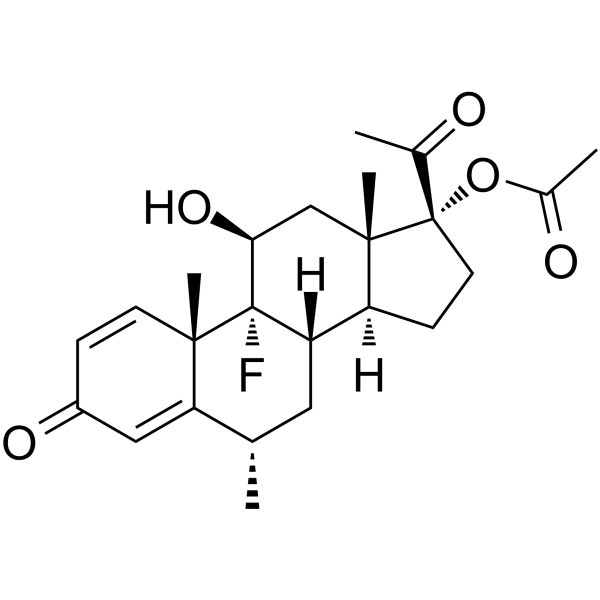
Fluorometholone acetate is a synthetic glucocorticoid corticosteroid and a corticosteroid ester. Fluorometholone acetate potently inhibits carbonic anhydrase (CA) with IC50s of 2.18 μM and 17.5 μM for hCA-I and hCA-II, respectively. Fluorometholone acetate has anti-inflammatory effect and has the potential for external ocular inflammation research .
|
-
- HY-121481
-
|
10α-Cucurbitadienol
|
Others
|
Inflammation/Immunology
|
|
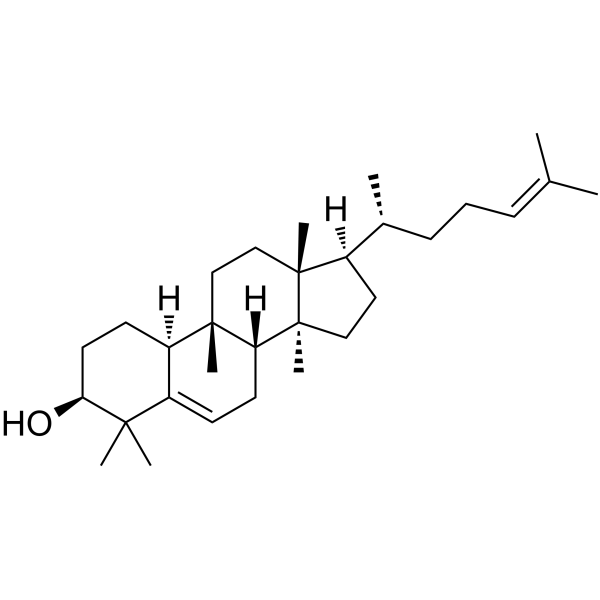
Cucurbitadienol (10α-Cucurbitadienol) is a natural product that can be found in the seeds of Trichosanthes kirilowii. Cucurbitadienol exhibits anti-inflammatory effect .
|
-
- HY-105193
-
-

- HY-120541
-
-
- HY-B0756
-
-
- HY-126414
-
|
|
Others
|
Inflammation/Immunology
|
|
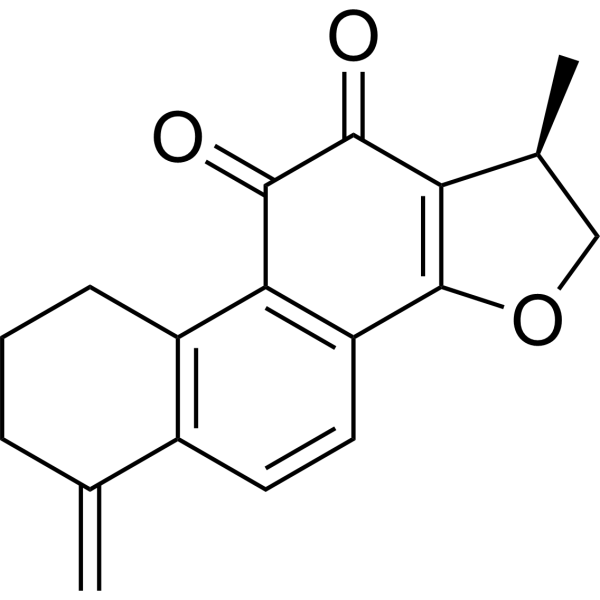
Methylenedihydrotanshinquinone is a natural product that can be isolated from the dried root of S. miltiorrhiza. Methylenedihydrotanshinquinone has anti-inflammatory effect by inhibiting expression of TNF-α, IL-1β, and IL-8 .
|
-
- HY-W654098
-
|
|
Isotope-Labeled Compounds
Antibiotic
Bacterial
|
Inflammation/Immunology
|
|
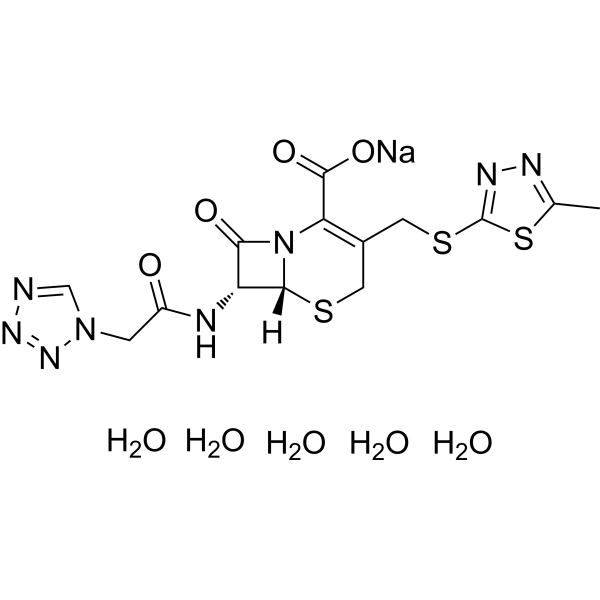
Cefazolin- 13C2, 15N (sodium) is 13C and 15N labeled Cefazolin (sodium). Cefazolin sodium is a first-generation cephalosporin antibiotic and can be used in varieties of bacterial infections research . Cefazolin sodium has anti-inflammatory effect and can attenuate post-operative cognitive dysfunction (POCD).
|
-

- HY-142941
-
|
|
Glucocorticoid Receptor
MMP
|
Inflammation/Immunology
|
|
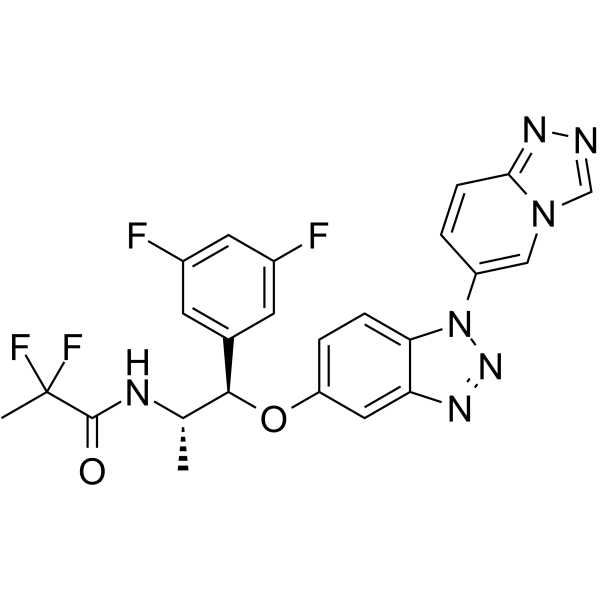
Glucocorticoid receptor-IN-1 (Compound WX002) is a selective glucocorticoid receptor (GR) modulator with anti-inflammatory effect. Glucocorticoid receptor-IN-1 exhibits very good transcriptional repressive activity with an IC50 of 2.11 nM against hMMP1, and transcriptional activation activity with an EC50 of 5.59 nM against MMTV .
|
-
- HY-B1322AS
-
|
|
Parasite
Histone Methyltransferase
|
Infection
Neurological Disease
Inflammation/Immunology
|
|
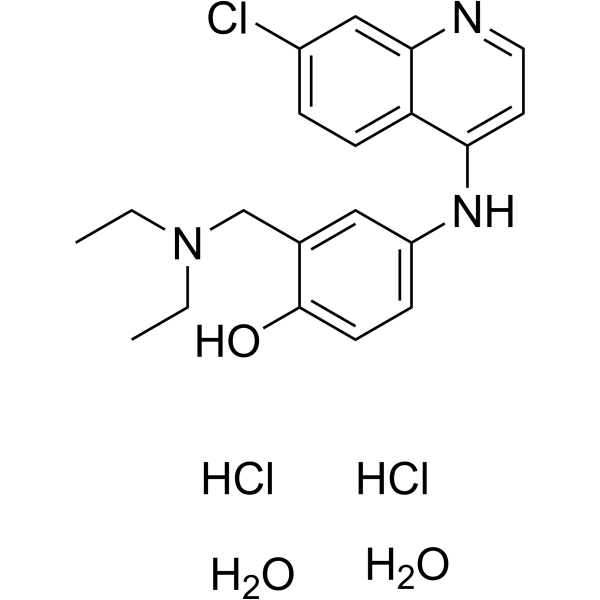
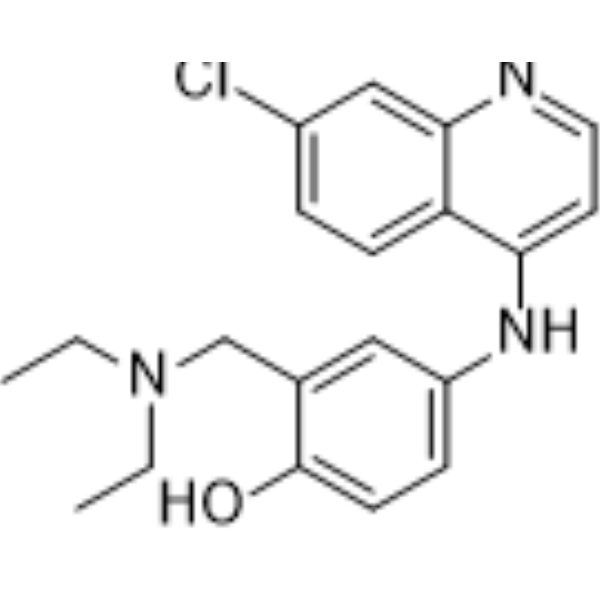
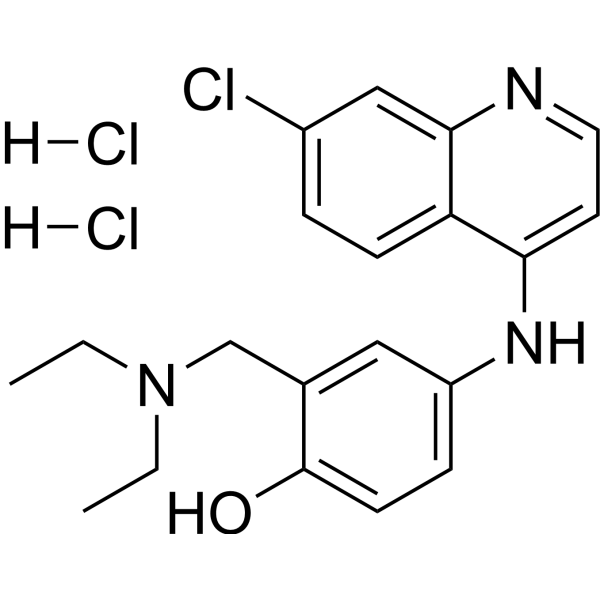
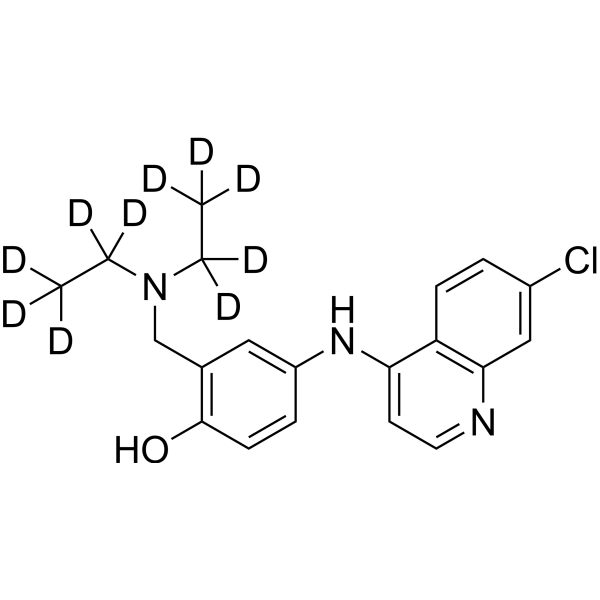
Amodiaquine-d10 is the deuterium labeled Amodiaquine. Amodiaquine (Amodiaquin), a 4-aminoquinoline class of antimalarial agent, is a potent and orally active histamine N-methyltransferase inhibitor. Amodiaquine is also a Nurr1 agonist and specifically binds to Nurr1-LBD (ligand binding domain) with an EC50 of ~20 μM. Anti-inflammatory effect .
|
-
- HY-N12000
-
-
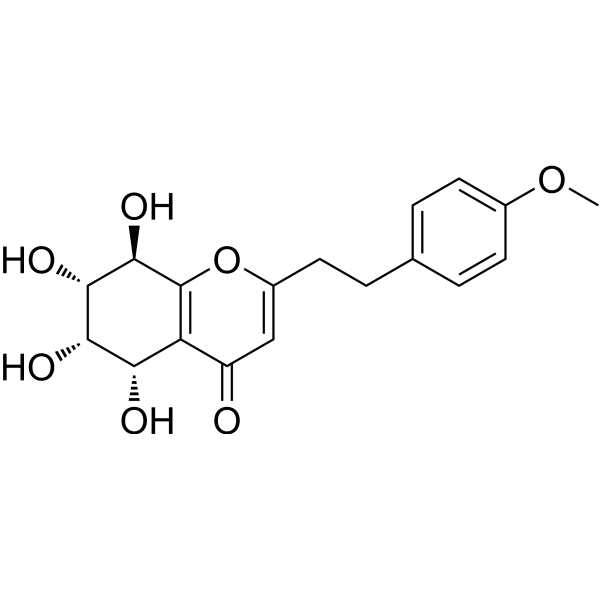
- HY-U00081
-
-
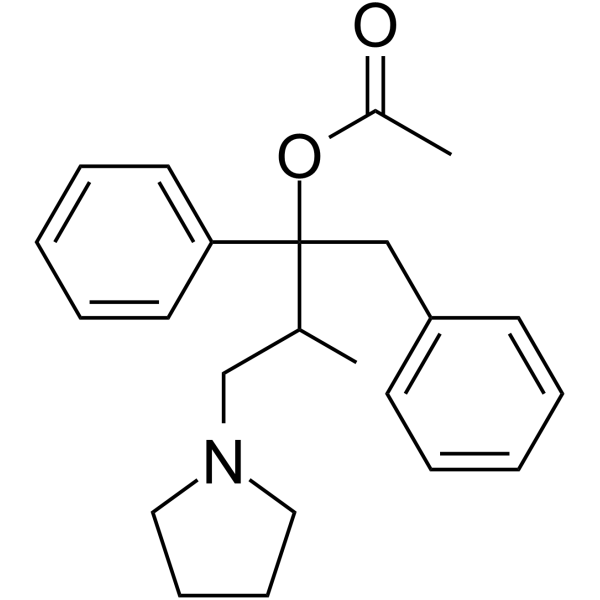
- HY-N1246
-
|
(-)-Savinin
|
Others
|
Inflammation/Immunology
|
|
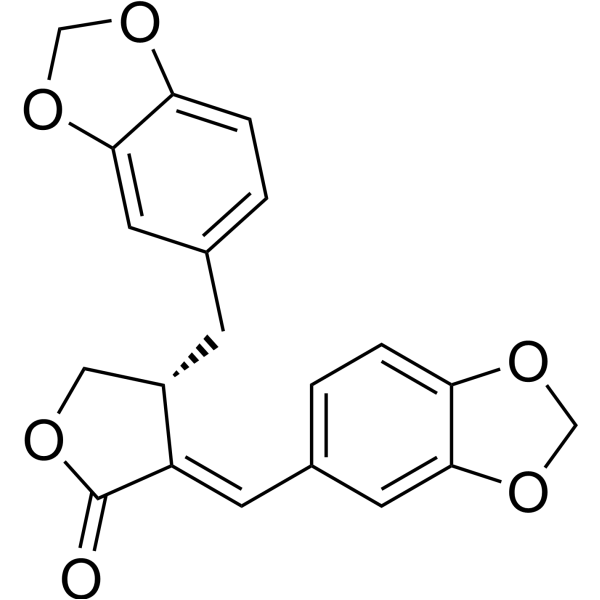
Savinin is a lignan, whicn can serves as a valuable pharmacophore to exhibit anti-inflammatory effect .
|
-
- HY-N3323
-
|
|
Others
|
Inflammation/Immunology
|
|
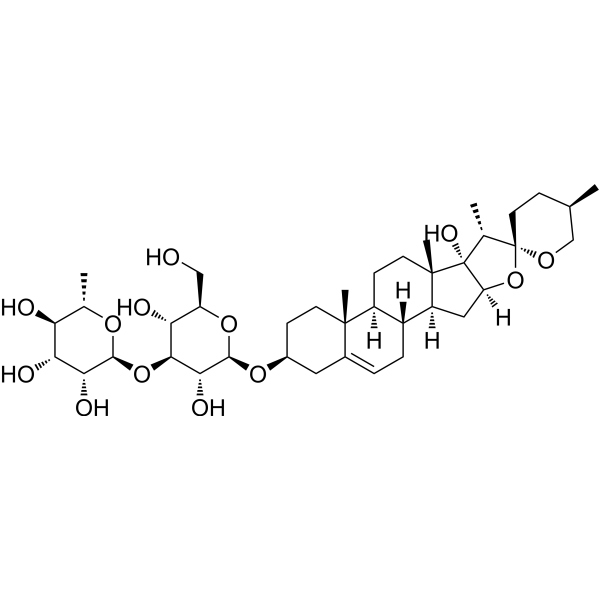
Mannioside A is a steroidal saponin. Mannioside A is a nature product that could be isolated from Dracaena mannii. Mannioside A has anti-inflammatory effect .
|
-
- HY-133594
-
-

- HY-N10809
-
|
|
Others
|
Inflammation/Immunology
|
|
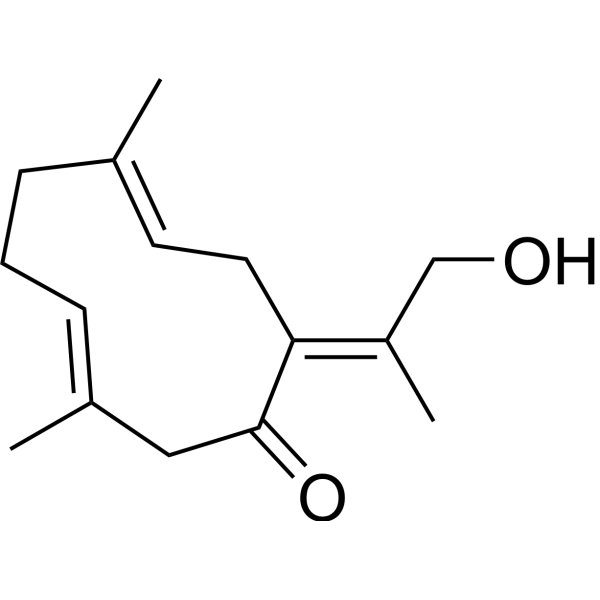
13-Hydroxygermacrone (compound 8) is a nature product that could be isolated form Curcuma zedoaria. 13-Hydroxygermacrone has anti-inflammatory effect .
|
-
- HY-120541A
-
-
- HY-N3866
-
|
|
COX
|
Inflammation/Immunology
|
|
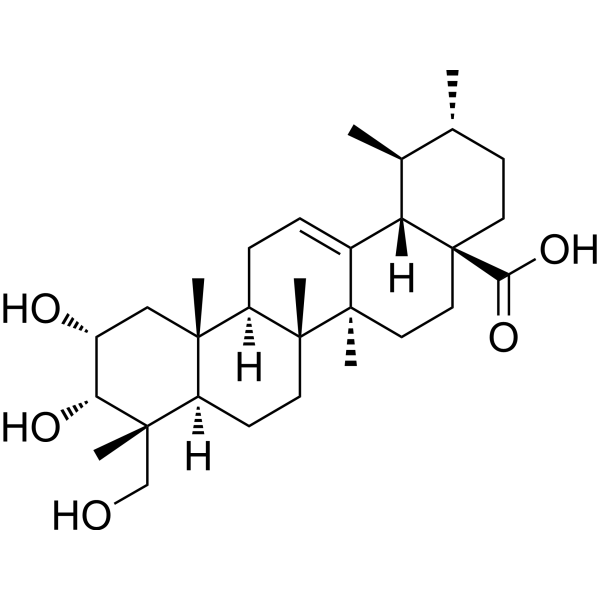
Esculentic acid is a selective COX-2 inhibitor and has anti-inflammatory effect. Esculentic acid is a pentacyclic triterpenoid that can be extracted from the Chinese herb Phytolacca esculenta .
|
-
- HY-N1546
-
|
|
Others
|
Inflammation/Immunology
|
|
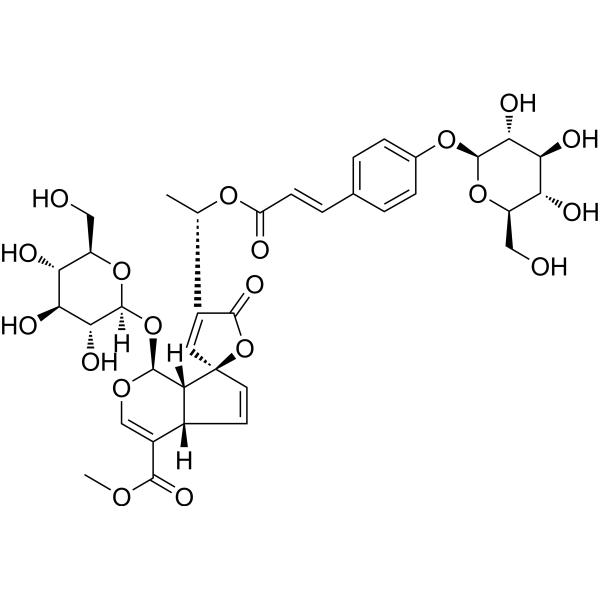
Protoplumericin A is a bioactive ingredient of Plumeria obtusa L. attenuates. Protoplumericin A mitigated lipopolysaccharide (LPS) -induced acute lung injury in mice. Protoplumericin A can be used to study the LPS-induced anti-inflammatory effect .
|
-
- HY-119018
-
|
|
COX
|
Inflammation/Immunology
|
|
AHR-6293 is an orally effective and potent anti-inflammatory agent. AHR-6293 has a better anti-inflammatory effect than AHR-5850, but does not have the activity of inhibiting platelet aggregation .
|
-

- HY-N15077
-
|
|
Antibiotic
Bacterial
|
Infection
|
|
11-Deacetoxywortmannin is an antibiotic found in Aspergillus janus NRRL 3807 and Penicillum funiculosum NRRL 3363. 11-Deacetoxywortmannin has a strong anti-fungal and anti-inflammatory effect, and has an anti-edema effect .
|
-

- HY-N1782
-
|
|
Others
|
Inflammation/Immunology
|
|
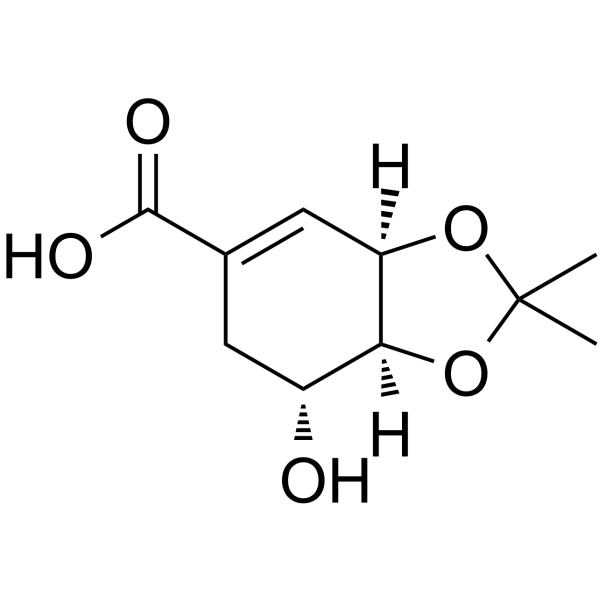
3,4-O-Isopropylidene-shikimicn acid is a natural product that can be isolated from the whole plants of Hypericum wightianum. 3,4-O-Isopropylidene-shikimic acid has anti-inflammatory effect and antioxidant activities .
|
-
- HY-177809
-
|
|
TNF Receptor
|
Inflammation/Immunology
|
|
aptTNF-α sodium is a TNF-α-targeting aptamer that has tissue protective effect and systemic anti-inflammatory effect upon acute tissue injury using the mouse acute lung injury (ALI) and acute liver failure (ALF) models.
|
-

- HY-106754
-
|
|
Lipoxygenase
|
Cardiovascular Disease
Inflammation/Immunology
|
|
FLM-5011 is a lipoxygenase inhibitor. FLM-5011 can diminish myocardial ischaemia injury and shows anti-inflammatory effect. FLM-5011 can be used for the researches of inflammation and cardiovascular disease, such as myocarditis .
|
-

- HY-N5015R
-
|
|
Reference Standards
COX
|
Inflammation/Immunology
Cancer
|
|
Rosmanol (Standard) is the analytical standard of Rosmanol. This product is intended for research and analytical applications. Rosmanol could inhibit the oxidation of low density lipoprotein (LPL) and significantly inhibit lipopolysaccharide induced iNOS and COX-2 expression, with anti-inflammatory effect.
|
-

- HY-121428
-
|
|
PGE synthase
|
Others
|
|
Fagaramide is a compound extracted from Zanthoxylum bungeanum with anti-inflammatory activity. It is effective against carrageenan foot swelling in rats and mediates its anti-inflammatory effect partly by inhibiting prostaglandin synthesis. Its activity is about 1/20 of that of indomethacin.
|
-

- HY-N3261
-
|
|
AP-1
ERK
STAT
|
Inflammation/Immunology
Cancer
|
|
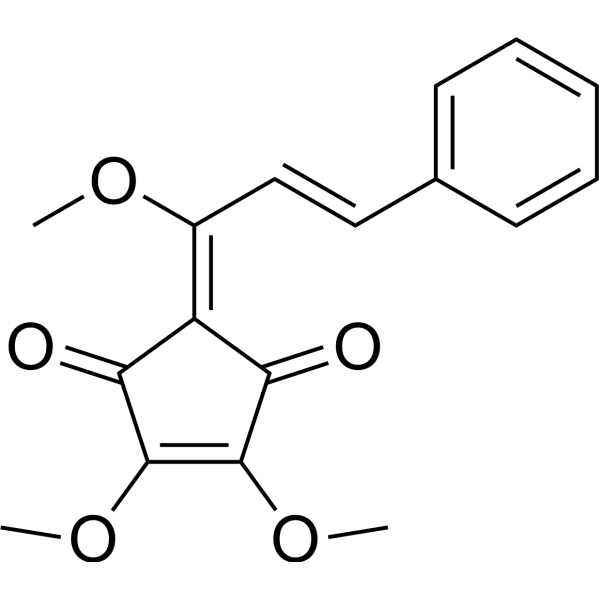
Methyllinderone is an inhibitor of AP-1/STAT/ERK. Methyllinderone has anti-inflammatory effect. Methyllinderone reduce the invasion and migration rate of TPA-stimulated MCF-7 cells. Methyllinderone can be used in study breast cancer metastasis .
|
-
- HY-N12101
-
|
|
Others
|
Inflammation/Immunology
|
|
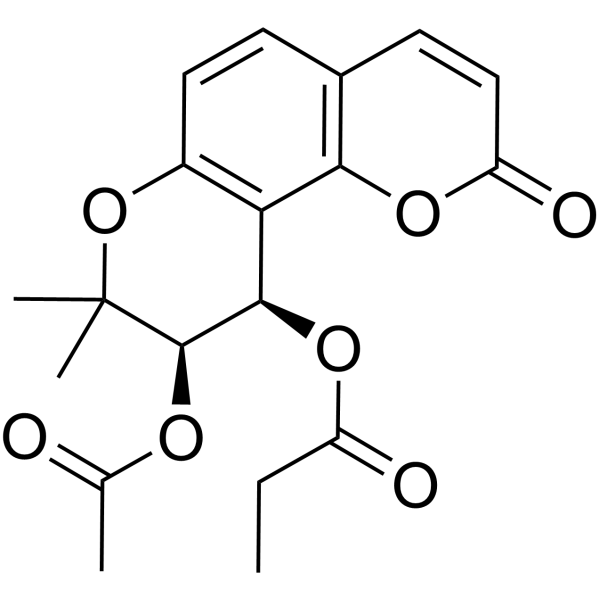
Anti-inflammatory agent 57 (Compound 13), pyranocoumarin, is a nature product. Anti-inflammatory agent 57 can be isolated from the roots of Peucedanum praeruptorum. Anti-inflammatory agent 57 has multidrug-resistance (MDR) reversal and anti-inflammatory effect .
|
-
- HY-139364
-
|
|
PGE synthase
|
Others
|
|
mPGES1-IN-4 (compound 32) is a polysubstituted pyrimidine compound and a submicromolar PGE2 production inhibitor. It exerts its anti-inflammatory effect mainly by inhibiting mPGES-1 and has a significant inhibitory effect on the acute inflammation model in vivo.
|
-

- HY-139365
-
|
|
PGE synthase
|
Others
|
|
mPGES1-IN-5 (compound 18) is a polysubstituted pyrimidine compound and a submicromolar PGE2 production inhibitor. It exerts its anti-inflammatory effect mainly by inhibiting mPGES-1 and has a significant inhibitory effect on the acute inflammation model in vivo.
|
-

- HY-124508
-
-

- HY-B1078R
-
|
Cephazolin sodium (Standard)
|
Reference Standards
Bacterial
Antibiotic
|
Infection
Neurological Disease
Inflammation/Immunology
|
|
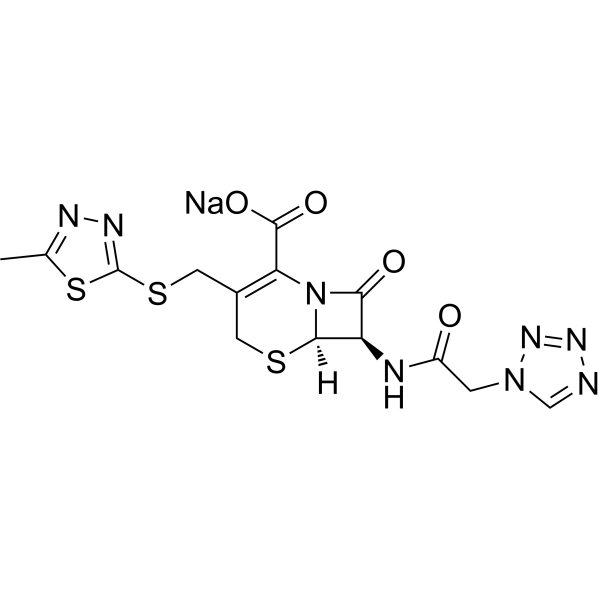
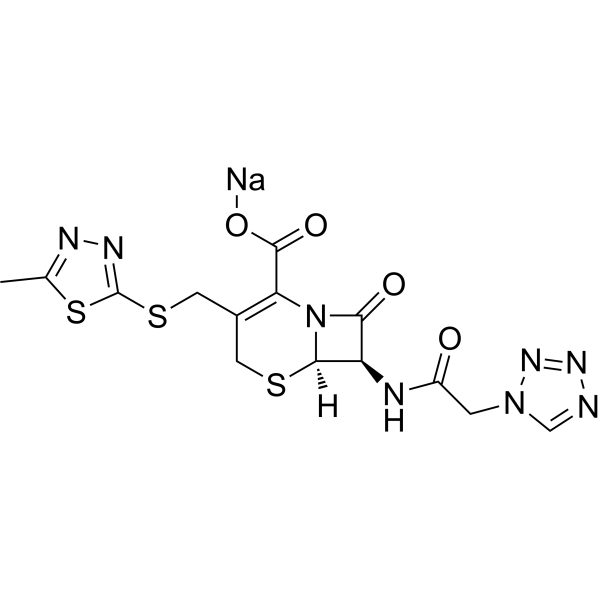
Cefazolin (sodium) (Standard) is the analytical standard of Cefazolin (sodium). This product is intended for research and analytical applications. Cefazolin sodium is a first-generation cephalosporin antibiotic and can be used in varieties of bacterial infections research . Cefazolin sodium has anti-inflammatory effect and can attenuate post-operative cognitive dysfunction (POCD) .
|
-
- HY-113345R
-
|
5a-Cholest-8-en-3b-ol (Standard)
|
Reference Standards
Endogenous Metabolite
ROR
|
Cancer
|
|
Oxyphenbutazone (monohydrate) (Standard) is the analytical standard of Oxyphenbutazone (monohydrate). This product is intended for research and analytical applications. Oxyphenbutazone monohydrate is a Phenylbutazone (HY-B0230) metabolite, with anti-inflammatory effect. Oxyphenbutazone monohydrate is an orally active non-selective COX inhibitor. Oxyphenbutazone monohydrate selectively kills non-replicating Mycobaterium tuberculosis .
|
-

- HY-B1355R
-
|
|
Reference Standards
Bacterial
COX
|
Infection
Inflammation/Immunology
|
|
Oxyphenbutazone monohydrate (Standard) is the analytical standard of Oxyphenbutazone monohydrate. This product is intended for research and analytical applications. Oxyphenbutazone monohydrate is a Phenylbutazone (HY-B0230) metabolite, with anti-inflammatory effect. Oxyphenbutazone monohydrate is an orally active non-selective COX inhibitor. Oxyphenbutazone monohydrate selectively kills non-replicating Mycobaterium tuberculosis .
|
-

- HY-B1355AR
-
|
|
COX
Bacterial
Reference Standards
|
Infection
Inflammation/Immunology
|
|
Oxyphenbutazone (Standard) is the analytical standard of Oxyphenbutazone. This product is intended for research and analytical applications. Oxyphenbutazone is a Phenylbutazone (HY-B0230) metabolite, with anti-inflammatory effect. Oxyphenbutazone is an orally active non-selective COX inhibitor. Oxyphenbutazone selectively kills non-replicating Mycobaterium tuberculosis .
|
-

- HY-158022
-
|
|
Cathepsin
|
Infection
Inflammation/Immunology
|
|
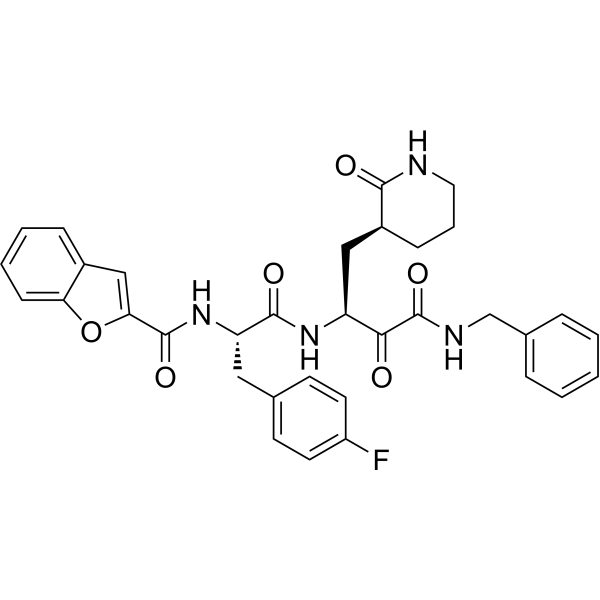
CTSL/CAPN1-IN-1 (compound 14a) is an oral active CTSL and CAPN1 inhibitor with the IC50 values of 3.34 nM and 375.1 nM for CTSL and CAPN1, respectively. CTSL/CAPN1-IN-1 shows anticoronaviral activity and anti-inflammatory effect .
|
-
- HY-Z0548S1
-
|
|
Isotope-Labeled Compounds
Keap1-Nrf2
Apoptosis
|
Inflammation/Immunology
Cancer
|
|
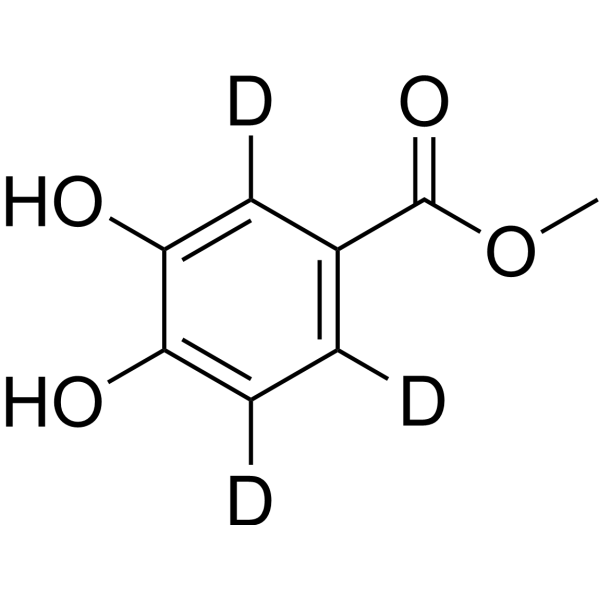
Methyl 3,4-dihydroxybenzoate-d3-1 is the deuterium labeled Methyl 3,4-dihydroxybenzoate. Methyl 3,4-dihydroxybenzoate (Protocatechuic acid methyl ester; Methyl protocatechuate) is a major metabolite of antioxidant polyphenols found in green tea. Antioxidant and anti-inflammatory effect .
|
-
- HY-N0802R
-
|
Senegenin (Standard)
|
Reference Standards
NF-κB
Bacterial
|
Infection
Inflammation/Immunology
|
|
Tenuigenin (Standard) is the analytical standard of Tenuigenin. This product is intended for research and analytical applications. Tenuigenin is a major active component isolated from the root of the Chinese herb Polygala tenuifolia. Tenuigenin protects against S.aureus-induced pneumonia by inhibiting NF-κB activation. Tenuigenin has anti-inflammatory effect .
|
-

- HY-B1355AS
-
|
|
Isotope-Labeled Compounds
COX
Bacterial
|
Infection
Inflammation/Immunology
Cancer
|
|
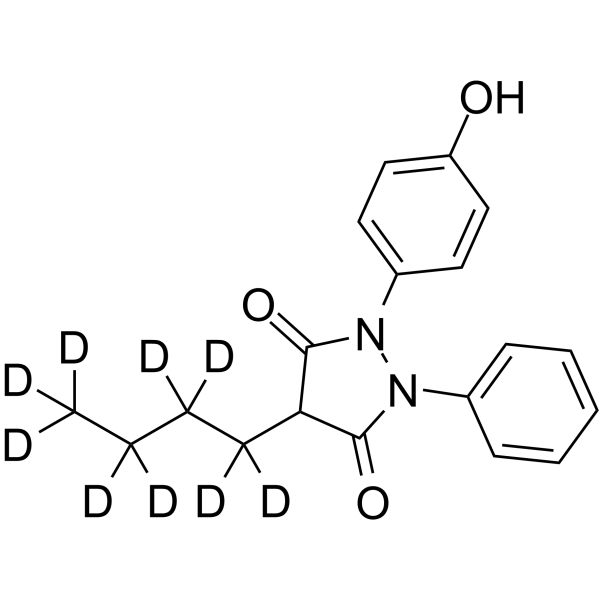
Oxyphenbutazone-d9 is the deuterium labeled Oxyphenbutazone (HY-B1355A). Oxyphenbutazone is a phenylbutazone derivative, with anti-inflammatory effect. Oxyphenbutazone is a non-selective COX inhibitor. Oxyphenbutazone is the metabolite of Phenylbutazone (HY-B0230). Oxyphenbutazone selectively kills non-replicating Mycobaterium tuberculosis .
|
-
- HY-135392R
-
|
AC-279 (Standard)
|
Reference Standards
Drug Metabolite
|
Neurological Disease
|
|
Methyl 3,4-dihydroxybenzoate (Standard) is the analytical standard of Methyl 3,4-dihydroxybenzoate. This product is intended for research and analytical applications. Methyl 3,4-dihydroxybenzoate (Protocatechuic acid methyl ester; Methyl protocatechuate) is a major metabolite of antioxidant polyphenols found in green tea. Antioxidant and anti-inflammatory effect .
|
-

- HY-Z0548R
-
|
Protocatechuic acid methyl ester (Standard); Methyl protocatechuate (Standard)
|
Reference Standards
Keap1-Nrf2
Apoptosis
|
Inflammation/Immunology
Cancer
|
|
Methyl 3,4-dihydroxybenzoate (Standard) is the analytical standard of Methyl 3,4-dihydroxybenzoate. This product is intended for research and analytical applications. Methyl 3,4-dihydroxybenzoate (Protocatechuic acid methyl ester; Methyl protocatechuate) is a major metabolite of antioxidant polyphenols found in green tea. Antioxidant and anti-inflammatory effect .
|
-

- HY-B1355AS1
-
|
|
Isotope-Labeled Compounds
COX
Bacterial
|
Infection
Inflammation/Immunology
Cancer
|
|
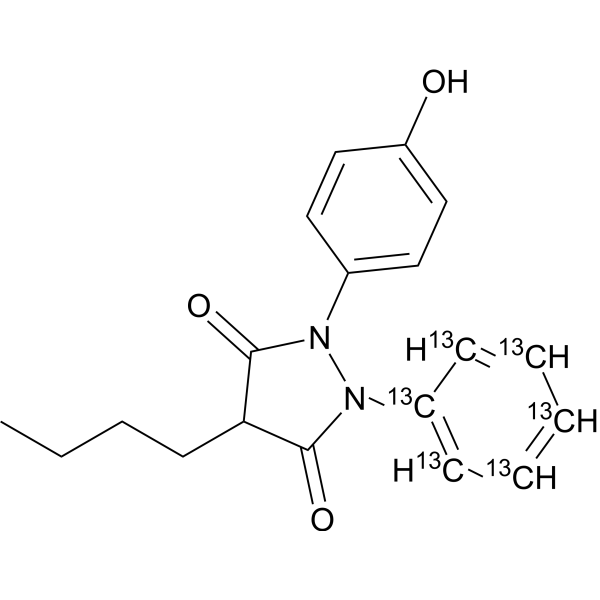
Oxyphenbutazone- 13C6 is the 13C6 labeled Oxyphenbutazone (HY-B1355A). Oxyphenbutazone is a phenylbutazone derivative, with anti-inflammatory effect. Oxyphenbutazone is a non-selective COX inhibitor. Oxyphenbutazone is the metabolite of Phenylbutazone (HY-B0230). Oxyphenbutazone selectively kills non-replicating Mycobaterium tuberculosis .
|
-
- HY-142942
-
|
|
Glucocorticoid Receptor
MMP
|
Inflammation/Immunology
|
|
Glucocorticoid receptor-IN-2 (Compound WX019) is a selective glucocorticoid receptor (GR) modulator with anti-inflammatory effect. Glucocorticoid receptor-IN-2 exhibits very good transcriptional repressive activity with an IC50 of 0.171 nM against hMMP1, and comparable transcriptional activation activity with an EC50 of 0.94 nM against MMTV .
|
-
- HY-P1328A
-
|
|
Keap1-Nrf2
|
Others
|
|
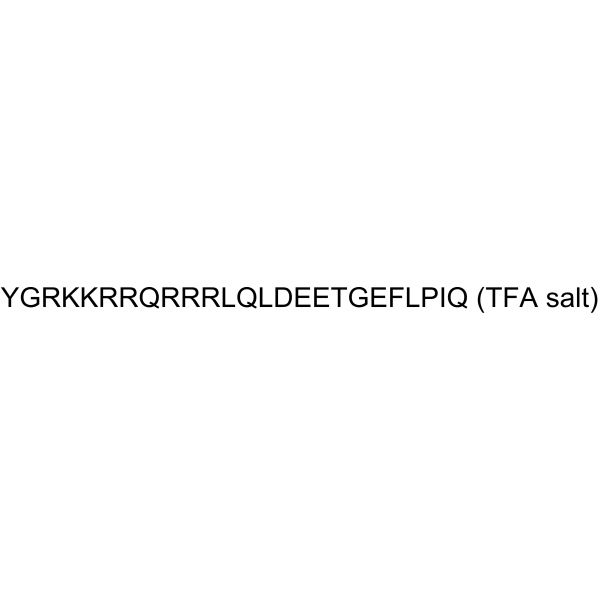
TAT-14 TFA is a 14-mer peptide that acts as Nrf2 activator with an anti-inflammatory effect. TAT-14 TFA has no effect on Nrf2 mRNA expression, but increases Nrf2 protein level due to targeting the Nrf2 binding site on Keap1 .
|
-
- HY-114200R
-
|
BAP-909 (Standard)
|
Reference Standards
COX
|
Inflammation/Immunology
|
|
Imrecoxib (Standard) is the analytical standard of Imrecoxib. This product is intended for research and analytical applications. Imrecoxib (BAP-909) is a novel and selective cyclooxygenase 2 (COX-2) inhibitor with an IC50 value of 18 nM, it also inhibits COX1- activity with an IC50 value of 115 nM. Imrecoxib (BAP-909) has anti-inflammatory effect .
|
-

- HY-N3548
-
|
|
NF-κB
|
Inflammation/Immunology
|
|
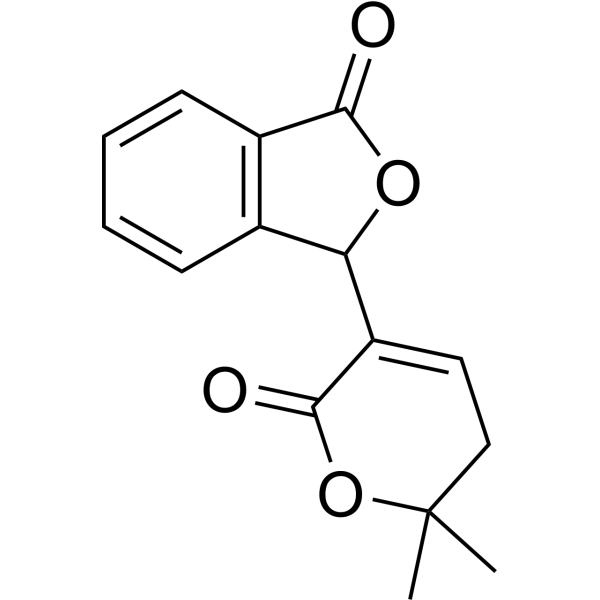
Catalpalactone has anti-inflammatory effect. Catalpalactone inhibits LPS-induced NO production and iNOS expression in RAW264.7 cells, and also inhibits IRF3, NF-κB, and IFN-β/STAT-1 activation. Catalpalactone also inhibits dopamine biosynthesis by reducing tyrosine hydroxylase (TH) and aromatic-l-amino acid decarboxylase (AADC) activities .
|
-
- HY-N1388R
-
|
|
Reference Standards
Others
|
Inflammation/Immunology
|
|
Tussilagone (Standard) is the analytical standard of Tussilagone. This product is intended for research and analytical applications. Tussilagone, a major active component in Tussilago farfara, has anti-inflammatory effect. Tussilagone ameliorates inflammatory responses in dextran sulphate sodium-induced murine colitis. Tussilagone inhibits the inflammatory response and improves survival in cecal ligation and puncture (CLP)-induced septic mice .
|
-

- HY-163775
-
|
|
MyD88
NF-κB
|
Inflammation/Immunology
|
|
Anti-inflammatory agent 88 (compound 6) is a carbazole derivative with anti-inflammatory activity found in marine Streptomyces. It exerts its anti-inflammatory effect by inhibiting pro-inflammatory factors and enhancing the expression of anti-inflammatory factors in the Myd88/Nf-κB pathway. Anti-inflammatory agent 88 can be used for the development of anti-inflammatory drugs .
|
-

- HY-P11241
-
|
|
Bacterial
|
Infection
Inflammation/Immunology
|
|
oNCM is an antibacterial peptide. oNCM has good antibacterial activity, anti biofilm ability, anti-inflammatory effect, high stability, and low cytotoxicity. oNCM can be used for research on infectious or inflammatory conditions .
|
-

- HY-171296
-
|
|
p38 MAPK
JNK
|
Inflammation/Immunology
|
|
p38 Kinase inhibitor 8 (Compound CCLXXVIII) is the orally active inhibitor for p38β and JNK2α2 with IC50s of 6.3 nM and 53.6 nM. p38 Kinase inhibitor 8 exhibits anti-inflammatory effect in rats collagen-induced arthritis models .
|
-

- HY-13418R
-
|
Compound C dihydrochloride (Standard); BML-275 dihydrochloride (Standard)
|
Organoid
AMPK
TGF-β Receptor
Autophagy
Reference Standards
|
Cancer
|
|
Dorsomorphin (dihydrochloride) (Standard) is the analytical standard of Dorsomorphin (dihydrochloride). This product is intended for research and analytical applications. Dorsomorphin (Compound C) dihydrochloride is a potent, selective and ATP-competitive AMPK inhibitor, with a Ki of 109 nM. Dorsomorphin dihydrochloride inhibits BMP pathway by targeting the type I receptors ALK2, ALK3, and ALK6. Dorsomorphin dihydrochloride can reverse autophagy activation and anti-inflammatory effect of Urolithin A (HY-100599).
|
-

- HY-B1471R
-
|
|
Reference Standards
Carbonic Anhydrase
|
Inflammation/Immunology
|
|
Fluorometholone acetate (Standard) is the analytical standard of Fluorometholone acetate. This product is intended for research and analytical applications. Fluorometholone acetate is a synthetic glucocorticoid corticosteroid and a corticosteroid ester. Fluorometholone acetate potently inhibits carbonic anhydrase (CA) with IC50s of 2.18 μM and 17.5 μM for hCA-I and hCA-II, respectively. Fluorometholone acetate has anti-inflammatory effect and has the potential for external ocular inflammation research .
|
-

- HY-172406
-
|
|
p38 MAPK
Interleukin Related
IRAK
|
Inflammation/Immunology
|
|
MAPK-IN-4 (Compound c1) is an orally active anti-inflammatory agent. MAPK-IN-4 can inhibit the expression and release of pro-inflammatory cytokines IL-6 and TNF-α induced by LPS (HY-D1056). MAPK-IN-4 can bind to IRAK4 and exert its anti-inflammatory effect by inhibiting the MAPK pathway .
|
-

- HY-P0178
-
|
|
Integrin
|
Inflammation/Immunology
|
|
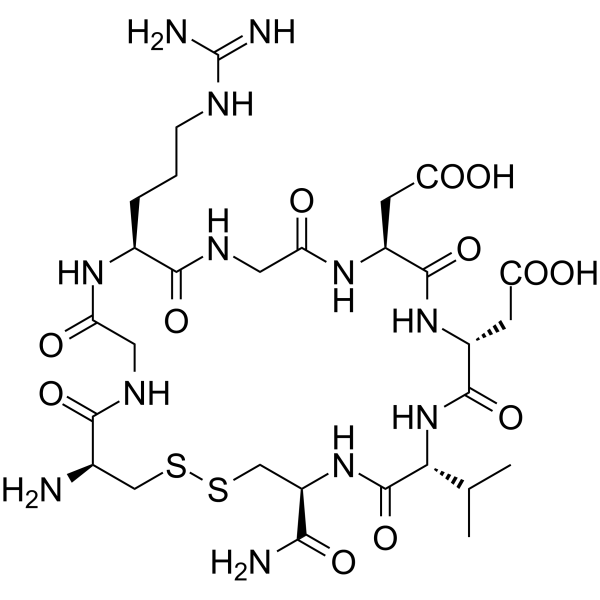
LXW7, a cyclic peptide containing Arg-Gly-Asp (RGD), is an integrin αvβ3 inhibitor. LXW7 has a high binding affinity to αvβ3 integrin with an IC50 of 0.68 μM. LXW7 increases phosphorylation of VEGFR-2 and activation of ERK1/2. Anti-inflammatory effect .
|
-
- HY-107427
-
|
|
MAPKAPK2 (MK2)
p38 MAPK
|
Inflammation/Immunology
|
|
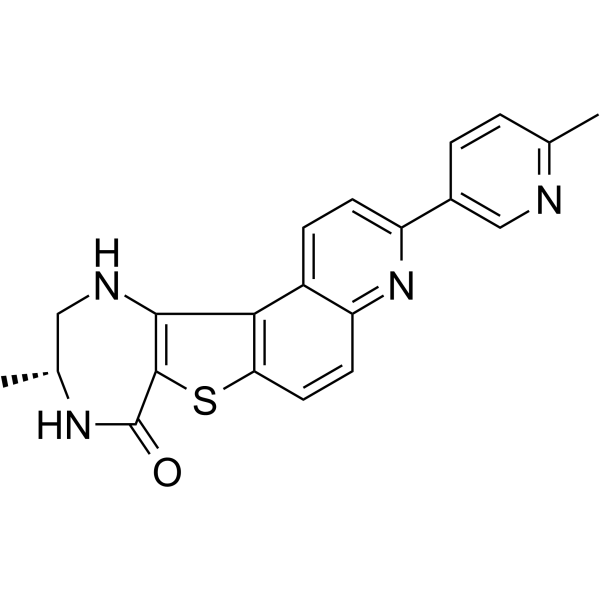
PF-3644022 is a potent, selective, orally active and ATP-competitive MAPKAPK2 (MK2) inhibitor with an IC50 of 5.2 nM and a Ki of 3 nM. PF-3644022 also inhibits MK3 and p38 regulated/activated kinase (PRAK) with IC50s of 53 nM and 5.0 nM, respectively. PF-3644022 potently inhibits TNFα production and has anti-inflammatory effect .
|
-
- HY-P0178A
-
|
|
Integrin
|
Inflammation/Immunology
|
|
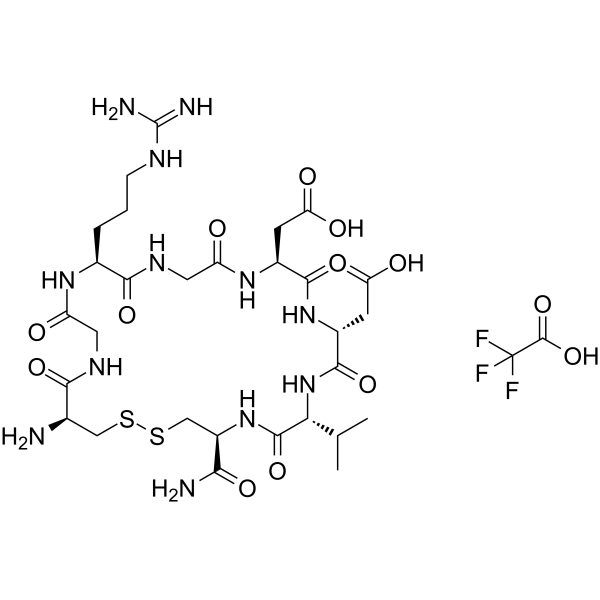
LXW7 TFA, a cyclic peptide containing Arg-Gly-Asp (RGD), is an integrin αvβ3 inhibitor. LXW7 has a high binding affinity to αvβ3 integrin with an IC50 of 0.68 μM. LXW7 TFA increases phosphorylation of VEGFR-2 and activation of ERK1/2. Anti-inflammatory effect .
|
-
- HY-162877
-
|
|
NOD-like Receptor (NLR)
Interleukin Related
Potassium Channel
|
Inflammation/Immunology
|
|
AZD4144 is an orally active NLRP3 inhibitor (EC50: 0.082 μM). AZD4144 effectively inhibits the release of IL-1β when NLRP3 is overactivated, exerting an anti-inflammatory effect. AZD4144 has low inhibitory effect on hERG and low cardiotoxicity. AZD4144 has the potential to study diseases and conditions associated with NLRP3 inflammasome activation .
|
-

- HY-N17239
-
|
|
TNF Receptor
Interleukin Related
NO Synthase
|
Inflammation/Immunology
|
|
Oleracone is a type of alkaloid that can be found in Portulaca oleracea L.. Oleracone exhibits a significant anti-inflammatory effect in the RAW 264.7 macrophage model induced by LPS (HY-D1056), capable of inhibiting NO production and significantly suppressing the secretion of pro-inflammatory cytokines TNF-α, IL-6, and prostaglandin E₂ (PGE₂). Oleracone can be used for the study of inflammatory diseases .
|
-

- HY-B1322AS1
-
-
- HY-B1322AR
-
-

- HY-147907
-
|
|
Adenosine Receptor
|
Neurological Disease
Inflammation/Immunology
Cancer
|
|
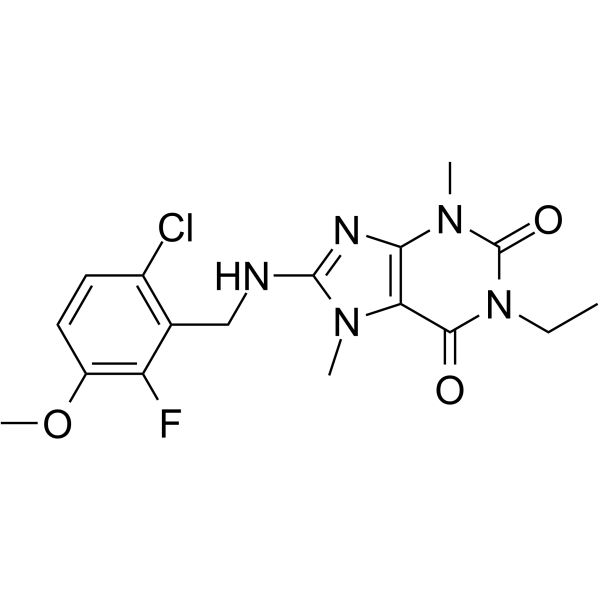
Adenosine receptor inhibitor 1 is a potent and selective adenosine receptor (AR) inhibitor with Ki values of >1000, 68.5, >1000, >1000 nM for A1AR, A2AAR, A2BAR, A3AR, respectively. Adenosine receptor inhibitor 1 shows antinociceptive activity, anti-inflammatory effect and peripheral analgesic effect. Adenosine receptor inhibitor 1 has the potential for the research of cancer or neurodegenerative diseases .
|
-
- HY-N0406R
-
|
|
Reference Standards
Others
|
Inflammation/Immunology
|
|
2"-O-beta-L-galactopyranosylorientin (Standard) is the analytical standard of 2"-O-beta-L-galactopyranosylorientin. This product is intended for research and analytical applications. 2"-O-beta-L-galactopyranosylorientin is extracted from the flowers of Trollius ledebouri. 2"-O-beta-L-galactopyranosylorientin involves transporter mediated efflux in addition to passive diffusion and is the substrate of multidrug resistance protein 2 (MRP2). Anti-inflammatory effect .
|
-

- HY-B1322BR
-
|
Amodiaquin dihydrochloride (Standard)
|
Nuclear Hormone Receptor 4A/NR4A
Parasite
Histone Methyltransferase
Reference Standards
|
Infection
Neurological Disease
Inflammation/Immunology
|
|
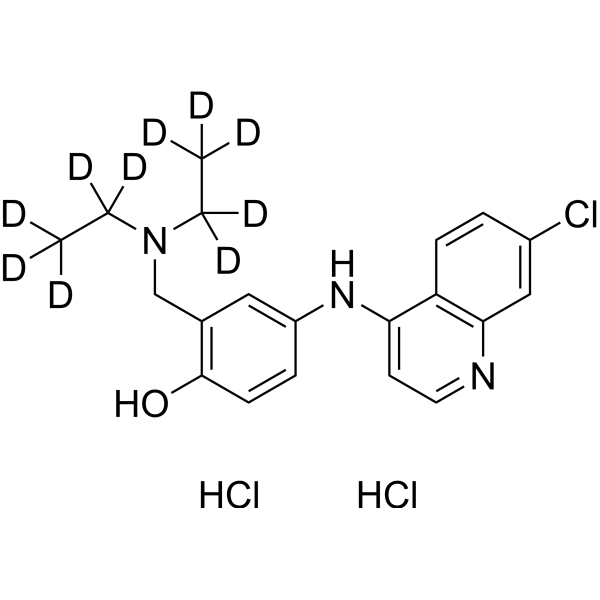
Amodiaquine (dihydrochloride) (Standard) is the analytical standard of Amodiaquine (dihydrochloride). This product is intended for research and analytical applications. Amodiaquine dihydrochloride (Amodiaquin dihydrochloride), a 4-aminoquinoline class of antimalarial agent, is a potent and orally active histamine N-methyltransferase inhibitor with a Ki of 18.6 nM. Amodiaquine dihydrochloride is also a Nurr1 agonist and specifically binds to Nurr1-LBD (ligand binding domain) with an EC50 of ~20 μM. Anti-inflammatory effect .
|
-

- HY-B0450R
-
|
HOE296b (Standard)
|
Reference Standards
Fungal
Bacterial
Ferroptosis
Autophagy
|
Infection
Inflammation/Immunology
Cancer
|
|
Ciclopirox (Standard) is the analytical standard of Ciclopirox. This product is intended for research and analytical applications. Ciclopirox (HOE296b) is a synthetic and orally active antifungal agent that can be used for superficial mycoses reseaech. Ciclopirox olamine has a very broad spectrum of activity and inhibits dermatophytes, yeasts, molds, and many Gram-positive and Gram-negative species pathogenic. Ciclopirox also has anticancer and anti-inflammatory effect .
|
-

- HY-B1322R
-
|
Amodiaquin dihydrochloride dihydrate (Standard)
|
Nuclear Hormone Receptor 4A/NR4A
Reference Standards
Parasite
Histone Methyltransferase
|
Infection
Neurological Disease
Inflammation/Immunology
|
|
Amodiaquine (dihydrochloride dihydrate) (Standard) is the analytical standard of Amodiaquine (dihydrochloride dihydrate). This product is intended for research and analytical applications. Amodiaquine dihydrochloride dihydrate (Amodiaquin dihydrochloride dihydrate), a 4-aminoquinoline class of antimalarial agent, is a potent and orally active histamine N-methyltransferase inhibitor. Amodiaquine dihydrochloride dihydrate is also a Nurr1 agonist and specifically binds to Nurr1-LBD (ligand binding domain) with an EC50 of ~20 μM. Anti-inflammatory effect .
|
-

- HY-100897A
-
|
|
Thrombin
|
Cardiovascular Disease
|
|
Sulodexide solution is a mixture of glycosaminoglycans that can be administered by injection. It is composed of low molecular weight heparin (80%) and dermatan sulfate (20%). Sulodexide exhibits antithrombotic activity through interaction with antithrombin III (AT III) and heparin cofactor II (HC II), and inhibition of thrombin formation. Sulodexide exhibits profibrinolytic activity through release of tissue plasminogen activator (tPA). Sulodexide exhibits endothelial protective and anti-inflammatory effect, ameliorates chronic venous disease.
|
-

- HY-118545AR
-
|
|
Reference Standards
STAT
|
Inflammation/Immunology
Cancer
|
|
Butamirate citrate (Standard) is the analytical standard of Butamirate citrate (HY-118545A). This product is intended for research and analytical applications. Butamirate citrate is an orally active antitussive agent that acts centrally through the receptors in the brainstem. Butamirate citrate also reduces the resistance in the airways by inhibiting bronchospasm and anti-inflammatory effect. Butamirate citrate inhibits glioblastoma (GBM) growth and STAT3 activity. Butamirate citrate can be used for the study of glioblastoma .
|
-

- HY-N6804
-
|
|
NF-κB
Reactive Oxygen Species (ROS)
|
Inflammation/Immunology
Cancer
|
|
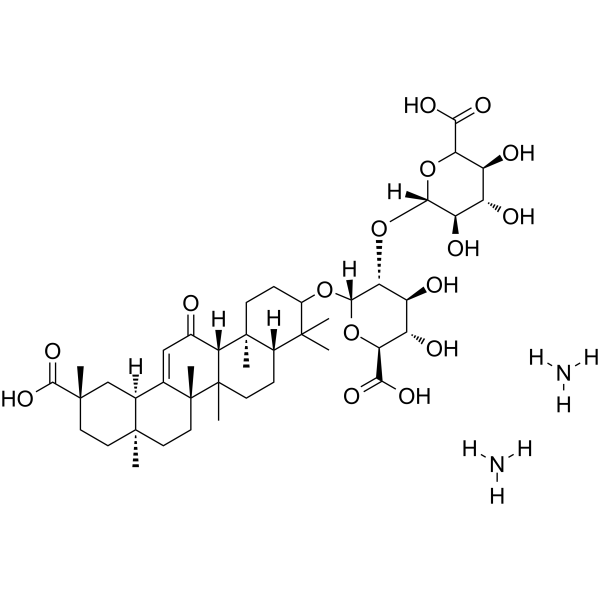
Diammonium glycyrrhizinate is a substance that can be extracted and purified from a traditional Chinese medicinal herb. Diammonium glycyrrhizinate has anti-inflammatory effect, resistance to biologic oxidation, membranous protection and a weak steroidal action. Diammonium glycyrrhizinate exerts protective effect by downregulating inflammation cytokines, suppressing the NF-κB pathway, and restoring superoxide dismutase. Diammonium glycyrrhizinate can be used as a hepatic protector and can therefore be studied in research for most liver diseases .
|
-
- HY-P990122
-
|
|
Interleukin Related
|
Inflammation/Immunology
|
|
Anti-Rat IL-4 Antibody (OX-81) is an antibody inhibitor against rat IL-4. Anti-Rat IL-4 Antibody (OX-81) can specifically block the anti-inflammatory effect of IL-4. Anti-Rat IL-4 Antibody (OX-81) can be used for research on inflammation conditions such as experimental allergic encephalomyelitis (EAE) .
|
-
- HY-B0450AR
-
|
Ciclopirox ethanolamine (Standard); HOE 296 (Standard)
|
Reference Standards
Fungal
Bacterial
Ferroptosis
|
Infection
Cancer
|
|
Ciclopirox (olamine) (Standard) is the analytical standard of Ciclopirox (olamine). This product is intended for research and analytical applications. Ciclopirox olamine (Ciclopirox ethanolamine) is a synthetic and orally active antifungal agent that can be used for superficial mycoses reseaech. Ciclopirox olamine has a very broad spectrum of activity and inhibits dermatophytes, yeasts, molds, and many Gram-positive and Gram-negative species pathogenic. Ciclopirox olamine also has anticancer and anti-inflammatory effect .
|
-

- HY-112740
-
|
|
Leukotriene Receptor
|
Inflammation/Immunology
|
|
SC-53228 is an orally active human leukotriene B4 receptor (LTB4 receptor) antagonist. SC-53228 exerts its anti-inflammatory effect by specifically blocking the LTB4 receptor and inhibiting neutrophil infiltration. SC-53228 has demonstrated significant efficacy and good safety in various inflammatory models. SC-53228 can be used for a variety of inflammatory diseases, such as psoriasis and ulcerative colitis .
|
-

- HY-168340
-
|
|
COX
Lipoxygenase
|
Inflammation/Immunology
|
|
COX-2/15-LOX-IN-6 (Compound 5l) is the dual inhibitor for COX-2 and 15-LOX, with IC50 of 0.201 μM and 11.723 μM. COX-2/15-LOX-IN-6 inhibits the expression of PGE, TNF-α, IL-6 and iNOS in serum, and exhibits anti-inflammatory effect in Carrageenan (HY-125474)-induced rats edema model .
|
-

- HY-19269
-
|
|
Elastase
|
Inflammation/Immunology
|
|
FK706 is a potent, slow-binding and competitive inhibitor of human neutrophil elastase with an IC50 of 83 nM and a Ki of 4.2 nM. FK706 also inhibits mouse neutrophil elastase and porcine pancreatic elastase with IC50s of 22 nM and 100 nM, respectively, and has no inhibitory activity against other serine proteinases such as human pancreatic trypsin, human pancreatic α-chymotrypsin and human leukocyte cathepsin G. FK706 has anti-inflammatory effect .
|
-
- HY-113159A
-
|
Clupanodonic acid sodium
|
Amylases
Glycosidase
|
Metabolic Disease
Inflammation/Immunology
|
|
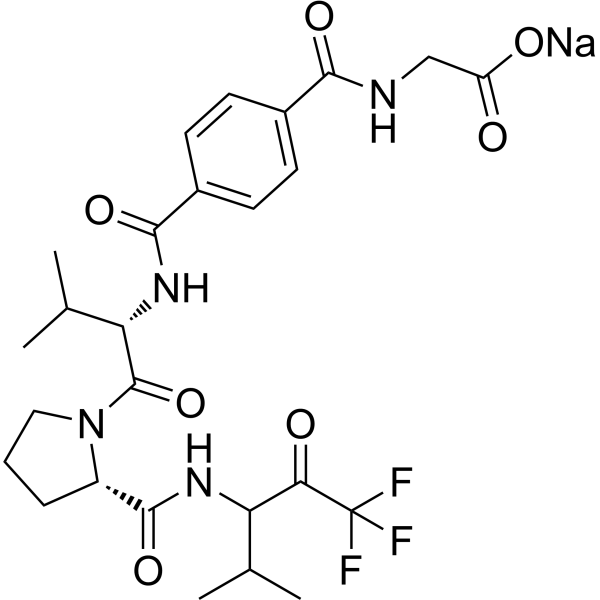
Docosapentaenoic acid (22n-3) sodium is a component of phospholipids. Docosapentaenoic acid 22n-3 sodium has inhibitory activity against α-amylase and α-glucosidase, with IC50s value of 17 μg/mL and 22 μg/mL, respectively. Docosapentaenoic acid 22n-3 sodium increases cell vitality. Docosapentaenoic acid 22n-3 sodium has a weak anti-inflammatory effect .
|
-

- HY-113159
-
|
Clupanodonic acid
|
Amylases
Glycosidase
|
Metabolic Disease
Inflammation/Immunology
|
|
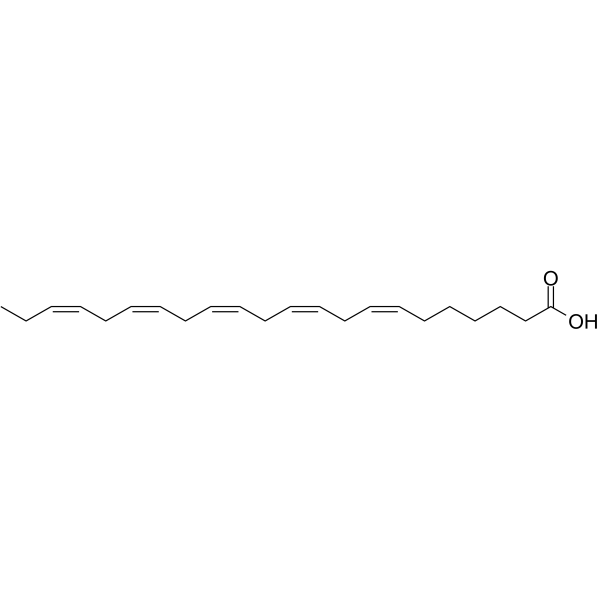
Docosapentaenoic acid (22n-3) is a component of phospholipids. Docosapentaenoic acid 22n-3 has inhibitory activity against α-amylase and α-glucosidase, with IC50s value of 17 μg/mL and 22 μg/mL, respectively. Docosapentaenoic acid 22n-3 increases cell vitality. Docosapentaenoic acid 22n-3 has a weak anti-inflammatory effect .
|
-
- HY-160876
-
|
|
Keap1-Nrf2
E1/E2/E3 Enzyme
|
Inflammation/Immunology
|
|
BC-1901S is a proteasome-independent NRF2 activator and stabilizer. BC-1901S binds to DCAF1 (E3 ligase subunit) and disrupts NRF2/DCAF1 interaction, and activates NRF2 by inhibiting NRF2 ubiquitination in a KEAP1-independent manner. BC-1901S shows anti-inflammatory effect in a murine model of LPS-induced acute lung injury .
|
-

- HY-103360
-
|
|
CCR
|
Inflammation/Immunology
|
|
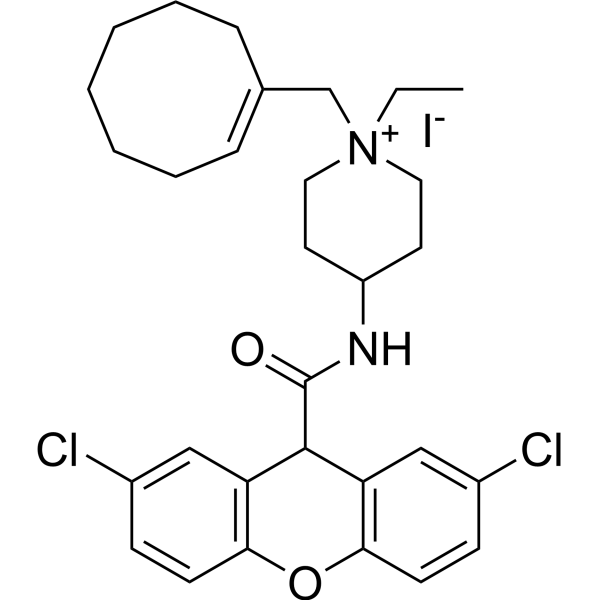
J-113863 is a potent and selective CCR1 antagonist with IC50 values of 0.9 nM and 5.8 nM for human and mouse CCR1 receptors, respectively. J-113863 is also a potent antagonist of the human CCR3 (IC50 of 0.58 nM) , but a weak antagonist of the mouse CCR3 (IC50 of 460 nM). J-113863 is inactive against CCR2, CCR4 and CCR5, as well as the LTB4 or TNF-α receptors. Anti-inflammatory effect .
|
-
- HY-157325
-
|
|
RIP kinase
|
Inflammation/Immunology
|
|
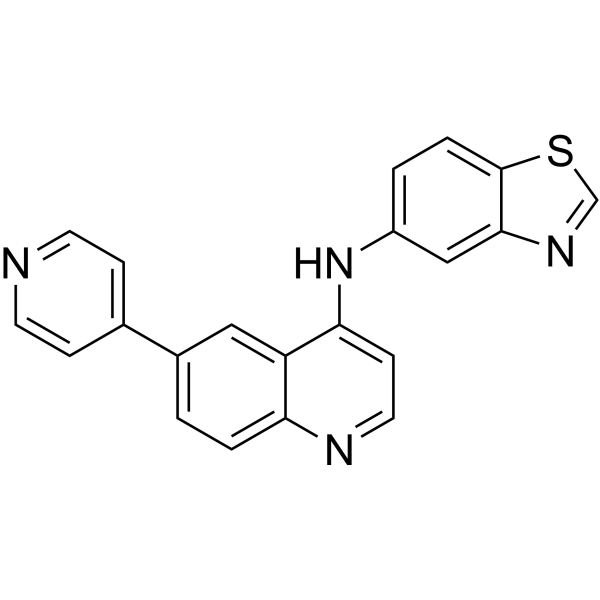
RIPK2-IN-5 (compound 14) is a high affinity and excellent selectivity RIPK2 inhibitor with an IC50 value of 5.1nM. RIPK2-IN-5 has cellular anti-inflammatory effect and can reduce the secretion of MDP-induced TNF-α with a dose-dependent manner. RIPK2-IN-5 shows moderate stability in human liver microsome. RIPK2-IN-5 can be used for the research of immune diseases .
|
-
- HY-14845
-
|
(S)-Mequitazine
|
Drug Isomer
Histamine Receptor
|
Inflammation/Immunology
|
|
Levomequitazine (Compound V0114) ((S)-Mequitazine), the levorotatory enantiomer of Mequitazine (HY-B2168), is an orally active, inverse H4 receptor agonist (IC50s: 94 nM (hM2), 17 nM (hM3)). Levomequitazine strongly binds to human histamine H4 receptor. Levomequitazine antagonizes the activating action induced by histamine on H4 receptor. Levomequitazine induces a powerful and statistically significant anti-inflammatory effect. Levomequitazine can be used for research on inflammatory diseases .
|
-

- HY-N11723
-
|
Katenarin
|
CCR
CXCR
p38 MAPK
JNK
Calcium Channel
|
Infection
Metabolic Disease
Inflammation/Immunology
|
|
Catenarin, an anthraquinone compound, inhibits CCR5- and CXCR4-mediated chemotaxis. Catenarin reduces the phosphorylation of mitogen-activated protein kinases (p38 and JNK) and their upstream kinases (MKK6 and MKK7), and calcium mobilization. Catenarin shows anti-inflammatory effect and suppresses leukocyte migration in the diabetes. Catenarin exhibits significant inhibitory effects against Gram-positive bacteria. Catenarin prevents type 1 diabetes (T1D) in nonobese diabetic mice [1][2].
|
-

- HY-100897
-
|
|
Thrombin
|
Cardiovascular Disease
|
|
Sulodexide is a mixture of glycosaminoglycans available in soft capsule form for oral administration. It is composed of low molecular weight heparin (80%) and dermatan sulfate (20%). Sulodexide exhibits antithrombotic activity through interaction with antithrombin III (AT III) and heparin cofactor II (HC II), and inhibition of thrombin formation. Sulodexide exhibits profibrinolytic activity through release of tissue plasminogen activator (tPA). Sulodexide exhibits endothelial protective and anti-inflammatory effect, ameliorates chronic venous disease .
Sulodexide is a glycosaminoglycan mixture available in soft gelatin capsule form for oral administration.
|
-

- HY-N0811
-
|
|
NO Synthase
COX
NF-κB
MEK
|
Inflammation/Immunology
|
|
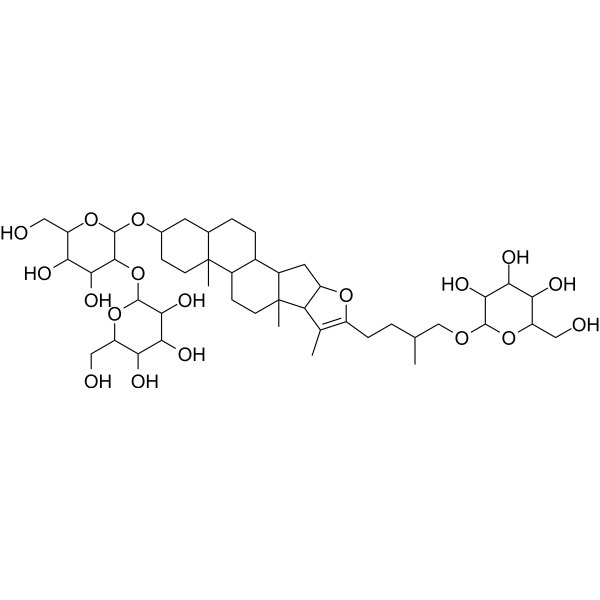
Anemarsaponin B is a steroidal saponin. Anemarsaponin B decreases the protein and mRNA levels of iNOS and COX-2. Anemarsaponin B reduces the expressions and productions of pro-inflammatory cytokines, including TNF-a and IL-6. Anemarsaponin B inhibits the nuclear translocation of the p65 subunit of NF-κB by blocking the phosphorylation of IκBα. Anemarsaponin B also inhibits the phosphorylation of MAP kinase kinases 3/6 (MKK3/6) and mixed lineage kinase 3 (MLK3). Anti-inflammatory effect .
|
-
- HY-P1120A
-
|
|
Formyl Peptide Receptor (FPR)
PERK
Apoptosis
|
Neurological Disease
Metabolic Disease
Inflammation/Immunology
Cancer
|
|
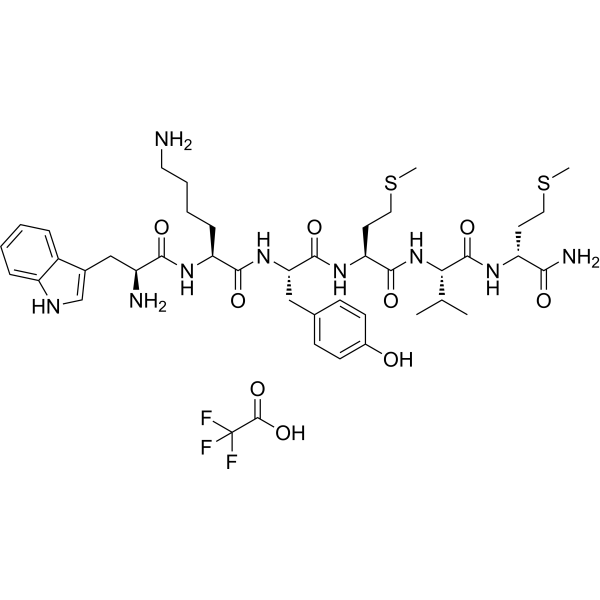
WKYMVm (TFA) is a selective formylpeptide receptor 2 (FPR2) agonist. WKYMVm has a powerful anti-inflammatory effect that can reduce lung injury and spinal cord injury. WKYMVm ameliorates obesity by regulating lipid metabolism and leptin signaling. WKYMVm is involved in the regulation of immune cells by activating FPRs, and WKYMVm can promote the chemotactic migration of immune cells and inhibit the apoptosis of phagocytes. In addition, WKYMVm may play a favorable or unfavorable role in tumors, depending on the type of tumor .
|
-
- HY-156025
-
|
|
Hydroxycarboxylic Acid Receptor (HCAR)
|
Inflammation/Immunology
|
|
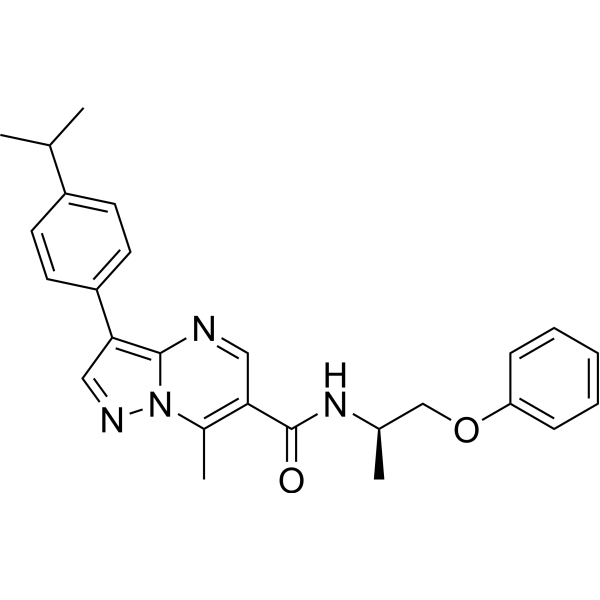
HCAR2 agonist 1 (Compound 9n) is a Gi protein-biased allosteric modulator of HCAR2. HCAR2 agonist 1 activates the Gi protein signaling pathway. HCAR2 agonist 1 shows anti-inflammatory effect, and reduces mRNA level of pro-inflammatory cytokine (TNF-α, IL-1β, IL-6, and MCP-1). HCAR2 agonist 1 enhances anti-inflammatory effects of orthosteric agonists in the mouse model of colitis .
|
-
- HY-P1120
-
|
WKYMVm-amide; W-Peptide
|
Formyl Peptide Receptor (FPR)
PERK
Apoptosis
|
Neurological Disease
Metabolic Disease
Inflammation/Immunology
Cancer
|
|
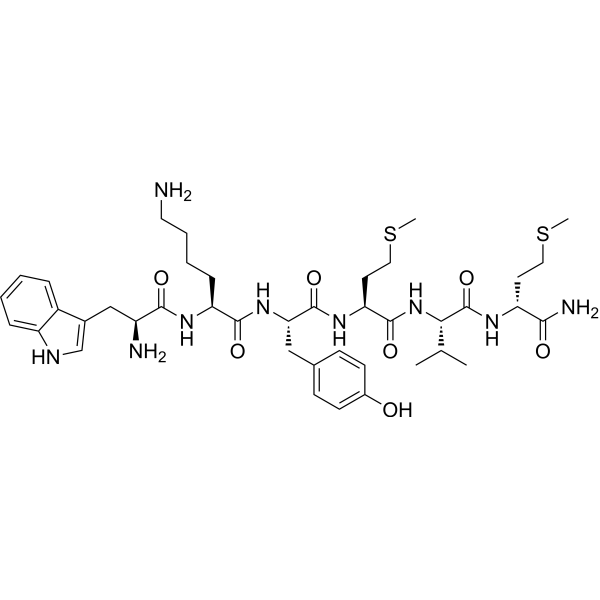
WKYMVm is a selective formylpeptide receptor 2 (FPR2) agonist. WKYMVm has a powerful anti-inflammatory effect that can reduce lung injury and spinal cord injury. WKYMVm ameliorates obesity by regulating lipid metabolism and leptin signaling. WKYMVm is involved in the regulation of immune cells by activating FPRs. WKYMVm can promote the chemotactic migration of immune cells and inhibit the apoptosis of phagocytes. In addition, WKYMVm may play a favorable or unfavorable role in tumors, depending on the type of tumor .
|
-
- HY-172832
-
|
|
Drug Metabolite
Amylases
Glycosidase
|
Metabolic Disease
Inflammation/Immunology
|
|
(±)7(8)-DiHDTE is a metabolite of Docosapentaenoic acid (22n-3) (HY-113159). Docosapentaenoic acid (22n-3) is a component of phospholipids. Docosapentaenoic acid 22n-3 has inhibitory activity against α-amylase and α-glucosidase with IC50s of 17 and 22 μg/mL, respectively. Docosapentaenoic acid 22n-3 increases cell vitality. Docosapentaenoic acid 22n-3 has a weak anti-inflammatory effect .
|
-

- HY-147518
-
|
|
p38 MAPK
|
Inflammation/Immunology
|
|
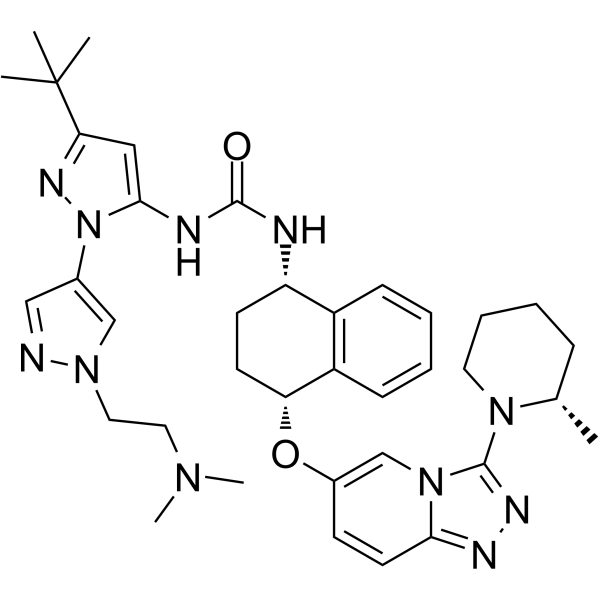
p38-α MAPK-IN-5 (compound 4e) is a potent p38α inhibitor with IC50s of 0.1 nM, 0.2 nM, 944 nM, 4100 nM for p38α, p38 β, p38γ, p38δ, respectively. p38-α MAPK-IN-5 has anti-inflammatory effect. p38-α MAPK-IN-5 has the potential for asthma and chronic obstructive pulmonary disease (COPD) research .
|
-
- HY-N0677
-
|
|
Influenza Virus
Prostaglandin Receptor
Akt
GSK-3
|
Infection
Inflammation/Immunology
Cancer
|
|
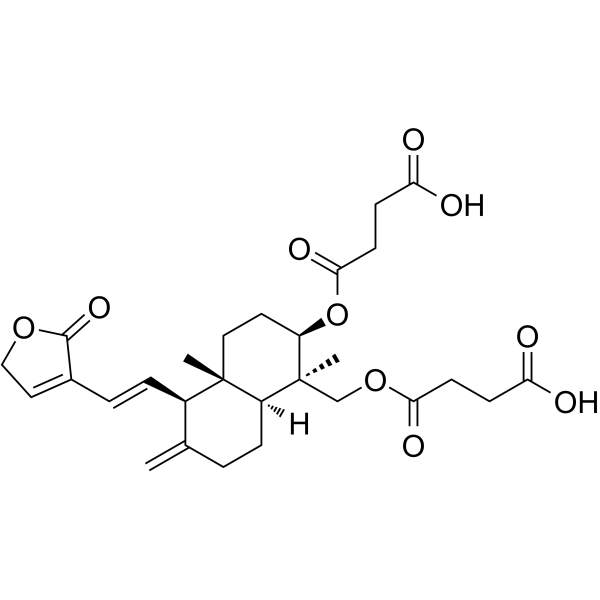
Dehydroandrographolide succinate can be extracted from herbal medicine Andrographis paniculata (Burm f) Nees, is widely used in research for viral pneumonia and viral upper respiratory tract infections because of its immunostimulatory, anti-infective and anti-inflammatory effect. Dehydroandrographolide succinate exerts antithrombotic effect. Dehydroandrographolide succinate significantly inhibits the platelet aggregation rate (ED50 = 386.9 mg/kg) by decreasing TXB2 levels. Dehydroandrographolide succinate mitigates muscle astrophy via the Akt/GSK3β and MuRF-1 pathways .
|
-
- HY-107427R
-
|
|
Reference Standards
MAPKAPK2 (MK2)
p38 MAPK
|
Inflammation/Immunology
|
|
PF-3644022 (Standard) is the analytical standard of PF-3644022 (HY-107427). This product is intended for research and analytical applications. PF-3644022 is a potent, selective, orally active and ATP-competitive MAPKAPK2 (MK2) inhibitor with an IC50 of 5.2 nM and a Ki of 3 nM. PF-3644022 also inhibits MK3 and p38 regulated/activated Kinase (PRAK) with IC50s of 53 nM and 5.0 nM, respectively. PF-3644022 potently inhibits TNFα production and has anti-inflammatory effect .
|
-

- HY-B0385
-
|
FOY
|
Proteasome
Factor Xa
|
Inflammation/Immunology
|
|
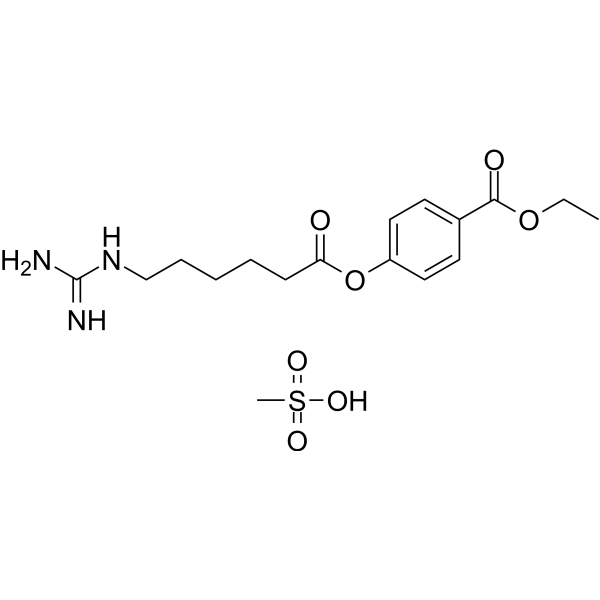
Gabexate mesylate (FOY) is is a competitive and non-antigenic synthetic inhibitor of trypsin-like serine proteinases. Gabexate mesylate inhibits human thrombin, urokinase, plasmin, and Factor Xa with Kis of 0.97, 1.3, 1.6, and 8.5 μM, respectively. Gabexate mesylate binds to human and bovine tryptase with Kis of 3.4 nM and 18 μM, respectively. Gabexate mesylate exerts an anticoagulant effect on the clotting activity of thrombin and has anti-inflammatory effect by viainhibition of NF-κB, proinflammatory cytokines, and nitric oxide. Gabexate mesylate is used for pancreatitis and disseminated intravascular coagulation .
|
-
- HY-172871
-
|
|
MAP3K
p38 MAPK
NF-κB
Reactive Oxygen Species (ROS)
NO Synthase
Interleukin Related
|
Inflammation/Immunology
|
|
Anti-inflammatory agent 102 (Compound 11a) is an orally active anti-inflammatory agent. Anti-inflammatory agent 102 exerts its anti-inflammatory effect by blocking the activation of the ASK1/p38 MAPKs/NF-κB signaling pathway. Anti-inflammatory agent 102 has significant anti-inflammatory activity and can inhibit the release of NO, ROS, and inflammatory factors (such as IL-6, TNF-α, IL-1β). Anti-inflammatory agent 102 can be used in the study of inflammatory diseases such as ulcerative colitis (UC) .
|
-

- HY-P99126
-
|
|
Transmembrane Glycoprotein
CD44
|
Inflammation/Immunology
Cancer
|
|
Anti-Mouse/Human CD44 Antibody (IM7) is an anti-huamn and mouse CD44 IgG2b monoclonal antibody that recognizes a conserved epitope outside the HA-binding domain of the CD44 molecule. Anti-Mouse/Human CD44 Antibody (IM7) exerts a potent anti-inflammatory effect by inducing the shedding of cell surface CD44, significantly improving symptoms in mice with rheumatoid arthritis without affecting relevant immune responses. Anti-Mouse/Human CD44 Antibody (IM7) can be used for researches on inflammation conditions and cancer such as arthritis and osteosarcoma .
|
-
- HY-103360R
-
|
|
Reference Standards
CCR
|
Inflammation/Immunology
|
|
J-113863 (Standard) is the analytical standard of J-113863 (HY-103360). This product is intended for research and analytical applications. J-113863 is a potent and selective CCR1 antagonist with IC50 values of 0.9 nM and 5.8 nM for human and mouse CCR1 receptors, respectively. J-113863 is also a potent antagonist of the human CCR3 (IC50 of 0.58 nM) , but a weak antagonist of the mouse CCR3 (IC50 of 460 nM). J-113863 is inactive against CCR2, CCR4 and CCR5, as well as the LTB4 or TNF-α receptors. Anti-inflammatory effect .
|
-

- HY-B0385R
-
|
FOY (Standard)
|
Reference Standards
Proteasome
Factor Xa
|
Inflammation/Immunology
|
|
Gabexate (mesylate) (Standard) is the analytical standard of Gabexate (mesylate). This product is intended for research and analytical applications. Gabexate mesylate (FOY) is is a competitive and non-antigenic synthetic inhibitor of trypsin-like serine proteinases. Gabexate mesylate inhibits human thrombin, urokinase, plasmin, and Factor Xa with Kis of 0.97, 1.3, 1.6, and 8.5 μM, respectively. Gabexate mesylate binds to human and bovine tryptase with Kis of 3.4 nM and 18 μM, respectively. Gabexate mesylate exerts an anticoagulant effect on the clotting activity of thrombin and has anti-inflammatory effect by viainhibition of NF-κB, proinflammatory cytokines, and nitric oxide. Gabexate mesylate is used for pancreatitis and disseminated intravascular coagulation .
|
-

- HY-179451
-
|
|
Apoptosis
p38 MAPK
Parasite
|
Infection
Inflammation/Immunology
Cancer
|
|
Apoptosis inducer 53 is an apoptosis inducer. Apoptosis inducer 53 can inhibit proliferation of human tumor cell lines (A549, HeLa, SW1573, T-47D, WiDr) with GI50 values of 2.5-9.1 μM. Apoptosis inducer 53 can induce cancer cells apoptosis and reduce colony formation. Apoptosis inducer 53 can activate p38α MAPK signaling and exerts anti-inflammatory effect. Apoptosis inducer 53 also shows anti-Leishmania donovani activity. Apoptosis inducer 53 can be used for the researches of cancer, infection and inflammation .
|
-

- HY-170621
-
-

- HY-N2515
-
|
|
NF-κB
PI3K
JAK
Apoptosis
|
Inflammation/Immunology
Cancer
|
|
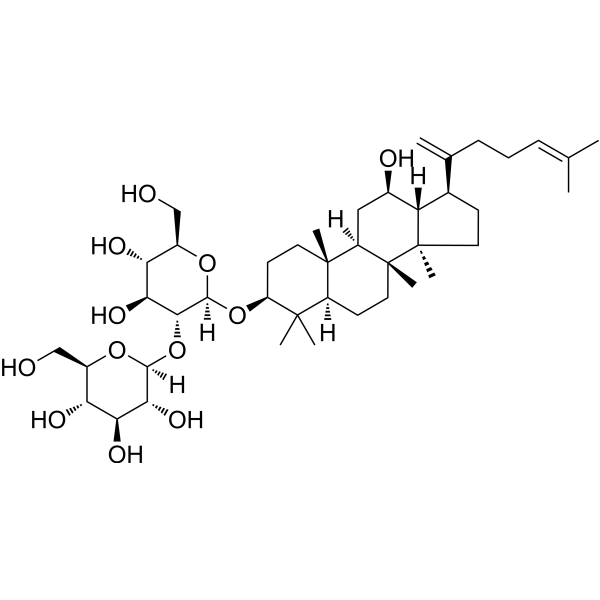
Ginsenoside Rk1 is a unique component created by processing the ginseng plant (mainly Sung Ginseng, SG) at high temperatures .
Ginsenoside Rk1 has anti-inflammatory effect, suppresses the activation of Jak2/Stat3 signaling pathway and NF-κB .
Ginsenoside Rk1 has anti-tumor effect, antiplatelet aggregation activities, anti-insulin resistance, nephroprotective effect, antimicrobial effect, cognitive function enhancement, lipid accumulation reduction and prevents osteoporosis .
Ginsenoside Rk1 induces cell apoptosis by triggering intracellular reactive oxygen species (ROS) generation and blocking PI3K/Akt pathway .
|
-
- HY-N10133
-
|
3′-Prenylnaringenin
|
Bacterial
mTOR
Akt
PI3K
NF-κB
Caspase
JNK
ERK
COX
NO Synthase
Apoptosis
|
Others
|
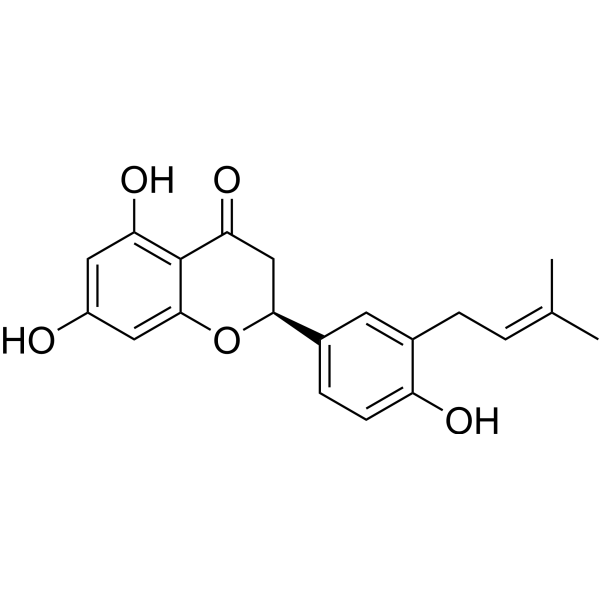
Licoflavanone (3′-Prenylnaringenin) is a flavanone with antioxidant, anti-inflammatory and anticancer activities. Licoflavanone can be isolated from the leaf extract of Glycyrrhiza glabra. Licoflavanone downregulates the mTOR/PI3K/AKT signaling pathway to inhibit the proliferation, migration and invasion of cancer cells, while activates Bax, Bad and multiple caspase enzymes to induce apoptosis. Its anti-inflammatory effect is manifested by reducing the nuclear translocation of NF-κB, decreasing the phosphorylation levels of p38, JNK and ERK1/2, thereby inhibiting the expression of nitric oxide, proinflammatory cytokines, COX-2 and iNOS. Licoflavanone is used in studies on nasopharyngeal carcinoma and related mechanisms .
|
-
- HY-115500
-
|
|
Endogenous Metabolite
Opioid Receptor
Leukotriene Receptor
|
Neurological Disease
Inflammation/Immunology
|
|
PL265 is an orally active dual enkephalinase inhibitor. PL265 is a prodrug of PL254, which can simultaneously and efficiently inhibit neutral endopeptidase (Neprilysin) and Aminopeptidase N. PL265 can effectively protect and significantly increase the local concentration of enkephalins (such as Met-Enkephalin and Leu-Enkephalin) released by cells at the pain or inflammation sites, thereby activating μ and δ opioid receptors to produce a potent analgesic effect. PL254 can also inhibit leukotriene A4 hydrolase (LTA4H), which may contribute to its additional anti-inflammatory effect by reducing the production of pro-inflammatory mediator leukotriene B4 (LTB4). PL265 can be used in non-addictive chronic pain research .
|
-

- HY-143885
-
|
|
JAK
|
Inflammation/Immunology
|
|
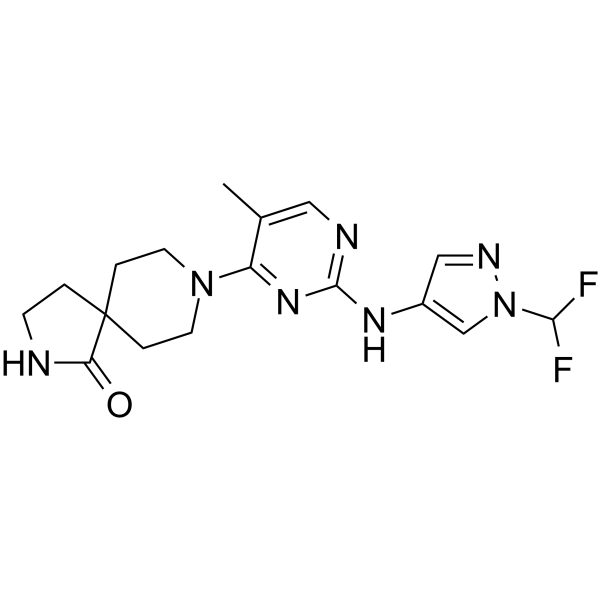
JAK1/TYK2-IN-3 is a potent, selective and orally active dual TYK2/JAK1 inhibitor with IC50 values of 6 and 37 nM, respectively. JAK1/TYK2-IN-3 also shows selectively relative to JAK2 (IC50=140 nM) and JAK3 (IC50=362 nM). JAK1/TYK2-IN-3 shows anti-inflammatory effect by regulating the expression of related TYK2/JAK1-regulated genes, as well as the formation of Th1, Th2, and Th17 cells .
|
-
- HY-48813
-
|
|
Endogenous Metabolite
NF-κB
Interleukin Related
|
Metabolic Disease
|
|
Glycoursodeoxycholic acid 3-sulfate is a glycine-conjugated sulfated bile acid 3-sulfate, which is produced by SULT2A1-mediated sulfation of glycoursodeoxycholic acid (HY-N1424) in the liver. Glycoursodeoxycholic acid 3-sulfate attenuates the anti-inflammatory effect of glycoursodeoxycholic acid and impairs the inhibitory effect on the IL-17 and NF-κB signaling pathways. Glycoursodeoxycholic acid 3-sulfate shows a significant correlation with aortic flow velocity and BNP in patients with aortic stenosis. Glycoursodeoxycholic acid 3-sulfate is mainly used in related studies such as quantitative analysis, quality control and biochemical experiments; it often serves as a reagent for metabolomics analysis and can also be applied to research related to aortic stenosis .
|
-

- HY-110036
-
|
L768242
|
Cannabinoid Receptor
Endogenous Metabolite
HIF/HIF Prolyl-Hydroxylase
TNF Receptor
Interleukin Related
|
Neurological Disease
Inflammation/Immunology
|
|
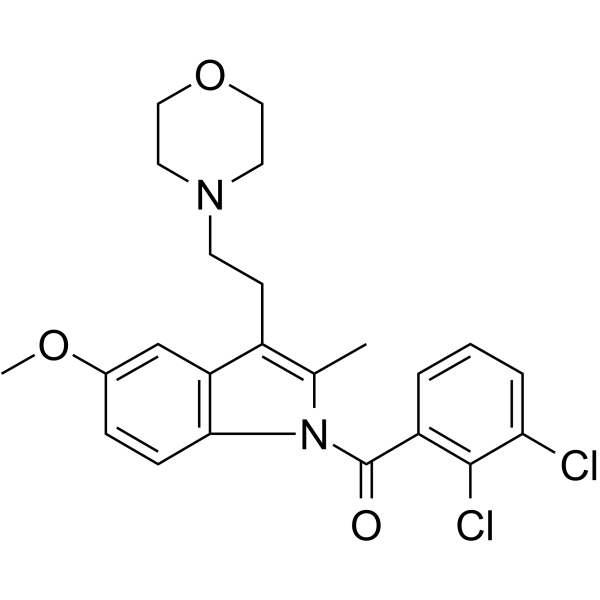
GW-405833 (L768242) is a potent, selective cannabinoid receptor 2 (CB2) agonist. GW405833 has EC50 and Ki values of 0.65 nM and 3.92 nM for CB2, and EC50 and Ki values of 16.1 μM and 4772 nM for CB1. GW-405833 also exhibits non-competitive CB1 antagonist, exerting its analgesic and and anti-inflammatory effect through a CB1 receptor (rather than CB2) dependent mechanism. GW-405833 can significantly inhibit the production of cAMP stimulated by Forskolin (HY-15371). GW405833 inhibits glycolysis by down-regulating HIF-1α, thereby alleviating acute liver failure (ALF) .
|
-
- HY-N2515R
-
|
|
Reference Standards
NF-κB
PI3K
JAK
Apoptosis
|
Inflammation/Immunology
Cancer
|
|
Ginsenoside Rk1 (Standard) is the analytical standard of Ginsenoside Rk1. This product is intended for research and analytical applications. Ginsenoside Rk1 is a unique component created by processing the ginseng plant (mainly Sung Ginseng, SG) at high temperatures .
Ginsenoside Rk1 has anti-inflammatory effect, suppresses the activation of Jak2/Stat3 signaling pathway and NF-κB .
Ginsenoside Rk1 has anti-tumor effect, antiplatelet aggregation activities, anti-insulin resistance, nephroprotective effect, antimicrobial effect, cognitive function enhancement, lipid accumulation reduction and prevents osteoporosis .
Ginsenoside Rk1 induces cell apoptosis by triggering intracellular reactive oxygen species (ROS) generation and blocking PI3K/Akt pathway .
|
-

- HY-178967
-
|
|
DAPK
Apoptosis
Interleukin Related
Endogenous Metabolite
|
Metabolic Disease
|
|
DRAK1/2-IN-2 (Compound Y17) is a DRAK1/2 inhibitor with IC50 values for DRAK2 and DRAK1 of 353.2 nM and 507.4 nM respectively. DRAK1/2-IN-2 can enhance mitochondrial membrane potential and glucose-stimulated insulin secretion (GSIS). DRAK1/2-IN-2 resists lipotoxicity-induced cell apoptosis. DRAK1/2-IN-2 significantly inhibits the secretion of pro-inflammatory cytokine IL-1β, thereby exerting an anti-inflammatory effect. DRAK1/2-IN-2 can significantly lower the blood glucose levels of mice. DRAK1/2-IN-2 can be used in diabetes research.
|
-

-
-
HY-L914
-
|
|
3,208 compounds
|
|
In the research of covalent inhibitors targeting serine and threonine, scientists have found that the nucleophilicity of these hydroxyl groups is significantly enhanced due to the influence of their surrounding environment. This results in higher activity during catalytic reactions. Aspirin, which targets the non-catalytic domain serine (Ser529 in human COX1) of cyclooxygenase, exerts its anti-inflammatory effect through covalent binding. β-lactam antibiotics, which targets the catalytic domain serine of penicillin-binding proteins, interferes with bacterial cell wall synthesis.
Through careful selection, we constructed a structural filter containing over 110 electrophilic groups. By analyzing the electrophilic fragments selected by the structural filter, we removed any molecules with trivial or undesirable structural features. Ultimately, we obtained 3,300 fragment molecules which can target serine and threonine residues and can be used for fragment-based covalent drug discovery.
|
| Cat. No. |
Product Name |
Target |
Research Area |
-
- HY-P1120
-
|
WKYMVm-amide; W-Peptide
|
Formyl Peptide Receptor (FPR)
PERK
Apoptosis
|
Neurological Disease
Metabolic Disease
Inflammation/Immunology
Cancer
|
|
WKYMVm is a selective formylpeptide receptor 2 (FPR2) agonist. WKYMVm has a powerful anti-inflammatory effect that can reduce lung injury and spinal cord injury. WKYMVm ameliorates obesity by regulating lipid metabolism and leptin signaling. WKYMVm is involved in the regulation of immune cells by activating FPRs. WKYMVm can promote the chemotactic migration of immune cells and inhibit the apoptosis of phagocytes. In addition, WKYMVm may play a favorable or unfavorable role in tumors, depending on the type of tumor .
|
-
- HY-P1328
-
TAT-14
1 Publications Verification
|
Keap1-Nrf2
|
Others
|
|
TAT-14 is a 14-mer peptide that acts as Nrf2 activator with an anti-inflammatory effect. TAT-14 has no effect on Nrf2 mRNA expression, but increases Nrf2 protein level due to targeting the Nrf2 binding site on Keap1 .
|
-
- HY-P0178
-
|
|
Integrin
|
Inflammation/Immunology
|
|
LXW7, a cyclic peptide containing Arg-Gly-Asp (RGD), is an integrin αvβ3 inhibitor. LXW7 has a high binding affinity to αvβ3 integrin with an IC50 of 0.68 μM. LXW7 increases phosphorylation of VEGFR-2 and activation of ERK1/2. Anti-inflammatory effect .
|
-
- HY-P0178A
-
|
|
Integrin
|
Inflammation/Immunology
|
|
LXW7 TFA, a cyclic peptide containing Arg-Gly-Asp (RGD), is an integrin αvβ3 inhibitor. LXW7 has a high binding affinity to αvβ3 integrin with an IC50 of 0.68 μM. LXW7 TFA increases phosphorylation of VEGFR-2 and activation of ERK1/2. Anti-inflammatory effect .
|
-
- HY-P1328A
-
|
|
Keap1-Nrf2
|
Others
|
|
TAT-14 TFA is a 14-mer peptide that acts as Nrf2 activator with an anti-inflammatory effect. TAT-14 TFA has no effect on Nrf2 mRNA expression, but increases Nrf2 protein level due to targeting the Nrf2 binding site on Keap1 .
|
-
- HY-P1120A
-
|
|
Formyl Peptide Receptor (FPR)
PERK
Apoptosis
|
Neurological Disease
Metabolic Disease
Inflammation/Immunology
Cancer
|
|
WKYMVm (TFA) is a selective formylpeptide receptor 2 (FPR2) agonist. WKYMVm has a powerful anti-inflammatory effect that can reduce lung injury and spinal cord injury. WKYMVm ameliorates obesity by regulating lipid metabolism and leptin signaling. WKYMVm is involved in the regulation of immune cells by activating FPRs, and WKYMVm can promote the chemotactic migration of immune cells and inhibit the apoptosis of phagocytes. In addition, WKYMVm may play a favorable or unfavorable role in tumors, depending on the type of tumor .
|
-
- HY-P11241
-
|
|
Bacterial
|
Infection
Inflammation/Immunology
|
|
oNCM is an antibacterial peptide. oNCM has good antibacterial activity, anti biofilm ability, anti-inflammatory effect, high stability, and low cytotoxicity. oNCM can be used for research on infectious or inflammatory conditions .
|
| Cat. No. |
Product Name |
Target |
Research Area |
Image |
-
- HY-P99126
-
|
|
Transmembrane Glycoprotein
CD44
|
Inflammation/Immunology
Cancer
|
|
Anti-Mouse/Human CD44 Antibody (IM7) is an anti-huamn and mouse CD44 IgG2b monoclonal antibody that recognizes a conserved epitope outside the HA-binding domain of the CD44 molecule. Anti-Mouse/Human CD44 Antibody (IM7) exerts a potent anti-inflammatory effect by inducing the shedding of cell surface CD44, significantly improving symptoms in mice with rheumatoid arthritis without affecting relevant immune responses. Anti-Mouse/Human CD44 Antibody (IM7) can be used for researches on inflammation conditions and cancer such as arthritis and osteosarcoma .
|
-

(5)
-
- HY-P990057
-
|
IBI-112
|
Interleukin Related
|
Cancer
|
|
Picankibart is a human-derived IgG1κ antibody targeting IL23A. Picankibart specifically binds to the IL23 p19 subunit and exerts an anti-inflammatory effect by blocking the IL23-mediated signaling pathway.
|
-
(5)
-
- HY-P990122
-
|
|
Interleukin Related
|
Inflammation/Immunology
|
|
Anti-Rat IL-4 Antibody (OX-81) is an antibody inhibitor against rat IL-4. Anti-Rat IL-4 Antibody (OX-81) can specifically block the anti-inflammatory effect of IL-4. Anti-Rat IL-4 Antibody (OX-81) can be used for research on inflammation conditions such as experimental allergic encephalomyelitis (EAE) .
|
-
(5)
| Cat. No. |
Product Name |
Category |
Target |
Chemical Structure |
-
- HY-113159
-
-
-
- HY-N0516
-
-
-
- HY-N2515
-
-
-
- HY-Z0548
-
-
-
- HY-N6804
-
-
-
- HY-112578
-
-
-
- HY-N0802
-
-
-
- HY-N5015
-
-
-
- HY-N0677
-
-
-
- HY-N7630
-
-
-
- HY-N0023
-
-
-
- HY-N6826
-
-
-
- HY-N2556
-
-
-
- HY-N4134
-
-
-
- HY-N1388
-
-
-
- HY-N8371
-
-
-
- HY-N7697A
-
-
-
- HY-N2495
-
-
-
- HY-N0406
-
-
-
- HY-N4312
-
-
-
- HY-N0516R
-
-
-
- HY-122961
-
|
1,2-Didehydromiltirone
|
Terpenoids
Labiatae
Samanea saman (Jacq.) Merr.
Diterpenoids
Plants
|
NF-κB
p38 MAPK
|
|
Dehydromiltirone (1,2-Didehydromiltirone) is a diterpenoid quinone with an anti-inflammatory effect. Dehydromiltirone prevents liver injury by modifying the MAPK and NF-κB signaling pathways, reducing neuroinflammatory responses, and inhibiting platelet aggregation. Dehydromiltirone can be used for osteoporosis research .
|
-
-
- HY-N0811
-
-
-
- HY-N10133
-
|
3′-Prenylnaringenin
|
Structural Classification
Glycyrrhiza glabra Linn.
Flavonoids
Leguminosae
Flavonones
Plants
Source Classification
|
Bacterial
mTOR
Akt
PI3K
NF-κB
Caspase
JNK
ERK
COX
NO Synthase
Apoptosis
|
Licoflavanone (3′-Prenylnaringenin) is a flavanone with antioxidant, anti-inflammatory and anticancer activities. Licoflavanone can be isolated from the leaf extract of Glycyrrhiza glabra. Licoflavanone downregulates the mTOR/PI3K/AKT signaling pathway to inhibit the proliferation, migration and invasion of cancer cells, while activates Bax, Bad and multiple caspase enzymes to induce apoptosis. Its anti-inflammatory effect is manifested by reducing the nuclear translocation of NF-κB, decreasing the phosphorylation levels of p38, JNK and ERK1/2, thereby inhibiting the expression of nitric oxide, proinflammatory cytokines, COX-2 and iNOS. Licoflavanone is used in studies on nasopharyngeal carcinoma and related mechanisms .
|
-
-
- HY-126414
-
-
-
- HY-N17239
-
-
-
- HY-N12000
-
-
-
- HY-N1246
-
-
-
- HY-N3323
-
-
-
- HY-133594
-
-
-
- HY-N10809
-
-
-
- HY-N3866
-
-
-
- HY-N1546
-
-
-
- HY-N15077
-
-
-
- HY-N1782
-
-
-
- HY-N5015R
-
-
-
- HY-N3261
-
-
-
- HY-N12101
-
-
-
- HY-124508
-
-
-
- HY-113345R
-
|
5a-Cholest-8-en-3b-ol (Standard)
|
Microorganisms
Source Classification
|
Reference Standards
Endogenous Metabolite
ROR
|
|
Oxyphenbutazone (monohydrate) (Standard) is the analytical standard of Oxyphenbutazone (monohydrate). This product is intended for research and analytical applications. Oxyphenbutazone monohydrate is a Phenylbutazone (HY-B0230) metabolite, with anti-inflammatory effect. Oxyphenbutazone monohydrate is an orally active non-selective COX inhibitor. Oxyphenbutazone monohydrate selectively kills non-replicating Mycobaterium tuberculosis .
|
-
-
- HY-N0802R
-
-
-
- HY-Z0548R
-
-
-
- HY-N3548
-
|
|
Natural Products
Catalpa ovata G. Don
Plants
Bignoniaceae
Source Classification
|
NF-κB
|
|
Catalpalactone has anti-inflammatory effect. Catalpalactone inhibits LPS-induced NO production and iNOS expression in RAW264.7 cells, and also inhibits IRF3, NF-κB, and IFN-β/STAT-1 activation. Catalpalactone also inhibits dopamine biosynthesis by reducing tyrosine hydroxylase (TH) and aromatic-l-amino acid decarboxylase (AADC) activities .
|
-
-
- HY-N1388R
-
-
-
- HY-N0406R
-
|
|
Structural Classification
Flavonoids
other families
Plants
Isoflavones
Source Classification
|
Reference Standards
Others
|
|
2"-O-beta-L-galactopyranosylorientin (Standard) is the analytical standard of 2"-O-beta-L-galactopyranosylorientin. This product is intended for research and analytical applications. 2"-O-beta-L-galactopyranosylorientin is extracted from the flowers of Trollius ledebouri. 2"-O-beta-L-galactopyranosylorientin involves transporter mediated efflux in addition to passive diffusion and is the substrate of multidrug resistance protein 2 (MRP2). Anti-inflammatory effect .
|
-
-
- HY-N11723
-
|
Katenarin
|
Quinones
Microorganisms
Anthraquinones
Source Classification
|
CCR
CXCR
p38 MAPK
JNK
Calcium Channel
|
|
Catenarin, an anthraquinone compound, inhibits CCR5- and CXCR4-mediated chemotaxis. Catenarin reduces the phosphorylation of mitogen-activated protein kinases (p38 and JNK) and their upstream kinases (MKK6 and MKK7), and calcium mobilization. Catenarin shows anti-inflammatory effect and suppresses leukocyte migration in the diabetes. Catenarin exhibits significant inhibitory effects against Gram-positive bacteria. Catenarin prevents type 1 diabetes (T1D) in nonobese diabetic mice [1][2].
|
-
-
- HY-N2515R
-
|
|
Panax ginseng C. A. Meyer
Triterpenes
Structural Classification
Terpenoids
Plants
Araliaceae
Source Classification
|
Reference Standards
NF-κB
PI3K
JAK
Apoptosis
|
|
Ginsenoside Rk1 (Standard) is the analytical standard of Ginsenoside Rk1. This product is intended for research and analytical applications. Ginsenoside Rk1 is a unique component created by processing the ginseng plant (mainly Sung Ginseng, SG) at high temperatures .
Ginsenoside Rk1 has anti-inflammatory effect, suppresses the activation of Jak2/Stat3 signaling pathway and NF-κB .
Ginsenoside Rk1 has anti-tumor effect, antiplatelet aggregation activities, anti-insulin resistance, nephroprotective effect, antimicrobial effect, cognitive function enhancement, lipid accumulation reduction and prevents osteoporosis .
Ginsenoside Rk1 induces cell apoptosis by triggering intracellular reactive oxygen species (ROS) generation and blocking PI3K/Akt pathway .
|
-
| Cat. No. |
Product Name |
Chemical Structure |
-
- HY-B1892S1
-
|
|
|
Cefazolin- 13C2, 15N (Cephazolin- 13C2, 15N) is 13C and 15N labeled Cefazolin. Cefazolin (Cephazolin) is a first-generation cephalosporin antibiotic and can be used in varieties of bacterial infections research . Cefazolin has anti-inflammatory effect and can attenuate post-operative cognitive dysfunction (POCD) .
|
-
-
- HY-B1046S
-
|
|
|
Clofazimine-d7 is deuterium labeled Clofazimine. Clofazimine is an iminophenazine dye, has a marked anti-inflammatory effect, has been used in combination with other antimycobacterial agents to treat AIDS and Crohn's disease.
|
-
-
- HY-W654098
-
|
|
|
Cefazolin- 13C2, 15N (sodium) is 13C and 15N labeled Cefazolin (sodium). Cefazolin sodium is a first-generation cephalosporin antibiotic and can be used in varieties of bacterial infections research . Cefazolin sodium has anti-inflammatory effect and can attenuate post-operative cognitive dysfunction (POCD).
|
-
-
- HY-B1322AS
-
|
|
|
Amodiaquine-d10 is the deuterium labeled Amodiaquine. Amodiaquine (Amodiaquin), a 4-aminoquinoline class of antimalarial agent, is a potent and orally active histamine N-methyltransferase inhibitor. Amodiaquine is also a Nurr1 agonist and specifically binds to Nurr1-LBD (ligand binding domain) with an EC50 of ~20 μM. Anti-inflammatory effect .
|
-
-
- HY-Z0548S1
-
|
|
|
Methyl 3,4-dihydroxybenzoate-d3-1 is the deuterium labeled Methyl 3,4-dihydroxybenzoate. Methyl 3,4-dihydroxybenzoate (Protocatechuic acid methyl ester; Methyl protocatechuate) is a major metabolite of antioxidant polyphenols found in green tea. Antioxidant and anti-inflammatory effect .
|
-
-
- HY-B1355AS
-
|
|
|
Oxyphenbutazone-d9 is the deuterium labeled Oxyphenbutazone (HY-B1355A). Oxyphenbutazone is a phenylbutazone derivative, with anti-inflammatory effect. Oxyphenbutazone is a non-selective COX inhibitor. Oxyphenbutazone is the metabolite of Phenylbutazone (HY-B0230). Oxyphenbutazone selectively kills non-replicating Mycobaterium tuberculosis .
|
-
-
- HY-B1355AS1
-
|
|
|
Oxyphenbutazone- 13C6 is the 13C6 labeled Oxyphenbutazone (HY-B1355A). Oxyphenbutazone is a phenylbutazone derivative, with anti-inflammatory effect. Oxyphenbutazone is a non-selective COX inhibitor. Oxyphenbutazone is the metabolite of Phenylbutazone (HY-B0230). Oxyphenbutazone selectively kills non-replicating Mycobaterium tuberculosis .
|
-
-
- HY-B1322AS1
-
|
|
|
Amodiaquine-d10 hydrochloride is deuterated labeled Amodiaquine (HY-B1322A). Amodiaquine (Amodiaquin), a 4-aminoquinoline class of antimalarial agent, is a potent and orally active histamine N-methyltransferase inhibitor. Amodiaquine is also a Nurr1 agonist and specifically binds to Nurr1-LBD (ligand binding domain) with an EC50 of ~20 μM. Anti-inflammatory effect .
|
-
| Cat. No. |
Product Name |
|
Classification |
-
- HY-177800
-
|
|
|
Aptamers
|
|
ARC5690 sodium is an anti-mouse P-selectin aptamer. ARC5690 bound to recombinant mouse P-selectin with a KD of approximately 15pM in vitro. ARC5690 showed a significant anti-inflammatory effect
|
-
- HY-177809
-
|
|
|
Aptamers
|
|
aptTNF-α sodium is a TNF-α-targeting aptamer that has tissue protective effect and systemic anti-inflammatory effect upon acute tissue injury using the mouse acute lung injury (ALI) and acute liver failure (ALF) models.
|
Your information is safe with us. * Required Fields.
Inquiry Information
- Product Name:
- Cat. No.:
- Quantity:
- MCE Japan Authorized Agent:








