1. Search Result
Search Result
Results for "

decarboxylase

" in MedChemExpress (MCE) Product Catalog:

133

Inhibitors & Agonists

2

Biochemical Assay Reagents

11

Peptides

1

Inhibitory Antibodies

34

Natural
Products

35

Recombinant Proteins

16

Isotope-Labeled Compounds

11

Antibodies

1

Oligonucleotides

Cat. No. Product Name Target Research Areas Chemical Structure
  • HY-B0744
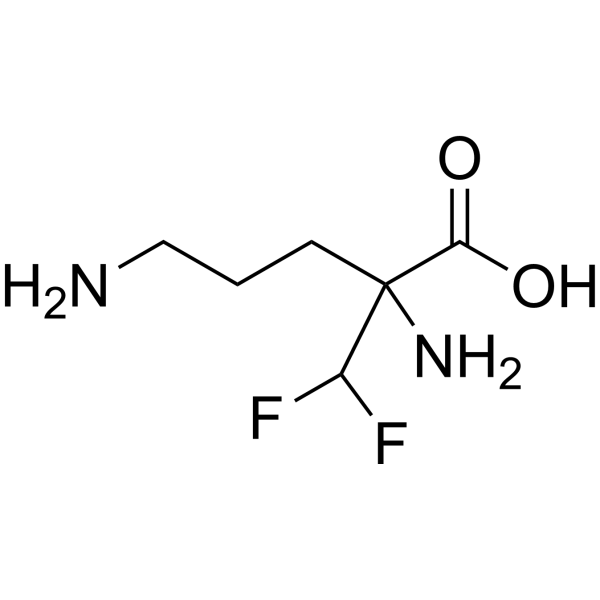
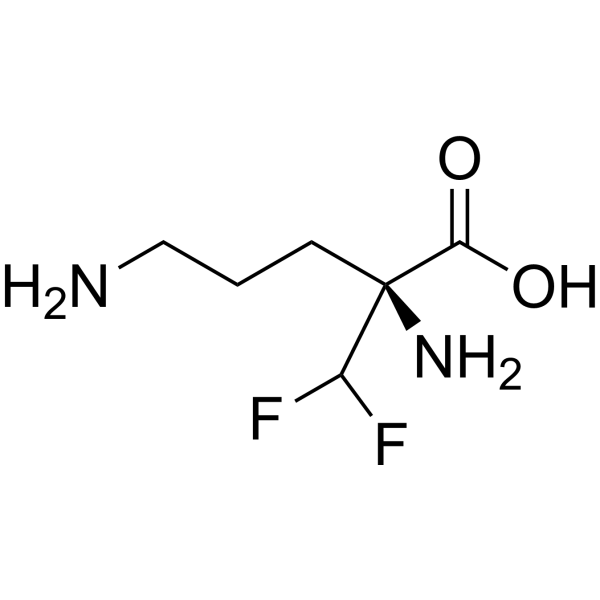
    Eflornithine
    Maximum Cited Publications
    21 Publications Verification

    DFMO; MDL71782; RMI71782; α-difluoromethylornithine

    Parasite Infection Cancer
    Eflornithine is a specific, irreversible inhibitor of the enzyme ornithine decarboxylase. Eflornithine is a medication for the treatment of African trypanosomiasis and excessive facial hair growth in women.

    Eflornithine
  • HY-B0744B
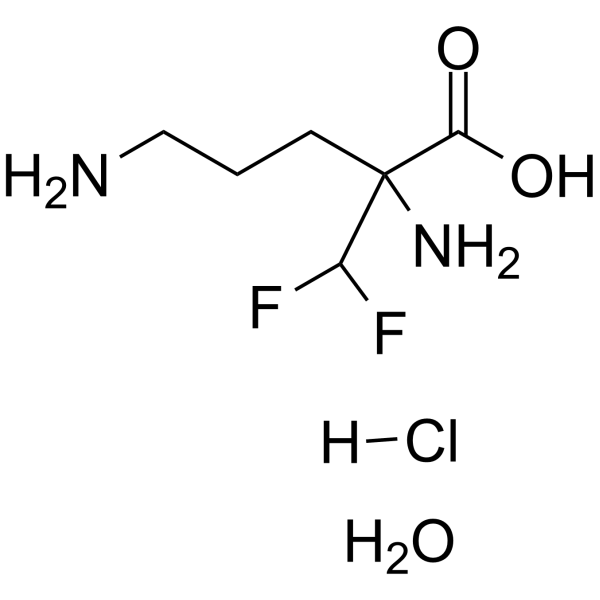
    Eflornithine hydrochloride hydrate
    Maximum Cited Publications
    21 Publications Verification

    DFMO hydrochloride hydrate; MDL-71782 hydrochloride hydrate; RMI-71782 hydrochloride hydrate; α-difluoromethylornithine hydrochloride hydrate

    Parasite Cancer
    Eflornithine hydrochloride hydrate (DFMO hydrochloride hydrate) is a specific, irreversible inhibitor of the enzyme ornithine decarboxylase. Eflornithine hydrochloride hydrate is a medication for the treatment of African trypanosomiasis and excessive facial hair growth in women .
    Eflornithine hydrochloride hydrate
  • HY-N0122
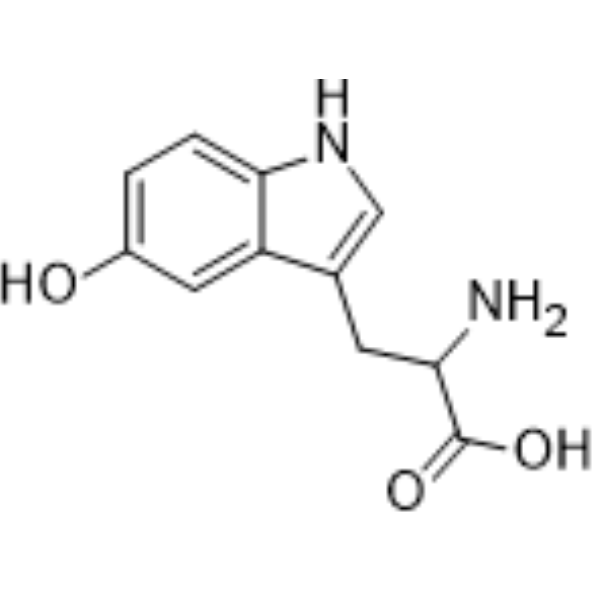
    5-Hydroxytryptophan
    2 Publications Verification

    5-HTP; DL-5-Hydroxytryptophan

    Endogenous Metabolite 5-HT Receptor Neurological Disease Metabolic Disease
    5-Hydroxytryptophan, a tryptophan metabolite, is a direct 5-hydroxytryptamine (5-HT) precursor and an L-aromatic amino acid decarboxylase substrate. .
    5-Hydroxytryptophan
  • HY-N0384

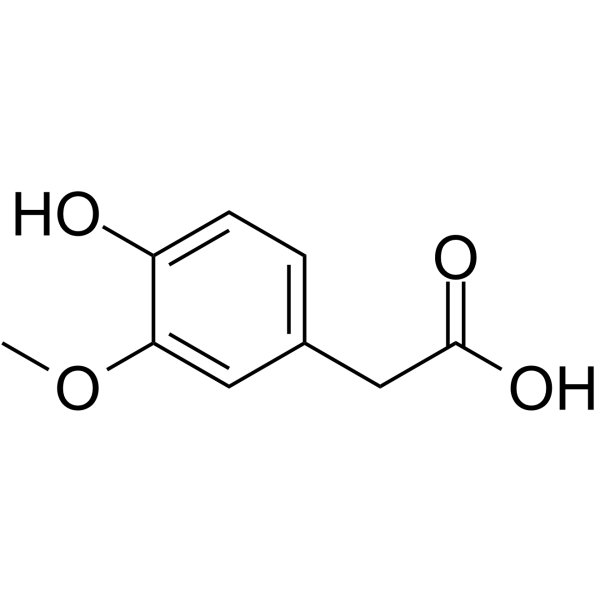
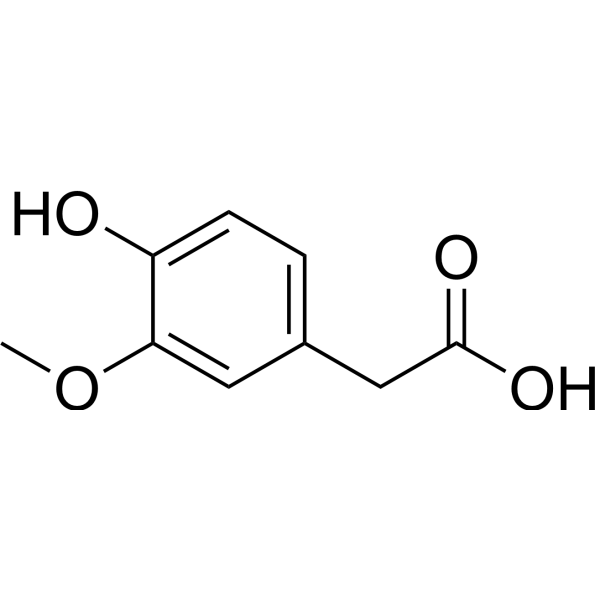
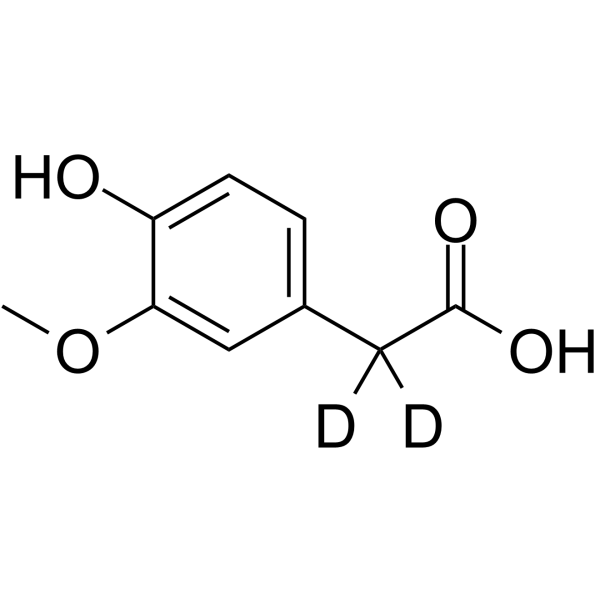
    Vanilacetic acid

    Drug Metabolite Endogenous Metabolite Autophagy Metabolic Disease
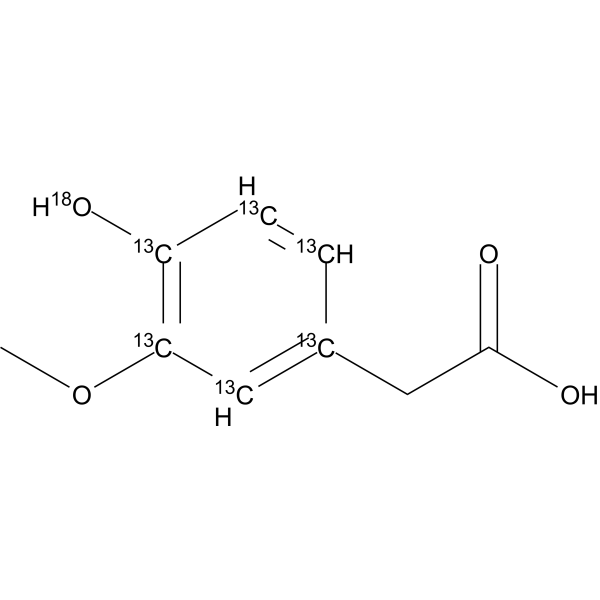
    Homovanillic acid (Vanilacetic acid) is a dopamine metabolite found to be associated with aromatic L-amino acid decarboxylase deficiency, celiac disease, growth hormone deficiency, and sepiapterin reductase deficiency .
    Homovanillic acid
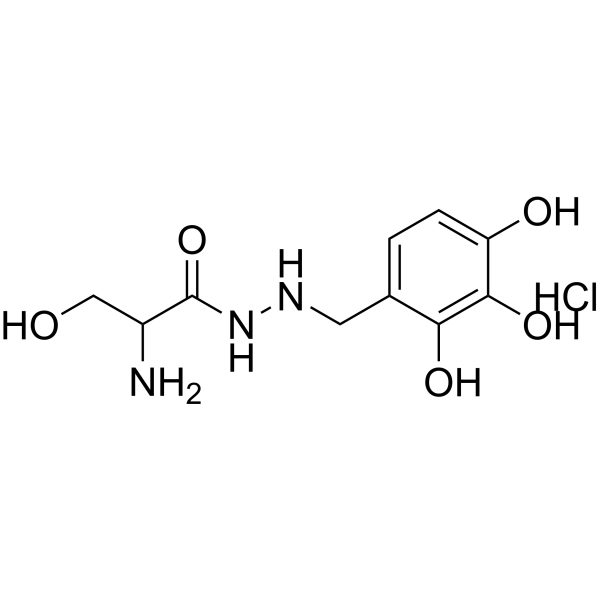
  • HY-B0404A
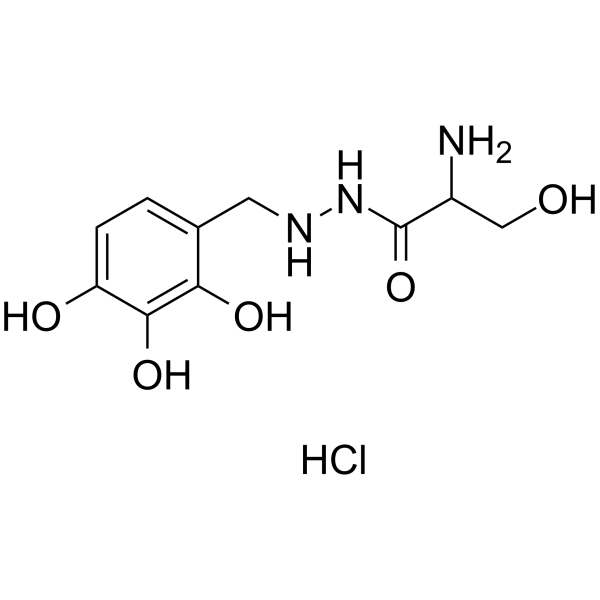
    Benserazide hydrochloride
    5+ Cited Publications

    Ro 4-4602 hydrochloride

    Pyruvate Kinase Neurological Disease Cancer
    Benserazide hydrochloride (Serazide) is an aromatic L-amino acid decarboxylase (AADC) and L-DOPA decarboxylase inhibitor. Benserazide hydrochloride is also a PKM2 inhibitor. Benserazide hydrochloride directly binds to and blocks PKM2 enzyme activity, leading to inhibition of aerobic glycolysis concurrent up-regulation of OXPHOS. Benserazide hydrochloride can be used for the study of Parkinson's disease and melanoma .
    Benserazide hydrochloride
  • HY-B0311
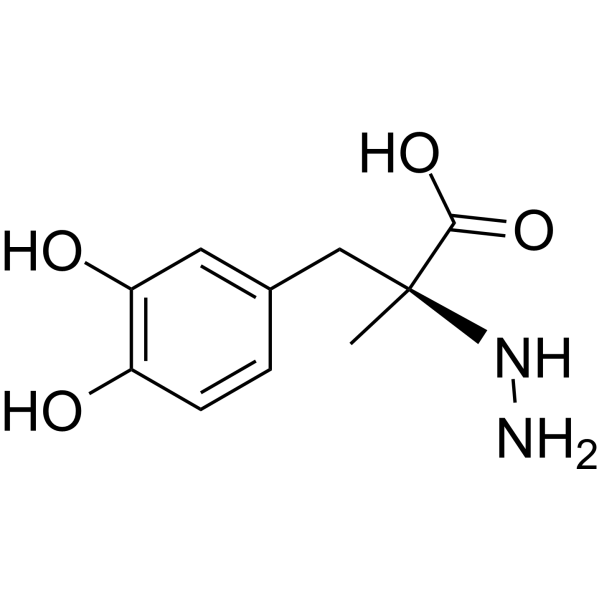
    Carbidopa
    2 Publications Verification

    (S)-(-)-Carbidopa

    Aryl Hydrocarbon Receptor Neurological Disease Cancer
    Carbidopa ((S)-(-)-Carbidopa), a peripheral decarboxylase inhibitor, can be used for the research of Parkinson's disease. Carbidopa is a selective aryl hydrocarbon receptor (AhR) modulator. Carbidopa inhibits pancreatic cancer cell and tumor growth .
    Carbidopa
  • HY-Y0367
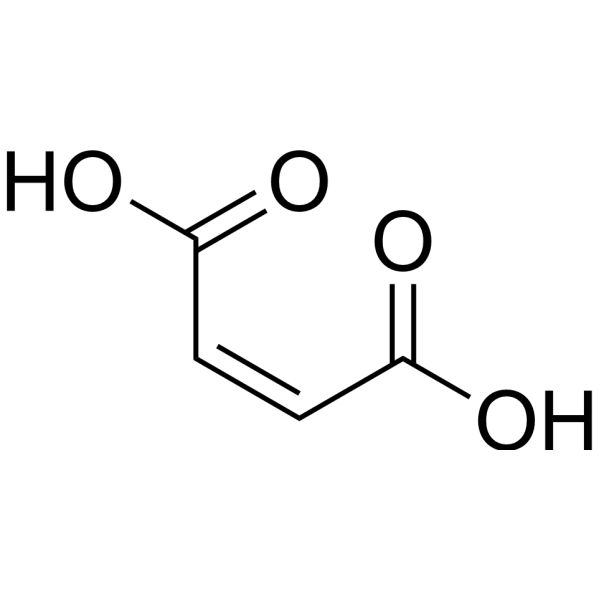
    Maleic acid
    1 Publications Verification

    Environmental Pollutants Endogenous Metabolite Bacterial Infection
    Maleic Acid is a Glutamate Decarboxylase (GAD) inhibitor of E. coli and L. monocytogenes.
    Maleic acid
  • HY-N0575
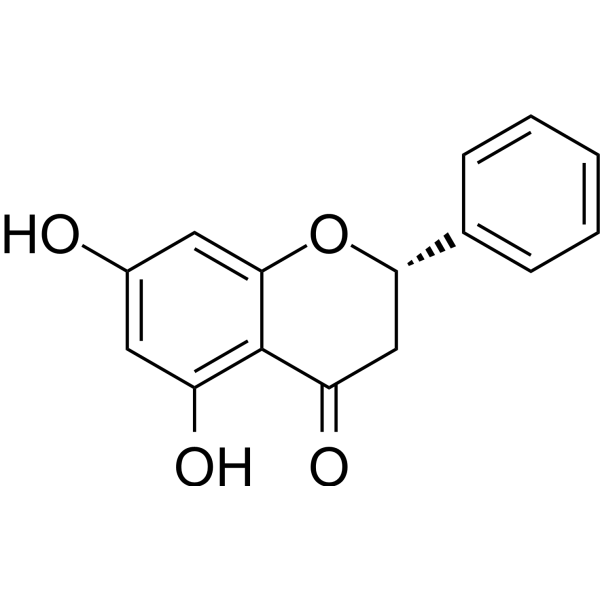
    Pinocembrin
    Maximum Cited Publications
    12 Publications Verification

    (+)-Pinocoembrin; Dihydrochrysin; Galangin flavanone

    Bacterial Reactive Oxygen Species (ROS) Autophagy Infection Inflammation/Immunology Cancer
    Pinocembrin ((+)-Pinocoembrin) is a flavonoid found in propolis, acts as a competitive inhibitor of histidine decarboxylase, and is an effective anti-allergic agent, with antioxidant, antimicrobial and anti-inflammatory properties .
    Pinocembrin
  • HY-N0240
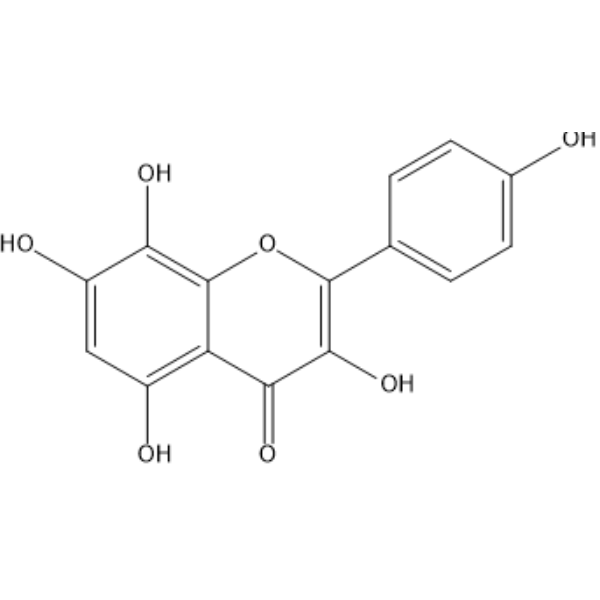
    Herbacetin
    5 Publications Verification

    Ornithine decarboxylase (ODC) Cancer
    Herbacetin is a natural flavonoid from flaxseed, exerts various pharmacological activities, including antioxidant, anti-inflammatory and anticancer effects . Herbacetin is an Ornithine decarboxylase (ODC) allosteric inhibitor, directly binds to Asp44, Asp243, and Glu384 on ODC. Ornithine decarboxylase (ODC) is a rate-limiting enzyme in the first step of polyamine biosynthesis .
    Herbacetin
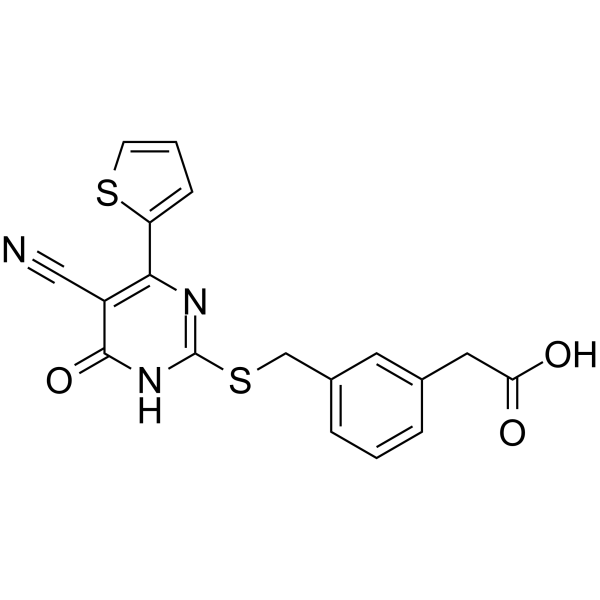
  • HY-111365
    TES-1025
    3 Publications Verification

    KMO Metabolic Disease
    TES-1025 is a potent and selective human α-amino-β-carboxymuconate-ε-semialdehyde decarboxylase (ACMSD) inhibitor with an IC50 of 13 nM .
    TES-1025
  • HY-W016814
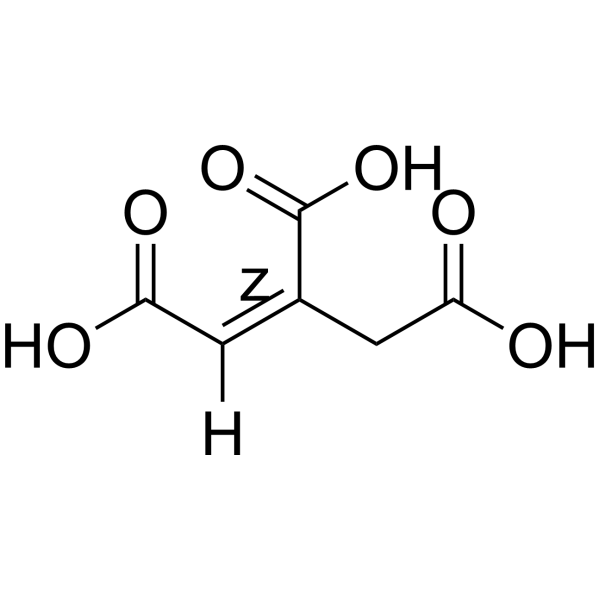
    (Z)-Aconitic acid
    1 Publications Verification

    cis-Aconitic acid

    Endogenous Metabolite Amino Acid Decarboxylase Metabolic Disease Inflammation/Immunology
    (Z)-Aconitic acid is an orally active glutamate decarboxylase inhibitor. (Z)-Aconitic acid reduces IκB-α phosphorylation. (Z)-Aconitic acid inhibits Antigen-induced arthritis and Monosodium urate (HY-B2130A)-induced gout .
    (Z)-Aconitic acid
  • HY-B0744A
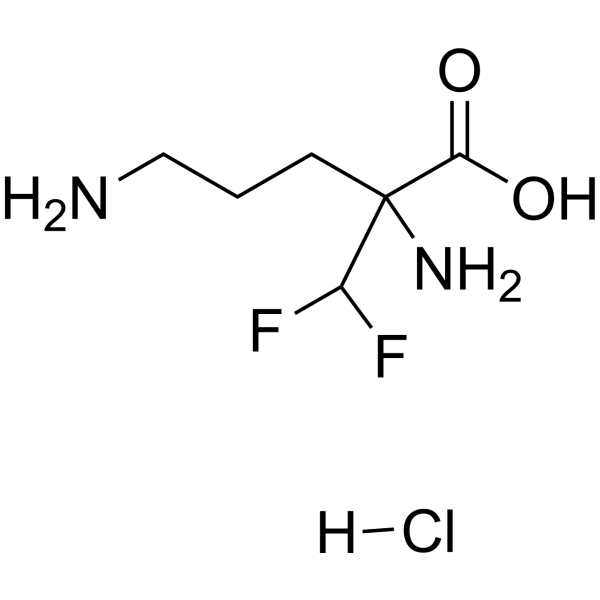
    Eflornithine hydrochloride
    Maximum Cited Publications
    21 Publications Verification

    DFMO hydrochloride; MDL71782 hydrochloride; RMI71782 hydrochloride; α-difluoromethylornithine hydrochloride

    Parasite Infection Cancer
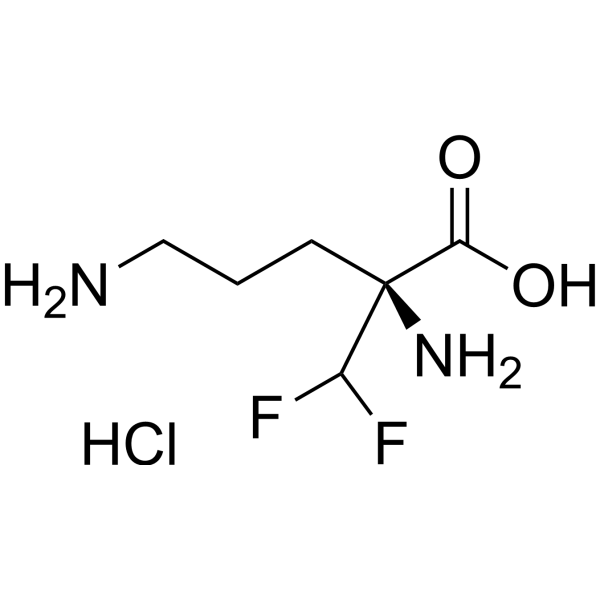
    Eflornithine hydrochloride is a specific, irreversible inhibitor of the enzyme ornithine decarboxylase. Eflornithine is a medication for the treatment of African trypanosomiasis and excessive facial hair growth in women.
    Eflornithine hydrochloride
  • HY-106634
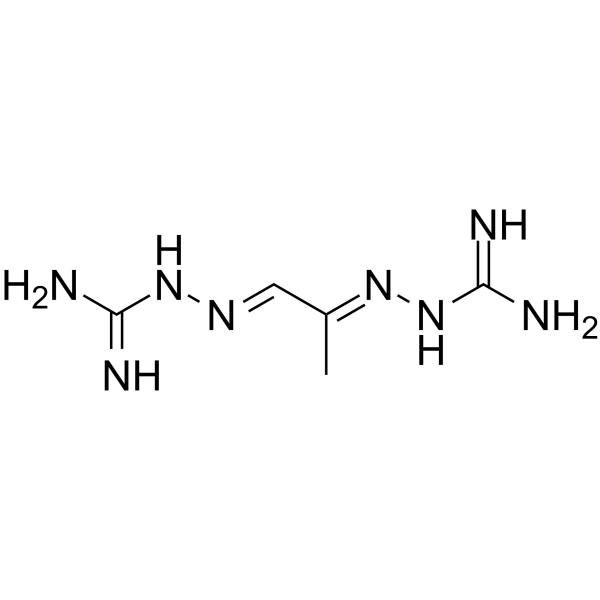
    Mitoguazone
    5 Publications Verification

    Methylglyoxal-bis(guanylhydrazone); MGBG; Methyl-GAG

    HIV Apoptosis Infection Cancer
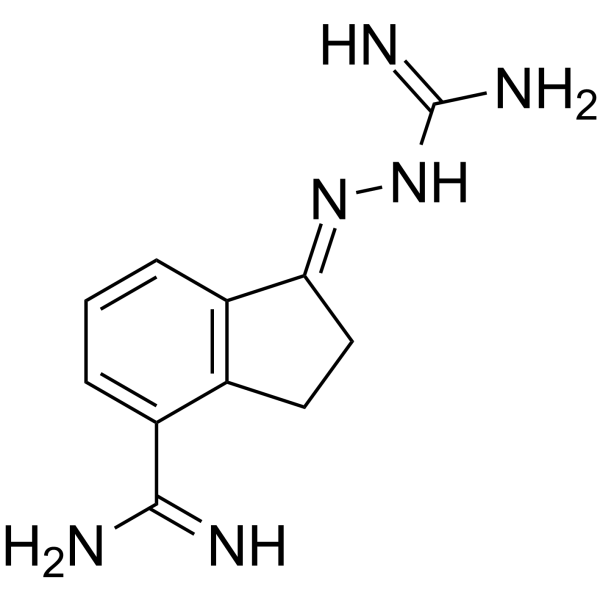
    Mitoguazone (Methylglyoxal-bis(guanylhydrazone)) is a synthetic polycarbonyl derivative with potent antineoplastic activity. Mitoguazone is a brain-penetrant and competitive S-adenosyl-methionine decarboxylase (SAMDC) inhibitor that disrupts polyamine biosynthesis. Mitoguazone induces cell apoptosis. Mitoguazone inhibits HIV DNA integration into the cellular DNA in both monocytes and macrophages. Mitoguazone has the potential for acute leukemia, Hodgkin's and non-Hodgkin's lymphoma treatment .
    Mitoguazone
  • HY-13746B
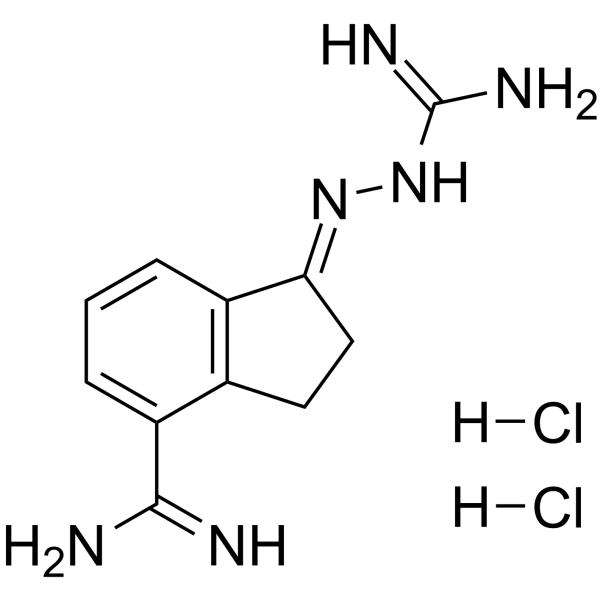
    Sardomozide dihydrochloride
    5+ Cited Publications

    CGP 48664A

    Apoptosis Cancer
    Sardomozide dihydrochloride is an S-adenosylmethionine decarboxylase (SAMDC) inhibitor with an IC50 of 5 nM.
    Sardomozide dihydrochloride
  • HY-W019599

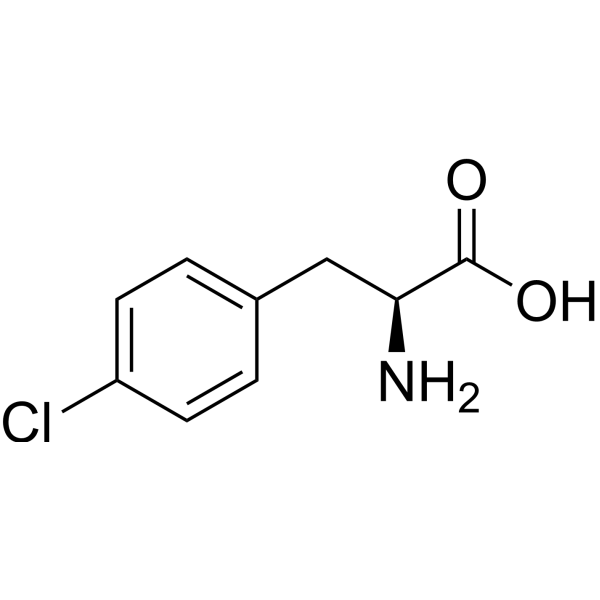
    L-PCPA

    5-HT Receptor Tryptophan Hydroxylase Neurological Disease
    4-Chloro-L-phenylalanine (L-PCPA) is a tryptophan hydroxylase inhibitor targeting TPH1 and TPH2, with the activity of blocking serotonin biosynthesis. 4-Chloro-L-phenylalanine reduces the levels of serotonin and its metabolites in the brain without impairing the survival of serotonergic neurons. 4-Chloro-L-phenylalanine enhances anhedonic, depression-like and anxiety-like behaviors in mice with depleted noradrenergic and dopaminergic neurons. 4-Chloro-L-phenylalanine acts as a decarboxylation substrate for aromatic L-amino acid decarboxylase from Bacillus atrophaeus. 4-Chloro-L-phenylalanine can be used in studies related to Parkinson's disease .
    4-Chloro-L-phenylalanine
  • HY-121275
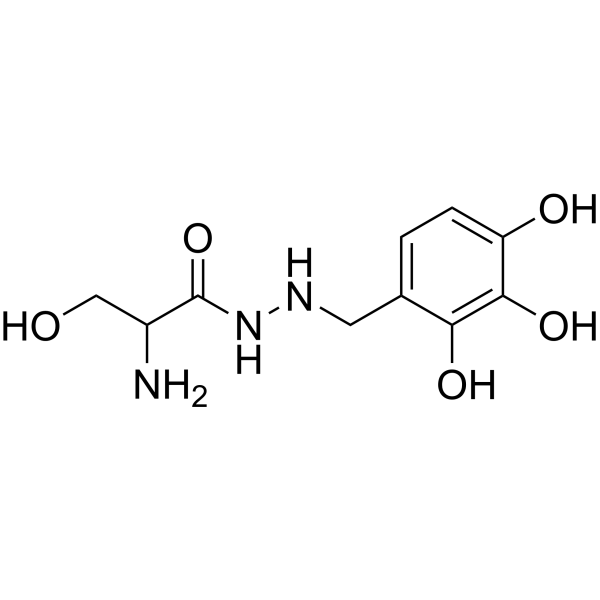
    Benserazide
    5+ Cited Publications

    Ro 4-4602

    Pyruvate Kinase Neurological Disease Cancer
    Benserazide is an aromatic L-amino acid decarboxylase (AADC) and L-DOPA decarboxylase inhibitor. Benserazide is also a PKM2 inhibitor. Benserazide directly binds to and blocks PKM2 enzyme activity, leading to inhibition of aerobic glycolysis concurrent up-regulation of OXPHOS. Benserazide can be used for the study of Parkinson's disease and melanoma .
    Benserazide
  • HY-W012906
    L-Allylglycine
    1 Publications Verification

    L-2-Allylglycine

    Amino Acid Decarboxylase GABA Receptor Neurological Disease
    L-Allylglycine (L-2-Allylglycine) is an amino acid derivative. L-Allylglycine is an inhibitor for glutamate decarboxylase (GAD) that reduces the GABA biosynthesis in the brain. L-Allylglycine exhibits convulsant activity .
    L-Allylglycine
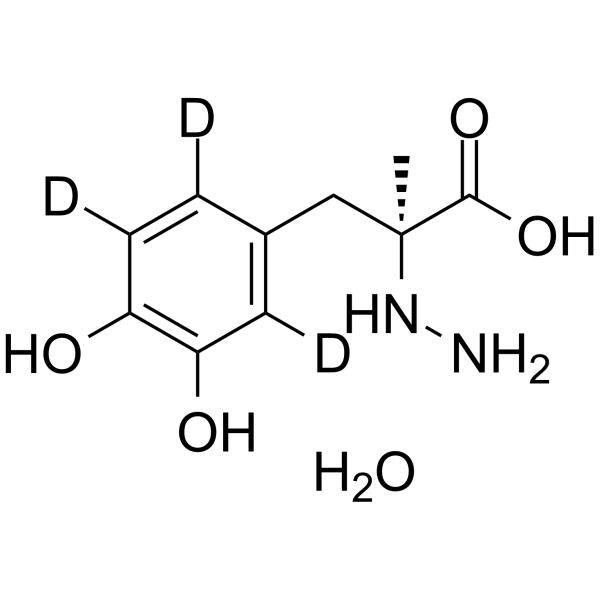
  • HY-B0311A
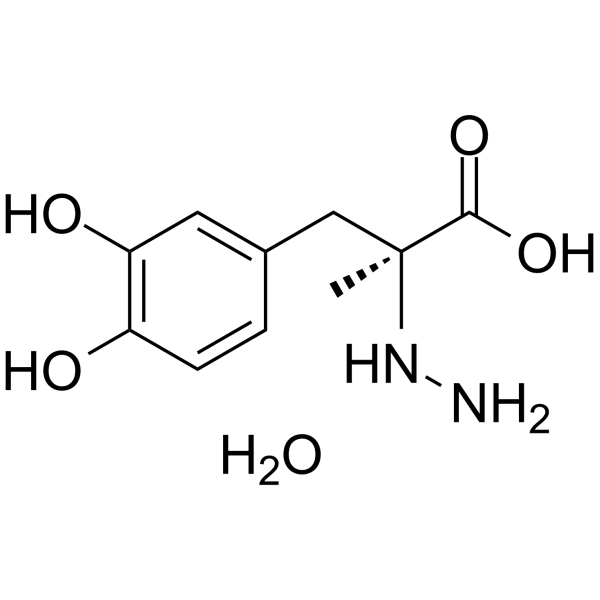
    Carbidopa monohydrate
    2 Publications Verification

    (S)-(-)-Carbidopa monohydrate

    Aryl Hydrocarbon Receptor Neurological Disease Cancer
    Carbidopa ((S)-(-)-Carbidopa) monohydrate, a peripheral decarboxylase inhibitor, can be used for the research of Parkinson's disease. Carbidopa monohydrate is a selective aryl hydrocarbon receptor (AhR) modulator. Carbidopa monohydrate inhibits pancreatic cancer cell and tumor growth .
    Carbidopa monohydrate
  • HY-B1537

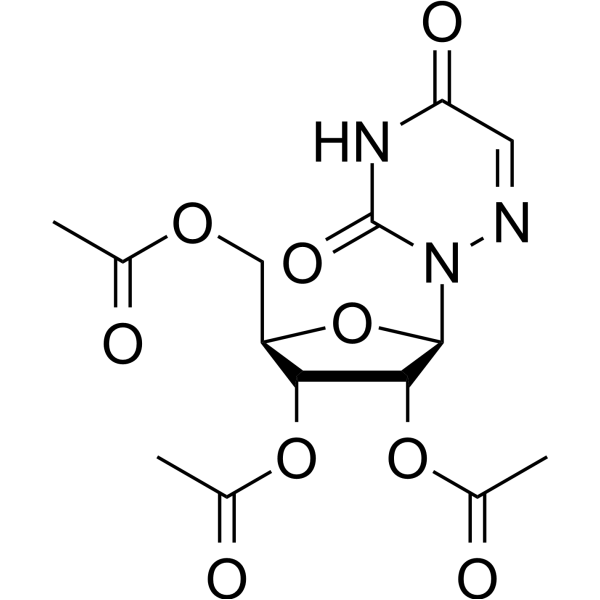
    2',3',5'-Tri-O-acetyl-6-azauridine

    Virus Protease Influenza Virus Infection Inflammation/Immunology
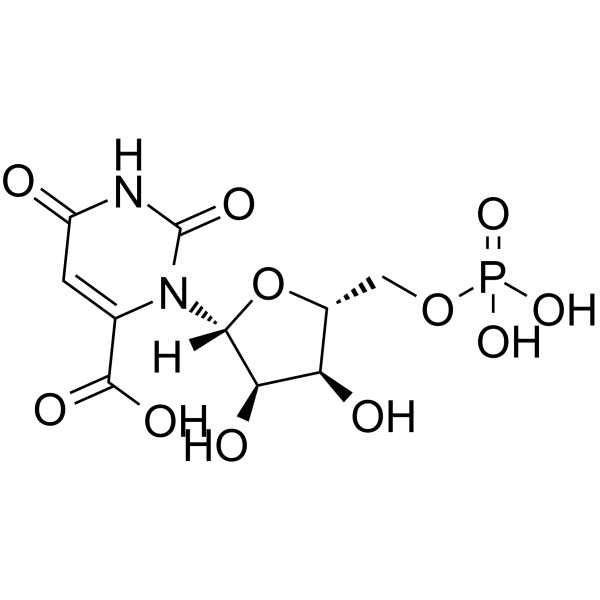
    Azaribine (2',3',5'-Tri-O-acetyl-6-azauridine) is a potent orotidine monophosphate decarboxylase (OMPD) inhibitor. Azaribine is an antiviral inhibitor of several RNA viruses and inhibits viral genome replication and gene transcription. Azaribine shows broad-spectrum antiviral activity (EC50=3.80 nM-1.73 μM against influenza A and B viruses; EC50=1.62 μM against ZIKV Paraiba). Azaribine, a triacetate salt of Azauridine, has the potential for psoriasis research .
    Azaribine
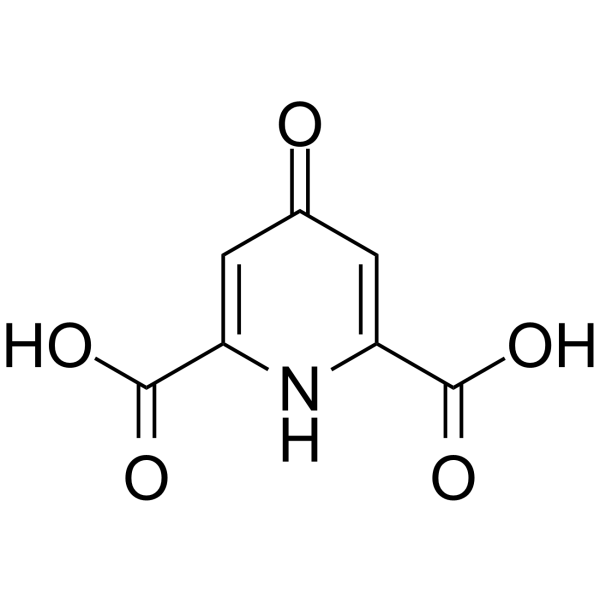
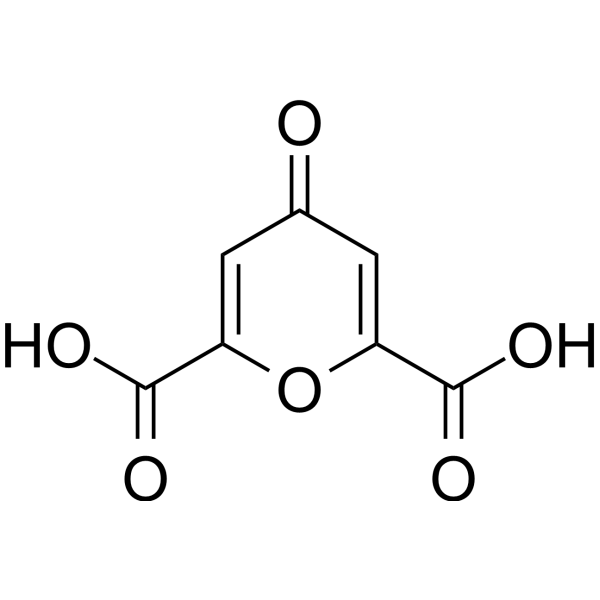
  • HY-W016349

    Amino Acid Decarboxylase Others
    Chelidamic acid is a heterocyclic organic acid with a pyran skeleton. Chelidamic acid has good coordination ability with noble metal ions. Chelidamic acid is also one of the most potent inhibitors of glutamate decarboxylase, with a Ki of 33 μM.
    Chelidamic acid
  • HY-113468

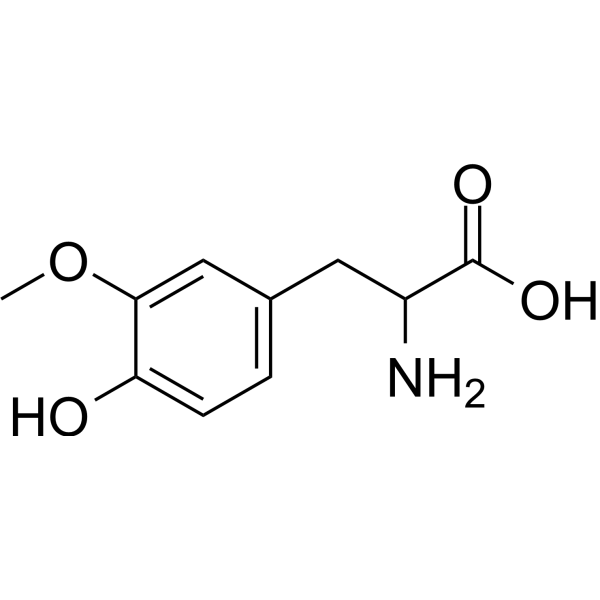
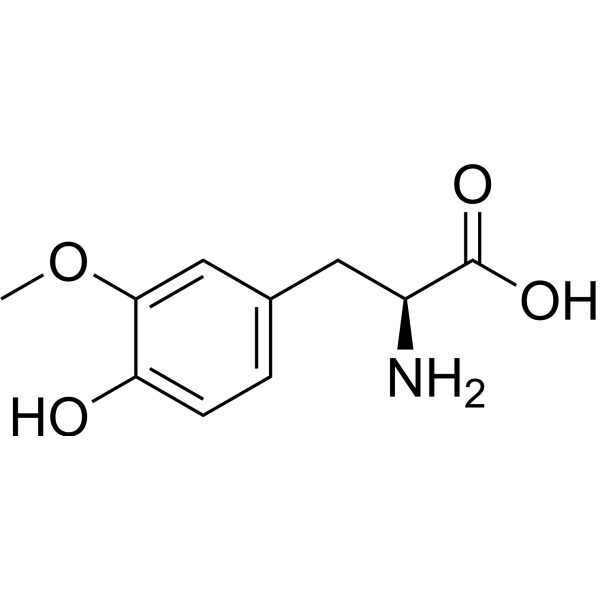
    3-Methoxytyrosine

    Endogenous Metabolite Neurological Disease
    3-O-Methyl-DL-DOPA is an endogenous metabolite present in Cerebrospinal_Fluid that can be used for the research of Epilepsy, Purine Nucleoside Phosphorylase Deficiency and Aromatic L Amino Acid Decarboxylase Deficiency .
    3-O-Methyl-DL-DOPA
  • HY-W041489
    Chelidonic acid
    1 Publications Verification

    NF-κB Caspase Inflammation/Immunology Cancer
    Chelidonic acid is a component of Chelidonium majus L., used as an antimicrobial. Chelidonic acid also shows anti-inflammatory activity. Chelidonic acid has potential to inhibit IL-6 production by blocking NF-κB and caspase-1 . Chelidonic acid is a glutamate decarboxylase inhibitor, with a Ki of 1.2 μM .
    Chelidonic acid
  • HY-E70518

    Bacterial Infection
    Oxalate decarboxylase, Microorganism (EC 4.1.1.2), a stress-response enzyme in certain soil bacteria, is a Mn-dependent enzyme in the cupin superfamily and is found in fungi and soil bacteria. Oxalate decarboxylase catalyzes the decarboxylation of the oxalate mono-anion in the soil bacterium Bacillus subtilis. Enzymatic activity of OxDC is strongly pH dependent, with a maximum at around pH 4.0 .
    Oxalate decarboxylase, Microorganism
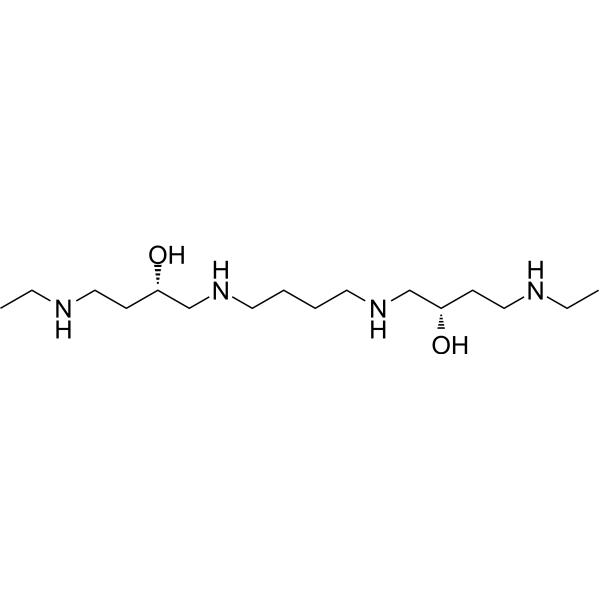
  • HY-132822

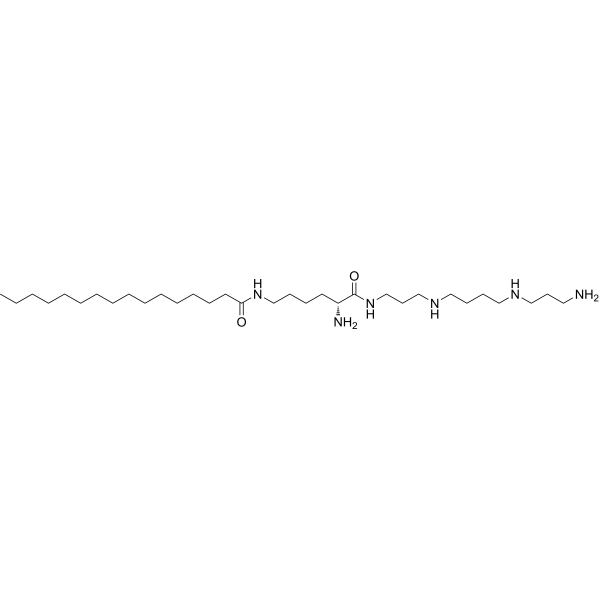
    SBP-101

    Drug Derivative Cancer
    Ivospemin (SBP-101) is an antineoplastic spermine analog. Ivospemin has shown efficacy in slowing pancreatic and ovarian tumor progression in vitro and in vivo. Ivospemin shows modest induction of polyamine catabolism, but stronger repression of ornithine decarboxylase activity. Ivospemin is promising for research of cancers .
    Ivospemin
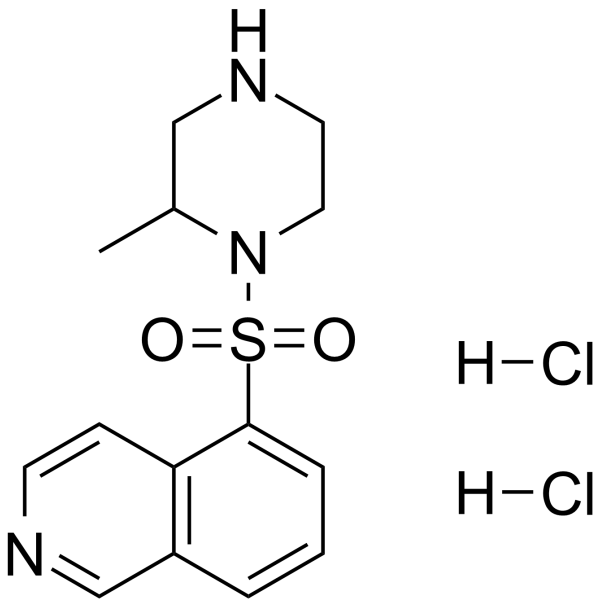
  • HY-100983

    PKC Cancer
    Protein kinase inhibitor H-7 dihydrochloride is a potent PKC (protein kinase C) inhibitor. At 100 μM, Protein kinase inhibitor H-7 dihydrochloride completely inhibits both TPA (skin tumour promoter, 12-O-tetradecanoylphorbol-13-acetate) and phospholipase C-induced ODC (ornithine decarboxylase) .
    Protein kinase inhibitor H-7 dihydrochloride
  • HY-109131

    ABBV-951; Carbidopa 4′-monophosphate

    Aryl Hydrocarbon Receptor Drug Metabolite Neurological Disease
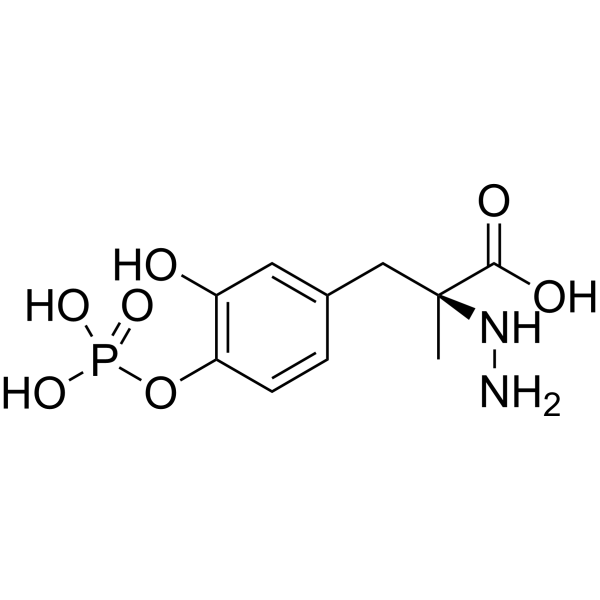
    Foscarbidopa (ABBV-951; Carbidopa 4′-monophosphate) is an inhibitory prodrug targeting peripheral aromatic L-amino acid decarboxylase. Foscarbidopa is hydrolyzed into Carbidopa (HY-B0311) by phosphatases in vivo to suppress peripheral metabolism of levodopa and elevate brain delivery of levodopa. Foscarbidopa can be used for the research of Parkinson’s disease and advanced Parkinson’s disease .
    Foscarbidopa
  • HY-112619
    TES-991
    1 Publications Verification

    Amino Acid Decarboxylase Metabolic Disease
    TES-991 is a potent and selective human α Amino-β-carboxymuconate-ε-semialdehyde Decarboxylase (ACMSD) inhibitor, with an IC50 of 3 nM.
    TES-991
  • HY-115822

    Amino Acid Decarboxylase Neurological Disease Metabolic Disease
    α-Fluoromethylhistidine dihydrochloride is an orally active histidine decarboxylase inhibitor. α-Fluoromethylhistidine dihydrochloride depletes histamine in enterochromaffin-like (ECL) cells, reduces the number and volume density of secretory vesicles in ECL cells, and does not affect histamine storage in mast cells. α-Fluoromethylhistidine dihydrochloride abolishes Omeprazole (HY-B0113)-induced vacuolization of ECL cells and decreases gastrin-induced histamine efflux from ECL cells. α-Fluoromethylhistidine dihydrochloride does not alter the granular characteristics of ECL cells, omeprazole-induced hypertrophy of ECL cells, gastrin-induced pancreastatin-like immunoreactivity efflux, nor does it affect gastric acid secretion induced by histamine or vagal stimulation. α-Fluoromethylhistidine dihydrochloride inhibits basal and gastrin-stimulated gastric acid secretion, reduces acid output induced by gastrin+IBMX (HY-12318), but does not directly affect acid generation in isolated parietal cells .
    α-Fluoromethylhistidine dihydrochloride
  • HY-B0744D

    L-DFMO monohydrochloride; ; L-RMI71782 monohydrochloride; L-α-difluoromethylornithine monohydrochloride

    Parasite Cancer
    L-Eflornithine monohydrochloride (L-DFMO monohydrochloride) is an enantiomer of Eflornithine. L-Eflornithine is an irreversible ornithine decarboxylase (ODC) inhibitor with a KD of 1.3±0.3 µM, and a Kinact of 0.15±0.03 min -1 .
    L-Eflornithine monohydrochloride
  • HY-W003445

    Endogenous Metabolite Neurological Disease
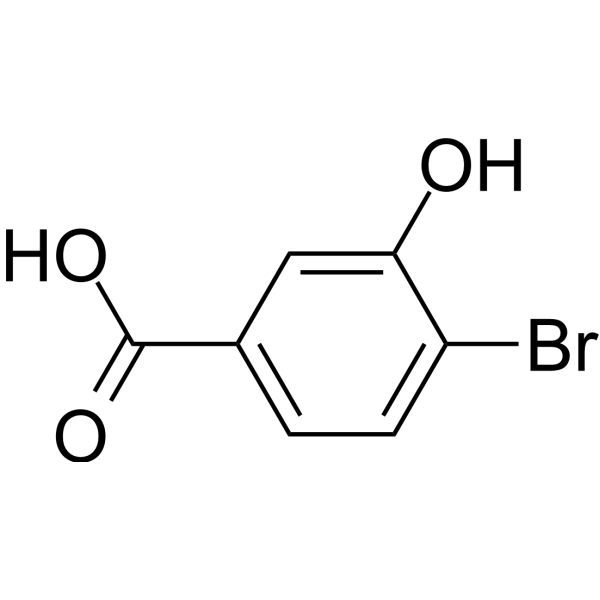
    4-Bromo-3-hydroxybenzoic acid is a metabolite of Brocresine and a histidine decarboxylase (HDC) inhibitor with IC50s of 1 mM for both rat fetal and rat gastric HDC. 4-Bromo-3-hydroxybenzoic acid also inhibits aromatic-L-amino acid decarboxylase from hog kidney and rat gastric mucosa in vitro with IC50s of 1 mM for both enzymes .
    4-Bromo-3-hydroxybenzoic acid
  • HY-103355
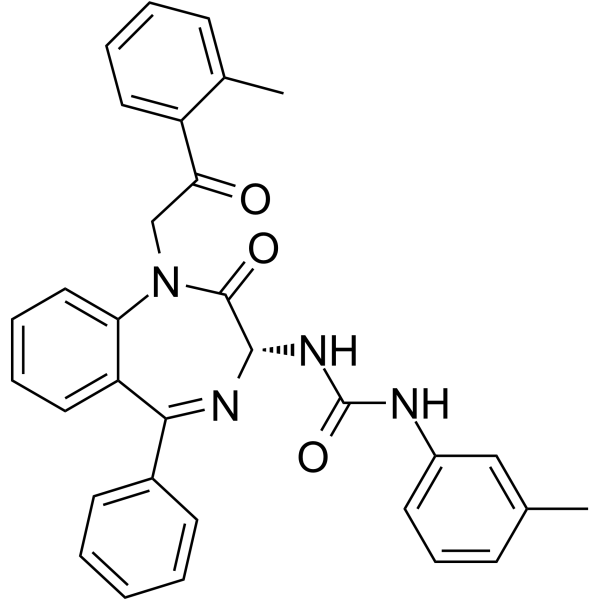
    YM022
    2 Publications Verification

    CCR Metabolic Disease
    YM022 is a highly potent, selective and orally active gastrin/cholecystokinin (CCK)-B receptor (CCK-BR) antagonist. YM022 shows the Ki values of 68 pM and 63 nM for CCK-B and CCK-A receptor, respectively . YM022 can inhibit gastrin-induced gastric acid secretion and histidine decarboxylase activation in vivo .
    YM022
  • HY-13746
    Sardomozide
    5+ Cited Publications

    CGP 48664; SAM-486A

    Apoptosis Cancer
    Sardomozide is an S-adenosylmethionine decarboxylase (SAMDC) inhibitor with an IC50 of 5 nM.
    Sardomozide
  • HY-W016729
    4-(Dimethylamino)cinnamaldehyde
    1 Publications Verification

    Biochemical Assay Reagents Others
    4-(Dimethylamino)cinnamaldehyde is a reagent used for determining indole products of tryptophan decarboxylase and tryptophanase, and can also be used for quantifying proanthocyanidins in cranberry powder.
    4-(Dimethylamino)cinnamaldehyde
  • HY-W015595
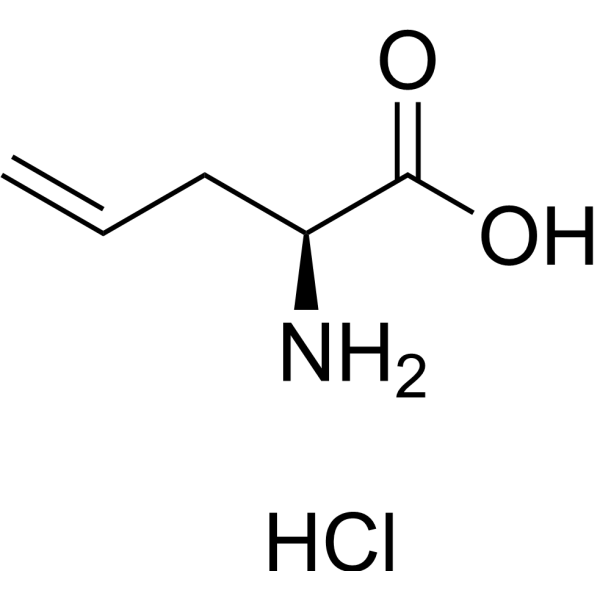
    L-Allylglycine hydrochloride
    1 Publications Verification

    L-2-Allylglycine hydrochloride

    Amino Acid Decarboxylase GABA Receptor Neurological Disease
    L-Allylglycine (L-2-Allylglycine) hydrochloride is an amino acid derivative. L-Allylglycine hydrochloride is an inhibitor for glutamate decarboxylase (GAD) that reduces the GABA biosynthesis in the brain. L-Allylglycine hydrochloride exhibits convulsant activity .
    L-Allylglycine hydrochloride
  • HY-N0384S2

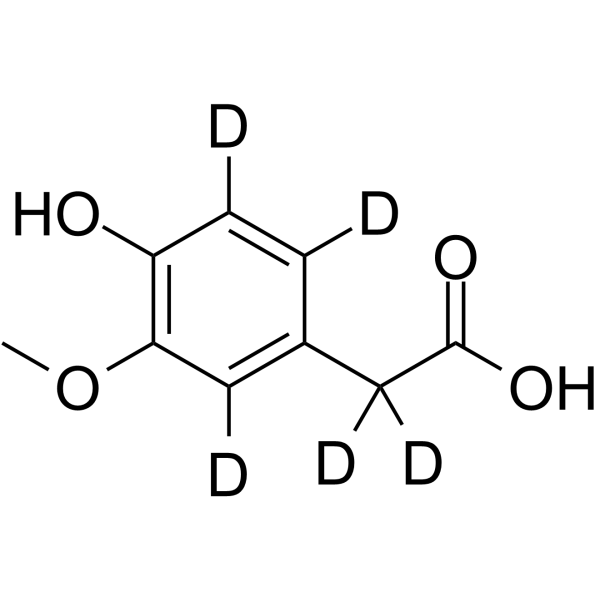
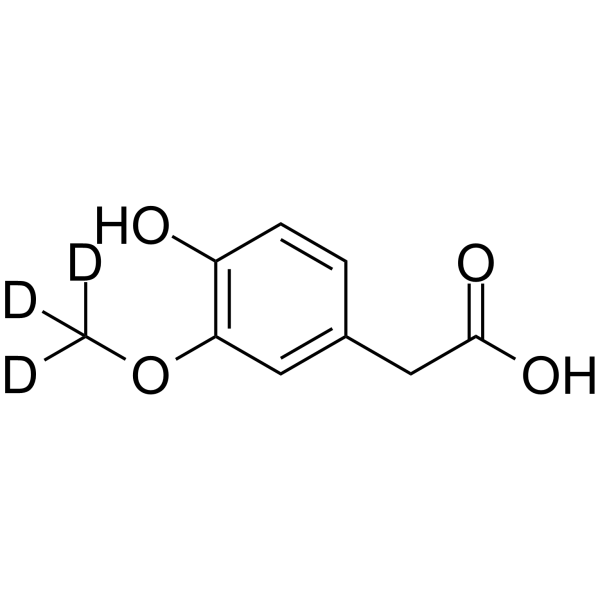
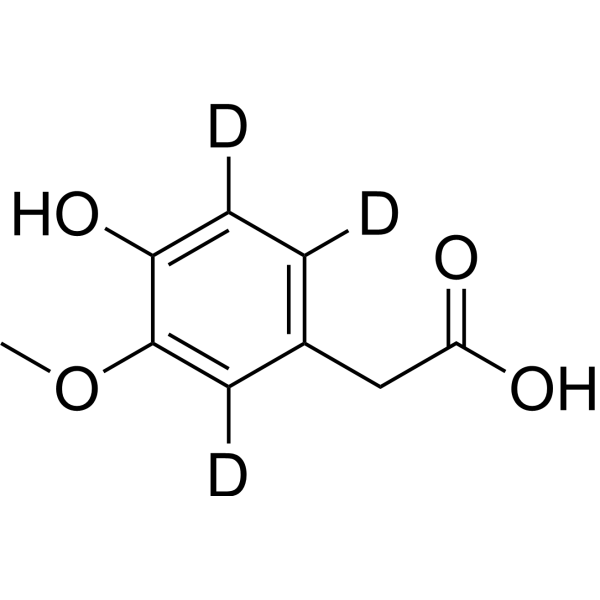
    Vanilacetic acid-d5

    Isotope-Labeled Compounds Autophagy Endogenous Metabolite Drug Metabolite Neurological Disease Metabolic Disease
    Homovanillic acid-d5 (Vanilacetic acid-d5) is the deuterium labeled Homovanillic acid (HY-N0384). Homovanillic acid (Vanilacetic acid) is a dopamine metabolite found to be associated with aromatic L-amino acid decarboxylase deficiency, celiac disease, growth hormone deficiency, and sepiapterin reductase deficiency .
    Homovanillic acid-d5
  • HY-115685

    GABA Receptor Neurological Disease
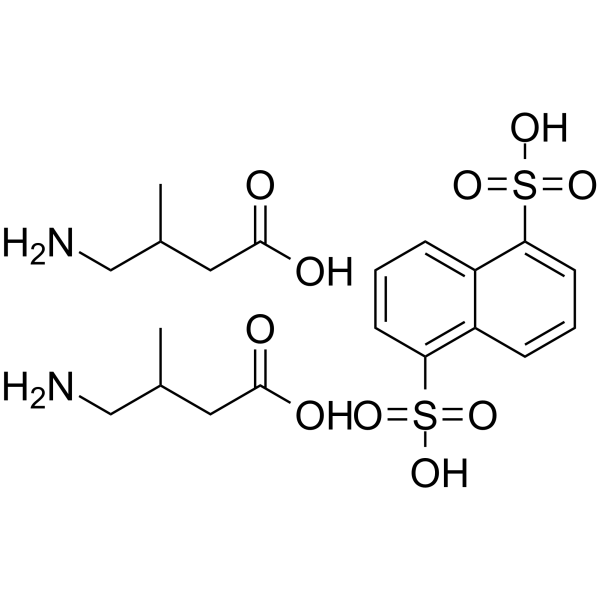
    3-Methyl-GABA is a potent GABA aminotransferase activator. 3-Methyl-GABA can fit the binding pocket of GABAA receptor (GABAaR). 3-Methyl-GABA can activate L-glutamic acid decarboxylase (GAD). 3-Methyl-GABA has anticonvulsant activity .
    3-Methyl-GABA
  • HY-P2796

    PDC

    Biochemical Assay Reagents Metabolic Disease
    Pyruvate decarboxylase (PDC) is an enzyme that catalyses the decarboxylation of pyruvic acid to acetaldehyde. Pyruvate decarboxylase catalyses the non-oxidative conversion of pyruvate (or other 2-oxo acids) to acetaldehyde and CO2 .
    Pyruvate decarboxylase
  • HY-N3394

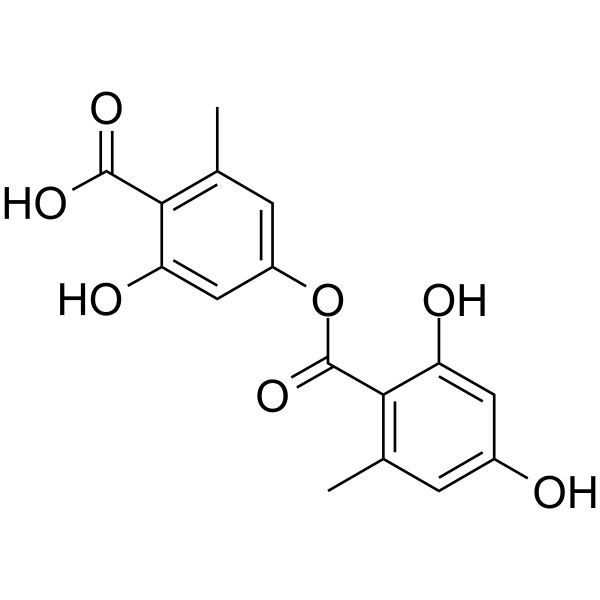
    Others Infection
    Lecanoric acid is a histidine-decarboxylase inhibitor isolated from fungus. The inhibition by lecanoric acid is competitive with histidineand noncompetitive with pyridoxal phosphate. Lecanoric acid did not inhibit aromatic amino acid decarboxylase .
    Lecanoric acid
  • HY-133957

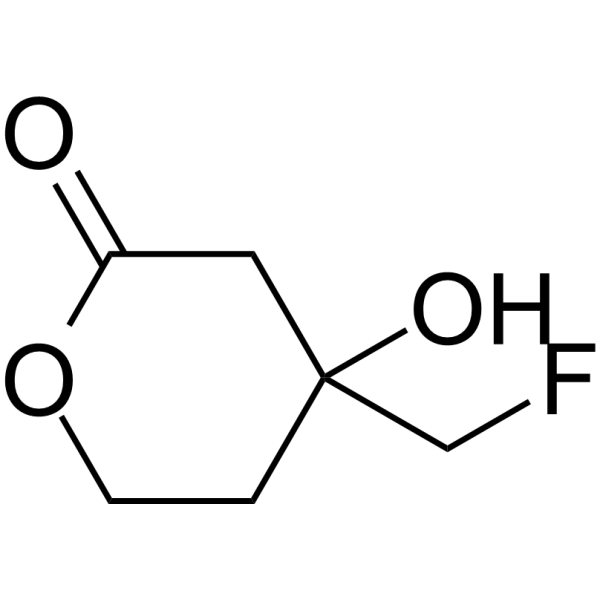
    6-Fluoromevalonate; FMev

    Biochemical Assay Reagents Others
    6-Fluoromevalonate is a mevalonate-pyrophosphate decarboxylase inhibitor.
    Fluoromevalonate
  • HY-W023493

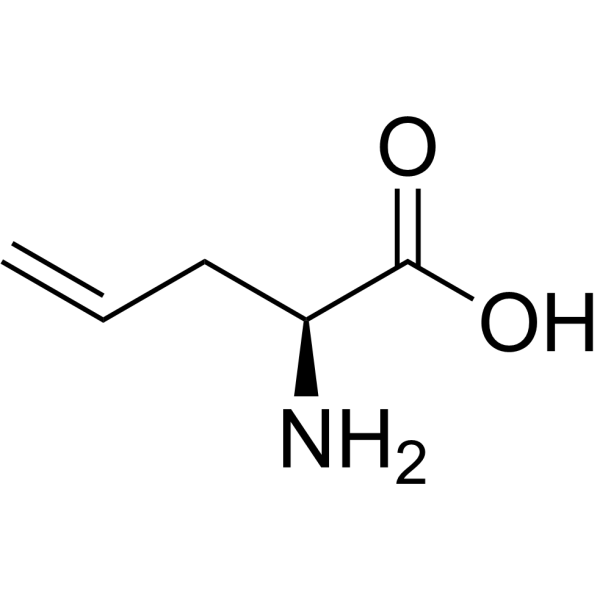
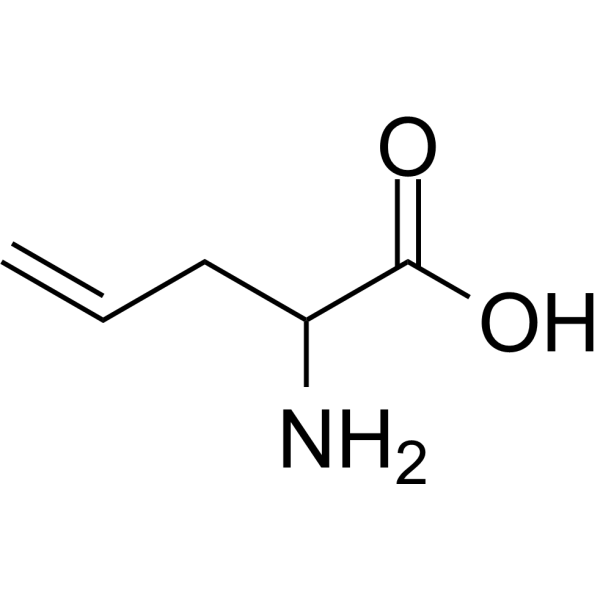
    2-Aminopent-4-enoic acid

    Amino Acid Decarboxylase Neurological Disease
    DL-Allylglycine (2-Aminopent-4-enoic acid) is a glutamate decarboxylase (GAD) inhibitor. DL-Allylglycine significantly increases mouse brain ornithine decarboxylase (ODC) activity and decreases S-adenosyl-L-methionine decarboxylase (SAM-DC) activity. DL-Allylglycine causes a marked decrease in brain GABA concentration. DL-Allylglycine has convulsant activity that can be used in studies to induce epileptic seizures .
    DL-Allylglycine
  • HY-W1015419

    α-Fluoromethylhistidine

    Amino Acid Decarboxylase Cardiovascular Disease Neurological Disease
    α-FMH (α-Fluoromethylhistidine) is an orally active histidine decarboxylase inhibitor. α-FMH depletes histamine in enterochromaffin-like (ECL) cells, reduces the number and volume density of secretory vesicles in ECL cells, and does not affect histamine storage in mast cells. α-FMH abolishes Omeprazole (HY-B0113)-induced vacuolization of ECL cells and decreases gastrin-induced histamine efflux from ECL cells. α-FMH does not alter the granular characteristics of ECL cells, omeprazole-induced hypertrophy of ECL cells, gastrin-induced pancreastatin-like immunoreactivity efflux, nor does it affect gastric acid secretion induced by histamine or vagal stimulation. α-FMH inhibits basal and gastrin-stimulated gastric acid secretion, reduces acid output induced by gastrin+IBMX (HY-12318), but does not directly affect acid generation in isolated parietal cells .
    α-FMH
  • HY-125748
    CBM-301940
    1 Publications Verification

    Malonyl-CoA Decarboxylase Cardiovascular Disease
    CBM-301940 (compound 5) is an orally active malonate CoA decarboxylase (MCD) inhibitor with IC50 value of 23 nM. CBM-301940 can be used in the study of cardiovascular diseases .
    CBM-301940
  • HY-N15001

    GABA Receptor Neurological Disease
    Gabaculine is an amino acid neurotoxin and blood-brain barrier-permeable GABA transaminase inhibitor, with an IC50 of 1 μM in beef and Pseudomonas ovalis. Gabaculine elevates endogenous synaptic and brain GABA levels and enhances GABA activity. Gabaculine induces sedation, hypothermia, loss of righting reflex, and prevents convulsions in mice. Gabaculine is applicable to research related to neurological disorders .
    Gabaculine
  • HY-N0384R

    Vanilacetic acid (Standard)

    Reference Standards Autophagy Endogenous Metabolite Drug Metabolite Neurological Disease Metabolic Disease
    Homovanillic acid (Standard) (Vanilacetic acid (Standard)) is the analytical standard of Homovanillic acid (HY-N0384). This product is intended for research and analytical applications. Homovanillic acid (Vanilacetic acid) is a dopamine metabolite found to be associated with aromatic L-amino acid decarboxylase deficiency, celiac disease, growth hormone deficiency, and sepiapterin reductase deficiency .
    Homovanillic acid (Standard)
  • HY-P2825

    TDC; TyrDC

    Endogenous Metabolite Others
    Tyrosine decarboxylase, Microorganism (TDC) is a tyrosine decarboxylase produced by microorganisms. Tyrosine decarboxylase is a PLP-dependent enzyme that catalyzes the decarboxylation of L-tyrosine, L-phenylalanine, and L-dopa to produce tyramine, 2-phenethylamine, and dopamine, respectively. Tyrosine decarboxylase mediates acid stress resistance, maintains intracellular pH homeostasis, and generates proton motive force .
    Tyrosine decarboxylase, Microorganism
  • HY-164091A

    Endogenous Metabolite Metabolic Disease
    Mevalonate 5-phosphate trilithium is a substrate of phosphomevalonate kinase and mevalonate-5-phosphate decarboxylase .
    Mevalonate 5-phosphate trilithium
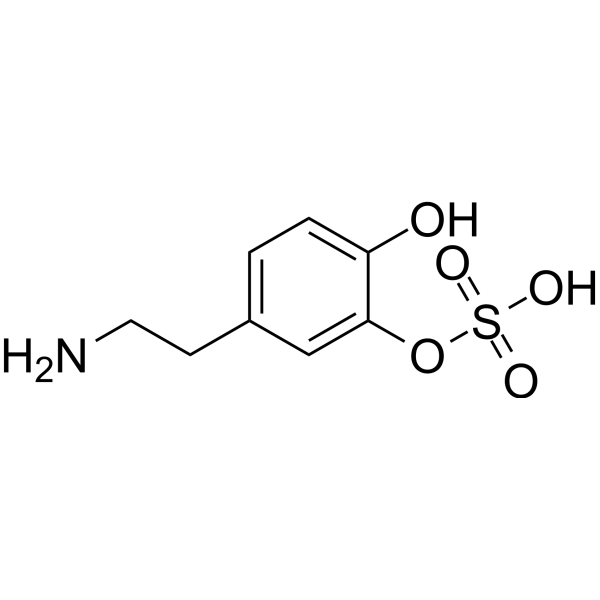
  • HY-113305

    Endogenous Metabolite Metabolic Disease
    Dopamine 3-O-sulfate mainly exists in plasma and can be used as a biomarker to characterize aromatic amino acid decarboxylase (AADC) deficiency .
    Dopamine 3-O-sulfate
  • HY-P5396A

    Amino Acid Decarboxylase Others
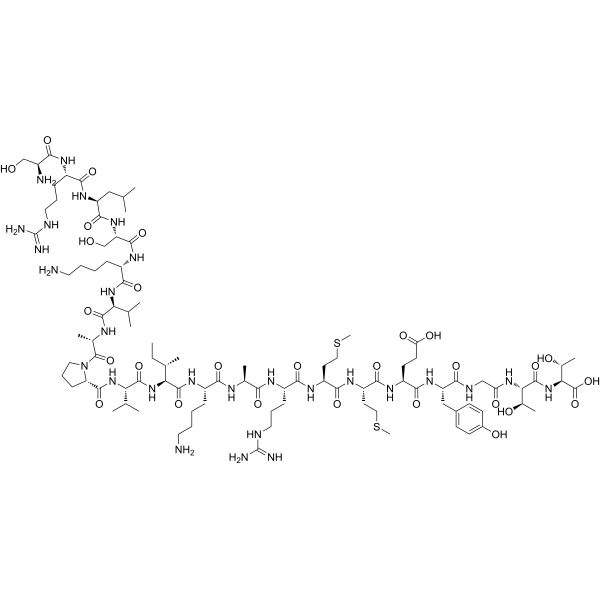
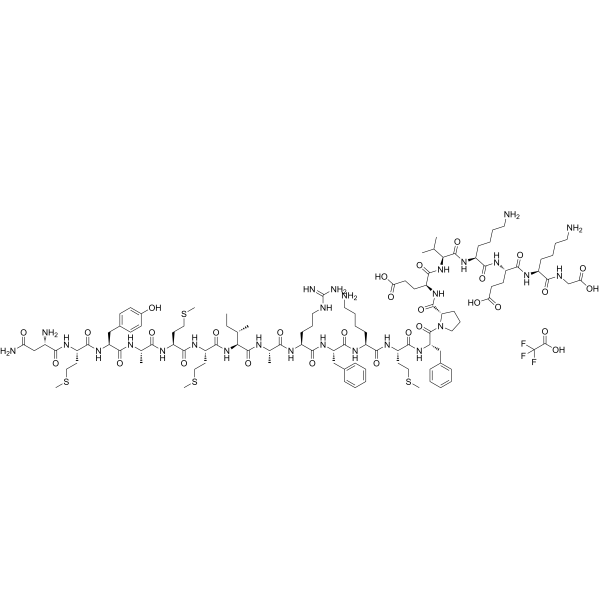
    GAD65 (524-543) acetate is a biological active peptide with amino acids 524 to 543 fragment of glutamic acid decarboxylase 65 (GAD65). GAD65 (524-543) acetate is one of the first fragments of the islet antigen to induce proliferative T cell responses in the non-obese diabetic (NOD) mouse model of spontaneous autoimmune diabetes. GAD65 (524-543) acetate is a specific, possibly low affinity, stimulus for the spontaneously arising diabetogenic T cell clone BDC2.5. Immunization with GAD65 (524-543) acetate increases the susceptibility of the NOD mice to type 1 diabetes induced by the adoptive transfer of BDC2.5 T cells .
    GAD65 (524-543) acetate
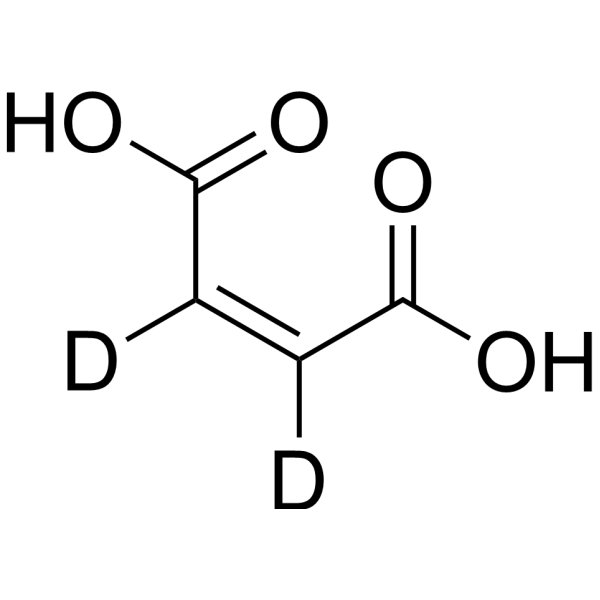
  • HY-Y0367S

    Maleic-2,3-d2 acid

    Bacterial Endogenous Metabolite Infection
    Maleic Acid-d2 is the deuterium labeled Maleic Acid . Maleic Acid is a Glutamate Decarboxylase (GAD) inhibitor of E. coli and L. monocytogenes .
    Maleic acid-d2
  • HY-B0404AR

    Ro 4-4602 hydrochloride (Standard)

    Reference Standards Pyruvate Kinase Neurological Disease Cancer
    Benserazide hydrochloride (Standard) (Serazide (Standard)) is the analytical standard of Benserazide hydrochloride (HY-B0404A). This product is intended for research and analytical applications. Benserazide hydrochloride (Serazide) is an aromatic L-amino acid decarboxylase (AADC) and L-DOPA decarboxylase inhibitor. Benserazide hydrochloride is also a PKM2 inhibitor. Benserazide hydrochloride directly binds to and blocks PKM2 enzyme activity, leading to inhibition of aerobic glycolysis concurrent up-regulation of OXPHOS. Benserazide hydrochloride can be used for the study of Parkinson's disease and melanoma .
    Benserazide hydrochloride (Standard)

Inquiry Online

Your information is safe with us. * Required Fields.

Salutation


Country or Region *

Applicant Name *


Organization Name *

Department *


Email Address *


Product Name *

Cat. No.


Requested quantity *

Phone Number *


Remarks

Inquiry Online

Inquiry Information

Product Name:
Cat. No.:
Quantity:
MCE Japan Authorized Agent: