



Benserazide hydrochloride
Based on 7 publication(s) in Google Scholar
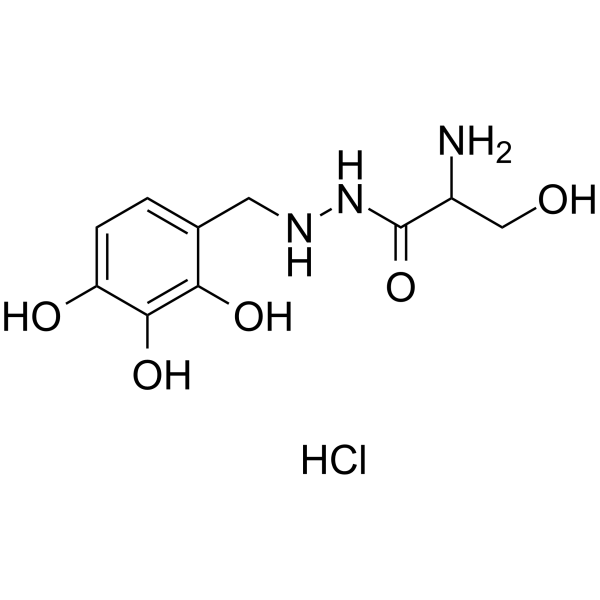
Benserazide hydrochloride (Serazide) is an aromatic L-amino acid decarboxylase (AADC) and L-DOPA decarboxylase inhibitor. Benserazide hydrochloride is also a PKM2 inhibitor. Benserazide hydrochloride directly binds to and blocks PKM2 enzyme activity, leading to inhibition of aerobic glycolysis concurrent up-regulation of OXPHOS. Benserazide hydrochloride can be used for the study of Parkinson's disease and melanoma.
For research use only. We do not sell to patients.
- Purity : 99.68%
- CAS No.: 14919-77-8
- Formula: C10H16ClN3O5
- Molecular Weight:293.70
-
Storage:
4°C, sealed storage, away from moisture
* In solvent : -80°C, 1 year; -20°C, 6 months (sealed storage, away from moisture)

To place orders, for customer services and technical support, please contact: MedChemExpress USA
Tel: 609-228-6898 E-mail: [email protected] [email protected]


-
 Biological Activity
-
Chemical Information
-
Solvent & Solubility
- Protocols
- Purity & Documentation
- References
-
 Help & FAQs


-
HY-N0304
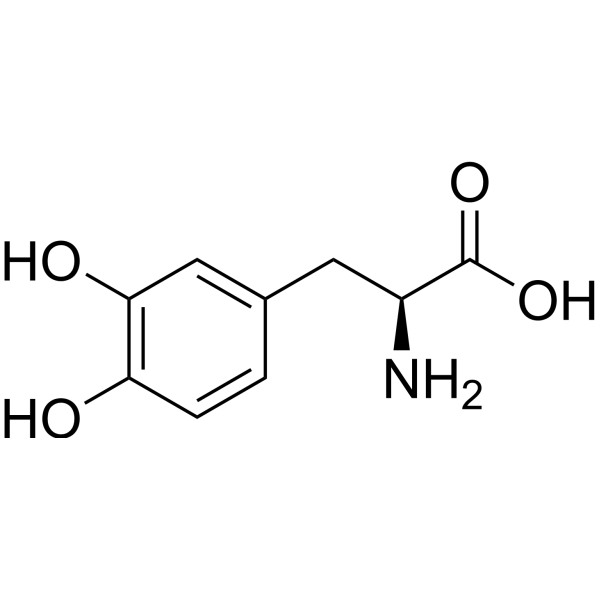
L-DOPADopamine Precursor -
HY-B0311
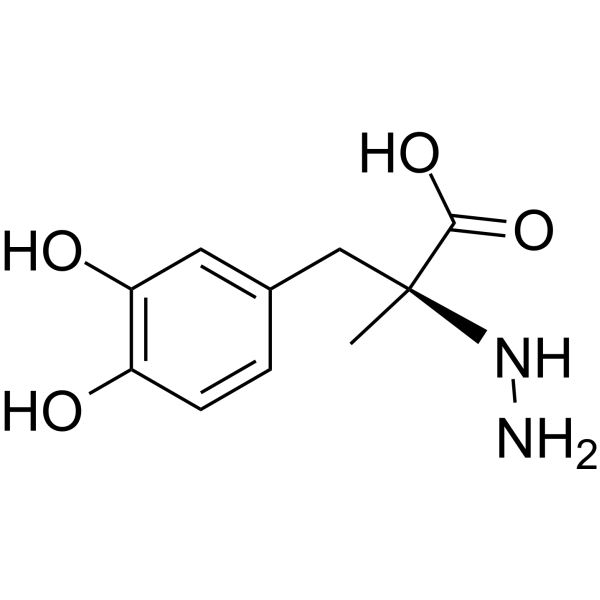
CarbidopaDecarboxylase Inhibitor -
HY-B0404AR
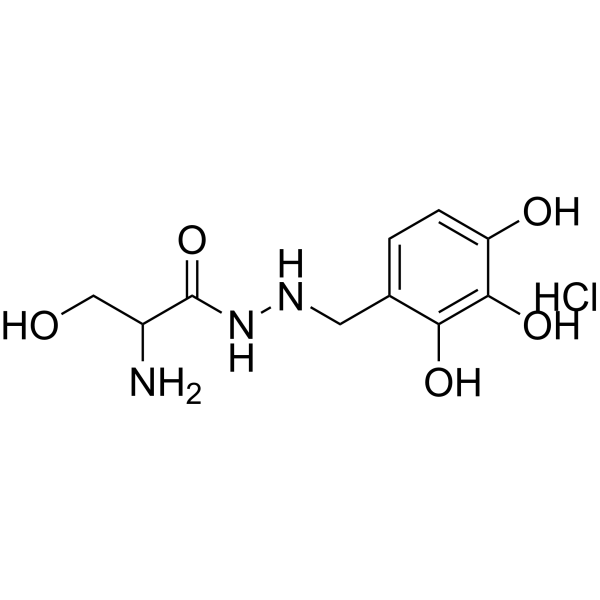
Benserazide hydrochloride (Standard)Standard of Benserazide hydrochloride -
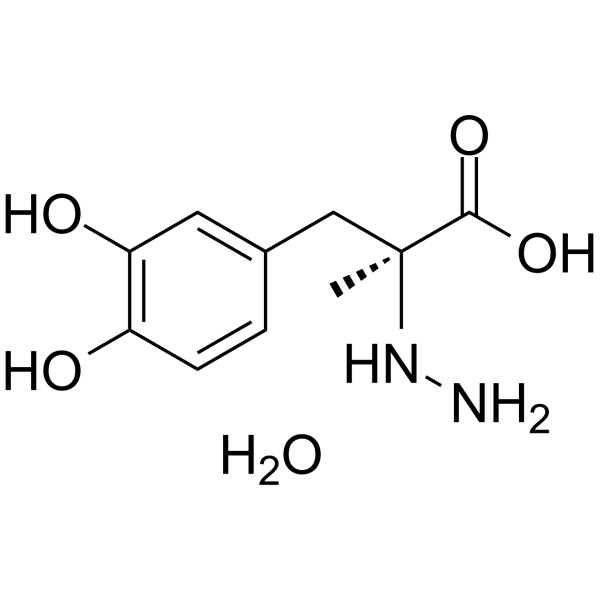
HY-B0311A
Carbidopa monohydrateAryl Hydrocarbon Receptor Modulator -
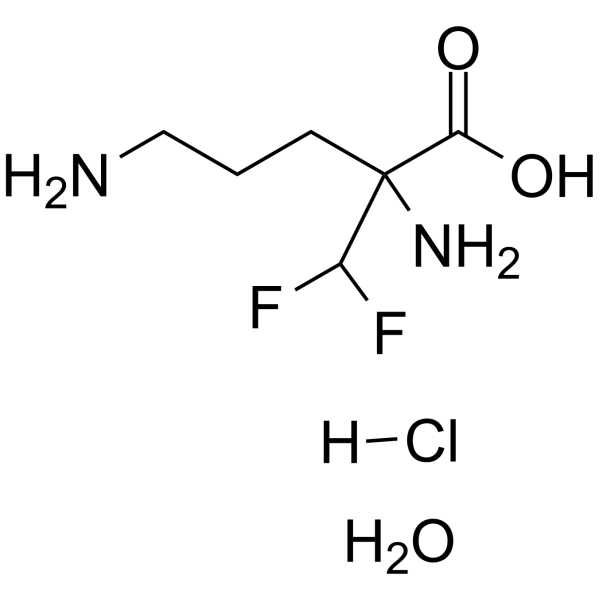
HY-B0744B
Eflornithine hydrochloride hydrateOrnithine Decarboxylase Inhibitor -
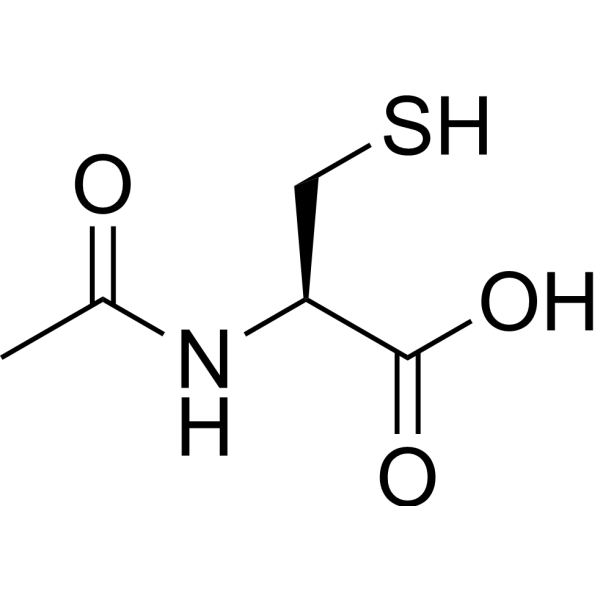
HY-B0215
AcetylcysteineMucolytic Agent -
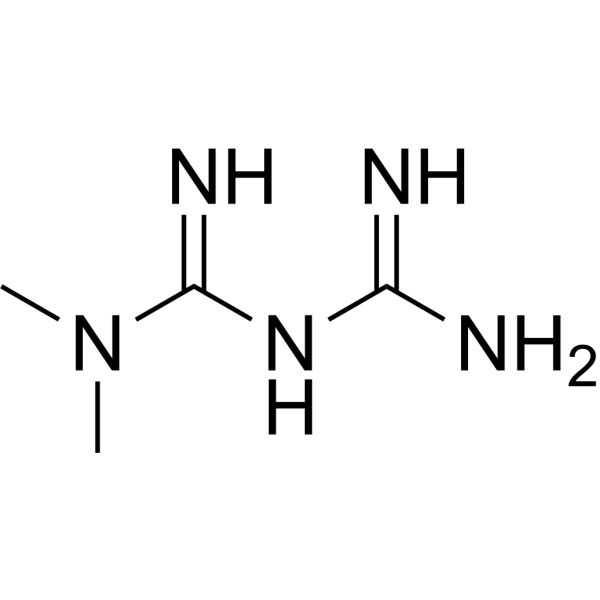
HY-B0627
MetforminAntihyperglycemic Agent -
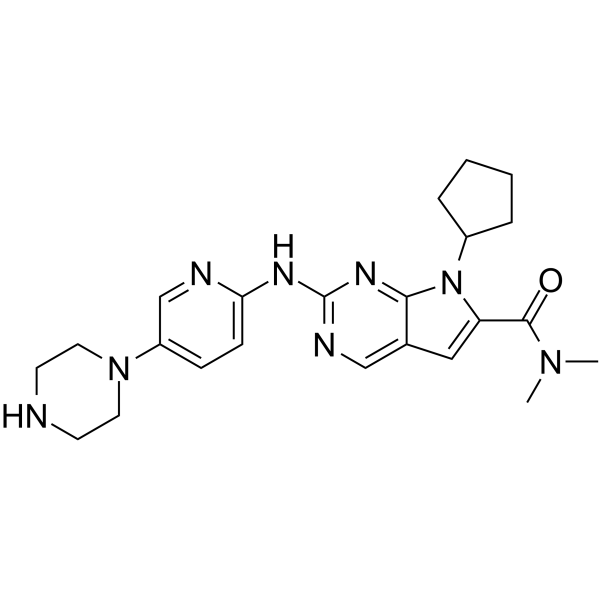
HY-15777
RibociclibCDK4/6 Inhibitor -
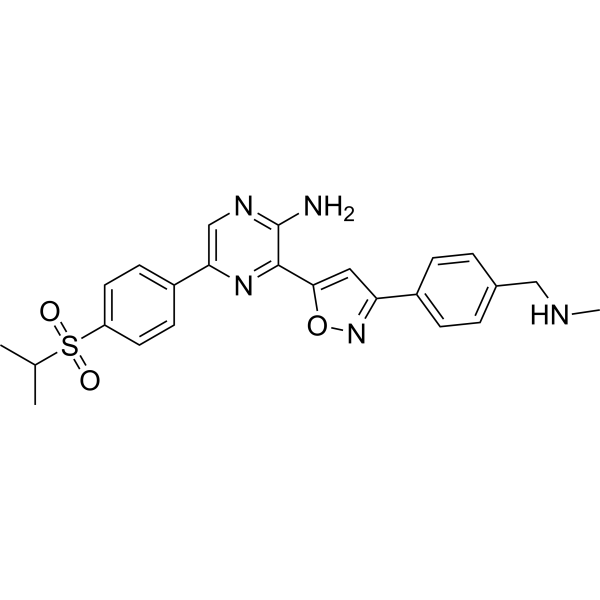
HY-13902
BerzosertibATR Inhibitor -
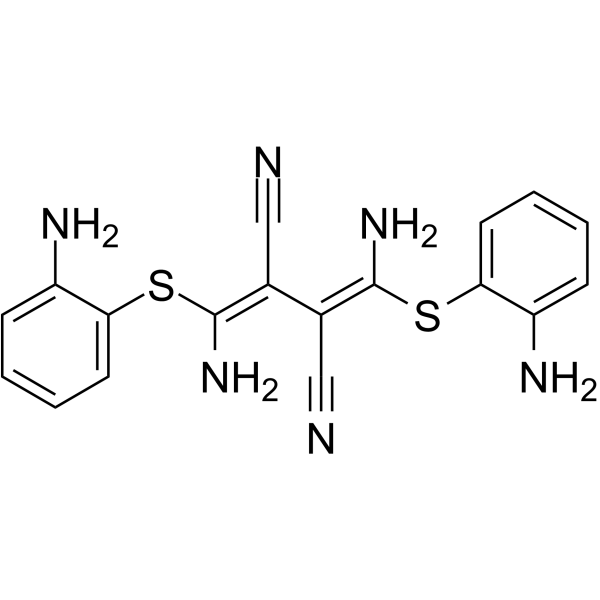
HY-12031A
U0126MEK1/2 Inhibitor -
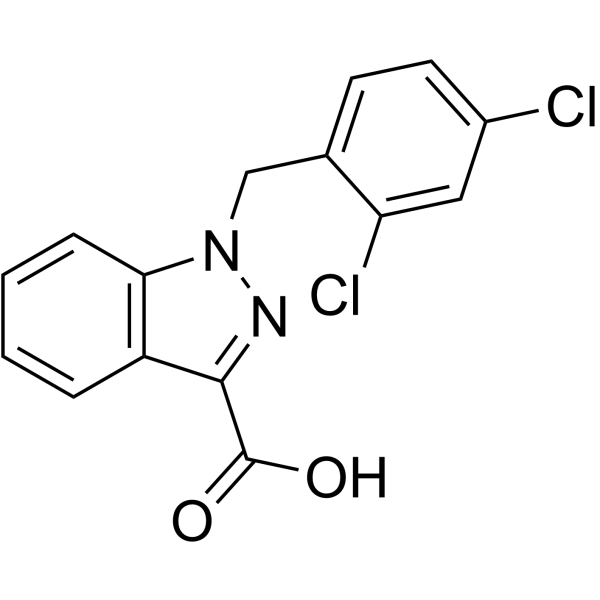
HY-B0486
LonidamineHexokinase Inhibitor -
HY-15689
EpacadostatIDO1 Inhibitor
Publications Citing Use of MedChemExpress (MCE) Benserazide hydrochloride
More- CNS Neurosci Ther. 2023 Oct;29(10):2925-2939. [Abstract]
- Gene Ther. 2024 Nov;31(11-12):614-624. [Abstract]
- Nutrients. 2022 Nov 4;14(21):4678. [Abstract]
- Microbiol Spectr. 2025 Nov 12;13(12):e0337924. [Abstract]
- SLAS Discov. 2020 Sep;25(8):895-905. [Abstract]
- J Stroke Cerebrovasc Dis. 2025 Jan;34(1):108101. [Abstract]
- Biochem Genet. 2025 Feb 11. [Abstract]


Biological Activity
Description
In Vitro
Benserazide hydrochloride (BH) and Levodopa (LD) individually and in combination (Benserazide hydrochloride + LD) (25 μM; 0 hour, 12 hours, 24 hours and 168 hours; SH-SY5Y) treatment inhibit protein aggregation and have the ability to minimise the amyloid-induced cytotoxicity in human neuroblastoma cell line. Benserazide hydrochloride and LD both can act as efficient inhibitors of the formation of cytotoxic HSA aggregates, and the inhibitory effects are more pronounced when both of these drugs are added simultaneously[2].
MedChemExpress (MCE) has not independently confirmed the accuracy of these methods. They are for reference only. Further protocols information, click here.
-
Cell Line:SH-SY5Y cells
-
Concentration:25 μM
-
Incubation Time:0 hour, 12 hours, 24 hours and 168 hours
-
Result:Enhanced cell viability, and inhibited the formation of cytotoxic human serum albumin (HSA) aggregates.
In Vivo
MedChemExpress (MCE) has not independently confirmed the accuracy of these methods. They are for reference only.
-
Animal Model:Male Wistar rats with 6-hydroxydopamine (6-OHDA) (8 Ag/4 Al)[1]
-
Dosage:5 mg/kg, 10 mg/kg or 50 mg/kg (Pharmacokinetic study)
-
Administration:Intraperitoneal injection
-
Result:Increased in exogenous L-DOPA-derived extracellular DA levels, the time to reach the peak DA levels were significantly prolonged in a dose-dependent fashion. The AADC activity in the denervated striatal tissues showed a significant decreased by 10 mg/kg and 50 mg/kg.


Chemical Information
-
CAS No. 14919-77-8
-
Appearance Solid
-
Molecular Weight 293.70
-
Formula C10H16ClN3O5
-
Color White to off-white
-
SMILES
NC(CO)C(NNCC1=CC=C(O)C(O)=C1O)=O.Cl
-
Synonyms
Ro 4-4602 hydrochloride
-
Shipping
Room temperature in continental US; may vary elsewhere.
-
Storage
4°C, sealed storage, away from moisture
* In solvent : -80°C, 1 year; -20°C, 6 months (sealed storage, away from moisture)


Publications (7)
-
Journal Impact Factor
-
Most Recent
-
CNS Neurosci Ther
Amphiregulin blockade decreases the levodopa-induced dyskinesia in a 6-hydroxydopamine Parkinson's disease mouse model. [Abstract]2023 Oct;29(10):2925-2939. PMID: 37101388 -
Gene Ther
Targeting serum response factor (SRF) deactivates ΔFosB and mitigates Levodopa-induced dyskinesia in a mouse model of Parkinson's disease. [Abstract]2024 Nov;31(11-12):614-624. PMID: 39384937 -
Nutrients
Neuroprotective Effects of Bifidobacterium breve CCFM1067 in MPTP-Induced Mouse Models of Parkinson's Disease. [Abstract]2022 Nov 4;14(21):4678. PMID: 36364939 -
Microbiol Spectr
Neuroprotective effects of hypoactive Akkermansia muciniphila in MPTP-induced mouse models of Parkinson's disease. [Abstract]2025 Nov 12;13(12):e0337924. PMID: 41223008 -
SLAS Discov
2020 Sep;25(8):895-905. PMID: 32567455 -
J Stroke Cerebrovasc Dis
Dopamine receptor agonist pramipexole exerts neuroprotection on global cerebral ischemia/reperfusion injury by inhibiting ferroptosis. [Abstract]2025 Jan;34(1):108101. PMID: 39490461 -
Biochem Genet
Amino Acid Metabolism-Related Gene Kynureninase (KYNU) as a Prognostic Predictor and Regulator of Diffuse Large B-Cell Lymphoma. [Abstract]2025 Feb 11. PMID: 39932613


Solvent & Solubility
In Vitro:
DMSO : 100 mg/mL (340.48 mM; Need ultrasonic; Hygroscopic DMSO has a significant impact on the solubility of product, please use newly opened DMSO)
H2O : ≥ 50 mg/mL (170.24 mM)
* "≥" means soluble, but saturation unknown.
Please refer to the solubility information to select the appropriate solvent. Once prepared, please aliquot and store the solution to prevent product inactivation from repeated freeze-thaw cycles.
Storage method and period of stock solution: -80°C, 1 year; -20°C, 6 months (sealed storage, away from moisture). When stored at -80°C, please use it within 1 year. When stored at -20°C, please use it within 6 months.
* Note: If you choose water as the stock solution, please dilute it to the working solution, then filter and sterilize it with a 0.22 μm filter before use.
Please refer to the solubility information to select the appropriate solvent. Once prepared, please aliquot and store the solution to prevent product inactivation from repeated freeze-thaw cycles.
Storage method and period of stock solution: -80°C, 1 year; -20°C, 6 months (sealed storage, away from moisture). When stored at -80°C, please use it within 1 year. When stored at -20°C, please use it within 6 months.
* Note: If you choose water as the stock solution, please dilute it to the working solution, then filter and sterilize it with a 0.22 μm filter before use.
Concentration (start) × Volume (start) = Concentration (final) × Volume (final)
In Vivo:
Select the appropriate dissolution method based on your experimental animal and administration route.
- For the following dissolution methods, please ensure to first prepare a clear stock solution using an In Vitro approach and then sequentially add co-solvents:
- To ensure reliable experimental results, the clarified stock solution can be appropriately stored based on storage conditions. As for the working solution for In Vivo experiments, it is recommended to prepare freshly and use it on the same day.
- The percentages shown for the solvents indicate their volumetric ratio in the final prepared solution. If precipitation or phase separation occurs during preparation, heat and/or sonication can be used to aid dissolution.
Add each solvent one by one: 10% DMSO 40% PEG300 5% Tween-80 45% Saline
Solubility: ≥ 2.08 mg/mL (7.08 mM); Clear solution
This protocol yields a clear solution of ≥ 2.08 mg/mL (saturation unknown).
Taking 1 mL working solution as an example, add 100 μL DMSO stock solution (20.8 mg/mL) to 400 μL PEG300, and mix evenly; then add 50 μL Tween-80 and mix evenly; then add 450 μL Saline to adjust the volume to 1 mL.
Preparation of Saline: Dissolve 0.9 g sodium chloride in ddH₂O and dilute to 100 mL to obtain a clear Saline solution.
Add each solvent one by one: 10% DMSO 90% (20% SBE-β-CD in Saline)
Solubility: ≥ 2.08 mg/mL (7.08 mM); Clear solution
This protocol yields a clear solution of ≥ 2.08 mg/mL (saturation unknown).
Taking 1 mL working solution as an example, add 100 μL DMSO stock solution (20.8 mg/mL) to 900 μL 20% SBE-β-CD in Saline, and mix evenly.
Preparation of 20% SBE-β-CD in Saline (4°C, storage for one week): 2 g SBE-β-CD powder is dissolved in 10 mL Saline, completely dissolve until clear.
For the following dissolution methods, please prepare the working solution directly:
It is recommended to prepare fresh solutions and use them promptly within a short period of time.
The percentages shown for the solvents indicate their volumetric ratio in the final prepared solution. If precipitation or phase separation occurs during preparation, heat and/or sonication can be used to aid dissolution.
Add each solvent one by one: PBS
Solubility: 100 mg/mL (340.48 mM); Clear solution; Need ultrasonic
In Vivo Dissolution Calculator
Please enter the basic information of animal experiments:
-
-
-
-
Recommended: Prepare an additional quantity of animals to account for potential losses during experiments.
Working solution concentration: 0.22 mg/mL
This product has good water solubility, please refer to the measured solubility data in water/PBS/Saline for details.

Protocols
-
Human pluripotent stem cell midbrain dopaminergic neuron differentiation
Human pluripotent stem cells are directed toward midbrain dopaminergic neurons by first inducing a neural floor-plate-like progenitor state, then patterning cells with ventralizing SHH signaling and midbrain/WNT-FGF cues, and finally maturing progenitors into neurons expressing dopaminergic markers such as TH, NURR1/NR4A2, PITX3, DAT/SLC6A3, VMAT2/SLC18A2, GIRK2/KCNJ6, FOXA2, LMX1A, and EN1. The main readouts are loss of pluripotency, acquisition of FOXA2+/LMX1A+ midbrain floor-plate progenitors, emergence of βIII-tubulin+/MAP2+ neurons, and production of TH+ dopaminergic neurons with molecular, dopamine-release, and electrophysiological features of midbrain dopaminergic identity.


Purity & Documentation
-
Data Sheet (278 KB)
-
SDS (393 KB)
- English - EN (393 KB)
- Français - FR (393 KB)
- Deutsch - DE (393 KB)
- Norwegian - NO (393 KB)
- Español - ES (393 KB)
- Swedish - SV (393 KB)
- Italian - IT (393 KB)
- Korean - KR (393 KB)
- Portuguese - PT (393 KB)
-
Handling Instructions (2659 KB)
References
[1]. Shen H, et al. Effects of benserazide on L-DOPA-derived extracellular dopamine levels and aromatic L-amino acid decarboxylase activity in the striatum of 6-hydroxydopamine-lesioned rats. Tohoku J Exp Med. 2003 Mar;199(3):149-59. [Content Brief]
[2]. Chandel TI, et al. A multiparametric analysis of the synergistic impact of anti-Parkinson's drugs on the fibrillation of human serum albumin. Biochim Biophys Acta Proteins Proteom. 2019 Mar;1867(3):275-285. [Content Brief]
[3]. Zhou Y, et al. Benserazide is a novel inhibitor targeting PKM2 for melanoma treatment. Int J Cancer. 2020 Jul 1;147(1):139-151. [Content Brief]


Complete Stock Solution Preparation Table
Please refer to the solubility information to select the appropriate solvent. Once prepared, please aliquot and store the solution to prevent product inactivation from repeated freeze-thaw cycles.
Storage method and period of stock solution: -80°C, 1 year; -20°C, 6 months (sealed storage, away from moisture). When stored at -80°C, please use it within 1 year. When stored at -20°C, please use it within 6 months.
| Optional Solvent | Concentration Solvent Mass | 1 mg | 5 mg | 10 mg | 25 mg |
|---|---|---|---|---|---|
| H2O / DMSO | 1 mM | 3.4048 mL | 17.0242 mL | 34.0483 mL | 85.1209 mL |
| 5 mM | 0.6810 mL | 3.4048 mL | 6.8097 mL | 17.0242 mL | |
| 10 mM | 0.3405 mL | 1.7024 mL | 3.4048 mL | 8.5121 mL | |
| 15 mM | 0.2270 mL | 1.1349 mL | 2.2699 mL | 5.6747 mL | |
| 20 mM | 0.1702 mL | 0.8512 mL | 1.7024 mL | 4.2560 mL | |
| 25 mM | 0.1362 mL | 0.6810 mL | 1.3619 mL | 3.4048 mL | |
| 30 mM | 0.1135 mL | 0.5675 mL | 1.1349 mL | 2.8374 mL | |
| 40 mM | 0.0851 mL | 0.4256 mL | 0.8512 mL | 2.1280 mL | |
| 50 mM | 0.0681 mL | 0.3405 mL | 0.6810 mL | 1.7024 mL | |
| 60 mM | 0.0567 mL | 0.2837 mL | 0.5675 mL | 1.4187 mL | |
| 80 mM | 0.0426 mL | 0.2128 mL | 0.4256 mL | 1.0640 mL | |
| 100 mM | 0.0340 mL | 0.1702 mL | 0.3405 mL | 0.8512 mL |
* Note: If you choose water as the stock solution, please dilute it to the working solution, then filter and sterilize it with a 0.22 μm filter before use.


Benserazide hydrochloride Related Classifications
HY-B0404A Related Classifications
 Powered by Bioz