1. Search Result
Search Result
Pathways Recommended: Stem Cell/Wnt Cell Cycle/DNA Damage
Results for "

human colorectal cancer cells

" in MedChemExpress (MCE) Product Catalog:

128

Inhibitors & Agonists

1

Fluorescent Dyes

7

Peptides

17

Inhibitory Antibodies

28

Natural
Products

3

Isotope-Labeled Compounds

2

Click Chemistry

3

Oligonucleotides

Cat. No. Product Name Target Research Areas Chemical Structure
  • HY-16560
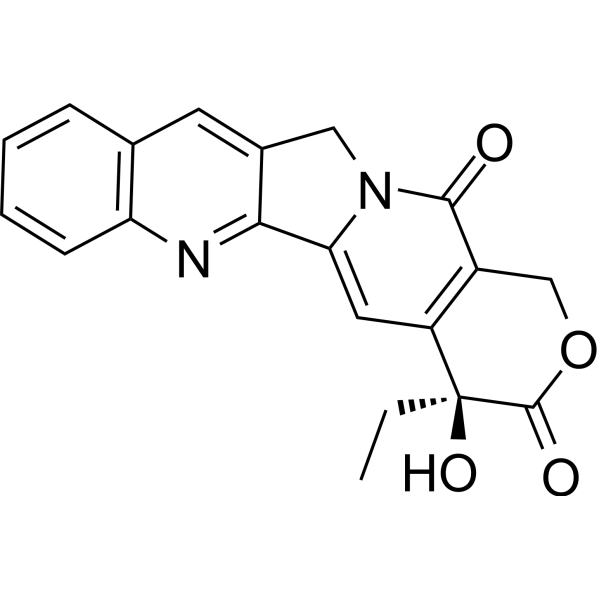
    Camptothecin
    Maximum Cited Publications
    68 Publications Verification

    Campathecin; (S)-(+)-Camptothecin; CPT

    Topoisomerase ADC Payload MicroRNA Influenza Virus Apoptosis Fungal Antibiotic Infection Cancer
    Camptothecin (CPT), a kind of alkaloid, is a DNA topoisomerase I (Topo I) inhibitor with an IC50 of 679 nM . Camptothecin (CPT) exhibits powerful antineoplastic activity against colorectal, breast, lung and ovarian cancers, modulates hypoxia-inducible factor-1α (HIF-1α) activity by changing microRNAs (miRNA) expression patterns in human cancer cells .
    Camptothecin
  • HY-P99275
    Patritumab
    1 Publications Verification

    AMG-888; U3-1287

    EGFR Akt ERK PARP Survivin Cancer
    Patritumab (Human Anti-ERBB3 Recombinant Antibody) is a neutralizing monoclonal antibody to ERBB3. Patritumab shows a synergy with Cetuximab (HY-P9905), potently inhibits the phosphorylation of EGFR, HER2, HER3, ERK, and AKT. Patritumab also induces cell apoptosis and suppresses the growth of pancreatic, non-small cell lung cancer, and colorectal cancer xenograft tumors .
    Patritumab
  • HY-157941

    ATM/ATR Checkpoint Kinase (Chk) DNA/RNA Synthesis Cancer
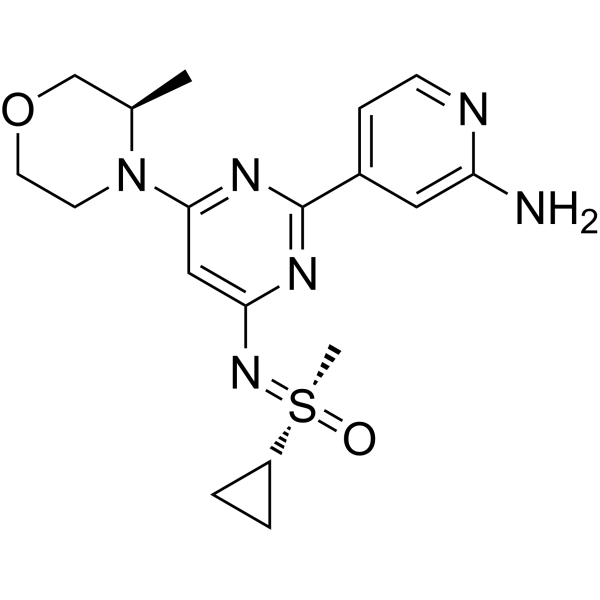
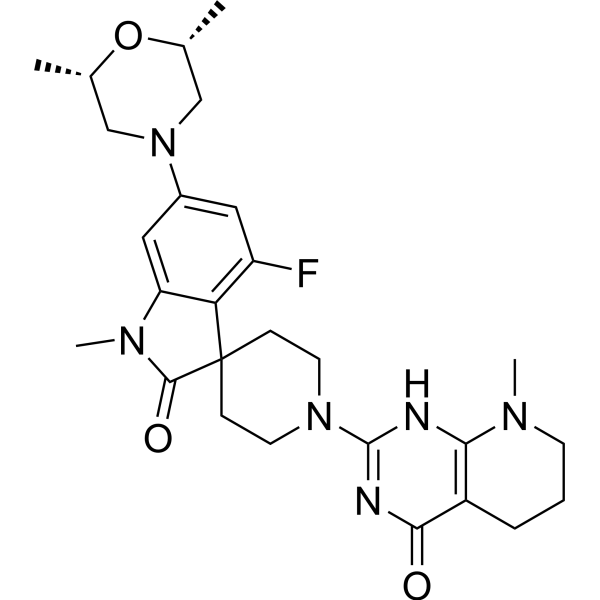
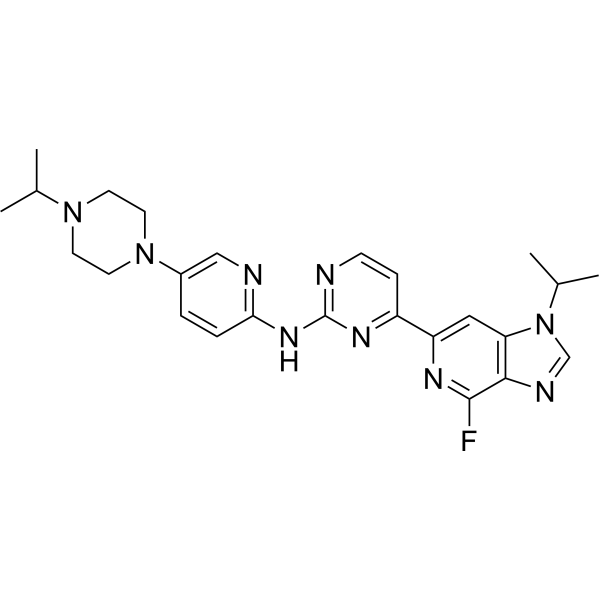
    ART0380 is a potent, selective and orally active ATR kinase inhibitor. ART0380 potently inhibits human ATR-ATRIP complex with an IC50 of 51.7 nM. ART0380 binds the ATP pocket of the ATR-ATRIP complex, blocks ATR-dependent Chk1 serine 345 phosphorylation, and induces cell cycle disorder and DNA damage. ART0380 demonstrates potent and selective antitumor activity in preclinical models with varying types of ataxia-telangiectasia mutated (ATM) gene aberrancy. ART0380 can be used for the research of cancer, such as colorectal cancer and prostate cancer .
    ART0380
  • HY-148807

    QC8222 free base; TACH 101 free base

    Histone Demethylase Apoptosis Cancer
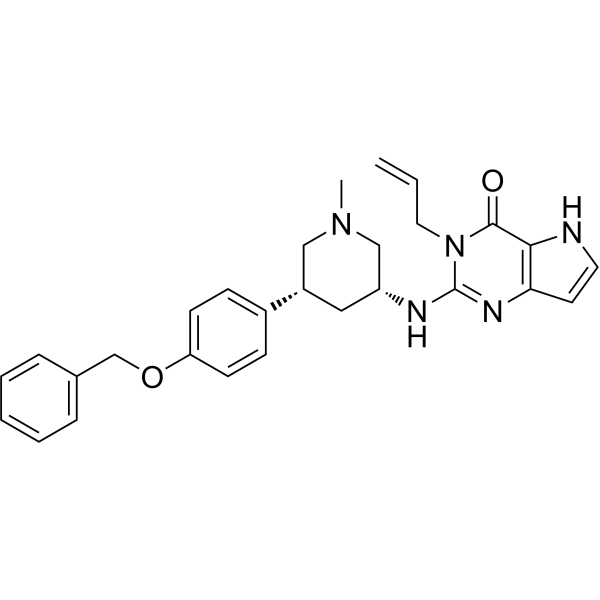
    Zavondemstat (QC8222 free base; TACH 101 free base) is an orally active pan-KDM4 inhibitor, with a IC50 ≤ 0.08 μM against human KDM4A-D and a Kᵢ of 0.52 μM against human KDM4C. Zavondemstat induces cell apoptosis, causes S-phase cell cycle arrest, reduces the population of tumor-initiating cells and inhibits cancer cell proliferation. Zavondemstat suppresses tumor growth and induces tumor regression in mouse xenograft models. Zavondemstat can be used for the research of various cancers including colorectal cancer, esophageal squamous cell carcinoma and triple-negative breast cancer .
    Zavondemstat
  • HY-P9964

    11F8; IMC-11F8; LY3012211

    EGFR Cancer
    Necitumumab (11F8; IMC-11F8; LY3012211) is a human IgG monoclonal antibody directed against EGFR. Necitumumab binds to the EGF binding site of EGFR, blocks ligand binding, neutralizes ligand-induced EGFR phosphorylation and downstream signaling, induces EGFR internalization and degradation, and mediates antibody-dependent cellular cytotoxicity (ADCC) in EGFR-expressing cells. Necitumumab enhances antitumour activity in combination with Gemcitabine (HY-17026) and Cisplatin (HY-17394) in murine non-small-cell lung cancer xenograft models. Necitumumab can be used in research on cancers such as non-small cell lung cancer and colorectal cancer .
    Necitumumab
  • HY-156617A

    SHR169265

    ADC Payload Topoisomerase Cancer
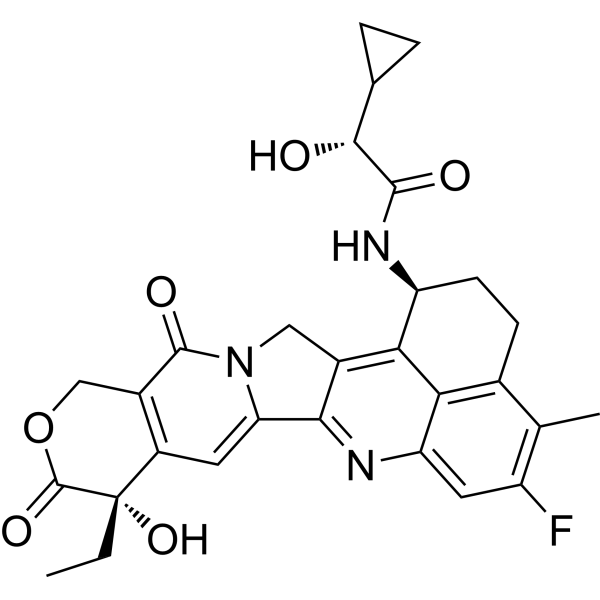
    (αR)-Cyclopropaneacetamide-Exatecan (SHR169265) is a DNA Topoisomerase I inhibitor with enhanced membrane permeability (with an IC50 of 1.34 μM against the human DNA Topoisomerase I). (αR)-Cyclopropaneacetamide-Exatecan exerts cytotoxic effects by inhibiting the enzymatic activity of Topoisomerase I, and this anticancer effect is independent of the expression level of HER2. (αR)-Cyclopropaneacetamide-Exatecan is an ADC Cytotoxin derived from Exatecan (HY-13631), which can be used in research related to advanced cancers such as breast cancer, gastric cancer, colorectal cancer and non-small cell lung cancer .
    (αR)-Cyclopropaneacetamide-Exatecan
  • HY-164561
    TASIN-30
    1 Publications Verification

    Emopamil Binding Protein Ferroptosis Apoptosis Cancer
    TASIN-30 is a selective EBP inhibitor with an EC50 of 0.097 μM. TASIN-30 blocks the production of 7-dehydrocholesterol (7-DHC) and downstream cholesterol biosynthesis processes. TASIN-30 depletes downstream sterols, disrupts the integrity of lipid rafts in tumor cells, accelerates intracellular cholesterol consumption, and inhibits tumor cell proliferation. TASIN-30 induces ferroptosis and apoptosis by reducing 7-DHC levels and increasing phospholipid peroxidation. TASIN-30 achieves tumor suppression in nude mice with osteosarcoma. TASIN-30 can be used in cancer-related research such as colorectal cancer and osteosarcoma .
    TASIN-30
  • HY-N0481
    Roburic acid
    1 Publications Verification

    COX TNF Receptor NO Synthase Interleukin Related NF-κB Apoptosis p38 MAPK JNK ERK Keap1-Nrf2 RANKL/RANK Neurological Disease Inflammation/Immunology Cancer
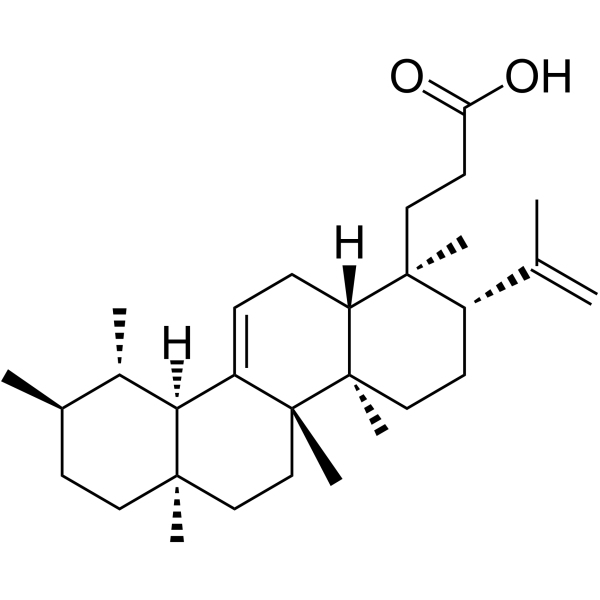
    Roburic acid acts as an anti-inflammatory, anti-tumor and osteoclastogenesis inhibitor, with a Ki of 7.066 μM against human TNF, an IC50 of 9 μM against human COX-2, and an IC50 of 5 μM against ovine COX-1. Roburic acid reduces the production of inflammatory mediators such as NO and IL-6 in macrophages by inhibiting the NF-κB and MAPK (p38/JNK) pathways. By competitively inhibiting the TNF-TNF-R1 interaction, Roburic acid blocks the downstream NF-κB signaling pathway, thereby inducing cell cycle arrest and apoptosis in cancer cells. Roburic acid specifically inhibits osteoclastogenesis and bone resorption by suppressing the RANKL/TRAF6/NF-κB/NFATc1 axis. Roburic acid can be used in research related to osteolytic diseases such as osteoporosis, colorectal cancer and inflammatory diseases .
    Roburic acid
  • HY-W075517

    2-Methylimidazole zinc salt

    Caspase Pyroptosis MOFs Cancer
    ZIF-8 (2-Methylimidazole zinc salt) is a caspase-1/Gasdermin D activator and a pH- and stimulus-responsive inducer of drug release, which serves as a highly efficient drug delivery carrier. ZIF-8 is a metal-organic framework (MOF). ZIF-8 activates the caspase-1/Gasdermin D-dependent pyroptosis pathway, induces pyroptosis, necrosis and immunogenic cell death, initiates in situ anti-tumor immunity, reprograms the immunosuppressive tumor microenvironment and inhibits tumor proliferation. ZIF-8 is applicable to related research on multiple cancers including colorectal cancer and breast cancer .

    ZIF-8
  • HY-N7072
    Grape seed extract
    2 Publications Verification

    Apoptosis Metabolic Disease Inflammation/Immunology Cancer
    Grape seed extract is a natural product, with anti-inflammatory and anti-proliferative effects. Grape seed extract shows inhibitory activity on the fat-metabolizing enzymes pancreatic lipase and lipoprotein lipase. Grape seed extract induces apoptotic in human colorectal cancer cells .
    Grape seed extract
  • HY-124529

    11β-HSD Endogenous Metabolite Metabolic Disease Inflammation/Immunology Cancer
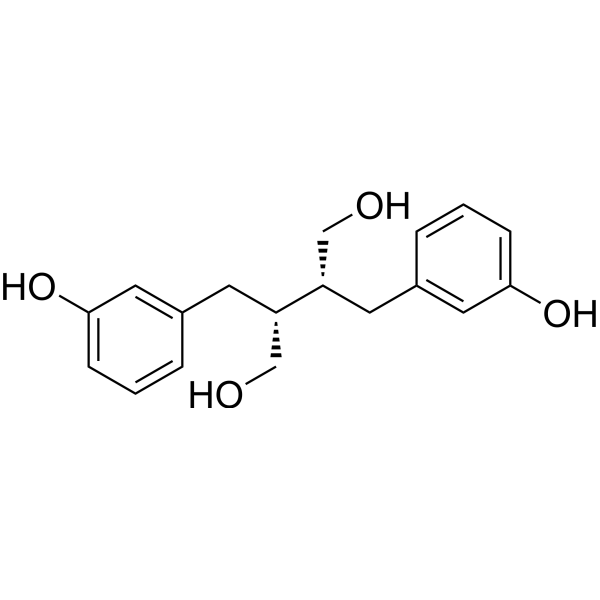
    Lunularin is an inhibitor of 11β-hydroxysteroid dehydrogenase 1, with an IC50 of 45.44 μM and a Ki of 35.8 μM against human 11β-HSD1, and an IC50 of 17.39 μM and a Ki of 10.31 μM against rat 11β-HSD1. Lunularin upregulates the transcription levels of Sirt1 and Hmox1 genes in the liver. Lunularin reduces food intake and body weight gain, and decreases blood glucose levels in mice fed a high-fat diet. Lunularin inhibits LPS-induced TLR4-mediated NF-κB pathway activation and nitric oxide production. Lunularin inhibits the proliferation and colony formation of renal cancer and colon cancer cells, and exhibits cancer cell-specific cytotoxicity. Lunularin binds to the steroid-binding site of human 11β-HSD1 and the steroid/NADPH-binding region of rat 11β-HSD1, but does not inhibit 11β-HSD2 or mouse 11β-HSD1. Lunularin can be used in research related to diet-induced obesity, renal cancer, colorectal cancer, inflammatory diseases and metabolic syndrome .
    Lunularin
  • HY-137849

    PARP Cancer
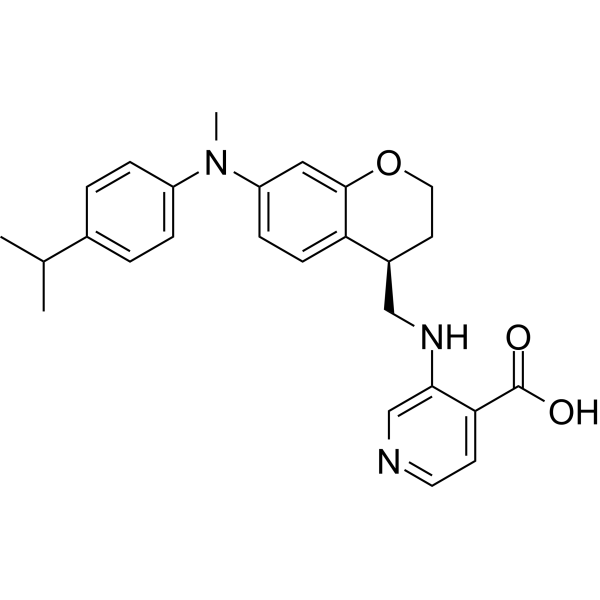
    RK-582 is a tankyrase inhibitor, antitumor agent, and orally bioavailable growth inhibitor, with an IC50 of 36.1 nM against human tankyrase-1 and an IC50 of 39.2 nM against human tankyrase-2. In APC-mutated colorectal cancer cells, the sensitivity to RK-582 correlates with the level of active β-catenin, while drug resistance associates with PIK3CA mutation. RK-582 can be used for the research of colorectal cancer .
    RK-582
  • HY-136485
    FEN1-IN-4
    2 Publications Verification

    FLAP Cancer
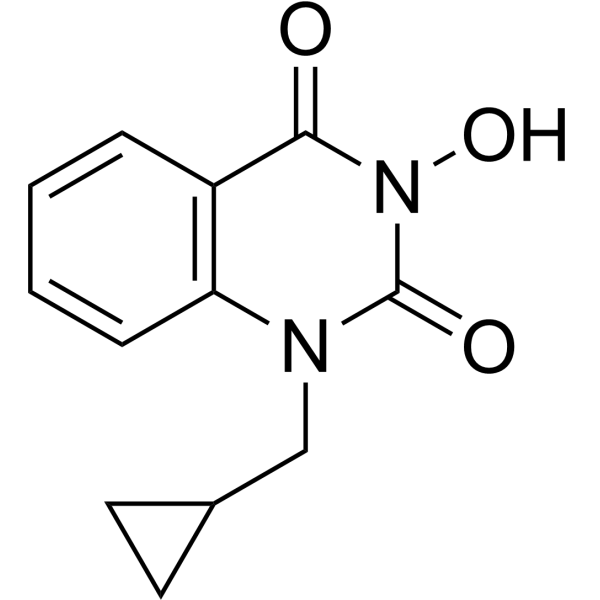
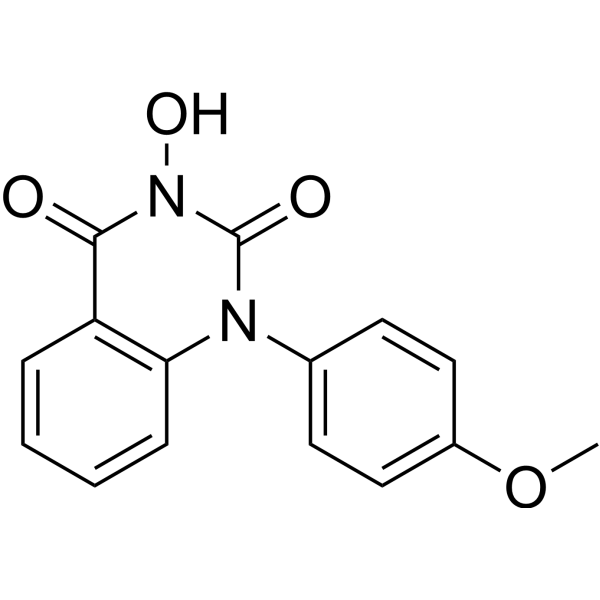
    FEN1-IN-4 (Compound 2) is a human flap endonuclease-1 (hFEN1) inhibitor .
    FEN1-IN-4
  • HY-N0819
    Raddeanin A
    1 Publications Verification

    Apoptosis PI3K Akt ERK mTOR Wnt β-catenin Wee1 JNK VEGFR CDK Neurological Disease Inflammation/Immunology Cancer
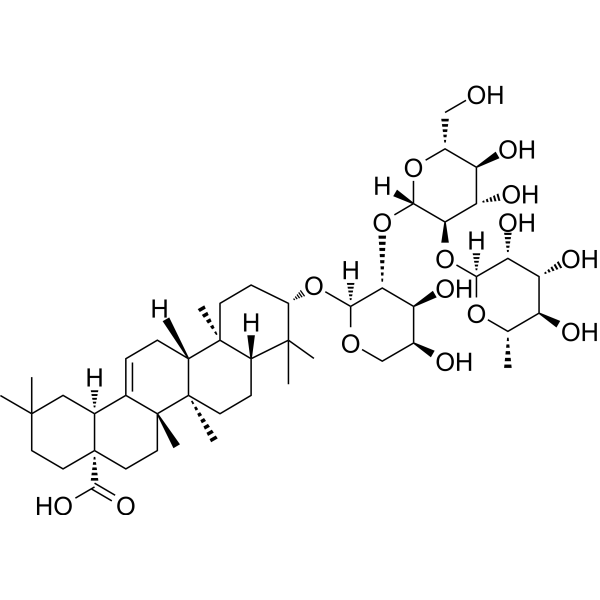
    Raddeanin A is an oleanane-type triterpenoid saponin with oral activity. Raddeanin A inhibits SRC, mTOR, JNK, VEGFR2, NLRP3 inflammasome, Wnt/β-catenin, Wee1, PI3K/AKT signaling pathway, MAPK/ERK signaling pathway, AR-FL, AR-Vs, and downregulates the expression of p-PI3K and p-AKT. Raddeanin A inhibits osteoclast formation, bone resorption, osteolysis, cancer cell invasion, migration, proliferation, angiogenesis and epithelial-mesenchymal transition, while induces apoptosis, cell cycle arrest, ROS production, immunogenic cell death and dendritic cell maturation. Raddeanin A improves blood-retinal barrier function, alleviates inflammation, regulates the tumor microenvironment, and enhances the activity of anti-PD-1 antibody. Raddeanin A is applicable to the research of breast cancer-associated osteolysis, human osteosarcoma, colorectal cancer, glioblastoma, Alzheimer's disease, cholangiocarcinoma, melanoma, non-small cell lung cancer, castration-resistant prostate cancer and multiple myeloma .
    Raddeanin A
  • HY-P991728

    TORL-3-600 antibody

    Cadherin ADC Antibody Cancer
    Zarutatug (TORL-3-600 antibody) is an IgG1κ humanized antibody targeting cadherin 17 (CDH17). It selectively binds to cell-surface CDH17, triggering endocytosis and trafficking to lysosomes. Zarutatug can be used to construct ADCs, such as TORL-3-600 .
    Zarutatug
  • HY-160406

    STING IFNAR Interleukin Related Inflammation/Immunology Cancer
    SNX281 is a selective STING agonist, with IC50 values of 4.1, 4.5, 10.7, and 3.7 μM against human, mouse, rat, and monkey STING, respectively. SNX281 undergoes homodimerization at the STING binding site, triggering a conformational shift of STING from an inactive open state to an active closed state, thereby driving downstream STING-dependent signaling pathways. SNX281 induces type I interferons, IFN-β, TNF-α, IL-6, cytokine release, T cell responses, and long-lasting immune memory. SNX281 exhibits anti-tumor activity and is applicable to research related to colorectal cancer, melanoma, advanced solid tumors, lymphoma, and ovarian cancer .
    SNX281
  • HY-P990033

    CC-95251; BMS-986351

    CD47 Cancer
    Anzurstobart is a CD47/SIRPα inhibitor with human SIRPα Kd of 0.0541 nM and human SIRPα IC50 of 100 nM. Anzurstobart binds SIRPα at a CD47-overlapping site, blocks CD47-SIRPα interactions, inhibits CD47-SIRPα axis signaling, and binds across 6 prevalent human SIRPα haplotypes. Anzurstobart binds SIRPγ and inhibits CD47-SIRPγ interactions. Anzurstobart can be used for the research of non-Hodgkin's lymphoma, colorectal cancer, squamous cell carcinoma of the head and neck, diffuse large B-cell lymphoma, and advanced solid and hematologic malignancies .
    Anzurstobart
  • HY-N2445
    Flavokawain C
    4 Publications Verification

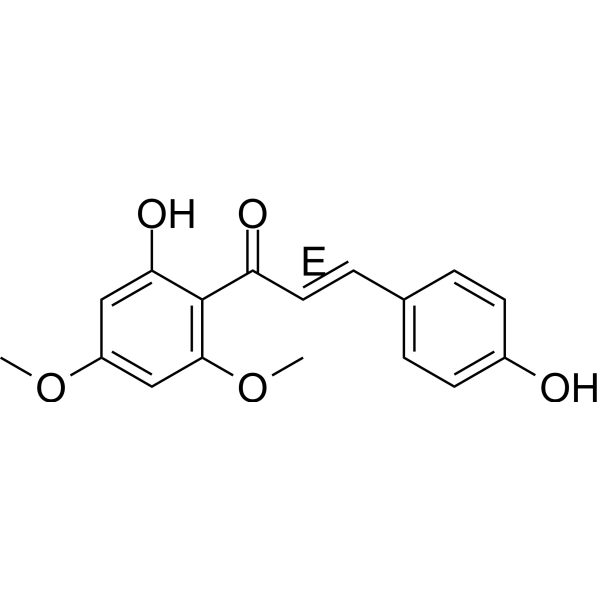
    Apoptosis Akt JNK PERK Caspase PARP MDM-2/p53 IAP Reactive Oxygen Species (ROS) SOD FABP Autophagy AMPK mTOR GLUT EGFR PI3K HSP VEGFR FAK Cancer
    Flavokawain C is an orally active natural chalcone. Flavokawain C inhibits the proliferation of various cancer cells. Flavokawain C upregulates GADD153 in cancer cells, inhibits the phosphorylation of Akt and JNK, suppresses early ERK phosphorylation, activates late ERK phosphorylation, activates caspase related subtypes, induces PARP-1 cleavage, causes upregulation of p21 and p27, downregulation of mutant p53 and anti-apoptotic IAP proteins, elevates intracellular ROS levels, reduces SOD activity, and induces apoptosis. Flavokawain C downregulates FABP4, induces autophagy in cancer cells, and activates the AMPK/mTOR pathway . Flavokawain C decreases the expression of glycolysis-related proteins GLUT1 and HK2, and inhibits glycolysis in nasopharyngeal carcinoma cells. Flavokawain C inhibits the activation of the EGFR/PI3K/Akt/mTOR signaling pathway and reduces the expression of HSP90B1. Flavokawain C inhibits angiogenesis by decreasing the expression of angiogenic proteins Ang-1 and VEGF in human umbilical vein endothelial cells. Flavokawain C increases γ-H2AX levels in cells, inhibits the phosphorylation of FAK, PI3K and AKT in cells, and induces DNA damage in cells. Flavokawain C exerts anti-tumor activity in multiple tumor xenograft mouse models. Flavokawain C is applicable to research related to colorectal cancer, colon adenocarcinoma, nephroblastoma, nasopharyngeal carcinoma and liver cancer .
    Flavokawain C
  • HY-W014118

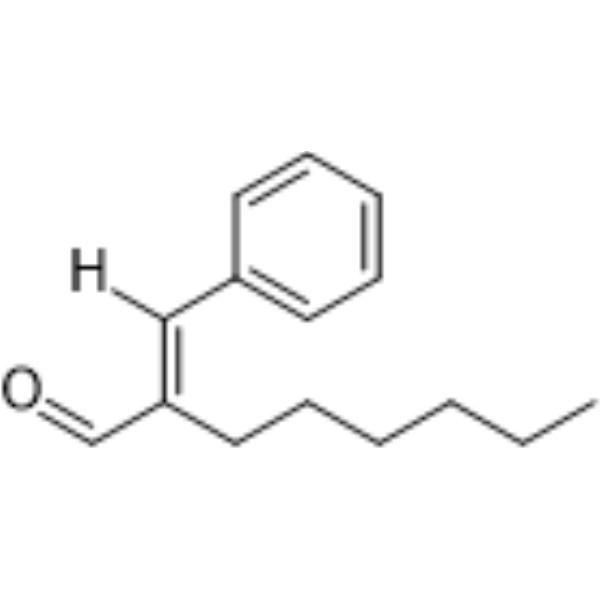
    Environmental Pollutants Inflammation/Immunology Cancer
    α-Hexylcinnamaldehyde is an O-acetyltransferase (OAT) inhibitor. α-Hexylcinnamaldehyde inhibits OAT-mediated bioactivation of nitroarene mutagens, exerts antimutagenic activity through demutagenic and bioantimutagenic mechanisms, and interferes with ATP-binding cassette (ABC) transporter function to reduce substrate efflux. α-Hexylcinnamaldehyde alters membrane permeability, fluidizes phospholipid membranes, exerts antioxidant effects, and enhances the antiproliferative effect of Doxorubicin on human cancer cells. α-Hexylcinnamaldehyde can be used in the research of colorectal adenocarcinoma, T-cell leukemia, and multidrug-resistant cancers .
    α-Hexylcinnamaldehyde
  • HY-P99040
    Onvatilimab
    1 Publications Verification

    JNJ-61610588; CI-8993; VSTB112

    VISTA Cancer
    Onvatilimab (JNJ-61610588) is a human IgG1κ anti-VISTA (V-domain Ig Suppressor of T-cell Activation) monoclonal antibody. Onvatilimab can be used in colorectal cancer research .
    Onvatilimab
  • HY-P1654

    Integrin Cancer
    A20FMDV2 is a highly selective αvβ6 integrin inhibitor with human IC50 values of 3 nM and binds with at least 1000-fold selectivity over other RGD-binding integrins. A20FMDV2 binds to the integrin’s RGD-binding site, induces rapid integrin internalization, and delays post-internalization integrin recycling to the cell surface. A20FMDV2 can be used for the research of pancreatic cancer, breast cancer, colorectal cancer, ovarian cancer, oral squamous cell carcinoma .
    A20FMDV2
  • HY-153863

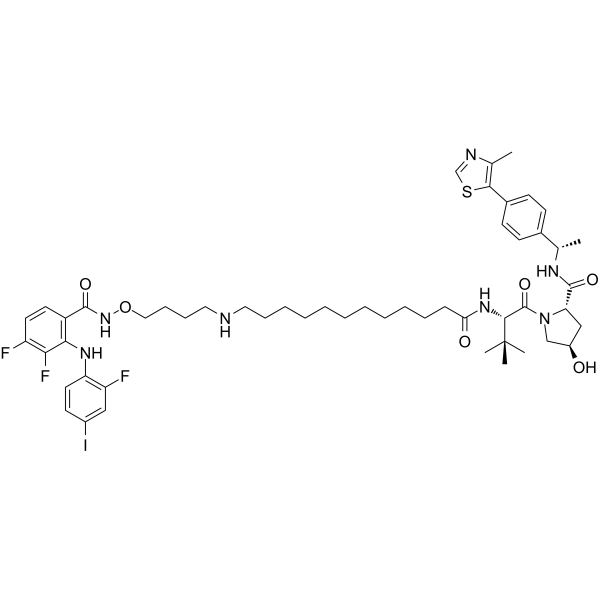
    PROTACs MEK Raf Cancer
    MS934 is a novel improved VHL-recruiting MEK 1/2 PROTAC degrader. MS934 also degrades CRAF. MS934 can be used for the research of variety of human cancers, such as melanoma, nonsmall cell lung cancer (NSCLC), colorectal cancer, primary brain tumors, and hepatocellular carcinoma (Pink: Target protein ligand (HY-168288); Black: linker (HY-168289); Blue: E3 ligase ligand (HY-112078)) .
    MS934
  • HY-139621

    DNA Alkylator/Crosslinker Cancer
    Colibactin 742 is a covalently binding DNA-damaging agent targeting DNA, with an IC50 of 5.2 μM against human cervical cancer cells (HeLa). Colibactin 742 covalently binds to DNA, forming interstrand crosslinks (ICLs), activating the Fanconi anemia DNA repair pathway, inducing γH2AX and FANCD2 foci formation and cell cycle arrest, while exacerbating mismatch repair deficiency (MMRd)-related mutations. Colibactin 742 can mimic the genotoxicity of natural Colibactin while avoiding its instability, and is mainly used in colorectal cancer (CRC) related research, including microbial tumorigenesis mechanisms, DNA damage repair pathways, and mutation signature analysis .
    Colibactin 742
  • HY-160066

    Transmembrane Glycoprotein Cancer
    SYL3C aptamer sodium is a DNA aptamer targeting EpCAM. SYL3C aptamer sodium targets a variety of cancer cell lines. SYL3C aptamer sodium can be used for targeted cancer cell imaging and circulating tumor cell detection .
    SYL3C aptamer sodium
  • HY-143904

    PROTACs Mps1 Cancer
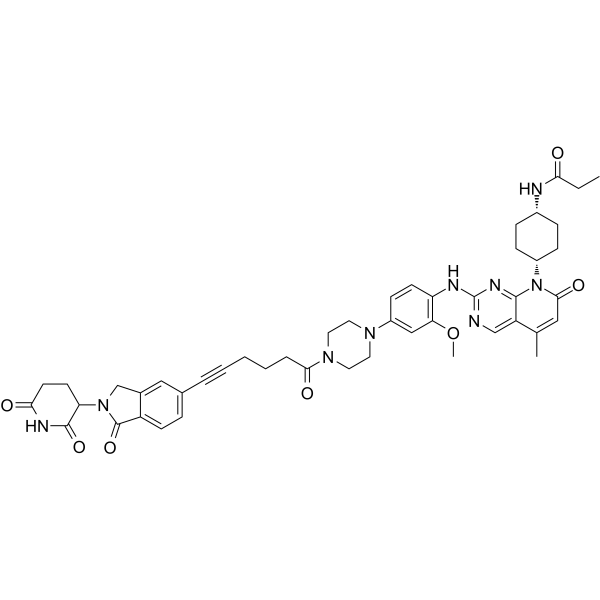
    PROTAC TTK degrader-1 is a potent TTK (threonine tyrosine kinase) PROTAC degrader, with DC50 values of 1.7 and 5.8 nM in COLO-205 and HCT-116 cell, respectively. PROTAC TTK degrader-1 exhibits target degradation and anticancer efficacy in a xenograft mouse model of COLO-205 human colorectal cancer cells .
    PROTAC TTK degrader-1
  • HY-123901

    Apoptosis Cancer
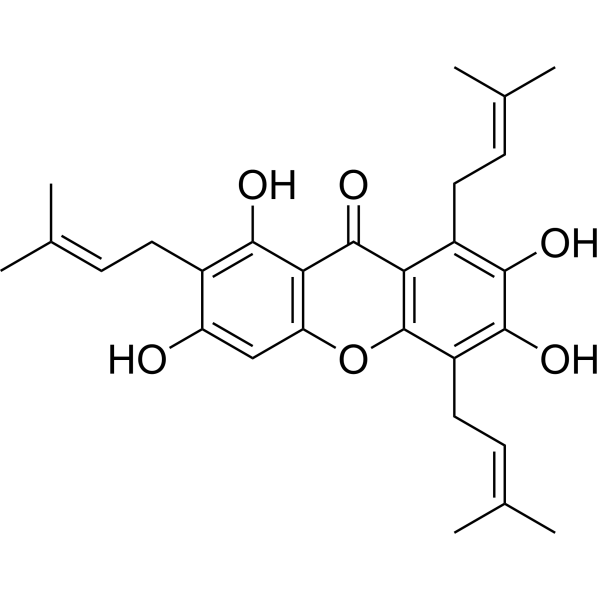
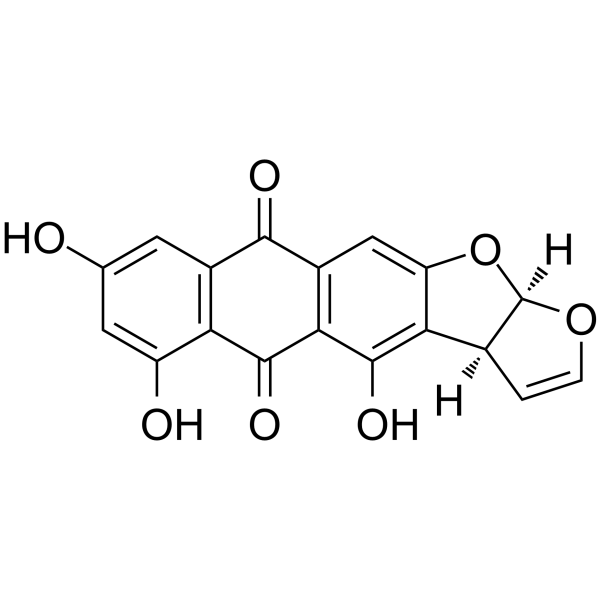
    Garcinone E is a natural xanthone found in the rind of the mangosteen fruit. Garcinone E induces apoptosis and inhibits cancer cell migration. Garcinone E has anticancer effects on different human cancer cell lines, including colorectal, breast, and hepatocellular carcinomas .
    Garcinone E
  • HY-108695

    Apoptosis Endogenous Metabolite Cancer
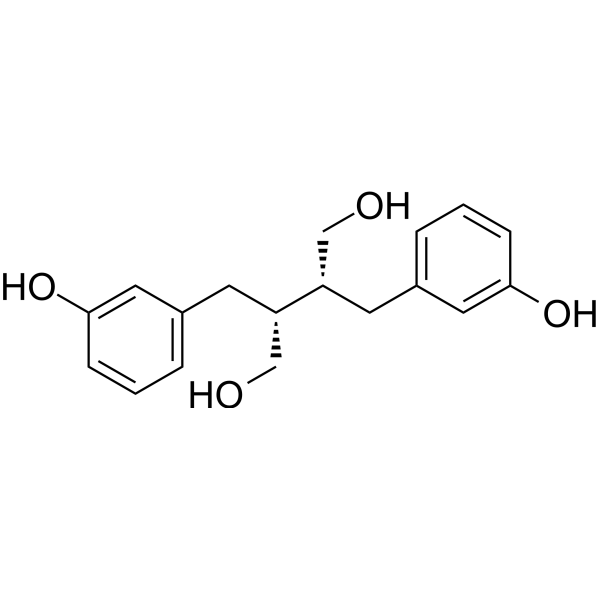
    Enterodiol is transformed by human intestinal bacteria from lignans contained in various whole-grain cereals, nuts, legumes, flaxseed, and vegetables. Enterodiol has an apoptotic effect in colorectal cancer (CRC) cells. Anti-cancer activities .
    Enterodiol
  • HY-103387
    DuP-697
    1 Publications Verification

    COX Apoptosis Inflammation/Immunology Cancer
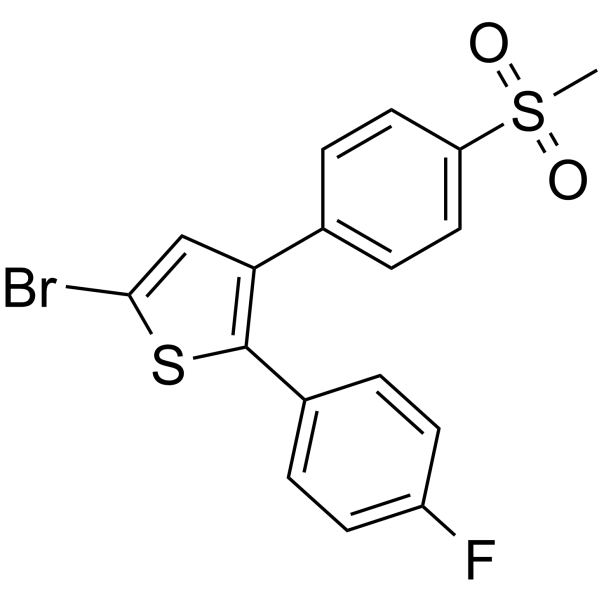
    DuP-697 is a member of the vicinal diaryl heterocycles and a potent, irreversible, selective and orally active COX-2 inhibitor (IC50 of 10 nM and 800 nM for human COX-2 and COX-1, respectively). DuP-697 exerts antiproliferative (IC50 of 42.8 nM), antiangiogenic and apoptotic effects on HT29 colorectal cancer cells. DuP-697 inhibits prostaglandin synthesis and has anti-inflammatory, anticancer and antipyretic effects .
    DuP-697
  • HY-N8146

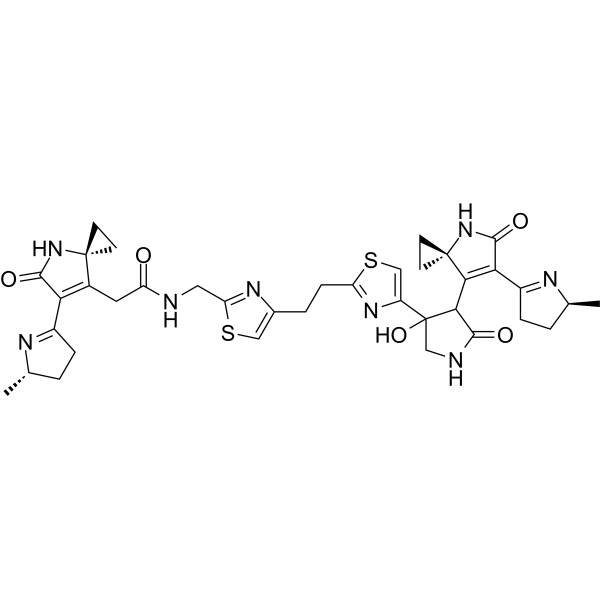
    STAT Bcl-2 Family Ser/Thr Kinase Survivin c-Myc Apoptosis Necroptosis CDK Infection Cancer
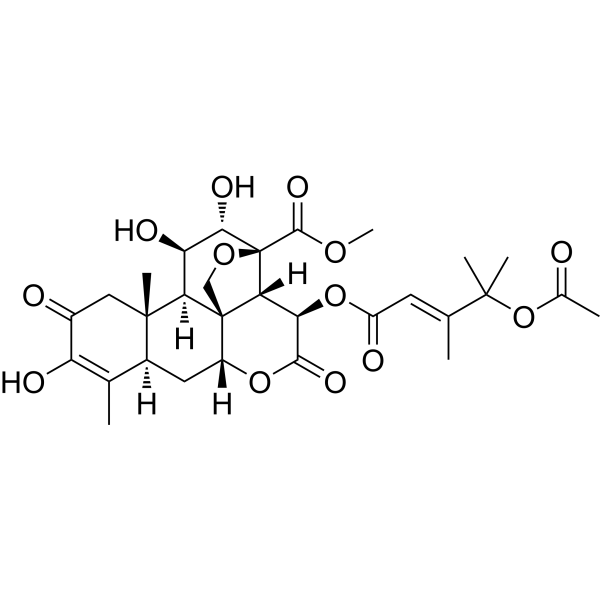
    Bruceantinol is a quassinoid that can be isolated from Brucea javanica, inhibits pepper mottle virus (PepMoV) in pepper. Bruceantinol is a STAT3 inhibitor demonstrating potent antitumor activity in in vitro and in vivo human colorectal cancer (CRC) models. Bruceantinol has potent anti-leukemic activity. Bruceantinol strongly inhibits STAT3 DNA-binding ability (IC50 = 2.4 pM), blocks the constitutive and IL-6-induced STAT3 activation, and suppresses transcription of MCL-1, PTTG1, survivin and c-Myc. Bruceantinol binds with CDK2/4/6 to facilitate protein degradation through proteasome pathway. Bruceantinol can dose- and time-dependently reduces the cell growth, impede cell proliferation, disrupts the cell cycle, and induces necrosis in MCF-7 cells and apoptosis in MDA-MB-231 cells .
    Bruceantinol
  • HY-P991196

    Transmembrane Glycoprotein Cancer
    Anti-CD24 Antibody (SWA11) is a human IgG1 monoclonal antibody targeting CD24, with high affinity and specificity for CD24-expressing tumor cells. Anti-CD24 Antibody (SWA11) triggers endocytosis, alters STAT3-dependent gene expression, regulates Src phosphorylation, and blocks CD24-mediated signaling pathways. Anti-CD24 Antibody (SWA11) is applicable to cancer-related research such as lung cancer and ovarian cancer. Recommended isotype control: Human IgG1 kappa, Isotype Control (HY-P99001) .
    Anti-CD24 Antibody (SWA11)
  • HY-111538
    MAGL-IN-1
    1 Publications Verification

    MAGL Cancer
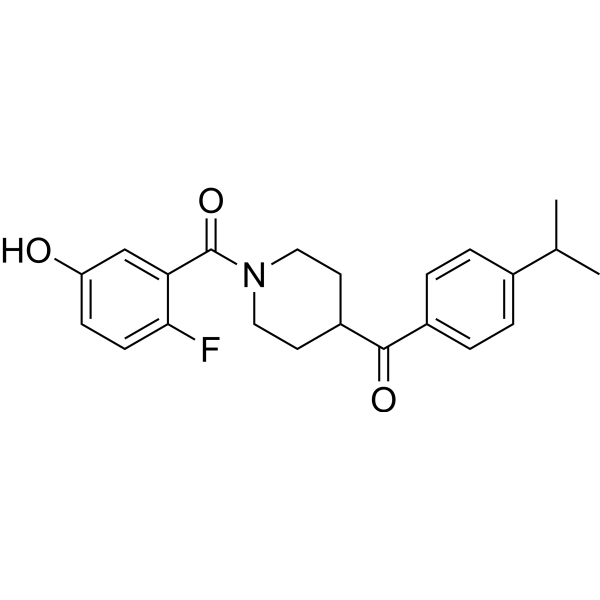
    MAGL-IN-1 is a potent, selective, reversible and competitive inhibitor of MAGL, with an IC50 of 80 nM. MAGL-IN-1 exhibits anti-proliferative effects against human breast, colorectal, and ovarian cancer cells. MAGL-IN-1 blocks MAGL in cell-based as well as in vivo assays .
    MAGL-IN-1
  • HY-N6932

    Cannabinoid Receptor P-glycoprotein PI3K Akt mTOR Apoptosis Autophagy EGFR Metabolic Disease Cancer
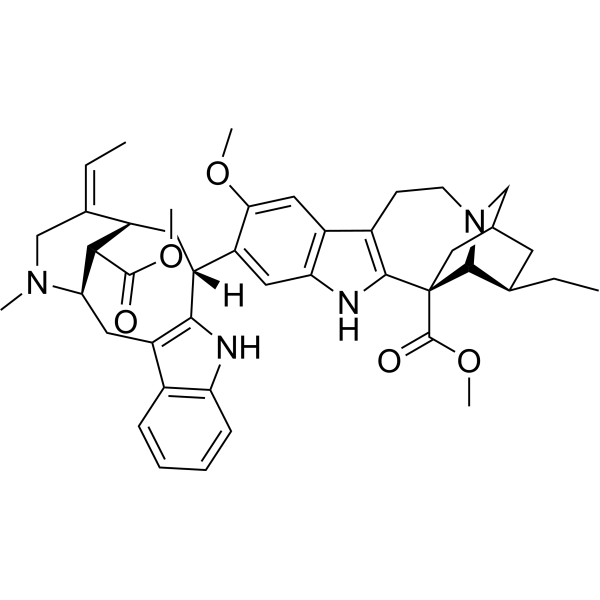
    Voacamine is an indole alkaloid with cannabinoid 1 (CB1) antagonistic activity. Voacamine can inhibit nuclear translocation. Voacamine is effective in enhancing the effect of Doxorubicin (HY-15142A) as it interferes with the P-glycoprotein (P-gp) function. Voacamine promotes apoptosis-independent autophagic cell death in human osteosarcoma cells. Voacamine activates mitochondrial-associated apoptosis signaling pathway and inhibition of PI3K/Akt/mTOR signaling pathway to suppress breast cancer progression. Voacamine inhibits EGFR to exert oncogenic activity against colorectal cancer .
    Voacamine
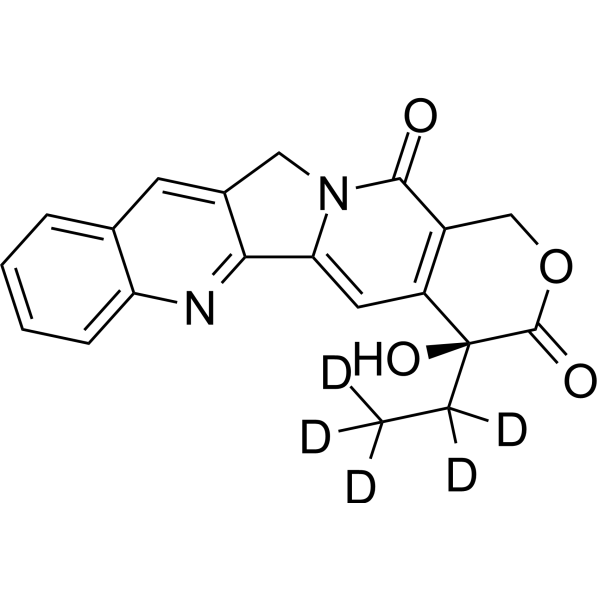
  • HY-16560S

    Campathecin-d5; (S)-(+)-Camptothecin-d5; CPT-d5

    Isotope-Labeled Compounds Topoisomerase ADC Payload MicroRNA Influenza Virus Apoptosis Fungal Antibiotic Infection Cancer
    Camptothecin-d5 is the deuterium labeled Camptothecin. Camptothecin (CPT), a kind of alkaloid, is a DNA topoisomerase I (Topo I) inhibitor with an IC50 of 679 nM . Camptothecin (CPT) exhibits powerful antineoplastic activity against colorectal, breast, lung and ovarian cancers, modulates hypoxia-inducible factor-1α (HIF-1α) activity by changing microRNAs (miRNA) expression patterns in human cancer cells .
    Camptothecin-d5
  • HY-P991571

    GC-1118A

    EGFR PERK Akt Cancer
    GC1118 (GC-1118A) is a fully human anti-EGFR monoclonal antibody with binding affinity of 0.16 nM (KD) to EGFR. GC1118 displays potent inhibitory effects on high- and low-affinity EGFR ligand-induced signaling. GC1118 shows potent anti proliferative activity in KRAS wild-type and KRAS mutant cells. GC1118 can reach the tumor by crossing both BBB (blood-brain barrier) and BTB (brain-tumor barrier) and shows superior anti-tumor effects in various mice xenograft models. GC1118 can be used for the researches of cancer, such as colorectal cancer .
    GC1118
  • HY-117085

    Phosphatase TMV Lipoxygenase Cancer
    Lobaric acid is a depsipeptide metabolite isolated from Stereocaulon lichen with antioxidant, antiproliferative, antiviral and enzyme inhibitory activities. Lobaric acid scavenges superoxide free radicals (IC50=97.9 μM) and inhibits cancer cell proliferation (EC50 of 15.2-63.9 μg/mL against leukemia, colorectal, gastric, breast, ovarian, prostate, pancreatic and lung cancer cell lines). Lobaric acid inhibits protein tyrosine phosphatase 1B (PTP1B; IC50=0.87 μM for human recombinant enzyme) and 12(S)-HETE produced by 12(S)-lipoxygenase (IC50=28.5 μM). Lobaric acid (250 μM) also reduced pathological changes in tobacco leaves infected with tobacco mosaic virus (TMV).
    Lobaric acid
  • HY-P2496

    Endothelin Receptor Fluorescent Dye NF-κB COX Prostaglandin Receptor Apoptosis TNF Receptor Interleukin Related MMP Cardiovascular Disease Inflammation/Immunology Cancer
    Endothelin 1 (swine, human), Alexa Fluor 488-labeled is an Endothelin-1 conjugated with Alexa Fluor 488 (HY-D1304). Endothelin-1 is an endogenous vasoconstrictor and agonist of ETA/ETB receptor. Endothelin 1 (swine, human) exerts effects including promoting mitosis, angiogenesis, tumor invasion and metastasis, and inhibiting apoptosis. Endothelin 1 (swine, human) induces inflammation and oxidative stress by activating the NF-κB pathway. Endothelin 1 (swine, human), Alexa Fluor 488-labeled is specifically designed for fluorescence imaging, flow cytometry or receptor localization studies, and can be used in research related to sepsis, atherosclerosis, systemic inflammatory response syndrome, cancer and congestive heart failure .
    Endothelin 1 (swine, human), Alexa Fluor 488-labeled
  • HY-108695B

    Apoptosis Endogenous Metabolite Cancer
    (±)-Enterodiol is the racemate of Enterodiol (HY-108695). Enterodiol is transformed by human intestinal bacteria from lignans contained in various whole-grain cereals, nuts, legumes, flaxseed, and vegetables. Enterodiol has an apoptotic effect in colorectal cancer (CRC) cells. Enterodiol has anti-cancer activities .
    (±)-Enterodiol
  • HY-N1261

    Others Cancer
    Scutebarbatine B shows significant cytotoxic activities against three human cancer lines, namely, HONE-1 nasopharyngeal, KB oral epidermoid carcinoma, and HT29 colorectal carcinoma cells, with IC50 values in the range 3.5-8.1 mM [1]<
    Scutebarbatine B
  • HY-W854385A
    Sialyl Lewis A sodium
    1 Publications Verification

    SLeA sodium

    Biochemical Assay Reagents Cancer
    Sialyl Lewis A (SLeA) sodium is a tumor-associated carbohydrate antigen, also known as carbohydrate antigen 19-9 (CA19-9), that binds to E-selectin (ELAM-1) and selectins to mediate cell-endothelium adhesion. Sialyl Lewis A sodium promotes cancer cell-vascular endothelium adhesion, and its surface presence correlates with increased tumorigenicity and invasiveness in cancer cells. Sialyl Lewis A sodium shows elevated expression in human adenocarcinomas of the colon, pancreas, and stomach, with expression levels linked to tumor progression and poor prognosis in colorectal and gastric carcinomas. Sialyl Lewis A sodium can be used for the research of cancers, such as colon, pancreas, stomach, and squamous lung cancer .
    Sialyl Lewis A sodium
  • HY-W854385

    SLeA

    Biochemical Assay Reagents E-Selectin Cancer
    Sialyl Lewis A (SLeA) is a tumor-associated carbohydrate antigen, also known as carbohydrate antigen 19-9 (CA19-9), that binds to E-selectin (ELAM-1) and selectins to mediate cell-endothelium adhesion. Sialyl Lewis A promotes cancer cell-vascular endothelium adhesion, and its surface presence correlates with increased tumorigenicity and invasiveness in cancer cells. Sialyl Lewis A shows elevated expression in human adenocarcinomas of the colon, pancreas, and stomach, with expression levels linked to tumor progression and poor prognosis in colorectal and gastric carcinomas. Sialyl Lewis A can be used for the research of cancers, such as colon, pancreas, stomach, and squamous lung cancer .
    Sialyl Lewis A
  • HY-136484

    FLAP Cancer
    FEN1-IN-3 (Compound 4) is a human flap endonuclease-1 (hFEN1) inhibitor. FEN1-IN-3 stabilizes hFEN1 with an EC50 of 6.8 μM .
    FEN1-IN-3
  • HY-179047

    Toll-like Receptor (TLR) MyD88 IKK p38 MAPK ERK TNF Receptor Interleukin Related Inflammation/Immunology Cancer
    SMU-L11-R is a selective TLR7 agonist with an EC50 of 0.012 μM for human TLR7. SMU-L11-R specifically activates TLR7, recruits  MyD88, and triggers MAPK/NF-κB pathways, leading to TNF-α/IL-1β/IL-6 secretion in both mouse and human peripheral blood mononuclear cells. SMU-L11-R promotes M1-like macrophage polarization. SMU-L11-R exhibits excellent synergistic anti-tumor effects with PD-L1 inhibitors by upregulating CD8 +T cells. SMU-L11-R shows potential in colorectal cancer studies .
    SMU-L11-R
  • HY-143905

    PROTACs Mps1 Cancer
    PROTAC TTK degrader-2 is a potent TTK (threonine tyrosine kinase) PROTAC degrader, with DC50 values of 3.1 and 12.4 nM in COLO-205 and HCT-116 cell, respectively. PROTAC TTK degrader-2 exhibits target degradation and anticancer efficacy in a xenograft mouse model of COLO-205 human colorectal cancer cells .
    PROTAC TTK degrader-2
  • HY-178960

    Microtubule/Tubulin Apoptosis Cancer
    Tubulin-IN-59 (Compound 8g) is an orally active Tubulin inhibitor. Tubulin-IN-59 exhibits potent anti-proliferative activity against HCT116 colorectal cancer, HeLa cervical cancer, and HepG2 liver cancer cell lines, with its IC₅₀ value ranging from 16 to 35 nM. Tubulin-IN-59 arrests HeLa cells in the G2/M phase and induces cell apoptosis. Tubulin-IN-59 demonstrates significant anti-tumor activity in the HT29 human colon cancer mouse xenograft model. Tubulin-IN-59 can be used for the study of colorectal cancer and cervical cancer .
    Tubulin-IN-59
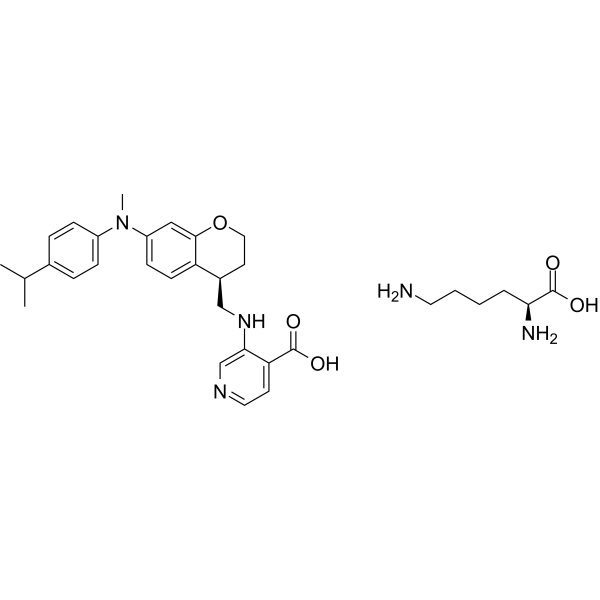
  • HY-148807A

    QC8222; TACH 101

    Apoptosis Histone Demethylase Cancer
    Zavondemstat (QC8222; TACH 101) L-lysine is an orally active pan-KDM4 inhibitor, with a IC50 ≤ 0.08 μM against human KDM4A-D and a Kᵢ of 0.52 μM against human KDM4C. Zavondemstat L-lysine induces cell apoptosis, causes S-phase cell cycle arrest, reduces the population of tumor-initiating cells and inhibits cancer cell proliferation. Zavondemstat L-lysine suppresses tumor growth and induces tumor regression in mouse xenograft models. Zavondemstat L-lysine can be used for the research of various cancers including colorectal cancer, esophageal squamous cell carcinoma and triple-negative breast cancer .
    Zavondemstat L-lysine
  • HY-P2569

    Apoptosis Cancer
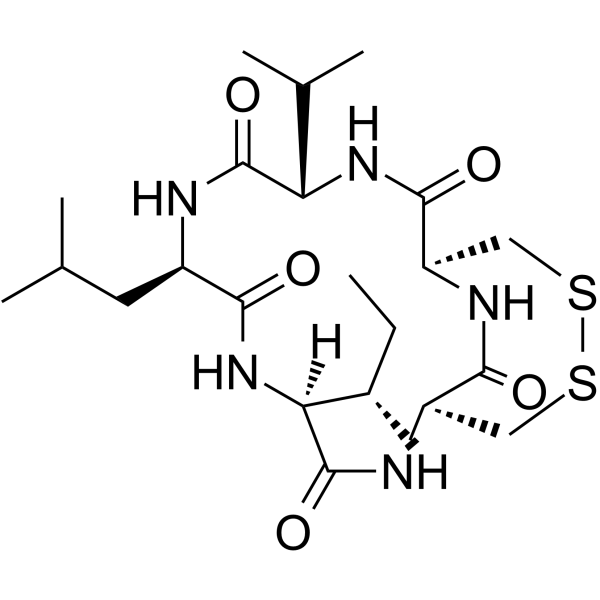
    Malformin A1, a cyclic pentapeptide isolated from Aspergillus niger, possess a range of bioactive properties including antibacterial activity. Malformin A1 shows potent cytotoxic activities on human colorectal cancer cells. Malformin A1 induces apoptosis by activating PARP, caspase 3, -7, and -9 .
    Malformin A1
  • HY-W705820

    Isotope-Labeled Compounds Apoptosis Endogenous Metabolite Cancer
    (±)-Enterodiol-d6 is the deuterium labeled (±)-Enterodiol (HY-108695B). (±)-Enterodiol is the racemate of Enterodiol (HY-108695). Enterodiol is transformed by human intestinal bacteria from lignans contained in various whole-grain cereals, nuts, legumes, flaxseed, and vegetables. Enterodiol has an apoptotic effect in colorectal cancer (CRC) cells. Enterodiol has anti-cancer activities .
    (±)-Enterodiol-d6
  • HY-175003

    Proton Pump Cancer
    HV1-IN-2 (Compound 14c) is a human voltage-gated proton channel (HV1) inhibitor with an IC50 of 2.14 μM. HV1-IN-2 has a potent anticancer activity with significant antiproliferative effects against THP-1 and MCF-7 cells. HV1-IN-2 can be used for cancers research, such as colorectal tumours, leukaemia, and breast cancer .
    HV1-IN-2
  • HY-16560R

    Campathecin (Standard); (S)-(+)-Camptothecin (Standard); CPT (Standard)

    Reference Standards Topoisomerase ADC Payload MicroRNA Influenza Virus Apoptosis Fungal Antibiotic Infection Cancer
    Camptothecin (Standard) (Campathecin (Standard)) is the analytical standard of Camptothecin (HY-16560). This product is intended for research and analytical applications. Camptothecin (CPT), a kind of alkaloid, is a DNA topoisomerase I (Topo I) inhibitor with an IC50 of 679 nM. Camptothecin (CPT) exhibits powerful antineoplastic activity against colorectal, breast, lung and ovarian cancers, modulates hypoxia-inducible factor-1α (HIF-1α) activity by changing microRNAs (miRNA) expression patterns in human cancer cells.
    Camptothecin (Standard)
  • HY-W877997

    E3 Ligase Ligand-Linker Conjugates Drug Derivative Cancer
    Pomalidomide 5'-pip-acid is an E3 ligase ligand-linker conjugate derived from the molecular glue Pomalidomide (HY-10984), which can be used to synthesize the dual-target PROTAC degrader PROTAC CBP/p300/BRD4 Degrader-1 (HY-181758) targeting CBP/p300 and BRD4. Pomalidomide 5'-pip-acid shows anti-proliferative activity against cancer cells with an IC50 of 2.73 nM. Pomalidomide 5'-pip-acid induces anti-proliferative effects in cancer cells. Pomalidomide 5'-pip-acid is applicable to research related to prostate cancer and colorectal cancer .
    Pomalidomide 5'-pip-acid

Inquiry Online

Your information is safe with us. * Required Fields.

Salutation


Country or Region *

Applicant Name *


Organization Name *

Department *


Email Address *


Product Name *

Cat. No.


Requested quantity *

Phone Number *


Remarks

Inquiry Online

Inquiry Information

Product Name:
Cat. No.:
Quantity:
MCE Japan Authorized Agent: