1. Search Result
Search Result
Results for "

2 Adrenergic Inhibitors

" in MedChemExpress (MCE) Product Catalog:

231

Inhibitors & Agonists

2

Screening Libraries

6

Peptides

25

Natural
Products

30

Isotope-Labeled Compounds

Targets Recommended:
Cat. No. Product Name Target Research Areas Chemical Structure
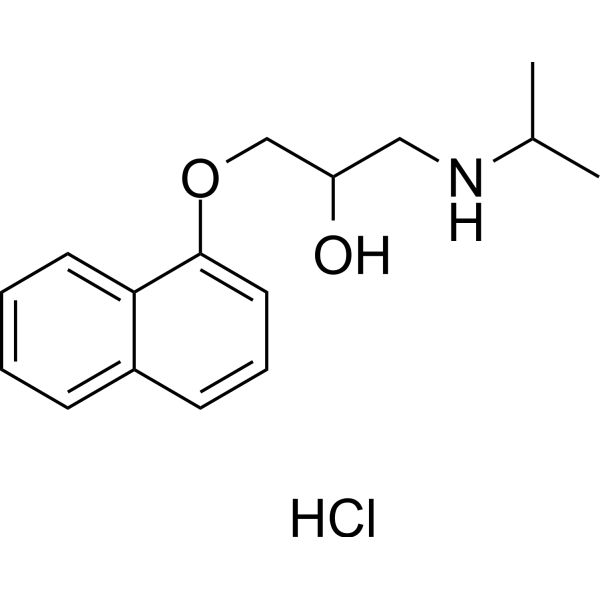
  • HY-B0193A
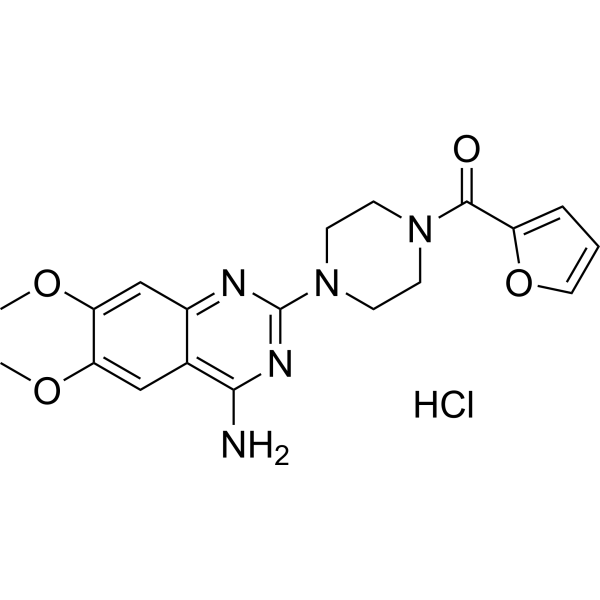
    Prazosin hydrochloride
    15+ Cited Publications

    Adrenergic Receptor Autophagy Cardiovascular Disease Endocrinology Cancer
    Prazosin hydrochloride is a well-tolerated, CNS-active α1-adrenergic receptor antagonist for the research of high blood pressure and alcohol use disorders . Prazosin hydrochloride potently inhibits Norepinephrine (NE)-stimulated 45Ca efflux with an IC50 of 0.15 nM .Prazosin hydrochloride inhibits organic cation transporters OCT-1 and OCT-3 with IC50s of 1.8, and 13 μM, respectively .
    Prazosin hydrochloride
  • HY-100543
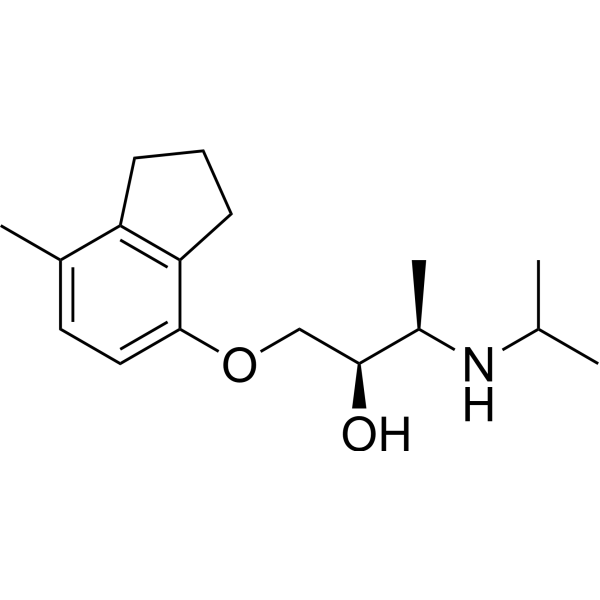
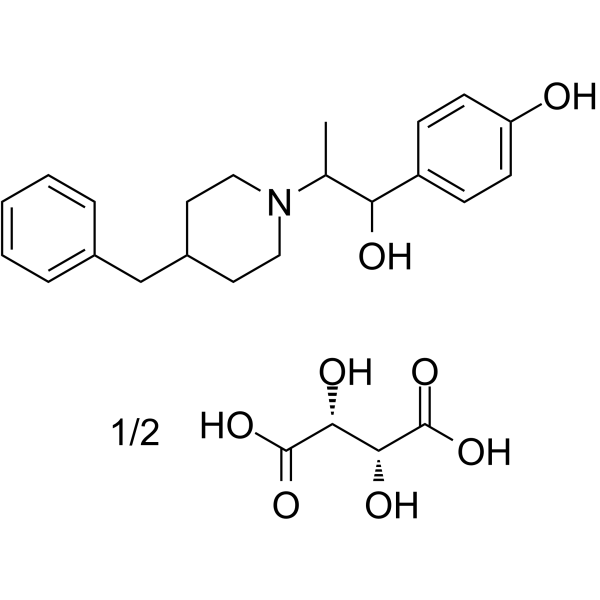
    Zenidolol
    Maximum Cited Publications
    45 Publications Verification

    ICI-118551

    Adrenergic Receptor Apoptosis Caspase Bcl-2 Family HIF/HIF Prolyl-Hydroxylase Cardiovascular Disease Neurological Disease Inflammation/Immunology
    Zenidolol (ICI-118551) is a selective β2-adrenergic receptor antagonist with Ki values of Zenidolol for β2, β1 and β3 adrenergic receptors of 0.7, 49.5 and 611 nM, respectively. Zenidolol exerts antitumor effects via inducing apoptosis, inhibiting tumor sphere formation, and downregulating the HIF pathway by blocking β2-AR on tumor cells. Zenidolol exhibits a unique pulmonary vessel-specific vasodilatory effect in mouse models. Zenidolol can be used as an intraocular pressure-lowering agent in ophthalmic disease research .
    Zenidolol
  • HY-B0661
    Tamsulosin
    2 Publications Verification

    (R)-(-)-YM12617 free base; LY253351 free base

    Adrenergic Receptor Apoptosis Neurological Disease Endocrinology Cancer
    Tamsulosin ((R)-(-)-YM12617 free base) is an orally active antagonist of α1-adrenergic receptor. Tamsulosin induces Apoptosis. Tamsulosin is used for the research of prostatic hyperplasia. Tamsulosin attenuates abdominal aortic aneurysm growth and inhibits inflammation in animal models .
    Tamsulosin
  • HY-119706
    Barbadin
    15+ Cited Publications

    Apoptosis Arrestin Others
    Barbadin is a novel and selective β-arrestin/β2-adaptin interaction inhibitor, has IC50 values of 19.1 μM for β-arrestin1 and 15.6 μM for β-arrestin2. Barbadin blocks agonist-promoted endocytosis of the prototypical β2-adrenergic, V2-vasopressin and angiotensin-II type-1 receptors. Barbadin can induce apoptosis .
    Barbadin
  • HY-B0478A
    Trazodone
    5+ Cited Publications

    AF-1161 free base

    5-HT Receptor Serotonin Transporter Histamine Receptor Adrenergic Receptor Neurological Disease
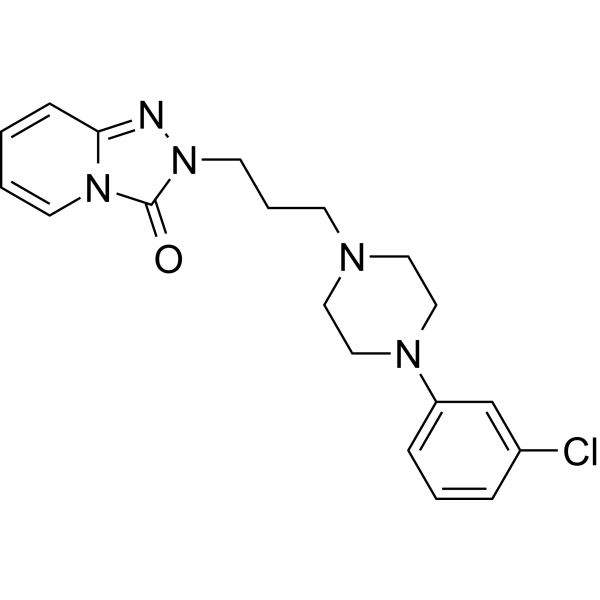
    Trazodone (AF-1161 free base) is a triazolopyridine derivative that belongs to the class of serotonin receptor antagonists and reuptake inhibitors (SARIs). Trazodone has anti-depressant and anti-insomnious activity. Trazodone exerts antagonistic properties against a1- and a2-adrenergic receptors and histamine H1 receptors, with minimal anticholinergic effects .
    Trazodone
  • HY-B0532
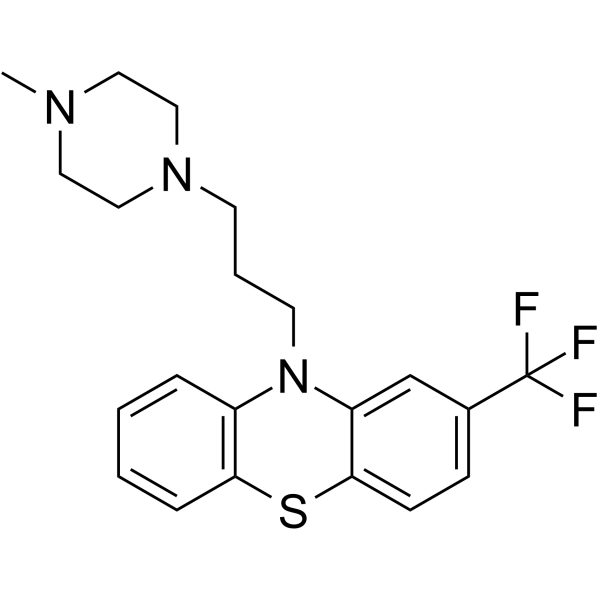
    Trifluoperazine
    5+ Cited Publications

    Dopamine Receptor Adrenergic Receptor P-glycoprotein CaMK Influenza Virus Autophagy Neurological Disease
    Trifluoperazine, an antipsychotic agent, acts by blocking central dopamine receptors. Trifluoperazine is a potent α1-adrenergic receptor antagonist. Trifluoperazine is a potent NUPR1 inhibitor exerting anticancer activity. Trifluoperazine is a calmodulin inhibitor, and also inhibits P-glycoprotein. Trifluoperazine can be used for the research of schizophrenia. Trifluoperazine acts as a reversible inhibitor of influenza virus morphogenesis .
    Trifluoperazine
  • HY-B0661A
    Tamsulosin hydrochloride
    2 Publications Verification

    (R)-(-)-YM12617; LY253351

    Adrenergic Receptor Apoptosis Neurological Disease Endocrinology Cancer
    Tamsulosin hydrochloride ((R)-(-)-YM12617 free base) is an orally active antagonist of α1-adrenergic receptor. Tamsulosin hydrochloride induces Apoptosis. Tamsulosin hydrochloride is used for the research of prostatic hyperplasia. Tamsulosin hydrochloride attenuates abdominal aortic aneurysm growth and inhibits inflammation in animal models .
    Tamsulosin hydrochloride
  • HY-B1392
    Esmolol hydrochloride
    3 Publications Verification

    Adrenergic Receptor Caspase Apoptosis Aldose Reductase Neurokinin Receptor Cardiovascular Disease Endocrinology Cancer
    Esmolol hydrochloride is an ultra-short-acting cardioselective β1-adrenergic blocker. Esmolol hydrochloride exerts its antiarrhythmic effect by activating Neurokinin 1 Receptor. Esmolol hydrochloride attenuates post resuscitation myocardial dysfunction. Esmolol hydrochloride improves diabetic wound healing by inhibiting aldose reductase and the production of advanced glycation end products and promoting fibroblast migration. Esmolol hydrochloride can be used to study cardiac diseases such as arrhythmias and diabetic foot ulcers .
    Esmolol hydrochloride
  • HY-32329

    Org-8282

    5-HT Receptor Adrenergic Receptor Neurological Disease
    Setiptiline (Org-8282) is a serotonin receptor antagonist. Setiptiline is a tetracyclic antidepressant (TeCA) which acts as a noradrenergic and specific serotonergic antidepressant (NaSSA). Setiptiline acts as a norepinephrine reuptake inhibitor, α2-adrenergic receptor antagonist, and serotonin receptor antagonist, likely at the 5-HT2A, 5-HT2C, and/or 5-HT3 subtypes, as well as an H1 receptor inverse agonist/antihistamine.
    Setiptiline
  • HY-111022
    Icerguastat
    3 Publications Verification

    Sephin1; IFB-088

    Phosphatase Infection Inflammation/Immunology
    Icerguastat (Sephin1), a derivative of Guanabenz lacking the α2-adrenergic activity, is a selective inhibitor of the phosphatase regulatory subunit PPP1R15A (R15A). Icerguastat inhibits eIF2α dephosphorylation, thereby prolonging the protective response. Anti-prion effect .
    Icerguastat
  • HY-B0532A
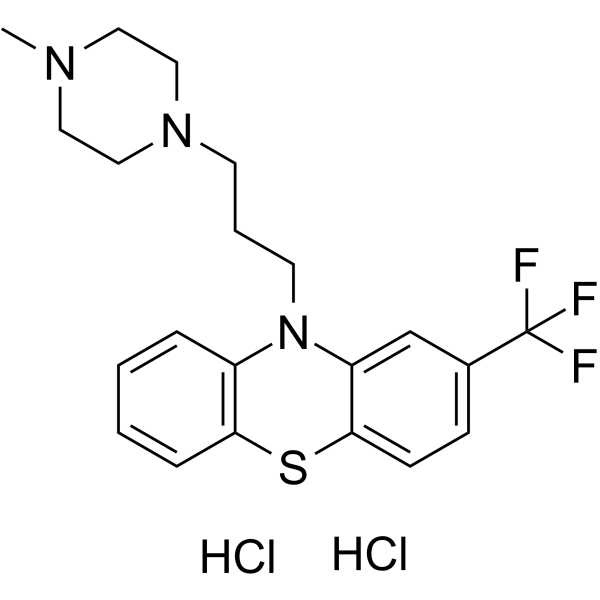
    Trifluoperazine dihydrochloride
    5+ Cited Publications

    Dopamine Receptor Adrenergic Receptor CaMK P-glycoprotein Influenza Virus Autophagy Neurological Disease Cancer
    Trifluoperazine dihydrochloride, an antipsychotic agent, acts by blocking central dopamine receptors. Trifluoperazine dihydrochloride is a potent α1-adrenergic receptor antagonist. Trifluoperazine dihydrochloride is a potent NUPR1 inhibitor exerting anticancer activity. Trifluoperazine dihydrochloride is a calmodulin inhibitor, and also inhibits P-glycoprotein. Trifluoperazine dihydrochloride can be used for the research of schizophrenia. Trifluoperazine dihydrochloride acts as a reversible inhibitor of influenza virus morphogenesis .
    Trifluoperazine dihydrochloride
  • HY-B0478
    Trazodone hydrochloride
    5+ Cited Publications

    AF-1161

    5-HT Receptor Serotonin Transporter Histamine Receptor Adrenergic Receptor Neurological Disease
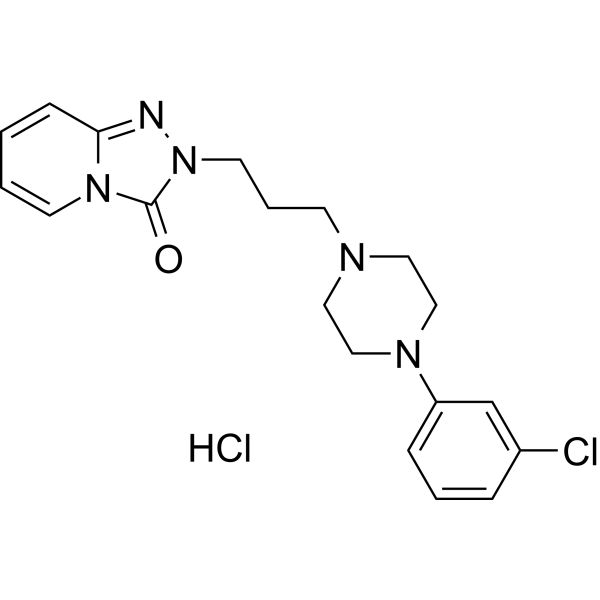
    Trazodone hydrochloride (AF-1161) is a triazolopyridine derivative that belongs to the class of serotonin receptor antagonists and reuptake inhibitors (SARIs). Trazodone hydrochloride has anti-depressant and anti-insomnious activity. Trazodone hydrochloride exerts antagonistic properties against a1- and a2-adrenergic receptors and histamine H1 receptors, with minimal anticholinergic effects .
    Trazodone hydrochloride
  • HY-A0066A

    Imidaline hydrochloride; NSC35110 hydrochloride

    Adrenergic Receptor Cardiovascular Disease Endocrinology
    Tolazoline hydrochloride (Imidaline hydrochloride) is an α-adrenergic receptor antagonist. Tolazoline hydrochloride inhibits Noradrenaline (HY-13715)-induced cell contraction, modulates vascular resistance, increases arterial pressure, and reverses bradycardia and tachypnea. Tolazoline hydrochloride can be used to study erectile dysfunction, α2-adrenergic receptor agonist-related poisoning, and skin vascular disease research .
    Tolazoline hydrochloride
  • HY-B2169

    5-HT Receptor Dopamine Receptor Adrenergic Receptor Cytochrome P450 Neurological Disease
    Melperone is a butyrophenone with atypical antipsychotic properties. Melperone is a multireceptor antagonist with Kds of 102 nM, 180 nM, 180 nM, and 150 nM for 5-HT2A, dopamine D2, α1-adrenergic, and α2-adrenergic receptors, respectively. Melperone has weak binding to histamine H1, 5-HT2C, 5-HT1A, 5-HT1D, and muscarinic receptors, with Kd values ​​of 580 nM, 2100 nM, 2200 nM, 3400 nM, >10000 nM, respectively. Melperone is also a CYP2D6 inhibitor. Melperone can be used for the study of schizophrenia, and agitation in the elderly .
    Melperone
  • HY-B1111

    BTS-27419

    Environmental Pollutants Adrenergic Receptor Parasite Monoamine Oxidase Infection Endocrinology
    Amitraz is a non-systemic acaricide and insecticide with alpha-adrenergic agonist activity that interacts with octopamine receptors in the central nervous system and inhibits monoamine oxidase and prostaglandin synthesis .
    Amitraz
  • HY-113248

    Endogenous Metabolite Adrenergic Receptor Reactive Oxygen Species (ROS) Cardiovascular Disease Inflammation/Immunology
    3-Nitro-L-tyrosine serves as a biomarker of oxidative stress. 3-Nitro-L-tyrosine attenuates the pressor and vasoconstrictive effects of angiotensin II by inhibiting the α1-adrenergic receptor-mediated signaling pathway, and participates in hemodynamic regulation under pathological conditions such as inflammation and ischemia. 3-Nitro-L-tyrosine can be used in studies related to atherosclerosis, ischemia-reperfusion and sepsis .
    3-Nitro-L-tyrosine
  • HY-148804

    APD418

    Adrenergic Receptor Cardiovascular Disease
    Vemtoberant is a β3-adrenergic receptor inhibitor with a human Ki of 8.2 nM, and exhibits 400- to 600-fold selectivity over human β1-AR and β2-AR. Vemtoberant attenuates β3-AR-mediated cardiac inhibition. Vemtoberant can be used for the research of systolic heart failure .
    Vemtoberant
  • HY-B1238
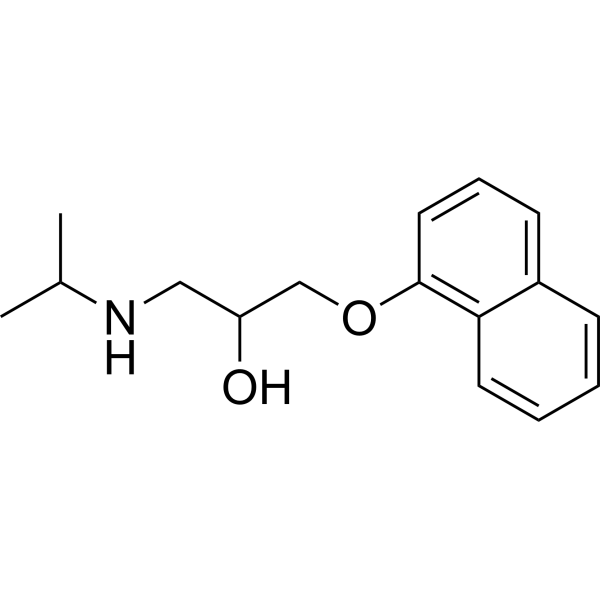
    Pronethalol
    2 Publications Verification

    (±)-Pronethalo

    Adrenergic Receptor Cardiovascular Disease Neurological Disease
    Pronethalol ((±)-Pronethalo) is a non-selective β-adrenergic antagonist. Pronethalol is a potent inhibitor of Sox2 expression. Pronethalol protects against and to reverse Digitalis-induced ventricular arrhythmias and limits the cerebral arteriovenous malformation (AVMs) .
    Pronethalol
  • HY-118470

    Butoxamin hydrochloride

    Adrenergic Receptor Endocrinology
    Butaxamine (Butoxamin) hydrochloride is a specific β2-adrenergic receptor blocker. Butaxamine hydrochloride inhibits the decreases in urine volume in ethanol-anesthetized, water-diuretic rats .
    Butaxamine hydrochloride
  • HY-A0066

    Imidaline; NSC35110

    Adrenergic Receptor Cardiovascular Disease Endocrinology
    Tolazoline (Imidaline) is an α-adrenergic receptor antagonist. Tolazoline inhibits Noradrenaline (HY-13715)-induced cell contraction, modulates vascular resistance, increases arterial pressure, and reverses bradycardia and tachypnea. Tolazoline can be used to study erectile dysfunction, α2-adrenergic receptor agonist-related poisoning, and skin vascular disease research .
    Tolazoline
  • HY-W376701

    Adrenergic Receptor Cardiovascular Disease
    Guanadrel is an orally active postganglionic adrenergic inhibitor of spiroketal. Guanadre can be used in anti-hypertensive studies .
    Guanadrel
  • HY-12463A

    Adrenergic Receptor Inflammation/Immunology
    Carmoterol is a highly potent and selective long-acting β2-adrenergic receptor agonist with a pEC50 of 10.19. Carmoterol shows 53-fold higher affinity for β2-adrenergic receptors than for β1-adrenergic receptors. Carmoterol stimulates cyclic adenosine monophosphate accumulation, induces airway smooth muscle relaxation, inhibits bronchoconstriction, reduces thromboxane B2 release, and prolongs survival time. Carmoterol can be used in research related to asthma and chronic obstructive pulmonary disease (COPD) .
    Carmoterol
  • HY-17457

    Levosalbutamol hemitartrate

    Adrenergic Receptor PI3K Inflammation/Immunology
    Levalbuterol (Levosalbutamol) hemitartrate is a β2-adrenergic receptor agonist and PI3K inhibitor. Levalbuterol hemitartrate inhibits PI3K activity, reduces NF-κB and Rb protein expression, activates the cAMP/PKA pathway, and stimulates cAMP release. Levalbuterol hemitartrate relaxes airway smooth muscle, reduces intracellular calcium levels, and inhibits spasmogen-induced contractions. Levalbuterol hemitartrate can be used for the research of moderate-to-severe asthma .
    Levalbuterol hemitartrate
  • HY-P10336

    Serpin Neurological Disease Endocrinology
    Serpinin is an agonist of the protease inhibitor Nexin-1 (PN-1). Serpinin upregulates the expression of PN-1 through the cAMP-PKA-Sp1 signaling pathway, promoting granule biogenesis in endocrine cells. Serpinin is used in research related to the regulation of secretory function . Serpinin is a selective agonist for β-adrenergic receptors. Serpinin interacts with β1-adrenergic receptors to activate the AC-cAMP-PKA pathway, which regulates myocardial systolic and diastolic function. pGlu-serpinin upregulates Bcl2 mRNA transcription and exerts neuroprotective effects .
    Serpinin
  • HY-118944

    Adrenergic Receptor Endocrinology
    L-748328 is a potent and selective human β3-adrenergic receptor antagonist. L-748328 has a Ki of 3.7 nM against human cloned β3-AR expressed in Chinese hamster ovary (CHO) cells. In addition, L-748328 inhibits the lipolytic response induced by the β3-AR agonist L-742791 in isolated non-human primate adipocytes .
    L-748328
  • HY-32329A

    MO-8282

    5-HT Receptor Neurological Disease
    Setiptiline maleate (MO-8282 maleate) is a serotonin receptor antagonist. Setiptiline maleate is a tetracyclic antidepressant (TeCA) which acts as a noradrenergic and specific serotonergic antidepressant (NaSSA). Setiptiline maleate acts as a norepinephrine reuptake inhibitor, α2-adrenergic receptor antagonist, and serotonin receptor antagonist, likely at the 5-HT2A, 5-HT2C, and/or 5-HT3 subtypes, as well as an H1 receptor inverse agonist/antihistamine .
    Setiptiline maleate
  • HY-121082

    L-Dihydroalprenolol

    Adrenergic Receptor Endocrinology
    (-)-Dihydroalprenolol (L-Dihydroalprenolol) is a β-adrenergic antagonist that inhibits the activity of β-adrenergic receptors. (-)-Dihydroalprenolol can cause desensitization of approximately 60% of β-adrenergic receptor binding sites. (-)-Dihydroalprenolol has also been shown to reduce the binding capacity of specific β-adrenergic ligands. (-)-Dihydroalprenolol may affect the ability to stimulate membrane-bound adenylate acylase .
    (-)-Dihydroalprenolol
  • HY-B0381B

    (S)-Betaxolol hydrochloride; AL-1577A

    Adrenergic Receptor Cardiovascular Disease Neurological Disease Endocrinology
    Levobetaxolol hydrochloride is a beta-adrenergic receptor inhibitor (beta blocker) that can lower the pressure in the eye.
    Levobetaxolol hydrochloride
  • HY-123059

    (Rac)-ICI-118551 hydrochloride

    Adrenergic Receptor Neurological Disease
    (Rac)-ICI-118551 ((Rac)-ICI-118551) hydrochloride is a selective β2-adrenergic receptor antagonist. (Rac)-ICI-118551 hydrochloride can inhibit dendrite ramification of hippocampal neurons in a mouse model of Alzheimer's disease .
    (Rac)-Zenidolol hydrochloride
  • HY-B1615R

    NAB-365 (Standard)

    Reference Standards Adrenergic Receptor Inflammation/Immunology
    Clenbuterol (Standard) is the analytical standard of Clenbuterol. This product is intended for research and analytical applications. Clenbuterol (NAB-365) is a β2-adrenergic receptor agonist with an EC50 of 31.9 nM . Clenbuterol is a very potent inhibitor of the lipopolysaccharide (LPS)-induced release of TNF-α and IL-1β. Clenbuterol can inhibit the inflammatory process. Clenbuterol is a bronchodilator .
    Clenbuterol (Standard)
  • HY-151198

    mAChR Adrenergic Receptor Calcium Channel Inflammation/Immunology Endocrinology
    CHF-6366 is a potent M3 muscarinic antagonist and β2-adrenergic receptors agonist with pKi values of 10.4 and 11.4, respectively. CHF-6366 is also a weak calcium channel inhibitor (IC50~50 μM). CHF-6366 inhibits bronchoconstriction in guinea pigs. CHF-6366 can be used to research chronic obstructive pulmonary disease (COPD) .
    CHF-6366
  • HY-106523

    KT 210; K 351; Hypadil

    Adrenergic Receptor Cardiovascular Disease
    Nipradolol (KT-210; K-351) is a potent blocker of alpha-1-adrenergic receptors. Nipradolol inhibits the increase of intraocular pressure (IOP) in an albino rabbit model induced by Phenylephrine (HY-B0769). Nipradolo suppresses the noradrenaline (NA)-induced muscles contraction, also exhibits vasodilator activity on the dog coronary artery .
    Nipradolol
  • HY-P3641

    GnRH Receptor Neurological Disease Metabolic Disease
    Kisspeptin 13 inhibits glucose-induced insulin secretion with an IC50 of 1.2 nM. Kisspeptin 13 activates the hypothalamic-pituitary-adrenal (HPA) axis, causes hyperthermia, motor behavior and anxiety in rats. Kisspeptin 13 interacts with α2-adrenergic and 5-HT2 serotonin receptors, exhibits antidepressant efficacy. Kisspeptin 13 is an activator for GPR54 and GnRH receptor, which enhances memory and can be used in Alzheimer's disease research .
    Kisspeptin 13
  • HY-179226

    Molecular Glues Adrenergic Receptor Inflammation/Immunology
    AP-7-168, molecular glues, is a β-arrestin-biased negative allosteric modulator of the β2-adrenergic receptor (β2AR). AP-7-168 can promote β2AR homodimerization and inhibit GRK5-mediated β2AR phosphorylation. AP-7-168 can sustain bronchorelaxation in cell and tissue. AP-7-168 can be used for the researches of inflammation and immunology, such as asthma .
    AP-7-168
  • HY-B1111R

    BTS-27419 (Standard)

    Reference Standards Adrenergic Receptor Monoamine Oxidase Parasite Infection Endocrinology
    Amitraz (Standard) is the analytical standard of Amitraz. This product is intended for research and analytical applications. Amitraz is a non-systemic acaricide and insecticide with alpha-adrenergic agonist activity that interacts with octopamine receptors in the central nervous system and inhibits monoamine oxidase and prostaglandin synthesis.
    Amitraz (Standard)
  • HY-W982195

    Adrenergic Receptor 5-HT Receptor Neurological Disease
    Napamezole hydrochloride is an orally active α-2 adrenergic receptor antagonist and serotonin (5-HT Receptor) reuptake inhibitor, with Ki values of 28 nM and 93 nM for rat α-2 and α-1 adrenergic receptors, respectively. Napamezole hydrochloride can be used for the research of depression .
    Napamezole hydrochloride
  • HY-P5158

    Adrenergic Receptor Others
    Conopeptide rho-TIA is a peptide derived from the venom contained in the predatory sea snail Conus tulipa, has highly selective and noncompetitive inhibitor at human α1B-Adrenergic Receptor. Conopeptide rho-TIA acts a competitive inhibitor at human α1A-Adrenergic Receptor and α1D-Adrenergic Receptor. Conopeptide rho-TIA binds to each subtype and may provide useful information for the development of novel α1-Adrenergic Receptor subtype-selective drugs .
    Conopeptide rho-TIA
  • HY-W752055

    (Rac)-R 065824-d4 hydrochloride

    Adrenergic Receptor Cardiovascular Disease Endocrinology
    (Rac)-Nebivolol-d4 hydrochloride is a labelled racemic Nebivolol. Nebivolol selectively inhibits β1-adrenergic receptor with an IC50 of 0.8 nM .
    (Rac)-Nebivolol-d4 hydrochloride
  • HY-B1615

    NAB-365

    Adrenergic Receptor Inflammation/Immunology
    Clenbuterol (NAB-365) is a β2-adrenergic receptor agonist with an EC50 of 31.9 nM . Clenbuterol is a very potent inhibitor of the lipopolysaccharide (LPS)-induced release of TNF-α and IL-1β. Clenbuterol can inhibit the inflammatory process. Clenbuterol is a bronchodilator .
    Clenbuterol
  • HY-B0661AS1

    (R)-(-)-YM12617-d4; LY253351-d4

    Isotope-Labeled Compounds Adrenergic Receptor Endogenous Metabolite Neurological Disease Endocrinology
    Tamsulosin-d4 (hydrochloride) is deuterium labeled Tamsulosin (hydrochloride). Tamsulosin hydrochloride ((R)-(-)-YM12617) is an inhibitor of α1-adrenergic receptor. Tamsulosin hydrochloride is used for the research of prostatic hyperplasia. Tamsulosin hydrochloride attenuates abdominal aortic aneurysm growth in animal models .
    Tamsulosin-d4 hydrochloride
  • HY-103109

    5-HT Receptor Dopamine Receptor Adrenergic Receptor Cytochrome P450 Neurological Disease
    Melperone hydrochloride is a butyrophenone with atypical antipsychotic properties. Melperone hydrochloride is a multireceptor antagonist with Kds of 102 nM, 180 nM, 180 nM, and 150 nM for 5-HT2A, dopamine D2, α1-adrenergic, and α2-adrenergic receptors, respectively. Melperone hydrochloride has weak binding to histamine H1, 5-HT2C, 5-HT1A, 5-HT1D, and muscarinic receptors, with Kd values ​​of 580 nM, 2100 nM, 2200 nM, 3400 nM, >10000 nM, respectively. Melperone hydrochloride is also a CYP2D6 inhibitor. Melperone hydrochloride can be used for the study of schizophrenia, and agitation in the elderly .
    Melperone hydrochloride
  • HY-16525

    Monoamine Transporter Adrenergic Receptor Neurological Disease
    XEN-2174 is a noradrenaline transporter (NET) inhibitor. XEN-2174 inhibits the reuptake of noradrenaline through non-competitive inhibition, increasing the concentration of noradrenaline in the synaptic cleft, thereby activating α2-adrenergic receptor at the spinal level and exerting analgesic effects. XEN-2174 exhibits long-lasting analgesic effects in models of neuropathic pain and postoperative pain in rats. XEN-2174 can be used in pain research .
    XEN-2174
  • HY-B2169S2

    Isotope-Labeled Compounds 5-HT Receptor Dopamine Receptor Adrenergic Receptor Cytochrome P450 Neurological Disease
    Melperone-d4 hydrochloride is the deuterium labeled Melperone hydrochloride (HY-103109) . Melperone hydrochloride is a butyrophenone with atypical antipsychotic properties. Melperone hydrochloride is a multireceptor antagonist with Kds of 102 nM, 180 nM, 180 nM, and 150 nM for 5-HT2A, dopamine D2, α1-adrenergic, and α2-adrenergic receptors, respectively. Melperone hydrochloride has weak binding to histamine H1, 5-HT2C, 5-HT1A, 5-HT1D, and muscarinic receptors, with Kd values ​​of 580 nM, 2100 nM, 2200 nM, 3400 nM, >10000 nM, respectively. Melperone hydrochloride is also a CYP2D6 inhibitor. Melperone hydrochloride can be used for the study of schizophrenia, and agitation in the elderly .
    Melperone-d4 hydrochloride
  • HY-B1392A

    Adrenergic Receptor Caspase Apoptosis Aldose Reductase Neurokinin Receptor Cardiovascular Disease Endocrinology Cancer
    Esmolol is an ultra-short-acting cardioselective β1-adrenergic blocker. Esmolol exerts its antiarrhythmic effect by activating Neurokinin 1 Receptor. Esmolol attenuates post resuscitation myocardial dysfunction. Esmolol improves diabetic wound healing by inhibiting aldose reductase and the production of advanced glycation end products and promoting fibroblast migration. Esmolol can be used to study cardiac diseases such as arrhythmias and diabetic foot ulcers .
    Esmolol
  • HY-B1308

    Adrenergic Receptor Cardiovascular Disease Endocrinology
    Adrenalone hydrochloride is an adrenergic agonist used as a topical vasoconstrictor and hemostatic. Adrenalone hydrochloride is an inhibitor of dopamine β oxidase. Adrenalone hydrochloride is chemically similar to known norepinephrine transporter (NET) ligands with an IC50 of 36.9 μM .
    Adrenalone hydrochloride
  • HY-B1308A

    Adrenergic Receptor Cardiovascular Disease Endocrinology
    Adrenalone is an adrenergic agonist used as a topical vasoconstrictor and hemostatic. Adrenalone is an inhibitor of dopamine β oxidase. Adrenalone is chemically similar to known norepinephrine transporter (NET) ligands with an IC50 of 36.9 μM .
    Adrenalone
  • HY-120473

    Adrenergic Receptor Metabolic Disease
    TAK-259 is an orally active α1D-adrenergic receptor antagonist with a Ki value of 1.1 nM for human α1D-adrenergic receptors. TAK-259 can inhibit the contraction of isolated bladder strips in rats with bladder outlet obstruction, reduce non-voiding bladder contractions, and improve urinary frequency symptoms. TAK-259 can be used in research related to overactive bladder .
    TAK-259
  • HY-W722796

    Adrenergic Receptor Others
    Tuaminoheptane sulfate is an alpha-adrenergic receptor agonist. Tuaminoheptane sulfate exerts its decongestant and irritant effects by inhibiting norepinephrine reuptake and promoting its release. Tuaminoheptane sulfate can be used in research on nasal diseases such as decongestion .
    Tuaminoheptane sulfate
  • HY-W103960

    Adrenergic Receptor Metabolic Disease
    Mirabegron impurity-1 is a potent and selective β3- adrenergic receptor agonist. Mirabegron impurity-1 has the activity of inhibiting metabolism. Mirabegron impurity-1 can be used in the study of the study of bladder impurity .
    Mirabegron impurity-1
  • HY-122221

    Adrenergic Receptor Adenylate Cyclase Cardiovascular Disease
    KUM 32 is a potent antagonist of epinephrine-induced platelet aggregation. KUM 32 is an adenylate cyclase activity inhibitor. KUM 32 binds to the alpha 2 adrenergic receptor of human platelets .
    KUM 32

Inquiry Online

Your information is safe with us. * Required Fields.

Salutation


Country or Region *

Applicant Name *


Organization Name *

Department *


Email Address *


Product Name *

Cat. No.


Requested quantity *

Phone Number *


Remarks

Inquiry Online

Inquiry Information

Product Name:
Cat. No.:
Quantity:
MCE Japan Authorized Agent:

