1. Search Result
Search Result
Results for "

cancer+cell+growth

" in MedChemExpress (MCE) Product Catalog:

131

Inhibitors & Agonists

1

Screening Libraries

2

Biochemical Assay Reagents

1

Peptides

1

Inhibitory Antibodies

20

Natural
Products

4

Isotope-Labeled Compounds

1

Oligonucleotides

Cat. No. 상품명 Target 연구분야 Chemical Structure
  • HY-16399
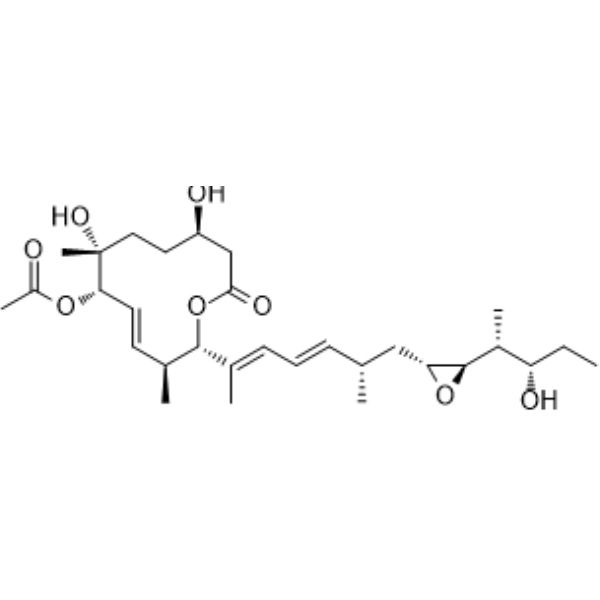
    Pladienolide B
    5 Publications Verification

    Apoptosis SF3B1 Cancer
    Pladienolide B is a potent cancer cell growth inhibitor that targets the SF3B1 subunit of the spliceosome. Pladienolide B exerts antitumor activities mediated through the inhibition of pre-mRNA splicing. Pladienolide B induces apoptosis .
    Pladienolide B
  • HY-139664
    GSK-3685032
    10+ Cited Publications

    DNA Methyltransferase Cancer
    GSK-3685032 is a non-time-dependent, noncovalently, first-in-class reversible DNMT1-selective inhibitor, with an IC50 of 0.036 μM. GSK-3685032 induces robust loss of DNA methylation, transcriptional activation, and cancer cell growth inhibition .
    GSK-3685032
  • HY-12682
    Glutaminase C-IN-1
    10+ Cited Publications

    Compound 968

    Glutaminase Cancer
    Glutaminase C-IN-1 (Compound 968) is an allosteric inhibitor of Glutaminase C that inhibits cancer cell growth without affecting their normal cellular counterparts .
    Glutaminase C-IN-1
  • HY-162307

    PROTACs Keap1-Nrf2 Cancer
    Nrf2 degrader 1 (compound 1) is a PROTAC Nrf2 degrader with a DC50 of 0.1-1 μM in huH1 cells. Nrf2 degrader 1 inhibits cancer cells growth for A549 and LK-2 cells with IC50 values of 100 nM and 40 nM, respectively. Nrf2 degrader 1 can be used for the study of liver cancer, non-small cell lung cancer (NSCLC) and squamous cell carcinoma of lung cancer .
    Nrf2 degrader 1
  • HY-19331
    WZB117
    20+ Cited Publications

    GLUT Cancer
    WZB117 is a glucose transporter 1 (Glut1) inhibitor, which downregulates glycolysis, induces cell-cycle arrest, and inhibits cancer cell growth in vitro and in vivo.
    WZB117
  • HY-115385
    Lumichrome
    2 Publications Verification

    Apoptosis MDM-2/p53 Akt β-catenin Nuclear Factor of activated T Cells (NFAT) NF-κB ERK p38 MAPK Metabolic Disease Cancer
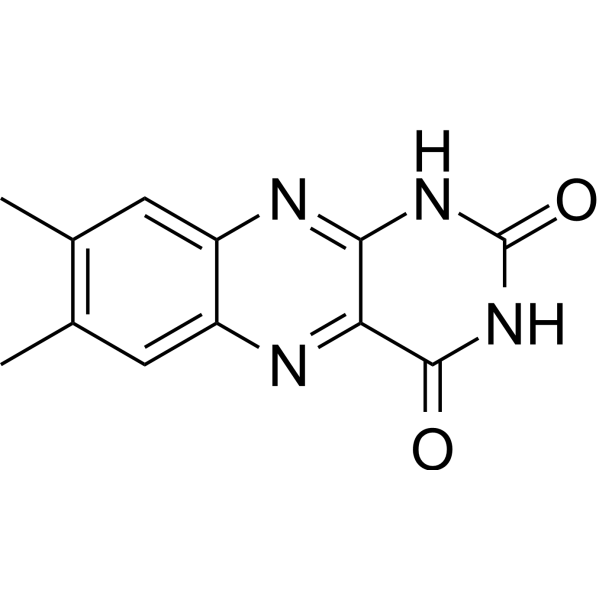
    Lumichrome, a photodegradation product of Riboflavin, is an endogenous compound in humans. Lumichrome inhibits human lung cancer cell growth and induces apoptosis via a p53-dependent mechanism. Lumichrom is the inhibitor for AKT/β-catenin signaling pathway .
    Lumichrome
  • HY-112780
    UC2288
    5+ Cited Publications

    MDM-2/p53 Apoptosis Cancer
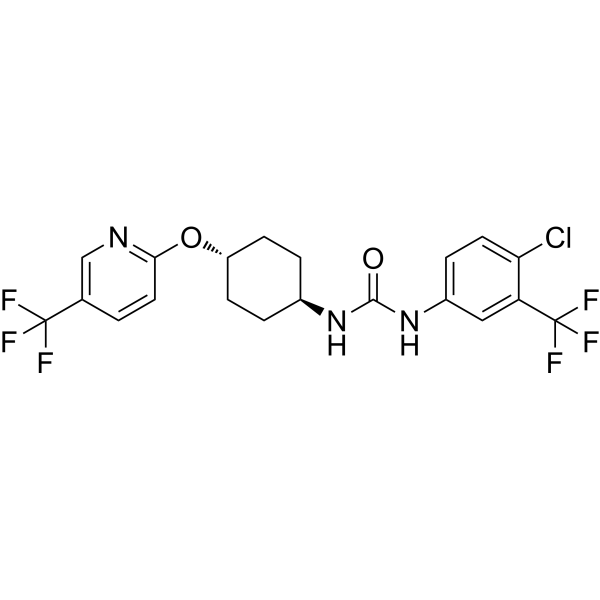
    UC2288 is a potent and orally active p21 attenuator (relatively selective activity for p21), which is synthesized based Sorafenib (HY-10201). UC2288 potently inhibits cancer cell growth by inducing apoptosis. UC2288 has no inhibition of VEGFR2 and Raf kinases even at 10 μM .
    UC2288
  • HY-112055
    DIM-C-pPhOH
    5+ Cited Publications

    Nuclear Hormone Receptor 4A/NR4A Apoptosis Cancer
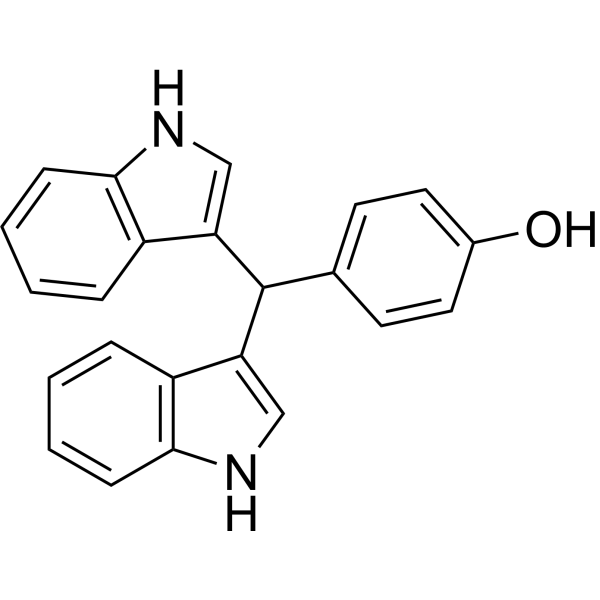
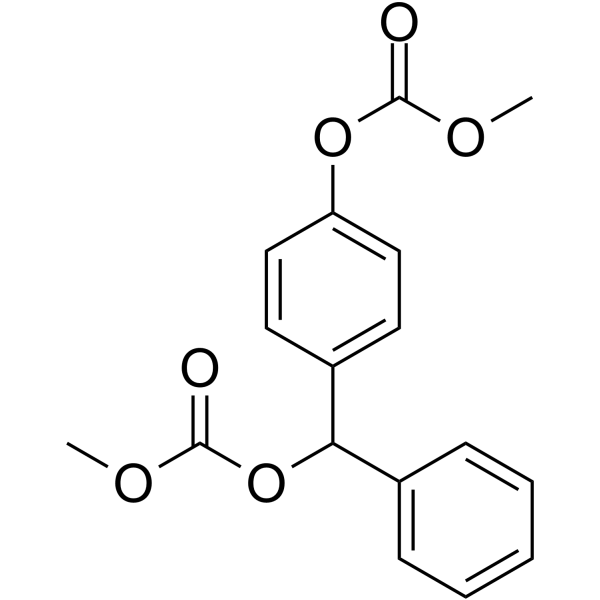
    DIM-C-pPhOH is a nuclear receptor 4A1 (NR4A1) antagonist. DIM-C-pPhOH inhibits cancer cell growth and mTOR signaling, induce apoptosis and cellular stress. DIM-C-pPhOH reduces cell proliferation with IC50 values of 13.6 μM and 13.0 μM for ACHN cells and 786-O cells, respectively .
    DIM-C-pPhOH
  • HY-113529
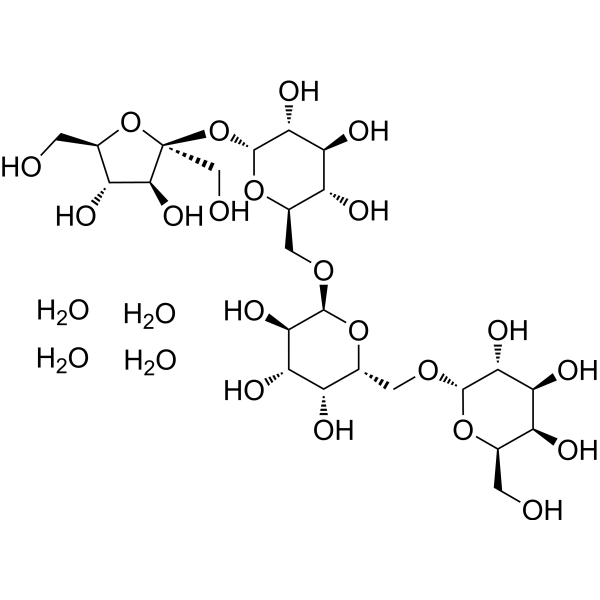
    Stachyose tetrahydrate
    1 Publications Verification

    Apoptosis Endogenous Metabolite Cancer
    Stachyose tetrahydrate, a functional oligosaccharide, acts as a prebiotic. Stachyose tetrahydrate can prevent indirectly colon cancer cell growth by promoting the proliferation of probiotics or producing beneficial materials in the intestine .
    Stachyose tetrahydrate
  • HY-N0883
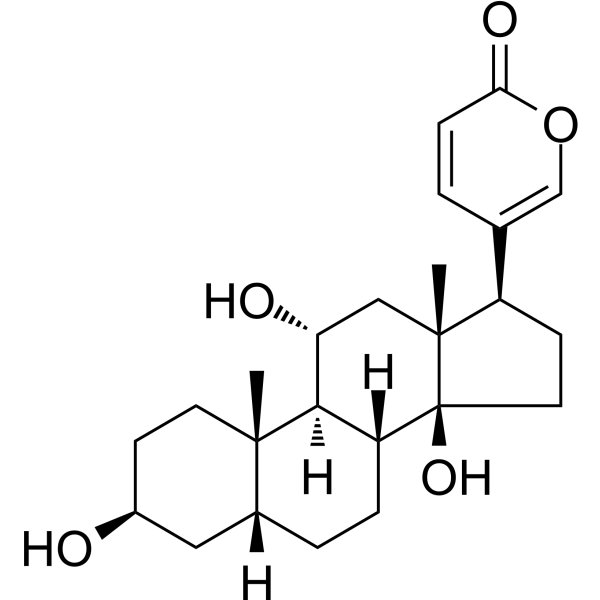
    Gamabufotalin
    4 Publications Verification

    Gamabufagin

    VEGFR Cancer
    Gamabufotalin (Gamabufagin), a main active compound isolated from Chinese medicine Chansu, has been shown to strongly inhibit cancer cell growth and inflammatory response. Gamabufotalin could inhibite angiogenesis by inhibiting the activation of VEGFR-2 signaling pathways.
    Gamabufotalin
  • HY-156112

    Ser/Thr Protease Cancer
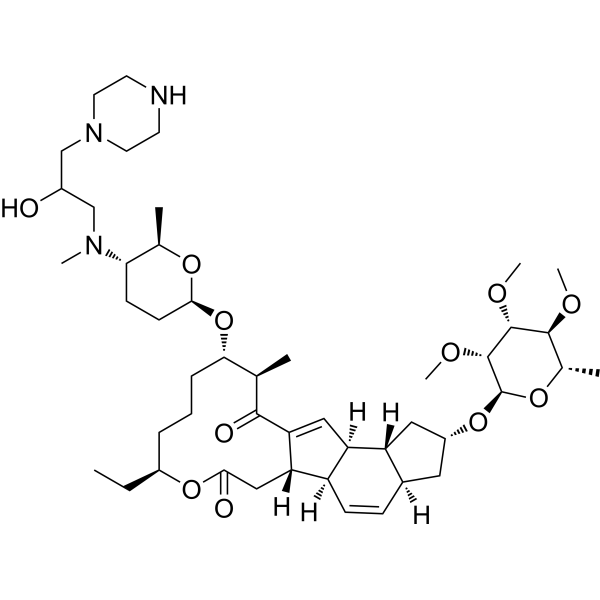
    LM2I is a derivative of Spinosyn A (SPA). LM2I is argininosuccinate synthase (ASS1) enzyme activator, and tumor inhibitor that directly interact with ASS1. LM2I has significant antiproliferative activity in seven colorectal cancer cell-lines and xenograft tumors of colorectal cancer. LM2I inhibits colorectal cancer cell growth via the EGFR pathway .
    LM2I
  • HY-124653
    HSP27 inhibitor J2
    5+ Cited Publications

    J2

    HSP Cancer
    HSP27 inhibitor J2 (J2) is a HSP27 inhibitor, which significantly induces abnormal HSP27 dimer formation and inhibits a production of HSP27 giant polymers, thereby having an effect of inhibiting a chaperone function of the HSP27 and reducing a cell protection function thereof. HSP27 inhibitor J2 (J2) remarkably enhances the antiproliferative activity of 17-AAG and sensitizes cisplatin-induced lung cancer cell growth inhibition .
    HSP27 inhibitor J2
  • HY-13208
    Xevinapant hydrochloride
    10+ Cited Publications

    AT-406 hydrochloride; Debio 1143 hydrochloride; SM-406 hydrochloride

    IAP Apoptosis Cancer
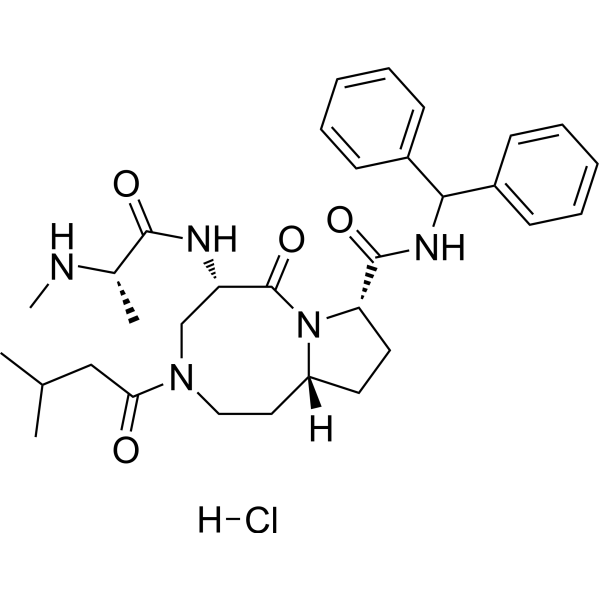
    Xevinapant (AT-406) hydrochloride is a potent and orally bioavailable Smac mimetic and an antagonist of the inhibitor of apoptosis proteins (IAPs). Xevinapant hydrochloride binds to XIAP, cIAP1, and cIAP2 proteins with Kis of 66.4, 1.9, and 5.1 nM, respectively. Xevinapant hydrochloride effectively antagonizes XIAP BIR3 protein in a cell-free functional assay, induces rapid degradation of cellular cIAP1 protein, and inhibits cancer cell growth in various human cancer cell lines. Xevinapant hydrochloride is highly effective in induction of apoptosis in xenograft tumors .
    Xevinapant hydrochloride
  • HY-18619
    YL-109
    2 Publications Verification

    Aryl Hydrocarbon Receptor Cancer
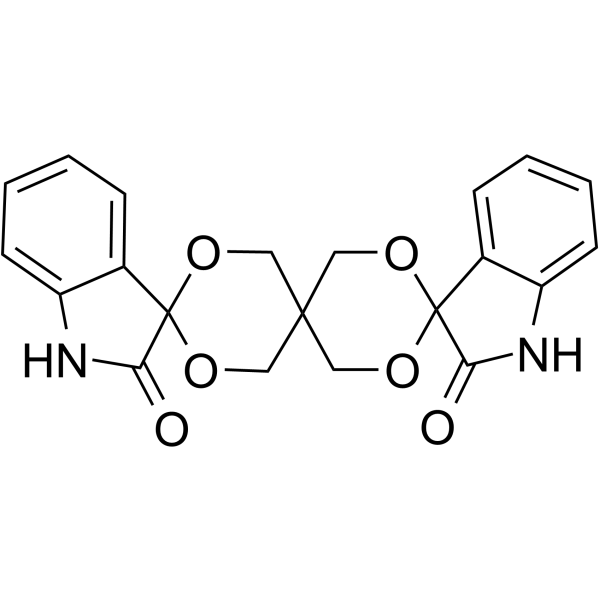
    YL-109 is an antitumor agent that can induce carboxyl terminus of Hsp70-interacting protein (CHIP) expression through aryl hydrocarbon receptor (AhR) signaling. YL-109 has ability to inhibit breast cancer cell growth and invasiveness .
    YL-109
  • HY-103710
    IBR2
    5+ Cited Publications

    RAD51 Apoptosis Cancer
    IBR2 is a potent and specific RAD51 inhibitor and inhibits RAD51-mediated DNA double-strand break repair. IBR2 disrupts RAD51 multimerization, accelerates proteasome-mediated RAD51 protein degradation, inhibits cancer cell growth and induces apoptosis .
    IBR2
  • HY-123892
    RK-287107
    1 Publications Verification

    PARP Cancer
    RK-287107 is a potent and specific tankyrase inhibitor with IC50s of 14.3 and 10.6 nM for tankyrase-1 and tankyrase-2, respectively. RK-287107 blocks colorectal cancer cell growth .
    RK-287107
  • HY-101666
    HBX 41108
    4 Publications Verification

    Deubiquitinase Apoptosis MDM-2/p53 Metabolic Disease Cancer
    HBX 41108 is an inhibitor of ubiquitin-specific protease 7 (USP7) with an IC50 of 424 nM. HBX 41108 inhibits USP7-mediated p53 deubiquitination to stabilize p53 and inhibits cancer cell growth. BX 41108 can be used in cancer and diabetes research .
    HBX 41108
  • HY-42484

    Eribulin intermediate

    Microtubule/Tubulin Cancer
    ER-076349 (Eribulin intermediate) is an inhibitor of tubulin polymerization, induces G2-M cell cycle arrest, and disrupts mitotic spindles. ER-076349 inhibits cancer cell growth, and inhibits tumor growth in several human tumor xenografts. ER-076349 is an analog of Halichondrin B .
    ER-076349
  • HY-115519
    (E/Z)-GO289
    2 Publications Verification

    Casein Kinase Cancer
    (E/Z)-GO289 is a potent and selective casein kinase 2 (CK2) inhibitor (IC50=7 nM). (E/Z)-GO289 strongly lengthens circadian period. (E/Z)-GO289 exhibits cell type–dependent inhibition of cancer cell growth that correlated with cellular clock function .
    (E/Z)-GO289
  • HY-45661

    NUV-422

    CDK Neurological Disease Cancer
    Inixaciclib (NUV-422) is a blood-brain barrier-penetrant inhibitor of CDK2, CDK4 and CDK6. Inixaciclib inhibits cancer cell growth. Inixaciclib induces anti-tumor activity in xenograft models of glioblastoma, CDK4/CDK6 inhibitor-resistant HR + HER2 - metastatic breast cancer, and anti-androgen-resistant prostate cancer. Inixaciclib can be used for the research of relapsed or metastatic castration-resistant prostate cancer .
    Inixaciclib
  • HY-142076

    CDK Cancer
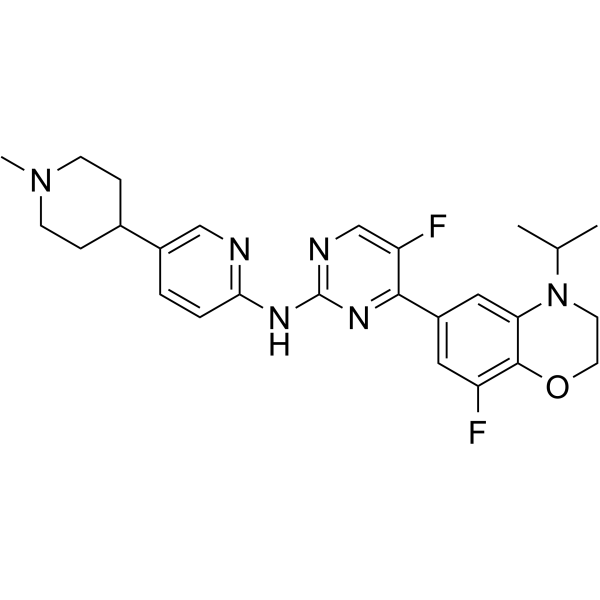
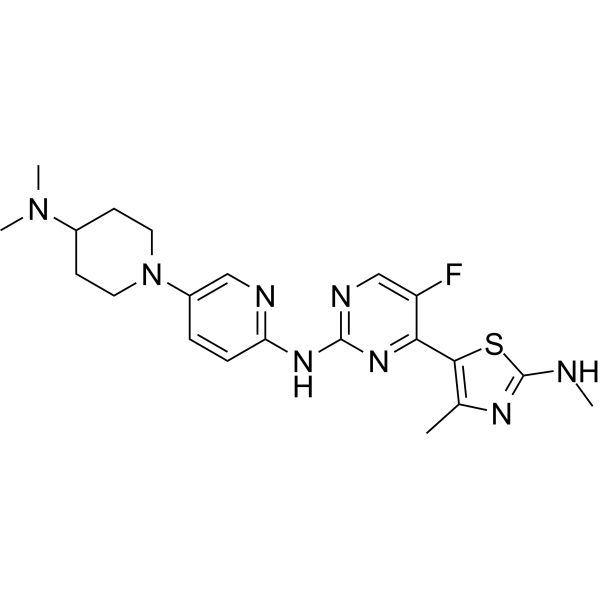
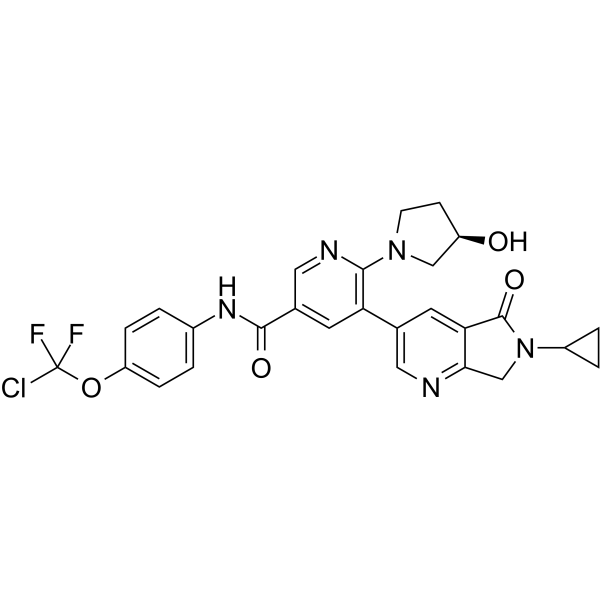
    CDK4/6-IN-15 is an orally active and selective CDK4/6 inhibitor. CDK4/6-IN-15 potently inhibits cancer cells growth. CDK4/6-IN-15 arrests cell cycle at G1 phase and suppresses retinoblastoma tumour suppressor protein (Rb) phosphorylation at S780 and E2 factor (E2F)-regulated gene expression .
    CDK4/6-IN-15
  • HY-177705

    ACSL Family Drug Derivative Metabolic Disease Cancer
    ACSL5-IN-2 (Compound B) is an Acyl CoA synthetase 5 (ACSL5) inhibitor. ACSL5-IN-2 can block the conversion of long-chain fatty acids (such as palmitic acid and oleic acid) into acyl-CoA, and intervene in the fatty acid metabolism pathway. ACSL5-IN-2 can inhibit cancer cells growth. ACSL5-IN-2 can be used for the research of cancer and metabolic disease, such as colon cancer and dysfunction-associated Steatohepatitis .
    ACSL5-IN-2
  • HY-N4317
    Ethoxysanguinarine
    1 Publications Verification

    Apoptosis Cancer
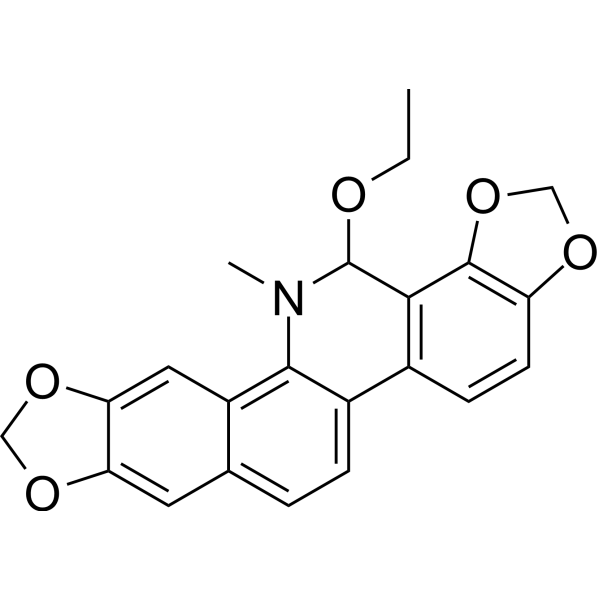
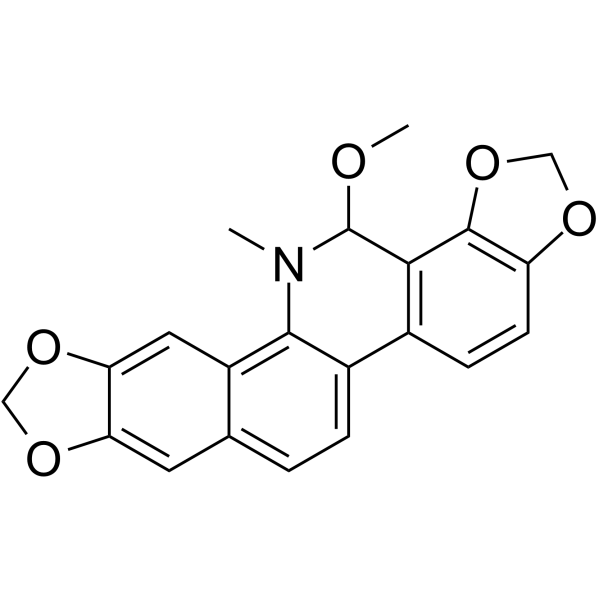
    Ethoxysanguinarine is a benzophenanthridine alkaloid natural product that is mainly found in Macleaya cordata. Ethoxysanguinarine is an inhibitor of protein phosphatase 2A (CIP2A). Ethoxysanguinarine induces cell apoptosis and inhibits colorectal cancer cells growth .
    Ethoxysanguinarine
  • HY-147855
    ACA-28
    1 Publications Verification

    ERK Apoptosis Reactive Oxygen Species (ROS) Keap1-Nrf2 Cancer
    ACA-28 is a potent ERK MAPK signaling modulator. ACA-28 selectively inhibits cancer cell growth and induces apoptosis. ACA-28 can activate nuclear factor erythroid 2-related factor 2 (Nrf2) signaling via inducing ROS production. ACA-28 can be used for the research of cancer, such as melanoma .
    ACA-28
  • HY-108442
    JW67
    1 Publications Verification

    Wnt Cancer
    JW67 inhibits the canonical Wnt signaling with an IC50 of 1.17μM . JW67 affects the multiprotein complex consisting of β-catenin/GSK-3β/AXIN/APC/CK1 that rapidly reduces active β-catenin with a subsequent downregulation of Wnt target genes. JW67 also inhibits colorectal cancer cell growth .
    JW67
  • HY-N4148

    DNA/RNA Synthesis Apoptosis Bacterial Infection Inflammation/Immunology Cancer
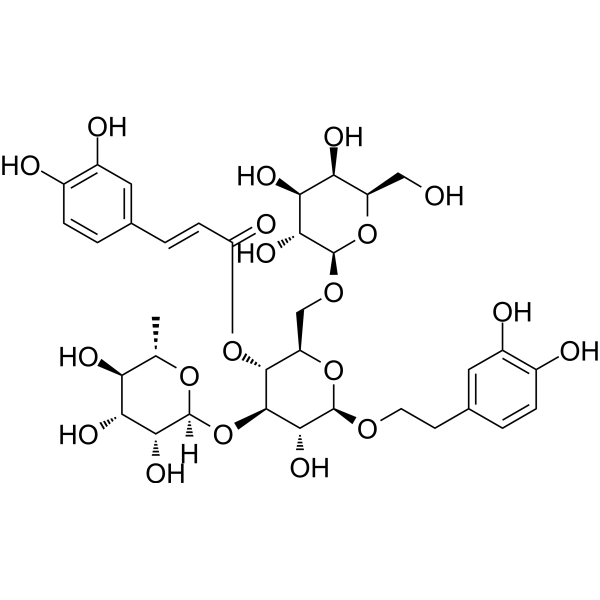
    Purpureaside C, phenolic glycoside, is a minichromosome maintenance complex component 6 (MCM6) inhibitor. Purpureaside C binds to the ATP-pocket of MCM6, suppresses MCM6 protein expression in gastric cancer cells. Purpureaside C suppresses gastric cancer cell growth and induces apoptosis. Purpureaside C exerts antibacterial activity and proinflammatory activity. Purpureaside C can be used for the researches of gastric cancer, bacterial infection and inflammation .
    Purpureaside C
  • HY-U00458
    K-80003
    1 Publications Verification

    TX-803

    Akt Cancer
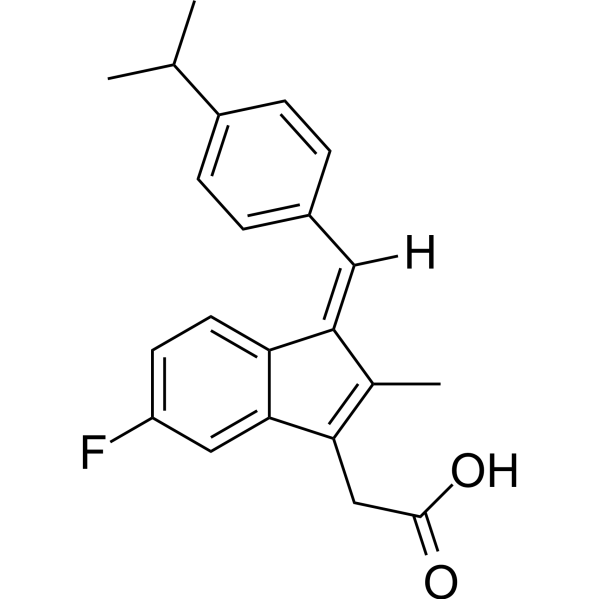
    K-80003 is a potent inhibitor of tRXRα-dependent Akt activation and cancer cell growth.
    K-80003
  • HY-100910

    CaMK Cancer
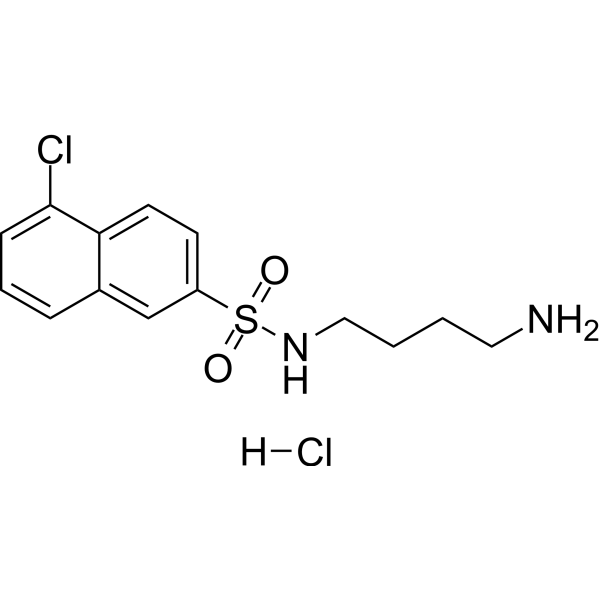
    W-13 hydrochloride is a calmodulin antagonist. W-13 hydrochloride can inhibit Tamoxifen (HY-13757A)-resistant human breast cancer cell growth .
    W-13 hydrochloride
  • HY-108333
    SB-633825
    4 Publications Verification

    Ser/Thr Kinase Cardiovascular Disease Cancer
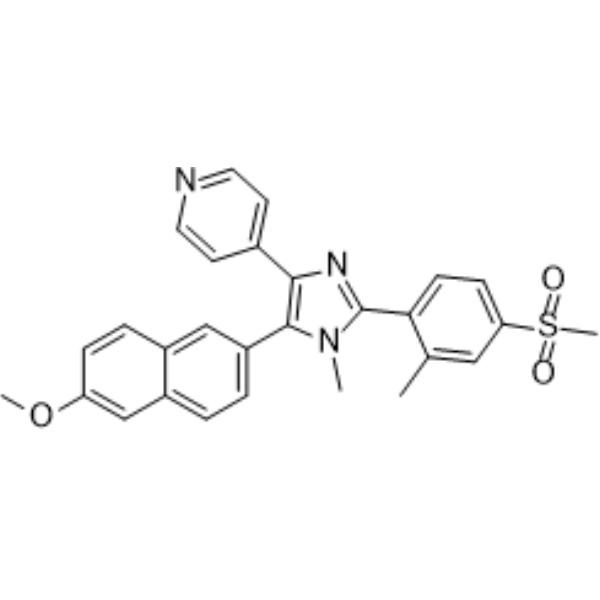
    SB-633825 is a potent and ATP-competitive inhibitor of TIE2, LOK (STK10) and BRK with IC50s of 3.5 nM, 66 nM, 150 nM, respectively. SB-633825 can inhibit cancer cell growth and angiogenesis .
    SB-633825
  • HY-139664A

    DNA Methyltransferase Cancer
    (R)-GSK-3685032 is the R-enantiomer of GSK-3685032. GSK-3685032 is a non-time-dependent, noncovalently, first-in-class reversible DNMT1-selective inhibitor, with an IC50 of 0.036 μM. GSK-3685032 induces robust loss of DNA methylation, transcriptional activation, and cancer cell growth inhibition .
    (R)-GSK-3685032
  • HY-150538
    STAT3-IN-12
    1 Publications Verification

    STAT Apoptosis Cancer
    STAT3-IN-12 is a potent STAT3 signal inhibitor that can inhibit IL-6 induced JAK/STAT3 signalling pathway activation. STAT3-IN-12 inhibits cancer cell growth, migration, and induce cell apoptosis as well as cycle arrest. STAT3-IN-12 can be used in cancer-related research, such as hepatocellular carcinoma (HCC) and oesophageal carcinoma .
    STAT3-IN-12
  • HY-151595

    Epigenetic Reader Domain Cancer
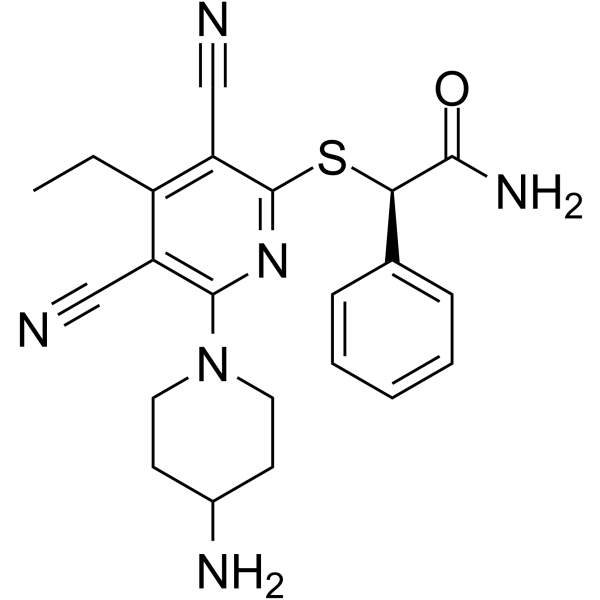
    Menin-MLL inhibitor-22 (compound C20) is an orally active inhibitor of the interaction between menin and mixed lineage leukemia (MLL) (IC50=7 nM). Menin-MLL inhibitor-22 binds menin protein and inhibits cancer cell growth (MV4 cells, IC50=0.3 μM). Menin is a putative tumor suppressor associated with multiple endocrine neoplasia type 1 (MEN-1 syndrome) .
    Menin-MLL inhibitor-22
  • HY-143883

    PROTACs Akt Cancer
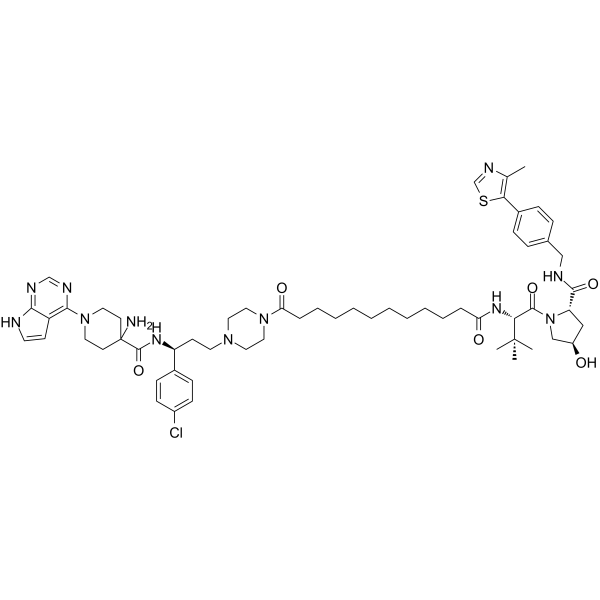
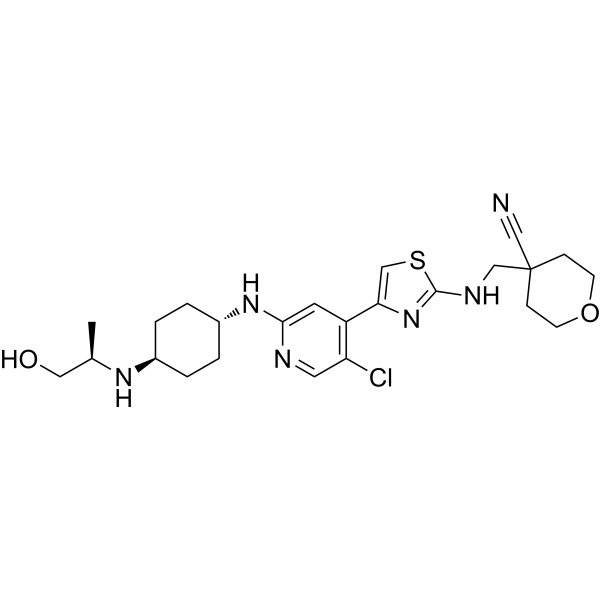
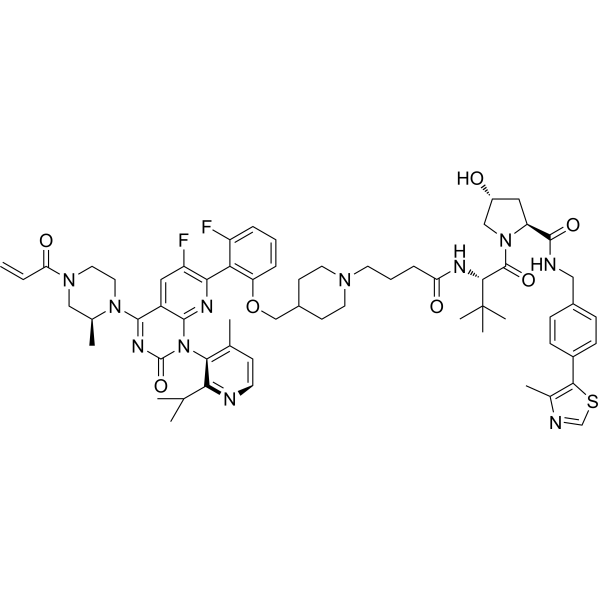
    MS143 is a potent PROTAC AKT degrader (DC50=46 nM and GI50=0.8 μM in PC3 cells). MS143 induces rapid and robust AKT degradation in a concentration- and time-dependent manner via hijacking the ubiquitin-proteasome system. MS143 can suppress cancer cell growth (Pink: AKT ligand (HY-15431); Blue: E3 ligase ligand (HY-125845); Black: linker) .
    MS143
  • HY-150084

    (±)14(15)-EET

    Cytochrome P450 Mitosis Cancer
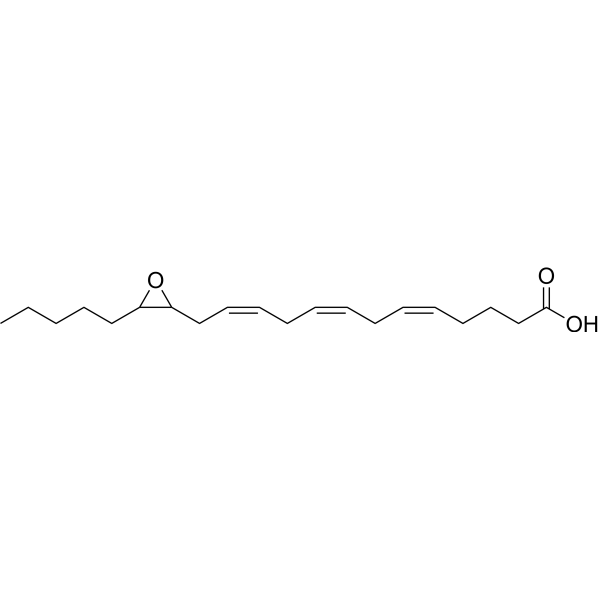
    (±)14,15-Epoxyeicosatrienoic acid ((±)14(15)-EET) is the Cytochrome P450 metabolite of arachidonic acid. While CYP3A4 may be involved in breast cancer cell growth, (±)14,15-Epoxyeicosatrienoic acid may promote mitosis and anchorage-dependent cloning through STAT3 affected by CYP3A4. (±)14,15-Epoxyeicosatrienoic acid exhibits STAT3-dependent cell growth promotion and may also participate in the autocrine/paracrine pathway that drives cell growth .
    (±)14,15-Epoxyeicosatrienoic acid
  • HY-164143

    Topoisomerase Cancer
    T638 is a topoisomerase II (TOP2) inhibitor. T638 inhibits TOP2A activity with a IC50 of 0.7 uM. T638 strongly inhibits cancer cell growth .
    T638
  • HY-105387

    DNA/RNA Synthesis Bacterial Topoisomerase Infection Cancer
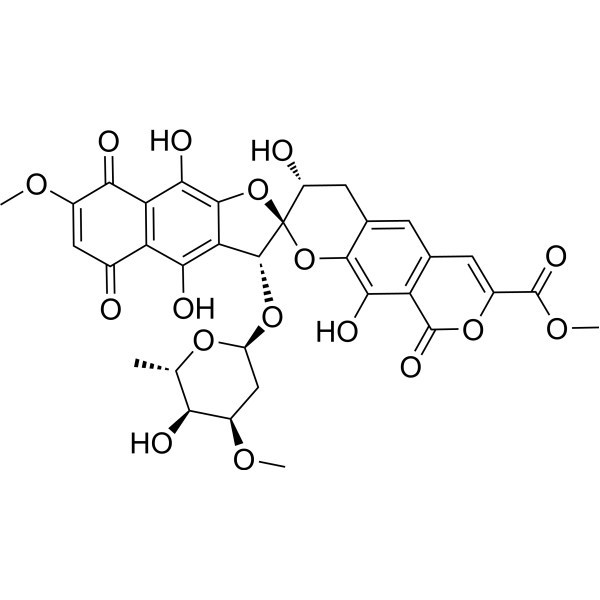
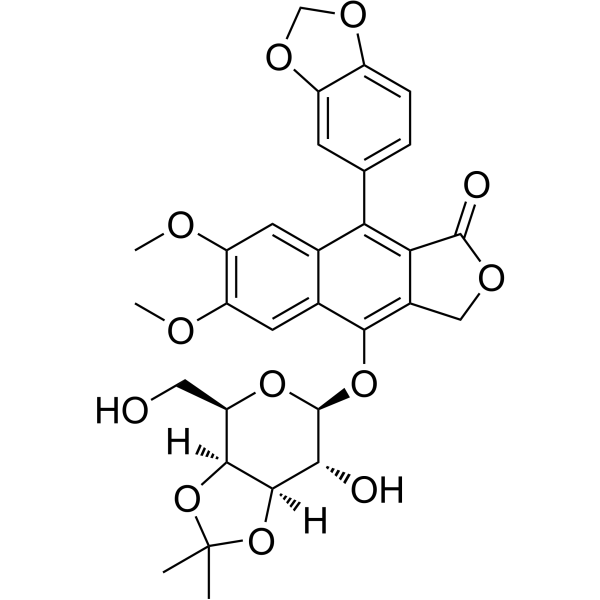
    Heliquinomycin is an inhibitor of DNA helicase (Ki: 6.8 μM) and inhibits DNA and RNA synthesis. Heliquinomycin is effective against Gram-positive bacteria strains. Heliquinomycin inhibits cancer cell growth .
    Heliquinomycin
  • HY-N5058

    Apoptosis Cancer
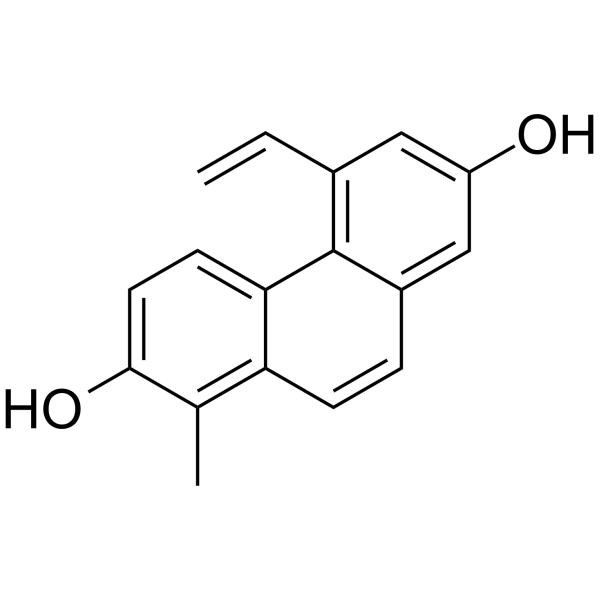
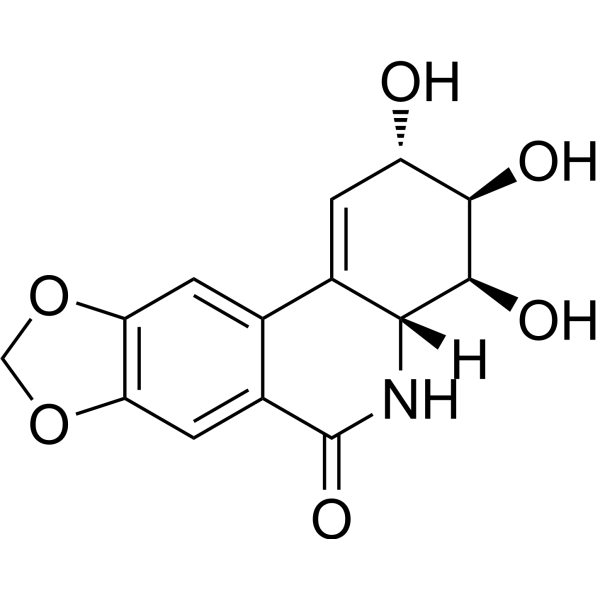
    Dehydroeffusol is a phenanthrene from medicinal herb Juncus effuses. Dehydroeffusol inhibits gastric cancer cell growth and tumorigenicity by selectively inducing tumor-suppressive endoplasmic reticulum stress and a moderate apoptosis. It shows very low toxicity .
    Dehydroeffusol
  • HY-163743

    Salt-inducible Kinase (SIK) Cancer
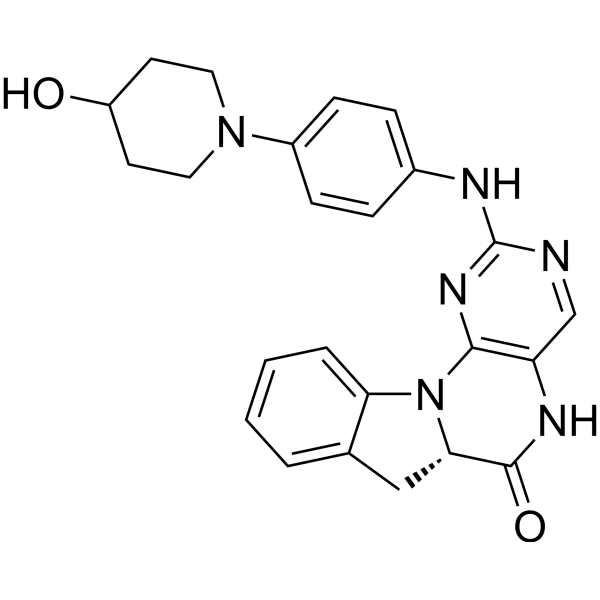
    SIC-19 is a SIK2 inhibitor and promotes SIK2 protein degradation via the ubiquitination pathway. SIC-19 inhibits cancer cell growth and sensitizes cells to PARP inhibitors (Such as Olaparib (HY-10162)), as well as in ovarian cancer organoids and xenograft models .
    SIC-19
  • HY-114461B

    Drug Derivative DNA/RNA Synthesis Cancer
    (3S,17S)-FD-895 a FD-895 (HY-114461) analogue, is a spliceosome modulator. (3S,17S)-FD-895 inhibits cancer cell growth and exhibits gene-selective splice modulatory activity. (3S,17S)-FD-895 can be used for the research of colorectal carcinoma .
    (3S,17S)-FD-895
  • HY-150268

    BET-IN-16

    Epigenetic Reader Domain Cancer
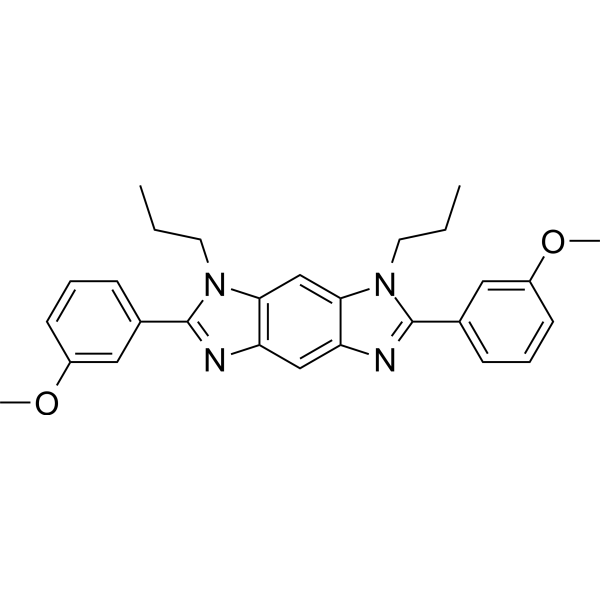
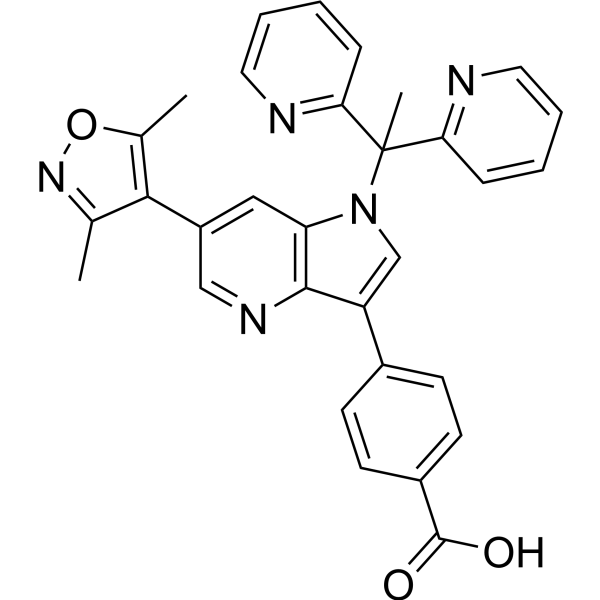
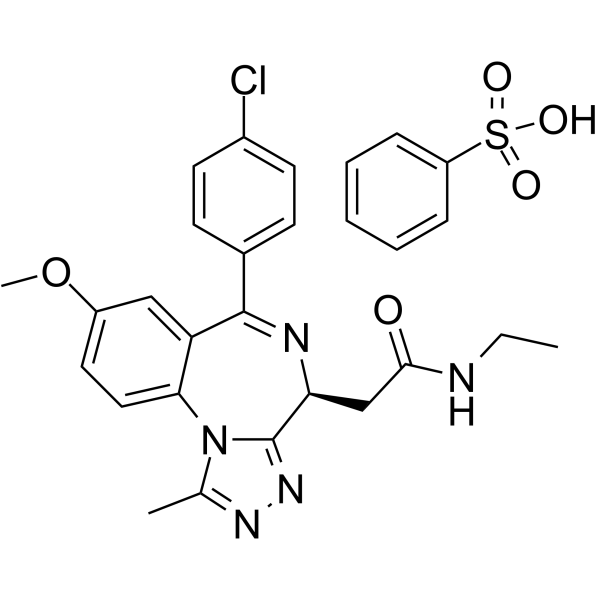
    Zavabresib (BET-IN-16) (Compound I) is a BET inhibitor. BET-IN-16 shows anticancer activity. Zavabresib inhibits prostate cancer cell growth, with IC50 values of 0.043 and 0.034 μM against LNCaP and 22Rv1 cells, respectively .
    Zavabresib
  • HY-143293

    VEGFR Apoptosis Cancer
    VEGFR-IN-3 (compound 3f) is a VEGFR inhibitor. VEGFR-IN-3 inhibits OVCAR-4 and MDA-MB-468 cancer cells growth with IC50s of 0.29 and 0.35 μM, respectively. VEGFR-IN-3 can be used for the research of cancer .
    VEGFR-IN-3
  • HY-124844

    AZA-9

    HuR Cancer
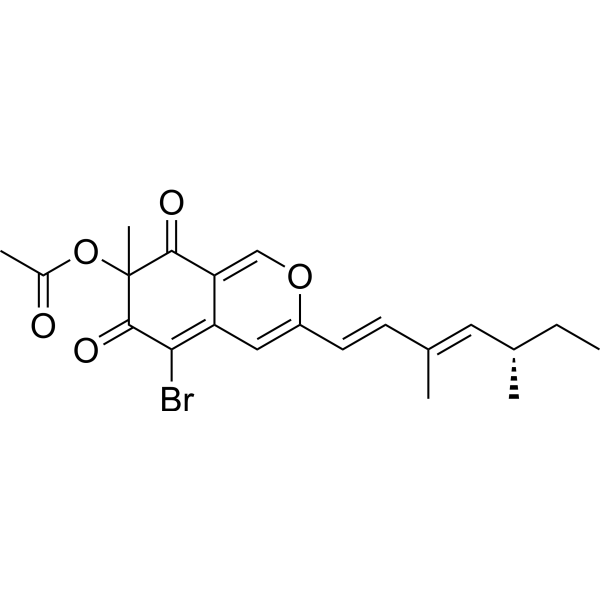
    Azaphilone-9 (AZA-9) is an inhibitor of HuR-ARE RNA interaction (IC50=1.2 μM) by binding RNA-binding protein Hu antigen R (HuR). The HuR-RNA interactions stabilize many oncogenic mRNAs in tumors. Thus Azaphilone-9 potentially inhibit cancer cell growth and progression .
    Azaphilone-9
  • HY-142076A

    CDK Cancer
    CDK4/6-IN-15 hydrochloride is an orally active and selective CDK4/6 inhibitor. CDK4/6-IN-15 hydrochloride potently inhibits cancer cells growth. CDK4/6-IN-15 hydrochloride arrests cell cycle at G1 phase and suppresses retinoblastoma tumour suppressor protein (Rb) phosphorylation at S780 and E2 factor (E2F)-regulated gene expression .
    CDK4/6-IN-15 hydrochloride
  • HY-176427

    ClpP Cancer
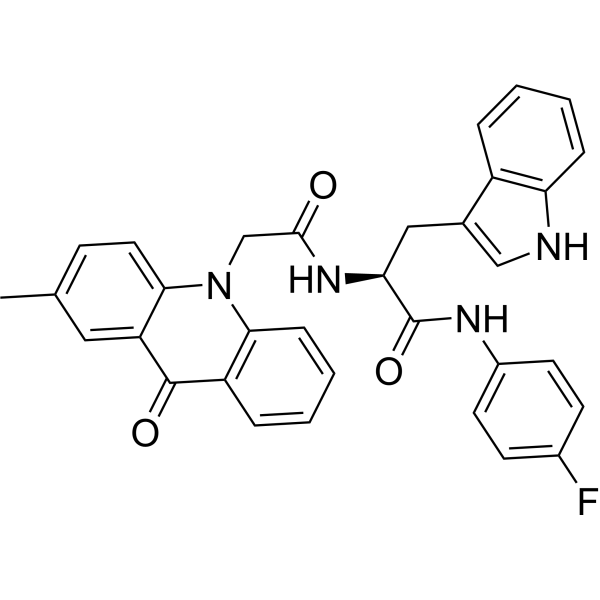
    HsClpP activator-1 (compound 24) is a potent HsClpP activator with an EC50 of 0.22 μM. HsClpP activator-1 effectively inhibits cancer cell growth with IC50 values of 0.1-1 μM .
    HsClpP activator-1
  • HY-154987

    MARK Cancer
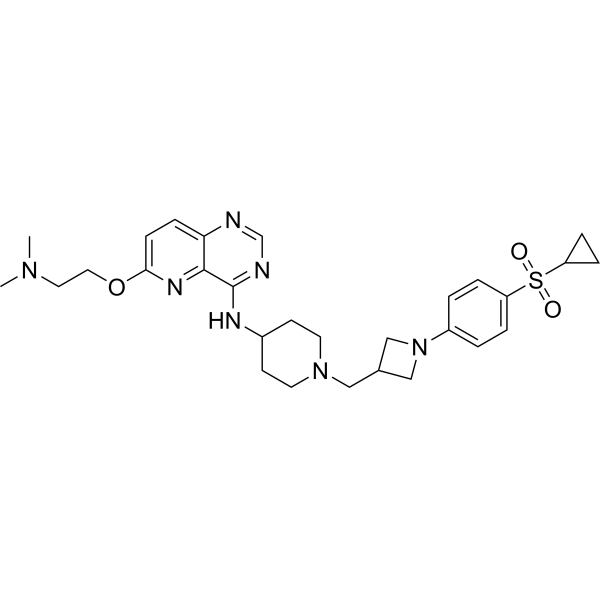
    MARK4 inhibitor 3 (compound 23b) is an inhibitor of MARK4 with an IC50 value of 1.01 μM. MARK4 inhibitor 3 inhibits cancer cells growth. MARK4 inhibitor 3 can be used for research on cancer and tauopathies .
    MARK4 inhibitor 3
  • HY-122650

    Autophagy Cancer
    PHY34 is an inhibitor that inhibits ATP6V0A2 and CAS thereby inhibiting autophagy, and has a nanomolar effect. PHY34 inhibits cancer cell growth by inducing apoptosis and inhibits tumor growth in xenograft models. PHY34 can be used for research on high grade serous ovarian cancer .
    PHY34
  • HY-111033

    MEK ERK Apoptosis p38 MAPK CDK PARP Inflammation/Immunology Cancer
    RO5068760 is a potent, orally active and selective non-ATP-competitive MEK1/2 inhibitor with an IC50 of 0.025 μM for MEK1. RO5068760 significantly inhibits MAPK pathway activity, thereby inducing G1 cell cycle arrest and apoptosis to inhibit cancer cell growth. RO5068760 exhibits significant efficacy in a broad spectrum of tumors with aberrant MAPK pathway activation. RO5068760 can be used for melanoma, colorectal cancer, non-small cell lung cancer (NSCLC), and pancreatic cancer research .
    RO5068760
  • HY-144318

    Epigenetic Reader Domain Cancer
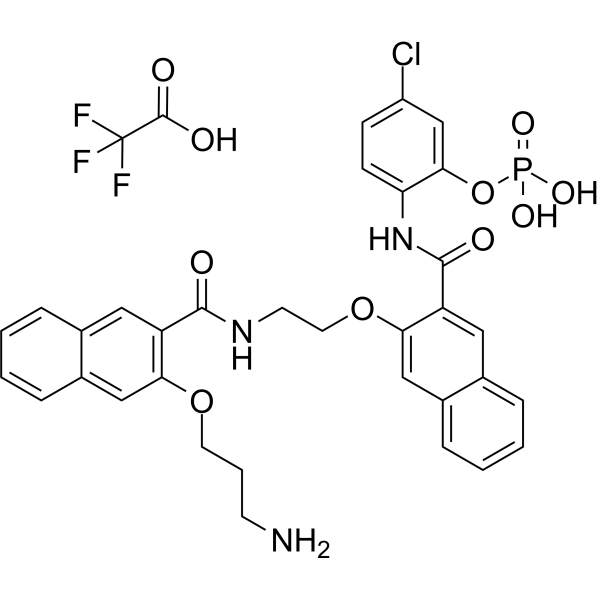
    CREB-IN-1 TFA is a potent, orally active CREB inhibitor (IC50=0.18 µM). CREB-IN-1 TFA inhibits breast cancer cell growth .
    CREB-IN-1 TFA
  • HY-P5045

    Amino Acid Derivatives Inflammation/Immunology Cancer
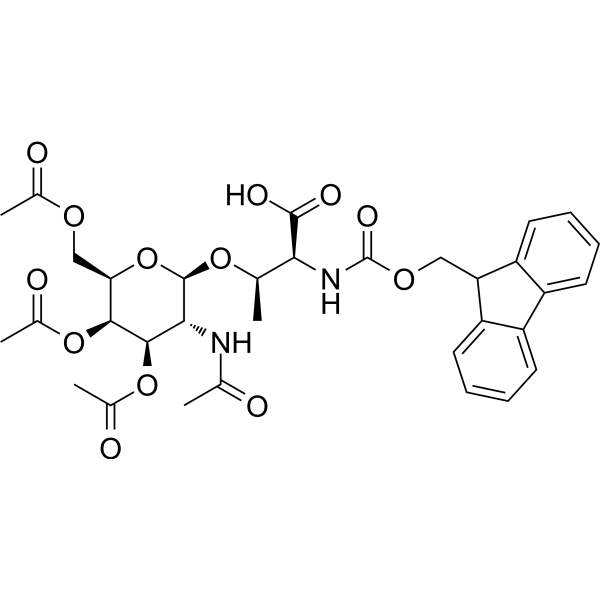
    Fmoc-Thr(GalNAc(Ac)3-β-D)-OH inhibits cancer cell growth, through targeting intricate cancer-specific pathways while simultaneously strengthening immunologic response .
    Fmoc-Thr(GalNAc(Ac)3-β-D)-OH
  • HY-163636

    A-442b

    Phosphodiesterase (PDE) Ras Cancer
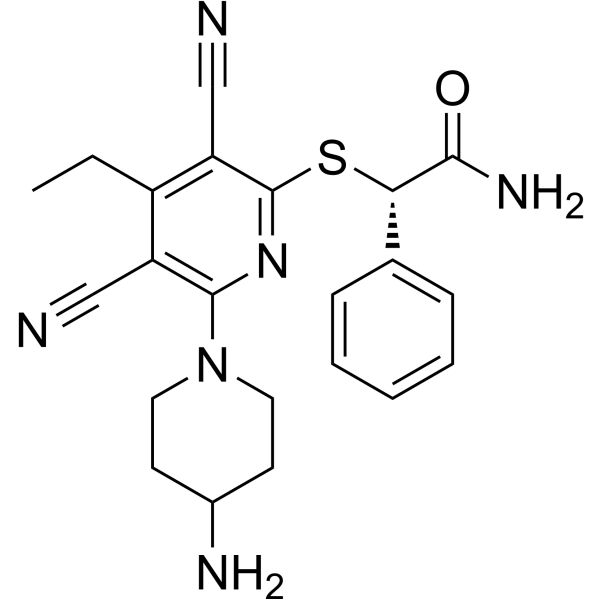
    Deltaflexin3 is a potent PDE6D inhibitor. Deltaflexin3 reduces the signaling of Ras and selectively decreases the KRAS mutant and PDE6D-dependent cancer cells growth .
    Deltaflexin3

온라인 문의

Your information is safe with us. * Required Fields.

호칭


Country or Region *

고객명 *


회사명 *

Department *


메일주소 *


상품명 *

Cat. No.


Requested quantity *

전화번호 *


비고

온라인 문의

Inquiry Information

상품명:
Cat. No.:
수량:
MCE Japan Authorized Agent: