Search Result
Results for "
viral DNA
" in MedChemExpress (MCE) Product Catalog:
6
Biochemical Assay Reagents
8
Isotope-Labeled Compounds
| Cat. No. |
Product Name |
Target |
Research Areas |
Chemical Structure |
-
- HY-104077
-
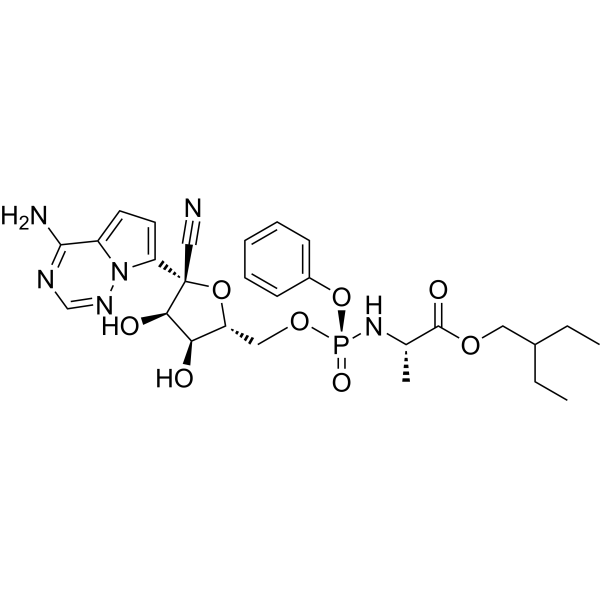
Remdesivir
Maximum Cited Publications
214 Publications Verification
GS-5734
|
DNA/RNA Synthesis
SARS-CoV
|
Infection
|
|
Remdesivir (GS-5734) is a nucleoside analogue with effective antiviral activity. Remdesivir can inhibit the synthesis of viral DNA or RNA. Remdesivir can be used for the research of infection, such as SARS-CoV and MHV infection .
|
-
-
- HY-W250110E
-
-
-
- HY-B0307
-
|
5-Iodo-2′-deoxyuridine; 5-IUdR; IdUrd
|
DNA/RNA Synthesis
Phosphatase
Orthopoxvirus
|
Infection
Cancer
|
|
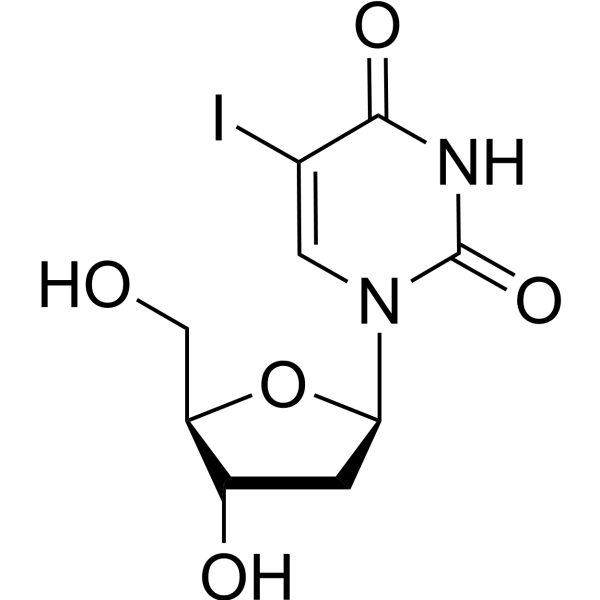
Idoxuridine (5-Iodo-2′-deoxyuridine, 5-IUdR, IdUrd) is an iodinated thymidine analogue that competitively inhibits phosphorylases. Idoxuridine can inhibit viral activity, particularly viral eye infections, including herpes simplex keratitis, by inhibiting DNA polymerase and affecting viral replication. Idoxuridine against feline herpesvirus has the IC50 value of 4.3 μM . Idoxuridine shows anti-orthopoxvirus activity.
|
-
-
- HY-17438
-
Cidofovir
Maximum Cited Publications
14 Publications Verification
GS 0504; HPMPC; (S)-HPMPC
|
CMV
Apoptosis
DNA/RNA Synthesis
Orthopoxvirus
Endogenous Metabolite
|
Infection
Cancer
|
|
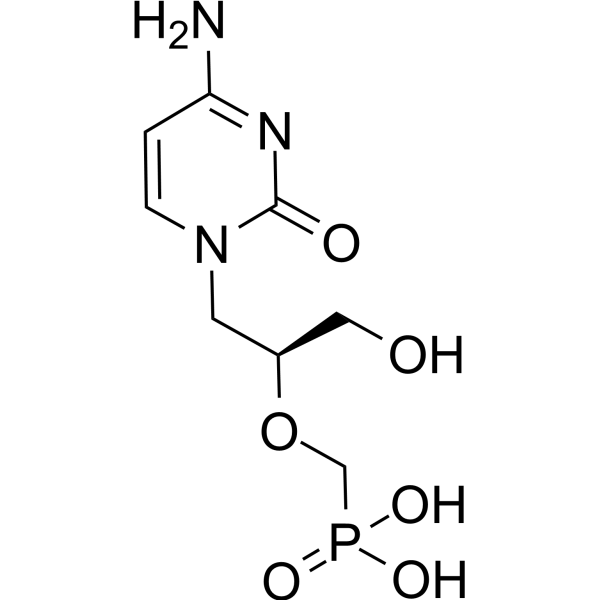
Cidofovir (GS 0504) is an acyclic monophosphate nucleotide analogue and CMV inhibitor with antiviral activity. Cidofovir inhibits cytomegalovirus (CMV) replication by selectively inhibiting viral DNA polymerase. Cidofovir induces apoptosis and can be used in studies of AIDS cytomegalovirus retinitis, herpes, and cancer . Cidofovir also has anti-orthopoxvirus and anti-variola activities .
|
-
-
- HY-15233
-
|
AIC246; MK-8228
|
CMV
|
Infection
Cancer
|
|
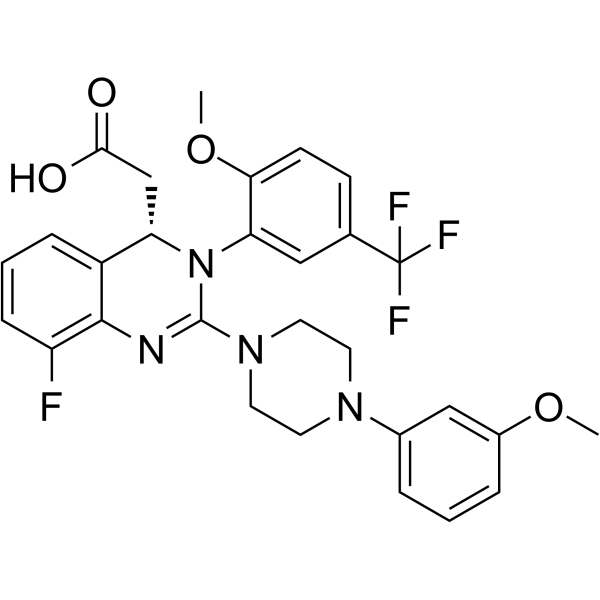
Letermovir (AIC246) is a potent inhibitor of CMV, which targets the viral terminase complex and remains active against virus resistant to DNA polymerase inhibitors.
|
-
-
- HY-N0057
-
|
3,4-Di-O-caffeoylquinic acid; Isochlorogenic acid B
|
Glycosidase
Influenza Virus
Apoptosis
Endogenous Metabolite
|
Infection
Cancer
|
|
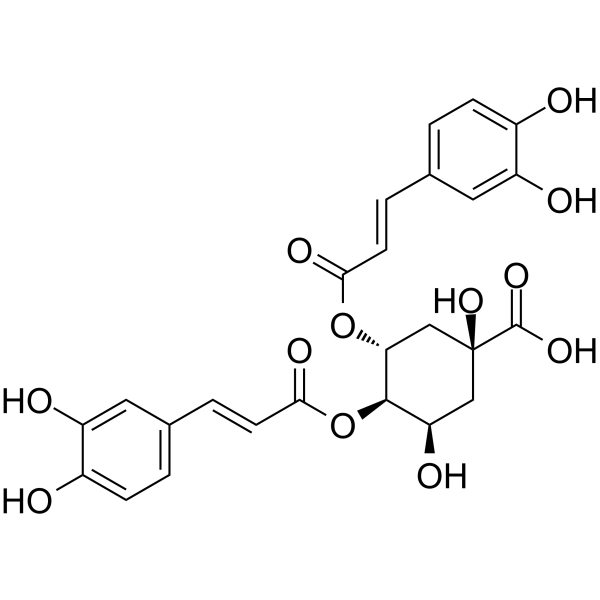
3,4-Dicaffeoylquinic acid (3,4-Di-O-caffeoylquinic acid), naturally isolated from Laggera alata, has antioxidative, DNA protective, neuroprotective and hepatoprotective properties. 3,4-Dicaffeoylquinic acid exerts apoptosis-mediated cytotoxicity and α-glucosidase inhibitory effects. 3,4-Dicaffeoylquinic acid possesses a unique mechanism of anti-influenza viral activity, that is, enhancing viral clearance by increasing TRAIL .
|
-
-
- HY-B1318
-
|
Trisodium phosphonoformate; Phosphonoformic acid trisodium salt
|
DNA/RNA Synthesis
|
Infection
|
|
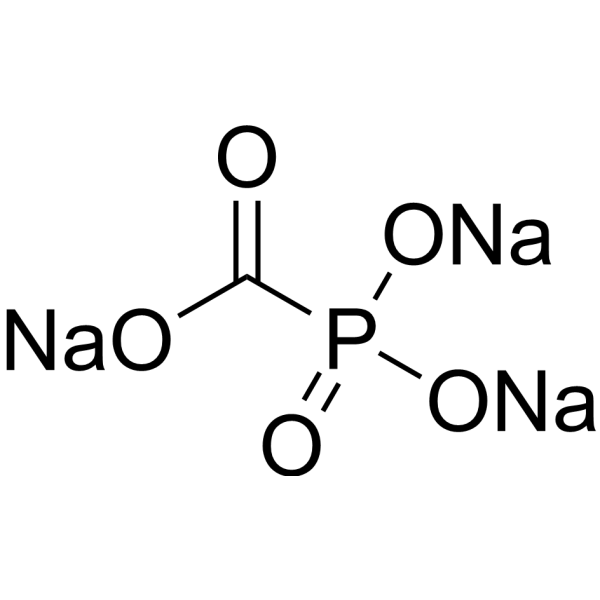
Foscarnet sodium (Trisodium phosphonoformate) is a viral DNA polymerase activity inhibitor, leading to reversible suppression of viral replication. Foscarnet sodium is an antiherpesvirus agent used in cytomegalovirus retinitis .
|
-
-
- HY-B0277
-
|
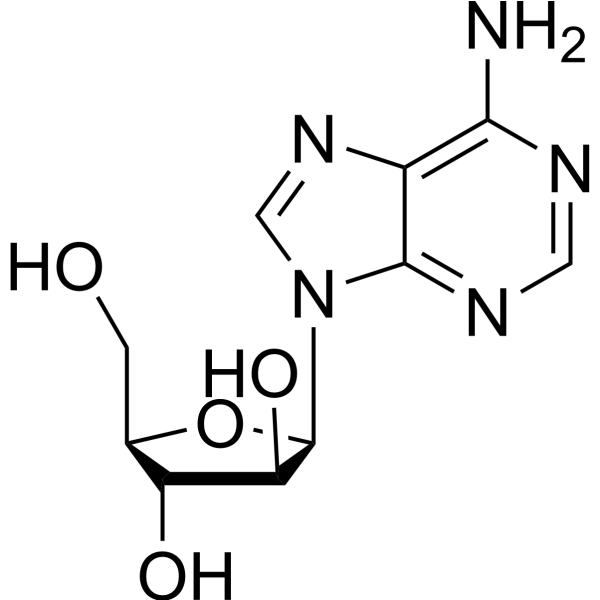
Ara-A; Adenine Arabinoside; 9-β-D-Arabinofuranosyladenine
|
Apoptosis
Fungal
Reactive Oxygen Species (ROS)
EBV
HSV
Antibiotic
DNA/RNA Synthesis
Drug Metabolite
|
Infection
Cancer
|
|
Vidarabine (Ara-A) is a nucleoside antibiotic isolated from Streptomyces, and a metabolite of Vidarabine phosphate (HY-B0277A). Vidarabine selectively inhibits viral DNA polymerase and cellular ribonucleotide reductase, thereby blocking viral replication. Vidarabine phosphate also exhibits antifungal activity, induces late-stage cellular apoptosis, and causes cell cycle arrest. Vidarabine phosphate can be used in research related to severe chronic active Epstein-Barr virus (EBV) infection, herpes infection, and candidiasis .
|
-
-
- HY-147217
-
|
ISIS 505358
|
HBV
|
Infection
|
|
Bepirovirsen is an antisense oligonucleotide targeting all HBV messenger RNAs. Bepirovirsen leads to reductions in HBV-derived RNAs, HBV DNA and viral proteins. Bepirovirsen can be used for the research of chronic HBV infection. Bepirovirsen binding site sequence (GCACTTCGCTTCACCTCTGC) .
|
-
-
- HY-N8332
-
|
Ox bile extract
|
Bacterial
DNA/RNA Synthesis
|
Infection
|
|
Bile extract (Ox bile extract) is a complex mixture of substances, containing bile acids, cholesterol, and bilirubin. Bile extract has antimicrobial activity and can induce DNA damage and degrade viral and bacterial membranes. Bile extract can be used in bacterial culture media as a selective inhibitor for the isolation and identification of pathogens .
|
-
-
- HY-147217A
-
|
ISIS 505358 sodium
|
HBV
|
Infection
|
|
Bepirovirsen (ISIS 505358) sodium is an antisense oligonucleotide targeting all HBV messenger RNAs. Bepirovirsen sodium leads to reductions in HBV-derived RNAs, HBV DNA and viral proteins. Bepirovirsen sodium can be used for the research of chronic HBV infection. Bepirovirsen sodium binding site sequence (GCACTTCGCTTCACCTCTGC) .
|
-
-
- HY-B0277A
-
|
ara-AMP; ara-A 5'-monophosphate
|
EBV
HSV
Fungal
DNA/RNA Synthesis
Apoptosis
Drug Intermediate
Reactive Oxygen Species (ROS)
|
Infection
|
|
Vidarabine phosphate (ara-AMP; ara-A 5'-monophosphate) is a purine nucleoside antiviral agent and a prodrug of Vidarabine (HY-B0277). Vidarabine phosphate is rapidly converted into the antiviral active Vidarabine in vivo, which selectively inhibits viral DNA polymerase and cellular ribonucleotide reductase, thereby blocking viral replication. Vidarabine phosphate also exhibits antifungal activity, induces late-stage cellular apoptosis, and causes cell cycle arrest. Vidarabine phosphate can be used in research related to severe chronic active Epstein-Barr virus (EBV) infection, herpes infection, and candidiasis .
|
-
-
- HY-128744
-
|
|
Endogenous Metabolite
Orthopoxvirus
HSV
DNA/RNA Synthesis
|
Infection
|
|
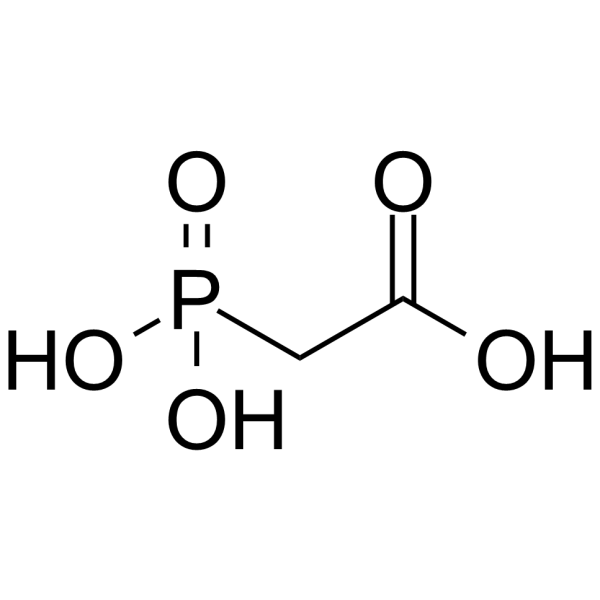
Phosphonoacetic acid is an endogenous metabolite and antiviral agent. Phosphonoacetic acid is active against orthopoxviruses and herpes viruses. Phosphonoacetic acid can inhibit HSV DNA synthesis and virus-specific DNA polymerase activity, and affect the synthesis of late viral proteins .
|
-
-
- HY-N0093
-
|
Cyclocytidine hydrochloride; Cyclo-CMP hydrochloride; Cyclo-C
|
Autophagy
CMV
DNA/RNA Synthesis
|
Infection
Cancer
|
|
Ancitabine hydrochloride is a cytarabine derivative that inhibits viral replication. Ancitabine hydrochloride blocks vaccinia virus DNA replication, the progression of viral protein synthesis from early to late stages, and one-step growth of vaccinia virus. Ancitabine hydrochloride is applicable to research related to vaccinia virus infection, leukemia, human cytomegalovirus infection and colorectal cancer .
|
-
-
- HY-131606B
-
|
|
Drug Metabolite
DNA/RNA Synthesis
|
Infection
|
|
Cidofovir diphosphate tri triethylamine is an active intracellular metabolite of Cidofovir. Cidofovir diphosphate tri triethylamine is a selective inhibitor of viral DNA polymerases with Ki values of 6.6, 0.86 and 1.4 μM for HCMV, HSV-1 and HSV-2 DNA polymerase, respectively .
|
-
-
- HY-113431
-
|
|
Nucleoside Antimetabolite/Analog
HSV
DNA/RNA Synthesis
|
Infection
|
|
Arabinosylhypoxanthine is a purine nucleoside analog. Arabinosylhypoxanthine selectively inhibits viral DNA synthesis. Arabinosylhypoxanthine exhibits anti-HSV activity. Arabinosylhypoxanthine can be used in studies related to herpes simplex virus infection .
|
-
-
- HY-126437I
-
-
-
- HY-13859
-
|
L-FMAU
|
HBV
DNA/RNA Synthesis
Orthopoxvirus
|
Infection
|
|
Clevudine (L-FMAU), a nucleoside analog of the unnatural L-configuration, has potent anti-HBV activity with long half-life, low toxicity. Clevudine is a non-competitive inhibitor that is not incorporated into the viral DNA but rather binds to the polymerase. Clevudine is active against cowpox virus respiratory infection in mice .
|
-
-
- HY-104077S1
-
|
GS-5734-d4
|
DNA/RNA Synthesis
Isotope-Labeled Compounds
SARS-CoV
|
Infection
|
|
Remdesivir-d4 (GS-5734-d4) is deuterium labeled Remdesivir (HY-104077). Remdesivir (GS-5734) is a nucleoside analogue with effective antiviral activity. Remdesivir can inhibit the synthesis of viral DNA or RNA. Remdesivir can be used for the research of infection, such as SARS-CoV and MHV infection .
|
-
-
- HY-137697D
-
|
|
HIV
DNA/RNA Synthesis
Nucleoside Antimetabolite/Analog
Drug Metabolite
HIV Protease
|
Infection
|
|
ddCTP trilithium solution (100 mM) is a chain-terminating dideoxynucleotide. ddCTP trilithium is a type of chain-terminating deoxynucleotide. ddCTP trilithium can be incorporated into the extension primer chain that lacks the 3'-hydroxyl group, thereby terminating primer extension, viral genome replication, and DNA synthesis. ddCTP trilithium can distinguish almost identical RNA through distinguishable extension products in primer extension inhibition experiments. ddCTP trilithium is the active metabolite of Zalcitabine (HY-17392), which can competitively inhibit HIV reverse transcriptase, terminate the synthesis of viral DNA chains, and thereby inhibit HIV replication .
|
-
-
- HY-W013256
-
|
Trisodium phosphonoformate hexahydrate; Phosphonoformic acid trisodium salt hexahydrate
|
DNA/RNA Synthesis
|
Infection
|
|
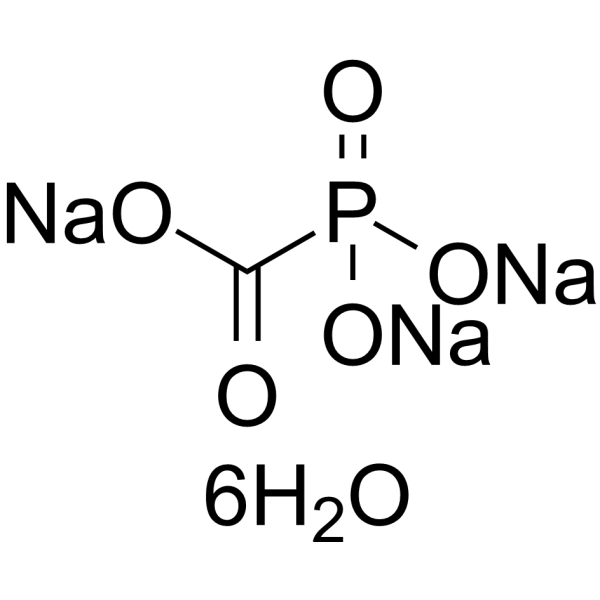
Foscarnet trisodium hexahydrate (Trisodium phosphonatoformate hexahydrate) is a viral DNA polymerase activity inhibitor, leading to reversible suppression of viral replication. Foscarnet trisodium hexahydrate is an antiherpesvirus agent used in cytomegalovirus retinitis .
|
-
-
- HY-N8533
-
|
|
DNA/RNA Synthesis
|
Infection
Cancer
|
|
Sodium Camptothecin is a plant alkaloid, with antitumor activity. Sodium Camptothecin is a reversible inhibitor of RNA synthesis. Sodium Camptothecin is an effective inhibitor of adenovirus replication. Sodium Camptothecin inhibits DNA synthesis and causes breaks in intracellular preformed viral DNA .
|
-
-
- HY-19743
-
-
-
- HY-157993
-
|
|
HBV
|
Infection
|
|
SAG-524 is a potent oral small molecule HBV viral replication inhibitor. SAG-524 decreased HBV-DNA and HbsAg levels in supernatant of HepG2.2.15 cells, IC50 0.92 and 1.4 nM, respectively .
|
-
-
- HY-17422S1
-
|
Aciclovir-d4; Acycloguanosine-d4
|
Isotope-Labeled Compounds
HSV
Bacterial
Apoptosis
Antibiotic
|
Infection
Cancer
|
|
Acyclovir-d4 is the deuterium labeled Acyclovir. Acyclovir (Aciclovir) is a guanosine analogue and an orally active antiviral agent. Acyclovir inhibits HSV-1 (IC50 of 0.85 μM), HSV-2 (IC50 of 0.86 μM) and varicella-zoster virus. Acyclovir can be phosphorylated by viral thymidine kinase (TK), and Acyclovir triphosphate interferes with viral DNA polymerization through competitive inhibition with guanosine triphosphate and obligatory chain termination . Acyclovir prevents bacterial infections during induction therapy for acute leukaemia .
|
-
-
- HY-W012311
-
-
-
- HY-160224
-
|
|
STING
IFNAR
|
Inflammation/Immunology
|
|
dsVACV-70mer (sodium) is a 70 bp double-stranded oligonucleotide containing viral DNA motifs derived from vaccinia virus DNA. dsVACV-70mer (sodium) has potently induces IFN-β via a STING-dependent manner .
|
-
-
- HY-N6666
-
|
|
Nucleoside Antimetabolite/Analog
DNA/RNA Synthesis
HSV
VZV
CMV
EBV
|
Infection
|
|
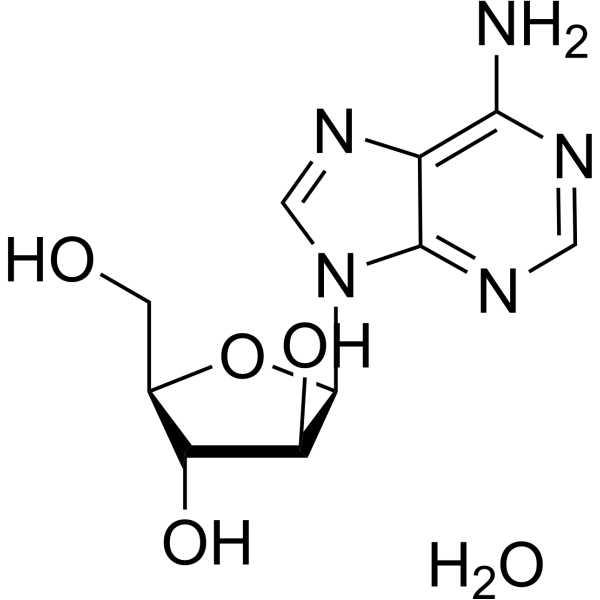
Vidarabine monohydrate is a Purine nucleoside derivative and Antiviral agent. The triphosphate derivative of Vidarabine monohydrate competitively inhibits DNA polymerase, incorporates into the terminus of elongating DNA molecules, and interferes with the early steps of viral DNA synthesis. Vidarabine monohydrate inhibits the replication of herpes simplex virus, varicella-zoster virus, cytomegalovirus, Epstein-Barr virus and vaccinia virus, reduces viral shedding, and accelerates skin healing. Vidarabine monohydrate is metabolized to arabinosyl hypoxanthine, causes minimal impairment of corneal wound healing in rabbit models, and is associated with recurrence of herpes simplex encephalitis. Vidarabine monohydrate can be used in the research of herpetic keratoconjunctivitis, herpes simplex encephalitis, herpetic uveitis, and chronic active hepatitis associated with hepatitis B virus .
|
-
-
- HY-P0328
-
|
|
VSV
|
Infection
|
|
VSV-G tag Peptide is a 11 amino acid peptide derived from the Vesicular Stomatitis viral glycoprotein. VSV-G tag Peptide can integrate into the cell membranes of animal cells, induce cell fusion, and significantly enhance the efficiency of DNA transfection into animal cells. VSV-G tag Peptide can be used for research on drug delivery .
|
-
-
- HY-137697
-
|
|
Nucleoside Antimetabolite/Analog
DNA/RNA Synthesis
HIV Protease
HIV
Drug Metabolite
|
Infection
|
|
ddCTP is a type of chain-terminating deoxynucleotide. ddCTP can be incorporated into the extension primer chain that lacks the 3'-hydroxyl group, thereby terminating primer extension, viral genome replication, and DNA synthesis. ddCTP can distinguish almost identical RNA through distinguishable extension products in primer extension inhibition experiments. ddCTP is the active metabolite of Zalcitabine (HY-17392), which can competitively inhibit HIV reverse transcriptase, terminate the synthesis of viral DNA chains, and thereby inhibit HIV replication .
|
-
-
- HY-W269306
-
-
-
- HY-142028A
-
|
AcycloGTP sodium (100 mM)
|
DNA/RNA Synthesis
Nucleoside Antimetabolite/Analog
HIV
Reverse Transcriptase
|
Infection
|
|
Acyclovir triphosphate (Synonyms: AcycloGTP) sodium is a Acyclovir (HY-17422) derivative that competitively inhibits viral DNA polymerase by acting as an analog to deoxyguanosine triphosphate (dGTP). Acyclovir triphosphate (sodium) (100 mM) is an inhibitor of HIV-1 reverse transcriptase. Acyclovir triphosphate (sodium) (100 mM) causes termination of viral DNA synthesis .
|
-
-
- HY-108261
-
|
BAY 38-4766
|
CMV
|
Infection
|
|
Tomeglovir is a potent anti-CMV agent, inhibiting processing of viral DNA-concatemers, with IC50s of 0.34 μM and 0.039 μM for HCMV and MCMV.
|
-
-
- HY-W353804
-
|
|
Nucleoside Antimetabolite/Analog
|
Infection
|
|
2'-Deoxy-β-L-uridine is a nucledside analogue and a specific substrate for the viral enzyme, shows no stereospecificity against herpes simplex 1 (HSV1) thymidine kinase (TK). 2′-Deoxy-β-L-uridine exerts antiviral activity via the interation of 5'-triphosphates with the viral DNA polymerase .
|
-
-
- HY-131605B
-
|
GCV-TP disodium
|
CMV
DNA/RNA Synthesis
|
Infection
Cancer
|
|
Ganciclovir triphosphate (GCV-TP) disodium is a synthetic 2'-deoxyguanosine analog with activity in inhibiting human cytomegalovirus (CMV) replication. Ganciclovir triphosphate disodium is effective against CMV infection by binding to viral DNA polymerase and interfering with viral DNA synthesis. Ganciclovir triphosphate disodium has an IC50 of 0.01 μM against CMV strains from humans, monkeys, mice, and guinea pigs. Ganciclovir triphosphate disodium has also been used in gene-directed enzyme prodrug inhibition for cancer inhibition .
|
-
-
- HY-171692
-
|
|
Cyclic GMP-AMP Synthase
IFNAR
STING
|
Infection
|
|
G3-YSD is a cGAS agonist. G3-YSD directly interacts with cGAS to enhance its enzymatic activity, promote the conversion of ATP and GTP into cGAMP, and trigger STING-dependent IFN-α/β secretion. G3-YSD acts as a viral mimic to replace actual viral DNA . G3-YSD is applicable to research related to long COVID and type 1 human immunodeficiency virus infection .
|
-
-
- HY-104077S
-
|
GS-5734-d5
|
Isotope-Labeled Compounds
DNA/RNA Synthesis
SARS-CoV
|
Infection
|
|
Remdesivir-d5 (GS-5734-d5) is a deuterium labeled Remdesivir (HY-104077). Remdesivir (GS-5734) is a nucleoside analogue with effective antiviral activity. Remdesivir can inhibit the synthesis of viral DNA or RNA. Remdesivir can be used for the research of infection, such as SARS-CoV and MHV infection .
|
-
-
- HY-100028
-
AT-130
2 Publications Verification
|
HBV
DNA/RNA Synthesis
|
Infection
Cancer
|
|
AT-130, a phenylpropenamide derivative, is a potent hepatitis B virus (HBV) replication non-nucleoside inhibitor. AT-130 inhibits the viral DNA synthesis with an EC50 of 0.13 μM. AT-130 inhibits both wt and mutant HBVs. AT-130 has anti-HBV activity in hepatoma cells .
|
-
-
- HY-148170
-
|
|
EBV
DNA/RNA Synthesis
Nucleoside Antimetabolite/Analog
|
Infection
|
|
L-I-OddU, a L-5'-halo- dioxolane nucleoside analogue, is a potent and selective anti-Epstein-Barr virus (EBV) agent with an EC50 value of 0.03μM. L-I-OddU has low cytotoxicity with a CC50 value of 1000 nM. L-I-OddU has antiviral activity by suppressing replicative EBV DNA and viral protein synthesis .
|
-
-
- HY-131605
-
|
GCV-TP
|
Endogenous Metabolite
CMV
DNA/RNA Synthesis
|
Infection
Cancer
|
|
Ganciclovir triphosphate (GCV-TP) is a synthetic 2'-deoxyguanosine analog with activity in inhibiting human cytomegalovirus (CMV) replication. Ganciclovir triphosphate is effective against CMV infection by binding to viral DNA polymerase and interfering with viral DNA synthesis. Ganciclovir triphosphate has an IC50 of 0.01 μM against CMV strains from humans, monkeys, mice, and guinea pigs. Ganciclovir triphosphate has also been used in gene-directed enzyme prodrug inhibition for cancer inhibition .
|
-
-
- HY-131606
-
|
|
HSV
CMV
DNA/RNA Synthesis
|
Infection
|
|
Cidofovir diphosphate is an active intracellular metabolite of Cidofovir. Cidofovir diphosphate is a selective inhibitor of viral DNA polymerases with Ki values of 6.6, 0.86 and 1.4 μM for HCMV, HSV-1 and HSV-2 DNA polymerase, respectively .
|
-
-
- HY-W013256R
-
|
Trisodium phosphonoformate hexahydrate (Standard); Phosphonoformic acid trisodium salt hexahydrate (Standard)
|
Reference Standards
DNA/RNA Synthesis
|
Infection
|
|
Foscarnet (trisodium hexahydrate) (Standard) is the analytical standard of Foscarnet (trisodium hexahydrate). This product is intended for research and analytical applications. Foscarnet trisodium hexahydrate (Trisodium phosphonatoformate hexahydrate) is a viral DNA polymerase activity inhibitor, leading to reversible suppression of viral replication. Foscarnet trisodium hexahydrate is an antiherpesvirus agent used in cytomegalovirus retinitis .
|
-
-
- HY-109045A
-
|
BTA074 hydrochloride; AP 611074 hydrochloride
|
E1/E2/E3 Enzyme
HPV
|
Infection
|
|
Teslexivir (BTA074) hydrochloride is a potent antiviral agent. Teslexivir hydrochloride is a potent and selective inhibitor of the interaction between two essential viral proteins, E1 and E2, an association that is a necessary step in the DNA replication and thus viral production for Human Papilloma Virus (HPV) 6 and 11. Teslexivir hydrochloride can be used for condyloma research .
|
-
-
- HY-123032
-
|
BV-araU
|
DNA/RNA Synthesis
|
Infection
|
|
Sorivudine (BV-araU) is an orally active synthetic pyrimidine nucleoside antimetabolite agent. Sorivudine derives its antiviral activity from selective conversion by a specific thymidine kinase present in certain DNA viruses to nucleotides, which can in turn interfere with viral DNA synthesis .
|
-
-
- HY-104077R
-
|
GS-5734 (Standard)
|
Reference Standards
DNA/RNA Synthesis
SARS-CoV
|
Infection
|
|
Remdesivir (Standard) (GS-5734 (Standard)) is a nucleoside analogue with effective antiviral activity. Remdesivir (Standard) can inhibit the synthesis of viral DNA or RNA. Remdesivir (Standard) can be used for the research of infection, such as SARS-CoV and MHV infection .
|
-
-
- HY-106055
-
|
|
HIV
|
Inflammation/Immunology
|
|
Murabutide is a safe synthetic immunomodulator. Murabutide can reduce CD4 and CCR5 receptor expression and secrete high levels of beta-chemokines. Murabutide enhances nonspecific resistance against viral infections. Murabutide did not affect virus entry, reverse transcriptase activity or early proviral DNA formation in the cytoplasm of infected cells .
|
-
-
- HY-148781
-
|
|
HBV
|
Infection
|
|
HBV-IN-30 (ex44), a flavone derivative, is a potent covalently closed circular DNA (cccDNA) inhibitor. cccDNA serves as the template for viral RNA transcription and subsequent viral DNA generation. HBV-IN-30 has the potential for the research of HBV infection .
|
-
-
- HY-17422B
-
|
|
DNA/RNA Synthesis
HSV
Antibiotic
|
Infection
Cancer
|
|
Acyclovir monophosphate is a potent anti-herpes simplex virus (HSV) agent. Acyclovir monophosphate blocks DNA synthesis through the inhibition of the viral DNA polymerase and terminates the chain elongation of the viral DNA. Acyclovir monophosphate shows antitumor activity .
|
-
-
- HY-170547
-
|
|
DNA/RNA Synthesis
HSV
EBV
CMV
|
Infection
|
|
DNA polymerase-IN-6 is an antiviral agent and a DNA polymerase inhibitor. DNA polymerase-IN-6 inhibits the replication of HCMV, HSV-1, HSV-2 and EBV. DNA polymerase-IN-6 exhibits low cytotoxicity in mammalian cells. DNA polymerase-IN-6 can be used in research related to viral infections .
|
-
-
- HY-19296
-
|
2-Bromo-5,6-dichloro-1-β-D-ribofuranosyl benzimidazole
|
CMV
|
Infection
|
|
BDCRB is a selective Human cytomegalovirus (HCMV) inhibitor through blocking the maturational cleavage of high-molecular-weight DNA. BDCRB shows a mean IC50 of 0.03 μM for viral yield at 72 h postinfection .
|
-
- HY-159925
-
|
|
Cyclic GMP-AMP Synthase
|
Infection
Inflammation/Immunology
|
|
QKY-613 is a prodrug that enhances immune surveillance by targeting nucleic acid modification pathways. QKY-613 promotes the selective incorporation of 6mdA (N6-methyldeoxyadenosine) into viral DNA, enhancing the phase separation potential of DNA, thereby increasing the activation of cGAS and strengthening host immune surveillance. In virus-infected mouse models, QKY-613 significantly reduced mortality in aged mice. QKY-613 holds promise for research on nucleic acid modification-based immune surveillance mechanisms .
|
-
- HY-128036D
-
|
2',3'-Dideoxyadenosine 5'-triphosphate lithium
|
DNA/RNA Synthesis
HIV
|
Infection
|
|
ddATP (lithium) (2',3'-Dideoxyadenosine 5'-triphosphate (lithium)) is an active metabolite of 2',3'-dideoxyinosine and a DNA polymerase chain elongation inhibitor. ddATP (lithium) is used in Sanger DNA sequencing and in research related to viral infection [1][2][3][4][5].
|
-
- HY-117879
-
|
|
HIV
HIV Integrase
|
Infection
|
|
PF-4776548 is a highly potent HIV integrase inhibitor. PF-477654 blocks the process of integrating HIV viral DNA into the host cell genome. PF-4776548 is promising for research of AIDS .
|
-
- HY-126781
-
|
BM-211290
|
HIV
DNA/RNA Synthesis
|
Infection
|
|
Fozivudine tidoxil (BM-211290) is an orally active thioether lipid-zidovudine (ZDV) conjugate with anti-HIV activity. Fozivudine tidoxil, a member of the NRTI family of agent, is incorporated into the newly synthesized strand of DNA during intracellular viral replication and irreversibly binds viral RT which disrupts viral reverse-transcription . Fozivudine tidoxil is a click chemistry reagent, it contains an Azide group and can undergo copper-catalyzed azide-alkyne cycloaddition reaction (CuAAc) with molecules containing Alkyne groups. It can also undergo strain-promoted alkyne-azide cycloaddition (SPAAC) reactions with molecules containing DBCO or BCN groups.
|
-
- HY-137697B
-
|
|
HIV
DNA/RNA Synthesis
Nucleoside Antimetabolite/Analog
Drug Metabolite
HIV Protease
|
Infection
|
|
ddCTP trilithium is a type of chain-terminating deoxynucleotide. ddCTP trilithium can be incorporated into the extension primer chain that lacks the 3'-hydroxyl group, thereby terminating primer extension, viral genome replication, and DNA synthesis. ddCTP trilithium can distinguish almost identical RNA through distinguishable extension products in primer extension inhibition experiments. ddCTP trilithium is the active metabolite of Zalcitabine (HY-17392), which can competitively inhibit HIV reverse transcriptase, terminate the synthesis of viral DNA chains, and thereby inhibit HIV replication .
|
-
- HY-141893
-
|
|
Phosphoramidites
DNA/RNA Synthesis
|
Infection
|
|
3-Cyanovinylcarbazole phosphoramidite is an antiviral agent that inhibits the synthesis of viral DNA. The modified nucleoside in the compound is synthesized by modifying the ribonucleotide with cyano group at the C-3 position, and can be used as a phosphoric acid amide for DNA synthesis .
|
-
- HY-N0093A
-
|
Cyclocytidine; Cyclo-CMP
|
DNA/RNA Synthesis
CMV
Autophagy
|
Cancer
|
|
Ancitabine is a cytarabine derivative that inhibits viral replication. Ancitabine blocks vaccinia virus DNA replication, the progression of viral protein synthesis from early to late stages, and one-step growth of vaccinia virus. Ancitabine is applicable to research related to vaccinia virus infection, leukemia, human cytomegalovirus infection and colorectal cancer .
|
-
- HY-109045
-
|
BTA074; AP 611074
|
E1/E2/E3 Enzyme
HPV
|
Infection
|
|
Teslexivir (BTA074) is a potent antiviral agent. Teslexivir is a potent and selective inhibitor of the interaction between two essential viral proteins, E1 and E2, an association that is a necessary step in the DNA replication and thus viral production for Human Papilloma Virus (HPV) 6 and 11. Teslexivir can be used for condyloma research .
|
-
- HY-B0307R
-
|
5-Iodo-2′-deoxyuridine (Standard); 5-IUdR (Standard); IdUrd (Standard)
|
Reference Standards
Phosphatase
Orthopoxvirus
|
Infection
Cancer
|
|
Idoxuridine (Standard) is the analytical standard of Idoxuridine. This product is intended for research and analytical applications. Idoxuridine (5-Iodo-2′-deoxyuridine, 5-IUdR, IdUrd) is an iodinated thymidine analogue that competitively inhibits phosphorylases. Idoxuridine can inhibit viral activity, particularly viral eye infections, including herpes simplex keratitis, by inhibiting DNA polymerase and affecting viral replication. Idoxuridine against feline herpesvirus has the IC50 value of 4.3 μM . Idoxuridine shows anti-orthopoxvirus activity.
|
-
- HY-117137
-
|
|
CMV
|
Infection
|
|
GW 275175X is an inhibitor of the terminase complex involved in cleavage and packaging of the unit length DNA into the capsids. GW 275175X exhibits long plasma half-life. GW 275175X is a BDCRB derivative. GW 275175X exhibits anti-HCMV activity through inhibiting maturation of viral DNA .
|
-
- HY-15233R
-
|
AIC246 (Standard); MK-8228 (Standard)
|
Reference Standards
CMV
|
Infection
|
|
Letermovir (Standard) is the analytical standard of Letermovir. This product is intended for research and analytical applications. Letermovir (AIC246) is a potent inhibitor of CMV, which targets the viral terminase complex and remains active against virus resistant to DNA polymerase inhibitors.
|
-
- HY-137721
-
|
|
Endonuclease
|
Infection
|
|
Cyclic tri-AMP is a component of the cyclic oligonucleotide-based anti-phage signaling system (CBASS), and acts as the second messenger in the immune response against viral infection. Cyclic tri-AMP binds to and activates DNA endonuclease NucC, results in cell death and exhibits antiviral activity .
|
-
- HY-B0277R
-
|
Ara-A (Standard); Adenine Arabinoside (Standard); 9-β-D-Arabinofuranosyladenine (Standard)
|
Reference Standards
Apoptosis
Fungal
Reactive Oxygen Species (ROS)
EBV
HSV
Antibiotic
DNA/RNA Synthesis
Drug Metabolite
|
Infection
|
|
Vidarabine (Ara-A) (Standard) is the analytical standard of Vidarabine. This product is intended for research and analytical applications. Vidarabine is a nucleoside antibiotic isolated from Streptomyces, and a metabolite of Vidarabine phosphate (HY-B0277A). Vidarabine selectively inhibits viral DNA polymerase and cellular ribonucleotide reductase, thereby blocking viral replication. Vidarabine phosphate also exhibits antifungal activity, induces late-stage cellular apoptosis, and causes cell cycle arrest. Vidarabine phosphate can be used in research related to severe chronic active Epstein-Barr virus (EBV) infection, herpes infection, and candidiasis .
|
-
- HY-N0057R
-
|
3,4-Di-O-caffeoylquinic acid (Standard); Isochlorogenic acid B (Standard)
|
Reference Standards
Glycosidase
Influenza Virus
Apoptosis
Endogenous Metabolite
|
Infection
Cancer
|
|
3,4-Dicaffeoylquinic acid (Standard) is the analytical standard of 3,4-Dicaffeoylquinic acid. This product is intended for research and analytical applications. 3,4-Dicaffeoylquinic acid (3,4-Di-O-caffeoylquinic acid), naturally isolated from Laggera alata, has antioxidative, DNA protective, neuroprotective and hepatoprotective properties. 3,4-Dicaffeoylquinic acid exerts apoptosis-mediated cytotoxicity and α-glucosidase inhibitory effects. 3,4-Dicaffeoylquinic acid possesses a unique mechanism of anti-influenza viral activity, that is, enhancing viral clearance by increasing TRAIL .
|
-
- HY-131606S
-
|
|
Isotope-Labeled Compounds
Orthopoxvirus
Drug Metabolite
CMV
DNA/RNA Synthesis
|
Infection
|
|
Cidofovir diphosphate- 13C3 is the 13C-labeled Cidofovir diphosphate (HY-131606). Cidofovir diphosphate is the intracellular active metabolite of Cidofovir (HY-17438) and its oral prodrug Brincidofovir (HY-14532). By inhibiting viral DNA polymerase (Ki ≈ 76.3 μM), cidofovir diphosphate is widely used in studies on double-stranded DNA virus infections, including cytomegalovirus (CMV), adenovirus (AdV), and poxviruses (such as monkeypox and molluscum contagiosum virus, MCV) .
|
-
- HY-W676876
-
|
|
HBV
|
Infection
|
|
Oxynitidine is an HBV inhibitor (ID50=30.8 µg/mL), which can effectively inhibit the DNA replication activity of HBV. Oxynitidine can be used in the study of viral infections .
|
-
- HY-148780
-
|
|
HBV
|
Infection
|
|
HBV-IN-29 (ex8), a flavone derivative, is a potent covalently closed circular DNA (cccDNA) inhibitor. cccDNA serves as the template for viral RNA transcription and subsequent viral DNA generation. HBV-IN-29 has the potential for the research of HBV infection .
|
-
- HY-144047
-
|
|
HBV
DNA/RNA Synthesis
|
Infection
|
|
HBV-IN-16 is a potent inhibitor of covalently closed circular DNA (cccDNA). cccDNA serves as the template for viral RNA transcription and subsequent viral DNA generation. HBV-IN-16 is a quinoline derivative. HBV-IN-16 has the potential for the research of HBV infection (extracted from patent WO2019121357A1, compound 1) .
|
-
- HY-144046
-
|
|
HBV
DNA/RNA Synthesis
|
Infection
|
|
HBV-IN-15 is a potent inhibitor of covalently closed circular DNA (cccDNA). cccDNA serves as the template for viral RNA transcription and subsequent viral DNA generation. HBV-IN-15 is a flavone derivative. HBV-IN-16 has the potential for the research of HBV infection (extracted from patent WO2020052774A1, compound 2) .
|
-
- HY-144045
-
|
|
HBV
DNA/RNA Synthesis
|
Infection
|
|
HBV-IN-14 is a potent inhibitor of covalently closed circular DNA (cccDNA). cccDNA serves as the template for viral RNA transcription and subsequent viral DNA generation. HBV-IN-14 is a pyridinopyrimidinones compound. HBV-IN-14 has the potential for the research of HBV infection (extracted from patent WO2021190502A1, compound 5) .
|
-
- HY-B1318R
-
|
Trisodium phosphonoformate (Standard); Phosphonoformic acid trisodium salt (Standard)
|
DNA/RNA Synthesis
Reference Standards
|
Infection
|
|
Foscarnet (sodium) (Standard) is the analytical standard of Foscarnet (sodium). This product is intended for research and analytical applications. Foscarnet sodium (Trisodium phosphonoformate) is a viral DNA polymerase activity inhibitor, leading to reversible suppression of viral replication. Foscarnet sodium is an antiherpesvirus agent used in cytomegalovirus retinitis .
|
-
- HY-B0307A
-
|
5-Iodo-2′-deoxyuridine hydrate; 5-IUdR hydrate; IdUrd hydrate
|
DNA/RNA Synthesis
Phosphatase
|
Infection
Cancer
|
|
Idoxuridine (5-Iodo-2′-deoxyuridine, 5-IUdR, IdUrd) hydrate is an iodinated thymidine analogue that competitively inhibits phosphorylases. Idoxuridine can inhibit viral activity, particularly viral eye infections, including herpes simplex keratitis, by inhibiting DNA polymerase and affecting viral replication. Idoxuridine against feline herpesvirus has the IC50 value of 4.3 μM .
|
-
- HY-156702
-
|
|
HBV
|
Infection
|
|
HBV-IN-38 (Example 193) is an HBV DNA inhibitor (EC50≤100nM). HBV-IN-38 can be used to study viral infections .
|
-
- HY-160223
-
|
|
STING
|
Infection
Inflammation/Immunology
|
|
ssVACV-70mer sodium is a 70 bp single-stranded oligonucleotide containing viral DNA motifs that derive from the vaccinia virus DNA. Unlike its double-stranded counterpart dsVACV 70mer, ssVACV 70mer is not IFN-inducer .
|
-
- HY-19111
-
|
TIBO-R 82150
|
HIV
Reverse Transcriptase
|
Infection
|
|
R-82150 (TIBO-R 82150) is an HIV-1 reverse transcriptase inhibitor that blocks the reverse transcription of viral RNA by binding to the non-substrate binding site of reverse transcriptase, thereby inhibiting viral replication. R-82150 does not inhibit the replication of HIV-2, other RNA viruses, and DNA viruses .
|
-
- HY-117999
-
|
|
HBV
|
Infection
|
|
BAY39-5493 is a non-nucleoside inhibitor that inhibits HBV replication. BAY39-5493 inhibits viral DNA replication by preventing the formation of viral core particles (nucleocapsids). The IC50 value of BAY39-5493 against HBV in stably transfected HepG2.2.15 cells is 0.03 μM .
|
-
- HY-116607
-
|
|
HBV
|
Infection
|
|
BAY38-7690 is a non-nucleoside inhibitor that inhibits HBV replication. BAY38-7690 inhibits viral DNA replication by preventing the formation of viral core particles (nucleocapsids). The IC50 value of BAY38-7690 against HBV in stably transfected HepG2.2.15 cells is 0.15 μM .
|
-
- HY-128036C
-
|
2',3'-Dideoxyadenosine 5'-triphosphate tetrasodium
|
DNA/RNA Synthesis
HIV
|
Infection
|
|
ddATP (2',3'-Dideoxyadenosine 5'-triphosphate) tetrasodium is an active metabolite of 2',3'-dideoxyadenosine and an inhibitor of chain elongation by DNA polymerase (DNA polymerase). ddATP tetrasodium can be used in Sanger sequencing and research related to viral infections .
|
-
- HY-128744R
-
|
|
Reference Standards
Endogenous Metabolite
Orthopoxvirus
HSV
DNA/RNA Synthesis
|
Infection
|
|
Phosphonoacetic acid (Standard) is the analytical standard of Phosphonoacetic acid (HY-128744). This product is intended for research and analytical applications. Phosphonoacetic acid is an endogenous metabolite and antiviral agent. Phosphonoacetic acid is active against orthopoxviruses and herpes viruses. Phosphonoacetic acid can inhibit HSV DNA synthesis and virus-specific DNA polymerase activity, and affect the synthesis of late viral proteins .
|
-
- HY-104077A
-
|
GS-5734 maleate
|
DNA/RNA Synthesis
SARS-CoV
|
Infection
|
|
Remdesivir maleate (GS-5734 maleate) is a nucleoside analogue with effective antiviral activity. Remdesivir maleate can inhibit the synthesis of viral DNA or RNA. Remdesivir maleate can be used for the research of infection, such as SARS-CoV and MHV infection .
|
-
- HY-N0093R
-
|
Cyclocytidine hydrochloride (Standard); Cyclo-CMP hydrochloride (Standard); Cyclo-C (Standard)
|
Reference Standards
Autophagy
CMV
DNA/RNA Synthesis
|
Cancer
|
|
Ancitabine hydrochloride (Standard) is the analytical standard of Ancitabine hydrochloride. This product is intended for research and analytical applications. Ancitabine hydrochloride is a cytarabine derivative that inhibits viral replication. Ancitabine hydrochloride blocks vaccinia virus DNA replication, the progression of viral protein synthesis from early to late stages, and one-step growth of vaccinia virus. Ancitabine hydrochloride is applicable to research related to vaccinia virus infection, leukemia, human cytomegalovirus infection and colorectal cancer .
|
-
- HY-16740A
-
|
A-5021 potassium
|
DNA/RNA Synthesis
|
Infection
|
|
Eprociclovir potassium is an antiviral drug with nucleoside analogues. The triphosphate form of Eprociclovir potassium is converted into the active form within virus-infected cells by the virus and possible cellular enzymes, including the viral thymidine kinase, thereby inhibiting the activity of the viral DNA polymerase. The primary activity of Eprociclovir potassium is against herpes viruses, including but not limited to cytomegalovirus (CMV) and herpes simplex virus (HSV). Eprociclovir potassium can be used in studies interfered with by sensitive viruses .
|
-
- HY-16740B
-
|
A-5021 sodium
|
DNA/RNA Synthesis
|
Infection
|
|
Eprociclovir sodium is an antiviral drug with nucleoside analogues. The triphosphate form of Eprociclovir sodium is converted into the active form within virus-infected cells by the virus and possible cellular enzymes, including the viral thymidine kinase, thereby inhibiting the activity of the viral DNA polymerase. The primary activity of Eprociclovir sodium is against herpes viruses, including but not limited to cytomegalovirus (CMV) and herpes simplex virus (HSV). Eprociclovir sodium can be used in studies interfered with by sensitive viruses .
|
-
- HY-16740
-
|
A-5021
|
DNA/RNA Synthesis
|
Infection
|
|
Eprociclovir is an antiviral drug with nucleoside analogues. The triphosphate form of Eprociclovir is converted into the active form within virus-infected cells by the virus and possible cellular enzymes, including the viral thymidine kinase, thereby inhibiting the activity of the viral DNA polymerase. The primary activity of Eprociclovir is against herpes viruses, including but not limited to cytomegalovirus (CMV) and herpes simplex virus (HSV). Eprociclovir can be used in studies interfered with by sensitive viruses .
|
-
- HY-116113
-
|
|
HIV
DNA/RNA Synthesis
|
Infection
|
|
SJP-L-5 is an HIV-1 capsid dissociation inhibitor. SJP-L-5 exhibits inhibitory activity against multiple HIV-1 strains, with an EC50 ranging from 0.16 to 0.97 μg/mL. SJP-L-5 inhibits viral infection by blocking HIV-1 viral DNA entry into the nucleus. SJP-L-5 can be used in HIV-1 infection research .
|
-
- HY-170605
-
|
|
HBV
|
Infection
|
|
BA-AZT1 is the inhibitor for HBV polymerase and sodium taurocholate cotransporting polypeptide (NTCP). BA-AZT1 inhibits the secretion of viral capsid protein HBsAg and HBeAg with IC50 of 0.65 µM and 13.42 µM, inhibits the HBV DNA replication with an IC50 of 0.70 µM .
|
-
- HY-167911
-
|
GS 0504 sodium; HPMPC sodium; (S)-HPMPC sodium
|
CMV
Apoptosis
DNA/RNA Synthesis
Orthopoxvirus
Endogenous Metabolite
|
Infection
Cancer
|
|
Cidofovir sodium is an acyclic monophosphate nucleotide analogue and CMV inhibitor with antiviral activity. Cidofovir sodium inhibits cytomegalovirus (CMV) replication by selectively inhibiting viral DNA polymerase. Cidofovir sodium induces apoptosis and can be used in studies of AIDS cytomegalovirus retinitis, herpes, and cancer . Cidofovir sodium also has anti-orthopoxvirus and anti-variola activities .
|
-
- HY-104077S2
-
|
|
Isotope-Labeled Compounds
DNA/RNA Synthesis
SARS-CoV
|
Infection
|
|
Remdesivir impurity 9-d4 is deuterium labeled Remdesivir (HY-104077). Remdesivir (GS-5734) is a nucleoside analogue with effective antiviral activity. Remdesivir can inhibit the synthesis of viral DNA or RNA. Remdesivir can be used for the research of infection, such as SARS-CoV and MHV infection .
|
-
- HY-W747737
-
|
(E)-5-(2-Bromovinyl)-dUTP; BVdUTP
|
VZV
DNA/RNA Synthesis
HSV
|
Infection
|
|
BVDU 5′-Triphosphate is an antivirus agent with 5′-Triphosphate label, targeting viral DNA polymerase. BVDU 5′-Triphosphate shows excellent selectivity against varicella-zoster virus (VZV) and herpes simplex virus type 1 (HSV-1), due to a specific phosphorylation by the virus-encoded thymidine kinase.
|
-
- HY-W747737A
-
|
(E)-5-(2-Bromovinyl)-dUTP ammonium; BVdUTP ammonium
|
VZV
DNA/RNA Synthesis
HSV
|
Infection
|
|
BVDU 5′-Triphosphate ammonium is an antivirus agent with 5′-Triphosphate label, targeting viral DNA polymerase. BVDU 5′-Triphosphate ammonium shows excellent selectivity against varicella-zoster virus (VZV) and herpes simplex virus type 1 (HSV-1), due to a specific phosphorylation by the virus-encoded thymidine kinase.
|
-
- HY-P11137
-
|
|
HSV
|
Cancer
|
|
LANA is a KSHV latency-associated nuclear antigen. The core function of LANA is to act as an "anchor" for the viral genome, attaching it to the chromatin of the host cell. LANA ensures that the episomal DNA of KSHV replicates together with the host chromosome and is evenly distributed among the daughter cells, thereby maintaining the latent infection of the virus in the cell population. LANA can regulate the transcription of viral and host cell genes, and regulate certain host cell genes to promote cell survival. LANA can be used to study the viral DNA tethering structure .
|
-
- HY-W565665
-
|
|
DNA/RNA Synthesis
Others
|
Infection
|
|
(S)-HPMPA is an antiviral agent. (S)-HPMPA can bind to and interfere with viral DNA polymerase activity, thereby inhibiting viral DNA synthesis. (S)-HPMPA can be used for the study of DNA viruses .
|
-
- HY-167716
-
|
|
HIV
|
Infection
|
|
Zidovudine diphosphate is an antiretroviral agent that exhibits the activity of inhibiting the reverse transcriptase enzyme used by HIV to synthesize DNA, thereby preventing the formation of viral DNA.
|
-
- HY-123883
-
|
|
HIV
HIV Integrase
|
Infection
|
|
MK-0536 is a highly potent HIV-1 integrase inhibitor that effectively suppresses the replication of wild-type viruses. MK-0536 retains significant antiviral activity against multiple key drug-resistant mutants such as Y143R and N155H, and shows no toxicity to uninfected cells. MK-0536 selectively blocks the strand transfer reaction of integrase by chelating magnesium ions at the active site and interacting with viral DNA and enzyme residues. MK-0536 is applicable to the study of HIV infection mechanisms .
|
-
- HY-170547A
-
|
|
HSV
CMV
EBV
DNA/RNA Synthesis
|
Infection
|
|
DNA polymerase-IN-6 formic is an antiviral agent and a DNA polymerase inhibitor. DNA polymerase-IN-6 formic inhibits the replication of HCMV, HSV-1, HSV-2 and EBV. DNA polymerase-IN-6 formic exhibits low cytotoxicity in mammalian cells. DNA polymerase-IN-6 formic can be used in research related to viral infections .
|
-
- HY-137697A
-
|
|
Drug Metabolite
HIV
Nucleoside Antimetabolite/Analog
HIV Protease
DNA/RNA Synthesis
|
Infection
|
|
ddCTP tetrasodium is a type of chain-terminating deoxynucleotide. ddCTP tetrasodium can be incorporated into the extension primer chain that lacks the 3'-hydroxyl group, thereby terminating primer extension, viral genome replication, and DNA synthesis. ddCTP tetrasodium can distinguish almost identical RNA through distinguishable extension products in primer extension inhibition experiments. ddCTP tetrasodium is the active metabolite of Zalcitabine (HY-17392), which can competitively inhibit HIV reverse transcriptase, terminate the synthesis of viral DNA chains, and thereby inhibit HIV replication .
|
-
- HY-131612
-
|
|
Reverse Transcriptase
|
Infection
|
|
5'-Azido-5'-deoxythymidine (Compound 7), a nucleoside analogue, is a reverse transcriptase inhibitor. 5'-Azido-5'-deoxythymidine mimics nucleosides and is incorporated into the viral DNA chain to terminate chain elongation, inhibiting viral replication. 5'-Azido-5'-deoxythymidine is promising for research of retroviral infection diseases such as AIDS .
|
-
- HY-109045AR
-
|
BTA074 hydrochloride (Standard); AP 611074 hydrochloride (Standard)
|
Reference Standards
E1/E2/E3 Enzyme
HPV
|
Infection
|
|
Teslexivir hydrochloride (Standard) is the analytical standard of Teslexivir (hydrochloride) (HY-109045A). This product is intended for research and analytical applications. Teslexivir (BTA074) hydrochloride is a potent antiviral agent. Teslexivir hydrochloride is a potent and selective inhibitor of the interaction between two essential viral proteins, E1 and E2, an association that is a necessary step in the DNA replication and thus viral production for Human Papilloma Virus (HPV) 6 and 11. Teslexivir hydrochloride can be used for condyloma research .
|
-
- HY-108261R
-
|
BAY 38-4766 (Standard)
|
Reference Standards
CMV
|
Infection
|
|
Tomeglovir (Standard) is the analytical standard of Tomeglovir (HY-108261). This product is intended for research and analytical applications. Tomeglovir is a potent anti-CMV agent, inhibiting processing of viral DNA-concatemers, with IC50s of 0.34 μM and 0.039 μM for HCMV and MCMV.
|
-
- HY-185183
-
|
|
Enterovirus
DNA/RNA Synthesis
|
Infection
|
|
DTriP-22 is a highly potent and low-toxicity inhibitor of enterovirus 71 3D polymerase (EV71 3D polymerase). DTriP-22 exhibits broad-spectrum anti-RNA virus activity (particularly against picornaviruses) beyond EV71, but shows no activity against DNA viruses. DTriP-22 acts at the early stage of viral replication and exerts its function by specifically inhibiting viral RNA synthesis. DTriP-22 can be used in anti-enterovirus research .
|
-
- HY-B0277AR
-
|
ara-AMP (Standard); ara-A 5'-monophosphate (Standard)
|
Reference Standards
Apoptosis
Drug Intermediate
Fungal
Reactive Oxygen Species (ROS)
EBV
HSV
DNA/RNA Synthesis
|
Infection
|
|
Vidarabine phosphate (ara-AMP; ara-A 5'-monophosphate) (Standard) is the analytical standard of Vidarabine phosphate. This product is intended for research and analytical applications. Vidarabine phosphate is a purine nucleoside antiviral agent and a prodrug of Vidarabine (HY-B0277). Vidarabine phosphate is rapidly converted into the antiviral active Vidarabine in vivo, which selectively inhibits viral DNA polymerase and cellular ribonucleotide reductase, thereby blocking viral replication. Vidarabine phosphate also exhibits antifungal activity, induces late-stage cellular apoptosis, and causes cell cycle arrest. Vidarabine phosphate can be used in research related to severe chronic active Epstein-Barr virus (EBV) infection, herpes infection, and candidiasis.
|
-
- HY-116758
-
|
di-Me-PGA1
|
DNA/RNA Synthesis
HIV
HSV
|
Infection
Cancer
|
|
16,16-Dimethyl prostaglandin A1 (di-Me-PGA1) is a prostaglandin analog that can inhibit DNA synthesis in Lewis lung carcinoma and B 16 amelanotic melanoma cells. 16,16-Dimethyl prostaglandin A1 also inhibits viral replication in both HSV and HIV-1 infection systems .
|
-
- HY-103713
-
|
SP-2577
|
Histone Demethylase
|
Cancer
|
|
Seclidemstat is a potent noncompetitive and reversible KDM1A (LSD1) inhibitor (Ki=31 nM, IC50=13 nM). Seclidemstat promotes antitumor immunity in switch/sucrose nonfermentable (SWI/SNF) complex mutated ovarian cancer, as well as inhibit virus production, viral DNA replication, and late gene expression. Seclidemstat can be used for the research of Ewing Sarcoma .
|
-
- HY-148560A
-
|
|
HBV
DNA/RNA Synthesis
|
Infection
|
|
trans-ccc_R08 (Compound 1-B) is a cccDNA inhibitor with anti-HBV activity, with an IC50 of 0.14 μM for HBeAg and an IC50 of 0.08 μM for HBsAg in in vitro assays. trans-ccc_R08 inhibits covalently closed circular DNA (cccDNA). trans-ccc_R08 is applicable to research related to hepatitis B virus infection .
|
-
- HY-12926
-
|
|
HIV
HDAC
DNA/RNA Synthesis
|
Infection
|
|
ST7612AA1 is a histone deacetylase (HDAC) inhibitor that controls chromatin condensation and DNA transcription by removing acetyl groups from histones. ST7612AA1 is also a potent HIV reactivation inducer, and its reactivation activity is exerted without activating or proliferating CD4+T cells, and can be used in the study of HIV reactivation strategies and elimination of viral reservoirs .
|
-
- HY-103713A
-
|
SP-2577 mesylate
|
Histone Demethylase
|
Cancer
|
|
Seclidemstat (SP-2577) mesylate is a potent noncompetitive and reversible KDM1A (LSD1) inhibitor (Ki=31 nM, IC50=13 nM). Seclidemstat mesylate promotes antitumor immunity in switch/sucrose nonfermentable (SWI/SNF) complex mutated ovarian cancer, as well as inhibit virus production, viral DNA replication, and late gene expression. Seclidemstat mesylate can be used for the research of Ewing Sarcoma .
|
-
- HY-10496
-
|
|
NF-κB
Influenza Virus
|
Infection
Cancer
|
|
SC75741 is a broad and efficient NF-κB inhibitor with an IC50 of 200 nM for p65 . SC75741 blocks influenza viruses (IV) replication. SC75741 impairs DNA binding of the NF-κB subunit p65, resulting in reduced expression of cytokines, chemokines, and pro-apoptotic factors. SC75741 subsequently inhibits caspase activation and blocks caspase-mediated nuclear export of viral ribonucleoproteins .
|
-
- HY-17438A
-
|
GS 0504 dihydrate; HPMPC dihydrate; (S)-HPMPC dihydrate
|
CMV
DNA/RNA Synthesis
Orthopoxvirus
Apoptosis
Endogenous Metabolite
|
Infection
Cancer
|
|
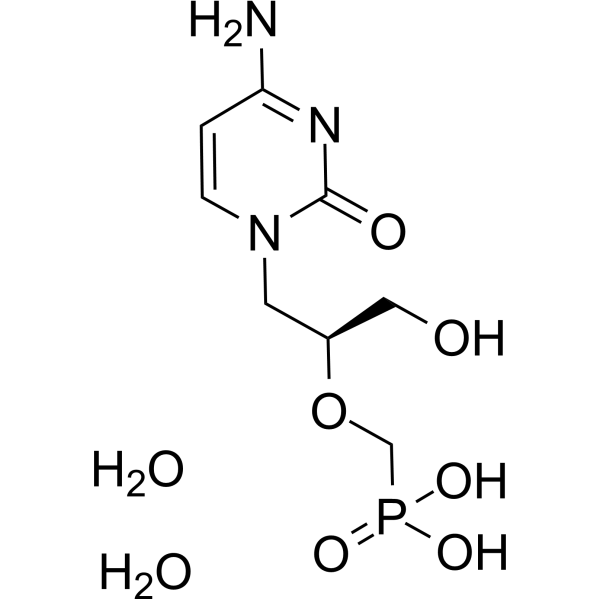
Cidofovir (GS 0504; HPMPC; (S)-HPMPC) dihydrate is an acyclic monophosphate nucleotide analogue and CMV inhibitor with antiviral activity. Cidofovir dihydrate inhibits cytomegalovirus (CMV) replication by selectively inhibiting viral DNA polymerase. Cidofovir dihydrate induces apoptosis and can be used in studies of AIDS cytomegalovirus retinitis, herpes, and cancer . Cidofovir dihydrate also has anti-orthopoxvirus and anti-variola activities .
|
-
- HY-17438R
-
|
GS 0504 (Standard); HPMPC (Standard); (S)-HPMPC (Standard)
|
Reference Standards
CMV
Apoptosis
DNA/RNA Synthesis
Orthopoxvirus
Endogenous Metabolite
|
Infection
Cancer
|
|
Cidofovir (Standard) is the analytical standard of Cidofovir. This product is intended for research and analytical applications. Cidofovir (GS 0504) is an acyclic monophosphate nucleotide analogue and CMV inhibitor with antiviral activity. Cidofovir inhibits cytomegalovirus (CMV) replication by selectively inhibiting viral DNA polymerase. Cidofovir induces apoptosis and can be used in studies of AIDS cytomegalovirus retinitis, herpes, and cancer . Cidofovir also has anti-orthopoxvirus and anti-variola activities .
|
-
- HY-W127378
-
|
1,2-Dioleoyl-3-trimethylammonium-propane methylsulfate
|
Liposome
|
Others
|
|
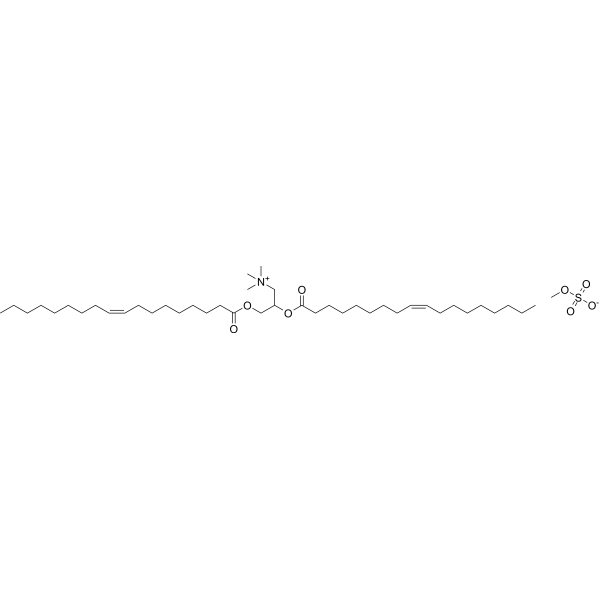
DOTAP methylsulfat is a cationic lipid reagent, a cationic derivative of trimethylammonium, linked to two 18-carbon fatty acid tails, each with a single olefin group. DOTAP methylsulfat can self-assemble with negatively charged ions (such as DNA) to form complexes, which can be adsorbed to the cell membrane surface and enter the cell by electrostatic interaction and endocytosis, respectively. DOTAP methylsulfat promotes endosomal membrane fusion with its own hydrophobic domain, releases DNA into the cytoplasm, and exerts gene delivery function. DOTAP methylsulfat can be widely used in research fields such as gene therapy, cell transfection, and non-viral vector design .
|
-
- HY-177119
-
|
|
PROTACs
RIP kinase
Mixed Lineage Kinase
|
Infection
Inflammation/Immunology
|
|
ZBP1 Covalent PROTAC-1 is a covalent Z-DNA binding protein 1 ZBP1 PROTAC degrader, with its DC50 being 25.69 nM. ZBP1 Covalent PROTAC-1 integrates the ligand that recruits the VHL E3 ubiquitin ligase and the DNA aptamer (Aptamer Z3) with the specific Zα domain that can bind to ZBP1, which has a high affinity (KD = 2.71 nM) with ZBP1. After degrading ZBP1, the phosphorylation levels of downstream signaling molecules RIPK3 and MLKL significantly decrease. ZBP1 Covalent PROTAC-1, encapsulated by nano-liposomes, significantly improves the survival rate of mice infected with influenza A virus (IAV) after administration via the trachea .
|
-
- HY-108842
-
|
PegIFN a-2b; Sch 54031; Sylatron; ViraferonPeg
|
HIV
HCV
|
Infection
Cancer
|
|
Peginterferon alfa-2b (PegIFN a-2b; Sch 54031; Sylatron; ViraferonPeg) is an immunomodulator. Peginterferon alfa-2b is a recombinant alfa-2b interferon covalently linked PEG with antiviral activity against HCV. Peginterferon alfa-2b decreases viral DNA in HIV. Peginterferon alfa-2b can be used in research of melanoma and hepatitis C .
|
-
- HY-N15327
-
|
|
HIV
HIV Integrase
|
Infection
|
|
Hyrtiosal, found in the marine sponge Hyrtios erectus, is an inhibitor of the N-terminal domain (NTD) of HIV-1 integrase (HIV-1 IN) with an IC50 value of 9.60-0.86 μM. Hyrtiosal binds to the Ser17, Trp19, and Lys34 sites on the NTD of HIV-1 IN, inhibiting the binding of HIV-1 viral DNA to integrase and interfering with the formation of the pre-integrated complex of HIV-1. Hyrtiosal is promising for research of anti-HIV agents .
|
-
- HY-182566
-
|
|
HIV
|
Infection
|
|
ITI-367 is a HIV-1 inhibitor that targets the nuclear localization signal 1 (NLS-1) of HIV-1 matrix protein and the interaction between HIV-1 pre-integration complex (PIC) and importin-β. ITI-367 inhibits HIV-1 replication at the pre-integration stage, reduces the formation of 2-LTR circles, and sequesters viral DNA in the cytoplasm. ITI-367 can be used for the research of HIV infection .
|
-
- HY-103713AR
-
|
SP-2577 mesylate (Standard)
|
Reference Standards
Histone Demethylase
|
Cancer
|
|
Seclidemstat mesylate (Standard) is the analytical standard of Seclidemstat mesylate (HY-103713A). This product is intended for research and analytical applications. Seclidemstat (SP-2577) mesylate is a potent noncompetitive and reversible KDM1A (LSD1) inhibitor (Ki=31 nM, IC50=13 nM). Seclidemstat mesylate promotes antitumor immunity in switch/sucrose nonfermentable (SWI/SNF) complex mutated ovarian cancer, as well as inhibit virus production, viral DNA replication, and late gene expression. Seclidemstat mesylate can be used for the research of Ewing Sarcoma .
|
-
- HY-103713R
-
|
SP-2577 (Standard)
|
Reference Standards
Histone Demethylase
|
Cancer
|
|
Seclidemstat (Standard) is the analytical standard of Seclidemstat (HY-103713). This product is intended for research and analytical applications. Seclidemstat is a potent noncompetitive and reversible KDM1A (LSD1) inhibitor (Ki=31 nM, IC50=13 nM). Seclidemstat promotes antitumor immunity in switch/sucrose nonfermentable (SWI/SNF) complex mutated ovarian cancer, as well as inhibit virus production, viral DNA replication, and late gene expression. Seclidemstat can be used for the research of Ewing Sarcoma .
|
-
- HY-100028R
-
|
|
HBV
Reference Standards
DNA/RNA Synthesis
|
Infection
Cancer
|
|
AT-130 (Standard) is the analytical standard of AT-130 (HY-100028). This product is intended for research and analytical applications. AT-130, a phenylpropenamide derivative, is a potent hepatitis B virus (HBV) replication non-nucleoside inhibitor. AT-130 inhibits the viral DNA synthesis with an EC50 of 0.13 μM. AT-130 inhibits both wt and mutant HBVs. AT-130 has anti-HBV activity in hepatoma cells .
|
-
- HY-171574
-
|
AZddCTP
|
HIV
DNA/RNA Synthesis
|
Infection
|
|
3′-Azido-2′,3′-dideoxy-CTP (AZddCTP) is a cytidine analog containing a 3-azido group. As a chain terminator, 3′-Azido-2′,3′-dideoxy-CTP can be incorporated into the nascent DNA chain by HIV reverse transcriptase. 3′-Azido-2′,3′-dideoxy-CTP terminates DNA synthesis due to the lack of a 3'-hydroxyl group, thereby inhibiting viral replication. 3′-Azido-2′,3′-dideoxy-CTP has IC50 values of 15.6 μM and 160.8 μM for WT HIV and AZT R HIV. 3′-Azido-2′,3′-dideoxy-CTP has antiviral activity .
|
-
- HY-W725179
-
|
|
EBV
|
Cancer
|
|
VK-2019 is an orally bioavailable selective inhibitor of EBNA1. By binding to the protein-DNA interface to interfere with the recruitment and anchoring of the viral DNA replication machinery, VK-2019 effectively blocks the replication and proliferation of EBV in latently infected cells. VK-2019 reduces the copy number and gene expression level of Epstein-Barr virus in tumor cells, decreases the number of EBER-positive cells, and exhibits significant antiviral, immunomodulatory and antiproliferative activities. VK-2019 successfully inhibits tumor growth in EBV-dependent xenograft models. VK-2019 has favorable systemic exposure and acceptable safety profiles, and is widely used in research on advanced nasopharyngeal carcinoma and various EBV-associated cancers .
|
-
- HY-W013403
-
|
|
IFNAR
|
Infection
|
|
2'-Deoxy-2'-fluorouridine is a derivative of the pyrimidine nucleoside uridine. 2'-Deoxy-2'-fluorouridine is a nucleoside analog that inhibits the replication of wild-type viruses by binding to the viral RNA. Hepatitis C polyU/UC RNA strands containing 2'-Deoxy-2'-fluorouridine, bind to RIG-I but do not activate RIG-I signaling in a reporter assay using Huh7 cells. 2'-Deoxy-2'-fluorouridine also has been used as a starting material in the synthesis of respiratory syncytial virus (RSV) polymerase inhibitors. 2'-Deoxy-2'-fluorouridine can incorporate into DNA and RNA in rat and woodchuck model upon administration. 2'-Deoxy-2'-fluorouridine can be studied in anti-viral research .
|
-
- HY-167911S
-
|
GS 0504-13C,15N2 disodium; HPMPC-13C,15N2 disodium; (S)-HPMPC-13C,15N2 disodium
|
Isotope-Labeled Compounds
Apoptosis
Endogenous Metabolite
CMV
Orthopoxvirus
DNA/RNA Synthesis
|
Infection
Cancer
|
|
Cidofovir- 13C, 15N2 disodium (GS 0504- 13C, 15N2 disodium) is the 13C- and 15N-labeled Cidofovir disodium (HY-167911). Cidofovir sodium is an acyclic monophosphate nucleotide analogue and CMV inhibitor with antiviral activity. Cidofovir sodium inhibits cytomegalovirus (CMV) replication by selectively inhibiting viral DNA polymerase. Cidofovir sodium induces apoptosis and can be used in studies of AIDS cytomegalovirus retinitis, herpes, and cancer . Cidofovir sodium also has anti-orthopoxvirus and anti-variola activities .
|
-
- HY-P0109A
-
|
(1S)-Z-FA-FMK
|
SARS-CoV
Cathepsin
Apoptosis
Caspase
|
Infection
Cancer
|
|
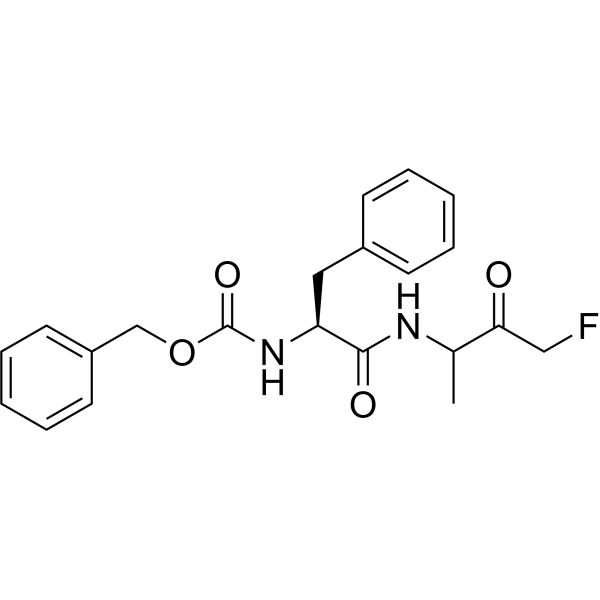
Z-FA-FMK ((1S)-Z-FA-FMK) is a potent Cathepsin B and L inhibitor. Z-FA-FMK blocks the induction of DEVDase activity, DNA fragmentation, and externalization of phosphatidylserine by selective synthetic retinoid-related molecules (RRMs). Z-FA-FMK inhibits apoptosis. Z-FA-FMK inhibits caspase activity and selectively inhibits recombinant effector caspases 2, -3, -6, and -7. Z-FA-FMK is a viral inhibitor. Z-FA-FMK inhibits reovirus replication in a susceptible host .
|
-
- HY-153335
-
|
|
Phosphodiesterase (PDE)
|
Infection
Cardiovascular Disease
Metabolic Disease
Inflammation/Immunology
Cancer
|
|
Enpp-1-IN-16 (compound 54) is an ENPP1 inhibitor. Enpp-1-IN-16 has the potential to study cancer, especially in cases of high ENPP1 expression or elevated cytoplasmic DNA levels. Enpp-1-IN-16 can also be used in other diseases mediated by ENPP1, such as bacterial or viral infections, insulin resistance and type II diabetes, chondrocalcinosis and osteoarthritis, calcium pyrophosphate deposition disorder (CPPD), low Phosphatase disease and soft tissue calcification disorders .
|
-
- HY-179638
-
|
|
Orthopoxvirus
DNA/RNA Synthesis
|
Infection
|
|
Antiviral agent 74 is an antiviral agent consisting of Cidofovir (HY-17438) prodrug and lipid chain. Antiviral agent 74 can inhibit the activity of viral DNA polymerase by transforming into Cidofovir.Antiviral agent 74 demonstrates potent antiviral activity against vacciniavirus (VACV) (EC50 = 0.156 μM) comparable to Brincidofovir (HY-14532). Antiviral agent 74 shows superior potency against monkeypox virus (MPXV) with an EC50 vales of 0.202 μM. Antiviral agent 74 can be used for the research of virus infection .
|
-
- HY-10496R
-
|
|
Reference Standards
NF-κB
Influenza Virus
|
Infection
Cancer
|
|
SC75741 (Standard) is the analytical standard of SC75741 (HY-10496). This product is intended for research and analytical applications. SC75741 is a broad and efficient NF-κB inhibitor with an IC50 of 200 nM for p65 . SC75741 blocks influenza viruses (IV) replication. SC75741 impairs DNA binding of the NF-κB subunit p65, resulting in reduced expression of cytokines, chemokines, and pro-apoptotic factors. SC75741 subsequently inhibits caspase activation and blocks caspase-mediated nuclear export of viral ribonucleoproteins .
|
-
- HY-159067
-
|
DEAE-dextran, MW 500000 hydrochloride, from bacterial (Leuconostoc mesenteroides); Diethylaminoethyl-dextran, MW 500000 hydrochloride
|
Biochemical Assay Reagents
|
Cancer
|
|
DEAE-dextran, MW 500000 hydrochloride (DEAE-dextran, MW 500000 hydrochloride, from bacterial (Leuconostoc mesenteroides)) is a high-molecular-weight positively charged polymer that significantly enhances the uptake of viral RNA by tissue culture cells. When employed in the delivery system for "tumor immunity" RNA-splenocyte transfer, DEAE-dextran can markedly extend the lifespan of tumor-bearing animals, comparable to that of actively immunized animals. Furthermore, DEAE-dextran serves as a complexing agent for nucleic acids, forming composite particles with DNA/RNA for extensive applications in gene delivery. Additionally, DEAE-dextran can be utilized as a coating for liposomes .
|
-
- HY-W013403S
-
|
|
IFNAR
|
Infection
|
|
2'-Deoxy-2'-fluorouridine-d2 is the deuterium labeled 2'-Deoxy-2'-fluorouridine . 2'-Deoxy-2'-fluorouridine is a derivative of the pyrimidine nucleoside uridine. 2'-Deoxy-2'-fluorouridine is a nucleoside analog that inhibits the replication of wild-type viruses by binding to the viral RNA. Hepatitis C polyU/UC RNA strands containing 2'-Deoxy-2'-fluorouridine, bind to RIG-I but do not activate RIG-I signaling in a reporter assay using Huh7 cells. 2'-Deoxy-2'-fluorouridine also has been used as a starting material in the synthesis of respiratory syncytial virus (RSV) polymerase inhibitors. 2'-Deoxy-2'-fluorouridine can incorporate into DNA and RNA in rat and woodchuck model upon administration. 2'-Deoxy-2'-fluorouridine can be studied in anti-viral research .
|
-
- HY-111964A
-
|
GS-6207 sodium
|
HIV
|
Infection
|
|
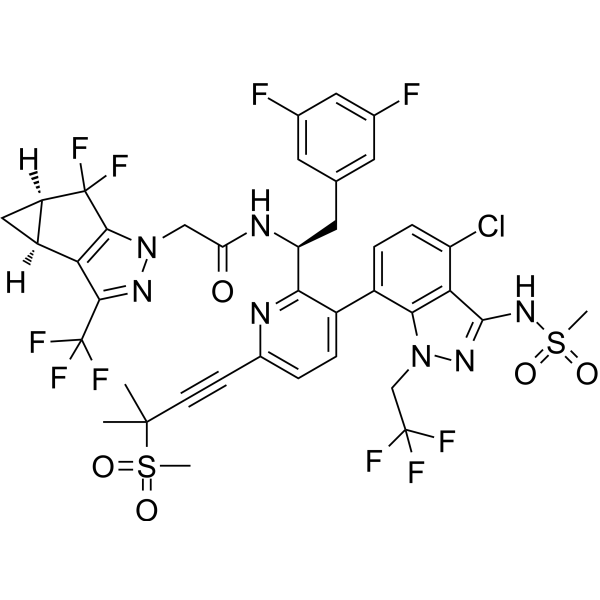
Lenacapavir (GS-6207) sodium is an HIV-1 capsid inhibitor. Lenacapavir sodium binds to the interface between capsid hexamers and CA monomers, disrupts capsid assembly and viral maturation, inhibits nuclear translocation of HIV-1 DNA, interferes with CA-mediated protein-protein interactions, reduces the formation of 2-LTR circles and pre-integration proviruses, induces aberrant capsids, and decreases the production of mature HIV-1. Lenacapavir sodium exhibits activity against a variety of HIV-1 subtypes and clinical isolates. Lenacapavir sodium is applicable to research related to human immunodeficiency virus type 1 (HIV-1) infection .
|
-
- HY-111964
-
|
GS-6207
|
HIV
|
Infection
|
|
Lenacapavir (GS-6207) is an HIV-1 capsid inhibitor. Lenacapavir binds to the interface between capsid hexamers and CA monomers, disrupts capsid assembly and viral maturation, inhibits nuclear translocation of HIV-1 DNA, interferes with CA-mediated protein-protein interactions, reduces the formation of 2-LTR circles and pre-integration proviruses, induces aberrant capsids, and decreases the production of mature HIV-1. Lenacapavir exhibits activity against a variety of HIV-1 subtypes and clinical isolates. Lenacapavir is applicable to research related to human immunodeficiency virus type 1 (HIV-1) infection .
|
-
- HY-W039442
-
|
|
Nucleoside Antimetabolite/Analog
|
Infection
Cancer
|
|
2′-Deoxy-2′-fluoroadenosine is a fluorinated deoxyadenosine with antitumor and antiviral activity, able to interfere with viral or cancer cell replication by being incorporated into DNA. 2′-Deoxy-2′-fluoroadenosine can be used for the synthesis of 2′-Deoxy-2′-fluoro-modified oligonucleotides hybridized with RNA. 2′-Deoxy-2′-fluoroadenosine can be cleaved efficiently by E. coli purine nucleoside phosphorylase (PNP) to the toxic agent 2-fluoroadenine (FAde). 2′-Deoxy-2′-fluoroadenosine shows excellent in vivo activity against tumors expressing E. coli PNP .
|
-
- HY-W010514
-
|
|
Endogenous Metabolite
|
Metabolic Disease
|
|
trans-Cyclohexane-1,2-diol (TCHD) is a transient dilator of the nuclear pore complex (NPC). By interacting with the hydrophobic core (FG nucleoporin) of the NPC, trans-Cyclohexane-1,2-diol can disrupt the NPC structure and reversibly increase the permeability of the nuclear pore, allowing macromolecules larger than 40 kDa (such as plasmid DNA) to enter the cell nucleus by passive diffusion, thereby enhancing the nuclear import efficiency of non-viral vectors. trans-Cyclohexane-1,2-diol can improve the efficiency of in vitro electrotransfection or lipid-mediated gene transfection, especially significantly increasing gene expression in differentiated airway epithelial cells .
|
-
- HY-156584
-
|
|
Endogenous Metabolite
|
Infection
|
|
ODE-Bn-PMEG is an antiviral compound with strong inhibitory activity against HPV-11, -16, and -18. ODE-Bn-PMEG effectively reduced transient amplification of viral DNA in transfected cells at concentrations well below its cytotoxic levels. ODE-Bn-PMEG showed increased uptake in human foreskin fibroblasts and was able to be efficiently converted to the active antiviral metabolite PMEG diphosphate in vitro. The P-chiral enantiomer of ODE-Bn-PMEG showed comparable antiviral activity, indicating its potential application against multiple HPV types. ODE-Bn-PMEG is a promising candidate for local inhibition of HPV-16, HPV-18, and other high-risk types .
|
-
- HY-P11407
-
|
|
HIV
|
Infection
|
|
HIV-1 GAG peptide A-I is a specific HIV-1 Gag peptide sequence, known to be a CD8 + T cell epitope. HIV-1 GAG peptide A-I can be used for the research of HIV vaccines. .
|
-
- HY-111964S1
-
|
GS-6207-d5
|
Isotope-Labeled Compounds
HIV
|
Infection
|
|
Lenacapavir-d5 (GS-6207-d5) is the deuterium labeled Lenacapavir (HY-111964). Lenacapavir (GS-6207) is an HIV-1 capsid inhibitor. Lenacapavir binds to the interface between capsid hexamers and CA monomers, disrupts capsid assembly and viral maturation, inhibits nuclear translocation of HIV-1 DNA, interferes with CA-mediated protein-protein interactions, reduces the formation of 2-LTR circles and pre-integration proviruses, induces aberrant capsids, and decreases the production of mature HIV-1. Lenacapavir exhibits activity against a variety of HIV-1 subtypes and clinical isolates. Lenacapavir is applicable to research related to human immunodeficiency virus type 1 (HIV-1) infection .
|
-
- HY-W800535
-
|
|
NF-κB
p38 MAPK
mTOR
Topoisomerase
AMPK
Apoptosis
Cholinesterase (ChE)
HIF/HIF Prolyl-Hydroxylase
β-catenin
|
Infection
Metabolic Disease
Inflammation/Immunology
Cancer
|
|
Cryptolepine is an orally active multi-potent alkaloid with anti-cancer, anti-bacterial, anti-viral, anti-malarial, anti-inflammatory, anti-hyperglycemic, relieve pain and other properties. Cryptolepine acts as an inhibitor of c-Myc, mTOR, NF-κB, HIF-1, MAPK and an activator of AMPKα1/2. It intercalates into DNA, inhibits topoisomerase II (Top II), disrupts mitochondrial dynamics and induces apoptosis. Cryptolepine also exhibits anti-plasmodial and cholinesterase inhibitory activities. Cryptolepine can be used in research related to tumors (melanoma, hepatocellular carcinoma, mammary adenocarcinoma, etc.), malaria, inflammatory diseases and diabetes, particularly in studies focused on inhibiting tumor growth and anti-plasmodial infection .
|
-
- HY-180524
-
|
|
HBV
|
Infection
|
|
CAB7-3 is an orally active HBV capsid assembly modulator (CAM). CAB7-3 exhibits an exceptional antiviral efficacy reducing HBV DNA with an EC50 = 70 nM, CC50 = 32.3 μM in HepDES19 cells. CAB7-3 exhibits significant anti-HBV activity in HBV-integrated HepDES19 (EC50 = 70 nM), HepAD38 (EC50 = 1 nM) and HBV-infected HLCZ01 cells (EC50 = 2 nM), respectively. CAB7-3 effectively reduces Hepatic HBV core protein levels and suppresses viral replication in vivo. CAB7-3 demonstrates a favorable drug-like and safety profile. CAB7-3 can be used for Hepatitis B Virus (HBV) research .
|
-
- HY-W010514R
-
|
|
Endogenous Metabolite
Reference Standards
|
Metabolic Disease
|
|
trans-Cyclohexane-1,2-diol (Standard) is the analytical standard of trans-Cyclohexane-1,2-diol (HY-W010514). This product is intended for research and analytical applications. trans-Cyclohexane-1,2-diol (TCHD) is a transient dilator of the nuclear pore complex (NPC). By interacting with the hydrophobic core (FG nucleoporin) of the NPC, trans-Cyclohexane-1,2-diol can disrupt the NPC structure and reversibly increase the permeability of the nuclear pore, allowing macromolecules larger than 40 kDa (such as plasmid DNA) to enter the cell nucleus by passive diffusion, thereby enhancing the nuclear import efficiency of non-viral vectors. trans-Cyclohexane-1,2-diol can improve the efficiency of in vitro electrotransfection or lipid-mediated gene transfection, especially significantly increasing gene expression in differentiated airway epithelial cells .
|
-
- HY-N1401
-
|
|
MMP
Apoptosis
HSV
DNA/RNA Synthesis
NO Synthase
Prostaglandin Receptor
Reactive Oxygen Species (ROS)
Akt
|
Infection
Inflammation/Immunology
Cancer
|
|
20(R)-Ginsenoside Rh2 is an orally active protopanaxadiol-type saponin with multiple biological activities. 20(R)-Ginsenoside Rh2 exerts a significant inhibitory effect on non-small cell lung cancer and liver cancer by inducing cell cycle arrest and promoting apoptosis. 20(R)-Ginsenoside Rh2 exerts anti-γ-herpesvirus effects by inhibiting viral DNA replication. 20(R)-Ginsenoside Rh2 inhibits inflammatory mediators by reducing the levels of NO, PGE2, and ROS; it can delay skin photoaging by reducing ROS and inhibiting MMP-9/2 activity. 20(R)-Ginsenoside Rh2 accelerates the recovery after muscle injury by activating the Akt1/PKB signaling pathway. 20(R)-Ginsenoside Rh2 can inhibit osteoclast formation and exert an anti-osteoporosis effect .
|
-
- HY-174252
-
|
|
DNA/RNA Synthesis
HSV
|
Infection
|
|
HSV-1/HSV-2-IN-3 inhibits the herpes-simplex-virus (HSV) helicase-primase complex, blocking the coordinated DNA-unwinding and primer-synthesis steps required for viral genome replication. HSV-1/HSV-2-IN-3 exhibits an EC50 of 7.0 nM against HSV-2 in a gD-immunofluorescence cell assay containing 2 % FBS and 57.5 nM when 10 % human serum is present. HSV-1/HSV-2-IN-3 achieves an EC50 of 1.1 nM in a qPCR replication assay. HSV-1/HSV-2-IN-3 shows strong selectivity over human carbonic-anhydrase off-targets (IC50 ≈ 2.9 µM for hCA II and > 35 µM for hCA I). HSV-1/HSV-2-IN-3 can be studied in anti-HSV research .
|
-
- HY-N9454
-
|
|
Pregnane X Receptor (PXR)
COX
NF-κB
Amylases
β-glucuronidase
DNA/RNA Synthesis
Amyloid-β
NOD-like Receptor (NLR)
Pyroptosis
|
Cancer
|
|
Garcinoic acid is an orally active anti-inflammatory agent that crosses the blood-brain barrier. Garcinoic acid also enhances efferocytosis and enzyme/receptor regulation, and selectively inhibits human COX-2, porcine α-amylase, Saccharomyces cerevisiae α-glucosidase and human DNA polymerase β (IC50=11 μM), as well as activates human PXR. Garcinoic acid enhances macrophage efferocytosis via receptors such as MerTK and LRP-1, and promotes the production of pro-resolving lipid mediators. Garcinoic acid inhibits NF-κB activation and pro-inflammatory cytokine secretion, interferes with Aβ aggregation, downregulates NLRP3 inflammasome activity, and binds to targets including CD44 and EGFR to inhibit leukemia cell proliferation. The pharmacological activities of Garcinoic acid, such as antioxidant, anti-inflammatory and lipid metabolism-regulating effects, are widely used in studies related to various diseases including atherosclerosis, Alzheimer's disease, type 2 diabetes, inflammatory bowel disease and viral pneumonia .
|
-
- HY-N1401R
-
|
|
Reference Standards
MMP
Apoptosis
HSV
|
Infection
Inflammation/Immunology
Cancer
|
|
20(R)-Ginsenoside Rh2 (Standard) is the analytical standard of 20(R)-Ginsenoside Rh2. This product is intended for research and analytical applications. 20(R)-Ginsenoside Rh2 is an orally active protopanaxadiol-type saponin with multiple biological activities. 20(R)-Ginsenoside Rh2 exerts a significant inhibitory effect on non-small cell lung cancer and liver cancer by inducing cell cycle arrest and promoting apoptosis. 20(R)-Ginsenoside Rh2 exerts anti-γ-herpesvirus effects by inhibiting viral DNA replication. 20(R)-Ginsenoside Rh2 inhibits inflammatory mediators by reducing the levels of NO, PGE2, and ROS; it can delay skin photoaging by reducing ROS and inhibiting MMP-9/2 activity. 20(R)-Ginsenoside Rh2 accelerates the recovery after muscle injury by activating the Akt1/PKB signaling pathway. 20(R)-Ginsenoside Rh2 can inhibit osteoclast formation and exert an anti-osteoporosis effect.
|
-
- HY-186120A
-
|
|
Amino Acid Derivatives
|
Cancer
|
|
N-(Aminoiminomethyl)-N-methyl-L-alanine is an Amino acid analog. N-(Aminoiminomethyl)-N-methyl-L-alanine can be used in cancer-related research .
|
-
-
-
HY-L044
-
|
|
575 compounds
|
|
Nucleoside and nucleotide analogues are synthetic, chemically modified compounds that have been developed to mimic their physiological counterparts in order to exploit cellular metabolism and subsequently be incorporated into DNA and RNA to inhibit cellular division and viral replication. In addition to their incorporation into nucleic acids, nucleoside and nucleotide analogues can interact with and inhibit essential enzymes such as human and viral polymerases (that is, DNA-dependent DNA polymerases, RNA-dependent DNA polymerases or RNA-dependent RNA polymerases), kinases, ribonucleotide reductase, DNA methyltransferases, purine and pyrimidine nucleoside phosphorylase and thymidylate synthase. These actions of nucleoside and nucleotide analogues have potential therapeutic benefits — for example, in the inhibition of cancer cell growth, the inhibition of viral replication as well as other indications.
MCE offers a unique collection of 575 nucleotide compounds including nucleotide, nucleoside and their structural analogues. MCE Nucleotide Compound Library is a useful tool to discover anti-cancer and antiviral drugs for high throughput screening (HTS) and high content screening (HCS).
|
| Cat. No. |
Product Name |
Type |
-
- HY-W127378
-
|
1,2-Dioleoyl-3-trimethylammonium-propane methylsulfate
|
Biochemical Assay Reagents
|
|
DOTAP methylsulfat is a cationic lipid reagent, a cationic derivative of trimethylammonium, linked to two 18-carbon fatty acid tails, each with a single olefin group. DOTAP methylsulfat can self-assemble with negatively charged ions (such as DNA) to form complexes, which can be adsorbed to the cell membrane surface and enter the cell by electrostatic interaction and endocytosis, respectively. DOTAP methylsulfat promotes endosomal membrane fusion with its own hydrophobic domain, releases DNA into the cytoplasm, and exerts gene delivery function. DOTAP methylsulfat can be widely used in research fields such as gene therapy, cell transfection, and non-viral vector design .
|
-
- HY-N8332
-
|
Ox bile extract
|
Biochemical Assay Reagents
|
|
Bile extract (Ox bile extract) is a complex mixture of substances, containing bile acids, cholesterol, and bilirubin. Bile extract has antimicrobial activity and can induce DNA damage and degrade viral and bacterial membranes. Bile extract can be used in bacterial culture media as a selective inhibitor for the isolation and identification of pathogens .
|
-
- HY-126437I
-
|
|
Biochemical Assay Reagents
|
|
Poly-L-lysine hydrobromide (MW 1000-5000) is a homopolymer of L-lysine and a polycationic non-viral gene delivery vector. Poly-L-lysine hydrobromide (MW 1000-5000) forms complexes with plasmid DNA. Poly-L-lysine hydrobromide (MW 1000-5000) is applicable to relevant research on lung cancer .
|
-
- HY-137697
-
|
|
Biochemical Assay Reagents
|
|
ddCTP is a type of chain-terminating deoxynucleotide. ddCTP can be incorporated into the extension primer chain that lacks the 3'-hydroxyl group, thereby terminating primer extension, viral genome replication, and DNA synthesis. ddCTP can distinguish almost identical RNA through distinguishable extension products in primer extension inhibition experiments. ddCTP is the active metabolite of Zalcitabine (HY-17392), which can competitively inhibit HIV reverse transcriptase, terminate the synthesis of viral DNA chains, and thereby inhibit HIV replication .
|
-
- HY-142028A
-
|
AcycloGTP sodium (100 mM)
|
Biochemical Assay Reagents
|
|
Acyclovir triphosphate (Synonyms: AcycloGTP) sodium is a Acyclovir (HY-17422) derivative that competitively inhibits viral DNA polymerase by acting as an analog to deoxyguanosine triphosphate (dGTP). Acyclovir triphosphate (sodium) (100 mM) is an inhibitor of HIV-1 reverse transcriptase. Acyclovir triphosphate (sodium) (100 mM) causes termination of viral DNA synthesis .
|
-
- HY-159067
-
|
DEAE-dextran, MW 500000 hydrochloride, from bacterial (Leuconostoc mesenteroides); Diethylaminoethyl-dextran, MW 500000 hydrochloride
|
Biochemical Assay Reagents
|
|
DEAE-dextran, MW 500000 hydrochloride (DEAE-dextran, MW 500000 hydrochloride, from bacterial (Leuconostoc mesenteroides)) is a high-molecular-weight positively charged polymer that significantly enhances the uptake of viral RNA by tissue culture cells. When employed in the delivery system for "tumor immunity" RNA-splenocyte transfer, DEAE-dextran can markedly extend the lifespan of tumor-bearing animals, comparable to that of actively immunized animals. Furthermore, DEAE-dextran serves as a complexing agent for nucleic acids, forming composite particles with DNA/RNA for extensive applications in gene delivery. Additionally, DEAE-dextran can be utilized as a coating for liposomes .
|
| Cat. No. |
Product Name |
Target |
Research Area |
-
- HY-P0328
-
|
|
VSV
|
Infection
|
|
VSV-G tag Peptide is a 11 amino acid peptide derived from the Vesicular Stomatitis viral glycoprotein. VSV-G tag Peptide can integrate into the cell membranes of animal cells, induce cell fusion, and significantly enhance the efficiency of DNA transfection into animal cells. VSV-G tag Peptide can be used for research on drug delivery .
|
-
- HY-P11137
-
|
|
HSV
|
Cancer
|
|
LANA is a KSHV latency-associated nuclear antigen. The core function of LANA is to act as an "anchor" for the viral genome, attaching it to the chromatin of the host cell. LANA ensures that the episomal DNA of KSHV replicates together with the host chromosome and is evenly distributed among the daughter cells, thereby maintaining the latent infection of the virus in the cell population. LANA can regulate the transcription of viral and host cell genes, and regulate certain host cell genes to promote cell survival. LANA can be used to study the viral DNA tethering structure .
|
-
- HY-P11407
-
|
|
HIV
|
Infection
|
|
HIV-1 GAG peptide A-I is a specific HIV-1 Gag peptide sequence, known to be a CD8 + T cell epitope. HIV-1 GAG peptide A-I can be used for the research of HIV vaccines. .
|
| Cat. No. |
Product Name |
Target |
Research Area |
Image |
-
- HY-108842
-
|
PegIFN a-2b; Sch 54031; Sylatron; ViraferonPeg
|
HIV
HCV
|
Infection
Cancer
|
|
Peginterferon alfa-2b (PegIFN a-2b; Sch 54031; Sylatron; ViraferonPeg) is an immunomodulator. Peginterferon alfa-2b is a recombinant alfa-2b interferon covalently linked PEG with antiviral activity against HCV. Peginterferon alfa-2b decreases viral DNA in HIV. Peginterferon alfa-2b can be used in research of melanoma and hepatitis C .
|
-
(5)
| Cat. No. |
Product Name |
Category |
Target |
Chemical Structure |
-
- HY-17438
-
-
-
- HY-N0057
-
|
3,4-Di-O-caffeoylquinic acid; Isochlorogenic acid B
|
Infection
Caprifoliaceae
Classification of Application Fields
Ketones, Aldehydes, Acids
Phenols
Polyphenols
Plants
Endogenous metabolite
Disease Research Fields
Source Classification
|
Glycosidase
Influenza Virus
Apoptosis
Endogenous Metabolite
|
|
3,4-Dicaffeoylquinic acid (3,4-Di-O-caffeoylquinic acid), naturally isolated from Laggera alata, has antioxidative, DNA protective, neuroprotective and hepatoprotective properties. 3,4-Dicaffeoylquinic acid exerts apoptosis-mediated cytotoxicity and α-glucosidase inhibitory effects. 3,4-Dicaffeoylquinic acid possesses a unique mechanism of anti-influenza viral activity, that is, enhancing viral clearance by increasing TRAIL .
|
-
-
- HY-B0277
-
-
-
- HY-128744
-
-
-
- HY-N0093
-
|
Cyclocytidine hydrochloride; Cyclo-CMP hydrochloride; Cyclo-C
|
Classification of Application Fields
Disease Research Fields
Cancer
|
Autophagy
CMV
DNA/RNA Synthesis
|
|
Ancitabine hydrochloride is a cytarabine derivative that inhibits viral replication. Ancitabine hydrochloride blocks vaccinia virus DNA replication, the progression of viral protein synthesis from early to late stages, and one-step growth of vaccinia virus. Ancitabine hydrochloride is applicable to research related to vaccinia virus infection, leukemia, human cytomegalovirus infection and colorectal cancer .
|
-
-
- HY-N1401
-
-
-
- HY-N8533
-
-
-
- HY-W010514
-
|
|
Natural Products
Classification of Application Fields
Metabolic Disease
Endogenous metabolite
Disease Research Fields
Source Classification
|
Endogenous Metabolite
|
|
trans-Cyclohexane-1,2-diol (TCHD) is a transient dilator of the nuclear pore complex (NPC). By interacting with the hydrophobic core (FG nucleoporin) of the NPC, trans-Cyclohexane-1,2-diol can disrupt the NPC structure and reversibly increase the permeability of the nuclear pore, allowing macromolecules larger than 40 kDa (such as plasmid DNA) to enter the cell nucleus by passive diffusion, thereby enhancing the nuclear import efficiency of non-viral vectors. trans-Cyclohexane-1,2-diol can improve the efficiency of in vitro electrotransfection or lipid-mediated gene transfection, especially significantly increasing gene expression in differentiated airway epithelial cells .
|
-
-
- HY-17438A
-
-
-
- HY-N9454
-
|
|
Structural Classification
Monophenols
other families
Classification of Application Fields
Ketones, Aldehydes, Acids
Phenols
Plants
Disease Research Fields
Source Classification
Cancer
|
Pregnane X Receptor (PXR)
COX
NF-κB
Amylases
β-glucuronidase
DNA/RNA Synthesis
Amyloid-β
NOD-like Receptor (NLR)
Pyroptosis
|
|
Garcinoic acid is an orally active anti-inflammatory agent that crosses the blood-brain barrier. Garcinoic acid also enhances efferocytosis and enzyme/receptor regulation, and selectively inhibits human COX-2, porcine α-amylase, Saccharomyces cerevisiae α-glucosidase and human DNA polymerase β (IC50=11 μM), as well as activates human PXR. Garcinoic acid enhances macrophage efferocytosis via receptors such as MerTK and LRP-1, and promotes the production of pro-resolving lipid mediators. Garcinoic acid inhibits NF-κB activation and pro-inflammatory cytokine secretion, interferes with Aβ aggregation, downregulates NLRP3 inflammasome activity, and binds to targets including CD44 and EGFR to inhibit leukemia cell proliferation. The pharmacological activities of Garcinoic acid, such as antioxidant, anti-inflammatory and lipid metabolism-regulating effects, are widely used in studies related to various diseases including atherosclerosis, Alzheimer's disease, type 2 diabetes, inflammatory bowel disease and viral pneumonia .
|
-
-
- HY-B0277R
-
-
-
- HY-N0057R
-
|
3,4-Di-O-caffeoylquinic acid (Standard); Isochlorogenic acid B (Standard)
|
Structural Classification
Caprifoliaceae
Ketones, Aldehydes, Acids
Phenols
Polyphenols
Plants
Endogenous metabolite
Source Classification
|
Reference Standards
Glycosidase
Influenza Virus
Apoptosis
Endogenous Metabolite
|
|
3,4-Dicaffeoylquinic acid (Standard) is the analytical standard of 3,4-Dicaffeoylquinic acid. This product is intended for research and analytical applications. 3,4-Dicaffeoylquinic acid (3,4-Di-O-caffeoylquinic acid), naturally isolated from Laggera alata, has antioxidative, DNA protective, neuroprotective and hepatoprotective properties. 3,4-Dicaffeoylquinic acid exerts apoptosis-mediated cytotoxicity and α-glucosidase inhibitory effects. 3,4-Dicaffeoylquinic acid possesses a unique mechanism of anti-influenza viral activity, that is, enhancing viral clearance by increasing TRAIL .
|
-
-
- HY-17438R
-
-
-
- HY-W676876
-
-
-
- HY-128744R
-
-
-
- HY-N15327
-
|
|
Other Terpenoids
Animals
Terpenoids
Source Classification
|
HIV
HIV Integrase
|
|
Hyrtiosal, found in the marine sponge Hyrtios erectus, is an inhibitor of the N-terminal domain (NTD) of HIV-1 integrase (HIV-1 IN) with an IC50 value of 9.60-0.86 μM. Hyrtiosal binds to the Ser17, Trp19, and Lys34 sites on the NTD of HIV-1 IN, inhibiting the binding of HIV-1 viral DNA to integrase and interfering with the formation of the pre-integrated complex of HIV-1. Hyrtiosal is promising for research of anti-HIV agents .
|
-
-
- HY-N1401R
-
|
|
Panax ginseng C. A. Meyer
Triterpenes
Structural Classification
Human Gut Microbiota Metabolites
Terpenoids
Plants
Endogenous metabolite
Araliaceae
Source Classification
|
Reference Standards
MMP
Apoptosis
HSV
|
|
20(R)-Ginsenoside Rh2 (Standard) is the analytical standard of 20(R)-Ginsenoside Rh2. This product is intended for research and analytical applications. 20(R)-Ginsenoside Rh2 is an orally active protopanaxadiol-type saponin with multiple biological activities. 20(R)-Ginsenoside Rh2 exerts a significant inhibitory effect on non-small cell lung cancer and liver cancer by inducing cell cycle arrest and promoting apoptosis. 20(R)-Ginsenoside Rh2 exerts anti-γ-herpesvirus effects by inhibiting viral DNA replication. 20(R)-Ginsenoside Rh2 inhibits inflammatory mediators by reducing the levels of NO, PGE2, and ROS; it can delay skin photoaging by reducing ROS and inhibiting MMP-9/2 activity. 20(R)-Ginsenoside Rh2 accelerates the recovery after muscle injury by activating the Akt1/PKB signaling pathway. 20(R)-Ginsenoside Rh2 can inhibit osteoclast formation and exert an anti-osteoporosis effect.
|
-
-
- HY-W800535
-
|
|
Malvaceae
Structural Classification
Alkaloids
Sida acuta Burm. F.
Quinoline Alkaloids
Plants
Indole Alkaloids
Source Classification
|
NF-κB
p38 MAPK
mTOR
Topoisomerase
AMPK
Apoptosis
Cholinesterase (ChE)
HIF/HIF Prolyl-Hydroxylase
β-catenin
|
|
Cryptolepine is an orally active multi-potent alkaloid with anti-cancer, anti-bacterial, anti-viral, anti-malarial, anti-inflammatory, anti-hyperglycemic, relieve pain and other properties. Cryptolepine acts as an inhibitor of c-Myc, mTOR, NF-κB, HIF-1, MAPK and an activator of AMPKα1/2. It intercalates into DNA, inhibits topoisomerase II (Top II), disrupts mitochondrial dynamics and induces apoptosis. Cryptolepine also exhibits anti-plasmodial and cholinesterase inhibitory activities. Cryptolepine can be used in research related to tumors (melanoma, hepatocellular carcinoma, mammary adenocarcinoma, etc.), malaria, inflammatory diseases and diabetes, particularly in studies focused on inhibiting tumor growth and anti-plasmodial infection .
|
-
-
- HY-W010514R
-
|
|
Structural Classification
Natural Products
Endogenous metabolite
Source Classification
|
Endogenous Metabolite
Reference Standards
|
|
trans-Cyclohexane-1,2-diol (Standard) is the analytical standard of trans-Cyclohexane-1,2-diol (HY-W010514). This product is intended for research and analytical applications. trans-Cyclohexane-1,2-diol (TCHD) is a transient dilator of the nuclear pore complex (NPC). By interacting with the hydrophobic core (FG nucleoporin) of the NPC, trans-Cyclohexane-1,2-diol can disrupt the NPC structure and reversibly increase the permeability of the nuclear pore, allowing macromolecules larger than 40 kDa (such as plasmid DNA) to enter the cell nucleus by passive diffusion, thereby enhancing the nuclear import efficiency of non-viral vectors. trans-Cyclohexane-1,2-diol can improve the efficiency of in vitro electrotransfection or lipid-mediated gene transfection, especially significantly increasing gene expression in differentiated airway epithelial cells .
|
-
| Cat. No. |
Product Name |
Chemical Structure |
-
- HY-104077S1
-
|
|
|
Remdesivir-d4 (GS-5734-d4) is deuterium labeled Remdesivir (HY-104077). Remdesivir (GS-5734) is a nucleoside analogue with effective antiviral activity. Remdesivir can inhibit the synthesis of viral DNA or RNA. Remdesivir can be used for the research of infection, such as SARS-CoV and MHV infection .
|
-
-
- HY-17422S1
-
|
|
|
Acyclovir-d4 is the deuterium labeled Acyclovir. Acyclovir (Aciclovir) is a guanosine analogue and an orally active antiviral agent. Acyclovir inhibits HSV-1 (IC50 of 0.85 μM), HSV-2 (IC50 of 0.86 μM) and varicella-zoster virus. Acyclovir can be phosphorylated by viral thymidine kinase (TK), and Acyclovir triphosphate interferes with viral DNA polymerization through competitive inhibition with guanosine triphosphate and obligatory chain termination . Acyclovir prevents bacterial infections during induction therapy for acute leukaemia .
|
-
-
- HY-104077S
-
2 Publications Verification
|
|
Remdesivir-d5 (GS-5734-d5) is a deuterium labeled Remdesivir (HY-104077). Remdesivir (GS-5734) is a nucleoside analogue with effective antiviral activity. Remdesivir can inhibit the synthesis of viral DNA or RNA. Remdesivir can be used for the research of infection, such as SARS-CoV and MHV infection .
|
-
-
- HY-131606S
-
|
|
|
Cidofovir diphosphate- 13C3 is the 13C-labeled Cidofovir diphosphate (HY-131606). Cidofovir diphosphate is the intracellular active metabolite of Cidofovir (HY-17438) and its oral prodrug Brincidofovir (HY-14532). By inhibiting viral DNA polymerase (Ki ≈ 76.3 μM), cidofovir diphosphate is widely used in studies on double-stranded DNA virus infections, including cytomegalovirus (CMV), adenovirus (AdV), and poxviruses (such as monkeypox and molluscum contagiosum virus, MCV) .
|
-
-
- HY-104077S2
-
|
|
|
Remdesivir impurity 9-d4 is deuterium labeled Remdesivir (HY-104077). Remdesivir (GS-5734) is a nucleoside analogue with effective antiviral activity. Remdesivir can inhibit the synthesis of viral DNA or RNA. Remdesivir can be used for the research of infection, such as SARS-CoV and MHV infection .
|
-
-
- HY-W013403S
-
|
|
|
2'-Deoxy-2'-fluorouridine-d2 is the deuterium labeled 2'-Deoxy-2'-fluorouridine . 2'-Deoxy-2'-fluorouridine is a derivative of the pyrimidine nucleoside uridine. 2'-Deoxy-2'-fluorouridine is a nucleoside analog that inhibits the replication of wild-type viruses by binding to the viral RNA. Hepatitis C polyU/UC RNA strands containing 2'-Deoxy-2'-fluorouridine, bind to RIG-I but do not activate RIG-I signaling in a reporter assay using Huh7 cells. 2'-Deoxy-2'-fluorouridine also has been used as a starting material in the synthesis of respiratory syncytial virus (RSV) polymerase inhibitors. 2'-Deoxy-2'-fluorouridine can incorporate into DNA and RNA in rat and woodchuck model upon administration. 2'-Deoxy-2'-fluorouridine can be studied in anti-viral research .
|
-
-
- HY-167911S
-
|
|
|
Cidofovir- 13C, 15N2 disodium (GS 0504- 13C, 15N2 disodium) is the 13C- and 15N-labeled Cidofovir disodium (HY-167911). Cidofovir sodium is an acyclic monophosphate nucleotide analogue and CMV inhibitor with antiviral activity. Cidofovir sodium inhibits cytomegalovirus (CMV) replication by selectively inhibiting viral DNA polymerase. Cidofovir sodium induces apoptosis and can be used in studies of AIDS cytomegalovirus retinitis, herpes, and cancer . Cidofovir sodium also has anti-orthopoxvirus and anti-variola activities .
|
-
-
- HY-111964S1
-
|
|
|
Lenacapavir-d5 (GS-6207-d5) is the deuterium labeled Lenacapavir (HY-111964). Lenacapavir (GS-6207) is an HIV-1 capsid inhibitor. Lenacapavir binds to the interface between capsid hexamers and CA monomers, disrupts capsid assembly and viral maturation, inhibits nuclear translocation of HIV-1 DNA, interferes with CA-mediated protein-protein interactions, reduces the formation of 2-LTR circles and pre-integration proviruses, induces aberrant capsids, and decreases the production of mature HIV-1. Lenacapavir exhibits activity against a variety of HIV-1 subtypes and clinical isolates. Lenacapavir is applicable to research related to human immunodeficiency virus type 1 (HIV-1) infection .
|
-
| Cat. No. |
Product Name |
|
Classification |
-
- HY-126781
-
|
BM-211290
|
|
Azide
|
|
Fozivudine tidoxil (BM-211290) is an orally active thioether lipid-zidovudine (ZDV) conjugate with anti-HIV activity. Fozivudine tidoxil, a member of the NRTI family of agent, is incorporated into the newly synthesized strand of DNA during intracellular viral replication and irreversibly binds viral RT which disrupts viral reverse-transcription . Fozivudine tidoxil is a click chemistry reagent, it contains an Azide group and can undergo copper-catalyzed azide-alkyne cycloaddition reaction (CuAAc) with molecules containing Alkyne groups. It can also undergo strain-promoted alkyne-azide cycloaddition (SPAAC) reactions with molecules containing DBCO or BCN groups.
|
| Cat. No. |
Product Name |
|
Classification |
-
- HY-W127378
-
|
1,2-Dioleoyl-3-trimethylammonium-propane methylsulfate
|
|
Cationic Lipids
|
|
DOTAP methylsulfat is a cationic lipid reagent, a cationic derivative of trimethylammonium, linked to two 18-carbon fatty acid tails, each with a single olefin group. DOTAP methylsulfat can self-assemble with negatively charged ions (such as DNA) to form complexes, which can be adsorbed to the cell membrane surface and enter the cell by electrostatic interaction and endocytosis, respectively. DOTAP methylsulfat promotes endosomal membrane fusion with its own hydrophobic domain, releases DNA into the cytoplasm, and exerts gene delivery function. DOTAP methylsulfat can be widely used in research fields such as gene therapy, cell transfection, and non-viral vector design .
|
-
- HY-147217
-
|
ISIS 505358
|
|
Antisense Oligonucleotides
|
|
Bepirovirsen is an antisense oligonucleotide targeting all HBV messenger RNAs. Bepirovirsen leads to reductions in HBV-derived RNAs, HBV DNA and viral proteins. Bepirovirsen can be used for the research of chronic HBV infection. Bepirovirsen binding site sequence (GCACTTCGCTTCACCTCTGC) .
|
-
- HY-147217A
-
|
ISIS 505358 sodium
|
|
Antisense Oligonucleotides
|
|
Bepirovirsen (ISIS 505358) sodium is an antisense oligonucleotide targeting all HBV messenger RNAs. Bepirovirsen sodium leads to reductions in HBV-derived RNAs, HBV DNA and viral proteins. Bepirovirsen sodium can be used for the research of chronic HBV infection. Bepirovirsen sodium binding site sequence (GCACTTCGCTTCACCTCTGC) .
|
-
- HY-W039442
-
|
|
|
Nucleoside Analogs
Adenosine
|
|
2′-Deoxy-2′-fluoroadenosine is a fluorinated deoxyadenosine with antitumor and antiviral activity, able to interfere with viral or cancer cell replication by being incorporated into DNA. 2′-Deoxy-2′-fluoroadenosine can be used for the synthesis of 2′-Deoxy-2′-fluoro-modified oligonucleotides hybridized with RNA. 2′-Deoxy-2′-fluoroadenosine can be cleaved efficiently by E. coli purine nucleoside phosphorylase (PNP) to the toxic agent 2-fluoroadenine (FAde). 2′-Deoxy-2′-fluoroadenosine shows excellent in vivo activity against tumors expressing E. coli PNP .
|
-
- HY-113431
-
|
|
|
Nucleoside Analogs
|
|
Arabinosylhypoxanthine is a purine nucleoside analog. Arabinosylhypoxanthine selectively inhibits viral DNA synthesis. Arabinosylhypoxanthine exhibits anti-HSV activity. Arabinosylhypoxanthine can be used in studies related to herpes simplex virus infection .
|
-
- HY-13859
-
|
L-FMAU
|
|
Nucleoside Analogs
Thymidine
|
|
Clevudine (L-FMAU), a nucleoside analog of the unnatural L-configuration, has potent anti-HBV activity with long half-life, low toxicity. Clevudine is a non-competitive inhibitor that is not incorporated into the viral DNA but rather binds to the polymerase. Clevudine is active against cowpox virus respiratory infection in mice .
|
-
- HY-137697D
-
|
|
|
Nucleotide Analogs
|
|
ddCTP trilithium solution (100 mM) is a chain-terminating dideoxynucleotide. ddCTP trilithium is a type of chain-terminating deoxynucleotide. ddCTP trilithium can be incorporated into the extension primer chain that lacks the 3'-hydroxyl group, thereby terminating primer extension, viral genome replication, and DNA synthesis. ddCTP trilithium can distinguish almost identical RNA through distinguishable extension products in primer extension inhibition experiments. ddCTP trilithium is the active metabolite of Zalcitabine (HY-17392), which can competitively inhibit HIV reverse transcriptase, terminate the synthesis of viral DNA chains, and thereby inhibit HIV replication .
|
-
- HY-137697
-
|
|
|
Nucleotide Analogs
|
|
ddCTP is a type of chain-terminating deoxynucleotide. ddCTP can be incorporated into the extension primer chain that lacks the 3'-hydroxyl group, thereby terminating primer extension, viral genome replication, and DNA synthesis. ddCTP can distinguish almost identical RNA through distinguishable extension products in primer extension inhibition experiments. ddCTP is the active metabolite of Zalcitabine (HY-17392), which can competitively inhibit HIV reverse transcriptase, terminate the synthesis of viral DNA chains, and thereby inhibit HIV replication .
|
-
- HY-W353804
-
|
|
|
Nucleoside Analogs
Uridine
|
|
2'-Deoxy-β-L-uridine is a nucledside analogue and a specific substrate for the viral enzyme, shows no stereospecificity against herpes simplex 1 (HSV1) thymidine kinase (TK). 2′-Deoxy-β-L-uridine exerts antiviral activity via the interation of 5'-triphosphates with the viral DNA polymerase .
|
-
- HY-171692
-
|
|
|
CpG ODNs
|
|
G3-YSD is a cGAS agonist. G3-YSD directly interacts with cGAS to enhance its enzymatic activity, promote the conversion of ATP and GTP into cGAMP, and trigger STING-dependent IFN-α/β secretion. G3-YSD acts as a viral mimic to replace actual viral DNA . G3-YSD is applicable to research related to long COVID and type 1 human immunodeficiency virus infection .
|
-
- HY-148170
-
|
|
|
Nucleoside Analogs
Uridine
|
|
L-I-OddU, a L-5'-halo- dioxolane nucleoside analogue, is a potent and selective anti-Epstein-Barr virus (EBV) agent with an EC50 value of 0.03μM. L-I-OddU has low cytotoxicity with a CC50 value of 1000 nM. L-I-OddU has antiviral activity by suppressing replicative EBV DNA and viral protein synthesis .
|
-
- HY-141893
-
|
|
|
Phosphoramidites
Other Phosphoramidite
|
|
3-Cyanovinylcarbazole phosphoramidite is an antiviral agent that inhibits the synthesis of viral DNA. The modified nucleoside in the compound is synthesized by modifying the ribonucleotide with cyano group at the C-3 position, and can be used as a phosphoric acid amide for DNA synthesis .
|
-
- HY-171574
-
|
AZddCTP
|
|
Nucleotide Analogs
Cytidine Nucleotide
|
|
3′-Azido-2′,3′-dideoxy-CTP (AZddCTP) is a cytidine analog containing a 3-azido group. As a chain terminator, 3′-Azido-2′,3′-dideoxy-CTP can be incorporated into the nascent DNA chain by HIV reverse transcriptase. 3′-Azido-2′,3′-dideoxy-CTP terminates DNA synthesis due to the lack of a 3'-hydroxyl group, thereby inhibiting viral replication. 3′-Azido-2′,3′-dideoxy-CTP has IC50 values of 15.6 μM and 160.8 μM for WT HIV and AZT R HIV. 3′-Azido-2′,3′-dideoxy-CTP has antiviral activity .
|
-
- HY-177822
-
|
|
|
Aptamers
|
|
CD4 aptamer sodium is a single-strand DNA aptamer that targets CD4. It significantly blocks the interaction between viral gp120 and CD4-expressing cells
|
Your information is safe with us. * Required Fields.
Inquiry Information
- Product Name:
- Cat. No.:
- Quantity:
- MCE Japan Authorized Agent:

