1. Search Result
Search Result
Results for "

4-hydrox

" in MedChemExpress (MCE) Product Catalog:

390

阻害剤およびアゴニスト

28

生化学アッセイ試薬

1

ペプチド

116

天然物

2

組換えタンパク質

105

同位体標識化合物

7

抗体

1

クリックケミストリー

2

オリゴヌクレオチド

製品番号 製品名 Target 研究分野 構造式
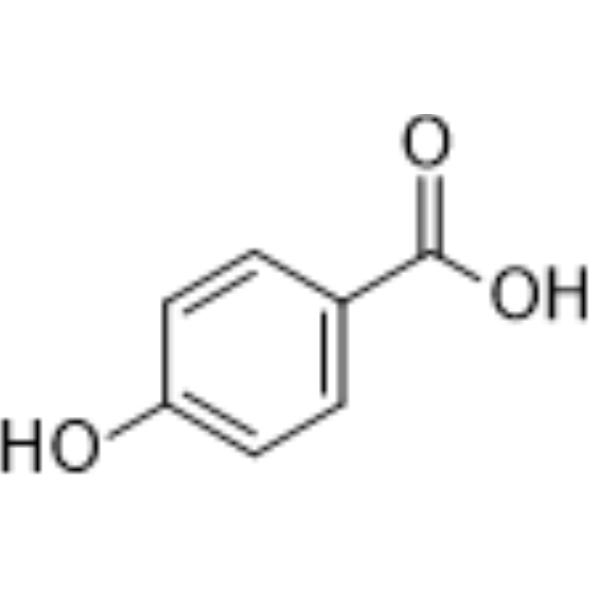
  • HY-Y0264

    Endogenous Metabolite Bacterial Infection
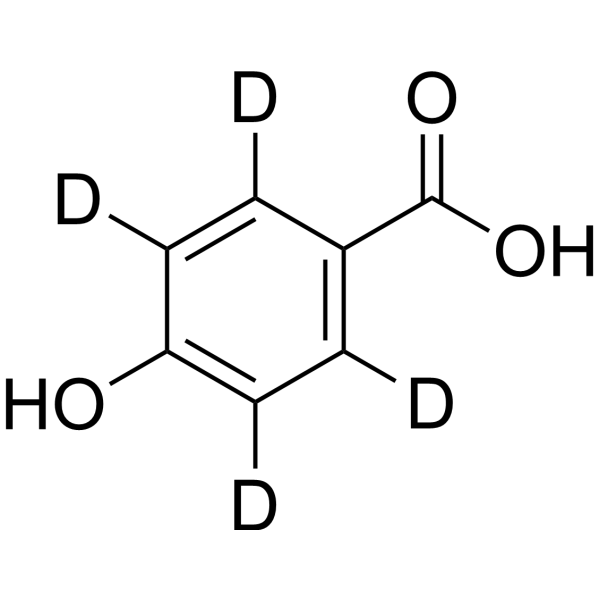
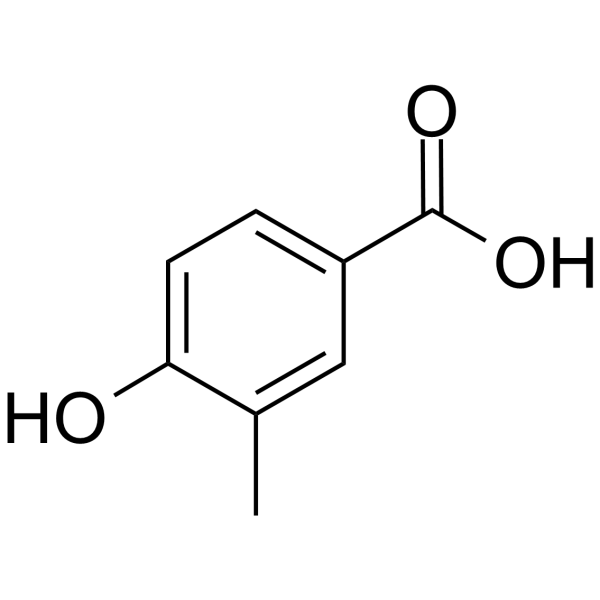
    4-Hydroxybenzoic acid, a phenolic derivative of benzoic acid, could inhibit most gram-positive and some gram-negative bacteria, with an IC50 of 160 μg/mL.
    4-Hydroxybenzoic acid
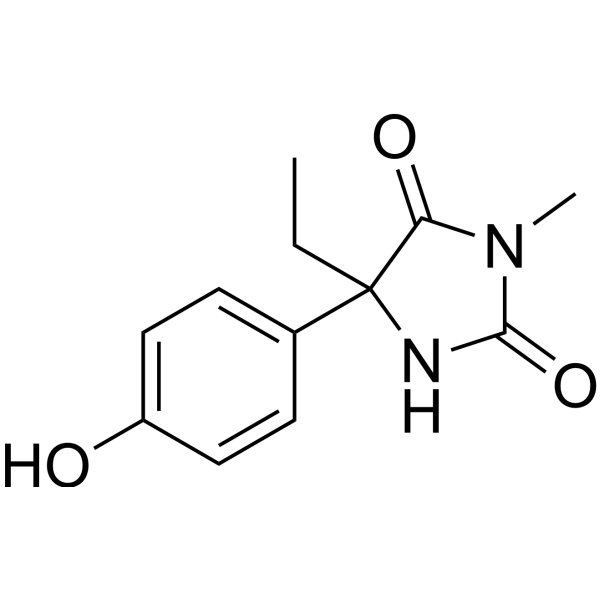
  • HY-W008772

    Drug Metabolite Others
    4-Hydroxymephenytoin is a metabolism of an antiepileptic agent mephenytoin, which is used as a CYP2C19 substrate.
    4-Hydroxymephenytoin
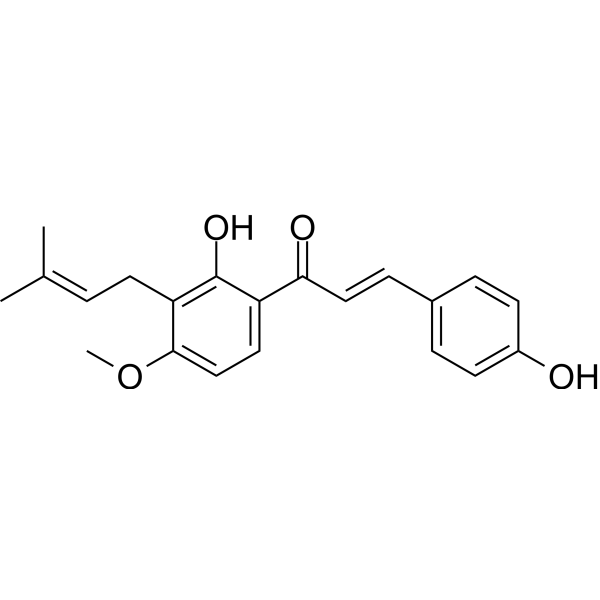
  • HY-N7204
    4-Hydroxyderricin
    1 Publications Verification

    Monoamine Oxidase Dopamine β-hydroxylase Apoptosis Neurological Disease Inflammation/Immunology
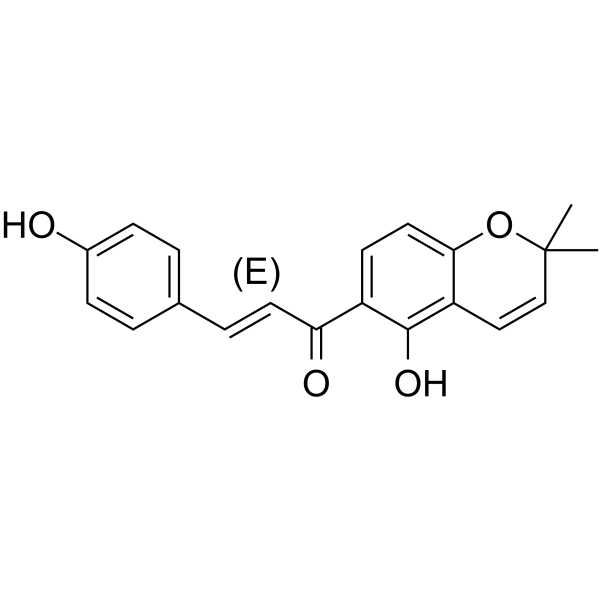
    4-Hydroxyderricin, the major active ingredients of Angelica keiskei Koidzumi, is an orally active, potent selective MAO-B (Monoamine oxidase inhibitors) inhibitor with an IC50 of 3.43 μM. 4-Hydroxyderricin also mildly inhibits dopamine β (DBH)-hydroxylase activity. 4-Hydroxyderricin has antidepressant activity, anti-allergic, anti-diabetic, anti-oxidant, and antitumor effects. 4-Hydroxyderricin promotes apoptosis and cell cycle arrest through regulating PI3K/AKT/mTOR pathway in hepatocellular cells. 4-Hydroxyderricin inhibits osteoclast formation and accelerates osteoblast differentiation . 4-Hydroxyderricin is promising for research of inflammatory diseases .
    4-Hydroxyderricin
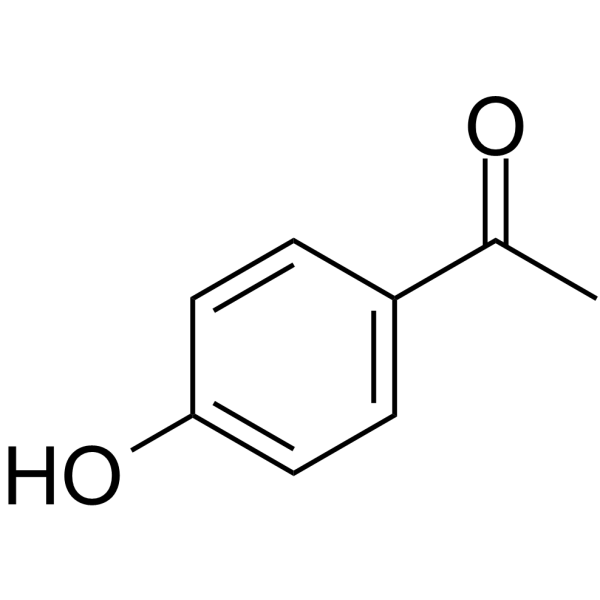
  • HY-Y0073
    4-Hydroxyacetophenone
    1 Publications Verification

    P-hydroxyacetophenone

    HBV Myosin Infection Inflammation/Immunology Cancer
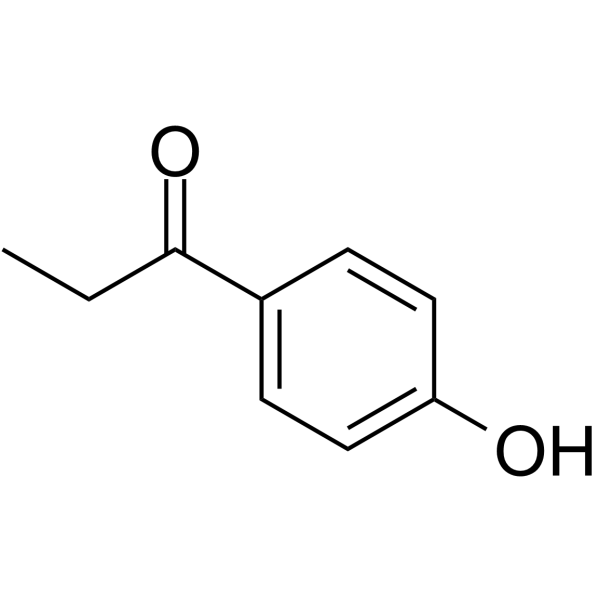
    4-Hydroxyacetophenone (P-hydroxyacetophenone) is a major hepatoprotective and choleretic compound found in Artemisia and Illicium plants, exhibiting antiviral and anti-inflammatory effects against hepatitis B virus. Additionally, 4-Hydroxyacetophenone inhibits cancer cell adhesion, invasion, and migration by remodeling actin. 4-Hydroxyacetophenone holds promise for research in the fields of inflammatory diseases and cancer .
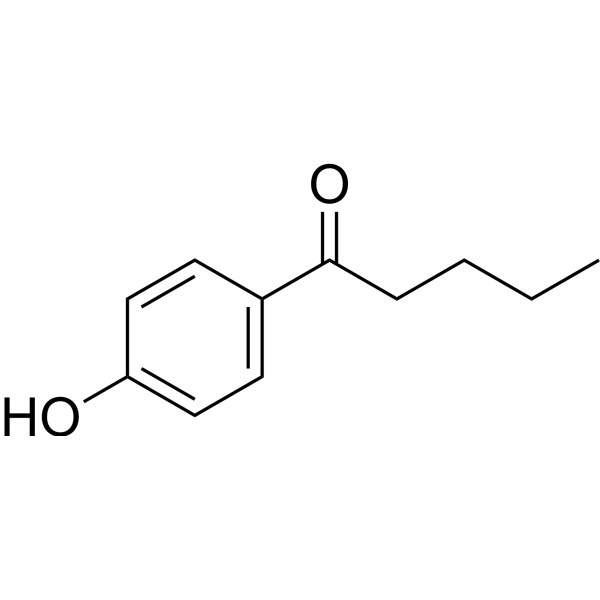
    4-Hydroxyacetophenone
  • HY-107818
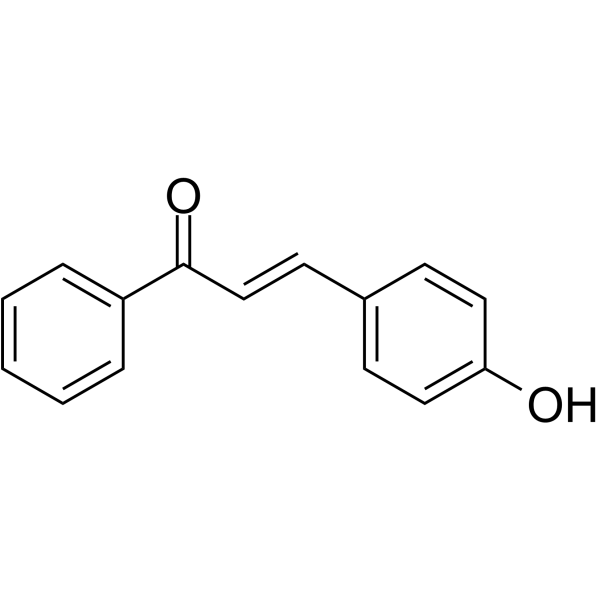
    4-Hydroxychalcone
    2 Publications Verification

    ERK Akt Cardiovascular Disease Inflammation/Immunology Endocrinology
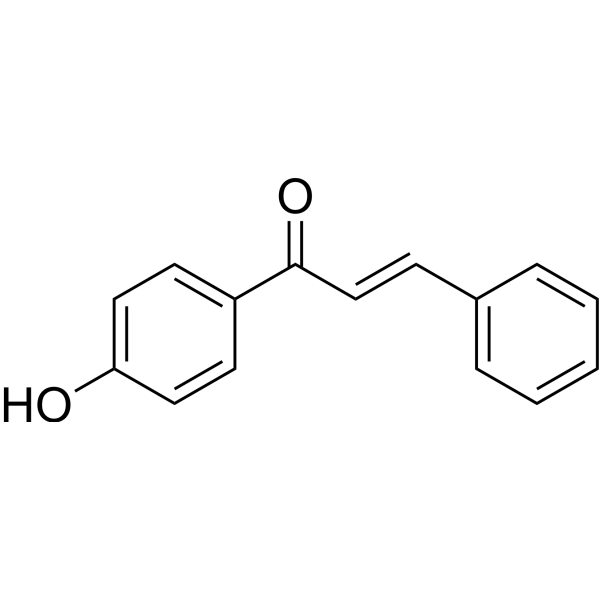
    4-Hydroxychalcone is an orally active flavonoid precursor. 4-Hydroxychalcone inhibits VEGF- and bFGF-induced phosphorylation of ERK1/2 and Akt. 4-Hydroxychalcone suppresses resistant hypertension by alleviating hyperaldosteronism, inflammation and renal injury in cryptochrome gene knockout mice. 4-Hydroxychalcone possesses anti-angiogenic activity .\n

    4-Hydroxychalcone
  • HY-Y0892
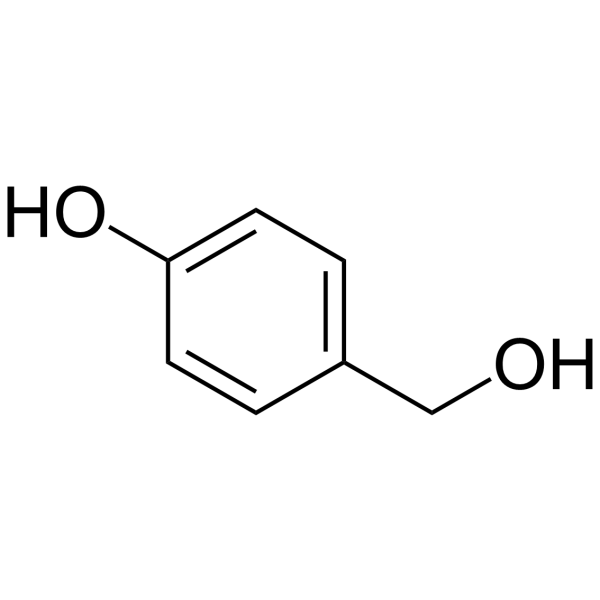
    4-Hydroxybenzyl alcohol
    1 Publications Verification

    Apoptosis Endogenous Metabolite Neurological Disease Inflammation/Immunology Cancer
    4-Hydroxybenzyl alcohol is a phenolic compound widely distributed in various kinds of plants. Anti-inflammatory, anti-oxidant, anti-nociceptive activity. Neuroprotective effect. Inhibitor of tumor angiogenesis and growth .
    4-Hydroxybenzyl alcohol
  • HY-34596

    Biochemical Assay Reagents Amyloid-β Neurological Disease Metabolic Disease
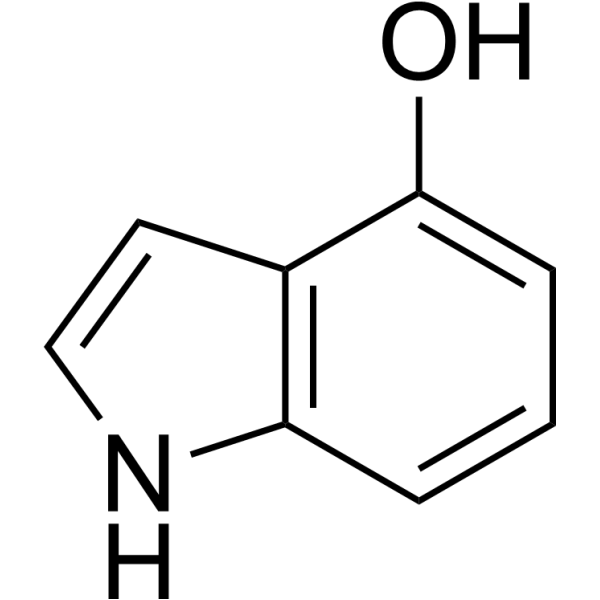
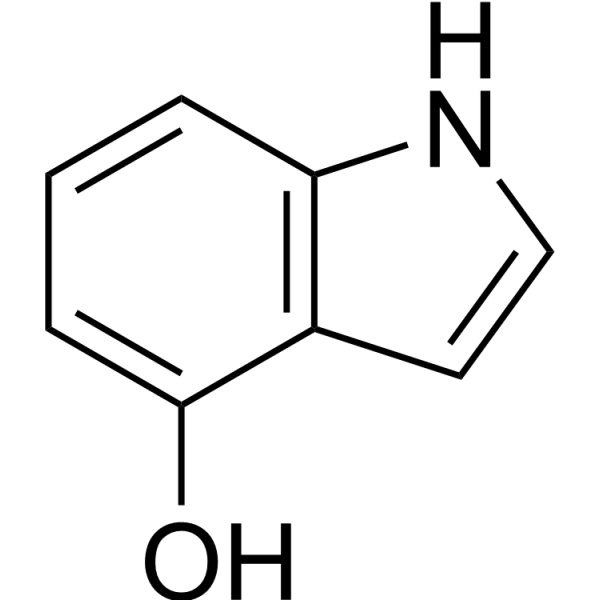
    4-Hydroxyindole is a type of hydroxyindole in which the 1H-indole at position 4 is substituted by a hydroxyl group. 4-Hydroxyindole serves as an important raw material or intermediate in the synthesis of pharmaceutical products and industrial polymers. 4-Hydroxyindole inhibits amyloid fibrillization and induces liver function impairment, thyroid abnormalities, and blood glucose fluctuations in mice. 4-Hydroxyindole holds potential for research in neurodegenerative diseases and metabolic disorders .
    4-Hydroxyindole
  • HY-N6856

    Bacterial Endogenous Metabolite Infection Cancer
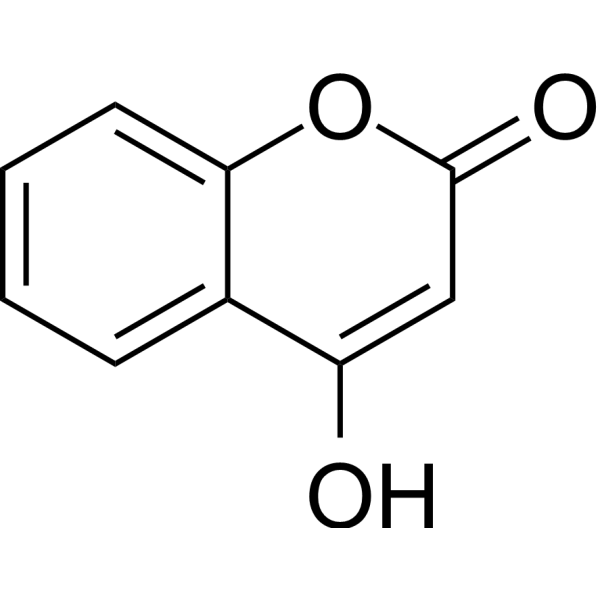
    4-Hydroxycoumarin is an orally active coumarin derivative, one of the most versatile heterocyclic scaffolds, often used in the synthesis of various organic compounds. 4-Hydroxycoumarin possesses both electrophilic and nucleophilic properties. 4-Hydroxycoumarin is an HIV protease inhibitor and tyrosine kinase inhibitor. 4-Hydroxycoumarin has anti-inflammatory, antibacterial and anti-tumor effects .
    4-Hydroxycoumarin
  • HY-12767

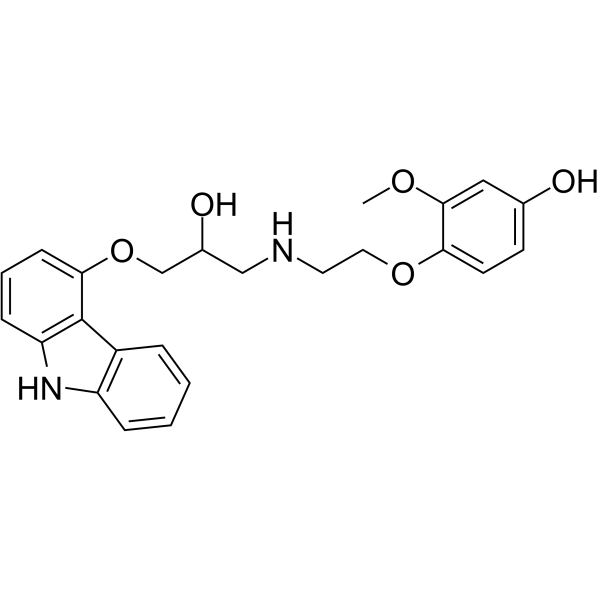
    4-hydroxyphenyl Carvedilol; 4-hydroxycarvedilol

    Drug Metabolite Cytochrome P450 Metabolic Disease
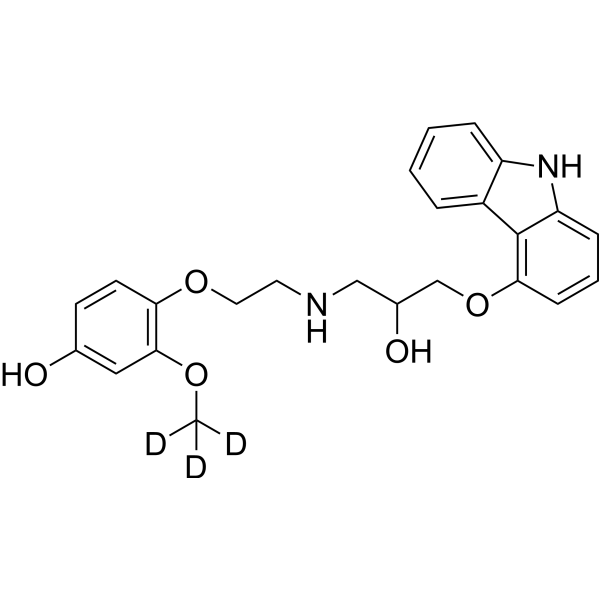
    4-Hydroxyphenyl Carvedilol, a metabolite of Carvedilol, is an active metabolite of Carvedilol (HY-B0006) and is produced via CYP2D6-mediated oxidation .
    Carvedilol metabolite 4-Hydroxyphenyl Carvedilol
  • HY-N6858

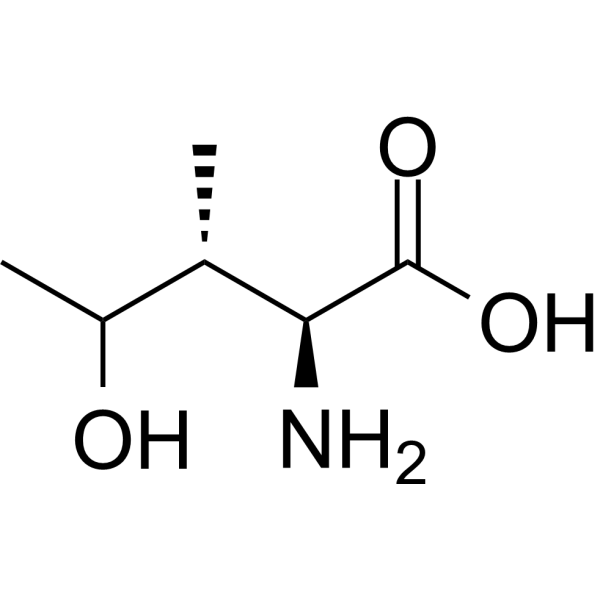
    4-​hydroxy-​L-​isoleucine

    Others Metabolic Disease
    4-Hydroxyisoleucine is an orally active amino acid that can be isolated from fenugreek seeds. 4-Hydroxyisoleucine displays insulinotropic and antidiabetic properties .
    4-Hydroxyisoleucine
  • HY-100634

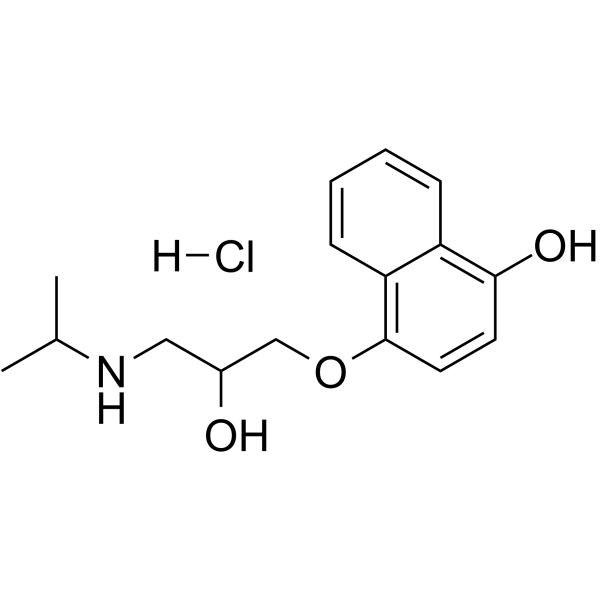
    (±)-4-hydroxy Propranolol hydrochloride

    Adrenergic Receptor Cardiovascular Disease
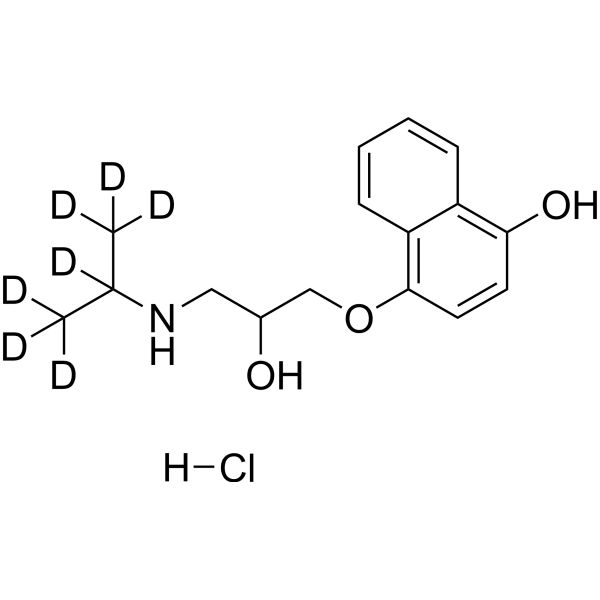
    4-Hydroxypropranolol hydrochloride is a non-cardiac selective β-adrenergic receptor antagonist and a metabolite produced after oral administration of Propranolol (HY-B0573B). 4-Hydroxypropranolol hydrochloride also acts as a membrane stabilizer and possesses intrinsic sympathomimetic inhibitory activity. 4-Hydroxypropranolol hydrochloride blocks β-adrenergic receptors to antagonize the effects of catecholamines, acts as a partial β-adrenergic receptor agonist, and induces membrane stabilization. 4-Hydroxypropranolol hydrochloride alters heart rate, left ventricular contractility, and atrioventricular conduction time. 4-Hydroxypropranolol hydrochloride can be used in research related to cardiovascular and cerebrovascular diseases .
    4-Hydroxypropranolol hydrochloride
  • HY-125904
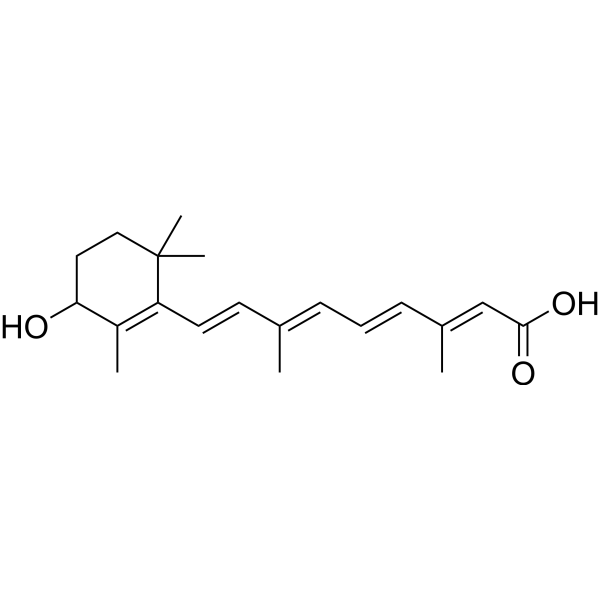
    4-Hydroxyretinoic acid
    1 Publications Verification

    RAR/RXR UGT Cytochrome P450 Apoptosis Drug Derivative Neurological Disease Inflammation/Immunology Cancer
    4-Hydroxyretinoic acid (4-HRA) is a derivative of Retinoic acid (HY-14649). 4-Hydroxyretinoic acid is formed via the catalysis of retinol by cytochrome P-450 isoenzymes. 4-Hydroxyretinoic acid also serves as a substrate for UDP-glucuronosyltransferase (s) and recombinant UGT2B7. 4-Hydroxyretinoic acid binds to the nuclear receptor RAR (Retinoic Acid Receptor), activates RAR and RXR-alpha, subsequently regulates gene expression and cell differentiation, and induces cancer cell apoptosis (Apoptosis). 4-Hydroxyretinoic acid also participates in multiple physiological processes such as immunoregulation, neuroprotection and antioxidation .
    4-Hydroxyretinoic acid
  • HY-N2208
    4-Hydroxylonchocarpin
    2 Publications Verification

    p38 MAPK Apoptosis Reactive Oxygen Species (ROS) Infection Metabolic Disease Inflammation/Immunology Cancer
    4-Hydroxylonchocarpin is a chalcone compound. 4-Hydroxylonchocarpin enhances the phosphorylation of p38 MAPK, JNK and ERK. 4-Hydroxylonchocarpin induces reactive oxygen species (ROS) and apoptosis in liver cancer cells. 4-Hydroxylonchocarpin has various pharmacological activities, including antibacterial, anticancer, anti-retroviral, anti-tuberculosis, anti-malarial and anti-inflammatory activities .
    4-Hydroxylonchocarpin
  • HY-100641

    hydroxytolbutamide

    Potassium Channel Autophagy Metabolic Disease Cancer
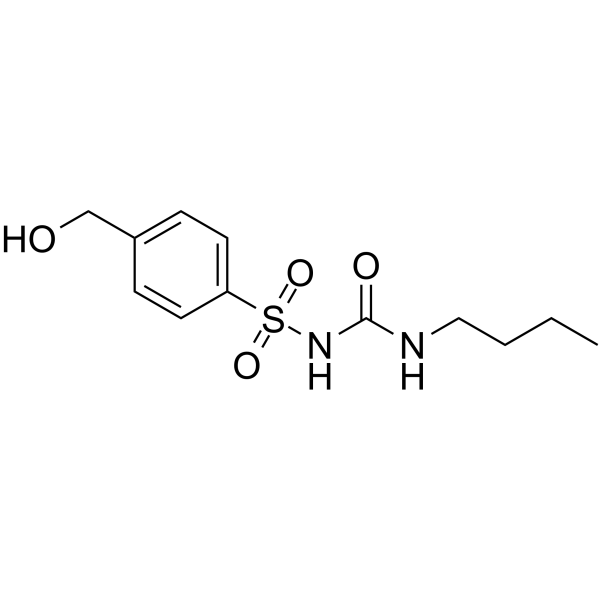
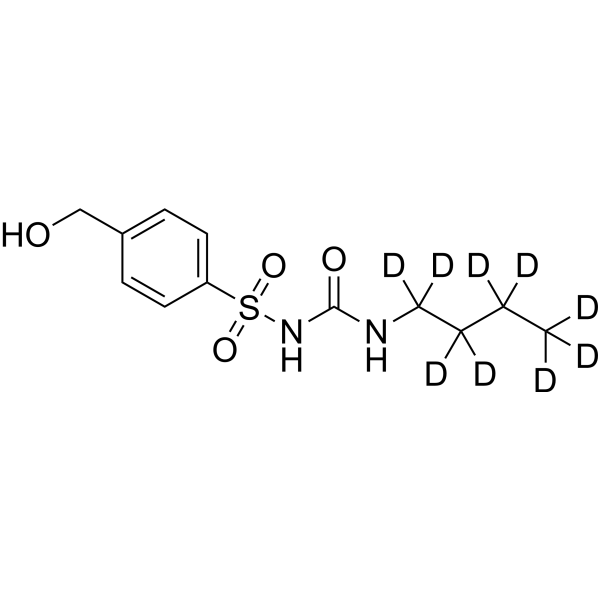
    4-Hydroxytolbutamide (Hydroxytolbutamide) is a metabolite of Tolbutamide. 4-Hydroxytolbutamide is metabolized by CYP2C8 and CYP2C9. Tolbutamide is a first generation potassium channel blocker and a sulfonylurea oral antidiabetic .
    4-Hydroxytolbutamide
  • HY-115354

    Drug Metabolite Neurological Disease
    4-Hydroxy alprazolam is a metabolite of Alprazolam. Alprazolam is metabolized primarily by hepatic microsomal oxidation, yielding 4-Hydroxy alprazolam .
    4-Hydroxy alprazolam
  • HY-113158

    Drug Metabolite Metabolic Disease
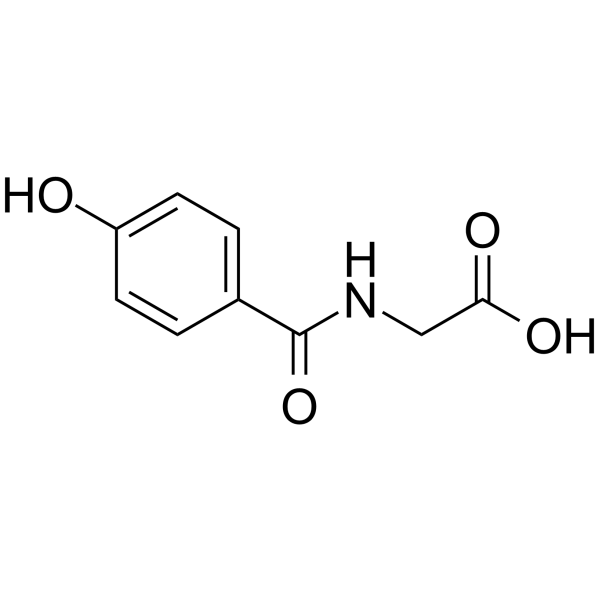
    4-Hydroxyhippuric acid is a metabolite of polyphenols. 4-Hydroxyhippuric acid is generated via medium-chain acyl-CoA dehydrogenase (MCAD)-dependent β-oxidation of microbially-produced 3-(4-hydroxyphenyl)propionic acid, followed by host glycine conjugation. 4-Hydroxyhippuric acid can be simultaneously detected in urine as a biomarker of dietary polyphenol intake .
    4-Hydroxyhippuric acid
  • HY-W010164

    Biochemical Assay Reagents Others
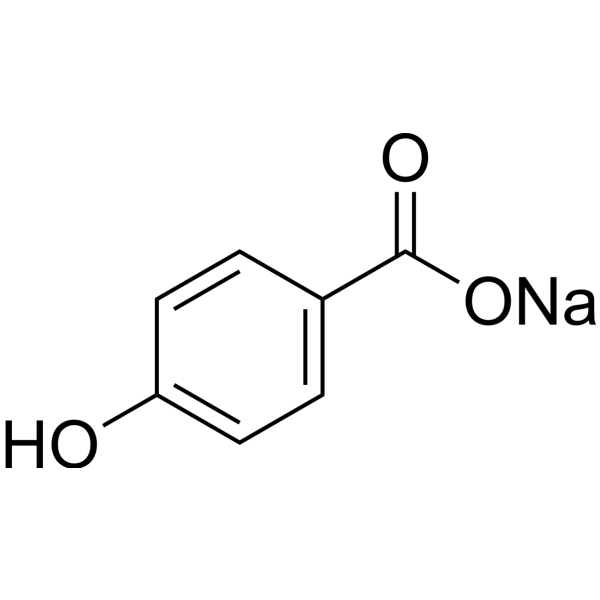
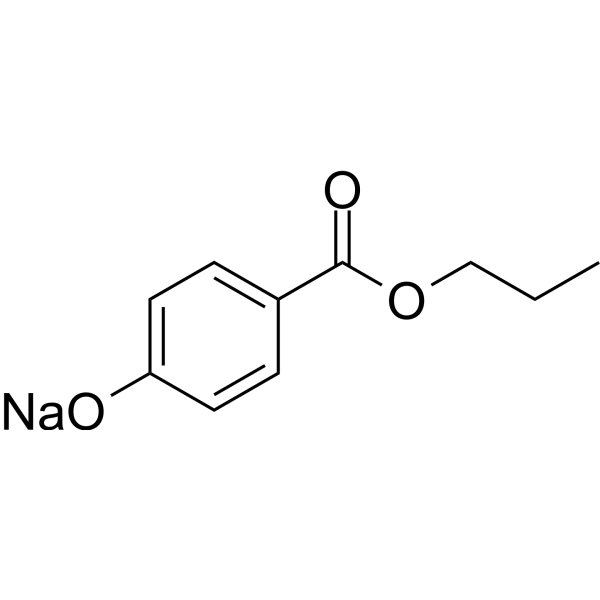
    4-Hydroxybenzoate sodium, also known as sodium p-hydroxybenzoate or sodium paraben, is commonly used as a food preservative and cosmetic preservative. It can also be used as an additive in a variety of other products, including pharmaceuticals, personal care products, and industrial products. Additionally, 4-Hydroxybenzoate sodium has the potential to function as xenoestrogens, which may mimic the effects of estrogen in the body and affect hormonal balance.
    4-Hydroxybenzoate sodium
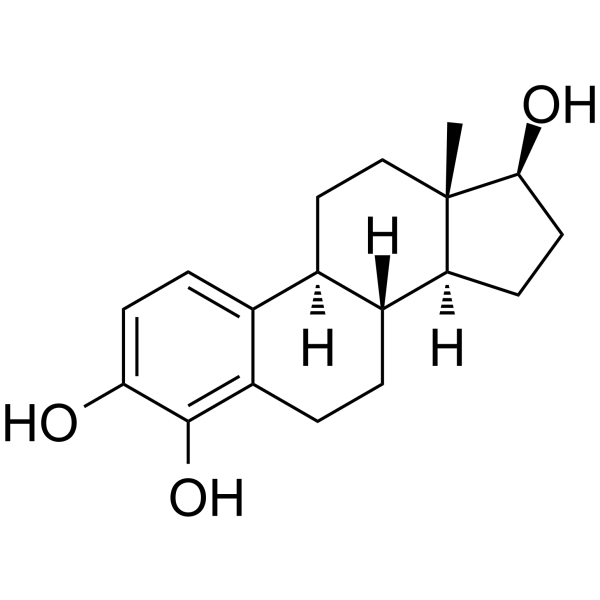
  • HY-N10403
    4-Hydroxyestradiol
    1 Publications Verification

    4-hydroxy-17β-estradiol

    Drug Metabolite Endogenous Metabolite Cancer
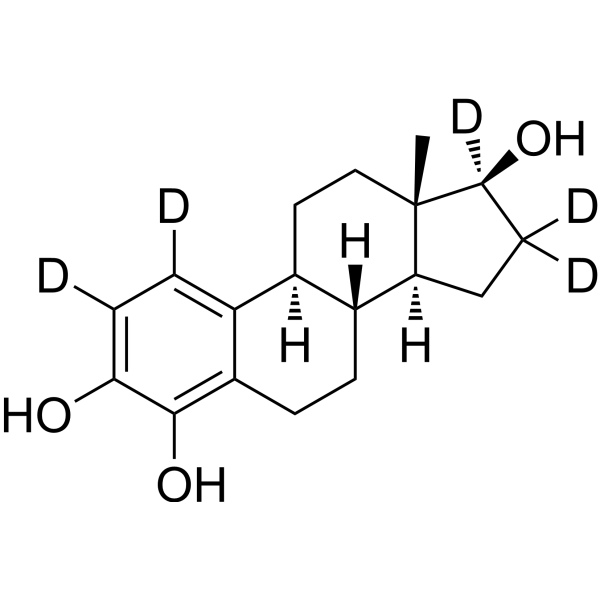
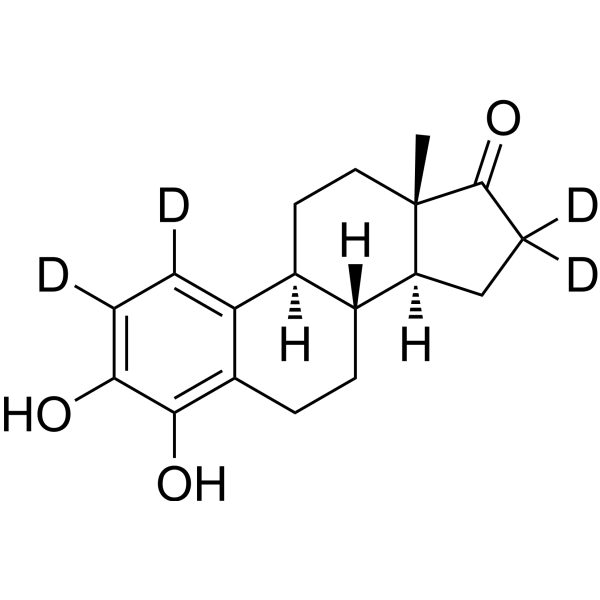
    4-Hydroxyestradiol (4-Hydroxy-17β-estradiol) is an endogenous metabolite of Estradiol (HY-B0141). 4-Hydroxyestradiol is carcinogenic and shows mutagenic activity in breast epithelial cells. 4-Hydroxyestradiol inhibits the binding of Estradiol to the estrogen receptor in a competitive manner, with a Ki of 0.48 nM .
    4-Hydroxyestradiol
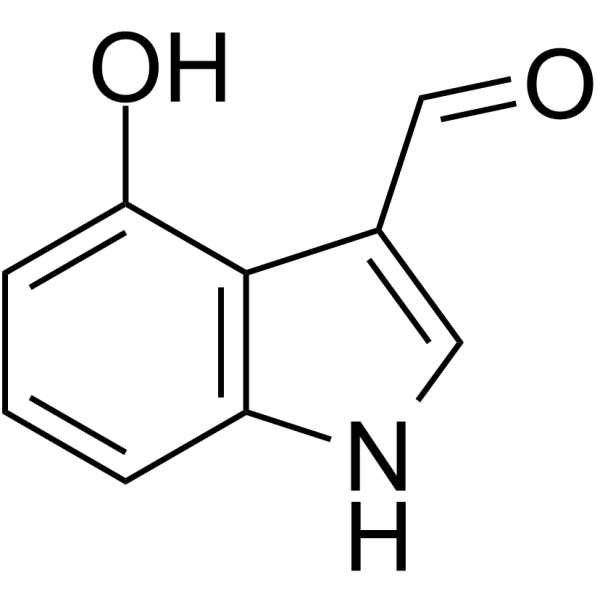
  • HY-W091541

    4-hydroxyindole-3-carboxaldehyde

    Endogenous Metabolite Others Inflammation/Immunology
    4-Hydroxy-1H-indole-3-carbaldehyde (4-Hydroxyindole-3-carboxaldehyde) is a plant metabolite. 4-Hydroxy-1H-indole-3-carbaldehyde can be isolated from Capparis spinosa L. 4-Hydroxy-1H-indole-3-carbaldehyde can be used in the synthesis of fluorescent probe. 4-Hydroxy-1H-indole-3-carbaldehyde can be used in the study of inflammation-related diseases .
    4-Hydroxy-1H-indole-3-carbaldehyde
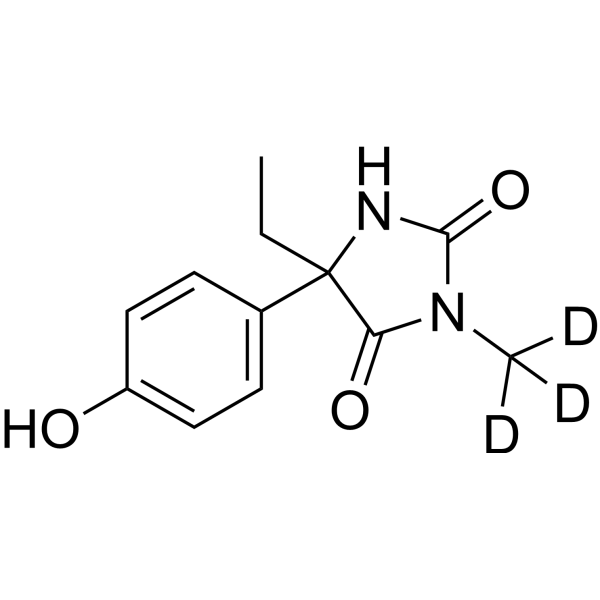
  • HY-W008772S

    Drug Metabolite Others
    4-Hydroxymephenytoin-d3 is the deuterium labeled 4-Hydroxymephenytoin. 4-Hydroxymephenytoin is a metabolism of an antiepileptic agent mephenytoin, which is used as a CYP2C19 substrate .
    4-Hydroxymephenytoin-d3
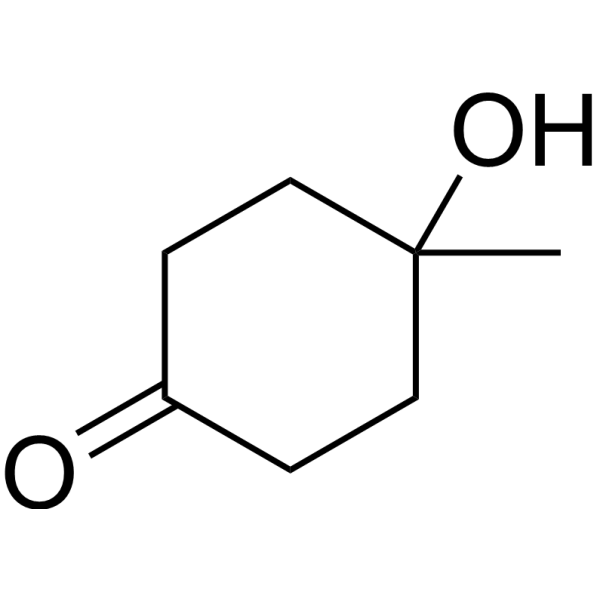
  • HY-W036733

    Biochemical Assay Reagents Others
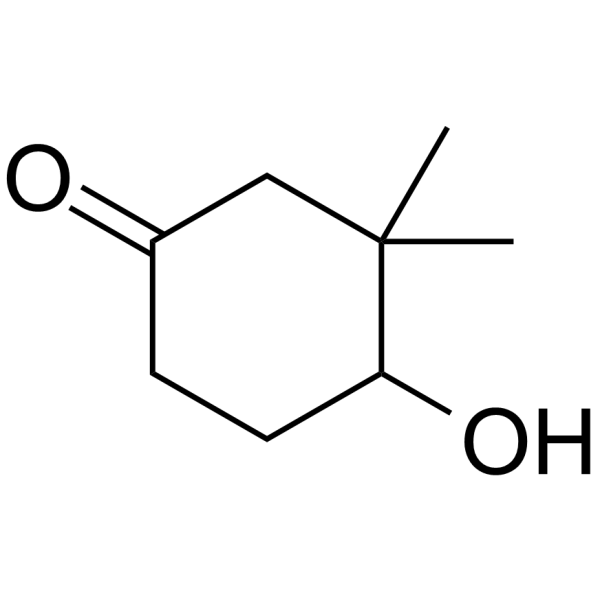
    4-Hydroxy-4-methylcyclohexanone is a useful synthetic reagent extracted from patent JP2009022162A. 4-Hydroxy-4-methylcyclohexanone can be used to synthesize trans-4-amino-1-methylcyclohexanol which is intermediate of pharmaceutical synthesis .
    4-Hydroxy-4-methylcyclohexanone
  • HY-W015823

    Endogenous Metabolite Others
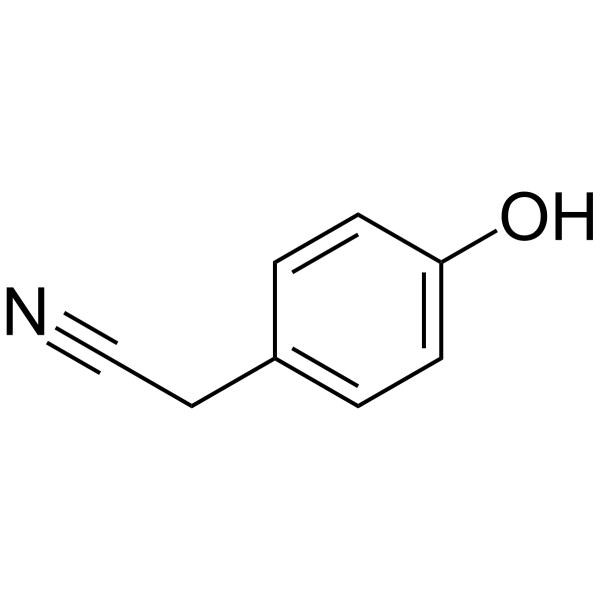
    4-Hydroxybenzyl cyanide is an aromatic nitrile compound and also a precursor for tyramine synthesis. 4-Hydroxybenzyl cyanide exhibits strong antioxidant activity .
    4-Hydroxybenzyl cyanide
  • HY-W004078

    Endogenous Metabolite Metabolic Disease
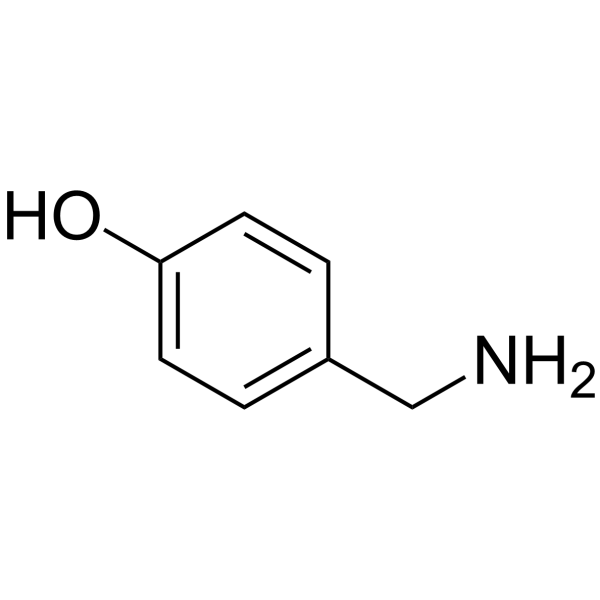
    4-Hydroxybenzylamine is a natural biogenic amine. 4-Hydroxybenzylamine can be produced through the breakdown metabolism of glucosinolates, with glutamine serving as the non-classical ammonia donor. 4-Hydroxybenzylamine can be utilized for the study of plant amine biosynthesis .
    4-Hydroxybenzylamine
  • HY-W014937

    Drug Intermediate Cancer
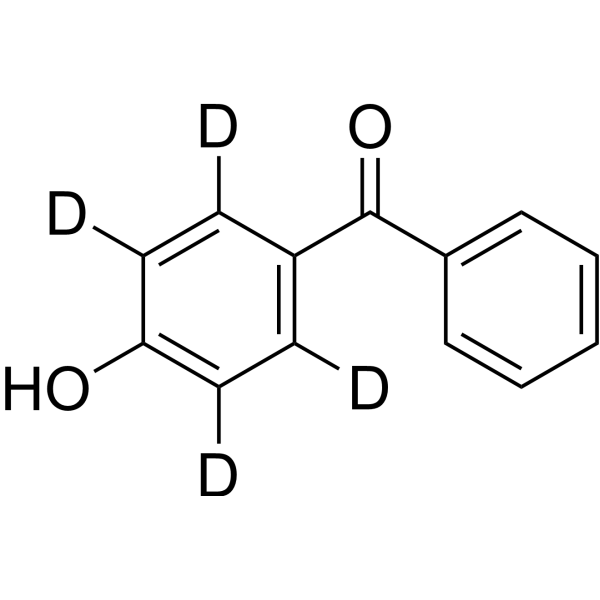
    4-Hydroxybenzophenone is an intermediate for synthesizing Tamoxifen (HY-13757A) and can be used as a source for chemical synthesis, UV protection products, and UV-absorbing ingredients in cosmetics .
    4-Hydroxybenzophenone
  • HY-133116

    Adrenergic Receptor Neurological Disease
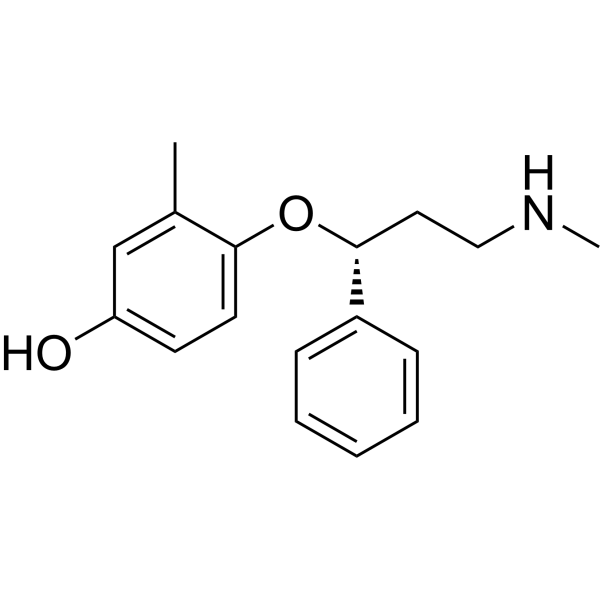
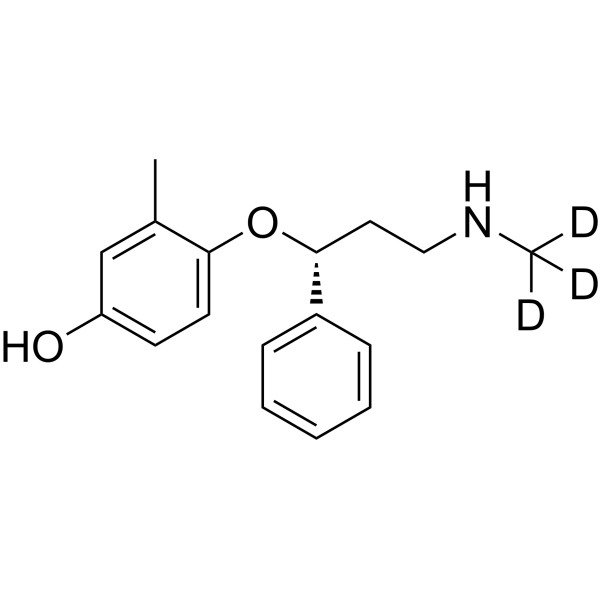
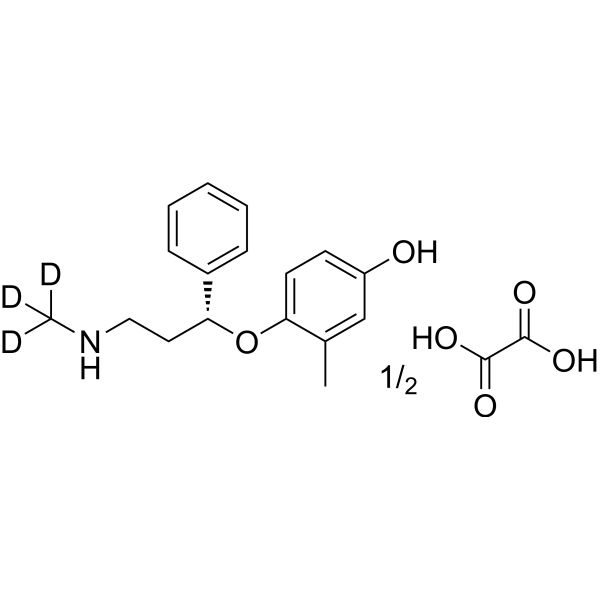
    4-Hydroxyatomoxetine is an active metabolite of Atomoxetine. 4-Hydroxyatomoxetine is metabolized by the enzyme cytochrome P450 2D6 (CYP2D6). Atomoxetine hydrochloride is a potent and selective noradrenalin re-uptake inhibitor (Ki values are 5 nM, 77 nM and 1451 nM for inhibition of radioligand binding to human NET, SERT and DAT respectively) .
    4-Hydroxyatomoxetine
  • HY-W009300
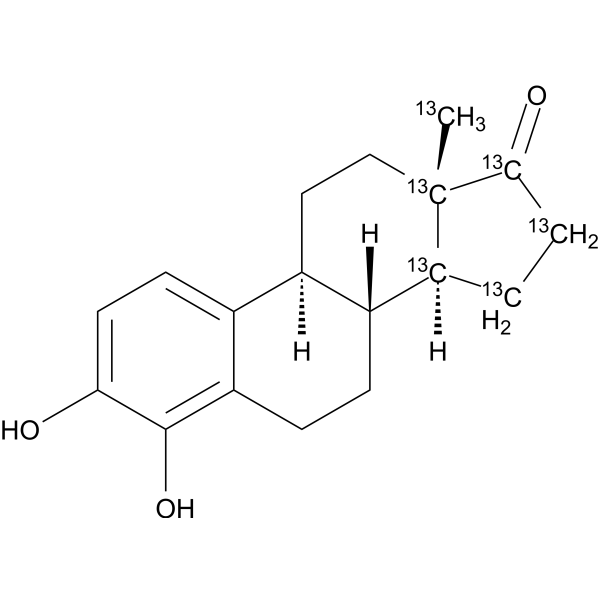
    4-Hydroxyestrone
    1 Publications Verification

    4-OHE1

    Endogenous Metabolite Estrogen Receptor/ERR Sirtuin MDM-2/p53 PDI Ferroptosis Reactive Oxygen Species (ROS) Neurological Disease Metabolic Disease Cancer
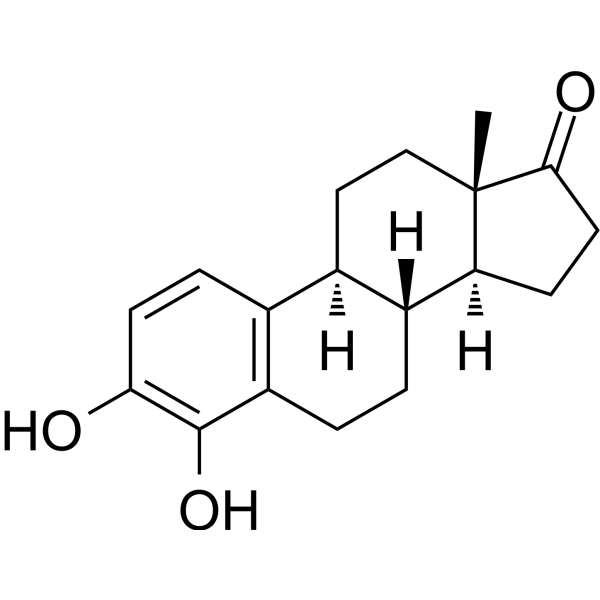
    4-Hydroxyestrone (4-OHE1) is a brain-penetrant estrogen metabolite. 4-Hydroxyestrone shows neuroprotective effects involving increased cytoplasmic localization of p53 resulting from SIRT1-mediated p53 deacetylation. 4-Hydroxyestrone relies on PDI to mediate its protective effect against chemically induced ferroptosis in estrogen receptor-negative cancer cells. 4-Hydroxyestrone inhibits lipid peroxidation and lipid-ROS accumulation. 4-Hydroxyestrone blocks preovulatory luteinizing hormone surges in Rattus norvegicus. 4-Hydroxyestrone can be used for the researches of neurodegeneration, breast cancer and endocrine disease .
    4-Hydroxyestrone
  • HY-Y0264S

    Isotope-Labeled Compounds Infection
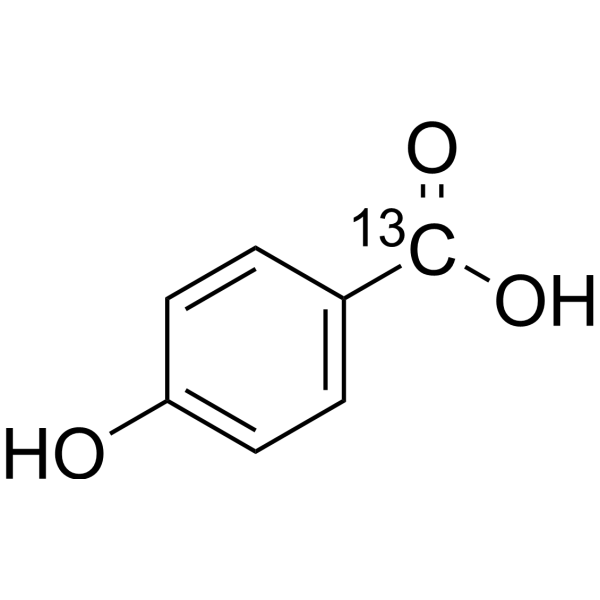
    4-Hydroxybenzoic acid- 13C6 is the 13C labeled isotope of 4-Hydroxybenzoic acid- 13C6.4-Hydroxybenzoic acid is a phenolic derivative of benzoic acid, which can inhibit most Gram-positive bacteria and some Gram-negative bacteria with an IC50 value of 160 μg/mL.
    4-Hydroxybenzoic acid-13C6
  • HY-W104819

    4-hydroxyphenylglyoxylic acid; 4-HPGA

    Acyltransferase Carnitine Palmitoyltransferase (CPT) Metabolic Disease
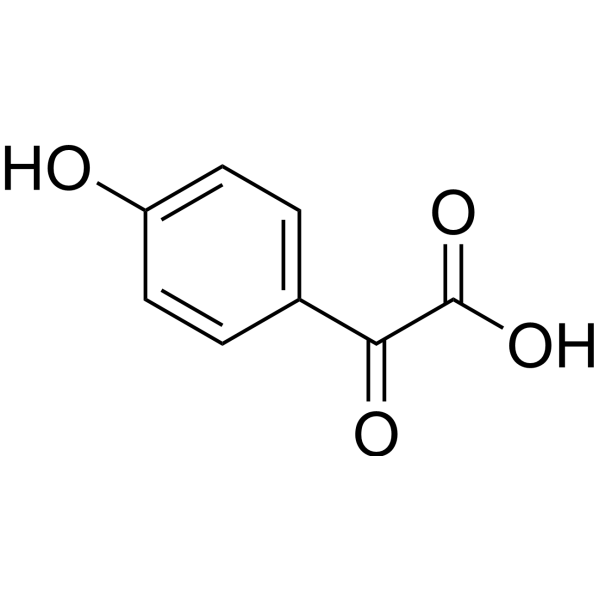
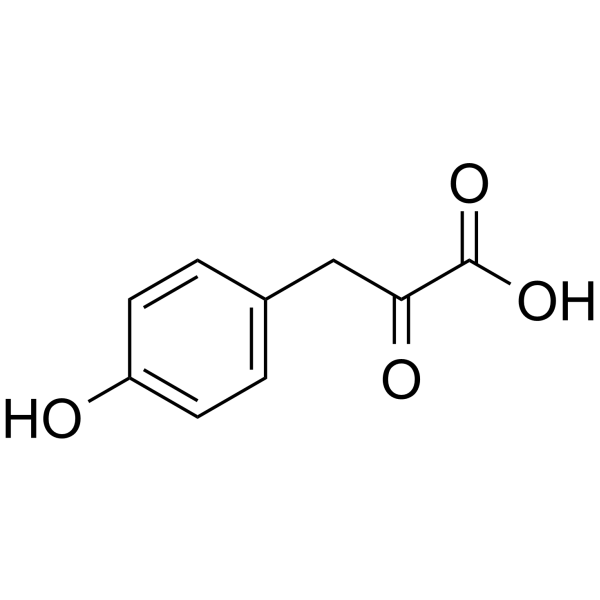
    4-Hydroxyphenylglyoxylate (4-Hydroxyphenylglyoxylic acid) is an inhibitor of carnitine palmitoyltransferase I (CPT I). 4-Hydroxyphenylglyoxylate can be used to study sensitivity changes in CPT I of liver mitochondria and fatty acid oxidation by isolated hepatocytes. 4-Hydroxyphenylglyoxylate can inhibits fatty acid oxidation .
    4-Hydroxyphenylglyoxylate
  • HY-118796

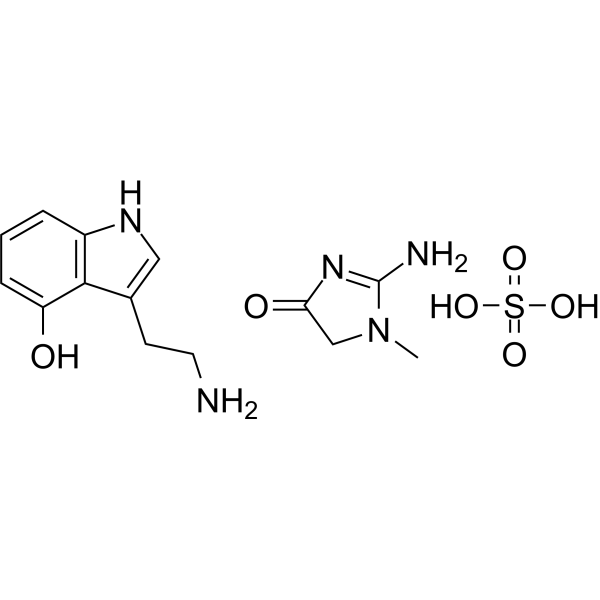
    4-HO-MET; 4-hydroxy-N-methyl-N-ethyltryptamine

    5-HT Receptor Serotonin Transporter Neurological Disease
    4-Hydroxy MET (4-HO-MET; 4-Hydroxy-N-methyl-N-ethyltryptamine) is a synthetic tryptamine psychoactive substance. 4-Hydroxy MET is a partial 5-HT2A receptor agonist, a serotonin transporter inhibitor and weak norepinephrine transporter inhibitor. 4-Hydroxy MET affects emotional, motoric, and cognitive functions via serotonergic hallucinogenic activity .
    4-Hydroxy MET
  • HY-W766140

    4-hydroxy duloxetine glucuronide sodium; LY550408 sodium

    Drug Metabolite Metabolic Disease
    4-Hydroxy duloxetine β-D-glucuronide (4-Hydroxy duloxetine glucuronide) sodium is a major metabolite of Duloxetine (HY-B0161). 4-Hydroxy duloxetine β-D-glucuronide sodium is promising for research of hepatic or renal impairment .
    4-Hydroxy duloxetine β-D-glucuronide sodium
  • HY-W088191

    Drug Intermediate Cardiovascular Disease
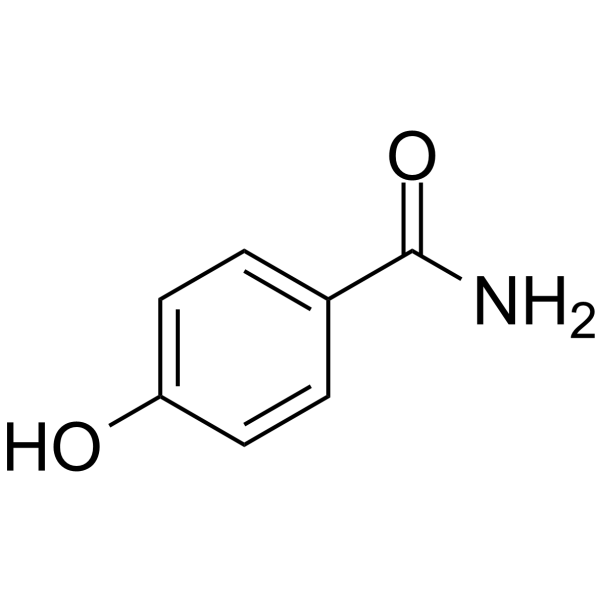
    4-Hydroxybenzamide, found in the herb of Berberis pruinosa, is a known natural product that has potential to slow down the progression of atherosclerosis .
    4-Hydroxybenzamide
  • HY-W612296

    PROTAC Linkers Cancer
    4-Hydroxybutanal is a PROTAC linker that can be used in the synthesis of PROTACs.
    4-Hydroxybutanal
  • HY-W088320

    p-Anilinophenol; 4-hydroxy-DPA

    Drug Intermediate Others
    4-Hydroxydiphenylamine (p-Anilinophenol; 4-Hydroxy-DPA) is an aromatic amine organic compound. 4-Hydroxydiphenylamine has antioxidant activity and is also used as a catalyst or intermediate in some chemical reactions to synthesize other compounds. 4-Hydroxydiphenylamine can be used in the research of environmental science and toxicology .
    4-Hydroxydiphenylamine
  • HY-W014937S1

    Isotope-Labeled Compounds Others
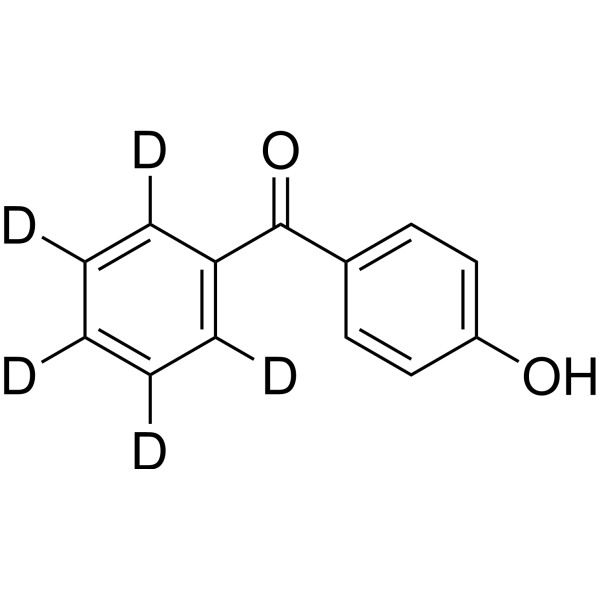
    4-Hydroxybenzophenone-d5 is the deuterium labeled 4-Hydroxybenzophenone .
    4-Hydroxybenzophenone-d5
  • HY-N1902S1

    Keap1-Nrf2 Endogenous Metabolite Metabolic Disease
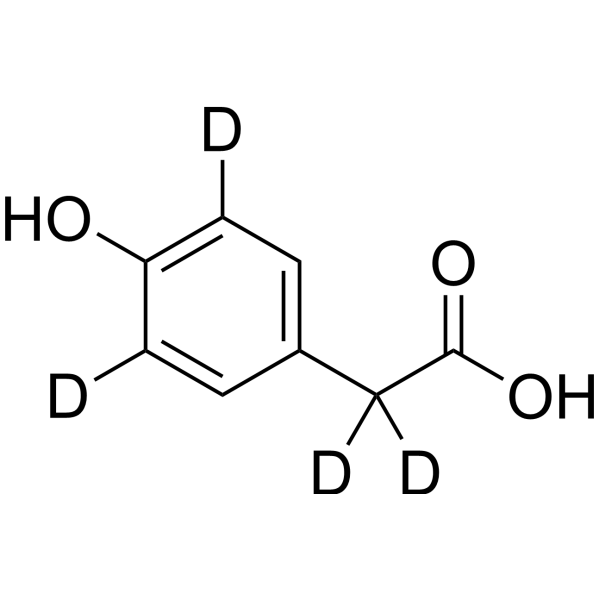
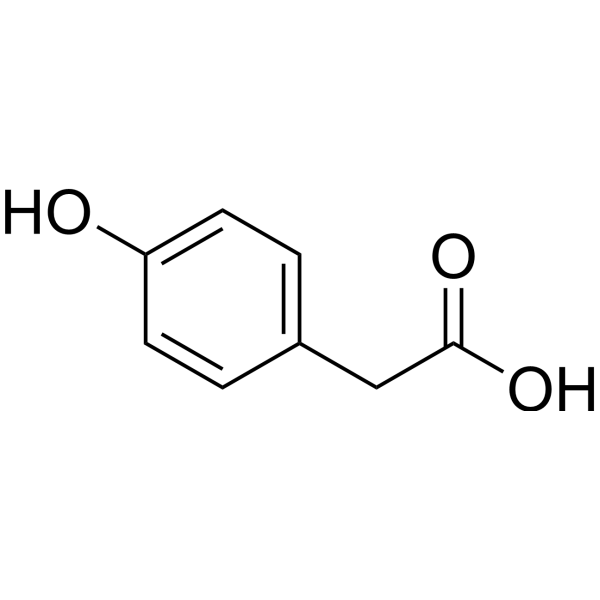
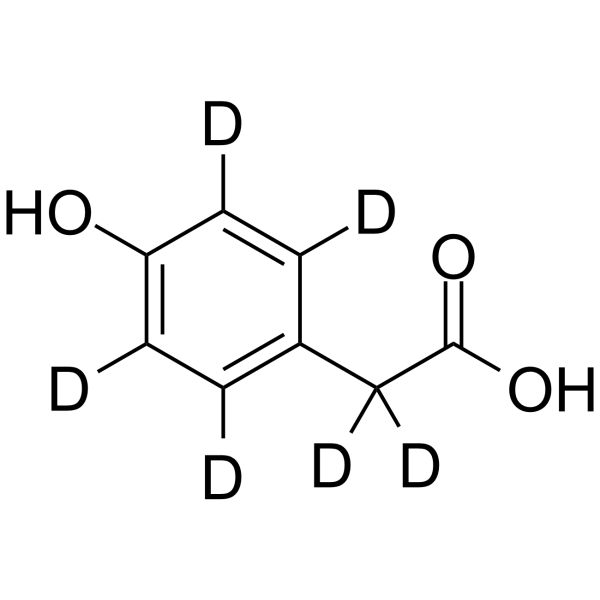
    4-Hydroxyphenylacetic acid-d4 is the deuterium labeled 4-Hydroxyphenylacetic acid . 4-hydroxyphenylacetic acid, a major microbiota-derived metabolite of polyphenols, is involved in the antioxidative action. 4-hydroxyphenylacetic acid induces expression of Nrf2 .
    4-Hydroxyphenylacetic acid-d4
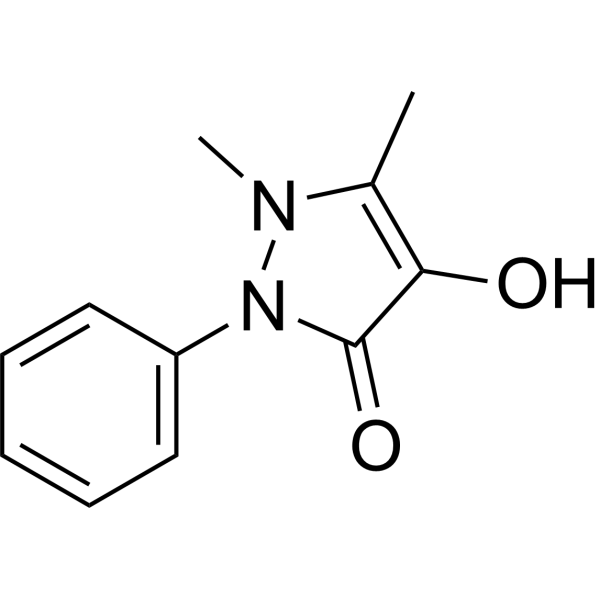
  • HY-B2150

    4-hydroxyphenazone; NSC 174055

    Drug Metabolite Others
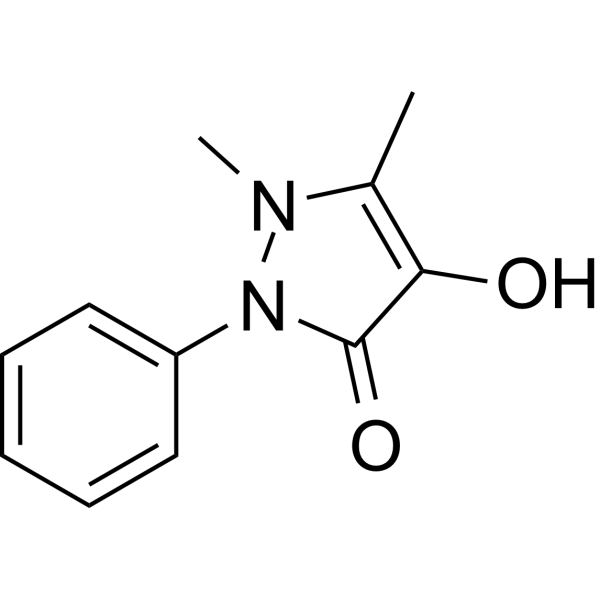
    4-Hydroxyantipyrine (4-Hydroxyphenazone; NSC 174055) is the major metabolite of Antipyrine (HY-B0171), can be as a biodistribution promoter. 4-Hydroxyantipyrine can increase distribution of concentration ratio of Citicoline and Antipyrine in the brain .
    4-Hydroxyantipyrine
  • HY-33528

    4-hydroxybenzene-1,2-dicarboxylic acid

    MOFs Others
    4-Hydroxyphthalic acid (4-Hydroxybenzene-1,2-dicarboxylic acid) is a metal-organic framework (MOF).
    4-Hydroxyphthalic acid
  • HY-12767S

    4-hydroxycarvedilol-d5

    Drug Metabolite Isotope-Labeled Compounds Cardiovascular Disease Inflammation/Immunology Cancer
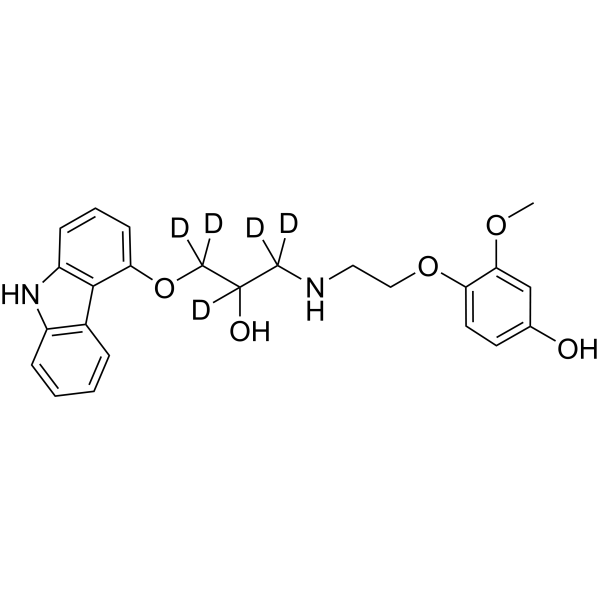
    4-Hydroxyphenyl Carvedilol-d5 is the deuterium labeled 4-Hydroxyphenyl Carvedilol.
    4-Hydroxyphenyl Carvedilol-d5
  • HY-33914

    Drug Metabolite Metabolic Disease
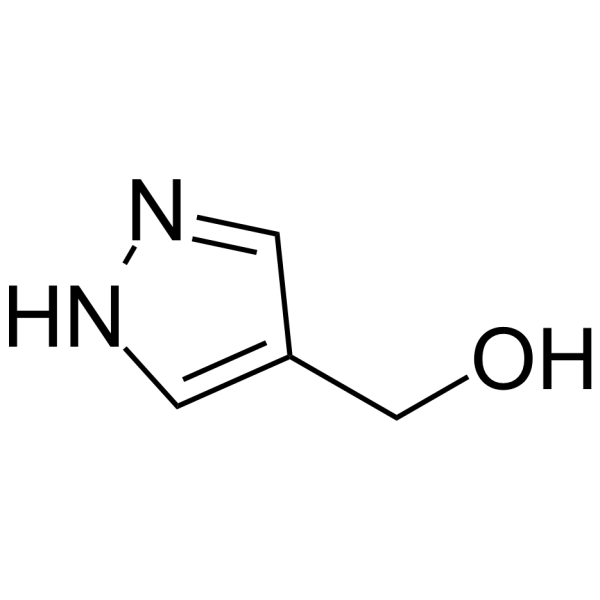
    4-Hydroxymethylpyrazole is the primary metabolite of Fomepizole (HY-B0876) produced through hepatic oxidative metabolism. 4-Hydroxymethylpyrazole exhibits a plasma concentration that is positively correlated with the administered dosage of Fomepizole, and it demonstrates a relatively short half-life. 4-Hydroxymethylpyrazole demonstrates inhibitory effects on alcohol dehydrogenase (ADH) in both humans and monkeys, but its inhibition constant is significantly higher than that of Fomepizole, rendering its in vivo impact negligible .
    4-Hydroxymethylpyrazole
  • HY-N16394

    Endogenous Metabolite Cancer
    4-Hydroxyscytalone (Compound 3) is a microbial secondary metabolite. 4-Hydroxyscytalone can be isolated from the oak fungus Diplodia corticola. 4-Hydroxyscytalone has toxicity against Artemia salina with a LC50 of 90.6 μ/mL, but no significant antifungal activity. 4-Hydroxyscytalone can be used for cancer therapy research .
    4-Hydroxyscytalone
  • HY-177977

    Alp2b

    Drug Metabolite Cardiovascular Disease
    4-Hydroxyalprenolol (Alp2b) is a metabolite of β-receptor blocker Alprenolol (HY-B1517) .
    4-Hydroxyalprenolol
  • HY-W098556

    Insecticide Infection
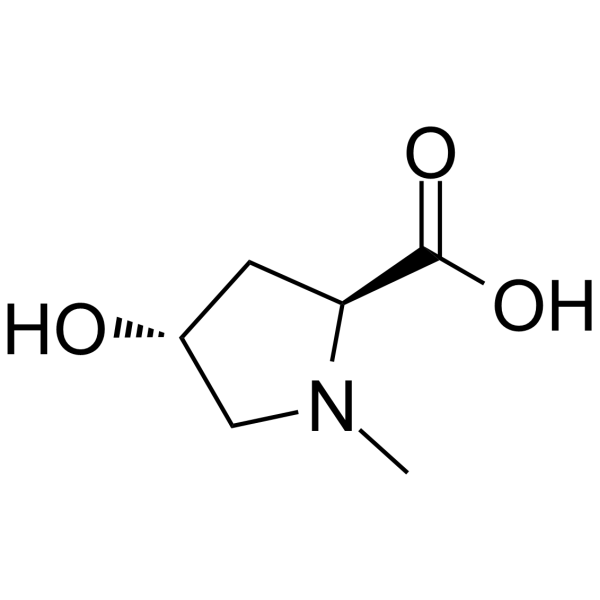
    4-Hydroxyhygric acid is a compound isolated from leaves of five species of the leguminous tropical tree Copuiferq. 4-Hydroxyhygric acid is the inhibitor of larval development of the seed-feeding bruchid beetle Callosobruchus maculatus and to have significant feeding deterrence of the leaf-feeding lepidopteran Spodoprera littoralis .
    4-Hydroxyhygric acid
  • HY-135325

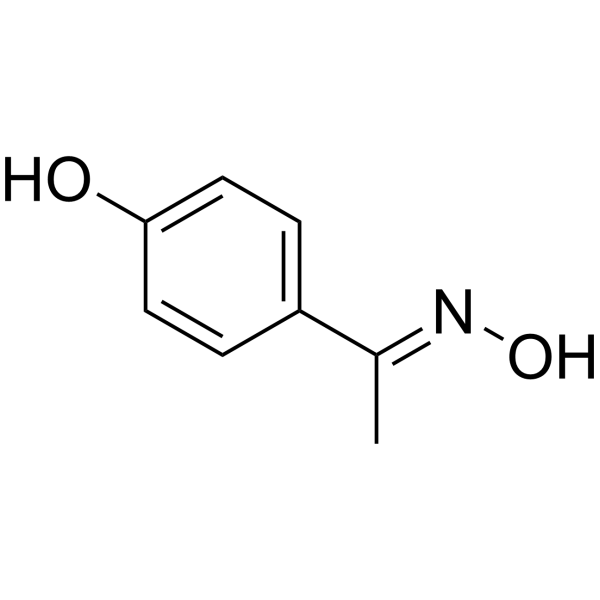
    Drug Metabolite Inflammation/Immunology
    4-Hydroxyacetophenone oxime is an impurity of Acetaminophen (Paracetamol). Acetaminophen is a potent cyclooxygenase-2 (COX-2) and hepatic N-acetyltransferase 2 (NAT2) inhibitor, and used antipyretic and analgesic agent .
    4-Hydroxyacetophenone oxime
  • HY-W328786

    Drug Metabolite Metabolic Disease
    4-Hydroxy-BHT is metabolite of Butylated hydroxytoluene (HY-Y0172) and used as an indicator of exposure to Butylated hydroxytoluene. Butylated hydroxytoluene is a phenolic antioxidant used widely in processed foods and petroleum products .
    4-Hydroxy-BHT
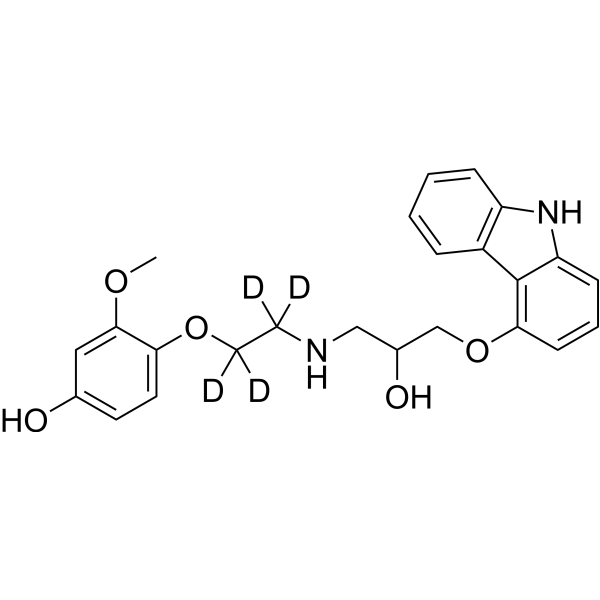
  • HY-12767S1

    4-hydroxyphenyl Carvedilol-d4; 4-hydroxycarvedilol-d4

    Isotope-Labeled Compounds Cancer
    Carvedilol metabolite 4-Hydroxyphenyl Carvedilol-d4 is deuterated labeled Carvedilol metabolite 4-Hydroxyphenyl Carvedilol (HY-12767). 4-Hydroxyphenyl Carvedilol is a metabolite of Carvedilol.
    Carvedilol metabolite 4-Hydroxyphenyl Carvedilol-d4
  • HY-N10403R

    4-hydroxy-17β-estradiol (Standard)

    Reference Standards Drug Metabolite Endogenous Metabolite Cancer
    ABZ-amine (Standard) is the analytical standard of ABZ-amine. This product is intended for research and analytical applications. ABZ-amine (Amino albendazole) is an impurity of Albendazole. Albendazole is a member of the benzimidazole compounds used as a agent indicated for the treatment of a variety of worm infestations .
    4-Hydroxyestradiol (Standard)
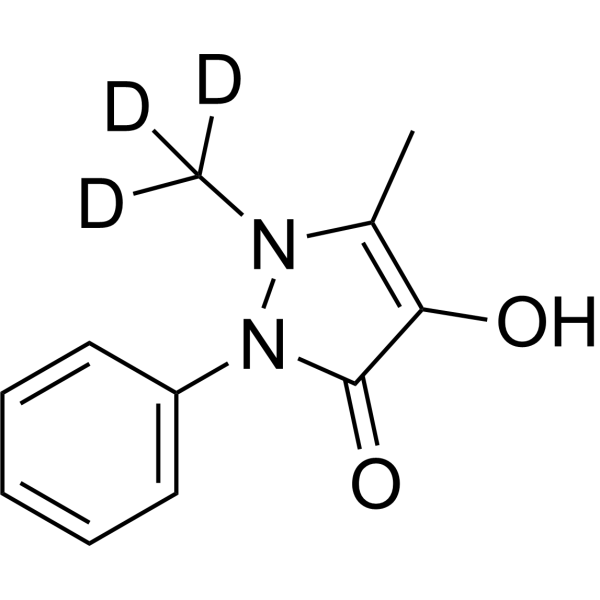
  • HY-B2150S

    4-hydroxyphenazone-d3; NSC 174055-d3

    Drug Metabolite Isotope-Labeled Compounds Others
    4-Hydroxyantipyrine-d3 is the deuterium labeled 4-Hydroxyantipyrine. 4-Hydroxyantipyrine is the major metabolite of Antipyrine, can be as a biodistribution promoter. 4-Hydroxyantipyrine can increase distribution of concentration ratio of Antipyrine in the brain .
    4-Hydroxyantipyrine-d3
  • HY-115354S

    4-hydroxyalprazolam-d5; RS-4-hydroxyalprazolam-d5

    Isotope-Labeled Compounds Others
    4-Hydroxy Alprazolam-d5 (4-Hydroxyalprazolam-d5; RS-4-Hydroxyalprazolam-d5) is the deuterium labeled 4-hydroxy Alprazolam (HY-115354) .
    4-Hydroxy Alprazolam-d5
  • HY-B2150R

    4-hydroxyphenazone (Standard); NSC 174055 (Standard)

    Reference Standards Drug Metabolite Others
    4-Hydroxyantipyrine (Standard) is the analytical standard of 4-Hydroxyantipyrine. This product is intended for research and analytical applications. 4-Hydroxyantipyrine (4-Hydroxyphenazone; NSC 174055) is the major metabolite of Antipyrine (HY-B0171), can be as a biodistribution promoter. 4-Hydroxyantipyrine can increase distribution of concentration ratio of Citicoline and Antipyrine in the brain .
    4-Hydroxyantipyrine (Standard)
  • HY-100634SA

    (±)-4-hydroxy Propranolol-d7

    Isotope-Labeled Compounds Adrenergic Receptor Neurological Disease
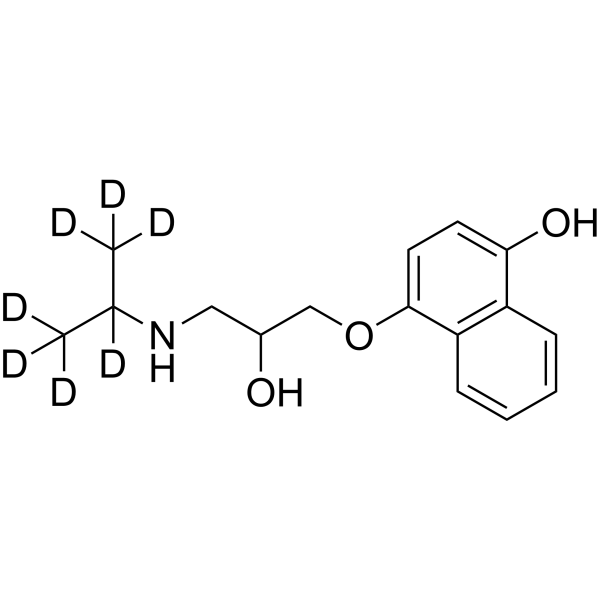
    4-Hydroxypropranolol-d7 is the deuterium labeled 4-Hydroxypropranolol hydrochloride. 4-Hydroxypropranolol hydrochlorid is an active metabolite of Propranolol. 4-Hydroxypropranolol hydrochlorid is of comparable potency to Propranolol. 4-Hydroxypropranolol hydrochlorid inhibits β1- and β2-adrenergic receptors with pA2 values of 8.24 and 8.26, respectively. 4-Hydroxypropranolol hydrochlorid has intrinsic sympathomimetic activity, membrane stabilizing activity and potent antioxidant properties .
    4-Hydroxypropranolol-d7

オンラインお問い合わせ

入力情報は安全に管理されます. 必須入力項目.

タイトル


国或いは地域 *

お名前 *


組纖名 *

デパートメント *


メールアドレス *


製品名 *

製品番号


カスタマ需要量 *

電話番号 *


必ず会社名を記載ください。個人への返信は行いません。

備考

バルクお問い合わせ

Inquiry Information

製品名:
製品番号:
数量:
MCE 日本正規代理店: