1. Search Result
Search Result
Results for "

CREB

" in MedChemExpress (MCE) Product Catalog:

152

Inhibitors & Agonists

1

Fluorescent Dyes

1

Biochemical Assay Reagents

15

Peptides

28

Natural
Products

3

Recombinant Proteins

7

Isotope-Labeled Compounds

24

Antibodies

15

Oligonucleotides

1

GMP Molecules

Cat. No. Product Name Target Research Areas Chemical Structure
  • HY-101120
    666-15
    55+ Cited Publications

    Epigenetic Reader Domain Cancer
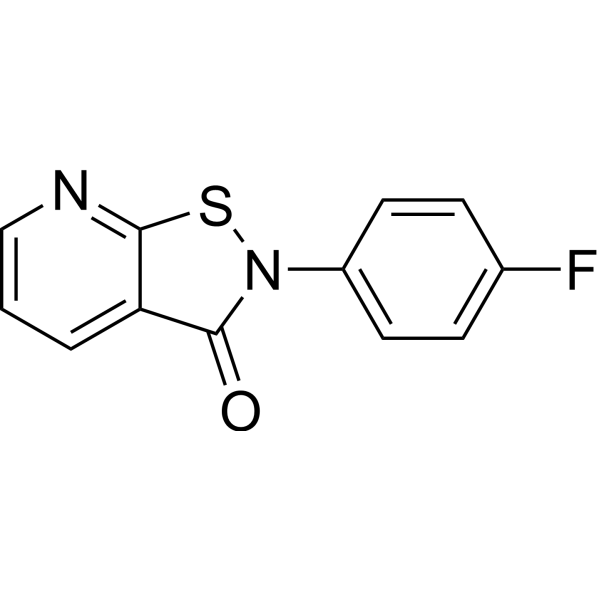
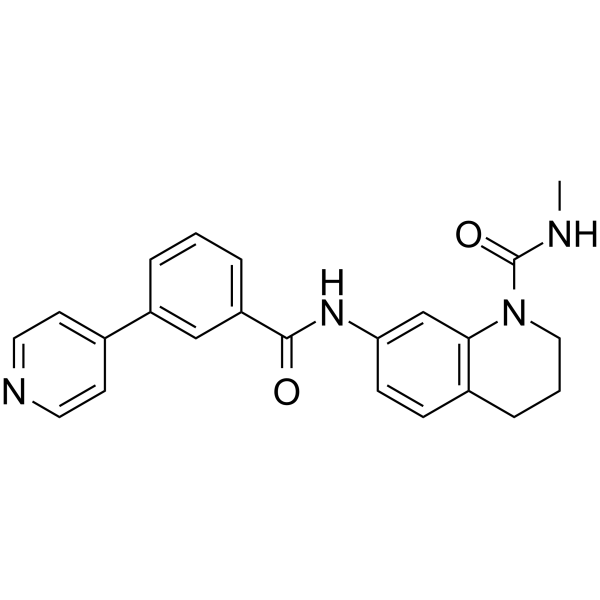
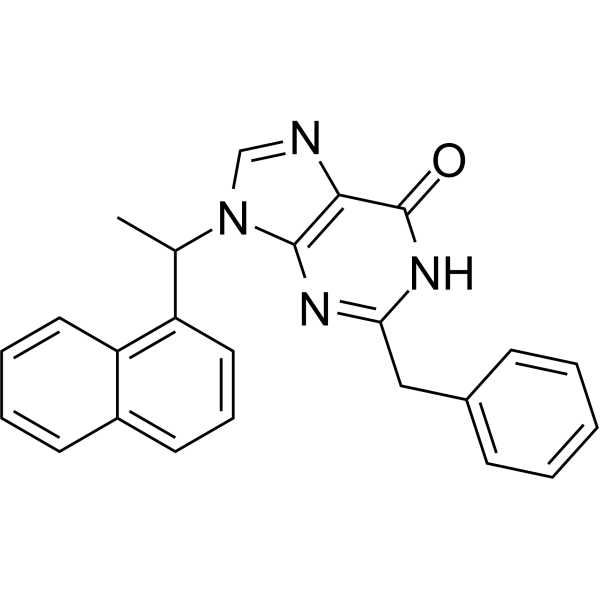
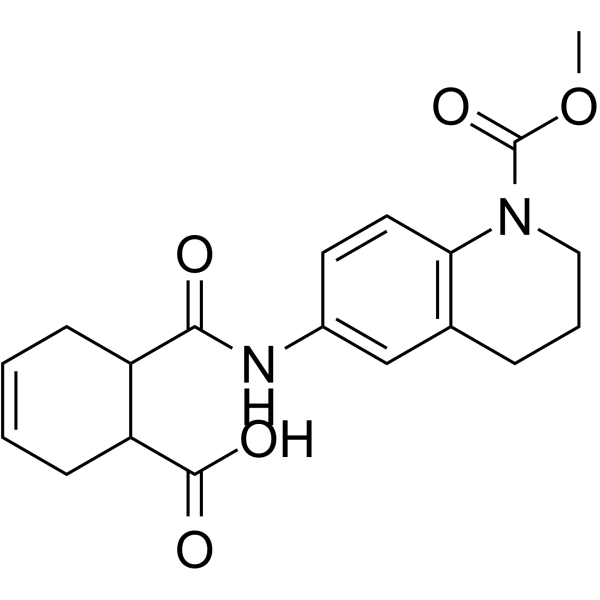
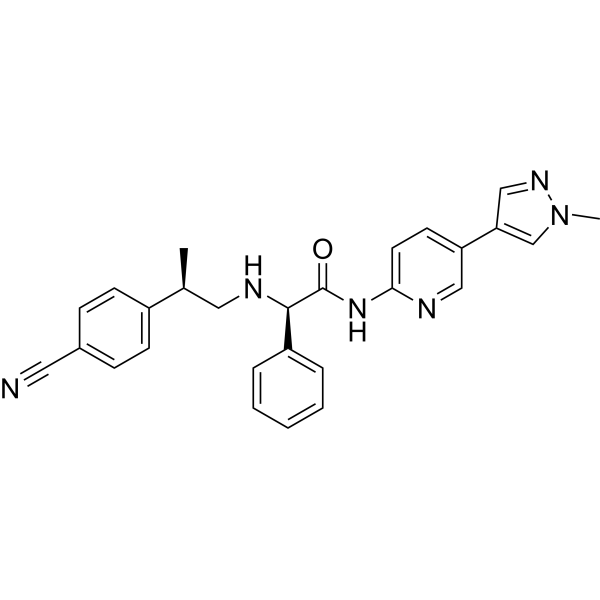
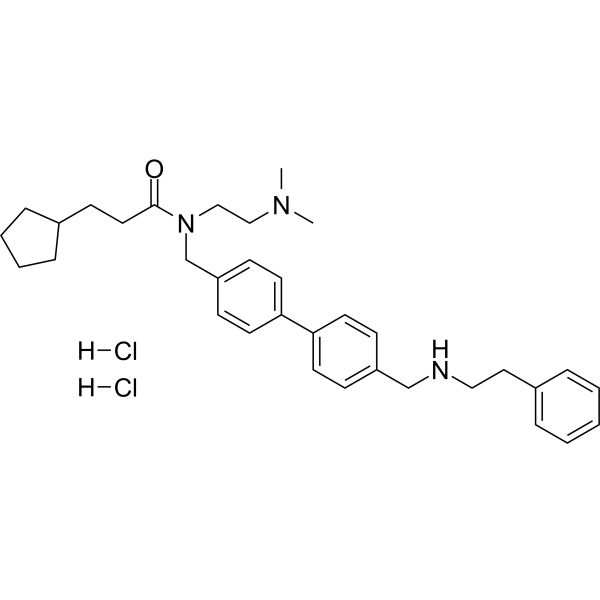
    666-15 is a potent and selective CREB inhibitor with an IC50 of 81 nM. 666-15 suppresses tumor growth in a breast cancer xenograft model .
    666-15
  • HY-N0265
    Asperosaponin VI
    3 Publications Verification

    Akebia saponin D

    Caspase Apoptosis PERK p38 MAPK Akt HIF/HIF Prolyl-Hydroxylase PPAR Cardiovascular Disease Neurological Disease
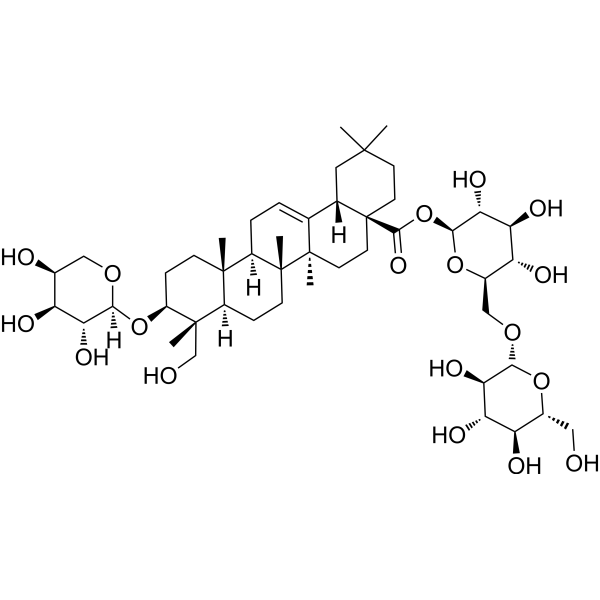
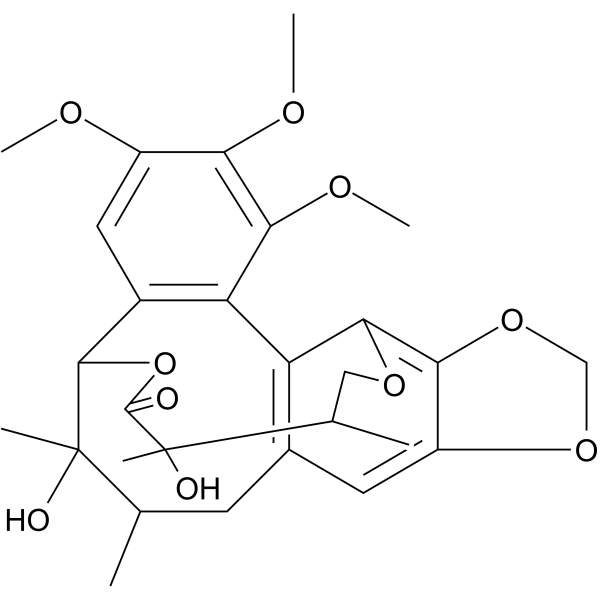
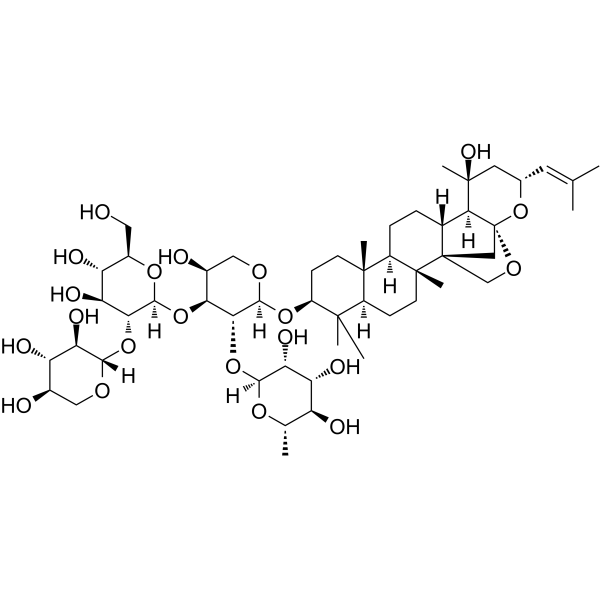
    Asperosaponin VI is a saponin component from Dipsacus asper. Asperosaponin VI induces osteoblast differentiation through the BMP-2/p38 and ERK1/2 signaling pathways. Asperosaponin VI protects against hypoxia-induced cardiomyocyte apoptosis by activating the PI3K/Akt and CREB pathways. Additionally, Asperosaponin VI also has antidepressant and wound-healing-promoting activities .
    Asperosaponin VI
  • HY-B1203

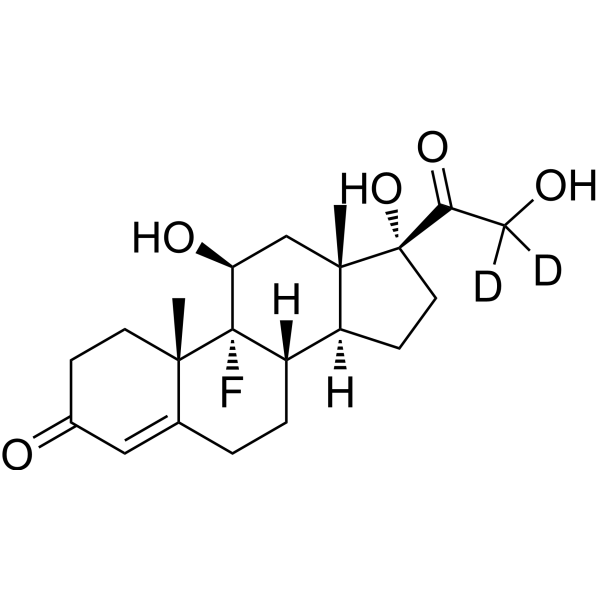
    9α-Fludrocortisone; 9α-Fluorcortisol

    Mineralocorticoid Receptor Glucocorticoid Receptor Apoptosis Neurological Disease Metabolic Disease Inflammation/Immunology Cancer
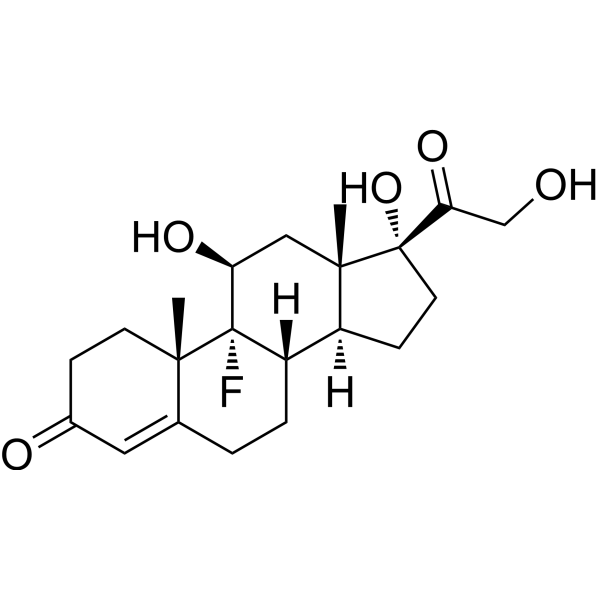
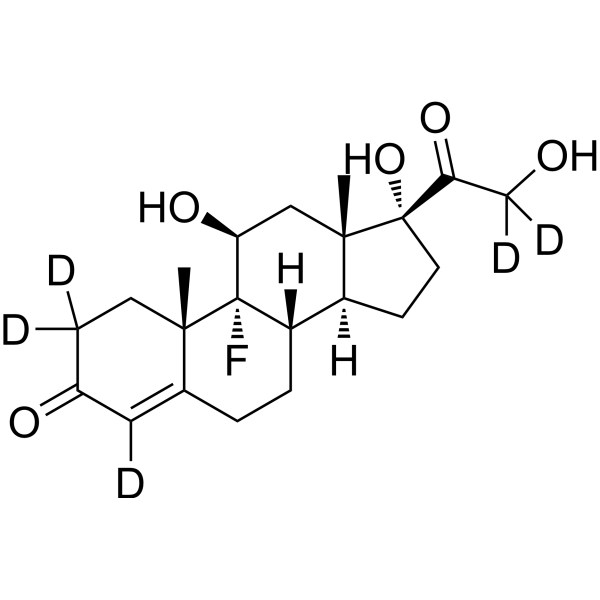
    Fludrocortisone (9α-Fludrocortisone) is an orally active mineralocorticoid and glucocorticoid receptor agonist. Fludrocortisone suppresses pro-inflammatory cytokine expression, reduces CCL2, IL-6, IL-8 levels, upregulates mineralocorticoid receptor (MR) expression, induces PI3K/Akt, GSK-3β, CREB, ERK1/2, mTOR phosphorylation, blocks Tau hyperphosphorylation, prevents apoptosis, promotes survival and proliferation, enhances renal sodium and water transport, increases plasma volume and blood pressure, reduces plasma potassium and renin activity, stimulates erythropoietin expression, modulates uterine receptivity genes, and reverses PP242-induced MUC1 upregulation. Fludrocortisone can be used for the research of congenital adrenal hyperplasia, postural hypotension, and adrenal insufficiency .
    Fludrocortisone
  • HY-133529
    PA-8
    2 Publications Verification

    PACAP Receptor Neurological Disease Inflammation/Immunology
    PA-8 is a potent, selective and orally active PACAP type I (PAC1) receptor antagonist. PA-8 inhibits the phosphorylation of CREB induced by PACAP in PAC1-, but not VPAC1- or VPAC2-receptor. PA-8 also inhibits PACAP-induced cAMP elevation with an IC50 of 2 nM .
    PA-8
  • HY-103299
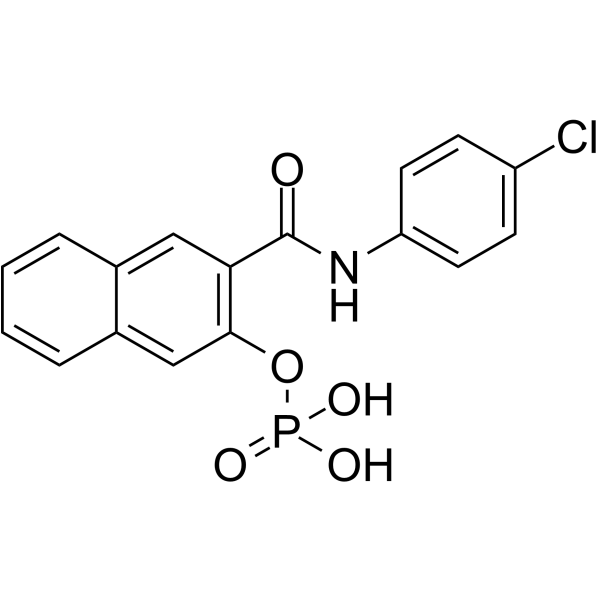
    KG-501
    20+ Cited Publications

    Naphthol AS-E phosphate

    Epigenetic Reader Domain Inflammation/Immunology
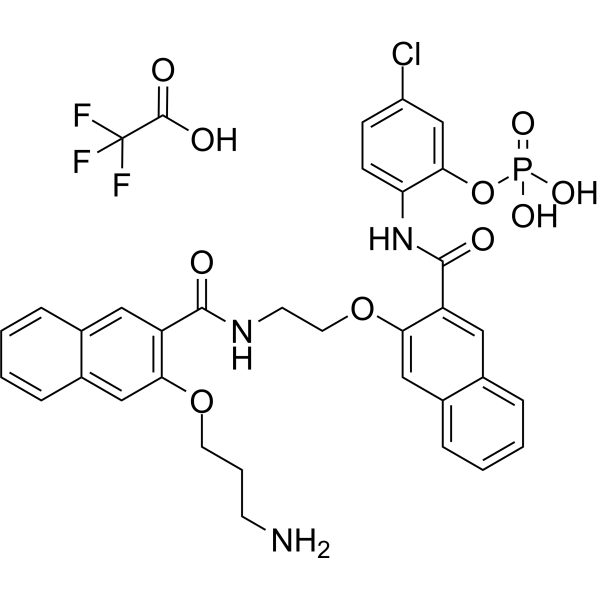
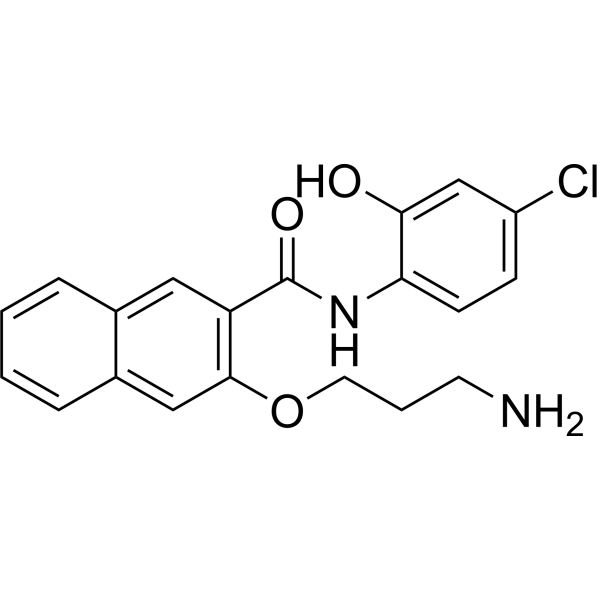
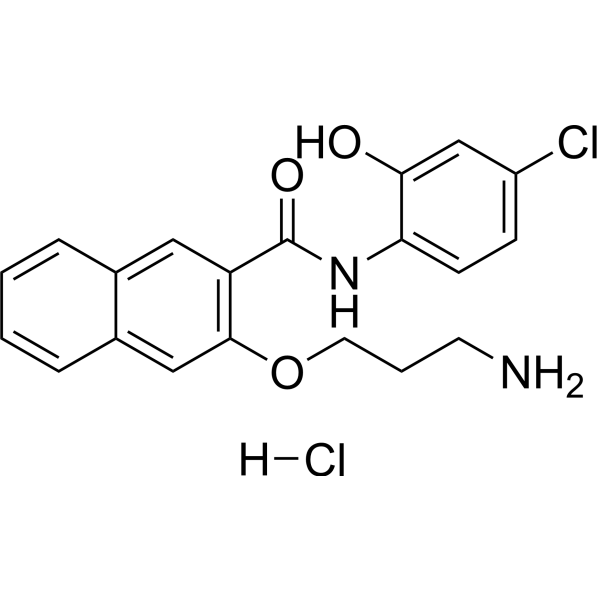
    KG-501 is a CREB inhibitor, with an IC50 of 6.89 μM.
    KG-501
  • HY-101084
    NSC 228155
    15+ Cited Publications

    EGFR Histone Acetyltransferase Epigenetic Reader Domain Cancer
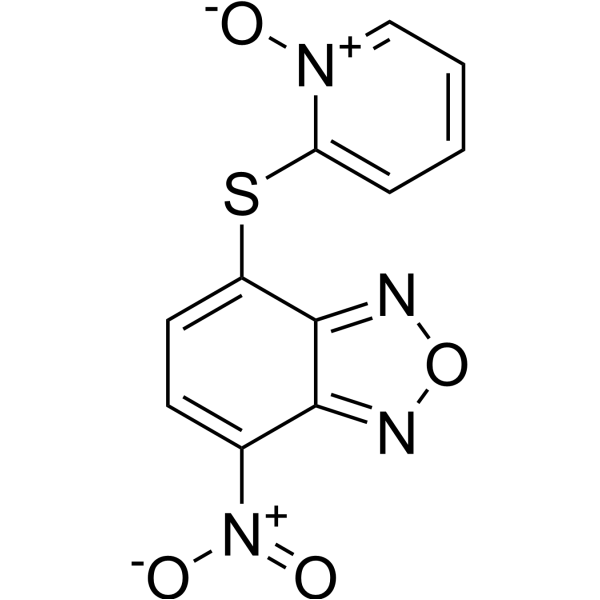
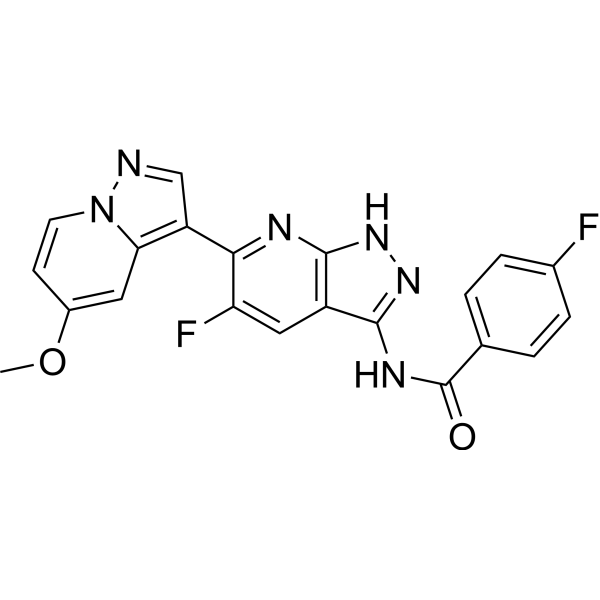
    NSC 228155 is an activator of EGFR, binds to the extracellular region of EGFR and enhance tyrosine phosphorylation of EGFR . NSC 228155 is also a potent inhibitor of KIX-KID interaction, inhibits kinase-inducible domain (KID) from CREB and KID-interacting domain (KIX) from CBP, with an IC50 of 0.36 μM .
    NSC 228155
  • HY-B0188A
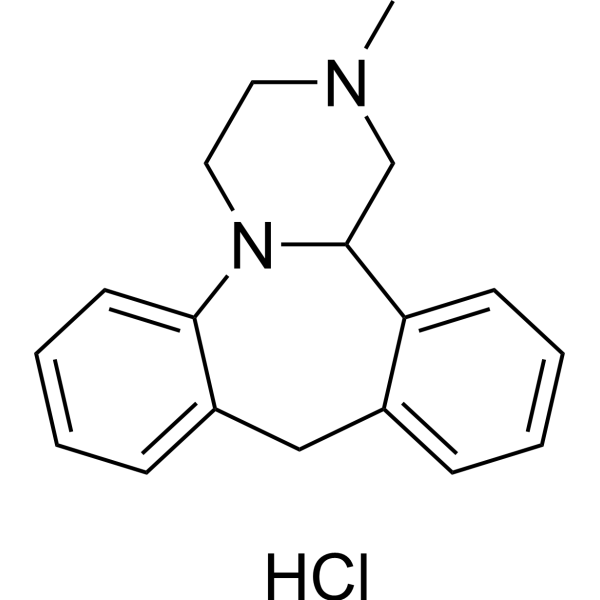
    Mianserin hydrochloride
    1 Publications Verification

    Org GB 94

    Histamine Receptor Opioid Receptor ERK p38 MAPK Neurological Disease Metabolic Disease
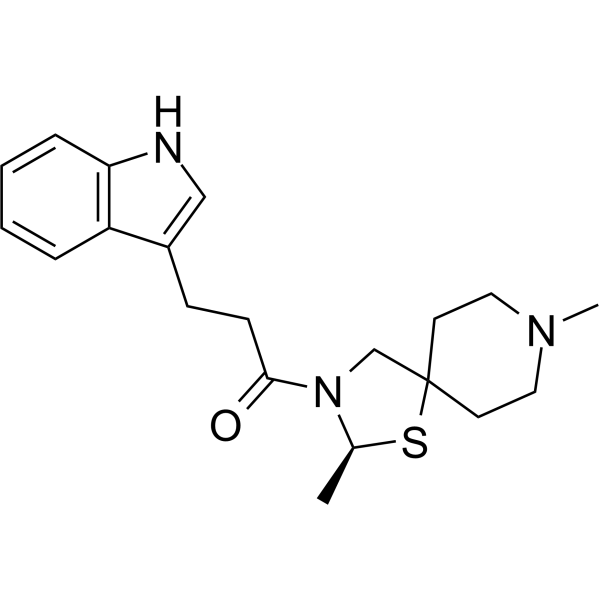
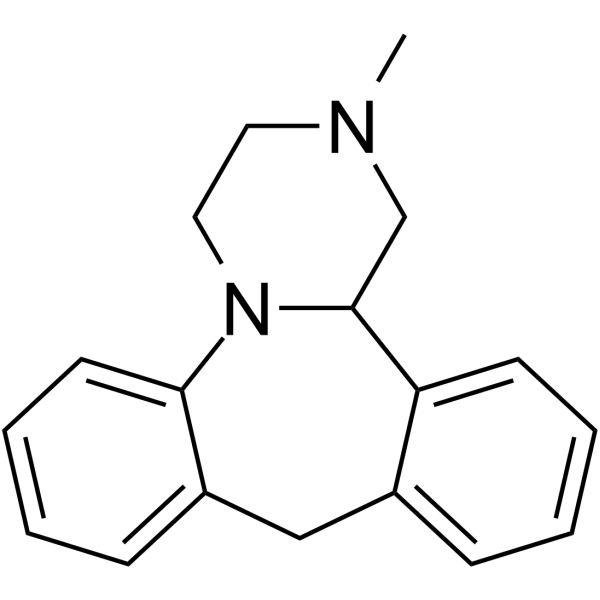
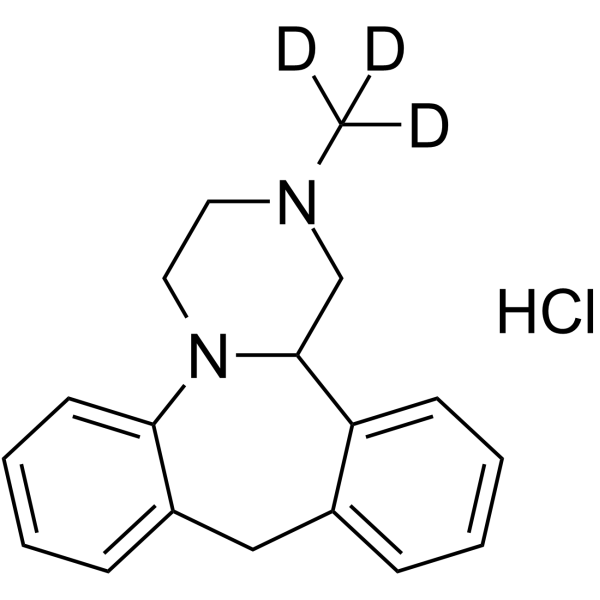
    Mianserin hydrochloride (Org GB 94) is an orally active H1 receptor antagonist. Mianserin hydrochloride can activate κ-opioid receptor and octopamine receptor. Mianserin hydrochloride increases ERK1/2 and CREB phosphorylation, and antagonizes full κ-opioid agonist and Dynorphin A (HY-P1333)-induced MAPK phosphorylation. Mianserin hydrochloride modulates social and exploratory behaviour, raises electroconvulsive thresholds. Mianserin hydrochloride can be used for the research of neurological disease, such as depression and epilepsy .
    Mianserin hydrochloride
  • HY-136285

    Histone Acetyltransferase Cancer
    CPI-1612 is a highly potent, orally active EP300/CBP histone acetyltransferase (HAT) inhibitor with an IC50 of 8.1 nM for EP300 HAT. CPI-1612 has an anticancer activity .
    CPI-1612
  • HY-109556

    Akt ERK Metabolic Disease
    Insulin Detemir is an artificial insulin, shows effect on controlling blood sugar levels. Insulin Detemir stimulates GLP-1 secretion as a consequence of enhanced Gcg expression by a mechanism involving activation of Akt- and/or extracellular signal-regulated kinase (ERK)-dependent-cat and CREB signaling pathways. Insulin Detemir can be used for type 2 diabetes research .
    Insulin Detemir
  • HY-124696
    PU139
    4 Publications Verification

    Histone Acetyltransferase Cancer
    PU139 is a potent pan-histone acetyltransferase (HAT) inhibitor. PU139 blocks the HATs Gcn5, p300/CBP-associated factor (PCAF), CREB (cAMP response element-binding) protein (CBP) and p300 with IC50s of 8.39, 9.74, 2.49 and 5.35 μM, respectively .
    PU139
  • HY-151527
    PI3K/Akt/CREB activator 1
    4 Publications Verification

    Akt PI3K Epigenetic Reader Domain Neurological Disease
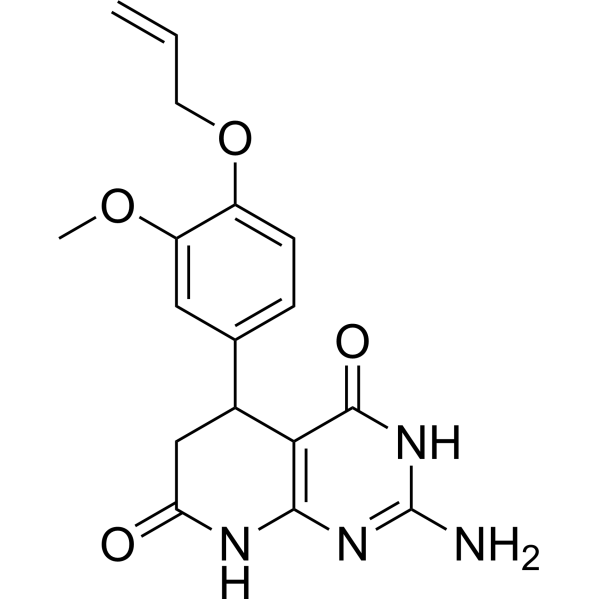
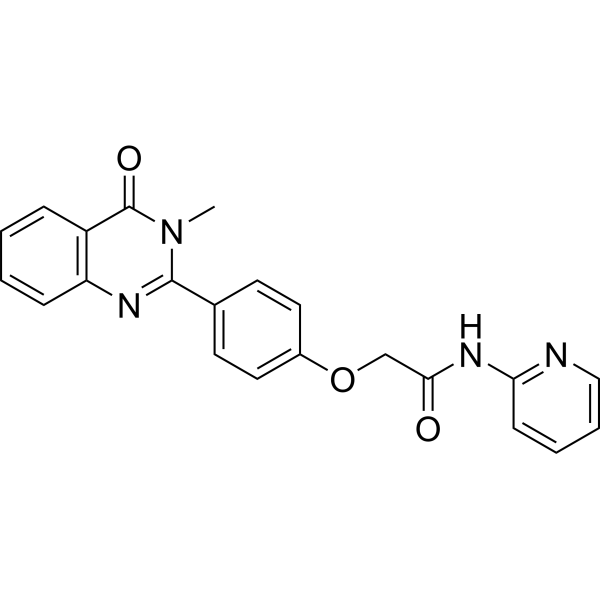
    PI3K/Akt/CREB activator 1 (compound AE-18) is a potent, orally active PI3K/Akt/CREB activator. PI3K/Akt/CREB activator 1 promotes neuronal proliferation, induced differentiation of Neuro-2a cells into a neuron-like morphology, and accelerated the establishment of axon-dendrite polarization of primary hippocampal neurons through upregulating brain-derived neurotrophic factor via the PI3K/Akt/CREB pathway. PI3K/Akt/CREB activator 1 can be used in research of vascular dementia (VaD) .
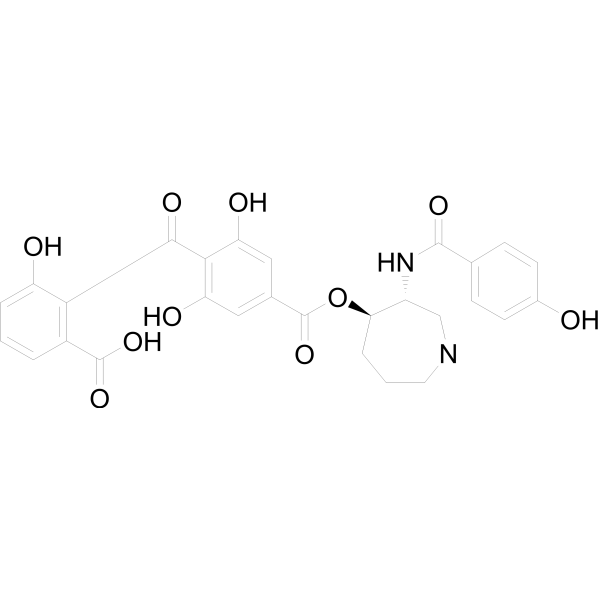
    PI3K/Akt/CREB activator 1
  • HY-147557
    PA-915
    1 Publications Verification

    PAC1R antagonist 1

    PACAP Receptor Neurological Disease
    PA-915 (PAC1R antagonist 1) is a potent and orally active antagonist of PAC1 receptor. PA-915 inhibits pituitary adenylate cyclase-activating polypeptide (PACAP)-induced CREB phosphorylation. PA-915 can inhibit PACAP- and nerve injury-induced allodynia. PA-915 can be used for the research of neuropathic pain .
    PA-915
  • HY-B0188
    Mianserin
    1 Publications Verification

    Mianserine

    Histamine Receptor Opioid Receptor ERK p38 MAPK Neurological Disease
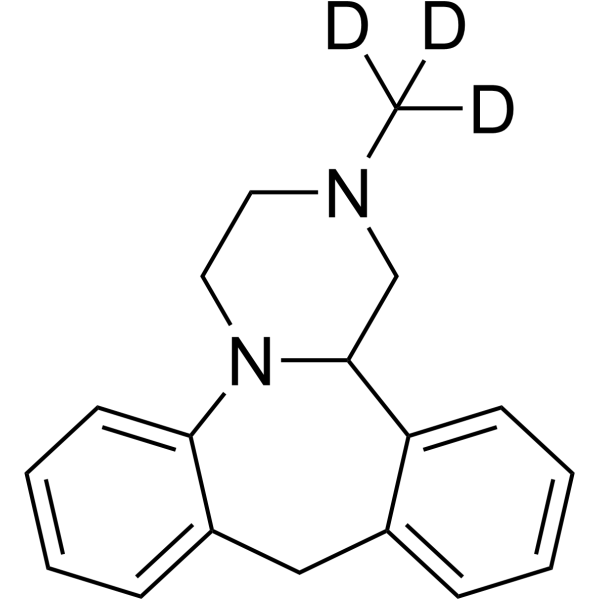
    Mianserin (Mianserine) is an orally active H1 receptor antagonist. Mianserin can activate κ-opioid receptor and octopamine receptor. Mianserin increases ERK1/2 and CREB phosphorylation, and antagonizes full κ-opioid agonist and Dynorphin A (HY-P1333)-induced MAPK phosphorylation. Mianserin modulates social and exploratory behaviour, raises electroconvulsive thresholds. Mianserin can be used for the research of neurological disease, such as depression and epilepsy .
    Mianserin
  • HY-103431
    A68930 hydrochloride
    1 Publications Verification

    Dopamine Receptor Others
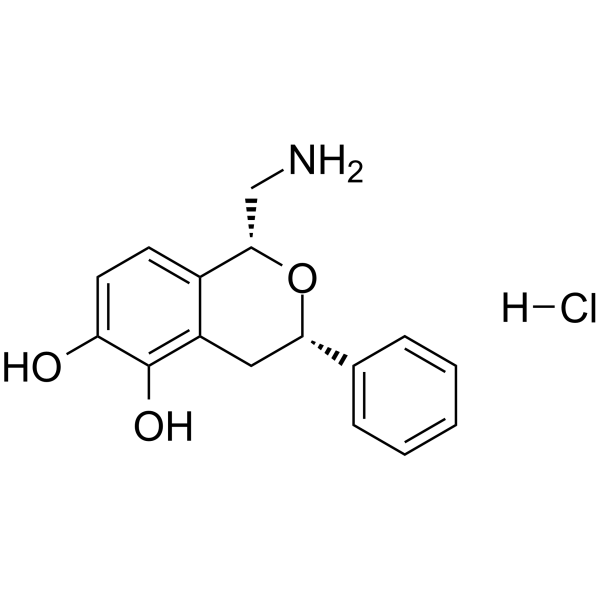
    A68930 hydrochloride, as a dopamine D1 receptor agonist, can be used for the research of bronchiectasis .
    A68930 hydrochloride
  • HY-N10319

    Epigenetic Reader Domain Necroptosis TRP Channel Metabolic Disease Inflammation/Immunology Cancer
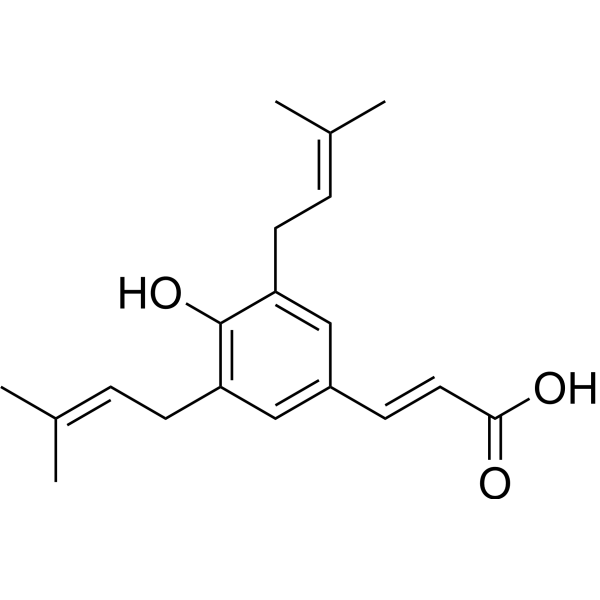
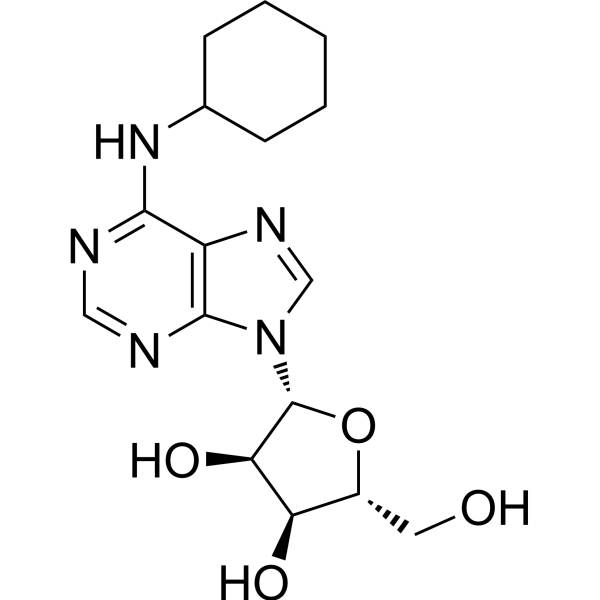
    Artepillin C is an orally active CREB/CRTC2 inhibitor and TRPA1 covalent agonist (EC50=1.8 μM). Artepillin C inhibits CREB/CRTC2-mediated gene transcription and downregulates BMAL1 expression to regulate glucose and lipid metabolism. Artepillin C can also activate TRPA1 channels to induce spicy taste signals. Artepillin C can inhibit tumor cell proliferation, induce necroptosis, improve insulin resistance and inhibit liver lipid synthesis. Artepillin C can be used in the study of metabolic syndrome, tumor prevention and treatment, and inflammation .
    Artepillin C
  • HY-N3097

    TRP Channel Amyloid-β Toll-like Receptor (TLR) Keap1-Nrf2 Heme Oxygenase (HO) Dihydroorotate Dehydrogenase Ferroptosis PAI-1 NF-κB ERK Proton Pump Glutathione Peroxidase Thrombin Insecticide Bacterial Infection Cardiovascular Disease Neurological Disease Inflammation/Immunology Cancer
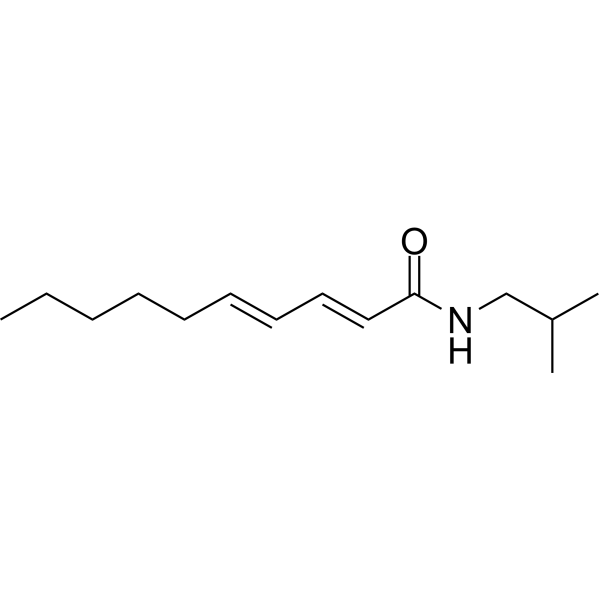
    Pellitorine is a bioactive natural amide compound. Pellitorine can competitively antagonize the activation of TRPV1 by Capsaicin (HY-10448), thereby reducing pain signal transmission. Pellitorine improves cognitive dysfunction by upregulating the BDNF-ERK1/2-CREB and Nrf2-HO-1 pathways. Pellitorine exerts anti-inflammatory and anti-sepsis effects by inhibiting the release of high mobility group protein B1 (HMGB1) and the expression of RAGE/TLR4. Pellitorine exerts its antithrombotic effect by prolonging the clotting time, inhibiting the activity of clotting factors and thrombin. Pellitorine inhibits lipid peroxidation and resists ferroptosis by upregulating GPX4 and DHODH. Pellitorine kills Aedes aegypti mosquito larvae by inhibiting V-type H⁺-ATPase and aquaporin 4 (AaAQP4). Pellitorine exhibits anti-cancer activity (e.g., leukemia and breast cancer) and has inhibitory effects on certain bacteria .
    Pellitorine
  • HY-P1422
    Spadin
    1 Publications Verification

    Potassium Channel 5-HT Receptor Neurological Disease
    Spadin, a natural peptide derived from a propeptide released in blood, is a potent TREK-1 channel blocker with IC50 value of 10 nM. Spadin enhances dorsal raphe nucleus 5-HT neurotransmission in mice and induces hippocampal CREB activation and neurogenesis. Spadin can be used for antidepressant research .
    Spadin
  • HY-B1898

    PKA Metabolic Disease
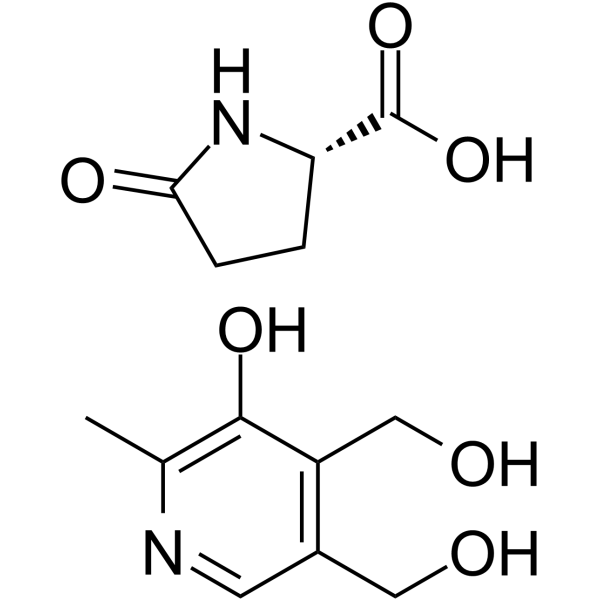
    Metadoxine blocks adipocyte differentiation in association with inhibition of the protein kinase A-cAMP response element binding protein (PKA-CREB) pathway.
    Metadoxine
  • HY-103322

    PKA Potassium Channel Metabolic Disease Cancer
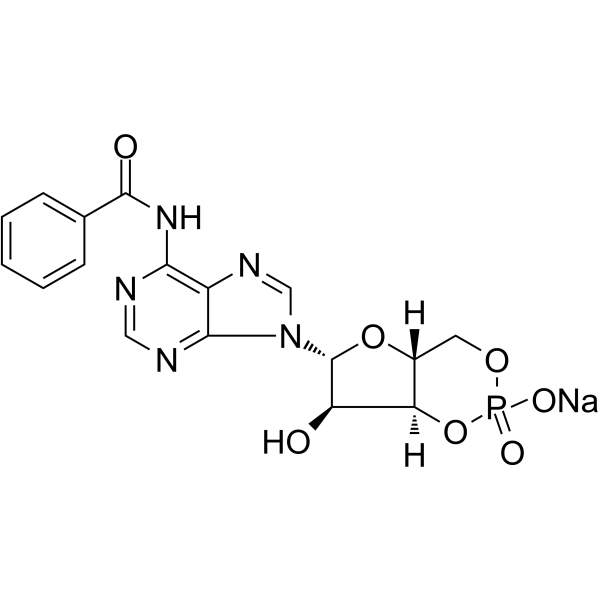
    6-Bnz-cAMP sodium, a derivative of cyclic adenosine monophosphate (cAMP), is a selective PKA activator with inhibitory activity against the bTREK-1 K + channel. 6-Bnz-cAMP sodium does not activate the Epac signaling pathway. It inhibits the bTREK-1 K + channel via a voltage-independent, ATP-dependent mechanism that is independent of the PKA/Epac/calmodulin kinase/MAP kinase pathway. 6-Bnz-cAMP sodium activates CREB phosphorylation to regulate osteoblast-specific gene expression, induces osteoblast differentiation, promotes extracellular matrix mineralization, supports osteoblast proliferation, and shows no cytotoxicity toward osteoblasts. It can be used in studies related to bone tissue repair and regeneration .
    6-Bnz-cAMP sodium salt
  • HY-N2312
    Mogrol
    2 Publications Verification

    ERK STAT Cancer
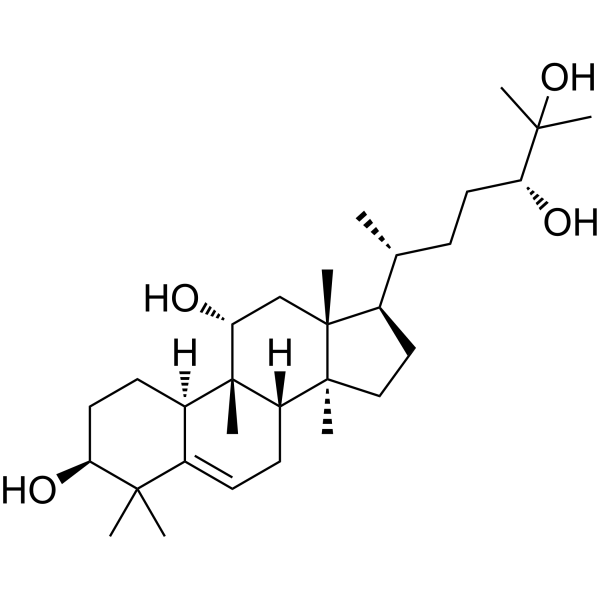
    Mogrol is a biometabolite of mogrosides, and acts via inhibition of the ERK1/2 and STAT3 pathways, or reducing CREB activation and activating AMPK signaling.
    Mogrol
  • HY-N2038

    Phosphodiesterase (PDE) Neurological Disease Cancer
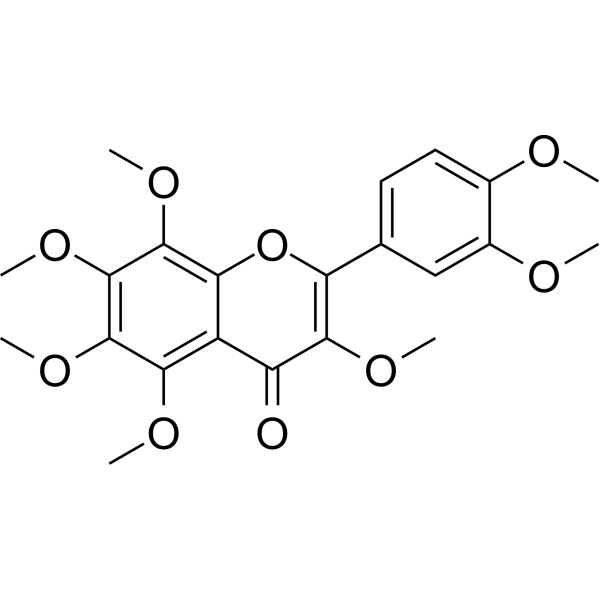
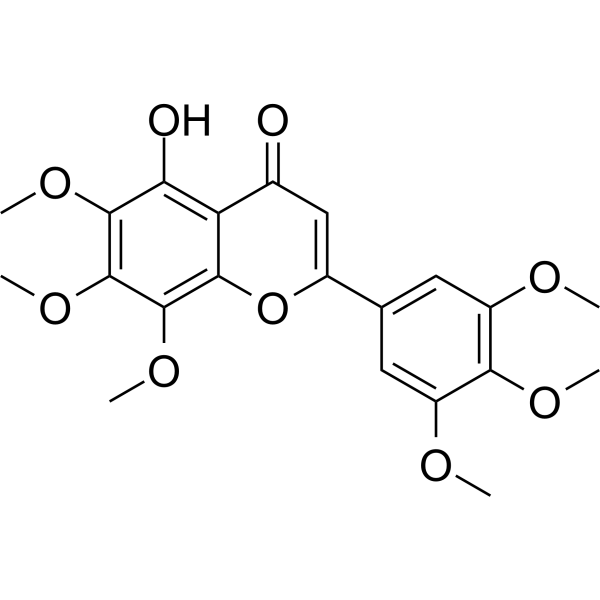
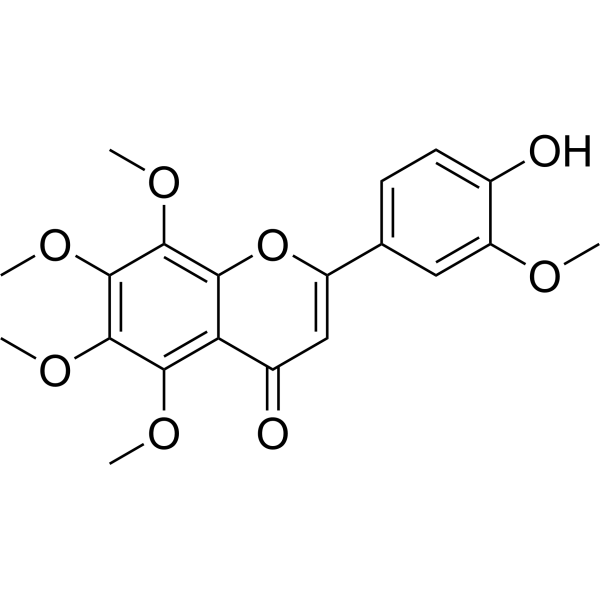
    3,5,6,7,8,3',4'-Heptemthoxyflavone, a flavonoid from satsuma peel, is an orally available CREB activator with anti-tumor and anti-neuroinflammatory activity. 3,5,6,7,8,3',4'-Heptemthoxyflavone inhibits collagenase activity and increases the content of type I procollagen in human dermal fibroblast neoblast (HDFn) cells. 3,5,6,7,8,3',4'-Heptemthoxyflavone induces brain-derived neurotrophic factor (BDNF) expression through the cAMP/ERK/CREB signaling pathway and reduces phosphodiesterase activity in C6 glioma .
    3,​5,​6,​7,​8,​3',​4'-​Heptemthoxyflavone
  • HY-104068

    Histone Acetyltransferase Epigenetic Reader Domain Cancer
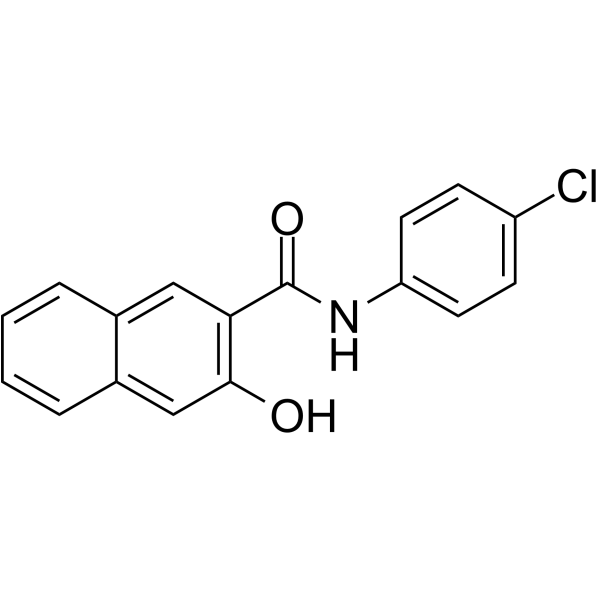
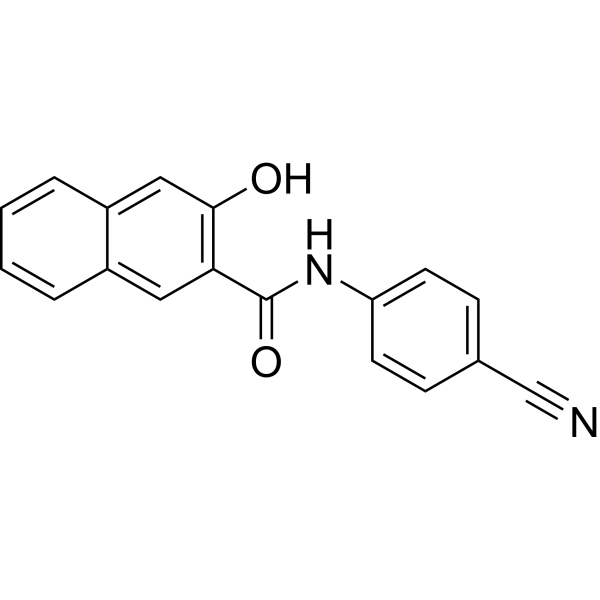
    Naphthol AS-E is a potent and cell-permeable inhibitor of KIX-KID interaction. Naphthol AS-E directly binds to the KIX domain of CBP (Kd:8.6 μM), blocks the interaction between the KIX domain and the KID domain of CREB with IC50 of 2.26 μM. Naphthol AS-E can be used for cancer research.
    Naphthol AS-E
  • HY-B1428

    Ethenzamide

    Tyrosinase Reactive Oxygen Species (ROS) PERK Neurological Disease Inflammation/Immunology Cancer
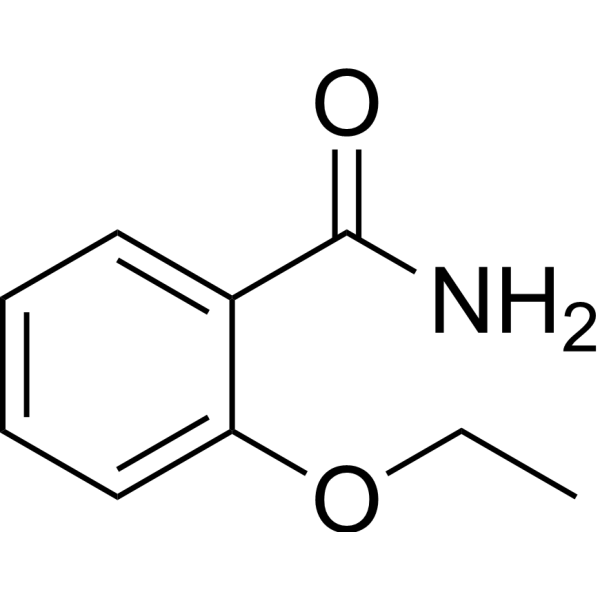
    2-Ethoxybenzamide (Ethenzamide) is a nonsteroidal anti-inflammatory agent that shows analgesic and antipyretic effects. 2-Ethoxybenzamide induces melanin synthesis via cAMP response element-binding protein (CREB) phosphorylation. 2-Ethoxybenzamide can be used in the research of hypopigmentation and inflammation-related diseases .
    2-Ethoxybenzamide
  • HY-147868

    Epigenetic Reader Domain Apoptosis Cancer
    DC-CPin711 is a potent and selective inhibitor of CREB-binding protein (CBP) bromodomain with an IC50 of 0.0626 μM. DC-CPin711 arrests cell cycle at G1 phase and induces apoptosis .
    DC-CPin711
  • HY-N6076

    ERK Neurological Disease
    Tenuifoliside A is isolated from Polygala tenuifolia, has anti-apoptotic and antidepressant-like effects. Tenuifoliside A exhibits its neneurotrophic effects and promotes cell proliferation through the ERK/CREB/BDNF signal pathway in C6 cells .
    Tenuifoliside A
  • HY-P5763

    PNX-20

    Epigenetic Reader Domain PGC-1α Neurological Disease
    Phoenixin-20 (PNX-20) is a bioactive peptide with hormone-like actions in vertebrates, and can stimulates hypothalamo-pituitary-gonadal hormones and regulate reproductive processes in mammals. Phoenixin-20 promotes neuronal mitochondrial biogenesis via CREB-PGC-1α pathway. Phoenixin-20 has anxiolytic effect .
    Phoenixin-20
  • HY-P10927

    BRINP2-related peptide

    AP-1 PKA Metabolic Disease
    BRP is a 12-peptide derived from BRINP2 that can cross the blood-brain barrier. BRP induces the central activation of FOS in neuronal cells via the cAMP-PKA-CREB signaling pathway. BRP exerts anorectic and anti-obesity effects without triggering nausea or aversive responses. The action of BRP is independent of the leptin, GLP-1 receptor and melanocortin 4 receptor pathways. BRP is applicable to obesity-related research .
    BRP
  • HY-119769

    Epigenetic Reader Domain Cancer
    XX-650-23 is a potent CREB inhibitor. XX-650-23inhibits CREB function through disruption of CBP-CREB interaction. XX-650-23 can be used for AML research .
    XX-650-23
  • HY-116818

    HDAC Neurological Disease
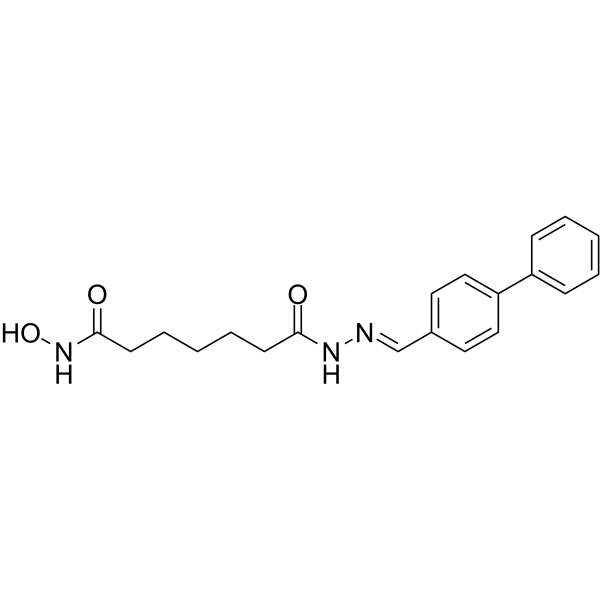
    Crebinostat is a potent histone deacetylase (HDAC) inhibitor with IC50 values of 0.7 nM, 1.0 nM, 2.0 nM and 9.3 nM for HDAC1, HDAC2, HDAC3 and HDAC6, respectively. Crebinostat potently induces acetylation of both histone H3 and histone H4 as well as enhances the expression of the cAMP response element-binding protein (CREB) target gene Egr1. Crebinostat increases the density of synapsin-1 punctae along dendrites in cultured neurons. Crebinostat can modulate chromatin-mediated neuroplasticity and exhibits enhanced memory in mice .
    Crebinostat
  • HY-101318
    β-Funaltrexamine hydrochloride
    2 Publications Verification

    β-FNA hydrochloride

    Opioid Receptor p38 MAPK STAT NF-κB NO Synthase Toll-like Receptor (TLR) Cardiovascular Disease Neurological Disease
    β-Funaltrexamine (β-FNA) hydrochloride is a blood-brain barrier-permeable, selective and irreversible μ-opioid receptor antagonist with immunomodulatory, anti-inflammatory and neuroprotective activities. β-Funaltrexamine hydrochloride inhibits p38 MAPK and TLR4 signaling by blocking μ-opioid receptors, and reduces the transcriptional activities of NF-κB, AP-1, CREB and Stat. Furthermore, β-Funaltrexamine hydrochloride inhibits iNOS activation and pro-inflammatory microglial polarization, converting microglia to an anti-inflammatory phenotype, thereby downregulating neuroinflammation and ameliorating neuronal degeneration. β-Funaltrexamine hydrochloride is widely applicable to research related to stroke, cerebral ischemia/reperfusion injury and neurodegenerative diseases .
    β-Funaltrexamine hydrochloride
  • HY-P1595

    PKA PKC Metabolic Disease
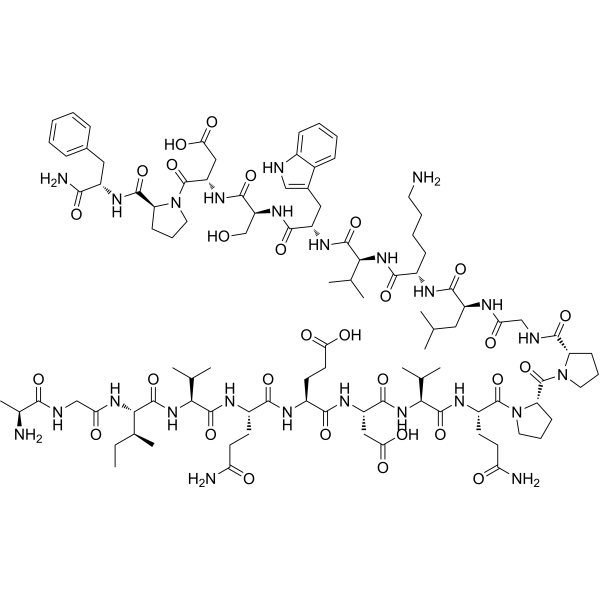
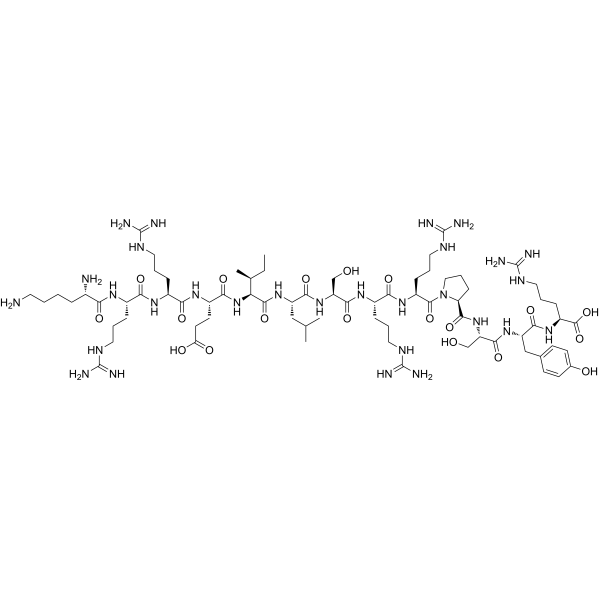
    CREBtide is a CREB (cAMP response element binding protein)-like peptide. CREBtide, a synthetic 13 amino acid peptide, has been reported as a PKA and PKC substrate.
    CREBtide
  • HY-N8303

    ERK PAK Neurological Disease Inflammation/Immunology
    Gardenin A is an orally active and synthetic PMF analogue with the neurotrophic effect for neurite outgrowth and neuronal differentiation. Gardenin A promotes neuritogenesis via activating MAPK/ERK, PKC, and PKA, but not TrkA, CREB signaling pathways. Gardenin A also has sedative, anxiolytic, antidepressant, and anticonvulsant effects .
    Gardenin A
  • HY-N3138

    Bacterial Apoptosis Reactive Oxygen Species (ROS) ERK JNK Caspase SOD Fungal Infection Neurological Disease
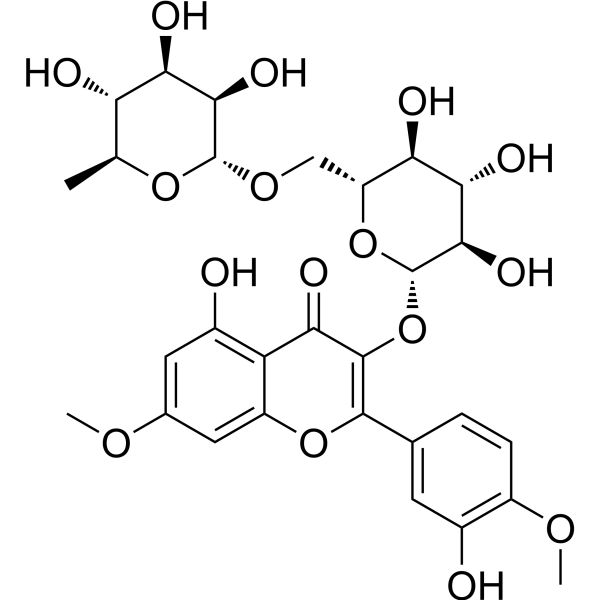
    Ombuoside has antioxidant properties, inhibiting ROS production and apoptosis. Ombuoside exerts neuroprotective effects through the ERK-JNK-caspase-3 system. Ombuoside promotes Dopamine biosynthesis through TH and CREB activation. Ombuoside exhibits antimicrobial activity against several Gram-positive and Gram-negative bacteria, as well as Candida albicans
    Ombuoside
  • HY-142066

    PKA ERK iGluR Neurological Disease
    4′-Demethylnobiletin is a bioactive metabolite that activates the PKA/ERK/CREB signaling pathway, enhances CRE-mediated transcription in hippocampal neurons, and reverses memory impairment associated with NMDA receptor antagonism by stimulating ERK signaling .
    4′-Demethylnobiletin
  • HY-N6901

    Epigenetic Reader Domain Metabolic Disease
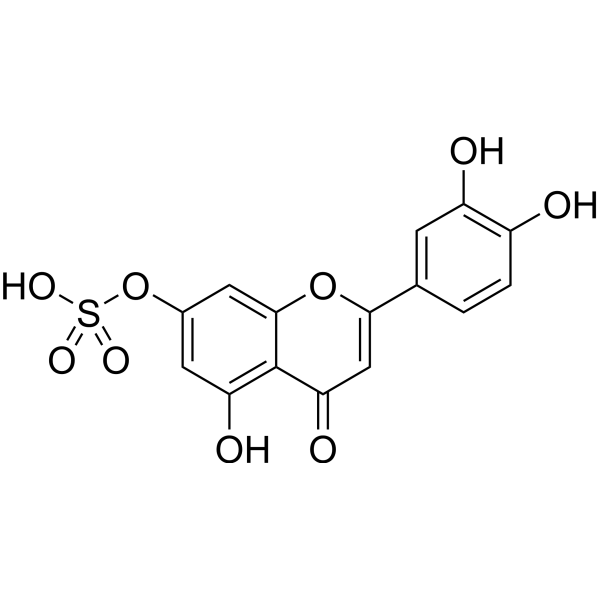
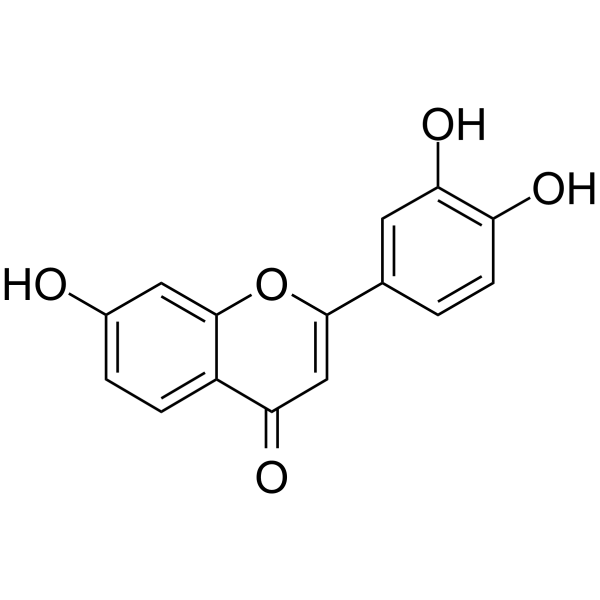
    Luteolin 7-sulfate is isolated from Phyllospadix iwatensis Makino, a marine plant. Luteolin 7-sulfate attenuates TYR gene expression through the intervention of a cAMP-responsive element binding protein (CREB)- and microphthalmia-associated transcription factor (MITF)-mediated signaling pathway, leading to the decreased melanin synthesis .
    Luteolin 7-sulfate
  • HY-RS03148

    Small Interfering RNA (siRNA) Others

    CREB1 Human Pre-designed siRNA Set A contains three designed siRNAs for CREB1 gene (Human), as well as a negative control, a positive control, and a FAM-labeled negative control.

    CREB1 Human Pre-designed siRNA Set A
    CREB1 Human Pre-designed siRNA Set A
  • HY-110218
    CW 008
    2 Publications Verification

    PKA Epigenetic Reader Domain Others
    CW 008, a derivative of pyrazole-pyridine, is a CREB or PKA pathway agonist. CW 008 also is a stem cell differentiating agent. CW 008 stimulates osteoblast differentiation of human MSCs and increases bone formation in ovariectomized mice. CW008 promotes osteogenesis by activating cAMP/PKA/CREB signaling pathway and inhibiting leptin secretion .
    CW 008
  • HY-104067

    NASTRp

    Epigenetic Reader Domain Cancer
    Naphthol AS-MX phosphate (NASTRp) is a small molecule inhibitor of the CREB (cyclic adenosine phosphate reaction element binding protein)-CBP (CREB binding protein) transcription factor complex. Naphthol AS-MX phosphate shows antitumor activity against lung cancer cells, inhibiting tumor cell proliferation (IC50=3.701 μmol/L), colony formation, and anchored independent growth in soft AGAR. Naphthol AS-MX phosphate can be used in the study of KRAS mutated lung cancer, especially for KRAS mutated lung cancer with poor chemotherapy resistance and prognosis .
    Naphthol AS-MX phosphate
  • HY-116586

    Sigma Receptor mAChR ERK Amyloid-β Tau Protein Neurological Disease
    AF710B is an orally effective allosteric agonist for the M1 muscarinic receptor and σ1 receptor. AF710B activates the downstream phosphorylated ERK1/2 and phosphorylated CREB signaling pathways. AF710B simultaneously improves cognitive function and alleviates the core pathological features of Alzheimer's disease, including deposition, excessive Tau phosphorylation and neuroinflammation. AF710B is applicable to the research of Alzheimer's disease .
    AF710B
  • HY-134598A

    Epigenetic Reader Domain Cancer
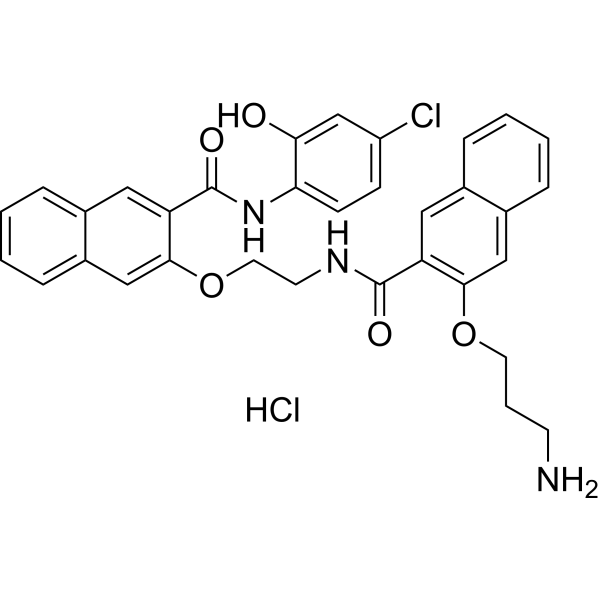
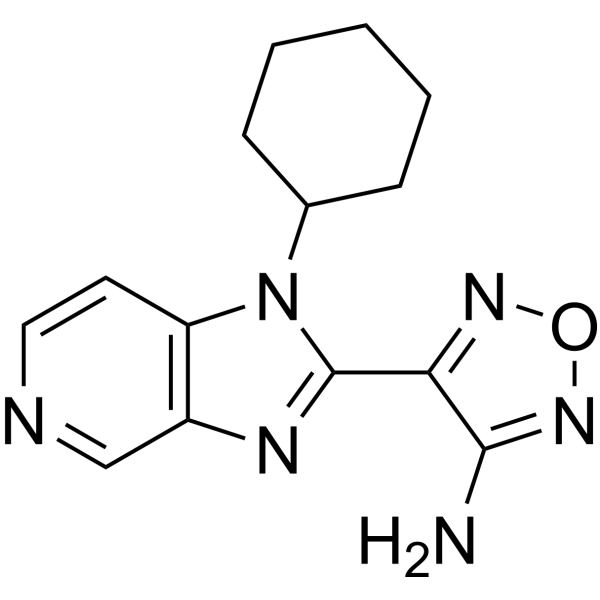
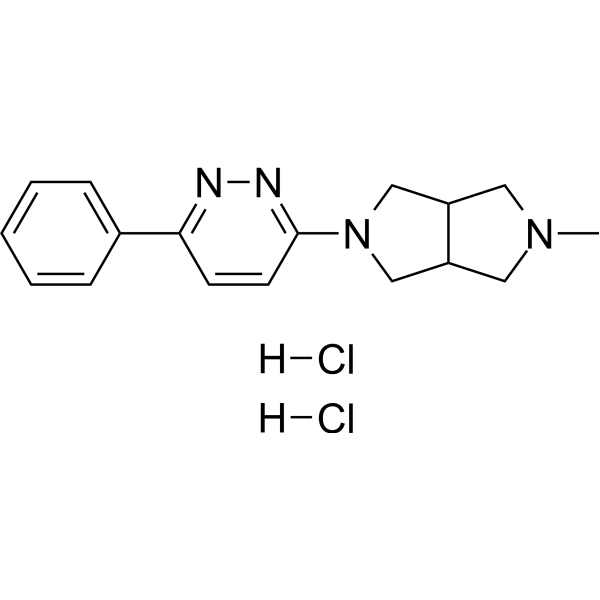
    653-47 hydrochloride, a potentiator, significantly potentiates the cAMP-response element binding protein (CREB) inhibitory activity of 666-15. 653-47 hydrochloride is also a very weak CREB inhibitor with IC50 of 26.3 μM .
    653-47 hydrochloride
  • HY-P1422A
    Spadin TFA
    1 Publications Verification

    Potassium Channel 5-HT Receptor Neurological Disease
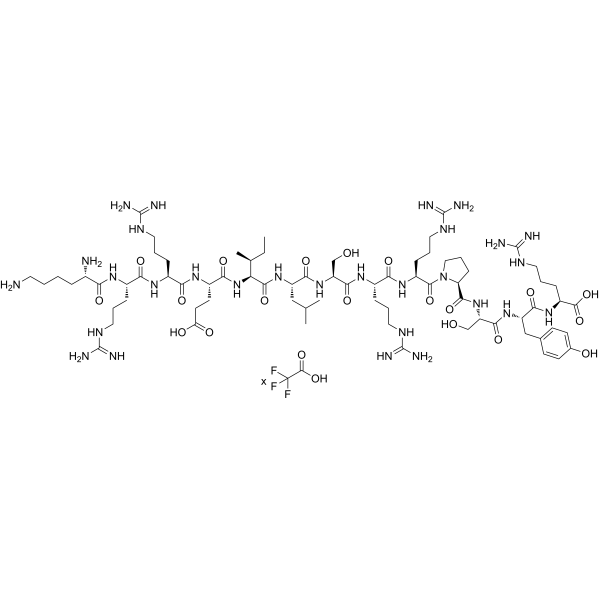
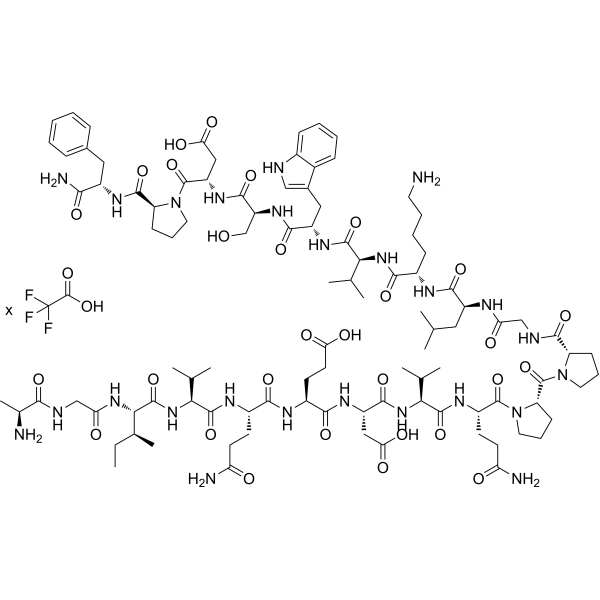
    Spadin TFA, a natural peptide derived from a propeptide released in blood, is a potent TREK-1 channel blocker with an IC50 value of 10 nM. Spadin TFA enhances dorsal raphe nucleus 5-HT neurotransmission in mice and induces hippocampal CREB activation and neurogenesis. Spadin TFA can be used for antidepressant research .
    Spadin TFA
  • HY-110263
    EML 425
    2 Publications Verification

    Histone Acetyltransferase Epigenetic Reader Domain Cardiovascular Disease Neurological Disease Metabolic Disease
    EML425 is a potent and selective CREB binding protein (CBP)/p300 inhibitor with IC50s of 2.9 and 1.1 μM, respectively.
    EML 425
  • HY-N10319R

    Reference Standards TRP Channel Necroptosis Epigenetic Reader Domain Metabolic Disease Inflammation/Immunology Cancer
    Artepillin C (Standard) is the analytical standard of Artepillin C (HY-N10319). This product is intended for research and analytical applications. Artepillin C is an orally active CREB/CRTC2 inhibitor and TRPA1 covalent agonist (EC50=1.8 μM). Artepillin C inhibits CREB/CRTC2-mediated gene transcription and downregulates BMAL1 expression to regulate glucose and lipid metabolism. Artepillin C can also activate TRPA1 channels to induce spicy taste signals. Artepillin C can inhibit tumor cell proliferation, induce apoptosis, improve insulin resistance and inhibit liver lipid synthesis. Artepillin C can be used in the study of metabolic syndrome, tumor prevention and treatment, and inflammation .
    Artepillin C (Standard)
  • HY-N1414A
    3′,6-Disinapoylsucrose
    2 Publications Verification

    Bcl-2 Family Apoptosis Neurological Disease
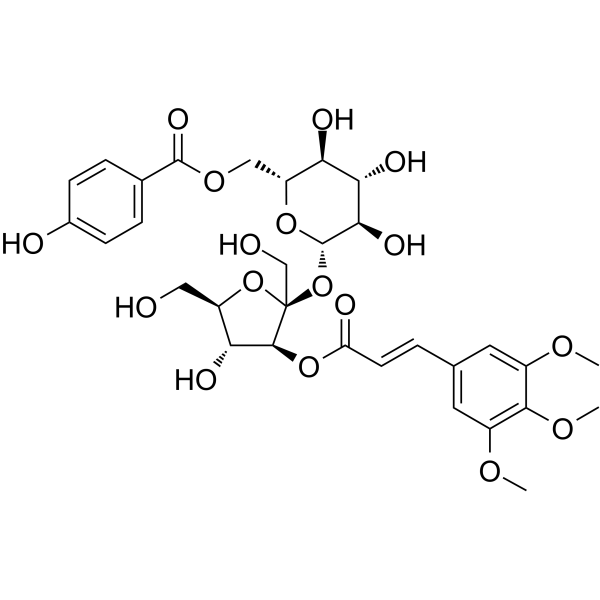
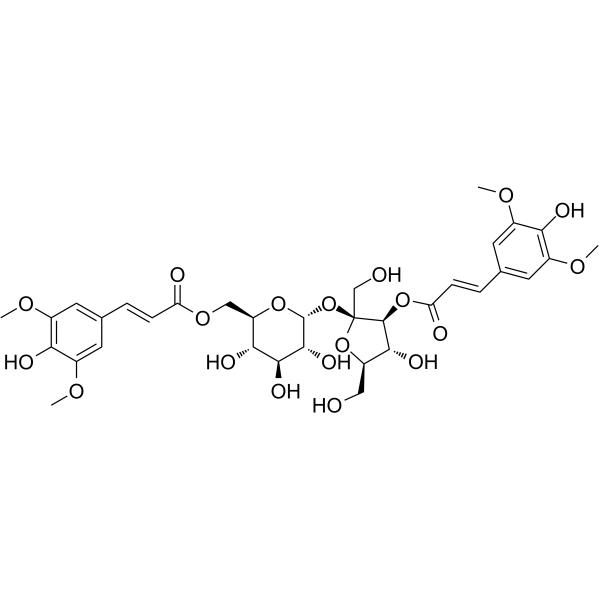
    3′,6-Disinapoylsucrose is a type of oligosaccharide that's effective when taken orally, and it has antidepressant, anti-anxiety, and antioxidant properties. 3′,6-Disinapoylsucrose inhibits neuronal apoptosis by lowering the ratio of Bax to Bcl-2 in hippocampal neurons, and it enhances cognitive function in APP/PS1 transgenic mice by activating the CREB/BDNF signaling pathway .
    3′,6-Disinapoylsucrose
  • HY-RS03154

    Small Interfering RNA (siRNA) Others

    CREB5 Human Pre-designed siRNA Set A contains three designed siRNAs for CREB5 gene (Human), as well as a negative control, a positive control, and a FAM-labeled negative control.

    CREB5 Human Pre-designed siRNA Set A
    CREB5 Human Pre-designed siRNA Set A
  • HY-119053

    MDM-2/p53 Cancer
    MS7972 is a small molecule that blocks human p53 and CREB binding protein association. MS7972 can almost completely block this BRD interaction at 50 μM .
    MS7972
  • HY-150073

    PKA Cancer
    DS01080522 is a Protein Kinase cAMP-Activated Catalytic Subunit Alpha (PRKACA) inhibitor. DS01080522 inhibits PRKACA kinase activity and CREB phosphorylation with IC50s of 0.8 nM and 66 nM, respectively. DS01080522 can be used for the research of cancer .
    DS01080522
  • HY-10957

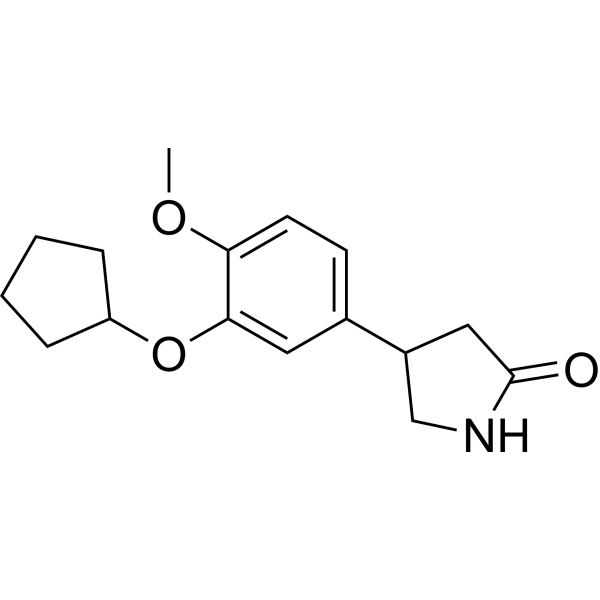
    MK-0751

    GHSR Metabolic Disease
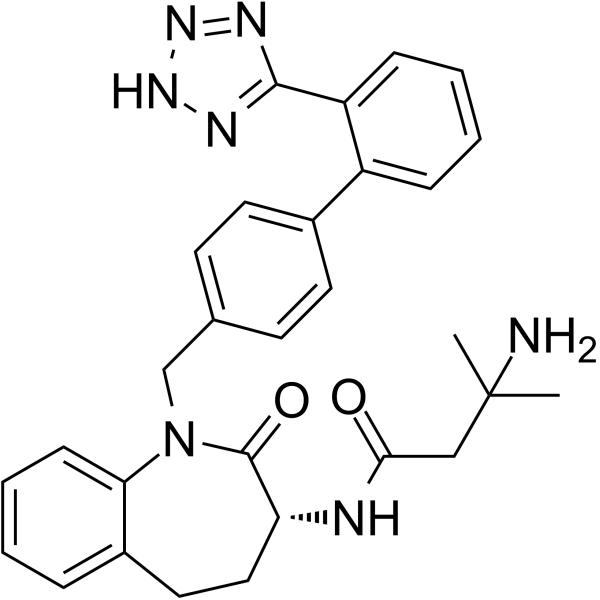
    L-692429 (MK-0751) is a benzolactam derivative and a nonpeptidyl growth hormone secretagogue (GHS) agonist. L-692429 binds to G protein-coupled receptor with a Ki of 63 nM .
    L-692429
  • HY-172876

    iGluR Reactive Oxygen Species (ROS) Trk Receptor Cardiovascular Disease
    FLY26 is a selective partial GluN2B antagonist with an IC50 value of 0.64 μM. FLY26 partially inhibits the GluN2B subunit of NMDA receptors, reduces calcium ion influx and reactive oxygen species (ROS) production and activates the BDNF/TrkB/CREB neuroprotective signaling pathway to alleviate neuronal excitotoxicity and mitochondrial dysfunction. FLY26 is promising for research of neurological deficits caused by cerebral ischemia-reperfusion injury .
    FLY26
  • HY-144318

    Epigenetic Reader Domain Cancer
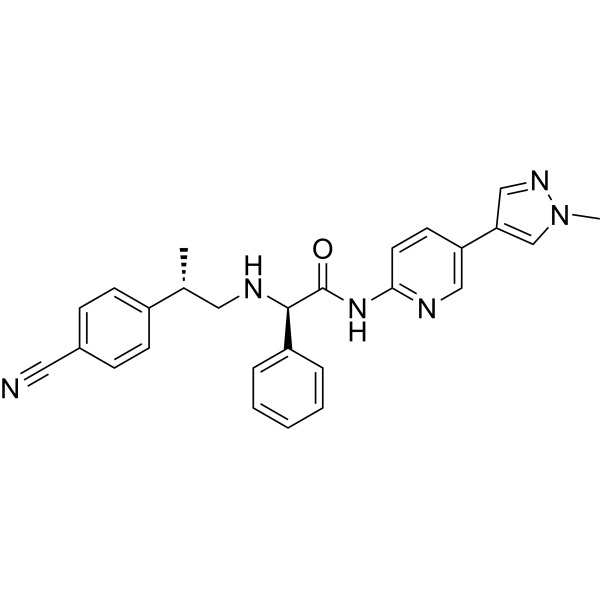
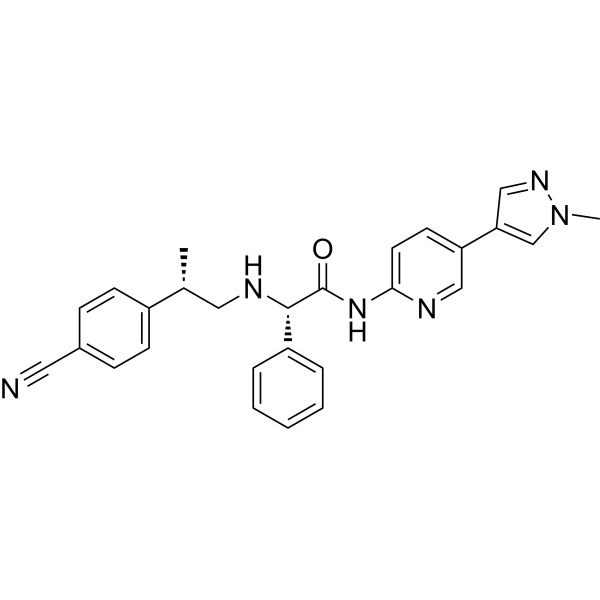
    CREB-IN-1 TFA is a potent, orally active CREB inhibitor (IC50=0.18 µM). CREB-IN-1 TFA inhibits breast cancer cell growth .
    CREB-IN-1 TFA

Inquiry Online

Your information is safe with us. * Required Fields.

Salutation


Country or Region *

Applicant Name *


Organization Name *

Department *


Email Address *


Product Name *

Cat. No.


Requested quantity *

Phone Number *


Remarks

Inquiry Online

Inquiry Information

Product Name:
Cat. No.:
Quantity:
MCE Japan Authorized Agent: