Search Result
Results for "
Toll-like receptors (TLRs)
" in MedChemExpress (MCE) Product Catalog:
-
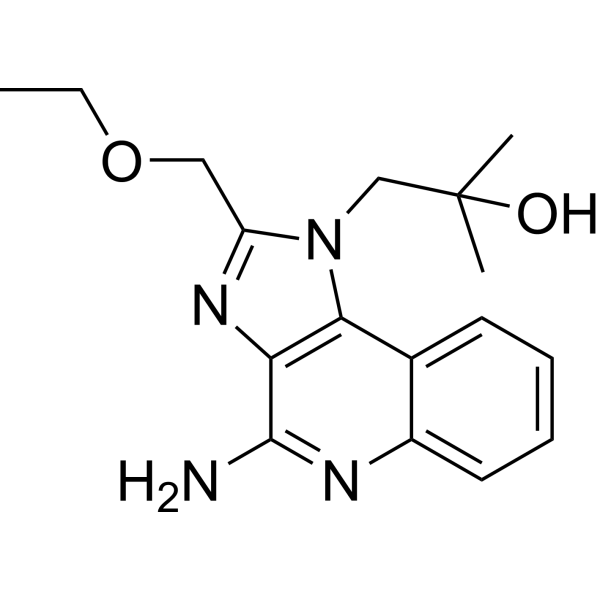
- HY-13740
-
-
-
- HY-W031727
-
|
|
Parasite
Toll-like Receptor (TLR)
SARS-CoV
Autophagy
|
Infection
Cancer
|
|
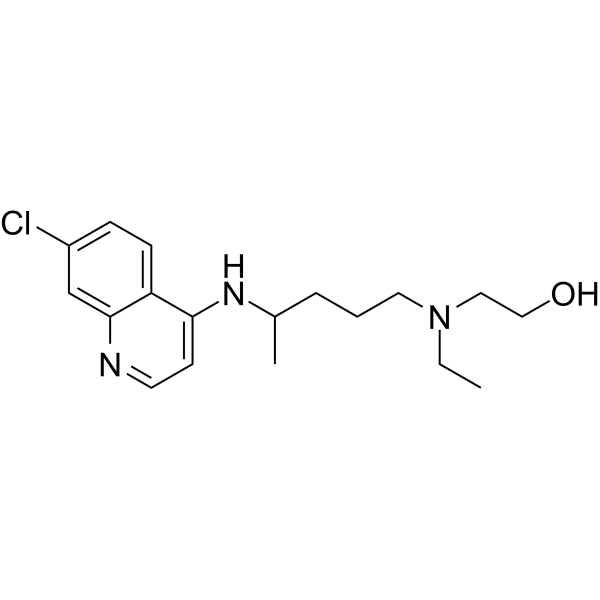
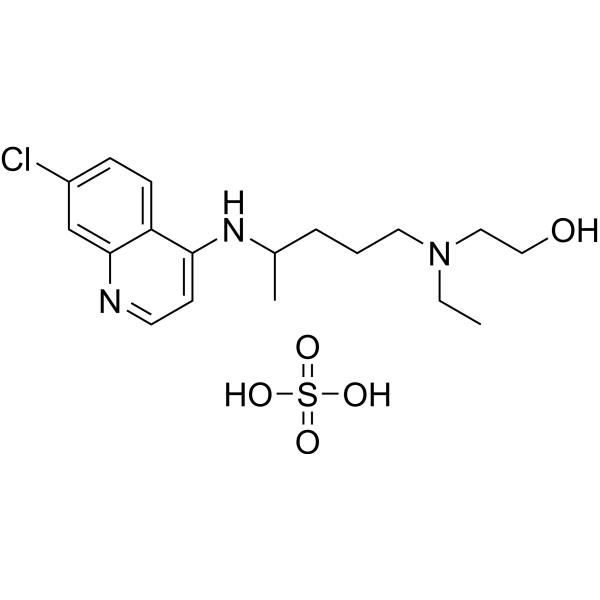
Hydroxychloroquine (HCQ) is a synthetic oral antimalarial drug that can be used in the study of malaria and autoimmune diseases such as systemic lupus erythematosus and rheumatoid arthritis. Hydroxychloroquine is a potent autophagic flux inhibitor with antiviral activity (such as SARS-CoV-2 virus) that inhibits Toll-like receptor 7/9 (TLR7/9) signaling .
|
-
-
- HY-100461
-
-
-
- HY-P1180A
-
-
-
- HY-B1370
-
-
-
- HY-113134
-
|
25-OHC
|
Endogenous Metabolite
|
Inflammation/Immunology
|
|
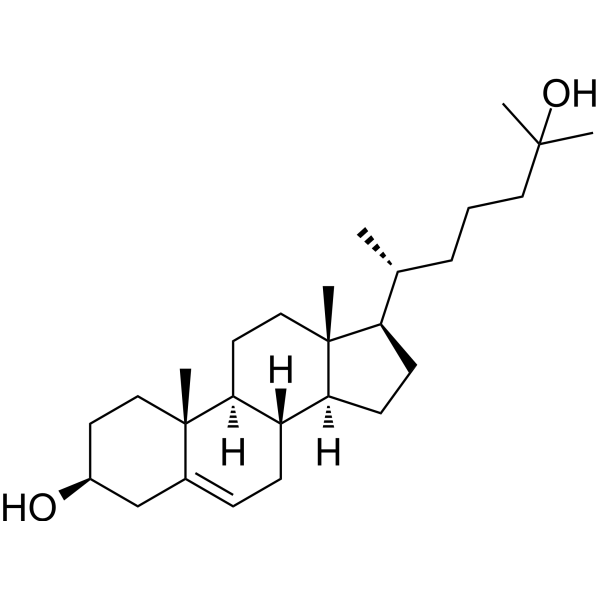
25-Hydroxycholesterol (25-OHC) is a metabolite of cholesterol that is produced and secreted by macrophages in response to Toll-like receptor (TLR) activation. 25-hydroxycholesterol is a potent (EC50≈65 nM) and selective suppressor of IgA production by B cells.
|
-
-
- HY-108471
-
|
|
Toll-like Receptor (TLR)
|
Cancer
|
|
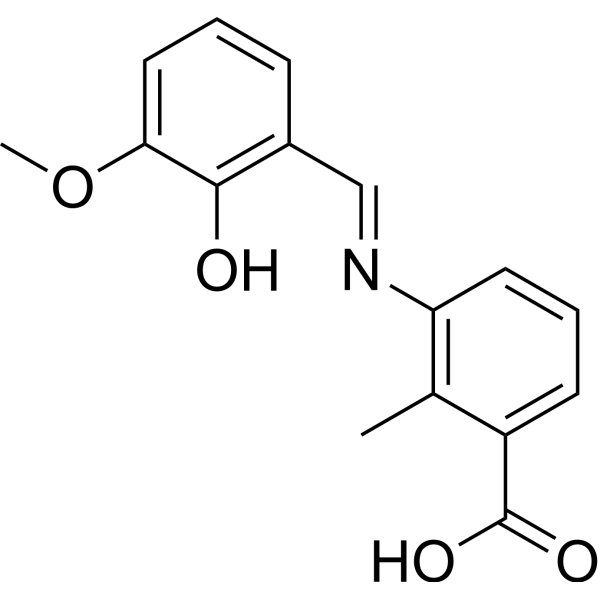
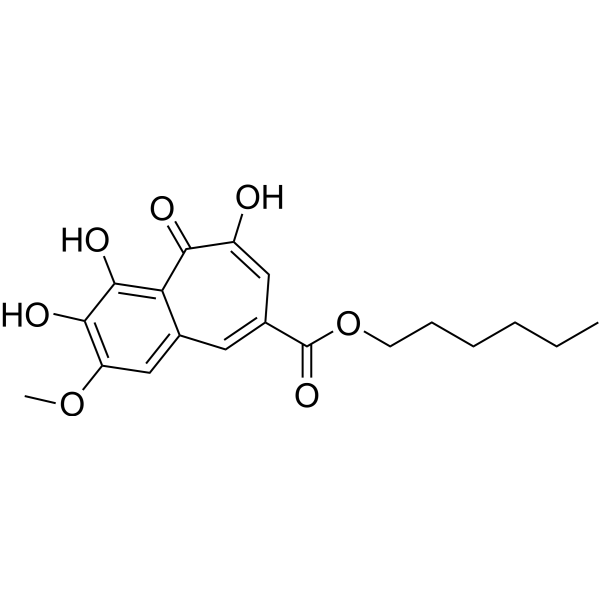
CU-CPT22 is a potent protein complex of toll-like receptor 1 and 2 (TLR1/2) inhibitor, and competes with the synthetic triacylated lipoprotein (Pam3CSK4) binding to TLR1/2 with a Ki of 0.41 µM. CU-CPT22 blocks Pam3CSK4-induced TLR1/2 activation with an IC50 of 0.58 µM .
|
-
-
- HY-103698A
-
-
-
- HY-109137
-
|
GS-9688
|
Toll-like Receptor (TLR)
HBV
|
Infection
|
|
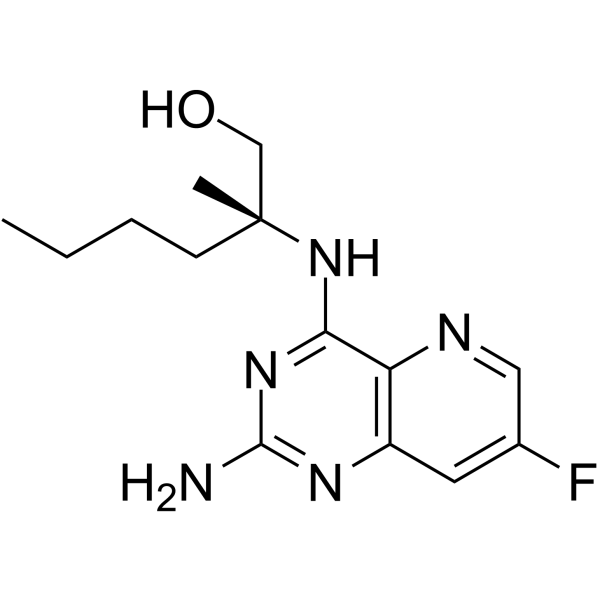
Selgantolimod (GS-9688) is an orally active, potent and selective toll-like receptor 8 (TLR8) agonist for the treatment of hepatitis B virus (HBV) and human immunodeficiency virus (HIV) infection .
|
-
-
- HY-15601
-
-
-
- HY-13773
-
|
VTX-2337; VTX-378
|
Toll-like Receptor (TLR)
|
Cancer
|
|
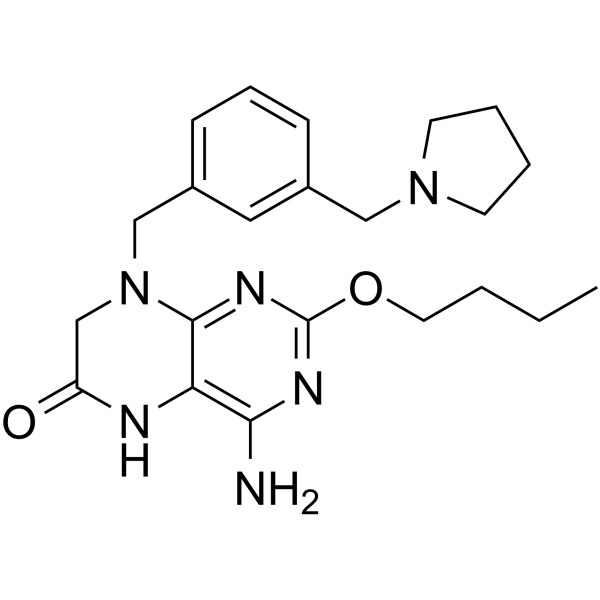
Motolimod (VTX-2337;VTX-378) is a selective Toll-like receptor 8 (TLR8) agonist, with an EC50 of approximately 100 nM.
|
-
-
- HY-116961
-
-
-
- HY-103698
-
-
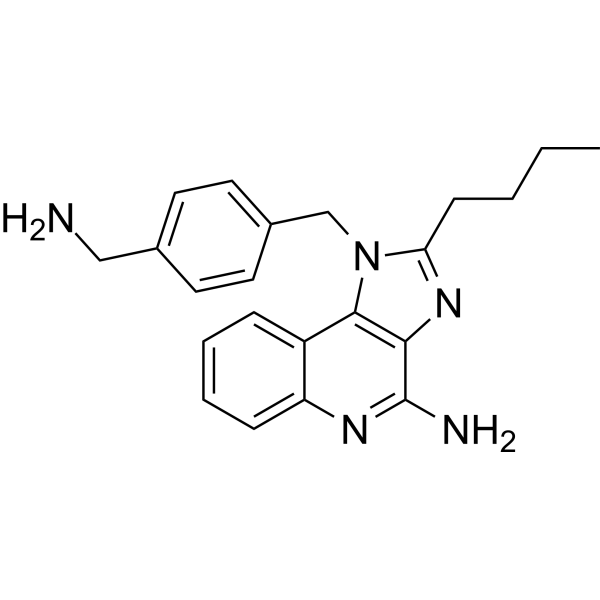
-
- HY-P2036A
-
|
|
Toll-like Receptor (TLR)
MMP
HSV
Antibiotic
|
Infection
|
|
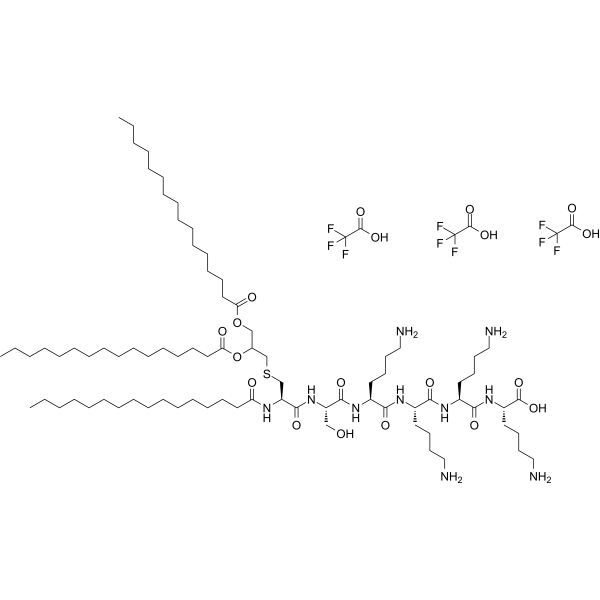
FSL-1 TFA, a bacterial-derived toll-like receptor 2/6 (TLR2/6) agonist, enhances resistance to experimental HSV-2 infection . FSL-1 TFA induces MMP-9 production through TLR2 and NF-κB/AP-1 signaling pathways in monocytic THP-1 cells .
|
-
-
- HY-109104
-
|
MEDI9197; 3M-052
|
Toll-like Receptor (TLR)
|
Cancer
|
|
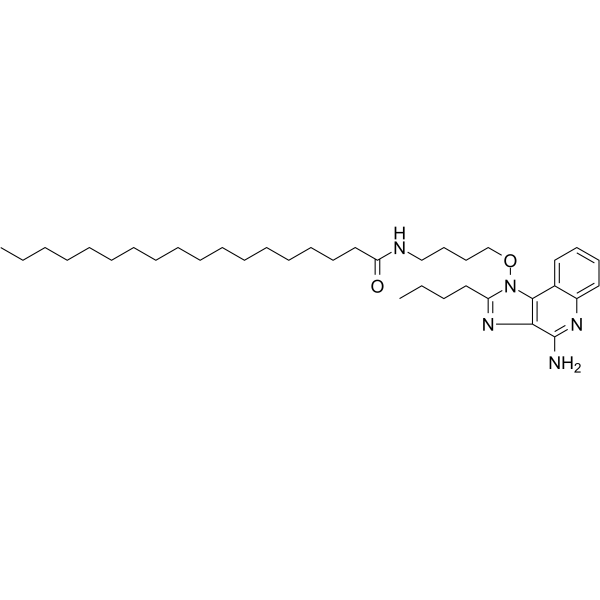
Telratolimod (MEDI9197) is a potent toll like receptors 7/8 (TLR7/8) agonist, with antitumor activity .
|
-
-
- HY-103039
-
-
-
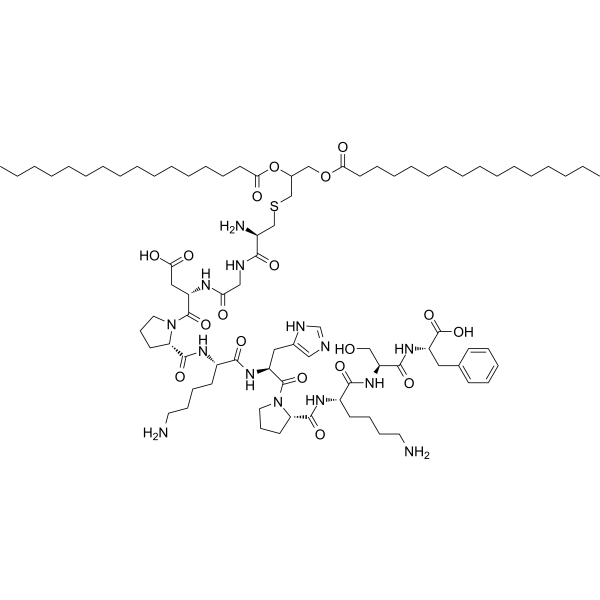
- HY-P2036
-
-
-
- HY-108472
-
|
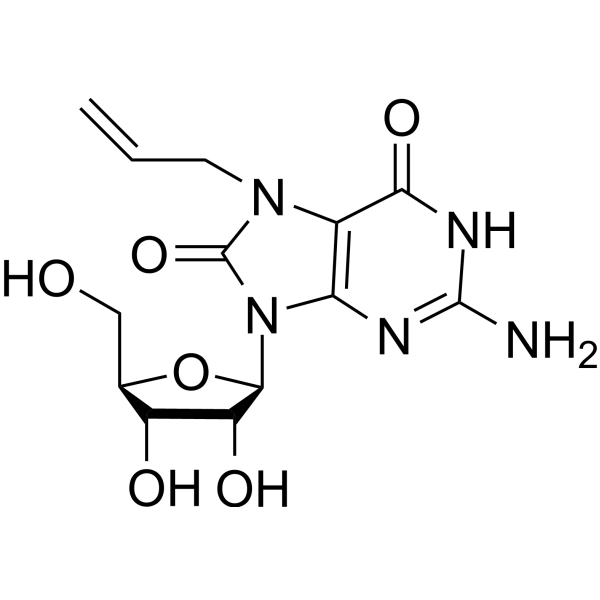
7-Allyl-8-oxoguanosine; RWJ 21757
|
Toll-like Receptor (TLR)
Influenza Virus
|
Infection
Cancer
|
|
Loxoribine (7-Allyl-8-oxoguanosine) is a guanosine analog with anti-viral and anti-tumor activities. Loxoribine is an orally bioavailable and selective Toll-like receptor (TLR) 7 agonist .
|
-
-
- HY-115400
-
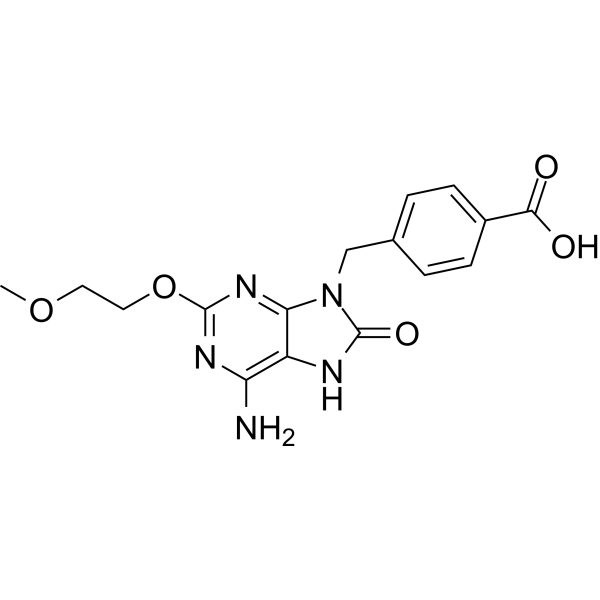
1V209
4 Publications Verification
TLR7 agonist T7
|
Toll-like Receptor (TLR)
|
Cancer
|
|
1V209 (TLR7 agonist T7) is a Toll-like receptor 7 (TLR7) agonist and has anti-tumor effects. 1V209 can be conjugated with various polysaccharides to improve its water solubility, and enhance its efficacy, and maintain low toxicity .
|
-
-
- HY-P1180
-
-
-
- HY-111582
-
|
|
Toll-like Receptor (TLR)
|
Inflammation/Immunology
|
|
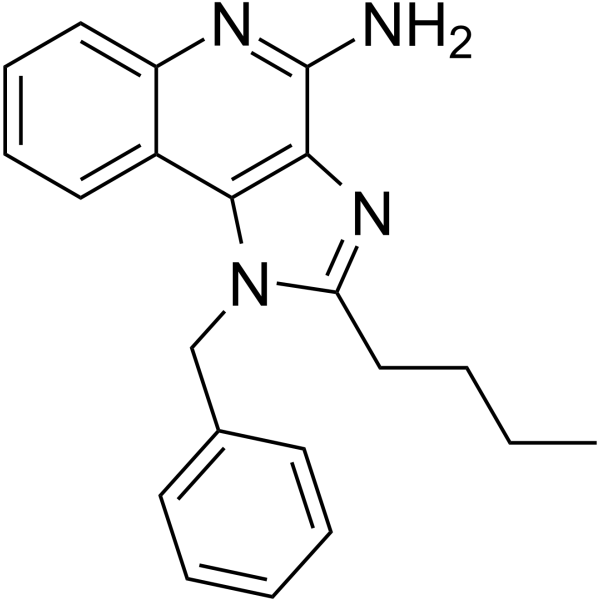
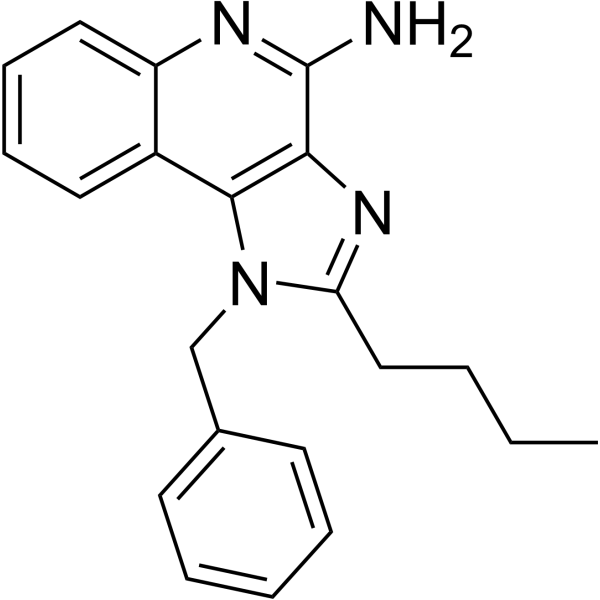
BBIQ is a imidazoquinoline compound and a potent and selectively toll-like receptor 7 (TLR7) agonist with an EC50 of 59.1 nM for human TLR7. BBIQ is a powerful vaccine adjuvant that enhances innate immune responses .
|
-
-
- HY-150736
-
|
|
Toll-like Receptor (TLR)
|
Infection
Inflammation/Immunology
|
|
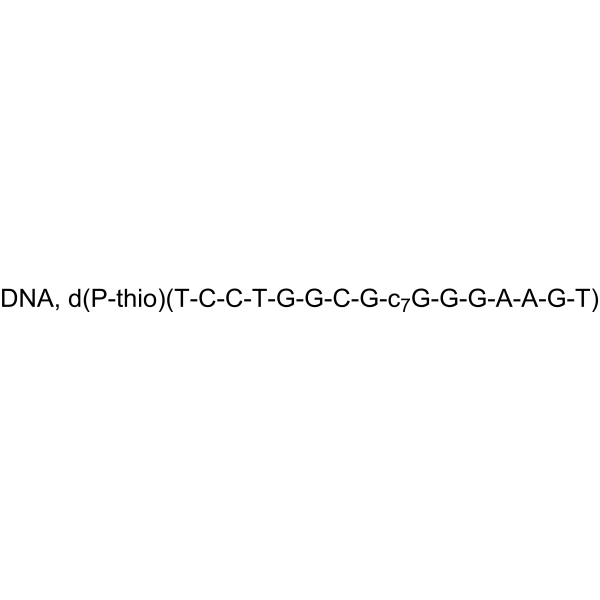
ODN 20844, a guanine-modified inhibitory oligonucleotide (INH-ODN), is a TLR7 and TLR9 (Toll-like receptor) inhibitor, and its parent is INH-ODN 2088. ODN 20844 disrupts TLR7- and TLR9-mediated immune cell immune responses. ODN 20844 sequence: 5'-TCCTGGCGc7GGGAAGT-3' .
|
-
-
- HY-13740G
-
|
R848; S28463
|
Toll-like Receptor (TLR)
|
Inflammation/Immunology
Cancer
|
|
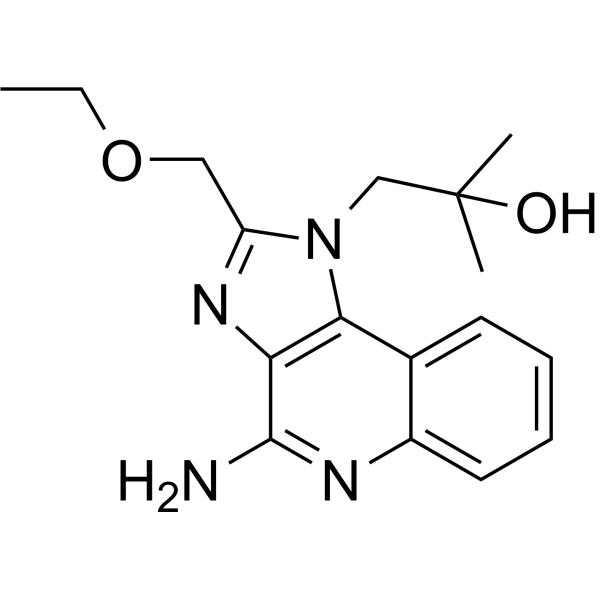
Resiquimod (R848) (GMP) is Resiquimod (HY-13740) produced by using GMP guidelines. GMP small molecules work appropriately as an auxiliary reagent for cell therapy manufacture. Resiquimod is a Toll-like receptor 7 and 8 (TLR7/TLR8) agonist. Resiquimod (GMP) can induce human mMDSC to mature into inflammatory macrophages .
|
-
-
- HY-111269
-
-
-
- HY-110120
-
|
|
Toll-like Receptor (TLR)
|
Cancer
|
|
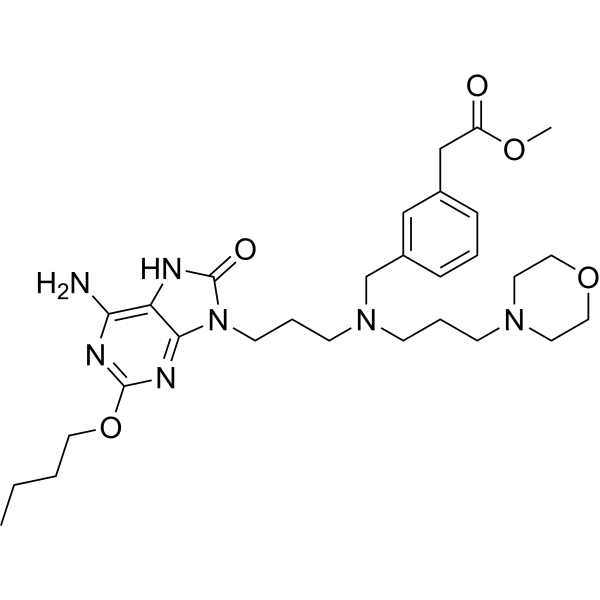
DSR-6434 is a potent and selective Toll-like receptor 7 (TLR7) agonist, with EC50s of 7.2 nM and 4.6 nM for human and mice TLR7, respectively. DSR-6434 has a strong antitumor effect .
|
-
-
- HY-B1370R
-
|
HCQ sulfate (Standard)
|
Reference Standards
Parasite
Toll-like Receptor (TLR)
SARS-CoV
Autophagy
|
Infection
Cancer
|
|
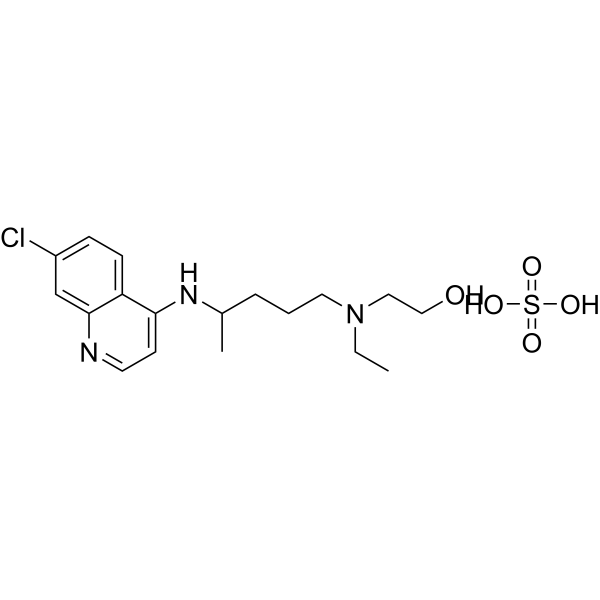
Hydroxychloroquine (sulfate) (Standard) is the analytical standard of Hydroxychloroquine (sulfate). This product is intended for research and analytical applications. Hydroxychloroquine sulfate (HCQ sulfate) is a synthetic antimalarial agent which can also inhibit Toll-like receptor 7/9 (TLR7/9) signaling. Hydroxychloroquine sulfate is efficiently inhibits SARS-CoV-2 infection in vitro .
|
-
-
- HY-131952
-
-
-
- HY-N14039
-
-

-
- HY-101929
-
-
-
- HY-150746
-
|
|
Toll-like Receptor (TLR)
|
Inflammation/Immunology
|
|
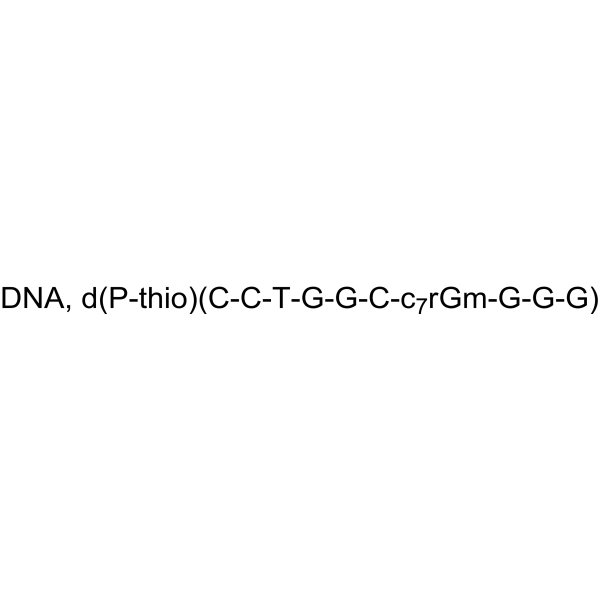
ODN 24991, a guanine-modified inhibitory oligonucleotide (INH-ODN), is a TLR3, TLR7 and TLR9 (Toll-like receptor) inhibitor, and its parent is INH-ODN 2088. ODN 24991 disrupts TLR3-, TLR7- and TLR9-mediated immune cell immune responses. ODN 24991 sequence: 5'-C-C-T-G-G-C-c7rGm-G-G-G-3' .
|
-
-
- HY-134315
-
|
|
Nucleoside Antimetabolite/Analog
|
Others
|
|
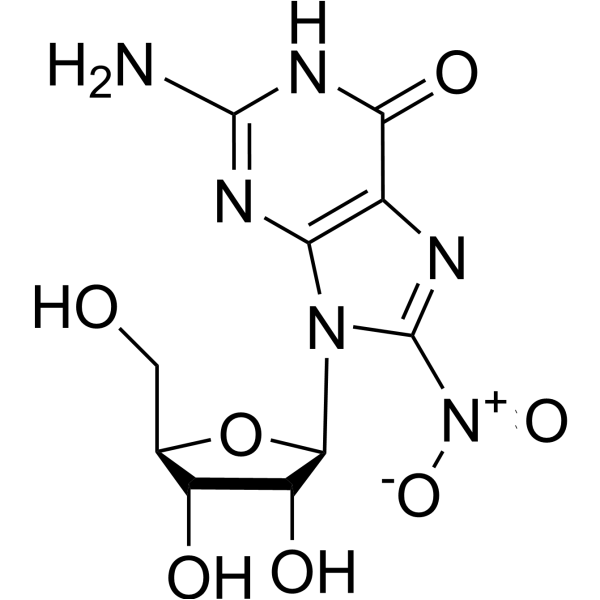
8-Nitroguanosine is a guanosine analogue. Some guanosine analogs have immunostimulatory activity. In some animal models, they also induce type I interferons, producing antiviral effects. Studies have shown that the functional activity of guanosine analogs is dependent on the activation of Toll-like receptor 7 (TLR7) .
|
-
-
- HY-10018
-
-
-
- HY-177617
-
|
IMO-8400
|
Toll-like Receptor (TLR)
|
Inflammation/Immunology
|
|
Bazlitoran (IMO-8400) is an oligonucleotide-based TLR7/8/9 antagonist. Bazlitoran blocks the activation of Toll-like receptors 7, 8, and 9. Bazlitoran inhibits cytokine responses mediated by Toll-like receptors 7, 8, and 9. Bazlitoran is associated with injection site reactions. Bazlitoran improves moderate-to-severe plaque psoriasis .
|
-

-
- HY-13740S
-
-
-
- HY-P10208A
-
-
-
- HY-148980A
-
|
|
Toll-like Receptor (TLR)
|
Inflammation/Immunology
|
|
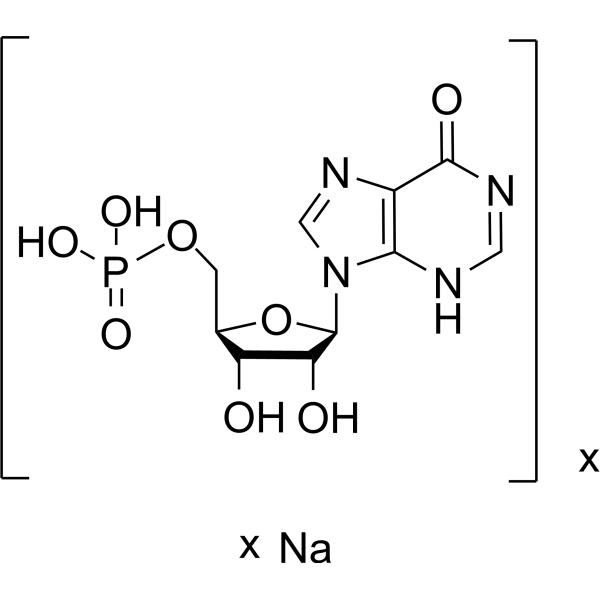
Polyinosinic acid sodium is the sodium form of Polyinosinic acid (HY-148980). Polyinosinic acid is a single stranded homonucleic acid, which is a Toll-like Receptor 3 (TLR3) ligand. Polyinosinic acid enhances cellular immune response through TLR3 and TRIF. Polyinosinic acid has potential applications in immune regulation .
|
-
-
- HY-148511A
-
|
CMP-001 sodium
|
Toll-like Receptor (TLR)
|
Cancer
|
|
Vidutolimod sodium is a CpG-A oligodeoxynucleotide. Vidutolimod sodium is a Toll-like receptor 9 (TLR9) agonist, which activates plasmacytoid dendritic cells (pDCs) and triggers interferon alpha (IFNα) release, leading to a cascade of anti-tumor immune effects.
|
-
-
- HY-150736A
-
|
|
Toll-like Receptor (TLR)
|
Infection
|
|
ODN 20844 sodium, a guanine-modified inhibitory oligonucleotide (INH-ODN), is a TLR7 and TLR9 (Toll-like receptor) inhibitor, and its parent is INH-ODN 2088. ODN 20844 sodium disrupts TLR7- and TLR9-mediated immune cell immune responses. ODN 20844 sequence: 5'-TCCTGGCGc7GGGAAGT-3' .
|
-
-
- HY-150734A
-
|
|
Toll-like Receptor (TLR)
|
Infection
|
|
ODN 2007 sodium, a class B CpG ODN (oligodeoxynucleotide), is a Toll-like receptor (TLR) ligand. ODN 2007 sodium can be used as an immunomodulator, vaccine adjuvant, and enhance immune responses in mammals, fish, and humans. ODN 2007 sequence: 5'-TCGTCGTTGTCGTTTTGTCGTT-3' .
|
-

-
- HY-103639A
-
|
|
Toll-like Receptor (TLR)
|
Infection
|
|
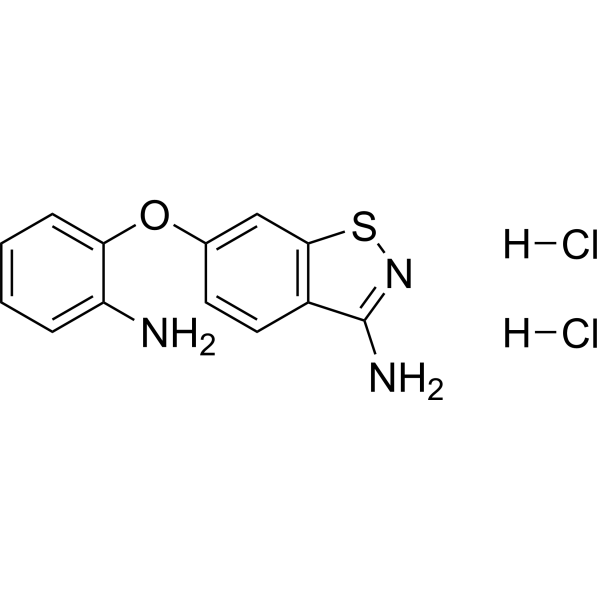
M62812 is a toll-like receptor 4 (TLR4) signaling inhibitor. M62812 inhibits endothelial and leukocyte activation and prevents lethal septic shock in mice. M62812 can reduces LPS-induced coagulation and inflammatory responses. M62812 can be used for the research of sepsis .
|
-
-
- HY-150746A
-
|
|
Toll-like Receptor (TLR)
|
Inflammation/Immunology
|
|
ODN 24991 sodium, a guanine-modified inhibitory oligonucleotide (INH-ODN), is a TLR3, TLR7 and TLR9 (Toll-like receptor) inhibitor, and its parent is INH-ODN 2088. ODN 24991 sodium disrupts TLR3-, TLR7- and TLR9-mediated immune cell immune responses. ODN 24991 sequence: 5'-C-C-T-G-G-C-c7rGm-G-G-G-3' .
|
-

-
- HY-W031727R
-
|
|
Reference Standards
Parasite
Toll-like Receptor (TLR)
SARS-CoV
Autophagy
|
Infection
Cancer
|
|
Hydroxychloroquine (HCQ) is a synthetic oral antimalarial drug that can be used in the study of malaria and autoimmune diseases such as systemic lupus erythematosus and rheumatoid arthritis. Hydroxychloroquine is a potent autophagic flux inhibitor with antiviral activity (such as SARS-CoV-2 virus) that inhibits Toll-like receptor 7/9 (TLR7/9) signaling .
|
-

-
- HY-177617A
-
|
IMO-8400 sodium
|
Toll-like Receptor (TLR)
|
Inflammation/Immunology
|
|
Bazlitoran sodium (IMO-8400 sodium) is an oligonucleotide-based TLR7/8/9 antagonist. Bazlitoran sodium blocks the activation of Toll-like receptors 7, 8, and 9. Bazlitoran sodium inhibits cytokine responses mediated by Toll-like receptors 7, 8, and 9. Bazlitoran sodium is associated with injection site reactions. Bazlitoran sodium improves moderate-to-severe plaque psoriasis .
|
-

-
- HY-135811A
-
|
|
Parasite
Toll-like Receptor (TLR)
Autophagy
|
Infection
|
|
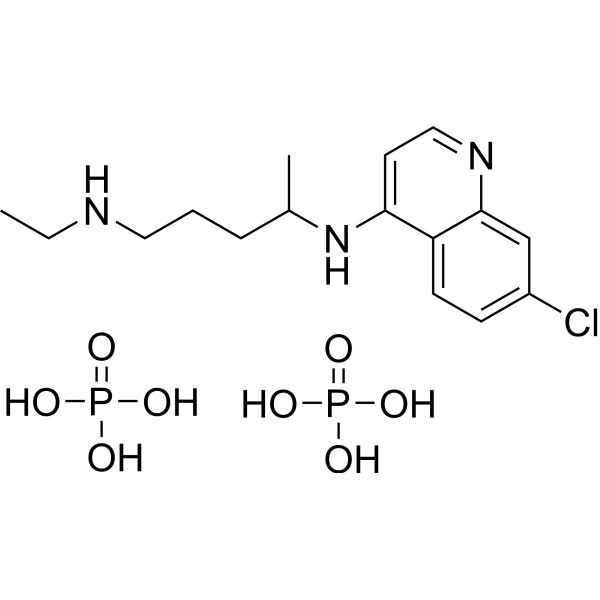
Desethyl chloroquine diphosphate is a major desethyl metabolite of Chloroquine. Chloroquine diphosphate is an inhibitor of autophagy and toll-like receptors (TLRs). Desethyl chloroquine diphosphate possesses antiplasmodic activity .
|
-
-
- HY-B1370B
-
|
(R)-HCQ
|
Parasite
Toll-like Receptor (TLR)
SARS-CoV
Autophagy
|
Infection
|
|
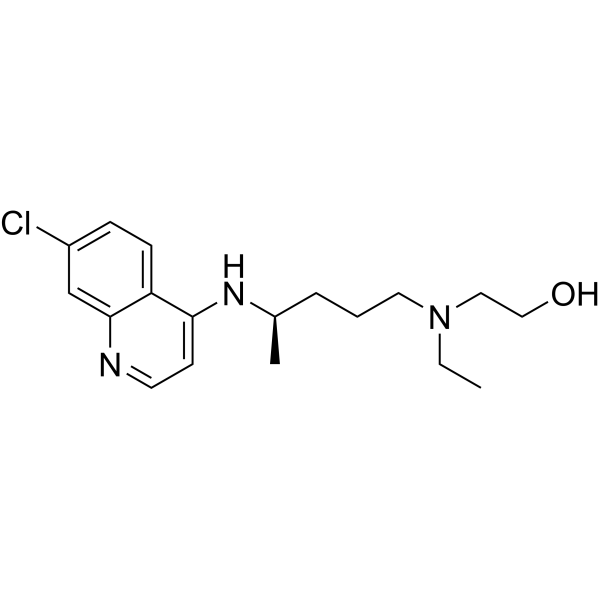
(R)-Hydroxychloroquine is the enantiomer of Hydroxychloroquine . Hydroxychloroquine is a synthetic antimalarial agent which can also inhibit Toll-like receptor 7/9 (TLR7/9) signaling. Hydroxychloroquine is efficiently inhibits SARS-CoV-2 infection in vitro .
|
-
-
- HY-P1405
-
-
-
- HY-147310
-
|
|
Toll-like Receptor (TLR)
|
Infection
|
|
CU-CPD107 is a potent, selective toll-like receptor 8 (TLR 8) agonist. CU-CPD107 inhibits TLR8 signaling. CU-CPD107 converts to synergistic agonist activities in the presence of ssRNA and induces TLR8 signaling. CU-CPD107 inhibits proinflammatory factor expression and avoids immune responses in the presence of ssRNA .
|
-
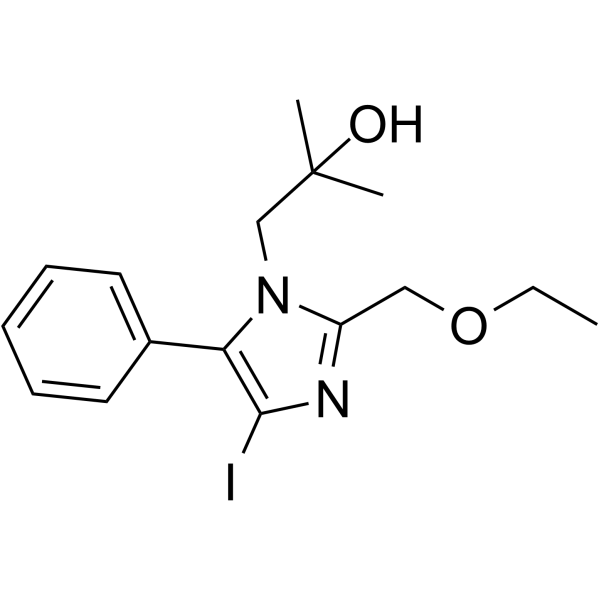
-
- HY-150741B
-
|
|
Toll-like Receptor (TLR)
Interleukin Related
|
Inflammation/Immunology
|
|
FITC-labeled ODN 2216 (sodium) is a human-specific TLR9 (toll-like receptor 9) ligand or agonist. FITC-labeled ODN 2216 (sodium) can be used to evaluate CpG ODN cellular uptake and localization by confocal laser-scanning microscopy (excitation 495 nm, emission 520 nm) or flow cytometry.
|
-
-
- HY-139575
-
-
-
- HY-135811
-
|
|
Parasite
Toll-like Receptor (TLR)
Autophagy
|
Infection
|
|
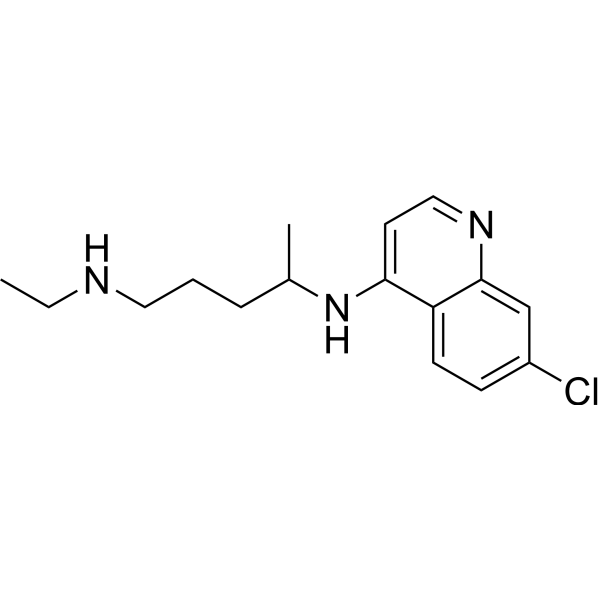
Desethyl chloroquine is a major desethyl metabolite of Chloroquine. Chloroquine diphosphate is an inhibitor of autophagy and toll-like receptors (TLRs). Desethyl chloroquine possesses antiplasmodic activity .
|
-
- HY-148980
-
|
|
Toll-like Receptor (TLR)
|
Inflammation/Immunology
|
|
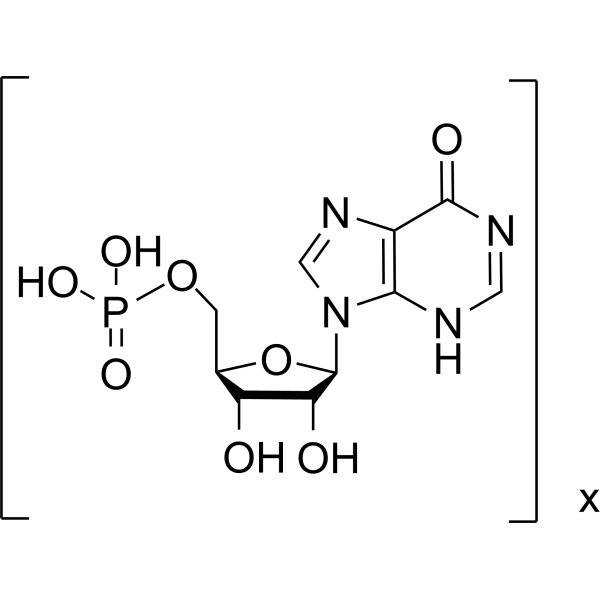
Polyinosinic acid is a single stranded homonucleic acid, which is a Toll-like Receptor 3 (TLR3) ligand. Polyinosinic acid enhances cellular immune response through TLR3 and TRIF. Polyinosinic acid has potential applications in immune regulation .
|
-
- HY-B1370A
-
|
(S)-HCQ
|
Parasite
Toll-like Receptor (TLR)
SARS-CoV
Autophagy
|
Infection
|
|
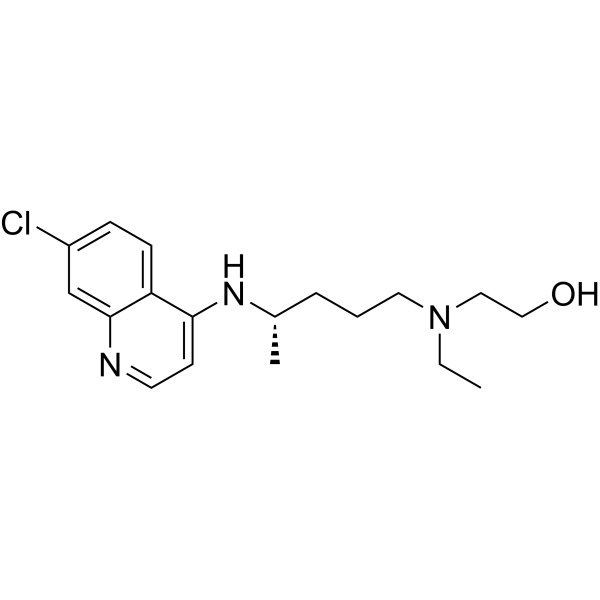
(S)-Hydroxychloroquine ((S)-HCQ) is the enantiomer of Hydroxychloroquine . Hydroxychloroquine, a synthetic antimalarial agent, inhibits Toll-like receptor 7/9 (TLR7/9) signaling, and shows efficiently inhibits SARS-CoV-2 infection in vitro .
|
-
- HY-131262
-
|
4-[(7-Chloro-4-quinolinyl)amino]-1-pentanol
|
SARS-CoV
Toll-like Receptor (TLR)
|
Others
|
|
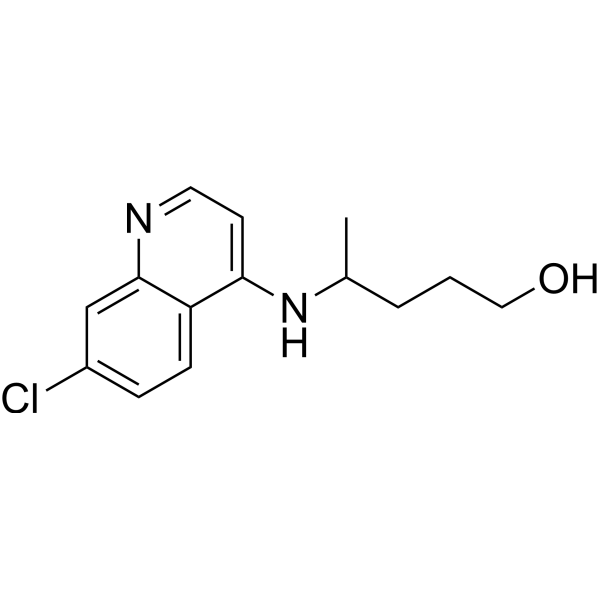
Hydroxychloroquine Impurity E is the impurity of Hydroxychloroquine. Hydroxychloroquine is a synthetic antimalarial agent which can also inhibit Toll-like receptor 7/9 (TLR7/9) signaling. Hydroxychloroquine is efficiently inhibits SARS-CoV-2 infection in vitro .
|
-
- HY-150501
-
|
|
Toll-like Receptor (TLR)
|
Inflammation/Immunology
|
|
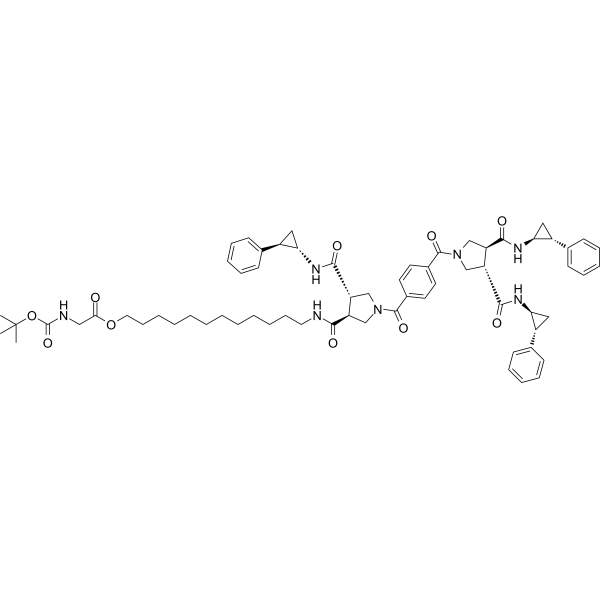
Diprovocim-X (compound 35) is a potent TLR1/TLR2 (toll-like receptor 1/2) agonist, with EC50 values of 0.14 and 0.75 nM for hTLR1/TLR2 and mTLR1/TLR2, respectively. Diprovocim-X is a potent adjuvant in vivo in mice, and serves to stimulate the adaptive immune response .
|
-
- HY-W031727S
-
-
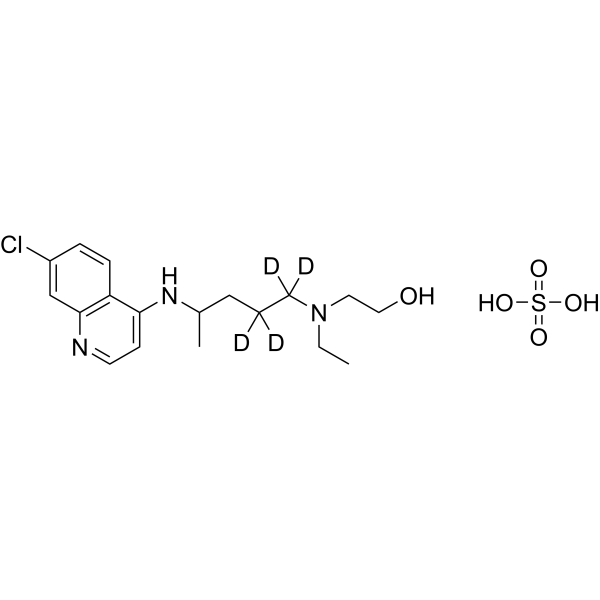
- HY-150741A
-
|
|
Toll-like Receptor (TLR)
|
Inflammation/Immunology
|
|
Biotin-labeled ODN 2216 (sodium) is a human-specific TLR9 (toll-like receptor 9) ligand or agonist. Biotin-labeled ODN 2216 (sodium) can be used to evaluate CpG ODN cellular uptake and localization using a biotin detection system and light microscopy.
|
-
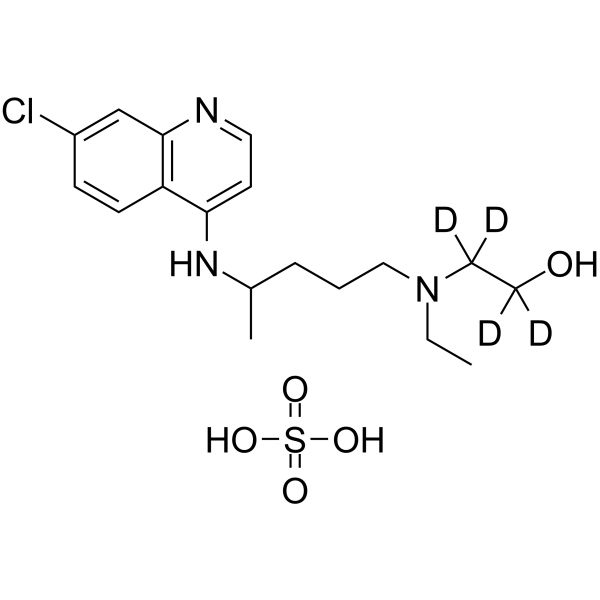
- HY-B1370S
-
-
- HY-150734
-
|
|
Toll-like Receptor (TLR)
|
Infection
Inflammation/Immunology
|
|
ODN 2007, a class B CpG ODN (oligodeoxynucleotide), is a Toll-like receptor (TLR) ligand. ODN 2007 can be used as an immunomodulator, vaccine adjuvant, and enhance immune responses in mammals, fish, and humans. ODN 2007 sequence: 5'-TCGTCGTTGTCGTTTTGTCGTT-3' .
|
-
- HY-154332
-
|
|
Nucleoside Antimetabolite/Analog
|
Cancer
|
|
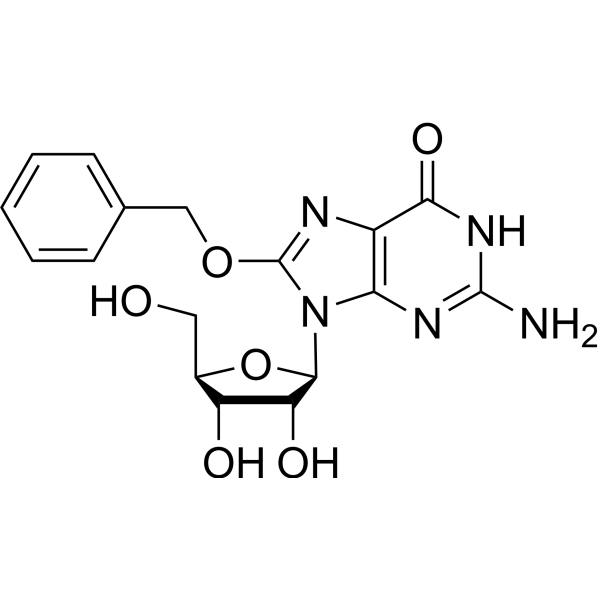
8-(Phenylmethoxy)guanosine is a guanosine analog. Some guanosine analogs have immunostimulatory activity. In some animal models, they also induce type I interferons, producing antiviral effects. Studies have shown that the functional activity of guanosine analogs is dependent on the activation of Toll-like receptor 7 (TLR7) .
|
-
- HY-152430
-
|
|
Nucleoside Antimetabolite/Analog
|
Cancer
|
|
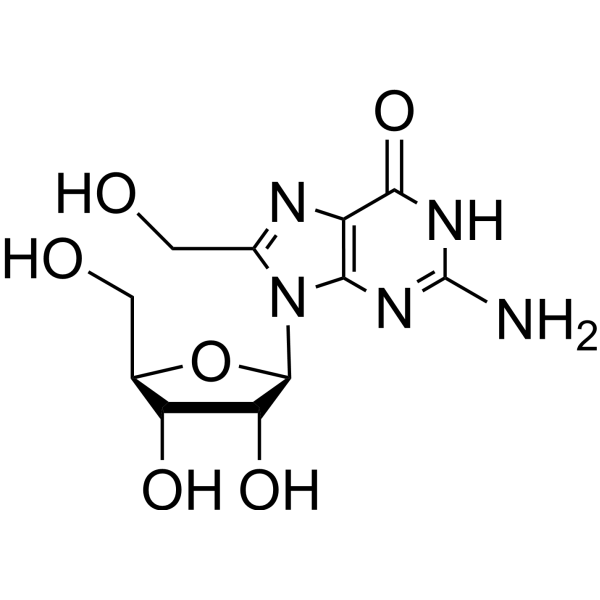
8-Hydroxymethyl guanosine is a guanosine analog. Some guanosine analogs have immunostimulatory activity. In some animal models, they also induce type I interferons, producing antiviral effects. Studies have shown that the functional activity of guanosine analogs is dependent on the activation of Toll-like receptor 7 (TLR7) .
|
-
- HY-144497
-
-
- HY-13740R
-
|
R848 (Standard); S28463 (Standard)
|
Toll-like Receptor (TLR)
HCV
Reference Standards
|
Inflammation/Immunology
Cancer
|
|
Resiquimod (Standard) is the analytical standard of Resiquimod. This product is intended for research and analytical applications. Resiquimod is a Toll-like receptor 7 and 8 (TLR7/TLR8) agonist that induces the upregulation of cytokines such as TNF-α, IL-6 and IFN-α.
|
-

- HY-149650
-
-
- HY-179209
-
|
|
Toll-like Receptor (TLR)
|
Inflammation/Immunology
|
|
TLR9-IN-2 (Compound 20) is a selective inhibitor of Toll-like receptor 9 (TLR9) with IC50 values for TLR9, TLR7, and TLR8 of 25, 1400, and > 50,000 nM respectively. TLR9-IN-2 can be used for the study of fibrosis, autoimmune and inflammatory diseases .
|
-

- HY-149650A
-
-
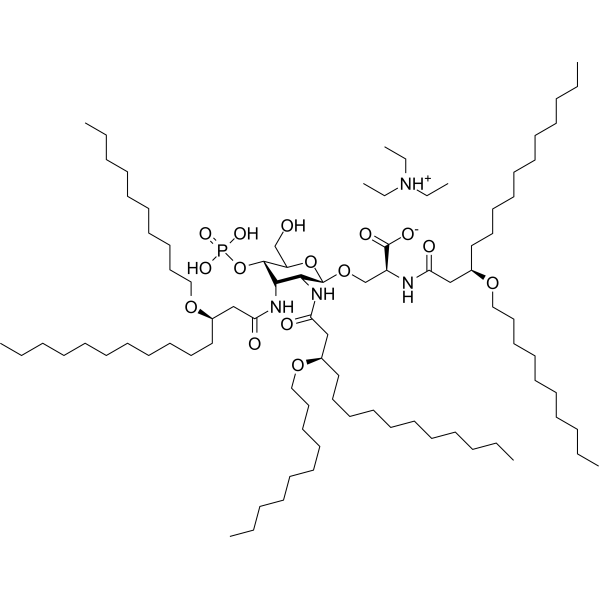
- HY-163829
-
|
|
Toll-like Receptor (TLR)
NF-κB
|
Cancer
|
|
TLR2 agonist 1 (Compound R-7d) is an agonist for human toll-like receptor 2 (TLR 2) with an EC50 of 116 pM. TLR2 agonist 1 enhances NF-κB promoter activation through TLR2/TLR1 heterodimers .
|
-

- HY-15601R
-
-

- HY-158058
-
|
|
Toll-like Receptor (TLR)
Pyroptosis
|
Inflammation/Immunology
Cancer
|
|
WYJ-2 is a selective agonist for toll-like receptor 2/1 (TLR2/1) with EC50 of 18.57 nM in human TLR2 and TLR1 transient-cotransfected HEK 293T cells. WYJ-2 induces pyroptosis and exhibits anticancer activity against non-small cell lung cancer (NSCLC) .
|
-
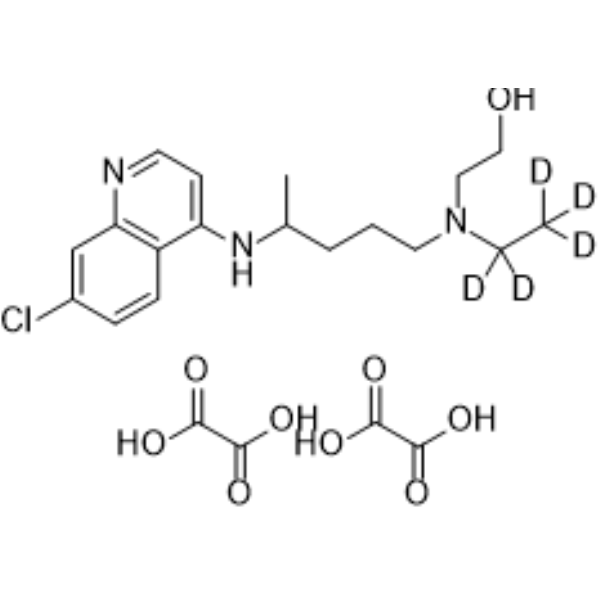
- HY-W031727S1
-
|
|
Autophagy
SARS-CoV
Toll-like Receptor (TLR)
Parasite
|
Cancer
|
|
Hydroxychloroquine-d5 is the deuterium labeled Hydroxychloroquine . Hydroxychloroquine is a synthetic antimalarial agent which can also inhibit Toll-like receptor 7/9 (TLR7/9) signaling. Hydroxychloroquine is efficiently inhibits SARS-CoV-2 infection in vitro .
|
-
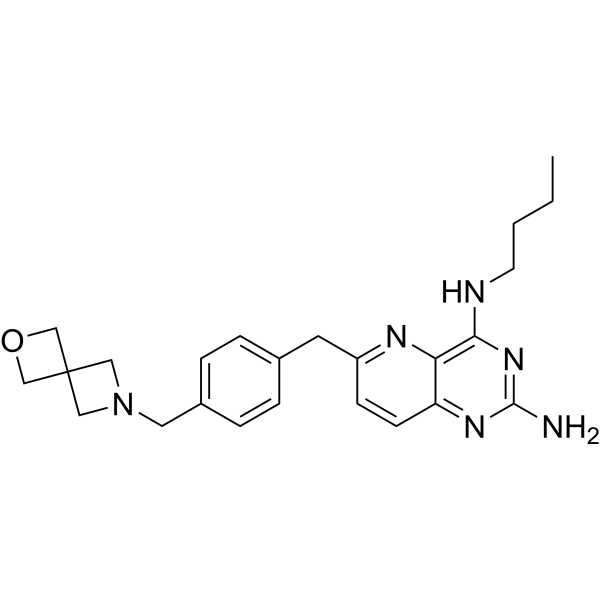
- HY-153543
-
|
|
Toll-like Receptor (TLR)
|
Cancer
|
|
TLR7/8 agonist 8 (compound 24m) is a potent toll-like receptor 7/8 (TLR7/8) dual agonist, with EC50s of 27 and 12 nM for hTLR7 and hTLR8, respectively. TLR7/8 agonist 8 can improve the antitumor activity of PD-1/PD-L1 blockade .
|
-
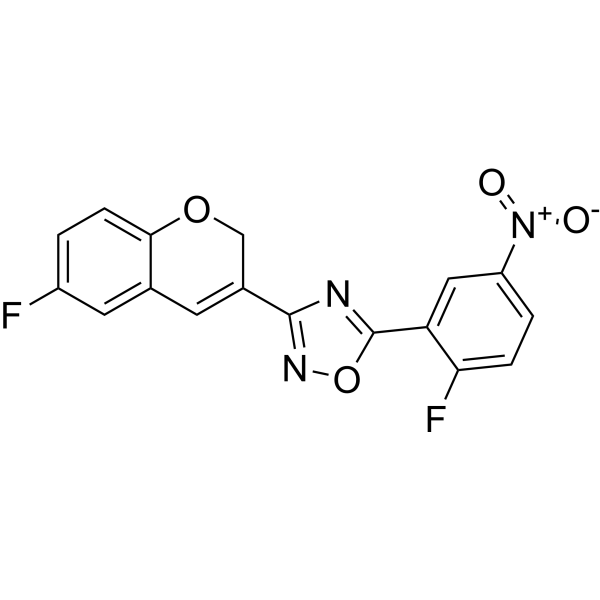
- HY-103639
-
|
|
Toll-like Receptor (TLR)
|
Inflammation/Immunology
|
|
M62812 (free base) is a toll-like receptor 4 (TLR4) signal transduction inhibitor. M62812 can suppress endothelial cell and leukocyte activation and prevents lethal septic shock in mice. M62812 can be used for the research of sepsis .
|
-
- HY-169017
-
|
|
Toll-like Receptor (TLR)
|
Cancer
|
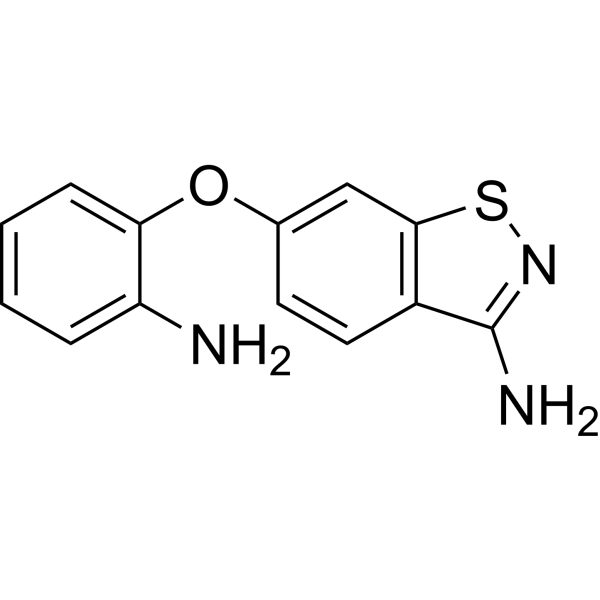
MTT5 is a toll-like receptor 7 (TLR7) agonist. MTT5 can couple with Deruxtecan (HY-13631E) and exert anti-tumor activity in HER2 positive solid tumors through tumor cell killing and immune activation .
|
-

- HY-P1405A
-
-

- HY-174522
-
|
|
mRNA
|
Inflammation/Immunology
|
|
Human TLR6 mRNA encodes the human toll like receptor 6 (TLR6) protein, a member of the Toll-like receptor (TLR) family which plays a fundamental role in pathogen recognition and activation of innate immunity. TLR6 interacts with toll-like receptor 2 to mediate cellular response to bacterial lipoproteins.
|
-

- HY-139575A
-
-
- HY-174527
-
|
|
mRNA
|
Inflammation/Immunology
|
|
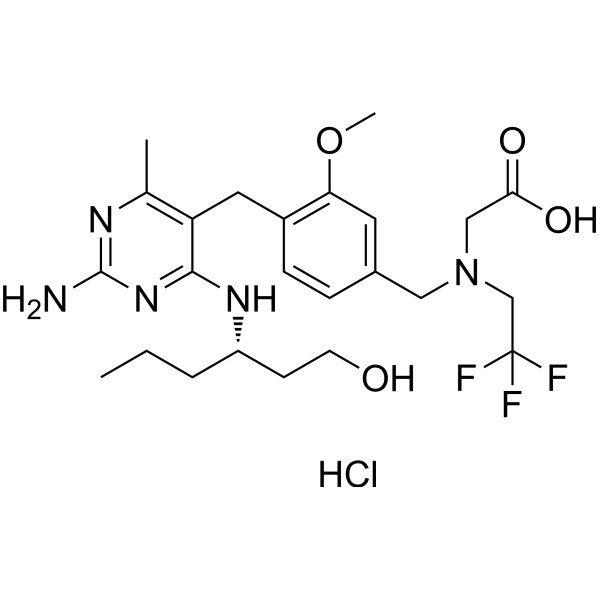
Human TLR10 mRNA encodes the human toll like receptor 10 (TLR10) protein, a member of the Toll-like receptor (TLR) family which plays a fundamental role in pathogen recognition and activation of innate immunity. TLR10 participates in the innate immune response to microbial agents.
|
-

- HY-162163
-
|
|
Toll-like Receptor (TLR)
|
Cancer
|
|
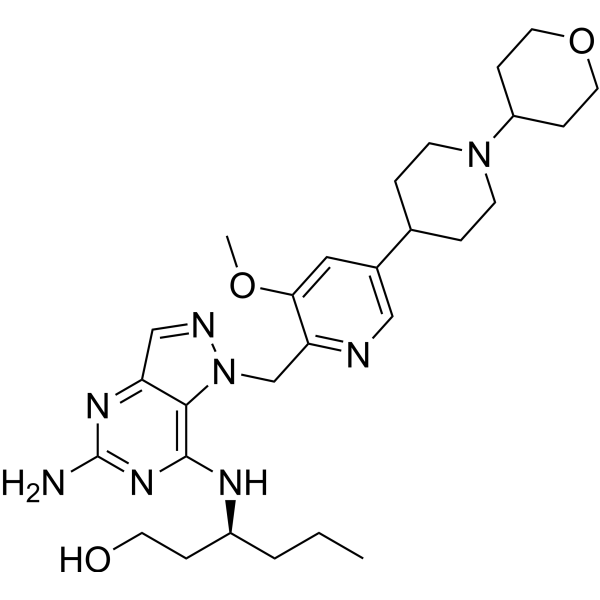
TLR7 agonist 19 (Compound 14) is a Toll-like receptor 7 (TLR7) agonist with excellent pharmacokinetic properties and synergistic antitumor activity.
|
-
- HY-168157
-
-

- HY-174521
-
|
|
mRNA
|
Inflammation/Immunology
|
|
Human TLR7 mRNA encodes the human toll like receptor 7 (TLR7) protein, a member of the Toll-like receptor (TLR) family which plays a fundamental role in pathogen recognition and activation of innate immunity. TLR7 senses single-stranded RNA oligonucleotides containing guanosine- and uridine-rich sequences from RNA viruses, a recognition occuring in the endosomes of plasmacytoid dendritic cells and B cells.
|
-

- HY-174523
-
|
|
mRNA
|
Inflammation/Immunology
|
|
Human TLR5 mRNA encodes the human toll like receptor 5 (TLR5) protein, a member of the Toll-like receptor (TLR) family which plays a fundamental role in pathogen recognition and activation of innate immunity. TLR5 recognizes bacterial flagellin, the principal component of bacterial flagella and a virulence factor. The activation of this receptor mobilizes the nuclear factor NF-kappaB, which in turn activates a host of inflammatory-related target genes.
|
-

- HY-131263
-
|
|
Drug Metabolite
|
Others
|
|
Hydroxychloroquine Impurity F is the impurity of Hydroxychloroquine. Hydroxychloroquine is a synthetic antimalarial agent which can also inhibit Toll-like receptor 7/9 (TLR7/9) signaling. Hydroxychloroquine is efficiently inhibits SARS-CoV-2 infection in vitro .
|
-
- HY-13773R
-
|
VTX-2337 (Standard); VTX-378 (Standard)
|
Toll-like Receptor (TLR)
Reference Standards
|
Cancer
|
|
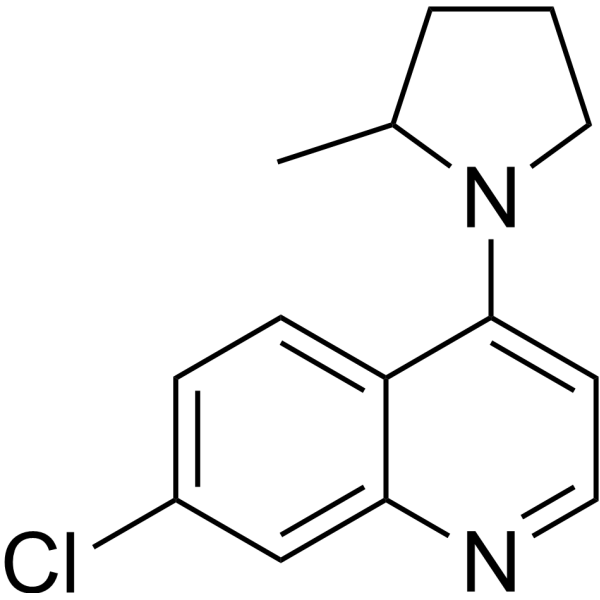
Motolimod (Standard) is the analytical standard of Motolimod. This product is intended for research and analytical applications. Motolimod (VTX-2337;VTX-378) is a selective Toll-like receptor 8 (TLR8) agonist, with an EC50 of approximately 100 nM.
|
-

- HY-135811S
-
-
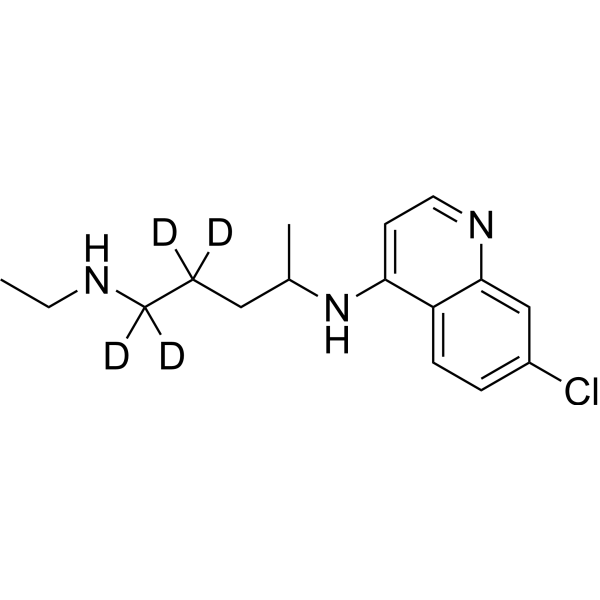
- HY-135811S1
-
-
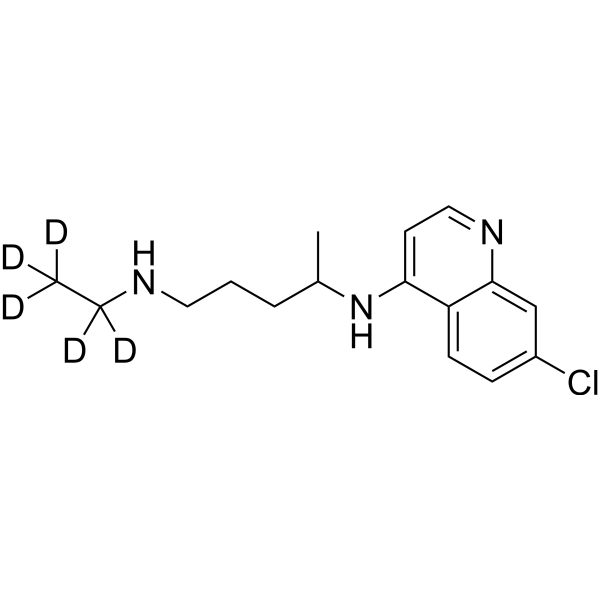
- HY-135811R
-
|
|
Reference Standards
Parasite
Toll-like Receptor (TLR)
Autophagy
|
Infection
|
|
Desethyl chloroquine (Standard) is the analytical standard of Desethyl chloroquine. This product is intended for research and analytical applications. Desethyl chloroquine is a major desethyl metabolite of Chloroquine. Chloroquine diphosphate is an inhibitor of autophagy and toll-like receptors (TLRs). Desethyl chloroquine possesses antiplasmodic activity .
|
-

- HY-135811AR
-
|
|
Parasite
Toll-like Receptor (TLR)
Autophagy
|
Infection
|
|
Desethyl chloroquine (diphosphate) (Standard) is the analytical standard of Desethyl chloroquine (diphosphate). This product is intended for research and analytical applications. Desethyl chloroquine diphosphate is a major desethyl metabolite of Chloroquine. Chloroquine diphosphate is an inhibitor of autophagy and toll-like receptors (TLRs). Desethyl chloroquine diphosphate possesses antiplasmodic activity .
|
-

- HY-108472R
-
|
7-Allyl-8-oxoguanosine (Standard); RWJ 21757 (Standard)
|
Toll-like Receptor (TLR)
Influenza Virus
Reference Standards
|
Infection
Cancer
|
|
Loxoribine (Standard) is the analytical standard of Loxoribine. This product is intended for research and analytical applications. Loxoribine (7-Allyl-8-oxoguanosine) is a guanosine analog with anti-viral and anti-tumor activities. Loxoribine is an orally bioavailable and selective Toll-like receptor (TLR) 7 agonist .
|
-

- HY-161629
-
|
|
Toll-like Receptor (TLR)
|
Cancer
|
|
TLR8 agonist 7 (Compound II-36) is an agonist for Toll-like receptor 8 (TLR8) with EC50 <250 nM. TLR8 agonist 7 is stable in human and murine plasma, induces secretion of cytokines TNFα, with EC50 <1 μM. TLR8 agonist 7 exhibits antitumor activity in MC38-HER2 xenograft mouse model with a tumor growth inhibition (TGI) rate of 98% .
|
-

- HY-152610
-
|
|
Nucleoside Antimetabolite/Analog
|
Others
|
|
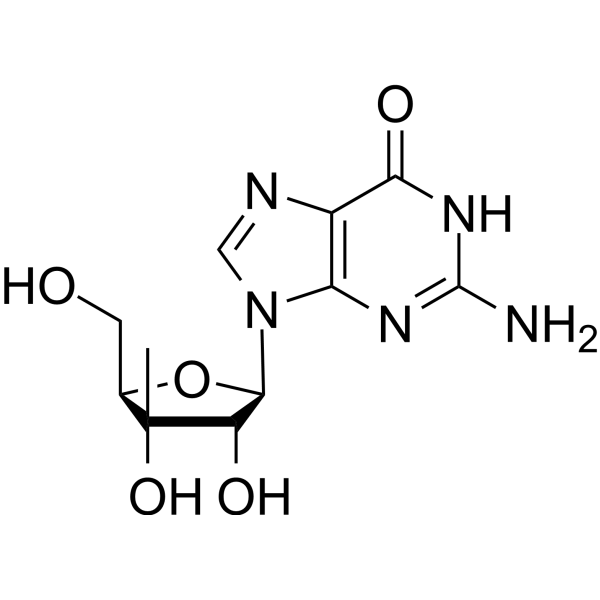
3′-C-Methylguanosine is a guanosine analogue. Some guanosine analogs have immunostimulatory activity. In some animal models, they also induce type I interferons, producing antiviral effects. Studies have shown that the functional activity of guanosine analogs is dependent on the activation of Toll-like receptor 7 (TLR7) .
|
-
- HY-152517
-
|
|
Nucleoside Antimetabolite/Analog
|
Others
|
|
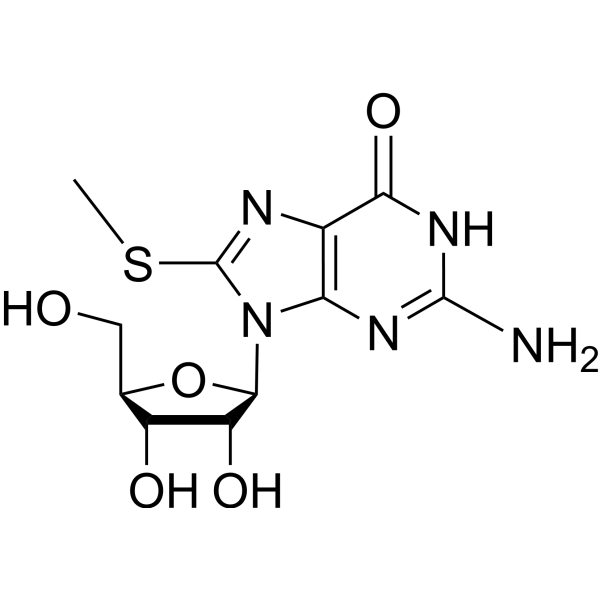
8-(Methylthio)guanosine is a guanosine analogue. Some guanosine analogs have immunostimulatory activity. In some animal models, they also induce type I interferons, producing antiviral effects. Studies have shown that the functional activity of guanosine analogs is dependent on the activation of Toll-like receptor 7 (TLR7) .
|
-
- HY-103639AR
-
|
|
Reference Standards
Toll-like Receptor (TLR)
|
Infection
|
|
M62812 (Standard) is the analytical standard of M62812 (HY-103639A). This product is intended for research and analytical applications. M62812 is a toll-like receptor 4 (TLR4) signaling inhibitor. M62812 inhibits endothelial and leukocyte activation and prevents lethal septic shock in mice. M62812 can reduces LPS-induced coagulation and inflammatory responses. M62812 can be used for the research of sepsis .
|
-

- HY-174528
-
|
|
mRNA
|
Inflammation/Immunology
|
|
Human TLR1 mRNA encodes the human toll like receptor 1 (TLR1) protein, a member of the Toll-like receptor (TLR) family which plays a fundamental role in pathogen recognition and activation of innate immunity.
|
-

- HY-174526
-
|
|
mRNA
|
Inflammation/Immunology
|
|
Human TLR2 mRNA encodes the human toll like receptor 2 (TLR2) protein, a member of the Toll-like receptor (TLR) family which plays a fundamental role in pathogen recognition and activation of innate immunity. TLR2 is thought to promote apoptosis in response to bacterial lipoproteins.
|
-

- HY-174519
-
|
|
mRNA
|
Inflammation/Immunology
|
|
Human TLR9 mRNA encodes the human toll like receptor 9 (TLR9) protein, a member of the Toll-like receptor (TLR) family which plays a fundamental role in pathogen recognition and activation of innate immunity. TLR9 mediates cellular response to unmethylated CpG dinucleotides in bacterial DNA to mount an innate immune response.
|
-

- HY-174520
-
|
|
mRNA
|
Inflammation/Immunology
|
|
Human TLR8 mRNA encodes the human toll like receptor 8 (TLR8) protein, a member of the Toll-like receptor (TLR) family which plays a fundamental role in pathogen recognition and activation of innate immunity. TLR8 acts via MYD88 and TRAF6, leading to NF-kappa-B activation, cytokine secretion and the inflammatory response.
|
-

- HY-174524
-
|
|
mRNA
|
Inflammation/Immunology
|
|
Human TLR4 mRNA encodes the human toll like receptor 4 (TLR4) protein, a member of the Toll-like receptor (TLR) family which plays a fundamental role in pathogen recognition and activation of innate immunity. TLR4 has been implicated in signal transduction events induced by lipopolysaccharide (LPS) found in most gram-negative bacteria.
|
-

- HY-174525
-
|
|
mRNA
|
Inflammation/Immunology
|
|
Human TLR3 mRNA encodes the human toll like receptor 3 (TLR3) protein, a member of the Toll-like receptor (TLR) family which plays a fundamental role in pathogen recognition and activation of innate immunity. TLR3 recognizes dsRNA associated with viral infection, and induces the activation of NF-kappaB and the production of type I interferons. It may thus play a role in host defense against viruses.
|
-

- HY-103698R
-
-

- HY-103039R
-
-

- HY-103698AR
-
|
|
Reference Standards
Toll-like Receptor (TLR)
|
Inflammation/Immunology
|
|
TLR7/8 agonist 1 dihydrochloride (Standard) is the analytical standard of TLR7/8 agonist 1 dihydrochloride (HY-103698A). This product is intended for research and analytical applications. TLR7/8 agonist 1 dihydrochloride is a toll-like receptor TLR7/TLR8 dual-agonistic imidazoquinoline .
|
-

- HY-109010
-
|
HM71224; LY3337641
|
Btk
BMX Kinase
Toll-like Receptor (TLR)
|
Metabolic Disease
|
|
Poseltinib (HM71224) is an orally active, selective, irreversible small molecule Bruton tyrosine kinase (BTK) inhibitor. With an IC50 of 1.95 nM. Poseltinib effectively inhibits the signaling mediated by B cell receptors (BCR), Fc receptors (FcR), and Toll-like receptors (TLR). Poseltinib has anti-inflammatory activity and can be used in the research of rheumatoid arthritis .
|
-
- HY-17589
-
-
- HY-154111
-
|
|
Nucleoside Antimetabolite/Analog
|
Cancer
|
|
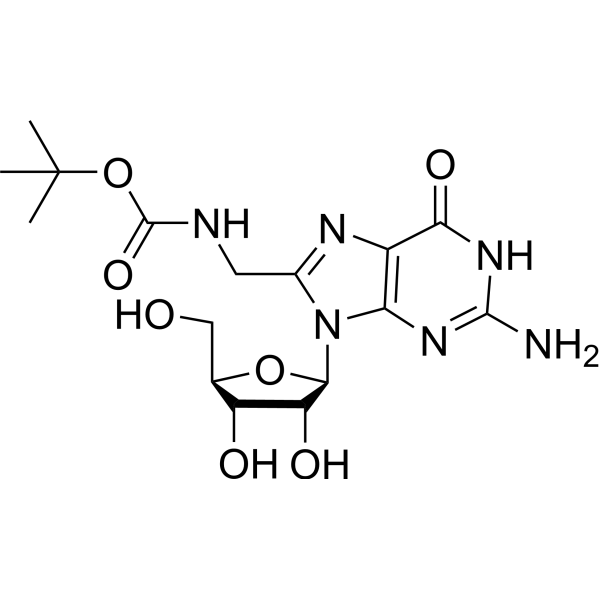
8-(N-Boc-aminomethyl)guanosine is a guanosine analog. Some guanosine analogs have immunostimulatory activity. In some animal models, they also induce type I interferons, producing antiviral effects. Studies have shown that the functional activity of guanosine analogs is dependent on the activation of Toll-like receptor 7 (TLR7) .
|
-
- HY-152673
-
|
|
Nucleoside Antimetabolite/Analog
|
Cancer
|
|
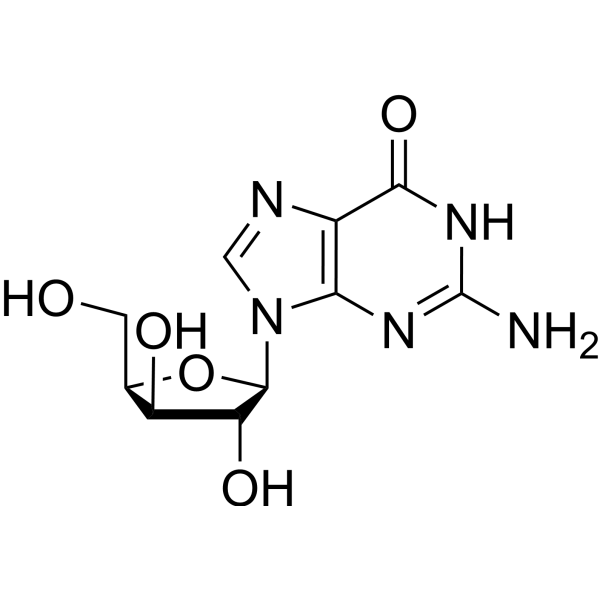
9-(β-D-Xylofuranosyl)guanine is a guanosine analog. Some guanosine analogs have immunostimulatory activity. In some animal models, they also induce type I interferons, producing antiviral effects. Studies have shown that the functional activity of guanosine analogs is dependent on the activation of Toll-like receptor 7 (TLR7) .
|
-
- HY-154506
-
|
|
Nucleoside Antimetabolite/Analog
|
Cancer
|
|
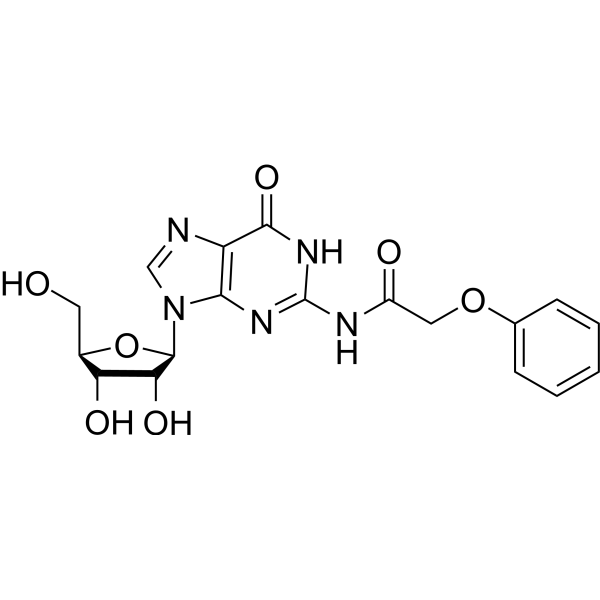
N2-Phenoxyacetylguanosine is a guanosine analog. Some guanosine analogs have immunostimulatory activity. In some animal models, they also induce type I interferons, producing antiviral effects. Studies have shown that the functional activity of guanosine analogs is dependent on the activation of Toll-like receptor 7 (TLR7) .
|
-
- HY-17589B
-
-
- HY-152742
-
|
|
Nucleoside Antimetabolite/Analog
|
Others
|
|
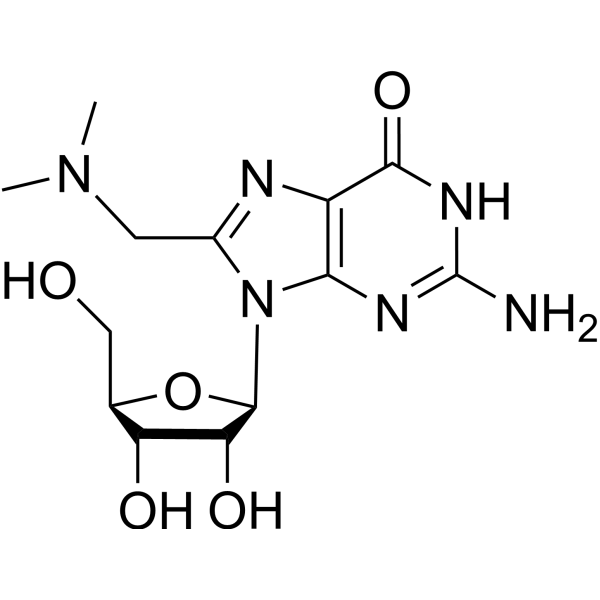
8-(N,N-Dimethylaminomethyl)guanosine is a guanosine analogue. Some guanosine analogs have immunostimulatory activity. In some animal models, they also induce type I interferons, producing antiviral effects. Studies have shown that the functional activity of guanosine analogs is dependent on the activation of Toll-like receptor 7 (TLR7) .
|
-
- HY-137406
-
|
|
Nucleoside Antimetabolite/Analog
|
Others
|
|
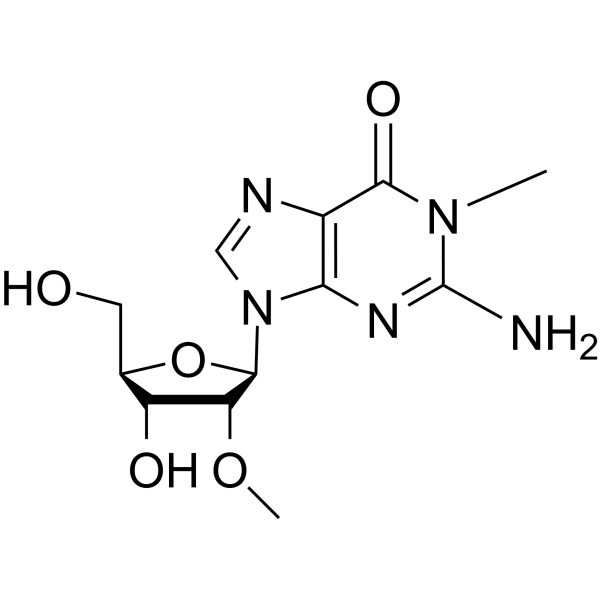
1,2'-O-Dimethylguanosine is a guanosine analogue. Some guanosine analogs have immunostimulatory activity. In some animal models, they also induce type I interferons, producing antiviral effects. Studies have shown that the functional activity of guanosine analogs is dependent on the activation of Toll-like receptor 7 (TLR7) .
|
-
- HY-152652
-
|
|
Nucleoside Antimetabolite/Analog
|
Cancer
|
|
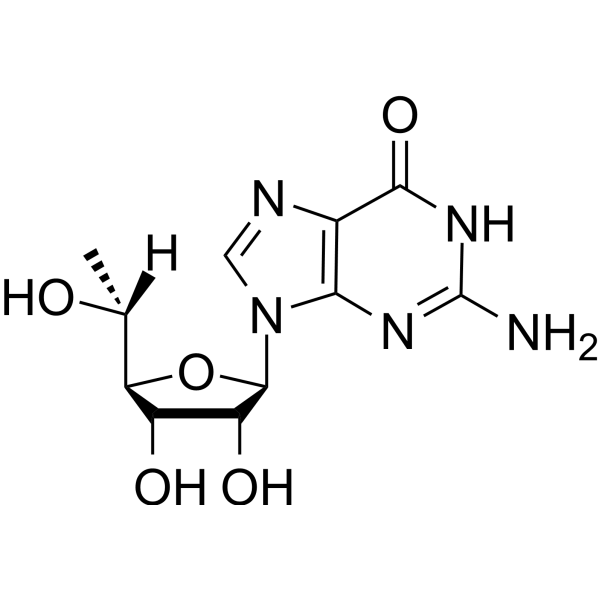
5’(R)-C-Methylguanosine is a guanosine analog. Some guanosine analogs have immunostimulatory activity. In some animal models, they also induce type I interferons, producing antiviral effects. Studies have shown that the functional activity of guanosine analogs is dependent on the activation of Toll-like receptor 7 (TLR7) .
|
-
- HY-147215
-
|
|
Toll-like Receptor (TLR)
|
Inflammation/Immunology
|
|
UC-1V150 is a specific TLR7 (Toll-like receptor) agonist that stimulates cellular immune responses and has anti-tumor activity. UC-1V150 can be used to synthesize ISAC (Immune-Stimulating Antibody Conjugates) molecule .
|
-
- HY-17589A
-
-
- HY-175533
-
|
|
Toll-like Receptor (TLR)
|
Neurological Disease
Inflammation/Immunology
|
|
TLR2 antagonist-1 is a selective Toll-like receptor 2 (TLR2) antagonist. TLR2 antagonist-1 can effectively inhibit excessive TLR2 activation (IC50 = 11.41 μM) and the production of inflammatory factors. TLR2 antagonist-1 has metabolic stability with a half-life (T1/2) of 16.67 min in mouse liver microsomes. TLR2 antagonist-1 can be used for the researches of inflammation, immunology, and neurological disease .
|
-

- HY-158694
-
|
|
Toll-like Receptor (TLR)
|
Inflammation/Immunology
|
|
TLR7 agonist 20 is a selective Toll-like receptor 7 (TLR7) agonist with an EC50 of 0.22 μM. TLR7 agonist 20, as an immunostimulant and vaccine adjuvant, enhances the production of anti-spike protein antibodies, increases IgG2b and IgG2c levels, and thereby drives Th1-type immune responses in mice. TLR7 agonist 20 can be used in studies related to non-inflammatory potent vaccine adjuvants .
|
-

- HY-158694A
-
|
|
Toll-like Receptor (TLR)
|
Inflammation/Immunology
|
|
TLR7 agonist 20 hydrochloride is a selective Toll-like receptor 7 (TLR7) agonist with an EC50 of 0.22 μM. TLR7 agonist 20 hydrochloride, as an immunostimulant and vaccine adjuvant, enhances the production of anti-spike protein antibodies, increases IgG2b and IgG2c levels, and thereby drives Th1-type immune responses in mice. TLR7 agonist 20 hydrochloride can be used in studies related to non-inflammatory potent vaccine adjuvants .
|
-

- HY-161630
-
|
|
Toll-like Receptor (TLR)
|
Cancer
|
|
TLR8 agonist 8 (Compound II-72) is an agonist for Toll-like receptor 8 (TLR8) with EC50 of 0.25-1 μM. TLR8 agonist 8 is stable in human and murine plasma, induces secretion of cytokines TNFα, with EC50 <1 μM. TLR8 agonist 8 exhibits antitumor activity in MC38-HER2 xenograft mouse model with a tumor growth inhibition (TGI) rate of 89% .
|
-

- HY-161631
-
|
|
Toll-like Receptor (TLR)
|
Cancer
|
|
TLR8 agonist 9 (Compound II-77) is an agonist for Toll-like receptor 8 (TLR8) with EC50 of 0.25-1 μM. TLR8 agonist 9 is stable in human and murine plasma, induces secretion of cytokines TNFα, with EC50 <1 μM. TLR8 agonist 9 exhibits antitumor activity in MC38-HER2 xenograft mouse model with a tumor growth inhibition (TGI) rate of 97% .
|
-

- HY-162649
-
|
|
Toll-like Receptor (TLR)
NF-κB
p38 MAPK
|
Inflammation/Immunology
|
|
TIC10g is a dual inhibitor for toll-like receptor 7 and 9 (TLR7 and TLR9), which inhibits TLR7 and TLR9 mediated TNF-α release in mouse macrophages (IC50 is 14.5 μM and 6.5 μM) and human B lymphocytes (IC50 is 7.69 μM and 11.5 μM). TIC10g inhibits the activation of NF-κB and MAPK, and exhibits anti-inflammatory activity against systemic lupus erythematosus and rheumatoid arthritis .
|
-

- HY-163670
-
|
|
Toll-like Receptor (TLR)
|
Infection
|
|
TLR7 agonist 21 (Compound 27B) is a selective agonist for Toll-like receptor 7(TLR7), with an EC50 of 17.53 nM (for human TLR7) and 41.7 nM (for mouse TLR7). TLR7 agonist 21 stimulates the secretion of pro-inflammatory cytokines, such as IL-6, TNF-α, IFN-α1, and IL-4. TLR7 agonist 21 acts as a vaccine adjuvant, increases levels of IgG and IgA, and protects the mouse from influenza virus infections .
|
-

- HY-152493
-
|
|
Nucleoside Antimetabolite/Analog
|
Others
|
|
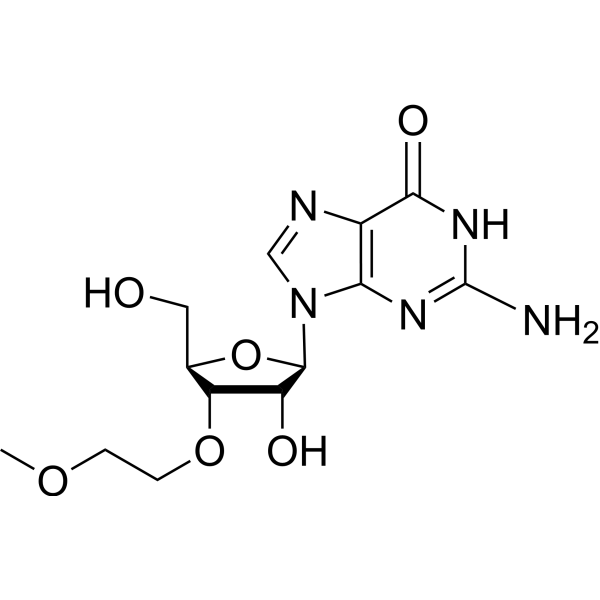
3’-O-(2-Methoxyethyl)guanosine is a guanosine analogue. Some guanosine analogs have immunostimulatory activity. In some animal models, they also induce type I interferons, producing antiviral effects. Studies have shown that the functional activity of guanosine analogs is dependent on the activation of Toll-like receptor 7 (TLR7) .
|
-
- HY-11109
-
-
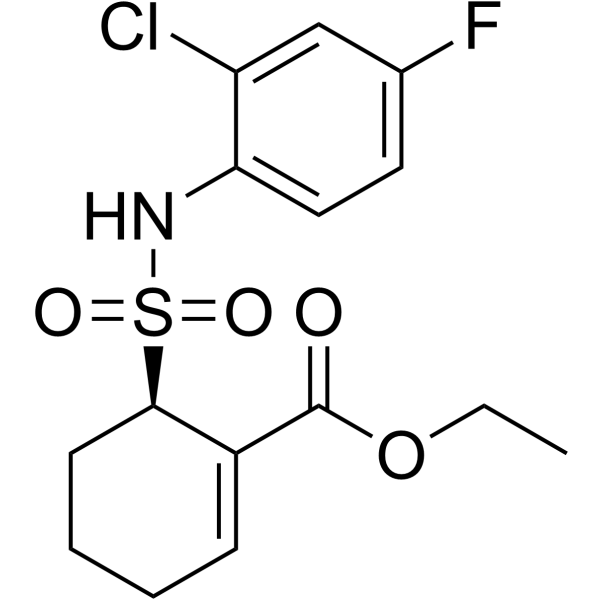
- HY-161726
-
-

- HY-141537
-
|
|
Toll-like Receptor (TLR)
|
Inflammation/Immunology
|
|
ABR-238901 is an orally active and potent S100A8/A9 blocker and inhibits S100A8/A9 interaction with its receptors RAGE (receptor for advanced glycation endproducts) and TLR4 (toll-like receptor 4). ABR-238901 has the potential for myocardial infarction (MI) research .
|
-
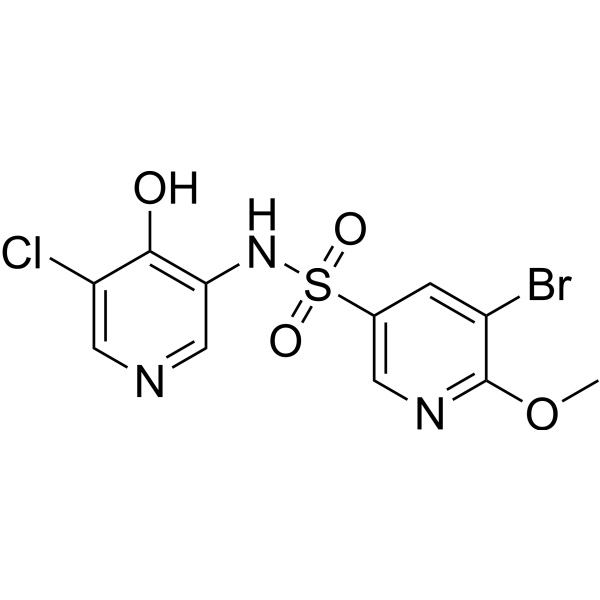
- HY-113134R
-
|
25-OHC (Standard)
|
Endogenous Metabolite
Reference Standards
|
Inflammation/Immunology
|
|
25-Hydroxycholesterol (Standard) is the analytical standard of 25-Hydroxycholesterol. This product is intended for research and analytical applications. 25-Hydroxycholesterol (25-OHC) is a metabolite of cholesterol that is produced and secreted by macrophages in response to Toll-like receptor (TLR) activation. 25-hydroxycholesterol is a potent (EC50≈65 nM) and selective suppressor of IgA production by B cells.
|
-

- HY-128139
-
|
2'-C-beta-Methylguanosine
|
Nucleoside Antimetabolite/Analog
|
Others
|
|
2'-C-Methylguanosine (2'-C-beta-Methylguanosine) is a guanosine analogue. Some guanosine analogs have immunostimulatory activity. In some animal models, they also induce type I interferons, producing antiviral effects. Studies have shown that the functional activity of guanosine analogs is dependent on the activation of Toll-like receptor 7 (TLR7) .
|
-
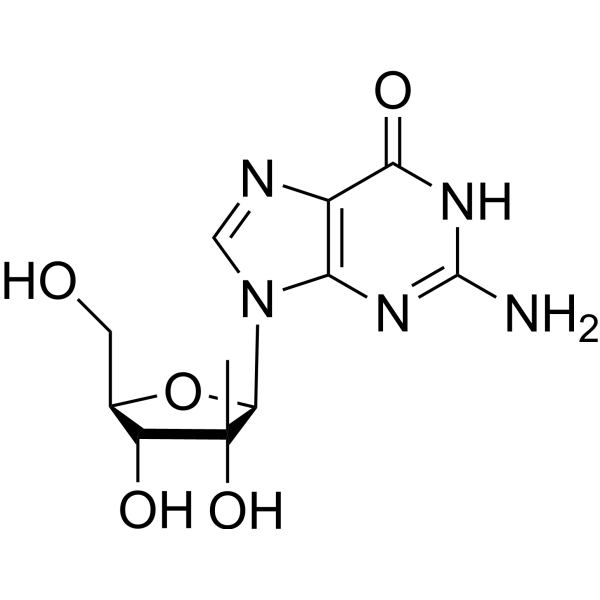
- HY-154336
-
|
|
Nucleoside Antimetabolite/Analog
|
Cancer
|
|
N-[2-[4-(1-Methylethyl)phenoxy]acetyl]guanosine is a guanosine analog. Some guanosine analogs have immunostimulatory activity. In some animal models, they also induce type I interferons, producing antiviral effects. Studies have shown that the functional activity of guanosine analogs is dependent on the activation of Toll-like receptor 7 (TLR7) .
|
-
![N-[2-[4-(1-Methylethyl)phenoxy]acetyl]guanosine](//file.medchemexpress.com/product_pic/hy-154336.gif)
- HY-152991
-
|
|
Nucleoside Antimetabolite/Analog
|
Others
|
|
2′-Deoxy-N-(2-furanylmethyl)guanosine is a guanosine analog. Some guanosine analogs have immunostimulatory activity. In some animal models, they also induce type I interferons, producing antiviral effects. Studies have shown that the functional activity of guanosine analogs is dependent on the activation of Toll-like receptor 7 (TLR7) .
|
-
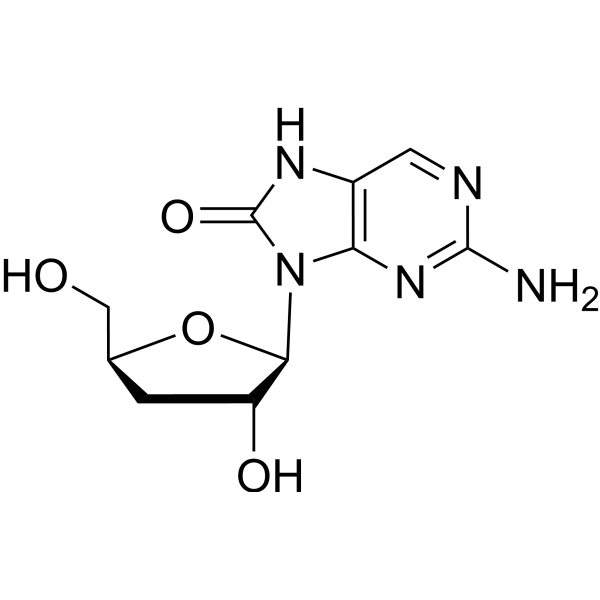
- HY-111582G
-
|
|
Toll-like Receptor (TLR)
|
Inflammation/Immunology
|
|
BBIQ (GMP) is BBIQ (HY-111582) produced by using GMP guidelines. GMP small molecules works appropriately as an auxiliary reagent for cell therapy manufacture. BBIQ is a potent and selectively toll-like receptor 7 (TLR7) agonist with an EC50 of 59.1 nM. BBIQ is a powerful vaccine adjuvant that enhances innate immune responses .
|
-
- HY-154549
-
|
|
Nucleoside Antimetabolite/Analog
Phosphoramidites
|
Cancer
|
|
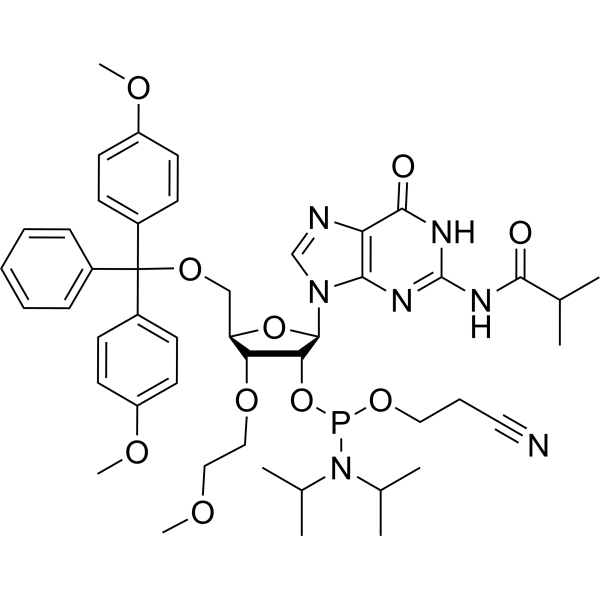
3’-O-MOE-G(iBu)-2’-phosphoramidite is a guanosine analog. Some guanosine analogs have immunostimulatory activity. In some animal models, they also induce type I interferons, producing antiviral effects. Studies have shown that the functional activity of guanosine analogs is dependent on the activation of Toll-like receptor 7 (TLR7) .
|
-
- HY-154484
-
|
|
Nucleoside Antimetabolite/Analog
Phosphoramidites
|
Cancer
|
|
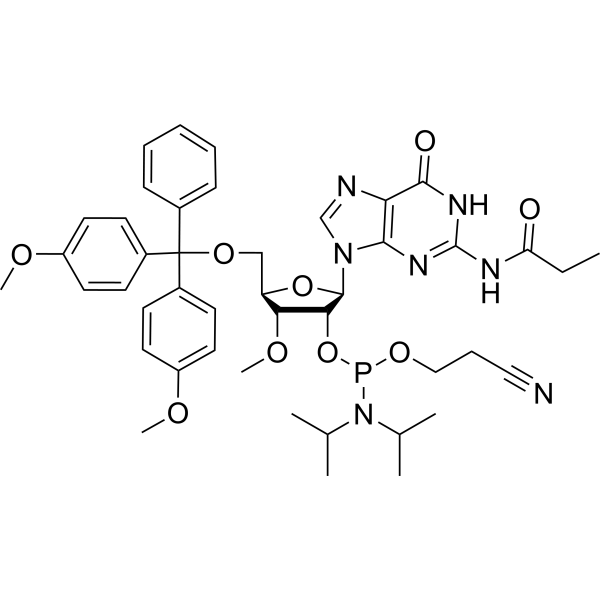
3’-O-Me-G(iBu)-2’-phosphoramidite is a guanosine analog. Some guanosine analogs have immunostimulatory activity. In some animal models, they also induce type I interferons, producing antiviral effects. Studies have shown that the functional activity of guanosine analogs is dependent on the activation of Toll-like receptor 7 (TLR7) .
|
-
- HY-152993
-
|
|
Nucleoside Antimetabolite/Analog
|
Others
|
|
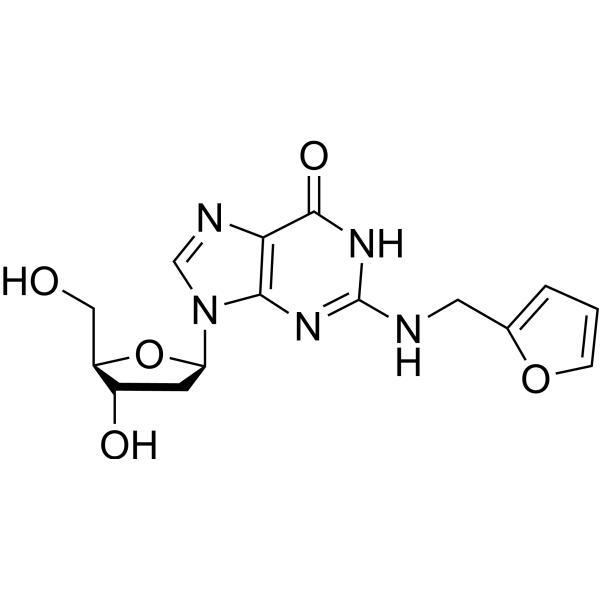
2′-Deoxy-N-(2-furanylmethyl)guanosine is a guanosine analog. Some guanosine analogs have immunostimulatory activity. In some animal models, they also induce type I interferons, producing antiviral effects. Studies have shown that the functional activity of guanosine analogs is dependent on the activation of Toll-like receptor 7 (TLR7) .
|
-
- HY-162116
-
|
|
Toll-like Receptor (TLR)
|
Inflammation/Immunology
Cancer
|
|
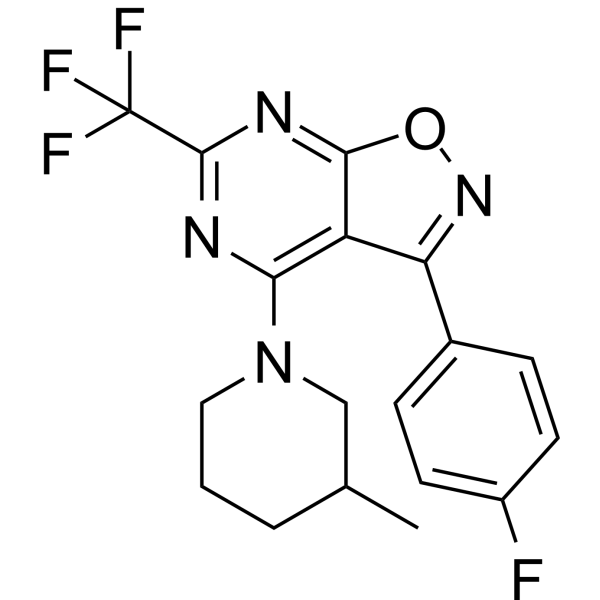
TLR7 agonist 18 (Compound 21a) is a selective Toll-like receptor 7 (TLR7) agonist with an EC50 of 7.8 μM. TLR7 agonist 18 is not cytotoxic to hTLR7 cotransfected HEK293 cell lines and can induce the secretion of several cytokines, including IL-1β, IL-12p70, IL-8, and TNF-α. TLR7 agonist 18 can be used in vaccine, asthma, allergy and anti-cancer research .
|
-
- HY-154361
-
|
|
Nucleoside Antimetabolite/Analog
|
Cancer
|
|
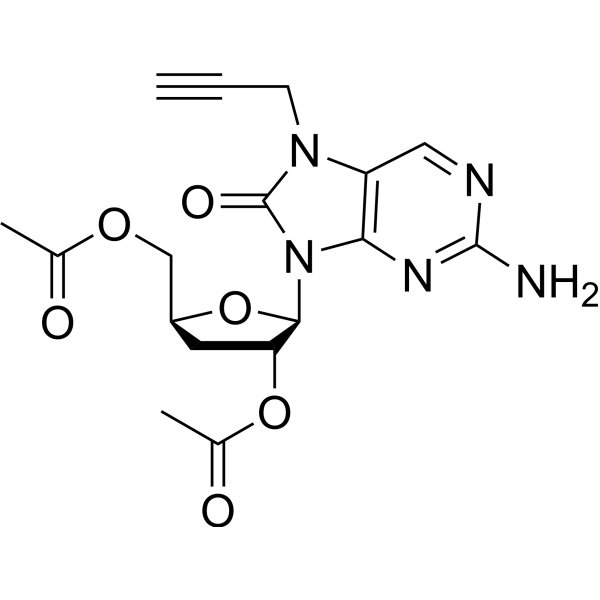
TLR7 agonist 13 is a guanosine analog. Some guanosine analogs have immunostimulatory activity. In some animal models, they also induce type I interferons, producing antiviral effects. Studies have shown that the functional activity of guanosine analogs is dependent on the activation of Toll-like receptor 7 (TLR7) . TLR7 agonist 13 is a click chemistry reagent, it contains an Alkyne group and can undergo copper-catalyzed azide-alkyne cycloaddition (CuAAc) with molecules containing Azide groups.
|
-
- HY-177642
-
|
Li28
|
Toll-like Receptor (TLR)
|
Cancer
|
|
Litenimod is potent type B agonist of toll Like receptor 9 (TLR9), triggering both innate and adaptive immune response.
|
-

- HY-177642A
-
|
Li28 sodium sodium
|
Toll-like Receptor (TLR)
|
Cancer
|
|
Litenimod sodium is potent type B agonist of toll Like receptor 9 (TLR9), triggering both innate and adaptive immune response.
|
-

- HY-128598
-
|
|
Toll-like Receptor (TLR)
NF-κB
|
Inflammation/Immunology
Cancer
|
|
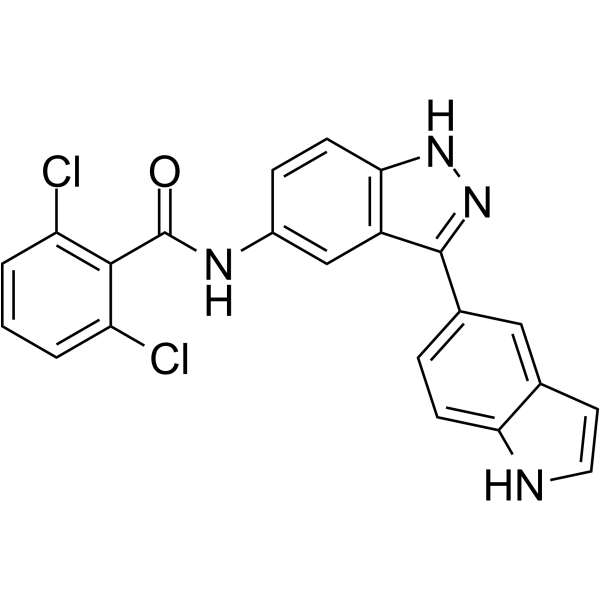
MD2-TLR4-IN-1 is a myeloid differentiation protein 2/toll-like receptor 4 (MD2-TLR4) complex antagonist. MD2-TLR4-IN-1 inhibits Lipopolysaccharides (HY-D1056) (LPS)-induced expression of TNF-α and IL-6 in macrophages with IC50 values of 0.89 μM and 0.53 μM, respectively. MD2-TLR4-IN-1 can be used for the study of acute lung injury (ALI) .
|
-
- HY-154482
-
|
|
Nucleoside Antimetabolite/Analog
|
Cancer
|
|
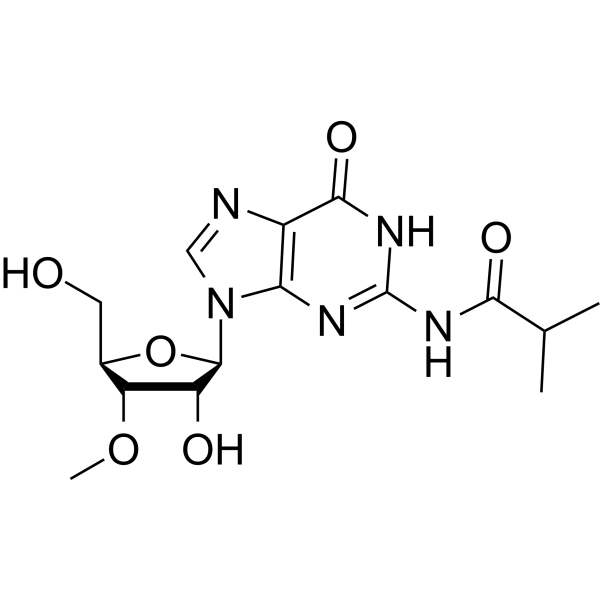
N2-iso-Butyroyl-3’-O-methylguanosine is a guanosine analog. Some guanosine analogs have immunostimulatory activity. In some animal models, they also induce type I interferons, producing antiviral effects. Studies have shown that the functional activity of guanosine analogs is dependent on the activation of Toll-like receptor 7 (TLR7) .
|
-
- HY-154448
-
|
|
Nucleoside Antimetabolite/Analog
|
Cancer
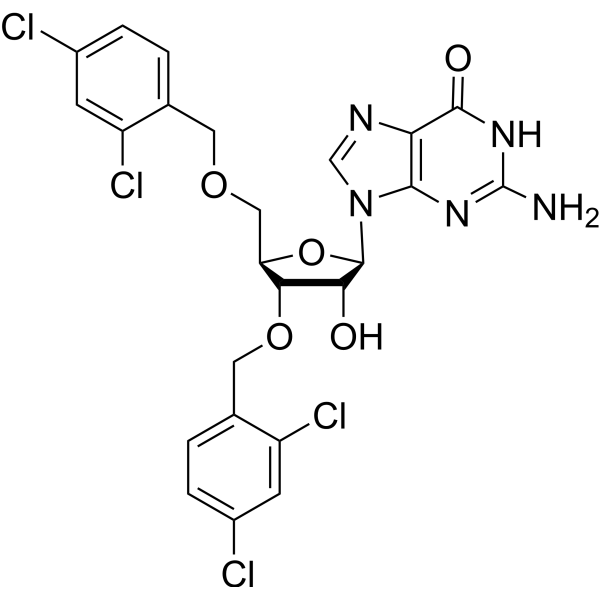
|
|
3,5-Bis-O-(2,4-dichlorobenzyl)guanosine is a guanosine analog. Some guanosine analogs have immunostimulatory activity. In some animal models, they also induce type I interferons, producing antiviral effects. Studies have shown that the functional activity of guanosine analogs is dependent on the activation of Toll-like receptor 7 (TLR7) .
|
-
- HY-152988
-
|
|
Nucleoside Antimetabolite/Analog
Phosphoramidites
|
Others
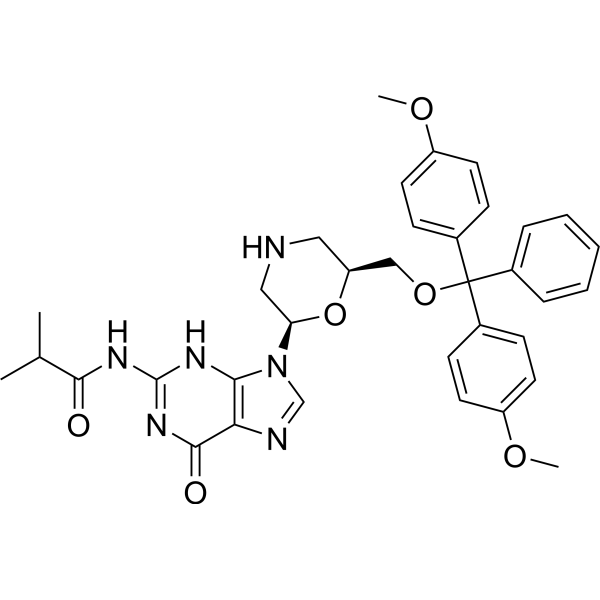
|
|
N2-iso-Butyroyl-7'-O-DMT-morpholinoguanine is a guanosine analog. Some guanosine analogs have immunostimulatory activity. In some animal models, they also induce type I interferons, producing antiviral effects. Studies have shown that the functional activity of guanosine analogs is dependent on the activation of Toll-like receptor 7 (TLR7) .
|
-
- HY-152992
-
|
|
Nucleoside Antimetabolite/Analog
|
Others
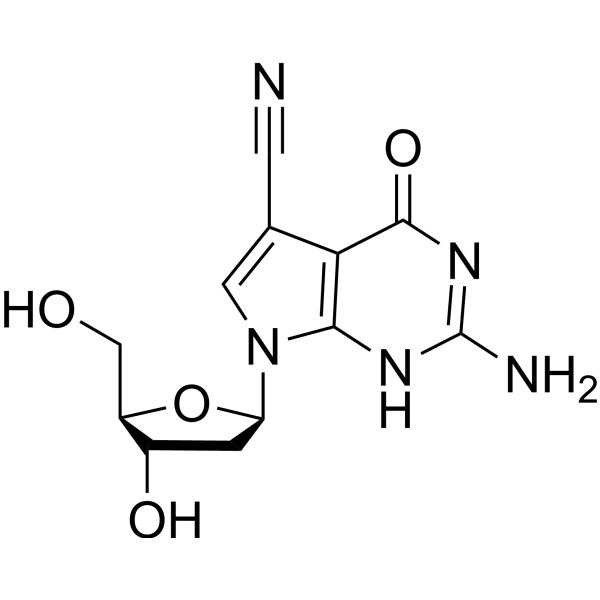
|
|
7-Cyano-7-deaza-2'-deoxy guanosine is a guanosine analog. Some guanosine analogs have immunostimulatory activity. In some animal models, they also induce type I interferons, producing antiviral effects. Studies have shown that the functional activity of guanosine analogs is dependent on the activation of Toll-like receptor 7 (TLR7) .
|
-
- HY-152797
-
|
|
Nucleoside Antimetabolite/Analog
|
Others
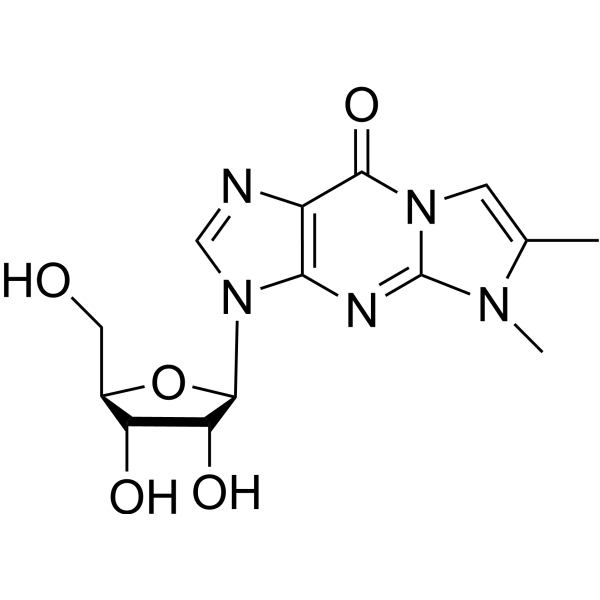
|
|
N4-Desmethyl-N5-Methyl wyosine is a guanosine analogue. Some guanosine analogs have immunostimulatory activity. In some animal models, they also induce type I interferons, producing antiviral effects. Studies have shown that the functional activity of guanosine analogs is dependent on the activation of Toll-like receptor 7 (TLR7) .
|
-
- HY-154547
-
|
|
Nucleoside Antimetabolite/Analog
|
Cancer
|
|
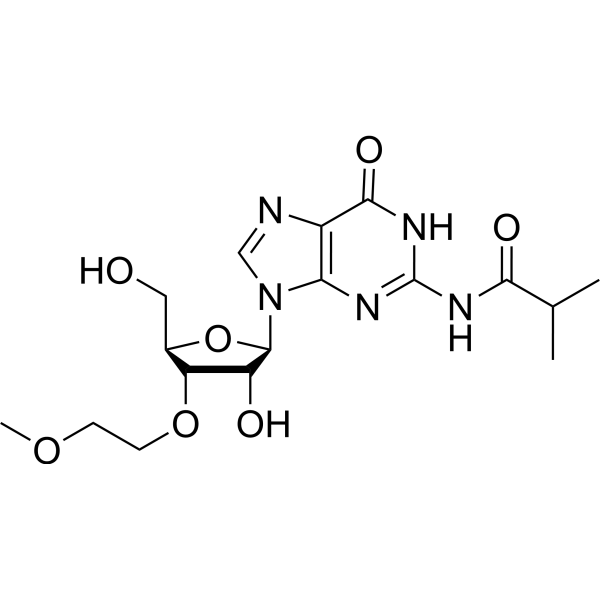
N2-iso-Butyroyl-3’-O-(methoxyethyl)guanosine is a guanosine analog. Some guanosine analogs have immunostimulatory activity. In some animal models, they also induce type I interferons, producing antiviral effects. Studies have shown that the functional activity of guanosine analogs is dependent on the activation of Toll-like receptor 7 (TLR7) .
|
-
- HY-100461R
-
|
|
Toll-like Receptor (TLR)
Reference Standards
|
Inflammation/Immunology
|
|
C29 (Standard) is the analytical standard of C29 (HY-100461). This product is intended for research and analytical applications. C29 is a Toll-like receptor 2 (TLR2) inhibitor. C29 blocks hTLR2/1 and hTLR2/6 signaling with IC50s of 19.7 and 37.6 μM, respectively .
|
-

- HY-113134S
-
|
25-OHC-d6
|
Isotope-Labeled Compounds
Endogenous Metabolite
|
Inflammation/Immunology
|
|
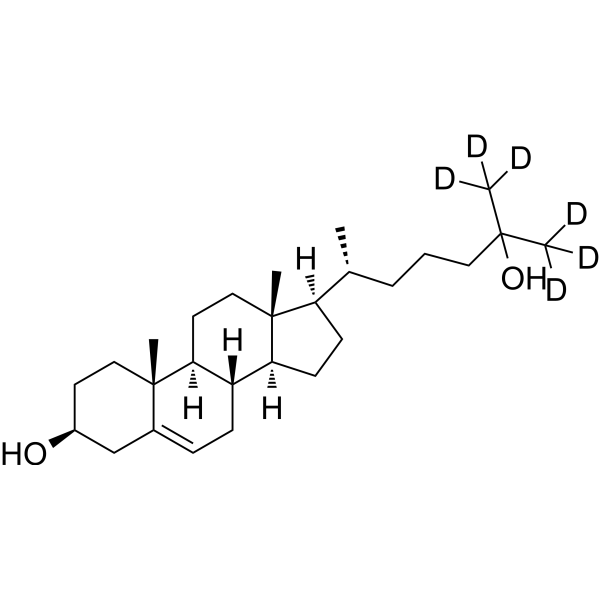
25-Hydroxycholesterol-d6 (25-OHC-d6) is the deuterium labeled 25-Hydroxycholesterol. 25-Hydroxycholesterol is a metabolite of cholesterol that is produced and secreted by macrophages in response to Toll-like receptor (TLR) activation. 25-hydroxycholesterol is a potent (EC50≈65 nM) and selective suppressor of IgA production by B cells .
|
-
- HY-W777545
-
|
|
Isotope-Labeled Compounds
SARS-CoV
Toll-like Receptor (TLR)
|
Others
|
|
4-[(7-Chloro-4-quinolinyl)amino]-1-pentanol-d4 is the deuterium labeled Hydroxychloroquine Impurity E (HY-131262). Hydroxychloroquine Impurity E is the impurity of Hydroxychloroquine. Hydroxychloroquine is a synthetic antimalarial agent which can also inhibit Toll-like receptor 7/9 (TLR7/9) signaling. Hydroxychloroquine is efficiently inhibits SARS-CoV-2 infection in vitro .
|
-
![4-[(7-Chloro-4-quinolinyl)amino]-1-pentanol-d4](//file.medchemexpress.com/product_pic/hy-w777545.gif)
- HY-108471R
-
|
|
Reference Standards
Toll-like Receptor (TLR)
|
Cancer
|
|
CU-CPT22 (Standard) is the analytical standard of CU-CPT22 (HY-108471). This product is intended for research and analytical applications. CU-CPT22 is a potent protein complex of toll-like receptor 1 and 2 (TLR1/2) inhibitor, and competes with the synthetic triacylated lipoprotein (Pam3CSK4) binding to TLR1/2 with a Ki of 0.41 µM. CU-CPT22 blocks Pam3CSK4-induced TLR1/2 activation with an IC50 of 0.58 µM .
|
-

- HY-152545
-
|
|
Nucleoside Antimetabolite/Analog
|
Cancer
|
|
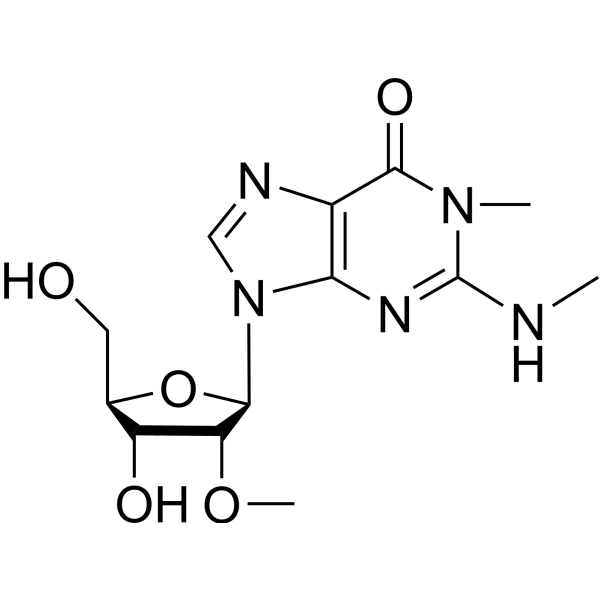
N1,N2-Dimethyl-2’-O-methylguanosine is a guanosine analog. Some guanosine analogs have immunostimulatory activity. In some animal models, they also induce type I interferons, producing antiviral effects. Studies have shown that the functional activity of guanosine analogs is dependent on the activation of Toll-like receptor 7 (TLR7) .
|
-
- HY-154350
-
|
|
Nucleoside Antimetabolite/Analog
Phosphoramidites
|
Cancer
|
|
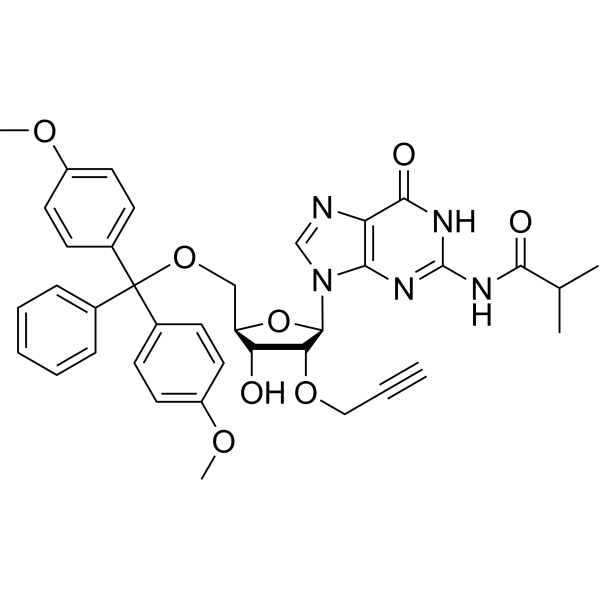
5'-O-DMT-N2-isobutyryl-2'-O-propargylguanosine is a guanosine analog. Some guanosine analogs have immunostimulatory activity. In some animal models, they also induce type I interferons, producing antiviral effects. Studies have shown that the functional activity of guanosine analogs is dependent on the activation of Toll-like receptor 7 (TLR7) .
|
-
- HY-154606
-
|
|
Nucleoside Antimetabolite/Analog
Phosphoramidites
|
Cancer
|
|
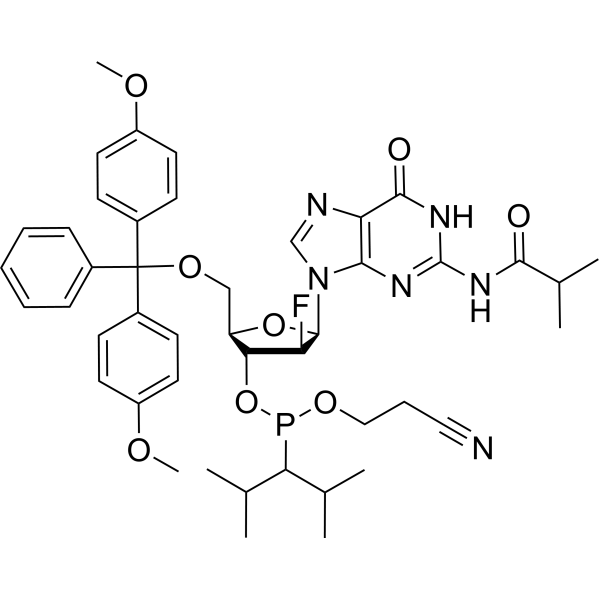
2'-F-2'-ara-N2-ibu-dG Phosphoramidite is a guanosine analog. Some guanosine analogs have immunostimulatory activity. In some animal models, they also induce type I interferons, producing antiviral effects. Studies have shown that the functional activity of guanosine analogs is dependent on the activation of Toll-like receptor 7 (TLR7) .
|
-
- HY-17589S
-
-
- HY-17589S1
-
-
- HY-109010R
-
|
HM71224 (Standard); LY3337641 (Standard)
|
Reference Standards
Btk
BMX Kinase
Toll-like Receptor (TLR)
|
Metabolic Disease
|
|
Poseltinib (Standard) is the analytical standard of Poseltinib (HY-109010). This product is intended for research and analytical applications. Poseltinib (HM71224) is an orally active, selective, irreversible small molecule Bruton tyrosine Kinase (BTK) inhibitor. With an IC50 of 1.95 nM. Poseltinib effectively inhibits the signaling mediated by B cell receptors (BCR), Fc receptors (FcR), and Toll-like receptors (TLR). Poseltinib has anti-inflammatory activity and can be used in the research of rheumatoid arthritis .
|
-

- HY-W130878
-
|
|
Complement System
Toll-like Receptor (TLR)
NF-κB
|
Inflammation/Immunology
|
|
4-Octylphenol is a hormone disruptor that has gender-specific effects on male reproductive cells, significantly reducing the mitotic index and the number of spermatogonia. 4-Octylphenol can cause inflammatory damage to fish gills by activating the complement system through the C3a/C3aR axis and the C5a/C5aR1 axis, this leads to complement activation and causes immune suppression due to the imbalance between Th1/Th2 cells and regulatory T cells (Treg)/Th17 cells, as well as inflammatory damage via the Toll-like receptor 7 (Toll-like Receptor (TLR))/IκBα/NF-κB pathway .
|
-

- HY-107202
-
-
- HY-135748
-
|
Poly(I:C) sodium
|
RIG-I-like receptor (RLR)
Toll-like Receptor (TLR)
Apoptosis
|
Inflammation/Immunology
Cancer
|
|
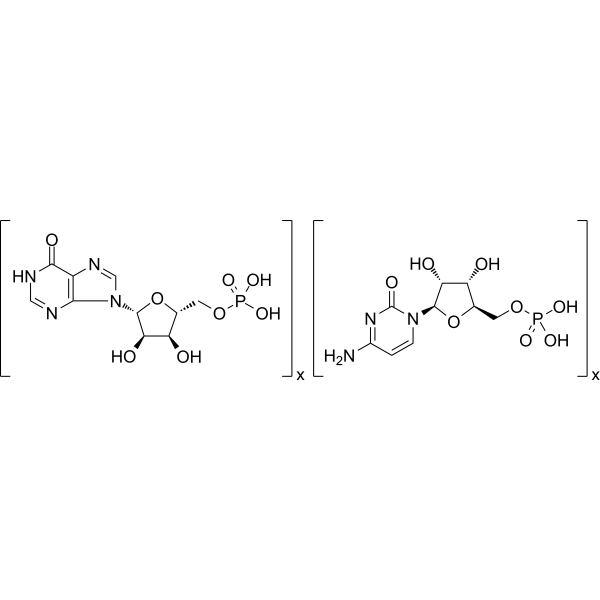
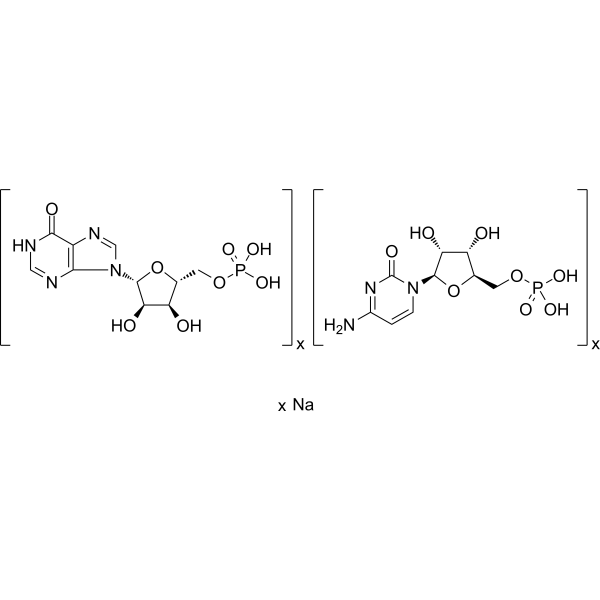
Polyinosinic-polycytidylic acid (Poly(I:C)) sodium is a synthetic analog of double-stranded RNA and an agonist of toll-like receptor 3 (TLR3) and retinoic acid inducible gene I (RIG-I)-like receptors (RIG-I and MDA5). Polyinosinic-polycytidylic acid sodium can be used as a vaccine adjuvant to enhance innate and adaptive immune responses, and to alter the tumor microenvironment. Polyinosinic-polycytidylic acid sodium can directly trigger cancer cells to undergo apoptosis .
|
-
- HY-134958
-
|
Poly(I:C) potassium
|
Toll-like Receptor (TLR)
Apoptosis
|
Inflammation/Immunology
Cancer
|
|
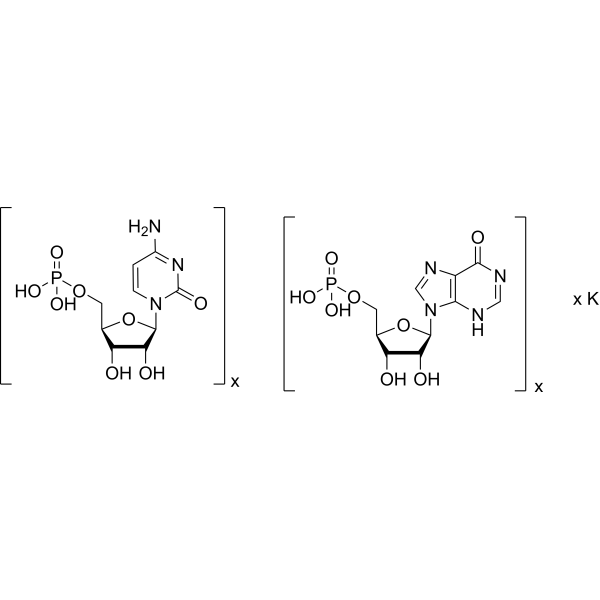
Polyinosinic-polycytidylic acid potassium (Poly(I:C) potassium) is a synthetic analog of double-stranded RNA and an agonist of toll-like receptor 3 (TLR3) and retinoic acid inducible gene I (RIG-I)-like receptors (RIG-I and MDA5). Polyinosinic-polycytidylic acid sodium can be used as a vaccine adjuvant to enhance innate and adaptive immune responses, and to alter the tumor microenvironment. Polyinosinic-polycytidylic acid potassium can directly trigger cancer cells to undergoApoptosis .
|
-
- HY-121496
-
|
|
Toll-like Receptor (TLR)
Influenza Virus
|
Infection
Inflammation/Immunology
Cancer
|
|
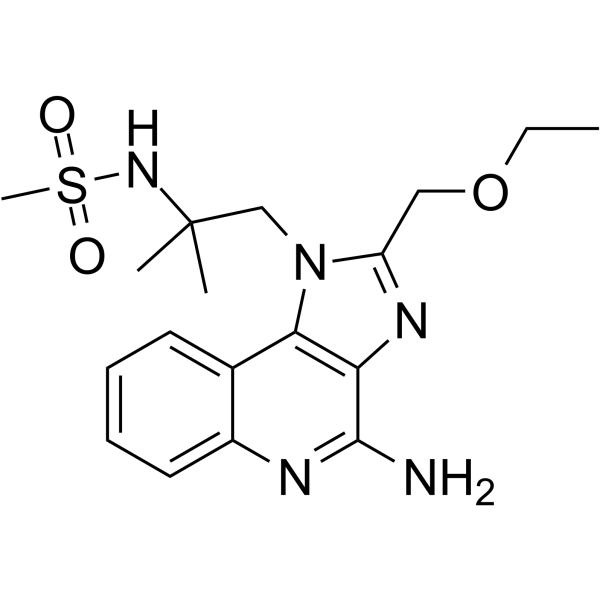
3M-011 is a potent dual toll-like receptor TLR7/8 agonist and a cytokine inducer. 3M-011 significantly inhibits H3N2 influenza viral replication in the nasal cavity. 3M-011 is also a potent adjuvant to radiotherapy that induces local and profound systemic immune responses during radiotherapy. 3M-011 strongly has antitumor action .
|
-
- HY-105070A
-
|
E5564
|
EBV
Toll-like Receptor (TLR)
|
Infection
Inflammation/Immunology
|
|
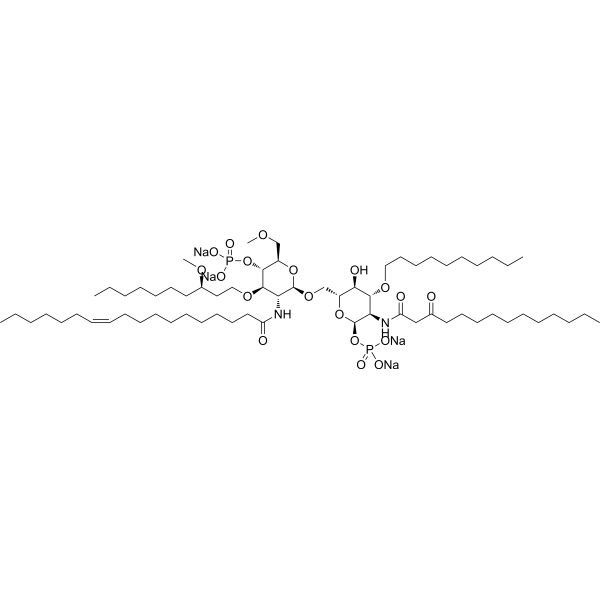
Eritoran tetrasodium (E5564) is a Toll-like receptor 4 (TLR4) antagonist. Eritoran tetrasodium protects mice against lethal influenza virus infection, such as Ebola virus (EBOV), Marburg virus (MARV). Eritoran tetrasodium decreases the level of granulocytosis, may alleviate the severity of the "cytokine storm". Eritoran tetrasodium inhibits pathogenesis of filovirus infection. Eritoran tetrasodium has anti-inflammatory activity .
|
-
- HY-17589R
-
|
|
Reference Standards
Parasite
Autophagy
SARS-CoV
Toll-like Receptor (TLR)
HIV
Antibiotic
|
Infection
Inflammation/Immunology
Cancer
|
|
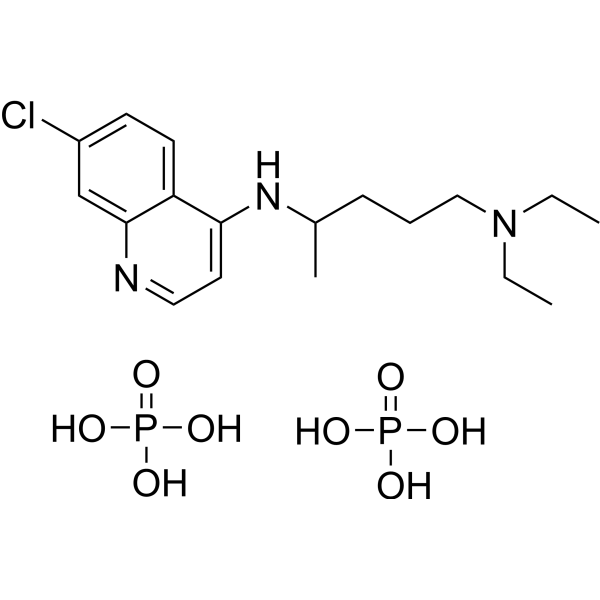
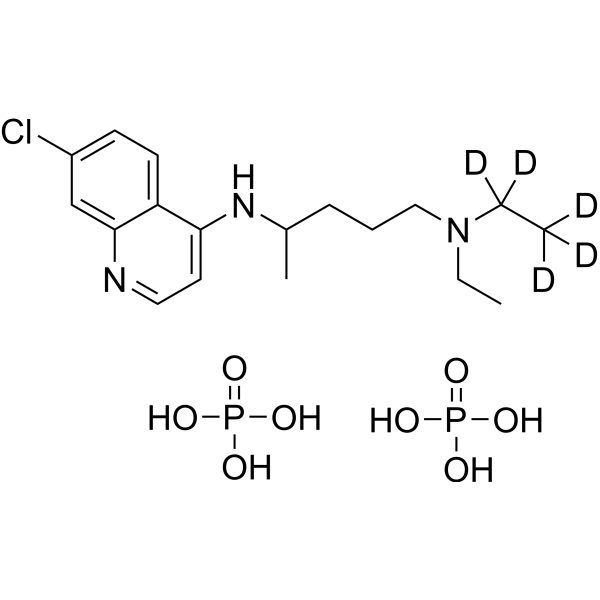
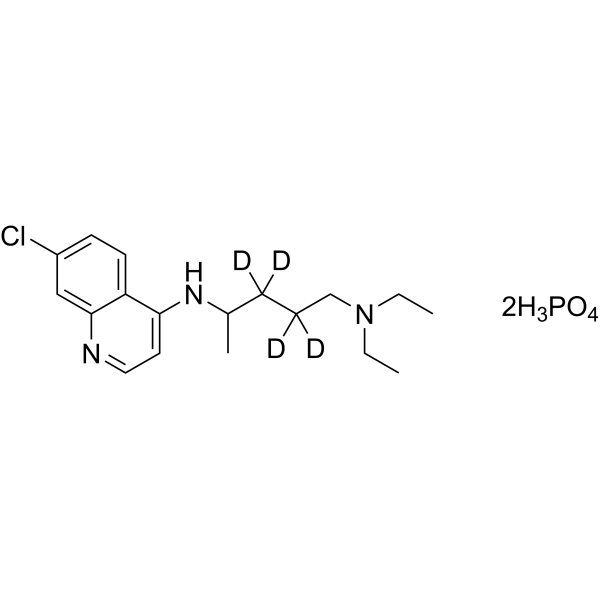
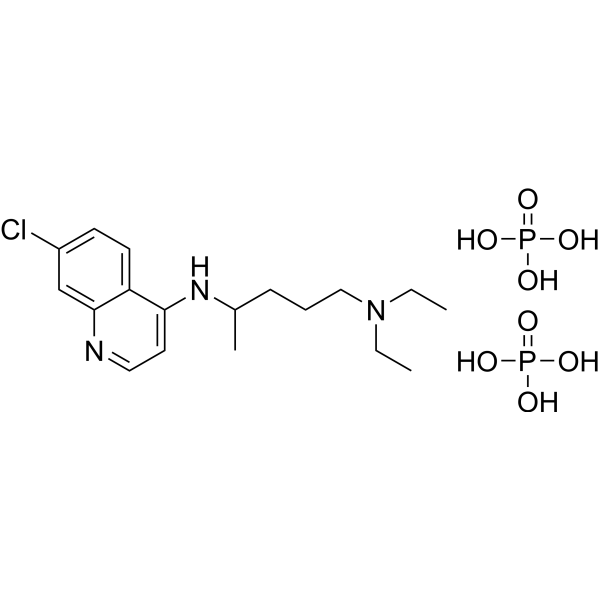
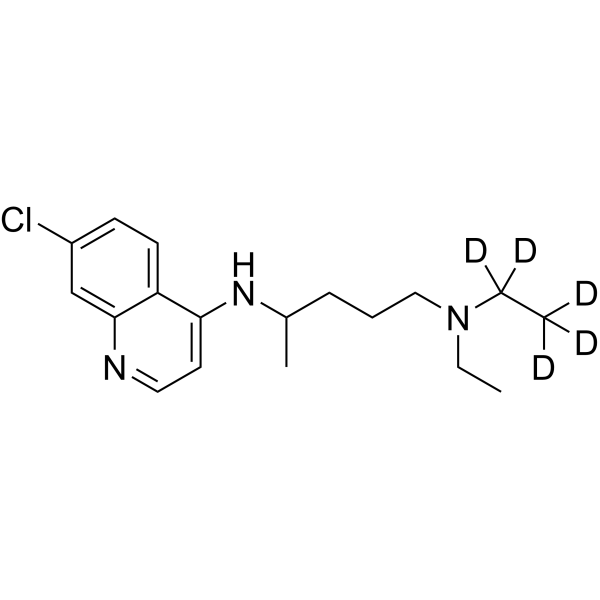
Chloroquine (phosphate) (Standard) is the analytical standard of Chloroquine (phosphate). This product is intended for research and analytical applications. Chloroquine phosphate is an antimalarial and anti-inflammatory agent widely used to treat malaria and rheumatoid arthritis. Chloroquine phosphate is an autophagy and toll-like receptors (TLRs) inhibitor. Chloroquine phosphate is highly effective in the control of SARS-CoV-2 (COVID-19) infection in vitro (EC50=1.13 μM) .
|
-
- HY-17589AR
-
-

- HY-17589AS
-
-
- HY-N11768
-
|
|
NF-κB
Interleukin Related
Toll-like Receptor (TLR)
|
Inflammation/Immunology
|
|
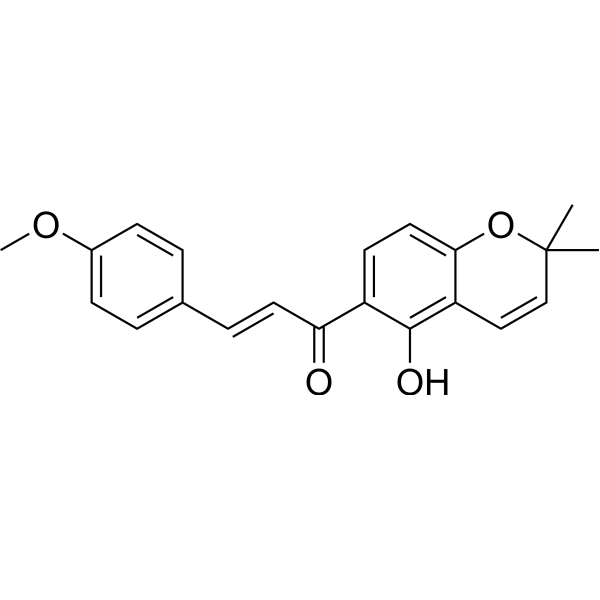
4-Methoxylonchocarpin is an orally active anti-inflammatory agent. 4-methoxylonchocarpin inhibits the binding of LPS to Toll-like Receptor (TLR) TLR4 to inhibit NF-κB activation and TNF Receptor and IL-6 expression. 4-Methoxylonchocarpin also inhibits the phosphorylation of TGF-beta activated kinase 1 and TNBS-induced expression of IL-1β, IL-17A, and TNF. 4-methoxylonchocarpin can improve 2,4, 6-trinitrobenzene sulfonic acid (TNBS)-induced colitis mouse model .
|
-
- HY-154548
-
|
|
Nucleoside Antimetabolite/Analog
Phosphoramidites
|
Others
|
|
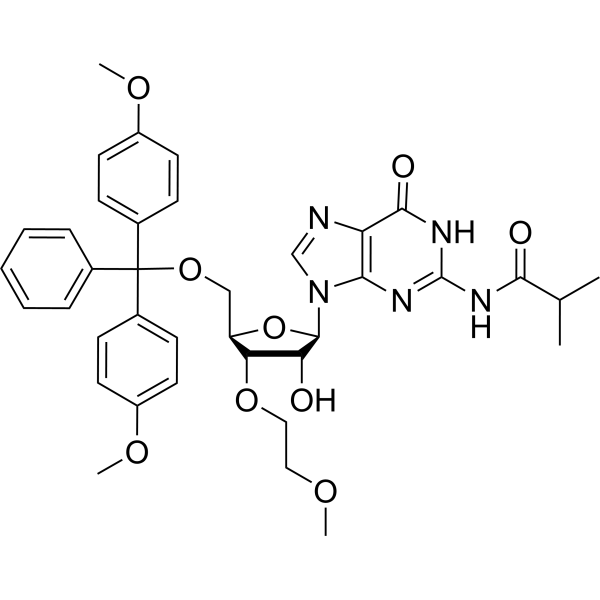
N2-iso-Butyroyl-5’-O-DMT-3’-O-(methoxyethyl)guanosine is a guanosine analog. Some guanosine analogs have immunostimulatory activity. In some animal models, they also induce type I interferons, producing antiviral effects. Studies have shown that the functional activity of guanosine analogs is dependent on the activation of Toll-like receptor 7 (TLR7) .
|
-
- HY-154507
-
|
|
Nucleoside Antimetabolite/Analog
|
Cancer
|
|
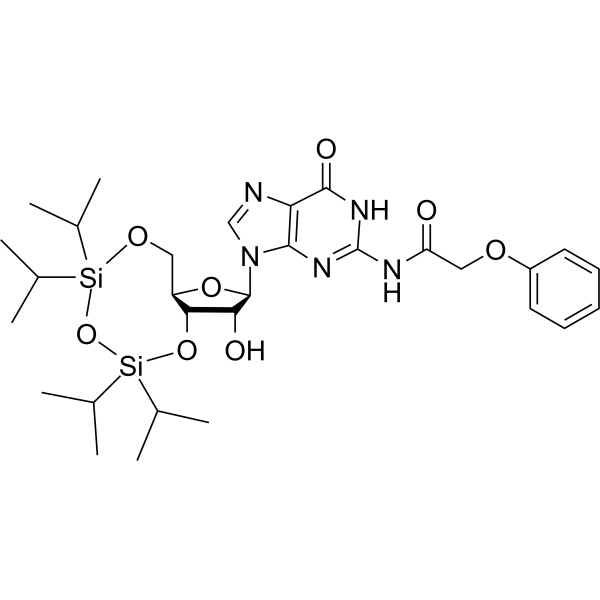
N2-Phenoxyacetyl-3′,5′-O-(tetraisopropyldisiloxane-1,3-diyl)guanosine is a guanosine analog. Some guanosine analogs have immunostimulatory activity. In some animal models, they also induce type I interferons, producing antiviral effects. Studies have shown that the functional activity of guanosine analogs is dependent on the activation of Toll-like receptor 7 (TLR7) .
|
-
- HY-17589BR
-
|
|
Reference Standards
Parasite
Autophagy
SARS-CoV
Toll-like Receptor (TLR)
HIV
Antibiotic
|
Infection
Inflammation/Immunology
Cancer
|
|
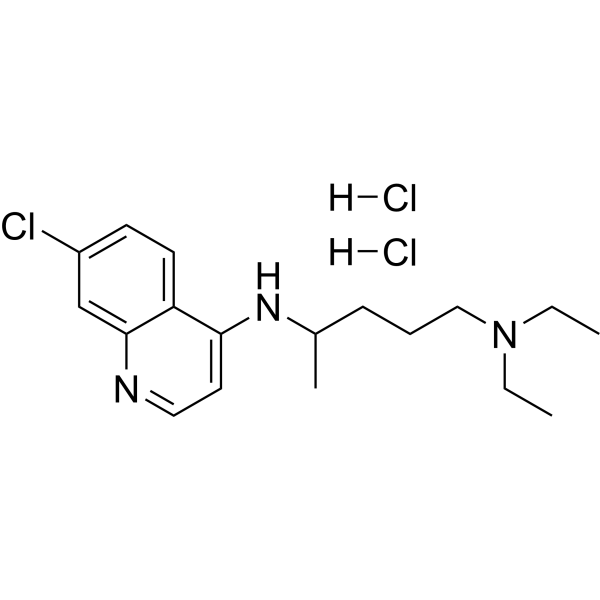
Chloroquine (dihydrochloride) (Standard) is the analytical standard of Chloroquine (dihydrochloride). This product is intended for research and analytical applications. Chloroquine dihydrochloride is an antimalarial and anti-inflammatory agent widely used to treat malaria and rheumatoid arthritis. Chloroquine dihydrochloride is an autophagy and toll-like receptors (TLRs) inhibitor. Chloroquine dihydrochloride is highly effective in the control of SARS-CoV-2 (COVID-19) infection in vitro (EC50=1.13 μM)[1][2][3][4].
|
-

- HY-E70731
-
|
|
IRAK
|
Inflammation/Immunology
|
|
The IRAK4 protein is a serine/threonine protein kinase that is critical for initiating the innate immune response through the Toll-like receptor (TLR) and IL-1R signaling pathways. After TLR is activated, it rapidly forms the Myddosome with IRAK2. IRAK4 aa104-460 Recombinant Human Active Protein Kinase is a recombinant IRAK4 aa104-460 protein that can be used to study IRAK4 aa104-460-related functions .
|
-

- HY-118250A
-
|
|
Toll-like Receptor (TLR)
IFNAR
TNF Receptor
|
Inflammation/Immunology
|
|
GSK2245035 maleate is a highly potent and selective intranasal Toll-Like receptor 7 (TLR7) agonist with preferential Type-1 interferon (IFN)-stimulating properties. GSK2245035 maleate has pEC50s of 9.3 and 6.5 for IFNα and TFNα. GSK2245035 maleate effectively suppresses allergen-induced Th2 cytokine production in human peripheral blood cell cultures. GSK2245035 maleate is used for asthma .
|
-

- HY-154351
-
|
|
Nucleoside Antimetabolite/Analog
Phosphoramidites
|
Cancer
|
|
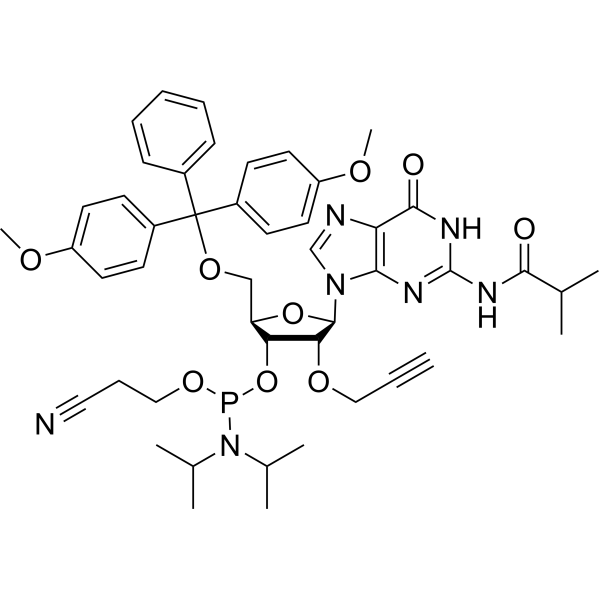
N2-iBu-5’-O-DMTr-2’-O-propargylguanosine-3’-CED-phosphoramidite is a guanosine analog. Some guanosine analogs have immunostimulatory activity. In some animal models, they also induce type I interferons, producing antiviral effects. Studies have shown that the functional activity of guanosine analogs is dependent on the activation of Toll-like receptor 7 (TLR7) .
|
-
- HY-154483
-
|
|
Nucleoside Antimetabolite/Analog
|
Cancer
|
|
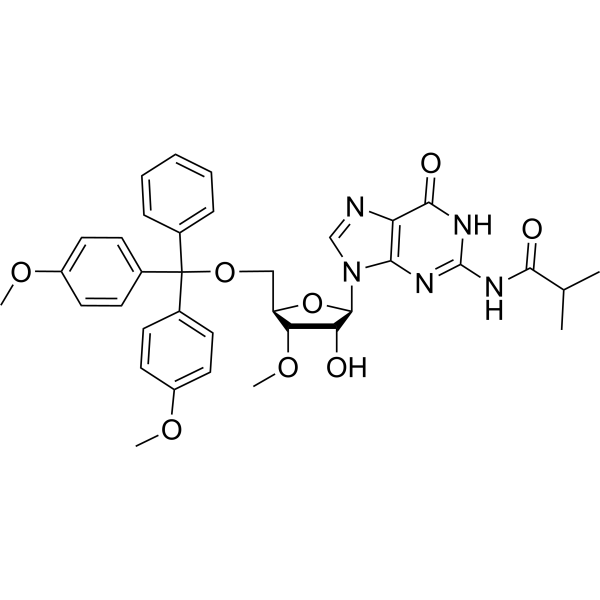
N2-iso-Butyroyl-5’-O-(4,4’-dimethoxytrityl)-3’-O-methylguanosine is a guanosine analog. Some guanosine analogs have immunostimulatory activity. In some animal models, they also induce type I interferons, producing antiviral effects. Studies have shown that the functional activity of guanosine analogs is dependent on the activation of Toll-like receptor 7 (TLR7) .
|
-
- HY-152547
-
|
|
Nucleoside Antimetabolite/Analog
|
Cancer
|
|
N2-[(N,N-Dimethyl amino]methylene-N1-methyl-2’-O-methylguanosine is a guanosine analog. Some guanosine analogs have immunostimulatory activity. In some animal models, they also induce type I interferons, producing antiviral effects. Studies have shown that the functional activity of guanosine analogs is dependent on the activation of Toll-like receptor 7 (TLR7) .
|
-
![N2-[(N,N-Dimethyl amino]methylene-N1-methyl-2’-O-methylguanosine](//file.medchemexpress.com/product_pic/hy-152547.gif)
- HY-141852
-
|
|
Deubiquitinase
|
Inflammation/Immunology
|
|
STAMBP-IN-1 is a small-molecule inhibitor of STAMBP deubiquitinase, and interrupts STAMBP-Ub-NALP7 interaction. STAMBP-IN-1 decreases protein level of its inflammasome substrate NALP7 and suppresses IL-1b release after Toll-like receptor (TLR) agonism. STAMBP-IN-1 inhibits the activity of STAMBP to cleave recombinant di-Ub with an IC50 value of 0.33 mM .
|
-
- HY-118250
-
|
|
Toll-like Receptor (TLR)
IFNAR
TNF Receptor
|
Inflammation/Immunology
|
|
GSK2245035 is a highly potent and selective intranasal Toll-Like receptor 7 (TLR7) agonist with preferential Type-1 interferon (IFN)-stimulating properties. GSK2245035 has pEC50s of 9.3 and 6.5 for IFNα and TFNα. GSK2245035 effectively suppresses allergen-induced Th2 cytokine production in human peripheral blood cell cultures. GSK2245035 is used for asthma .
|
-
- HY-154464
-
|
|
Nucleoside Antimetabolite/Analog
Phosphoramidites
|
Cancer
|
|
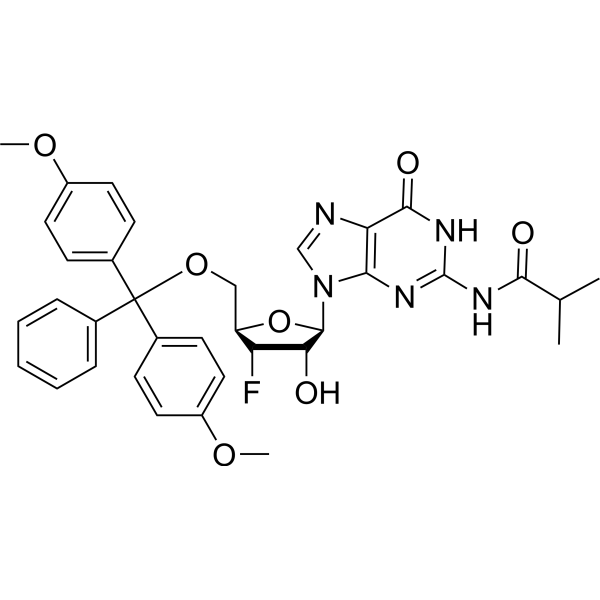
N2-iso-Butyroyl-5'-O-DMT-3'-deoxy-3'-fluoroguanosine is a guanosine analog. Some guanosine analogs have immunostimulatory activity. In some animal models, they also induce type I interferons, producing antiviral effects. Studies have shown that the functional activity of guanosine analogs is dependent on the activation of Toll-like receptor 7 (TLR7) .
|
-
- HY-101929R
-
-

- HY-N6612
-
-
- HY-N6612A
-
|
|
Endogenous Metabolite
Toll-like Receptor (TLR)
|
Neurological Disease
Metabolic Disease
Inflammation/Immunology
Cancer
|
|
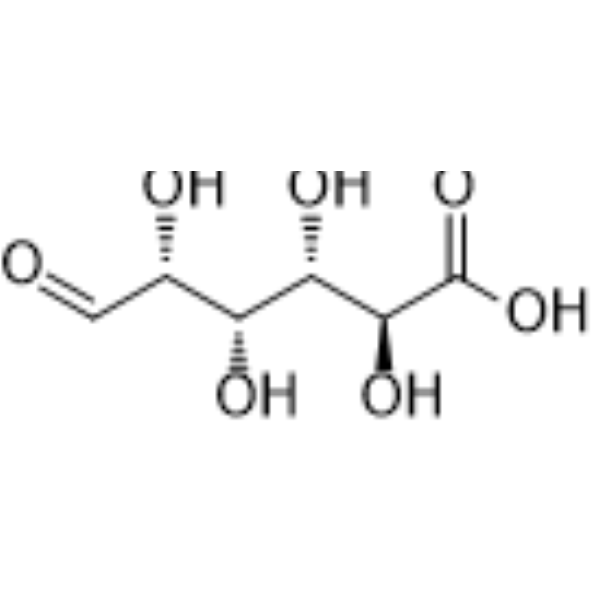
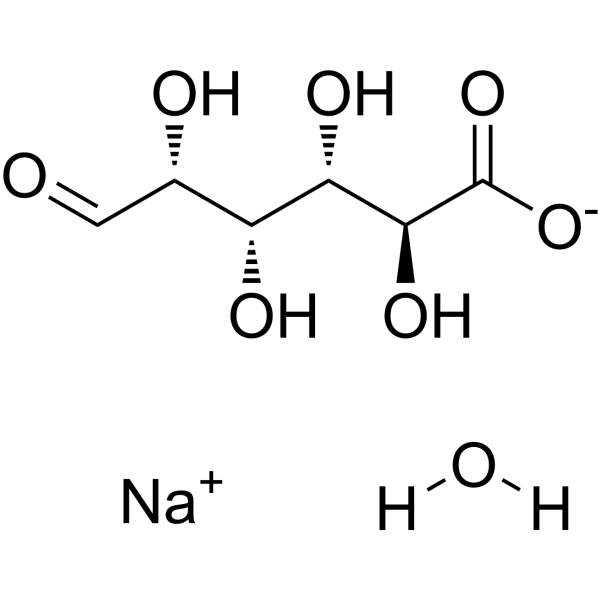
D-Glucuronic acid sodium salt monohydrate is a major component of many anti-inflammatory proteoglycans, which can promote embryonic development and inhibit cell aggregation. After being metabolized into ethyl glucuronide (HY-113093), D-Glucuronic acid sodium salt monohydrate activates Toll-like receptor 4 (TLR4), causing pain. D-Glucuronic acid sodium salt monohydrate and its derivative glucurono-lactone can serve as liver detoxifiers, and its derivatives also possess anti-tumor activity .
|
-
- HY-P2848A
-
|
|
Toll-like Receptor (TLR)
|
Infection
Metabolic Disease
|
|
Cholesterol oxidase, Rhodococcus sp. is a key enzyme in the cholesterol degradation process. It catalyzes the isomerization and oxidation of cholesterol mediated by the coenzyme FAD. Research indicates that cholesterol oxidase plays a crucial role in the pathogenicity of Mycobacterium tuberculosis by modulating the host macrophage immune response through inhibition of the Toll-like receptor 2 (TLR2) signaling pathway, thereby enhancing the survival of Mycobacterium tuberculosis. Cholesterol oxidase, from Rhodococcus sp., shows potential for research in the field of tuberculosis .
|
-

- HY-122566
-
|
ZINC666243
|
Toll-like Receptor (TLR)
TNF Receptor
|
Cancer
|
|
SMU127 is an agonist of the toll-like receptor 1/2 (TLR1/2) heterodimer. It induces NF-κB signaling in cells expressing human TLR2 (EC50=0.55 μM) but not cells expressing human TLR3, -4, -5, -7, or -8 when used at concentrations ranging from 0.1 to 100 μM. SMU127 induces the production of TNF-α in isolated human peripheral blood mononuclear cells (PBMCs) when used at concentrations ranging from 0.01 to 1 μM. In vivo, SMU127 (0.1 mg/animal) reduces tumor volume in a 4T1 murine mammary carcinoma model.
|
-

- HY-150217A
-
|
ODN 10101 sodium
|
Toll-like Receptor (TLR)
|
Infection
|
|
CpG ODN 10101 sodium, a synthetic oligodeoxynucleotide (ODN), is a toll-like receptor 9 (TLR9) agonist. CpG ODN 10101 sodium is a potent inducer of cytokine/chemokine expression ex vivo when used in combination with HH2(VQLRIRVAVIRA-NH2). CpG ODN 10101 sodium induces IFN- secretion from dendritic cells (DCs) and stimulates B-cells.CpG ODN 10101 sodium has antiviral and immunomodulatory properties that can influence chronic infection with HCV .
|
-

- HY-152478
-
|
|
Nucleoside Antimetabolite/Analog
|
Cancer
|
|
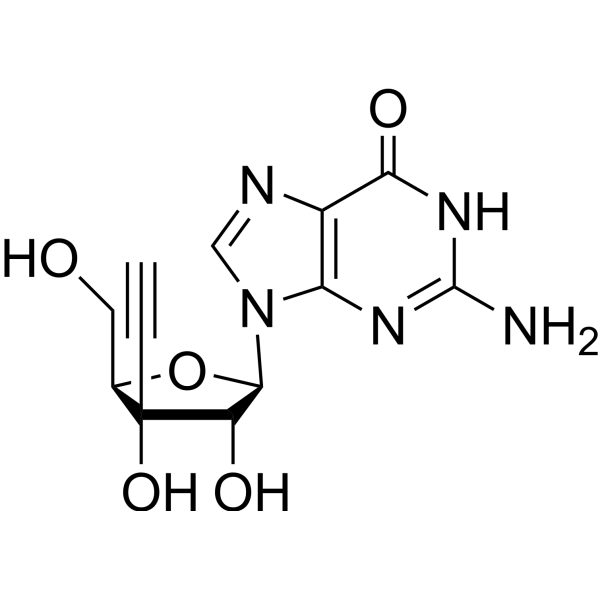
3’-β-C-Ethynylguanosine is a guanosine analog. Some guanosine analogs have immunostimulatory activity. In some animal models, they also induce type I interferons, producing antiviral effects. Studies have shown that the functional activity of guanosine analogs is dependent on the activation of Toll-like receptor 7 (TLR7) . 3’-β-C-Ethynylguanosine is a click chemistry reagent, it contains an Alkyne group and can undergo copper-catalyzed azide-alkyne cycloaddition (CuAAc) with molecules containing Azide groups.
|
-
- HY-107202GL
-
|
Poly(I:C) (GMP like)
|
Toll-like Receptor (TLR)
PKD
HSP
Bcl-2 Family
Interleukin Related
Apoptosis
|
Infection
Inflammation/Immunology
Cancer
|
|
Polyinosinic-polycytidylic acid (Poly(I:C)) (GMP Like) is the GMP Like class Polyinosinic-polycytidylic acid (HY-107202), and can be used as pharmaceutical excipients. Polyinosinic-polycytidylic acid (Poly(I:C)) is a synthetic analog of double-stranded RNA and an agonist of toll-like receptor 3 (TLR3) and retinoic acid inducible gene I (RIG-I)-like receptors (RIG-I and MDA5). Polyinosinic-polycytidylic acid can be used as a vaccine adjuvant to enhance innate and adaptive immune responses, and to alter the tumor microenvironment. Polyinosinic-polycytidylic acid can directly trigger cancer cells to undergo apoptosis .
|
-

- HY-159753
-
|
|
Toll-like Receptor (TLR)
|
Inflammation/Immunology
|
|
HS105 is a vaccine adjuvant and a key component in vaccines. Adjuvants can be divided into immunostimulants and delivery systems. Adjuvants can not only enhance the intensity and durability of immune responses, but also affect the type of immune responses. On the one hand, immunostimulants promote the production of antigen signals and co-stimulatory signals by targeting Toll-like receptors (TLRs) and other pattern recognition receptors (PRRs), leading to the maturation and activation of antigen presenting cells (APCs), thereby enhancing adaptive immune responses; on the other hand, delivery systems are carrier materials that promote antigen delivery by prolonging the bioavailability of loaded antigens and targeting antigens to lymph nodes or APCs. Several common adjuvants include: saponins, TLRs agonists, polysaccharides, nanoparticles, cytokines, and mucosal adjuvants .
|
-

- HY-159751
-
|
|
Toll-like Receptor (TLR)
|
Inflammation/Immunology
|
|
HS101 is a vaccine adjuvant and a key component in vaccines. Adjuvants can be divided into immunostimulants and delivery systems. Adjuvants can not only enhance the intensity and durability of immune responses, but also affect the type of immune responses. On the one hand, immunostimulants promote the production of antigen signals and co-stimulatory signals by targeting Toll-like receptors (TLRs) and other pattern recognition receptors (PRRs), leading to the maturation and activation of antigen presenting cells (APCs), thereby enhancing adaptive immune responses; on the other hand, delivery systems are carrier materials that promote antigen delivery by prolonging the bioavailability of loaded antigens and targeting antigens to lymph nodes or APCs. Several common adjuvants include: saponins, TLRs agonists, polysaccharides, nanoparticles, cytokines, and mucosal adjuvants .
|
-

- HY-B0180
-
-
- HY-B0180C
-
-

- HY-B0180A
-
-
- HY-B0180B
-
-
- HY-107202A
-
-

- HY-P10586A
-
|
MALP-2 TFA
|
Toll-like Receptor (TLR)
NO Synthase
|
Cardiovascular Disease
Metabolic Disease
|
|
Macrophage-activating lipopeptide 2 TFA is an agonist of Toll like receptors TLR-2/TLR-6. Macrophage-activating lipopeptide-2 enhances endothelial nitric oxide synthase (eNOS) phosphorylation and endothelial cell release of NO, thereby improving vasodilation. Macrophage-activating lipopeptide-2 enhances endothelial adhesion of white blood cells and improve perfusion recovery and collateral growth in the hind limbs of hypercholesterolemic Apoe deficient mice undergoing experimental femoral artery ligation (FAL) .
|
-

- HY-157961
-
|
|
Toll-like Receptor (TLR)
|
Inflammation/Immunology
|
|
E-5531 is an endotoxin antagonist. E-5531 quickly becomes inactive after binding with HDL. E-5531 can block the Toll like receptor 4 (TLR4) signaling pathway. E-5531 can be used for the study of endotoxemia and septic shock .
|
-

- HY-142980
-
|
Dioleoylphosphatidylglycerol
|
Liposome
|
Inflammation/Immunology
|
|
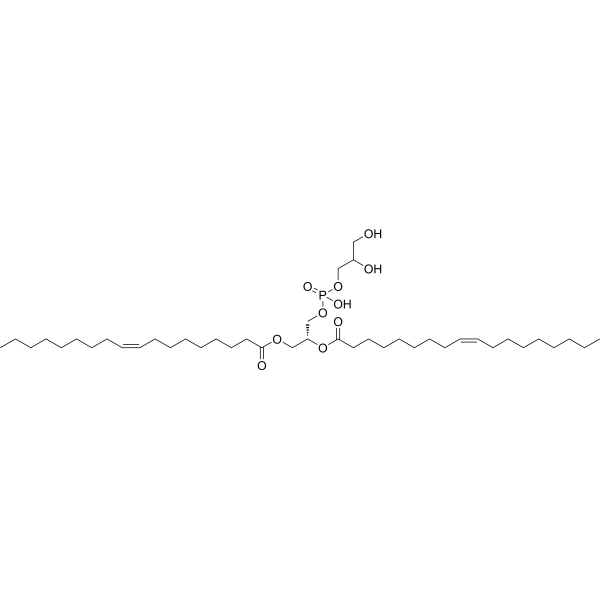
DOPG (Dioleoylphosphatidylglycerol) is a negatively charged phosphatidylglycerol phospholipid. DOPG is abundant in prokaryotic cell membranes and mitochondria, and has a low phase transition temperature and a tendency to form stable vesicles. DOPG inhibits the production of inflammatory mediators in macrophages in response to heat shock protein B4 (HSPB4)-activated toll-like receptor 2 (TLR2). DOPG is applicable to studies of membrane biology, drug-membrane interactions (especially in systems targeting negatively charged membranes), construction of drug delivery carriers, as well as research on sterile corneal inflammation and wound healing promotion .
|
-
- HY-154349
-
|
|
Nucleoside Antimetabolite/Analog
|
Cancer
|
|
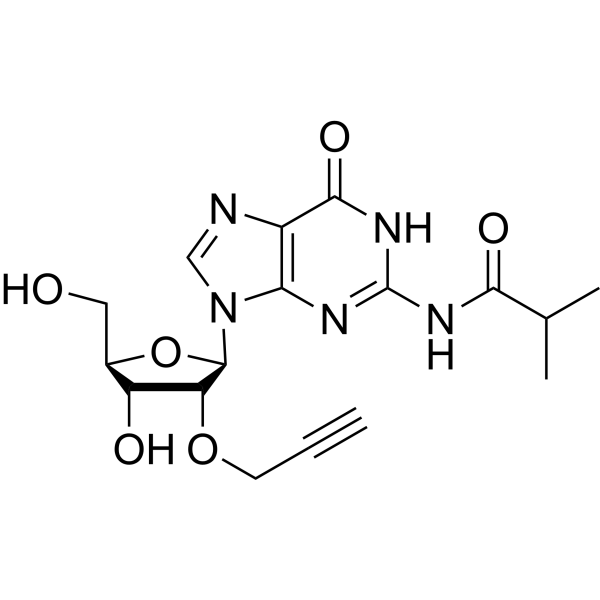
N2-iso-Butyroyl-2’-O-propargylguanosine is a guanosine analog. Some guanosine analogs have immunostimulatory activity. In some animal models, they also induce type I interferons, producing antiviral effects. Studies have shown that the functional activity of guanosine analogs is dependent on the activation of Toll-like receptor 7 (TLR7) . N2-iso-Butyroyl-2’-O-propargylguanosine is a click chemistry reagent, it contains an Alkyne group and can undergo copper-catalyzed azide-alkyne cycloaddition (CuAAc) with molecules containing Azide groups.
|
-
- HY-152684
-
|
|
Nucleoside Antimetabolite/Analog
|
Others
|
|
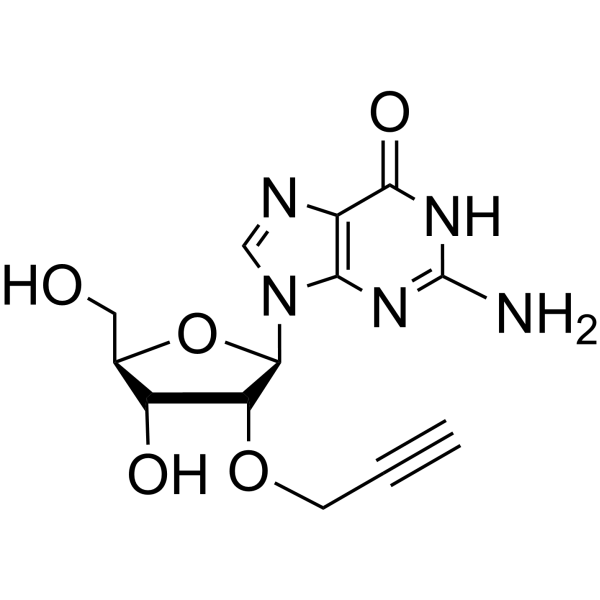
2′-O-2-Propyn-1-ylguanosine is a guanosine analogue. Some guanosine analogs have immunostimulatory activity. In some animal models, they also induce type I interferons, producing antiviral effects. Studies have shown that the functional activity of guanosine analogs is dependent on the activation of Toll-like receptor 7 (TLR7) . 2′-O-2-Propyn-1-ylguanosine is a click chemistry reagent, it contains an Alkyne group and can undergo copper-catalyzed azide-alkyne cycloaddition (CuAAc) with molecules containing Azide groups.
|
-
- HY-176192
-
|
|
Toll-like Receptor (TLR)
NF-κB
p38 MAPK
ERK
IKK
TNF Receptor
Interleukin Related
|
Inflammation/Immunology
|
|
SMU-14a is a selective Toll-like receptor 3 (TLR3) inhibitor wirh an IC50 of 0.18 μM. SMU-14a reduces phosphorylation of p65, ERK, and TBK1 via NF-κB, MAPK, and IRF3 signaling pathways. SMU-14a inhibits IL-6 secretion in mouse peritoneal macrophages, downregulates TNF-α in human peripheral blood monocytes and decreases serum alanine aminotransferase (ALT) and aspartate aminotransferase (AST) levels. SMU-14a can be used for the research of acute hepatitis .
|
-

- HY-N6612R
-
|
|
Reference Standards
Endogenous Metabolite
Toll-like Receptor (TLR)
|
Metabolic Disease
Inflammation/Immunology
Cancer
|
|
D-Glucuronic acid (Standard) is the analytical standard of D-Glucuronic acid. This product is intended for research and analytical applications. D-Glucuronic acid is a major component of many anti-inflammatory proteoglycans, which can promote embryonic development and inhibit cell aggregation. After being metabolized into ethyl glucuronide (HY-113093), D-Glucuronic acid activates Toll-like receptor 4 (TLR4), causing pain. D-Glucuronic acid and its derivative glucurono-lactone can serve as liver detoxifiers for human health prevention, and its derivatives also possess anti-tumor activity .
|
-

- HY-103241
-
|
|
Amyloid-β
ATM/ATR
Phosphatase
Apoptosis
|
Neurological Disease
Cancer
|
|
Ro 90-7501 is an amyloid β42 (Aβ42) fibril assembly inhibitor that reduces Aβ42-induced cytotoxicity (EC50 of 2 μM). Ro 90-7501 inhibits ATM phosphorylation and DNA repair. RO 90-7501 selectively enhances toll-like receptor 3 (TLR3) and RIG-I-like receptor (RLR) ligand-induced IFN-β gene expression and antiviral response . Ro 90-7501 also inhibits protein phosphatase 5 (PP5) in a TPR-dependent manner . Ro 90-7501 has significant radiosensitizing effects on cervical cancer cells .
|
-
- HY-P10586
-
|
MALP-2
|
Toll-like Receptor (TLR)
NO Synthase
|
Cardiovascular Disease
|
|
Macrophage-activating lipopeptide 2 (MALP-2) is an agonist of Toll like receptors TLR-2/TLR-6. Macrophage-activating lipopeptide-2 can enhance endothelial nitric oxide synthase (eNOS) phosphorylation and endothelial cell release of NO, thereby improving vasodilation. Macrophage-activating lipopeptide-2 can enhance endothelial adhesion of white blood cells and improve perfusion recovery and collateral growth in the hind limbs of hypercholesterolemic Apoe deficient mice undergoing experimental femoral artery ligation (FAL) .
|
-

- HY-B0180S1
-
-
- HY-B0180S
-
-
- HY-123789
-
|
|
Toll-like Receptor (TLR)
|
Inflammation/Immunology
|
|
T-5342126 is a toll-like receptor 4 (TLR4) antagonist. It reduces LPS-induced production of nitric oxide (NO) in RAW 264.7 cells (IC50=27.8 μM), as well as decreases LPS-induced IL-8, TNF-α, and IL-6 production in isolated human whole blood (IC50s=110.5, 315.6, and 318.4 μM, respectively). T-5342126 (82 mg/kg) reduces ethanol intake and the abundance of ionized calcium-binding adapter molecule 1 (Iba1), a marker of microglial activation, in the central nucleus of the amygdala in ethanol-dependent mice.
|
-

- HY-176755
-
|
|
Toll-like Receptor (TLR)
|
Inflammation/Immunology
|
|
CCL-34 is a Toll-like receptor 4 (TLR4) activator. CCL-34 significantly induced dendritic cell (DC) CD83 expression and IL-12p70 production in a dose-dependent manner, thereby inducing DC maturation. CCL-34 enhanced the allostimulatory activity of DC on naive CD4+CD45+RA+ T cell proliferation and IFN-γ secretion. CCL-34 further induced antigen presentation ability in mice inoculated with doxorubicin-treated colorectal cancer cells. CCL-34 can be used in studies of immune stimulation.
|
-

- HY-N2055
-
|
|
Toll-like Receptor (TLR)
NF-κB
TNF Receptor
AMPK
|
Neurological Disease
Inflammation/Immunology
|
|
Kaempferol 3-O-sophoroside is an orally active derivative of Kaempferol. It exhibits anti-inflammatory, analgesic, and antidepressant effects. Kaempferol 3-O-sophoroside is an inhibitor of the cell surface receptor toll-like receptor (TLR) 2/4 for High mobility group box 1 (HMGB1), and it also exerts anti-inflammatory effects by blocking the activation of NF-κB expression and the production of TNF-α. Kaempferol 3-O-sophoroside promotes the production of brain-derived neurotrophic factor (BDNF) and enhances autophagy by binding to AMP-activated protein kinase (AMPK), thereby exerting antidepressant effects. Kaempferol 3-O-sophoroside holds promise for research in the fields of inflammation and neurodegenerative diseases .
|
-
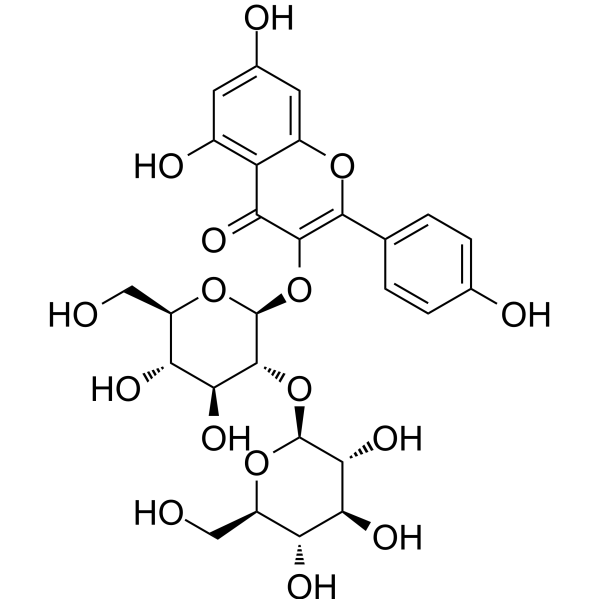
- HY-B0180R
-
|
R 837 (Standard)
|
Reference Standards
Toll-like Receptor (TLR)
Autophagy
SARS-CoV
HSV
|
Infection
Inflammation/Immunology
Cancer
|
|
Imiquimod (Standard) is the analytical standard of Imiquimod. This product is intended for research and analytical applications. Imiquimod (R 837), an immune response modifier, is a selective toll like receptor 7 (TLR7) agonist. Imiquimod exhibits antiviral and antitumor effects in vivo. Imiquimod can be used for the research of external genital, perianal warts, cancer and COVID-19 .
|
-

- HY-B0180BR
-
|
|
Toll-like Receptor (TLR)
Autophagy
SARS-CoV
HSV
Reference Standards
|
Infection
Inflammation/Immunology
Cancer
|
|
Imiquimod (maleate) (Standard) is the analytical standard of Imiquimod (maleate). This product is intended for research and analytical applications. Imiquimod maleate (R 837 maleate), an immune response modifier, is a selective toll like receptor 7 (TLR7) agonist. Imiquimod maleate exhibits antiviral and antitumor effects in vivo. Imiquimod maleate can be used for the research of external genital, perianal warts, cancer and COVID-19 .
|
-

- HY-B0180AR
-
|
R 837 hydrochloride (Standard)
|
Toll-like Receptor (TLR)
Autophagy
SARS-CoV
HSV
Reference Standards
|
Infection
Inflammation/Immunology
Cancer
|
|
Imiquimod (hydrochloride) (Standard) is the analytical standard of Imiquimod (hydrochloride). This product is intended for research and analytical applications. Imiquimod hydrochloride (R 837 hydrochloride), an immune response modifier, is a selective toll like receptor 7 (TLR7) agonist. Imiquimod hydrochloride exhibits antiviral and antitumor effects in vivo. Imiquimod hydrochloride can be used for the research of external genital, perianal warts, cancer and COVID-19 .
|
-

- HY-D1056H
-
|
LPS, from Serratia marcescens
|
Toll-like Receptor (TLR)
|
Inflammation/Immunology
|
Lipopolysaccharides, from S. marcescens (Serratia marcescens) are lipopolysaccharide endotoxins and TLR-4 activators derived from Serratia marcescens, classified as S-type LPS, which can activate pathogen-associated molecular patterns (PAMP) of the immune system and induce cellular secretion of migrasomes. Lipopolysaccharides, from S. marcescens exhibit a typical three-part structure: O-antigen (O-antigen), core oligosaccharide (core oligosaccharide), and lipid A (Lipid A). Lipopolysaccharides, from S. marcescens induce NF-κB activation in mouse cells via Toll-like receptor (TLR4)/MD-2. The lipopolysaccharides of S. marcescens can induce apoptosis in host immune cells, thereby suppressing the host's innate immunity .
It is recommended to prepare a solution with concentration ≥2 mg/mL. Vortex thoroughly for more than 10 minutes. Due to the adsorption characteristics of LPS, silanized container or low adsorption centrifuge tubes should be used for aliquoting and storage, and mix thoroughly before use.
|
-

- HY-175764
-
|
|
PROTACs
IRAK
NF-κB
p38 MAPK
TNF Receptor
Interleukin Related
|
Inflammation/Immunology
|
|
FIP22 is a potent and selective IRAK4 PROTAC degrader (HEK293T cells: DC50 = 3.2 nM; THP-1 cells: DC50 = 10.6 nM). FIP22 induces the ubiquitin-proteasome system by forming an IRAK4-FIP22-CRBN ternary complex (EC50 = 12.63 nM), thereby potently blocking IRAK4-mediated NF-κB and MAPK signaling pathways. FIP22 can be used for the study of atopic dermatitis (Pink: IRAK4 ligand (HY-175765); Blue: CRBN ligand (HY-W087383); Black: Linker (HY-46871)) .
|
-

- HY-B0180S2
-
-

- HY-103241R
-
|
|
Reference Standards
Amyloid-β
ATM/ATR
Phosphatase
Apoptosis
|
Neurological Disease
Cancer
|
|
Ro 90-7501 (Standard) is the analytical standard of Ro 90-7501 (HY-103241). This product is intended for research and analytical applications. Ro 90-7501 is an amyloid β42 (Aβ42) fibril assembly inhibitor that reduces Aβ42-induced cytotoxicity (EC50 of 2 μM). Ro 90-7501 inhibits ATM phosphorylation and DNA repair. RO 90-7501 selectively enhances toll-like receptor 3 (TLR3) and RIG-I-like receptor (RLR) ligand-induced IFN-β gene expression and antiviral response . Ro 90-7501 also inhibits protein phosphatase 5 (PP5) in a TPR-dependent manner . Ro 90-7501 has significant radiosensitizing effects on cervical cancer cells .
|
-

-
- HY-L172
-
|
|
140 compounds
|
|
Immunity refers to the ability of the body to resist the invasion of pathogenic microorganisms and resist a variety of diseases. Immunocompromised will inevitably lead to a series of diseases. Immunopotentiator are a class of compounds that enhance immune function and induce immune response. Immunopotentiator can activate the proliferation and differentiation of one or more kinds of immune active cells in the body, promote the secretion of lymphocytes, and then enhance the immune function of the body. Immunopotentiator are mainly used in the treatment of tumors, infectious diseases and immunodeficiency diseases. In addition, immunopotentiator are often used as adjuvants in combination with vaccine antigens to enhance the immunogenicity of vaccines.
MCE designs a unique collection of 140 compounds with definite or potential Immunopotentiating effect, mainly targeting the NOD-like Receptor (NLR), Toll-like Receptor (TLR), NF-κB, etc. It is an effective tool for development and research of anti-cancer, anti-infectious diseases and anti-immunodeficiency diseases compounds.
|
-
- HY-13740G
-
|
R848; S28463
|
蛍光色素
|
|
Resiquimod (R848) (GMP) is Resiquimod (HY-13740) produced by using GMP guidelines. GMP small molecules work appropriately as an auxiliary reagent for cell therapy manufacture. Resiquimod is a Toll-like receptor 7 and 8 (TLR7/TLR8) agonist. Resiquimod (GMP) can induce human mMDSC to mature into inflammatory macrophages .
|
-
- HY-107202GL
-
|
Poly(I:C) (GMP like)
|
蛍光色素
|
|
Polyinosinic-polycytidylic acid (Poly(I:C)) (GMP Like) is the GMP Like class Polyinosinic-polycytidylic acid (HY-107202), and can be used as pharmaceutical excipients. Polyinosinic-polycytidylic acid (Poly(I:C)) is a synthetic analog of double-stranded RNA and an agonist of toll-like receptor 3 (TLR3) and retinoic acid inducible gene I (RIG-I)-like receptors (RIG-I and MDA5). Polyinosinic-polycytidylic acid can be used as a vaccine adjuvant to enhance innate and adaptive immune responses, and to alter the tumor microenvironment. Polyinosinic-polycytidylic acid can directly trigger cancer cells to undergo apoptosis .
|
-
- HY-111582G
-
|
|
蛍光色素
|
|
BBIQ (GMP) is BBIQ (HY-111582) produced by using GMP guidelines. GMP small molecules works appropriately as an auxiliary reagent for cell therapy manufacture. BBIQ is a potent and selectively toll-like receptor 7 (TLR7) agonist with an EC50 of 59.1 nM. BBIQ is a powerful vaccine adjuvant that enhances innate immune responses .
|
-
- HY-13740G
-
|
R848; S28463
|
生化学アッセイ試薬
|
|
Resiquimod (R848) (GMP) is Resiquimod (HY-13740) produced by using GMP guidelines. GMP small molecules work appropriately as an auxiliary reagent for cell therapy manufacture. Resiquimod is a Toll-like receptor 7 and 8 (TLR7/TLR8) agonist. Resiquimod (GMP) can induce human mMDSC to mature into inflammatory macrophages .
|
-
- HY-142980
-
|
Dioleoylphosphatidylglycerol
|
生化学アッセイ試薬
|
|
DOPG (Dioleoylphosphatidylglycerol) is a negatively charged phosphatidylglycerol phospholipid. DOPG is abundant in prokaryotic cell membranes and mitochondria, and has a low phase transition temperature and a tendency to form stable vesicles. DOPG inhibits the production of inflammatory mediators in macrophages in response to heat shock protein B4 (HSPB4)-activated toll-like receptor 2 (TLR2). DOPG is applicable to studies of membrane biology, drug-membrane interactions (especially in systems targeting negatively charged membranes), construction of drug delivery carriers, as well as research on sterile corneal inflammation and wound healing promotion .
|
-
- HY-D1056H
-
|
LPS, from Serratia marcescens
|
生化学アッセイ試薬
|
Lipopolysaccharides, from S. marcescens (Serratia marcescens) are lipopolysaccharide endotoxins and TLR-4 activators derived from Serratia marcescens, classified as S-type LPS, which can activate pathogen-associated molecular patterns (PAMP) of the immune system and induce cellular secretion of migrasomes. Lipopolysaccharides, from S. marcescens exhibit a typical three-part structure: O-antigen (O-antigen), core oligosaccharide (core oligosaccharide), and lipid A (Lipid A). Lipopolysaccharides, from S. marcescens induce NF-κB activation in mouse cells via Toll-like receptor (TLR4)/MD-2. The lipopolysaccharides of S. marcescens can induce apoptosis in host immune cells, thereby suppressing the host's innate immunity .
It is recommended to prepare a solution with concentration ≥2 mg/mL. Vortex thoroughly for more than 10 minutes. Due to the adsorption characteristics of LPS, silanized container or low adsorption centrifuge tubes should be used for aliquoting and storage, and mix thoroughly before use.
|
-
- HY-107202GL
-
|
Poly(I:C) (GMP like)
|
生化学アッセイ試薬
|
|
Polyinosinic-polycytidylic acid (Poly(I:C)) (GMP Like) is the GMP Like class Polyinosinic-polycytidylic acid (HY-107202), and can be used as pharmaceutical excipients. Polyinosinic-polycytidylic acid (Poly(I:C)) is a synthetic analog of double-stranded RNA and an agonist of toll-like receptor 3 (TLR3) and retinoic acid inducible gene I (RIG-I)-like receptors (RIG-I and MDA5). Polyinosinic-polycytidylic acid can be used as a vaccine adjuvant to enhance innate and adaptive immune responses, and to alter the tumor microenvironment. Polyinosinic-polycytidylic acid can directly trigger cancer cells to undergo apoptosis .
|
-
- HY-111582G
-
|
|
生化学アッセイ試薬
|
|
BBIQ (GMP) is BBIQ (HY-111582) produced by using GMP guidelines. GMP small molecules works appropriately as an auxiliary reagent for cell therapy manufacture. BBIQ is a potent and selectively toll-like receptor 7 (TLR7) agonist with an EC50 of 59.1 nM. BBIQ is a powerful vaccine adjuvant that enhances innate immune responses .
|
-
- HY-P1180A
-
-
- HY-P2036A
-
|
|
Toll-like Receptor (TLR)
MMP
HSV
Antibiotic
|
Infection
|
|
FSL-1 TFA, a bacterial-derived toll-like receptor 2/6 (TLR2/6) agonist, enhances resistance to experimental HSV-2 infection . FSL-1 TFA induces MMP-9 production through TLR2 and NF-κB/AP-1 signaling pathways in monocytic THP-1 cells .
|
-
- HY-P2036
-
-
- HY-P1180
-
-
- HY-P10208A
-
-
- HY-P10586A
-
|
MALP-2 TFA
|
Toll-like Receptor (TLR)
NO Synthase
|
Cardiovascular Disease
Metabolic Disease
|
|
Macrophage-activating lipopeptide 2 TFA is an agonist of Toll like receptors TLR-2/TLR-6. Macrophage-activating lipopeptide-2 enhances endothelial nitric oxide synthase (eNOS) phosphorylation and endothelial cell release of NO, thereby improving vasodilation. Macrophage-activating lipopeptide-2 enhances endothelial adhesion of white blood cells and improve perfusion recovery and collateral growth in the hind limbs of hypercholesterolemic Apoe deficient mice undergoing experimental femoral artery ligation (FAL) .
|
-
- HY-P1405
-
-
- HY-P10586
-
|
MALP-2
|
Toll-like Receptor (TLR)
NO Synthase
|
Cardiovascular Disease
|
|
Macrophage-activating lipopeptide 2 (MALP-2) is an agonist of Toll like receptors TLR-2/TLR-6. Macrophage-activating lipopeptide-2 can enhance endothelial nitric oxide synthase (eNOS) phosphorylation and endothelial cell release of NO, thereby improving vasodilation. Macrophage-activating lipopeptide-2 can enhance endothelial adhesion of white blood cells and improve perfusion recovery and collateral growth in the hind limbs of hypercholesterolemic Apoe deficient mice undergoing experimental femoral artery ligation (FAL) .
|
-
- HY-P1405A
-
| 製品番号 |
製品名 |
Category |
Target |
構造式 |
-
- HY-113134S
-
|
|
|
25-Hydroxycholesterol-d6 (25-OHC-d6) is the deuterium labeled 25-Hydroxycholesterol. 25-Hydroxycholesterol is a metabolite of cholesterol that is produced and secreted by macrophages in response to Toll-like receptor (TLR) activation. 25-hydroxycholesterol is a potent (EC50≈65 nM) and selective suppressor of IgA production by B cells .
|
-
-
- HY-13740S
-
1 Publications Verification
|
|
Resiquimod-d5 is deuterium labeled Resiquimod. Resiquimod is a Toll-like receptor 7 and 8 (TLR7/TLR8) agonist that induces the upregulation of cytokines such as TNF-α, IL-6 and IFN-α .
|
-
-
- HY-17589AS
-
1 Publications Verification
|
|
Chloroquine-d5 is deuterium labeled Chloroquine (HY-17589A). Chloroquine is an antimalarial and anti-inflammatory agent widely used to treat malaria and rheumatoid arthritis. Chloroquine is an autophagy and toll-like receptors (TLRs) inhibitor. Chloroquine is highly effective in the control of SARS-CoV-2 (COVID-19) infection in vitro (EC50=1.13 μM) .
|
-
-
- HY-17589S1
-
|
|
|
Chloroquine-d4 (phosphate) is the deuterium labeled Chloroquine phosphate. Chloroquine phosphate is an antimalarial and anti-inflammatory agent widely used to treat malaria and rheumatoid arthritis. Chloroquine phosphate is an autophagy and toll-like receptors (TLRs) inhibitor. Chloroquine phosphate is highly effective in the control of SARS-CoV-2 (COVID-19) infection in vitro (EC50=1.13 μM) .
|
-
-
- HY-W031727S
-
|
|
|
Hydroxychloroquine-d4-1 (sulfate) is the deuterium labeled Hydroxychloroquine. Hydroxychloroquine is a synthetic antimalarial agent which can also inhibit Toll-like receptor 7/9 (TLR7/9) signaling. Hydroxychloroquine is efficiently inhibits SARS-CoV-2 infection in vitro .
|
-
-
- HY-B1370S
-
|
|
|
Hydroxychloroquine-d4 (sulfate) is the deuterium labeled Hydroxychloroquine sulfate. Hydroxychloroquine sulfate (HCQ sulfate) is a synthetic antimalarial agent which can also inhibit Toll-like receptor 7/9 (TLR7/9) signaling. Hydroxychloroquine sulfate is efficiently inhibits SARS-CoV-2 infection in vitro .
|
-
-
- HY-17589S
-
|
|
|
Chloroquine-d5 (diphosphate) is the deuterium labeled Chloroquine (phosphate). Chloroquine phosphate is an antimalarial and anti-inflammatory agent widely used to treat malaria and rheumatoid arthritis. Chloroquine phosphate is an autophagy and toll-like receptors (TLRs) inhibitor. Chloroquine phosphate is highly effective in the control of SARS-CoV-2 (COVID-19) infection in vitro (EC50=1.13 μM) .
|
-
-
- HY-W031727S1
-
|
|
|
Hydroxychloroquine-d5 is the deuterium labeled Hydroxychloroquine . Hydroxychloroquine is a synthetic antimalarial agent which can also inhibit Toll-like receptor 7/9 (TLR7/9) signaling. Hydroxychloroquine is efficiently inhibits SARS-CoV-2 infection in vitro .
|
-
-
- HY-B0180S1
-
|
|
|
Imiquimod-d9 is deuterium labeled Imiquimod. Imiquimod (R 837), an immune response modifier, is a selective toll like receptor 7 (TLR7) agonist. Imiquimod exhibits antiviral and antitumor effects in vivo. Imiquimod can be used for the research of external genital, perianal warts, cancer and COVID-19 .
|
-
-
- HY-B0180S
-
|
|
|
Imiquimod-d6 is the deuterium labeled Imiquimod. Imiquimod (R 837), an immune response modifier, is a selective toll like receptor 7 (TLR7) agonist. Imiquimod exhibits antiviral and antitumor effects in vivo. Imiquimod can be used for the research of external genital, perianal warts, cancer and COVID-19 .
|
-
-
- HY-135811S
-
|
|
|
Desethyl chloroquine-d4 is the deuterium labeled Desethyl chloroquine. Desethyl chloroquine is a major desethyl metabolite of Chloroquine. Chloroquine diphosphate is an inhibitor of autophagy and toll-like receptors (TLRs). Desethyl chloroquine possesses antiplasmodic activity .
|
-
-
- HY-135811S1
-
|
|
|
Desethyl chloroquine-d5 is deuterium labeled Desethyl chloroquine. Desethyl chloroquine is a major desethyl metabolite of Chloroquine. Chloroquine diphosphate is an inhibitor of autophagy and toll-like receptors (TLRs). Desethyl chloroquine possesses antiplasmodic activity .
|
-
-
- HY-W777545
-
|
|
|
4-[(7-Chloro-4-quinolinyl)amino]-1-pentanol-d4 is the deuterium labeled Hydroxychloroquine Impurity E (HY-131262). Hydroxychloroquine Impurity E is the impurity of Hydroxychloroquine. Hydroxychloroquine is a synthetic antimalarial agent which can also inhibit Toll-like receptor 7/9 (TLR7/9) signaling. Hydroxychloroquine is efficiently inhibits SARS-CoV-2 infection in vitro .
|
-
-
- HY-B0180S2
-
|
|
|
Imiquimod-d7 (R 837-d7) is deuterium labeled Imiquimod. Imiquimod (R 837), an immune response modifier, is a selective toll like receptor 7 (TLR7) agonist. Imiquimod exhibits antiviral and antitumor effects in vivo. Imiquimod can be used for the research of external genital, perianal warts, cancer and COVID-19 .
|
-
-
- HY-152684
-
|
|
|
Alkynes
|
|
2′-O-2-Propyn-1-ylguanosine is a guanosine analogue. Some guanosine analogs have immunostimulatory activity. In some animal models, they also induce type I interferons, producing antiviral effects. Studies have shown that the functional activity of guanosine analogs is dependent on the activation of Toll-like receptor 7 (TLR7) . 2′-O-2-Propyn-1-ylguanosine is a click chemistry reagent, it contains an Alkyne group and can undergo copper-catalyzed azide-alkyne cycloaddition (CuAAc) with molecules containing Azide groups.
|
-
- HY-152478
-
|
|
|
Alkynes
|
|
3’-β-C-Ethynylguanosine is a guanosine analog. Some guanosine analogs have immunostimulatory activity. In some animal models, they also induce type I interferons, producing antiviral effects. Studies have shown that the functional activity of guanosine analogs is dependent on the activation of Toll-like receptor 7 (TLR7) . 3’-β-C-Ethynylguanosine is a click chemistry reagent, it contains an Alkyne group and can undergo copper-catalyzed azide-alkyne cycloaddition (CuAAc) with molecules containing Azide groups.
|
-
- HY-154361
-
|
|
|
Alkynes
|
|
TLR7 agonist 13 is a guanosine analog. Some guanosine analogs have immunostimulatory activity. In some animal models, they also induce type I interferons, producing antiviral effects. Studies have shown that the functional activity of guanosine analogs is dependent on the activation of Toll-like receptor 7 (TLR7) . TLR7 agonist 13 is a click chemistry reagent, it contains an Alkyne group and can undergo copper-catalyzed azide-alkyne cycloaddition (CuAAc) with molecules containing Azide groups.
|
-
- HY-154349
-
|
|
|
Alkynes
|
|
N2-iso-Butyroyl-2’-O-propargylguanosine is a guanosine analog. Some guanosine analogs have immunostimulatory activity. In some animal models, they also induce type I interferons, producing antiviral effects. Studies have shown that the functional activity of guanosine analogs is dependent on the activation of Toll-like receptor 7 (TLR7) . N2-iso-Butyroyl-2’-O-propargylguanosine is a click chemistry reagent, it contains an Alkyne group and can undergo copper-catalyzed azide-alkyne cycloaddition (CuAAc) with molecules containing Azide groups.
|
-
- HY-111582
-
|
|
|
Adjuvant
|
|
BBIQ is a imidazoquinoline compound and a potent and selectively toll-like receptor 7 (TLR7) agonist with an EC50 of 59.1 nM for human TLR7. BBIQ is a powerful vaccine adjuvant that enhances innate immune responses .
|
-
- HY-150736
-
|
|
|
CpG ODNs
|
|
ODN 20844, a guanine-modified inhibitory oligonucleotide (INH-ODN), is a TLR7 and TLR9 (Toll-like receptor) inhibitor, and its parent is INH-ODN 2088. ODN 20844 disrupts TLR7- and TLR9-mediated immune cell immune responses. ODN 20844 sequence: 5'-TCCTGGCGc7GGGAAGT-3' .
|
-
- HY-150217A
-
|
ODN 10101 sodium
|
|
CpG ODNs
|
|
CpG ODN 10101 sodium, a synthetic oligodeoxynucleotide (ODN), is a toll-like receptor 9 (TLR9) agonist. CpG ODN 10101 sodium is a potent inducer of cytokine/chemokine expression ex vivo when used in combination with HH2(VQLRIRVAVIRA-NH2). CpG ODN 10101 sodium induces IFN- secretion from dendritic cells (DCs) and stimulates B-cells.CpG ODN 10101 sodium has antiviral and immunomodulatory properties that can influence chronic infection with HCV .
|
-
- HY-142980
-
|
Dioleoylphosphatidylglycerol
|
|
Phospholipids
|
|
DOPG (Dioleoylphosphatidylglycerol) is a negatively charged phosphatidylglycerol phospholipid. DOPG is abundant in prokaryotic cell membranes and mitochondria, and has a low phase transition temperature and a tendency to form stable vesicles. DOPG inhibits the production of inflammatory mediators in macrophages in response to heat shock protein B4 (HSPB4)-activated toll-like receptor 2 (TLR2). DOPG is applicable to studies of membrane biology, drug-membrane interactions (especially in systems targeting negatively charged membranes), construction of drug delivery carriers, as well as research on sterile corneal inflammation and wound healing promotion .
|
-
- HY-150746
-
|
|
|
CpG ODNs
|
|
ODN 24991, a guanine-modified inhibitory oligonucleotide (INH-ODN), is a TLR3, TLR7 and TLR9 (Toll-like receptor) inhibitor, and its parent is INH-ODN 2088. ODN 24991 disrupts TLR3-, TLR7- and TLR9-mediated immune cell immune responses. ODN 24991 sequence: 5'-C-C-T-G-G-C-c7rGm-G-G-G-3' .
|
-
- HY-154484
-
|
|
|
Phosphoramidites
Guanine
|
|
3’-O-Me-G(iBu)-2’-phosphoramidite is a guanosine analog. Some guanosine analogs have immunostimulatory activity. In some animal models, they also induce type I interferons, producing antiviral effects. Studies have shown that the functional activity of guanosine analogs is dependent on the activation of Toll-like receptor 7 (TLR7) .
|
-
- HY-152684
-
|
|
|
Nucleoside Analogs
Guanosine
|
|
2′-O-2-Propyn-1-ylguanosine is a guanosine analogue. Some guanosine analogs have immunostimulatory activity. In some animal models, they also induce type I interferons, producing antiviral effects. Studies have shown that the functional activity of guanosine analogs is dependent on the activation of Toll-like receptor 7 (TLR7) . 2′-O-2-Propyn-1-ylguanosine is a click chemistry reagent, it contains an Alkyne group and can undergo copper-catalyzed azide-alkyne cycloaddition (CuAAc) with molecules containing Azide groups.
|
-
- HY-177617
-
|
IMO-8400
|
|
CpG ODNs
|
|
Bazlitoran (IMO-8400) is an oligonucleotide-based TLR7/8/9 antagonist. Bazlitoran blocks the activation of Toll-like receptors 7, 8, and 9. Bazlitoran inhibits cytokine responses mediated by Toll-like receptors 7, 8, and 9. Bazlitoran is associated with injection site reactions. Bazlitoran improves moderate-to-severe plaque psoriasis .
|
-
- HY-148511A
-
|
CMP-001 sodium
|
|
CpG ODNs
|
|
Vidutolimod sodium is a CpG-A oligodeoxynucleotide. Vidutolimod sodium is a Toll-like receptor 9 (TLR9) agonist, which activates plasmacytoid dendritic cells (pDCs) and triggers interferon alpha (IFNα) release, leading to a cascade of anti-tumor immune effects.
|
-
- HY-150736A
-
|
|
|
CpG ODNs
|
|
ODN 20844 sodium, a guanine-modified inhibitory oligonucleotide (INH-ODN), is a TLR7 and TLR9 (Toll-like receptor) inhibitor, and its parent is INH-ODN 2088. ODN 20844 sodium disrupts TLR7- and TLR9-mediated immune cell immune responses. ODN 20844 sequence: 5'-TCCTGGCGc7GGGAAGT-3' .
|
-
- HY-150734A
-
|
|
|
CpG ODNs
|
|
ODN 2007 sodium, a class B CpG ODN (oligodeoxynucleotide), is a Toll-like receptor (TLR) ligand. ODN 2007 sodium can be used as an immunomodulator, vaccine adjuvant, and enhance immune responses in mammals, fish, and humans. ODN 2007 sequence: 5'-TCGTCGTTGTCGTTTTGTCGTT-3' .
|
-
- HY-150746A
-
|
|
|
CpG ODNs
|
|
ODN 24991 sodium, a guanine-modified inhibitory oligonucleotide (INH-ODN), is a TLR3, TLR7 and TLR9 (Toll-like receptor) inhibitor, and its parent is INH-ODN 2088. ODN 24991 sodium disrupts TLR3-, TLR7- and TLR9-mediated immune cell immune responses. ODN 24991 sequence: 5'-C-C-T-G-G-C-c7rGm-G-G-G-3' .
|
-
- HY-177617A
-
|
IMO-8400 sodium
|
|
CpG ODNs
|
|
Bazlitoran sodium (IMO-8400 sodium) is an oligonucleotide-based TLR7/8/9 antagonist. Bazlitoran sodium blocks the activation of Toll-like receptors 7, 8, and 9. Bazlitoran sodium inhibits cytokine responses mediated by Toll-like receptors 7, 8, and 9. Bazlitoran sodium is associated with injection site reactions. Bazlitoran sodium improves moderate-to-severe plaque psoriasis .
|
-
- HY-150741B
-
|
|
|
CpG ODNs
|
|
FITC-labeled ODN 2216 (sodium) is a human-specific TLR9 (toll-like receptor 9) ligand or agonist. FITC-labeled ODN 2216 (sodium) can be used to evaluate CpG ODN cellular uptake and localization by confocal laser-scanning microscopy (excitation 495 nm, emission 520 nm) or flow cytometry.
|
-
- HY-152493
-
|
|
|
Nucleoside Analogs
Guanosine
|
|
3’-O-(2-Methoxyethyl)guanosine is a guanosine analogue. Some guanosine analogs have immunostimulatory activity. In some animal models, they also induce type I interferons, producing antiviral effects. Studies have shown that the functional activity of guanosine analogs is dependent on the activation of Toll-like receptor 7 (TLR7) .
|
-
- HY-150741A
-
|
|
|
CpG ODNs
|
|
Biotin-labeled ODN 2216 (sodium) is a human-specific TLR9 (toll-like receptor 9) ligand or agonist. Biotin-labeled ODN 2216 (sodium) can be used to evaluate CpG ODN cellular uptake and localization using a biotin detection system and light microscopy.
|
-
- HY-150734
-
|
|
|
CpG ODNs
|
|
ODN 2007, a class B CpG ODN (oligodeoxynucleotide), is a Toll-like receptor (TLR) ligand. ODN 2007 can be used as an immunomodulator, vaccine adjuvant, and enhance immune responses in mammals, fish, and humans. ODN 2007 sequence: 5'-TCGTCGTTGTCGTTTTGTCGTT-3' .
|
-
- HY-154332
-
|
|
|
Nucleoside Analogs
Guanosine
|
|
8-(Phenylmethoxy)guanosine is a guanosine analog. Some guanosine analogs have immunostimulatory activity. In some animal models, they also induce type I interferons, producing antiviral effects. Studies have shown that the functional activity of guanosine analogs is dependent on the activation of Toll-like receptor 7 (TLR7) .
|
-
- HY-152430
-
|
|
|
Nucleoside Analogs
Guanosine
|
|
8-Hydroxymethyl guanosine is a guanosine analog. Some guanosine analogs have immunostimulatory activity. In some animal models, they also induce type I interferons, producing antiviral effects. Studies have shown that the functional activity of guanosine analogs is dependent on the activation of Toll-like receptor 7 (TLR7) .
|
-
- HY-152547
-
|
|
|
Nucleoside Analogs
Guanosine
|
|
N2-[(N,N-Dimethyl amino]methylene-N1-methyl-2’-O-methylguanosine is a guanosine analog. Some guanosine analogs have immunostimulatory activity. In some animal models, they also induce type I interferons, producing antiviral effects. Studies have shown that the functional activity of guanosine analogs is dependent on the activation of Toll-like receptor 7 (TLR7) .
|
-
- HY-154464
-
|
|
|
Phosphoramidites
Guanine
|
|
N2-iso-Butyroyl-5'-O-DMT-3'-deoxy-3'-fluoroguanosine is a guanosine analog. Some guanosine analogs have immunostimulatory activity. In some animal models, they also induce type I interferons, producing antiviral effects. Studies have shown that the functional activity of guanosine analogs is dependent on the activation of Toll-like receptor 7 (TLR7) .
|
-
- HY-152478
-
|
|
|
Nucleoside Analogs
Guanosine
|
|
3’-β-C-Ethynylguanosine is a guanosine analog. Some guanosine analogs have immunostimulatory activity. In some animal models, they also induce type I interferons, producing antiviral effects. Studies have shown that the functional activity of guanosine analogs is dependent on the activation of Toll-like receptor 7 (TLR7) . 3’-β-C-Ethynylguanosine is a click chemistry reagent, it contains an Alkyne group and can undergo copper-catalyzed azide-alkyne cycloaddition (CuAAc) with molecules containing Azide groups.
|
-
- HY-154549
-
|
|
|
Phosphoramidites
Guanine
|
|
3’-O-MOE-G(iBu)-2’-phosphoramidite is a guanosine analog. Some guanosine analogs have immunostimulatory activity. In some animal models, they also induce type I interferons, producing antiviral effects. Studies have shown that the functional activity of guanosine analogs is dependent on the activation of Toll-like receptor 7 (TLR7) .
|
-
- HY-152993
-
|
|
|
Nucleoside Analogs
Guanosine
|
|
2′-Deoxy-N-(2-furanylmethyl)guanosine is a guanosine analog. Some guanosine analogs have immunostimulatory activity. In some animal models, they also induce type I interferons, producing antiviral effects. Studies have shown that the functional activity of guanosine analogs is dependent on the activation of Toll-like receptor 7 (TLR7) .
|
-
- HY-154351
-
|
|
|
Phosphoramidites
Guanine
|
|
N2-iBu-5’-O-DMTr-2’-O-propargylguanosine-3’-CED-phosphoramidite is a guanosine analog. Some guanosine analogs have immunostimulatory activity. In some animal models, they also induce type I interferons, producing antiviral effects. Studies have shown that the functional activity of guanosine analogs is dependent on the activation of Toll-like receptor 7 (TLR7) .
|
-
- HY-174522
-
|
|
|
mRNA
|
|
Human TLR6 mRNA encodes the human toll like receptor 6 (TLR6) protein, a member of the Toll-like receptor (TLR) family which plays a fundamental role in pathogen recognition and activation of innate immunity. TLR6 interacts with toll-like receptor 2 to mediate cellular response to bacterial lipoproteins.
|
-
- HY-174527
-
|
|
|
mRNA
|
|
Human TLR10 mRNA encodes the human toll like receptor 10 (TLR10) protein, a member of the Toll-like receptor (TLR) family which plays a fundamental role in pathogen recognition and activation of innate immunity. TLR10 participates in the innate immune response to microbial agents.
|
-
- HY-174521
-
|
|
|
mRNA
|
|
Human TLR7 mRNA encodes the human toll like receptor 7 (TLR7) protein, a member of the Toll-like receptor (TLR) family which plays a fundamental role in pathogen recognition and activation of innate immunity. TLR7 senses single-stranded RNA oligonucleotides containing guanosine- and uridine-rich sequences from RNA viruses, a recognition occuring in the endosomes of plasmacytoid dendritic cells and B cells.
|
-
- HY-174523
-
|
|
|
mRNA
|
|
Human TLR5 mRNA encodes the human toll like receptor 5 (TLR5) protein, a member of the Toll-like receptor (TLR) family which plays a fundamental role in pathogen recognition and activation of innate immunity. TLR5 recognizes bacterial flagellin, the principal component of bacterial flagella and a virulence factor. The activation of this receptor mobilizes the nuclear factor NF-kappaB, which in turn activates a host of inflammatory-related target genes.
|
-
- HY-152610
-
|
|
|
Nucleoside Analogs
Guanosine
|
|
3′-C-Methylguanosine is a guanosine analogue. Some guanosine analogs have immunostimulatory activity. In some animal models, they also induce type I interferons, producing antiviral effects. Studies have shown that the functional activity of guanosine analogs is dependent on the activation of Toll-like receptor 7 (TLR7) .
|
-
- HY-152517
-
|
|
|
Nucleoside Analogs
Guanosine
|
|
8-(Methylthio)guanosine is a guanosine analogue. Some guanosine analogs have immunostimulatory activity. In some animal models, they also induce type I interferons, producing antiviral effects. Studies have shown that the functional activity of guanosine analogs is dependent on the activation of Toll-like receptor 7 (TLR7) .
|
-
- HY-154111
-
|
|
|
Nucleoside Analogs
Guanosine
|
|
8-(N-Boc-aminomethyl)guanosine is a guanosine analog. Some guanosine analogs have immunostimulatory activity. In some animal models, they also induce type I interferons, producing antiviral effects. Studies have shown that the functional activity of guanosine analogs is dependent on the activation of Toll-like receptor 7 (TLR7) .
|
-
- HY-152673
-
|
|
|
Nucleoside Analogs
Guanosine
|
|
9-(β-D-Xylofuranosyl)guanine is a guanosine analog. Some guanosine analogs have immunostimulatory activity. In some animal models, they also induce type I interferons, producing antiviral effects. Studies have shown that the functional activity of guanosine analogs is dependent on the activation of Toll-like receptor 7 (TLR7) .
|
-
- HY-154506
-
|
|
|
Nucleoside Analogs
Guanosine
|
|
N2-Phenoxyacetylguanosine is a guanosine analog. Some guanosine analogs have immunostimulatory activity. In some animal models, they also induce type I interferons, producing antiviral effects. Studies have shown that the functional activity of guanosine analogs is dependent on the activation of Toll-like receptor 7 (TLR7) .
|
-
- HY-152742
-
|
|
|
Nucleoside Analogs
Guanosine
|
|
8-(N,N-Dimethylaminomethyl)guanosine is a guanosine analogue. Some guanosine analogs have immunostimulatory activity. In some animal models, they also induce type I interferons, producing antiviral effects. Studies have shown that the functional activity of guanosine analogs is dependent on the activation of Toll-like receptor 7 (TLR7) .
|
-
- HY-152652
-
|
|
|
Nucleoside Analogs
Guanosine
|
|
5’(R)-C-Methylguanosine is a guanosine analog. Some guanosine analogs have immunostimulatory activity. In some animal models, they also induce type I interferons, producing antiviral effects. Studies have shown that the functional activity of guanosine analogs is dependent on the activation of Toll-like receptor 7 (TLR7) .
|
-
- HY-154336
-
|
|
|
Nucleoside Analogs
Guanosine
|
|
N-[2-[4-(1-Methylethyl)phenoxy]acetyl]guanosine is a guanosine analog. Some guanosine analogs have immunostimulatory activity. In some animal models, they also induce type I interferons, producing antiviral effects. Studies have shown that the functional activity of guanosine analogs is dependent on the activation of Toll-like receptor 7 (TLR7) .
|
-
- HY-152991
-
|
|
|
Nucleoside Analogs
Guanosine
|
|
2′-Deoxy-N-(2-furanylmethyl)guanosine is a guanosine analog. Some guanosine analogs have immunostimulatory activity. In some animal models, they also induce type I interferons, producing antiviral effects. Studies have shown that the functional activity of guanosine analogs is dependent on the activation of Toll-like receptor 7 (TLR7) .
|
-
- HY-177642
-
|
Li28
|
|
CpG ODNs
|
|
Litenimod is potent type B agonist of toll Like receptor 9 (TLR9), triggering both innate and adaptive immune response.
|
-
- HY-177642A
-
|
Li28 sodium sodium
|
|
CpG ODNs
|
|
Litenimod sodium is potent type B agonist of toll Like receptor 9 (TLR9), triggering both innate and adaptive immune response.
|
-
- HY-154482
-
|
|
|
Nucleoside Analogs
Guanosine
|
|
N2-iso-Butyroyl-3’-O-methylguanosine is a guanosine analog. Some guanosine analogs have immunostimulatory activity. In some animal models, they also induce type I interferons, producing antiviral effects. Studies have shown that the functional activity of guanosine analogs is dependent on the activation of Toll-like receptor 7 (TLR7) .
|
-
- HY-154448
-
|
|
|
Nucleoside Analogs
Guanosine
|
|
3,5-Bis-O-(2,4-dichlorobenzyl)guanosine is a guanosine analog. Some guanosine analogs have immunostimulatory activity. In some animal models, they also induce type I interferons, producing antiviral effects. Studies have shown that the functional activity of guanosine analogs is dependent on the activation of Toll-like receptor 7 (TLR7) .
|
-
- HY-152988
-
|
|
|
Phosphoramidites
Guanine
|
|
N2-iso-Butyroyl-7'-O-DMT-morpholinoguanine is a guanosine analog. Some guanosine analogs have immunostimulatory activity. In some animal models, they also induce type I interferons, producing antiviral effects. Studies have shown that the functional activity of guanosine analogs is dependent on the activation of Toll-like receptor 7 (TLR7) .
|
-
- HY-152992
-
|
|
|
Nucleoside Analogs
Guanosine
|
|
7-Cyano-7-deaza-2'-deoxy guanosine is a guanosine analog. Some guanosine analogs have immunostimulatory activity. In some animal models, they also induce type I interferons, producing antiviral effects. Studies have shown that the functional activity of guanosine analogs is dependent on the activation of Toll-like receptor 7 (TLR7) .
|
-
- HY-152797
-
|
|
|
Nucleoside Analogs
|
|
N4-Desmethyl-N5-Methyl wyosine is a guanosine analogue. Some guanosine analogs have immunostimulatory activity. In some animal models, they also induce type I interferons, producing antiviral effects. Studies have shown that the functional activity of guanosine analogs is dependent on the activation of Toll-like receptor 7 (TLR7) .
|
-
- HY-154547
-
|
|
|
Nucleoside Analogs
Guanosine
|
|
N2-iso-Butyroyl-3’-O-(methoxyethyl)guanosine is a guanosine analog. Some guanosine analogs have immunostimulatory activity. In some animal models, they also induce type I interferons, producing antiviral effects. Studies have shown that the functional activity of guanosine analogs is dependent on the activation of Toll-like receptor 7 (TLR7) .
|
-
- HY-152545
-
|
|
|
Nucleoside Analogs
Guanosine
|
|
N1,N2-Dimethyl-2’-O-methylguanosine is a guanosine analog. Some guanosine analogs have immunostimulatory activity. In some animal models, they also induce type I interferons, producing antiviral effects. Studies have shown that the functional activity of guanosine analogs is dependent on the activation of Toll-like receptor 7 (TLR7) .
|
-
- HY-154350
-
|
|
|
Phosphoramidites
Guanine
|
|
5'-O-DMT-N2-isobutyryl-2'-O-propargylguanosine is a guanosine analog. Some guanosine analogs have immunostimulatory activity. In some animal models, they also induce type I interferons, producing antiviral effects. Studies have shown that the functional activity of guanosine analogs is dependent on the activation of Toll-like receptor 7 (TLR7) .
|
-
- HY-154606
-
|
|
|
Phosphoramidites
Guanine
|
|
2'-F-2'-ara-N2-ibu-dG Phosphoramidite is a guanosine analog. Some guanosine analogs have immunostimulatory activity. In some animal models, they also induce type I interferons, producing antiviral effects. Studies have shown that the functional activity of guanosine analogs is dependent on the activation of Toll-like receptor 7 (TLR7) .
|
-
- HY-154548
-
|
|
|
Phosphoramidites
Guanine
|
|
N2-iso-Butyroyl-5’-O-DMT-3’-O-(methoxyethyl)guanosine is a guanosine analog. Some guanosine analogs have immunostimulatory activity. In some animal models, they also induce type I interferons, producing antiviral effects. Studies have shown that the functional activity of guanosine analogs is dependent on the activation of Toll-like receptor 7 (TLR7) .
|
- HY-154507
-
|
|
|
Nucleoside Analogs
Guanosine
|
|
N2-Phenoxyacetyl-3′,5′-O-(tetraisopropyldisiloxane-1,3-diyl)guanosine is a guanosine analog. Some guanosine analogs have immunostimulatory activity. In some animal models, they also induce type I interferons, producing antiviral effects. Studies have shown that the functional activity of guanosine analogs is dependent on the activation of Toll-like receptor 7 (TLR7) .
|
- HY-154483
-
|
|
|
Nucleoside Analogs
Guanosine
|
|
N2-iso-Butyroyl-5’-O-(4,4’-dimethoxytrityl)-3’-O-methylguanosine is a guanosine analog. Some guanosine analogs have immunostimulatory activity. In some animal models, they also induce type I interferons, producing antiviral effects. Studies have shown that the functional activity of guanosine analogs is dependent on the activation of Toll-like receptor 7 (TLR7) .
|
- HY-159753
-
|
|
|
Adjuvant
|
|
HS105 is a vaccine adjuvant and a key component in vaccines. Adjuvants can be divided into immunostimulants and delivery systems. Adjuvants can not only enhance the intensity and durability of immune responses, but also affect the type of immune responses. On the one hand, immunostimulants promote the production of antigen signals and co-stimulatory signals by targeting Toll-like receptors (TLRs) and other pattern recognition receptors (PRRs), leading to the maturation and activation of antigen presenting cells (APCs), thereby enhancing adaptive immune responses; on the other hand, delivery systems are carrier materials that promote antigen delivery by prolonging the bioavailability of loaded antigens and targeting antigens to lymph nodes or APCs. Several common adjuvants include: saponins, TLRs agonists, polysaccharides, nanoparticles, cytokines, and mucosal adjuvants .
|
- HY-154349
-
|
|
|
Nucleoside Analogs
Guanosine
|
|
N2-iso-Butyroyl-2’-O-propargylguanosine is a guanosine analog. Some guanosine analogs have immunostimulatory activity. In some animal models, they also induce type I interferons, producing antiviral effects. Studies have shown that the functional activity of guanosine analogs is dependent on the activation of Toll-like receptor 7 (TLR7) . N2-iso-Butyroyl-2’-O-propargylguanosine is a click chemistry reagent, it contains an Alkyne group and can undergo copper-catalyzed azide-alkyne cycloaddition (CuAAc) with molecules containing Azide groups.
|
- HY-174528
-
|
|
|
mRNA
|
|
Human TLR1 mRNA encodes the human toll like receptor 1 (TLR1) protein, a member of the Toll-like receptor (TLR) family which plays a fundamental role in pathogen recognition and activation of innate immunity.
|
- HY-174526
-
|
|
|
mRNA
|
|
Human TLR2 mRNA encodes the human toll like receptor 2 (TLR2) protein, a member of the Toll-like receptor (TLR) family which plays a fundamental role in pathogen recognition and activation of innate immunity. TLR2 is thought to promote apoptosis in response to bacterial lipoproteins.
|
- HY-174519
-
|
|
|
mRNA
|
|
Human TLR9 mRNA encodes the human toll like receptor 9 (TLR9) protein, a member of the Toll-like receptor (TLR) family which plays a fundamental role in pathogen recognition and activation of innate immunity. TLR9 mediates cellular response to unmethylated CpG dinucleotides in bacterial DNA to mount an innate immune response.
|
- HY-174520
-
|
|
|
mRNA
|
|
Human TLR8 mRNA encodes the human toll like receptor 8 (TLR8) protein, a member of the Toll-like receptor (TLR) family which plays a fundamental role in pathogen recognition and activation of innate immunity. TLR8 acts via MYD88 and TRAF6, leading to NF-kappa-B activation, cytokine secretion and the inflammatory response.
|
- HY-174524
-
|
|
|
mRNA
|
|
Human TLR4 mRNA encodes the human toll like receptor 4 (TLR4) protein, a member of the Toll-like receptor (TLR) family which plays a fundamental role in pathogen recognition and activation of innate immunity. TLR4 has been implicated in signal transduction events induced by lipopolysaccharide (LPS) found in most gram-negative bacteria.
|
- HY-174525
-
|
|
|
mRNA
|
|
Human TLR3 mRNA encodes the human toll like receptor 3 (TLR3) protein, a member of the Toll-like receptor (TLR) family which plays a fundamental role in pathogen recognition and activation of innate immunity. TLR3 recognizes dsRNA associated with viral infection, and induces the activation of NF-kappaB and the production of type I interferons. It may thus play a role in host defense against viruses.
|
- HY-159752
-
|
|
|
Adjuvant
|
|
HS103 is a vaccine adjuvant and a key component in vaccines. Adjuvants can be divided into immunostimulants and delivery systems. Adjuvants can not only enhance the intensity and durability of immune responses, but also affect the type of immune responses. On the one hand, immunostimulants promote the production of antigen signals and co-stimulatory signals by targeting Toll-like receptors (TLRs) and other pattern recognition receptors (PRRs), leading to the maturation and activation of antigen presenting cells (APCs), thereby enhancing adaptive immune responses; on the other hand, delivery systems are carrier materials that promote antigen delivery by prolonging the bioavailability of loaded antigens and targeting antigens to lymph nodes or APCs. Several common adjuvants include: saponins, TLRs agonists, polysaccharides, nanoparticles, cytokines, and mucosal adjuvants .
|
- HY-159751
-
|
|
|
Adjuvant
|
|
HS101 is a vaccine adjuvant and a key component in vaccines. Adjuvants can be divided into immunostimulants and delivery systems. Adjuvants can not only enhance the intensity and durability of immune responses, but also affect the type of immune responses. On the one hand, immunostimulants promote the production of antigen signals and co-stimulatory signals by targeting Toll-like receptors (TLRs) and other pattern recognition receptors (PRRs), leading to the maturation and activation of antigen presenting cells (APCs), thereby enhancing adaptive immune responses; on the other hand, delivery systems are carrier materials that promote antigen delivery by prolonging the bioavailability of loaded antigens and targeting antigens to lymph nodes or APCs. Several common adjuvants include: saponins, TLRs agonists, polysaccharides, nanoparticles, cytokines, and mucosal adjuvants .
|
入力情報は安全に管理されます. ※ 必須入力項目.
Inquiry Information
- 製品名:
- 製品番号:
- 数量:
- MCE 日本正規代理店:





![N-[2-[4-(1-Methylethyl)phenoxy]acetyl]guanosine](http://file.medchemexpress.com/product_pic/hy-154336.gif)


![4-[(7-Chloro-4-quinolinyl)amino]-1-pentanol-d4](http://file.medchemexpress.com/product_pic/hy-w777545.gif)


![N2-[(N,N-Dimethyl amino]methylene-N1-methyl-2’-O-methylguanosine](http://file.medchemexpress.com/product_pic/hy-152547.gif)


