



ABR-238901
Based on 6 publication(s) in Google Scholar
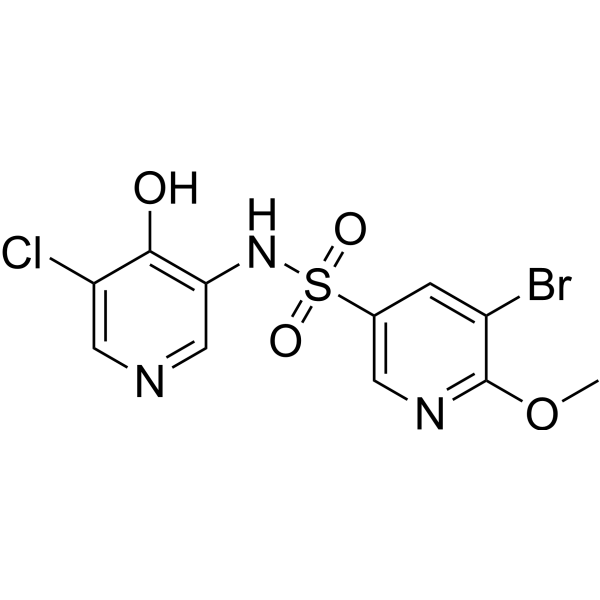
ABR-238901 is an orally active and potent S100A8/A9 blocker and inhibits S100A8/A9 interaction with its receptors RAGE (receptor for advanced glycation endproducts) and TLR4 (toll-like receptor 4). ABR-238901 has the potential for myocardial infarction (MI) research.
For research use only. We do not sell to patients.
- Purity : 98.96%
- CAS No.: 1638200-22-2
- Formula: C11H9BrClN3O4S
- Molecular Weight:394.63
-
Storage:Powder -20°C, 3 years , 4°C, 2 years ; In solvent -80°C, 6 months , -20°C, 1 month

To place orders, for customer services and technical support, please contact: MedChemExpress USA
Tel: 609-228-6898 E-mail: [email protected] [email protected]


-
 Biological Activity
-
Chemical Information
-
Solvent & Solubility
- Protocols
- Purity & Documentation
- References
-
 Help & FAQs


-
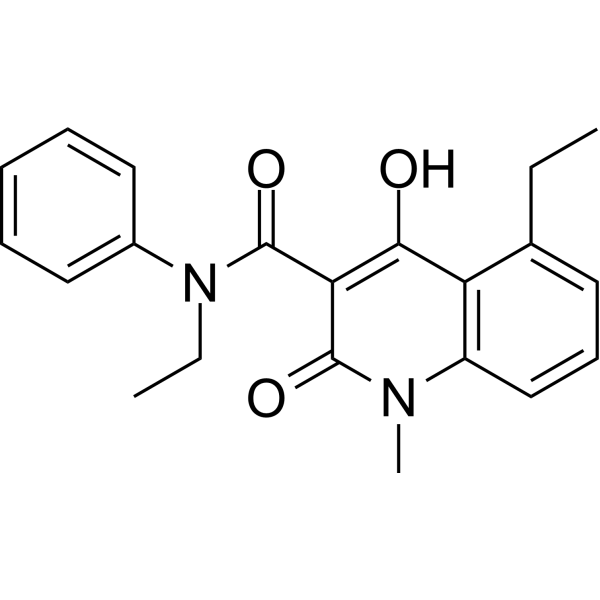
HY-100442
PaquinimodS100A8/A9 Inhibitor -
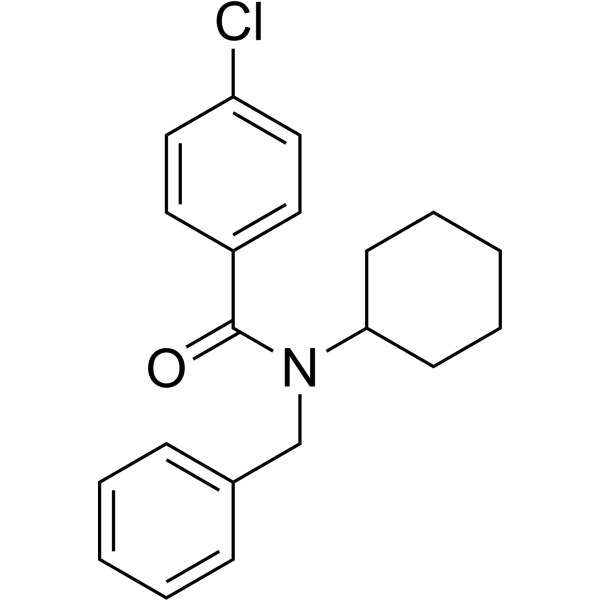
HY-19370
FPS-ZM1Amyloid-β Inhibitor -
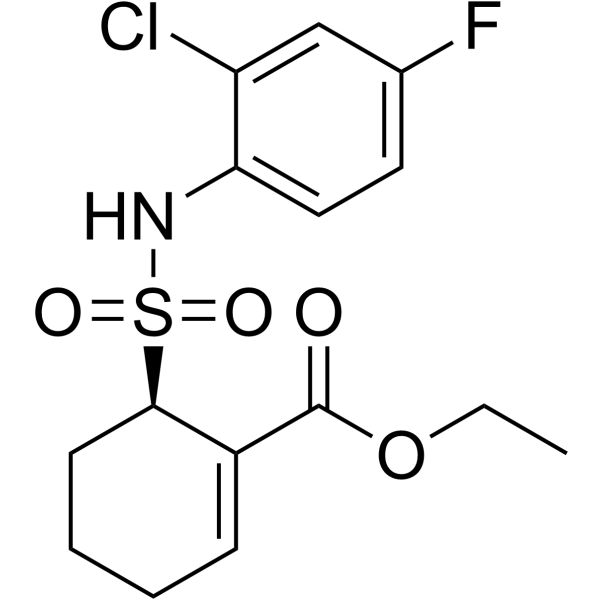
HY-11109
ResatorvidTLR4 Inhibitor -
HY-P1180A
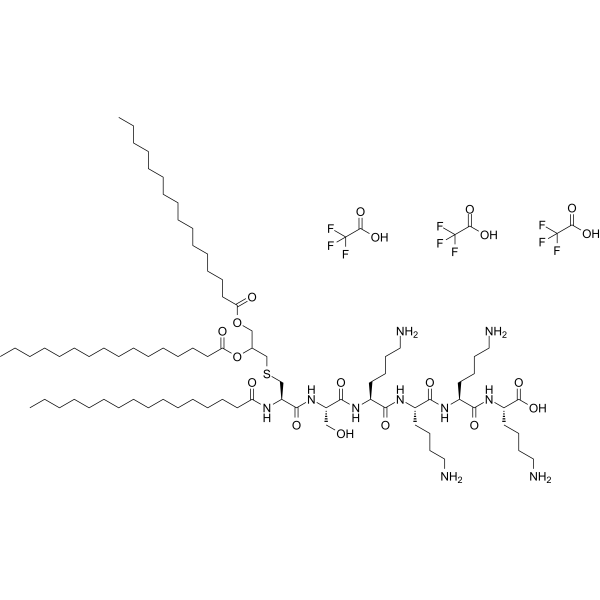
Pam3CSK4 TFATLR1/2 Agonist -
HY-134581
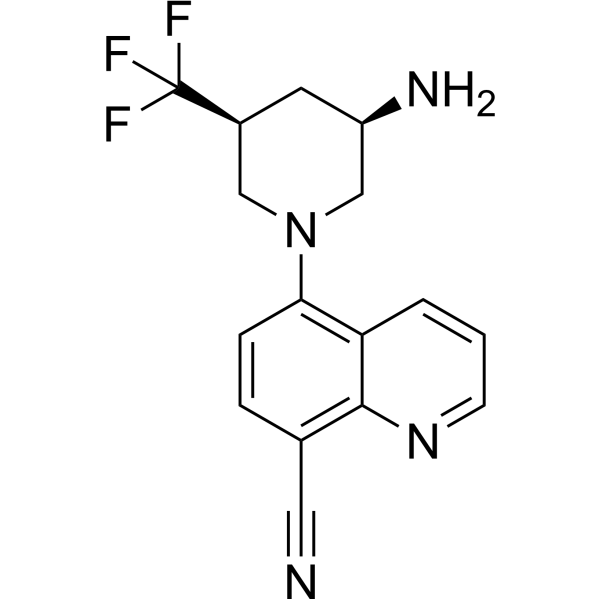
EnpatoranTLR7/8 Antagonist -
HY-13773
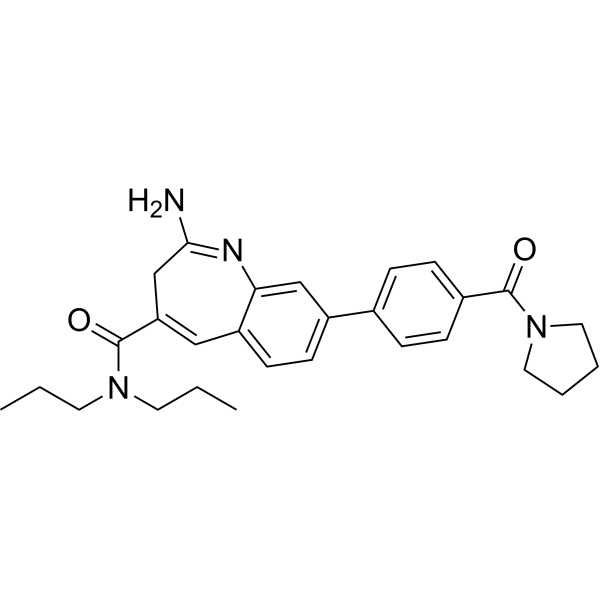
MotolimodTLR8 Agonist -
HY-108473
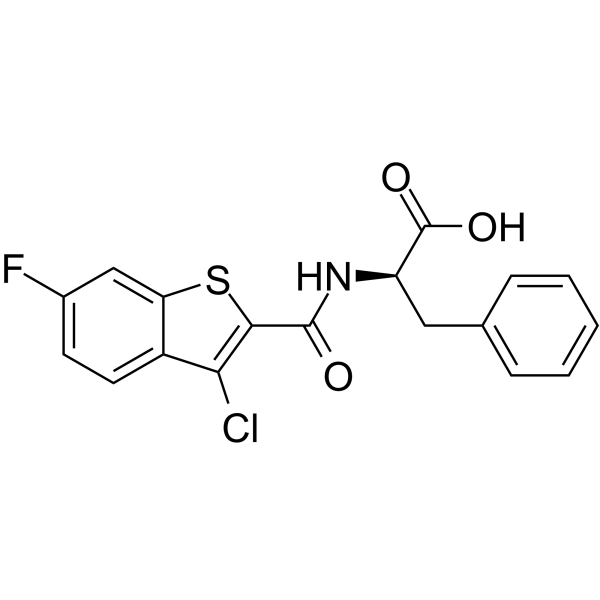
CU-CPT 4aTLR3 Inhibitor -
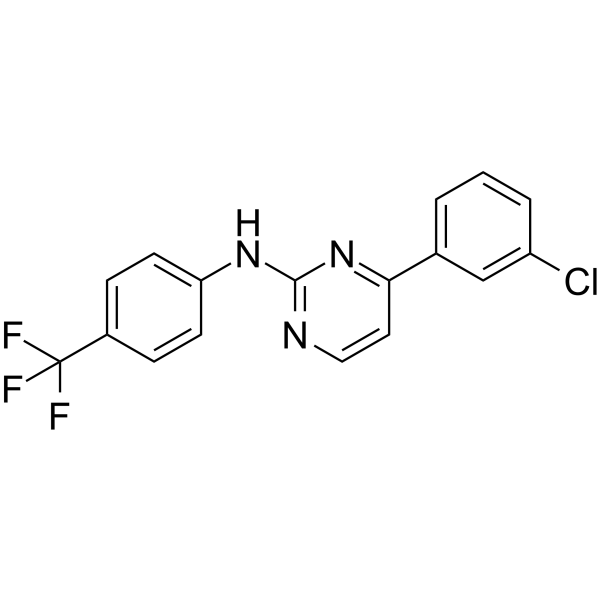
HY-135750
VAF347AhR Agonist -
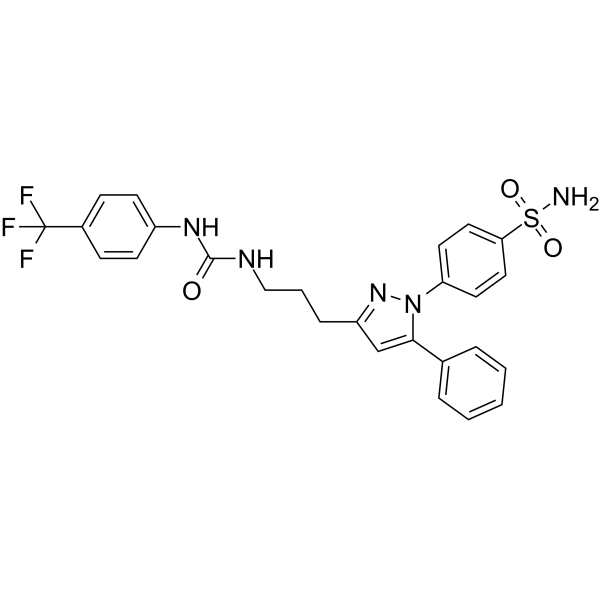
HY-122591
PTUPBsEH/COX-1 Inhibitor -
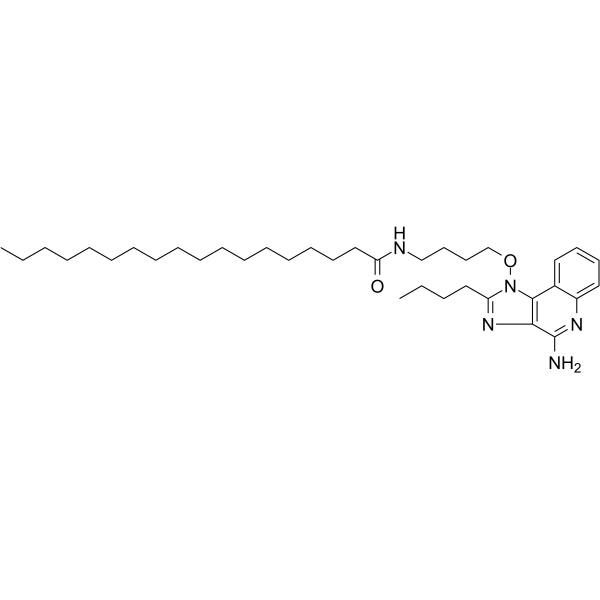
HY-109104
TelratolimodTLR7/8 Agonist -
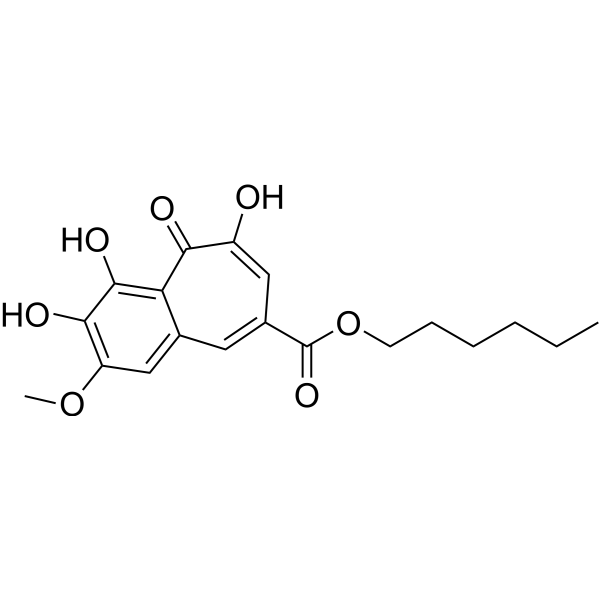
HY-108471
CU-CPT22TLR1/TLR2 Antagonist -
HY-N0201
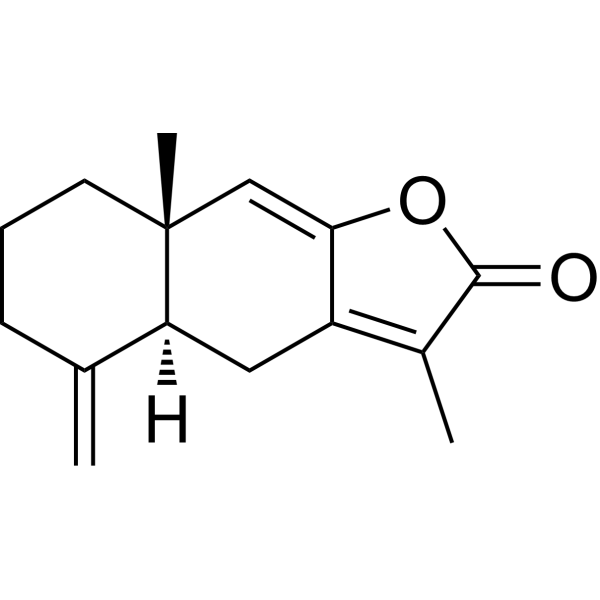
Atractylenolide ITLR4 Antagonist
Publications Citing Use of MedChemExpress (MCE) ABR-238901
More- J Adv Res. 2025 Jun 4:S2090-1232(25)00391-1. [Abstract]
- Cancer Lett. 2022 Apr 28:532:215598. [Abstract]
- Phytomedicine. 2026 Jun 22:159:158477. [Abstract]
- Bioeng Transl Med. 2023 Jul 7;8(6):e10570. [Abstract]
- Int Immunopharmacol. 2023 May:118:110110. [Abstract]
- Exp Ther Med. 2022 Apr;23(4):291. [Abstract]
 Customer Validation & Images

-
In Vivo Efficacy Study
-
In Vivo Efficacy Study
-
In Vivo Efficacy Study
-
Histological Imaging/Staining
-
Flow Cytometry


Biological Activity
Description
In Vivo
ABR-238901 (30 mg/kg/day; gavage) in combination with Bortezomib (0.6 mg/kg; sc; 2 times/week) reduces tumor load compared with treatments of either agent alone[1].
ABR-238901 (30 mg/kg; IP for the first 3 d and thereafter continuously p.o.; daily; for 21 days) leads to gradual deterioration of cardiac function and accelerated left ventricular remodeling in C57BL/6NRJ mice with myocardial ischemia induced by permanent coronary artery ligation. Treatment with ABR-238901 during the first 3 days post-myocardial infarction (MI) restricts the inflammatory damage and promotes a reparatory environment[2].
MedChemExpress (MCE) has not independently confirmed the accuracy of these methods. They are for reference only.
-
Animal Model:C57BL/KaLwRij mice with 5T33MMvv cells[1]
-
Dosage:30 mg/kg
-
Administration:Gavage; daily; for 3 weeks
-
Result:Caused less angiogenesis. Caused less IL6 and IL10 in myeloid-derived suppressor cells (MDSCs).


Chemical Information
-
CAS No. 1638200-22-2
-
Appearance Solid
-
Molecular Weight 394.63
-
Formula C11H9BrClN3O4S
-
Color Off-white to yellow
-
SMILES
O=S(NC1=C(O)C(Cl)=CN=C1)(C2=CN=C(C(Br)=C2)OC)=O
-
Shipping
Room temperature in continental US; may vary elsewhere.
-
Storage
Powder -20°C 3 years 4°C 2 years In solvent -80°C 6 months -20°C 1 month


Publications (6)
-
Journal Impact Factor
-
Most Recent
-
J Adv Res
Plasma proteomics identifies S100A8/A9 as a novel biomarker and therapeutic target for fulminant myocarditis. [Abstract]2025 Jun 4:S2090-1232(25)00391-1. PMID: 40480626
ABR-238901 purchased from MedChemExpress. Usage Cited in: J Adv Res. 2025 Jun 4:S2090-1232(25)00391-1. [Abstract]
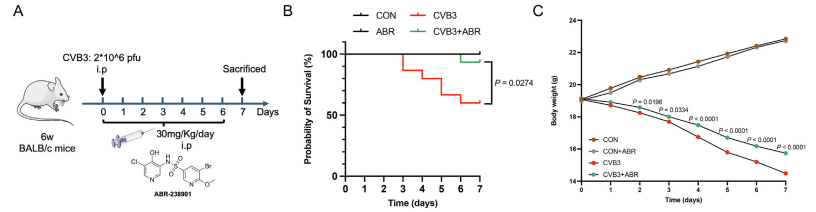
ABR-238901 (30 mg/kg; IP; daily for 7 days) in Six-week-old male BALB/c mice with CVB3-infected (2 × 10^6 pfu/g body weight) significantly reduced the mortality rate in myocarditis mice and partially reversed the mice experienced rapid body weight loss.
ABR-238901 purchased from MedChemExpress. Usage Cited in: J Adv Res. 2025 Jun 4:S2090-1232(25)00391-1. [Abstract]
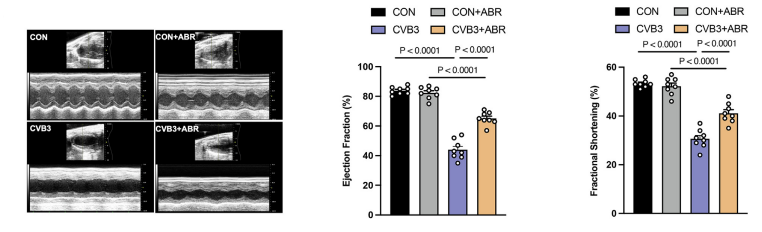
ABR-238901 (30 mg/kg; IP; daily for 7 days) in Six-week-old male BALB/c mice with CVB3-infected (2 × 10^6 pfu/g body weight) mitigated the decline in cardiac function caused by viral infection.
ABR-238901 purchased from MedChemExpress. Usage Cited in: J Adv Res. 2025 Jun 4:S2090-1232(25)00391-1. [Abstract]
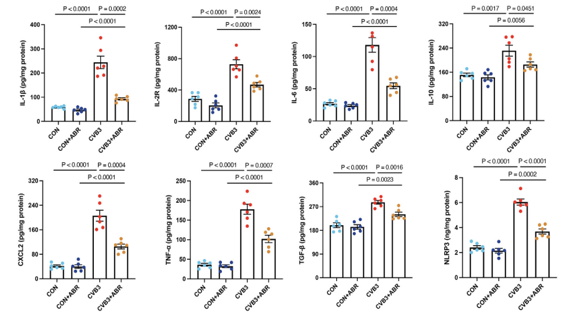
ABR-238901 (30 mg/kg; IP; daily for 7 days) in Six-week-old male BALB/c mice with CVB3-infected (2 × 10^6 pfu/g body weight) decreased protein levels of IL-1b, IL-2R, IL-6, IL-10, CXCL2, TNF-a, TGF-b, and NLRP3 in the myocardial tissue.
ABR-238901 purchased from MedChemExpress. Usage Cited in: J Adv Res. 2025 Jun 4:S2090-1232(25)00391-1. [Abstract]
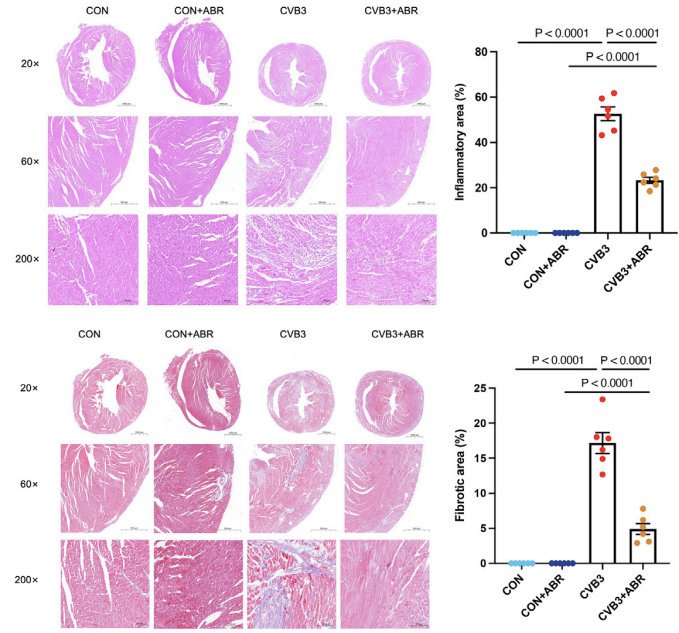
ABR-238901 (30 mg/kg; IP; daily for 7 days) in Six-week-old male BALB/c mice with CVB3-infected (2 × 10^6 pfu/g body weight) significantly alleviated both inflammatory cell infiltration and the extent of fibrosis. Representative images showing H&E staining of heart sections in four groups.
ABR-238901 purchased from MedChemExpress. Usage Cited in: J Adv Res. 2025 Jun 4:S2090-1232(25)00391-1. [Abstract]
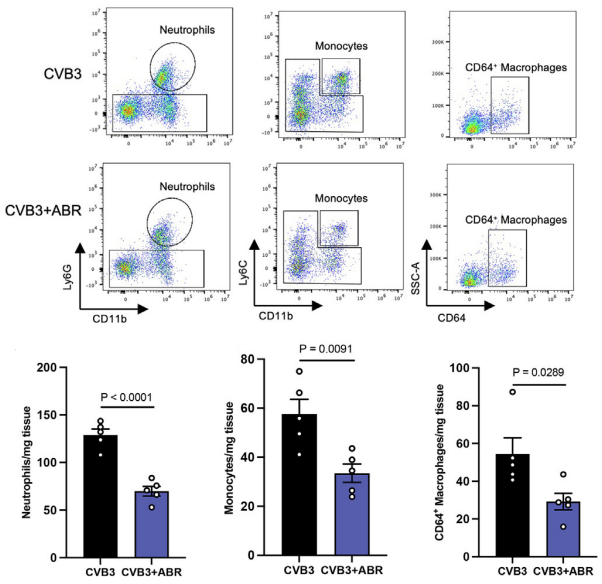
ABR-238901 (30 mg/kg; IP; daily for 7 days) in Six-week-old male BALB/c mice with CVB3-infected (2 × 10^6 pfu/g body weight) attenuated the infiltration of neutrophils, monocytes, and macrophages in the heart during viral myocarditis.
-
Cancer Lett
PMN-MDSCs accumulation induced by CXCL1 promotes CD8+ T cells exhaustion in gastric cancer. [Abstract]2022 Apr 28:532:215598. PMID: 35176418 -
Phytomedicine
The common mechanism underlying Shuangxinfang's amelioration of post-myocardial infarction depression: Targeting S100A9/NLRP3 to improve mitochondrial energetics. [Abstract]2026 Jun 22:159:158477. PMID: 42385427 -
Bioeng Transl Med
Low-intensity pulsed ultrasound alleviates doxorubicin-induced cardiotoxicity via inhibition of S100a8/a9-mediated cardiac recruitment of neutrophils. [Abstract]2023 Jul 7;8(6):e10570. PMID: 38023700 -
Int Immunopharmacol
S100-A8/A9 activated TLR4 in renal tubular cells to promote ischemia-reperfusion injury and fibrosis. [Abstract]2023 May:118:110110. PMID: 37028272 -
Exp Ther Med
S100A9 blockade improves the functional recovery after spinal cord injury via mediating neutrophil infiltration. [Abstract]2022 Apr;23(4):291. PMID: 35317450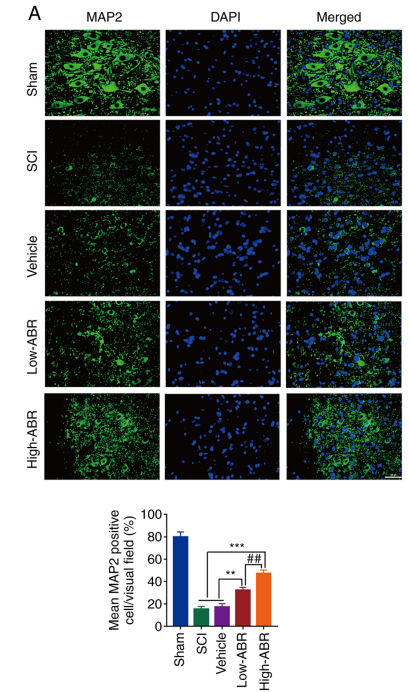
ABR-238901 purchased from MedChemExpress. Usage Cited in: Exp Ther Med. 2022 Apr;23(4):291. [Abstract]
ABR-238901 (ABR; 30, 50 mg/kg; IP; daily for 3 days) in female Sprague‑Dawley rats withSpinal cord injury increased in both ARB treated groups with that of High‑ARB to show higher MAP2 expression level that of Low‑ARB group.
ABR-238901 purchased from MedChemExpress. Usage Cited in: Exp Ther Med. 2022 Apr;23(4):291. [Abstract]
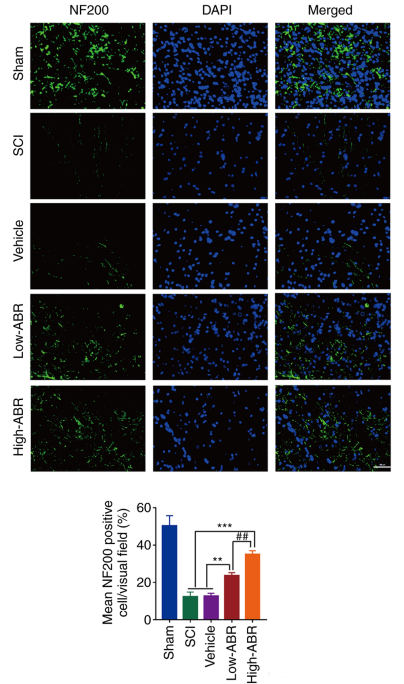
ABR-238901 (ABR; 30, 50 mg/kg; IP; daily for 3 days) in female Sprague‑Dawley rats withSpinal cord injury could effectively promote the expression of NF200 at the lesion area in comparison with the SCI group and High‑ARB could improve the expression of NF200 compared with that in theLow‑ABR.

ABR-238901 purchased from MedChemExpress. Usage Cited in: Exp Ther Med. 2022 Apr;23(4):291. [Abstract]
ABR-238901 (ABR; 30, 50 mg/kg; IP; daily for 3 days) in female Sprague‑Dawley rats withSpinal cord injury could inhibit the expression of MPO in the lesion area. MPO expression was notably lower in High‑ARB group than that in Low‑ARB group, suggesting S100A9 blockade might inhibit infiltration by neutrophils.
ABR-238901 purchased from MedChemExpress. Usage Cited in: Exp Ther Med. 2022 Apr;23(4):291. [Abstract]
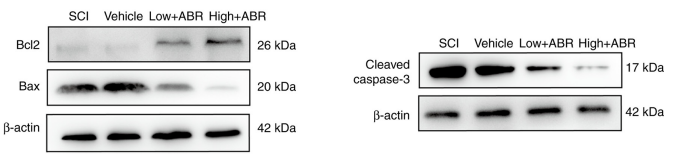
ABR-238901 (ABR; 30, 50 mg/kg; IP; daily for 3 days) in female Sprague‑Dawley rats withSpinal cord injury notably increased the expression levels of the anti‑apoptotic protein, Bcl2 and effectively inhibited the expression level of the pro‑apoptotic proteins, Bax and cleaved caspase‑3. Protein expression level of Bcl2, Bax and cleaved caspase‑3 at the injury site 28 days post‑OR among the groups.


Solvent & Solubility
In Vitro:
DMSO : 33.33 mg/mL (84.46 mM; ultrasonic and warming and heat to 60°C; Hygroscopic DMSO has a significant impact on the solubility of product, please use newly opened DMSO)
H2O : < 0.1 mg/mL (insoluble)
Please refer to the solubility information to select the appropriate solvent. Once prepared, please aliquot and store the solution to prevent product inactivation from repeated freeze-thaw cycles.
Storage method and period of stock solution: -80°C, 6 months; -20°C, 1 month. When stored at -80°C, please use it within 6 months. When stored at -20°C, please use it within 1 month.
Please refer to the solubility information to select the appropriate solvent. Once prepared, please aliquot and store the solution to prevent product inactivation from repeated freeze-thaw cycles.
Storage method and period of stock solution: -80°C, 6 months; -20°C, 1 month. When stored at -80°C, please use it within 6 months. When stored at -20°C, please use it within 1 month.
Concentration (start) × Volume (start) = Concentration (final) × Volume (final)
In Vivo:
Select the appropriate dissolution method based on your experimental animal and administration route.
- For the following dissolution methods, please ensure to first prepare a clear stock solution using an In Vitro approach and then sequentially add co-solvents:
- To ensure reliable experimental results, the clarified stock solution can be appropriately stored based on storage conditions. As for the working solution for In Vivo experiments, it is recommended to prepare freshly and use it on the same day.
- The percentages shown for the solvents indicate their volumetric ratio in the final prepared solution. If precipitation or phase separation occurs during preparation, heat and/or sonication can be used to aid dissolution.
Add each solvent one by one: 10% DMSO 40% PEG300 5% Tween-80 45% Saline
Solubility: ≥ 2.5 mg/mL (6.34 mM); Clear solution
This protocol yields a clear solution of ≥ 2.5 mg/mL (saturation unknown).
Taking 1 mL working solution as an example, add 100 μL DMSO stock solution (25.0 mg/mL) to 400 μL PEG300, and mix evenly; then add 50 μL Tween-80 and mix evenly; then add 450 μL Saline to adjust the volume to 1 mL.
Preparation of Saline: Dissolve 0.9 g sodium chloride in ddH₂O and dilute to 100 mL to obtain a clear Saline solution.
In Vivo Dissolution Calculator
Please enter the basic information of animal experiments:
-
-
-
-
Recommended: Prepare an additional quantity of animals to account for potential losses during experiments.
Please enter your animal formula composition:
-
%DMSO +
Recommended: Keep the proportion of DMSO in working solution below 2% if your animal is weak.
-
%+
-
+%Tween-80 + +
-
%Saline +
The co-solvents required include: DMSO, . All of co-solvents are available by MedChemExpress (MCE). , Tween 80. All of co-solvents are available by MedChemExpress (MCE).
Working solution concentration: 0.22 mg/mL
Method for preparing stock solution: mg drug dissolved in μL DMSO. Stock solution concentration: mg/mL.
1. Take μL DMSO stock solution;
2. Add μL .
μL , mix evenly;
3. Then add μL Tween 80, mix evenly;
4. Then add μL
Please ensure that the stock solution in the first step is dissolved to a clear state, and add co-solvents in sequence. You can use ultrasonic heating (ultrasonic cleaner, recommended frequency 20-40 kHz), vortexing, etc. to assist dissolution.


Purity & Documentation
-
Data Sheet (276 KB)
-
SDS (396 KB)
- English - EN (396 KB)
- Français - FR (396 KB)
- Deutsch - DE (396 KB)
- Norwegian - NO (396 KB)
- Español - ES (396 KB)
- Swedish - SV (396 KB)
- Italian - IT (396 KB)
- Korean - KR (396 KB)
- Portuguese - PT (396 KB)
-
Handling Instructions (2659 KB)
References
[1]. Kim De Veirman, et al. Extracellular S100A9 Protein in Bone Marrow Supports Multiple Myeloma Survival by Stimulating Angiogenesis and Cytokine Secretion. Cancer Immunol Res. 2017 Oct;5(10):839-846. [Content Brief]
[2]. Goran Marinković, et al. S100A9 Links Inflammation and Repair in Myocardial Infarction. Circ Res. 2020 Aug 14;127(5):664-676. [Content Brief]


Complete Stock Solution Preparation Table
Please refer to the solubility information to select the appropriate solvent. Once prepared, please aliquot and store the solution to prevent product inactivation from repeated freeze-thaw cycles.
Storage method and period of stock solution: -80°C, 6 months; -20°C, 1 month. When stored at -80°C, please use it within 6 months. When stored at -20°C, please use it within 1 month.
| Optional Solvent | Concentration Solvent Mass | 1 mg | 5 mg | 10 mg | 25 mg |
|---|---|---|---|---|---|
| DMSO | 1 mM | 2.5340 mL | 12.6701 mL | 25.3402 mL | 63.3505 mL |
| 5 mM | 0.5068 mL | 2.5340 mL | 5.0680 mL | 12.6701 mL | |
| 10 mM | 0.2534 mL | 1.2670 mL | 2.5340 mL | 6.3350 mL | |
| 15 mM | 0.1689 mL | 0.8447 mL | 1.6893 mL | 4.2234 mL | |
| 20 mM | 0.1267 mL | 0.6335 mL | 1.2670 mL | 3.1675 mL | |
| 25 mM | 0.1014 mL | 0.5068 mL | 1.0136 mL | 2.5340 mL | |
| 30 mM | 0.0845 mL | 0.4223 mL | 0.8447 mL | 2.1117 mL | |
| 40 mM | 0.0634 mL | 0.3168 mL | 0.6335 mL | 1.5838 mL | |
| 50 mM | 0.0507 mL | 0.2534 mL | 0.5068 mL | 1.2670 mL | |
| 60 mM | 0.0422 mL | 0.2112 mL | 0.4223 mL | 1.0558 mL | |
| 80 mM | 0.0317 mL | 0.1584 mL | 0.3168 mL | 0.7919 mL |


ABR-238901 Related Classifications
HY-141537 Related Classifications
 Powered by Bioz