1. Search Result
Search Result
Results for "

insulin+resistance

" in MedChemExpress (MCE) Product Catalog:

163

Inhibitors & Agonists

1

Screening Libraries

6

Biochemical Assay Reagents

12

Peptides

2

Inhibitory Antibodies

57

Natural
Products

12

Isotope-Labeled Compounds

7

Oligonucleotides

Cat. No. Product Name Target Research Areas Chemical Structure
  • HY-101966
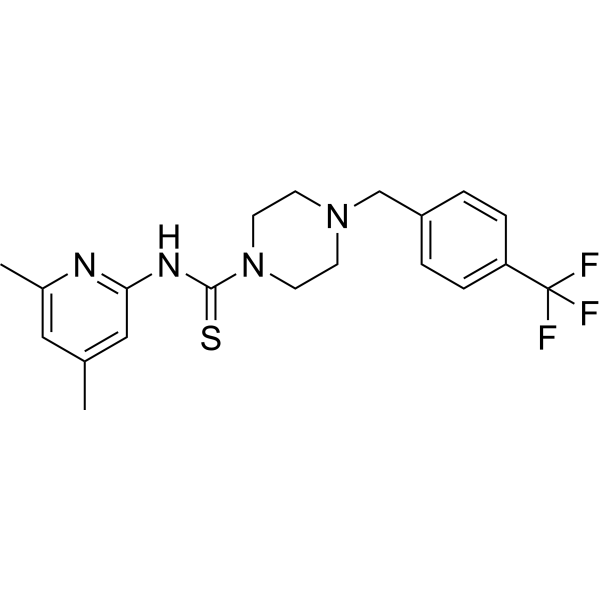
    NCT-503
    Maximum Cited Publications
    28 Publications Verification

    Phosphoglycerate Dehydrogenase (PHGDH) Metabolic Disease Cancer
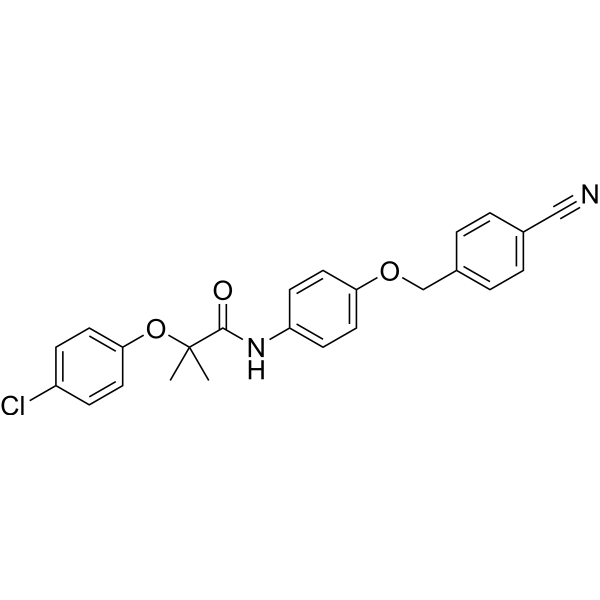
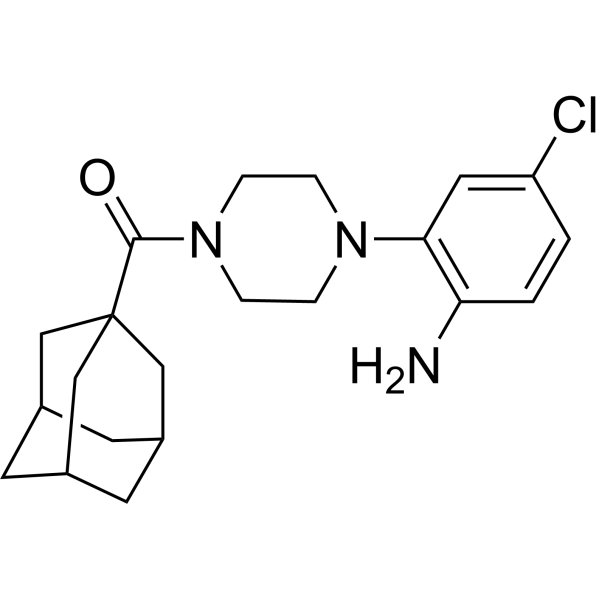
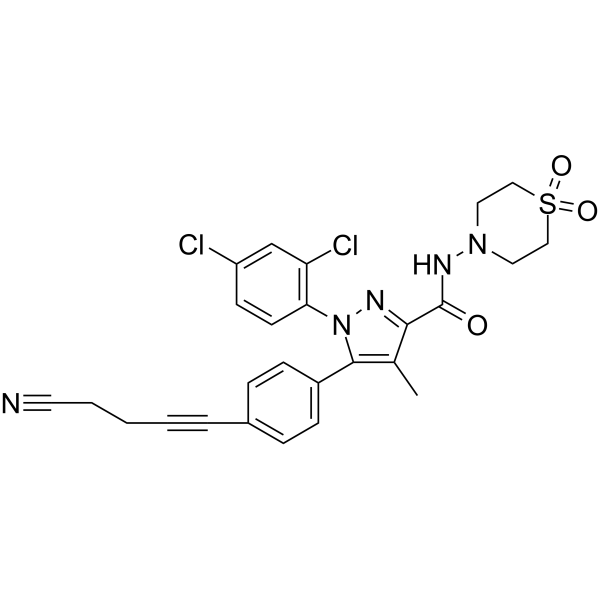
    NCT-503 is a blood-brain barrier-permeable, non-competitive PHGDH inhibitor with an IC50 of 2.5 μM against human PHGDH. NCT-503 reduces glucose-derived serine production and the incorporation of one-carbon units into nucleotides without decreasing PHGDH protein expression. NCT-503 prevents high selenium-induced insulin resistance in mice by regulating blood glucose and insulin levels and improving glucose tolerance, and also inhibits the growth of tumors overexpressing PHGDH. NCT-503 can be used in research related to insulin resistance and breast cancer .
    NCT-503
  • HY-N7073
    Silymarin
    Maximum Cited Publications
    10 Publications Verification

    SARS-CoV Infection Neurological Disease Inflammation/Immunology Cancer
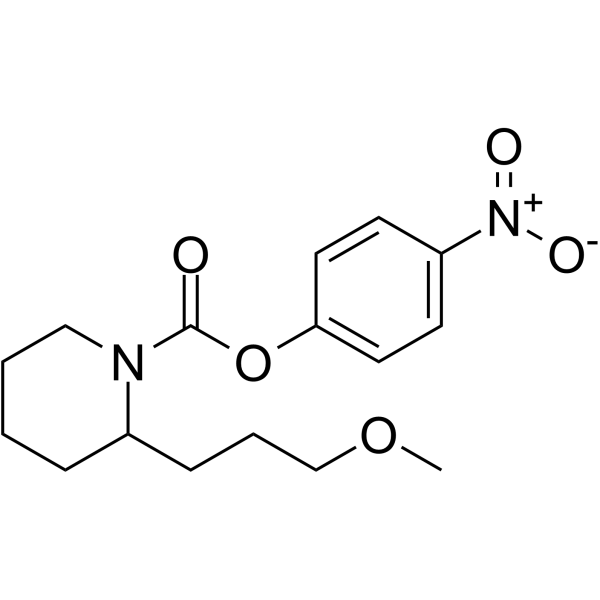
    Silymarin is an extract of the milk thistle (Silybum marianum). Silymarin is an effective SARS-CoV-2 main protease (M pro) inhibitor. Silymarin can significantly reduce tumor cell proliferation, angiogenesis as well as insulin resistance. Silymarin has the chemopreventive effect on hepatocellular carcinoma (HCC). Silymarin has the potential for COVID-19 research .
    Silymarin
  • HY-N0236
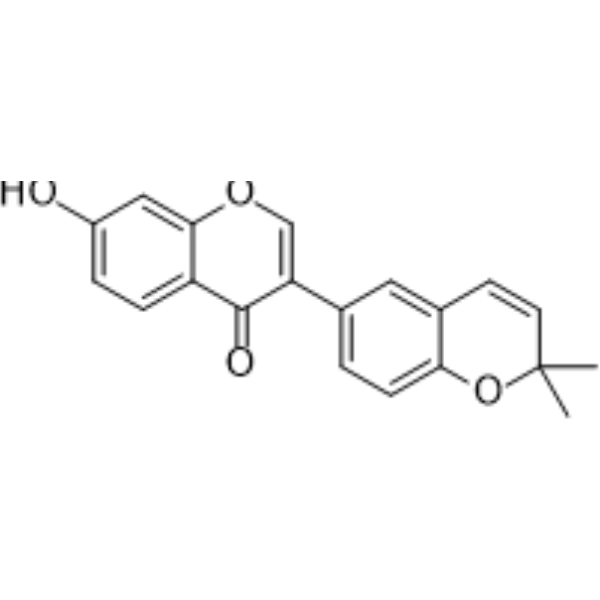
    Corylin
    5+ Cited Publications

    Antibiotic STAT Infection Metabolic Disease Cancer
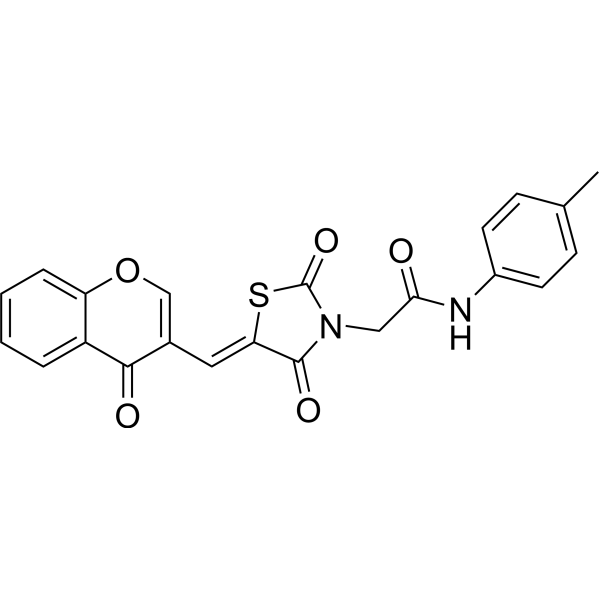
    Corylin is an orally active flavonoid anti-inflammatory and osteogenic agent that inhibits IL-6-induced STAT3 promoter activity and STAT3 phosphorylation. Corylin also has anticancer, antiatherosclerotic, and ameliorating activity in hyperlipidemia and insulin resistance, inducing adipocyte browning and lipolysis through SIRT1 or β3-AR-dependent pathways .
    Corylin
  • HY-N9410

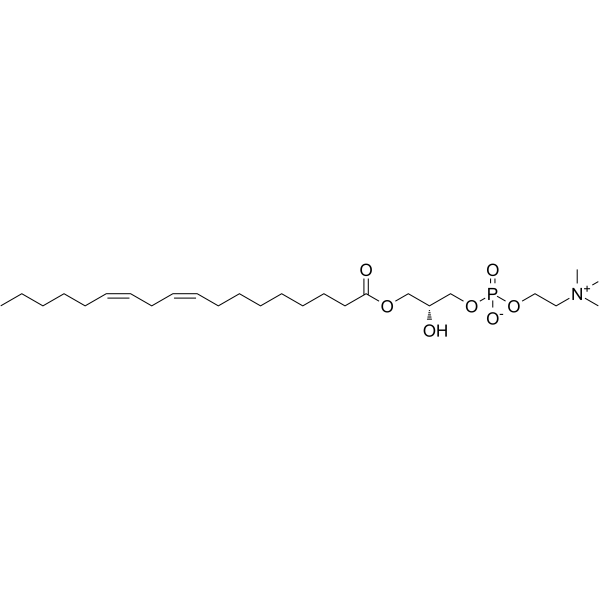
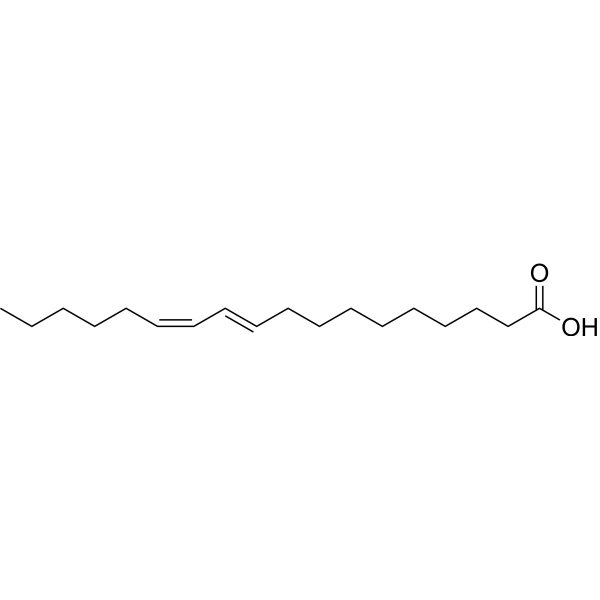
    1-Linoleoyl-2-Hydroxy-sn-glycero-3-PC; LPC(18:2/0:0); LysoPC(18:2)

    Endogenous Metabolite Metabolic Disease
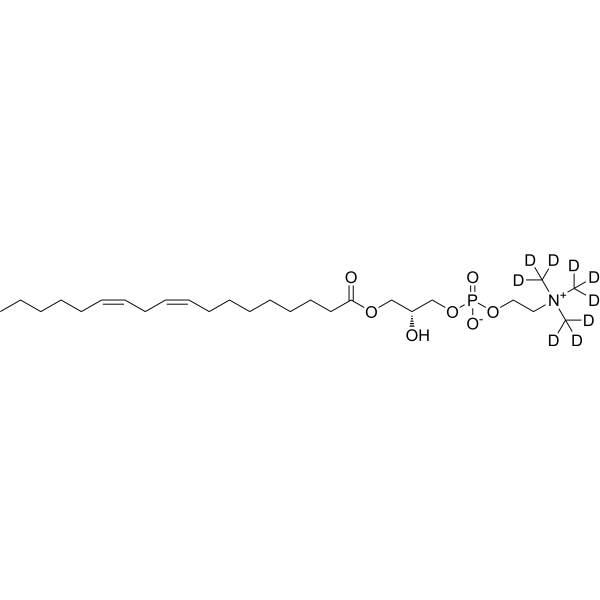
    Lysophosphatidylcholine 18:2 (1-Linoleoyl-2-Hydroxy-sn-glycero-3-PC), a lysophospholipid, is a potential biomarker identified from insulin resistance (IR) polycystic ovary syndrome (PCOS). Low plasma Lysophosphatidylcholine 18:2 also has been shown to predict impaired glucose tolerance, insulin resistance, type 2 diabetes, coronary artery disease, and memory impairment .
    Lysophosphatidylcholine 18:2
  • HY-113126

    Endogenous Metabolite ATP Synthase Neurological Disease Metabolic Disease
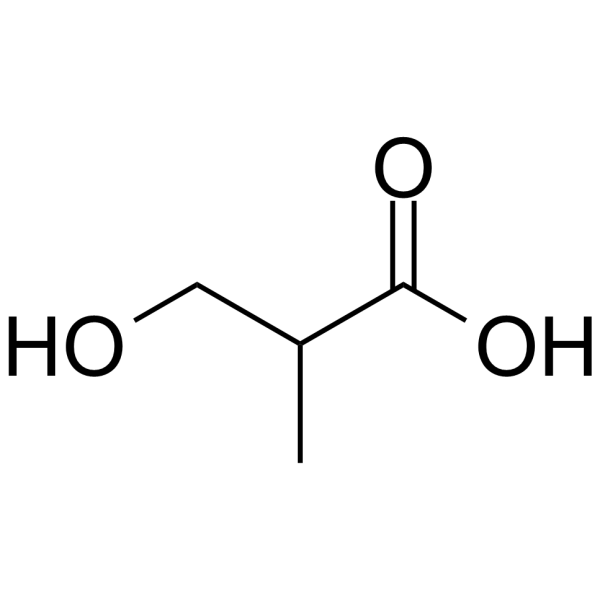
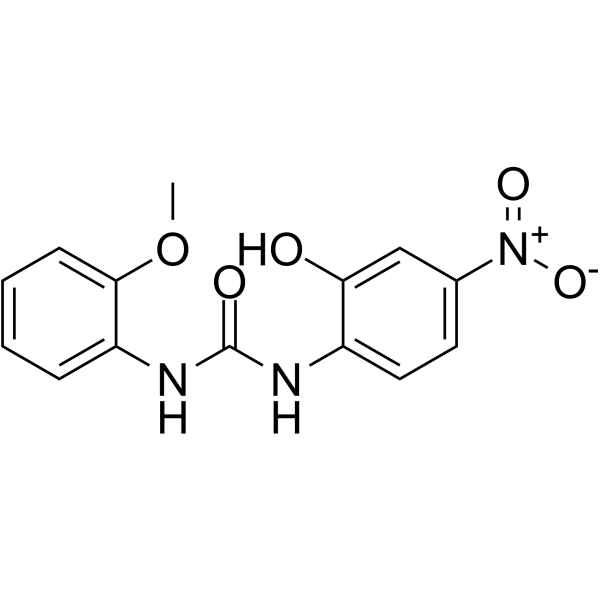
    3-Hydroxyisobutyric acid is an intermediate in the metabolic pathways of L-valine and thymine, and can be found in urine. 3-Hydroxyisobutyric acid is a secreted mediator of endothelial cell fatty acid transport and insulin resistance. 3-Hydroxyisobutyric acid can also inhibit key enzymes of energy metabolism in the cerebral cortex of young rats. The levels of 3-Hydroxyisobutyric acid are closely related to various diseases such as 3-hydroxyisobutyric aciduria, diabetes, and ketoacidosis .
    3-Hydroxyisobutyric acid
  • HY-107737
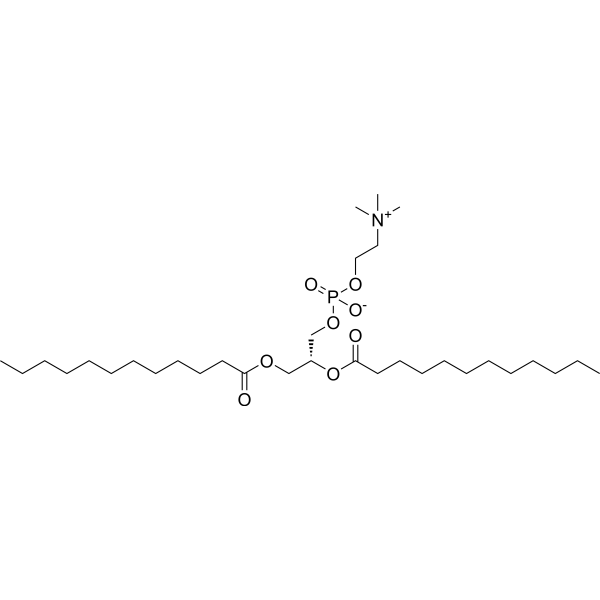
    1,2-DLPC
    2 Publications Verification

    1,2-Dilauroyl-sn-glycero-3-phosphocholine

    Liposome Apoptosis TNF Receptor PPAR Metabolic Disease
    1,2-DLPC (1,2-Dilauroyl-sn-glycero-3-phosphocholine) is a ligand for LRH-1 agonists. 1,2-DLPC is a phospholipid used in the synthesis of liposomes. 1,2-DLPC enhances fat breakdown and apoptosis in fat cells through a TNFα-dependent pathway, while also inhibiting palmitate-induced insulin resistance through PPARα-mediated inflammation in muscle cells .

    1,2-DLPC
  • HY-N2118
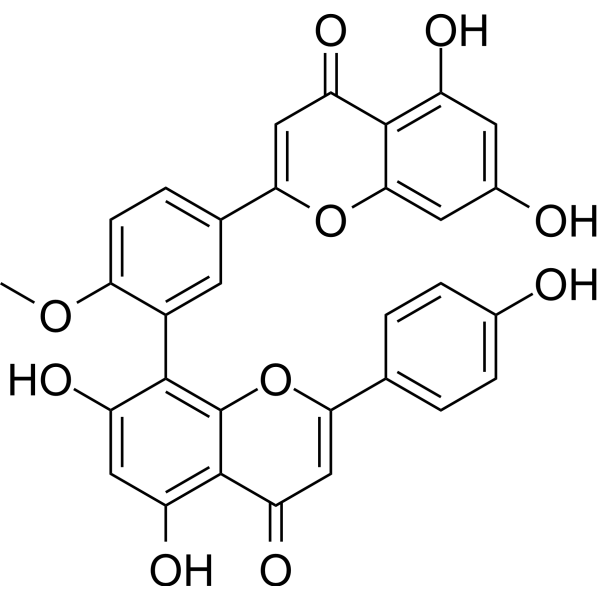
    Bilobetin
    2 Publications Verification

    PPAR PKA Akt p38 MAPK ERK Metabolic Disease
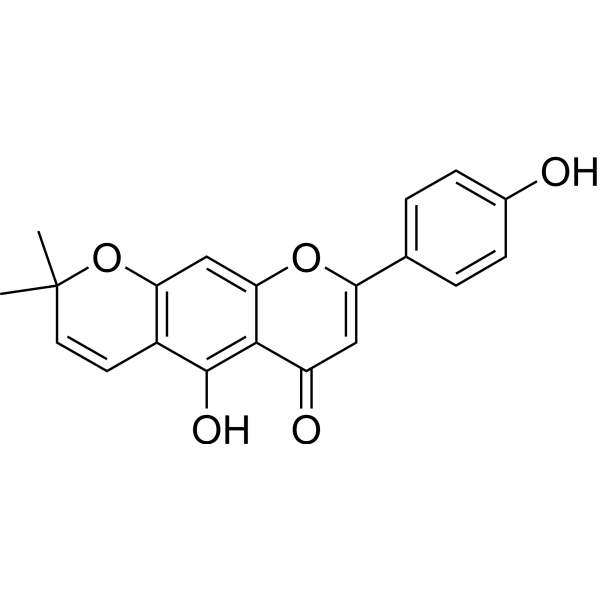
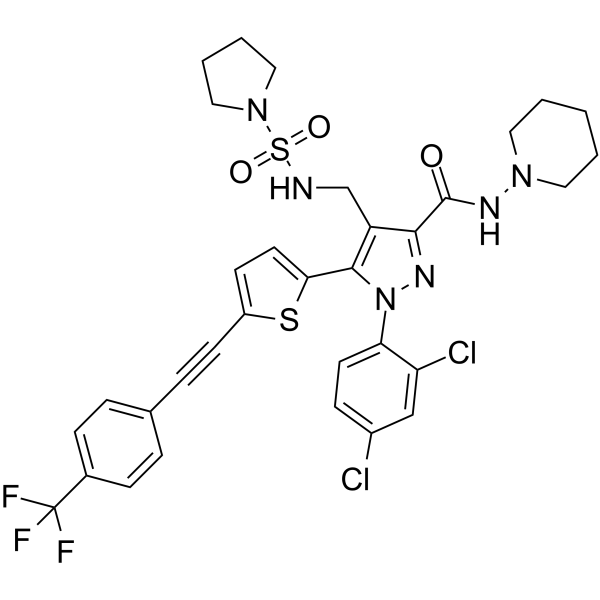
    Bilobetin, an active component of Ginkgo biloba, can reduce blood lipids and improve the effects of insulin. Bilobetin ameliorated insulin resistance, increased the hepatic uptake and oxidation of lipids, reduced very-low-density lipoprotein triglyceride secretion and blood triglyceride levels, enhanced the expression and activity of enzymes involved in β-oxidation and attenuated the accumulation of triglycerides and their metabolites in tissues. Bilobetin also increased the phosphorylation, nuclear translocation and activity of PPARα accompanied by elevated cAMP level and PKA activity .
    Bilobetin
  • HY-W250122
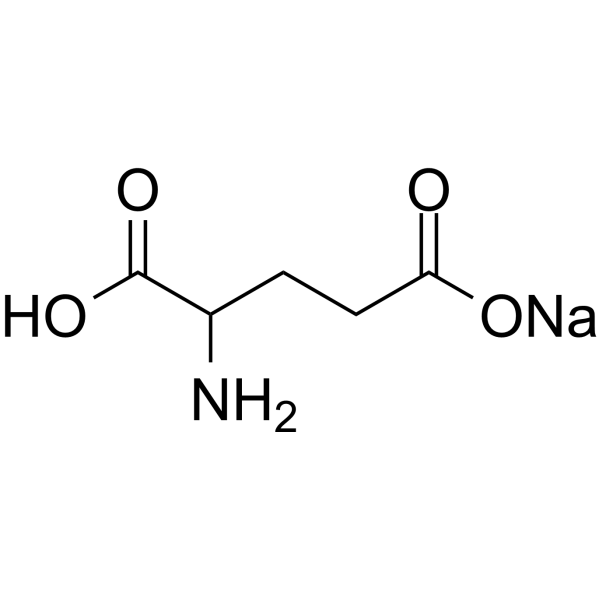
    Glutamic acid sodium salt
    1 Publications Verification

    Monosodium glutamate

    Biochemical Assay Reagents Reactive Oxygen Species (ROS) Mitochondrial Metabolism Apoptosis HSP Bcl-2 Family Neurological Disease Metabolic Disease Inflammation/Immunology
    Glutamic acid sodium salt (Monosodium glutamate) is an orally active food flavor enhancer. Glutamic acid sodium salt causes ROS generation, mitochondrial dysfunction, and Apoptosis. Glutamic acid sodium salt upregulates CHOP, Grp78, and Bcl-2. Glutamic acid sodium salt impairs cognition, induces depressive-like behavior, induces hyperalgesia, and induces obesity and insulin resistance. Glutamic acid sodium salt can be used to study neurotoxicity (e.g., brain damage, cognitive impairment), metabolic disorders (e.g., obesity, insulin resistance), hepatotoxicity, and renal toxicity, as well as pain-related disorders .
    Glutamic acid sodium salt
  • HY-Y0399

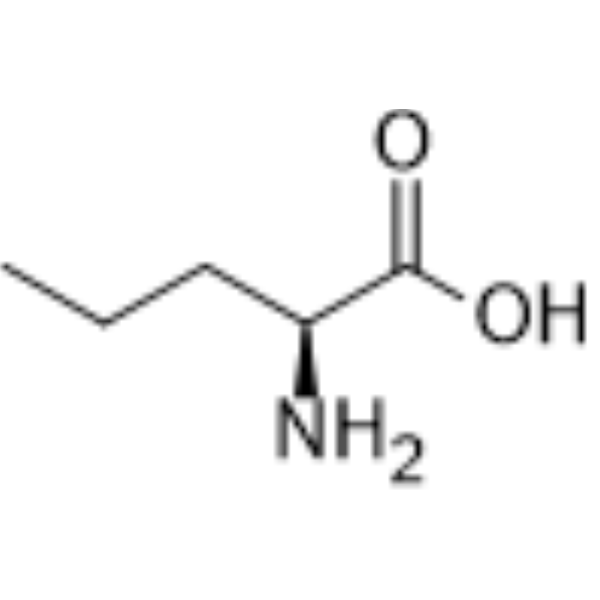
    Norvaline

    Amyloid-β TNF Receptor Arginase Neurological Disease Metabolic Disease
    L-Norvaline is the inhibitor for arginase, that promotes the production of NO, reduces oxidative stress, improves insulin resistance, and exhibits antioxidant and anti-hyperglycemic effects. L-Norvaline can be used in research of Alzheimer’s disease .
    L-Norvaline
  • HY-12642
    Diethylcarbamazine citrate
    1 Publications Verification

    Parasite Bacterial TNF Receptor Interleukin Related Infection Metabolic Disease Inflammation/Immunology
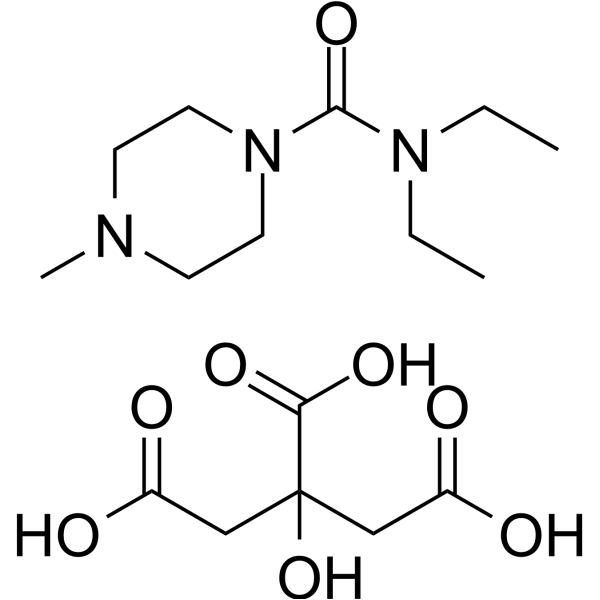
    Diethylcarbamazine citrate is an orally active microfilaricidal agent used originally in onchocerciasis and lymphatic filiariasis. Diethylcarbamazine citrate reduces eosinophil trafficking to the lung tissue and exerts anti-allergic effects. Diethylcarbamazine citrate reduces serum levels of leptin, TNF-α, IL-6, MCP-1, glucose, insulin, and triglycerides, and ameliorates insulin resistance without altering body, liver, or adipose tissue weights. Diethylcarbamazine citrate enhances reactive oxygen intermediate expression by polymorphonuclear neutrophils, increases lymphocyte proliferation, and inhibits actinomycetoma lesion development. Diethylcarbamazine citrate can be used for the researches of bronchial asthma, insulin resistance and infection .
    Diethylcarbamazine citrate
  • HY-145727A

    ISIS 304801 sodium

    Apolipoprotein Endocrinology
    Volanesorsen (ISIS 304801) sodium is an antisense oligonucleotide inhibitor of apolipoprotein CIII (apo-CIII) mRNA that reduces triglyceride levels and improves insulin resistance. Volanesorsen sodium is being studied in the treatment of hypertriglyceridemia, familial chylosiderosis syndrome, and type 2 diabetes .
    Volanesorsen sodium
  • HY-N1419
    Vaccarin
    1 Publications Verification

    AMPK Akt ERK p38 MAPK NF-κB Nuclear Factor of activated T Cells (NFAT) JNK Cardiovascular Disease Metabolic Disease
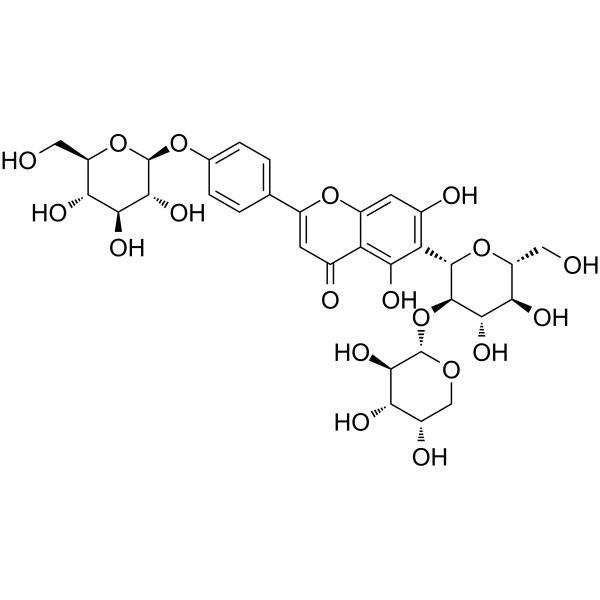
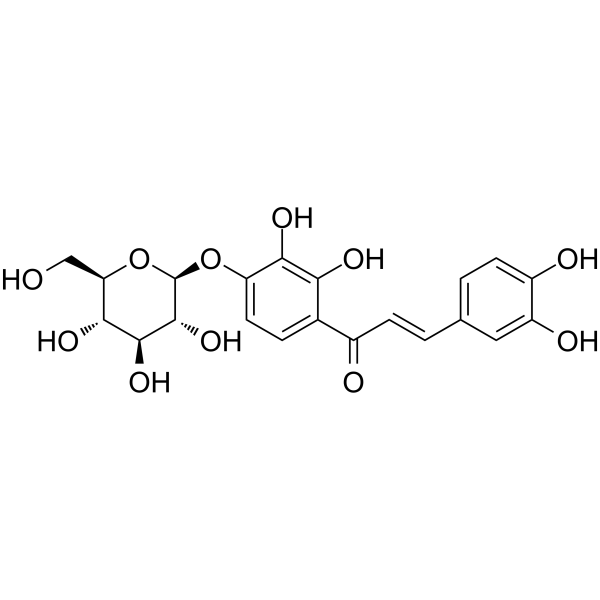
    Vaccarin is an orally active flavonoid glycoside with multiple biological functions. Vaccarin promotes neovascularization by activating AKT and ERK. Vaccarin activates the AMPK signaling pathway to improve insulin resistance and steatosis. Vaccarin is a MAPK, NF-κB, and NFAT inhibitor, effectively blocking RANKL-induced osteoclastogenesis .
    Vaccarin
  • HY-W018499
    (S)-2-Hydroxybutanoic acid
    1 Publications Verification

    Endogenous Metabolite Others
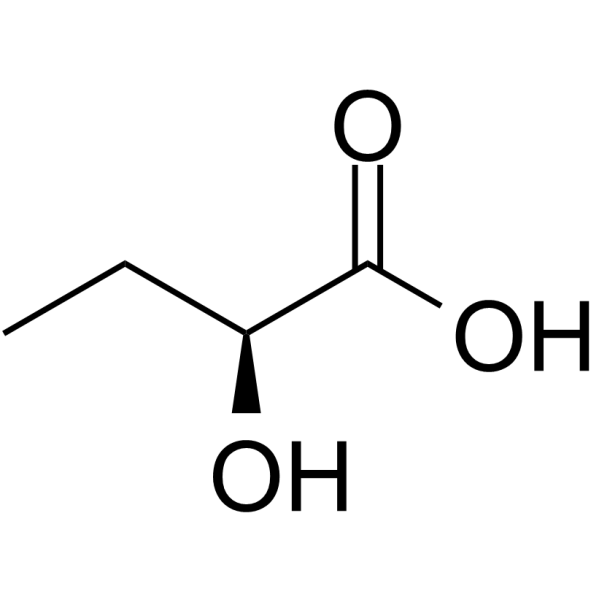
    (S)-2-Hydroxybutanoic acid is the S-enantiomer of 2-Hydroxybutanoic acid. 2-Hydroxybutanoic acid, a coproduct of protein metabolism, is an insulin resistance (IR) biomarker .
    (S)-2-Hydroxybutanoic acid
  • HY-N6869
    Dehydroabietic acid
    1 Publications Verification

    Antibiotic PPAR Bacterial Fungal Infection Metabolic Disease Inflammation/Immunology Cancer
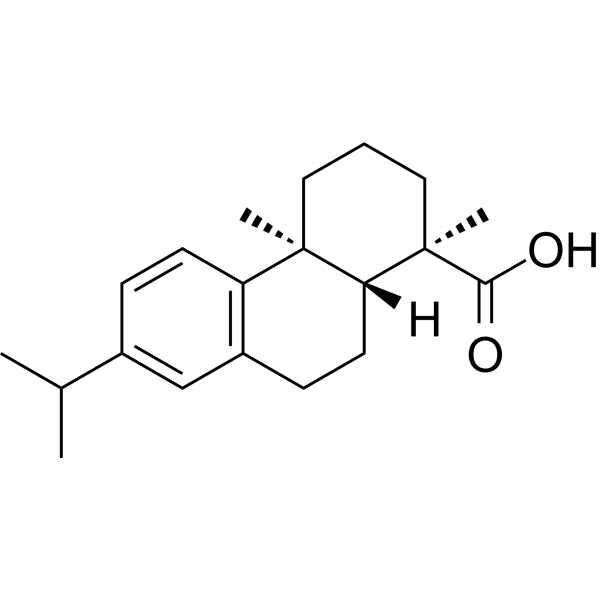
    Dehydroabietic acid is a diterpene resin acid that can be isolated from Pinus and Picea. Dehydroabietic acid has anti-bacterial, anti-fungal, anti-inflammatory, and anticancer activities. Dehydroabietic acid is a dual PPAR-α/γ agonist and PPAR-γ partial agonist, which can attenuate insulin resistance (IR) and hepatic steatosis induced by HFD-consumption in mice .
    Dehydroabietic acid
  • HY-B1245
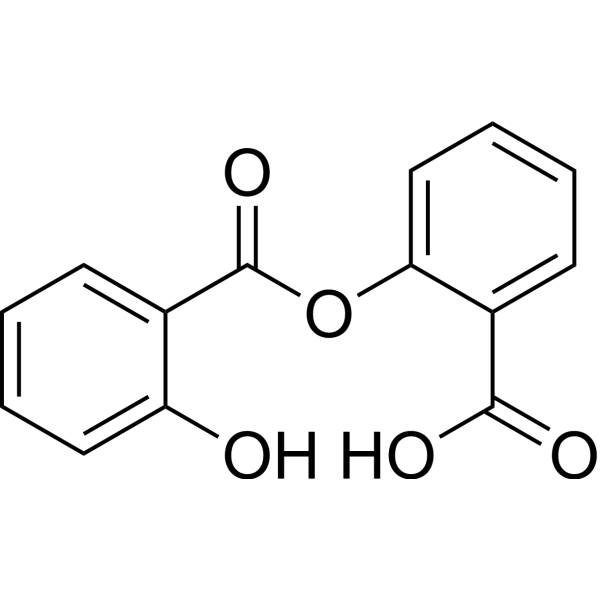
    Salsalate
    2 Publications Verification

    Salicylsalicylic acid; Disalicylic acid

    Reactive Oxygen Species (ROS) Inflammation/Immunology Cancer
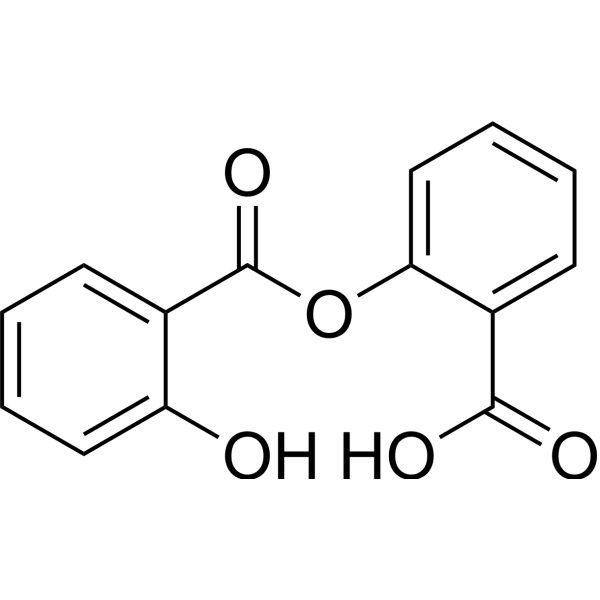
    Salsalate is a potent antirheumatic drug with oral activity that reduces irritation during gastric absorption and avoids direct inhibition of cyclooxygenase. Salsalate not only has significant anti-inflammatory effects, but also reduces blood sugar levels, improves insulin resistance, and reduces the expression of cytokines. Salsalate can protect mice from metabolic disorders caused by high-fat diet and effectively improve the symptoms of type 2 diabetes, atherosclerosis and non-alcoholic steatohepatitis [2 ] .
    Salsalate
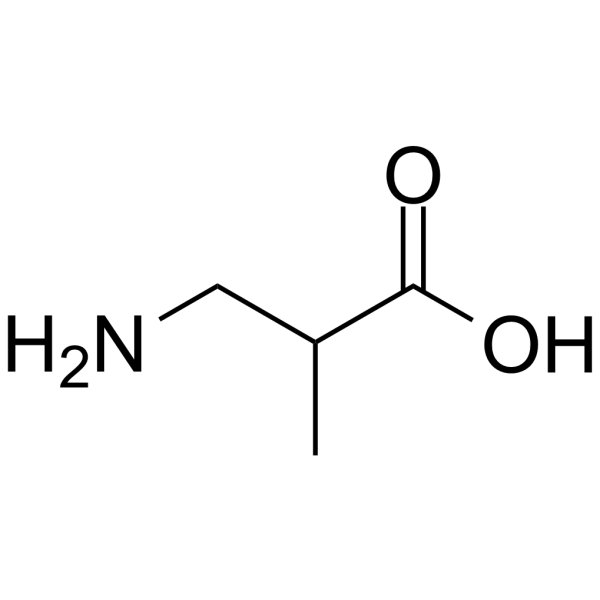
  • HY-W012974

    β-Aminoisobutyric acid; BAIBA

    Endogenous Metabolite Cardiovascular Disease Metabolic Disease
    3-Aminoisobutyric acid (β-Aminoisobutyric acid) has anti-inflammatory and antioxidant effects. 3-Aminoisobutyric acid increases the expression of brown adipocyte-specific genes in white adipose tissue and fatty acid β-oxidation in hepatocytes. 3-Aminoisobutyric acid attenuates insulin resistance and inflammation induced by palmitate or a high fat diet via an AMPK-PPARδ-dependent pathway in mice. 3-Aminoisobutyric acid is a catabolic metabolite of thymine and valine in skeletal muscle .
    3-Aminoisobutyric acid
  • HY-145727

    ISIS 304801

    Apolipoprotein Endocrinology
    Volanesorsen (ISIS 304801) is an antisense oligonucleotide inhibitor of apolipoprotein CIII (apo-CIII) mRNA that reduces triglyceride levels and improves insulin resistance. Volanesorsen is being studied in the treatment of hypertriglyceridemia, familial chylosiderosis syndrome, and type 2 diabetes .
    Volanesorsen
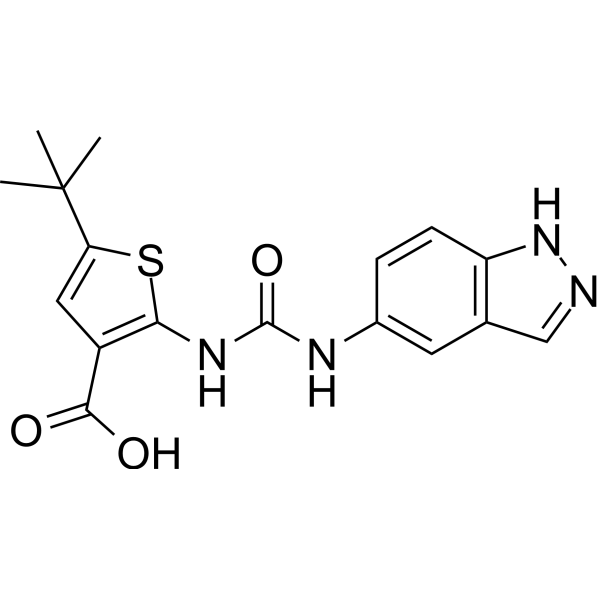
  • HY-18313

    Ribosomal S6 Kinase (RSK) JAK CDK Metabolic Disease
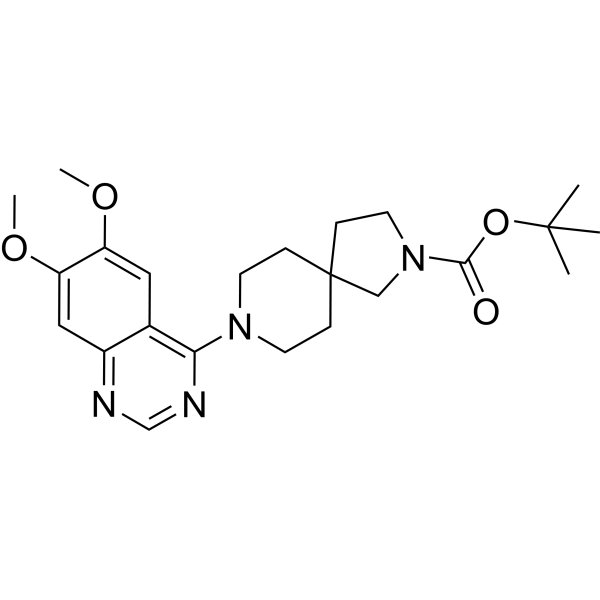
    S6K1-IN-1 is a selective S6K1 inhibitor with an IC50 value of 52 nM. S6K1-IN-1 can be used in the research of obesity and insulin resistance-related diseases .
    S6K1-IN-1
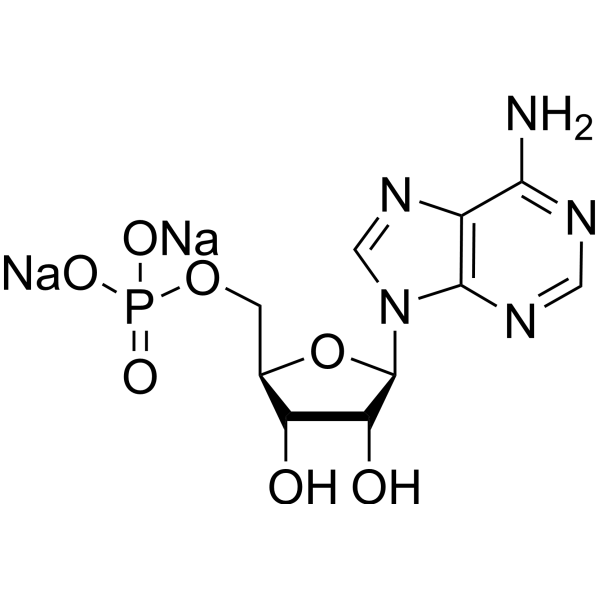
  • HY-W011012
    Adenosine 5'-monophosphate disodium
    Maximum Cited Publications
    18 Publications Verification

    Adenosine Receptor Metabolic Disease
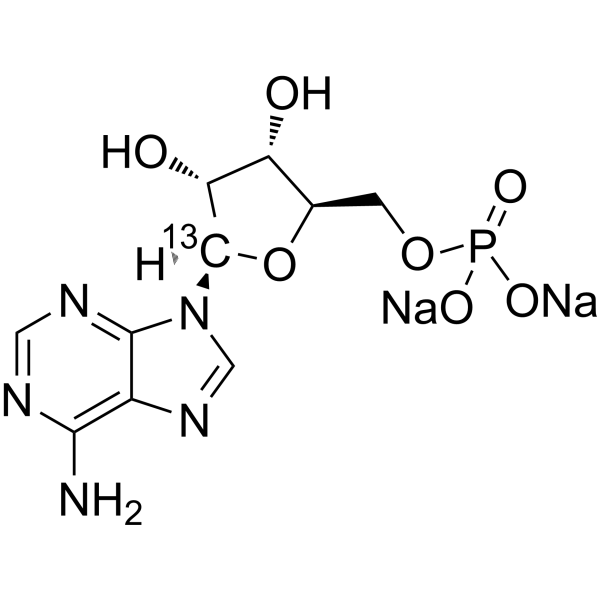
    Adenosine 5'-monophosphate disodium is an orally active purine nucleotide, and participates in ATP metabolism. Adenosine 5'-monophosphate disodium is also a ligand for adenosine 2B receptor. Adenosine 5'-monophosphate disodium can activate AMPK in skeletal muscle, and ameliorates insulin resistance and impaired glucose metabolism. Adenosine 5'-monophosphate disodium can be used for research of diabetes .
    Adenosine 5'-monophosphate disodium
  • HY-P1123

    ATP Citrate Lyase Free Fatty Acid Receptor Acetyl-CoA Carboxylase Metabolic Disease
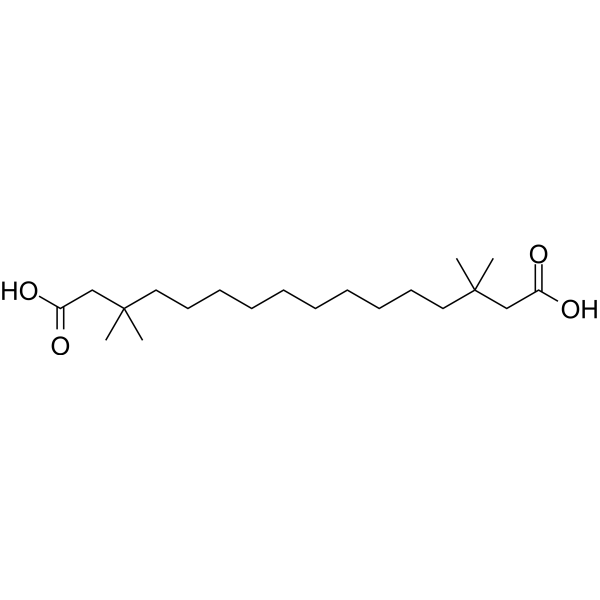
    MEDICA16 is an orally active acetyl-CoA carboxylase and ATP-citrate lyase inhibitor. MEDICA16 limits the acetyl-CoA supply for acetyl-CoA carboxylase, inhibits acetyl-CoA carboxylase activity, exerts citrate-competitive inhibitory effects on ATP-citrate lyase, and reduces hepatic AMPK activity. MEDICA16 can be used in research related to insulin resistance, hyperlipidemia, and obesity .
    MEDICA16
  • HY-108022A
    Azemiglitazone potassium
    1 Publications Verification

    MSDC-0602K

    Insulin Receptor PPAR Metabolic Disease
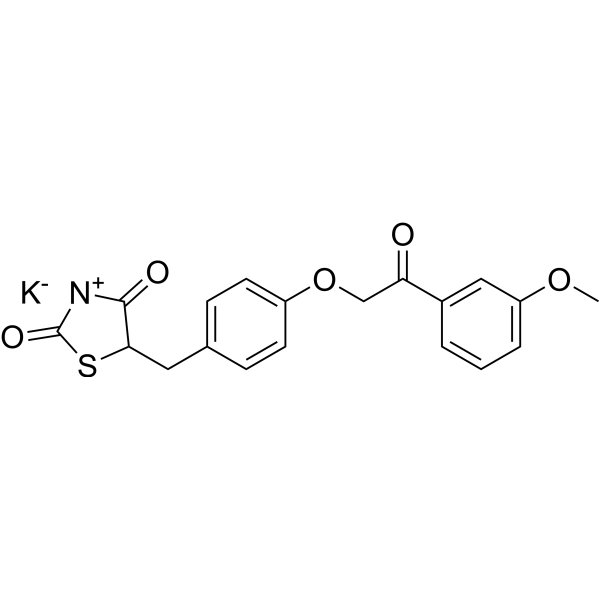
    Azemiglitazone potassium (MSDC-0602K), a PPARγ-sparing thiazolidinedione (Ps-TZD), binds to PPARγ with the IC50 of 18.25 μM . Azemiglitazone potassium modulates the mitochondrial pyruvate carrier (MPC). Azemiglitazone potassium can be used for the research of fatty liver including dysfunctional lipid metabolism, inflammation, and insulin resistance . Azemiglitazone potassium, an insulin sensitizer, improves insulinemia and fatty liver disease in mice, alone and in combination with Liraglutide .
    Azemiglitazone potassium
  • HY-N4244
    Kakkalide
    1 Publications Verification

    Reactive Oxygen Species (ROS) Inflammation/Immunology
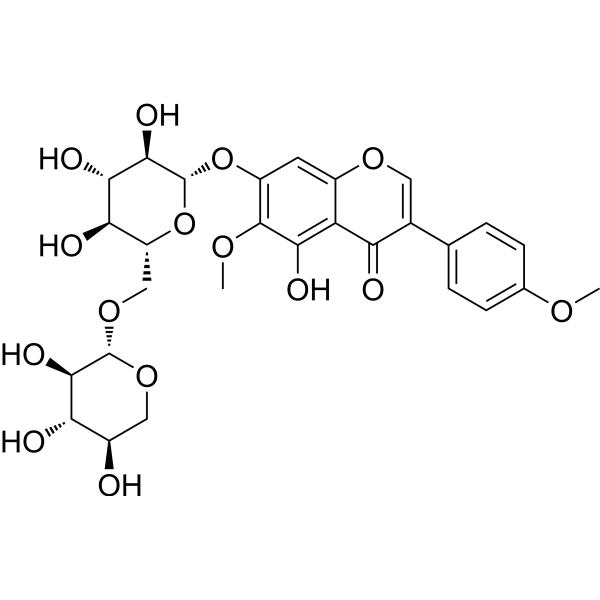
    Kakkalide is an isoflavone derived from the flowers of Pueraria lobata. Kakkalide ameliorates endothelial insulin resistance by suppressing reactive oxygen species (ROS)-associated inflammation .
    Kakkalide
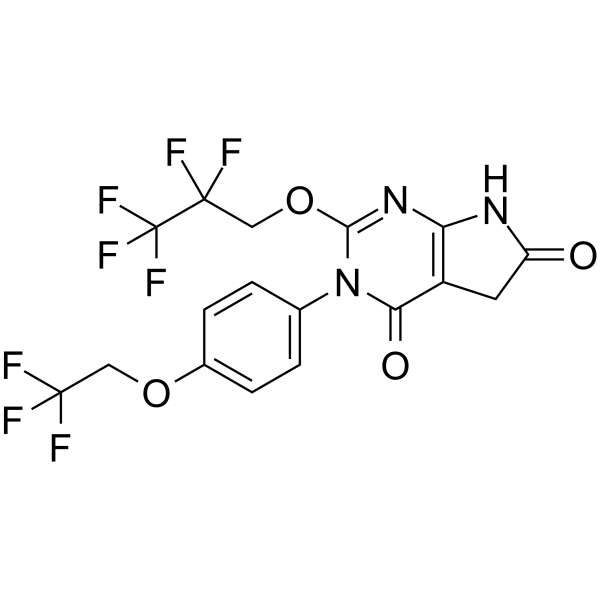
  • HY-P991290

    Insulin Receptor Metabolic Disease Inflammation/Immunology Endocrinology
    IRAB-B is a human monoclonal antibody targeting INSR. IRAB-B is an insulin receptor (IR) antagonist and can be used in the study of insulin resistance and diabetes .
    IRAB-B
  • HY-B0384
    Temocapril hydrochloride
    2 Publications Verification

    Angiotensin-converting Enzyme (ACE) Cardiovascular Disease
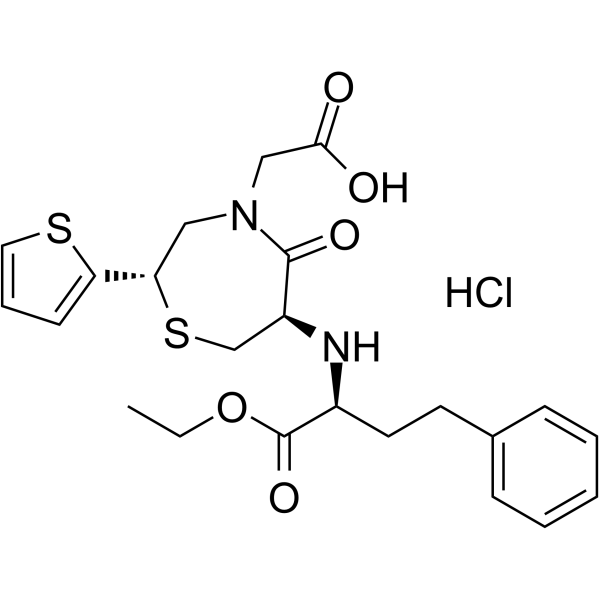
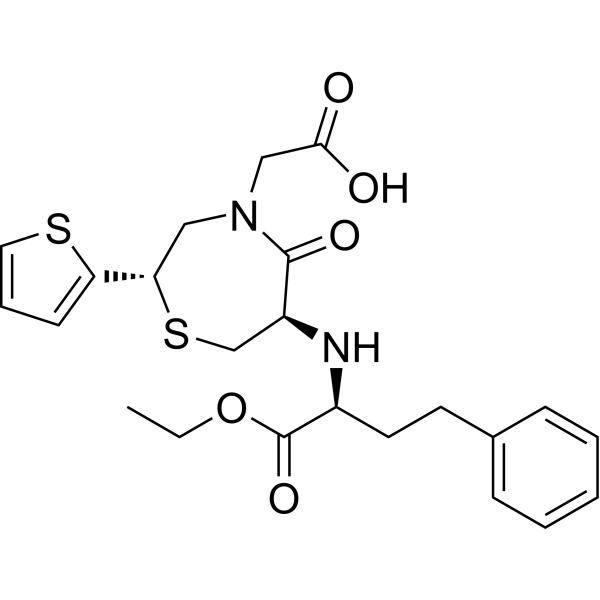
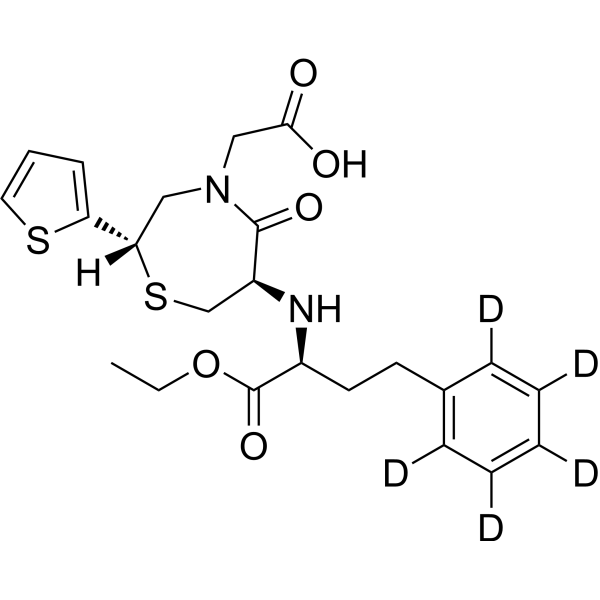
    Temocapril hydrochloride is an orally active angiotensin-converting enzyme (ACE) inhibitor. Temocapril hydrochloride can be used for the research of hypertension, congestive heart failure, acute myocardial infarction, insulin resistance, and renal diseases .
    Temocapril hydrochloride
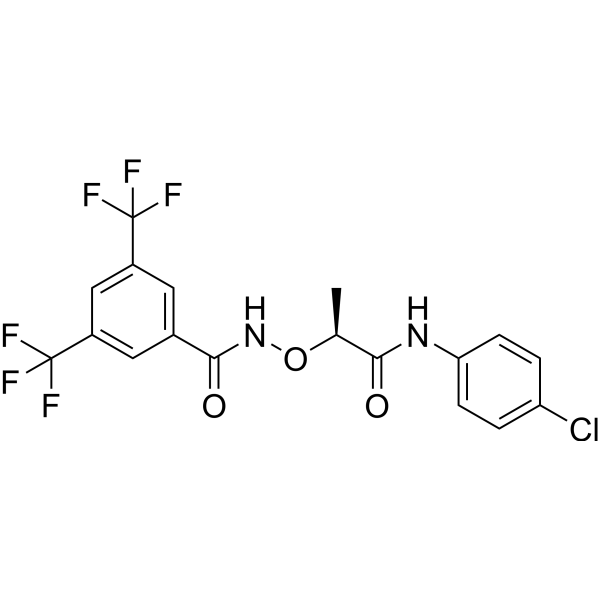
  • HY-148598

    CUR5-8

    Apoptosis Autophagy Metabolic Disease
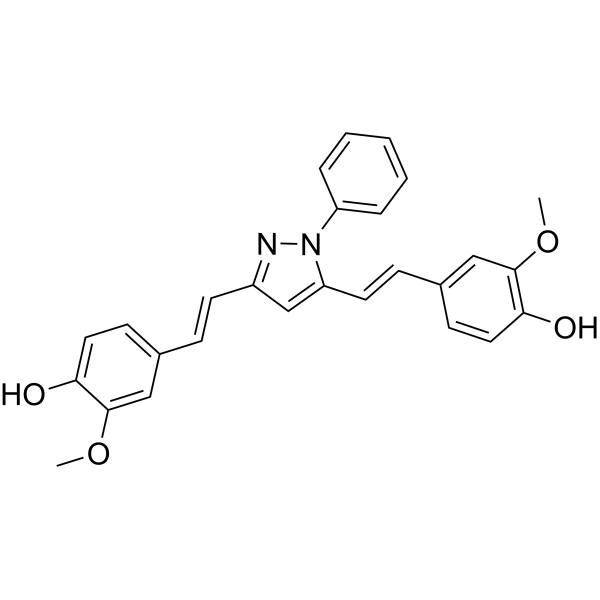
    Curcumin 5-8 (CUR5-8) is a potent and orally active naturally active curcumin (CUR) analog. Curcumin 5-8 inhibits lipid droplet formation. Curcumin 5-8 increases autophagy and inhibits Apoptosis. Curcumin 5-8 improves insulin resistance and insulin sensitivity .
    Curcumin 5-8
  • HY-114196

    ZGN-1061

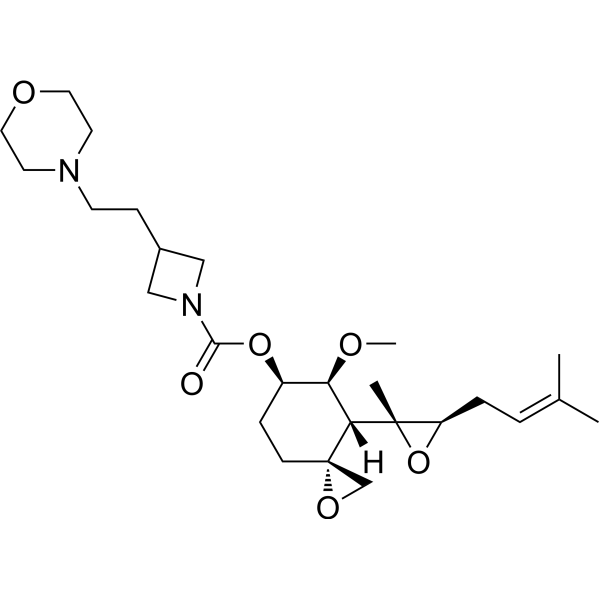
    MetAP Metabolic Disease
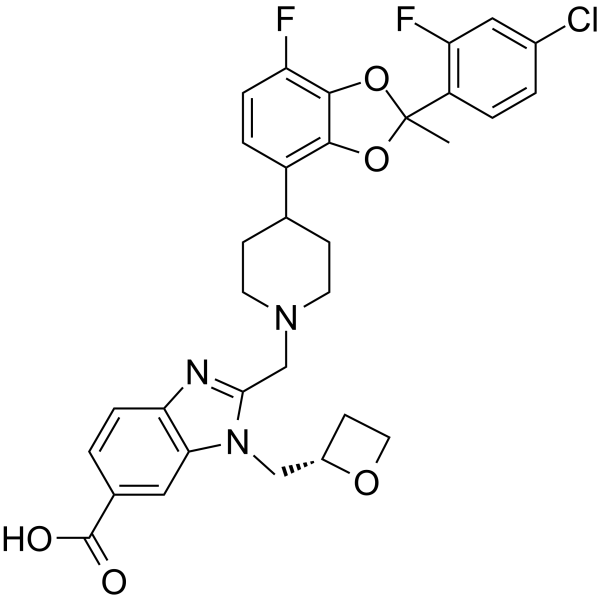
    Aclimostat (ZGN-1061) is a potent inhibitor of the MetAP2 enzyme and displays favorable efficacy and safety in preclinical studies. ZGN-1061 produced similar efficacy as beloranib for weight loss, improvements in metabolic parameters in a mouse model of obesity and insulin resistance, and concordant changes in gene transcription in HepG2 cells .
    Aclimostat
  • HY-W009417

    Environmental Pollutants Glycosidase Metabolic Disease
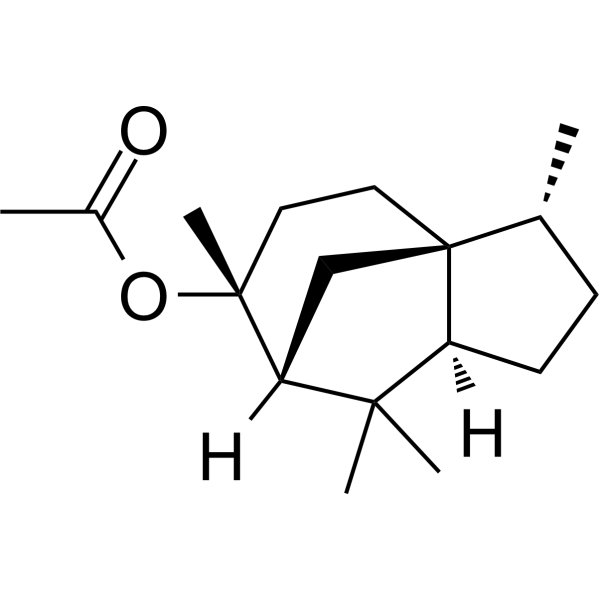
    Cedryl acetate is an orally active α-glucosidase inhibitor with an IC50 of 94 μM against yeast α-glucosidase. Cedryl acetate reduces high-fat diet-induced body weight gain, visceral fat pad weight, adipocyte hypertrophy, hepatic lipid accumulation, glucose intolerance, insulin resistance and gluconeogenesis. Cedryl acetate can be used in the research of obesity and obesity-related metabolic syndrome .
    Cedryl acetate
  • HY-18555
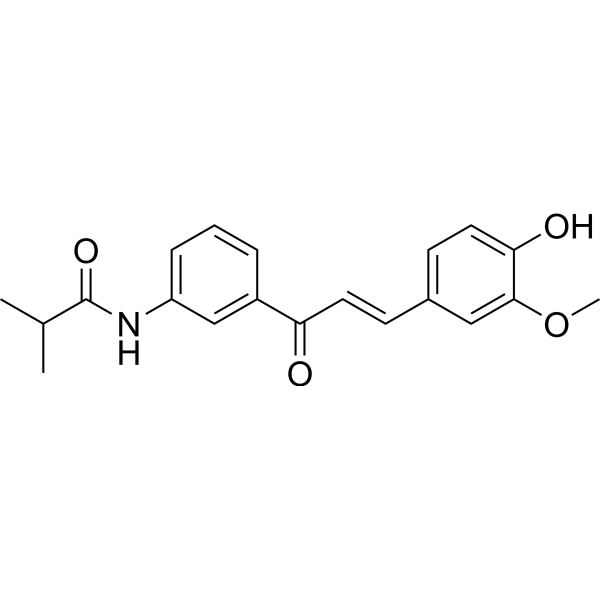
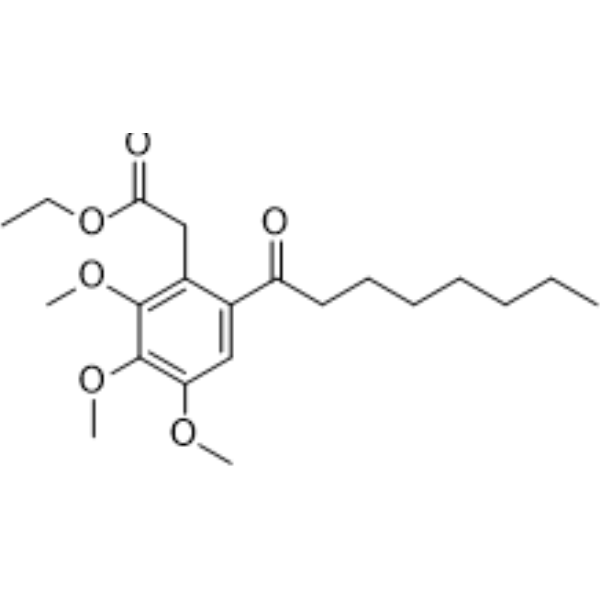
    TMPA
    3 Publications Verification

    Nuclear Hormone Receptor 4A/NR4A AMPK Metabolic Disease Inflammation/Immunology Cancer
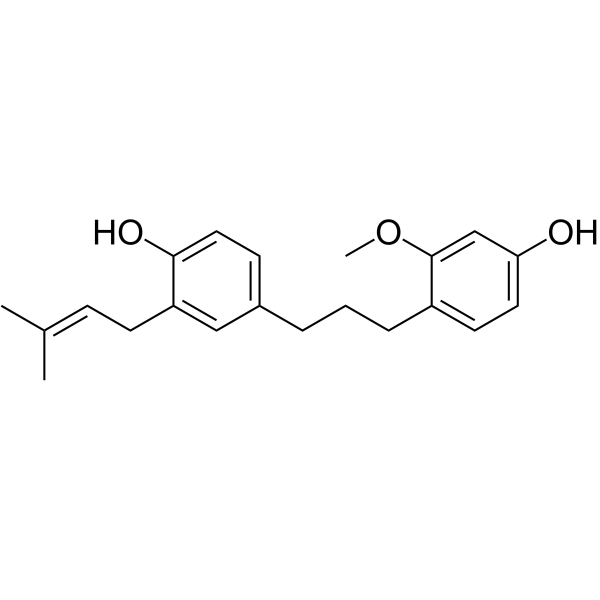
    TMPA is a high-affinity Nur77 antagonist that binds to Nur77 leading to the release and shuttling of LKB1 in the cytoplasm to activate AMPKα. TMPA effectively lowers blood glucose and attenuates insulin resistance in type II db/db, high-fat diet and streptozotocin-induced diabetic mice. TMPA reduces RICD (restimulation-induced cell death) in human T cells, can also be used in studies of cancer and T-cell apoptosis dysregulation .
    TMPA
  • HY-P10769
    MOTS-c (mouse)
    2 Publications Verification

    AMPK Apoptosis Metabolic Disease
    MOTS-c (mouse) is a mitochondrial-derived polypeptide that can be used to regulates pancreatic cell function. MOTS-c (mouse) reduces insulin secretion and expression in INS-1E cells, and enhances glucagon secretion and expression in αTC-1 cells. MOTS-c (mouse) decreases the apoptosis in INS-1E and αTC-1. MOTS-c (mouse) counteracts diet-induced obesity and insulin resistance through AMPK activation .
    MOTS-c (mouse)
  • HY-N7676
    Marein
    3 Publications Verification

    AMPK HDAC Cardiovascular Disease Neurological Disease Metabolic Disease
    Marein has the neuroprotective effect due to a reduction of damage to mitochondria function and activation of the AMPK signal pathway. Marein improves insulin resistance induced by high glucose in HepG2 cells through CaMKK/AMPK/GLUT1 to promote glucose uptake, through IRS/Akt/GSK-3β to increase glycogen synthesis, and through Akt/FoxO1 to decrease gluconeogenesis. Marein is a HDAC inhibitor with an IC50 of 100 μM. Marein has beneficial antioxidative, antihypertensive, antihyperlipidemic and antidiabetic effects .
    Marein
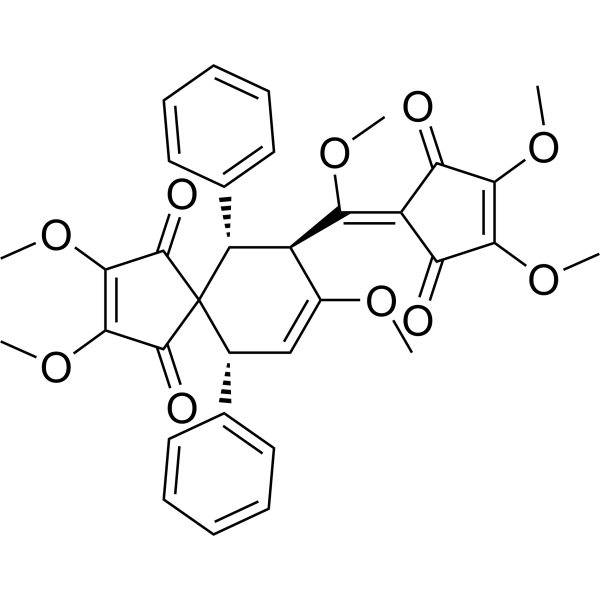
  • HY-W109613

    Bacterial PPAR Fungal Infection Metabolic Disease
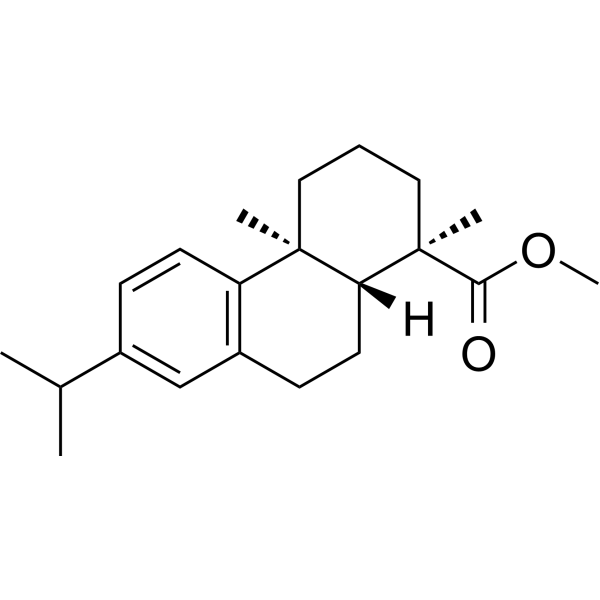
    Methyl dehydroabietate is an orally active resin acid. Methyl dehydroabietate disrupts microbial cell walls and exhibits significant antibacterial activity. Methyl dehydroabietate induces the expression of PPARα in the liver and PPARγ in adipose tissue, and promotes adipocyte differentiation. Methyl dehydroabietate improves insulin resistance, reduces TNFα levels, and alleviates adipocyte hypertrophy and hepatic steatosis in obese mice. Methyl dehydroabietate can be used in research related to obesity, insulin resistance and hepatic steatosis .
    Methyl dehydroabietate
  • HY-100713
    Temocapril
    2 Publications Verification

    Angiotensin-converting Enzyme (ACE) Cardiovascular Disease
    Temocapril is an orally active angiotensin-converting enzyme (ACE) inhibitor. Temocapril can be used for the research of hypertension, congestive heart failure, acute myocardial infarction, insulin resistance, and renal diseases .
    Temocapril
  • HY-12642A
    Diethylcarbamazine
    1 Publications Verification

    Parasite Bacterial TNF Receptor Interleukin Related Infection Metabolic Disease Inflammation/Immunology
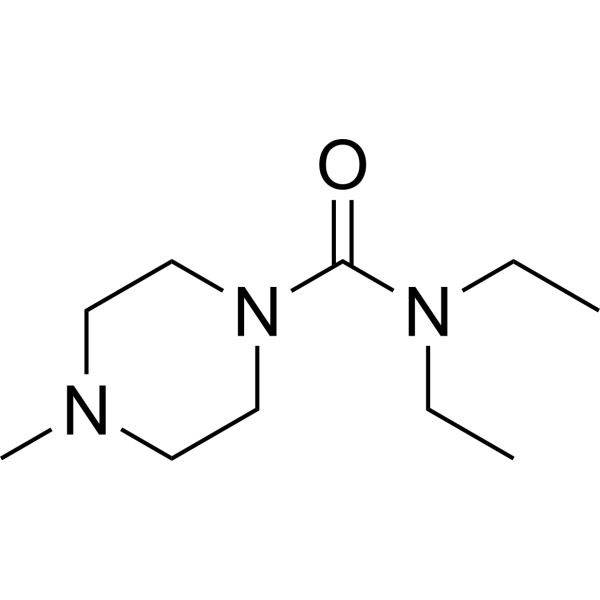
    Diethylcarbamazine is an orally active microfilaricidal agent used originally in onchocerciasis and lymphatic filiariasis. Diethylcarbamazine reduces eosinophil trafficking to the lung tissue and exerts anti-allergic effects. Diethylcarbamazine reduces serum levels of leptin, TNF-α, IL-6, MCP-1, glucose, insulin, and triglycerides, and ameliorates insulin resistance without altering body, liver, or adipose tissue weights. Diethylcarbamazine enhances reactive oxygen intermediate expression by polymorphonuclear neutrophils, increases lymphocyte proliferation, and inhibits actinomycetoma lesion development. Diethylcarbamazine can be used for the researches of bronchial asthma, insulin resistance and infection .
    Diethylcarbamazine
  • HY-131334

    AMPK Metabolic Disease
    AMPK activator 4 is a potent AMPK activator without inhibition of mitochondrial complex I. AMPK activator 4 selectively activates AMPK in the muscle tissues. AMPK activator 4 dose-dependently improves glucose tolerance in normal mice, and significantly lowers fasting blood glucose level and ameliorates insulin resistance in db/db diabetic mice. Anti-hyperglycemic effect .
    AMPK activator 4
  • HY-120602

    Carboxylesterase (CES) PPAR Interleukin Related Mitochondrial Metabolism Metabolic Disease Inflammation/Immunology
    WWL229 is a selective inhibitor of carboxylesterase 3 (CES3) with an IC50 1.94 μM. WWL229 attenuates LPS (HY-D1056)-induced pro-inflammatory cytokine mRNA levels, inhibits lipolysis and adipose thermogenesis, impairs mitochondrial function, and promotes lipid storage. WWL229 can be used for the research of obesity, insulin resistance, type 2 diabetes, and lung inflammation .
    WWL229
  • HY-147392

    CXCR Metabolic Disease
    CXCR2 antagonist 8 is a potent and selective CXCR2 antagonist. CXCR2 antagonist 8 can be used for insulin resistance research .
    CXCR2 antagonist 8
  • HY-145727C

    ISIS 304801 scramble negative control

    Apolipoprotein Endocrinology
    Volanesorsen scramble negative control is a negative control for volanesorsen (HY-145727) with the sequence: CAUGUTCUTCUGCATGUCAU. Volanesorsen (ISIS 304801) is an antisense oligonucleotide inhibitor of apolipoprotein CIII (apo-CIII) mRNA that can lower triglyceride levels and improve insulin resistance .
    Volanesorsen scramble negative control
  • HY-P3580A

    Human N-acetyl GIP TFA

    Insulin Receptor Metabolic Disease Endocrinology
    Acetyl Gastric Inhibitory Peptide (human) TFA is a fatty acid derivatized analog of glucose-dependent insulinotropic polypeptide with improved antihyperglycaemic and insulinotropic properties. Acetyl Gastric Inhibitory Peptide (human) TFA can be used for research of diabetes, insulin resistance and obesity .
    Acetyl Gastric Inhibitory Peptide (human) TFA
  • HY-12790

    CB1-IN-1

    Cannabinoid Receptor Metabolic Disease
    BPRCB1184 is a peripherally restricted 1-type cannabinoid receptor (CB1) antagonist, whose activity is associated with the regulation of obesity-related endocannabinoid system. BPRCB1184 regulates the activity of the endocannabinoid system, promotes lipid mobilization, reduces triglyceride storage, improves glucose metabolism, decreases food intake and body weight, while enhances insulin resistance and improves blood lipid levels. BPRCB1184 can be used in obesity-related research .
    BPRCB1184
  • HY-161321

    Phosphatase Insulin Receptor Akt Metabolic Disease
    PTP1B-IN-24 (Compound 9) is a reversible PTP1B inhibitor with an IC50 value of 1.4 μM, and PTP1B-IN-24 can enhance the thermal stability of PTP1B. PTP1B-IN-24 can restore PA- (HY-N0830) induced insulin resistance by increasing the phosphorylation levels of IRS1 and AKT .
    PTP1B-IN-24
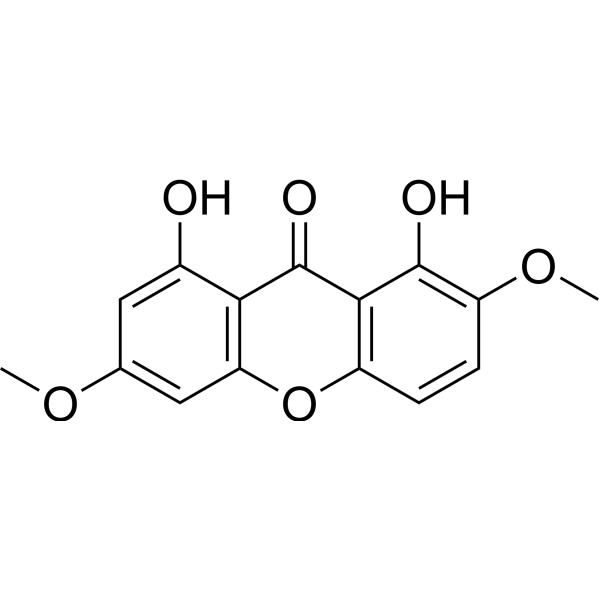
  • HY-N3542

    Glycosidase Cancer
    Carpachromene is a potent α-glucosidase enzyme inhibitor. Carpachromene ameliorates insulin resistance in HepG2 cells via modulating IR/IRS1/PI3k/Akt/GSK3/FoxO1 pathway .
    Carpachromene
  • HY-N9410S

    1-Linoleoyl-2-Hydroxy-sn-glycero-3-PC-d9

    Isotope-Labeled Compounds Endogenous Metabolite Metabolic Disease
    Lysophosphatidylcholine 18:2-d9 is deuterium labeled Lysophosphatidylcholine 18:2. Lysophosphatidylcholine 18:2 (1-Linoleoyl-2-Hydroxy-sn-glycero-3-PC), a lysophospholipid, is a potential biomarker identified from insulin resistance (IR) polycystic ovary
    Lysophosphatidylcholine 18:2-d9
  • HY-151959

    FXR Cardiovascular Disease Metabolic Disease Inflammation/Immunology
    FXR agonist 4 (compound 10a) is an agonist of farnesoid X receptor (FXR) with an EC50 value of 1.05 μM. FXR agonist 4 effectively improves hyperlipidemia, hepatic steatosis, insulin resistance and hepatic inflammation in DIO mice. FXR agonist 4 can be used for the research of non-alcoholic fatty liver disease (NAFLD) .
    FXR agonist 4
  • HY-165035

    Glucocerebrosides; Gaucher cerebroside; GluCers (gaucher's spleen)

    Endogenous Metabolite Neurological Disease Metabolic Disease
    Glucosylceramides are sphingolipid molecules found in both neuronal and non-neuronal mammalian tissues, as well as in low quantities across various plant species. Elevated levels of glucosylceramides provide cellular protection and prepare certain cells for proliferation; however, they have also been linked to obesity-induced insulin resistance in mice and to neuronal deficits observed in neuronopathic Gaucher disease .
    Glucosylceramide (gaucher's spleen)
  • HY-144035

    GCGR Metabolic Disease Inflammation/Immunology
    GLP-1R agonist 4 is a glucagon-like peptide-1 (GLP-1) receptor agonist. GLP-1 is an intestinal hypoglycemic hormone secreted by L-cells in the lower gastrointestinal tract. GLP-1R agonist 4 can be used for the research of type 2 diabetes mellitus, obesity, non-alcoholic steatohepatitis, insulin resistance and etc .
    GLP-1R agonist 4
  • HY-153335

    Phosphodiesterase (PDE) Infection Cardiovascular Disease Metabolic Disease Inflammation/Immunology Cancer
    Enpp-1-IN-16 (compound 54) is an ENPP1 inhibitor. Enpp-1-IN-16 has the potential to study cancer, especially in cases of high ENPP1 expression or elevated cytoplasmic DNA levels. Enpp-1-IN-16 can also be used in other diseases mediated by ENPP1, such as bacterial or viral infections, insulin resistance and type II diabetes, chondrocalcinosis and osteoarthritis, calcium pyrophosphate deposition disorder (CPPD), low Phosphatase disease and soft tissue calcification disorders .
    Enpp-1-IN-16
  • HY-P3866

    Oxytocin Receptor Metabolic Disease
    [Asu1,6]-Oxytocin is an analog of oxytocin. [Asu1,6]-Oxytocin reverses insulin resistance and glucose intolerance prior to reduction of obesity. [Asu1,6]-Oxytocin has the potential for the research of obesity and diabetes .
    [Asu1,6]-Oxytocin
  • HY-Y0399S

    Isotope-Labeled Compounds Amyloid-β TNF Receptor Arginase Neurological Disease Metabolic Disease
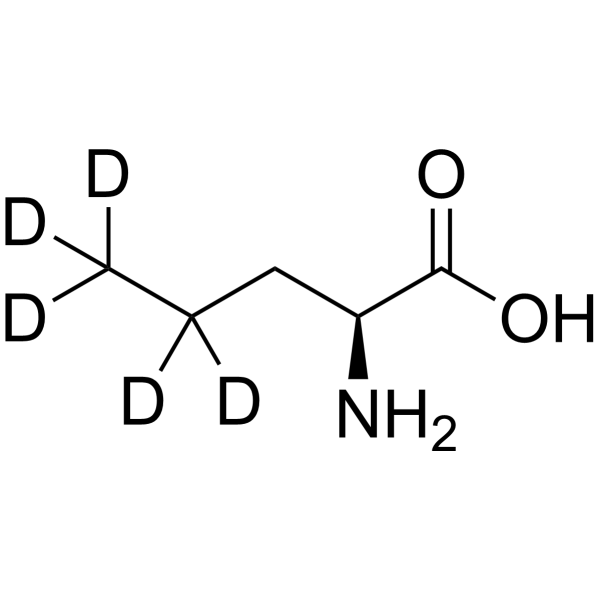
    L-Norvaline-d5 is the deuterium labeled L-Norvaline. L-Norvaline is the inhibitor for arginase, that promotes the production of NO, reduces oxidative stress, improves insulin resistance, and exhibits antioxidant and anti-hyperglycemic effects. L-Norvaline can be used in research of Alzheimer’s disease .
    L-Norvaline-d5
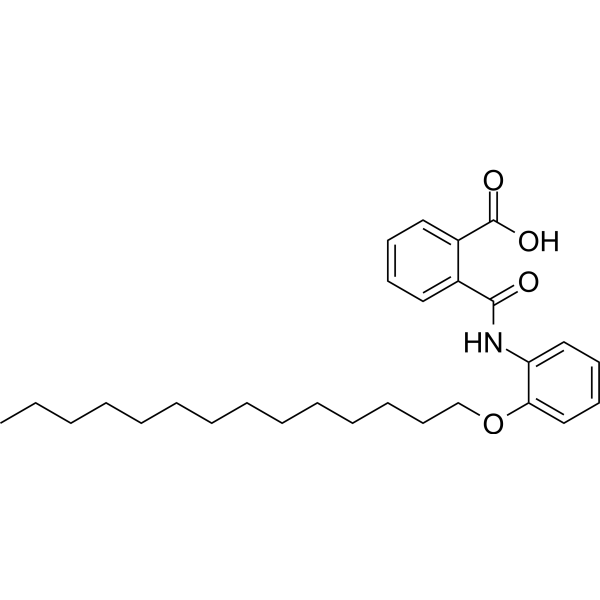
  • HY-23199

    Acyltransferase Metabolic Disease
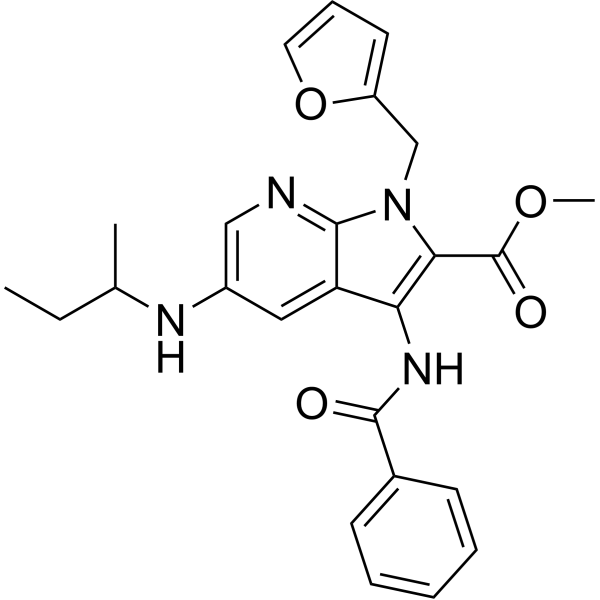
    H2-003 is a diacylglycerol acyltransferase DGAT2 inhibitor with an IC50 value of 7.4 μM against human targets. H2-003 reduces triacylglycerol biosynthesis and inhibits lipid droplet formation. H2-003 can be used in studies related to hepatic steatosis and insulin resistance .
    H2-003
  • HY-Y0399R

    Amyloid-β Reference Standards TNF Receptor Arginase Neurological Disease Metabolic Disease
    L-Norvaline (Standard) is the analytical standard of L-Norvaline (HY-Y0399). This product is intended for research and analytical applications. L-Norvaline is the inhibitor for arginase, that promotes the production of NO, reduces oxidative stress, improves insulin resistance, and exhibits antioxidant and anti-hyperglycemic effects. L-Norvaline can be used in research of Alzheimer’s disease .
    L-Norvaline (Standard)

Inquiry Online

Your information is safe with us. * Required Fields.

Salutation


Country or Region *

Applicant Name *


Organization Name *

Department *


Email Address *


Product Name *

Cat. No.


Requested quantity *

Phone Number *


Remarks

Inquiry Online

Inquiry Information

Product Name:
Cat. No.:
Quantity:
MCE Japan Authorized Agent: